



Sport end of year awards represent the pinnacle moment when athletic programs pause to recognize dedication, celebrate achievement, and honor the student-athletes who gave everything to their teams. Whether concluding a championship season or acknowledging growth through adversity, these ceremonies create lasting memories while communicating institutional values about what excellence means beyond wins and losses.
Athletic directors, coaches, and booster clubs planning end-of-year recognition face numerous decisions about award categories, ceremony format, recognition longevity, and budget allocation. Traditional approaches centered on trophies and plaques served programs well for decades, but modern options expand possibilities for comprehensive, equitable, and lasting recognition that extends far beyond single-evening banquets.
This guide provides practical frameworks for planning memorable sport end of year awards—covering creative award categories that recognize diverse contributions, ceremony formats that engage athletes and families, budget-conscious implementation strategies, and digital recognition solutions that preserve achievements permanently while eliminating physical space constraints.
Why End of Year Awards Matter for Athletic Programs
Before examining specific award categories and ceremony approaches, understanding the strategic value end-of-year recognition provides helps justify investment and secure stakeholder support.
Building Program Culture and Cohesion
Recognition ceremonies create shared experiences that strengthen team bonds while communicating program values to current and future athletes. Public acknowledgment of dedication, improvement, leadership, and sportsmanship—not just scoring statistics—demonstrates what coaches value and expect from team members.
Athletes who feel genuinely seen and appreciated develop stronger connections to programs, coaches, and teammates. This emotional investment translates into higher retention rates, improved team chemistry, and program cultures where upperclassmen mentor younger athletes because they value the community they’re part of. Recognition programs that honor diverse contributions rather than only star performers create inclusive environments where all team members find meaningful roles worth embracing.
Motivating Continued Athletic Participation
Many student-athletes face difficult decisions about whether to continue playing subsequent seasons, particularly those not starting or receiving extensive playing time. End-of-year recognition that celebrates improvement, dedication, character, and team contribution—not just varsity letters and scoring leaders—provides motivation for continued participation.
Programs implementing comprehensive recognition consistently report higher participation rates across all experience levels. Younger athletes see pathways to recognition through dedication and improvement, not just natural talent. Role players receive acknowledgment for contributions that enabled team success. Seniors receive meaningful capstone recognition marking athletic journeys, regardless of whether they became stars or remained committed contributors throughout their careers.
Strengthening Family and Community Engagement
Recognition ceremonies bring families together for celebration, creating positive associations with athletic programs while demonstrating institutional commitment to student-athlete development. Parents invest tremendous resources supporting athletic participation through time, travel, equipment, and emotional support. End-of-year ceremonies acknowledge these investments while giving families moments of pride and celebration.
Community members attending ceremonies—including youth program participants who view high school athletes as role models, alumni remembering their own athletic experiences, and local supporters following teams throughout seasons—strengthen connections between programs and broader communities. Well-executed recognition events become annual traditions families and communities anticipate, building program visibility and support that extend far beyond immediate team members.
Creating Permanent Achievement Records
Unlike regular season competitions that fade from memory, formal recognition creates documentation preserving accomplishments long-term. Athletes can reflect on achievements years later, sharing recognition with their own children or reconnecting with programs as alumni. Digital recognition platforms particularly excel at preserving comprehensive achievement records accessible decades after athletes graduate, maintaining connections between alumni and programs while inspiring current athletes through historical context.
Resources on comprehensive athletic achievement displays demonstrate how modern technology extends recognition reach beyond single ceremonies.
20 Creative Sport End of Year Award Categories
Comprehensive recognition programs extend beyond obvious categories like Most Valuable Player to acknowledge diverse contributions making teams successful. The following award categories create opportunities for recognizing athletes across all skill levels, roles, and contributions.
Performance-Based Achievement Awards
1. Most Valuable Player (MVP): Traditional recognition for athletes making the greatest overall contributions to team success through performance, leadership, and consistency. Clear criteria help prevent controversy—combining statistics, coach assessment, and sometimes peer voting creates comprehensive evaluation.
2. Offensive Player of the Year: Honors athletes excelling in scoring, playmaking, or offensive execution. Sport-specific variations might include leading scorer, top point producer, or offensive efficiency leader. Statistics provide objective foundations for these awards while coach discretion accounts for situational context.
3. Defensive Player of the Year: Recognizes excellence in defensive execution, positioning, communication, and commitment to team defense. While defensive contributions often receive less attention than scoring, these awards demonstrate program commitment to complete team play while motivating athletes to embrace defensive responsibilities enthusiastically.
4. Rookie of the Year: Celebrates first-year athletes making immediate impact through performance, coachability, or attitude. This recognition motivates younger athletes while setting standards for incoming team members in subsequent seasons.
5. Breakout Player Award: Honors athletes showing dramatic improvement over previous seasons, acknowledging dedication to skill development and preparation. This category recognizes that growth itself merits celebration, providing motivation for athletes not yet reaching elite performance levels to continue improving.
Leadership and Character Recognition
6. Captain’s Award: Recognizes athletes demonstrating exceptional leadership through communication, example-setting, team-first attitudes, and peer influence. Many programs select captains through peer voting, coach appointment, or hybrid approaches, making formal recognition of this role particularly meaningful.
7. Coaches’ Award: Provides coaches flexibility to recognize athletes embodying program values, demonstrating exemplary work ethic, or making contributions not captured by other categories. This versatile award acknowledges intangibles like practice intensity, mentorship, or attitude that significantly impact team culture but may not appear in statistics.
8. Most Improved Player: Celebrates dramatic skill development, highlighting dedication to training, coachability, and perseverance. This award motivates athletes at all levels by demonstrating that commitment to improvement receives recognition equal to raw ability.
9. Unsung Hero Award: Honors athletes making essential contributions without receiving public attention—practice squad players who prepare teams for competition, role players accepting limited minutes without complaint, or athletes handling thankless responsibilities that enable team success.
10. Sportsmanship Award: Recognizes athletes exemplifying respect for opponents, officials, teammates, and competition itself. This category communicates that character matters as much as performance while celebrating athletes who represent programs with honor regardless of competition outcomes.
Dedication and Commitment Awards
11. Iron Person Award: Honors athletes demonstrating exceptional durability, toughness, and availability throughout seasons—those who never miss practice, compete through discomfort, and provide reliable presence teammates depend upon. Quantifiable criteria like attendance percentages and consecutive appearances help determine recipients objectively.
12. Team Player Award: Recognizes athletes consistently prioritizing team success over personal achievement, accepting role changes gracefully, celebrating teammate success enthusiastically, and contributing positively regardless of personal circumstances. Team-first attitude recognition demonstrates program values while motivating selfless behavior.
13. Hardest Worker Award: Celebrates athletes maximizing ability through relentless preparation, training intensity, and competitive spirit. This recognition particularly motivates athletes who may not possess elite natural talent but achieve remarkable results through dedication and work ethic.
14. Perfect Attendance Award: Acknowledges athletes never missing practice or competition throughout seasons. While seemingly simple, consistent presence demonstrates commitment and reliability that significantly impact team culture and performance.
Academic and Character Integration
15. Scholar-Athlete Award: Honors athletes balancing athletic commitment with academic excellence, typically requiring minimum GPA thresholds like 3.5 or above. This recognition demonstrates institutional commitment to complete student-athlete development while celebrating individuals who excel in classrooms and competitions equally.
16. Community Service Leader: Recognizes athletes contributing significantly to community through volunteer work, mentorship, or service projects. Many programs track service hours, making this category quantifiable while encouraging athletes to develop civic responsibility alongside athletic skill.
Specialized and Creative Categories
17. Most Inspirational Player: Honors athletes who motivate teammates through words, example, or perseverance through adversity. This flexible category accommodates athletes overcoming injuries, personal challenges, or obstacles while maintaining positive influence on teams and programs.
18. Comeback Player of the Year: Celebrates athletes returning from injury, illness, or performance struggles to achieve success. This recognition acknowledges resilience while providing motivation for others facing similar challenges.
19. Best Teammate Award: Determined by peer voting, this honor recognizes athletes most valued by teammates for support, encouragement, loyalty, and friendship. Peer-selected awards carry unique significance because they reflect how athletes treat each other away from coaches’ direct observation.
20. Program Pride Award: Honors athletes exemplifying program values, representing teams with class, and building program reputation through conduct and performance. This capstone recognition acknowledges complete embodiment of what programs aspire to develop in student-athletes.
Comprehensive programs implementing diverse recognition categories ensure various athletes see pathways to acknowledgment regardless of playing time or statistical production.
Planning Memorable Awards Ceremonies
Award category selection matters little if ceremonies feel rushed, disorganized, or fail to honor recipients appropriately. Thoughtful ceremony planning creates memorable experiences that athletes and families cherish long-term.
Ceremony Format Options
Athletic programs use various formats matching institutional cultures, budget constraints, and athlete preferences:
Traditional Banquet Format: Formal seated dinners with catered meals, organized programs, and extended recognition time create traditional ceremony experiences. These events work particularly well for smaller teams where extended programs allow thorough recognition of each athlete. Budget requirements range from $15-$50 per person depending on meal selection, venue, and decorations.
Casual Reception Format: Lighter fare like appetizers, desserts, or snacks combined with social time creates relaxed atmospheres where families mingle while recognition occurs intermittently. This approach reduces costs while creating comfortable environments for athletes who dislike formal settings. Many programs successfully implement receptions for $5-$15 per person.
Sport-Specific Gatherings: Individual team celebrations enable sport-specific recognition while accommodating athletes participating in multiple sports who cannot attend combined ceremonies scheduled during overlapping seasons. Smaller gatherings create intimate environments where coaches provide personalized recognition for each athlete while families connect more deeply with programs and coaches.
Combined Multi-Sport Events: Large gatherings celebrating all athletic programs simultaneously create community-wide celebration while demonstrating institutional commitment to comprehensive athletics. These events require substantial planning and coordination but generate excitement while emphasizing program unity across sports.
Virtual or Hybrid Ceremonies: Digital elements enable family members unable to attend physically—including deployed military parents, distant relatives, or those with scheduling conflicts—to participate remotely. Recording ceremonies for later viewing ensures extended families can celebrate achievements regardless of attendance.
Essential Ceremony Components
Regardless of format, effective recognition ceremonies include:
Opening Remarks: Brief welcome acknowledging families, athletes, and supporters while establishing ceremony purpose and tone. Athletic directors or principals delivering opening remarks demonstrates institutional commitment to recognizing athletic achievement.
Season Recap: Highlight videos, statistical summaries, or verbal recaps remind attendees of season journeys—memorable victories, challenges overcome, team growth, and significant moments beyond won-loss records. Visual presentations particularly engage audiences while celebrating collective experiences.
Individual Recognition: Public acknowledgment of each athlete, even those not receiving specific awards, demonstrates that every team member matters. Many programs present participation certificates, varsity letters, or brief personalized remarks about each athlete’s contributions.
Award Presentations: Dedicated time for announcing and presenting awards with explanations of why recipients earned recognition creates meaningful moments. Coaches providing specific examples of recognized behaviors or achievements personalizes recognition while communicating exactly what programs value.
Senior Tributes: Extended recognition for graduating athletes acknowledging complete athletic careers creates emotional capstone moments. Many programs invite parents to participate in senior recognition, creating poignant family moments while thanking families for supporting athletes throughout their journeys.
Closing Remarks: Concluding statements about upcoming seasons, program vision, or institutional pride provide forward-looking perspectives while thanking attendees and supporting community members for contributing to program success.
Creating Engaging Presentations
Compelling presentations maintain audience attention while honoring athletes appropriately:
Multimedia Integration: Highlight videos, photo slideshows, music selections, and visual elements create dynamic presentations engaging modern audiences accustomed to multimedia experiences. Many coaches compile season footage into 5-10 minute highlight reels celebrating team accomplishments while evoking emotional responses that pure statistics cannot achieve.
Personal Storytelling: Specific anecdotes about individual athletes, memorable practices, or behind-the-scenes moments humanize recognition while helping audiences understand what makes athletes and seasons special. Coaches often know remarkable stories about dedication, perseverance, or character that families and teammates never witnessed—sharing these narratives deepens recognition significance.
Student Voice: Allowing senior athletes to address teams, share reflections, or express gratitude provides peer perspectives while developing public speaking skills and creating memorable ceremony moments. Many athletes remember teammate speeches more vividly than awards themselves because peer recognition carries unique emotional weight.
Humor and Warmth: Appropriate humor, inside jokes only teams understand, or lighthearted acknowledgments of personality quirks create enjoyable atmospheres while demonstrating close coach-athlete relationships. Balance remains important—celebrations should feel joyful without undercutting sincere recognition moments.
Budget-Conscious Implementation Strategies
End-of-year recognition shouldn’t require massive budgets to prove meaningful. Strategic approaches enable comprehensive recognition across all resource levels.
Low-Cost Physical Award Options
Certificates: Professionally designed certificates provide formal recognition for minimal cost—often $0.50-$2.00 per award when printed in-house or through local print shops. Quality cardstock, program logos, and personalized details create awards that athletes frame and display despite modest cost.
Medals: Generic sports medals purchased in bulk cost $2-$5 each while providing tangible recognition athletes can keep long-term. Many suppliers offer customization through engraving or printed inserts specifying award categories and recipient names.
Plaques: Basic plaques range from $10-$30 depending on size and customization. While more expensive than certificates or medals, plaques provide traditional recognition that families often display prominently in homes.
Custom T-Shirts or Apparel: Screen-printed shirts commemorating seasons or recognizing award recipients cost $8-$15 per unit for small print runs. Athletes wear these items with pride while providing visible program marketing as recipients wear shirts around schools and communities.
Maximizing Existing Resources
Volunteer Support: Booster clubs, parent volunteers, and community supporters often contribute time, skills, or resources reducing ceremony costs. Volunteers might prepare meals, decorate venues, compile highlight videos, design programs, or manage logistics—converting budget constraints into community engagement opportunities.
Donated Venues: Local restaurants, community centers, schools, or civic organizations sometimes donate or discount space for athletic recognition events, particularly when programs acknowledge venue support during ceremonies or through promotional recognition.
Sponsorship Opportunities: Local businesses often sponsor awards, meals, or ceremony components in exchange for recognition acknowledging support. Many communities include companies eager to associate with positive youth programs through modest sponsorships covering specific ceremony costs.
Digital Alternatives: Online recognition through websites, social media, or digital displays eliminates physical award costs while often reaching wider audiences than single-evening ceremonies. Digital recognition platforms provide permanent, accessible recognition that physical awards sometimes lack.
Phased Implementation Approaches
Programs unable to implement comprehensive recognition immediately can build capacity progressively:
Year One—Core Awards: Focus on essential categories like MVP, coaches’ awards, and senior recognition while establishing ceremony traditions and logistical foundations. Modest beginnings prove manageable while creating frameworks for expansion.
Year Two—Expanded Categories: Add 3-5 additional award categories recognizing diverse contributions like most improved, sportsmanship, and team player awards. Expanded recognition demonstrates program growth while ensuring more athletes receive acknowledgment.
Year Three—Enhanced Production: Integrate multimedia presentations, improve ceremony venues, or increase family engagement components elevating ceremony quality and community perception.
Year Four—Digital Integration: Implement permanent digital recognition preserving achievements beyond single ceremonies while expanding recognition accessibility to extended families, alumni, and future team members.
Progressive implementation enables programs to establish sustainable recognition that improves annually rather than attempting comprehensive programs immediately and risking burnout or budget exhaustion.
Digital Recognition That Lasts Beyond Single Ceremonies
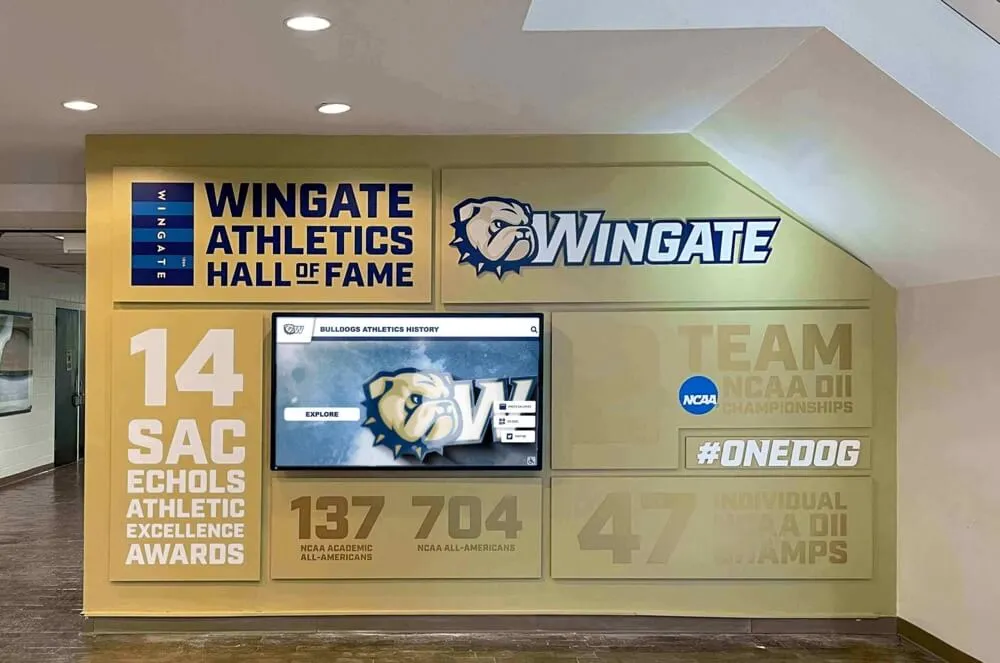
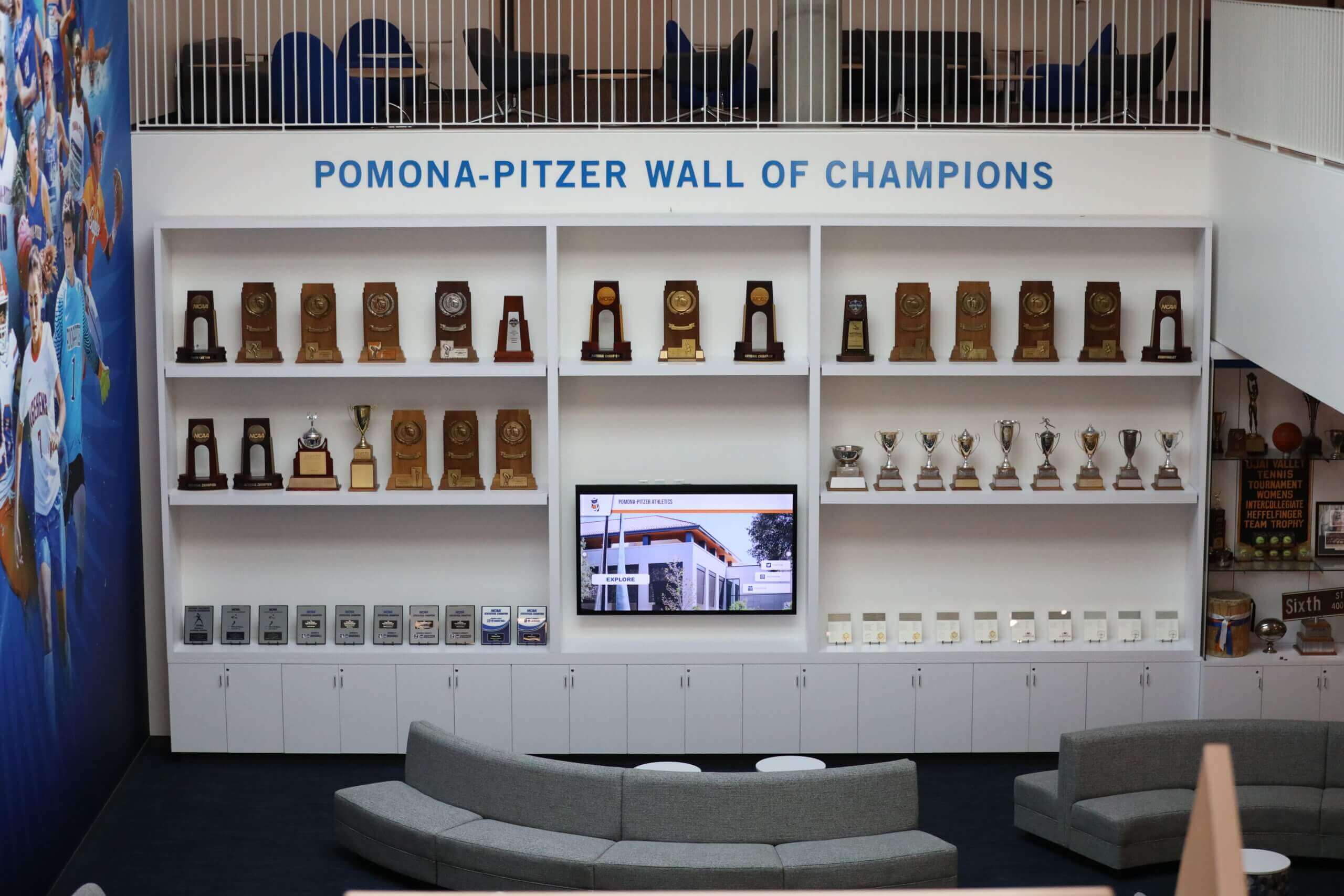
Traditional end-of-year awards create memorable evenings but often result in trophies stored in closets and certificates filed in boxes. Digital recognition extends achievement visibility indefinitely while accommodating unlimited recognition without physical space constraints.
Interactive Touchscreen Displays
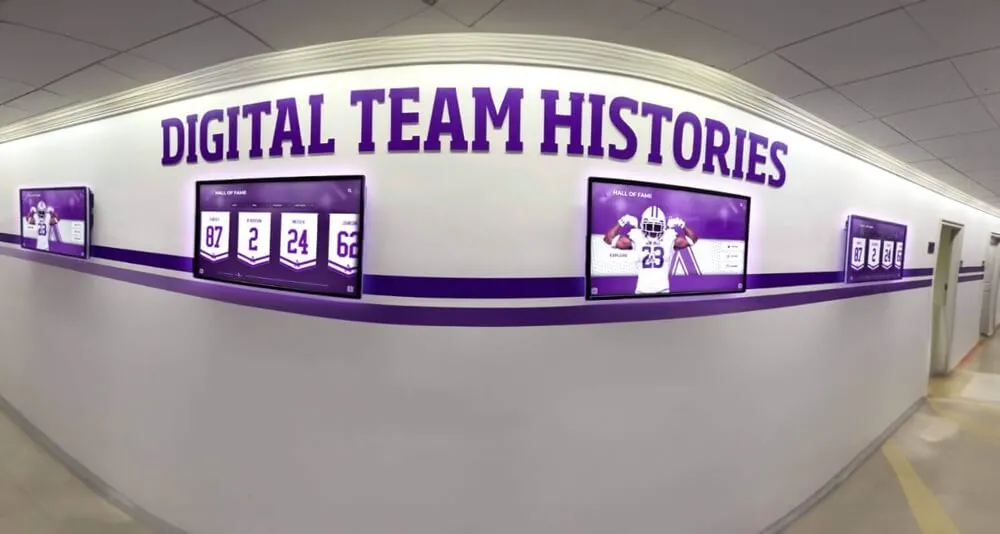
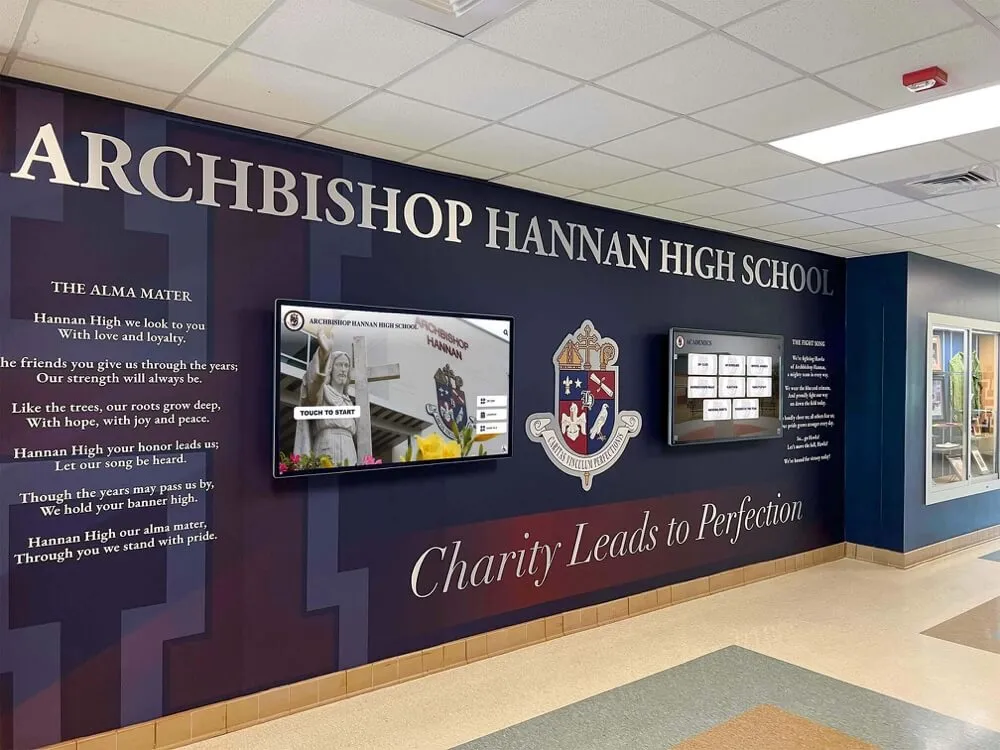
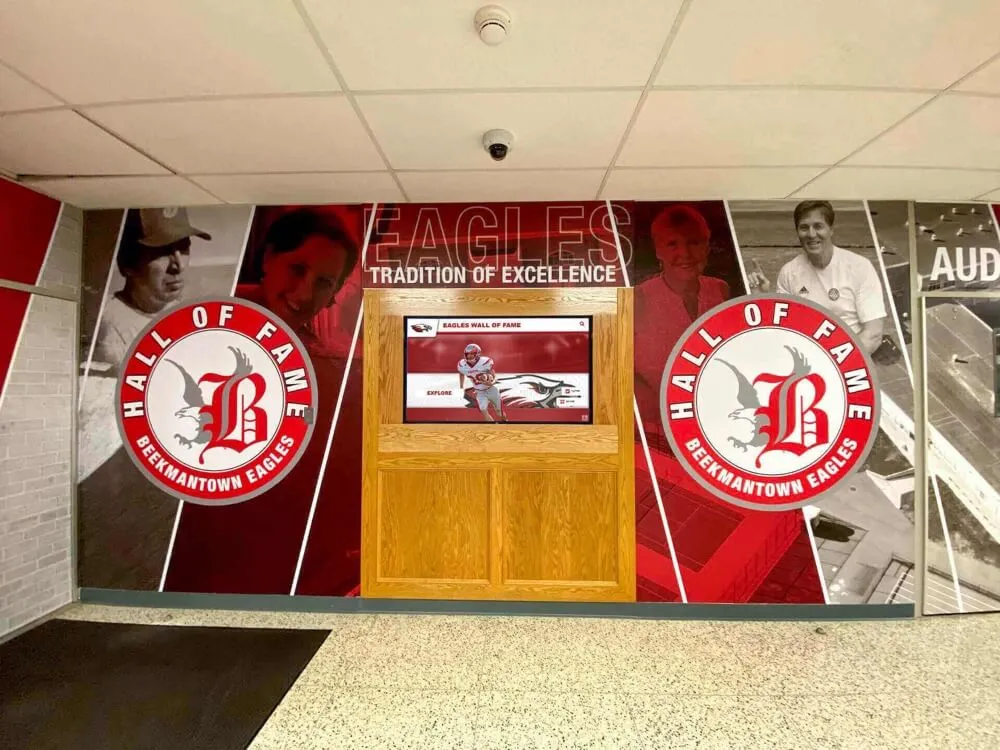
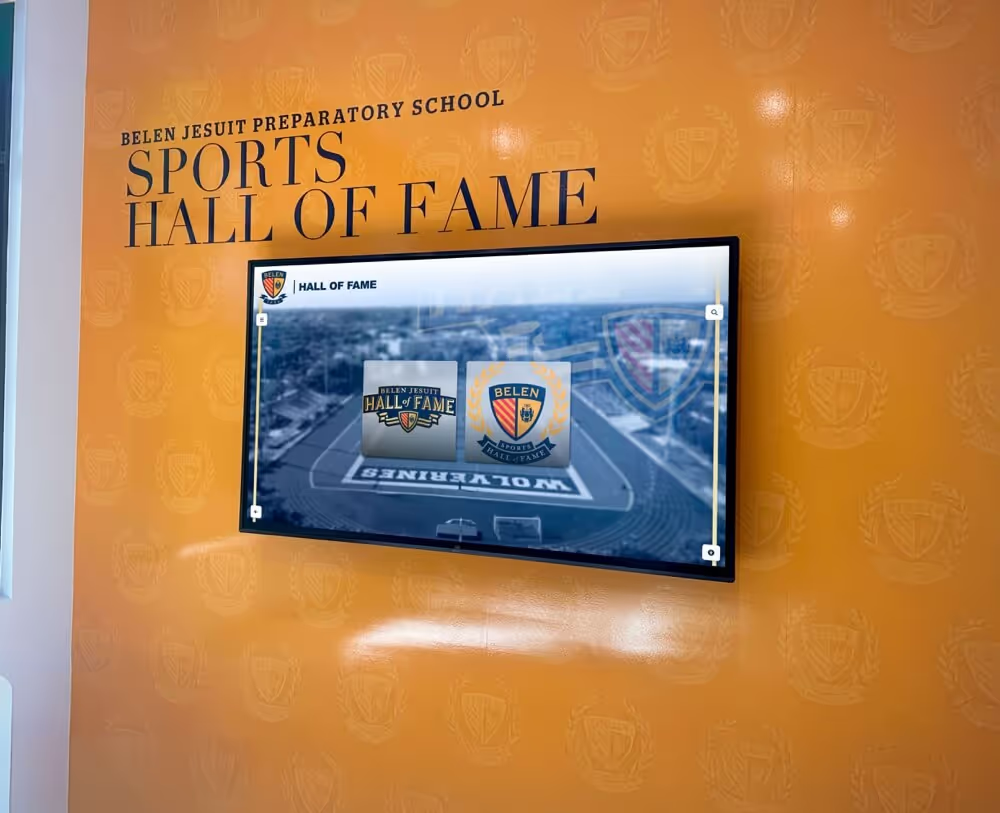
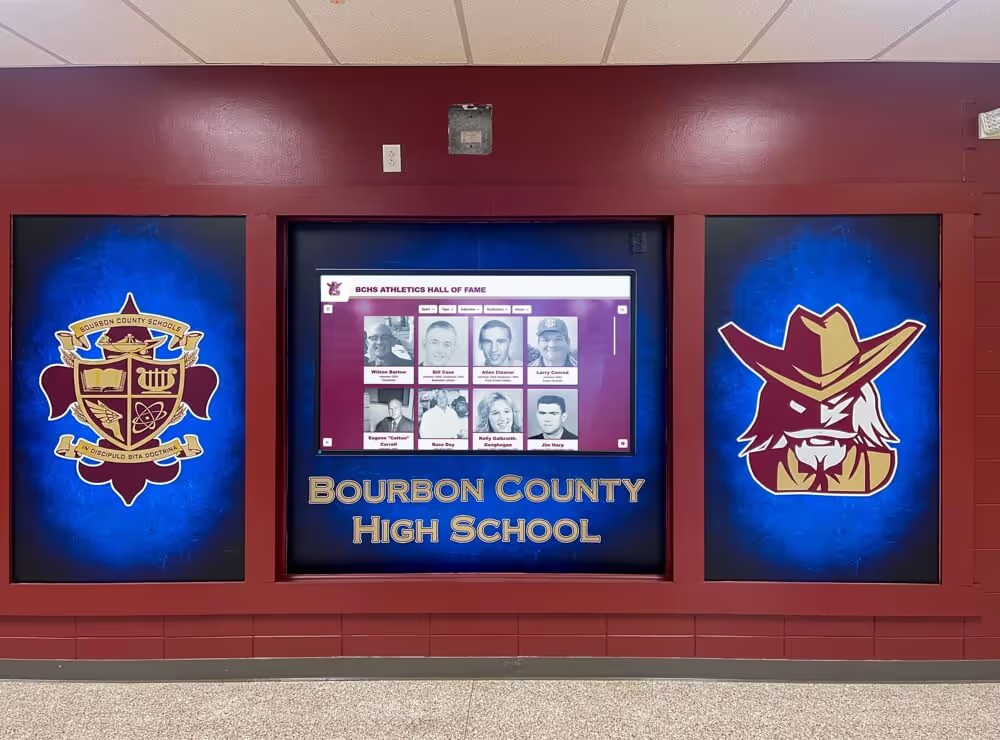
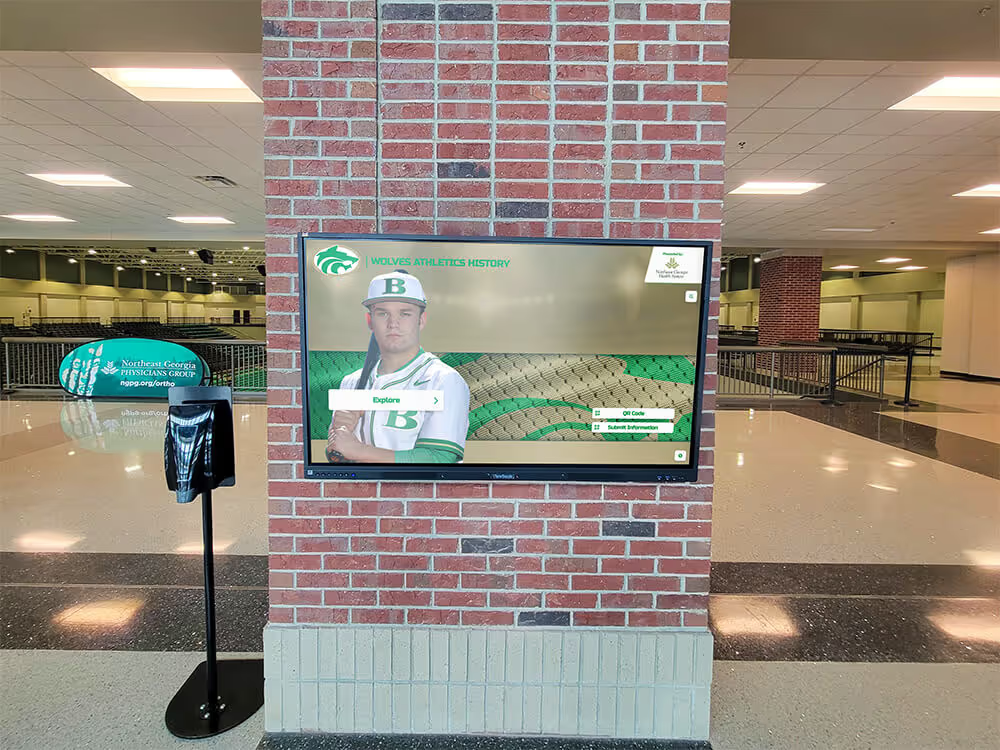
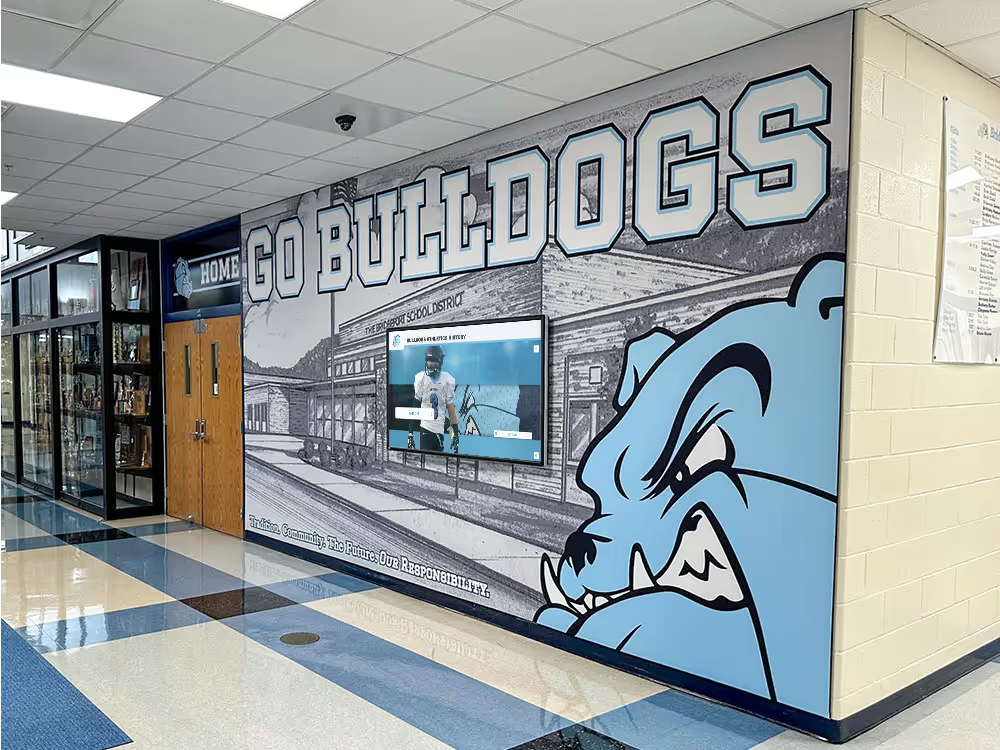
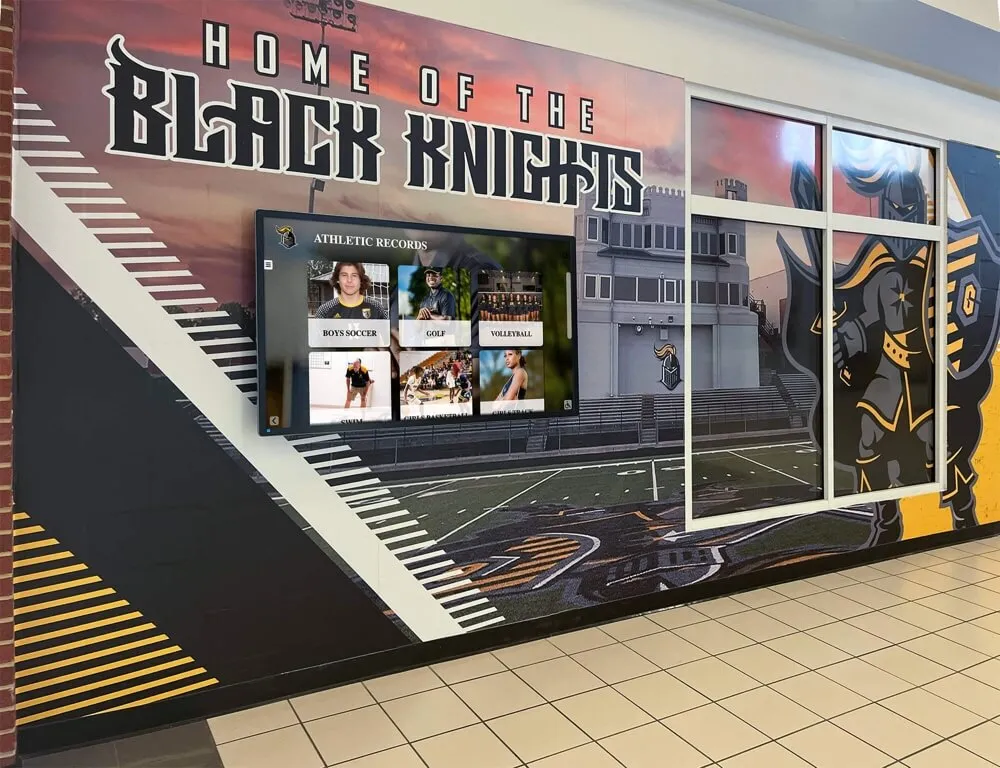
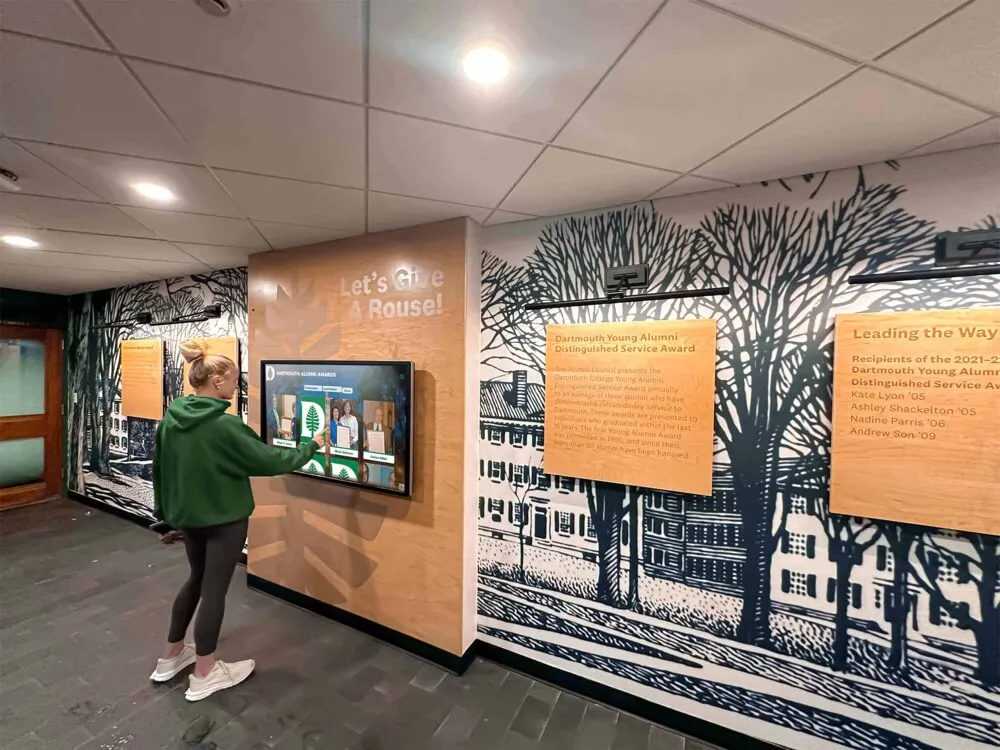
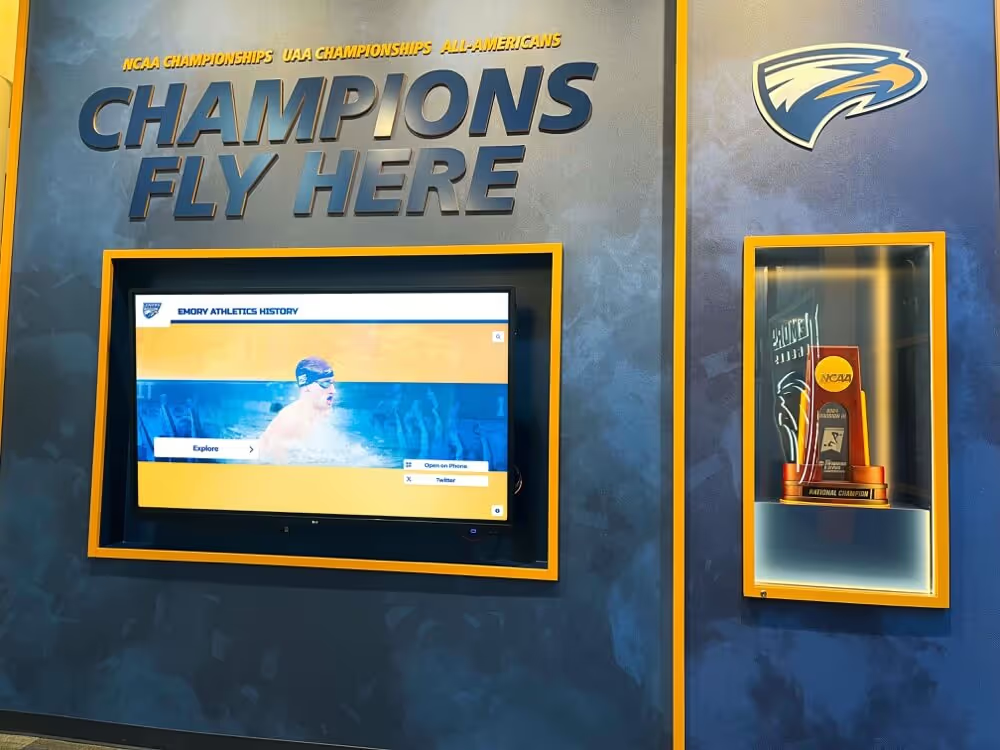
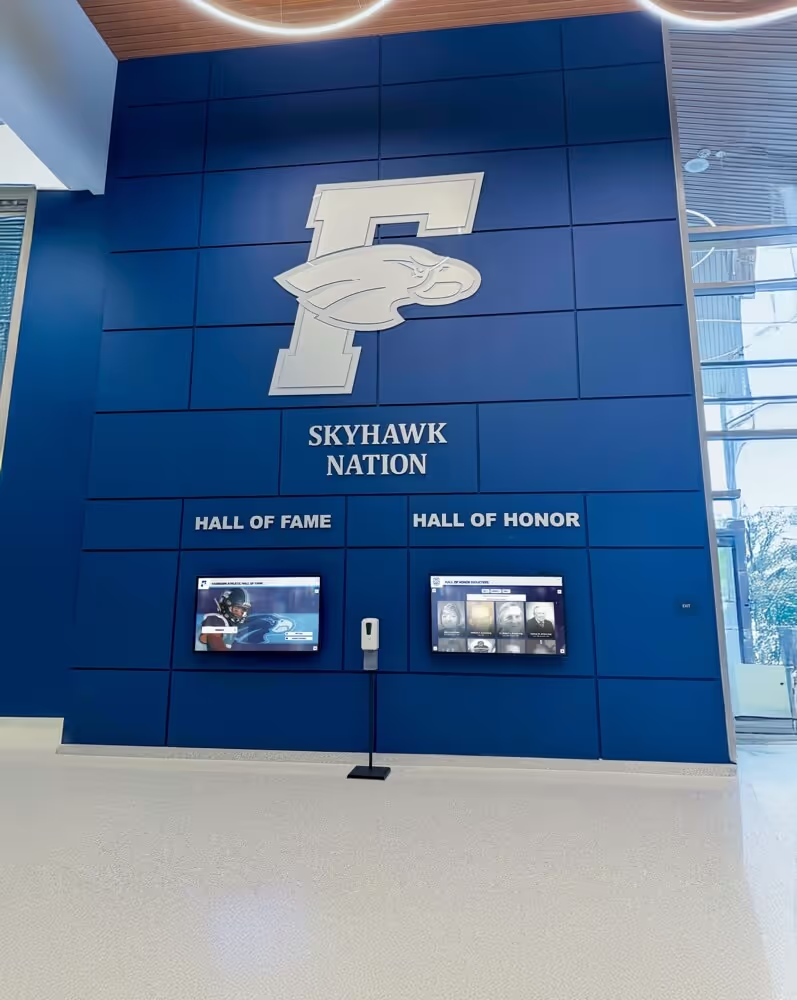
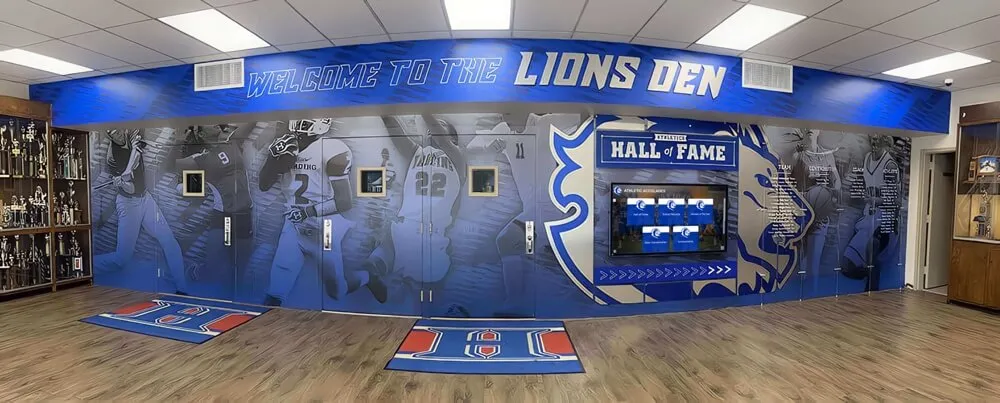
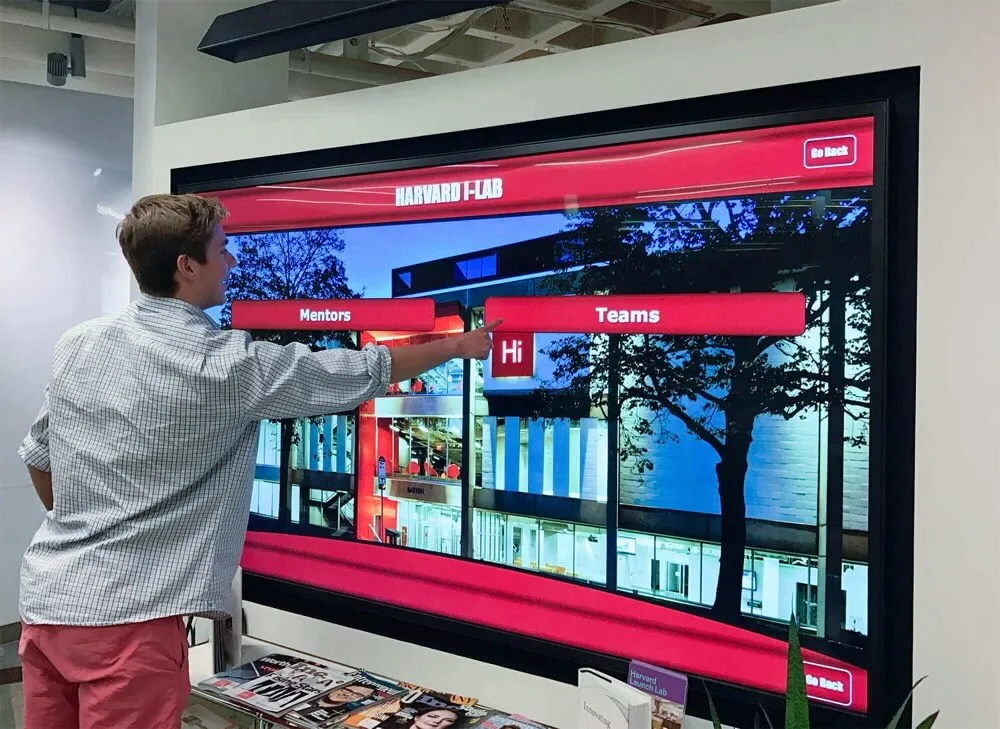
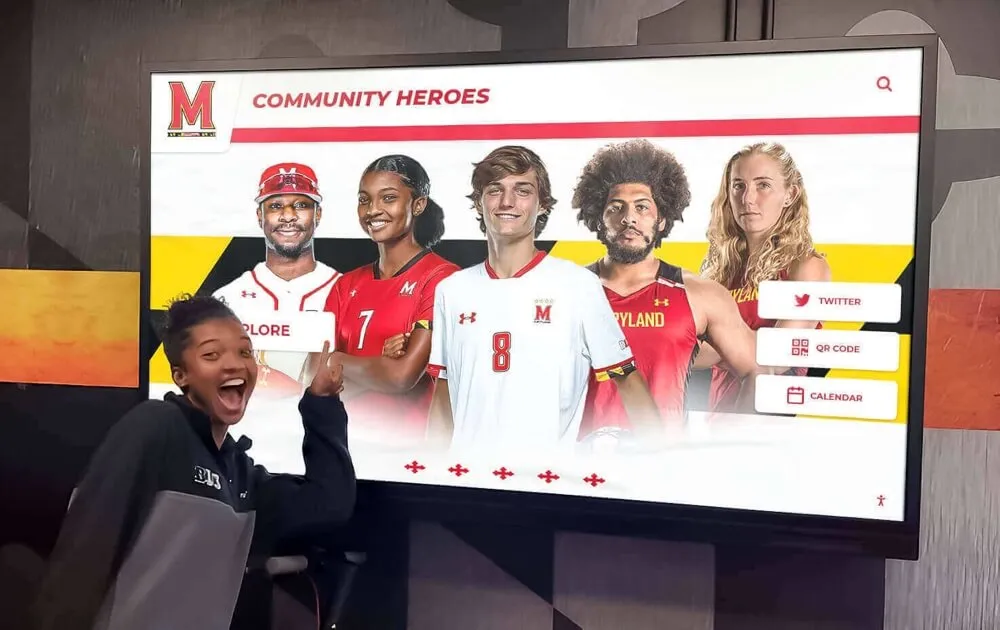
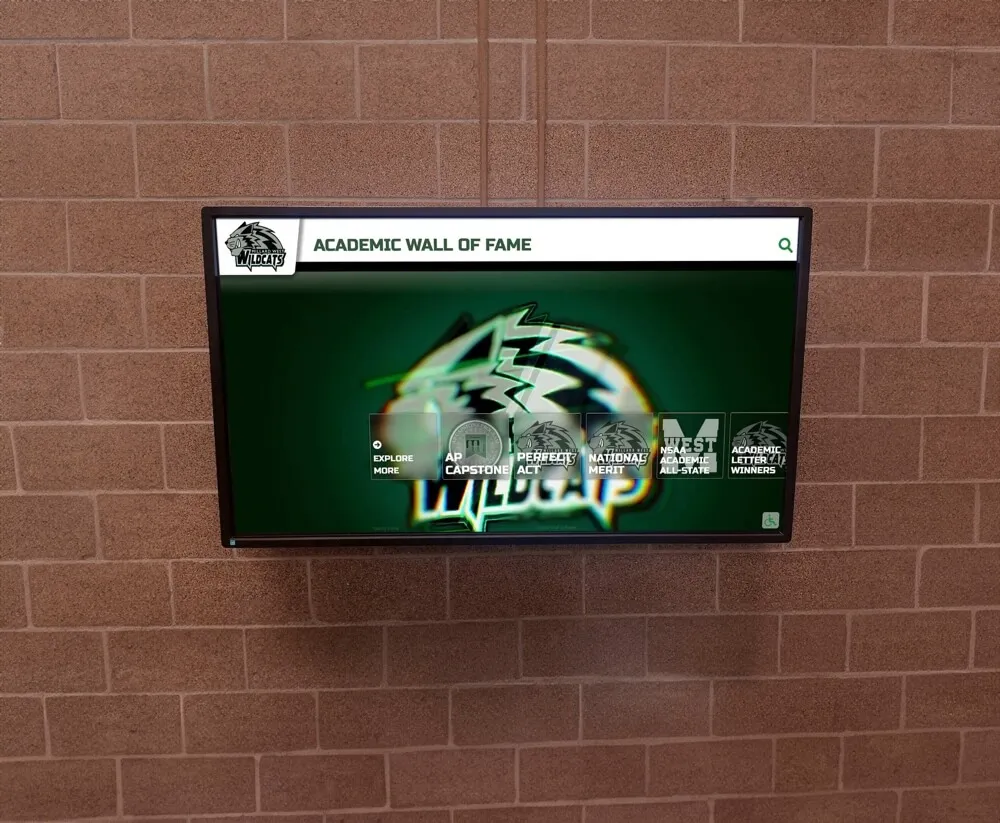
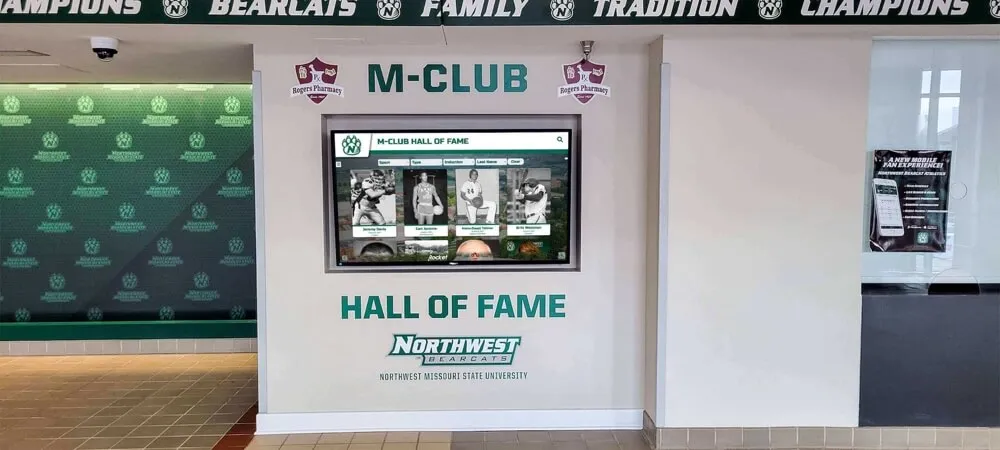
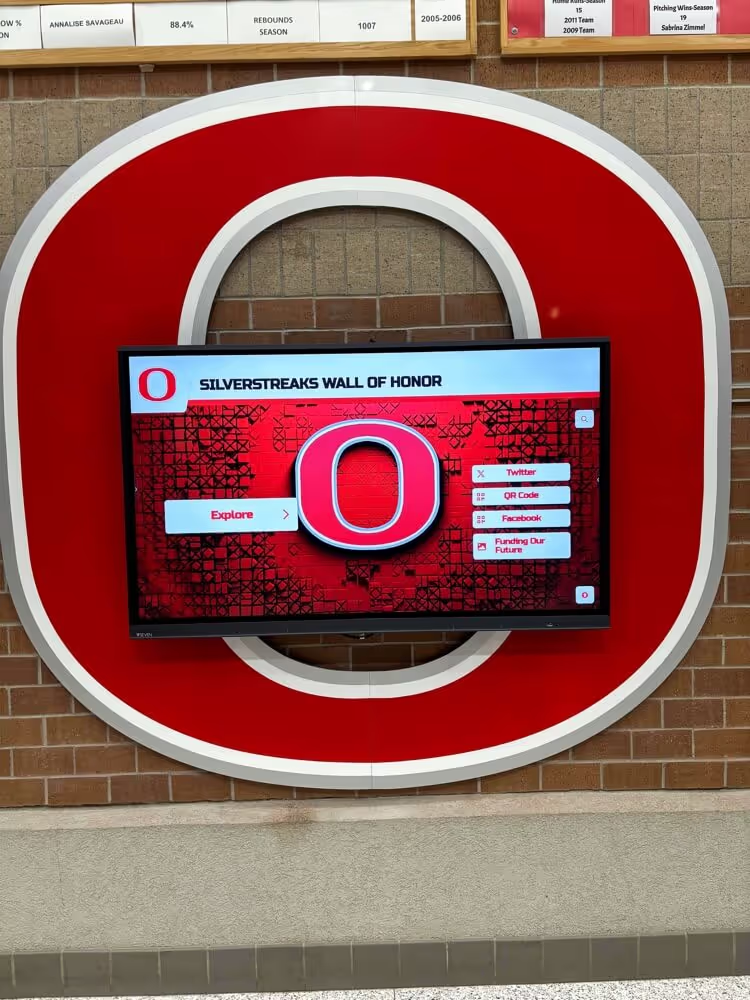
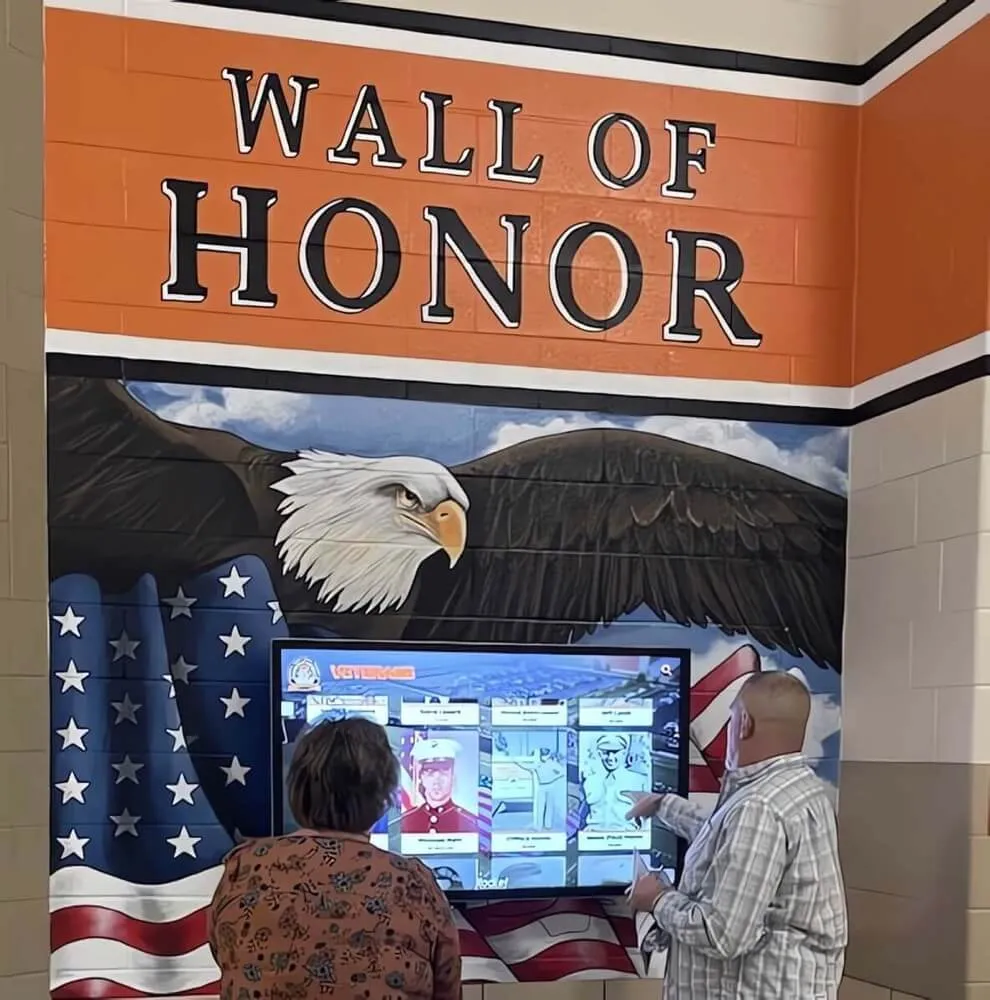
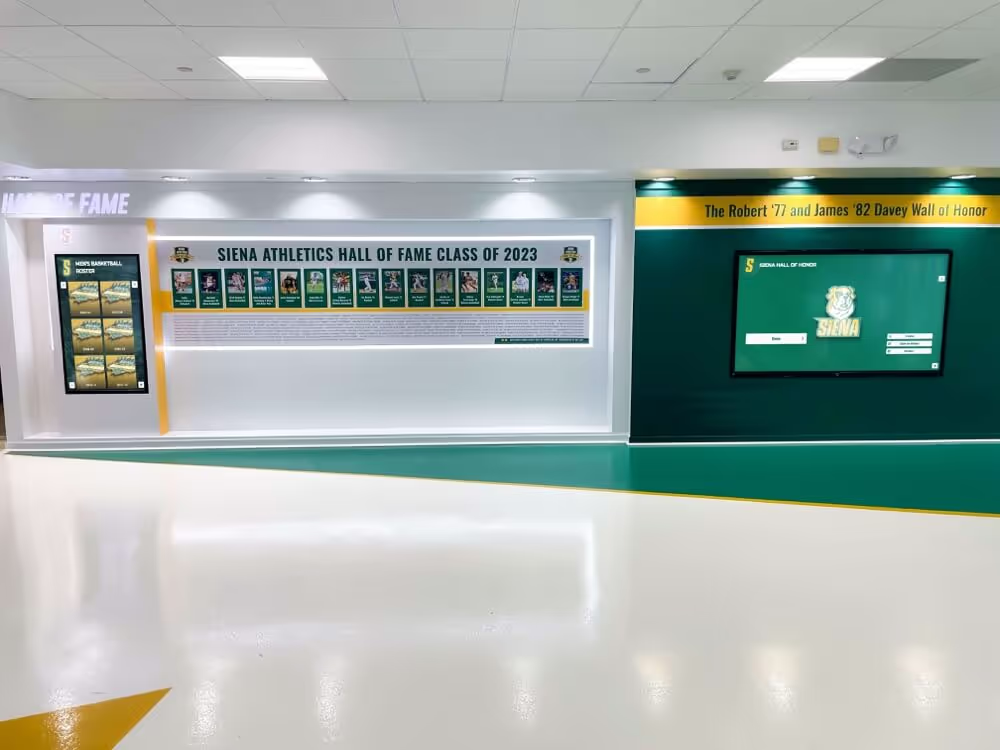
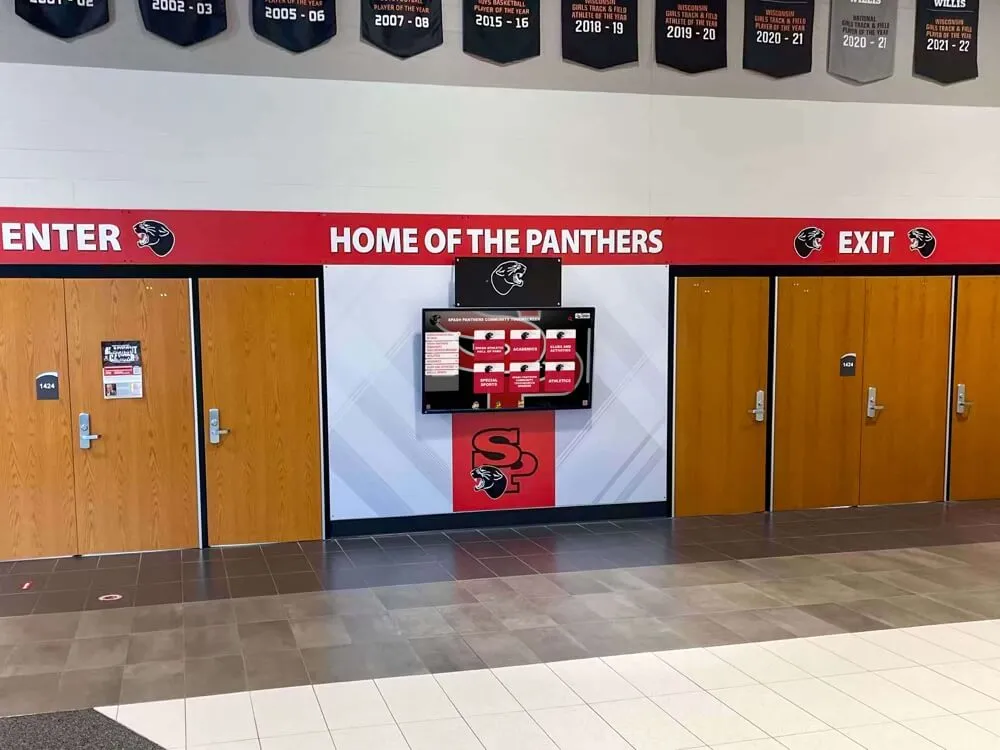
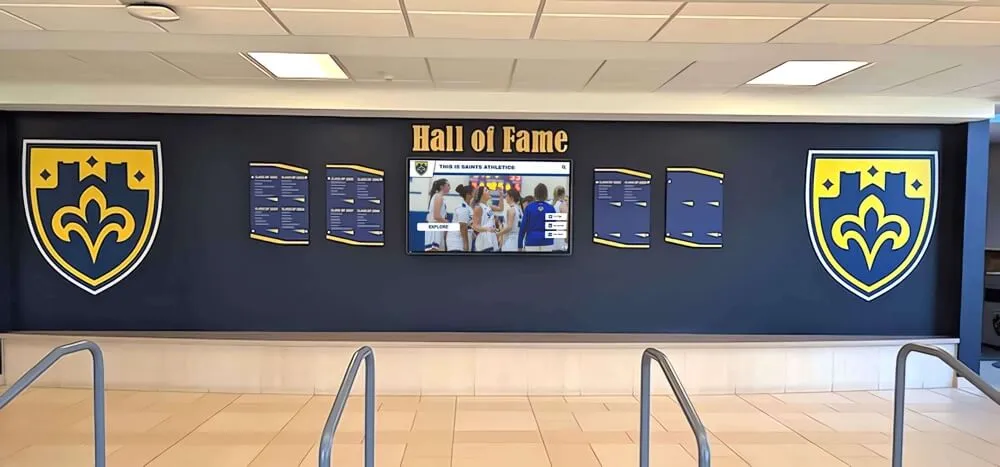
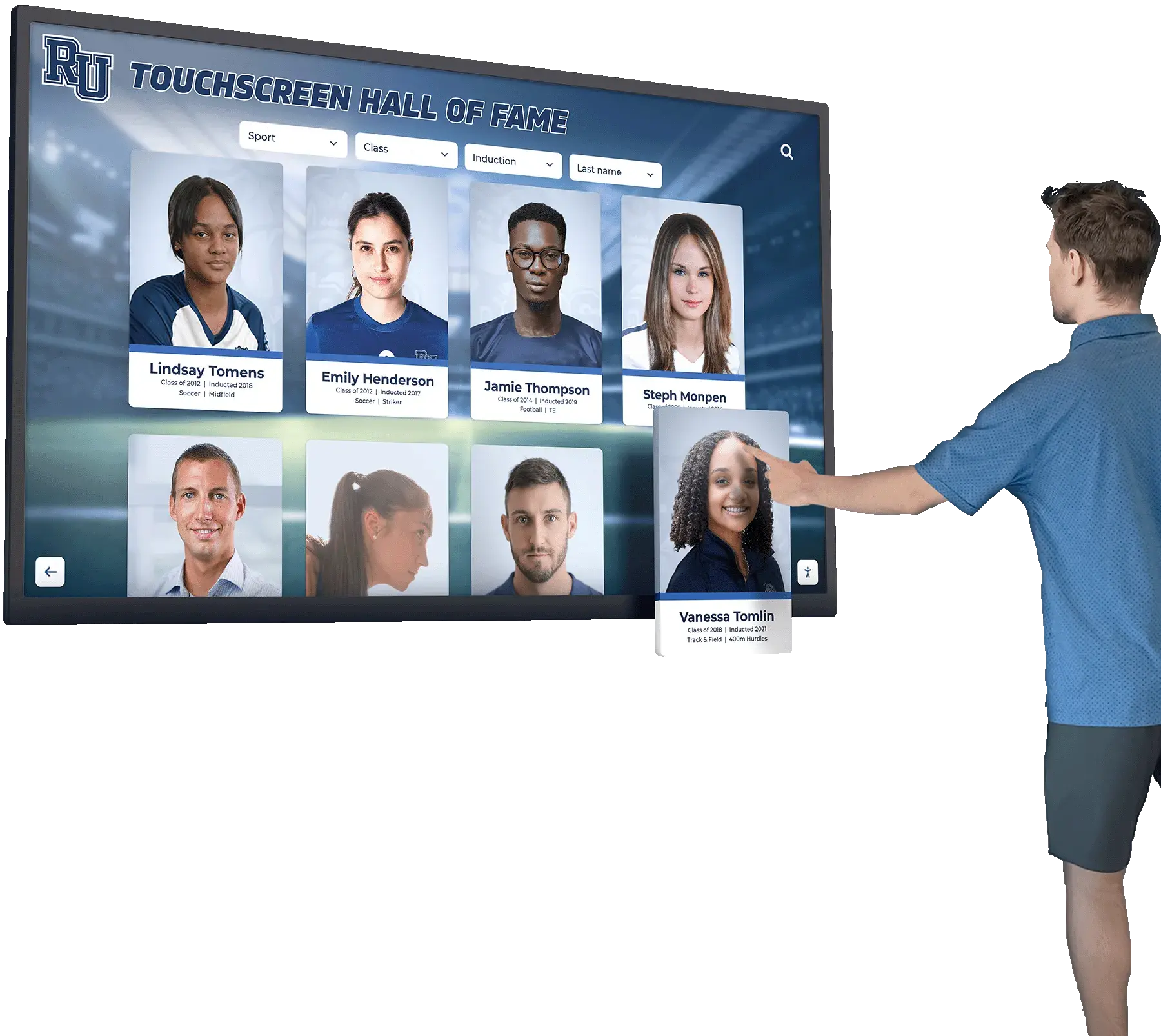
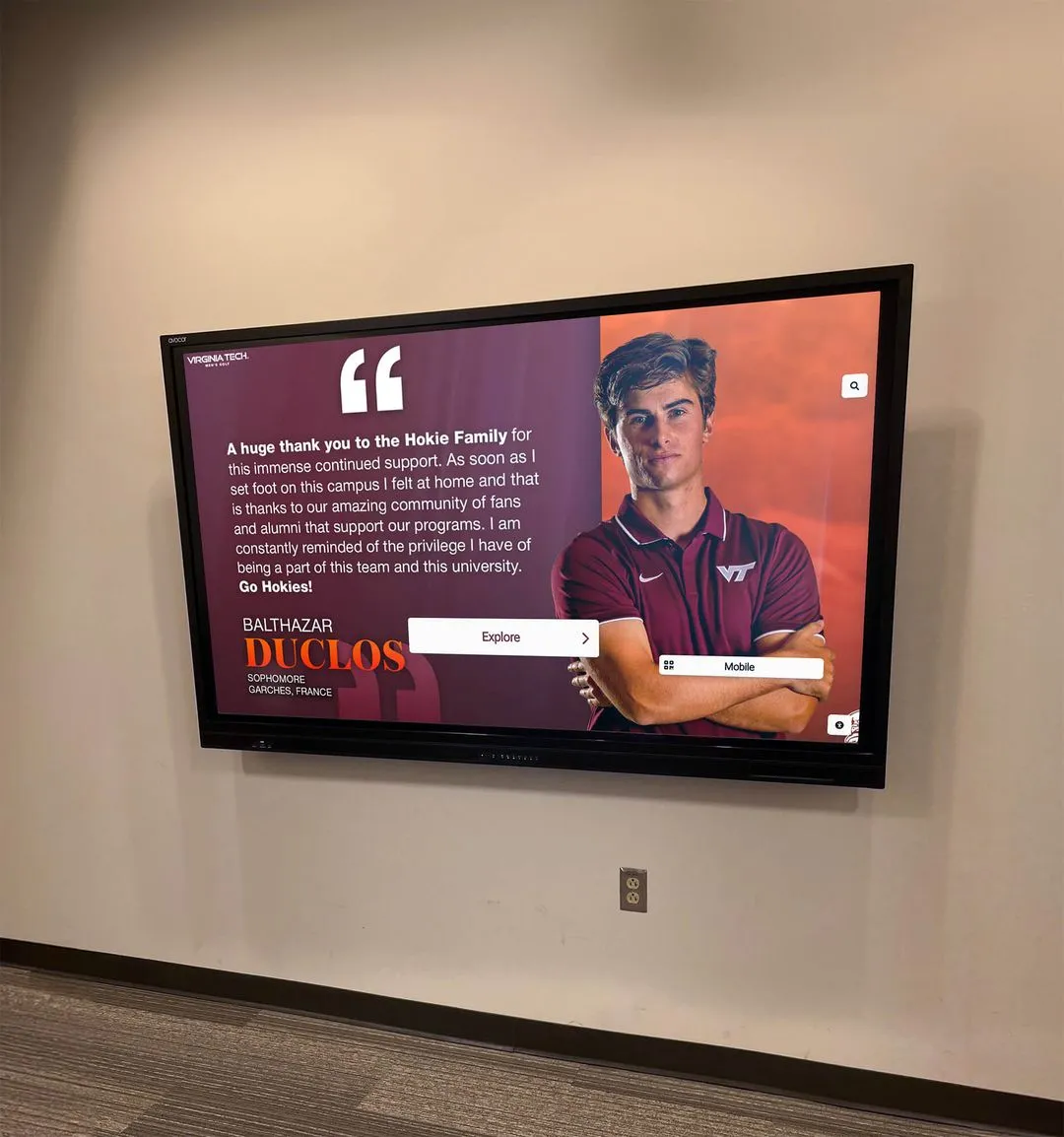
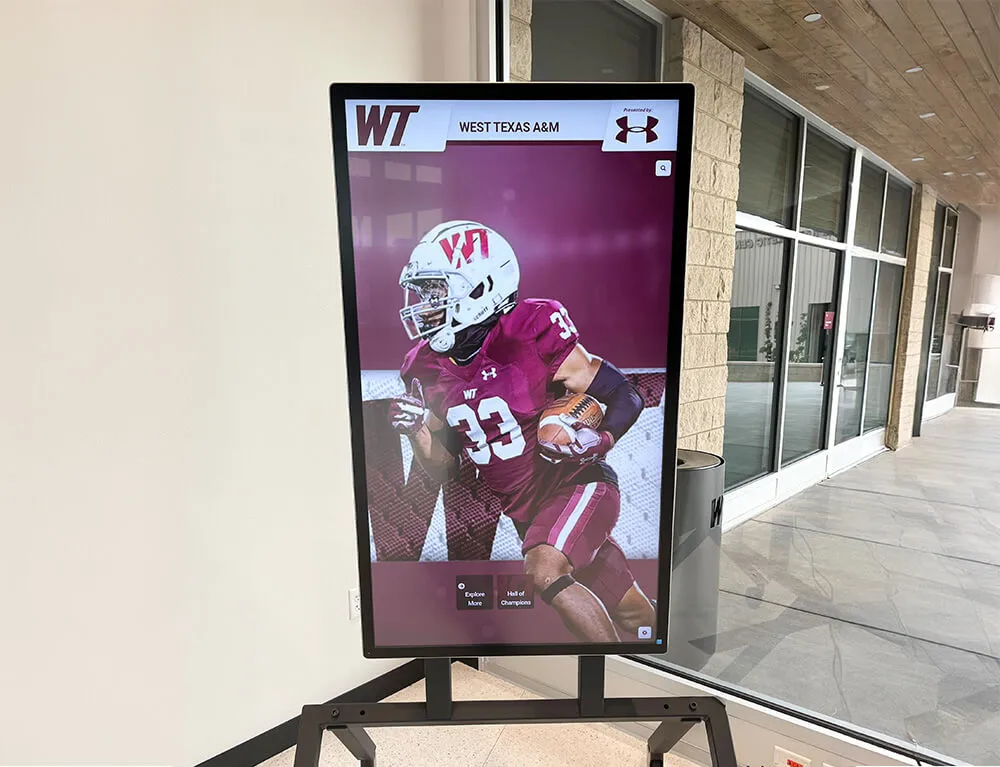
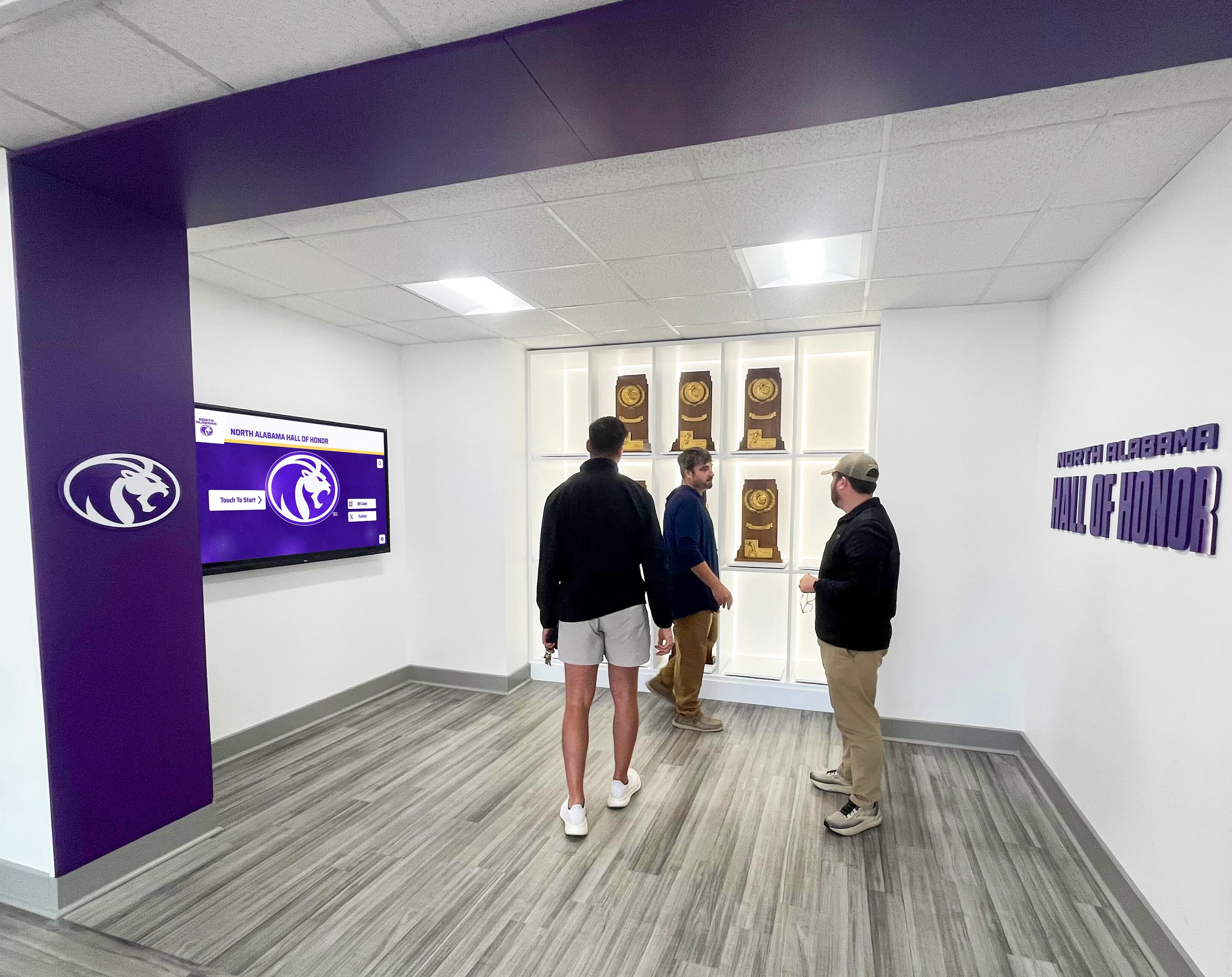
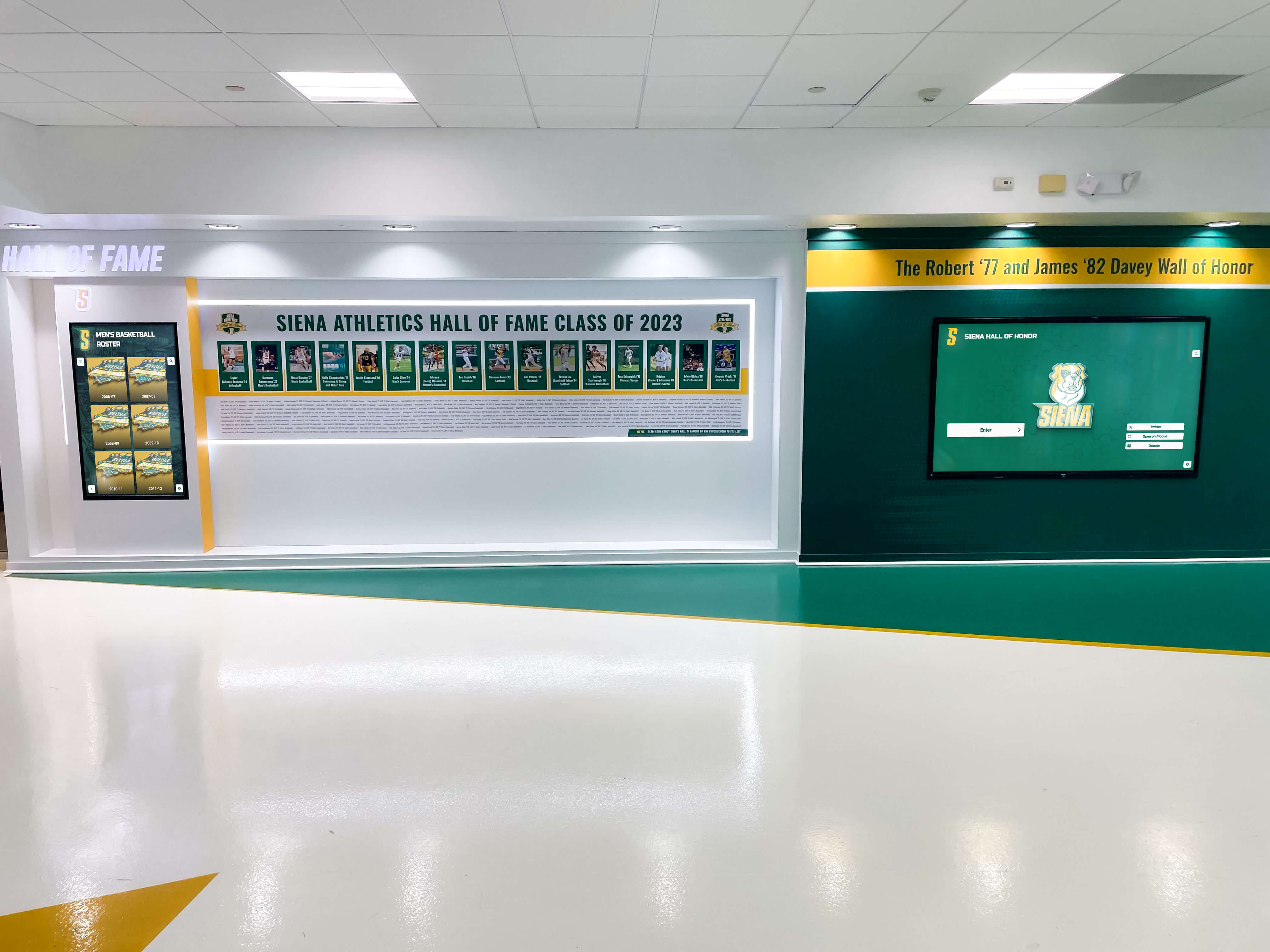
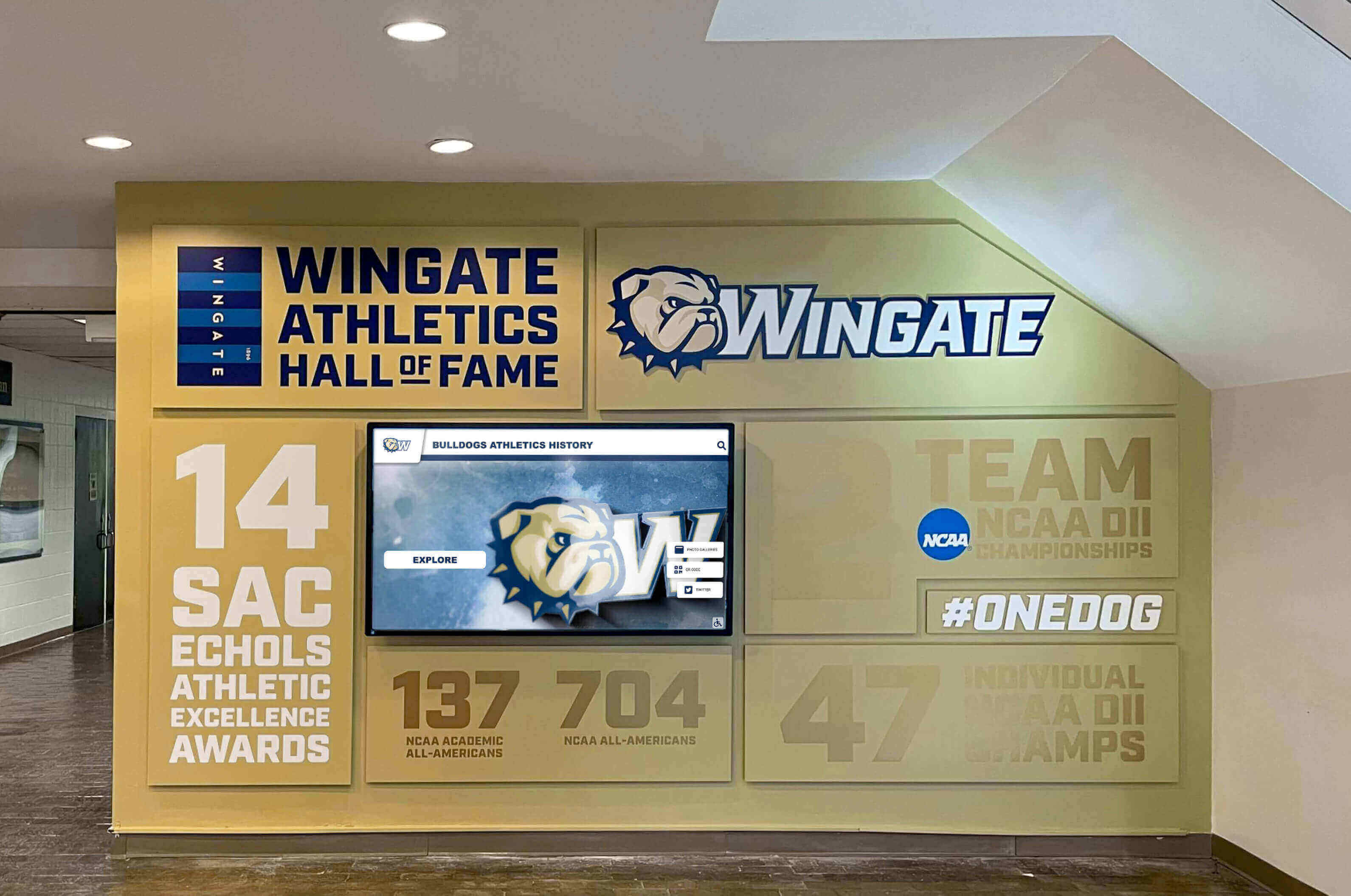
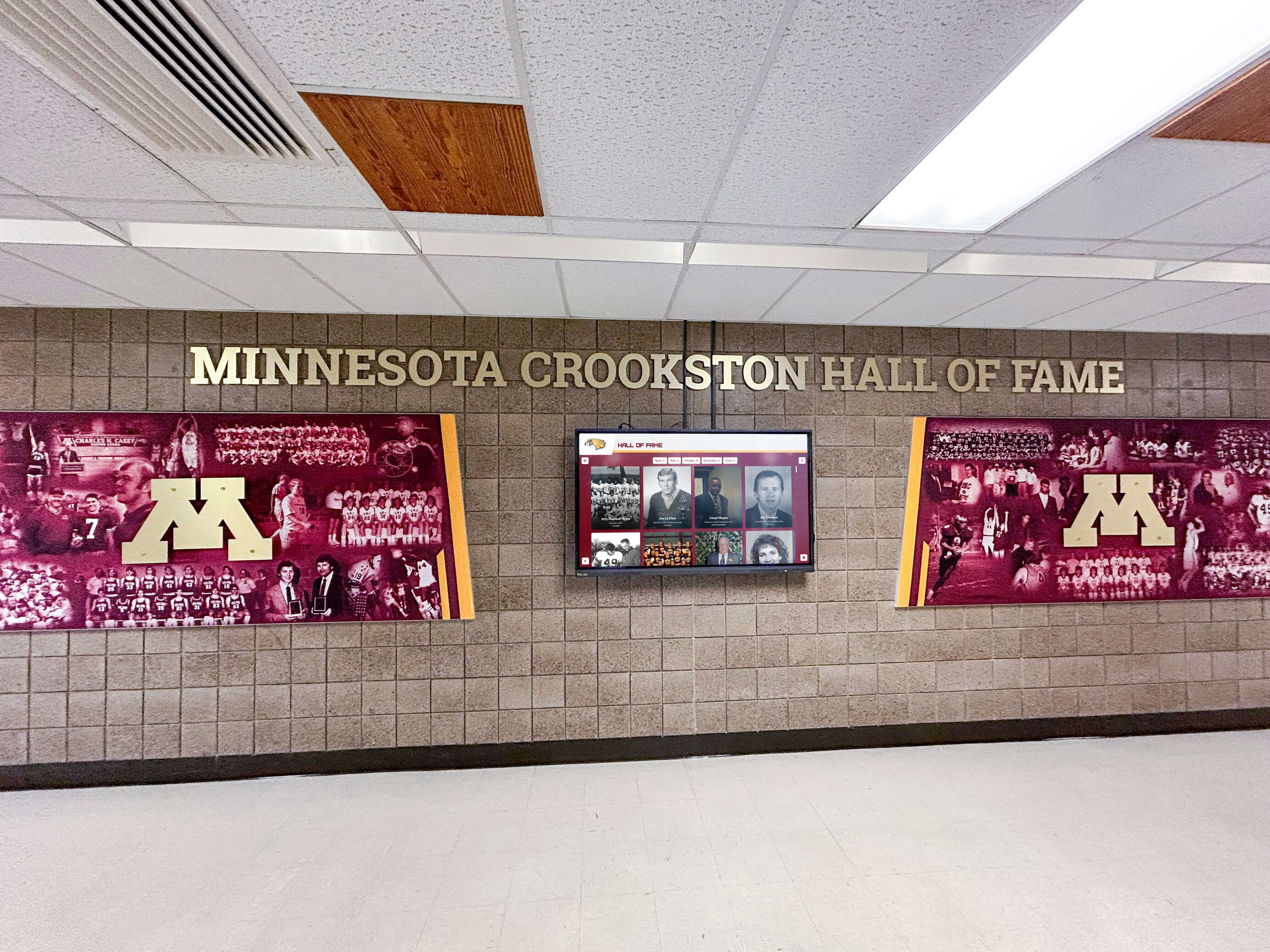
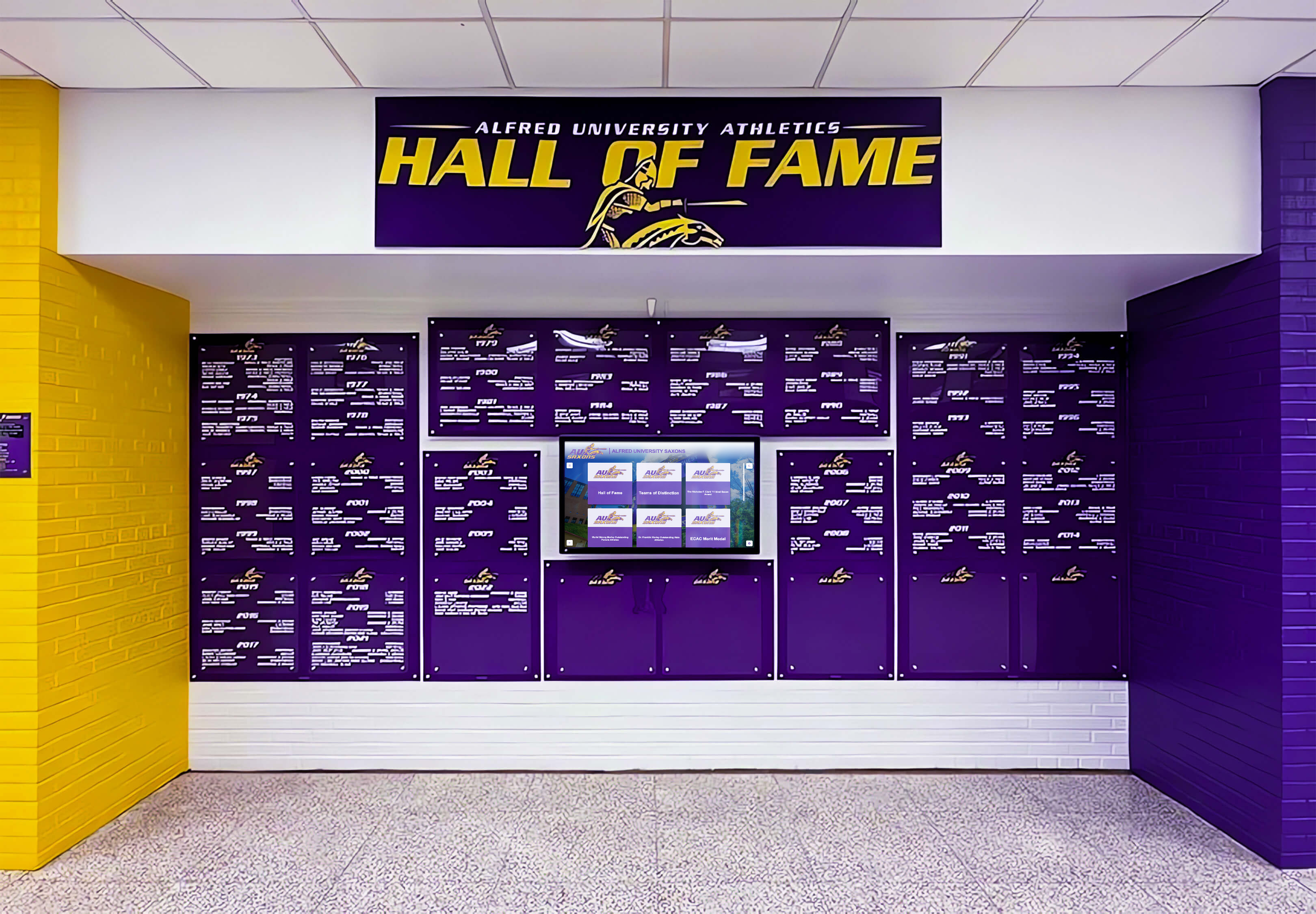
Commercial-grade touchscreen displays installed in athletic facilities provide permanent recognition visible to students, families, visiting teams, officials, and community members throughout years rather than single evenings. These systems typically include:
Comprehensive Athlete Profiles: Detailed recognition featuring photos, statistics, award descriptions, achievement timelines, and personal statements creates rich narratives that traditional plaques cannot accommodate. Athletes receive recognition proportional to their accomplishments rather than limited by physical display space.
Search and Browse Functionality: Intuitive interfaces enable users to search athletes by name, year, sport, or award category—making finding specific individuals or exploring team history simple and engaging. Families can quickly locate their athletes while alumni reconnect with former teammates through searchable displays.
Unlimited Capacity: Digital systems accommodate thousands of athletes across unlimited years without requiring physical expansion. Programs can recognize every athlete comprehensively rather than limiting recognition to space-constrained trophy cases requiring difficult prioritization decisions about what displays prominently versus what gets removed to storage.
Remote Content Management: Cloud-based platforms enable updating recognition from anywhere with internet access, eliminating time-consuming display updates requiring physical access. Coaches or administrators can add new achievements immediately after season-ending ceremonies, maintaining current information without delay.
Athletic programs exploring interactive recognition displays benefit from understanding implementation considerations and capability options.
Web-Based Recognition Platforms
Online recognition websites extend acknowledgment to anyone with internet access—including extended family unable to attend ceremonies, alumni reconnecting with programs, prospective athletes evaluating programs, and community members celebrating local achievement:
24/7 Accessibility: Unlike physical displays visible only during building hours to people physically present, websites provide constant access from anywhere enabling families to share recognition with distant relatives, alumni to explore from other states, and athletes to revisit achievements years later.
Social Sharing Integration: Built-in sharing enables athletes and families to post recognition to social media platforms, exponentially multiplying visibility as content spreads through personal networks. Many programs report recognition receiving more social engagement than any other content category.
Searchable Archives: Comprehensive databases enable filtering by multiple criteria—sport, year, award type, athlete name—creating powerful research tools for program history while enabling alumni to find teammates and competitors from their eras.
Mobile Optimization: Responsive designs functioning smoothly on smartphones ensure accessibility matching how most people access online content, particularly younger athletes and families who primarily use mobile devices for internet browsing.

Combining Physical and Digital Recognition
Many programs implement hybrid approaches providing both tangible keepsakes from ceremonies and permanent digital recognition:
QR Code Integration: Physical awards featuring QR codes linking to comprehensive digital profiles bridge traditional and modern recognition. Athletes receive trophies, plaques, or certificates they can display at home while QR codes access detailed achievement documentation including photos, statistics, videos, and career timelines impossible to include on physical awards.
Ceremony Highlight Archives: Recording ceremonies and making videos accessible online enables family members unable to attend to experience events while creating archives preserving emotional ceremony moments—speeches, reactions, celebrations—that complement static recognition displays.
Social Media Announcement Coordination: Posting award announcements to social media platforms during or immediately after ceremonies extends recognition reach while creating shareable content that athletes and families distribute through personal networks, generating program visibility far exceeding attendee counts at physical events.
Resources comparing digital recognition platforms and capabilities help programs evaluate options matching specific needs and resources.
Ensuring Equitable Recognition Across All Sports
Historical trophy case limitations often forced prioritization decisions where high-profile sports received extensive recognition while smaller programs got minimal visibility. Digital capacity eliminates these constraints, enabling truly equitable acknowledgment.
The Challenge of Traditional Recognition
Physical display space scarcity created situations where football and basketball dominated trophy cases while swimming, tennis, wrestling, or volleyball received minimal recognition despite comparable or superior competitive success. These patterns typically reflected practical space limitations rather than intentional bias, but effects remained the same—unequal recognition failing to honor all athletic excellence appropriately.
Female athletes historically received less recognition than male athletes in comparable sports due to the same space constraints combined with historical patterns established when athletic programs primarily served male students. Title IX addressed participation equity, but recognition equity often lagged behind.
Digital Systems Create True Equity
Unlimited digital capacity ensures all sports receive proportional recognition regardless of team size, sport profile, or historical display patterns:
Equivalent Profile Depth: Every athlete receives comprehensive recognition with identical multimedia capabilities—photos, statistics, videos, achievement descriptions—regardless of sport. Swimming record-holders receive recognition depth matching football MVPs, tennis champions get visibility equaling basketball stars, and individual sport achievers receive attention comparable to team sport athletes.
Democratic Search and Discovery: All athletes appear in search results based on name, year, sport, or achievement rather than physical display prominence determining visibility. Digital systems don’t prioritize certain sports through location or size—every recognition receives equal discoverability.
Proportional Homepage Rotation: Sophisticated systems rotate featured content ensuring all sports receive equivalent home screen visibility rather than high-traffic locations reserving premium space for certain programs. Automated algorithms can ensure equitable rotation over time while accommodating seasonal emphasis where appropriate.
Comprehensive Historical Archives: Digital platforms accommodate unlimited historical data, enabling programs to digitize decades of achievements across all sports creating complete archives rather than selective recognition limited by trophy case capacity.
Schools implementing equitable athletic recognition report improved athlete satisfaction, family engagement, and program culture as historically underrecognized sports receive appropriate acknowledgment.
Making Recognition Ceremonies More Inclusive and Engaging
Beyond award selection, ceremony execution significantly impacts how meaningful recognition feels to athletes, families, and communities.
Accommodating Diverse Family Situations
Modern families include various structures requiring thoughtful accommodation:
Multiple Guardians: Recognize that many athletes have divorced parents, stepparents, foster families, or other guardians. Avoid assumptions about family composition in programs or speeches while ensuring all important family members receive acknowledgment during senior tributes or special recognitions.
Scheduling Sensitivity: Select ceremony dates and times accommodating work schedules, religious observances, and other obligations affecting family attendance. Weekend afternoon events or early evening weekday gatherings typically maximize participation compared to late evening weeknights.
Financial Accessibility: Ensure ceremony costs don’t create barriers preventing family participation. Free or low-cost events, ticket subsidies for families facing financial hardship, or tiered pricing options enabling flexible participation demonstrate inclusive commitment while removing economic obstacles to celebration.
Language Access: Multilingual programs, translated materials, or interpretation services welcome families with limited English proficiency, demonstrating institutional commitment to including all community members in celebration regardless of language background.
Engaging Younger Siblings and Future Athletes
Youth program participants, younger siblings, and elementary students attending ceremonies gain inspiration seeing older athletes recognized:
Role Model Visibility: Recognized athletes become aspirational figures for younger community members. Ceremonies communicating that dedication, improvement, character, and team contribution—not just elite talent—earn recognition motivate youth to pursue athletic participation while understanding multiple pathways to success exist.
Youth Participation Elements: Some programs incorporate youth components like having elementary teams form honor guards for senior recognition, inviting feeder program athletes to meet varsity teams, or recognizing youth coaches who develop future high school athletes. These connections strengthen youth-to-high school pipelines while creating aspirational visibility.
Future Athlete Welcome: Brief remarks acknowledging young attendees as future team members creates inclusion while establishing early connections between youth and programs they’ll eventually join. Many adults recall attending high school ceremonies as elementary students and dreaming of eventually receiving similar recognition.
Creating Photo and Memory Opportunities
Recognition ceremonies provide rare occasions when entire teams, families, and coaches gather simultaneously:
Designated Photo Areas: Simple backdrops featuring program logos or mascots create professional-looking photo opportunities families enthusiastically use. These images populate social media, family photo albums, and eventually athlete college applications or professional portfolios.
Team Photos: Organized team photos during ceremonies provide keepsakes commemorating seasons while creating images useful for program marketing, athletic department communications, and historical documentation. Many teams display framed photos from years or decades prior, creating visual program history.
Social Media Encouragement: Explicitly inviting families to share ceremony photos on social media using program hashtags extends recognition reach while creating user-generated content that programs can share through official channels, multiplying visibility and engagement.
Post-Ceremony Recognition Extension
The most successful programs extend recognition beyond single evenings through strategic follow-up maintaining achievement visibility long-term.
Social Media Recognition Series
Posting award recipient features across days or weeks following ceremonies creates extended celebration while maintaining program visibility during off-seasons:
Individual Spotlights: Detailed posts featuring each award recipient with photos, achievement descriptions, quotes, and statistics provide comprehensive recognition while generating ongoing content maintaining social media activity between seasons. Families enthusiastically share these posts, exponentially multiplying reach.
Behind-the-Awards Stories: Content explaining why recipients earned recognition—specific examples, coach testimonials, statistical breakdowns—provides context helping broader audiences understand achievement significance while communicating program values through recognition criteria.
Throwback Features: Periodic posts highlighting past award recipients creates ongoing recognition cycles while connecting current athletes to program history. Alumni engagement increases substantially when programs share historical recognition, often generating comments and shares from graduates who competed decades earlier.
Resources on comprehensive digital storytelling for athletic programs provide frameworks for systematic post-ceremony content strategies.
Permanent Display Integration
Physical spaces maintaining year-round recognition visibility communicate institutional commitment to honoring achievement:
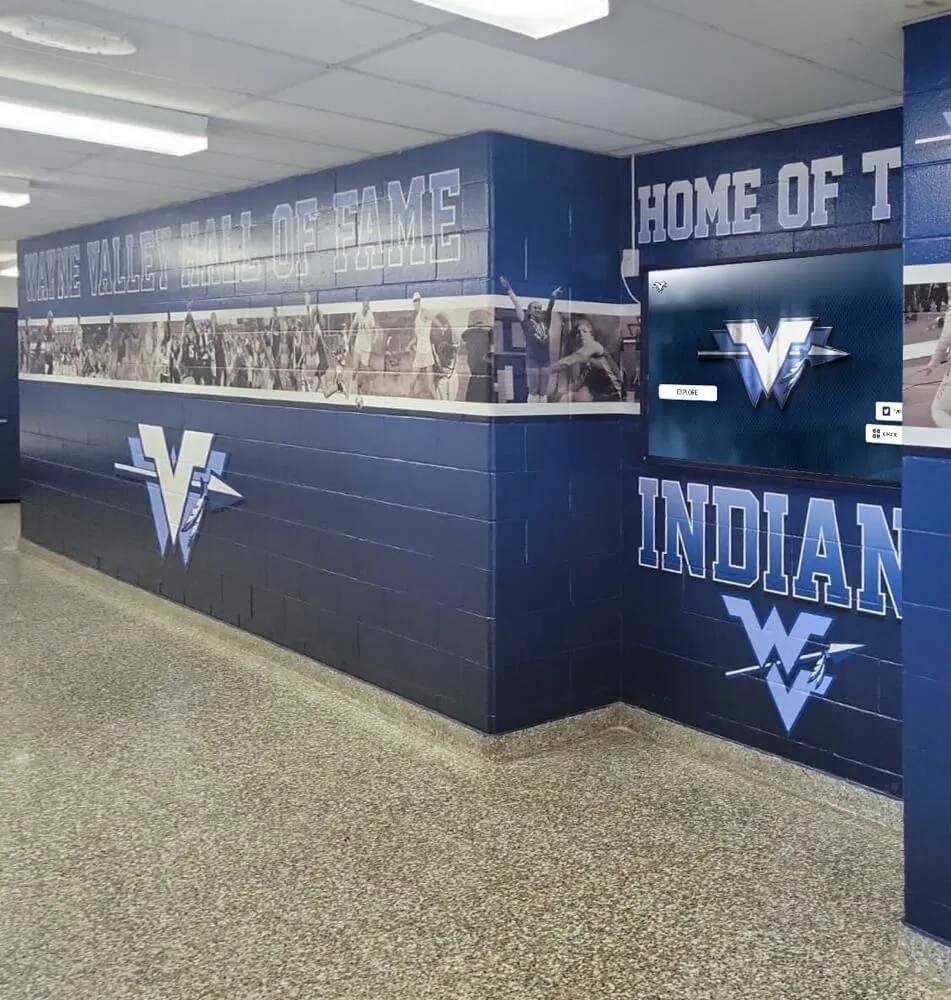
Hallway Displays: Recognition boards featuring current and recent award recipients create visible program pride while providing role models for younger students. Annual updates maintaining current information demonstrate ongoing commitment to recognition rather than one-time installations that become outdated.
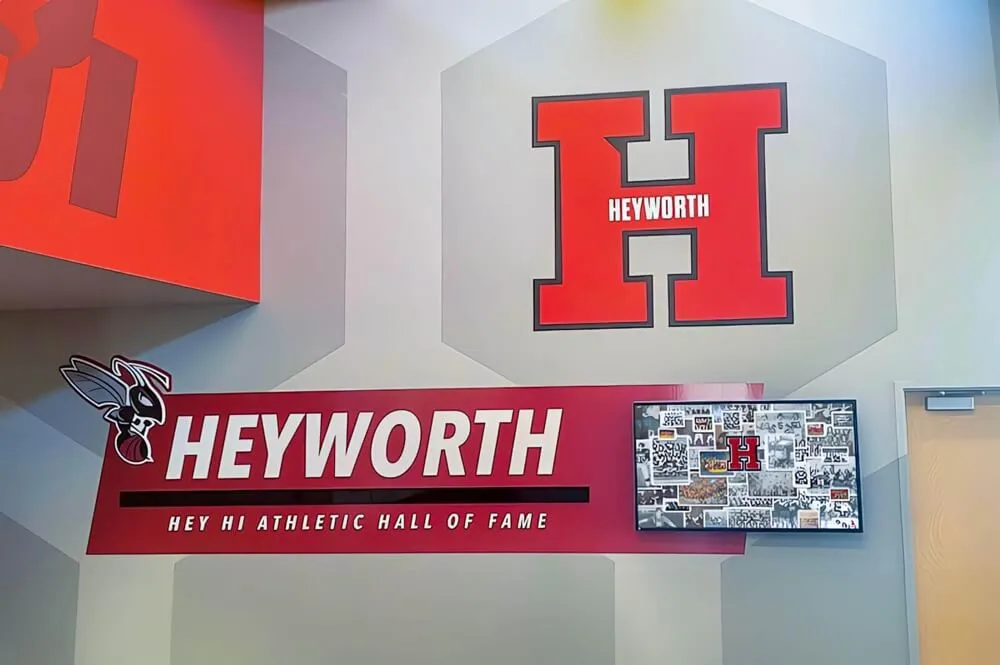
Athletic Facility Recognition: Prominent displays in gymnasiums, training facilities, or locker rooms immerse athletes in recognition celebrating excellence while motivating current team members toward similar achievement. Many athletes report that seeing recognition displays of former teammates or opponents motivated their own competitive drive and program commitment.
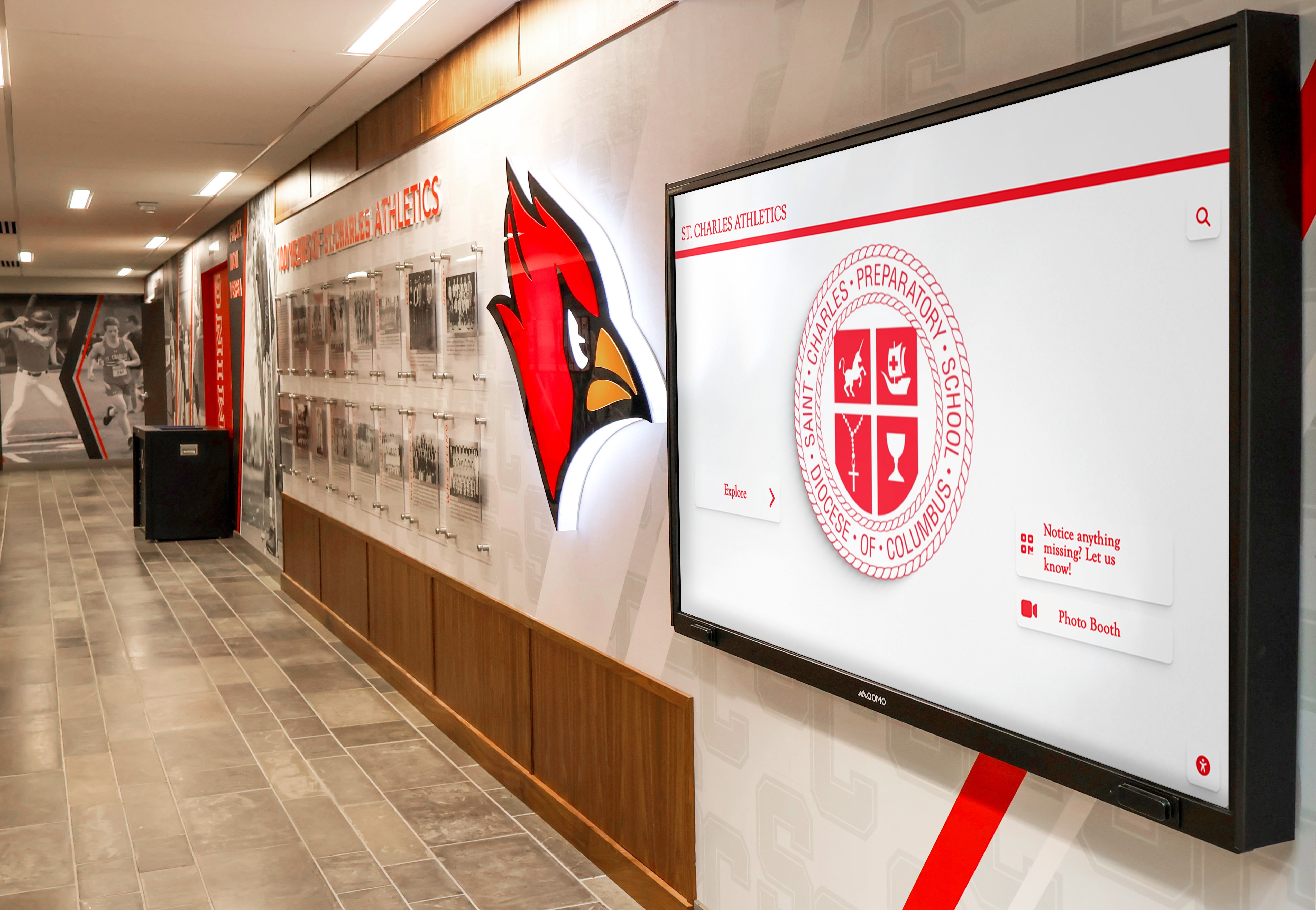
Digital Displays: Electronic displays showing rotating recognition content accommodate unlimited recipients while maintaining visual freshness through varied content rather than static displays becoming invisible through familiarity. Modern digital display systems enable sophisticated content management with minimal technical expertise.
Alumni Engagement Through Recognition
Historical achievement recognition creates opportunities for maintaining relationships with former athletes:
Anniversary Recognition: Acknowledging milestone anniversaries—10, 25, 50 years since awards—creates touchpoints for reconnecting with alumni while celebrating enduring achievement significance. Many programs discover that anniversary recognition generates enthusiastic alumni engagement and often results in financial support or volunteer involvement.
Alumni Award Categories: Establishing awards recognizing post-graduation accomplishments—professional success, community service, continued athletic achievement—extends recognition throughout entire lifespans rather than limiting acknowledgment to high school careers alone. This demonstrates that institutional pride in athletes continues long after graduation.
Reunion Recognition: Highlighting honored alumni during class reunions or homecoming events maintains achievement visibility while providing natural occasions when graduates feel strongest connections to programs and institutions. Strategic recognition timing often correlates with increased philanthropic support.
Common Mistakes to Avoid
Learning from widespread recognition program shortcomings helps new programs avoid predictable problems:
Over-Emphasis on Statistics Alone
Focusing exclusively on scoring leaders or statistical champions excludes athletes making essential contributions not captured in box scores. Programs that recognize only statistical achievement communicate that role players, defensive specialists, or character leaders don’t matter—damaging team culture while discouraging athletes from accepting necessary team roles that don’t produce counting statistics.
Comprehensive programs balance performance recognition with acknowledgment of leadership, improvement, character, and team contribution, ensuring all athletes see potential pathways to recognition regardless of natural ability or playing time.
Neglecting Recognition Preparation and Quality
Last-minute ceremony planning, generic recognition lacking personalization, or awards that appear cheap or hastily prepared communicate that institutions don’t truly value what they claim to honor. Athletes and families recognize when recognition receives genuine attention versus perfunctory execution meeting minimum expectations.
Quality execution requires beginning preparation weeks before ceremonies—gathering athlete information, compiling statistics, creating presentations, coordinating logistics, and rehearsing programs. This investment demonstrates genuine institutional commitment to honoring athletic achievement appropriately.
Creating Recognition Hierarchies
Overly elaborate recognition for certain athletes or sports while others receive minimal acknowledgment creates visible inequality that damages program culture. Senior tributes requiring 10 minutes for football captains but 30 seconds for tennis seniors communicate unequal value. Trophy presentations where certain awards receive extensive build-up while others feel rushed suggest recognition importance varies by recipient.
Equitable recognition requires consistent time allocation and ceremony emphasis across all athletes and sports, demonstrating that institutional pride in achievement doesn’t vary based on sport profile or athlete status.
Ignoring Family Logistics and Comfort
Ceremonies scheduled at times preventing working parents from attending, venues uncomfortable or inaccessible for elderly grandparents, prohibitive costs excluding families facing financial constraints, or programs only in English when significant family populations speak other primary languages create barriers preventing full community celebration.
Inclusive planning considers diverse family circumstances, selecting times and locations maximizing participation while removing financial, linguistic, and accessibility barriers that limit who can celebrate athlete achievements.
Failing to Archive and Preserve Recognition
Recognition documented only through printed programs that get filed away or physical awards stored in closets loses long-term value. Athletes graduate, families move, and memories fade without systematic documentation preserving achievements accessibly.
Digital archiving through photographs, videos, online recognition platforms, or physical displays maintaining information visibility ensures recognition retains value long-term while creating program history resources that future athletes, families, and community members can explore indefinitely.
Conclusion: Recognition That Reflects True Value
Sport end of year awards represent far more than trophy distribution or obligatory season conclusions. Thoughtfully designed recognition programs communicate institutional values, strengthen program culture, motivate continued participation, engage families and communities, and preserve achievement records that honor dedication deserving of lasting acknowledgment.
The most successful programs recognize diverse contributions through comprehensive award categories celebrating performance, leadership, improvement, character, and team commitment rather than focusing exclusively on star athletes. Ceremonies create memorable experiences through careful planning that engages families while honoring athletes appropriately. Budget-conscious implementation enables meaningful recognition regardless of resource constraints. Digital platforms extend recognition reach beyond single evenings while preserving achievements permanently and accessibly.
Athletic directors, coaches, and program leaders who invest thoughtfully in end-of-year recognition discover measurable returns through improved team culture, increased participation, stronger community support, and alumni engagement extending years beyond graduation. Recognition programs that honor all athletes equitably while celebrating excellence through multiple dimensions create inclusive environments where diverse student-athletes find meaningful roles worth embracing.
The question facing athletic programs isn’t whether to conduct end-of-year recognition but rather how comprehensively and thoughtfully to honor student-athletes who dedicate tremendous time, energy, and commitment to representing schools and communities. Modern recognition approaches combining traditional ceremony elements with digital permanence enable programs of all sizes to provide acknowledgment matching achievement significance.
Excellence deserves recognition that lasts. Solutions like Rocket Alumni Solutions provide purpose-built platforms designed specifically for athletic recognition rather than generic tools requiring extensive adaptation. These systems combine intuitive content management, engaging interactive displays, permanent web accessibility, and comprehensive analytics—enabling programs to honor achievement appropriately while building recognition that strengthens athletic culture for current athletes, alumni, and future generations.
Ready to transform your athletic program’s end-of-year recognition beyond single-evening ceremonies into permanent, accessible celebration that honors all athletes equitably? Book a demo to explore how comprehensive digital recognition can elevate your awards program while creating lasting achievement archives that inspire, engage, and connect your athletic community for years to come.