



Spirit weeks represent far more than just opportunities for students to dress up in costumes or coordinated outfits. These carefully planned events create moments when entire school communities unite around shared experiences, building the collective identity and pride that transform buildings full of individuals into cohesive communities. From elementary schools planning their first spirit week to high schools with decades-long traditions, the right theme selection can mean the difference between modest participation and campus-wide enthusiasm that generates memories students carry forward for years.
The most successful spirit weeks balance accessibility, creativity, and inclusivity. Great themes allow participation across diverse student interests, work within typical student wardrobes or require minimal additional expense, create visible moments of unity throughout campus, and generate the energy and excitement that make school experiences memorable. When schools invest thought into theme selection and execution, spirit weeks become powerful tools for strengthening school culture while creating the photo-worthy moments that naturally populate digital displays and social media feeds.
Capturing Spirit Week Memories for Lasting Impact
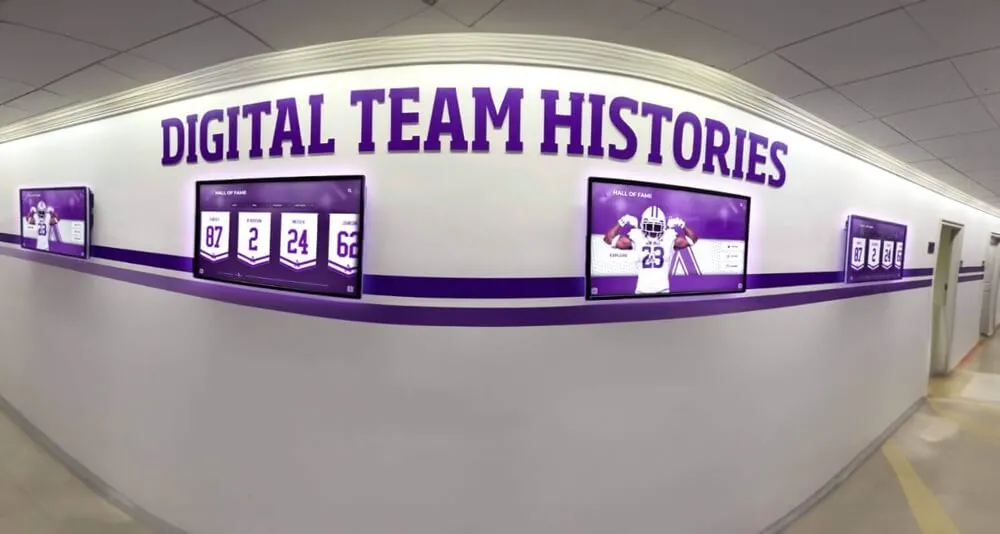
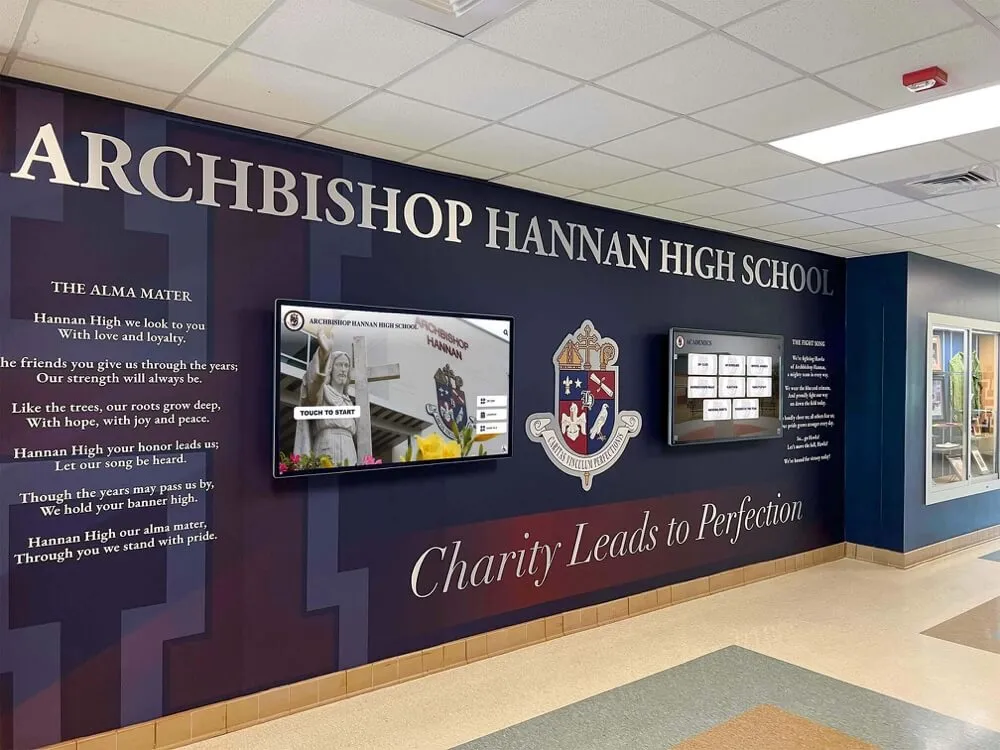
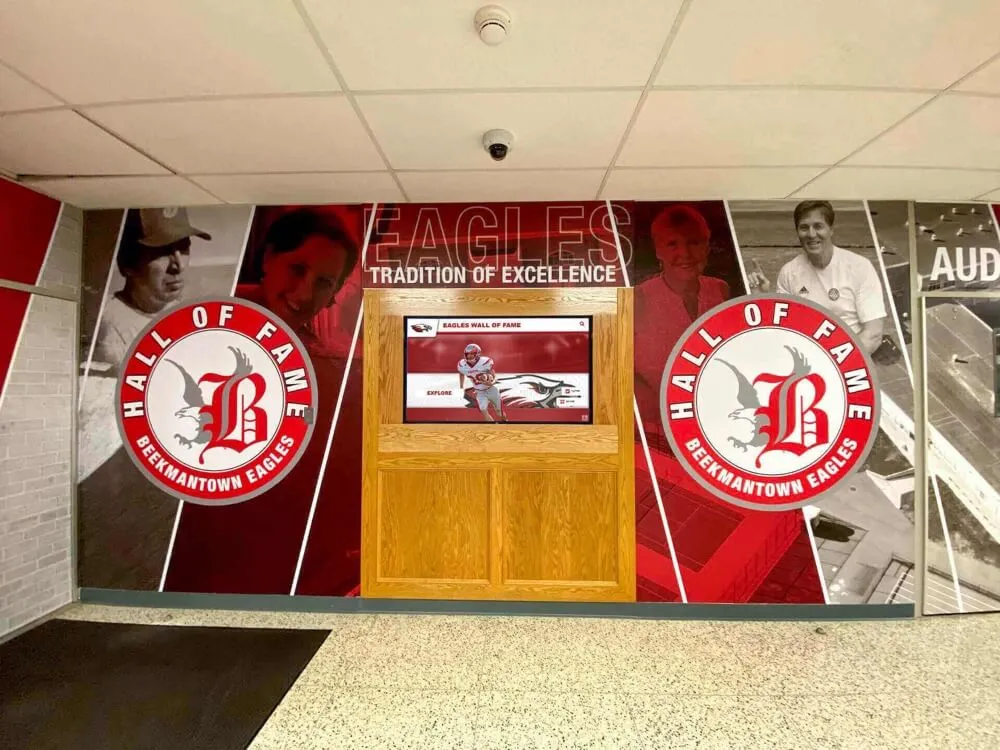
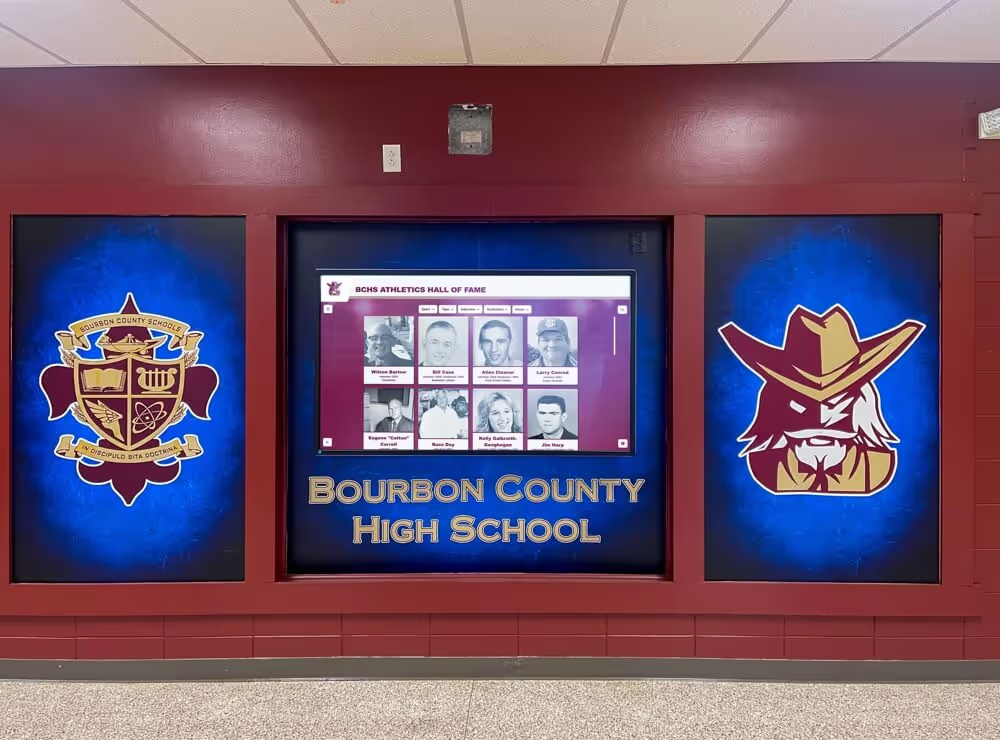
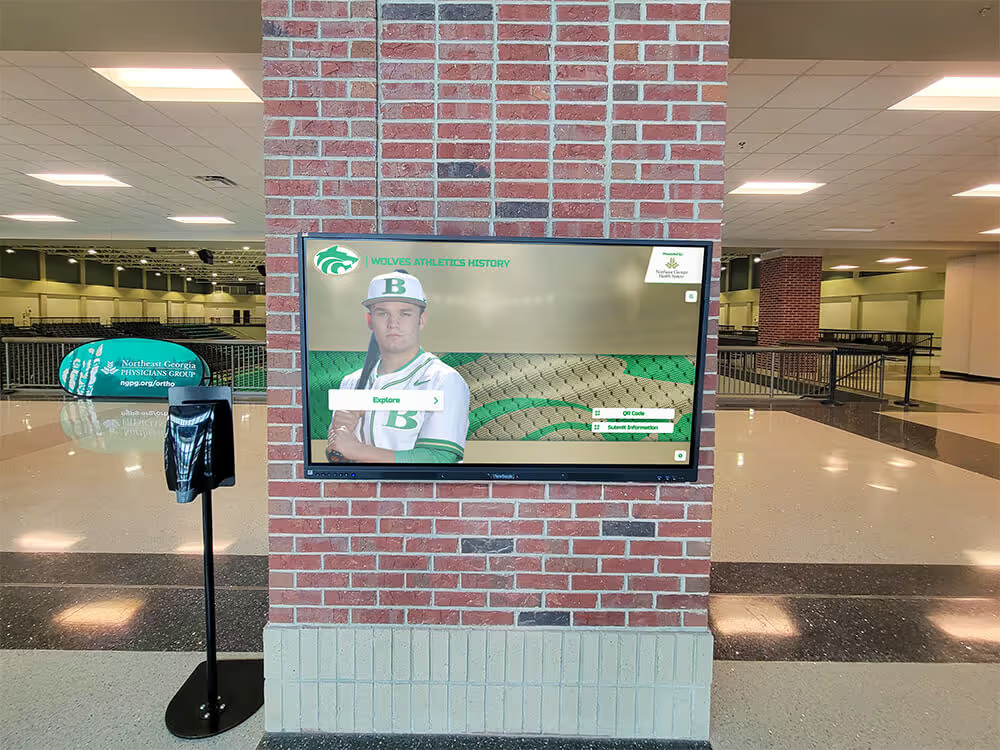
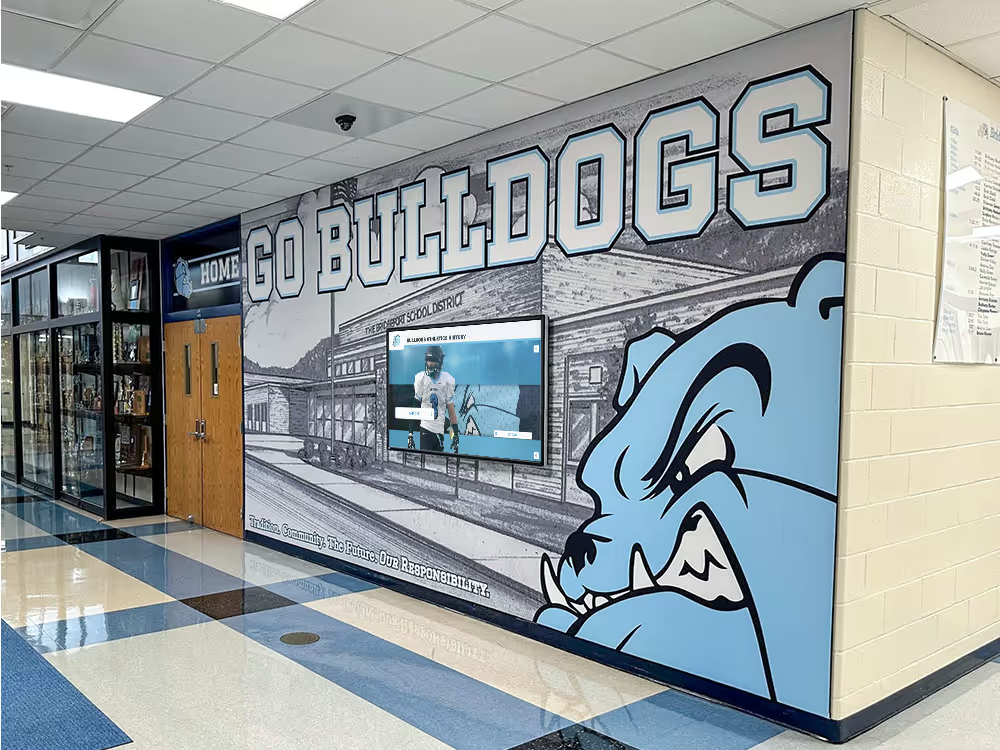
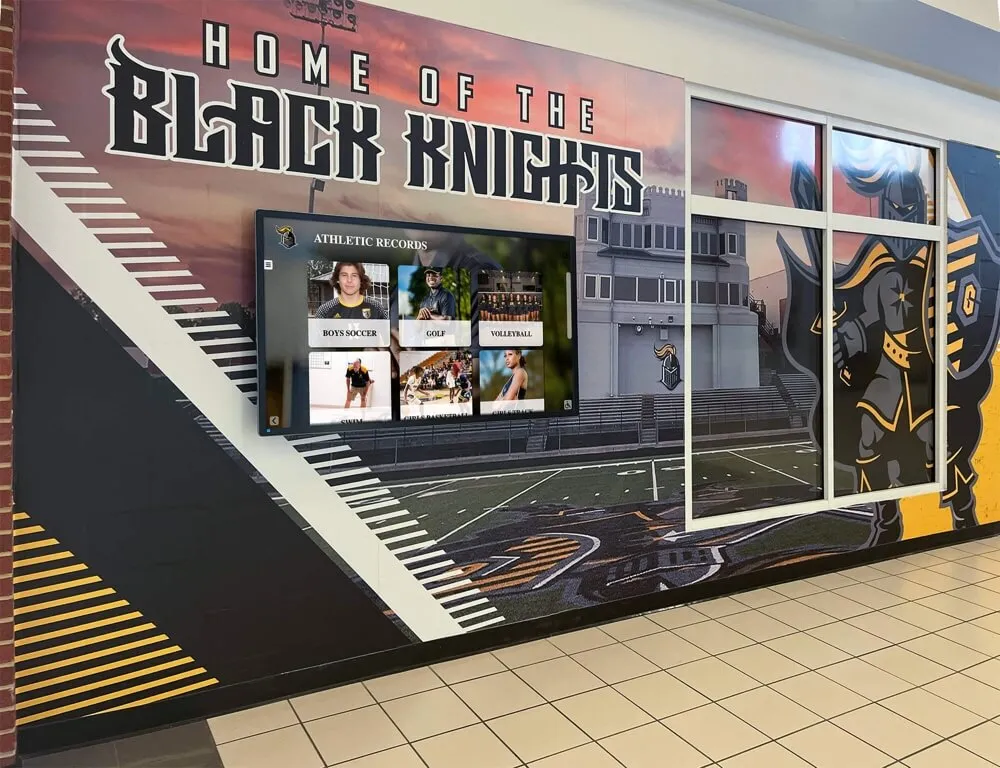
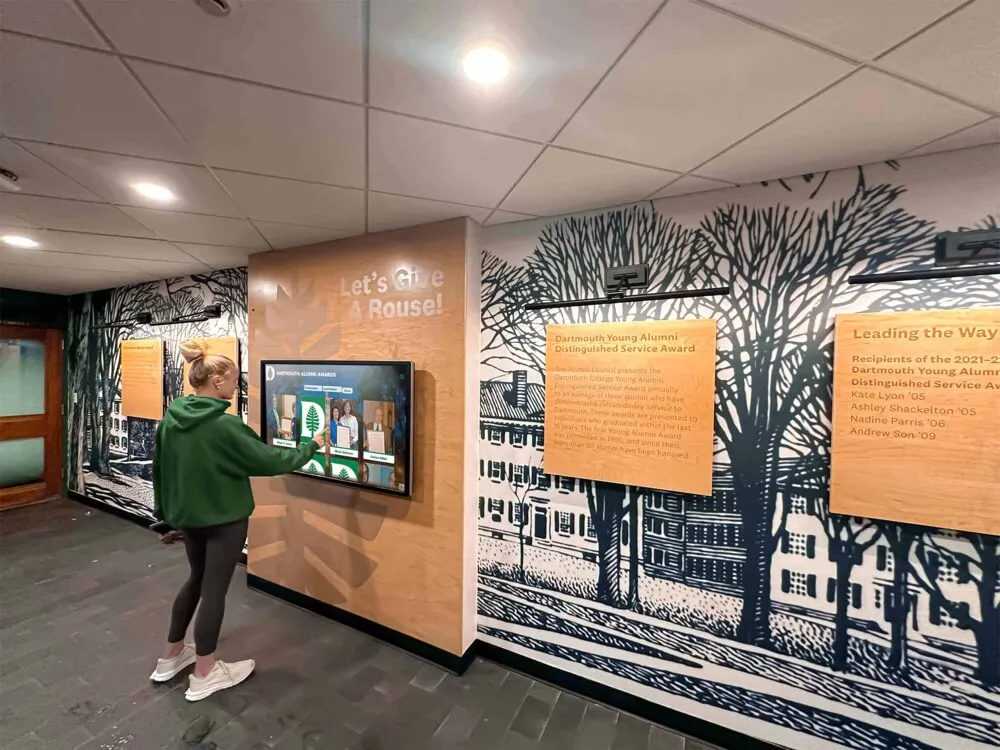
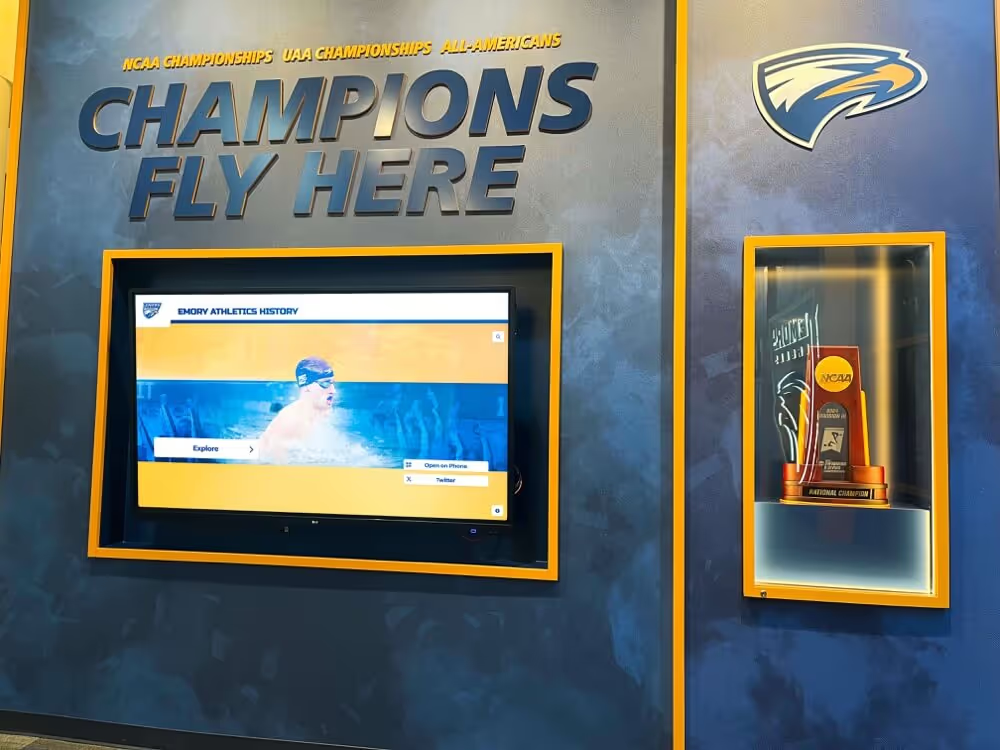
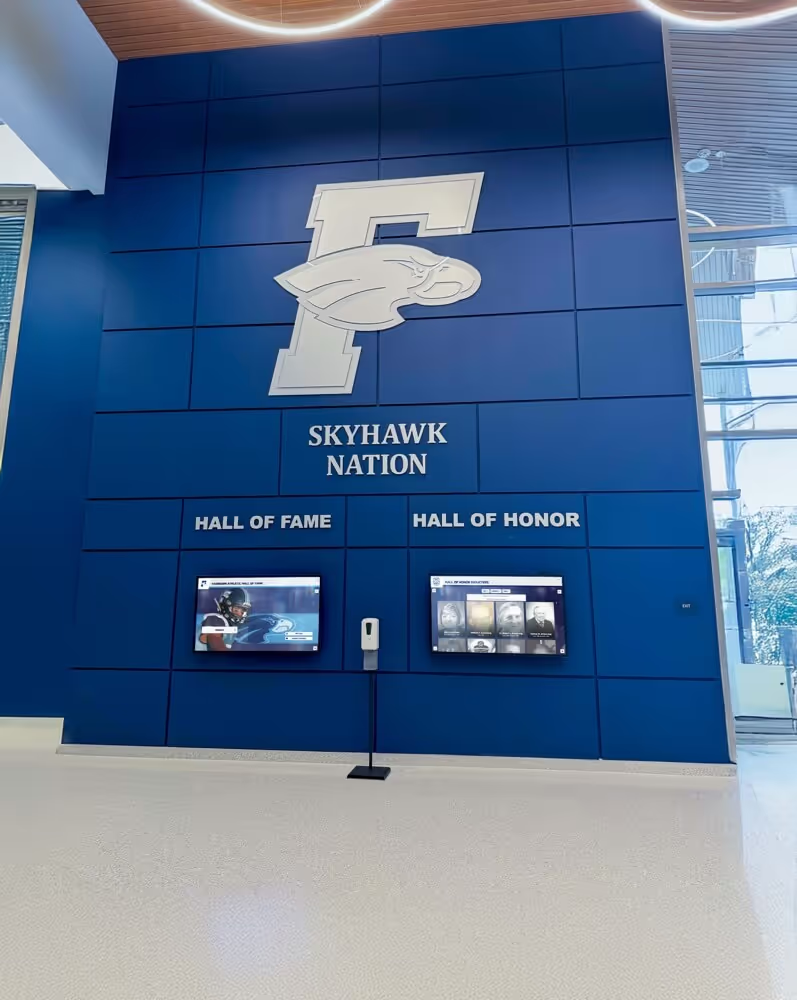
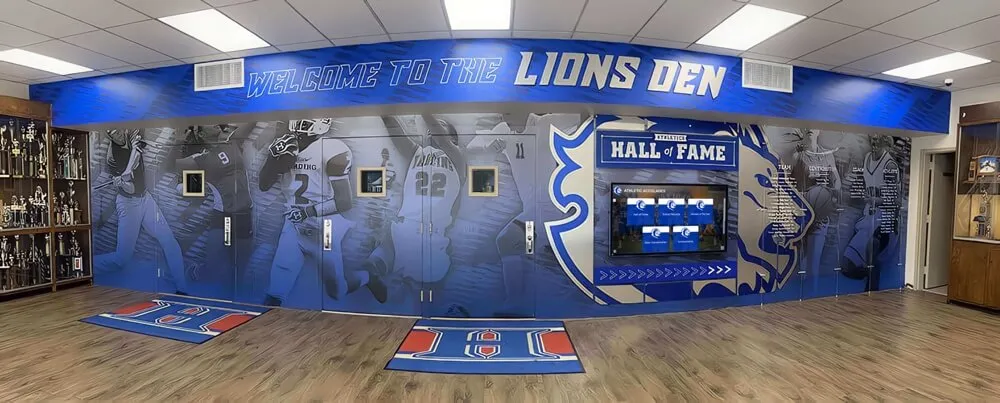
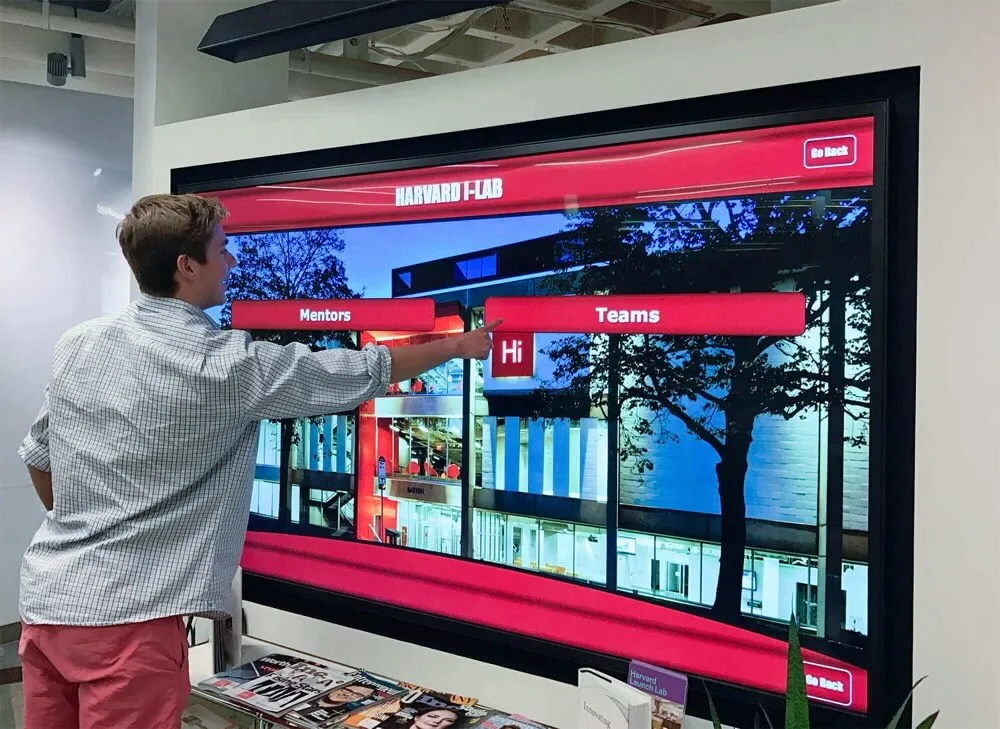
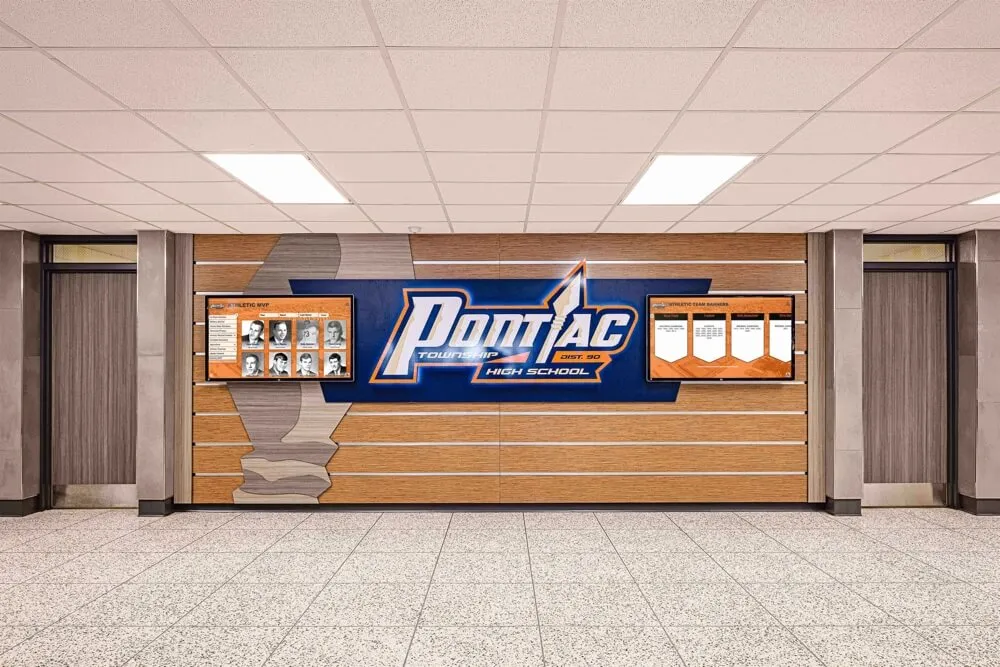
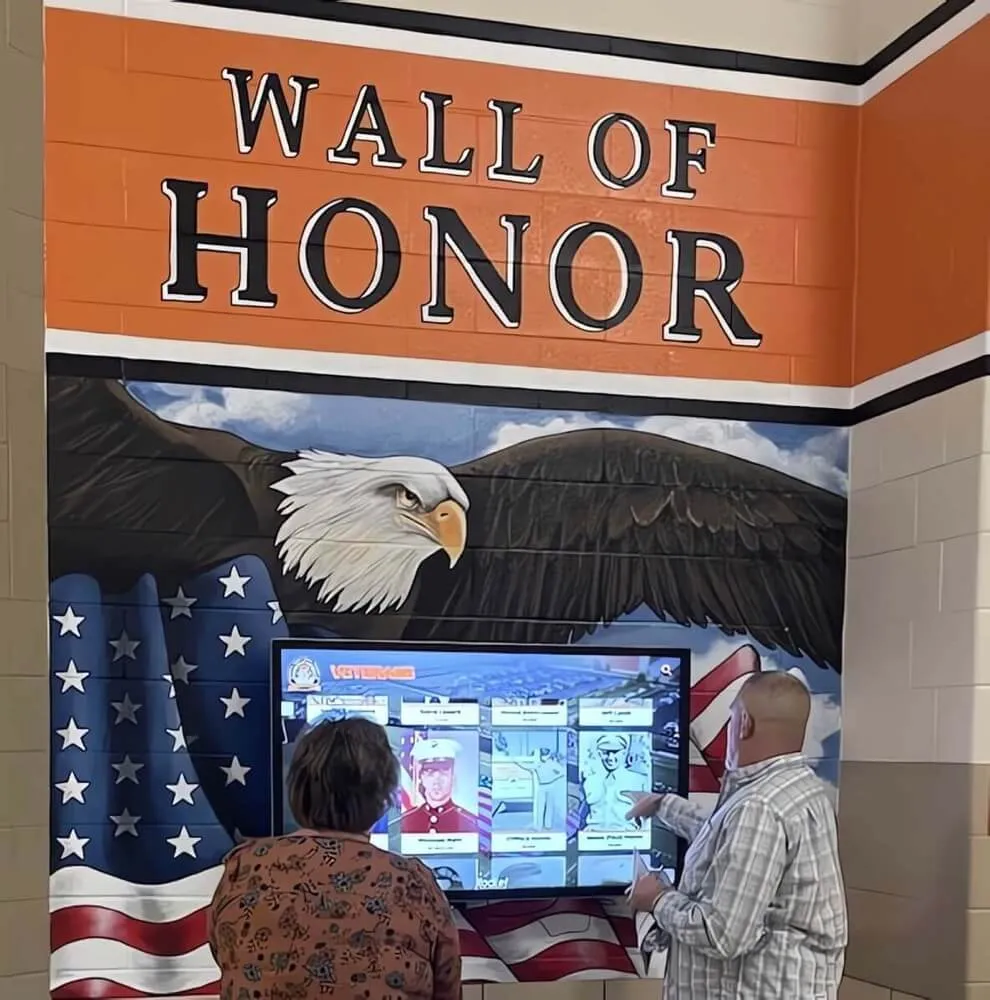
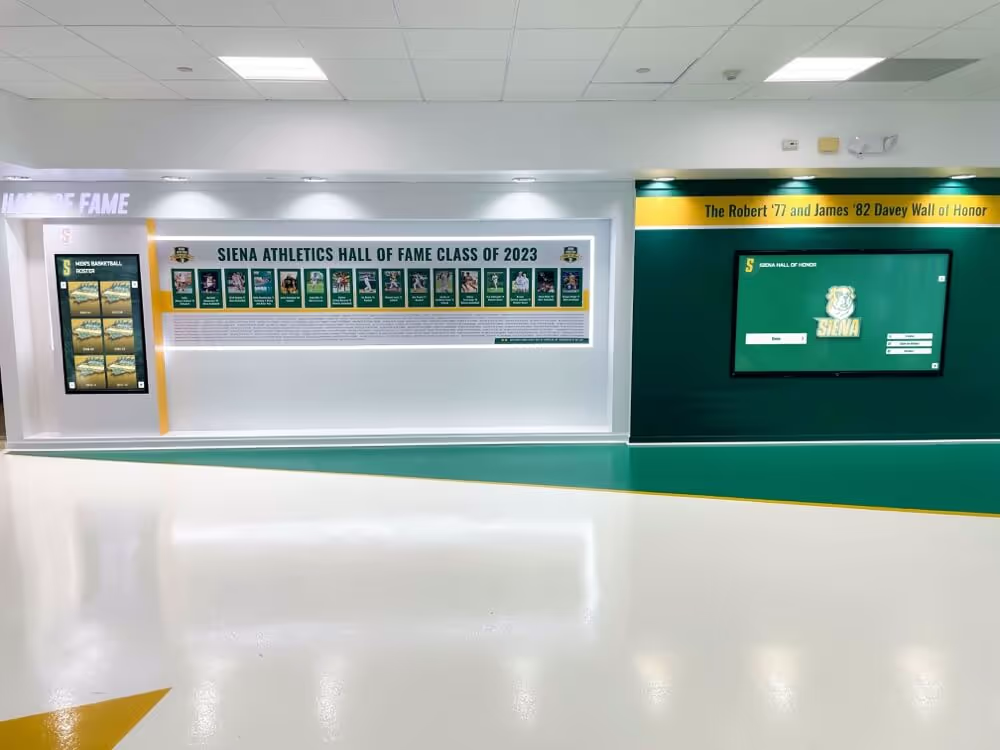
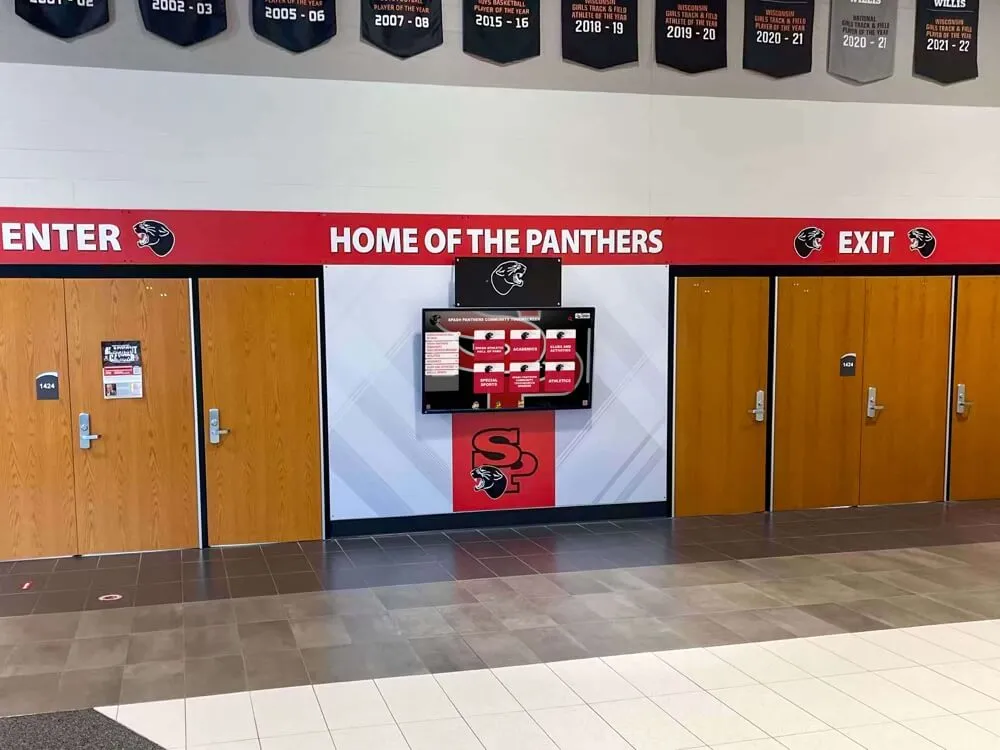
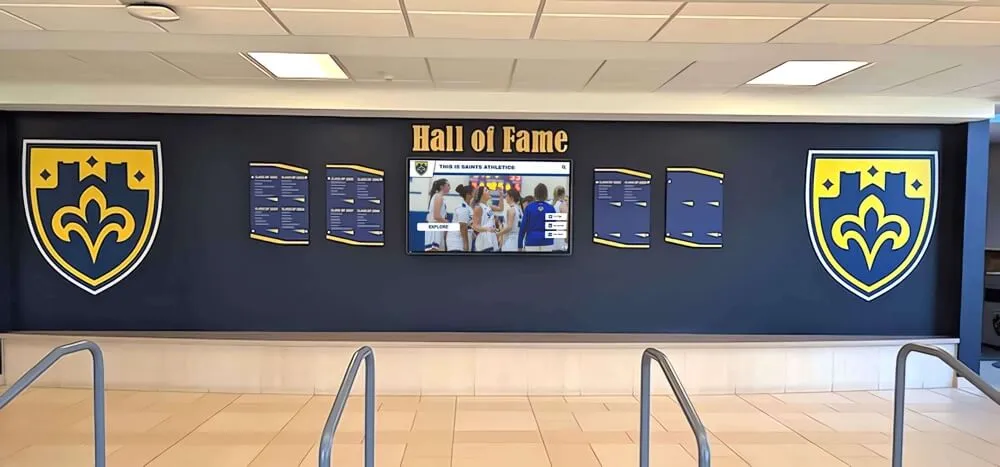
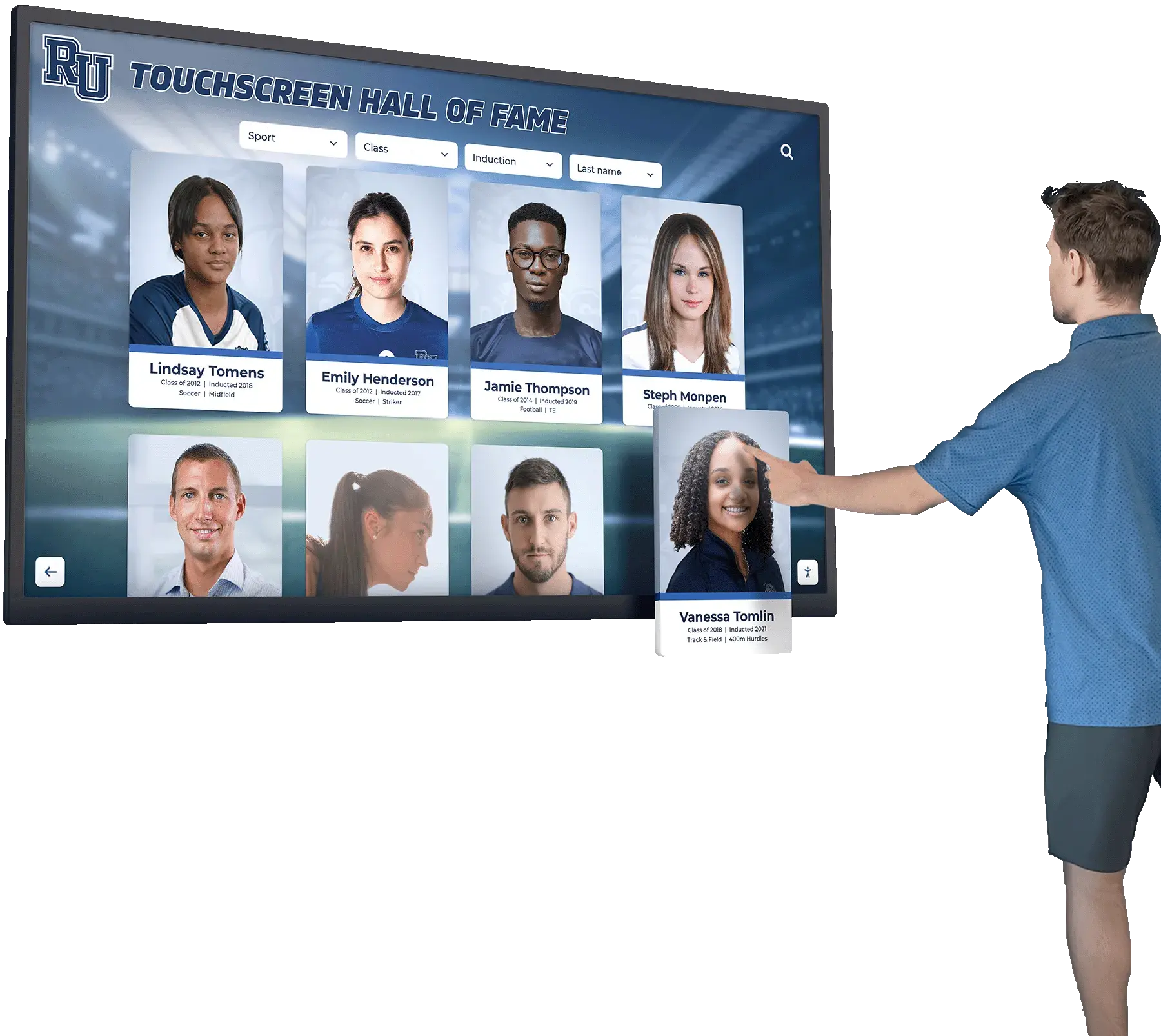
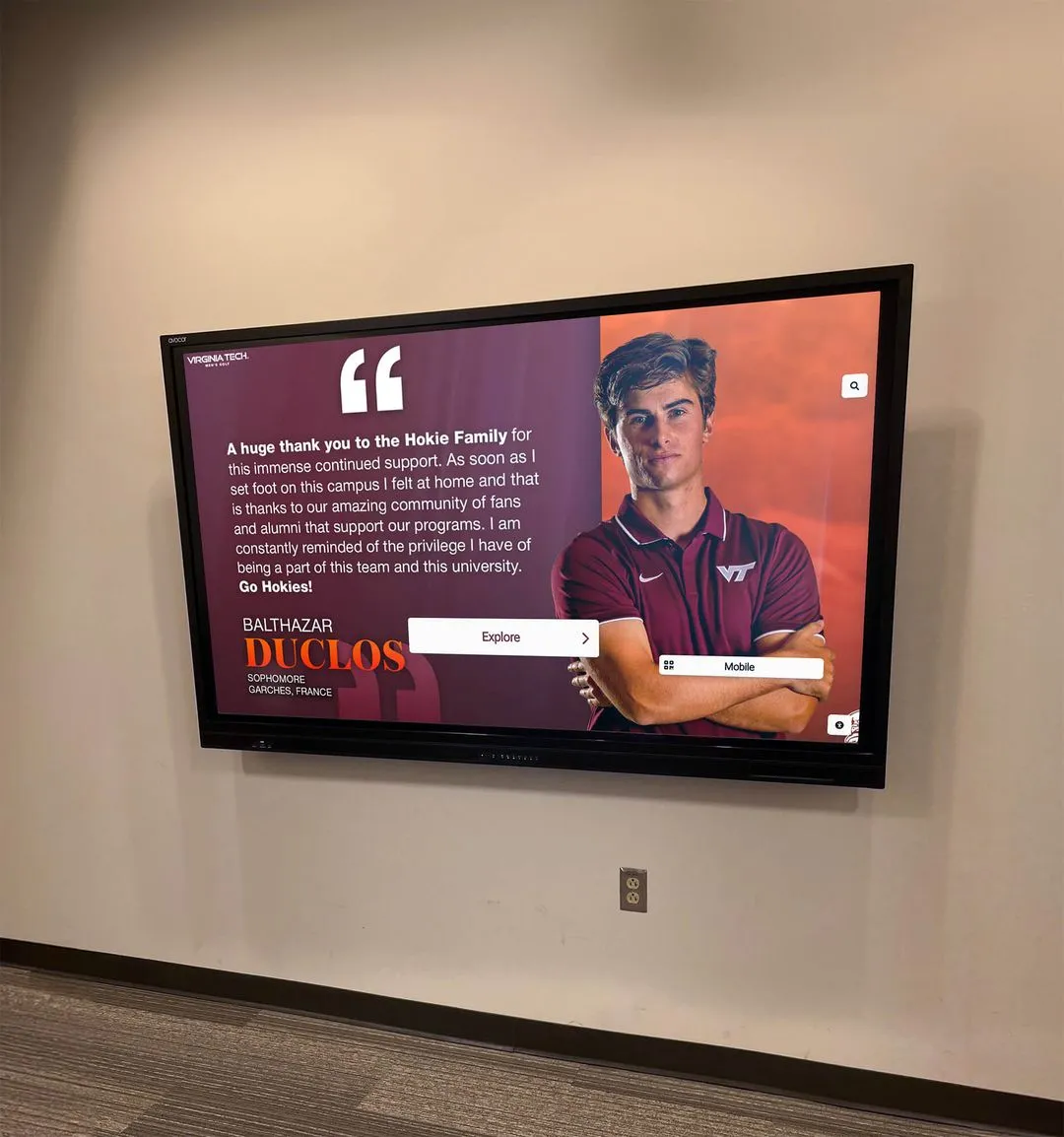
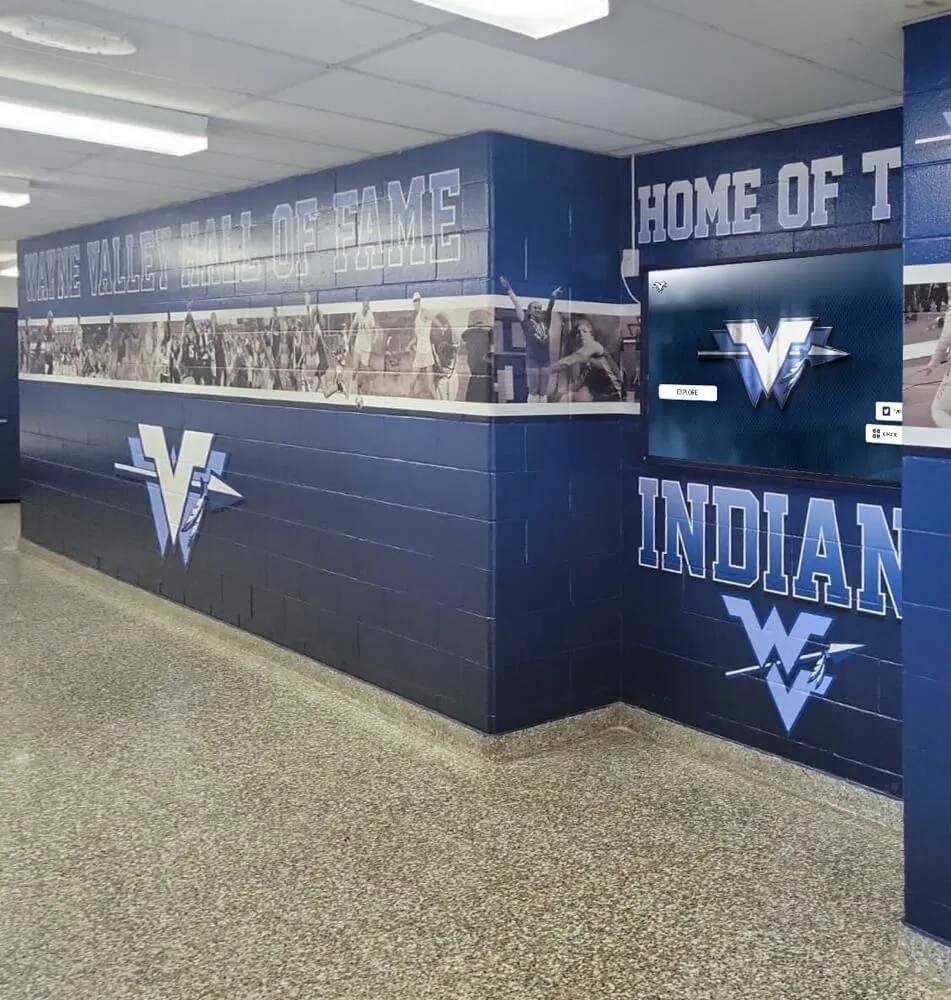
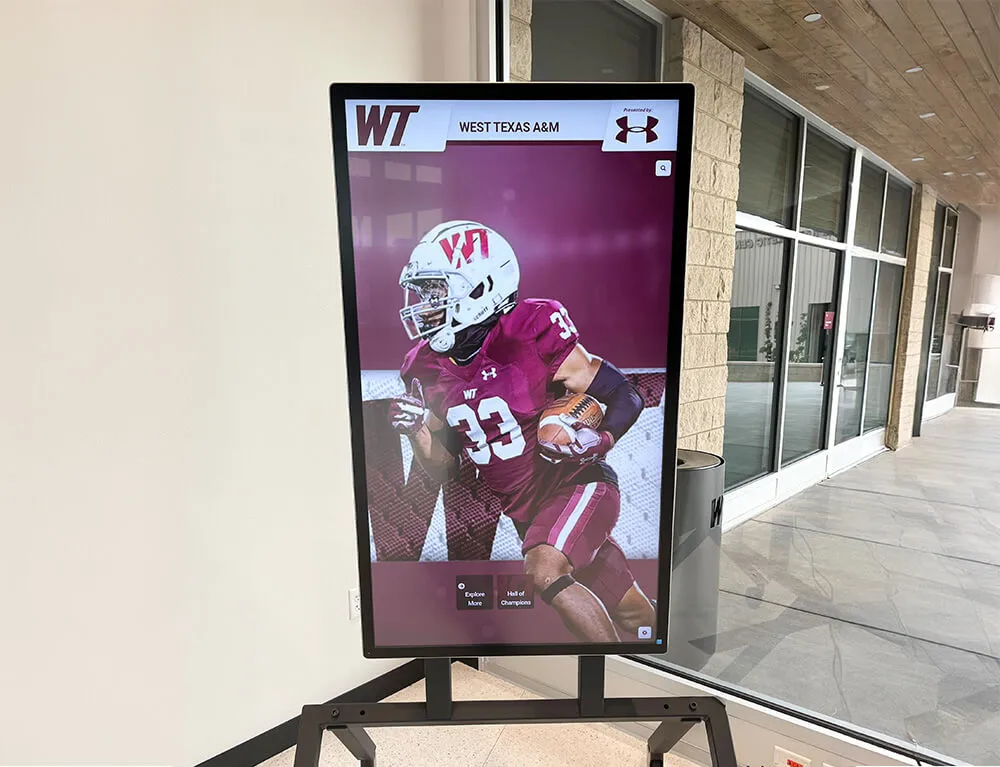
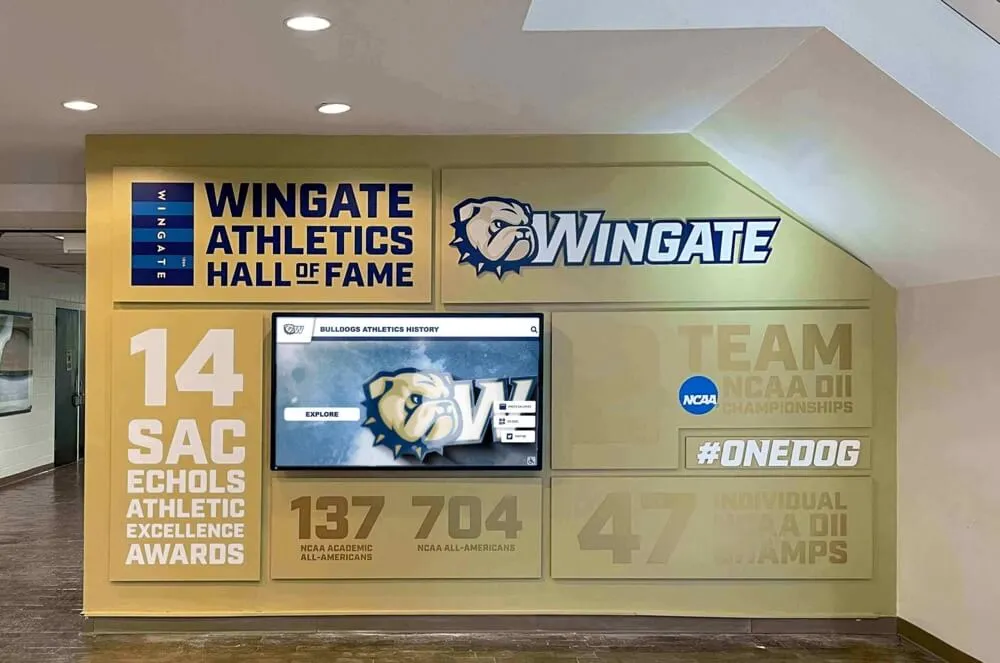
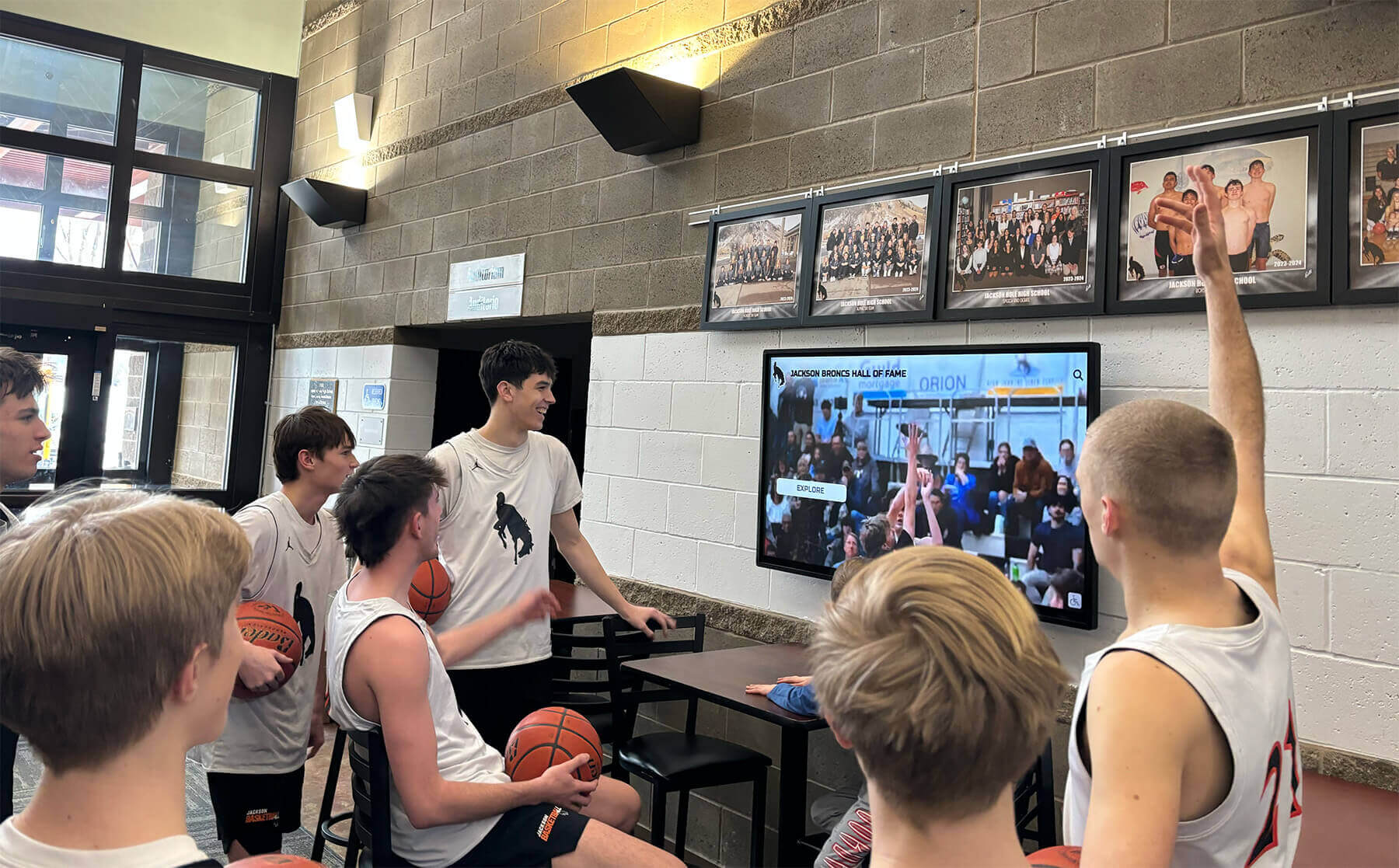
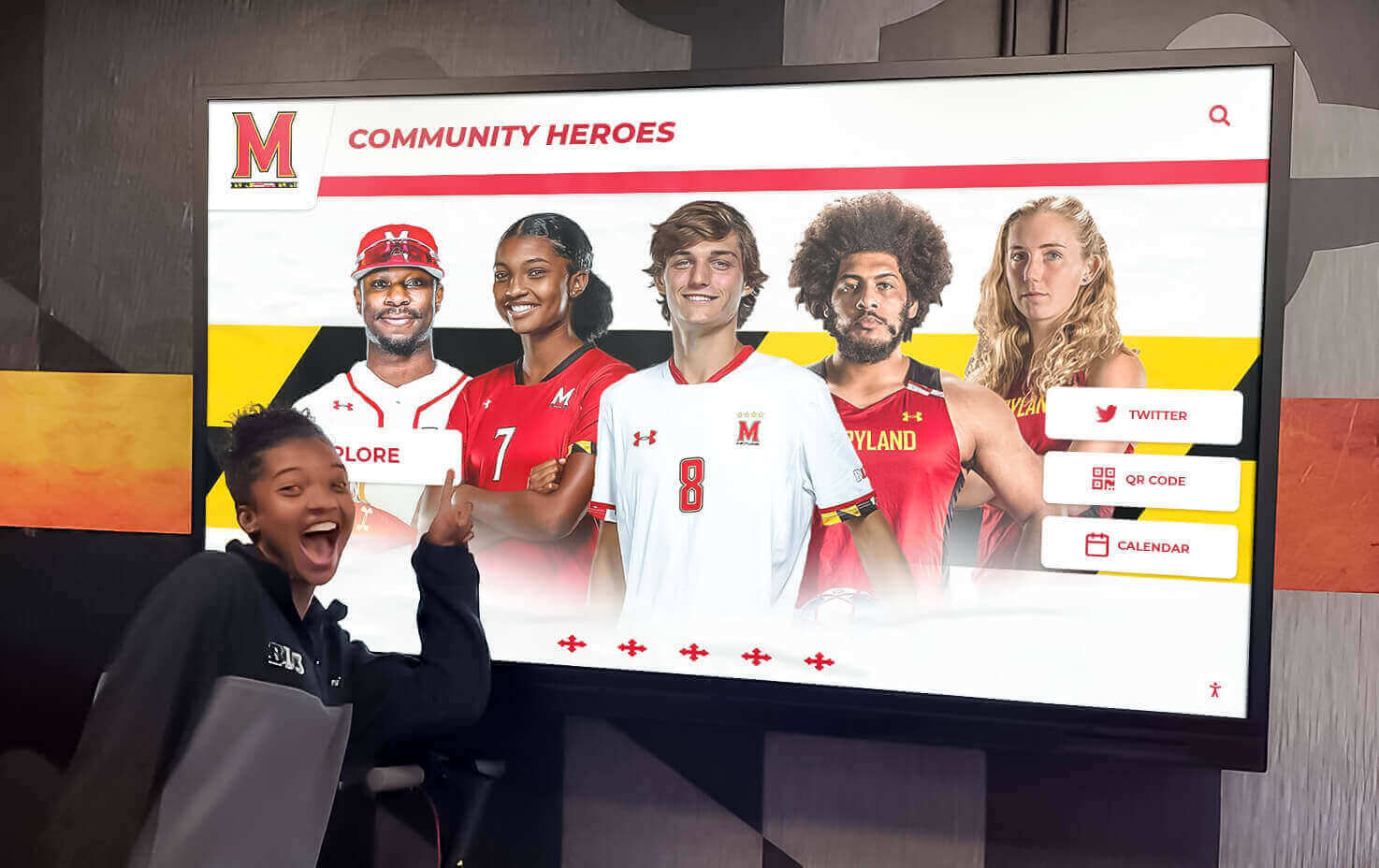
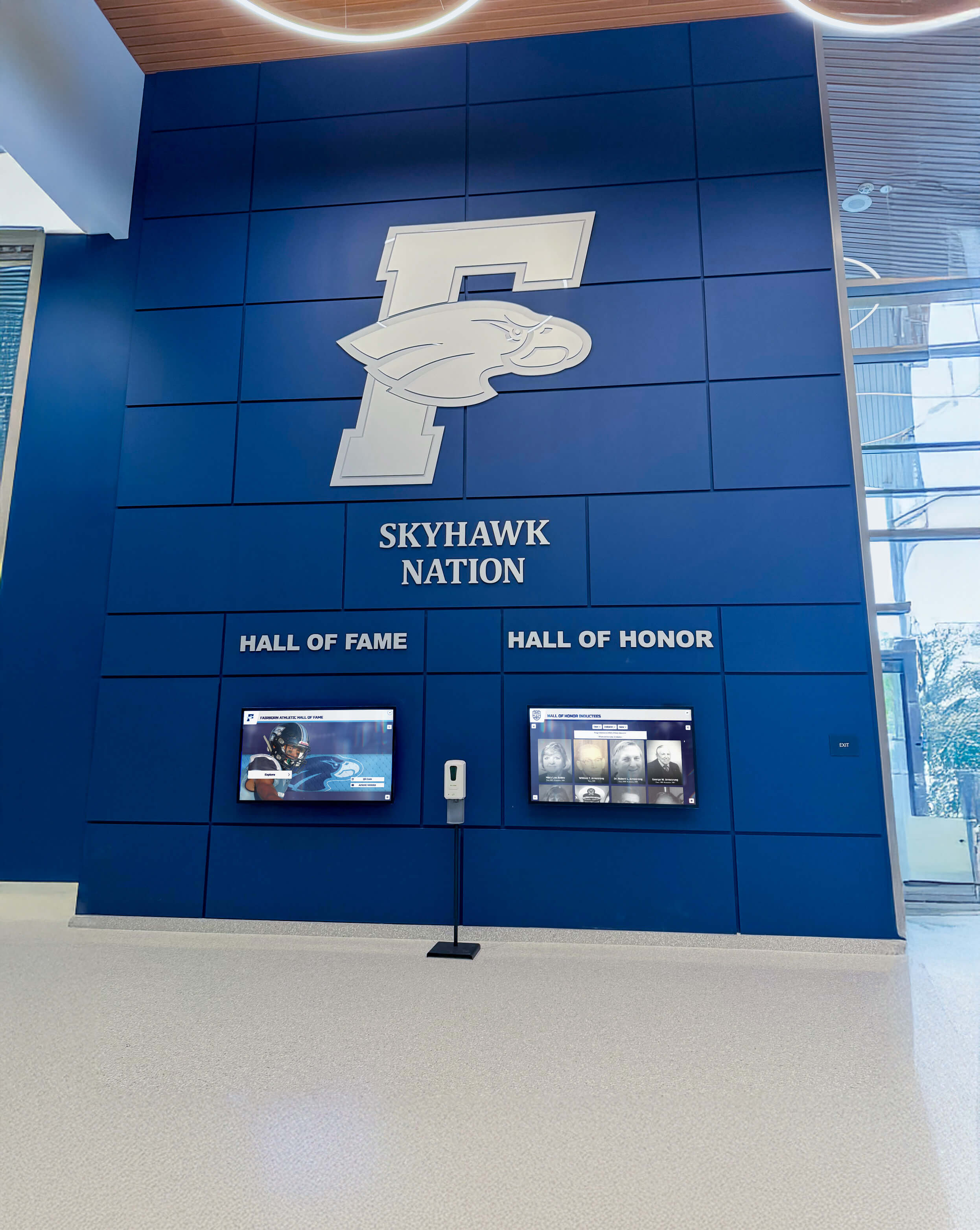
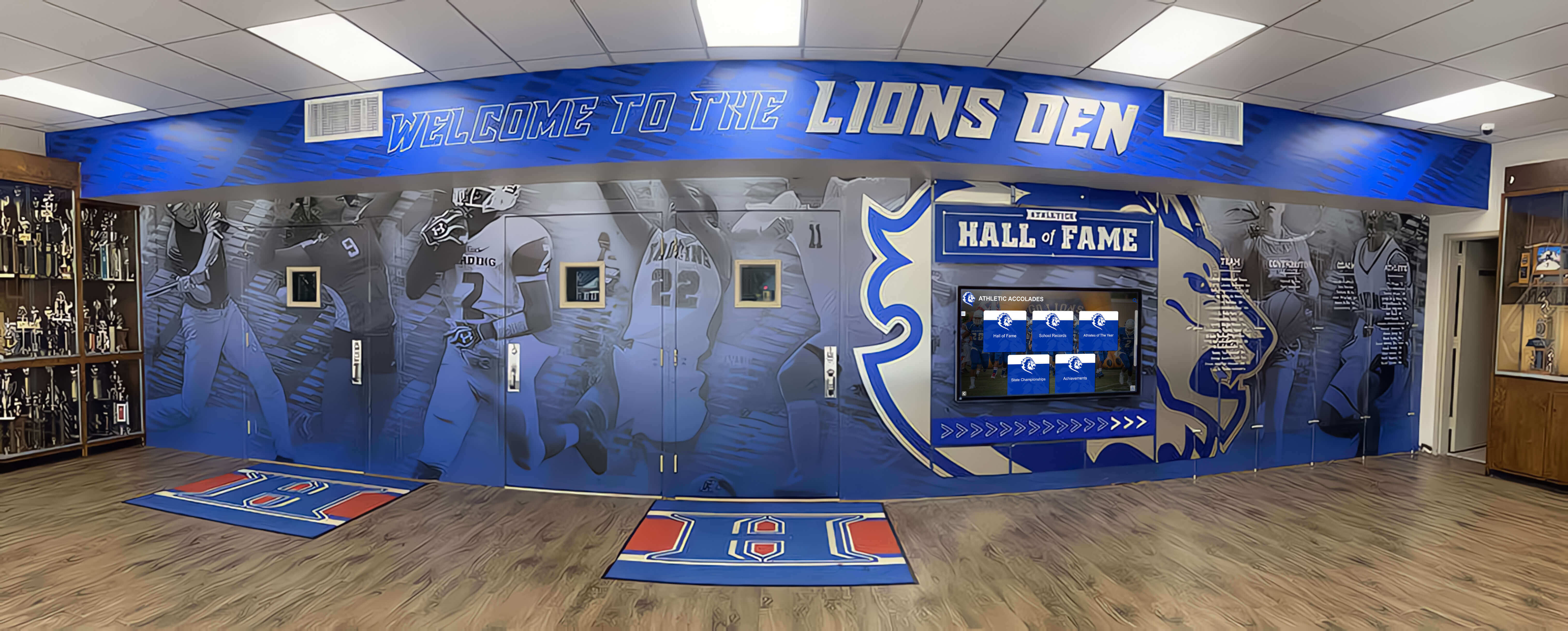
The energy and unity spirit weeks generate deserve permanent celebration beyond temporary social media posts. Schools implementing comprehensive recognition systems can showcase spirit week participation through year-round displays that reinforce community pride. Rocket Alumni Solutions provides schools with interactive digital displays perfect for highlighting spirit week photos, participation statistics, winning classes, and memorable moments—creating lasting tributes to school spirit while motivating future participation in traditions that define your school community.
Why Spirit Weeks Matter for School Culture
Before exploring specific theme ideas, understanding why spirit weeks generate such powerful impact on school communities helps administrators and activity coordinators approach planning strategically.
Building Community Identity and Pride
Spirit weeks create shared experiences that transcend typical academic divisions. When freshmen and seniors, athletes and artists, honors students and vocational learners all participate in the same themed day, barriers diminish and collective identity strengthens. Students begin seeing themselves not just as individuals attending the same building but as members of a community with shared traditions worth celebrating.
This community building proves particularly valuable in larger schools where students might otherwise feel anonymous. Spirit week participation provides visible evidence that you belong, that your school community embraces creativity and fun, and that collective celebrations matter as much as individual academic achievement.
Increasing Student Engagement
Schools with strong spirit week traditions typically see higher overall student engagement metrics. When students feel connected to school community through positive experiences like spirit weeks, they demonstrate better attendance, increased participation in extracurricular activities, stronger academic motivation, and reduced behavioral issues.
Spirit weeks provide engagement opportunities for students who may not participate in traditional extracurriculars like athletics or performing arts. A student uninterested in joining teams or clubs might enthusiastically participate in decades day or twin day, finding their connection point to school community through these accessible activities.
Creating Memory-Making Moments
The school experiences students remember decades later rarely involve individual class periods or routine days. Instead, they remember homecoming games, pep rallies, spirit weeks, and special events that broke from ordinary routines. These memory-making moments shape how alumni feel about their school experiences long after graduation.
Schools recognizing this pattern invest in creating memorable spirit week experiences worth documenting. The photos, videos, and stories generated during spirit weeks become the content that populates interactive displays and digital recognition platforms, creating permanent records of the joy and community spirit that define school culture.
Differentiating Your School
In competitive educational markets where families choose between multiple school options, visible school culture matters. Schools with energetic spirit weeks, enthusiastic participation, and documented traditions of fun and community demonstrate qualities families value. Spirit weeks become marketing assets showcasing school culture to prospective families, alumni, and community stakeholders.
Planning Successful Spirit Weeks: Key Considerations
Effective spirit week planning requires strategic thinking beyond simply selecting five random themes.
Timing and Duration
Most schools schedule spirit weeks during specific times of year:
Homecoming Week (Fall): The traditional spirit week timing, building excitement toward homecoming football games and dances. This timing capitalizes on fall sports energy and typically generates high participation.
Winter Spirit Week: Scheduled during darker, colder months when energy naturally dips, providing morale boost during challenging times. Winter spirit weeks combat seasonal doldrums while creating mid-year excitement.
Spring Spirit Week: Coordinated with spring sports, prom, or end-of-year celebrations. Spring timing can celebrate approaching summer while maintaining engagement as the school year winds down.
Multiple Mini Spirit Weeks: Rather than one major week, some schools schedule shorter spirit bursts throughout the year, maintaining consistent energy and providing multiple participation opportunities.
Accessibility and Inclusivity
The best spirit week themes allow broad participation regardless of student economic circumstances, body types, cultural backgrounds, or personal style preferences. Themes requiring expensive costume purchases, themes that might exclude or embarrass certain students, or themes assuming specific cultural knowledge limit participation and undermine spirit week objectives.
Effective planning considers how students from all backgrounds can participate comfortably and enthusiastically in each proposed theme. When themes naturally accommodate diverse participation approaches, entire communities engage rather than just specific student groups.
Communication and Promotion
Spirit week success depends heavily on advance communication ensuring students know themes, understand participation expectations, and feel excited about upcoming events. Effective promotion includes announcements beginning 2-3 weeks before spirit week, visual posters throughout school buildings, social media campaigns building anticipation, student ambassador programs encouraging participation, and teacher/staff modeling of enthusiasm.
Schools maximizing spirit week impact often create promotional videos, organize student leadership presentations during lunch periods, and coordinate morning announcement campaigns that build excitement while clearly communicating participation details.
Documentation and Recognition
Planning should include strategies for documenting spirit week participation through designated student photographers, staff members capturing candid moments, organized photo opportunities for each theme, social media content creation, and plans for compiling and sharing content post-event.
This documentation serves multiple purposes: creating in-the-moment social media engagement, providing content for school communications and marketing, generating material for celebration events and recognition displays, and building historical archives showing spirit week evolution across years.
Classic Spirit Week Themes That Always Deliver
Some spirit day themes have proven themselves across decades and thousands of schools. These classics work because they’re accessible, clearly understood, and allow creative interpretation.
1. School Colors Day
The simplest but often most impactful theme—students wear school colors in any combination or style. This theme requires no special purchases since most students own something in school colors, creates powerful visual unity when hundreds of students coordinate colors, works for all age groups from elementary through high school, and allows creative expression through how students interpret color combinations.
Schools enhance this theme by providing inexpensive color-coordinated accessories (temporary tattoos, beads, face paint) ensuring all students can participate regardless of wardrobe limitations.
2. Twin Day / Dynamic Duo Day
Students coordinate outfits with friends, creating matching or complementary looks. This theme builds friendship bonds, encourages collaboration and planning, works with normal clothing, and creates fun photo opportunities showing creative pairings.
Extended variations include triplets day, squad day, or team coordination where larger groups coordinate outfits together.
3. Decades Day
Students dress representing different decades—’50s sock hops, ’60s hippies, ’70s disco, ’80s neon and big hair, ’90s grunge, or 2000s trends. This theme encourages creativity and costume elements, provides educational opportunities discussing historical periods, allows family involvement (borrowing parents’ or grandparents’ actual vintage clothing), and creates diverse visual environments as different decades appear throughout campus.
Some schools assign specific decades to different grade levels, creating organized visual coordination while maintaining variety.
4. Pajama Day
Students wear appropriate pajamas or comfortable loungewear to school. This universally popular theme requires no special purchases, allows comfortable dress, appeals to students’ desire for relaxed school environment, and creates fun, informal atmosphere throughout the day.
Schools implementing pajama day typically establish clear appropriateness guidelines ensuring all sleepwear choices meet school dress codes.
5. Jersey Day / Sports Day
Students wear jerseys from their favorite sports teams—professional, college, school, or recreational leagues. This theme celebrates athletic interests, requires no costume purchases for sports-involved students, allows expression of personal interests, and creates connections between students supporting same teams.
Schools broaden participation by encouraging all types of athletic wear, not just official jerseys, ensuring students without sports involvement can participate comfortably.
6. Favorite Character Day
Students dress as characters from books, movies, TV shows, video games, or other media. This highly popular theme allows extreme creativity and self-expression, works across all age groups with age-appropriate character selections, encourages literacy and media literacy discussions, and creates opportunities for students to showcase personal interests.
This theme generates excellent photo opportunities as diverse characters appear throughout campus, from superheroes to classic literature figures.
7. Hawaiian / Beach Day
Students wear Hawaiian shirts, beach attire, tropical prints, and summer accessories. This theme brings color and energy to campus, requires minimal special purchases (Hawaiian shirts available inexpensively), creates fun, relaxed atmosphere, and works particularly well during colder months as morale booster.
Schools enhance this theme with tropical decorations, themed music during passing periods, and coordinated activities like limbo contests or hula hoop competitions.
8. Career Day / When I Grow Up Day
Students dress representing future career aspirations or interesting professions. This theme encourages career thinking and goal-setting, allows costume creativity, provides educational discussion opportunities, and showcases student aspirations and interests.
Younger students particularly enjoy this theme, creating adorable photo opportunities as elementary students dress as doctors, firefighters, teachers, or astronauts.
9. Mismatch Day / Wacky Wednesday
Students intentionally wear mismatched clothing, clashing patterns, inside-out garments, or backwards outfits. This accessible theme requires no purchases or advance planning, allows maximum creativity, appeals to students’ sense of humor, and creates fun, lighthearted atmosphere.
The randomness of this theme often generates the highest participation rates since students can literally participate by choosing any random clothing combinations.
10. Class Colors Day
Each grade level wears designated colors (freshmen blue, sophomores green, juniors red, seniors gold), creating competitive visual display of class pride. This theme builds grade-level unity and friendly competition, creates striking visual effects during assemblies, encourages class spirit and identity, and provides clear participation expectations.
Schools photograph each grade level in their colors, often creating composite images showing the organized visual impact of entire grades coordinating.
Creative Modern Spirit Week Themes
Beyond classics, innovative themes can energize spirit weeks with fresh approaches that generate excitement through novelty.
11. Social Media / App Day
Students dress representing favorite social media platforms, apps, or internet memes. This contemporary theme connects to student interests, allows creative costume interpretation, generates social media engagement as students post pictures, and stays relevant to current teen culture.
Examples include dressing as various app icons, representing internet trends, or creating costumes based on popular social media challenges or references.
12. Music Genre Day
Students dress representing different music genres—country, hip-hop, rock, pop, classical, jazz, or indie. This theme celebrates musical diversity, allows expression of personal taste, creates interesting visual variety, and can coordinate with music department showcases.
Some schools assign different genres to different grade levels or allow free choice, creating campus-wide music festival atmosphere.
13. Decades Remix / Time Traveler Day
Students combine elements from multiple time periods in single outfits—mixing ’80s accessories with ’50s styles or ’90s grunge with 2020s trends. This creative variation on decades day encourages maximum creativity, allows students to avoid committing to single decade, creates amusing anachronistic combinations, and generates conversation about historical fashion evolution.
This theme works particularly well for students interested in fashion and creative expression.
14. Storybook / Literacy Day
Students dress as characters from favorite books or dress in ways representing reading themes. This academic-aligned theme promotes literacy and reading culture, allows creative character interpretation, creates cross-curricular connections, and showcases student reading interests.
English teachers often coordinate activities around this theme, creating deeper integration between spirit activities and academic content. Schools celebrating literacy through multiple approaches often feature digital displays highlighting student achievements across academic, athletic, and cultural domains.
15. Country Day / World Cultures Day
Students dress representing different countries or cultures—traditional clothing, national colors, or cultural symbols. This educational theme celebrates diversity, provides cultural learning opportunities, encourages family involvement sharing cultural heritage, and creates globally-minded atmosphere.
Schools implementing this theme thoughtfully ensure cultural appreciation rather than appropriation, providing guidance about respectful representation and authentic cultural celebration.
16. Superhero vs. Villain Day
Students choose to dress as either superheroes or villains from comics, movies, or original creations. This theme creates fun competitive dynamic, allows extensive creative costume options, appeals to popular culture interests, and generates amusing hero/villain interactions throughout day.
This theme often culminates in pep rallies or assemblies featuring staged hero-villain competitions or skits.
17. Cartoon Character Day
Students dress as characters from animated shows, movies, or classic cartoons. This nostalgic theme appeals across age groups with generation-specific cartoon references, allows broad creative interpretation, creates fun, lighthearted atmosphere, and generates excellent photo opportunities.
From classic Looney Tunes to modern animated series, the breadth of cartoon options ensures all students find characters they connect with.
18. Neon Day / Glow Day
Students wear bright neon colors or glow-in-the-dark accessories. This high-energy theme creates visually striking campus environment, requires minimal costume investment, works particularly well for evening events, and generates exciting atmosphere throughout school.
Schools sometimes coordinate this theme with special lighting in gymnasiums or cafeterias, creating enhanced visual effects during lunch periods or assemblies.
19. Tie-Dye Day
Students wear tie-dye clothing or create their own tie-dye shirts in advance. This creative theme can involve DIY preparation activities, creates colorful visual impact, appeals to artistic students, and allows varying levels of involvement (buying pre-made vs. creating own).
Some schools organize tie-dye creation workshops in days preceding spirit week, building anticipation while creating community art experience.
20. Flannel Friday / Lumberjack Day
Students wear flannel shirts, boots, and outdoor-themed clothing. This accessible theme requires minimal special purchases (flannel widely available and owned), creates cohesive rustic aesthetic, works particularly well in fall, and allows comfortable dress while participating.
This theme pairs naturally with outdoor activities, autumn celebrations, or camping-themed school events.
Competitive and Interactive Spirit Week Themes
Some themes work best when incorporating competitive elements or interactive components that drive participation through gamification.
21. Class Competition Day
Each grade level receives challenges to complete throughout the day, earning points toward spirit week championship. These challenges might include attendance percentage competitions, hallway decoration contests, relay race competitions, trivia competitions, or coordinated group photos.
Competitive frameworks drive participation by adding stakes beyond individual enjoyment, creating grade-level bonding through shared goals and celebrating winning classes through recognition and celebration events.
22. Photo Scavenger Hunt Day
Students complete photo challenges throughout the day—recreating famous photos, taking pictures at specific campus locations, creating themed group photos, or documenting spirit week participation. This interactive theme encourages campus exploration, creates social media engagement, generates extensive photo documentation, and appeals to social, tech-savvy students.
Schools compile scavenger hunt photos into videos or displays shown during culminating pep rallies.
23. School Pride Showcase Day
Students create and wear custom designs showing school name, mascot, or original school spirit artwork. This theme encourages artistic creativity, builds school pride through original expression, can involve advance art classes or clubs creating designs, and showcases diverse student talents.
Outstanding designs sometimes become permanent school merchandise or appear in official school marketing materials.
24. Teacher Swap Day
Students dress like specific teachers (with teacher permission), while teachers dress like stereotypical students. This humorous theme creates lighthearted relationship building between staff and students, generates laughter and community bonding, requires minimal costume investment, and shows teachers’ willingness to participate in school spirit.
This theme works particularly well in smaller schools where students know most teachers personally.
25. Time Period Progression Day
Each grade level represents different time period, creating living timeline as students move through campus—seniors dress as future, juniors as present, sophomores as recent past, freshmen as distant past. This organized theme creates educational discussion opportunities, provides clear grade-level coordination, allows diverse costume interpretations within assigned periods, and creates striking visual progression during assemblies.
Schools photograph each class in chronological arrangement, creating powerful visual representation of historical progression.
Unique and Memorable Spirit Week Themes
For schools seeking themes that stand out from typical spirit week schedules, these creative options generate buzz through originality.
26. Decades Mash-Up Day
Rather than choosing single decades, students must combine elements from multiple eras in single outfit—perhaps ’50s skirt with ’90s flannel and 2020s sneakers. This advanced creative challenge encourages maximum creativity and costume planning, generates unique, one-of-a-kind outfits, creates conversation starters throughout day, and appeals to fashion-forward students.
This theme requires more advance planning but generates exceptional photo opportunities as students create truly original looks.
27. Monochrome Color Day
Each grade level wears entirely different single color—all black, all white, all red, all blue. Unlike class colors day using school colors, this approach creates dramatic monochrome visual statements. This theme generates striking assembly visuals, requires no special purchases, allows creative interpretation within color parameters, and creates memorable photo opportunities.
The visual impact when entire grade levels appear in coordinated monochrome creates powerful school spirit demonstrations.
28. Opposite Day
Students dress opposite their typical style—athletes wear formal clothes, drama students wear athletic wear, typically formal dressers wear casual clothes. This playful theme encourages students to explore different styles, creates humor and lighthearted atmosphere, requires no purchases (using existing wardrobe differently), and generates conversations about identity and stereotypes.
This theme works best in schools with diverse student populations showing varied typical styles.
29. Tourist Day
Students dress as stereotypical tourists visiting their own school—Hawaiian shirts, cameras, fanny packs, sun hats, maps, binoculars. This humorous theme requires minimal costume investment, creates fun, lighthearted atmosphere, allows comfortable dress, and generates amusing photo opportunities.
Schools enhance this theme by creating “tourist attraction” photo opportunities around campus where students pose at notable school locations.
30. Future Day / Science Fiction Day
Students dress representing visions of the future—robot costumes, space themes, futuristic fashion, sci-fi character references. This imaginative theme encourages creative costume design, connects to STEM education themes, allows ranging interpretations from realistic future predictions to fantastical sci-fi, and creates opportunities for discussions about technology and future careers.
This theme pairs well with science fairs, STEM showcases, or career exploration events.
Executing Spirit Week Successfully
Selecting great themes represents just one component of successful spirit weeks. Execution determines whether themes translate into high participation and memorable experiences.
Student Leadership and Ownership
Spirit weeks succeed when students feel ownership rather than viewing them as administrator-imposed requirements. Effective strategies include student government planning committees selecting themes, student ambassadors promoting participation within friend groups, student photographers and social media managers documenting events, and student-created promotional materials and videos.
When students drive spirit week planning and execution, peer influence naturally increases participation beyond what adult encouragement alone achieves.
Faculty and Staff Participation
Teacher and administrator participation significantly impacts student engagement. When faculty enthusiastically participates in spirit week themes, students recognize that school community values fun and unity, permission and enthusiasm for student participation increases, barriers between students and staff reduce, and overall participation rates improve measurably.
Schools should actively encourage and celebrate staff participation, perhaps through staff participation contests or recognition.
Integration with Existing School Events
Spirit weeks generate maximum impact when coordinated with other school events—homecoming games and dances, athletic tournaments or championships, school anniversaries or milestone celebrations, parent nights or open house events, and fundraising events or community gatherings.
This integration multiplies participation and excitement while creating comprehensive school spirit experiences greater than sum of individual events.
Documentation and Celebration
Capturing spirit week moments ensures impact extends beyond the actual week. Effective documentation includes designated student photographers covering each day, organized photo stations for formal spirit day photos, social media campaigns with school hashtags, compilation videos shown at pep rallies or assemblies, and permanent displays celebrating participation and memorable moments.
This documentation becomes the content populating school social media, websites, and physical recognition displays. Schools implementing digital walls of fame and recognition systems can feature spirit week highlights alongside academic and athletic achievements, creating comprehensive celebration of school culture.
Accessibility Planning
Ensuring all students can participate regardless of economic circumstances requires thoughtful planning. Strategies include advance notice allowing time for planning, costume closets or swap systems for sharing materials, emphasis on creativity over expensive purchases, recognition that participation in any form (even just wearing something related to theme) counts, and avoiding themes requiring expensive equipment or specialized clothing.
Schools sometimes create costume lending libraries where students donate or loan theme-appropriate items others can borrow, ensuring economic limitations never prevent participation.
Measuring Spirit Week Success
Understanding whether spirit weeks achieve their objectives requires assessment beyond subjective impressions.
Participation Metrics
Quantify participation through daily headcounts or estimates, grade-level participation percentages, year-over-year participation comparisons, and photo documentation showing visible participation levels.
These metrics help determine which themes generate highest participation and whether overall spirit week engagement increases or decreases over time.
Community Feedback
Gather qualitative feedback through student surveys about favorite themes and suggested improvements, parent feedback about student enthusiasm and home conversations, teacher observations about energy levels and student interactions, and social media engagement metrics (likes, shares, comments on spirit week posts).
This feedback informs future planning while demonstrating community impact.
Long-Term Cultural Impact
Assess whether spirit weeks contribute to broader school culture goals through attendance rate patterns during spirit weeks, behavioral incident rates (often decrease during high-energy positive events), overall school climate survey results, and alumni reminiscing about spirit week memories at reunions.
These longer-term indicators reveal whether spirit weeks successfully contribute to positive school culture beyond immediate fun.
Creating Permanent Recognition of School Spirit
The energy, creativity, and community unity spirit weeks generate deserve celebration beyond the actual event week. Modern schools increasingly document and permanently showcase spirit week traditions through comprehensive recognition systems.
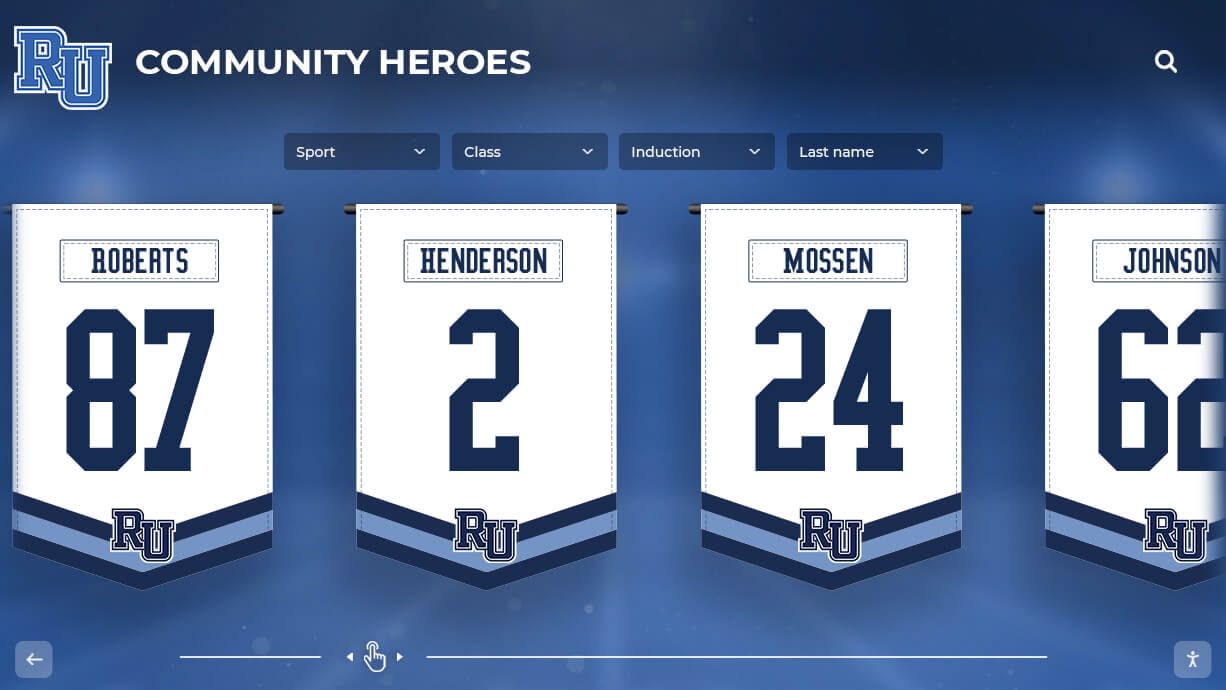
Digital displays enable schools to create permanent spirit week galleries showing photo compilations from each year’s spirit week, participation statistics and winning classes, evolution of popular themes across years, and student testimonials about favorite spirit week memories.
These permanent displays serve multiple purposes: celebrating current and past students who contributed to school spirit traditions, motivating future students to participate enthusiastically, showcasing school culture to prospective families and community visitors, and documenting the evolution of school traditions across years and decades.
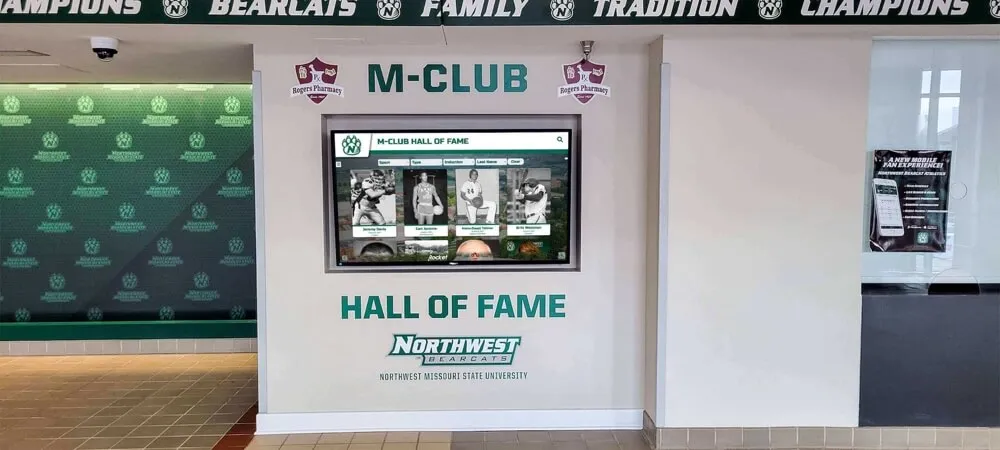
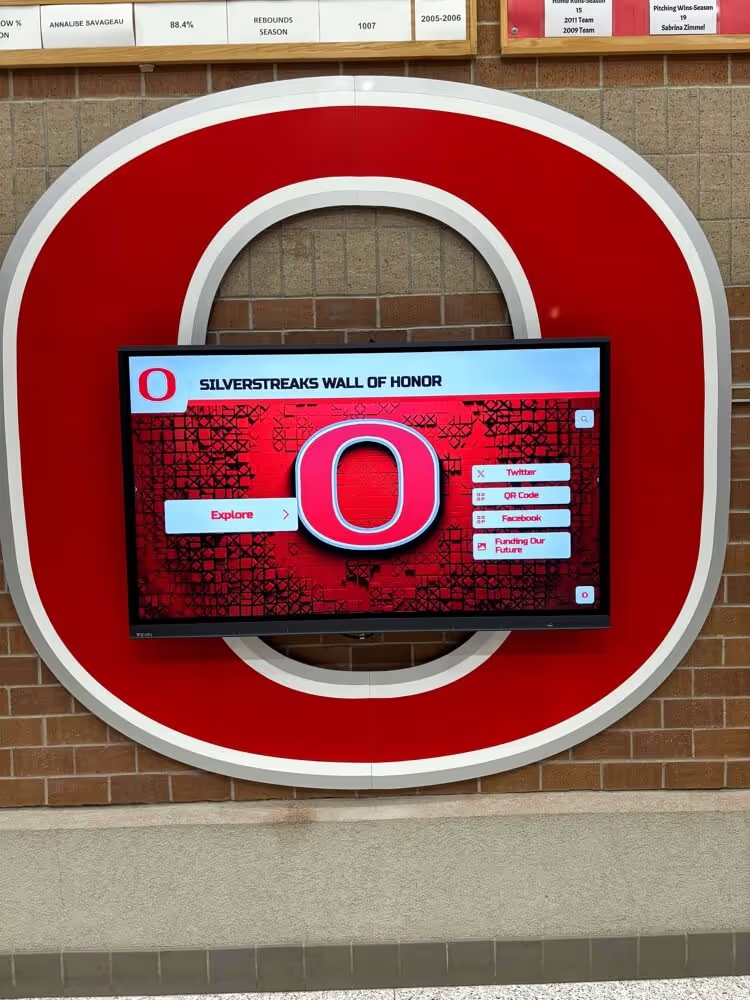
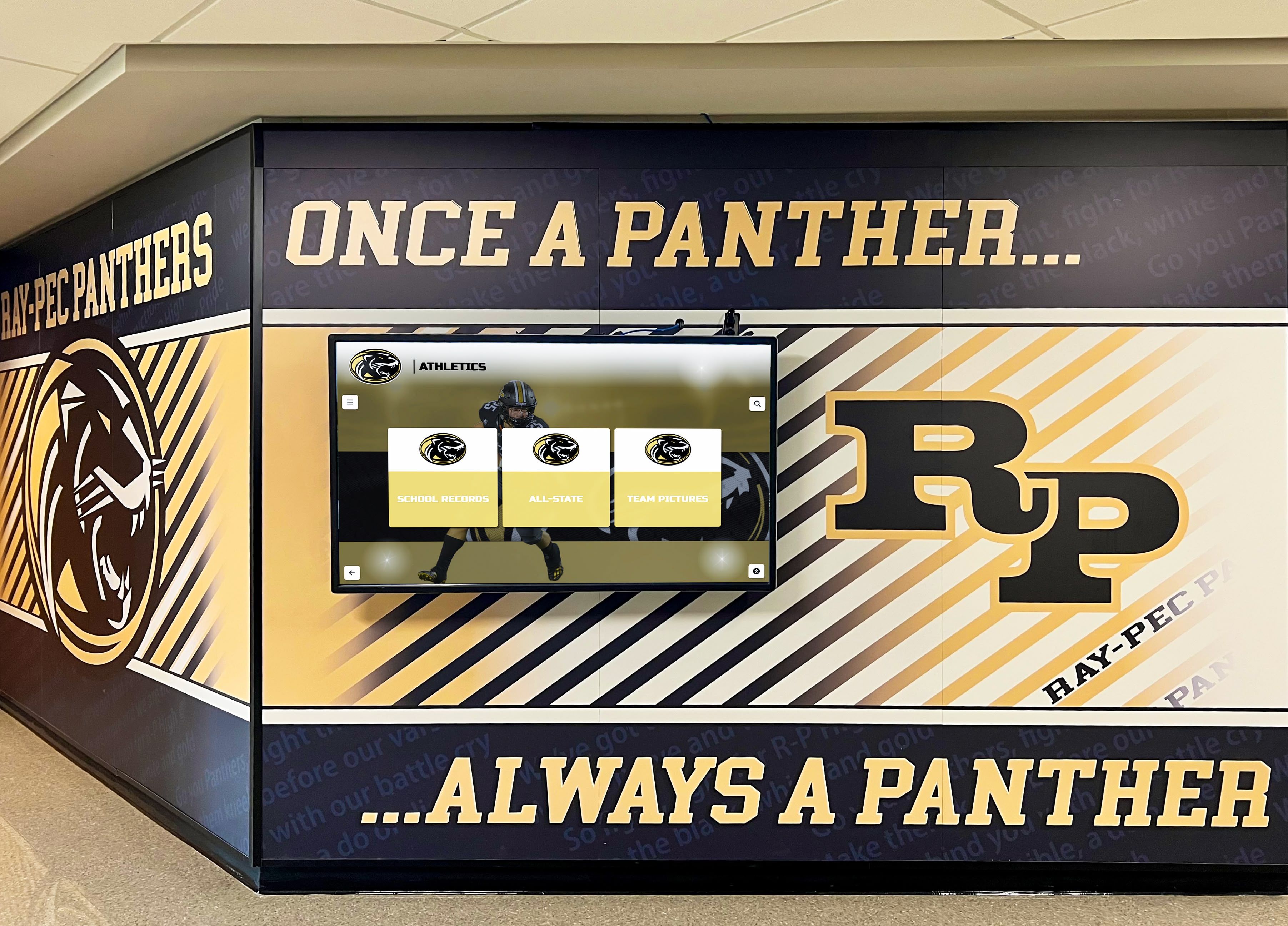
Rocket Alumni Solutions specializes in creating interactive digital displays that beautifully showcase spirit week memories alongside academic achievements, athletic records, and other school accomplishments. These touchscreen platforms allow visitors to browse spirit week photo galleries by year, search for specific students or themes, view participation statistics and class winners, and experience school spirit traditions through engaging interactive formats that static displays cannot provide.
By permanently celebrating spirit week participation, schools reinforce that community spirit matters as much as academic or athletic achievement, that participation in school traditions deserves recognition, and that the memories created during spirit weeks form important parts of school legacy worth preserving.
Conclusion: Building Community One Spirit Week at a Time
Spirit weeks represent far more than fun dress-up days breaking from academic routines. When thoughtfully planned and enthusiastically executed, they become powerful community-building tools that strengthen student engagement, create lasting memories, showcase school culture, and build the collective pride that transforms schools into communities.
The thirty spirit week themes outlined here—from timeless classics like school colors day and pajama day to creative modern approaches like social media day and decades mash-up day—provide options for every school culture, student population, and community context. The most effective approach combines reliable favorites that guarantee participation with innovative themes that generate fresh excitement and buzz.
Success requires more than just theme selection. It demands student leadership and ownership, enthusiastic faculty participation, strategic coordination with other school events, thoughtful accessibility planning, comprehensive documentation, and permanent celebration of spirit week traditions.
For schools committed to building strong community culture, spirit weeks deserve the same careful planning and investment as academic programs or athletic seasons. The returns—increased student engagement, strengthened school pride, memorable experiences, and vibrant school culture—justify the effort while creating the foundation for communities that thrive on shared traditions and collective celebration.
Whether you’re planning your school’s first spirit week or seeking to reinvigorate long-standing traditions, these thirty theme ideas provide the starting point for creating experiences that unite your community, generate lasting memories, and build the school spirit that transforms ordinary schools into extraordinary communities students are proud to call their own.