



Athletic administrators juggle complex responsibilities spanning scheduling coordination, eligibility compliance, budget management, facility allocation, event planning, communication with diverse stakeholders, and comprehensive recognition programs. The sheer volume of administrative tasks—much of it traditionally manual and time-consuming—often pulls focus away from what matters most: supporting student-athletes, developing quality programs, and building championship cultures.
In 2026, athletic directors discover that strategic software implementation transforms daily operations from reactive crisis management to proactive program leadership. The right technology stack eliminates administrative bottlenecks, reduces compliance risks, improves communication flow, provides data-driven decision support, and creates engaging recognition experiences that build lasting program pride. Modern athletic administration depends on comprehensive digital tools that work together seamlessly rather than disconnected point solutions creating more complexity than value.
Why Software Investment Matters for Athletic Administrators
Athletic departments face mounting pressures including expanded compliance requirements, limited administrative staffing, increasing competition for student-athletes, demanding communication expectations from parents and community, and constrained budgets requiring operational efficiency. Software solutions address these challenges systematically by automating repetitive tasks, centralizing information across programs, reducing human error in critical processes, providing transparent communication channels, and demonstrating program excellence through comprehensive recognition. According to market research, the sports management software market is estimated at $10.20 billion in 2026 and expected to reach $17.54 billion by 2030, reflecting rapid digital transformation across athletic administration.
Understanding the Athletic Administrator’s Technology Needs
Successful athletic departments require integrated technology ecosystems addressing distinct operational domains. Rather than viewing software as isolated purchases, effective administrators build comprehensive stacks where complementary systems work together supporting interconnected workflows.
Core Operational Categories
Athletic administration software generally falls into several essential categories including scheduling and event management systems coordinating competitions and facilities, registration and eligibility platforms managing student-athlete participation, compliance management tools tracking regulatory requirements, communication systems connecting administrators with stakeholders, financial management software handling budgets and payments, performance tracking platforms monitoring athletic development, facility and equipment management systems, transportation coordination tools, ticketing and gate management solutions, and digital recognition displays celebrating achievement comprehensively.
The most effective technology stacks integrate across these categories rather than forcing administrators to manage disconnected systems requiring duplicate data entry and creating information inconsistencies.

High School vs. College Considerations
Technology needs vary somewhat between high school and collegiate contexts. High schools typically prioritize eligibility tracking against state association rules, parent communication and payment collection, multi-sport athlete management across seasons, volunteer coach coordination, and budget-conscious solutions with favorable pricing. Colleges face additional complexities including NCAA compliance requirements, recruiting coordination and communication, scholarship and financial aid tracking, academic support integration, and sports medicine electronic medical records.
However, both contexts benefit from comprehensive scheduling, registration, communication, and recognition platforms forming the foundation of effective athletic administration regardless of institutional level. The specific features and compliance requirements differ, but the fundamental operational challenges remain remarkably similar.
Essential Software Categories and Top Solutions
Athletic administrators building comprehensive technology stacks should evaluate solutions across critical operational domains, selecting tools that integrate effectively while addressing specific institutional needs and constraints.
1. Master Schedule Management and Event Coordination
Coordinating game schedules, practice times, facility usage, transportation, officials, and event staffing represents one of athletic administration’s most complex challenges. Master schedule management software provides centralized coordination preventing conflicts while ensuring comprehensive coverage.
Why Schedule Management Matters
Athletic departments managing 15-25 sports across three seasons face thousands of individual scheduling decisions annually including game scheduling with opponents, practice time allocation across limited facilities, official assignment for competitions, transportation coordination for away events, facility preparation and setup, athletic trainer coverage, and parent and community communication about changes. Without centralized systems, scheduling typically requires hours of manual coordination involving constant email exchanges, phone calls, and spreadsheet updates vulnerable to errors and miscommunication.
Top Solutions:
BigTeams offers comprehensive scheduling specifically designed for K-12 athletic departments with over a decade of market experience. The platform allows athletic directors to manage complex scheduling without extensive technical training while coordinating across multiple schools and conferences. According to BigTeams, their student-athlete registration and team management software collects digital forms, verifies eligibility, and compiles rosters automatically.
Bound provides all-in-one platforms handling registrations, schedules, rosters, transportation, tickets, and fundraising in integrated environments. With Arbiter shutting down rSchool in 2026-27, many schools are migrating to comprehensive alternatives like Bound that consolidate previously separate functions.
rSchoolToday has been a leading platform specifically designed for school athletics that integrates well with academic management systems, providing seamless data flow between academic and athletic operations.
DragonFly Athletics streamlines high school sports administration with tools for membership management, assigning officials, secure digital payments, communication, player rosters and eligibility, and injury reports all within unified platforms.
Implementation Best Practices
Successful schedule management implementation requires establishing clear scheduling policies before software configuration, training all coaches on schedule request procedures, building adequate lead time into annual scheduling cycles, maintaining regular communication about changes and conflicts, and integrating schedule distribution with communication platforms so stakeholders receive automatic notifications rather than requiring manual updates.
2. Student-Athlete Registration and Eligibility Management
Registration systems streamline the complex process of collecting student-athlete information, verifying eligibility, managing required documentation, processing payments, and compiling rosters across multiple sports and seasons.
The Registration Challenge
Traditional paper-based registration creates substantial administrative burden including manual data entry from physical forms, eligibility verification across multiple requirements, payment tracking and collection follow-up, physical form storage and retrieval, and duplicate work across different sports. Modern registration platforms eliminate these inefficiencies through digital form collection with electronic signatures, automated eligibility checking against multiple criteria, integrated payment processing, cloud-based document storage, and roster generation requiring no manual data compilation.
Top Solutions:
Aktivate was founded specifically to transform how scholastic sports are managed and funded in America’s K-12 schools, providing modern software to manage athletic departments comprehensively. Aktivate focuses on streamlining administrative workflows while improving financial sustainability for school athletics.
SportsPlus offers comprehensive tools for fundraising, tryouts, registration, scheduling, rostering, team communication, live scoring, stat tracking, event planning, and certified athlete profiles. According to SportsPlus, their platform addresses the full spectrum of athletic department needs within integrated environments.
FinalForms (through Finalsite) provides specialized athletic department software for schools that integrates registration with broader school website and communication systems, ensuring consistent data across institutional platforms.
Key Registration Features
Effective registration platforms must include customizable digital forms matching specific institutional requirements, conditional logic showing relevant questions based on previous answers, integration with payment processors for seamless fee collection, document upload capabilities for required medical and permission forms, automated reminder systems for incomplete registrations, and multi-sport package options allowing families to register for multiple sports efficiently.
3. Compliance Management and Eligibility Tracking
Compliance management software helps athletic departments avoid costly violations while ensuring student-athlete eligibility through systematic tracking of complex and constantly evolving rules.
Compliance Complexity and Risk
Athletic departments face substantial compliance obligations including state athletic association rules, NCAA eligibility requirements for college-bound athletes, district and conference regulations, academic eligibility standards, participation limits, transfer rules, and amateur status requirements. Manual compliance tracking creates significant violation risks from overlooked requirements, rule misinterpretation, documentation gaps, and timeline failures. Compliance software systematically addresses these risks through automated eligibility checking, rule update notifications, documentation workflows, and audit trail maintenance.
Top Solutions:
Teamworks Compliance provides comprehensive and flexible platforms that unify athletic departments by automating processes, centralizing data, and mitigating the risk of costly compliance violations. The Teamworks Compliance platform is particularly popular at the collegiate level where NCAA requirements create complex tracking needs.
Honest Game stands out as the only educational software that automates real-time academic eligibility tracking for college sports across all five divisions. Honest Game helps high schools manage NCAA eligibility for college-bound athletes while tracking academic eligibility against state association standards.
ArbiterSports offers compliance tracking integrated with their comprehensive athletic administration platform, connecting eligibility verification with scheduling and assignment functions.

Critical Compliance Features
Comprehensive compliance platforms should include automated eligibility checking against multiple rule sets, academic grade and GPA tracking integration with student information systems, participation limit monitoring across seasons, transfer documentation workflows, amateur status certification, recruiting communication tracking for NCAA purposes, and comprehensive audit trails documenting all compliance decisions and actions.
The implementation of digital record board systems complements compliance efforts by providing transparent documentation of athletic achievements and records that support various certification and verification needs.
4. Communication and Engagement Platforms
Athletic departments must maintain effective communication with diverse stakeholders including student-athletes, parents, coaches, administrators, community members, and media. Communication platforms centralize messaging while ensuring important information reaches appropriate audiences.
Communication Complexity
Traditional communication approaches using email, text messages, social media, and paper flyers create several problems including missed communications when stakeholders check different channels, information inconsistency across multiple platforms, inability to verify message receipt, difficulty targeting specific groups, and lack of emergency notification capabilities. Modern athletic communication platforms solve these challenges through multi-channel distribution, targeted messaging to specific groups, delivery confirmation and read receipts, emergency alert capabilities, and integration with scheduling systems for automatic notifications.
Top Solutions:
VNN Sports offers top-rated athletic department tools and integrations to build online communities around sports programs. VNN focuses specifically on the unique communication and engagement needs of athletic departments rather than generic school communication tools.
Remind provides simple, reliable messaging helping educators reach students and parents where they are, with particular strength in text-based communication reaching parents who may not regularly check email.
TeamSnap offers team communication and management tools that work well for individual teams and smaller athletic programs, providing messaging, scheduling, and roster management in user-friendly packages.
FinalSite provides comprehensive school communication platforms that include specialized athletic department features, ensuring consistent institutional messaging across academic and athletic domains.
Effective Communication Features
Strong communication platforms provide multi-channel distribution including push notifications, emails, texts, and app alerts, group segmentation allowing targeted messaging to specific teams, classes, or stakeholder types, scheduling for timed message delivery, two-way communication enabling responses and confirmations, attachment capabilities for forms and documents, translation services for multilingual families, and analytics showing message open and engagement rates.
5. Financial Management and Payment Processing
Athletic departments handle substantial financial operations including participation fees, booster donations, ticket sales, equipment purchases, travel expenses, and facility rentals. Financial management software streamlines transactions while ensuring proper tracking and reporting.
Financial Operations Challenges
Manual financial management creates multiple problems including delayed payment collection, incomplete payment tracking, reconciliation difficulties, limited payment method options, compliance reporting challenges, and fundraising coordination difficulties. Modern financial platforms address these challenges through integrated online payment processing, automatic payment plan management, real-time financial dashboards, donation and fundraising tracking, budget management and reporting, and seamless accounting system integration.
Top Solutions:
QuickBooks remains the standard for general financial management with sports-specific add-ons available for athletic department needs, providing comprehensive accounting while integrating with specialized athletic platforms.
RevTrak specializes in school payment processing including athletic fees, providing dedicated solutions understanding the specific requirements and workflows of school athletic departments.
BigTeams and Bound both include integrated payment processing within their comprehensive athletic administration platforms, eliminating the need for separate financial systems.
Snap! Raise focuses specifically on athletic fundraising, providing digital platforms that dramatically simplify booster club and team fundraising campaigns while ensuring proper tracking and compliance.
Essential Financial Features
Comprehensive financial management requires online payment acceptance for multiple payment types, automatic payment plan administration, financial dashboard providing real-time visibility, fundraising campaign management and tracking, budget creation and monitoring tools, expense tracking and approval workflows, financial reporting meeting audit requirements, and integration with institutional accounting systems ensuring proper financial controls.
6. Facility and Equipment Management
Managing athletic facilities, equipment inventory, and maintenance schedules requires systematic approaches preventing scheduling conflicts, equipment loss, and safety issues from deferred maintenance.
Facility Management Complexity
Athletic departments typically manage multiple facilities including gymnasiums, weight rooms, athletic fields, locker rooms, training rooms, and equipment storage areas. Effective management requires coordinating facility reservations preventing scheduling conflicts, maintenance scheduling ensuring safe conditions, equipment inventory tracking, inspection documentation, and usage analytics for capacity planning. Without systematic management, facilities suffer from scheduling conflicts, maintenance neglect, equipment loss, and safety risks.
Top Solutions:
EMS Software provides comprehensive facility scheduling and management specifically designed for educational institutions, handling complex reservation needs across academic and athletic uses.
ASSISTments offers maintenance management tracking work orders, preventive maintenance schedules, and inspection documentation ensuring facilities remain safe and functional.
AssetTiger provides equipment inventory management with barcode scanning enabling quick inventory audits and equipment tracking as items move between locations.
Key Facility Management Features
Effective facility management platforms include visual scheduling calendars showing all reservations, online reservation requests with approval workflows, maintenance scheduling and work order tracking, equipment inventory with checkout systems, inspection documentation and history, usage analytics showing facility utilization, and integration with master scheduling systems ensuring coordination across academic and athletic needs.
7. Performance Tracking and Athlete Development
Performance tracking software helps coaches and administrators monitor athletic development, identify injury risks, optimize training programs, and document improvement over time.
Performance Monitoring Benefits
Systematic performance tracking enables several important functions including baseline fitness and skill assessment, progress monitoring over seasons and years, training program optimization based on data, injury risk identification through fatigue monitoring, talent identification for team selection, and recruiting documentation for college-bound athletes. Traditional paper-based tracking makes longitudinal analysis difficult while missing patterns that data visualization makes obvious.
Top Solutions:
AthleteMonitoring provides comprehensive athlete management and monitoring software with secure, HIPAA and GDPR-compliant platforms managing schedules, administrative information, file sharing, SMS messaging, and secure data exchange according to AthleteMonitoring.
TeamBuildr offers strength and conditioning program management with performance tracking, workout prescription, and progress monitoring specifically designed for high school and college athletic programs.
Kinduct provides enterprise-level athlete management systems used by professional and collegiate programs managing comprehensive athlete data across performance, medical, and development domains.
SimpliFaster offers athlete management system software with features for testing, monitoring, and programming according to their buyer’s guide.
Critical Performance Features
Comprehensive performance platforms should include customizable testing protocols for various sports, mobile data collection for field-based testing, progress visualization showing improvement over time, comparative analytics showing individual performance against team norms, automated red flag alerts for injury risk indicators, integration with training prescription systems, and secure data storage meeting medical privacy requirements.
8. Sports Medicine and Athletic Training Management
Athletic training software provides electronic medical record (EMR) capabilities specifically designed for sports medicine, documenting injuries, treatments, rehabilitation progress, and return-to-play decisions.
Sports Medicine Documentation Requirements
Athletic trainers face substantial documentation requirements including initial injury evaluation, treatment protocols and progress notes, rehabilitation exercise prescription, return-to-play decision documentation, participation status communication to coaches, and emergency action documentation. Paper-based documentation creates retrieval difficulties, illegibility issues, incomplete records, and compliance risks. EMR systems specifically designed for athletic training address these challenges systematically.
Top Solutions:
Sportsware provides comprehensive athletic training EMR systems used widely across high school and collegiate athletics, offering HIPAA-compliant documentation, treatment tracking, and reporting.
Injury Tracker (renamed Teamworks Pulse) offers cloud-based sports medicine documentation with injury tracking, treatment protocols, and participation status management integrated with broader athletic department systems.
SimplyAT provides affordable athletic training software designed specifically for high school athletic trainers with user-friendly interfaces requiring minimal training.
Essential Sports Medicine Features
Effective athletic training platforms must include HIPAA-compliant data security, injury documentation templates following standard protocols, treatment note workflows, return-to-play criteria tracking, participation status clearance for coaches, emergency action plan documentation, equipment and supply inventory management, insurance and billing integration, and comprehensive reporting for compliance and analysis.
The connection between sports medicine documentation and comprehensive digital recognition of athletic achievement helps institutions tell complete stories about athlete development including overcoming injuries and demonstrating resilience.
9. Recruiting and College Placement Support
For high school programs, supporting college-bound student-athletes through the recruiting process represents an important service requiring systematic documentation and communication.
Recruiting Support Challenges
High school athletic administrators and coaches supporting recruited athletes must manage several complex tasks including athlete profile development with statistics and highlights, college coach communication tracking, NCAA eligibility certification, recruiting event coordination, letter of intent documentation, and commitment announcement management. Without organized systems, important deadlines are missed, opportunities are overlooked, and athletes receive inconsistent support.
Top Solutions:
CaptainU provides recruiting platforms connecting student-athletes with college coaches, managing athlete profiles, facilitating communication, and tracking recruiting progress.
NCSA (Next College Student Athlete) offers comprehensive recruiting education, profile management, and college coach connection services supporting athletic department college placement efforts.
Honest Game includes recruiting support features integrated with NCAA eligibility tracking, ensuring academic requirements align with recruiting timelines according to Honest Game.
BeRecruited provides free athlete profile platforms helping student-athletes connect with college coaches while high school administrators manage institutional commitments and placements.
Key Recruiting Features
Effective recruiting support platforms include athlete profile creation with statistics and highlights, college coach database and communication tools, recruiting event calendar and registration, NCAA eligibility certification workflows, commitment tracking and announcements, and analytics showing placement patterns and college destinations over time.
Many schools create digital displays celebrating college commitments as part of comprehensive recognition programs that motivate current athletes while demonstrating program quality to prospective families.
10. Video Analysis and Game Film Management
Video analysis software helps coaches review game footage, break down opponent tendencies, evaluate athlete performance, and share highlights with recruits and college coaches.
Video Coaching Benefits
Systematic video use improves coaching effectiveness through performance evaluation showing specific technique details, opponent scouting identifying tendencies and weaknesses, teaching tool demonstrating proper execution, recruiting highlight creation for college-bound athletes, and game preparation using practice repetitions. Managing video without proper systems creates storage challenges, retrieval difficulties, and limited analysis capabilities.
Top Solutions:
Hudl dominates the high school and college video market with comprehensive platforms for uploading game footage, creating playlists, breaking down film, sharing with teams and recruits, and analyzing performance statistics.
Krossover (acquired by Hudl) offers automated game analysis generating statistics and analytics from video footage, reducing manual breakdown time substantially.
XPS Network provides video analysis and coaching development platforms used across multiple sports for performance review and improvement.
Coach’s Eye offers affordable video analysis apps allowing coaches to record, analyze, and share performance video using tablets and smartphones.
Critical Video Features
Comprehensive video platforms should include cloud-based storage with substantial capacity, mobile upload from smartphones and tablets, drawing and telestration tools for coaching points, playlist creation for specific players or situations, sharing capabilities with controlled access, statistical breakdown from video analysis, and integration with recruiting platforms for highlight distribution.
11. Ticketing and Gate Management
Ticketing software streamlines ticket sales, gate management, and attendance tracking while providing financial reporting and reducing administrative burden.
Ticketing Operations Challenges
Manual ticket sales and gate management create multiple problems including cash handling security risks, limited payment options for spectators, slow gate entry creating lines, difficulty tracking actual attendance, complex financial reconciliation, and inability to analyze attendance patterns. Digital ticketing platforms address these challenges through online advance ticket sales, mobile ticketing eliminating paper, rapid gate entry with scanning, real-time attendance dashboards, automated financial reporting, and analytics showing attendance trends and revenue patterns.
Top Solutions:
GoFan dominates high school ticketing with digital platforms for online advance purchase, mobile tickets, and streamlined gate management specifically designed for school athletics.
Hometown Ticketing provides comprehensive event ticketing for schools and community organizations with user-friendly purchasing and administration.
TicketSpicket offers affordable ticketing solutions for smaller schools and organizations with simplified setup and operation.
Ludus provides comprehensive box office and ticketing management used by performing arts programs and athletic departments managing complex seating and event types.
Essential Ticketing Features
Effective ticketing platforms must include online advance purchase with credit card processing, mobile ticketing on smartphones eliminating paper, gate scanning for rapid entry verification, real-time sales and attendance dashboards, season pass and package management, integration with activity passes and student IDs, financial reporting with automated reconciliation, and patron database building for marketing and communication.
12. Transportation Coordination and Travel Management
Coordinating team transportation for away competitions requires managing bus reservations, driver assignments, departure times, emergency contacts, and travel rosters.
Transportation Management Complexity
Athletic departments arranging transportation for dozens or hundreds of away competitions annually face substantial coordination challenges including bus fleet scheduling and driver assignment, vehicle capacity matching to team sizes, departure time coordination with game schedules, emergency contact information for traveling teams, dietary accommodations for overnight travel, hotel reservations for tournaments, and expense tracking for budget management. Without systematic management, double bookings occur, communication gaps create confusion, and travel documentation remains incomplete.
Top Solutions:
BusBoss provides comprehensive transportation management used by many school districts with athletic trip scheduling capabilities integrated with broader transportation operations.
Triplog offers travel expense tracking and mileage documentation helping athletic departments manage reimbursements and budget tracking.
Bound includes transportation coordination within their comprehensive athletic administration platform, connecting transportation directly with game schedules.
TripBuilder from EZ School Apps helps schools coordinate field trips and athletic travel including permission slips, rosters, itineraries, and emergency contacts.
Key Transportation Features
Comprehensive transportation management includes vehicle and driver scheduling preventing conflicts, capacity management ensuring adequate transportation, automated communication sending departure times and details, traveling roster management with emergency contacts, expense tracking for budget management, safety documentation including vehicle inspections, and integration with master scheduling systems ensuring transportation aligns with competition schedules.
13. Officials Assignment and Management
Coordinating game officials requires managing official databases, assignment workflows, payment processing, evaluation systems, and communication about schedule changes.
Officials Management Challenges
Schools and conferences assigning officials for competitions face several operational challenges including maintaining qualified official databases, coordinating assignments preventing conflicts, communicating schedule details and changes, processing payments and W-9 documentation, evaluating official performance, and managing cancellations and replacements. Manual approaches using phone calls and spreadsheets create communication gaps, payment delays, and assignment conflicts.
Top Solutions:
ArbiterSports dominates the officials assignment market with comprehensive platforms managing official registration, assignment, communication, payment, and evaluation used by most state athletic associations and conferences.
RefTown provides officials management including registration, assignment, and payment processing with user-friendly interfaces.
Ref Assignor offers affordable assignment software for smaller conferences and organizations with simplified workflows.
Essential Officials Features
Effective officials management platforms include official database with certification tracking, assignment workflows with automatic notifications, schedule conflict prevention, game fee calculation and payment processing, evaluation and feedback systems, emergency replacement coordination, and integration with master scheduling ensuring assignments align with game schedules and facility reservations.
14. Inventory Management and Uniform Tracking
Managing athletic equipment and uniform inventory requires tracking purchases, assignments to athletes, returns, and losses while maintaining adequate supply levels.
Equipment Management Challenges
Athletic departments managing equipment and uniforms for dozens of teams face substantial operational complexity including inventory tracking across multiple storage locations, individual athlete assignments and returns, sizing and fitting for diverse athlete populations, laundry and maintenance coordination, replacement cycle planning, budget forecasting for future needs, and loss prevention and accountability. Without systematic tracking, expensive equipment disappears, sizing becomes chaotic at season starts, and budget planning lacks reliable data.
Top Solutions:
IntelliGym Inventory provides equipment tracking specifically designed for athletic departments managing uniforms, pads, helmets, and other gear across multiple sports.
AssetTiger offers barcode-based asset tracking that works well for athletic equipment with mobile scanning capabilities.
Sortly provides visual inventory management with photo-based tracking useful for athletic departments managing diverse equipment types.
QuickBooks Commerce combines inventory management with financial systems tracking equipment purchases, assignments, and depreciation.
Critical Inventory Features
Comprehensive inventory platforms should include barcode or RFID tracking for individual items, athlete assignment and return workflows, sizing information for proper fitting, maintenance scheduling for safety inspections, replacement cycle planning and alerts, budget impact analysis, loss tracking and accountability, and mobile access for equipment room operations.
15. Strength and Conditioning Program Management
Strength and conditioning software helps coaches prescribe workouts, track performance, monitor fatigue, and document athletic development systematically.
Strength Program Benefits
Systematic strength and conditioning management enables several important functions including standardized workout prescription across teams, exercise demonstration videos ensuring proper technique, performance tracking showing strength gains over time, fatigue monitoring preventing overtraining, program periodization optimizing training cycles, and communication between strength coaches and sport coaches. Paper-based programs limit tracking capabilities while missing opportunities for data-driven programming adjustments.
Top Solutions:
TeamBuildr leads the market for strength and conditioning management with comprehensive workout prescription, performance tracking, and communication tools designed specifically for school and college athletic programs.
TrainHeroic provides strength and conditioning platforms with mobile apps for athletes, coach dashboards for monitoring, and program libraries with pre-built workouts.
BridgeAthletic offers strength and conditioning programming with sophisticated periodization tools, exercise libraries, and performance analytics.
Volt Athletics provides AI-driven strength programming that automatically adjusts based on athlete responses, performance data, and training phase.
Essential Strength Features
Effective strength and conditioning platforms include workout builder with exercise libraries, video demonstrations ensuring proper technique, mobile athlete access to daily workouts, performance tracking with automatic progress charts, fatigue monitoring through readiness surveys, communication tools connecting strength and sport coaches, and periodization planning tools optimizing training cycles.
16. Statistical Tracking and Game Management
Live game statistical tracking provides real-time data for coaching decisions, media and fans, historical records, and athlete recognition.
Statistical Value
Comprehensive game statistics serve multiple purposes including in-game coaching decisions based on performance data, media and spectator engagement with live statistics, historical record maintenance for program archives, athlete recognition highlighting individual achievements, recruiting documentation for college-bound athletes, and opponent scouting preparing for future competitions. Manual statistical tracking misses plays, contains errors, and provides delayed information limiting coaching utility.
Top Solutions:
GameChanger dominates youth and high school baseball and softball with mobile scoring apps, live stats for spectators, and seasonal statistics for records.
iScore offers sport-specific statistical applications for basketball, football, baseball, softball, and other sports with comprehensive statistics and game replay capabilities.
MaxPreps provides high school sports statistics, rankings, and information with tools for coaches to enter game results and statistics creating comprehensive program records.
Presto Sports offers college and high school athletic statistics management integrated with athletic department websites for public access.
Key Statistical Features
Comprehensive statistical platforms should include mobile scoring during games, real-time statistics for spectators, seasonal statistical compilation, historical record comparison, integration with athletic department websites, player profile generation for recognition, export capabilities for media and publications, and video integration linking statistics to game footage.
The connection between statistical achievement and digital record board recognition creates powerful motivation for student-athletes while celebrating excellence comprehensively across program history.
17. Website and Digital Presence Management
Athletic department websites serve as primary communication hubs requiring content management systems specifically designed for sports program needs.
Website Content Challenges
Athletic department websites must provide constantly updated information including game schedules and results, team rosters and athlete profiles, news and announcements, photo and video galleries, statistical leaders and records, coach biographies and contact information, facility information and directions, and sponsor recognition. Generic website builders lack sports-specific features while requiring technical expertise for routine updates.
Top Solutions:
FinalSite provides comprehensive school website platforms with specialized athletic department features ensuring consistent institutional branding while addressing sports-specific needs.
VNN Sports offers athletic department website management integrated with their communication and engagement platform, providing sport-specific templates and mobile-responsive design.
Presto Sports specializes in college and high school athletic websites with comprehensive content management, statistical integration, and recruiting features.
SportsEngine (part of NBC Sports) provides youth and school athletic websites with integrated registration, scheduling, and communication features.
Essential Website Features
Effective athletic department websites require mobile-responsive design, schedule management with automatic updates, news and announcement publishing, photo and video galleries, statistical leaders and records display, roster management with athlete profiles, social media integration, sponsor recognition, and content management allowing non-technical staff to publish updates easily.
18. Social Media Management and Content Publishing
Social media platforms require systematic content creation, publishing coordination, and engagement monitoring to maintain effective athletic department presence.
Social Media Importance
Athletic departments use social media to accomplish several important goals including game promotion and attendance building, achievement celebration and recognition, athletic culture demonstration to recruits, alumni and community engagement, emergency communication and schedule changes, and sponsor visibility and recognition. Managing multiple platforms manually creates posting inconsistencies, missed opportunities, and measurement difficulties.
Top Solutions:
Hootsuite provides comprehensive social media management for scheduling posts, monitoring engagement, and analyzing performance across multiple platforms and accounts.
Buffer offers user-friendly social media scheduling with analytics tracking showing content performance and engagement patterns.
Sprout Social combines social media management with customer relationship tools useful for athletic departments managing community engagement.
VNN Sports includes social media integration within their comprehensive athletic communication platform, automating much social media content from scheduling and results.
Critical Social Media Features
Effective social media management includes multi-platform publishing from single interfaces, content scheduling for optimal timing, image and video integration, hashtag and mention monitoring, engagement metrics and analytics, team collaboration for content creation, content libraries for brand consistency, and integration with athletic department websites and communication systems.
19. Alumni Engagement and Database Management
Alumni databases help athletic departments maintain connections with former student-athletes, coordinate reunions, manage athletic hall of fame programs, and build ongoing support.
Alumni Engagement Value
Maintaining strong alumni connections serves multiple institutional purposes including athletic hall of fame nomination and induction, reunion coordination and homecoming events, mentoring programs connecting alumni with current athletes, fundraising and capital campaign support, career networking for current students, and program ambassadors promoting institutional reputation. Without systematic database management, alumni relationships fade while missing opportunities for ongoing engagement.
Top Solutions:
Raiser’s Edge (Blackbaud) provides comprehensive advancement database management used by schools and colleges managing alumni relationships, fundraising, and engagement.
Salesforce Nonprofit Cloud offers customer relationship management adapted for educational institutions tracking alumni engagement, donations, and communications.
GiveCampus specializes in educational fundraising and alumni engagement with crowdfunding capabilities, event management, and donor recognition.
EverTrue provides alumni engagement software with integrated communication, event management, and fundraising specifically designed for educational institutions.
Key Alumni Features
Comprehensive alumni platforms should include contact database with career and biographical updates, communication tools for newsletters and announcements, event management for reunions and gatherings, fundraising and donation tracking, volunteer opportunity coordination, mentorship program management, athletic hall of fame nomination workflows, and integration with digital recognition displays celebrating distinguished alumni.
Institutions implementing comprehensive digital alumni recognition discover that visible celebration through interactive displays dramatically increases alumni engagement while inspiring current student-athletes.
20. Fundraising and Booster Club Management
Athletic department fundraising requires managing donation campaigns, booster club memberships, corporate sponsorships, and donor recognition systematically.
Fundraising Operations Complexity
Athletic departments raising funds to supplement institutional budgets must coordinate several distinct fundraising streams including annual booster club membership drives, specific project campaigns for facilities and equipment, corporate sponsorship sales and fulfillment, special event fundraising like golf tournaments, concessions and merchandise sales, and donor recognition ensuring appropriate acknowledgment. Without systematic management, fundraising remains opportunistic rather than strategic while recognition gaps create donor dissatisfaction.
Top Solutions:
Snap! Raise specializes in school athletic fundraising with digital platforms simplifying team and booster club campaigns while ensuring proper tracking and compliance.
FundEasy provides athletic booster fundraising management with membership coordination, sponsorship tracking, and financial reporting.
99Pledges offers walk-a-thon and event fundraising platforms used by many athletic departments for special fundraising events.
Qgiv provides nonprofit fundraising software with peer-to-peer capabilities, event registration, and donor management useful for athletic booster clubs.
Essential Fundraising Features
Effective fundraising platforms include online donation processing with recurring gift options, crowdfunding and peer-to-peer campaigns, booster membership management and renewal, corporate sponsorship tracking and fulfillment, event registration and ticketing, donor recognition and acknowledgment workflows, financial reporting meeting nonprofit requirements, and integration with digital displays providing visible sponsor recognition.
Schools implementing digital donor recognition solutions discover that visible acknowledgment through interactive displays increases giving substantially while demonstrating stewardship encouraging continued support.
21. Academic Support and Study Hall Management
College athletic programs require academic support platforms tracking study hall attendance, tutoring services, academic progress, and NCAA academic eligibility.
Academic Support Requirements
NCAA requirements mandate academic support services for student-athletes including monitored study hall hours, tutoring and academic coaching, academic progress tracking, degree progress audits, and documentation for APR (Academic Progress Rate) reporting. Manual tracking creates compliance risks while missing early warning signs of academic difficulties requiring intervention.
Top Solutions:
Teamworks Academics provides comprehensive academic support platforms for college athletics tracking study hall attendance, tutoring appointments, academic progress, and APR reporting requirements.
Game Plan offers student-athlete academic support including study hour tracking, tutor scheduling, academic progress monitoring, and degree planning for NCAA compliance.
AthleticNexus combines academic tracking with broader student-athlete services management used by many college athletic departments.
GradesFirst provides student success and retention platforms with features specifically supporting athletic academic support operations.
Critical Academic Features
Academic support platforms must include study hall attendance tracking with verification, tutoring appointment scheduling and attendance, academic progress monitoring with alert systems, degree audit and graduation planning, APR compliance reporting for NCAA, faculty communication regarding student-athlete performance, and academic recognition highlighting student-athlete achievement.
22. Emergency Communication and Safety Management
Athletic departments require emergency communication capabilities for weather delays, security threats, medical emergencies, and schedule changes affecting student safety.
Emergency Communication Importance
Rapid, reliable communication during emergencies protects student-athlete safety and meets institutional risk management requirements. Emergency scenarios requiring immediate communication include severe weather affecting outdoor events, facility evacuations due to safety threats, medical emergencies requiring emergency services, transportation issues during team travel, and security concerns at athletic events. Without dedicated emergency systems, communication delays create safety risks and potential liability.
Top Solutions:
Rave Mobile Safety provides emergency notification systems used by many schools and colleges for mass communication during safety incidents affecting athletic events.
Everbridge offers comprehensive emergency communication platforms with multi-channel notification, safety monitoring, and incident management.
Remind includes emergency notification capabilities within their education communication platform, allowing immediate reach to athletes and parents.
AlertMedia provides emergency communication with two-way messaging, allowing affected individuals to confirm safety status during incidents.
Essential Emergency Features
Emergency communication platforms must include multi-channel notification (text, call, email, push), location-based targeting for event-specific alerts, two-way communication for status confirmation, escalation procedures for unresponsive contacts, integration with weather services for automated alerts, drill and testing capabilities ensuring system functionality, and documentation of emergency communications for liability protection.
23. Nutrition Planning and Dietary Management
Sports nutrition software helps athletic trainers and strength coaches provide nutrition guidance, track athlete dietary habits, and manage team meals during competition.
Nutrition Program Value
Systematic nutrition support improves athletic performance while teaching lifelong healthy habits. Nutrition programs address several athlete needs including meal planning for athletic performance, dietary restriction accommodation, hydration monitoring and recommendations, supplement education and safety, eating disorder identification and intervention, and competition day nutrition strategies. Without structured approaches, nutrition education remains informal while missing opportunities for performance improvement through dietary optimization.
Top Solutions:
TeamBuildr Nutrition adds nutrition planning and tracking to TeamBuildr’s strength and conditioning platform, providing integrated performance support.
Notemeal offers nutrition communication platforms connecting dietitians with athletes, providing meal logging, analysis, and personalized recommendations.
My Macros+ provides macro and calorie tracking apps used by many strength coaches for athlete nutrition monitoring.
Eat to Perform combines nutrition tracking with educational content teaching athletes about performance nutrition.
Key Nutrition Features
Comprehensive nutrition platforms should include meal planning with performance-focused recommendations, food logging and dietary analysis, macronutrient and micronutrient tracking, hydration monitoring and recommendations, supplement education and tracking, dietary restriction accommodation, educational content library, and communication between dietitians, trainers, and athletes.
24. Sports Psychology and Mental Health Support
Mental health platforms help athletic departments provide psychological support, stress management, and mental skills training addressing student-athlete wellbeing.
Mental Health Importance
Student-athletes face substantial mental health challenges including performance anxiety and pressure, identity concerns beyond athletics, time management and academic stress, injury recovery and rehabilitation challenges, career transition anxiety, and team dynamics and relationship issues. Systematic mental health support improves student-athlete wellbeing while preventing more serious mental health crises requiring intensive intervention.
Top Solutions:
Headspace provides guided meditation and mindfulness training used by many athletic departments teaching stress management and mental skills.
Calm offers meditation, sleep, and relaxation tools supporting student-athlete mental health and recovery.
Kognito provides mental health training simulations teaching coaches and administrators to recognize mental health concerns and make appropriate referrals.
You Can Play Project offers mental health resources and training specifically designed for athletic contexts addressing LGBTQ+ inclusion and mental health.
Critical Mental Health Features
Mental health support platforms should include stress assessment and monitoring, mindfulness and meditation training, mental skills development for performance, educational content on mental health topics, confidential counseling referral systems, crisis intervention protocols, training for coaches on mental health awareness, and analytics tracking program utilization and effectiveness.
25. Concussion Management and Return-to-Play Protocols
Concussion management software provides baseline testing, injury documentation, symptom monitoring, and return-to-play decision support following head injuries.
Concussion Management Importance
Proper concussion management protects student-athlete safety while meeting legal and ethical obligations. Concussion protocols require baseline cognitive testing before seasons, injury identification and immediate removal from play, symptom monitoring during recovery, graduated return-to-play protocols, academic accommodation coordination, and comprehensive documentation protecting athletic departments from liability. Manual approaches create inconsistent protocols while missing symptoms requiring extended recovery.
Top Solutions:
ImPACT (Immediate Post-Concussion Assessment and Cognitive Testing) dominates baseline cognitive testing and concussion management with comprehensive assessment, symptom monitoring, and return-to-play decision support.
King-Devick provides rapid sideline concussion screening using eye movement tracking, complementing comprehensive assessments.
XLNTbrain offers baseline cognitive assessment with ongoing monitoring detecting subtle changes indicating injury.
C3 Logix provides computerized cognitive assessment and concussion management with mobile administration capabilities.
Essential Concussion Features
Comprehensive concussion platforms must include baseline cognitive testing establishing pre-injury function, sideline assessment tools for immediate evaluation, symptom monitoring through recovery, return-to-play protocol management, academic accommodation coordination with schools, parent and physician communication, comprehensive documentation meeting legal standards, and training materials educating coaches on concussion recognition and management.
26. Credential and Background Check Management
Athletic departments must conduct background checks for coaches and verify required certifications systematically, ensuring staff qualifications and managing compliance risk.
Credentialing Requirements
Schools and colleges employing athletic staff face verification requirements including criminal background checks before employment, certification verification for coaching licensure, CPR and first aid certification tracking, concussion training certification, child abuse prevention training, fingerprinting for district requirements, and ongoing recertification tracking. Without systematic management, expired certifications create compliance violations and potential liability.
Top Solutions:
Sterling provides comprehensive background check services used by many schools and colleges for employee screening including coaches and athletic staff.
Verified Credentials offers credential verification tracking certifications, training completion, and recertification requirements with automated alerts.
Certemy provides automated license and certification tracking ensuring ongoing compliance with expiration alerts and renewal workflows.
First Advantage offers background screening with education and employment verification services for athletic staff hiring.
Key Credentialing Features
Credentialing platforms should include background check integration with major providers, certification tracking with expiration alerts, document storage for credential verification, automated renewal reminders, new hire onboarding workflows, reporting for compliance audits, and integration with human resources systems ensuring institutional records remain current.
27. Media Management and Digital Asset Libraries
Athletic departments produce substantial media content requiring organized storage, retrieval, and distribution systems managing photos, videos, graphics, and documents.
Media Management Challenges
Modern athletic departments generate enormous media volumes including game day photography and videography, athlete portrait and team photos, facility and event documentation, social media graphics and promotional materials, press releases and media guides, logos and brand assets, and historical archives spanning decades. Without organized management, valuable content becomes unfindable while duplicate storage wastes resources and creates version control confusion.
Top Solutions:
Photoshelter provides digital asset management specifically designed for photography, allowing athletic departments to organize, search, and distribute photos efficiently.
Bynder offers comprehensive digital asset management with brand management capabilities ensuring consistent athletic department branding across materials.
Widen Collective provides enterprise digital asset management used by many universities managing large athletic media libraries.
Brandfolder combines digital asset management with brand management tools maintaining visual consistency across athletic communications.
Essential Media Features
Comprehensive media management platforms include cloud-based storage with substantial capacity, metadata tagging for search and discovery, user permission management controlling access, version control preventing duplicate confusion, integration with creative software, public galleries for media distribution, analytics tracking asset usage, and brand management ensuring consistent institutional identity.
28. Name, Image, and Likeness (NIL) Management
College athletic departments require NIL management platforms tracking student-athlete commercial activities, ensuring compliance with institutional policies, and providing educational resources about NIL opportunities and requirements.
NIL Compliance Complexity
Since 2021, NCAA rules allow student-athletes to profit from their name, image, and likeness, creating new compliance obligations for athletic departments including disclosure tracking of commercial activities, compliance review against institutional policies, conflict identification with team sponsors, educational programming on NIL opportunities and requirements, tax implication guidance for student-athletes, and contract review preventing problematic agreements. Manual tracking creates compliance risks while providing inadequate support for student-athletes navigating complex commercial opportunities.
Top Solutions:
Teamworks NIL provides comprehensive NIL management platforms that keep departments informed about student-athlete activities while providing athletes with tools and educational resources according to Teamworks.
Opendorse offers NIL management connecting student-athletes with commercial opportunities while providing compliance tracking and reporting for athletic departments.
INFLCR provides NIL education, compliance tracking, and opportunity marketplace helping student-athletes monetize their personal brands compliantly.
Altius combines NIL opportunity matching with compliance management and educational resources for student-athletes and athletic departments.
Critical NIL Features
NIL management platforms must include activity disclosure and tracking, compliance review workflows, conflict identification with institutional sponsors, educational content on NIL requirements, deal marketplace connecting athletes with opportunities, contract review and approval processes, reporting for NCAA and institutional compliance, and analytics showing NIL activity patterns across programs.
29. Scouting and Opponent Analysis
Scouting software helps coaches analyze opponent tendencies, game plan for competitions, and share scouting reports with athletes systematically.
Scouting Value
Comprehensive opponent analysis improves competitive performance through several functions including tendency identification from opponent film study, situational analysis showing opponent patterns, personnel evaluation identifying key players and matchups, game planning developing strategic approaches, scouting report generation and distribution, and historical analysis tracking opponent evolution over seasons. Manual scouting using notebooks and spreadsheets limits analysis depth while making information sharing cumbersome.
Top Solutions:
Hudl includes scouting features within their video platform, allowing coaches to tag opponent tendencies and create scouting reports alongside film.
XPS Network provides scouting-specific tools for tendency analysis and game planning across multiple sports.
FastScout offers web-based scouting platforms with mobile access allowing coaches to build scouting reports and share with athletes efficiently.
ScoutPad provides iPad-based scouting with drawing tools, report generation, and athlete distribution capabilities.
Key Scouting Features
Effective scouting platforms should include opponent video integration, tendency tagging and analysis, situational breakdown capabilities, personnel evaluation and matchup analysis, report generation and formatting, athlete distribution with controlled access, historical tracking showing opponent evolution, and integration with game planning documents and presentations.
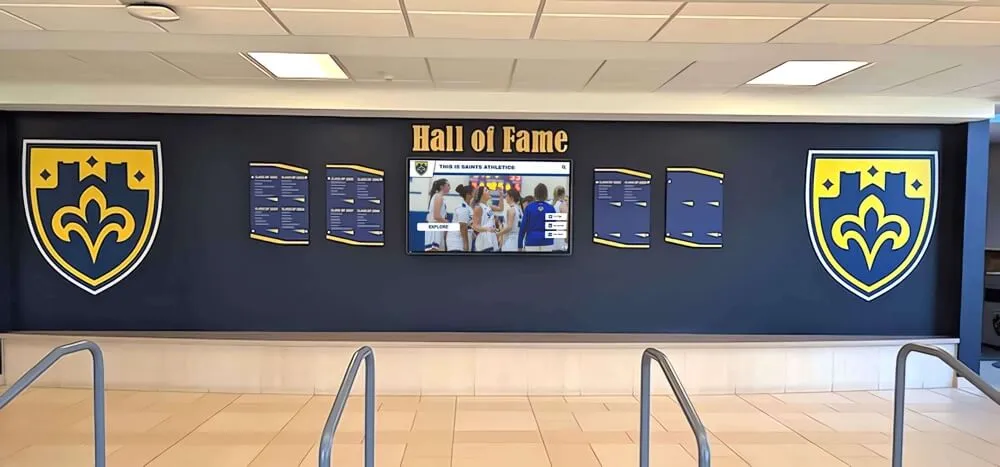
30. Digital Recognition and Athletic Hall of Fame Displays
Digital recognition platforms provide interactive touchscreen displays and web-based systems celebrating athletic achievement comprehensively while engaging alumni and inspiring current student-athletes.
Recognition Display Benefits
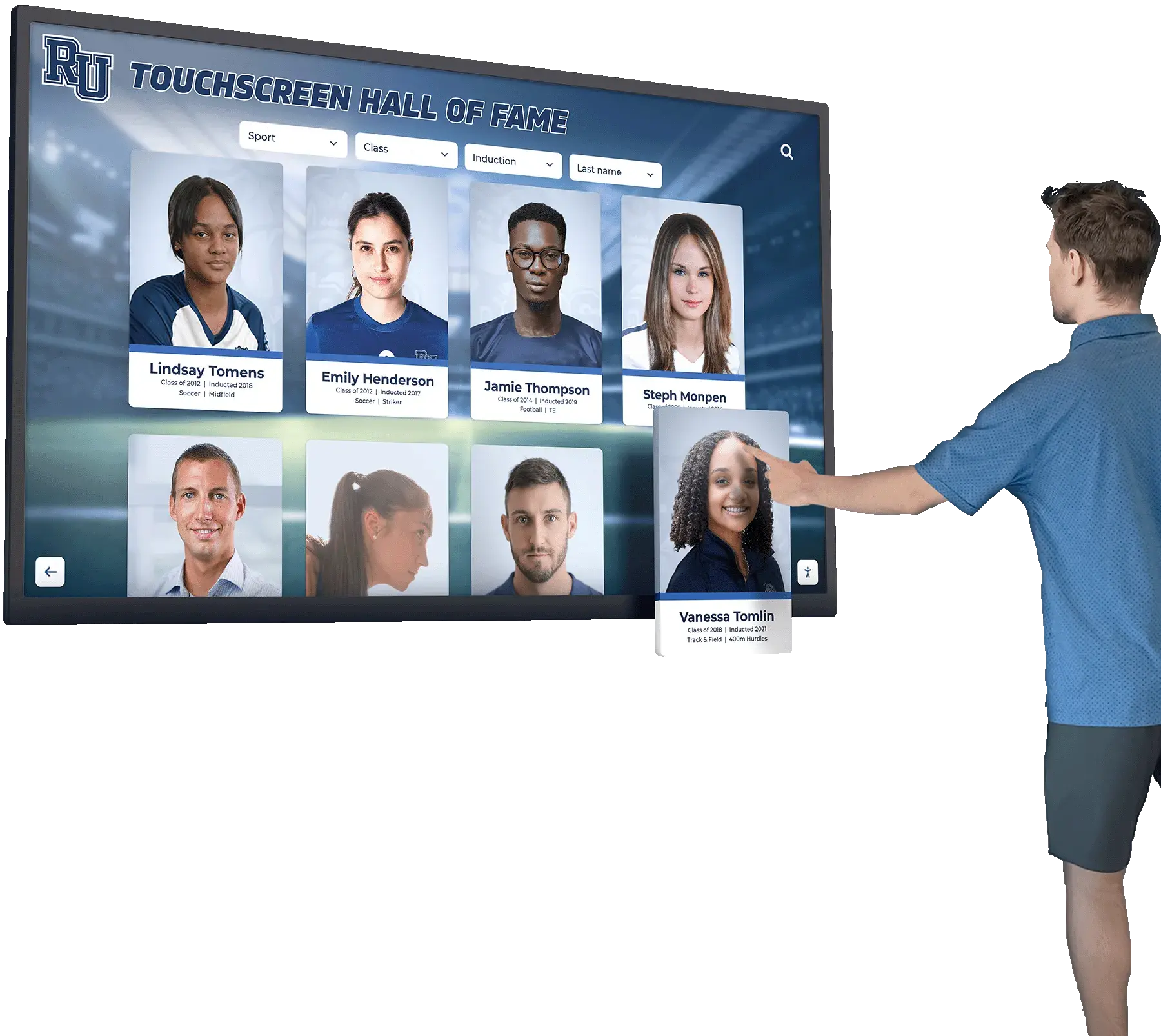
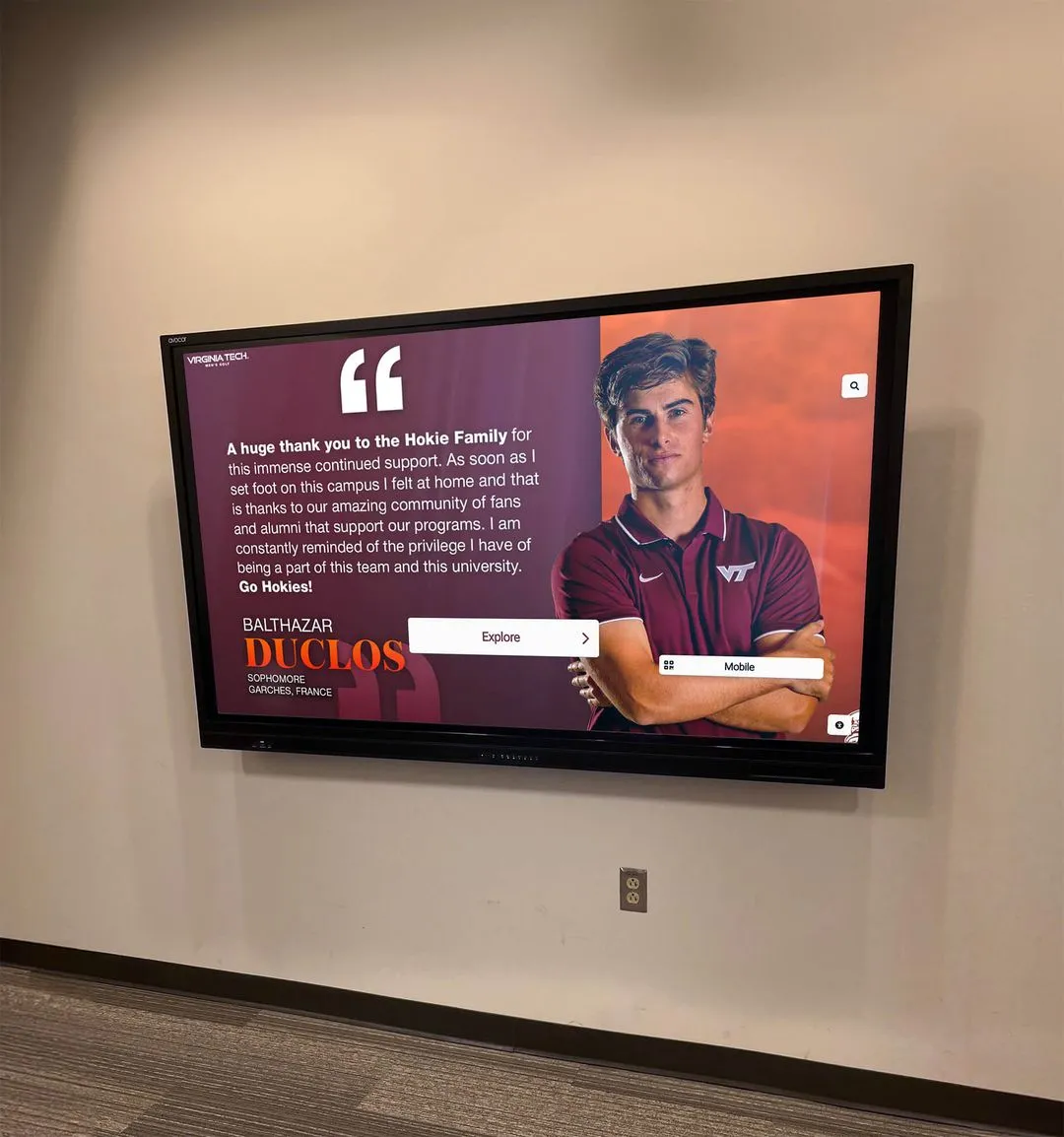
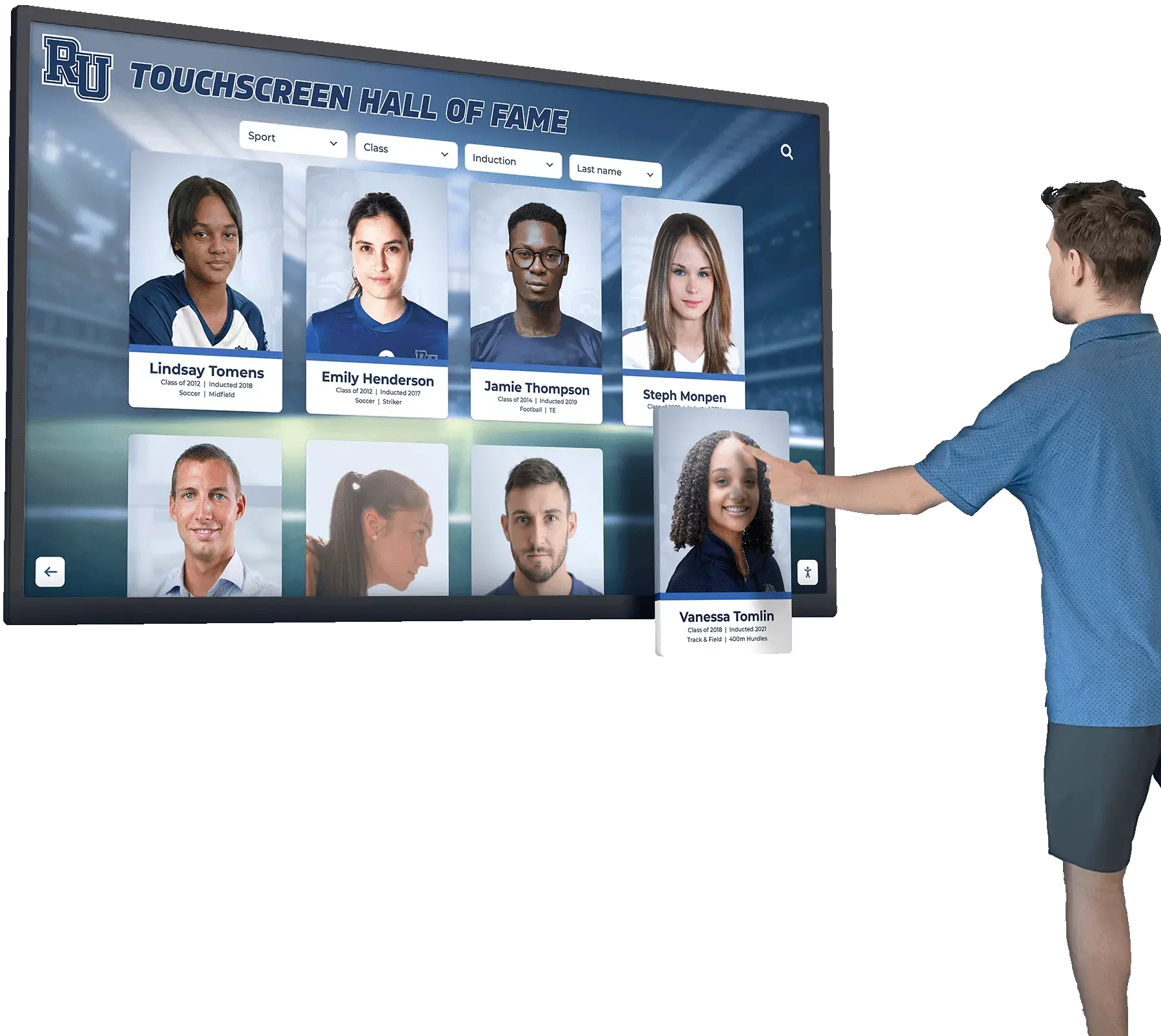
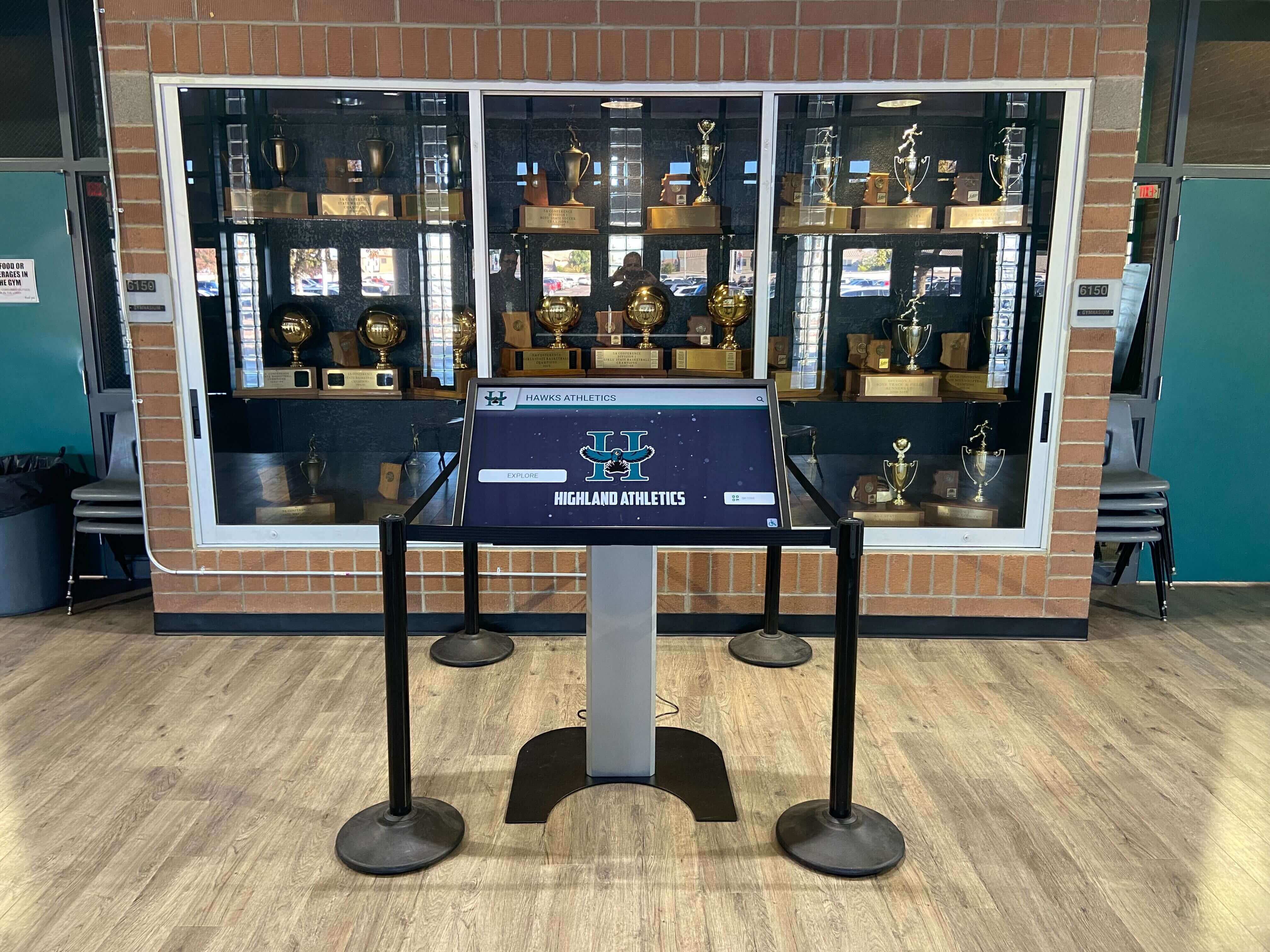
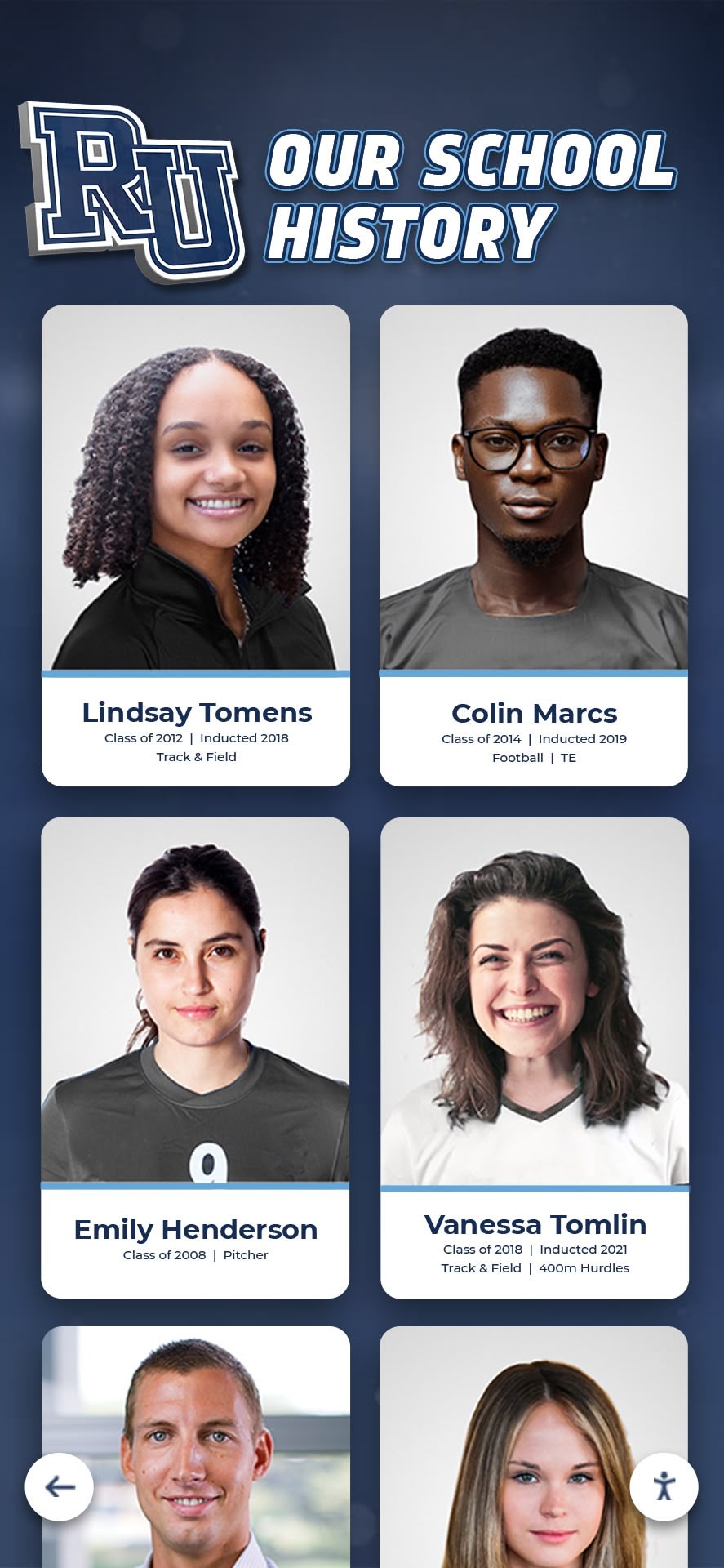
Traditional trophy cases face space limitations forcing difficult choices about which achievements deserve visibility. Digital recognition systems solve this fundamental problem while adding capabilities physical displays cannot match including unlimited recognition capacity, multimedia athlete profiles with photos and videos, interactive search finding specific athletes or achievements instantly, historical timeline presentations showing program evolution, remote accessibility for worldwide alumni, QR code connections linking physical locations to digital content, automatic record updates as achievements occur, and ADA compliance ensuring accessibility for all community members.
Top Solutions
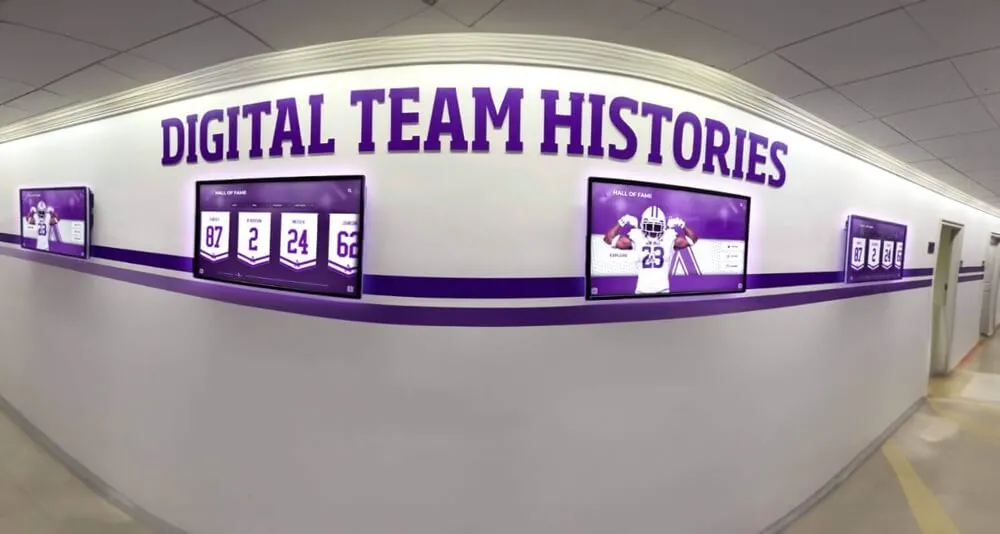
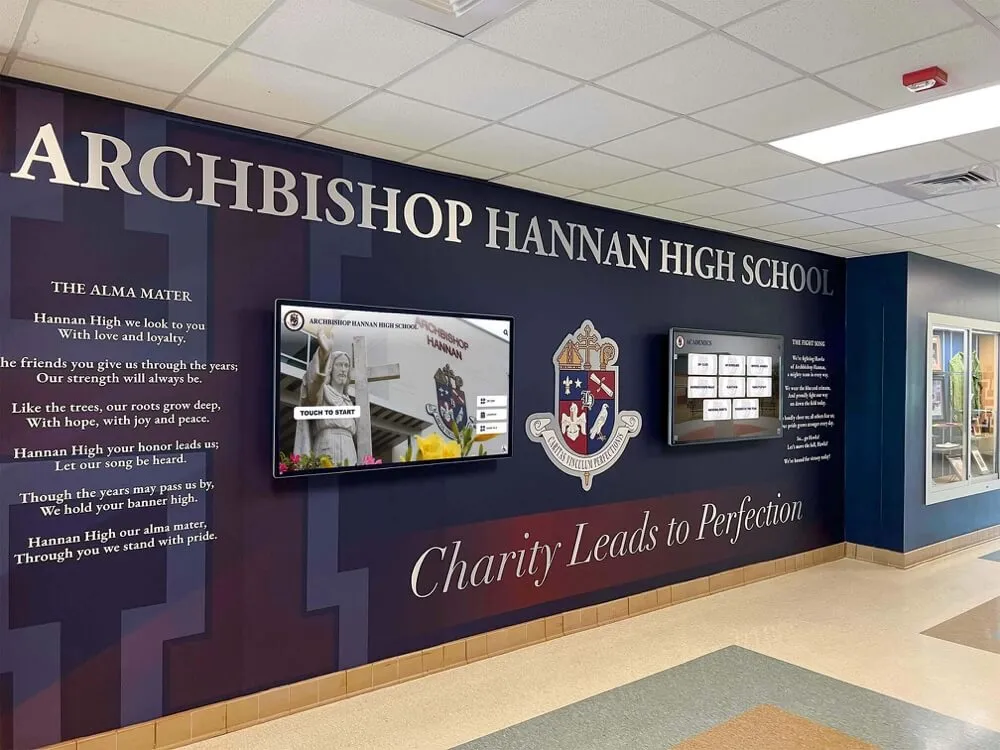
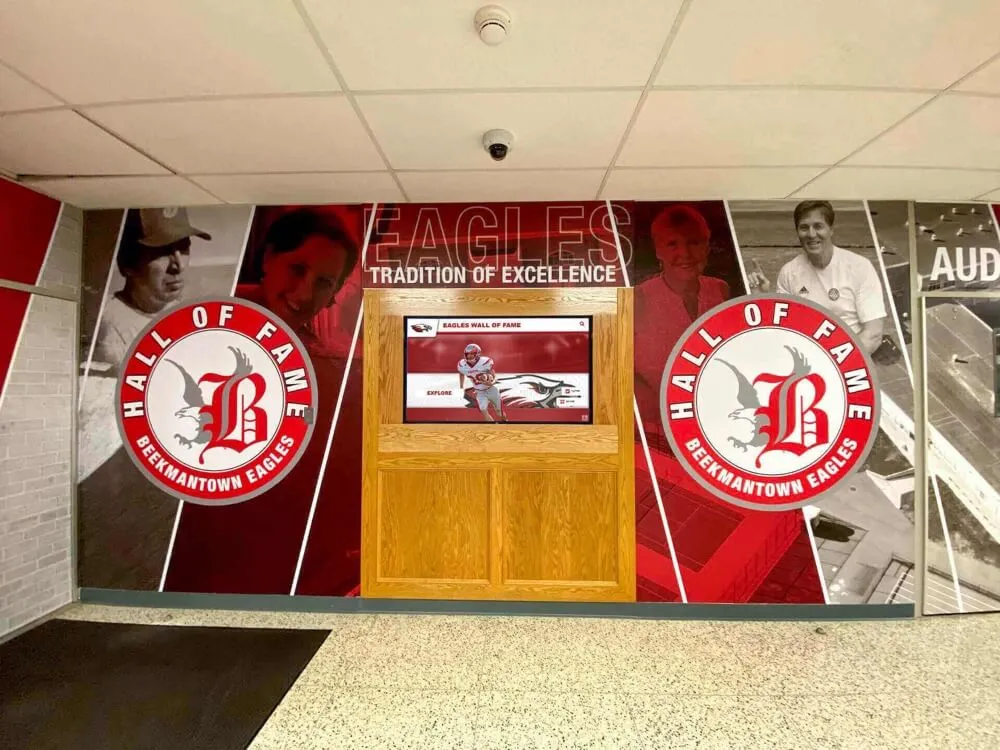
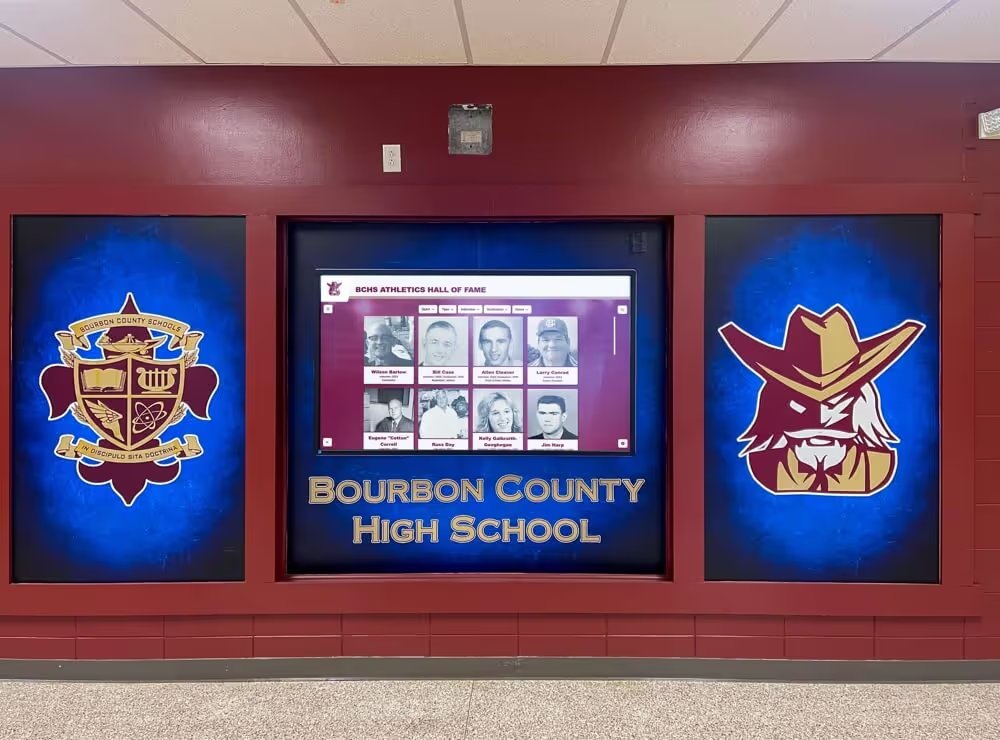
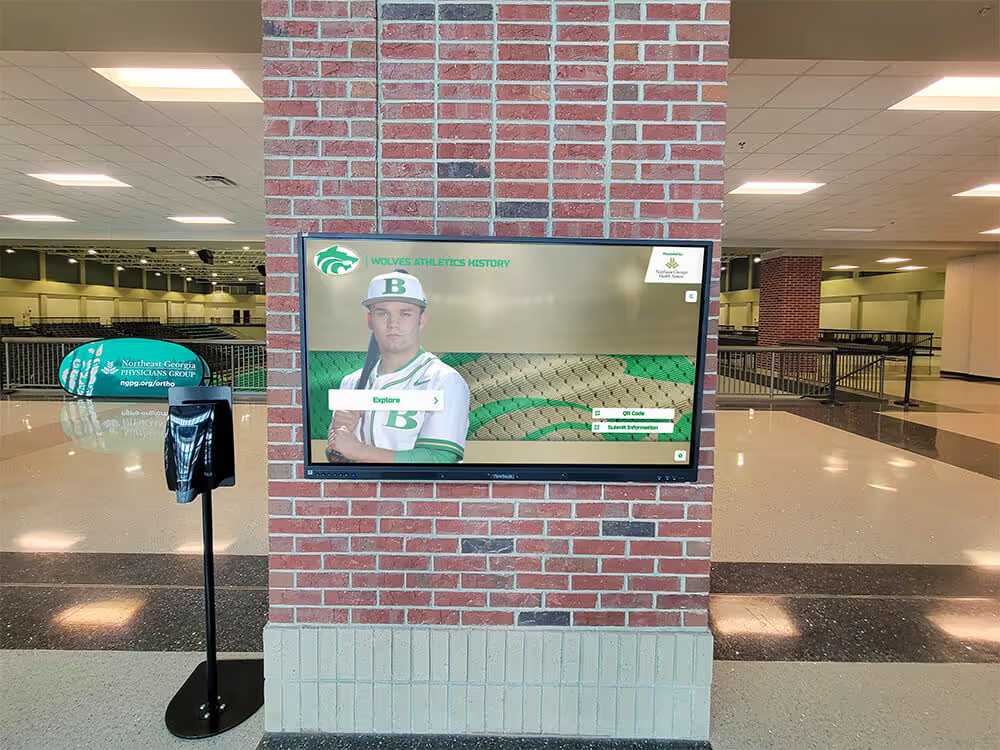
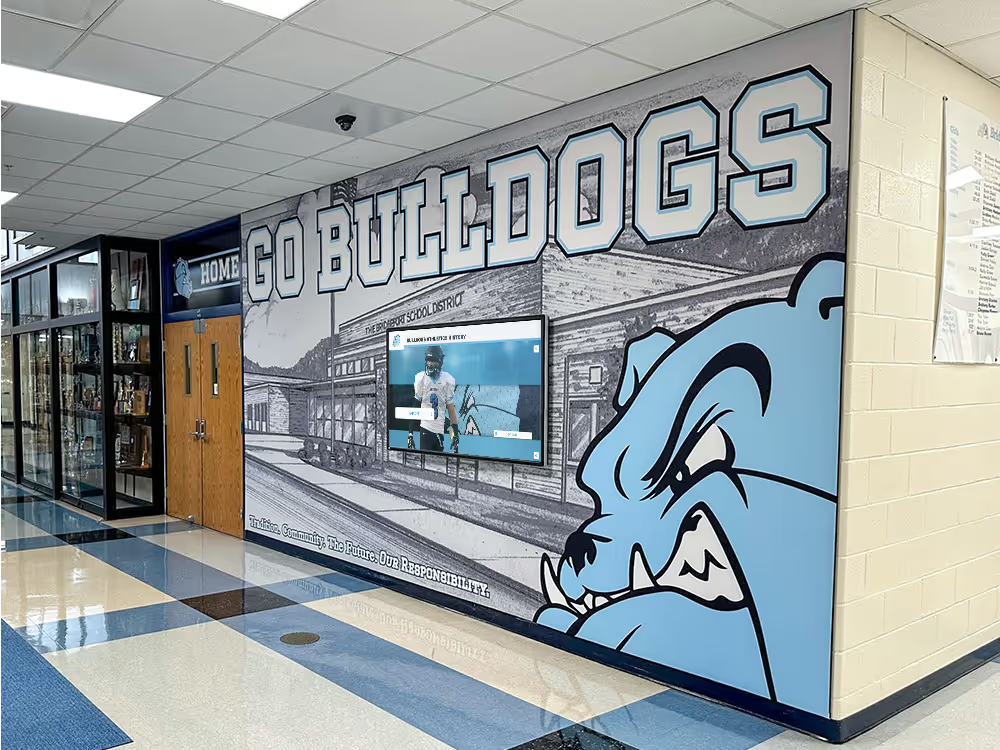
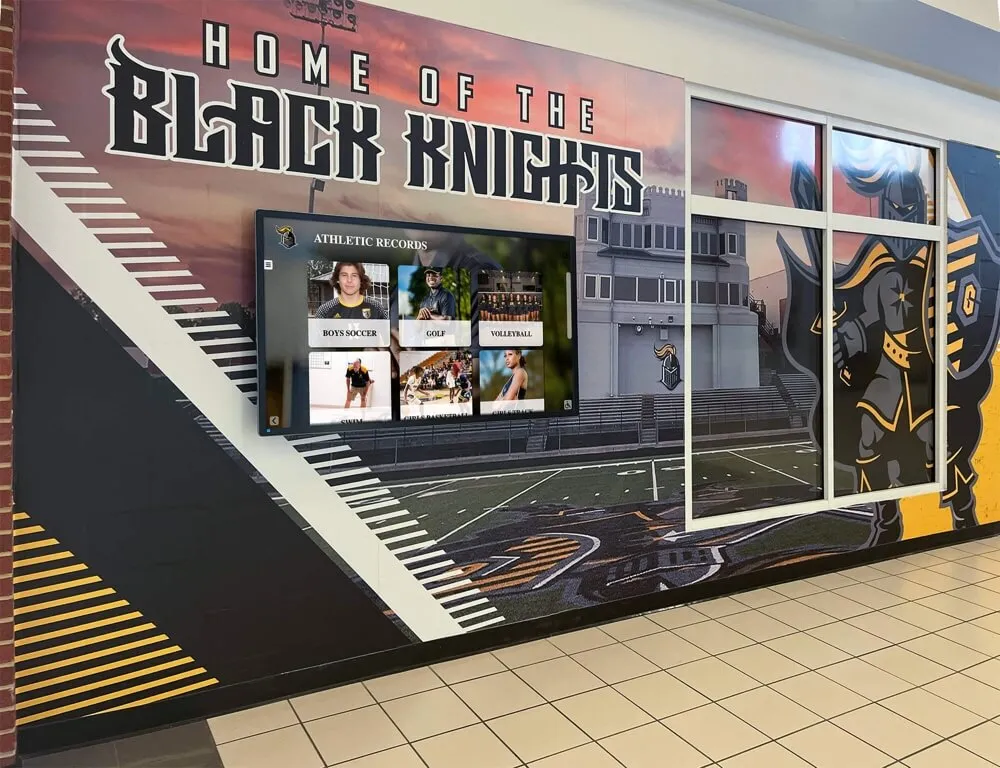
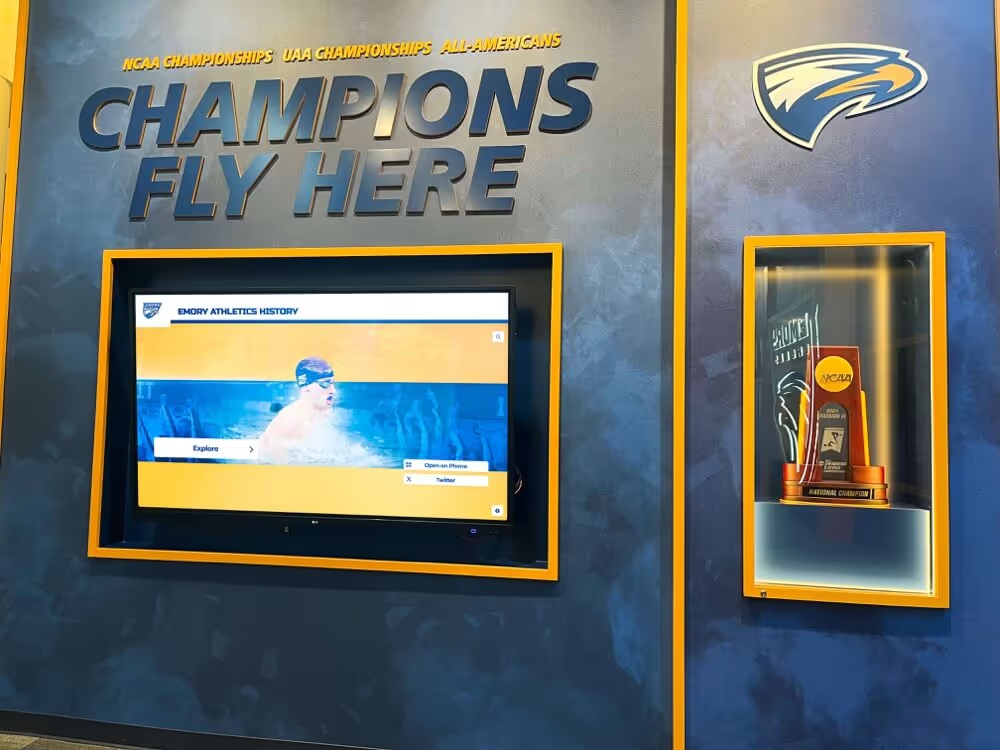
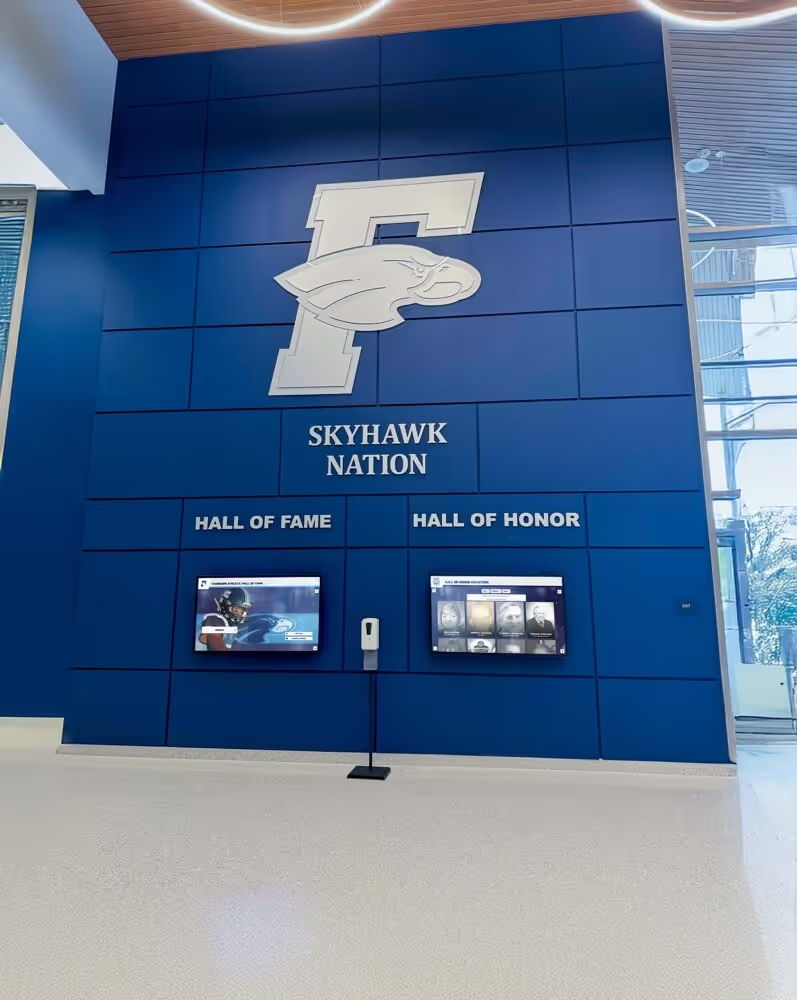
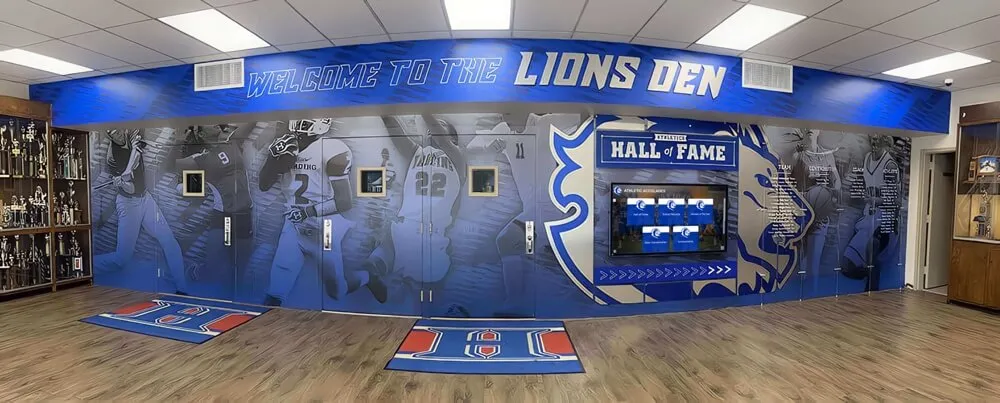
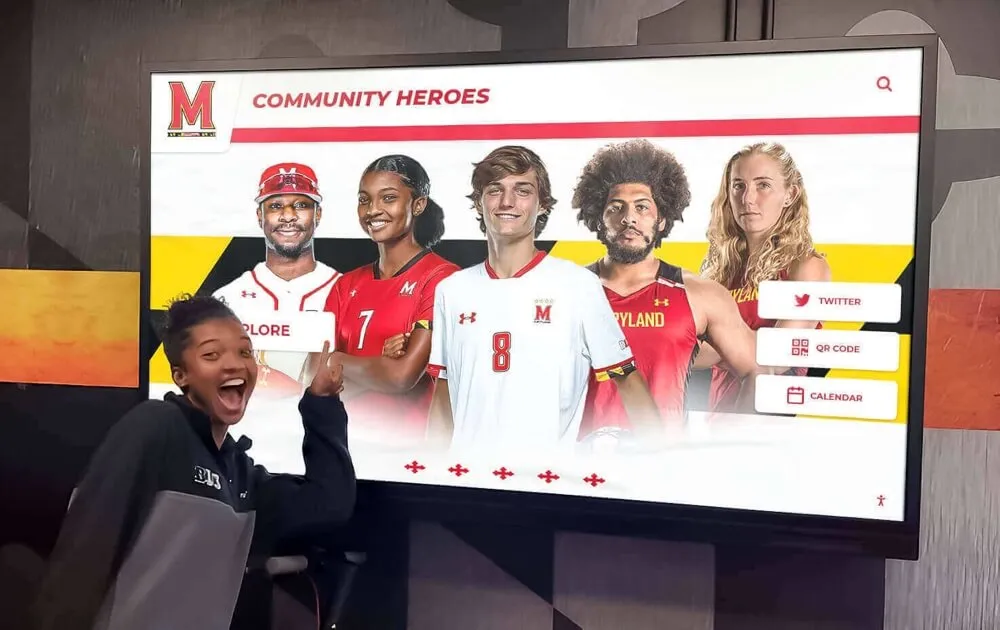
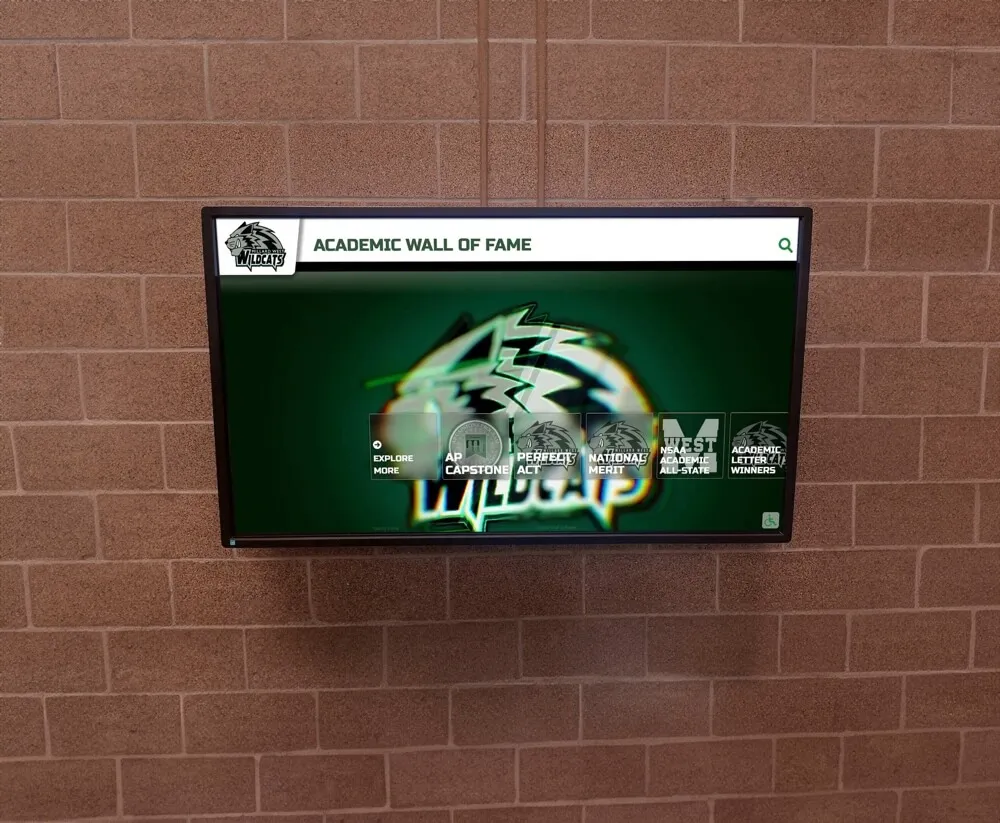
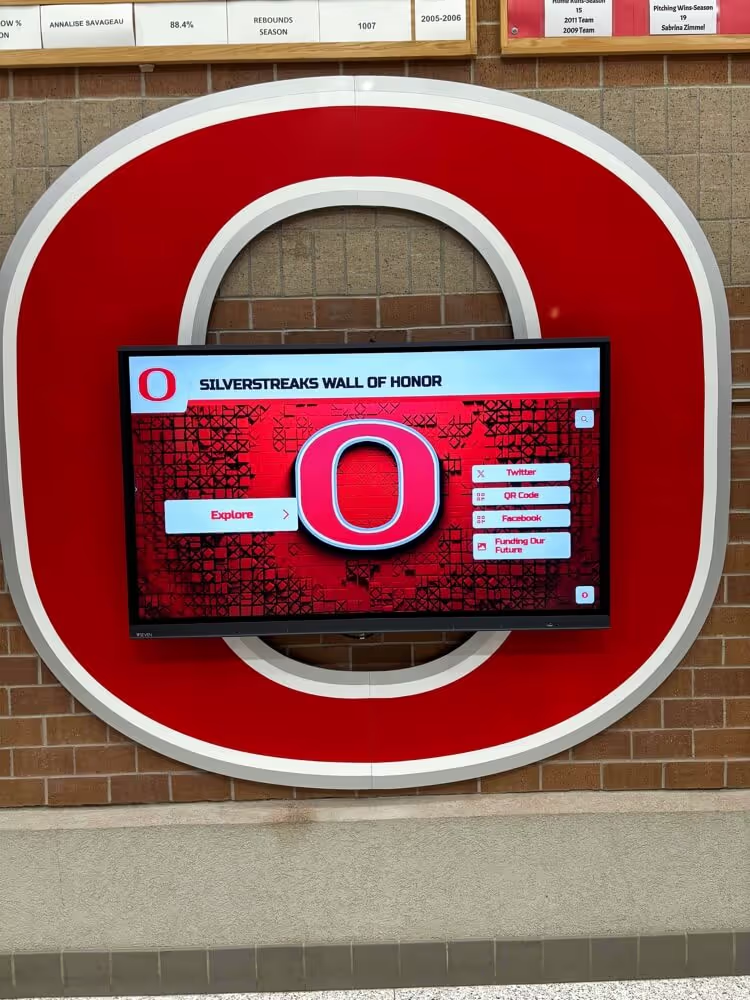
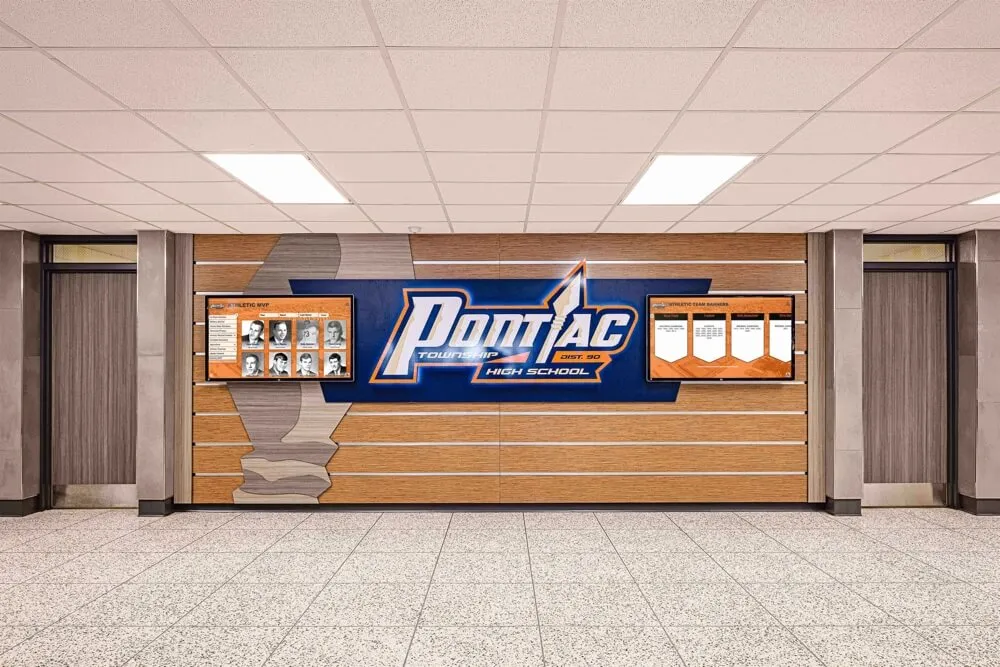
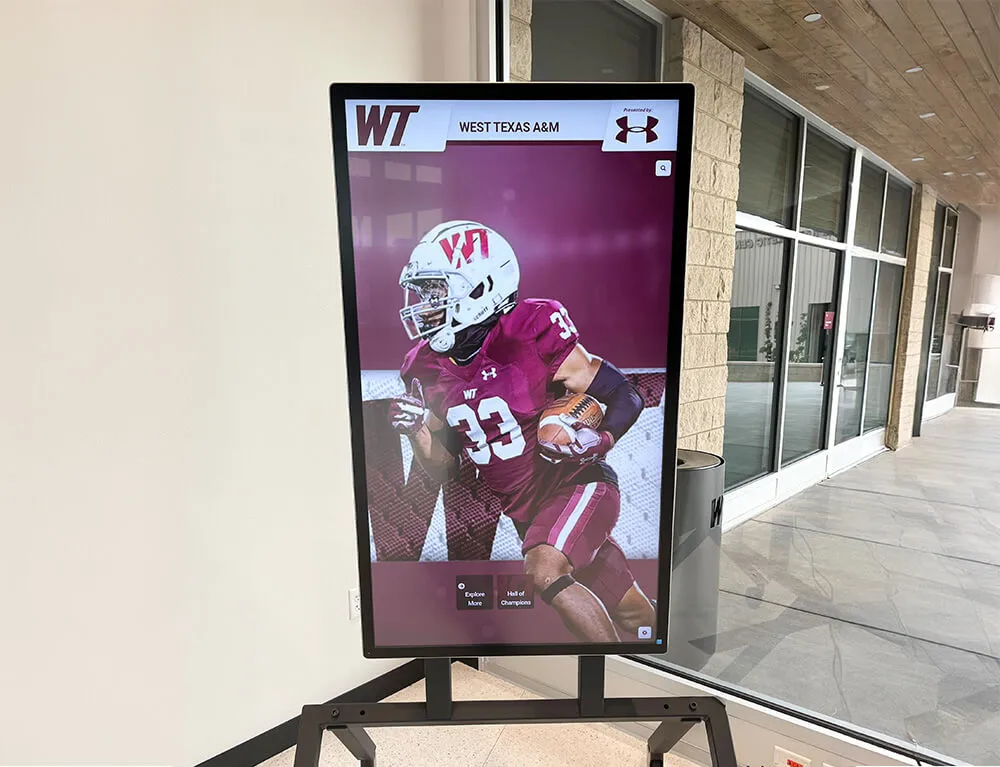
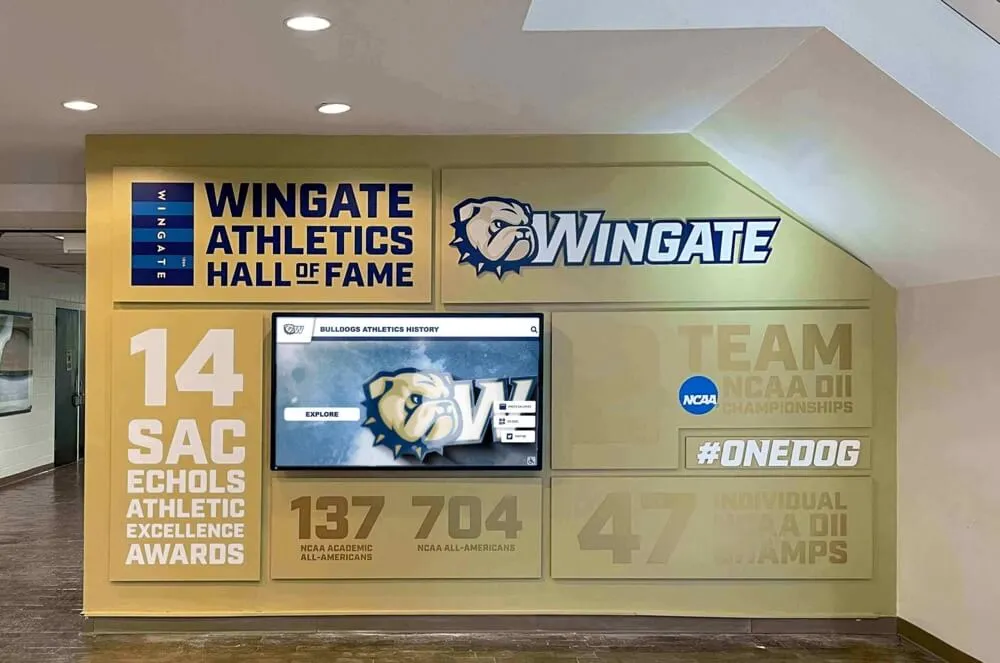
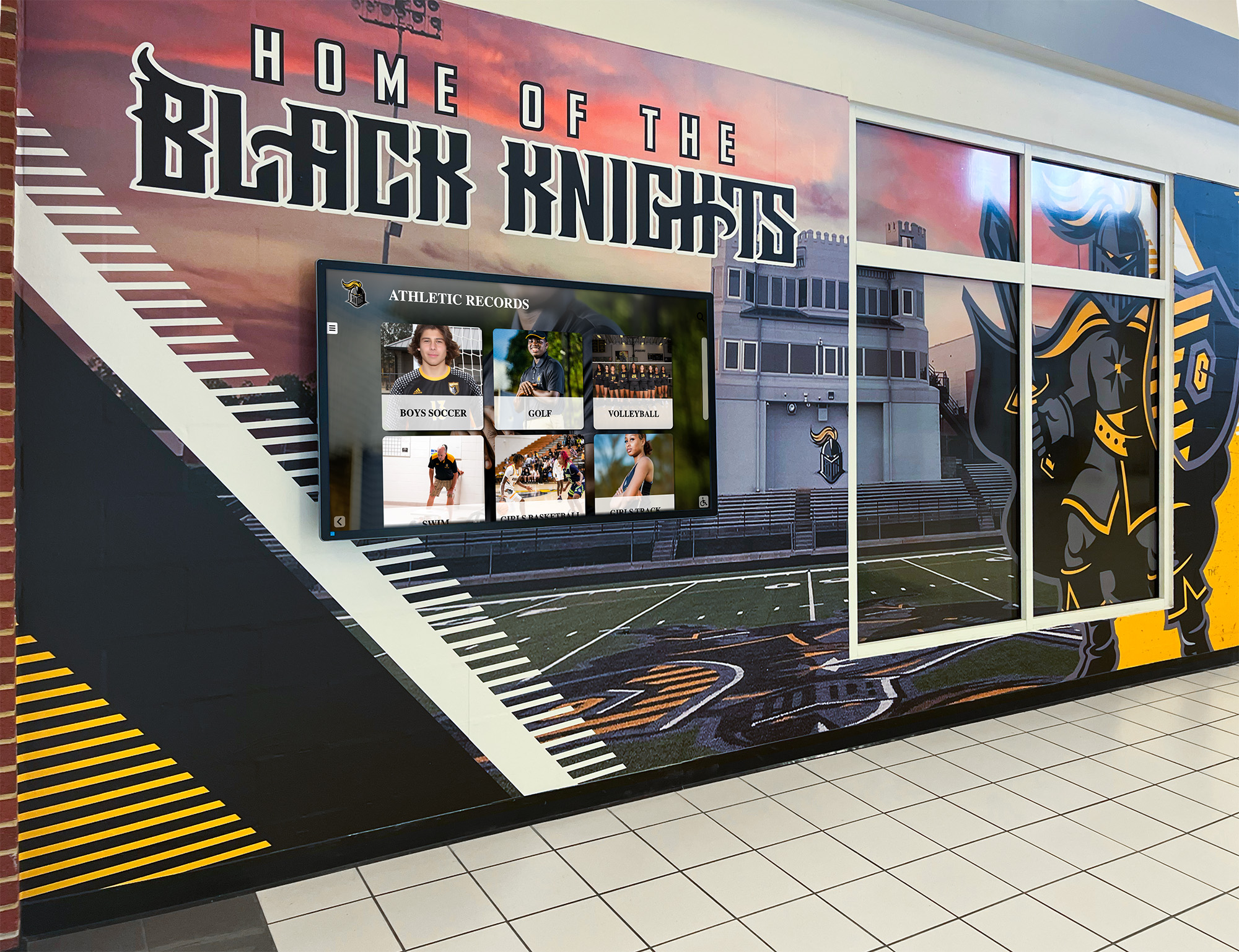
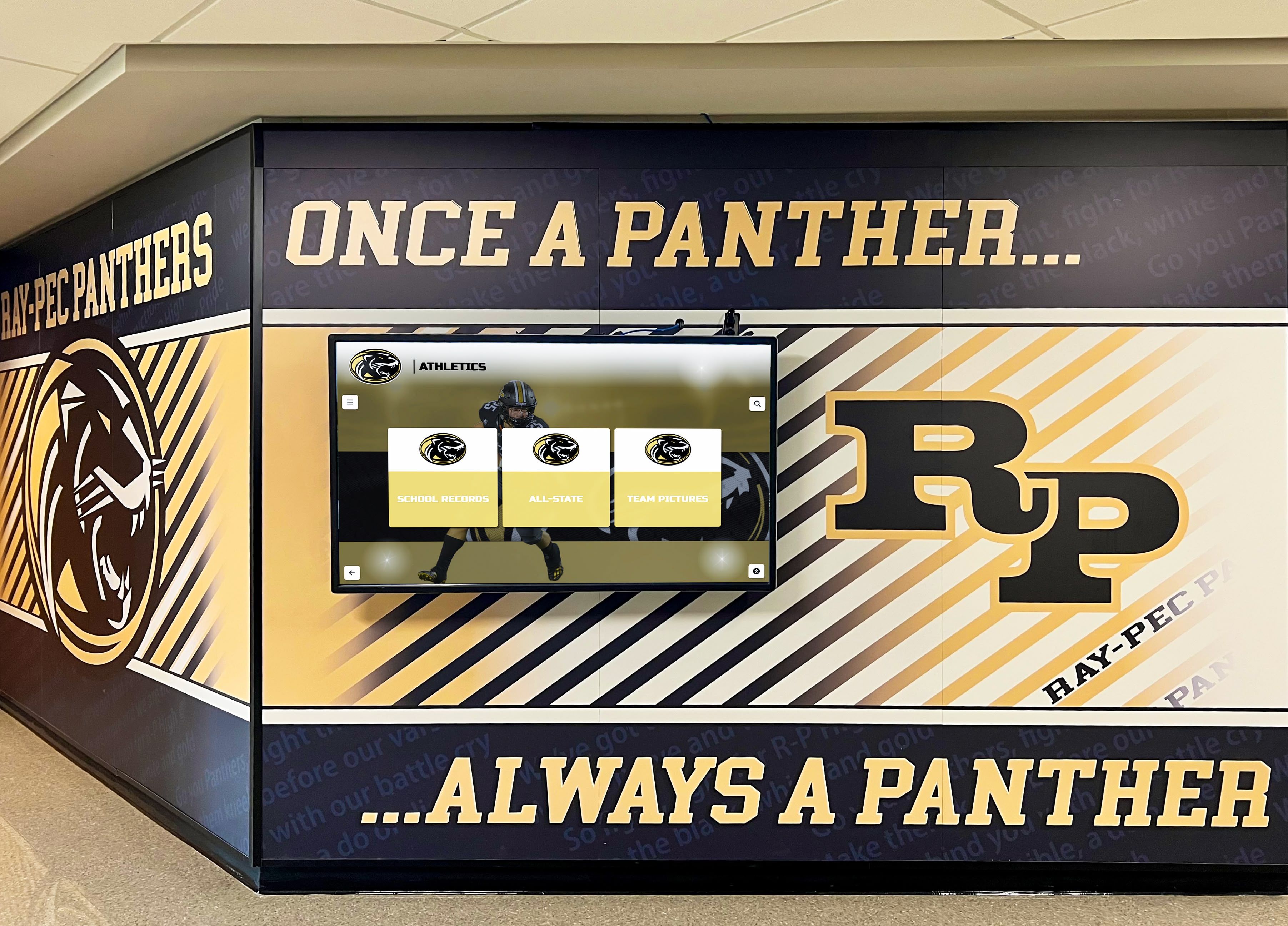
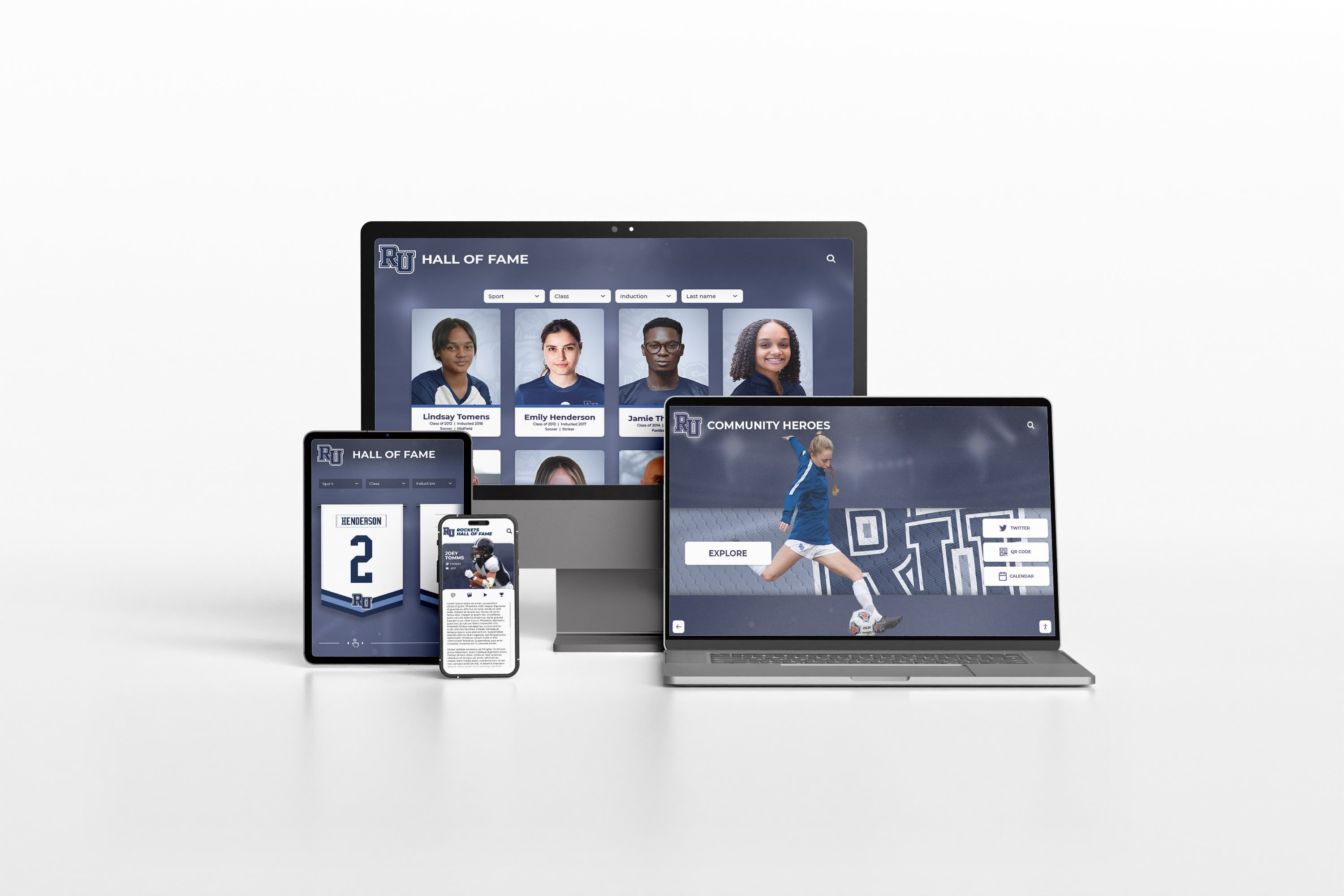
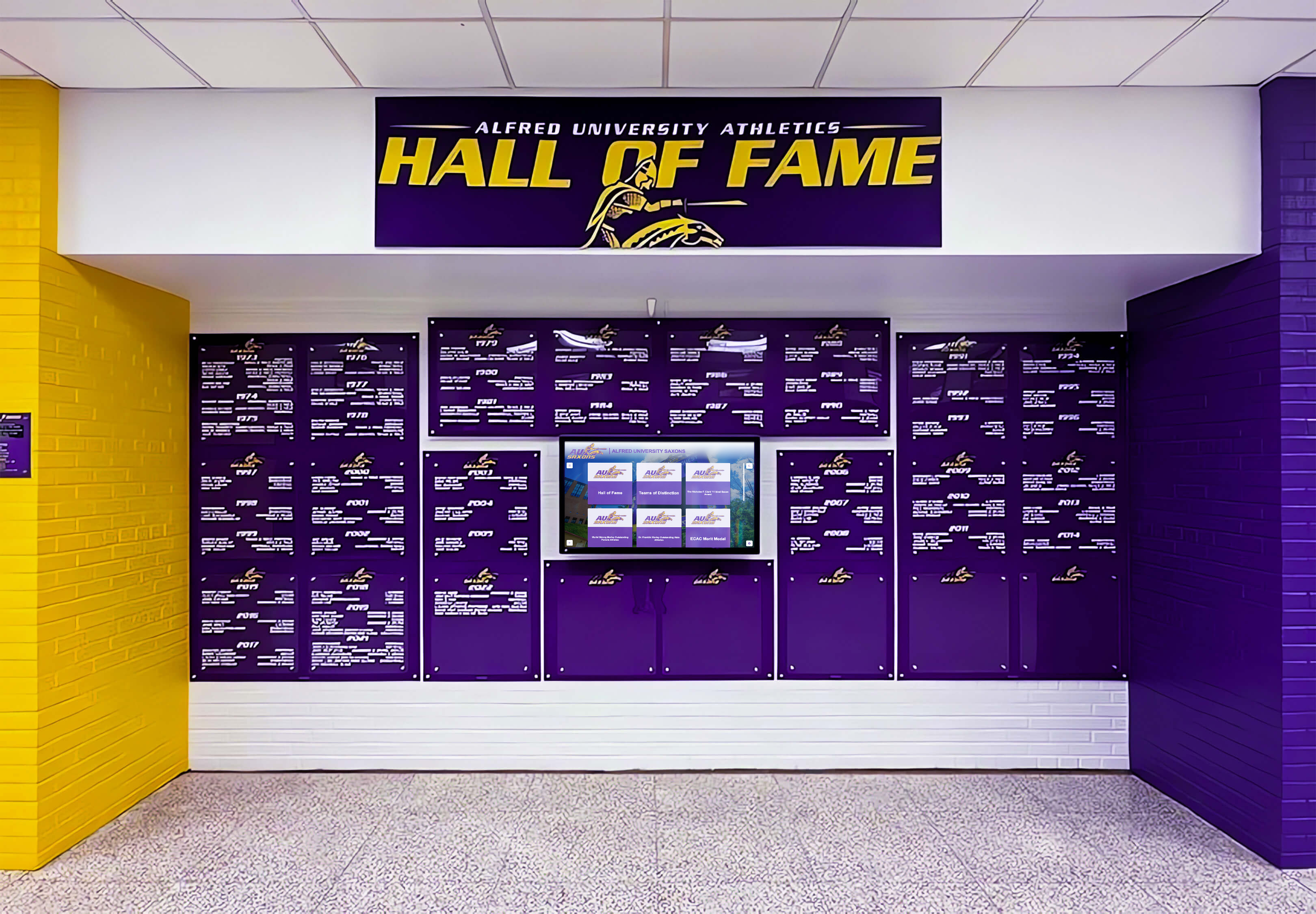
Rocket Alumni Solutions provides comprehensive digital recognition platforms specifically designed for athletic programs, combining user-friendly content management with engaging interactive displays. The platform serves as the leading solution for schools implementing digital record board systems that automatically update records, rankings, and achievements as new athletic performances occur. These systems make every record accessible while celebrating all-time program excellence comprehensively.
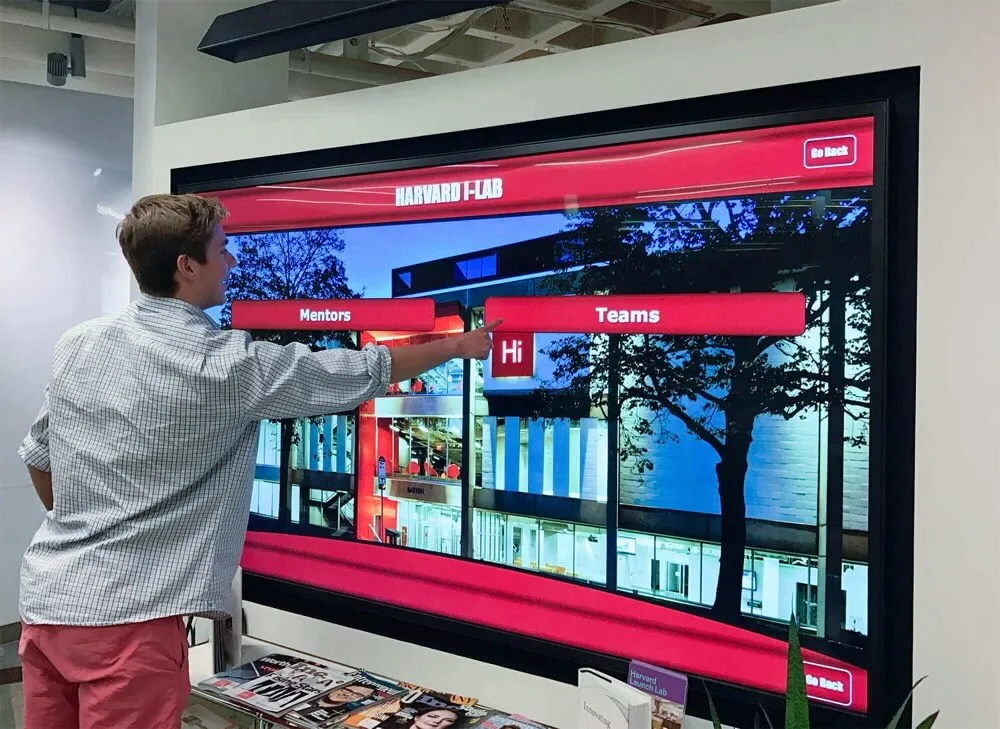
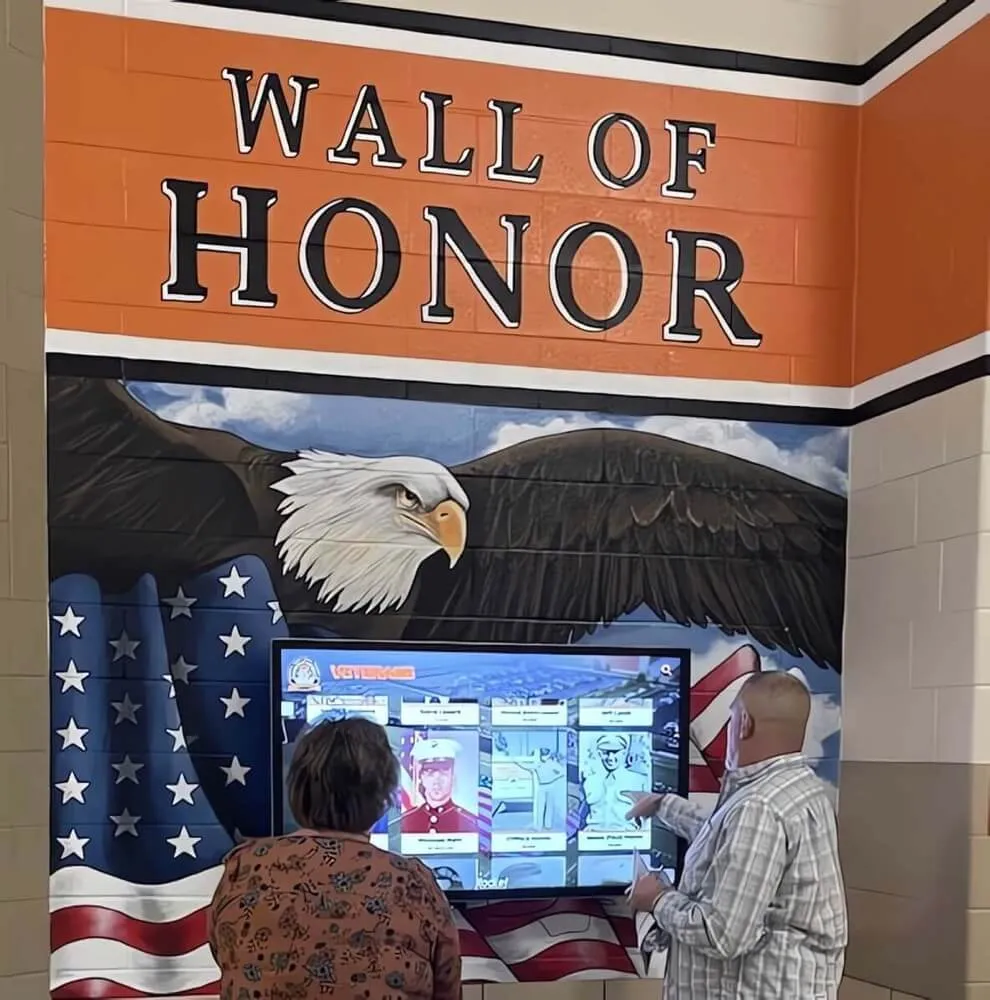
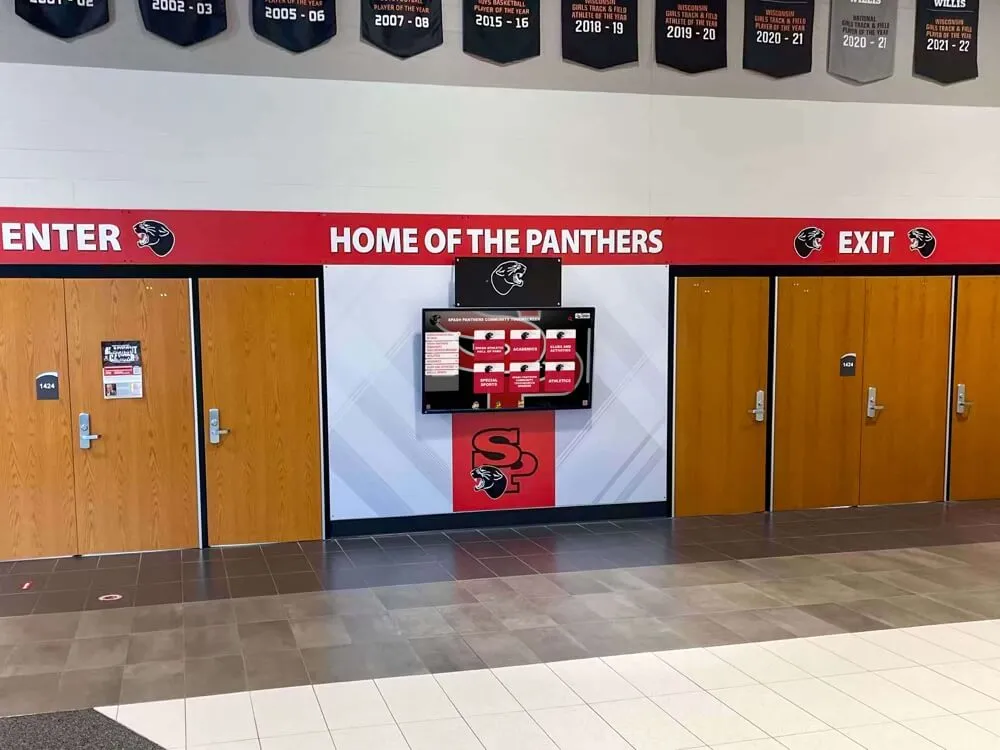
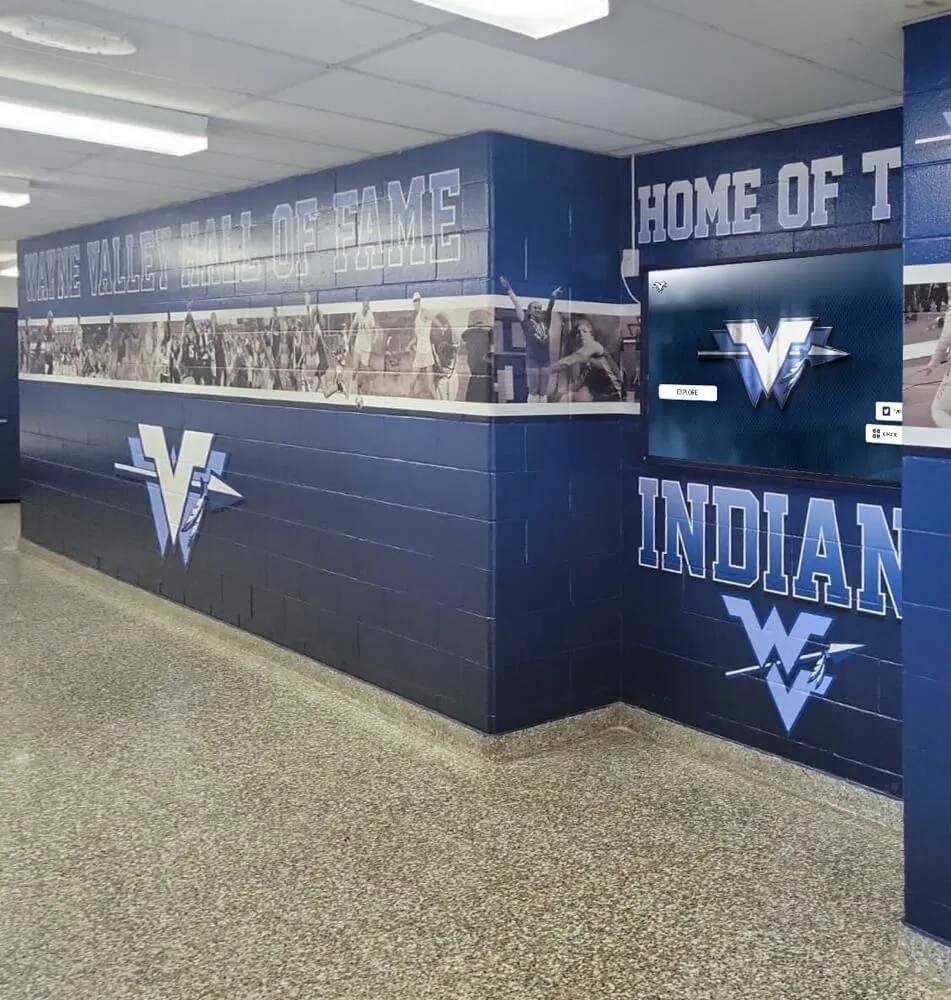
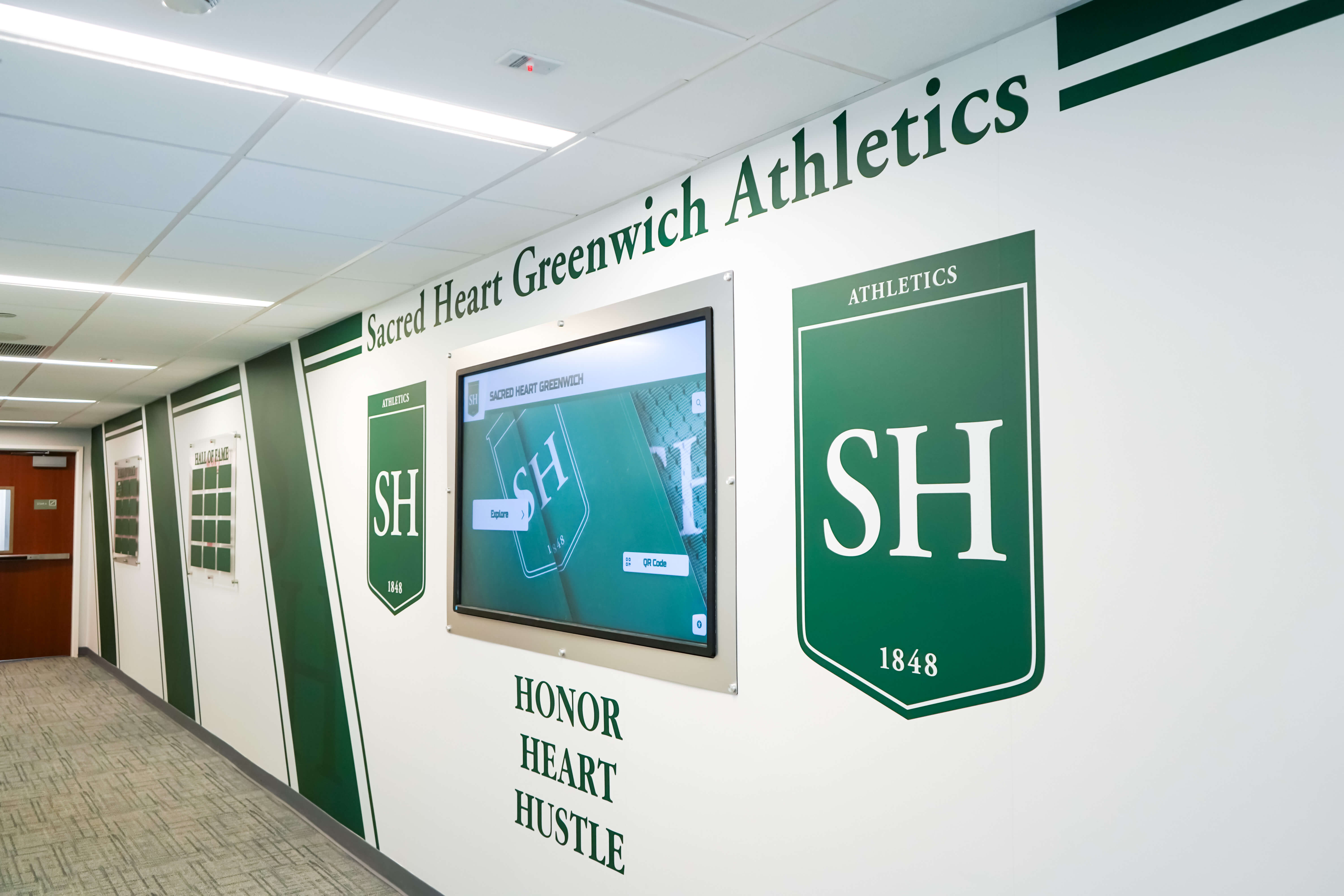
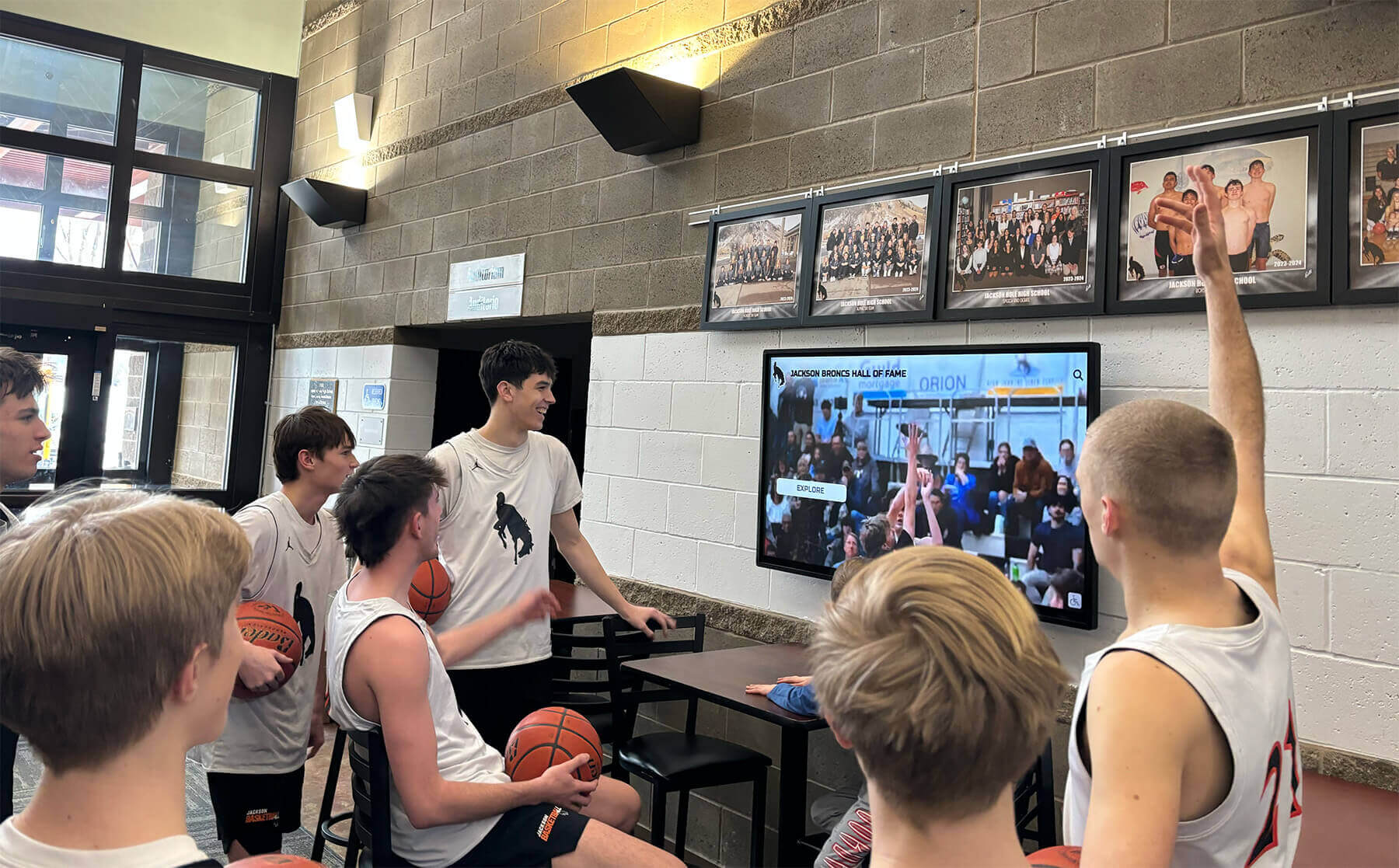
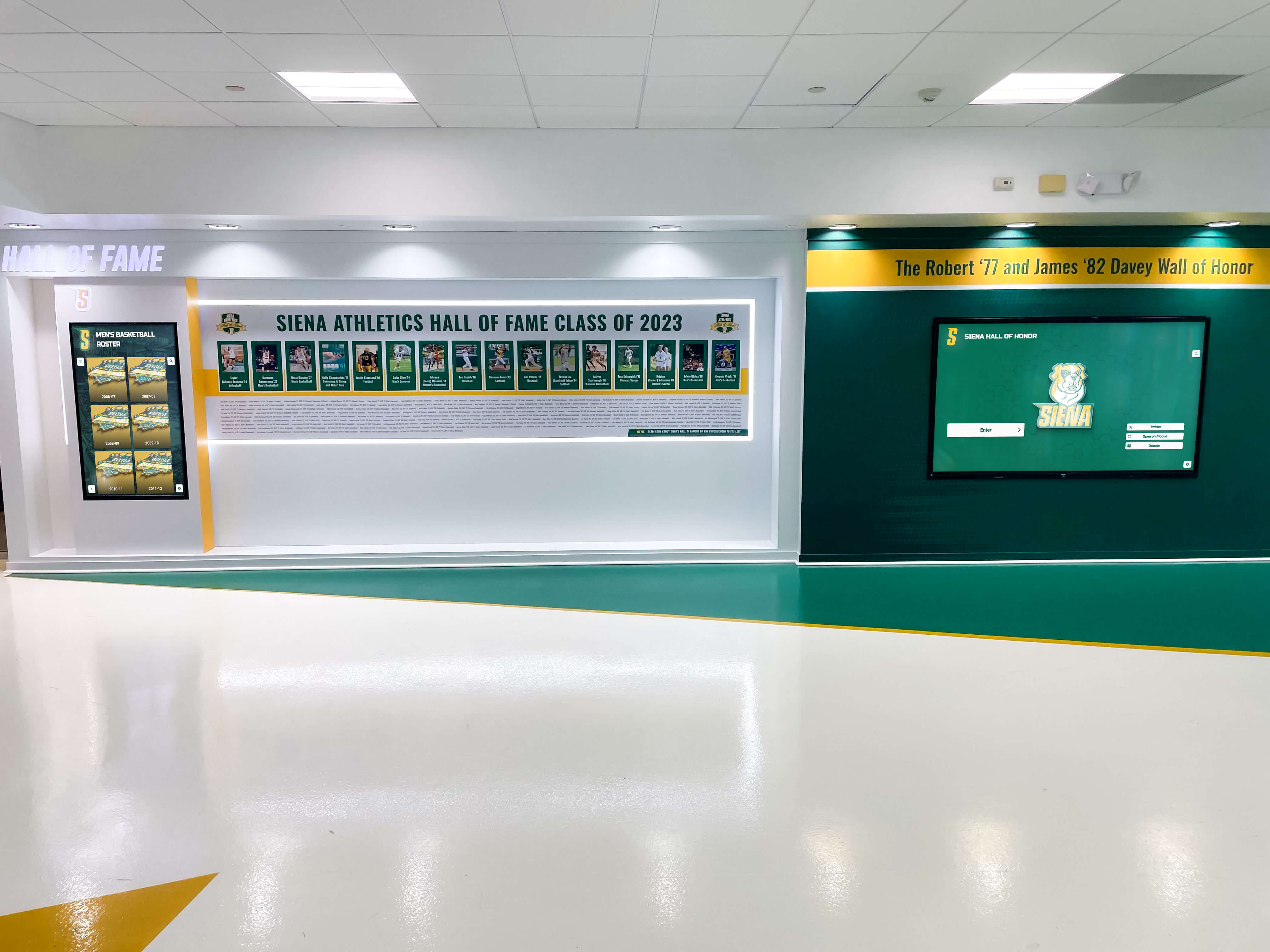
Interactive digital recognition displays transform athletic facilities into engaging spaces where recruits explore program history during visits, alumni search for their achievements at reunions, and current athletes gain inspiration from comprehensive program excellence. The technology creates memorable experiences that static trophy cases cannot match while solving the fundamental capacity problem that limits traditional recognition.

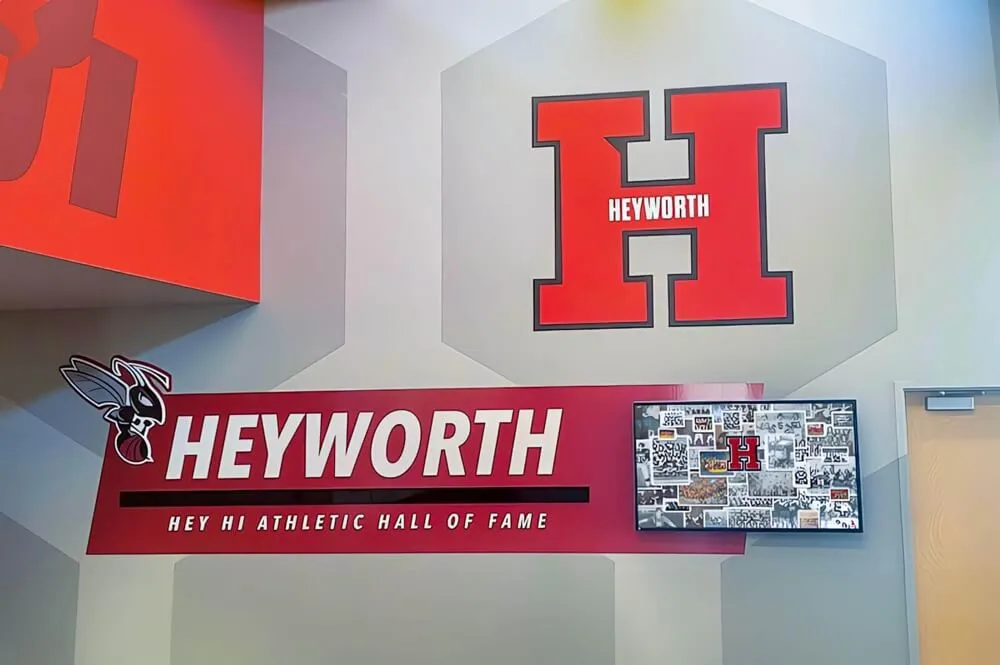
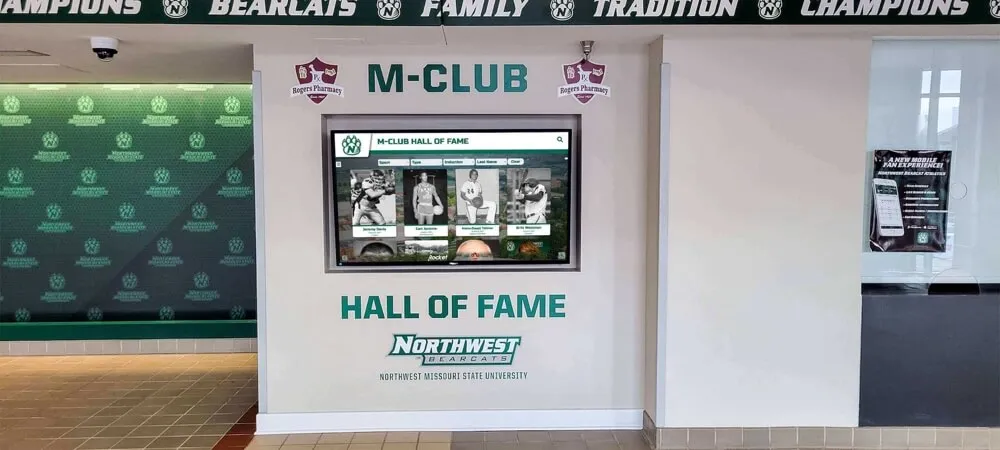
Athletic departments implementing comprehensive digital displays for athletic halls of fame discover measurable benefits including increased alumni engagement, enhanced recruiting impressions, comprehensive achievement documentation, and year-round recognition value rather than limiting celebration to annual induction ceremonies.
Essential Recognition Features
Comprehensive digital recognition platforms should include unlimited content capacity removing space constraints, multimedia profiles combining photos, videos, and statistics, intuitive search and filtering by athlete, sport, year, or achievement type, historical timelines showing program evolution, mobile-responsive access for remote viewing, QR code integration connecting physical and digital experiences, automated record tracking and updates, content management systems requiring no technical expertise, and analytics tracking user engagement and popular content.
The connection between digital recognition and athletic program culture cannot be overstated. When athletes see comprehensive celebration of program history and individual excellence, it creates powerful motivation while building pride that strengthens team culture. Recognition should never be limited by physical space constraints when digital solutions make unlimited celebration accessible and engaging. Schools implementing digital athletic record boards position recognition as central to program identity rather than afterthought limited to available trophy case space.
Building Comprehensive Athletic Administration Technology Stacks
Individual software solutions provide value, but integrated technology stacks delivering maximum operational efficiency require strategic selection ensuring platforms work together seamlessly.
Integration Considerations
When selecting athletic administration software, evaluate integration capabilities including data sharing between platforms eliminating duplicate entry, single sign-on reducing password management, API availability enabling custom integrations, vendor partnership ecosystems showing collaboration, and shared data standards ensuring compatibility. Disconnected systems create information silos requiring manual data transfer while increasing error risks and administrative burden.
Implementation Strategies
Successful technology implementation follows systematic approaches including needs assessment identifying priority operational challenges, stakeholder engagement gathering input from coaches, administrators, and staff, phased rollout starting with core systems before expanding, comprehensive training ensuring adoption and proper use, ongoing support and maintenance maintaining system effectiveness, and regular evaluation measuring outcomes and identifying improvement opportunities.
Budget Development
Athletic administrators building technology budgets should account for several cost categories including initial software licensing or subscription fees, implementation and setup costs, training and professional development, ongoing subscription or maintenance fees, hardware purchases for displays, kiosks, or equipment, integration costs connecting multiple platforms, and technical support ensuring system reliability.
While comprehensive technology requires investment, systematic cost-benefit analysis typically reveals favorable economics when comparing against manual process costs, compliance risk reduction, staff time savings, and program quality improvements technology enables.
Funding Strategies
Athletic departments can explore multiple funding sources for technology investment including capital improvement allocations from institutional budgets, booster club contributions for program-enhancing technology, corporate sponsorships including digital display advertising, grant funding from education technology initiatives, phased implementation spreading costs across multiple budget years, and shared services models coordinating with other departments facing similar needs.
The strategies for funding digital recognition displays through donor recognition and corporate sponsorship create sustainable models where technology investment generates ongoing value while acknowledging supporter contributions visibly.
Evaluating Athletic Administration Software
Athletic administrators evaluating software solutions benefit from systematic assessment approaches ensuring selected platforms address actual needs while providing long-term value.
Essential Evaluation Criteria
Comprehensive software evaluation should assess functionality meeting specific operational requirements, ease of use ensuring broad adoption without extensive training, integration capabilities connecting with existing systems, mobile accessibility for coaches and administrators working remotely, customer support quality and responsiveness, vendor stability and long-term viability, pricing transparency and total cost of ownership, security and data privacy protections, customization flexibility matching institutional workflows, and user references from similar schools or programs.
Demonstration and Trial Process
Effective software selection includes vendor demonstrations with specific scenarios relevant to your operations, trial periods testing functionality with actual data and workflows, reference checks speaking with current users about experiences, technical evaluation by IT staff assessing integration and security, stakeholder feedback gathering input from those who will use systems daily, and cost-benefit analysis comparing investment against operational improvements and risk reduction.
Common Implementation Pitfalls
Avoid common technology implementation mistakes including selecting software without adequate needs assessment, implementing too many systems simultaneously overwhelming staff, neglecting training and support reducing adoption, forcing customization beyond platform capabilities, ignoring integration requirements creating data silos, underestimating implementation timeline and complexity, failing to assign clear ownership and accountability, and neglecting ongoing maintenance and updates.
Measuring Technology ROI and Impact
Athletic departments investing in technology should measure outcomes systematically, demonstrating value while identifying opportunities for optimization.
Key Performance Indicators
Technology impact assessment should track metrics including administrative time savings from automated processes, error reduction in critical compliance and eligibility functions, communication effectiveness measured by reach and engagement, user adoption and satisfaction ratings, process cycle time improvements for key workflows, financial impact from improved fundraising or reduced costs, compliance violation reduction and risk mitigation, and stakeholder satisfaction from athletes, parents, and community.
Continuous Improvement
Technology excellence requires ongoing refinement including regular user feedback collection, feature utilization analysis identifying underused capabilities, integration optimization improving data flow, training updates addressing skill gaps, process documentation maintaining institutional knowledge, vendor relationship management ensuring responsive support, and strategic planning adapting to evolving needs and emerging technologies.
Future Trends in Athletic Administration Technology
Athletic administrators should monitor emerging technology trends that will shape future operational capabilities and strategic opportunities.
Artificial Intelligence and Automation
AI technologies promise to enhance athletic administration through automated scheduling optimization considering complex constraints, predictive analytics forecasting injury risks and performance patterns, natural language processing enabling conversational interfaces, intelligent document processing extracting data from forms automatically, and personalized communication tailoring messages to individual stakeholder preferences and behaviors.
Mobile-First Experiences
Athletic administration increasingly shifts to mobile platforms recognizing that coaches, athletes, and families access information primarily through smartphones. Mobile-first design ensures optimal functionality on smartphones, push notification engagement delivering timely information, mobile content creation allowing coaches to update systems anywhere, mobile payment processing streamlining financial transactions, and mobile video capture and sharing simplifying content workflows.
Data Analytics and Insights
Advanced analytics transform athletic administration decision-making through performance trending across athletes and programs, attendance and engagement analytics informing event planning, financial dashboards providing real-time budget visibility, predictive modeling forecasting outcomes and identifying risks, and benchmarking comparing performance against similar programs.
Cloud-Based Infrastructure
Cloud computing continues replacing on-premise servers with advantages including accessibility from any location and device, automatic software updates maintaining current functionality, scalability adjusting capacity to needs, disaster recovery protecting against data loss, and cost efficiency eliminating hardware infrastructure investment.
Athletic departments implementing cloud-based digital recognition systems like those from Rocket Alumni Solutions benefit from automatic updates, remote content management, and accessibility ensuring recognition displays remain current and engaging without ongoing technical maintenance burdens.
Conclusion: Building Technology-Enabled Athletic Excellence
Athletic administrators in 2026 face complex operational demands that manual approaches simply cannot address effectively. Strategic software implementation transforms athletic department operations from reactive crisis management to proactive program leadership supporting student-athlete success comprehensively.
The 30 software categories outlined in this guide address essential athletic administration functions spanning scheduling and coordination, registration and eligibility, compliance management, communication and engagement, financial operations, performance tracking, medical documentation, recruiting support, and comprehensive recognition. No single platform addresses all needs—effective athletic administrators build integrated technology stacks where complementary systems work together creating operational efficiency while eliminating the data silos and duplicate work that disconnected systems create.
Essential Principles for Athletic Administration Technology:
- Conduct thorough needs assessment before software selection identifying priority operational challenges
- Evaluate integration capabilities ensuring platforms share data and work together seamlessly
- Prioritize user experience and ease of use to ensure broad adoption across staff with varying technical comfort
- Implement systematically with adequate training and support rather than rushing deployment
- Measure outcomes and continuously refine demonstrating value while identifying optimization opportunities
- Plan for long-term sustainability including ongoing subscription costs, maintenance, and eventual replacement
- Engage stakeholders throughout selection and implementation building broad ownership and adoption
- Focus on student-athlete benefit ensuring technology serves educational mission rather than becoming ends themselves
Among the most impactful technology investments athletic departments make, digital recognition displays create lasting value by solving the fundamental limitation of physical trophy case space while adding interactive capabilities that static displays cannot match. Solutions like Rocket Alumni Solutions provide comprehensive platforms specifically designed for athletic recognition needs, combining unlimited capacity with engaging presentation formats that inspire current athletes while connecting alumni with institutional excellence. The implementation of digital record board systems that automatically track, rank, and display all-time athletic achievement represents a transformative approach to recognition that fundamentally changes how athletic programs celebrate excellence and build lasting pride.
Athletic administrators who strategically implement comprehensive technology stacks position their programs for sustained excellence by freeing administrative time for strategic work, reducing compliance and operational risks, improving stakeholder communication and engagement, documenting and celebrating achievement comprehensively, and creating data-driven decision-making cultures. This technology-enabled approach to athletic administration represents the future of successful sports programs serving student-athletes and communities effectively while building championship cultures that endure across generations.
Ready to transform your athletic department’s recognition program with comprehensive digital displays that celebrate every achievement and engage your entire community? Explore how modern digital recognition solutions eliminate space constraints while creating memorable interactive experiences that honor athletic excellence properly.
Sources
- BigTeams: Software Products for Athletic Administrators
- Teamworks Compliance Management Software
- Sports Management Software Market Size & Forecast
- SimpliFaster: Buyer’s Guide for Athlete Management System Software
- Bound: High School Sports and Activities Management Software
- SportsPlus: Top Sports Software Solutions for High School Athletics
- Honest Game: NCAA Eligibility Compliance Software
- DragonFly Athletics: Leading Athletic Management Software
- AthleteMonitoring: Athlete Management Software