



Understanding softball positions is fundamental for players learning the game, parents supporting young athletes, and coaches building competitive teams. Each of the nine defensive positions requires distinct skills, responsibilities, and physical attributes—from the pitcher controlling game tempo to outfielders tracking fly balls across expansive grass. Unlike some sports where positional roles overlap significantly, softball positions feature specialized demands that shape player development paths, defensive strategies, and team construction over entire seasons and careers.
Parents new to youth softball often wonder which position best suits their daughter’s abilities. Coaches face strategic decisions about positioning players to maximize defensive efficiency while supporting individual development. School athletic programs tracking all-time statistical leaders typically organize records by position—recognizing career pitching records separately from batting achievements or fielding excellence at specific positions. This positional framework creates the foundation for understanding softball at every competitive level from recreational leagues through high school, college, and professional play.
Recognizing Positional Excellence in Softball Programs
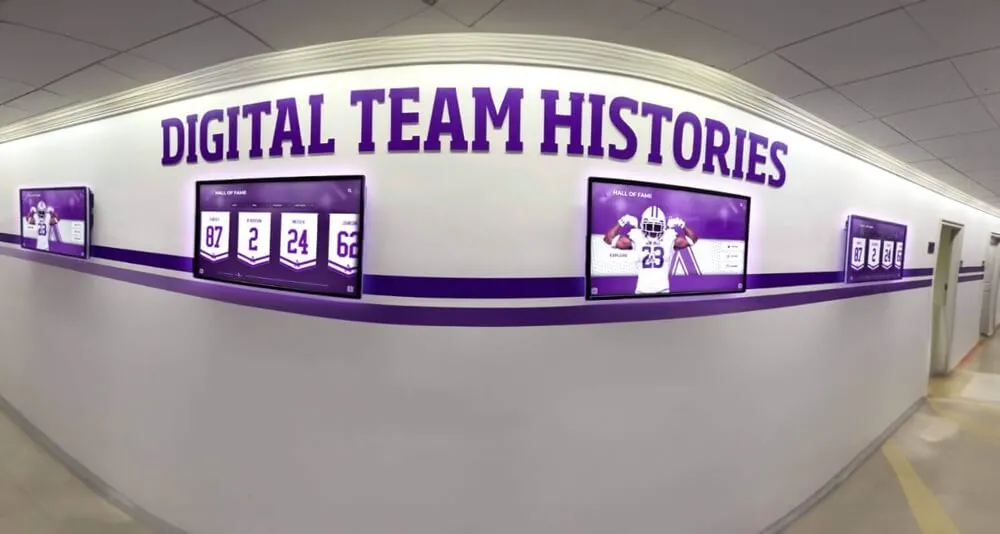
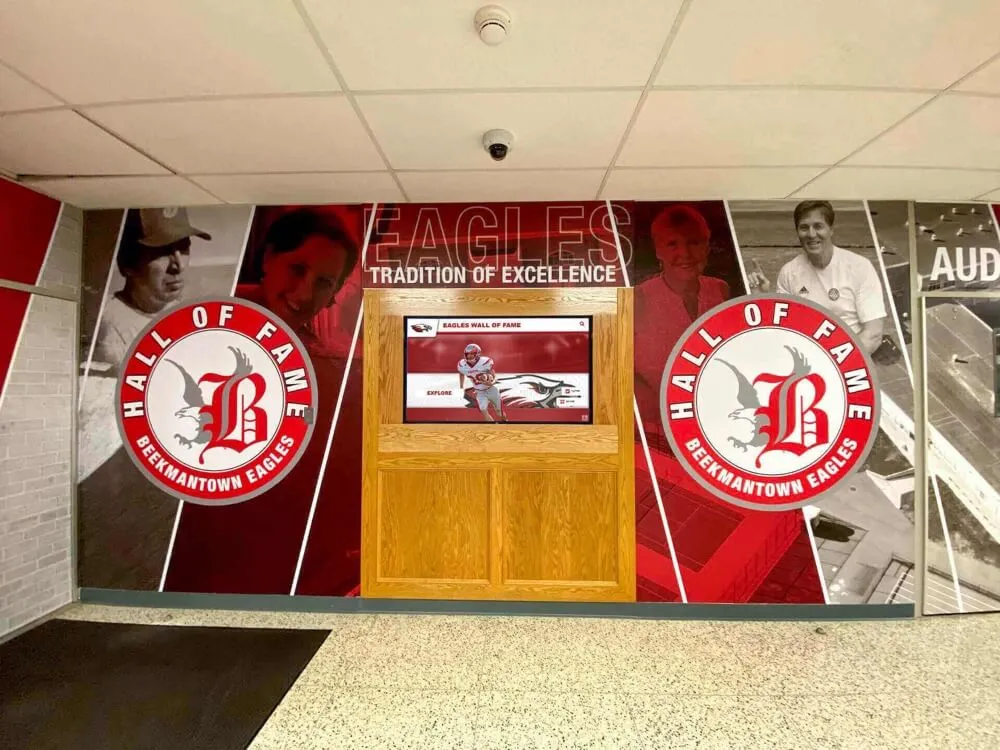
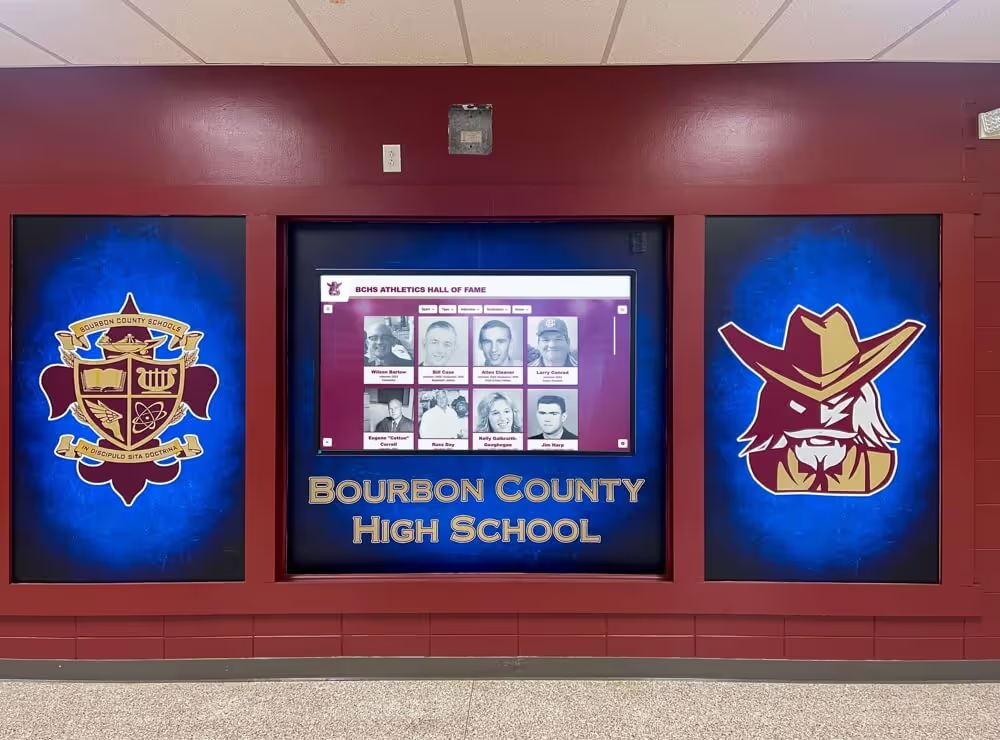
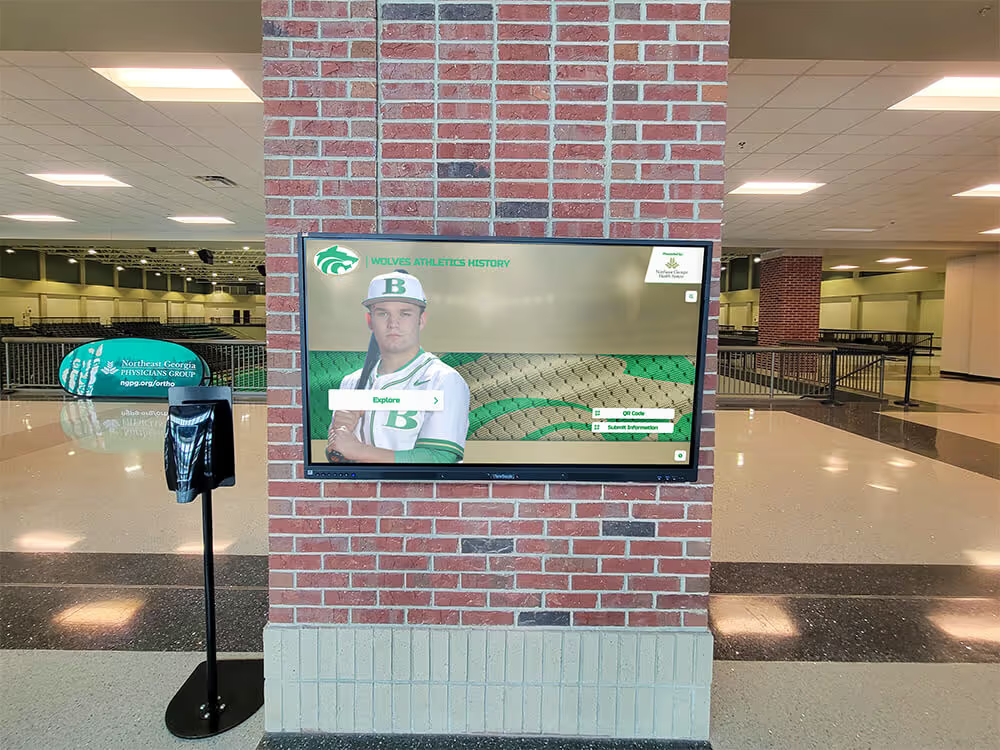
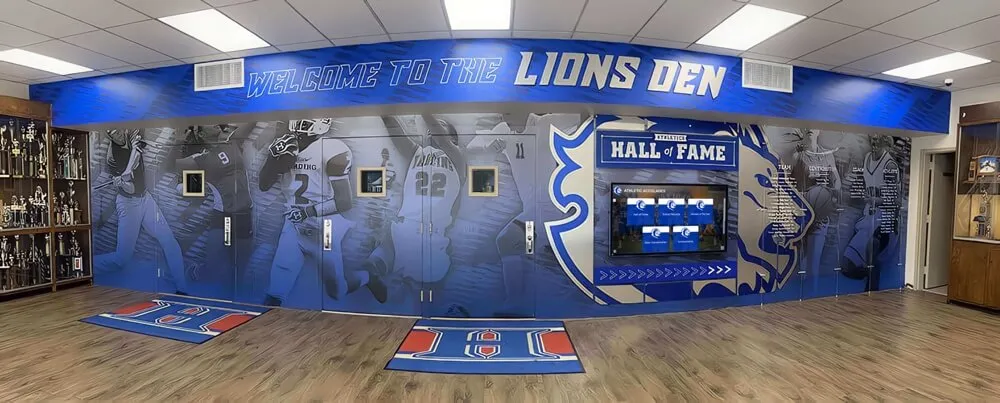
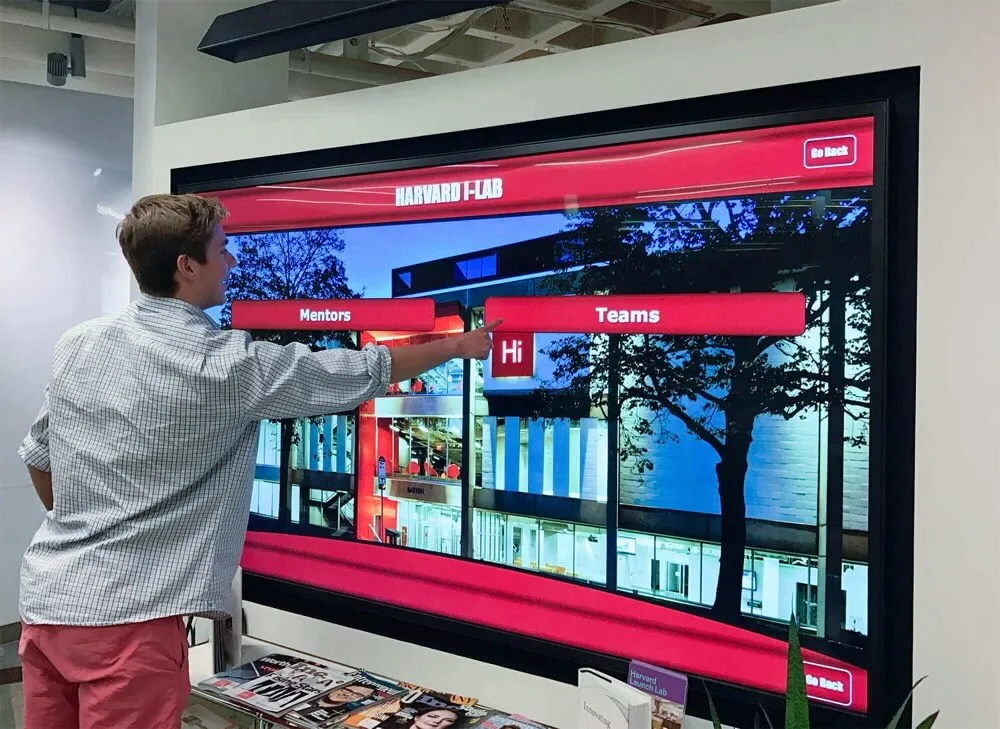
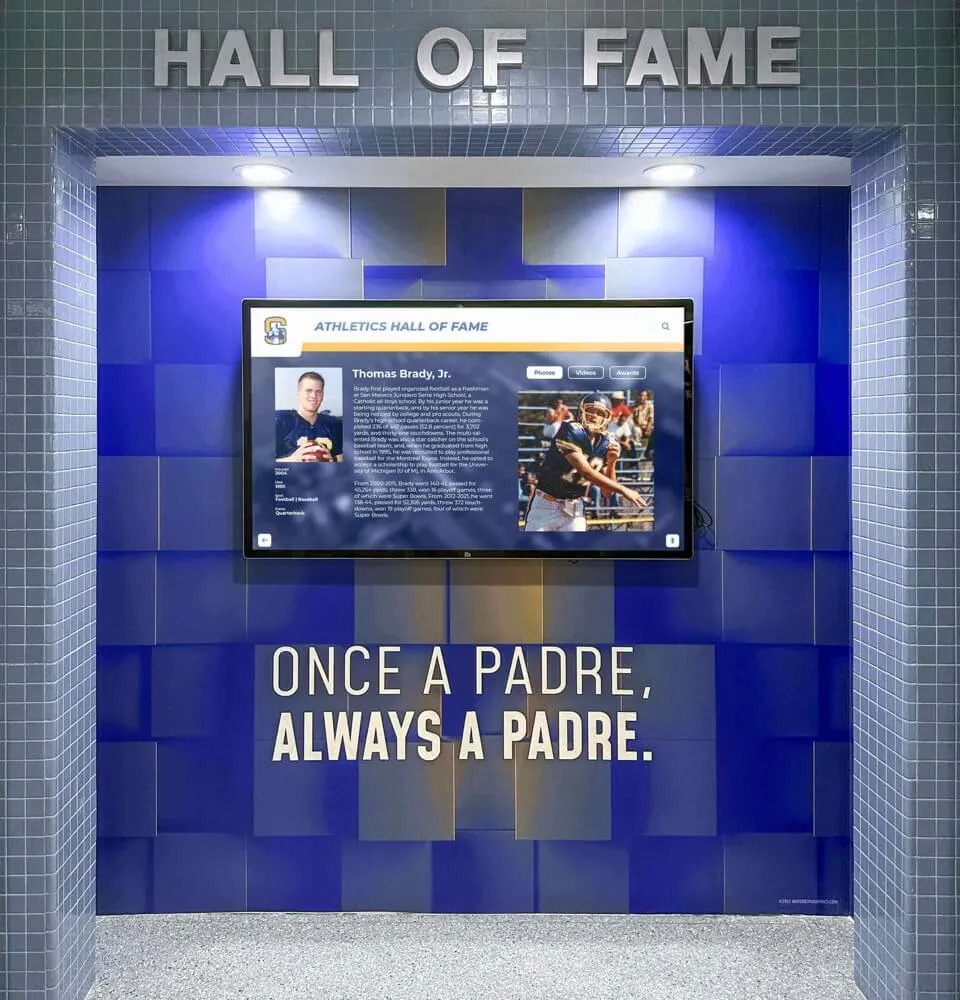
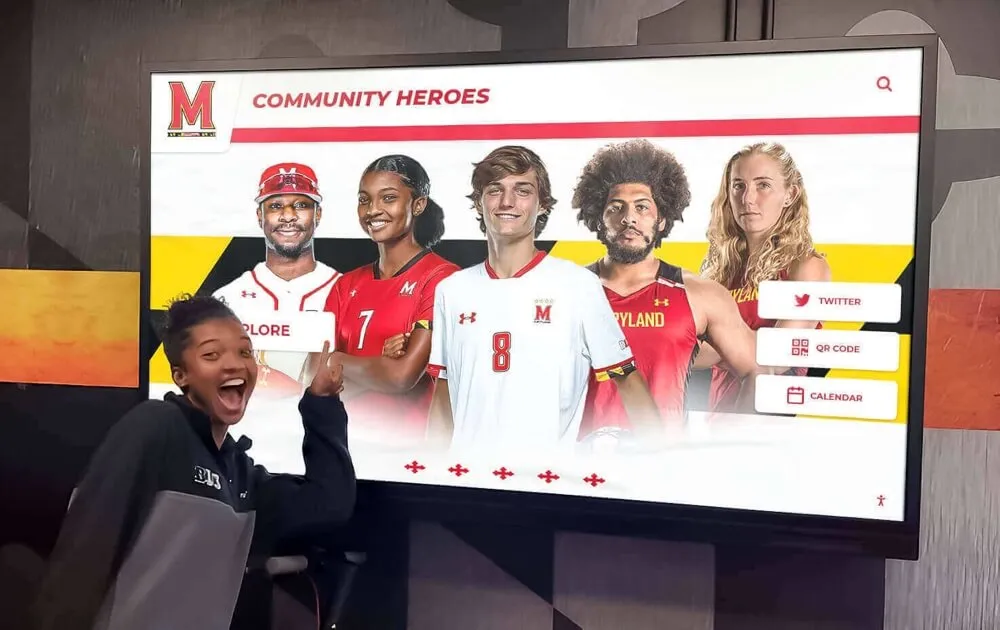
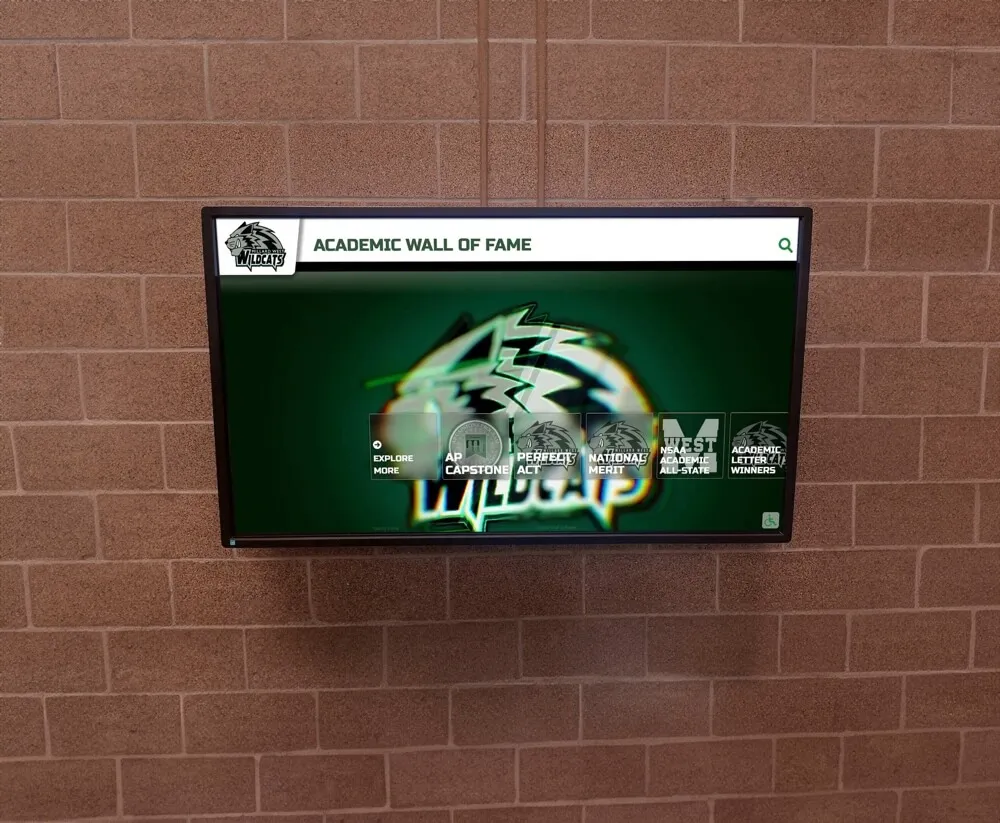
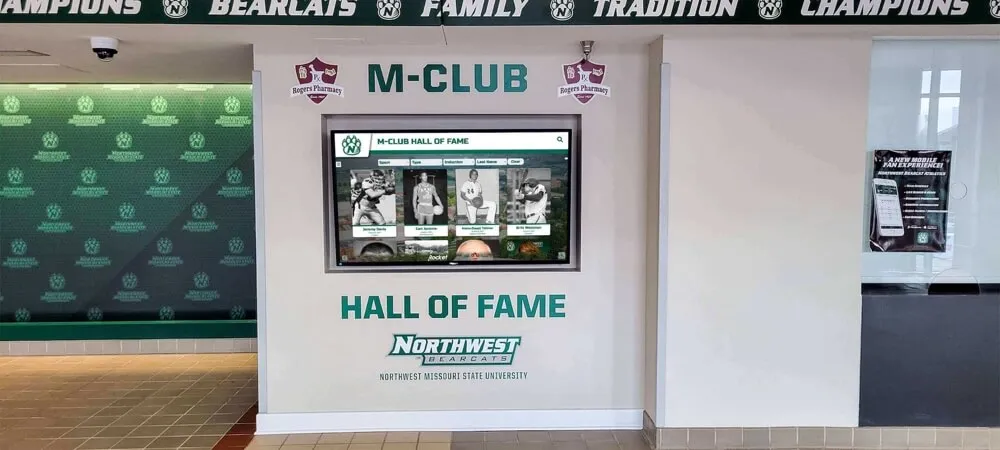
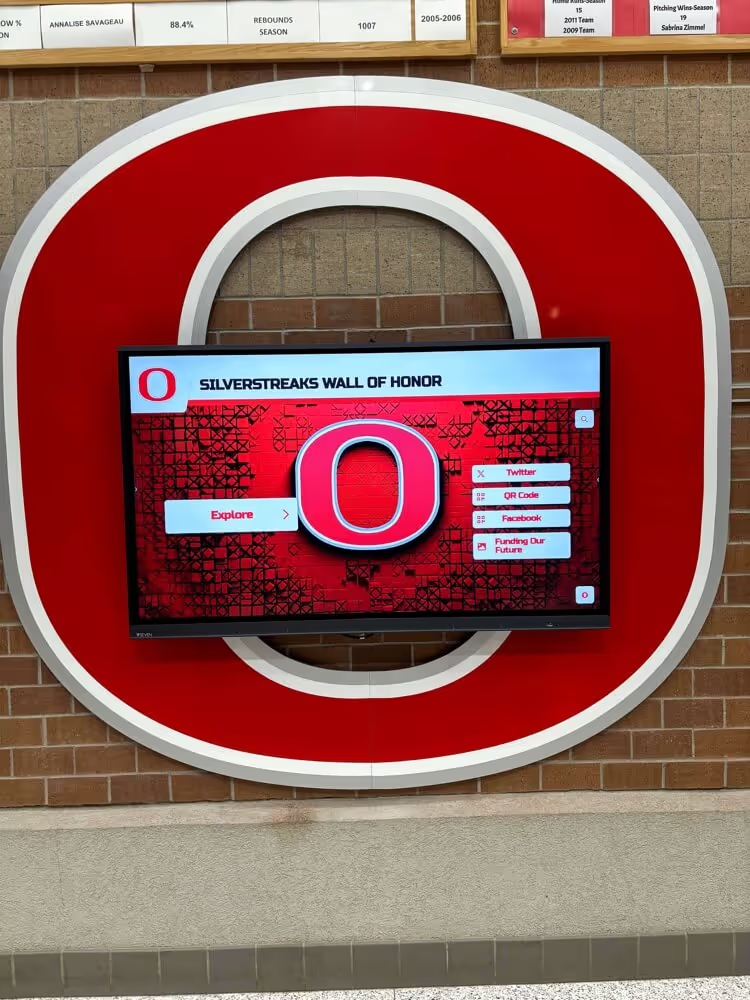
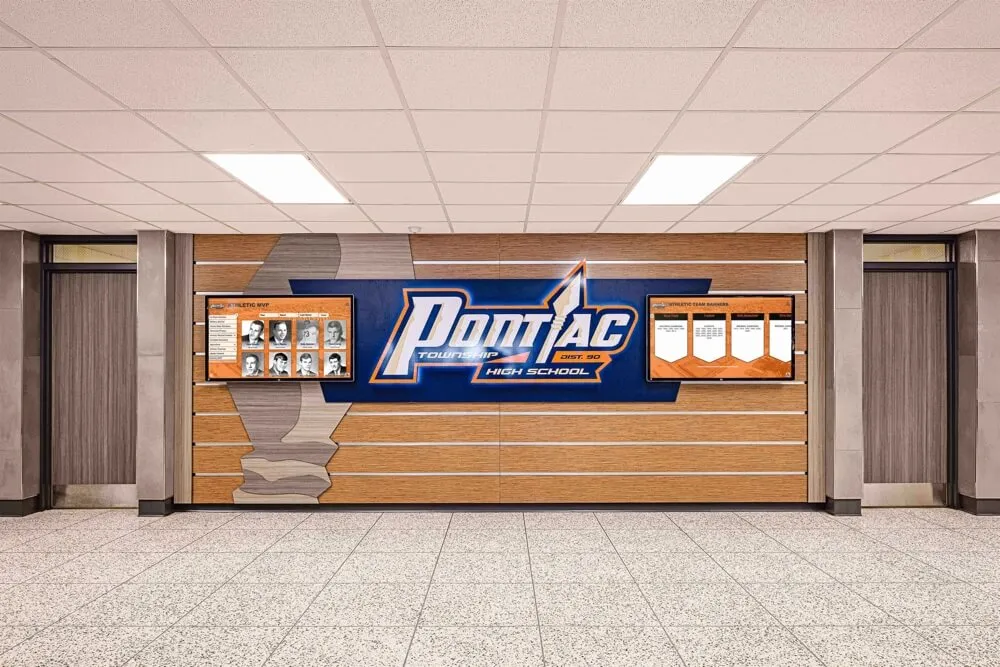
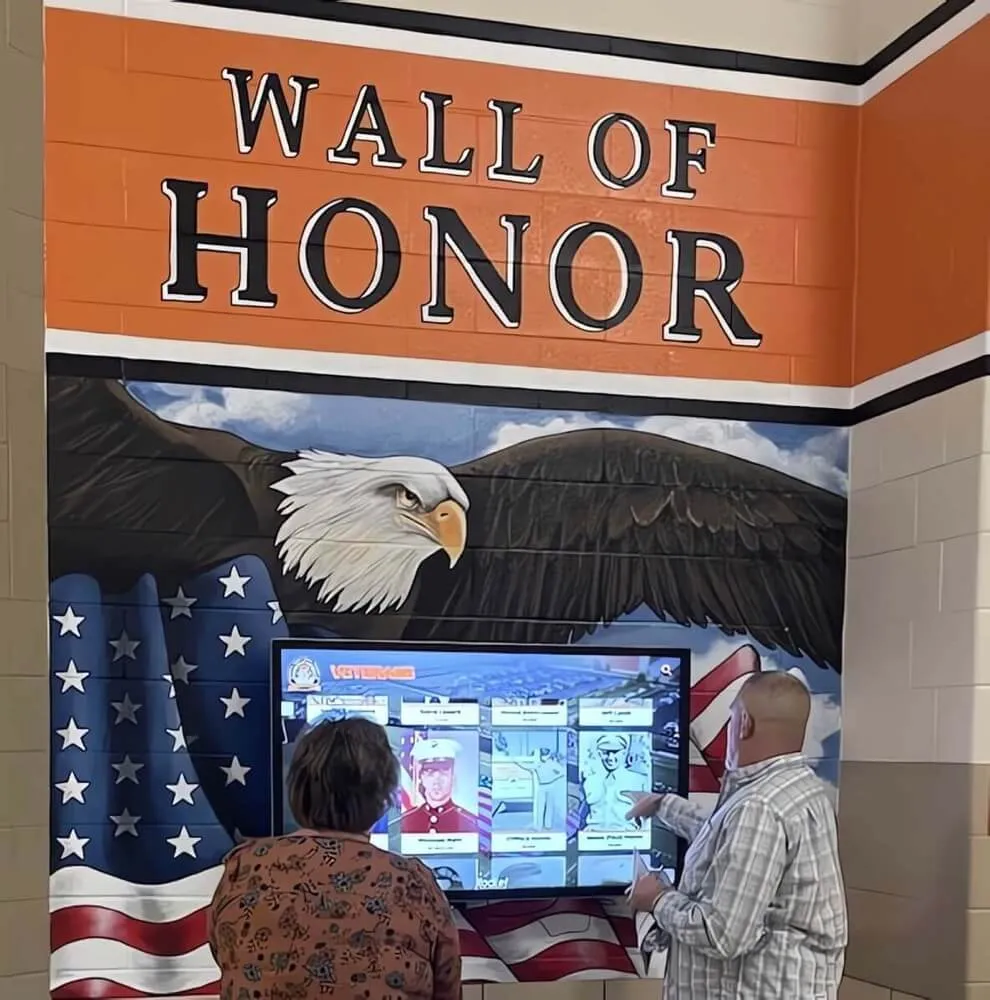
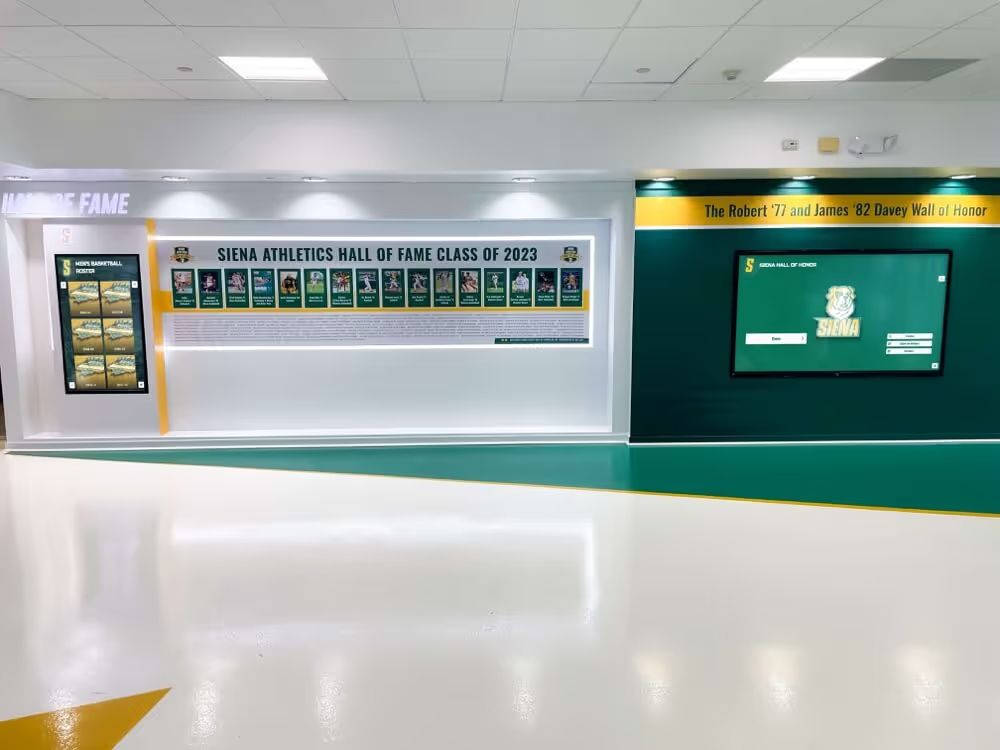
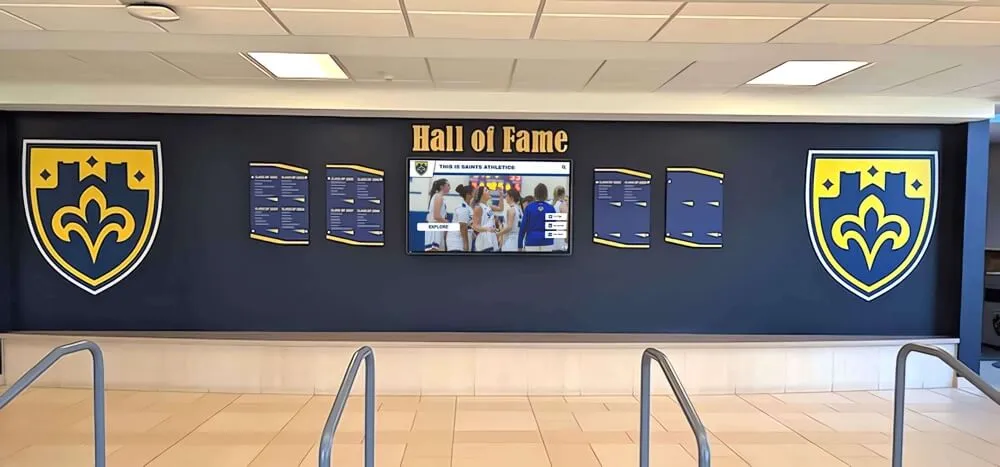
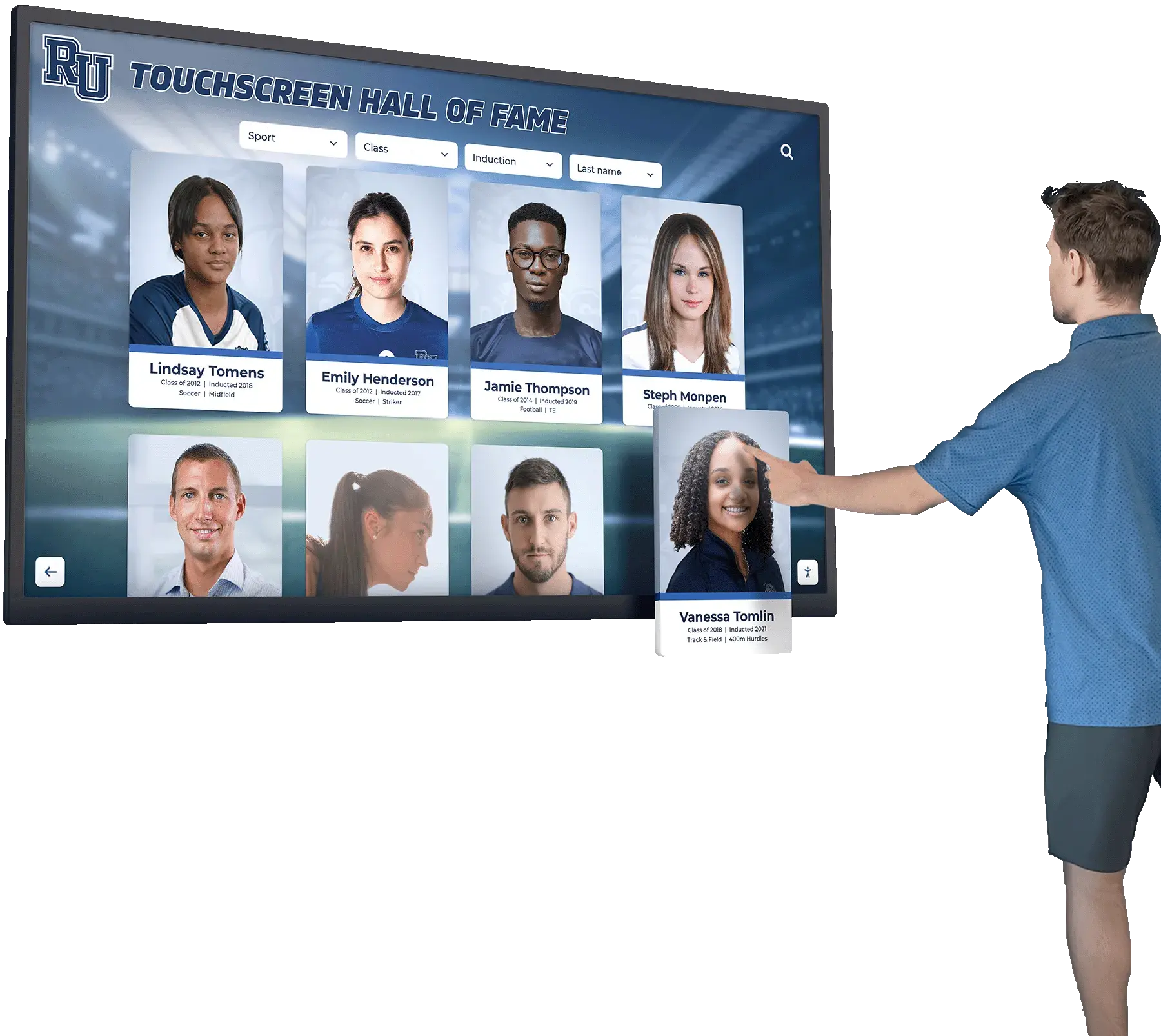
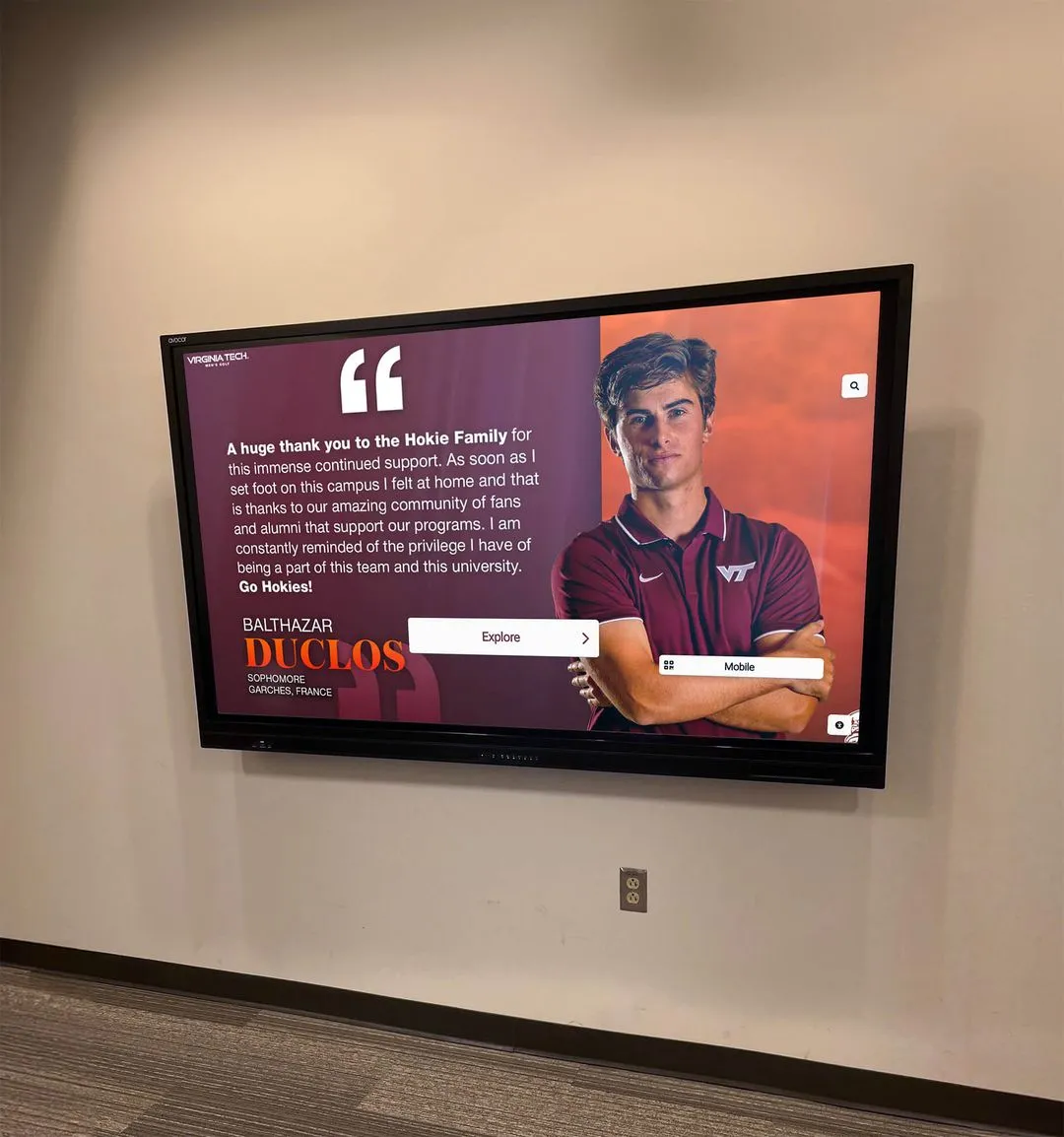
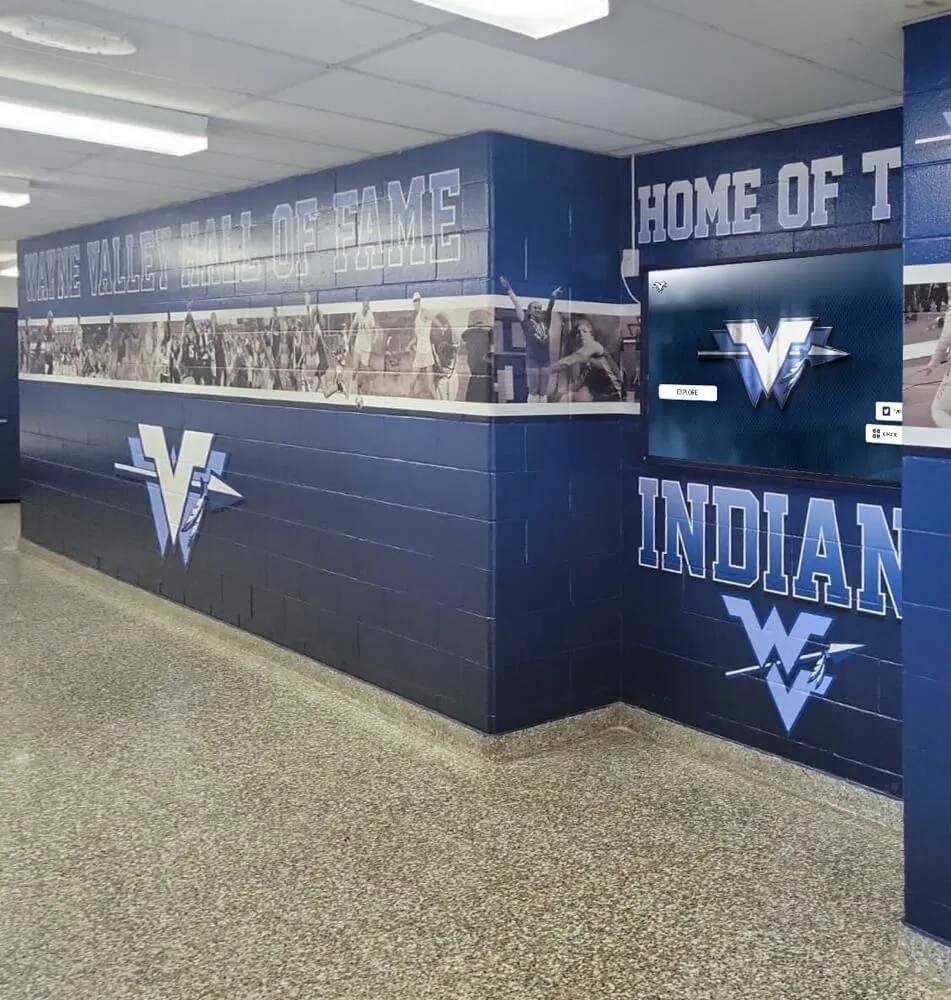
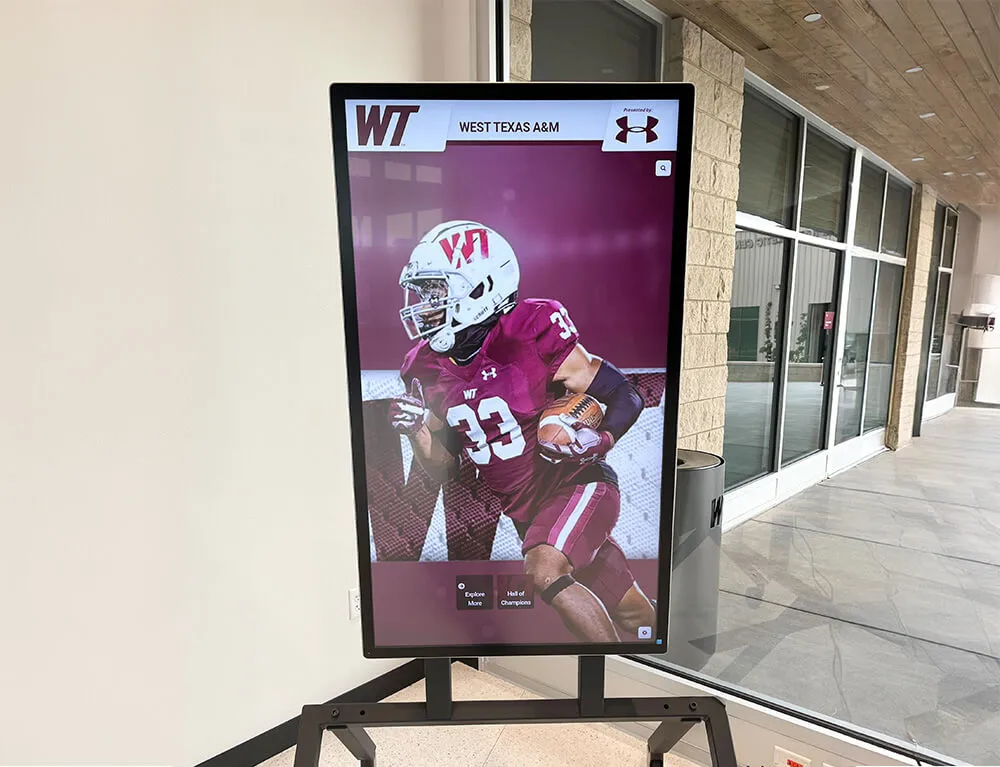
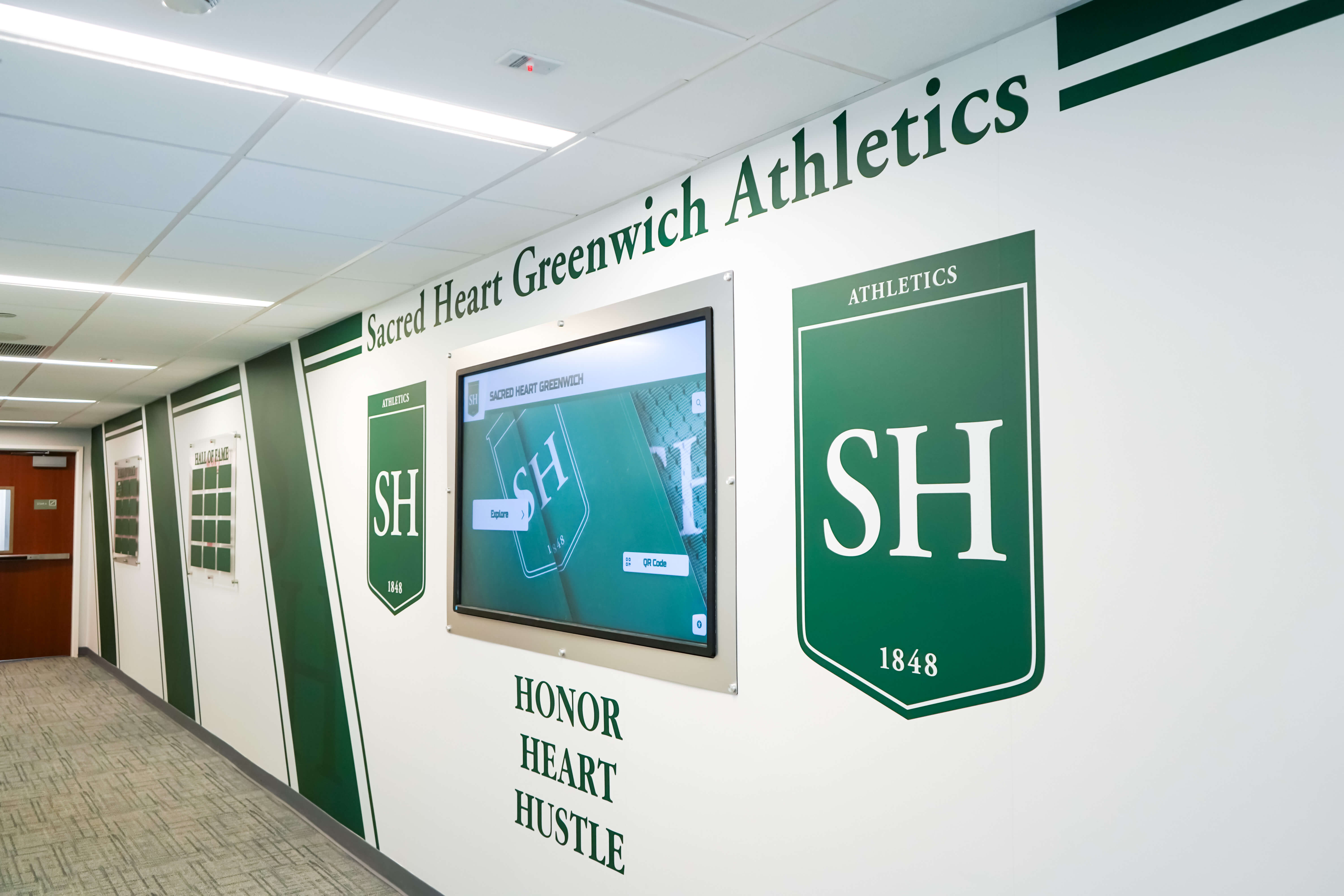
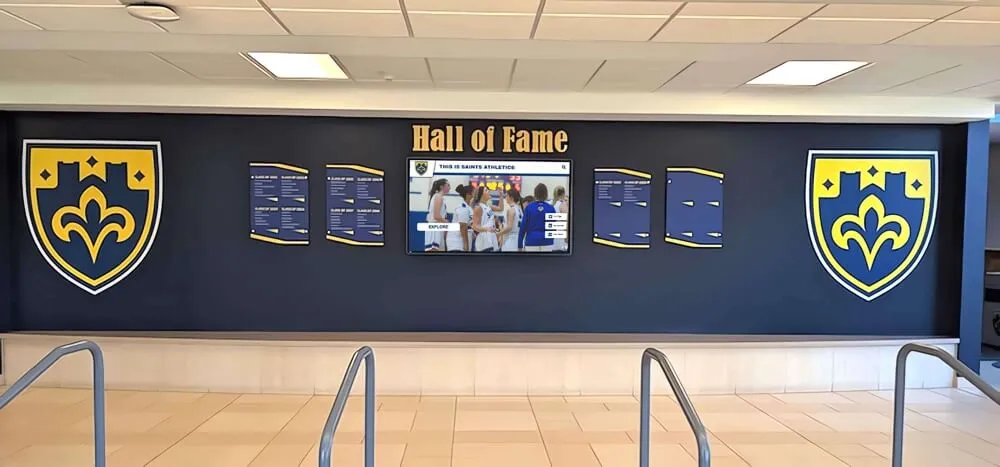
Successful softball programs track achievements across all positions—career pitching records, positional fielding percentages, batting statistics by lineup spot, all-conference selections at each position, and position-specific milestones accumulated across decades of team history. Traditional static displays struggle to organize this multi-dimensional achievement data, forcing programs to choose between comprehensive statistics and readable recognition walls. Digital softball record boards solve these organizational challenges by enabling position-specific record categories, automatic statistical rankings across positions and eras, multimedia profiles highlighting positional skills through photos and video, filterable displays allowing viewers to explore records by position or season, and unlimited capacity as programs add new position leaders each year. Solutions like Rocket Alumni Solutions help softball programs honor excellence at every position while maintaining organized, accessible displays that educate current players about positional responsibilities and inspire future achievement.
The Battery: Pitcher and Catcher
The pitcher-catcher combination, known as “the battery,” forms softball’s defensive core. These positions require unique chemistry, constant communication, and specialized skills that distinguish them from all other field positions.
Pitcher (Position 1)
The pitcher stands at the center of every defensive play, controlling game pace and directly confronting every opposing batter. Softball pitching differs fundamentally from baseball through its underhand delivery motion and closer pitching distance.
Fundamental Responsibilities
Pitchers fulfill multiple critical roles:
- Pitch Selection and Execution: Throwing fastballs, change-ups, drop balls, rise balls, curves, and screwballs with precision location
- Defensive Fielding: Covering bunts, fielding comebackers, backing up bases, and covering first base on ground balls to the right side
- Game Management: Working pitch counts, managing energy across complete games, and maintaining focus through long innings
- Mental Toughness: Recovering from mistakes, handling pressure situations, and maintaining composure regardless of score or circumstances
Physical and Mental Skills Required
Successful pitchers combine specific attributes:
Arm Strength and Endurance: Softball pitchers often throw complete games of 100+ pitches requiring exceptional shoulder and core conditioning. Unlike baseball’s rotational throwing motion, the windmill delivery demands specific muscle development and flexibility.
Movement and Velocity: Elite pitchers generate 60+ mph fastballs while creating significant vertical and horizontal movement on breaking pitches. The spin techniques creating rise, drop, and curve movements require thousands of repetitions developing muscle memory.
Strategic Thinking: Reading batters’ tendencies, setting up pitch sequences, adjusting strategies mid-game, and exploiting weaknesses demand baseball IQ beyond pure physical talent.

Position-Specific Training Considerations
Youth softball pitchers require specialized instruction that general coaches may not provide. Many successful programs incorporate dedicated pitching coaches focusing exclusively on mechanics, pitch development, and arm health. Schools recognizing all-conference athletic selections often feature disproportionate pitching achievements since outstanding pitchers dramatically impact team success.
Catcher (Position 2)
Catchers serve as on-field coaches, directing defensive alignments, calling pitches, and controlling the running game while handling demanding physical responsibilities.
Core Responsibilities
The catcher position encompasses varied demands:
- Pitch Calling: Selecting pitch types and locations based on game situations, batter tendencies, and pitcher capabilities
- Receiving: Framing borderline pitches to maximize strike calls and blocking pitches in the dirt to prevent passed balls and wild pitches
- Throwing Defense: Throwing out base stealers, preventing double steals, and making accurate throws to all bases
- Field Generalship: Directing defensive positioning, communicating coverage responsibilities, and managing pitcher confidence
Essential Skills and Attributes
Successful catchers demonstrate distinctive qualities:
Physical Toughness: Squatting for entire games, absorbing foul tips, blocking balls in the dirt, and colliding with runners at home plate demands exceptional durability and pain tolerance.
Quick Release: Softball’s shorter base paths require catchers to catch, transfer, and throw to second base in under 1.8 seconds to consistently throw out stealers—significantly faster than baseball requirements.
Leadership and Communication: Catchers must earn teammates’ respect while providing constant communication, encouragement, and strategic direction throughout games.
Programs tracking athletic achievement by position often create separate recognition categories for defensive specialists at catcher given the position’s unique statistical measures beyond offensive production.
The Infield: Corner and Middle Positions
Softball’s infield positions split into two strategic groupings: corner positions (first base and third base) emphasizing reaction time and power, and middle positions (second base and shortstop) prioritizing range, quickness, and double-play efficiency.
First Base (Position 3)
First basemen anchor the right side of the infield, receiving throws on groundouts, completing double plays, and providing left-handed power in many lineups.
Primary Responsibilities
First basemen handle specific defensive assignments:
- Receiving Throws: Catching throws from all infield positions on routine groundouts and attempted force plays
- Fielding Range: Covering bunts, fielding ground balls hit directly to the position, and ranging toward the first base line
- Holding Runners: Keeping base runners close to first base, participating in pickoff attempts, and preventing stolen base attempts
- Cut-Off Duties: Serving as relay position on balls hit to right field with runners in scoring position
Skills and Physical Attributes
Successful first basemen possess identifiable characteristics:
Height and Reach: Taller players with long wingspans provide larger targets for infielders’ throws and greater range stretching for errant throws while maintaining contact with the base.
Soft Hands: Receiving throws on short hops, in the dirt, or off-line requires exceptional hand-eye coordination and the ability to secure difficult throws preventing errors.
Left-Handed Advantage: Left-handed throwers benefit from natural positioning facing the infield, though many successful first basemen throw right-handed and simply compensate through footwork.
Second Base (Position 4)
Second basemen combine with shortstops to form the middle infield, handling ground balls up the middle, turning double plays, and covering second base on steal attempts.
Core Responsibilities
The second base position encompasses varied duties:
- Double Play Pivot: Receiving throws from shortstop and third base, touching second base, and making accurate relay throws to first base
- Ground Ball Range: Covering area between first and second base, ranging into shallow right field, and fielding up-the-middle grounders
- Base Coverage: Covering second base on steal attempts and pickoff plays, determining coverage responsibilities based on game situations
- Cut-Off Positioning: Relaying throws from right and center field on balls requiring cut-off throws
Essential Skills
Successful second basemen demonstrate specific abilities:
Quick Hands and Feet: The double play pivot requires exceptional hand-eye coordination combined with footwork avoiding sliding base runners while maintaining throwing accuracy.
Lateral Range: Covering ground horizontally toward first base and up the middle demands quickness rather than pure speed—the ability to react, break, and reach balls within two steps.
Baseball Intelligence: Middle infielders must instantly process situations—number of outs, runner speed, score, and defensive positioning—making split-second decisions on every batted ball.
Shortstop (Position 6)
The shortstop typically represents the infield’s best athlete, combining range, arm strength, and defensive instincts while often providing offensive production from the left side of the plate.
Primary Responsibilities
Shortstops handle demanding defensive assignments:
- Maximum Range Coverage: Covering more ground than any infield position, ranging deep into the hole toward third base and up the middle toward second base
- Double Play Initiation: Starting double plays on ground balls in the shortstop zone, making accurate feeds to second base
- Relay Position: Serving as cut-off on balls to left and left-center field, making relay throws to multiple bases
- Defensive Captain: Directing positioning adjustments, communicating coverage responsibilities, and serving as infield leader
Required Skills and Attributes
Elite shortstops possess distinctive qualities:
Superior Arm Strength: Making throws from deep in the hole or off-balance positions requires arm strength exceeding other infield positions. Shortstops must consistently make 70+ foot throws across the diamond with velocity and accuracy.
Athletic Range: Covering 30+ feet laterally in either direction demands exceptional acceleration, body control, and recovery ability. The best shortstops make difficult plays appear routine through positioning and anticipation.
Leadership Presence: Many shortstops serve as team captains or defensive coordinators, earning respect through consistent excellence and vocal leadership.
Third Base (Position 5)
Third basemen, positioned 60 feet from home plate down the left-field line, need quick reactions to handle hard-hit ground balls and line drives while making accurate throws across the diamond.
Fundamental Responsibilities
Third basemen fulfill specific defensive roles:
- Reaction Defense: Fielding sharply hit ground balls and line drives with minimal reaction time
- Bunt Coverage: Charging bunts aggressively, fielding barehanded when necessary, and making accurate throws to first or second base
- Throwing Accuracy: Making long throws to first base from various fielding positions and arm angles
- Foul Territory Coverage: Catching foul pop-ups near the dugout, along the third-base line, and behind home plate
Essential Skills
Successful third basemen demonstrate key attributes:
Quick Reflexes: Balls hit to third base arrive faster than any other infield position due to right-handed pull hitters and the angle from home plate. Elite third basemen react instinctively rather than analytically.
Strong Accurate Arm: The 127-foot throw from third to first base represents baseball’s longest routine infield throw. Arm strength combined with accuracy under pressure separates capable third basemen from struggling ones.
Fearless Approach: Standing 60 feet from power hitters requires courage blocking hard-hit balls with the body when glove position proves inadequate.
The Outfield: Coverage and Communication
Outfield positions require different skill sets than infield spots, emphasizing speed, tracking ability, and arm strength while covering significantly more ground and handling fewer but often more impactful plays.
Left Field (Position 7)
Left fielders cover the left side of the outfield, backing up third base and shortstop while fielding balls hit to their zone and preventing extra-base hits down the line.
Primary Responsibilities
Left field duties include:
- Gap Coverage: Covering ground in the left-center gap in coordination with the center fielder
- Line Coverage: Preventing doubles and triples down the left-field line, playing caroms off outfield fences
- Backup Responsibilities: Backing up third base on throws from the catcher and backing up shortstop on routine plays
- Relay Throws: Making accurate relay throws to third base and home plate on balls requiring cut-off throws
Key Skills
Successful left fielders demonstrate specific abilities:
Reading Batted Balls: Instantly determining trajectory, distance, and lateral direction based on bat angle, swing path, and ball flight requires experience and instinct that separates competent from excellent outfielders.
Speed and Range: Covering large territories demands pure straight-line speed combined with efficient routes to balls hit in gaps or over the head.
Adequate Arm Strength: While left fielders make fewer long throws than right fielders, they still need sufficient arm strength preventing runners from taking extra bases or scoring from second base on singles.
Center Field (Position 8)
Center fielders typically represent the outfield’s best athlete, covering the most ground, handling the most balls, and often serving as outfield captain directing positioning and communication.
Core Responsibilities
Center field encompasses the broadest defensive territory:
- Maximum Range Coverage: Covering ground from the left-center gap through right-center, handling more batted balls than any outfield position
- Communication Leadership: Calling off corner outfielders on balls in gaps, directing positioning based on batters and situations
- Backup Duties: Backing up second base on throws from the catcher and serving as last line of defense on balls through the infield
- Relay Coordination: Serving as cut-off on balls to the gaps, making quick decisions on throwing to multiple bases
Essential Attributes
Elite center fielders possess distinctive qualities:
Exceptional Speed: Center fielders must cover more ground than any defensive position, requiring world-class speed in all directions—forward, backward, and laterally.
Instinctive Routes: The best center fielders take efficient paths to balls, anticipating trajectory and adjusting mid-route rather than reacting after initial break.
Confidence and Assertiveness: Center fielders call off corner outfielders when appropriate, direct defensive positioning, and serve as outfield voice without hesitation.
Schools maintaining comprehensive athletic achievement displays often highlight center fielders who accumulate impressive putout totals reflecting both ability and opportunity given the position’s coverage responsibilities.
Right Field (Position 9)
Right fielders need the outfield’s strongest arm, making long throws to third base while covering ground in right-center and preventing extra bases down the right-field line.
Primary Responsibilities
Right fielders handle specific defensive assignments:
- Long Throwing: Making 200+ foot throws from deep right field to third base with accuracy and velocity
- Gap Coverage: Covering the right-center gap in coordination with the center fielder
- Line Defense: Preventing doubles and triples down the right-field line, playing caroms effectively
- First Base Backup: Backing up first base on throws from the infield and on potential overthrows
Required Skills
Successful right fielders demonstrate key abilities:
Premium Arm Strength: Right fielders make the longest throws on the field—from deep right field to third base when runners tag from first base on fly balls. Exceptional arm strength prevents runners from advancing and creates defensive advantages.
Tracking Ability: Handling slices from right-handed batters and hooks from left-handed batters requires understanding ball flight and adjusting routes appropriately.
Accuracy Under Pressure: Making relay throws with runners testing defensive arms requires composure and mechanical consistency maintaining throwing accuracy despite urgency.
Positional Versatility and Development
While positions require specialized skills, many successful softball players develop versatility playing multiple positions throughout their careers, creating strategic options for coaches while expanding individual understanding of the game.
Multi-Position Development Benefits
Players who develop competency at multiple positions gain several advantages:
Increased Playing Time: Versatile players create more lineup opportunities for coaches balancing defensive assignments across games and tournament schedules.
Enhanced Game Understanding: Playing different positions provides perspectives on defensive strategies, communication needs, and positional responsibilities that single-position players may not fully appreciate.
Recruiting Advantages: College coaches value versatility, particularly at smaller programs where roster limitations require players capable of filling multiple defensive roles.
Career Longevity: Athletes who develop secondary positions extend playing careers by adapting when primary positions become unavailable due to roster construction or physical changes.
Common Positional Transition Paths
Certain positional transitions occur more frequently based on skill transferability:
Infield to Outfield: Players losing arm strength or range but maintaining hitting ability often transition from shortstop or second base to outfield positions extending careers through offensive contribution.
Catcher to First Base: Catchers whose bodies no longer handle the demanding squat position frequently transition to first base maintaining roster value through leadership and bat.
Pitcher to Utility: Pitchers developing arm problems often transition to multiple positions leveraging athletic ability while reducing throwing demands.
Programs tracking athletic career development sometimes highlight versatile players who earned recognition at multiple positions throughout high school or college careers.
Age-Appropriate Position Assignment
Youth softball coaches should consider developmental appropriateness when assigning positions:
8U-10U Programs: Young players benefit from rotating through multiple positions, developing diverse skills while discovering natural aptitudes. Restricting young athletes to single positions limits development and potentially misidentifies optimal position matches.
12U-14U Levels: As competitive levels increase, players begin specializing in primary positions while maintaining secondary position competencies. This transitional phase balances development breadth with focused skill building.
High School Programs: Most high school players establish primary positions while developing limited secondary capabilities. The competitive nature of high school softball requires position specialization maximizing individual and team success.
College and Beyond: College softball features near-complete specialization with most players competing exclusively at single positions throughout four-year careers.

Positional Statistics and Recognition
Softball programs tracking historical achievements typically organize records by position, recognizing that statistical comparisons across positions prove problematic given vastly different opportunity levels and measurement criteria.
Position-Specific Statistical Categories
Different positions emphasize different statistical measures:
Pitching Statistics: Earned run average (ERA), strikeouts, innings pitched, wins, complete games, shutouts, and opponent batting average represent standard pitching measurements rarely applicable to position players.
Batting Statistics by Position: Programs sometimes track batting averages, home runs, or RBIs by position—recognizing leadoff-hitting center fielders versus power-hitting corner infielders face different offensive expectations.
Fielding Statistics: Fielding percentage, putouts, assists, and errors provide defensive measurements, though opportunity differences between positions (infielders handle more chances than outfielders) complicate direct comparisons.
Position-Specific Achievements: Gold Glove or all-conference selections at specific positions honor positional excellence within proper context rather than attempting invalid cross-position comparisons.
Digital Recognition Systems for Positional Achievement
Modern digital record boards provide organizational advantages for showcasing positional excellence:
Filterable Position Categories: Digital displays allow viewers to filter records by position—viewing all-time pitching leaders separately from batting leaders or defensive achievement at specific positions.
Multimedia Position Profiles: Photos and videos highlighting position-specific skills (pitchers’ windmill deliveries, catchers’ throws to second, outfielders’ diving catches) provide context that statistics alone cannot communicate.
Comprehensive Career Tracking: Players who compete at multiple positions throughout careers benefit from digital systems tracking combined achievements rather than forcing artificial primary-position categorizations.
Historical Continuity: As position responsibilities and statistical emphases evolve, digital systems accommodate changing metrics without requiring physical reconstruction of recognition displays.
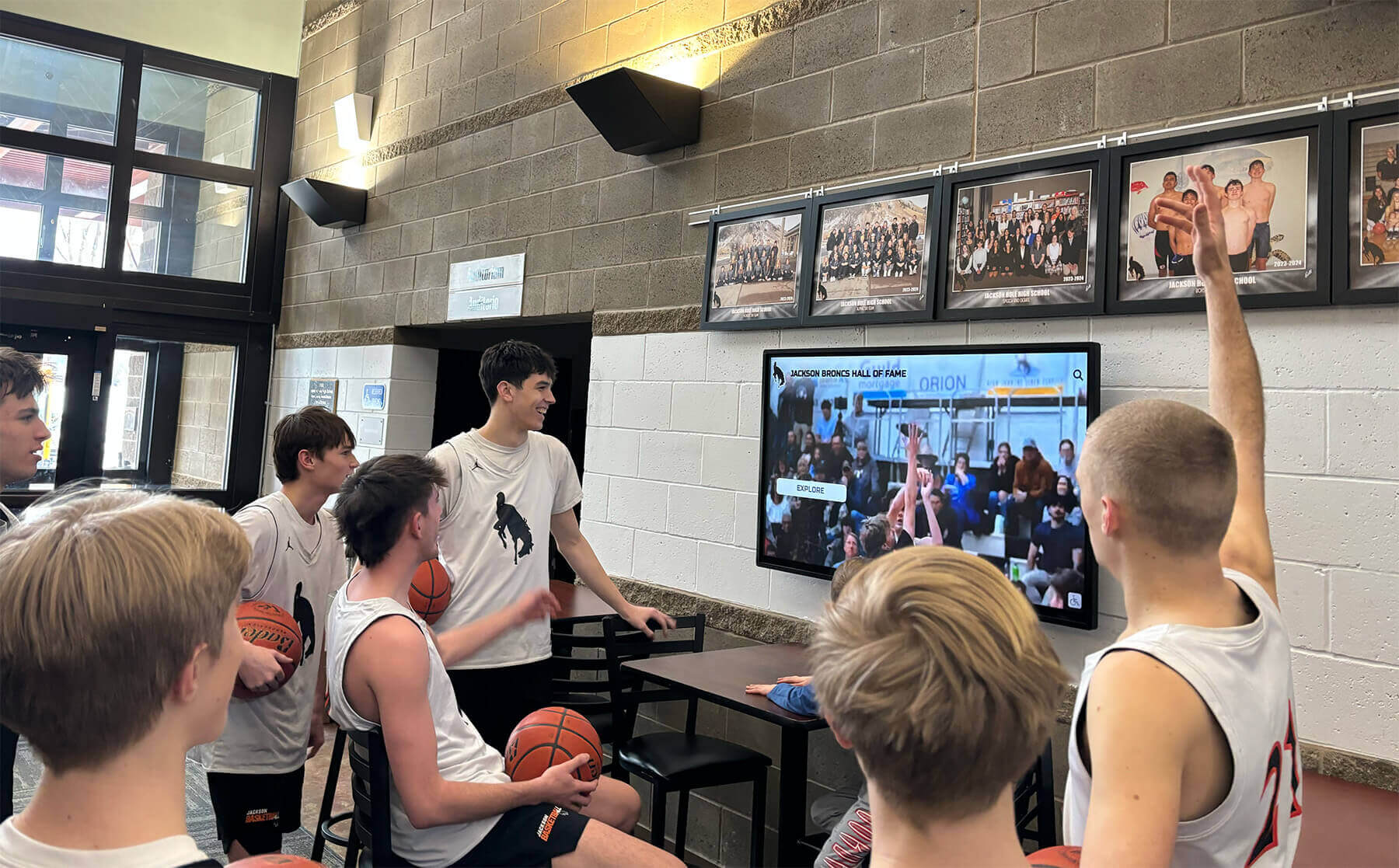
Schools implementing digital athletic recognition displays report improved engagement from athletes, families, and alumni who appreciate accessibility to comprehensive position-specific achievement data.
Strategic Positioning and Defensive Alignments
Understanding individual position responsibilities provides foundation for comprehending how positions coordinate defensively through shifts, situational alignments, and communication protocols.
Standard Defensive Alignment
Traditional softball defensive positioning places infielders at moderate depth with outfielders backing them appropriately:
Infield Depth: Standard positioning stations infielders 8-12 feet behind the base paths allowing reasonable time to field ground balls while maintaining throwing distance to first base.
Outfield Depth: Outfielders typically position 180-220 feet from home plate depending on field dimensions, batter power, and game situation.
Gap Positioning: Outfielders shade toward gaps rather than directly behind infielders, prioritizing gap coverage over straight-away positioning.
Situational Defensive Shifts
Modern softball increasingly employs position-specific shifts responding to batter tendencies and game situations:
No-Doubles Defense: Late-game situations protecting leads involve outfielders playing significantly deeper preventing extra-base hits while conceding potential singles.
Infield In: With runners on third base and less than two outs, infielders play shallow attempting to cut off runs at home plate on ground balls.
Power-Hitter Shifts: Against pull-heavy right-handed batters, infields and outfields shade dramatically toward left field abandoning traditional balanced positioning.
Bunt Defense: With sacrifice bunt situations, corner infielders charge aggressively while middle infielders cover bases creating high-risk defensive configuration.
Communication and Coverage Responsibilities
Effective defense requires constant position-to-position communication:
Fly Ball Priority: Center fielders call off corner outfielders on balls in gaps; infielders yield to outfielders on shallow fly balls when called off appropriately.
Base Coverage Assignments: Middle infielders must communicate steal coverage based on batter handedness, pitcher tendencies, and game situations preventing both players from covering second simultaneously or neither covering.
Backup Positioning: All positions maintain backup responsibilities—outfielders backing up bases on throws, infielders backing up other infielders on difficult plays.
Programs building team culture and athletic excellence emphasize defensive communication and coordination as much as individual positional skill development.
Recruiting and College Position Considerations
High school players aspiring to college softball must understand how recruiting dynamics differ across positions and what college coaches prioritize when evaluating positional prospects.
Position-Specific Recruitment Priorities
College coaches evaluate positions differently based on scarcity and impact:
Premium Positions: Pitchers, catchers, shortstops, and center fielders receive disproportionate recruitment attention given these positions’ impact on team success and relative scarcity of elite prospects.
Power Positions: Corner infielders and outfielders must demonstrate offensive production—particularly power numbers—to attract equivalent recruitment interest as defensive specialists at premium positions.
Versatility Value: Mid-major and Division III programs particularly value multi-position players who provide roster flexibility given smaller squad sizes.
Positional Competition Levels
Different positions feature varying recruitment competition intensities:
High Competition Positions: Pitching recruits face intense competition with many programs recruiting multiple pitchers annually while offering limited roster spots.
Moderate Competition: Middle infield positions attract substantial interest balanced against the reality that most programs carry multiple players at these positions.
Lower Competition: Positional scarcity varies by region and level, with some positions facing less intense recruitment battles depending on talent pools and program needs.
Position Changes During College Recruitment
College coaches sometimes recruit athletes to different positions than they played in high school:
Shortstops to Second Base: Exceptional high school shortstops may transition to second base in college where they face less physically gifted shortstop prospects.
Catchers to First Base or Outfield: Catchers with strong bats but defensive limitations may transition to less demanding defensive positions.
Multi-Sport Athletes: Players competing in multiple high school sports may project to college positions different from their primary high school assignment based on athletic profile.
High school programs maintaining comprehensive player profiles help document positional versatility and performance metrics useful during college recruitment processes.
Teaching Positional Fundamentals at Youth Levels
Effective youth softball coaching emphasizes position-appropriate skill development while maintaining age-appropriate expectations and fostering long-term athletic development.
Age-Appropriate Position Assignment
Youth coaches should avoid premature specialization while introducing positional concepts:
6U-8U Levels: Every player should experience every position throughout seasons, developing fundamental catching, throwing, and fielding skills applicable across positions rather than position-specific techniques.
10U-12U Levels: Players begin identifying preferred positions while coaches observe natural aptitudes. Rotation continues but with emerging patterns reflecting player preferences and demonstrated abilities.
14U-18U Levels: Specialization accelerates with most competitive players establishing primary positions. Secondary position development continues but takes subordinate emphasis to primary position mastery.
Position-Specific Skill Progressions
Different positions require tailored skill development sequences:
Pitcher Development: Youth pitchers should master fastball mechanics before introducing breaking pitches. Change-ups develop next, followed by movement pitches (drops, rises, curves) only after establishing mechanical consistency and appropriate physical development.
Catcher Progression: Young catchers first learn receiving and blocking fundamentals before emphasizing throwing mechanics. Pitch calling and game management develop last after establishing defensive competency.
Infield Fundamentals: Youth infielders master ground ball fielding and accurate throwing before introducing double-play footwork, bare-hand plays, and advanced positioning reads.
Outfield Development: Young outfielders focus on fly ball tracking and catching before emphasizing advanced skills like reading batted balls off the bat, taking efficient routes, and making strong accurate throws.
Common Positional Coaching Mistakes
Well-intentioned youth coaches sometimes make developmental errors:
Permanent Position Assignment: Restricting young players to single positions based on early ability rather than allowing experimentation limits development and may misidentify optimal position matches.
Size-Based Positioning: Automatically placing larger players at first base and catcher while assigning smaller athletes to middle infield positions creates self-fulfilling development patterns rather than allowing skill-based position finding.
Overemphasizing Winning: Prioritizing game victories over player development at youth levels leads to limited position rotation and the best athletes playing premium positions exclusively.
Programs emphasizing youth athletic development over immediate competitive success typically produce more college-bound athletes and maintain higher long-term participation rates.
Celebrating Positional Excellence in Your Softball Program
Softball programs with rich histories accumulate impressive positional achievements across decades—career pitching records, all-time fielding percentage leaders at each position, batting champions, all-state selections, and players advancing to college programs. Traditional static recognition displays quickly reach capacity limitations while struggling to organize multi-dimensional achievement data by position, era, and statistical category.
Digital recognition systems transform how softball programs honor positional excellence:
Unlimited Achievement Capacity: Digital displays accommodate every position leader across all statistical categories and eras without physical space constraints limiting recognition breadth.
Position-Specific Organization: Filterable displays allow viewers to explore pitching records separately from batting achievements or defensive excellence at specific positions, providing context that combined displays cannot match.
Multimedia Player Profiles: Photos showcasing position-specific skills, video highlights of signature plays, and comprehensive statistical profiles create richer recognition than text-based displays alone.
Dynamic Updates: New achievement records, current season statistics, and recent honors integrate instantly without requiring vinyl changes, plaque orders, or display reconstruction.
Engagement and Education: Current players explore historical positional excellence, learning about past athletes who excelled at their positions and understanding program traditions while drawing inspiration from documented achievement.
Schools implementing comprehensive digital athletic recognition report improved athlete engagement, stronger alumni connections, and enhanced program pride stemming from accessible, organized achievement displays.
Honor Excellence at Every Position
Your softball program deserves recognition displays that showcase positional achievement as comprehensively as your athletes' dedication and excellence. Digital solutions provide the organizational flexibility, unlimited capacity, and engaging presentation that traditional displays cannot match. Discover how modern recognition technology can transform your program's achievement displays while inspiring current players and preserving athletic excellence for future generations.
Explore Digital Recognition SolutionsFrequently Asked Questions About Softball Positions
What is the hardest position in softball?
Pitcher and catcher represent softball’s most demanding positions. Pitchers control every defensive play, require specialized skills taking years to develop, and bear exceptional mental pressure. Catchers combine demanding physical requirements (squatting entire games, blocking pitches) with leadership responsibilities directing defensive positioning and pitch calling. Shortstop ranks as the most difficult non-battery position given the combination of range, arm strength, and baseball IQ required.
What position should a beginner play in softball?
Beginning softball players benefit from experiencing multiple positions rather than specializing immediately. Right field and second base traditionally see fewer balls than other positions at youth levels, potentially easing initial pressure. However, the best developmental approach involves rotating young players through all positions across seasons, allowing skill development at each spot while identifying natural positional aptitudes.
What softball position requires the strongest arm?
Right field requires softball’s strongest throwing arm, making 200+ foot throws from deep right field to third base on tag-up situations. Among infield positions, shortstop demands the strongest arm given the long throws from deep in the hole across the diamond to first base. Catchers need quick release mechanics more than pure arm strength, though adequate arm strength remains essential for throwing out base stealers.
Do softball positions have the same numbers as baseball?
Yes, softball and baseball use identical positional numbering: pitcher (1), catcher (2), first base (3), second base (4), third base (5), shortstop (6), left field (7), center field (8), and right field (9). This numerical system facilitates scorekeeping, defensive charting, and statistical documentation across both sports.
Can softball players play multiple positions?
Absolutely. Many successful softball players develop competency at multiple positions, creating roster flexibility for coaches while enhancing players’ game understanding. Versatility proves particularly valuable at smaller programs and during recruitment, as college coaches appreciate multi-position athletes. Common position combinations include middle infielders who play both second base and shortstop, corner outfielders who rotate among all three outfield spots, and utility players who provide depth across several positions.
How do coaches decide which position a player should play?
Coaches evaluate several factors when assigning positions: physical attributes (arm strength, speed, size), demonstrated skills (throwing accuracy, catching ability, hitting), mental characteristics (baseball IQ, leadership, composure), and player preferences. The best position assignments match player abilities to positional requirements while balancing team needs. At youth levels, coaches should prioritize player development and position experimentation over immediate competitive optimization.
What makes a good softball shortstop?
Elite shortstops combine exceptional athletic range covering ground laterally, superior arm strength making long throws across the diamond, strong baseball instincts reading batted balls and anticipating plays, quick hands and feet for turning double plays, and leadership presence directing infield positioning and communication. Shortstops typically rank among the team’s best overall athletes given the position’s demanding requirements.
Should lefties play certain positions in softball?
Left-handed throwers face positional limitations in softball. First base ideally suits left-handed throwers since the throwing mechanics naturally face the infield. Left-handed players can play outfield positions without disadvantage. However, left-handed throwers rarely play catcher, second base, third base, or shortstop since throwing mechanics create timing and accuracy challenges at these positions. Pitching remains position-neutral regarding throwing hand, with successful left-handed pitchers at all competitive levels.
How important is position versatility for college recruitment?
Position versatility significantly enhances recruitment prospects, particularly at mid-major Division I programs, Division II, Division III, and NAIA schools where smaller rosters require players capable of filling multiple roles. While elite Division I programs often recruit position-specific players, most college programs value multi-position athletes providing coaching flexibility. Players should develop primary position mastery while maintaining competency at secondary positions, presenting complete skill profiles to college coaches.
What position gets the most action in softball?
Pitcher and catcher participate in every defensive play, making them the highest-action positions. Among non-battery positions, shortstop and second base typically see the most batted balls given right-handed batters’ pull tendencies. Center fielders handle more fly balls than corner outfielders given their broader coverage responsibilities. First basemen receive throws on most ground ball outs, creating high involvement despite fewer balls hit directly to the position.