



Soccer tryouts represent one of the most challenging responsibilities coaches face each season. In just a few sessions, you must fairly evaluate dozens of players across multiple skill dimensions, identify talent that fits your system, and make roster decisions that impact young athletes’ experiences. The pressure intensifies when you’re assessing unfamiliar players with limited observation time, knowing that every decision shapes team chemistry and competitive potential for the entire season.
Effective soccer tryout drills solve this challenge by creating standardized evaluation frameworks that reveal player capabilities across technical execution, tactical understanding, physical attributes, and mental characteristics. Well-designed tryout sessions don’t just showcase individual skills—they simulate game-realistic situations that expose how players perform under pressure, adapt to different roles, and contribute to team objectives. For coaches building competitive programs, implementing structured evaluation protocols ensures you identify the right players while creating fair, transparent selection processes.
Why Structured Tryout Drills Matter
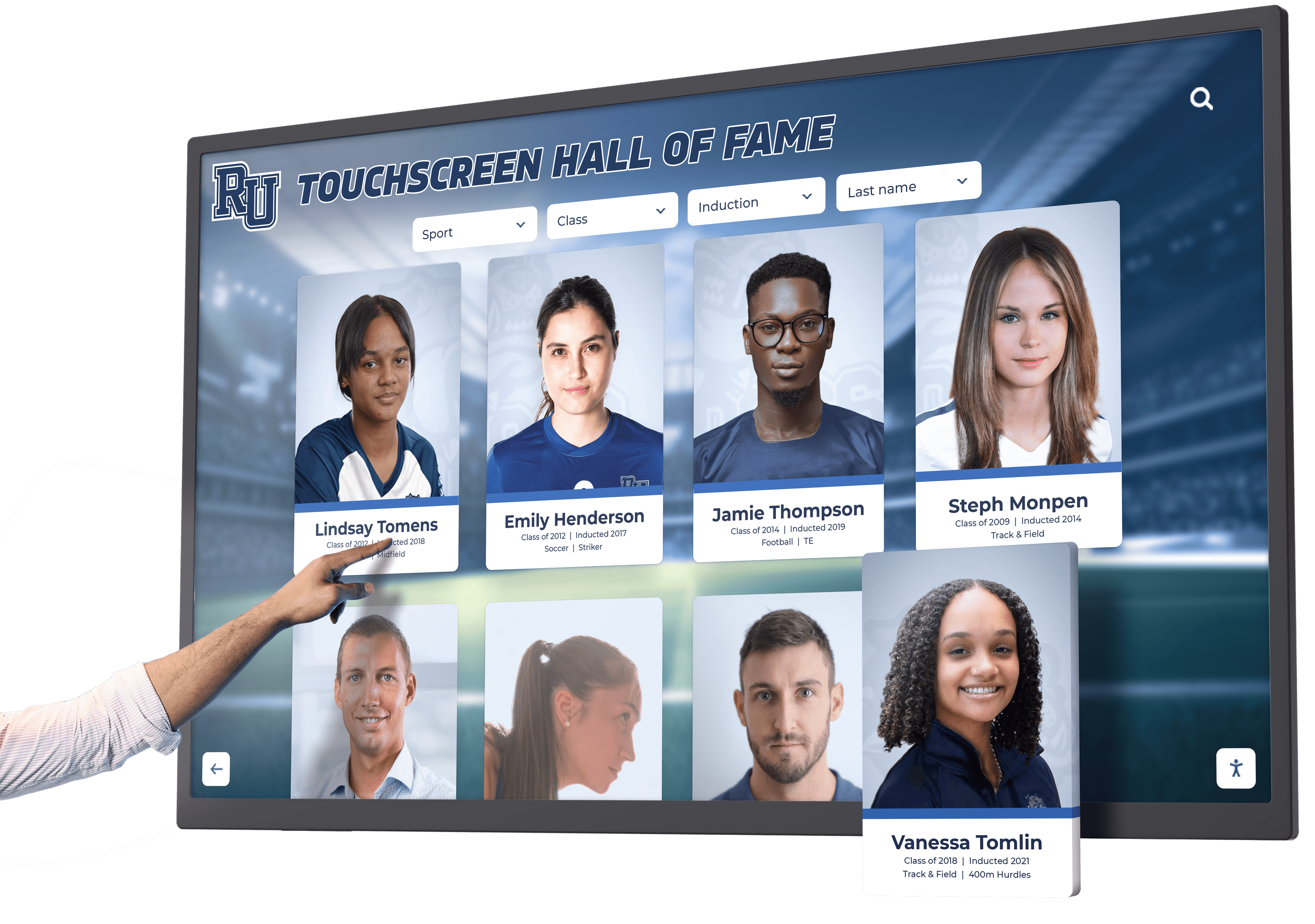
Random scrimmages and informal observations leave too much room for bias, inconsistent evaluation standards, and missed talent. Structured soccer tryout drills create objective assessment frameworks that help coaches compare players fairly while gathering comprehensive data about each candidate's abilities. Digital recognition solutions like Rocket Alumni Solutions enable soccer programs to celebrate player achievements and track performance milestones throughout careers, building upon the evaluation foundations established during tryouts by creating permanent records of how athletes develop from tryout candidates into program standouts.
Planning Your Soccer Tryout Structure
Before examining specific drills, coaches need comprehensive frameworks that organize tryout sessions for maximum evaluation efficiency while creating positive experiences for all participants.
Defining Evaluation Criteria
Effective tryouts begin with clearly defined assessment criteria. Establish specific categories you’ll evaluate—typically including technical skills (dribbling, passing, shooting, receiving), tactical awareness (positioning, decision-making, teamwork), physical attributes (speed, endurance, strength), and mental characteristics (coachability, composure, work ethic).
Create simple rating scales for each category (1-5 or 1-10) that evaluate assistants can apply consistently. Define what each rating means to prevent subjective interpretation. For example, a “5” in passing accuracy might mean “consistently delivers balls to target feet under pressure with appropriate pace,” while a “3” means “completes most passes but often requires receiving player to adjust position.”
Document your criteria before tryouts and share them with evaluation staff to ensure everyone assesses players using identical standards. This consistency proves essential when comparing players across different tryout sessions or evaluation stations.
Organizing Multi-Session Formats
Most effective tryouts span 2-4 sessions, allowing coaches to observe players multiple times under varying conditions. Structure the first session around fundamental technical assessments that establish baseline skill levels. Use middle sessions for tactical drills and small-sided games revealing soccer intelligence and decision-making. Reserve final sessions for position-specific evaluation and competitive scrimmages.
This progression accomplishes several objectives: it reduces first-session nerves by starting with familiar individual skills, builds player confidence before introducing complex tactical scenarios, and provides multiple observation opportunities reducing the impact of single poor performances.
Schedule sessions 60-90 minutes each—long enough for meaningful evaluation but short enough to maintain intensity and prevent fatigue from masking abilities. Include brief breaks for hydration and recovery that also provide moments to record observations and confer with assistant coaches.
Creating Fair Evaluation Groups
Divide large tryout pools into smaller groups (12-18 players) that allow adequate observation of each participant. When possible, group players by age, position, or skill level to enable more relevant comparisons. Rotating players through multiple groups across sessions prevents single group assignments from limiting evaluation opportunities.
Consider using colored pinnies or numbered jerseys that help coaches track specific players during fast-paced drills and scrimmages. Develop simple notation systems (jersey number + quick observations) that enable rapid documentation without taking eyes off the field for extended periods.
Understanding comprehensive approaches to student achievement strategies helps coaches connect tryout evaluation systems to broader athlete development and recognition frameworks that celebrate player growth from initial assessment through career milestones.
Technical Skills Assessment Drills
Technical proficiency forms the foundation of soccer excellence. These drills isolate specific skills, allowing focused evaluation of each player’s technical capabilities under controlled and pressured conditions.
Dribbling and Ball Control Circuit
Setup: Create a circuit with four stations testing different dribbling aspects. Station 1: cone weaving (tight ball control), Station 2: speed dribbling in straight line (pace with ball), Station 3: change-of-direction sequence (ability to cut and accelerate), Station 4: 1v1 defender challenge (dribbling under pressure).
Execution: Players rotate through all four stations in small groups (3-4 players per station). Time each station at 2-3 minutes, allowing multiple attempts. Evaluate technique quality, speed, comfort with both feet, and ability to maintain control while moving at pace.
What to Observe: Watch for players who keep the ball close while moving quickly, use appropriate touches for different situations, demonstrate confidence using both feet, and maintain body positioning that shields the ball from defenders. Note which players struggle when pressure increases versus those whose technique remains consistent.
Coaching Application: Technical excellence at speed separates good players from great ones. Players who dribble beautifully at jogging pace but lose control when challenged lack the game-realistic skill your competitive team requires.
Passing Accuracy and Variety Assessment
Setup: Arrange three passing challenges. Challenge 1: short passing accuracy (10-15 yards to stationary targets), Challenge 2: long passing accuracy (25-35 yards to moving targets), Challenge 3: passing under defensive pressure (quick decisions with approaching defender).
Execution: At each station, players attempt 10-12 passes while evaluators score accuracy, technique, and decision-making. For the pressure station, add a passive defender who closes down the passer, forcing quick execution.
What to Observe: Evaluate passing technique (body shape, contact point on ball, follow-through), accuracy (ball arrives at target’s feet with appropriate pace), and variety (ability to play different pass types—driven, lofted, bent). Note which players consistently weight passes perfectly versus those who force receivers to chase or wait for balls.
Advanced Assessment: Watch for players who disguise pass intentions, use appropriate surfaces (inside foot for accuracy, outside for disguise), and adjust passing technique based on distance and defensive pressure.
Shooting Technique and Finishing
Setup: Create three finishing scenarios. Scenario 1: stationary ball shooting from edge of box (technique under no pressure), Scenario 2: shooting after receiving pass in motion (finishing while moving), Scenario 3: 1v1 versus goalkeeper (composure and decision-making).
Execution: Each player attempts 5-6 shots in each scenario. Evaluate shooting mechanics, power, accuracy, and decision-making (when to shoot versus when to dribble closer against keeper).
What to Observe: Strong finishers demonstrate consistent technique—plant foot beside ball, striking through the center with laces for power or inside foot for placement, body leaning over ball to keep shots down. Watch for players who adjust shot selection based on goalkeeper positioning and defensive pressure.
Differentiation: Note which players consistently hit the target versus those with powerful but wild shots. Accuracy matters more than power—coaches can develop power, but poor shot selection and inaccuracy prove harder to fix.
Resources on academic recognition programs demonstrate parallel frameworks that schools use for evaluating and celebrating student achievement, offering models for systematic assessment that soccer coaches can adapt to athletic tryout contexts.
Tactical Awareness and Soccer IQ Drills
Technical skills mean little without tactical intelligence. These drills reveal how players read games, make decisions, and understand positional responsibilities.
Small-Sided Possession Games
Setup: Play 4v4 or 5v5 on a 30x40 yard grid. Teams earn points by completing consecutive passes (e.g., 1 point per 5 consecutive passes, 3 points for 10 consecutive). Add conditions like two-touch limit or mandatory switches of play every five passes to increase tactical demands.
Execution: Run 5-minute games with fresh teams rotating in. Evaluate how players position themselves when their team has possession versus when defending, movement to create passing angles, communication, and decision-making under pressure.
What to Observe: Tactically advanced players constantly adjust positioning to provide passing options, communicate loudly about defensive assignments, recognize when to dribble versus when to pass quickly, and understand how to create and exploit space. Watch for players who hide behind defenders when their team has the ball versus those who work to get open.
Coaching Insights: Possession games reveal soccer intelligence more reliably than large-sided scrimmages where players can hide. The compressed space and constant decision-making expose tactical understanding in ways full-field games often don’t.
Transition Game (Attack to Defense)
Setup: Play 6v6 on a field with two small goals at each end. Normal soccer rules apply, but when possession changes, the team that lost the ball must immediately transition to defensive shape while the team winning possession attacks quickly.
Execution: Play continuous 8-minute games, emphasizing immediate transitions. Award bonus points for goals scored within 10 seconds of winning possession (reward quick attacking transition) or for teams that prevent shots within 10 seconds of losing possession (reward quick defensive transition).
What to Observe: Transitions determine modern soccer, and this drill reveals which players understand urgency. Watch for attackers who immediately defend when possession is lost versus those who jog back casually. Note which players recognize counterattacking opportunities and sprint forward when their team wins possession.
Mental Aspect: This physically demanding drill also reveals mental toughness and work ethic—which players maintain intensity for the full duration versus those who coast when tired?
Positional Rotation and Understanding
Setup: Play 7v7 or 8v8, but every 90 seconds blow a whistle requiring players to rotate one position clockwise (forwards become midfielders, midfielders become defenders, defenders become forwards).
Execution: This challenging format tests tactical flexibility and understanding of multiple positions. Players must quickly adapt to new roles and responsibilities every few minutes.
What to Observe: Versatile, soccer-intelligent players adapt smoothly to different positions, understanding basic responsibilities even in unfamiliar roles. Players who struggle when moved from their primary position may lack comprehensive tactical understanding or flexibility to fill multiple roles.
Recruiting Context: Positional flexibility provides roster construction advantages. Players comfortable in multiple positions offer tactical options and roster depth that specialists don’t provide.
Physical Assessment Drills
Soccer demands specific physical capabilities. These assessments measure speed, endurance, agility, and athleticism that enable technical and tactical execution at game intensity.
Speed and Acceleration Testing
Setup: Mark a 30-yard straight sprint and a 15-yard shuttle run course (5 yards out and back, 10 yards out and back, 15 yards out and back).
Execution: Players perform maximum effort sprints with adequate recovery between attempts. Time sprints electronically if possible, or use stopwatches with experienced timers. Each player completes 2-3 attempts at each distance.
What to Observe: Pure speed matters, but acceleration and change-of-direction speed often prove more game-relevant. Soccer rarely features straight 30-yard sprints but constantly demands quick bursts from standing starts and sharp changes of direction.

Context Matters: Don’t eliminate skilled players solely due to modest speed testing. Soccer intelligence, positioning, and technical excellence can compensate for average speed, while pure speed without skill provides limited value.
Endurance and Fitness Assessment
Setup: Conduct a beep test (progressive shuttle run) or Yo-Yo intermittent recovery test. Both assessments measure the repeated high-intensity running capacity essential for competitive soccer.
Execution: Follow standard protocols for your chosen test. Record the level each player reaches before exhaustion. Group players by position for comparison—defenders and forwards may show different endurance profiles than midfielders who cover more ground.
What to Observe: Note not just final scores but also running mechanics under fatigue. Do players maintain good form throughout or does technique deteriorate when tired? Mental toughness also appears during these challenging tests—which players push through discomfort versus those who quit early?
Preseason Consideration: If conducting tryouts before formal preseason training, recognize that current fitness levels may not reflect potential. Coachable athletes with modest tryout fitness often develop excellent endurance through proper training.
Agility and Change of Direction
Setup: Create an agility course incorporating forward sprints, backpedaling, lateral shuffles, and sharp cuts around cones. Design it to mimic soccer-specific movement patterns.
Execution: Players complete the course at maximum speed. Time performance and observe movement quality, body control, and ability to change direction efficiently without losing speed.
What to Observe: Agile players change direction with minimal deceleration, maintain low center of gravity through cuts, and demonstrate coordination and body control. These qualities prove essential for defenders marking quick attackers and forwards creating separation from defenders.
Information on team motto ideas helps programs establish motivational frameworks and team identity—cultural elements that begin taking shape during tryouts when coaches communicate expectations and program values.
Mental and Character Assessment
Physical tools and technical skills matter, but mental toughness, coachability, and character often determine which players maximize potential and contribute positively to team culture.
Coachability and Response to Feedback
Assessment Method: Throughout all drills, provide specific technical or tactical feedback to players and observe their responses. Do they immediately attempt to implement corrections? Do they ask clarifying questions demonstrating engagement with feedback? Or do they ignore coaching and continue making the same mistakes?
What to Observe: Coachable players acknowledge feedback (verbal or nonverbal), attempt adjustments immediately, and demonstrate appreciation for coaching. These athletes will develop faster throughout the season than naturally talented but uncoachable players who resist instruction.
Documentation: Note specific examples of coachability (or lack thereof). “Player #12 immediately adjusted body position after feedback about receiving technique” provides concrete evidence supporting selection decisions.
Pressure Performance and Composure
Assessment Method: Create high-pressure scenarios—penalty shootouts, 1v1 tournaments, small-sided games where losing team runs sprints. Observe which players embrace pressure versus those who shrink from it.
What to Observe: Mentally tough players perform consistently across low and high-pressure situations. Their technique, decision-making, and confidence remain stable when stakes increase. Less mentally resilient players show visible technique deterioration, poor decisions, or body language indicating anxiety when pressure rises.
Competitive Edge: Close games get decided by composure. Players who thrive under pressure provide disproportionate value during tight matches when seasons hang in the balance.
Work Ethic and Effort
Assessment Method: Monitor effort throughout all drills and especially during conditioning segments. Which players compete at maximum intensity regardless of drill? Which ones take plays off or reduce effort when tired?
What to Observe: High-effort players sprint to retrieve balls, encourage teammates, volunteer for demonstrations, and maintain intensity through the final drill. Low-effort players jog when they should sprint, avoid physical challenges, and find excuses to rest.
Culture Impact: Work ethic proves contagious—both positive and negative versions. High-effort players elevate teammates’ intensity while low-effort players drag down team standards. Protecting culture by selecting hard-working players often outweighs choosing marginally more talented players with questionable effort.
Communication and Leadership
Assessment Method: During team-based drills and scrimmages, note which players communicate loudly and constructively. Who organizes teammates defensively? Who encourages others after mistakes? Who demonstrates leadership through example?
What to Observe: Natural leaders talk constantly during games—calling for the ball, directing teammates, organizing defensive shape, offering encouragement. They make everyone around them better through communication and positive energy.
Team Building: Every team needs vocal leaders. Identifying players with leadership potential during tryouts helps you build balanced rosters with the communication and organizational skills teams need to function cohesively.
Resources on digital trophy cases demonstrate how programs can permanently celebrate the achievements of players selected through rigorous tryout processes, creating lasting recognition for athletes who earned roster spots through demonstrated excellence across technical, tactical, physical, and mental dimensions.
Position-Specific Evaluation Drills
After general assessment, position-specific drills reveal specialized skills that different roles require.
Goalkeeper Assessment
Technical Drills: Shot-stopping from various angles and distances, high ball collection under pressure, distribution accuracy (throws and kicks), 1v1 situations against attackers.
What to Observe: Evaluate positioning and angles, handling technique, decision-making on when to come off line versus stay back, communication with defenders, and distribution quality. Great goalkeepers command their penalty area vocally and make defenders better through organization.
Mental Evaluation: Goalkeeper is soccer’s most mentally demanding position. Assess confidence after mistakes—do they bounce back immediately or let errors affect subsequent performance?
Defender Assessment
Specific Drills: 1v1 defending against attackers, marking during crossing situations, playing out from the back under pressure, aerial duels, recovery runs tracking fast attackers.
What to Observe: Evaluate defensive positioning, timing of tackles, composure on the ball when building from the back, heading ability, and communication. Modern defenders must defend excellently while being comfortable in possession and initiating attacks.
Physical Demands: Speed to recover and cover ground, strength to win physical battles, and jumping ability for aerial situations all matter for defenders. Position-specific fitness often differs from general soccer endurance.
Midfielder Assessment
Specific Drills: Box-to-box running drills simulating covering ground, central possession games emphasizing finding passing angles, defensive transition scenarios, shooting from distance.
What to Observe: Midfielders require comprehensive skillsets—technical ability, tactical awareness, physical endurance, passing range, and defensive work rate. Evaluate whether players excel in specific midfield roles (defensive, box-to-box, attacking) or demonstrate flexibility across multiple positions.
Decision-Making: Midfield is soccer’s chessboard where games get controlled. The best midfielders demonstrate exceptional decision-making about when to pass, dribble, shoot, or recycle possession.
Forward Assessment
Specific Drills: Finishing from various angles, holding up play with back to goal, running channels and timing runs behind defenders, 1v1 against goalkeepers, combination play with other attackers.
What to Observe: Evaluate finishing composure, movement to get open and stretch defenses, hold-up play ability, pressing work rate, and link-up play with teammates. Different forward types (target forwards, poachers, pressing forwards) show different strength profiles.
Instinct Factor: Great finishers demonstrate instincts that can’t be fully taught—anticipation of rebounds, movement to find space in crowded penalty areas, composure to finish in chaotic moments. These qualities often separate good forwards from elite ones.
Documentation and Decision-Making Process
Systematic evaluation requires organized documentation and transparent decision-making protocols that withstand scrutiny and enable objective roster construction.
Creating Evaluation Forms
Develop standardized forms listing all assessment categories with rating scales. Include space for specific observations and comments that capture concrete examples supporting ratings.
Design forms enabling quick completion without excessive writing during tryouts. Simple number circling plus brief notes works better than lengthy written evaluations that prevent you from watching players.
Consider digital evaluation tools (tablets or phones with forms) that enable real-time data entry and automatic calculations of composite scores across categories.
Involving Multiple Evaluators
Recruit assistant coaches, trusted parent volunteers with soccer knowledge, or other qualified observers to provide additional evaluation perspectives. Multiple evaluators reduce individual bias and ensure you don’t miss talented players while focused on others.
Hold brief evaluation meetings between sessions where observers share observations, discuss players, and calibrate rating standards to ensure consistency across evaluators.
Calculate average scores across multiple evaluators for each player, reducing the impact of individual biases or inconsistent standards.
Making Final Roster Decisions
After tryouts conclude, compile all evaluation data—drill ratings, physical test results, character observations, position-specific assessments. Create spreadsheets or summary documents that enable side-by-side comparison of all candidates.
Consider creating tiered lists: clear roster locks, clear cuts, and bubble players requiring difficult decisions. Focus intense discussion on bubble players where evaluation might swing decisions either direction.
Balance team needs against pure talent rankings. The highest-rated player overall might play a position where you have depth, while a lower-rated player fills a critical need. Roster construction requires both talent evaluation and strategic thinking about positions, depth, and team balance.
Communicating Decisions
Develop communication plans that respect players who weren’t selected while celebrating those who made the team. Post roster lists at scheduled times so players and parents know exactly when decisions arrive.
For players cut from competitive teams, consider offering specific feedback about what prevented selection and what they can work on for future tryouts. This feedback, while difficult to deliver, provides development direction and demonstrates that evaluations were thoughtful and individualized.
For players who made the roster, communicate clear next steps—first practice date, equipment requirements, preseason conditioning expectations, and team meeting schedules.
Understanding comprehensive approaches to recognizing academic excellence provides frameworks that parallel athletic selection processes—both require fair evaluation systems, transparent criteria, and celebration of achievement that coaches can adapt across athletic and academic contexts.
Common Tryout Mistakes to Avoid
Even experienced coaches make predictable errors during tryouts that undermine evaluation quality or create negative experiences. Recognizing these pitfalls helps you design better tryout protocols.
Over-Emphasizing Scrimmages
Full-field scrimmages feel like authentic soccer evaluation, but they actually provide some of the least useful assessment data. In 11v11 games, players touch the ball infrequently, hide weaknesses in crowd, and demonstrate abilities inconsistently across different game flows.
Small-sided games and structured drills provide much more comprehensive evaluation by increasing touches, revealing tactical understanding, and creating standardized situations where you can compare players directly.
Use scrimmages to observe game application of skills assessed in drills, but don’t rely on scrimmages as your primary evaluation method.
Allowing Bias to Override Data
Coaches naturally gravitate toward familiar players, returning team members, or athletes who “look like soccer players” based on size or athleticism. These biases cause you to overlook talented players who don’t fit preconceived molds.
Force yourself to evaluate unfamiliar players with the same attention as returning players. Use standardized rating forms that make you assess everyone across identical criteria. Consider blind evaluations where evaluators don’t know players’ names or backgrounds during certain drills.
The best player at tryouts is often someone you didn’t expect—remain open to surprise discoveries rather than selecting the team in your head before tryouts begin.
Insufficient Physical Conditioning Assessment
Skills displayed in 20-minute small-sided games often don’t transfer to 80-minute competitive matches when fitness determines whether players can execute techniques while fatigued.
Include conditioning assessments and design tryout sessions long enough that fatigue becomes a factor. Watch whose technique holds up when tired and whose deteriorates. Soccer is a endurance sport—selecting players based solely on fresh-legs ability creates rosters lacking the fitness to compete late in games.
Neglecting Character and Culture Fit
Talented players with poor attitudes, low work ethic, or problematic behavior destroy team chemistry and create coaching headaches all season. No amount of skill compensates for character issues that drag down team culture.
Assess character as seriously as skills. A slightly less talented player with exceptional work ethic, positive attitude, and leadership ability often provides greater team value than a more skilled player who undermines culture.
Make character a documented evaluation category with specific observations, not just a vague feeling. Concrete examples of positive or negative behavior should inform selection decisions.
Creating Positive Tryout Experiences
Beyond evaluation, tryouts shape how players and families perceive your program. Well-run tryouts attract talent to your program while poorly executed tryouts drive players elsewhere.
Clear Communication Before Tryouts
Email detailed information to all participants at least one week before tryouts: dates, times, locations, what to bring, evaluation criteria, roster size, and decision timeline. This transparency reduces anxiety and helps players prepare appropriately.
Consider hosting an optional information session where you explain your coaching philosophy, competitive level, time commitment expectations, and tryout process. This helps families self-select whether your program fits their goals.
Welcoming Environment
Tryouts create stress for players competing for limited roster spots. Counter this anxiety by creating welcoming environments from the moment players arrive. Greet participants personally, use positive and encouraging language, explain all drills clearly, and maintain an upbeat atmosphere even while conducting serious evaluation.
Remember that many players attending tryouts won’t make your team. How you treat everyone—not just the stars—determines your program’s reputation and whether talented players want to play for you in future seasons.
Efficient Organization
Nothing communicates unprofessionalism like disorganized tryouts where players stand around while coaches figure out what drill comes next. Plan every minute, prepare all equipment in advance, use multiple small groups running simultaneous drills, and transition smoothly between activities.
Respect participants’ time by starting and ending on schedule. Athletes and parents are sacrificing time to attend your tryouts—honor that commitment through professional execution.
Resources exploring senior night celebration ideas connect to how programs celebrate players at career endings—experiences that began during the tryout evaluations that first earned them roster spots and established foundations for years of athletic development and achievement.
Adapting Tryouts for Different Competitive Levels
Evaluation priorities shift depending on competitive level. Youth recreation, competitive travel, and high school varsity programs require different assessment approaches.
Youth Recreation Tryouts
At recreational levels, tryouts often focus on creating balanced teams rather than cutting players. Evaluation emphasizes placing players appropriately across skill-based divisions while ensuring each team has balanced talent distribution.
Prioritize encouraging participation and skill development over identifying elite talent. Assessment focuses on fundamental skills and appropriate placement rather than excluding players. Many recreation programs use draft formats where coaches select from evaluated pools to balance teams.
Competitive Travel Team Tryouts
Travel teams select from larger player pools and can be more selective about roster composition. Evaluations become more detailed across technical, tactical, physical, and mental dimensions.
These tryouts often assess not just current ability but also potential for development. Coachability and work ethic receive greater emphasis because travel seasons span longer periods where player development significantly impacts team success.
High School Varsity Tryouts
High school tryouts must balance competitive excellence with educational and character development priorities. Evaluation often considers leadership, academic standing, and citizenship alongside athletic ability.
Position-specific assessment matters more at high school levels where players have typically specialized into primary positions. Game-realistic scenarios that simulate competitive match situations provide better evaluation context than basic skills drills.
Post-Tryout Follow-Through
Effective coaches don’t stop working after posting roster lists. The days immediately following tryouts set the tone for your season and shape team culture from day one.
Onboarding Selected Players
Hold a mandatory team meeting within days of posting rosters. Communicate clear expectations about practice attendance, academic performance, behavior standards, and competitive goals. Distribute team calendars, collect necessary paperwork, discuss equipment needs, and answer questions.
Establish team communication channels (text groups, emails, team apps) and ensure all players and families receive important information promptly. Strong communication from day one prevents misunderstandings later.
Supporting Non-Selected Players
For players cut from competitive teams, consider offering development feedback and alternative opportunities. Some programs run second-tier teams, provide training session access, or suggest club teams appropriate for player skill levels.
If players and families request feedback about tryout evaluations, provide honest, specific, and constructive information. Explain what prevented selection and what they could work on for future opportunities. This difficult conversation, handled professionally, maintains positive relationships and helps players develop.
Preseason Planning
Use tryout evaluation data to inform early-season training priorities. If most players showed technical weaknesses in specific areas, design early practices that address these gaps. If tactical understanding lagged, focus initial sessions on positional responsibilities and team shape.
Your tryout observations shouldn’t end with roster selection—they should inform your entire preseason development plan, helping you build the team you selected into the cohesive unit you envision.
Information on creating welcoming school lobby spaces connects to program culture development that extends beyond the field—creating environments where soccer teams feel valued as important parts of broader school communities.
Building Long-Term Player Development Through Tryouts
The best soccer programs view tryouts not as isolated selection events but as entry points into comprehensive player development systems that track growth across multiple seasons.
Tracking Player Progress Year-Over-Year
Maintaining evaluation records from year to year allows you to track individual player development. Athletes cut as freshmen who work hard and improve substantially might deserve roster spots as juniors. Documentation enables you to recognize and reward development.
This historical perspective also helps you evaluate your own coaching effectiveness. Are players you selected developing as hoped? Are evaluation categories you emphasized actually predicting competitive success? Reflective coaches adjust tryout protocols based on multi-year results.
Creating Development Pathways
Strong programs establish clear pathways from youth levels through high school or from junior varsity to varsity. Communicate these pathways to players not selected for top teams, helping them understand what development would make them future candidates.
Some programs offer skills clinics or training opportunities for players who didn’t make competitive teams but show potential with additional development. These pathways retain motivated players within your program rather than losing them to competitors.
Celebrating Achievements Throughout Careers
Soccer programs that celebrate player achievements systematically—from first roster selection through career milestones—create cultures where athletes feel valued throughout their development. Digital recognition displays enable programs to showcase player accomplishments permanently, building program history that honors everyone from first-year roster additions through senior captains.
These recognition systems reinforce that making the team represents the beginning of a journey, not the endpoint. Players who earn roster spots through competitive tryouts deserve ongoing celebration as they develop skills, contribute to team success, and build the program traditions that future tryout candidates will aspire to join.
Conclusion: Evaluation as a Coaching Foundation
Soccer tryout drills represent far more than selection mechanisms—they establish evaluation frameworks, communication standards, and program cultures that shape entire seasons. Coaches who implement structured, comprehensive, and fair tryout processes identify the right talent, create positive program reputations, and build foundations for competitive success.
The most effective tryouts balance objective assessment across technical, tactical, physical, and mental dimensions while creating experiences that reflect your program’s values and priorities. Players who make your roster should understand why they were selected and what excellence looks like in your system. Players who don’t make the team should leave with clear feedback and respect for a fair evaluation process.
As you refine your tryout protocols season after season, remember that evaluation excellence compounds over time. Programs known for fair, thorough, and professional tryouts attract better talent pools, retain more players, and build deeper competitive rosters. The time you invest developing evaluation systems pays dividends not just in single seasons but across years as your program’s reputation for excellence attracts the talent that drives sustainable competitive success.
Whether you’re evaluating players for youth recreation teams or high school state championship contenders, the principles remain constant: define clear criteria, use structured drills that reveal abilities across multiple dimensions, document observations systematically, communicate transparently, and treat every participant with respect. These fundamentals help you build teams that compete successfully while developing young people who grow through athletic participation.
Start planning your next tryout session by selecting 5-7 drills from the categories above that best align with your competitive level and roster needs. Create evaluation forms that capture the data you need for informed decisions. Recruit qualified evaluators who can provide multiple perspectives. Most importantly, approach tryouts as opportunities to identify not just talent but character—building rosters with the skills and culture to achieve your program’s goals while creating positive experiences that define what your soccer program represents in your community.