



Scoring goals separates successful soccer programs from those that struggle to convert offensive opportunities—determining championship outcomes, individual recognition, and the confidence players carry into pressure moments. Coaches developing strikers and midfielders from youth leagues through high school understand that systematic shooting practice directly impacts goal production, shot selection, and the technical precision needed to finish under defensive pressure. Building elite finishing skills requires progressive drills, deliberate repetition, and exercises that challenge accuracy, power, technique, and decision-making in realistic game scenarios.
This comprehensive guide presents 18 soccer shooting drills organized by skill progression—from fundamental technique exercises through advanced game-situation workouts that develop the finishing ability, confidence, and composure separating prolific scorers from inconsistent shooters. Whether coaching youth players establishing baseline form, high school athletes refining advanced techniques, or developing practice frameworks that build scoring excellence, these drills provide structured pathways for every development level.
Why Systematic Shooting Practice Matters
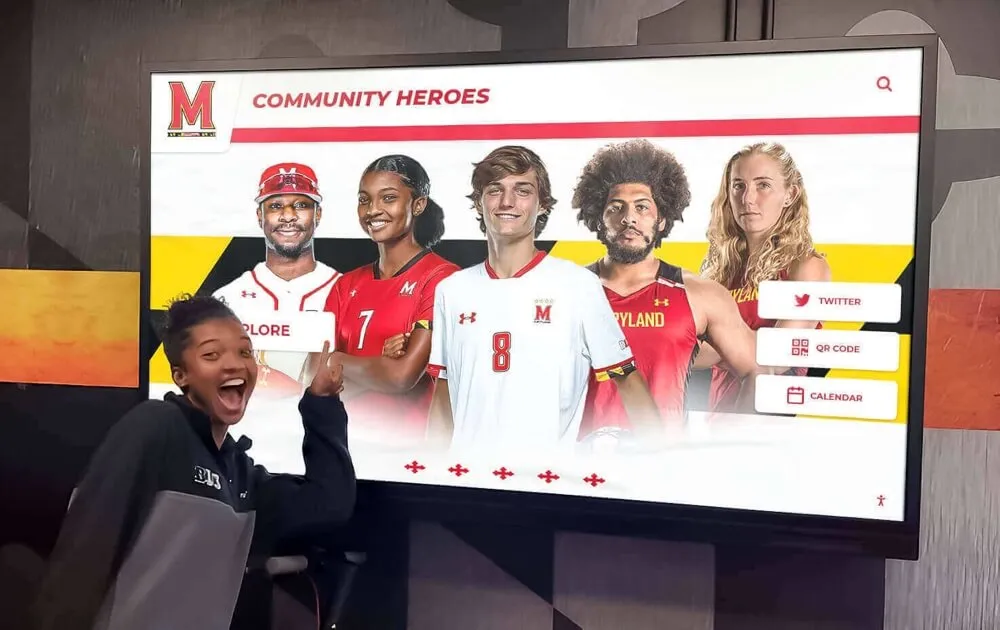
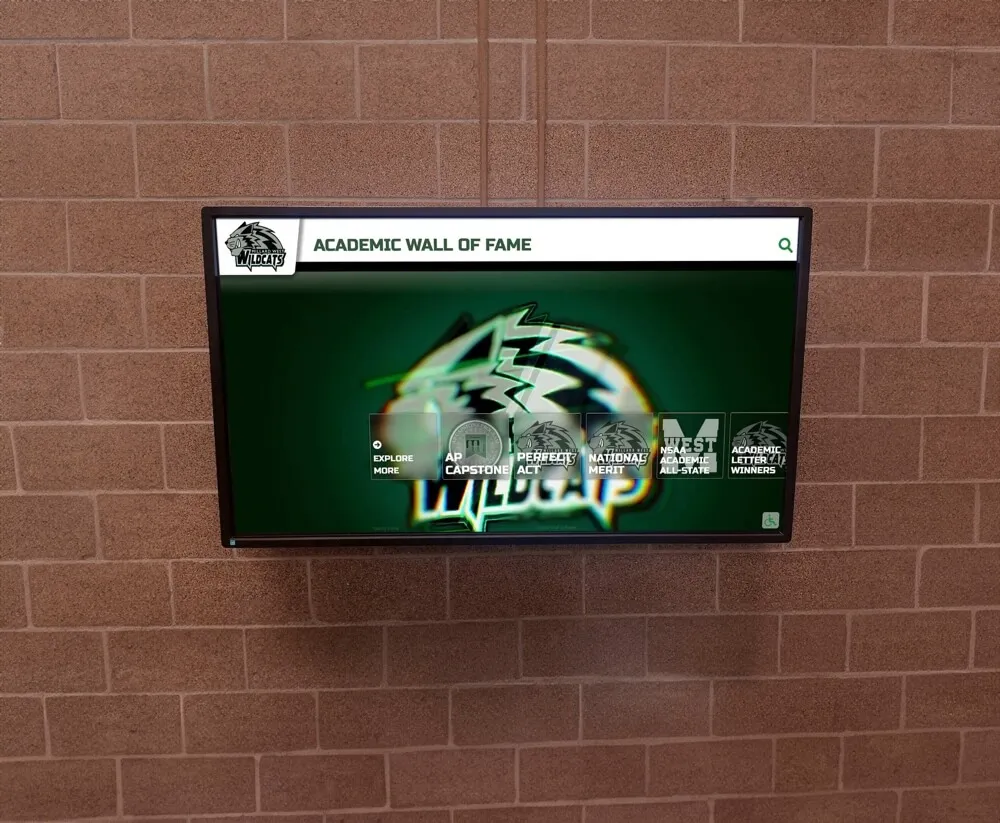
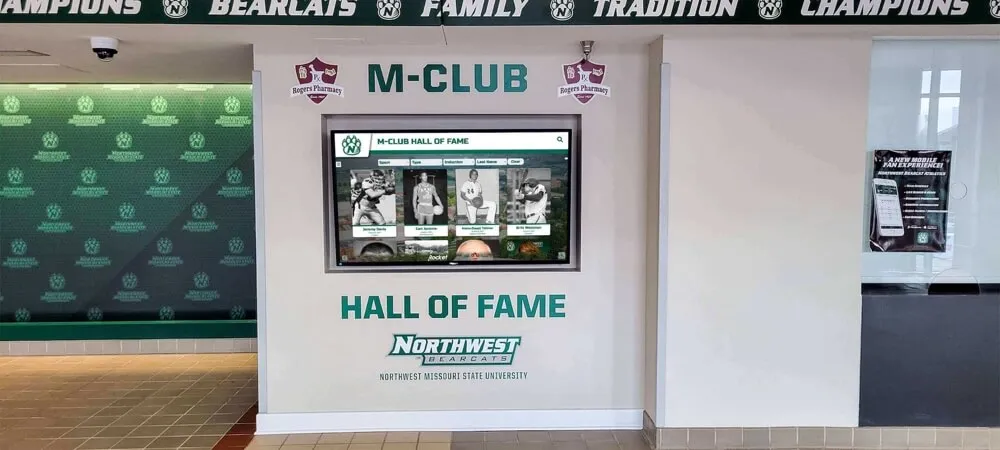
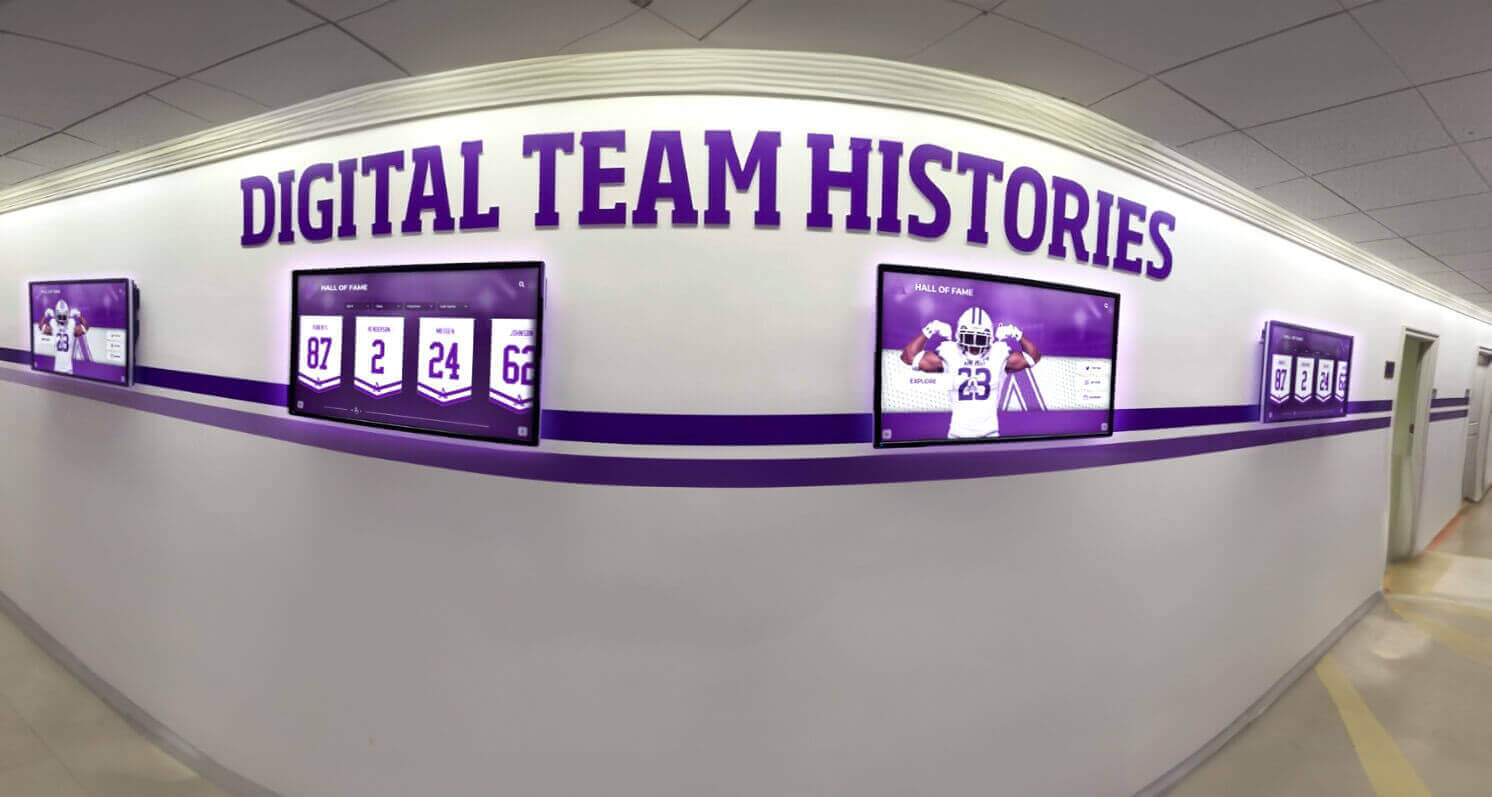
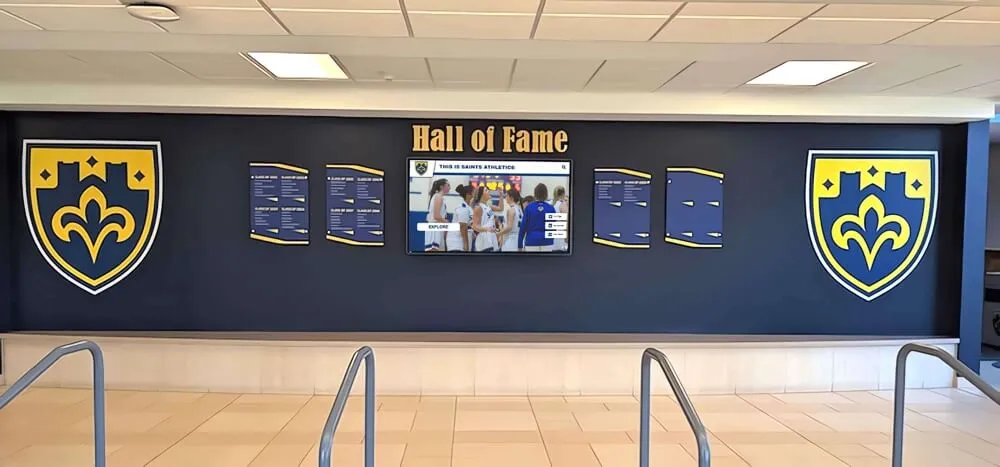
Finishing proficiency determines offensive effectiveness, influences match outcomes, and creates the confidence needed to attack goal-scoring opportunities rather than hesitate in critical moments. Players with elite shooting skills force defenders to respect their range, creating space advantages and opening passing lanes teammates can exploit. Digital record boards like those from Rocket Alumni Solutions help soccer programs celebrate scoring excellence through recognition of career goal leaders, single-season records, and offensive achievements that stem from superior finishing technique—creating permanent celebration of players whose technical foundations translated into statistical dominance.
Beginner Level: Foundation Drills (Drills 1-6)
These foundational drills establish basic shooting technique, foot positioning, ball contact, and accuracy that every player needs before advancing to complex finishing scenarios.
1. Stationary Shooting (Inside of Foot)
The stationary inside-foot shot develops accurate placement, proper foot positioning, and controlled power without movement complexity.
Execution: Place the ball 15-18 yards from goal. Approach at a slight angle, plant your non-kicking foot beside the ball pointing at the target, and strike through the center of the ball with the inside of your foot. Focus on accuracy over power. Take 20 shots alternating feet.
Coaching Points: Non-kicking foot should be 6-8 inches beside the ball, not too far away. Ankle locked, striking surface flat. Follow through toward your target. Keep head down and eyes on the ball through contact.
Common Mistakes: Players often lean back, causing the ball to rise over the goal. Correct this by ensuring proper plant foot position and following through low.
2. Laces Shooting (Instep Drive)
Instep drives develop power shooting technique using the laces of the boot for maximum velocity and distance.
Execution: Set up 20 yards from goal. Approach the ball straight on, plant your non-kicking foot beside the ball, and strike through the center-bottom of the ball with your laces (instep). Keep ankle locked and pointed down. Complete 20 repetitions with each foot.
Coaching Points: Contact point should be the hard bone on top of your foot where laces sit. Knee over the ball on contact prevents the ball from rising too high. Generate power from hip and follow-through, not just leg swing.
Power Development: This technique produces maximum shot velocity for long-range attempts and situations requiring power over placement.
3. Side-Foot Accuracy Grid
Grid shooting develops precise placement by targeting specific goal zones rather than just shooting on frame.
Execution: Place cones or markers dividing the goal into six zones (upper left, upper center, upper right, lower left, lower center, lower right). From 15 yards, use the inside of your foot to strike 3 shots at each zone, calling your target before each shot.
Coaching Points: Aim for corners rather than center zones—goalkeepers save center shots more easily. Adjust your plant foot angle to direct the ball into different zones. Focus on accuracy; only increase power once you’re consistently hitting targets.
Game Application: Being able to place shots accurately beats raw power—goalkeepers can react to predictable shots regardless of velocity.
Understanding comprehensive approaches to recognizing athletic excellence helps soccer programs celebrate goal-scoring achievements and offensive records built on solid fundamental development.
4. One-Touch Shooting (From Pass)
One-touch finishing develops the ability to shoot immediately upon receiving the ball without a control touch first.
Execution: Have a teammate pass the ball from 10-15 yards away. Receive the pass and shoot with one touch using either the inside of your foot or laces, depending on the service. The passer should vary speed and placement. Complete 15 repetitions with each foot.
Coaching Points: Position your body to receive the pass already facing the goal. Select your target before the ball arrives. Your first touch IS the shot—no preparation touch. Time your approach to meet the ball rather than waiting for it.
Decision-Making: Develop the ability to choose inside-foot placement versus laces power based on the quality of service and your position relative to goal.
5. Shooting Off the Dribble
This drill develops the transition from dribbling to shooting, building the coordination needed to finish after beating defenders.
Execution: Start 25 yards from goal with the ball at your feet. Take 3-4 dribbles toward goal, then shoot using laces from 18-20 yards out. Alternate between shooting with right foot and left foot. Complete 10 shots with each foot.
Coaching Points: Your last dribble touch should set up your shooting foot—push the ball slightly ahead and to the side of your plant foot. Don’t take too many small touches; develop rhythm with 3-4 purposeful dribbles then shoot. Shoot while still moving forward rather than stopping completely.
Rhythm Development: Establish a consistent dribble-shoot rhythm that becomes automatic, allowing you to finish quickly after beating defenders.
6. Near-Post Finishing
Near-post finishing develops the technique and timing for finishing crosses at the front post position.
Execution: Position yourself 6-8 yards from goal at the near post. Have a teammate cross the ball from the wing. Time your run to arrive at the near post as the ball arrives, redirecting it into goal with one touch using the inside of your foot. Complete 10 crosses from each wing.
Coaching Points: Check away from the post before making your run—this creates separation from defenders. Attack the cross rather than waiting for it. Direct the ball downward and across goal rather than trying to lift it. Any contact on frame from this position usually beats the goalkeeper.
Striker Movement: Elite strikers exploit near-post space because defenders and goalkeepers often focus on far-post threats.
Resources on celebrating athletic milestones demonstrate how programs document the achievement progression that begins with fundamental finishing development and consistent shooting practice.
Intermediate Level: Movement and Pressure Drills (Drills 7-12)
These intermediate drills add movement, defensive pressure, and varied service that translates stationary skills into game-applicable finishing.
7. Shooting on the Turn
Shooting on the turn develops the ability to receive the ball with your back to goal, turn quickly, and finish—critical for target forwards and midfield shooters.
Execution: Start 18 yards from goal with your back to the net. Have a teammate pass the ball to your feet. Receive the ball, turn quickly using your first touch to face goal, and shoot with your second touch. Alternate turning to your right and left. Complete 10 repetitions each direction.
Coaching Points: Use your first touch to push the ball into space away from the imaginary defender, not just control it at your feet. Turn into open space rather than toward pressure. Scan behind you before receiving the ball so you know which direction to turn.
Body Position: Receive the ball on your back foot (the foot away from goal) so you can open your hips and turn efficiently.
8. Breakaway Finishing (1v1 vs Goalkeeper)
Breakaway finishing develops composure and technique for one-on-one situations against the goalkeeper.
Execution: Start at midfield with the ball. Dribble toward goal with the goalkeeper starting on their line. As you enter the penalty area, execute a finish—either a placed shot to the corner using the inside of your foot or a chip over the advancing goalkeeper. Complete 8-10 repetitions, varying your finish.
Coaching Points: Wait for the goalkeeper to commit to a direction before placing your shot. If the keeper stays deep, shoot low to the corners. If they charge out, chip over them or push the ball past and finish into the empty net. Stay calm and pick your finish rather than rushing.
Mental Aspect: Develop the composure to execute finishing technique under pressure rather than panicking and shooting wildly.
9. Volley Shooting
Volley shooting develops the technique to finish balls arriving in the air without taking a control touch.
Execution: Have a teammate toss or chip balls toward you from 15 yards away. Strike the ball out of the air using your laces, aiming for accuracy and keeping the shot on frame. Keep your knee over the ball and follow through. Complete 12-15 volleys.
Coaching Points: Watch the ball all the way onto your foot. Time your approach so you meet the ball at the optimal height (usually waist to knee level). Lock your ankle and strike through the center of the ball. Your non-kicking foot should be firmly planted for balance.
Contact Height: Lower volleys are easier to keep on frame—let balls drop to knee height or below when possible rather than trying to strike them at chest height.
Information on athletic achievement recognition systems shows how programs celebrate the offensive excellence and record-breaking performances that stem from superior finishing skills.
10. Weak-Foot Finishing Circuit
Weak-foot development ensures players can finish with either foot, making them unpredictable and doubling their scoring opportunities.
Execution: Set up 4 stations around the penalty area (left side, center, right side, top of box). At each station, take 5 shots using ONLY your weak foot. Vary the type of shot—inside-foot placement, laces power, one-touch finishing, and volleys.
Coaching Points: Most players avoid their weak foot in games because they haven’t trained it sufficiently. Force weak-foot repetition until it approaches the confidence level of your strong foot. Focus on technique over power initially.
Game Impact: Being genuinely two-footed makes you unpredictable to defenders and goalkeepers who can’t force you to one side.
11. Rebound Finishing
Rebound finishing develops the instinct and positioning to capitalize on goalkeeper saves and deflections.
Execution: Shoot from 20 yards with a teammate positioned 10 yards from goal. The initial shot will either go in or be saved/deflected by the goalkeeper. The second player must react to any rebound and finish immediately. Rotate positions every 5 shots.
Coaching Points: The second attacker should anticipate where rebounds will likely deflect (typically to the sides or back out front). Stay alert and attack rebounds aggressively. Many goals come from rebound finishes, not initial shots.
Positioning: Position yourself where rebounds are most likely rather than ball-watching from outside the area.
12. Far-Post Finishing
Far-post finishing develops the timing and technique to attack crosses at the back post—one of the highest percentage scoring positions.
Execution: Position yourself starting at the penalty spot. Have a teammate cross from the wing. Time your run to arrive at the far post as the cross arrives, finishing with one touch (header or foot depending on cross height). Complete 10 crosses from each wing.
Coaching Points: Make your run from inside to outside (starting centrally, running toward the far post). This run is harder for defenders to track. Attack the ball at its highest point for headers. For driven crosses, side-foot redirect the ball downward toward the near post.
Timing: The most common mistake is arriving too early or too late—practice timing your run to meet the ball at the optimal moment.
Advanced Level: Game-Situation Drills (Drills 13-18)
These advanced drills simulate game pressures, defensive challenges, and complex scenarios that separate elite finishers from average shooters.
13. Combination Play Finishing (Give-and-Go)
Combination finishing develops the movement and timing to finish after playing quick passes with teammates.
Execution: Start 30 yards from goal with a teammate at the top of the penalty area. Pass to your teammate and sprint forward into the box. Your teammate plays a one-touch return pass into your path. Finish with one or two touches. Complete 10 repetitions, varying your runs (diagonal, straight, curved).
Coaching Points: Accelerate after passing—your movement creates the space for the return pass. Call for the ball by showing your hands or making eye contact. Time your run to stay onside. Your run should take you into dangerous scoring positions, not toward the corners.
Team Play: This pattern mimics common game situations where quick passing breaks down defenses and creates finishing opportunities.
Exploring recognition programs for team accomplishments demonstrates how soccer programs celebrate the statistical excellence and scoring records that result from systematic shooting development.
14. Pressure Shooting (Defender Closing Down)
Pressure shooting develops the ability to finish quickly when defenders are closing down your space.
Execution: Receive a pass 20 yards from goal with a defender starting 10 yards behind you. Control the ball and shoot before the defender can close you down and block the shot. The defender should apply realistic pressure without tackling. Complete 10 repetitions.
Coaching Points: Take your shot as quickly as possible—don’t take extra touches that allow the defender to close the gap. Use your body to shield the ball during your control touch. If the defender commits to blocking one side, shoot to the other side.
Quick Release: Develop the ability to shoot accurately in 1-2 touches rather than needing 3-4 touches to set yourself.

15. Shooting After Beating Defender (1v1 to Goal)
This drill combines dribbling moves with finishing, simulating beating a defender and finishing the chance.
Execution: Start 30 yards from goal facing a defender. Use a dribbling move (step-over, cut, or feint) to beat the defender, then shoot on goal. The defender should provide realistic but not full-speed pressure. Complete 8 repetitions, varying your moves.
Coaching Points: Commit the defender with your dribbling move, then accelerate past them into shooting space. Don’t dribble too far—shoot as soon as you have a clear angle to goal. Stay composed after beating the defender rather than rushing your shot.
Move Selection: Choose moves that create shooting angles, not just beat defenders—beating someone toward the touchline doesn’t create scoring opportunities.
16. Cutback Finishing
Cutback finishing develops the technique to attack passes pulled back from the end line—a common crossing pattern that creates high-percentage chances.
Execution: Position yourself 12-15 yards from goal at the penalty spot. Have a teammate dribble to the end line and cut the ball back to you. Time your run to arrive as the ball reaches the penalty spot, and finish with one touch. Complete 10 repetitions from each side.
Coaching Points: Don’t arrive at the penalty spot too early or defenders will mark you tightly. Time your run to arrive with the ball. Side-foot placements work better than power shots—the goalkeeper is typically scrambling to adjust position. Aim for far post placements.
Positioning: The penalty spot area is optimal for cutbacks—close enough for accuracy but far enough that defenders struggle to block.
17. Penalty Kicks (Under Pressure)
Systematic penalty practice develops the technique, routine, and mental composure needed for high-pressure situations.
Execution: Practice penalty kicks with a specific routine and target selection. Pick your spot before your approach. Use consistent run-up length and speed. Strike 10 penalties, tracking your success rate. Advanced: have teammates shout or distract during your approach to simulate pressure.
Coaching Points: Commit to your target choice—changing your mind mid-approach leads to poor technique. Use a consistent routine so penalties become automatic. Power is less important than placement—goalkeepers save middle shots regardless of power.
Mental Training: Develop a pre-shot routine (same breath pattern, same approach steps, same ball placement) that calms nerves and creates consistency.
Resources on digital recognition of athletic achievements show how programs celebrate goal-scoring excellence and create permanent records of finishing achievement.
18. Finishing in Traffic (Small-Sided Game)
Small-sided games create realistic finishing scenarios with defensive pressure, teammate movement, and decision-making complexity.
Execution: Play 4v4 or 5v5 on a half-field with two full-size goals. Emphasize finishing—award extra points for goals from outside the penalty area or first-time finishes. Play 8-minute games.
Coaching Points: Look for shooting opportunities rather than over-passing. Take shots when you have clear angles even if they’re not perfect—in traffic, waiting for the perfect chance often means the opportunity disappears. Move to create shooting angles rather than standing still.
Game Realism: Small-sided games force players to finish under pressure, with limited time and space—the exact conditions they’ll face in matches.
Goalkeeper Considerations for Shooting Practice
Effective shooting practice requires goalkeeper participation that balances realistic shot-stopping with allowing enough success to build shooter confidence.
Progressive Difficulty: Start sessions with stationary goalkeeping to build shooter confidence. Progress to active goalkeeping as the session continues. For young players, consider using smaller goals or cones initially to increase success rates.
Goalkeeper Development: Shooting drills develop goalkeepers simultaneously—their positioning, reaction time, and shot-stopping improve through repetition. Rotate multiple goalkeepers to prevent fatigue and maintain realistic effort levels.
Success Rate Targets: Shooters should successfully score 40-60% of attempts during training—high enough to build confidence but challenging enough to simulate game difficulty. Adjust goalkeeper effort, shooting distance, or pressure levels to maintain appropriate challenge.
Information on comprehensive athletic recognition platforms demonstrates how schools celebrate the scoring achievements and statistical excellence that systematic finishing practice develops.
Practice Structure and Volume Recommendations
Effective shooting practice requires appropriate volume, rest intervals, and session structure to maximize learning without causing fatigue that degrades technique.
Session Volume: Youth players (U12 and below): 30-40 total shots per session. High school players: 50-75 shots per session. Advanced players can handle 80-100 shots when conditioning permits.
Rest Intervals: Allow 30-45 seconds between maximum-effort shots to prevent fatigue. Quality repetitions with proper technique trump high-volume poor repetitions. Rotate players through stations to maintain active rest.
Weekly Frequency: Incorporate dedicated shooting practice 2-3 times per week. Additional finishing opportunities occur naturally within possession drills and small-sided games.
Session Progression: Begin with technique-focused drills (stationary shooting, accuracy grids) when players are fresh. Progress to dynamic drills (shooting on the turn, volleys) mid-session. Conclude with game-situation drills and small-sided games that apply all techniques under fatigue.
Resources on celebrating athletic milestones with digital displays show how programs create lasting recognition of goal-scoring achievements and offensive records.
Measuring Progress and Setting Standards
Tracking shooting development creates accountability, reveals improvement patterns, and motivates continued practice.
Accuracy Metrics: Track on-target percentage from various distances (inside penalty area, top of box, beyond 20 yards). Set progressive improvement targets—youth players should achieve 50%+ accuracy from inside the area, high school players 60%+, with percentages decreasing at longer distances.
Power Measurements: Use radar guns or speed-tracking apps to measure shot velocity. Track both maximum power and ability to maintain power while maintaining accuracy.
Weak-Foot Development: Separately track strong-foot and weak-foot statistics. Goal: weak foot should reach 75-80% of strong-foot performance metrics.
Game Transfer: The ultimate measure is game performance—track shots per game, shots on target per game, and conversion rate (goals divided by shots). Training improvements should translate to improved game statistics over a season.
Celebrate Your Program's Scoring Excellence
Track career goals, single-season records, and all-time leading scorers with Rocket Alumni Solutions' Digital Record Board—the permanent, auto-updating platform that ensures your top finishers are never forgotten. From single-game hat tricks to career scoring milestones, our digital displays showcase the offensive achievements that systematic shooting practice develops.
Built specifically for athletic programs, our systems automatically rank top performers, preserve unlimited historical records, and create the recognition culture that motivates players to develop elite finishing skills through dedicated practice.
Creating a Culture of Finishing Excellence
Beyond individual drills, building consistent goal-scoring requires cultural elements that reward shooting confidence and finishing development.
Shoot-First Mentality: Encourage players to take shots when they have clear opportunities rather than over-passing. Teams that shoot 15-20 times per game create more scoring chances than teams attempting 8-10 perfect buildup sequences.
Celebrate Attempts: Recognize players who take quality shots even when they don’t score. This builds confidence to shoot in future situations rather than developing hesitation from criticism.
Record Recognition: Digital recognition systems that permanently display career goal leaders, single-season records, and scoring milestones create cultural motivation for players to develop elite finishing through dedicated practice.
Film Review: Show game film highlighting quality shooting decisions (both makes and misses) to reinforce shot selection. Players learn by seeing successful patterns and understanding when shots were appropriate versus forced.
Competition Elements: Introduce shooting competitions during practice (accuracy challenges, long-range contests, weak-foot competitions) that make finishing development engaging while building healthy competitive drive.
Understanding approaches to recognizing team and individual excellence helps programs celebrate the work ethic and practice dedication that produces scoring achievement.
Common Shooting Mistakes and Corrections
Recognizing and correcting common technical errors accelerates shooting development and prevents bad habits from becoming ingrained.
Leaning Back on Contact: Players lean backward during their shot, causing the ball to sail over the goal. Correction: Emphasize knee over the ball, proper plant-foot position, and head down through contact. Practice low-driven shots to build proper body position.
Poor Plant Foot Position: Plant foot too far from the ball or pointing the wrong direction leads to weak, inaccurate shots. Correction: Plant foot should be 6-8 inches beside the ball, pointing at your target. Practice stationary shooting with focus solely on plant-foot placement.
Unlocked Ankle: A loose ankle reduces power and accuracy as the foot bends on contact. Correction: Emphasize locking the ankle before contact. Practice without a ball—swing your leg and hold the locked ankle position.
Head Up Too Early: Looking up to see where the goalkeeper is before striking causes poor contact and accuracy. Correction: Develop the habit of watching the ball through contact, then looking up. Trust your pre-shot target selection.
Too Many Touches: Taking 3-4 touches to set up a shot allows defenders to close down and block. Correction: Practice one-touch and two-touch finishing until it becomes automatic. Game situations rarely allow time for perfect setup.
Adapting Drills for Different Age Groups
Shooting drills should be modified based on player age, technical ability, and physical development to ensure appropriate challenge and learning.
Youth Players (U8-U12): Reduce distances (shoot from 12-15 yards instead of 18+). Use smaller goals when appropriate to increase success rates. Emphasize technique over power. Keep instructions simple—focus on one coaching point per drill. Celebrate effort and improvement, not just results.
Middle School (U13-U14): Introduce game-situation pressure gradually. Begin incorporating weak-foot requirements. Increase shooting distances to regulation ranges. Add decision-making elements (when to shoot vs. pass). Track personal improvement metrics to build motivation.
High School (U15+): Use full game-situation complexity with realistic defensive pressure. Emphasize quick decision-making under fatigue. Incorporate competition elements and performance tracking. Connect shooting development to game statistics and team success.
Advanced/Elite Players: Add goalkeeper-specific scouting information (tendency to dive early, weak side, etc.). Practice shooting while fatigued to simulate end-of-game situations. Incorporate mental pressure elements. Video review to refine minor technical details.
The Science Behind Effective Shooting
Understanding the biomechanics and physics of shooting helps coaches teach more effectively and players develop better technique.
Power Generation: Shot power comes primarily from hip rotation and follow-through, not just leg swing. The kinetic chain starts with plant-foot stability, transfers through the hips, and finishes with locked-ankle contact and full follow-through.
Accuracy Factors: Shot accuracy depends on plant-foot position (determines angle), locked ankle (prevents deflection on contact), and head position (head down = accurate contact; head up early = poor contact). Players can control all three factors through technical discipline.
Ball Spin: Striking through the center of the ball creates minimal spin—ideal for power shots. Striking across the ball creates side spin (curve shots). Striking under the ball creates backspin (dipping shots). Understanding contact points allows players to intentionally shape shots.
Optimal Shooting Angles: Shots from central positions (15-20 yards, directly in front of goal) have the highest conversion rates. Shots from wide positions decrease in effectiveness. Teach players to recognize when to shoot versus when to pass to teammates in better positions.
Finishing Under Mental Pressure
Technical shooting ability means little if players can’t execute under the mental pressure of game situations.
Routine Development: Build pre-shot routines that calm nerves and create consistency—same breathing pattern, same approach steps, same ball setup. Routines work because they give players something to focus on besides pressure.
Visualization Practice: Have players visualize successful finishes before shooting in practice and games. Mental rehearsal activates similar neural pathways as physical practice.
Pressure Simulation: Introduce pressure elements during practice—consequences for misses (extra conditioning), spectators making noise, penalty shootout competitions. Practicing under simulated pressure builds resilience for game pressure.
Confidence Building: Celebrate shooting successes broadly while correcting mistakes privately. Players who fear criticism develop shot hesitation. Build environments where players feel confident taking shots.
Post-Miss Response: How players respond to missing chances determines future confidence. Teach players to immediately refocus on the next opportunity rather than dwelling on misses. Elite strikers forget misses and attack the next chance with full confidence.
Integrating Shooting into Full Team Training
Shooting development shouldn’t exist in isolation from broader team training—integrate finishing into possession drills and tactical work.
Possession to Shooting: End possession drills with shooting finishes rather than just keeping the ball. This connects passing patterns to finishing and creates realistic goal-scoring sequences.
Crossing and Finishing: Combine wide play and crossing sessions with dedicated finishing practice. Attackers practice finish timing while wingers practice delivery quality.
Counter-Attack Finishing: Practice finishing at the end of transition sequences—defenders win the ball and immediately play forward to attackers who finish quickly. This simulates game situations where finishing opportunities emerge from turnovers.
Set-Piece Finishing: Dedicate portions of shooting practice to finishing from corners, free kicks, and throw-ins. These situations create significant goal-scoring opportunities in games but require specific finishing techniques and positioning.
Building a Systematic Development Program
Long-term shooting excellence requires systematic progression from youth through high school rather than random drill selection.
Youth Focus (U8-U12): Emphasize technique fundamentals—proper foot positioning, ankle lock, follow-through. Build comfort shooting with both feet. Create success through appropriate distances and goal sizes. Develop shoot-first confidence.
Middle School Progression (U13-U14): Add power development while maintaining technique. Introduce game-situation elements and defensive pressure. Begin tracking statistics to build accountability. Develop weak-foot competency that approaches strong-foot ability.
High School Refinement (U15+): Perfect game-situation finishing under realistic pressure. Develop mental resilience and pressure performance. Master specialized finishes (volleys, headers, long-range). Connect individual finishing development to team tactical systems.
Year-Round Development: Shooting improvement requires year-round practice, not just in-season training. Off-season provides opportunities for technical refinement without game-week fatigue. Pre-season builds fitness for maintaining finishing quality throughout matches.
Conclusion
Elite finishing ability separates championship teams from those that create chances but can’t capitalize—determining season outcomes, individual recognition, and the confidence cultures that define successful programs. These 18 soccer shooting drills provide systematic frameworks for developing the technical precision, mental composure, and game-situation finishing that produces consistent goal production from strikers and midfielders at every level.
Building scoring excellence requires progressive practice structures that challenge players appropriately, sufficient volume to develop muscle memory and technical consistency, and cultural elements that celebrate shooting confidence while providing constructive feedback that accelerates improvement. Programs that systematically develop finishing skills through dedicated practice, track improvement through objective metrics, and celebrate achievement through permanent recognition create the goal-scoring excellence that defines championship soccer.
The most successful programs combine technical shooting development with cultural recognition of achievement—permanent displays of career goal leaders, single-season records, and scoring milestones create the motivation and pride that drives players to develop elite finishing through thousands of practice repetitions. Start with fundamental technique drills, progress through game-situation complexity, and build the systematic practice habits that transform average shooters into elite finishers who confidently convert pressure opportunities into goals.