



Athletic directors and facilities managers planning soccer field construction, renovation, or adding recognition displays at existing fields need accurate dimension standards ensuring compliance with governing body regulations while maximizing space utilization. Soccer field dimensions vary significantly across competition levels—from youth recreational leagues to NCAA Division I programs—requiring careful planning that accounts for age-appropriate sizing, safety buffer zones, spectator areas, and integrated recognition infrastructure supporting program culture.
This comprehensive guide details official soccer field dimensions for high school, college, and youth levels including required markings, goal specifications, technical area measurements, and facility planning considerations. Whether constructing new athletic facilities, upgrading existing fields, or installing digital scoreboards and recognition displays at field perimeters, understanding precise dimensional requirements ensures regulatory compliance while creating optimal playing environments that serve athletes, officials, and spectators.
Why Accurate Soccer Field Dimensions Matter
Proper field dimensions directly impact player safety, game integrity, competitive fairness, and facility versatility. Fields built too small restrict play patterns and create safety concerns as athletes run out of space near boundaries. Oversized fields waste maintenance resources while making games physically demanding beyond age-appropriate levels. Athletic programs increasingly integrate digital recognition infrastructure at field edges—scoreboards, achievement displays, and donor recognition walls—requiring careful planning that accounts for safety clearances, viewing angles, and technical area boundaries while preserving required dimensional standards.
Official High School Soccer Field Dimensions
High school soccer follows National Federation of State High School Associations (NFHS) guidelines providing dimension ranges accommodating varying facility constraints while maintaining competitive standards.
High School Field Length and Width
Length (Goal Line to Goal Line): 100-120 yards Width (Touchline to Touchline): 55-80 yards
Most high school programs build fields measuring 110-115 yards long by 65-75 yards wide, balancing optimal playing dimensions with available land and construction budgets. Schools sharing facilities across multiple sports often select dimensions allowing field overlap with football fields, maximizing year-round utility.
Recommended Standard Dimensions: 115 yards × 75 yards provides appropriate playing area for high school competition while fitting most facility footprints and allowing adequate safety buffer zones beyond boundary lines.
High School Goal Specifications
Goal Dimensions: 8 feet high × 24 feet wide Goal Post Diameter: Maximum 5 inches Crossbar Depth: Maximum 5 inches
Goals must be securely anchored preventing tip-over incidents during play or when athletes hang on crossbars during celebrations. Permanent in-ground anchoring systems meet safety requirements while removable anchor systems allow field sharing with other sports requiring clear playing surfaces.

Required Field Markings for High School
High school soccer fields require specific boundary lines, areas, and markers clearly visible to players, officials, and spectators:
Boundary Lines:
- Touchlines (sidelines): 100-120 yards
- Goal lines (end lines): 55-80 yards
- Line width: 4-5 inches, included in field measurements
Center Circle:
- Radius: 10 yards from center mark
- Purpose: Establishes minimum distance opponents must maintain during kickoffs
Penalty Areas:
- Length: 18 yards from goal line
- Width: 44 yards (extending 18 yards from each goal post)
- Penalty mark: 12 yards from center of goal line
Goal Areas:
- Length: 6 yards from goal line
- Width: 20 yards (extending 6 yards from each goal post)
- Purpose: Defines goalkeeper’s protected zone for goal kicks
Corner Arcs:
- Radius: 1 yard from corner flag
- Purpose: Establishes proper ball placement for corner kicks
Technical Areas:
- Location: Extends 1 yard on each side of team benches, 1 yard from touchline
- Length: Typically 10-20 yards, accommodating coaching staff and substitutes
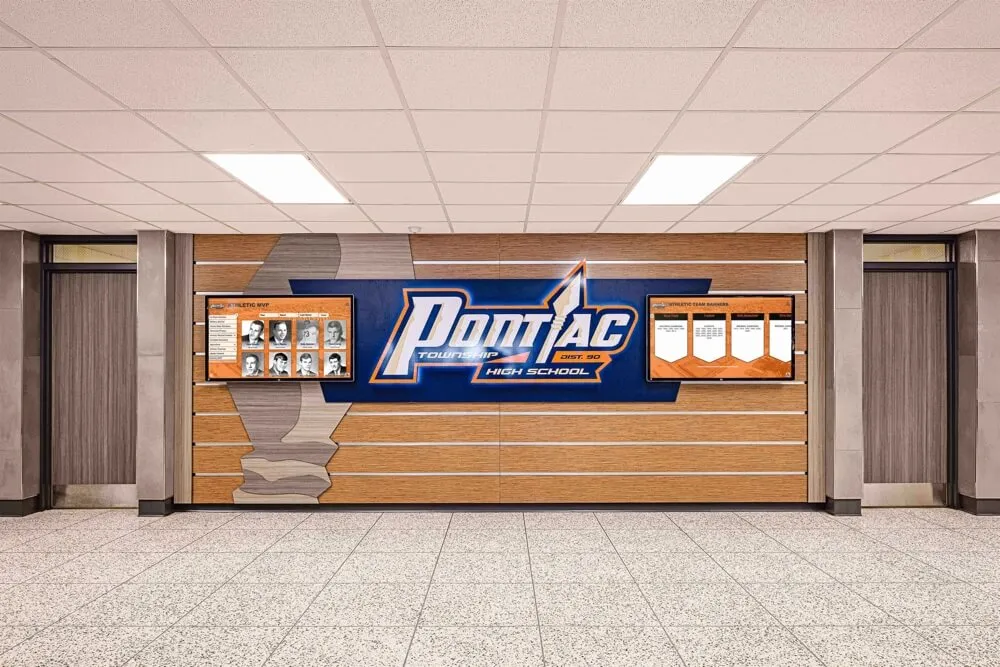
Schools planning digital recognition displays near soccer fields must account for technical area boundaries and safety clearances ensuring infrastructure doesn’t interfere with required field markings or coaching zones.
College Soccer Field Dimensions (NCAA Standards)
NCAA soccer follows FIFA-aligned dimensional standards with tighter tolerances than high school regulations, ensuring consistent competitive environments across collegiate programs.
NCAA Field Length and Width
Minimum Dimensions: 110 yards × 70 yards Maximum Dimensions: 120 yards × 80 yards Preferred Standard: 115 yards × 75 yards
NCAA Division I programs typically build fields at the larger end of allowable dimensions, providing athletes with playing surfaces matching professional standards while accommodating the faster pace and higher skill level characteristic of collegiate competition.
NCAA Goal Specifications
Goal Dimensions: 8 feet high × 24 feet wide (identical to high school) Goal Post Requirements: Elliptical, round, or square cross-section Net Attachment: Must not interfere with goalkeeper movement
NCAA regulations mandate securely anchored goals meeting ASTM safety standards preventing tip-over incidents. Many programs use portable anchoring systems allowing field conversion for other sports while maintaining safety compliance.
NCAA Field Marking Requirements
College soccer fields follow FIFA marking standards with precise measurements:
Penalty Arc:
- Radius: 10 yards from penalty mark
- Purpose: Marks minimum distance opposing players must maintain during penalty kicks
Halfway Line:
- Divides field into equal halves
- Intersects center mark where center circle originates
Substitution Zone:
- NCAA-specific requirement
- 10-yard area at midfield on team bench side
- Clearly marked where substitutes enter field
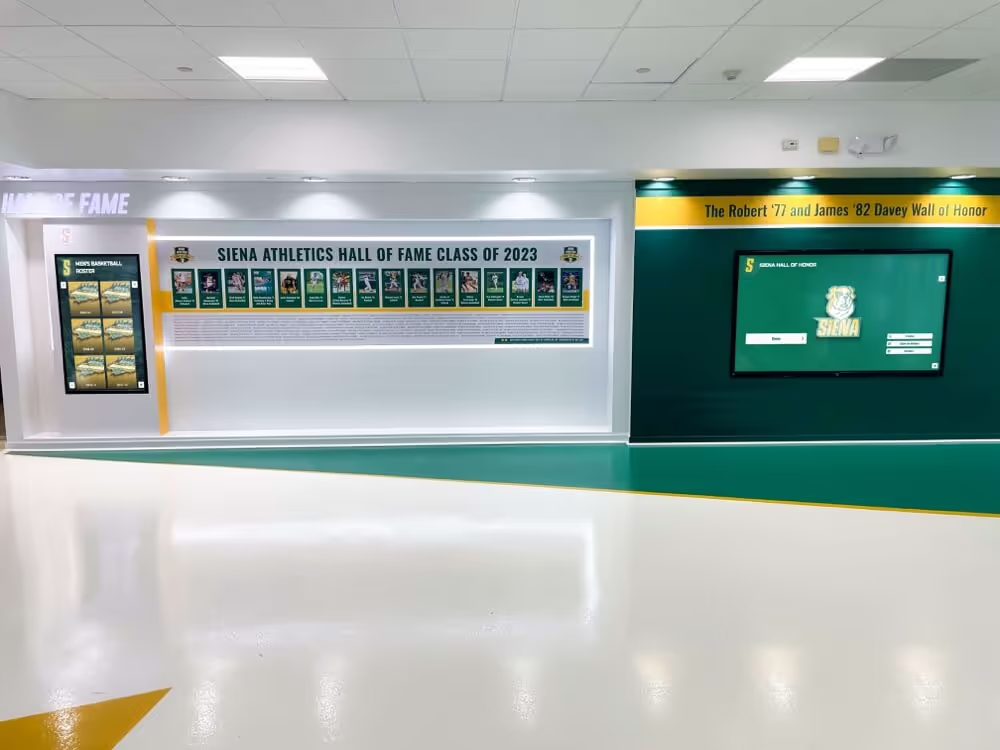
Understanding comprehensive approaches to athletic recognition programs helps colleges design facilities that celebrate soccer achievements while maintaining dimensional compliance and creating integrated recognition infrastructure supporting program culture and recruiting.

Youth Soccer Field Dimensions by Age Group
Youth soccer employs scaled field dimensions appropriate to player age, physical development, and skill level. These smaller dimensions ensure age-appropriate running distances, ball control challenges, and tactical complexity matching developmental stages.
Under-6 and Under-8 Youth Soccer
Field Length: 20-30 yards Field Width: 15-25 yards Goal Size: 4 feet high × 6 feet wide Format: 4v4 (no goalkeeper) or 5v5 (with goalkeeper)
Small-sided games at this age focus on maximizing ball touches, developing fundamental skills, and maintaining player engagement through constant activity. Fields typically have no marked penalty areas, with simplified boundaries facilitating quick setup on multi-use spaces.
Under-10 Youth Soccer
Field Length: 40-50 yards Field Width: 25-35 yards Goal Size: 6.5 feet high × 18.5 feet wide Format: 7v7 (with goalkeeper)
Mid-sized fields introduce more tactical complexity while remaining physically appropriate for developing players. Basic field markings include center circle, goal areas, and corner arcs, helping players understand positional play and spatial awareness.
Under-12 Youth Soccer
Field Length: 60-70 yards Field Width: 40-50 yards Goal Size: 7 feet high × 21 feet wide Format: 9v9 (with goalkeeper)
Fields at this level introduce penalty areas and more complete marking systems preparing players for full-sized field transitions. Programs often use portable goals and removable marking systems allowing facility sharing across multiple age groups.
Under-14 Youth Soccer
Field Length: 80-100 yards Field Width: 50-60 yards Goal Size: 8 feet high × 24 feet wide (full size) Format: 11v11 (with goalkeeper)
Most programs transition to full-sided games at this age using field dimensions approaching high school standards. Complete field markings including penalty arcs, technical areas, and proper safety buffer zones become standard, preparing athletes for high school competition environments.
Field Planning Considerations for Athletic Directors
Constructing or renovating soccer fields requires planning beyond basic dimensional requirements, addressing infrastructure supporting competitive play, spectator experience, and long-term facility management.
Safety Buffer Zones and Clearances
Regulations require unobstructed areas beyond boundary lines preventing athlete collisions with fences, bleachers, or other structures:
Minimum Run-Off Space:
- 10 feet minimum beyond goal lines (preferred 15 feet)
- 6 feet minimum beyond touchlines (preferred 10 feet)
- Clear of trees, posts, fencing, or other hazards
Infrastructure Placement:
- Spectator seating: Minimum 10 feet from touchlines
- Team benches: Within designated technical areas
- Digital scoreboards: Positioned beyond buffer zones with clear sight lines
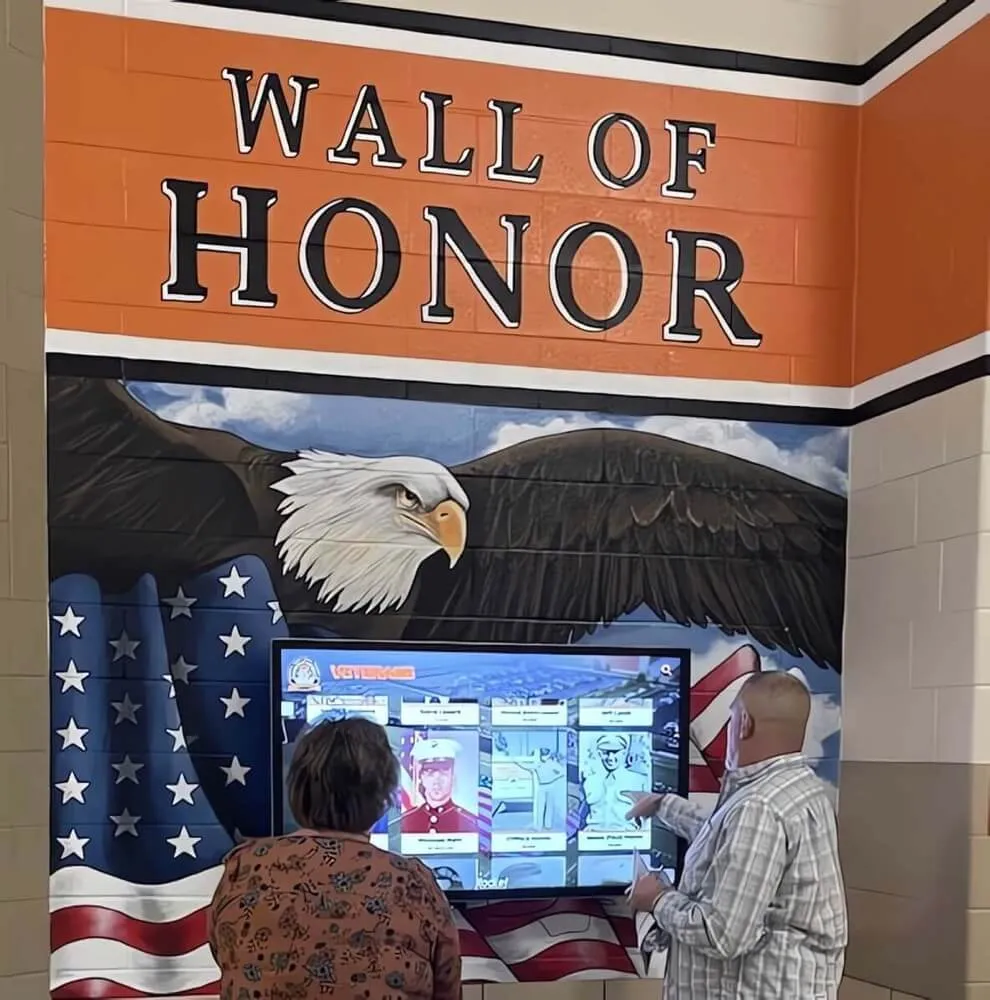
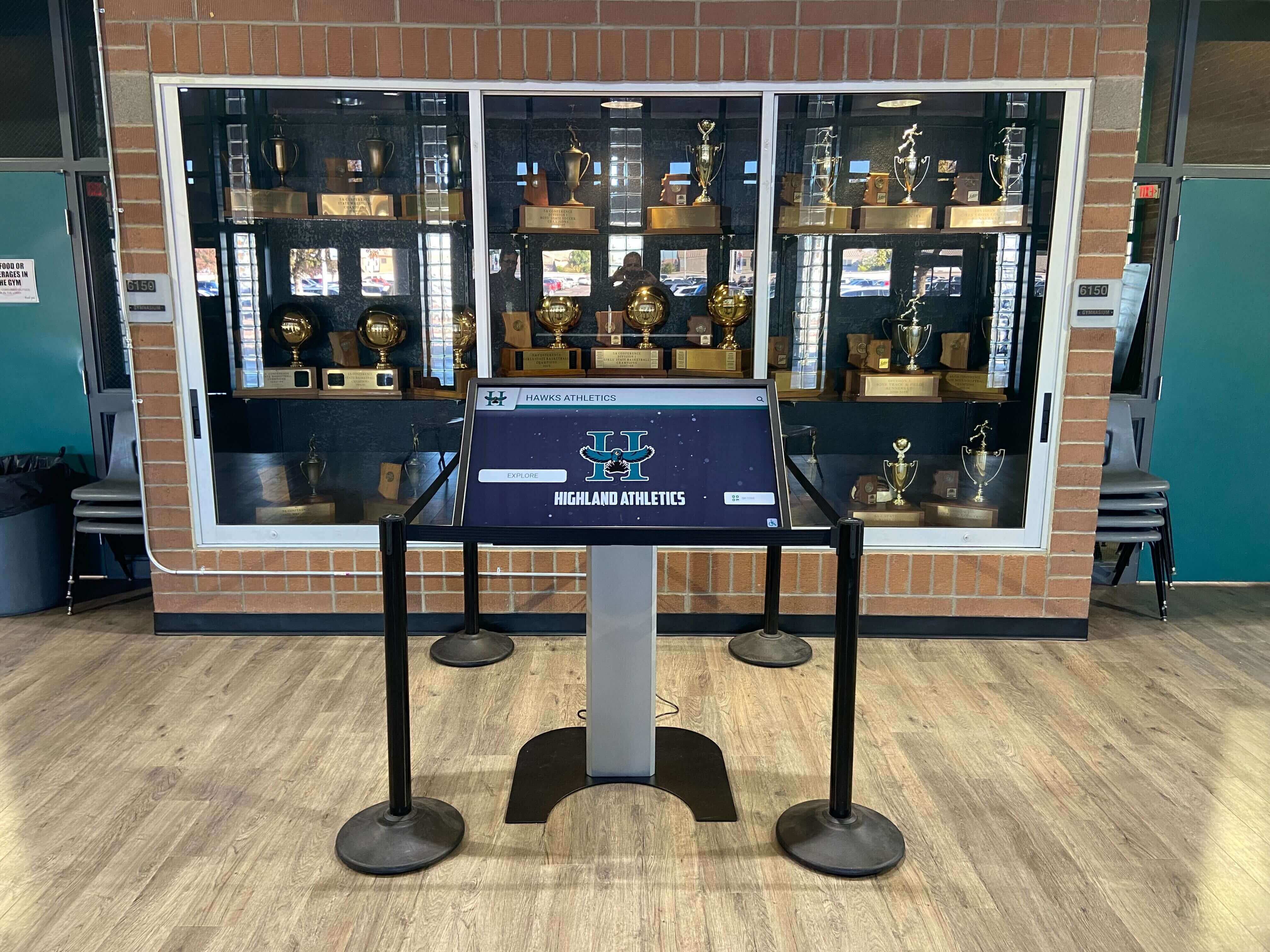
Athletic programs installing permanent recognition displays at soccer facilities must coordinate placement ensuring safety compliance while maximizing visibility for athletes, families, and spectators attending matches.
Multi-Purpose Field Design
Many schools build fields serving multiple sports maximizing facility investment and year-round utilization:
Football and Soccer Overlay:
- Soccer field fits within football field boundaries
- Football field: 120 yards × 53.3 yards (including end zones)
- Soccer field: 110-115 yards × 65-75 yards
- Different line colors distinguish sports (white for football, different color for soccer)
Lacrosse and Soccer Compatibility:
- Men’s lacrosse: 110 yards × 60 yards
- Women’s lacrosse: 120 yards × 70 yards
- Significant overlap with soccer dimensions allows shared facilities
Field Orientation Considerations:
- North-south orientation prevents sun glare disadvantaging one team
- Account for prevailing winds affecting play quality
- Position spectator areas on west side avoiding afternoon sun glare
Field Surface and Drainage Requirements
Proper field construction ensures playability during various weather conditions while minimizing maintenance demands:
Natural Grass Specifications:
- Crown: 18-24 inch elevation change from center to sidelines
- Drainage: Minimum 1% slope ensuring water runoff
- Grass type: Climate-appropriate varieties withstanding traffic
Synthetic Turf Advantages:
- Consistent playability regardless of weather
- Reduced maintenance compared to natural grass
- Higher initial cost offset by lower long-term maintenance
- Allows increased field usage across multiple sports and seasons
Subsurface Drainage:
- French drain systems along perimeters
- Grid pattern drainage preventing standing water
- Proper grading directing water away from playing surface
Lighting Standards for Evening Competition
Schools hosting evening games require lighting systems meeting minimum illumination standards for competitive play and broadcast quality:
NFHS Lighting Recommendations:
- Average maintained illumination: 30 foot-candles minimum
- Uniformity ratio: Maximum 2:1 (brightest to dimmest areas)
- Pole placement: Outside safety buffer zones, typically 20+ feet beyond touchlines
NCAA Lighting Standards:
- Average maintained illumination: 50 foot-candles minimum (75 for televised matches)
- Uniformity ratio: 1.5:1 maximum
- Reduced spill light minimizing impact on neighboring properties
LED Lighting Advantages:
- Energy efficiency reducing operating costs
- Instant on/off capability
- Superior color rendering improving visibility
- Reduced maintenance with 50,000+ hour lifespans
Integrating Digital Recognition Infrastructure
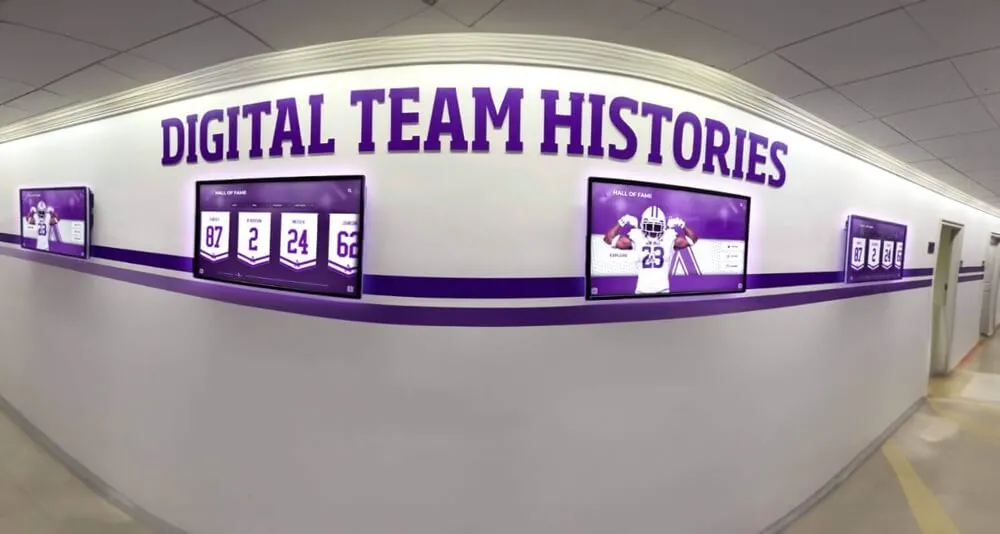
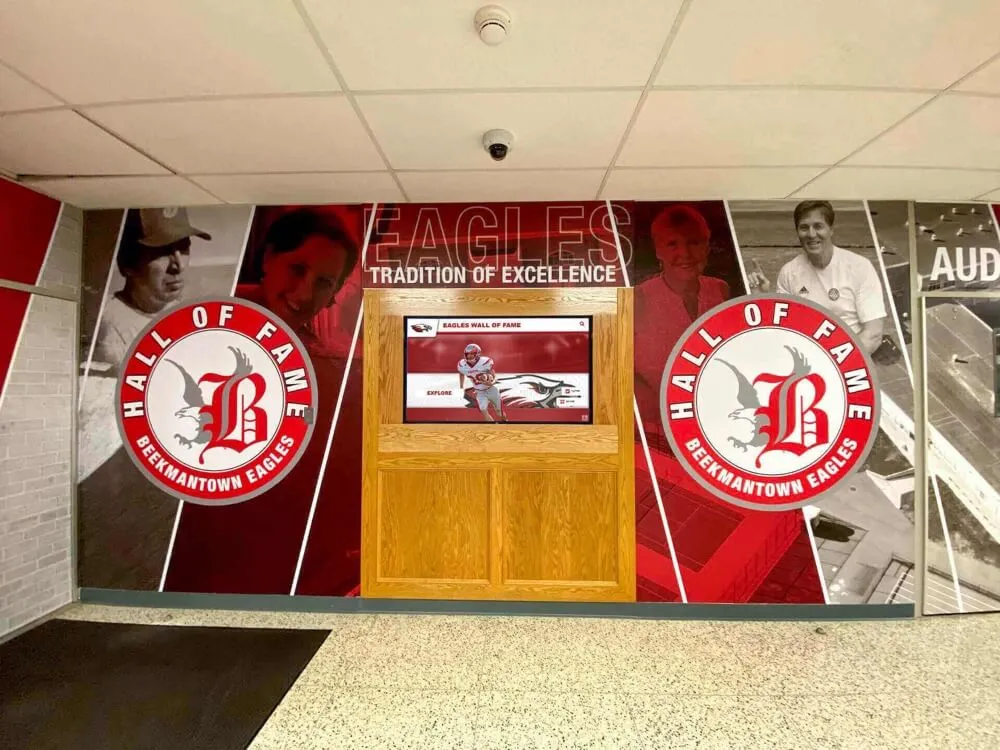
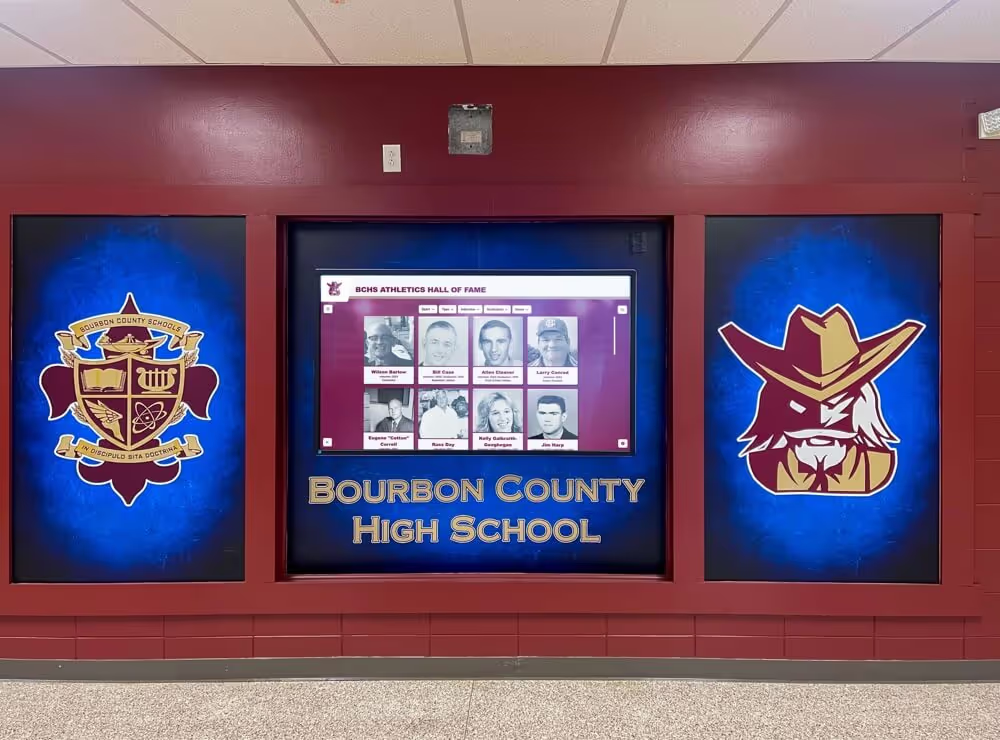
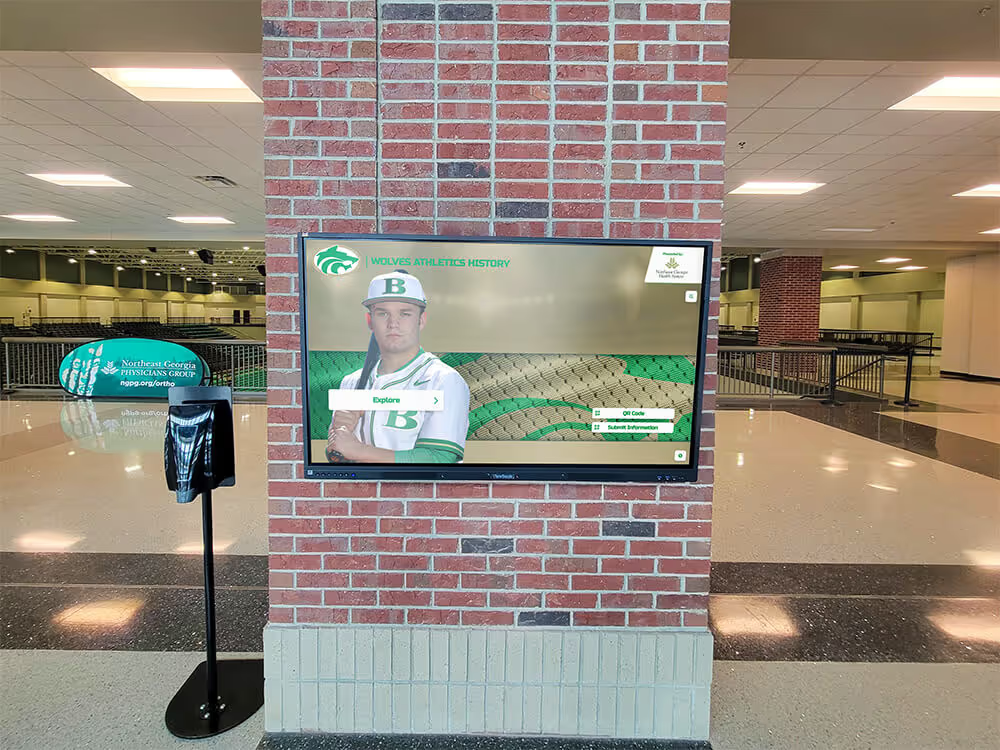
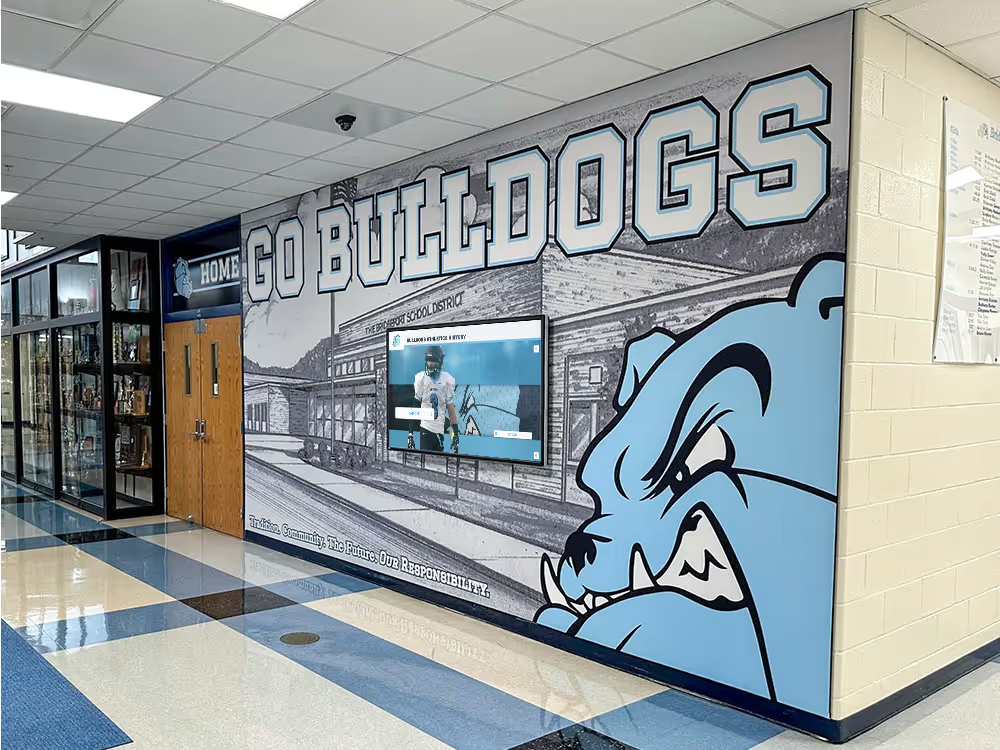
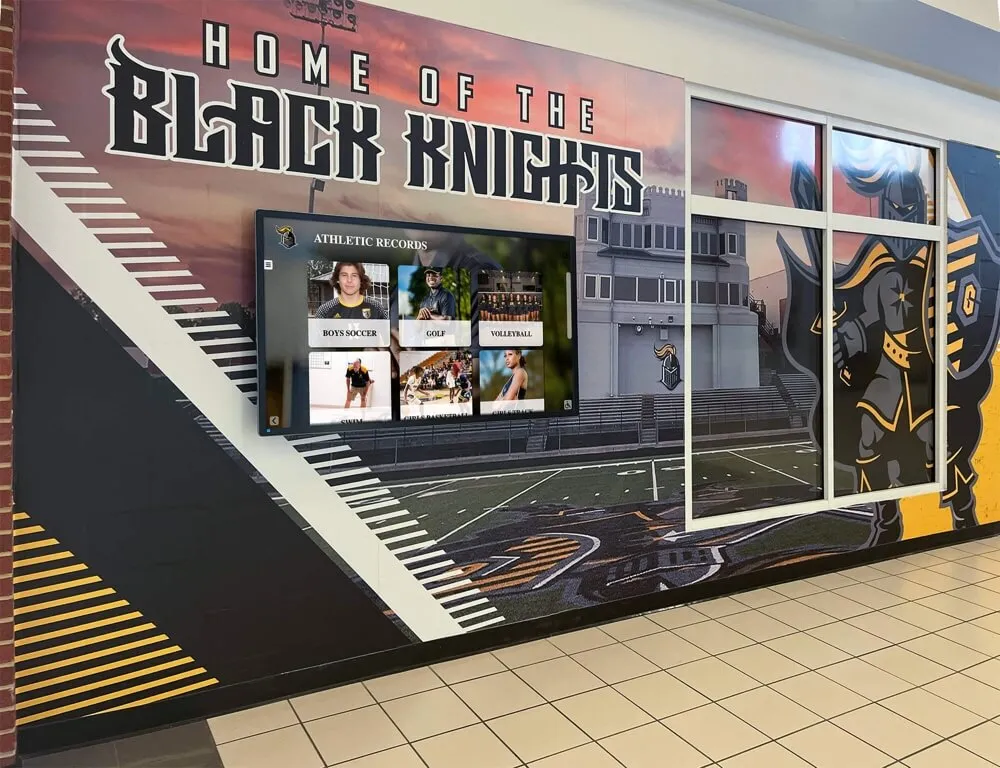
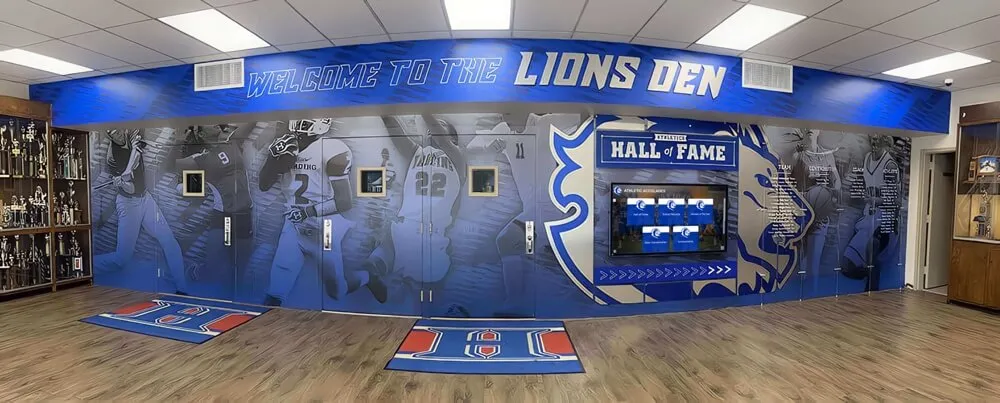
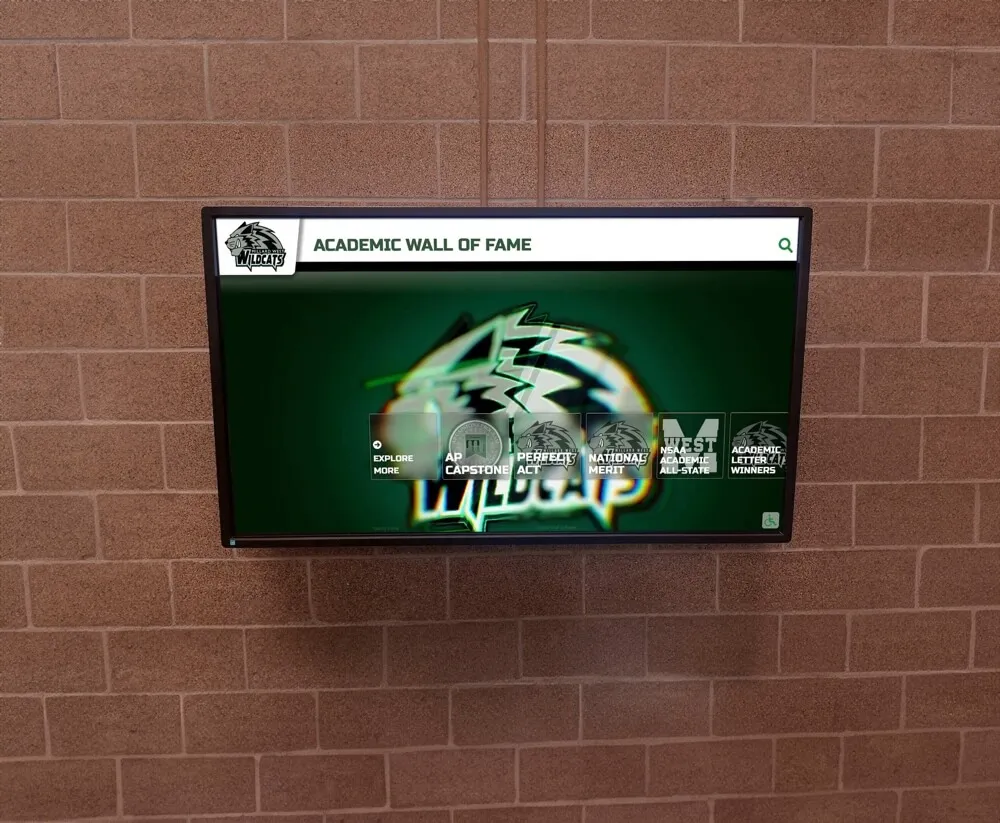
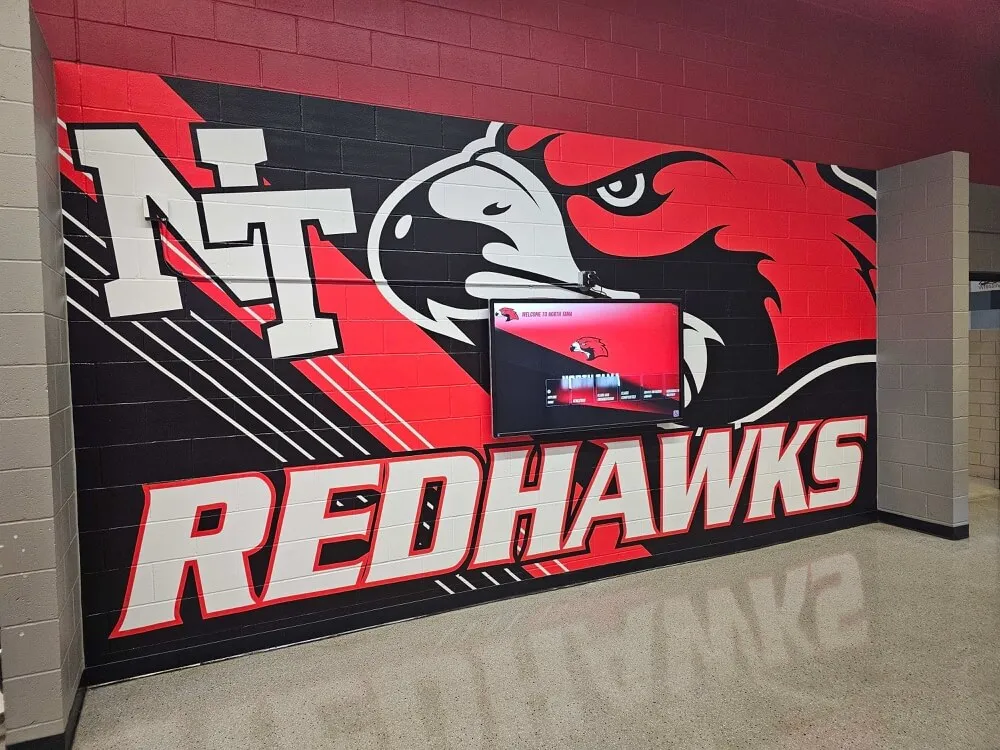
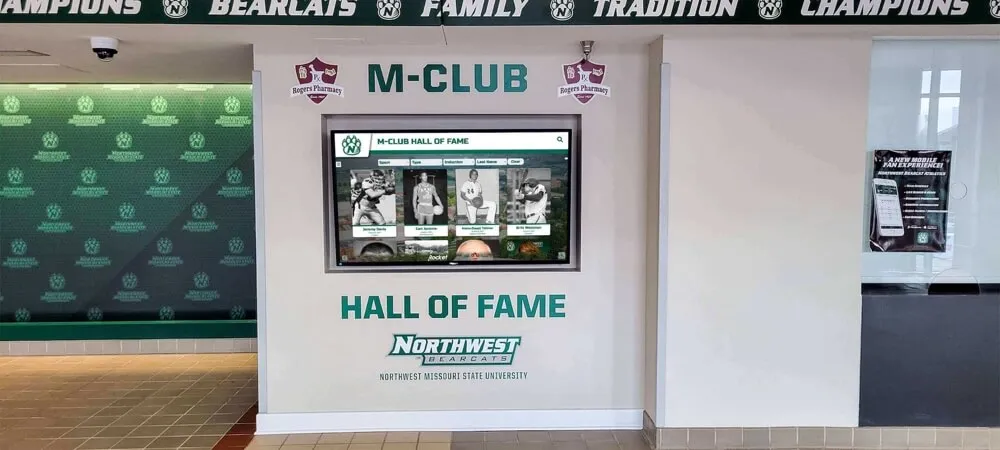
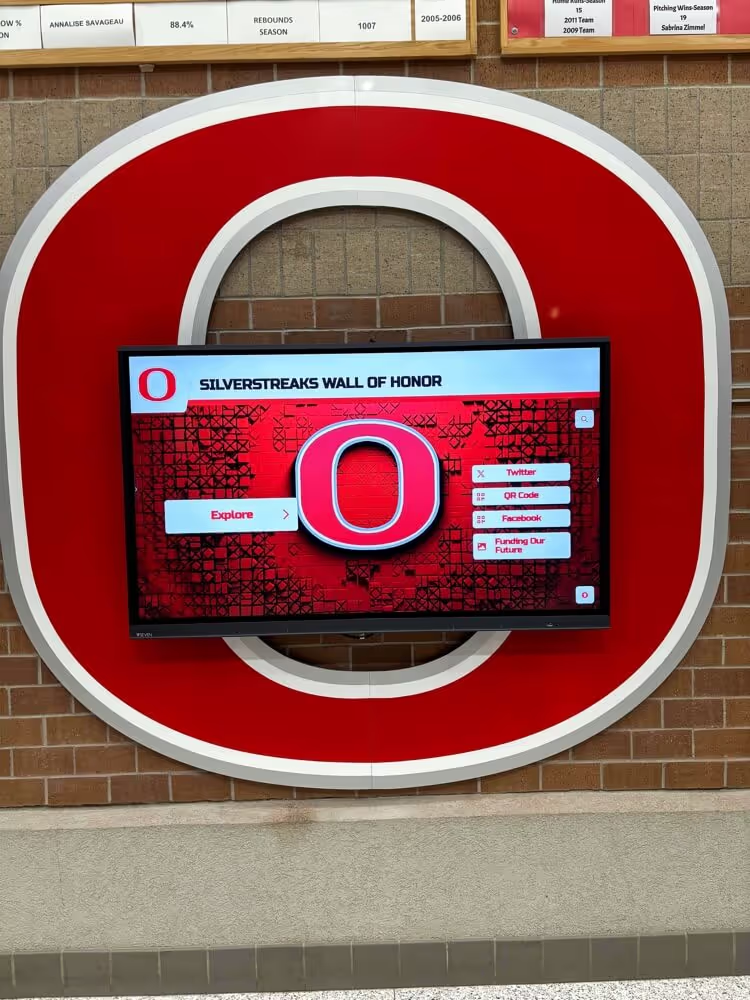
Modern athletic facilities increasingly incorporate digital displays, scoreboards, and recognition systems at field perimeters creating engaging environments celebrating program achievements while enhancing spectator experience.
Optimal Display Locations:
- Behind goals: Prime visibility for spectators, athletes warm up areas
- Along touchlines: Integrated with spectator seating areas
- Entrance areas: Welcome displays featuring team histories, records, achievements
Technical Considerations:
- Weather-resistant enclosures protecting electronic components
- Adequate electrical service and data connectivity
- Viewing angles accounting for sun glare and stadium lighting
- ADA compliance ensuring accessibility for all visitors
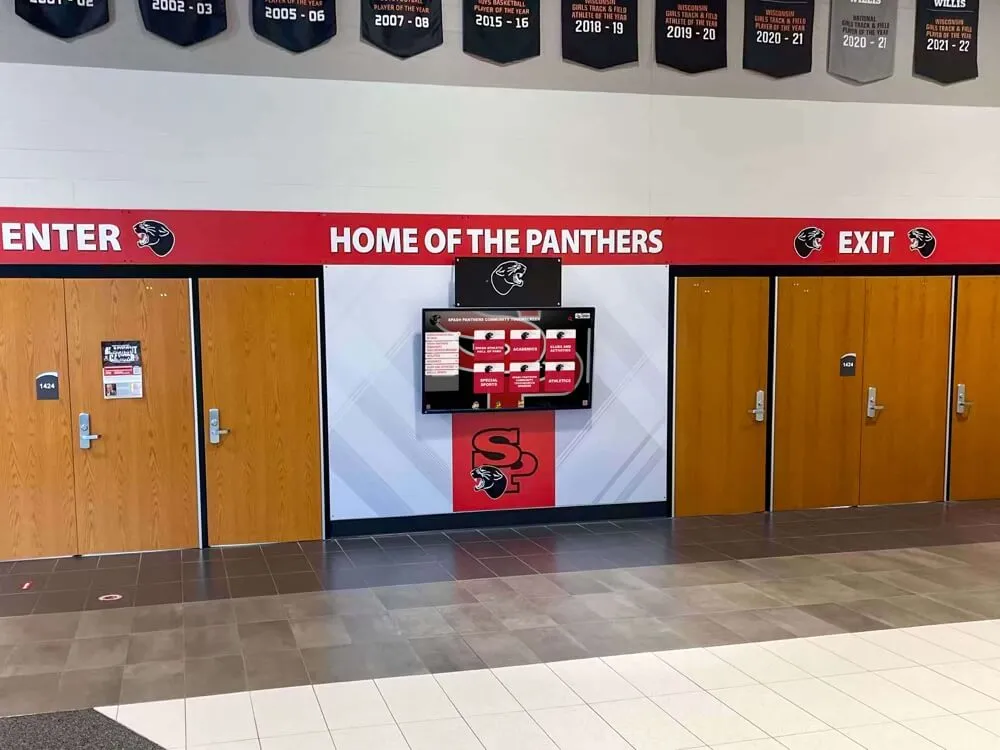
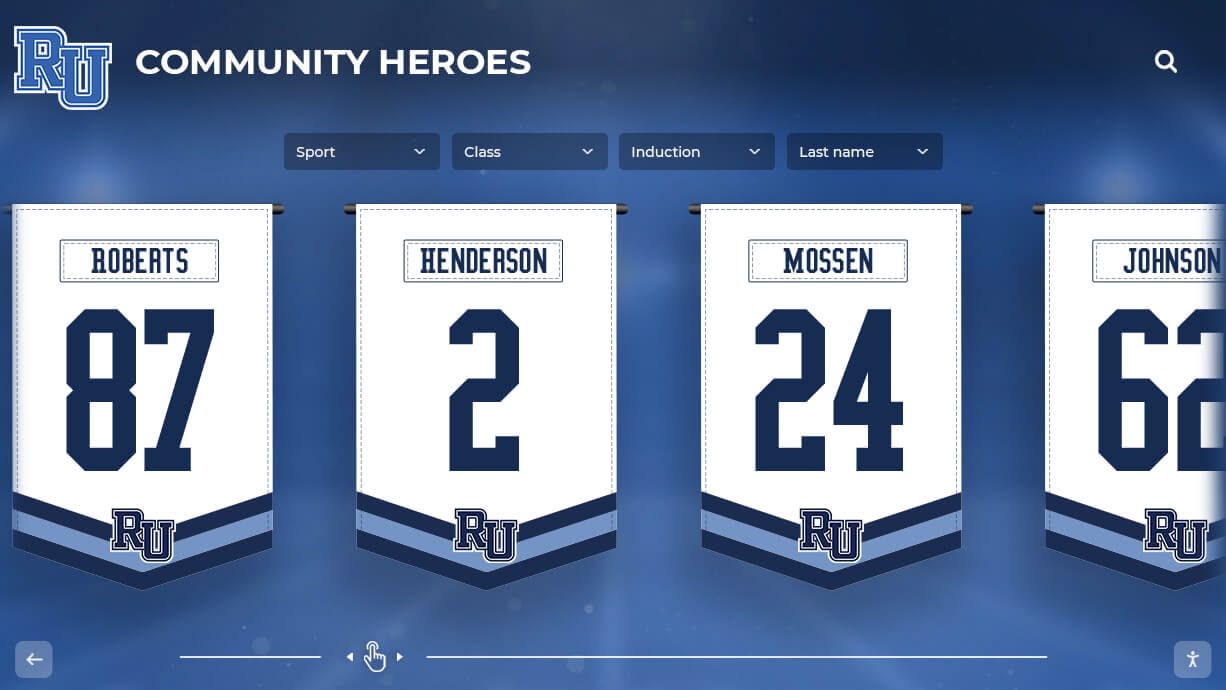
Programs exploring comprehensive digital recognition solutions benefit from integrated planning during field construction phases, installing necessary electrical infrastructure, mounting systems, and data connections before completing surrounding hardscaping and landscaping work.
Soccer Field Maintenance Requirements
Proper maintenance preserves playing surface quality, field markings, and safety standards throughout competitive seasons:
Weekly Maintenance Tasks:
- Mowing: 2-3 times weekly during growing season (natural grass)
- Line marking: Weekly for painted lines (synthetic fields use permanent lines)
- Irrigation management: 1-1.5 inches weekly depending on climate
- Debris removal: Regular field inspection removing hazards
Seasonal Maintenance:
- Aeration: 2-4 times annually improving root growth and drainage
- Overseeding: Fall and spring maintaining grass density
- Fertilization: Quarterly applications supporting healthy growth
- Pest and weed control: Ongoing management preserving playing surface quality
Synthetic Turf Maintenance:
- Weekly grooming: Redistributing infill, standing fibers upright
- Monthly deep cleaning: Removing organic debris, preventing bacterial growth
- Annual infill replenishment: Restoring proper cushioning and traction
- Field testing: Regular G-Max testing ensuring proper shock absorption
Proper maintenance planning accounts for costs typically ranging $15,000-$25,000 annually for natural grass fields and $8,000-$12,000 annually for synthetic turf, though synthetic surfaces require replacement every 8-12 years at $400,000-$800,000 depending on field size and quality.

Common Soccer Field Dimension Questions
Can high school soccer fields be smaller than NCAA fields?
Yes. NFHS allows fields as small as 100 yards × 55 yards while NCAA requires minimum 110 yards × 70 yards. High school dimension ranges accommodate facility constraints while maintaining competitive standards appropriate for the skill level.
Do indoor soccer facilities follow different dimension standards?
Indoor soccer typically uses smaller fields ranging 180-210 feet long by 75-90 feet wide (60-70 yards × 25-30 yards) with modified rules including boards surrounding the playing area similar to ice hockey rinks. These dimensions suit the faster pace and different tactical approaches characteristic of indoor competition.
How much space is needed beyond field boundaries for construction planning?
Minimum 10 feet beyond goal lines and 6 feet beyond touchlines, though 15-20 feet provides better safety margins. Additional space accommodates spectator seating, team benches, warm-up areas, and infrastructure like scoreboards, concession facilities, and restrooms. Total facility footprint typically requires 140-160 yards × 85-110 yards including all buffer zones and surrounding infrastructure.
What’s the difference between soccer field dimensions and pitch dimensions?
“Field” and “pitch” refer to the same playing surface—American terminology typically uses “field” while international and professional contexts often use “pitch.” Dimensional standards remain identical regardless of terminology. Understanding athletic field terminology helps facilities managers communicate effectively across different organizational contexts.
How do soccer field dimensions compare to other rectangular field sports?
- Soccer: 100-120 yards × 55-80 yards (high school), 110-120 yards × 70-80 yards (college)
- Football: 120 yards × 53.3 yards (including end zones)
- Lacrosse: 110 yards × 60 yards (men’s), 120 yards × 70 yards (women’s)
- Rugby: 144 yards × 70 yards (including in-goal areas)
Soccer and lacrosse share similar dimensions allowing effective field sharing, while football fields provide sufficient space to accommodate soccer fields with modified line markings distinguishing the sports.
Are youth soccer field dimensions standardized nationally?
No single governing body mandates universal youth dimensions. US Youth Soccer, AYSO, and other organizations provide recommended guidelines varying by age group, but individual leagues, clubs, and municipalities often adopt local standards based on available facilities, registration numbers, and developmental philosophies. Most programs follow general principles scaling field size to age-appropriate dimensions.
Creating Recognition Culture at Soccer Facilities
Beyond dimensional compliance and construction quality, successful soccer facilities create environments celebrating program achievements, honoring distinguished athletes, and building tradition connecting current players to program history.
Permanent Recognition Infrastructure:
- All-time leading scorers and assist leaders
- Championship teams and tournament achievements
- All-conference, all-state, and all-American honorees
- College signing recognition and scholarship recipients
- Distinguished alumni and coaching legends
Digital Recognition Advantages:
- Unlimited capacity displaying complete program histories
- Automatic updates as athletes reach milestones
- Photo galleries showcasing memorable moments and celebrations
- Statistics and achievements preserved permanently
- Alumni access through QR codes and mobile integration
Athletic programs exploring digital athletic displays and comprehensive recognition systems create field environments that celebrate excellence while strengthening program culture, recruiting advantage, and community engagement that extends far beyond match days.
Planning Your Soccer Facility Project
Successful soccer field construction requires coordinated planning addressing dimensional requirements, infrastructure integration, recognition systems, and long-term maintenance considerations:
- Confirm dimensional standards appropriate to your competition level and governing body requirements
- Assess available space including required buffer zones and surrounding infrastructure
- Select appropriate surface type balancing playability, maintenance, and budget constraints
- Plan integrated infrastructure including lighting, scoreboards, recognition displays, and spectator amenities
- Consider multi-sport compatibility maximizing facility investment and year-round utilization
- Develop maintenance program ensuring long-term quality and safety standards
- Incorporate recognition infrastructure celebrating achievements and building program tradition
Understanding complete dimensional standards from youth through collegiate levels enables athletic directors to plan facilities serving immediate competitive needs while maintaining flexibility for program growth and facility evolution. Modern digital recognition solutions like Rocket Alumni Solutions integrate seamlessly into field-edge infrastructure, creating permanent celebration of soccer excellence while providing athletes, families, and alumni with lasting connection to program achievements extending decades beyond their playing careers.
Whether constructing new facilities, renovating existing fields, or upgrading recognition infrastructure at established soccer complexes, proper dimensional planning ensures compliance, safety, and competitive quality while creating environments that honor tradition and inspire future generations of athletes.
Build a Soccer Facility That Celebrates Excellence
Soccer field dimensions provide the foundation for competitive play, but thoughtfully designed facilities create environments celebrating program achievements while honoring the athletes who build tradition. Rocket Alumni Solutions helps athletic programs integrate digital recognition displays at soccer facilities, preserving complete program histories, showcasing all-time leading scorers, and creating permanent celebration of championship teams and distinguished athletes.
Our touchscreen displays install at field entrances, spectator areas, and athletic facilities, automatically updating records and achievements while providing athletes and families with mobile access to complete statistics and career highlights. From youth club complexes to NCAA Division I stadiums, our recognition systems scale to any facility size while preserving every moment of program history.
Schedule a demonstration to see how digital recognition infrastructure integrates with your soccer facility planning, creating celebration of excellence that matches the quality of your playing surface and competitive program.