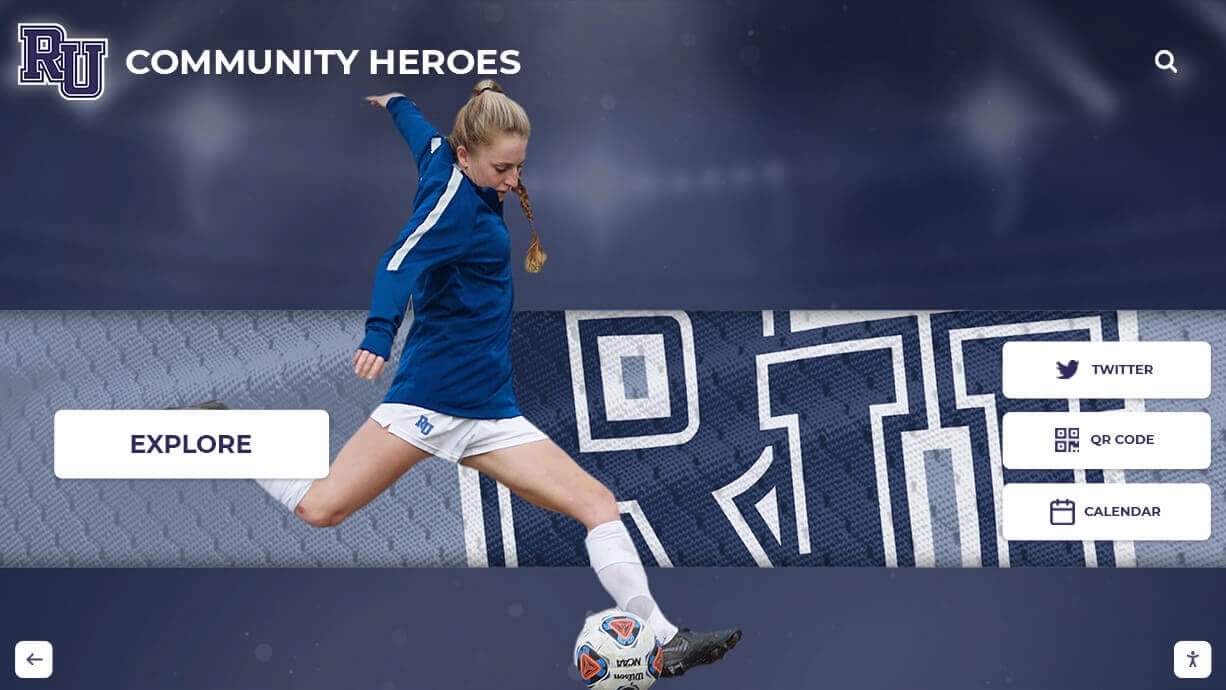




Mastering soccer dribbling drills separates average players from exceptional ones—elite dribblers control games, create scoring opportunities, and earn recognition that places them on team record boards and athletic halls of fame. The world’s greatest soccer players built their legendary careers on relentless dribbling practice, transforming fundamental techniques into match-winning artistry through thousands of focused repetitions.
Coaches at every level—from youth recreational leagues to high school varsity programs and competitive club teams—understand that systematic dribbling training develops the ball mastery, spatial awareness, and confidence players need to excel. Players who consistently execute effective dribbling drills improve faster, contribute more to team success, and position themselves for individual recognition including team captain selections, all-conference honors, and permanent placement on school athletic achievement displays.
Whether you’re coaching young players learning their first touches or developing advanced high school athletes competing for state championships and college recruitment, implementing proven soccer dribbling drills creates the foundation for both immediate performance improvement and long-term player development worth celebrating.
Why Soccer Dribbling Drills Matter for Player Development
Before exploring specific drills, understanding why systematic dribbling practice produces superior players helps coaches prioritize training time and players commit to consistent practice.
Building Fundamental Ball Control
Soccer dribbling drills develop the technical foundation every successful player requires regardless of position or playing style.
Touch Consistency and Ball Feel:
Effective dribbling begins with comfortable ball contact using all parts of both feet. Players must develop natural, automatic touch patterns allowing them to manipulate the ball without conscious thought during matches. Repetitive drilling creates muscle memory transforming awkward beginner movements into fluid, instinctive ball control.
The best dribblers maintain constant awareness of ball position and movement through thousands of touches in practice. This familiarity enables them to execute complex maneuvers at match speed while simultaneously reading defensive pressure, identifying passing options, and recognizing space to attack.
Ambidextrous Development:
Youth players naturally favor their dominant foot, creating exploitable weaknesses defenders target. Structured dribbling drills emphasizing both feet force balanced development. Players comfortable dribbling with either foot become unpredictable, capable of cutting either direction and maintaining ball possession regardless of defensive angles.
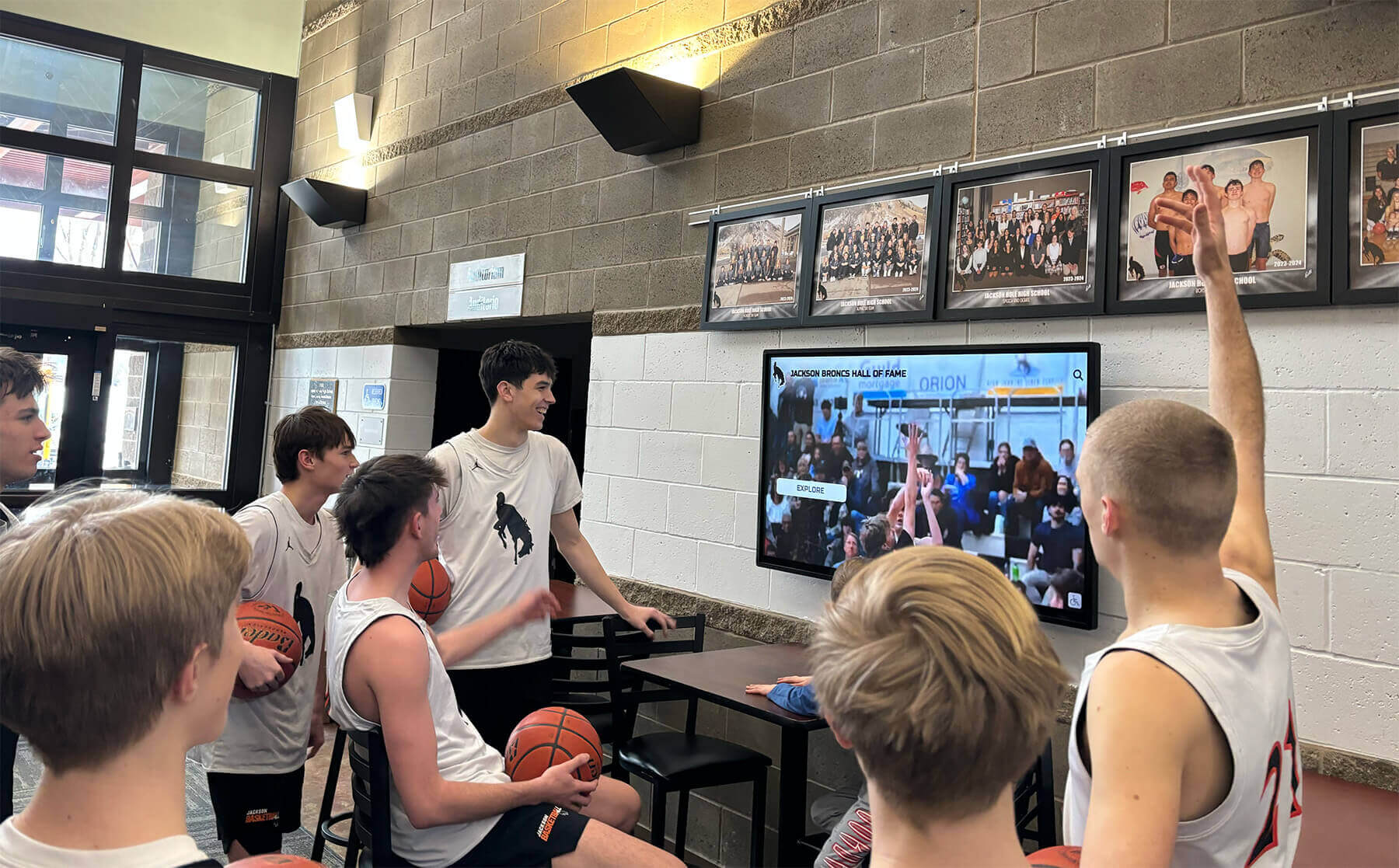
College recruiters and high school athletic directors consistently identify two-footed ability as distinguishing elite prospects from good players. Athletes developing this versatility through dedicated dribbling practice earn competitive advantages translating to team leadership roles, individual honors, and recognition on school athletic achievement boards.
Developing Game-Speed Decision Making
Dribbling drills extending beyond simple ball control incorporate tactical elements preparing players for match situations requiring split-second decisions under pressure.
Reading Defensive Pressure:
Advanced dribbling drills include defensive resistance teaching players when to accelerate, when to shield the ball, when to change direction, and when to release possession. Players practicing against active defenders develop instincts impossible to cultivate through unopposed drills alone.
This decision-making capability separates functional dribblers who maintain possession from dangerous dribblers who create scoring opportunities. Players recognizing the difference between productive dribbling advancing team attacks and selfish dribbling stalling offensive flow become trusted teammates earning leadership positions and individual accolades.
Spatial Awareness and Vision:
Elite dribblers maintain awareness beyond the ball, simultaneously monitoring defender positions, teammate movements, and available space. Drills incorporating vision requirements—calling out colors, responding to coach signals, or making predetermined decisions at markers—develop this essential multitasking ability.
Players mastering this complete awareness become playmakers controlling match tempo and creating opportunities for themselves and teammates. These complete players often earn team captain status, all-conference recognition, and positions on school halls of fame celebrating athletic excellence across all sports.
Building Confidence and Mental Resilience
Systematic dribbling practice develops psychological attributes as important as physical skills for competitive success.
Competitive Confidence:
Players mastering dribbling techniques through dedicated practice approach match situations with justified confidence. This assurance enables them to attempt creative moves, take on defenders one-versus-one, and maintain composure under pressure.
Coaches recognize confident dribblers through their willingness to receive the ball in tight spaces, comfort operating under defensive pressure, and ability to create solutions when team attacks stall. These players often become focal points of offensive systems and earn recognition for their game-changing contributions.

Resilience Through Repetition:
Dribbling mastery requires thousands of repetitions—successful and unsuccessful. Players committing to this process develop mental toughness extending beyond soccer. They learn that mastery requires sustained effort, failure provides learning opportunities, and improvement demands consistent practice regardless of immediate results.
Athletes developing this mindset through dribbling practice often excel academically and earn academic achievement recognition alongside their athletic honors, becoming well-rounded students schools celebrate through comprehensive recognition programs.
Essential Soccer Dribbling Drills for Individual Skill Development
Individual dribbling drills players can practice independently or in small groups build the technical foundation supporting all advanced soccer skills.
Cone Weaving Drills
Cone weaving represents the most fundamental dribbling exercise, developing close control and directional change ability essential for match situations.
Basic Inside-Outside Weave:
Set up 5-8 cones in a straight line spaced 2-3 feet apart. Players dribble through the cones using the inside and outside of alternating feet, maintaining close ball control while changing direction at each cone. This drill develops both feet simultaneously while building the quick touches needed to navigate tight spaces.
Progression increases difficulty by reducing cone spacing, requiring specific foot patterns (inside touches only, outside touches only, or predetermined combinations), adding speed requirements, or incorporating ball manipulation moves (sole rolls, step-overs, scissors) at each cone.
Advanced Figure-Eight Pattern:
Arrange two cones 5-8 yards apart. Players dribble in continuous figure-eight patterns around both cones, practicing tight turns and acceleration between markers. This drill simulates match situations requiring rapid direction changes while maintaining ball possession and developing the acceleration bursts needed to separate from defenders.
Competition elements transform individual practice into engaging challenges—time individual runs, track total consecutive successful patterns, or conduct peer races maintaining control standards.
Speed Dribbling and Acceleration Drills
While close control matters in tight spaces, players must also develop the ability to cover ground quickly with the ball during counter-attacks and transition moments.
40-Yard Sprint Dribble:
Mark a 40-yard straight line. Players dribble at maximum controllable speed from start to finish, taking the fewest touches possible while maintaining possession. This drill develops the longer, stronger touches needed for open-field dribbling while building the coordination to sprint and control simultaneously.
Elite dribblers cover 40 yards in 15-20 touches, demonstrating the ability to push the ball 2-3 yards ahead while maintaining full control. Players tracking their touch counts and times create measurable improvement goals motivating consistent practice.
Change-of-Pace Dribbling:
Set markers at 10-yard intervals along a 40-yard course. Players alternate between controlled dribbling (slow pace, close touches) and speed dribbling (fast pace, longer touches) at each marker. This drill develops the crucial ability to shift between speeds during matches—slowing to maintain possession under pressure, then accelerating into space when defenders give ground.
Match situations constantly demand these transitions. Players executing them smoothly create scoring opportunities and earn the team captain status recognizing leadership and performance excellence.
Ball Mastery and Manipulation Drills
Beyond forward dribbling, complete players master diverse ball manipulation techniques enabling creativity and unpredictability.
Foundation Touches Routine:
Players perform comprehensive ball manipulation sequences incorporating sole rolls (rolling ball with bottom of foot), foundation (alternating sole taps), pullbacks (dragging ball backward), inside-outside taps (touching ball alternately with inside and outside of same foot), and L-turns (pulling ball back and turning 90 degrees).
Recommended routine structure includes 30 seconds each manipulation per foot, continuous transitions between techniques without stopping, and progressive speed increases as comfort develops. This 5-10 minute warm-up routine builds comprehensive ball familiarity translating to improved match performance.
The Coerver Pyramid:
Based on renowned Coerver coaching methodology, this progressive drill sequence develops complete ball mastery through systematic skill building. Players practice moves in stationary position first, then add walking pace, then jogging pace, then match speed, finally incorporating the skills into opposed drills and small-sided games.
Core moves include step-overs (faking direction by stepping over ball), scissors (alternating feet stepping over ball), Matthews move (pushing ball with outside foot, cutting back inside), and Cruyff turn (disguised 180-degree turn). Mastering these techniques creates unpredictable dribblers defenders struggle containing.
Shielding and Ball Protection Drills
Maintaining possession under defensive pressure requires techniques distinct from open-space dribbling.
Body Position and Shielding:
Players practice positioning their body between ball and defender using their frame to protect possession. Key technical elements include keeping ball on foot farthest from defender, maintaining low center of gravity with bent knees, using arms legally for balance and space creation (without pushing), and constant scanning to identify pressure direction and release options.
Static shielding drills with passive defensive pressure teach proper positioning. Progressive drills add active defenders attempting to dispossess, then include time limits forcing decisions about when to shield and when to turn or pass.
180-Degree Escape Turns:
When defenders apply pressure from behind, players must execute quick turns maintaining possession. Essential turning techniques include Cruyff turn (inside foot drag-back and turn), outside hook turn (using outside foot to drag ball behind standing leg), and sole roll turn (rolling ball across body with sole, turning simultaneously).
Players master these turns through repetition without pressure first, then add passive defenders, then active defenders in confined spaces. Matches reward players executing these moves under pressure with maintained possession and created opportunities—the kind of impactful plays earning individual recognition and team accolades.
Team-Based Soccer Dribbling Drills for Competitive Development
While individual drills build technical foundations, team-based exercises simulate match conditions and develop tactical application of dribbling skills.
1v1 and 2v1 Attacking Scenarios
Small-sided attacking drills create the decision-making pressure preparing players for match situations where dribbling directly leads to goals.
Channeled 1v1 to Goal:
Mark a 15-yard wide by 20-yard long channel with small goals or markers at each end. One attacker and one defender start at opposite ends. Attacker attempts to dribble past defender and finish on goal within 20-30 seconds. Defender attempts to win possession and counter-attack opposite direction.
This drill develops the attack mentality distinguishing dangerous forwards from passive players. Successful 1v1 attackers learn to commit defenders with fakes and speed changes, recognize when defenders overcommit and leave space, execute finishing under pressure, and transition immediately to defense when losing possession.
Rotating attackers and defenders through multiple repetitions creates realistic fatigue conditions while building both attacking confidence and defensive resilience. Players excelling in these competitive drills often become offensive focal points during matches, creating the goals and assists earning sports recognition on school athletic boards.
2v1 Fast-Break Finishing:
Create a 25-yard wide by 30-yard long field with one goal and a goalkeeper. Two attackers start at midfield with the ball against one recovering defender. Attackers must combine dribbling and passing to create scoring opportunities before defensive support arrives (coach releases second defender after 5 seconds).
This drill teaches crucial decisions about when to dribble (creating space or committing defenders) versus when to pass (exploiting numerical advantages). Players developing this tactical awareness become complete offensive threats rather than one-dimensional dribblers, earning trust from coaches and teammates that translates to expanded roles and recognition.
Possession-Based Dribbling Games
Possession games combining passing and dribbling develop the technical and tactical completeness high-level soccer demands.
Rondo Variations:
Traditional rondos (keep-away games with defenders in the middle) emphasize quick passing, but adding dribbling requirements develops complete possession skills. Variations include requiring one dribbling move before passing, allowing “dribble outs” where players can escape pressure through individual dribbling, or awarding bonus points for successful take-ons before completing passes.
These modified possession games teach players when dribbling advances team possession versus when quick passing provides better solutions—the soccer intelligence separating average players from exceptional ones.
Transition Boxes:
Divide playing area into four 15x15-yard boxes arranged in a square pattern. Teams of 4-6 players maintain possession within boxes, but possession team must successfully dribble from one box to an adjacent box (rather than passing) to score points. Defending team attempts to win possession and immediately transition to attacking.
This game emphasizes dribbling with purpose rather than aimless ball manipulation. Players learn to recognize transition moments when defensive gaps appear, execute dribbles advancing team position, and maintain possession under immediate pressure after completing dribbles.
Speed Dribbling Relay Competitions
Team relay competitions transform dribbling practice into engaging competitions while building team culture and accountability.
Cone Course Relay:
Design challenging dribbling courses incorporating gates, tight turns, speed sections, and skill requirements. Teams compete in relay format with each player completing the course before the next teammate starts. First team finishing with all players successfully completing requirements wins.
Adding penalties for mistakes (knocked cones require restart, missed gates add time) emphasizes quality over pure speed. Teams develop accountability as individual mistakes affect collective results—the kind of team-first mentality coaches reward with varsity letter awards and leadership recognition.
Dribble Tag Games:
In defined playing areas, designated “taggers” must tag other players who are all dribbling soccer balls. Once tagged, players join the tagging team. Last player remaining untagged wins.
This game develops dribbling under pressure with constant scanning, change-of-direction skills, acceleration bursts to escape pressure, and spatial awareness in congested areas—all transferable to match situations. The competitive element ensures maximum effort while the game format keeps players engaged.
Progressive Training Structures for Long-Term Development
Effective coaching organizes dribbling drills into progressive structures developing complete players over multiple seasons rather than focusing on isolated skills.
Age-Appropriate Progression Models
Different developmental stages require specifically tailored training approaches maximizing age-appropriate skill acquisition.
Youth Development (Ages 6-10):
Young players benefit most from high-repetition, fun-focused dribbling activities emphasizing ball familiarity over tactical sophistication. Recommended training priorities include maximizing individual ball touches (every player with a ball), incorporating games and competitions maintaining engagement, celebrating effort and creativity over perfect technique, and gradually introducing new manipulations while reinforcing previously learned skills.
At this stage, avoid complex tactical instruction or rigid technique correction that diminishes enjoyment. The primary goal involves creating positive associations with ball work while building the touch foundation supporting future development.
Adolescent Skill Building (Ages 11-14):
As players mature physically and cognitively, training can incorporate more sophisticated technical demands and tactical elements. Focus areas include refining specific dribbling techniques with detailed feedback, introducing opposed drills with defensive pressure, developing both-foot competence through structured requirements, and connecting dribbling skills to positional responsibilities and game situations.
Players in this age group can handle constructive criticism and systematic skill building if coaching maintains supportive rather than negative environments. Those committing to this developmental phase often emerge as high school program leaders earning team captain selections and individual achievement recognition.
High School Competition Focus (Ages 15-18):
High school players preparing for varsity competition and potential college recruitment require training emphasizing match-realistic application and competitive intensity. Training priorities shift to position-specific dribbling applications (forwards finishing 1v1, midfielders operating in traffic, defenders dribbling under pressure), high-intensity opposed drills simulating match fatigue and pressure, tactical decision-making about when to dribble versus pass or shoot, and systematic weakness elimination ensuring defenders cannot exploit predictable patterns.
Elite high school players combining technical excellence with tactical maturity earn all-conference recognition, consideration for college rosters, and permanent recognition on school athletic record boards celebrating outstanding careers.
Individual Development Plans
Systematic player evaluation and individualized development planning accelerate improvement beyond what team training alone provides.
Skill Assessment and Goal Setting:
Effective coaches regularly assess each player’s dribbling competencies identifying specific strengths to leverage and weaknesses to address. Assessment categories include technical mastery of specific moves, both-foot comfort and capability, speed dribbling effectiveness, shielding and ball protection under pressure, and tactical decision-making about when to dribble.
Based on assessments, coaches and players collaboratively establish specific improvement goals with measurable progress markers. Written development plans create accountability and provide motivation as players track measurable advancement.
Supplemental Practice Recommendations:
While team training provides essential instruction and competitive application, players serious about reaching elite levels commit to additional individual practice. Coaches can provide specific supplemental practice prescriptions addressing individual needs—five suggested drills targeting identified weaknesses, recommended practice frequency and duration, video resources demonstrating proper technique, and periodic check-ins assessing independent practice progress.
Players demonstrating this commitment to improvement beyond required team sessions often separate themselves from peers, earning starting positions, individual accolades, and the kind of sustained excellence schools celebrate through formal recognition programs.
Celebrating Soccer Excellence Through Athletic Recognition
Players dedicating themselves to systematic dribbling practice and comprehensive skill development earn recognition extending beyond immediate match results to lasting celebration of athletic achievement.
Building Team Culture Through Recognition
Successful soccer programs establish recognition traditions honoring both team accomplishments and individual excellence in ways that strengthen program culture and inspire continued commitment.
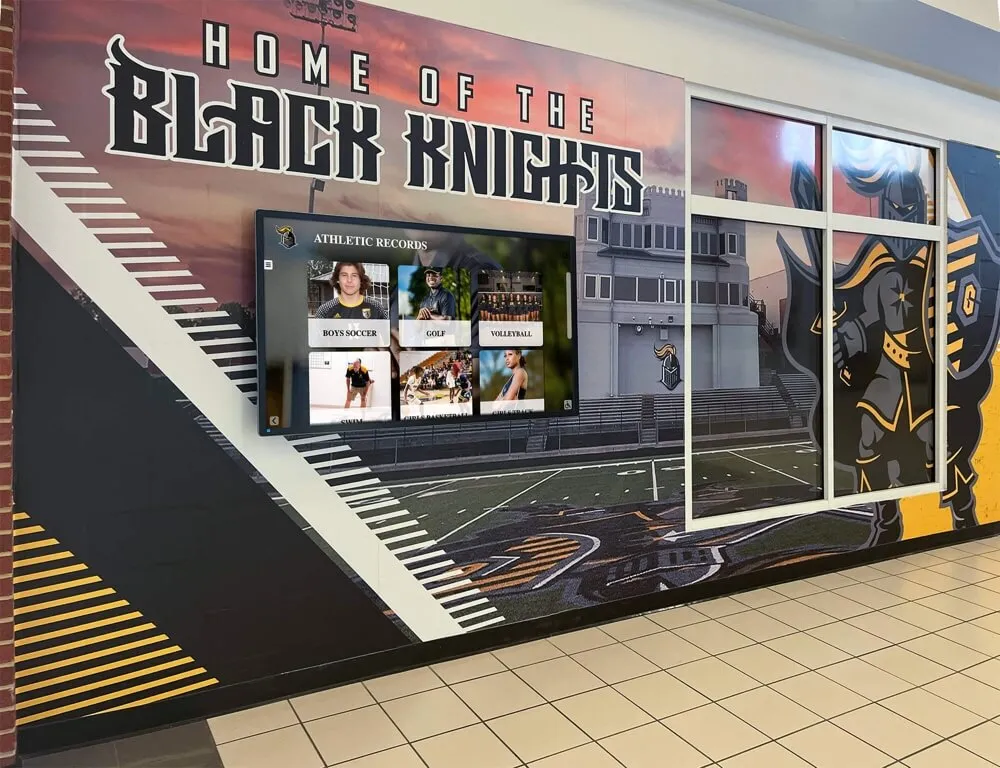
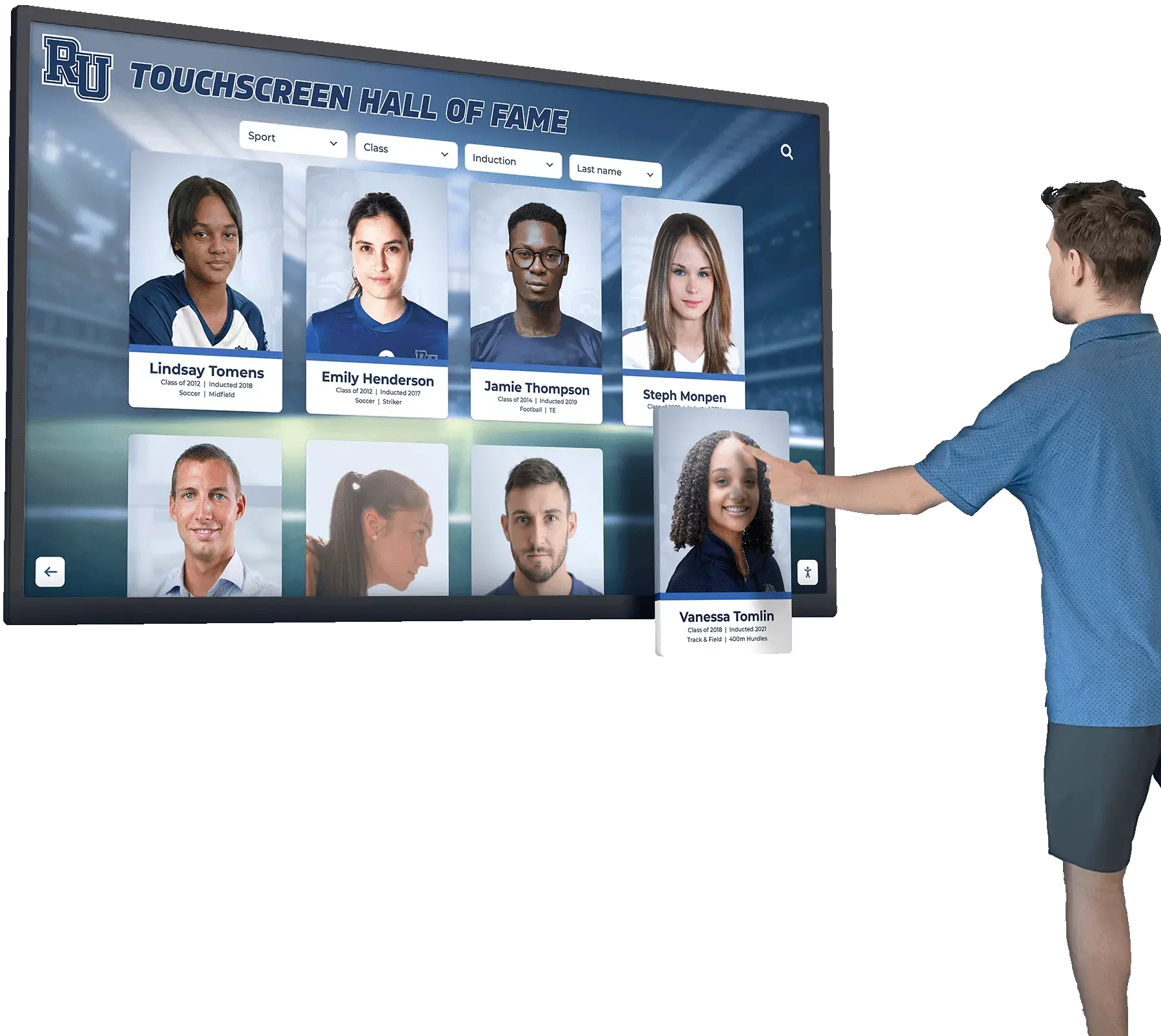
Schools celebrate soccer achievement through various recognition formats including traditional trophy cases displaying team championships and tournament medals, team banners recognizing conference titles and playoff success, individual awards honoring all-conference selections and statistical leaders, digital recognition displays providing comprehensive player and team histories, and hall of fame inductions for careers demonstrating sustained excellence.
These recognition systems serve essential purposes beyond honoring past achievements. They communicate that the school values soccer excellence alongside other activities, inspire current players to pursue recognition through dedicated effort, preserve program history connecting current teams to legacy traditions, and engage alumni maintaining connections to programs and schools.
Modern Athletic Recognition Solutions
Traditional static trophy cases and vinyl banners present significant limitations for schools seeking comprehensive, accessible recognition programs celebrating complete athletic histories.
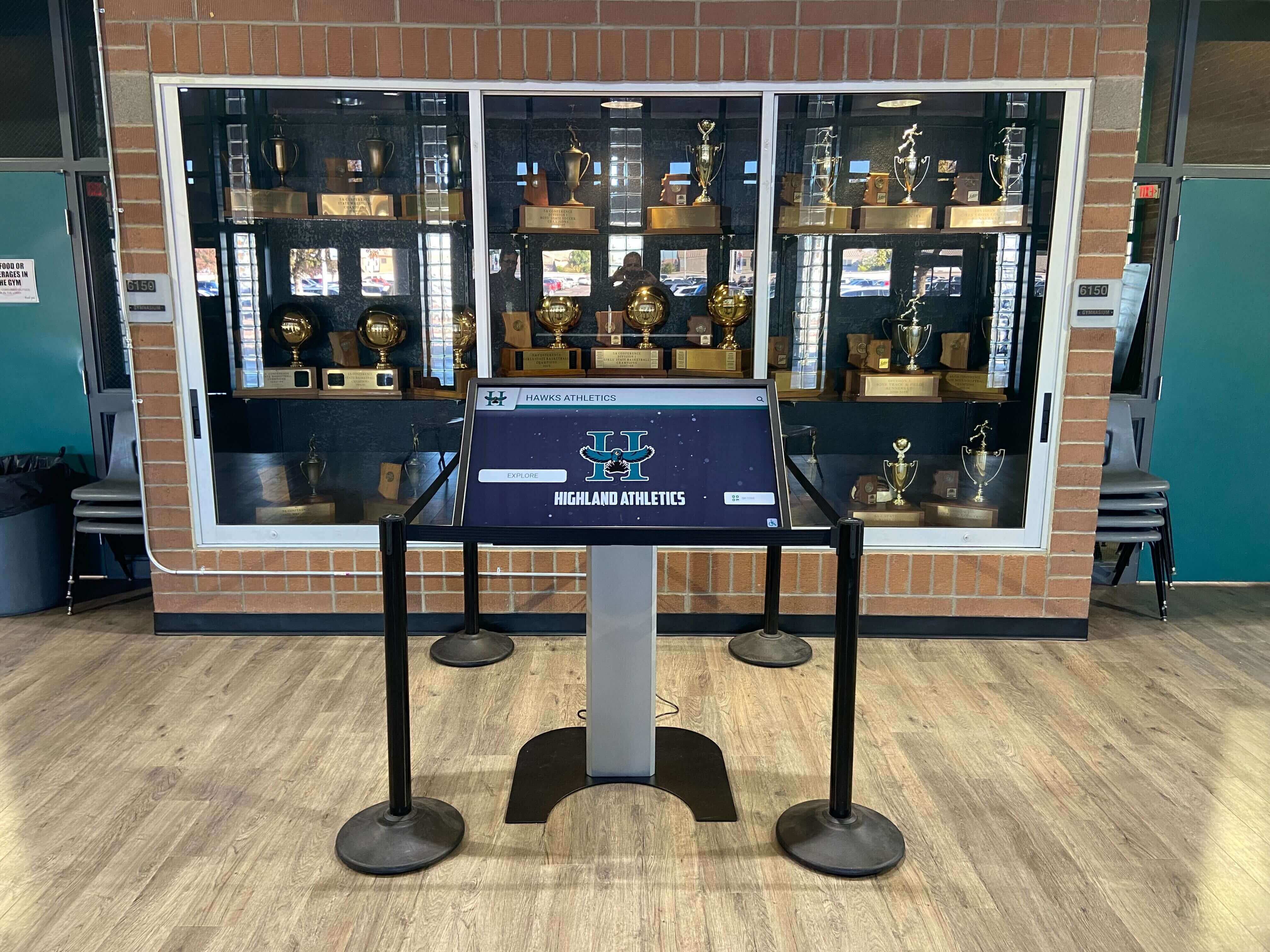
Physical trophy cases offer finite space requiring difficult decisions about which achievements warrant permanent display. Once full, schools must remove older recognition to accommodate recent achievements—effectively erasing program history. Vinyl banners deteriorate over time, creating unprofessional appearances requiring expensive replacements. Static displays cannot provide the detailed context making achievements meaningful to audiences unfamiliar with programs.

Modern schools increasingly implement digital athletic recognition systems providing unlimited capacity for player and team achievement documentation, automatic updates maintaining current information without manual intervention, rich multimedia presentations including photos and statistics contextualizing accomplishments, accessibility features ensuring all community members can engage with athletic history, and remote access allowing alumni to explore their achievements from anywhere.
These comprehensive platforms celebrate complete athletic programs rather than only the handful of achievements fitting in physical cases. Every player earning varsity letters, breaking records, or achieving all-conference recognition receives permanent documentation honoring their contributions to program excellence.
Schools implementing digital recognition systems often discover unexpected benefits including increased athletic program fundraising as donors see their support producing documented results, stronger community engagement as families access and share recognition remotely, improved program recruitment as prospective athletes see the recognition they could earn, and enhanced alumni connections as former players maintain ties through accessible athletic histories.
Programs like Rocket Alumni Solutions provide schools with turnkey platforms for comprehensive athletic recognition, making professional-grade celebration systems accessible regardless of technical expertise or budgets.
Measuring Success: From Practice Drills to Recognition-Worthy Achievement
Systematic dribbling training produces measurable improvements coaches and players can track, providing concrete evidence of development and motivation for continued commitment.
Performance Metrics Worth Tracking
Establishing baseline measurements and tracking progress creates accountability while celebrating improvement—building the growth mindset essential for long-term athletic development.
Technical Skill Assessments:
Coaches can measure dribbling competency through standardized tests including timed cone-weaving courses (measuring close control and agility), maximum-speed 40-yard dribbles (measuring open-field speed with ball), 1v1 success rates in practice situations (measuring competitive application), and skill demonstration checklists (documenting mastered techniques).
Conducting these assessments at season start, mid-season, and season end provides objective progress documentation. Players seeing measurable improvement gain confidence and motivation, while those not progressing receive feedback identifying needed practice adjustments.
Game Performance Statistics:
Beyond practice assessments, match statistics provide ultimate validation that improved dribbling translates to competitive success. Relevant metrics include successful take-ons per game, possession wins in final third, assists created through individual dribbling, and fouls drawn (indicating defenders cannot stop dribbling legally).
These statistics, when tracked systematically across seasons, document player development and identify athletes whose performances warrant recognition through end-of-year athletic awards and permanent placement on school achievement boards.
Creating Cultures of Excellence
Beyond individual player development, systematic dribbling training contributes to comprehensive team cultures where excellence becomes expected rather than exceptional.
Programs establishing training standards, celebrating measurable progress, recognizing both team and individual achievement, and maintaining accessible histories of program success create self-reinforcing excellence cultures. New players entering established programs inherit expectations of commitment and achievement, while current players pursue recognition earned by predecessors they see honored throughout facilities.
This cultural continuity transforms programs from collections of individuals into traditions of sustained excellence—the kind of distinctive programs schools proudly celebrate through comprehensive recognition systems showcasing decades of achievement and inspiring future generations to add their names to honored traditions.
Conclusion: From Dribbling Drills to Lasting Legacy
Soccer dribbling drills represent far more than simple skill-building exercises—they provide the foundation for player development journeys transforming beginners into accomplished athletes earning recognition that lasts beyond their playing careers. Every elite player whose achievements schools celebrate through halls of fame and record boards built their success on countless hours of focused practice mastering the fundamental ball control techniques systematic dribbling develops.
Coaches implementing comprehensive dribbling training programs create measurable improvements in technical skills, tactical decision-making, and competitive confidence while building team cultures celebrating excellence and effort. Players committing to this demanding practice earn both immediate performance improvements and long-term recognition including starting positions and playing time, all-conference and all-state selections, team leadership opportunities and captain status, consideration for college athletic recruitment, and permanent celebration on school athletic achievement displays.
Schools honoring these accomplishments through modern recognition systems preserve athletic program histories while inspiring current and future athletes to pursue their own paths to excellence. Digital platforms enable comprehensive documentation ensuring every athlete contributing to program success receives appropriate recognition rather than only the handful of achievements fitting in traditional trophy cases.
Ready to transform how your school celebrates soccer excellence and all athletic achievements? Discover how Rocket Alumni Solutions creates comprehensive athletic recognition systems honoring complete program histories while inspiring future generations of student-athletes to add their names to your school’s tradition of excellence.































