



High school signing day represents one of the proudest moments in a student-athlete’s career—the culmination of years of dedication, early morning practices, and dreams of competing at the collegiate level. For athletic directors and coaches, orchestrating meaningful signing day celebrations requires careful planning, creative execution, and an understanding of how these ceremonies impact not just the athletes being honored, but the entire athletic program’s culture, recruiting reputation, and community perception.
This comprehensive guide provides athletic directors and coaches with proven strategies for planning memorable signing day events that celebrate college-bound athletes while strengthening program identity, engaging families and communities, and creating lasting recognition that extends far beyond ceremony day.
Understanding Signing Day in High School Athletics
What is National Signing Day?
National Signing Day refers to the first day when high school senior athletes can officially sign National Letters of Intent (NLI) to play NCAA Division I or Division II sports at collegiate institutions. These ceremonies mark the formal commitment between athlete and university, celebrating the achievement of earning an athletic scholarship or roster spot at the college level.
Key Signing Day Dates to Know:
- Early Signing Period (Fall): Mid-November for most sports (primarily football, basketball, and other winter/spring sports)
- National Signing Day (February): First Wednesday in February, the traditional football signing day, now also includes other sports
- Spring Signing Period: April for basketball and other remaining sports
- Non-NLI Sports: Athletes in Division III, NAIA, and junior colleges may sign or commit on different timelines
While these dates represent official NCAA signing periods, many high schools host signing day ceremonies whenever athletes make commitments, creating flexibility that allows programs to celebrate all college-bound athletes regardless of division or signing timeline.
Why Signing Day Ceremonies Matter
Signing day events serve purposes that extend beyond celebrating individual athletes:
Recognition and Validation: Public ceremonies acknowledge the extraordinary dedication required to earn college athletic opportunities, validating thousands of hours athletes invested in their sport while demonstrating that hard work produces tangible outcomes.
Program Culture Building: Well-executed signing ceremonies model the culture of recognition your program maintains, showing younger athletes what achievement looks like while reinforcing standards and expectations for athletes aspiring to compete collegiately.
Recruiting Tool: Prospective athletes and families evaluating your program notice how you celebrate college commitments. Comprehensive signing day recognition signals that your program successfully develops college-level talent while honoring those achievements publicly.
Alumni Engagement: Athletes who experienced meaningful signing day recognition maintain stronger connections to programs, creating future mentorship, support, and engagement opportunities that benefit succeeding athlete generations.
Community Connection: Signing ceremonies engage parents, families, youth athletes, and community members in celebrating academic and athletic excellence, strengthening program visibility and support networks.
Planning Timeline for Signing Day Events
6-8 Weeks Before Signing Day
Identify Participating Athletes
- Communicate with coaches across all sports to identify athletes signing during the period
- Confirm commitment details: university, sport, scholarship status, intended major
- Establish participation deadlines for athletes to confirm attendance
- Determine if combining multiple signings or hosting individual sport ceremonies
Reserve Facilities and Schedule
- Book ceremony location (library, gymnasium, cafeteria, or dedicated signing room)
- Schedule date and time that accommodates athlete schedules and maximizes family attendance
- Reserve audio/visual equipment for presentations
- Coordinate with facilities staff regarding setup and teardown
Establish Planning Committee
- Assign roles: ceremony coordinator, media/communications lead, family liaison, facility manager
- Involve athletic booster clubs or parent organizations in planning support
- Designate photographer/videographer for documentation
- Identify student helpers for setup, registration, or ushering
4-6 Weeks Before Signing Day
Collect Athlete Information
- Gather high-resolution photos (action shots and headshots)
- Request biographical information: stats, achievements, honors, memorable moments
- Collect details about college choice: why they selected that institution, academic plans, goals
- Ask for quotes or statements athletes want to share during ceremony
- Obtain family information for introductions and recognition
Design Promotional Materials
- Create signing day posters or announcements featuring participating athletes
- Design social media graphics with athlete photos and university logos
- Develop ceremony programs with athlete profiles and schedules
- Produce backdrop or step-and-repeat displays featuring school and athlete recognition
- Order commemorative items: signing day t-shirts, frames, or recognition plaques
Coordinate Media Coverage
- Notify local media outlets about the signing ceremony
- Prepare press releases with athlete information and quotes
- Invite local newspaper photographers and sports reporters
- Arrange interviews with athletes and coaches
- Plan social media promotion strategy across platforms
2-4 Weeks Before Signing Day
Finalize Ceremony Details
- Confirm ceremony agenda and speaking order
- Prepare coach or administrator remarks
- Brief athletes on ceremony expectations and their speaking opportunities
- Arrange for college apparel distribution (if provided by universities)
- Confirm family seating arrangements and guest lists
Prepare Recognition Displays
- Print and frame athlete photos for ceremony displays
- Create signing day display boards or poster presentations
- Set up photo walls or recognition areas
- Prepare video tributes or highlight reels if producing multimedia presentations
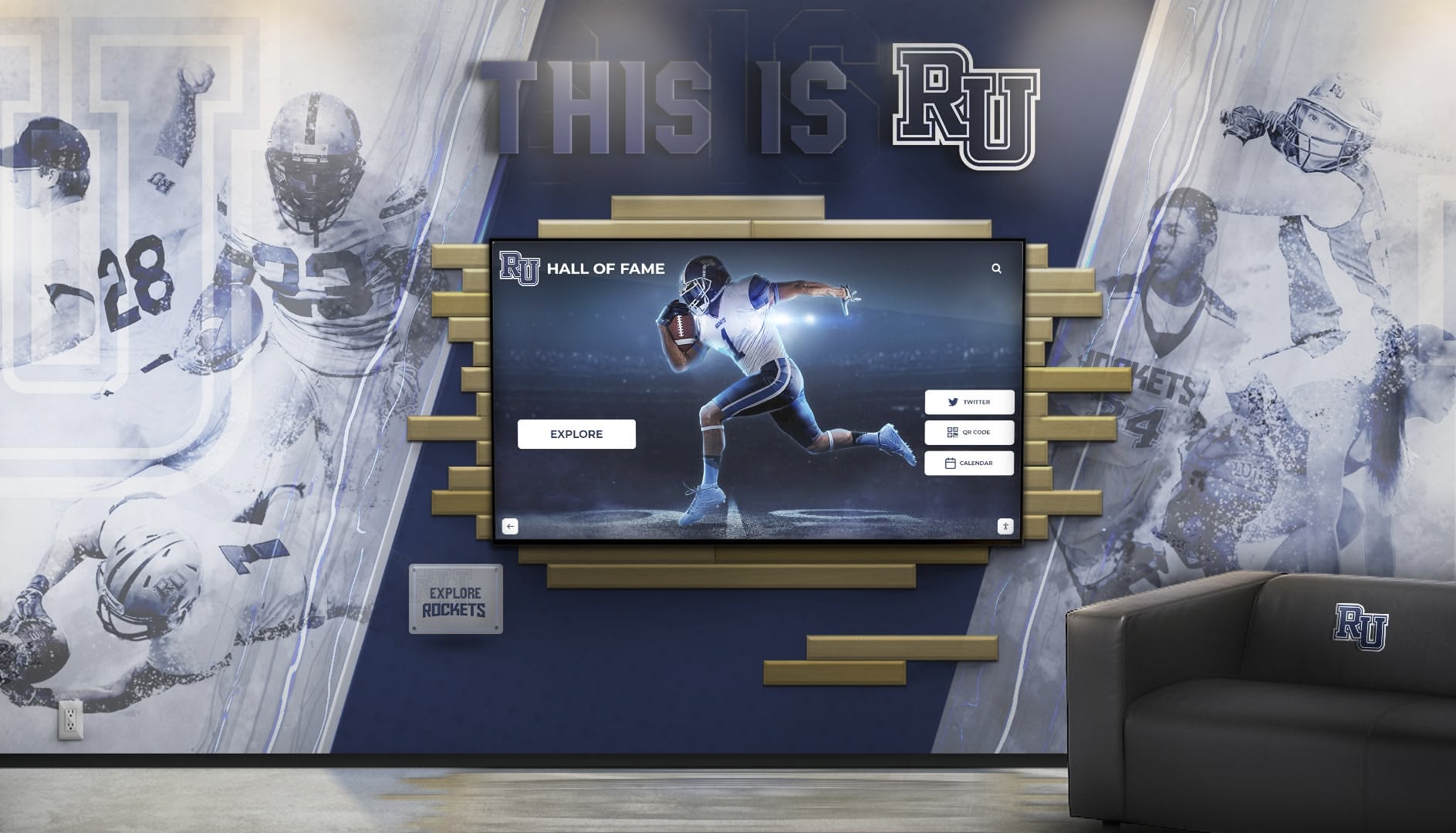
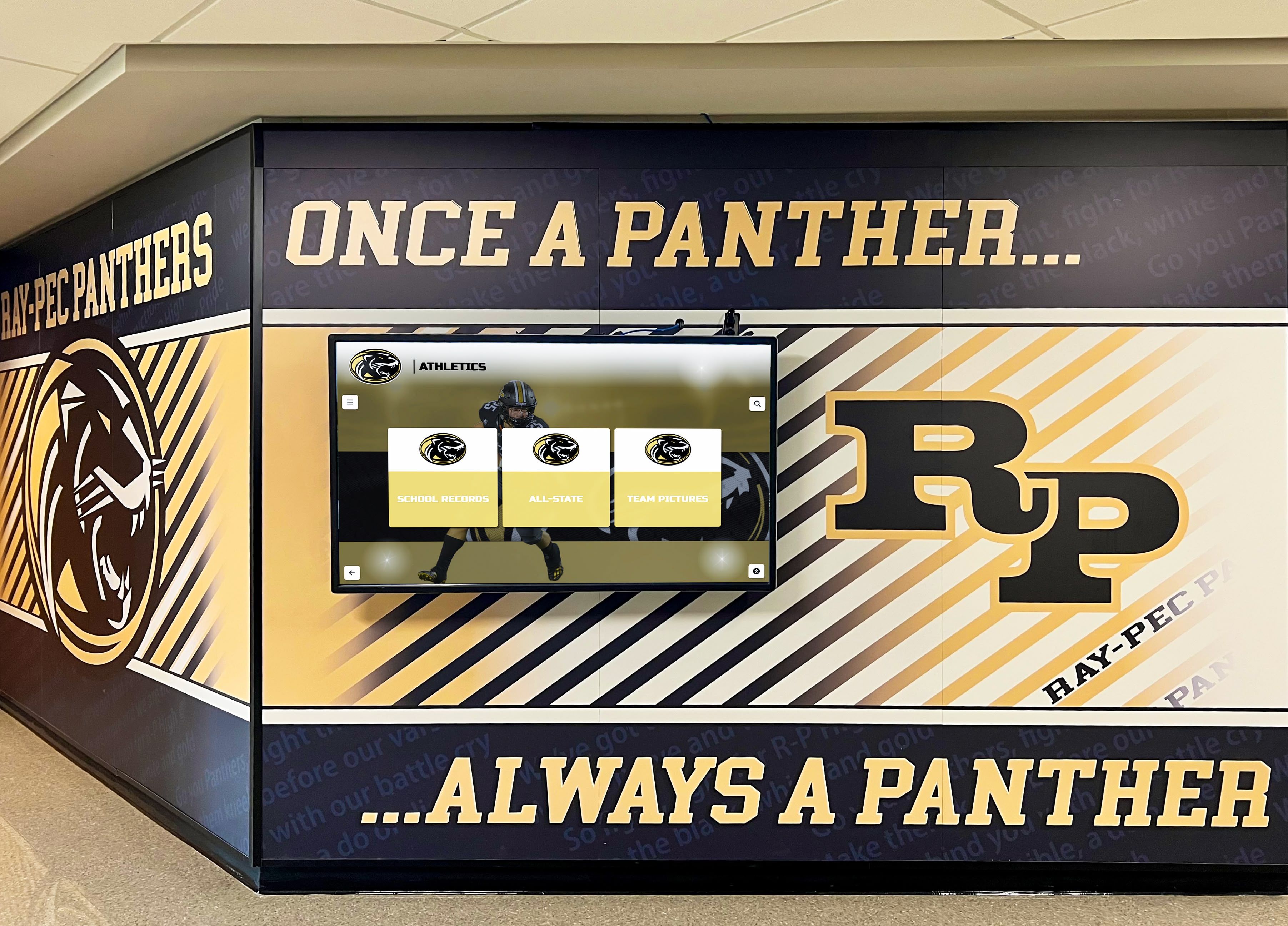
- Coordinate with solutions like Rocket Alumni Solutions for permanent digital recognition displays
Distribute Invitations
- Send formal invitations to families, school administrators, and board members
- Invite youth program athletes to attend and witness the ceremony
- Notify faculty members, especially teachers who impacted the athletes
- Extend invitations to community supporters and booster club members
- Confirm RSVP counts for seating and refreshment planning
Week of Signing Day
Finalize Logistics
- Confirm all audio/visual equipment functionality
- Test microphones, projectors, and presentation systems
- Set up ceremony space with signing tables, chairs, and decorations
- Arrange table displays with university materials, hats, or apparel
- Prepare sign-in stations for guests
Rehearse Ceremony
- Walk through ceremony sequence with athletes
- Practice microphone handoffs and speaking transitions
- Time each segment to ensure ceremony flows smoothly
- Brief photographers on key moments to capture
- Review emergency plans and backup procedures
Execute Media Strategy
- Post countdown content on social media (days until signing)
- Share athlete spotlight posts highlighting individual stories
- Distribute press releases to media contacts
- Prepare live-streaming setup if broadcasting ceremony
- Schedule post-ceremony content releases
Day of Signing Day
Setup and Preparation (2-3 hours before)
- Complete room setup with signing tables, chairs, and displays
- Test all technology one final time
- Arrange refreshments if providing post-ceremony reception
- Position cameras and photography equipment
- Welcome early arrivals and direct guests to seating
Ceremony Execution
- Begin promptly at scheduled time
- Follow prepared agenda and speaking order
- Allow each athlete appropriate recognition time
- Facilitate signing of letters or commitment documents
- Capture photos of athletes with families, coaches, and administrators
- Provide time for media interviews and individual photos
Post-Ceremony Activities
- Host reception with refreshments for families and guests
- Facilitate informal photo opportunities
- Allow athletes to interact with youth program participants
- Distribute commemorative programs or gifts
- Collect contact information for ongoing alumni communication
Creating Memorable Signing Day Ceremonies
Ceremony Format and Structure
Effective signing day ceremonies balance formal recognition with personal celebration. A typical ceremony structure includes:
Welcome and Opening Remarks (5 minutes)
- Athletic director or principal welcomes guests
- Acknowledges significance of the occasion
- Introduces ceremony agenda and format
Individual Athlete Recognition (5-7 minutes per athlete)
- Coach introduces athlete with biographical highlights
- Video tribute or photo slideshow (optional)
- Athlete speaks about their journey and college choice
- Recognition of family support
- Formal signing of letter or commitment document
- Photo opportunities with family, coaches, and school administrators
Closing Remarks and Group Photo (5 minutes)
- Congratulatory messages from school administrators
- Group photo with all signing athletes
- Information about post-ceremony reception
- Thank you to attendees, families, and planning committee
This structure accommodates individual recognition while maintaining reasonable total ceremony length, particularly when celebrating multiple athletes simultaneously. Programs with numerous signings might consider hosting sport-specific ceremonies or multiple sessions to ensure each athlete receives appropriate attention.
Setting Up Effective Signing Tables
The signing table serves as the focal point for ceremony photos and media coverage. Effective table setups include:
Visual Elements:
- School-branded tablecloths in program colors
- College pennants, flags, or branded materials representing the university
- Framed photos of the athlete in action
- Signing day backdrop or step-and-repeat display behind the table
- Flowers or decorative elements appropriate for the occasion
Functional Items:
- National Letter of Intent or commitment documents ready for signing
- Multiple high-quality pens for signing
- College apparel (hats, jerseys, or other branded items)
- Microphone for athlete remarks
- Water for speakers
Family Seating:
- Chairs for family members positioned near the signing table
- Name cards or reserved seating for immediate family
- Clear sightlines for photography
The signing table should facilitate both the formal signing moment and create memorable photo opportunities that families treasure for years. Well-designed table setups demonstrate professionalism while celebrating the athlete’s achievement visually.
Incorporating Video and Multimedia
Video tributes and multimedia presentations add emotional resonance to signing day ceremonies. Effective video elements include:
Individual Athlete Tribute Videos (60-90 seconds each)
- Career highlights from youth through high school athletics
- Interviews with coaches discussing the athlete’s development
- Teammate testimonials about the athlete’s leadership and character
- Messages from family members expressing pride
- Footage showing the athlete’s evolution and key achievements
- Closing with college logo and congratulatory message
Team or Program Highlight Reels
- Season highlights featuring signing athletes
- Behind-the-scenes footage showing dedication and work ethic
- Moments of triumph, perseverance, and team unity
- Contextual shots showing training, preparation, and competition
Photo Slideshows
- Progression from youth sports through high school career
- Team photos from each season
- Candid moments capturing personality and relationships
- Academic achievements and community service involvement
- Photos with coaches, teammates, and family throughout the journey
Student media programs, booster club volunteers, or professional videographers can produce these videos. The key is authentic storytelling that captures the athlete’s unique journey rather than generic highlight compilation. Even simple photo slideshows set to music create powerful emotional moments during ceremonies.
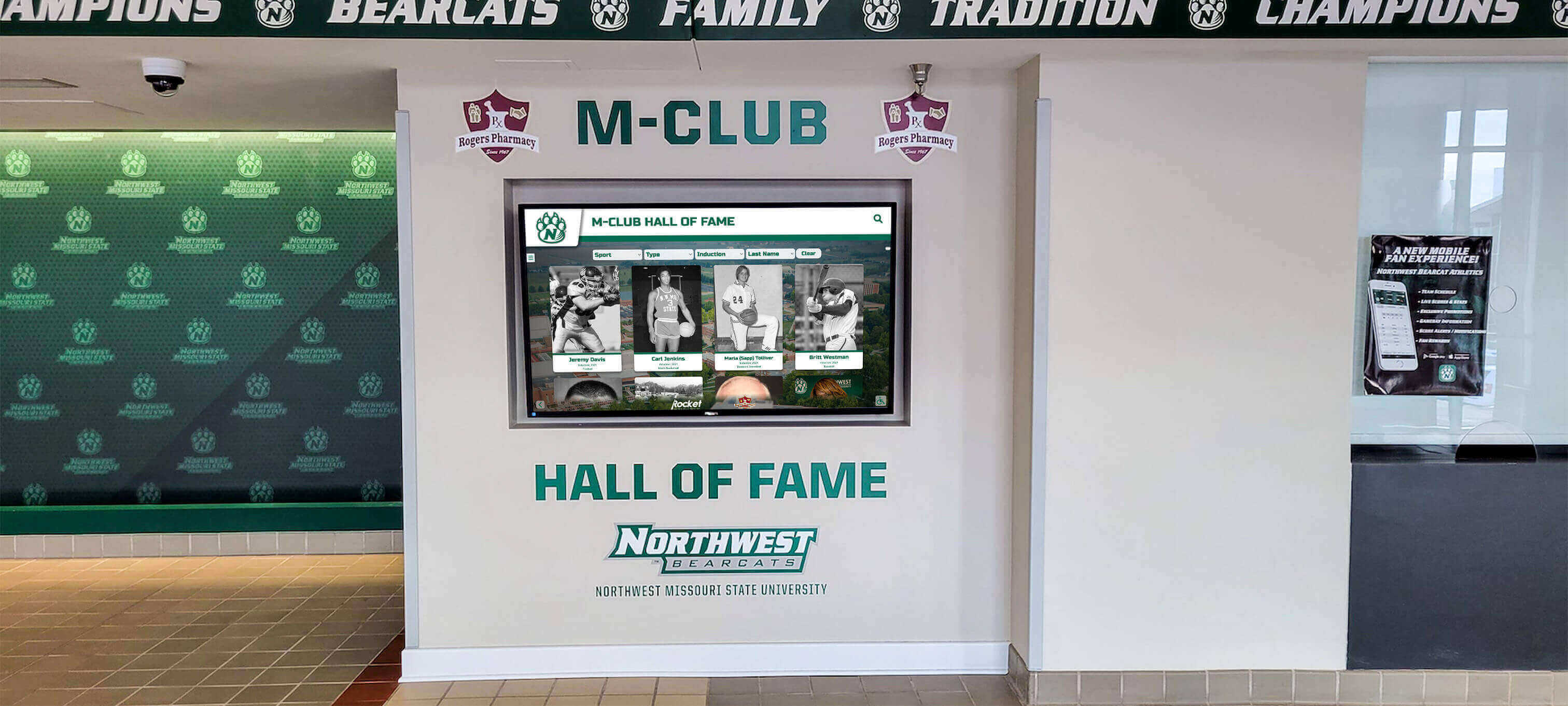
For programs looking to showcase signing day recognition year-round, digital athletic recognition displays enable permanent celebration of college-bound athletes that extends far beyond ceremony day.
Designing Effective Signing Day Backdrops
Professional signing day backdrops serve multiple purposes: they brand the event, provide photo-ready backgrounds, and create visual consistency across ceremony documentation. Effective backdrop designs include:
Essential Elements:
- School name, logo, and colors prominently featured
- “Signing Day” designation with year
- Clean, uncluttered design that doesn’t compete with photos
- Neutral or complementary colors that work with various college apparel
- Professional printing on fabric, vinyl, or rigid substrates
Optional Enhancements:
- Space for removable university logos or athlete names
- QR codes linking to digital athlete profiles or recognition systems
- Social media handles encouraging guests to share photos
- Sponsor recognition for booster clubs or supporters funding the backdrop
- Championship or achievement graphics representing program success
Practical Considerations:
- Size appropriate for both individual athlete photos and group shots (typically 8x8 feet or 10x8 feet)
- Portable and reusable for multiple signing day events
- Professional appearance suitable for media photography
- Lighting-friendly materials that photograph well
Invest in reusable backdrops rather than single-use designs. Quality backdrops serve programs for years while projecting professionalism that reflects well on athletes and the program during this high-visibility moment.
Promoting Signing Day Events
Social Media Strategy
Social media transforms signing day from school-only events into community celebrations that extend recognition far beyond ceremony attendees. Comprehensive social media strategies include:
Pre-Event Promotion (1-2 weeks before)
- Announcement posts revealing signing day date, time, and location
- Countdown graphics building anticipation
- Individual athlete spotlight posts (one per day leading to ceremony)
- “Road to Signing Day” content showing athlete preparation
- Invitation graphics encouraging community support
Day-of Coverage
- Behind-the-scenes preparation photos
- Live ceremony updates with athlete announcements
- Individual signing moment photos as they occur
- Family reaction shots capturing emotional moments
- Live video streaming of ceremony (if technology permits)
Post-Event Content
- Highlight photos from each athlete’s signing moment
- Group photos of all signing athletes together
- Video clips of athlete speeches or emotional moments
- Thank you posts recognizing families, coaches, and supporters
- Extended photo galleries on program websites
Platform-Specific Approaches:
- Instagram: High-quality photos with emotional captions, Stories for real-time updates, Reels for video highlights
- Twitter/X: Live updates during ceremony, quick announcements, media sharing
- Facebook: Event creation, comprehensive photo albums, longer-form content, parent sharing
- TikTok: Behind-the-scenes content, emotional moments, athlete personality showcases
- YouTube: Full ceremony videos, individual athlete tributes, highlight compilations
Use consistent hashtags (#SigningDay2026, #SchoolNamePride, athlete-specific tags) to aggregate content and encourage sharing. Tag college programs in posts to foster connection and visibility with future teammates and coaching staffs. Effective social media coverage extends ceremony impact exponentially while creating digital documentation families cherish long-term.
Media Relations and Coverage
Local media coverage elevates signing day recognition beyond school communities while highlighting program success and athlete achievement. Effective media relations include:
Press Release Strategy
- Distribute releases 1-2 weeks before ceremonies
- Include athlete names, sports, colleges, notable achievements
- Provide coach quotes about each athlete’s impact
- Share compelling personal stories or overcoming adversity narratives
- Include high-resolution photos for publication
Media Invitations
- Personal invitations to sports reporters covering your school
- Provide ceremony details: date, time, location, participating athletes
- Offer interview opportunities with athletes and coaches
- Facilitate photo opportunities for print photographers
- Coordinate broadcast interviews for radio or TV stations
Post-Ceremony Follow-Up
- Send immediate follow-up emails with ceremony highlights
- Provide professional photos and video clips for publication
- Share athlete quotes and reactions
- Offer additional interview opportunities if needed
- Thank media for coverage and share published content
Local newspapers, radio stations, and television news frequently cover signing day ceremonies, particularly for high-profile athletes or compelling personal stories. Even smaller programs can secure coverage by proactively communicating with media and making coverage easy through prepared materials and photo opportunities.
Engaging Youth Programs and Future Athletes
Current signing day celebrations influence future athlete development by demonstrating what commitment to excellence produces. Strategies for engaging youth athletes include:
Youth Athlete Attendance
- Invite youth program teams to attend ceremonies as guests
- Reserve seating sections for youth athletes
- Allow younger athletes to meet and interact with signing seniors
- Facilitate autograph sessions or photo opportunities
- Provide explanations of the signing process and college recruitment
Mentorship Connections
- Pair youth athletes with signing seniors in their sport
- Facilitate conversations about the journey to college athletics
- Have seniors share advice about skill development and academic preparation
- Create ongoing mentorship relationships beyond ceremony day
- Use signing athletes as positive role models for younger program participants
Educational Programming
- Brief presentations explaining the college recruiting process
- Information sessions about academic requirements for college athletics
- Workshops on athletic development and skill progression
- Resources for families about supporting college-bound athletes
- Timeline information about recruitment, camps, and skill showcases
By inviting youth program participation, you create aspirational moments that motivate future athletes while building program culture that spans age levels. Youth athletes who witness signing day ceremonies understand concretely what dedication produces, often leading to increased commitment and long-term program development.
Creating Permanent Signing Day Recognition
Beyond Single-Day Celebrations
While signing day ceremonies create memorable moments, forward-thinking programs extend recognition through permanent systems that honor college-bound athletes long after ceremonies conclude. Traditional approaches like hallway plaques or bulletin boards face limitations including space constraints, update difficulties, and inability to showcase comprehensive athlete information.
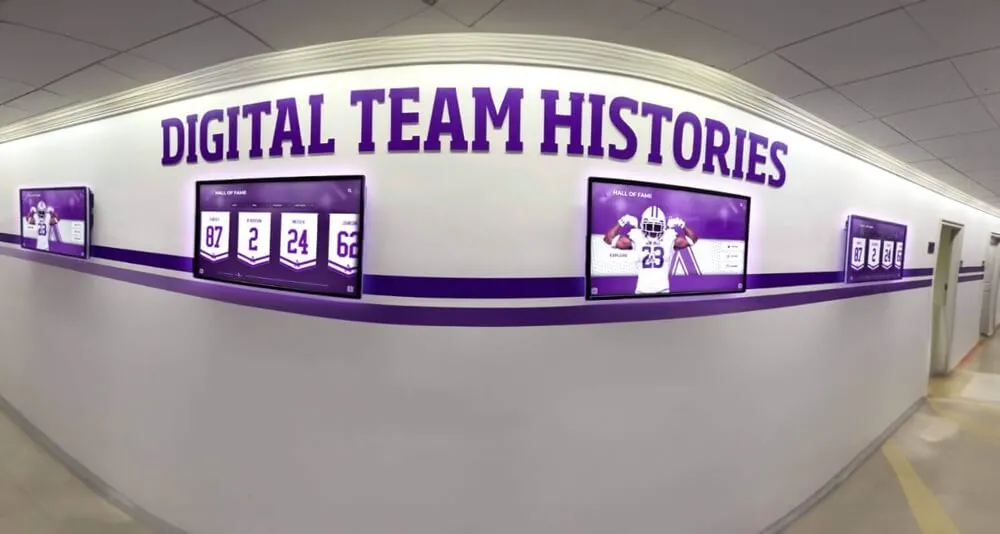
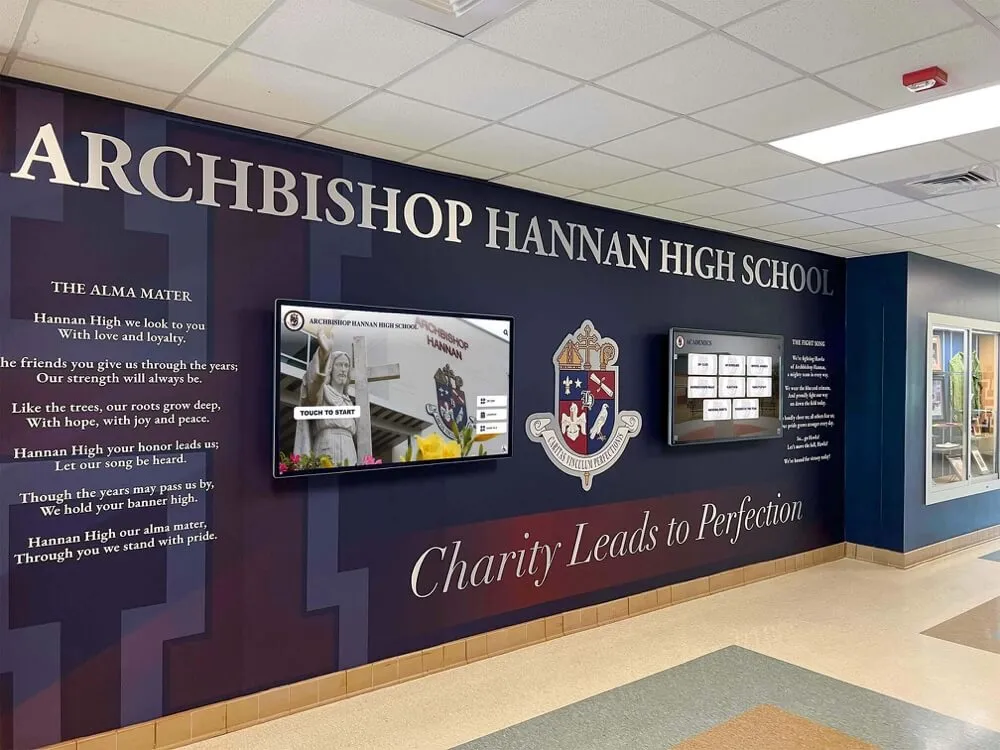
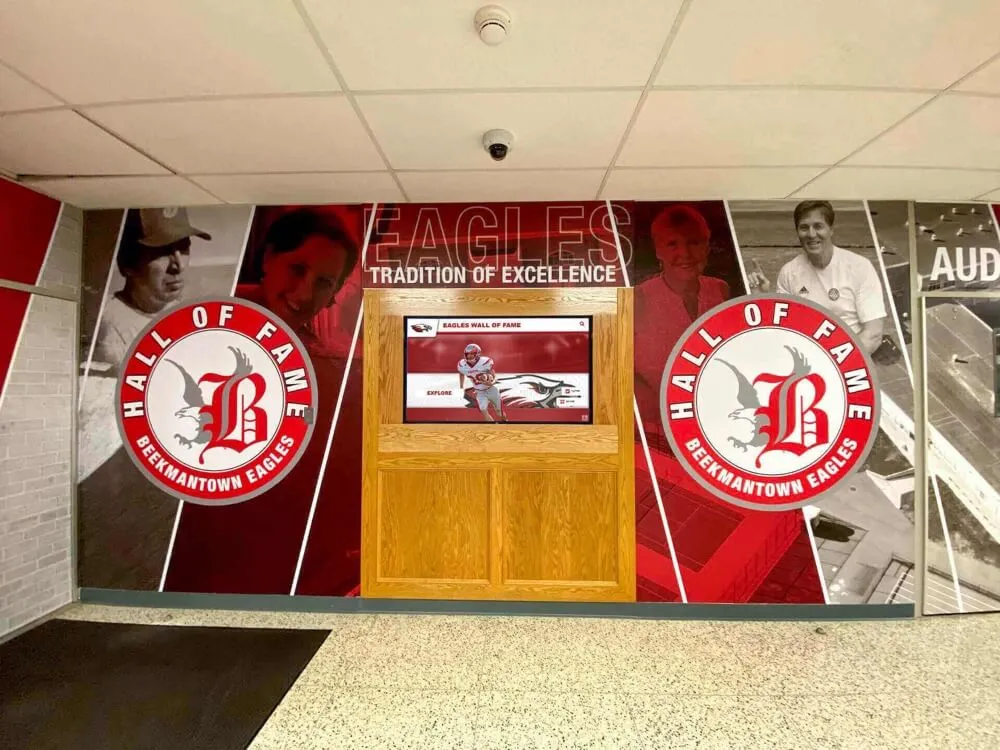
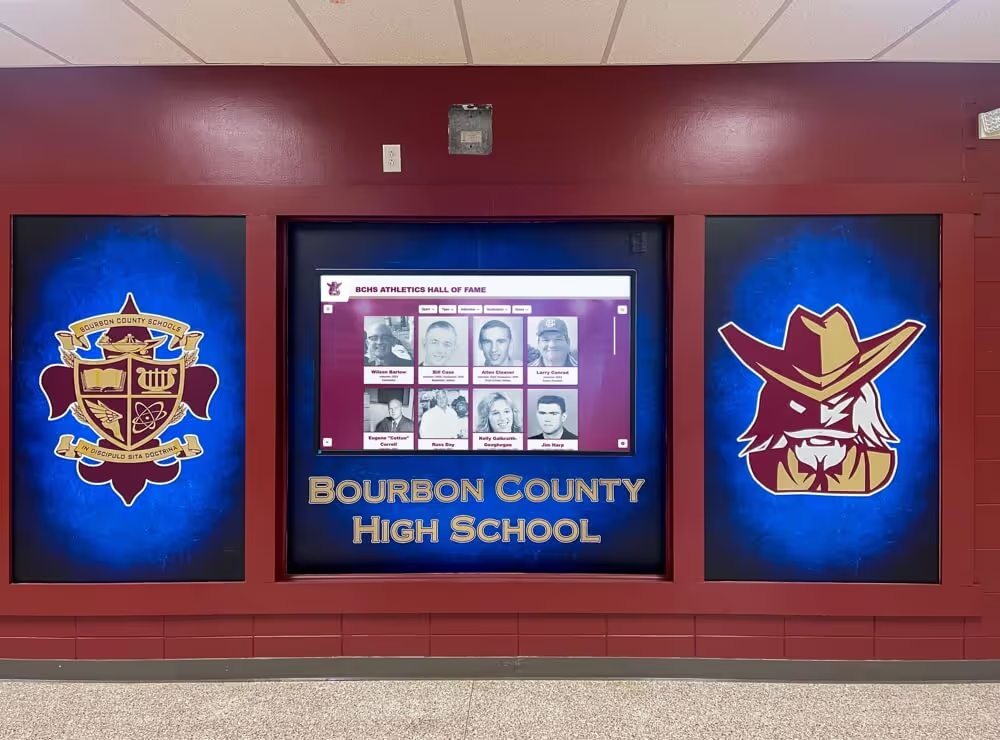
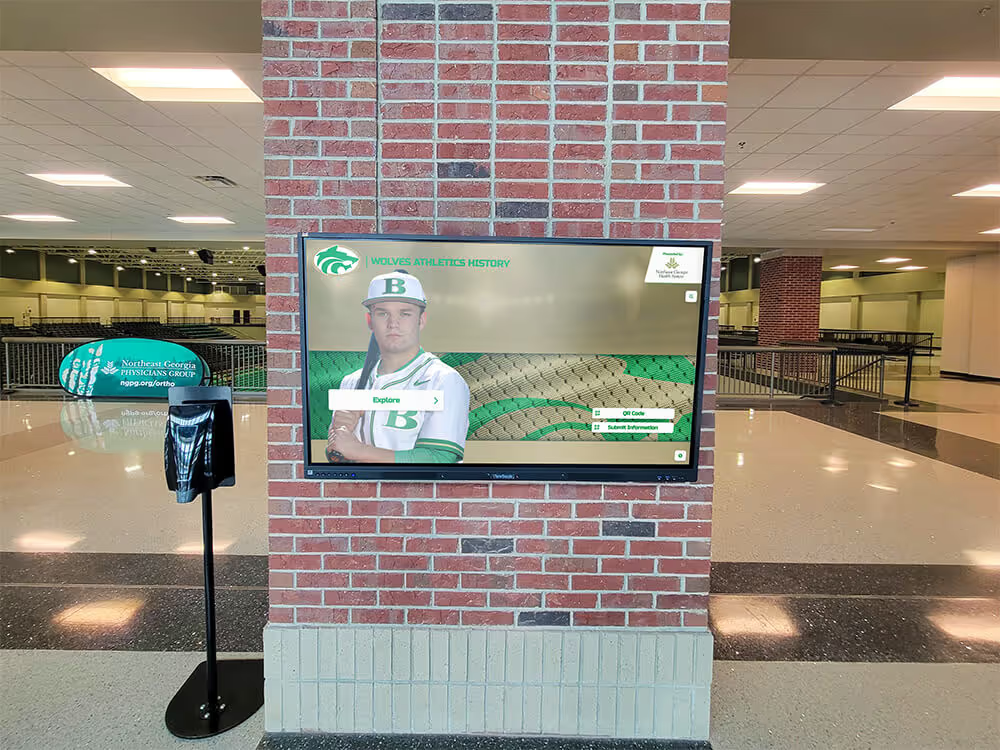
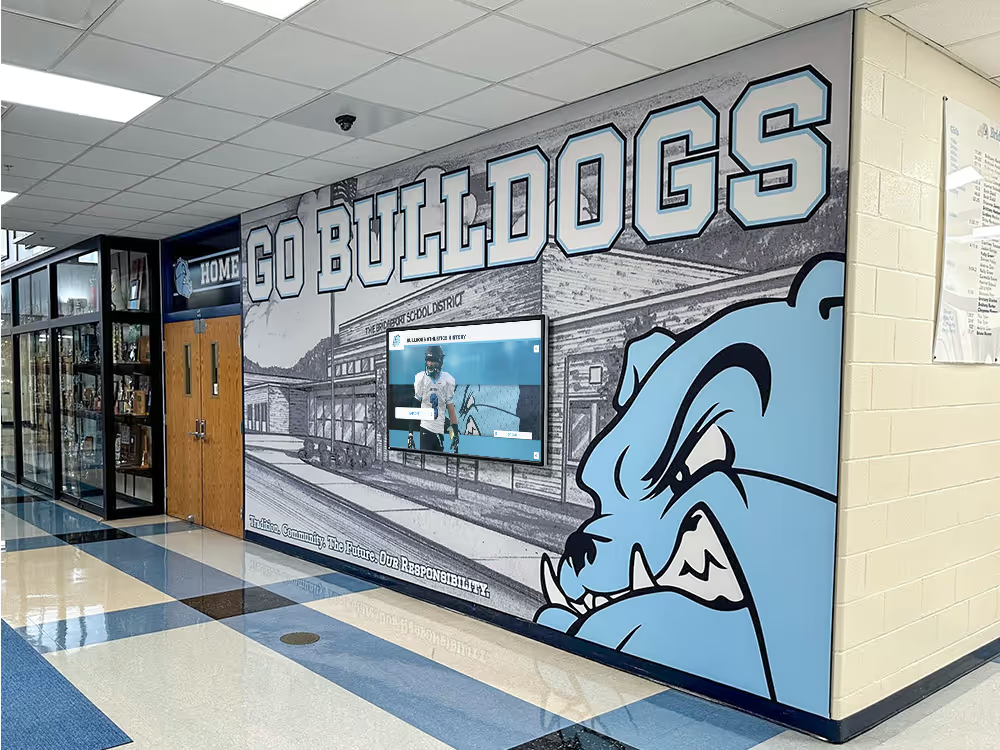
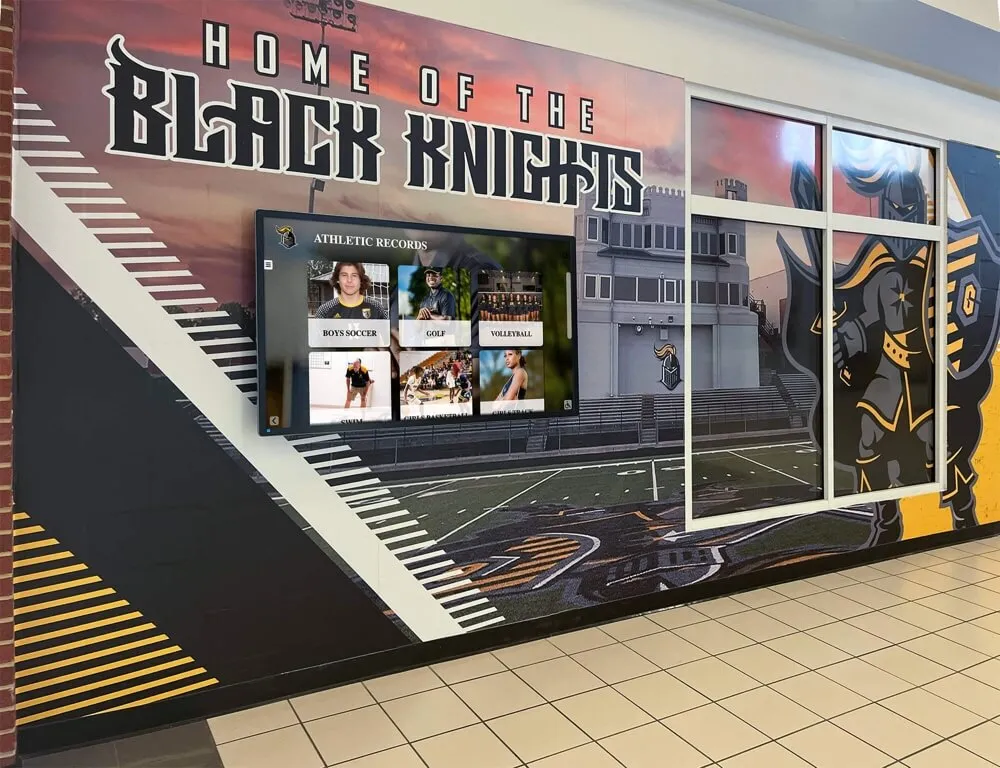
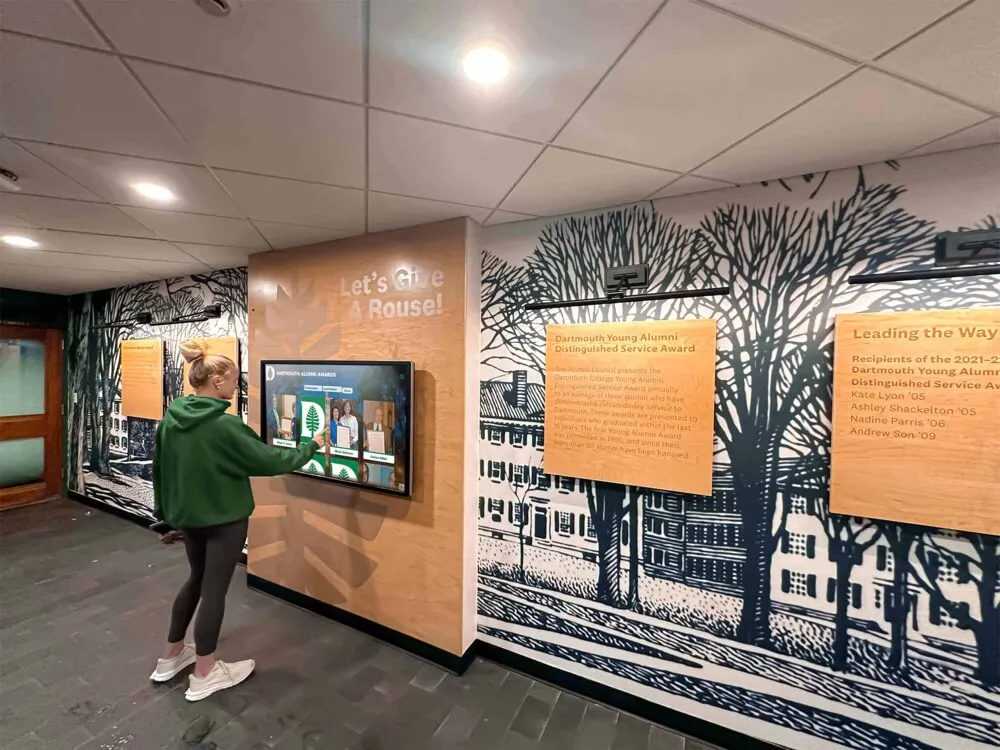
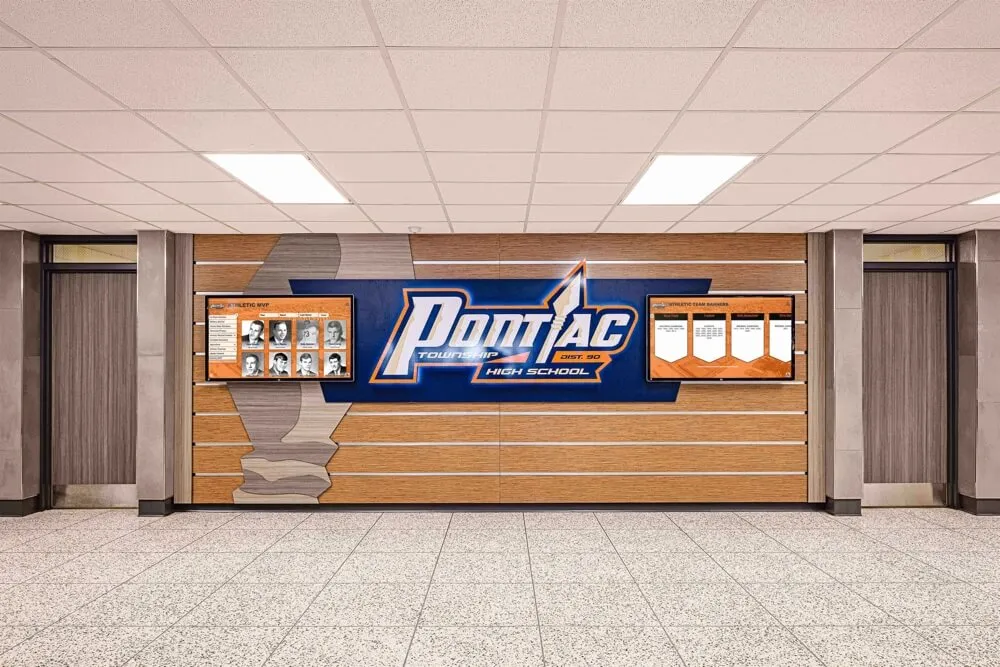
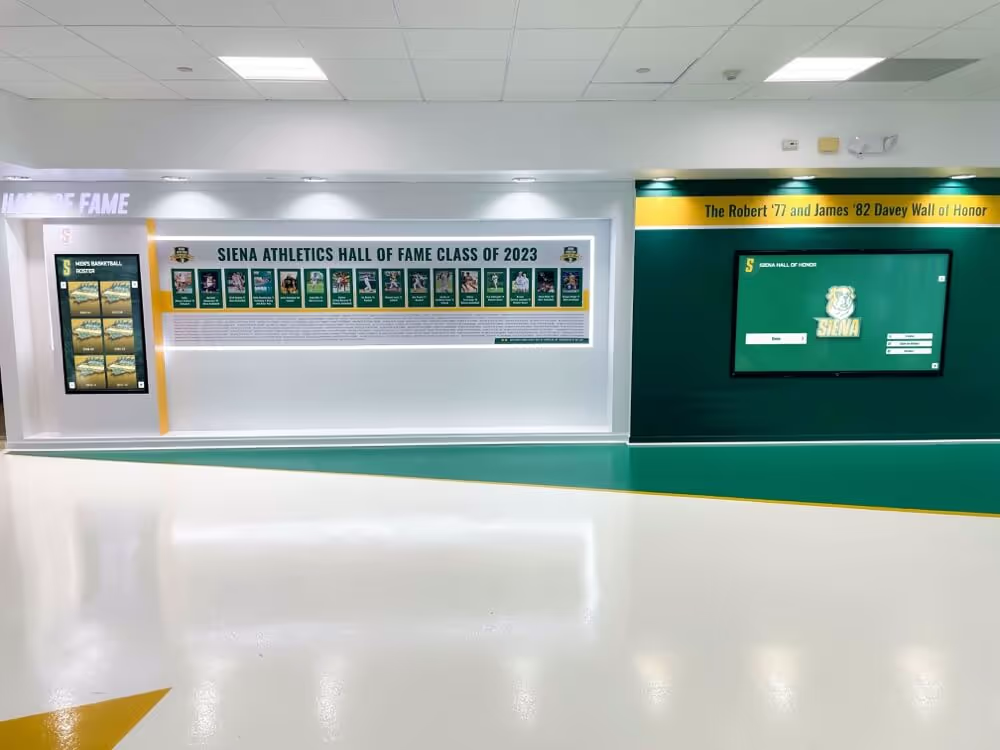
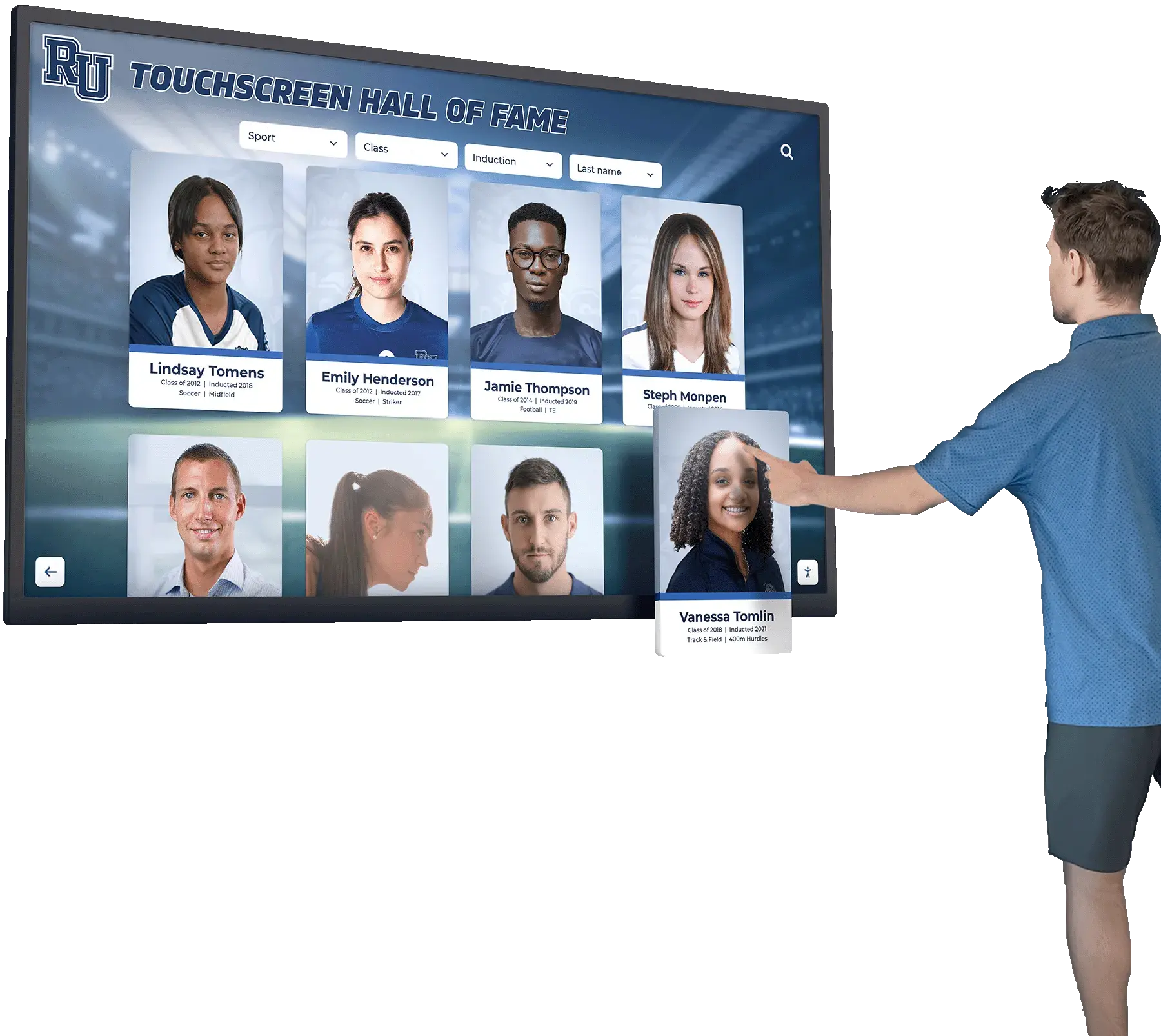
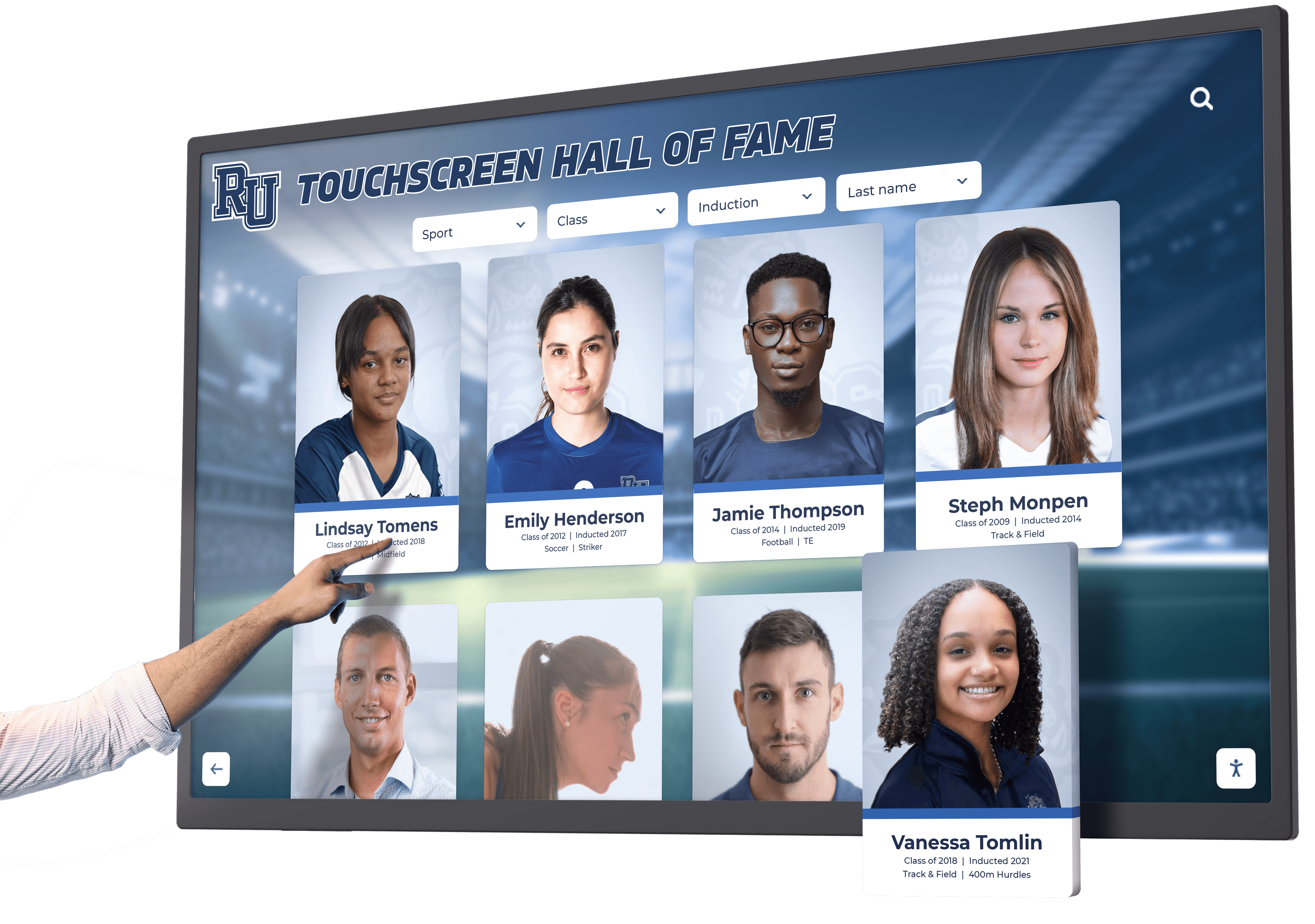
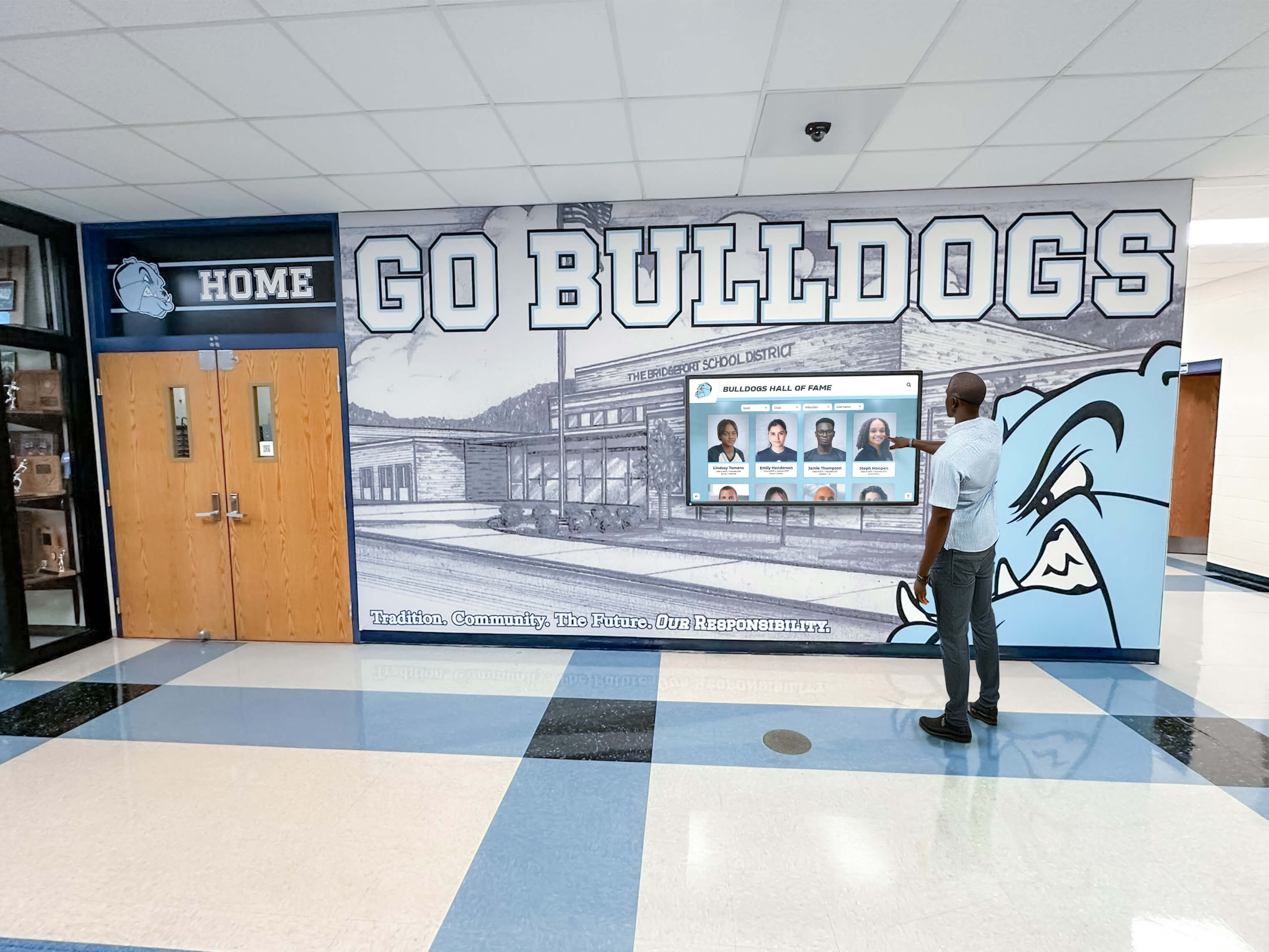
Modern digital recognition solutions transform how programs celebrate signing day athletes. Digital record boards and recognition displays enable athletic programs to:
- Maintain permanent profiles for every college-bound athlete regardless of sport or division
- Update content easily as athletes achieve success at collegiate levels
- Showcase comprehensive information including statistics, achievements, college details, and career progression
- Provide interactive exploration allowing alumni to revisit their signing day recognition
- Eliminate space limitations associated with physical plaques or posters
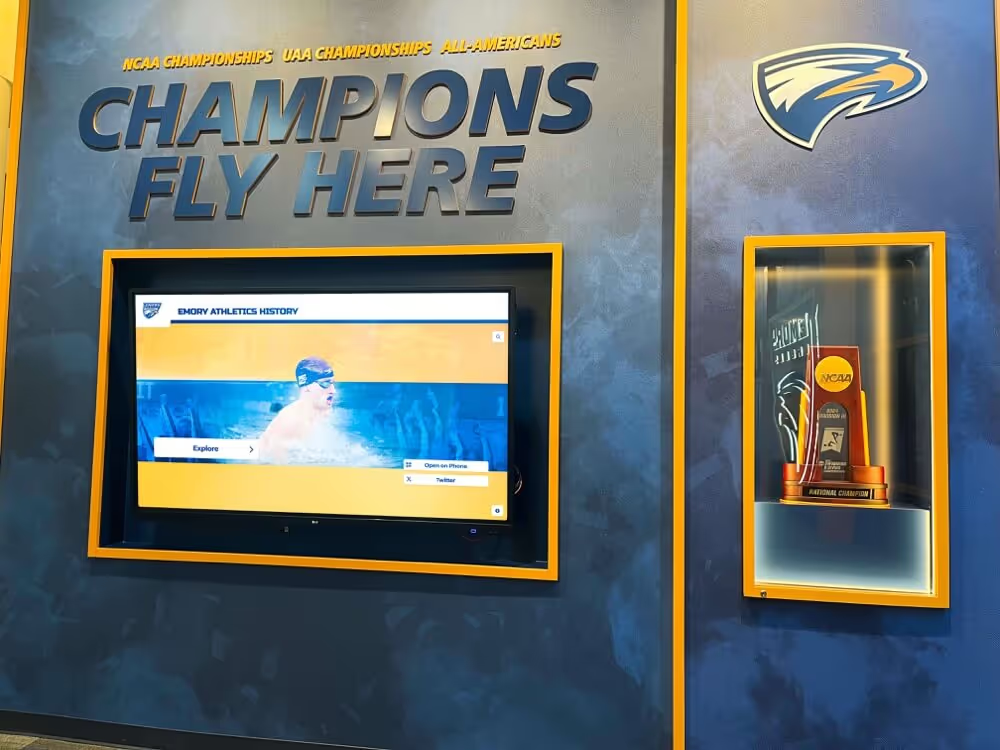
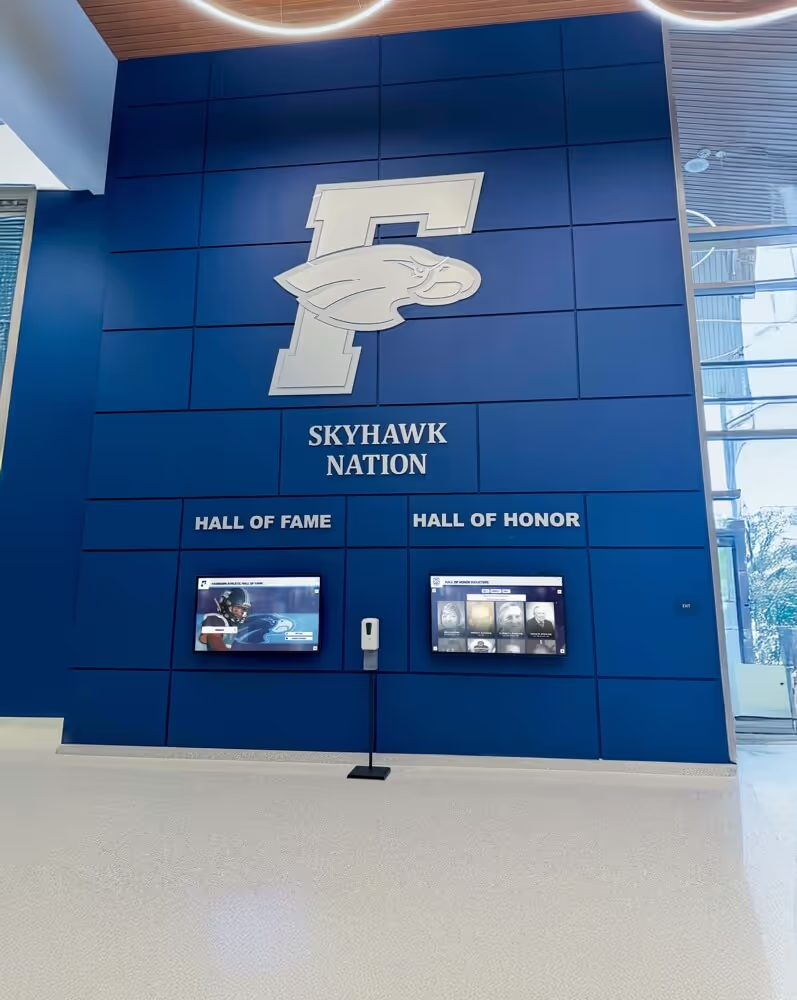
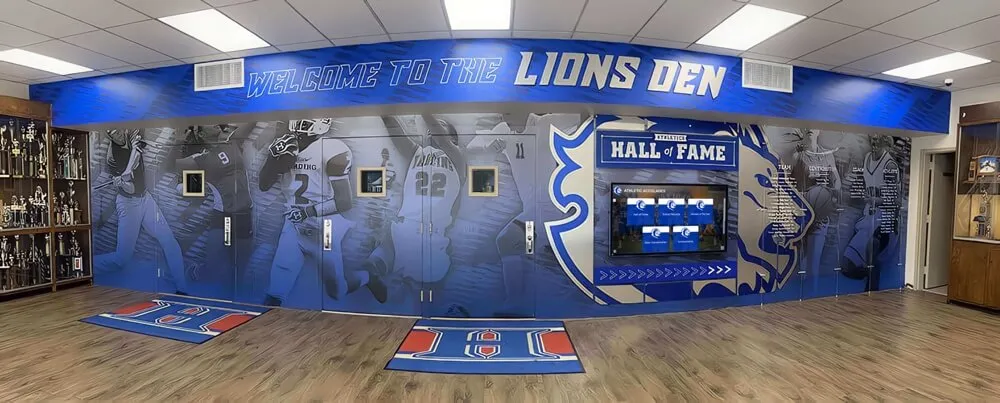
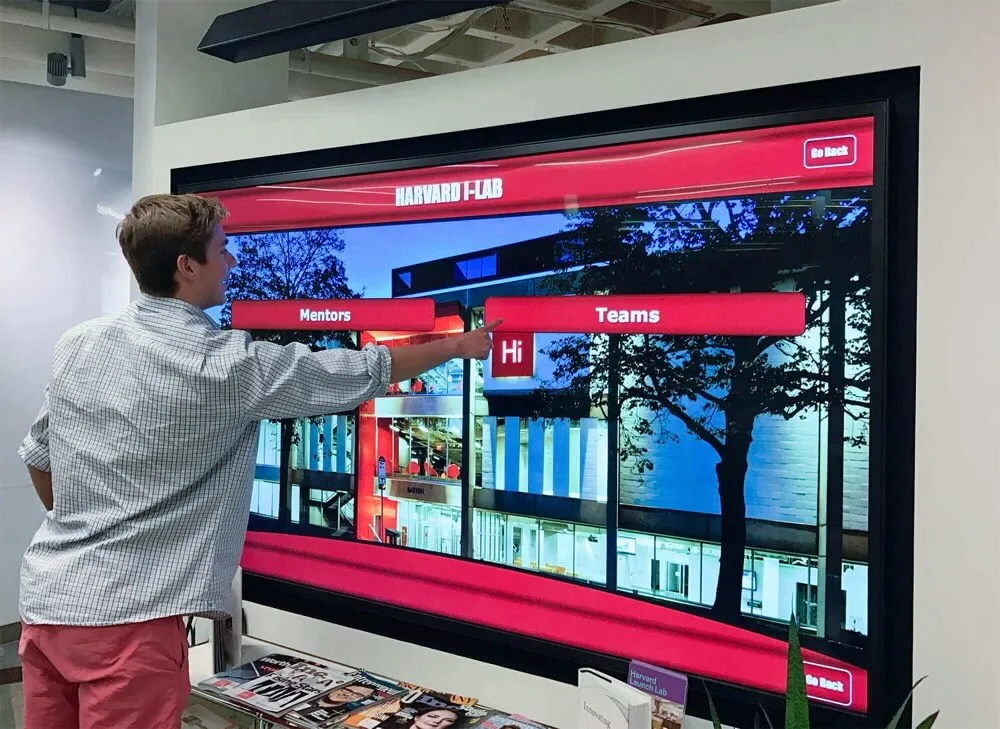
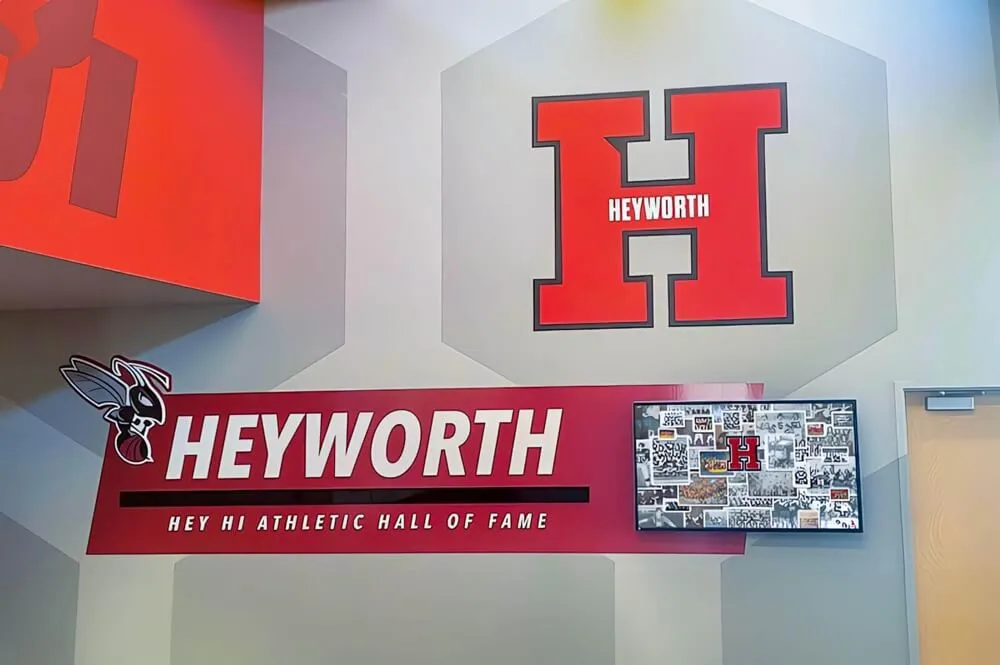
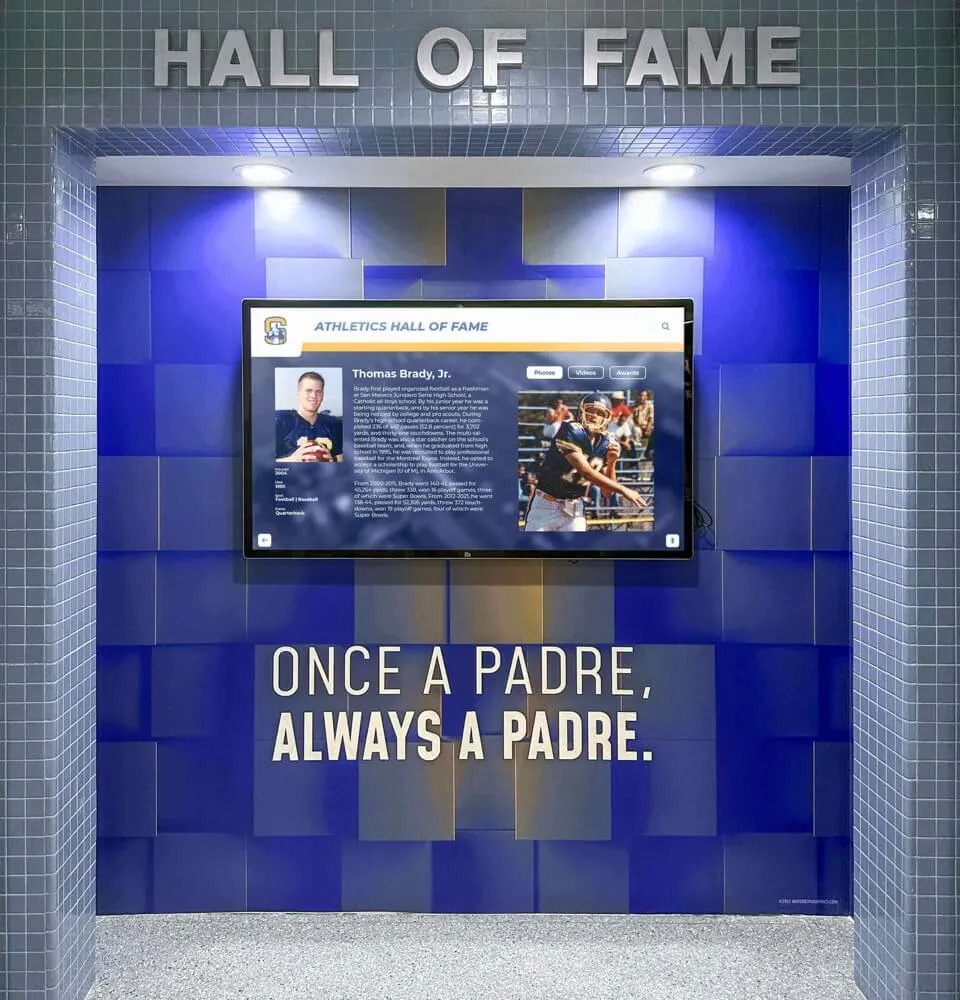
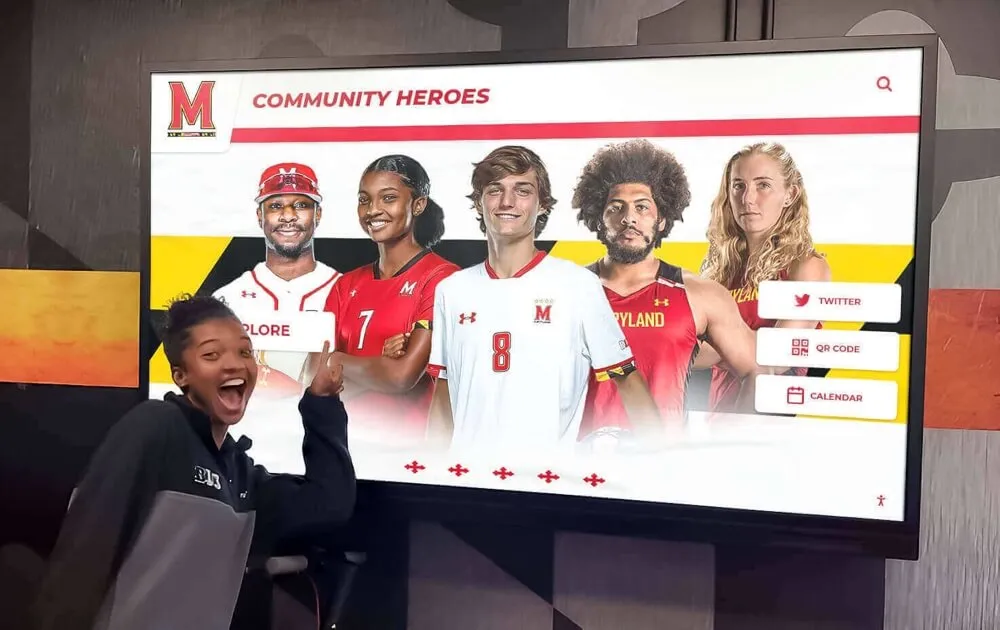
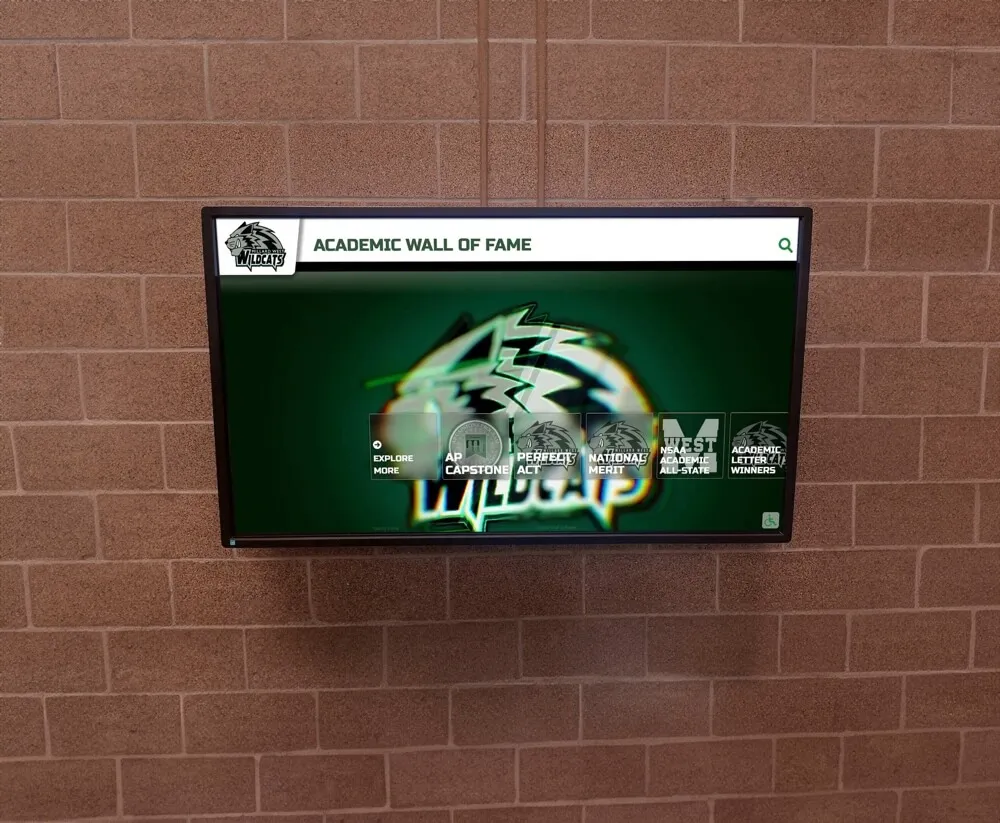
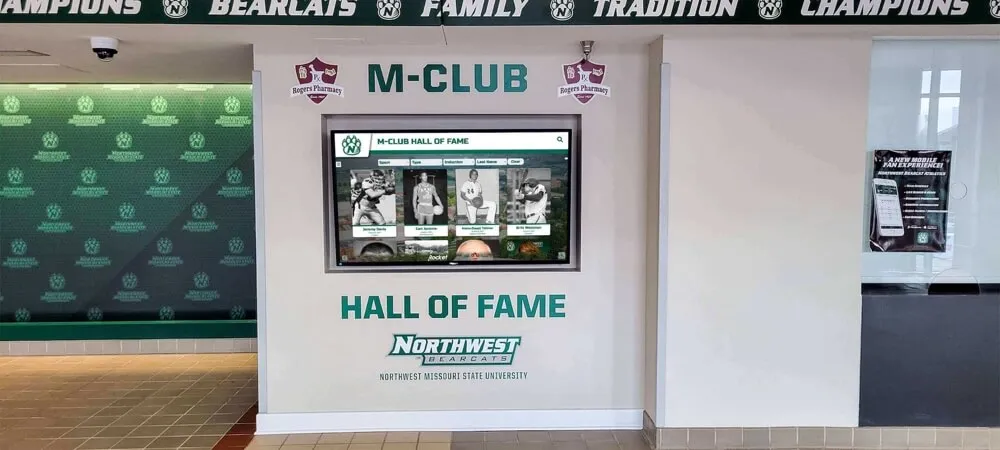
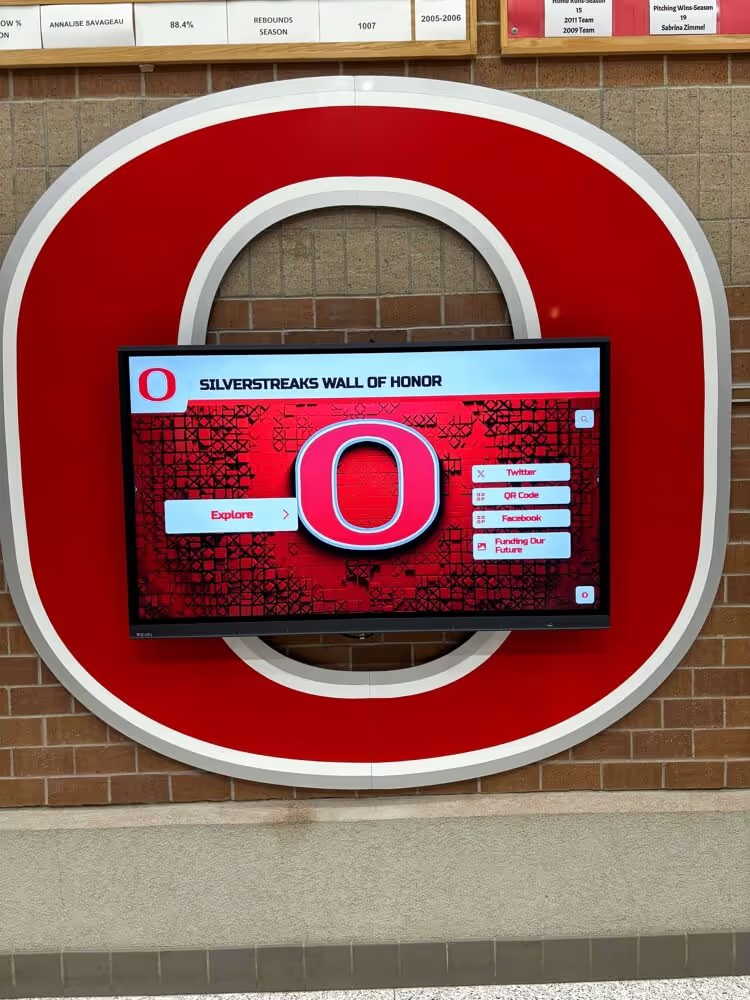
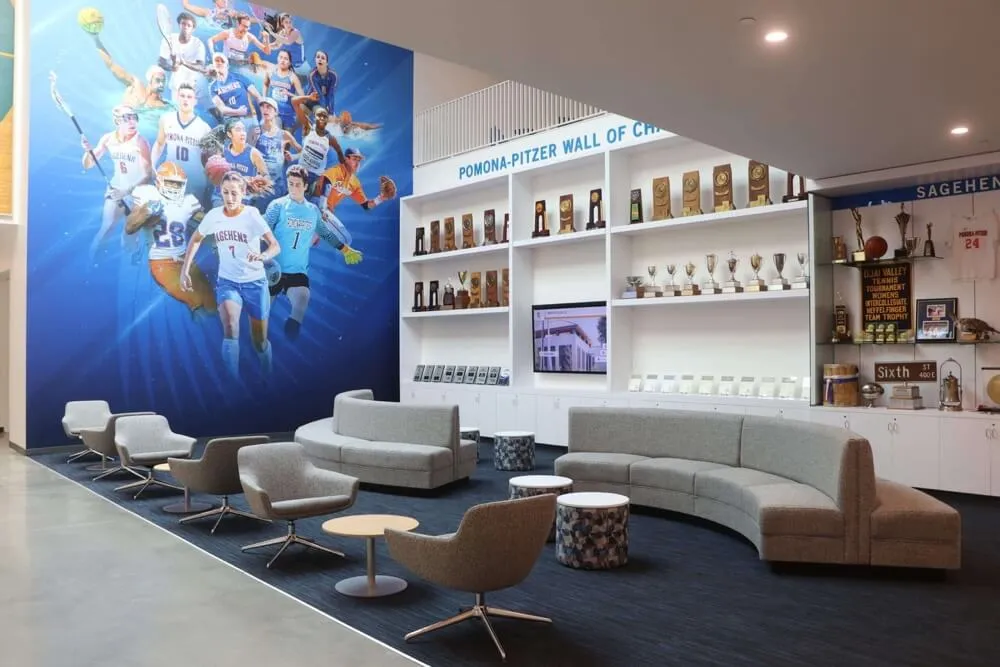
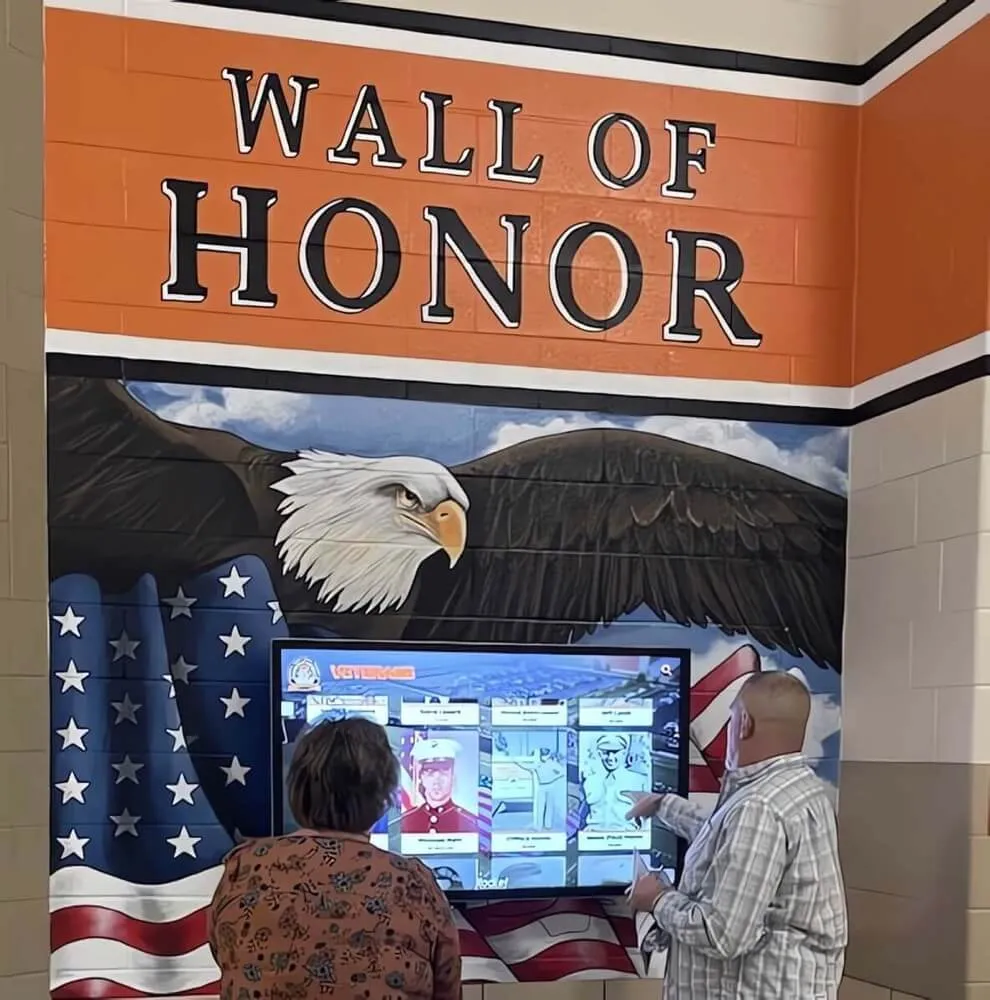
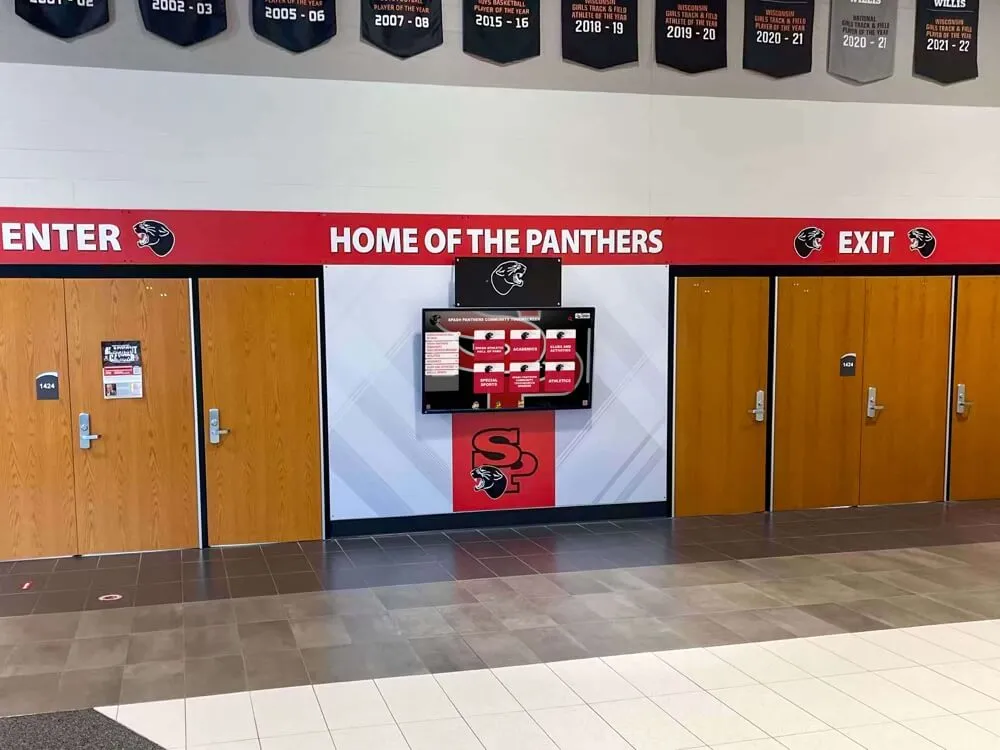
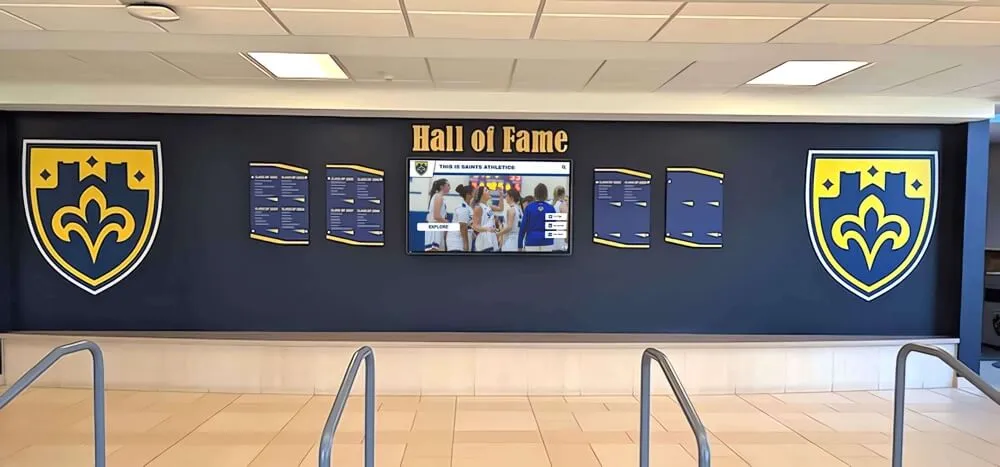
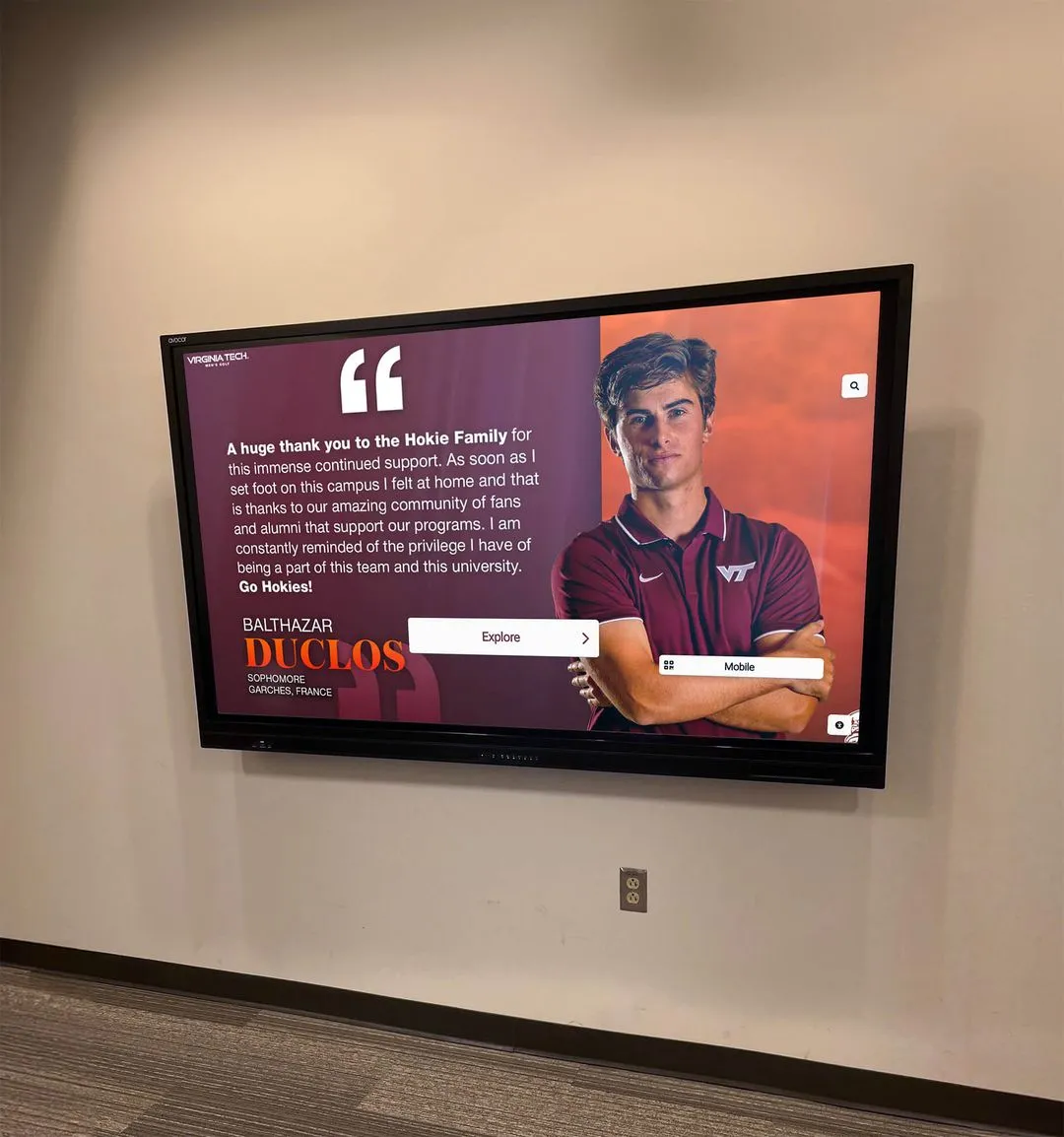
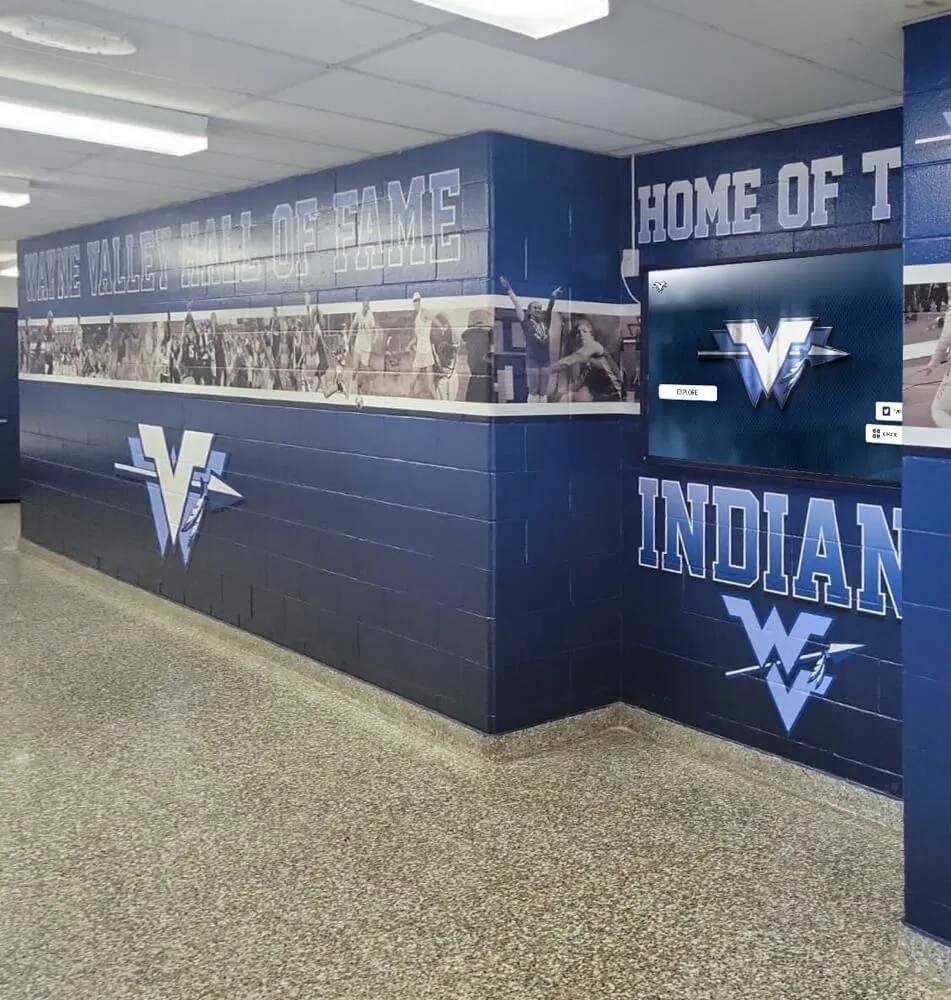
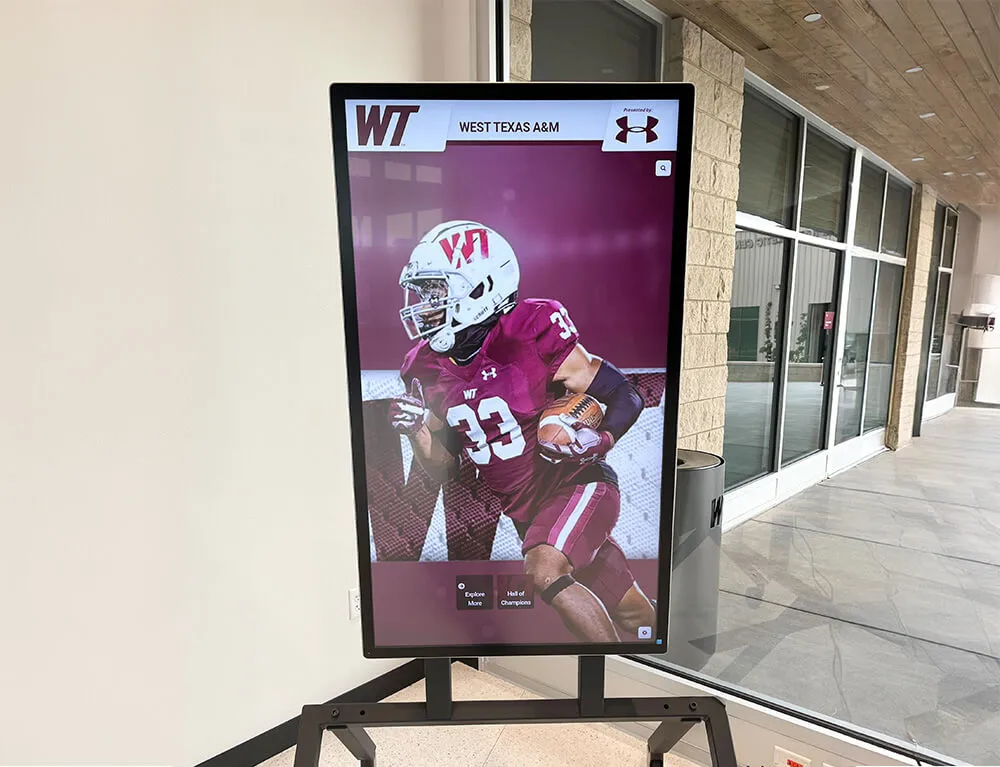
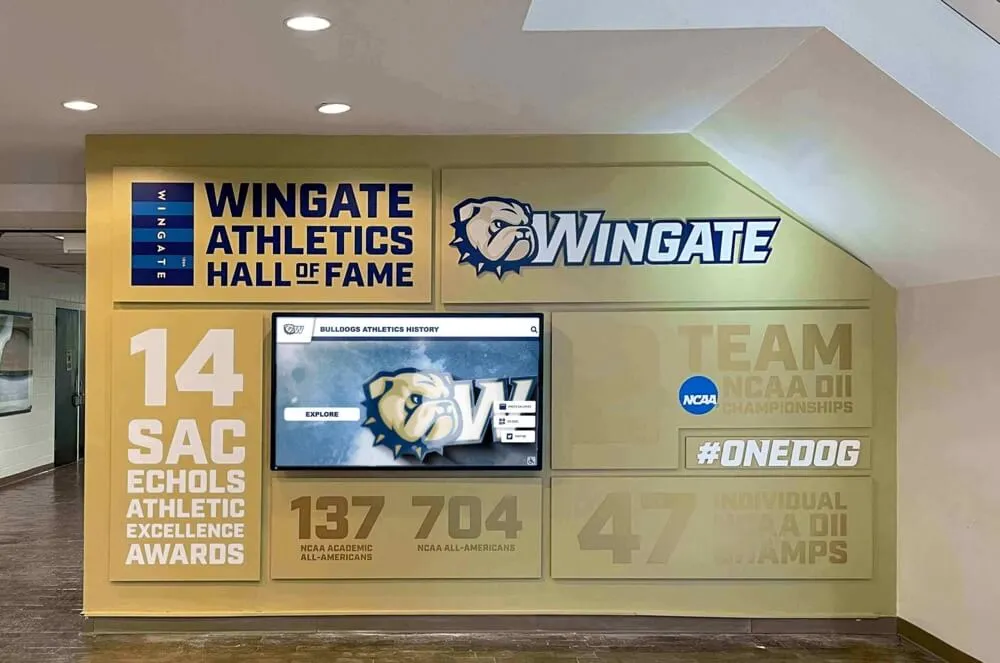
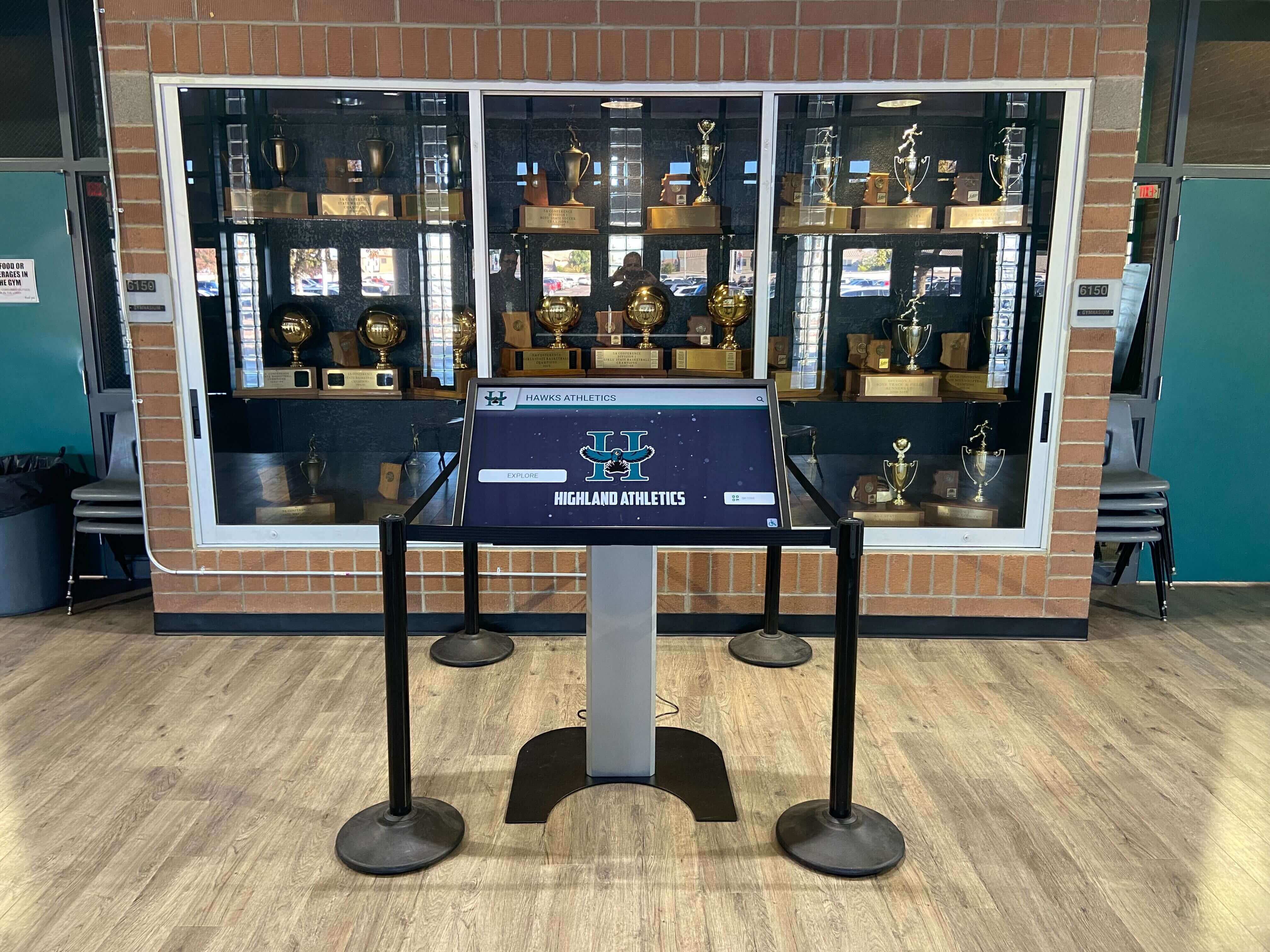
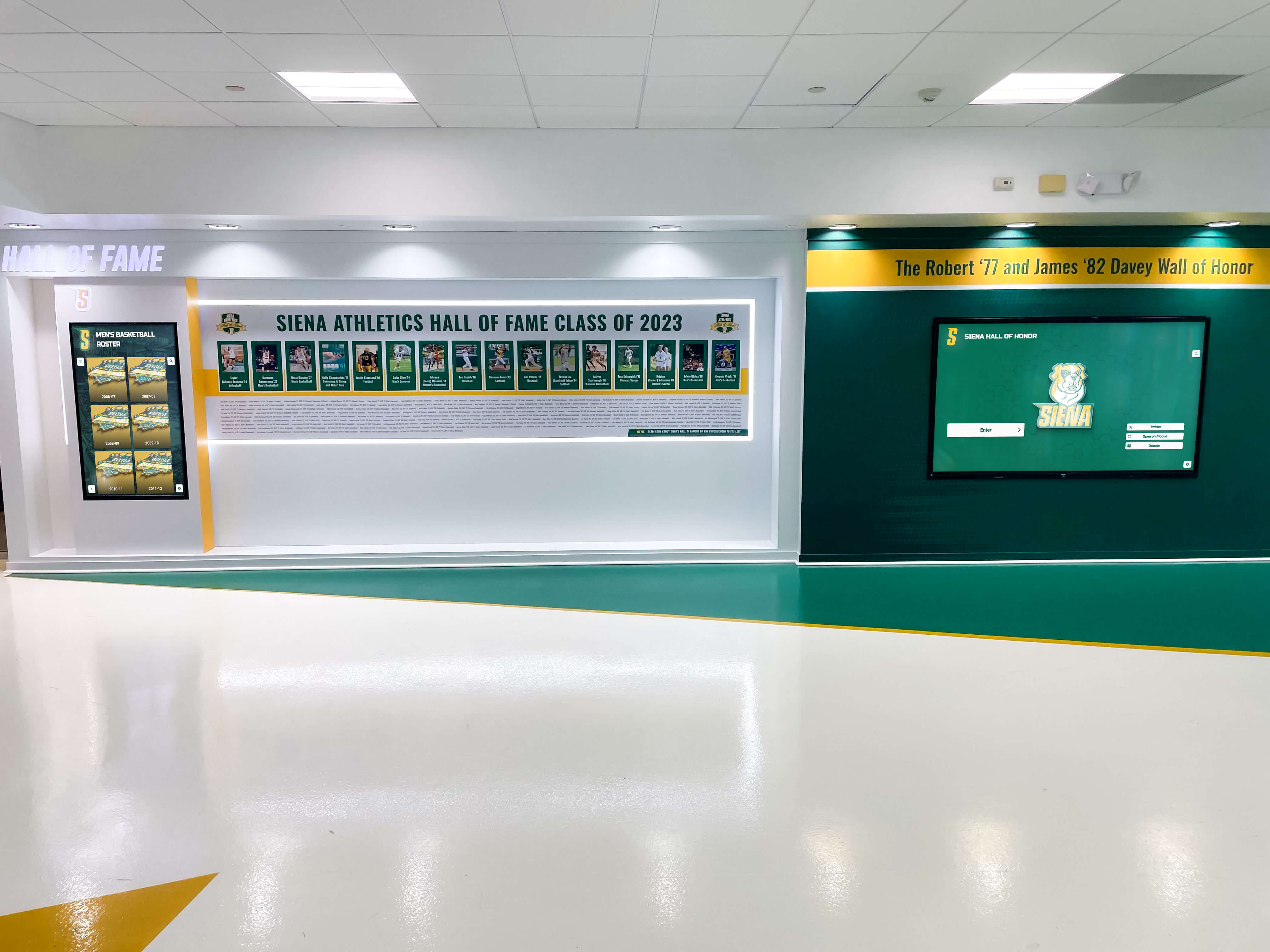
Solutions like Rocket Alumni Solutions create year-round signing day recognition through interactive touchscreen displays installed in gymnasiums, athletic lobbies, or main hallways. These systems ensure celebration extends far beyond ceremony moments while building visible program traditions that demonstrate consistent college placement success.
Developing Signing Day Display Areas
Dedicated physical spaces for signing day recognition strengthen program identity while creating destinations that celebrate college-bound athlete achievements. Effective signing day display areas include:
Location Selection:
- High-traffic areas where students, families, and visitors congregate
- Athletic facility lobbies, gymnasium entrances, or main hallways
- Proximity to existing recognition displays or trophy cases
- Areas with adequate lighting and viewing space
- Locations accessible during events, games, and school hours
Display Components:
- College commitment board listing all athletes by year
- Photos of athletes at signing ceremonies
- University logos or colors representing commitment destinations
- Brief biographical information and achievement highlights
- Career statistics or notable accomplishments
- Post-high school updates as athletes progress through college
Design Considerations:
- School colors and branding consistent with athletic identity
- Professional appearance befitting the achievement being honored
- Flexible systems allowing annual updates without complete replacement
- ADA-compliant viewing heights and accessibility
- Weather protection if displays face windows or exterior elements
Traditional static displays require annual updates, printing costs, and physical modification to add new athletes. Digital solutions eliminate these ongoing costs while enabling unlimited athlete profiles, multimedia content, and remote updates that keep information current without facility staff intervention.
Programs can also leverage these display areas during signing day ceremonies themselves, using the recognition space as backdrop or photo opportunity location that connects ceremony moments to permanent tradition.
Maintaining Alumni Connections Through Signing Day Recognition
Signing day recognition creates foundation for lifelong alumni engagement. Athletes who experience meaningful signing day celebrations maintain stronger connections to programs, producing benefits that compound over time:
Immediate Alumni Engagement:
- Collect updated contact information at signing ceremonies
- Establish communication channels (email lists, social media groups, alumni networks)
- Create post-ceremony communication confirming contact details
- Share ceremony photos and videos through alumni channels
- Request permission for ongoing updates about college athletic experiences
Long-Term Connection Strategies:
- Feature college career updates in program communications
- Celebrate college achievements (championships, honors, records) through program channels
- Invite college-playing alumni to speak at future signing day ceremonies
- Facilitate mentorship between current recruits and recently signed alumni
- Maintain updated profiles in digital recognition systems tracking post-high school success
Alumni Network Benefits:
- Career mentorship connecting current students with program alumni
- Recruiting support from alumni promoting program quality
- Financial support through donations or booster club involvement
- Return visits reinforcing program culture and tradition
- Multi-generational program connections as alumni’s children participate
Programs implementing comprehensive signing day recognition systems demonstrate commitment that extends beyond competitive seasons, creating athletic department cultures that value relationships over transactions. This approach produces alumni advocates who actively support program development for decades.
Addressing Common Signing Day Challenges
Celebrating Athletes Across All Division Levels
One significant challenge involves ensuring athletes signing with Division III schools, NAIA institutions, or junior colleges receive recognition equal to those signing Division I scholarships. The most meaningful signing day celebrations honor the achievement of earning collegiate athletic opportunities regardless of division level.
Equitable Recognition Strategies:
Equal Ceremony Time: Every athlete receives identical ceremony attention, introductions, and recognition format regardless of scholarship amount or division level. Division III walk-ons deserve recognition equal to Division I scholarship athletes.
Achievement-Based Framing: Emphasize the accomplishment of competing at the next level rather than focusing on scholarship amounts. Division III athletes often chose institutions for academic quality or cultural fit rather than athletic scholarships.
Diverse Definition of Success: Highlight various paths to collegiate athletics. Junior college signings represent strategic decisions about development pathways. NAIA commitments often reflect values alignment with smaller institutional environments.
Academic Achievement Emphasis: Feature academic achievements and intended majors alongside athletic commitments. Many Division III athletes selected institutions prioritizing academic excellence and career preparation.
Athletic directors modeling equitable recognition teach younger athletes that success manifests through multiple paths while reinforcing that your program celebrates commitment and character regardless of division level or scholarship status.
Managing Signing Day When No Athletes are Committing
Some seasons produce no college athletic commitments, creating questions about whether to acknowledge the absence or remain silent. Progressive approaches include:
Reframe the Narrative: Rather than eliminating signing day recognition, broaden celebration to honor all senior athletes regardless of college athletic plans. Senior recognition programs celebrate dedication and contribution even when college athletics don’t continue.
Celebrate Post-High School Plans: Recognize all senior athletes’ future plans—military service, career training, college attendance for academics, or entering workforce. These paths deserve equal acknowledgment as expressions of individual goals and preparation.
Focus on Program Building: Use the opportunity to emphasize program development goals, skill building, and creating pathways for future college athletic success. Be transparent about working toward producing future college athletes.
Honor Alternative Achievement: Celebrate academic achievements, community service, leadership development, or personal growth that occurred through athletic participation, demonstrating that athletics serve broader developmental purposes.
Not producing college athletes in particular seasons doesn’t reflect program failure—it reflects recruiting cycles, athlete choices about balancing academics and athletics, or demographic realities. Maintain perspective while working systematically toward developing future college talent.
Coordinating Multi-Sport Athletes
Athletes competing in multiple sports and signing to play one sport collegiately require coordinated recognition across coaching staffs:
Shared Recognition Responsibility: All coaches who worked with the athlete should participate in ceremony recognition, not just the coach of their college sport. The basketball player signing to play college football deserves acknowledgment from both coaching staffs.
Comprehensive Career Highlights: Feature achievements from all sports the athlete competed in, not just their college sport. This presents complete picture of athletic versatility and contribution.
Coach Collaboration: Coordinate between coaching staffs to determine who introduces the athlete and how to acknowledge multi-sport participation without creating awkward dynamics or appearing to claim excessive credit.
Ceremony Placement: When hosting sport-specific signing ceremonies, decide deliberately whether multi-sport athletes participate in all relevant ceremonies or in the ceremony matching their college sport.
Multi-sport athletes often represent your most dedicated and versatile athletes. Coordinated recognition demonstrates program unity while honoring the complete athletic experience rather than only the sport continuing collegiately.
Budget Considerations for Signing Day Events
Signing day recognition expenses vary significantly based on program resources and celebration scope. Strategic planning maximizes impact while respecting budget constraints:
Essential Expenses (Low-Budget Approach):
- Basic table decorations and school-branded tablecloths ($50-100)
- Printing ceremony programs with athlete profiles ($50-150)
- Flowers or small gifts for athletes and families ($10-25 per athlete)
- Photography using staff, parents, or volunteers (minimal cost)
- Social media promotion (no direct cost)
Enhanced Recognition Investments (Moderate Budget):
- Professional photography services ($200-500)
- Custom signing day backdrop or step-and-repeat ($300-800)
- Individual video tribute production ($50-200 per athlete if outsourced)
- Commemorative framed photos or plaques for athletes ($30-75 each)
- Post-ceremony reception with refreshments ($150-400)
- Professional videography for ceremony documentation ($300-600)
Premium Experience Options (Robust Budget):
- Event coordinator or production services ($500-1500)
- Professional video production with multi-camera coverage ($800-2000)
- High-end signing day backdrops with lighting ($1000-2500)
- Catered reception for families and guests ($500-1500)
- Custom commemorative gifts or merchandise ($50-150 per athlete)
- Live streaming production for remote viewing ($300-800)
Long-Term Recognition Investments:
- Traditional signing day wall plaques ($100-300 per athlete for ongoing installation)
- Digital recognition displays providing unlimited signing day recognition ($15,000-40,000 initial investment)
Many programs offset signing day expenses through:
- Athletic booster club funding designated for signing day celebrations
- Sponsorship from local businesses supporting specific athletes or overall event
- Family contributions for individual athlete recognition elements
- Fundraising specifically for signing day recognition systems
- Alumni donations supporting program recognition traditions
The most meaningful signing day celebrations prioritize authentic recognition and personal touches over expensive production elements. Modest budgets shouldn’t prevent programs from creating memorable ceremonies that athletes and families treasure.
Create Permanent Signing Day Recognition That Lasts Beyond Ceremony Day
Transform how your program honors college-bound athletes by implementing digital recognition that celebrates every signing day athlete permanently. Rocket Alumni Solutions enables athletic programs to create comprehensive signing day profiles featuring photos, achievements, college commitments, and career updates that remain accessible for decades—ensuring signing day recognition extends far beyond ceremony moments while building program traditions that demonstrate consistent college placement success.
Signing Day Recognition Ideas and Enhancements
Creative Ceremony Elements
Beyond standard signing table ceremonies, creative elements make signing day celebrations more memorable and engaging:
Letter of Intent Reveal Moments
- Cover signing tables with school colors until the reveal moment
- Use teammate-held banners or signs revealing college choice
- Create suspense with sequential university logo reveals
- Coordinate simultaneous multi-athlete reveals for dramatic effect
Family Involvement Enhancements
- Have younger siblings participate in ceremony by holding signs or wearing college apparel
- Include grandparents or extended family in photo opportunities
- Feature parent speeches or written messages read during ceremony
- Present gifts to parents acknowledging their support and sacrifice
Teammate Participation
- Have team captains introduce signing teammates
- Include teammate testimonial videos sharing what the athlete means to the team
- Coordinate team attendance in matching apparel showing support
- Create teammate surprise elements like video messages from college-playing alumni
Community Connection
- Invite elementary or middle school students from feeder programs
- Feature messages from youth coaches who developed the athlete
- Include community sponsors or supporters who funded athlete development
- Recognize club coaches or trainers who contributed to athlete success
Multimedia Enhancements
- Display live social media feeds showing real-time community reactions
- Project photo timelines showing athlete progression from youth through high school
- Use entrance music personalized for each athlete
- Create branded graphics showing career statistics or achievement milestones
These creative elements personalize ceremonies beyond formulaic proceedings, creating distinctive moments that reflect each athlete’s unique journey and personality.
Post-Signing Day Celebration Ideas
Signing day recognition can extend beyond formal ceremonies through supplemental celebrations:
Signing Week Activities
- Daily athlete spotlights on morning announcements
- Hallway decoration by teammates celebrating college commitments
- Special recognition during athletic practices leading up to ceremony
- Assembly presentations introducing signing athletes to broader student body
- Special lunch celebrations or team dinners
Game Day Recognition
- Halftime ceremonies at basketball or wrestling events near signing periods
- Pre-game recognition during spring sport events
- Video board features during games celebrating college commitments
- Stadium or arena announcements honoring signing athletes
- Special seating or recognition areas for signing athletes and families
Community Events
- Booster club banquets featuring signing day athletes
- Community breakfast or luncheon celebrating college-bound athletes
- Local business window displays featuring signing athletes
- City council or school board recognition proclamations
- Partnership with local colleges for joint recognition events
Digital Extensions
- Featured stories on school and district websites
- Email newsletters highlighting signing day athletes
- Virtual signing day events for remote family members
- YouTube premiere events for signing day ceremony videos
- Podcast episodes featuring athlete interviews about college decisions
Extended celebration demonstrates that signing day recognition represents more than brief ceremony moments—it reflects sustained acknowledgment of extraordinary achievement and program pride in developing college-ready athletes.
Tracking and Showcasing Program College Placement Success
Building College Commitment History
Systematic tracking of college athletic commitments creates valuable program history while demonstrating recruiting success and competitive development. Comprehensive college commitment tracking includes:
Essential Information to Document:
- Athlete name, graduating year, and high school sport(s)
- College or university name and location
- Division level (DI, DII, DIII, NAIA, JUCO)
- Sport competing in at collegiate level
- Scholarship status (if athlete/family shares publicly)
- Academic major or intended field of study
- Conference affiliation
- Notable high school achievements and records
Career Update Tracking:
- College athletic achievements (championships, honors, records)
- Academic accomplishments (dean’s list, major awards, degrees earned)
- Post-college athletic opportunities (professional, international, coaching)
- Career paths after college athletics conclude
- Return visits or ongoing program engagement
Historical Database Development:
- Comprehensive records dating back as far as program history documents
- Research through yearbooks, newspapers, or alumni contacts for historical commitments
- Digital archive accessible to current students, families, and community
- Regular updates as athletes progress through college and careers
- Statistical summaries showing commitment trends over time
Traditional approaches to tracking this information—spreadsheets, filing cabinets, or hallway displays—face limitations around accessibility, update difficulty, and space constraints. Modern digital solutions enable comprehensive, searchable databases that showcase decades of college placement success while providing easy updates as athletes achieve post-high school success.
Presenting College Placement Data Effectively
Data about college athletic commitments serves multiple audiences when presented effectively:
For Prospective Athletes and Families:
- Total number of college athletes produced by program over time periods
- Breakdown by sport showing commitment diversity
- Division level distribution demonstrating placement at all levels
- Academic institution quality highlighting educational preparation
- Conference representation showing competitive level
- Success stories and career progression examples
For School Administrators and Communities:
- Evidence of program quality and competitive development effectiveness
- Demonstration of athletic department contribution to student success
- Validation of resource allocation and program support
- Community pride showcasing local talent development
- Recruiting tool for attracting future student-athletes to schools
For Alumni and Donors:
- Historical perspective on program growth and success trends
- Connection to program tradition and legacy
- Evidence of continued excellence across coaching transitions
- Justification for financial support and engagement
- Recognition of their contributions to program development
Present this information through multiple channels: dedicated website sections, printed materials for recruiting, social media graphics during signing periods, and permanent displays in athletic facilities. Digital recognition systems enable dynamic presentation showing current commitments while maintaining comprehensive historical databases spanning program history.
Legal and Compliance Considerations
NIL and Signing Day Promotion
Name, Image, and Likeness (NIL) regulations transformed college athletics, but high school signing day promotion generally falls outside NIL restrictions since athletes aren’t yet competing collegiately. However, athletic directors should understand relevant guidelines:
Permissible Signing Day Promotion:
- Featuring athlete names, photos, and biographical information in ceremony materials
- Social media posts celebrating commitments with athlete images
- Press releases and media coverage including athlete interviews
- School website features and program communications
- Recognition displays in school facilities
Areas Requiring Caution:
- Commercial partnerships using athlete names or images (requires consent)
- Corporate sponsorships of specific athletes (potential amateur status concerns)
- Coordination with college programs about promotional timing
- Use of college logos or branded materials (respect trademark guidelines)
Most signing day promotion by high schools celebrates athlete achievement rather than commercial exploitation, keeping activities well within permissible bounds. When questions arise, consult with district administration or state athletic association guidance.
Photography and Media Consent
Comprehensive media consent ensures legal protection when documenting and promoting signing day events:
Essential Consent Elements:
- Permission to photograph and video record athletes during ceremony
- Authorization to use images on social media and school communications
- Consent for media distribution to newspapers and broadcast outlets
- Agreement regarding long-term use in program promotional materials
- Release for inclusion in permanent recognition displays
Most schools obtain broad media consent at season start through participation paperwork. However, signing day represents high-visibility event warranting confirmation that all athletes and families consent to extensive documentation and promotion. Provide clear explanations about how images will be used and offer opt-out options for families preferring limited exposure.
NCAA Recruiting Regulations
While signing day ceremonies celebrate commitments already made, ensure your program understands relevant NCAA recruiting rules:
Coach Communication Guidelines:
- Dead periods prohibiting in-person contact (varies by sport)
- Contact limits during different recruiting periods
- Restrictions on coach involvement in college selection process
- Proper documentation of recruiting violations if they occur
Booster and Supporter Rules:
- Limitations on booster contact during recruiting process
- Restrictions on inducements or benefits provided to recruits
- Proper designation of individuals classified as program representatives
- Education about inadvertent violations through well-intentioned support
Most signing day activities occur after athletes sign National Letters of Intent or make final commitments, placing events outside restrictive recruiting periods. However, understanding these rules prevents inadvertent violations and positions programs to educate families about college athletic regulations.
Conclusion: Building Signing Day Traditions That Honor Achievement
Signing day represents pinnacle moments in high school athletic careers—celebrations of dedication, talent development, and educational opportunity that validate thousands of hours invested in athletic excellence. For athletic directors and coaches, creating meaningful signing day recognition demonstrates program values, strengthens cultural traditions, and creates lasting memories that athletes and families cherish for lifetimes.
The most effective signing day programs balance individual celebration with program tradition, ensuring each athlete receives personalized recognition while building cumulative program identity around developing college-ready competitors. Whether hosting elaborate multi-day celebrations or focused single-ceremony events, the critical element remains authentic acknowledgment that honors athlete achievement while inspiring younger athletes working toward similar goals.
As you plan signing day celebrations for your program, consider which strategies from this guide align with your resources, program culture, and athlete needs. Start planning early, involve families in meaningful ways, create opportunities for community engagement, and approach ceremony design with intention to celebrate not just athletic achievement but also the character development that made those achievements possible.
For programs seeking to extend signing day recognition beyond annual ceremonies, digital recognition solutions like Rocket Alumni Solutions enable permanent celebration of every college-bound athlete in program history. These systems ensure recognition continues long after ceremony applause fades, creating lasting archives that honor athletic achievement while demonstrating consistent college placement success that attracts future athletes and strengthens program reputation for generations to come.
Signing day done well creates memories that extend far beyond ceremony moments. Invest the planning time, creative energy, and authentic appreciation these celebrations deserve, and you’ll create experiences that athletes remember as highlights of their athletic careers—moments when programs demonstrated genuine pride in the achievements that made college athletic opportunities possible.