



Every fall, millions of Americans tune in to watch the NFL’s best athletes compete at professional football’s highest level. For high schools and colleges across the nation, these Sunday showcases represent more than just entertainment—they’re opportunities to celebrate the extraordinary achievements of their own alumni who’ve reached the pinnacle of athletic success. Yet many educational institutions struggle to adequately recognize these hometown heroes who inspire current students and strengthen community connections.
Showcasing NFL alumni creates powerful benefits that extend far beyond simple recognition. When current students see that former players from their own school made it to the professional ranks, abstract dreams become concrete possibilities. Alumni engagement strengthens when former players see their achievements honored appropriately. And schools build recruiting advantages by demonstrating clear pathways from their programs to professional football’s elite level.
Why Showcasing NFL Alumni Matters
Educational institutions that effectively showcase their NFL alumni create inspirational examples for current students while building institutional pride and competitive advantages. Whether implemented through traditional physical displays or modern digital recognition platforms, comprehensive alumni recognition strengthens the connections between past achievement and future aspirations.
The Growing Importance of Professional Athlete Recognition
The landscape of school athletics has evolved dramatically, with students increasingly focused on pathways to professional sports. Schools that showcase NFL alumni address this reality while celebrating remarkable achievement.
Why Schools Prioritize NFL Alumni Recognition
Professional football represents the pinnacle of American athletic achievement. When educational institutions recognize alumni who reached the NFL, they demonstrate several important values and create tangible benefits:
Inspiration for Current Athletes: Nothing motivates high school and college football players more effectively than seeing that athletes from their own program reached professional levels. These aren’t distant celebrities—they’re alumni who walked the same halls, practiced on the same fields, and overcame similar challenges. Their success transforms professional football from impossible dream to achievable goal.
Recruiting Competitive Advantage: In competitive high school and college football recruiting, visible evidence of NFL alumni provides powerful differentiation. When prospective student-athletes and their families evaluate programs, recognition displays showcasing professional alumni demonstrate development quality and proven pathways to the next level.
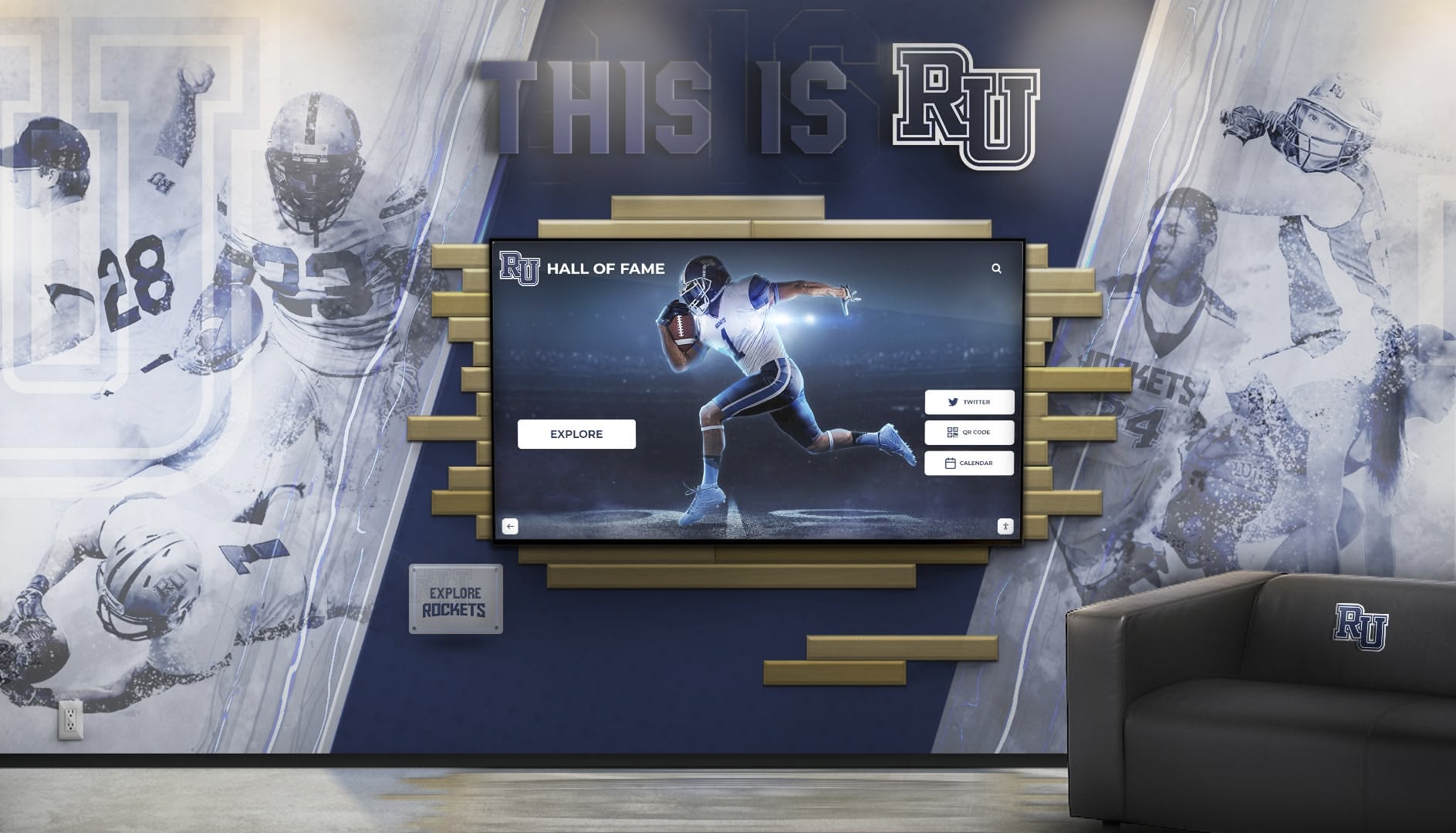
Community and Alumni Engagement: Communities take tremendous pride when local athletes reach professional sports. Recognition displays create gathering points where alumni, current students, and community members connect around shared institutional pride. NFL alumni themselves often maintain stronger connections to schools that honor their achievements appropriately.
Brand Building and Visibility: Schools with notable NFL alumni gain regional and national visibility when those players achieve success. Systematic recognition amplifies this visibility while associating institutional brands with excellence at the highest competitive levels.
The Challenge of Traditional Recognition Approaches
Despite widespread recognition of NFL alumni importance, many schools struggle with traditional recognition methods that impose significant limitations:
Space Constraints: Physical plaques or wall-mounted displays eventually run out of room. As programs add new NFL alumni over decades, institutions face difficult choices about whose recognition remains visible and whose moves to storage.
Update Complexity: When active NFL alumni achieve new milestones—Pro Bowl selections, championships, career records—updating physical displays requires expensive fabrication and installation. Many schools simply leave recognition static, causing profiles to become outdated.
Limited Information Capacity: Traditional plaques accommodate only basic information—name, graduation year, teams played for, perhaps a brief career summary. Rich stories about athletes’ journeys, career highlights, and current activities remain untold.
One-Dimensional Presentation: Static displays offer no video highlights, no searchable databases, no interactive exploration. Visitors read brief text and move on without deeply engaging with alumni achievements.
Modern digital recognition solutions address every one of these limitations while introducing capabilities impossible with traditional approaches.
How Schools Currently Showcase NFL Alumni
Educational institutions employ various strategies for recognizing professional football alumni, each offering distinct advantages and limitations.
Traditional Physical Recognition Methods
Wall-Mounted Plaques and Photo Displays
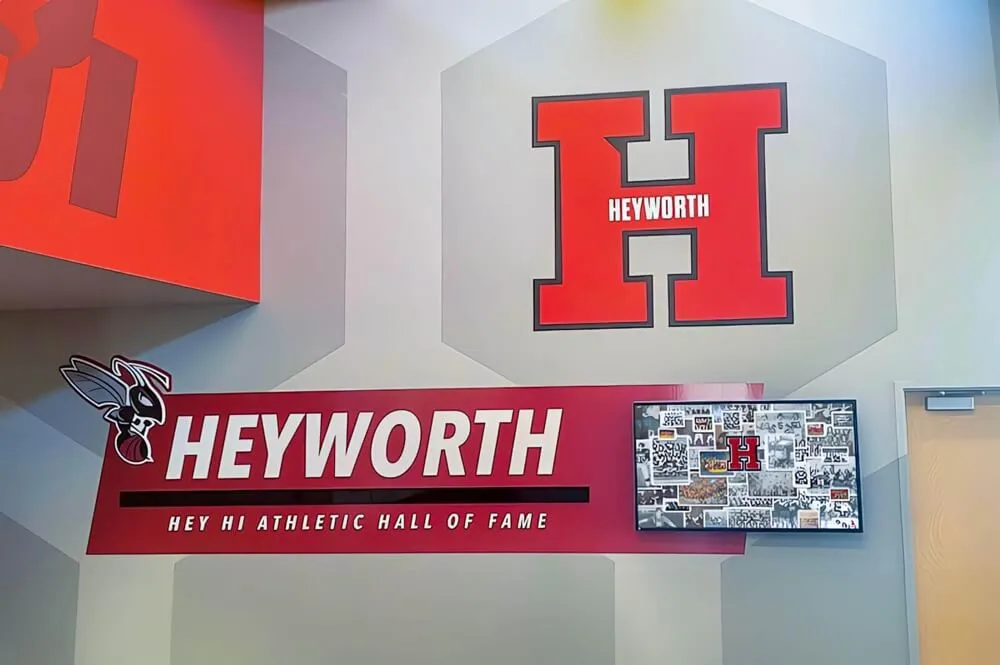
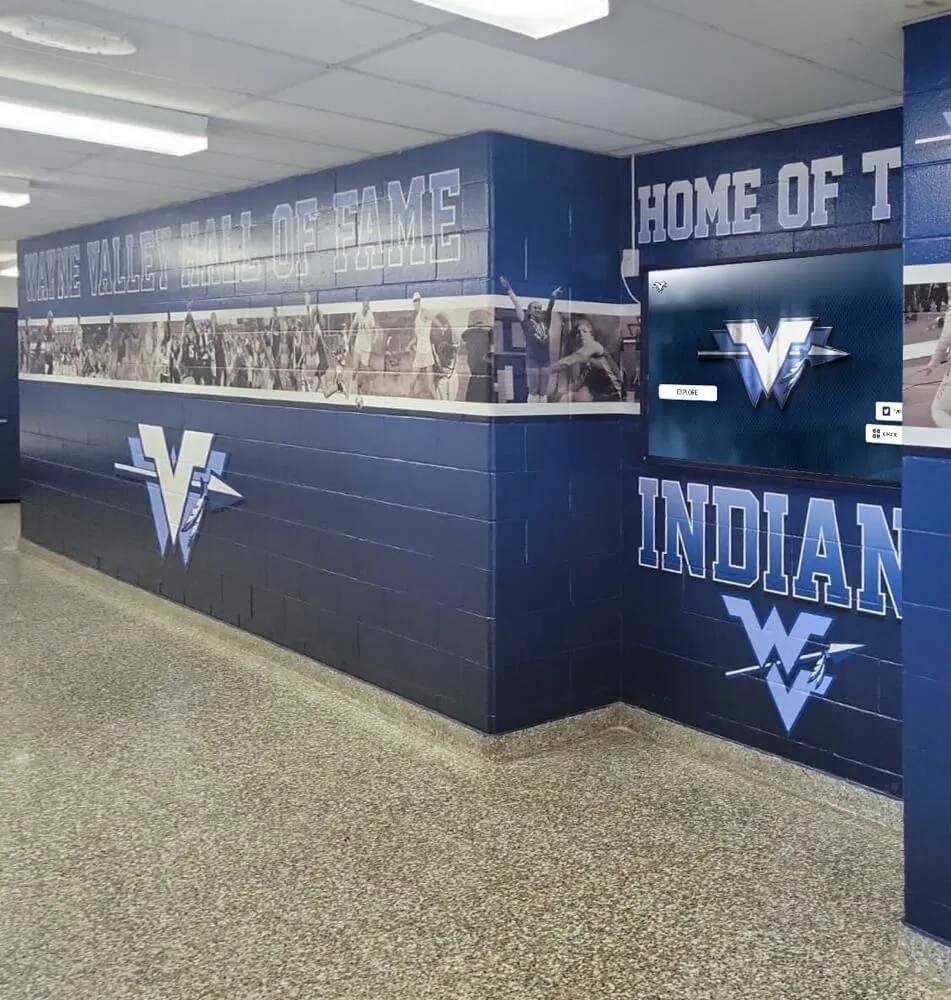
The classic approach features engraved plaques or framed photographs installed in athletic facilities, main buildings, or trophy case areas. These permanent displays convey prestige through tangible physical presence and familiar aesthetic that communities immediately recognize and value.
However, space limitations eventually force difficult decisions about recognition capacity. Information remains minimal, updates require complete replacement, and engagement consists of brief reading without deeper interaction.
Jersey and Memorabilia Displays
Glass-enclosed cases showcasing game-worn jerseys, signed footballs, championship memorabilia, and other artifacts create emotional connections to professional achievement. Authentic items carry special resonance—particularly when schools secure jerseys from significant games, playoff runs, or championship seasons.

Memorabilia displays require substantial space, security for valuable items, climate control preventing deterioration, and ongoing acquisition as new alumni reach the NFL. Available display space rarely matches available memorabilia, forcing selective presentation.
Banner Recognition in Facilities
Many schools hang banners in stadiums, fieldhouses, or athletic complex lobbies recognizing notable alumni achievements including NFL careers. Banners create impressive visual impact, particularly when numerous banners demonstrate sustained program excellence producing multiple professionals.
Banner capacity remains finite, information stays minimal, and updating requires complete replacement rather than simple content edits.
Modern Digital Recognition Solutions
Digital technology transforms NFL alumni recognition by eliminating space constraints, enabling rich multimedia content, and creating engaging interactive experiences.
Interactive Touchscreen Displays
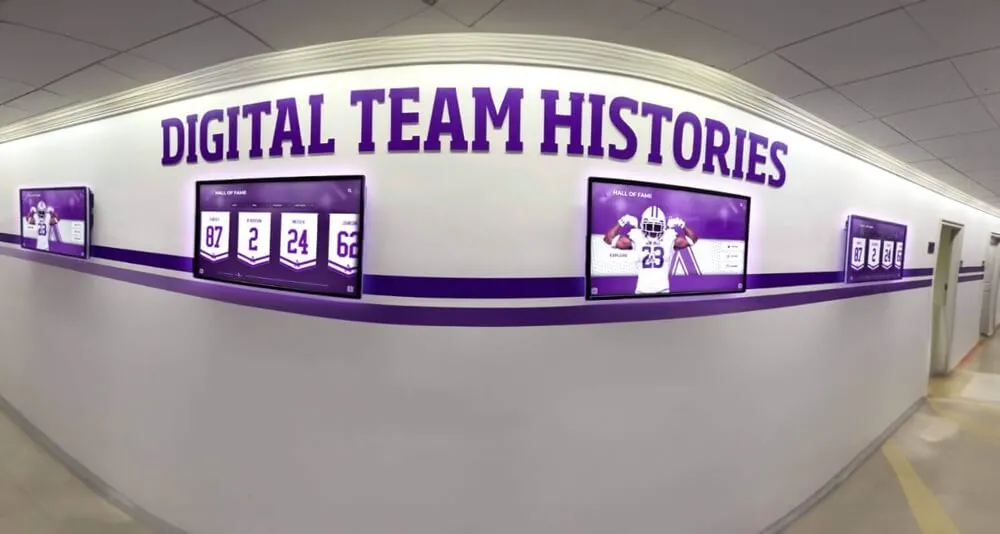
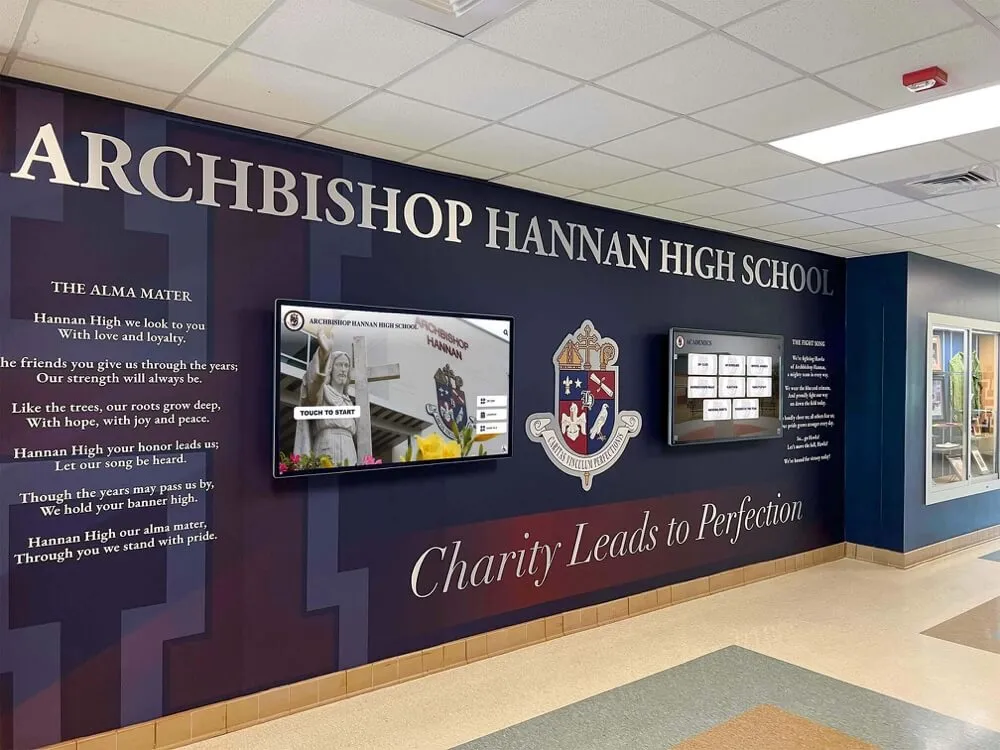
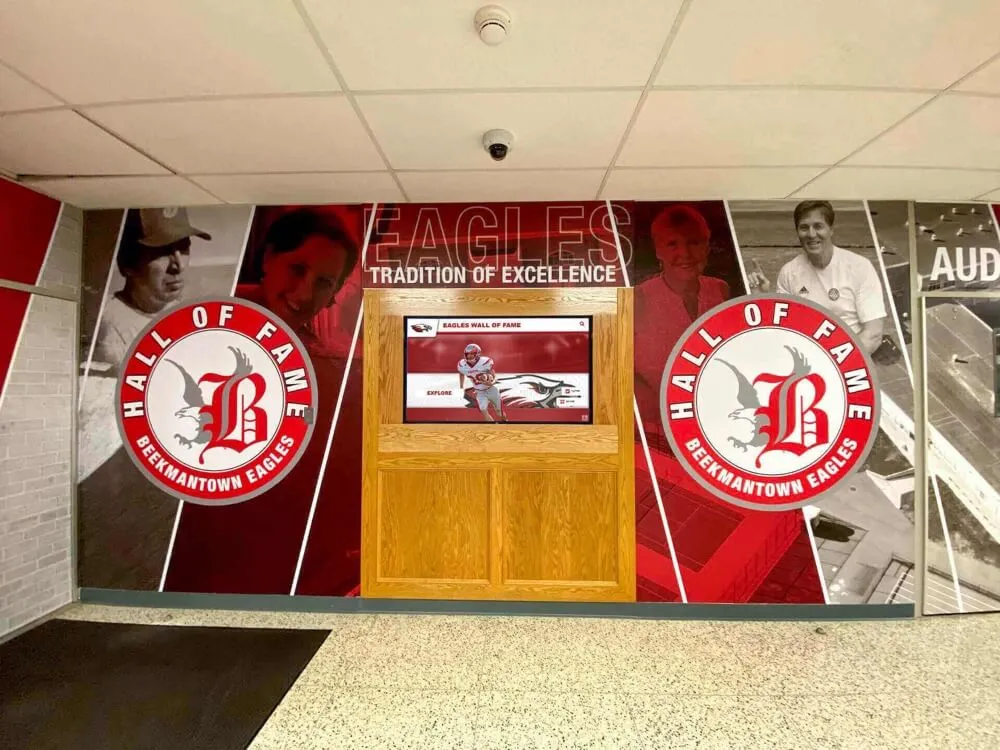
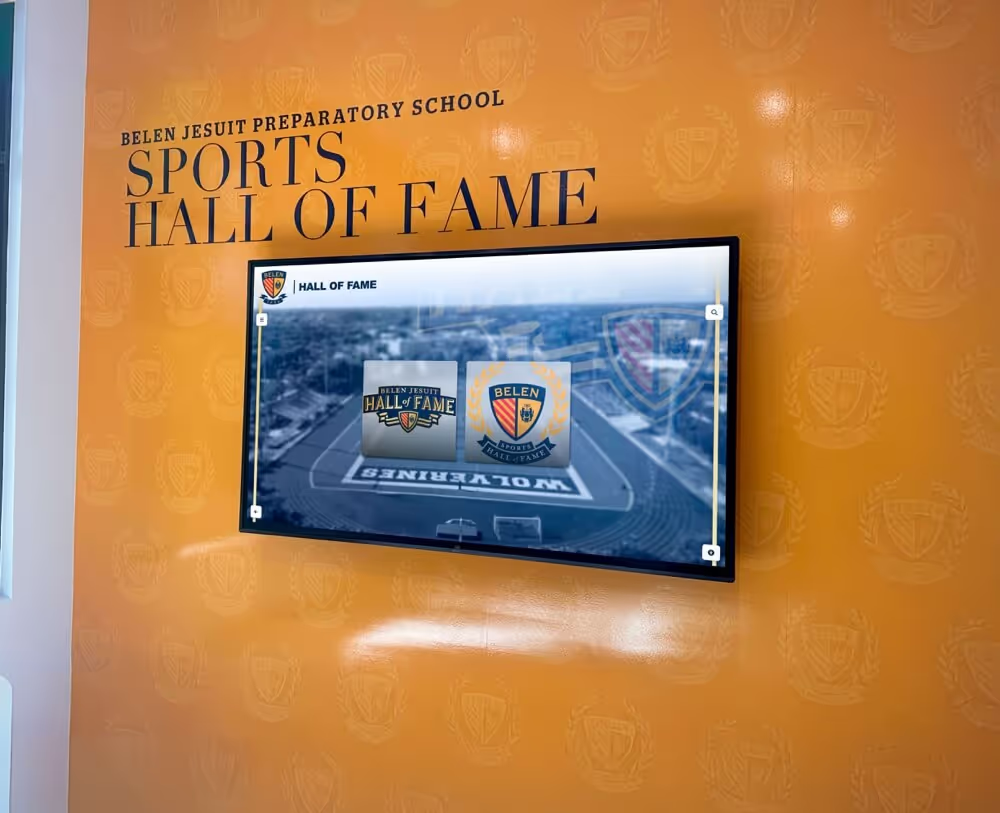
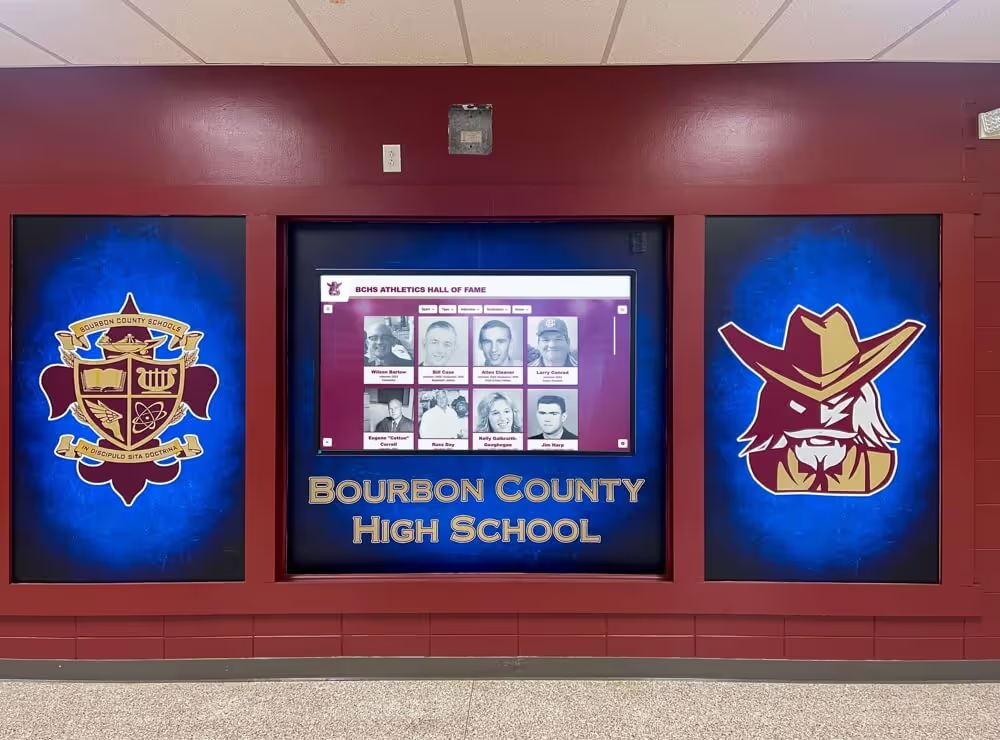
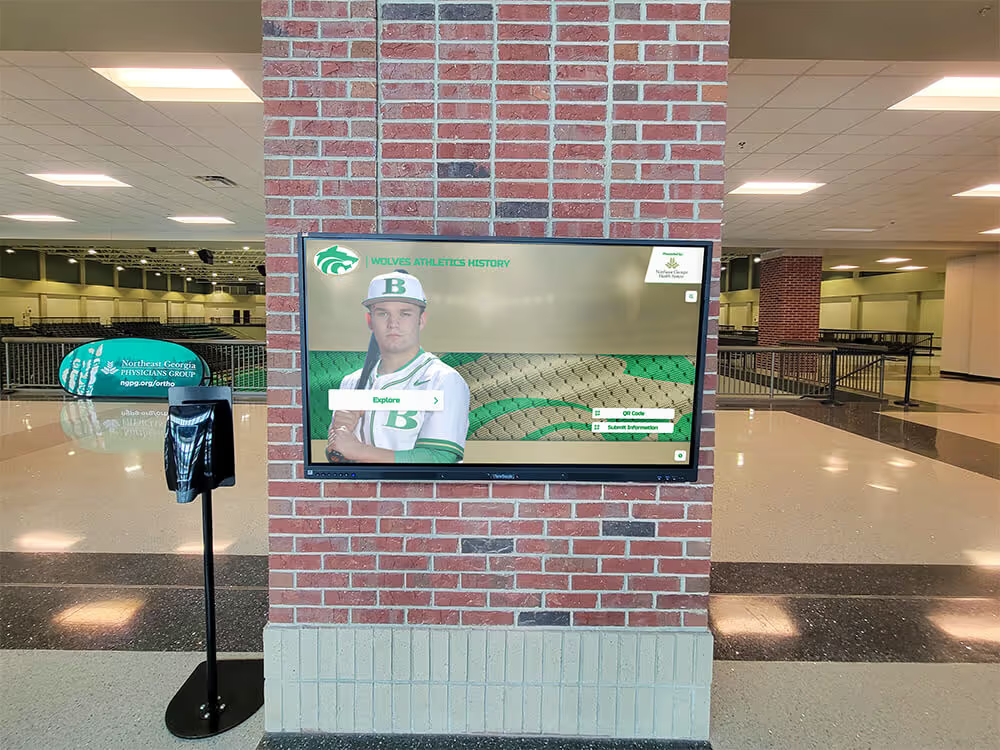
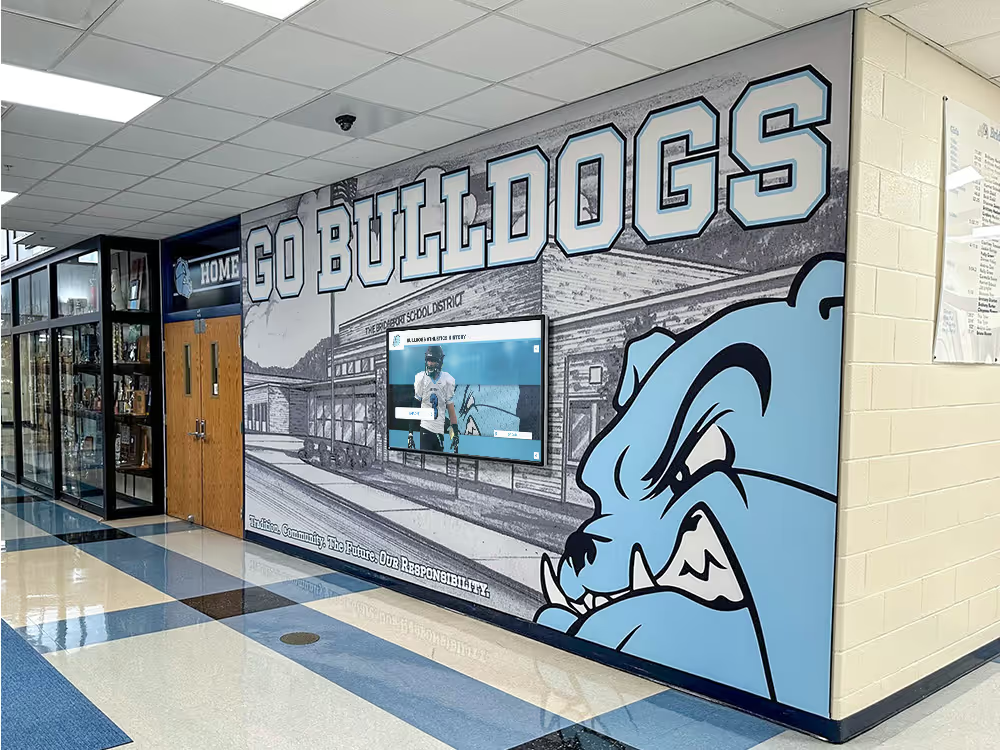
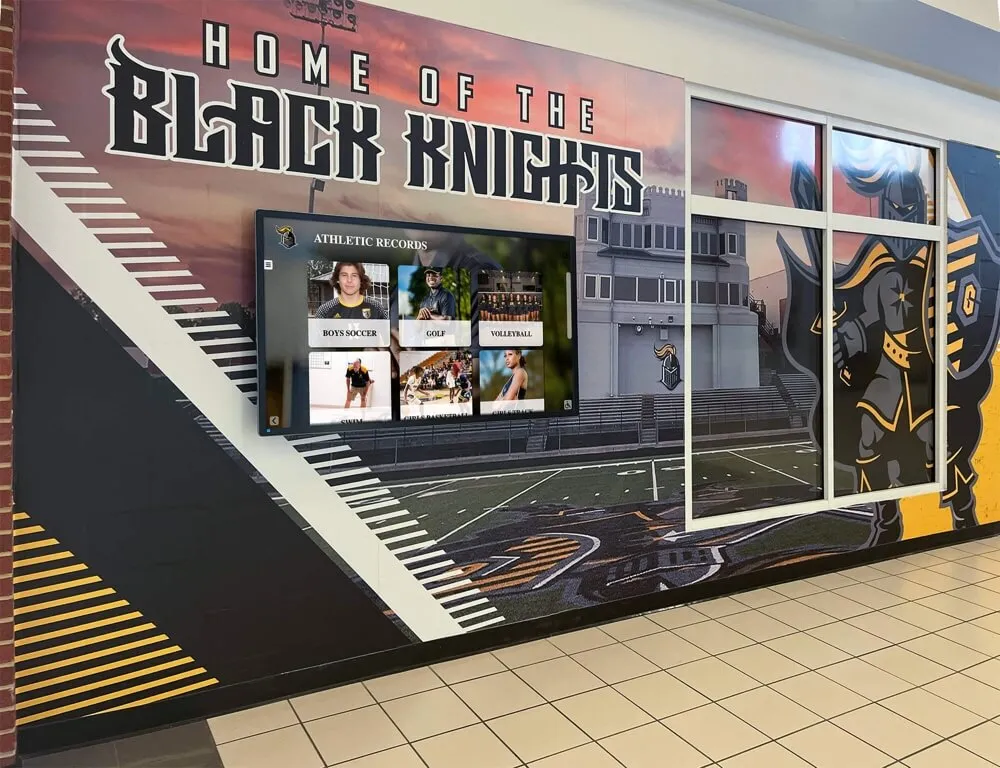
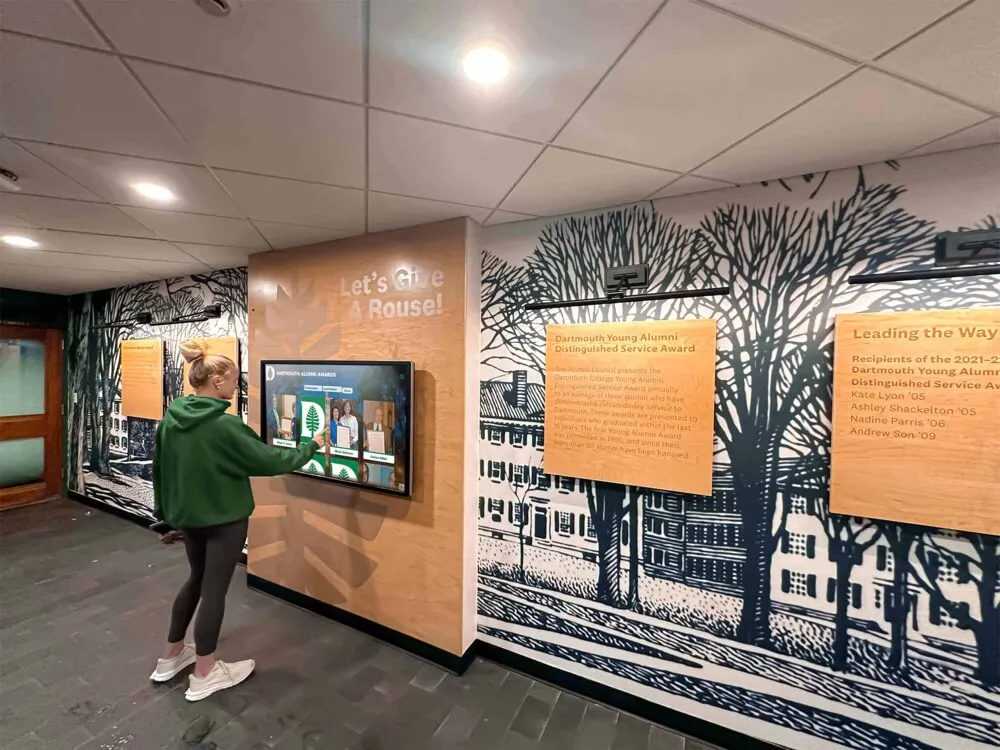
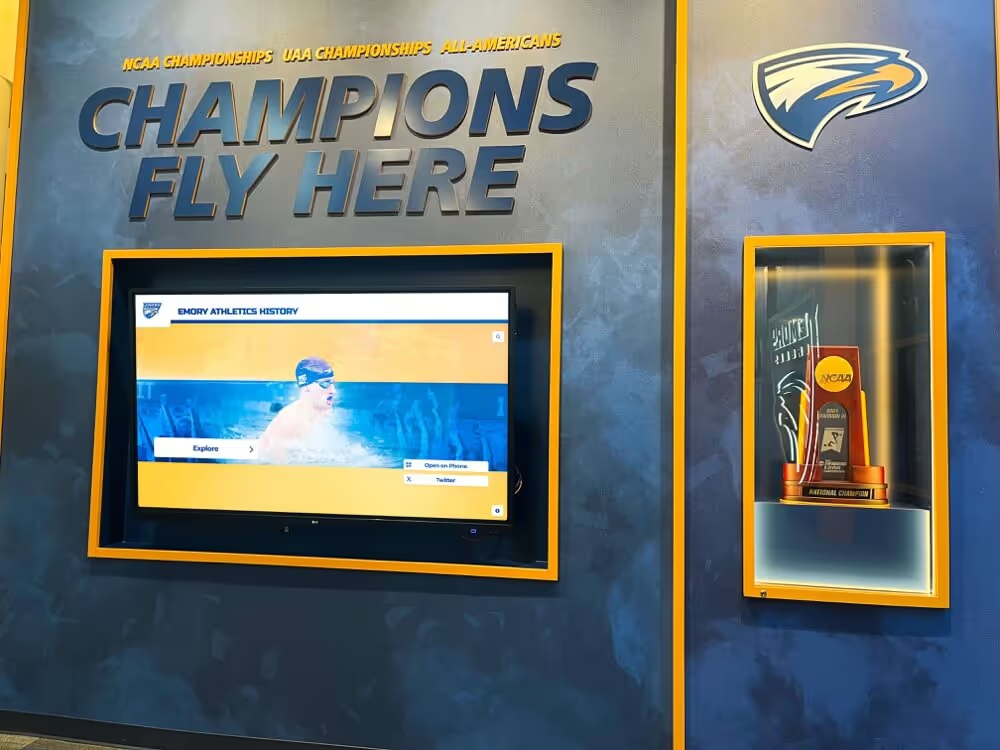
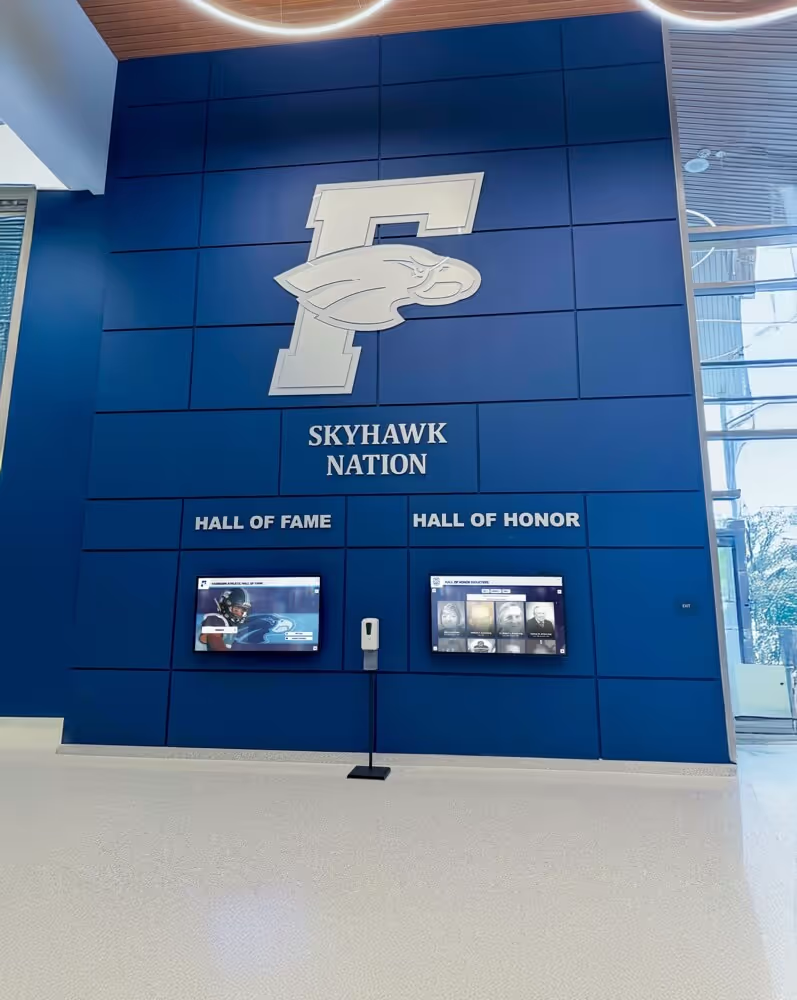
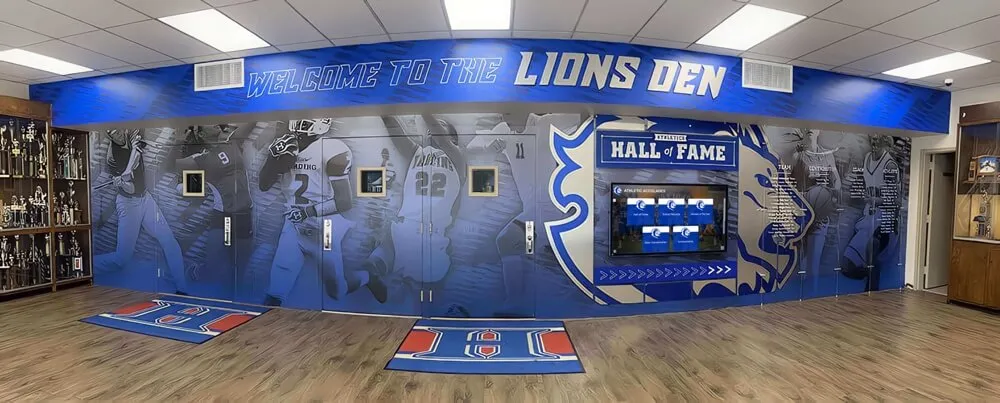
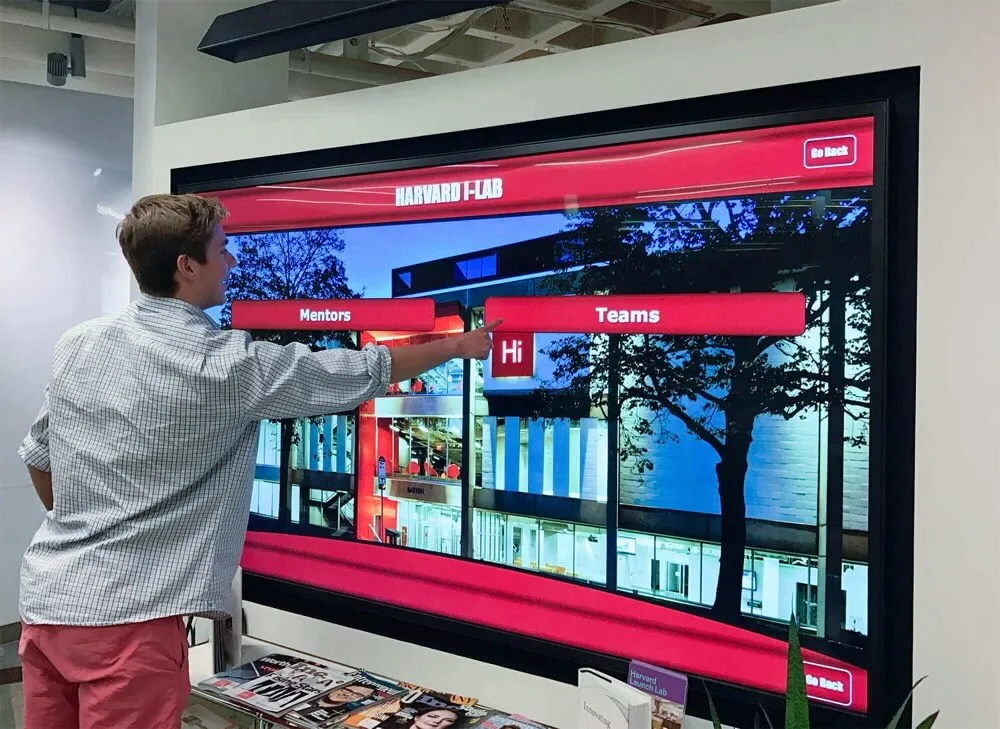
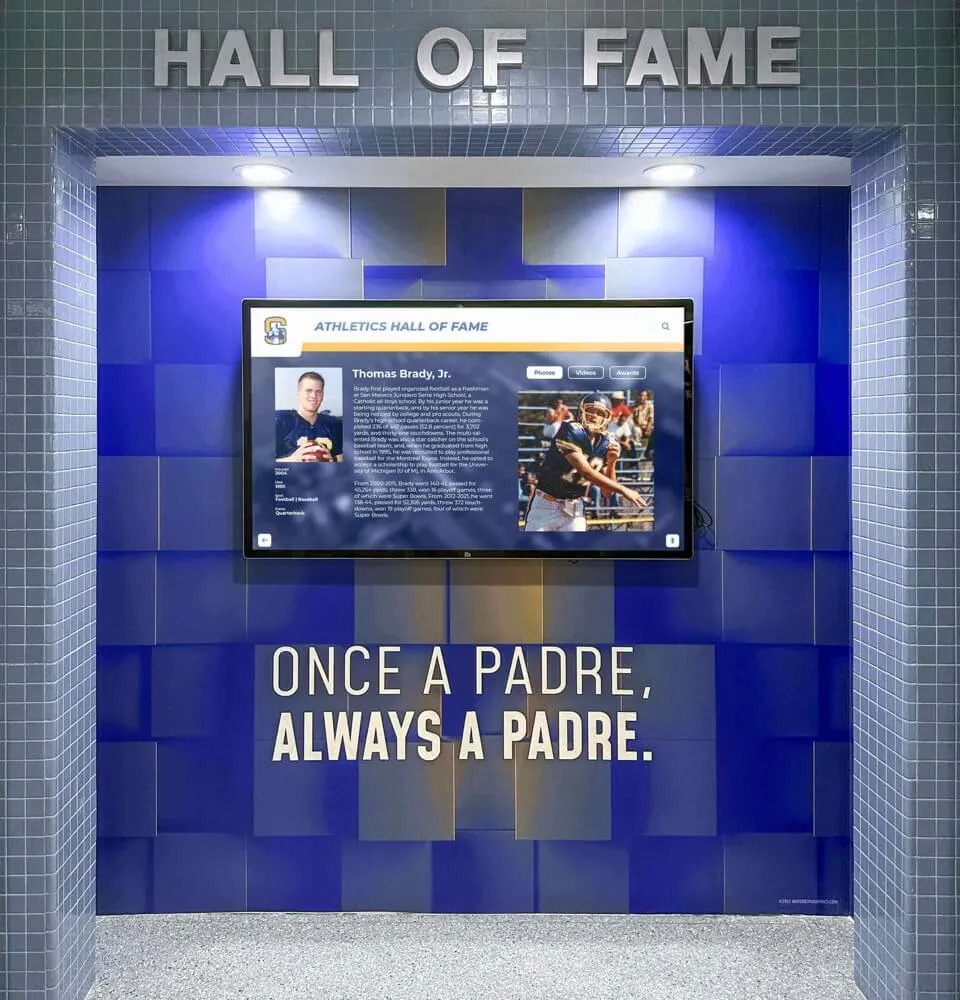
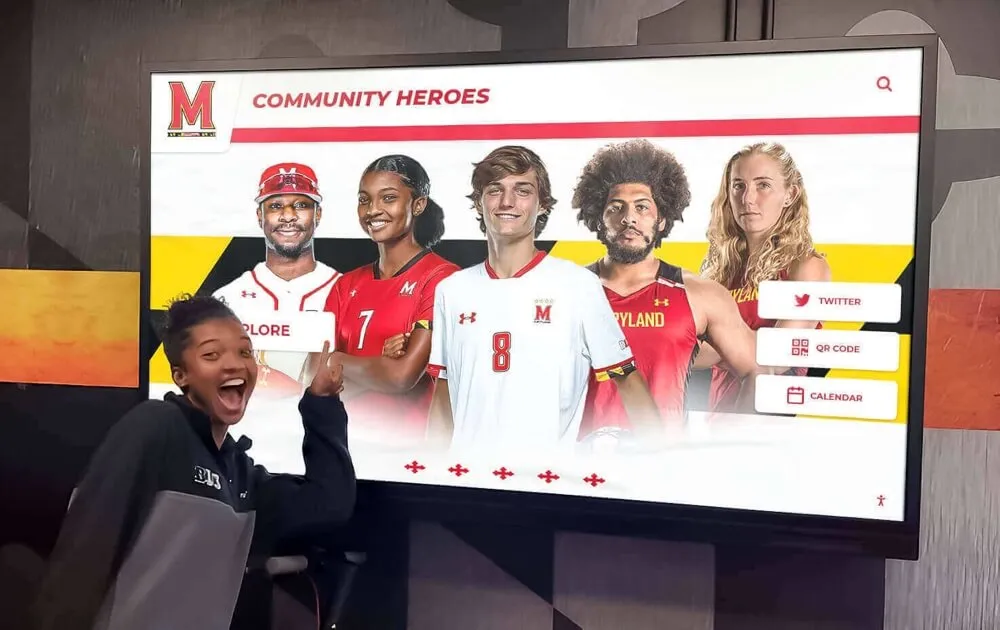
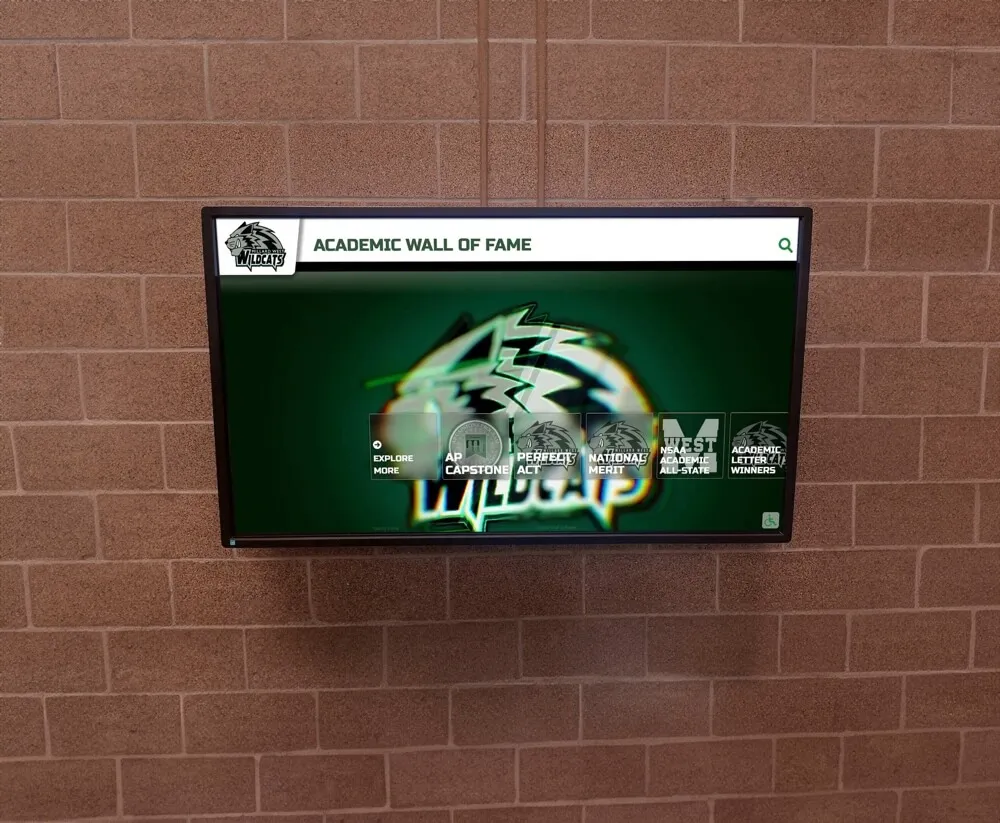
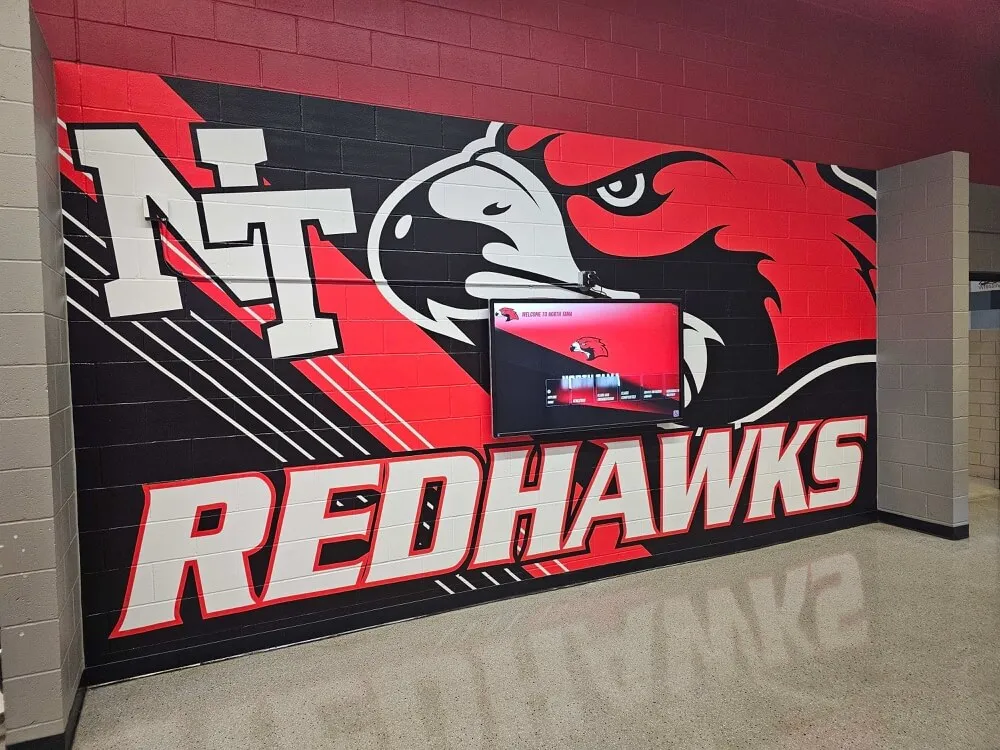
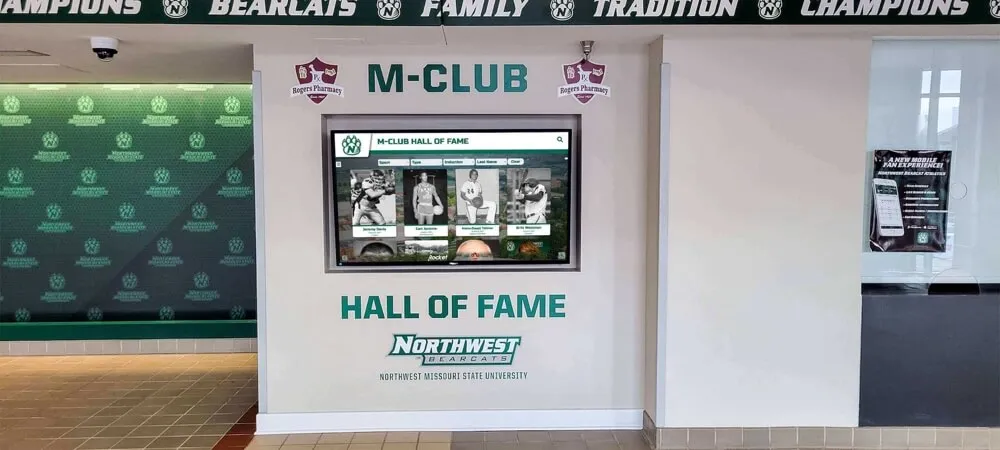
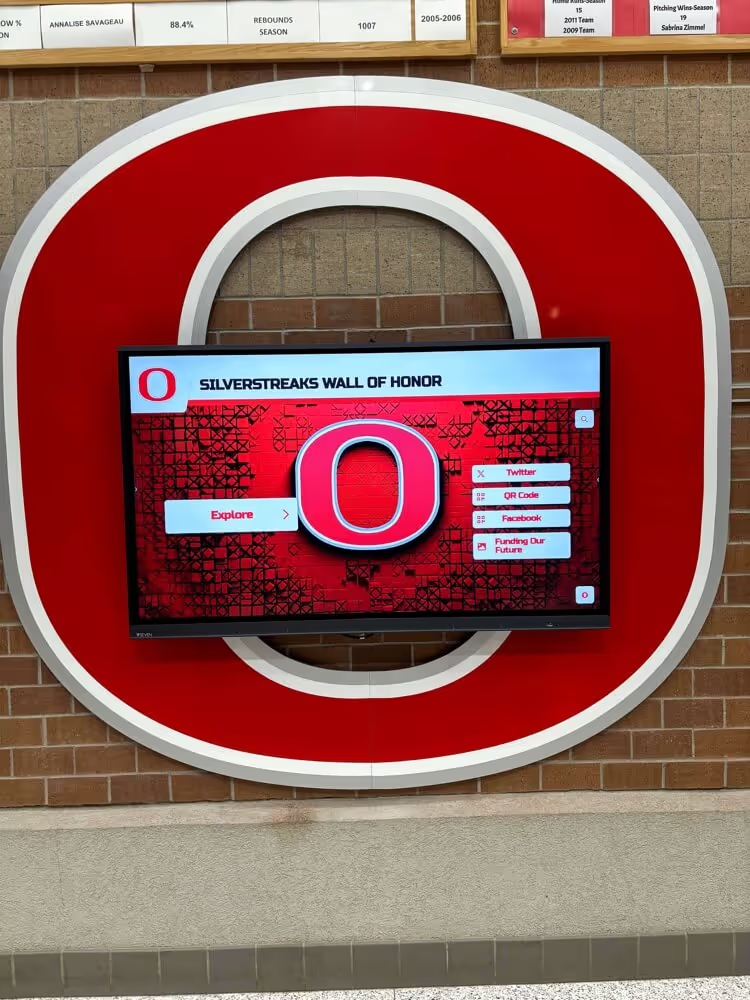
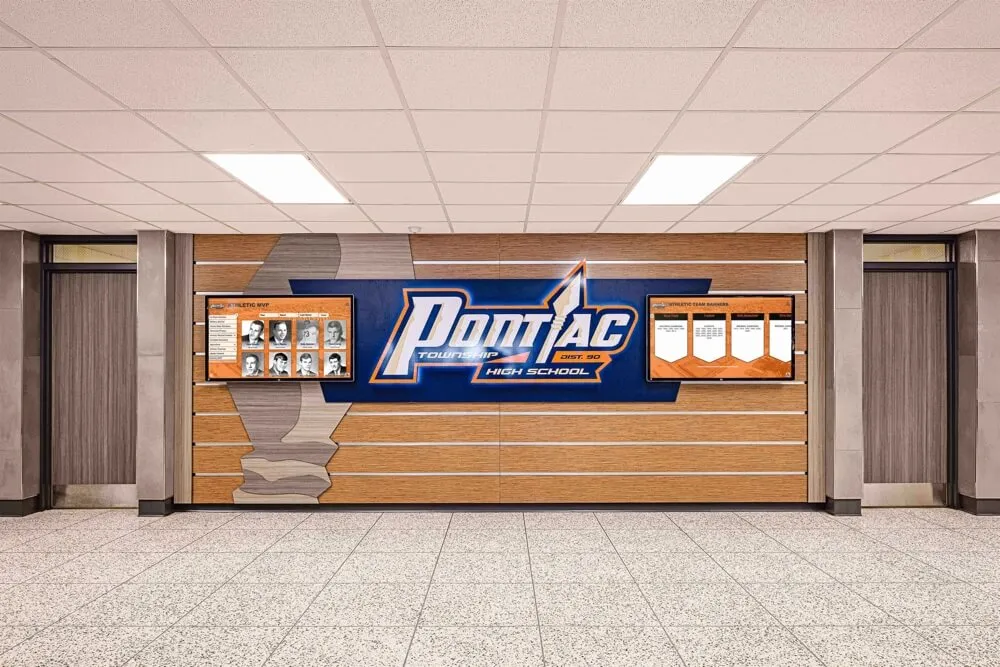
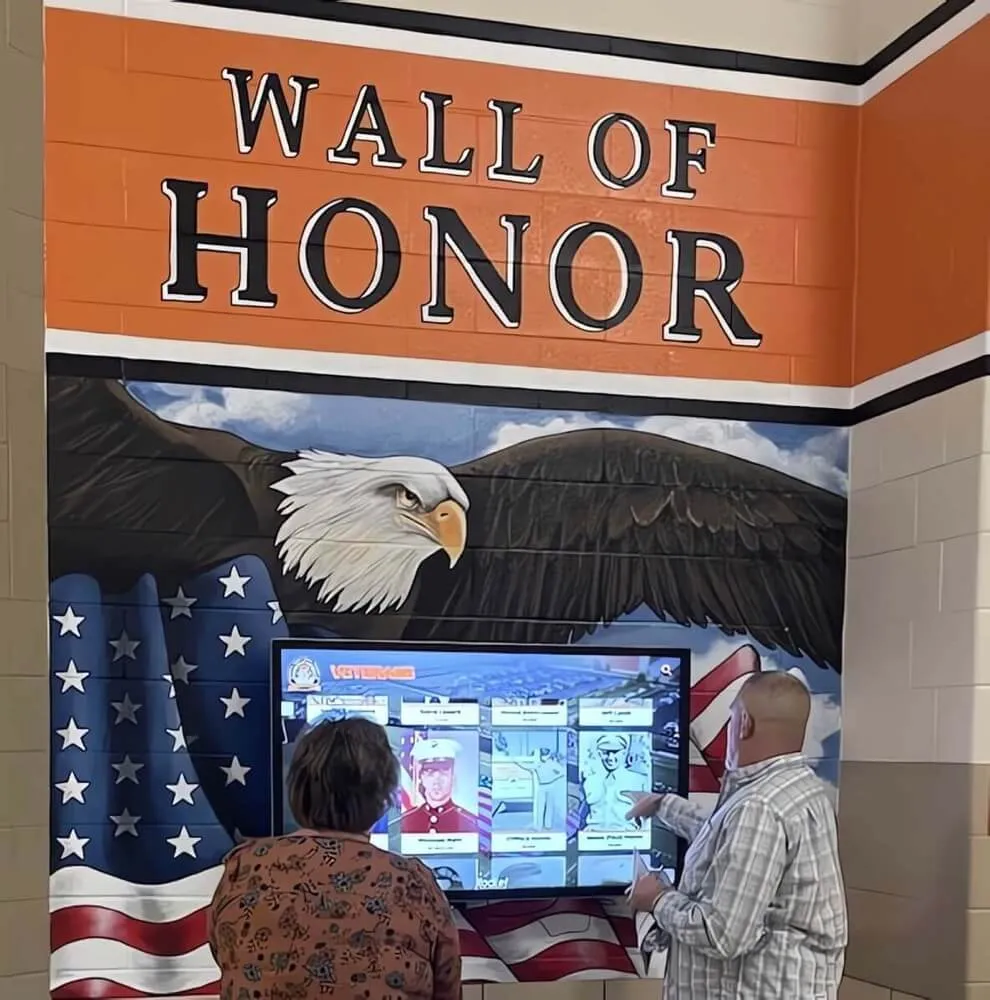
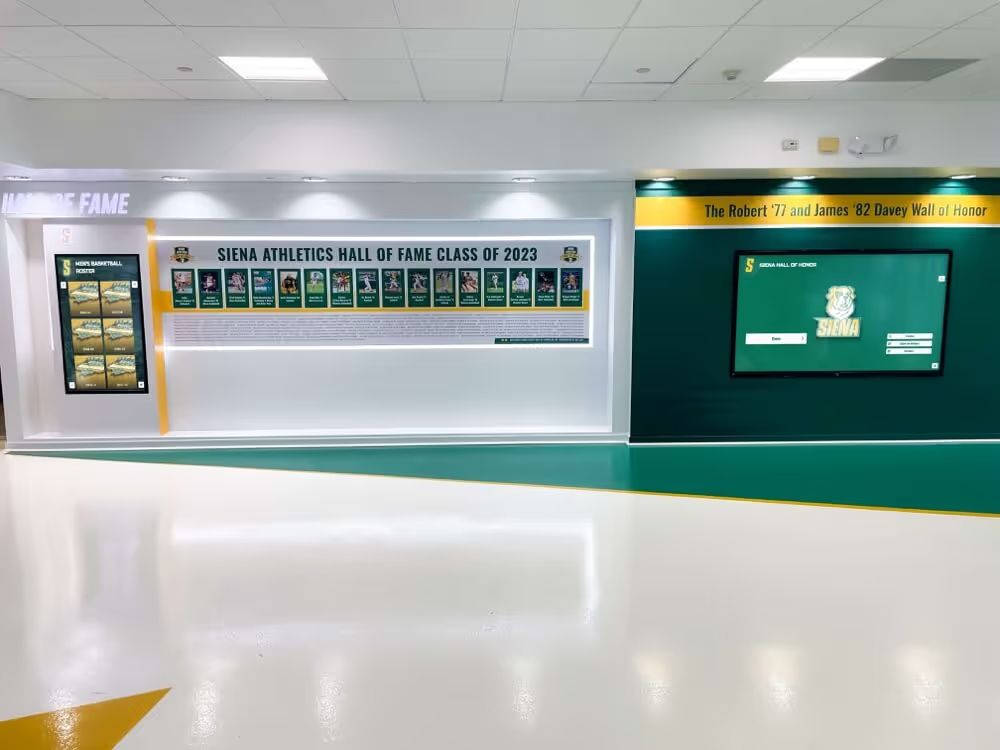
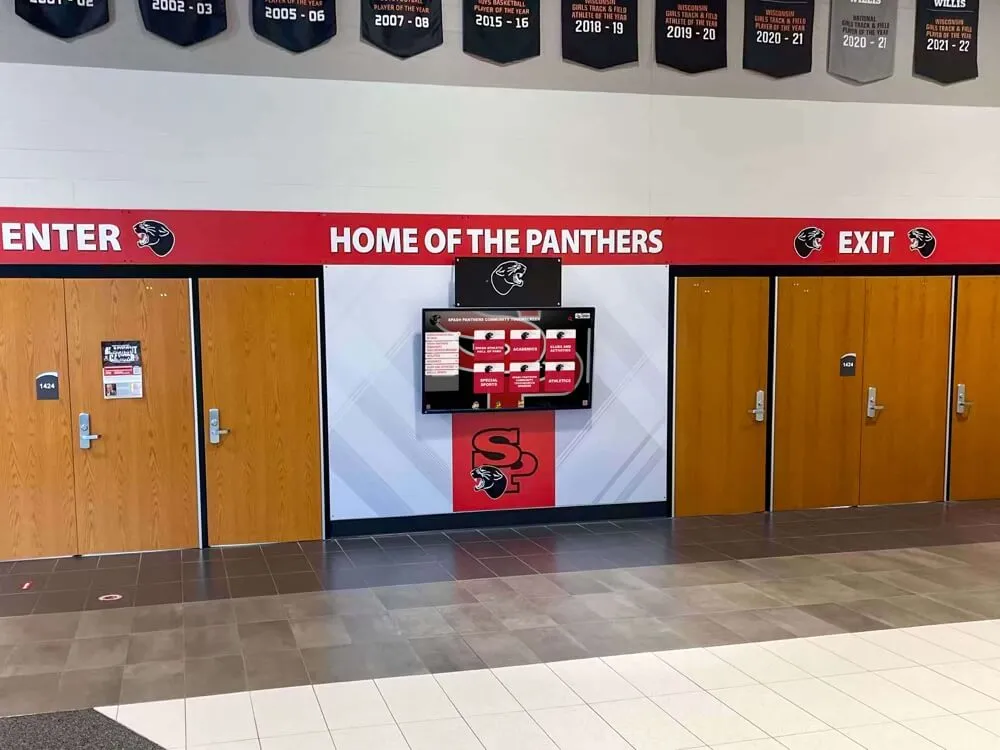
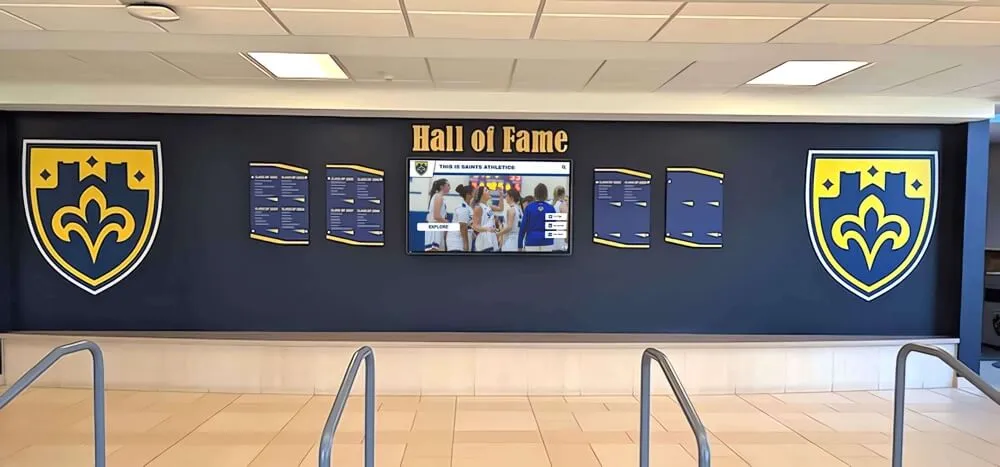
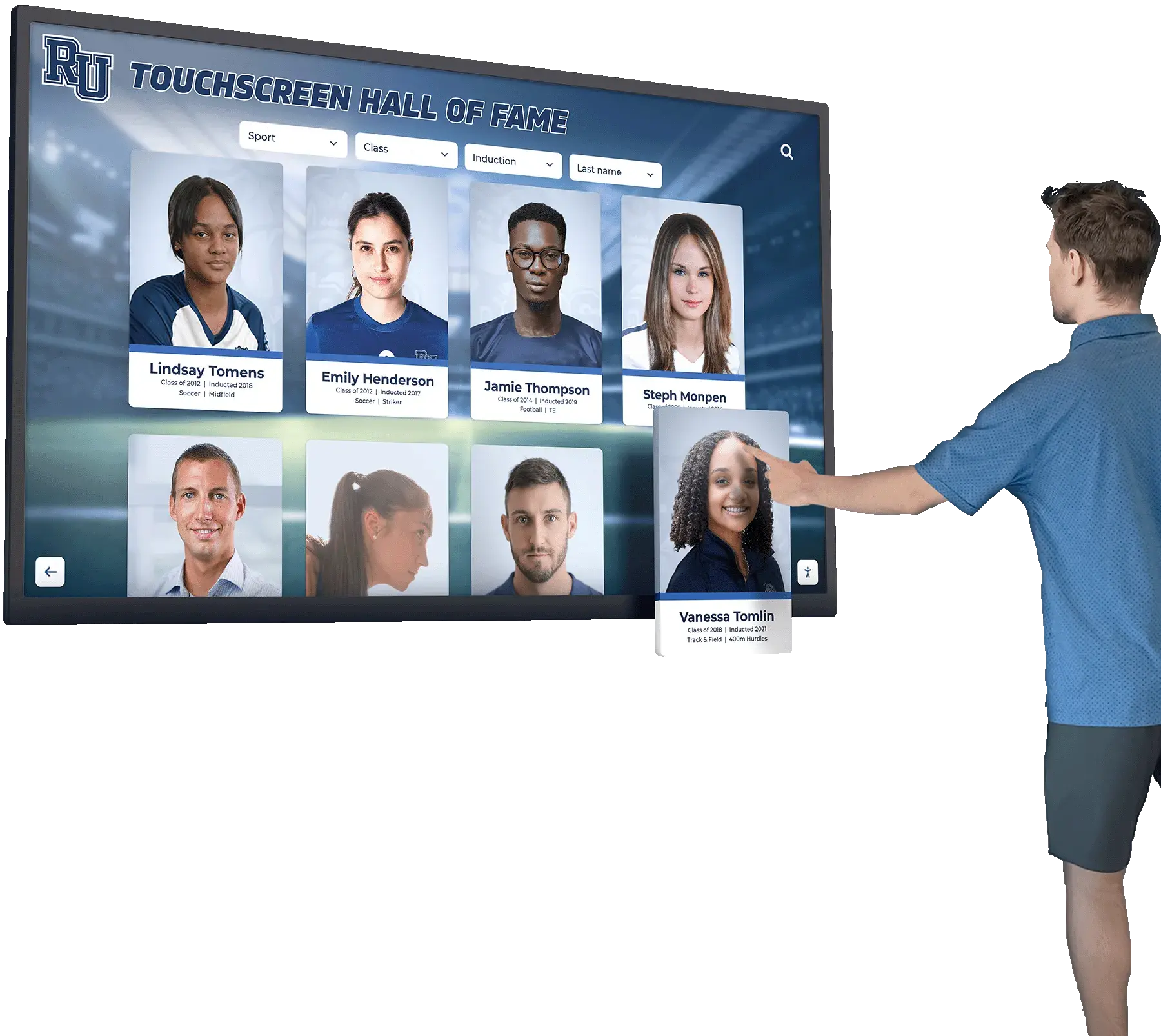
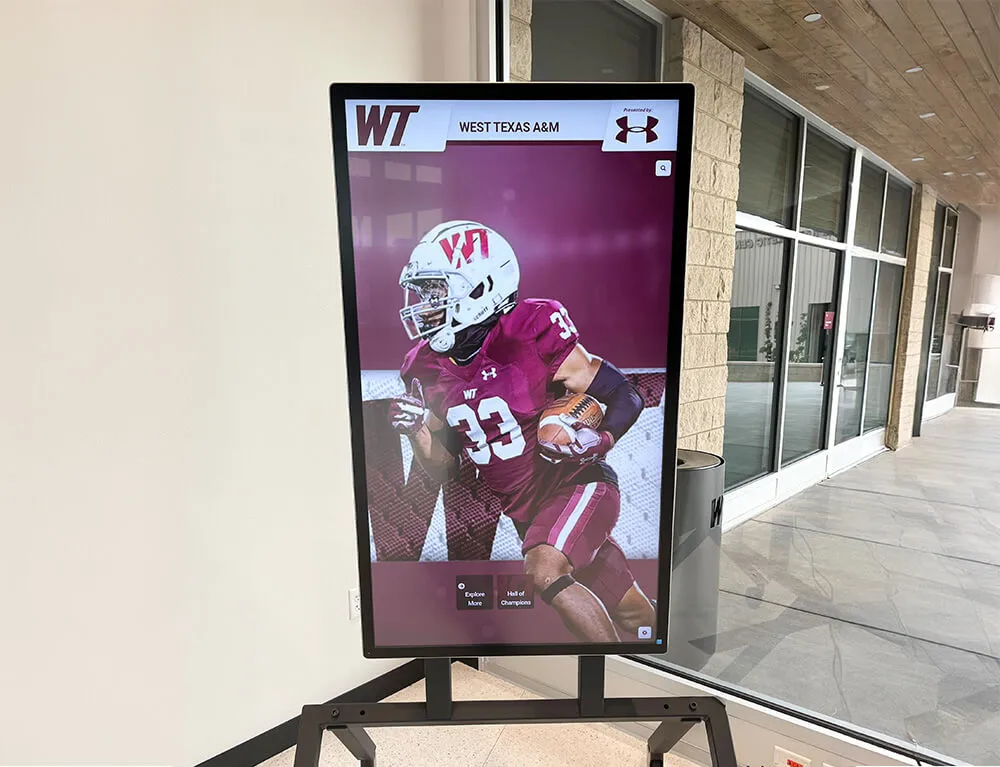
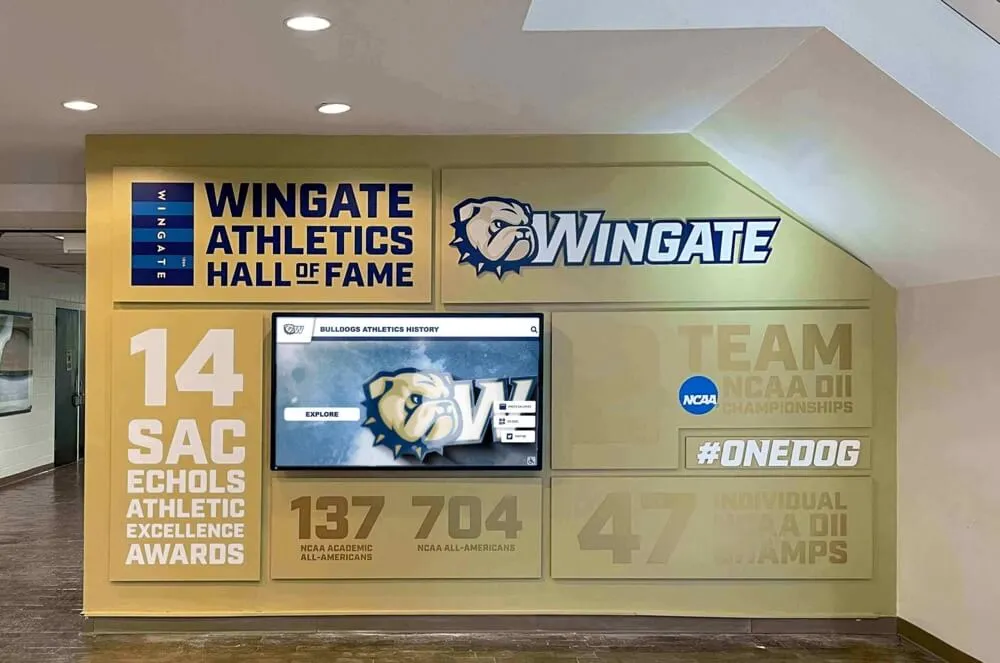
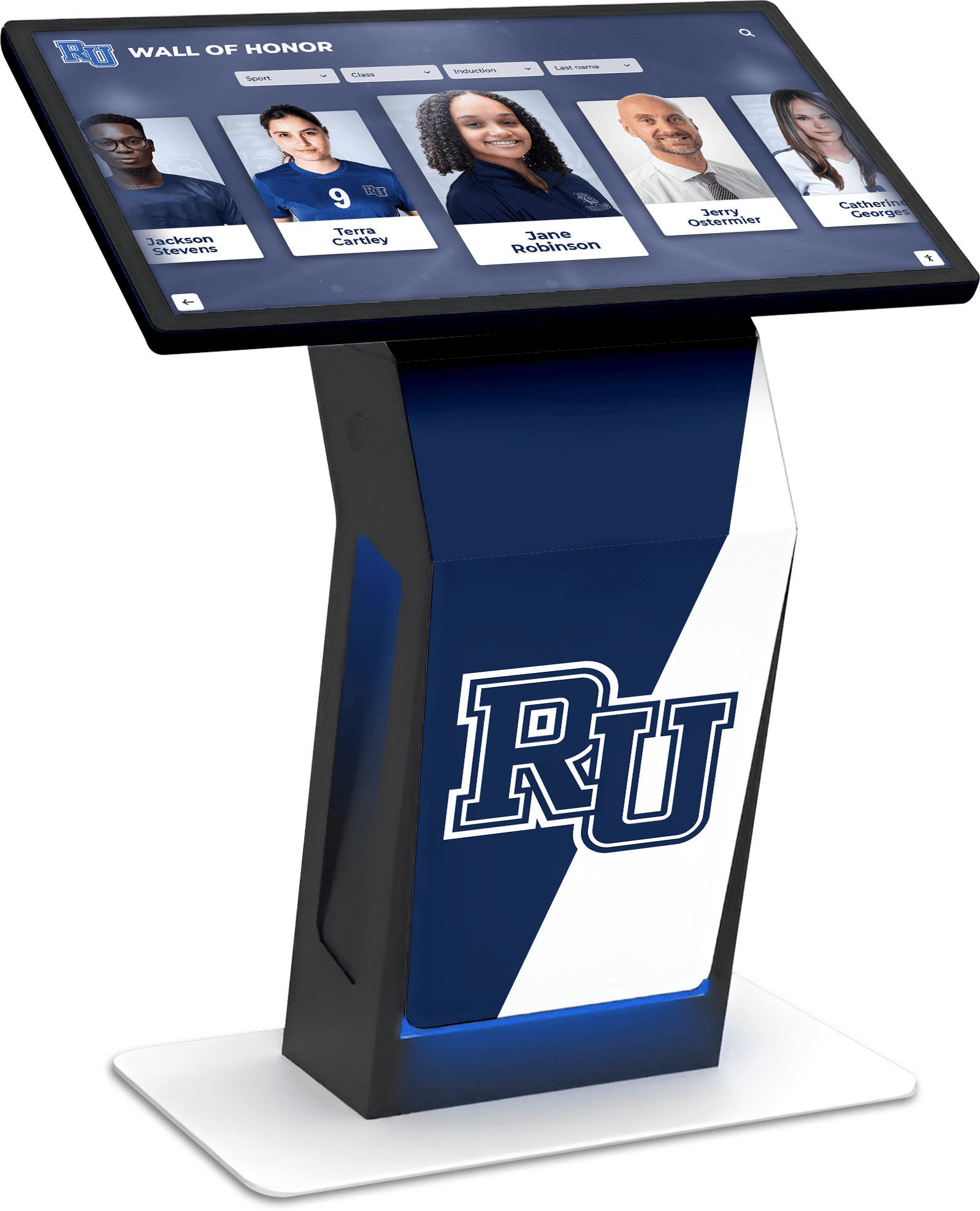
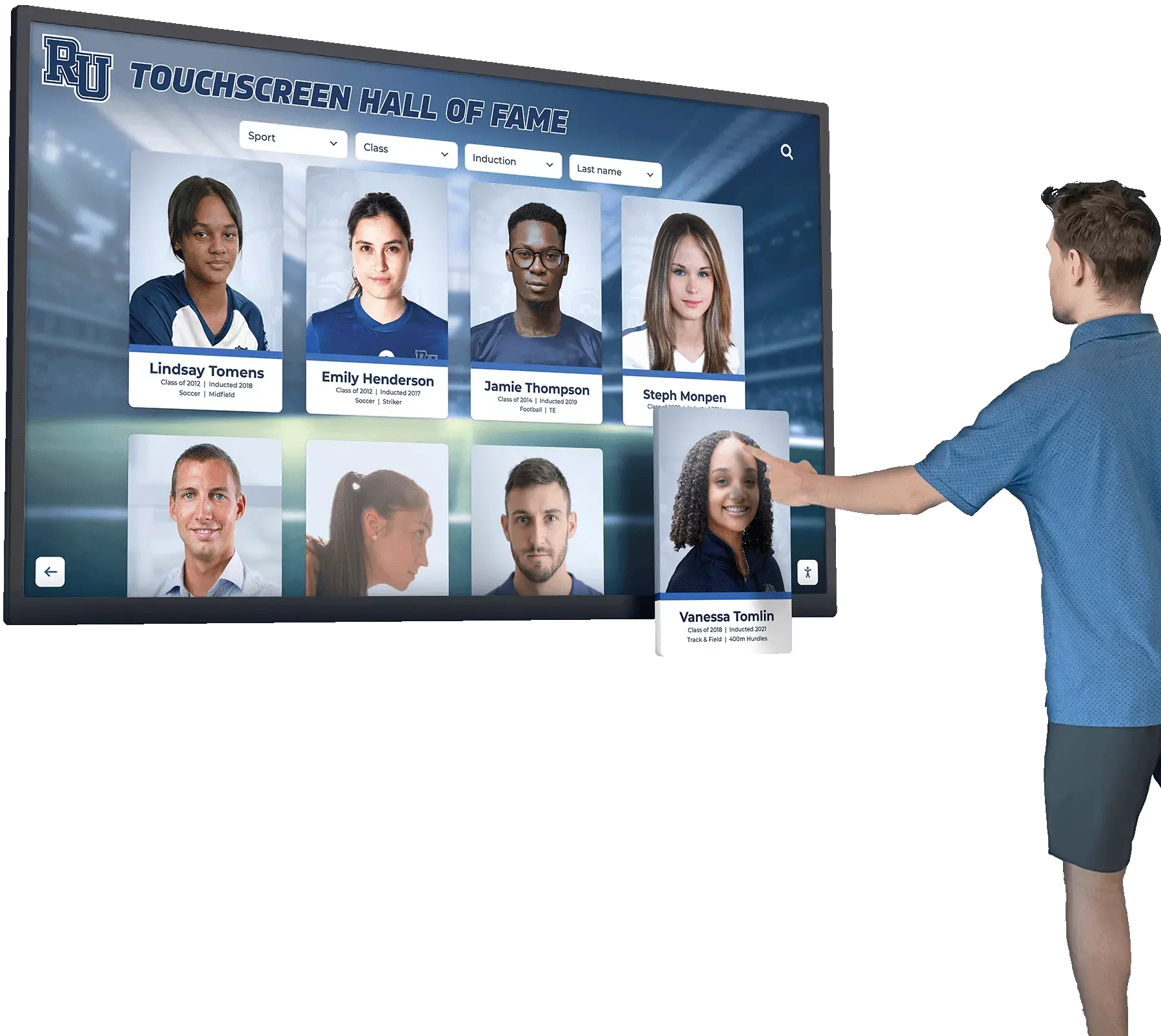
Commercial-grade touchscreen systems provide comprehensive platforms for unlimited NFL alumni recognition. A single 55-75 inch display accommodates dozens or hundreds of comprehensive alumni profiles accessible through intuitive touch navigation requiring no instructions.
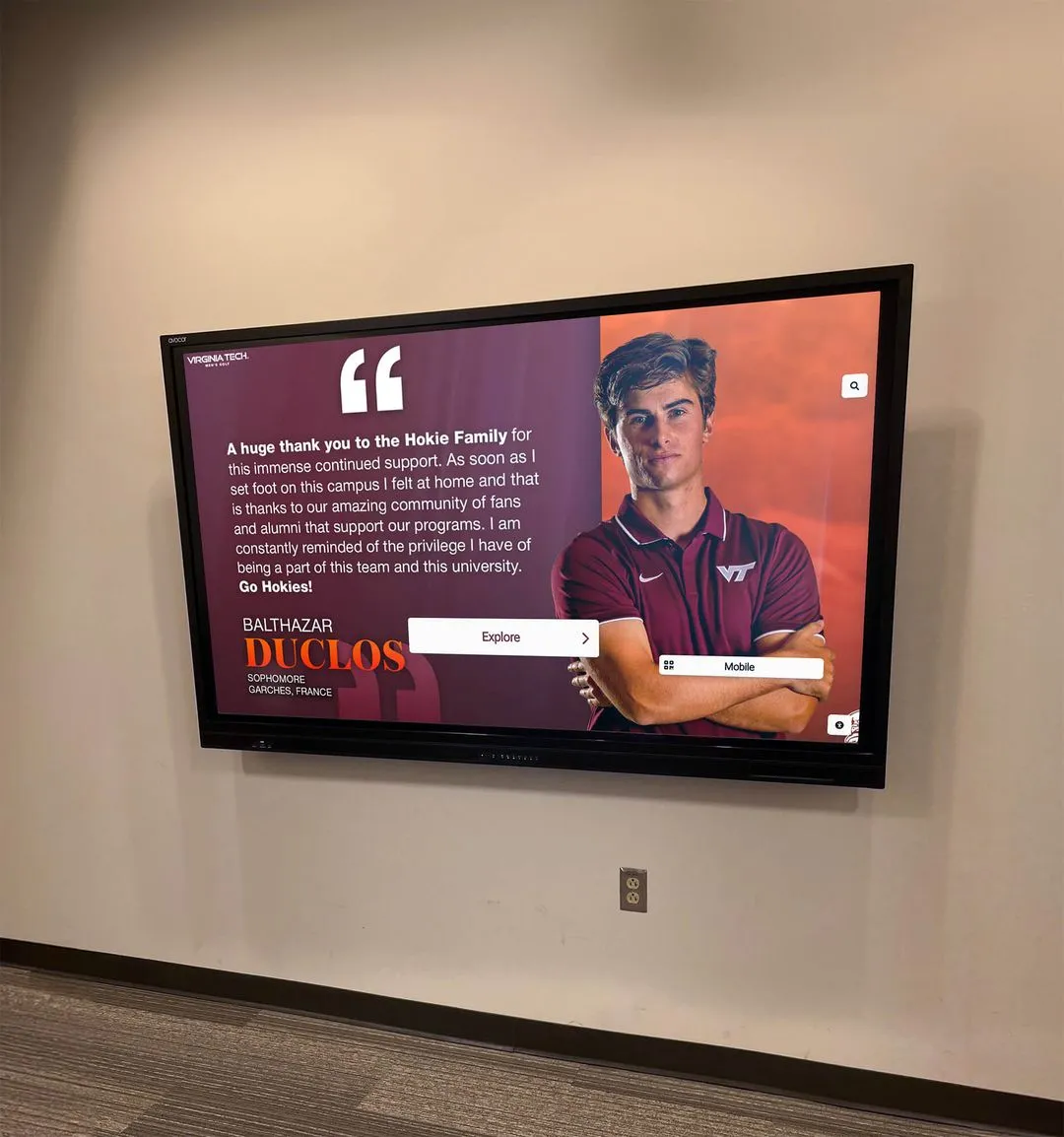
Professional athletes recognition displays combine multiple media types—photographs, career statistics, biographical narratives, video highlight packages—creating storytelling impossible with traditional formats. Cloud-based content management enables instant updates as alumni achieve new milestones or new players reach professional levels.
Key advantages include unlimited recognition capacity, rich multimedia storytelling, instant content updates, powerful search and filtering capabilities, engagement analytics revealing popular content, and web integration extending recognition beyond physical locations.
Comprehensive Multimedia Content Libraries
Digital platforms enable documentation depth traditional displays cannot match. NFL alumni profiles can include:
- Complete career statistics with season-by-season breakdowns
- Draft information and selection context
- Video highlight packages showcasing signature plays and memorable moments
- Photo galleries documenting progression from high school/college through professional career
- Personal reflections on their educational experiences and development
- Advice and messages for current student-athletes
- Post-career activities including coaching, business ventures, or community service
- Real-time updates as active players achieve new milestones
This comprehensive approach honors alumni appropriately while creating engaging content that visitors spend significant time exploring.
Online and Mobile Access
Recognition extends beyond physical installations through web-based platforms accessible worldwide. Online NFL alumni directories enable fans, alumni, and prospective students anywhere to explore professional athlete profiles and achievements.
Mobile optimization ensures excellent experiences across devices—smartphones, tablets, laptops—with touch-optimized controls, responsive design, and social sharing integration amplifying recognition reach organically. Alumni living anywhere can easily access and share their recognition with personal networks.
Essential Content for NFL Alumni Recognition
Compelling recognition requires comprehensive content that honors achievements appropriately while engaging diverse audiences.
High School and College Career Foundation
Even though the focus is professional achievement, including educational career context demonstrates that NFL success built upon foundations established during formative years. Institutions can learn from examples like football high school hall of fame implementations that balance professional and scholastic achievements:
Athletic Statistics and Achievements: High school or college statistics, position played, team records and championships, conference honors and all-state/all-American selections, and significant game performances establishing them as elite prospects.
Academic and Character Information: Academic achievements and major areas of study, leadership roles in athletics and broader school community, character awards recognizing integrity and sportsmanship, and coach testimonials about work ethic and development.
Development Trajectory: How players evolved from underclassmen through senior seasons, position changes or role development, physical development and training progression, and recruiting process leading to college selection or professional opportunities.
This educational context demonstrates that professional success resulted from years of development, dedication, and growth rather than appearing spontaneously at higher levels.
Comprehensive NFL Career Documentation
The core recognition content focuses on professional accomplishments with appropriate depth:
Draft and Entry Information: NFL Draft year, round, overall selection, and drafting team, draft location and any notable context about selection, undrafted free agent signings for players who reached NFL without being drafted, and comparative context within program history.
Complete Career Statistics: Games played across entire NFL career, position-specific statistics (rushing yards, receptions, tackles, sacks, etc.), career milestones and significant achievements, and season-by-season statistical breakdowns showing progression.
Team History and Tenure: All NFL teams played for with years on each roster, notable teammates and coaches they played under, conference and division context, and any team captaincy or leadership roles.
Career Highlights and Achievements: Pro Bowl selections and All-Pro honors, playoff appearances and championship runs, individual awards and league recognition, franchise or league records set or approached, and memorable performances in significant games.
International and Alternative Competition: Pro Bowl or All-Star game participation, international games or league events, any alternative league experience (USFL, XFL, etc.), and national team representation if applicable.
Current Status: Whether actively playing or retired, if active, current team and recent season performance, if retired, year of retirement and career conclusion context, and post-playing career activities.
Personal Narratives and Institutional Connections
First-person content and institutional connection stories add authenticity creating meaningful emotional resonance:
Personal Reflections: Quotes about their high school or college experience, reflections on coaches who influenced their development, memories of teammates and defining moments, and perspective on how their education prepared them for professional success.
Advice for Current Athletes: Messages to current student-athletes pursuing similar paths, guidance on balancing academics and athletics, insights about dedication and sacrifice required for elite achievement, and encouragement emphasizing that professional pathways exist for those who pursue excellence.
Community Engagement: Charitable foundations or community service work, youth camps or clinics they host or participate in, ongoing connections to alma mater and local community, and ways they give back to programs that developed them.
Strategic Implementation: Building Effective NFL Alumni Recognition
Successful programs result from systematic planning addressing multiple dimensions from content development to technology selection.
Phase 1: Research and Alumni Identification
Comprehensive recognition requires thorough research identifying all alumni who reached professional football:
Historical Research Methods: Review historical team rosters, yearbooks, and archives, consult longtime coaches and athletic directors with institutional memory, search professional football databases and historical records, review local newspaper archives documenting player achievements, connect with alumni associations for information and verification, and contact players’ families for supplemental details and materials.
Some schools discover NFL alumni from decades past that current communities don’t remember. Systematic research ensures comprehensive recognition honoring all who reached professional levels regardless of era.
Verification and Criteria: Establish clear criteria for NFL recognition—typically any regular season or playoff game appearance, distinguish between preseason-only and regular season participation, verify all career details against authoritative sources before publication, and create consistent standards applied equitably across all eras.
Phase 2: Content Development and Storytelling
Quality content determines whether recognition achieves its potential to inspire, engage, and honor appropriately.
Gathering Comprehensive Information: Official NFL statistics from league databases, media guides and team publications from players’ professional years, direct outreach to alumni requesting information and personal materials, biographical information from families or close contacts, video highlights and game footage from professional careers, and photographic content documenting educational and professional years.
Creating Compelling Narratives: Professional writing that brings careers to life beyond statistics, story arcs showing progression from student-athlete to professional, specific anecdotes and defining moments rather than vague praise, accessible language appropriate for diverse audiences including younger students, and consistent structure ensuring equitable recognition across all alumni.
Professional content development represents significant investment but creates the foundation for recognition that genuinely honors achievement while engaging audiences.
Phase 3: Technology and Display Selection
Choose platforms and hardware aligned with objectives, budget, and institutional context.
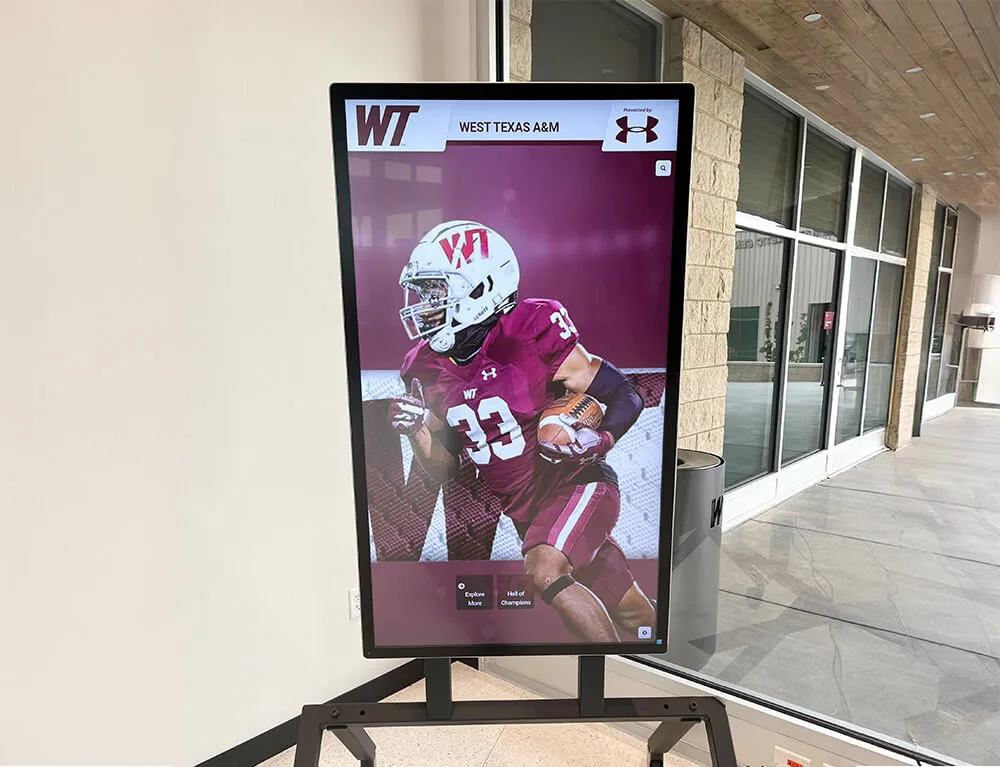
Digital Display Evaluation: Commercial-grade touchscreen displays rated for continuous operation, appropriate screen size (55-85 inches) based on viewing distance and space, 4K resolution for crisp text and professional image presentation, reliable multi-touch technology supporting natural gesture interaction, appropriate mounting (wall-mounted, floor kiosk, or custom installation), and professional cable management and installation.
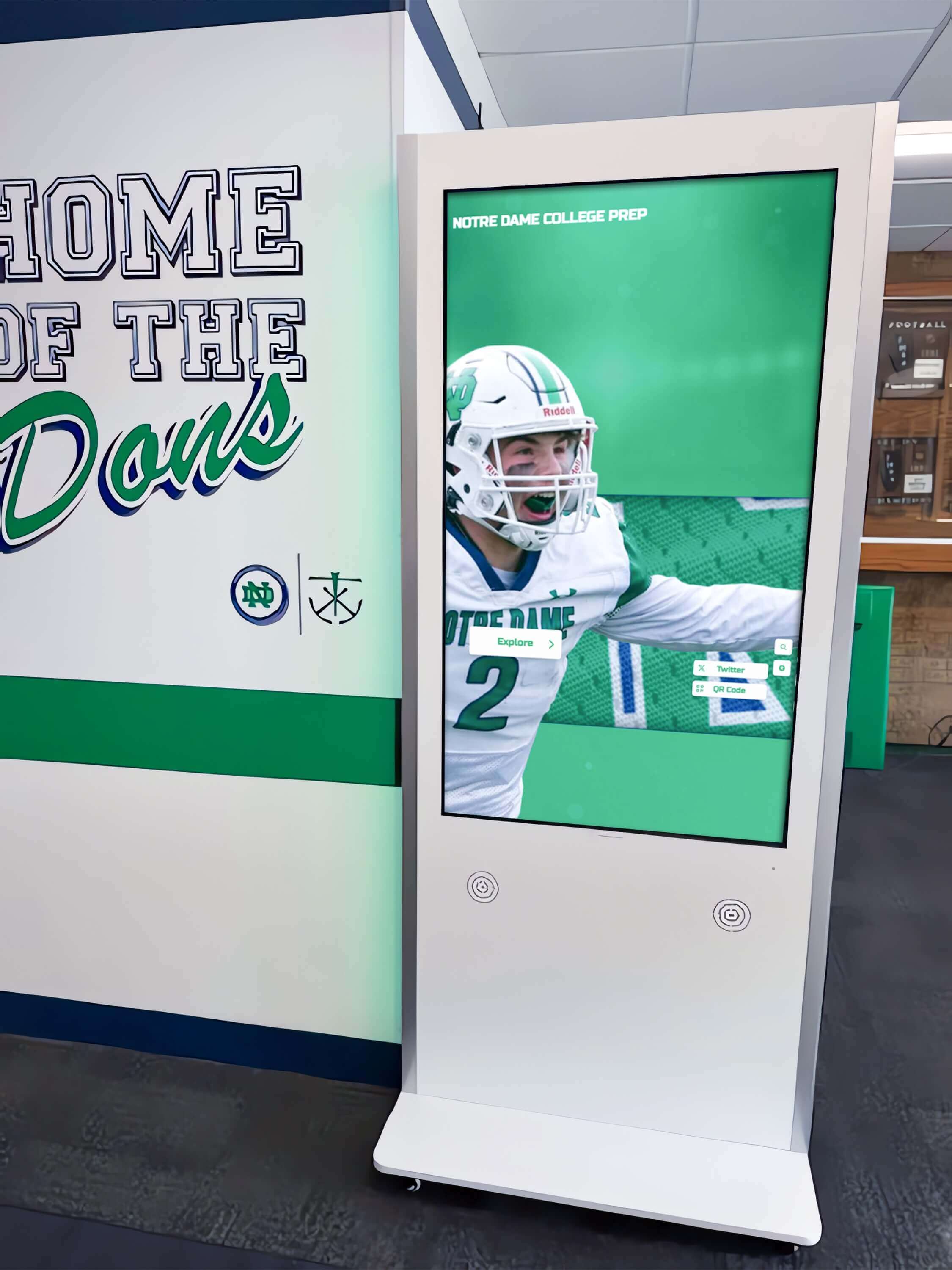
Software Platform Requirements: Intuitive content management requiring no technical expertise, cloud-based system enabling remote updates from anywhere, template-based profile creation ensuring consistency, powerful search and filtering enabling easy navigation, analytics dashboard tracking engagement and popular content, mobile optimization for smartphone and tablet access, and reliable vendor support including training and ongoing assistance.
Solutions like Rocket Alumni Solutions provide purpose-built platforms specifically designed for educational recognition, offering features tailored to athletic alumni recognition including statistics integration, video hosting, and sophisticated content organization.
Location Strategy: High-traffic areas maximizing visibility—athletic facility entrances, stadiums and fieldhouses, main building lobbies or common areas, and cafeterias or student centers. Appropriate prestige level matching honor being conveyed, adequate space for comfortable viewing and interaction, and reliable network connectivity and power infrastructure.
Phase 4: Launch and Ongoing Management
Systematic launches generate awareness while establishing patterns for sustained success.
Soft Launch and Testing: Internal review with stakeholders gathering feedback, comprehensive functionality testing across all features, usability observation revealing navigation challenges, and refinement based on testing insights before public launch.
Public Launch and Promotion: Formal unveiling event generating awareness and excitement, inviting recognized NFL alumni for ceremony participation when possible, engaging local media for coverage and visibility, integrating with football season kickoff or homecoming events, and demonstrating system features encouraging ongoing exploration.
Sustained Engagement: Regular content updates adding new alumni or achievements, featured content rotation highlighting different players or eras, social media promotion of individual alumni and their accomplishments, integration with campus tours and recruiting visits, and annual recognition ceremonies inducting new NFL alumni.
Benefits Beyond Simple Recognition
Strategic NFL alumni recognition supports multiple institutional objectives simultaneously.
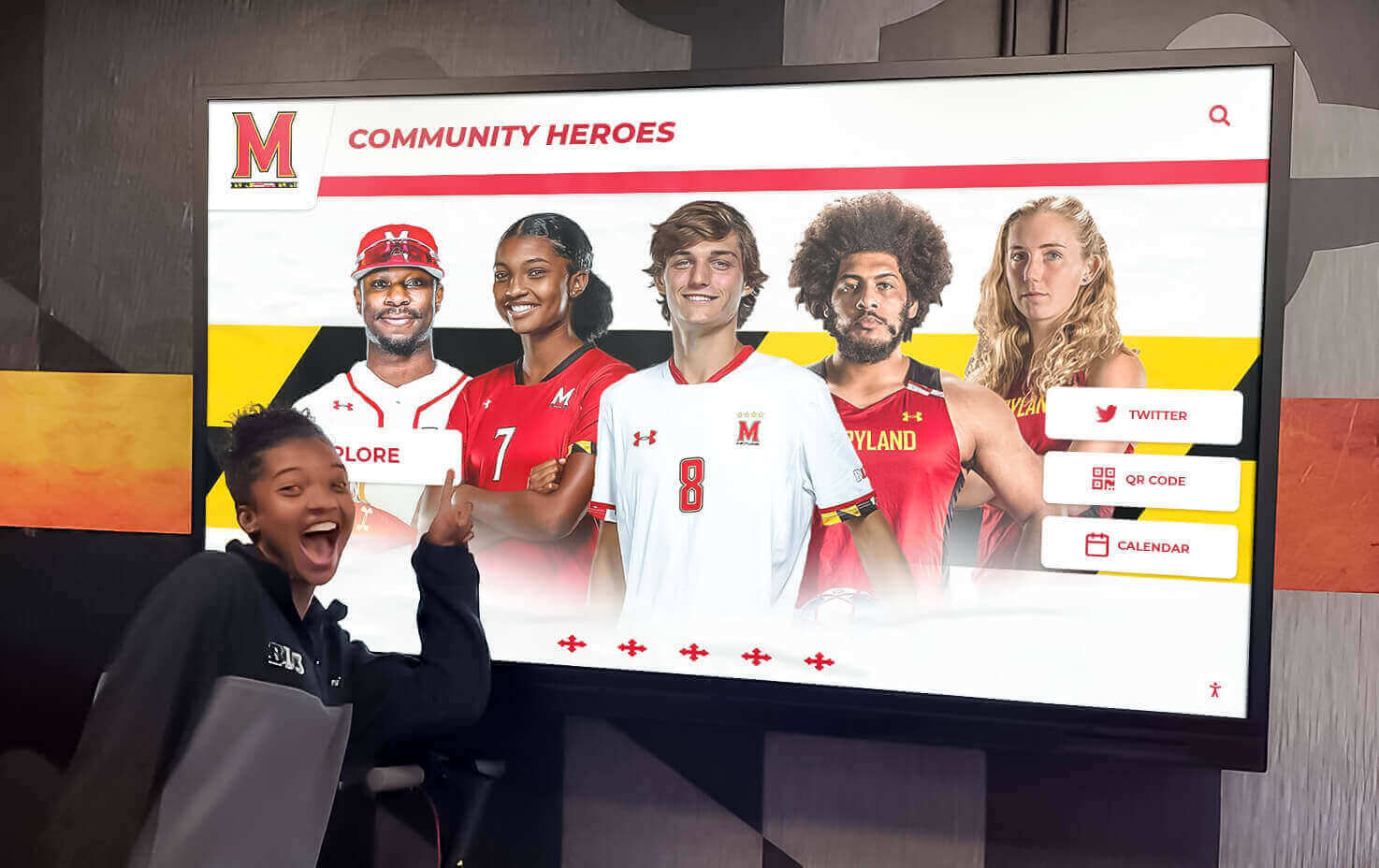
Inspiring Current Student-Athletes
Recognition creates visible proof that professional football careers can emerge from your school:
Motivation Through Tangible Examples: When current players see specific individuals who preceded them reaching the NFL, achievement feels attainable rather than impossibly distant. These alumni prove that dedication and talent can lead to professional opportunities.
Developmental Pathway Visibility: Comprehensive profiles documenting educational foundations and professional progression show current athletes what development looks like. Students understand that elite performance doesn’t appear overnight—it results from sustained commitment across years.
Accessible Role Models: Alumni who attended the same school faced similar academic requirements, practiced on the same fields, and dealt with comparable challenges. This accessibility makes NFL alumni more relatable role models than distant professional celebrities.
Research consistently shows that visible recognition of achievement significantly increases student motivation, engagement, and willingness to invest extra effort pursuing their own excellence. Academic recognition programs demonstrate similar patterns—students work harder when they see achievement celebrated systematically.
Strengthening Recruiting and Competitive Positioning
In competitive high school and college football recruiting, NFL alumni recognition provides strategic advantages:
Demonstrating Development Quality: Nothing validates coaching quality and program development capacity more effectively than producing professional athletes. Visible recognition showcases this track record to prospective student-athletes and families.
Differentiation from Competitors: When multiple programs recruit the same athletes, tangible differences become deciding factors. Comprehensive NFL alumni recognition differentiates programs demonstrating proven pathways to professional levels.
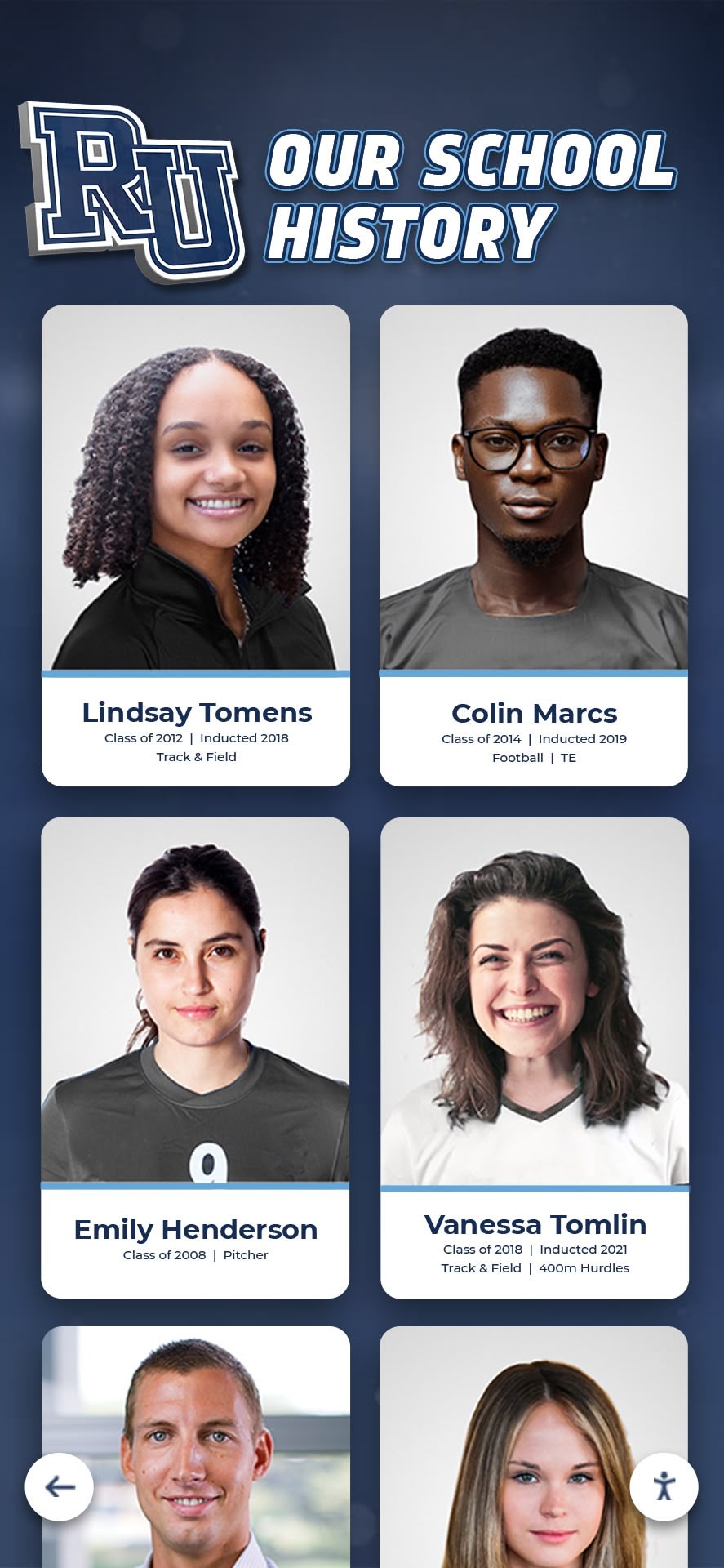
Building Program Prestige: Recognition elevates overall program reputation within conferences, regions, and nationally. Programs known for producing professionals attract higher-quality recruits creating virtuous cycles of continued excellence.
College recruiting benefits significantly from strategic recognition showcasing successful alumni during campus visits and recruitment communications. Schools can leverage player highlight tapes within digital recognition displays to demonstrate the caliber of athletes developed by their programs.
Enhancing Alumni Engagement and Giving
NFL alumni themselves benefit from seeing their achievements recognized appropriately:
Maintaining Institutional Connections: Recognition demonstrates that schools remember and value alumni contributions years after graduation. This appreciation strengthens emotional bonds encouraging continued engagement.
Creating Engagement Touchpoints: Recognition provides natural occasions for alumni outreach—profile launches, achievement updates, milestone celebrations, and annual induction events create regular engagement opportunities.
Supporting Development Initiatives: Recognized alumni often become donors supporting current programs, facilities, or scholarships. Recognition builds goodwill that translates into philanthropic support benefiting current students. Programs can explore creating an alumni hall of fame that integrates professional athletes with other distinguished graduates.
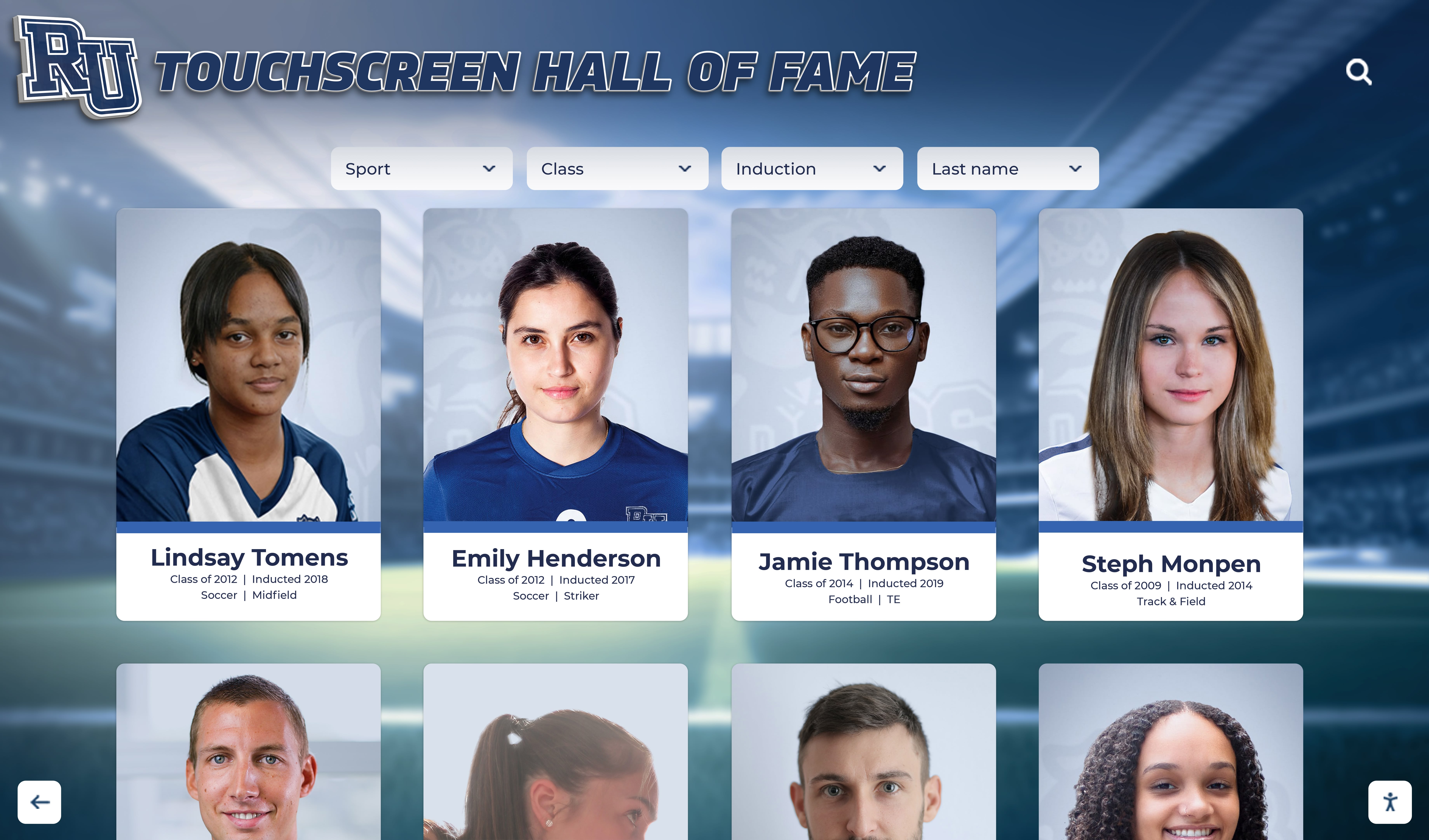
Alumni who feel valued and connected maintain stronger relationships with alma maters throughout their lives, creating benefits extending far beyond athletics into broader institutional support. The connection between recognition and alumni engagement demonstrates how honoring achievement strengthens institutional relationships.
Building Community Pride and Institutional Reputation
Communities take tremendous pride in local athletes reaching professional sports:
Civic Identity and Celebration: NFL alumni provide shared sources of community pride that unite diverse constituencies. Recognition displays become gathering points where community members celebrate collective achievement.
Media Attention and Visibility: NFL alumni generate media coverage when they achieve milestones or return to communities. Recognition programs amplify this visibility while associating schools with success at football’s highest levels. Strategic use of social media content from digital recognition displays extends this reach even further.
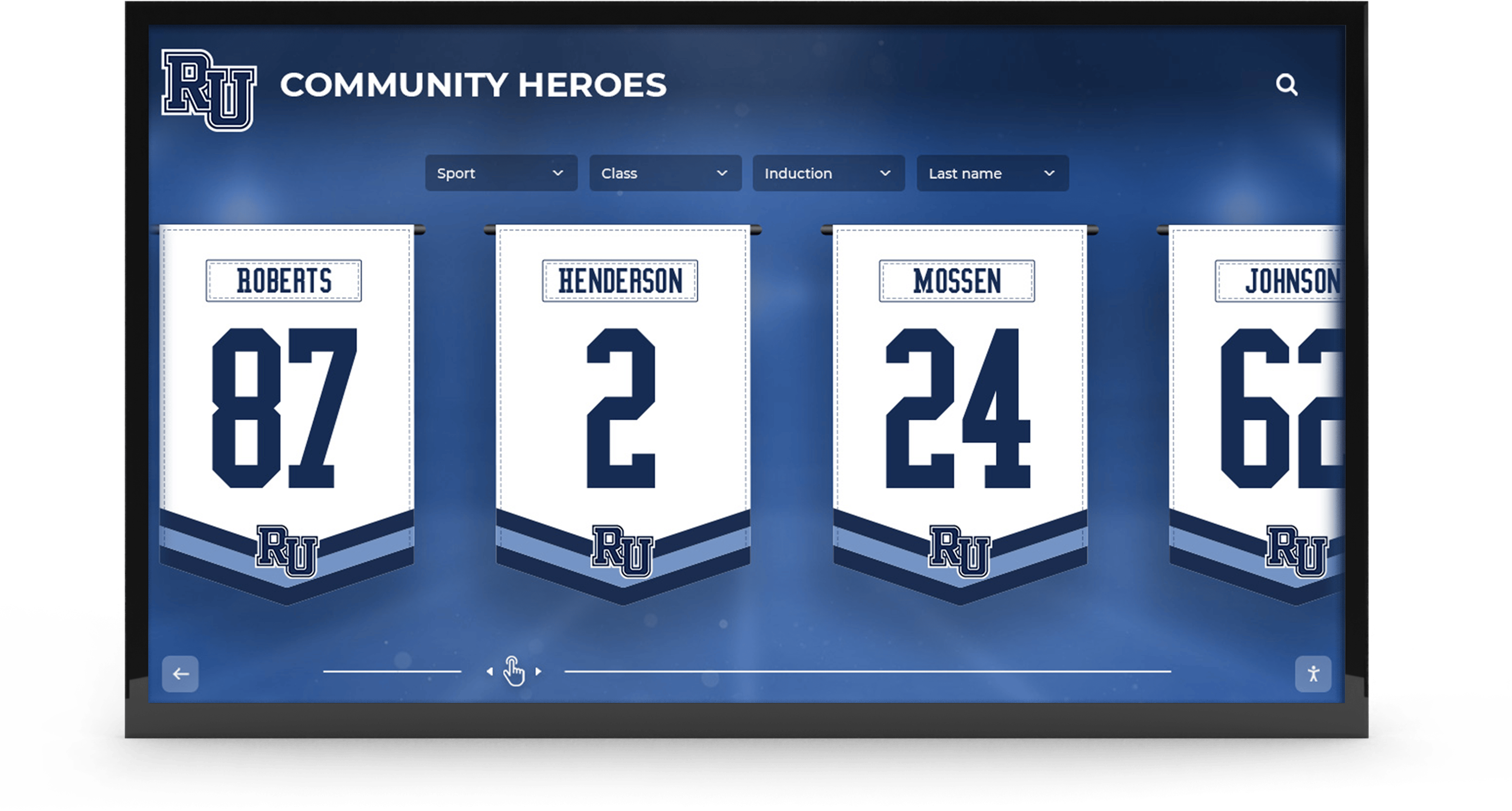
Brand Association with Excellence: Institutions become known for producing professional athletes, elevating overall brand perception. This reputation benefits all programs—academics, arts, other athletics—through halo effects of athletic excellence. Understanding the best ways to increase school pride helps schools leverage recognition for broader cultural impact.
Best Practices from Leading Programs
Learning from successful implementations helps schools create recognition that maximizes impact.
Balancing Historical and Current Alumni
Programs with long histories face challenges balancing comprehensive historical recognition with highlighting currently active NFL players:
Featured Current Players: Homepage sections prominently displaying currently active NFL alumni with real-time statistics updates, playoff performance tracking during postseason, and milestone achievement celebrations.
Historical Organization: Alumni organized by decade or era providing historical context, searchable databases enabling filtering by graduation year or professional team, and rotating spotlights periodically featuring different alumni ensuring all receive prominent visibility.
Legacy Connections: Highlighting alumni from same position or similar career paths, connecting current high school/college players with alumni who played their positions, and creating narrative threads showing program excellence across generations.
Maintaining Accuracy and Currency
Professional sports recognition demands meticulous factual accuracy:
Verification Processes: Cross-reference all statistics against authoritative sources (NFL.com, Pro-Football-Reference.com), verify draft information through official NFL records, confirm team histories and transaction details, distinguish clearly between regular season, playoff, and preseason statistics, and update active players’ information regularly throughout seasons.
Alumni Review When Possible: Invite alumni to review profiles before publication, incorporate alumni-provided materials and corrections, and respect privacy preferences about personal information sharing.
Transparent Corrections: When errors are identified, correct them promptly and transparently, maintain commitment to accuracy demonstrating respect for alumni, and establish review processes preventing future inaccuracies.
Creating Connections with Current Players
The most impactful recognition programs create meaningful connections between NFL alumni and current student-athletes:
Alumni Visit Programs: Inviting professional athletes to speak with current teams during offseason, facilitating question-and-answer sessions with current players, and arranging alumni attendance at games when schedules allow.
Video Message Integration: Recording messages from NFL alumni offering advice to current players, featuring alumni discussing their development and preparation, and incorporating these personal messages into recognition displays.
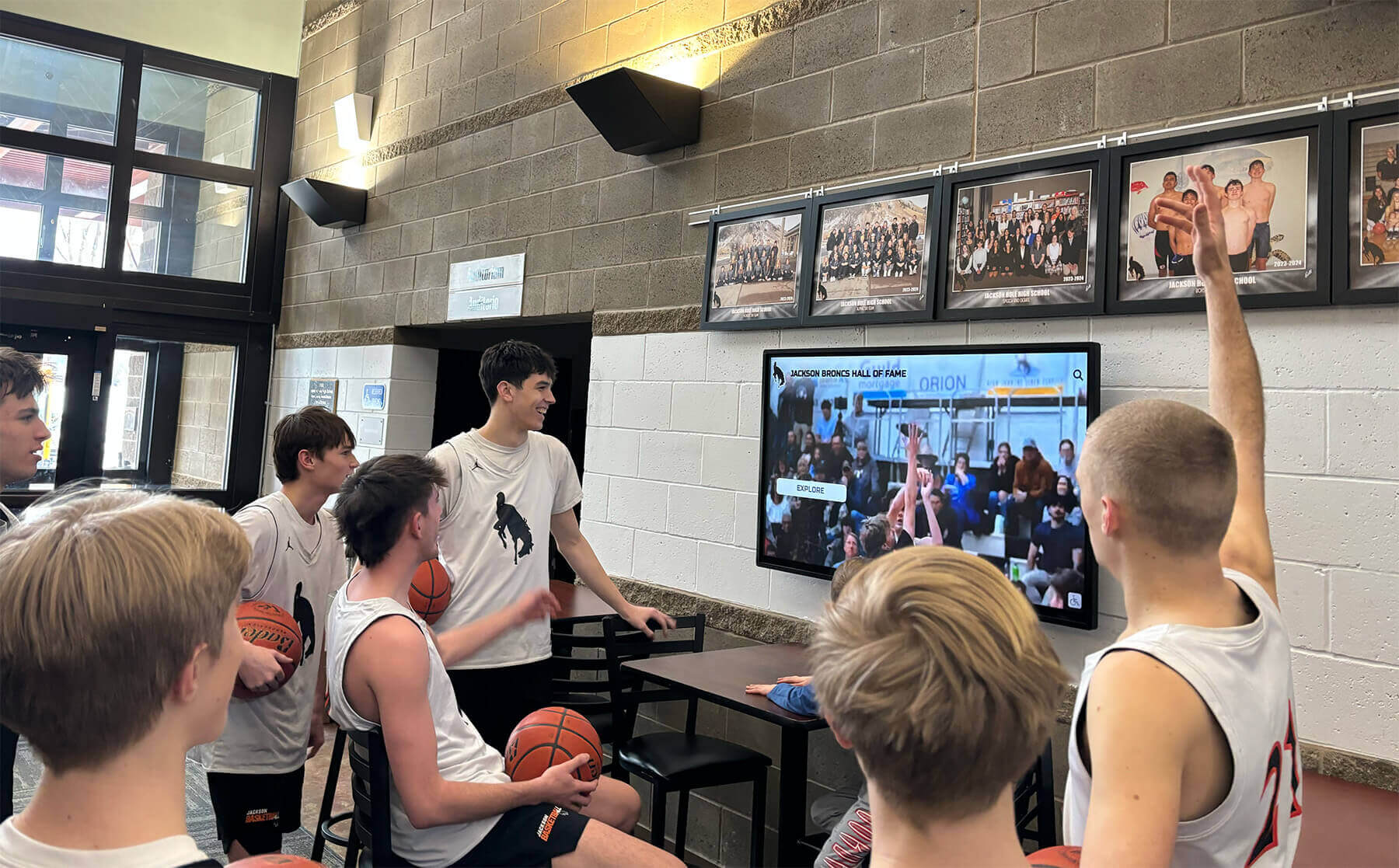
Mentorship and Networking: Connecting current players with alumni for guidance and mentorship, facilitating relationships that continue beyond high school or college, and creating alumni networks supporting current student development.
Social Media Engagement: Tagging NFL alumni when updating recognition or celebrating achievements, encouraging alumni to share their profiles and institutional connections, and amplifying alumni accomplishments through school social channels.
These connections transform recognition from historical record into living tradition continuously influencing program culture.
Investment Considerations and Funding Strategies
Understanding costs and funding approaches helps schools plan sustainable recognition programs.
Cost Analysis: Traditional vs. Digital Recognition
Traditional Physical Display Investment:
- Individual plaques: $200-500 each
- Custom wall installation: $5,000-20,000 for comprehensive design
- Memorabilia cases: $3,000-8,000 per case
- Annual additions: $1,000-3,000 for new inductees
- Space expansion when capacity fills: $10,000-50,000+
Digital Recognition System Investment:
- Commercial touchscreen display (55-75"): $8,000-15,000
- Recognition software platform: $3,000-6,000 initial, $1,500-3,000 annually
- Professional installation: $1,500-3,000
- Initial content development: $2,000-5,000
- Total Initial Investment: $14,500-29,000
- Annual Operating Costs: $1,500-5,000
While digital systems require higher upfront investment, they eliminate per-player costs, provide unlimited capacity, and offer dramatically enhanced capabilities. Over typical 7-10 year lifecycles, total cost of ownership often compares favorably while delivering substantially greater value.
Funding Sources and Strategies
Athletic Booster Organizations: Football boosters often fund recognition celebrating program excellence, special campaigns specifically for alumni recognition, and ongoing operational support for maintenance and updates. Consider showcasing community partnerships through recognition displays when booster organizations provide funding.
Alumni Contributions: NFL alumni themselves sometimes contribute to recognition programs, reunion giving campaigns with recognition components, and major gift opportunities for naming rights or program sponsorship.
Corporate and Community Sponsorship: Local business support in exchange for recognition visibility, community foundation grants celebrating local achievement, and athletic conference or association funding programs.
Institutional Capital Budgets: Recognition included in facility renovation projects, athletic complex improvements incorporating modern displays, and technology refresh budgets covering hardware upgrades.
Many schools find NFL alumni recognition generates strong community support making fundraising more successful than for other projects.
Measuring Recognition Program Success
Systematic assessment demonstrates value while identifying improvement opportunities.
Quantitative Engagement Metrics
Digital recognition systems provide valuable data:
- Total interactions and unique visitors over time
- Average session duration indicating engagement depth
- Most-viewed alumni profiles revealing audience interests
- Popular search terms showing discovery patterns
- Peak usage times informing content scheduling
- Year-over-year growth trends
These metrics demonstrate whether recognition drives sustained engagement or requires optimization.
Qualitative Stakeholder Feedback
Beyond metrics, gather perspectives from key constituencies:
Current Athletes: Awareness of program NFL history, inspiration level from alumni examples, and perception of professional pathway accessibility.
Prospective Athletes and Families: Recognition influence on school selection decisions, perceived program quality based on NFL alumni, and competitive differentiation from other programs.
NFL Alumni Themselves: Satisfaction with how achievements are honored, willingness to maintain institutional connections, and likelihood of supporting current programs.
Community Members: Pride in local athletes’ professional achievements, recognition visibility and accessibility, and perceived institutional commitment to honoring excellence.
Program Performance Indicators
Assess whether recognition contributes to strategic objectives:
- Recruiting success attracting top athletic prospects
- Alumni engagement rates and giving patterns
- Community event attendance and support
- Media coverage quantity and sentiment
- Youth program enrollment in feeder systems
While multiple factors influence these outcomes, systematic assessment reveals recognition program contributions.
Future Trends in Professional Athlete Recognition
Emerging technologies will continue enhancing NFL alumni recognition capabilities.
Enhanced Interactive Features
Virtual and Augmented Reality: Experiencing game environments through VR recreations of significant plays, AR overlays activating additional content when viewing displays, and immersive experiences bringing professional careers to life.
Gamification Elements: Interactive challenges and achievements engaging younger audiences, comparative stat tools allowing users to explore performance trends, and social features enabling friendly competition around alumni knowledge.
Live Integration: Real-time statistics during NFL seasons updating automatically, game-day activation featuring alumni whose teams are competing, and playoff performance tracking during postseason runs.
Artificial Intelligence Applications
Automated Content Generation: AI-generated highlight packages personalized to viewer interests, automated statistics analysis identifying notable achievements, and natural language search supporting conversational queries.
Personalized Experiences: Recommendation systems suggesting alumni profiles based on viewing history, content adaptation to individual user interests and preferences, and dynamic homepage curation featuring relevant content.
Enhanced Accessibility: Voice interaction enabling hands-free exploration, real-time translation supporting multilingual audiences, and comprehensive screen reader compatibility.
Social and Collaborative Recognition
Community Contribution Features: Verified fans submitting memories and photos of alumni, collaborative storytelling where multiple community members contribute perspectives, and moderated content integration enriching official profiles.
Social Media Integration: Seamless sharing to all major platforms, alumni engagement through social discussions, and user-generated content campaigns encouraging participation.
Alumni Networking Platforms: Connecting alumni with each other and current students, mentorship matching based on position or career interests, and professional networking extending recognition value.
Conclusion: Celebrating Pathways to Professional Excellence
NFL alumni represent extraordinary achievement—individuals who reached the pinnacle of American football through talent, dedication, and years of development. For high schools and colleges, these alumni provide inspiring examples of what commitment to excellence can achieve while offering tangible recruiting advantages and opportunities to strengthen institutional pride.
Effective recognition programs honor NFL alumni appropriately while serving multiple strategic objectives. Whether schools implement traditional physical displays, modern digital interactive systems like Rocket Alumni Solutions, or hybrid approaches combining both elements, the key is creating meaningful recognition that celebrates individual excellence while strengthening institutional culture.
The most successful recognition programs share common characteristics:
- Comprehensive coverage ensuring all NFL alumni receive appropriate recognition
- Rich multimedia content bringing careers to life through video, statistics, and narratives
- Current and historical balance highlighting active players while honoring all eras
- Connections to current students creating inspiration and mentorship opportunities
- Strategic integration with recruiting, development, and community engagement initiatives
- Ongoing management keeping content current and accurate across years
For institutions ready to create or enhance NFL alumni recognition, modern digital solutions provide comprehensive capabilities specifically designed for professional athlete recognition. These platforms offer unlimited recognition capacity eliminating space constraints, instant content updates as careers progress and new alumni reach professional levels, rich multimedia storytelling showcasing achievements appropriately, powerful search and discovery tools enabling easy navigation, engagement analytics demonstrating program value, and web accessibility extending recognition beyond physical locations.
Every NFL alumni journey began in educational institutions where coaches, teammates, and communities supported their development. Recognition displays honoring these achievements create lasting tributes while inspiring future generations to pursue their own forms of excellence. Schools that invest in comprehensive NFL alumni recognition build the institutional pride, competitive advantages, and community connections that benefit entire school communities for decades to come.
Ready to showcase your school’s NFL alumni through comprehensive digital recognition? Explore how Rocket Alumni Solutions delivers purpose-built platforms designed specifically for educational institutions celebrating athletic achievement at the highest levels.