



The senior sports banquet stands as one of the most emotionally charged evenings in high school and college athletics—a night when graduating athletes gather with teammates, coaches, families, and supporters to reflect on careers built through thousands of hours in practice facilities, competitive victories and heartbreaking defeats, physical transformation, leadership development, and relationships that often last lifetimes. For coaches and team captains, the speeches delivered at these banquets carry significant weight, offering final official words to athletes transitioning from competitors to alumni, from current roster members to program legacy holders.
Athletic directors, head coaches, assistant coaches, and team captains face a unique challenge: How do you distill years of shared experience into brief remarks that honor individual seniors meaningfully while celebrating collective team contributions? What stories resonate without becoming inside jokes that exclude families? How can speeches acknowledge athletic achievements without reducing athletes to statistics? What tone balances celebration with genuine emotion? How do you make each senior feel specifically recognized when time constraints limit individual attention?
Preserving Senior Recognition Beyond the Banquet Night
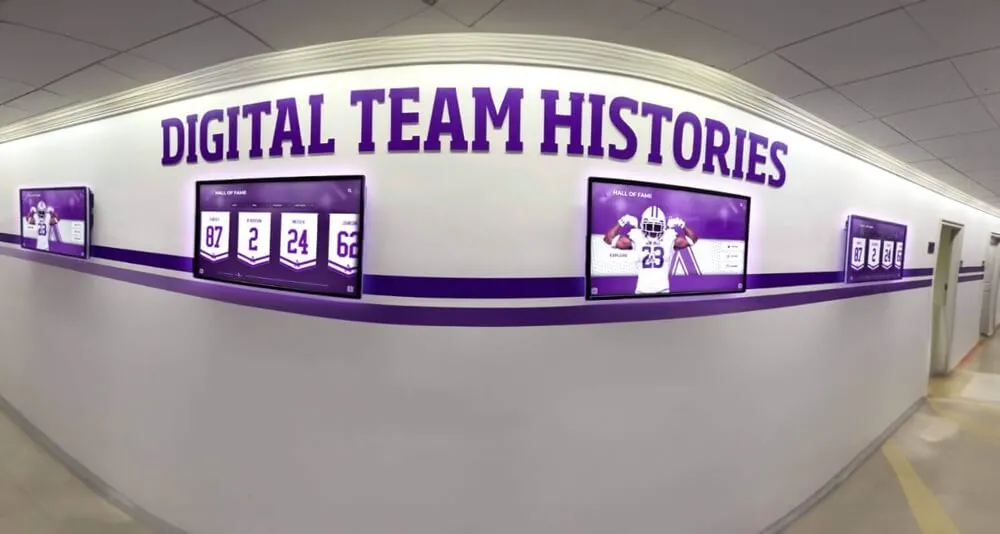
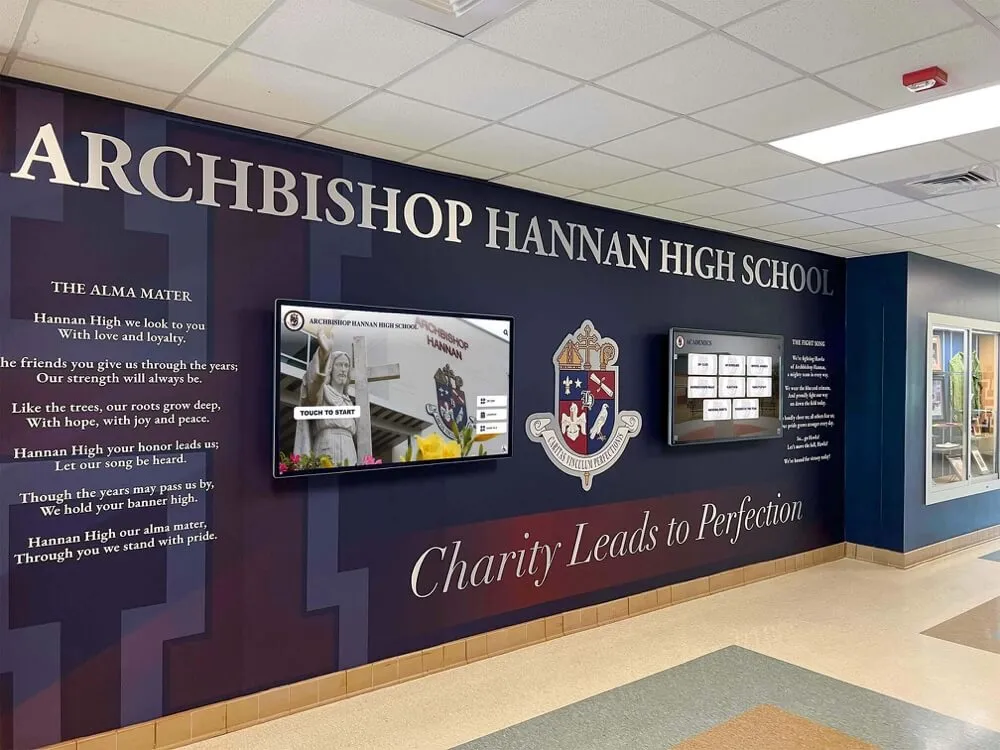
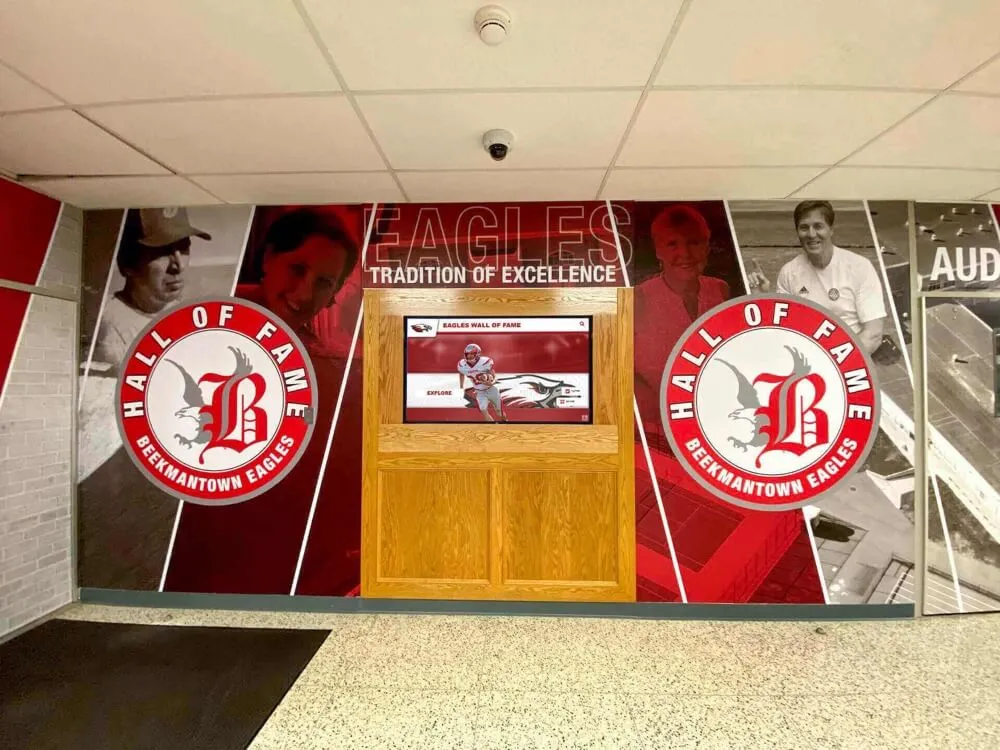
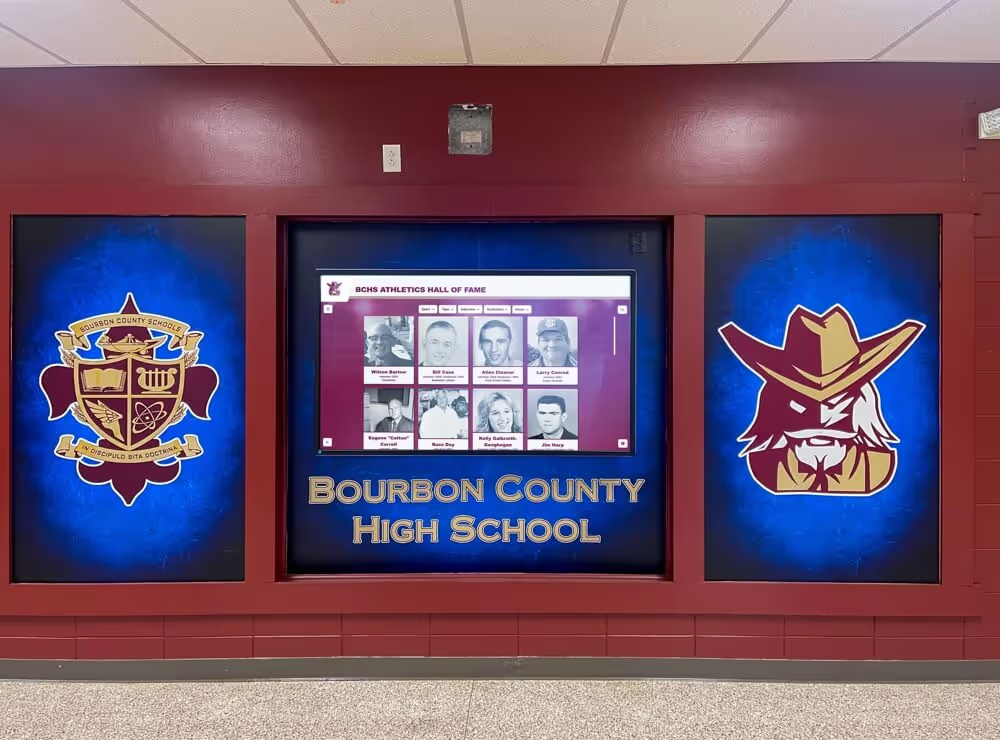
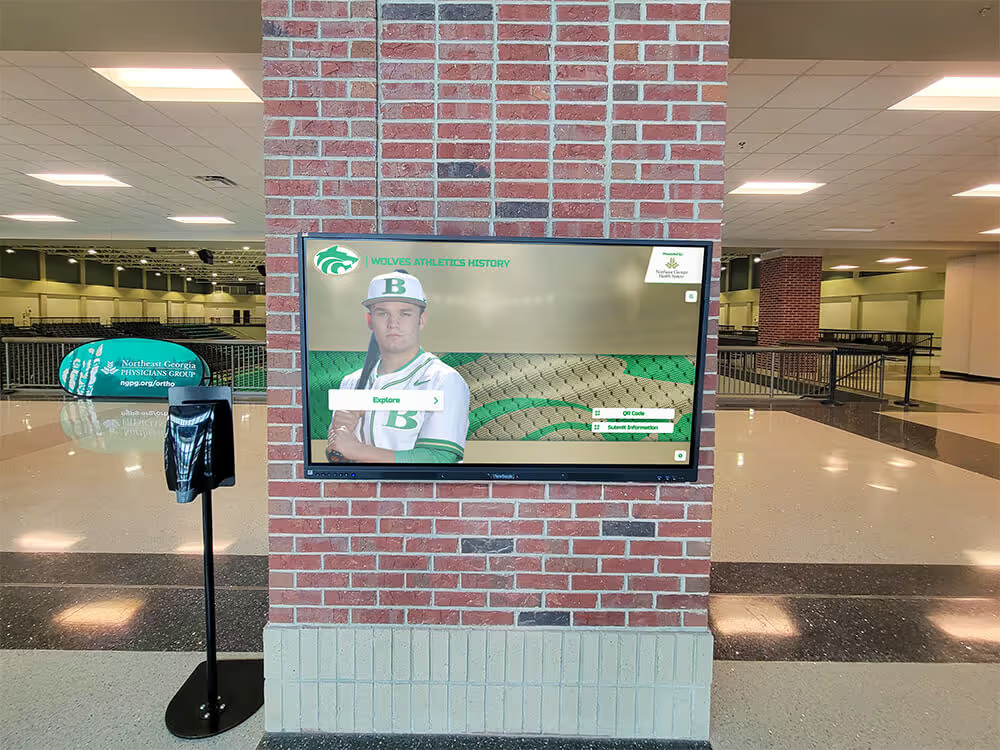
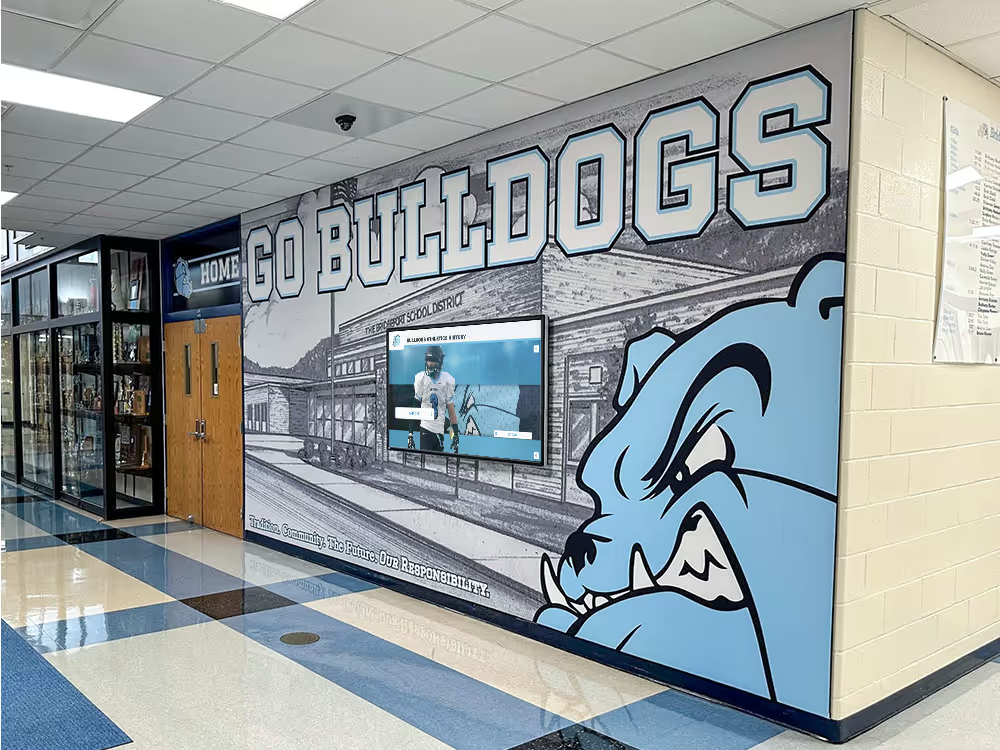
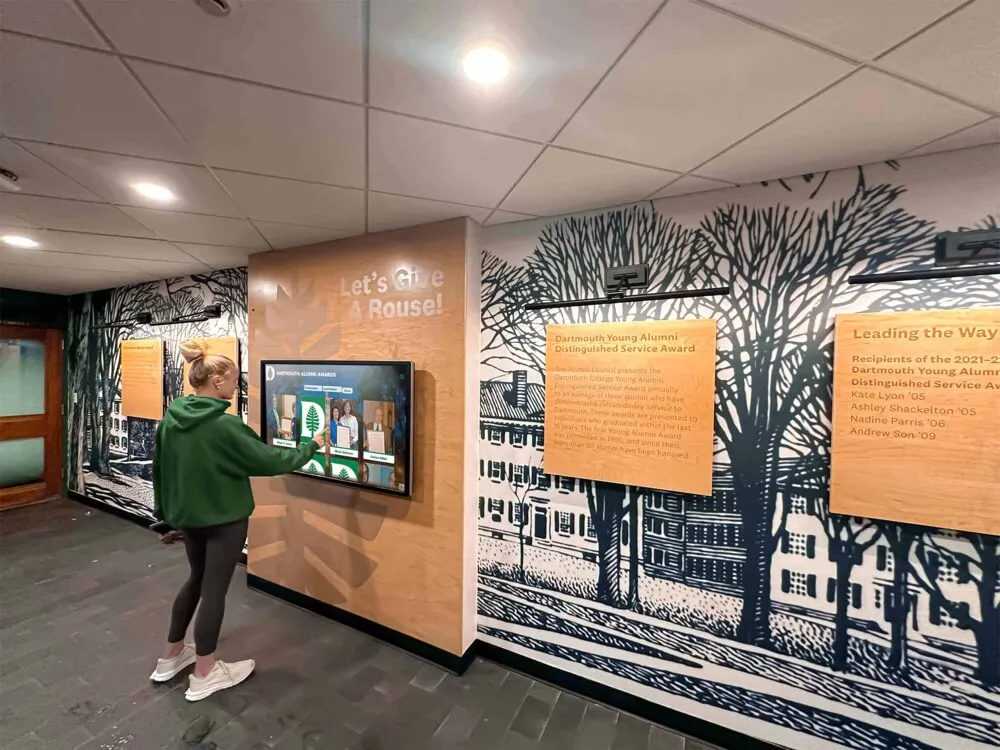
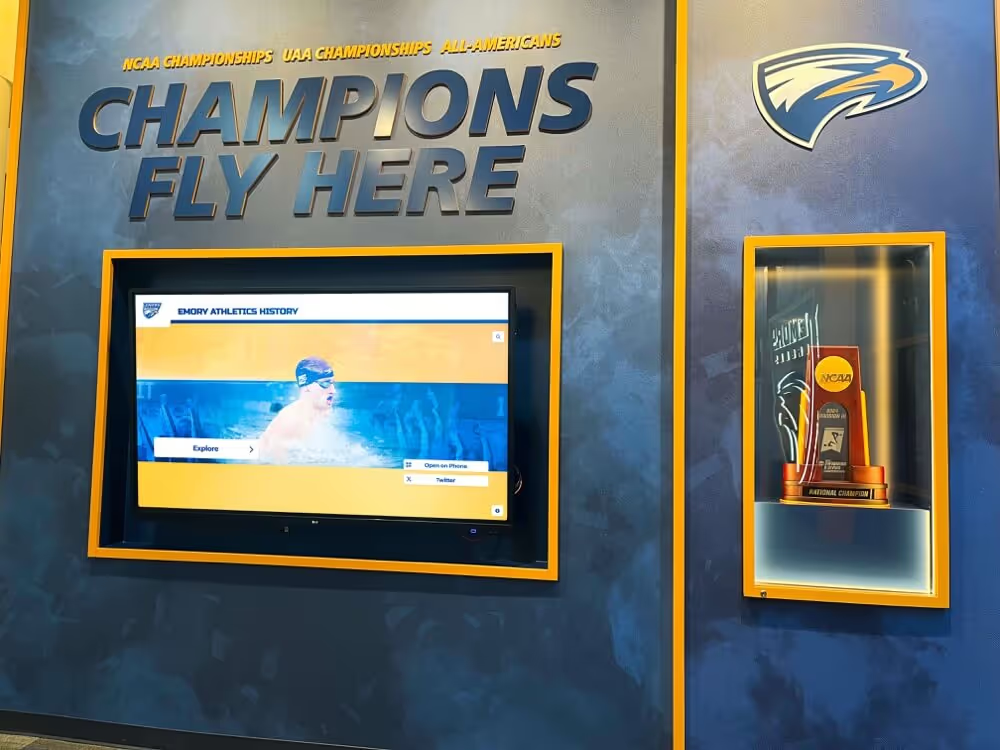
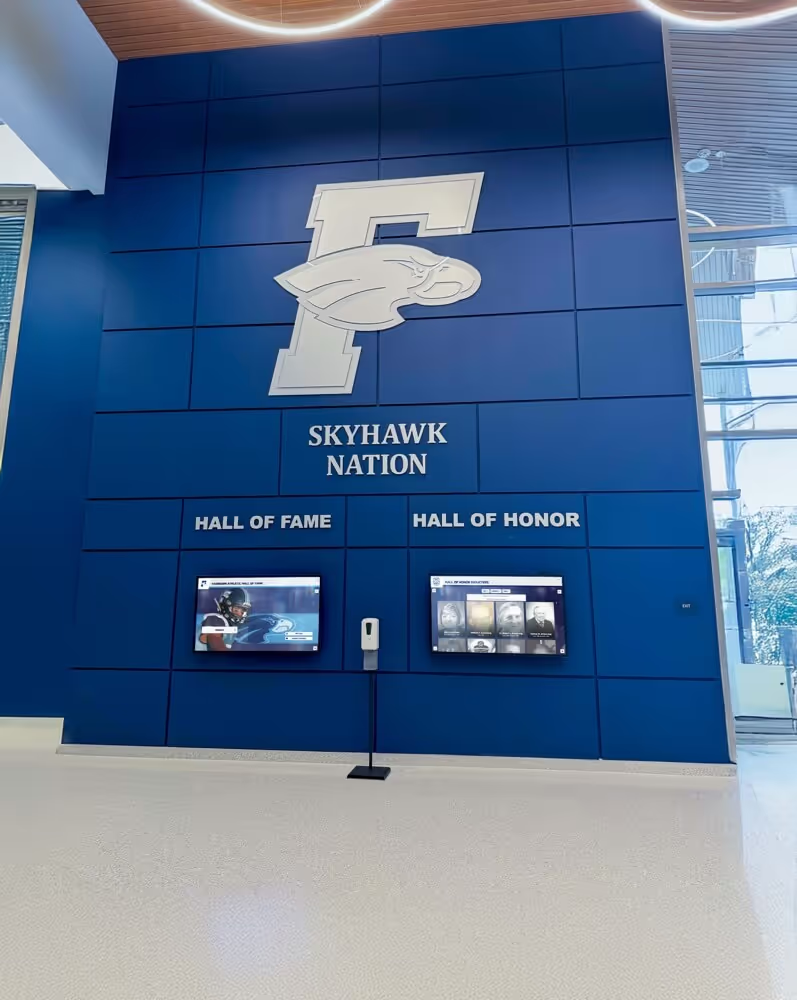
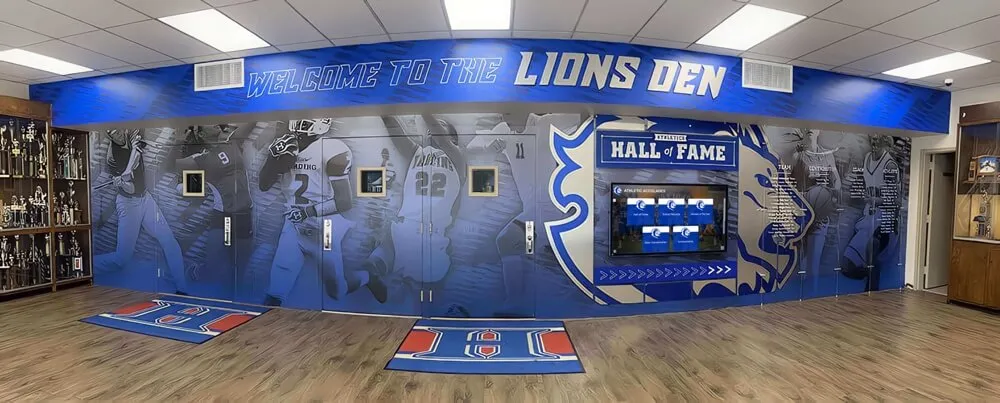
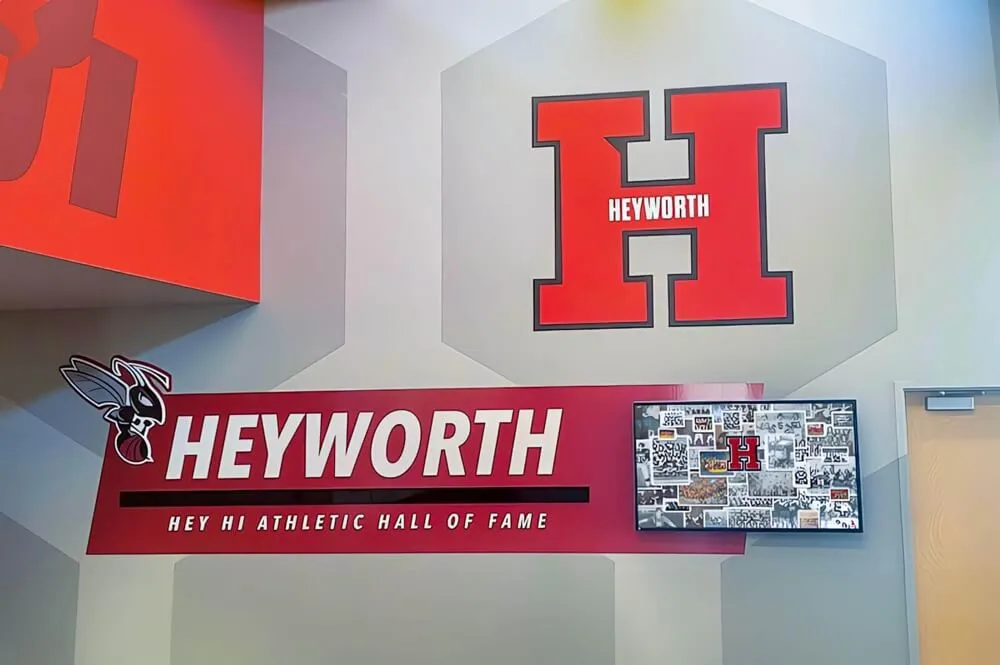
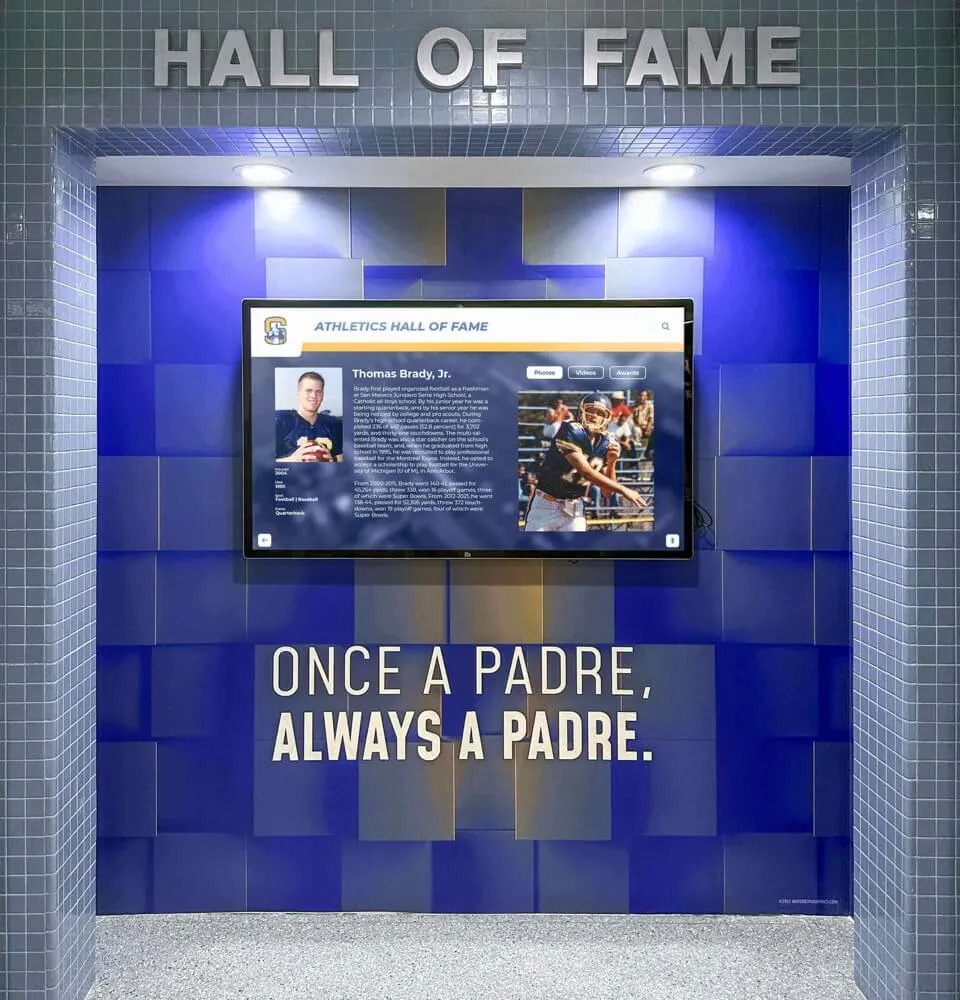
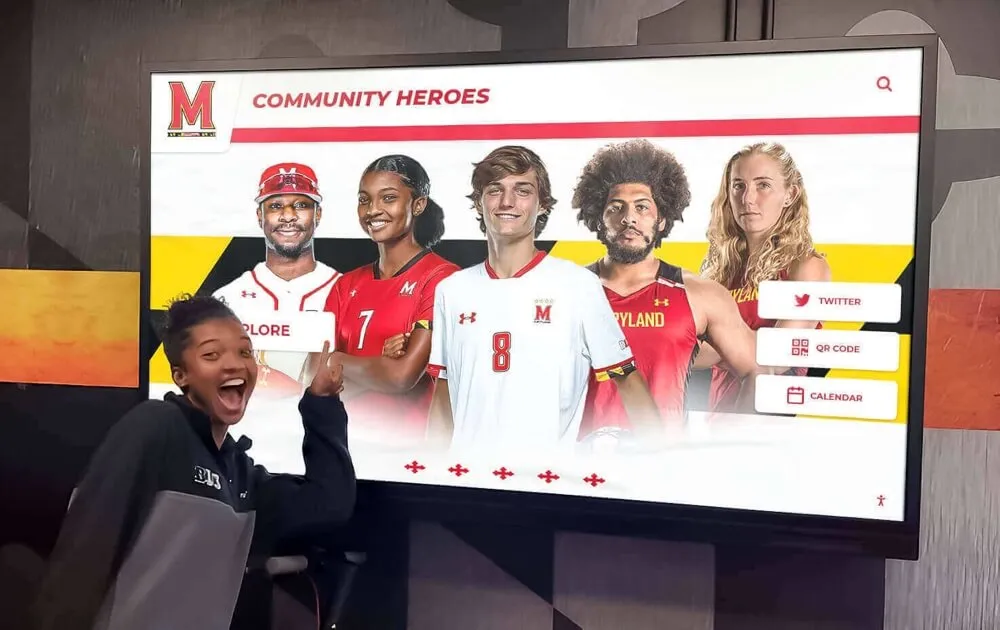
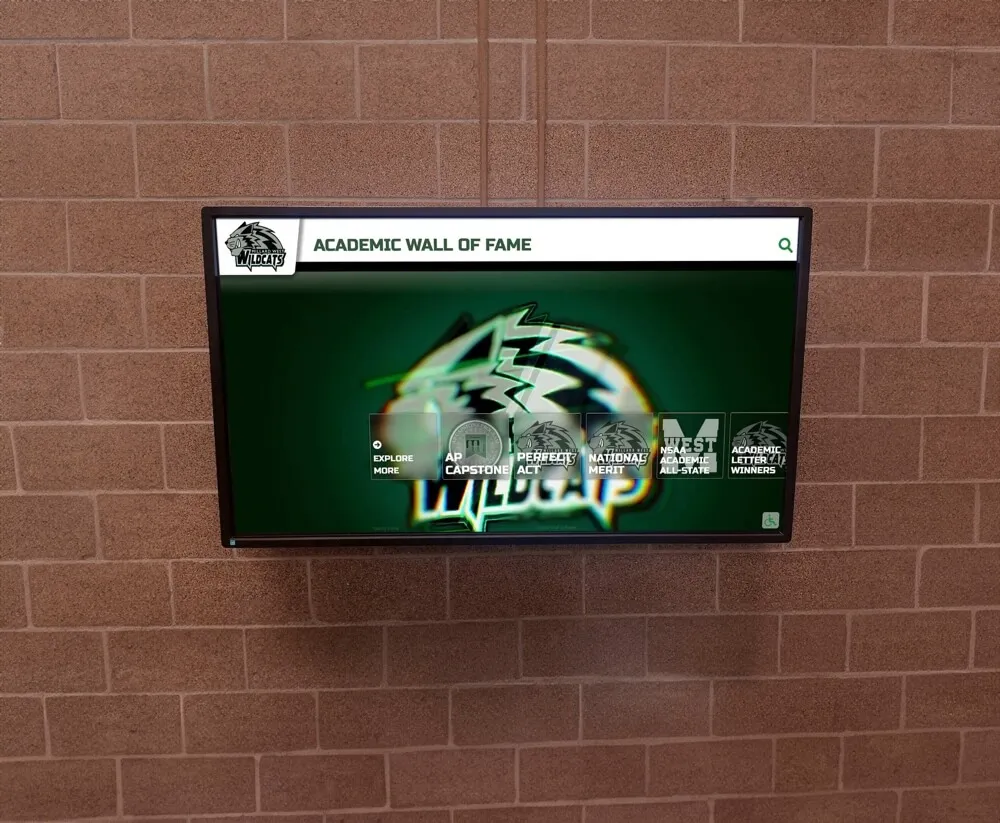
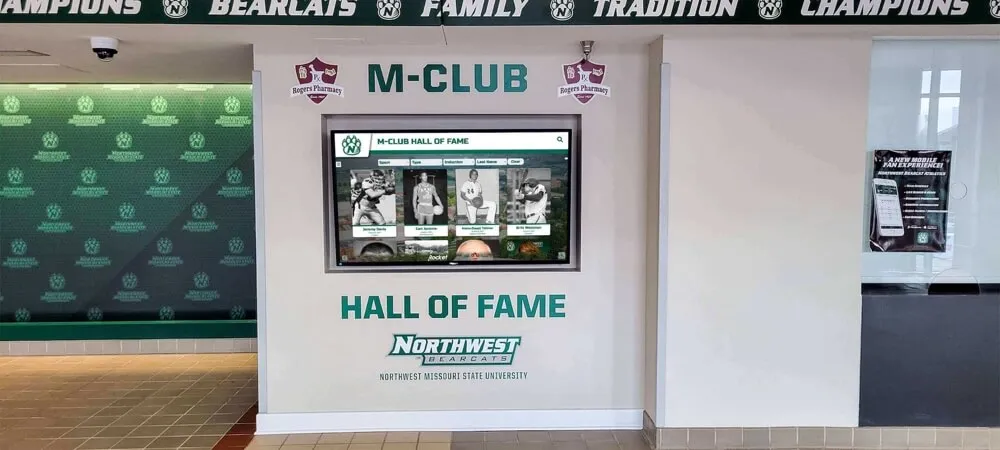
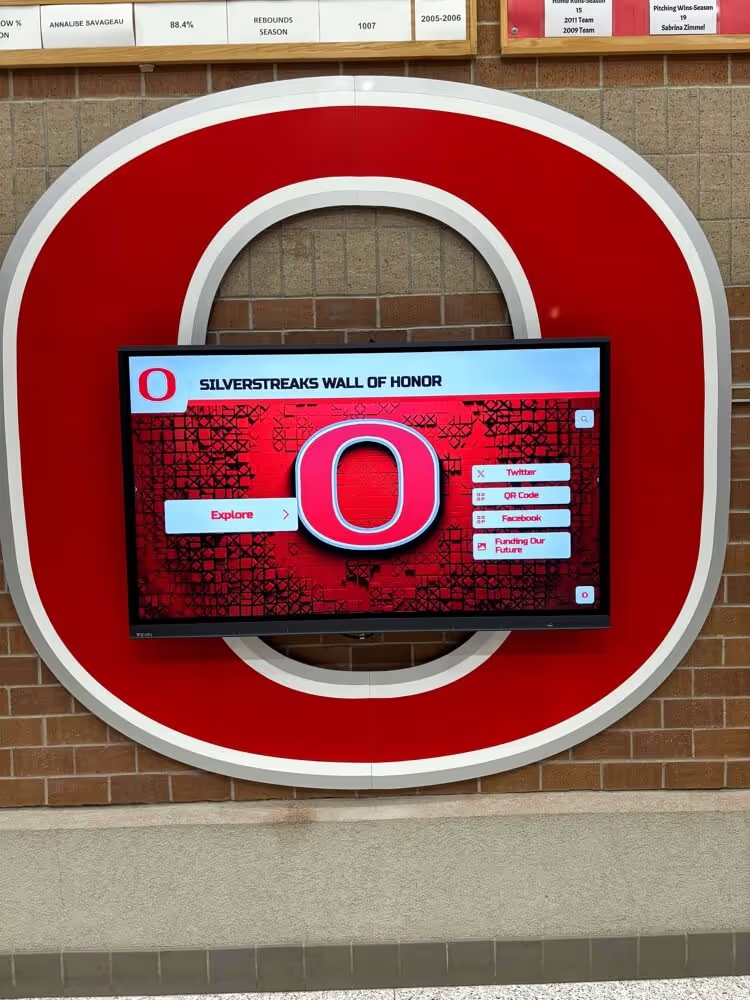
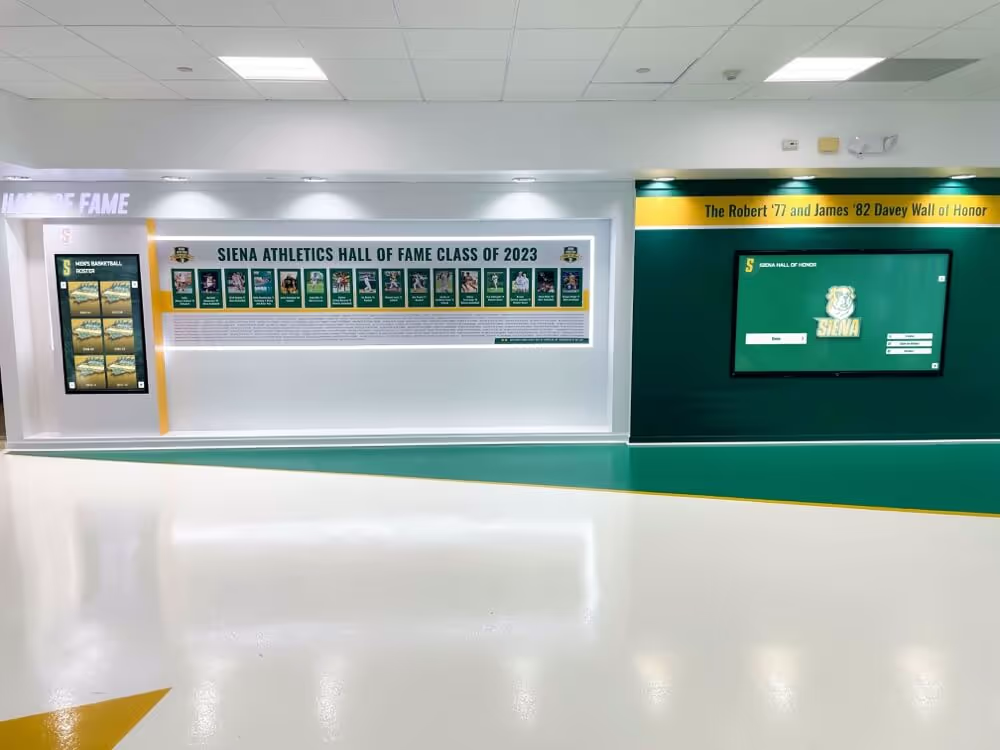
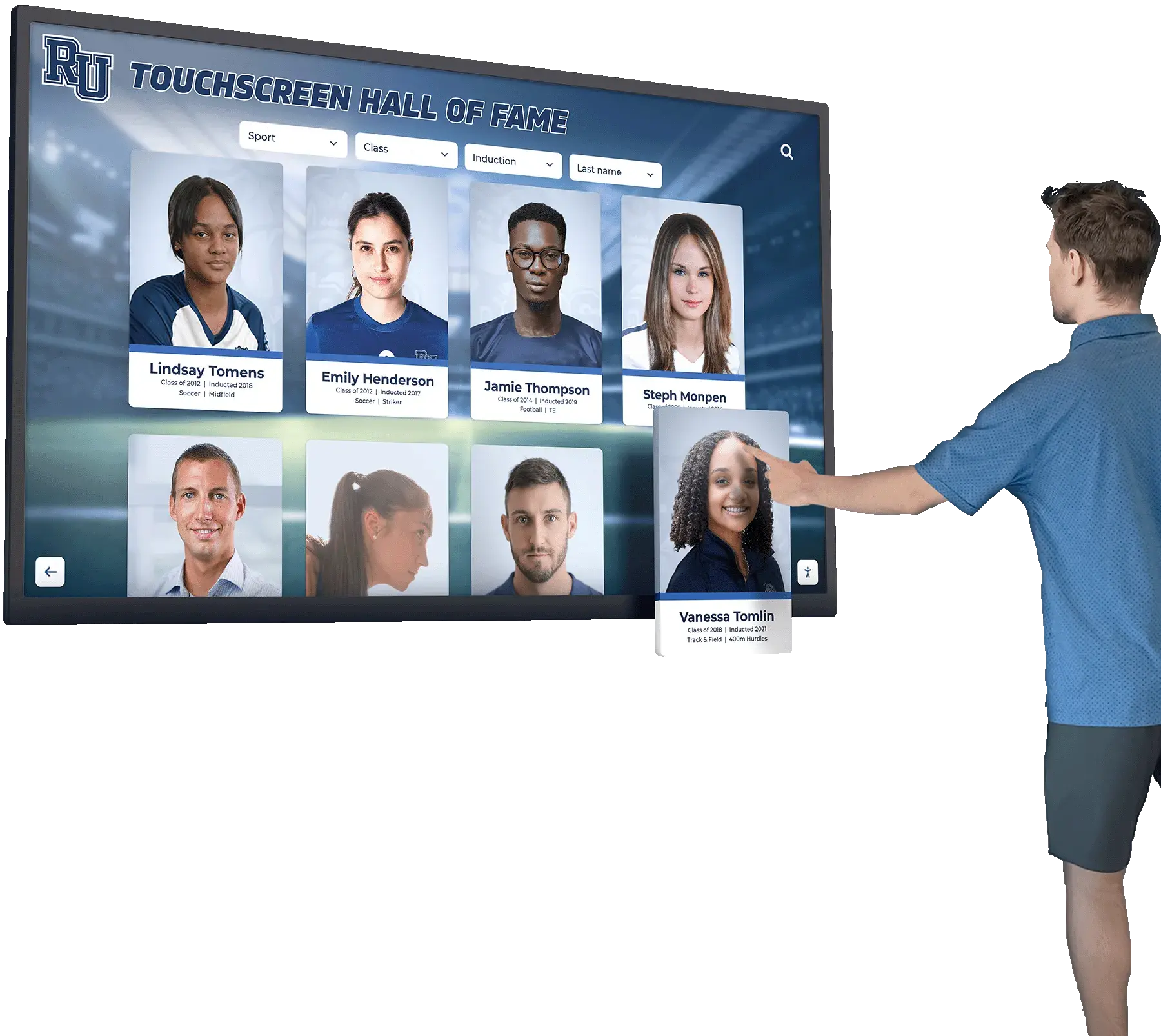
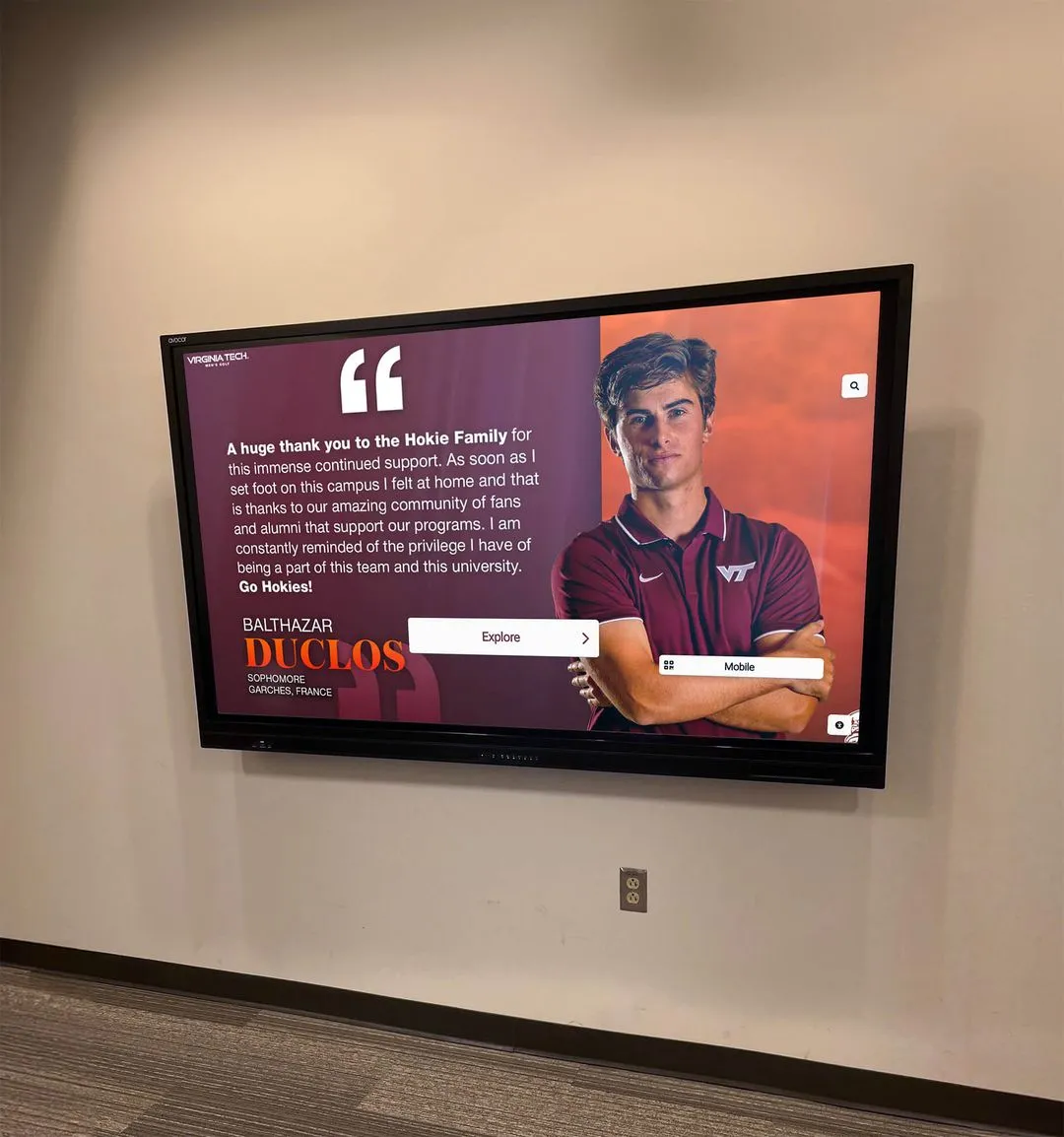
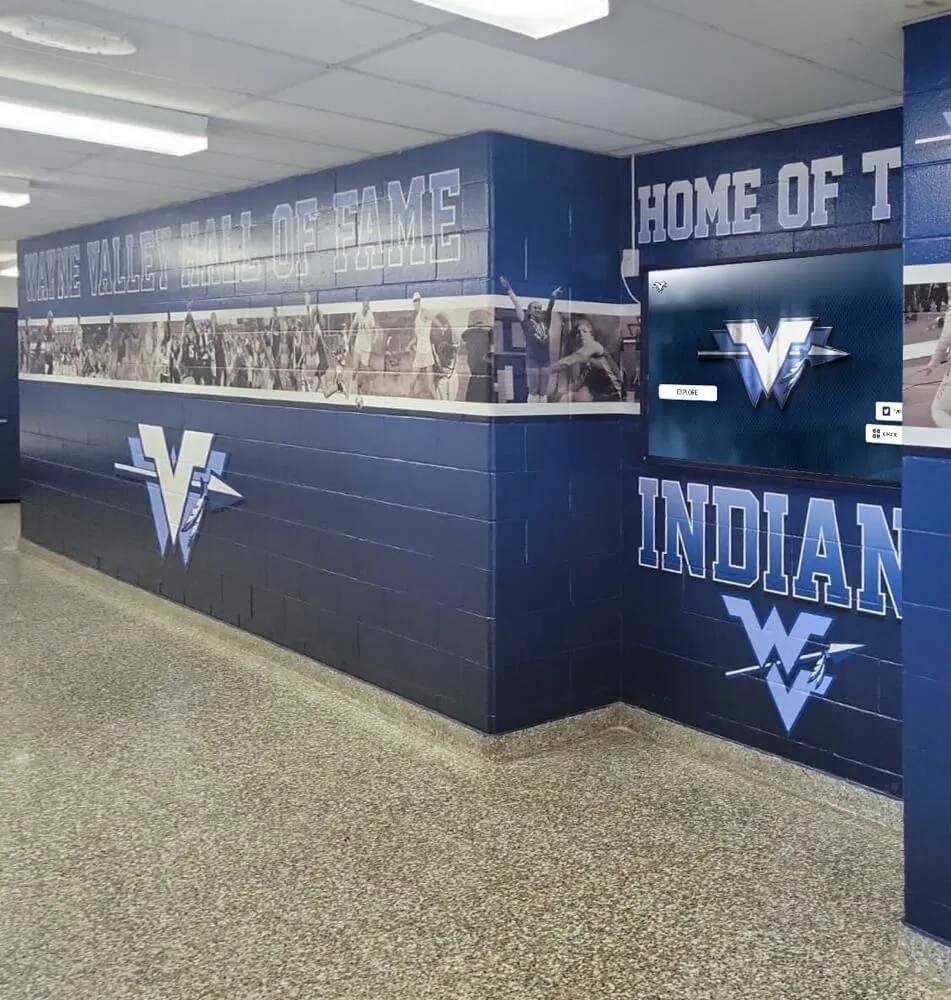
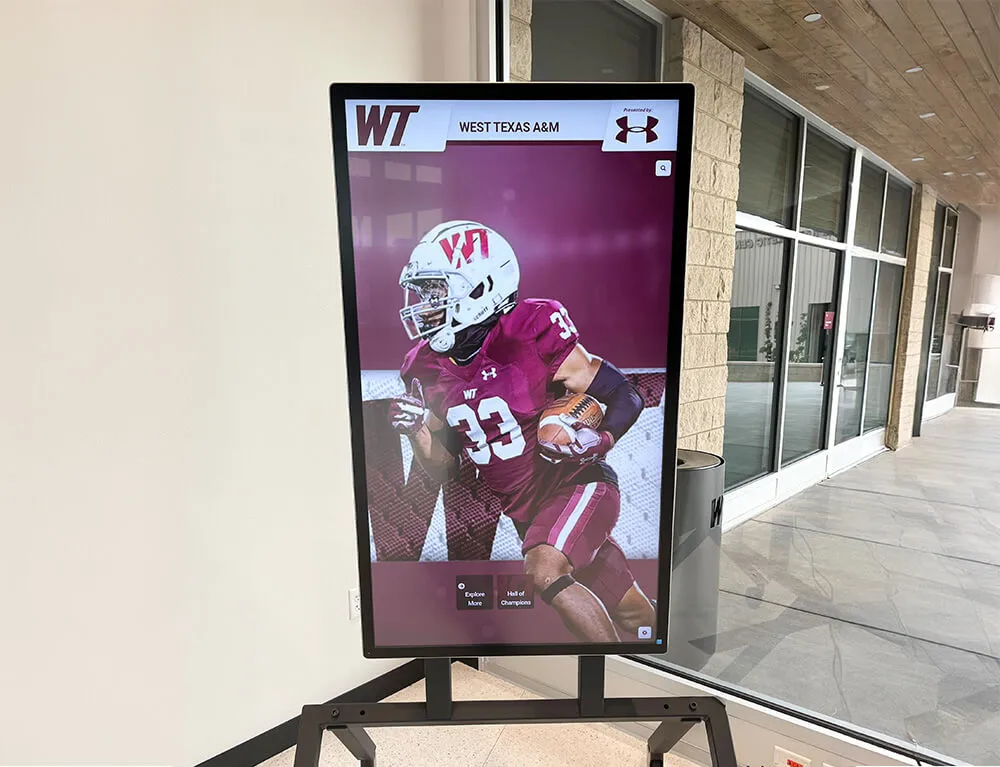
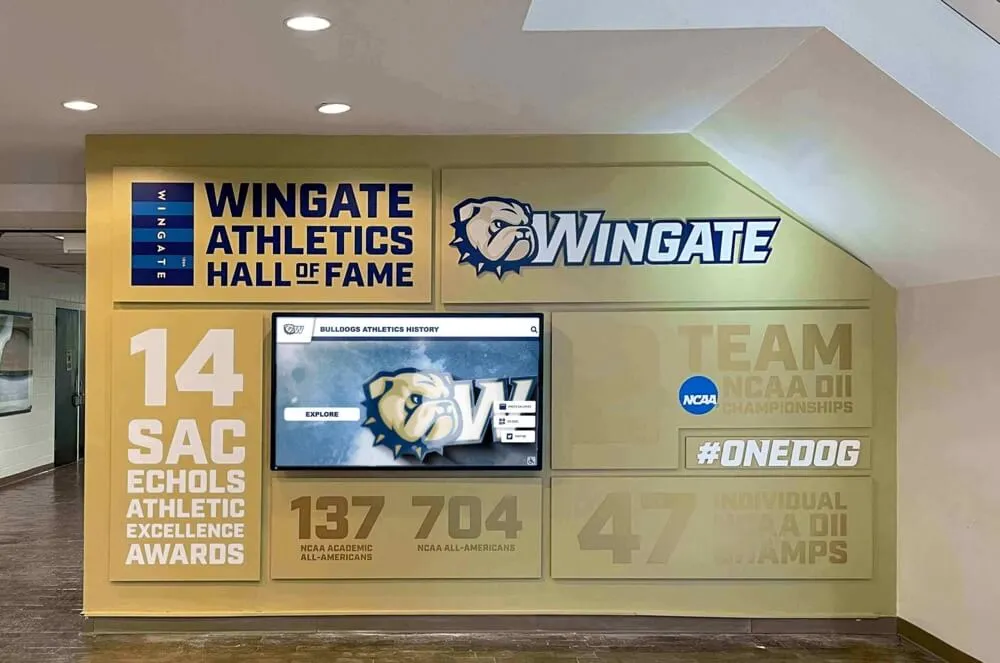
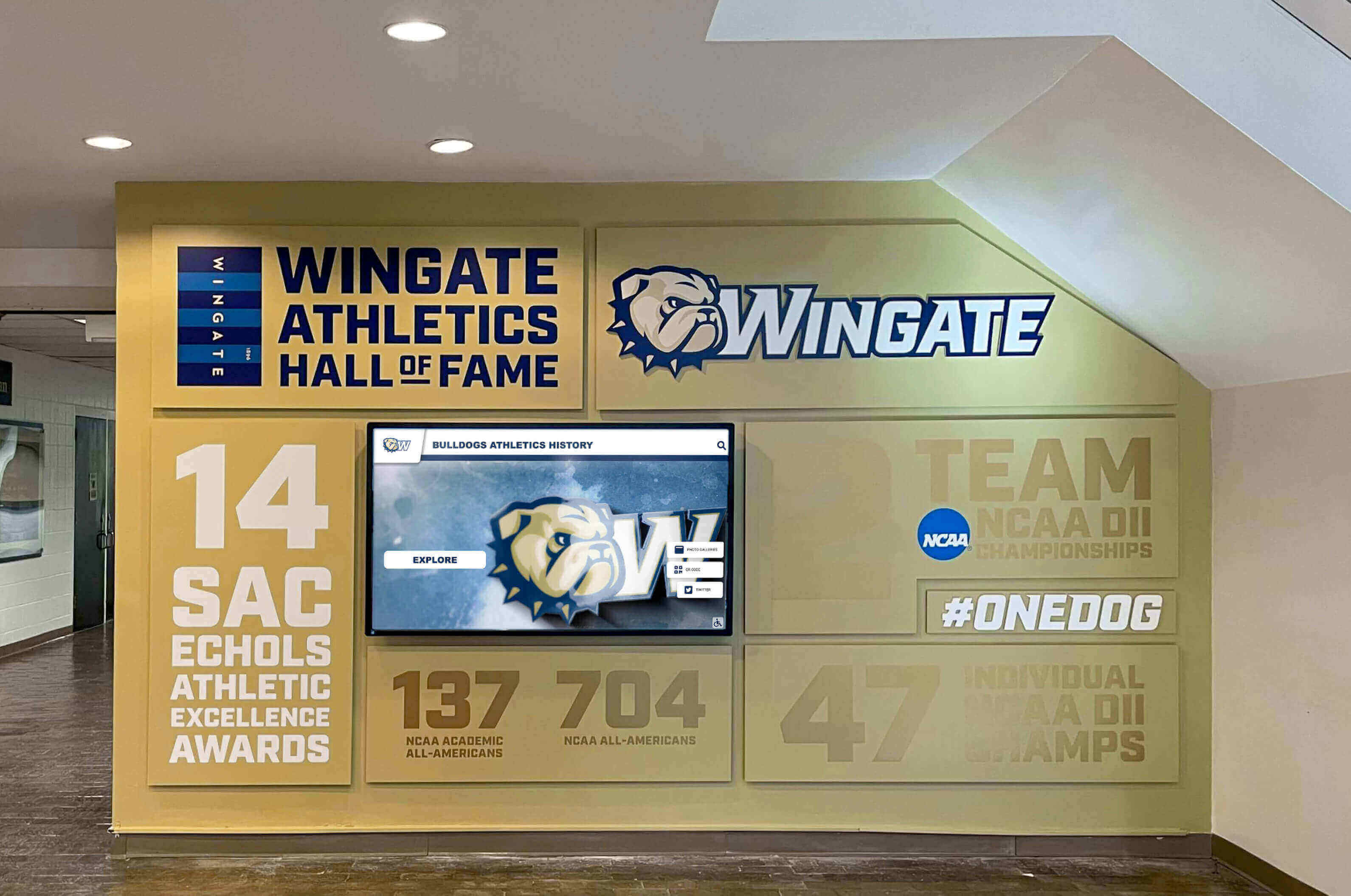
While banquet speeches create memorable moments, many programs now complement these occasions with permanent recognition displays that honor graduating athletes year after year. Modern digital recognition systems enable programs to document senior achievements comprehensively, showcase career statistics and milestones permanently, create searchable historical records connecting current athletes with program alumni, and maintain updated displays without physical space limitations. Solutions like Rocket Alumni Solutions provide athletic programs with dynamic recognition displays that extend the banquet's mission of honoring seniors into permanent, accessible platforms celebrating athlete excellence across all sports and generations.
Understanding Your Audience and Banquet Purpose
Before crafting specific speech content, recognizing who’s in the room and what the evening represents shapes appropriate approaches and tone.
The Multi-Generational Audience Reality
Senior banquets bring together diverse audiences with different relationships to honored athletes and varying expectations for the evening:
Parents and Extended Family Members attend primarily to celebrate their graduating athletes. Many have supported athletes through years of early morning practices, travel team expenses, injury rehabilitation, and emotional ups and downs. They want acknowledgment of their athletes’ specific contributions and character—not generic platitudes that could apply to anyone. Family members may have limited understanding of sport-specific terminology or inside team references, requiring speakers to provide context for anecdotes and achievements.
Current Underclassmen Teammates view banquets as transitions marking their own progression toward team leadership. They appreciate speeches acknowledging senior mentorship and leadership while reinforcing program values and expectations continuing beyond graduating classes. Underclassmen recognize authentic stories versus manufactured narratives—they lived the season alongside seniors and know which characterizations ring true.
School Administrators and Athletic Staff attend representing institutional support for athletic programs. Their presence acknowledges athletics’ role within broader educational missions while celebrating student-athletes as complete individuals balancing athletic, academic, and social development.
Alumni and Community Supporters connect current seniors with program tradition and legacy. Their attendance demonstrates how athletic programs create lasting bonds extending well beyond graduation—a message particularly meaningful for seniors transitioning from active participants to alumni.
Defining the Banquet’s Core Purposes
Effective speeches align with the evening’s fundamental objectives:
Celebrating Achievement and Growth means acknowledging both competitive accomplishments and personal development. Athletic achievement includes obvious elements—championships, records, all-conference selections—but equally significant growth often occurs in less visible dimensions: overcoming adversity, developing mental toughness, mastering complex skills, improving conditioning, and learning to manage success and failure.
Honoring Character and Leadership recognizes that the athletes you remember decades later aren’t always the most statistically accomplished but those who elevated programs through integrity, work ethic, positive attitudes, and selfless leadership. Banquet speeches provide opportunities to name and celebrate these character qualities explicitly.
Creating Ceremony and Closure acknowledges athletes’ transitions from current competitors to alumni. Effective speeches mark this passage meaningfully, providing emotional closure while connecting seniors to ongoing program traditions they now represent as graduates.
Strengthening Program Culture happens when speeches reinforce values, expectations, and traditions continuing beyond any single senior class. Your remarks to graduating seniors simultaneously communicate messages to underclassmen about what the program values and celebrates.
Resources on recognizing senior awards across different categories provide context for comprehensive athlete recognition systems.
Head Coach Speech Framework and Content Ideas
The head coach’s speech typically serves as the evening’s centerpiece, carrying particular weight given the coach-athlete relationships built through years of shared experience.
Opening with Context and Season Reflection
Strong coaching speeches begin by establishing context before diving into individual senior recognition:
Season Narrative Framework
Begin with brief season overview establishing the journey seniors completed during their final campaigns. This approach creates shared reference points for your subsequent remarks:
“This season tested us in ways we couldn’t have anticipated in October. We started with high expectations after last year’s conference championship, faced significant injuries to key contributors by mid-season, showed remarkable resilience in that three-game stretch where we won despite being shorthanded, and ultimately finished with a program-record 24 wins. Our seniors led us through every challenge, demonstrating daily the character that defines this program.”
This opening accomplishes several objectives simultaneously: it acknowledges the season’s reality honestly, establishes seniors’ leadership role, and frames subsequent individual recognition within collective team context.
Program Values Connection
Alternative openings connect seniors to enduring program principles:
“When I think about this senior class, three program values keep coming to mind: accountability, resilience, and selflessness. Every single senior in this room has demonstrated these qualities repeatedly—in different ways reflecting their unique personalities and contributions, but consistently embodying what we ask from every athlete in this program.”
This values-based framework provides structure for subsequent individual recognition while reinforcing program culture for underclassmen.
Individual Senior Recognition Strategies
The central challenge in coach speeches involves recognizing multiple seniors meaningfully within reasonable time constraints. Several approaches balance individual attention with practical limitations:
The Defining Moment Approach
For each senior, identify and share one specific memorable moment, practice, game, or interaction that captures something essential about that athlete:
“Marcus—I’ll always remember that Tuesday practice in January when you pulled aside three freshmen struggling with defensive rotations and spent 30 minutes after practice walking them through positioning. Nobody asked you to do it; nobody except those freshmen and the coaching staff even noticed. But that’s exactly who you are—a leader who helps others succeed even when there’s no recognition or reward. That’s the legacy you leave this program.”
Specific moments create emotional resonance generic praise never achieves. They demonstrate that you truly know each athlete individually while telling stories families and teammates recognize as authentically representing those seniors.
The Character Quality Framework
For each senior, name a specific character quality they exemplified, provide concrete examples demonstrating that quality, and explain how it impacted the team:
“Emma brought relentless positivity to this team every single day. When we lost three straight conference games in February and the locker room mood turned dark, Emma started organizing team breakfasts before Saturday practices. When Sarah tore her ACL and felt isolated during rehab, Emma made sure she stayed connected to the team. When younger players got frustrated learning our system, Emma reminded them that growth takes time. Emma’s positivity wasn’t naive cheerfulness ignoring problems—it was determined optimism choosing to find solutions and support teammates regardless of circumstances.”
This approach celebrates who athletes are, not just what they accomplished, while demonstrating their specific impact on team culture.
The Growth Arc Narrative
For seniors who experienced significant development, trace their journey from arrival to graduation:
“When Jordan joined our program as a freshman, he was a talented but raw athlete who relied almost entirely on natural ability. Sophomore year, injuries forced him to focus on skill development and conditioning. Junior year, he emerged as a starter but still struggled with consistency. This senior season, Jordan became the complete player we always knew he could become—not through shortcuts but through four years of sustained commitment to improvement. That transformation didn’t just make Jordan a better player; it showed every underclassman in this room that sustained effort produces results.”
Growth narratives prove particularly powerful for athletes who weren’t stars as underclassmen but developed into significant contributors through dedication and work ethic.
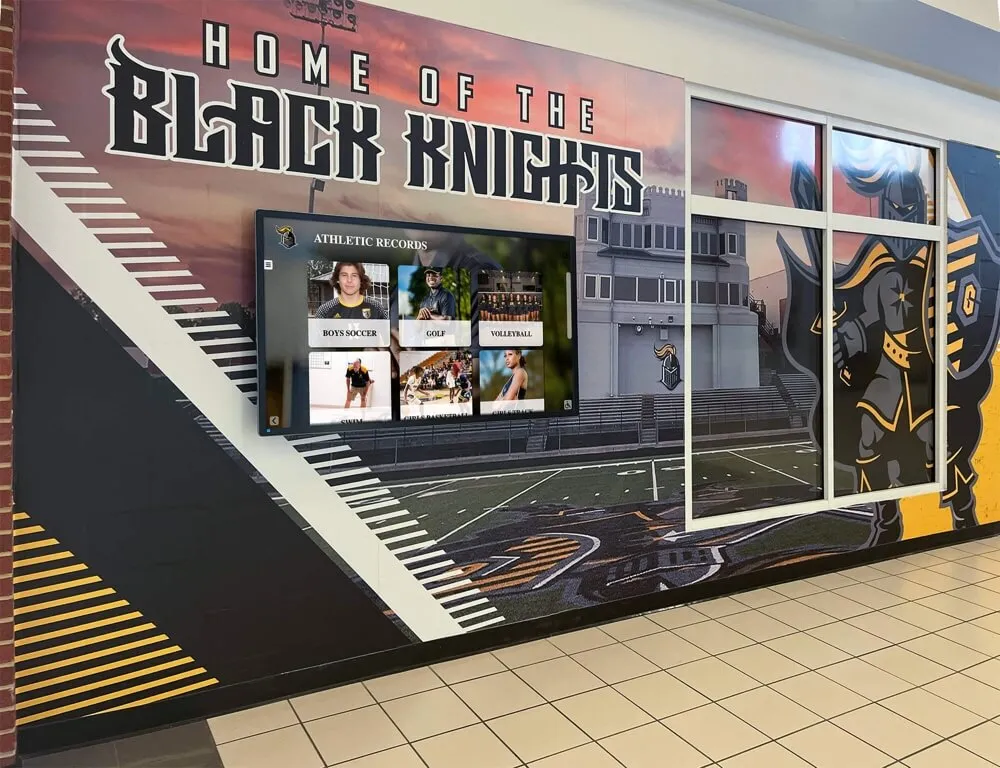
Programs looking to showcase such growth might find value in digital touchscreen athletic record board displays that track athlete development over multiple seasons.
Closing with Forward-Looking Perspective
Effective coach speeches conclude by connecting seniors to program future and their own post-graduation paths:
The Legacy They Leave
Explicitly name what seniors contributed to program culture and identity:
“This senior class leaves our program better than they found it. You raised our competitive standard, established new expectations for off-season training commitment, modeled how to balance athletic and academic excellence, and showed younger teammates what authentic leadership looks like. Future teams will benefit from the foundation you built.”
The Transition to Alumni Status
Acknowledge that while their competitive careers with your team end, their connection to the program continues:
“Starting tomorrow, you transition from current athletes to program alumni. That role carries different responsibilities—supporting future teams, representing our program in your communities, staying connected with teammates, and eventually returning to share your experiences with future athletes. We expect to see you back here supporting this program for decades to come.”
The Life Lessons Forward
Connect athletic lessons to broader life applications:
“The discipline you developed waking up for 6 AM practices will serve you in professional careers. The resilience you built competing through adversity will help you navigate life’s inevitable challenges. The teamwork skills you mastered will make you valuable colleagues and community members. The character you demonstrated here will define your impact wherever life takes you.”
Team Captain Speech Framework and Content Ideas
Captain speeches offer different perspectives than coaching remarks, providing peer-to-peer recognition with unique credibility and emotional resonance.
Leading with Authentic Peer Perspective
The captain’s role as peer rather than authority figure enables different speech approaches:
Shared Experience Foundation
Captains can speak to shared experiences from an insider perspective coaches can’t fully access:
“To my fellow seniors—we’ve been through everything together. The brutal summer conditioning that made us question our sanity. The bus rides home after tough losses where nobody spoke for an hour. The locker room celebrations after unexpected wins. The moments when we wanted to quit but pushed through because we had each other. Nobody outside this senior class fully understands what we experienced together, and I wouldn’t trade it for anything.”
This acknowledgment of shared experience creates immediate connection with fellow seniors while honoring the unique bond graduating classes often develop.
The Inside Joke Balanced with Translation
Captains can reference team-specific memories and humor while making them accessible to broader audiences:
“Every senior here knows about ‘Thompson Tuesdays’—those brutal conditioning sessions Coach Thompson added after we lost that game in January. At the time, we absolutely dreaded them. But looking back, those Tuesdays brought us together, pushed us beyond what we thought we could handle, and built the conditioning that carried us through the playoff run. I guarantee ten years from now, we’ll laugh about Thompson Tuesdays at reunions.”
This approach honors insider memories while providing enough context for families and underclassmen to understand their significance.
Individual Senior Recognition from Peer Perspective
Captains can highlight aspects of fellow seniors that coaches might not observe or emphasize:
The Unsung Contributor Recognition
Captains can specifically honor seniors who didn’t receive statistical recognition but made significant impacts:
“I want to specifically recognize Jake. He didn’t get playing time this season, but he came to every practice, pushed starters in drills, stayed positive when he had every reason to be frustrated, and supported teammates from the bench every single game. That’s character. That’s commitment. That matters more than any statistic, and Jake embodies what this program should value.”
These acknowledgments carry particular weight coming from peers and often mean more to recognized athletes than generic participation awards.
The Leadership Behind the Scenes
Captains observe leadership that occurs away from coaches’ direct supervision:
“Maya led this team in ways that never showed up in any stat sheet. She organized study sessions before exams making sure everyone kept academics on track. She noticed when teammates were struggling emotionally and made time to check in. She set the tone for how we treated each other with respect and accountability. The captains next year should follow Maya’s example.”
The Relationship Acknowledgment
Captains can speak personally about relationships and friendships:
“To the seniors—you’re not just teammates; you’re my closest friends. Some of us have played together since youth leagues. Others joined the program later but quickly became family. We’ve supported each other through injuries, academic stress, family challenges, and all the chaos of high school. Whatever happens after graduation, these relationships will last.”
This emotional authenticity creates memorable moments while modeling vulnerability and genuine connection for younger teammates.
For comprehensive approaches to honoring both high-profile and unsung contributors, resources on team awards ideas beyond traditional MVP categories offer valuable frameworks.
Passing the Leadership Torch
A critical captain responsibility involves explicitly transferring leadership to underclassmen:
Direct Challenge to Future Leaders
Issue specific challenges to returning athletes:
“To the juniors who’ll lead this team next year—the standard is set. This senior class showed you what commitment looks like, how to lead with character, and what it takes to compete at the highest level. We expect you to maintain that standard and build on what we established. The program’s future is in your hands.”
Acknowledging Specific Future Leaders
If next year’s captains are already identified, acknowledge them specifically:
“Next year’s captains—Alex and Morgan—you’ve learned from this senior class all season. You’ve seen how they prepared, how they handled adversity, how they supported teammates. Now it’s your turn. We’re confident you’ll lead this program with the same integrity and commitment.”
The Continuous Program Narrative
Connect the graduating class to ongoing program history:
“This program existed long before we arrived and will continue long after we graduate. We’re one chapter in a much longer story. Our responsibility was to honor the program’s tradition while building something meaningful to pass to future teams. I’m proud of what we accomplished and confident in what comes next.”
Specific Speech Content Elements That Resonate
Regardless of speaker or overall structure, certain content elements consistently create impact:
Specific Statistics Contextualized with Meaning
Athletic statistics gain meaning through contextual framing:
Record-Breaking Achievements
When seniors broke program records, explain the records’ significance:
“Sarah became the program’s all-time leading scorer this season with 1,847 career points. That record stood for 23 years before Sarah broke it. To put that in perspective, Sarah averaged 15 points per game for four full seasons. That’s not a handful of big games—that’s sustained excellence game after game, season after season, for four years. Future players will chase Sarah’s record for decades.”
Career Milestones
Frame career statistics to highlight their exceptional nature:
“Tyler played in 112 consecutive games without missing a single contest due to injury or any other reason. Think about that—four full seasons, every preseason scrimmage, every regular season game, every playoff contest. That’s durability, reliability, and commitment. Teams win with athletes like Tyler who show up every single time.”
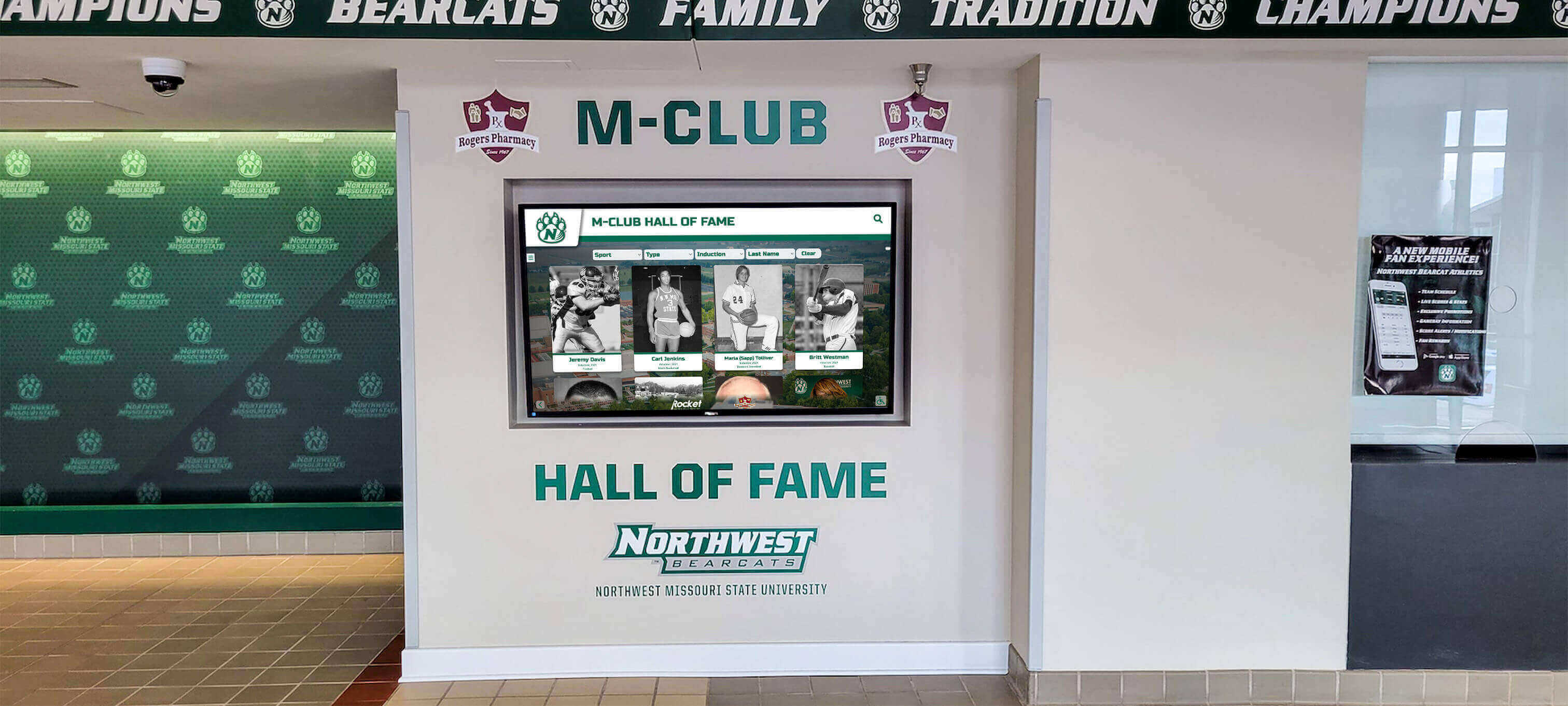
Resources on comprehensively documenting such achievements can be found in guides for digital athletic displays showcasing individual and team records.
Adversity Overcome and Resilience Demonstrated
Stories of overcoming challenges resonate deeply because they reveal character:
Injury Comebacks
Athletes who returned from significant injuries deserve specific recognition:
“When Chris tore his ACL last spring, many questioned whether he’d return to form. Chris spent six months in grueling rehabilitation, showed up to every team event even while unable to play, maintained the conditioning work even when nobody was watching, and came back this season to earn All-Conference recognition. That comeback took courage, discipline, and mental toughness that honestly impressed the coaching staff even more than his on-field performance.”
Team Adversity Response
Highlight how seniors led teams through collective challenges:
“After we started the season 2-5, many programs would have fractured. Seniors could have turned on coaches, pointed fingers at each other, or simply quit competing. Instead, this senior class held the team together. They led honest conversations about what needed to change, took accountability for their own performance, and refused to let the team give up. We finished the season 12-3 after that start. That turnaround was senior-led.”
Moments of Character in Low-Visibility Settings
The most meaningful character demonstrations often occur when nobody’s watching:
Practice Leadership
Practice behavior reveals authentic character more than game performance:
“Every coach will tell you that the hardest worker in practice typically becomes the most reliable performer in games. Rachel proved that truth every single day. She approached every drill like it was a championship game, never took shortcuts when coaches weren’t watching, and set a standard that made teammates raise their own effort just to keep pace. That practice mentality is why Rachel succeeded and why she’ll continue succeeding in whatever she does next.”
Mentorship of Younger Athletes
Senior mentorship of underclassmen shows leadership maturity:
“Jordan took ownership of developing our sophomore point guard this season. He stayed after practice working with her on ball-handling, spent time reviewing game film together, and talked her through confidence issues when she struggled early in the season. Jordan didn’t have to do any of that—nobody assigned him mentorship duties. But great leaders elevate others, and Jordan exemplified that all season.”
Programs can reinforce such mentorship by highlighting these relationships through platforms that showcase student awards celebrating leadership beyond athletic performance.
Connecting Athletics to Broader Life Preparation
Explicitly draw connections between athletic lessons and life readiness:
Time Management and Priority Balancing
“Every senior in this room mastered time management this year. You balanced practices, games, travel, academics, part-time jobs, college applications, and social lives. That juggling act prepared you for professional careers, parenting, community involvement, and all the competing demands adult life brings. The time management skills you developed here will serve you for decades.”
Handling Success and Failure
“You experienced both victory and defeat this season—sometimes in the same week. You learned to stay humble after wins and resilient after losses. You discovered that neither success nor failure defines you permanently; how you respond to both determines your character. That’s a life lesson more valuable than any trophy.”
Working with Diverse Personalities Toward Common Goals
“This team brought together athletes with very different personalities, backgrounds, interests, and strengths. You learned to appreciate those differences, work through conflicts constructively, and unite around shared goals. Every workplace, every community organization, every family requires those exact skills. You’re prepared for collaborative success because you mastered it here.”
Common Speech Pitfalls to Avoid
Understanding what doesn’t work helps speakers avoid undermining otherwise strong remarks:
Generic Platitudes Without Specific Examples
Statements like “You showed great leadership” or “You always gave 100%” without specific supporting examples feel empty. Generic praise could apply to anyone and therefore meaningfully honors no one. Always pair quality statements with concrete examples demonstrating those qualities.
Excessive Inside Jokes Excluding Audiences
While some team-specific humor works with proper context, excessive inside references alienate parents, families, and others who don’t share team insider status. If you have to explain why something is funny, it probably shouldn’t be in your speech.
Comparing Seniors to Each Other
Avoid statements like “John was our most talented player” or “Sarah worked harder than anyone else.” Such comparisons inevitably hurt those not named while creating uncomfortable hierarchies. Focus on each senior’s individual contributions without ranking them against teammates.
Revisiting Controversial Decisions or Conflicts
The banquet is not the venue for relitigating playing time decisions, addressing past conflicts, or explaining controversial coaching choices. Focus exclusively on celebration and forward-looking positive messages.
Excessive Length Without Meaningful Content
Respect your audience’s time. A focused 10-minute speech with meaningful specific content impacts more than 30 minutes of rambling stories. Edit ruthlessly, cutting anything that doesn’t directly serve your core messages.
Focusing Entirely on Wins and Losses
While competitive results matter, defining athletes exclusively by win-loss records or championships diminishes their complete contributions. Balance competitive achievement acknowledgment with character, growth, and relationship recognition.
Practical Speech Preparation and Delivery Guidance
Even excellent content fails without thoughtful preparation and effective delivery:
Preparation Timeline and Process
Start Early with Input Gathering
Begin speech preparation at least two weeks before the banquet. Collect input from assistant coaches about specific senior contributions and memorable moments. Ask team captains for peer perspectives on fellow seniors. Review season statistics, game footage, and practice observations for specific examples supporting your points.
Draft and Refine Multiple Times
Write a complete draft, then edit for length, clarity, and balance. Ensure every senior receives appropriate individual recognition. Check that your tone balances celebration with genuine emotion. Remove generic statements lacking specific support.
Practice Out Loud
Read your speech aloud multiple times before the banquet. This practice reveals awkward phrasing, identifies where you’ll need to pause for emotional control, and helps you internalize content reducing dependence on notes. Time your practice delivery to ensure you respect time constraints.
Delivery Best Practices
Speak to Seniors Directly
Address graduating athletes directly rather than talking about them in third person. “Jordan, you demonstrated leadership…” connects more powerfully than “Jordan demonstrated leadership…” This direct address makes recognition feel personal rather than abstract.
Maintain Eye Contact with Honored Athletes
Look at seniors when recognizing them individually. This eye contact demonstrates genuine connection and makes recognition feel authentic rather than performed.
Embrace Appropriate Emotion
Senior banquets are emotional occasions. If you feel emotion while recognizing athletes you’ve coached for years, showing that emotion demonstrates authentic care rather than professional weakness. Pausing briefly to collect yourself creates more powerful moments than pushing through with forced composure.
Use Notes But Don’t Read Verbatim
Bring notes ensuring you don’t forget anyone or miss key points, but avoid reading directly from a manuscript. Speak conversationally, using notes as prompts rather than scripts.
Respect Time Constraints
If the program allocates 15 minutes for your speech, finish in 13 minutes. Running over time shows disrespect for audiences, subsequent speakers, and event organizers. If you can’t honor every point in your original draft within time limits, cut content rather than rushing through everything.
For programs seeking to complement verbal recognition with visual displays, resources on creating comprehensive alumni and athletic hall of fame systems provide valuable implementation guidance.
Coordinating Multiple Speakers for Cohesive Programs
Senior banquets typically include multiple speakers—head coach, assistant coaches, captains, athletic directors, and sometimes senior athletes themselves. Coordination prevents redundancy while ensuring comprehensive recognition:
Pre-Event Speaker Coordination
Clarify Roles and Focus Areas
Establish which speakers will address which topics. Perhaps the head coach focuses on season overview and individual recognition, captains address peer relationships and underclassman challenges, and the athletic director connects the team to broader school athletics. Clear roles prevent multiple speakers saying essentially the same things.
Share Senior Recognition Plans
If both coach and captains plan individual senior recognition, coordinate to ensure different aspects of each athlete receive attention. If the coach highlights a senior’s statistical achievements, the captain might focus on that athlete’s character or leadership.
Agree on Appropriate Lengths
Establish time expectations for each speaker ensuring the overall program remains reasonable in length. A 90-minute banquet feels appropriately ceremonial; a three-hour marathon tests audience patience.
Thematic Consistency Across Speakers
While speakers bring different perspectives, some thematic consistency strengthens overall program impact:
Reinforce Common Values
If multiple speakers emphasize similar program values—resilience, integrity, team-first mentality—this repetition reinforces cultural priorities rather than feeling redundant.
Build on Previous Speakers’ Points
Later speakers can reference earlier remarks: “Coach Johnson mentioned the January losing streak and how seniors responded. From a teammate perspective, I saw specifically how that leadership played out in the locker room…” This approach creates cohesive narrative flow rather than disconnected speeches.
Beyond the Speech: Creating Lasting Recognition
While speeches create memorable moments, programs increasingly complement banquet remarks with permanent recognition systems ensuring senior contributions remain visible for future generations:
Digital Recognition Platforms
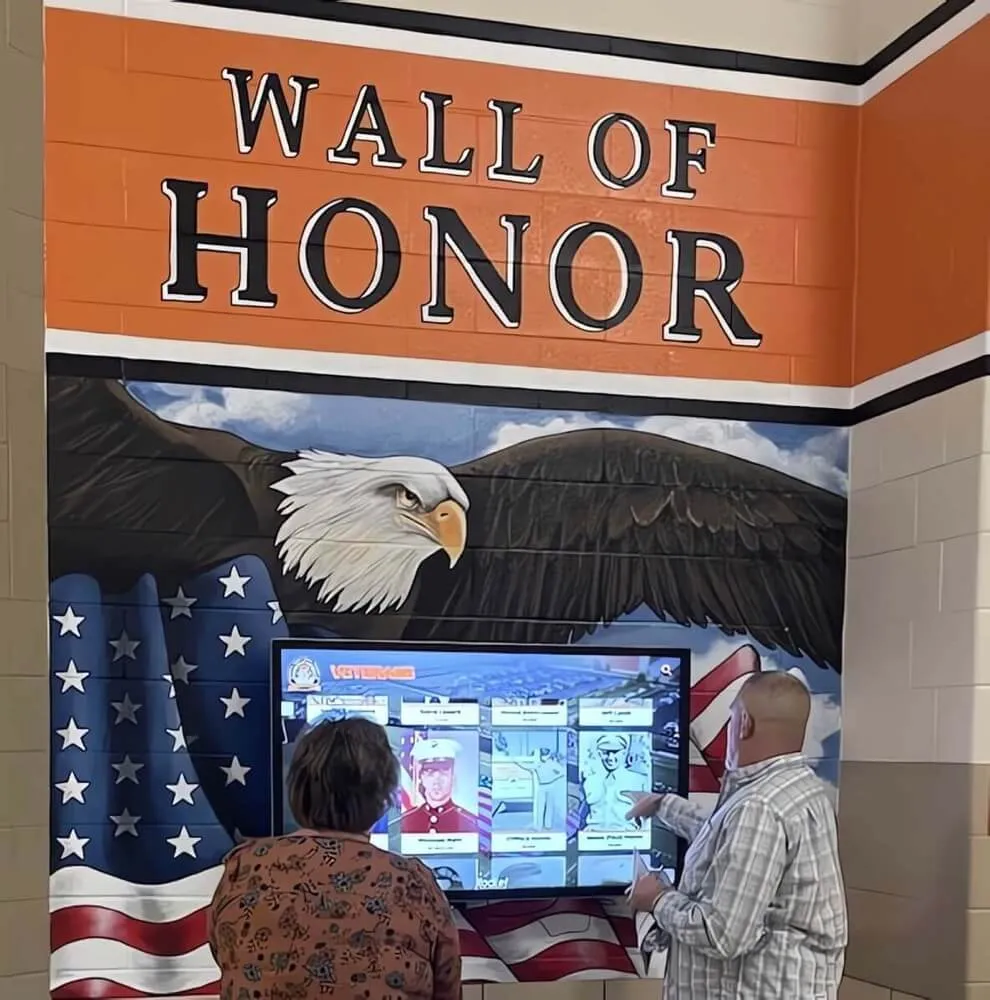
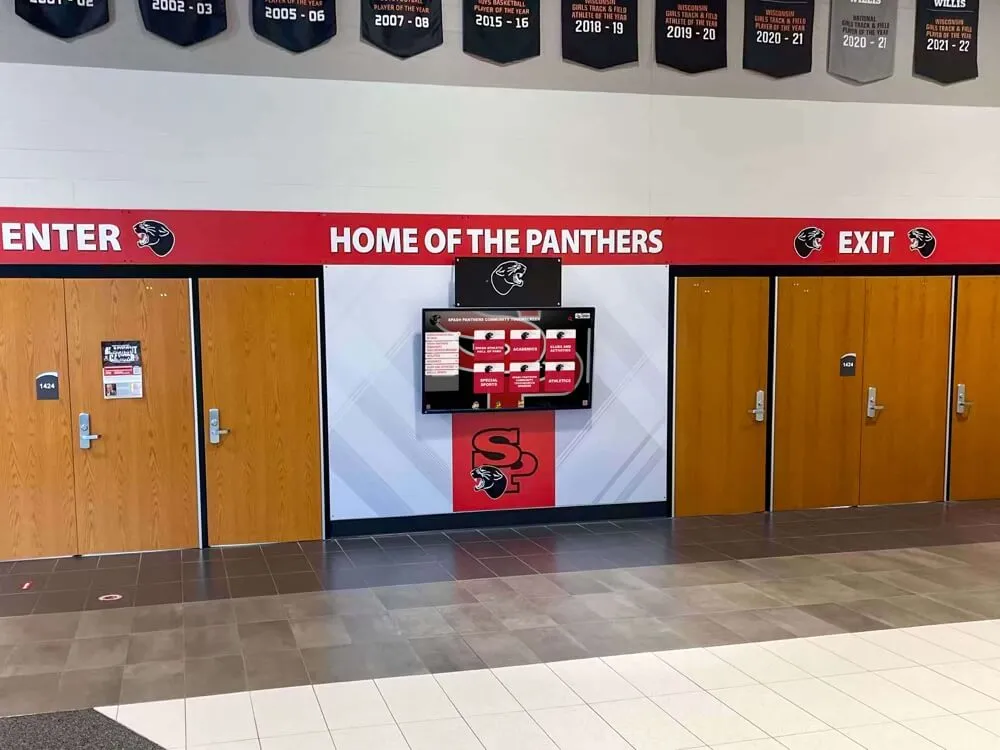
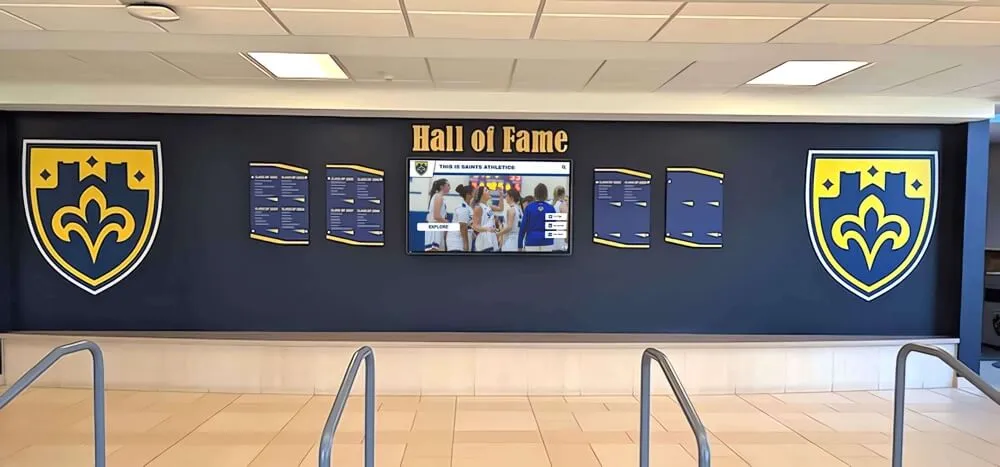
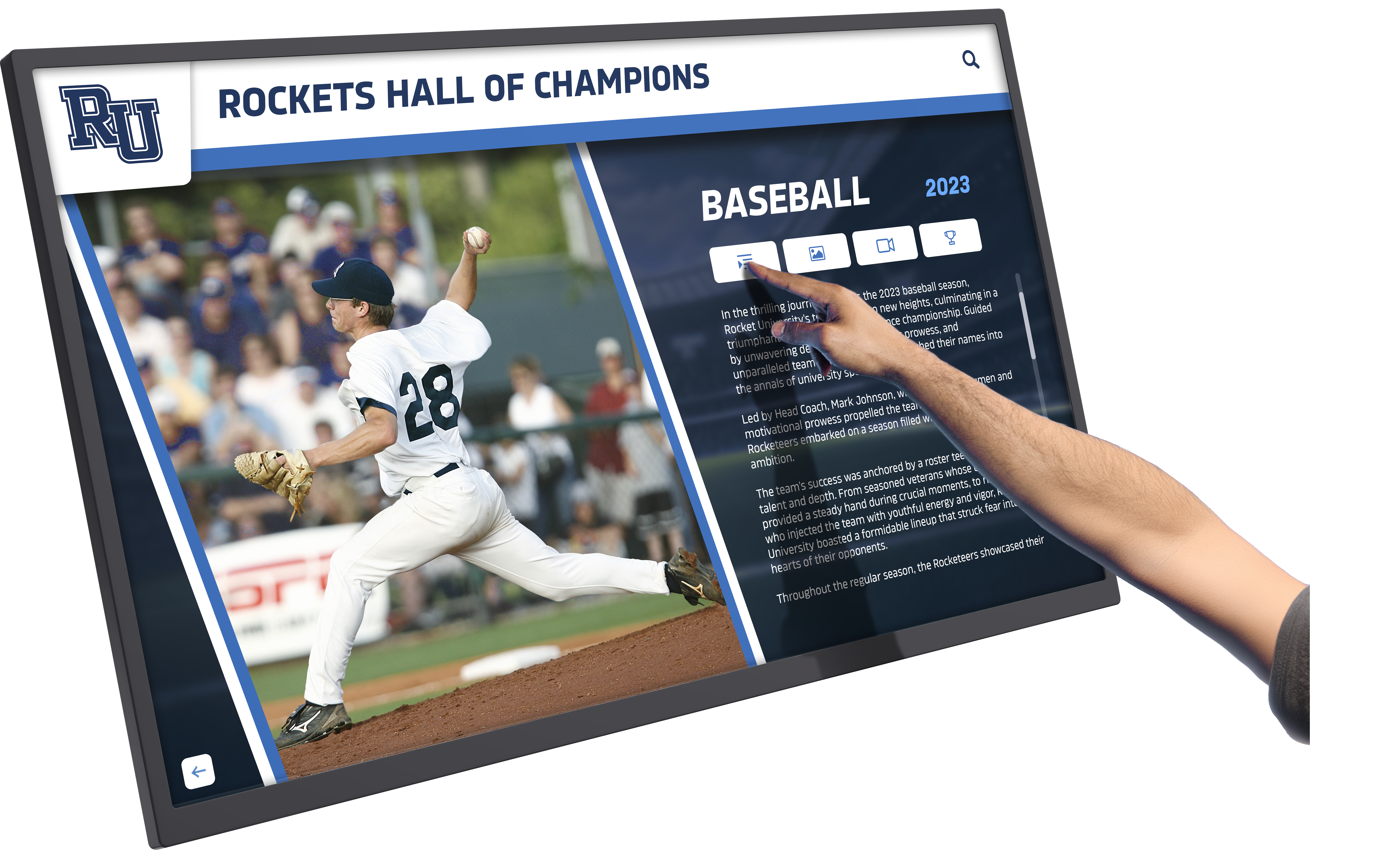
Modern programs utilize digital displays and online platforms preserving senior achievements permanently. These systems showcase career statistics, highlight memorable moments, feature senior photos and profiles, track program records with historical context, and enable searching by athlete name, year, or achievement category.
Such platforms ensure that recognition extends far beyond single banquet evenings, keeping senior contributions visible to current athletes, visiting alumni, prospective students, and community members year-round.
Physical Recognition Displays
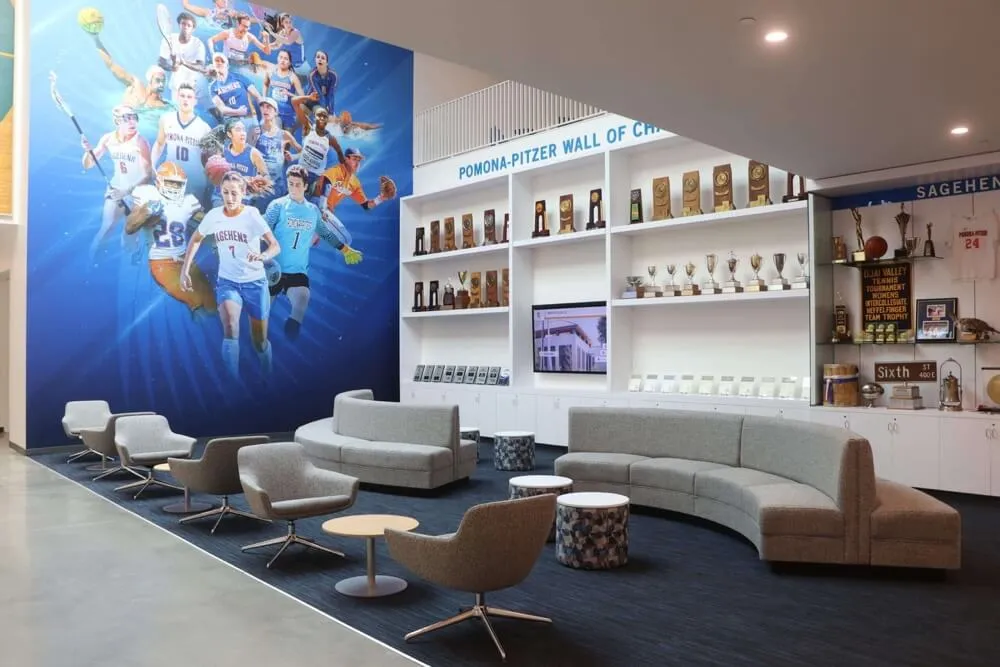
Permanent physical displays in athletic facilities honor graduating classes through engraved plaques, photo galleries, championship team photos, and record boards. These displays create daily visual reminders of program tradition and excellence while inspiring current athletes to add their own contributions to program history.
Senior Legacy Projects
Some programs invite graduating classes to contribute lasting gifts or establish traditions bearing their names—endowed awards, facility improvements, or annual events. These legacy projects connect seniors to program futures while providing concrete ongoing impact beyond their competitive careers.
Programs seeking to implement comprehensive senior recognition systems might explore digital display solutions specifically designed for athletic achievement documentation.
Making Your Senior Banquet Speech Truly Memorable
The most impactful senior sports banquet speeches share common characteristics: they balance celebration with genuine emotion, they honor individuals specifically while acknowledging collective contributions, they connect athletic experiences to broader life preparation, and they mark meaningful transitions from current competitors to program alumni. Whether you’re a head coach delivering remarks to athletes you’ve mentored for years, a team captain recognizing fellow seniors who became your closest friends, or an athletic director celebrating another graduating class, your words carry significant weight in athletes’ memories.
Invest time preparing thoughtful remarks reflecting genuine relationships and authentic observations. Avoid generic platitudes in favor of specific stories and concrete examples. Address athletes directly, showing appropriate emotion, and respect time constraints. Coordinate with other speakers ensuring comprehensive recognition without redundancy. Most importantly, let your remarks reflect the actual relationships you’ve built and the authentic impact these athletes made on your program.
The evening will pass quickly, photos will capture moments, and memories will eventually fade. But the words you speak recognizing graduating seniors—the specific stories you tell, the character qualities you name, the impact you acknowledge—those words often echo in athletes’ minds for decades, shaping how they understand their own contributions and the lasting value of their athletic experiences.
Ready to honor your graduating athletes with recognition that extends beyond the banquet night? Rocket Alumni Solutions provides athletic programs with modern digital recognition systems that preserve senior achievements permanently, showcase career milestones and records, create searchable historical databases connecting current athletes with program alumni, and maintain professional displays honoring excellence across all sports and generations. Contact us to learn how digital recognition platforms can complement your senior banquet celebrations with lasting, accessible athlete recognition.