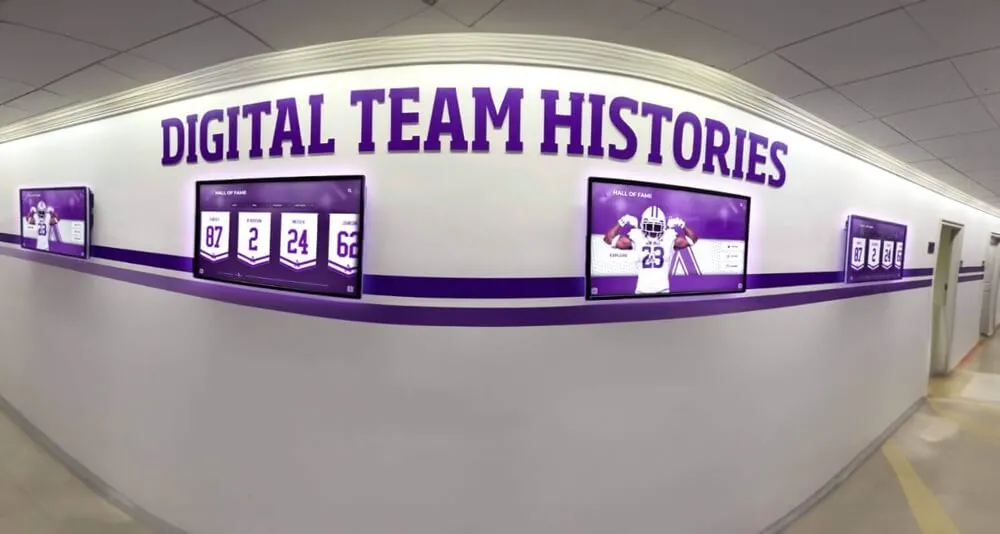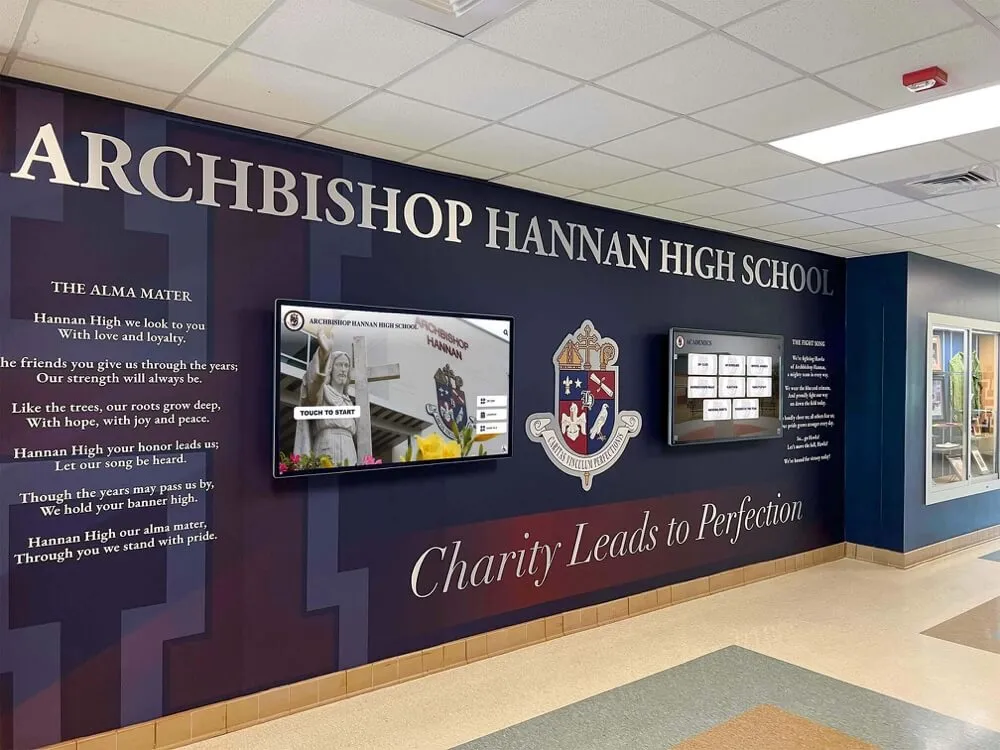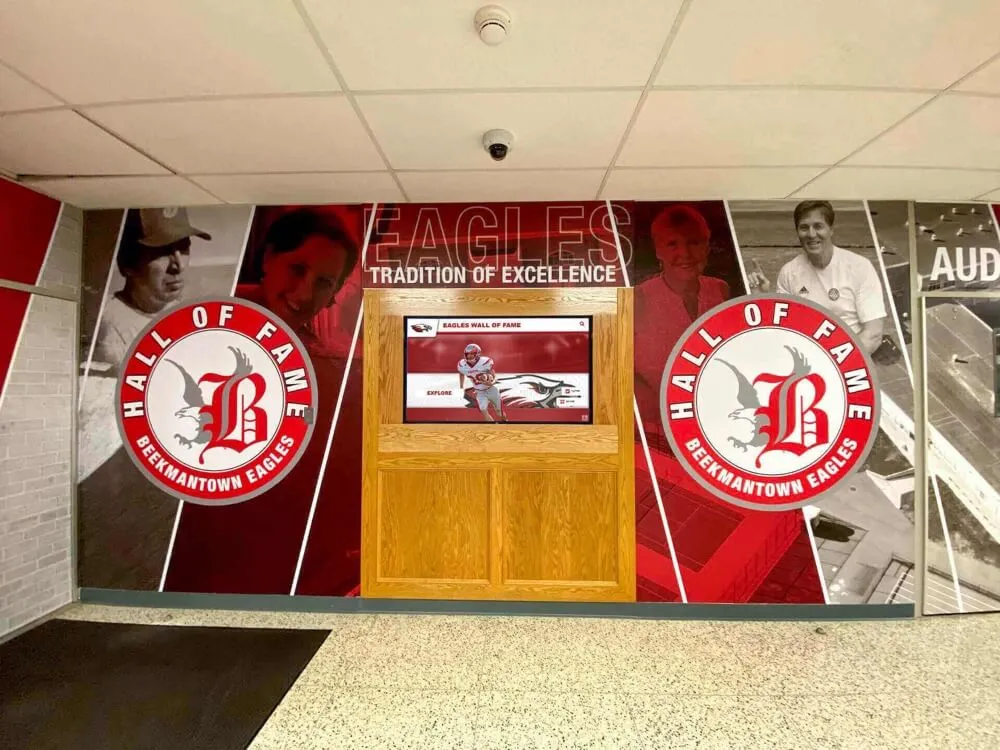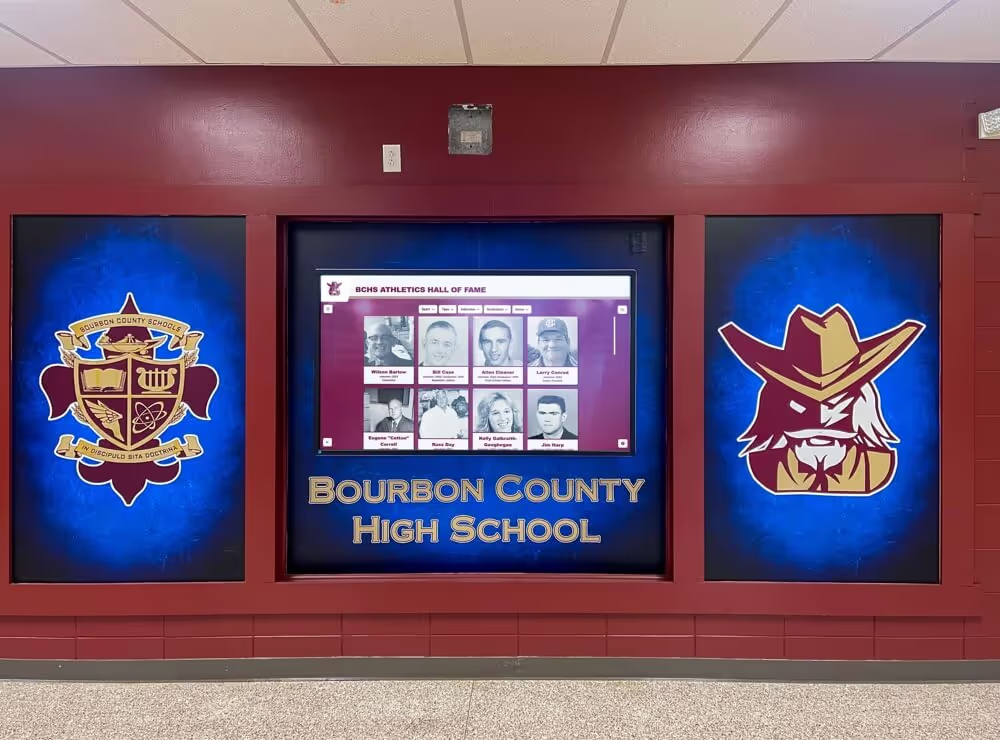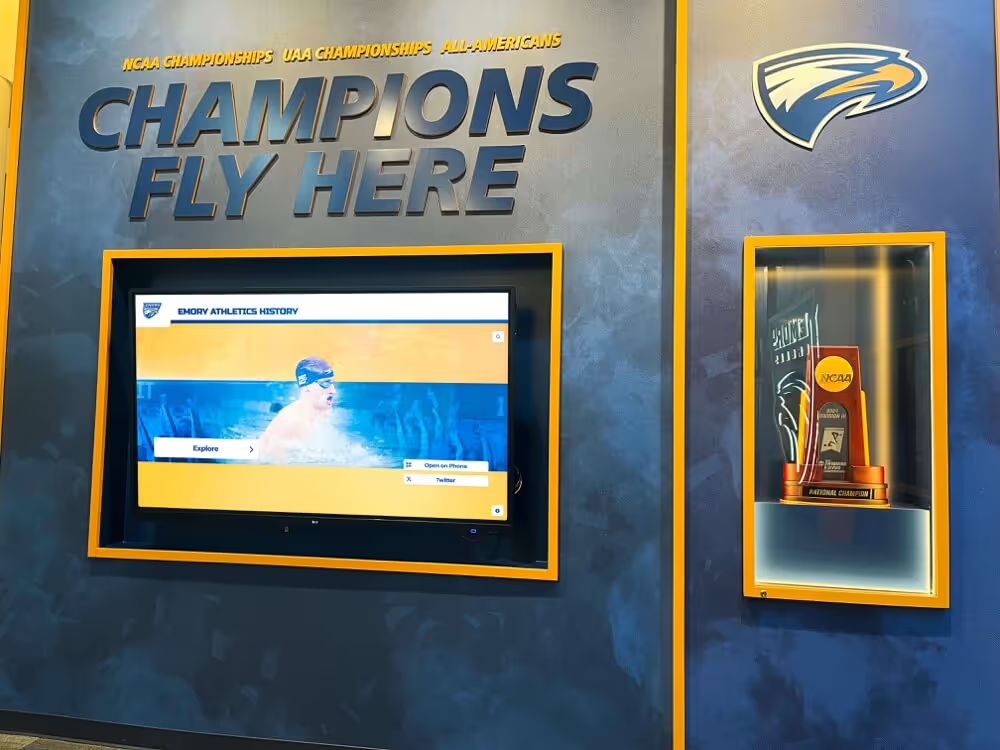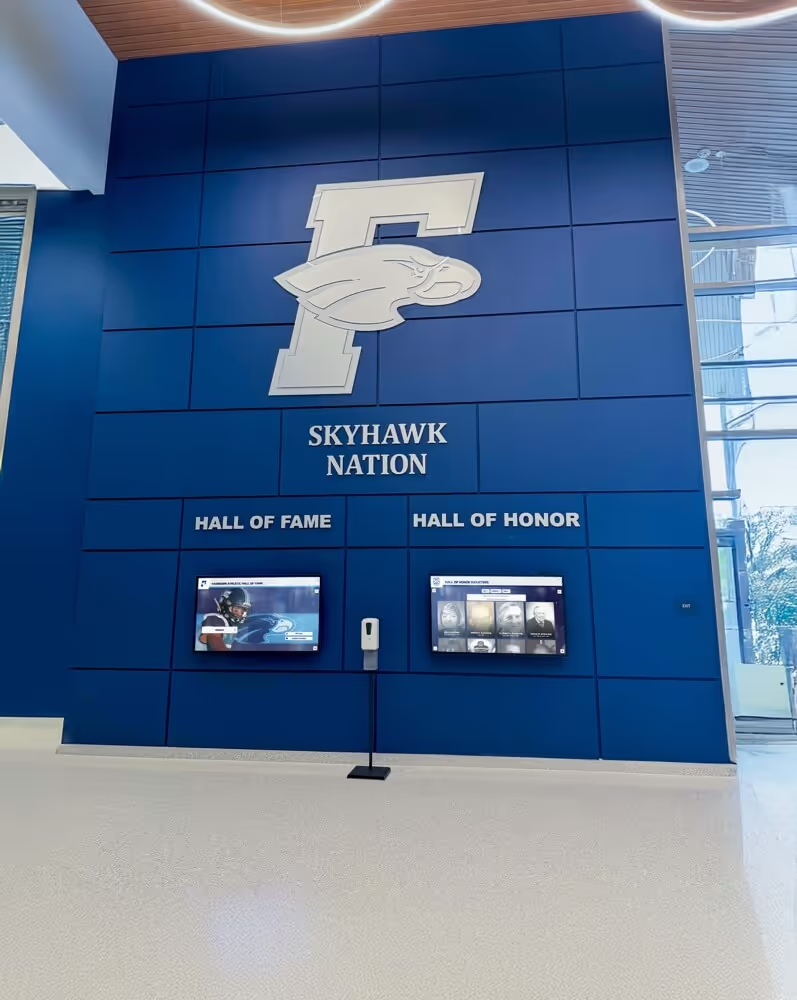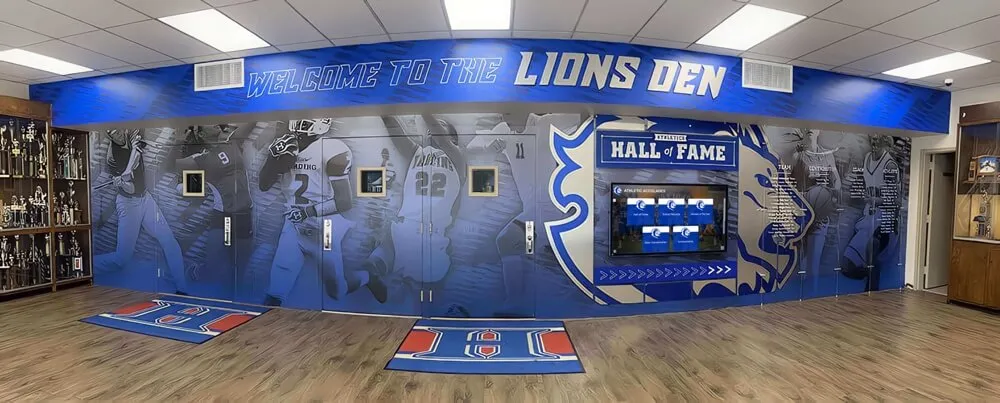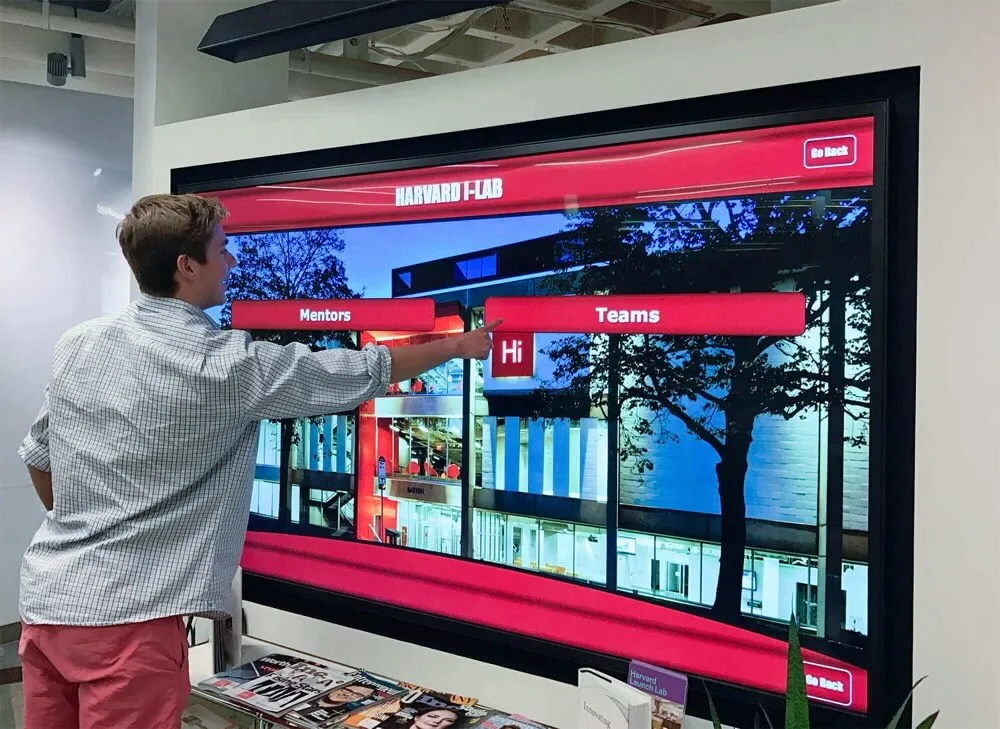




Senior living facilities face a distinct challenge in creating engaged communities where residents feel valued and connected. Recognition programs serve as powerful tools for building community spirit, acknowledging volunteer contributions, preserving resident legacies, and maintaining vital information accessible to all. Traditional bulletin boards and static displays fail to deliver the dynamic, comprehensive recognition that modern senior communities need—limited space restricts what can be showcased, paper notices fade and require constant replacement, important information gets buried or overlooked, and residents with mobility limitations cannot easily access posted materials.
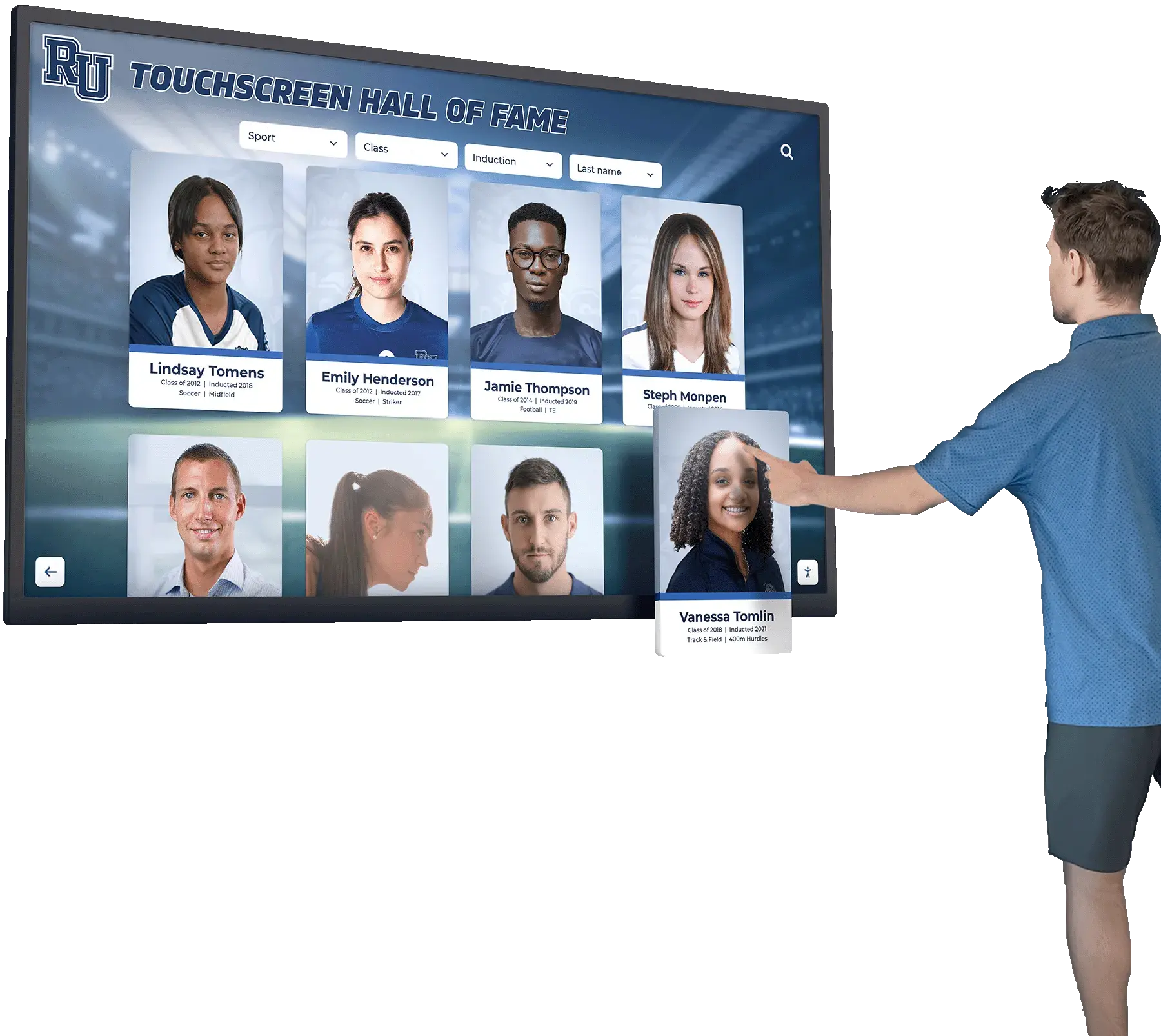
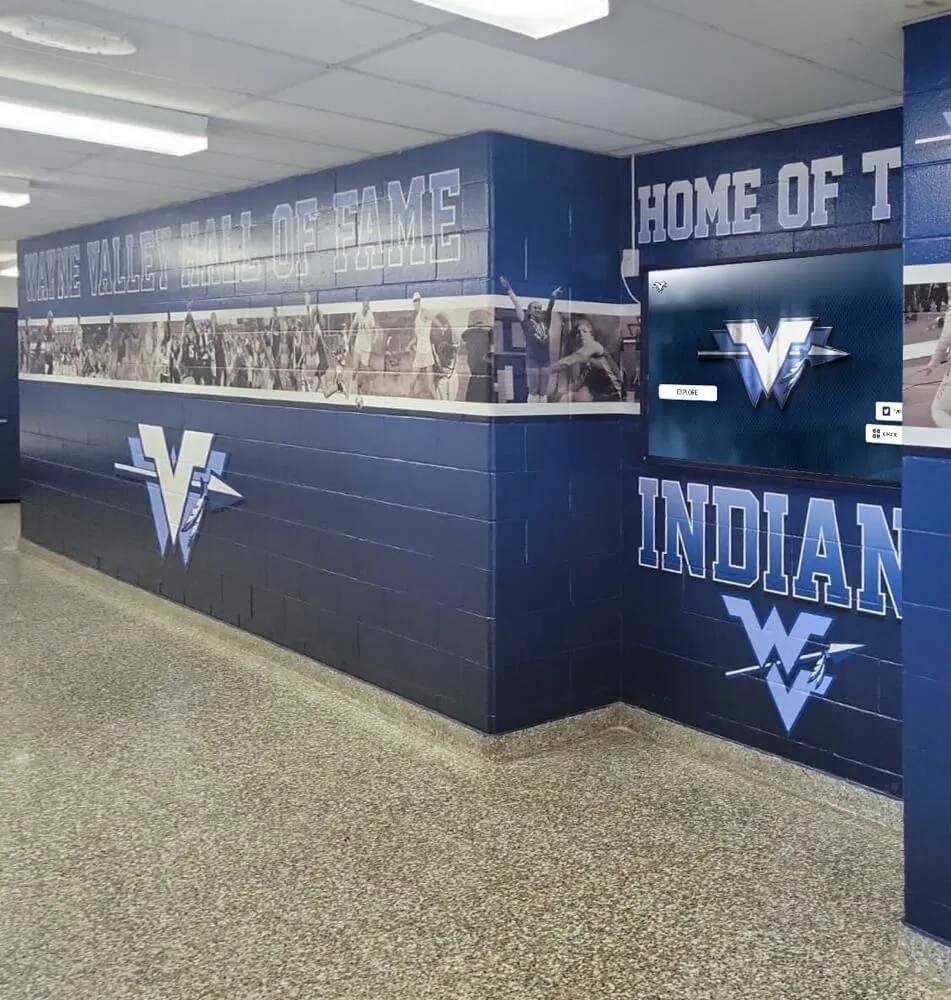
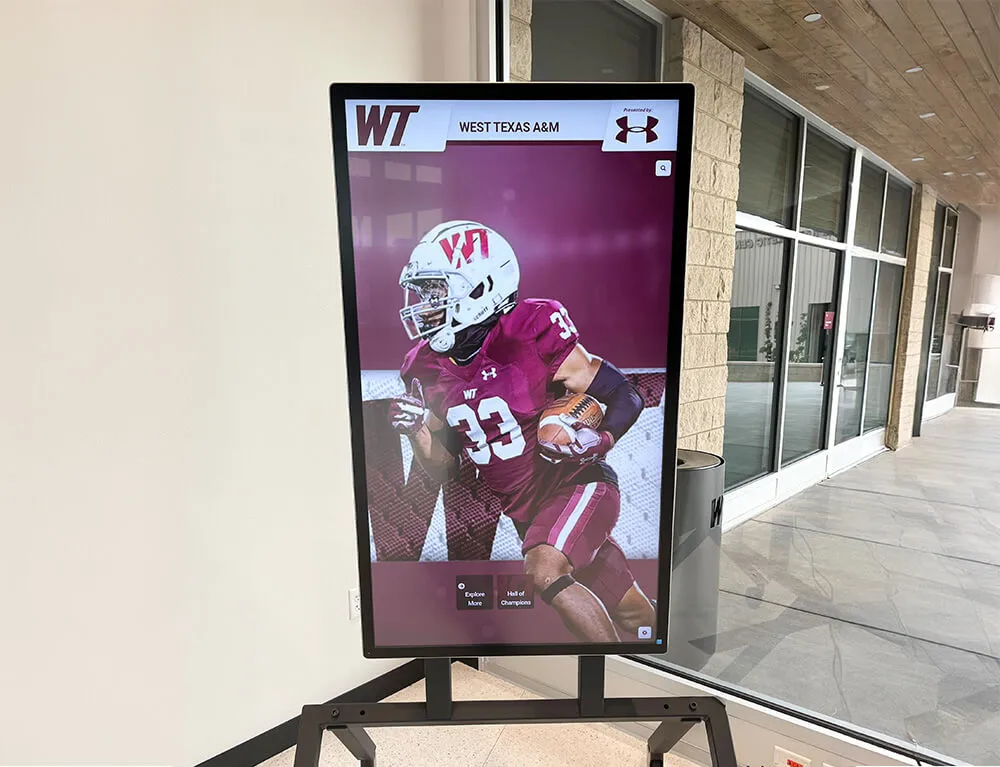
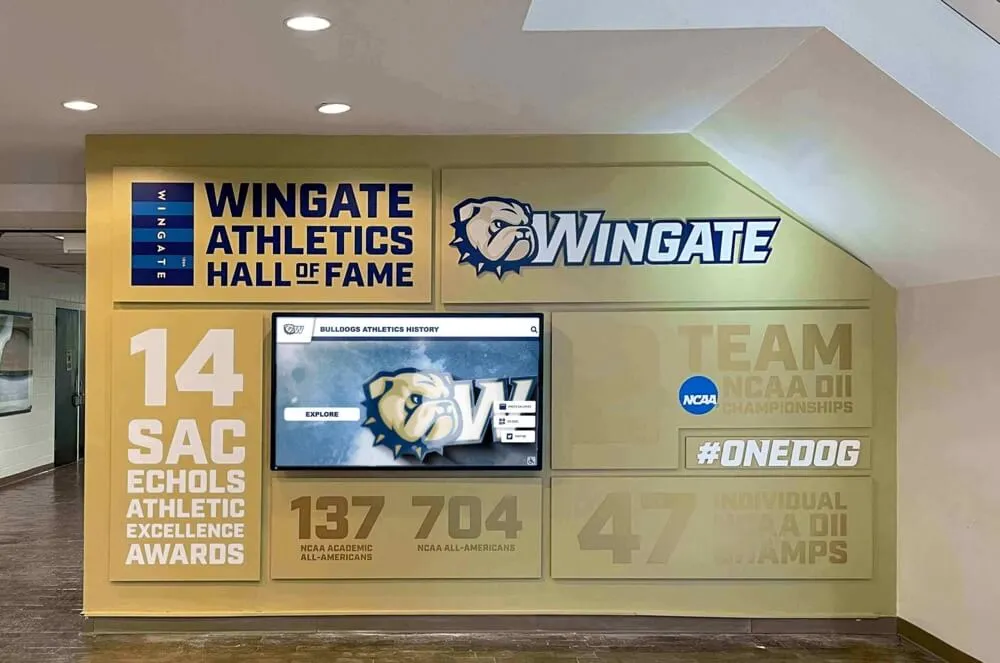
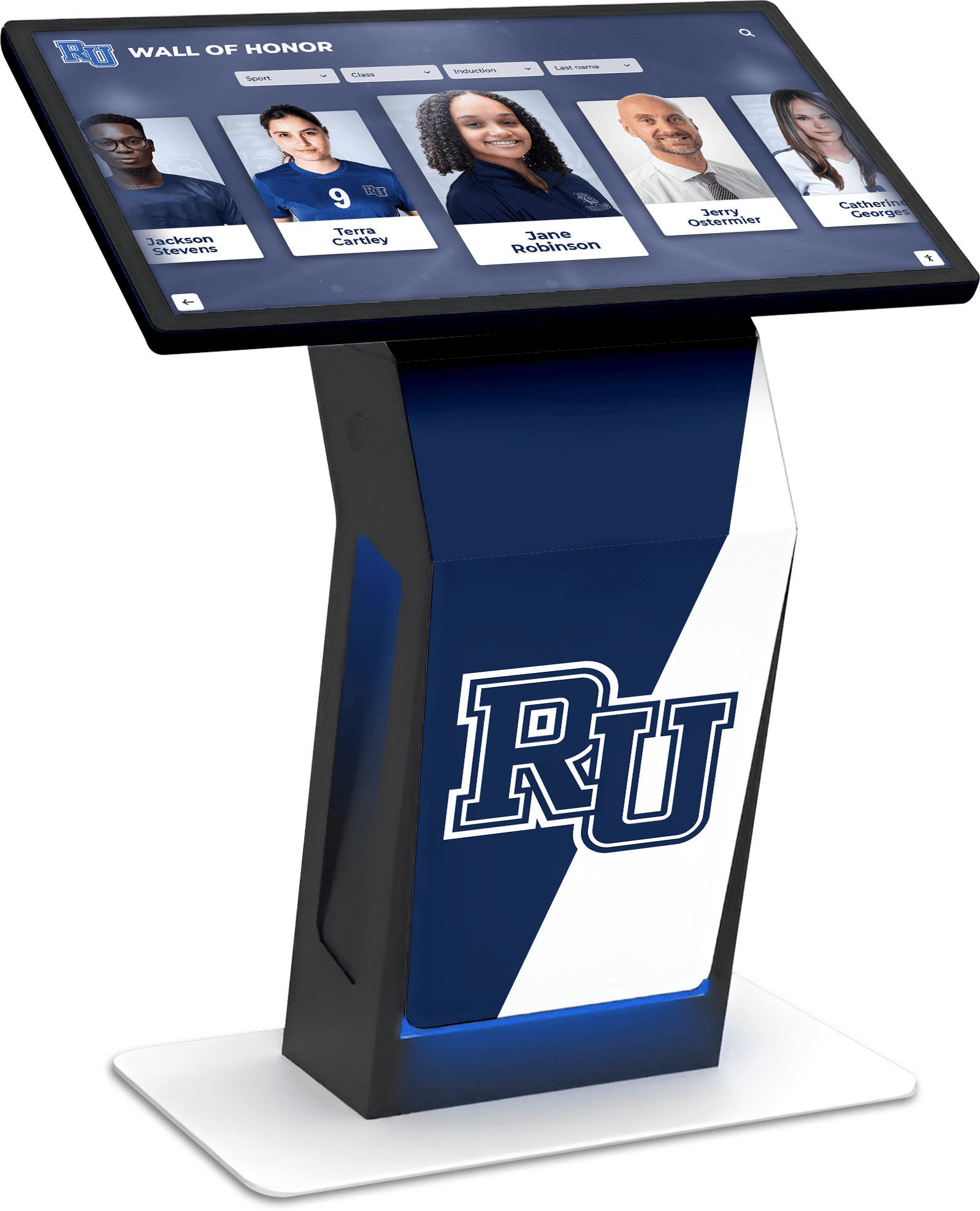
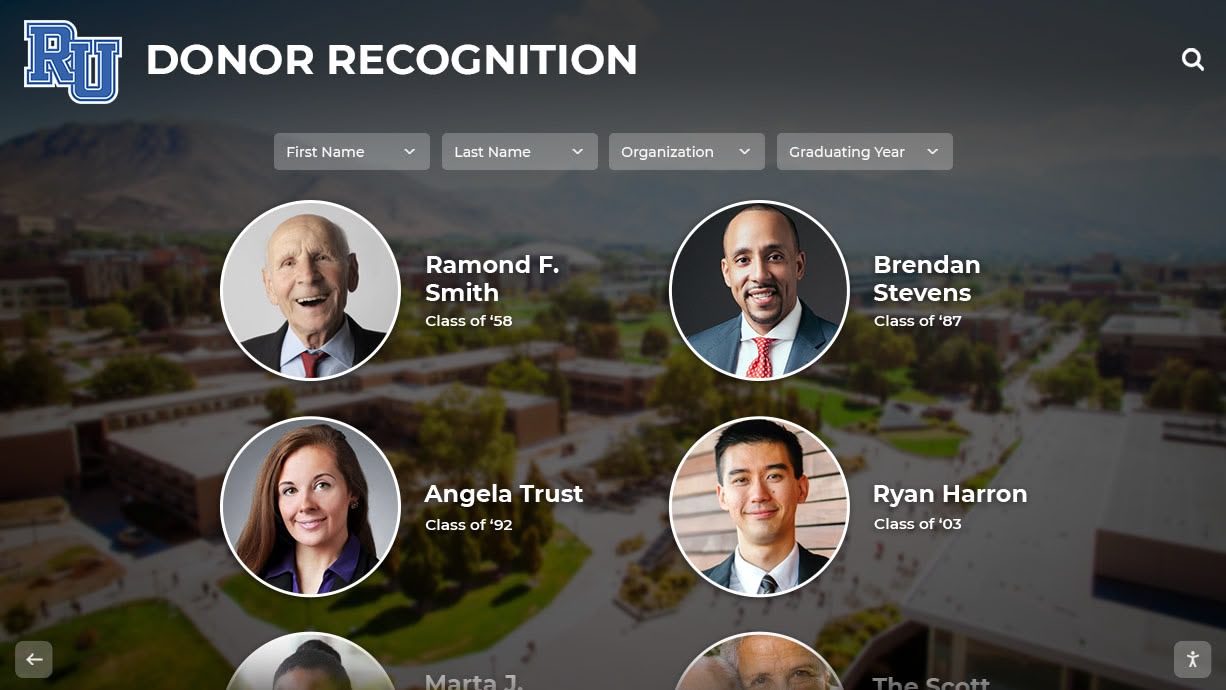
Touchscreen award and recognition displays solve these challenges while creating interactive community hubs that residents, families, and staff engage with daily. Digital systems provide unlimited recognition capacity without physical space constraints, immediate updates keeping all information current, intuitive search allowing quick information discovery, multimedia profiles celebrating residents comprehensively, and accessible interfaces accommodating various abilities and needs. Senior living facilities implementing thoughtful recognition programs with modern technology discover measurable benefits including increased resident satisfaction and community participation, improved family communication and transparency, reduced staff time managing bulletin boards, enhanced facility culture and reputation, and powerful marketing tools for prospective resident tours.
Why Senior Living Recognition Matters
Senior living facilities that excel at community building share a common characteristic: systematic, visible recognition of residents, volunteers, achievements, and community contributions. Recognition addresses fundamental human needs for belonging and significance while combating isolation common in senior populations. Touchscreen displays make recognition accessible, engaging, and comprehensive in ways physical bulletin boards never could. Solutions like Rocket Alumni Solutions adapt their educational recognition expertise to serve senior living facilities seeking to build stronger communities through visible appreciation and comprehensive information access.
Understanding Senior Living Recognition Needs
Senior living communities differ substantially from schools or businesses in their recognition requirements. The unique characteristics of senior populations require thoughtful approaches addressing specific community needs and preferences.
The Senior Living Community Context
Successful recognition in senior living environments acknowledges several important factors. Many residents previously held leadership positions and received professional recognition, meaning generic appreciation feels inadequate. Social connection significantly impacts health outcomes for seniors, making community-building recognition programs genuinely therapeutic. Memory preservation becomes increasingly important as residents age and family members seek meaningful connection. Volunteer contributions keep communities functioning, deserving appropriate acknowledgment. Finally, accessible information reduces confusion and frustration for residents navigating community life.
Digital recognition systems serve multiple functions simultaneously—honoring individuals, building community identity, providing practical information, creating conversation starters between residents, and documenting facility culture for marketing and family communication. This multi-purpose functionality makes comprehensive systems valuable investments rather than luxury add-ons.

What Senior Living Facilities Care About Most
Senior living administrators and activity directors consistently identify several critical concerns when evaluating recognition programs. Resident engagement remains the top priority—keeping seniors mentally active, socially connected, and feeling valued directly impacts health outcomes and satisfaction scores. Family satisfaction matters tremendously as family members influence retention and referrals while serving as crucial partners in care.
Safety and clear communication prevent confusion and support independent living. Community culture distinguishes excellent facilities from merely adequate ones, attracting quality staff and residents. Staff efficiency matters because time spent updating bulletin boards diverts from resident care. Marketing differentiation helps facilities stand out in competitive markets. Regulatory compliance requires proper documentation of activities and resident engagement. Finally, move-in decisions often happen during facility tours, making first impressions through lobby displays particularly important.
Touchscreen recognition systems address all these concerns simultaneously when implemented thoughtfully with content serving community needs rather than simply digitizing existing bulletin boards.
20 Touchscreen Award and Recognition Ideas for Senior Living
Senior living facilities can implement numerous recognition programs through touchscreen displays, each serving specific community needs while building overall engagement and culture.
1. Neighbor of the Week Recognition
Weekly neighbor recognition highlights residents who exemplify community values through kindness, participation, or positive impact on others. Each featured neighbor receives a comprehensive profile including current and historical photos, biographical highlights and career achievements, hobbies and interests, favorite facility activities, and quotes or reflections from the honoree. This program ensures systematic rotation through the community over time, giving every resident their moment of recognition while building familiarity across the community.
Activity directors report that neighbor recognition programs increase social interaction as residents seek out featured neighbors to congratulate them and begin conversations. Family members appreciate seeing their loved ones honored publicly, often sharing digital profiles through social media.
2. Resident Directory with Interactive Search
Comprehensive resident directories transform how community members find and connect with each other. Digital directories enable search by name or unit number, display recent photos and brief biographies, show interests and hobbies facilitating connection around shared passions, and list family contact information with resident permission. Unlike printed directories that become outdated immediately, digital systems update instantly when residents move in or out.
The searchability proves particularly valuable during community events when residents want to find specific neighbors or when new residents try to remember names and faces as they integrate into the community. Facilities addressing campus directory needs discover that intuitive search interfaces benefit users of all ages and technical comfort levels.
3. Committee Recognition and Service Boards
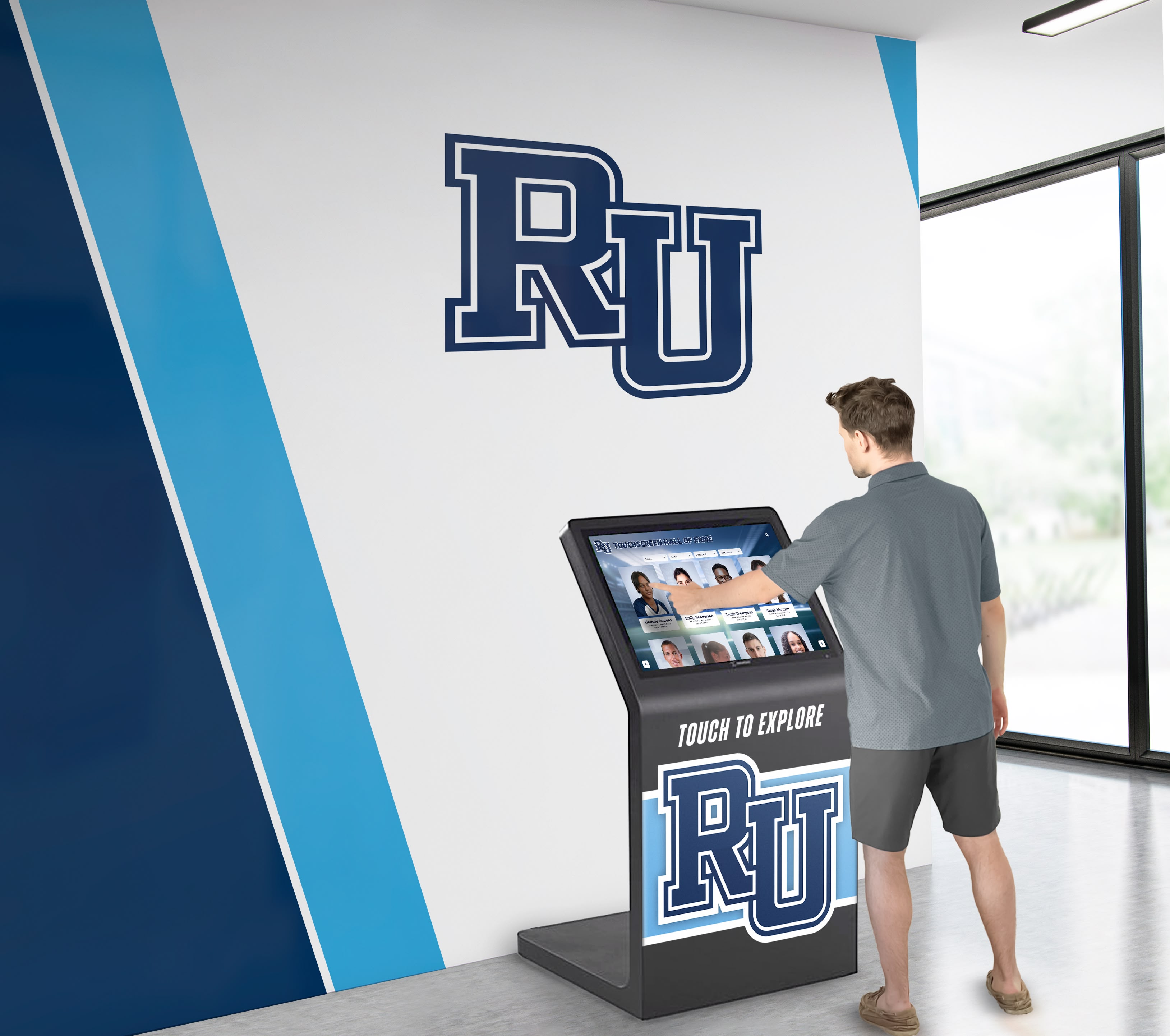
Most senior living communities function through resident committees addressing specific aspects of community life including resident council providing governance input, welcoming committee greeting new residents, activities committee planning entertainment and events, dining committee providing meal program feedback, safety committee addressing security concerns, beautification committee maintaining gardens and common spaces, and newsletter committee managing community publications. Digital recognition boards showcase each committee’s current membership, meeting schedules and minutes, recent accomplishments and initiatives, ways other residents can get involved, and appreciation for volunteer service.
This visibility increases committee participation while ensuring all residents understand how community decisions happen and who represents their interests. The comprehensive guide to volunteer recognition provides frameworks applicable to senior living committee appreciation programs.
4. In Memoriam Tributes
Compassionate facilities recognize that deaths impact entire communities requiring acknowledgment beyond individual grief. In memoriam displays honor recently deceased residents with dignity through photos from their lives, biographical summaries highlighting accomplishments, years of residency and community contributions, favorite activities and friendships within the facility, and information about memorial services or celebrations of life. These tributes typically remain visible for several weeks before moving to permanent archive sections searchable by families and long-time residents.
In memoriam displays acknowledge loss communally while celebrating lives fully lived, providing closure for both residents and staff while honoring the deceased appropriately. Facilities implementing memorial recognition displays discover that thoughtful tributes help entire communities process grief.
5. Birthday and Anniversary Celebrations
Monthly birthday and anniversary recognition maintains awareness of important celebrations community-wide. Display sections feature upcoming birthdays for the current month, move-in anniversaries marking years in the community, wedding anniversaries for couples, and birthday photos and well-wishes. This visibility prompts residents to congratulate neighbors and encourages informal celebrations building community bonds.
Some facilities incorporate photo galleries from birthday parties and anniversary celebrations, creating ongoing documentation of community life that families appreciate when unable to attend events personally.
6. Activity Calendar and Event Information
Clear, current activity information increases participation in community programming. Digital calendars display today’s activities with times and locations, weekly schedules allowing advance planning, special events and entertainment, transportation schedules for shopping trips and outings, menu information for dining facilities, and signup requirements for activities needing registration. The immediate updates possible with digital displays mean schedule changes reach residents reliably without paper notices that residents may miss.
Interactive calendars allow residents to filter by activity type, search for specific programs, or view personalized recommendations based on stated interests, increasing participation rates compared to static bulletin boards.
7. Staff Spotlight Recognition
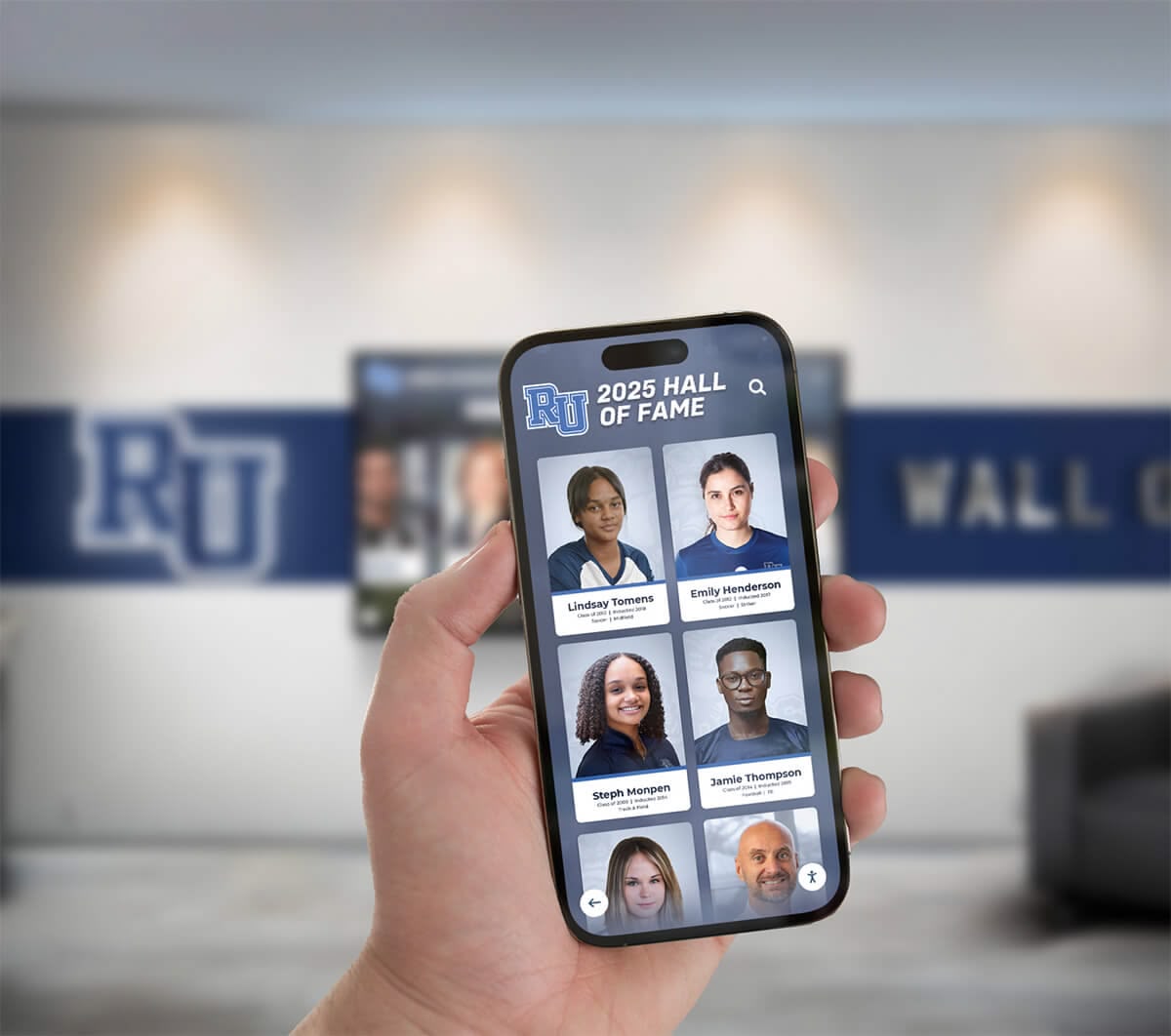
Residents form meaningful relationships with care staff, dining personnel, housekeeping, maintenance, and activity coordinators. Staff spotlight programs rotate recognition through all departments featuring employee photos and tenure, roles and responsibilities, personal interests and hobbies, and favorite aspects of working in senior care. This recognition validates staff contributions while helping residents understand who provides specific services and how to request assistance appropriately.
Family members touring facilities notice staff recognition programs as indicators of positive workplace culture that typically correlates with better care quality. The approaches to employee recognition programs translate well to senior living environments with appropriate adaptation.
8. Historical Photo Archives and Memory Preservation
Many senior living residents have remarkable personal histories deserving documentation and celebration. Digital archives preserve resident contributions through professional career highlights and accomplishments, military service recognition, family histories and genealogies, historical photos from earlier life stages, and oral history video interviews. This content serves multiple purposes—honoring individual legacies, providing conversational material for residents, educating staff about resident backgrounds, and creating meaningful content for families.
Memory preservation programs prove particularly valuable for residents experiencing cognitive decline as photos and stories from earlier life often remain accessible even as recent memories fade. Families treasure these documented histories as legacies preserved for future generations.
9. Parking Committee and Facility Governance
Facilities with resident parking or other community governance issues benefit from transparent communication about decisions and processes. Digital boards dedicated to governance topics display parking space assignments and policies, appeals processes for facility decisions, budget information and financial transparency, planned maintenance and improvement projects, and resident council meeting minutes. This transparency reduces confusion and conflict while ensuring residents understand how their community functions.
The visibility of governance information demonstrates respect for residents as stakeholders in community life rather than passive recipients of services, supporting dignity and autonomy.
10. Wellness Challenge Leaderboards
Health-focused senior living facilities implement wellness programs encouraging physical activity, healthy eating, social participation, and cognitive engagement. Digital leaderboards gamify wellness through step count challenges using fitness trackers, group exercise class participation, water consumption tracking, social event attendance, and learning program completion. The visible progress tracking motivates participation while creating friendly competition that builds community spirit.
Leaderboards include individual and team categories ensuring both competitive and collaborative residents find appropriate participation pathways. Recognition of wellness achievements communicates facility commitment to healthy aging while providing concrete engagement metrics families appreciate. Strategies for recognition programs adapt well to senior living wellness initiatives.
11. Volunteer Hours and Service Recognition
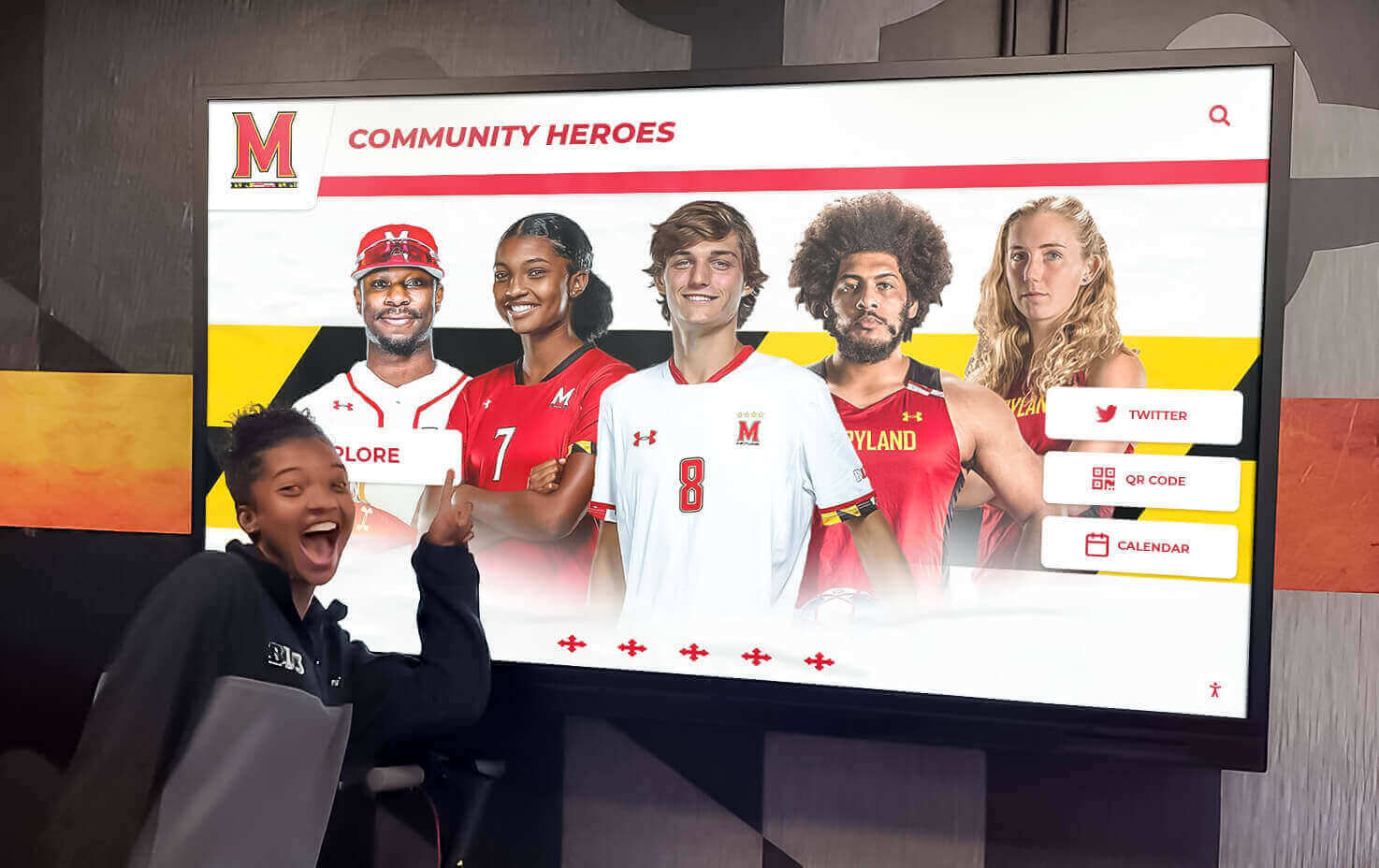
Many residents contribute substantial volunteer hours supporting community operations through meal delivery assistance, library and reading room management, welcome wagon for new residents, activity setup and cleanup, pet therapy program support, and resident assistance and buddy systems. Digital recognition tracks cumulative volunteer hours with milestone recognition, displays current volunteer opportunities, showcases impact through service statistics, and honors top volunteers monthly and annually.
Service recognition validates contributions while recruiting additional volunteers by demonstrating appreciation and impact. Residents who volunteered professionally throughout their careers often seek continued purpose through community service making volunteer recognition personally meaningful.
12. Arts and Crafts Showcase
Senior communities with active arts programs need exhibition space for resident creativity. Digital galleries display painting and drawing portfolios, photography collections, quilting and textile work, woodworking and craft projects, and writing and poetry. Digital formats allow showcasing far more artwork than physical bulletin boards permit while enabling artist statements, creative process descriptions, and rotation schedules ensuring all artists receive recognition.
Virtual galleries also allow families to view resident artwork remotely, creating conversation starters during visits and phone calls. Some facilities sell resident artwork through digital catalogs with proceeds supporting community programs.
13. Community History Timeline
Long-established senior living facilities accumulate rich histories worth preserving and celebrating. Digital timelines document facility founding and early years, major renovations and expansions, notable residents and their contributions, community traditions and their origins, and staff longevity and legacy employees. History sections create community identity and continuity while educating new residents about traditions they’re joining.
Long-time residents enjoy reminiscing about community evolution while newer residents gain context about organizational culture and values. The methods for displaying institutional history adapt effectively to senior living contexts.
14. Family Announcement Board
Digital announcement boards facilitate family communication about upcoming visits and family milestones, new great-grandchildren with photos, family wedding and graduation celebrations, visiting hours and guest policies, and family activity opportunities like holiday events. These announcements keep residents connected to family life beyond the facility while helping other community members celebrate their neighbors’ family joys.
Some facilities allow families to submit announcements remotely through web portals, ensuring information reaches residents promptly even when families cannot visit in person.
15. Dining Excellence and Culinary Recognition
Food quality significantly impacts senior living satisfaction making dining program recognition strategically important. Digital displays feature chef profiles and culinary backgrounds, special menu highlights and themed dinners, resident favorite recipes and dishes, dietary accommodation information, and resident dining preferences and feedback results. Recognition of dining staff and program quality demonstrates facility investment in this crucial aspect of daily life.
Some facilities include nutritional education content and healthy aging information integrated with menu displays, supporting wellness goals while providing practical meal planning guidance.
16. Local Community Partnerships and Outings
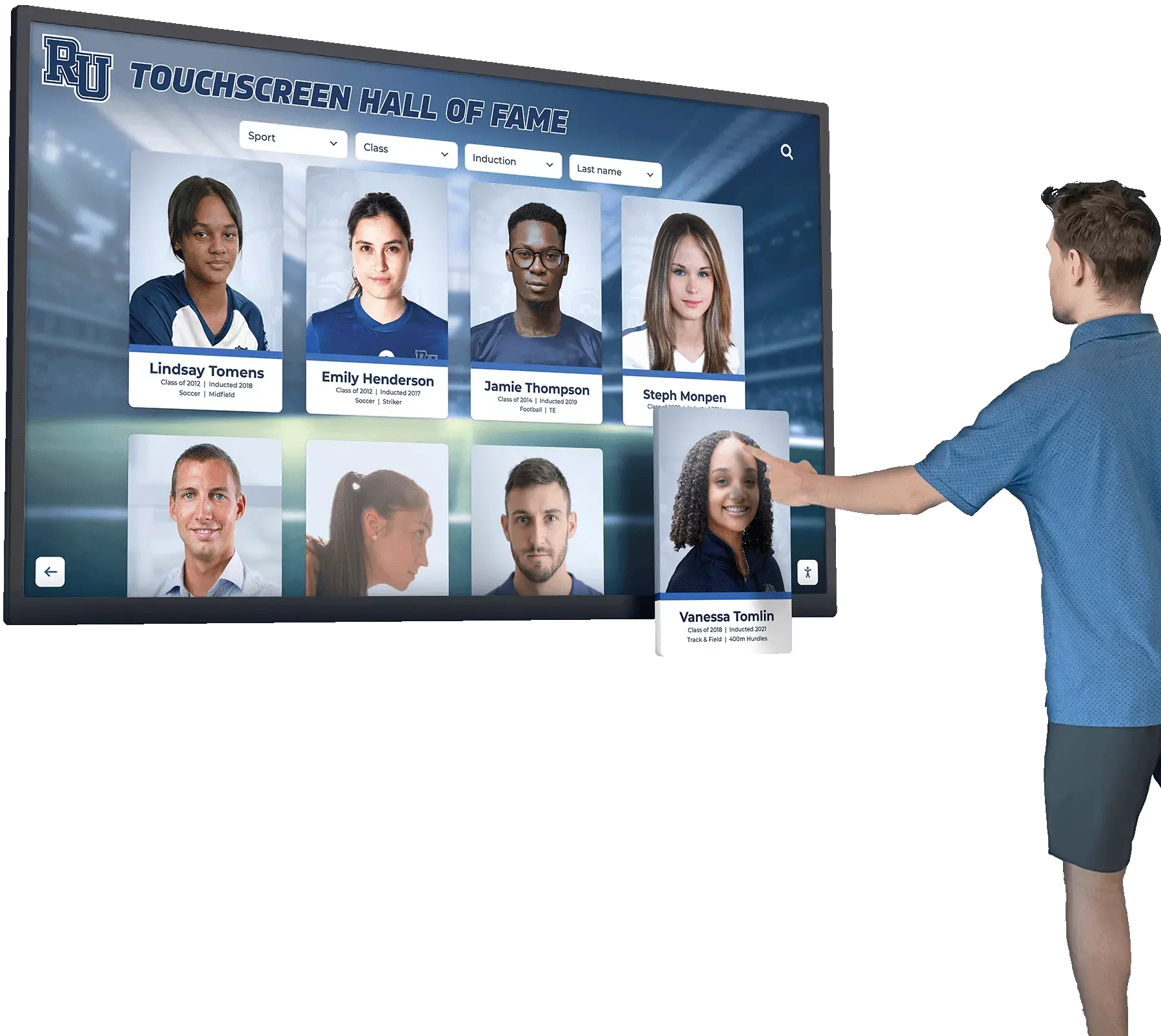
Senior living facilities maintain partnerships with local organizations providing outings, entertainment, and services. Digital displays showcase upcoming community trips and outings, partnership organizations and their services, transportation schedules and signup procedures, local senior discounts and benefits, and photo galleries from recent outings. This information increases participation in community programs while demonstrating facility commitment to preventing isolation through external engagement.
Visibility of partnership programs also impresses families evaluating facilities by showing robust programming extending beyond facility walls.
17. Educational Series and Speaker Programs
Many facilities host educational programming on topics relevant to seniors including health and wellness education, financial planning and estate topics, technology training and assistance, book clubs and discussion groups, and guest speaker series. Digital displays promote upcoming programs with speaker biographies, display educational resources and handouts, archive previous presentation recordings, and showcase attendance and participation. Educational programming keeps residents mentally engaged while providing valuable information supporting successful aging.
The visibility of educational offerings positions facilities as communities supporting lifelong learning rather than warehouses for elderly individuals.
18. Pet Recognition and Therapy Animal Programs
Facilities permitting resident pets or hosting therapy animal programs benefit from recognition displays featuring resident pets with names and breeds, therapy animal visit schedules, pet care tips and resources, lost pet alerts when needed, and celebration of animal contributions to community wellbeing. Pet recognition creates conversation starters while ensuring all residents know about animal therapy opportunities even if they don’t personally own pets.
Photos of residents with community pets generate particularly engaging content families love seeing and sharing, humanizing facilities in marketing materials.
19. Seasonal Celebrations and Cultural Recognition
Recognition of diverse cultural backgrounds and seasonal celebrations demonstrates inclusive community values. Digital displays rotate through holiday celebrations and observances, cultural heritage months and education, seasonal decoration galleries, tradition explanations and histories, and resident cultural backgrounds and stories. This recognition helps all residents feel acknowledged while educating the community about diverse traditions creating mutual understanding and respect.
Families from various cultural backgrounds appreciate facilities that honor their traditions visibly rather than offering only mainstream holiday programming.
20. Achievement and Milestone Celebration
Beyond birthdays and anniversaries, facilities can recognize numerous resident achievements including educational degrees or certifications completed, books published or creative works released, grandchildren and great-grandchildren milestones, personal health goals achieved, new technology skills mastered, and resident business or organizational leadership. Achievement recognition validates that aging doesn’t mean the end of accomplishment while inspiring others toward continued growth and engagement.
This recognition combats ageist assumptions that seniors no longer achieve or contribute, supporting dignity and continued purpose throughout the aging process.
Implementation Strategies for Senior Living Touchscreen Displays
Successfully implementing digital recognition in senior living environments requires understanding the unique characteristics and needs of senior populations.
Design Considerations for Senior Users
Touchscreen interfaces serving seniors require specific design approaches accommodating age-related changes in vision, dexterity, and technology familiarity. Effective senior-focused design includes large, clear text with high contrast ratios, simple navigation with obvious buttons and minimal menus, generous touch targets reducing precision requirements, adjustable text size allowing user customization, and minimal scrolling favoring pagination instead.
Systems should avoid assuming technology fluency while remaining engaging for tech-savvy residents. Voice search options benefit residents with vision or dexterity challenges. The comprehensive analysis of interactive kiosk solutions provides valuable frameworks for accessibility-focused design.
Content Management and Update Processes
Regular content updates keep displays relevant and engaging. Successful senior living implementations establish clear content workflows including weekly activity calendar updates, monthly birthday and recognition refreshes, immediate event announcements and changes, quarterly committee and governance updates, and annual historical content expansions. Designating specific staff members as content administrators with appropriate training ensures updates happen reliably without depending on technical expertise that may not exist in-house.
Cloud-based content management systems allow remote updates from any device, enabling activity directors to update displays from offices, homes, or while traveling rather than requiring physical access to display hardware.
Staff Training and Adoption
Staff adoption determines whether touchscreen displays become valuable community assets or expensive decorations. Effective training covers basic navigation for answering resident questions, content update procedures for administrators, troubleshooting common issues, accessibility features supporting various abilities, and integration with daily routines and tours. Staff who understand system capabilities naturally incorporate displays into facility tours, resident orientation, and daily interaction.
Champions among staff—typically activity directors or marketing coordinators—drive adoption by creating engaging content and encouraging resident use through facilitated exploration sessions.
Resident Orientation and Engagement
Many seniors feel intimidated by new technology requiring gentle, patient introduction. Successful orientation approaches include small group training sessions with practice time, one-on-one assistance for hesitant users, buddy systems pairing tech-confident residents with learners, laminated quick reference guides near displays, and regular “display of the week” features demonstrating new sections. Framing the display as “our community memory book” rather than “new technology” reduces anxiety while emphasizing relevant, personal content over technological complexity.
Activity directors report that hands-on facilitated sessions where residents search for their own names or photos generate breakthrough moments where technology becomes personally relevant rather than abstract and intimidating.
Technical Considerations and Setup
Senior living facilities evaluating touchscreen display systems should consider several technical factors ensuring successful implementation.
Hardware Selection for Senior Living Environments
Display hardware should meet specific criteria for senior care contexts including commercial-grade reliability for continuous operation, anti-glare screens for various lighting conditions, height-adjustable mounting accommodating wheelchair users, durable construction withstanding daily use, and adequate screen size for visibility without squinting. Touch sensitivity should accommodate light touch from arthritic hands without requiring firm pressure.
Most senior living installations work well with 43-55 inch displays mounted at 42-48 inches from floor to center, ensuring visibility for standing and seated users. Display placement in high-traffic areas like main lobbies, dining room entrances, or activity centers maximizes usage.
Software Platform Requirements
Senior living recognition software should provide several core capabilities including intuitive content management requiring no coding, template libraries for consistent professional appearance, media asset management organizing photos and videos, cloud-based access enabling remote updates, role-based permissions controlling content access, and analytics tracking usage patterns. Purpose-built platforms like Rocket Alumni Solutions offer senior-focused features developed through experience with recognition needs across various community types.
The evaluation of interactive touchscreen software options should consider long-term vendor support ensuring systems remain updated as technology evolves.
Integration with Existing Systems
Senior living facilities often use specialized management software for resident information, activity scheduling, and billing. Touchscreen displays provide maximum value when integrating with existing systems to automatically pull resident directories from management databases, sync activity calendars with scheduling software, connect with digital signage for coordinated messaging, and link with facility websites for family access. Integration reduces duplicate data entry while ensuring consistency across communication channels.
Vendors should clearly explain integration capabilities and any technical requirements during evaluation processes to avoid surprises during implementation.
Budget Planning and Funding Strategies
Touchscreen recognition systems require upfront investment but deliver substantial ongoing value. Typical senior living installations range from $8,000-$25,000 for single-display systems to $25,000-$60,000+ for multi-display networks depending on hardware quantity and quality, software features and licensing, installation and configuration services, training and support packages, and content development assistance. Funding strategies include capital improvement budgets for facility upgrades, family council donations funding specific features, memorial donations honoring deceased residents, marketing budgets recognizing tour impact, and phased implementation spreading costs across fiscal years.
Many facilities discover that enhanced move-in decisions driven by impressive lobby displays provide measurable return on investment within the first year through improved occupancy rates.
Measuring Success and Community Impact
Strategic senior living facilities evaluate recognition program effectiveness systematically using both quantitative metrics and qualitative feedback.
Key Performance Indicators for Recognition Programs
Useful metrics for assessing touchscreen display value include resident engagement frequency and duration, content view statistics and popular sections, family feedback and satisfaction ratings, staff usage and perceived value, tour visitor engagement during facility visits, participation rates in recognized activities, and volunteer recruitment effectiveness. Analytics built into quality display platforms provide objective engagement data supplementing anecdotal observations.
Facilities tracking these metrics over time identify successful content types deserving expansion while recognizing underperforming sections needing revision or removal.
Gathering Resident and Family Feedback
Systematic feedback collection provides insights that usage statistics alone cannot reveal. Effective feedback mechanisms include quarterly resident focus groups, family council input sessions, annual satisfaction surveys, suggestion boxes near displays, and informal conversations during activities. Feedback should specifically ask what content residents value most, what additional information would be helpful, what design changes would improve usability, and how displays impact community feeling.
This input guides continuous improvement while demonstrating that resident voices shape community communication strategies.
ROI and Business Case Development
Administrators justifying touchscreen recognition investments should consider multiple value sources including staff time savings from digital versus physical bulletin boards, marketing impact through improved tour experiences, family satisfaction supporting retention and referrals, resident engagement supporting health outcomes, and competitive differentiation in crowded markets. While some benefits resist precise quantification, the comprehensive value typically justifies investment when considering all stakeholders.
Facilities can calculate staff time saved by tracking hours previously spent updating bulletin boards versus digital update time, often revealing 5-10 hours weekly redirected toward direct resident care and programming. The frameworks for recognition display ROI analysis translate effectively to senior living business case development.
Building Community Through Recognition Excellence
Senior living facilities implementing comprehensive recognition programs with modern touchscreen technology discover that visible appreciation transforms community culture. Residents feel valued when achievements receive acknowledgment. Families gain confidence seeing loved ones honored and engaged. Staff take pride in facilities celebrating contributions systematically. Prospective residents touring facilities see active, engaged communities rather than institutional warehouses.
Recognition addresses fundamental human needs transcending age—the need to belong, contribute, be remembered, and find meaning. Well-designed recognition programs make seniors feel seen and valued rather than invisible, counter isolation through conversation starters and connection points, preserve legacies ensuring life stories remain accessible, motivate continued engagement and purpose, and build the community bonds that transform senior living facilities from housing to home.
Essential Principles for Senior Living Recognition:
- Design interfaces specifically for senior users with accessibility as priority
- Implement diverse recognition categories ensuring all residents receive acknowledgment
- Update content regularly keeping information current and displays fresh
- Train staff thoroughly on system capabilities and routine procedures
- Orient residents patiently recognizing varied technology comfort levels
- Measure impact systematically using both metrics and qualitative feedback
- Integrate with existing systems reducing duplicate work
- Budget comprehensively considering total lifecycle costs and benefits
- Celebrate achievements of all types combating ageist assumptions
- Position displays prominently in high-traffic community gathering spaces
Modern recognition technology transforms senior living by enabling comprehensive community celebration that traditional bulletin boards cannot match. Solutions like Rocket Alumni Solutions provide interactive platforms specifically adaptable to senior living needs with intuitive content management, accessible user interfaces, unlimited recognition capacity, multimedia storytelling capabilities, and ongoing support ensuring long-term success. These systems become community assets serving residents, families, and staff while supporting the cultural excellence that distinguishes outstanding senior living facilities.
Senior living facilities investing strategically in recognition programs create communities where every resident feels valued, every contribution receives appreciation, and every life story remains visible and celebrated. This work represents among the most important contributions senior care leaders can make—creating environments where seniors thrive rather than merely exist, maintaining dignity and purpose throughout the aging journey, and building the connected communities that make facilities feel genuinely like home.
Ready to build stronger senior living community through comprehensive recognition? Book a demo to explore how touchscreen displays create engaging recognition programs celebrating residents, volunteers, and community achievements comprehensively.