



Athletic facility scoreboards serve as central focal points during games, tournaments, and community events while contributing significantly to venue atmosphere and functionality. Modern scoreboard design has evolved far beyond simple score displays, incorporating sophisticated visual elements, branding opportunities, sponsor recognition, and integrated technology creating immersive spectator experiences. School administrators and athletic directors face increasingly complex decisions when selecting, designing, and implementing scoreboards balancing aesthetic preferences, functional requirements, budget constraints, and long-term operational considerations.
The right scoreboard design enhances game-day experience for athletes, spectators, and officials while projecting professional image reflecting program quality and institutional pride. Poor scoreboard choices—systems difficult to read from bleachers, designs clashing with facility aesthetics, technology prone to frequent malfunctions, or installations requiring excessive maintenance—create ongoing frustration and represent wasted institutional resources. Understanding available scoreboard options, design principles, implementation processes, and emerging technologies enables athletic facility managers to make informed decisions creating lasting value.
Modern Athletic Facility Display Solutions
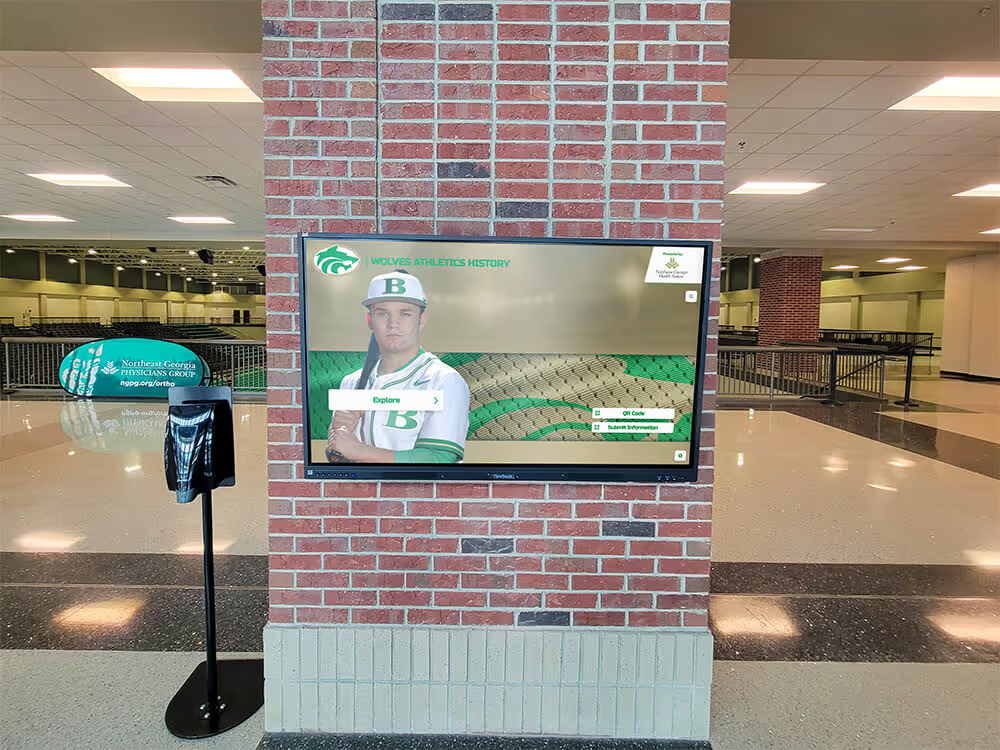
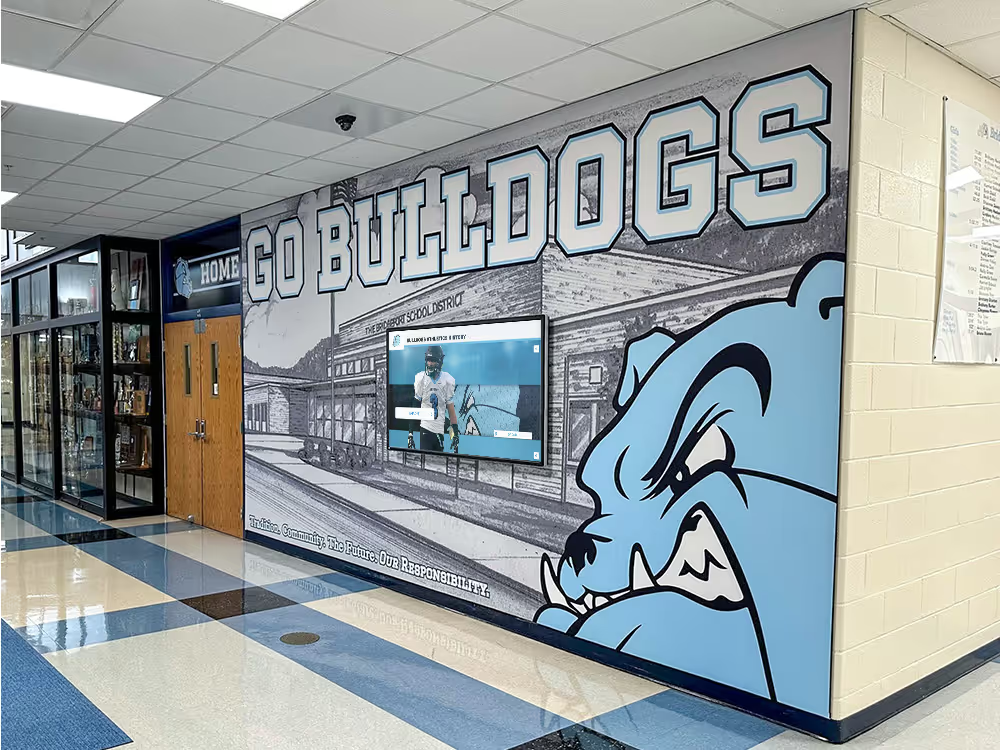
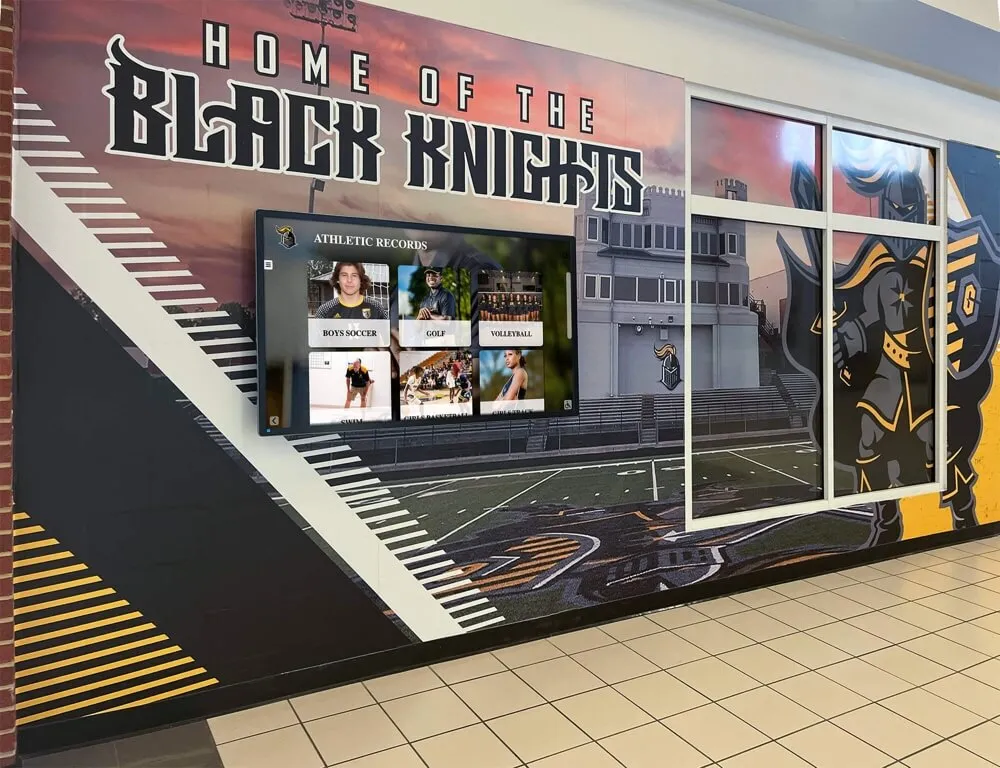
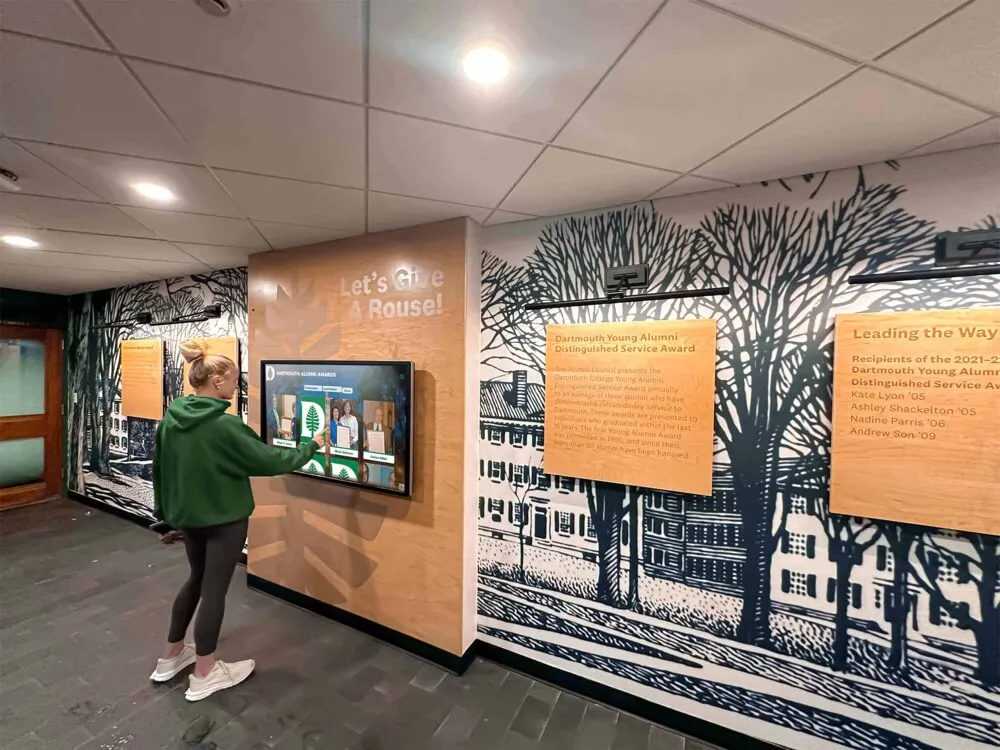
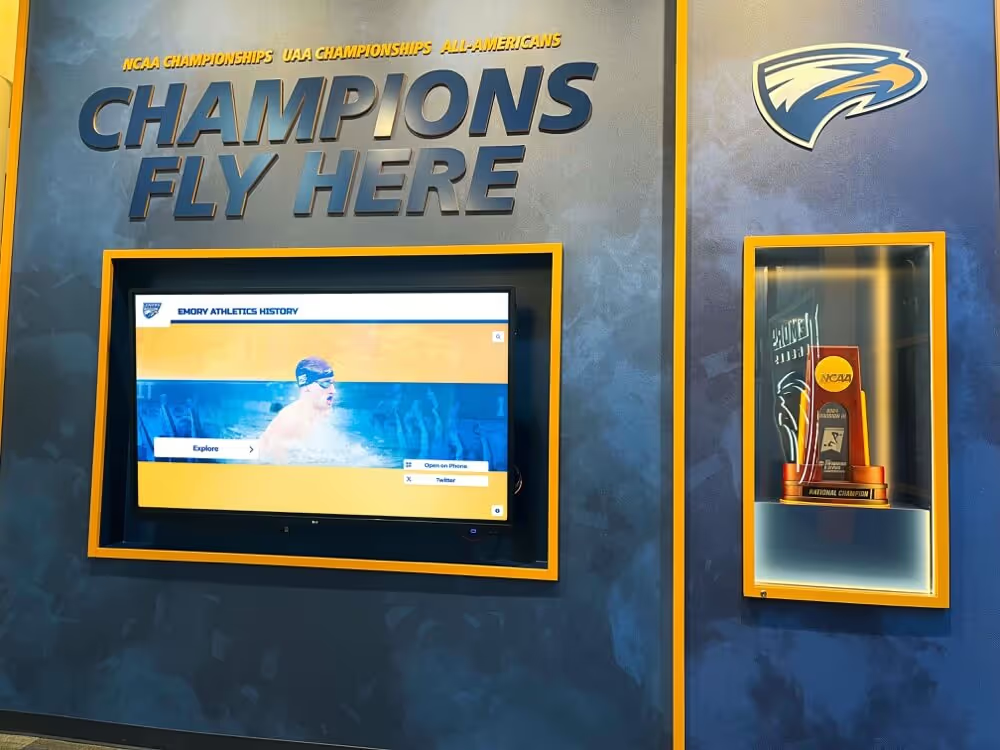
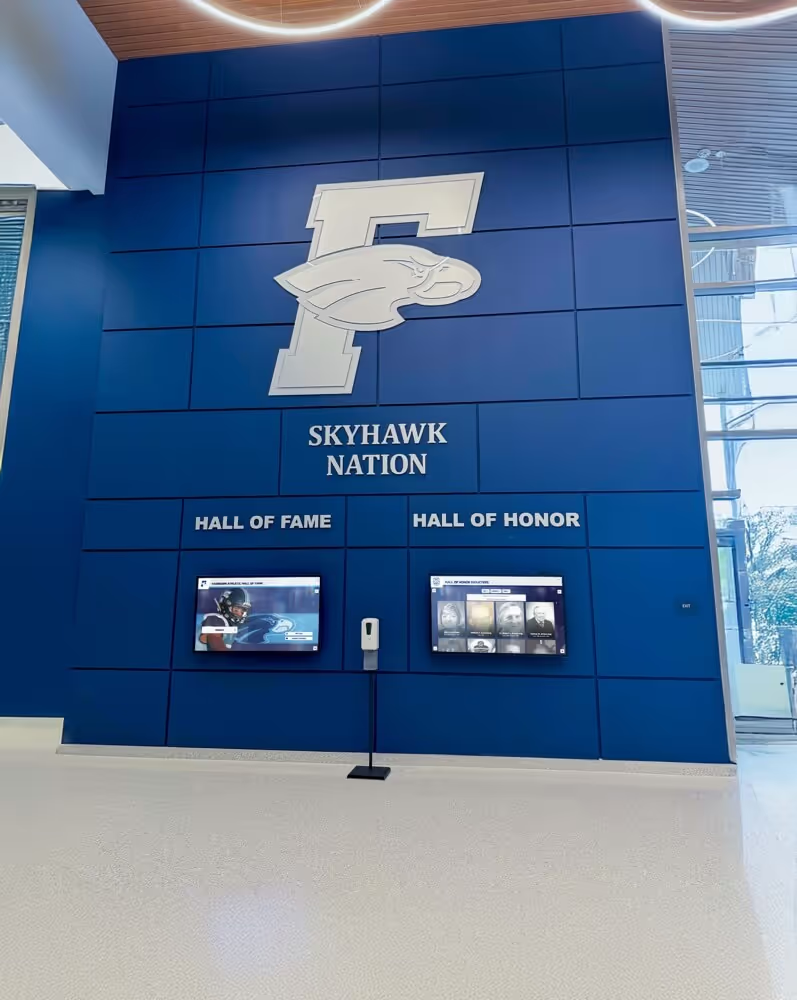
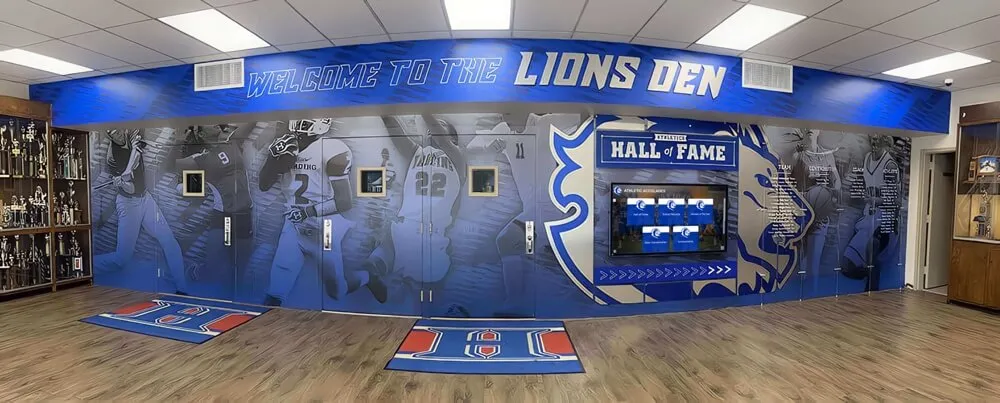
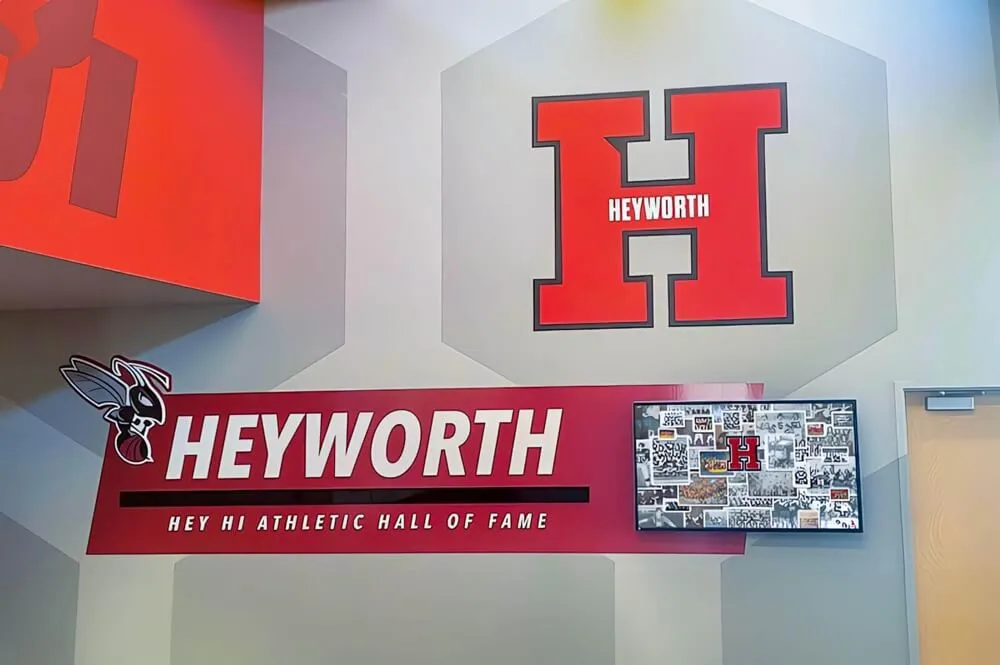
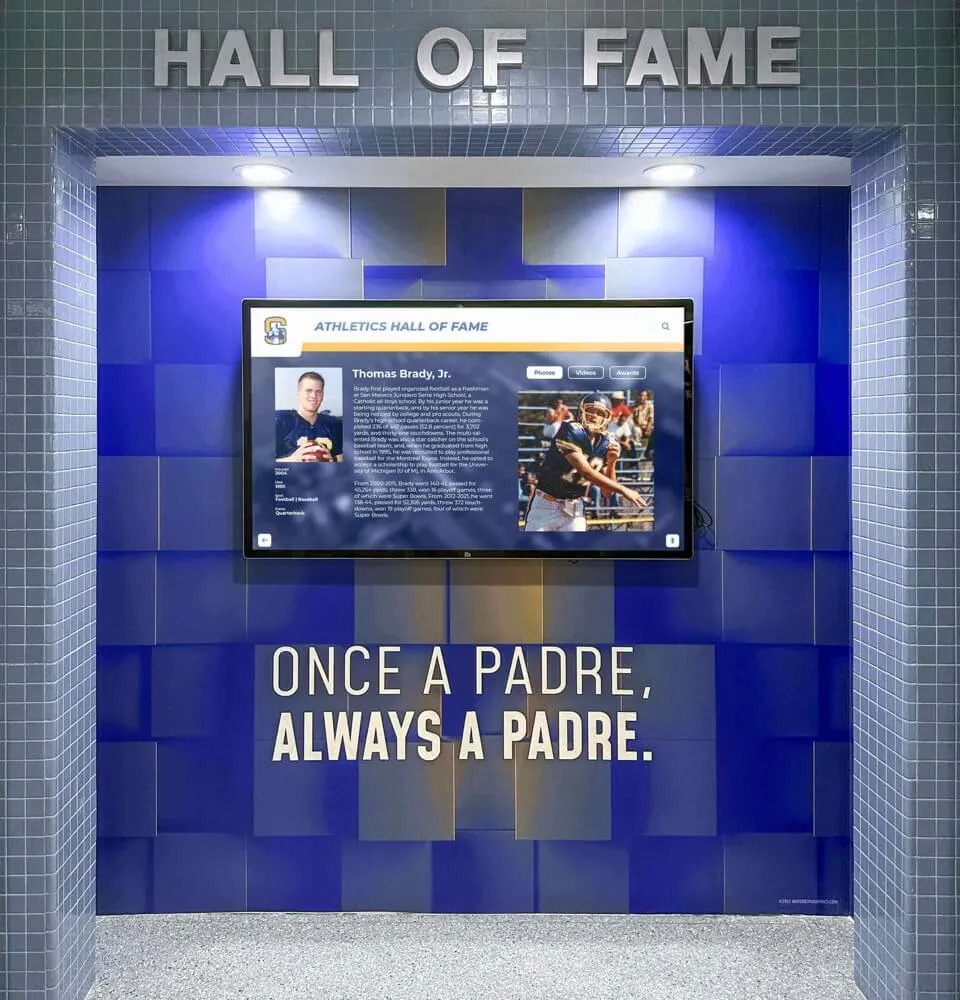
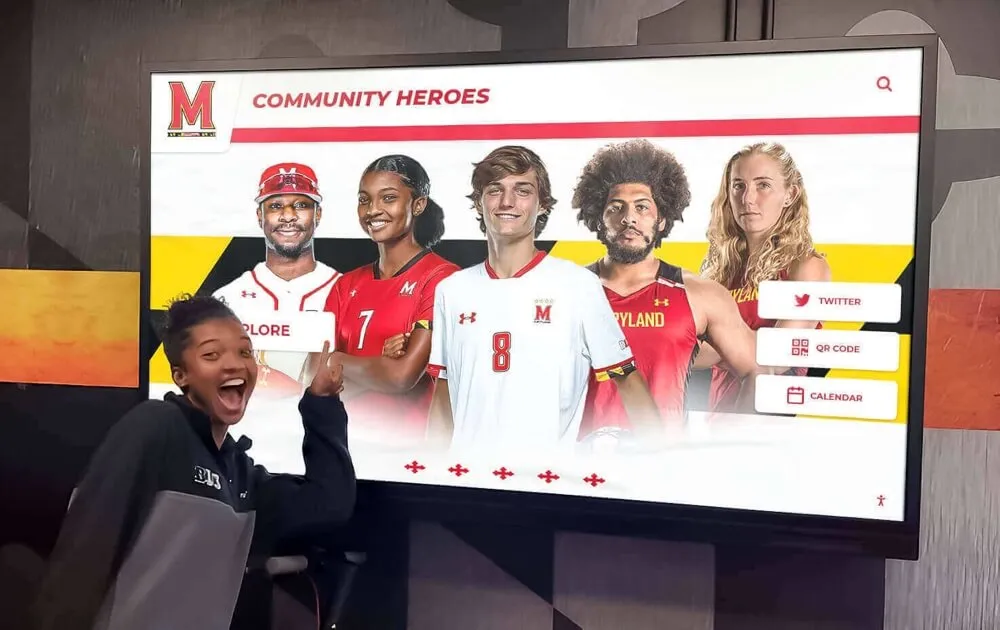
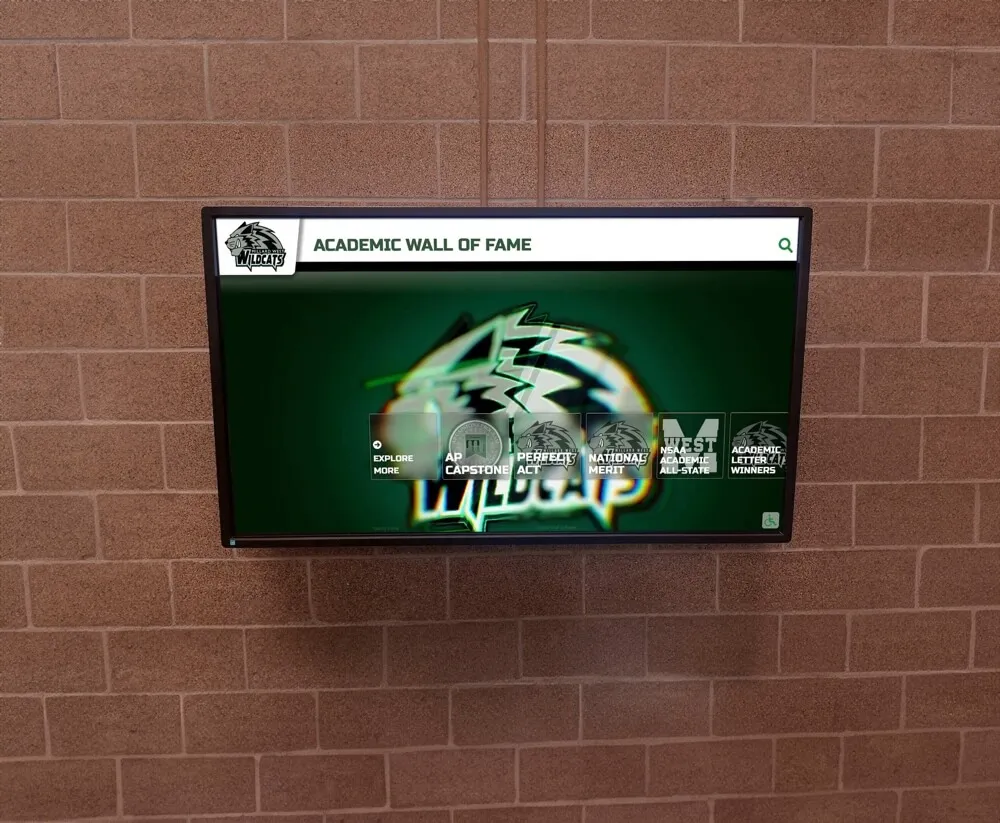
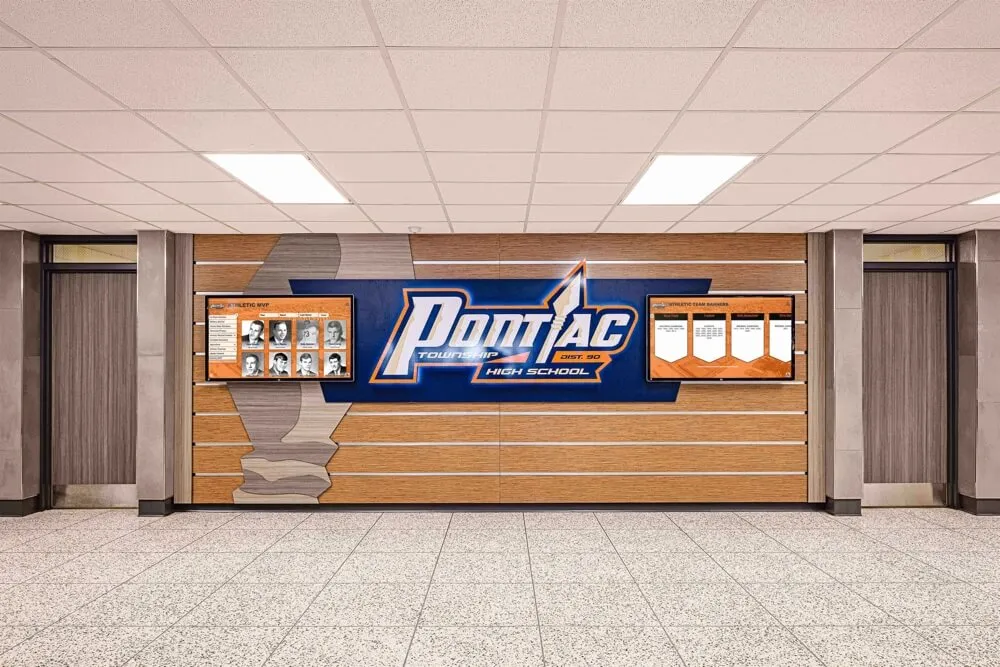
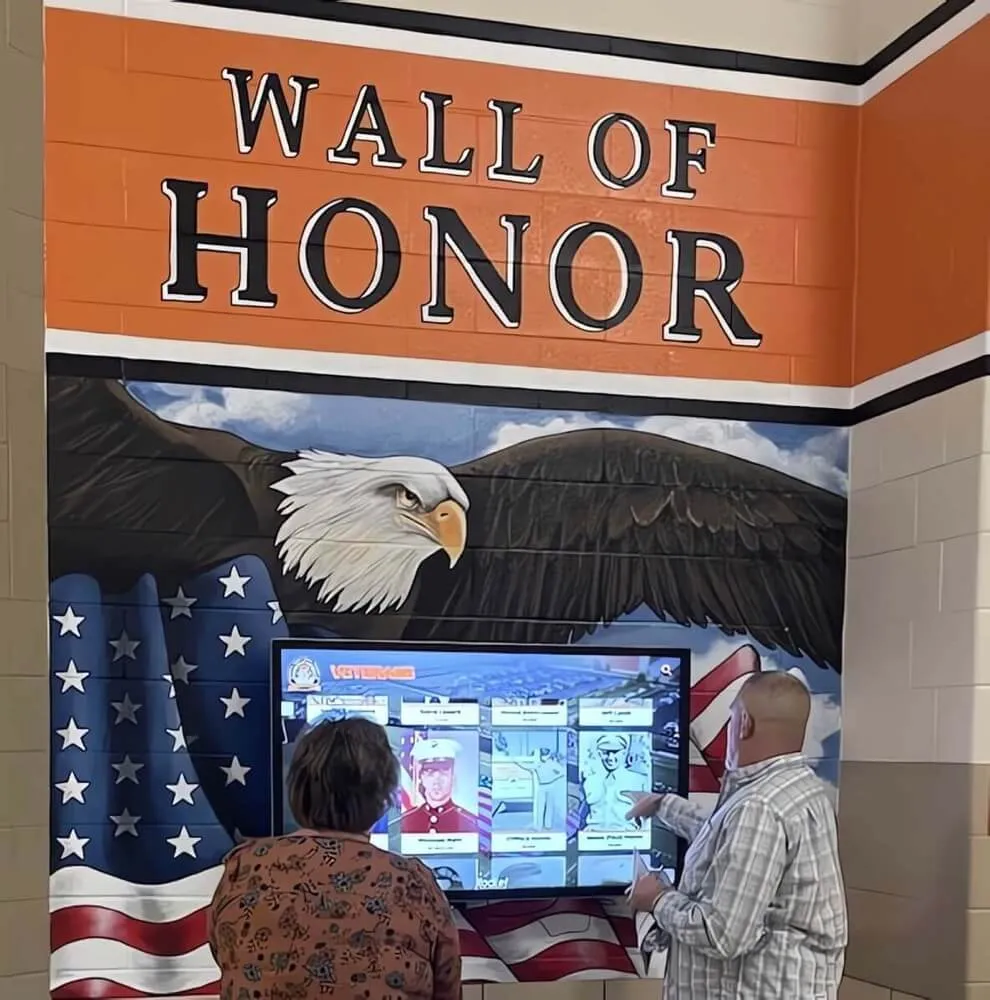
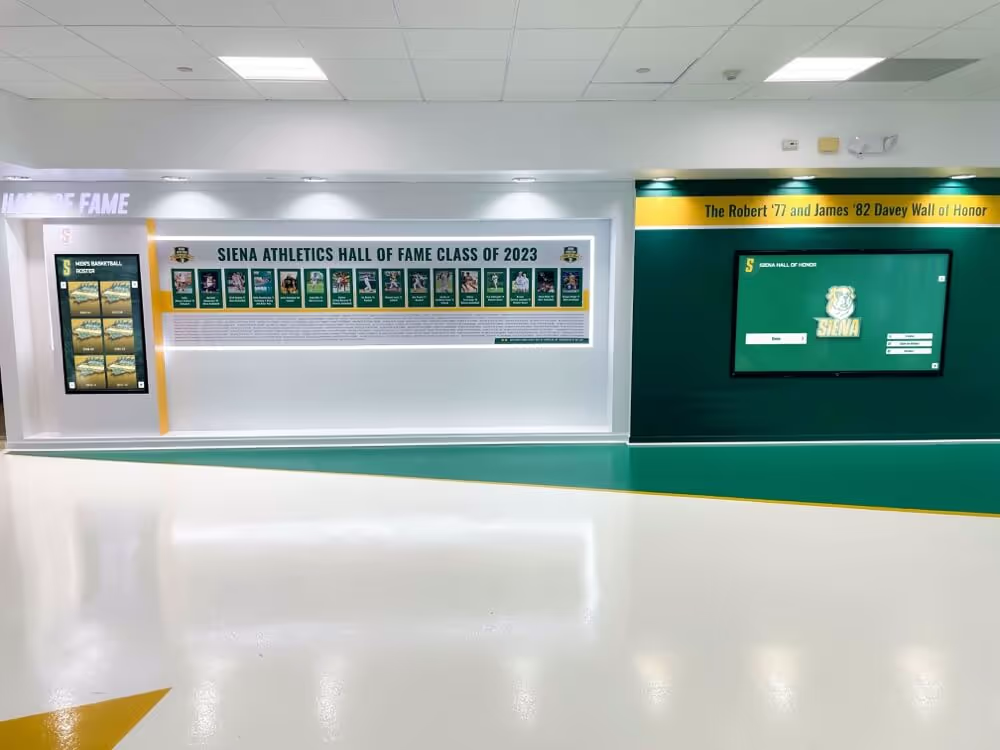
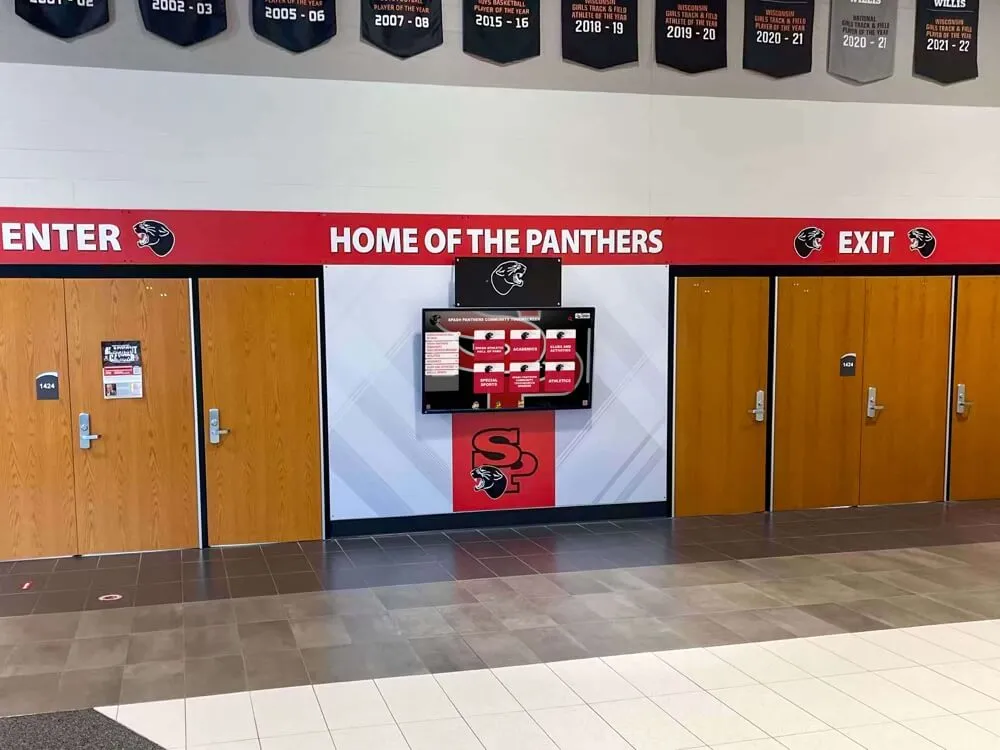
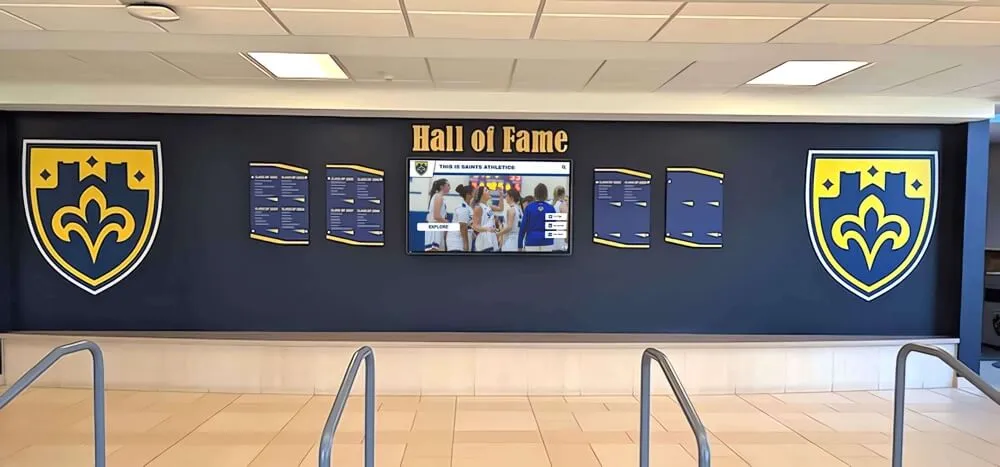
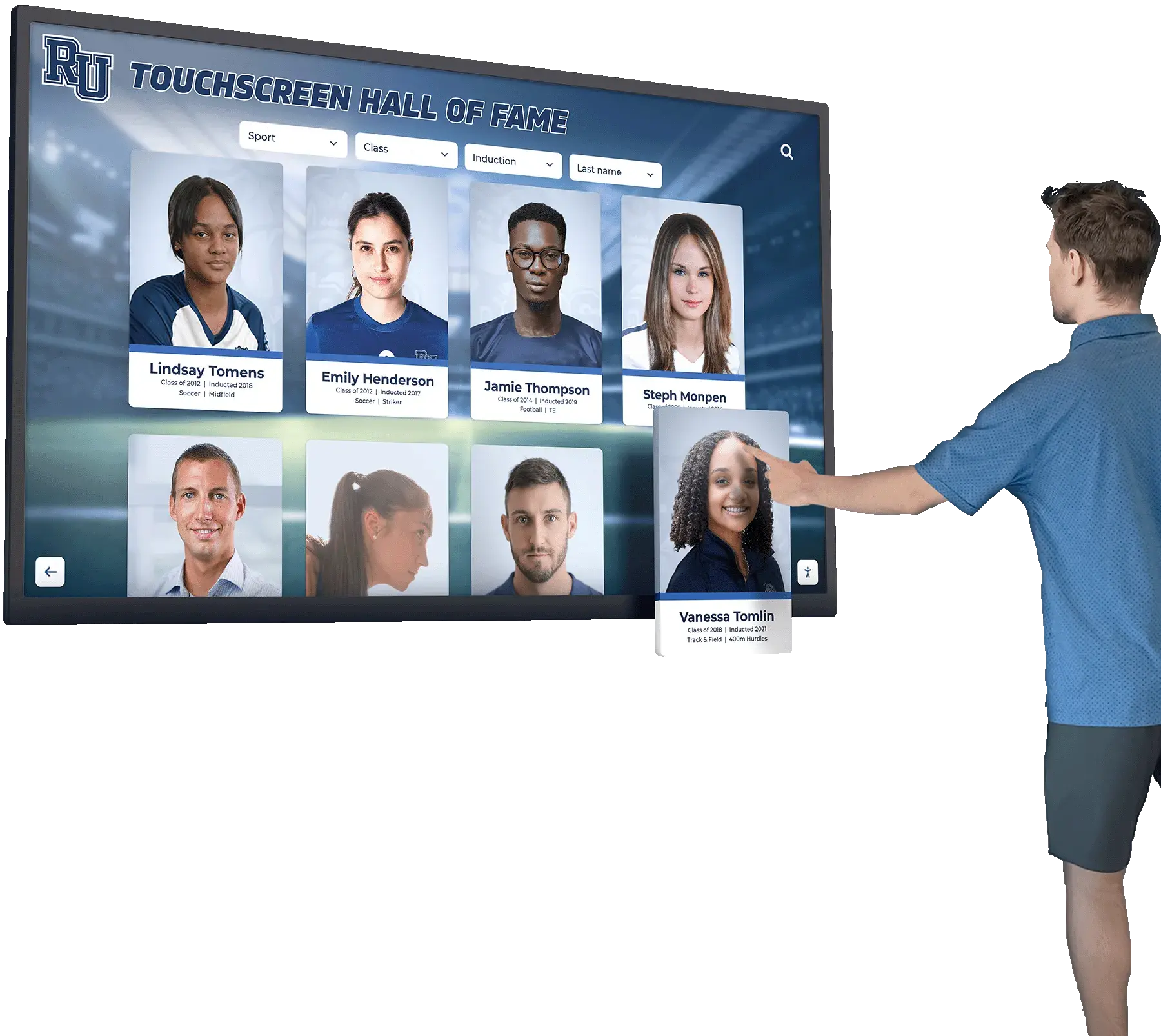
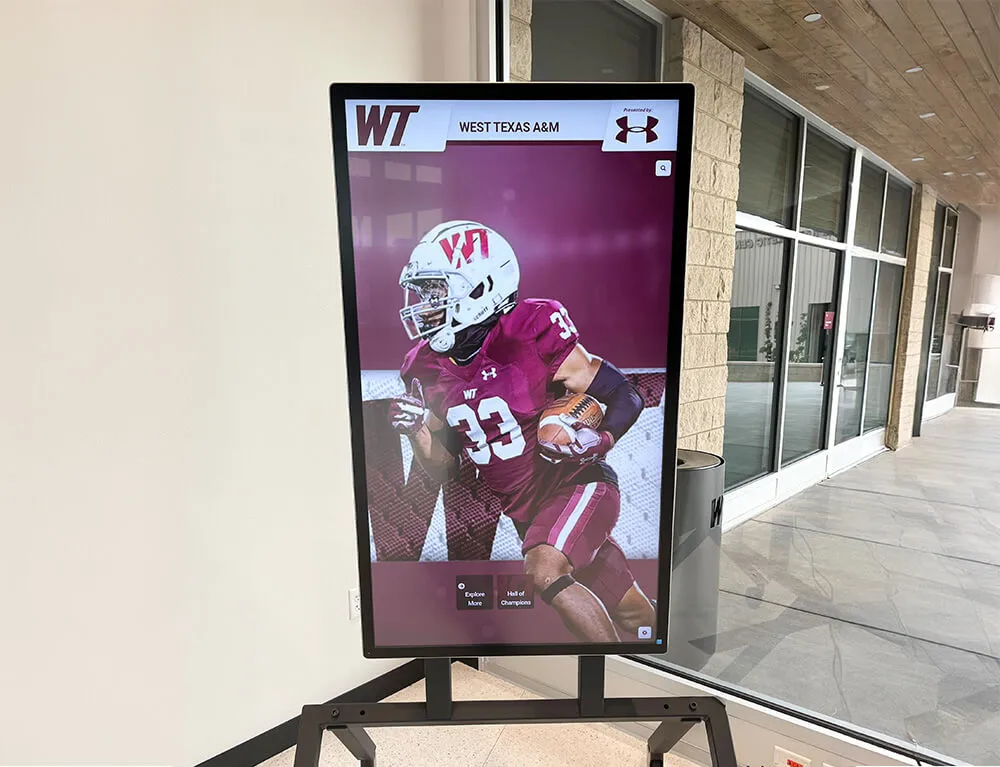
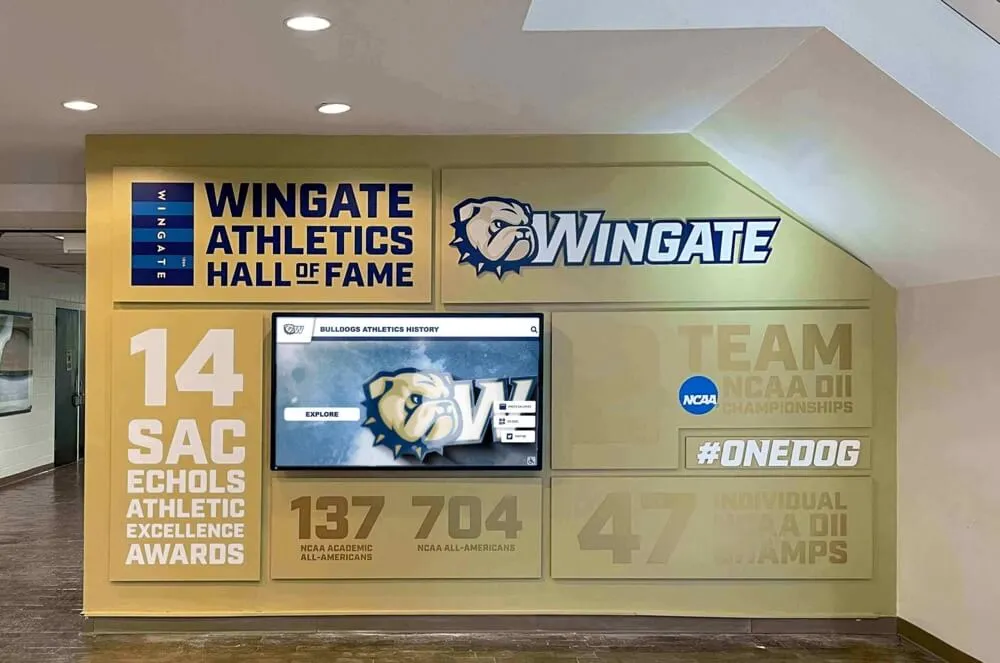
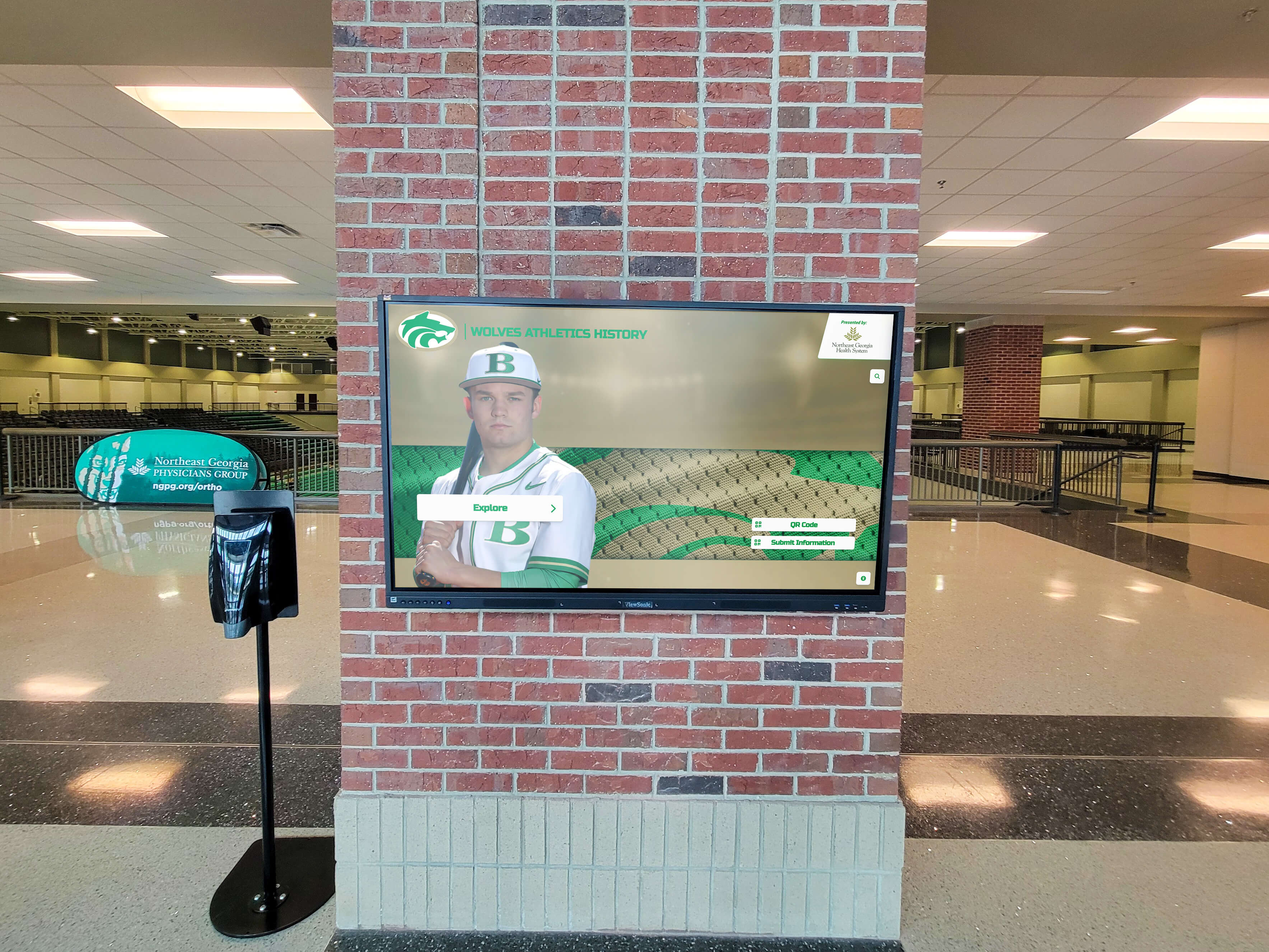
Traditional scoreboards serve game-time scoring functions effectively, but modern athletic facilities increasingly implement comprehensive digital display systems providing versatile functionality beyond basic scorekeeping. Interactive digital displays enable athletic directors to showcase real-time statistics, replay highlights, recognize sponsors, celebrate achievements, and display dynamic content throughout events while serving recognition purposes between games. Solutions like Rocket Alumni Solutions provide integrated platforms combining scoreboard functionality with athletic recognition, record displays, and multimedia content management—creating multipurpose systems maximizing facility technology investments while delivering enhanced spectator engagement.
Traditional Scoreboard Design Fundamentals
Conventional scoreboards remain popular choices for many athletic facilities due to proven reliability, straightforward functionality, and lower initial costs compared to advanced digital systems.
Classic Scoreboard Components and Layouts
Traditional scoreboard design centers on essential elements providing clear game information visibility:
Core Display Elements
Standard scoreboards include fundamental information displays required for game operation:
- Score Displays: Large digits showing home and visitor scores with high contrast for distance visibility
- Time/Clock: Game clock, period indicators, and countdown timers for various sports
- Fouls/Penalties: Team foul counts, penalty indicators, and player foul tracking
- Possession Indicators: Arrows or lights showing which team controls ball or puck
- Period/Quarter Indicators: Current game segment identification
- Team Names: Fixed or changeable identification for home and visiting teams
Effective traditional scoreboards prioritize readability above all other considerations. Digit height, contrast ratios, viewing angles, and lighting conditions determine whether spectators throughout facilities can follow game action effectively.
Sport-Specific Design Variations
Different sports require specialized scoreboard configurations:
Basketball scoreboards emphasize team fouls, possession arrows, and bonus indicators critical for officiating and strategy. Wrestling scoreboards track individual match time, team scores, weight classes, and riding time. Volleyball systems display sets won, server rotation, and timeouts remaining. Multi-sport scoreboards incorporate modular elements accommodating various sports within single facilities, though compromises sometimes reduce sport-specific functionality.
Traditional Scoreboard Technology Options
Conventional scoreboards utilize several established display technologies:
LED Digit Displays
Light-emitting diode technology dominates modern traditional scoreboards:
LED displays offer excellent brightness enabling outdoor and bright indoor use, superior visibility from extreme viewing angles, energy efficiency compared to older technologies, long operational lifespans with minimal degradation, and relatively low maintenance requirements. Quality varies significantly across manufacturers—premium LED systems maintain consistent brightness and color while budget options show uneven illumination or premature failure.
Flip-Digit Mechanical Systems
Some facilities maintain classic mechanical scoreboards featuring rotating number panels:
These systems create distinctive aesthetic character valued in traditional gymnasiums, operate without electronic vulnerabilities to power surges or software issues, require no complex programming or technical expertise, and evoke nostalgic connection to athletic history. However, mechanical systems demand regular maintenance for moving parts, limit information display capacity, create operational noise during digit changes, and lack flexibility for different sports or scoring scenarios.
Permanent Painted/Vinyl Scoreboards
The most basic approach uses permanently marked backgrounds with removable number panels:
Manual scoreboards eliminate electrical requirements and associated costs, function reliably without technology failures, suit facilities with minimal athletic activity or budget constraints, and provide simple operation requiring no technical training. Limitations include requiring personnel to manually change scores courtside, creating potential safety issues with people accessing scoreboards during play, limiting information displayed, and projecting less professional appearance compared to automated systems.
Digital Scoreboard Design Advantages
Modern digital scoreboards provide significantly enhanced functionality beyond traditional systems while creating dynamic spectator experiences.
Comprehensive Display Capabilities
Digital scoreboards deliver versatility impossible with conventional systems:
Multi-Sport Adaptability
High-quality digital scoreboards accommodate unlimited sports configurations through software-based display templates. Basketball, volleyball, wrestling, badminton, futsal, and other sports each receive optimized scoring layouts without physical modification. Template switching takes seconds between events, eliminating compromise designs attempting to serve multiple sports through single static format.
Rich Content Integration
Beyond basic scoring, digital systems display:
- Sponsor Recognition: Rotating sponsor graphics generating revenue supporting athletic programs
- Video Content: Highlight replays, player introductions, promotional videos, and entertainment content
- Statistics and Analytics: Advanced game statistics, player performance data, and historical comparisons
- Social Media Integration: Live social feeds, hashtag displays, and fan engagement content
- Emergency Messaging: Rapid communication of weather delays, facility information, or safety alerts
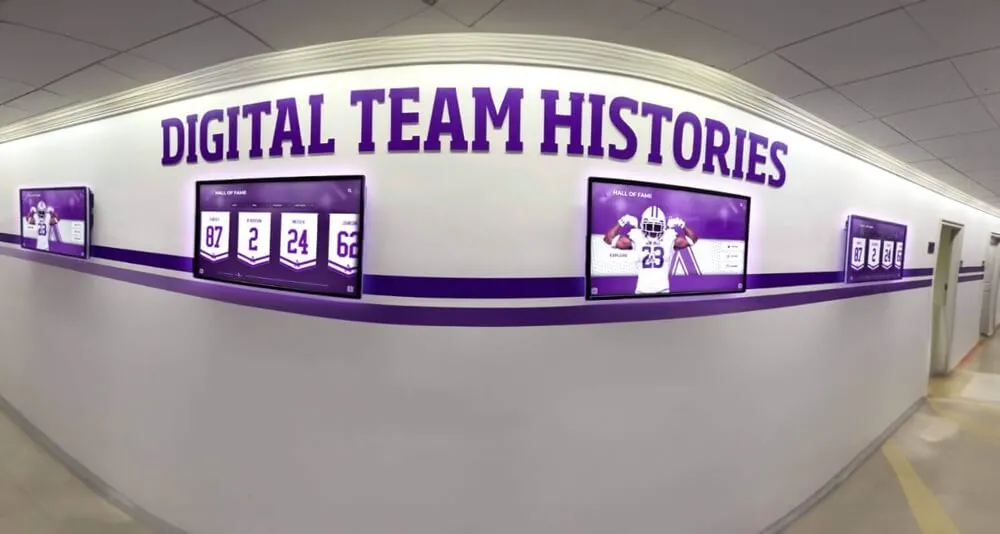
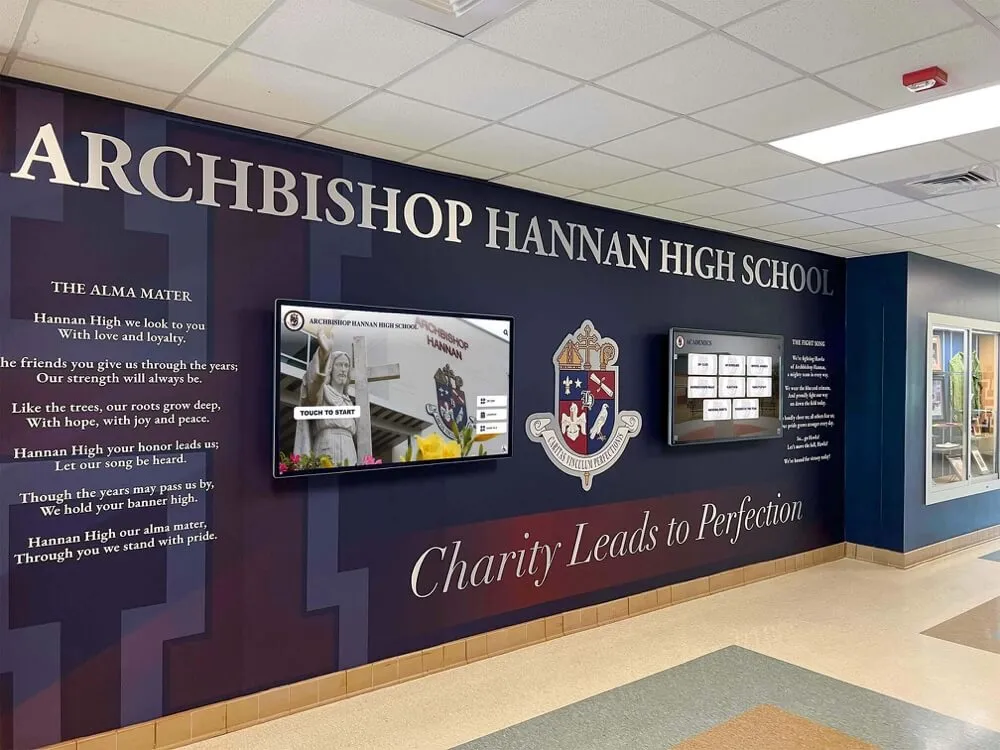
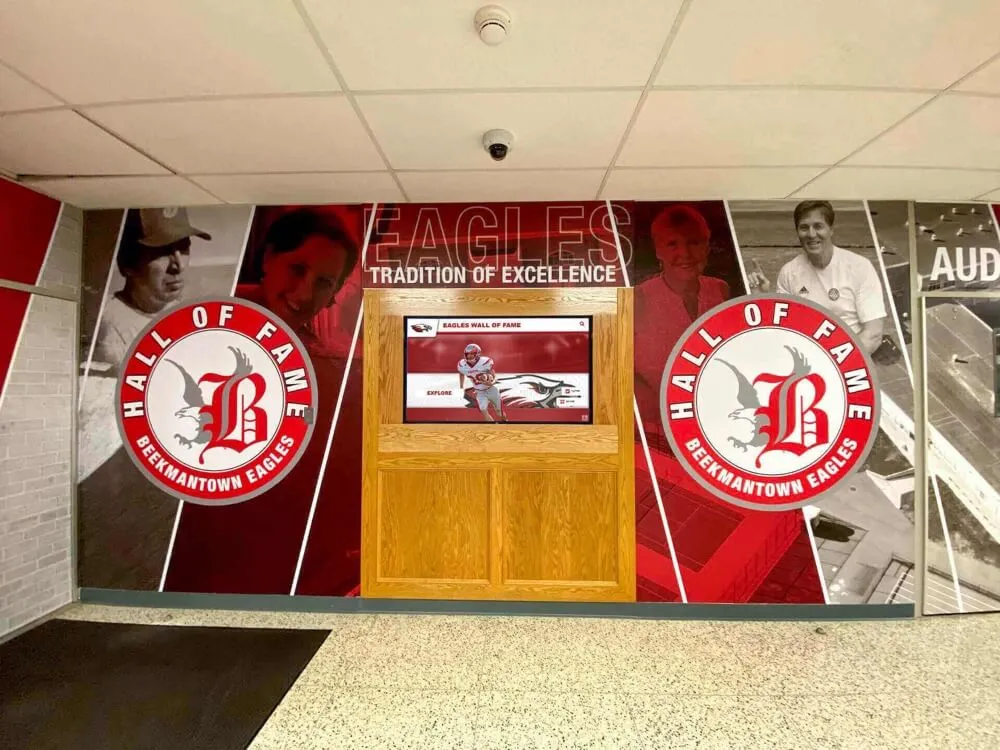
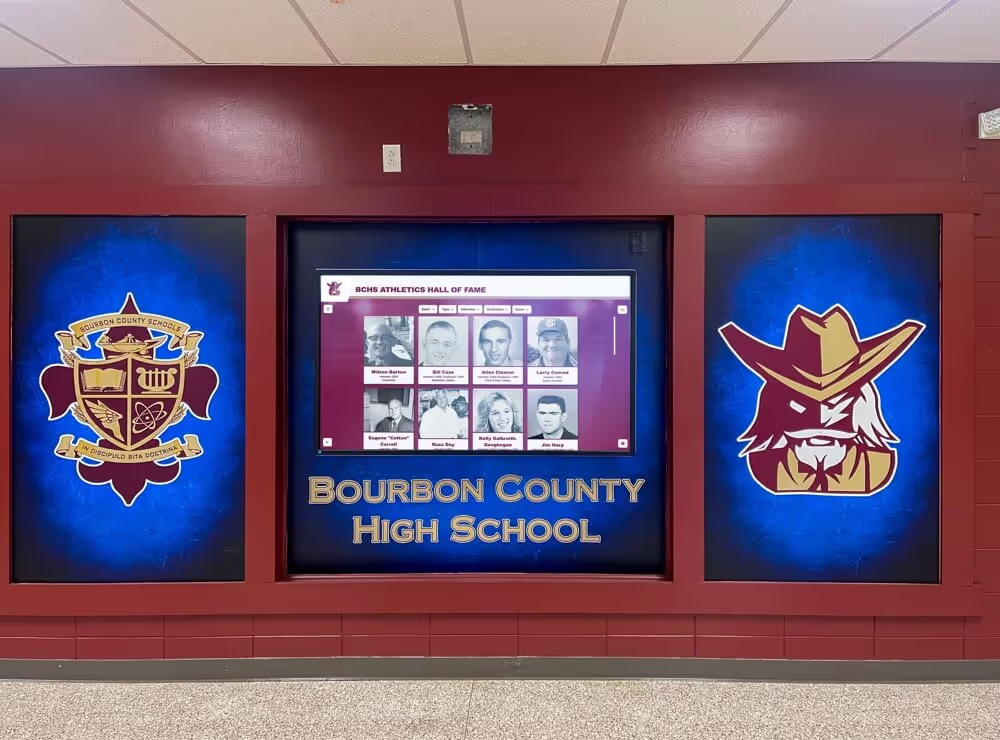
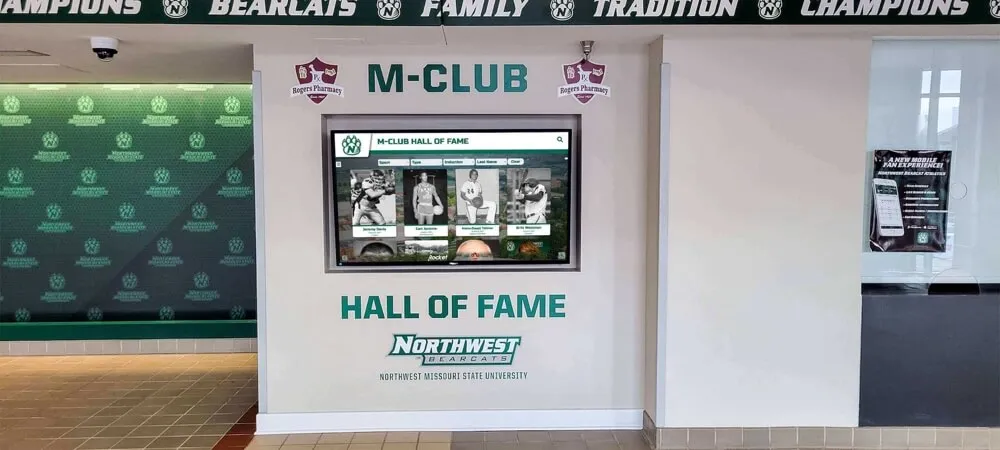
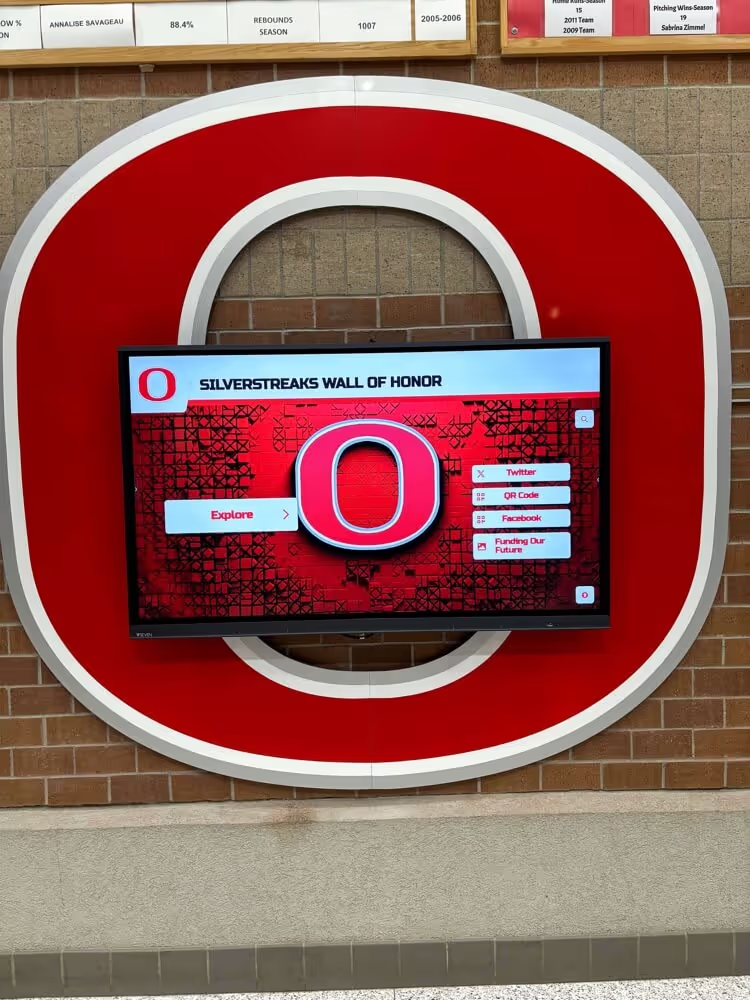
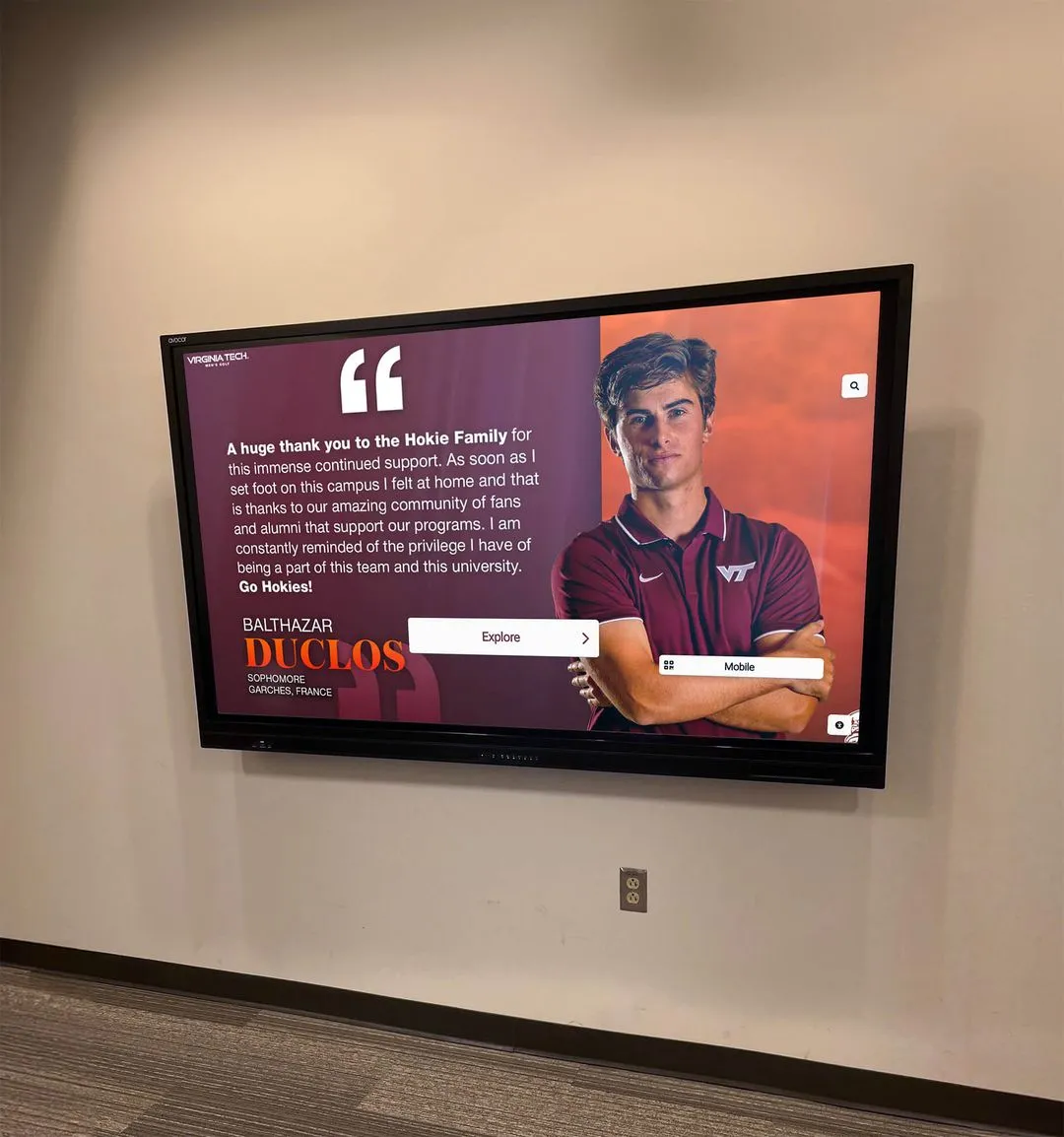
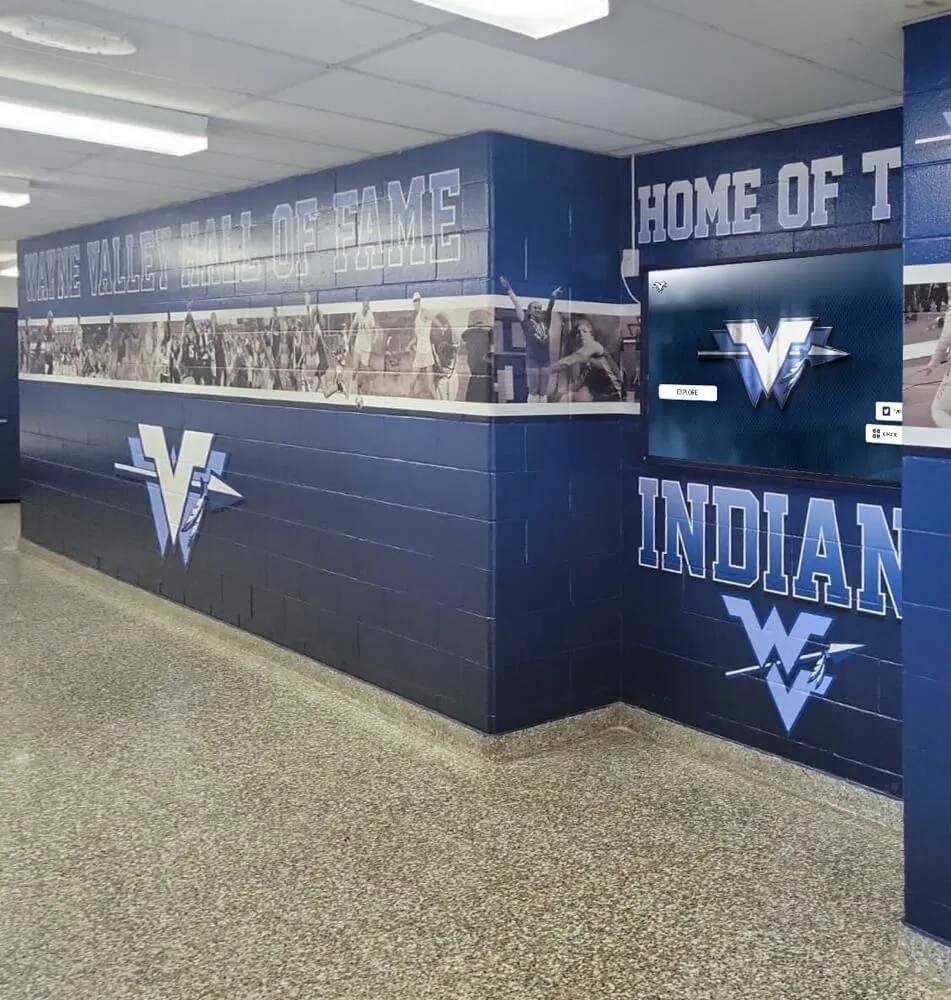
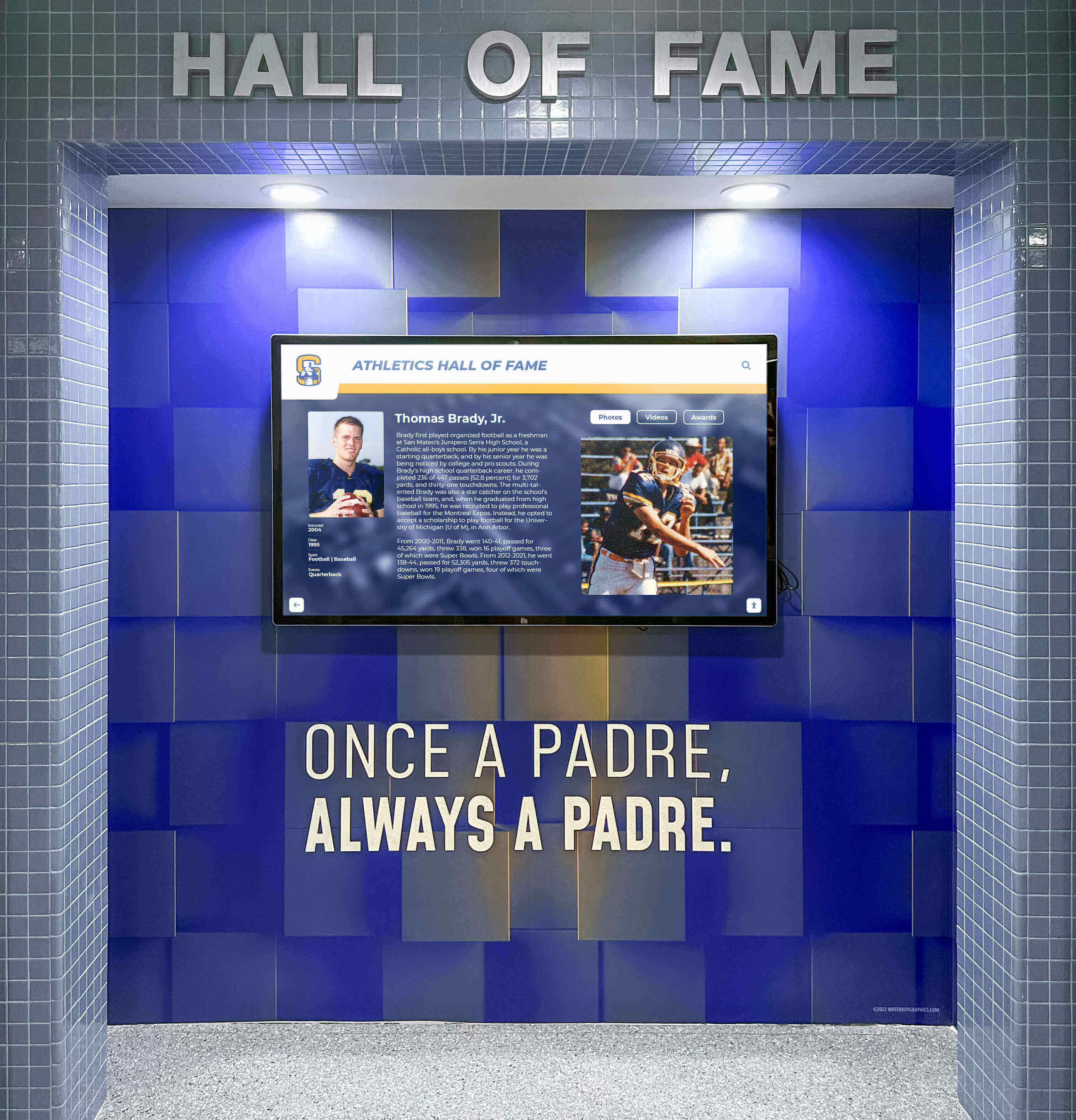
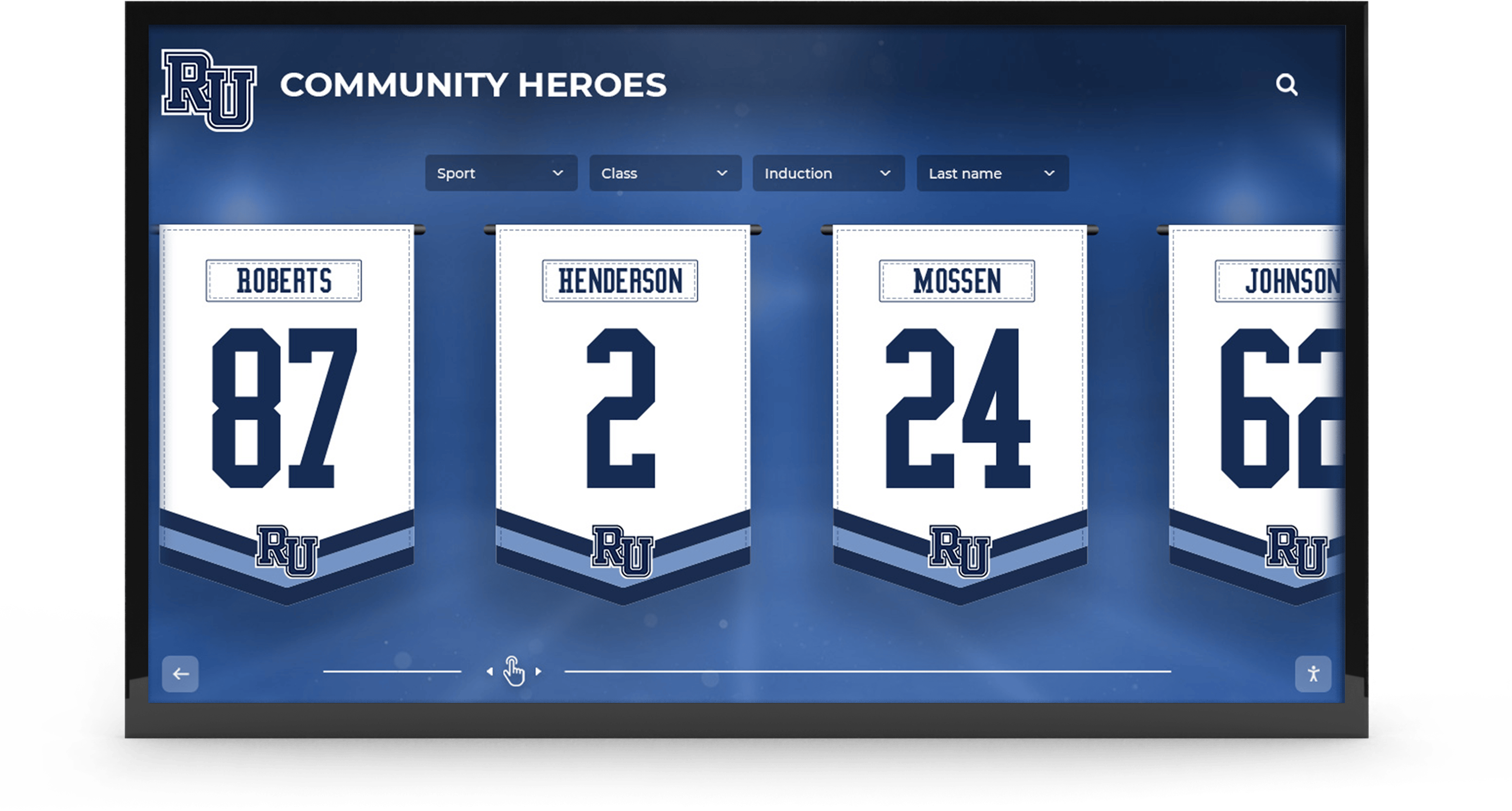
- Recognition Content: Between games, displays showcase athletic achievements and hall of fame recognition
Dynamic Branding and Aesthetics
Digital scoreboards enable customized visual design matching school colors, mascots, and branding:
Display backgrounds change for different sports, events, or seasons. Special occasion graphics celebrate homecoming, senior nights, tournaments, or championship games. Animated transitions and effects create professional broadcast-quality presentations elevating perceived program prestige.
Operational and Management Benefits
Digital scoreboard systems simplify facility operations while reducing long-term costs:
Remote Control and Automation
Modern digital scoreboards connect wirelessly to tablets, smartphones, or dedicated control consoles enabling operation from coaches’ benches, scorer’s tables, or press boxes. Automated features include synchronized game clocks, automatic score incrementing for certain sports, and pre-programmed event sequences reducing operator workload and human error.
Instant Updates and Corrections
Digital systems allow immediate correction of scoring errors, time adjustments, or information changes without physical access to scoreboards. Traditional systems requiring manual digit changes or mechanical adjustments create delays disrupting game flow and potentially affecting outcomes.
Integration with Other Facility Systems
Advanced digital scoreboards connect with:
- Sound systems for coordinated audio and visual effects
- Timing systems for swimming, track, or other precision-timed sports
- Building wayfinding and directory systems creating cohesive facility technology
- Statistical software automatically updating displays from data entry
- Video streaming systems for broadcasts and recordings

Scoreboard Design Considerations for Athletic Facilities
Successful scoreboard implementation requires systematic evaluation of facility-specific factors affecting performance and user experience.
Visibility and Readability Requirements
Scoreboards fail primary functions if spectators and officials cannot read displayed information clearly:
Viewing Distance and Digit Height
Industry standards recommend minimum digit heights based on maximum viewing distance. For basketball gymnasiums with 50-foot viewing distances, score digits should measure at least 8-10 inches tall. Larger facilities require proportionally larger displays. Inadequate digit sizing forces spectators to squint or ask neighbors about scores—clear indicators of design failure.
Contrast and Brightness
Digital displays must overcome ambient lighting through adequate brightness levels. Facilities with significant natural light from windows require displays rated at minimum 2,500-4,000 nits brightness. Windowless gyms with controlled lighting may function adequately with 1,500-2,000 nits. Color contrast between display backgrounds and text significantly affects readability—high-contrast combinations (white on black, yellow on blue) outperform low-contrast aesthetic choices (gray on silver) regardless of brightness levels.
Viewing Angle Coverage
Scoreboards positioned centrally on end walls create blind spots for spectators seated in corners near scoreboard walls. Multiple scoreboard installations, corner-mounted supplementary displays, or four-sided center-hung scoreboards address viewing angle limitations ensuring all seating areas receive clear visibility.
Facility Architecture and Mounting
Physical facility characteristics constrain scoreboard design options:
Structural Considerations
Wall-mounted scoreboards require adequate structural support capacity. Older gymnasiums may need reinforcement before installing heavy digital systems. Center-hung scoreboards demand ceiling structure capable of supporting substantial weight—comprehensive digital video boards with multiple display faces can exceed several thousand pounds requiring engineering evaluation and potential structural upgrades.
Ceiling Height and Clearance
Center-hung scoreboards require minimum clearances below playing surface ceilings ensuring balls, shuttlecocks, or other projectiles don’t contact displays. Basketball facilities typically require 25+ feet clearance; volleyball may need greater heights depending on serve trajectories. Insufficient clearance creates game interference and equipment damage risk.
Access for Installation and Maintenance
Scoreboard locations must permit initial installation and ongoing maintenance access. Displays positioned in hard-to-reach locations create expensive servicing requirements when components need replacement or adjustment. Facilities should maintain access equipment (lifts, scaffolding) or ensure service providers can bring necessary equipment into gymnasiums without damage risk.
Budget and Total Cost of Ownership
Scoreboard expenses extend beyond initial purchase prices:
Initial Investment Comparison
Basic traditional LED scoreboards for high school gymnasiums typically cost $5,000-$15,000 depending on size and features. Mid-range digital scoreboards with video capability and multi-sport functions range $20,000-$50,000. Premium digital video boards with advanced features, large display areas, and sophisticated control systems can exceed $100,000 for comprehensive installations.
Installation Costs
Professional installation adds 15-30% to equipment costs depending on complexity. Simple wall-mounted scoreboards may require only basic electrical work and mounting. Center-hung systems demand structural engineering, heavy equipment, comprehensive electrical infrastructure, and specialized installation expertise significantly increasing total project costs.
Operating Expenses
Energy consumption varies dramatically across scoreboard types. LED scoreboards consume considerably less electricity than older incandescent or fluorescent systems. Digital video boards require more power than simple LED scoreboards but remain far more efficient than comparable display sizes using older technologies.
Maintenance and Repair
Traditional mechanical scoreboards require regular maintenance of moving parts, periodic digit replacement, and mechanical adjustment. LED scoreboards need occasional module replacement and electrical troubleshooting. Digital video boards require software updates, content management, and occasional component replacement but benefit from remote diagnostics reducing service visit frequencies.
Long-term maintenance costs often favor quality digital systems over budget traditional scoreboards. Cheap scoreboards requiring frequent repairs and replacement create higher total costs over 10-15 year lifespans than premium systems with exceptional reliability and manufacturer support.
Multi-Purpose Facility Display Strategies
Modern athletic facilities increasingly serve diverse functions beyond competitive athletics requiring flexible display systems.
Beyond Game Day Functionality
Scoreboard investments should serve facilities during the majority of time when competitive events aren’t occurring:
Recognition and Achievement Displays
Between athletic events, digital displays showcase:
- Athletic record holders and achievement boards
- Academic honor roll recognition celebrating student achievement
- Senior night celebrations and athlete tributes
- Team photos and season highlights
- Alumni accomplishments and legacy content
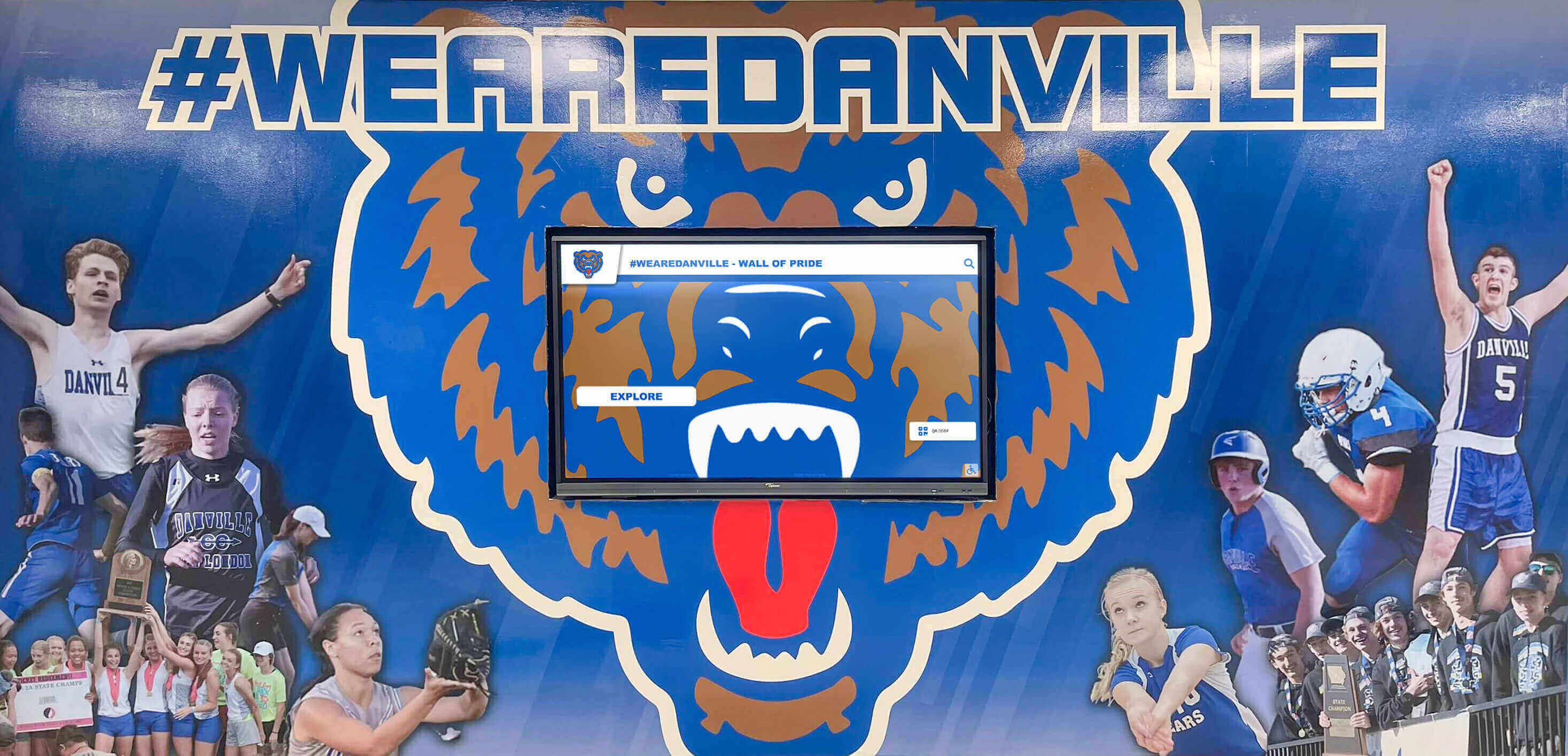
Transforming scoreboards into recognition platforms during non-game times maximizes technology return on investment while building program culture and community pride. Schools can feature student-athlete accomplishments and celebrate college signing day commitments using the same display systems.
Community Event Support
Gymnasiums hosting community gatherings, graduation ceremonies, concerts, trade shows, and public meetings benefit from display systems supporting these varied uses. Digital scoreboards become presentation screens, event signage, donor recognition platforms for fundraising events, and information displays far beyond athletic scoring functions.
Recruitment and Tour Showcases
When prospective students and families tour facilities, impressive display technology creates positive impressions about program quality and institutional commitment to excellence. Facilities featuring dated, malfunctioning, or absent scoreboards communicate underinvestment potentially affecting enrollment decisions.
Integrated Recognition and Scoring Systems
Forward-thinking schools implement unified platforms serving both game-day scoring and ongoing recognition needs:
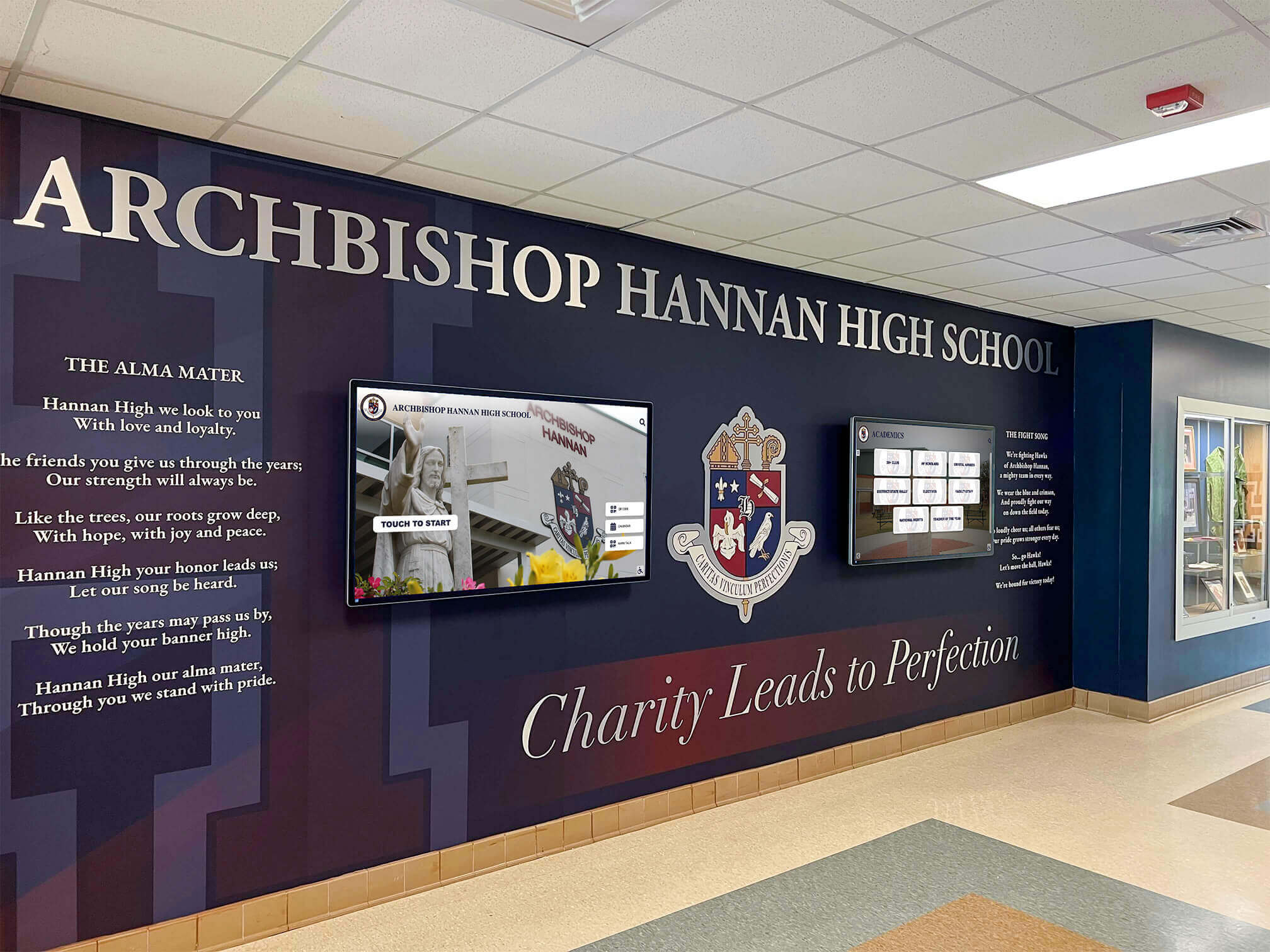
Comprehensive systems enable seamless transitions between scoreboard functions during games and recognition content between events. Single content management platforms allow athletic staff to update both scoring templates and recognition displays without managing separate systems. This approach reduces technology complexity, lowers total costs compared to independent systems, and ensures consistent branding and visual design across all facility displays.
Scoreboard Design Process and Implementation
Systematic planning and execution ensure successful scoreboard projects delivering intended value.
Needs Assessment and Requirements Definition
Effective scoreboard projects begin with comprehensive evaluation of facility needs and stakeholder requirements:
Stakeholder Input Collection
Gather perspectives from diverse facility users:
- Athletic Directors: Overall facility vision, budget parameters, operational requirements
- Coaches: Sport-specific functionality needs, statistical display preferences, ease of use priorities
- Officials: Rules compliance, visibility from officiating positions, timing system requirements
- Facilities Managers: Installation feasibility, maintenance implications, infrastructure compatibility
- Administrators: Budget approval, policy compliance, community relations considerations
- Students and Athletes: Spectator experience, recognition opportunities, technological expectations
Comprehensive input prevents expensive redesigns addressing overlooked requirements after installation.
Functional Requirement Documentation
Create detailed specifications including:
- Sports requiring accommodation and specific features each needs
- Display content types beyond basic scoring (video, statistics, recognition, sponsors)
- Control system preferences (wireless tablets, dedicated consoles, automated features)
- Integration requirements with timing systems, sound, video production equipment
- Mounting location options and constraints
- Visibility requirements from all seating areas
- Budget range and timeline expectations
Clear requirements enable productive vendor discussions and accurate proposal comparisons.
Vendor Selection and Proposal Evaluation
Scoreboard market includes numerous manufacturers offering vastly different quality, capabilities, and support:
Evaluation Criteria
Compare vendors and proposals across consistent factors:
- Product Quality and Reliability: Track record, warranty terms, component quality, failure rates
- Relevant Experience: Similar facility installations, references from comparable schools
- Technical Capabilities: Feature set meeting requirements, system flexibility, future expandability
- Total Cost: Equipment, installation, training, ongoing support, and lifecycle expenses
- Customer Support: Responsiveness, technical assistance quality, repair service availability
- Local Presence: Proximity enabling rapid service, regional installation experience
Lowest-cost proposals often prove most expensive long-term when systems fail prematurely or vendors provide inadequate support.
Reference Checking
Contact schools using vendors’ equipment learning about:
- Installation experience and timeline adherence
- Product performance and reliability
- Customer service responsiveness
- Training quality and operational ease
- Unexpected costs or complications
- Overall satisfaction and whether they would select same vendor again
Emerging Scoreboard Design Trends
Understanding developing technologies and approaches helps future-proof facility investments.
Enhanced Spectator Engagement Features
Modern scoreboards increasingly incorporate interactive and immersive elements:
Mobile Device Integration
Advanced systems enable spectators to interact via smartphones:
- Access detailed statistics and player information
- Participate in polls and trivia displayed on main boards
- Submit photos and messages for potential display
- Receive push notifications about schedule changes or concessions
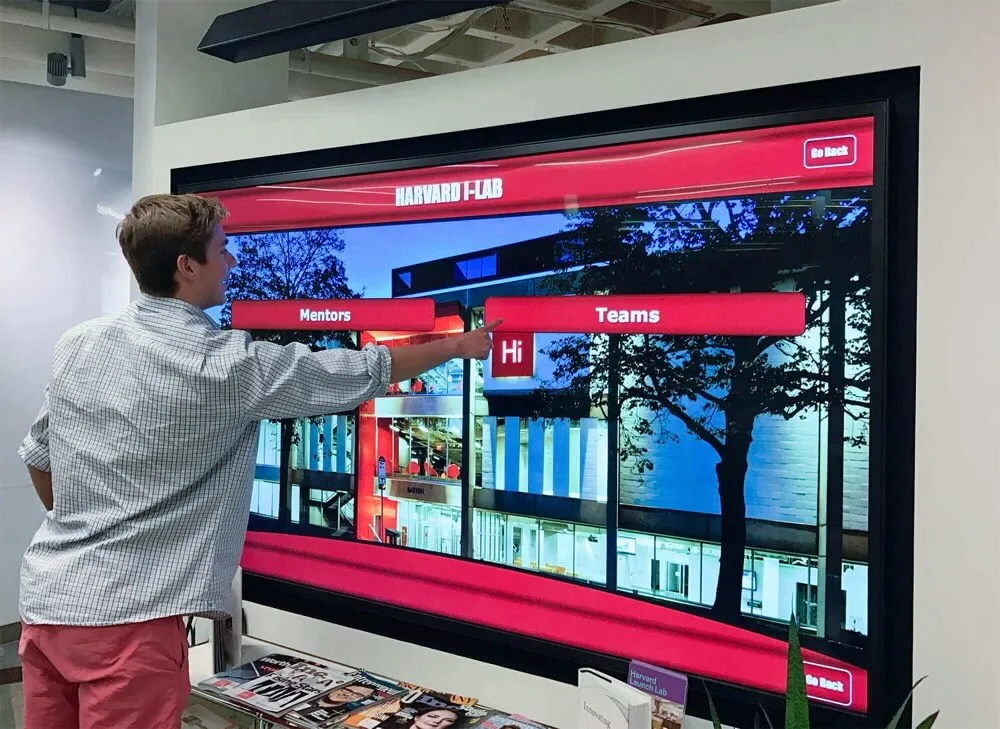
- Explore interactive touchscreen features similar to museum installations
These features particularly engage younger audiences with expectations for interactive digital experiences.
Augmented Reality Capabilities
Emerging scoreboard systems integrate with AR applications enabling spectators to view additional content layers through smartphones—player stats, historical comparisons, or promotional offers—overlaid on physical scoreboard views.
Sustainability and Efficiency Improvements
Environmental and operational considerations drive scoreboard design evolution:
Energy-Efficient Technologies
Latest LED technologies and power management systems reduce energy consumption 40-60% compared to previous generation digital scoreboards. Solar-powered options become viable for outdoor facilities in suitable climates. Lower operating costs and reduced environmental impact align with institutional sustainability commitments.
Modular and Upgradeable Designs
Rather than complete replacement when technology advances, modular scoreboards enable component upgrades extending useful lifespans and protecting initial investments. Display modules, control systems, and software platforms update independently preserving compatible components while modernizing outdated elements.
Artificial Intelligence and Automation
AI-enhanced scoreboards automate functions previously requiring manual operation:
- Automatic score detection from game action (experimental but developing)
- Intelligent content scheduling optimizing sponsor rotation and recognition displays
- Predictive maintenance alerting managers to potential component failures before breakdowns
- Automated highlight clip creation and social media distribution
While many AI features remain emerging technologies, rapid development suggests significant capability expansion during next 5-10 year scoreboard lifecycles.
Maximizing Scoreboard Investment Value
Strategic approaches extend scoreboard benefits beyond basic functionality.
Revenue Generation Through Sponsorships
Digital scoreboards create sponsor recognition opportunities generating revenue supporting athletic programs:
Sponsor Display Strategies
- Rotating Graphics: Multiple sponsors receive scheduled display time during games
- Segment Sponsorships: “Player of the Game presented by Local Business” designations
- Permanent Recognition: Scoreboard naming rights or prominent sponsor positioning
- Digital Advertising: Between-event content featuring sponsor messages and promotions
Effective sponsor programs can offset scoreboard costs substantially or even generate positive returns funding other program needs. Schools should explore advertising policies and establish appropriate guidelines balancing revenue generation with educational mission alignment.
Integration with Broader Facility Improvements
Scoreboard projects often occur within comprehensive facility renovations:
Coordinating scoreboard installation with gymnasium makeovers enables unified design aesthetics, consolidated contractor management, potential cost savings through combined projects, and minimized facility downtime.
Comprehensive approaches consider how scoreboards integrate with seating upgrades, lighting improvements, sound system enhancements, wayfinding signage, and overall facility branding—creating cohesive environments rather than disconnected technology additions.
Training and Operational Excellence
Technology investments realize full potential only when users understand capabilities and operate systems effectively:
Comprehensive Training Programs
Vendor-provided training should include:
- Complete functionality overview covering all features and capabilities
- Hands-on practice for all likely operators (coaches, athletic staff, students)
- Sport-specific template configuration and customization
- Content management for recognition displays and sponsor graphics
- Troubleshooting common issues and maintenance procedures
- Documentation and quick-reference guides for future operators
Ongoing Support Access
Establish clear pathways for technical assistance including vendor hotlines, online support resources, local service providers, and peer networks connecting with other schools using similar systems. Rapid problem resolution minimizes disruptions to scheduled events and user frustration.
Building Athletic Facilities That Inspire Excellence
Strategic scoreboard design represents more than equipment selection—it reflects institutional commitment to athletic program quality, student-athlete experience, and community engagement.
The most effective scoreboard implementations share key characteristics: clear visibility from all spectator perspectives ensuring everyone can follow game action, robust functionality serving diverse sports and facility uses without compromise, intuitive operation enabling reliable performance without technical expertise, comprehensive integration with broader facility technology and recognition systems, sustainable operation balancing performance with reasonable energy consumption and maintenance requirements, and appropriate budget allocation reflecting actual quality and lifecycle costs rather than simply minimum initial expense.
When schools invest thoughtfully in scoreboard design considering immediate needs and long-term facility vision, the benefits extend throughout programs. Athletes compete in facilities communicating program prestige and institutional support. Spectators enjoy enhanced game experiences creating positive community connections. Officials receive tools enabling accurate game management. Athletic staff operate reliable systems requiring minimal troubleshooting and maintenance. Facilities serve versatile functions beyond athletic competitions through multipurpose display capabilities.
Ready to explore modern scoreboard and athletic display solutions for your facility? Digital recognition platforms purpose-built for educational athletic programs enable administrators to implement comprehensive systems serving game-day scoring, ongoing athlete recognition, sponsor management, and community engagement through unified platforms requiring minimal technical expertise while delivering professional-quality displays that enhance every facility use and strengthen athletic program culture.
Your athletic facilities represent significant institutional investments serving students and communities for decades. Modern scoreboard systems ensure these spaces project excellence, inspire achievement, engage spectators, and deliver lasting value reflecting the genuine quality of your athletic programs and the students they serve.
Athletic facility design shapes program culture, student experience, and community perception. When scoreboard and display systems combine thoughtful design, appropriate technology, sustainable operation, and genuine understanding of educational athletic program needs, schools create environments where excellence flourishes and every aspect of the facility contributes to student-athlete development and institutional pride.
Book a demo to discover how modern athletic display platforms can transform your facility scoreboards into comprehensive systems serving game-day needs, ongoing recognition, and community engagement while preserving athletic achievement and building program tradition that inspires current and future student-athletes.