



School staff members—teachers, administrators, counselors, custodians, cafeteria workers, librarians, nurses, aides, and countless others—dedicate their professional lives to student success and school community health. Yet recognition for these essential contributions often remains sporadic, surface-level, or concentrated into brief annual celebrations that fail to reflect the sustained nature of their impact. Effective staff appreciation requires intentional planning, authentic recognition throughout the year, and celebration approaches that genuinely honor diverse roles and contributions.
Districts and school leaders face consistent challenges implementing meaningful staff appreciation: Which recognition days deserve formal observance? How do we celebrate authentically without generic gestures that feel perfunctory? What approaches honor all staff roles equitably rather than privileging certain positions? How can we create sustainable recognition cultures rather than one-day celebrations? What recognition investments generate genuine morale benefits?
Building Lasting Recognition Culture
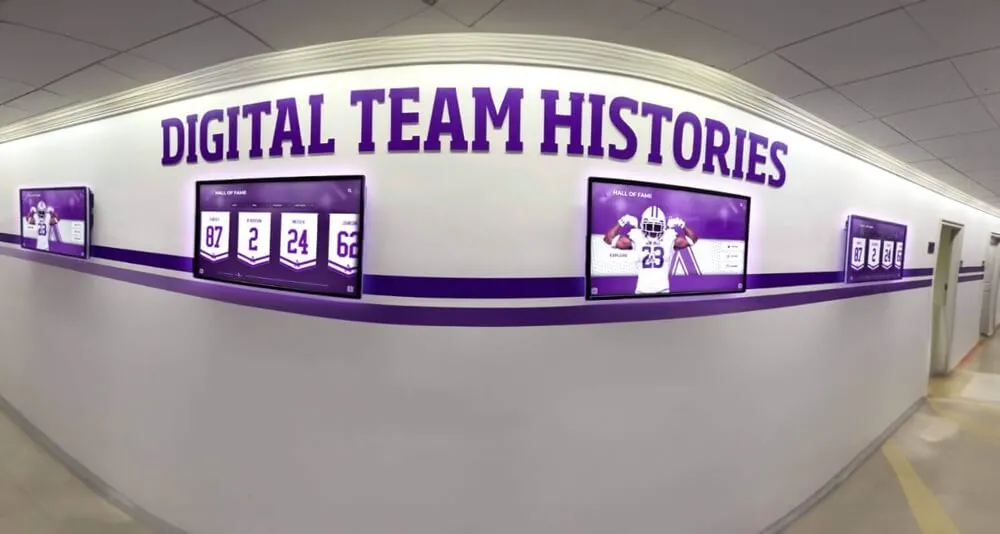
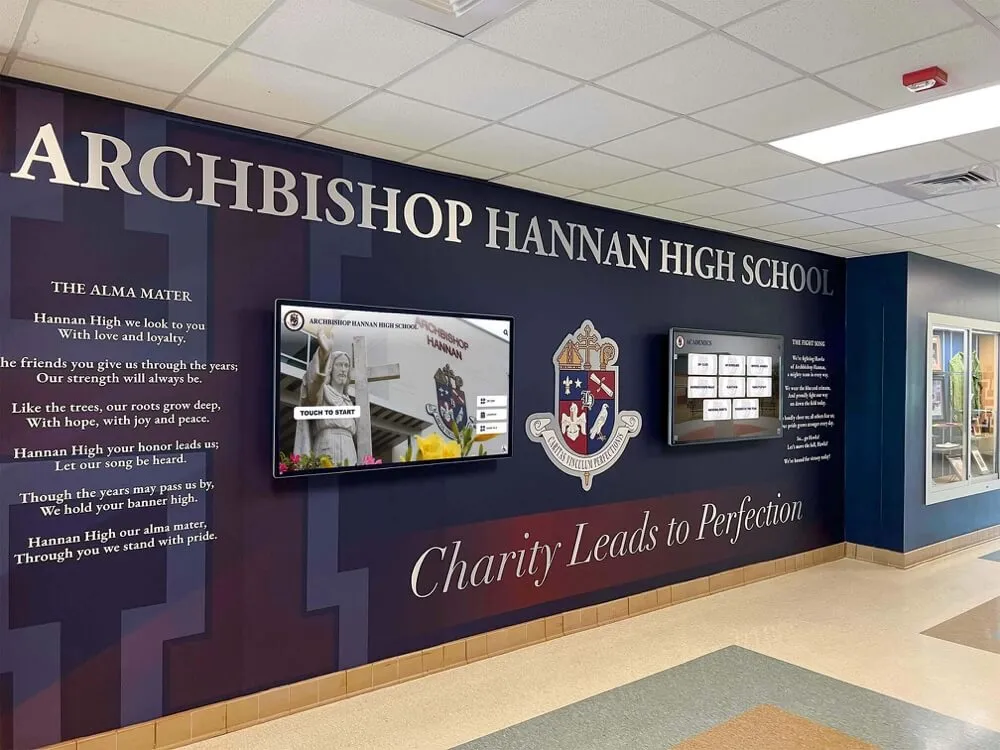
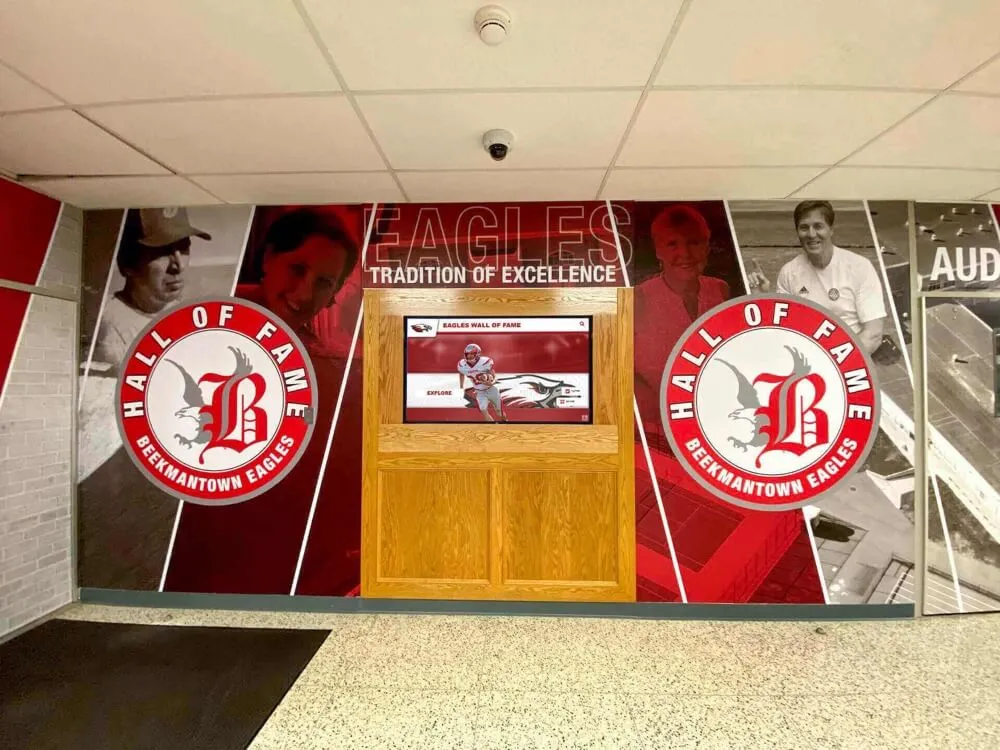
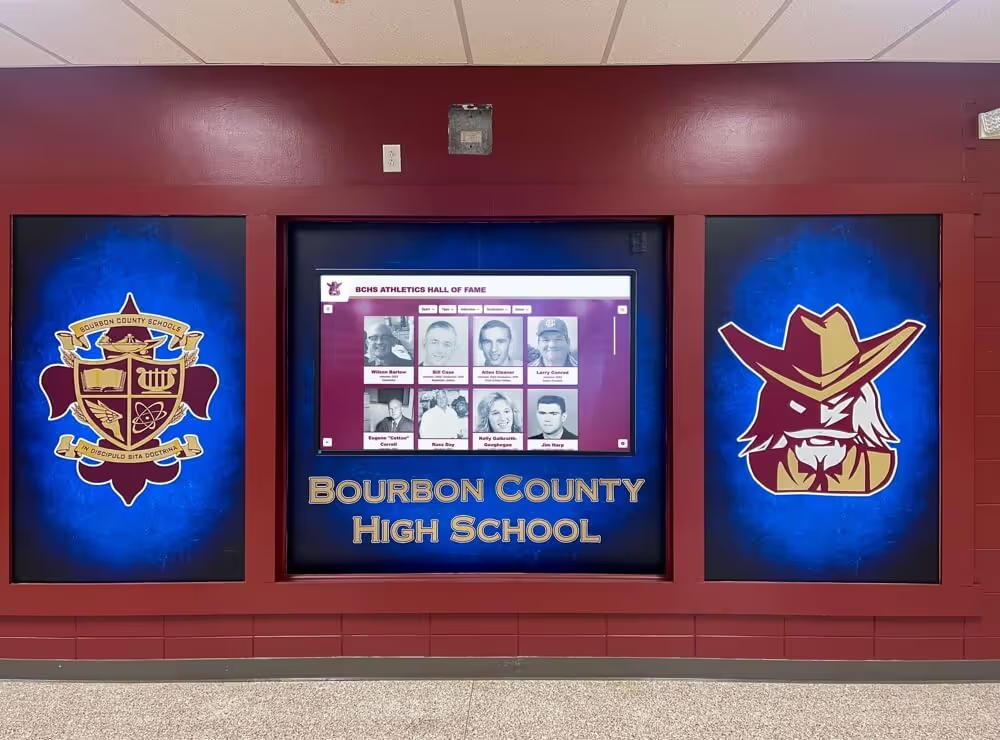
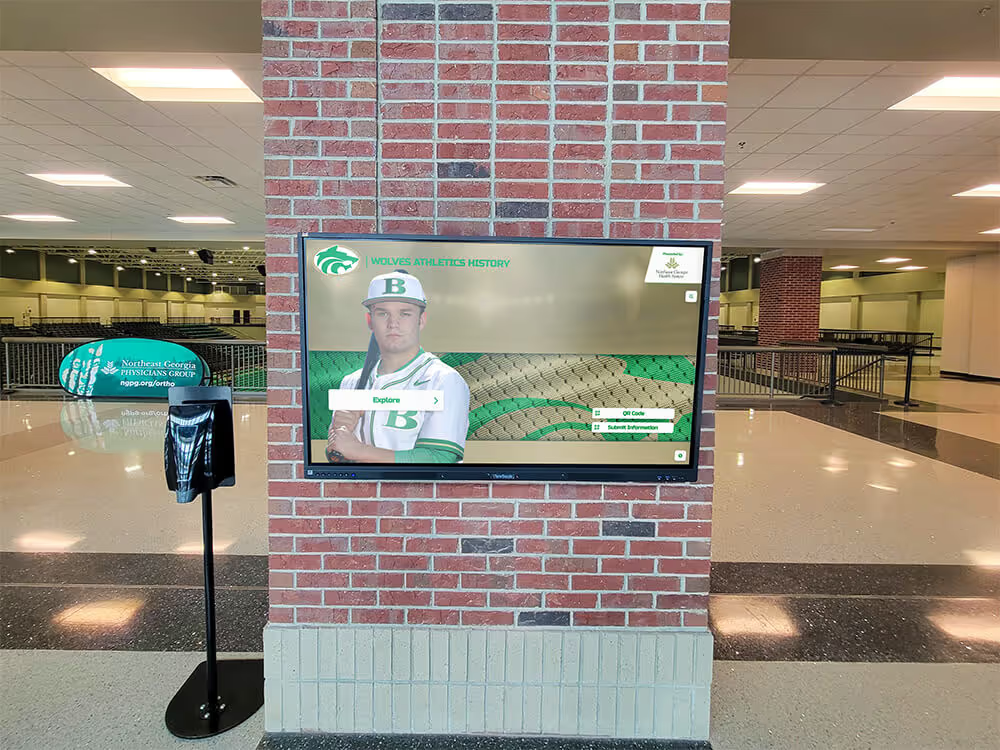
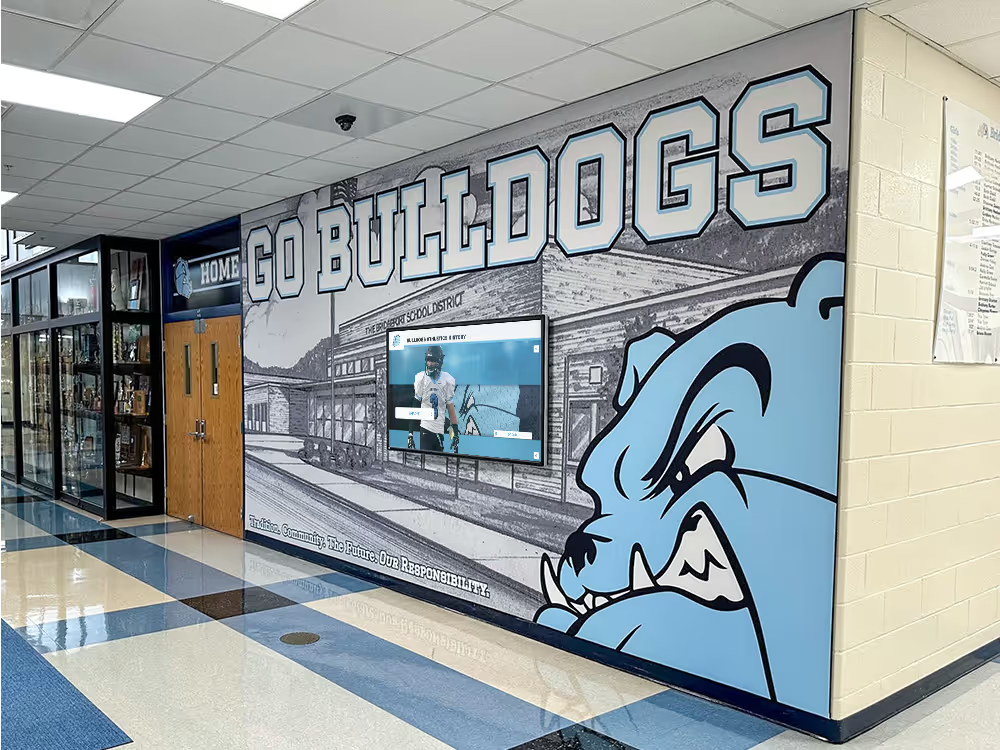
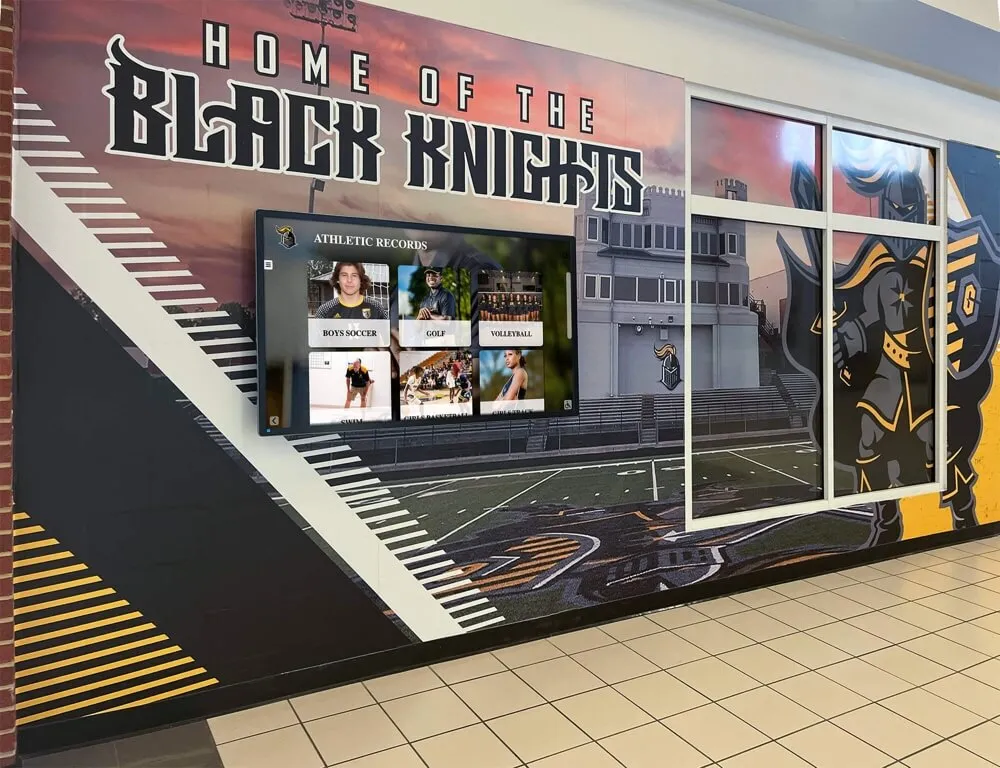
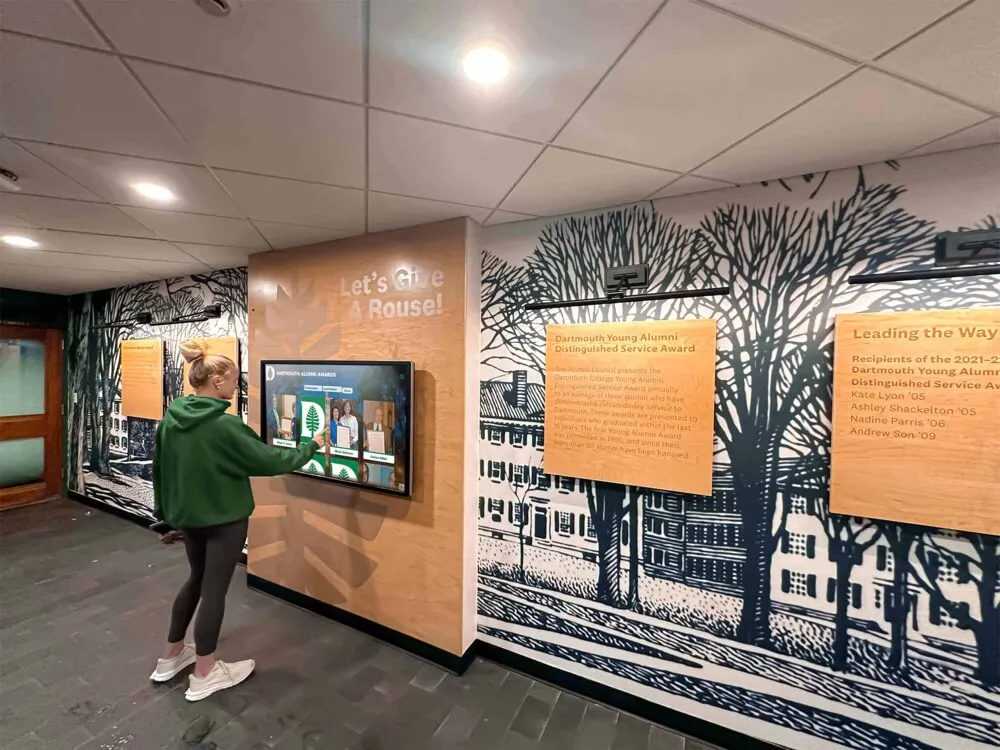
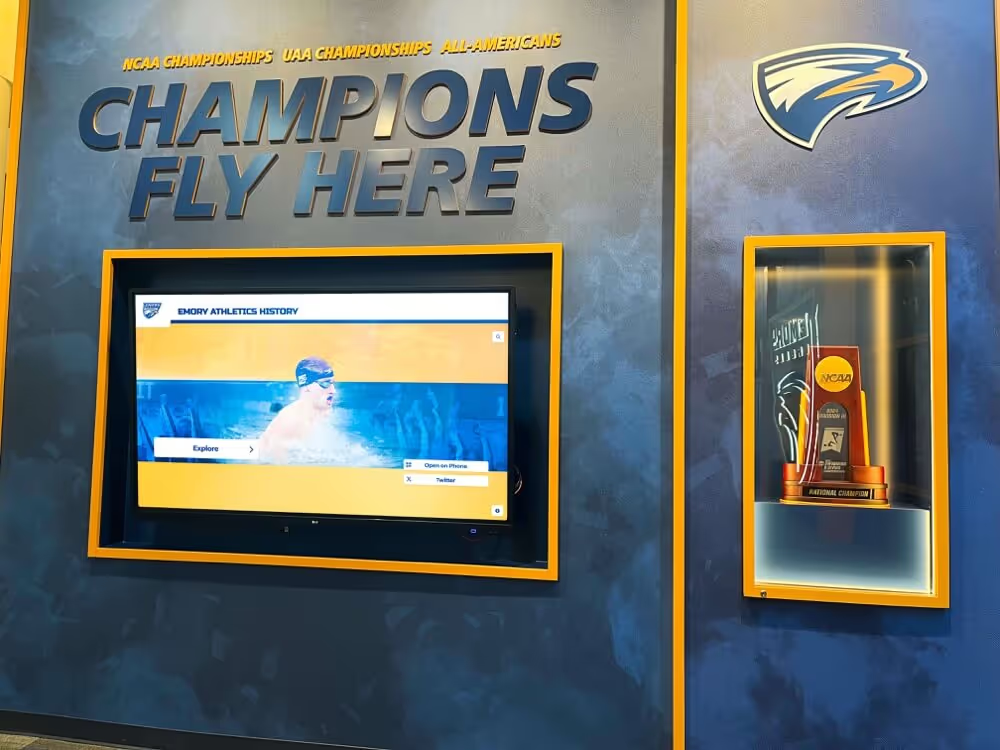
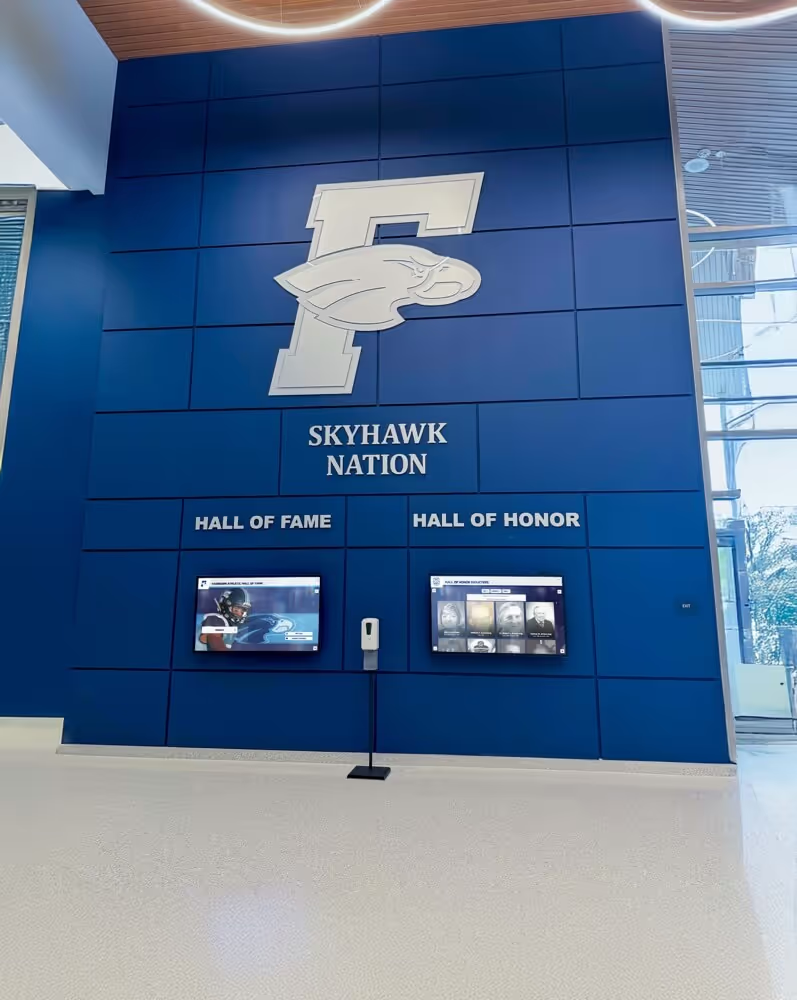
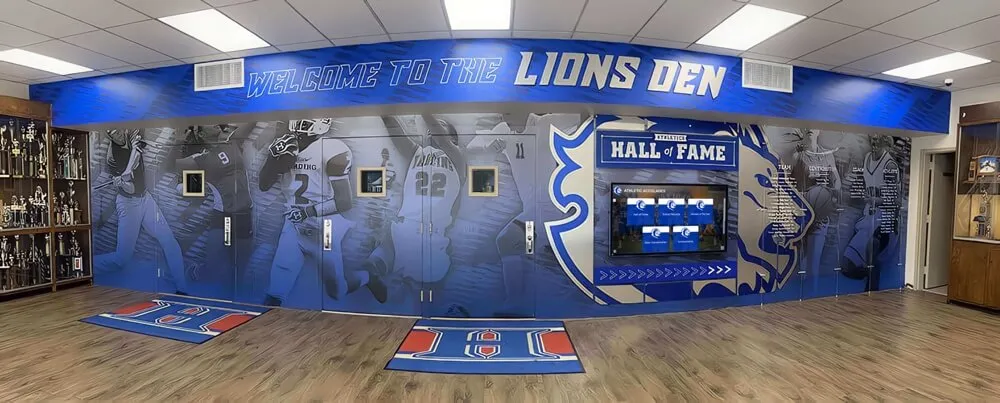
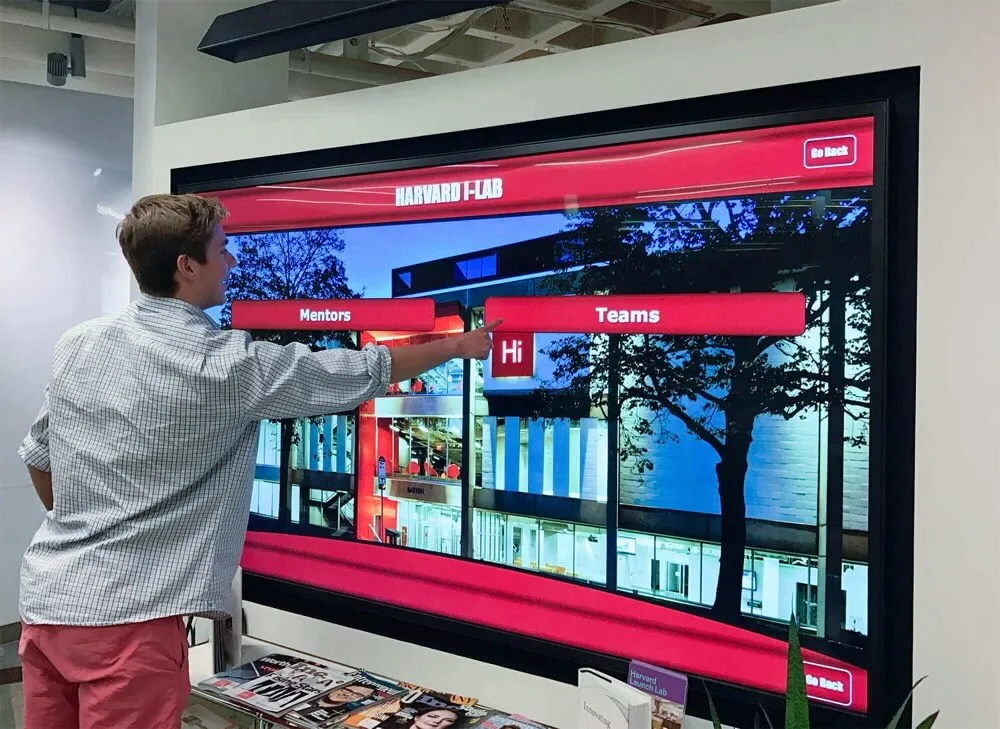
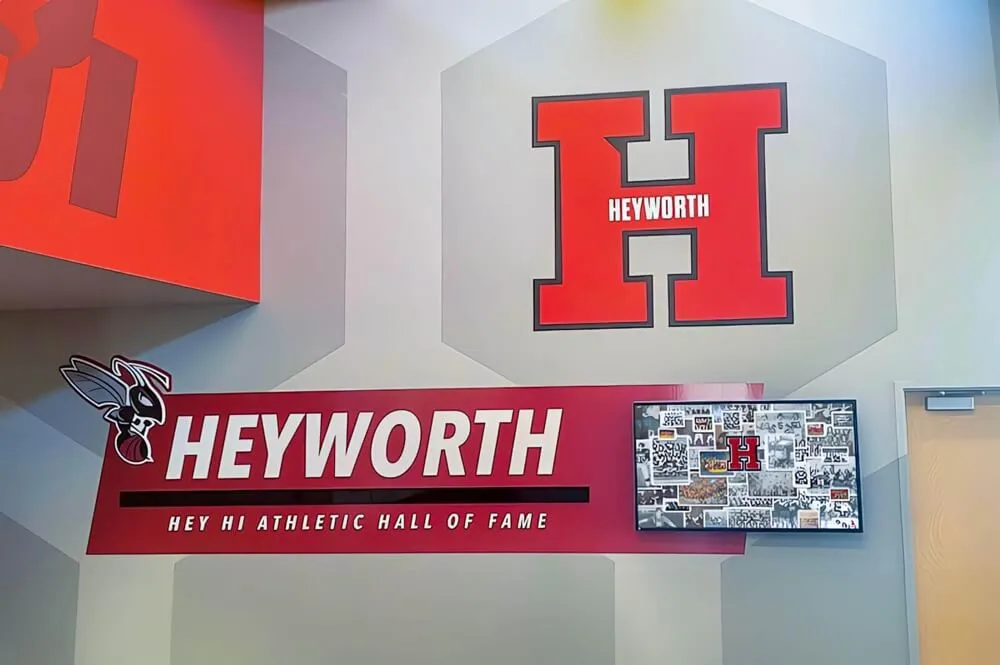
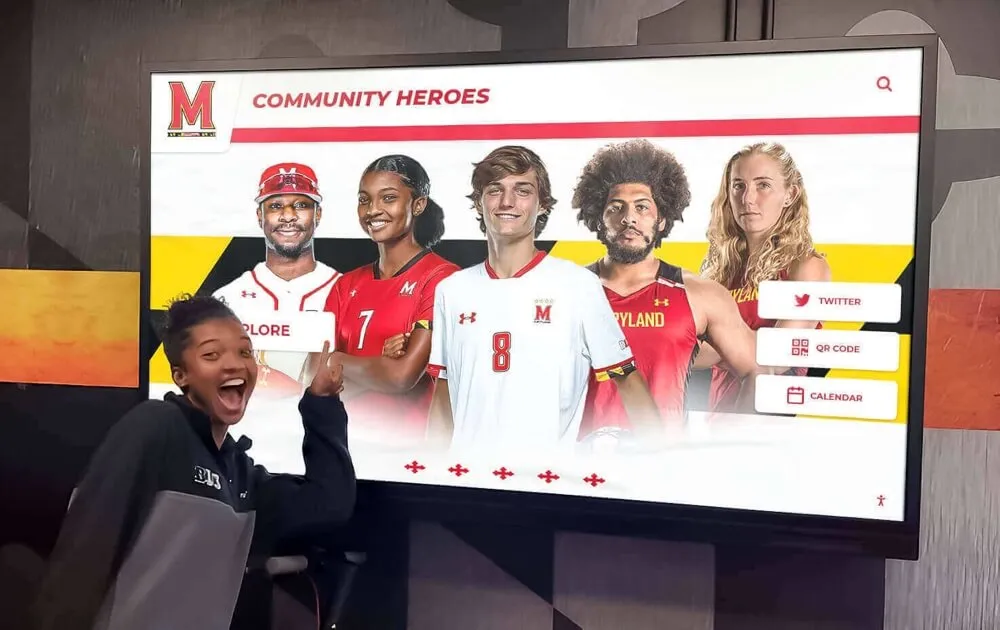
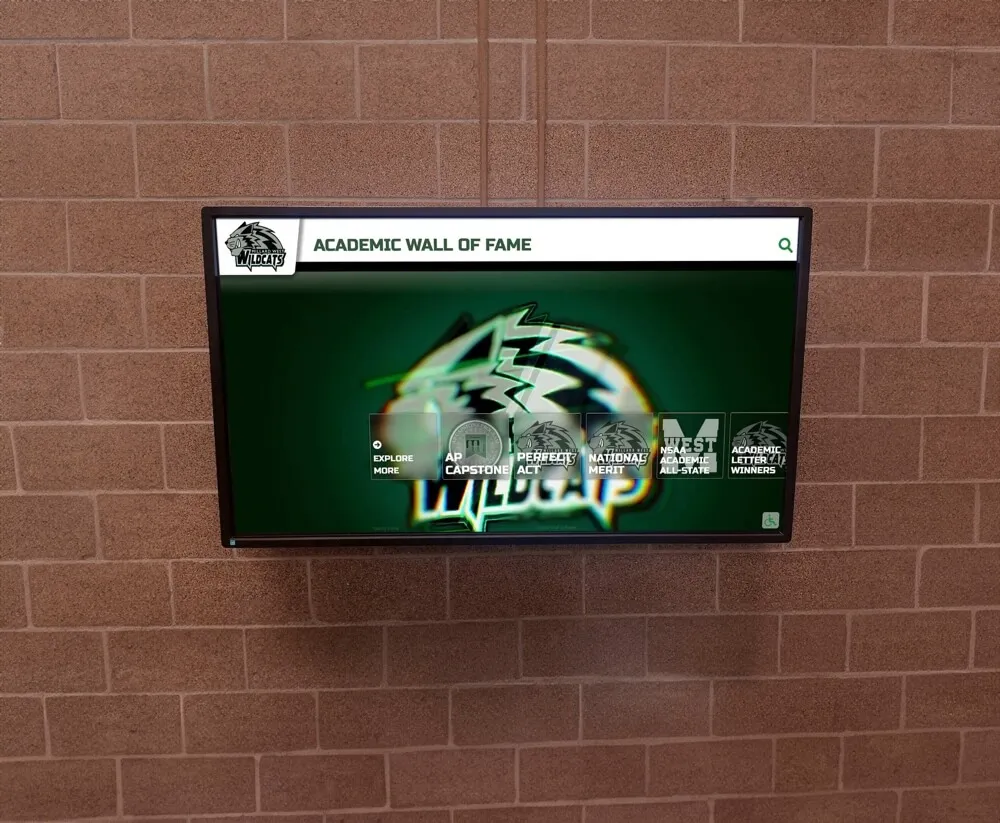
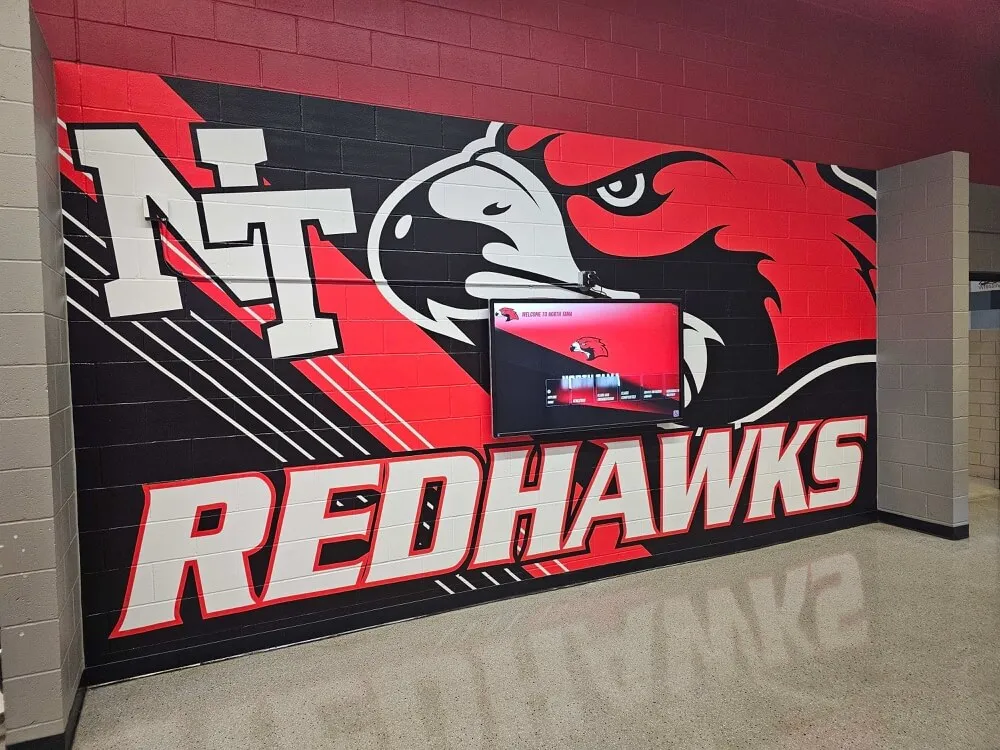
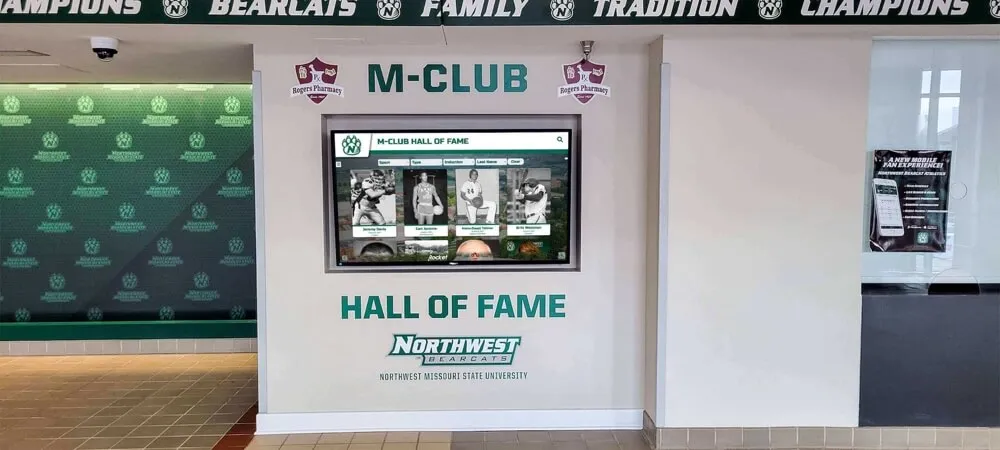
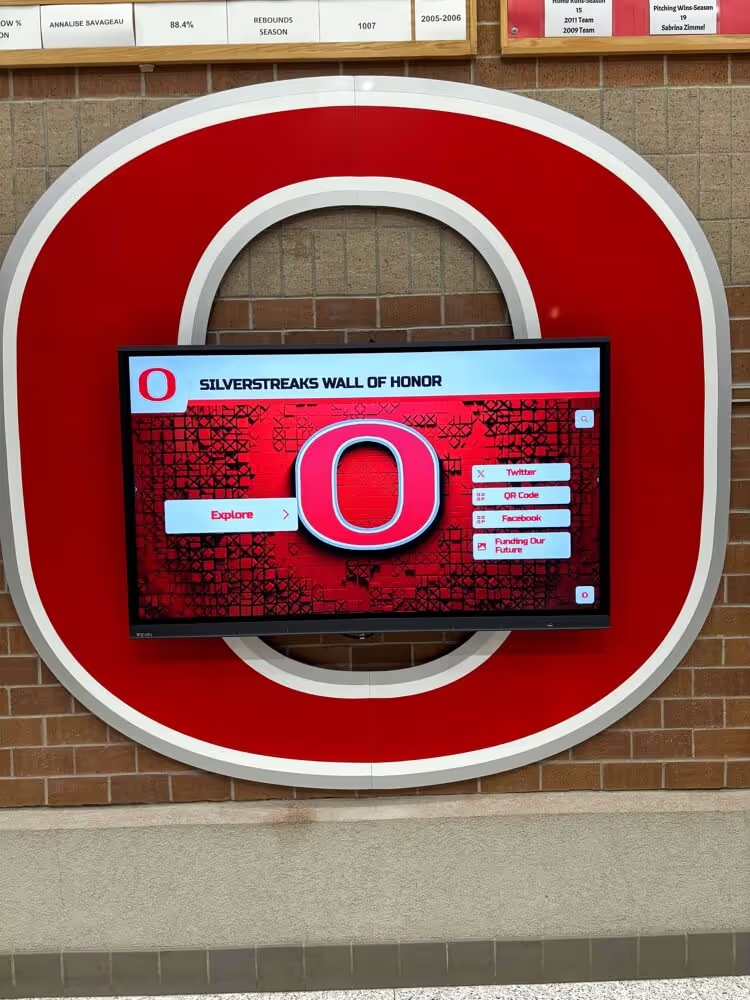
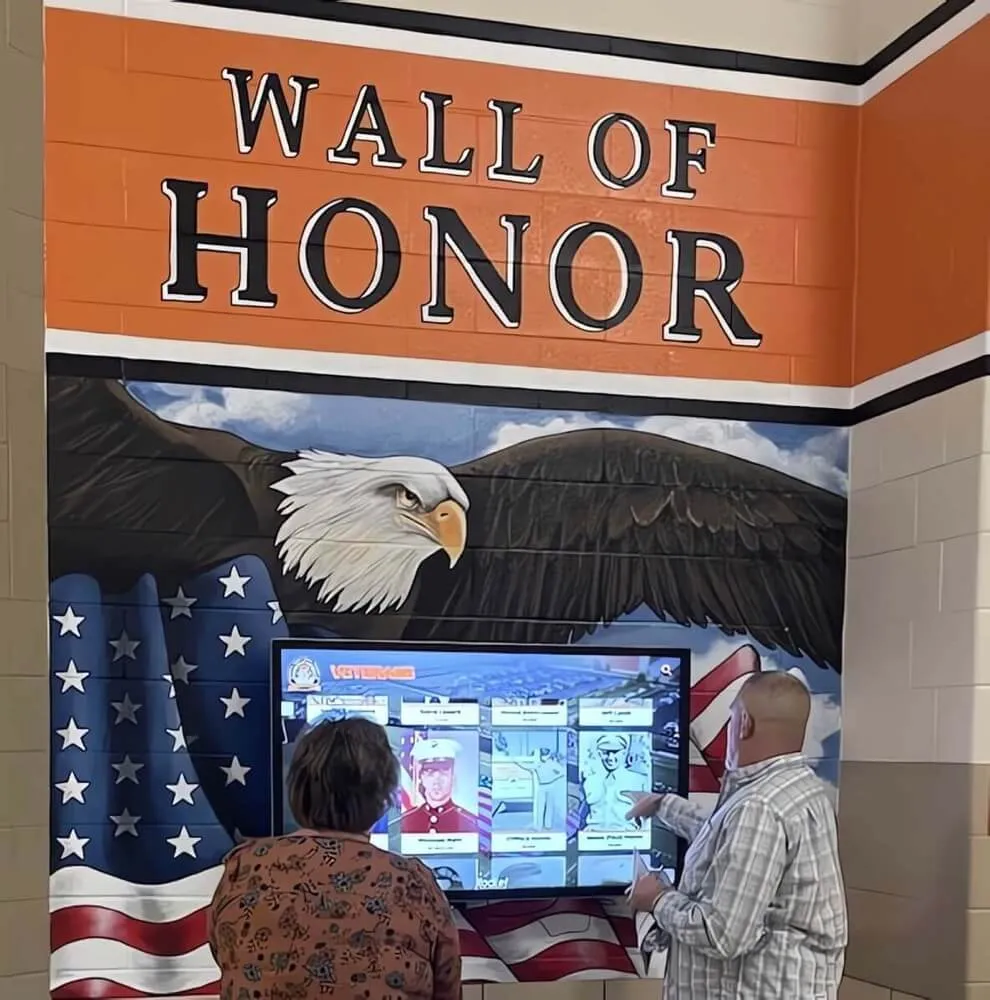
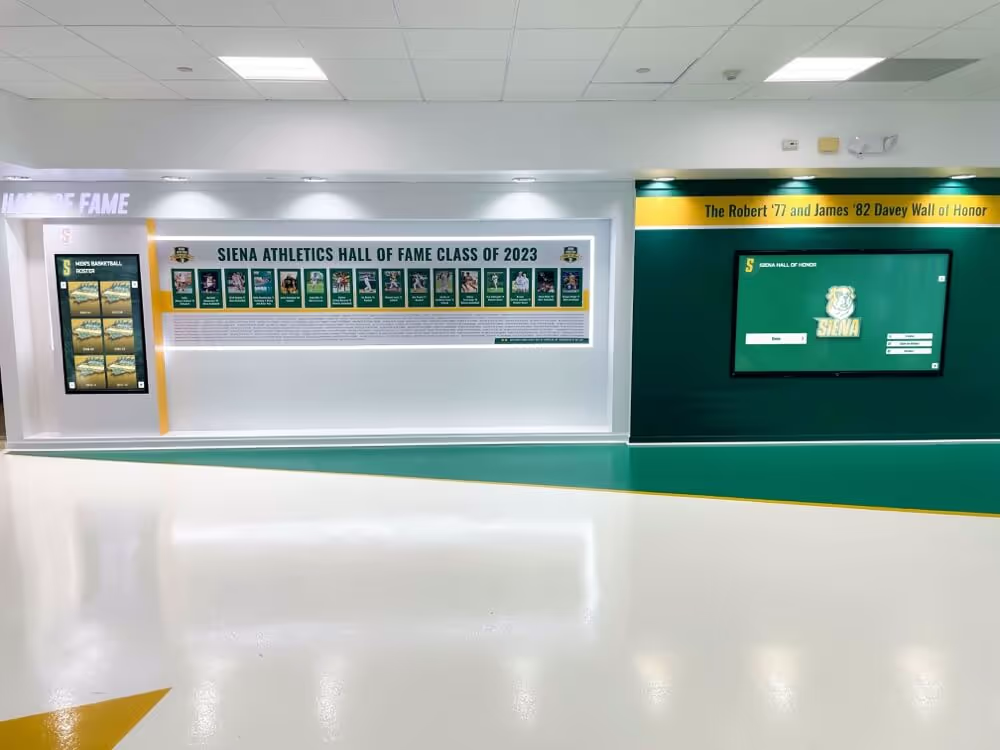
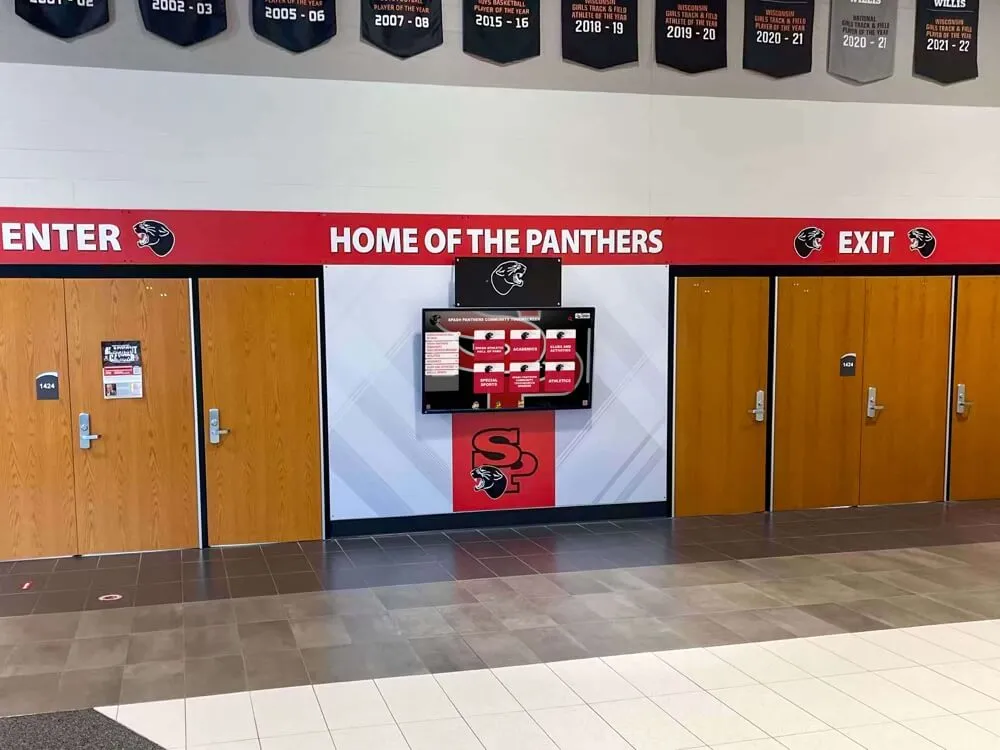
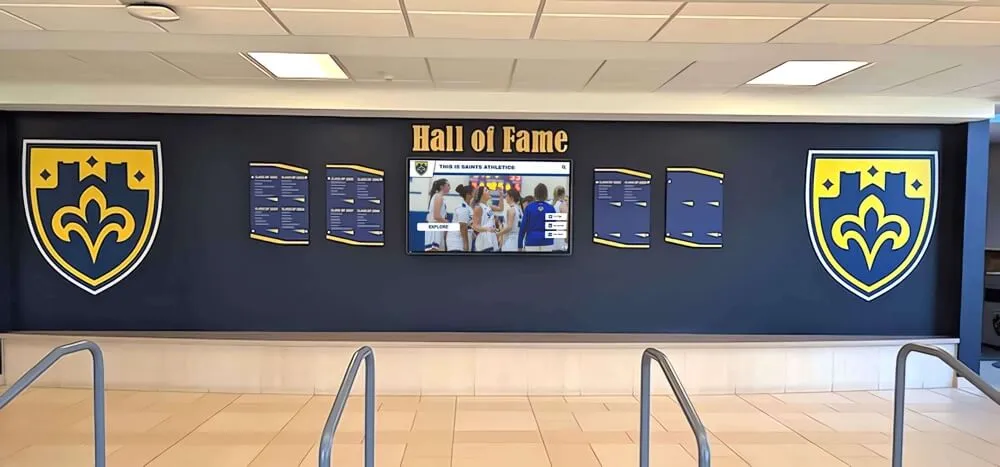
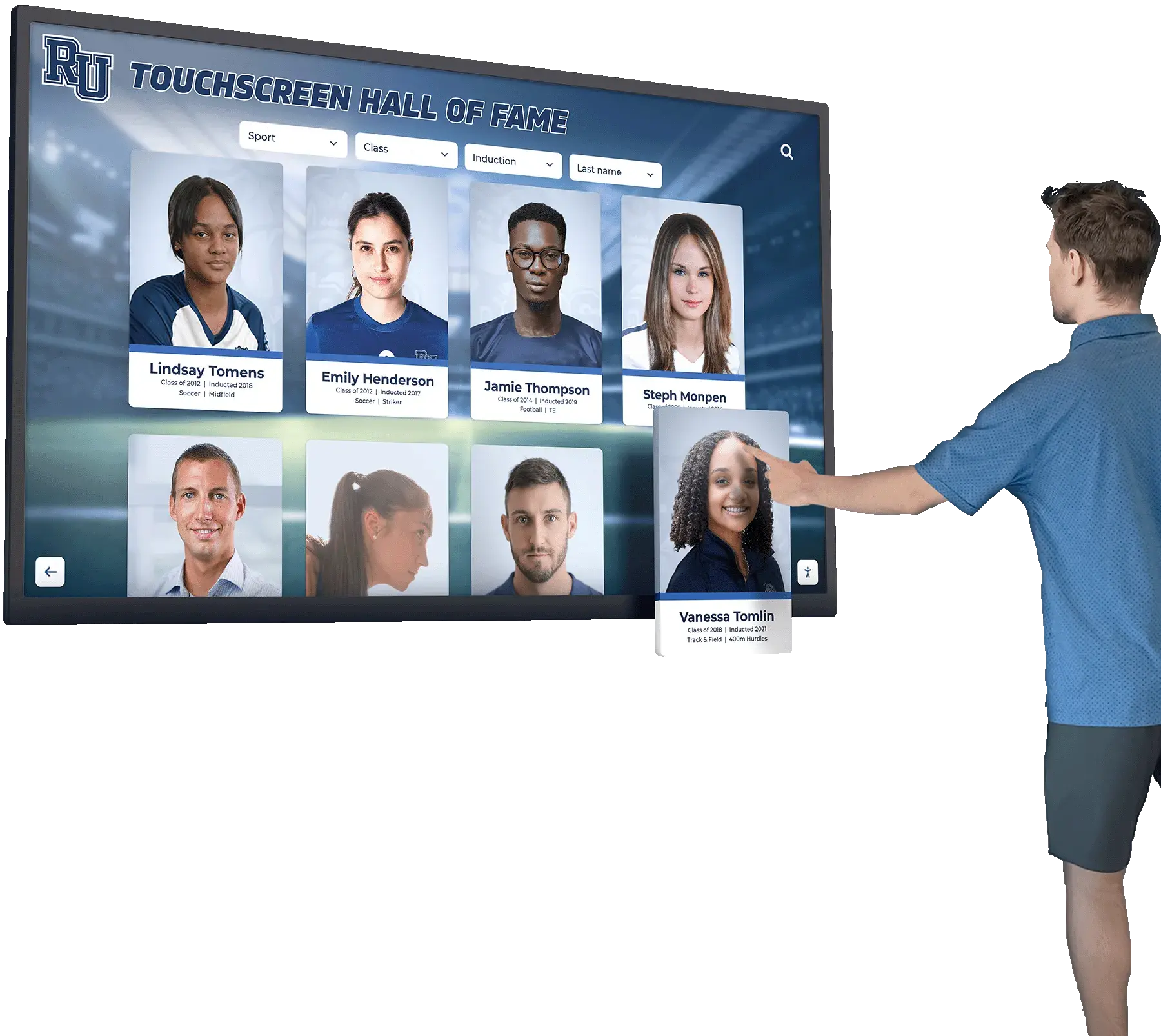
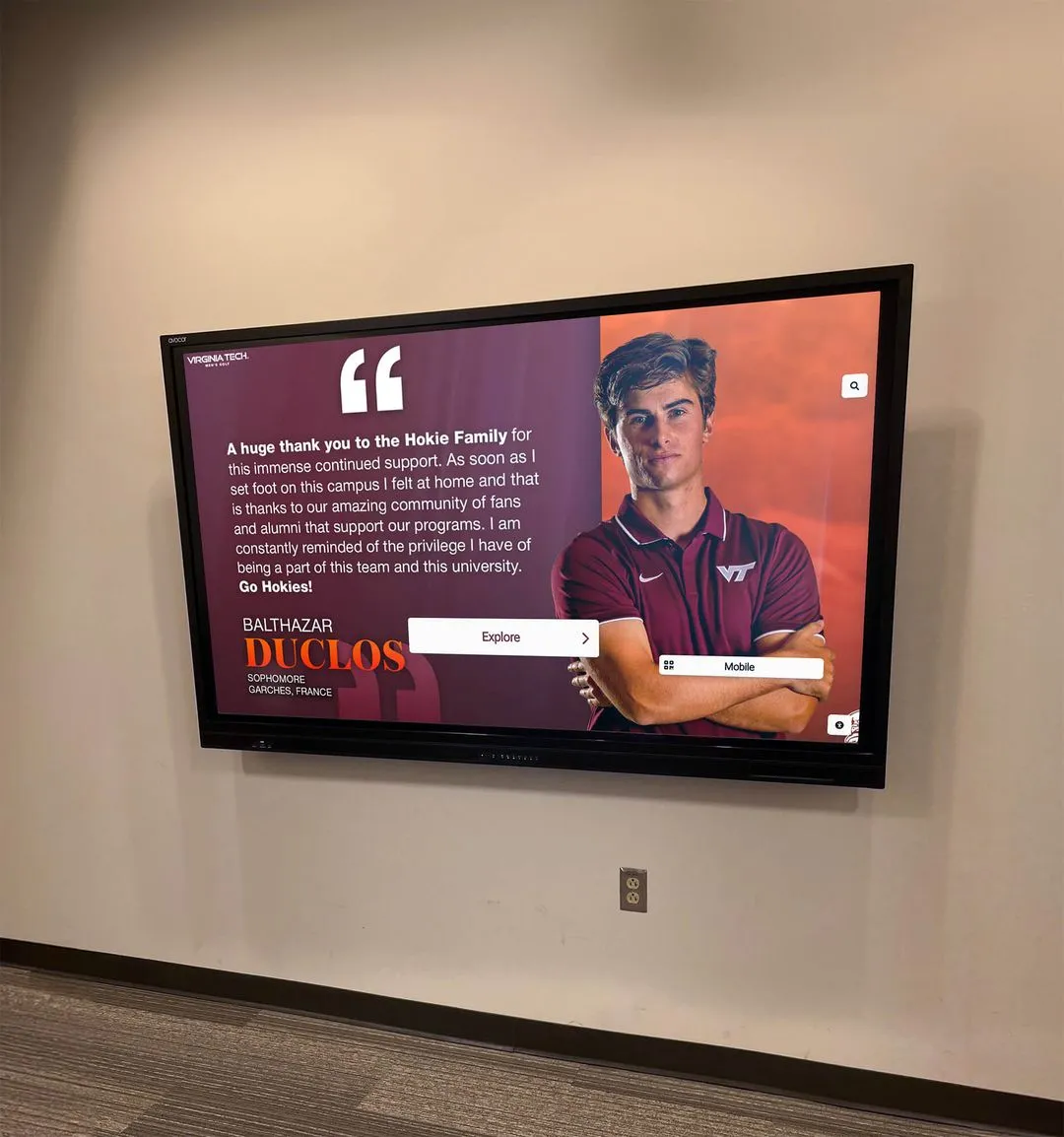
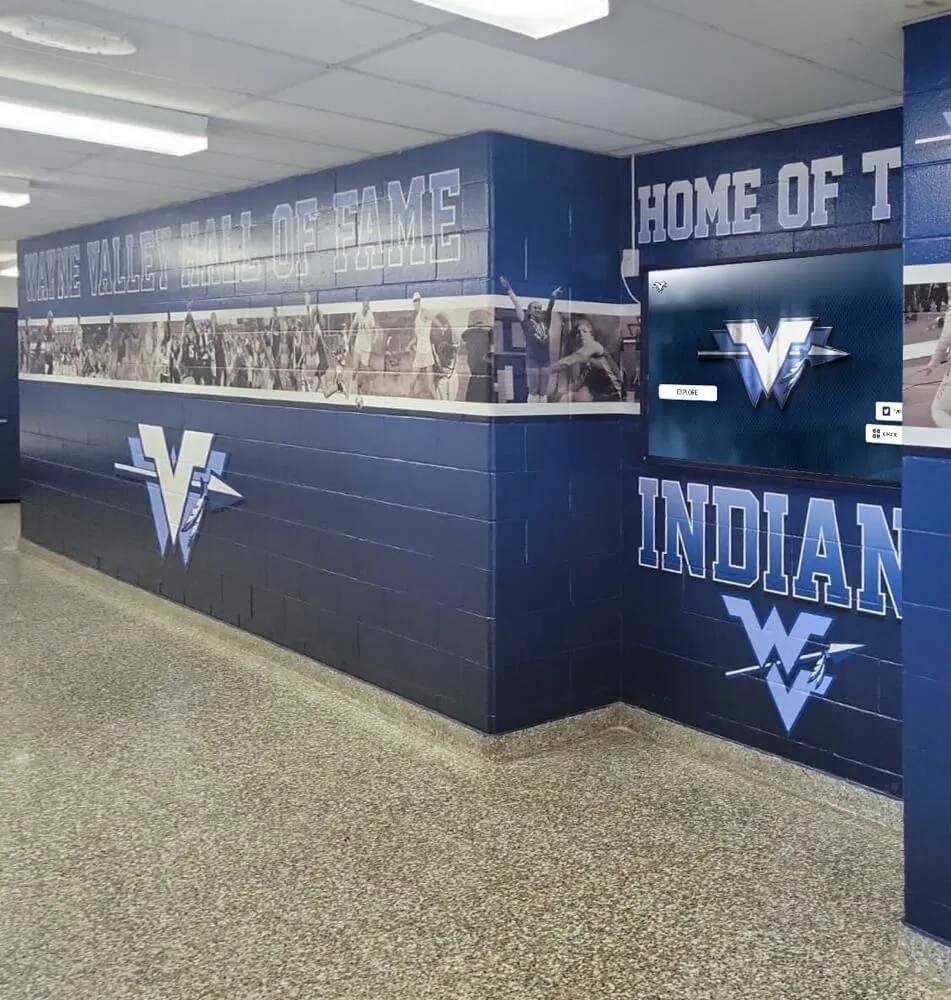
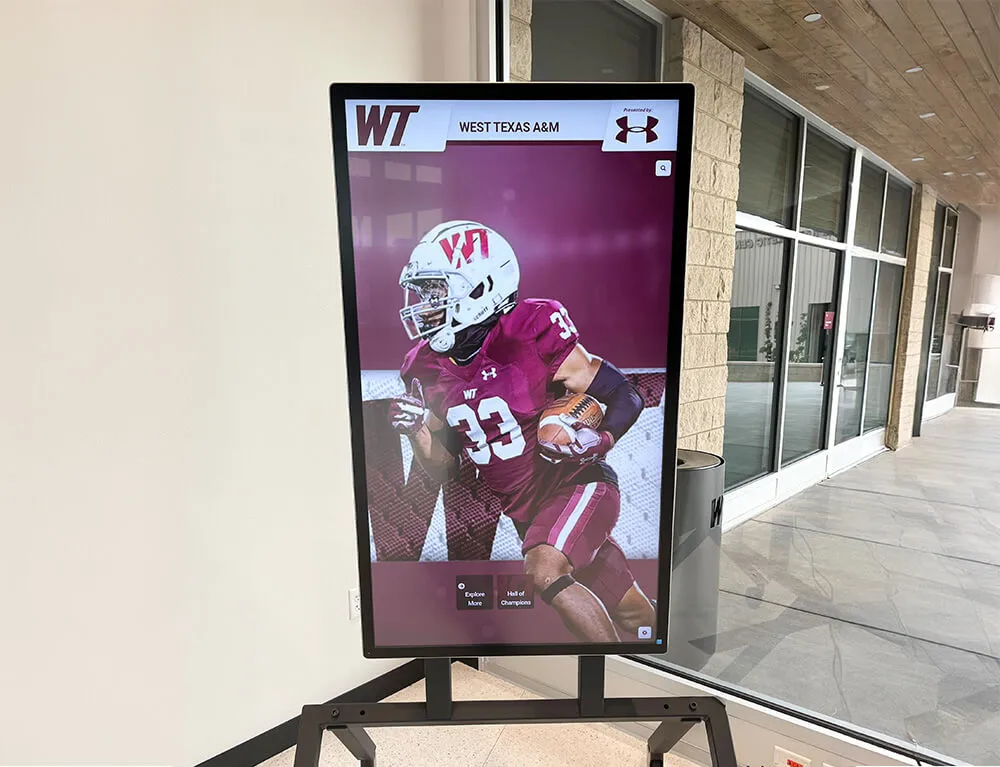
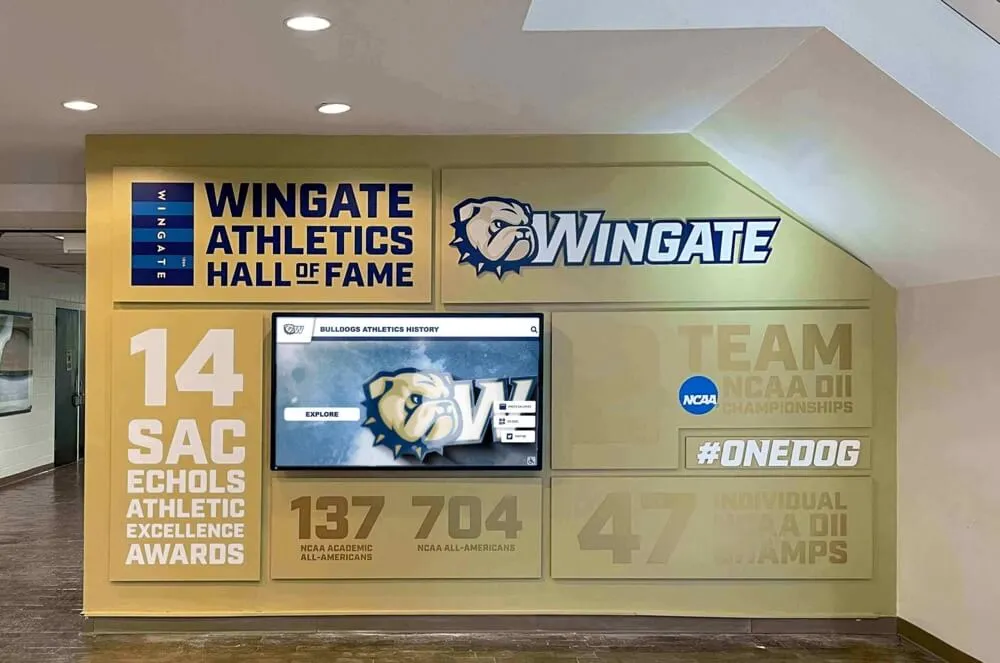
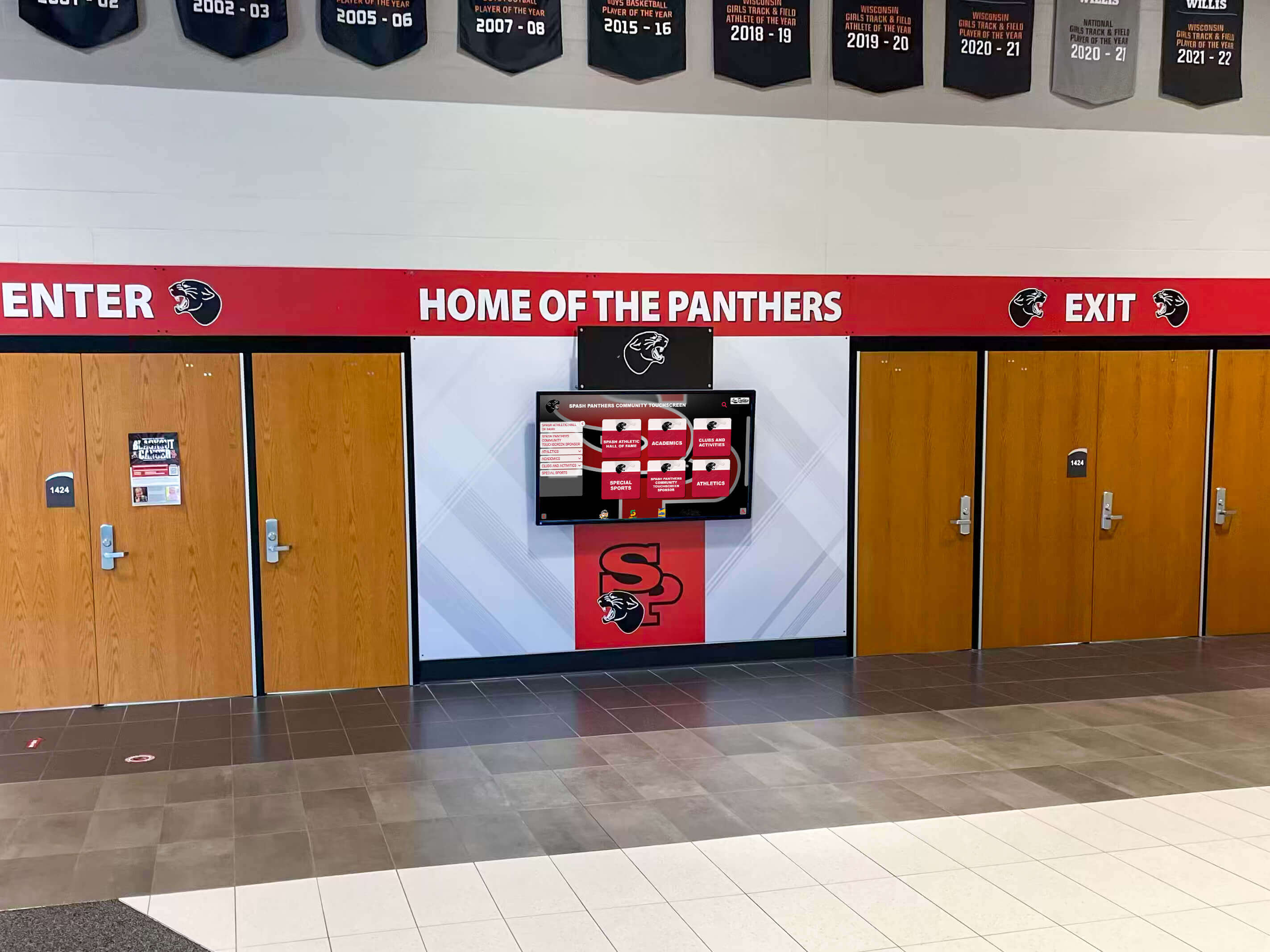
While designated appreciation days provide important recognition moments, the most effective schools implement year-round systems that celebrate staff contributions continuously. Modern digital recognition platforms enable schools to create permanent tributes honoring career achievements, showcase staff accomplishments through dynamic displays, build searchable databases documenting professional excellence, and maintain visible recognition that reinforces appreciation daily. Solutions like Rocket Alumni Solutions provide schools with interactive displays and digital recognition systems that extend appreciation beyond single-day celebrations into lasting tributes that honor staff dedication throughout careers and preserve their legacies for future school generations.
Complete 2026 Calendar of School Staff Appreciation Days
Understanding the full recognition calendar helps schools plan comprehensive appreciation strategies rather than scrambling for last-minute celebrations.
Major Annual Staff Recognition Days
These widely-observed appreciation days deserve formal school recognition and thoughtful celebration planning:
Teacher Appreciation Week: May 4-8, 2026
The most prominent staff recognition period, Teacher Appreciation Week honors classroom educators’ tireless dedication. Schools typically organize daily themed celebrations, parent-organized appreciation activities, student recognition projects, community partnership acknowledgments, and culminating events on National Teacher Day (Tuesday, May 5, 2026).
Effective Teacher Appreciation Week celebrations move beyond generic gifts toward personalized recognition reflecting individual teachers’ unique contributions. Consider implementing student tribute video projects, personalized appreciation letters from families, classroom coverage enabling teachers to attend special appreciation events, and lasting recognition displays documenting teacher impact.
School Principals Day: May 1, 2026
School Principals Day (observed annually on May 1) recognizes building leaders’ complex responsibilities managing academics, operations, staff, students, families, and communities simultaneously. Principals often work extended hours addressing endless challenges while maintaining positive school cultures—contributions deserving genuine appreciation.
Recognition approaches might include staff-organized appreciation events, student tribute presentations, parent testimonials acknowledging leadership impact, and district-level recognition highlighting principals’ accomplishments. Consider creating lasting digital tributes documenting principals’ service and school transformation.
School Lunch Hero Day: May 1, 2026
Cafeteria staff ensure students receive nutritious meals daily—often serving as friendly faces greeting students warmly, accommodating dietary restrictions with care, managing complex logistics efficiently, and supporting students from food-insecure households. School Lunch Hero Day (first Friday in May) provides dedicated recognition for these essential contributors.
Celebration ideas include student-created thank you cards, appreciation breakfasts organized by other staff, public recognition during lunch periods, social media campaigns highlighting cafeteria staff, and permanent recognition displays honoring nutrition services teams.
National School Nurse Day: May 6, 2026
School nurses serve as healthcare heroes managing everything from routine medication administration to emergency medical situations, chronic condition coordination, health screening programs, pandemic response protocols, and mental health first response. National School Nurse Day (Wednesday of Teacher Appreciation Week) honors these critical professionals.
Recognition approaches might include staff appreciation certificates, student thank you campaigns, administrator acknowledgments of nurses’ unique contributions, parent testimonials from families of students with health needs, and community partnership recognition from local healthcare organizations.
National School Counselor Week: February 2-6, 2026
School counselors navigate students through academic challenges, personal crises, college planning, career exploration, social conflicts, and mental health struggles—often serving as lifelines for students facing overwhelming circumstances. National School Counselor Week (first full week in February) celebrates these vital support professionals.
Effective recognition includes student testimonial campaigns, staff appreciation acknowledging counselors’ student advocacy, parent recognition for family support services, administrator tributes highlighting counselors’ comprehensive contributions, and lasting recognition documenting counselors’ student impact.
Educational Support Professionals Day: November 18, 2026
Educational Support Professionals Day (Wednesday of American Education Week) honors the diverse staff roles beyond classroom instruction—aides, paraprofessionals, administrative assistants, technology specialists, media coordinators, and countless others enabling schools to function effectively. These essential team members deserve recognition equal to more visible roles.
Celebration approaches should identify and honor all support professional categories specifically, spotlight individual contributions through staff spotlights, organize appreciation events including all support staff, and create recognition displays celebrating support professionals’ essential contributions.
Additional Recognition Days Worth Observing
These supplementary appreciation days provide additional recognition opportunities:
Custodian Appreciation Day: October 2, 2026
Custodians maintain clean, safe, functional learning environments—often working early mornings, late evenings, or overnight hours keeping schools operational. October 2 provides dedicated recognition for these hardworking professionals who ensure pleasant learning spaces.
School Social Worker Week: March 1-7, 2026
Social workers address complex student and family needs including crisis intervention, resource connection, home support, trauma response, and system navigation. The first full week of March celebrates these critical student advocates.
School Bus Driver Appreciation Day: February 19, 2026
Bus drivers transport students safely daily while managing behavior, building relationships, and serving as consistent adult presences in students’ lives. The third Wednesday of February honors these essential transportation professionals.
School Librarian Day: April 4, 2026
School librarians curate resources, teach information literacy, support curriculum, promote reading, and create welcoming spaces where all students find belonging. April 4 recognizes these educational technology and literacy leaders.
School Secretary Day: April 22, 2026
School secretaries manage communications, coordinate schedules, handle emergencies, support families, assist staff, and keep schools running smoothly while remaining cheerful under pressure. The Wednesday of Administrative Professionals Week (last full week of April) celebrates these organizational anchors.
Meaningful Celebration Ideas That Honor Staff Authentically
Generic recognition gestures—token gifts, brief assemblies, perfunctory thank-you notes—often fail to convey genuine appreciation. Meaningful celebration requires thoughtful approaches reflecting authentic gratitude.
Personalized Recognition Approaches
The most impactful appreciation feels personally meaningful rather than broadly generic:
Individual Appreciation Letters
Detailed letters describing specific contributions and unique impact prove far more meaningful than generic thank-you notes. Administrators, colleagues, students, or families might write letters highlighting particular moments when staff members made measurable differences—specific students helped, challenges overcome, innovations implemented, or extra efforts extending beyond job requirements.
Compile letters into personalized appreciation books staff can treasure throughout careers. Consider delivering letters from unexpected sources—former students reconnecting to acknowledge lasting impact, parents sharing stories of staff members’ influence on children’s lives, or community members recognizing staff contributions beyond school walls.
Video Tribute Compilations
Student-created video tributes featuring genuine testimonials create powerful lasting appreciation. Organize grade-level or class video projects where students share specific stories about how individual staff members influenced their lives, express authentic gratitude for particular support received, acknowledge staff members’ unique qualities, and convey appreciation through creativity.
Compile videos into lasting digital collections staff can revisit whenever they need morale boosts. Share videos during school award ceremonies or appreciation events for public recognition.
Spotlight Features Highlighting Unique Contributions
Regular staff spotlight campaigns throughout the year ensure all team members receive individual recognition rather than general group acknowledgment. Spotlights might include career journey profiles, day-in-the-life documentation, colleague testimonials, student perspective features, and highlights of staff members’ interests outside education.
Share spotlights through multiple channels—newsletters, social media, display boards, morning announcements, and permanent recognition displays. Consider creating interactive digital displays showcasing ongoing staff spotlights in high-traffic areas where community members can learn about the incredible people serving students daily.
Practical Support and Time Gifts
Beyond symbolic recognition, practical support providing genuine relief proves deeply appreciated:
Coverage for Personal Time
One of teachers’ and staff’s most valuable commodities is uninterrupted time. Consider organizing coverage enabling staff to attend children’s events, manage personal appointments without guilt, enjoy extended lunch breaks, or simply catch up on work without constant interruptions.
Administrative coverage of classes, parent volunteers handling lunch duty supervision, or substitute coordination allowing mental health days demonstrates recognition through practical support more meaningful than many symbolic gestures.
Professional Development Funding
Supporting staff members’ professional growth shows investment in their development and careers. Consider appreciation gifts of conference attendance funding, professional learning community resources, graduate course tuition assistance, or professional organization membership fees.
Ask staff about desired professional development rather than assuming preferences. Personalized growth support reflecting individual aspirations proves far more meaningful than generic professional development mandates.
Classroom and Work Space Enhancements
Quality tools and pleasant work environments demonstrate respect for staff members’ professional needs. Consider appreciation investments in requested classroom technology, furniture upgrades, organizational systems, supplies beyond basics, or workspace personalization options.
Survey staff about desired enhancements rather than guessing priorities. Resources addressing authentic needs prove more valuable than generic recognition purchases.
Community-Organized Appreciation Events
When families and communities organize appreciation efforts, staff members feel supported by entire school communities:
Parent-Coordinated Appreciation Days
Parent organizations can organize themed appreciation days throughout Teacher Appreciation Week or other recognition periods. Consider daily themes like breakfast treats, lunch catering, snack stations, classroom decorating, or appreciation notes coordinated schoolwide.
The key to successful parent-organized appreciation is coordination ensuring equitable participation. Avoid approaches where some staff receive lavish recognition while others get overlooked. Centralized coordination ensures all staff members feel equally valued.
Student-Led Appreciation Projects
Student-organized recognition efforts often carry special meaning. Consider student council appreciation initiatives, grade-level thank-you projects, artistic tribute creations, performance dedications, or service projects honoring staff members’ community contributions.
Authentic student voice matters—avoid teacher-scripted appreciation that feels inauthentic. Give students ownership creating genuine appreciation reflecting their perspectives.
Community Partner Recognition
Local businesses, organizations, and community members might contribute to staff appreciation through donated services, recognition advertising, appreciation event sponsorship, or public acknowledgment campaigns celebrating educators’ community impact.
Community partnership recognition demonstrates that staff appreciation extends beyond school walls to broader recognition of educators’ societal contributions.
Celebration Events That Build Community
Appreciation events bringing staff together strengthen collegial bonds while providing recognition:
Staff Appreciation Breakfasts or Luncheons
Catered meals where staff can relax together without responsibilities provide both appreciation and community building. Consider thematic celebrations reflecting staff interests, recognition programs highlighting individual contributions, entertainment provided by students or community partners, and comfortable timing respecting staff schedules.
Quality matters—rushed events during limited lunch periods with basic refreshments communicate less appreciation than thoughtfully planned celebrations demonstrating genuine investment in staff enjoyment.
End-of-Year Staff Celebrations
Year-end celebrations provide opportunities for comprehensive recognition, reflection on accomplishments, acknowledgment of challenges overcome, and community building before summer breaks. Consider combining appreciation with award presentations honoring specific staff achievements and contributions.
Include diverse recognition categories ensuring all staff roles receive acknowledgment. Beyond traditional “Teacher of the Year” awards, consider recognizing innovation, collaboration, student advocacy, community building, mentorship, and other valuable contributions.
Informal Team-Building Activities
Appreciation doesn’t always require formal ceremonies. Consider organizing optional social activities providing enjoyment and relationship building—game nights, outdoor activities, creative workshops, sporting events, or interest-based clubs where staff can connect around shared hobbies.
Optional participation respects varying comfort levels with social activities while providing opportunities for those who value informal community building.
Creating Year-Round Recognition Culture
While designated appreciation days matter, sustainable recognition cultures celebrate staff contributions continuously rather than concentrating acknowledgment into brief annual periods.
Systematic Recognition Programs
Structured programs ensure consistent, equitable recognition rather than sporadic acknowledgment:
Monthly Recognition Spotlights
Implement regular cycles highlighting different staff members monthly through newsletter features, display board rotations, social media spotlights, and morning announcement recognitions. Systematic rotation ensures comprehensive coverage rather than repeatedly celebrating the same visible individuals.
Establish nomination processes allowing colleagues, students, and families to recommend recognition subjects. Diverse nomination sources surface stories administrators might miss while ensuring recognition reflects community perspectives.
Peer Recognition Systems
Enable staff to recognize colleagues through formal appreciation processes. Consider digital platforms where staff can submit colleague kudos, physical appreciation boards where staff post recognition notes, monthly peer appreciation awards, or structured opportunities for staff to acknowledge mutual support.
Peer recognition often carries special meaning since colleagues understand daily challenges and can recognize specific contributions administrators might not witness directly.
Milestone and Anniversary Recognition
Acknowledge career milestones and service anniversaries formally rather than letting years of service pass without recognition. Celebrate staff members reaching tenure, completing advanced degrees, earning certifications, achieving professional goals, or marking service anniversaries.
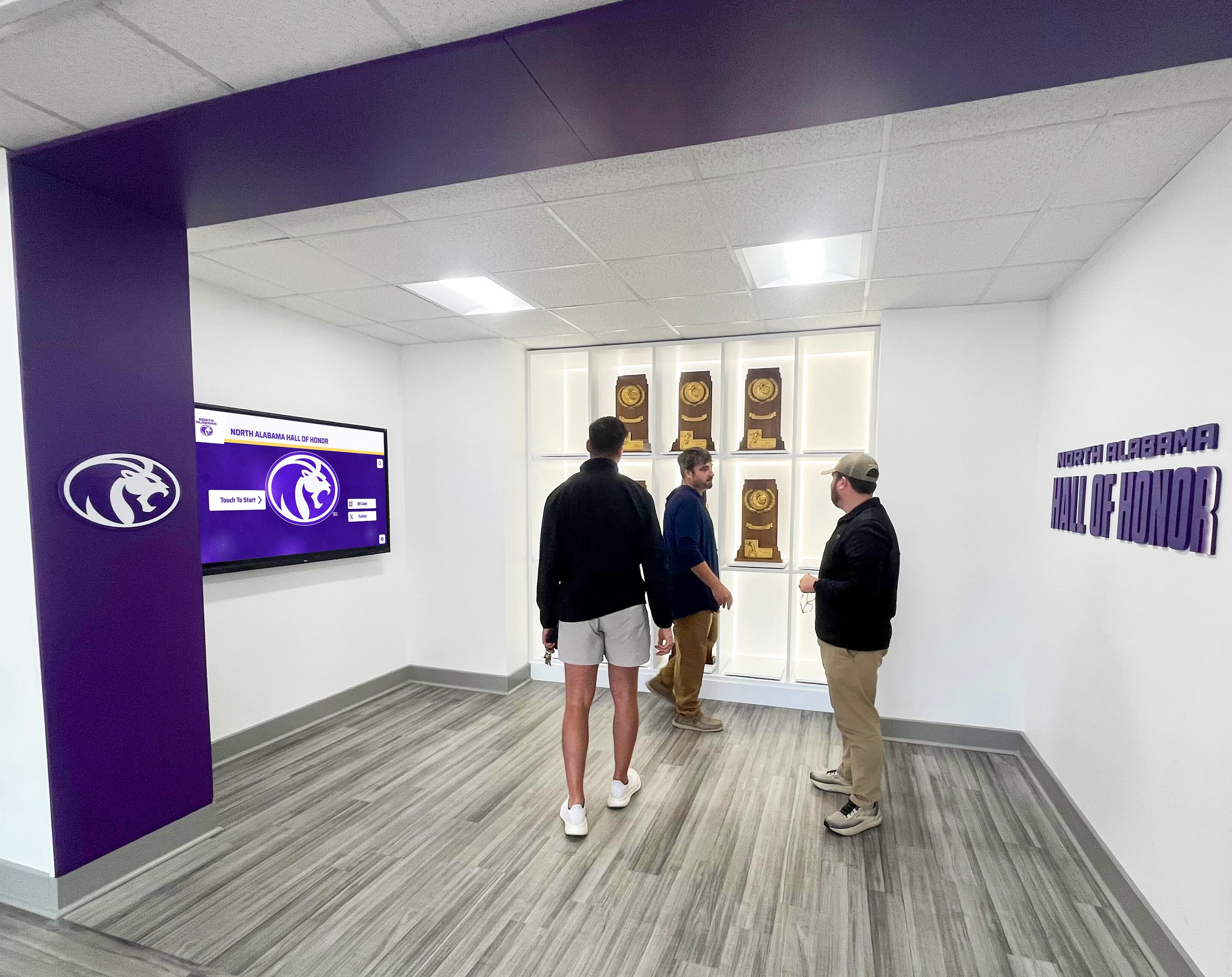
Consider creating permanent recognition displays documenting long-serving staff members’ career contributions. Digital staff tribute systems can preserve career histories, showcase accomplishments, and honor dedication in ways traditional plaques cannot match.
Administrative Practices Supporting Appreciation Culture
Leadership behaviors establish recognition cultures through daily actions:
Visible Leadership Presence and Accessibility
Administrators demonstrating genuine interest in staff wellbeing through regular classroom visits, informal conversations, lunch participation, event attendance, and accessible communication create cultures where staff feel valued daily rather than only during formal appreciation events.
Responsive Communication and Support
Addressing staff concerns promptly, supporting reasonable requests, removing unnecessary obstacles, and advocating for staff needs demonstrate appreciation through action rather than merely words. Staff notice when leaders fight for resources, defend professional autonomy, or absorb pressures shielding teachers from unnecessary burdens.
Professional Respect and Autonomy
Trusting staff professional judgment, respecting instructional decisions, supporting reasonable creativity, and avoiding micromanagement communicate deep appreciation for staff members’ expertise and dedication. Autonomy often proves more valuable than symbolic recognition gestures.
Equitable Recognition Practices
Ensure recognition systems acknowledge all staff roles rather than privileging certain positions. Custodians, cafeteria workers, aides, and administrative staff deserve recognition equal to teachers and administrators. Comprehensive appreciation cultures celebrate diverse contributions across all roles enabling school success.
Physical Recognition Displays
Permanent displays throughout schools create ongoing appreciation while celebrating staff contributions:
Staff Recognition Walls
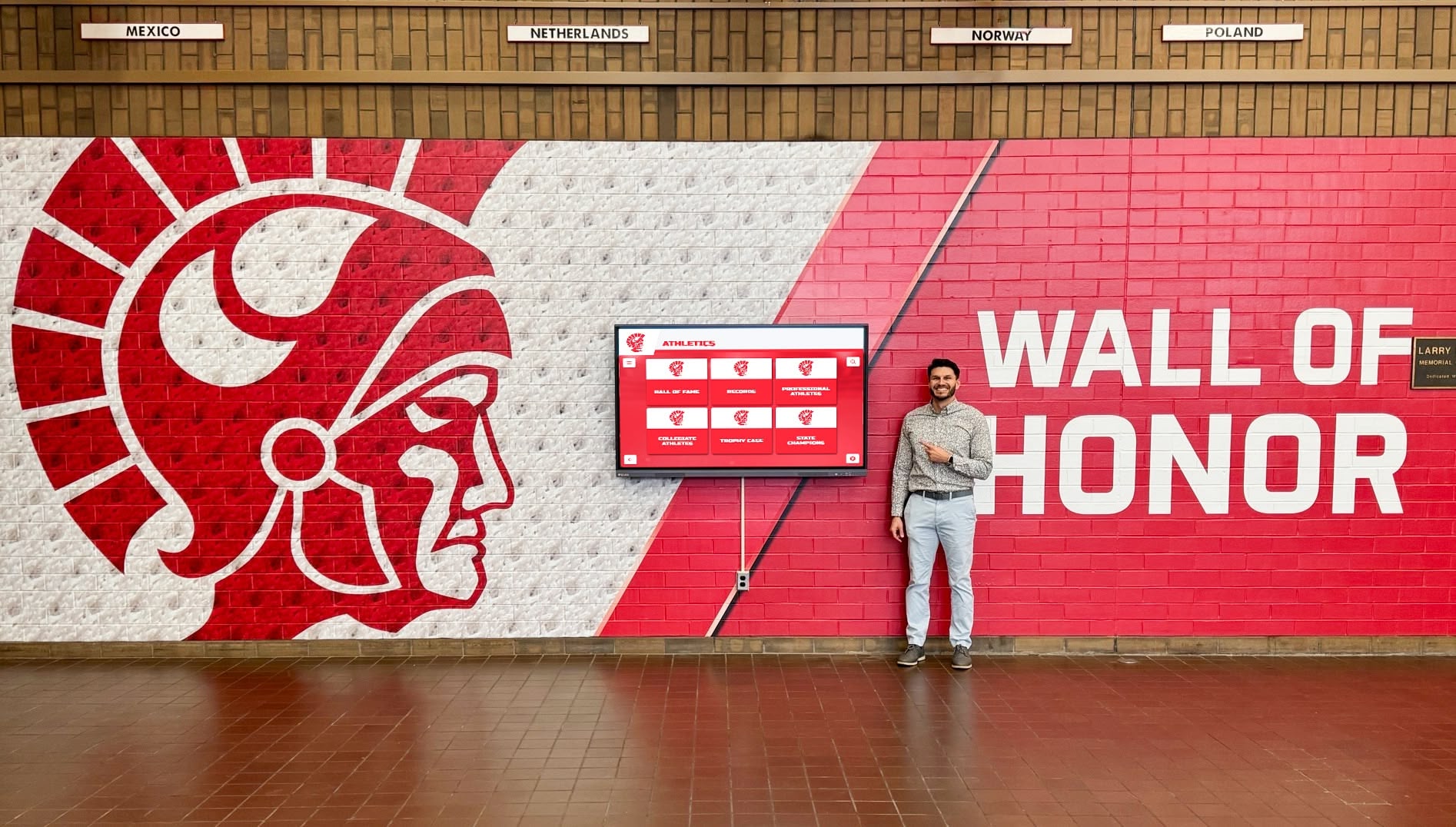
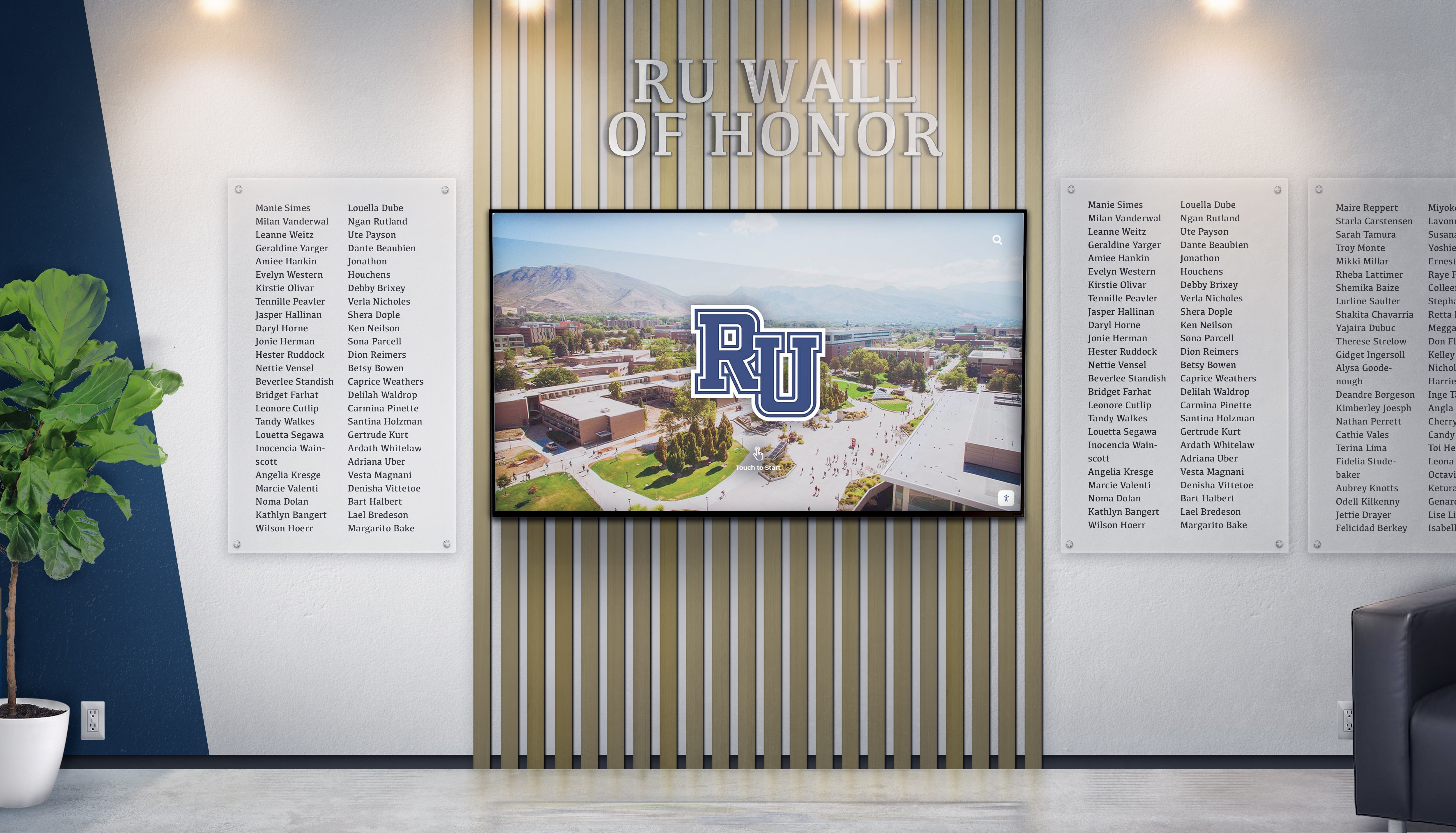
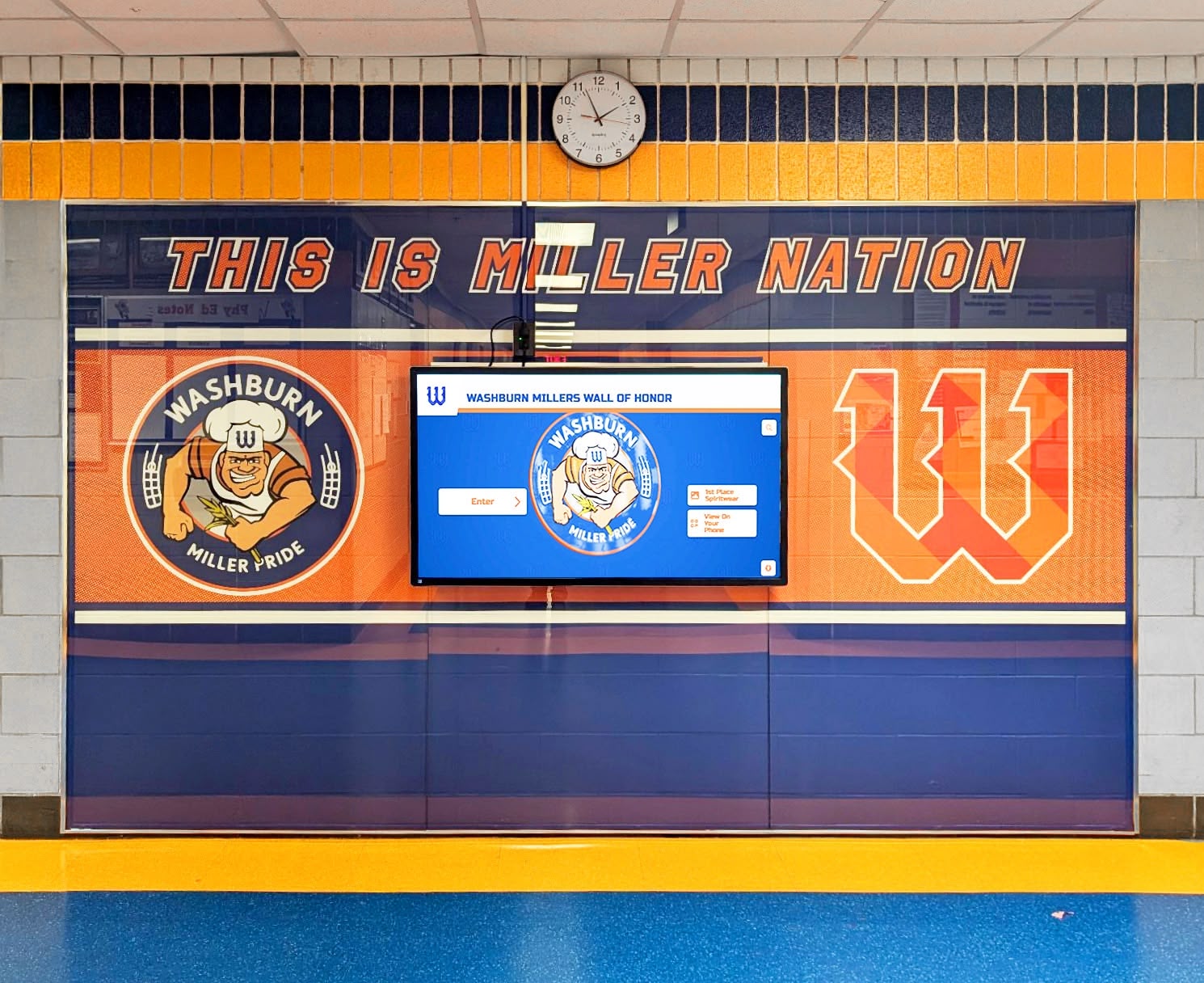
Dedicated spaces highlighting staff achievements, milestones, and contributions provide lasting tributes while creating focal points for appreciation. Consider including staff professional photos with biographical information, career timeline displays, recognition of advanced degrees and certifications, highlights of innovative programs or initiatives, and documentation of service milestones.
Digital Recognition Systems
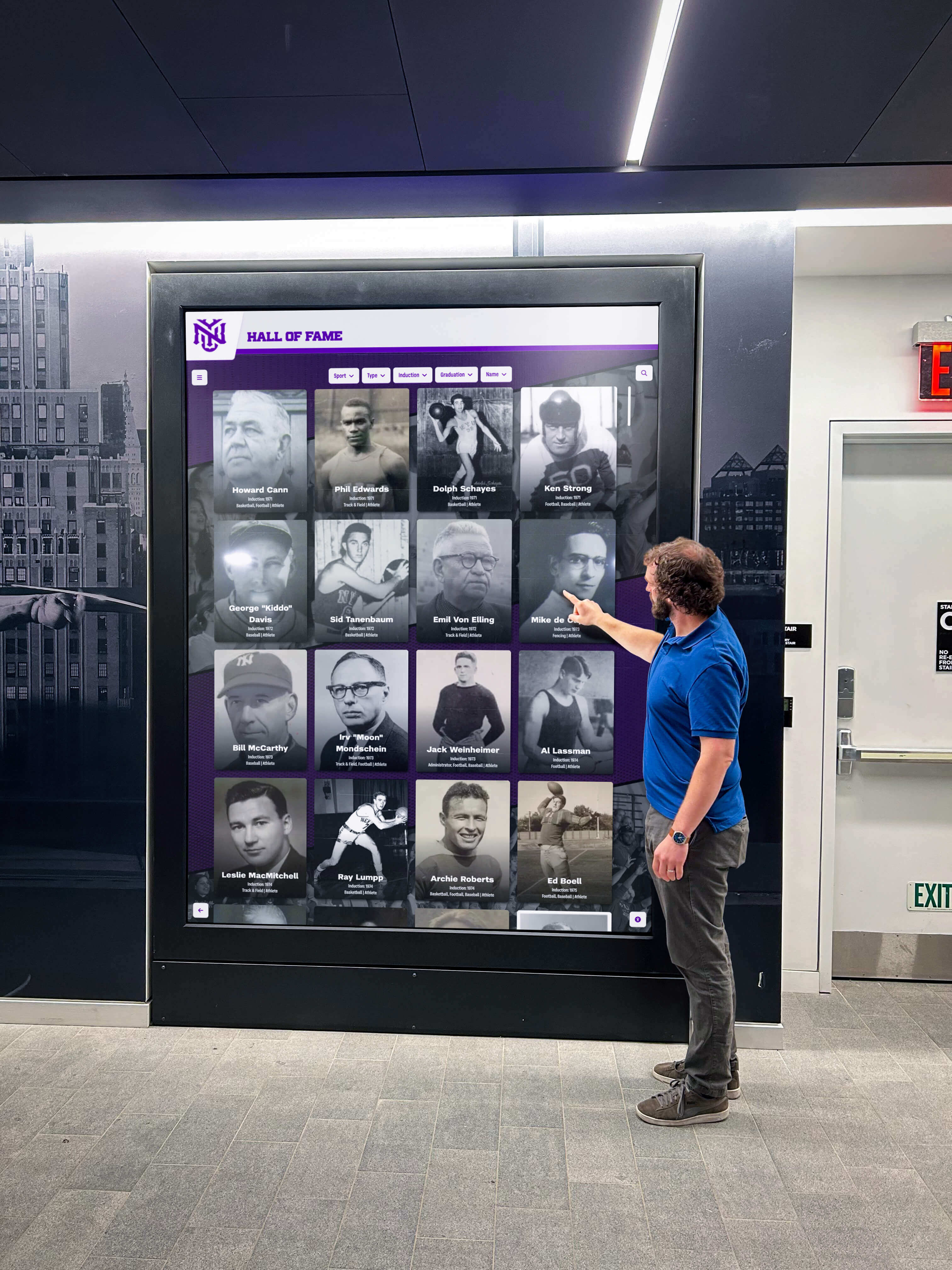
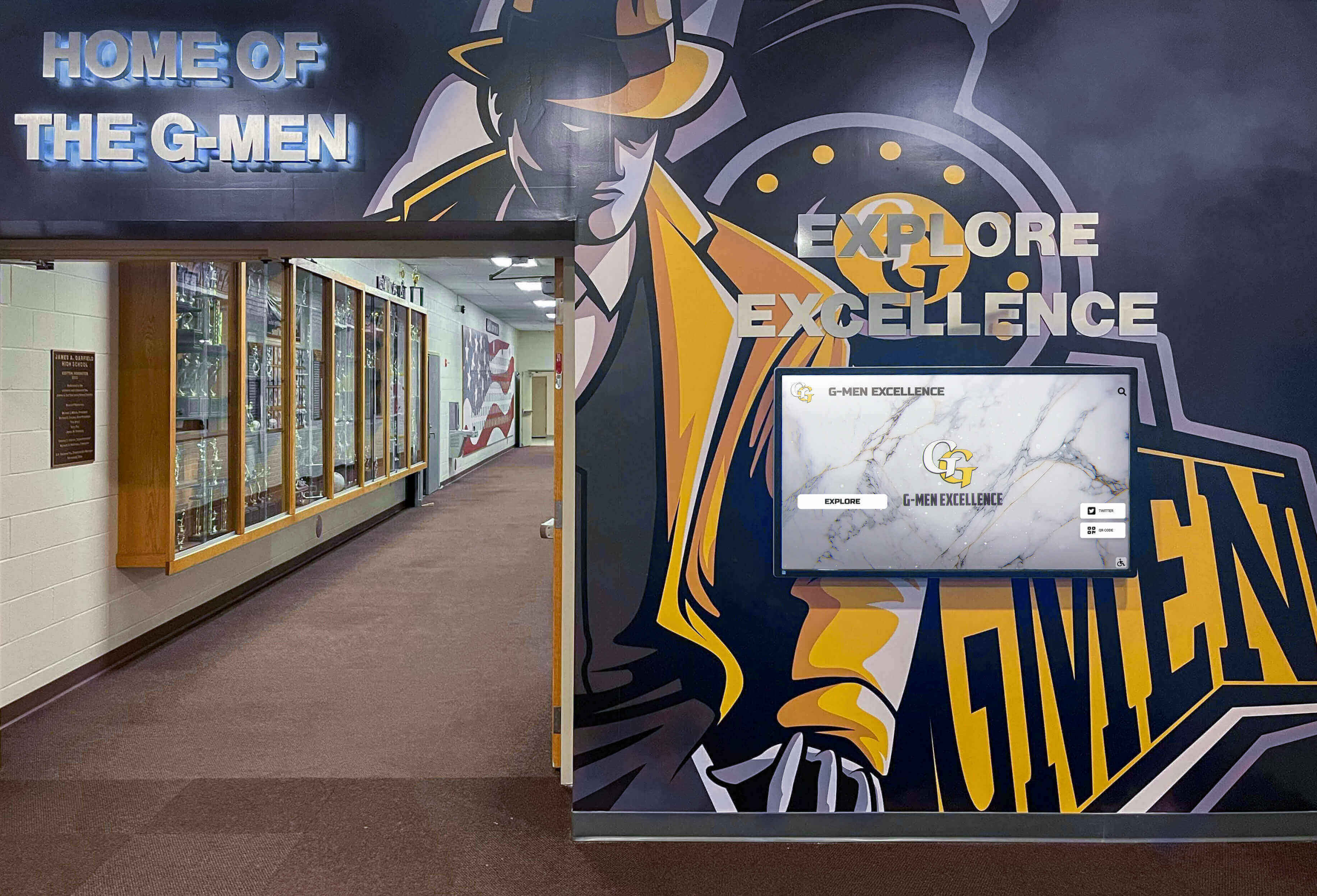
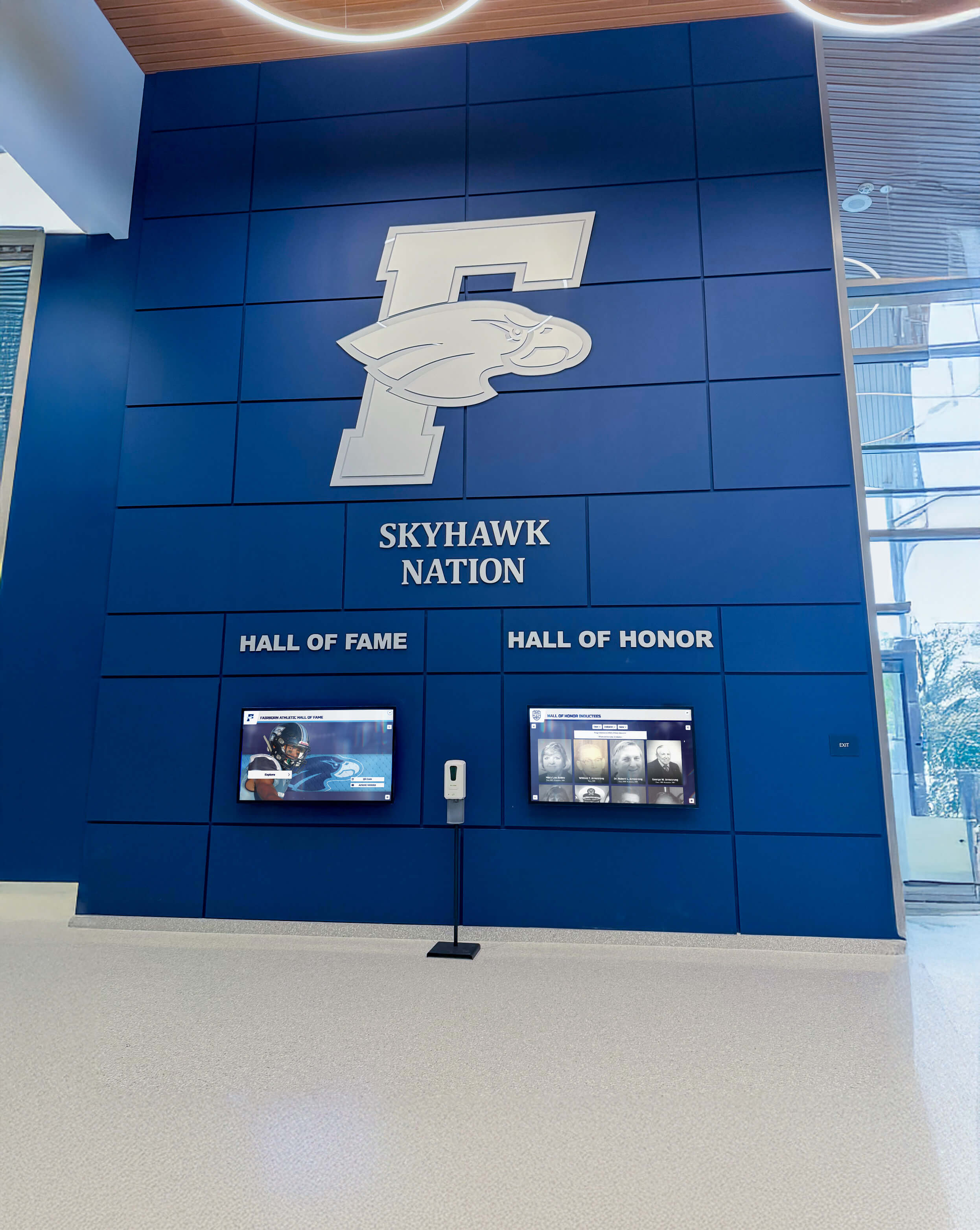
Modern schools increasingly implement interactive digital displays providing dynamic staff recognition. Digital systems offer significant advantages over static displays: unlimited capacity accommodating comprehensive recognition without space constraints, easy updates maintaining current information, multimedia integration enabling videos, slideshows, and interactive content, searchable databases allowing community members to explore staff backgrounds, and rotating features ensuring all staff receive regular visibility.
Solutions like Rocket Alumni Solutions provide schools with comprehensive digital recognition platforms creating permanent staff tributes, showcasing career achievements, preserving institutional memory, and building searchable archives ensuring staff contributions receive lasting recognition extending far beyond single-day celebrations.
Legacy Recognition for Retiring Staff
When valued staff members retire after years or decades of service, comprehensive recognition honoring career contributions feels appropriate. Consider creating permanent tributes, organizing appreciation events including former students and colleagues, compiling career retrospectives, and establishing legacy recognition ensuring retiring staff members’ contributions remain part of school history.
Digital tribute systems enable schools to preserve retiring staff members’ stories, showcase career highlights, collect community testimonials, and maintain accessible archives where future students can learn about the incredible educators who shaped their schools’ character.
Avoiding Common Staff Appreciation Pitfalls
Well-intentioned recognition efforts sometimes miss the mark. Understanding common mistakes helps schools plan more effective appreciation.
Generic One-Size-Fits-All Approaches
Staff members have diverse preferences, needs, and appreciation languages. What feels meaningful to one person might feel hollow to another. Avoid assuming all staff value the same recognition approaches:
Some staff appreciate public acknowledgment while others prefer private recognition. Extroverted staff might enjoy celebration events while introverts value quiet appreciation gestures. Some value practical support while others treasure symbolic recognition.
Consider surveying staff about preferred appreciation approaches. Offering varied recognition options respecting individual differences proves more effective than mandating uniform celebration participation.
Performative Recognition Without Authentic Support
Recognition efforts ring hollow when accompanied by unsupportive practices—excessive workloads, inadequate resources, ignored concerns, or lack of administrative advocacy. Staff notice contradictions between appreciation rhetoric and daily realities.
Authentic appreciation requires backing symbolic recognition with substantive support. Fight for reasonable workloads, advocate for necessary resources, address legitimate concerns, and demonstrate through actions that staff wellbeing matters beyond appreciation day celebrations.
Inequitable Recognition Concentrating on Visible Roles
Schools sometimes concentrate appreciation on highly visible positions—teachers, coaches, administrators—while overlooking essential but less prominent roles. Custodians, cafeteria workers, bus drivers, aides, and administrative staff deserve recognition equal to more visible colleagues.
Comprehensive appreciation cultures intentionally ensure all staff roles receive acknowledgment. Audit recognition practices identifying gaps where certain staff categories receive inadequate appreciation, then implement targeted recognition ensuring equity across all positions.
Last-Minute Scrambled Celebrations
Appreciation loses impact when obviously rushed or poorly planned. Staff recognize when recognition feels like obligatory checkbox exercises rather than genuine gratitude. Meaningful appreciation requires thoughtful planning demonstrating authentic investment in celebration quality.
Plan appreciation events well in advance allowing time for personalization, quality execution, and coordination ensuring all staff feel included. Early planning signals that appreciation matters enough to warrant genuine effort rather than representing afterthoughts squeezed into busy schedules.
Budget-Dependent Recognition
Effective appreciation doesn’t require lavish spending. Authentic gratitude, personal recognition, practical support, and respectful treatment often mean more than expensive gifts or elaborate events. Schools with modest budgets can implement meaningful appreciation through heartfelt personal letters, student-created tributes, time gifts, public acknowledgment, and lasting recognition displays.
Avoid assuming limited budgets preclude effective appreciation. Focus resources on approaches staff value rather than expensive gestures meeting external expectations.
Building Sustainable Appreciation Programs
Lasting recognition cultures require systematic approaches rather than sporadic efforts depending on individual administrator initiative.
District-Level Policy and Support
District commitment to staff appreciation through formal policies, dedicated resources, protected time, and accountability measures ensures consistent implementation across all schools. District support might include staff appreciation budget allocations, district-wide recognition programs, professional development on appreciation practices, and coordinator positions supporting building-level implementation.
Integration with Broader Recognition Systems
Staff appreciation should connect to comprehensive school recognition cultures also celebrating student achievement, family engagement, community partnership, and alumni connection. Integrated recognition platforms showcasing staff excellence alongside student accomplishments position educators as integral to student success stories rather than separate categories.
Continuous Improvement and Feedback
Regularly assess appreciation initiatives’ effectiveness through staff feedback mechanisms. Survey staff about which recognition approaches feel most meaningful, what improvements would enhance appreciation efforts, and what barriers prevent full participation. Use feedback to refine programs continuously rather than assuming initial approaches remain optimal.
Leadership Accountability
Include staff appreciation metrics in administrator evaluations ensuring leadership accountability for recognition culture development. Effective principals build cultures where staff feel genuinely valued through daily actions and systematic recognition rather than limiting appreciation to designated celebration days.
Connecting Appreciation to Retention and Culture
Staff appreciation efforts represent more than feel-good gestures—they directly impact retention, morale, culture, and ultimately student outcomes.
Recognition’s Impact on Retention
Teacher and staff shortages challenge schools nationwide. While compensation remains crucial, recognition and culture significantly influence retention decisions. Staff members who feel genuinely valued, supported, and appreciated prove more likely to remain despite competing opportunities. Recognition investments that improve retention reduce turnover costs, preserve institutional knowledge, maintain program continuity, and sustain relationship-based school cultures.
Culture and Climate Effects
Recognition cultures where all staff feel appreciated create positive climates influencing everyone. When staff feel valued, they extend positivity to students, colleagues, and families. Appreciation cultures reduce burnout, improve collaboration, strengthen morale, and create environments where excellence flourishes.
Student Outcome Connections
Staff wellbeing directly affects student experiences. Appreciated staff bring greater enthusiasm to work, invest energy in student relationships, implement innovative practices, and create welcoming learning environments. Recognition investments in staff ultimately benefit students through improved instructional quality, stronger relationships, and positive school climates.
Conclusion: Making Appreciation a Cultural Cornerstone
School staff appreciation days provide important recognition moments, but genuine appreciation cultures extend far beyond single-day celebrations. Effective staff recognition requires comprehensive approaches including formal recognition during designated appreciation days, personalized acknowledgment reflecting individual contributions, practical support addressing authentic needs, year-round recognition maintaining consistent appreciation, equitable practices honoring all staff roles, permanent displays creating lasting tributes, leadership behaviors demonstrating daily appreciation, and systematic programs ensuring sustainable implementation.
The 2026 school staff appreciation day calendar offers numerous opportunities for formal recognition. However, the most meaningful appreciation happens through daily actions demonstrating that staff members are genuinely valued—respected voices in decisions affecting their work, supported through adequate resources and reasonable expectations, trusted professionals given appropriate autonomy, acknowledged contributors whose excellence gets celebrated regularly, and treasured community members whose wellbeing matters deeply to leadership.
School staff dedicate careers to student success and school community health. They arrive early, stay late, spend personal resources, absorb emotional labor, celebrate student triumphs, support struggling learners, and give endlessly to missions larger than themselves. This dedication deserves recognition reflecting its significance—not superficial gestures but authentic appreciation honoring their profound impact on students’ lives and school communities’ character.
As you plan 2026 staff appreciation initiatives, remember that meaningful recognition requires authentic gratitude more than elaborate celebrations, personal acknowledgment more than generic gestures, sustained appreciation more than brief annual events, comprehensive inclusion more than selective acknowledgment, and leadership commitment more than delegated responsibilities.
Your staff members shape students’ futures daily through countless interactions, lessons, supports, and examples. They deserve appreciation reflecting the magnitude of their contributions—recognition that honors their dedication, celebrates their excellence, supports their wellbeing, and preserves their legacies as essential members of school communities whose impact extends far beyond classroom walls.
Ready to create lasting recognition honoring your staff’s exceptional contributions? Discover how modern digital recognition systems build permanent tributes celebrating staff achievements, preserve career histories and legacies, create interactive displays showcasing excellence, and establish searchable archives ensuring your dedicated staff members receive the enduring recognition they deserve for their tireless service to students and school communities.