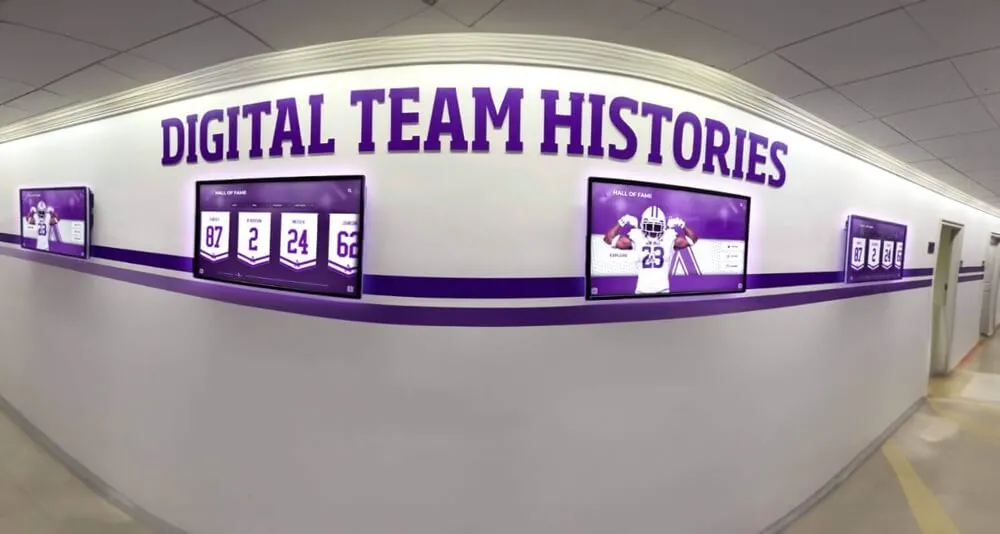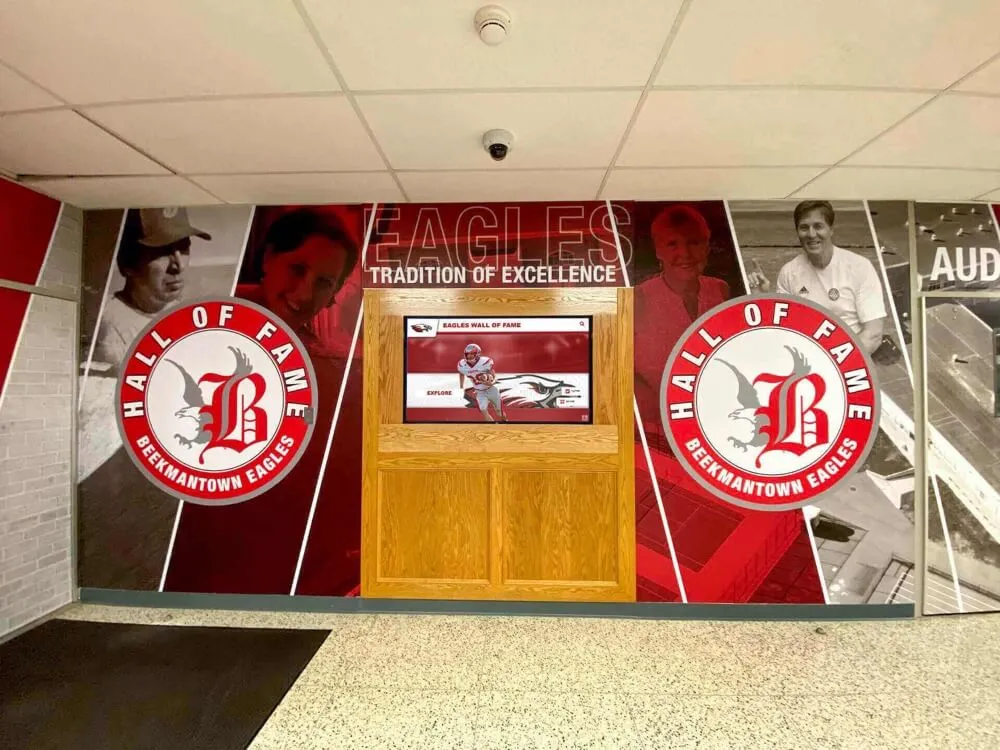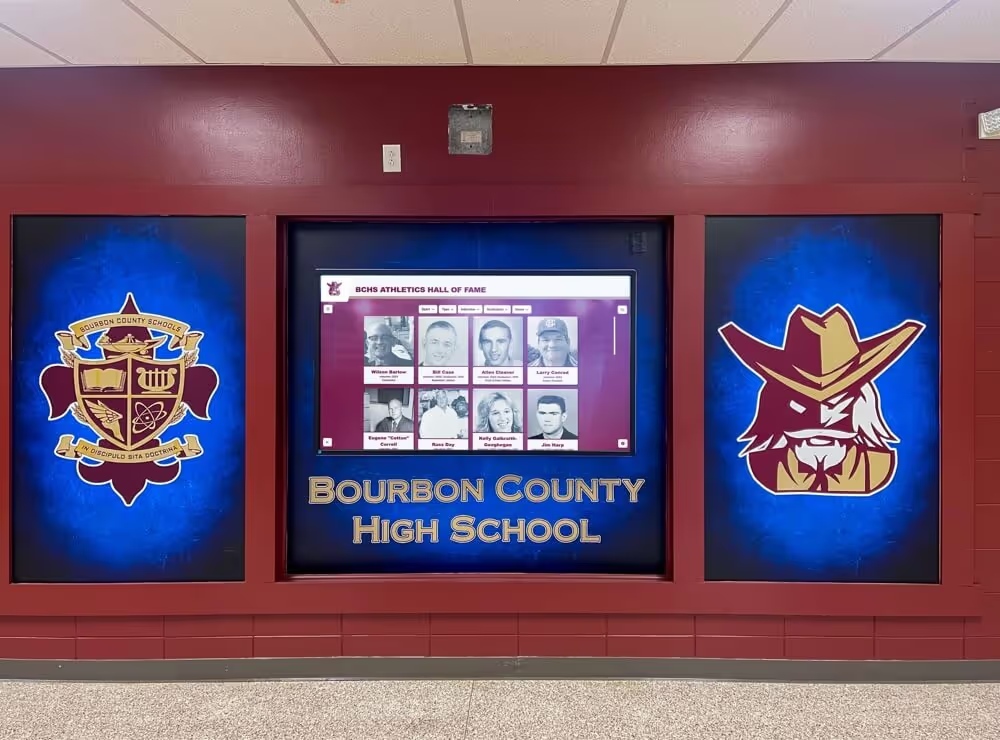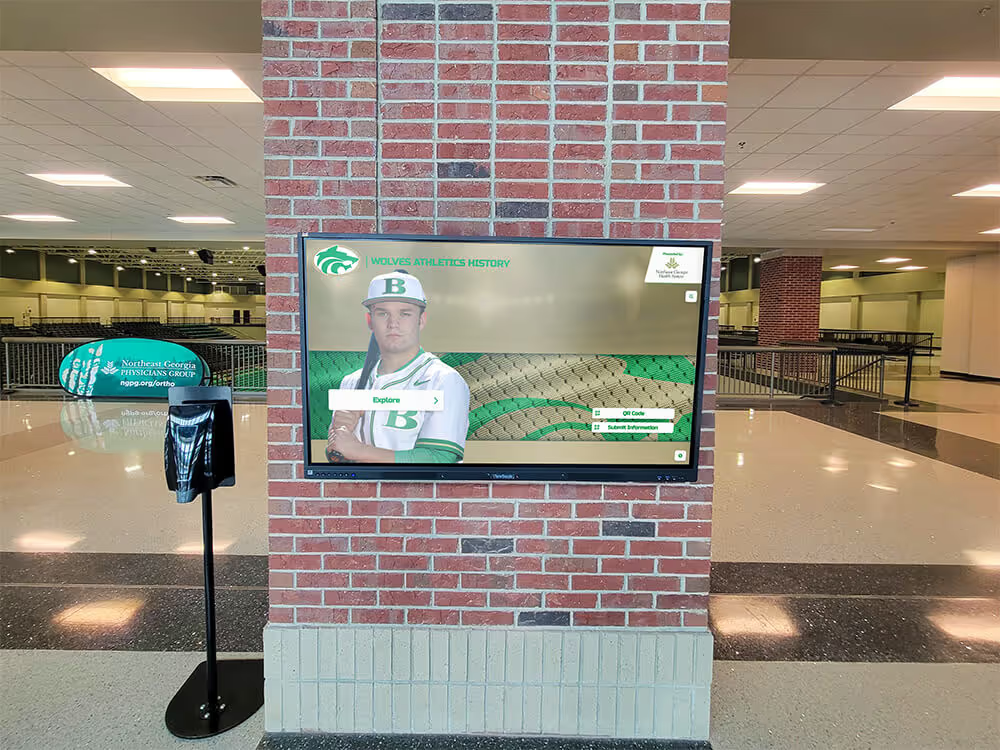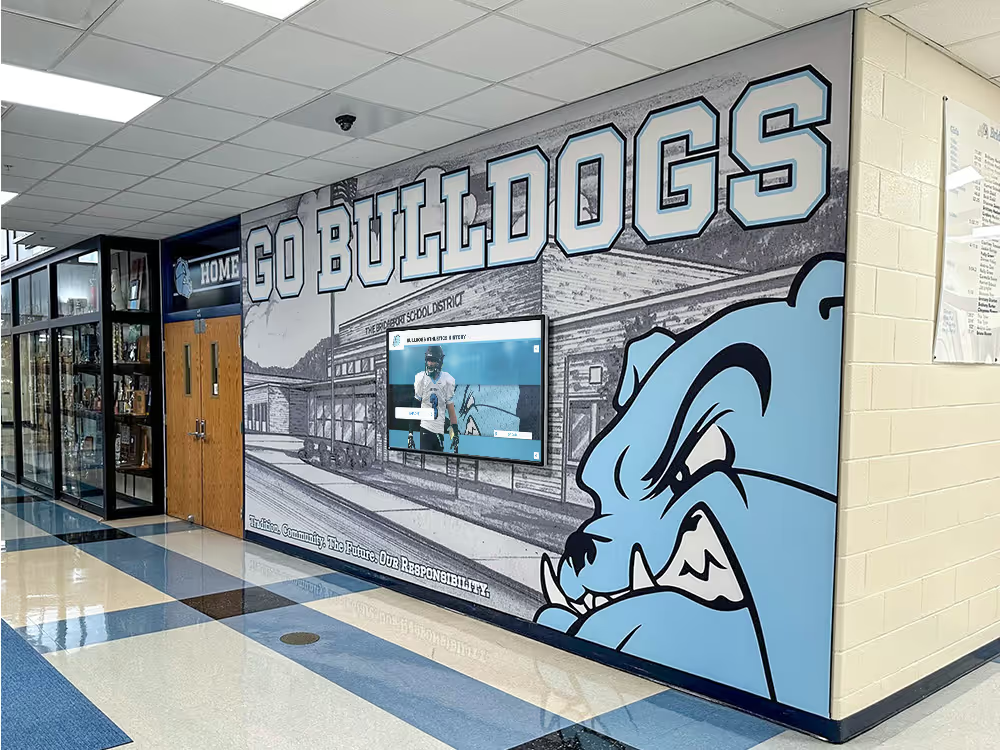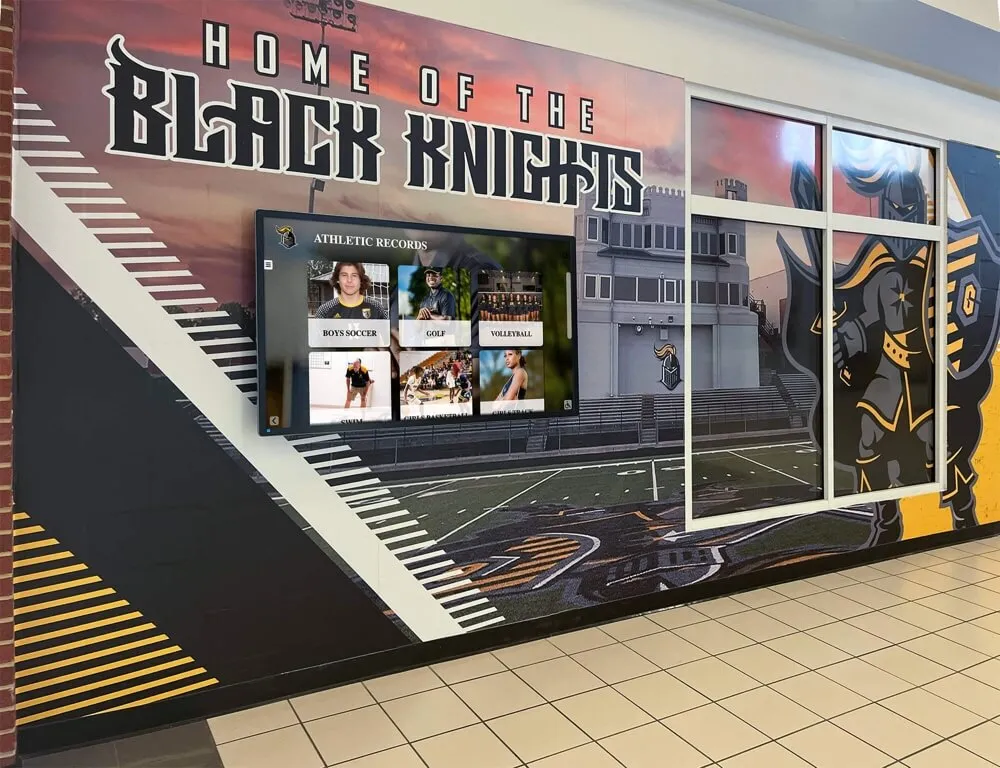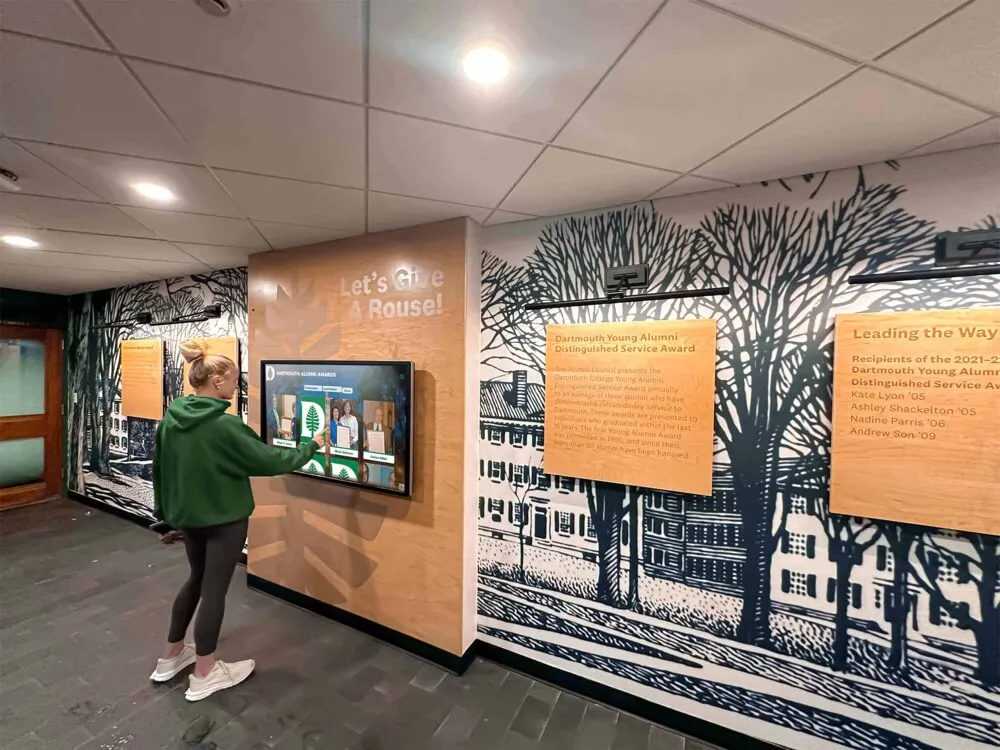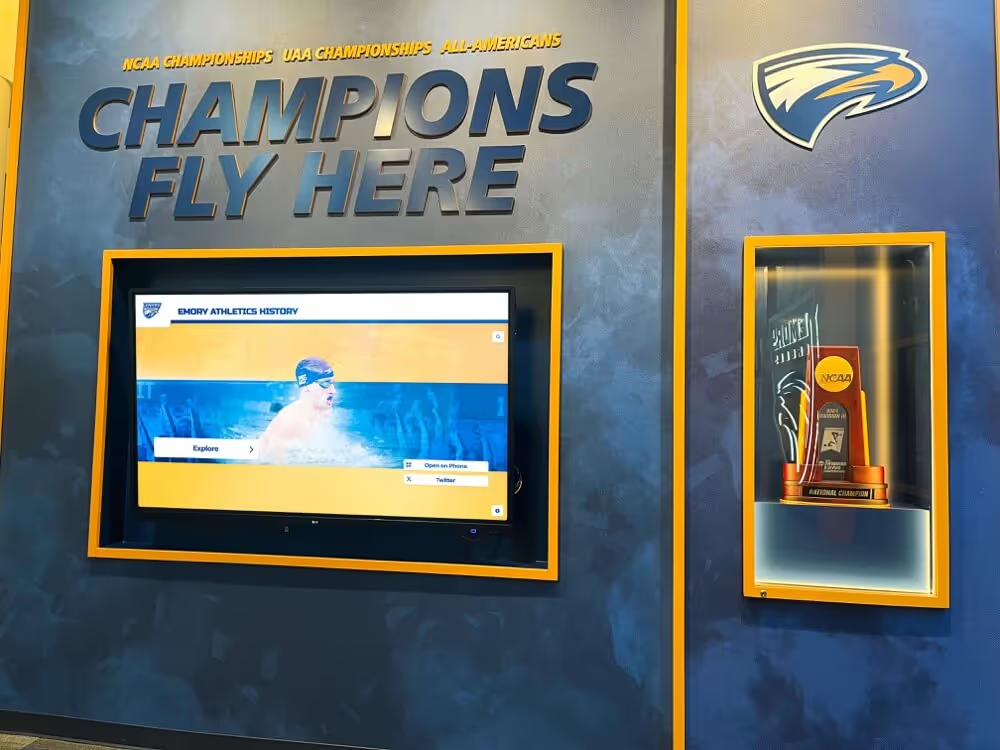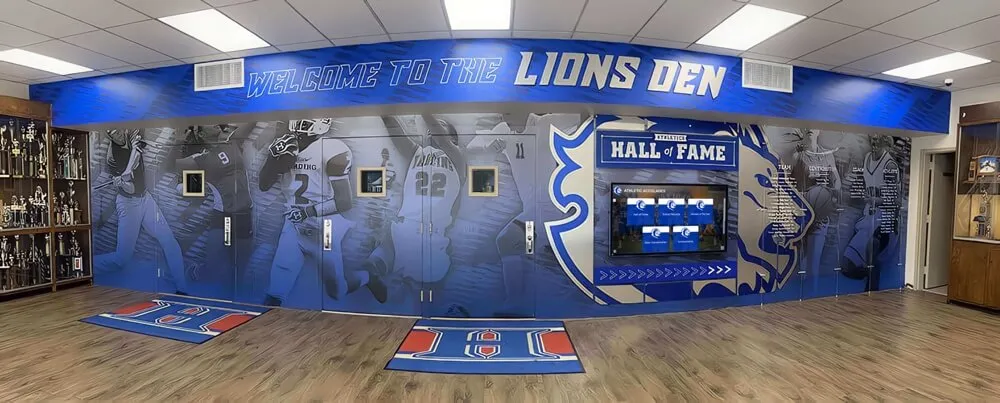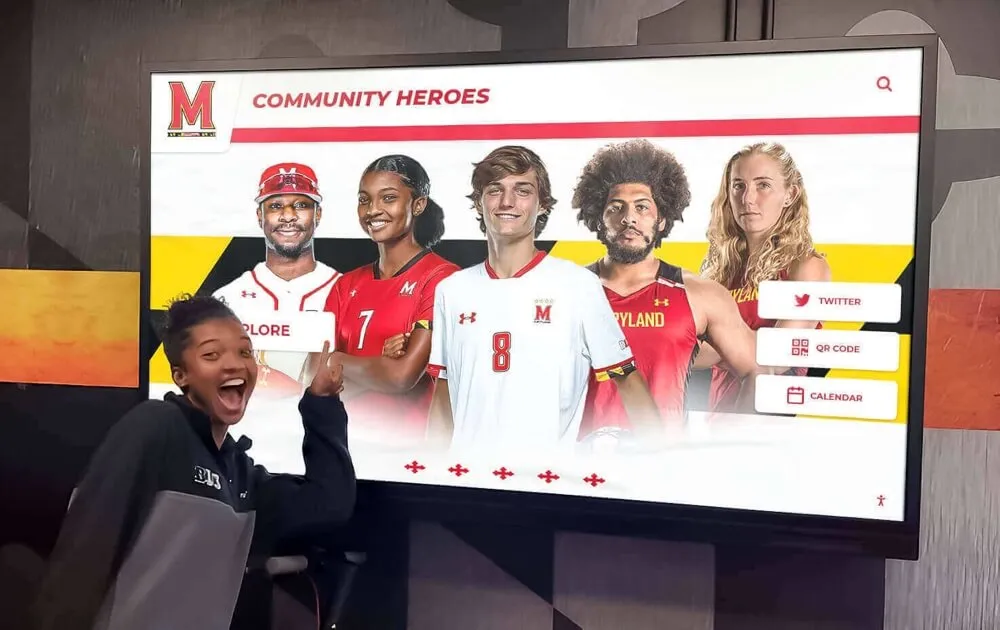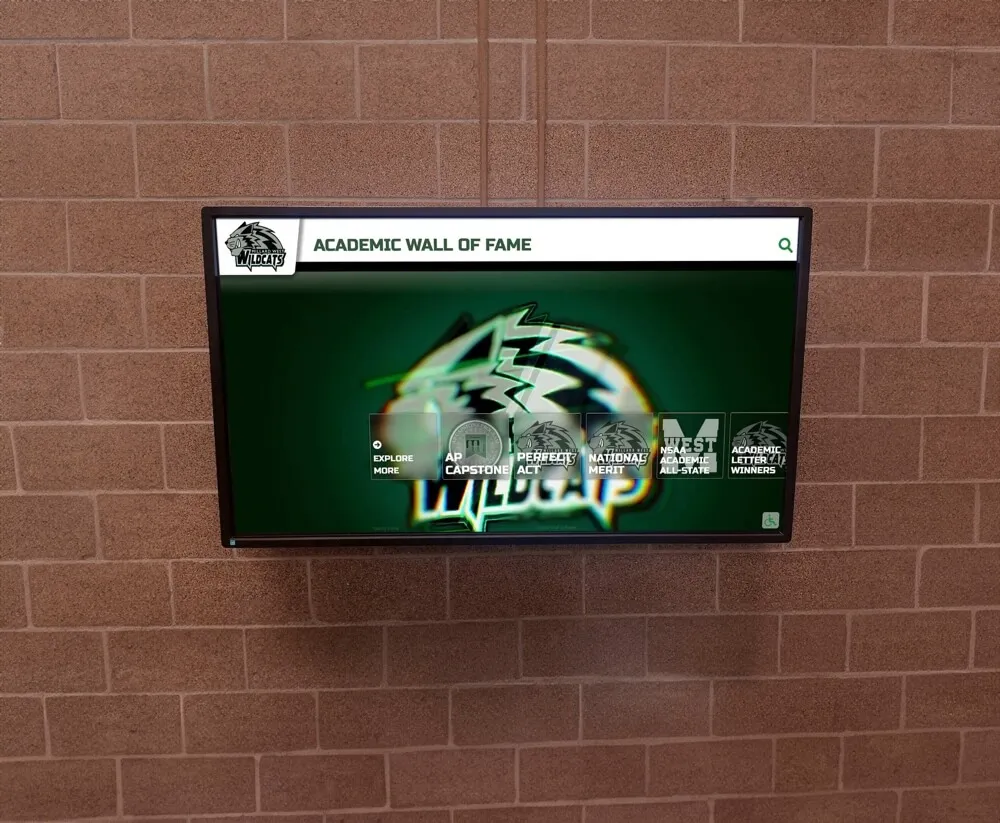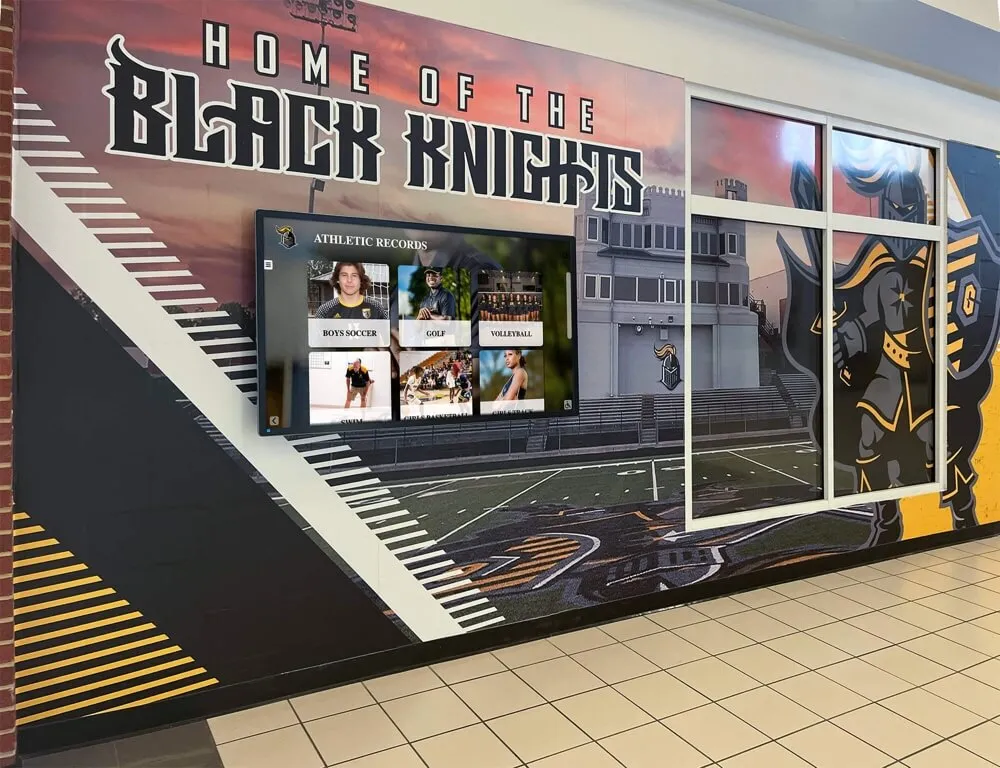




Every school that has tried to launch a digital record board has run into the same problem: the source data isn’t ready. Coaches remember a different number than what’s in the binder, seasons were never entered, and some sports have no records documented at all. A solid school sports record book—whether it lives in a spreadsheet, a database, or a purpose-built platform—is the source-of-truth layer that makes an accurate, trustworthy display possible. This guide covers what to track, how to structure it, and how to close the most common gaps before any records go near a public display.
Why the Record Book Comes Before the Display
Athletic directors frequently frame the question as "which display should we use?" when the more pressing question is "what data do we actually have?" A display—digital or traditional—is only as accurate as the records feeding it. Schools that skip the recordkeeping audit phase end up publishing outdated, incorrect, or embarrassingly incomplete records. Getting the school sports record book right first is the step that protects the program's credibility and saves weeks of post-launch revision.
What a Complete School Sports Record Book Should Contain
A school sports record book is more than a list of best times and top scores. It is the authoritative archive for every sport the school fields, covering individual and team records across all seasons on record.
The record book has three layers that serve different display needs:
- All-time records — the best single-game, single-season, and career marks ever set at the school for each statistical category in each sport.
- Season-by-season results — final standings, championships, and win-loss records going back as far as documentation exists.
- Individual milestone achievements — things like 1,000-point scorers, 100-win coaches, or four-year varsity letter earners that don’t fit neatly into a statistical leaderboard.
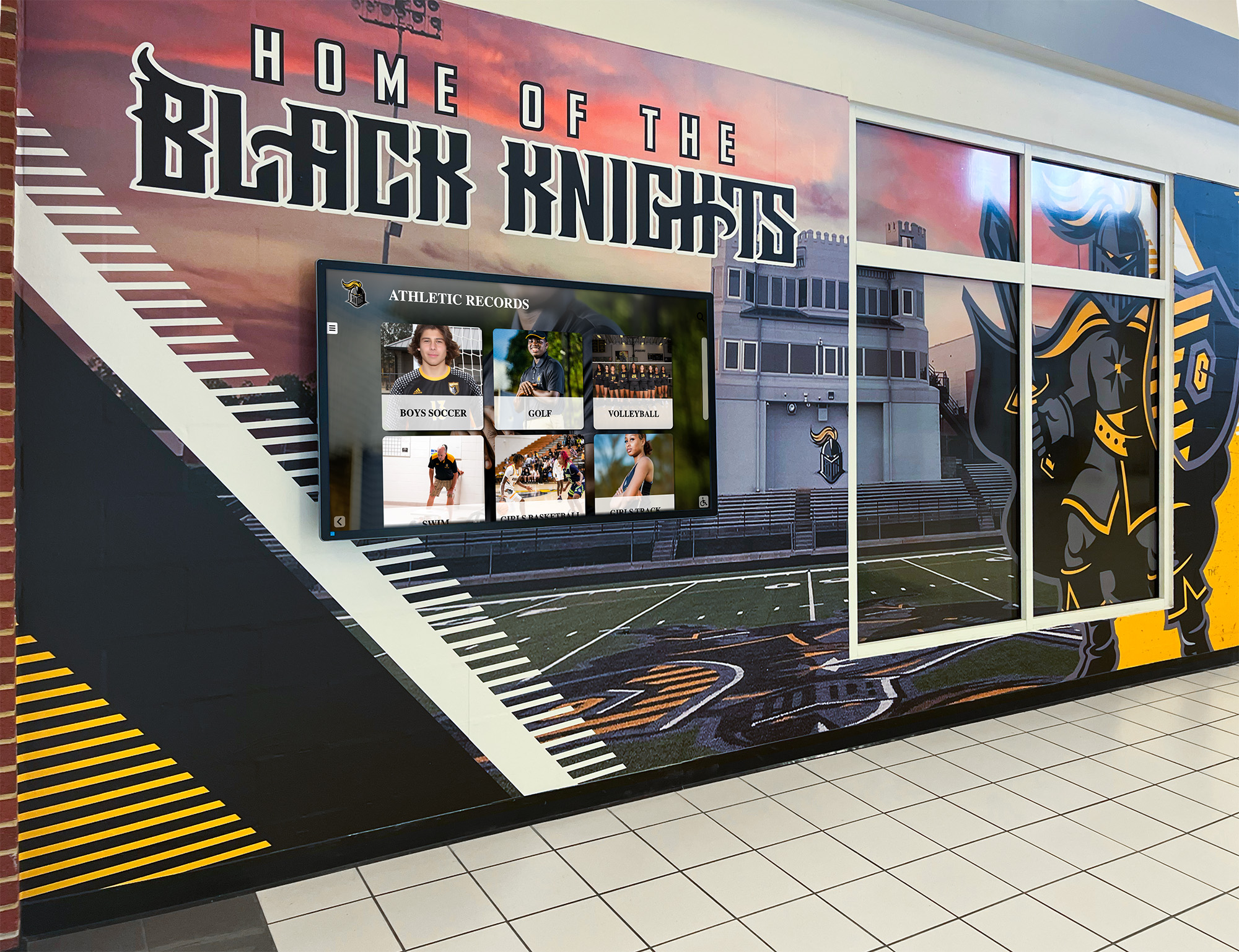
Each layer feeds different display types. All-time records fill a record board. Season results populate a history wall. Individual milestones drive hall of fame and recognition displays. Knowing which layer you’re building determines what data you need to collect—and from where.
Core Categories to Track
The table below covers the standard categories every school sports record book should include. Not every category applies to every sport—add or remove rows based on your program’s actual offerings.
| Category | What to Record | Primary Display Use |
|---|---|---|
| Individual game records | Highest single-game stat totals per sport | Record board, spotlight features |
| Individual season records | Best season totals and averages per sport | Season leaderboard displays |
| Individual career records | Career totals across all seasons played | Career achievement walls |
| Team season records | Best win totals, scoring totals, championship finishes | History walls, banner displays |
| Championship history | Conference, district, and state titles by year and sport | Championship banner displays |
| Coaching milestones | Win totals, tenure, title counts | Coach recognition displays |
| Letter winner lists | All athletes earning a varsity letter by year and sport | Letter winner walls, alumni displays |
The record holder’s full name, graduation year, and the season the record was set should accompany every entry. Records without attribution are significantly harder to verify and far less useful for recognition displays or hall of fame nominations.
Sport-by-Sport Record Types
Different sports have different statistical currencies. The school sports record book needs sport-specific fields, not a generic “best performance” column that flattens meaningful distinctions.
Track and Field and Cross Country
Track records require event-specific entries: the 100m, 200m, 400m, and each field event are separate records. Cross country needs separate boys and girls entries by course or distance. Time formats matter—mixed units across entries (some in minutes:seconds, others in decimal seconds only) create data errors when records migrate to a display system.
Swimming and Diving
Swimming records should include relay splits alongside individual event records. Relay records need the full team roster at the time the record was set, not just the time. Diving records need the format (number of dives, degree of difficulty scoring) documented so future administrators understand the context when reviewing historical marks.
Baseball and Softball
Career batting average, career hits, season ERA, and single-game strikeouts are distinct categories that should not be collapsed. Career rate statistics only count seasons with a documented minimum at-bat or innings-pitched threshold—otherwise, a player with two career plate appearances technically leads in batting average and creates an absurd record.
Basketball
Points, rebounds, assists, steals, and blocks each warrant their own single-game, single-season, and career record entries. Three-point records are separate from overall scoring records. A stated policy about whether JV statistics count alongside varsity is critical before any data entry begins—mixing them silently distorts long-term records.

Football
Passing yards, rushing yards, receiving yards, touchdowns, and defensive statistics like sacks and interceptions each get their own entries. Season and career distinctions matter here more than in most sports because sample sizes vary based on schedule length and missed games. Single-game records—most points scored, most yards gained—often tell a different story than career totals and deserve their own section.
Soccer, Volleyball, Wrestling, and Other Sports
Each sport has a primary statistical currency: goals for soccer, kills for volleyball, wins for wrestling. The record book should list the three to five statistics that genuinely distinguish great seasons from average ones—not every trackable number. More fields mean more incomplete data and more ongoing maintenance burden.
Step-by-Step: Building or Auditing Your School Sports Record Book
Step 1: Identify What Already Exists
Before entering a single number, locate every existing source: physical scorebooks, MaxPreps pages, old program guides, newspaper archives, yearbooks, and any spreadsheets maintained by individual coaches. Map what exists by sport and by year. Note gaps explicitly—“no records before 2008 for girls soccer” is useful information that needs to be documented, not hidden.
Yearbook archives are frequently overlooked as a primary source for athletic records. Finding historical school records through yearbook collections can surface statistical data, championship history, and letter winner lists that never made it into the athletic department’s digital files.
Step 2: Define Record Categories for Each Sport
Decide the specific fields you will track before pulling any data. A defined schema prevents the common problem of gathering basketball rebounding records for some years but not others. Write out the full list of record categories for each sport and get sign-off from head coaches before data collection begins. Changing the schema mid-collection is expensive in time and prone to errors.
Step 3: Establish a Verification Standard
Every record needs a source. “Coach remembered it” is not a verifiable source. Establish a rule: records go into the official school sports record book only when backed by a scorebook, meet results sheet, program guide, or published news source. Records that cannot be verified get flagged as “unverified” rather than entered as confirmed facts or quietly omitted.
Step 4: Collect and Enter Data by Sport
Work sport by sport rather than year by year. Going deep in one sport produces a usable, complete record set faster than spreading effort thinly across all sports simultaneously. Assign each sport to a coach, student manager, or administrative staff member with a clear deadline and a standardized entry template.
Step 5: Reconcile Conflicts
Data conflicts are common when multiple sources exist. Two scorebooks may show different totals for the same game. When sources conflict, document both numbers and the sources, then flag the entry for second-level verification. Never resolve a conflict by choosing the more impressive number—that corrupts the record book’s integrity.
Step 6: Build a Review Cycle
A school sports record book is a living document. Set a formal review at the end of each season: update all-time records if broken, add new season results, and verify that data entered mid-season matches official final totals. A review cycle that takes longer than one week per season is too burdensome to sustain and will eventually stop happening.
Common Record Book Gaps That Break Digital Displays
Athletic programs that move from “we want a display” directly to “let’s import our data” almost always encounter these problems during or after launch:
Missing attribution. A record exists in the database but has no name attached—just a number. Displays that show “47 points—unknown” destroy credibility and raise immediate questions about data quality across the entire system.
Inconsistent name formats. “J. Smith,” “John Smith,” and “John D. Smith” appear as three separate athletes in the database. Decide on a full name format—first name, last name, no middle initials—before data entry begins and enforce it consistently across all sports and all years.
No graduation year. Without a graduation year, the record book cannot connect an athlete’s records to their class or era. Display platforms use this field to organize records by decade and to connect athletes to alumni engagement programs.
Records without event context. A swimming record entered as “4:22.5” with no event name is unplaceable once anyone asks a question about it. Every record needs its full context: event, distance, format, and the date or season it was set.
JV statistics mixed with varsity. Coaches sometimes enter records from JV seasons into the varsity record database without flagging them. A stated policy about which records count—and a data entry field that captures team level—prevents this before it creates public disputes.
Pre-digital era gaps. Many schools have solid records from 2005 forward and almost nothing before. That gap matters for long-tenured programs. Graduation programs, trophy case plaques, and newspaper archives often fill it—but only if someone actively looks. Resources on trophy display case design and documentation highlight how physical hardware in trophy cases often contains records that never made it into any digital system, making them a useful secondary source during an audit.
From Record Book to Digital Display: The Workflow
Once the source record book is verified and structurally complete, moving records to a display is a manageable process. The workflow follows these steps:
- Export or format data in a consistent structure the display platform accepts—typically CSV, a structured spreadsheet, or direct API entry fields.
- Map fields from the record book schema to the display platform’s data model. Confirm that sport names, event names, and statistical categories match the platform’s expected inputs exactly.
- Import a pilot sport first. Do not batch-import all sports simultaneously. Review the pilot import carefully for formatting errors, missing records, and attribution problems before proceeding to the full library.
- Set up automated update rules if the platform supports them. Automated record tracking means the display updates when new season statistics are entered rather than requiring manual edits by an administrator.
- Establish governance. Designate one person or role to own record book edits. Unauthorized changes are the most common source of record disputes once a display is public.
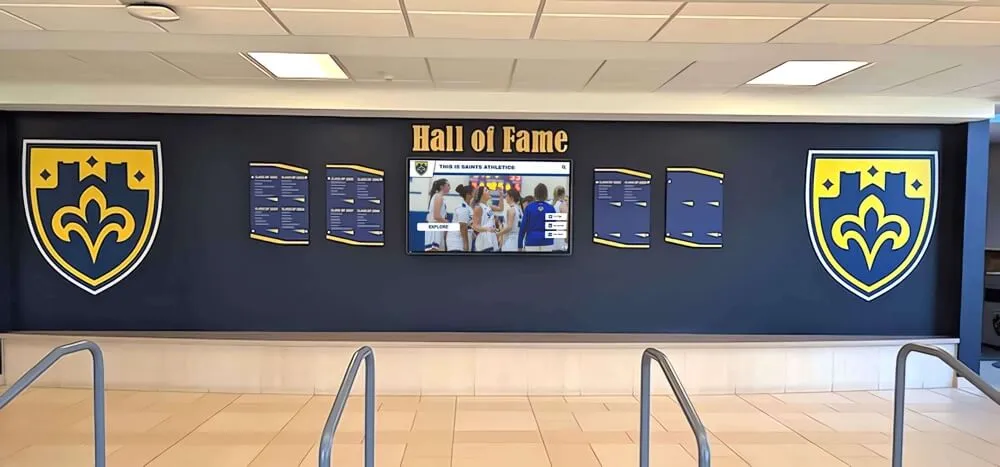
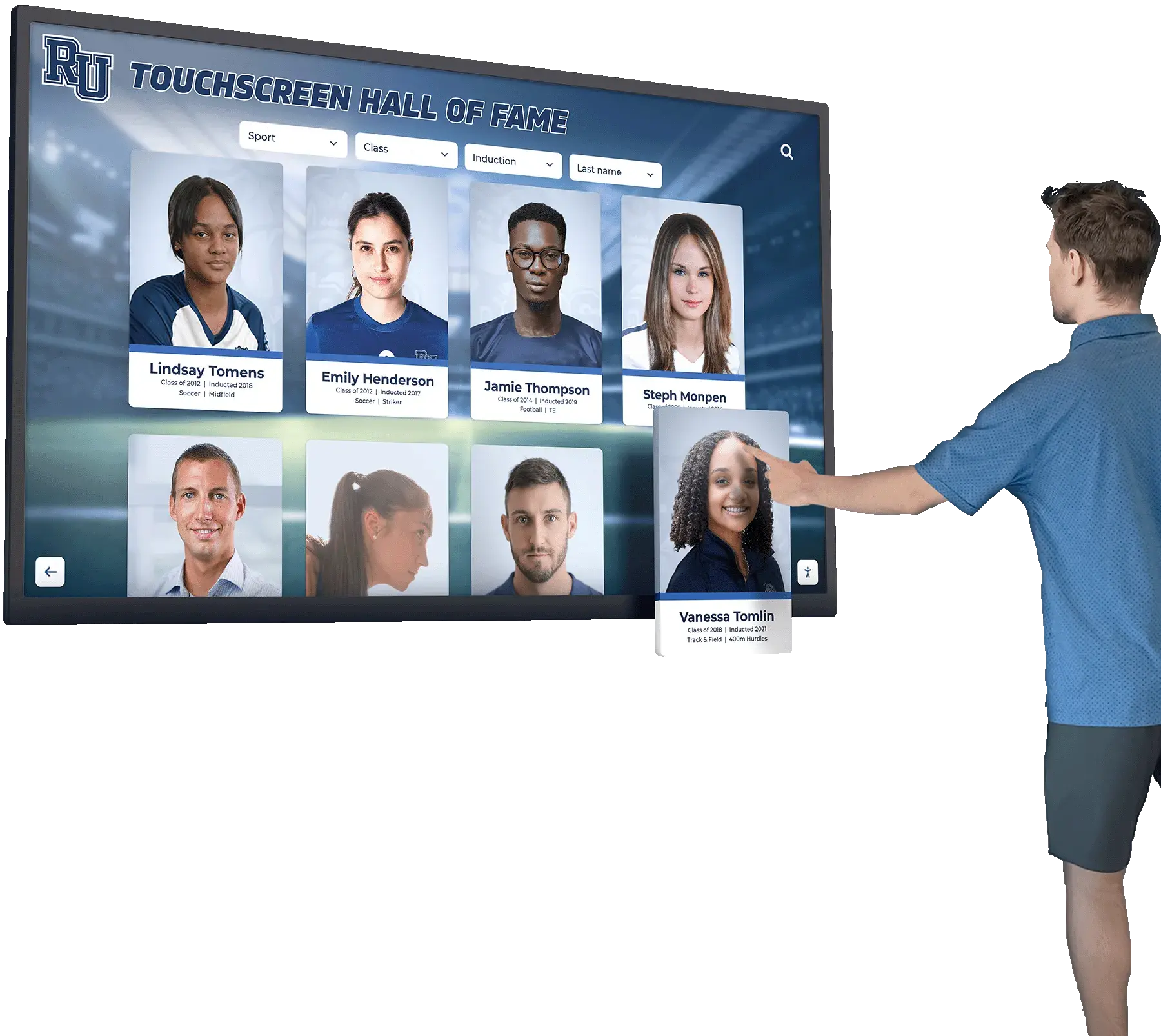
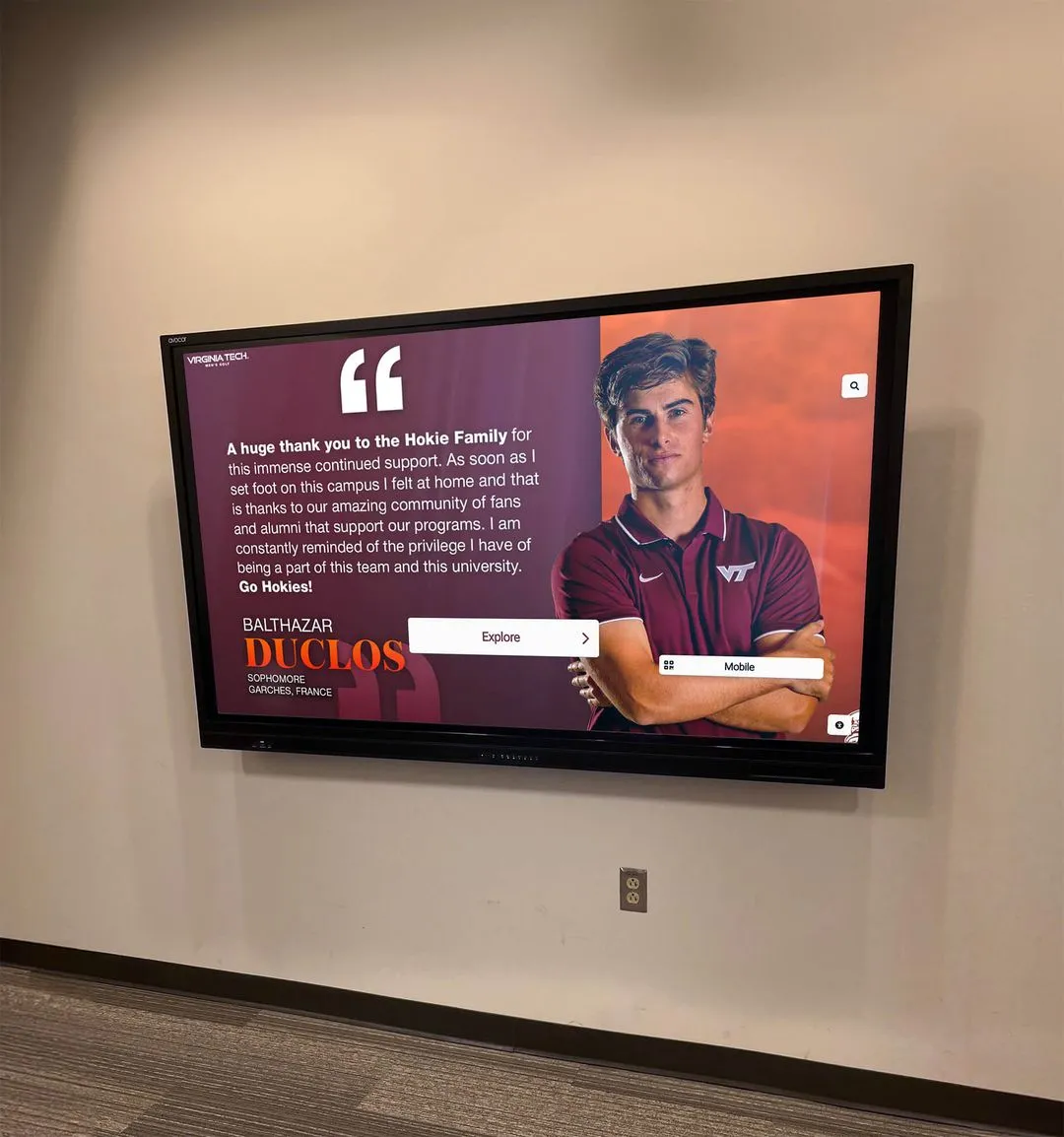
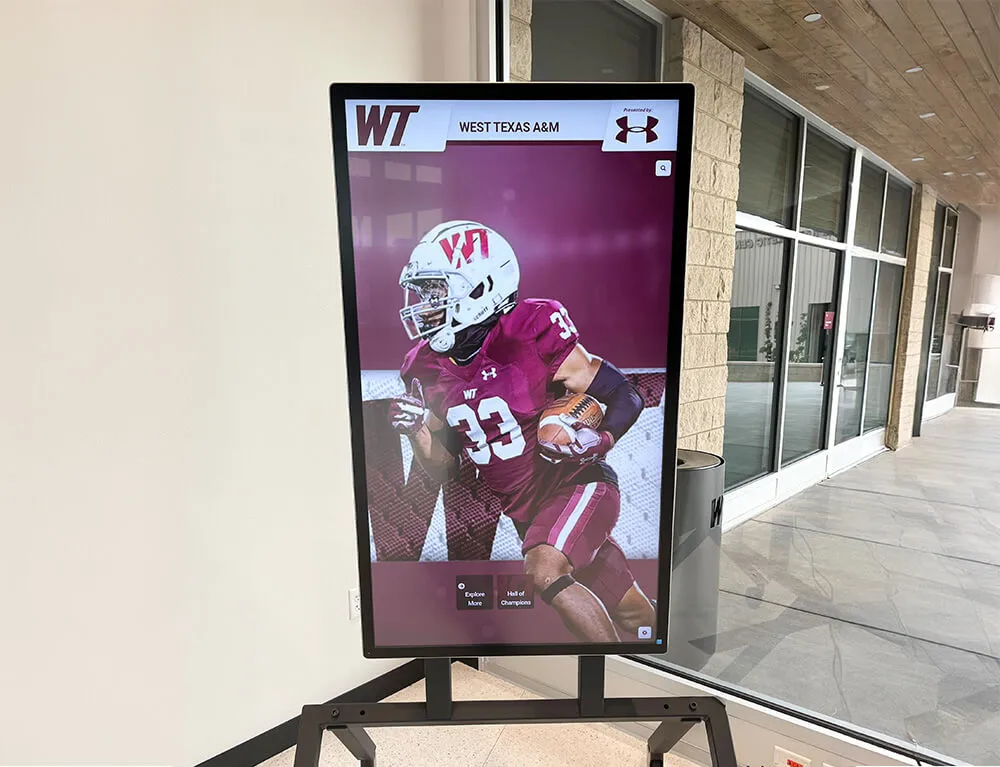
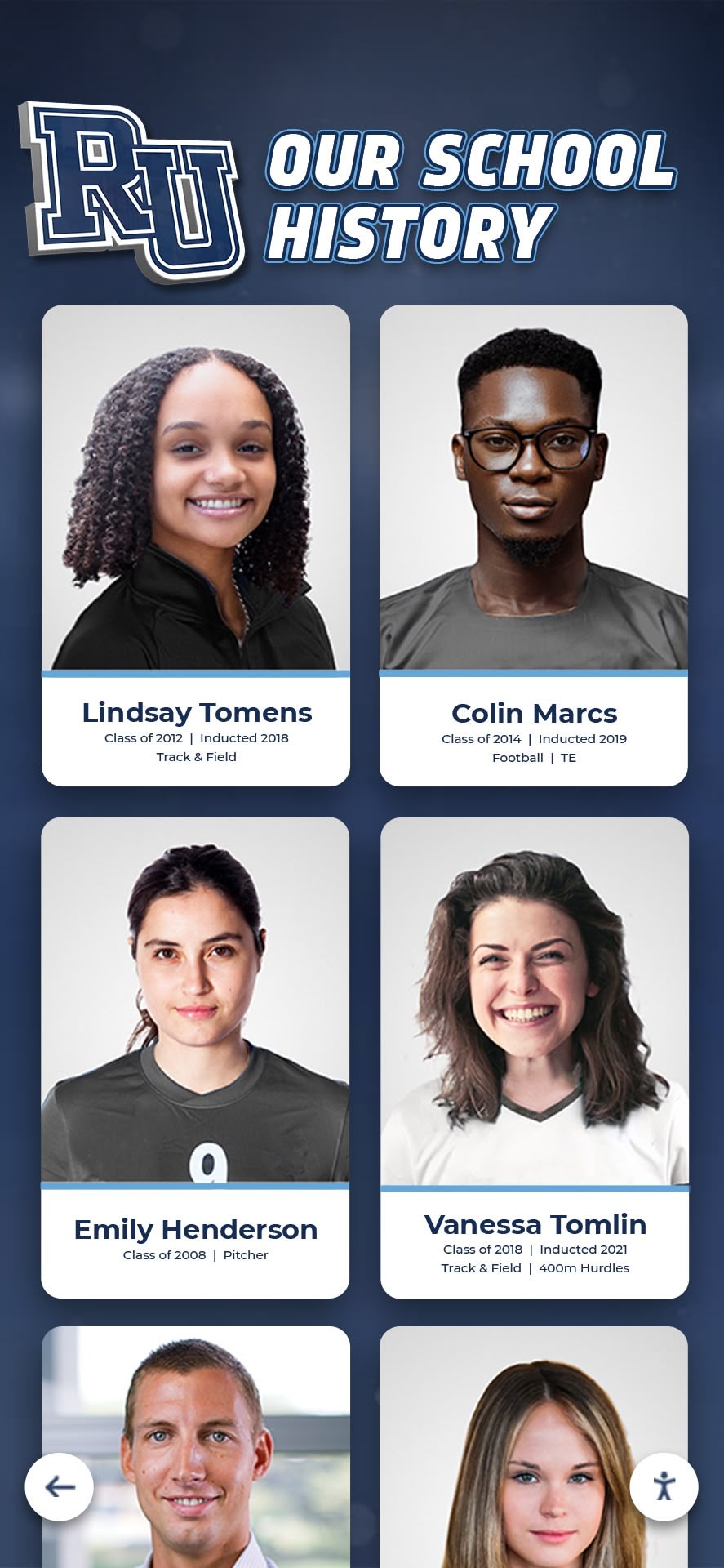
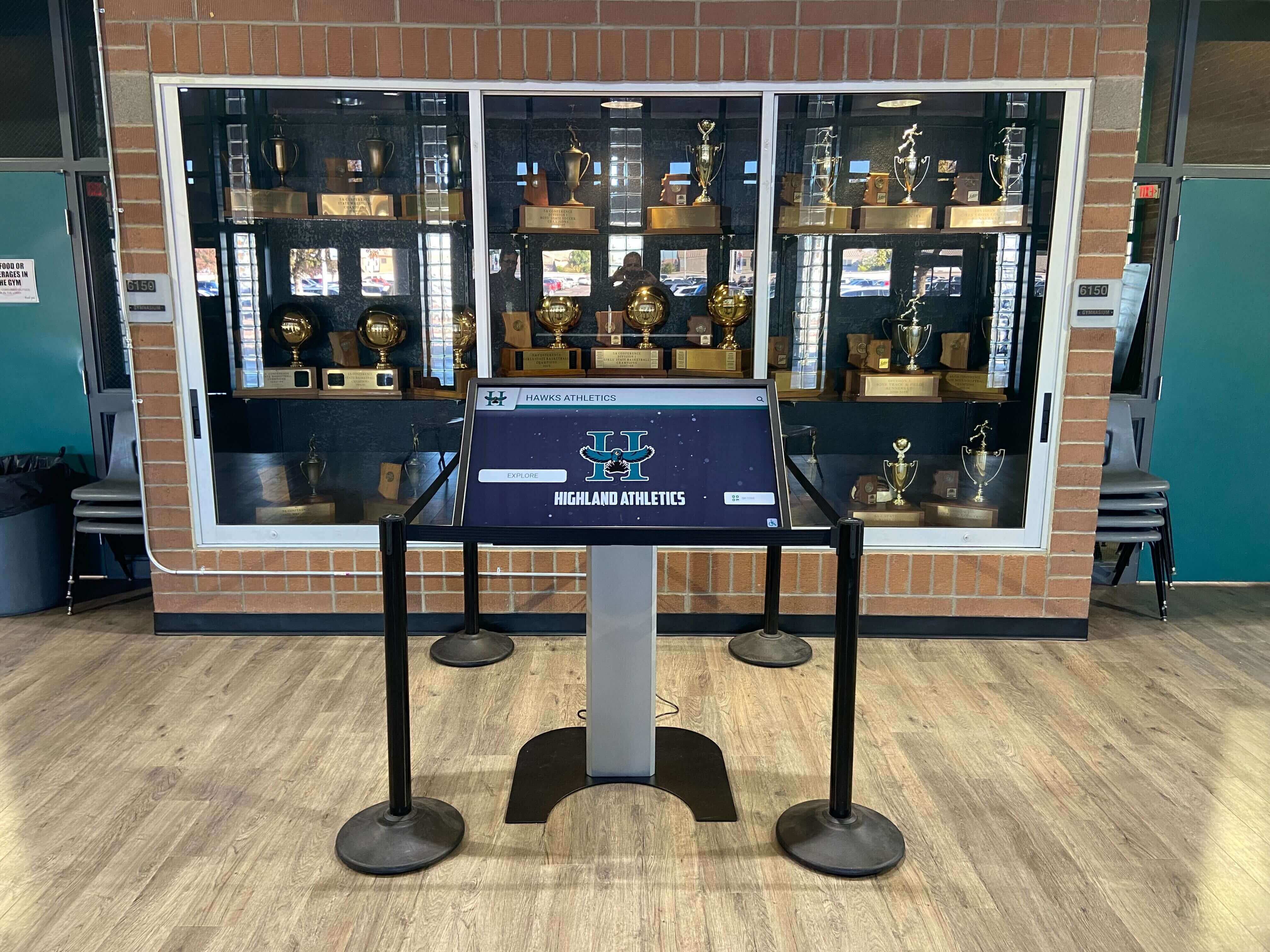
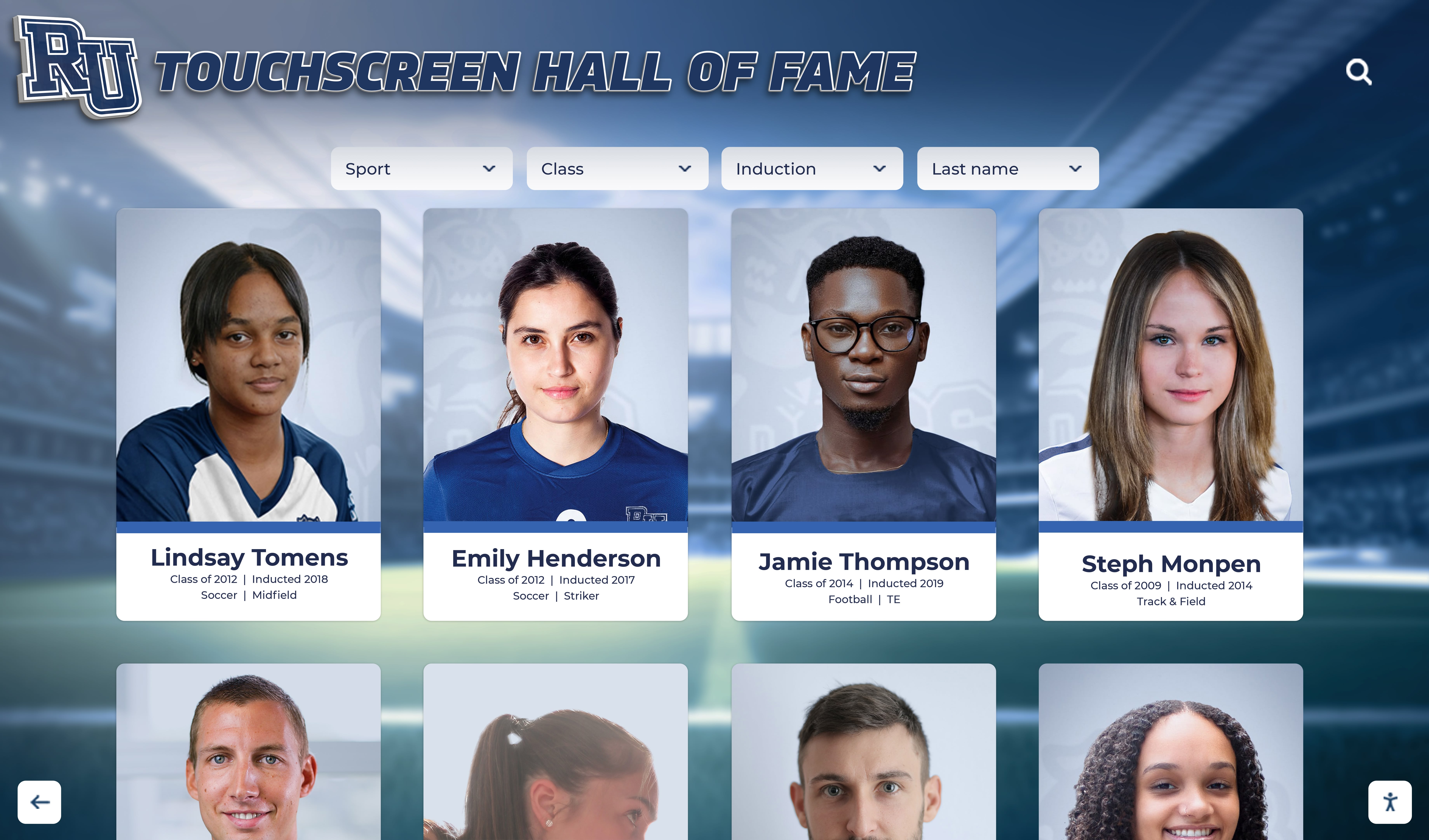
Digital record board platforms are built to receive structured athletic data and display it in formats ranging from wall-mounted record boards to interactive touchscreen kiosks. The cleaner the source record book, the faster and more accurately records appear on the display. Interactive alumni recognition touchscreen displays show how structured records translate into public-facing experiences that engage current students, visitors, and returning alumni.
Ready to Move From Record Book to Display?
Rocket Alumni Solutions builds digital record boards and interactive athletic displays designed to receive clean, structured school sports data and keep it current automatically.
Schedule a DemoConnecting the Record Book to Broader Recognition Programs
A school sports record book isn’t only the input for a record board display. The same structured data powers several recognition programs that athletic departments, advancement offices, and communications staff already manage.
Hall of fame inductions require verified career statistics to support nomination criteria. An organized record book makes the selection committee’s work faster and more defensible against challenges from nominees or their families.
Alumni engagement events use historical records to create programming anchored to athletic heritage—like recognizing the anniversary of a state championship or celebrating a coach’s milestone win. Alumni reunion activities built around institutional history demonstrate how schools use records and achievements to structure meaningful alumni events that resonate across graduating classes.
Yearbook dedications and annual recognition draw from the same athlete profile data in the record book. Yearbook dedication pages honoring student-athletes and staff show how the records feeding a display also inform the printed and digital publications that commemorate each school year.
Sponsor and donor recognition sometimes references athletic milestones. A donor contributing to a new athletic facility may want recognition tied to the program’s 100th victory or first state title—connections that only exist in value when the record book contains that history with accurate dates and attribution.
Facilities and naming recognition increasingly incorporates athletic history. Understanding which records belong to which era helps communications and advancement staff frame recognition narratives that are specific and credible, rather than vague or generic.
Recognition language drawn from employee and student achievement programs provides useful framing for how schools describe achievement milestones when records move from a database to a public-facing display or ceremony script.
Frequently Asked Questions
How far back should a school sports record book go?
As far as verifiable documentation supports. For most schools, reliable records exist from the 1990s forward. Older records can be added when confirmed from primary sources like scorebooks, championship programs, or newspaper archives. Document the starting year for each sport’s records clearly so “all-time” is understood in proper context—a record that’s all-time since 1995 is different from one that’s all-time since 1965.
Should JV records be in the same database as varsity?
Track them separately. JV statistics should not compete with varsity records in the official all-time lists. If the display platform supports it, JV records can have their own section. At minimum, every entry should be tagged with the team level it represents.
Who owns the school sports record book?
The athletic director typically owns overall governance, but practical day-to-day maintenance works better when each sport’s head coach is responsible for that sport’s entries at season end. One designated staff member or administrator should own final approval and the master copy to prevent conflicting versions from proliferating.
What happens when a coach leaves and takes the records with them?
This is one of the most common causes of lost institutional athletic memory. The school sports record book should live in a school-owned system—a shared institutional drive or a platform the school controls—and never solely on a coach’s personal device or private account. Establishing this policy before the next coaching transition is considerably easier than recovering lost data after.
Can the record book include non-varsity achievements like club sports or esports?
Yes, with clear labeling. Many programs are adding esports, club sports, and activity-based achievements to recognition systems. The key requirement is that those categories are clearly distinguished from NFHS-sanctioned varsity sport records so that different achievement types are never conflated in public-facing displays.
How does the record book connect to a digital display platform?
Most display platforms accept data via CSV import or structured spreadsheet templates. Some offer direct integrations with stat platforms like MaxPreps or Hudl. The cleaner the record book data—consistent naming, complete attribution, verified numbers—the smoother the import process and the lower the risk of errors appearing on the public display.
Alumni spotlight digital displays demonstrate how organized institutional records translate into recognition experiences that connect past and present program members in ways static displays cannot replicate.
The Bottom Line
A school sports record book isn’t a prerequisite that slows the path to a digital display—it’s what makes the display worth having. Records published without verification are a liability. Records published with full attribution, sourced documentation, and event context are institutional history.
The audit and organization work described in this guide is a one-time investment that pays forward indefinitely. Once the record book is structured, verified, and connected to a reliable seasonal update process, every new record-breaking performance has a context to land in automatically. The display becomes a living reflection of the program’s history rather than a snapshot that begins going stale on launch day.
Alumni engagement, hall of fame programs, facilities recognition, and sponsor acknowledgment all draw from the same source record. Schools that invest in getting the record book right before the display launches end up with something that works. Schools that skip it end up correcting errors publicly—an experience that erodes trust in the entire recognition program and requires far more time to fix than the original audit would have taken.
Build a Display That Reflects Your Program's True History
Rocket Alumni Solutions provides digital record boards and interactive recognition display systems for schools ready to move verified athletic records from spreadsheet to screen.
Request a Demo