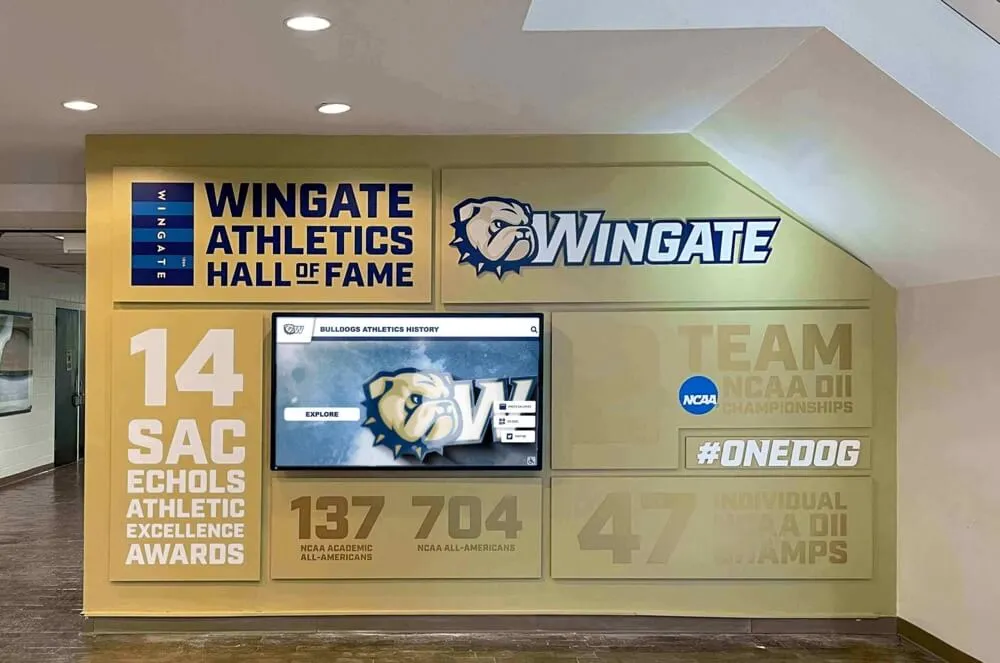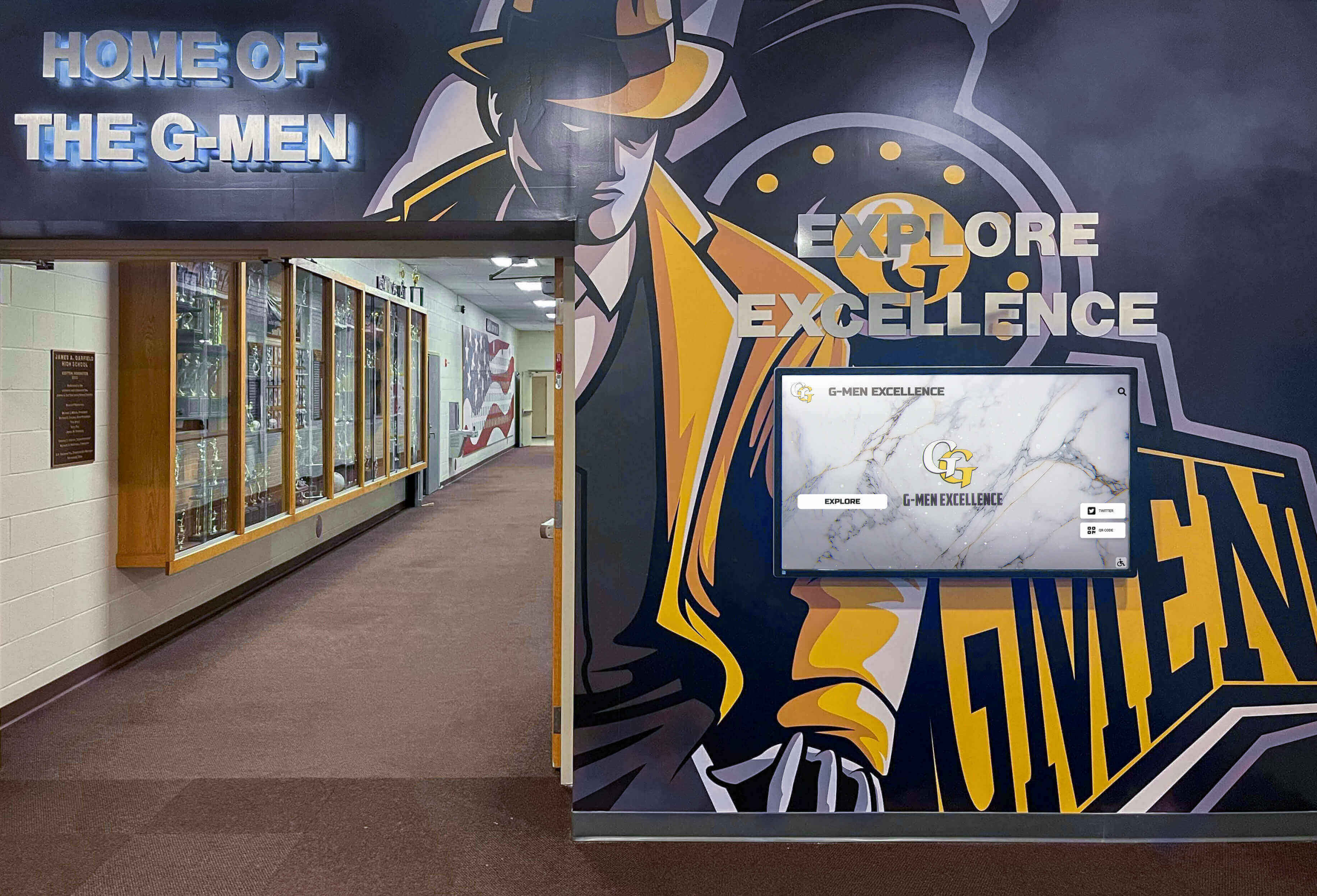




School renovation represents one of education’s most significant investments—an opportunity to transform outdated facilities into environments that inspire learning, reflect institutional pride, and serve evolving educational needs. Yet many schools approach renovation projects without comprehensive planning, leading to cost overruns, functionality issues, and missed opportunities to create spaces that truly enhance the student experience. Successful renovations require strategic planning that balances immediate needs with long-term vision, respects budgetary constraints while prioritizing impact, and transforms common areas from neglected transitional spaces into vital components of campus culture.
School renovation planning determines whether modernization efforts create lasting value or simply update surface appearances without addressing fundamental challenges. This comprehensive guide walks through the complete renovation process—from initial assessment through implementation—with specific focus on updating lobbies, hallways, common areas, and recognition spaces that shape daily campus experience for students, staff, and visitors.
Understanding the Full Scope of School Renovation
Effective school renovation planning begins with honest assessment of current conditions and clear articulation of desired outcomes. Many schools focus exclusively on obvious issues—leaking roofs, outdated HVAC systems, or deteriorating finishes—while overlooking less visible problems that significantly impact learning environment quality.
Comprehensive Facilities Assessment
Begin renovation planning with systematic evaluation covering all relevant facility dimensions:
Structural and Infrastructure Components
- Building envelope integrity (roofs, walls, windows, foundations)
- Mechanical systems (HVAC, plumbing, electrical capacity)
- Life safety systems (fire suppression, emergency lighting, egress routes)
- Accessibility compliance (ADA requirements, universal design principles)
- Energy efficiency and sustainability performance
Functional and Space Planning Issues
- Current space utilization versus actual needs
- Traffic flow patterns through common areas
- Flexibility for varied activities and future growth
- Technology infrastructure and connectivity requirements
- Storage adequacy for equipment and materials
Aesthetic and Environmental Quality
- Natural lighting availability and quality
- Indoor air quality and thermal comfort
- Acoustical performance in learning spaces
- Visual appearance and maintenance condition
- Alignment with current institutional branding
Schools often discover that problems initially attributed to aesthetics actually stem from deeper functional issues. A crowded, chaotic lobby might reflect poor traffic flow design rather than insufficient space. Hallways that feel dark and unwelcoming may need lighting redesign, not just fresh paint.
Prioritizing Renovation Areas
With comprehensive assessment complete, establish renovation priorities based on multiple factors:
Critical Needs (Address First)
- Safety hazards or code violations requiring immediate correction
- Systems at end of useful life risking catastrophic failure
- Accessibility barriers preventing equal program access
- Capacity constraints limiting educational program delivery
High-Impact Opportunities (Maximum Value)
- Entrance lobbies and reception areas (first impressions)
- Main hallways and circulation routes (daily experience)
- Common gathering spaces (community building)
- Recognition and display areas (culture reinforcement)
Long-Term Strategic Investments
- Flexible infrastructure supporting future modifications
- Energy efficiency improvements with operational savings
- Technology foundations enabling program innovation
- Aesthetic updates enhancing institutional positioning
Many successful renovation projects focus significant resources on common areas that profoundly shape campus experience despite representing relatively small percentages of total facility area. Well-designed school lobbies create welcoming first impressions, efficient circulation patterns, and natural gathering points that strengthen community identity.
Modernizing Lobbies and Entrance Areas
School lobbies serve multiple critical functions—creating first impressions for visitors, providing wayfinding orientation, ensuring security monitoring, and establishing institutional identity through environmental design. Renovation planning for these spaces requires careful attention to how various requirements interact.
Functional Requirements for Modern School Lobbies
Contemporary school entrances must balance competing demands:
Security and Safety Integration
- Clear sightlines enabling visitor monitoring from administrative areas
- Controlled access points directing visitors through check-in procedures
- Durable materials withstanding heavy traffic and potential damage
- Emergency egress accommodating entire building population
Welcoming Atmosphere Creation
- Natural lighting reducing institutional feel
- Comfortable seating for waiting visitors and students
- Visual interest through displays, artwork, or architectural features
- Clear wayfinding information helping visitors navigate facilities
Identity and Pride Communication
- School colors, logos, and branding elements reinforcing identity
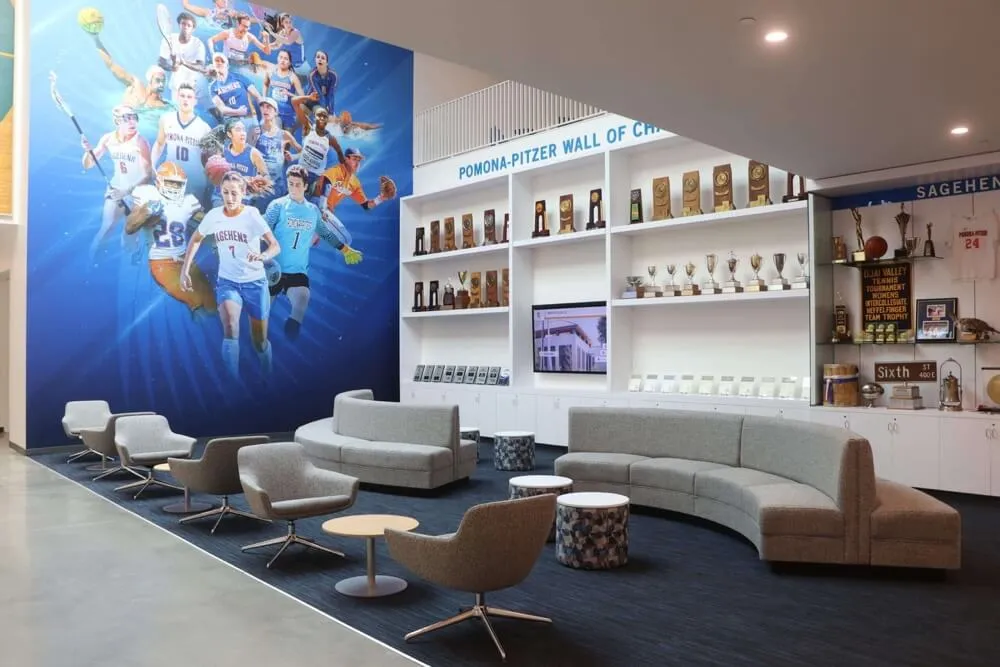
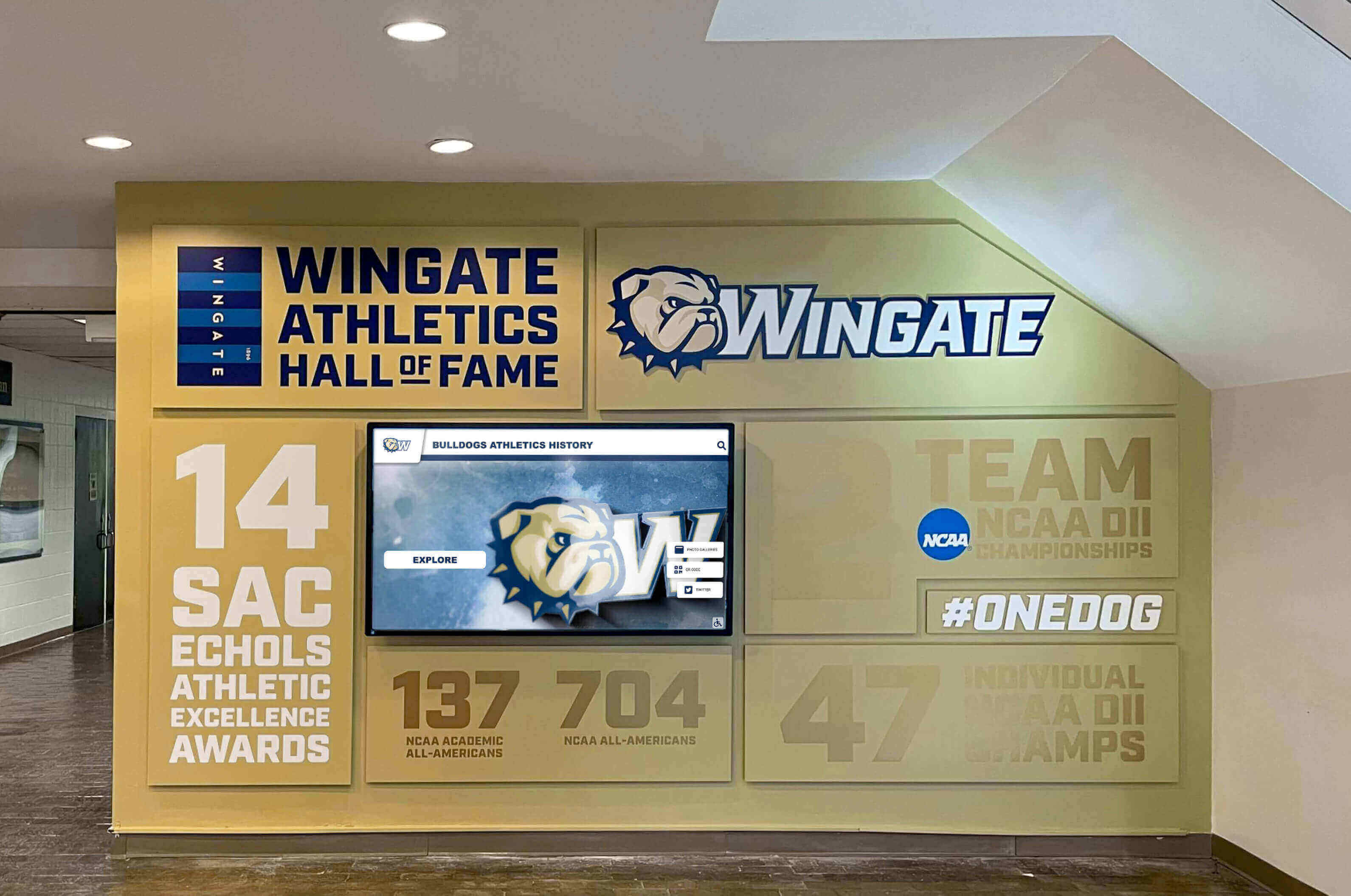
- Trophy cases or recognition displays celebrating achievements
- Historical timelines or photo collections connecting past and present
- Mission statements or values prominently displayed
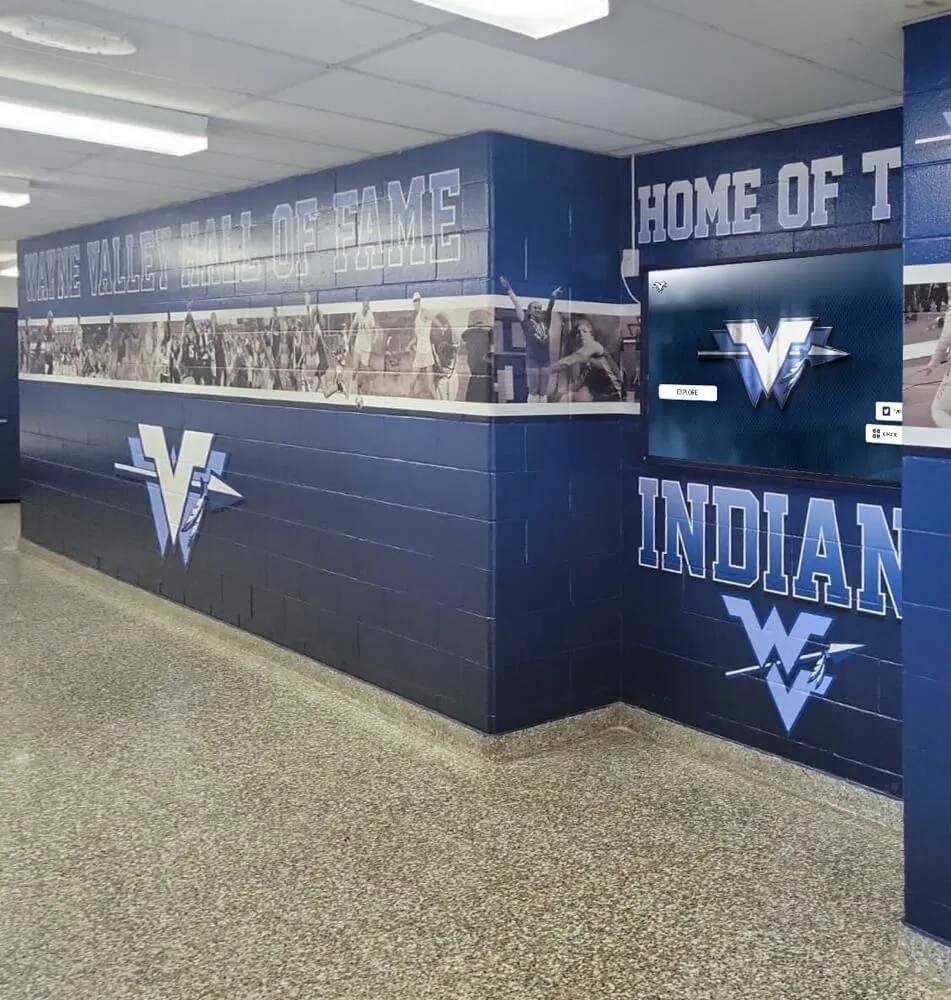
The most successful lobby renovations integrate these functions seamlessly rather than treating each as separate requirement. For example, a centrally located reception desk provides security monitoring while offering helpful greeting to visitors. Recognition displays near entrances celebrate achievements while creating visual interest that makes spaces feel welcoming rather than institutional.
Technology Integration in Renovated Common Areas
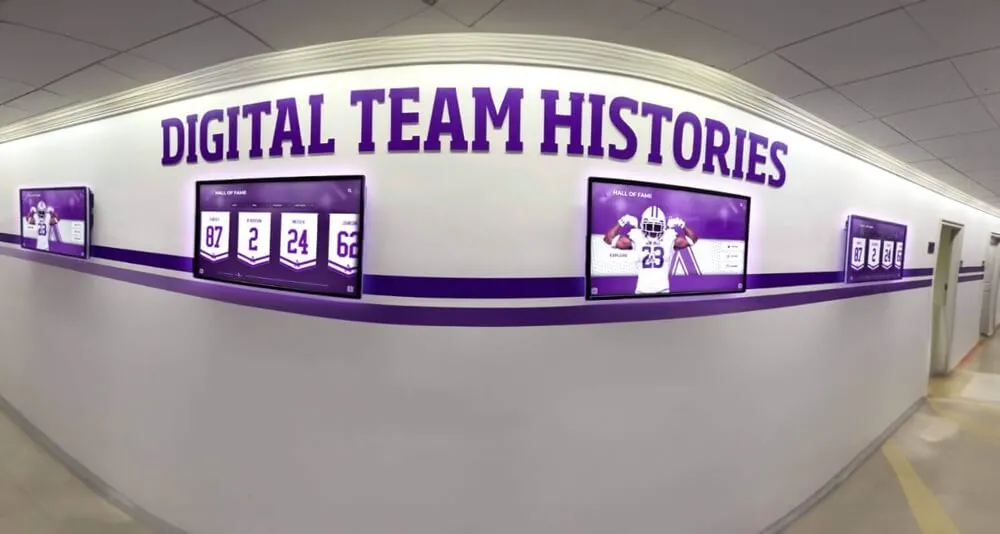
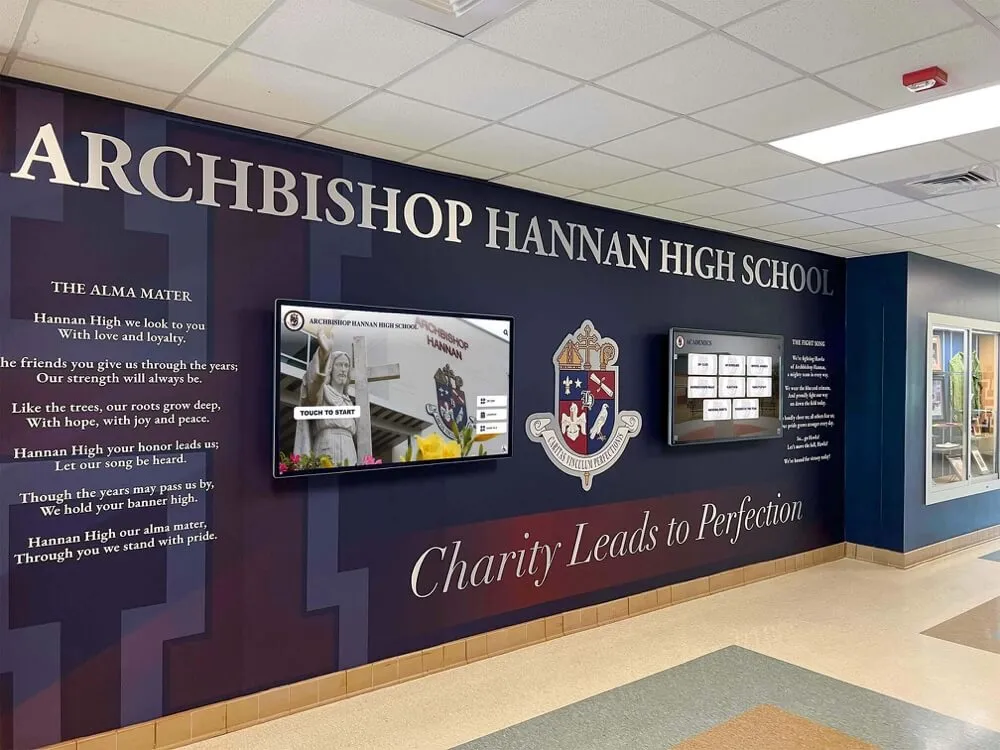
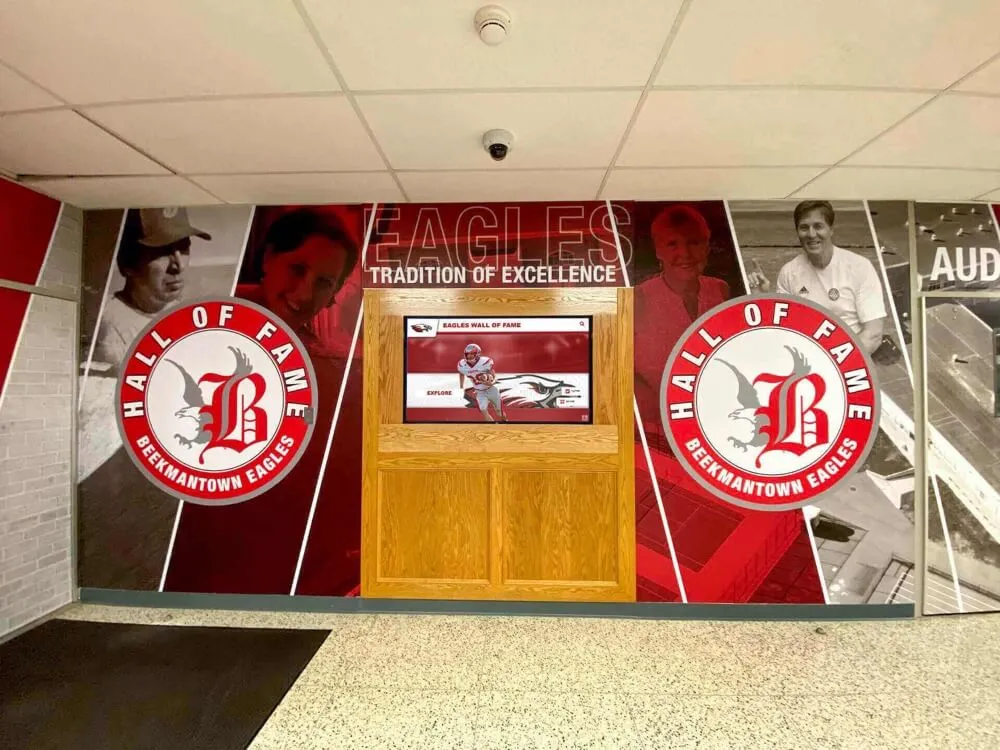
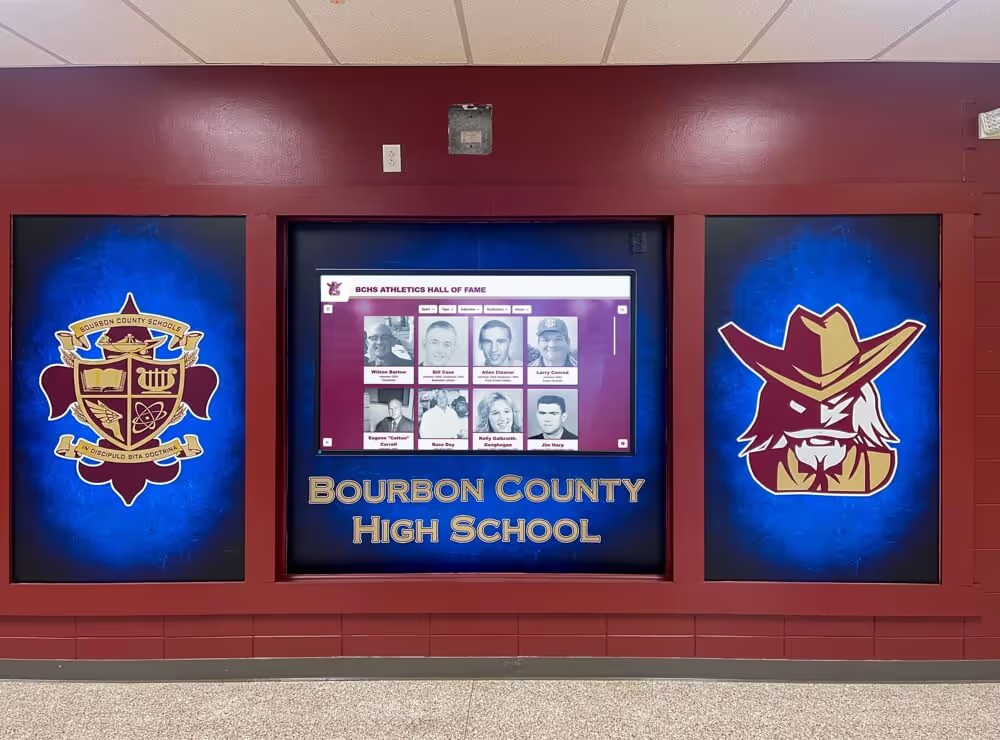
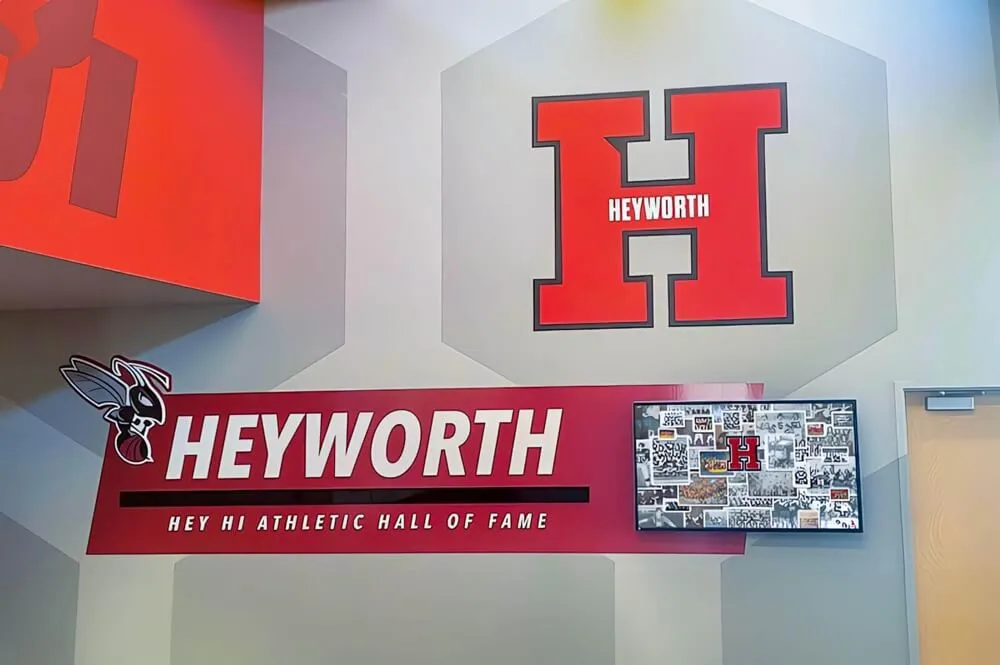
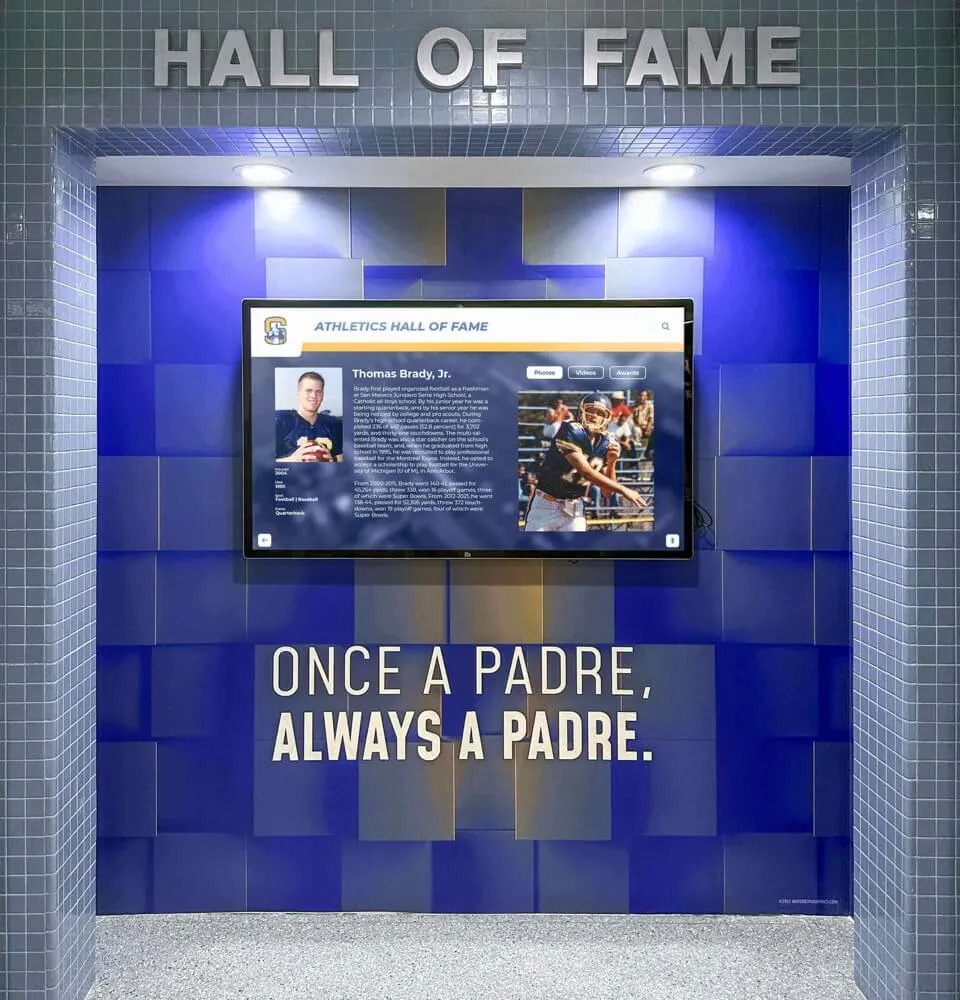
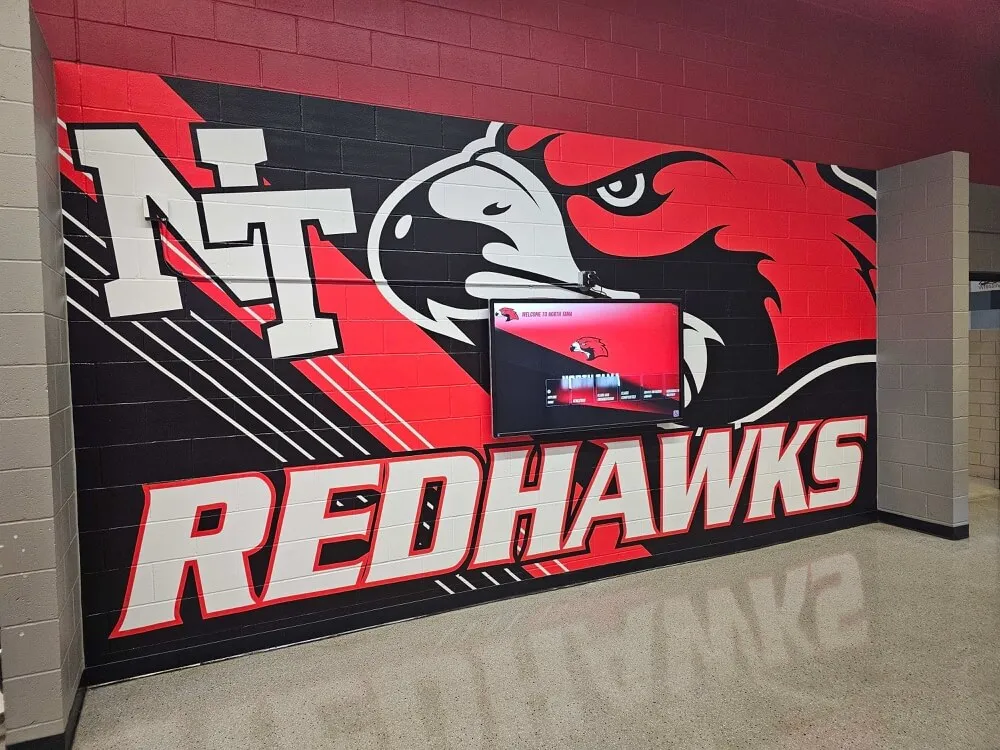
Modern school lobbies increasingly incorporate digital technology to enhance functionality and engagement. Interactive displays transform static recognition into dynamic experiences that tell richer stories about student achievement, school history, and institutional values.
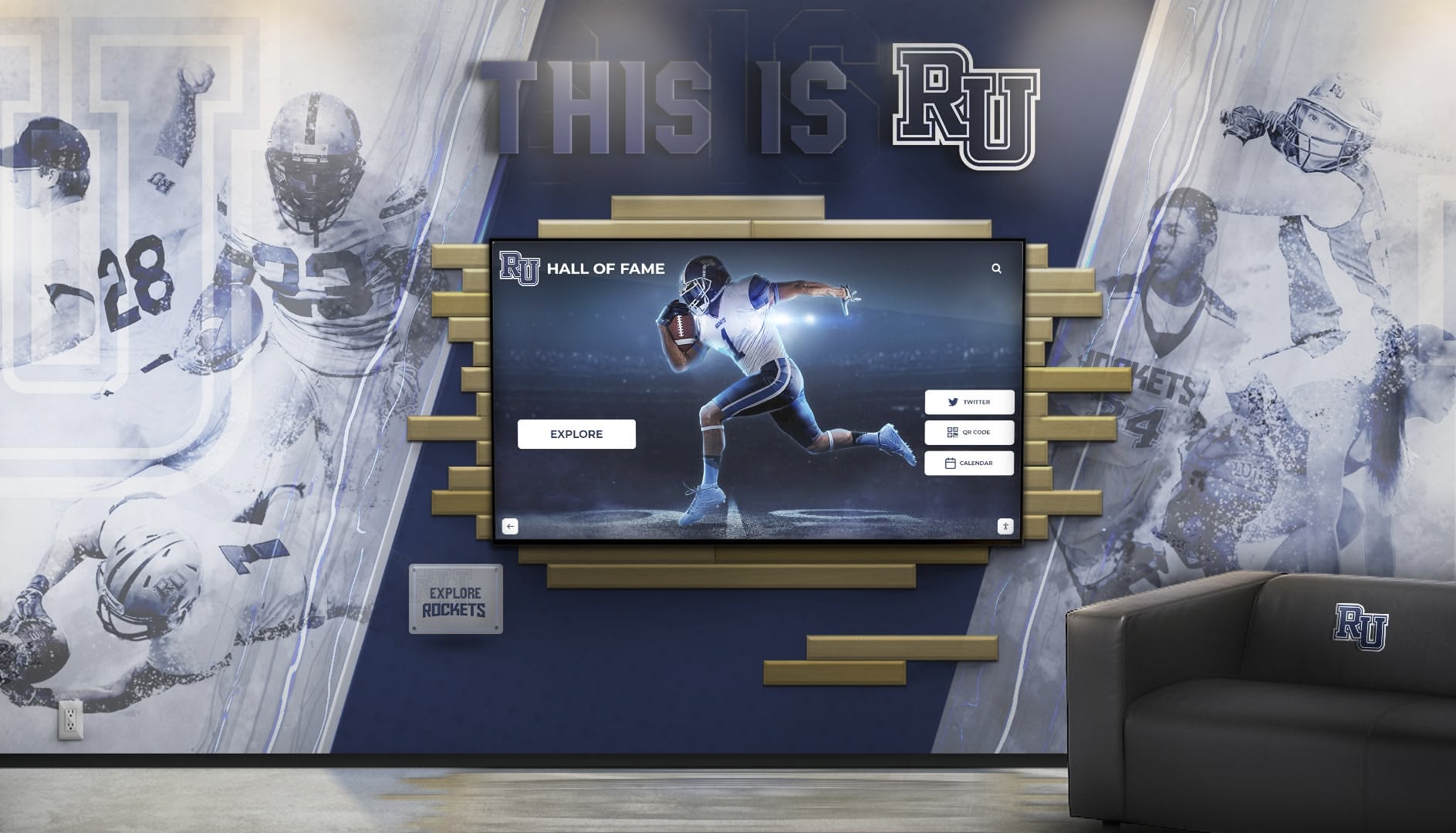
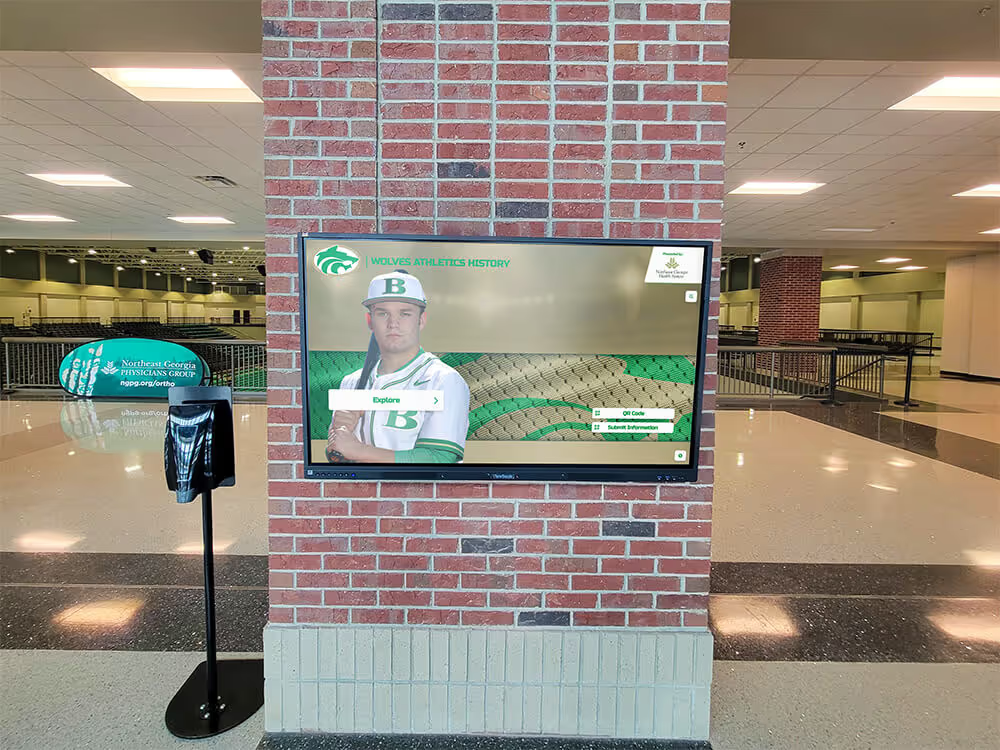
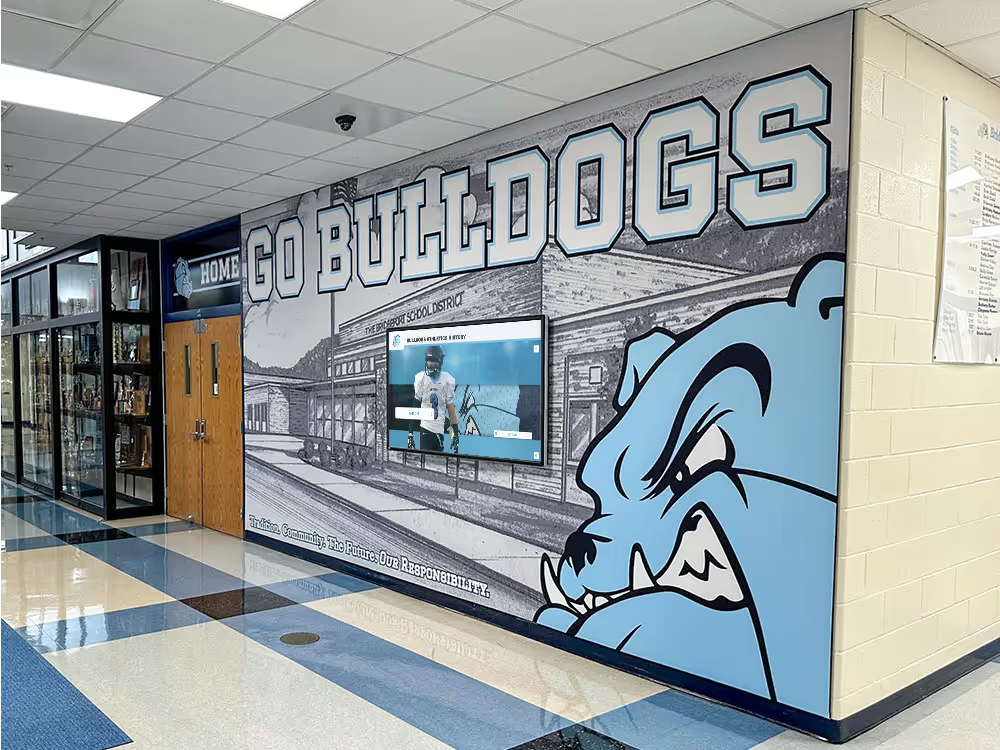
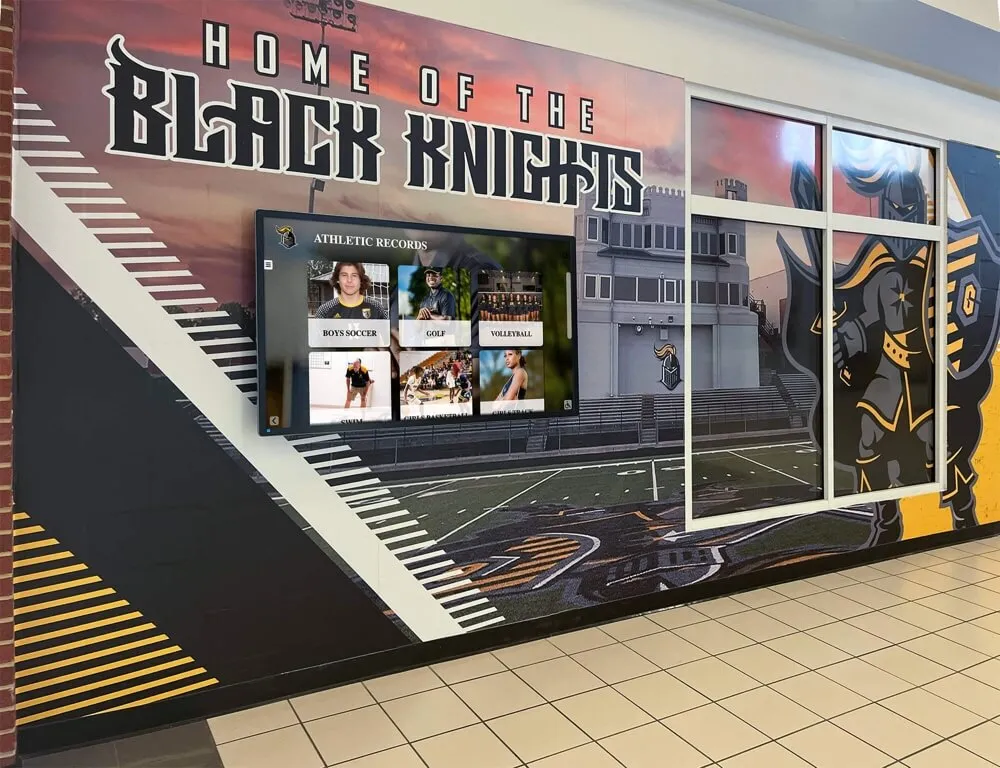
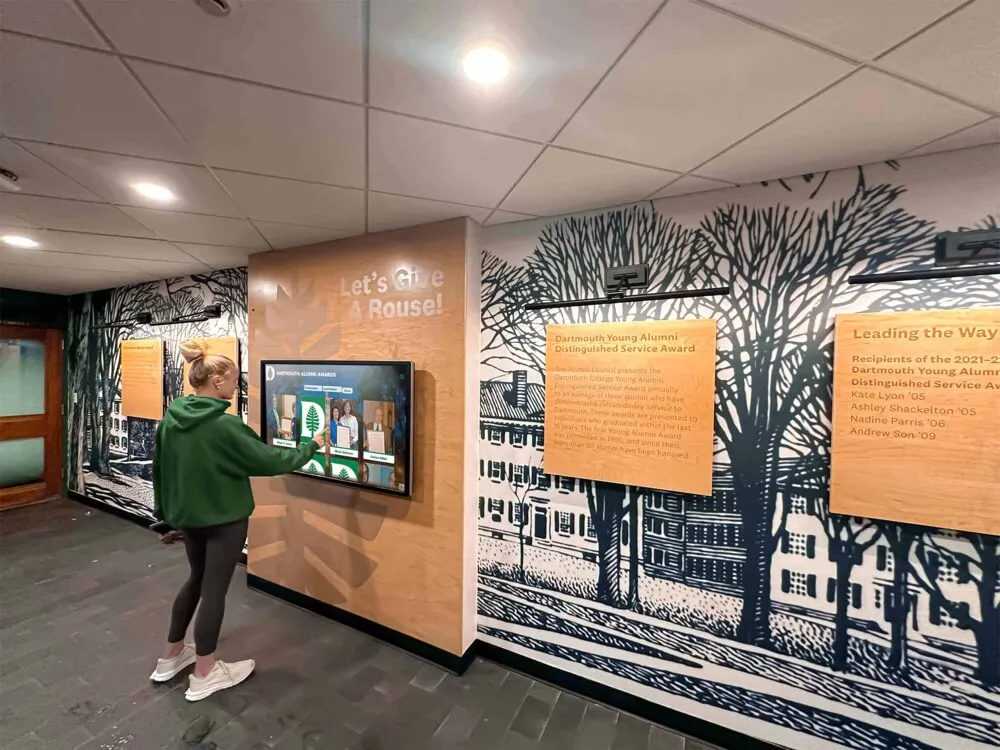
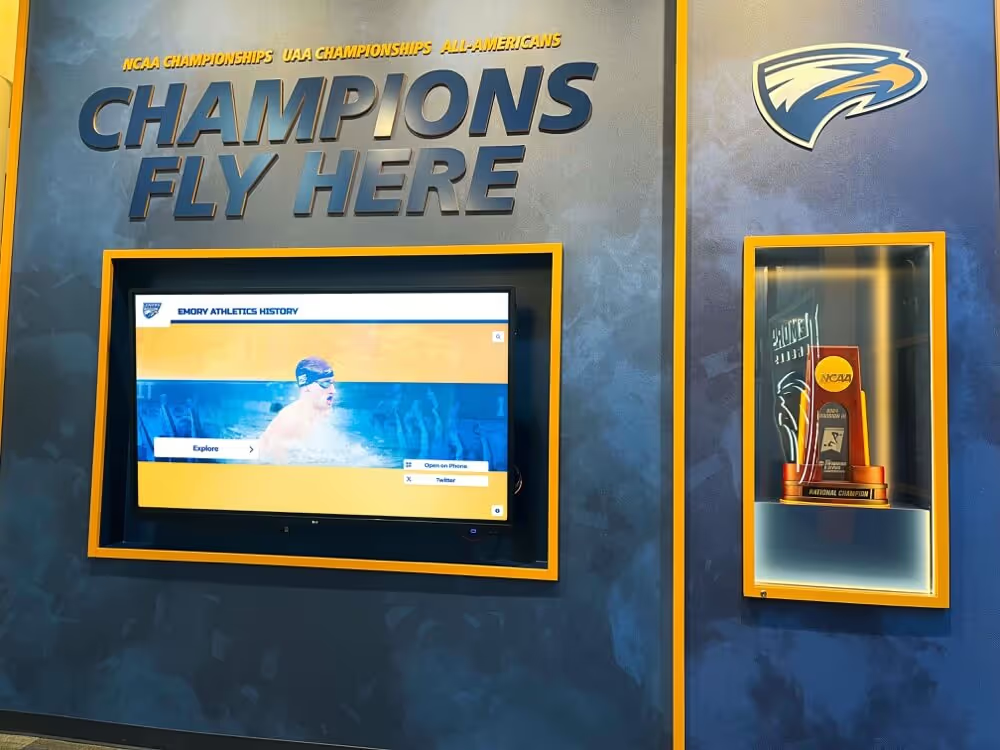
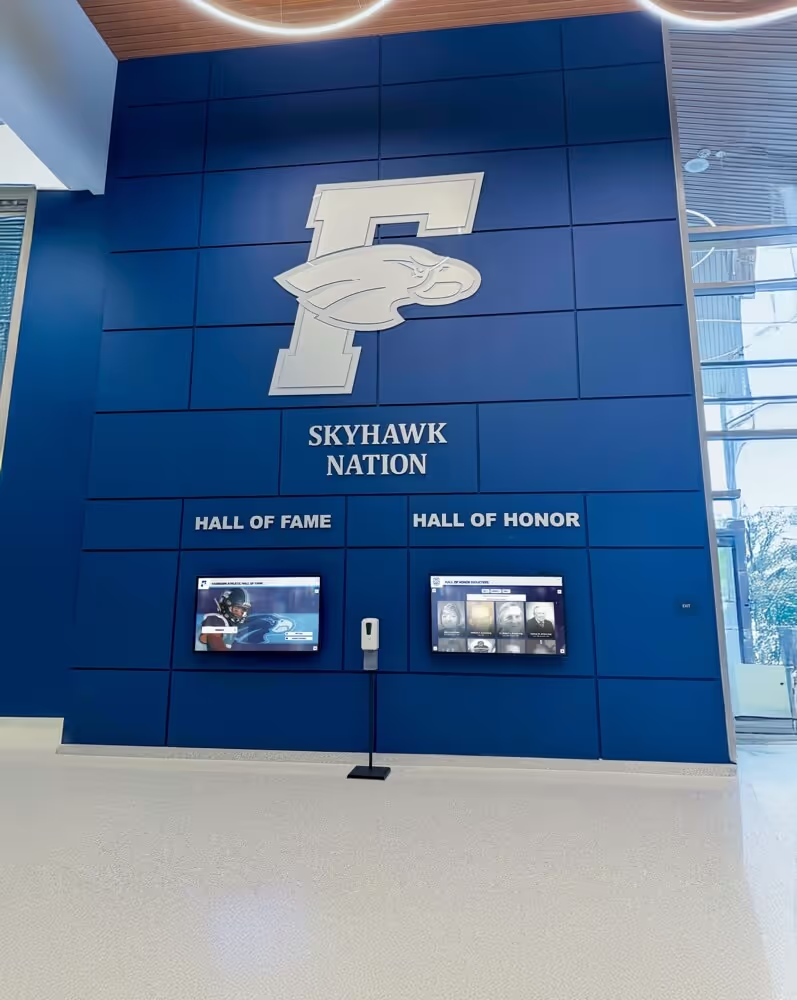
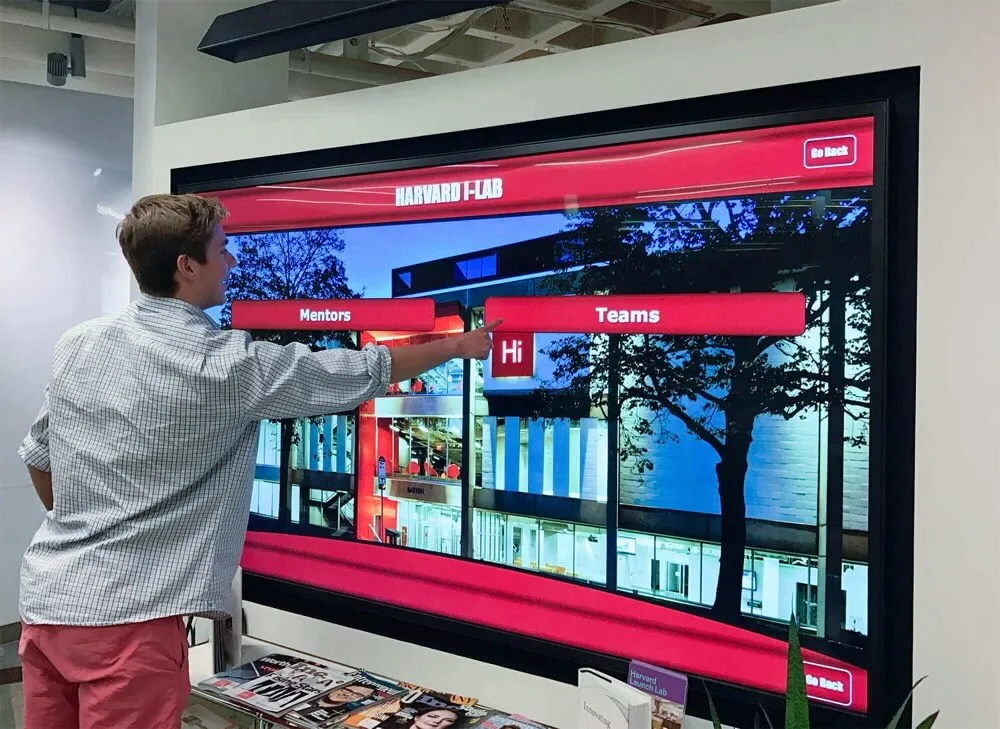
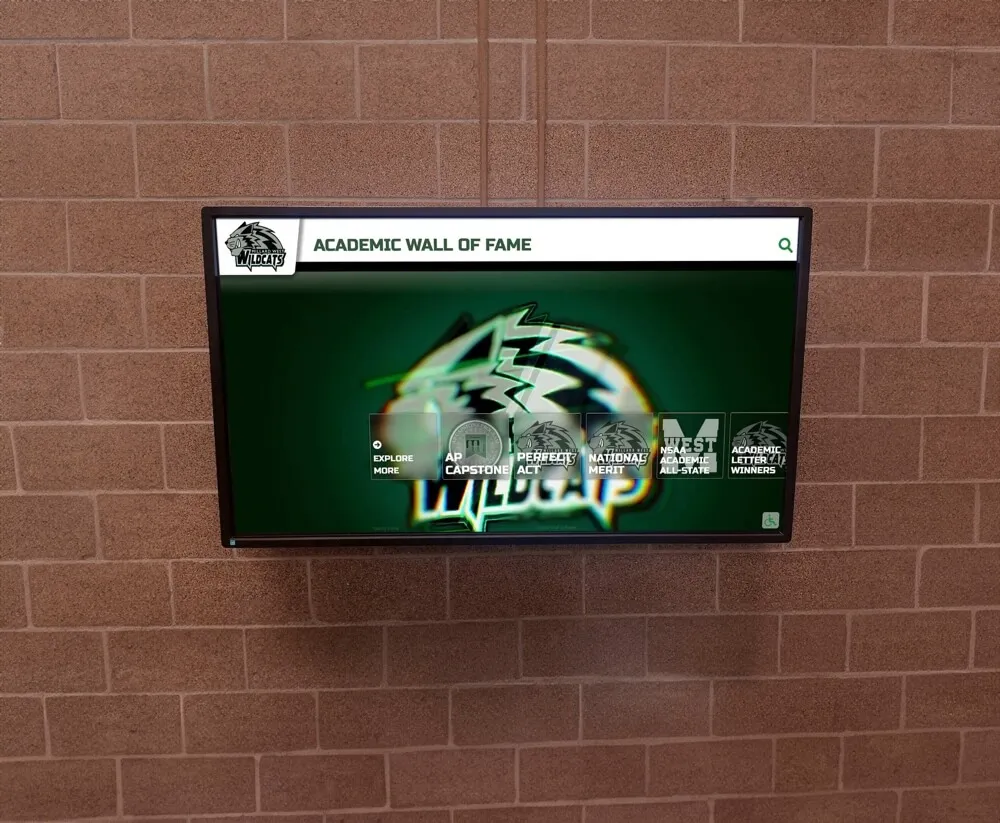
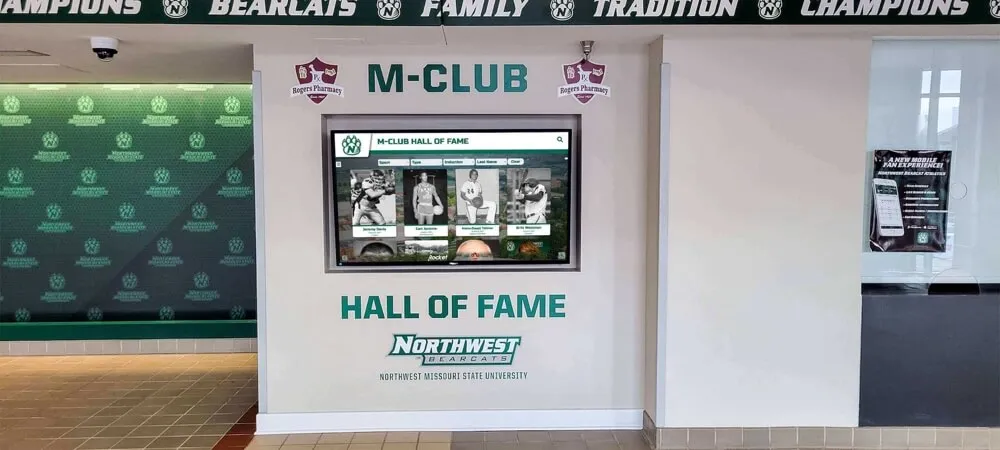
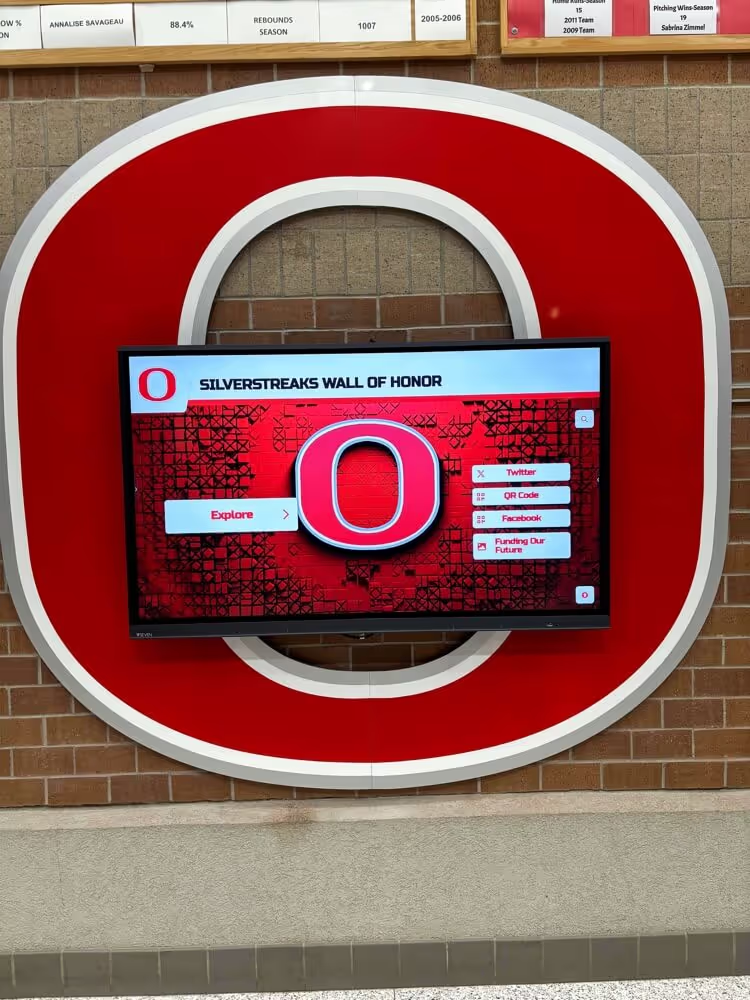
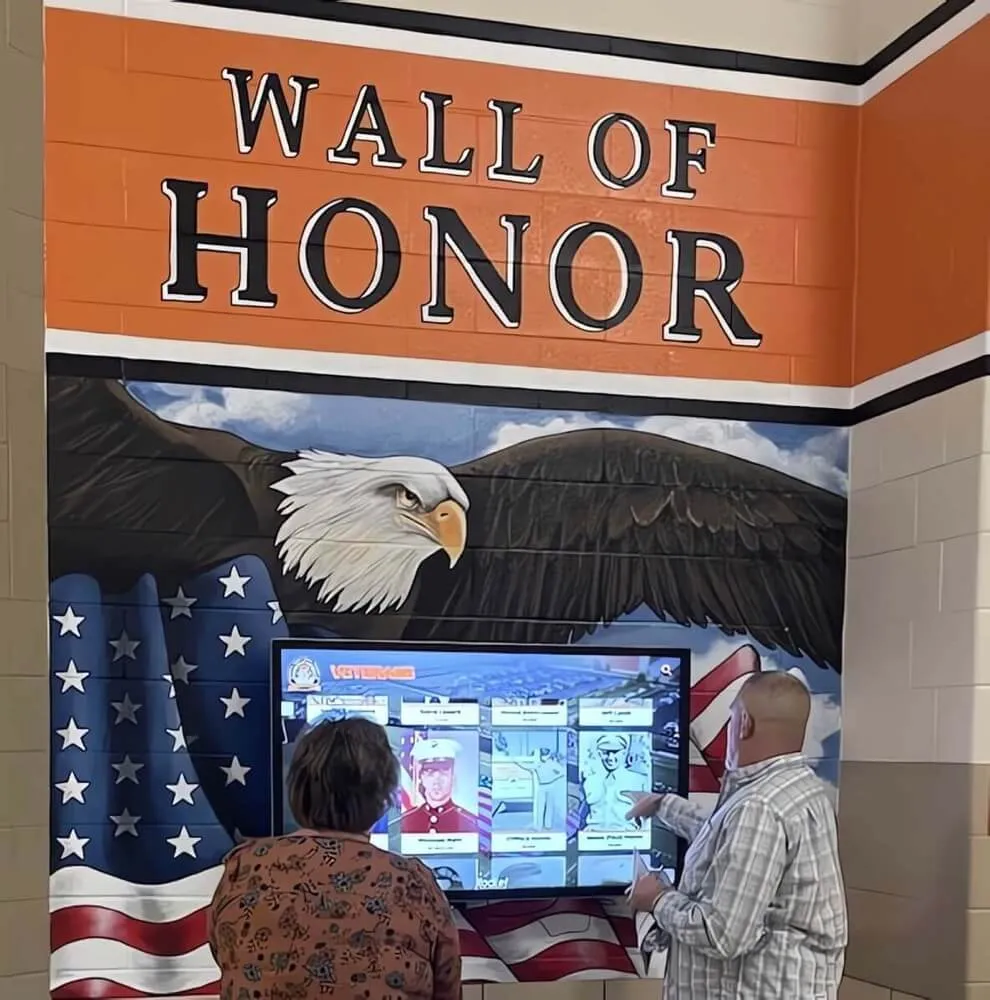
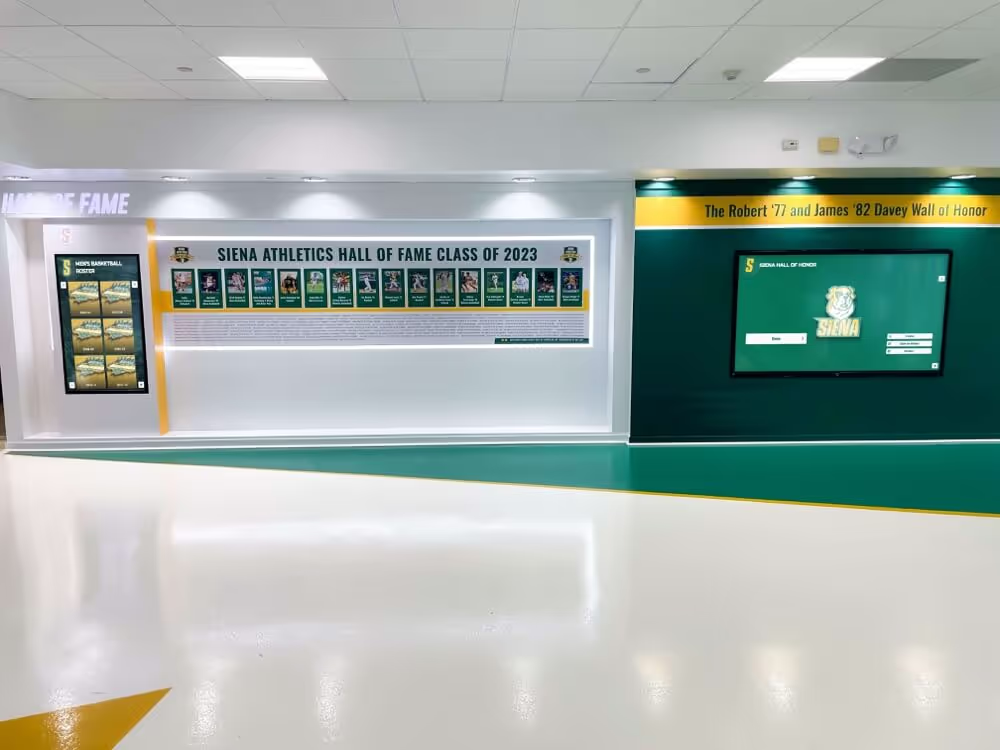
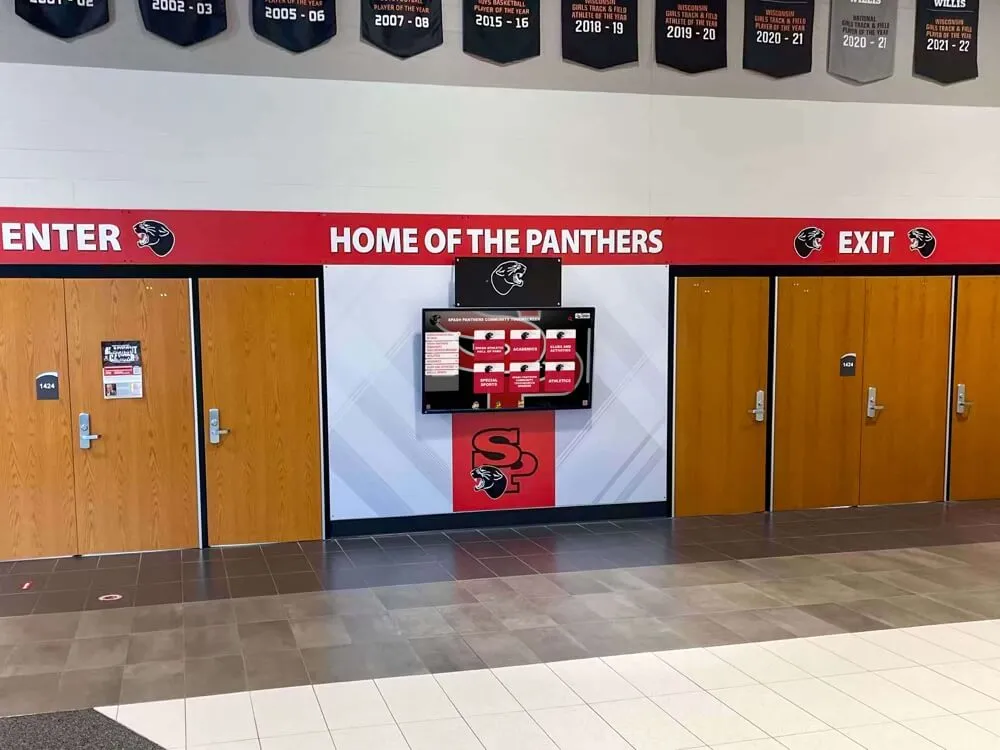
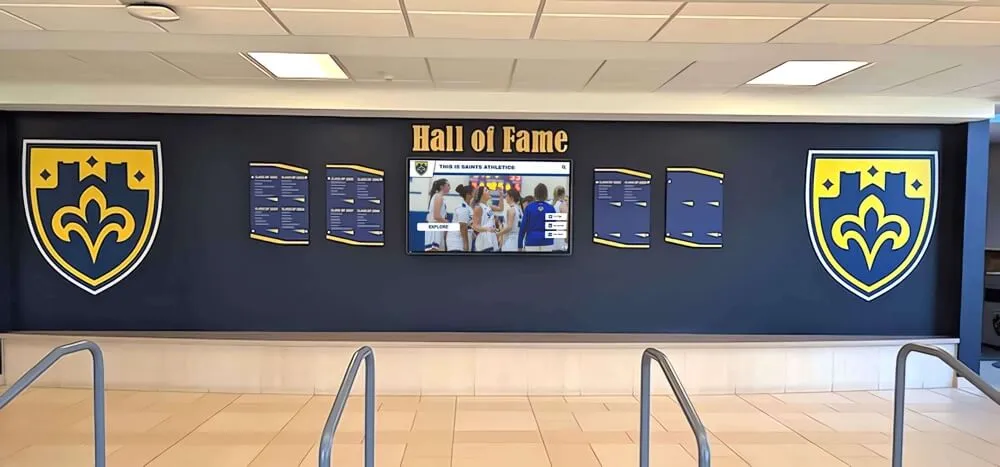
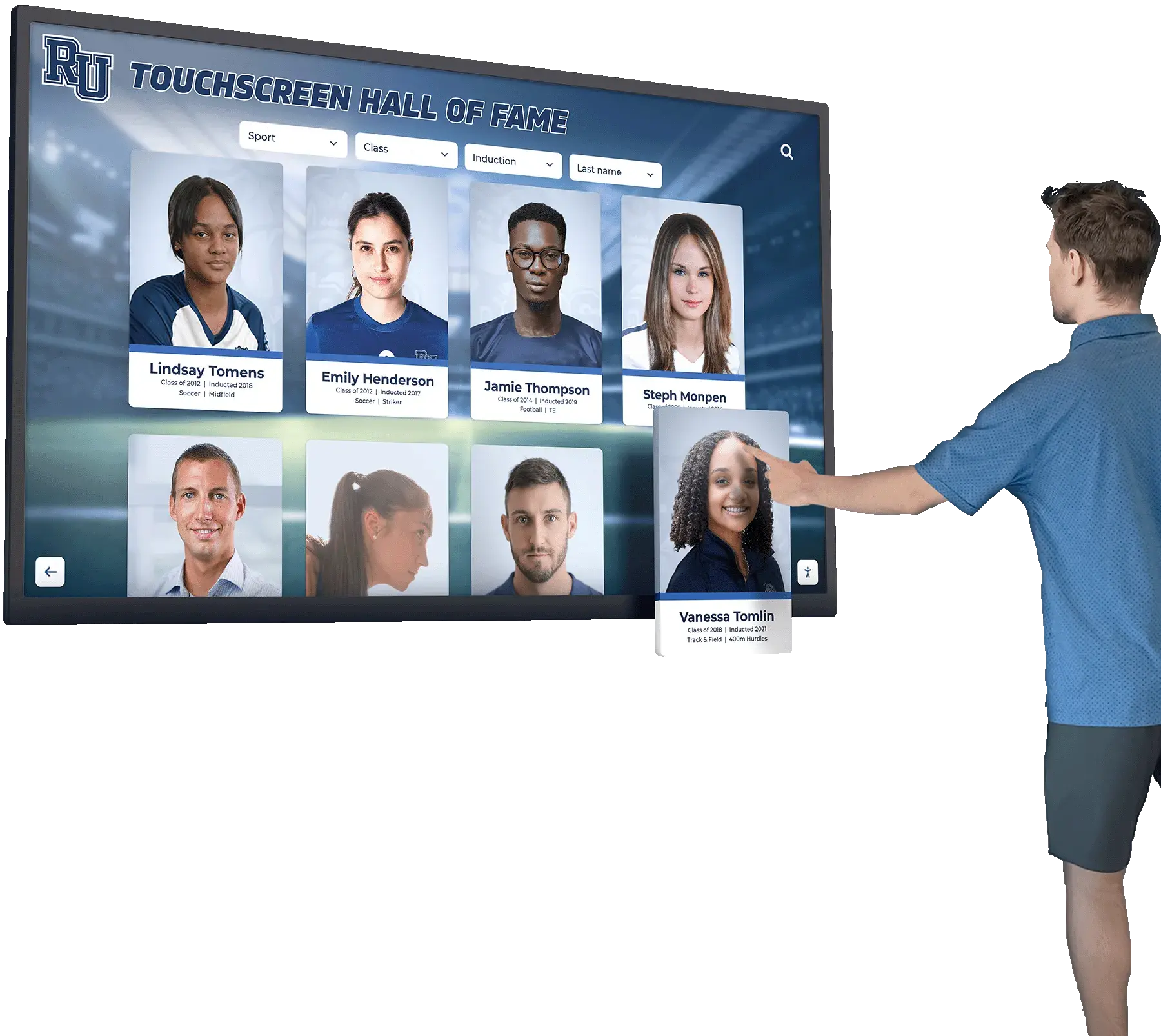
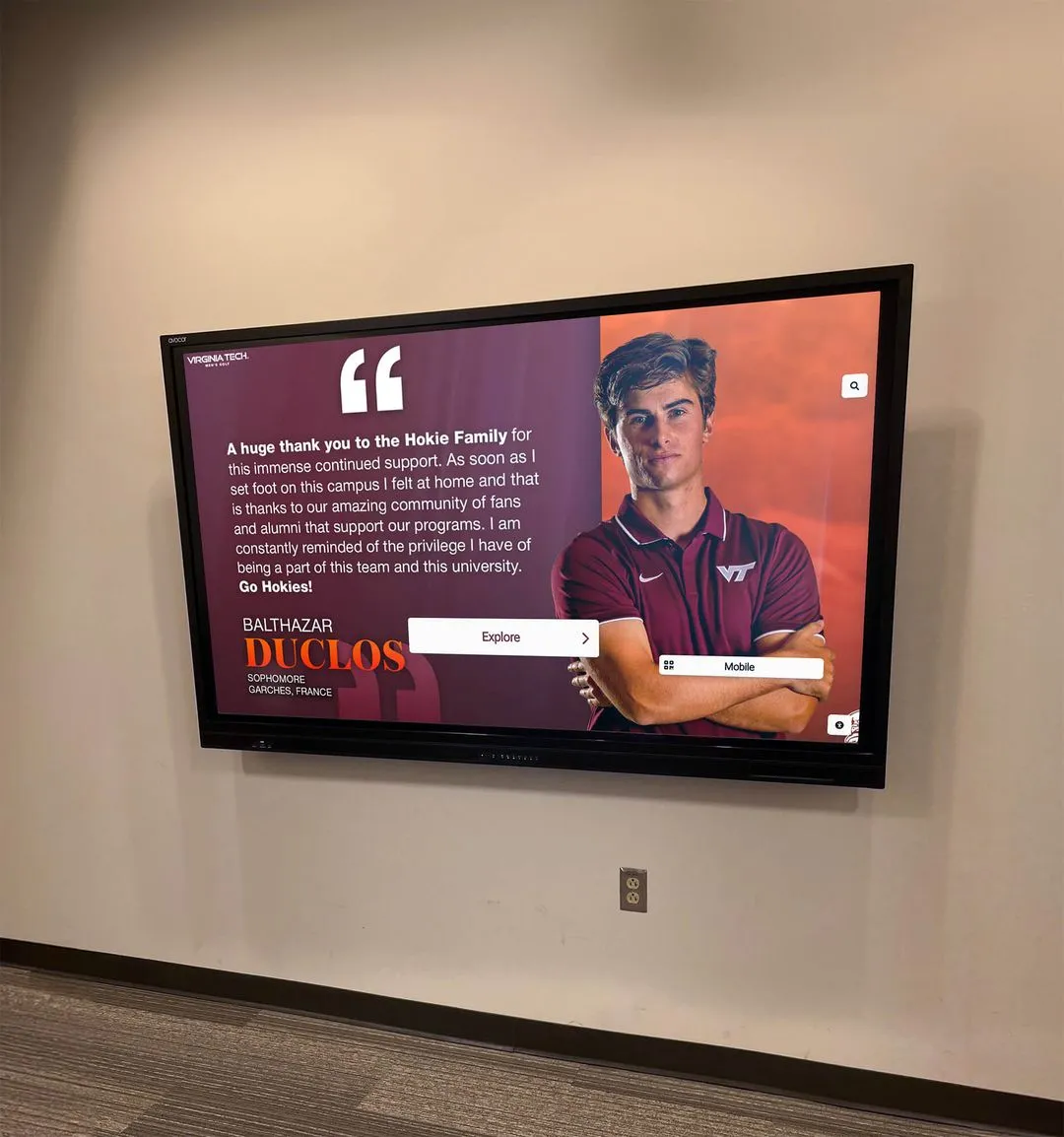
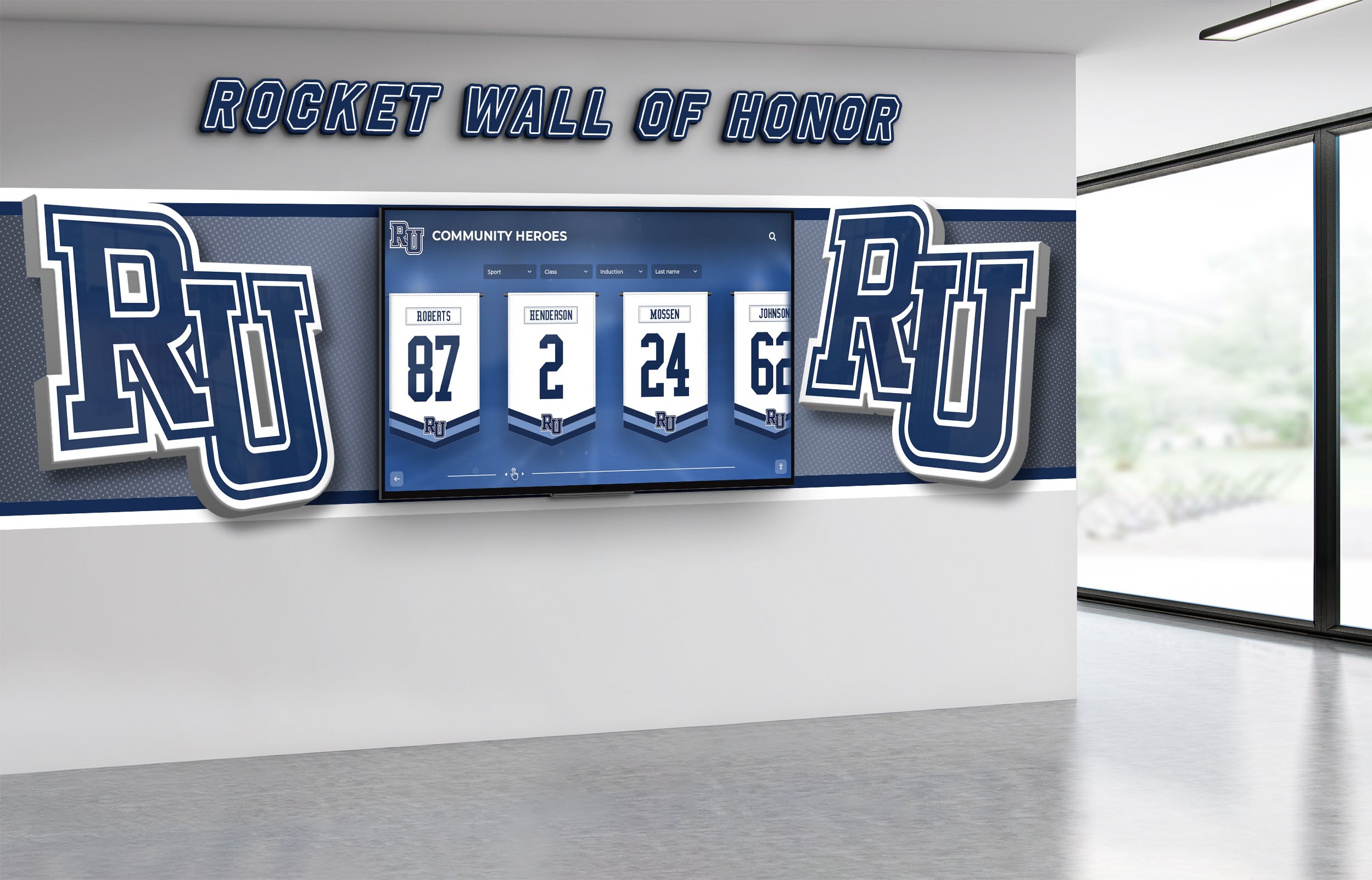
Digital recognition solutions like those from Rocket Alumni Solutions enable schools to showcase unlimited achievements without space constraints that limit traditional plaques and trophy cases. These interactive touchscreen kiosks allow students, alumni, and visitors to explore athletic records, academic honors, historical milestones, and alumni achievements through engaging interfaces that encourage extended interaction rather than passive observation.
When planning technology integration during renovations, consider:
Infrastructure Requirements
- Electrical power (including backup power for critical displays)
- Network connectivity (wired ethernet preferred for reliability)
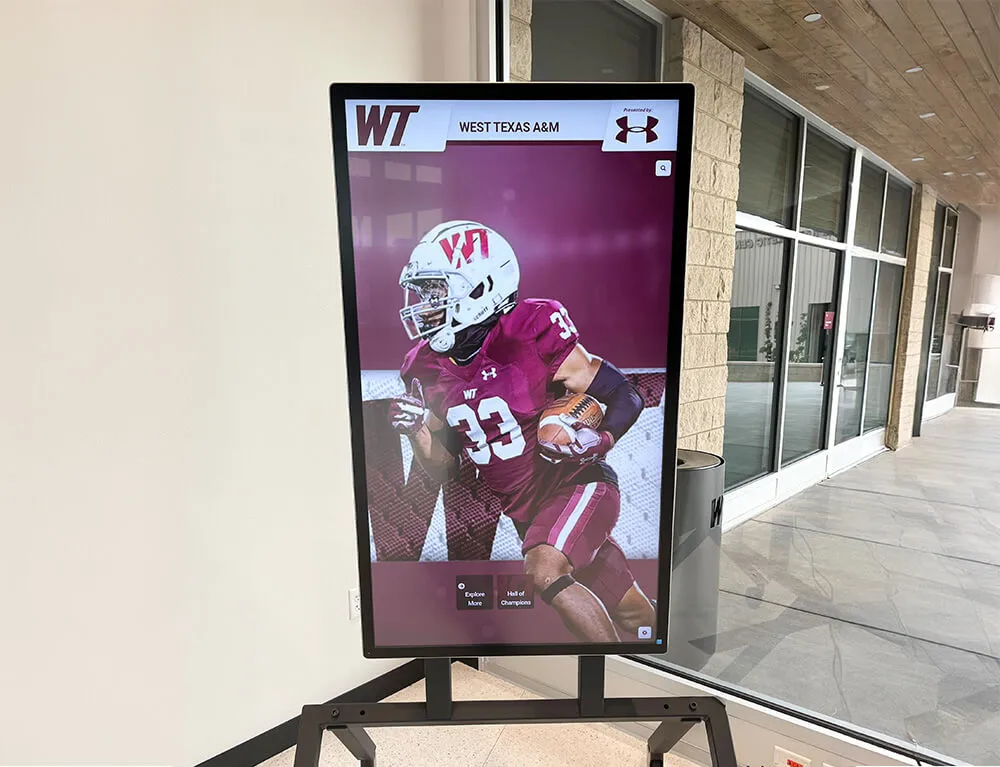
- Physical mounting (wall attachments, freestanding kiosks, or integrated millwork)
- Environmental conditions (temperature control, lighting control, protection from damage)
Content Management Capabilities
- Ease of updating information without technical expertise
- Integration with existing student information systems
- Remote access for distributed administrative teams
- Archival capacity for preserving historical content
Longevity and Maintenance
- Upgrade pathways as technology evolves
- Standard mounting systems accepting new equipment
- Service access without facility disruption
- Warranty coverage and technical support availability
Schools that build proper infrastructure during renovations create flexibility for technology evolution without requiring future construction projects. Running conduit even if not immediately needed, providing generous electrical capacity, and designing mounting systems with adaptability enable straightforward upgrades as better solutions become available.
Updating Hallways and Circulation Spaces
While lobbies capture attention as showcase spaces, hallways and circulation routes shape daily campus experience through thousands of individual interactions throughout each school year. Renovation planning often underestimates these spaces’ importance, treating them as purely functional rather than recognizing their potential to enhance learning environment quality and reinforce institutional culture.
Creating Hallways That Support Learning
Modern educational philosophy recognizes that learning happens everywhere, not just in designated classrooms. Renovated hallways can extend educational environments through thoughtful design:
Display and Exhibition Opportunities
- Student artwork galleries celebrating creativity
- Science fair project showcases extending visibility beyond single events
- Historical photograph collections connecting current students with institutional legacy
- Digital displays presenting school timelines and heritage stories
Informal Learning Spaces
- Alcoves with seating for small group collaboration
- Standing-height surfaces for spontaneous work sessions
- Mobile furniture enabling flexible space utilization
- Technology access points supporting digital learning activities
Wayfinding and Information Systems
- Clear signage reducing confusion and improving efficiency
- Digital screens presenting daily announcements and event information
- Maps and directories helping visitors navigate facilities
- Emergency information and evacuation route indicators
When planning hallway renovations, resist the temptation to simply repaint and replace flooring. Instead, consider how these circulation spaces might actively contribute to educational mission and campus culture rather than serving purely as connectors between rooms.
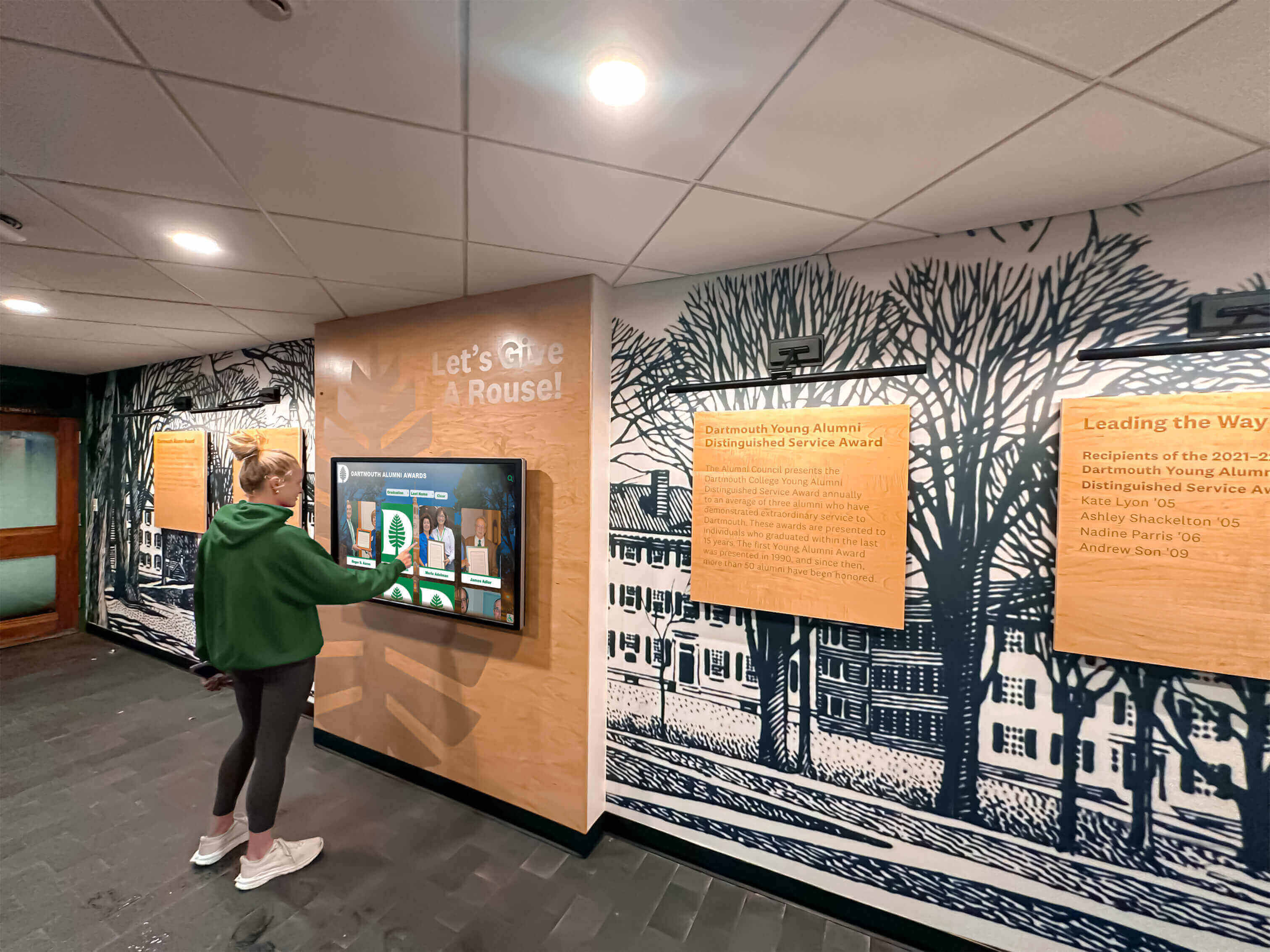
Recognition Displays in Common Areas
Recognition displays scattered throughout campus create multiple opportunities for celebrating student achievement and reinforcing institutional values. Renovation projects present ideal timing for rethinking how schools showcase accomplishments beyond traditional trophy cases concentrated in athletic areas.
Diversified Recognition Opportunities
- Academic achievement displays celebrating scholarly excellence with equal prominence to athletics
- Performing arts recognition highlighting theater, music, and artistic accomplishments
- Service and leadership acknowledgment honoring community contributions
- Character and citizenship recognition reinforcing behavioral expectations
Strategic Location Planning
- High-traffic areas ensuring maximum visibility
- Appropriate contextual placement (athletic displays near gyms, academic recognition near classrooms)
- Distributed locations throughout campus rather than concentrated in single areas
- Accessible positions allowing close examination without obstructing circulation
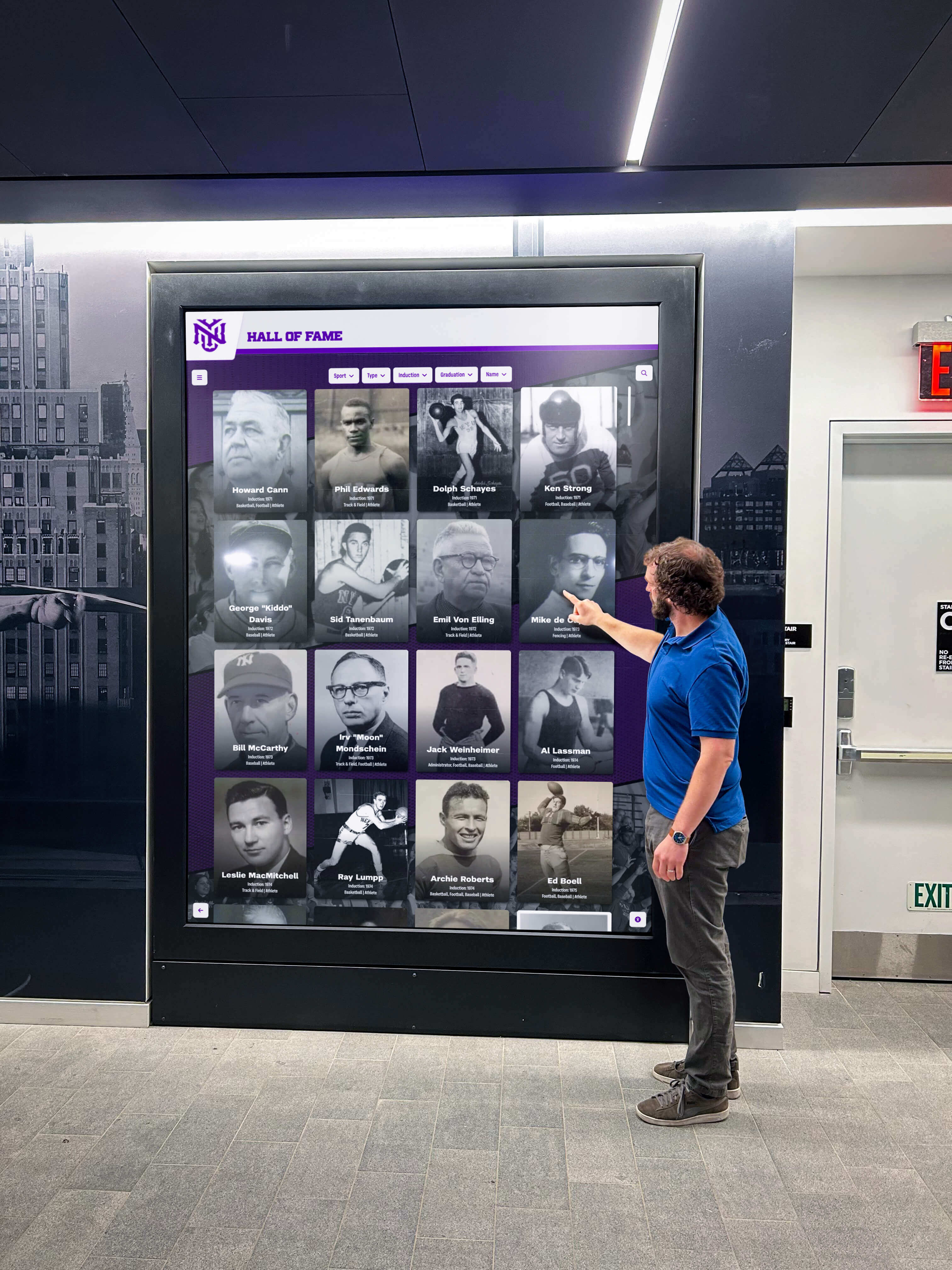
Traditional trophy cases present significant limitations during renovations. They consume valuable space, accommodate finite numbers of items, require ongoing maintenance to remain attractive, and lock schools into static displays that rarely change. Modern digital recognition solutions address these limitations while enabling richer storytelling about student achievements.
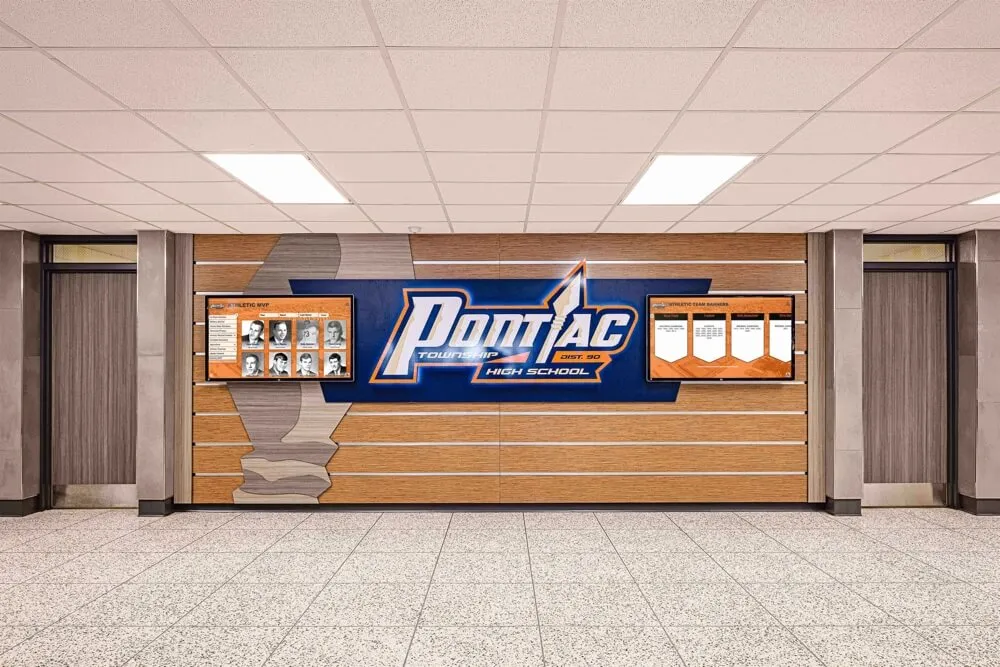
Digital displays can present comprehensive information about each recognized individual—photographs, biographical details, specific accomplishments, career outcomes, and personal reflections—creating engaging narratives impossible with traditional plaques. They eliminate space constraints that force removal of older recognition to make room for new achievements, ensuring that past champions remain celebrated alongside current honorees.
Budgeting and Funding School Renovations
School renovation projects require substantial financial investment, making comprehensive budgeting and creative funding strategies essential for successful implementation. Many ambitious renovation plans never materialize because schools underestimate total costs or fail to identify adequate funding sources.
Developing Accurate Budget Estimates
Renovation budgets must account for all project costs, not just obvious construction expenses:
Direct Construction Costs
- General contractor fees and subcontractor services
- Materials and finishes at specified quality levels
- Building permits and inspection fees
- Utility connection and modification costs
- Hazardous material abatement if required
Indirect Project Costs
- Architectural and engineering design fees (typically 8-15% of construction costs)
- Project management and owner’s representation
- Legal fees for contracts and compliance review
- Furniture, fixtures, and equipment not included in construction
- Technology hardware and software systems
Contingency and Escalation
- Design contingency for unknowns discovered during planning (5-10%)
- Construction contingency for field conditions and changes (10-15%)
- Escalation allowances for projects spanning multiple years
- Risk reserves for potential delays or complications
Operational Impact Costs
- Temporary facility arrangements if spaces must be vacated
- Storage for displaced furniture and equipment
- Increased custodial services during construction
- Communication materials informing stakeholders about changes
Schools frequently underestimate total costs by focusing exclusively on construction line items while overlooking professional services, technology systems, and operational impacts. A realistic $500,000 construction budget requires $100,000+ for design services, $50,000+ for furniture and technology, and $75,000+ in contingencies—pushing true project costs toward $725,000 or higher.
Identifying Funding Sources
Most school renovations require multiple funding sources rather than single appropriations:
Institutional Operating Budgets
- Annual capital improvement allocations
- Deferred maintenance reserves accumulated over time
- Energy efficiency upgrade programs with operational savings payback
- Technology refresh cycles for equipment replacement
Bond Measures and Public Funding
- Voter-approved bond issues for major capital projects
- State facility grant programs supporting specific improvement types
- Federal programs addressing accessibility, safety, or energy efficiency
- Municipal support for community-serving facilities
Private Fundraising Campaigns
- Capital campaigns targeting major renovations
- Donor recognition opportunities supporting specific spaces or features
- Alumni association contributions for visible improvements
- Corporate sponsorships for technology or named spaces
- Foundation grants from education-focused philanthropies
Alternative Funding Mechanisms
- Energy savings performance contracts (financing through utility savings)
- Public-private partnerships for facilities sharing multiple uses
- Equipment leasing for technology systems
- Phased implementation spreading costs across multiple budget cycles
Successful renovation funding often combines multiple sources strategically. For example, bond funding might cover major structural and systems work, while private donations fund high-visibility elements like lobby recognition displays. This approach ensures critical infrastructure receives necessary attention while creating compelling fundraising opportunities around spaces that resonate with donors’ emotional connections to schools.
Phasing Renovations for Budget Reality
Few schools can fund comprehensive facility renovations through single appropriations. Strategic phasing allows ambitious improvement plans to proceed incrementally while managing annual budget impacts:
Priority-Based Sequencing
- Address critical safety and infrastructure issues first
- Follow with high-visibility projects demonstrating progress and building momentum
- Continue with systematic improvements across remaining spaces
- Reserve lower-priority items for future phases as funding permits
Logical Grouping Strategies
- Complete entire buildings or wings rather than scattering work across campus
- Group similar work types to achieve contractor efficiencies
- Schedule disruptive work during summer breaks when possible
- Sequence projects to minimize operational impacts on programs
Infrastructure Preparation
- Install rough infrastructure (conduit, electrical capacity) campus-wide early
- Build flexible systems accommodating future technology evolution
- Create expansion capacity in mechanical systems for later additions
- Establish consistent design standards ensuring cohesive appearance
A well-conceived phased approach might begin with entrance lobby renovation creating strong first impression and visible commitment to improvement. This success builds support for subsequent phases addressing hallways, common areas, specialized spaces, and finally lower-priority locations. Each phase demonstrates progress while building stakeholder confidence in project leadership and fiscal management.
Managing Renovation Projects Effectively
Even well-planned school renovations fail when projects lack effective management keeping work on schedule, within budget, and aligned with institutional needs. Successful renovation requires dedicated oversight, clear communication, and proactive problem-solving throughout implementation.
Establishing Project Governance Structure
Clear governance prevents confusion about authority and accountability:
Steering Committee Oversight
- Broad stakeholder representation (administration, faculty, facilities, students, community)
- Regular meeting schedule reviewing progress and addressing issues
- Authority to approve change orders within defined parameters
- Communication channel between project team and wider school community
Project Management Leadership
- Designated owner’s representative coordinating all project activities
- Direct communication lines with architect, contractor, and consultants
- Budget tracking and reporting responsibilities
- Schedule monitoring and delay mitigation
Specialized Input Groups
- Technology committee advising on systems integration
- Accessibility committee ensuring inclusive design
- Safety committee reviewing security and life safety features
- User groups representing specific program needs
Schools that attempt renovation management without dedicated resources inevitably experience problems. Facilities directors juggling renovations alongside normal operations lack time for proper oversight. Superintendents or principals assuming project management without construction expertise make costly mistakes. The investment in professional project management—whether internal staff or external consultants—prevents far larger losses from delays, errors, and suboptimal outcomes.
Communication Throughout Renovation Process
Effective communication prevents misunderstandings, manages expectations, and builds support:
Stakeholder Information Needs
- Construction schedules affecting facility access
- Temporary inconveniences and mitigation strategies
- Progress updates celebrating milestones
- Opportunities for input on decisions affecting functionality
Communication Channels and Methods
- Regular email updates to affected groups
- Website project pages with photos and timeline
- Town hall meetings for major milestones
- Visual signage near construction areas
- Social media highlighting progress and previewing results
Addressing Concerns and Questions
- Clear point of contact for inquiries
- Timely responses preventing rumor and speculation
- Transparency about challenges and solutions
- Recognition of disruptions and appreciation for patience
Schools that maintain proactive communication throughout renovation projects experience fewer complaints, stronger support, and greater appreciation for completed improvements. Stakeholders who understand why temporary inconveniences matter and see regular progress feel invested in success rather than resentful of disruption.
Maximizing Long-Term Value from Renovated Facilities
The ultimate measure of renovation success extends beyond on-time, on-budget completion to long-term value delivered through improved functionality, enhanced institutional culture, and sustained operational performance. Strategic planning during design and construction creates foundations for decades of benefit.
Designing for Flexibility and Evolution
Schools serve dynamic communities with evolving needs. Renovations that accommodate change avoid premature obsolescence:
Adaptable Infrastructure
- Modular systems allowing reconfiguration without major construction
- Generous utility capacity supporting future technology additions
- Standard mounting and connection systems for equipment changes
- Open architectural planning enabling multiple space uses
Technology Evolution Pathways
- Conduit and cable routes supporting future installations
- Equipment rooms sized for growth
- Network backbones exceeding current requirements
- Power distribution with expansion capacity
Aesthetic Longevity
- Classic design elements rather than trendy features dating quickly
- Durable materials aging gracefully
- Neutral palettes accommodating various accent changes
- Quality construction justifying long service life
Schools that build flexibility into renovations extend useful life significantly. Infrastructure supporting easy technology upgrades prevents the need for disruptive retrofits. Adaptable spaces accommodate program changes without requiring reconstruction. Timeless design elements remain attractive for decades rather than appearing dated within years.
Maintenance Planning for Sustained Quality
Renovated facilities maintain attractive appearance and proper function only with appropriate ongoing maintenance:
Preventive Maintenance Programs
- Regular cleaning schedules preserving finishes
- Periodic inspections identifying minor issues before major failures
- Systematic component replacement based on life expectancy
- Filter changes, lubrication, and adjustments keeping systems efficient
Operations Training
- Custodial staff education on proper cleaning methods for new materials
- Maintenance personnel instruction on new system operation
- User training on technology systems and interactive displays
- Documentation of special requirements or procedures
Warranty and Service Agreements
- Complete warranty documentation for all components
- Service contracts for specialized systems requiring expert attention
- Clear understanding of warranty terms and claim procedures
- Budget allocation for post-warranty maintenance continuation
The most beautiful renovation deteriorates rapidly without proper maintenance. Sophisticated technology systems fail when users lack training. Specialized materials require specific cleaning methods. Schools that plan for ongoing stewardship alongside renovation design protect their facility investment and sustain the positive impacts that justified initial expenditure.
Digital Recognition Solutions in Renovated Spaces
Modern school renovations increasingly incorporate digital recognition displays as central elements of updated common areas. These systems transform how schools celebrate achievements, tell institutional stories, and create engaging environments that strengthen community identity.
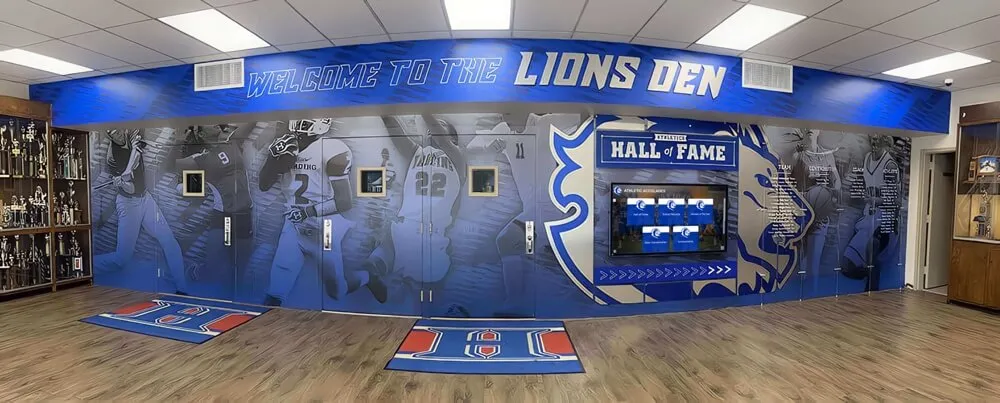
Digital hall of fame displays address limitations inherent in traditional trophy cases and plaques while enabling richer storytelling about student accomplishments. Rather than forcing removal of older recognition to make space for new achievements, digital systems preserve unlimited historical records while prominently featuring current honorees. Students can explore comprehensive athletic records spanning decades, search for specific alumni, view complete biographical profiles with photographs and narratives, and understand how their achievements connect to broader institutional traditions.
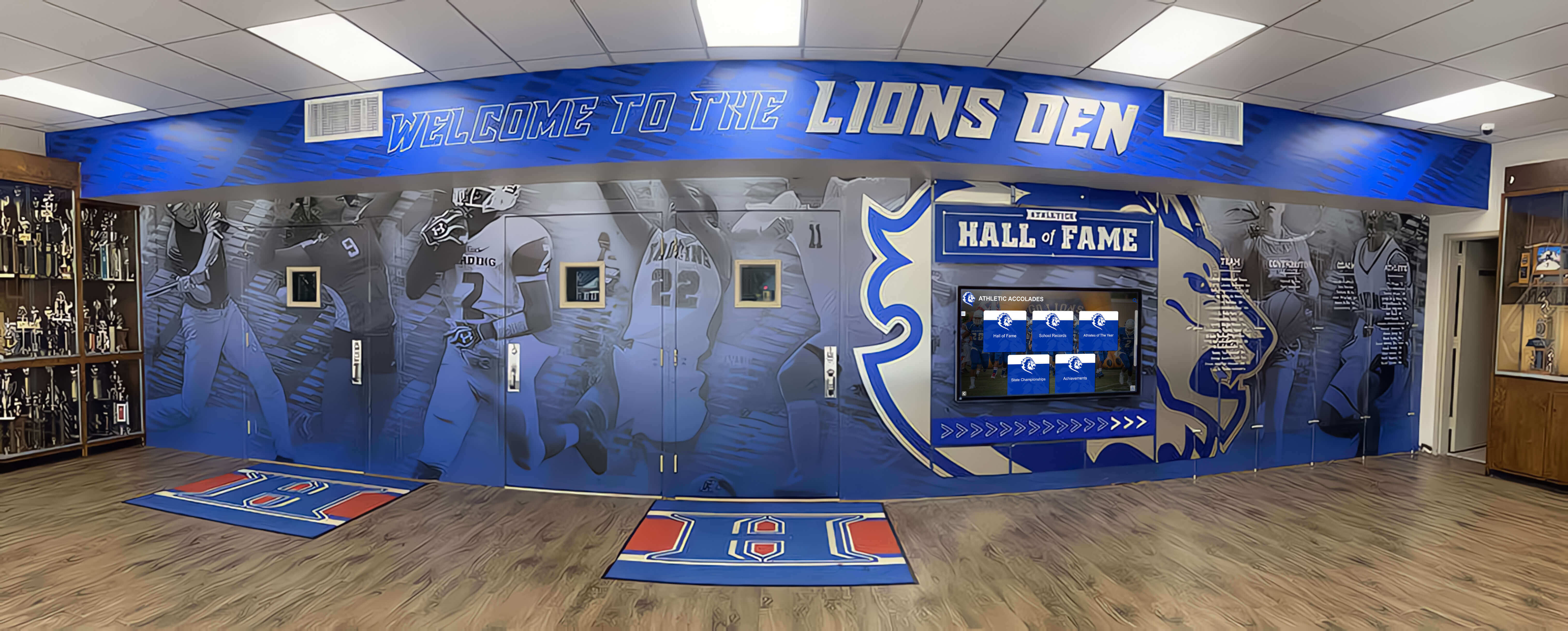
Solutions like Rocket Alumni Solutions’ digital recognition platforms integrate seamlessly into renovated lobbies, hallways, and common areas. These systems feature touchscreen interfaces encouraging active engagement rather than passive observation, web-based content management enabling easy updates without technical expertise, responsive designs working across various screen sizes and mounting configurations, and archival capabilities preserving institutional history while celebrating current achievements.
When planning digital recognition integration during renovations, consider strategic placement in high-traffic areas where students naturally gather, appropriate infrastructure including reliable power and network connectivity, content planning for launch including historical achievements and ongoing update workflows, and administrative training ensuring sustainable content management beyond initial installation.
Schools renovating facilities without considering digital recognition miss opportunities to create engaging common areas that actively reinforce institutional values and celebrate diverse student achievements. The relatively modest incremental cost during construction—compared to retrofit expenses later—makes renovation timing ideal for incorporating these systems that fundamentally enhance how schools honor excellence and build community pride.
Conclusion: Transforming Schools Through Thoughtful Renovation
School renovation represents far more than facility updates—it demonstrates institutional commitment to providing excellent learning environments, creates opportunities to reimagine how spaces support educational mission, and builds community pride through visible improvements benefiting current and future generations. Successful renovations balance competing priorities through comprehensive planning, deliver lasting value through quality design and construction, and transform outdated facilities into inspiring environments that enhance daily experience for everyone on campus.
By approaching renovation projects strategically—conducting thorough assessment, prioritizing high-impact improvements, securing adequate funding, managing implementation effectively, and planning for long-term stewardship—schools create facilities that serve communities excellently for decades. Modernized common areas with updated lobbies, engaging hallways, and dynamic recognition displays become sources of pride that strengthen institutional identity and demonstrate respect for student achievement across all dimensions of school life.
Ready to incorporate digital recognition displays into your school renovation project? Explore how Rocket Alumni Solutions creates engaging touchscreen systems that transform common areas into dynamic celebration spaces showcasing unlimited achievements without space constraints. Our digital platforms integrate seamlessly into renovated lobbies and hallways, providing sustainable solutions that grow with your school while honoring past traditions and celebrating future accomplishments.