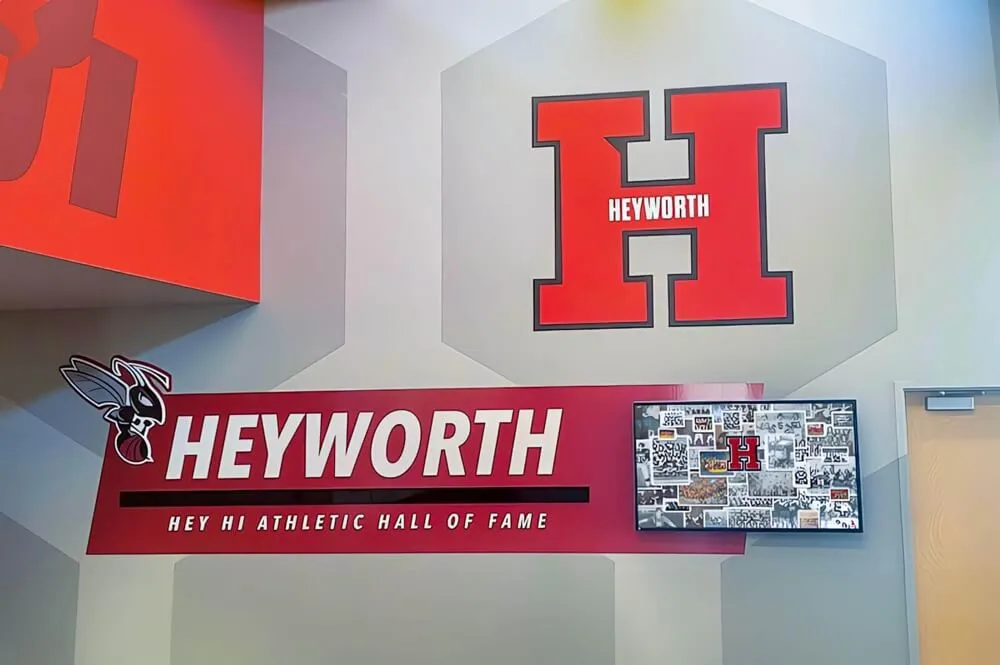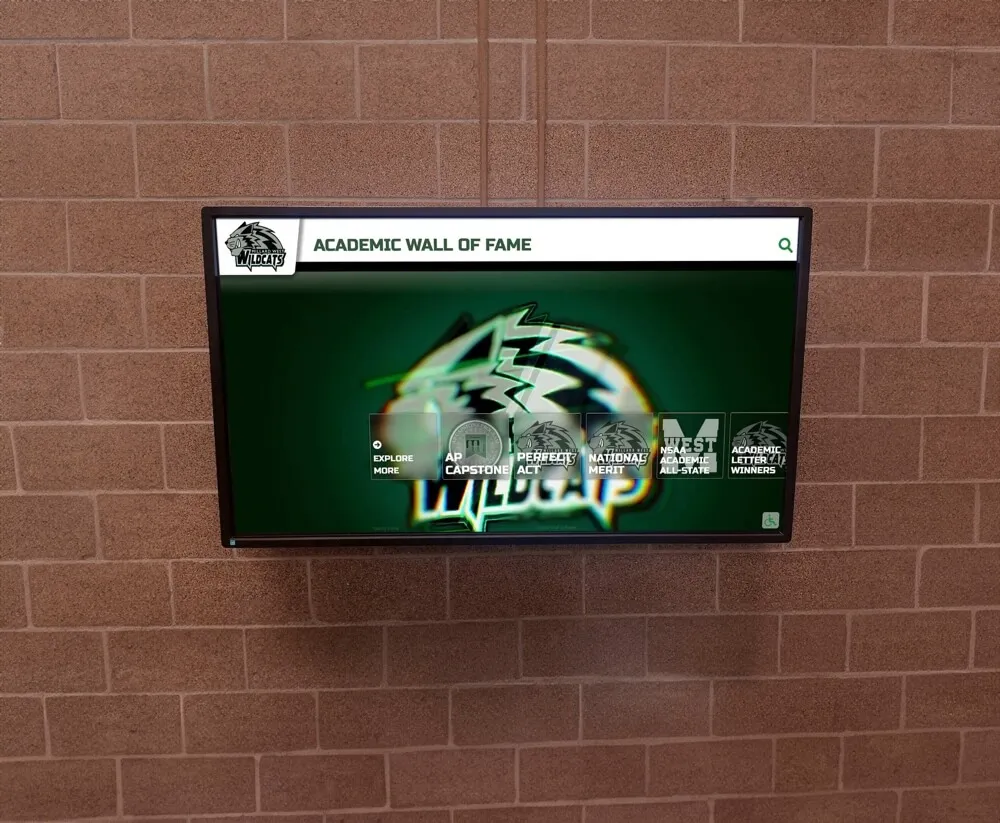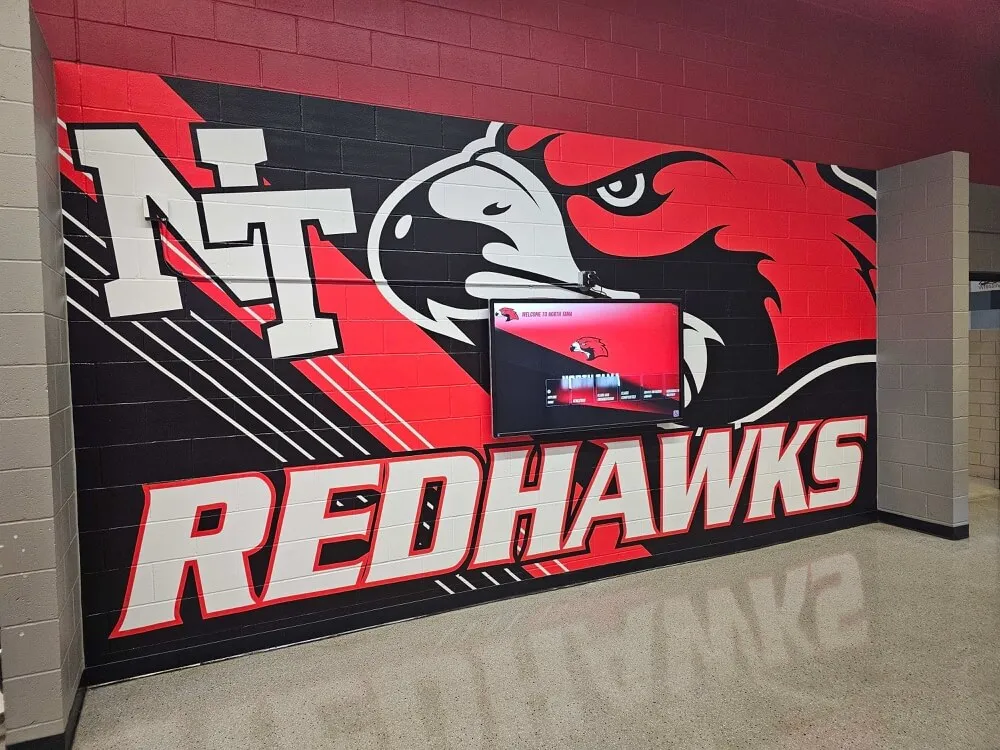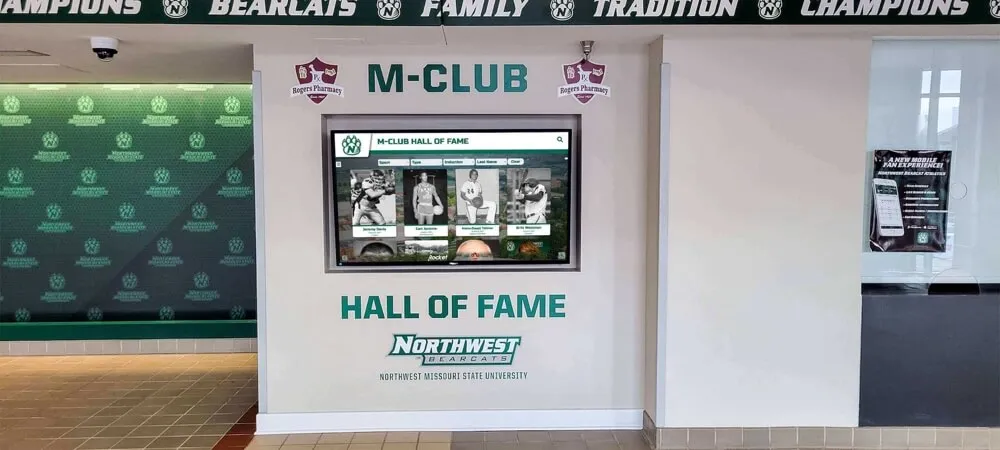




A school record certificate does its job well on the day it is handed out. The athlete’s name is called, the certificate crosses the stage, a photograph is taken, and the achievement is acknowledged in front of the community. Then the certificate goes home, gets slipped into a folder, and the school’s institutional memory of that achievement depends entirely on whether anyone remembered to also write it down somewhere official.
Most schools have not closed that gap. The certificate documents the moment. The record board documents the history. Those two workflows almost never talk to each other — and the data that should flow from one to the other routinely gets lost in the handoff.
The Real Problem With School Record Certificates
The certificate is not the issue. Certificates serve a recognition purpose that is irreplaceable: a physical credential that an athlete can frame, share, and keep for life. The problem is that the certificate workflow stops at distribution.
Athletic directors are left with a stack of certificates issued over multiple seasons, no standardized format, and no clear process for translating certificate data into the record board, the archive, or any searchable system the program can use later. Ask most athletic directors to pull a complete list of every school record set in the past five years — with the athlete’s name, the mark, the date, and the event — and the honest answer is: it would take hours.
That gap has consequences. When an athletic director transitions out of a role, the certificate history transitions with them — or doesn’t. When a hall of fame nomination surfaces an alumnus whose records predated digital record-keeping, the search begins in filing cabinets. When a family calls asking about their son’s record from three seasons ago, someone has to dig through paper.
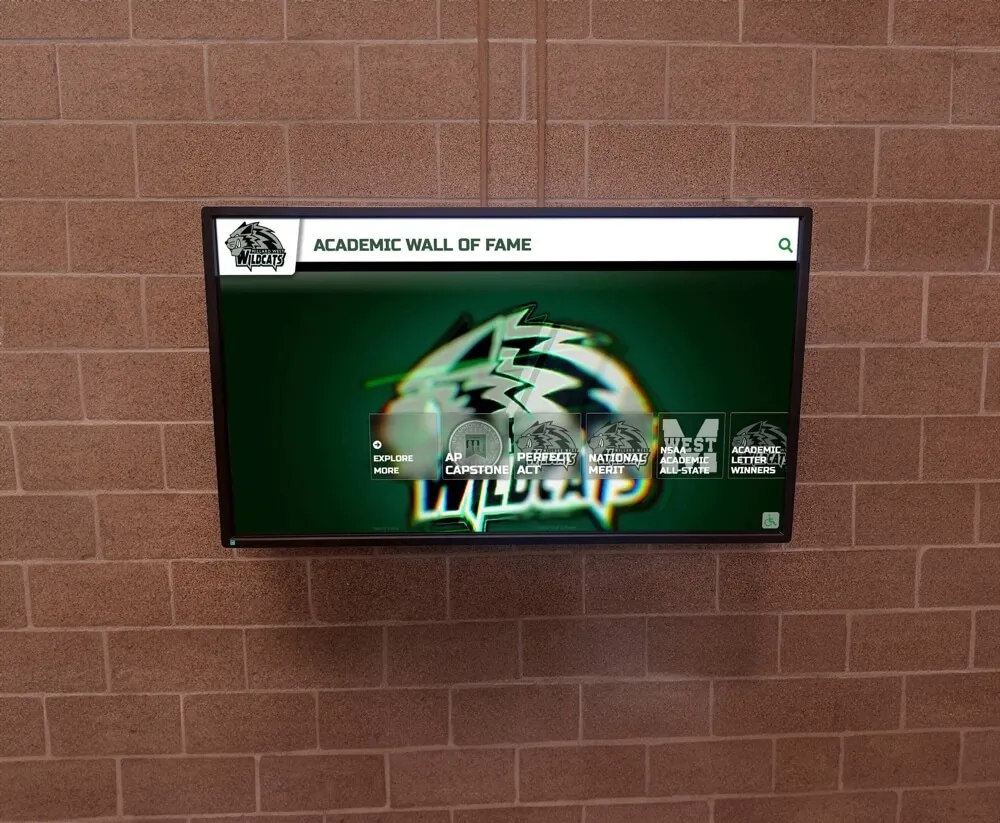
Academic recognition programs face the same documentation problem at the institutional level — the gap between awarding recognition and preserving it in a retrievable format is almost universal across school programs.
What the Certificate Captures (and What It Misses)
A typical school record certificate contains the athlete’s name, the achievement, and often the date. Some include the sport and event. Most do not include the specific performance mark, the competition where the record was set, the graduating class year, or the prior record that was broken.
That missing data is exactly what a record board and a historical archive need. A certificate that says “All-Time School Record — 100 Meter Dash, Spring 2023” gives you a recognition document. A certificate that also captures “11.42 seconds, April 14, 2023, Class of 2024, previous record 11.49 set in 2019” gives you a searchable data record.
The difference between those two documents is the difference between recognition and preservation.

Fields Every School Record Certificate Should Preserve
Whether your school issues physical certificates, digital certificates, or both, the certificate workflow should capture every field that the record display system will eventually need. A certificate generated without these fields forces manual data reconstruction later — and manual reconstruction is where errors and omissions accumulate.
Here is the complete field checklist. Treat this as a minimum standard for any school record certificate issued for athletic achievement.
Athlete Information
- Full legal name (last name, first name) — consistent with the school’s official enrollment records
- Preferred display name if different from legal name (used on the record board)
- Graduation year — critical for long-term archive retrieval and reunion recognition programs
- Grade at time of record (freshman through senior)
- Jersey number — useful for display programs that pair names with jersey imagery
Achievement Information
- Sport and gender category (e.g., “Boys Varsity Track & Field,” not just “Track”)
- Specific event or discipline (e.g., “200 Meter Dash,” not just “sprints”)
- Performance mark with full units (e.g., “21.87 seconds,” “6 feet 4 inches,” “185 pounds”)
- Type of record — school record, program record, seasonal best, or class record
- Previous record holder and previous mark — essential for the historical sequence on the board
Context Information
- Date of performance (month, day, year — not just the academic year)
- Meet or competition name where the record was set
- Meet location (facility and city)
- Timing/measurement authority (e.g., FAT system, hand timing, certified officials)
- Head coach at time of record
Administrative Information
- Certificate issue date (may differ from performance date)
- Issuing authority (athletic director name and title)
- Certificate version or revision number (if a correction was issued)
- Archive file reference (a document number or folder path linking the certificate to the supporting documentation)
Most certificate templates capture fewer than half of these fields. Adding the remaining fields to the template costs nothing and creates a data record that feeds the display system without additional manual entry.
Academic all-American recognition programs maintain extensive documentation standards precisely because the data lives beyond the ceremony — athletic record certificate programs benefit from the same discipline.

The Transfer Protocol: From Certificate to Record Display
Capturing the right fields on the certificate is step one. Step two is building a defined transfer protocol — the process that moves data from the certificate into the record board.
Without a written protocol, data transfer happens informally: whoever notices a new record submits it to the display, or it waits until the athletic director finds time. Informal transfer creates the gaps. A written protocol with named ownership and a timeline turns certificate issuance into a record board trigger.
A functional transfer protocol covers four steps.
Step 1: Issue date triggers the clock. The date the certificate is issued starts a countdown. The record must be transferred to the display system within a defined window — five business days is a reasonable standard for digital systems.
Step 2: A designated staff member owns the transfer. The athletic director, an assistant AD, or a designated data entry role receives a copy of every issued certificate and is responsible for entering the achievement into the record board system. One person. Named. Accountable.
Step 3: The display system receives structured data, not narrative text. Each field from the certificate maps to a specific field in the record board system. Performance mark goes into the performance field. Graduation year goes into the class year field. This is where a standardized certificate format pays off — the data is already structured for entry.
Step 4: Archive the source document. The original certificate (or a scanned copy) is filed in the program archive alongside the supporting documentation from the competition. The archive reference number written on the certificate makes retrieval immediate rather than dependent on memory.
A day in the life of a school digital display administrator shows what this looks like in practice — certificate data entry is a routine administrative task when the workflow is designed correctly.
Building a Searchable Archive From Certificate Data
Once the transfer protocol is running, the data accumulating in the record system becomes something more valuable than a display update — it becomes a searchable historical archive.
An archive built on structured certificate data can answer questions that paper files cannot. Who were the all-time top ten performers in the 100-meter dash? What records were set during Coach Williams’s tenure? Which graduating class produced the most school records? What was the record progression in the shot put over the last fifteen years?
These questions matter more than they appear. Alumni engagement programs use them when planning reunion recognition events. Hall of fame committees use them when evaluating career-long nominations. Athletic directors use them during transition briefings. Sports information staff use them for media guides and anniversary publications.
Athletic director transition planning guides consistently cite institutional memory loss as one of the most damaging outcomes when programs lack structured documentation — certificate data that lives only in paper files gets lost when personnel turns over.
A searchable record archive built from certificate data solves this. Every new certificate issued adds a structured entry. The display updates automatically. The archive grows in parallel. Nothing is lost.

Certificate Workflows and the Digital Record Board
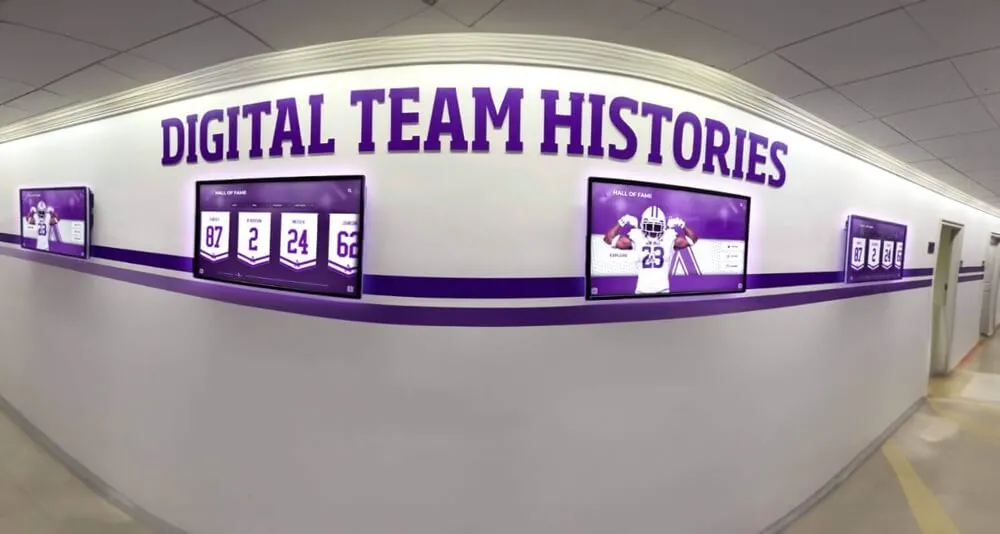
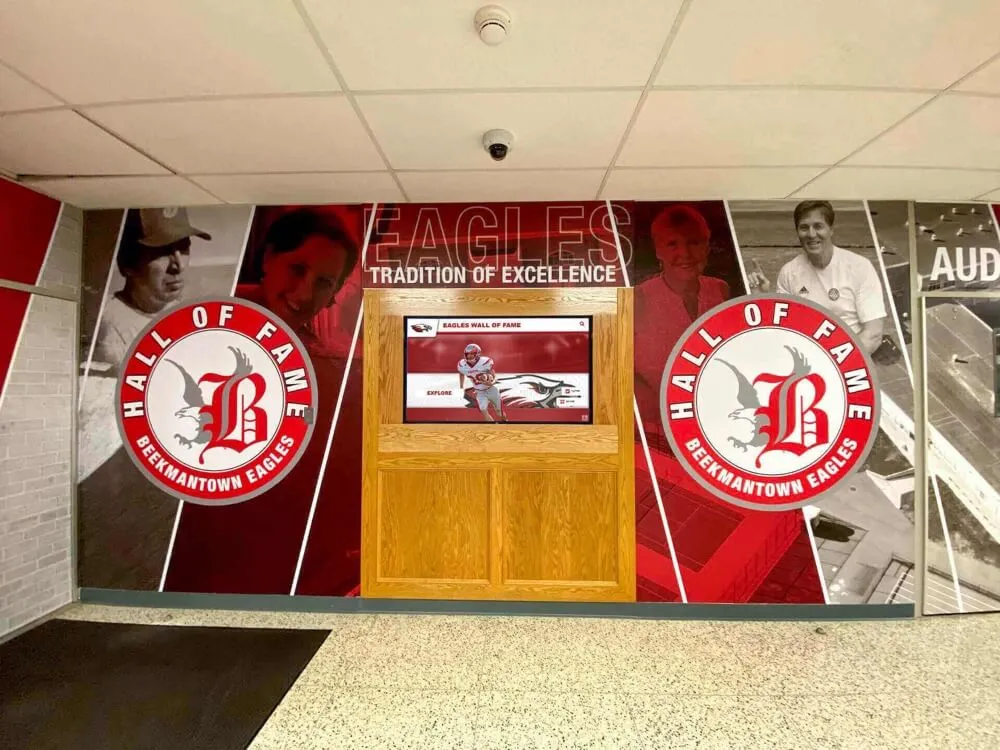
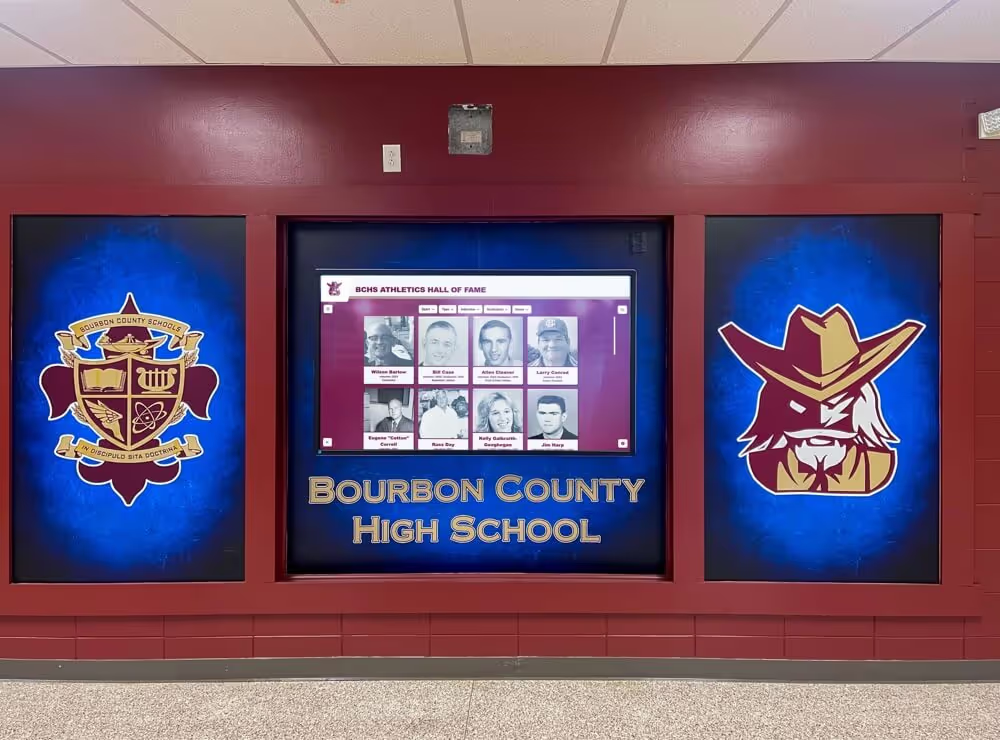
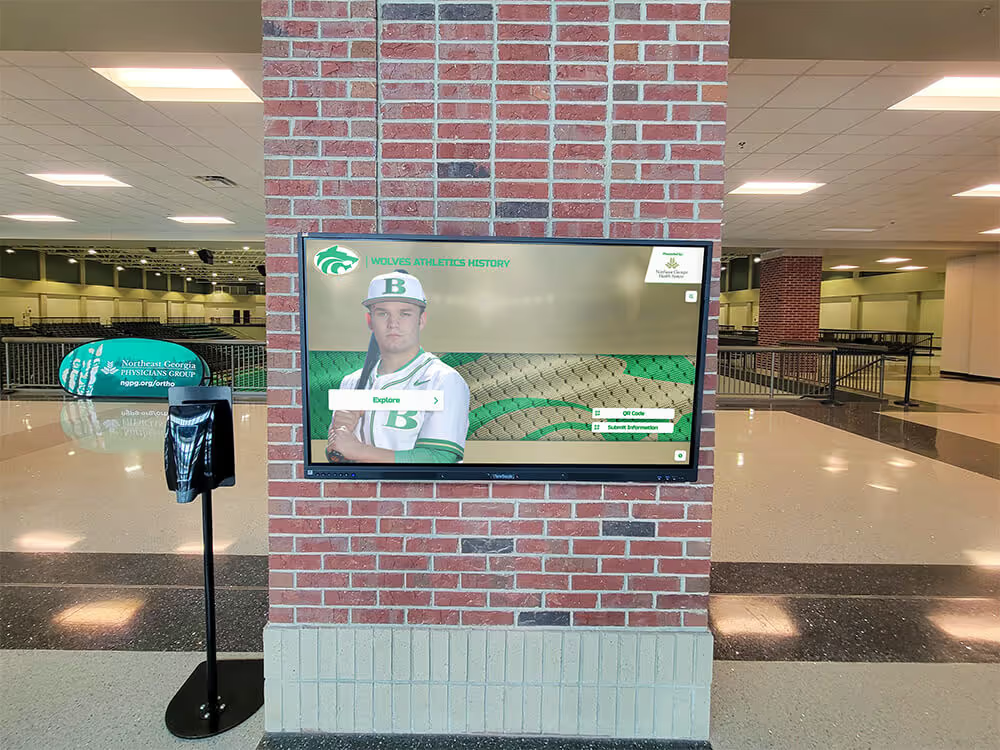
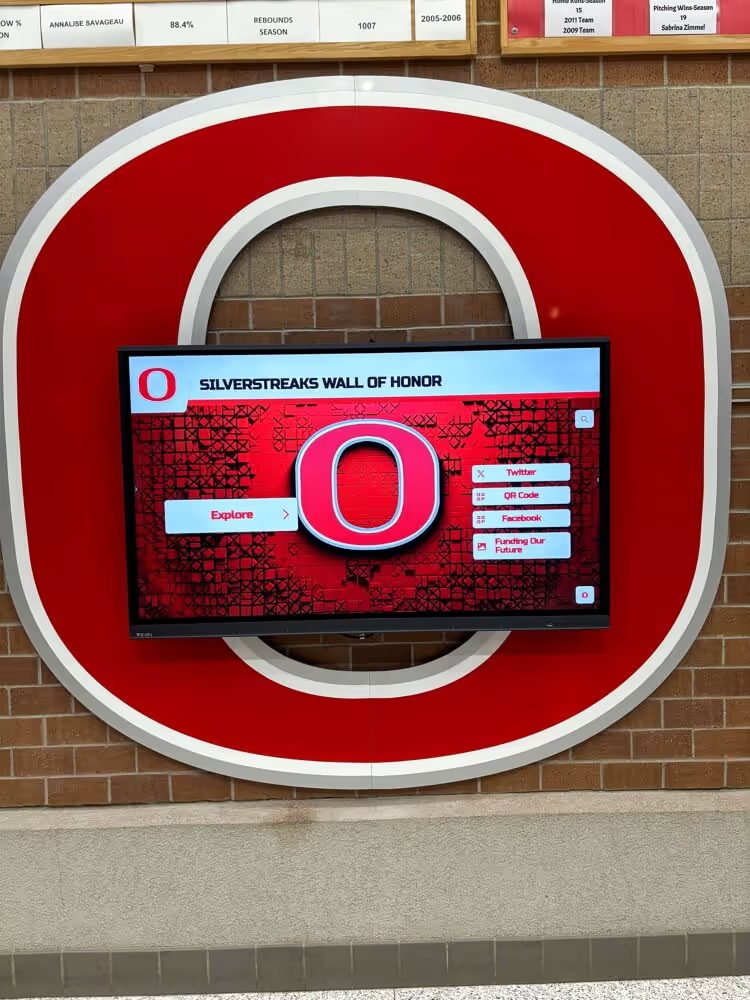
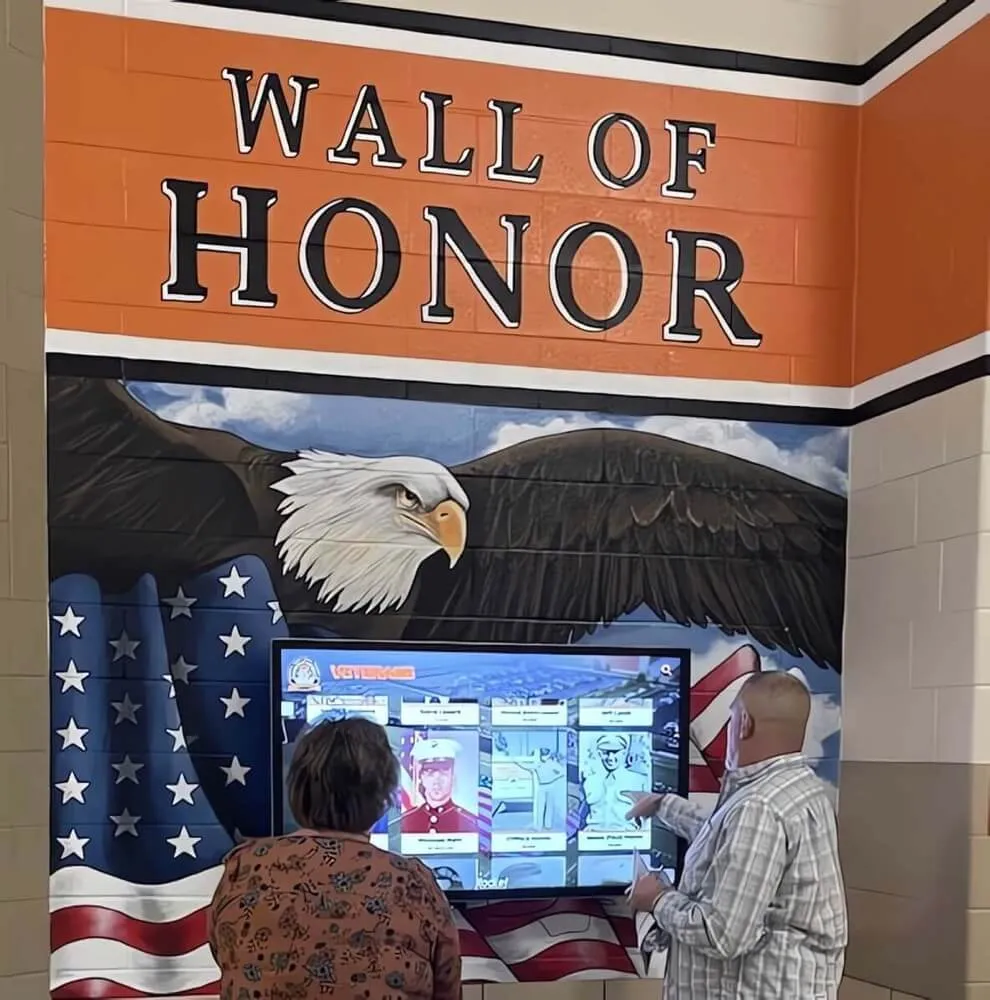
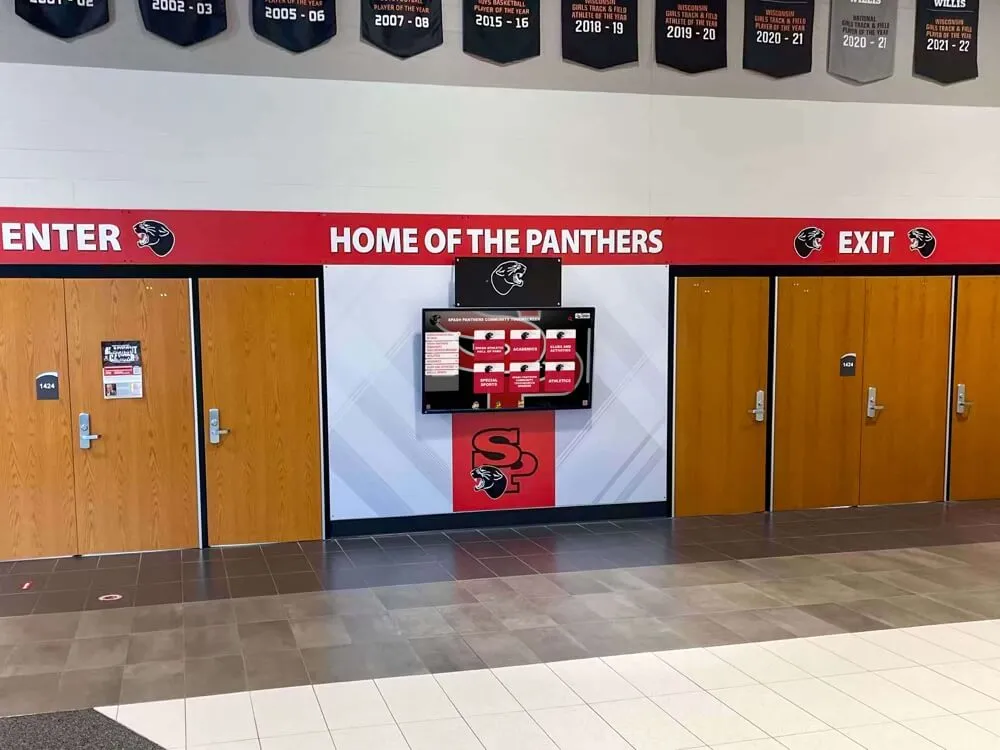
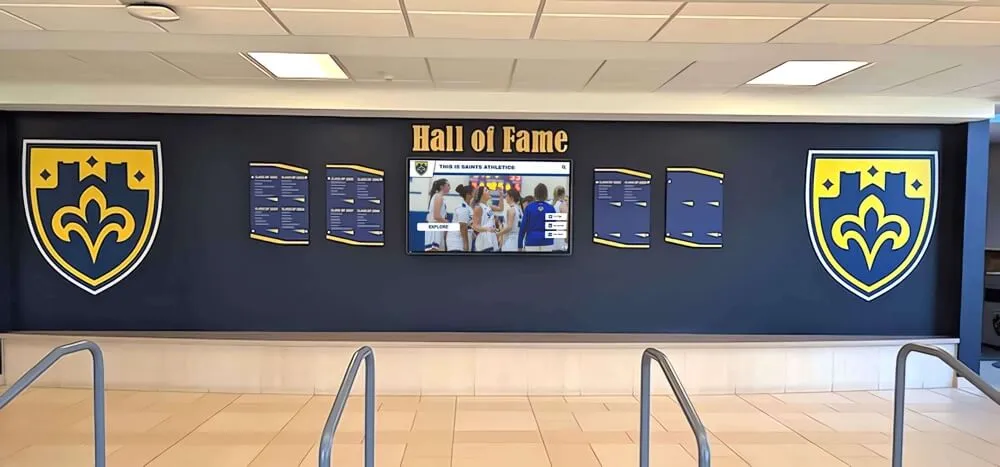
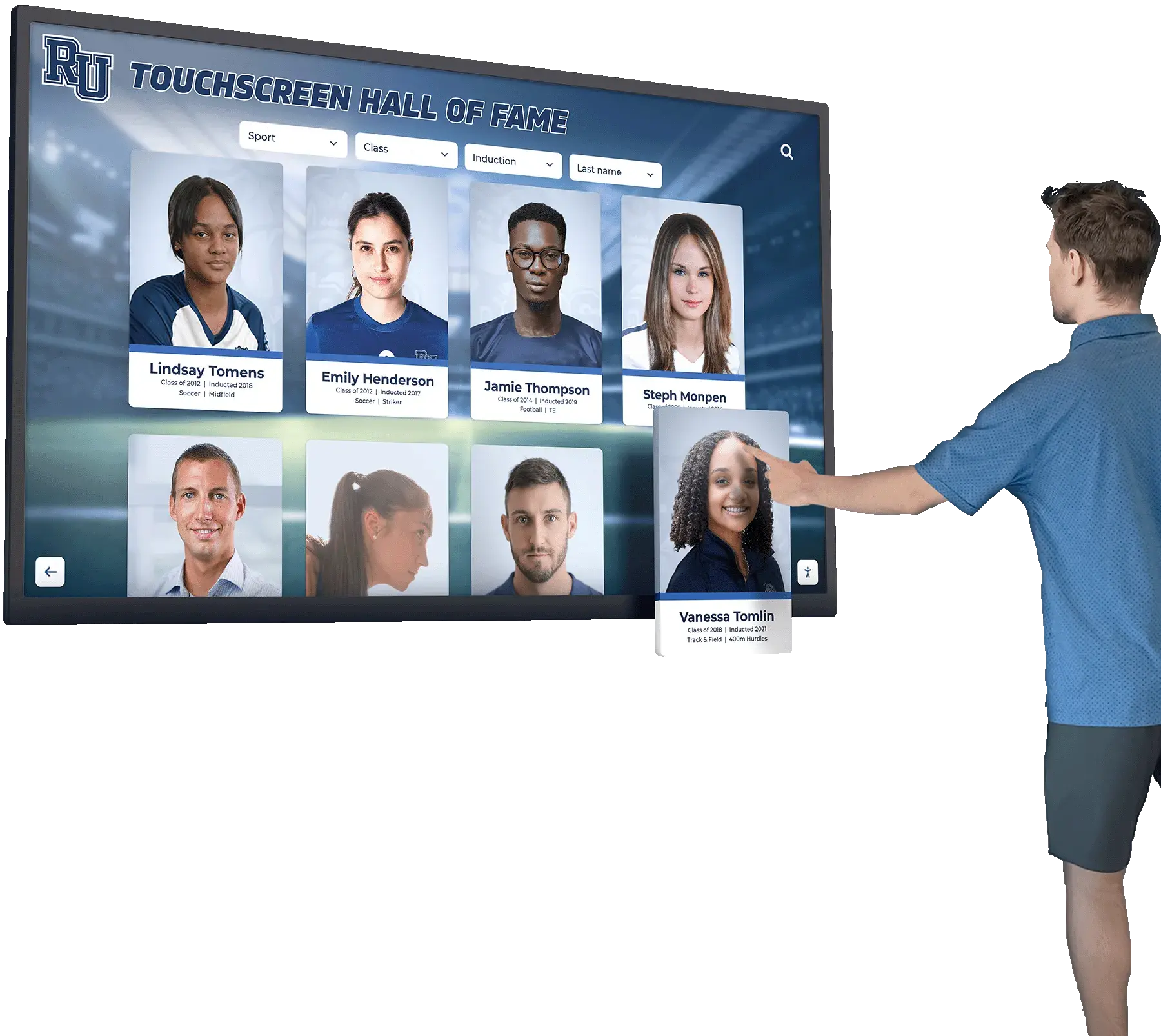
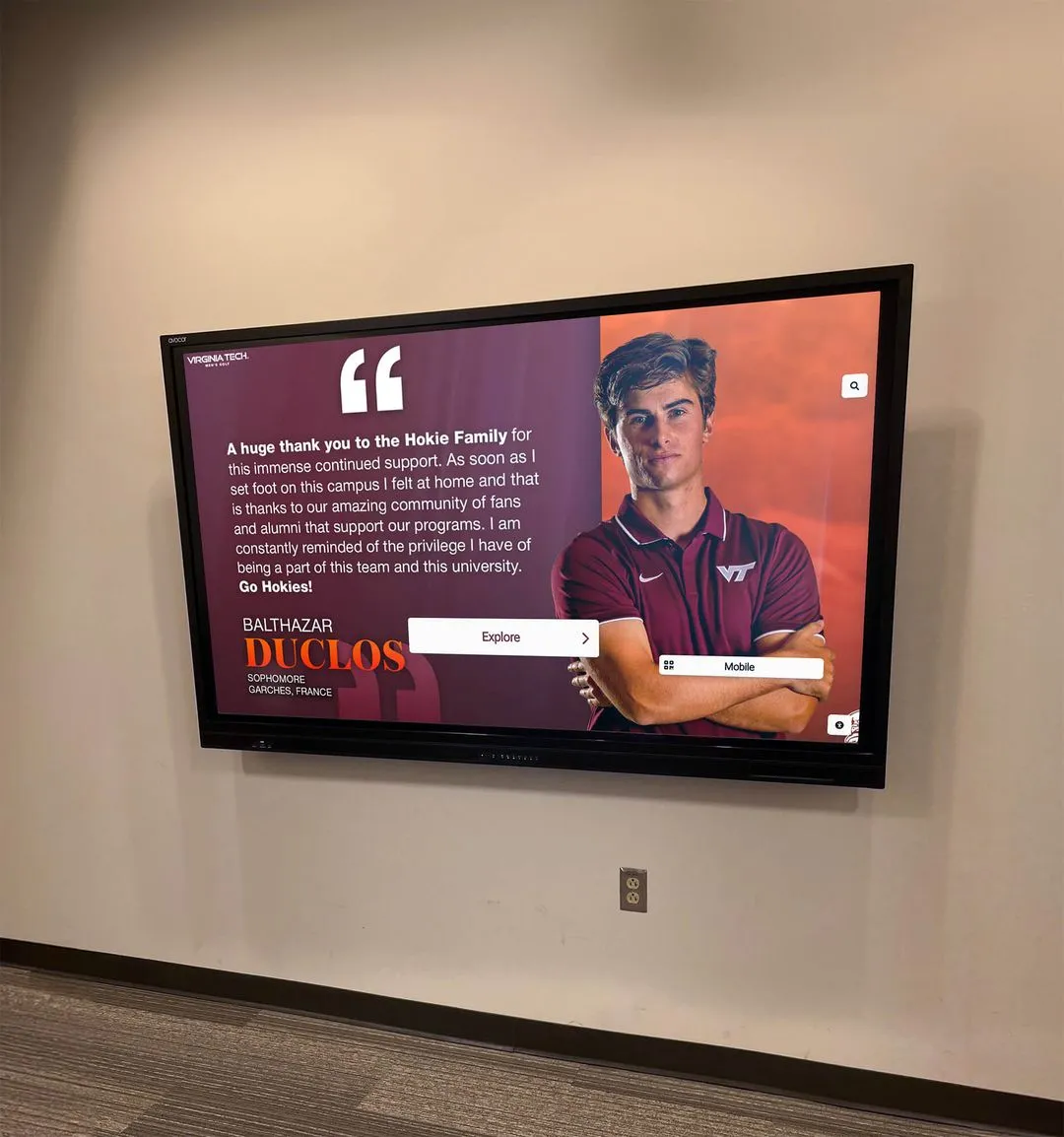
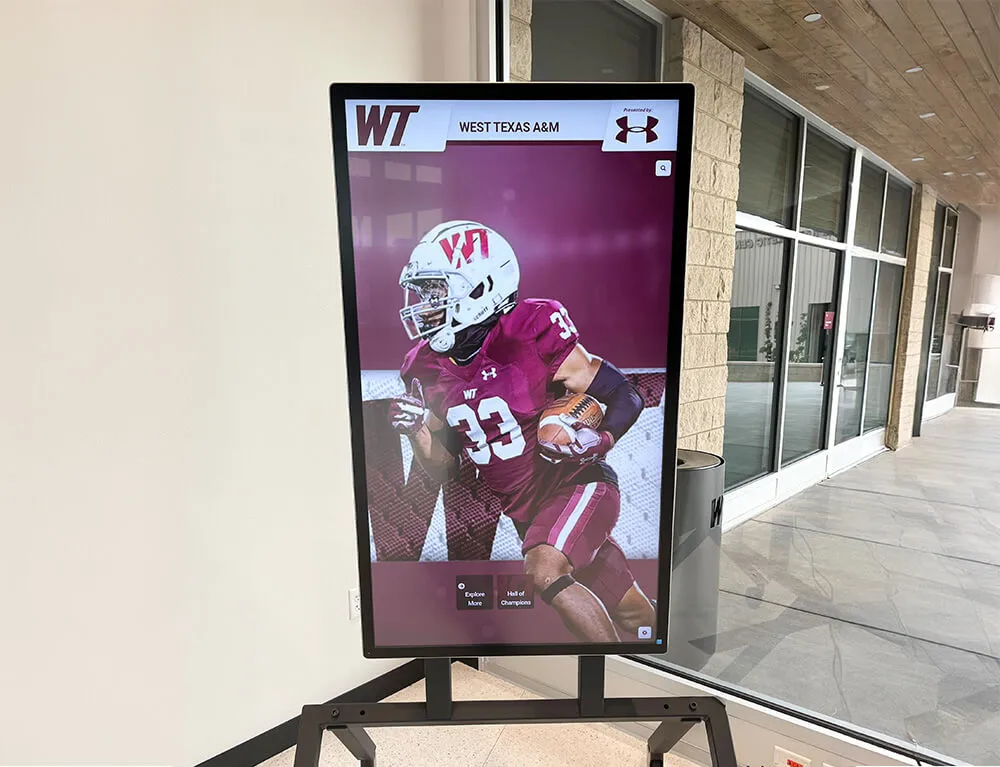
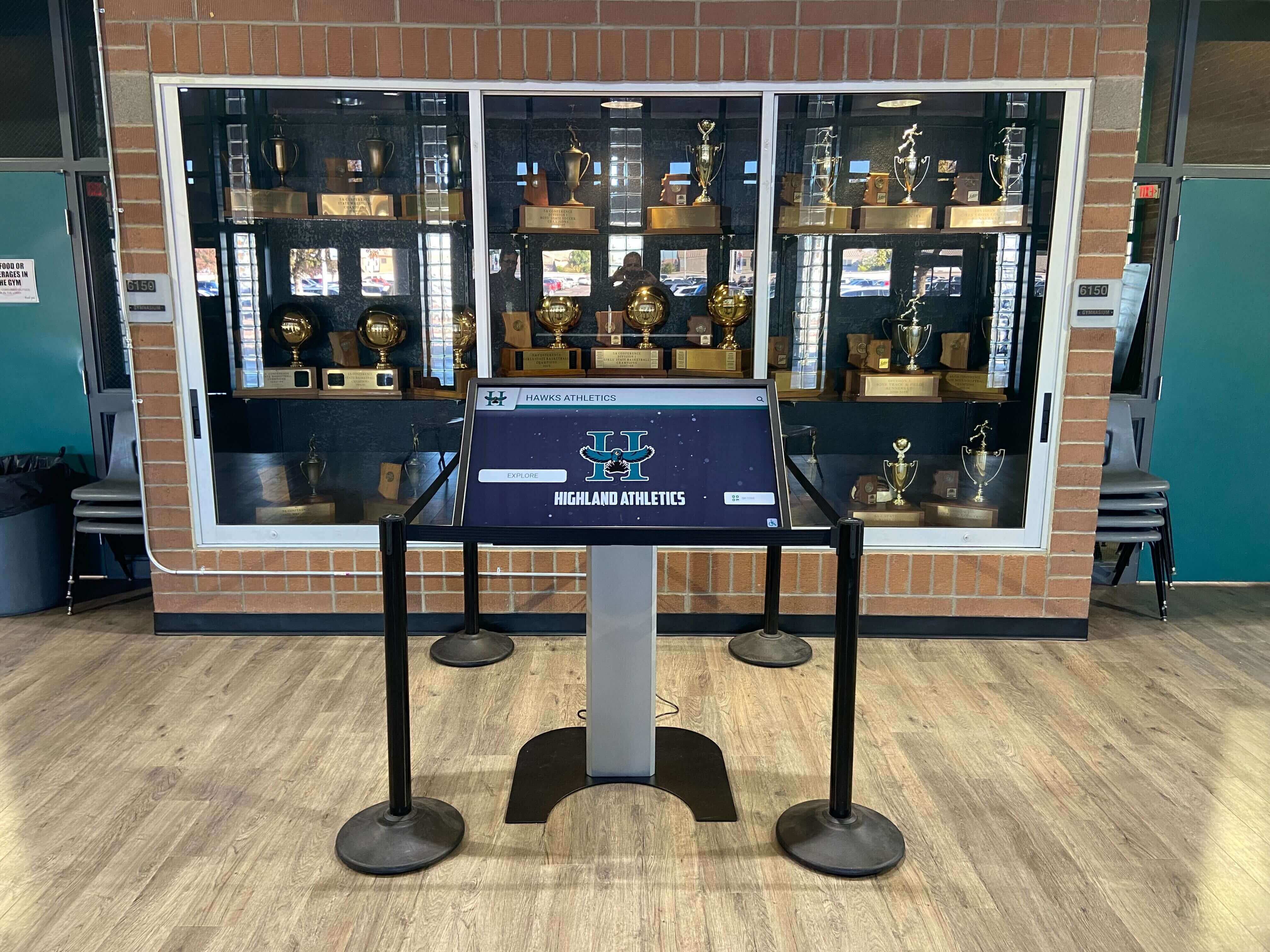
The traditional model separates certificate issuance (a recognition function) from record display maintenance (an operations function). A digital record board collapses that separation.
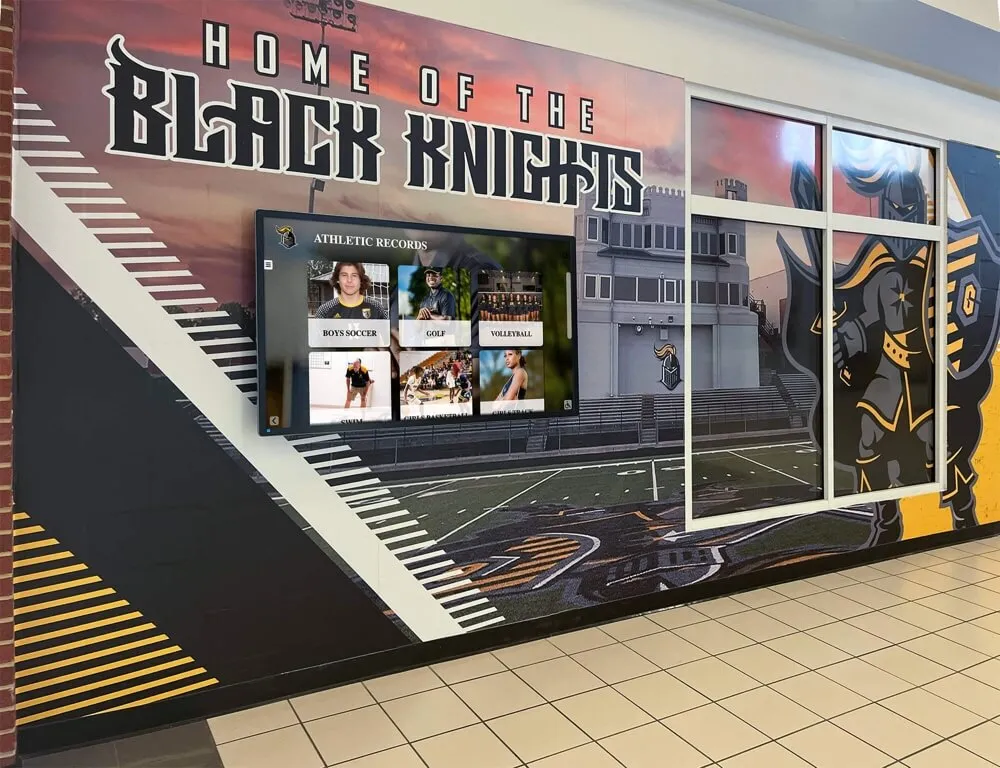
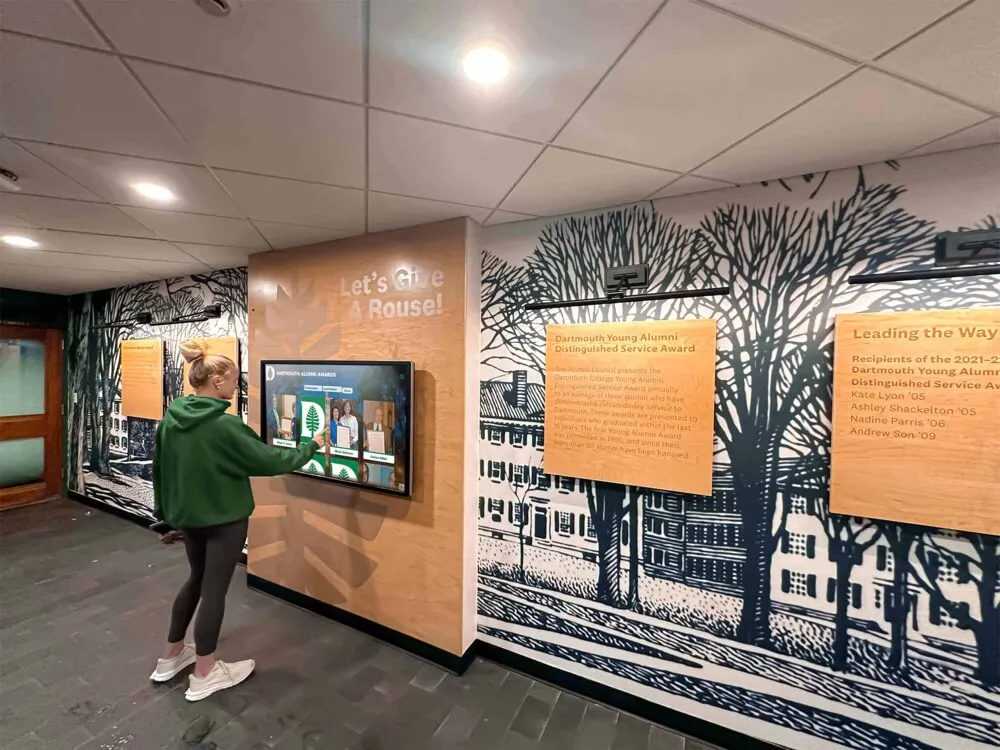
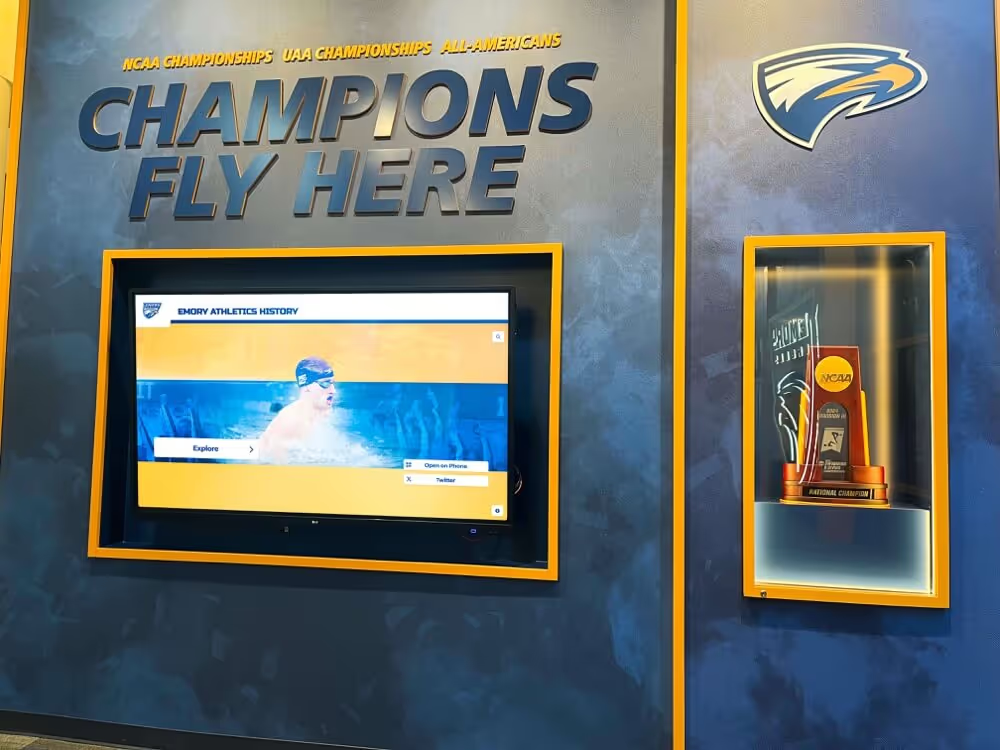
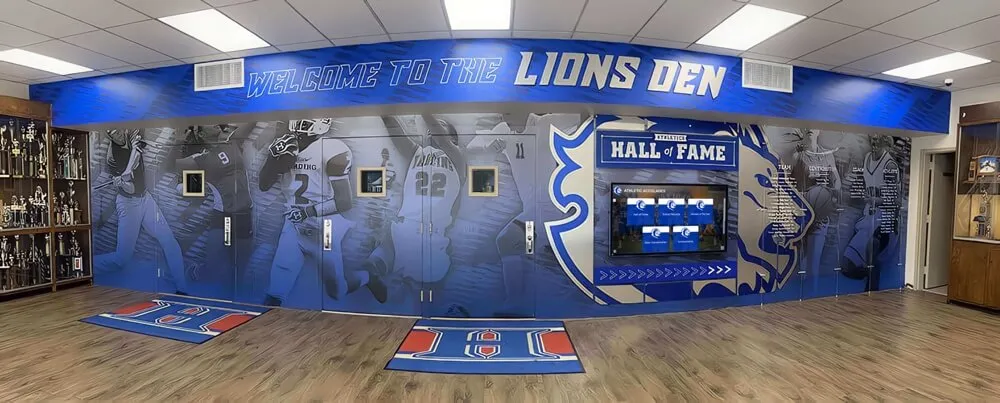
When a new record is submitted to a digital record board system, the platform auto-ranks the entry against all existing records in that event, updates the display in real time, and preserves the previous record holder in the historical archive rather than erasing them. The coach or athletic director submitting the record is effectively issuing the certificate and updating the display in the same workflow.
This is a significant operational improvement over systems where the certificate goes home with the athlete and the record board update happens weeks later — or not at all.
Youth sports award programs that scale across many events and age groups face the same workflow challenge at larger volume — the schools that manage recognition most effectively are the ones that standardize the data at the point of award issuance, not afterward.
For schools still using physical record boards, the certificate checklist above functions as a data entry form. Every field on the certificate is a field the board needs. Aligning the two cuts redundant work and prevents the errors that accumulate when staff have to reconstruct data from incomplete certificates later.
Hall of fame display tools that support athletic, donor, and academic recognition increasingly integrate certificate-level data into the display workflow — the trend is toward unified systems where recognition issuance and display maintenance are the same action.
A Note on Academic Record Certificates
Everything above applies equally to academic record certificates: academic all-conference honors, GPA milestones, subject-area awards, and scholar-athlete designations. The field checklist is slightly different — course information, GPA figures, and department faculty signatures replace athletic performance marks — but the gap between certificate and searchable archive is identical.
Academic achievement award programs at the high school level consistently struggle with the same documentation problem as athletic programs. Schools that solve it for one domain can apply the same structure to the other.
How schools define, display, and preserve academic honors is an active operational challenge across departments. A unified certificate data standard — capturing the same structured fields for athletic and academic recognition — simplifies archiving for the entire school, not just the athletic department.
Quick-Reference: School Record Certificate Data Checklist
Use this as a review template before issuing any school record certificate.
Athlete fields
- Full legal name
- Preferred display name
- Graduation year
- Grade at time of record
- Jersey number (optional but useful for display programs)
Achievement fields
- Sport and gender category
- Specific event or discipline
- Performance mark with full units
- Type of record (school, seasonal, class)
- Previous record holder and previous mark
Context fields
- Date of performance
- Meet or competition name
- Meet location
- Timing/measurement authority
- Head coach at time of record
Administrative fields
- Certificate issue date
- Issuing authority name and title
- Archive file reference
A certificate that covers all these fields is ready for immediate transfer to a record board system. A certificate that covers half of them creates a data reconstruction project for the next staff member who needs to verify the record.
School record certificates are the front door to institutional athletic memory. The ceremony matters. The paper matters. But neither survives a staff transition, a filing cabinet fire, or a school renovation without a digital archive built from structured data. The checklist above is the bridge between the recognition moment and the record that outlasts it.
Ready to build a record display system that turns every certificate into a permanent, searchable entry? Rocket Alumni Solutions builds digital record boards that auto-rank new entries, preserve all previous record holders, and let any authorized staff member update the display in minutes — no vinyl cutting, no manual reordering. Schedule a demo to see how the platform fits your certificate workflow.