



School newsletters remain one of the most powerful tools administrators have for building parent engagement, celebrating student achievements, and creating vibrant school communities. Yet too many newsletters arrive in inboxes only to be immediately deleted—generic templates filled with calendar reminders, policy updates, and administrative announcements that fail to capture what makes school communities genuinely special.
The most effective school newsletters transform routine parent communication into compelling reading that families actually anticipate. These high-impact newsletters combine strategic content that showcases authentic student success, thoughtful design that respects busy parents’ limited attention, recognition features celebrating individual and collective achievements, and communication approaches that strengthen home-school partnerships rather than merely broadcasting information.
Modern School Newsletter Recognition
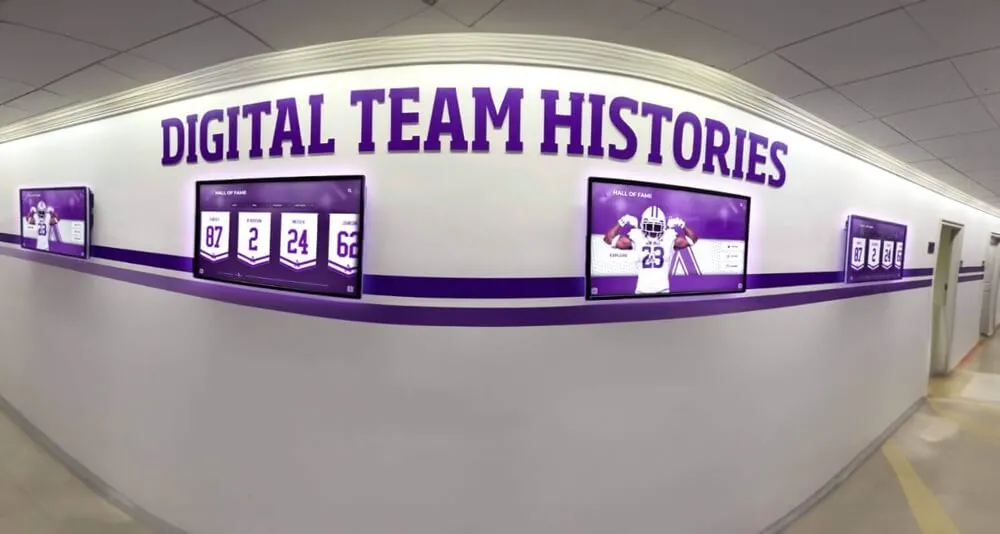
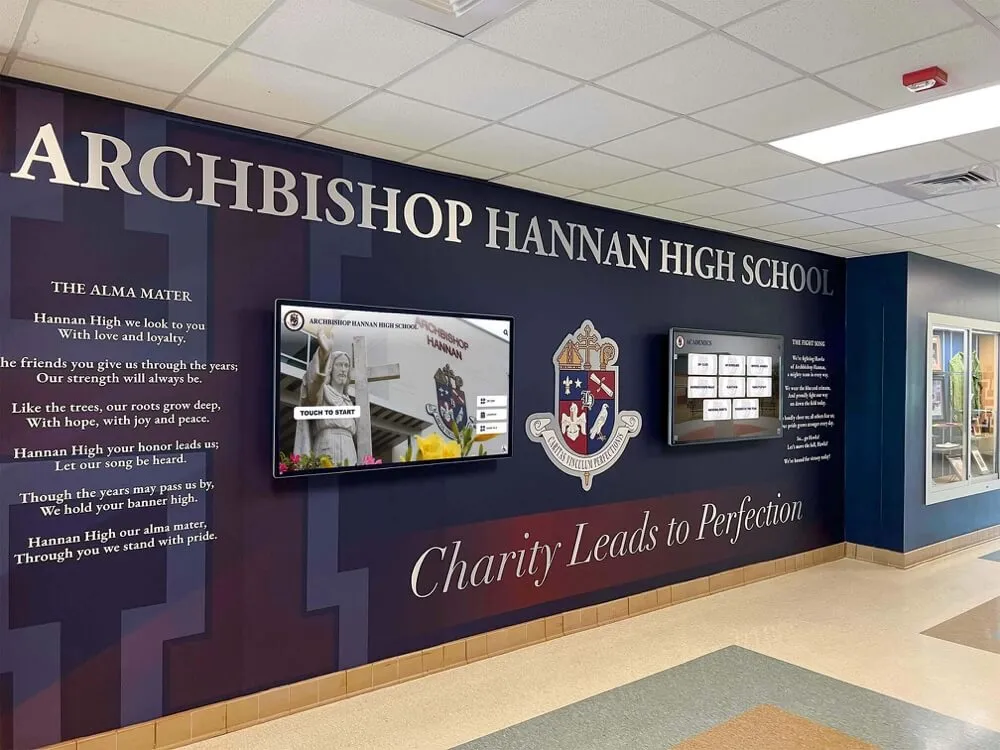
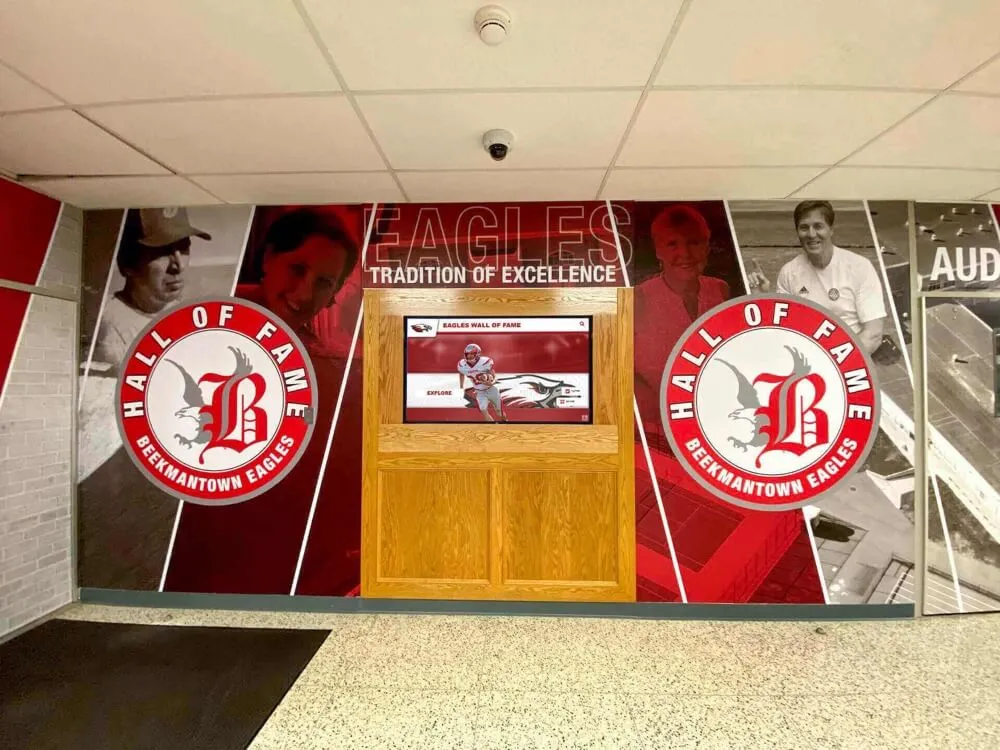
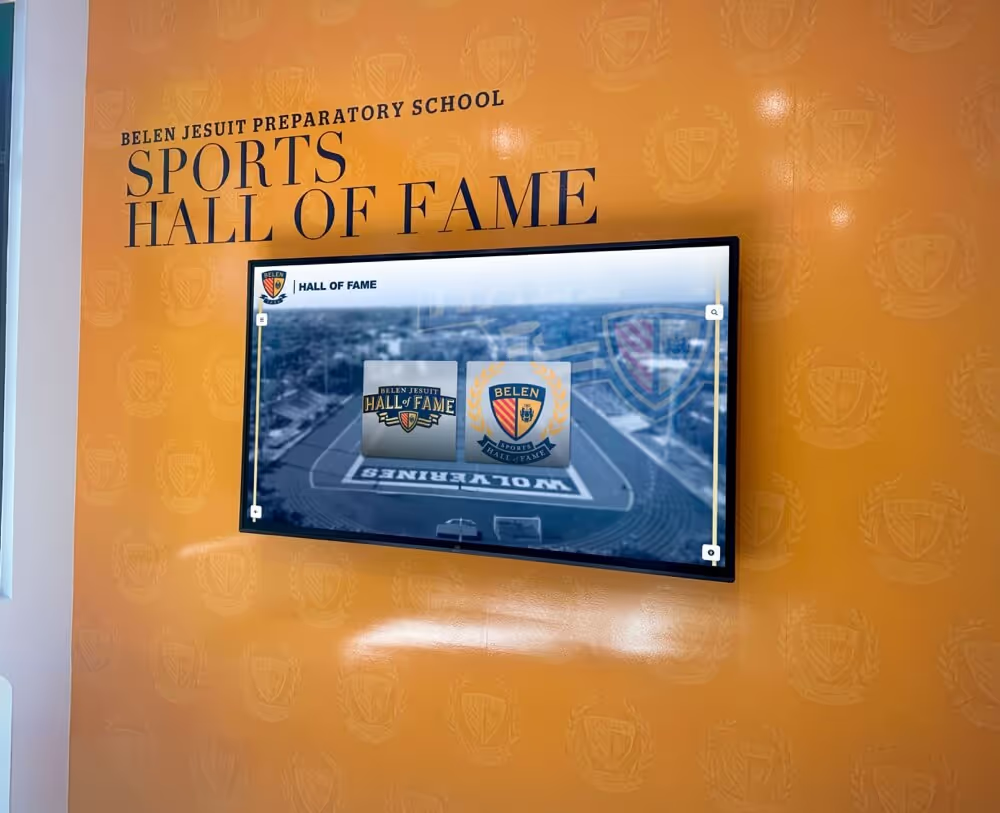
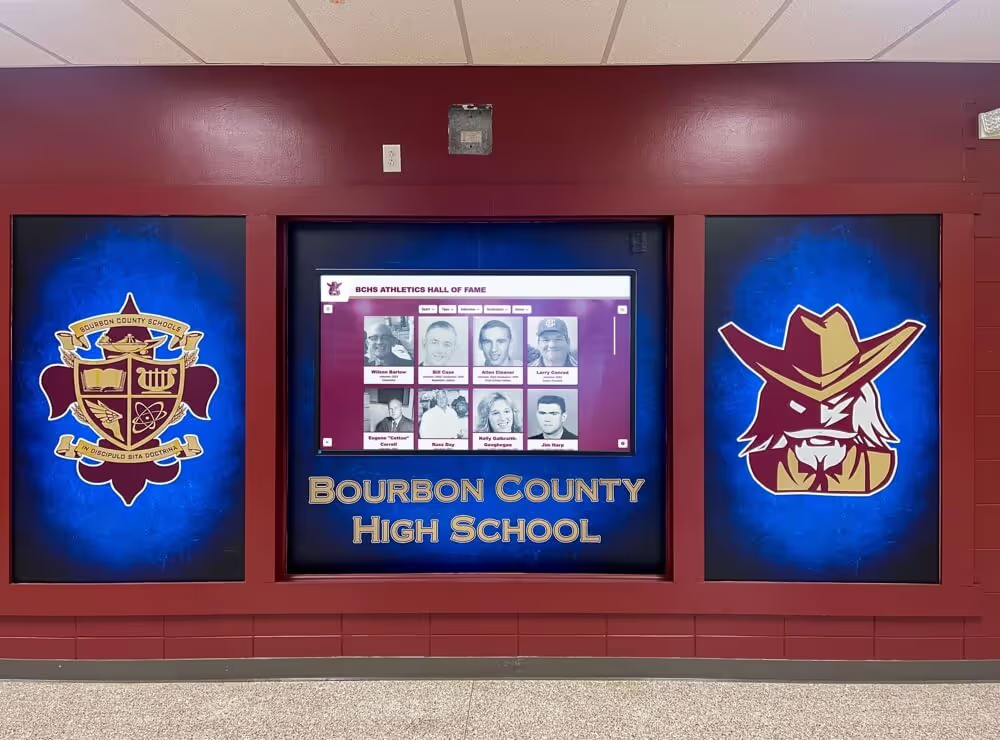
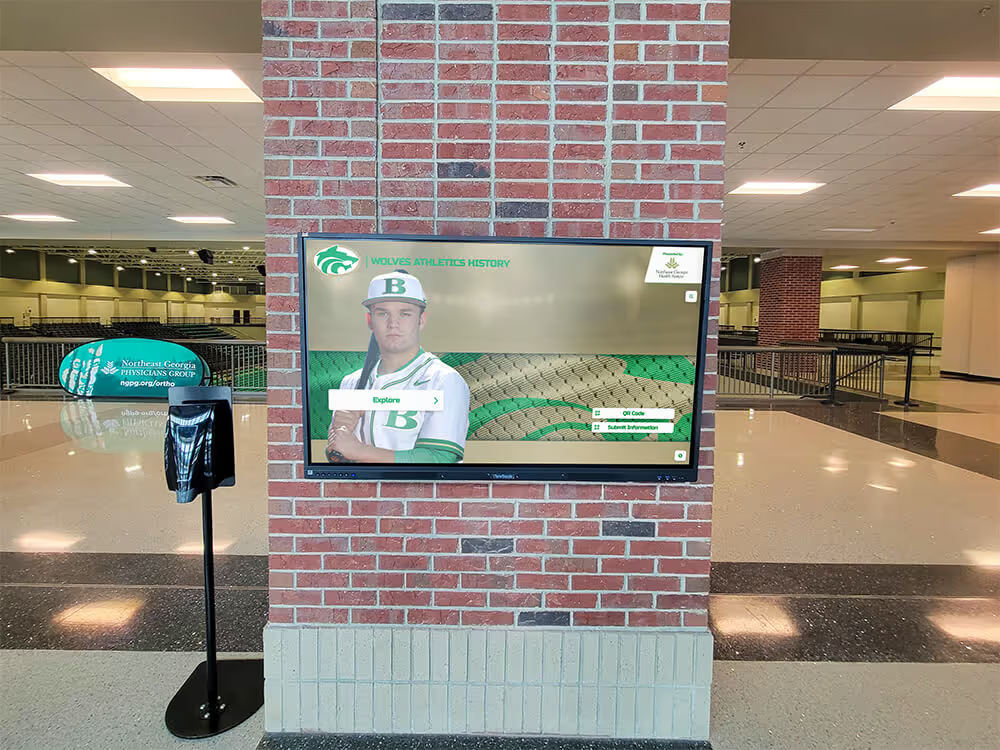
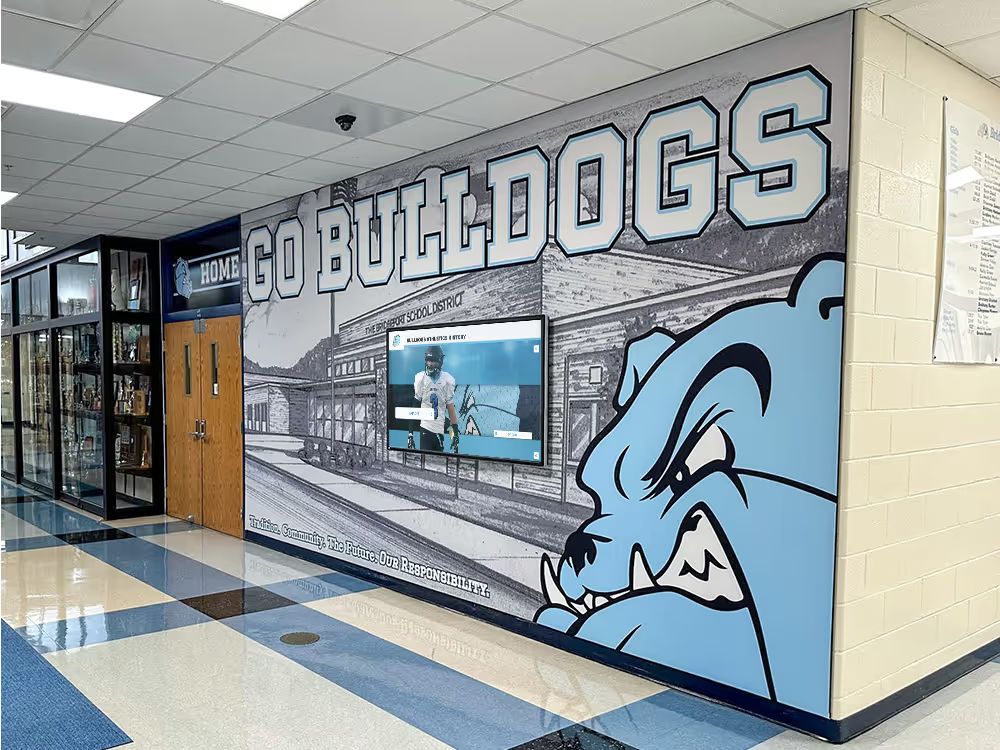
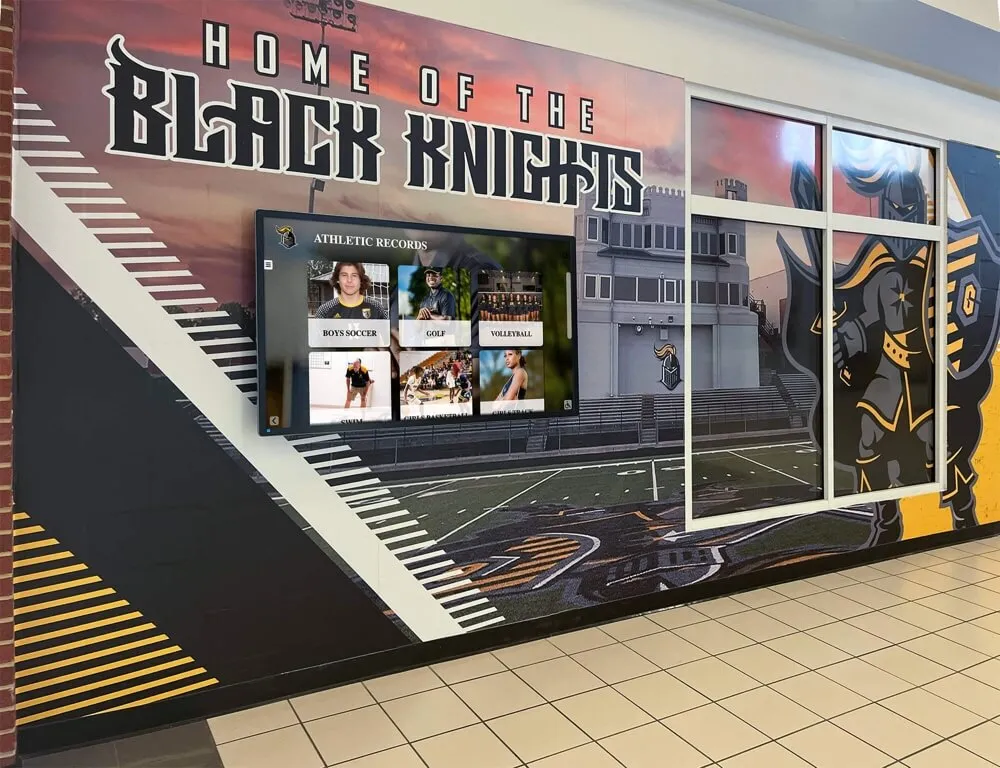
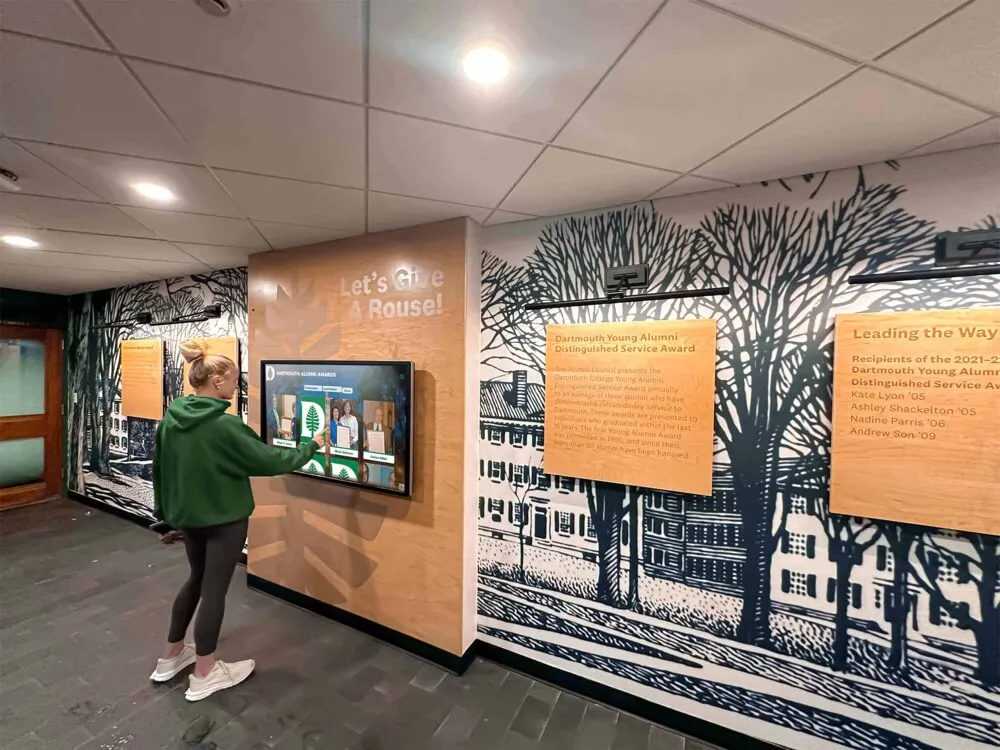
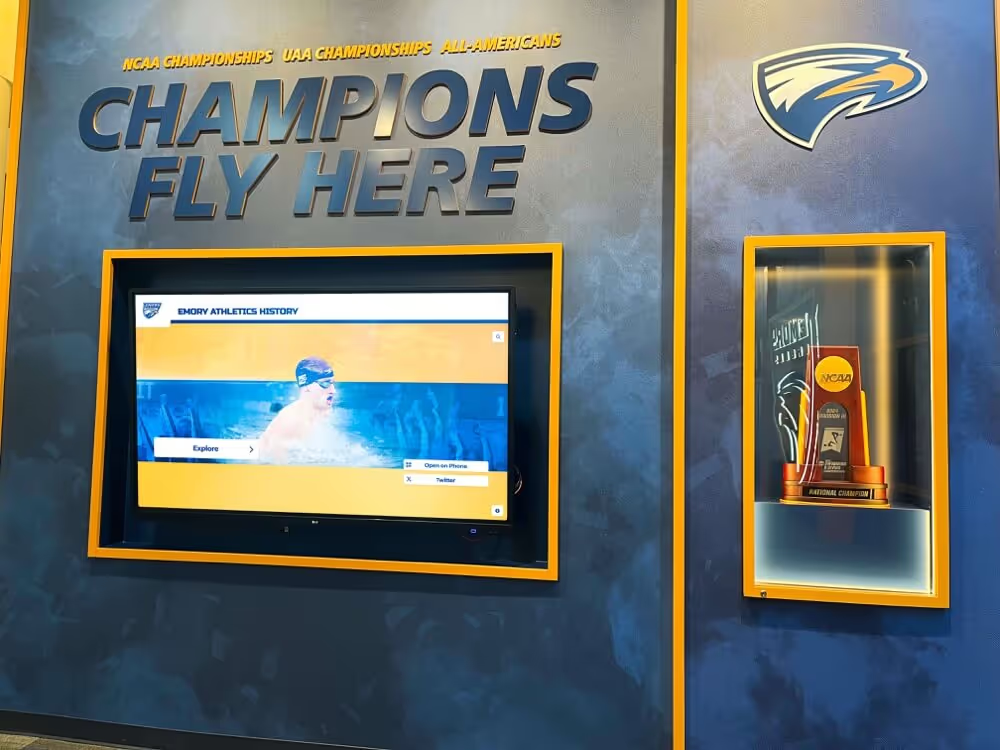
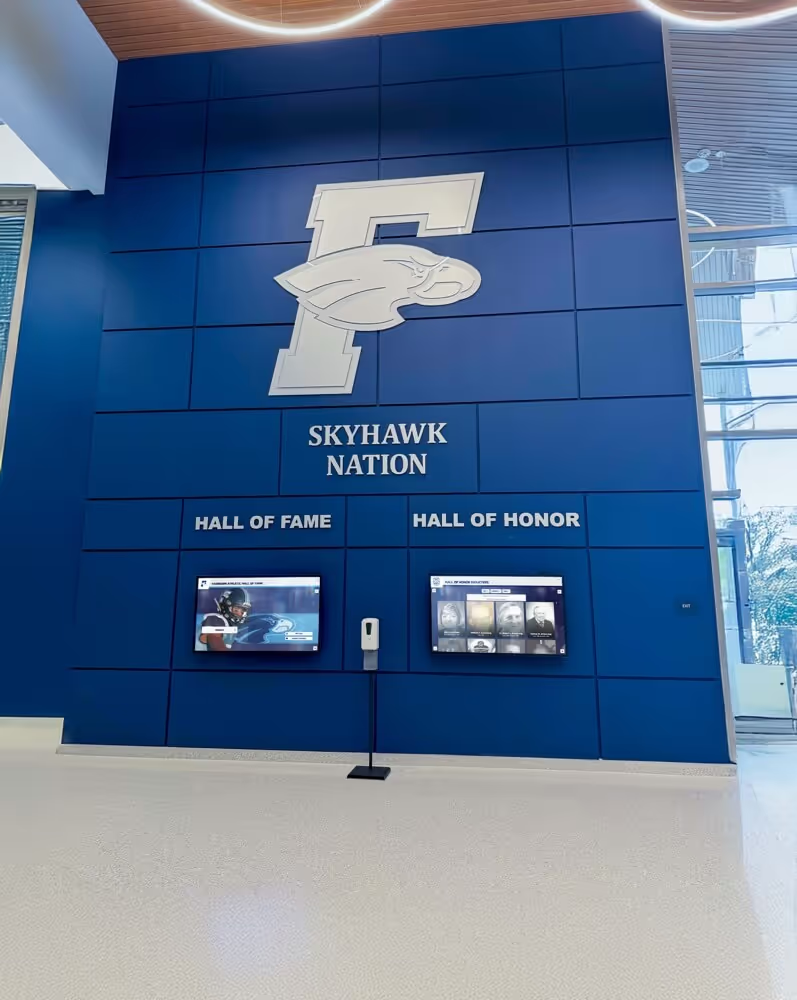
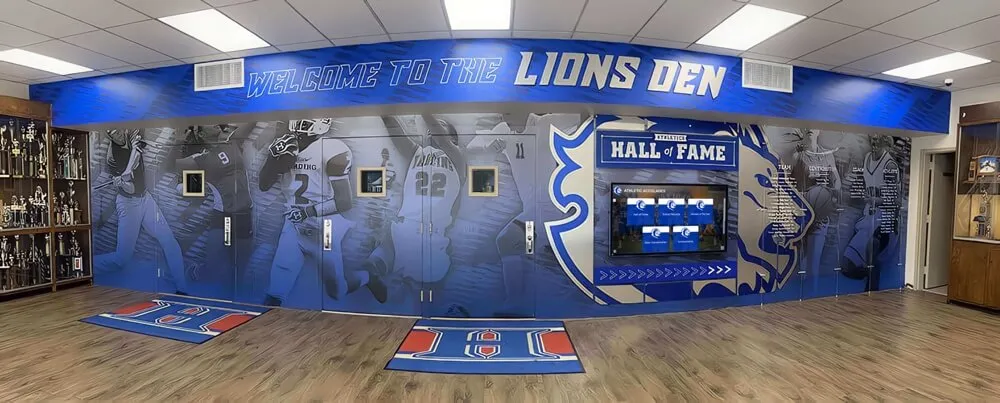
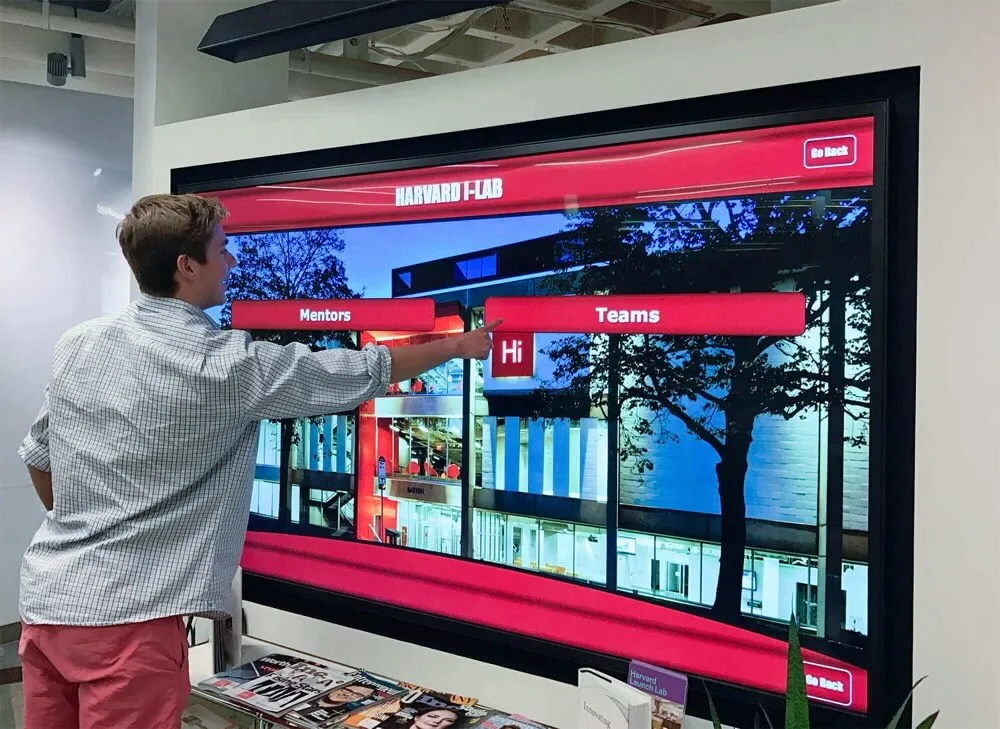
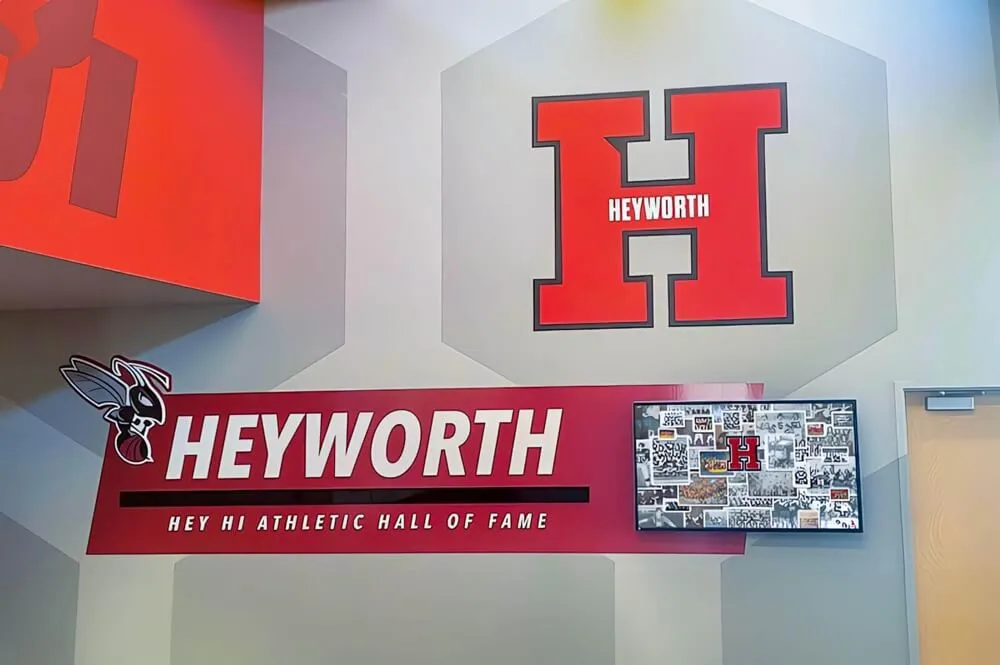
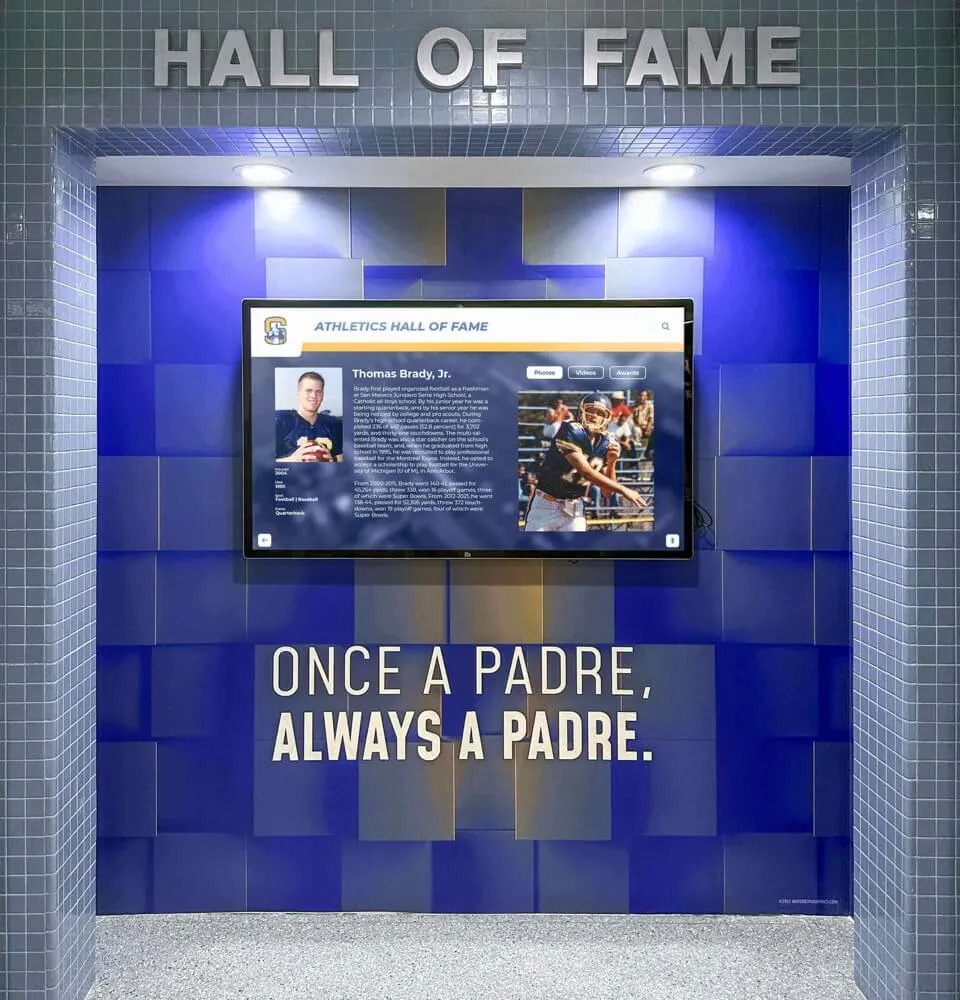
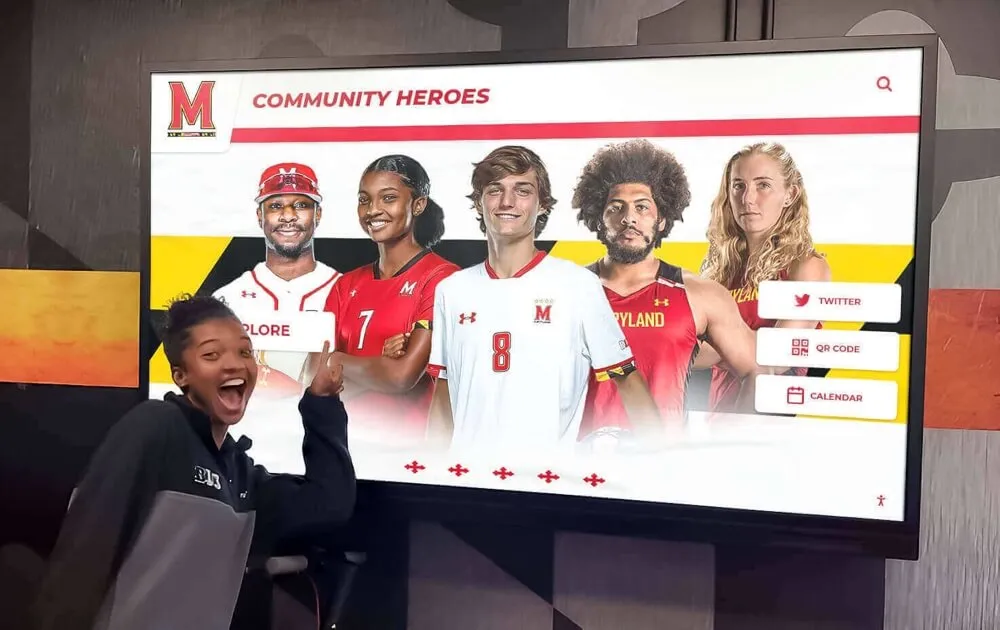
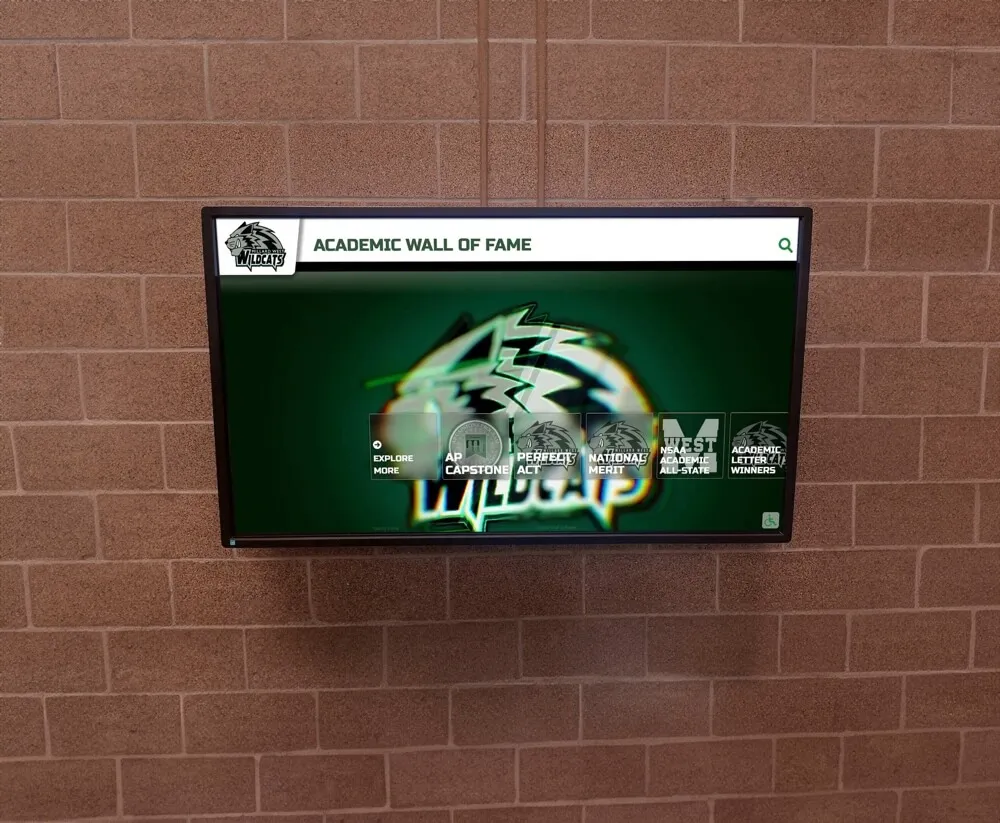
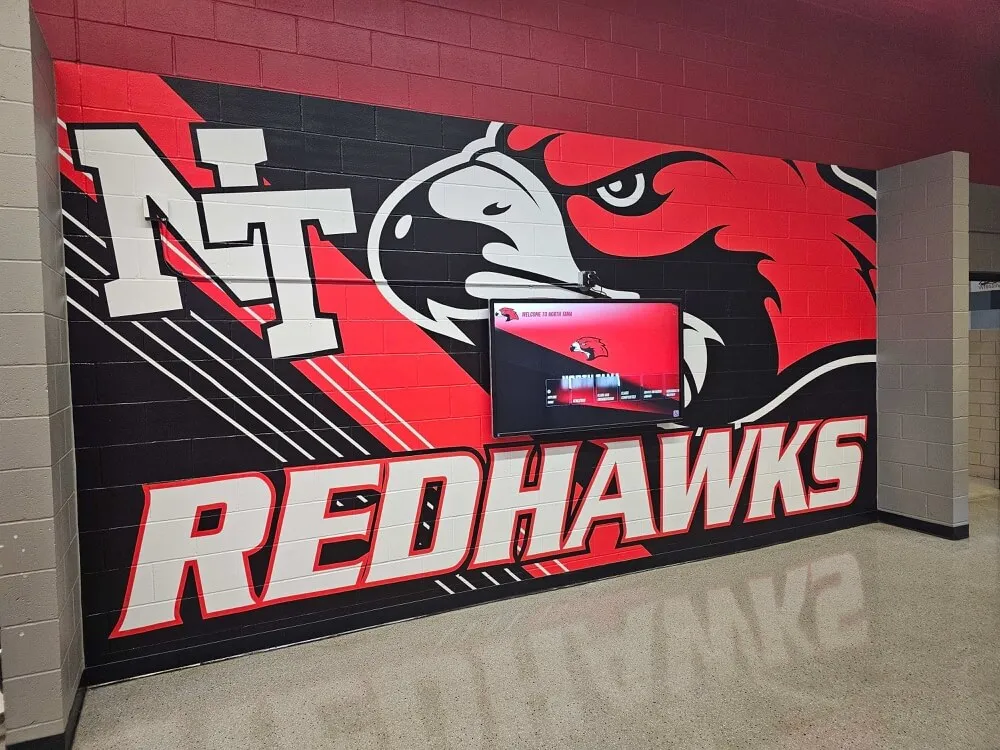
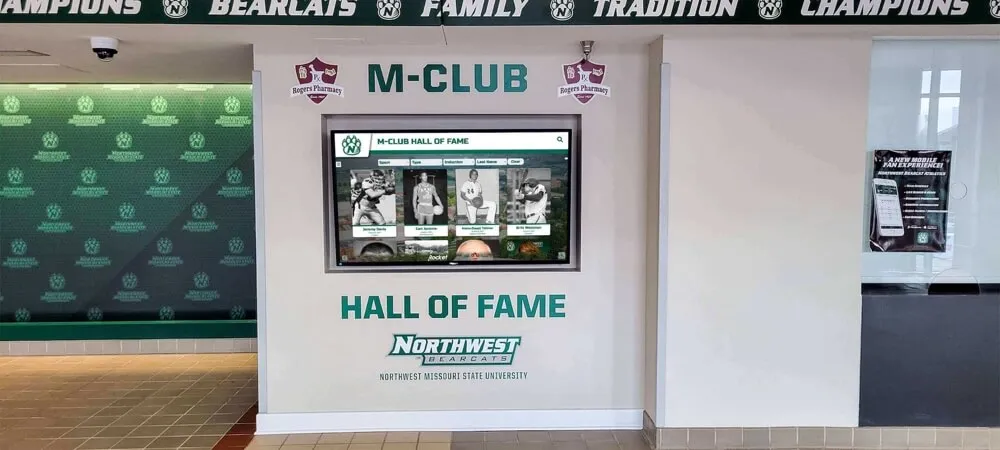
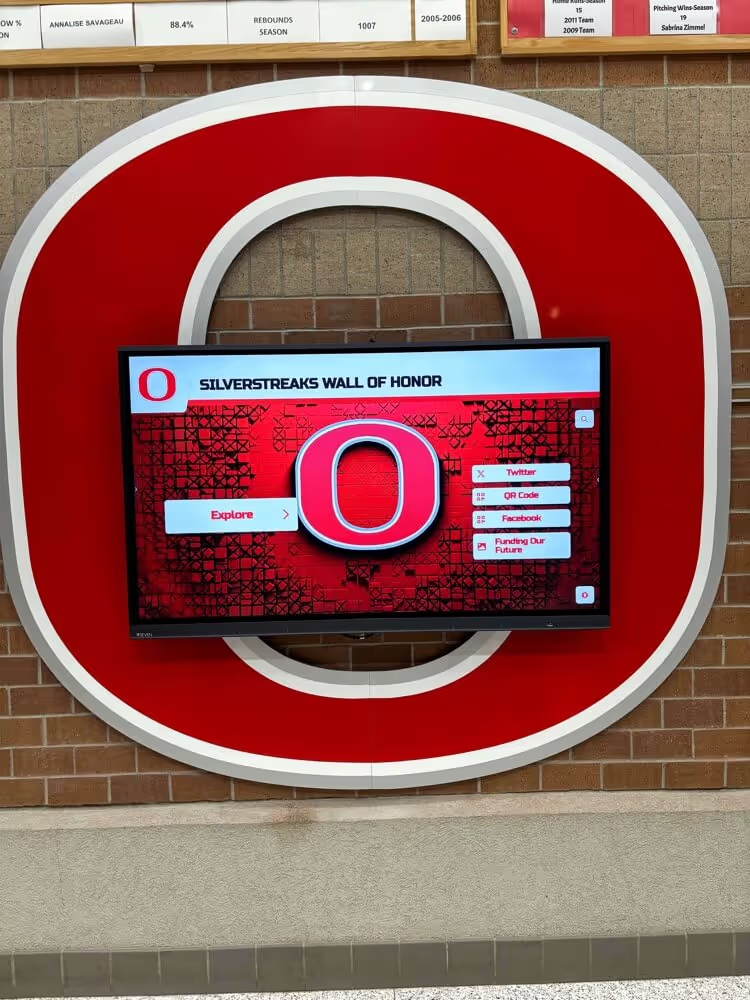
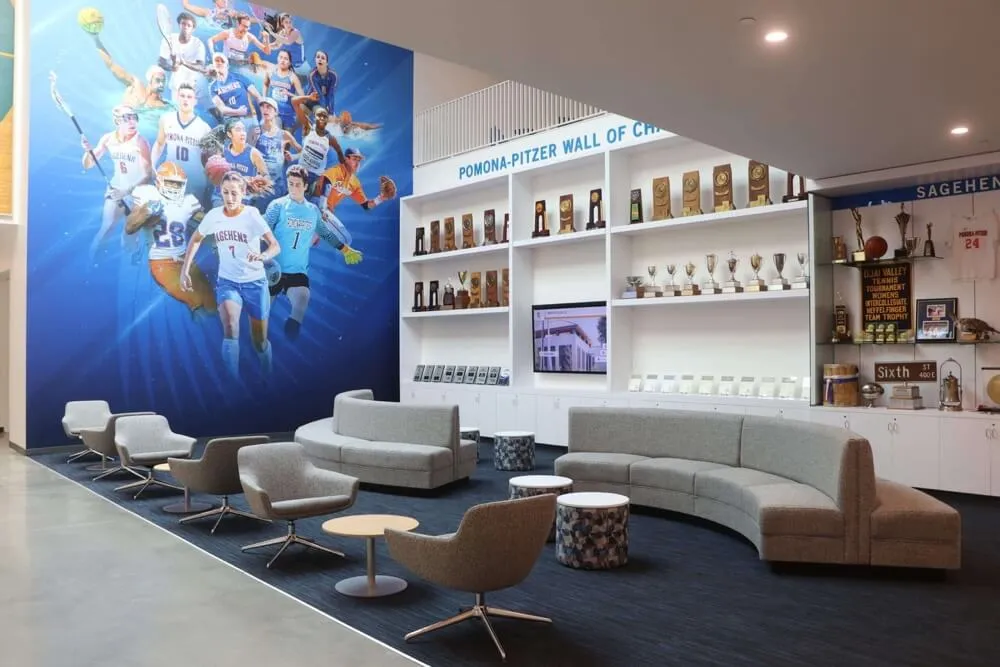
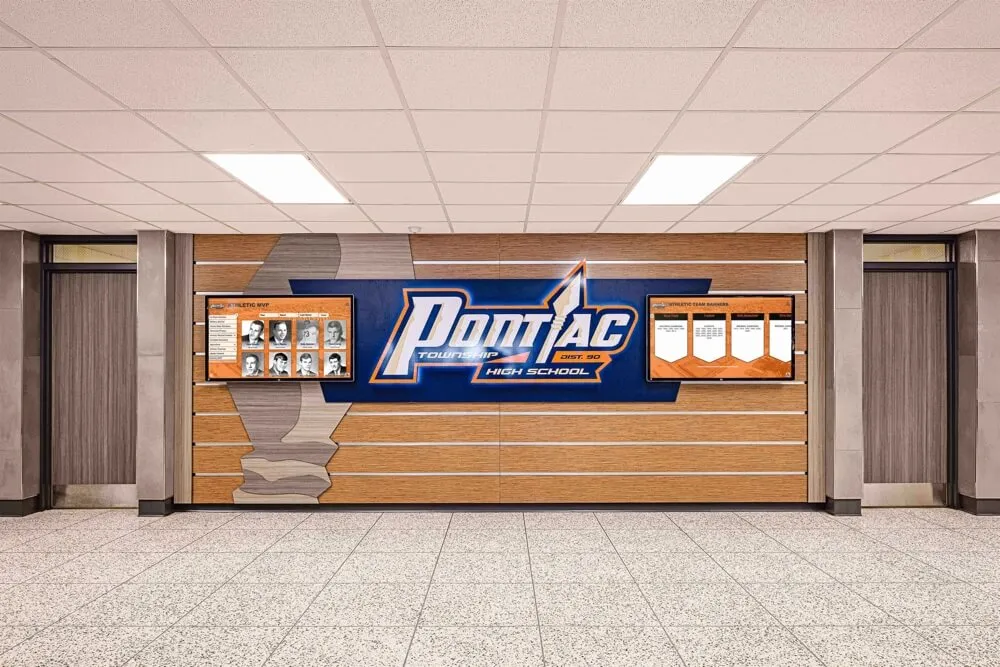
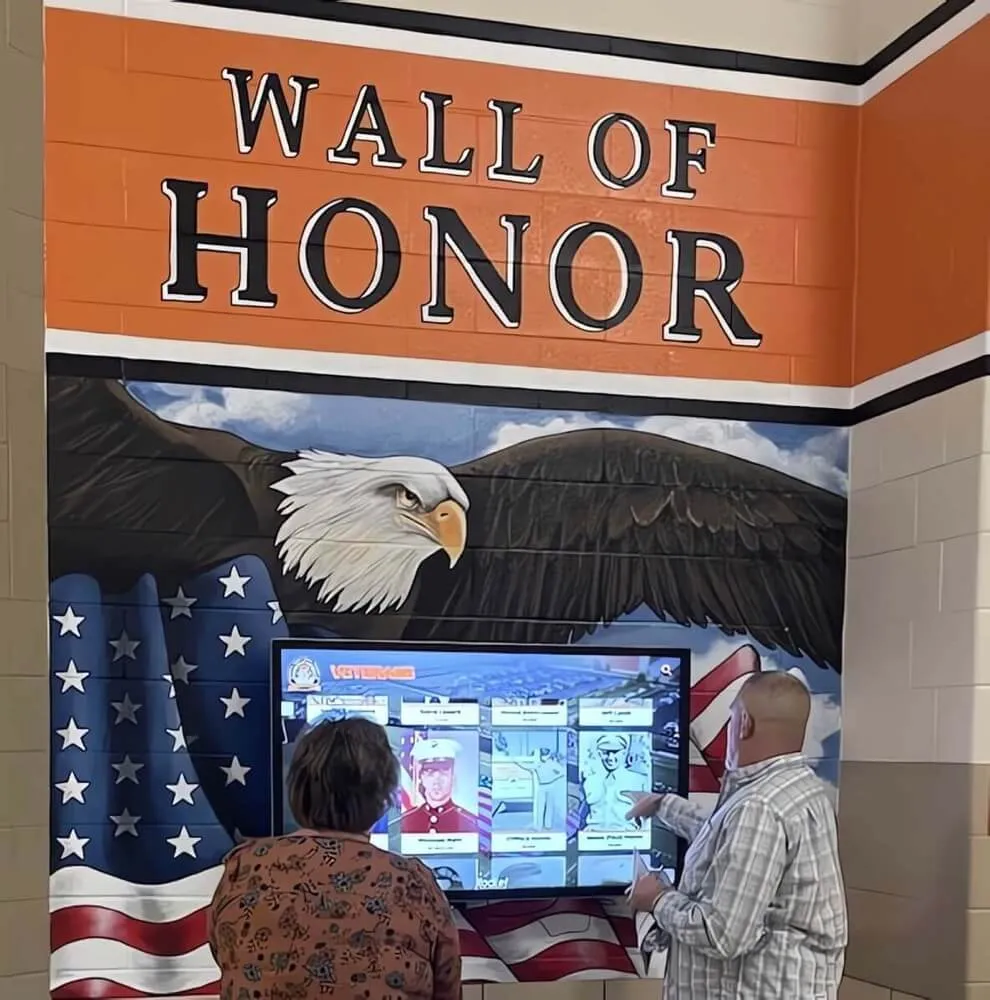
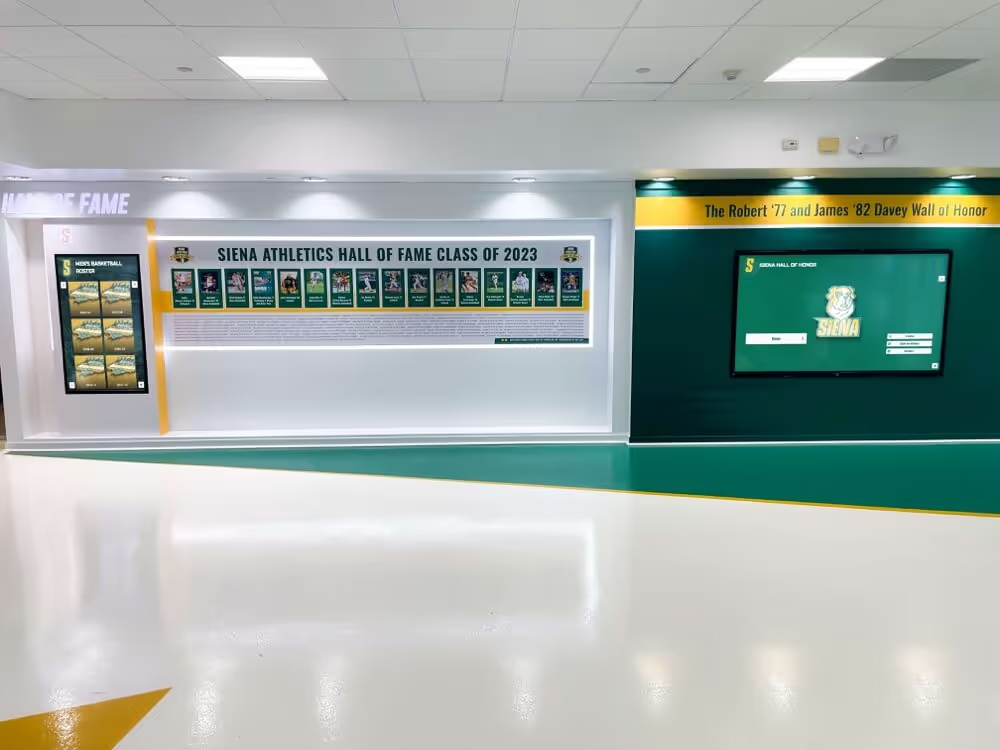
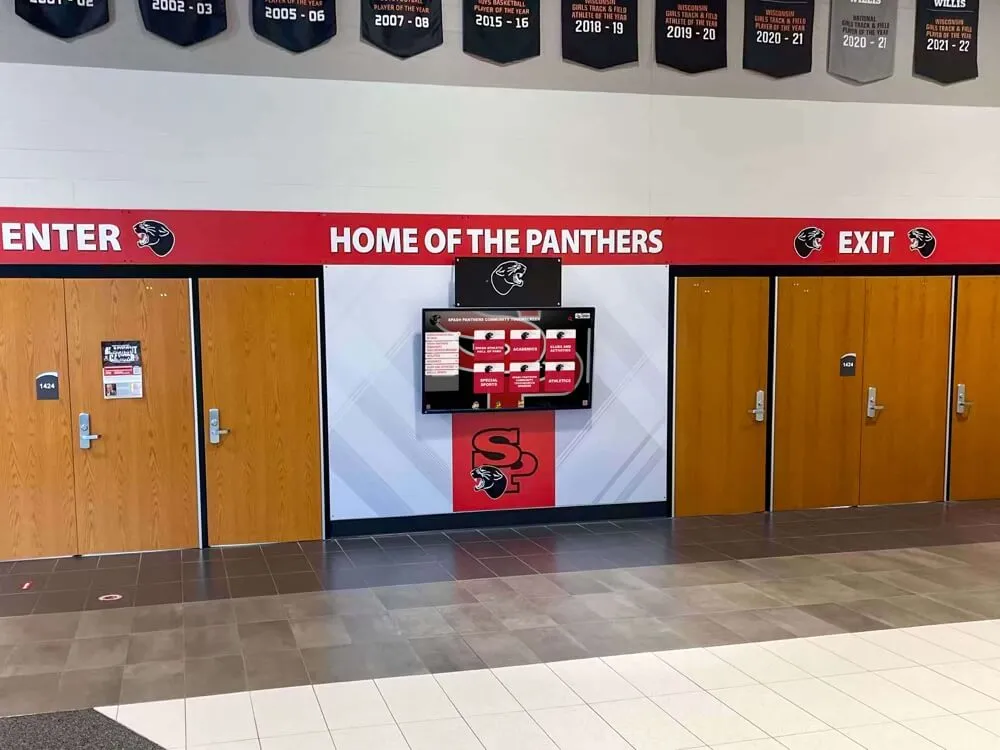
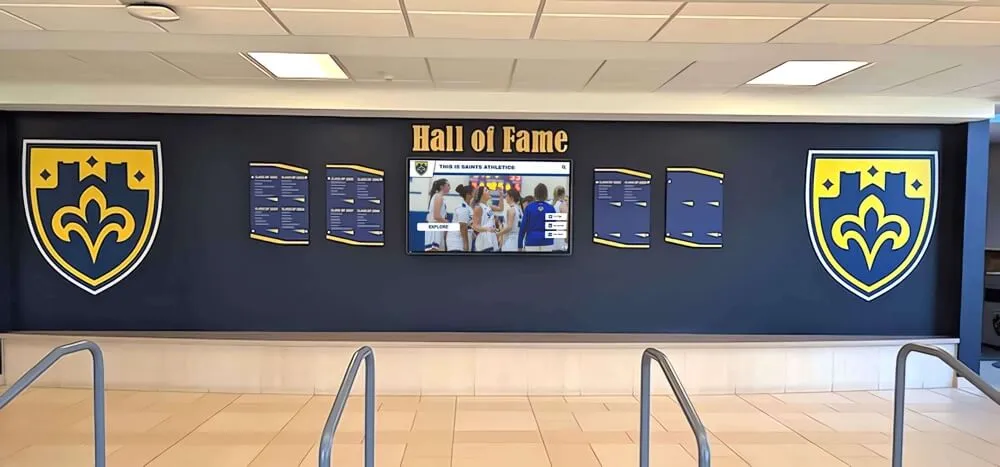
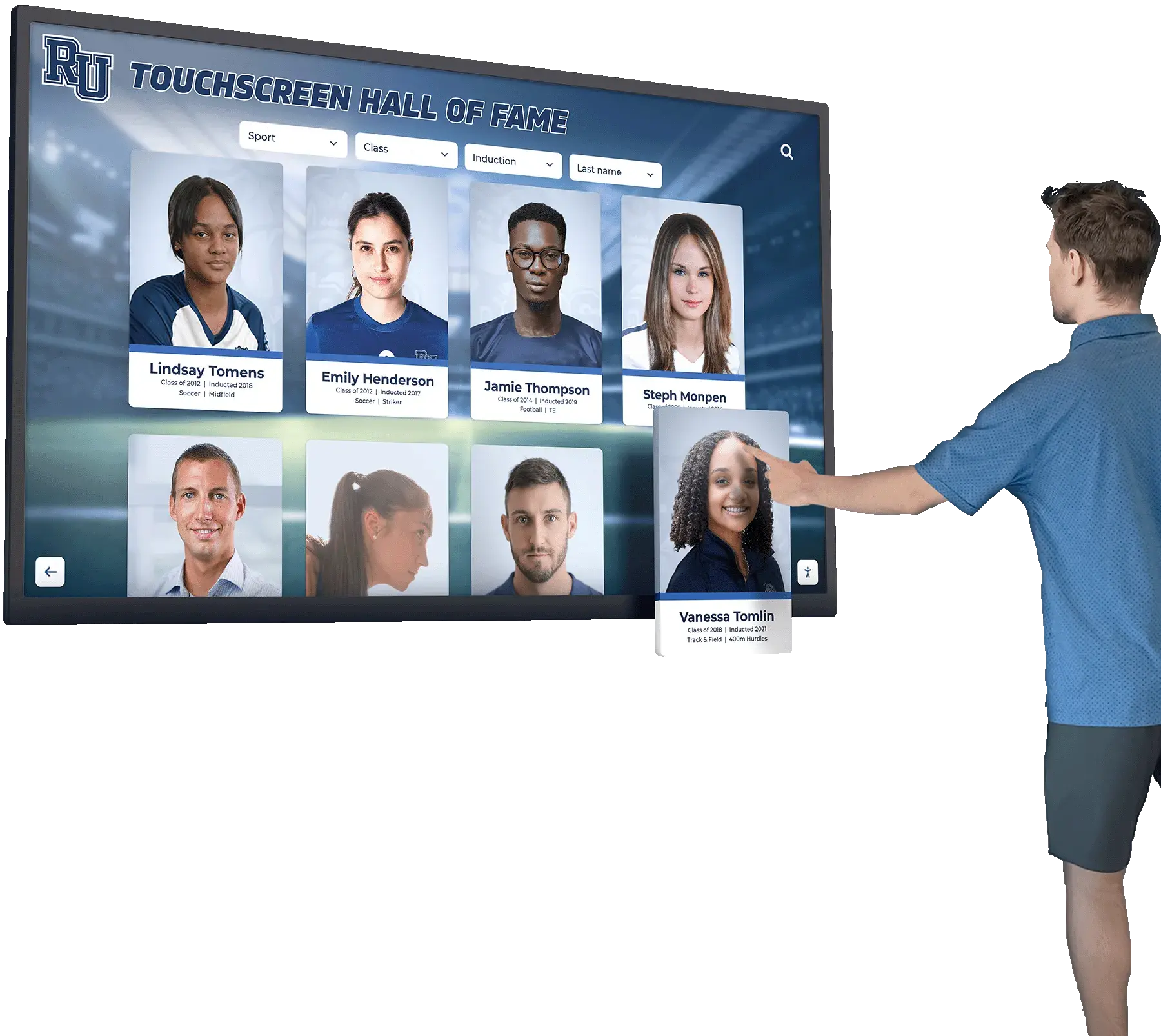
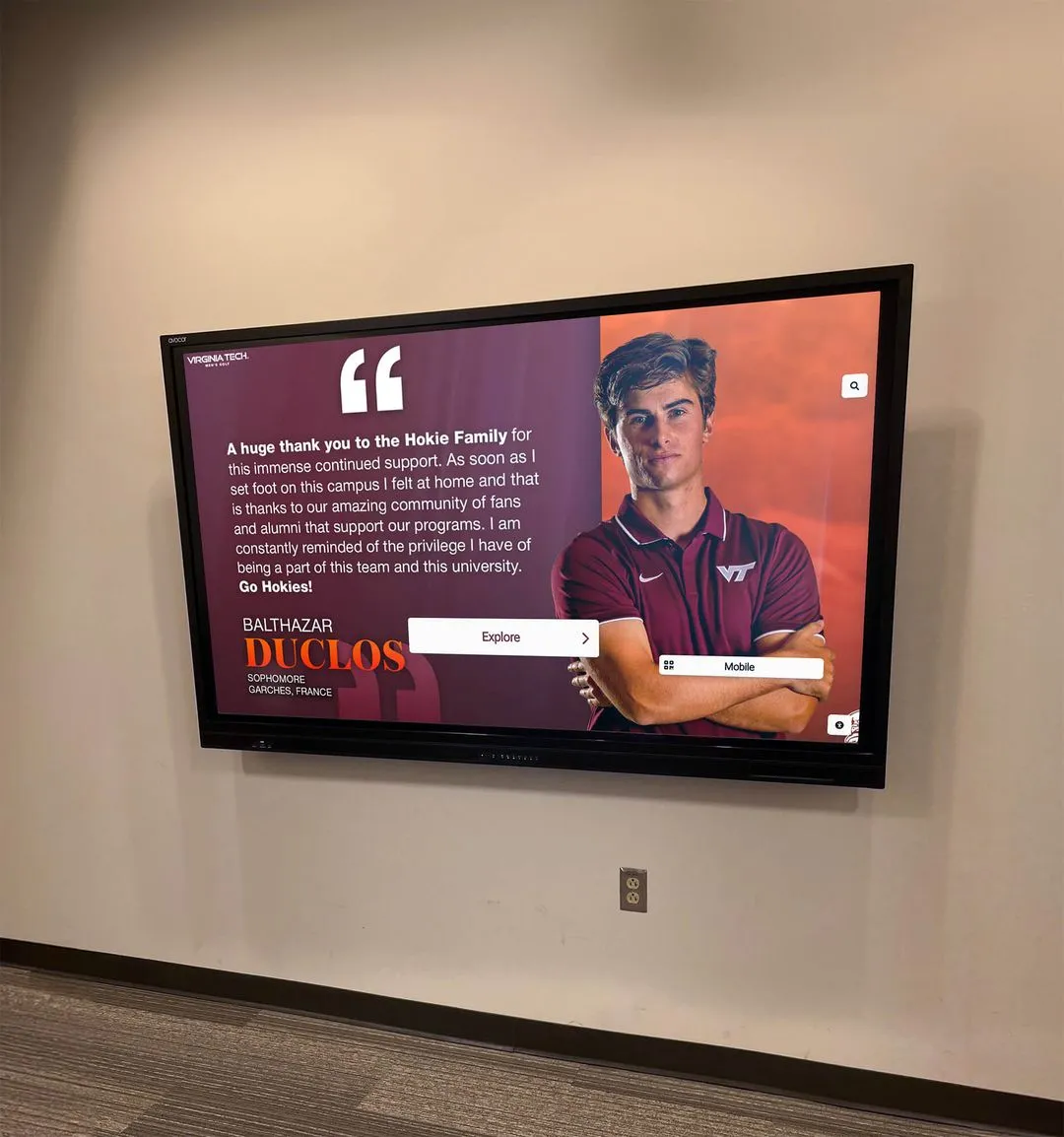
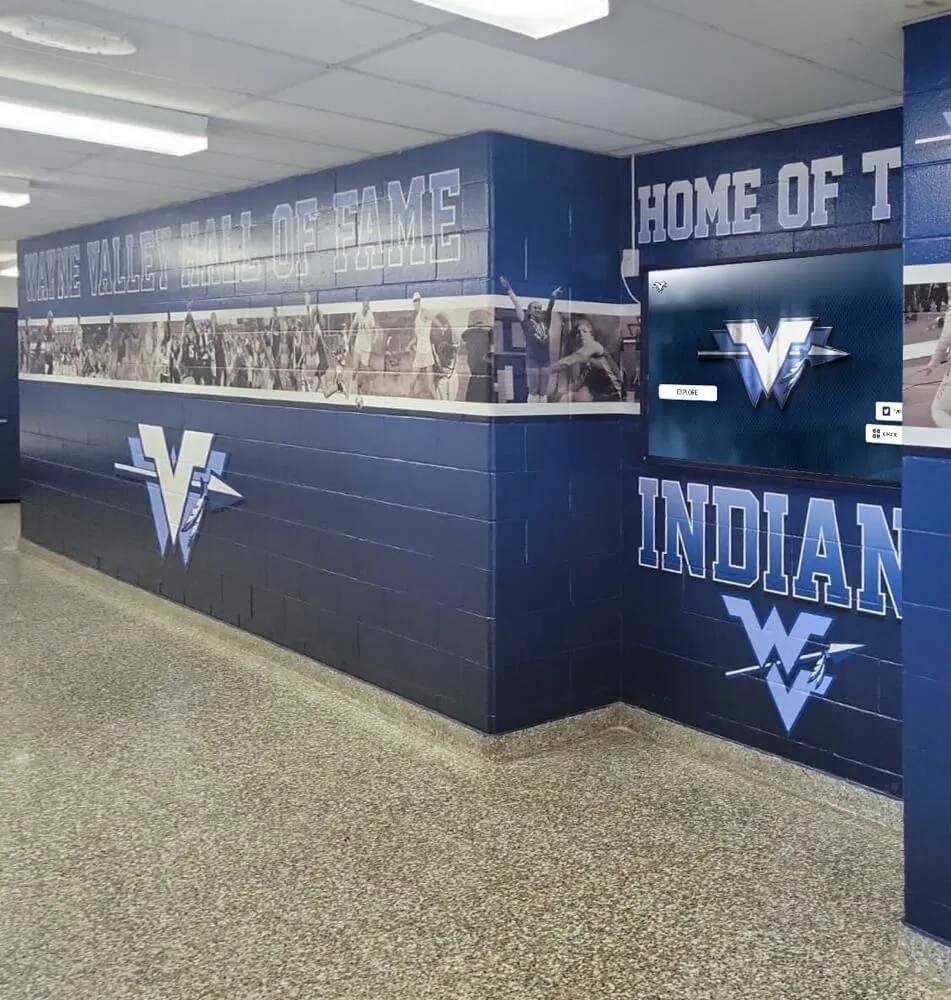
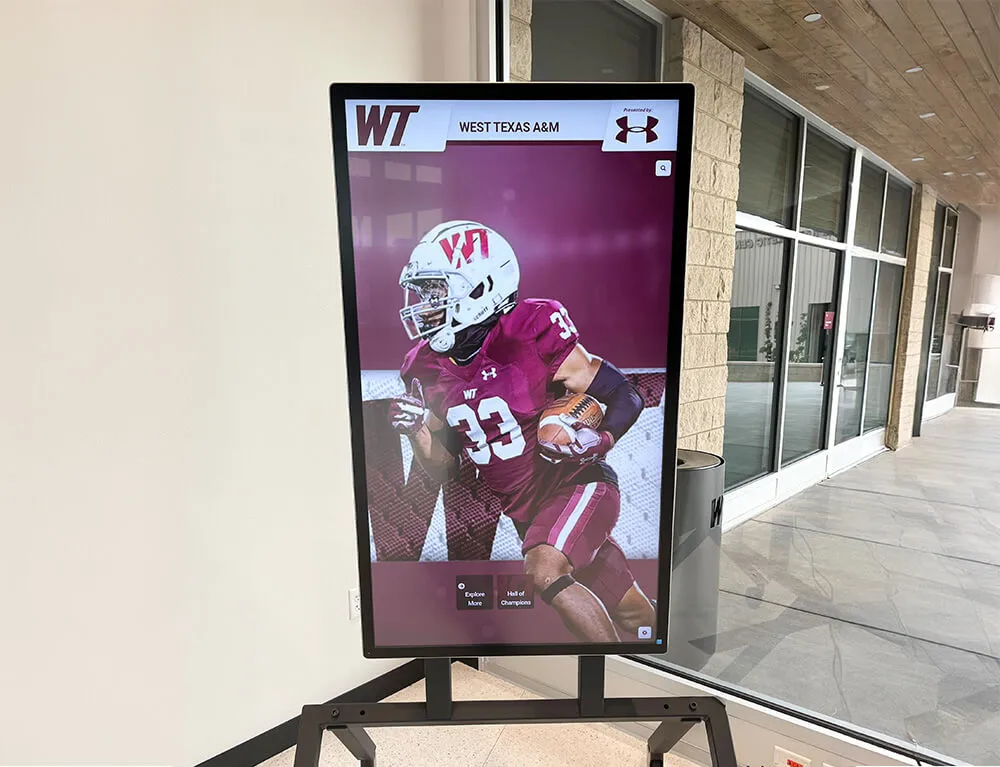
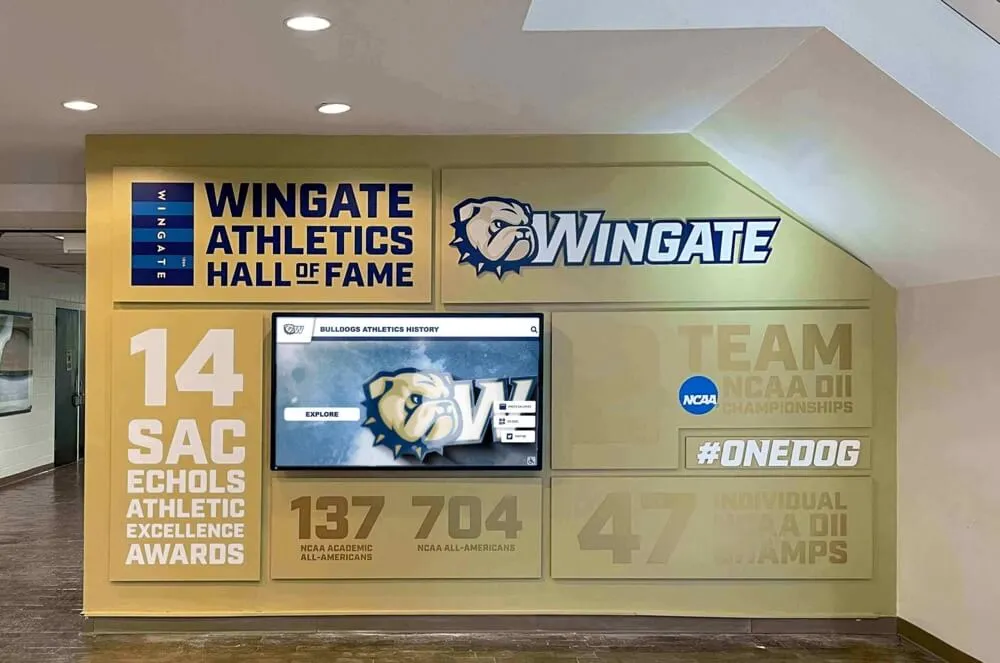
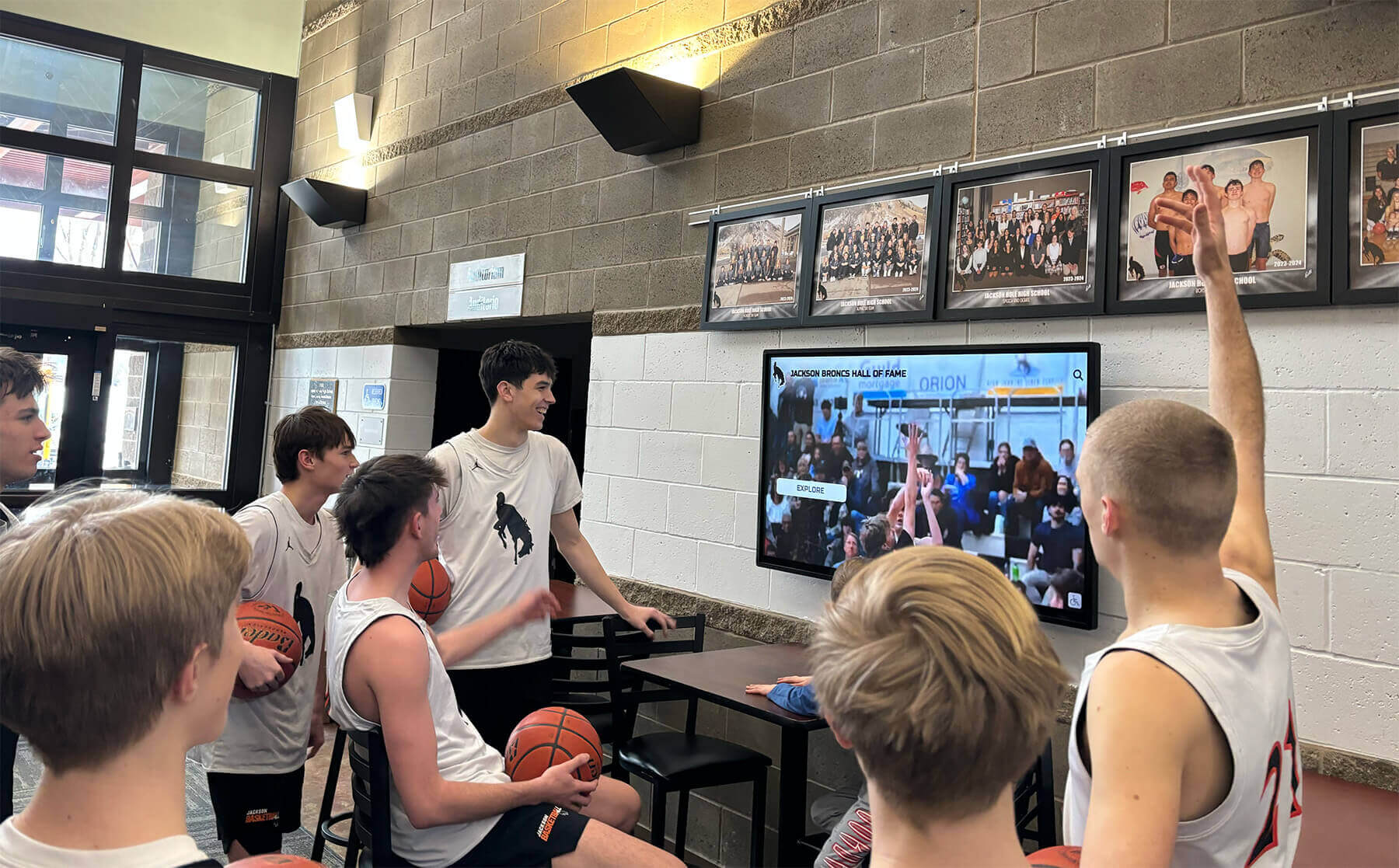
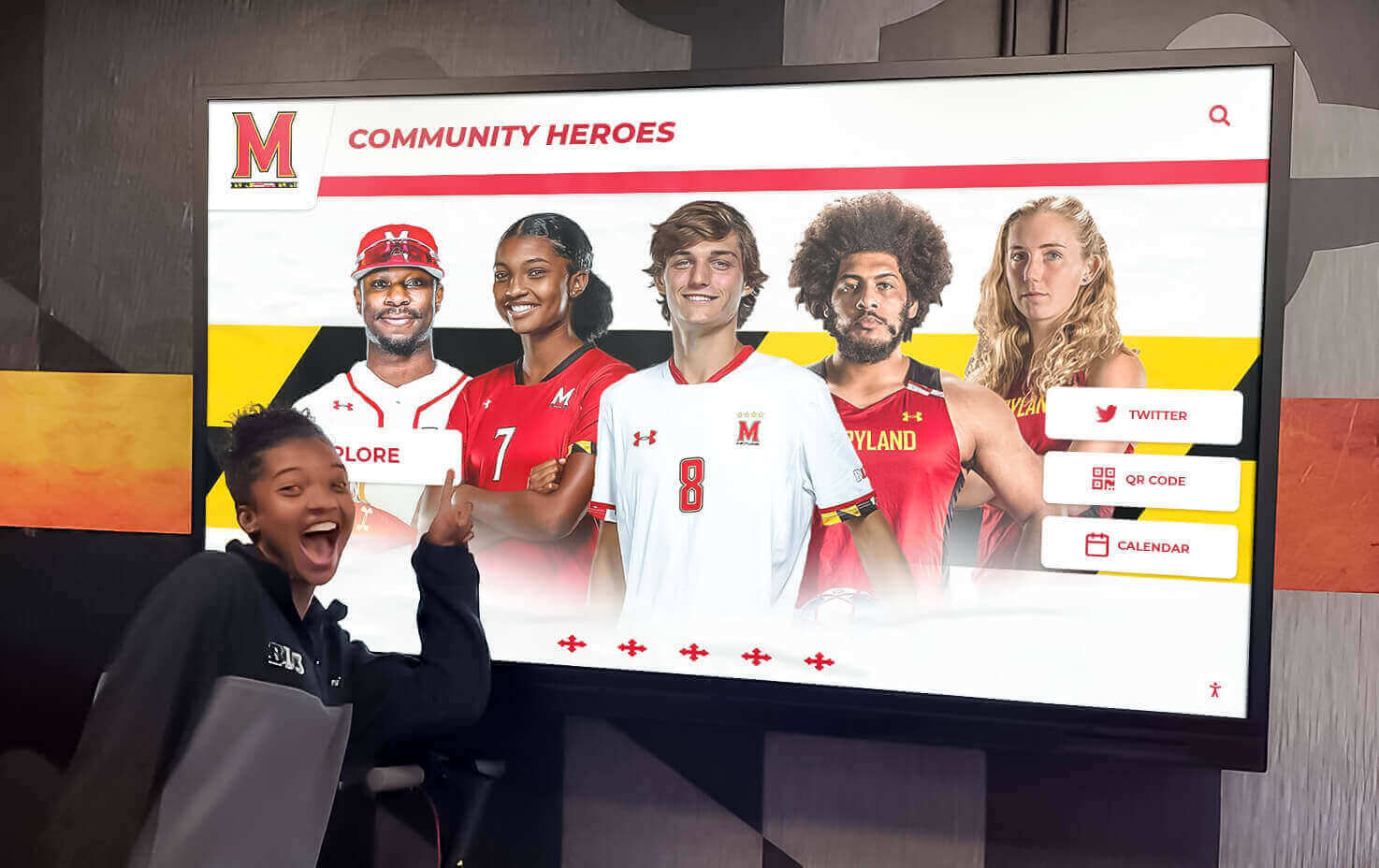
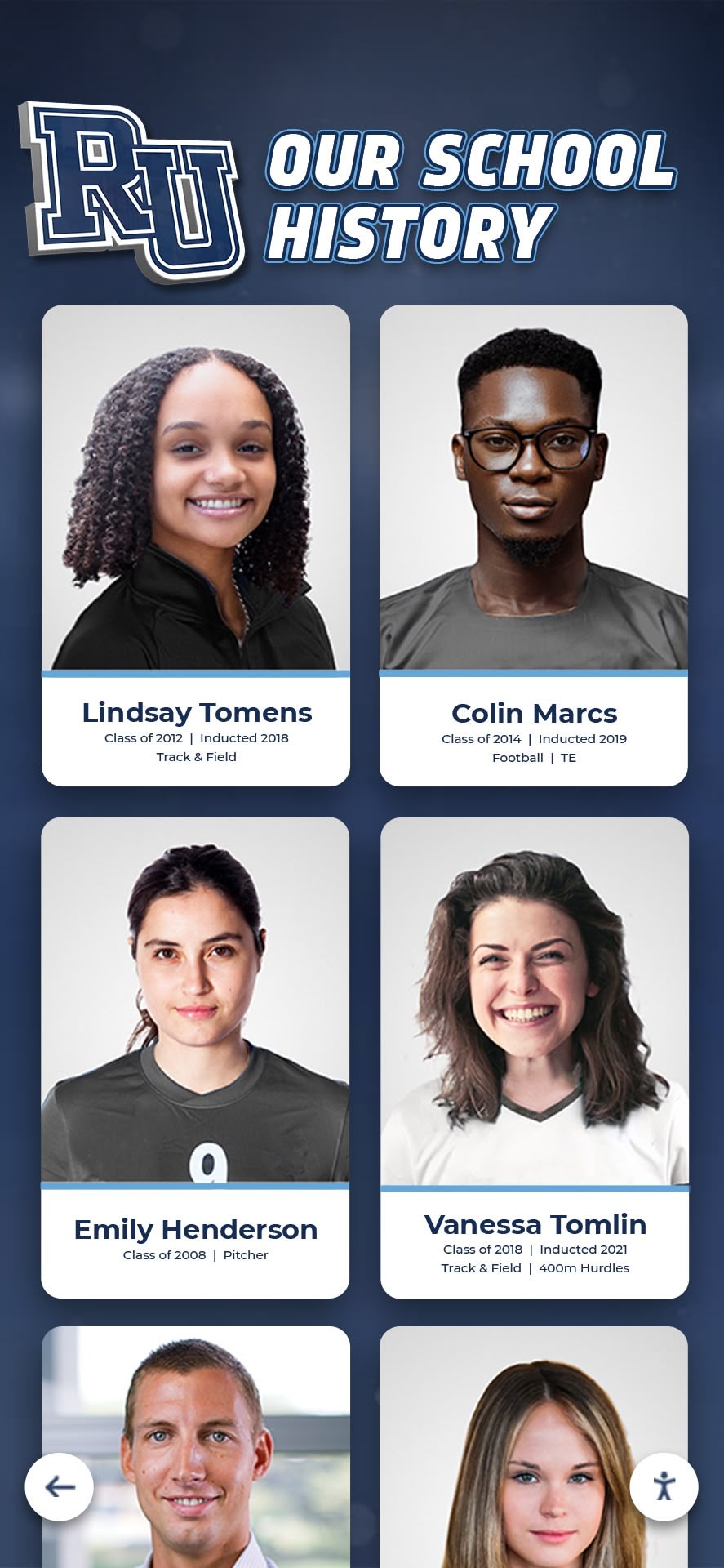
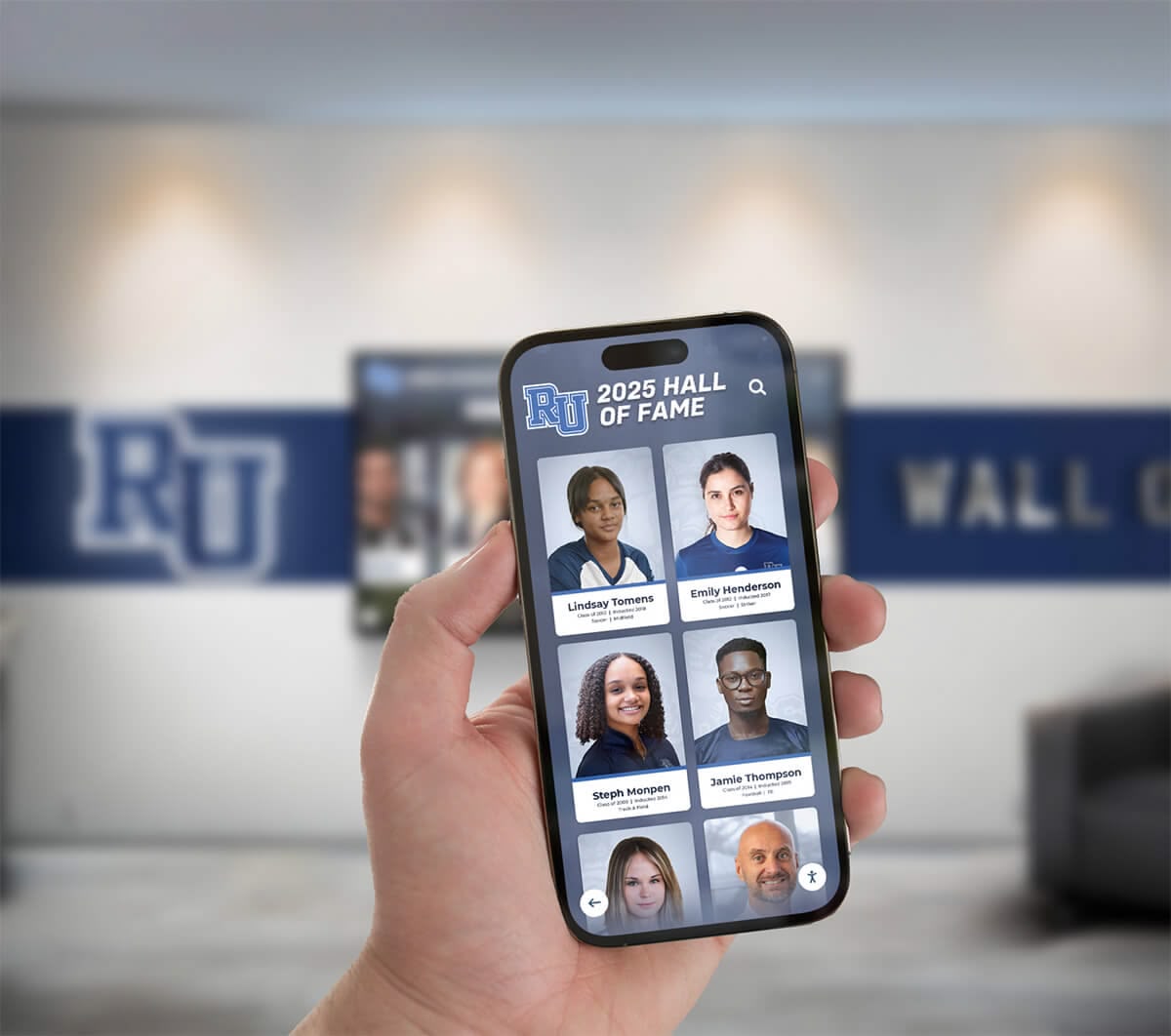
Today's most engaging school newsletters integrate digital recognition systems that celebrate student achievements while creating lasting visibility beyond single publication dates. Solutions like Rocket Alumni Solutions enable schools to highlight academic honors, athletic records, artistic accomplishments, and community service contributions through interactive displays that transform newsletter features into permanent recognition—extending the impact of weekly parent communications while inspiring current students through visible celebration of peer achievements that newsletter articles alone cannot sustain.
Understanding What Makes School Newsletters Effective
Before diving into specific content ideas and design strategies, recognizing the core principles that distinguish newsletters parents value from those they ignore helps administrators create communications worth reading.
Defining Clear Newsletter Purposes
Effective school newsletters serve multiple strategic functions beyond simple information delivery:
Building Community Connection: Newsletters create shared experiences among families who might never interact directly. Highlighting common celebrations, addressing collective challenges, and showcasing diverse student achievements help dispersed parent communities feel connected to larger school identity.
Celebrating Student Success: Recognition features validating student effort, achievement, and growth build positive school culture. Newsletters provide platforms for celebrating accomplishments that might otherwise go unnoticed—particularly for students whose achievements don’t generate athletic trophies or academic awards.
Strengthening Home-School Partnerships: Effective newsletters demonstrate transparency, provide context for school decisions, and communicate expectations clearly. Parents who understand what’s happening at school become better equipped to support student learning at home.
Showcasing School Identity: Consistent newsletter presence reinforces what makes your school distinctive—instructional approaches, core values, unique programs, or cultural characteristics that define institutional character beyond surface-level branding.
Respecting Parent Attention Economics
Modern parents face overwhelming information streams competing for limited attention. Successful newsletters acknowledge these realities:
Scannable Structure: Busy parents rarely read newsletters word-for-word. Visual hierarchy, clear headings, bold highlights, and bullet points allow quick scanning to identify relevant information without requiring full article reading.
Mobile-Friendly Design: The majority of parents now access newsletters primarily on smartphones. Responsive design ensuring readable text sizes, touch-friendly navigation, and fast loading times on mobile devices determines whether newsletters get read at all.
Consistent Publication Schedules: Regular, predictable newsletter timing builds reading habits. Parents who know newsletters arrive every Thursday evening develop routines for reviewing them, while irregular publication creates uncertainty that reduces engagement.
Appropriate Length: Newsletter length should match content value. Brief weekly updates might run 400-600 words, while monthly deep-dives could extend to 1,500 words if content justifies investment. Forcing artificial length requirements inevitably dilutes impact.
Creative Content Ideas for School Newsletters
Thoughtful content selection transforms newsletters from administrative obligation into authentic community connection.
Student Achievement Spotlight Features
Moving beyond generic honor roll lists creates meaningful recognition celebrating diverse achievement types.
1. Student of the Week/Month Profiles
Feature individual students through brief profiles highlighting academic progress, character development, creative accomplishments, or community contributions. Include student quotes, teacher observations, and personal details making subjects relatable rather than distant high-achievers. Rotate selections ensuring representation across grade levels, achievement types, and student backgrounds.
2. Academic Excellence Recognition
Celebrate Dean’s List recipients, honor roll achievers, perfect attendance earners, and students demonstrating exceptional academic growth. Rather than simply listing names, provide context explaining recognition criteria and celebrating collective achievement statistics that demonstrate schoolwide academic culture.
3. Athletic Achievement Updates
Report team records, individual accomplishments, championship progress, and athletic program milestones with specific details that help non-athlete families understand competitive context. Include performance statistics, opponent information, and championship implications making sports coverage accessible to parents unfamiliar with specific sports.
4. Arts and Music Showcase
Highlight student artwork, musical performances, dramatic productions, and creative writing accomplishments. Include images of student work, links to performance recordings, and details about upcoming showcases allowing broader community to appreciate student creativity.
5. Community Service Highlights
Celebrate student volunteer hours, service projects, charitable initiatives, and community partnerships demonstrating institutional commitment to civic responsibility. Specific impact metrics—pounds of food collected, hours volunteered, funds raised—make service accomplishments tangible.
Behind-the-Scenes School Operations
Transparency about daily school operations builds parent understanding and trust.
6. Teacher and Staff Spotlights
Profile educators, support staff, administrators, and volunteers through brief interviews revealing personal backgrounds, educational philosophies, favorite school memories, or outside interests. Humanizing school personnel strengthens parent-teacher relationships while helping students appreciate the adults invested in their success. Consider highlighting employee celebrations and milestone achievements for staff members.
7. Classroom Learning Snapshots
Provide windows into daily instruction through photo essays, teacher reflections, or student work samples showcasing what learning looks like across grade levels and subject areas. Help parents understand contemporary teaching methodologies that might differ dramatically from their own school experiences.
8. Facility and Program Updates
Communicate construction projects, technology upgrades, curriculum changes, or policy modifications with clear explanations of rationale, implementation timelines, and expected impacts. Proactive communication prevents rumors while demonstrating thoughtful institutional planning.
9. Budget and Financial Transparency
Explain how school budgets work, where funding comes from, how resources get allocated, and what financial constraints affect programming. Financial literacy helps parents understand why schools can’t simply add every requested program while building appreciation for creative resource management.
Community Connection Features
Content celebrating broader school community strengthens collective identity.
10. Parent and Family Highlights
Feature parent volunteers, family traditions, community supporters, or booster club activities demonstrating the vital role families play in school success. Recognition validates volunteer contributions while encouraging broader participation.
11. Alumni Success Stories
Share updates about distinguished graduates, notable alumni achievements, or former student career paths demonstrating long-term institutional impact. Alumni features provide inspirational role models while maintaining connections with engaged graduates.
12. Historical Traditions and Archives
Explore school history through archival photos, tradition explanations, or comparisons showing institutional evolution. Historical features build appreciation for legacy while connecting current families to broader institutional narrative spanning generations.
13. Upcoming Event Previews
Provide detailed previews of concerts, games, open houses, fundraising initiatives, or special programs with specific participation details, logistics information, and registration instructions. Compelling event descriptions increase attendance while managing expectation setting.
Educational Resources and Parent Support
Newsletters that provide practical value earn ongoing parent attention.
14. Academic Calendar Highlights
Beyond simple date listings, provide context for upcoming academic milestones—testing periods, grading deadlines, holiday schedules, or benchmark assessments. Help parents understand what’s approaching and how to support student preparation.
15. Learning Extension Activities
Share home learning suggestions, educational websites, museum exhibits, community resources, or enrichment opportunities allowing parents to extend classroom learning beyond school hours. Practical recommendations demonstrate partnership between home and school instruction.
16. Social-Emotional Development Resources
Address age-appropriate social challenges, mental health topics, developmental milestones, or parenting strategies aligned with student needs. Expert guidance helps parents navigate common childhood and adolescent challenges.
17. Technology and Digital Citizenship Tips
Provide practical advice about screen time management, social media navigation, online safety, or educational technology tools students use. Technology guidance helps parents support appropriate digital behavior at home.
Interactive and Engaging Elements
Features inviting reader participation increase newsletter engagement.
18. Student Voice Contributions
Include student-written articles, opinion pieces, creative writing samples, or interview responses giving students direct voice in school communications. Student contributions provide authentic perspectives while developing writing skills.
19. Photo Contests and Submissions
Invite families to submit photos of students reading at home, completing projects, or engaging with school assignments. Community-contributed imagery increases newsletter personalization while encouraging active participation.
20. Question and Answer Features
Solicit parent questions about school policies, procedures, curriculum, or operations, then provide detailed answers in newsletter Q&A sections. Direct responses to real parent questions build transparency while addressing common concerns.
21. Trivia and School Spirit Challenges
Include school-related trivia questions, historical challenges, or mascot-themed puzzles encouraging family engagement. Simple interactive elements make newsletters feel less like one-way broadcasts.
Newsletter Design Strategies That Enhance Readability
Content quality matters little if design prevents parents from actually consuming information. Strategic design choices significantly influence newsletter effectiveness.
Visual Hierarchy and Structure
Clear Section Demarcation: Use consistent visual treatments—background colors, borders, horizontal rules, or white space—to clearly separate distinct newsletter sections. Visual boundaries help scanners quickly identify relevant content areas.
Compelling Headlines: Write specific, descriptive headlines that clearly communicate section content. “Student Achievements This Week” works better than “Congratulations” because it helps parents immediately identify information relevance.
Strategic Use of Images: High-quality photos of actual students, staff, and events dramatically increase engagement compared to generic stock imagery or text-only newsletters. However, excessive imagery slows mobile loading—aim for 4-7 well-chosen photos per newsletter optimized for web delivery.
Consistent Branding Elements: Maintain recognizable school colors, logo placement, masthead design, and typography creating instant visual recognition. Consistent branding builds newsletter identity while reinforcing broader institutional identity.
Typography and Formatting Choices
Readable Font Sizes: Minimum 14-16pt body text ensures readability on smartphones without requiring zoom. Headlines should create clear hierarchy through size variation rather than solely relying on bold or color.
Sufficient Line Spacing: Generous line height (1.5-1.7) prevents text from feeling cramped while improving scanning comfort. Dense paragraph blocks discourage reading regardless of content quality.
Limited Font Families: Restrict newsletter typography to 2-3 font families maximum—typically one for headlines and another for body text. Excessive font variation creates visual chaos reducing professional appearance.
Purposeful Bold and Italics: Reserve bold formatting for genuinely important information requiring visual emphasis—names of honored students, critical dates, or action items requiring parent response. Overuse of bold diminishes its highlighting function.
Color and Visual Elements
Accessible Color Contrast: Ensure sufficient contrast between text and backgrounds meeting WCAG accessibility standards. Light gray text on white backgrounds fails readability tests while creating barriers for visually impaired readers.
Strategic Color Coding: Consider using consistent colors for specific content types—blue for academic news, green for athletic updates, purple for arts coverage. Color coding helps regular readers quickly locate preferred content.
White Space Utilization: Resist temptation to fill every pixel with content. Generous margins, section spacing, and breathing room around images create visual comfort encouraging sustained reading.
Button and Link Styling: Make clickable elements obviously interactive through button styling, color treatment, or underlines. Ambiguous link styling frustrates readers unsure what’s clickable.
Digital Distribution and Platform Considerations
Newsletter delivery methods significantly influence whether parents actually receive and open communications.
Email Newsletter Best Practices
Compelling Subject Lines: Write specific subject lines highlighting newsletter’s most compelling content rather than generic “Weekly Newsletter - March 17.” “State Championship Victory + Spring Concert Preview” captures attention better than date-only subjects.
Mobile-First Design: Test every newsletter on actual smartphones before distribution. What looks perfect on desktop monitors often becomes unreadable jumbles on mobile screens where majority of parents access content.
Send Time Optimization: Analyze open rate patterns identifying optimal send times for your parent community. Thursday evenings often work well for weekly newsletters, allowing Friday morning review before weekend planning.
Segmentation Options: Consider offering topical subscription options allowing parents to receive only content relevant to their interests—elementary news, athletic updates, arts programming. Reduced email volume increases engagement with content parents actually want.
Alternative Distribution Channels
Website Archives: Maintain searchable newsletter archives on school websites allowing parents to reference past communications or newcomers to access historical content. Permanent archives extend newsletter value beyond single distribution moments.
Social Media Snippets: Share newsletter highlights, featured photos, or critical announcements through social media channels reaching parents who rarely check email. However, social distribution supplements rather than replaces email delivery.
Printed Versions: While digital distribution dominates, consider limited printed versions for families without reliable internet access or those preferring physical copies. Equity considerations ensure communication reaches all families regardless of technology access.
SMS Text Alerts: For time-sensitive announcements or critical information, complement newsletter distribution with text message alerts prompting newsletter review. However, reserve SMS for genuinely urgent communications preventing alert fatigue.
Building Sustainable Newsletter Production Systems
Consistent newsletter quality requires systematic approaches preventing last-minute scrambling or publication gaps.
Content Planning and Editorial Calendars
Annual Content Planning: Map major newsletter themes, recurring features, and seasonal content across entire school year. Advance planning prevents repetitive content while ensuring comprehensive coverage of school programming.
Standing Sections: Establish consistent newsletter elements appearing in every edition—principal message, upcoming calendar, student spotlight, athletic roundup. Predictable structure builds reader familiarity while streamlining production.
Content Submission Systems: Create clear processes for staff, students, and parents to submit newsletter content including submission deadlines, required formats, photo specifications, and approval workflows. Systematic collection prevents bottlenecks while distributing production workload.
Template Libraries: Develop reusable newsletter templates with pre-formatted sections, placeholder text, and style guides ensuring consistency regardless of who produces specific editions. Templates dramatically reduce production time while maintaining quality standards.
Collaborative Production Approaches
Student Journalism Integration: Involve student journalists, newspaper staff, or communication classes in newsletter production developing student skills while reducing administrative burden. Student contributors often produce compelling content adults might overlook.
Department Contributions: Establish expectations that academic departments, grade-level teams, or program coordinators regularly contribute content highlights. Distributed authorship prevents communications bottlenecks while ensuring comprehensive school representation.
Parent Volunteer Editors: Recruit parent volunteers with writing, editing, or design skills to support newsletter production. Parent involvement builds investment while providing professional expertise schools might otherwise lack.
Administrative Review Processes: Define clear approval workflows ensuring appropriate review without creating publication delays. Streamlined review processes balance quality control with production efficiency.
Measuring Newsletter Effectiveness
Strategic assessment helps schools understand whether newsletters actually achieve communication goals.
Email Analytics: Monitor open rates, click-through rates, device types, and engagement timing identifying what resonates with parent audiences. Declining metrics signal needed content or design adjustments.
Parent Surveys: Periodically survey families about newsletter preferences, desired content types, optimal frequency, and satisfaction levels. Direct feedback reveals gaps between administrative assumptions and parent preferences.
Event Attendance Correlation: Track whether robust event previews correlate with increased attendance. Newsletters should drive action beyond passive reading.
Website Traffic Patterns: Analyze whether newsletter distribution drives website visits, calendar checks, or resource downloads indicating newsletters successfully direct parents to deeper information sources.
Comparative Content Performance: Identify which content types generate highest engagement through link clicks, social shares, or qualitative feedback. Double down on high-performing content while reconsidering consistently ignored sections.
Special Newsletter Formats and Occasions
Beyond weekly or monthly standard editions, specialized newsletters serve distinct purposes.
Welcome Back Newsletters
Beginning-of-year communications set tones for entire academic year. Welcome newsletters should comprehensively introduce school leadership, outline communication expectations, preview major events, explain key policies, and celebrate returning community members while warmly welcoming new families.
End-of-Year Reflections
Year-end newsletters celebrate collective achievements, acknowledge graduating students, recognize retiring staff, share enrollment updates, preview summer programs, and maintain connections during extended breaks. Retrospective content validates year-long efforts while building anticipation for following year.
Emergency and Crisis Communications
Develop separate templates for urgent communications requiring immediate parent attention—weather closures, security incidents, or health emergencies. Crisis newsletters prioritize clarity, specific action steps, and reassurance over design flourishes or lengthy context.
Special Event Programs
Major events—homecoming, graduation, award ceremonies—warrant dedicated communications providing comprehensive details, celebrating participants, and building excitement beyond routine newsletter mentions.
Integrating Recognition Displays with Newsletter Content
The most innovative schools connect newsletter recognition features with permanent displays extending impact beyond single publication dates.
Newsletter spotlights of student achievements gain lasting visibility when integrated with digital recognition systems allowing year-round celebration. Featured students, honored athletes, academic achievers, or artistic standouts highlighted in weekly newsletters deserve recognition extending beyond brief newsletter mentions that quickly disappear from parent inboxes.
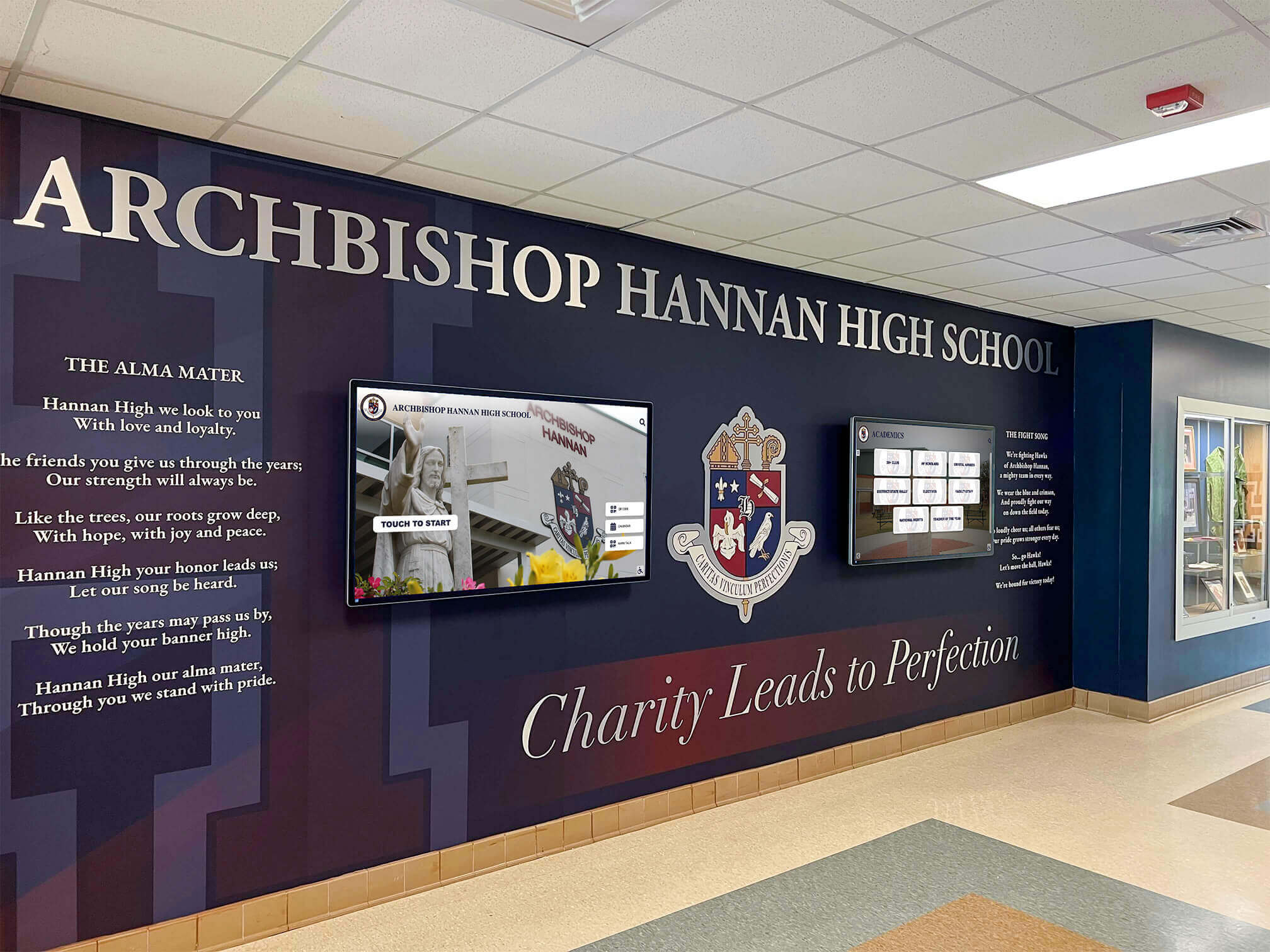
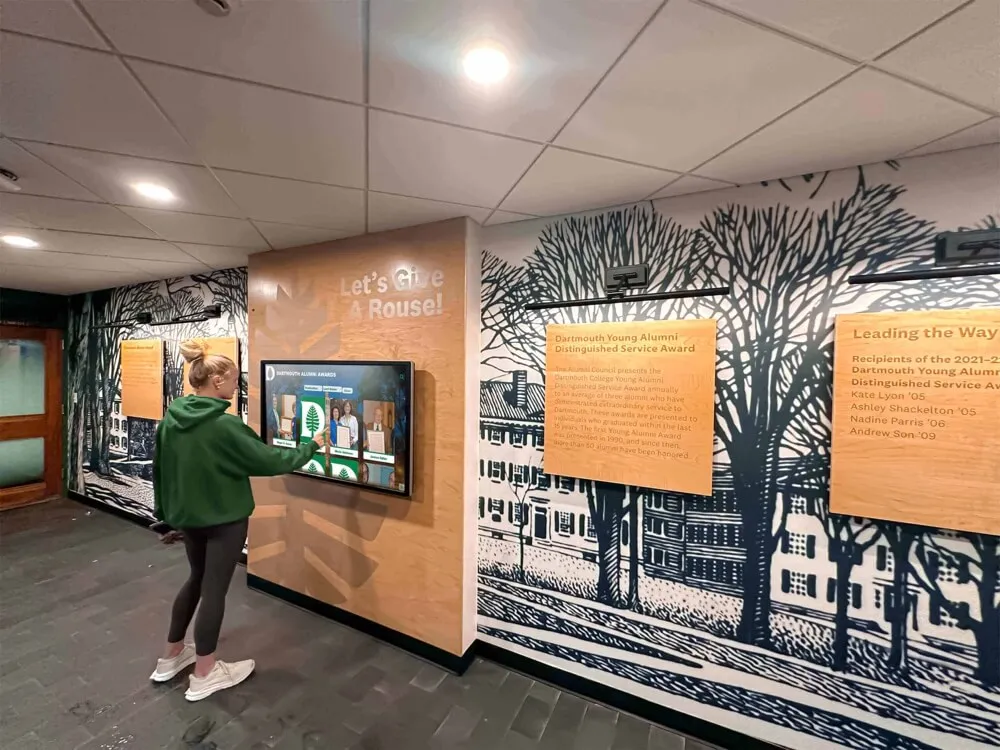
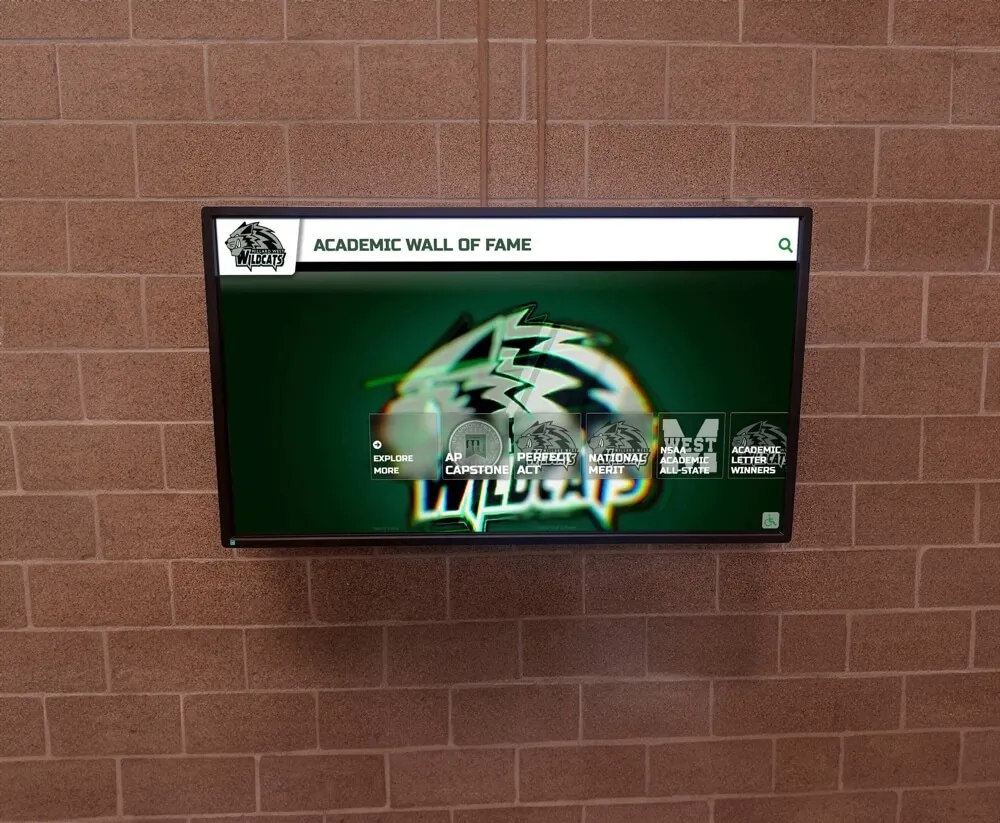
Modern schools increasingly combine newsletter recognition with interactive displays showcasing student success throughout school facilities. Students featured in newsletter spotlights appear on hallway displays, entry kiosks, or cafeteria screens creating pride-building visibility while making abstract newsletter recognition tangibly present in daily school life.
This integration transforms newsletters from purely informational communications into gateway recognition platforms identifying students whose achievements warrant extended celebration through permanent digital displays, hall of fame features, or legacy documentation preserving accomplishments beyond single school years.
Common Newsletter Mistakes to Avoid
Understanding frequent pitfalls helps schools prevent predictable communication failures.
Inconsistent Publication: Irregular newsletters train parents to ignore them since reliable reading habits never develop. Commit to realistic publication schedules you can actually maintain.
Administrative Focus Over Student Celebration: Newsletters dominated by policy reminders and deadline warnings feel bureaucratic rather than celebratory. Balance necessary logistics with compelling student-focused content.
Generic Stock Photography: Impersonal stock images create emotional distance. Real photos of actual students, staff, and school spaces build authentic connection.
Inaccessible Language: Educational jargon, acronyms, and insider terminology alienate parents unfamiliar with school-specific vocabulary. Write in plain language assuming readers lack institutional context.
Neglecting Mobile Experience: Desktop-optimized newsletters become unreadable on smartphones where most parents actually access content. Always test mobile rendering before distribution.
Overwhelming Length: Excessive newsletter length defeats even interested parents facing limited time. Respect reader attention through focused content and appropriate brevity.
Lack of Visual Hierarchy: Wall-of-text newsletters discourage reading regardless of content quality. Strategic formatting, headings, and white space enable efficient scanning.
Future Newsletter Trends and Innovations
Forward-thinking schools explore emerging approaches enhancing traditional newsletter formats.
Personalization Capabilities: Advanced platforms enable customized newsletters showing families only content relevant to their specific students’ grade levels, activities, or interests. Personalization increases relevance while reducing information overload.
Video Integration: Brief video clips of student performances, principal messages, classroom activities, or event highlights create engaging multimedia experiences impossible with text-only formats.
Interactive Elements: Embedded calendars, RSVP forms, survey tools, or direct reply capabilities transform newsletters from one-way broadcasts into interactive communication platforms.
Data Visualization: Infographics, charts, and visual data presentations make complex information—budget allocations, enrollment trends, academic performance—accessible to broader audiences than text-heavy explanations.
Multi-Language Options: Automated translation tools or parallel language versions ensure families with limited English proficiency receive communications in accessible formats promoting equity and inclusion.
Conclusion: Creating School Newsletters That Build Community
Effective school newsletters transform obligatory administrative communications into authentic community-building tools that celebrate student success, strengthen home-school partnerships, and create shared identity among dispersed parent populations. The most impactful newsletters combine strategic content showcasing what makes school communities special, thoughtful design respecting parent attention economics, consistent publication building reliable reading habits, and meaningful recognition validating student effort across diverse achievement types.
The content ideas, design strategies, and production approaches explored here provide frameworks for creating newsletters parents genuinely anticipate rather than immediately delete. Whether publishing weekly updates or monthly deep-dives, success requires commitment to authentic student celebration, transparent operational communication, practical value delivery, and sustainable production systems preventing quality deterioration when competing demands intensify.
Effective newsletter programs recognize that parent communication serves strategic purposes beyond information transmission. Initial newsletters early in school years establish communication patterns and build administrative credibility. Mid-year communications maintain engagement while addressing emerging challenges. End-of-year reflections celebrate collective achievements while maintaining connections during extended breaks. Tailoring newsletter approaches to academic calendar rhythms ensures communications deliver relevance matching where families are in yearly journeys.
Beyond immediate communication purposes, the most meaningful newsletters establish foundations for lasting student recognition extending impact beyond single publication dates through permanent displays honoring achievement, comprehensive archives preserving accomplishment documentation, and strengthened connections between current student success and institutional traditions worthy of multi-generational celebration.
For schools committed to exceptional family engagement, newsletters represent strategic opportunities not just to broadcast information but to celebrate student achievement appropriately, demonstrate educational transparency building parent trust, provide practical resources supporting home learning, and create visible connections between featured student accomplishments and permanent recognition systems ensuring every achievement receives lasting acknowledgment.
Ready to transform your school newsletters into powerful recognition platforms while establishing permanent displays that give featured students year-round visibility? Discover how modern digital recognition systems create engaging displays showcasing newsletter-featured students, preserve comprehensive achievement documentation, and build searchable archives ensuring every accomplishment receives lasting celebration—elevating weekly parent communications into gateway platforms identifying students whose success deserves permanent recognition inspiring future generations through living examples of institutional excellence.