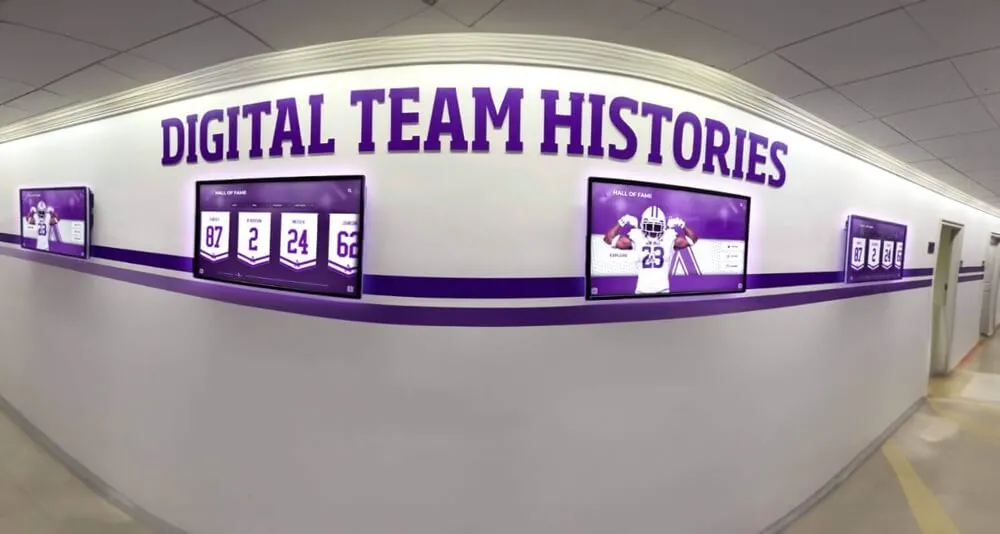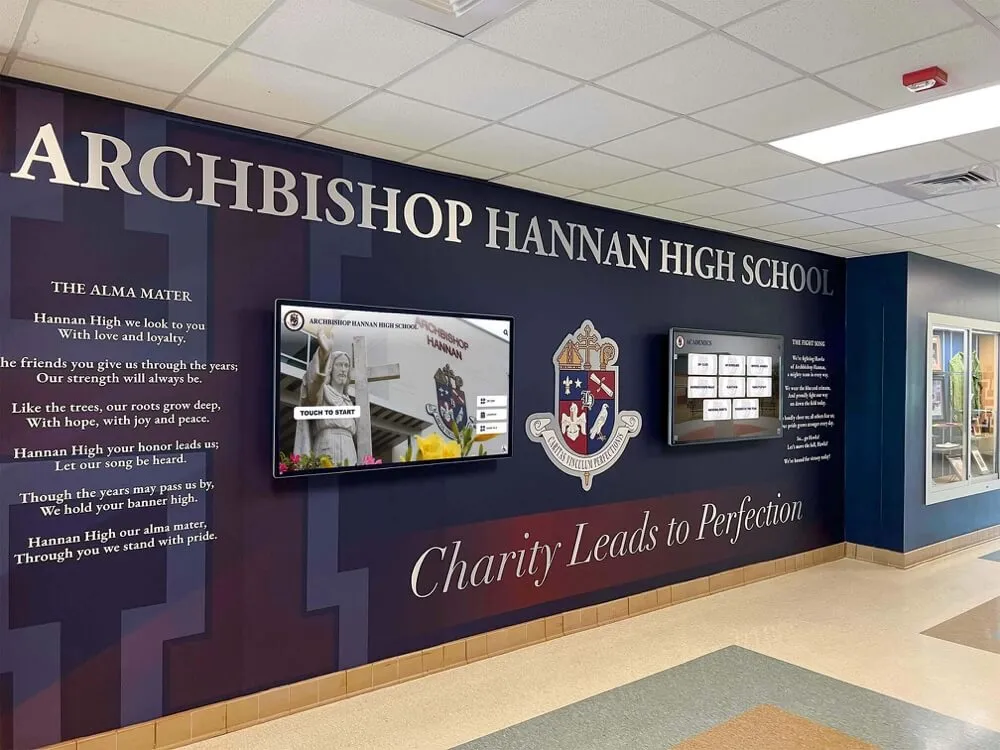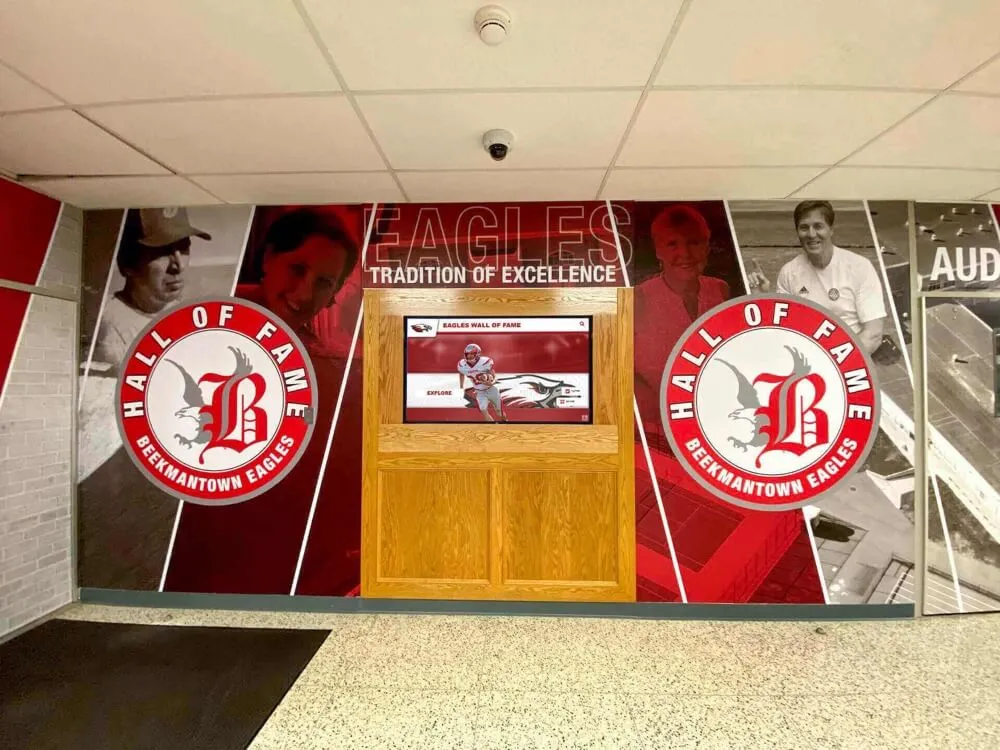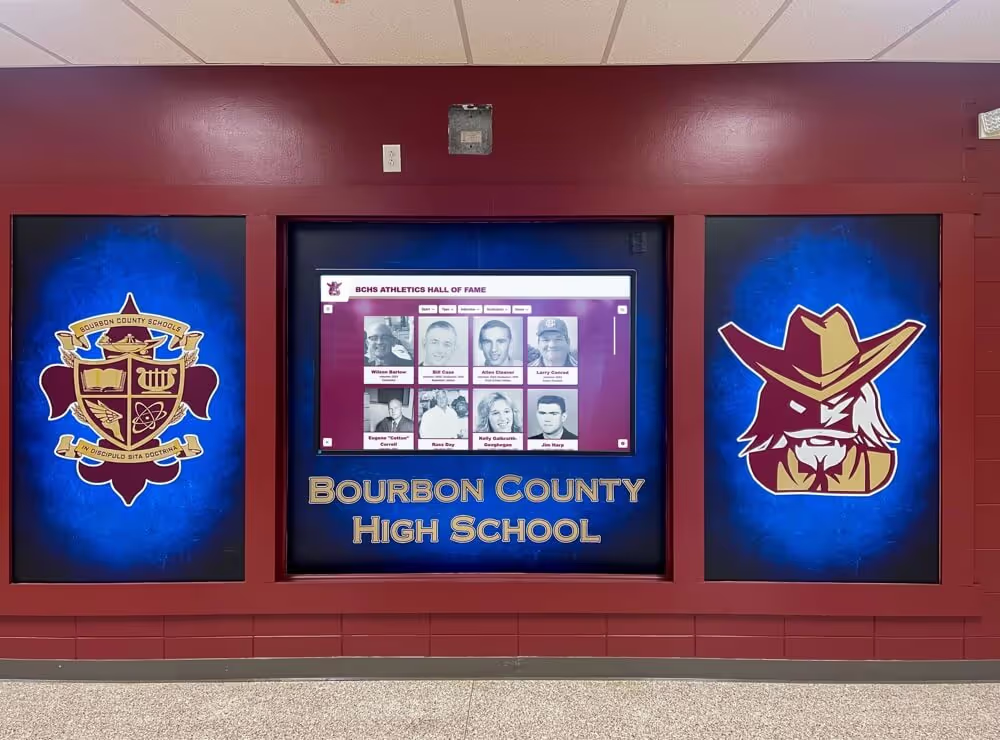




School murals transform ordinary walls into powerful expressions of identity, values, and community pride. Whether celebrating athletic achievements, showcasing academic excellence, honoring school history, or simply creating welcoming environments, well-designed murals turn hallways, gymnasiums, and common areas into engaging spaces that inspire students, impress visitors, and strengthen school culture.
For administrators, designers, and facility coordinators considering mural projects, the challenge lies in selecting designs that balance visual impact with longevity, reflect authentic school identity rather than generic themes, and create meaningful connections for students across diverse interests and backgrounds. This comprehensive guide explores inspiring school mural ideas across different spaces, design approaches that maximize impact, and considerations for creating murals that remain relevant and valued for years to come.
Why School Murals Matter
School murals serve purposes far beyond aesthetic decoration. Thoughtfully designed murals reinforce school identity and values in high-visibility spaces, create sense of pride and belonging for students and staff, provide visual landmarks that help visitors navigate facilities, celebrate achievements and history that connect current students to institutional legacy, and transform sterile institutional spaces into welcoming, personalized environments. For schools implementing comprehensive recognition programs, murals complement digital displays and traditional recognition methods while providing permanent visual anchors that define school character.
Hallway Mural Ideas That Build School Identity
School hallways represent prime opportunities for impactful murals that students encounter daily between classes, creating repeated exposure that reinforces messages and builds familiarity with school values and history.
Mascot and School Spirit Murals
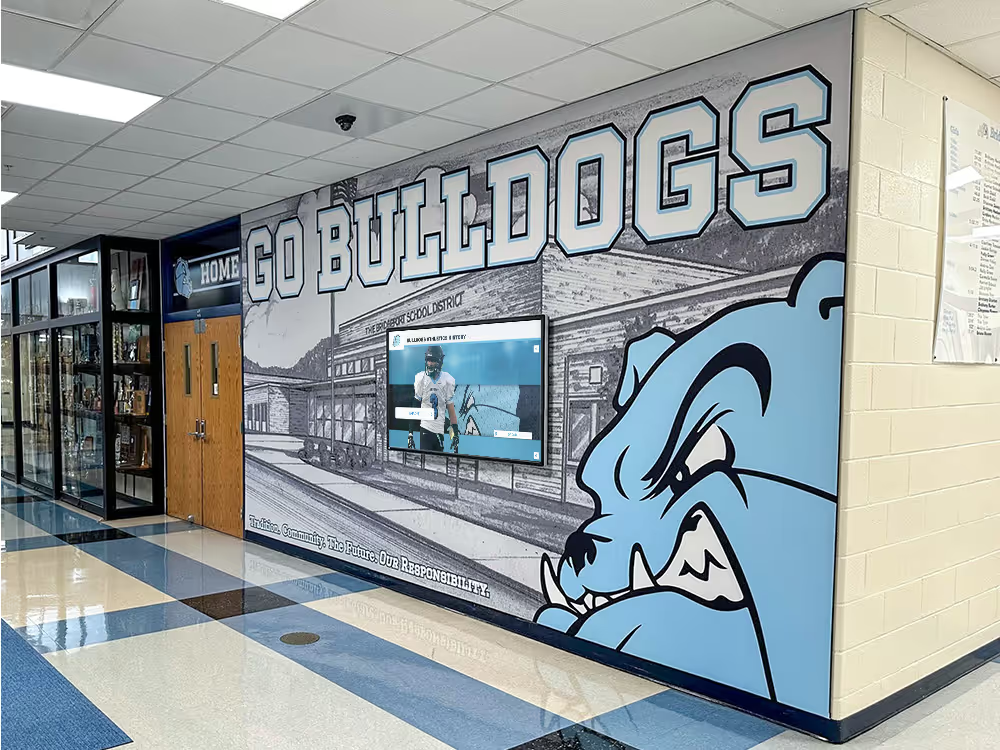
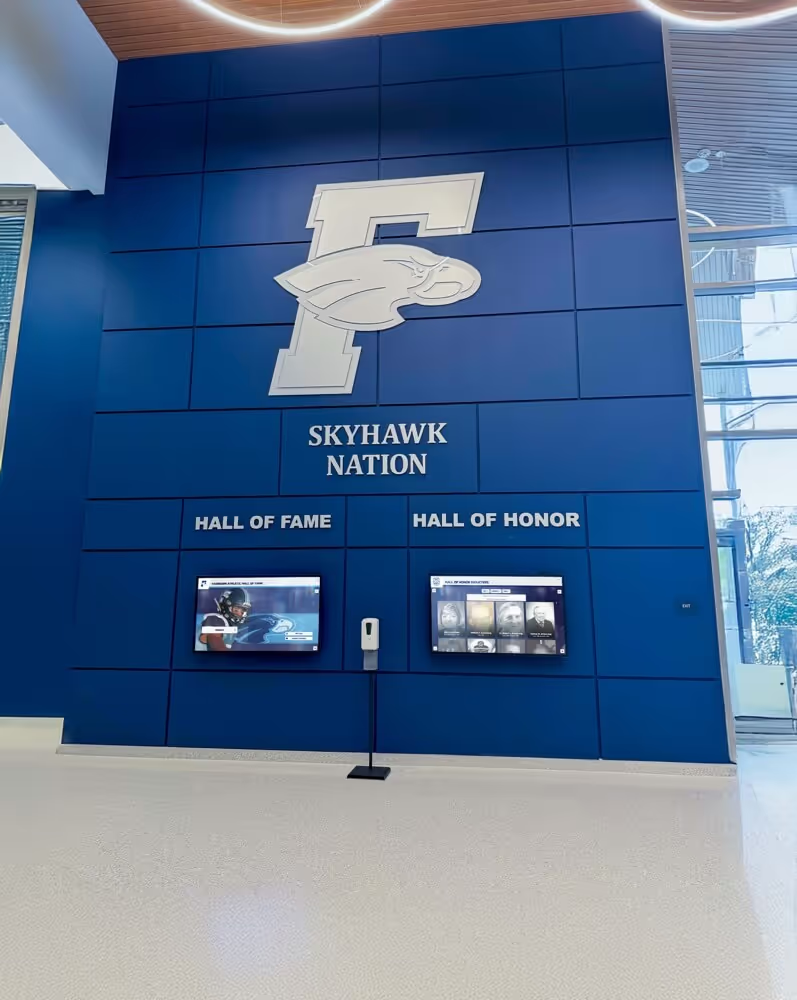
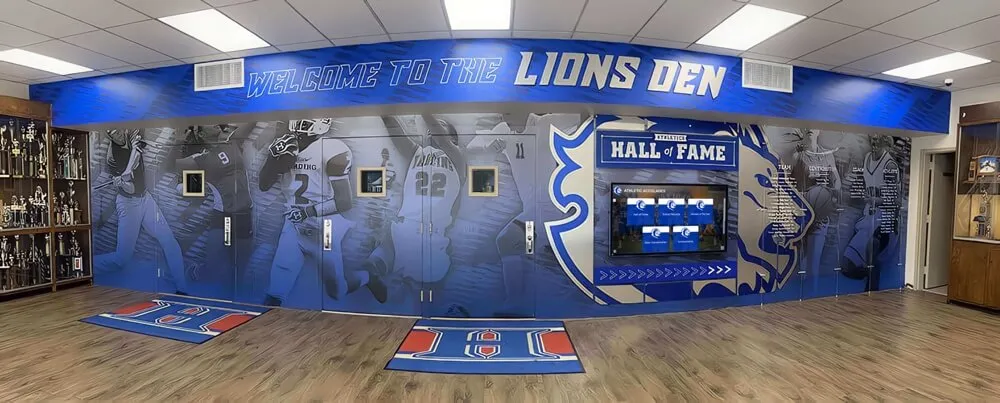
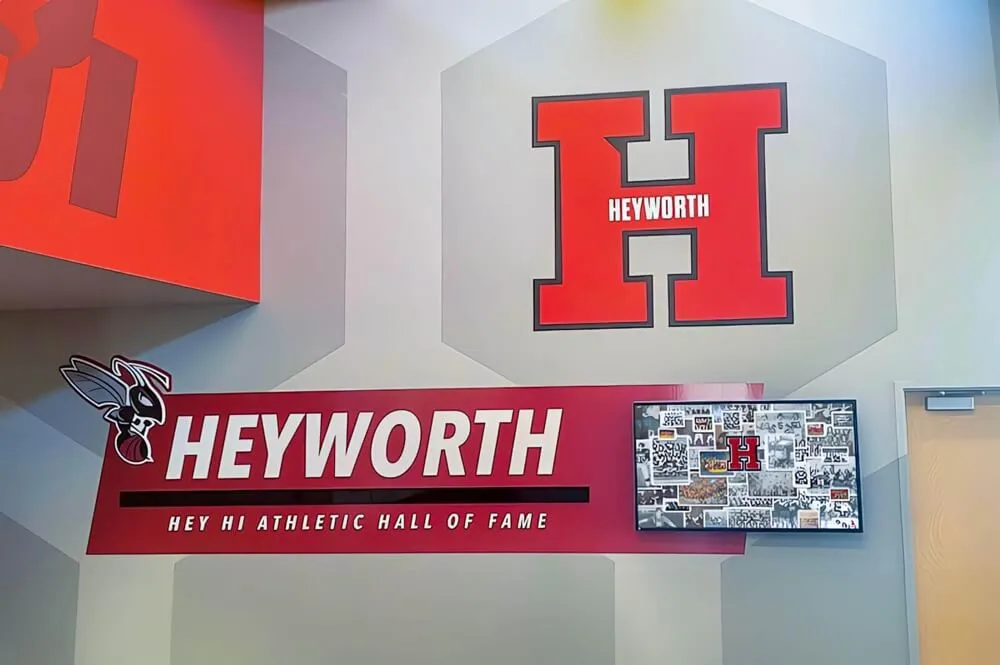
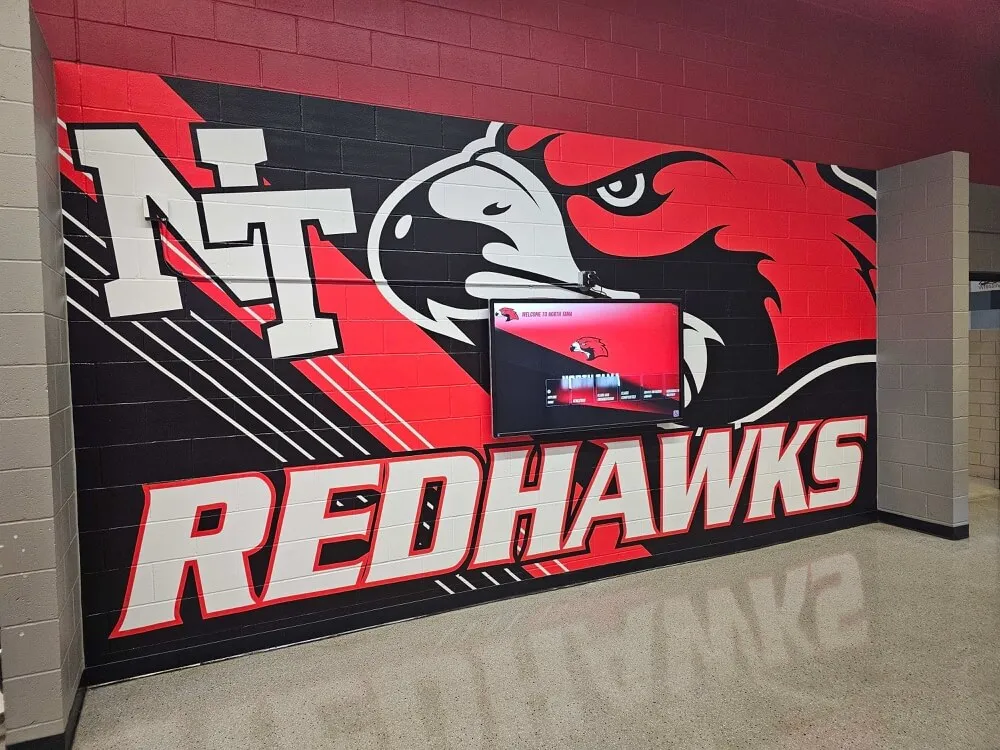
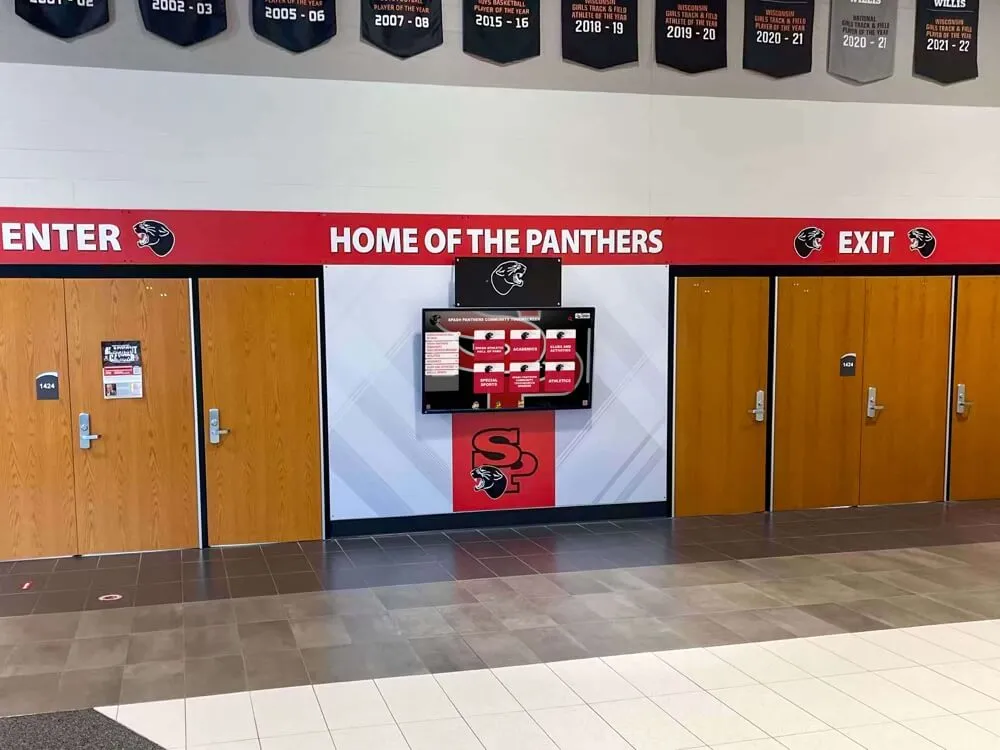
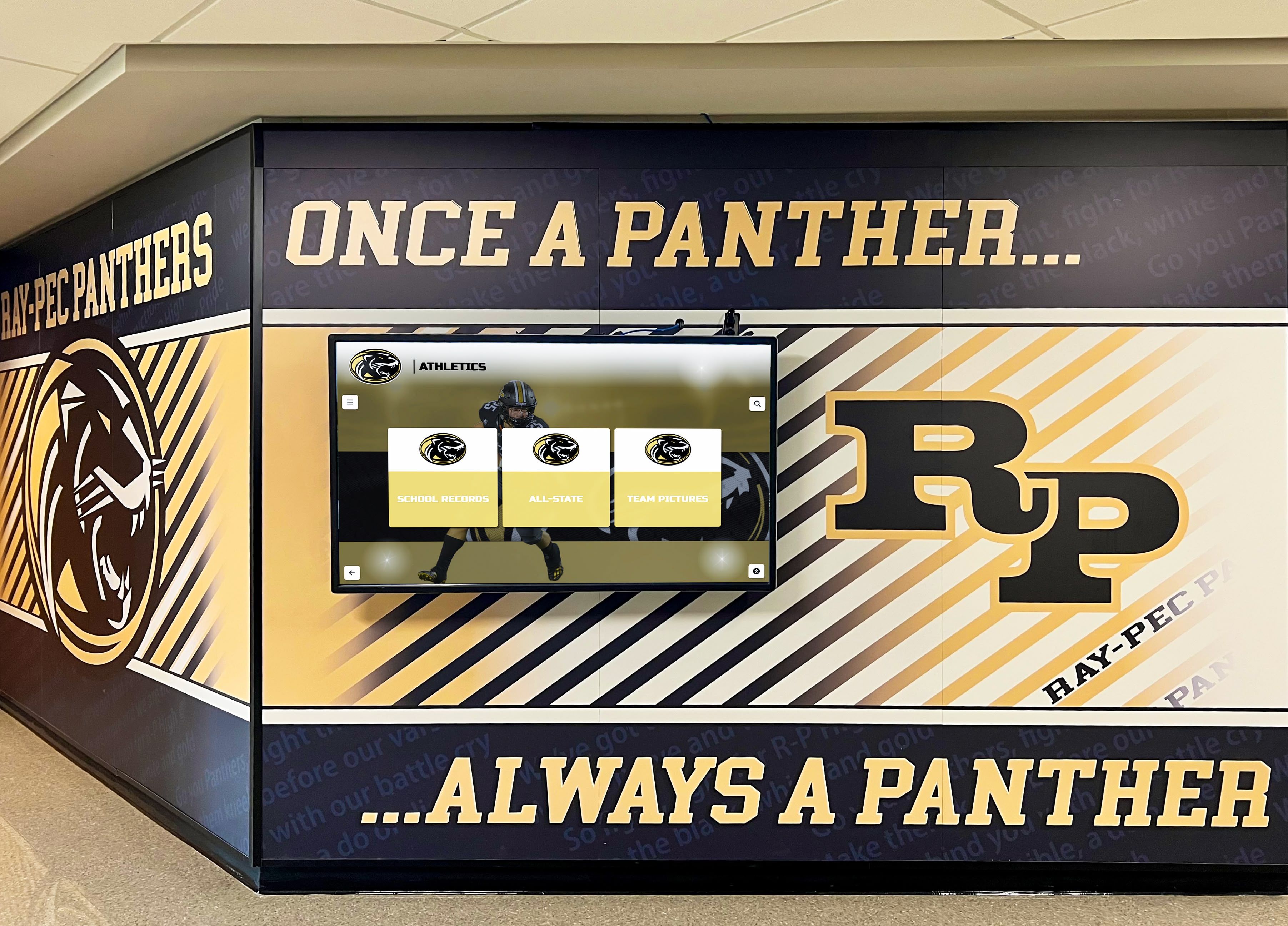
Bold mascot murals create immediate visual identity in main hallways and entrances. Effective mascot mural designs typically feature oversized mascot illustrations commanding attention through scale and color, school colors used consistently throughout the design creating cohesive branding, motivational messages or school mottos integrated with mascot imagery, and dynamic poses or action stances suggesting energy and athleticism rather than static logos.
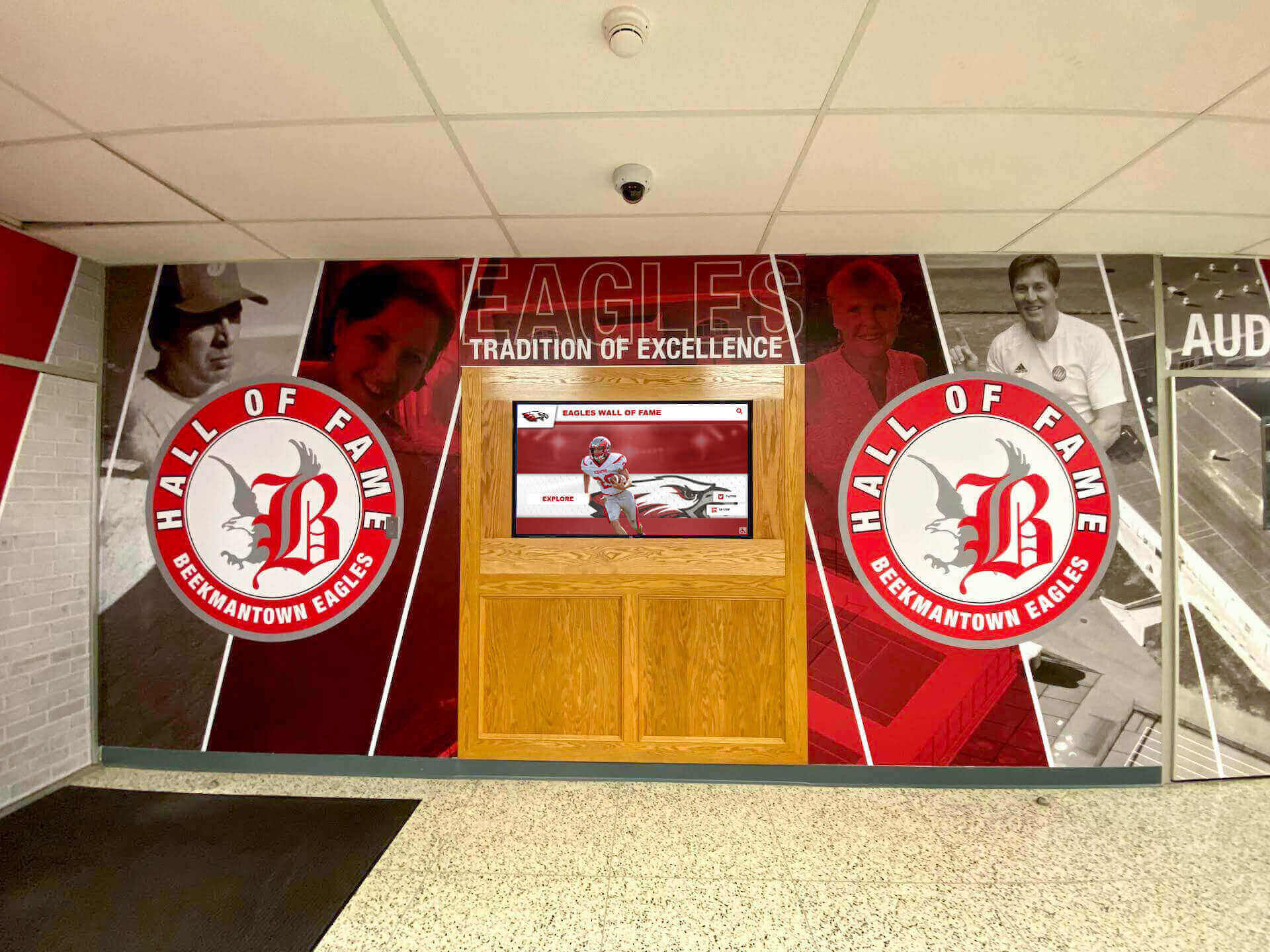
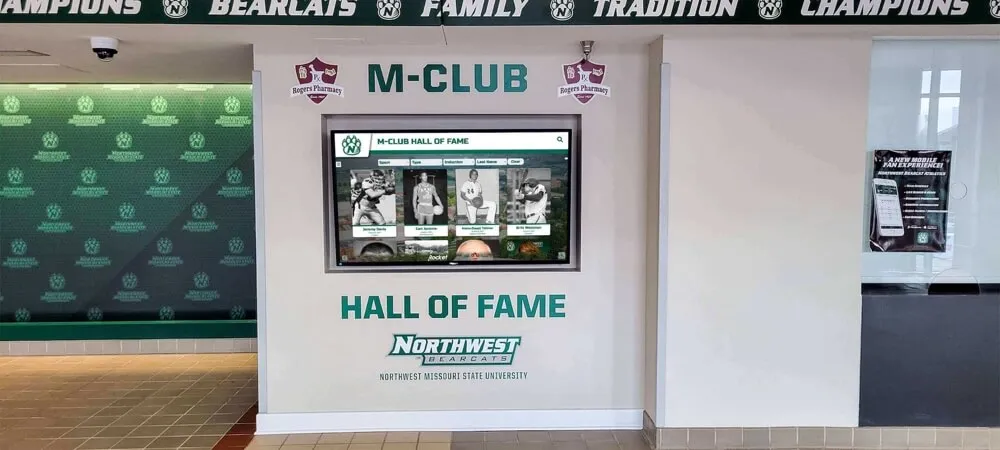
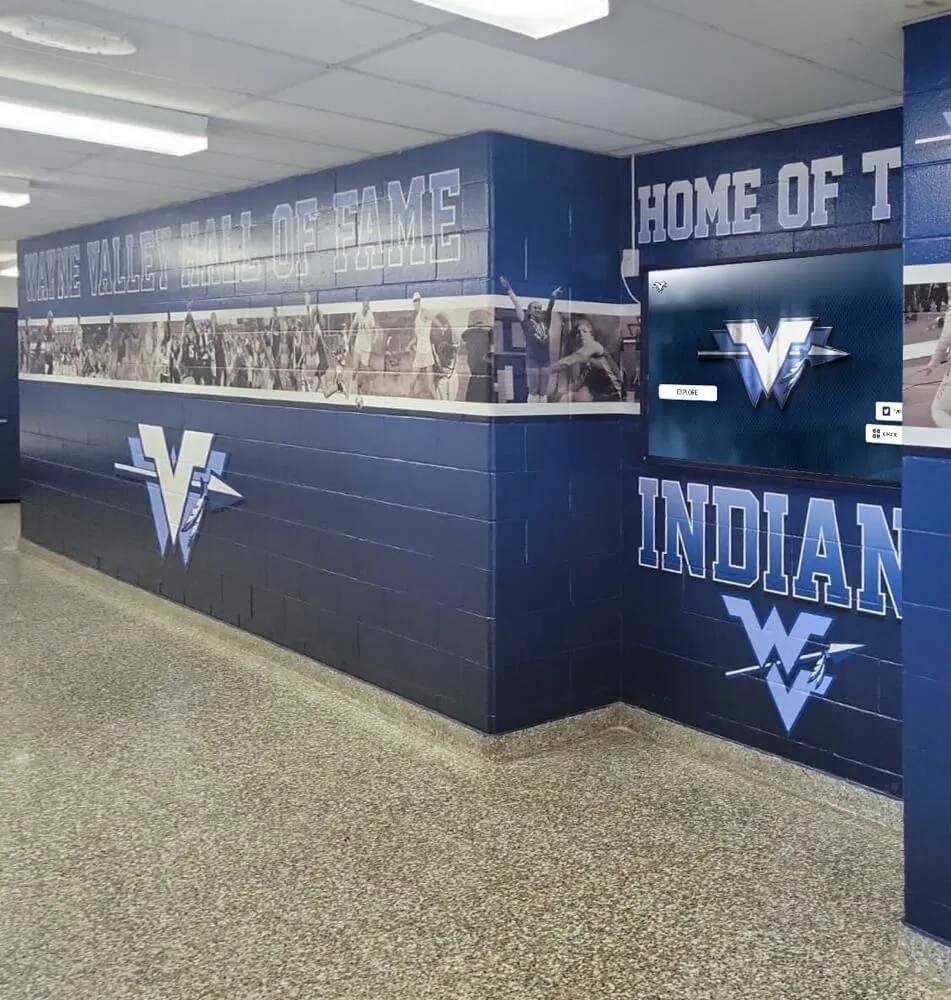
Programs like Rocket Alumni Solutions can enhance mascot murals by integrating complementary digital recognition displays that celebrate current achievements while murals provide permanent visual identity. This combination creates comprehensive recognition environments where traditional artwork and modern technology work together to tell complete stories about school pride and accomplishment.
Design Considerations: Work with artists who understand your specific mascot’s characteristics and history. Generic mascot interpretations feel impersonal compared to designs that capture unique elements of your school’s particular version. Consider including subtle references to school history, geographic location, or community characteristics that make murals distinctly yours rather than designs that could belong to any school with similar mascots.
Timeline and History Murals
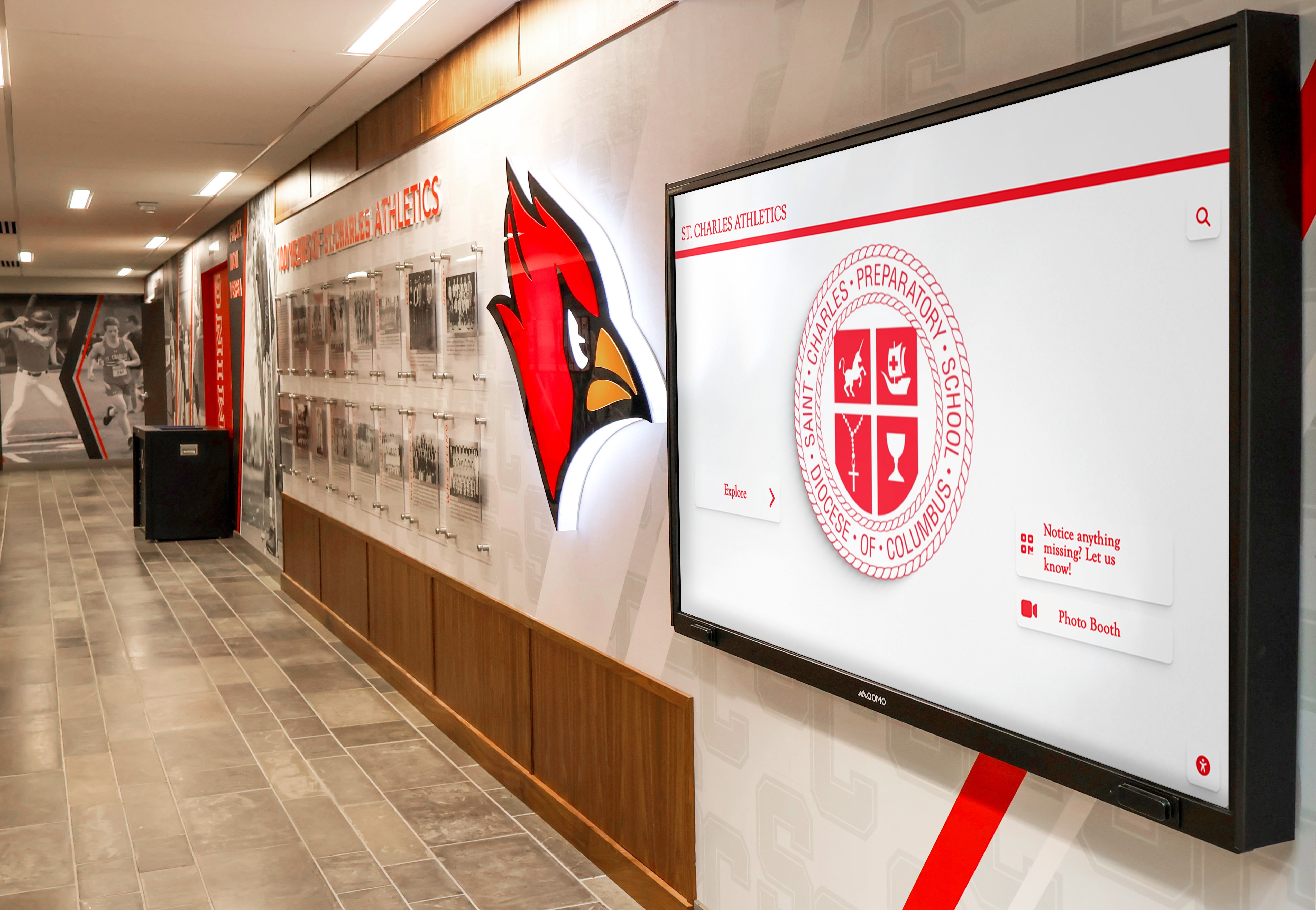
Historical timeline murals document school evolution across decades, creating powerful connections between current students and institutional legacy. Effective history murals organize information chronologically along extended hallway stretches, include photographs or illustrations from different eras showing visual evolution, highlight significant milestones like founding dates, building expansions, or notable achievements, and incorporate space for updating with recent developments maintaining relevance.
Schools implementing history murals should balance comprehensiveness with digestibility—overly detailed timelines overwhelm viewers while too-sparse presentations feel incomplete. Focus on genuinely significant moments that shaped school character, interesting human stories that make history personal and relatable, and visual documentation through photographs that bring different eras to life beyond just text descriptions.
For schools seeking ways to make historical information more interactive and updateable, solutions like Rocket Alumni Solutions provide digital school history displays that complement painted murals while enabling regular content updates as new milestones occur without requiring complete mural repainting.
Values and Character Education Murals
Character education murals reinforce behavioral expectations and values through visual representation in high-traffic areas where students encounter messages repeatedly throughout daily routines.
Effective values murals feature clear, concrete value statements rather than abstract concepts students struggle to interpret, visual metaphors or symbols representing each value making concepts more memorable, student involvement in design or creation increasing ownership and relevance, and age-appropriate imagery and language matching the developmental levels of students who use spaces.

Popular themes include kindness and respect murals emphasizing community and inclusion, growth mindset murals celebrating effort and perseverance over innate ability, diversity and belonging murals representing different backgrounds and perspectives, and environmental responsibility murals connecting to sustainability initiatives.
Implementation Approach: Consider rotating character themes annually or by grade level, creating opportunities for ongoing mural updates that maintain freshness while addressing different values priorities as student populations and community needs evolve.
Academic Department Murals
Departmental hallway murals create identity for specific academic areas while celebrating discipline-specific achievements and inspiring students toward particular fields of study.
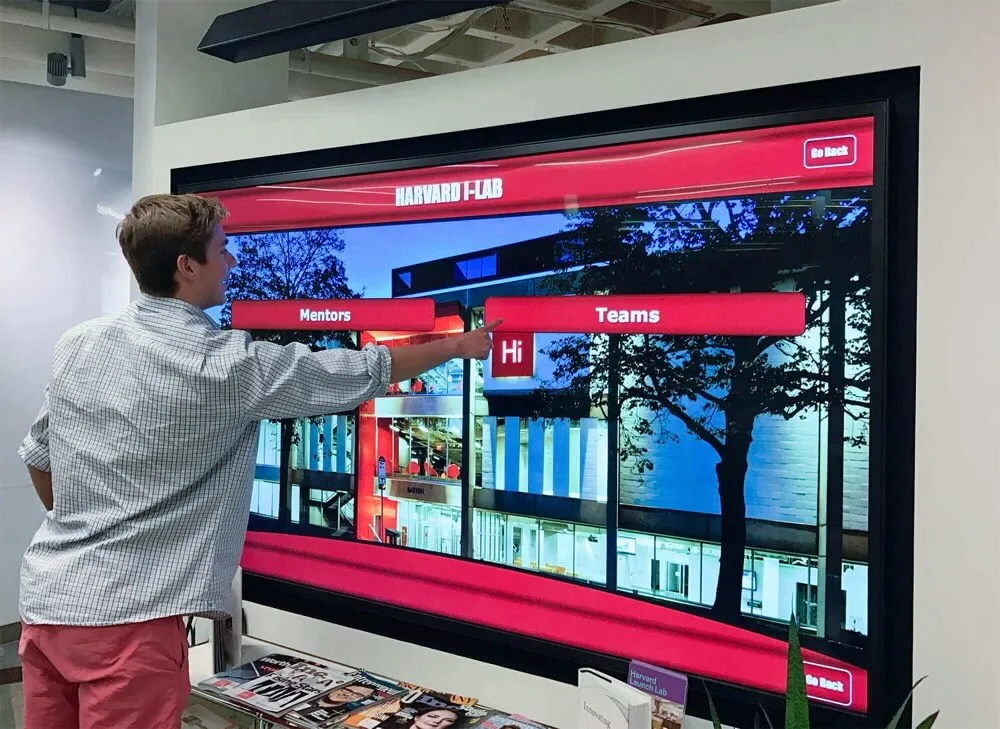
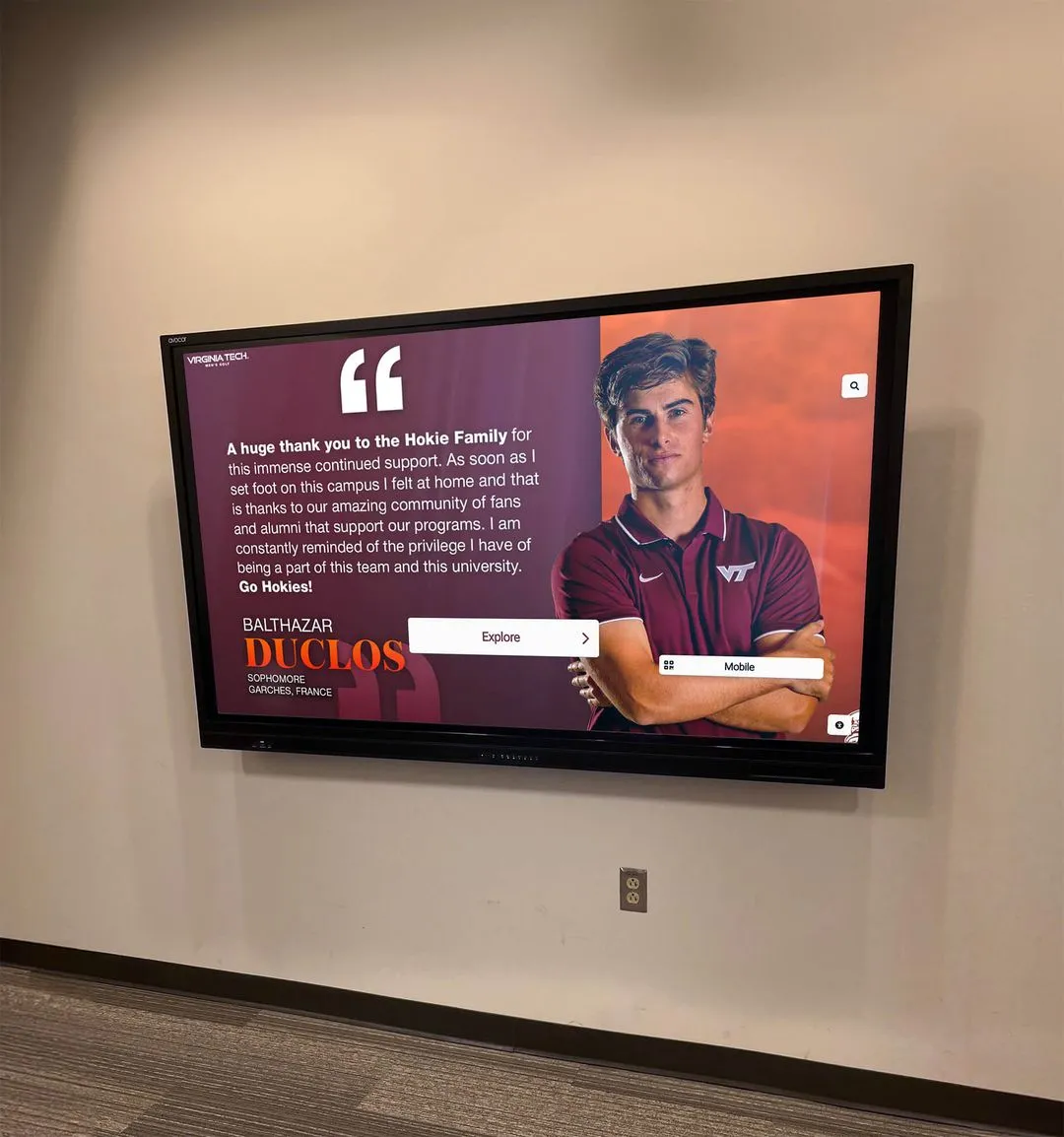
Science hallway murals might incorporate famous scientists from diverse backgrounds, visual representations of key concepts like cellular structures or chemical bonds, student research project highlights or science fair achievements, and inspiring quotes about curiosity and discovery. Digital displays can complement these murals by showcasing current student work, rotating research highlights, and interactive content that brings scientific concepts to life.
Math department murals benefit from geometric patterns and mathematical art, famous mathematicians and their contributions, real-world applications connecting abstract concepts to practical uses, and visual puzzles or problems that engage students passing through hallways.
Arts department murals naturally showcase student artwork, creating galleries that rotate periodically, celebrate artistic techniques and movements throughout history, and demonstrate the progression of skills across grade levels.
Gymnasium Mural Ideas for Athletic Recognition
Gymnasiums present unique mural opportunities where athletic achievements, team pride, and motivational messaging naturally converge in spaces where students push physical limits and compete for excellence.
Championship and Achievement Walls
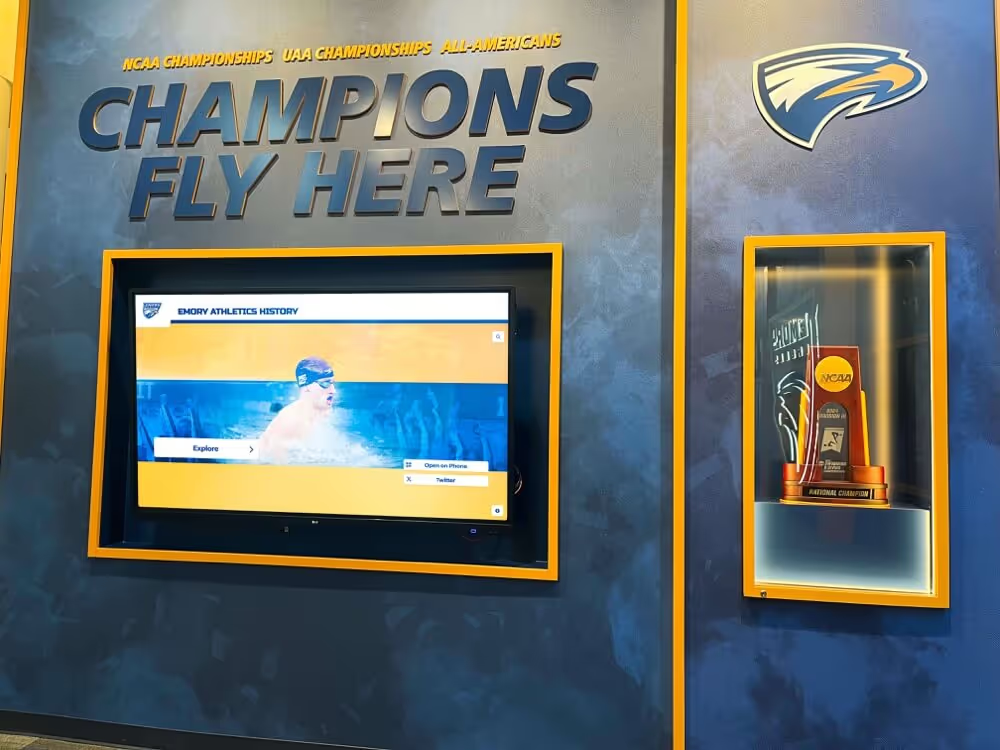
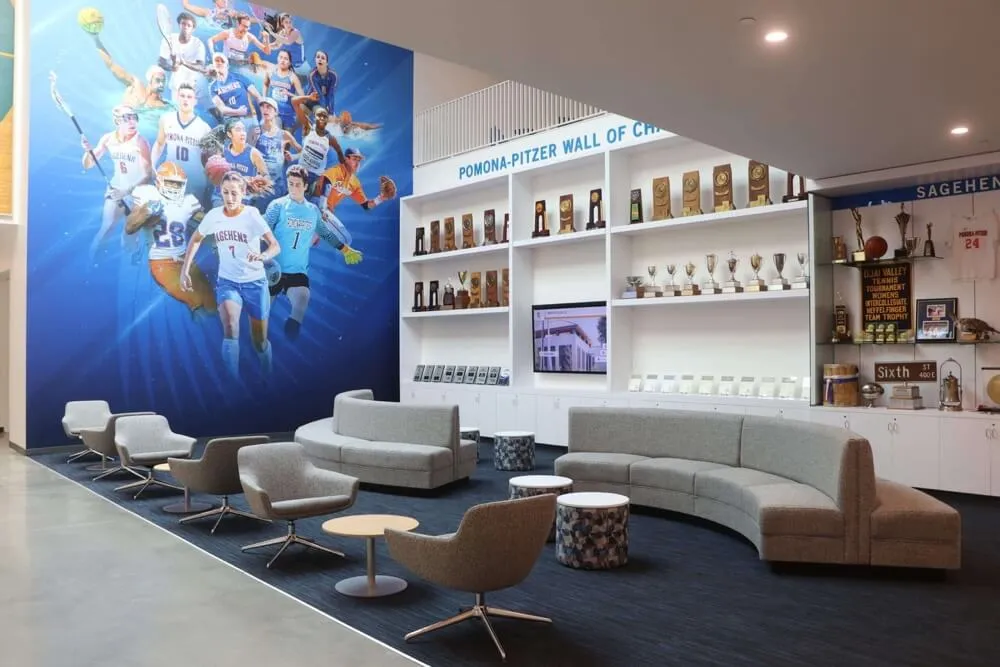
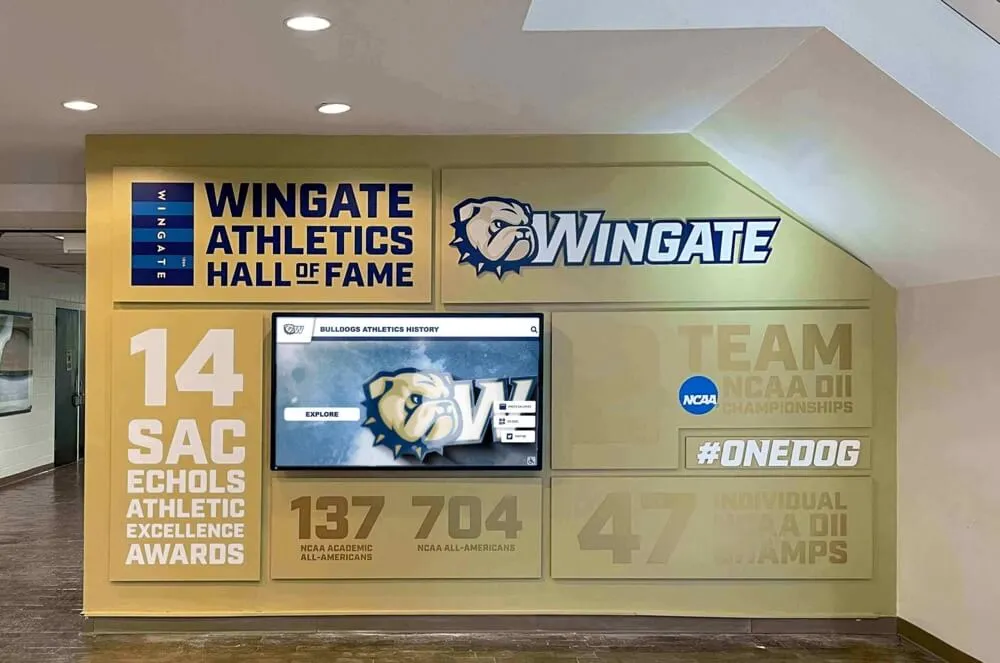
Athletic achievement murals celebrate program excellence while motivating current athletes to add their names to legacy displays. Comprehensive achievement walls include conference championships organized chronologically, state tournament appearances and placements, individual record holders across different sports, team records and notable performances, and all-state or all-conference recognition.
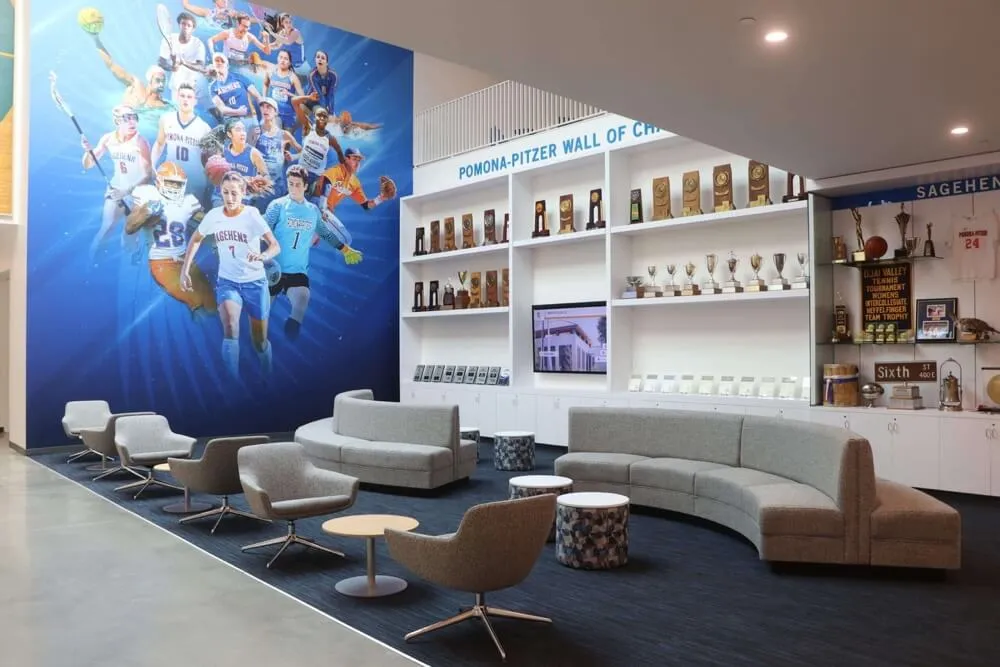
The challenge with traditional painted achievement murals lies in updating them as new achievements occur. Schools implementing achievement recognition should consider hybrid approaches combining permanent mural elements providing visual structure and branding with updatable components accommodating new achievements without complete repainting.
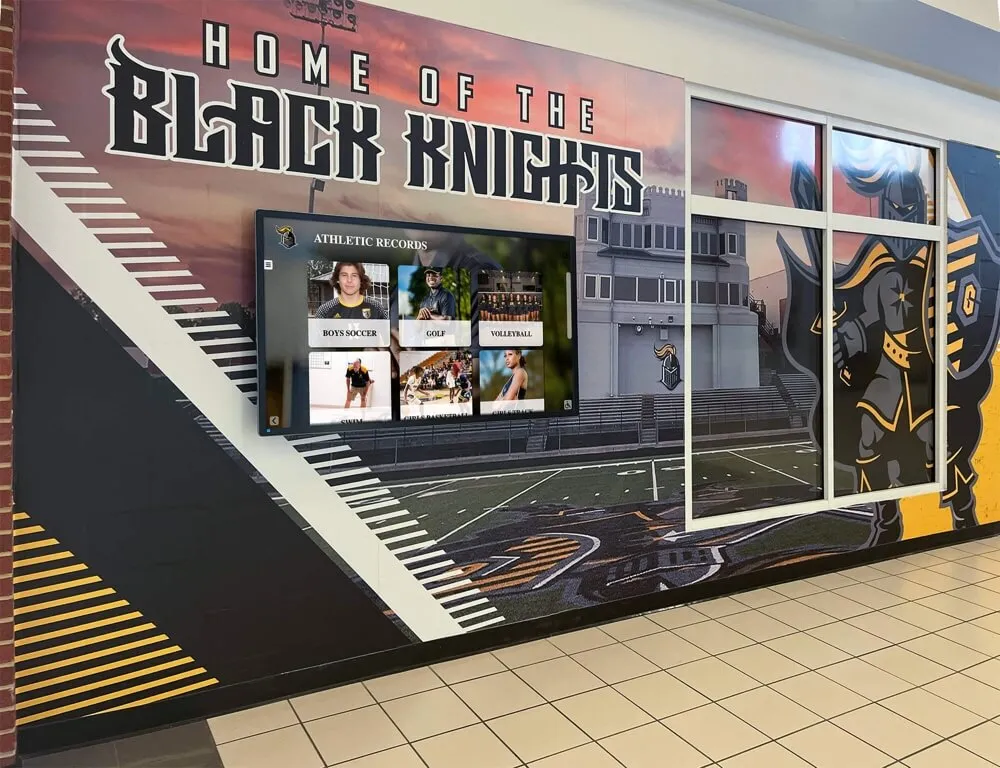
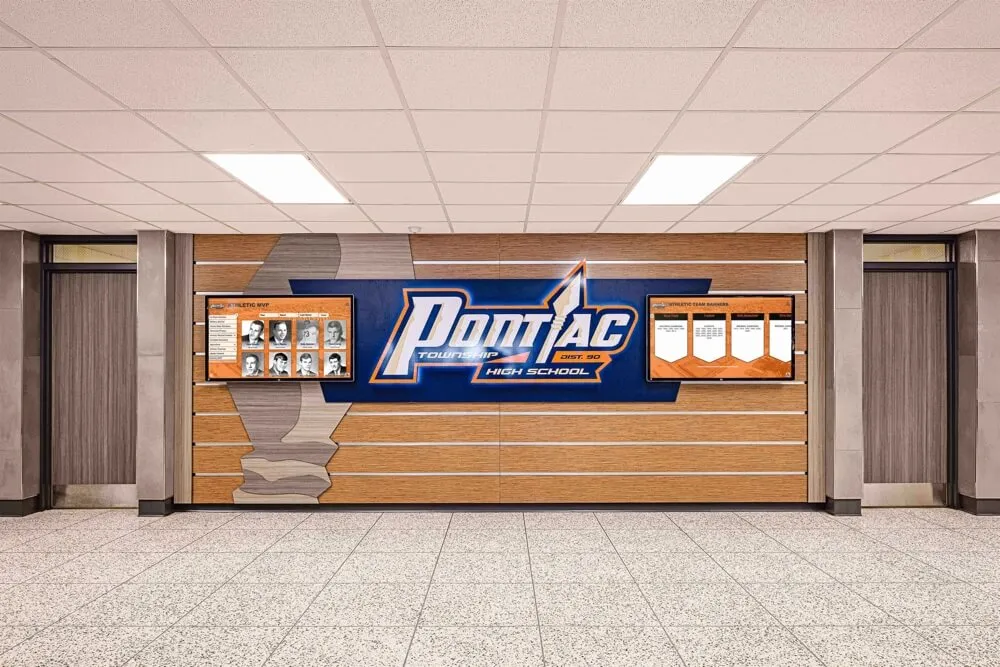
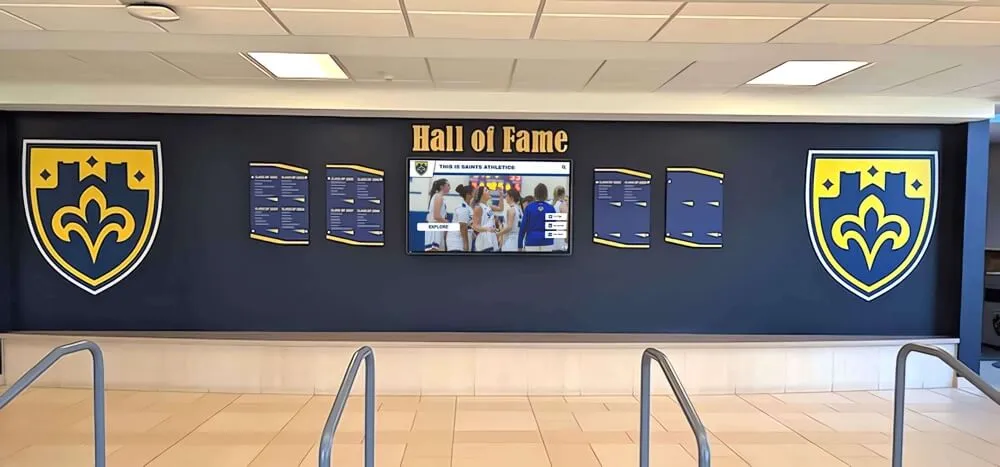
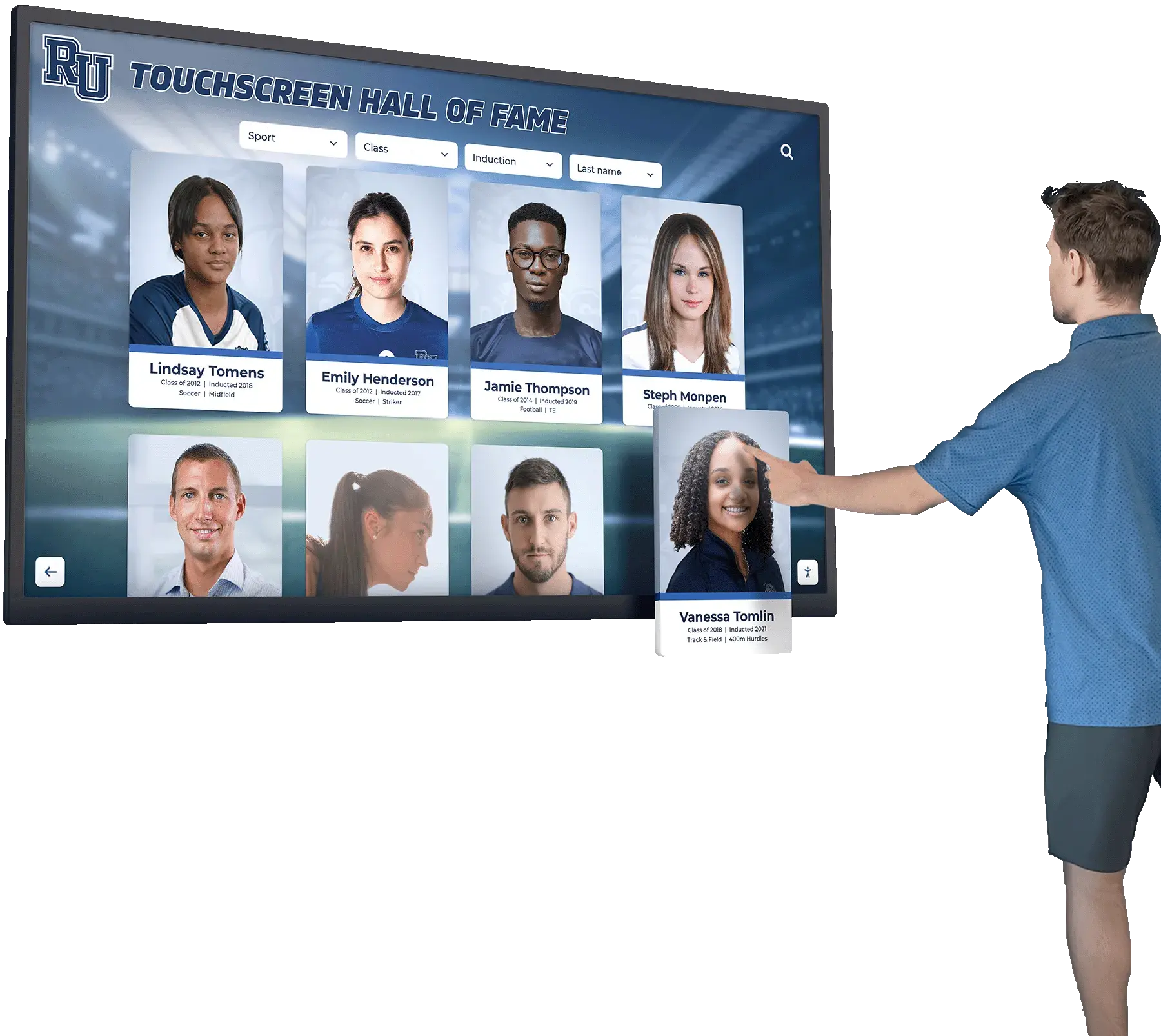
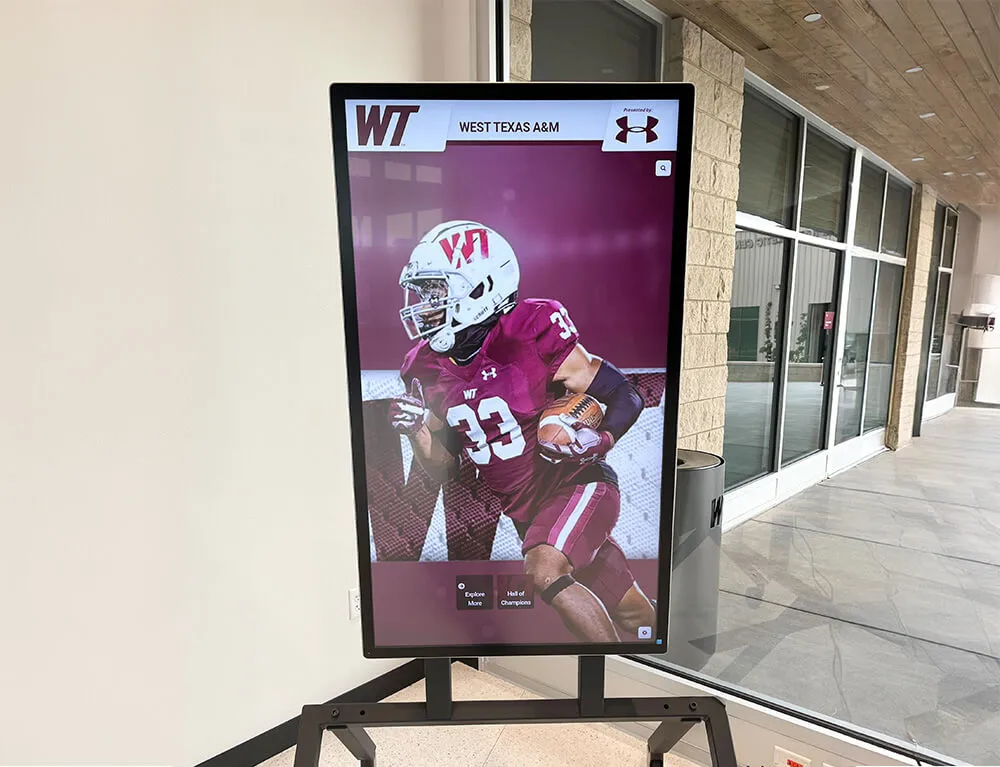
Modern digital record boards address this updating challenge while expanding recognition capacity infinitely beyond what physical murals can accommodate. Solutions like Rocket Alumni Solutions enable schools to recognize every achievement across all sports without space constraints, update records immediately as they occur, and incorporate multimedia content like photos and statistics that painted murals cannot provide.
Motivational Quote and Mindset Murals
Motivational murals in athletic spaces reinforce mental approaches that drive performance improvement and team cohesion. Effective motivational gym murals feature powerful quotes from respected coaches or athletes that resonate with student-athletes, action imagery suggesting effort and intensity, team-focused messages emphasizing collaboration over individual glory, and growth-oriented language celebrating improvement and perseverance.
Popular themes include “Champions are made in the off-season” murals in weight rooms, “Leave it better than you found it” murals emphasizing program culture, “One team, one dream” murals building unity and shared purpose, and “Compete, believe, achieve” murals reinforcing performance mindset.
Design Strategy: Involve student-athletes in quote selection through surveys or team discussions, ensuring messages resonate authentically rather than feeling imposed by adults whose athletic experiences differ from current students’ realities.
Sport-Specific Action Murals
Individual sport murals celebrate particular programs while creating visual identity in sport-specific spaces like wrestling rooms, swimming pool facilities, or baseball/softball complexes.
Wrestling room murals often feature wrestlers in action poses demonstrating technique, motivational messaging about discipline and mental toughness, program history including state qualifiers and champions, and opponent records or tough competition faced successfully. For schools looking to complement physical murals with comprehensive athlete recognition, digital wrestling displays provide detailed record tracking that traditional murals cannot accommodate.
Basketball gym murals might showcase iconic moments from program history, silhouettes of players executing fundamental skills, retired jersey numbers with brief player biographies, and inspirational quotes from legendary basketball figures.
Swimming pool murals benefit from underwater imagery creating immersive environments, individual event records organized by stroke and distance, relay team recognition, and sectional or state meet qualifiers.
Common Area and Cafeteria Mural Ideas
Common areas like cafeterias, lobbies, and student lounges provide opportunities for murals that reach broader student populations beyond those involved in specific activities or academic departments.
Community and Inclusion Murals
Welcoming murals in main lobbies and cafeterias should reflect entire student body diversity while creating sense of belonging for students from different backgrounds, interests, and experiences.
Effective community murals feature diverse student representation in illustrated figures or collage elements, multilingual welcome messages acknowledging language diversity, cultural symbols or imagery representing different heritages within student population, and collaborative design processes involving students from different groups ensuring authentic representation rather than adult assumptions.
Schools should avoid tokenistic diversity murals that feel like corporate training materials rather than genuine celebrations of community. Authentic inclusion murals emerge from real student voices and experiences, creating representations that resonate because they’re recognizably true rather than aspirational statements disconnected from daily reality.
Career and Future-Focused Murals
Career exploration murals in common areas expose students to professional possibilities while connecting academic work to real-world applications. Effective career murals showcase diverse professions with particular attention to underrepresented groups in various fields, emphasize non-traditional career paths beyond familiar options, include alumni examples showing pathways from your school to different careers, and incorporate QR codes or digital connections linking to detailed career information or alumni profiles.
Schools implementing comprehensive alumni engagement programs can enhance career murals with digital alumni recognition systems that provide detailed alumni career journeys, networking opportunities for current students, and regularly updated content showcasing recent graduates’ pathways.
Literary and Artistic Cultural Murals
Library and arts wing murals celebrating literature, visual arts, performing arts, and creative expression create inspiring environments for students pursuing artistic and intellectual development.
Library murals might feature favorite book characters from beloved literature, famous authors with quotes about reading and imagination, visual representations of different literary genres, and student reading recommendations creating peer influence for literacy engagement.
Arts wing murals naturally showcase student artwork through rotating gallery spaces, celebrate artistic techniques and movements throughout art history, and provide inspiration through works by established artists alongside student creations.
For schools seeking to highlight student artistic achievements more dynamically, digital art gallery displays enable rotating exhibitions, detailed artist statements, and capacity to showcase far more student work than physical wall space permits.
Mural Design Process and Best Practices
Creating impactful school murals requires thoughtful planning processes that balance artistic vision with practical considerations and community input.
Planning and Community Engagement
Successful mural projects begin with broad stakeholder engagement ensuring designs reflect authentic community values and priorities rather than individual preferences.
Effective planning processes include student input through surveys, focus groups, or design committees ensuring murals resonate with those who encounter them daily, staff perspectives from teachers, counselors, and administrators about educational objectives murals might support, parent and community feedback confirming designs align with broader community values, and alumni consultation especially for history-focused murals ensuring accuracy and completeness.
Timeline Considerations: Quality mural projects require adequate planning time. Rush projects often produce disappointing results that schools regret for years since murals are relatively permanent. Allow 3-6 months minimum for planning, design development, approvals, artist selection, and execution of significant mural projects.
Artist Selection and Collaboration
Choosing appropriate artists significantly impacts mural outcomes. Options include professional muralists bringing polished execution and design expertise, art teachers integrating murals into curriculum providing educational opportunities, student-led projects with professional guidance building ownership and pride, and community artists with local knowledge creating authentic regional character.
When working with professional artists, review portfolios emphasizing previous school or institutional work demonstrating appropriate style and experience, check references from previous school clients about reliability and professionalism, discuss revision processes and approval stages upfront preventing misunderstandings, and clarify ownership and reproduction rights for mural designs.
Material and Durability Considerations
School murals face high-traffic environments requiring materials and techniques ensuring longevity without excessive maintenance.
Durable mural approaches include high-quality exterior or interior paints with protective clear coats, large-format printed vinyl graphics with lamination protection offering easier replacement than painted murals when updates become necessary, tile or mosaic murals providing exceptional durability especially in moisture-prone areas, and protective barriers like plexiglass shields for murals in particularly high-contact zones.
Consider maintenance requirements during design including ease of cleaning different painted surfaces, touch-up protocols and paint color documentation for addressing damage, and long-term update strategies for murals incorporating changeable information like achievement lists or current events.
Integrating Murals with Digital Recognition Systems
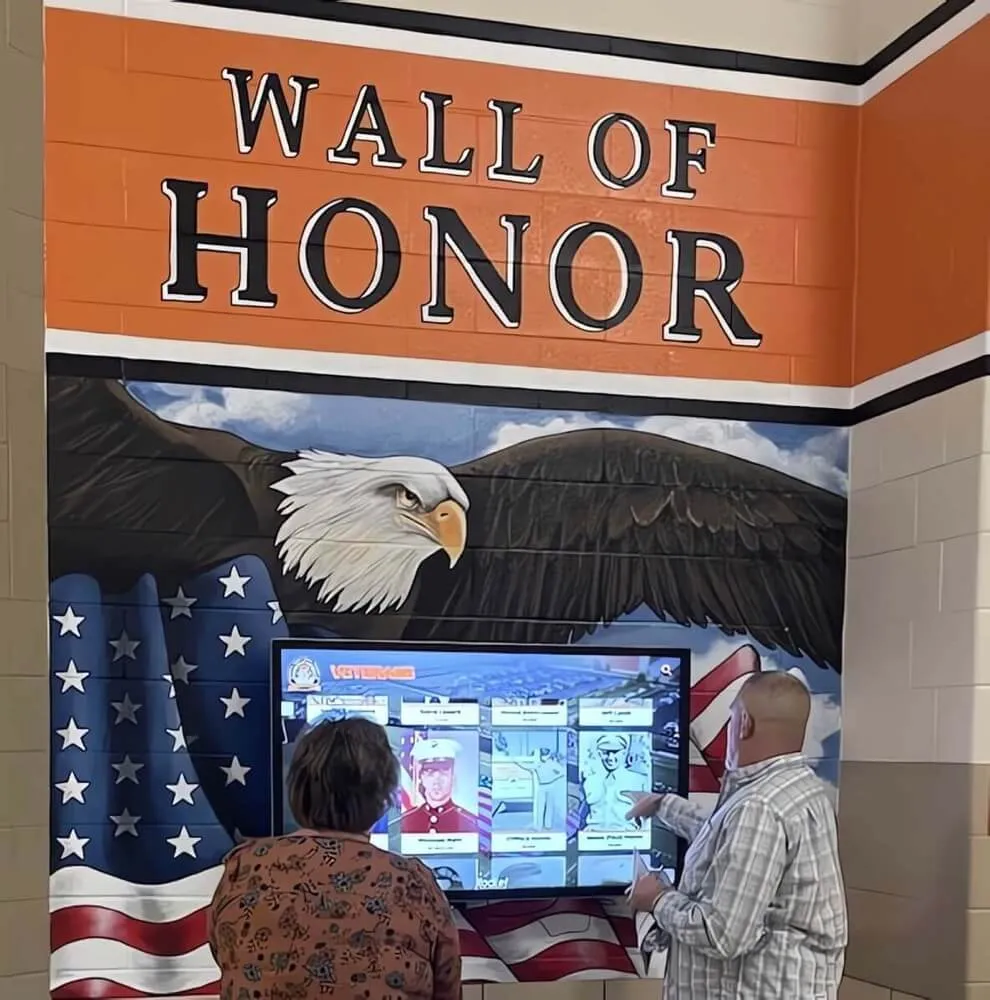
While traditional painted murals provide permanent visual impact and artistic expression, modern schools often benefit from integrating murals with complementary digital recognition systems creating comprehensive environments where both traditional and modern approaches enhance each other’s strengths.
Hybrid Recognition Environments
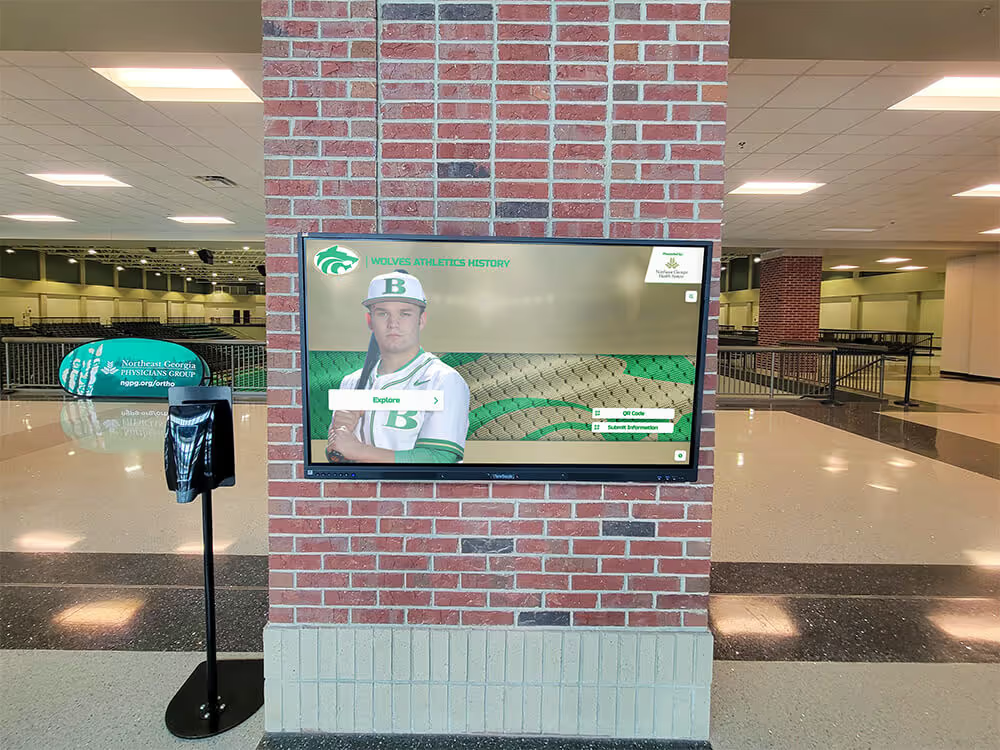
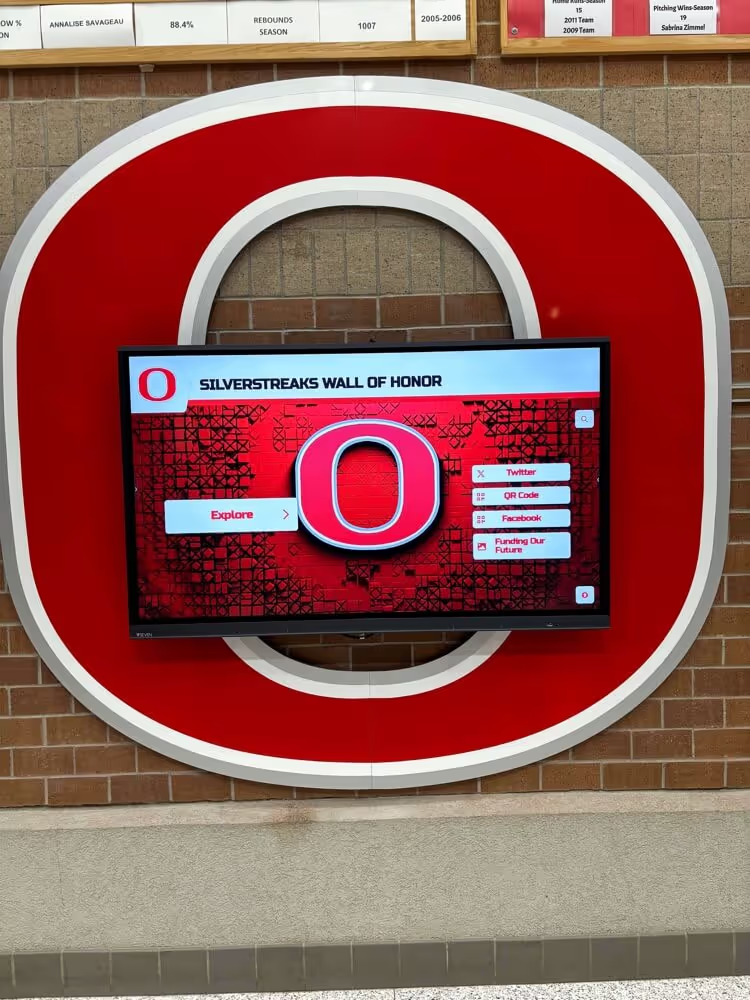
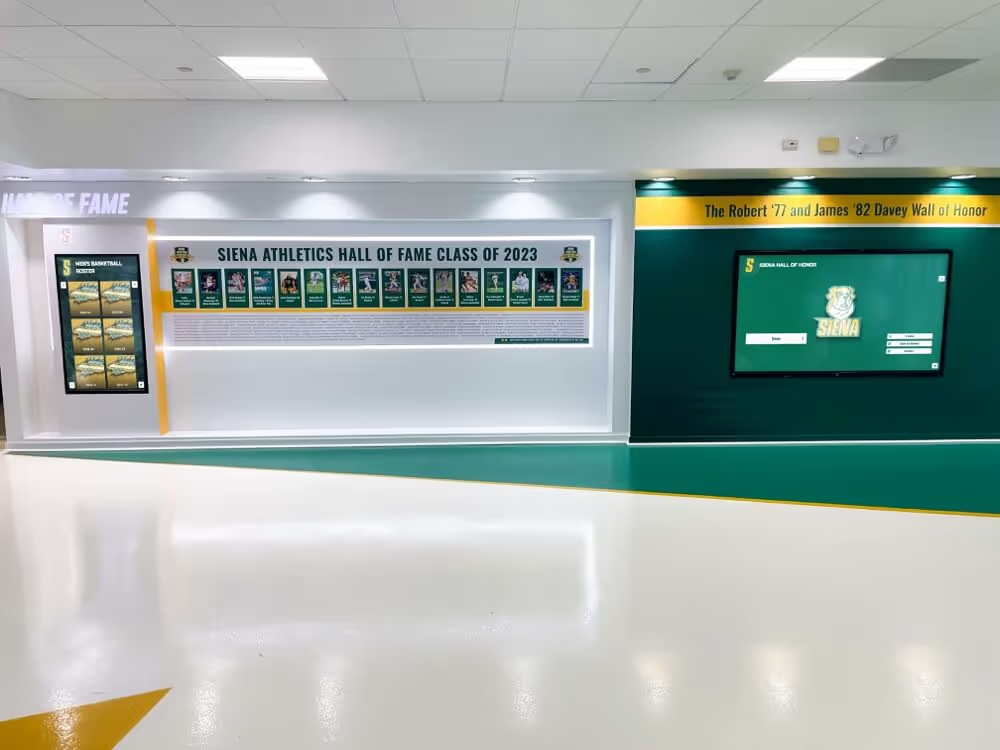
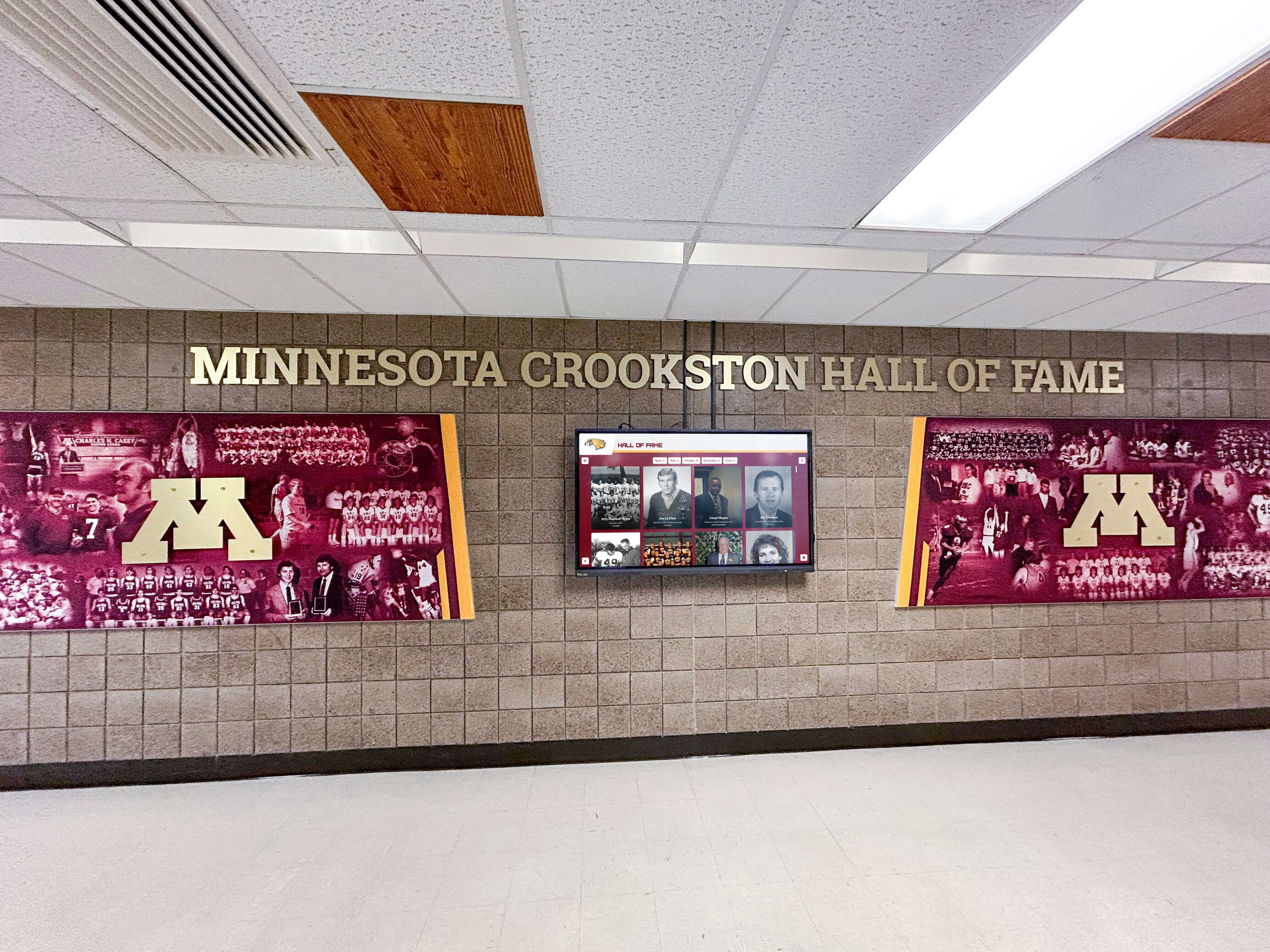
The most effective school recognition combines traditional murals providing permanent visual identity and artistic expression with digital displays offering unlimited capacity, regular updates, and rich multimedia content.
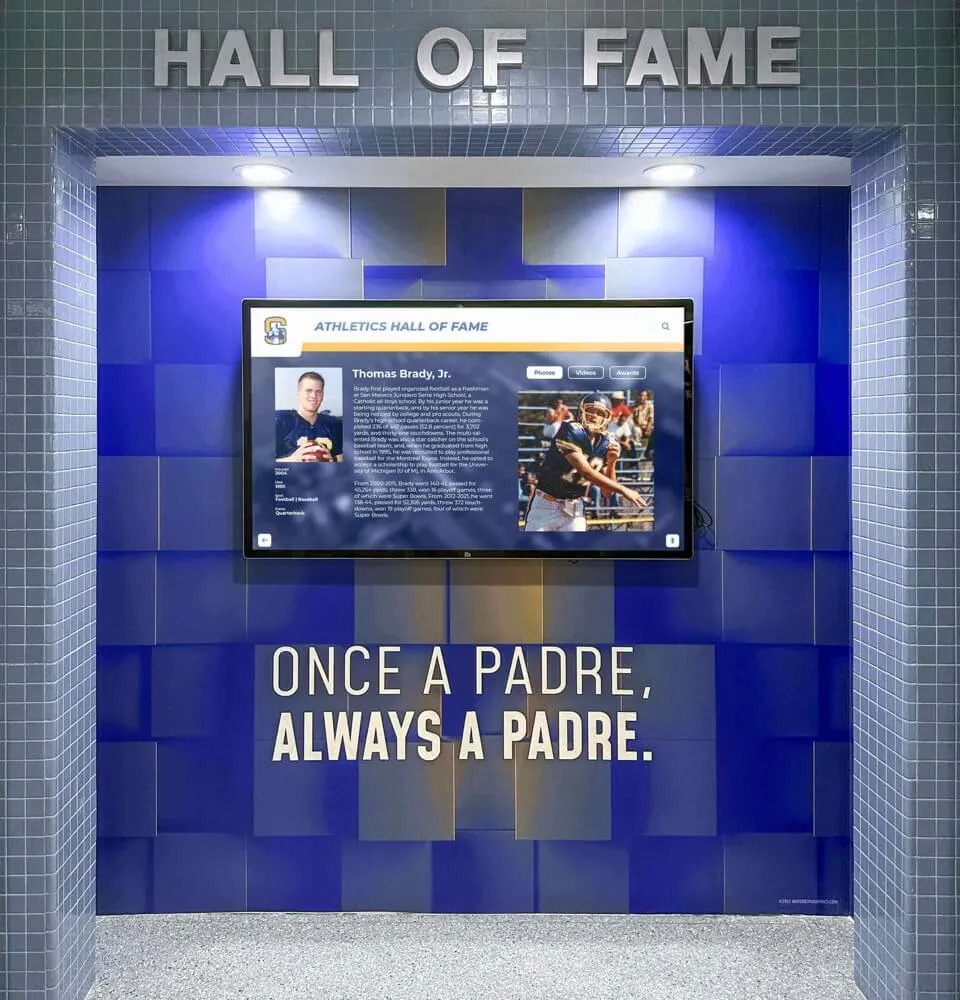
For example, a gymnasium might feature a permanent mascot and school identity mural establishing visual character while adjacent digital record boards maintain current athletic records, achievement lists, and detailed statistics that painted murals cannot accommodate without constant repainting.
Similarly, academic hallways might include painted murals celebrating departmental identity and famous figures in various fields while digital displays showcase current student work, achievement recognition, and rotating content highlighting ongoing academic excellence.
Complementary Design Approaches
When integrating murals with digital systems, design coordination ensures cohesive environments rather than competing visual elements.
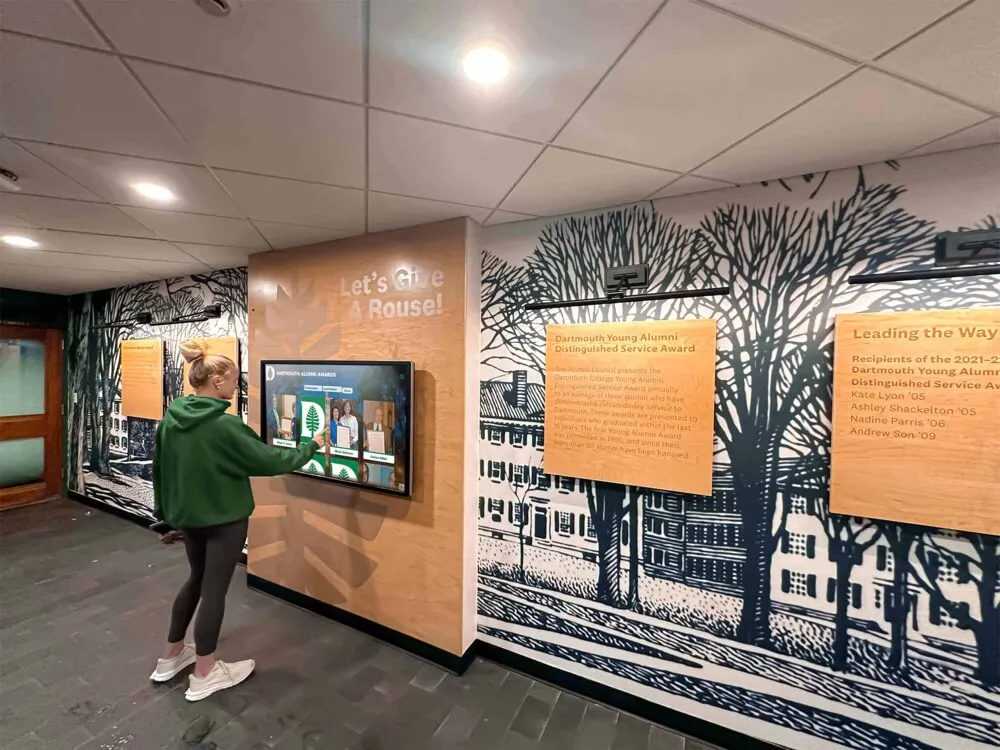
Effective integration approaches include consistent color palettes connecting mural artwork to digital display interfaces, coordinated themes where mural and digital content address related subjects from different angles, physical framing using mural elements to visually contain or connect to adjacent digital displays, and scale balance ensuring neither murals nor digital screens overwhelm spaces or compete for attention inappropriately.
Solutions like Rocket Alumni Solutions work closely with schools planning comprehensive recognition environments, ensuring digital recognition displays complement existing or planned murals while providing capabilities traditional artwork cannot deliver.
Maintenance and Long-Term Sustainability
Both murals and digital systems require ongoing maintenance for sustained impact and relevance.
Mural maintenance includes regular cleaning to prevent dirt accumulation diminishing colors, prompt repair of damage from impacts or vandalism preventing deterioration, periodic repainting or refreshing as colors fade over time, and updates or additions as schools evolve and new recognition needs emerge.
Digital system maintenance involves content updates keeping information current and relevant, software updates maintaining security and functionality, hardware maintenance ensuring reliable operation, and content planning sustaining engagement through variety and freshness rather than allowing displays to become static and ignored.
Schools considering major recognition investments should evaluate total cost of ownership over 10-15 year periods including both initial installation and ongoing maintenance. While traditional murals require lower upfront technology costs, digital systems often prove more economical long-term due to easier updates, elimination of repainting expenses, and expanded recognition capacity reducing need for multiple physical displays.
Measuring Mural Impact and Success
After investing significant resources in school murals, administrators naturally want to assess impact and determine whether projects achieved intended objectives.
Assessment Approaches
Mural success can be evaluated through student surveys asking about awareness, attitudes, and perceptions related to mural messages or themes, visitor feedback from prospective families, community members, and alumni about first impressions and facility appearance, behavior observations in areas with character education or values murals noting changes in conduct, usage patterns tracking whether common area murals increase space utilization or change traffic flows, and photographic documentation showing murals’ integration into school life through their appearance in student photos, yearbooks, and social media.
Qualitative Success Indicators: Beyond formal assessment, watch for informal signs of mural impact including students using murals as meeting landmarks demonstrating awareness and familiarity, spontaneous social media posts featuring murals suggesting pride and appreciation, alumni comments during visits about murals’ connection to school identity, and community members referencing murals when describing school character.
Continuous Improvement
Even successful murals benefit from periodic evaluation and adjustment. Consider student feedback about what’s working or what feels outdated, changing demographics requiring updated representation, evolving school priorities suggesting different messaging, and emerging damage or deterioration requiring restoration.
Schools should avoid leaving murals unchanged for decades simply because they’ve always been present. While some classic murals gain nostalgic value over time, others become dated and disconnected from current school culture. Regular assessment helps determine which murals deserve preservation and which need refreshing.
Budget Considerations and Funding Approaches
School mural costs vary dramatically based on size, complexity, artist type, and location, making budget planning essential for realistic project development.
Cost Factors
Mural project expenses typically include artist fees for design and execution, materials including paints, primers, sealants, and surface preparation supplies, equipment rental for scaffolding, lifts, or specialized tools, surface preparation potentially involving cleaning, repairs, or priming, and protective coatings or barriers extending mural longevity.
Professional muralist costs typically range from $15-50 per square foot for standard work, with higher rates for detailed imagery or established artists. Student-led or teacher-executed projects reduce labor costs but require time and may produce less polished results. Large-format printed graphics cost $5-15 per square foot installed, offering middle-ground options between hand-painted murals and digital displays.
Funding Strategies
Schools fund mural projects through general facility budgets allocating specific amounts for aesthetic improvements, booster clubs or parent organizations raising funds for athletic-focused murals, capital campaigns incorporating murals into larger facility renovation projects, grants from arts councils or educational foundations supporting artistic enrichment, and alumni giving especially for projects honoring school history or tradition.
Consider phased implementation approaches spreading costs across multiple budget cycles rather than attempting comprehensive projects beyond single-year budgets. Start with highest-impact locations like main entrances or gymnasiums, then expand to secondary spaces as additional funding becomes available.
Conclusion: Creating Lasting Visual Impact
School murals represent more than decorative wall coverings—they’re powerful tools for building identity, celebrating achievement, reinforcing values, and creating welcoming environments where students feel connected to something larger than themselves. Whether honoring athletic excellence through championship walls, celebrating academic achievement through department-specific murals, or fostering inclusion through diverse community representations, thoughtfully designed murals shape school culture in ways that resonate for generations.
For schools planning comprehensive recognition environments, the most effective approaches often combine traditional murals providing permanent artistic expression with modern digital recognition systems offering unlimited capacity and regular updates. This hybrid strategy creates spaces where history and innovation coexist, honoring the permanence that painted murals provide while embracing the flexibility that technology enables.
Ready to explore how digital recognition displays can complement your school’s mural projects and create comprehensive recognition environments? Schedule a consultation with Rocket Alumni Solutions to discover how modern recognition technology enhances traditional school design while providing capabilities that painted murals alone cannot deliver.