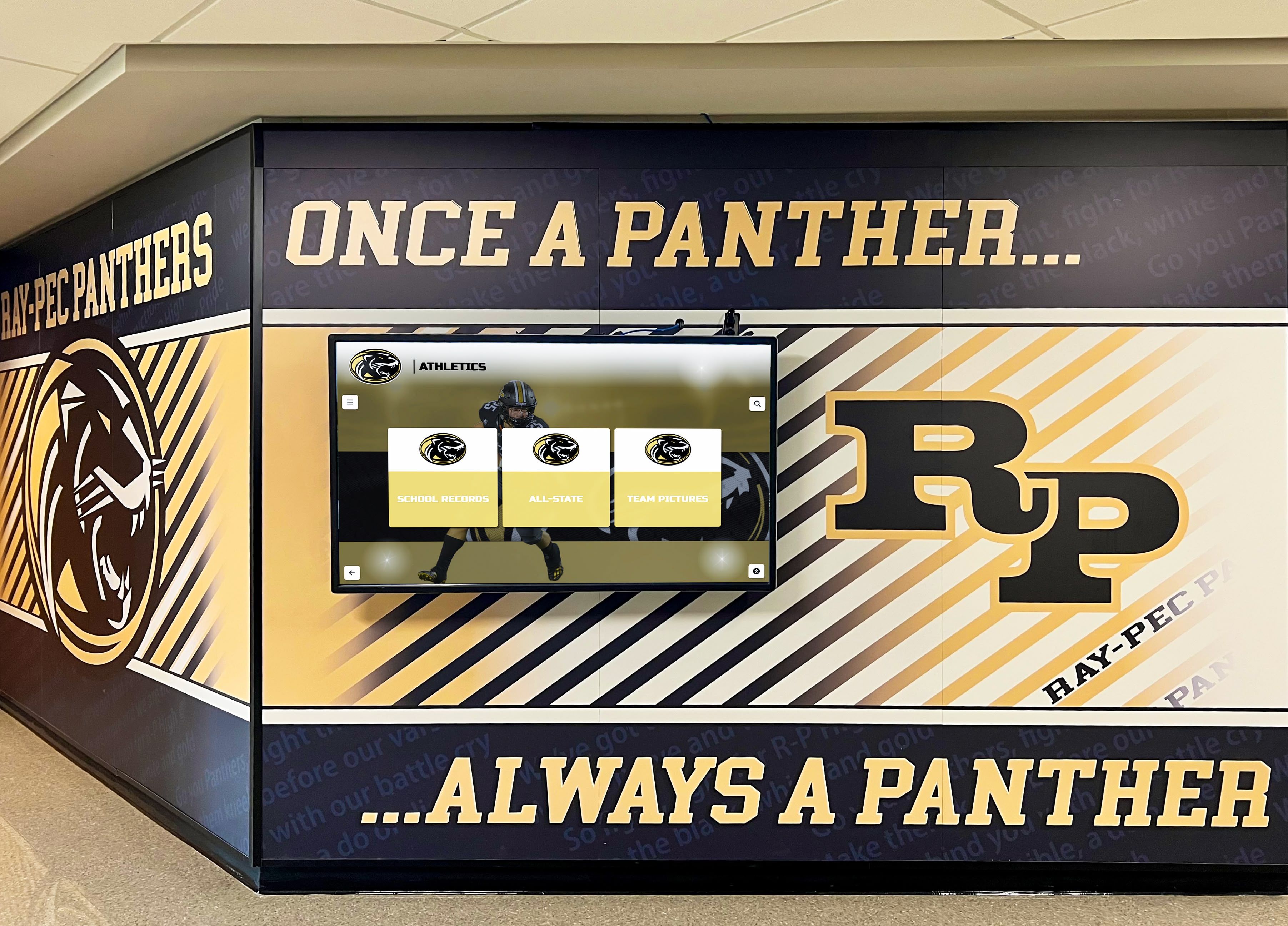




School mascots represent far more than colorful logos or costume characters appearing at athletic events. They embody institutional identity, unite diverse communities around shared symbols, create traditions spanning generations, and build school pride that extends beyond classroom walls. Yet selecting the right mascot requires careful consideration balancing uniqueness with relevance, tradition with innovation, and community values with practical implementation.
The most effective school mascots create instant recognition, inspire authentic pride, translate successfully across multiple applications from uniforms to digital displays, and resonate equally with elementary students discovering school spirit for the first time and alumni maintaining lifelong connections to institutions they graduated from decades earlier. This comprehensive guide explores creative school mascot ideas, selection strategies, implementation approaches, and how permanent recognition displays featuring your mascot can strengthen institutional identity and community connection.
Why School Mascots Matter for Institutional Identity
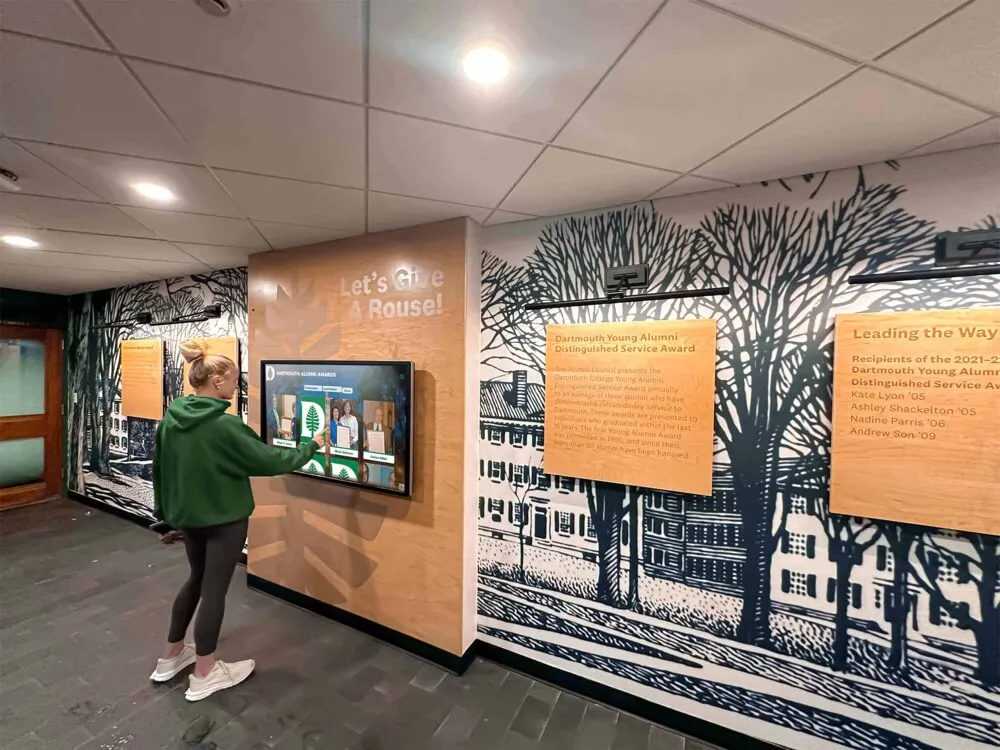
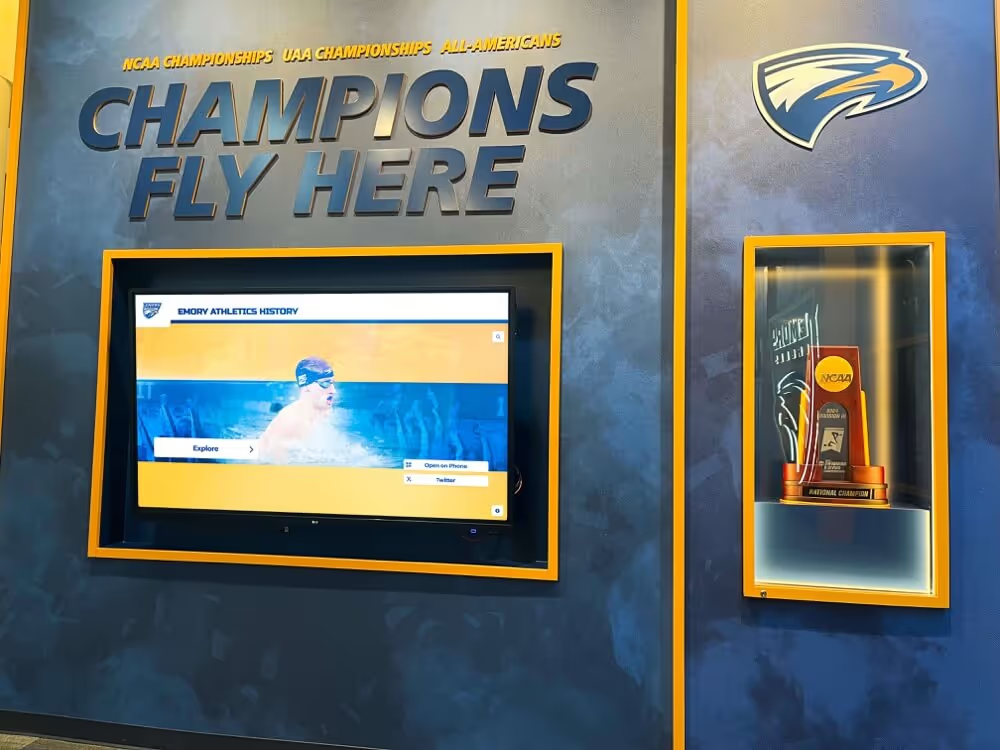
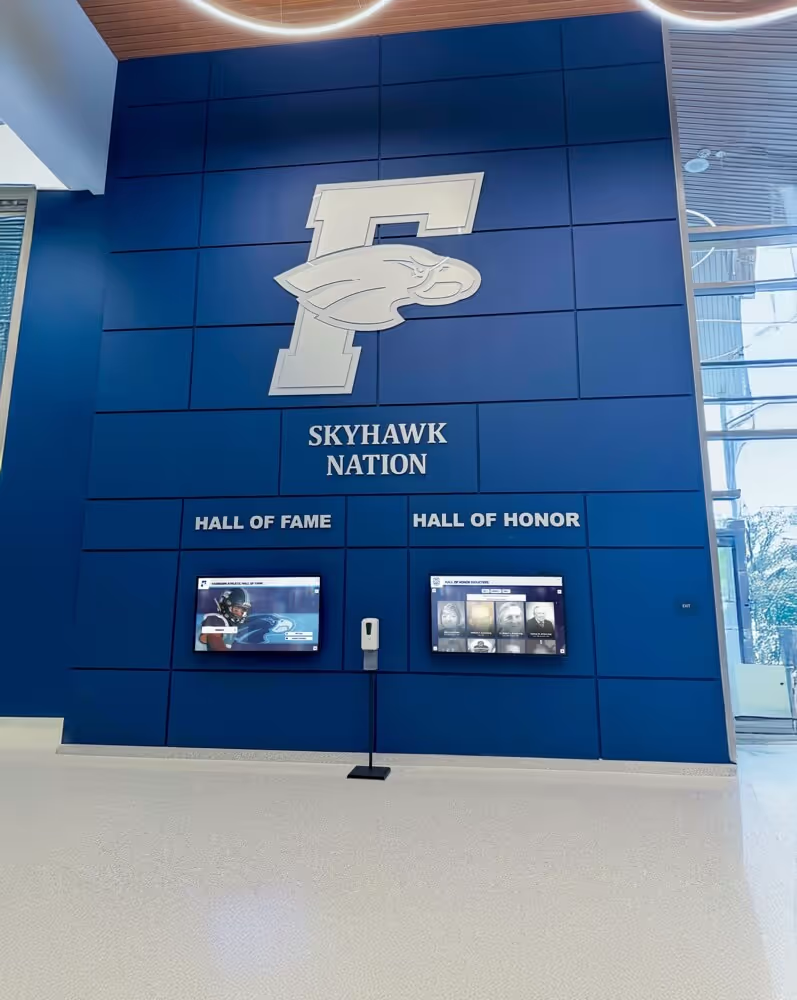
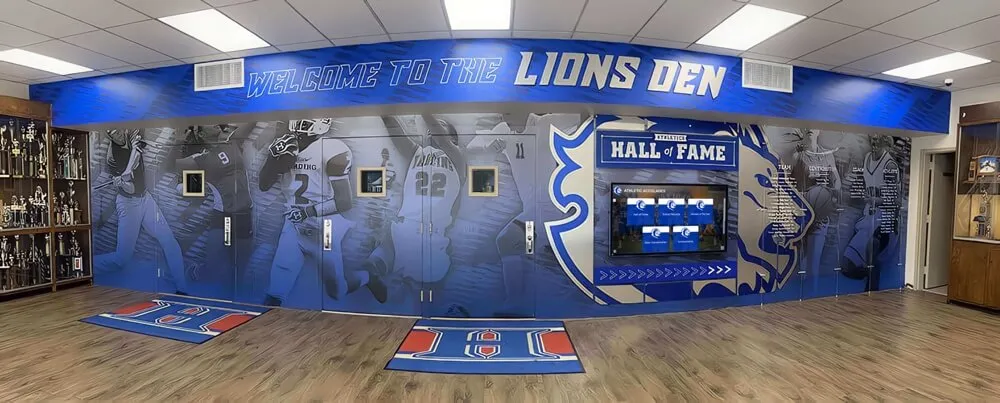
School mascots serve as visual ambassadors representing your institution's values, heritage, and community spirit. The right mascot appears on everything from athletic uniforms and spirit wear to lobby murals and digital recognition displays, creating cohesive branding that strengthens institutional identity. Solutions like Rocket Alumni Solutions enable schools to prominently feature mascots in interactive touchscreen displays celebrating achievements, building school history archives, and creating engaging lobby installations where mascots become integral parts of recognition systems honoring students, athletes, and distinguished alumni across decades.
Understanding What Makes Effective School Mascots
Before exploring specific mascot ideas, recognizing the characteristics that distinguish memorable, effective mascots from generic or problematic choices helps schools make informed selection decisions.
Characteristics of Strong School Mascots
Effective school mascots share several common qualities that contribute to their long-term success and community acceptance:
Visual Distinctiveness: Strong mascots create immediate visual recognition through unique characteristics, memorable silhouettes, or distinctive color combinations. Generic mascots that look identical to hundreds of other schools fail to build distinctive identity.
Emotional Resonance: The best mascots evoke positive emotional responses—pride, strength, determination, excellence, or community spirit. They inspire rather than confuse or create controversy.
Versatility Across Applications: Effective mascots translate successfully whether rendered as detailed illustrations, simplified logos, three-dimensional costumes, or stylized graphics. They work equally well on tiny uniform patches and massive gymnasium murals.
Community Connection: Mascots reflecting local history, geography, industry, or cultural heritage create stronger community identification than generic symbols with no regional relevance.
Longevity and Timelessness: The most successful mascots avoid trendy designs or cultural references that quickly date. They maintain relevance across decades, allowing generations to share common identity symbols.
Common Mascot Selection Pitfalls to Avoid
Understanding frequent mascot selection mistakes helps schools avoid problematic choices that create long-term branding challenges:
Cultural Insensitivity: Mascots appropriating Native American imagery, ethnic stereotypes, or culturally significant symbols create controversy and may violate regulations or face community opposition requiring costly rebranding efforts.
Overly Generic Choices: Selecting the same mascot as dozens of nearby schools—generic wildcats, eagles, or bulldogs—fails to create distinctive identity unless paired with unique branding elements or compelling local connections.
Difficult Pronunciation or Spelling: Mascots with complicated names confuse young students, create constant spelling corrections, and reduce effective communication about school identity.
Limited Visual Appeal: Mascots that don’t translate well to costume form, resist artistic interpretation, or lack visual interest struggle to generate authentic enthusiasm from students and community members.
Contradictory Messaging: Choosing fierce predators for elementary schools emphasizing kindness, or passive symbols for competitive athletic programs, creates disconnect between mascot symbolism and institutional values.
Traditional School Mascot Ideas with Strong Legacy
Classic mascot categories remain popular because they communicate clear values, offer rich symbolism, and benefit from established recognition patterns most communities understand intuitively.
Birds of Prey and Strength
Eagles: Representing vision, strength, freedom, and excellence, eagles rank among the most popular school mascots. Their majestic appearance translates beautifully to artistic renderings while symbolizing soaring achievement and far-reaching vision. Eagles work particularly well for schools emphasizing academic excellence alongside athletic achievement.
Hawks: Slightly less common than eagles but equally powerful, hawks represent focused intensity, quick decision-making, and predatory excellence. Red-tailed hawks, sparrowhawks, or nighthawks offer species-specific variations creating more distinctive identity than generic “hawks.”
Falcons: Symbolizing speed, precision, and aerial mastery, falcons appeal to schools valuing performance excellence and technical precision. Their streamlined appearance creates dynamic visual branding opportunities.
Cardinals: Offering bright red coloring that creates instant visual impact, cardinals represent determination, territorial pride, and year-round persistence. They work especially well for schools in regions where cardinals are common, creating local connection.
Ravens: For schools seeking slightly darker, more mysterious bird symbolism, ravens represent intelligence, adaptability, and complex problem-solving. Their association with wisdom and strategy appeals to academically focused institutions.
Powerful Land Animals
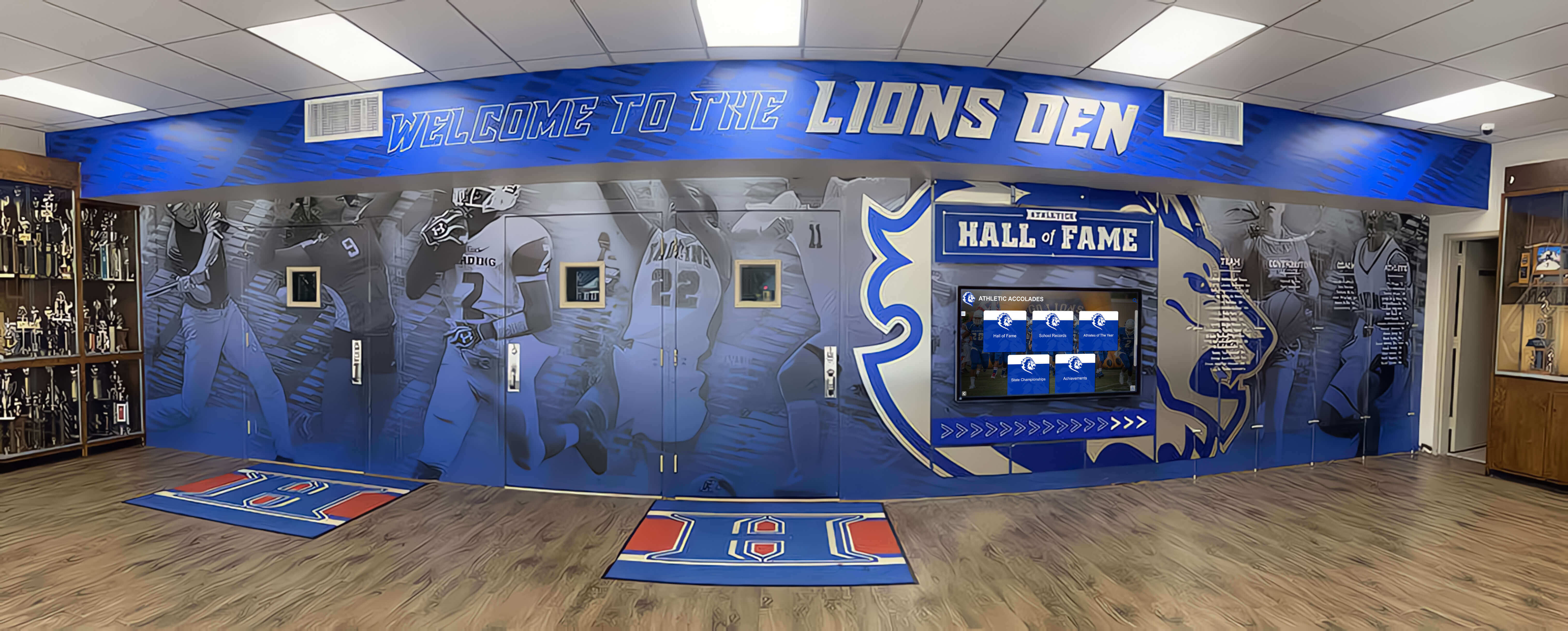
Lions: The classic symbol of courage, leadership, and pride, lions offer rich visual possibilities from realistic renderings to stylized heraldic designs. Their association with royalty and nobility creates aspirational symbolism.
Tigers: Representing fierce determination, athletic prowess, and competitive excellence, tigers remain popular athletic mascots. Their distinctive striped patterns create memorable visual branding while symbolizing power and grace.
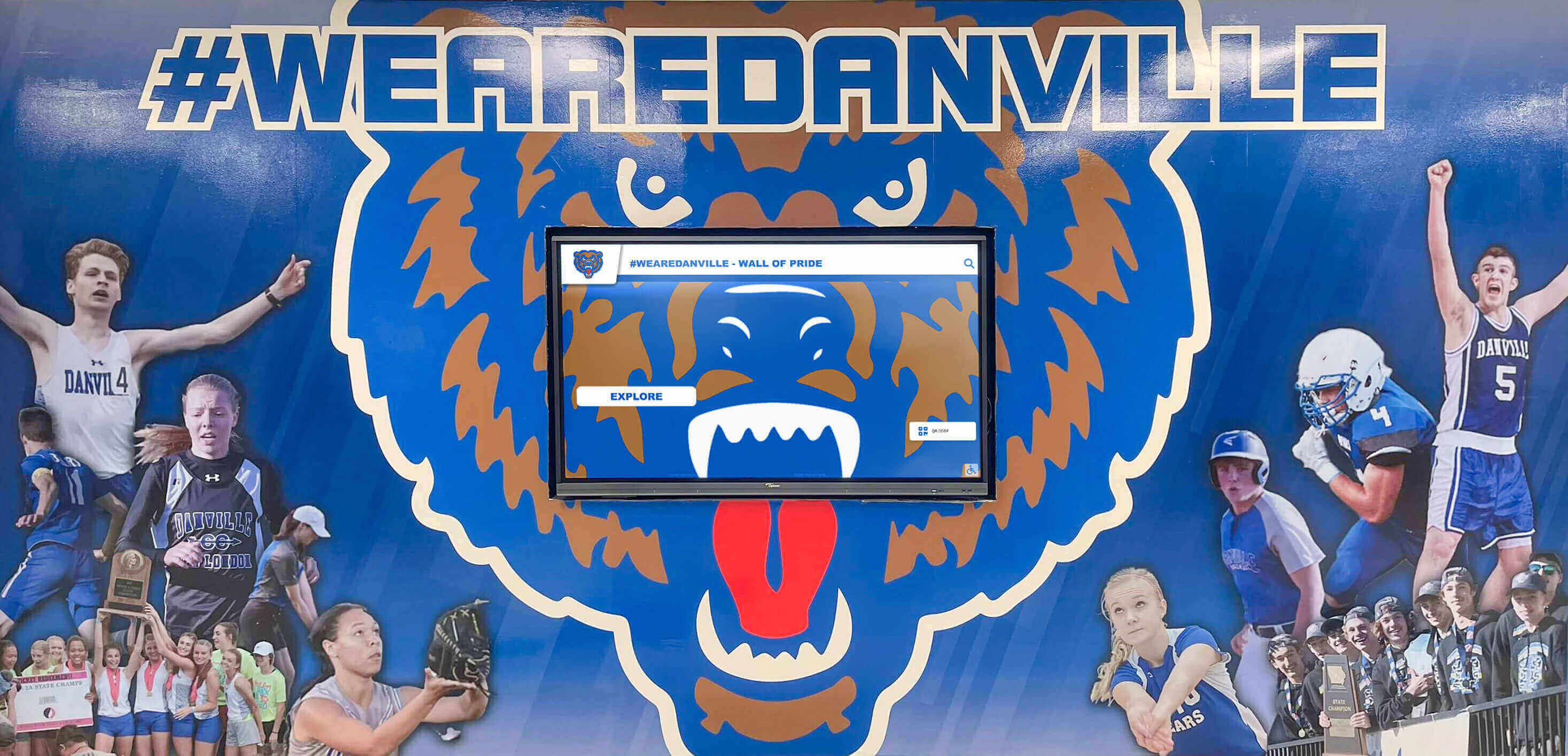
Bears: Communicating strength, protective instincts, and formidable presence, bears work well for schools emphasizing community, family values, and defensive excellence. Grizzly bears, black bears, or polar bears offer regional specificity.
Wolves: Symbolizing teamwork, loyalty, pack mentality, and strategic hunting, wolves appeal to schools emphasizing collaboration and collective achievement over individual glory.
Panthers/Cougars: Sleek, powerful big cats representing stealth, athletic excellence, and predatory focus. Their muscular builds and intense expressions translate effectively to athletic branding.
Bulldogs and Canine Mascots
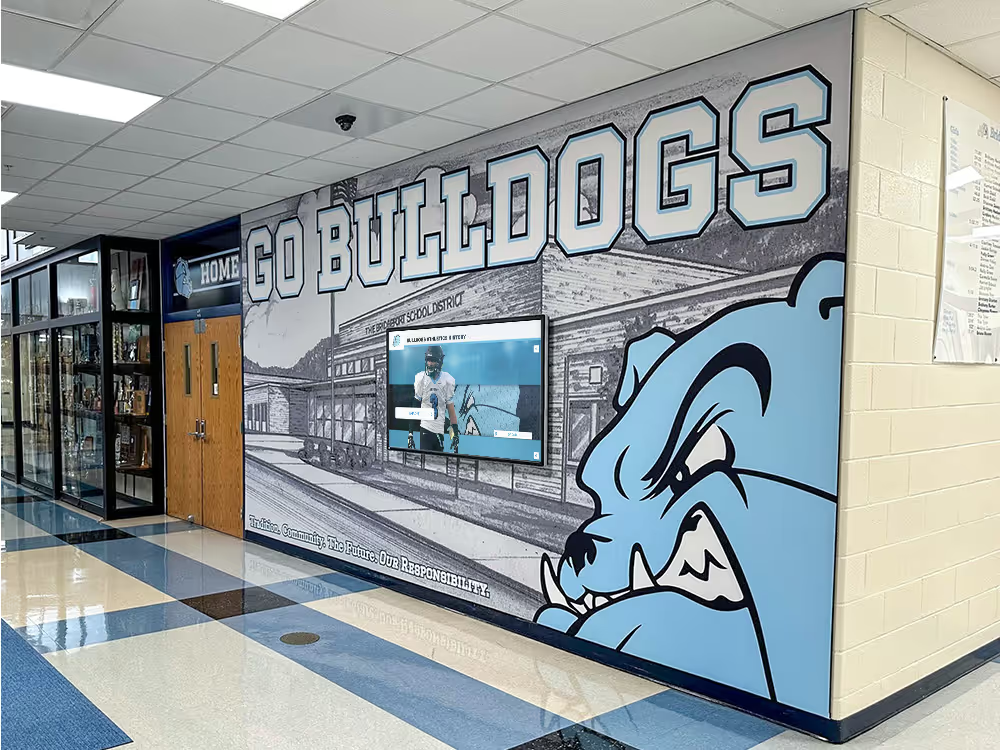
Bulldogs: Perhaps the quintessential school mascot, bulldogs represent tenacity, determination, loyalty, and refusal to quit. Their distinctive appearance—stocky build, wrinkled face, determined expression—creates instant recognition. While extremely common, bulldogs maintain popularity because their symbolism aligns perfectly with competitive athletic values.
Huskies: Representing endurance, teamwork, cold-weather toughness, and working-dog determination, huskies appeal to northern schools or institutions emphasizing collaborative achievement.
Terriers: Scrappy, energetic, and persistent despite smaller size, terrier mascots communicate that determination matters more than physical advantages—appealing messaging for smaller schools competing against larger institutions.
Unique and Creative School Mascot Ideas
Schools seeking distinctive identity often choose less common mascots that create memorable branding while maintaining appropriate symbolism and visual appeal.
Mythological and Legendary Creatures
Spartans: Representing disciplined excellence, warrior spirit, academic and athletic balance, Spartans reference classical civilization while communicating competitive determination and cultural sophistication.
Trojans: Similar to Spartans, Trojans evoke classical heritage while symbolizing courage, honor, and competitive excellence. Their association with ancient Troy provides rich storytelling opportunities.
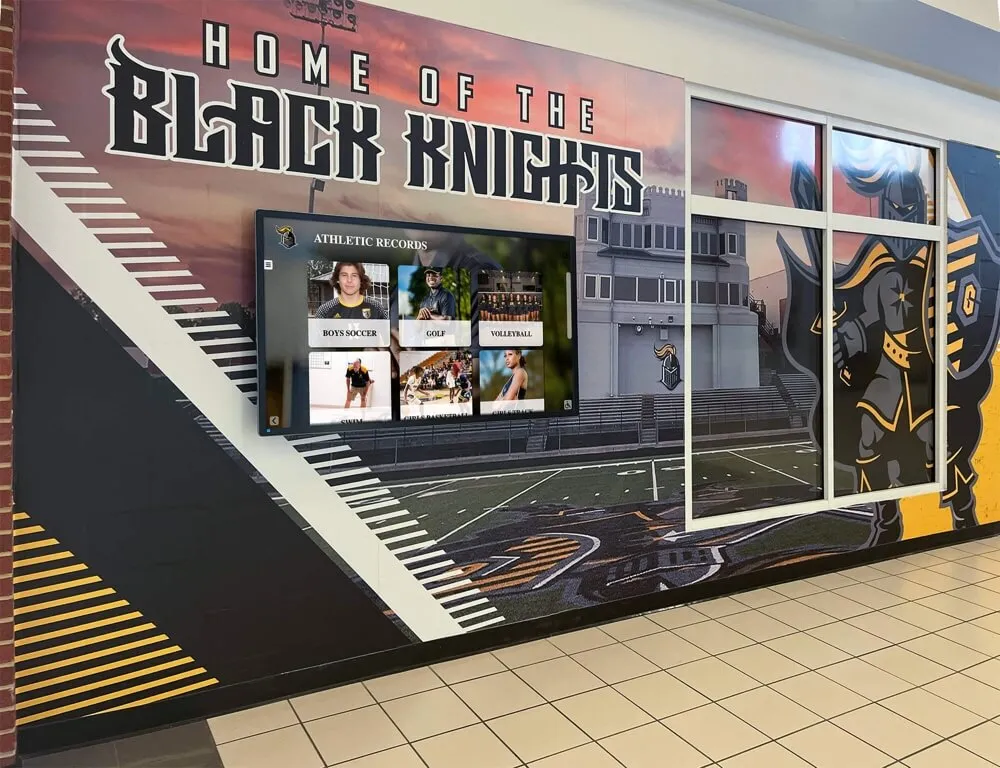
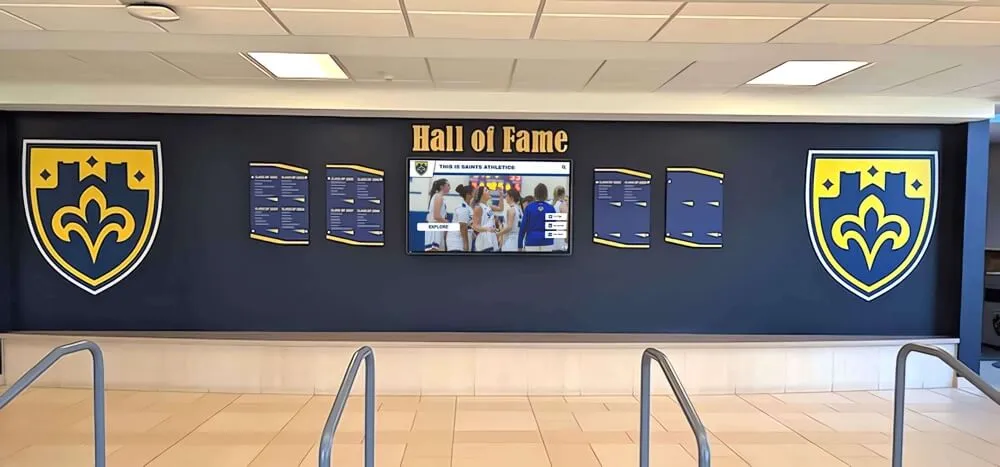
Knights: Medieval warriors representing honor, chivalry, protection, and noble purpose. Knights offer excellent costume possibilities and translate beautifully to heraldic shield designs perfect for school entrance displays and lobby recognition walls.
Dragons: Mythical creatures representing power, wisdom, protection, and legendary status. Dragons offer tremendous artistic flexibility from fierce western dragons to wise eastern dragons, creating unique visual possibilities.
Griffins: Combining eagle and lion characteristics, griffins represent the best qualities of both creatures—strength, courage, vigilance, and divine power. Their relative rarity creates distinctive identity.
Phoenix: Symbolizing rebirth, resilience, overcoming adversity, and rising from challenges, phoenix mascots appeal to schools emphasizing growth mindset and transformational education.
Regional and Location-Specific Mascots
Mountaineers/Pioneers: Perfect for schools in mountain regions or areas with pioneer heritage, these human mascots celebrate regional history and frontier spirit.
Mariners/Sailors: Coastal schools or those near major waterways connect to local geography through nautical mascots representing navigation, exploration, and voyage.
Rangers: Schools near forests, parks, or wilderness areas reference local environment through ranger mascots symbolizing protection, outdoor skills, and environmental stewardship.
Prospectors/Miners: Regions with mining heritage create authentic local connection through prospector mascots celebrating historical industry and determination.
Cowboys/Ranchers: Western or rural schools connect to agricultural heritage and frontier values through cowboy mascots representing hard work, independence, and traditional values.
Unique Animal Mascots
Bison/Buffalo: Powerful, American-native animals representing strength, endurance, and historical significance. Particularly appropriate for plains states and schools near historical buffalo ranges.
Mustangs: Wild horses symbolizing freedom, speed, untamed spirit, and American West heritage. Their grace and power create dynamic visual possibilities.
Badgers: Despite smaller size, badgers represent fierce determination, defensive tenacity, and refusal to back down—appealing underdog symbolism.
Hornets/Yellow Jackets: Insect mascots might seem unusual, but hornets effectively communicate aggressive defense, unified swarm behavior, and the idea that size doesn’t determine impact.
Scorpions: Desert-region schools create distinctive identity through scorpion mascots representing defensive capability, desert adaptation, and strategic patience.
Owls: Academic institutions emphasizing wisdom, intelligence, and scholarly achievement find excellent symbolism in owl mascots representing knowledge and careful observation.
Abstract and Conceptual Mascots
Storm/Thunder: Weather phenomena representing unstoppable natural force, sudden impact, and powerful energy. Storm-related mascots work well for regions experiencing dramatic weather.
Comets: Celestial mascots symbolizing bright, fast-moving excellence that leaves lasting impression. Particularly appropriate for schools emphasizing science or innovation.
Tide: Coastal schools reference local geography while symbolizing inevitable force, rhythm, and powerful movement.
Tornados/Cyclones: Midwest schools create regional connection through tornado mascots representing concentrated power and devastating competitive force.
Selecting the Right Mascot for Your School
Choosing a mascot represents significant long-term commitment affecting school identity for decades. Systematic selection processes help schools make informed decisions with broad community support.
Forming Selection Committees
Inclusive Representation: Effective mascot selection committees include students, faculty, staff, parents, alumni, and community members ensuring all stakeholder perspectives inform decisions.
Student Voice: Since students experience school identity most directly, meaningful student input through surveys, focus groups, or committee representation ensures selections resonate with those who matter most.
Alumni Connection: Including alumni perspective helps balance innovation with respect for tradition, ensuring new mascots don’t alienate graduates maintaining lifelong school connections.
Expertise Integration: Consider including graphic designers, marketing professionals, or branding experts who can evaluate mascot options’ visual potential and implementation feasibility.
Research and Community Input Process
Historical Research: Understanding your school’s history, founding story, local heritage, and regional significance often reveals authentic mascot connections more meaningful than generic animal selections.
Community Surveys: Gathering broad input through surveys distributed to families, students, and community members identifies popular preferences while revealing potential concerns about specific options.
Regional Distinctiveness Analysis: Research mascots used by nearby schools, conference competitors, and district institutions to avoid selecting identical mascots that reduce distinctive identity.
Cultural Sensitivity Review: Evaluate potential mascots for cultural appropriation concerns, offensive symbolism, or representations that might create controversy requiring future rebranding.
Visual Prototype Testing: Create preliminary artistic renderings showing how mascot finalists would appear in various applications—logos, murals, costumes, digital displays, uniforms—helping communities visualize implementation.

Decision-Making Frameworks
Weighted Criteria Scoring: Develop evaluation criteria—visual appeal, community connection, uniqueness, symbolism alignment, implementation feasibility—and score finalist mascots systematically rather than making purely subjective choices.
Finalist Narrowing Process: Start with broad brainstorming generating many possibilities, then systematically eliminate options based on established criteria until reaching 3-5 strong finalists for final selection.
Community Voting: For final mascot selection, consider school-wide voting where students, staff, and families participate in choosing among vetted finalists. This builds ownership and ensures broad support.
Board Approval: Ensure school board or governing authority formally approves mascot selections, creating official institutional commitment to the chosen identity.
Implementing Your Mascot Across School Environment
Once selected, successful mascot implementation requires strategic planning ensuring consistent, high-quality representation across all school touchpoints.
Visual Identity Development
Professional Logo Design: Invest in professional graphic design creating multiple mascot logo variations—detailed primary logo, simplified secondary marks, text-only wordmarks, icon versions—providing flexibility for different applications.
Style Guide Creation: Develop comprehensive brand guidelines documenting official colors, logo usage rules, spacing requirements, prohibited alterations, and appropriate applications ensuring consistent mascot representation.
Multiple Artistic Styles: Create mascot versions in different artistic styles—realistic, cartoonish, fierce, friendly—allowing appropriate tone matching for elementary schools versus high schools, academic contexts versus athletic settings.
Digital Asset Library: Maintain organized digital files containing all official mascot artwork in various formats (vector, high-resolution raster, web-optimized) ensuring anyone needing mascot graphics can access appropriate files.
Physical Space Integration
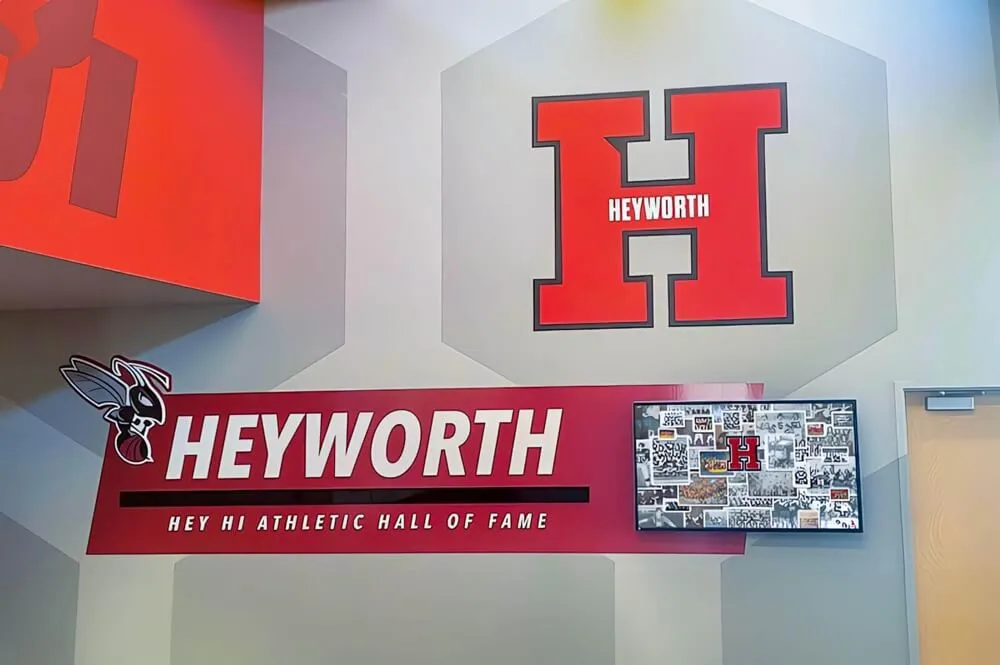
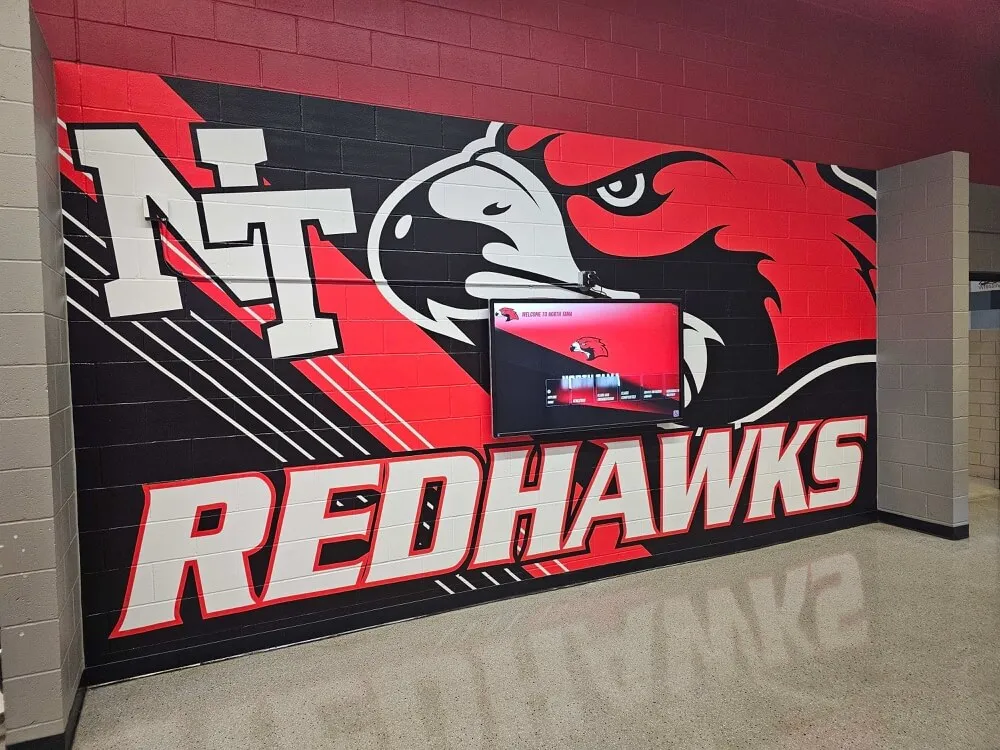
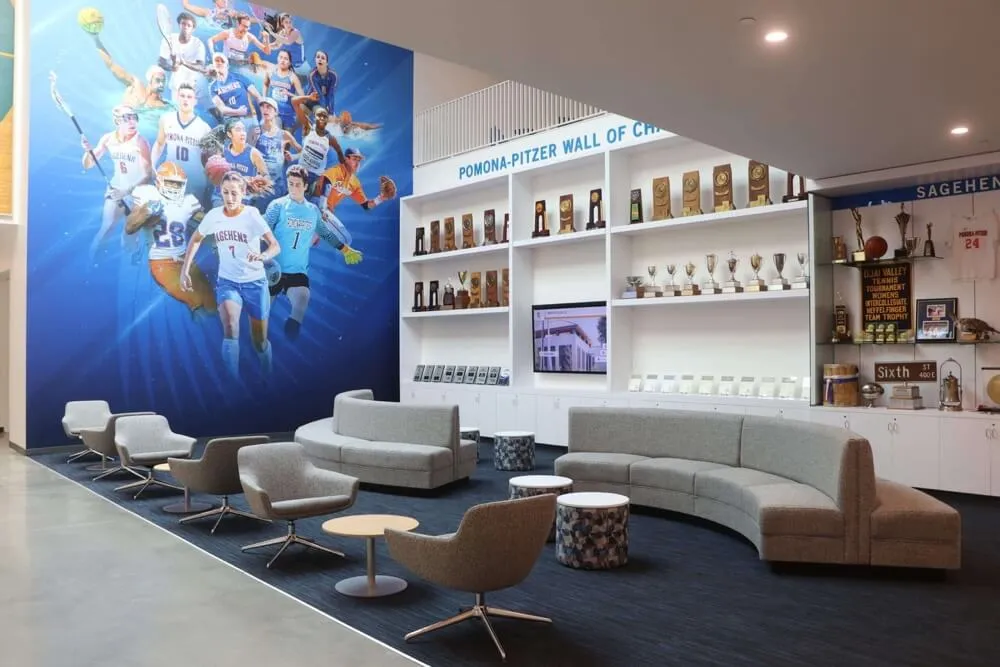
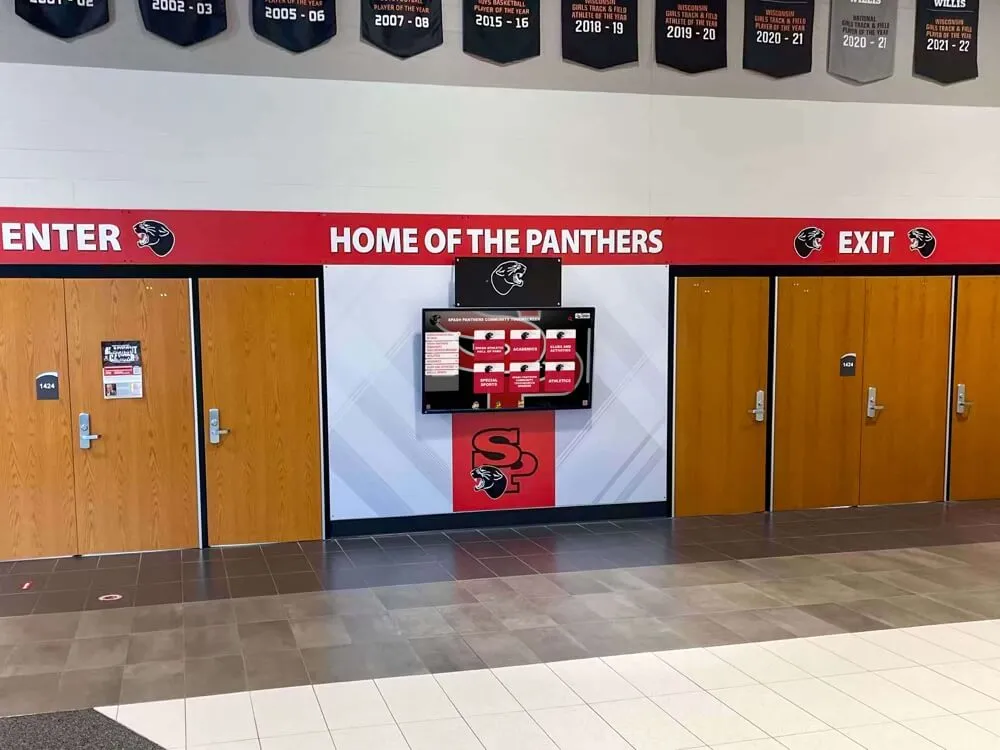
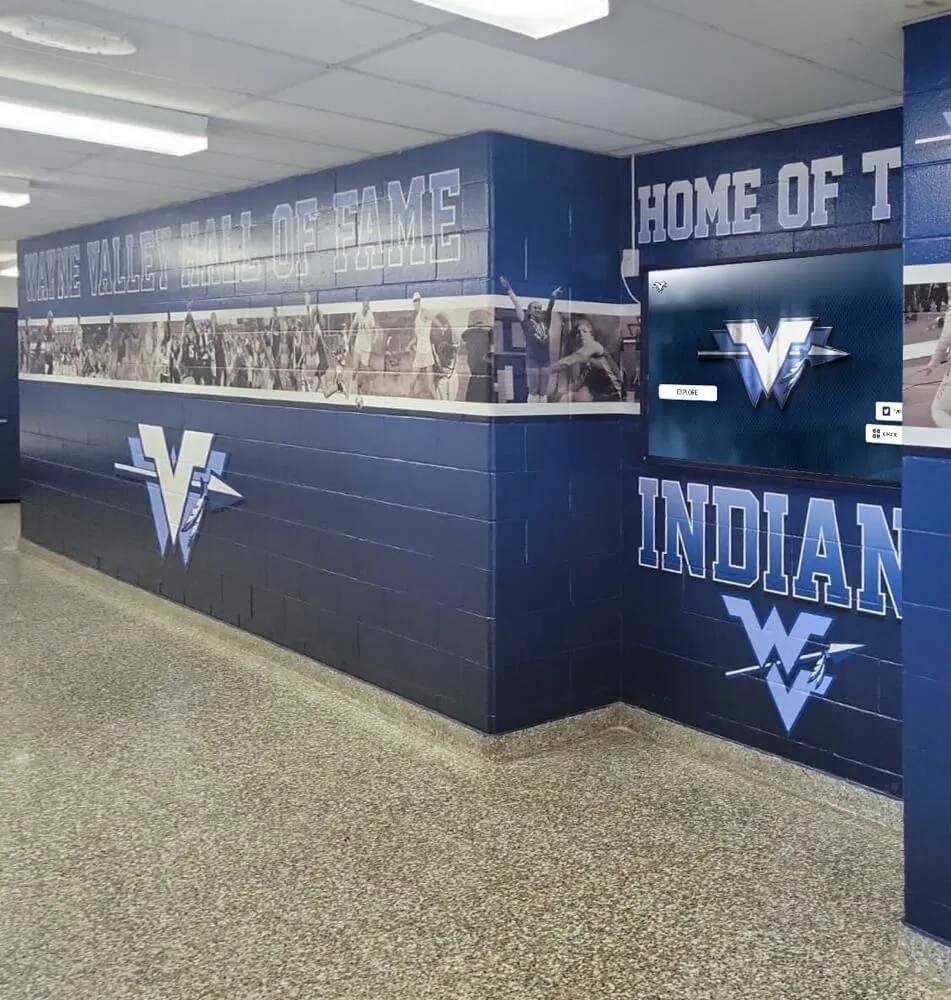
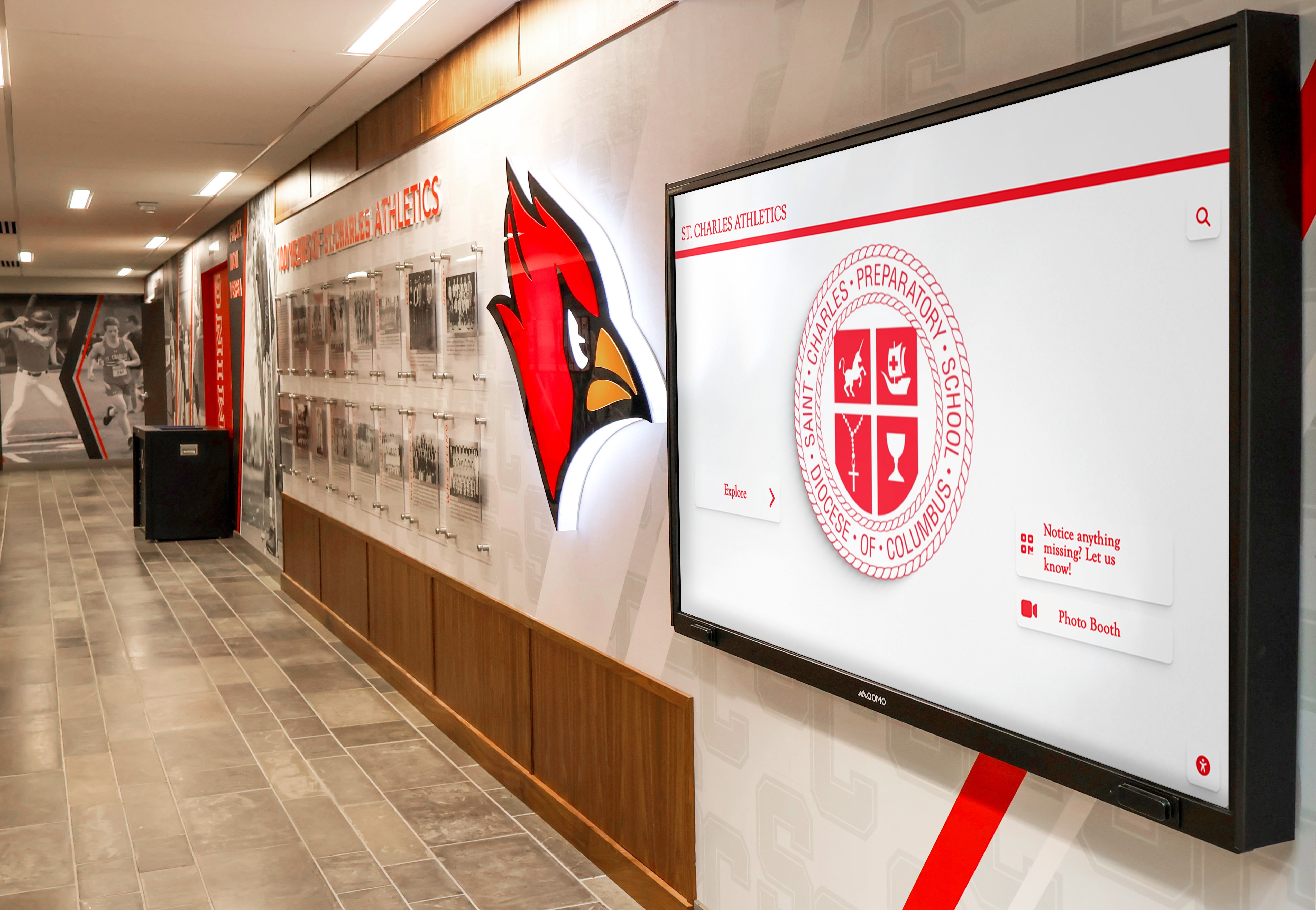
Entrance and Lobby Displays: Feature prominent mascot presence in school entrance areas through painted murals, dimensional signage, or digital displays creating immediate identity communication for visitors, families, and students entering buildings.
Athletic Facilities: Install mascot murals, floor decals, and wall graphics in gymnasiums, weight rooms, locker rooms, and competition venues reinforcing athletic identity and competitive spirit.
Hallway and Common Areas: Integrate mascot imagery throughout school facilities via hallway displays, cafeteria graphics, library decorations, and administrative office branding creating consistent environmental identity.
Outdoor Signage: Feature mascot prominently on external building signs, stadium marquees, entrance monuments, and athletic field graphics communicating institutional identity to broader community.
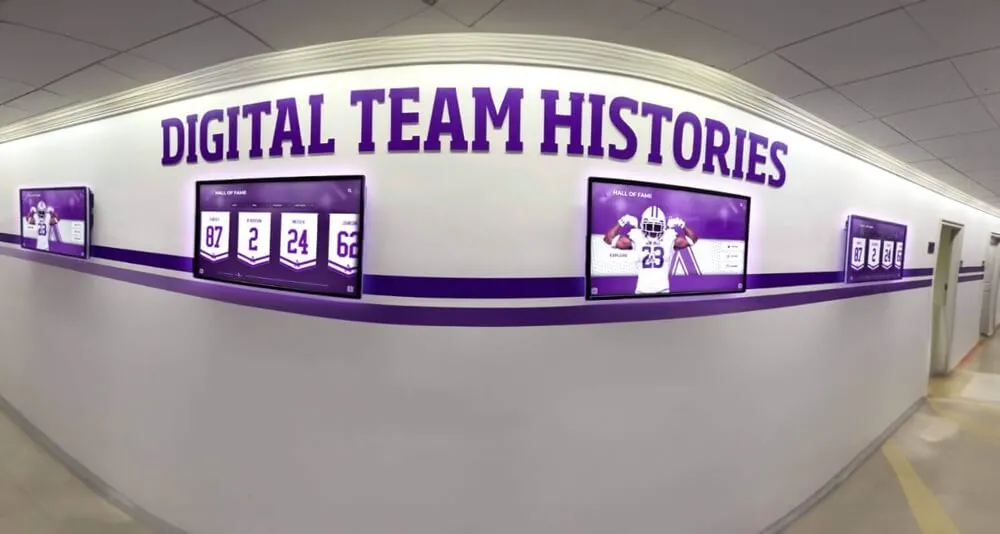
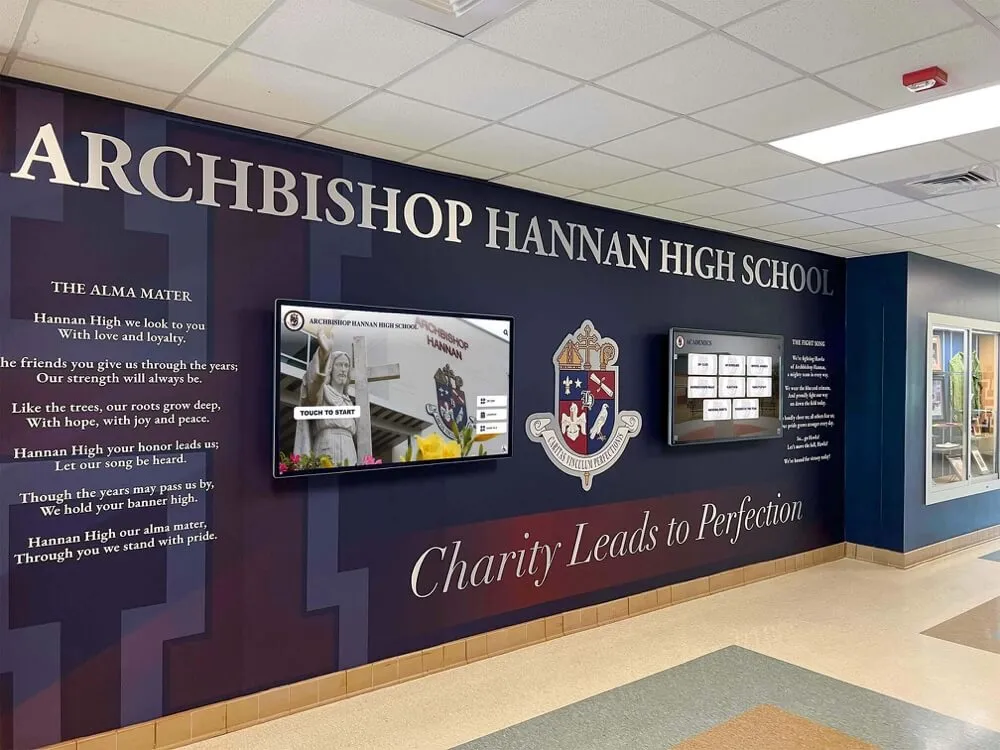
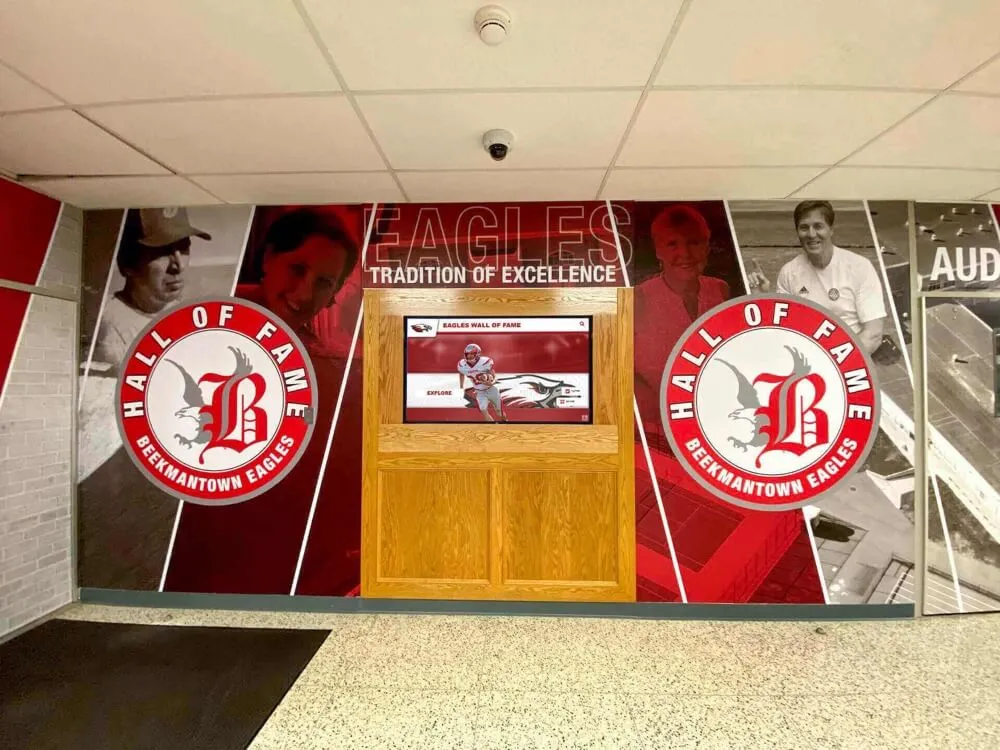
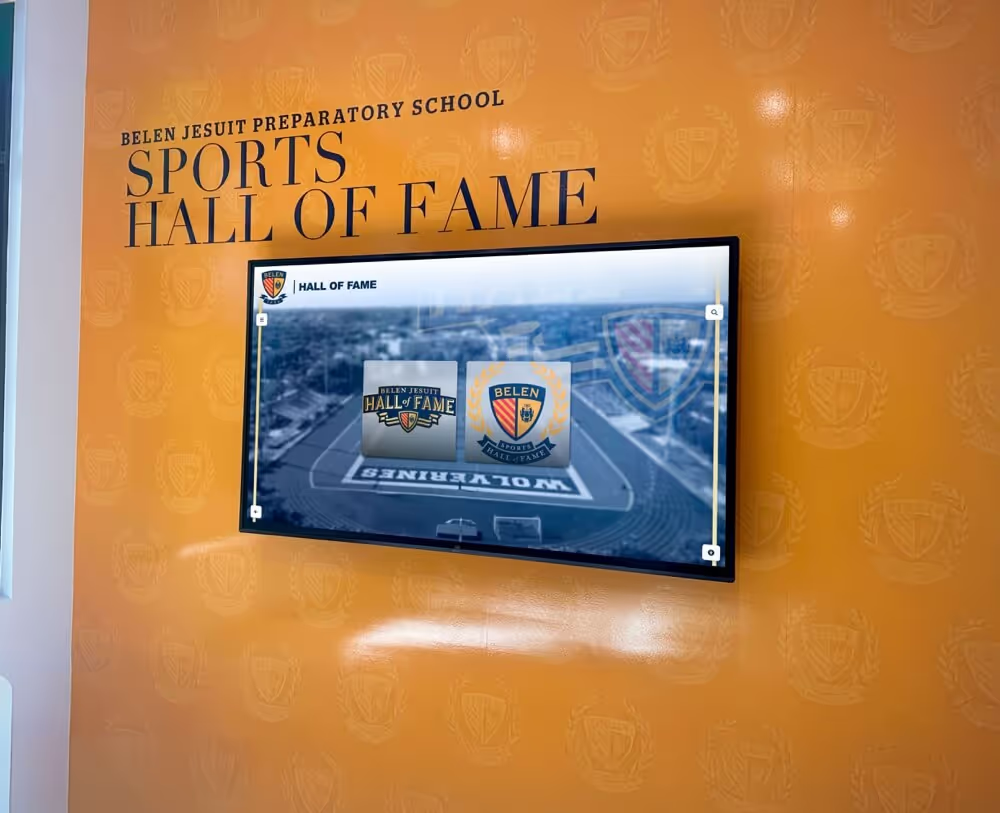
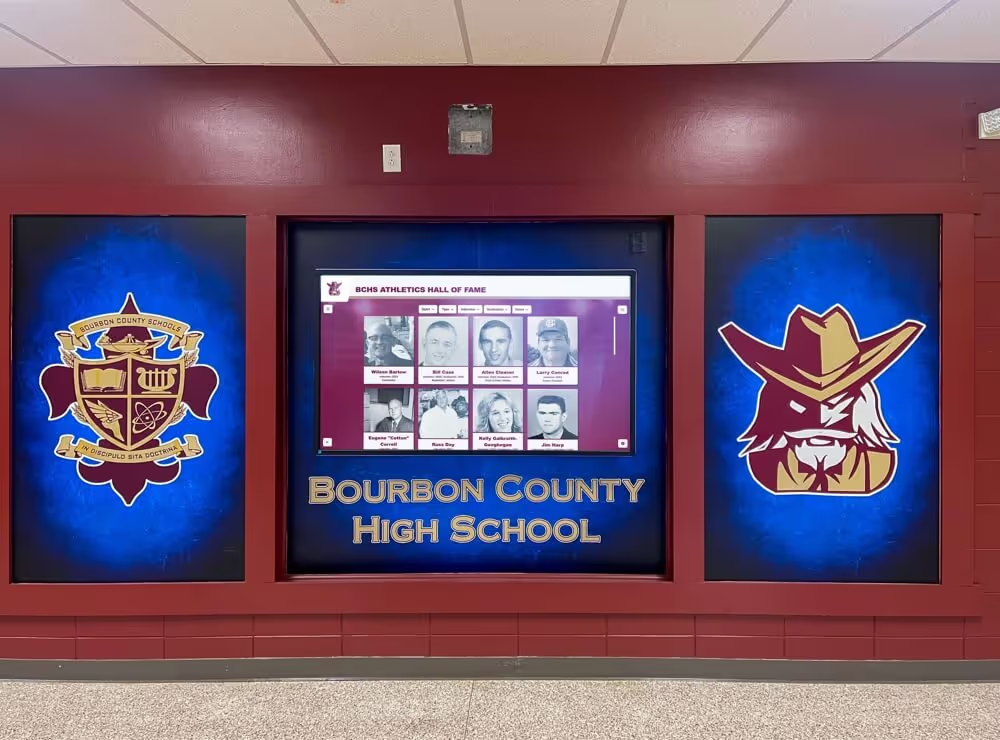
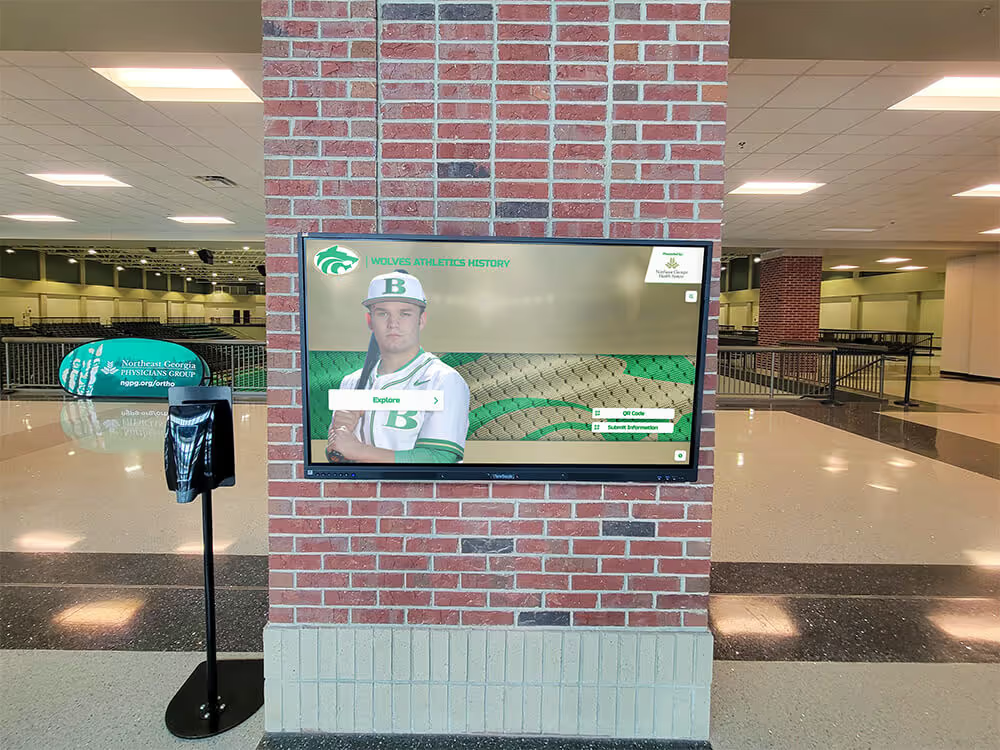
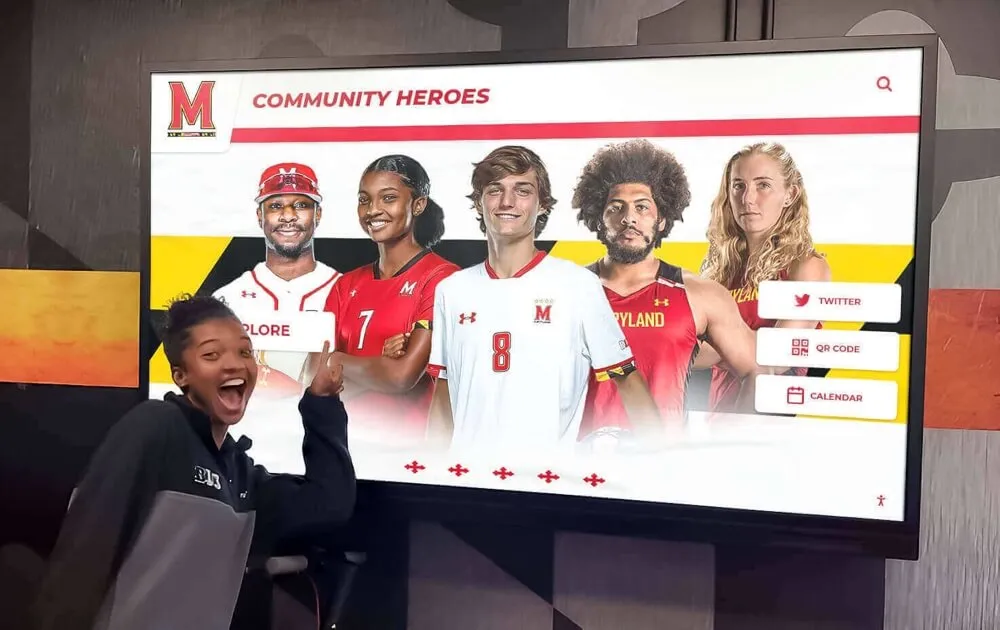
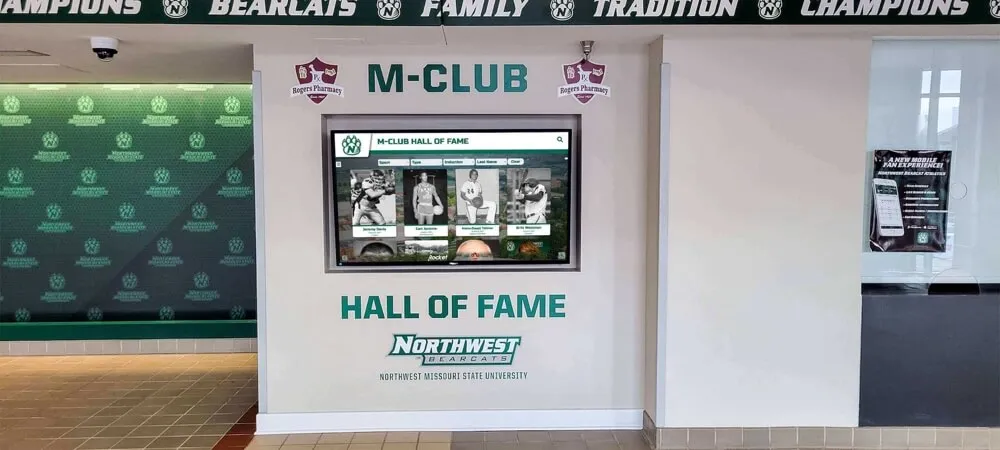
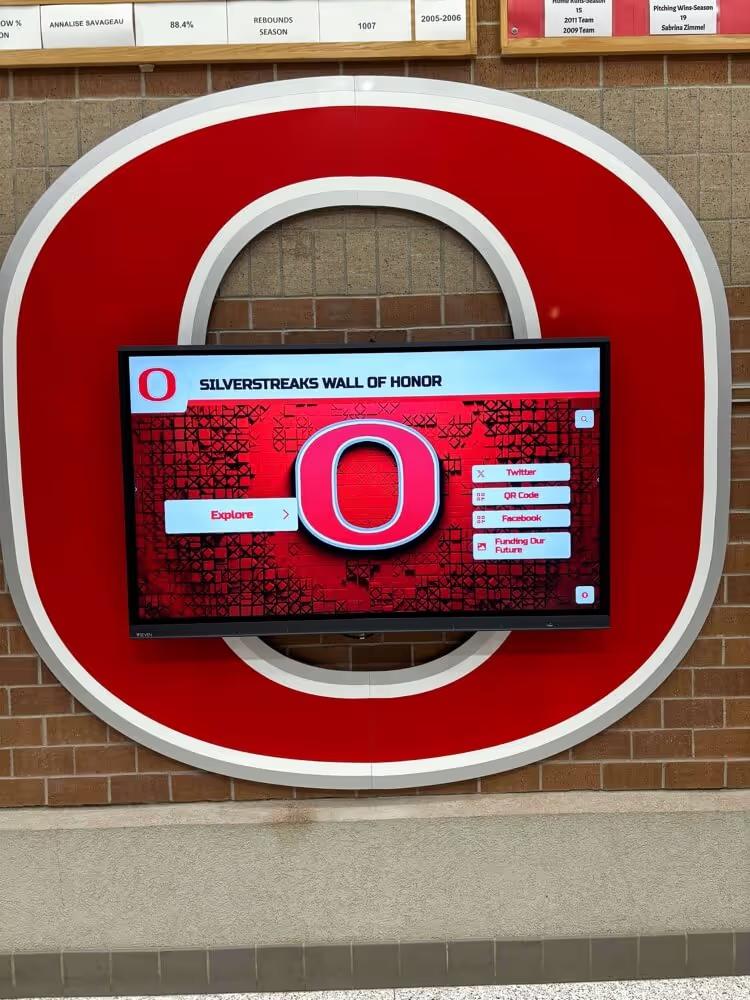
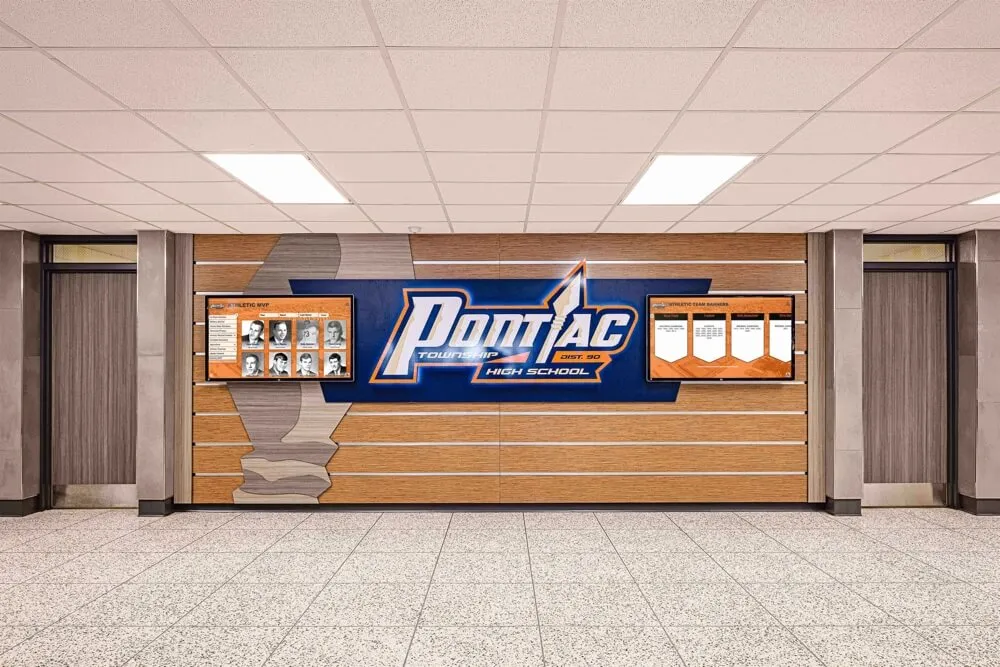
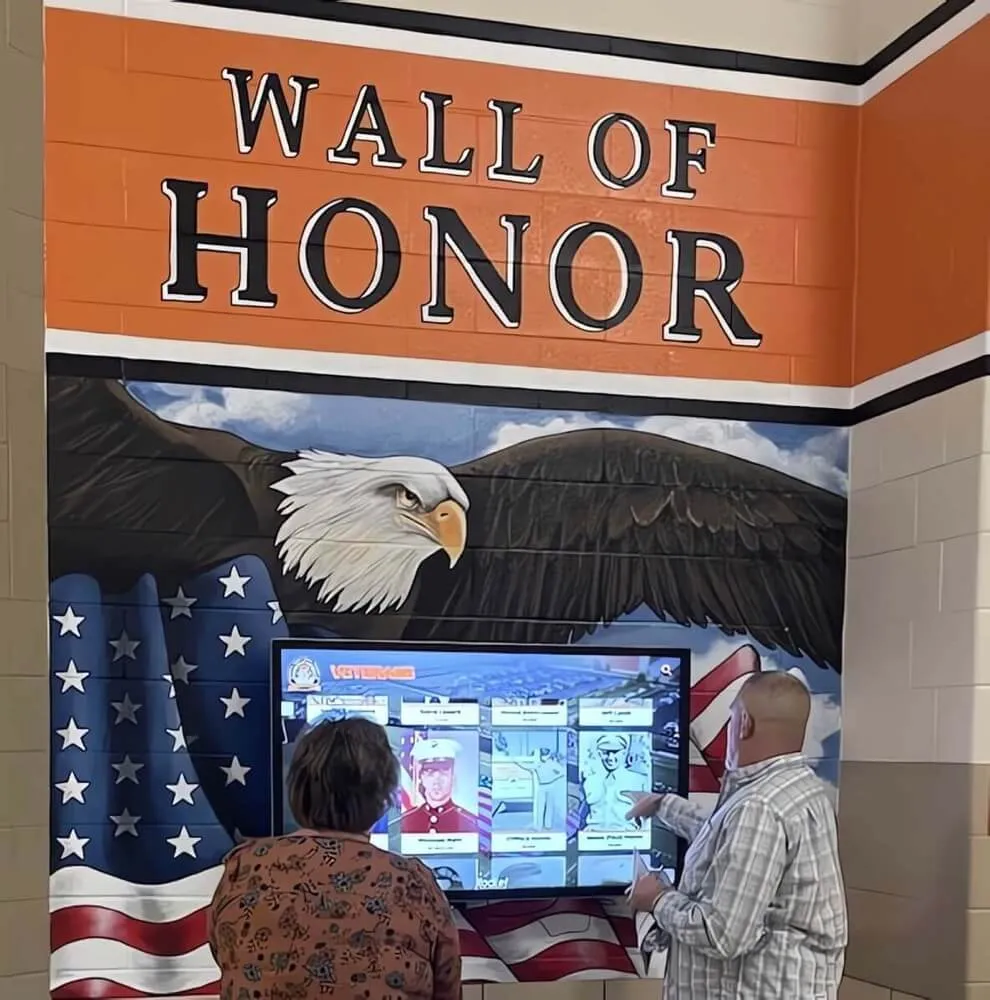
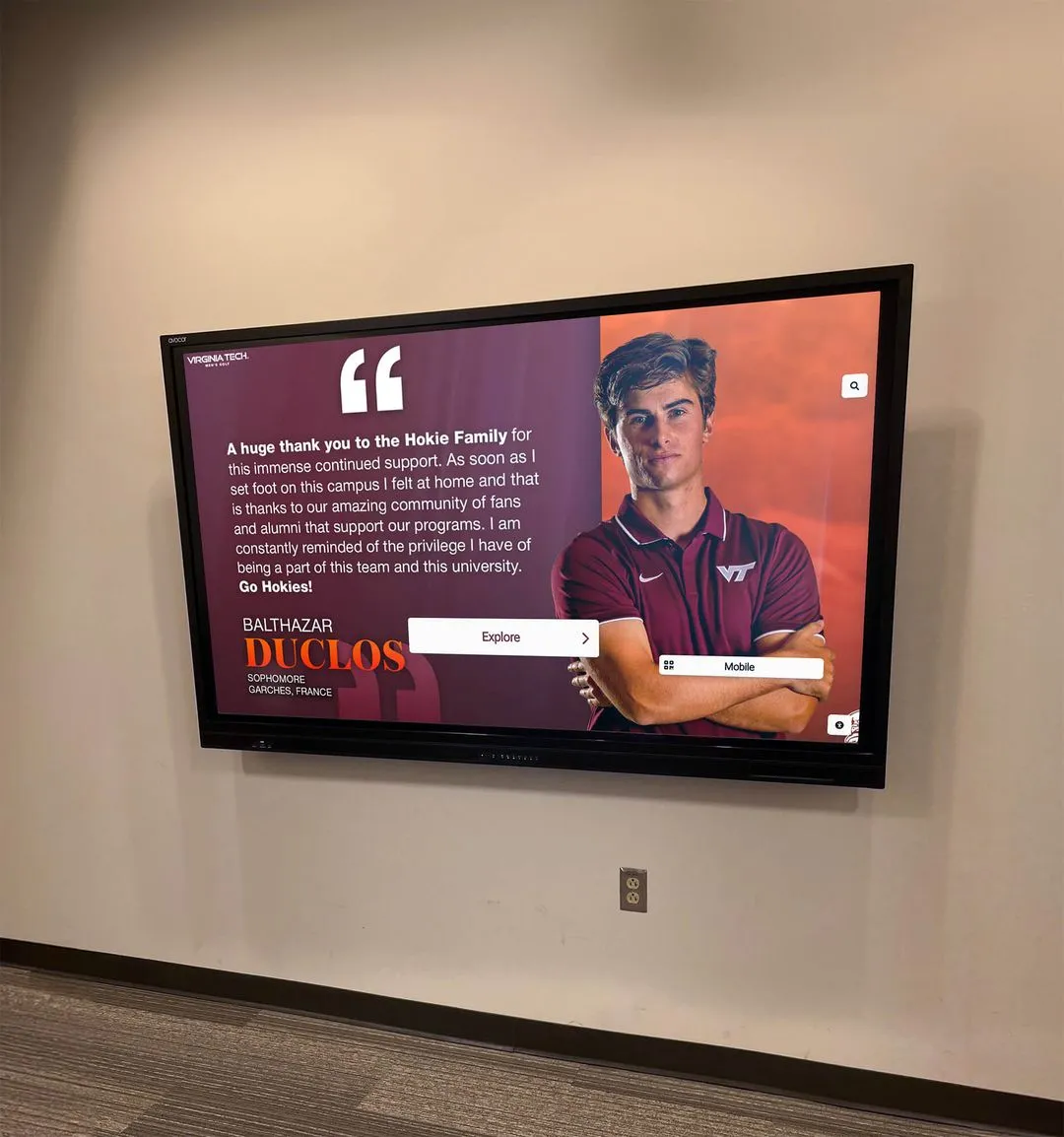
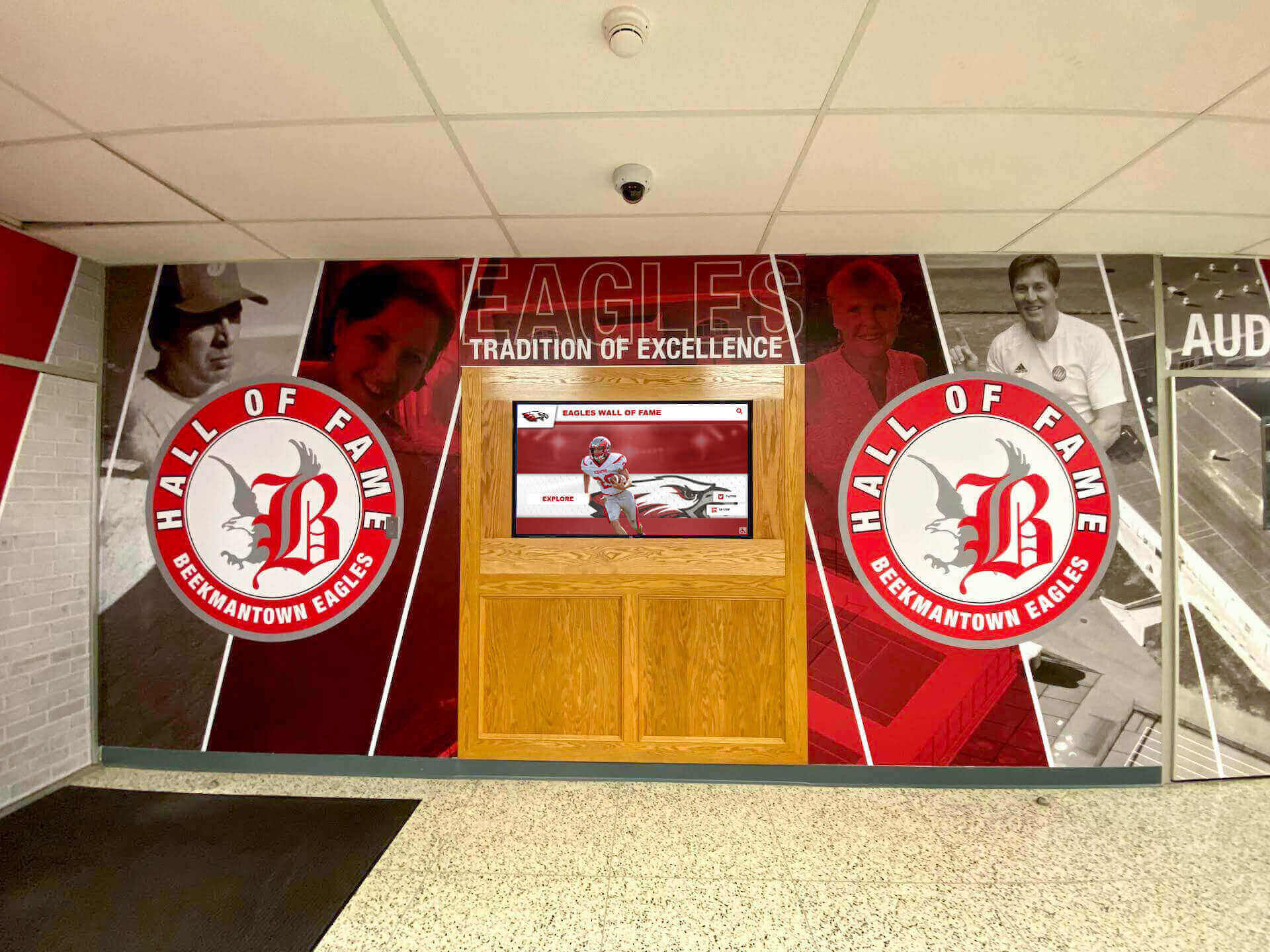
Digital Recognition Displays: Modern schools increasingly incorporate mascot imagery into interactive touchscreen displays celebrating student achievements, athletic records, and alumni recognition. These permanent installations combine mascot branding with recognition functionality, creating engaging lobby features that strengthen school identity while honoring individual accomplishments.
Costume and Character Development
Professional Costume Investment: High-quality mascot costumes represent significant investment but create memorable experiences at athletic events, pep rallies, and community appearances. Professional costume design ensures comfortable, safe, attractive character representation.
Mascot Handler Guidelines: Develop clear protocols for students portraying mascot characters—behavior expectations, appearance guidelines, safety procedures, and performance standards—ensuring consistent, appropriate representation.
Character Personality Development: Define mascot personality characteristics—energetic, inspiring, playful, fierce—and train performers to embody consistent character traits creating recognizable mascot persona.
Appearance Calendar: Strategically schedule mascot appearances at key events—sports competitions, assemblies, community events, elementary school visits—maximizing visibility and community connection without overexposure.
Athletic and Spirit Wear Applications
Uniform Integration: Ensure mascot logos appear prominently on athletic uniforms, creating consistent team identity across all sports while maintaining high-quality embroidery or printing standards.
Spirit Wear Development: Create diverse merchandise options—t-shirts, hoodies, hats, accessories—featuring mascot designs in various artistic styles appealing to different community segments from young children to adult alumni.
Seasonal and Sport-Specific Variations: Develop sport-specific mascot designs—baseball mascot with bat, basketball mascot with ball, academic mascot with books—creating specialized variations while maintaining consistent core identity.
Fan Engagement Products: Produce mascot-branded items for athletic events—rally towels, foam fingers, pennants, face paint designs, temporary tattoos—encouraging fan participation and visual unity during competitions.
Building Traditions Around Your Mascot
The most beloved mascots transcend simple logos, becoming central figures in school traditions, rituals, and shared experiences that build community identity.
Mascot-Centered Traditions
Mascot Naming Ceremonies: Rather than generic mascot references, some schools name individual mascot characters through student voting or tradition, creating more personal connection—like “Benny the Bulldog” rather than simply “the Bulldog.”
Annual Mascot Celebrations: Establish dedicated “Mascot Day” or “Mascot Week” featuring themed dress-up days, mascot history lessons, tradition storytelling, and celebration of school identity.
Mascot Origin Storytelling: Develop compelling narratives explaining why your specific mascot was chosen, connecting selection to school history, local heritage, or founding values, creating meaningful context beyond surface-level symbolism.
Mascot Appearance Traditions: Create predictable mascot appearance rituals—specific entrance music, signature moves, crowd interaction patterns—that fans anticipate and participate in during events.
Victory Traditions: Establish post-competition victory traditions involving mascot—special dances, crowd celebrations, or symbolic gestures performed after championship wins creating memorable celebratory moments.
Mascot in School Culture
Elementary School Connection: Organize regular mascot visits to feeder elementary schools introducing young students to school identity, building excitement about eventually attending your institution, and strengthening pipeline connection. These spirit week activities help build school pride from the earliest grades.
New Student Orientation: Feature mascot prominently in orientation programs, welcome events, and transition activities helping new students immediately identify with school community.
Social Media Presence: Develop mascot-centered social media content—mascot takeover days, behind-the-scenes mascot life, mascot challenges, mascot community appearances—creating engaging digital content strengthening online community.
Mascot History Archives: Document mascot evolution, memorable appearances, and tradition development through permanent archives accessible to current students and returning alumni exploring institutional history.
Recognition Display Integration: Modern digital recognition systems enable schools to incorporate mascot imagery throughout interactive displays celebrating achievements, creating cohesive branding where school identity and individual recognition combine seamlessly.
Mascot Rebranding and Change Considerations
While mascot changes prove controversial and complex, some circumstances necessitate rebranding efforts requiring careful management and community communication.
When Mascot Changes Become Necessary
Cultural Sensitivity Issues: Mascots deemed culturally insensitive, appropriative, or offensive require changing regardless of tradition or alumni attachment. Proactive rebranding demonstrates institutional values alignment.
Legal or Regulatory Requirements: Some states prohibit specific mascot categories, requiring affected schools to rebrand regardless of community preference.
Merger or Consolidation: School mergers combining institutions with different mascots often necessitate new unified identity or adoption of one existing mascot.
Complete Institutional Rebranding: Major institutional repositioning, name changes, or mission evolution sometimes requires comprehensive rebranding including mascot changes aligned with new institutional direction.
Managing Mascot Transition Processes
Transparent Communication: Early, honest communication about why mascot changes are necessary, what process will guide selection, and how community input will inform decisions reduces resistance and builds understanding.
Honoring Tradition While Moving Forward: Acknowledge and celebrate outgoing mascot’s history, incorporate historical recognition in permanent displays, and create ceremonial transition processes respecting alumni attachment while embracing change.
Alumni Engagement: Provide special opportunities for alumni to participate in rebranding processes, offer exclusive commemorative items featuring legacy mascots, and maintain historical mascot presence in alumni-specific spaces.
Gradual Implementation: Phase mascot changes over time rather than attempting immediate complete replacement—allowing one academic year for transition reduces disruption and provides adjustment time.
Legacy Recognition: Create permanent historical displays documenting former mascots, explaining transition context, and honoring traditions associated with previous identity, ensuring school history remains accessible to future generations.
Leveraging Technology to Showcase Your Mascot
Modern digital technology creates innovative opportunities for mascot representation extending beyond traditional murals and logos.
Digital Display Integration
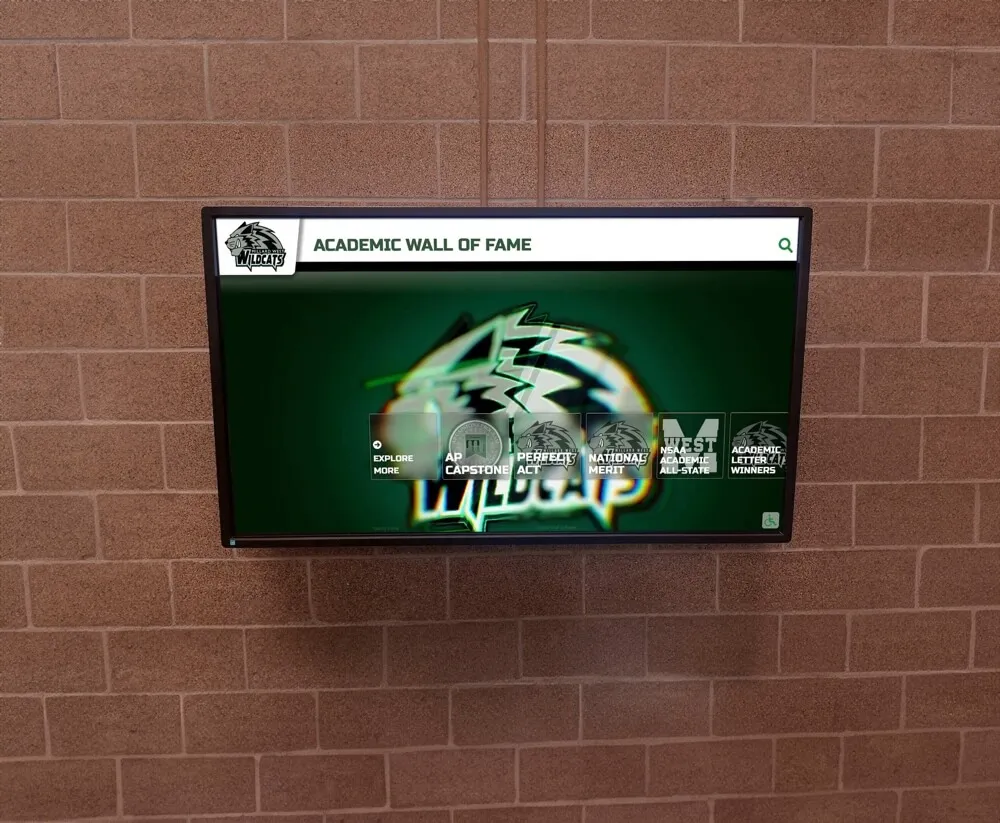
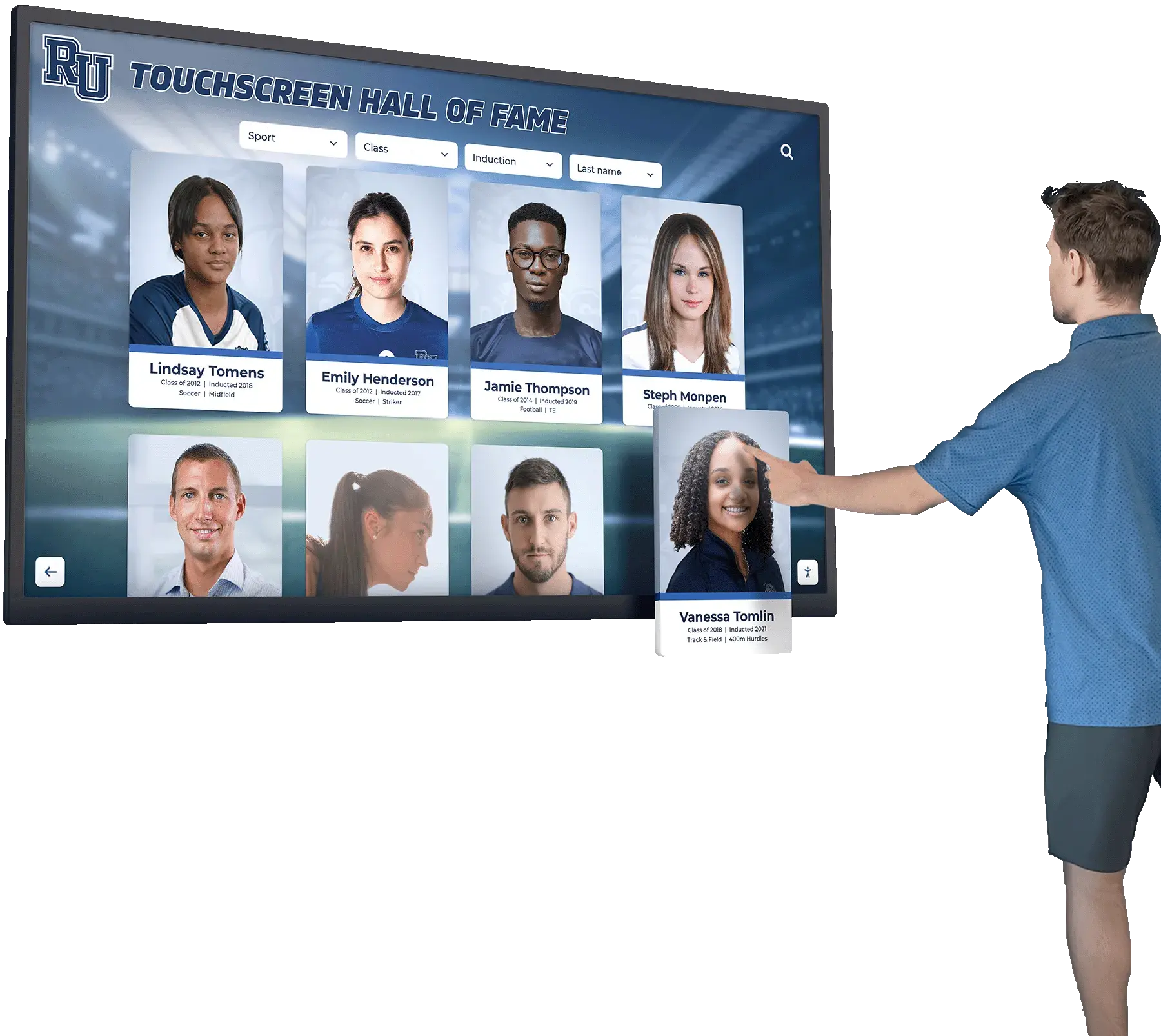
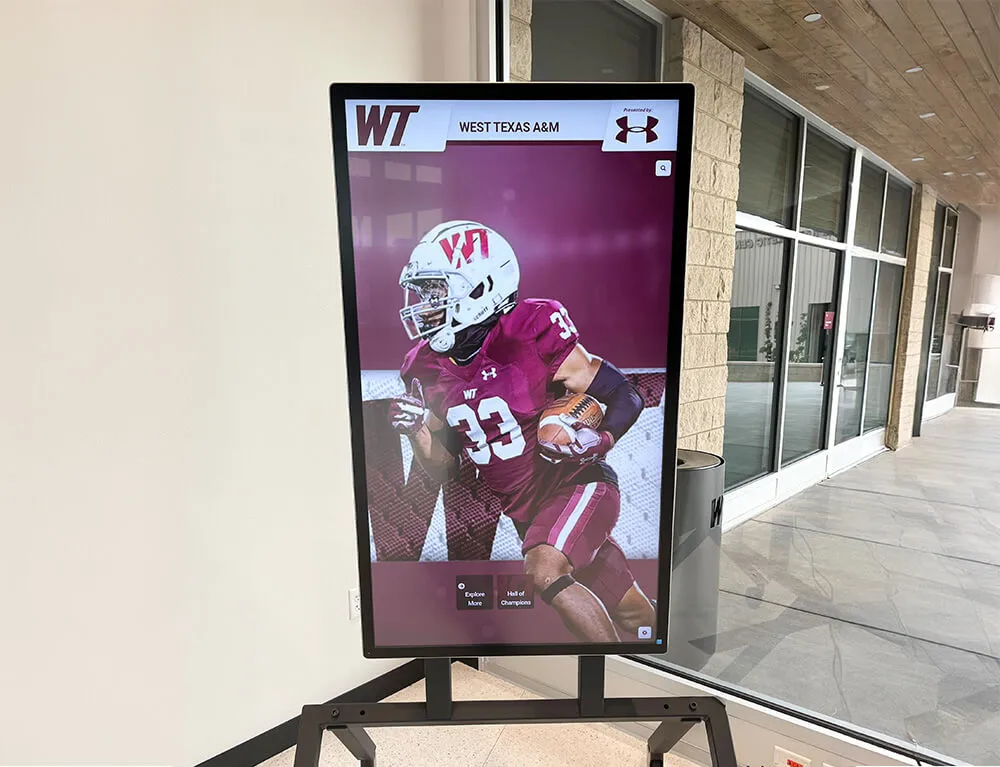
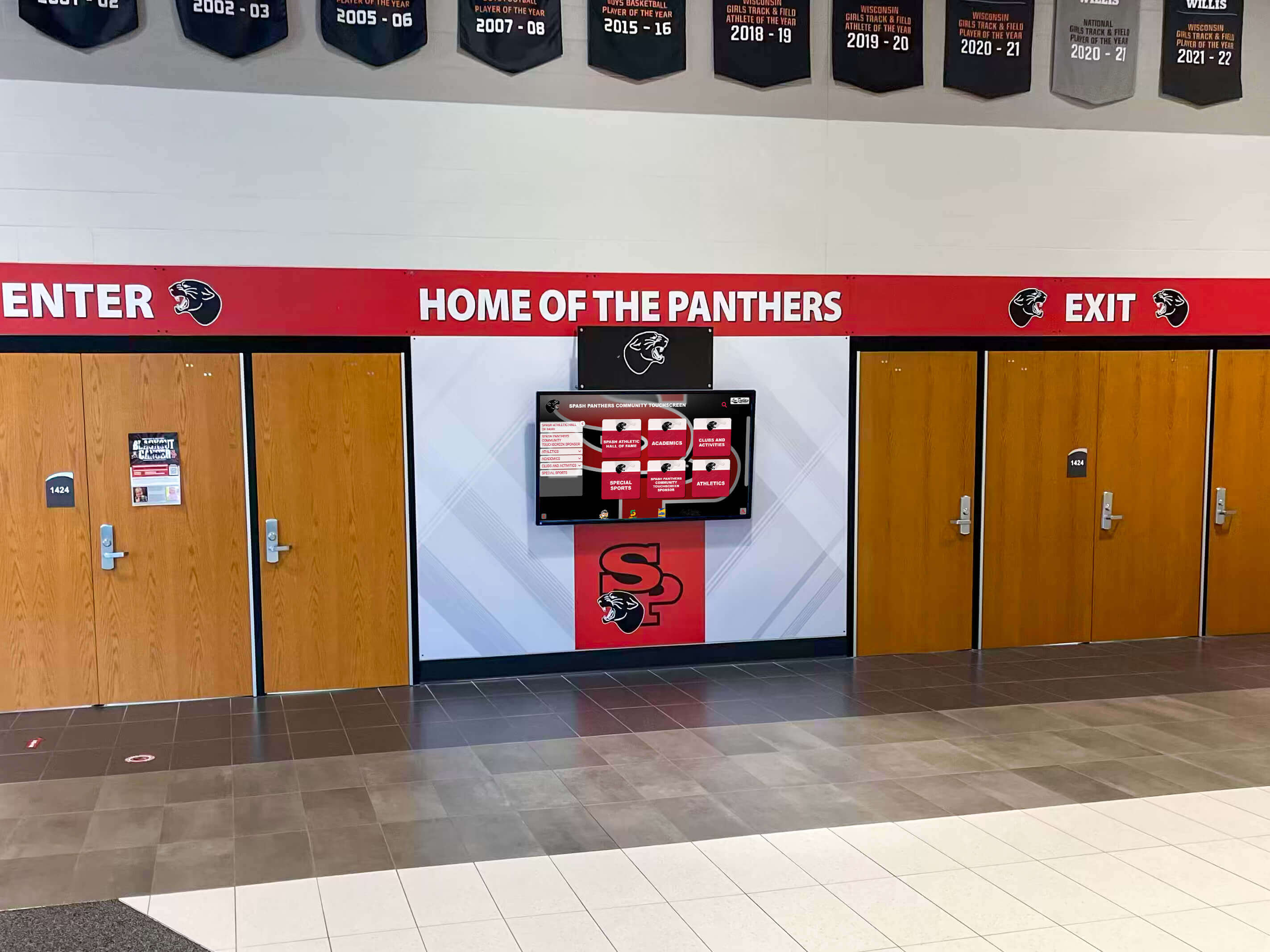
Interactive Touchscreen Displays: Schools increasingly feature mascot-branded interactive kiosk solutions in lobbies, allowing visitors to explore school history, view achievement records, and access student recognition through engaging interfaces incorporating mascot imagery throughout user experience.
Animated Mascot Graphics: Digital displays enable animated mascot versions—mascots celebrating achievements, pointing to featured students, or performing signature moves—creating dynamic visual interest static logos cannot provide.
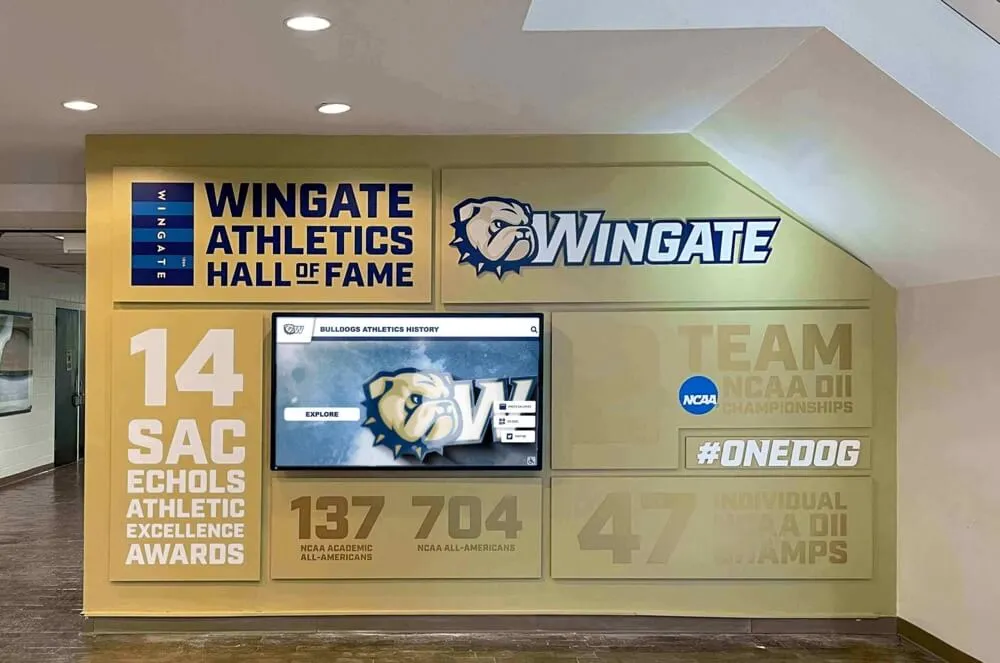
Mascot-Branded Recognition Systems: The most effective digital recognition platforms integrate mascot branding seamlessly throughout interfaces, creating cohesive visual identity where school symbol and student celebration reinforce each other.
Social Media Augmented Reality: Some schools develop augmented reality filters featuring mascot characters, encouraging students and families to create and share mascot-branded content extending institutional reach through social platforms.
Virtual Mascot Appearances: During remote learning or for geographically distant audiences, virtual mascot appearances via video platforms maintain community connection even when physical presence isn’t possible.
Creating Permanent Digital Mascot Legacy
Beyond individual applications, comprehensive digital recognition systems enable schools to build permanent mascot-branded archives celebrating achievements across decades. These systems combine school identity with individual recognition, creating engaging installations where mascot symbolism frames celebration of students, athletes, alumni, and community members.
Solutions like Rocket Alumni Solutions specialize in mascot-integrated recognition displays that maintain consistent institutional branding while providing flexible platforms for celebrating diverse achievements. These systems ensure mascot presence remains central to school identity not just during current students’ enrollment but throughout permanent installations honoring school history spanning generations.
Athletic Program Mascot Considerations
Athletic programs often drive mascot visibility and require specific considerations ensuring effective representation in competitive contexts.
Competitive Psychology and Mascot Selection
Intimidation vs. Inspiration: Athletic mascots serve dual purposes—intimidating opponents while inspiring your own teams. The most effective balance strength symbolism with positive values preventing purely aggressive imagery that contradicts educational mission.
Conference and Rival Dynamics: Consider mascot selection in context of conference competitors and primary rivals, avoiding identical mascots that reduce distinctive identity while ensuring competitive symbolism matches league standards.
Multi-Sport Applicability: Ensure mascot symbolism translates across all athletic programs from football to tennis, avoiding mascots so specifically aligned with one sport that other programs feel less connection.
Championship Tradition Building: Mascots appearing on championship recognition, record board displays, and permanent athletic achievements create lasting association between school symbol and competitive excellence.
Mascot in Athletic Facilities
Gymnasium and Arena Branding: Feature oversized mascot graphics on gymnasium floors, wall murals, and championship banners creating home court advantage through visual identity overwhelming visiting teams.
Weight Room and Training Facilities: Incorporate motivational mascot imagery in training spaces reinforcing competitive identity during preparation and conditioning work.
Locker Room Design: Create mascot-centered locker room environments where athletes prepare for competition surrounded by school identity symbols reinforcing pride and tradition.
Digital Record Boards: Modern athletic facilities increasingly feature digital record boards celebrating all-time achievements. Mascot-branded displays create visual connection between current competitors and historical excellence, positioning record-breaking performances within ongoing institutional tradition.
Measuring Mascot Effectiveness and Community Connection
Understanding whether your mascot successfully builds school identity and community connection helps schools assess implementation effectiveness and identify improvement opportunities.
Recognition and Pride Indicators
Merchandise Sales: Strong mascot designs generate consistent merchandise demand as students, families, and alumni voluntarily purchase and wear school-branded items signaling positive identity connection.
Social Media Engagement: Mascot-centered social media content generating high engagement—shares, comments, user-generated content featuring mascot—indicates successful community connection and positive reception.
Community Visibility: Notice how frequently mascot appears in community contexts beyond official school usage—local business displays, yard signs, car decals, community event integration—reflecting genuine community adoption.
Student and Alumni Feedback: Regular surveys gathering student and alumni sentiment about mascot, school identity, and pride levels provide direct feedback about whether mascot successfully represents community values.
Prospective Family Response: Monitor admissions tour feedback and prospective family reactions to mascot representation throughout school facilities, assessing whether identity communication supports enrollment goals.
Conclusion: Building Lasting Identity Through Thoughtful Mascot Selection
School mascots represent more than colorful logos or entertaining costume characters—they embody institutional values, unite diverse communities around shared symbols, create traditions connecting generations, and build pride extending far beyond competition or academic achievement. The most effective mascots combine visual distinctiveness with meaningful symbolism, translate successfully across countless applications, and resonate equally with kindergarteners discovering school spirit and elderly alumni maintaining lifelong institutional connections.
Successful mascot selection requires systematic processes ensuring broad community input, cultural sensitivity, regional distinctiveness, and long-term implementation feasibility. Schools that invest time researching heritage connections, gathering stakeholder feedback, developing professional visual identities, and integrating mascots thoughtfully throughout physical and digital environments create identity symbols that strengthen school culture for decades.
Beyond initial selection, building traditions around mascots, maintaining consistent high-quality representation across applications, and leveraging modern technology to showcase school identity through interactive displays create comprehensive branding that makes mascots central to institutional experience rather than superficial decorative elements.
The mascot ideas explored here—from traditional birds of prey and powerful land animals to unique mythological creatures and region-specific symbols—provide starting frameworks for schools developing or refining institutional identity. Whether selecting first-time mascots for new institutions or managing complex rebranding for established schools, success requires balancing innovation with tradition, community values with competitive psychology, and immediate appeal with timeless longevity.
As schools invest in mascot development and implementation, consider how permanent recognition displays can extend mascot presence beyond athletic events and spirit rallies into year-round visibility celebrating achievements while reinforcing institutional identity. Modern digital recognition systems enable mascot integration throughout interactive platforms honoring students, athletes, alumni, and community members, creating cohesive environments where school symbols and individual celebration combine seamlessly.
For schools committed to exceptional branding and comprehensive recognition systems that prominently feature mascot identity while celebrating community achievements, discover how interactive digital displays create engaging lobby installations, build searchable achievement archives, and strengthen school identity through permanent recognition platforms—transforming mascot symbols from simple logos into integral components of recognition systems honoring excellence across generations while building pride that unites current students, distinguished alumni, and entire communities around shared institutional identity.