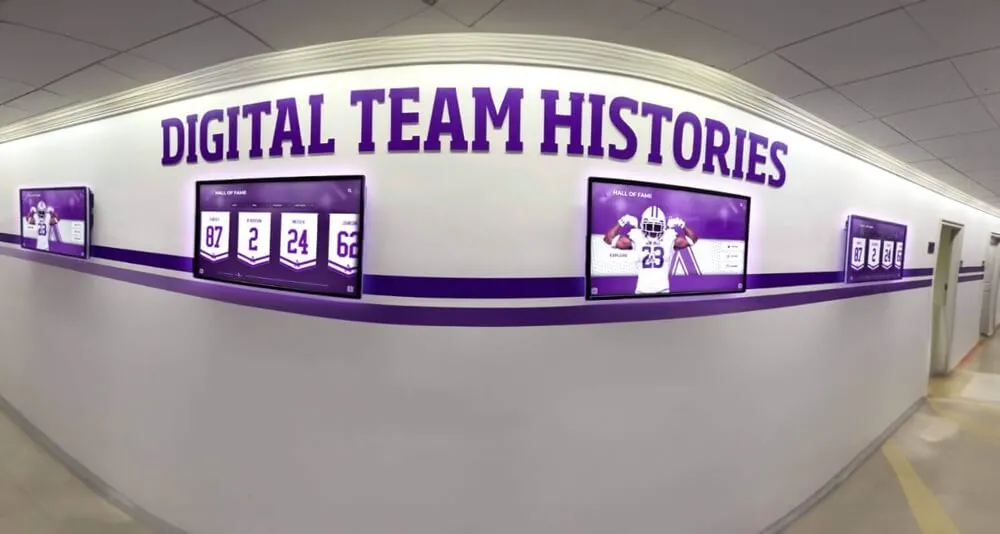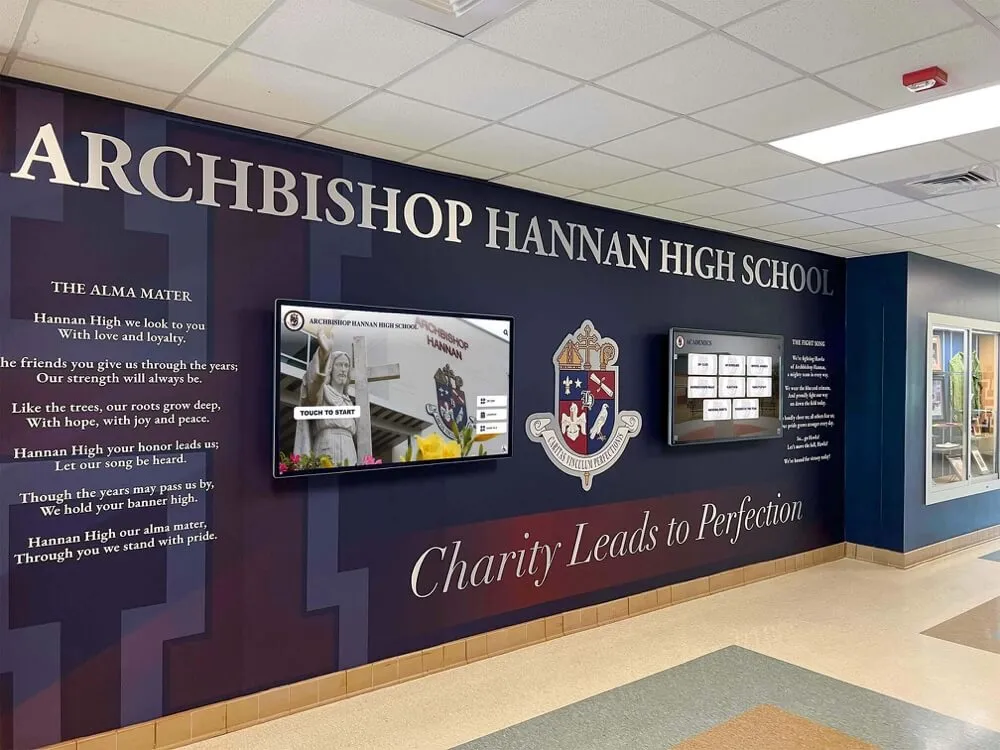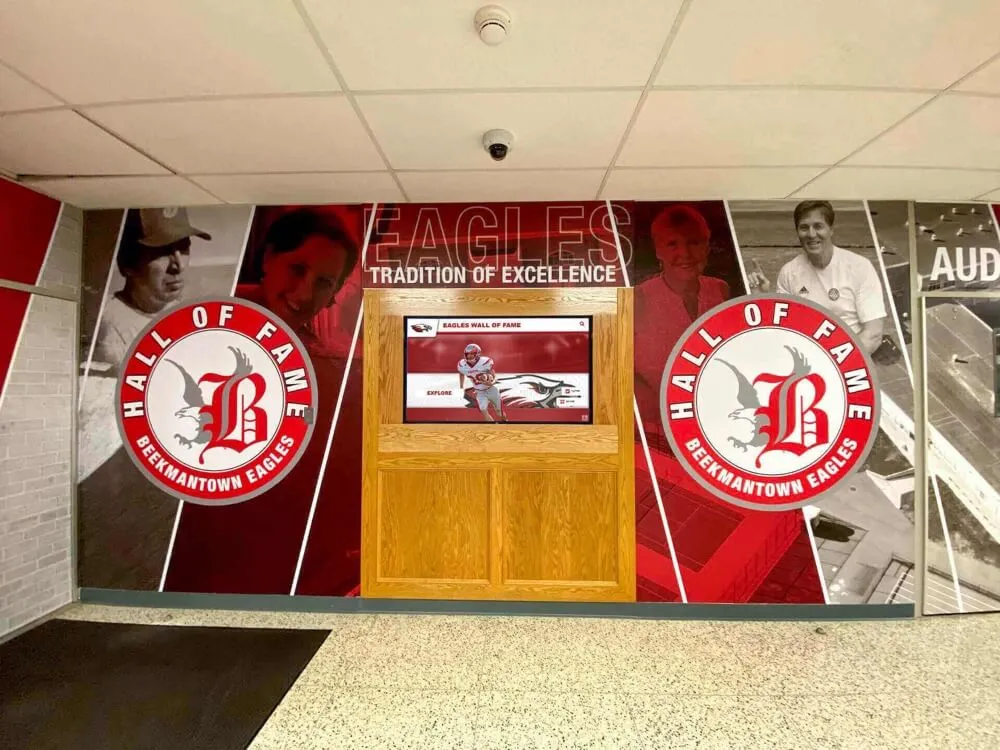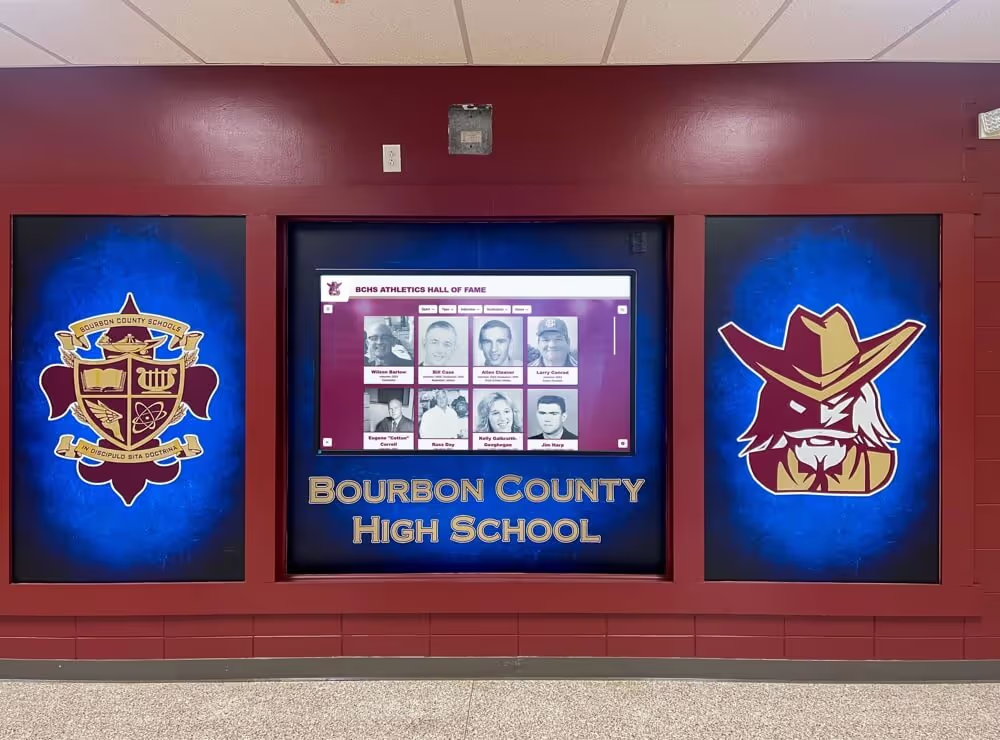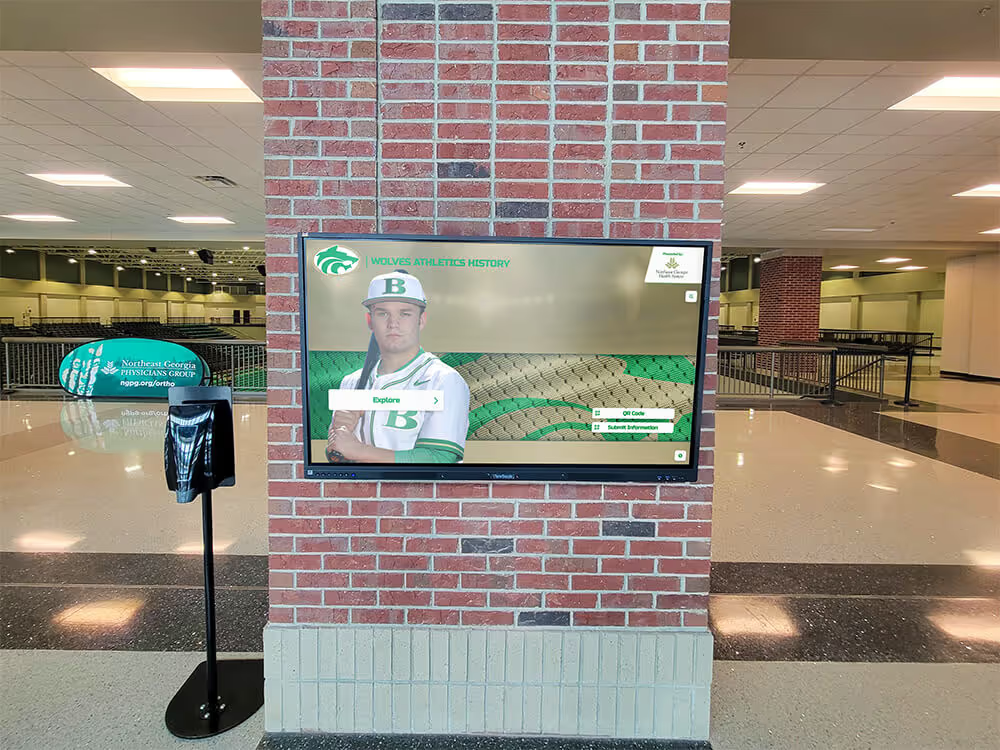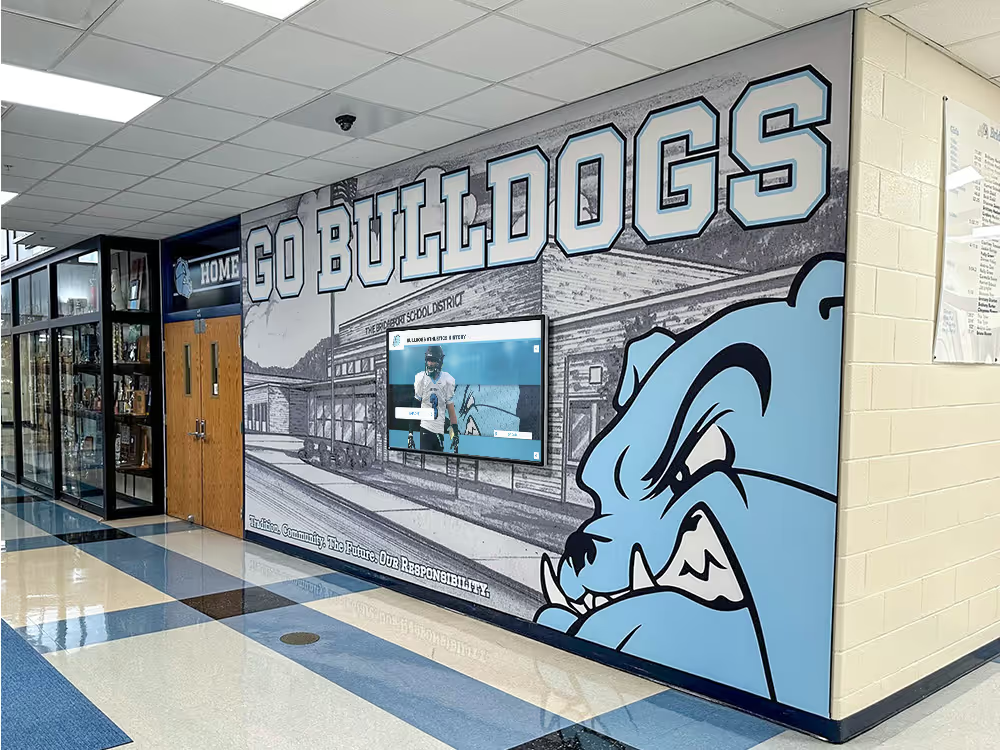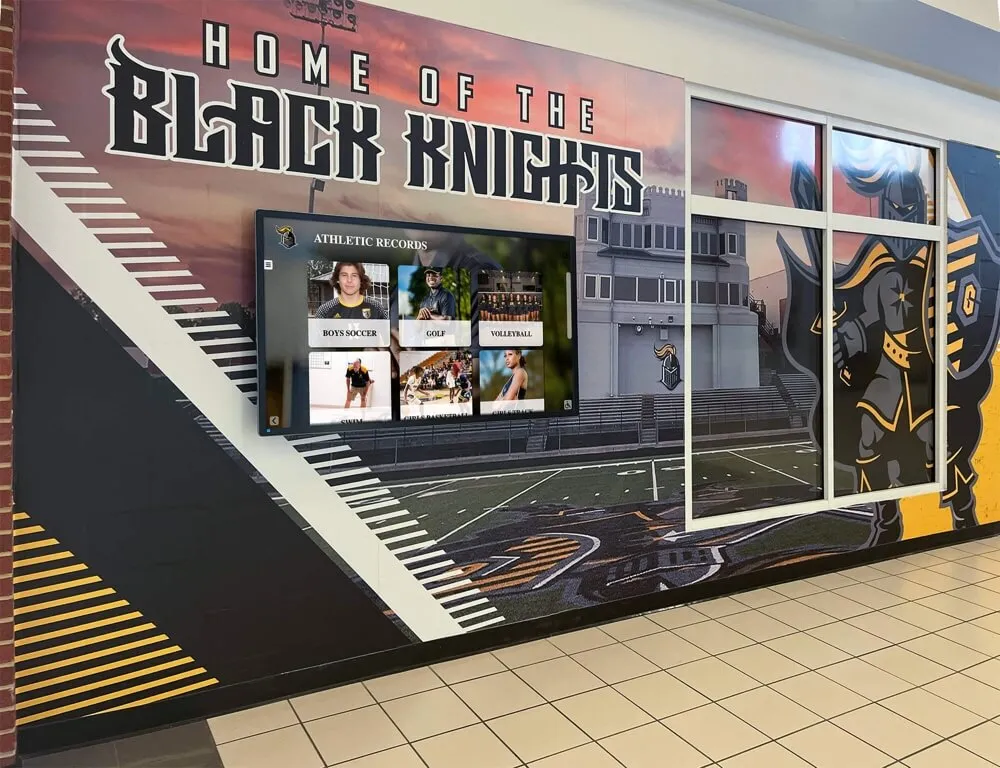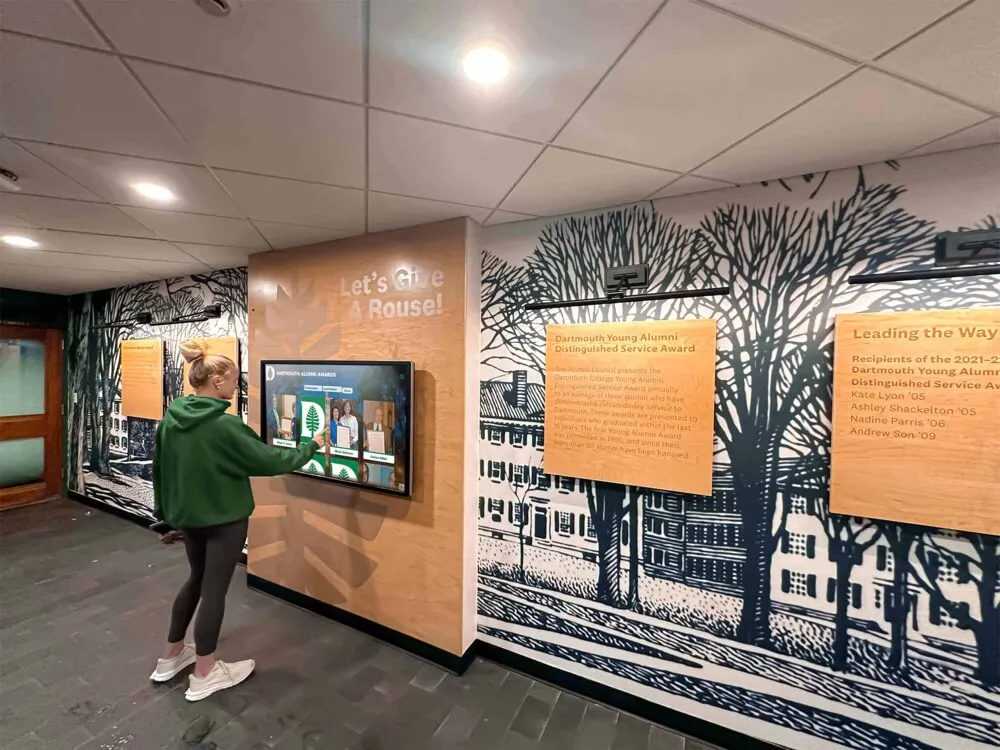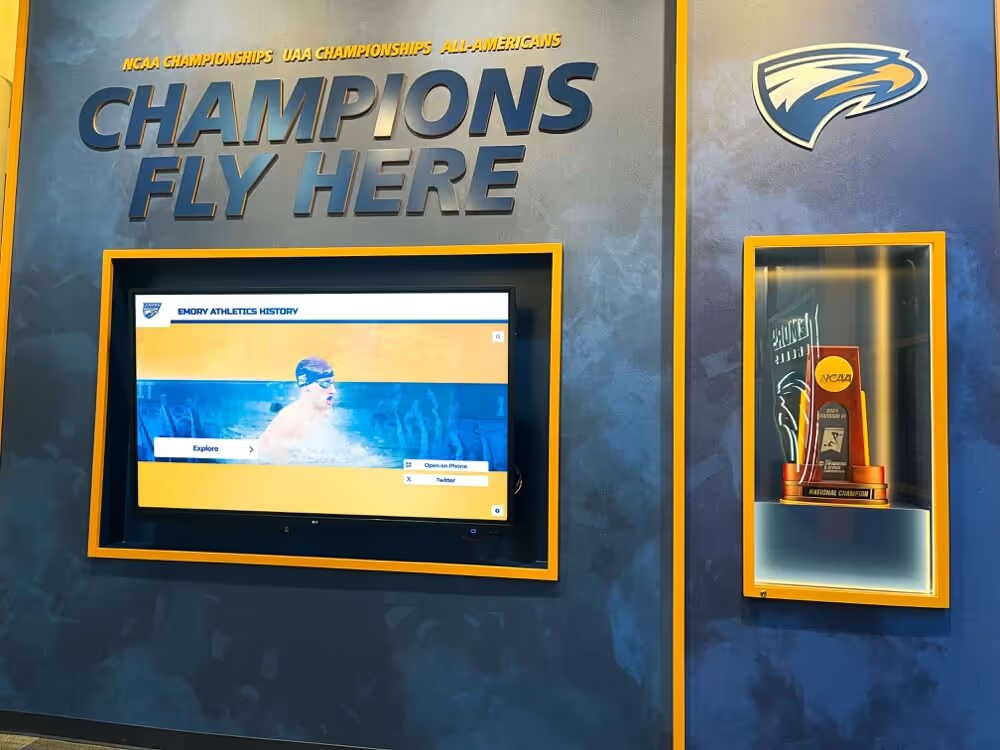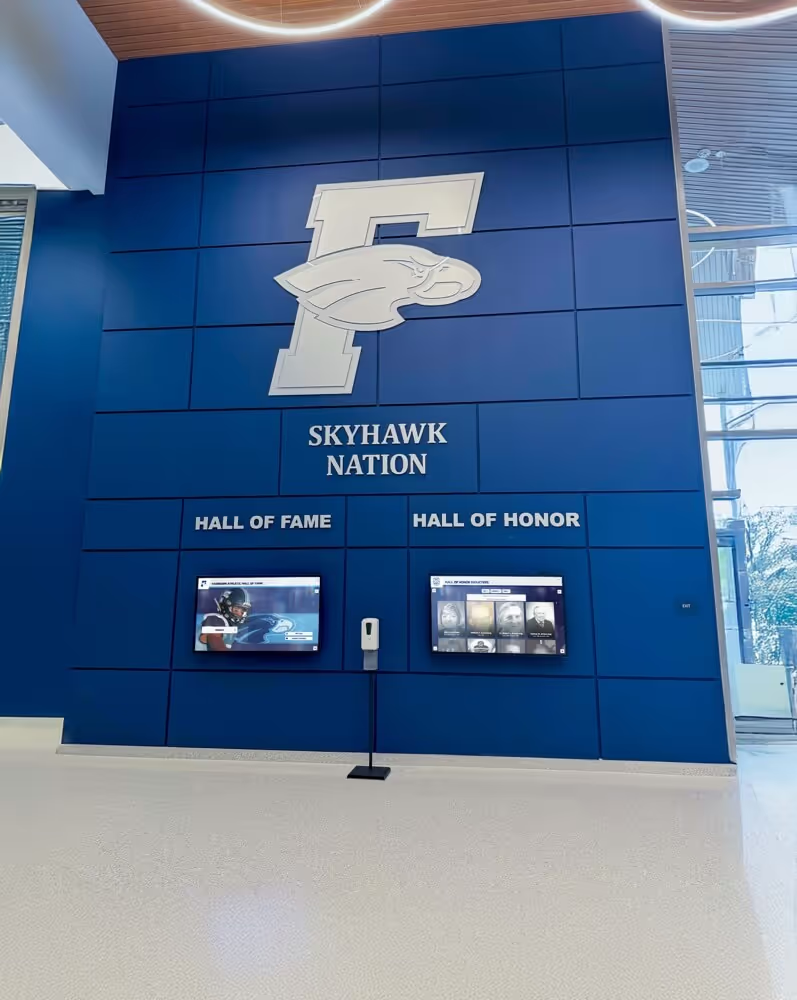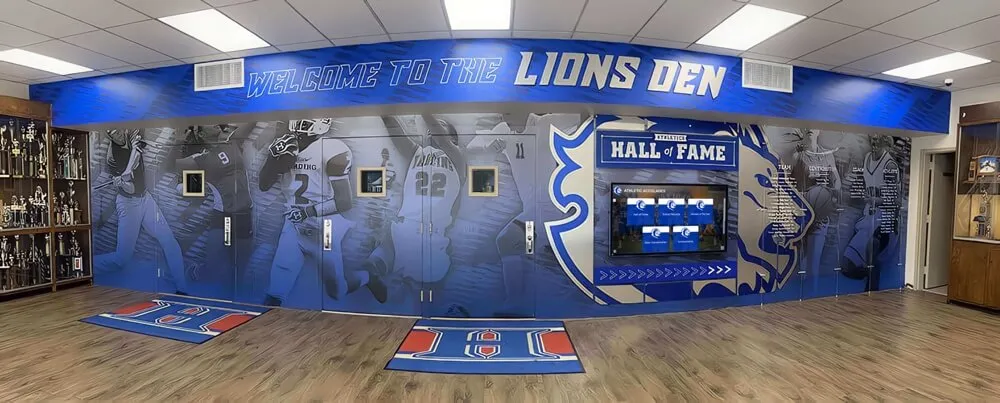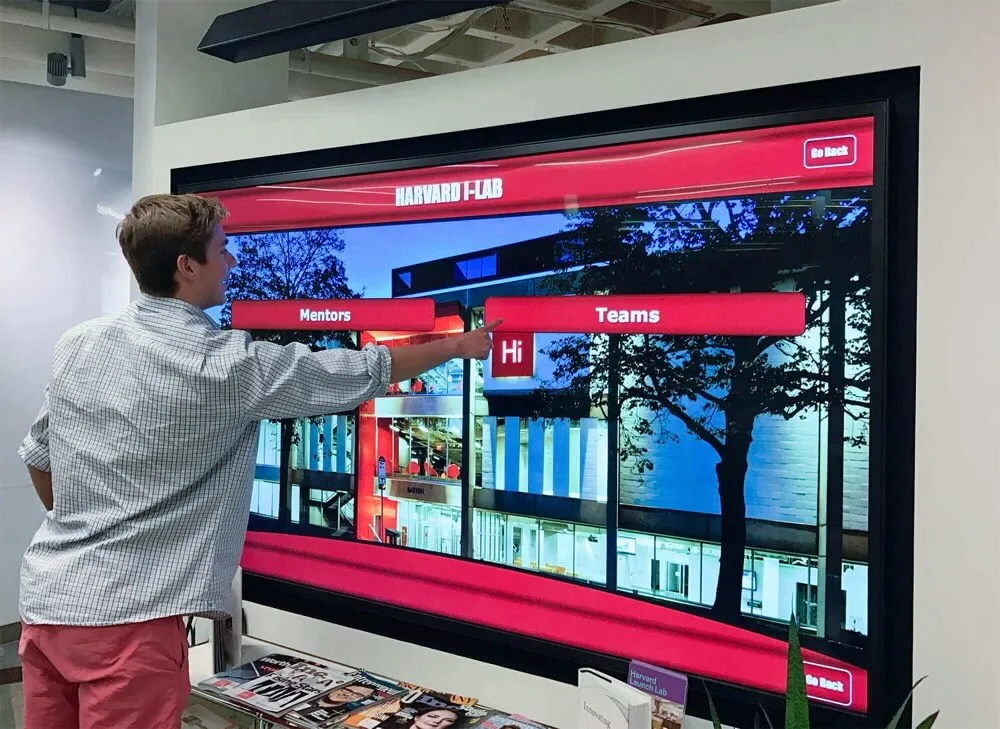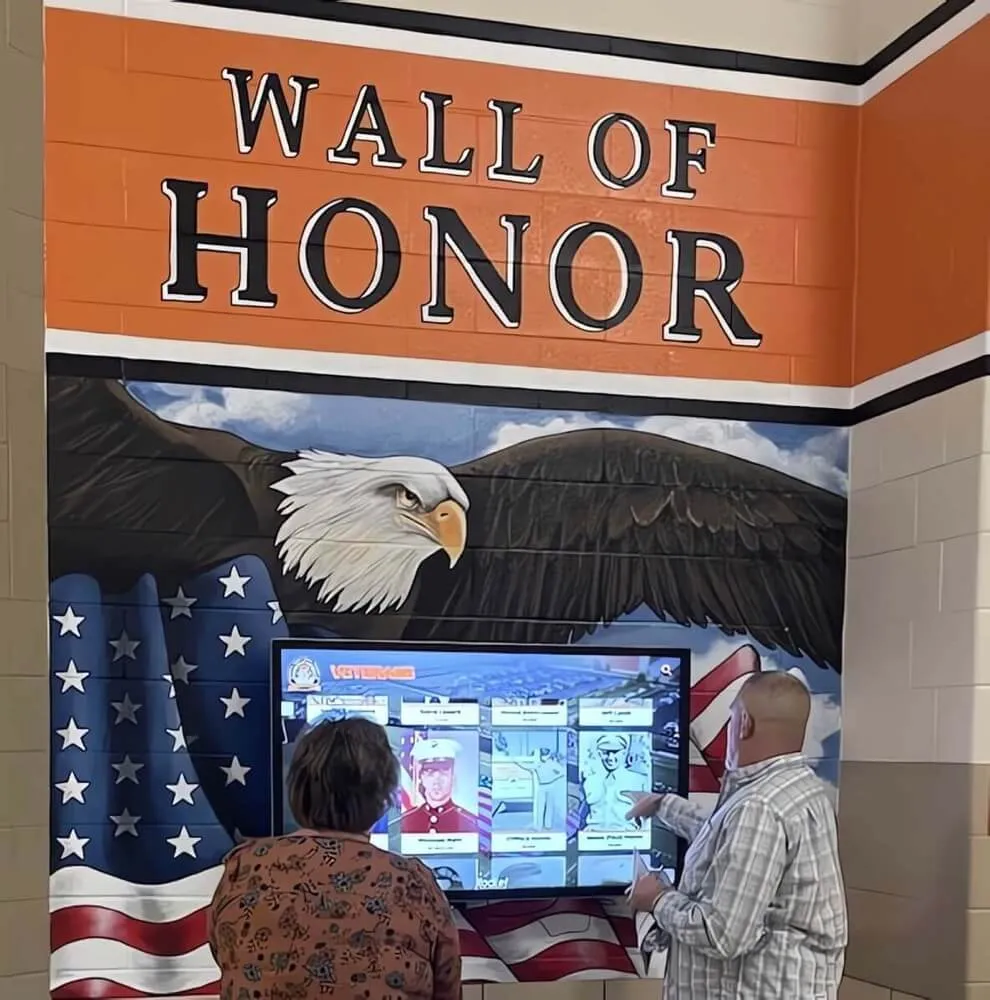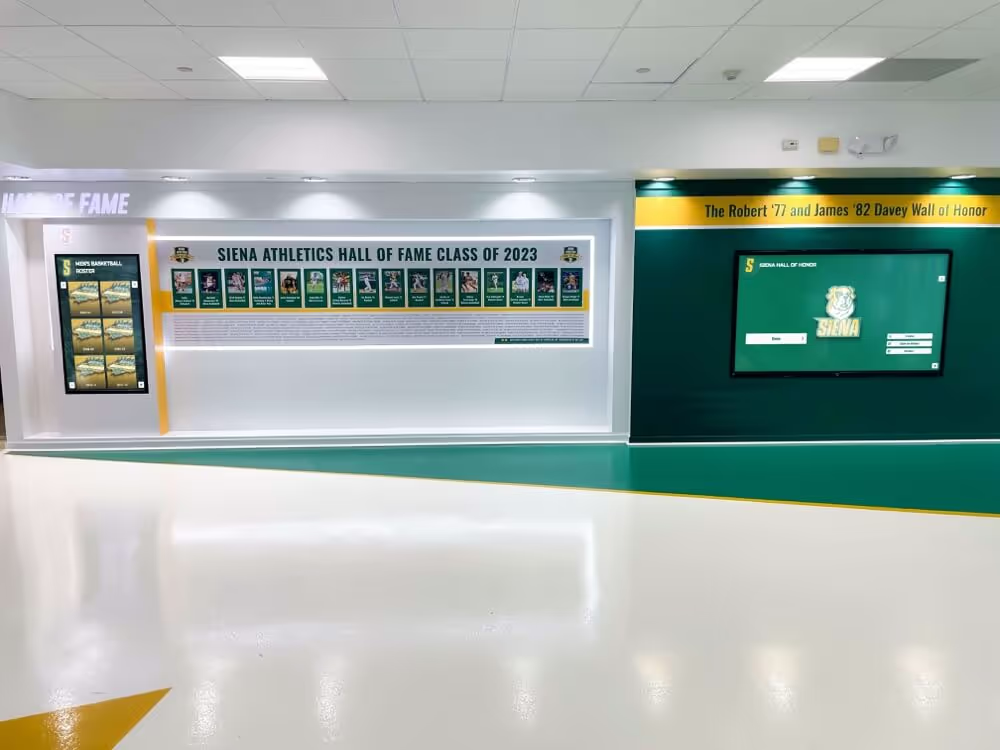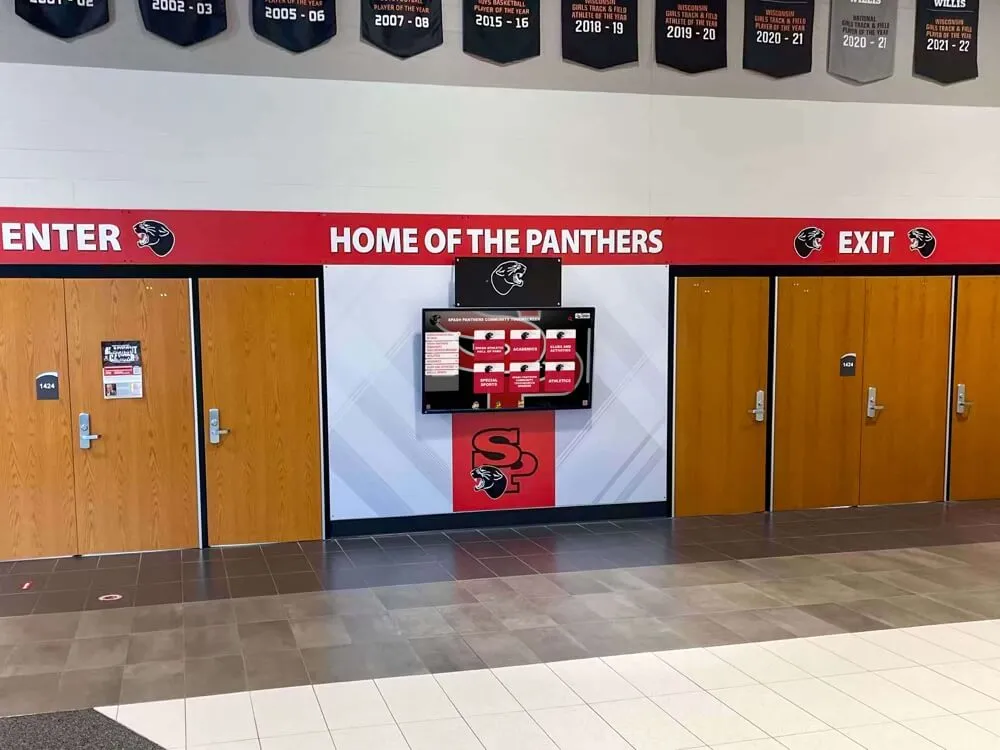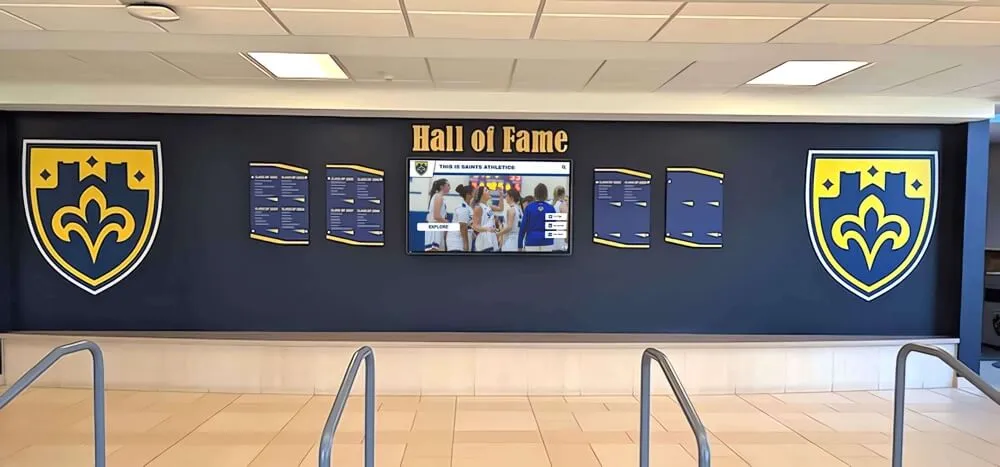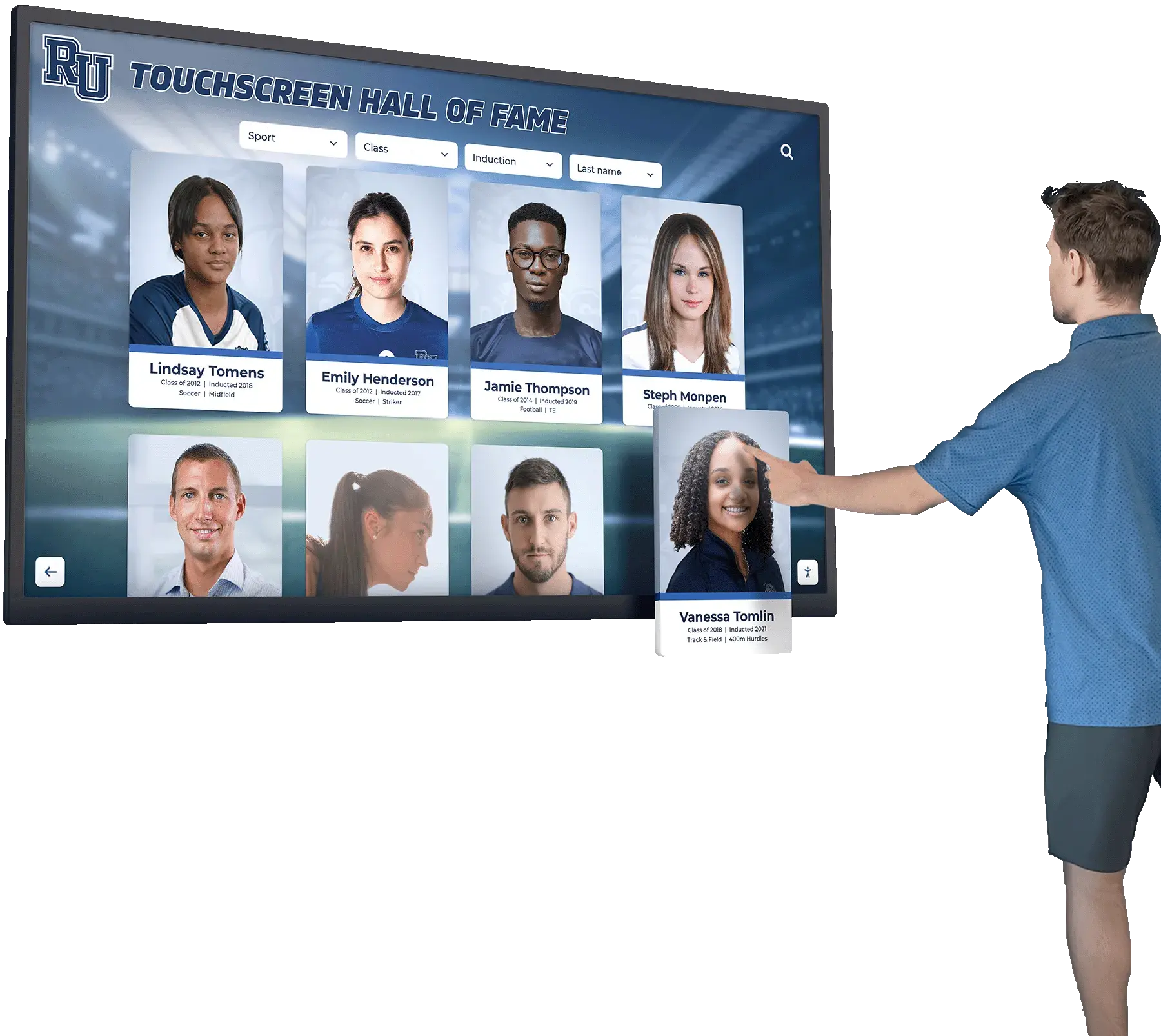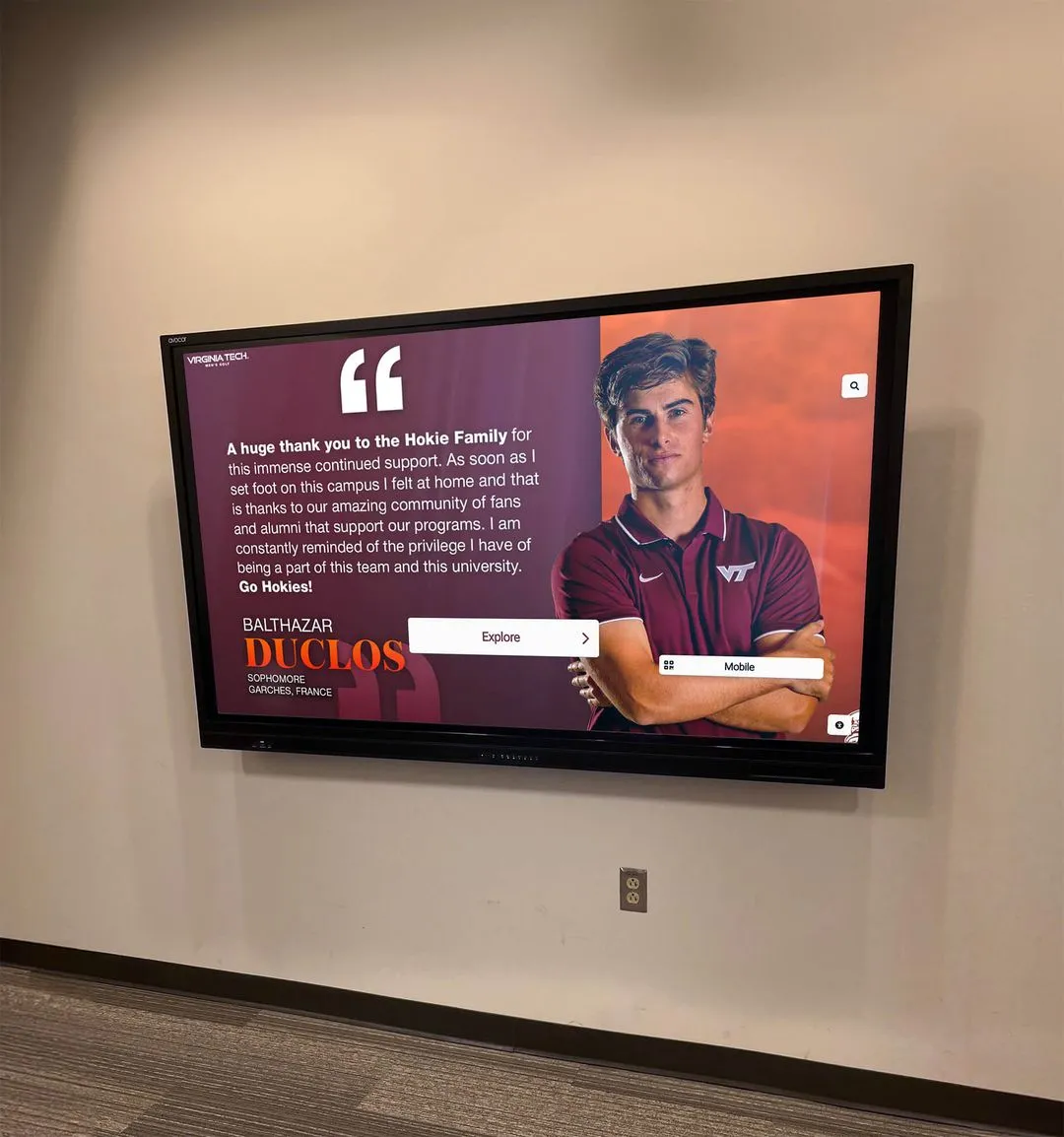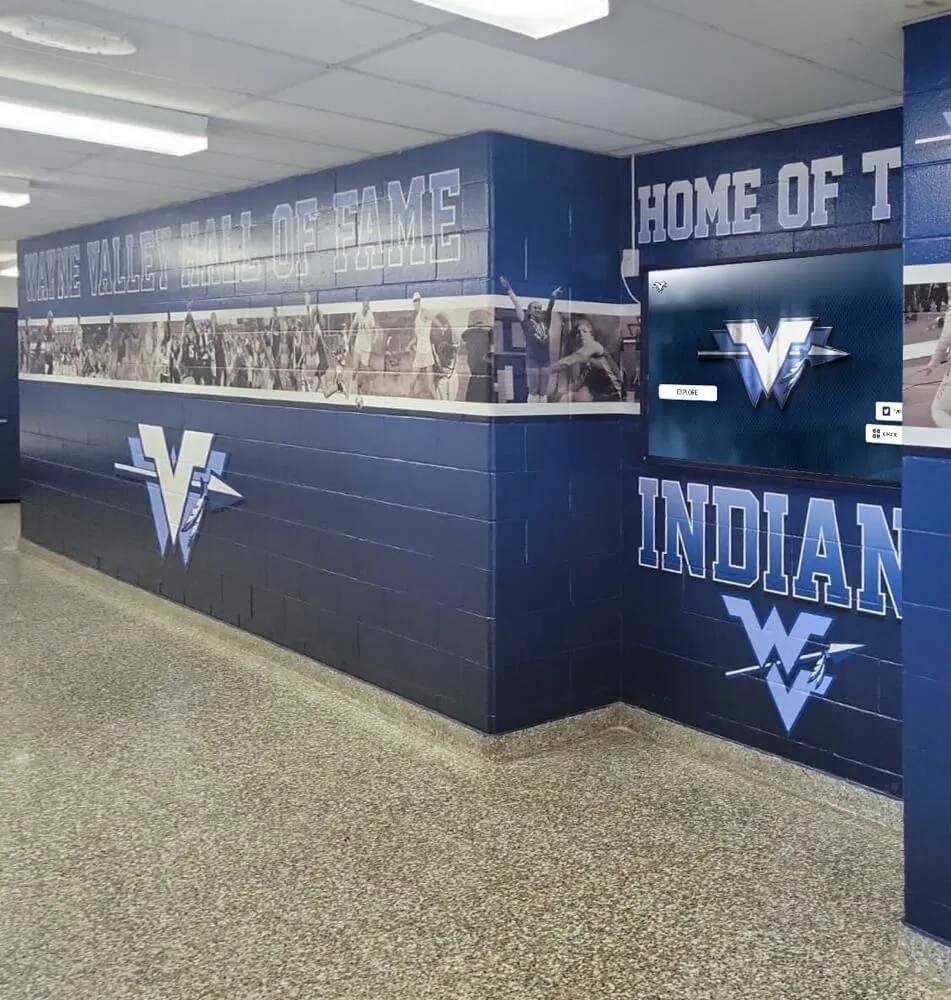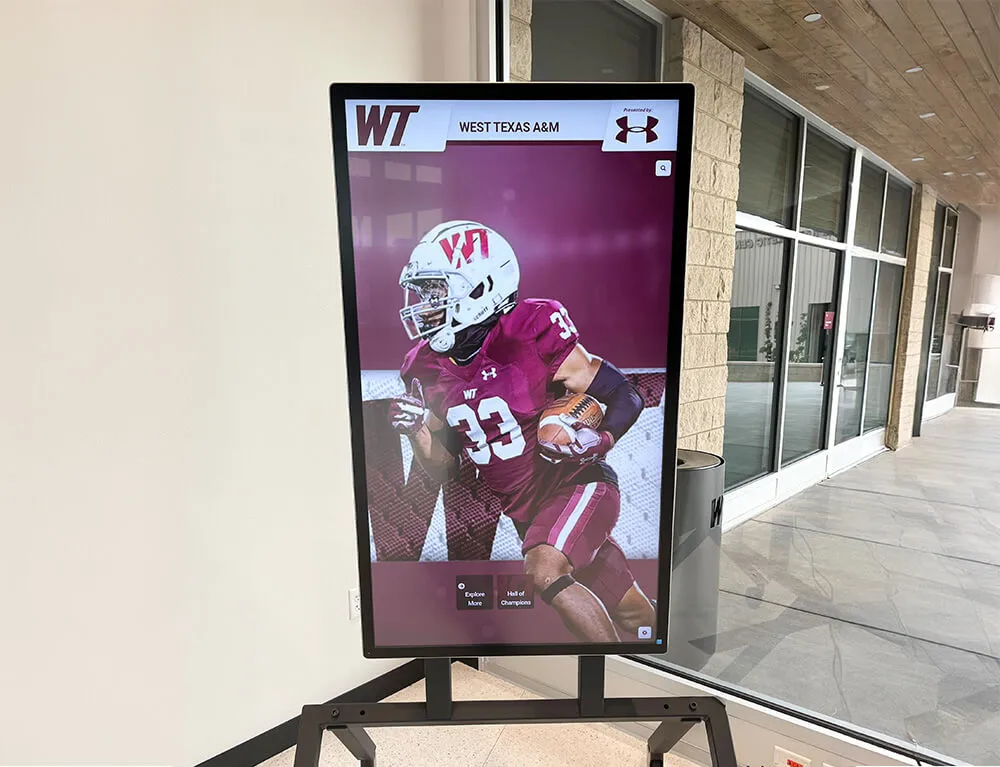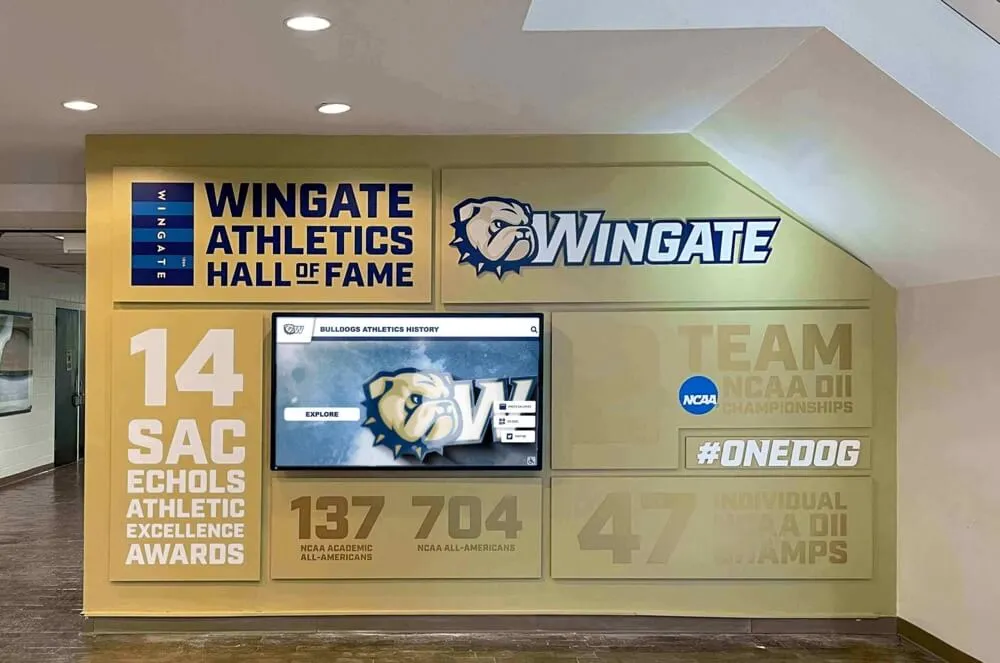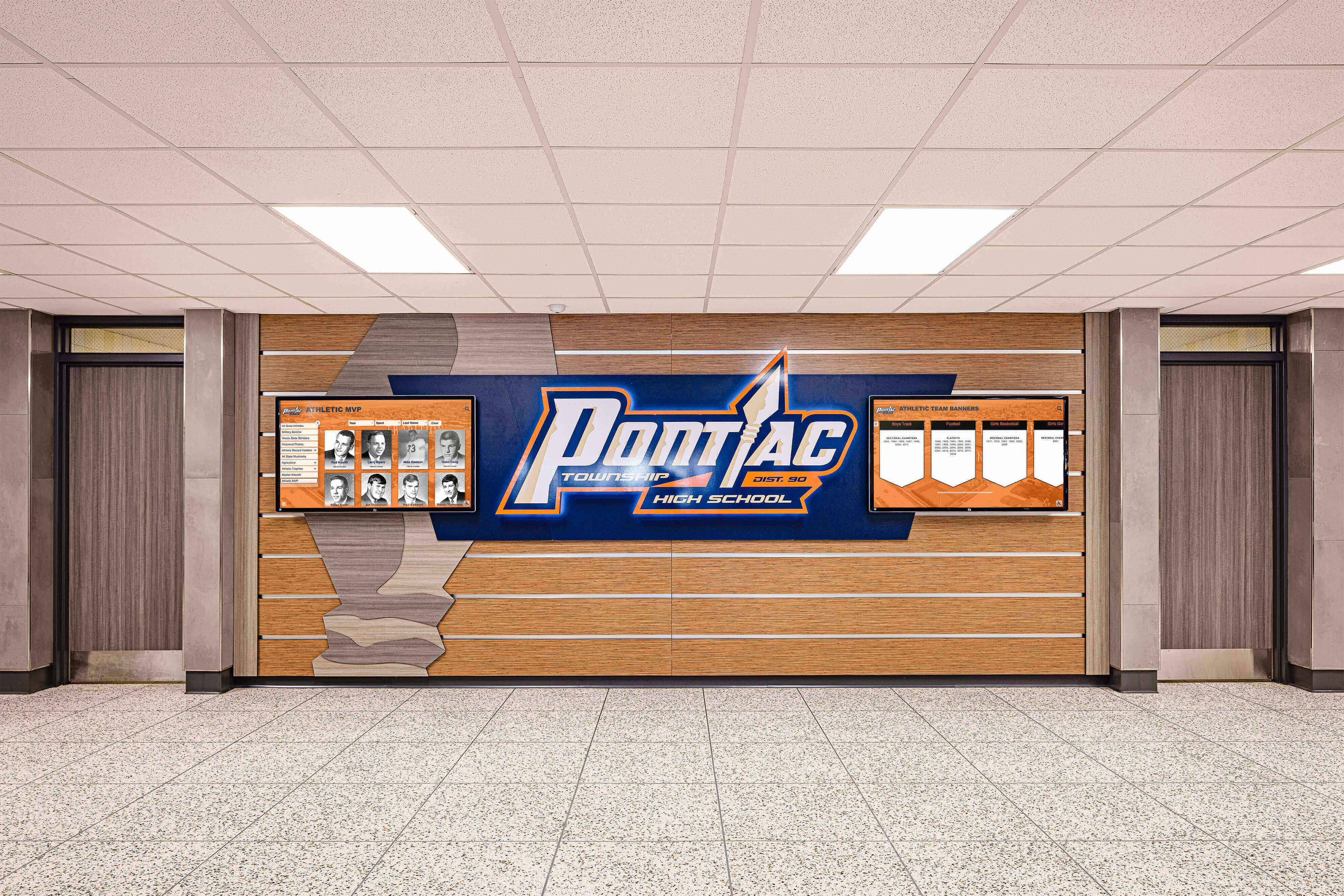




Small schools evaluating digital recognition systems often hear a familiar concern: platforms like Rocket Alumni Solutions might be “overkill” for institutions with limited teams, modest budgets, and straightforward display needs. The argument sounds reasonable on the surface—why invest in a database-backed, feature-rich system when a Google Slides loop or basic digital signage tool costs 90% less?
This question deserves a thorough answer because it addresses legitimate budget concerns while revealing common misconceptions about what makes recognition systems sustainable for schools of any size. The “overkill” label typically rests on flawed assumptions about features, maintenance, scalability, and total cost of ownership.
Understanding why structured platforms like Rocket serve small schools effectively requires examining what small schools actually need—not on day one, but throughout the system’s operational lifetime.
The Real Challenge for Small Schools
Small schools face unique constraints. Administrative staff wear multiple hats. Volunteers manage many programs. Budgets stretch thin across competing priorities. Technology decisions carry higher stakes because mistakes affect limited resources disproportionately.
These constraints make the wrong technology choice particularly costly—not just financially, but operationally. Systems requiring constant manual intervention drain scarce staff time. Platforms that can't grow force expensive do-overs. Generic tools lacking structure create maintenance burdens exceeding any initial savings.
The question isn't whether small schools need fewer features than large institutions. The question is whether they need different capabilities—and whether those capabilities actually differ from what large schools require.
Debunking the “Depth Means Required” Misconception
When evaluating Rocket’s capabilities—analytics dashboards, donor tracking, database architecture, search functionality, unlimited capacity—small schools sometimes assume these features represent mandatory complexity they must implement and maintain from day one.
This assumption misunderstands how modern software platforms work.
Optional Capabilities Don’t Create Mandatory Complexity
Rocket’s architecture provides depth without requiring complexity. A small school can deploy a simple recognition display showing team photos, current schedules, and recent championship banners while completely ignoring advanced features like donor tracking, alumni analytics, or complex content workflows.
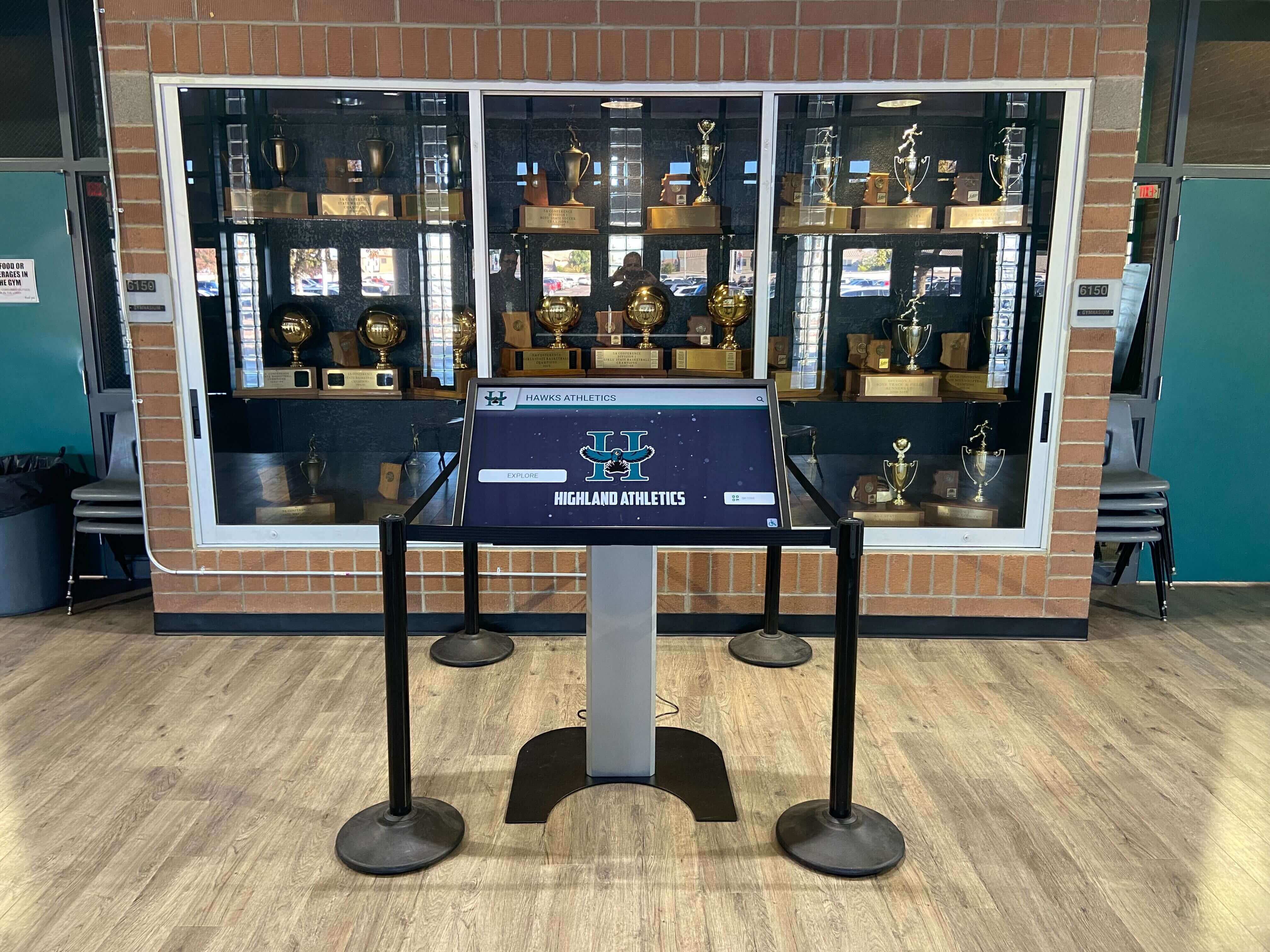
The platform’s database structure enables this simplicity. When you add a team photo, the system handles storage, display formatting, and retrieval automatically. You don’t configure databases or write queries. You don’t set up analytics tracking unless you want it. The underlying architecture works behind the scenes, invisible to administrators who simply upload content and curate what appears on displays.
This mirrors how you use a smartphone. Your iPhone includes sophisticated machine learning capabilities, advanced camera processing, and complex operating system features—but checking email remains simple because complexity stays optional. You access sophisticated capabilities when you need them, but they don’t complicate basic tasks.
Curated Interfaces Create Lightweight Experiences
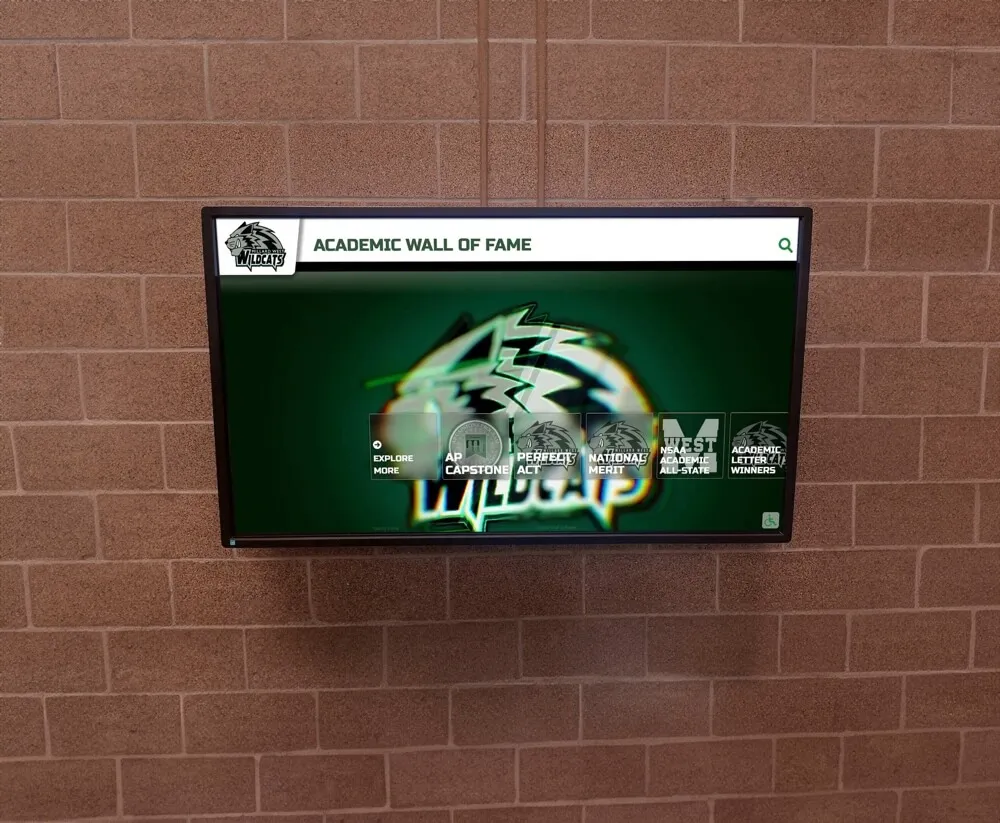
Platform depth matters precisely because it enables lightweight experiences. Rocket’s templates and display modes let small schools configure exactly what appears on their screens—showing only teams, schedules, and photos if that’s all they need, or gradually adding historical records, donor recognition, and alumni profiles as capacity allows.
This curation capability proves impossible with simpler tools. Google Slides forces you to manually create every screen, manage every transition, and design every layout. Rise Vision and similar digital signage platforms lack recognition-specific templates, requiring custom design work for professional results.
The counterargument to “overkill” becomes clear: a platform with depth can deliver simplicity through design. Simple platforms cannot deliver depth when you need it later.
The Maintenance Problem: Where “Cheap” Gets Expensive
Budget-conscious small schools correctly identify initial cost differences between slideshow solutions and purpose-built platforms. A Google Slides approach costs almost nothing financially. Rocket represents measurable investment. This comparison seems straightforward until you examine operational reality over time.
Manual Processes Consume Scarce Resources
Small schools typically face more severe time constraints than large institutions. A single athletic director manages all sports. One activities coordinator handles every extracurricular program. Administrative assistants support multiple departments simultaneously. These staff members juggle responsibilities beyond recognition displays.
Google Slides loops or similar manual approaches create ongoing labor requirements:
Content updates become multi-step projects. Adding a championship team requires opening design software, finding the template, inserting photos, adjusting layouts, fixing formatting, exporting files, uploading to playback systems, and verifying display. This process takes 20-30 minutes per update—longer if you lack design experience or need to troubleshoot technical issues.
Chasing content sources becomes routine. Getting current team photos means emailing coaches, following up when they don’t respond, collecting files from different sources in various formats, and standardizing everything for consistent display. Each sport, each season, every year.
Error correction demands rework. Spotted a typo? Misidentified athlete? Wrong year on a slide? Edit the source file, re-export, re-upload, verify again. Small errors become significant time investments.
Playback management creates technical debt. Ensuring displays show current content requires monitoring playback reliability, troubleshooting when screens show wrong content, managing file versions across multiple displays, and maintaining the infrastructure supporting slideshow playback.
These tasks accumulate. What seems like “just updating some slides” becomes hours monthly—hours small school staff cannot spare from teaching, coaching, administration, or the dozen other responsibilities competing for attention. Solutions like Rocket Alumni Solutions reduce these update cycles to minutes through web-based interfaces accessible from any device.
Database-Backed Systems Reduce Ongoing Labor
Structured platforms approach updates differently. Adding a championship team to Rocket involves filling a form—team name, year, sport, photo upload, optional description. The system handles formatting, display integration, and presentation automatically. Updates take 5 minutes instead of 30.
More importantly, updates become repeatable and consistent. Once you’ve added one team, adding the next follows identical steps. No design decisions. No layout adjustments. No export procedures. The template-driven approach ensures every addition matches existing content aesthetically and functionally.
This structure benefits small schools disproportionately because it means anyone can maintain content. When the athletic director leaves or the volunteer coordinator changes, new staff follow the same straightforward process. Institutional knowledge transfers easily because the system embeds best practices rather than depending on individual expertise.
For guidance on donor recognition wall implementation, structured systems dramatically reduce the technical burden on small school advancement teams.
Growth Patterns Small Schools Underestimate
Schools planning recognition systems rarely predict how their needs will expand. The phenomenon follows a predictable pattern regardless of school size.
The “Just a Few Photos” Trap
Initial requirements sound modest:
“We just want to show our state championship from 1984 and the current sports calendar.”
This scope captures current visibility: one historic achievement everyone remembers, plus practical schedule information. It sounds simple and it is simple—initially.
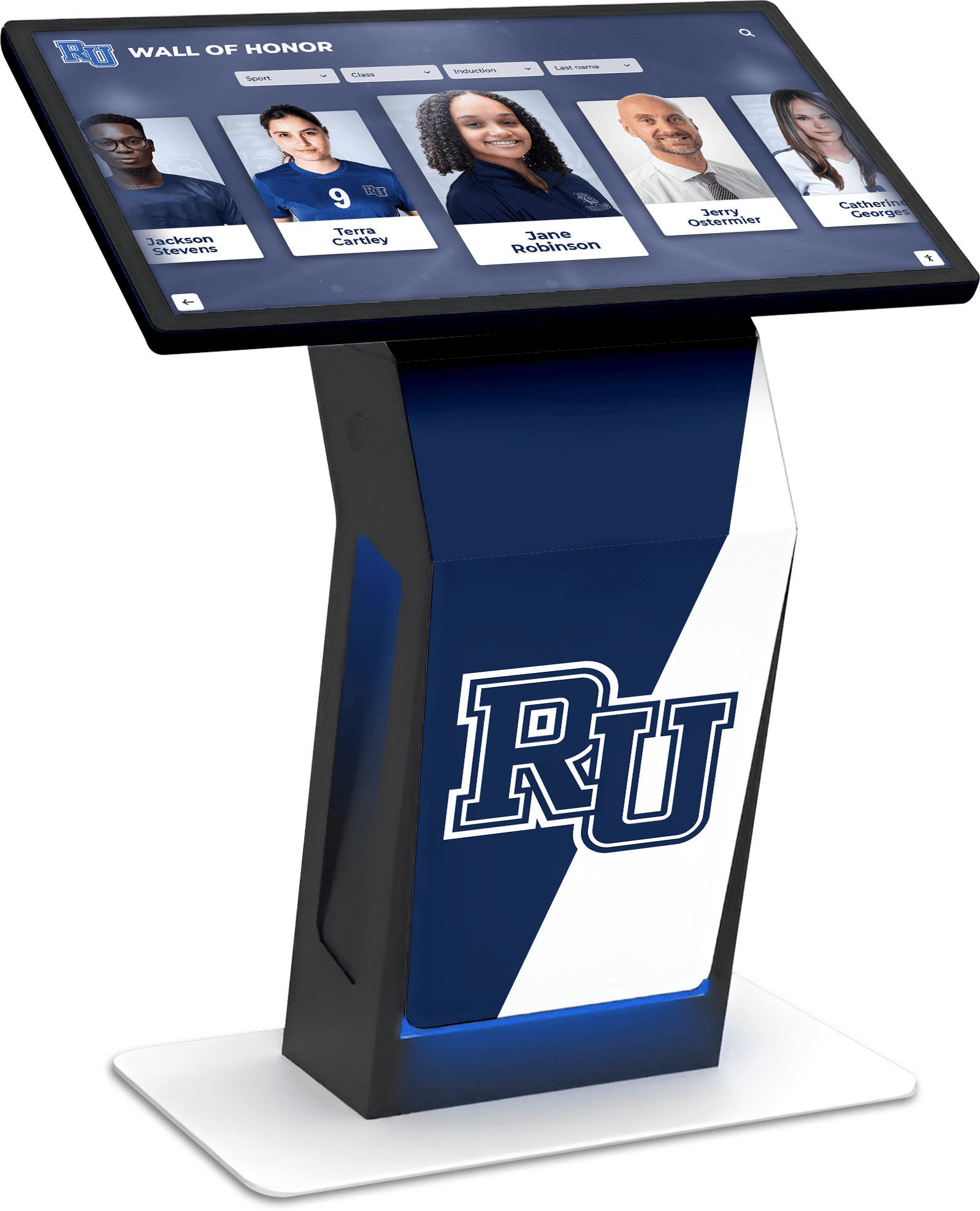
Then evolution begins:
Historical completeness surfaces. Once 1984 appears, alumni ask about 1979, 1992, and 2003 championships. Coaches mention conference titles. Parents want district victories recognized. The “one championship” quickly becomes “comprehensive championship history” as stakeholders expect equal treatment.
Team equality demands expansion. Displaying football championships creates expectations for volleyball, basketball, track, and every other program. Small schools still field 10-15 sports. Equity requires representing all of them, not just the highest-profile programs.
Individual recognition becomes expected. Team displays prompt requests for individual records, academic honors, and personal achievements. Athletes ask why the record board hasn’t been updated since 2008. Families want senior recognition beyond team photos.
Community recognition creates new categories. Success with athletic recognition leads to requests for academic honor rolls, arts achievements, community service recognition, and alumni spotlights. Each category represents new content requiring creation, formatting, and maintenance.
Operational needs expand the scope. Initial schedule display spawns requests for game-day countdowns, score updates, practice schedules, facility availability, and event promotions—all reasonable additions enhancing display utility.
Physical expansion follows success. One display in the gym lobby proves valuable, generating requests for additional screens in main hallways, entrance areas, or athletic facilities. Each location needs content, though centralized management makes scaling easier than distributed manual systems.
This progression happens consistently regardless of school size. Small schools experience it just like large institutions—perhaps more intensely because visible recognition creates stronger community responses in tight-knit environments.
Preventing the Re-Platform Moment
Growth patterns explain why “overkill” concerns miss the strategic question: when will you outgrow your initial system, and what does starting over cost?
Google Slides or basic digital signage works adequately for displaying five slides. It fails catastrophically at 50 slides, and becomes completely unmanageable at 500 pieces of content spanning teams, individuals, records, achievements, and history across decades.
The re-platform moment arrives when manual processes become unsustainable—when keeping content current demands more time than staff can allocate, when adding new content means removing old achievements, or when managing the system frustrates everyone involved.
Re-platforming costs more than money. You lose time rebuilding content databases, duplicating work already completed. You lose continuity when displays go dark during transitions. You lose institutional knowledge as systems change. You create change fatigue when staff must learn new tools and processes after mastering previous systems.
For small schools especially, re-platforming represents wasted investment in the original system plus new investment in replacement platforms—effectively paying twice to solve the same problem you could have addressed once with appropriate initial choices.
Platforms like digital hall of fame solutions prevent re-platform moments because unlimited capacity accommodates growth from day one. Starting simple and expanding gradually becomes possible when your platform supports that trajectory.
The Total Cost Comparison: Apples to Oranges
Cost comparisons between DIY slideshow approaches and purpose-built platforms often cite dramatic price differences: “95% cheaper” or “fraction of the cost.” These comparisons deserve scrutiny because they typically exclude most actual costs.
What “Cheap” Solutions Actually Cost
Free or inexpensive digital signage platforms avoid upfront licensing fees, but total cost includes:
Content creation labor. Someone designs slides, creates layouts, and produces graphics. Even simple designs take time—time from staff whose hourly cost matters even when you don’t write checks directly to them. A 20-hour initial setup represents $500-$1,000 in staff time at typical education sector rates.
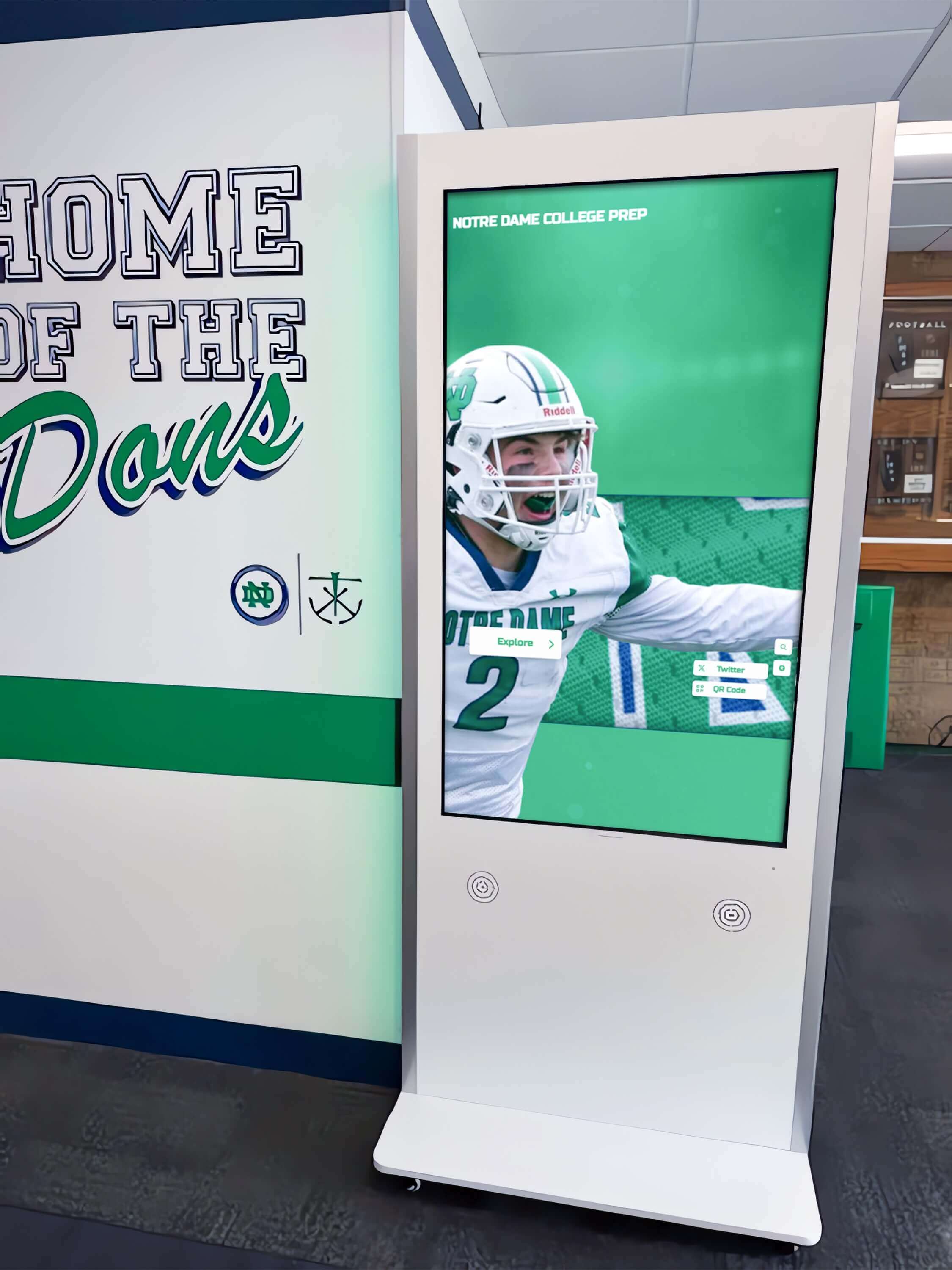
Ongoing maintenance hours. Monthly content updates consuming 3-4 hours represent $600-$1,000 annually in staff time. Multiply across multiple years and this “free” solution costs thousands in labor—labor pulled from other valuable activities.
Knowledge churn costs. When staff change, institutional knowledge about how to update slides, where templates live, and what procedures to follow disappears. New staff spend hours rediscovering processes, recreating missing documentation, and learning by trial and error. This friction creates hidden costs through delays, errors, and frustration.
Opportunity costs of limitations. When displays can’t accommodate new content without removing existing recognition, you pay opportunity costs in reduced community engagement, weaker alumni relationships, and missed recognition opportunities that would strengthen culture if technically feasible.
Hardware and infrastructure. Basic digital signage requires display hardware, playback devices, mounting, installation, and network connectivity—costs identical to structured platforms. You don’t save on hardware by choosing simpler software.
Future rebuild costs. When DIY approaches inevitably prove inadequate, rebuilding on appropriate platforms means paying for content migration, new system setup, staff retraining, and the disruption inherent in technology transitions.
What Structured Platforms Actually Provide
Purpose-built recognition platforms include:
Pre-built templates and design systems eliminating custom layout work. Professional designers created the presentation layer once; schools benefit from that expertise automatically without employing design staff.
Content management workflows guiding administrators through consistent processes. Forms, validation, and structured inputs prevent errors while accelerating content creation—effectively embedding best practices in the tool.
Automated formatting and presentation removing technical steps from content updates. The system handles responsive display, resolution optimization, and cross-device compatibility automatically rather than requiring manual configuration.
Centralized administration enabling updates from any device, any location, by authorized staff without technical expertise. This accessibility reduces bottlenecks and enables delegation impossible with file-based manual systems.
Unlimited capacity and structure supporting comprehensive content without artificial constraints. When you want to add the 500th athlete profile, it works identically to adding the first—no performance degradation, no redesign required.
Ongoing platform development ensuring your system improves over time through vendor updates rather than becoming increasingly outdated as technology advances.
Professional support providing answers when questions arise, troubleshooting when problems occur, and guidance for optimal implementation based on experience across hundreds of installations.
When comparing total costs accurately—including all labor, expertise, and capability differences—the price gap narrows dramatically. Structured platforms often deliver better value over multi-year lifecycles despite higher upfront pricing.
Small Schools and Stakeholder Perception
Budget represents only one dimension of technology decisions. Perception matters—perhaps more at small schools than large institutions because community relationships carry proportionally greater weight.
The Lobby Display as Community Statement
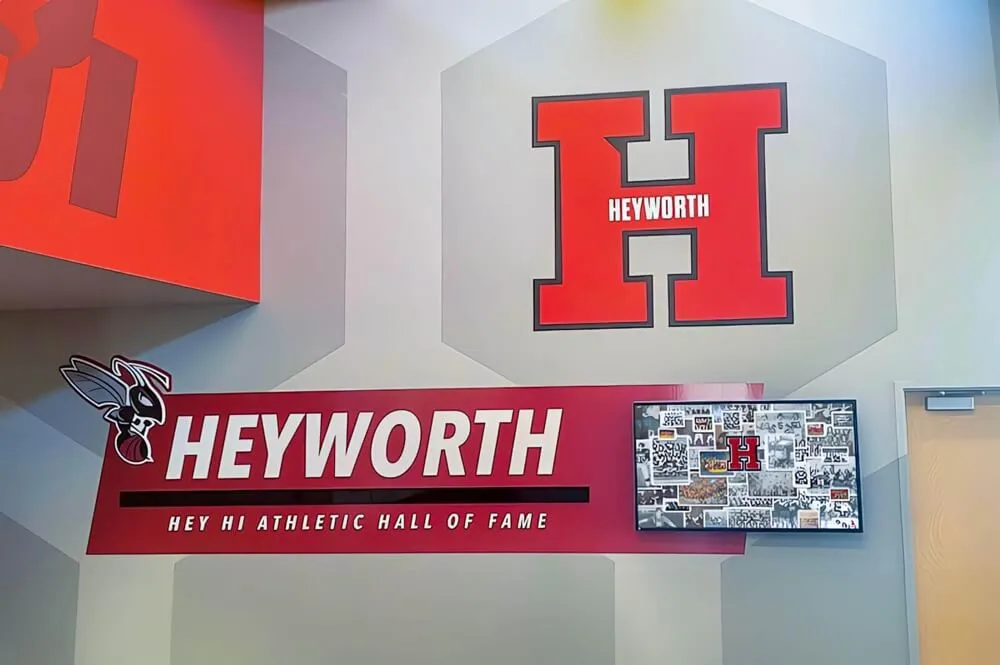
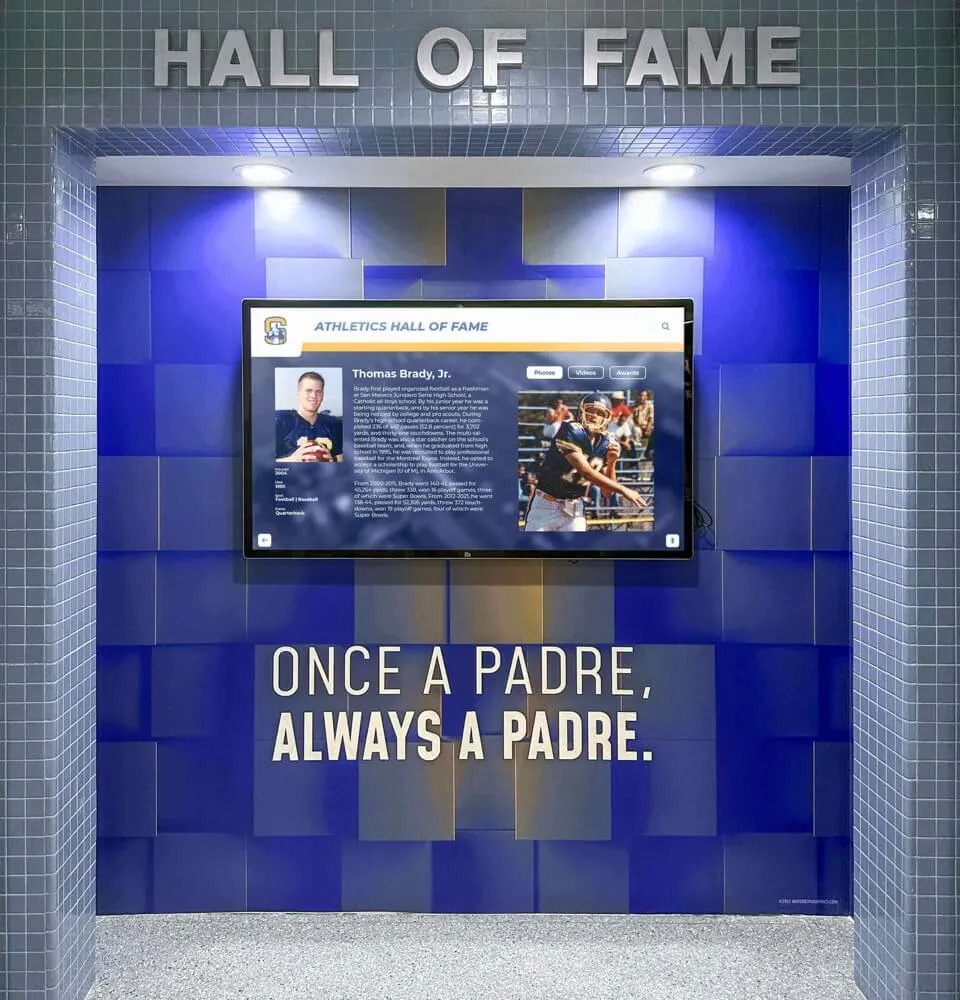
Recognition displays occupy prominent locations: main entrances, gymnasium lobbies, central hallways where visitors, families, and community members form impressions about institutional priorities and professionalism.
A polished, modern, searchable display communicates several messages simultaneously:
We value achievement. Comprehensive, well-organized recognition signals that student accomplishments matter enough to warrant serious preservation and celebration. This message resonates with families, motivating students and building pride.
We’re a serious institution. Professional presentation quality suggests competence, attention to detail, and commitment to excellence across all operations—not just in recognition displays, but as an institutional characteristic.
We’re forward-thinking. Modern technology indicates the school embraces appropriate innovation, stays current, and provides students with contemporary educational experiences. This perception matters for enrollment, community support, and competitive positioning.
We’re organized and capable. Structured, searchable, comprehensive content demonstrates administrative competence and operational maturity that builds confidence among stakeholders evaluating the institution.
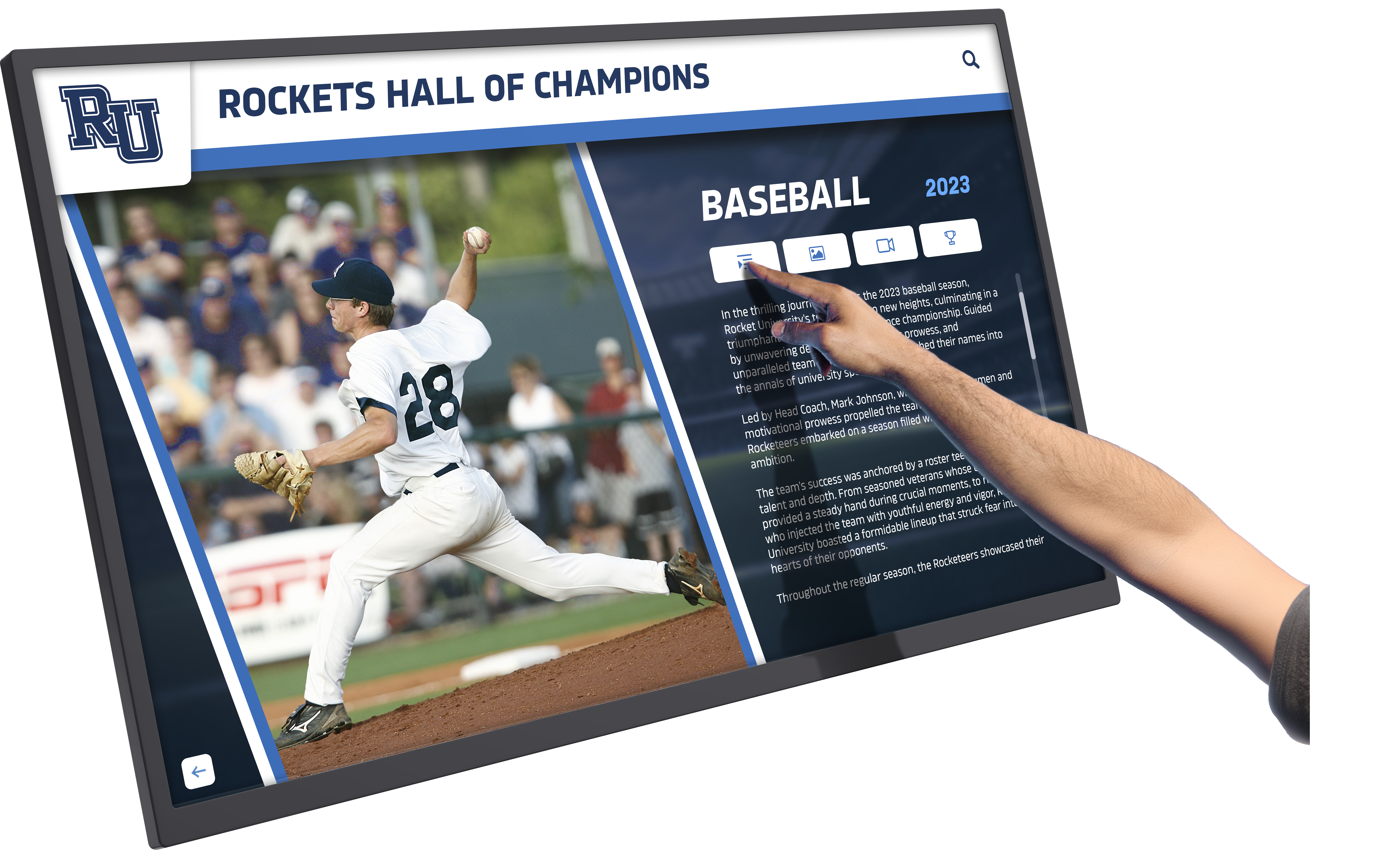
These perceptions carry tangible value for small schools competing for enrollment, seeking community support for initiatives, and cultivating donor relationships supporting programs beyond base budgets.
Donor Engagement and Alumni Connection
Small schools depend disproportionately on donors and alumni because tax bases provide limited funding. Recognition displays serve advancement objectives by creating tangible, visible connection points between alumni and current institutions.
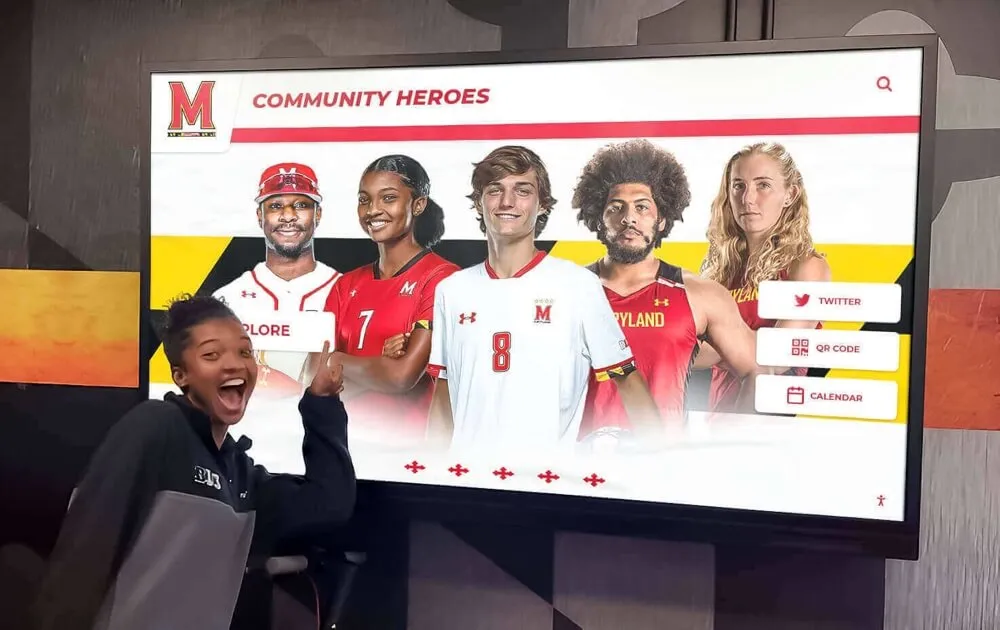
Interactive displays let alumni find themselves, remember teammates, and revisit their own achievements. This emotional engagement strengthens institutional bonds and creates positive associations supporting future giving. When 1978 graduates visit for reunions and spend 15 minutes exploring their era through a touchscreen kiosk, that engagement translates to donor retention and increased lifetime giving.
For examples of successful digital donor wall implementations, small schools can reference programs balancing recognition with budget consciousness.
Professional, comprehensive recognition signals to potential donors that their contributions will be honored appropriately—not forgotten after initial acknowledgment but preserved permanently in accessible, attractive formats. This credibility matters when soliciting major gifts or planned giving commitments requiring long-term confidence in institutional stewardship.
When Touch Isn’t Required: Recognition Beyond Interaction
Some small schools dismiss advanced recognition platforms entirely because they plan non-touch display-only implementations. This reasoning conflates interaction modality with platform value.
Platform Benefits Beyond Touch
Rocket’s core value doesn’t depend on touchscreen hardware. The platform provides equal benefits for passive displays:
Centralized content management works identically whether displays support touch or simply rotate through curated content. Athletic directors update achievements through the same web interface regardless of whether viewers interact with screens or passively watch rotations.
Professional presentation quality doesn’t require touch functionality. Template-driven displays look polished whether viewers tap them or simply view rotating content.
Unlimited capacity benefits passive displays just as much as interactive ones. Showing comprehensive histories requires database structure and automated formatting regardless of interaction models.
Consistent branding and design maintains institutional identity across displays automatically, whether those displays respond to touch or present predefined sequences.
Easy updates and maintenance reduce administrative burden identically for both touch and passive implementations.
Many school digital signage implementations start with passive displays and add touch capabilities later when budgets allow or when usage patterns demonstrate value justifying interaction features.
Future Optionality Has Value
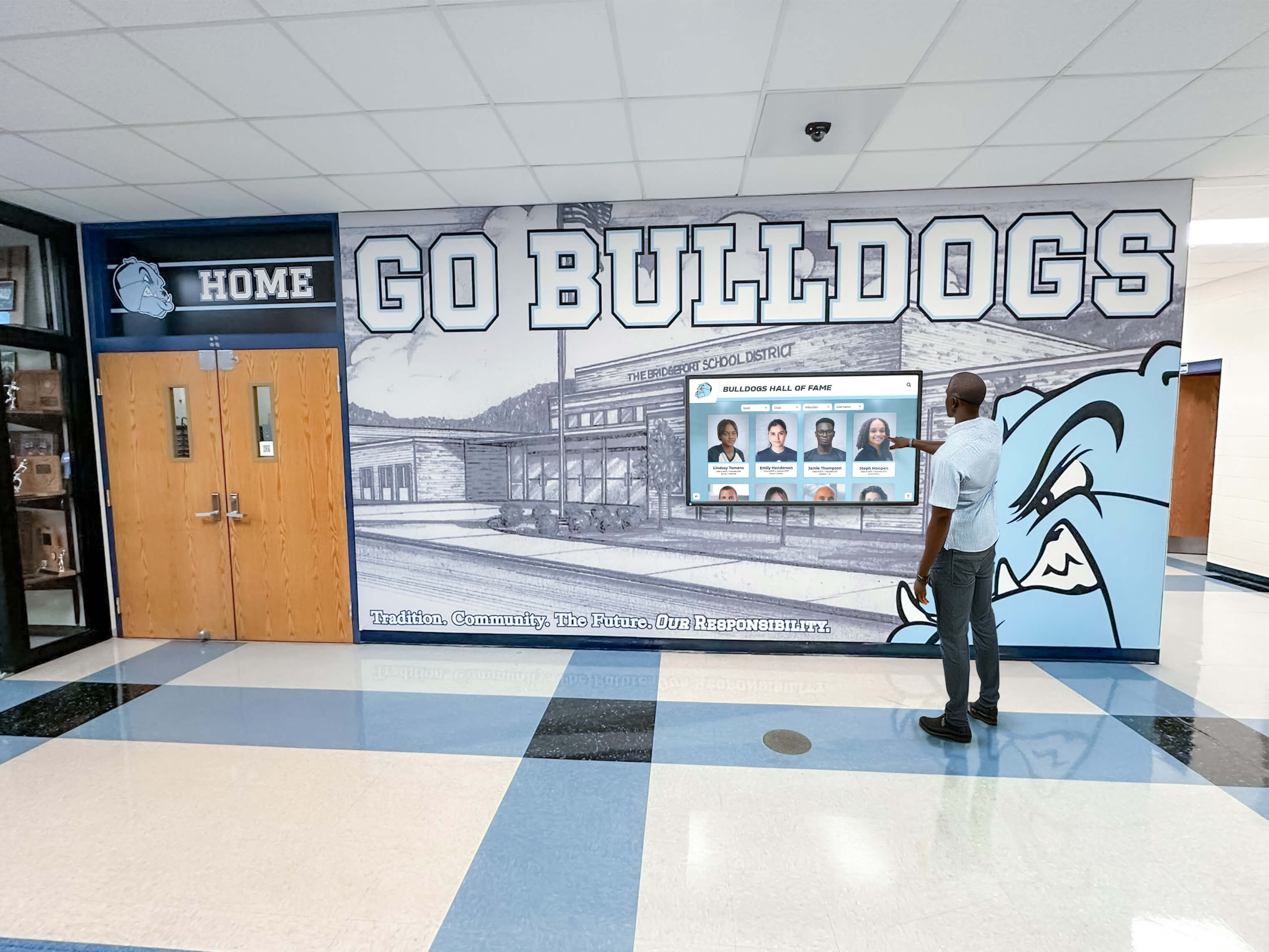
Deploying on platforms supporting both passive and interactive modes preserves future options. When your initial passive display proves valuable, adding touch capability means purchasing hardware—the content management platform already supports it. You expand capabilities without switching systems or rebuilding content databases.
This optionality particularly benefits small schools where proving value before expanding investment makes budgetary sense. Start simple, demonstrate success, and scale incrementally rather than committing fully upfront or limiting yourself permanently to basic approaches.
The Counter-Argument in One Sentence
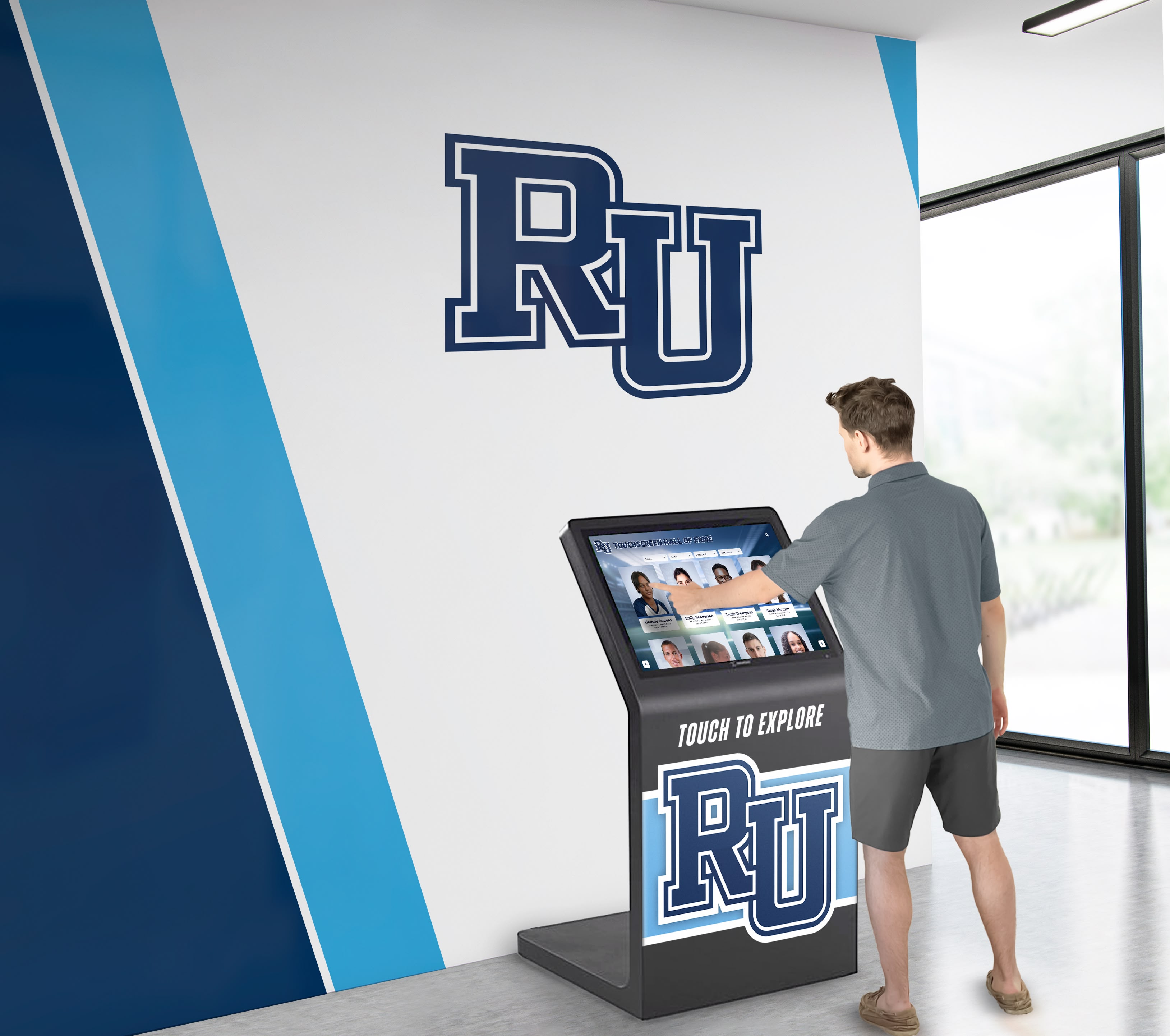
Rocket isn’t overkill for small schools because database architecture reduces maintenance burden, prevents expensive future rebuilds, and provides a scalable path from simple displays to comprehensive community engagement without switching systems.
Depth enables simplicity through structure. Capacity accommodates growth without constraints. Professional tools reduce total cost by eliminating ongoing manual labor that consumes expensive staff time.
When Simpler Alternatives Make Sense
Honest evaluation requires acknowledging scenarios where simpler, cheaper alternatives appropriately serve small school needs:
Single screen, no expansion planned. If you need exactly one display showing exactly five pieces of information that will never change, manual approaches work adequately. This scenario rarely reflects reality over multi-year timeframes, but it exists.
One dedicated person owns updates indefinitely. When a single staff member enjoys manual design work, has unlimited time for content updates, plans to work at the school permanently, and can transfer knowledge seamlessly to successors, manual approaches remain feasible. This scenario exists but represents significant risk because people change jobs.
No need for structured content. If you truly don’t care about searchability, comprehensive histories, or consistent presentation—if rotating five static images meets your needs completely—structured platforms provide capabilities you won’t use. Confirm this remains true as stakeholder awareness of the display grows.
The display isn’t a strategic touchpoint. If your recognition display serves purely decorative purposes without advancement, community engagement, or culture-building objectives—if nobody ever asks about it or expects updates—simpler approaches suffice. Few displays actually fit this description once visible.
Budget is the exclusive decision variable. When budget represents the only factor under consideration and no weight falls on staff time, maintenance burden, future growth, or stakeholder perception, lowest-cost solutions win by definition. This single-variable decision framework rarely reflects organizational reality.
If any of these conditions prove false—if you plan expansion, if staff change over time, if structure provides value, if the display matters strategically, or if factors beyond initial price affect decisions—the “overkill” argument weakens significantly.
For comparison of various digital recognition display technologies, small schools can evaluate capabilities across solution types.
Small School Success Patterns
Small schools implementing structured recognition platforms consistently report outcomes that validate initial investments:
Administrative time savings. Staff managing recognition describe updates that previously took hours now completing in minutes. This recovered time redirects to higher-value activities—student interaction, program development, community engagement—rather than technical busywork.
Expanded recognition without expanded burden. Schools recognize more achievements, teams, and individuals than previously feasible because adding content becomes easy rather than laborious. This comprehensiveness strengthens culture without overwhelming administrators.
Improved stakeholder engagement. Alumni visit displays during events, exploring their own histories and sharing stories with current students. Families reference displays when discussing school selection. Community members express pride in professional presentation quality.
Reduced technology anxiety. Non-technical staff confidently maintain displays because form-based content management requires no technical expertise. This confidence enables delegation and succession planning impossible with complex manual processes.
Successful expansion over time. Schools starting with basic implementations gradually add features, content categories, and display locations as capacity allows—following natural growth trajectories the platform accommodates without forcing system replacements.
These patterns demonstrate that “overkill” concerns frequently reflect misconceptions about platform complexity, maintenance requirements, and total cost rather than actual experience operating these systems long-term.
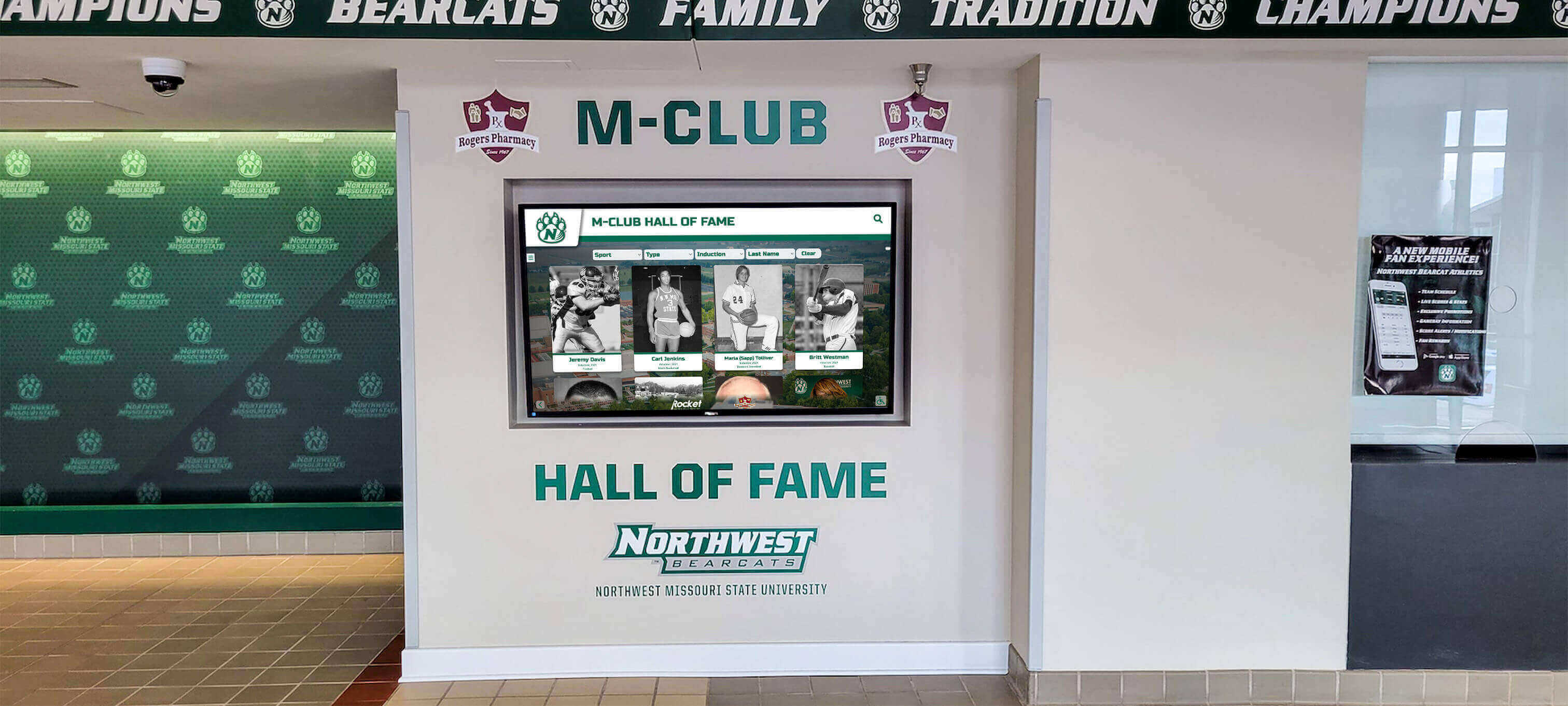
Making the Right Choice for Your Small School
Evaluating recognition technology requires looking beyond initial sticker price toward multi-year operational reality. The right questions focus on sustainability, total cost, and strategic value:
Who will maintain this system three years from now? If the answer involves specific individuals, what happens when they leave? Systems depending on individual expertise create institutional risk. Structured platforms reduce this dependency through consistent, documented processes anyone can learn.
How will this system accommodate growth? When stakeholders ask to add content categories, expand historical coverage, or implement additional displays, does your chosen platform support growth easily or force expensive rebuilds?
What’s the full cost including labor? Calculate staff time required for initial setup and ongoing maintenance. Price this time at actual salary-equivalent rates. Include the cost of training new staff when turnover occurs. Compare these total costs against structured platform investments over five-year periods.
Does this solution serve strategic objectives? If recognition displays support advancement goals, community engagement, or culture building, evaluate platforms based on how effectively they serve these objectives rather than purely on initial acquisition cost.
What does starting over cost? If you outgrow initial solutions, what does rebuilding on appropriate platforms cost in money, time, and disruption? Does avoiding appropriate platforms initially actually save money, or does it simply defer inevitable expenses while creating inefficiency?
For small schools, these questions often reveal that structured platforms deliver better value than manual approaches despite higher upfront costs—because total cost over operational lifetimes favors solutions reducing ongoing labor while accommodating natural growth patterns.
Moving Forward with Confidence
The “overkill” concern rests on assumptions that don’t withstand scrutiny: that feature depth requires complexity, that cheaper solutions deliver lower total cost, that small schools won’t experience growth requiring scalability, and that initial price matters more than operational sustainability.
Small schools deserve recognition technology that respects budget constraints while delivering operational sustainability and growth capacity. This means choosing platforms that start simple but support expansion, require minimal technical expertise, reduce ongoing maintenance burden, and accommodate natural growth patterns without forcing expensive system replacements.
Rocket Alumni Solutions serves small schools effectively not despite its capabilities but because those capabilities enable simplicity through structure, reduce total cost through automation, and prevent future rebuilds through unlimited capacity. The platform scales down for modest initial implementations while scaling up as needs evolve—exactly what small schools require for successful long-term recognition programs.
The question isn’t whether small schools need sophisticated platforms. The question is whether they can afford the ongoing labor burden, limited capacity, and eventual rebuilds that “cheaper” alternatives impose over time. For most small schools honestly evaluating total cost and operational reality, structured platforms deliver better value precisely because they eliminate the manual processes consuming scarce staff time while accommodating the growth patterns even small schools experience consistently.
Discover How Rocket Serves Small Schools
See how structured recognition platforms reduce maintenance burden while delivering professional results that honor every achievement without overwhelming small school staff.
Book a DemoRecognition technology should reduce complexity for small schools, not create it. When platforms eliminate manual processes, accommodate growth without system replacements, and deliver professional results through structure rather than demanding technical expertise, they serve small schools effectively regardless of feature depth or initial capability. The right platform for your small school is the one that makes comprehensive recognition sustainable—and that sustainability typically comes from structure, not simplicity.