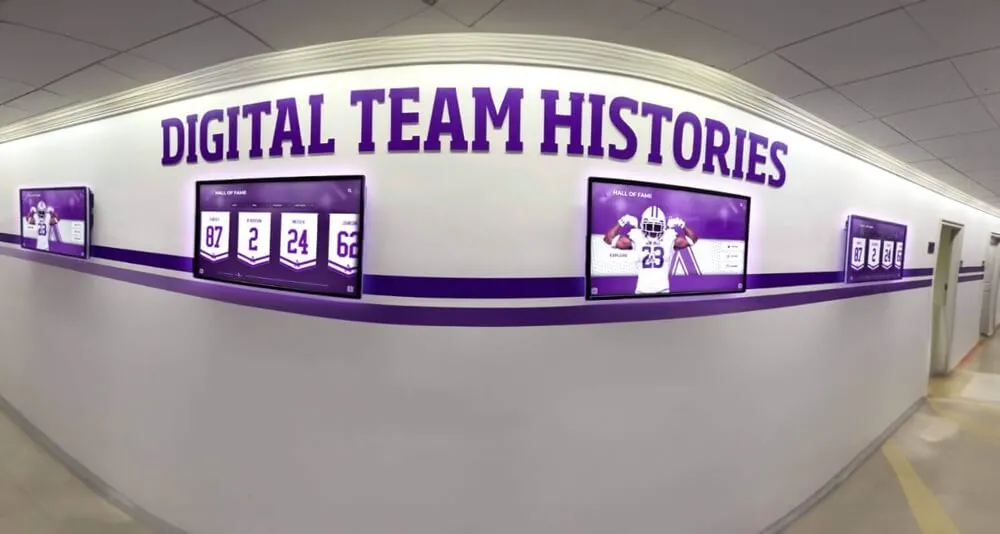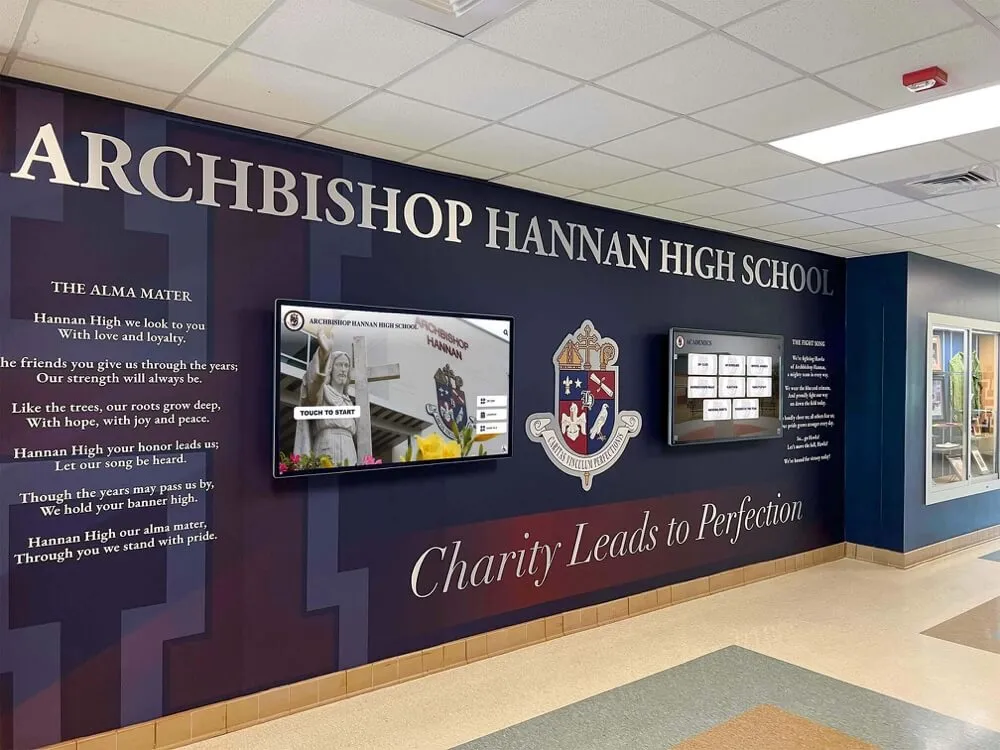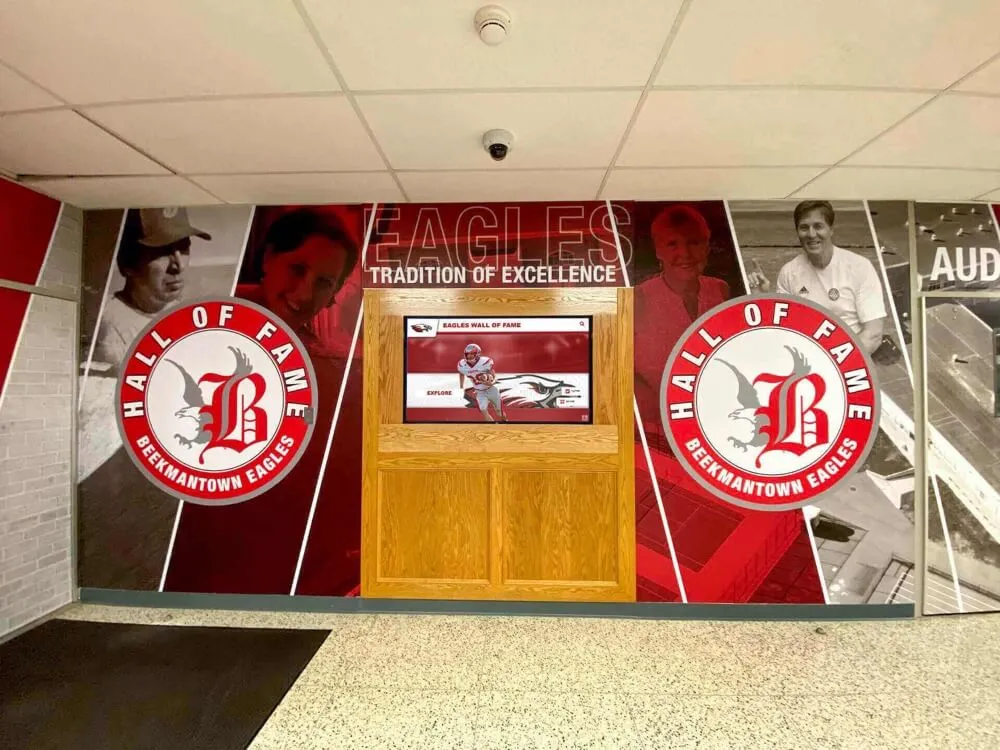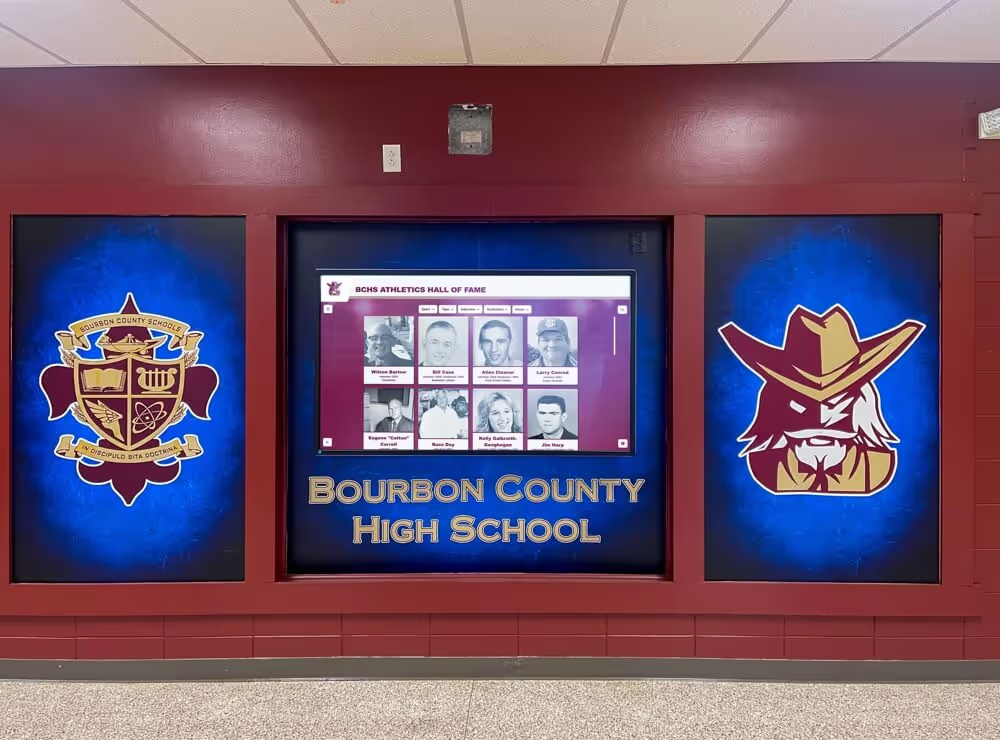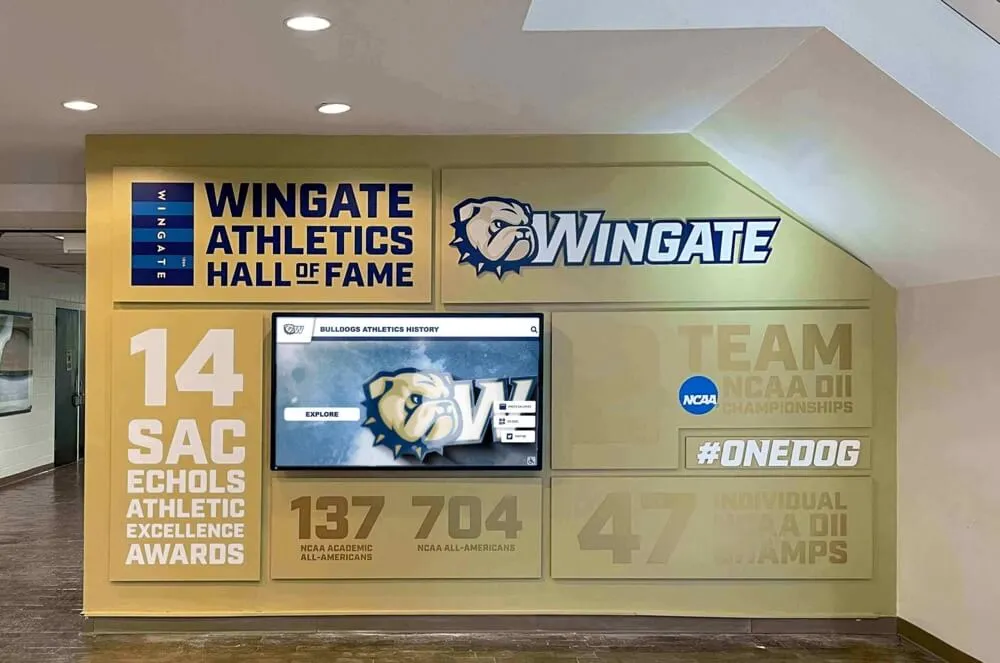




Recognition programs consistently rank among the most powerful drivers of engagement, retention, and performance across schools, businesses, nonprofits, and organizations of every type. Yet most institutions struggle with recognition systems that create more frustration than motivation: physical plaques taking weeks to produce and install, trophy cases that fill completely within years, static displays becoming outdated the moment they’re printed, space limitations forcing impossible choices about whose achievements deserve permanent visibility, and recognition that reaches only those who happen to walk past specific hallway locations.
These limitations don’t reflect insufficient commitment to appreciation—they result from recognition methods designed for simpler organizational structures and smaller achievement volumes that no longer match contemporary institutional complexity. A high school athletic program today might compete in 25+ sports across boys and girls teams, generating hundreds of annual records, achievements, and milestones. A corporate office employs hundreds across distributed locations, creating recognition needs that traditional wall displays cannot accommodate without occupying entire buildings. Nonprofit organizations serve diverse constituencies whose contributions all deserve acknowledgment beyond what limited display space allows.
Rocket Recognition solves these systemic recognition challenges through purpose-built digital display platforms specifically designed for comprehensive achievement acknowledgment across schools, organizations, and businesses. These interactive touchscreen systems provide unlimited recognition capacity without space constraints, immediate content updates eliminating production delays, engaging multimedia presentation formats impossible with traditional plaques, web accessibility extending reach beyond physical locations, and user-friendly management platforms enabling staff to maintain recognition independently without technical expertise or IT dependency.
What Makes Rocket Recognition Different
Unlike generic digital signage requiring extensive customization or traditional recognition methods with severe limitations, Rocket Recognition delivers purpose-built platforms combining commercial-grade touchscreen displays with cloud-based content management specifically designed for achievement acknowledgment. Organizations implementing these systems report 85% reduction in recognition update delays, complete elimination of space-constraint decisions about whose achievements to remove, 300% increase in recognition visibility through web accessibility, and measurably stronger engagement across employees, students, families, and prospective recruits who explore comprehensive achievement archives impossible to present through traditional approaches. Solutions like Rocket Alumni Solutions provide complete platforms combining hardware, software, content templates, and ongoing support enabling organizations to implement professional recognition without requiring technical expertise or extensive resources.
Understanding Rocket Recognition: Core Components and Capabilities
Rocket Recognition represents comprehensive recognition infrastructure combining multiple integrated components that work together to deliver complete achievement acknowledgment platforms serving diverse organizational needs.
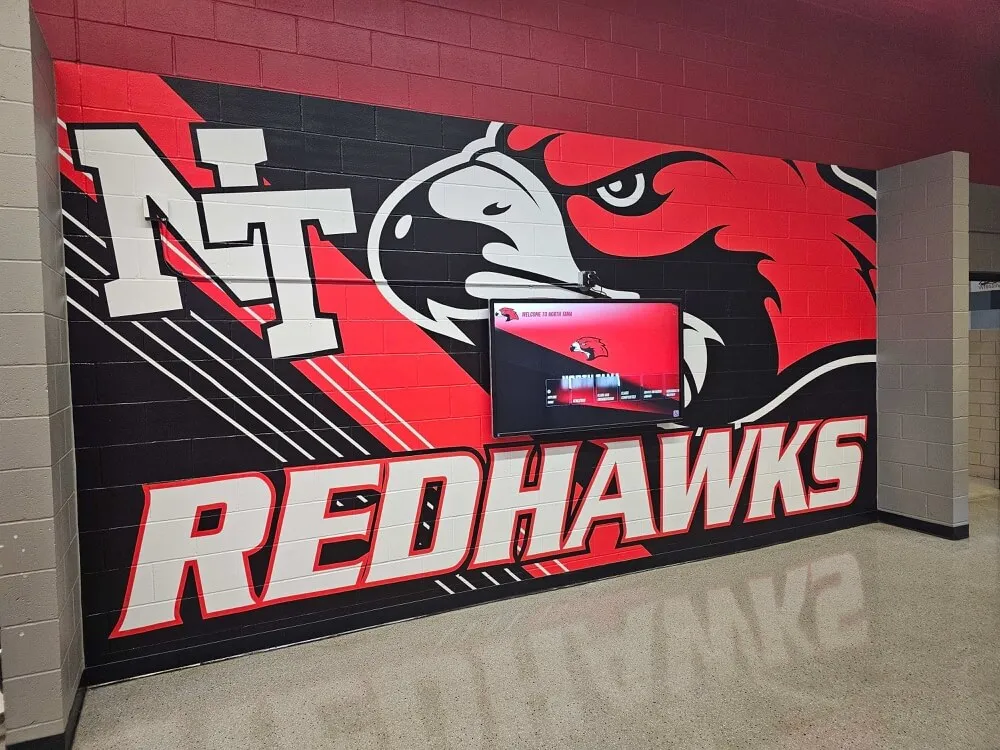
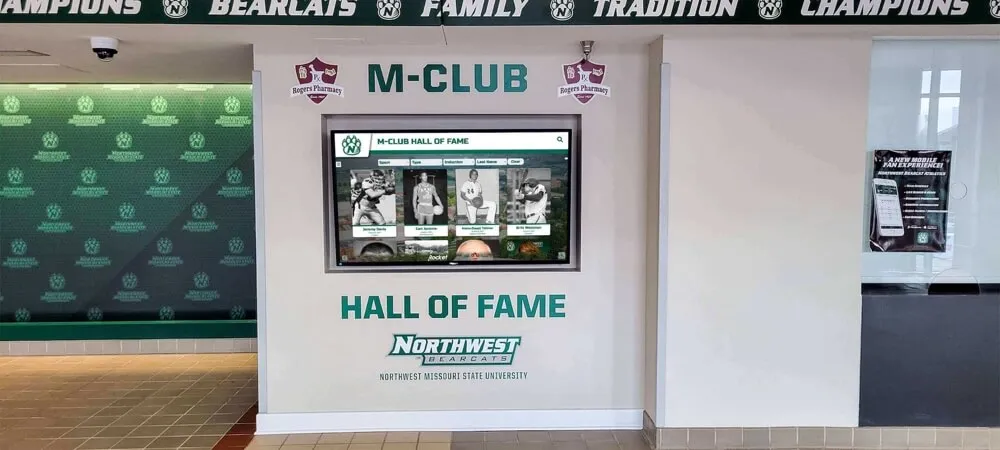
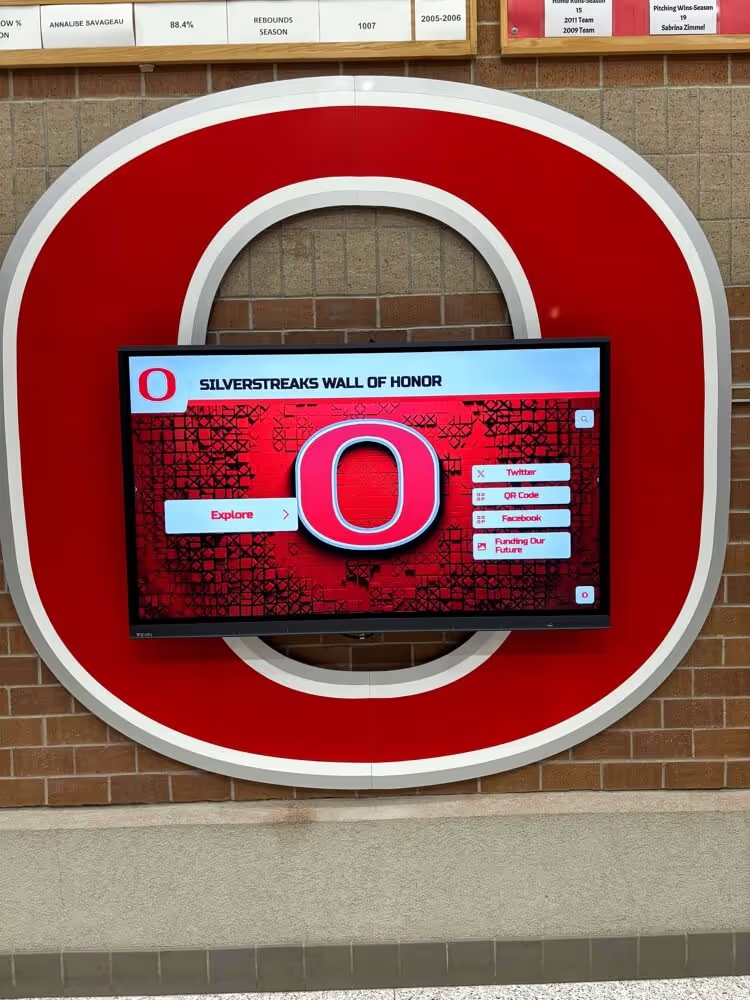
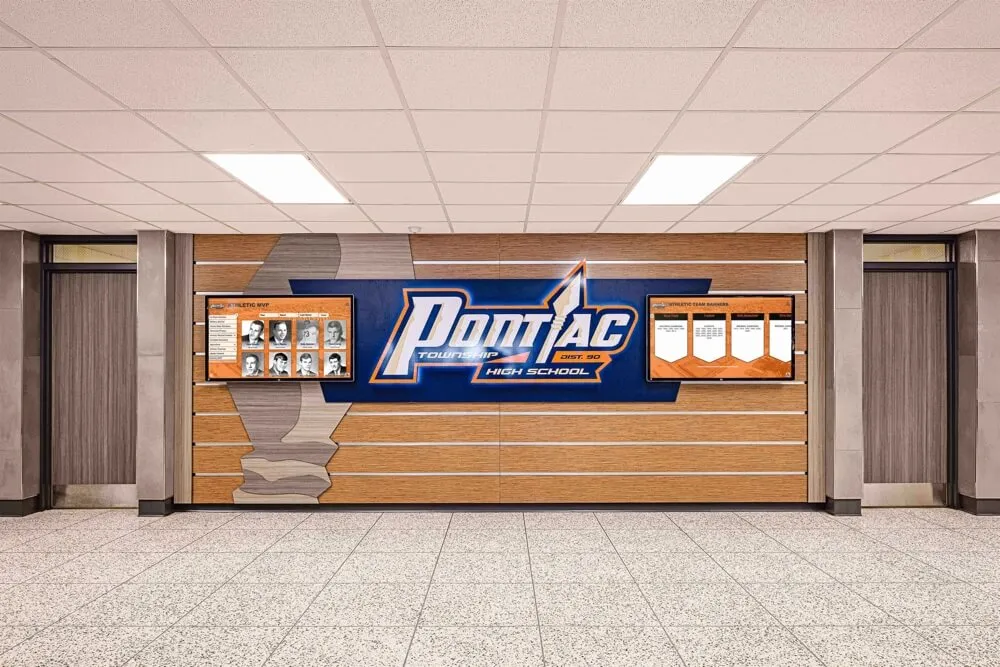
Interactive Touchscreen Display Hardware
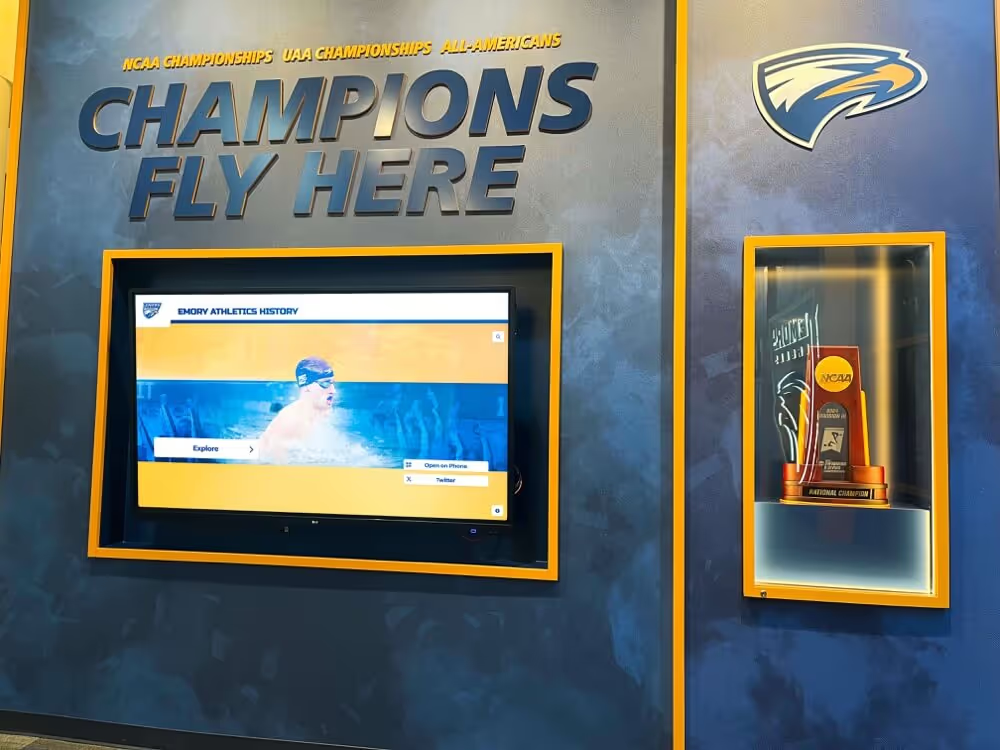
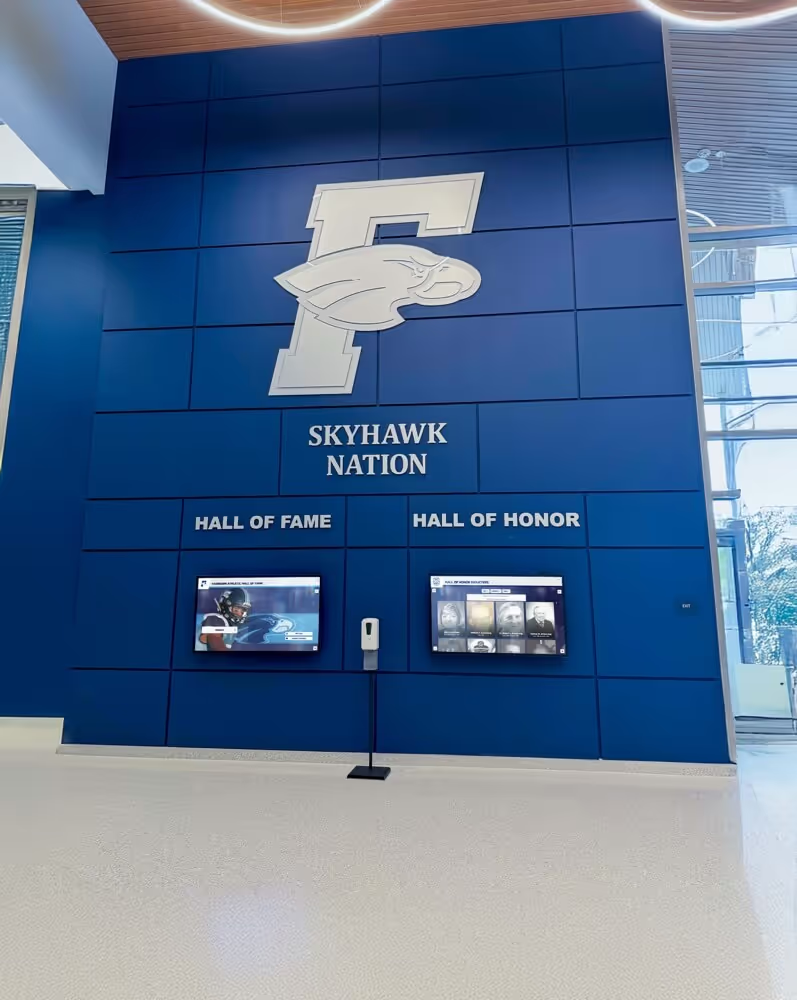
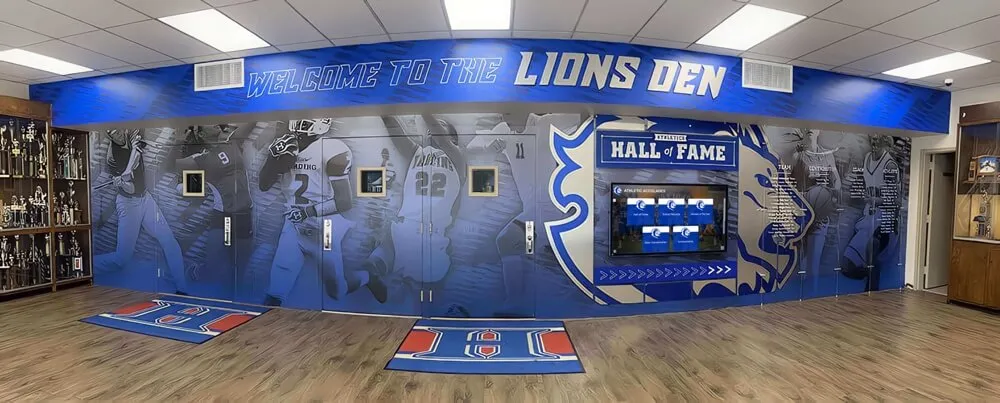
Physical recognition displays provide essential high-visibility touchpoints where employees, students, visitors, and families encounter achievement acknowledgment during natural facility navigation. These commercial-grade displays feature:
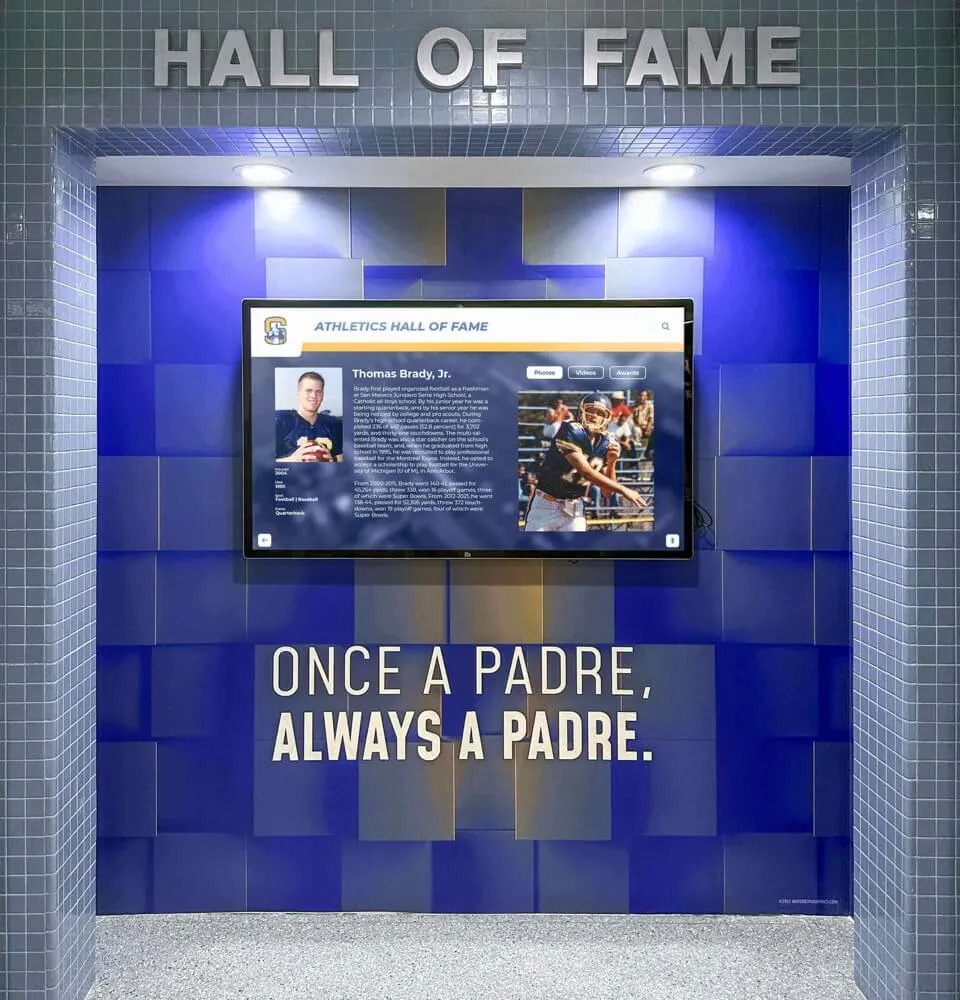
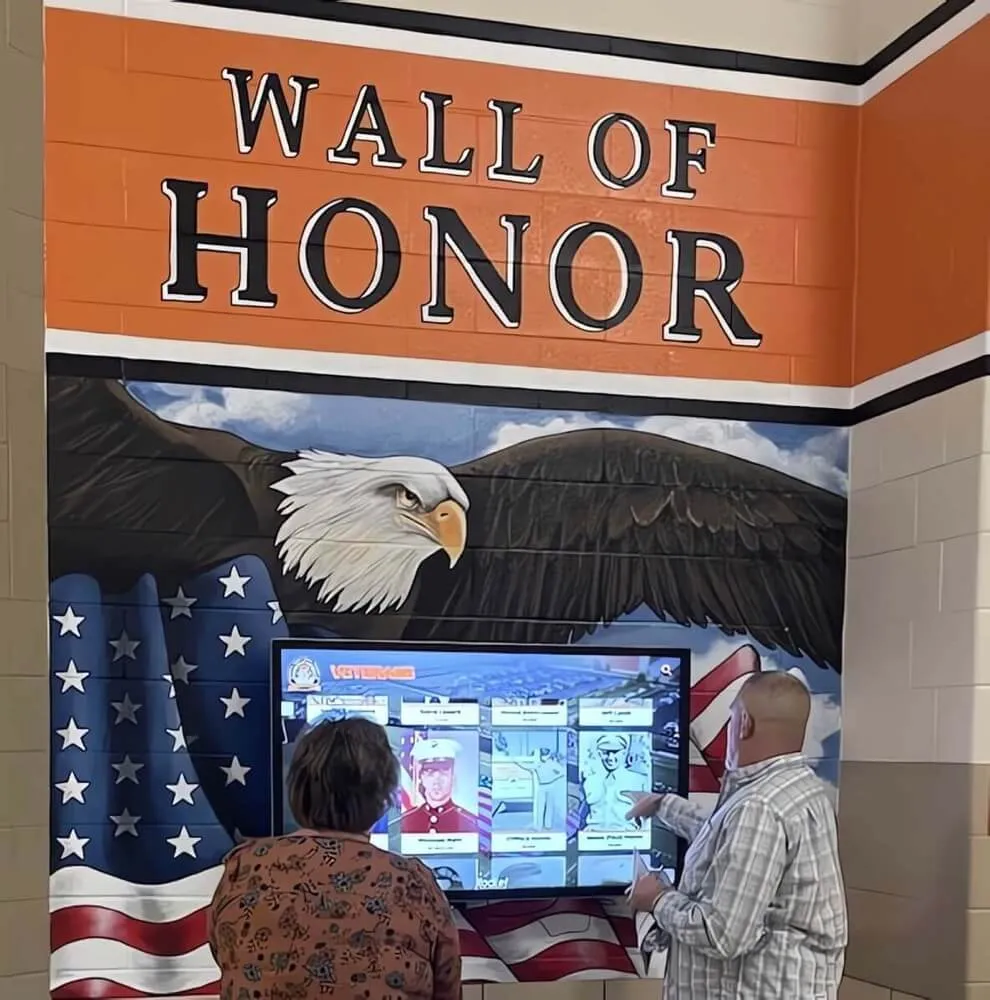
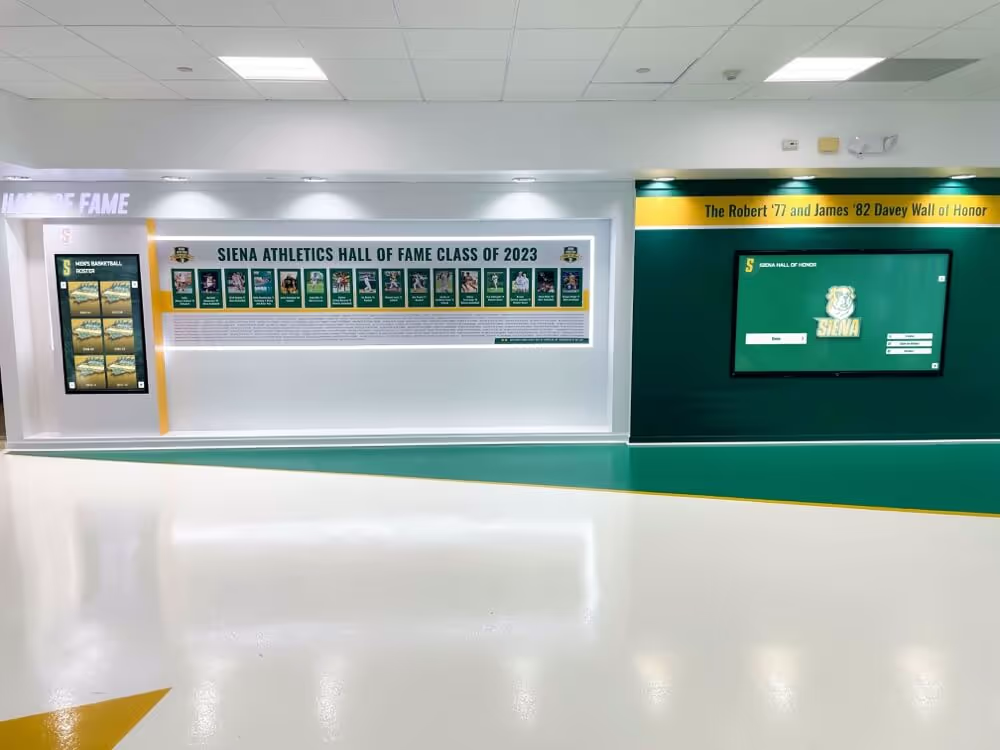
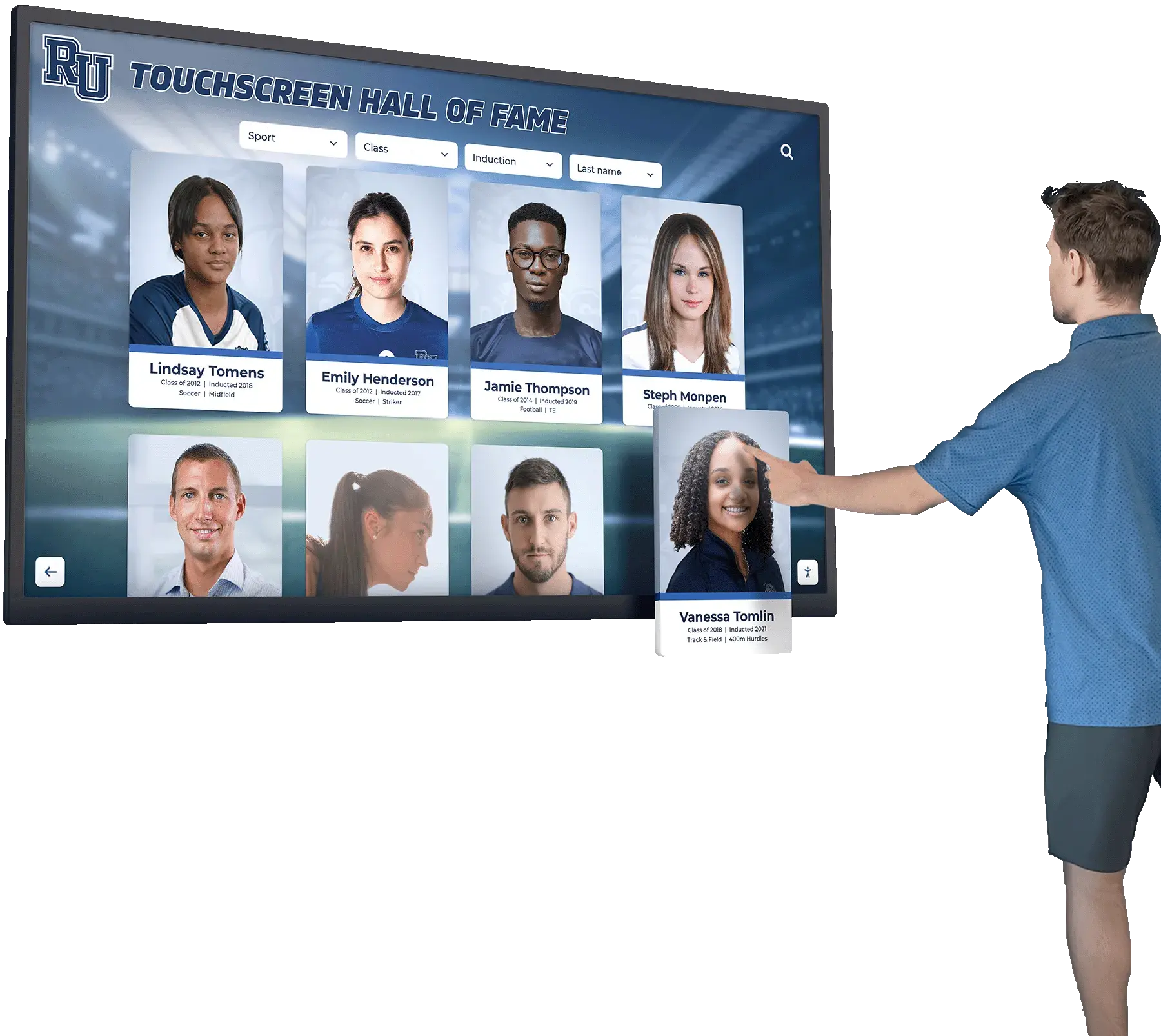
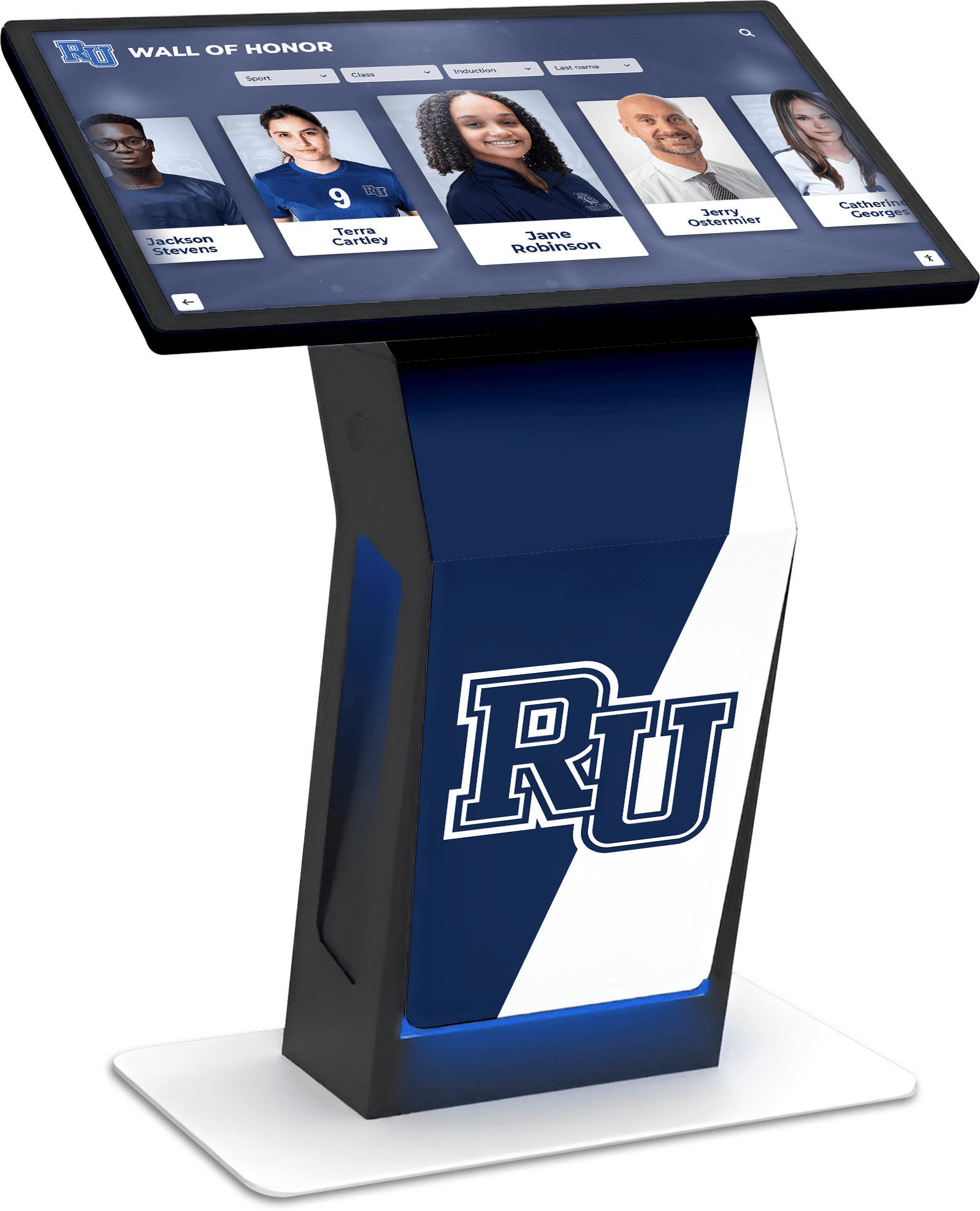
Professional Touchscreen Technology: High-resolution 4K displays ranging from 43 to 75 inches provide crisp image quality and text clarity essential for engaging visual presentation. Commercial-grade panels rated for continuous operation in public environments deliver reliability across years of daily use without the burnout, color degradation, or component failures typical of consumer televisions repurposed for recognition applications.
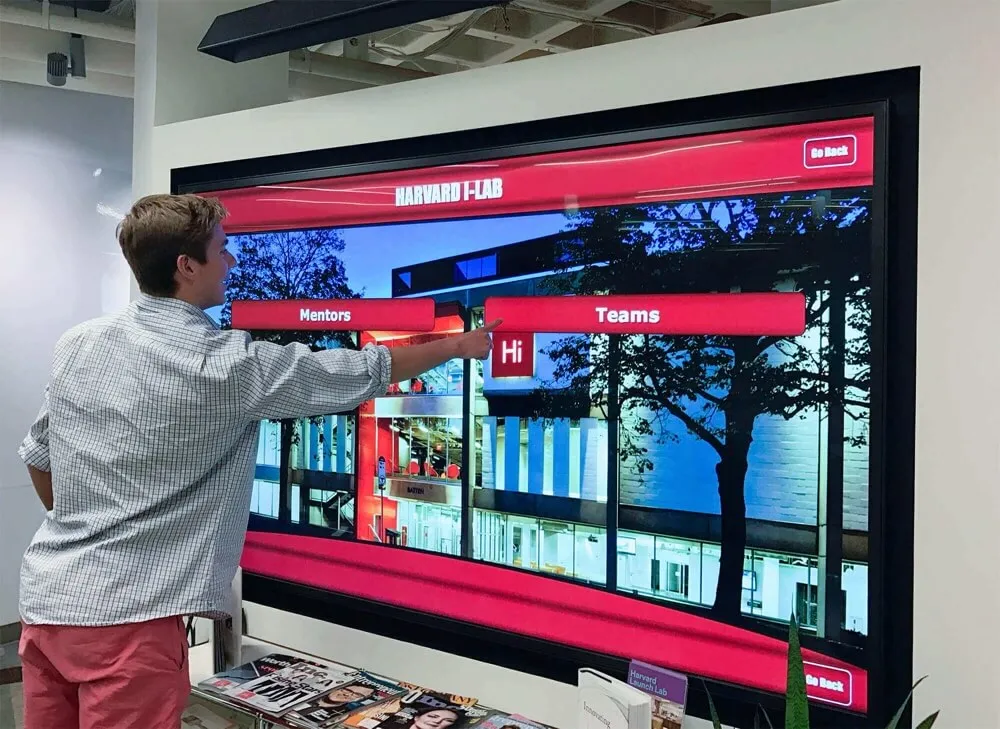
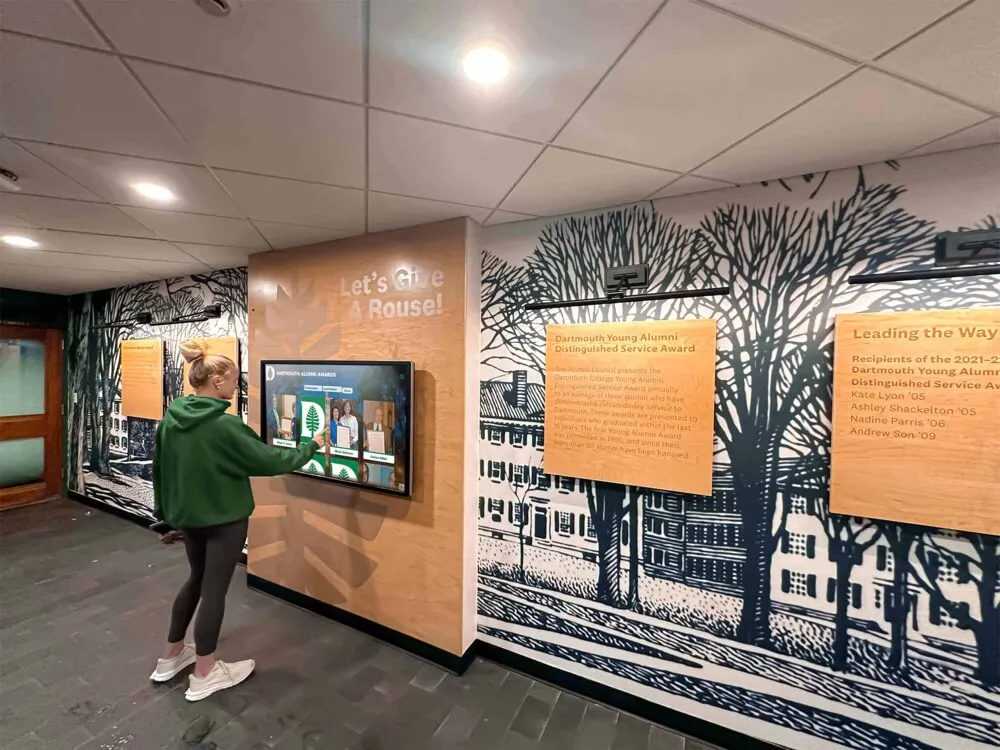
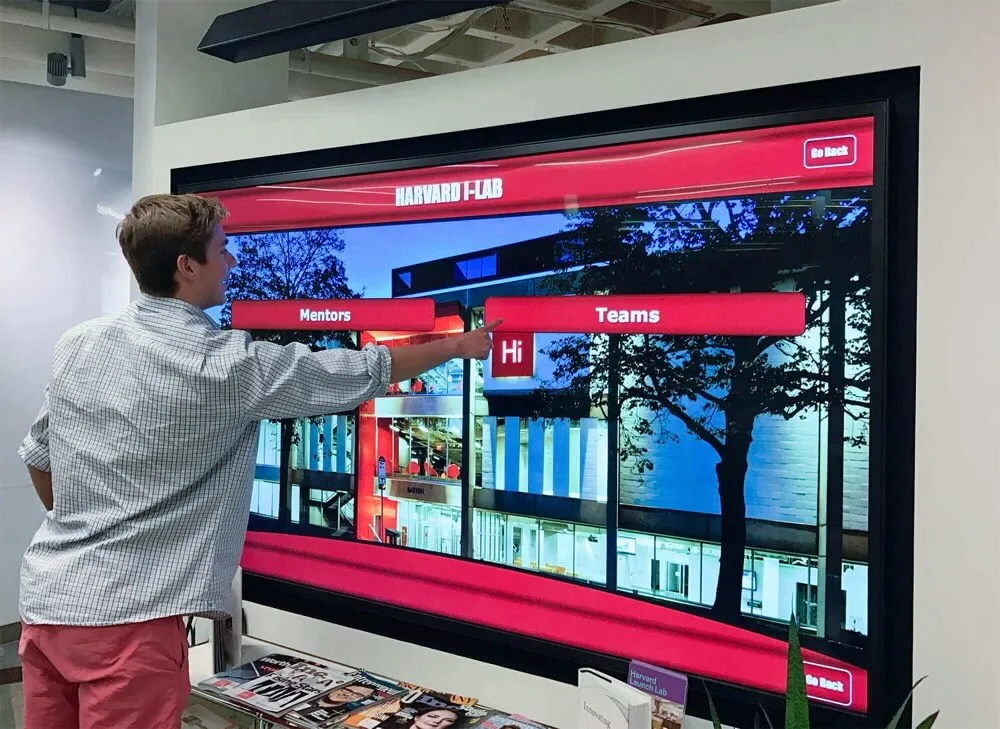
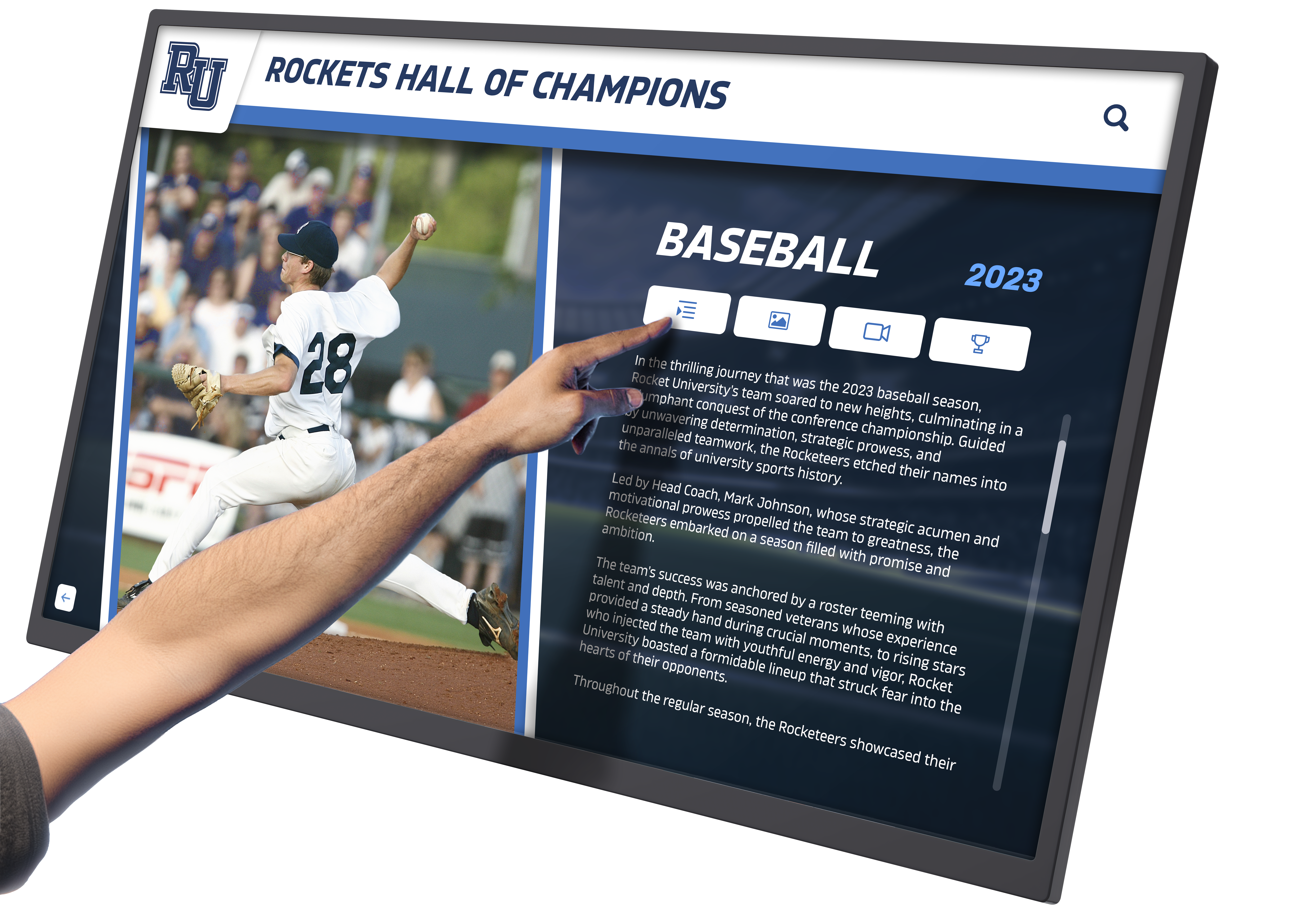
Responsive Touch Technology: Capacitive touch sensors provide smartphone-like responsiveness supporting natural navigation through content. Users can scroll through achievements, search for specific individuals, filter by categories, and explore detailed profiles through familiar touch gestures. This natural interaction encourages extended exploration averaging 4-7 minutes per session compared to brief glances at static displays.
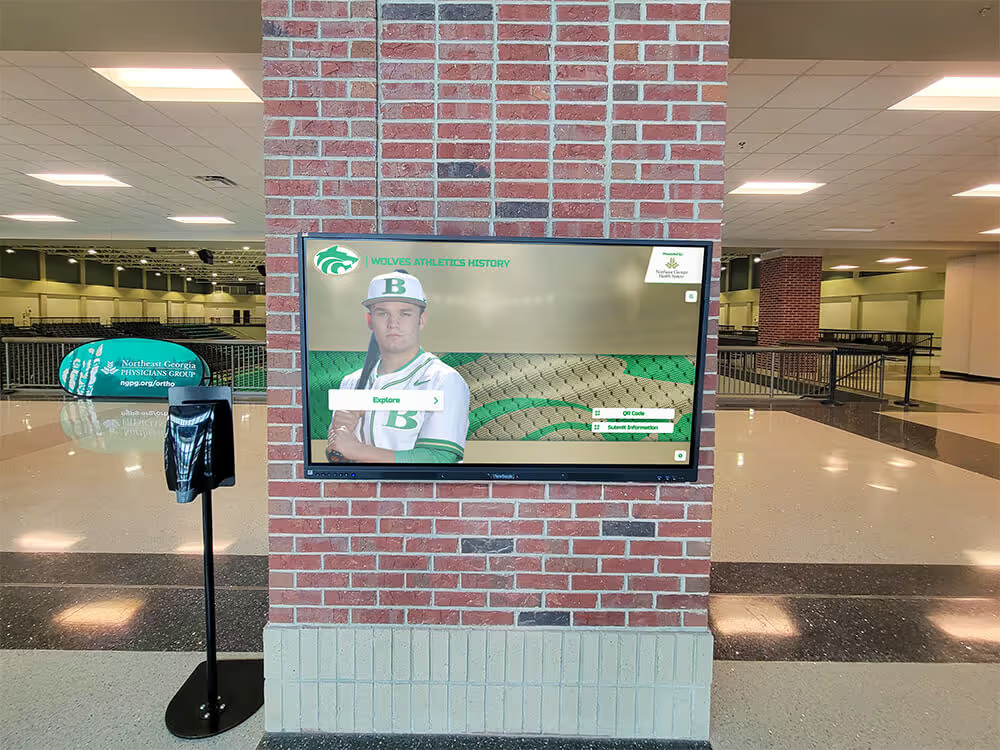
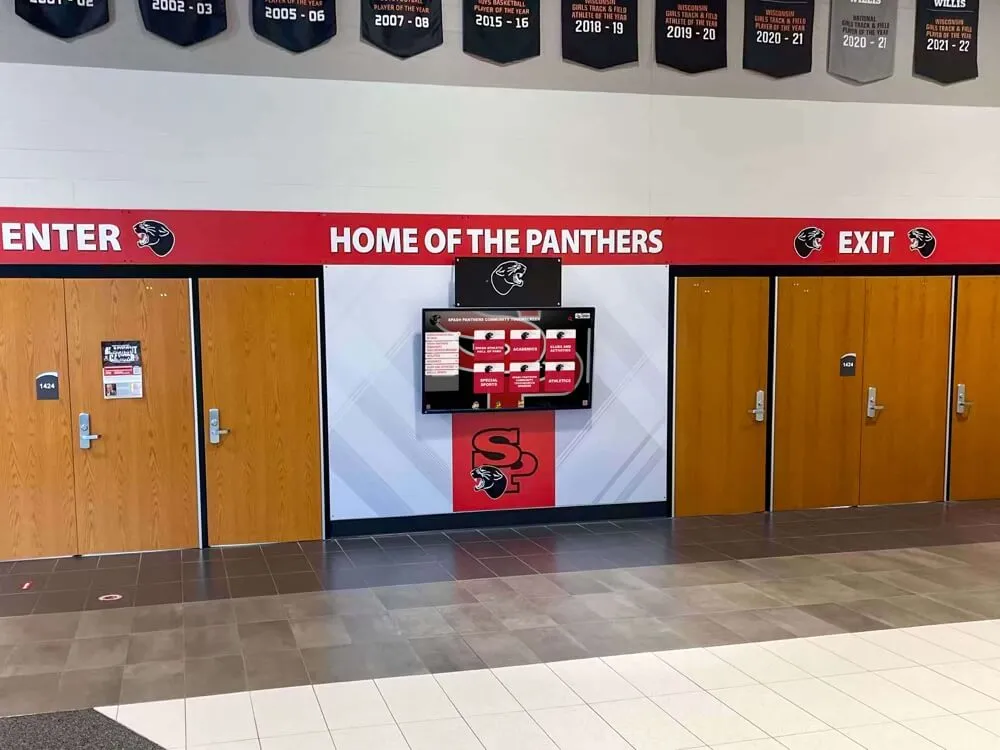
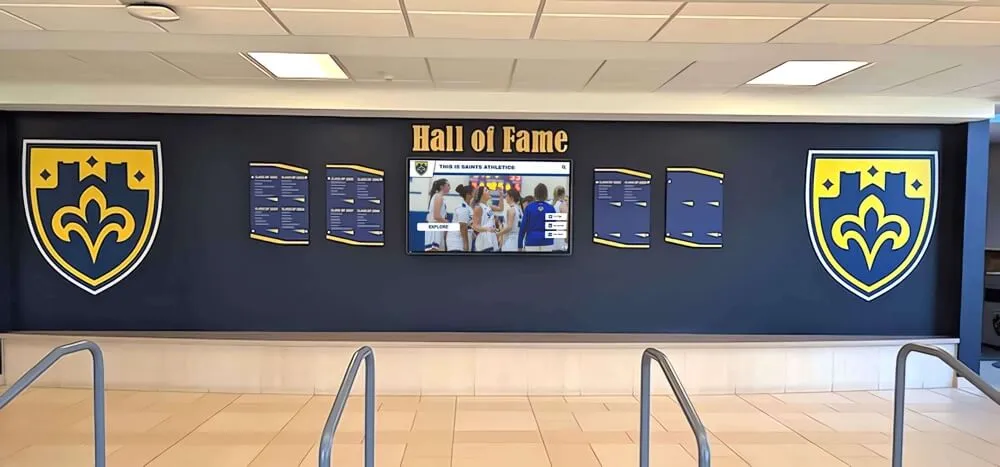
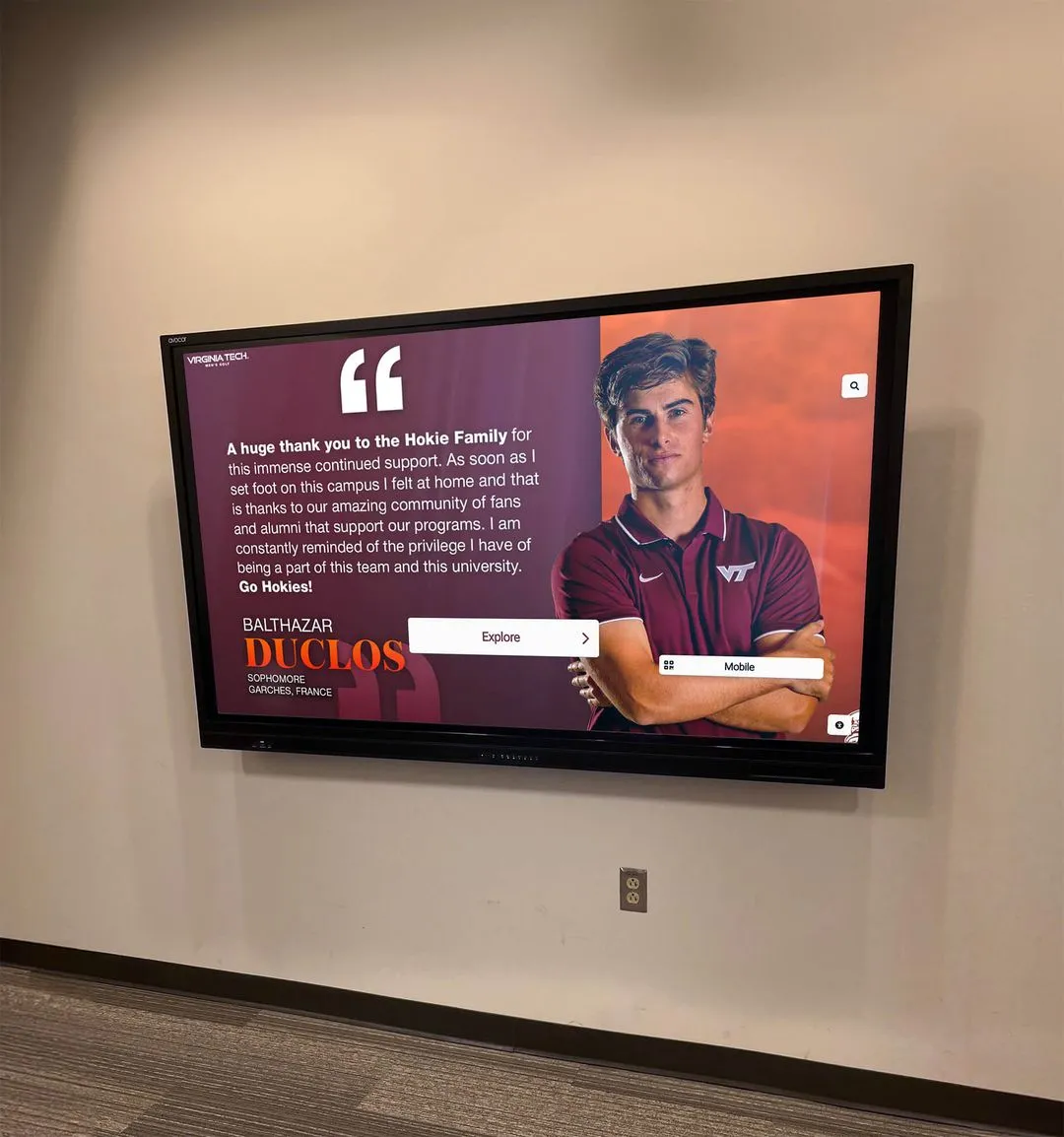
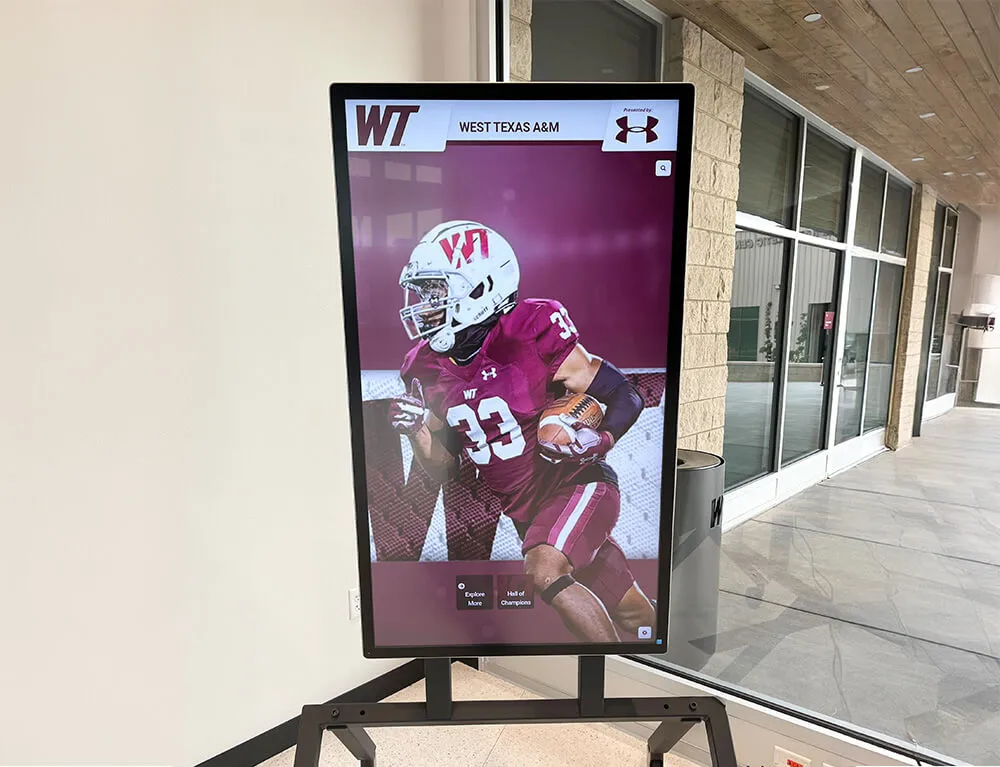
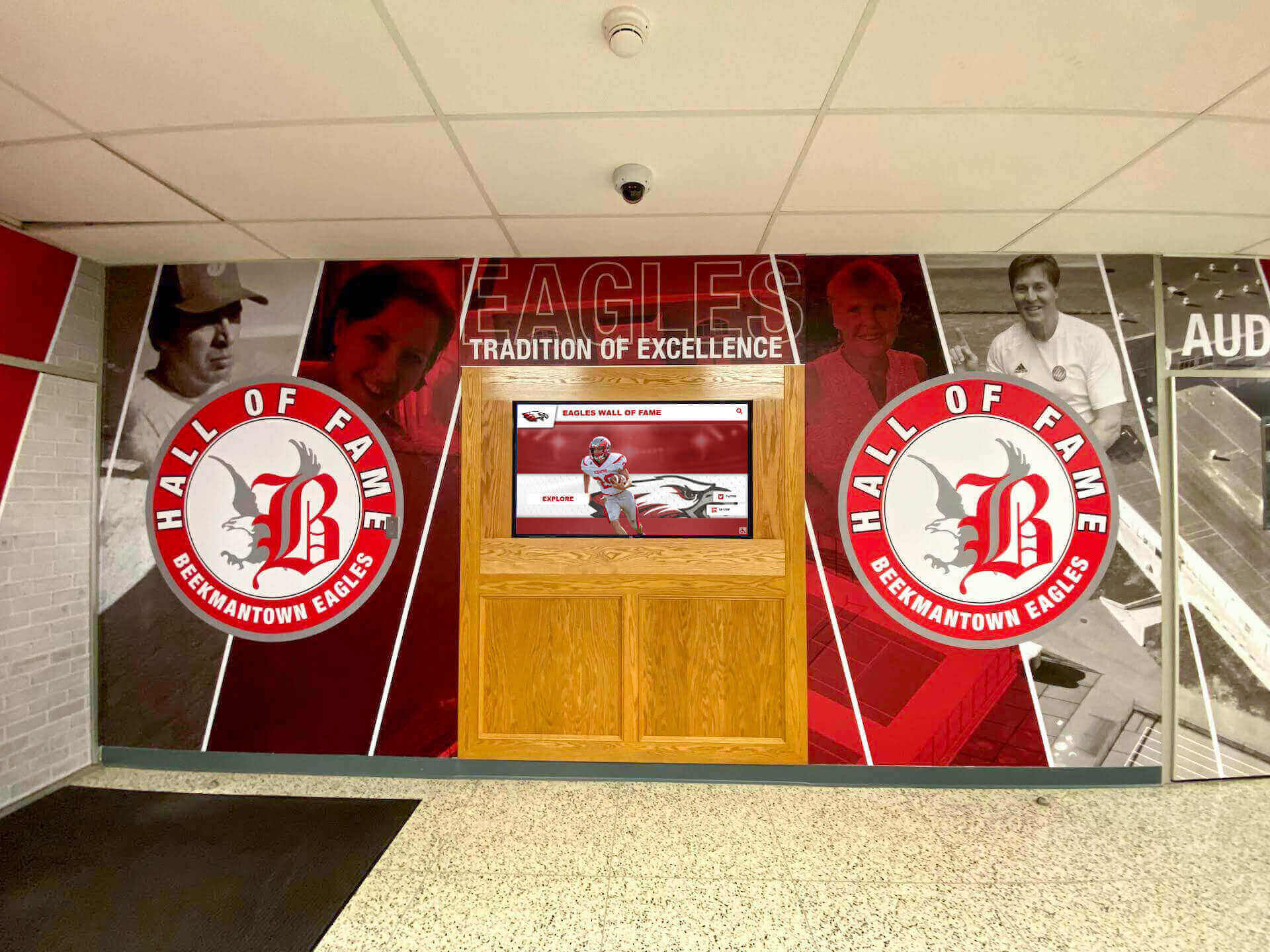
Strategic Physical Installation: Displays mount securely to walls in high-traffic locations or install as freestanding kiosks providing flexibility for varied facility layouts. Professional installation ensures appropriate height for accessibility, secure mounting preventing theft or damage, clean cable management maintaining aestheti
c appearance, and network connectivity enabling remote content management.
Durable Construction for Public Environments: Tempered glass touchscreen surfaces resist scratching and damage from heavy public use. Sealed construction prevents dust and moisture intrusion that could compromise electronics. Lockable enclosures protect computing components from tampering while maintaining clean professional appearance.
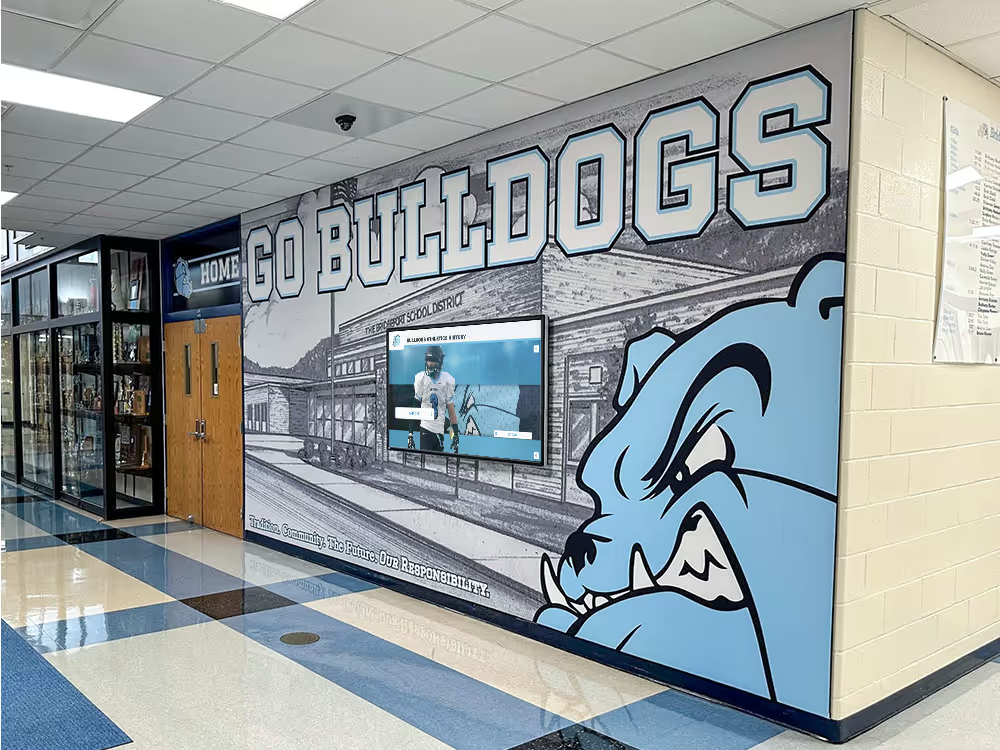
Organizations implementing recognition displays strategically position systems in main lobbies ensuring all daily traffic encounters achievement acknowledgment, cafeterias and common areas providing extended viewing opportunities during breaks, athletic facility entrances reaching teams and visiting competitors, department-specific locations creating targeted recognition, and conference rooms demonstrating organizational excellence during client meetings or recruit interviews.
Cloud-Based Content Management Platform
Sustainable recognition requires management systems enabling non-technical staff to create and update content independently without IT dependency that creates bottlenecks and update delays.
User-Friendly Administrative Interface: Web-based dashboards accessible from any internet-connected device provide straightforward content management tools. Administrators create achievement profiles through template-based forms guiding data entry, upload photos and videos through simple drag-and-drop interfaces, organize content into categories and collections, schedule publication timing, and preview exactly how content will appear before publishing to live displays.

Template systems dramatically reduce content creation burden by providing proven formats that organizations customize with specific achievement details rather than designing presentations from scratch. Standard templates include individual achievement profiles with photos and detailed accomplishments, team recognition highlighting collective success, milestone celebrations honoring service anniversaries or career achievements, record boards automatically ranking top performances, historical timelines documenting organizational evolution, and department showcases featuring unit-specific excellence.
Role-Based Access and Permissions: Sophisticated permission systems enable appropriate access levels across organizational hierarchies. Administrators maintain complete control over all content and system settings. Department managers can update their specific unit recognition without accessing other departments. Content reviewers can approve submissions before publication. View-only access allows leadership to monitor recognition without editing capability. This granular control ensures appropriate oversight while distributing content development across relevant stakeholders.
Integration with Existing Systems: API connections enable automated data flow between recognition platforms and existing organizational systems. Integration with human resources platforms automatically updates employee directories when staff join, leave, or change roles. Performance management system connections can trigger recognition workflows when employees achieve specific milestones. Student information systems provide enrollment and achievement data. This integration eliminates duplicate data entry while ensuring recognition remains current as organizational information updates across connected systems.
Web-Based Recognition Portals
Physical displays provide essential visibility within facilities, but comprehensive recognition extends beyond single locations to reach distributed populations including remote employees, students’ families, alumni, and prospective recruits exploring organizational culture.
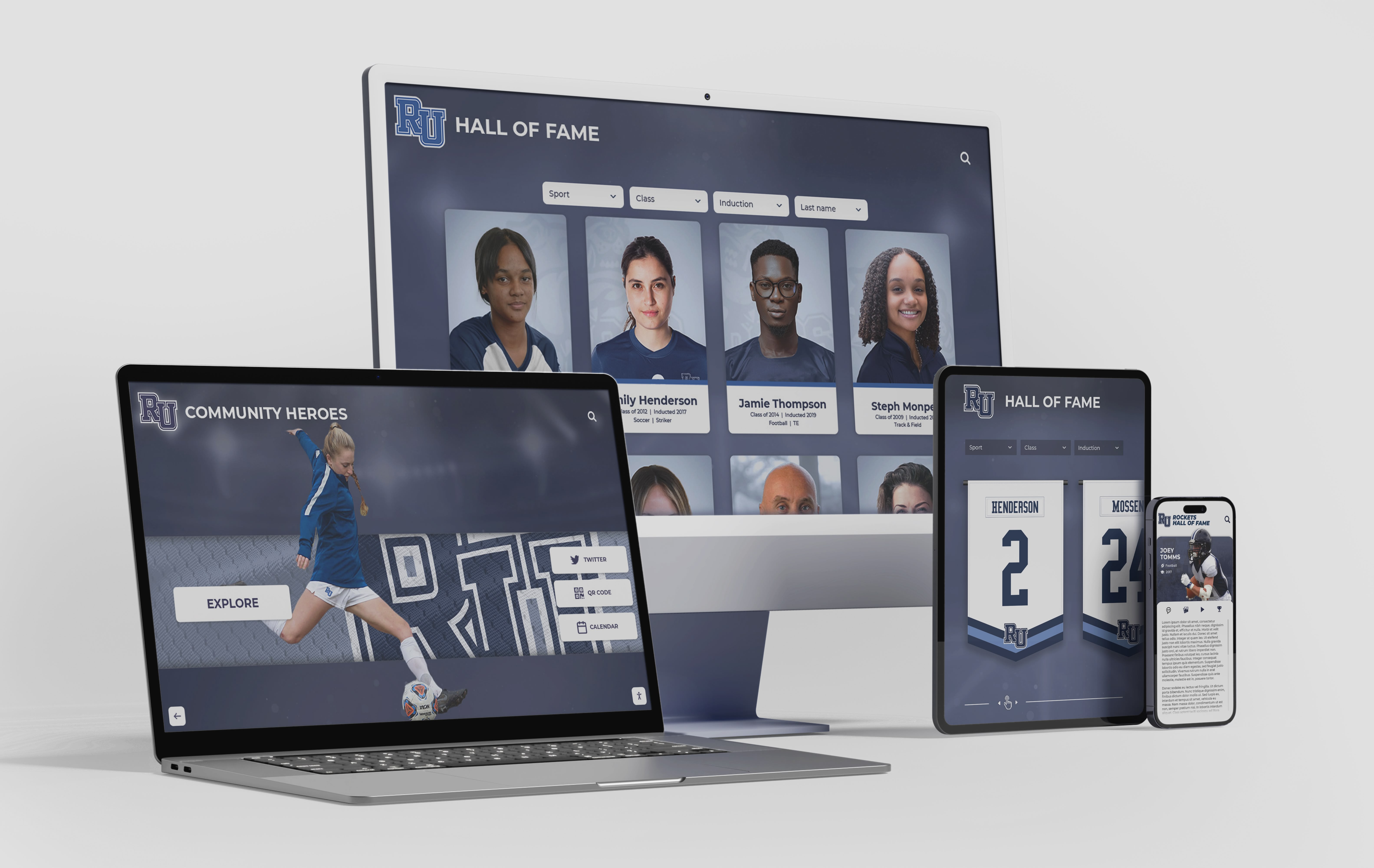
Responsive Web Access: Recognition content publishes automatically to web-based portals accessible via standard browsers on any device. Responsive design adapts presentations appropriately to desktop computers, tablets, and smartphones ensuring optimal viewing across varied screens. This web accessibility enables remote workers to explore recognition from home offices, families to share achievements with extended relatives, alumni to discover how programs evolved since graduation, and recruits to evaluate organizational culture before joining.
Search and Discovery Features: Robust search functionality helps users find specific individuals quickly by entering names, departments, or roles. Advanced filtering enables content discovery by achievement categories, time periods, organizational units, or recognition types. Alphabetical browsing provides systematic exploration of complete recognition archives. These discovery tools ensure users can navigate comprehensive content libraries containing thousands of profiles without becoming overwhelmed or unable to locate specific information.
Social Sharing Capabilities: Built-in sharing tools enable recognized individuals to distribute achievements through social media, professional networks, or direct links. QR codes displayed prominently on physical touchscreens allow smartphone users to instantly access specific profiles or entire recognition content from mobile devices. This sharing extends recognition reach exponentially as individuals distribute acknowledgment through personal networks generating visibility far beyond what physical displays alone achieve.
Analytics and Engagement Tracking: Comprehensive analytics reveal how users interact with recognition content including total visitors and unique users, session duration indicating genuine engagement depth, search patterns showing how users discover content, popular categories and individual profiles generating strongest interest, device usage informing optimization priorities, and traffic sources revealing how users find recognition portals. These insights guide content strategy and demonstrate program value through measurable engagement metrics.
Why Organizations Choose Rocket Recognition
Traditional recognition approaches create systemic challenges that Rocket Recognition addresses directly through purpose-built digital infrastructure specifically designed for comprehensive achievement acknowledgment.
Unlimited Recognition Capacity Without Space Constraints
Physical recognition creates inevitable space limitations forcing impossible choices about whose achievements receive permanent display and whose acknowledgment must be stored away or discarded as display areas fill. A high school might maintain trophy cases accommodating 150 achievements, but athletic programs generate 200+ annual accomplishments requiring impossible prioritization decisions. Corporate offices dedicate wall space for 50 employee plaques, but employ 500+ professionals whose contributions all deserve recognition.
These space constraints force several problematic responses. Organizations might remove older achievements to accommodate new recognition, but this erasure contradicts the permanence that makes acknowledgment meaningful. Displays might grow increasingly crowded until they become cluttered and difficult to read, undermining presentation quality and recognition impact. Recognition might stop entirely once space fills, creating inequitable situations where recent hires never receive acknowledgment opportunities that previous generations enjoyed. Alternatively, organizations might limit recognition criteria so strictly that only absolute top performers receive acknowledgment, missing opportunities to recognize developing professionals or consistent contributors not reaching elite performance tiers.
Rocket Recognition eliminates these space constraints through digital platforms accommodating unlimited achievement profiles without physical display expansion. A single 55-inch touchscreen can showcase comprehensive profiles for thousands of individuals, content requiring hundreds of traditional wall plaques to present equivalently. This unlimited capacity enables organizations to recognize every worthy achievement without space-driven prioritization, preserve complete historical recognition without removing older honorees, and maintain growing recognition archives documenting organizational excellence evolution across decades without requiring facility modifications or equipment additions.
Schools implementing digital recognition commonly display 5-10× more achievements than previous trophy case capacity allowed. Businesses recognize entire workforces rather than limiting acknowledgment to top 5% of performers. Organizations preserve 20+ years of recognition history without removing anything to accommodate new achievements.
Immediate Updates Eliminating Production Delays
Traditional recognition requires frustrating production timelines delaying acknowledgment for weeks or months after achievements occur. Physical plaques need ordering, engraving, shipping, and installation—processes consuming 4-8 weeks under normal conditions. Printed materials require design, approval, printing, and distribution. Building maintenance schedules must accommodate installation, creating additional delays. Organizations attempting to maintain current recognition find themselves constantly behind schedule despite best intentions.
During these delays, recognition momentum fades. Achievement excitement diminishes. Motivational impact evaporates. Delayed recognition also communicates that organizations don’t prioritize excellence sufficiently to provide prompt acknowledgment. When athletes set records in October but receive recognition in January, teammates who witnessed accomplishments have moved to other interests. Corporate employees achieving breakthrough performance in Q2 see acknowledgment appearing in Q4, long after project excitement passed.
Rocket Recognition enables immediate updates without production delays or installation requirements. New achievements appear on recognition displays within hours of occurrence—while excitement remains fresh, peer awareness stays current, and motivational impact achieves maximum effectiveness. Content administrators update recognition from any web-connected device without requiring physical facility access. Changes synchronize automatically across all distributed displays and web portals ensuring consistent current acknowledgment throughout organizations.
This immediacy transforms recognition from historical acknowledgment into real-time celebration generating substantially stronger engagement and cultural influence. Athletic directors can post state championship recognition before teams return from competition venues. Human resources can acknowledge employee milestones on actual anniversary dates. Schools can feature academic honor roll immediately after grade period closes. Organizations implementing digital recognition displays for schools report that immediacy represents one of the most impactful improvements over traditional approaches.
Engaging Multimedia Presentation Formats
Traditional recognition formats—engraved plaques, printed certificates, static photographs—provide basic acknowledgment but miss opportunities to create rich comprehensive profiles that help colleagues, families, and visitors genuinely appreciate recognized individuals and their accomplishments.
Rocket Recognition supports diverse multimedia content types creating engaging presentations impossible with physical displays:
High-Resolution Photography: Professional images create immediate visual connection beyond text listings. Action shots show individuals engaged in work activities. Candid photographs capture personality and enthusiasm. Professional headshots maintain consistent quality standards. Photo galleries document achievement progressions across time. Organizations report that quality photography dramatically increases recognition engagement and emotional resonance.
Video Integration: Video messages from leadership celebrating achievements add personal dimension. Testimonials from colleagues or supervisors validate accomplishment significance. Achievement highlight reels showcase performances or project outcomes. Personal reflection videos enable recognized individuals to share success perspectives. Organizations commonly observe that video content generates 2-3× longer viewing sessions than text and images alone.
Detailed Achievement Narratives: Comprehensive text descriptions explain what individuals accomplished, why achievements matter, how excellence occurred, and what obstacles were overcome. These narratives provide context helping viewers appreciate accomplishment significance beyond brief achievement titles or statistics. Effective narratives balance specific details with accessible language ensuring technical achievements remain understandable to broader audiences while specialized accomplishments receive appropriate depth and recognition.
Interactive Timeline Visualizations: Chronological presentations show achievement progressions across careers or programs. Timeline formats help viewers understand how excellence developed over time rather than appearing suddenly. Organizations use timelines to document individual career progressions, athletic program history, organizational evolution, project development, or recognition accumulation showing sustained excellence patterns.
Statistics and Performance Metrics: Quantitative data visualizations present achievement magnitude through numbers that traditional plaques display only as basic text. Graphs show performance trends. Comparison charts position accomplishments within historical context. Percentile rankings demonstrate achievement relative to peer groups. These visualizations make excellence concrete and measurable for viewers who understand accomplishments better through data than qualitative descriptions alone.
Resources about creating video content for recognition displays provide detailed guidance on developing compelling multimedia that strengthens recognition impact and engagement.
Web Accessibility Extending Recognition Reach
Physical displays provide essential visibility within facilities but inherently limit recognition reach to individuals who physically visit specific locations. Remote employees working from home offices never see headquarters recognition displays. Students’ families cannot share achievements with extended relatives who don’t visit schools. Alumni exploring program evolution since graduation cannot access campus-bound recognition. Prospective recruits evaluating organizational culture before joining cannot observe acknowledgment systems demonstrating genuine appreciation commitments.
Web-based recognition portals extend acknowledgment visibility far beyond physical display locations. Remote workers explore achievements from distributed offices maintaining connection to organizational culture despite physical separation. Families access recognition content from homes, sharing accomplishments with relatives through forwarded links or social media. Alumni discover how programs evolved, finding their own historical achievements preserved indefinitely within comprehensive digital archives. Recruits evaluate organizational culture through concrete recognition evidence rather than relying exclusively on recruiting promises that might not reflect authentic workplace realities.
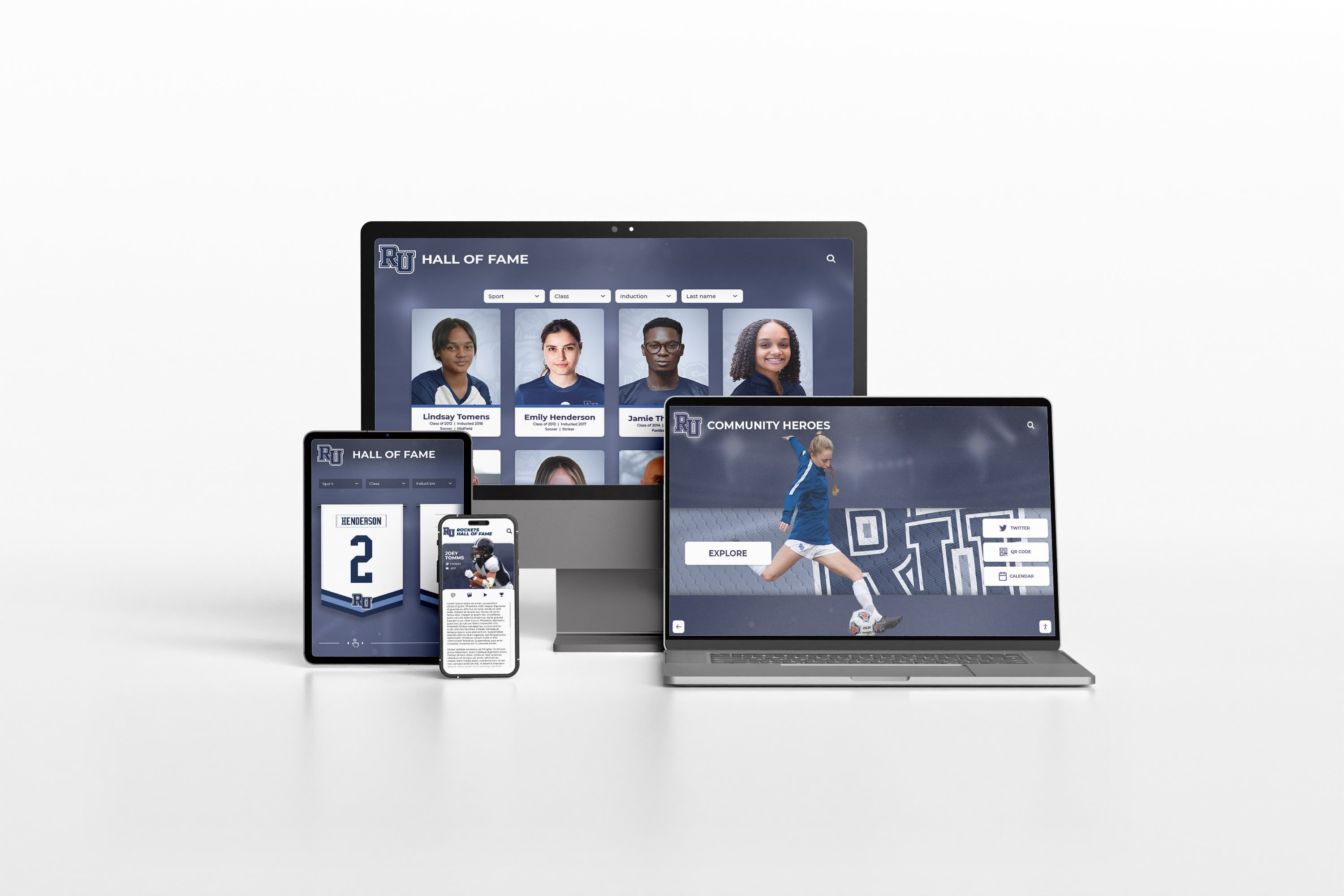
This accessibility creates exponential reach expansion. Physical displays might generate 200-300 daily views from employees and visitors encountering installations during facility navigation. Web portals reach thousands monthly including distributed workforces, remote families, historical alumni, and prospective recruits. Combined visibility approaches 10-20× what physical displays alone achieve while requiring no additional content development since identical material serves both physical and web channels through unified platforms.
Organizations with distributed populations—multi-location businesses, schools serving dispersed communities, nonprofits with regional chapters, or institutions with substantial remote workforces—find web accessibility particularly valuable for ensuring equitable recognition across entire constituencies regardless of physical proximity to main facilities.
Intuitive Management Reducing Administrative Burden
Recognition programs succeed or fail largely based on management sustainability. Systems requiring extensive technical expertise, creating complex workflows, or demanding excessive time investment become neglected as competing priorities overwhelm initial enthusiasm. Outdated recognition undermines program credibility, creating situations where obsolete displays actually damage culture by communicating that organizations don’t maintain commitments or prioritize current excellence.
Rocket Recognition platforms provide user-friendly management tools enabling non-technical staff to maintain recognition independently without IT dependency that creates bottlenecks and update delays. Template-based workflows guide content creation through straightforward forms rather than requiring design expertise or software training. Drag-and-drop interfaces enable photo and video uploads without technical complications. WYSIWYG preview shows exactly how content will appear before publication, ensuring confidence in presentation quality. Bulk import tools allow efficient addition of multiple profiles simultaneously rather than requiring individual creation. Automated workflows trigger recognition processes when connected systems detect achievement milestones, further reducing manual effort.
Organizations consistently report that management simplicity determines whether recognition programs remain current and effective across years or quietly deteriorate into outdated installations. Purpose-built platforms designed specifically for recognition management typically prove far more sustainable than generic content management systems requiring extensive customization or technical expertise for routine maintenance.
Staff members responsible for recognition commonly invest 2-4 hours monthly maintaining comprehensive programs using well-designed platforms compared to 8-12 hours monthly required by less intuitive systems or 15+ hours monthly maintaining traditional physical recognition through plaque ordering, content creation, and installation coordination. This efficiency improvement makes consistent ongoing recognition realistic even for organizations with limited administrative capacity.
Applications Across Diverse Organization Types
While core capabilities remain consistent, Rocket Recognition serves distinct needs across varied organizational contexts including schools, businesses, nonprofits, clubs, and specialized institutions.
Educational Institution Recognition
Schools generate enormous recognition volumes across academics, athletics, arts, clubs, service, and leadership. Comprehensive acknowledgment requires systems accommodating thousands of students, hundreds of annual achievements, and decades of historical excellence preservation.
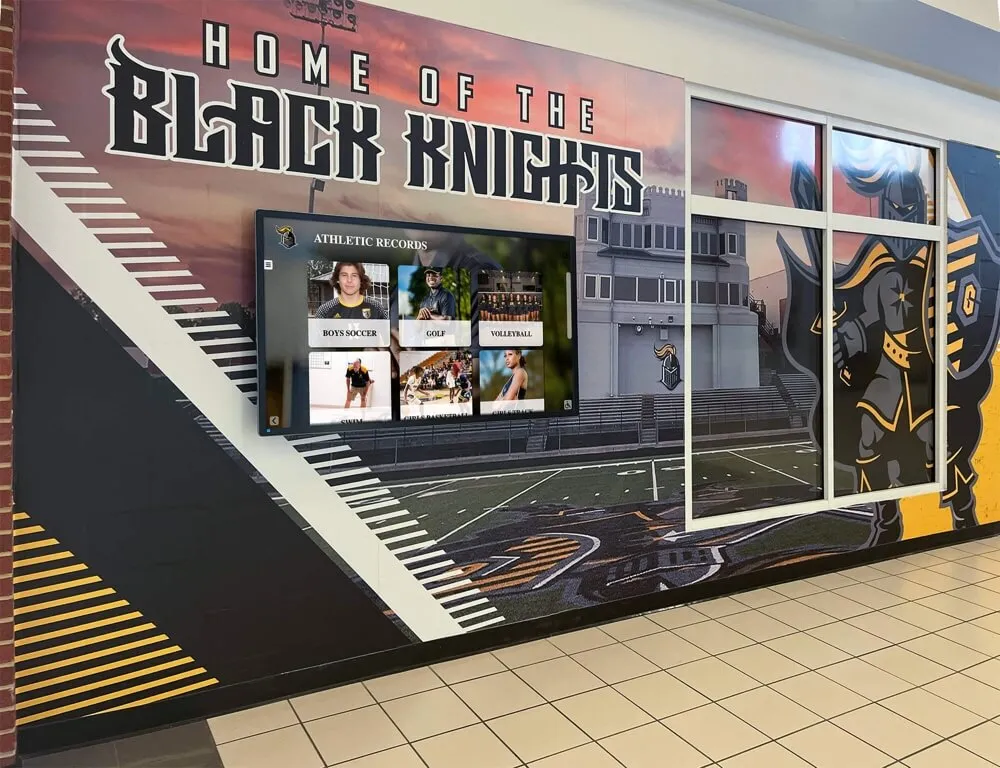
Athletic Achievement Recognition: High schools competing in 20+ sports generate hundreds of annual records, championships, individual achievements, and team accomplishments. Rocket Recognition enables comprehensive athletic acknowledgment including season records across all sports, career achievement leaders in every category, championship teams with complete rosters and season summaries, all-conference and all-state selections, college recruiting commitments, team captains and award recipients, coaching milestone celebrations, and historical record progressions showing how programs evolved across decades.
Athletic directors implementing digital recognition report complete elimination of trophy case capacity constraints, 85% faster achievement updates compared to traditional plaque processes, dramatically increased family engagement as parents share digital achievements with extended relatives, and measurably stronger recruiting outcomes as prospective athletes explore comprehensive program excellence evidence during campus visits. Guidance about digital athletic recognition programs provides school-specific implementation strategies.
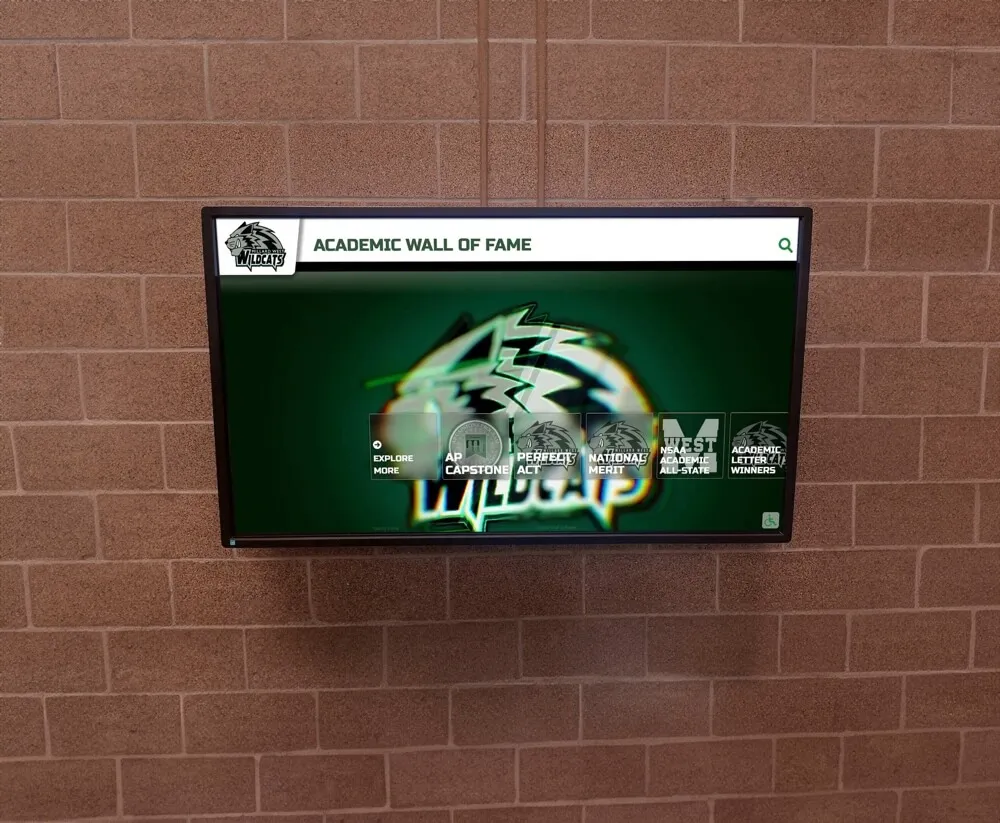
Academic Excellence Acknowledgment: Honor roll recognition, national merit scholars, AP scholars, valedictorians, perfect attendance, academic competition results, and subject-specific excellence all deserve systematic acknowledgment celebrating intellectual achievement alongside athletic recognition. Schools using Rocket Recognition create semester honor rolls displaying hundreds of students rather than limiting recognition to top 10 or 20, acknowledge perfect ACT/SAT scores with detailed profiles, feature academic competition teams and results, recognize graduation achievements and college admissions, highlight academic scholarship recipients, and preserve decades of valedictorian and salutatorian history.
Arts and Activities Recognition: Band, choir, theater, debate, robotics, journalism, yearbook, student government, service clubs, and countless other activities generate achievements deserving acknowledgment beyond what physical space constraints typically allow. Digital recognition enables comprehensive activity acknowledgment including performance highlights with photos and videos, competition results and rankings, leadership positions and officers, milestone celebrations for programs and participants, and historical documentation showing program evolution.
Schools implementing comprehensive recognition report measurably stronger culture including increased student participation in activities previously feeling undervalued, improved retention in programs where students see recognition pathways, enhanced family engagement and community pride, and stronger alumni connection to institutions preserving their achievements permanently.
Business and Corporate Recognition
Organizations employ hundreds across distributed locations, creating recognition needs that traditional wall displays cannot accommodate without occupying entire buildings. Employee acknowledgment represents one of the most powerful drivers of retention, engagement, and performance, yet most businesses struggle with recognition systems that fail to achieve potential impact.
Employee of the Month and Performance Recognition: Systematic acknowledgment of excellence drives motivation while communicating organizational values through concrete examples. Rocket Recognition enables comprehensive employee acknowledgment including monthly and quarterly performance recognition across all departments, sales achievement leaders and milestone celebrations, customer service excellence acknowledgment with client testimonials, operational efficiency awards highlighting process improvements, innovation recognition celebrating creative problem-solving, values-based recognition aligned with organizational principles, and milestone celebrations honoring service anniversaries and career achievements.
Corporate teams implementing employee recognition displays report 15-30% improvement in retention among top performers, 10-20% productivity increases across broader teams, enhanced recruitment outcomes as candidates observe authentic culture evidence, and fundamentally transformed workplace cultures where employees feel genuinely valued. Detailed guidance about corporate employee recognition programs provides business-specific implementation strategies.
Leadership and Team Recognition: Beyond individual acknowledgment, team recognition celebrates collaborative achievement impossible to attribute to single contributors. Digital platforms enable department excellence highlighting, project team acknowledgment for successful delivery, cross-functional collaboration awards, innovation team recognition, and collective milestone celebrations. This balanced approach honors both personal excellence and collaborative contribution essential for organizational success.
Safety and Operational Excellence: Manufacturing, construction, healthcare, and other industries where safety represents critical priority benefit from recognition celebrating incident-free performance, safety leadership, operational efficiency improvements, quality achievements, and preventive contributions. Organizations report that visible safety recognition strengthens culture while providing concrete role models demonstrating desired behaviors and approaches.
Nonprofit and Community Organization Recognition
Nonprofit organizations depend heavily on volunteers, donors, board members, and community partners whose contributions deserve systematic acknowledgment strengthening retention and demonstrating appreciation for support enabling organizational missions.
Donor Recognition and Appreciation: Comprehensive donor acknowledgment demonstrates gratitude while encouraging continued support and inspiring others to contribute. Rocket Recognition enables giving level recognition displaying donors by contribution tiers, campaign-specific acknowledgment for capital initiatives or special projects, cumulative giving recognition honoring lifetime support, legacy society acknowledgment celebrating planned giving commitments, in-kind donation recognition for non-financial contributions, and memorial giving acknowledgment honoring gifts made in memory of loved ones.
Organizations implementing digital donor walls report enhanced giving as current donors maintain and increase support, improved major gift cultivation as prospects observe genuine appreciation culture, and stronger board engagement when governance leaders see recognition demonstrating organizational gratitude. Guidance about donor recognition strategies provides nonprofit-specific implementation approaches.
Volunteer Recognition and Celebration: Volunteers provide thousands of hours enabling nonprofit programs and services. Systematic acknowledgment strengthens retention while recruiting new supporters. Digital platforms enable service hour milestone recognition, program-specific volunteer acknowledgment, leadership position celebration, impact stories showing volunteer contribution outcomes, and multi-year service recognition honoring sustained commitment.
Board and Leadership Recognition: Board service, committee participation, and organizational leadership deserve acknowledgment celebrating governance contributions and time investments supporting missions. Recognition systems document current board composition with member biographies, past board leadership preserving governance history, committee chairs and membership, founding members and organizational pioneers, and special recognition for extraordinary service or milestone achievements.
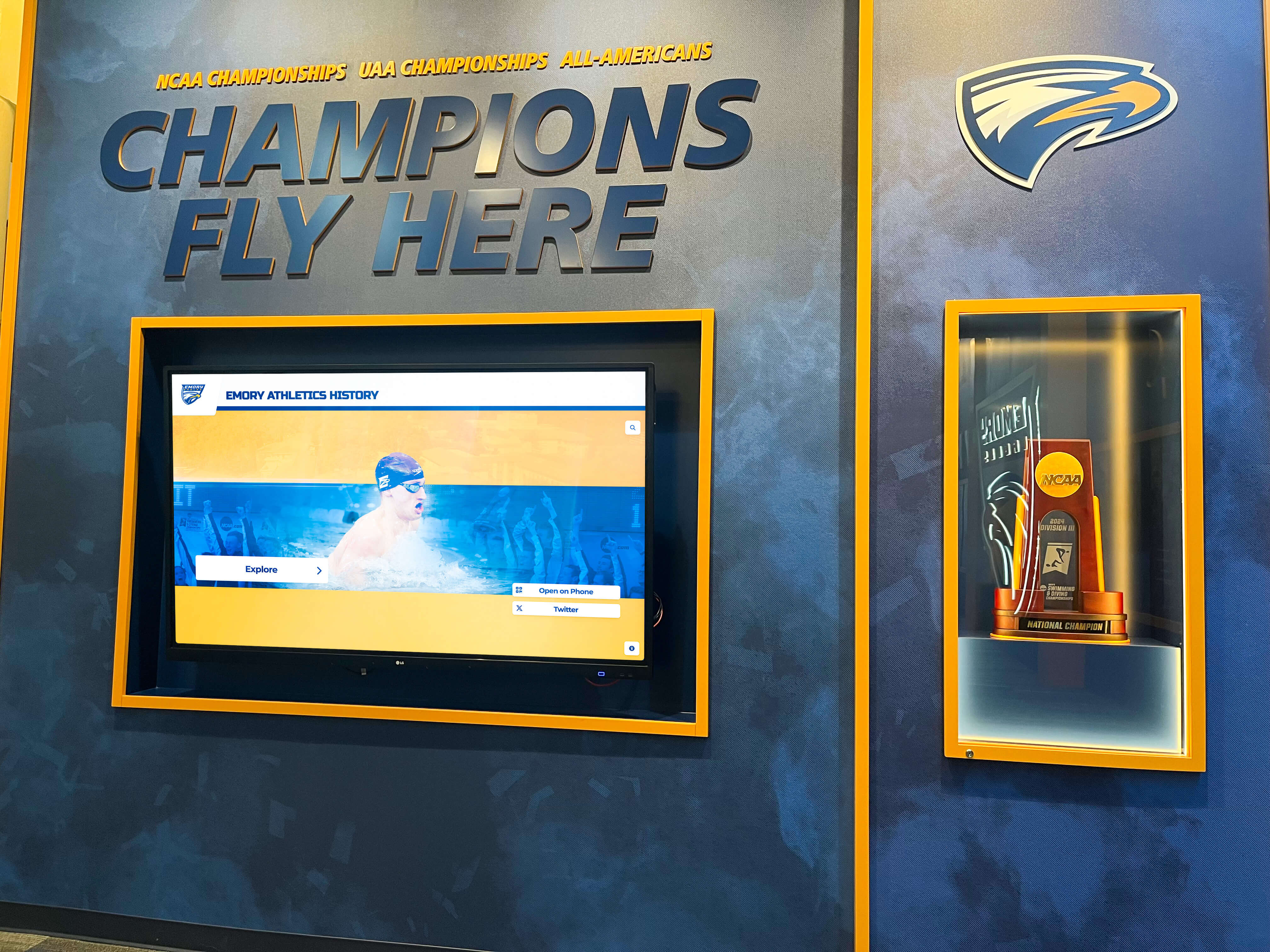
Athletic Clubs and Sports Organizations
Sports clubs, youth athletics programs, adult recreational leagues, and specialized athletics organizations generate extensive achievements deserving recognition that traditional trophy cases cannot accommodate as programs grow and success accumulates.
Club Championships and Competitions: Organized leagues and competitive clubs produce tournament results, championship teams, individual achievements, and season records requiring systematic acknowledgment. Rocket Recognition enables season championship team recognition with complete rosters, tournament and competition results, individual achievement leaders and record holders, advancement recognition for athletes progressing to higher competitive levels, coaching milestone celebrations, and historical documentation showing program evolution across decades.
Recreational and Participation Recognition: Youth sports programs emphasizing participation and development alongside competition benefit from recognition celebrating season participation, skill development milestones, sportsmanship awards, most improved recognition, team captain and leadership acknowledgment, and multi-season commitment honoring sustained participation. This inclusive approach ensures broader populations receive recognition beyond elite performers, strengthening culture and retention.
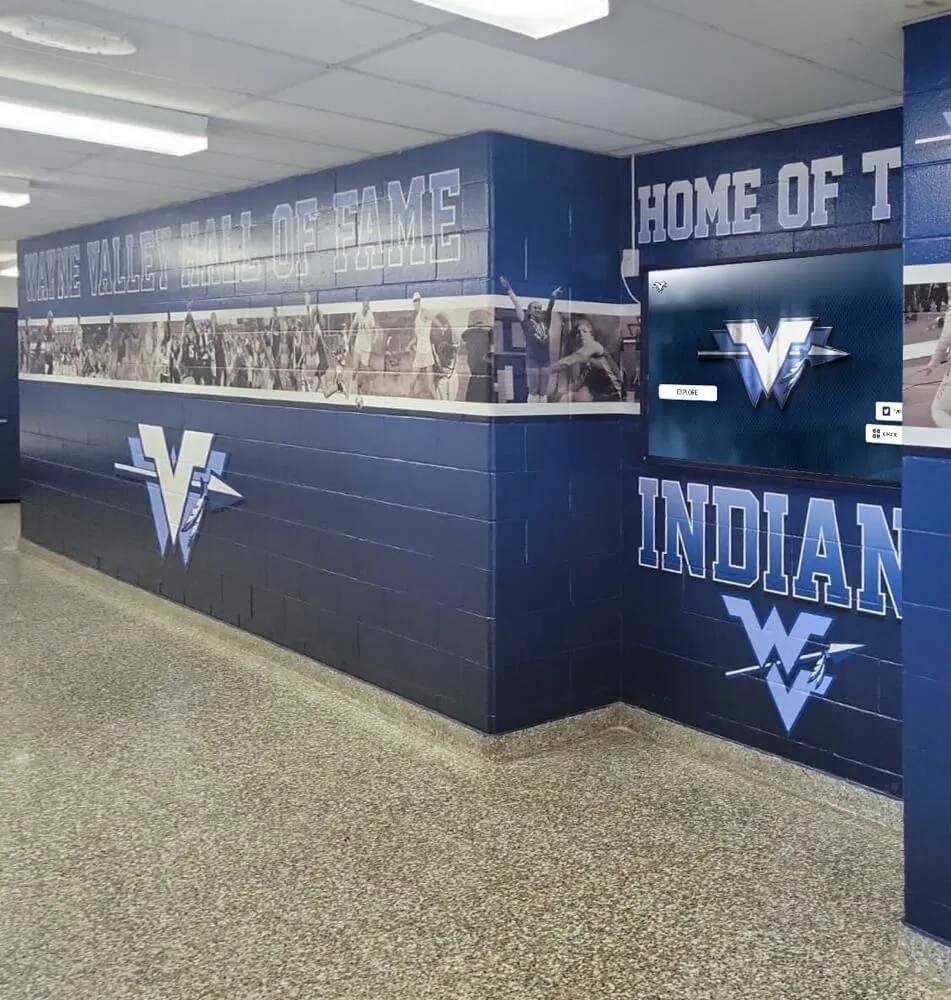
Facility Showcases and Legacy Recognition: Many sports facilities serve as community gathering places where recognition displays celebrate program history, acknowledge facility donors and supporters, honor founding members and organizational leaders, feature notable alumni who progressed to collegiate or professional levels, and document program evolution showing growth and achievement patterns across time.
Organizations using digital recognition in athletic facilities report enhanced community engagement, improved volunteer recruitment and retention, stronger participant commitment and satisfaction, and elevated organizational reputation attracting new members and supporters.
Implementation Planning for Successful Rocket Recognition Programs
Organizations implementing recognition displays should follow systematic planning processes addressing stakeholder engagement, technical infrastructure, content development, and change management ensuring programs achieve intended impact while remaining sustainable across leadership transitions.
Stakeholder Assessment and Goal Definition
Successful implementation begins with clear understanding of who recognition serves, what objectives programs should achieve, and how success will be measured.
Identify Primary Recognition Audiences: Define specific populations recognition will acknowledge including employees across all departments and levels, students participating in varied academic and extracurricular programs, volunteers supporting organizational missions, donors enabling programs and services, alumni maintaining historical connections, or community members contributing to institutional success. Clear audience definition ensures recognition approaches serve actual stakeholder needs rather than implementing generic programs that don’t resonate with intended beneficiaries.
Establish Measurable Program Objectives: Document specific goals recognition programs should accomplish including retention improvement among top performers or key populations, engagement increases measured through surveys or participation metrics, culture strengthening evidenced through climate assessments, recruitment enhancement measured through candidate quality or hiring success, alumni engagement growth tracked through participation metrics, or donor retention improvements measured through giving patterns. Measurable objectives enable program assessment demonstrating value while identifying improvement opportunities.
Define Success Metrics and Evaluation Methods: Determine exactly how program effectiveness will be assessed including engagement analytics from digital platforms, stakeholder surveys measuring recognition satisfaction and impact perceptions, retention and recruitment data, performance metrics potentially influenced by recognition motivation, and qualitative feedback from recognized individuals and broader populations. Establishing evaluation approaches during planning stages ensures programs generate evidence needed for ongoing improvement and continued organizational support.
Budget Development and Resource Allocation
Recognition program costs include initial implementation and ongoing operational expenses. Realistic budget planning prevents mid-project surprises while ensuring sustainable long-term operations.
Initial Implementation Costs: One-time expenses include hardware purchases for touchscreen displays and mounting or kiosk systems, professional installation including network connections and electrical requirements, software platform setup and customization, initial content development for launch population, training for administrators and content managers, and any required facility modifications accommodating installations.
Organizations typically invest $12,000-$18,000 per professional-grade touchscreen installation including equipment, software, installation, and initial content development. Multiple display locations increase costs proportionally but create distributed visibility reaching broader populations. Schools commonly implement 2-4 displays across campuses, businesses install displays at each major location or facility, and organizations phase installations beginning with high-traffic locations then expanding based on initial success.

Ongoing Operational Expenses: Annual costs include software licensing and hosting fees, content management time investment for profile creation and updates, hardware maintenance and occasional component replacement, network connectivity and electricity consumption, and periodic content refresh or program enhancements. Organizations should budget $1,200-$2,400 annually per display for software and operational expenses beyond initial implementation.
Return on Investment Considerations: While recognition costs money, organizations should evaluate investment against what it replaces and what value it creates. Traditional trophy and plaque expenses commonly total $2,000-$6,000 annually, costs that accumulate indefinitely with no endpoint. Digital recognition eliminates these recurring expenses within 3-5 years while providing dramatically superior experience and unlimited capacity. Beyond direct cost replacement, recognition ROI includes retention improvements among top performers where replacement costs typically equal 50-200% of annual compensation, productivity gains averaging 10-20% across engaged workforces, and recruitment advantages attracting quality candidates at lower acquisition costs.
Technical Planning and Installation
Recognition display success depends substantially on appropriate technical planning ensuring reliable operation, strategic placement, and professional appearance.
Location Selection for Maximum Visibility: Position displays where target audiences naturally congregate during daily routines rather than requiring deliberate visits to specific recognition areas that busy individuals rarely access. High-impact locations include main entrances and lobbies capturing all daily traffic, cafeterias and break rooms providing extended viewing during relaxed meal periods, meeting room corridors near conference spaces where clients and visitors observe organizational culture, athletic facility entrances reaching teams and spectators, and department-specific areas creating targeted recognition.
Multiple distributed displays throughout facilities generally prove more effective than single concentrated installations, ensuring recognition maintains omnipresent visibility across organizations. Schools might position displays in main office lobbies, athletic facilities, and fine arts wings. Businesses install displays at each campus or major facility location. Organizations with distributed populations should prioritize web accessibility as equivalent or more important than physical displays.
Hardware Specifications and Selection: Commercial-grade touchscreen displays specifically designed for continuous public operation provide reliability and longevity that consumer televisions repurposed for recognition cannot match. Appropriate specifications include 55-75 inch screen sizes accommodating comfortable viewing from 3-10 foot distances, 4K resolution ensuring crisp text and image quality, commercial-grade panels rated for 16+ hours daily operation, capacitive touch technology providing responsive smartphone-like interaction, tempered glass protection resisting scratching and damage, and integrated computing eliminating separate media player requirements.
Organizations should avoid consumer televisions or displays not specifically rated for commercial applications. Commercial equipment costs 30-50% more initially but prevents frequent failures, component degradation, and replacement needs that ultimately cost substantially more than initial savings from consumer-grade purchases.
Professional Installation Requirements: Proper installation ensures safety, reliability, professional appearance, and accessibility compliance. Essential installation elements include secure mounting preventing theft or accidental dislodgment, appropriate height positioning for touch interaction and ADA compliance, reliable wired network connectivity preferred over Wi-Fi for stability, dedicated electrical circuits preventing shared circuit overload, clean cable management hiding connections and maintaining aesthetics, and consideration of lighting conditions preventing screen glare or washout.
Organizations should engage professional audiovisual installers experienced with interactive display installations rather than attempting amateur installations that frequently create safety concerns, reliability problems, or aesthetic issues undermining recognition program professionalism.
Content Development Strategy and Launch Planning
Recognition programs achieve strongest impact when launching with substantial initial content demonstrating program comprehensiveness and commitment rather than minimal profiles creating perception of incomplete or token initiatives.
Identify Priority Recognition Populations: Determine which individuals or groups should receive recognition priority for initial launch content. Organizations commonly begin with current leadership and top performers, recent major achievement recipients, service milestone celebrants, historical notable achievements preserving institutional legacy, or representative samples across all organizational units demonstrating program inclusiveness. Launch content should include sufficient volume demonstrating program substance while remaining realistic given content development time and resources available.
Content Development Workflow and Templates: Establish systematic processes for gathering information, creating profiles, obtaining approvals, and publishing recognition. Effective workflows typically include standardized questionnaires gathering biography and achievement details, professional photography sessions or photo collection processes, content template application ensuring consistent presentation quality, stakeholder review and approval before publication, and scheduled publication aligned with recognition timing and ceremonial events.
Template systems dramatically reduce content creation burden by providing proven formats that organizations customize with specific details rather than designing presentations from scratch. Purpose-built recognition platforms provide professional templates for individual profiles, team achievements, milestone celebrations, record boards, and historical timelines eliminating need for graphic design expertise while ensuring consistent quality.
Launch Event and Communications Strategy: Recognition program introduction significantly affects long-term success by establishing initial engagement patterns and setting cultural expectations. Effective launch approaches include formal unveiling ceremonies creating memorable moments and generating awareness, leadership messaging emphasizing organizational commitment and encouraging participation, comprehensive communications explaining program purpose and how individuals can nominate achievements, demonstration sessions showing stakeholders how to use interactive features, and media coverage generating broader visibility and community awareness.
Launch timing should leverage natural organizational moments when attention focuses appropriately on recognition introduction such as annual meetings, new school year beginnings, fiscal year starts, or significant institutional milestones providing natural recognition program launch contexts.
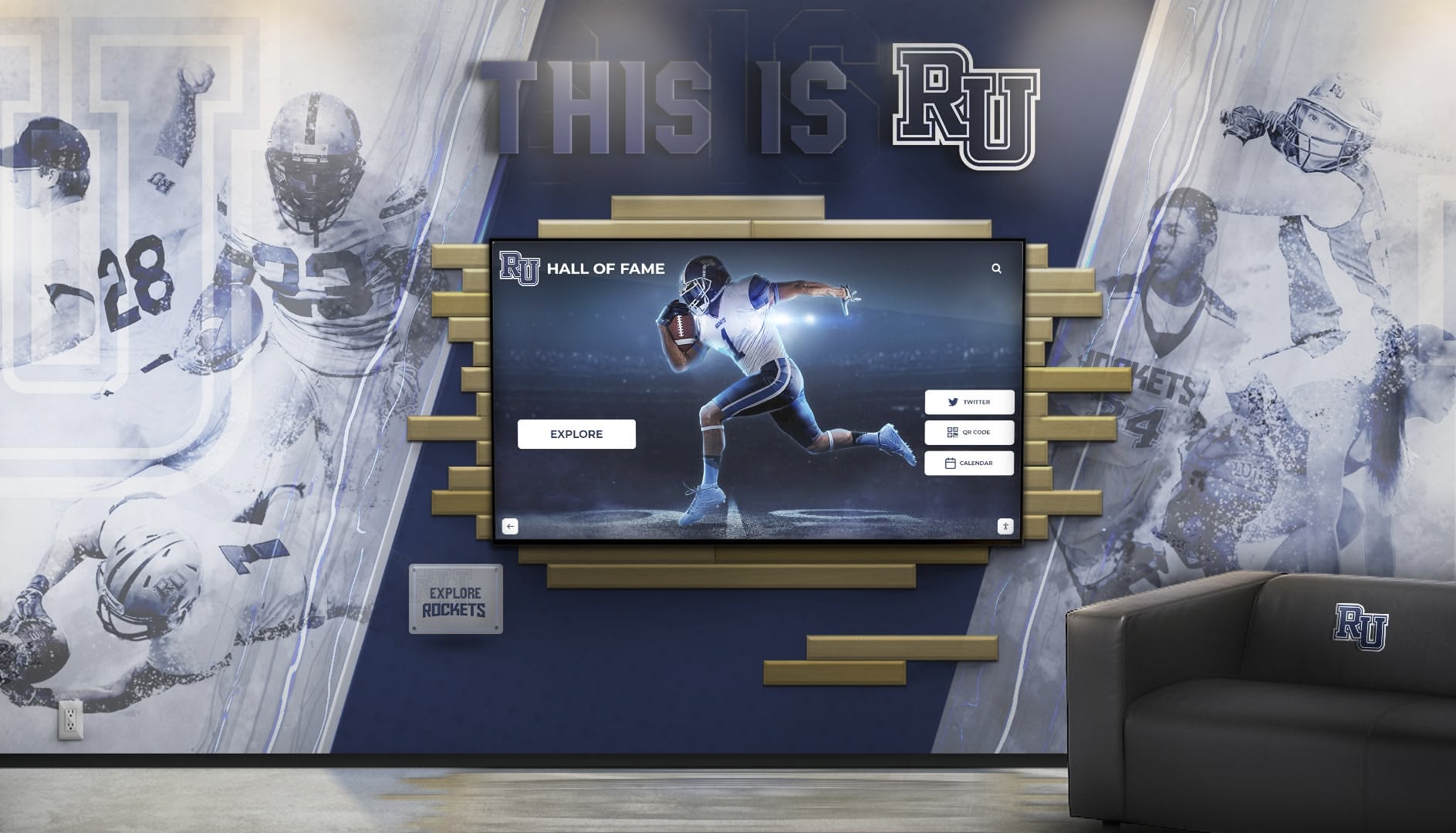
Ongoing Program Management and Content Sustainability
Long-term recognition success requires systematic management approaches preventing programs from degrading into outdated installations while ensuring acknowledgment remains current, relevant, and culturally influential across years.
Establishing Regular Update Cycles
Recognition credibility depends on maintaining current content reflecting recent achievements and organizational changes. Organizations should establish predictable update cycles aligned with natural performance assessment timing including monthly updates adding recent employee recognition, performance highlights, and achievement acknowledgment; quarterly major updates aligned with performance review periods or academic grading cycles; annual comprehensive reviews ensuring historical content accuracy and relevance; and real-time updates for major achievements deserving immediate recognition while excitement remains fresh.
Regular cycles prevent recognition from appearing neglected or outdated while distributing maintenance burden across time rather than creating overwhelming periodic catch-up efforts. Organizations implementing structured update schedules report dramatically better content currency and program sustainability compared to informal approaches where recognition updates occur sporadically as staff find time between other priorities.
Designated Staff Responsibility and Accountability
Recognition programs require clear ownership with designated staff members responsible for content management, update coordination, and program oversight. Sustainable approaches typically assign primary program responsibility to single individual with bandwidth and authority for ongoing management, distribute content gathering across relevant stakeholders including department managers providing unit-specific achievements and HR staff providing personnel information, establish review and approval processes ensuring appropriate oversight, and create documentation enabling program continuity across personnel transitions.
Organizations should incorporate recognition management into formal job descriptions and performance expectations rather than treating it as informal additional duty competing with other priorities. This formalization ensures recognition receives consistent attention and accountability while preventing programs from being neglected when competing demands arise.
Analytics Monitoring and Program Assessment
Digital platforms provide comprehensive data revealing how stakeholders engage with recognition content. Regular analytics review identifies optimization opportunities and demonstrates program value to leadership supporting continued investment. Essential metrics include total visitors and unique users accessing displays or web portals, session duration indicating genuine engagement versus brief glances, search patterns showing how users discover content, popular profiles and categories generating strongest interest, device usage informing mobile optimization priorities, and traffic sources revealing how users find recognition content.
Combining quantitative engagement data with qualitative stakeholder feedback provides comprehensive program assessment. Annual surveys gathering recognized individual perspectives, broader population reactions, and leadership observations complement analytics revealing what numbers alone cannot capture about program effectiveness and impact. Organizations implementing systematic assessment commonly identify specific enhancements strengthening programs while generating evidence supporting continued recognition investment and expansion.
Recognition Program Enhancement and Evolution
Effective programs evolve continuously based on stakeholder feedback, engagement data, and emerging organizational needs. Regular enhancement considerations include content format refinements based on what generates strongest engagement, new recognition categories addressing previously overlooked excellence types, integration expansion connecting recognition with additional organizational systems, display location additions extending visibility to new populations or facilities, feature additions responding to user requests or capability improvements, and policy updates refining criteria or processes based on operational experience.
Organizations implementing continuous improvement approaches report stronger long-term program effectiveness and stakeholder satisfaction compared to static implementations that never evolve beyond initial launch configurations. Recognition platforms should serve organizational needs flexibly rather than imposing rigid structures limiting adaptation as contexts change.
Measuring Rocket Recognition Impact and Demonstrating Value
Systematic assessment demonstrates program value to leadership stakeholders while identifying improvement opportunities ensuring recognition initiatives achieve intended goals.
Quantitative Engagement Metrics
Digital platforms provide comprehensive analytics revealing how employees, students, families, and visitors interact with recognition content:
Display and Portal Usage Statistics: Total visits establishing baseline engagement, unique visitors revealing how many distinct individuals access recognition, visit frequency distinguishing one-time viewers from regular users, session duration indicating genuine engagement depth versus cursory viewing, and return visitor patterns showing sustained interest beyond initial curiosity. Organizations typically observe 200-500 monthly visits per physical display location and 2,000-5,000 monthly web portal visits depending on population size and promotion intensity.
Content Interaction Patterns: Search queries revealing how users discover content, popular profiles and categories generating strongest interest, content depth indicating how many profiles users explore per session, and video view rates when multimedia content appears. These patterns inform content strategy, identifying what resonates strongly and what requires enhancement.
Stakeholder Reach and Distribution: Geographic distribution showing where web visitors access recognition, device usage revealing desktop versus mobile preferences informing optimization priorities, referral sources indicating how users discover recognition portals, and social sharing frequency quantifying recognition amplification through personal networks. Organizations report that web accessibility commonly reaches 10-20× more stakeholders than physical displays alone, demonstrating web portal importance for comprehensive visibility.
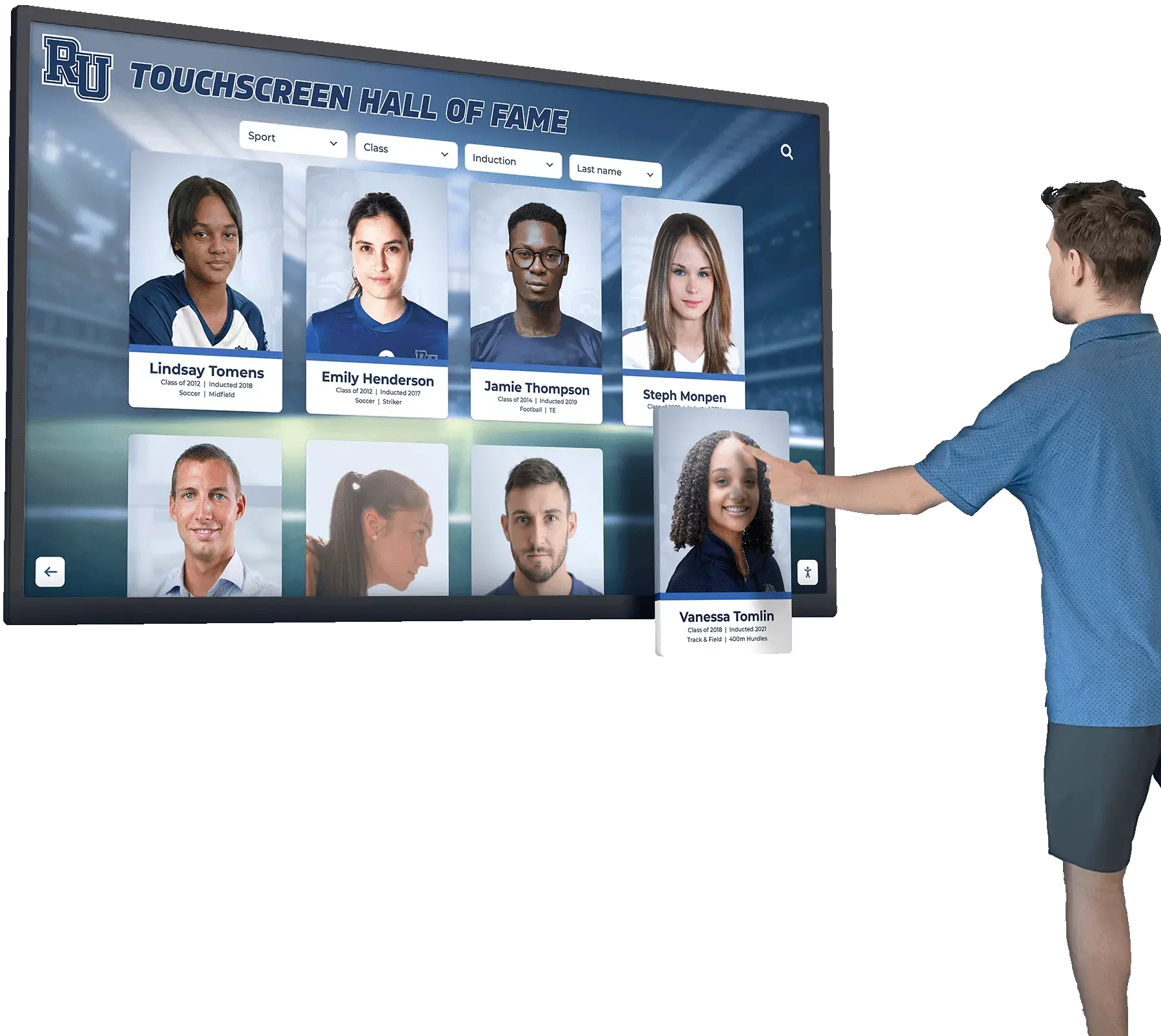
Qualitative Impact Assessment
Beyond quantitative metrics, systematic qualitative feedback collection provides essential insights about program effectiveness and emotional impact:
Recognized Individual Perspectives: Survey honored employees, students, or volunteers about recognition meaningfulness, whether acknowledgment influenced satisfaction and retention decisions, profile accuracy and comprehensiveness, and how acknowledgment compared to previous recognition experiences. Anonymous feedback enables honest critique helping organizations refine approaches beyond what individuals might communicate directly to leadership.
Broader Stakeholder Reactions: Gather input from non-recognized populations about whether recognition inspires performance improvement efforts, whether criteria feel fair and accessible, whether programs create positive motivation versus potential resentment, and what would enhance program inclusiveness. These perspectives ensure recognition serves inspirational purpose across entire organizations rather than creating division between recognized elite and feeling-overlooked majority.
Leadership and External Observations: Collect manager and executive perspectives about recognition’s influence on team dynamics, recruitment conversations where recognition affected candidate decisions, client reactions when recognition appears during facility visits, and cultural evolution toward greater achievement focus. Leadership input also informs program evolution ensuring acknowledgment aligns with strategic priorities and organizational objectives.
Business and Organizational Outcome Correlation
While direct causation proves difficult to establish definitively given multiple variables affecting outcomes, monitoring whether broader performance indicators show favorable trends potentially reflecting recognition motivational impact provides valuable program justification:
Retention and Turnover Metrics: Compare turnover rates among recognized versus non-recognized populations, examine whether recognition recipients show stronger retention patterns, and assess whether organization-wide retention improves following recognition program implementation. Research consistently demonstrates that comprehensive recognition programs correlate with retention improvements exceeding 15-30% particularly among top performers representing disproportionate organizational value.
Engagement and Satisfaction Trends: Monitor employee or student engagement survey results before and after recognition implementation, track satisfaction scores particularly for questions addressing appreciation and acknowledgment, and assess whether broader cultural climate metrics show positive evolution. Organizations commonly observe 20-35% engagement score increases following effective recognition program implementation.
Recruitment and Attraction Outcomes: Measure whether candidate quality improves when recognition appears in recruiting materials and facility tours, track offer acceptance rates when prospects observe recognition culture evidence, monitor time-to-fill for open positions, and assess whether recruiting costs decrease as stronger employer brand reduces acquisition expenses. Organizations report 25-40% recruitment metric improvements when genuine recognition culture evidence appears prominently in talent attraction efforts.
Performance and Productivity Indicators: Examine whether relevant output metrics trend favorably following recognition implementation, assess goal achievement rates and quality indicators, and evaluate whether performance management data reflects motivation increases. While attribution challenges exist, organizations commonly observe 10-20% productivity improvements correlated with recognition program implementation.
Why Rocket Alumni Solutions Provides the Complete Rocket Recognition Platform
Organizations exploring recognition display options encounter numerous providers offering varied hardware, software, and support combinations. Rocket Alumni Solutions delivers comprehensive platforms specifically designed for achievement acknowledgment across schools, businesses, nonprofits, and organizations requiring recognition infrastructure serving diverse needs.
Purpose-Built Recognition Software: Platform features specifically address recognition requirements including straightforward content templates designed for achievement profiles, unlimited capacity accommodating comprehensive acknowledgment without space constraints, immediate update publishing eliminating production delays, rich multimedia support enabling engaging presentations, web portal integration extending reach beyond physical locations, and role-based permissions enabling distributed content management. Purpose-built platforms prove dramatically more effective than generic digital signage requiring extensive customization or content management systems designed for websites rather than recognition applications.
Commercial-Grade Hardware Reliability: Professional equipment specifications ensure sustained operation across years including commercial-grade touchscreen displays rated for continuous public use, responsive capacitive touch technology providing smartphone-like interaction, high-resolution 4K panels ensuring crisp presentation quality, durable construction withstanding heavy public interaction, and integrated computing eliminating separate media player requirements. Commercial equipment provides reliability and longevity that consumer televisions repurposed for recognition cannot match.
Comprehensive Implementation Support: Complete service approach addresses all implementation dimensions including needs assessment and planning guidance, content development assistance and template customization, professional installation with network integration, administrator training and documentation, launch event support and communications materials, and ongoing technical support ensuring sustained successful operation. Full-service support enables organizations to implement professional recognition without requiring technical expertise or extensive internal resources.
Proven Track Record Across Diverse Organizations: Hundreds of schools, businesses, nonprofits, athletic clubs, and institutions nationwide rely on Rocket Alumni Solutions for recognition infrastructure. This extensive implementation experience ensures proven approaches, comprehensive feature sets addressing diverse needs, and continuous platform evolution incorporating stakeholder feedback and emerging requirements.
Organizations ready to transform achievement acknowledgment from space-constrained, outdated, limited-reach physical displays into comprehensive, engaging, widely accessible digital recognition platforms should explore Rocket Alumni Solutions providing complete infrastructure enabling professional recognition without requiring technical expertise or excessive resources.
Conclusion: Recognition That Matches Achievement Significance
Recognition represents far more than ceremonial acknowledgment or workplace amenity—it’s fundamental tool for shaping organizational culture, strengthening retention, attracting quality talent, and communicating authentic appreciation for excellence driving institutional success. When recognition celebrates diverse achievement types, employs engaging technology eliminating traditional limitations, maintains meaningful standards while creating accessible pathways, and operates sustainably across time, organizations create environments where excellence receives acknowledgment matching contribution significance.
Traditional recognition approaches served institutions well for decades, but contemporary organizational complexity requires systems matching current needs. Schools generate achievement volumes that trophy cases cannot accommodate. Businesses employ workforces across distributed locations requiring recognition extending beyond single physical displays. Nonprofits depend on volunteers and donors whose contributions deserve acknowledgment demonstrating genuine gratitude. All organizations benefit from recognition that updates immediately rather than waiting weeks for production, that reaches stakeholders wherever they are rather than requiring facility visits, and that grows unlimited rather than forcing impossible prioritization when space fills.
Rocket Recognition through platforms like Rocket Alumni Solutions provides comprehensive infrastructure addressing these contemporary requirements through purpose-built digital displays, cloud-based content management, web accessibility, and professional support enabling organizations to implement and sustain recognition programs delivering measurable impact on engagement, retention, performance, and culture. Organizations implementing these systems report complete elimination of space constraint decisions, 85% faster recognition updates, exponential reach expansion through web accessibility, and fundamentally transformed cultures where achievement receives genuine celebration rather than perfunctory acknowledgment limited by outdated methods.
Whether you lead a school seeking to honor academic, athletic, and activity excellence comprehensively; manage a business where employee recognition drives retention and motivation; oversee a nonprofit depending on volunteer and donor appreciation; or operate any institution where achievement acknowledgment matters for culture and success—modern digital recognition platforms provide tools ensuring every contribution receives celebration it deserves while preserving organizational excellence history permanently and building cultures where genuine appreciation permeates daily operations rather than remaining occasional gesture.
The achievements your students earn, records your athletes set, excellence your employees demonstrate, contributions your volunteers provide, and support your donors offer all deserve recognition matching their significance to your mission and success. Rocket Recognition platforms make comprehensive, engaging, accessible acknowledgment realistic regardless of organizational size, technical resources, or achievement volumes requiring celebration. Transform recognition from constrained, delayed, limited-reach physical displays into comprehensive digital platforms that genuinely honor everyone who makes your organization excellent.
Book a demo to discover how Rocket Alumni Solutions delivers complete recognition infrastructure enabling professional achievement acknowledgment without requiring technical expertise while providing unlimited capacity, immediate updates, web accessibility, and user-friendly management tools that make sustained recognition realistic across years and leadership transitions.