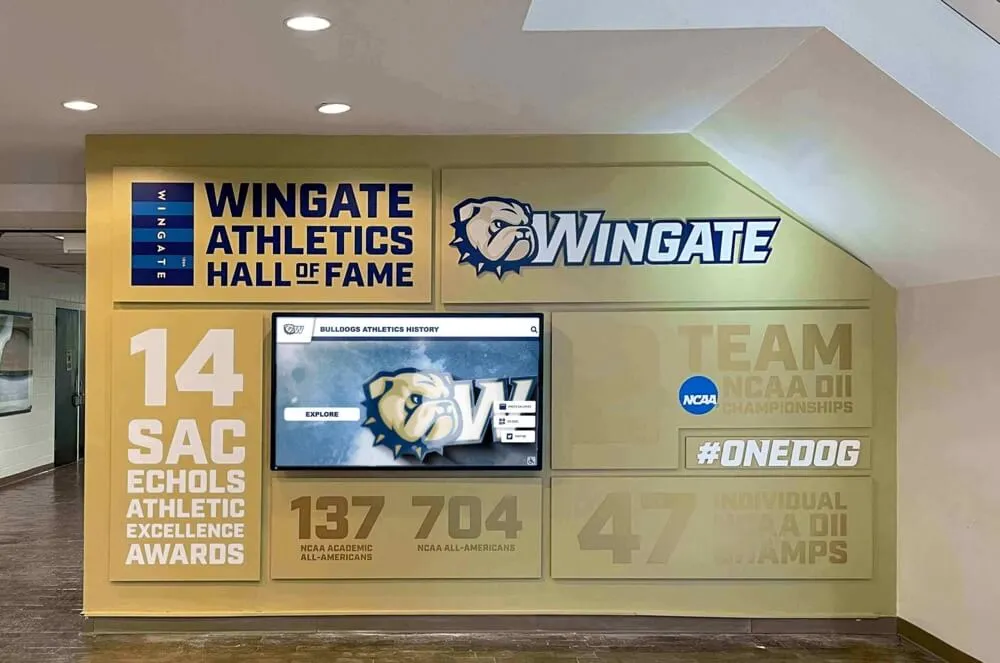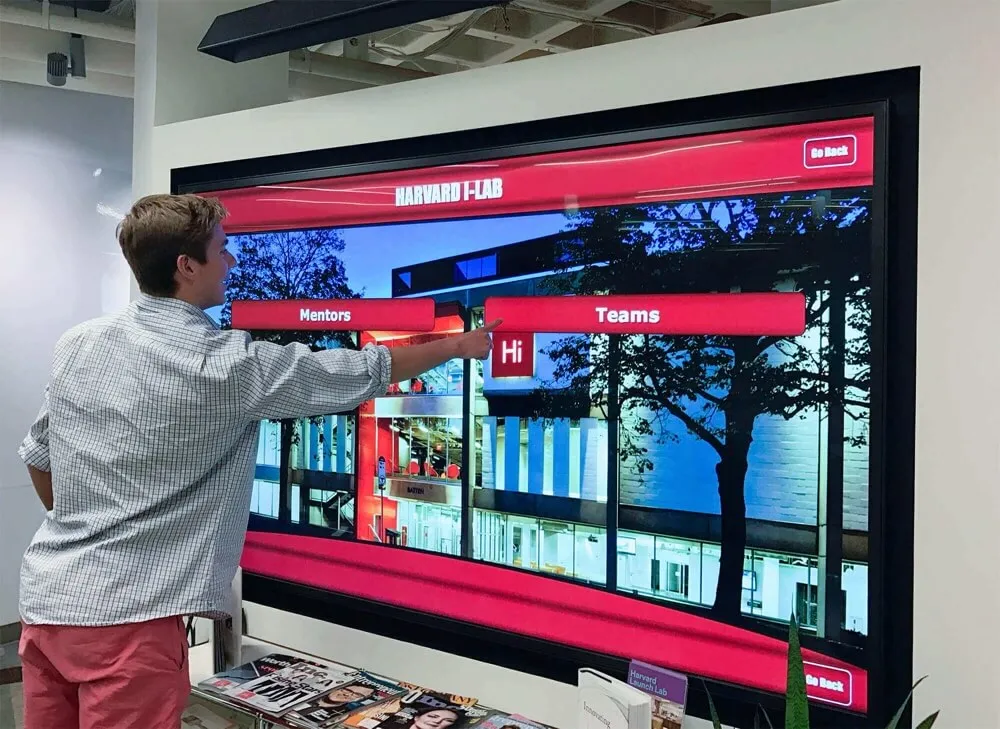




Law firms operate in intensely competitive environments where reputation, professional accomplishments, and client confidence directly determine success. Partners and associates invest years building expertise, securing favorable outcomes, earning professional recognition, and contributing to firm legacy—yet traditional approaches to showcasing these achievements often fall short. Static plaques crowding conference room walls quickly fill to capacity, printed directories become outdated within months, and paper-based communication about firm accomplishments fails to engage clients or inspire associates during the brief moments when visual communication matters most.
Meanwhile, clients selecting legal representation increasingly expect modern professional environments reflecting technological sophistication and forward-thinking management. First impressions formed in reception areas, client meetings influenced by environmental confidence signals, and associate recruitment shaped by workplace culture visibility all hinge partially on how firms present their institutional identity, attorney accomplishments, and case success histories. Traditional recognition methods—limited by physical space, static content, and maintenance burden—struggle to serve these diverse stakeholder needs effectively in contemporary legal practice.
Why Interactive Displays Transform Law Firm Recognition
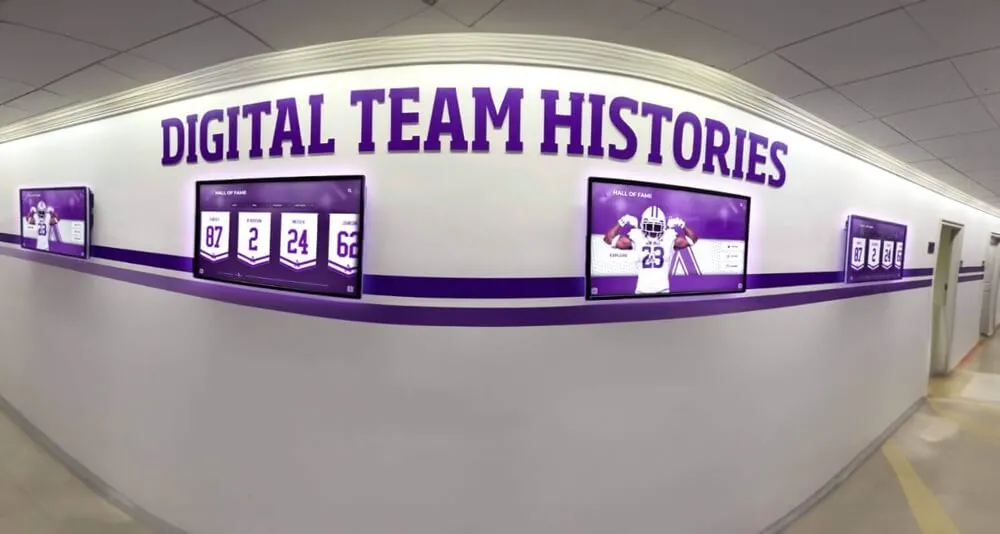
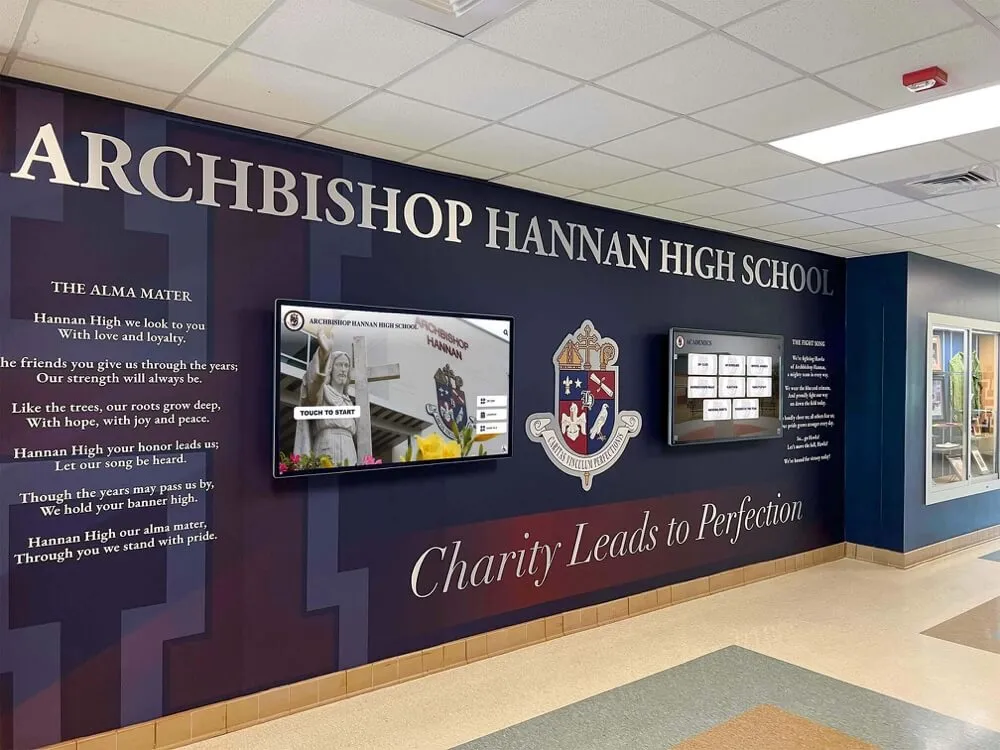
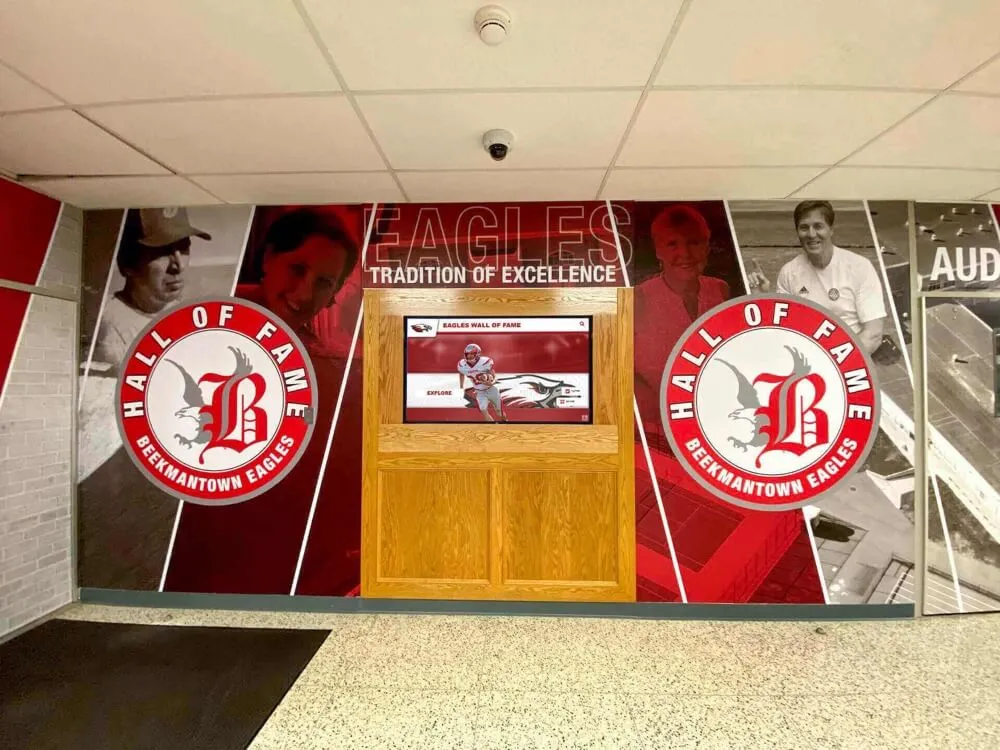
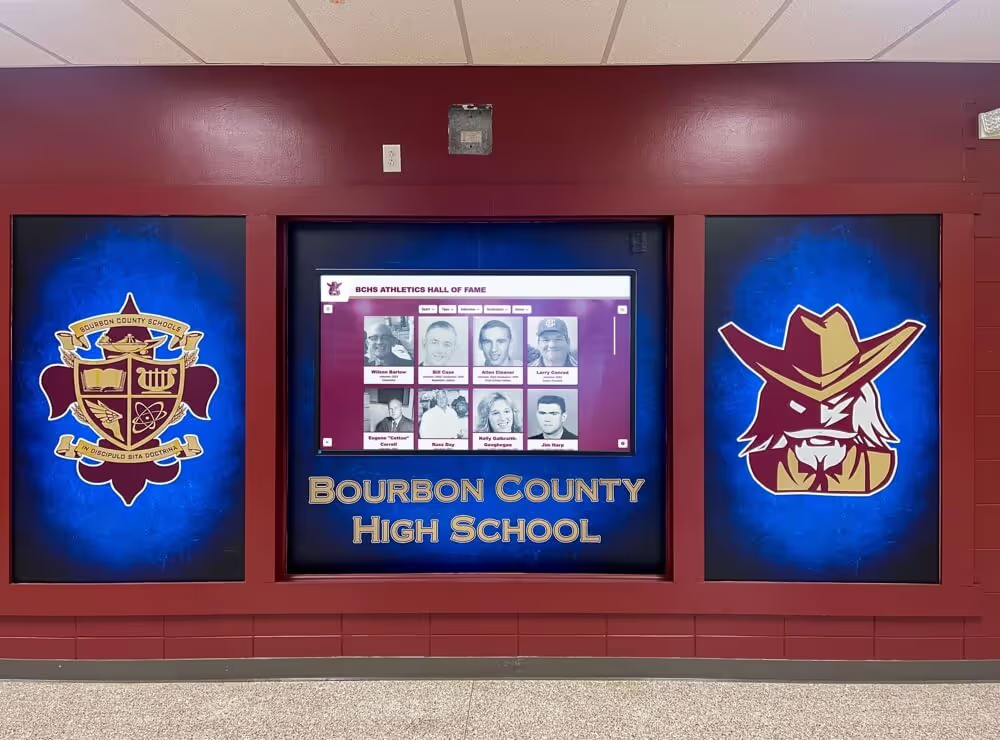
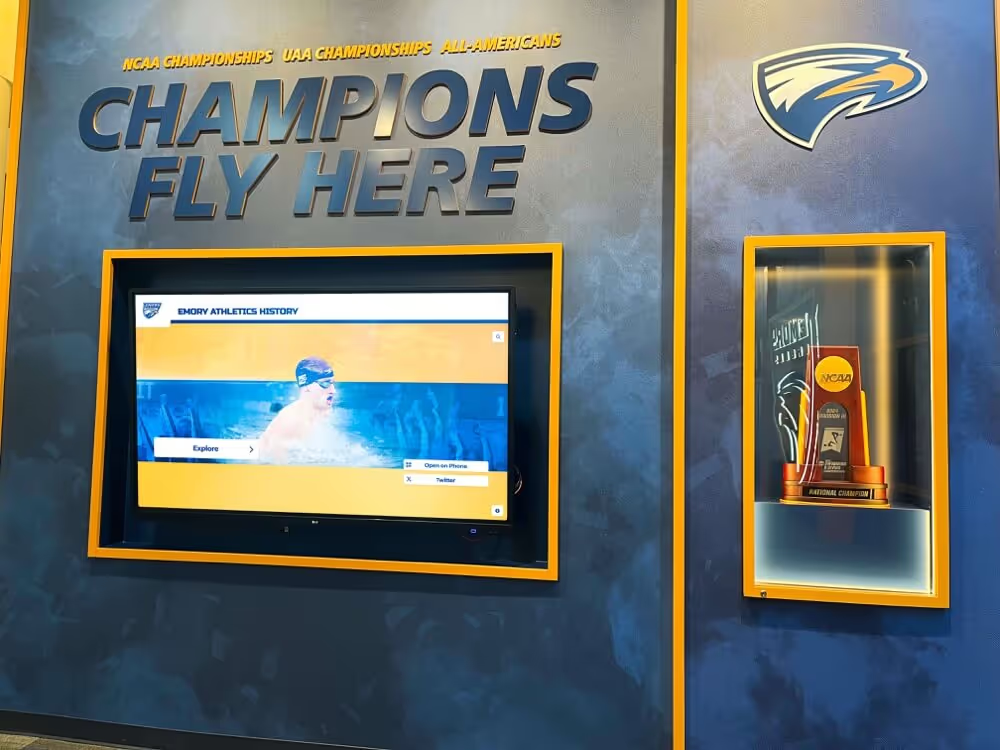
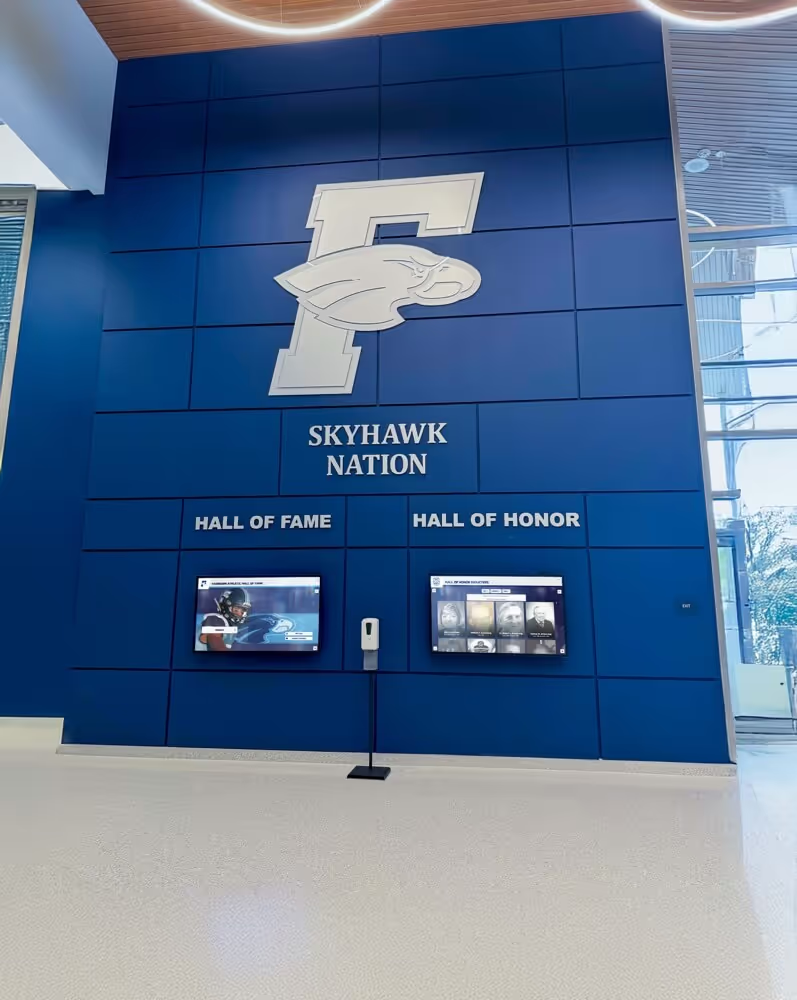
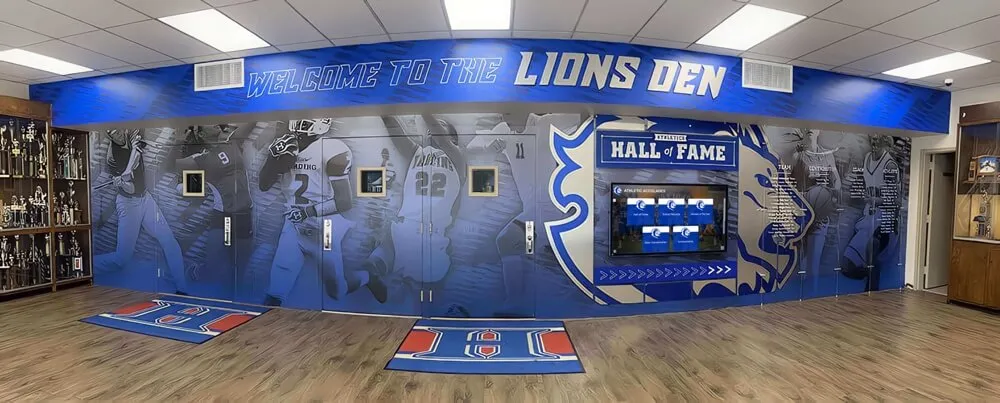
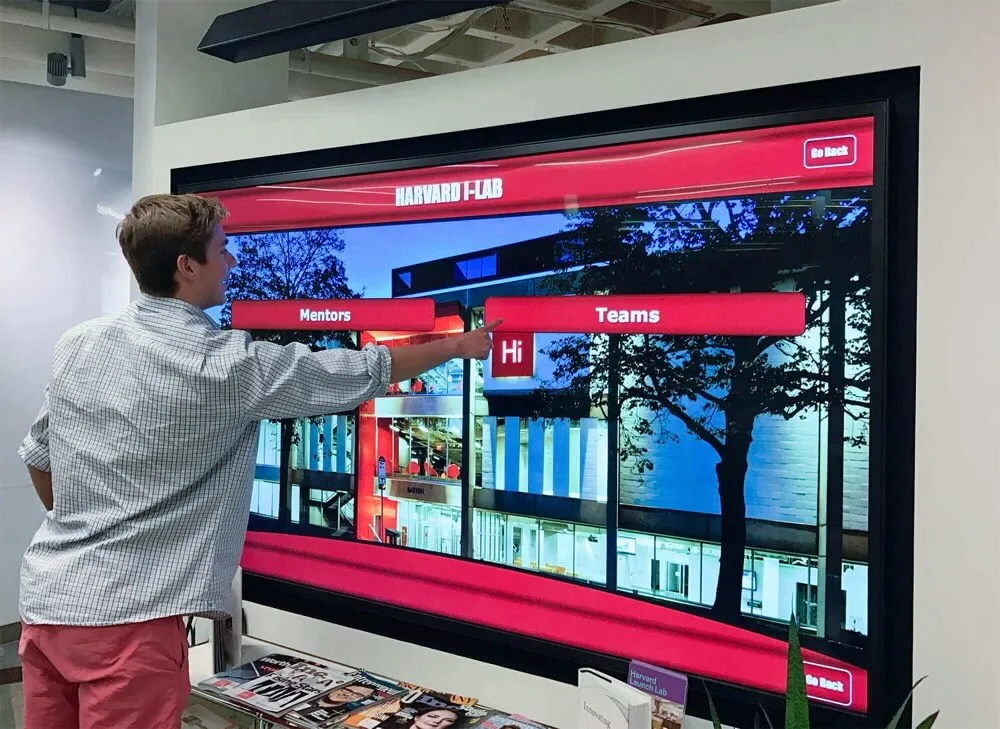
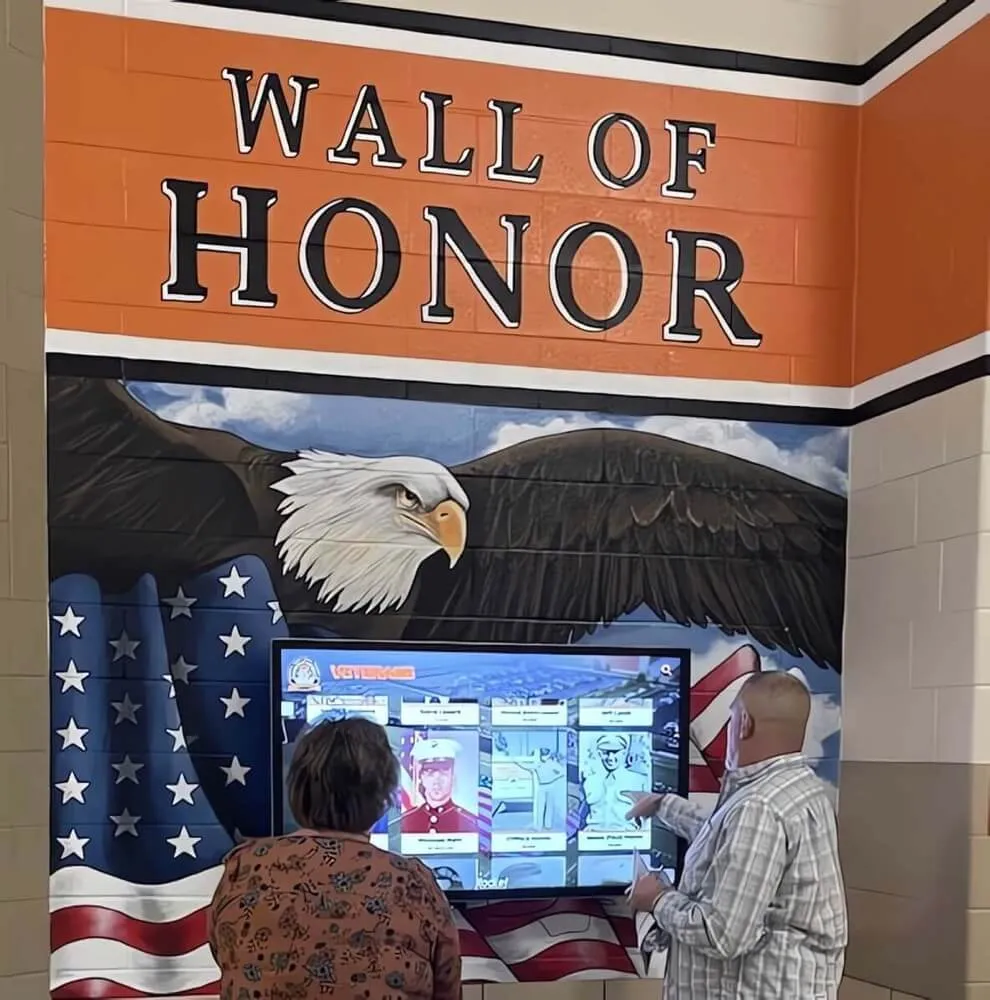
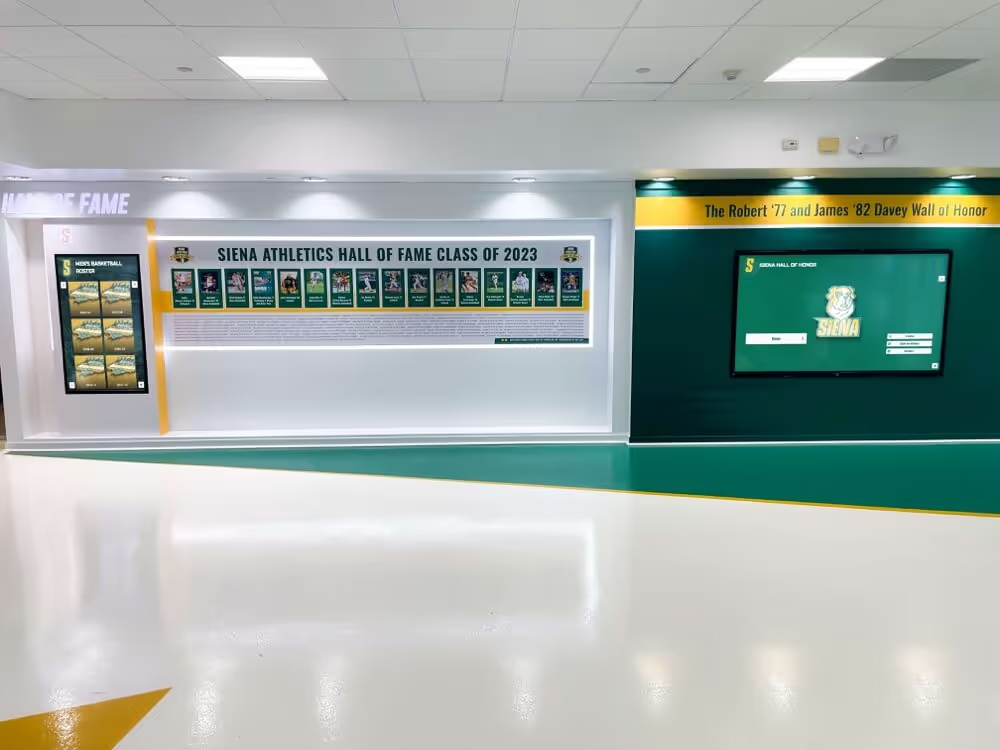
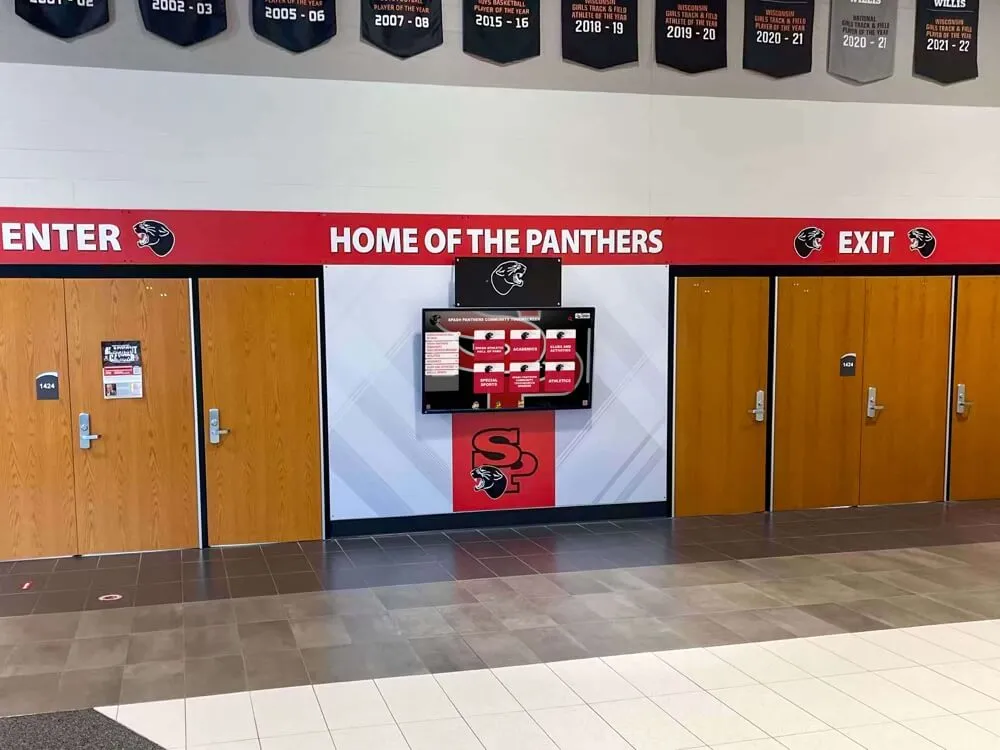
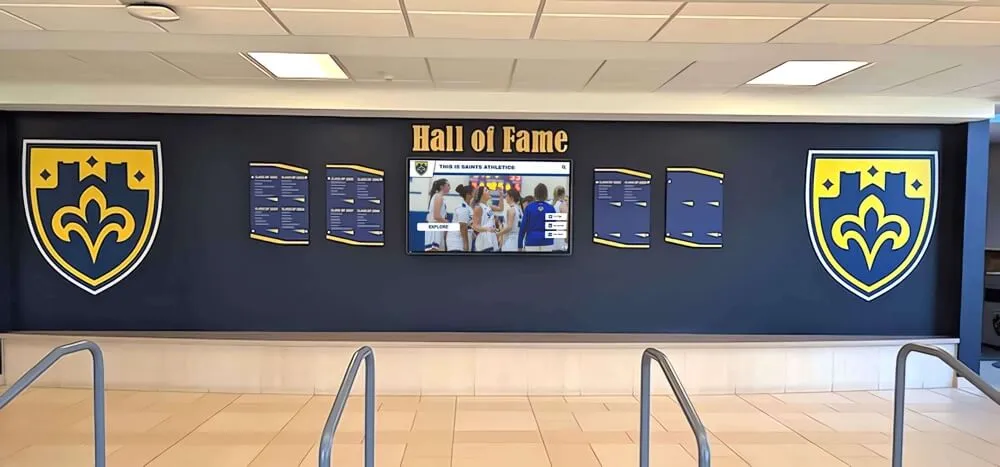
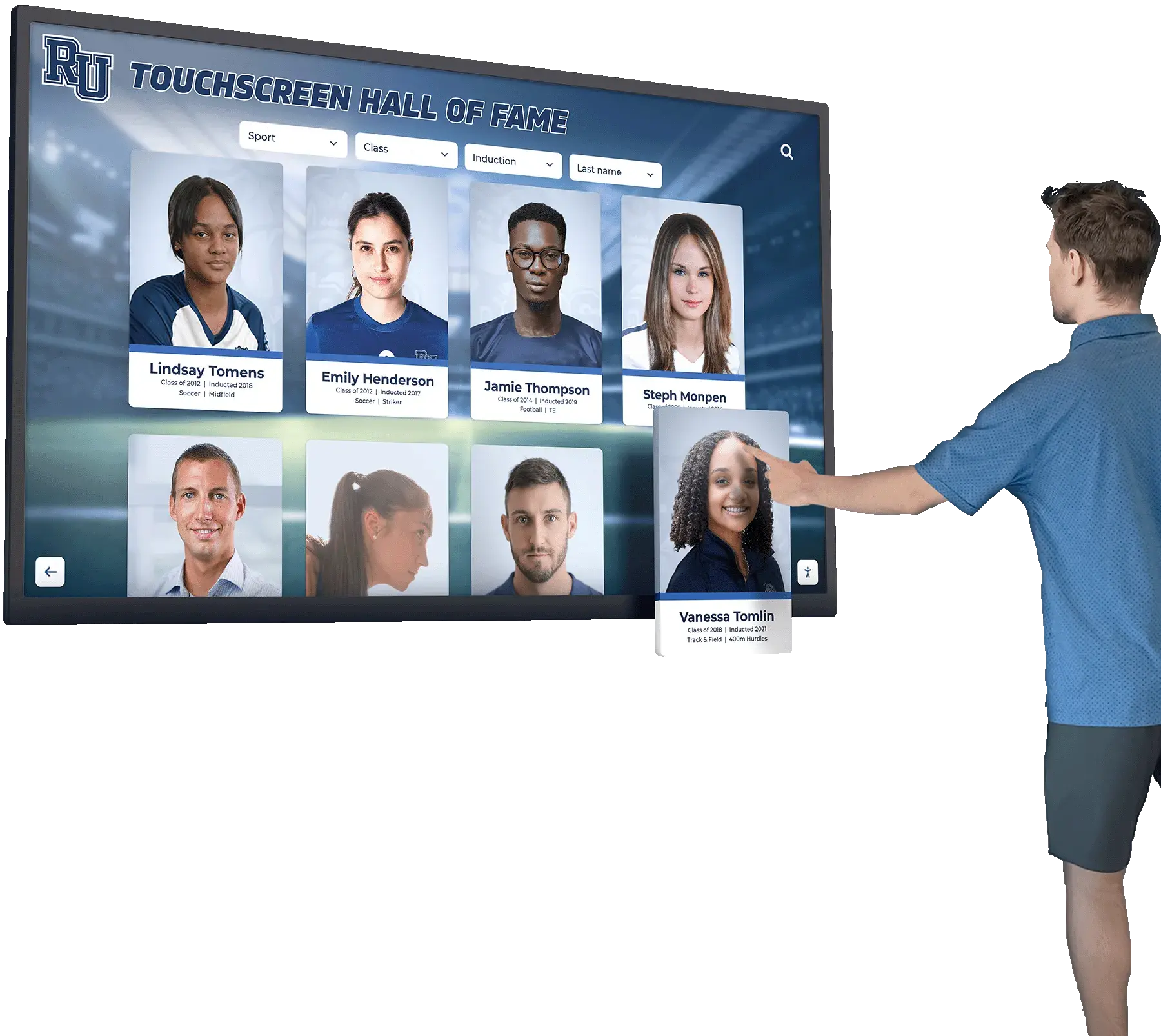
Modern law firms implementing interactive touchscreen displays discover powerful advantages addressing multiple strategic priorities simultaneously. Digital recognition systems like Rocket Alumni Solutions provide unlimited capacity for showcasing attorney achievements without physical space constraints, enable instant content updates reflecting current accomplishments and firm developments, create impressive client experiences demonstrating technological sophistication and professional excellence, support recruitment efforts by highlighting career development pathways and firm culture, and eliminate ongoing costs associated with engraving plaques or printing updated materials. Beyond basic recognition, these systems serve as dynamic communication platforms transforming how firms engage clients, celebrate achievements, preserve institutional history, and build cohesive professional culture across practice areas and office locations.
Understanding Digital Recognition Technology in Professional Service Environments
Law firms considering interactive display systems benefit from understanding how technology evolved specifically for professional service contexts where credibility, sophistication, and information density requirements differ substantially from typical digital signage applications.
The Evolution from Static Recognition to Interactive Displays
For decades, law firms relied on traditional recognition methods that served adequately within their technological limitations but imposed significant constraints that modern practices find increasingly problematic.
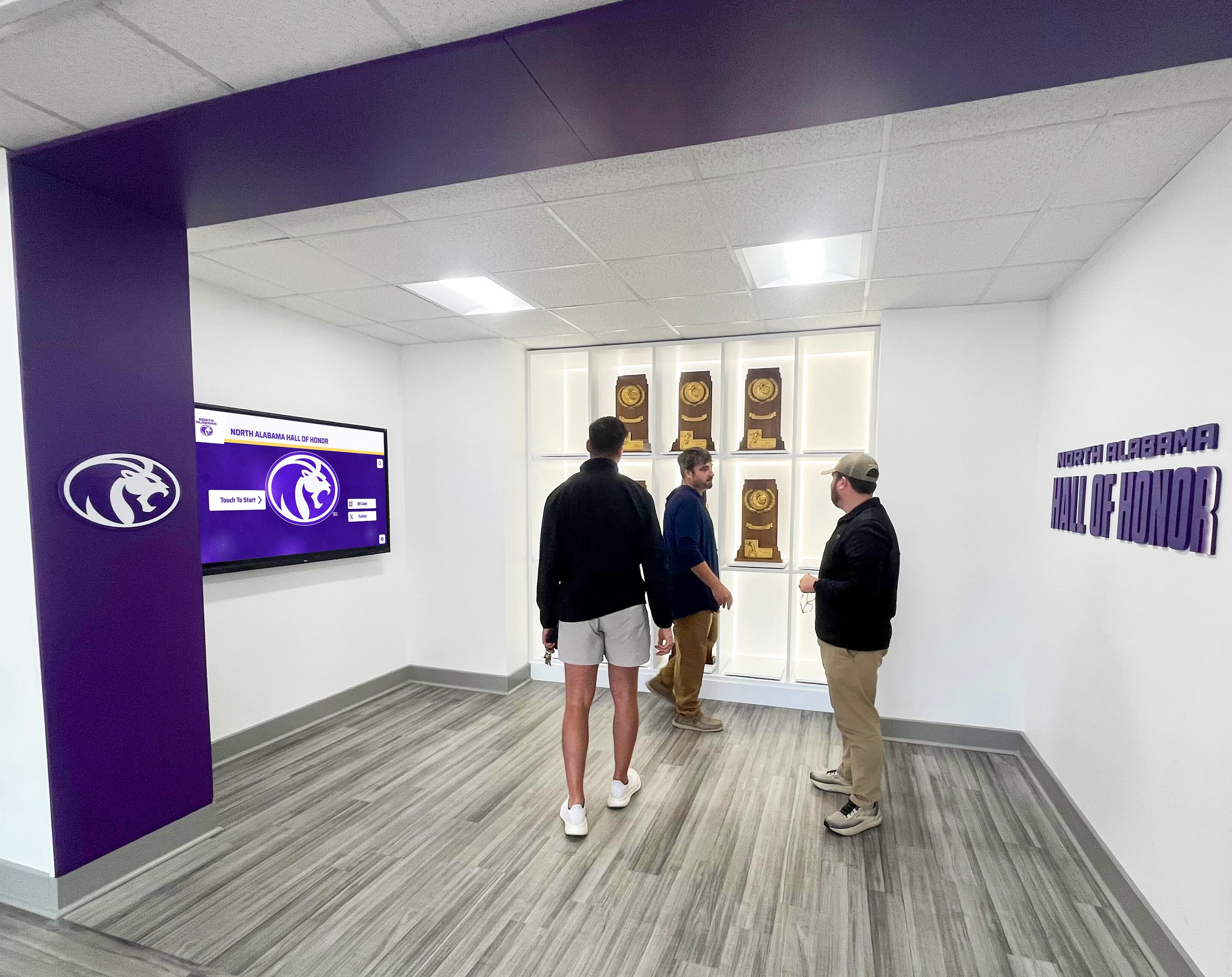
Traditional Recognition Limitations: Conventional approaches featured engraved brass plaques in conference rooms recognizing partners and notable case victories, printed directories listing attorney credentials and practice areas, framed certificates displaying bar admissions and professional honors, static wall displays showing firm history and founding partners, and periodic newsletter announcements about recent accomplishments. While these methods provided appropriate recognition historically, they imposed problematic constraints including finite physical wall space that eventually fills completely forcing difficult decisions about what to remove, high costs for engraving and professional mounting ranging from $200-$500 per plaque, significant update delays requiring weeks for fabrication when attorneys join or achievements occur, limited information capacity restricted to names and brief details, no ability to showcase multimedia content like case summaries or video testimonials, and geographic limitation to single office locations excluding remote offices and client access.
Digital Transformation Advantages: Modern interactive displays address every limitation of traditional recognition while introducing capabilities impossible with physical plaques alone. Digital systems provide unlimited recognition capacity accommodating hundreds of attorney profiles without physical constraints, instant content updates reflecting new hires, case victories, or professional honors within hours, rich multimedia profiles featuring high-resolution photos, detailed biographies, case highlights, and professional accomplishments, powerful search functionality enabling discovery by practice area, location, expertise, or specialization, remote accessibility through web integration allowing clients to explore attorney qualifications anywhere, comprehensive analytics tracking which profiles receive most interest informing marketing strategy, and lower long-term costs compared to cumulative physical plaque expenses over decades.
Technology Requirements for Professional Legal Environments
Law firm environments demand specific technological characteristics ensuring systems reflect professional sophistication while serving diverse stakeholder needs from clients through associates to firm leadership.
Professional Visual Presentation: Legal clients expect polished, sophisticated environments reflecting the professional excellence they’re purchasing. Interactive displays must feature commercial-grade high-resolution displays delivering crisp text and professional photography, elegant interface design using refined color palettes and typography appropriate for professional services, responsive performance with immediate touch response preventing frustrating delays, and reliable continuous operation without crashes, freezes, or visible errors undermining professional impressions. Consumer-grade displays or poorly designed interfaces compromise professional credibility, making technology selection critical for maintaining appropriate firm image.
Content Management Flexibility: Law firm recognition requirements evolve constantly as attorneys join, achieve recognition, develop new expertise, and transition between practice groups. Effective systems must provide intuitive content management enabling firm administrators without technical expertise to update profiles, publish announcements, and modify content independently, role-based permissions allowing practice group leaders to manage their attorney profiles while maintaining overall firm oversight, scheduled content enabling time-sensitive announcements about case victories or professional honors to publish automatically, and approval workflows when needed for content requiring partner review before publication. Systems requiring IT department involvement or external vendor support for routine updates create bottlenecks preventing timely recognition that diminishes program value.
Security and Confidentiality Considerations: Law firms handle confidential client information and operate under stringent ethical obligations around information security. Recognition systems must ensure secure content management platforms with encrypted credentials and access controls, no integration with systems containing confidential case information or client data, clear separation between public recognition content and confidential internal systems, and compliance with professional responsibility rules around attorney advertising and public communications. Security lapses or inappropriate content exposure create serious liability concerns making robust security architecture essential for legal environments.
Strategic Benefits of Interactive Displays for Law Firms
Beyond addressing traditional recognition limitations, modern interactive displays deliver strategic value across multiple firm priorities from client development through cultural development to operational efficiency.
Enhancing Client Confidence and Professional Credibility
Client perception of attorney expertise, firm capabilities, and professional sophistication significantly influences engagement decisions, fee negotiations, and referral likelihood. Reception area and conference room displays shape these critical perceptions during brief but influential moments.
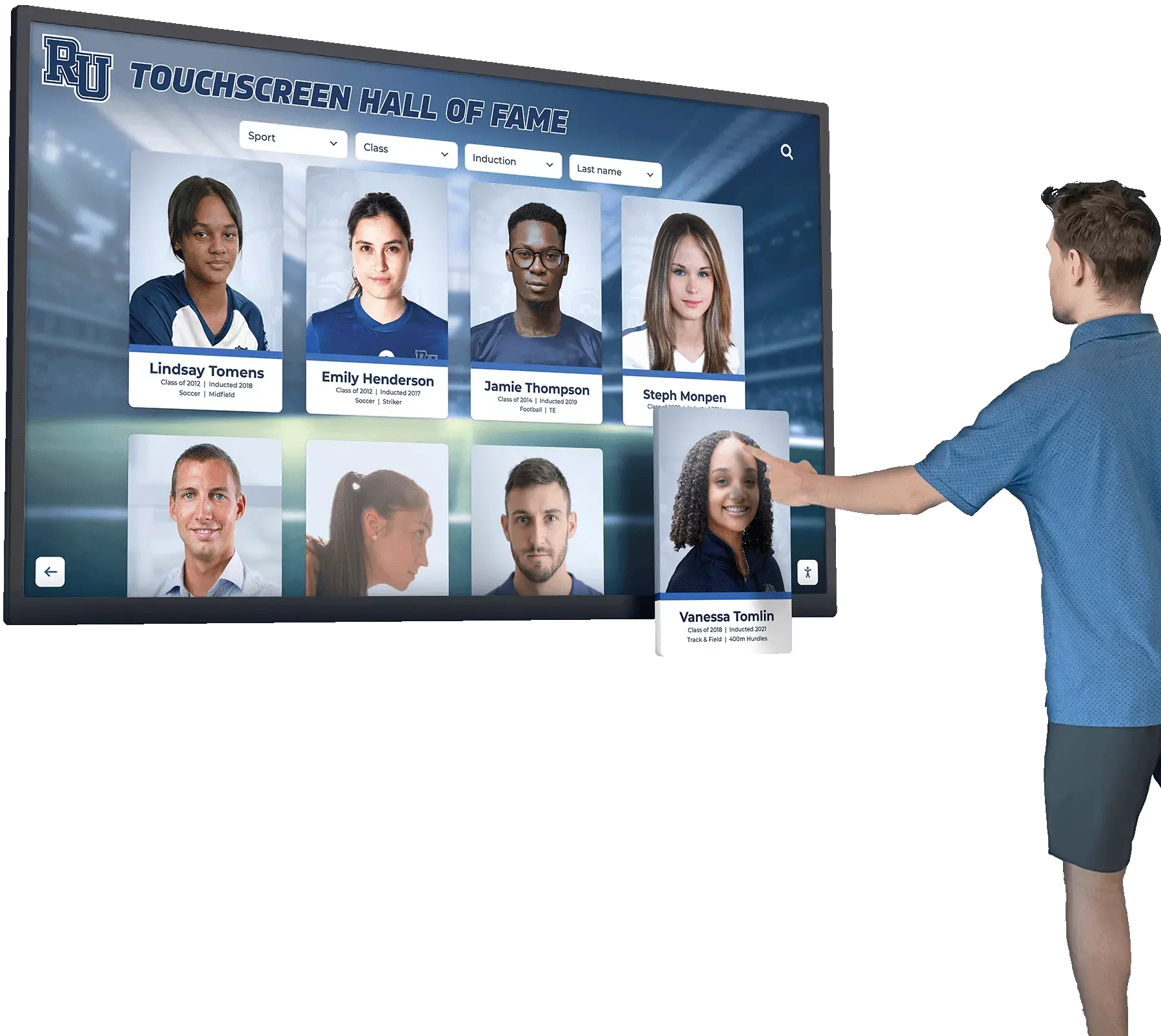
Reception Area First Impressions: Prospective clients visiting law firm offices form rapid judgments about professional competence, technological sophistication, and organizational credibility within seconds of entering reception areas. Interactive displays positioned prominently in client waiting areas create immediate positive impressions by showcasing attorney expertise through searchable profiles highlighting experience, specializations, and credentials, displaying notable case victories and successful client representations demonstrating firm capabilities, featuring professional honors, bar leadership, and community involvement establishing credibility, and highlighting firm history, values, and institutional legacy building confidence in established practice. Clients exploring displays while waiting for appointments naturally gravitate toward information about their representation, creating engagement opportunities that static wall art cannot provide.
Conference Room Consultation Support: During client consultations, attorneys reference firm expertise, discuss similar case experience, and build confidence in proposed legal strategies. Interactive displays in conference rooms provide visual support for these conversations by enabling attorneys to showcase colleague expertise relevant to complex matters requiring specialized knowledge, display previous case successes similar to client situations under discussion, highlight specialized certifications, industry experience, or jurisdictional admissions relevant to client needs, and demonstrate firm depth through comprehensive team profiles showing support across practice areas. This visual reinforcement supplements verbal communication with credible third-party validation—clients see published accomplishments rather than relying solely on attorney self-promotion during consultations.
Competitive Differentiation: Legal services markets feature intense competition where firms must differentiate themselves beyond basic competence claims all competitors make. Modern interactive displays communicate forward-thinking firm culture, technological sophistication clients expect in contemporary practice, investment in professional development and attorney growth, commitment to transparency through comprehensive information access, and attention to client experience details that signal overall service quality. Prospective clients comparing multiple firms notice these environmental cues, often citing modern professional environments as factors influencing retention decisions alongside attorney expertise and fee structures.
Supporting Attorney Recruitment and Retention
Attracting talented attorneys and retaining high-performing associates represents critical priority for firm growth and sustainability. Recognition systems contribute significantly to recruitment success and cultural cohesion.
Recruitment Candidate Impressions: Law school students and lateral candidates evaluating employment opportunities consider firm culture, professional development support, and recognition approaches when comparing offers. During office visits, recruitment candidates notice displays showcasing attorney career progression and advancement pathways, recognition of professional accomplishments and external honors, diversity across experience levels, practice areas, and backgrounds, investment in modern infrastructure and professional environment, and institutional stability through demonstrated history and leadership continuity. These environmental signals supplement formal recruitment pitches with tangible evidence about firm values and commitment to attorney development.
Associate Motivation and Career Development: Young attorneys building practices benefit from understanding firm recognition systems and seeing clear pathways toward partnership and professional distinction. Interactive displays showcase career progression examples through profiles of attorneys who advanced from associate to partner positions, demonstrate valued accomplishments beyond billable hours including community service, professional writing, speaking engagements, and leadership, highlight diverse pathways to success accommodating different practice approaches and personal strengths, and celebrate milestones including bar admissions, case victories, professional certifications, and leadership roles. Visible recognition of diverse accomplishments beyond pure business development motivates associates pursuing excellence across multiple dimensions while building confidence that firm leadership values comprehensive professional contributions.
Retention Through Cultural Cohesion: Attorney retention improves when professionals feel valued, recognized, and connected to firm identity and colleagues. Recognition systems strengthen cohesion by ensuring equitable visibility across practice areas preventing perception that certain practices receive disproportionate recognition, celebrating team contributions rather than exclusively individual achievements, acknowledging non-billable contributions including mentorship, pro bono work, and firm service, and maintaining institutional memory preserving knowledge of retired partners and firm history. Solutions like digital recognition displays create inclusive acknowledgment systems supporting cultural development across diverse professional communities.
Operational Efficiency and Administrative Benefits
Beyond client-facing and cultural advantages, interactive recognition systems generate operational efficiencies reducing administrative burden while improving information accuracy.
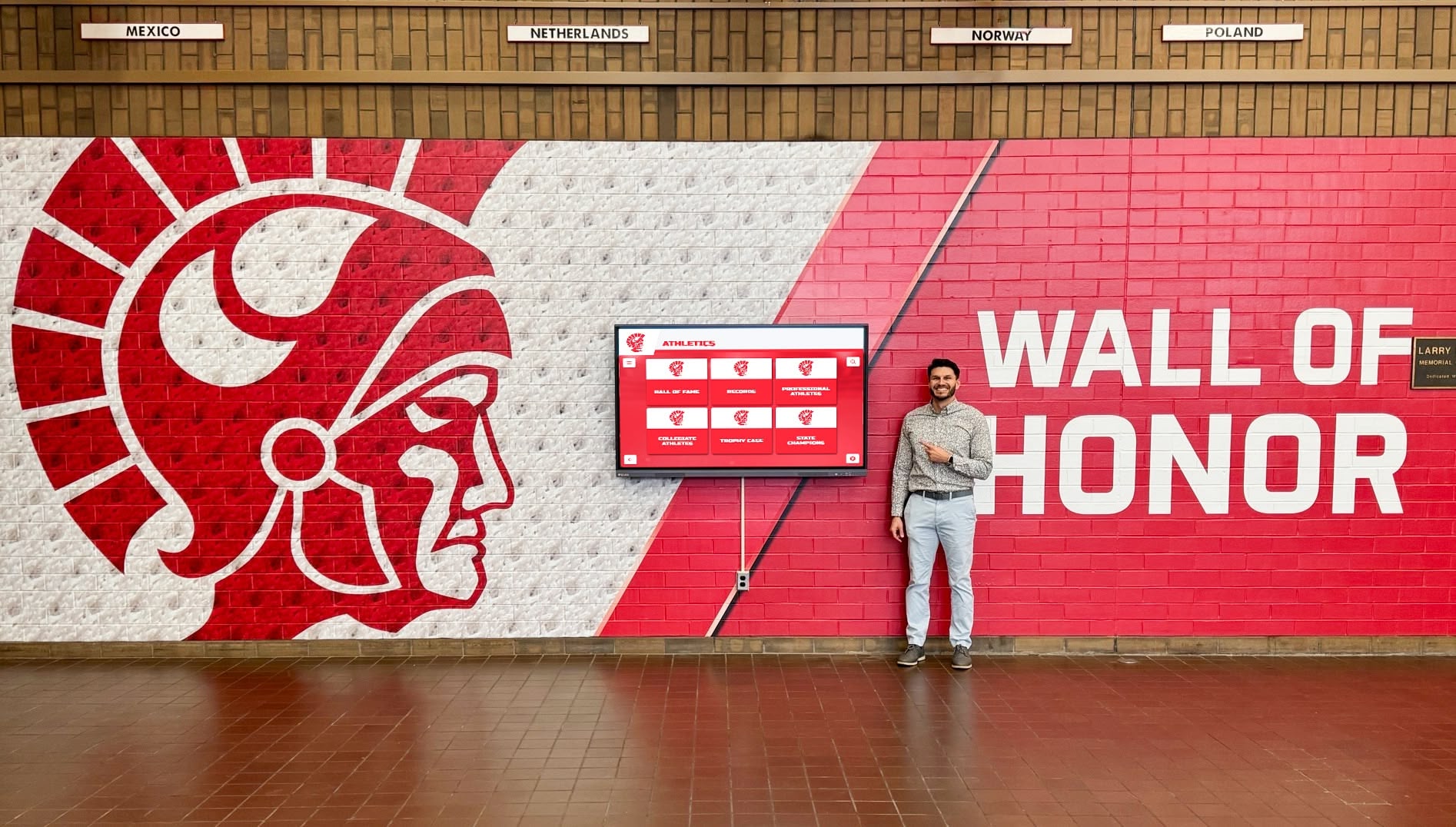
Reduced Directory Maintenance: Law firms traditionally print attorney directories for clients and referral sources, requiring expensive reprinting whenever attorneys join, depart, or change roles. Digital displays eliminate these recurring costs by providing always-current attorney listings accessible through reception area kiosks, enabling instant updates when roster changes occur, supporting detailed profiles impossible in printed formats, and offering searchable functionality printed directories cannot match. Firms report annual savings of $8,000-$25,000 in avoided printing costs when digital systems replace traditional directory maintenance.
Marketing Content Efficiency: Firm marketing teams constantly develop attorney profiles, practice descriptions, and case highlights for websites, brochures, presentations, and proposals. Interactive displays leverage this existing content investment by repurposing marketing materials into recognition displays, creating additional touchpoints where prospective clients encounter firm expertise, maintaining content consistency across channels, and justifying enhanced marketing content investment through multiple-use applications. Rather than creating separate recognition content, marketing materials serve dual purposes improving return on content development investments.
Space Utilization Optimization: Prime conference room and reception area wall space represents valuable real estate in expensive office environments. Traditional recognition rapidly consumes available space as firms grow and attorney rosters expand. Digital displays provide unlimited recognition capacity without consuming additional physical space, free wall areas for artwork or alternative uses when plaque walls reach capacity, accommodate growing attorney rosters without periodic physical renovations, and enable comprehensive recognition including support staff and administrative team members without space concerns. This space efficiency proves especially valuable in urban markets where expanding office footprint incurs prohibitive costs making maximum utilization of existing space essential.
Implementing Interactive Displays in Law Firm Environments
Successful implementations require thoughtful planning addressing technology selection, content development, physical placement, and ongoing management ensuring systems deliver sustained value rather than becoming neglected technology investments.
Technology Platform Selection and Requirements
Law firms evaluating interactive display solutions should assess vendors and platforms against criteria specific to professional service environments where requirements differ from retail or educational applications.
Professional Content Management Systems: Effective platforms must provide intuitive interfaces enabling legal administrators and marketing staff without technical backgrounds to manage content independently, pre-built templates designed specifically for attorney profiles, case highlights, and professional recognition appropriate for legal contexts, flexible content organization supporting multiple practice groups, office locations, and recognition categories, robust security with role-based access controls and audit trails for compliance purposes, and reliable vendor support with quick response times and professional service standards. Platforms designed primarily for schools or retail environments often lack features critical for law firms making purpose-built solutions preferable.
Specialized recognition platforms from Rocket Alumni Solutions provide legal-specific features including attorney profile templates, case milestone showcases, and professional achievement categories designed specifically for law firm recognition requirements while supporting the security and content management flexibility legal administrators need.
Hardware Specifications for Professional Environments: Physical display hardware must meet aesthetic and durability standards appropriate for client-facing professional environments through commercial-grade touchscreen displays rated for continuous operation with lifespans exceeding 50,000 hours, minimum 4K resolution ensuring crisp text and professional photography critical for credibility, elegant enclosure designs using premium materials appropriate for professional office aesthetics rather than industrial kiosk appearances, reliable multi-touch technology supporting intuitive gestures familiar from consumer devices, and appropriate screen sizes typically ranging from 43"-65" depending on viewing distances and physical spaces. Under-specifying hardware to reduce costs compromises professional impression and long-term reliability making appropriate investment essential for sustainable programs.
Integration Capabilities: While security concerns limit integration with confidential systems, effective displays should integrate with firm websites enabling consistent attorney information across platforms, professional photography databases leveraging existing headshots and firm images, event calendars promoting continuing education, speaking engagements, and firm events, and analytics platforms tracking which content generates most client interest informing marketing strategy. Integration reduces duplicate data entry while ensuring consistency across client touchpoints from physical displays through digital properties.
Strategic Content Development for Legal Recognition
Content represents the heart of recognition systems determining whether displays resonate with clients and attorneys or become ignored technology installations showing generic information.
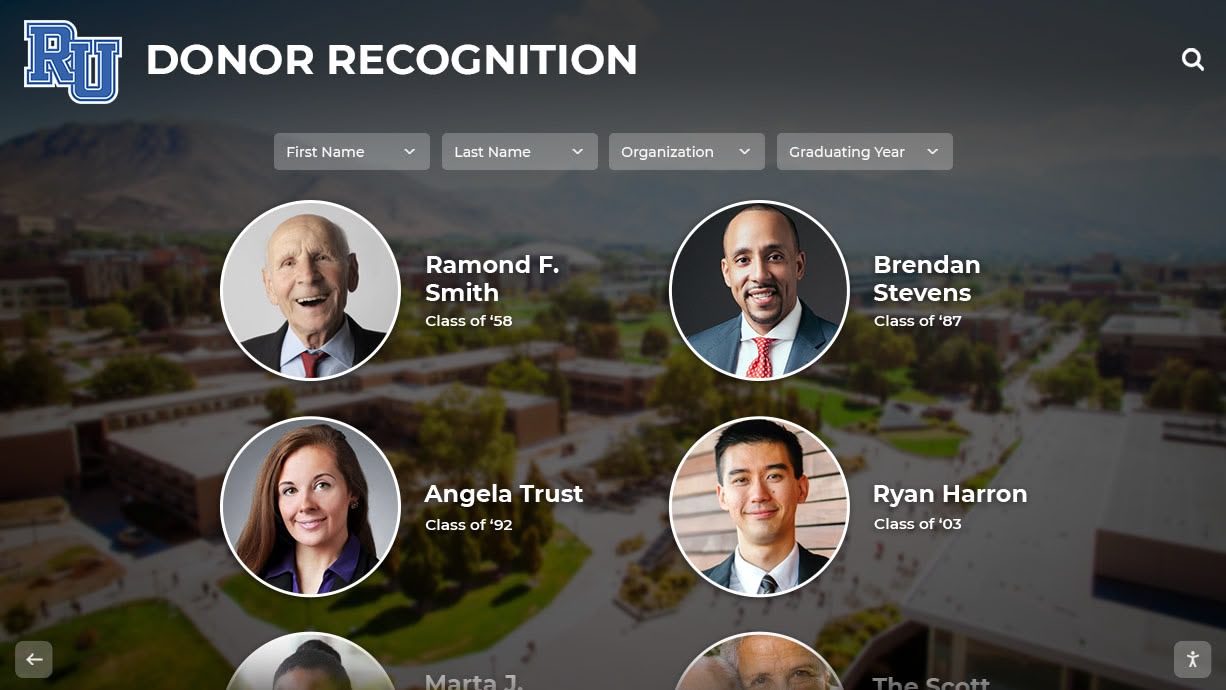
Comprehensive Attorney Profiles: Effective attorney recognition goes beyond basic name and title listings to create compelling professional narratives including high-quality professional photography presenting attorneys appropriately, detailed educational backgrounds showing law schools, undergraduate institutions, and advanced degrees, bar admissions and jurisdictional practice authorizations, practice area specializations and industry focus areas, representative case highlights demonstrating expertise and successful client representations, professional honors including Super Lawyers, Best Lawyers, Chambers rankings, and peer recognition, published articles, speaking engagements, and thought leadership contributions, bar association leadership and committee service, community involvement and pro bono accomplishments, and personal interests and background that humanize attorneys for client connections. This comprehensive approach transforms directories into engagement tools helping clients understand attorney expertise while building personal connections.
Case Victory and Milestone Celebration: Law firms achieve significant victories and milestones deserving celebration with clients, attorneys, and broader professional communities. Interactive displays enable timely recognition including major case victories and favorable settlements with appropriate detail respecting confidentiality, professional honors and awards earned by firm attorneys, successful pro bono representations advancing justice and community service, firm anniversary milestones and institutional achievements, new partner promotions and leadership appointments, significant speaking engagements and published thought leadership, and community impact through volunteer service and charitable contributions. Timely recognition reinforces firm culture valuing diverse contributions while demonstrating ongoing vitality and success to clients and recruitment candidates.
Practice Area Excellence Demonstrations: Prospective clients researching law firms seek evidence of specific expertise relevant to their legal needs. Displays can organize content showcasing practice group strengths through comprehensive team profiles showing depth of expertise in specialized practice areas, representative matters demonstrating successful experience with relevant case types, industry specializations highlighting attorneys with deep sector knowledge, jurisdictional experience showing multi-state capability and specialized local knowledge, and professional certifications and specialized credentials authenticating expertise claims. This organization helps clients discover relevant expertise while supporting business development by prominently featuring practice area strengths.
Firm History and Legacy Preservation: Established firms possess rich institutional histories representing competitive advantages in markets valuing stability and proven track records. Recognition systems preserve and showcase legacy through founding partner profiles and firm origin stories, retired partner recognition maintaining institutional memory, historical case victories and landmark representations, evolution of practice areas and service expansion over decades, and community involvement and civic contributions spanning generations. This historical context builds confidence with clients while connecting current attorneys to firm legacy and cultural traditions. Resources on preserving institutional history through digital systems demonstrate effective approaches for legal environments.
Optimal Placement Strategies for Law Firm Displays
Where firms position interactive displays dramatically affects visibility, usage, client impact, and overall program success requiring thoughtful placement decisions.
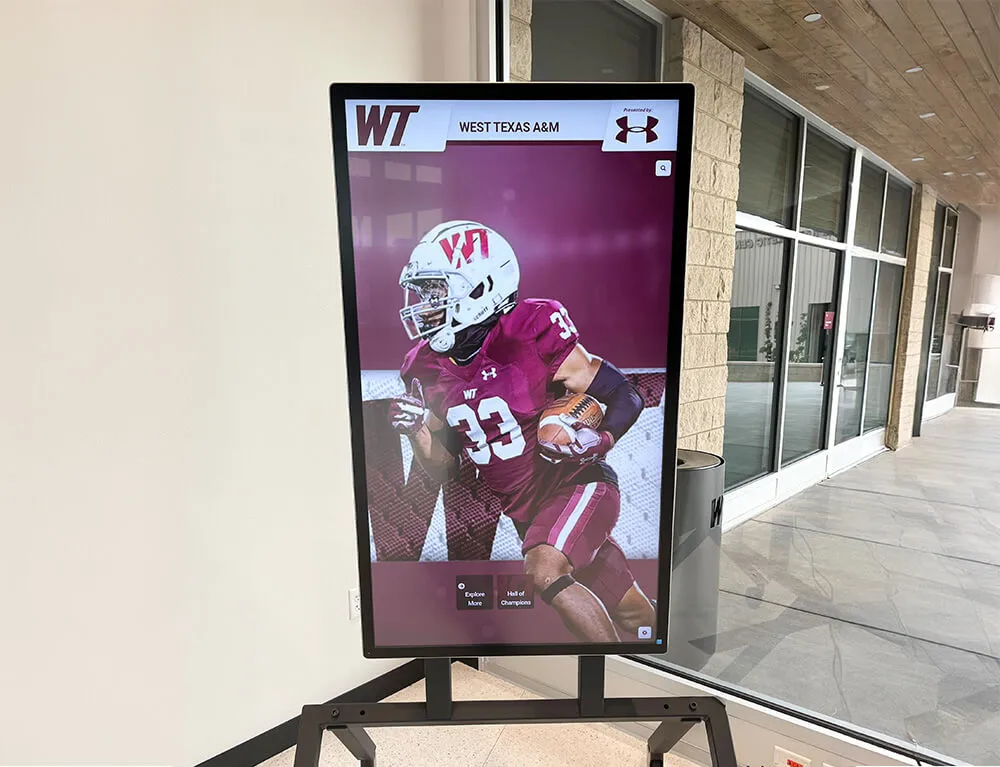
Reception Area Primary Placement: Main reception areas represent premium locations where every client, prospective client, and professional visitor encounters displays while waiting for appointments or meetings. Reception placement ensures maximum visibility and client impression value, provides natural engagement opportunity during wait times, communicates firm priorities through prominent recognition positioning, and serves clients seeking specific attorney information or expertise. Most successful implementations feature prominent displays immediately visible upon entering reception areas creating instant professional impression while remaining easily accessible for interaction.
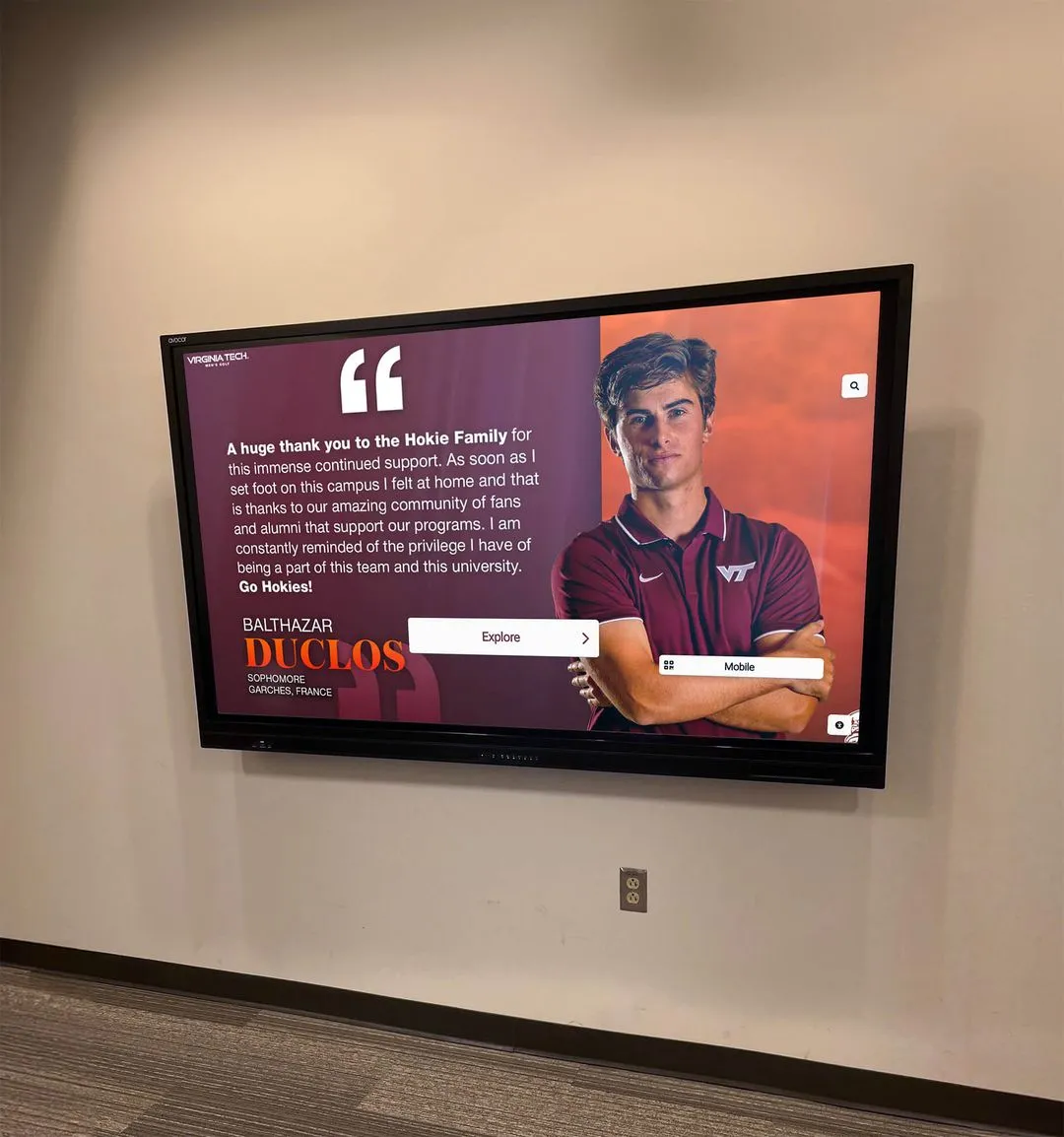
Conference Room Supporting Displays: Major conference rooms where client meetings, depositions, and negotiations occur benefit from supporting displays enabling quick attorney reference during client conversations, providing impressive backdrops for video conferences, demonstrating firm depth during complex matter discussions, and creating sophisticated professional environment enhancing overall client experience. Conference room displays typically feature wall-mounted formats rather than kiosk configurations integrating seamlessly with room aesthetics while remaining accessible during meetings.
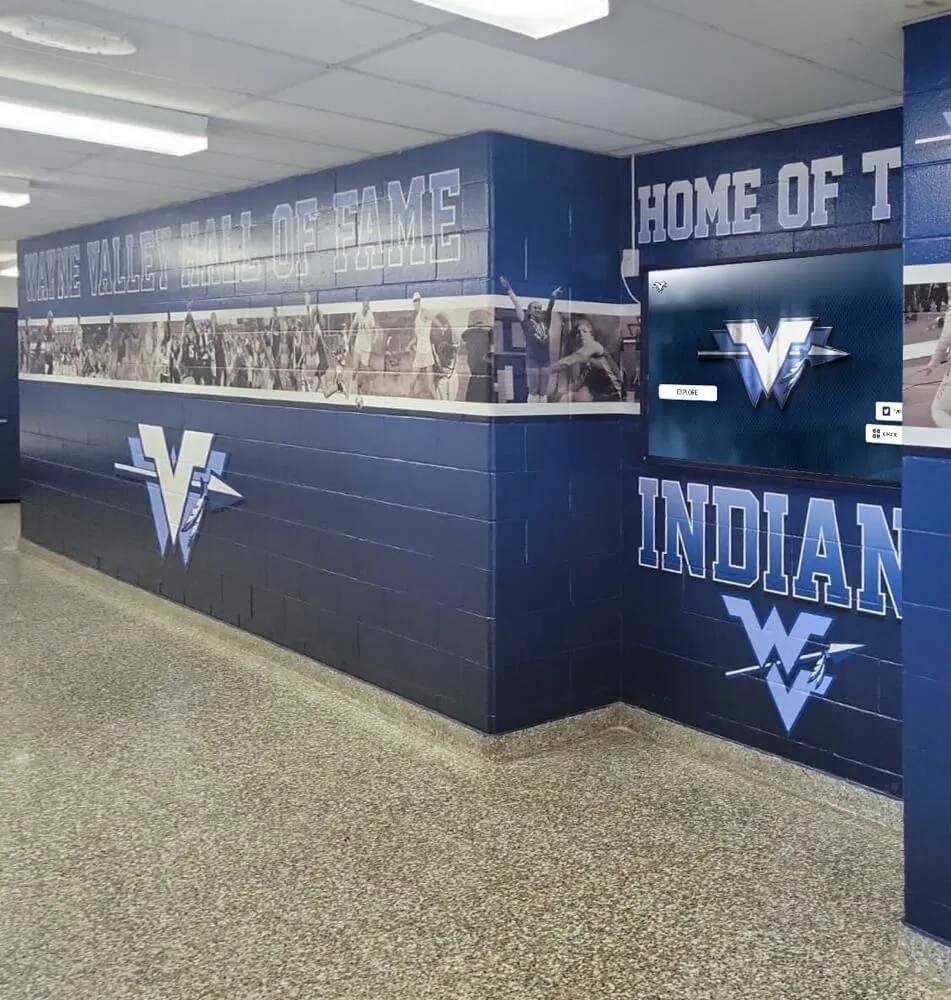
Associate Work Areas and Common Spaces: Beyond client-facing locations, displays in attorney work areas serve internal audiences by reinforcing firm culture and recognition programs, motivating associates through visible career progression examples, celebrating recent accomplishments creating sense of shared success, and building cohesion across practice groups that often operate independently. These internal displays typically feature smaller formats or wall-mounted configurations in hallways, break rooms, or collaborative work areas.
Multi-Office Consistency: Firms with multiple office locations face challenges maintaining consistent recognition across geographies. Digital displays enable consistent content deployed simultaneously across all locations, office-specific customization showing local attorneys while maintaining firm-wide visibility, remote management updating all locations centrally without requiring local administrative support, and cost-effective expansion replicating successful programs to additional offices without proportional cost increases. This multi-location capability proves especially valuable for firms pursuing geographic expansion where consistent brand presentation across markets supports cohesive institutional identity.
Managing Recognition Programs for Sustained Value
Interactive displays deliver value only when content remains current, comprehensive, and engaging rather than deteriorating into neglected systems showing outdated information that attorneys and clients learn to ignore.
Content Management Workflows and Responsibilities
Successful programs establish clear ownership and sustainable processes ensuring displays stay relevant across years and leadership transitions.
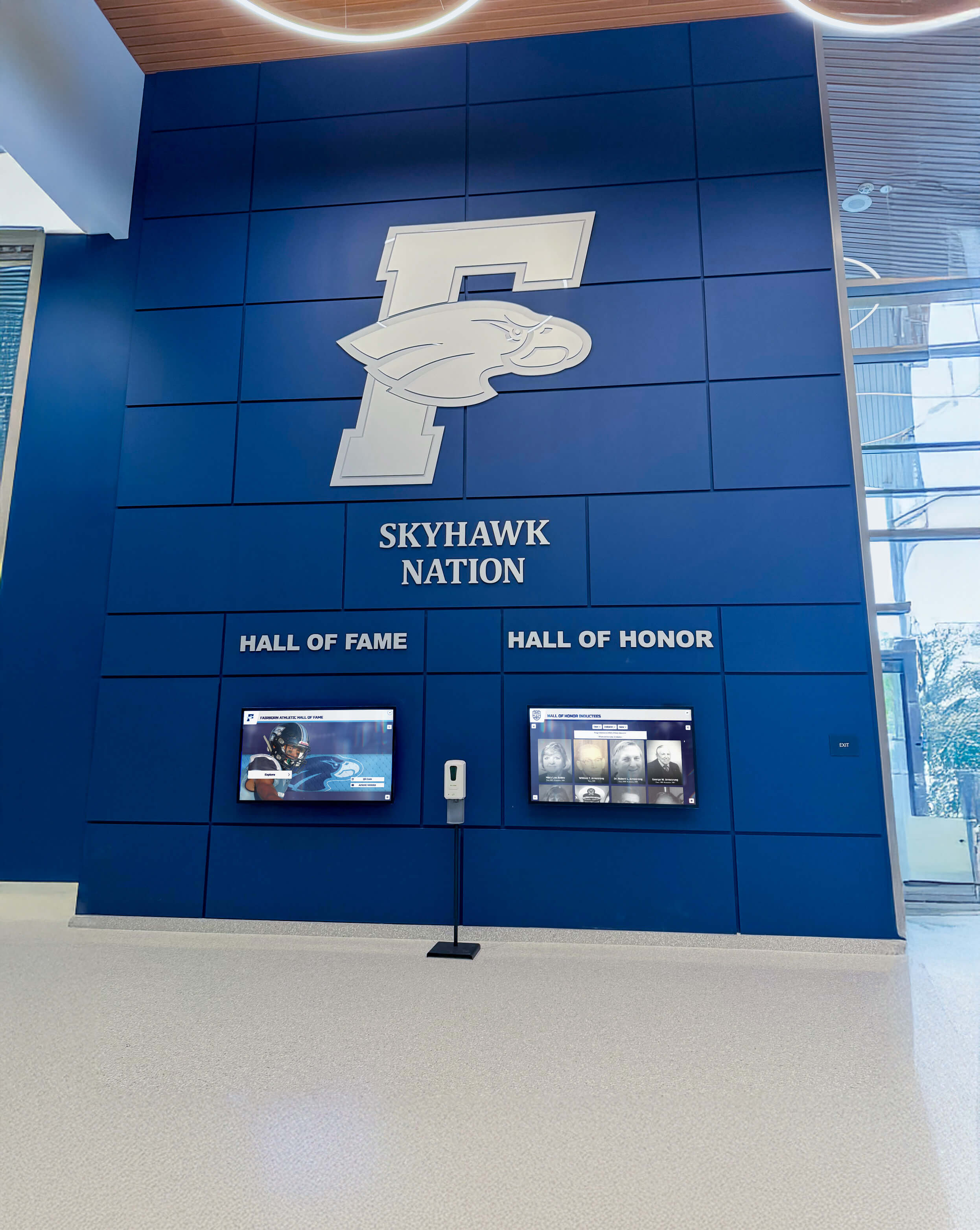
Defined Ownership and Accountability: Recognition programs require designated ownership rather than diffuse responsibility where everyone assumes someone else manages content. Effective approaches include assigning marketing or firm administration staff with clear content management responsibilities, allocating adequate time within work responsibilities for regular display maintenance, providing comprehensive training on content management systems and display capabilities, establishing backup coverage ensuring continuity during vacations or staff transitions, and including display management performance in position evaluations ensuring accountability. Without clear ownership, displays quickly become outdated undermining program effectiveness.
Attorney Profile Update Processes: Attorney information changes continuously as professionals develop expertise, earn recognition, and achieve milestones. Sustainable update processes include annual profile reviews where attorneys submit updated information and accomplishments, event-triggered updates when attorneys join, achieve significant recognition, or change roles, self-service submission portals allowing attorneys to submit profile updates directly, approval workflows when needed for content requiring review before publication, and proactive monitoring by marketing staff watching for attorney accomplishments in professional publications and bar communications. Systematic processes ensure profiles stay current reflecting attorney development rather than becoming historical snapshots frozen at creation date.
Milestone Recognition Workflows: Timely recognition of achievements matters more than perfection—attorneys receiving immediate acknowledgment for case victories or professional honors value recognition far more than delayed perfect presentations. Effective workflows enable rapid content development and publication within 24-48 hours of achievements, establish standard templates accelerating content creation for common milestones, enable partial information publication when comprehensive details aren’t immediately available, and coordinate recognition across multiple channels including displays, firm newsletters, social media, and website ensuring comprehensive acknowledgment. Speed demonstrates that firm leadership actively monitors attorney accomplishments and values timely celebration rather than treating recognition as administrative obligation handled when convenient.
Content Quality Standards: While speed matters, quality standards maintain professional credibility including requiring professional photography rather than casual snapshots inappropriate for client-facing displays, establishing writing standards ensuring grammatically correct, professionally written content, fact-checking credentials, case descriptions, and achievement claims verifying accuracy, respecting confidentiality rules around client matters and attorney advertising regulations, and maintaining visual consistency through templates and brand standards. Quality standards prevent displays from undermining professional credibility through sloppy content suggesting careless firm management.
Analytics and Program Evaluation
Modern recognition systems generate valuable data revealing how clients and attorneys engage with displays informing optimization decisions and demonstrating program value.
Usage Tracking and Engagement Metrics: Comprehensive analytics monitor total interactions revealing overall program reach and utilization trends, most-viewed attorney profiles showing which attorneys generate most client interest, practice area exploration patterns revealing which specializations clients research most frequently, peak usage times indicating optimal periods for featured content, and average session duration suggesting whether content engages meaningfully or receives only cursory attention. This data helps firms understand client information needs and attorney profile effectiveness guiding content improvement decisions.
Client Behavior Insights: Analyzing how prospective clients interact with displays during office visits provides valuable business intelligence including which practice areas receive most exploration indicating referral opportunities or market demand, attorney credentials clients examine most carefully revealing factors influencing retention decisions, case types clients research suggesting business development opportunities, and geographic patterns in multi-office firms showing regional market variations. These insights inform marketing strategy and business development prioritization based on demonstrated client interest rather than assumptions about market demand.
Return on Investment Demonstration: Law firm managing partners require evidence that recognition system investments generate meaningful returns justifying ongoing operational costs and future enhancements. Demonstrable value includes quantified savings from eliminated printing costs for attorney directories and marketing materials, improved client satisfaction scores on post-engagement surveys referencing professional environment, enhanced recruitment success with candidates citing firm culture and recognition programs, measurable increases in referral source engagement following display implementations, and space utilization benefits through consolidated recognition without consuming additional wall space. Tracking these metrics validates investments while building support for program expansion to additional offices or enhanced functionality.
Common Applications and Use Cases in Legal Environments
Law firms implement recognition displays across diverse applications addressing specific operational needs and strategic priorities beyond basic attorney profiles.
Attorney Recognition and Professional Development
Comprehensive attorney recognition extends beyond basic directory information to create meaningful professional development support and cultural reinforcement.
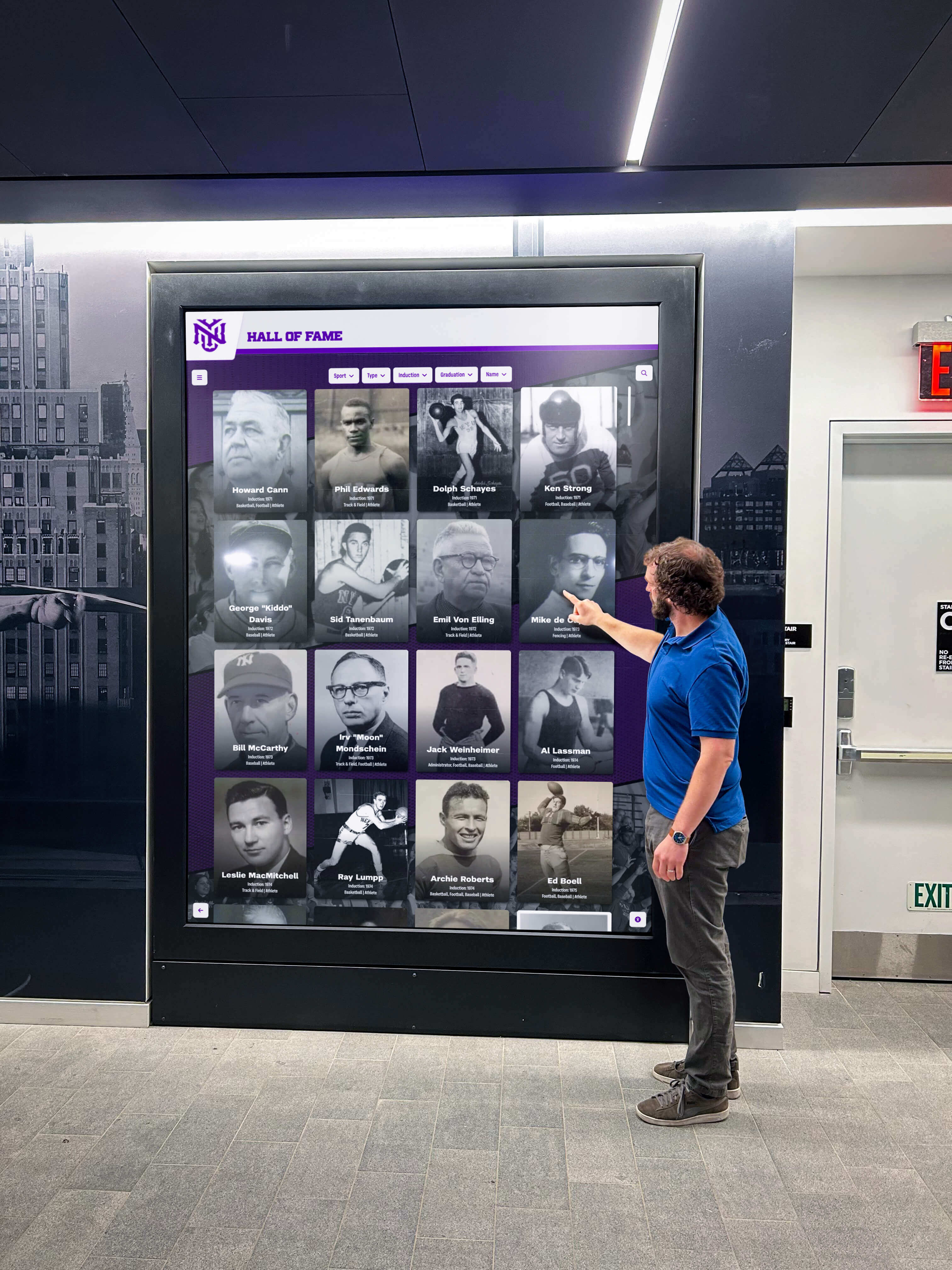
Partnership Track Transparency: Associate attorneys benefit from understanding partnership criteria and seeing concrete examples of successful advancement pathways. Displays can feature partner profiles highlighting their career progression from associate to partner, demonstrate diverse pathways to partnership accommodating different practice approaches, showcase accomplishments beyond billable hours including business development, thought leadership, and firm service, and celebrate recent partner promotions immediately following announcement. This transparency helps associates understand expectations while providing motivation through visible success examples.
Specialization and Expertise Development: Modern legal practice increasingly values specialized expertise in focused practice niches. Recognition systems support specialization development by highlighting board certifications and specialized credentials that distinguish attorneys, showcasing thought leadership through published articles and speaking engagements, recognizing industry expertise and sector-focused practice development, and celebrating continuing education and professional development commitments. This emphasis on specialized expertise encourages professional development investments while helping clients identify attorneys with specific knowledge relevant to their needs.
Diversity and Inclusion Recognition: Law firms pursuing diversity and inclusion priorities can leverage recognition systems supporting these objectives through celebrating diverse attorney accomplishments highlighting role models, recognizing affinity group leadership and DEI committee service, featuring community outreach and diverse client representation, and demonstrating firm commitment through visible recognition of diverse contributions. Thoughtful recognition reinforces that diversity and inclusion represent genuine priorities rather than superficial commitments.
Client Education and Engagement
Beyond attorney recognition, interactive displays serve client education purposes that enhance understanding, build confidence, and strengthen relationships.
Legal Process Education: Clients navigating complex legal matters benefit from educational content demystifying legal processes including practice area overviews explaining different legal specializations and when clients might need specific expertise, legal process explanations describing typical matter progression and timeline expectations, frequently asked questions addressing common client concerns and questions, glossary definitions explaining legal terminology clients encounter, and resources providing additional client education materials. This educational content helps clients understand legal representation while reducing attorney time spent explaining basic process questions.
Case Study Presentations: Subject to confidentiality and advertising restrictions, firms can showcase successful representations through appropriately anonymized case summaries demonstrating successful outcomes in matters similar to prospective client needs, highlighting innovative legal strategies and creative problem-solving, demonstrating multi-disciplinary team coordination on complex matters, and illustrating firm expertise across diverse industries and legal challenges. These presentations build confidence that firm attorneys possess relevant experience while demonstrating successful track records.
Firm Culture and Values Communication: Prospective clients selecting representation evaluate whether firm values align with their own priorities and expectations. Displays can communicate firm culture through community service and pro bono commitment demonstrations, diversity and inclusion program descriptions, professional development and attorney growth support, work-life integration and firm flexibility policies, and environmental sustainability and corporate responsibility initiatives. This values communication helps clients select firms aligned with their priorities while supporting recruitment of attorneys seeking compatible cultural environments.
Multi-Office Coordination and Geographic Presence
National and regional law firms face coordination challenges across multiple office locations where recognition systems provide cohesion and efficiency benefits.
Consistent Multi-Location Recognition: Digital platforms enable seamless coordination across geographies through centralized content management updating all locations simultaneously, consistent visual presentation maintaining brand standards regardless of office, location-specific customization highlighting local attorneys while maintaining firm-wide presence, and cost-effective expansion replicating programs to new offices without proportional cost increases. This consistency proves especially valuable for firms expanding through mergers where unified recognition systems support cultural integration across previously separate practices.
Practice Group Coordination: Large firms organize attorneys into practice groups that often operate somewhat independently across multiple offices. Recognition displays support practice group cohesion by showcasing complete practice teams regardless of geographic distribution, highlighting practice group achievements and collective capabilities, facilitating internal referrals by making expertise visible across offices, and building practice group identity and cultural cohesion. Platforms like those from Rocket Alumni Solutions enable flexible organization supporting both office-based and practice-based content structures accommodating diverse firm organizational approaches.
Geographic Market Presence: Firms entering new markets through office expansion or mergers benefit from recognition systems establishing institutional presence by showcasing firm history and established track record to new market audiences, introducing attorneys from other offices demonstrating firm-wide depth, highlighting local office growth and community integration, and communicating stable institutional identity across geographies. Digital recognition provides cost-effective market presence development compared to traditional advertising and marketing approaches. Insights from professional recognition programs demonstrate effective approaches adaptable for legal environments.
Addressing Legal Ethics and Professional Responsibility Considerations
Law firms must ensure recognition systems comply with attorney advertising rules, client confidentiality requirements, and professional responsibility obligations varying across jurisdictions.
Attorney Advertising Compliance
State bar associations impose varying restrictions on attorney advertising and public communications requiring careful navigation when implementing public displays.
Jurisdictional Rule Variations: Attorney advertising rules vary significantly across states creating compliance complexity for multi-state firms. Recognition content must account for differing requirements around case outcome descriptions and success claims, attorney specialization language and certification references, comparative statements about attorney qualifications, testimonial use and client endorsement restrictions, and disclaimers required for specific content types. Multi-state firms typically apply most restrictive jurisdictional rules across all content ensuring universal compliance rather than creating jurisdiction-specific versions requiring complex management.
Truthful and Non-Misleading Standards: All jurisdictions require attorney communications to be truthful and non-misleading which demands verifying all educational credentials, bar admissions, and professional certifications listed in attorney profiles, ensuring case descriptions accurately represent outcomes without misleading implications, avoiding creation of unjustified client expectations through victory descriptions, properly contextualizing professional honors explaining selection methodology, and maintaining current information removing outdated credentials or accomplishments. False or misleading content creates both ethical violations and malpractice liability exposure making accuracy verification essential.
Required Disclaimers and Disclosures: Many jurisdictions require specific disclaimers on attorney advertising including statements that case outcomes depend on unique facts and cannot guarantee future results, disclosures when content constitutes attorney advertising under bar rules, clarification when attorneys are not certified specialists unless formally certified by appropriate bodies, and contact information enabling recipients to reach firm directly. Professional displays should incorporate required disclaimers appropriately without undermining professional presentation or creating cluttered interfaces that diminish user experience.
Confidentiality and Case Information Protection
Attorney-client confidentiality represents fundamental professional obligation requiring careful attention when creating recognition content referencing legal representations.
Client Consent Requirements: Before publicly disclosing any information about client representations, firms must obtain informed written consent from clients authorizing specific disclosures. Recognition content must limit case descriptions to publicly available information from court filings or media reports when client consent is unavailable, seek explicit client permission before using client names or identifying information, avoid disclosure of confidential information even when publicly celebrating favorable outcomes, and maintain documentation of client consent to disclosure for compliance verification. Confidentiality violations create serious professional discipline exposure making conservative approaches appropriate when consent status is unclear.
Anonymized Case Descriptions: Effective case recognition often anonymizes specific matters while communicating expertise and success patterns by describing general matter types and practice areas without identifying parties, referencing favorable legal outcomes and strategic approaches without confidential tactical details, highlighting attorney skills and expertise demonstrated through representations, and focusing on professional achievements rather than client-specific information requiring consent. This approach enables meaningful recognition while protecting client confidentiality comprehensively.
Ongoing Review and Update: Recognition content approved initially may become problematic as circumstances evolve requiring periodic review ensuring clients who provided consent for disclosure remain comfortable with continued public visibility, removing content when client relationships deteriorate or disputes arise, updating outcome descriptions if matters are appealed or reconsidered, and monitoring for developments affecting appropriateness of continued public disclosure. Ongoing vigilance prevents historical content from creating current problems as situations evolve.
Future Trends in Legal Professional Recognition
Recognition technology continues evolving with emerging capabilities promising enhanced functionality, expanded applications, and improved value for law firm implementations.
Artificial Intelligence and Personalization
AI capabilities will enable increasingly sophisticated recognition features and personalized client experiences through intelligent content recommendations based on visitor interaction patterns and expressed interests, automated profile updates pulling publicly available information about attorney achievements from professional databases and publications, natural language search enabling conversational queries like “show me attorneys with SEC enforcement experience”, and predictive analytics identifying which attorney expertise areas generate most client interest informing business development resource allocation. These AI-enhanced capabilities improve both client experience and operational efficiency through automated enhancements currently requiring manual administration.
Enhanced Client Engagement Tools
Future systems will integrate more sophisticated client engagement capabilities beyond passive information display through appointment scheduling integration enabling clients to directly request consultations with attorneys after viewing profiles, video introduction integration where attorneys provide personalized welcome messages to prospective clients, virtual meeting capabilities for remote consultations initiated from display interactions, and mobile connectivity allowing clients to continue profile exploration on personal devices after initial display interaction. These engagement tools convert passive information browsing into actionable client development opportunities.
Comprehensive Institutional Knowledge Management
Recognition systems will increasingly serve as comprehensive knowledge management platforms preserving institutional knowledge through oral history video interviews with retired partners preserving firm history and cultural knowledge, case strategy documentation capturing innovative approaches and lessons learned from significant matters, succession planning support helping clients transition smoothly when attorneys retire or change roles, and competitive intelligence databases tracking opposing counsel and case outcome patterns across practices. This evolution transforms recognition systems from simple attorney directories into strategic institutional knowledge repositories supporting both client service and firm management.
Conclusion: Building Professional Excellence Through Modern Recognition
Law firms implementing interactive recognition displays discover strategic advantages extending well beyond simple attorney directory modernization. Comprehensive digital systems enhance client confidence through impressive professional environments showcasing attorney expertise, support recruitment and retention by demonstrating firm culture and career development pathways, improve operational efficiency through eliminated printing costs and streamlined information management, preserve institutional legacy through systematic knowledge capture and historical documentation, and strengthen professional culture through inclusive recognition and achievement celebration.
Successful implementations require thoughtful technology selection matching professional service requirements, comprehensive content development creating engaging attorney narratives beyond basic credentials, strategic placement ensuring visibility during critical client impression moments, sustainable management processes maintaining content quality across years and leadership transitions, and careful attention to professional responsibility obligations around advertising rules and confidentiality protection. Law firms approaching recognition as strategic investment rather than simple technology purchase create lasting value serving clients, attorneys, and institutional missions effectively.
Professional platforms like those provided by Rocket Alumni Solutions deliver purpose-built capabilities designed specifically for professional service environments combining intuitive content management enabling legal administrators to maintain displays independently, elegant interfaces appropriate for sophisticated professional environments, robust security protecting confidential information and controlling access appropriately, and reliable vendor support ensuring displays continue functioning effectively without creating ongoing technical burdens. As law firms increasingly recognize that physical environments influence client confidence and attorney satisfaction, investment in professional recognition infrastructure becomes essential competitive requirement rather than optional enhancement.
Essential Principles for Law Firm Recognition Success:
- Begin with clear objectives understanding what audiences you’re serving and what impressions you’re creating
- Select professional-grade technology reflecting the sophistication clients expect from legal counsel
- Develop comprehensive attorney content going beyond basic credentials to create engagement narratives
- Position displays strategically in reception areas and conference rooms where client impact maximizes
- Establish sustainable management ensuring content stays current without excessive administrative burden
- Comply carefully with attorney advertising rules and confidentiality obligations across all jurisdictions
- Measure value through analytics, client feedback, and recruitment outcomes demonstrating investment returns
- Anticipate future capabilities ensuring platforms can evolve as technology advances and needs change
- Integrate recognition with broader marketing and business development strategies for maximum impact
- Maintain quality standards ensuring displays enhance rather than undermine professional credibility
The most successful law firm recognition programs recognize that displays serve multiple audiences simultaneously—prospective clients evaluating whether to retain firm services, current clients building confidence in their representation choice, associates evaluating career development opportunities and firm culture, lateral candidates comparing employment options, referral sources understanding firm capabilities and expertise depth, and retired partners maintaining connection to institutional legacy they helped build. Comprehensive recognition systems address these diverse stakeholder needs through flexible content organization and thoughtful information architecture.
For guidance on implementing professional recognition systems supporting law firm culture and client engagement, explore resources on interactive display technology, professional recognition best practices, and comprehensive approaches to building organizational culture through recognition programs adaptable for legal environments requiring appropriate professional sophistication and ethical compliance.
Ready to transform your law firm’s professional environment through modern recognition technology that enhances client confidence while supporting attorney recruitment and retention? Professional interactive display systems provide powerful platforms showcasing attorney excellence, preserving institutional legacy, and creating memorable client experiences that differentiate your practice in competitive legal markets. Explore how solutions from Rocket Alumni Solutions can help your firm implement comprehensive recognition systems serving clients, attorneys, and institutional missions while maintaining the professional sophistication and ethical compliance your practice demands.