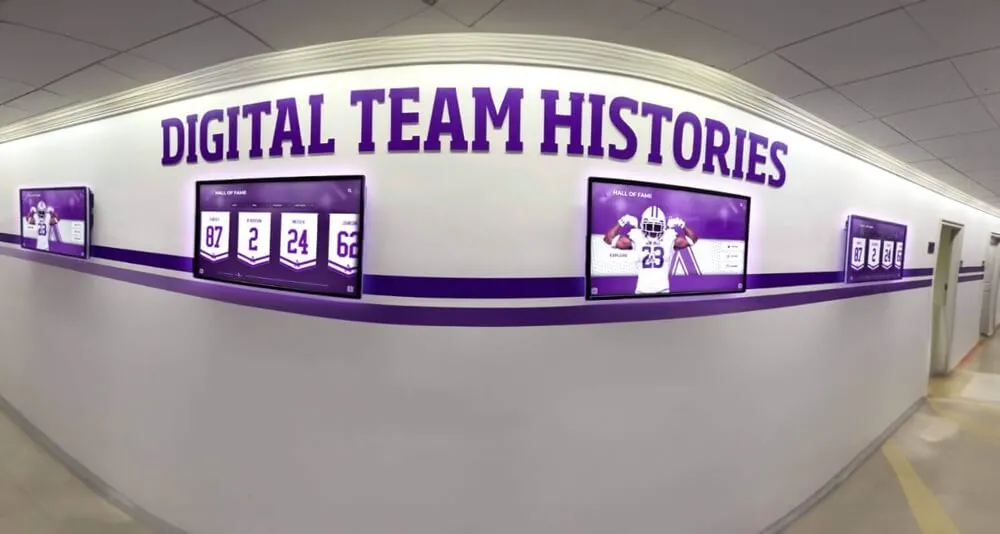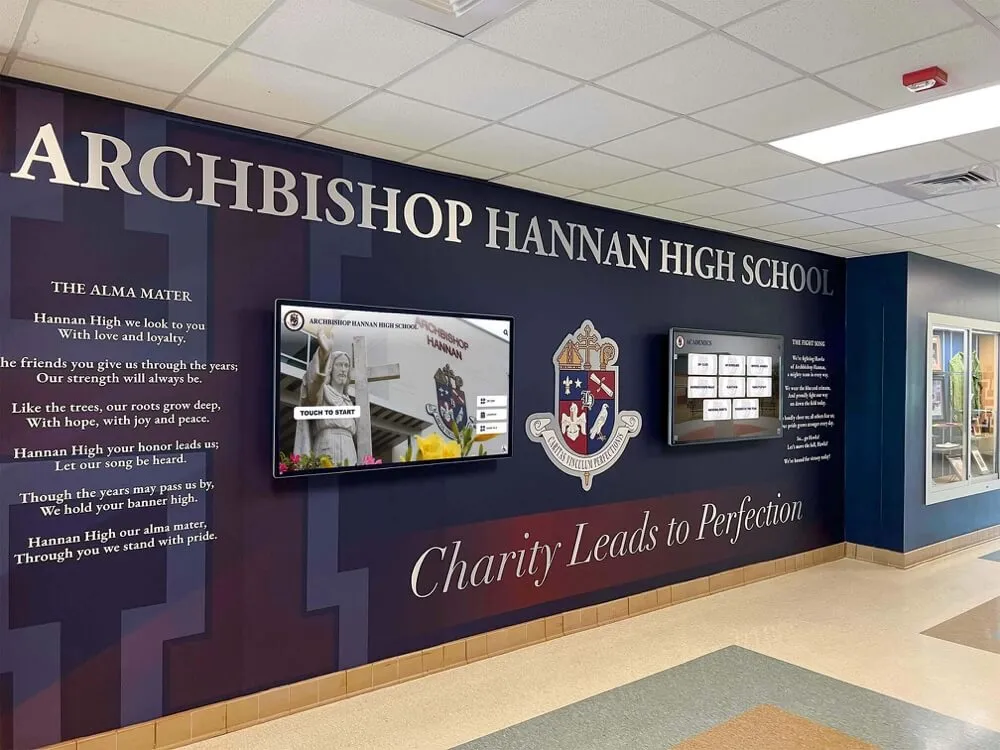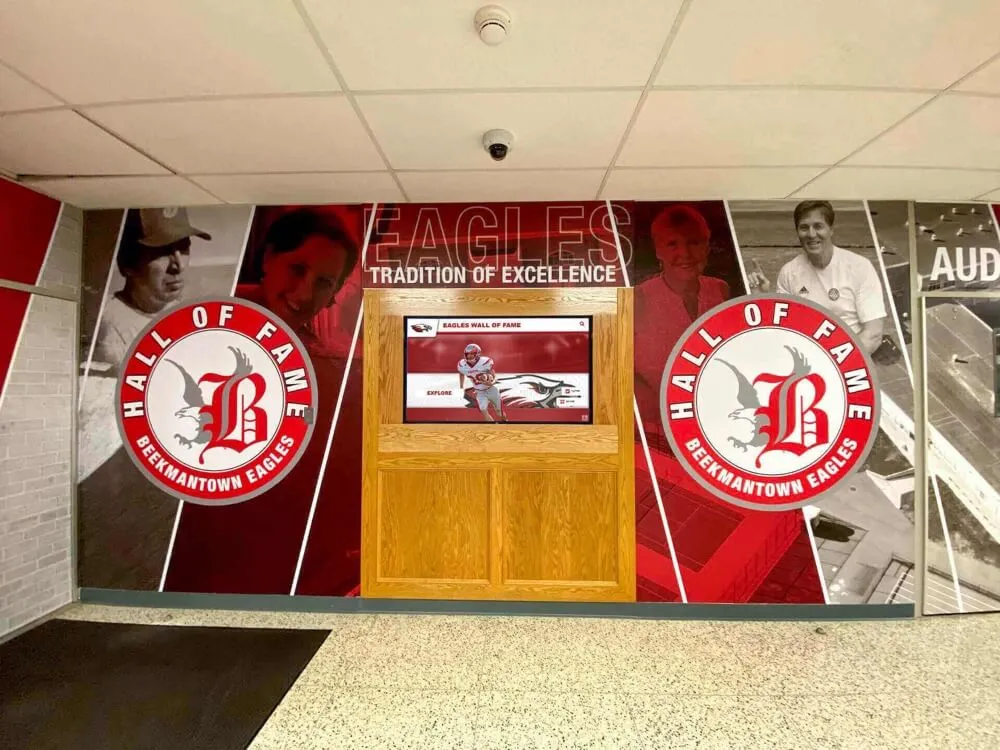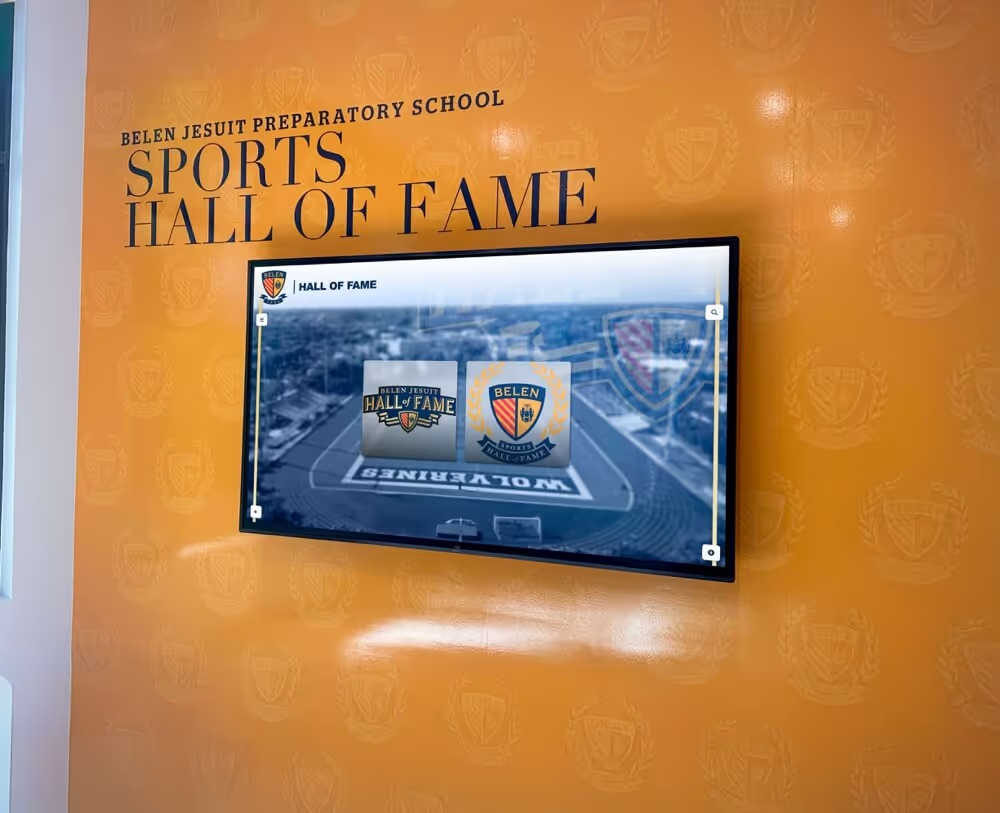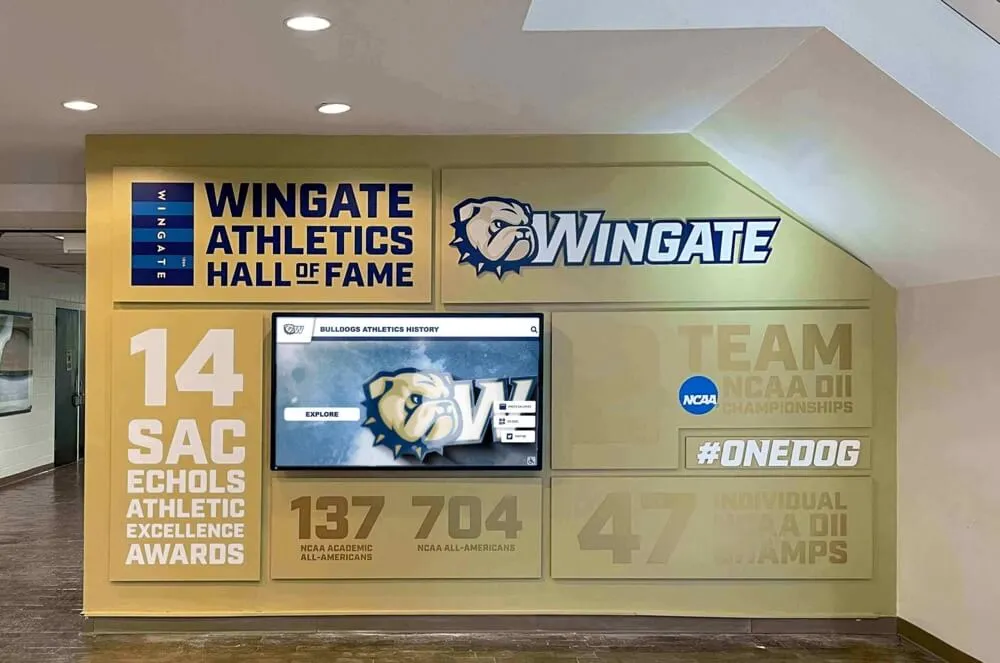




Schools investing in digital recognition technology face a crucial decision: should they implement digital signage software like Rise Vision that broadcasts content to passive viewers, or interactive touchscreen systems like Rocket Alumni Solutions that engage users through hands-on exploration and discovery? While both approaches use screens and deliver digital content, they represent fundamentally different philosophies about how schools should celebrate achievements, engage communities, and preserve institutional history.
This distinction matters tremendously because the wrong choice leads to underutilized technology that fails to deliver expected value. Digital signage excels at delivering scheduled announcements, rotating promotional content, and broadcasting information to passing audiences—but struggles with deep content, personalized exploration, and meaningful engagement. Interactive touchscreens, conversely, transform recognition from passive viewing into active participation where students, alumni, visitors, and families explore comprehensive achievement databases at their own pace, discovering personal connections and detailed stories impossible to convey through rotating slides.
Understanding the fundamental differences between digital signage platforms and interactive touchscreen solutions helps schools select appropriate technology matching their actual recognition needs rather than purchasing systems designed for entirely different applications.
Digital Signage vs. Interactive Touchscreens: Understanding the Fundamental Difference
Digital signage software like Rise Vision creates content management systems that schedule and broadcast information to displays throughout facilities—essentially replacing bulletin boards and static posters with digital screens showing rotating content. Interactive touchscreen systems like Rocket Alumni Solutions create searchable databases where users actively navigate comprehensive content through intuitive touch interfaces, exploring detailed profiles, historical records, multimedia galleries, and achievement databases containing far more information than broadcasting systems can convey. The difference isn't just technical—it's philosophical. Digital signage treats audiences as passive recipients of scheduled broadcasts. Interactive touchscreens treat users as active participants discovering personally relevant content through self-directed exploration.
What Rise Vision Actually Does: Digital Signage for Broadcasting Content
Before comparing platforms, understanding what Rise Vision actually provides clarifies why it represents a fundamentally different approach than interactive recognition systems.
Rise Vision’s Core Platform: Content Management for Digital Displays
Rise Vision positions itself as the “#1 cloud digital signage software solution” designed specifically for broadcasting content to displays throughout organizations. According to their website (as of October 2026), their platform enables organizations to “pick from over 600 templates, customize them, and push to your display,” emphasizing ease of creating scheduled content that rotates across screens.
Template-Based Content Creation: Rise Vision’s approach centers on pre-designed templates for various content types including welcome messages, event announcements, motivational quotes, digital menu boards, emergency alerts, and social media feeds. Schools select templates, customize text and images, then schedule when content appears on displays throughout buildings.
This template approach works well for applications Rise Vision explicitly targets: cafeteria menu boards showing daily lunch options, lobby displays welcoming visitors with rotating school news, hallway screens broadcasting upcoming events and announcements, office displays showing employee recognition or metrics, and emergency notification systems pushing critical alerts across all screens simultaneously.
Multi-Screen Content Distribution: Rise Vision’s architecture broadcasts content from central management systems to numerous displays throughout facilities. Athletic directors upload announcements about upcoming games, lunch coordinators schedule menu changes, principals broadcast emergency alerts, and communications staff rotate promotional content—all pushing information out to passive display screens that viewers encounter throughout their day.
Scheduling and Rotation Focus: The platform emphasizes scheduling capabilities enabling different content at different times including morning announcements on arrival, lunch menus during meal periods, after-school event information, weekend and holiday messaging, and emergency override capabilities. Content rotates on schedules rather than users controlling what information they view.
What Rise Vision Does Not Provide: Interactive User-Controlled Navigation
Understanding Rise Vision’s limitations proves as important as understanding its capabilities, particularly for schools seeking interactive recognition systems.
No Touch Interaction by Default: Rise Vision operates as broadcast signage displaying scheduled content that rotates automatically. While their website mentions some “interactive content” capabilities and screen sharing features, their core platform does not provide the comprehensive touch-optimized navigation interfaces, searchable databases, user-controlled content exploration, or detailed profile systems that characterize purpose-built interactive recognition platforms like those used for digital halls of fame.
Limited Depth of Content: Digital signage platforms display whatever fits on screens during rotation cycles—typically brief text, images, and short videos that viewers see in passing. They cannot accommodate the comprehensive athlete profiles, detailed statistical records, extensive photo galleries, career histories, or multimedia storytelling that interactive touchscreen systems provide because there’s simply no mechanism for users to navigate beyond whatever currently displays on scheduled rotation.
Not Designed for Recognition Databases: Rise Vision’s templates include options for “digital halls of fame” in their marketing materials, but this refers to displaying photos and names in rotating slideshows—fundamentally different from searchable databases containing detailed profiles of hundreds or thousands of alumni, athletes, donors, or achievement recipients. The platform lacks the data structures, search interfaces, profile templates, and content organization systems that characterize true interactive recognition databases.
Schools purchasing Rise Vision expecting comprehensive athletic hall of fame capabilities, searchable alumni directories, or detailed achievement recognition systems discover the platform wasn’t designed for these applications—explaining why specialized interactive touchscreen solutions exist for recognition-focused implementations.
Why Rocket Alumni Solutions Takes a Fundamentally Different Approach
While Rise Vision broadcasts content to passive viewers, Rocket Alumni Solutions creates interactive experiences where users actively explore recognition databases through intuitive touchscreen interfaces specifically optimized for celebrating achievements and preserving institutional history.
Built Specifically for Interactive Recognition and Engagement
Rather than adapting general-purpose signage software for recognition applications, Rocket Alumni Solutions developed their platform specifically for schools, universities, and organizations implementing digital halls of fame, athletic recognition displays, alumni engagement systems, and achievement celebration programs requiring deep content and user exploration.
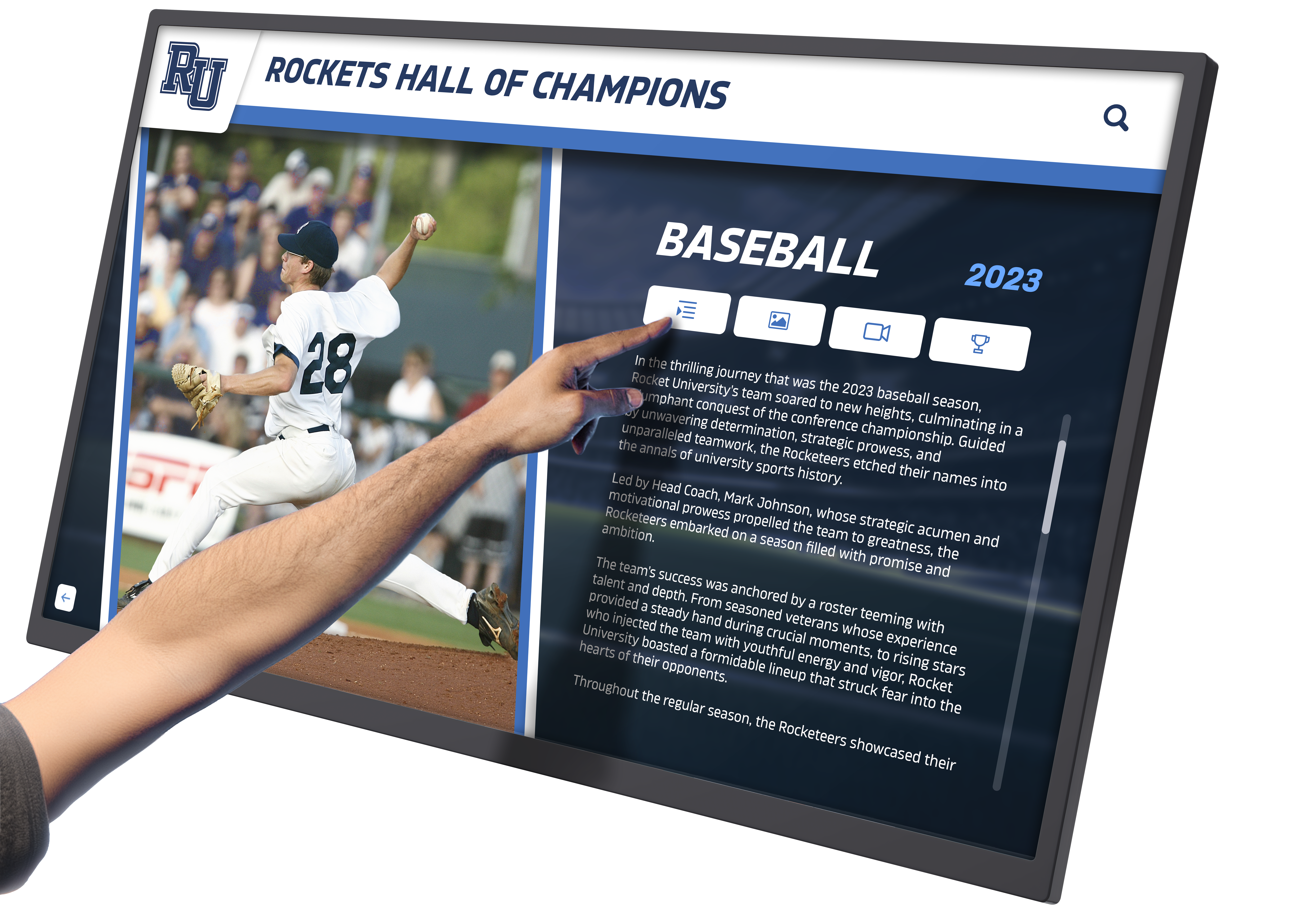
Comprehensive Profile-Based Architecture: The platform organizes content around detailed profiles of individuals, teams, achievements, and historical events rather than broadcast announcements or rotating slides. Each athlete profile includes biographical information and career statistics, photographic progression across years, team rosters and championship participation, records held and notable achievements, college destinations and continuing careers, and family connections showing multi-generational traditions. This depth of information—impossible to convey through rotating digital signage slides—becomes accessible through intuitive touch navigation enabling users to explore interests at their own pace.
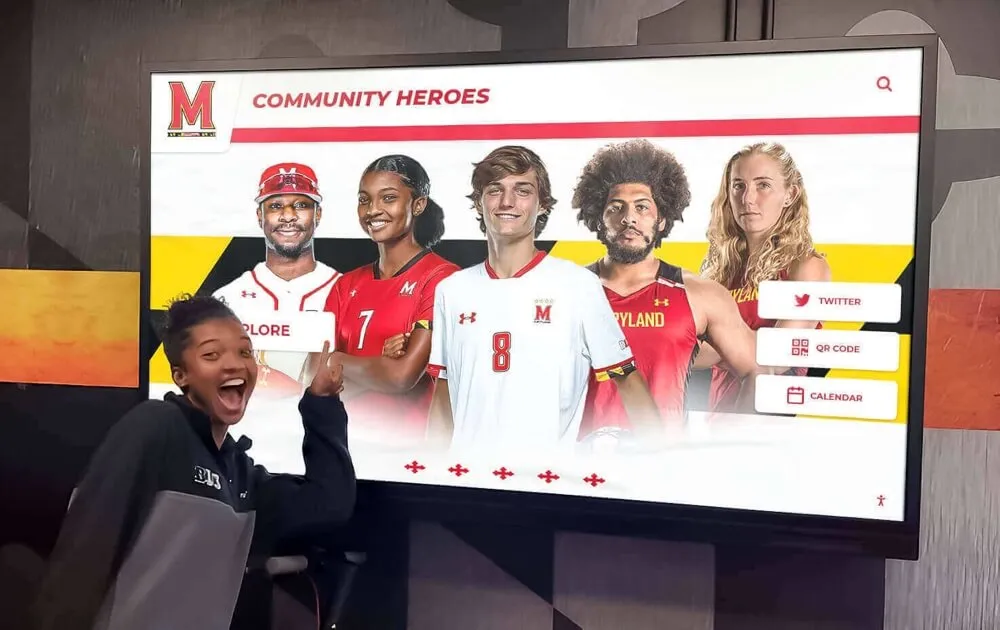
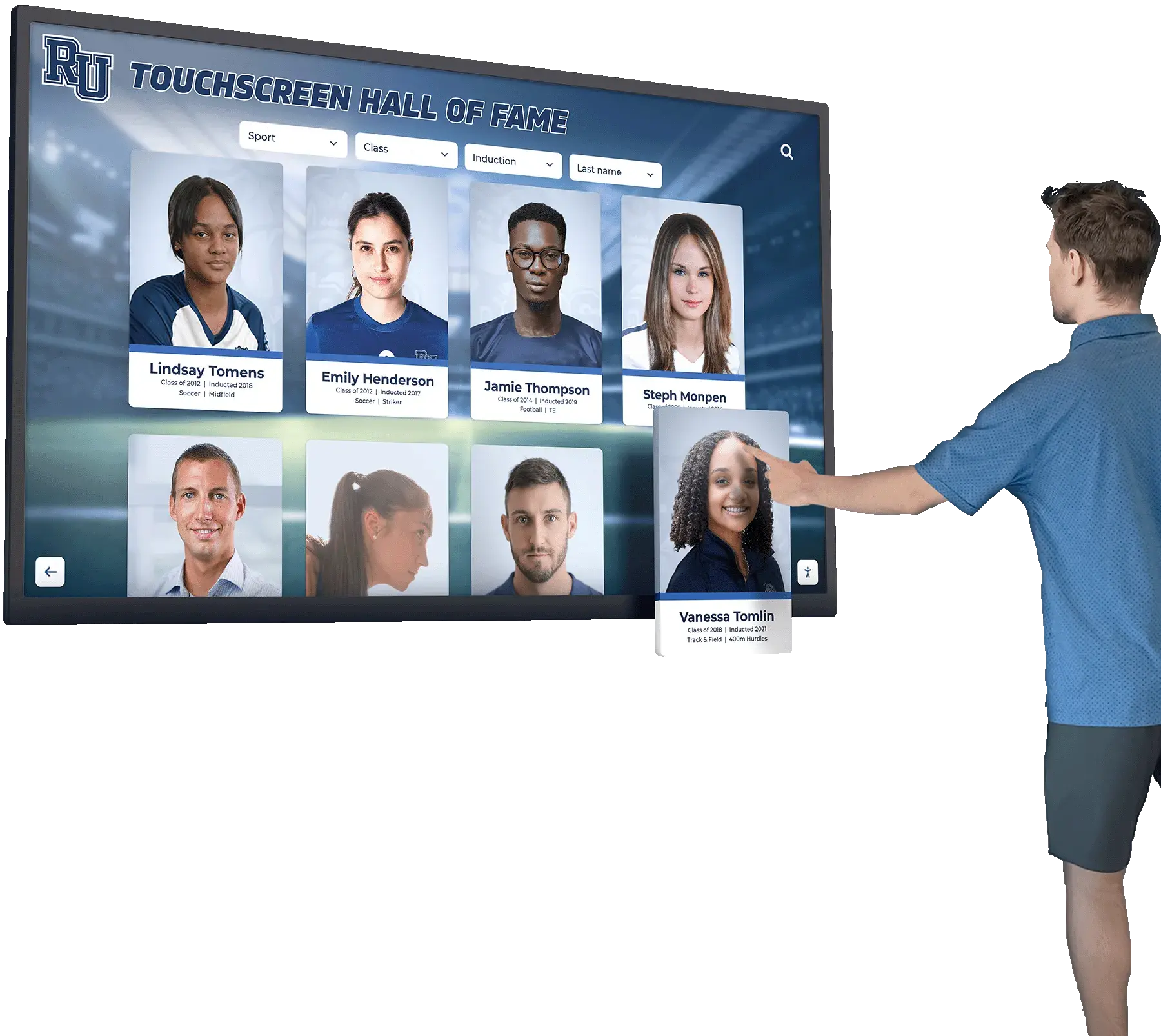
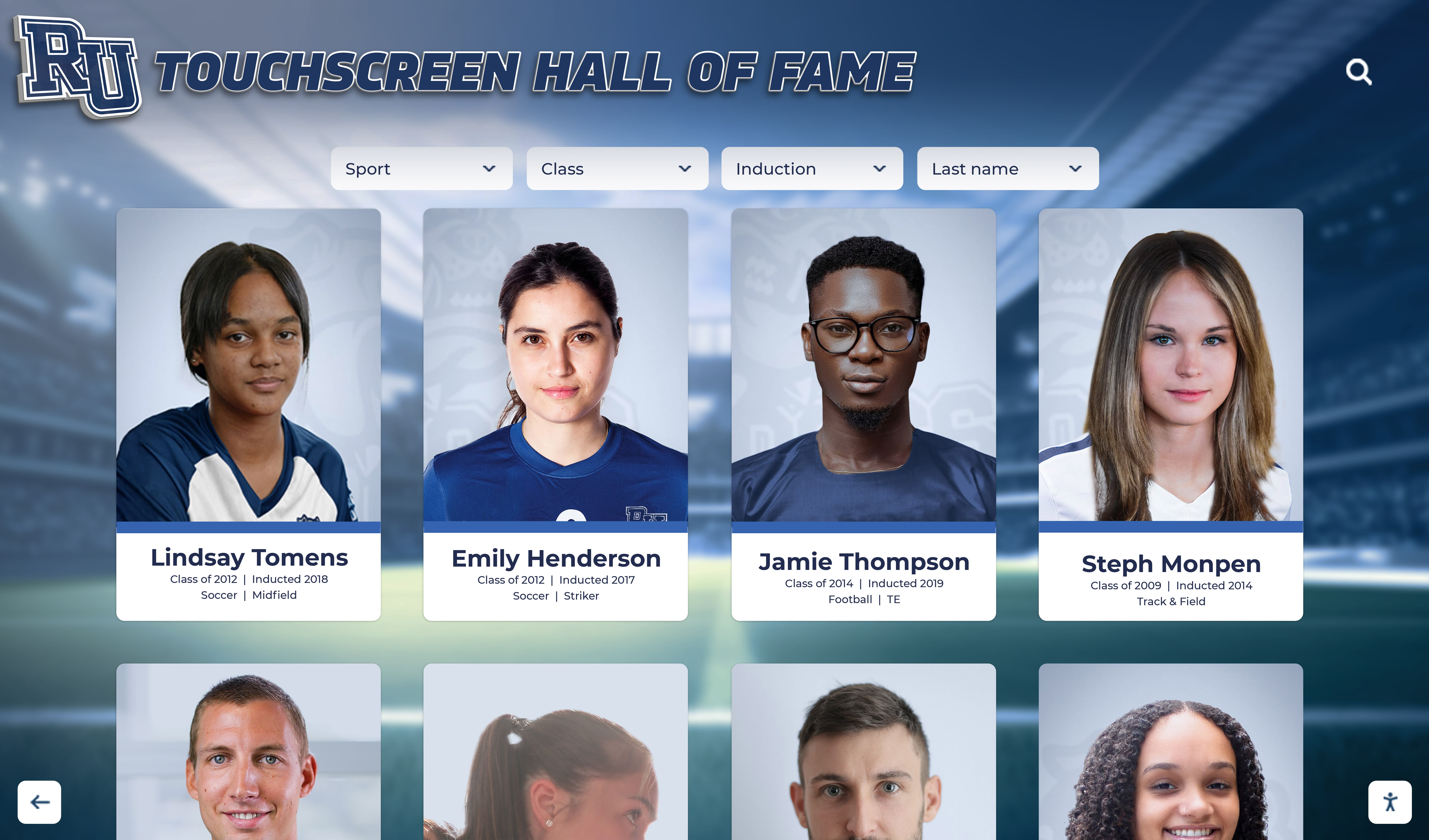

Searchable Database Navigation: Users don’t wait for scheduled content rotations to find information. Instead, intuitive search interfaces enable immediate discovery including name searches finding specific individuals, year-based browsing exploring graduation classes, sport filtering showing all athletes in particular programs, achievement searches highlighting state champions or record holders, and keyword exploration discovering connections. Alumni visiting schools locate their own recognition in seconds. Prospective families research program traditions. Students discover relatives’ achievements. This self-directed exploration creates engagement impossible with passive broadcast displays.
Multimedia Storytelling Capabilities: Beyond basic photos and text, the platform supports rich multimedia content including high-resolution photograph galleries, video highlights and interview footage, interactive statistical comparisons, timeline visualizations showing historical progression, and social sharing enabling digital amplification. Schools digitizing decades of athletic history, alumni achievements, or institutional traditions need platforms supporting comprehensive multimedia storytelling rather than simple announcement rotation. Resources on best touchscreen software solutions explore how purpose-built interactive platforms deliver capabilities that generic digital signage cannot approach.

Intuitive Touch-Optimized Interface Design: Every interface element reflects purpose-built design for public touchscreen environments including large touch targets sized appropriately for finger accuracy, clear visual hierarchy guiding intuitive navigation, minimal text input reducing typing frustration, accessibility features supporting diverse user abilities, and immediate visual feedback confirming touch registration. The difference between software designed for touchscreen interaction versus software adapted from desktop interfaces becomes immediately apparent when real users encounter systems in lobby environments.
Unlimited Capacity for Comprehensive Historical Recognition
Perhaps the most significant practical advantage: interactive database platforms accommodate unlimited content without space constraints that limit traditional recognition or force difficult prioritization decisions.
Every Individual Receives Equal Recognition: Schools with 50 or 100 years of athletic tradition can honor every all-state athlete, every championship team, every record holder, and every significant achievement without space limitations forcing exclusions. Whether recognizing 50 athletes or 5,000, digital platforms provide equal visibility to historical honorees and current achievements—democratizing recognition in ways physical plaques or rotating signage slides cannot match.
Historical Preservation Without Physical Constraints: Traditional trophy cases overflow while storage rooms fill with forgotten plaques and certificates representing genuine achievement deserving recognition. Digital platforms preserve complete institutional history including athletes from decades past, championship teams from school’s founding, facility renovations and milestones, coaching legacies spanning careers, and family traditions crossing generations. This comprehensive preservation proves impossible with broadcast signage systems limited to whatever currently displays in rotation cycles.
Instant Updates Without Physical Installation: When athletes earn all-state recognition, break records, or achieve milestones, updates happen immediately through cloud-based content management rather than waiting for plaque production, physical installation, or rotation schedule updates. Athletic directors photograph the athlete with their certificate, upload achievement details, and publish recognition within hours—creating timely celebration while excitement remains fresh rather than waiting weeks for traditional display updates.
Key Differences That Matter for Schools Making Recognition Decisions
Beyond general platform descriptions, specific capability differences directly impact whether schools achieve recognition objectives or discover they’ve purchased inappropriate technology for their actual needs.
User Experience: Passive Viewing vs. Active Exploration
The most fundamental distinction: how audiences interact with (or passively view) recognition content.
Digital Signage: Broadcast to Passing Audiences: Rise Vision displays content on schedules to whoever happens to pass displays at particular times. A hallway screen might rotate through announcements, event calendars, student recognition slides, and promotional messages on 15-second intervals. Viewers who happen to walk past during specific slides see that content; everyone else misses it. There’s no navigation, no user control, no ability to pause and explore interests. Recognition becomes part of rotating content competing for attention with lunch menus and event announcements.
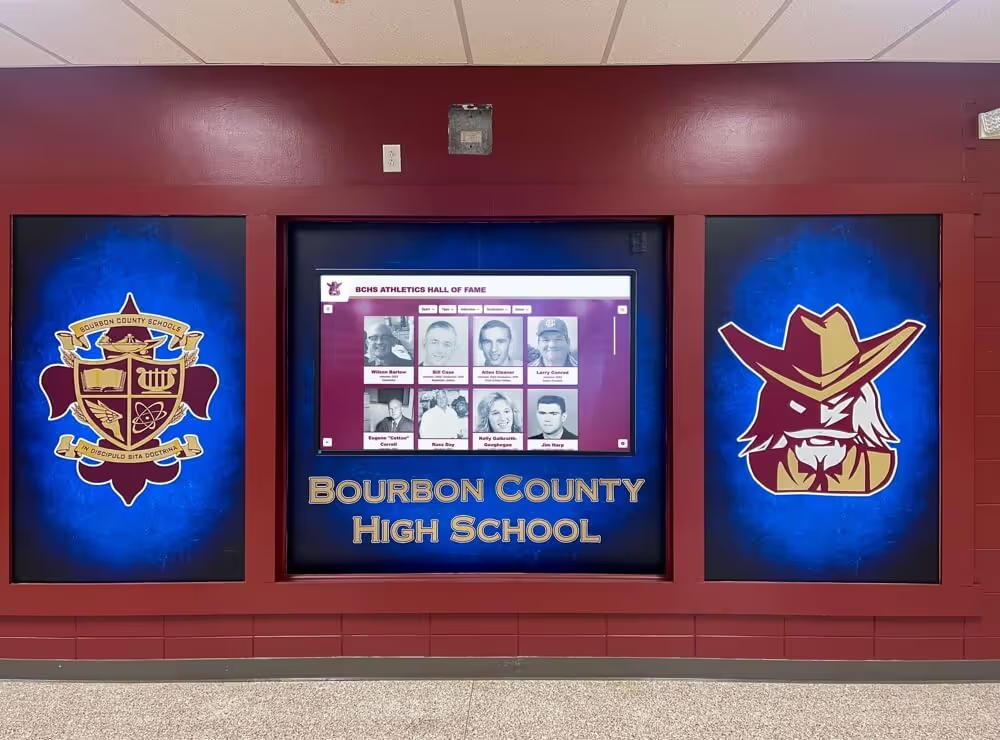
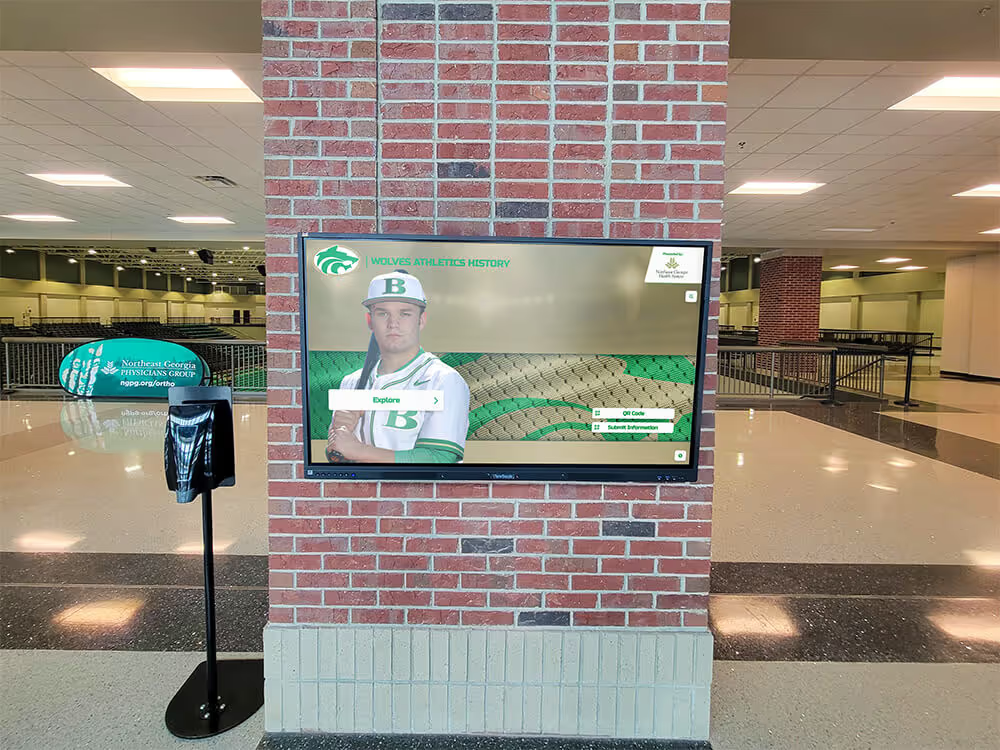
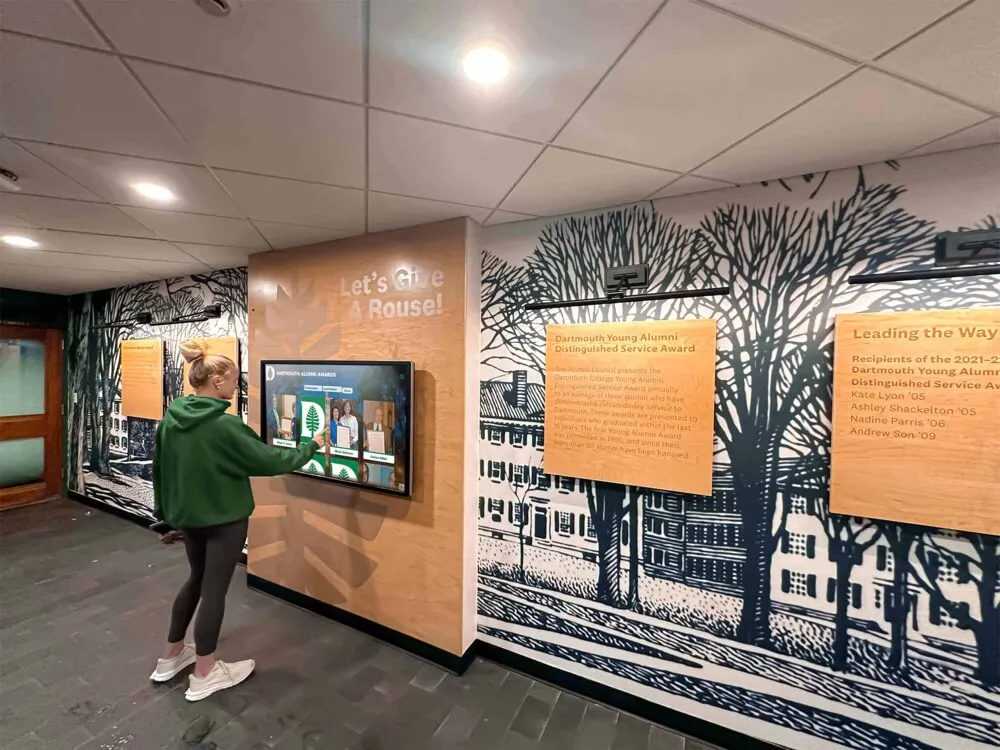
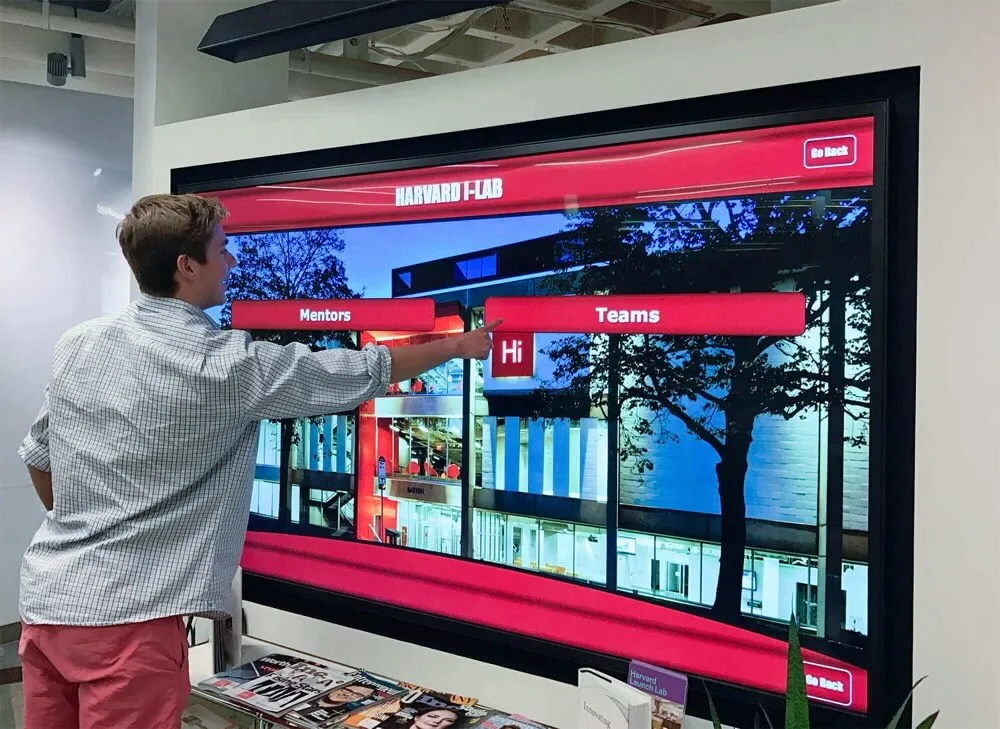
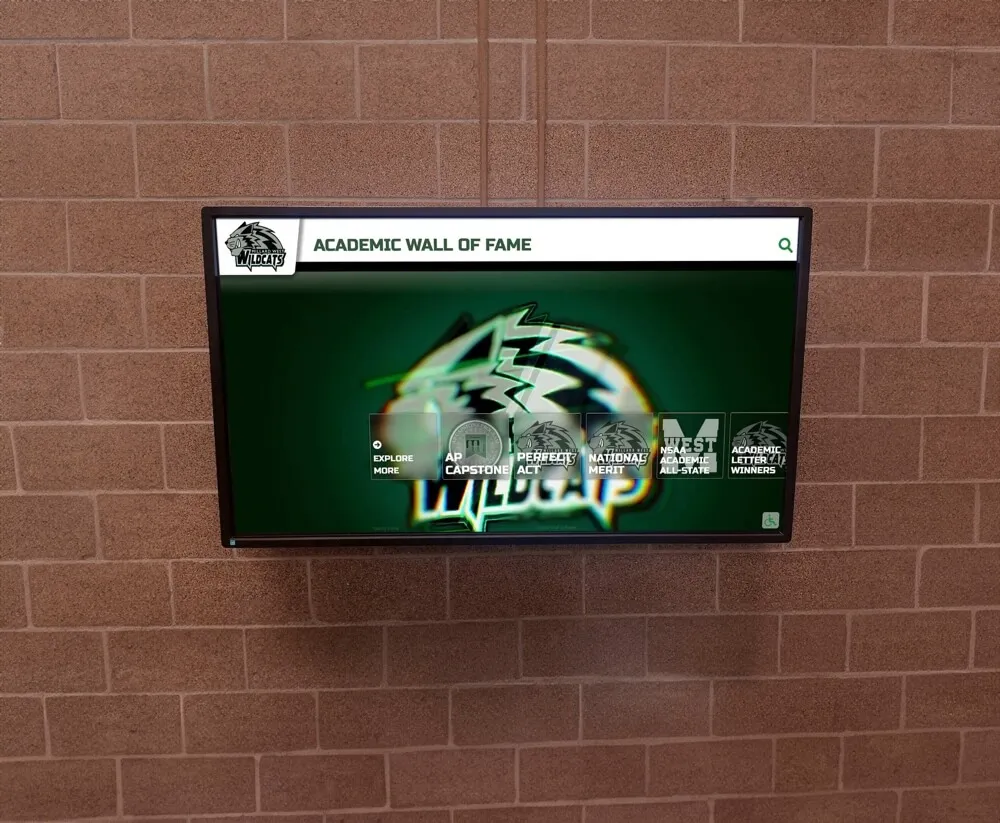
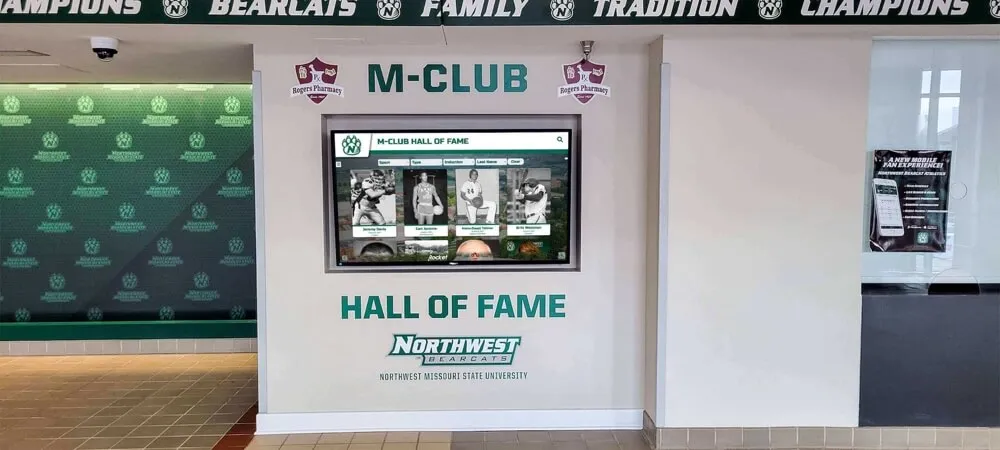
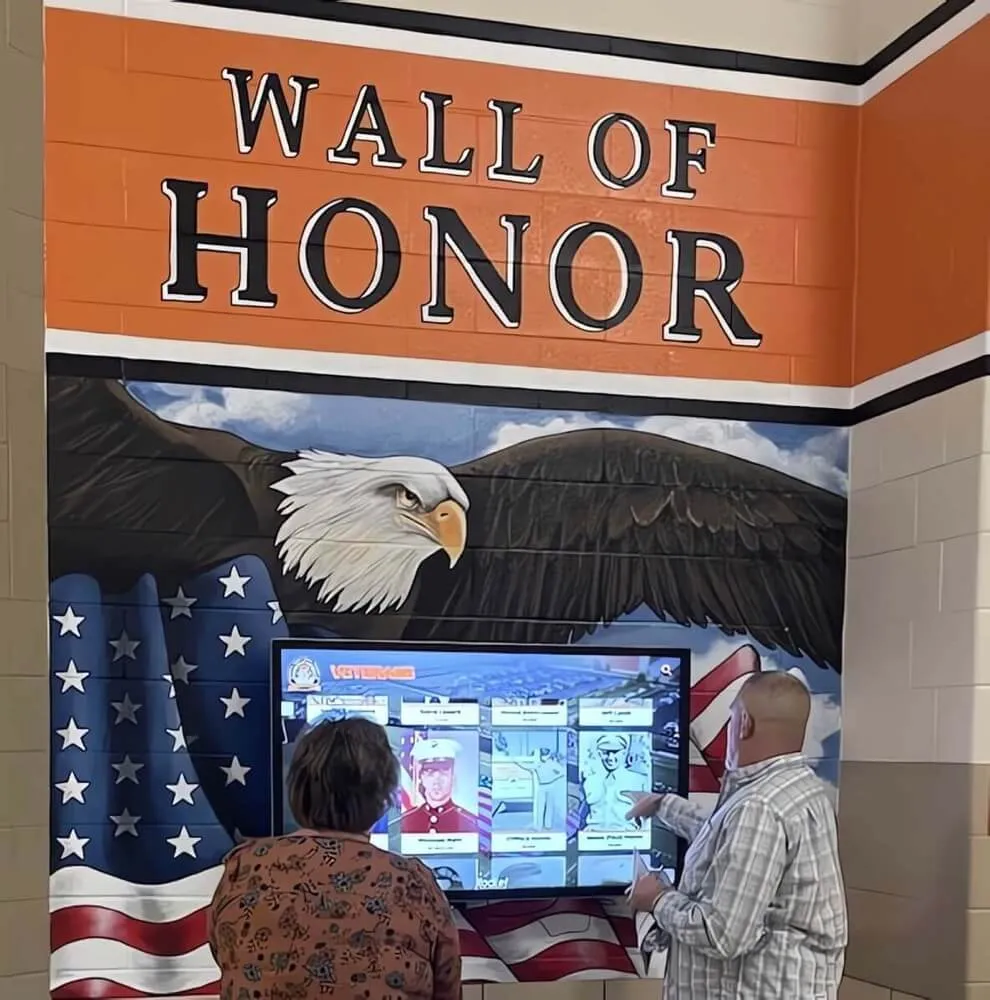
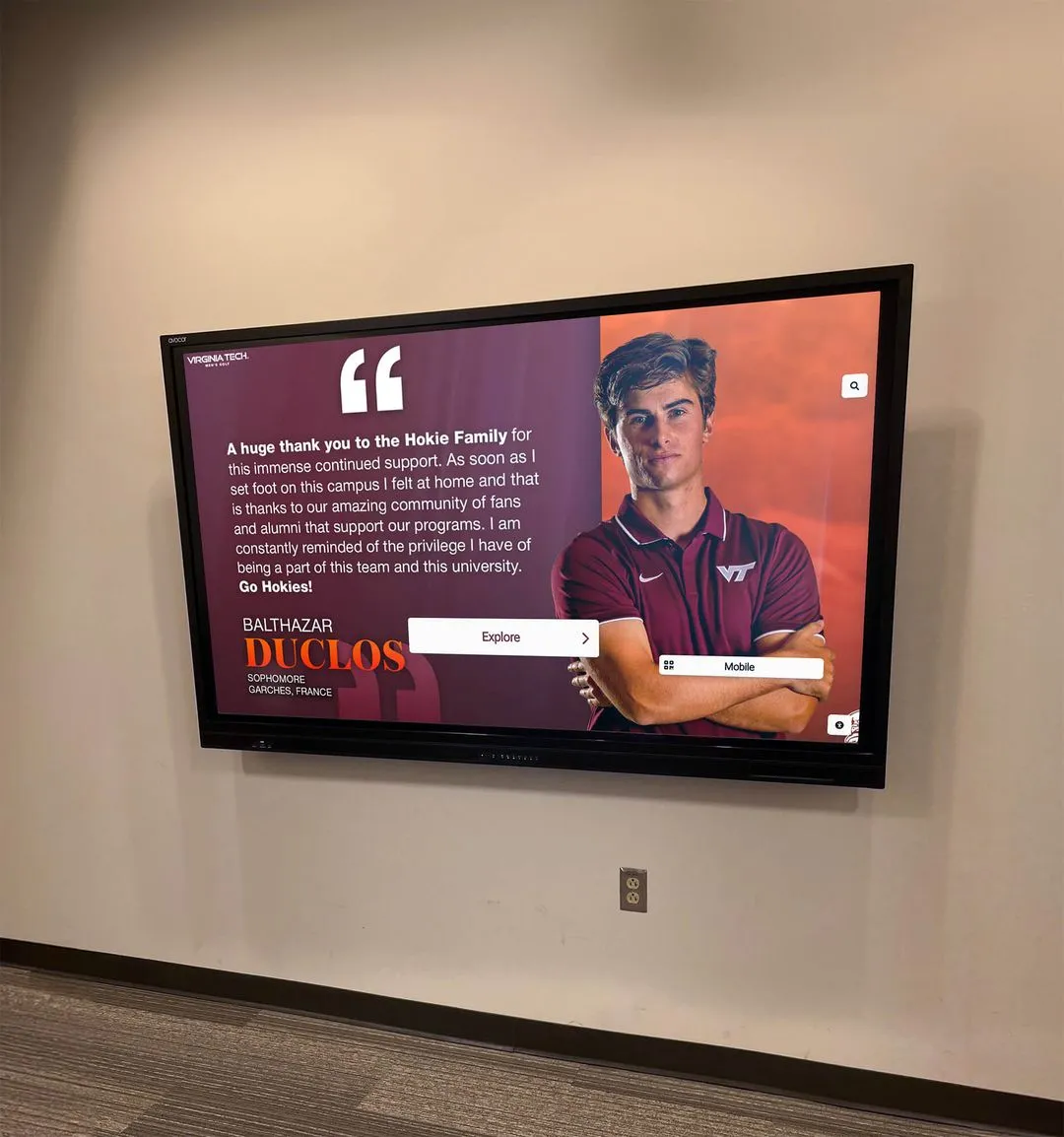
Interactive Touchscreens: User-Directed Discovery: Rocket Alumni Solutions enables visitors to actively engage with content through intuitive touch interfaces. An alumnus visiting for a reunion walks to the touchscreen hall of fame display, searches their name, finds their athletic profile complete with photos from their playing days, explores their team’s championship roster, discovers which classmates also earned recognition, and shares their profile on social media. A prospective student-athlete researches the program’s all-state tradition by browsing achievements across recent years. A current student finds their older sibling’s record and aspires to similar achievement. This active engagement creates personal connections impossible with passive broadcast content.
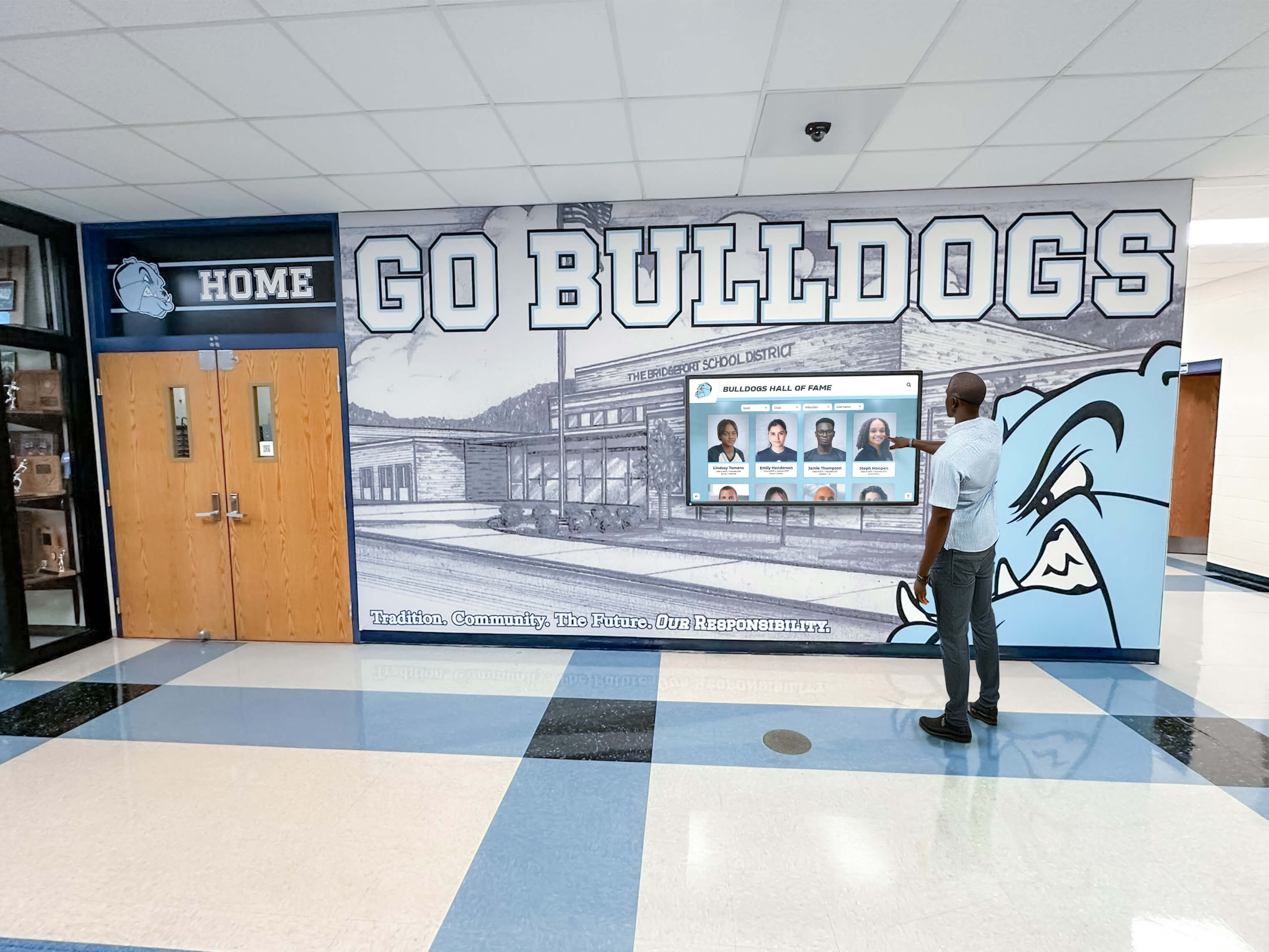
The distinction matters tremendously for recognition effectiveness. Broadcasting athlete names in rotating slides provides surface-level awareness. Enabling comprehensive profile exploration creates meaningful engagement that strengthens alumni connections, inspires current students, and demonstrates genuine institutional commitment to honoring achievement.
Content Depth: Surface-Level Rotation vs. Comprehensive Databases
Related closely to user experience: how much information systems can effectively convey about achievements and honorees.
Digital Signage Content Limitations: Broadcast displays show whatever fits on screens during rotation cycles—typically names, brief text, and photos displayed for seconds before rotating to next content. An all-state athlete might appear as a name and sport on a congratulations slide visible for 15 seconds before the screen rotates to lunch menus. Championship teams become group photos in rotation with other announcements. There’s no space for comprehensive statistics, career narratives, historical context, or multimedia storytelling because broadcast formats cannot accommodate depth.
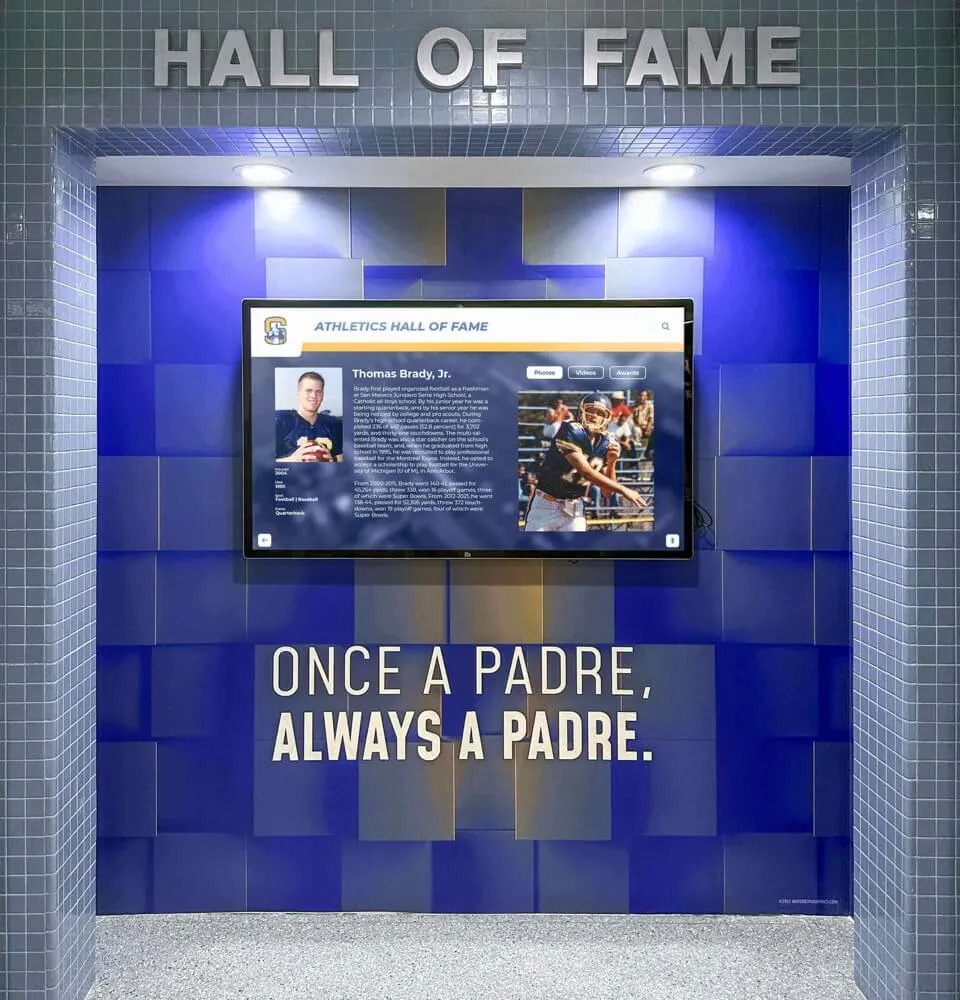
Interactive Database Content Richness: Profile-based platforms support comprehensive content for each recognized individual including multiple high-quality photographs showing career progression, detailed statistics with historical context and comparisons, achievement narratives explaining significance beyond raw data, video highlights when available, post-graduation updates showing college careers or professional accomplishments, and family connections revealing multi-generational traditions. An interactive all-state athlete profile might include 20+ photos, complete four-year statistical records, three championship team rosters, college destination information, and quotes about their experience—impossible to convey through rotating broadcast slides.
For schools implementing athletic halls of fame, alumni recognition programs, or achievement celebration systems, content depth directly determines whether recognition genuinely honors individuals appropriately or merely acknowledges them superficially before moving to the next scheduled broadcast.
Management and Maintenance: Templates vs. Databases
Beyond user-facing differences, how administrators manage content reveals platform design philosophy differences.
Digital Signage: Schedule-Based Template Management: Rise Vision administrators create content by selecting templates, adding text and images, then scheduling when content appears on displays. Managing an athletic recognition program means creating individual slides for each athlete, scheduling them in rotation cycles, updating schedules when adding new honorees, and ensuring recognition slides appear frequently enough to provide visibility among other competing announcements. Content management focuses on scheduling and rotation rather than building comprehensive achievement databases.
Interactive Touchscreen: Profile-Based Content Management: Rocket Alumni Solutions administrators create detailed profiles for each athlete, team, or achievement—entering information once into database fields including biographical data, statistics, achievements, photos, and videos. Content immediately becomes accessible through search and browsing interfaces without scheduling considerations. Adding new all-state athletes means creating their profile once; the platform automatically incorporates them into appropriate search results, year listings, sport rosters, and record comparisons. Content management focuses on building comprehensive recognition databases rather than managing broadcast schedules.
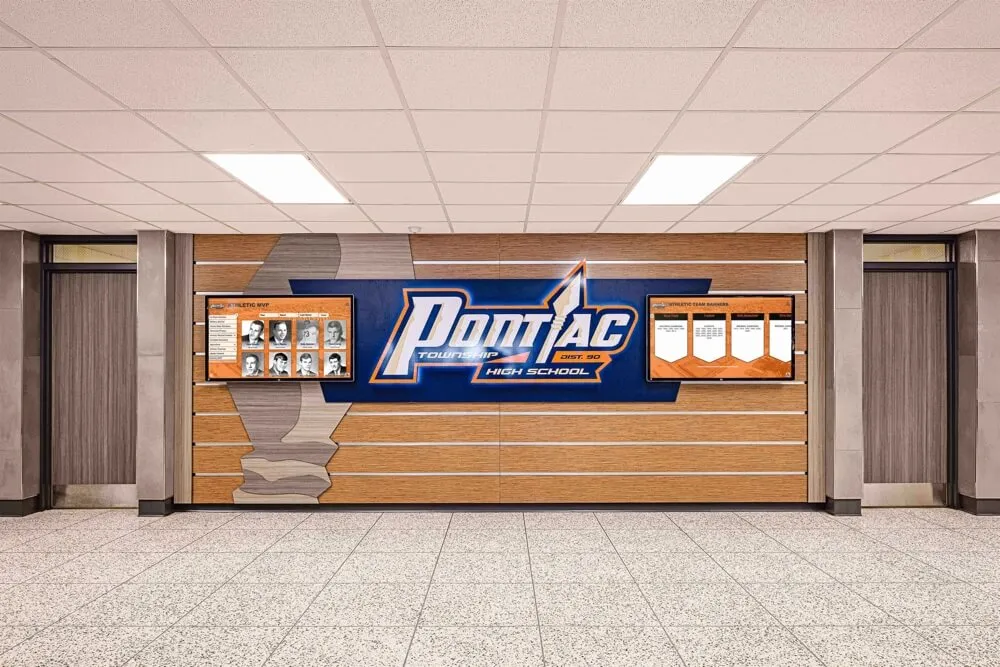
This difference affects long-term maintenance burden and content quality. Schedule-based template management becomes increasingly complex as recognition content grows—requiring constant schedule updates, rotation balancing, and content prioritization. Database management maintains consistent complexity regardless of content volume; adding the 500th athlete profile requires identical effort to the 50th profile while search interfaces automatically organize growing content without administrator intervention.
Application Fit: General Announcements vs. Specialized Recognition
Perhaps most importantly: which applications each platform genuinely serves effectively versus applications where platforms struggle due to architectural mismatches.
Rise Vision’s Appropriate Applications: Digital signage platforms excel at applications their architecture supports including rotating announcements about events, schedule changes, or news where brief information suffices; cafeteria menu boards showing daily meal options; lobby welcome displays greeting visitors with institutional messaging; emergency alert systems broadcasting critical notifications; wayfinding displays showing static maps or directories; and promotional content marketing programs, campaigns, or initiatives. These applications share common characteristics: brief content that viewers consume in seconds, information that changes on schedules (daily menus, upcoming events), and broadcast needs where everyone sees identical content simultaneously.
Schools implementing these applications find Rise Vision delivers appropriate functionality at reasonable costs with user-friendly template-based management—exactly what the platform was designed to provide.
Rocket Alumni Solutions’ Specialized Focus: Interactive recognition platforms serve fundamentally different applications including athletic halls of fame celebrating achievements across decades, alumni directories enabling searchable databases of graduates, donor recognition walls showcasing philanthropic support, digital record boards tracking performance across sports and years, achievement galleries highlighting student success, and historical archives preserving institutional memory. These applications share different characteristics: deep content requiring exploration rather than brief viewing, permanent recognition rather than scheduled rotation, personal relevance where users seek specific information, and engagement opportunities where visitors actively interact rather than passively viewing.
Schools implementing these recognition applications discover that digital signage platforms cannot effectively serve these needs because the architectural mismatch between broadcast content rotation and interactive database exploration proves insurmountable regardless of template customization or scheduling sophistication. Resources on digital wall of fame benefits explain why purpose-built interactive systems deliver superior recognition outcomes compared to adapted signage platforms.
Real-World Implications: What Happens When Schools Choose Wrong Solutions
Understanding abstract platform differences matters less than recognizing practical consequences when schools select inappropriate technology for recognition needs.
When Digital Signage Gets Pressed Into Recognition Duty
Schools sometimes purchase digital signage platforms like Rise Vision for general communication needs, then attempt to use them for athletic recognition, halls of fame, or achievement celebration because “we already have the software.” The results typically disappoint:
Recognition Gets Lost in Rotation: All-state athletes become one slide among dozens in rotation cycles including lunch menus, event announcements, club promotions, and administrative messaging. Even with scheduling priorities, individual athletes receive perhaps 15 seconds of visibility every few minutes—hardly the lasting honor they earned through elite achievement. Family members attending games hoping to see their athlete honored might wait through multiple rotation cycles or miss recognition entirely if arriving between appearances.
Content Depth Proves Impossible: Schools wanting to showcase comprehensive athlete profiles with statistics, photos, and achievements discover they can only display brief text and single photos in rotation slides. Attempting to convey meaningful recognition within 15-second rotation windows forces oversimplification that reduces achievements to name-and-sport listings indistinguishable from generic announcements—the opposite of genuine honor.
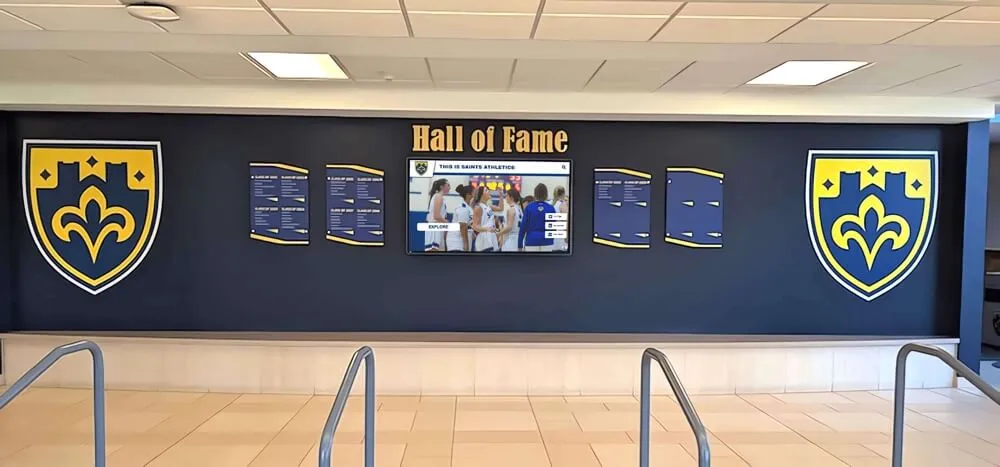
Historical Recognition Remains Impractical: Rotating through decades of all-state athletes, championship teams, and historical achievements would require rotation cycles lasting hours to provide each honoree equal visibility. Schools attempting comprehensive historical recognition through digital signage discover they must prioritize recent achievements while historical honorees remain unrecognized—defeating the purpose of preserving institutional athletic tradition. Effective athletic recognition programs require platforms accommodating unlimited honorees across complete program history.
Alumni Engagement Never Materializes: Without search capabilities or user-controlled navigation, visiting alumni cannot find their own recognition when touring schools decades after graduation. They walk past displays showing whatever currently rotates rather than exploring their personal achievements—missing the emotional reconnection that drives alumni engagement and long-term institutional relationships.
When Schools Implement Purpose-Built Interactive Recognition
Conversely, schools selecting interactive touchscreen platforms designed specifically for recognition applications report significantly better outcomes:
Recognition Receives Appropriate Visibility: Every athlete, regardless of when they competed, receives equal access through search interfaces and browsing navigation. A state champion from 1985 appears in search results alongside current athletes, ensuring comprehensive recognition spanning complete program history. Alumni visiting 40 years after graduation find their achievements preserved and readily accessible, creating powerful emotional connections to institutions that genuinely value their contributions.
Content Depth Honors Achievements Appropriately: Comprehensive profiles with multiple photos, complete statistics, achievement context, team rosters, and personal narratives provide recognition matching achievement significance. Athletes aren’t reduced to bullet points in rotation cycles—they receive detailed tributes celebrating their dedication, excellence, and contributions to program traditions.
Administrative Burden Remains Manageable: Database architectures handle growing content efficiently without increasing scheduling complexity. Adding new athletes requires creating profiles—no rotation rebalancing, schedule updates, or visibility calculations. Content management focuses on recognition quality rather than broadcast logistics.
Multiple Objectives Serve Simultaneously: Interactive recognition supports recruiting prospective athletes who research program traditions, engaging alumni who discover maintained connections to schools, inspiring current students who explore achievement possibilities, and fundraising through donor recognition integration. Learning about digital donor recognition walls reveals how interactive platforms serve development objectives alongside athletic recognition. Digital signage serves different objectives—announcement broadcasting, promotional messaging, event communication—valuable functions but fundamentally different from recognition and engagement applications.
Technical and Cost Considerations: Understanding True Investment Requirements
Beyond functional differences, schools evaluating platforms should understand technical requirements and cost structures affecting long-term value and total ownership expenses.
Rise Vision: Subscription Pricing for Broadcast Management
Rise Vision operates on subscription-based pricing (as of October 2026) where schools pay ongoing fees based on the number of displays managed through their platform. According to their website, pricing remains “simple and transparent” with no contracts required, though specific costs require sales consultation. Their model includes cloud-based content management requiring internet connectivity, template access and updates, multi-display scheduling capabilities, basic support and training, and software updates maintaining compatibility.
This pricing model makes sense for their core digital signage applications—schools implementing lobby displays, cafeteria menu boards, or announcement systems budget recurring subscription costs as ongoing operational expenses similar to other cloud services.
Hardware Flexibility and Compatibility: Rise Vision supports various display hardware including their proprietary Rise Vision Media Player and Avocor displays, Android smart TVs and media players, Chromeboxes and Chrome OS devices, Intel NUCs and similar computing platforms, and Raspberry Pi for budget implementations. This hardware flexibility enables schools to use existing equipment or select appropriate devices for specific applications.
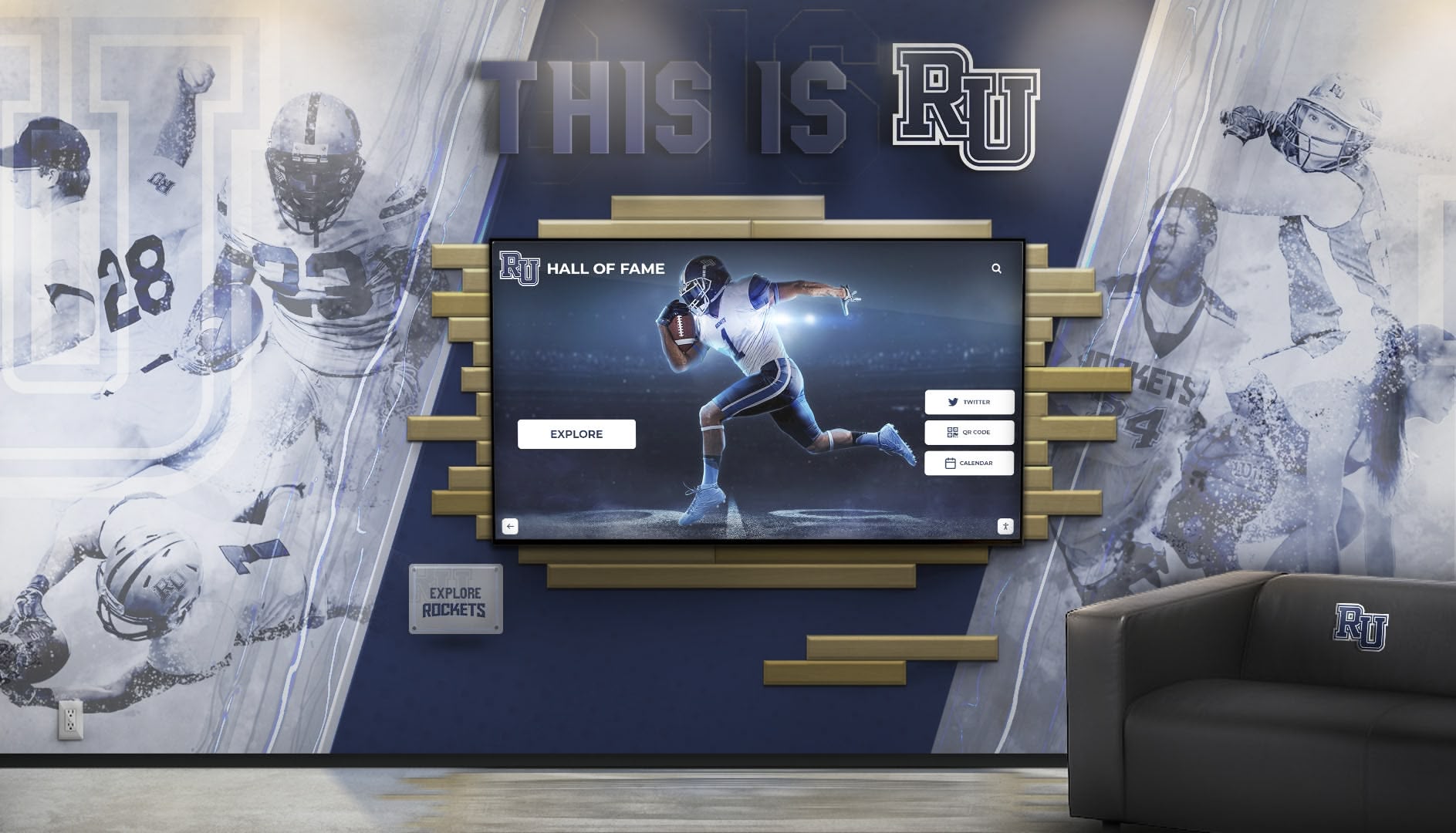
However, schools implementing interactive recognition need hardware supporting touch interaction—typically commercial-grade touchscreens rather than standard displays used for broadcast signage. Rise Vision’s focus on broadcast content means their recommendations and testing priorities center on display-only hardware rather than the robust touchscreen displays required for interactive applications. Understanding best touchscreens for schools helps institutions select appropriate hardware for interactive recognition rather than broadcast signage.
Rocket Alumni Solutions: Recognition-Optimized Platform Investment
Rocket Alumni Solutions pricing reflects their specialized recognition focus, typically involving higher initial investments than broadcast signage but delivering capabilities specifically designed for comprehensive interactive recognition that digital signage platforms cannot provide.
Purpose-Built for Touchscreen Interaction: The platform assumes commercial-grade interactive touchscreen hardware including ELO Touch Solutions displays, other commercial touchscreen manufacturers, integrated computing solutions like the Elo Backpack, professional mounting and installation, and robust construction suitable for continuous public interaction. These hardware requirements ensure reliable operation in high-traffic environments where visitors actively engage through touch interaction rather than passive viewing.
Investment includes not just software licensing but comprehensive recognition solutions including content development support and historical research assistance, profile creation and data migration services, interface customization matching institutional branding, training for administrators managing ongoing updates, and ongoing platform improvements and feature development. Schools receive solutions specifically designed for their recognition objectives rather than adapting general-purpose software to ill-fitting applications.
Total Cost Comparison Considerations: While initial investments for interactive recognition platforms typically exceed digital signage subscriptions, schools should evaluate total value delivered including unlimited recognition capacity without display quantity restrictions, comprehensive historical content preservation, engaging user experiences driving actual interaction, specialized functionality for recognition applications, and long-term platform evolution supporting emerging capabilities. The relevant comparison isn’t “digital signage vs. touchscreen software” but rather “appropriate recognition solution vs. inadequate workaround using mismatched technology.”
Schools that attempt saving costs by using digital signage platforms for recognition applications often discover they’ve purchased functionality they cannot effectively use for their primary objective—creating expensive inadequate solutions that eventually require replacing with appropriate technology.
Making the Right Choice: Matching Technology to Actual Recognition Needs
Schools investing in recognition technology should base decisions on clear understanding of objectives, stakeholder needs, and long-term institutional plans rather than defaulting to familiar categories or surface-level cost comparisons.
Ask Critical Questions About Recognition Objectives
Before evaluating specific platforms, clarify what recognition success actually means:
What depth of content serves honorees appropriately? If recognizing all-state athletes with photos, complete statistics, career narratives, and achievement context matters, platforms limited to rotating brief slides prove inadequate regardless of template variety or scheduling flexibility. If simple name acknowledgment suffices, broadcast signage may work.
How will stakeholders actually interact with recognition? If alumni visiting schools should find their own achievements, prospective families should research program traditions, and current students should explore achievement possibilities, user-controlled interactive navigation proves essential. If recognition primarily serves passing awareness for current building occupants, broadcast displays suffice.
What historical scope requires preservation? If comprehensive recognition spanning decades of achievements matters, unlimited database capacity proves essential. If only recent achievements (past 3-5 years) require visibility, rotation-based displays remain viable.
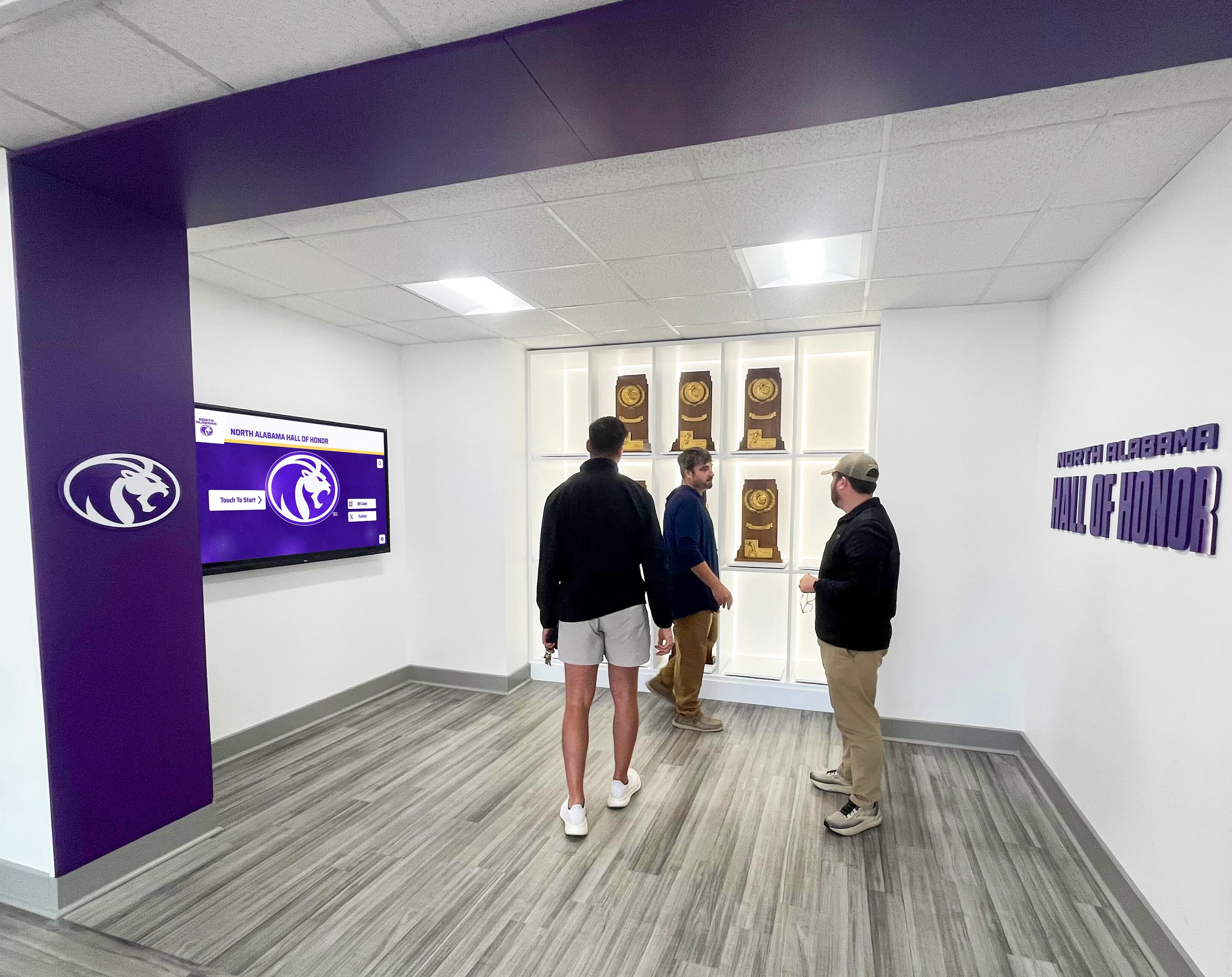
What institutional outcomes matter most? If recognition should drive alumni engagement, support recruiting, inspire current students, and preserve institutional history, interactive exploration enabling personal discovery proves necessary. If recognition primarily provides current visibility for recent achievements, simpler broadcast approaches work.
Honest answers to these questions reveal whether schools need interactive recognition platforms, broadcast communication systems, or potentially both serving different institutional objectives.
Consider Hybrid Approaches for Comprehensive Solutions
Many schools discover they need both broadcast communication capabilities and interactive recognition functionality—not either/or choices but complementary systems serving different purposes.
Digital Signage for Communication and Announcements: Rise Vision-style platforms excel at their designed purpose: broadcasting timely information including daily event schedules and announcements, cafeteria menus and dining information, emergency alerts and critical notifications, promotional content about programs and opportunities, and wayfinding displays supporting campus navigation. Schools implementing lobby displays, cafeteria screens, or announcement systems throughout buildings find digital signage delivers appropriate functionality. For navigation-specific needs, interactive campus directory systems provide dedicated wayfinding solutions.
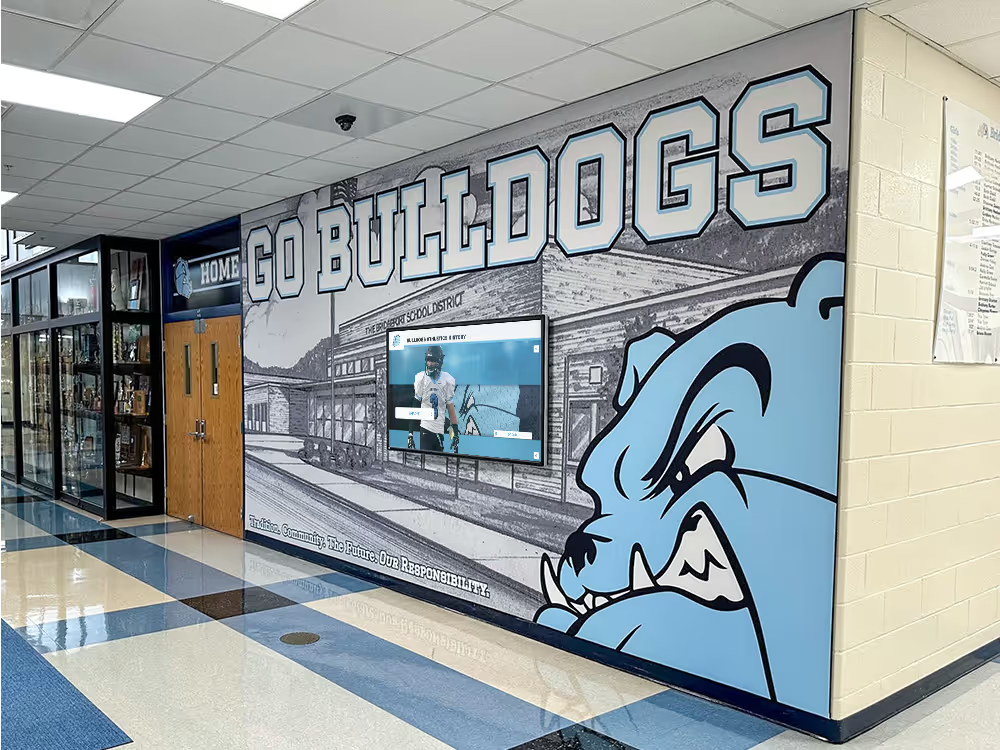
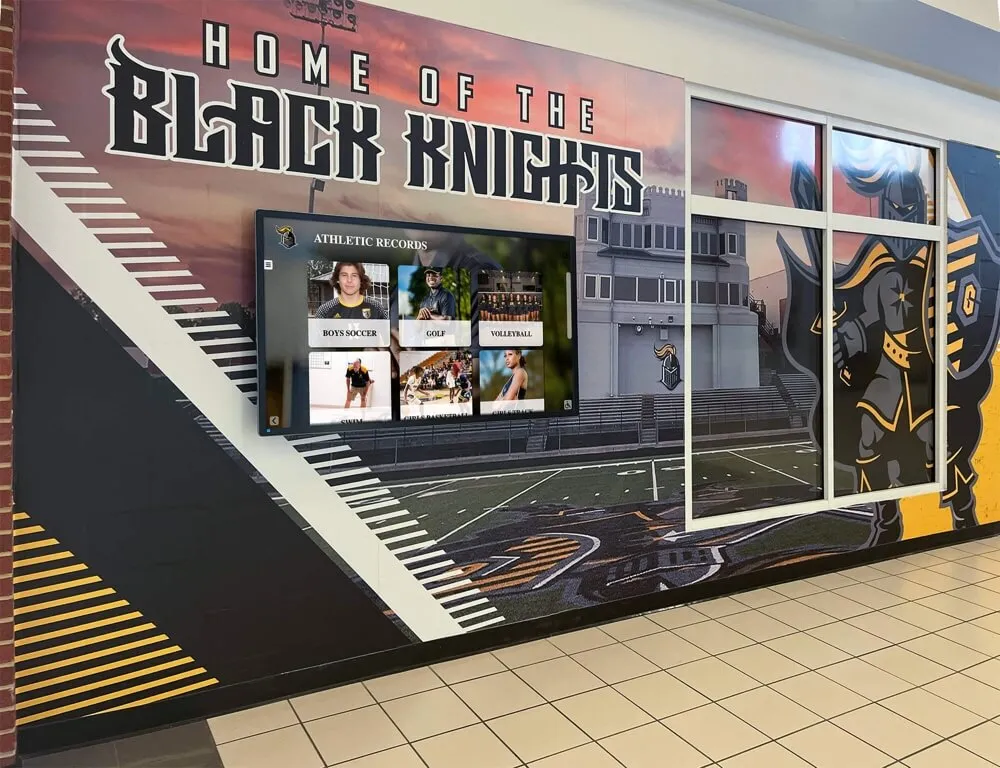
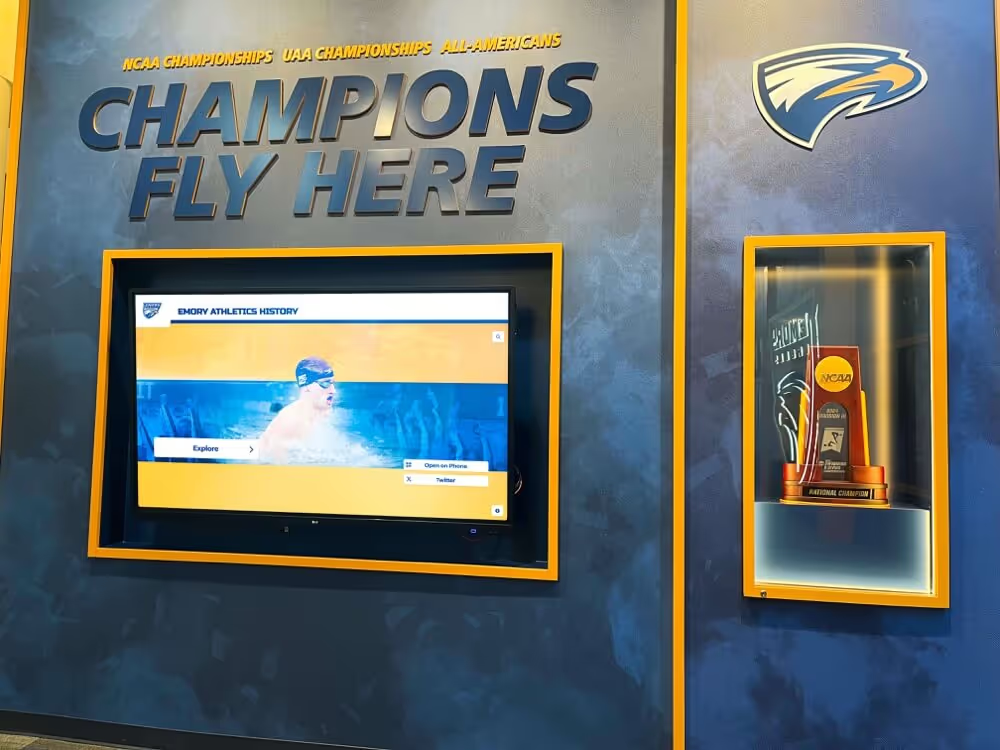
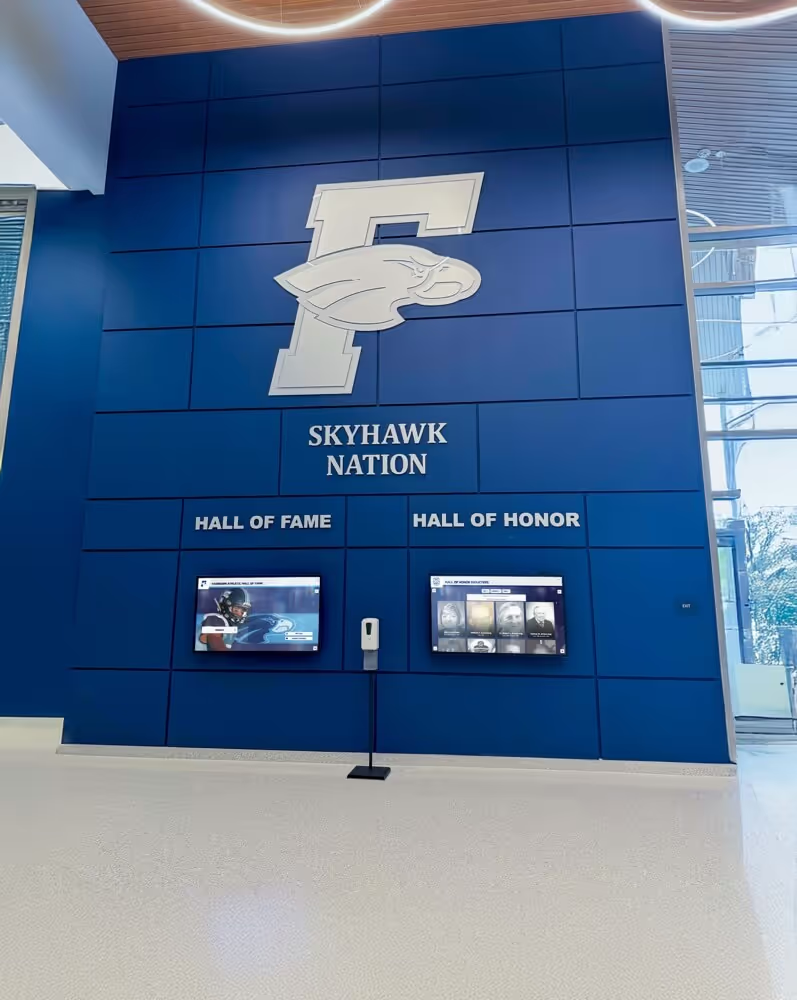
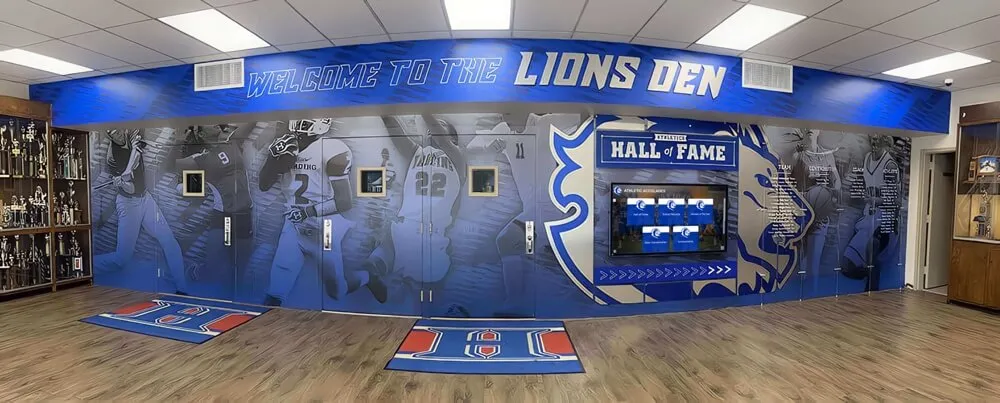
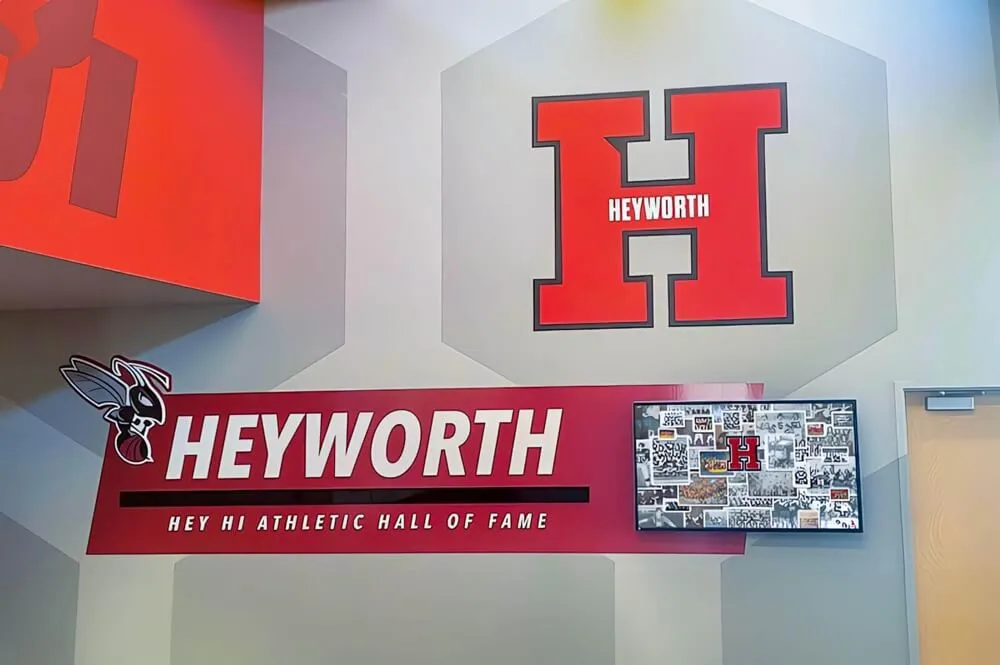
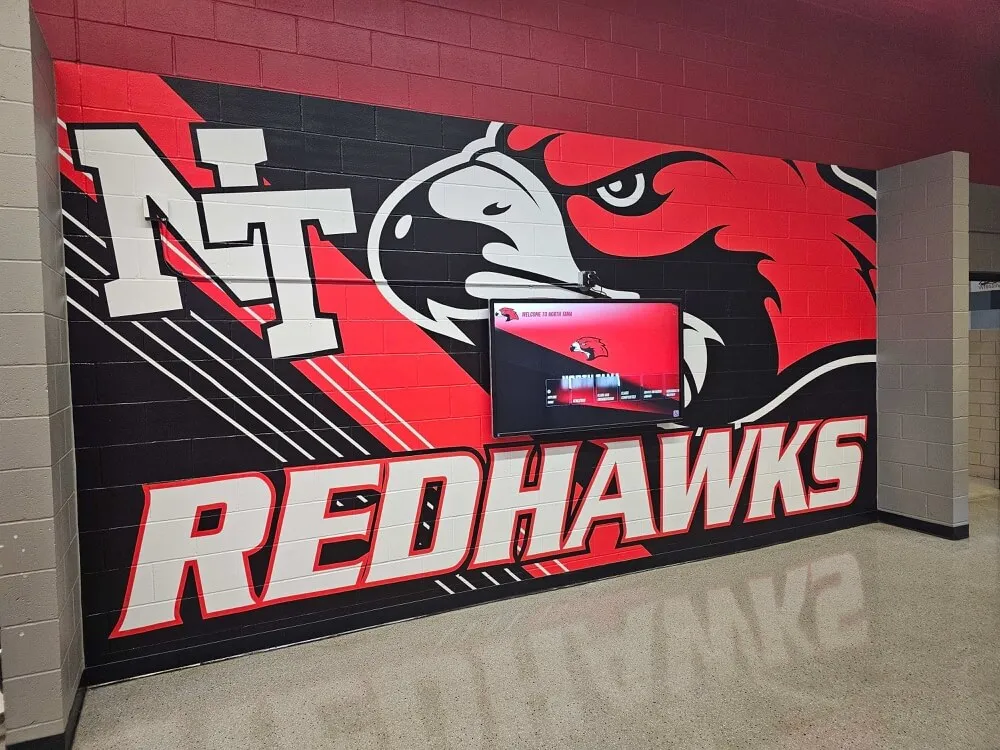
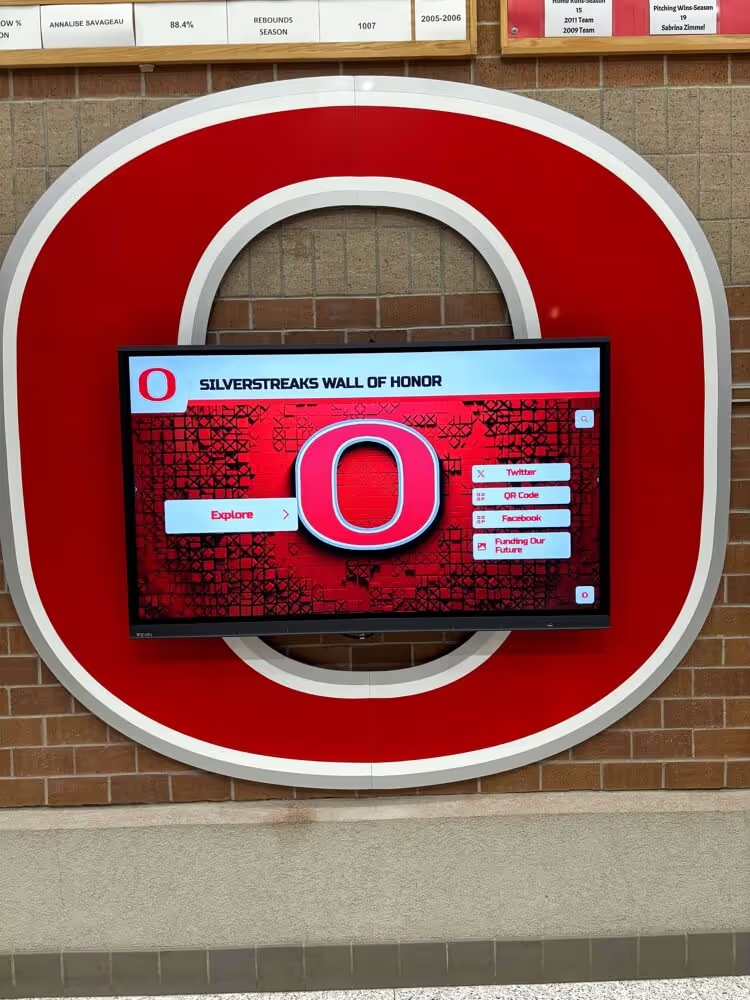
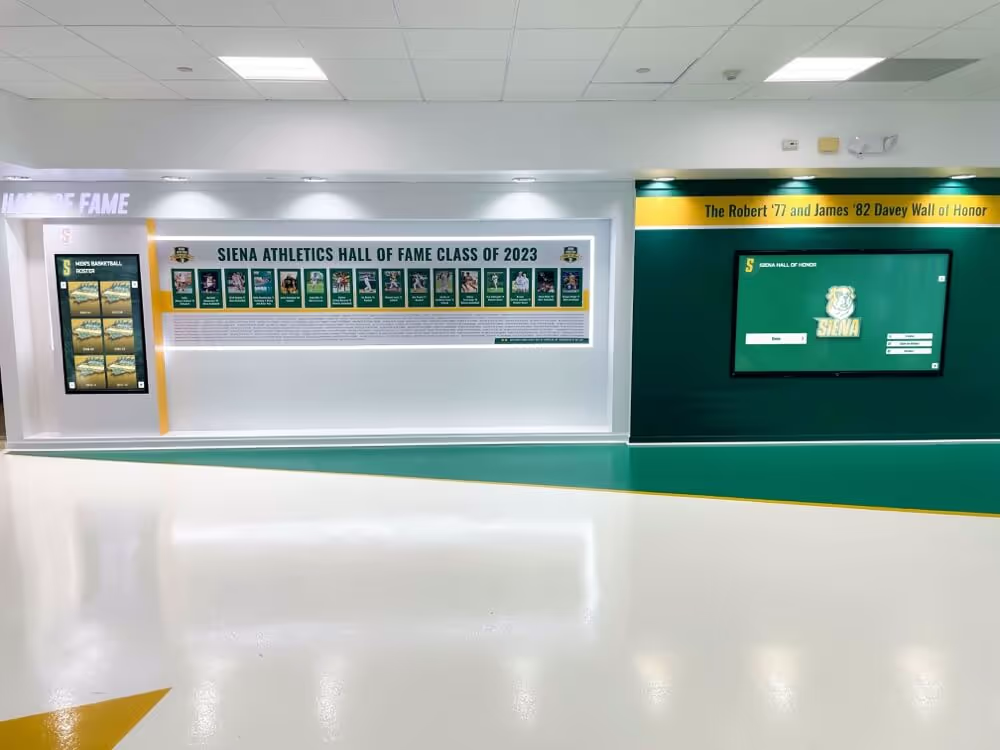
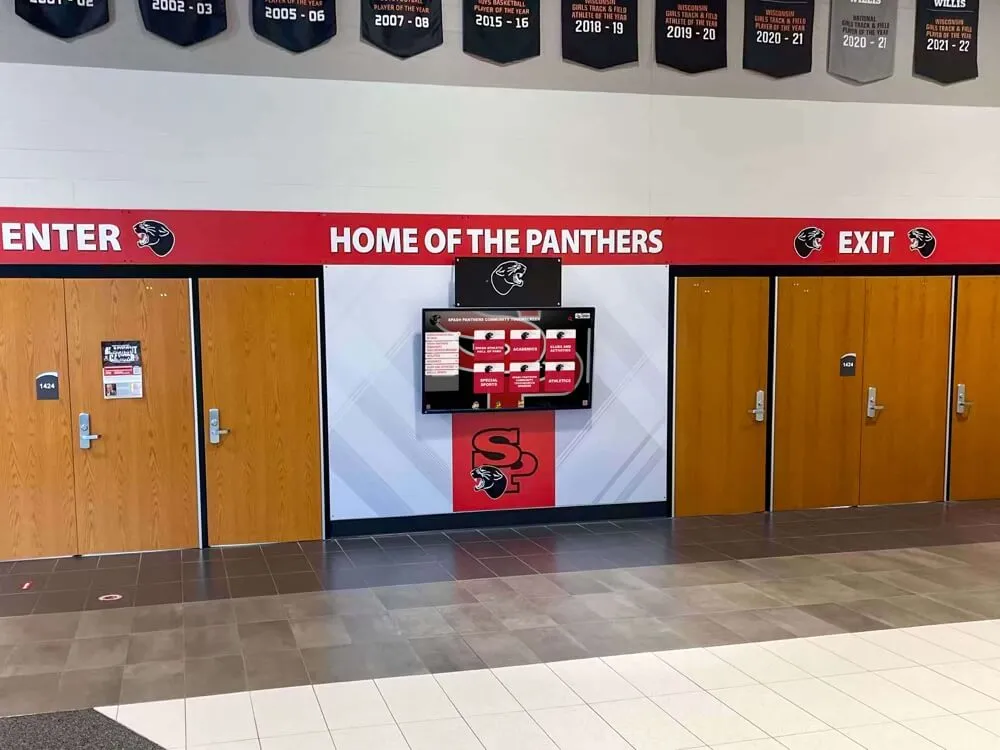
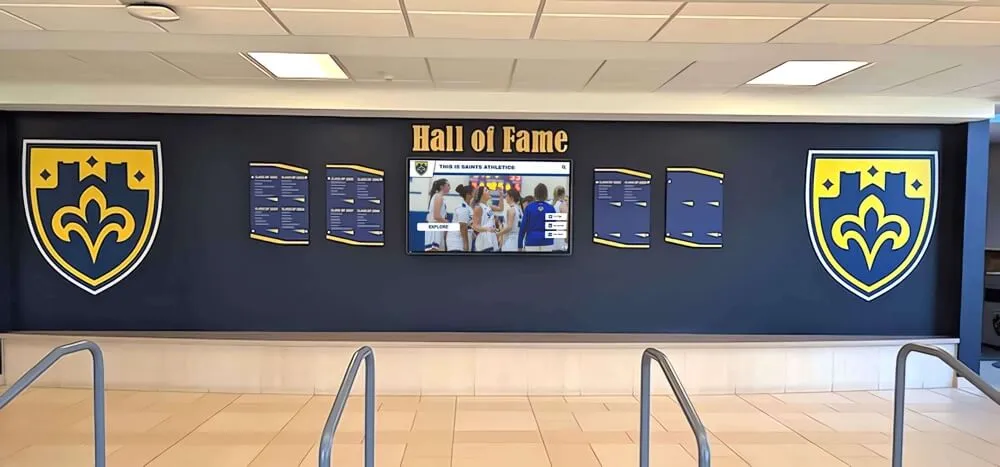
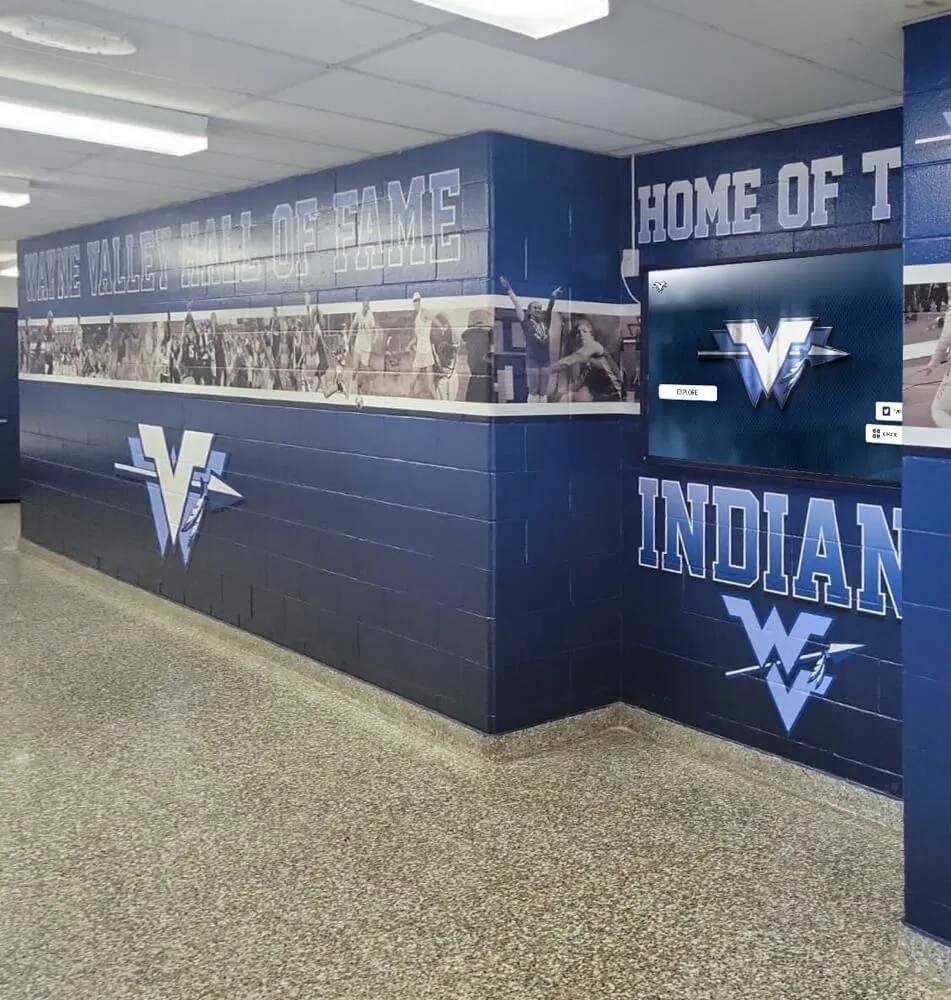
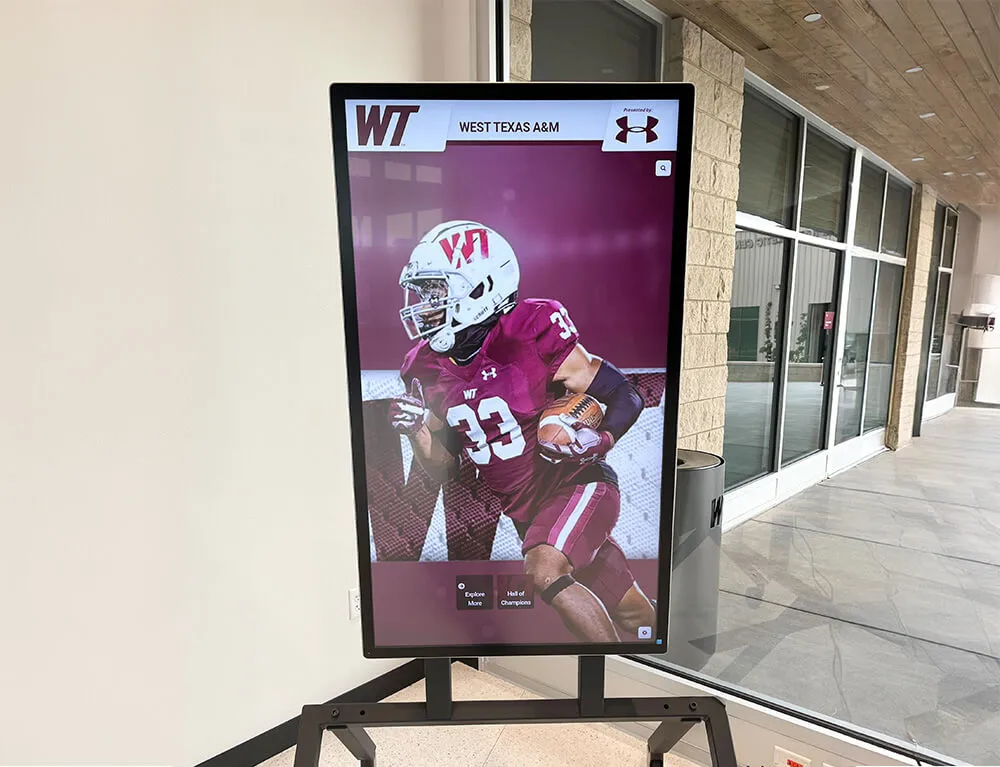
Interactive Touchscreens for Recognition and Engagement: Rocket Alumni Solutions-style platforms serve their specialized purpose: celebrating achievements through comprehensive interactive recognition including athletic halls of fame spanning decades, alumni directories enabling graduate connections, donor recognition showcasing philanthropic support, record boards tracking performance across history, and achievement galleries inspiring future excellence. Schools implementing recognition programs in gymnasiums, athletic facilities, development offices, or main lobbies find interactive touchscreens deliver engagement impossible through broadcast displays.
Rather than forcing one platform to serve both needs, implementing appropriate solutions for different applications delivers superior outcomes compared to compromised workarounds. Use digital signage where broadcast communication serves objectives. Use interactive touchscreens where recognition and engagement matter most. This specialization maximizes value from both investments rather than accepting limitations from mismatched technology.
Evaluate Vendors Based on Recognition Specialization
When comparing platforms for recognition applications specifically, vendor specialization and experience implementing similar projects matter tremendously.
Recognition-Focused Development and Features: Vendors specializing in recognition platforms understand unique requirements including profile-based content organization rather than schedule management, search and discovery interfaces rather than rotation controls, historical preservation across decades rather than recent content focus, multimedia storytelling capabilities rather than simple announcement templates, and engagement analytics measuring discovery patterns rather than impression counts.
This specialization manifests in purpose-built features that general platforms cannot easily replicate including sports-specific statistical tracking, team roster management, multi-sport athlete recognition, record progression visualization, alumni engagement workflows, and donor stewardship integration.
Reference Projects and Implementation Experience: Evaluate vendors based on implementations similar to planned projects. Vendors with extensive experience implementing athletic halls of fame understand unique challenges including researching historical records, gathering athlete photographs across decades, structuring statistical information appropriately, creating intuitive navigation for sports contexts, and training athletic staff on ongoing management. This experience accelerates implementation while avoiding common pitfalls that inexperienced vendors encounter.
Schools should review reference installations, speak with athletic directors managing similar systems, visit functioning implementations, and understand vendor roadmaps ensuring continued platform development supporting long-term recognition needs.
The Bottom Line: Why Purpose-Built Solutions Matter for Recognition
The comparison between Rise Vision and Rocket Alumni Solutions ultimately isn’t about which platform offers superior quality—it’s about which platform was designed for applications schools actually need.
Rise Vision delivers excellent digital signage functionality for organizations broadcasting scheduled content to displays throughout facilities. Schools implementing cafeteria menus, lobby announcements, emergency alerts, or communication systems find Rise Vision provides appropriate features, user-friendly management, and reasonable pricing for their communication objectives. The platform does what it was designed to do effectively.
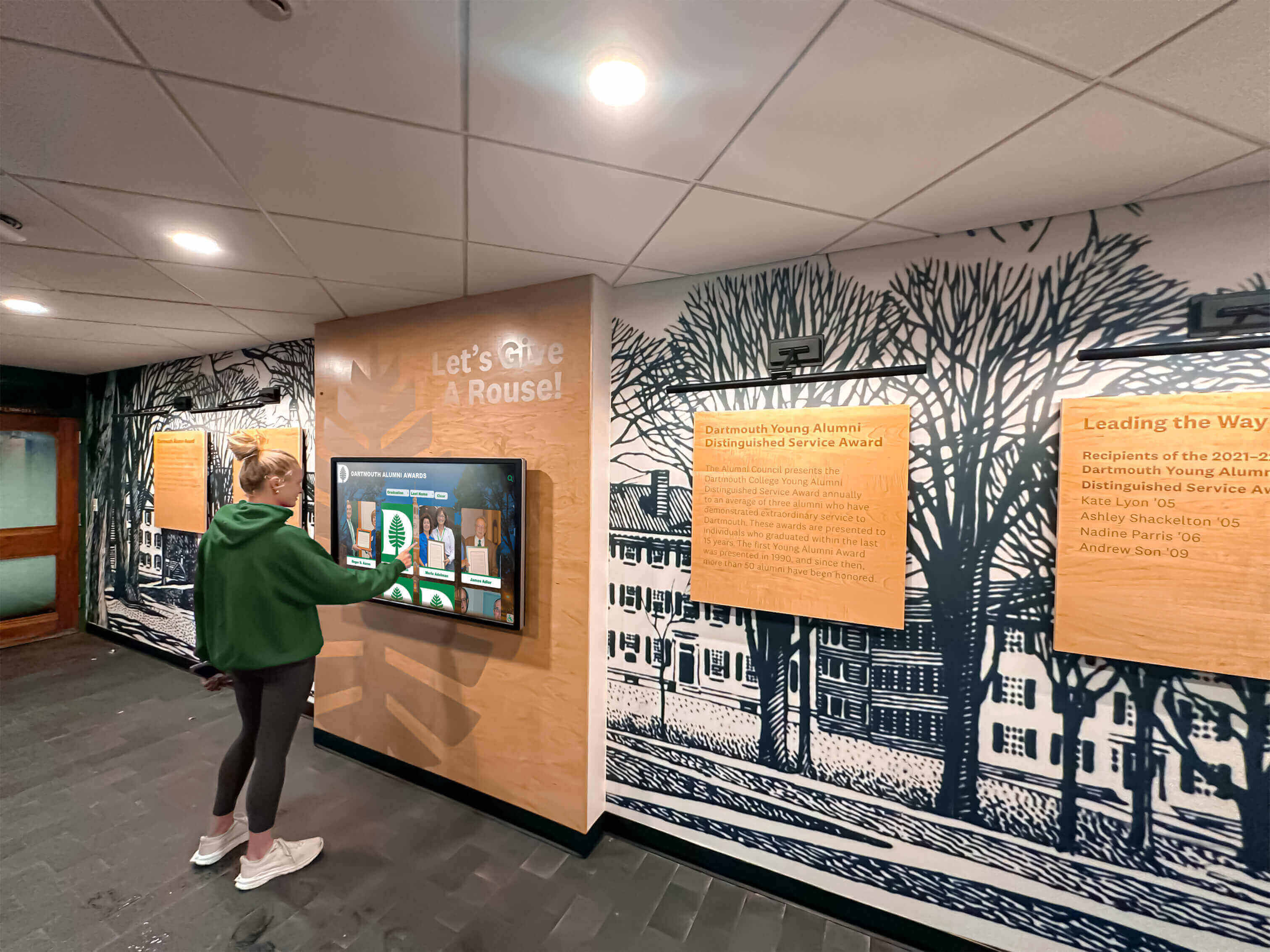
Rocket Alumni Solutions delivers specialized interactive recognition functionality for organizations celebrating achievements through comprehensive touchscreen databases where users actively explore detailed content. Schools implementing athletic halls of fame, alumni engagement programs, donor recognition, or historical preservation find purpose-built platforms provide capabilities that broadcast signage cannot approach—comprehensive profiles, unlimited capacity, intuitive search, multimedia storytelling, and engagement features specifically designed for recognition applications.
The platforms serve different needs. Attempting to use digital signage for interactive recognition produces disappointing results not because Rise Vision lacks quality but because broadcast content rotation fundamentally cannot deliver interactive database exploration regardless of template sophistication or scheduling flexibility. Conversely, using specialized recognition platforms for simple announcements would prove unnecessarily complex and expensive compared to straightforward digital signage.
Schools achieve best outcomes by matching technology to actual applications: digital signage for communication and announcements, interactive touchscreens for recognition and engagement. When recognition objectives include comprehensive historical preservation, meaningful content depth, user-controlled exploration, and stakeholder engagement, purpose-built interactive solutions like Rocket Alumni Solutions deliver value that adapted digital signage platforms simply cannot provide—making the higher investment worthwhile for applications demanding specialized functionality.
For schools serious about honoring achievements appropriately, strengthening alumni connections, preserving institutional traditions, and creating engaging recognition experiences that inspire current and future students, the question isn’t whether to choose digital signage or interactive touchscreens—it’s recognizing these represent different technology categories serving different institutional objectives, and selecting appropriate solutions designed specifically for recognition applications requiring depth, engagement, and meaningful interaction rather than surface-level broadcast announcements that minimize achievement significance through simplification forced by rotating content limitations.
This comparison is based on publicly available information as of October 2026. All product names and trademarks belong to their respective owners. Comparative statements reflect Rocket Alumni Solutions’ interpretation of available data and may change over time.
This content was produced by or on behalf of Rocket Alumni Solutions.
All trademarks are property of their respective owners. Rocket Alumni Solutions is not affiliated with or endorsed by Rise Vision.