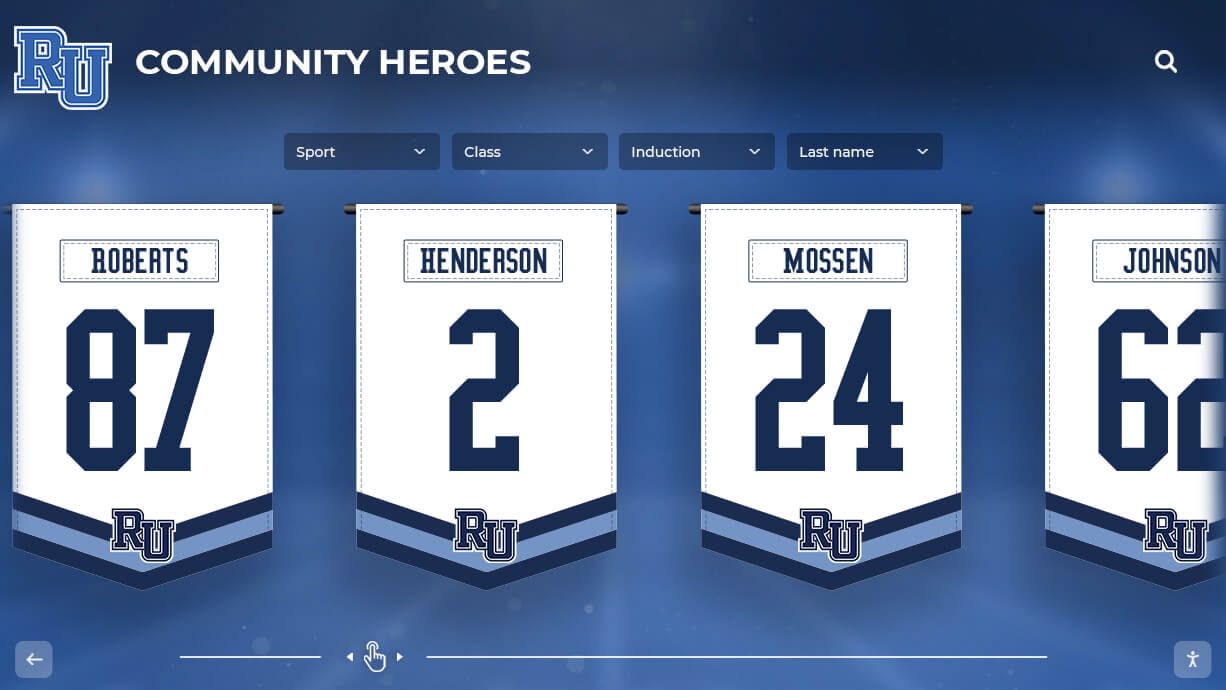




Few honors in sports carry greater meaning than jersey retirement. When an athletic program permanently retires a number, removing it from future circulation, the gesture recognizes achievements transcending statistics—athletes whose impact fundamentally shaped program identity, established competitive standards, inspired generations, and created lasting institutional legacy. Retired jerseys hanging from gymnasium rafters or displayed on facility walls serve as constant reminders of excellence achieved and traditions maintained across decades.
Athletic directors, coaches, and school administrators face important decisions when considering jersey retirement programs. Which athletes truly merit this permanent recognition? What criteria separate outstanding careers from retirement-worthy legends? How do programs create meaningful retirement ceremonies honoring both athletes and traditions? What display approaches effectively showcase retired numbers while maintaining facility aesthetics and preserving recognition as programs grow?
Modern Solutions for Jersey Retirement Recognition
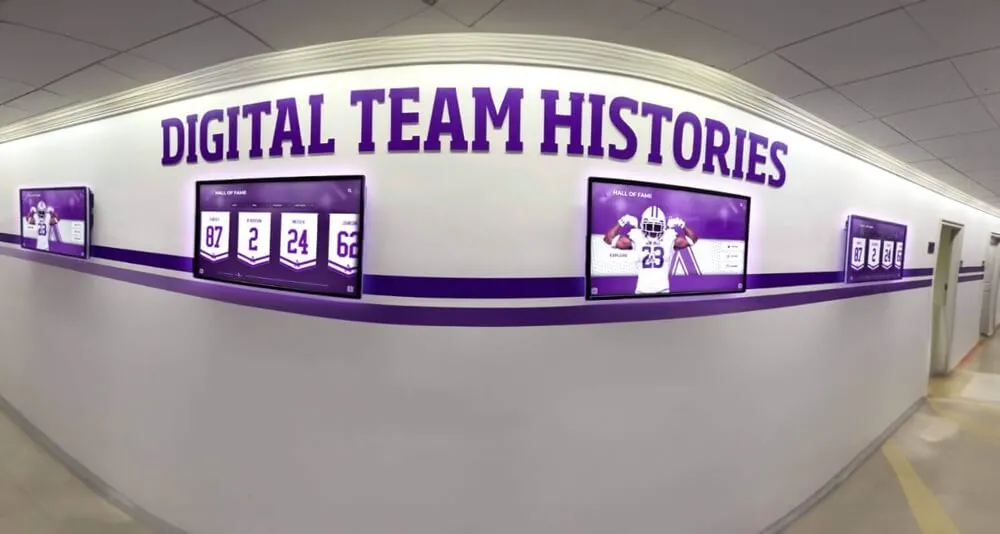
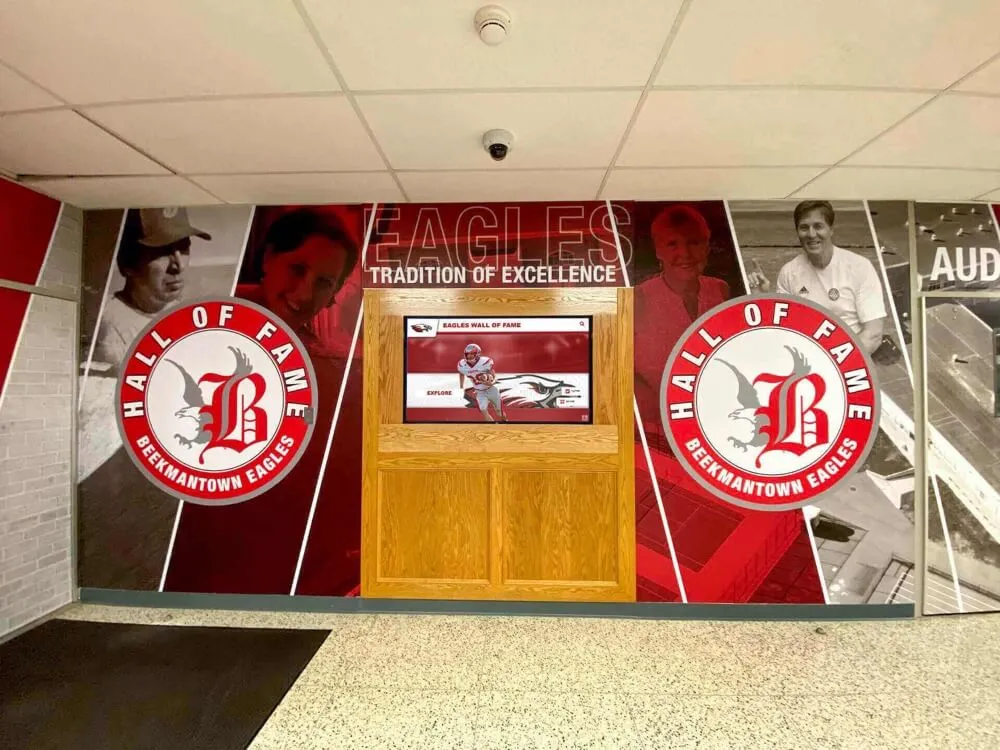
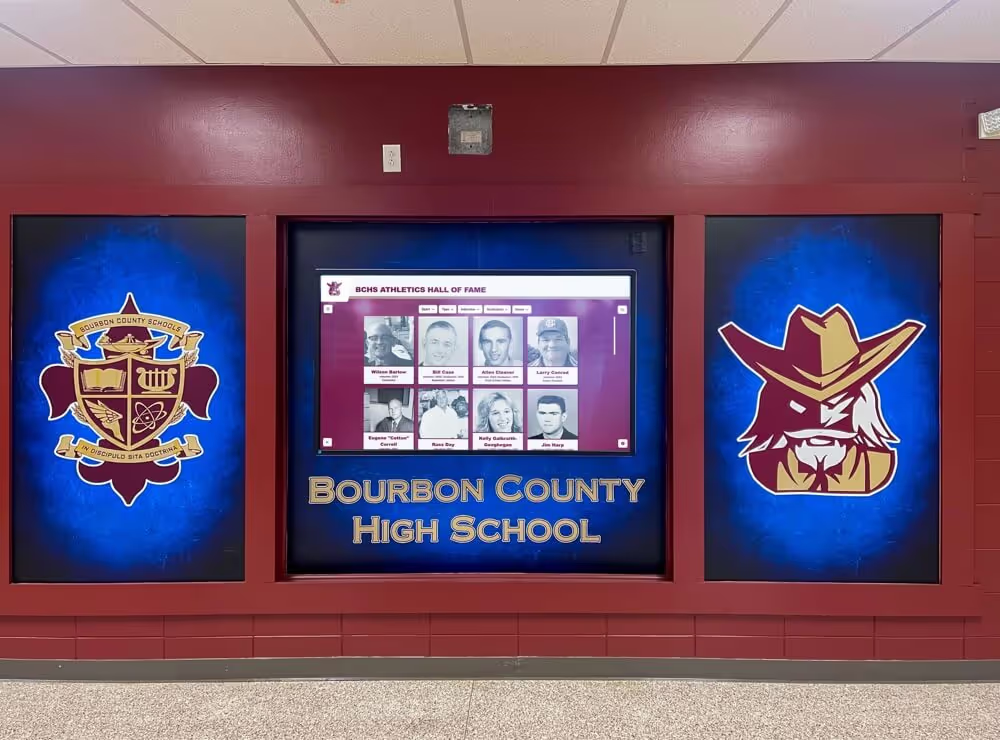
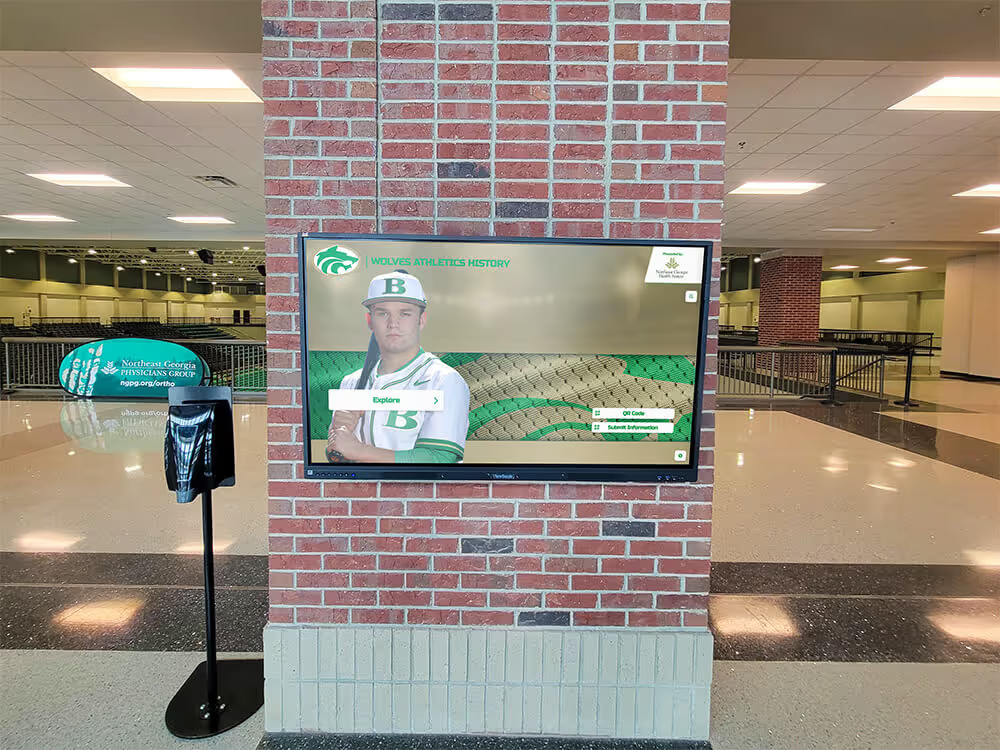
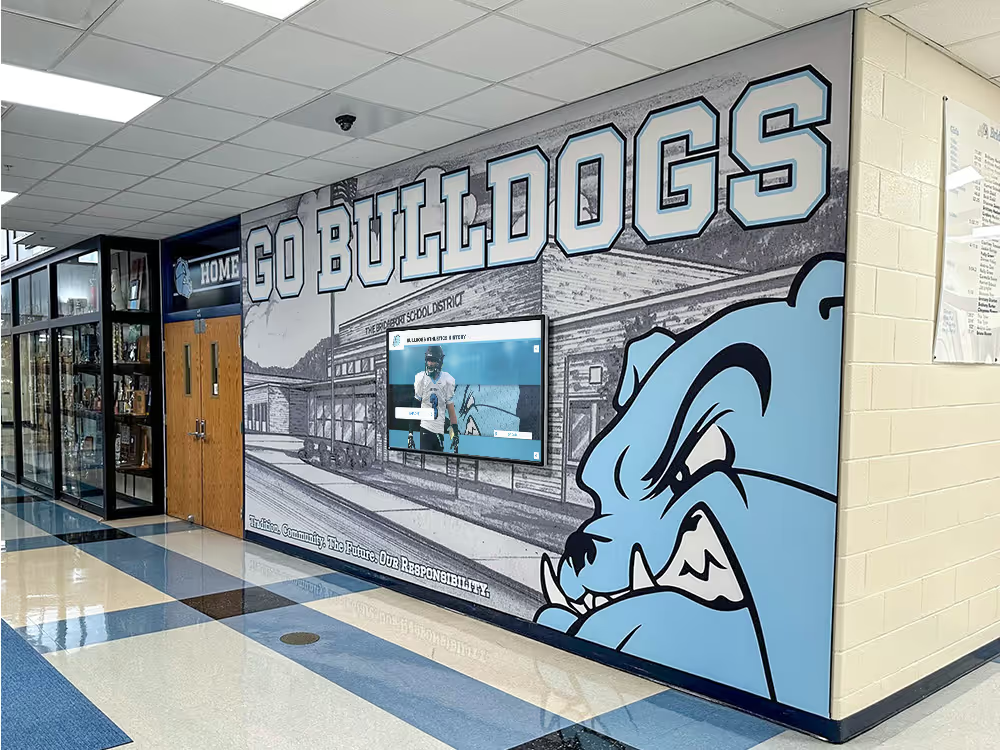
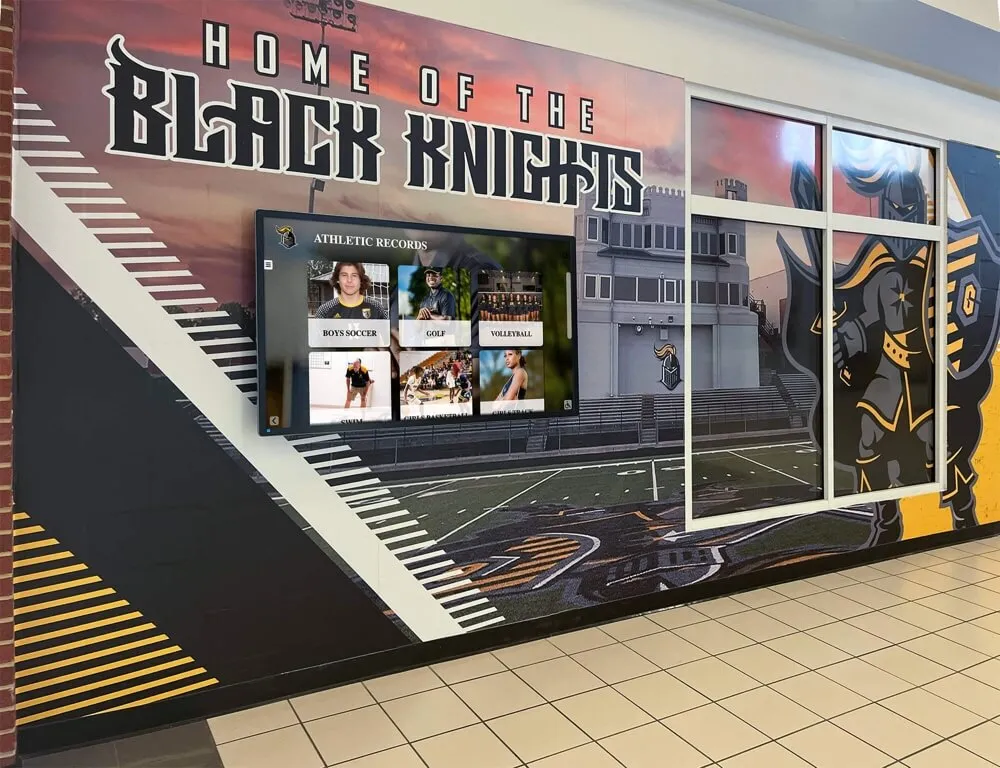
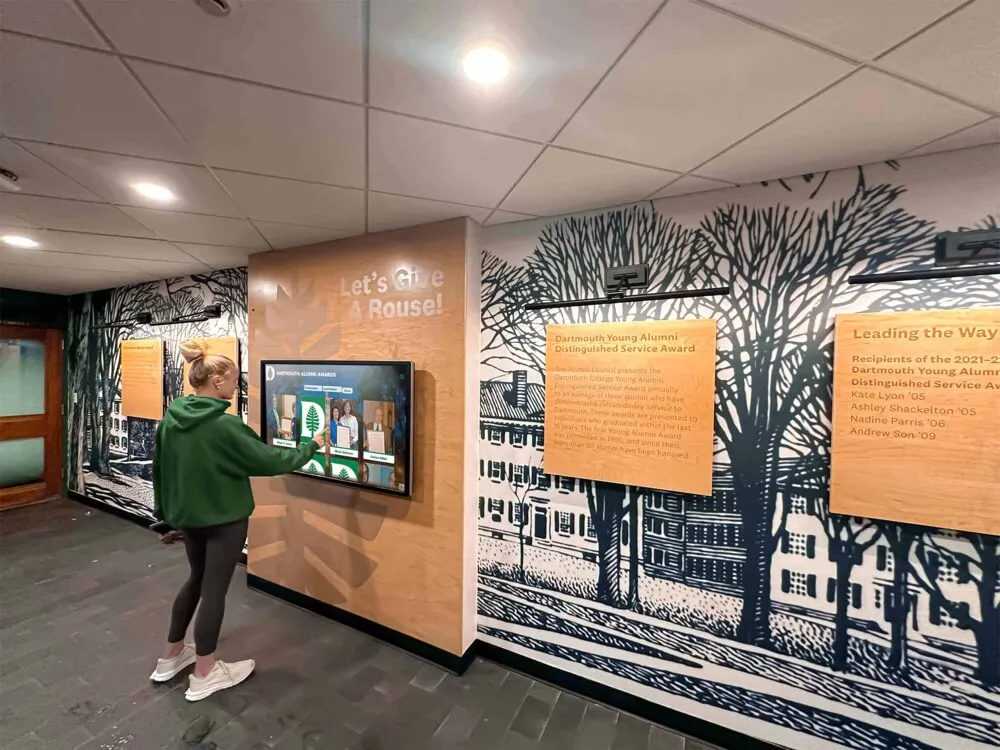
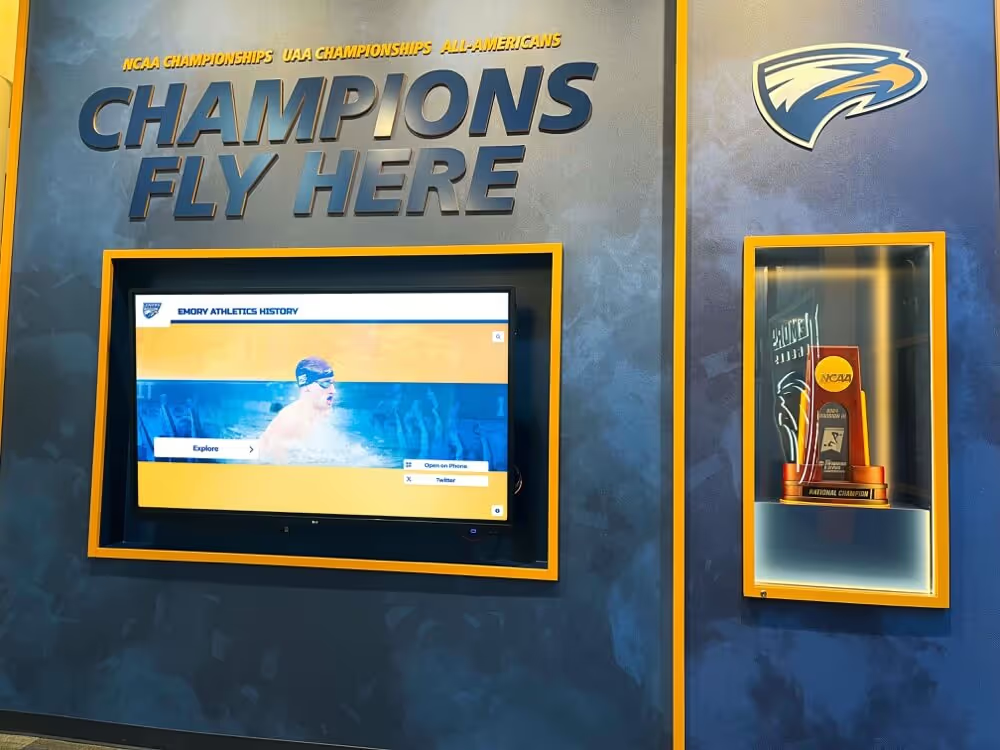
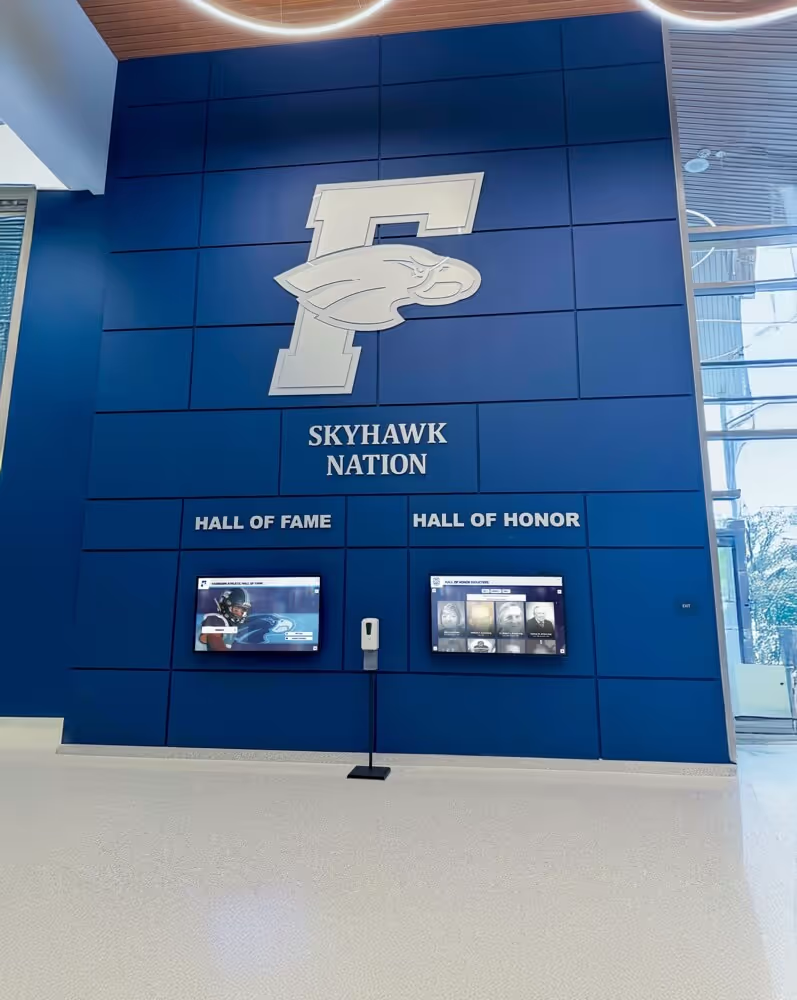
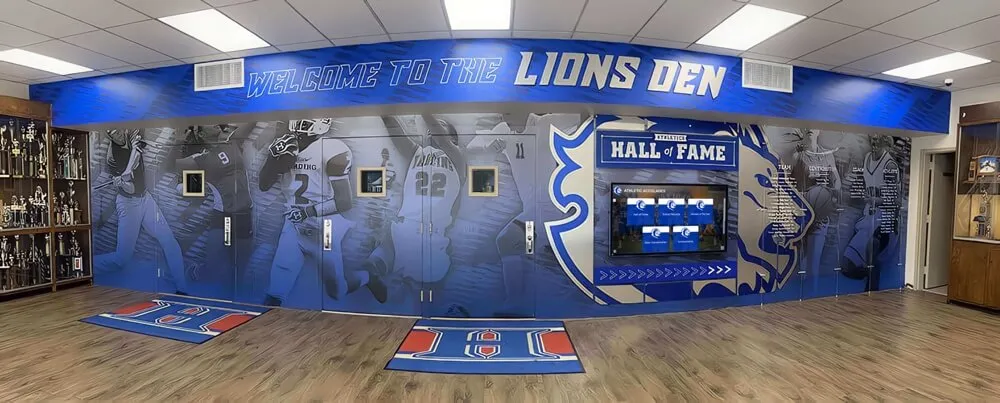
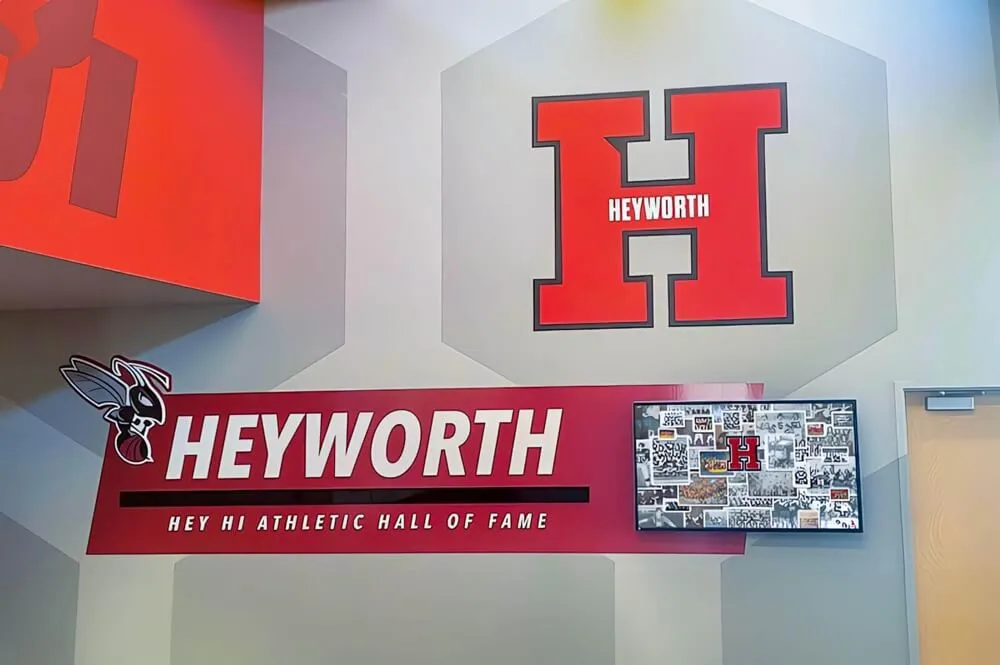
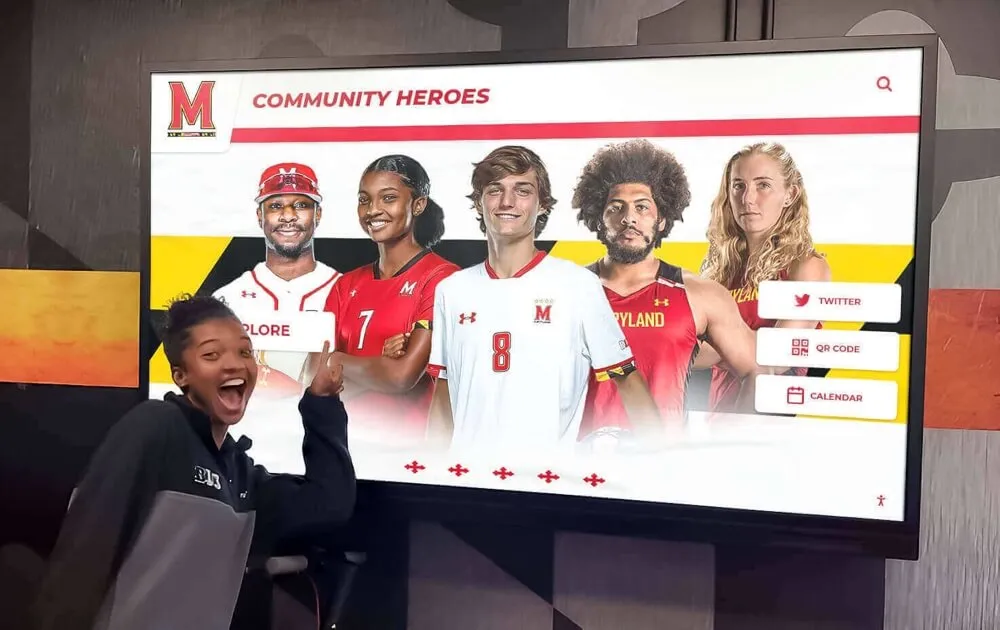
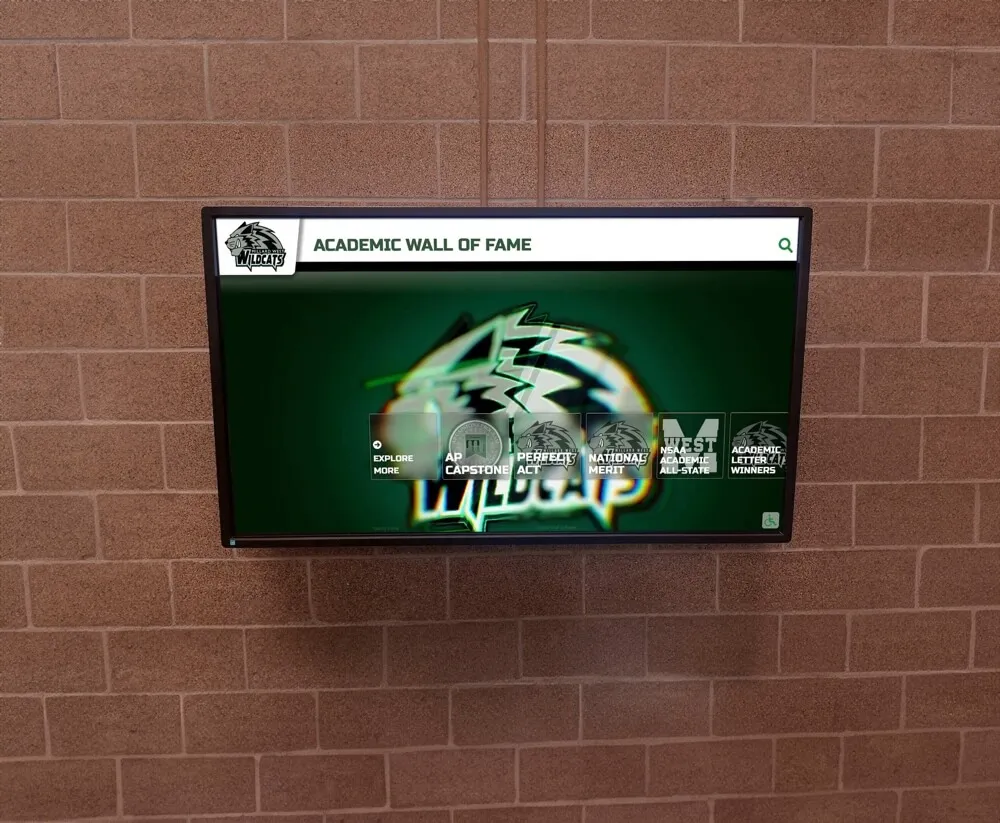
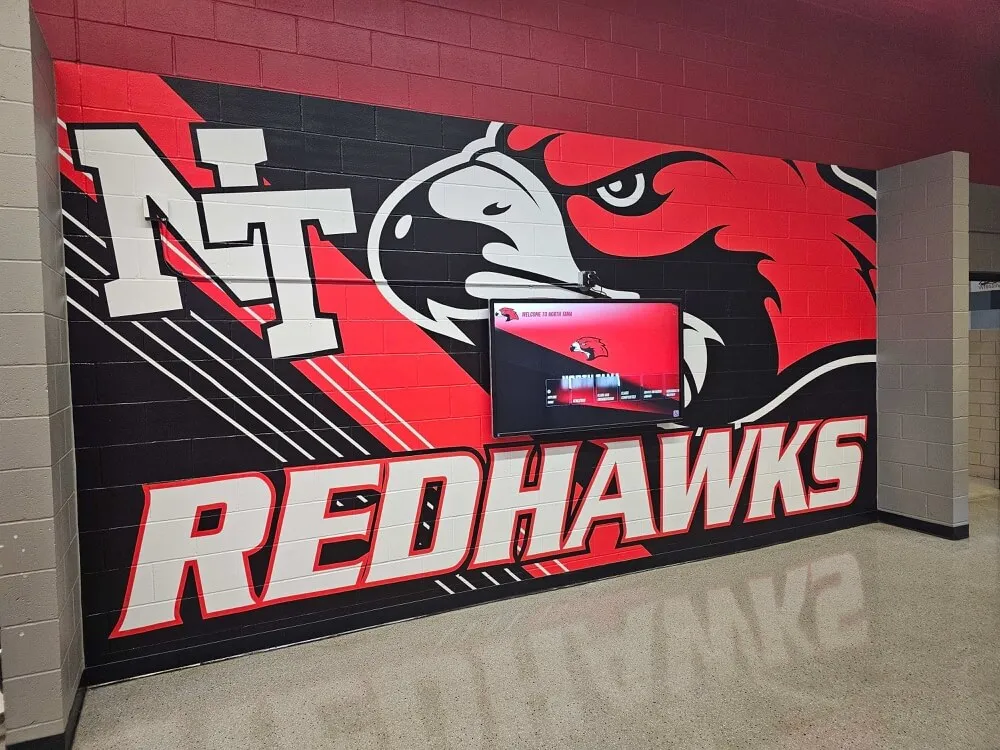
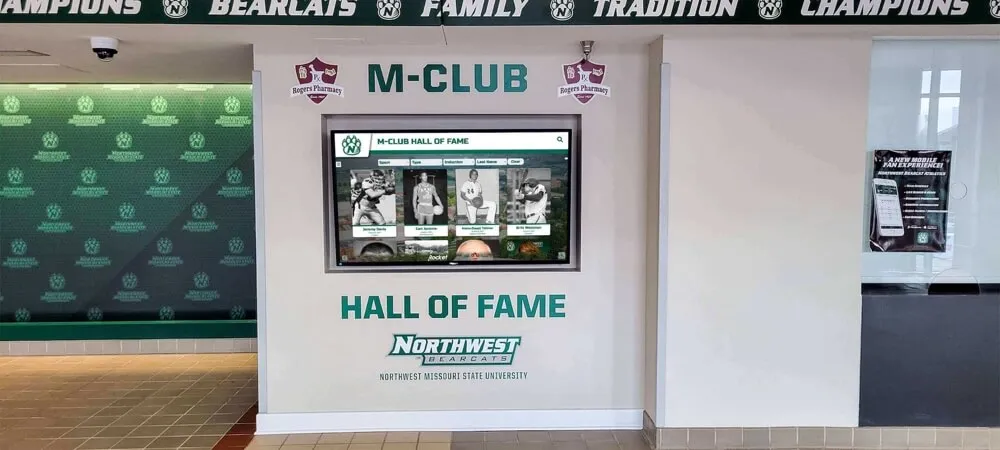
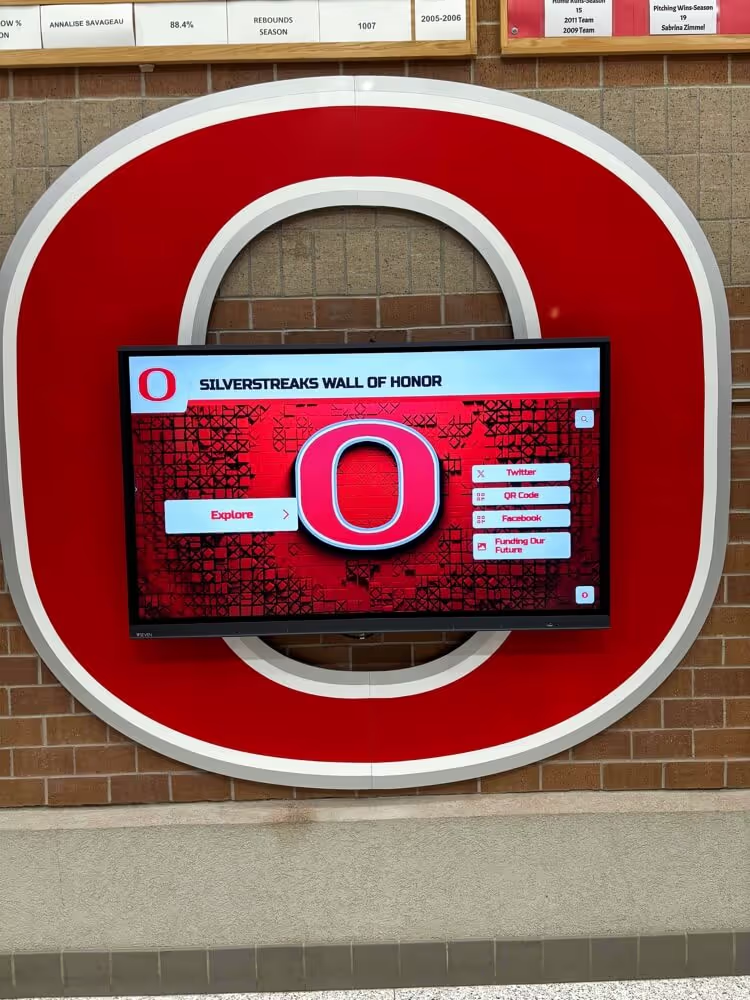
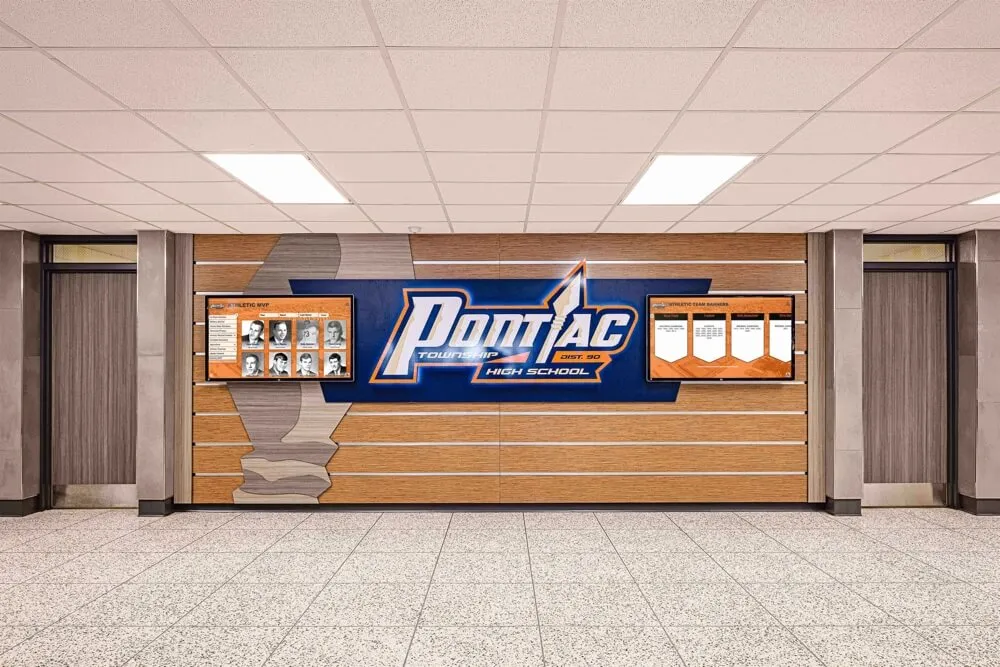
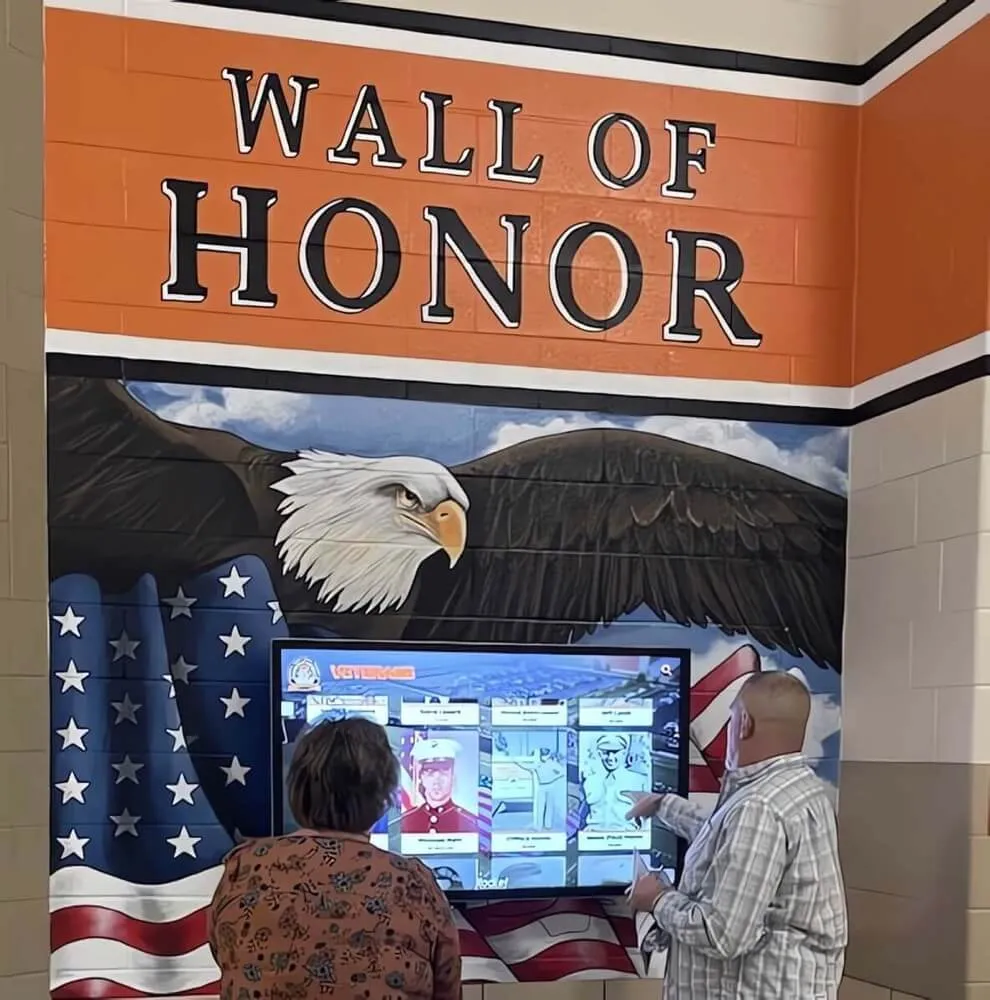
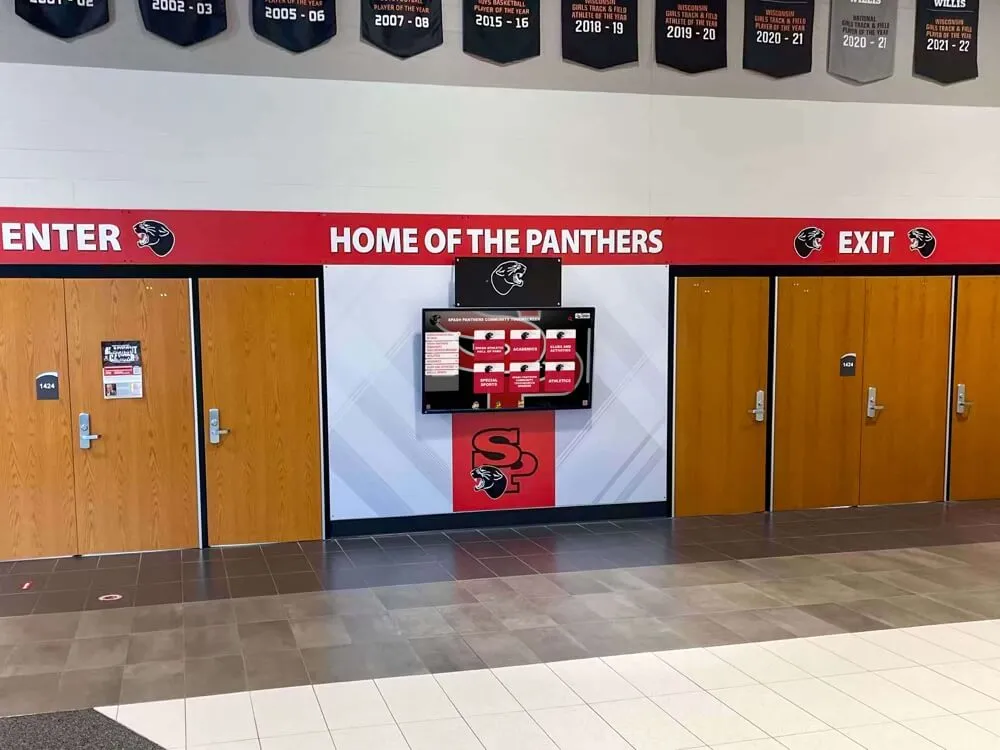
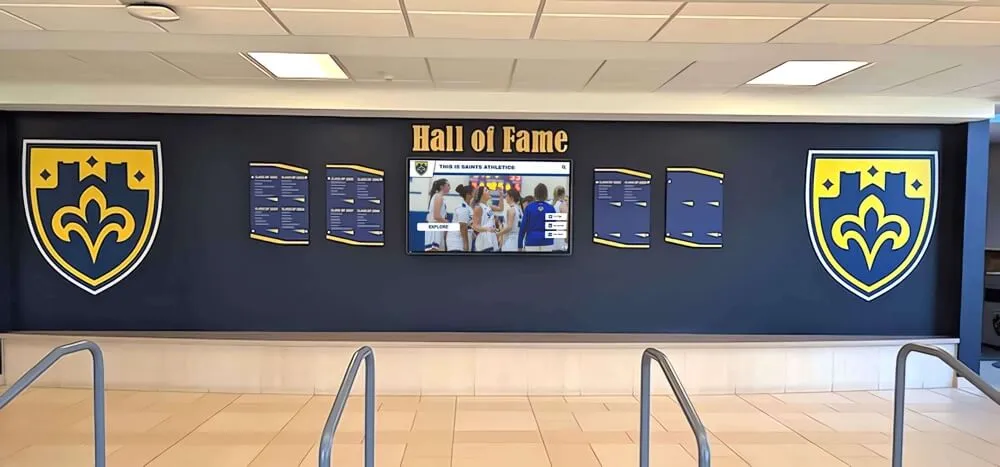
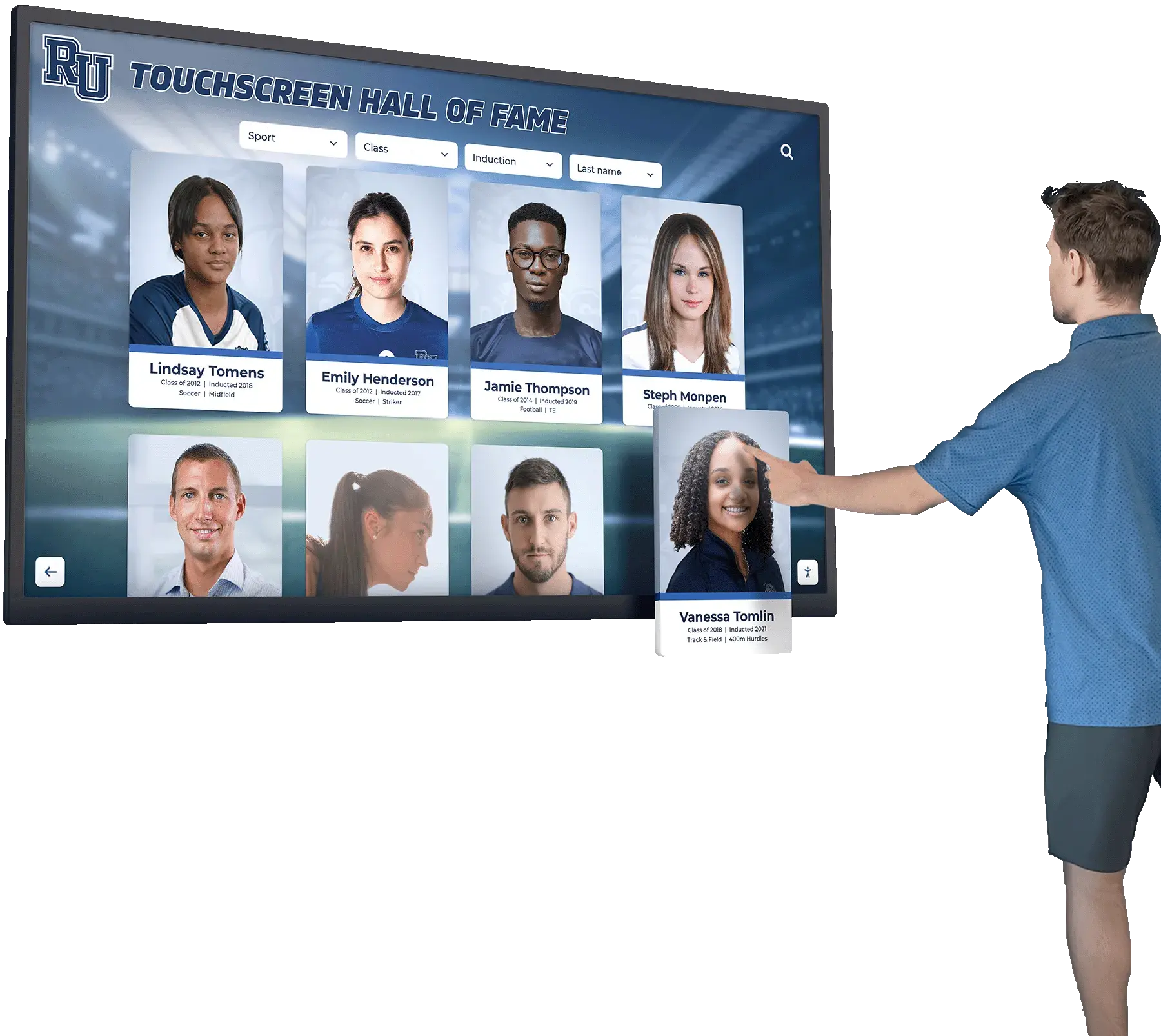
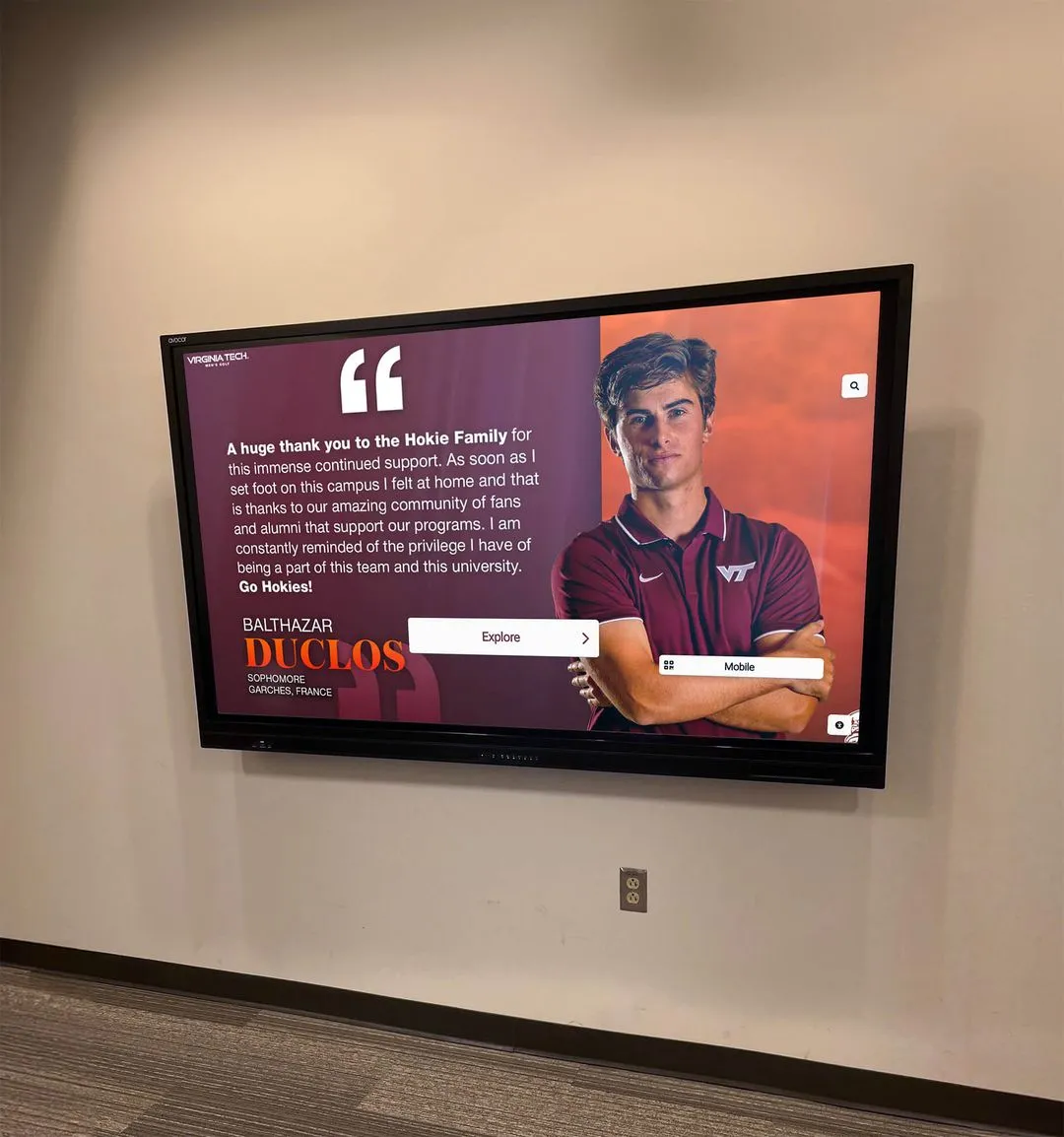
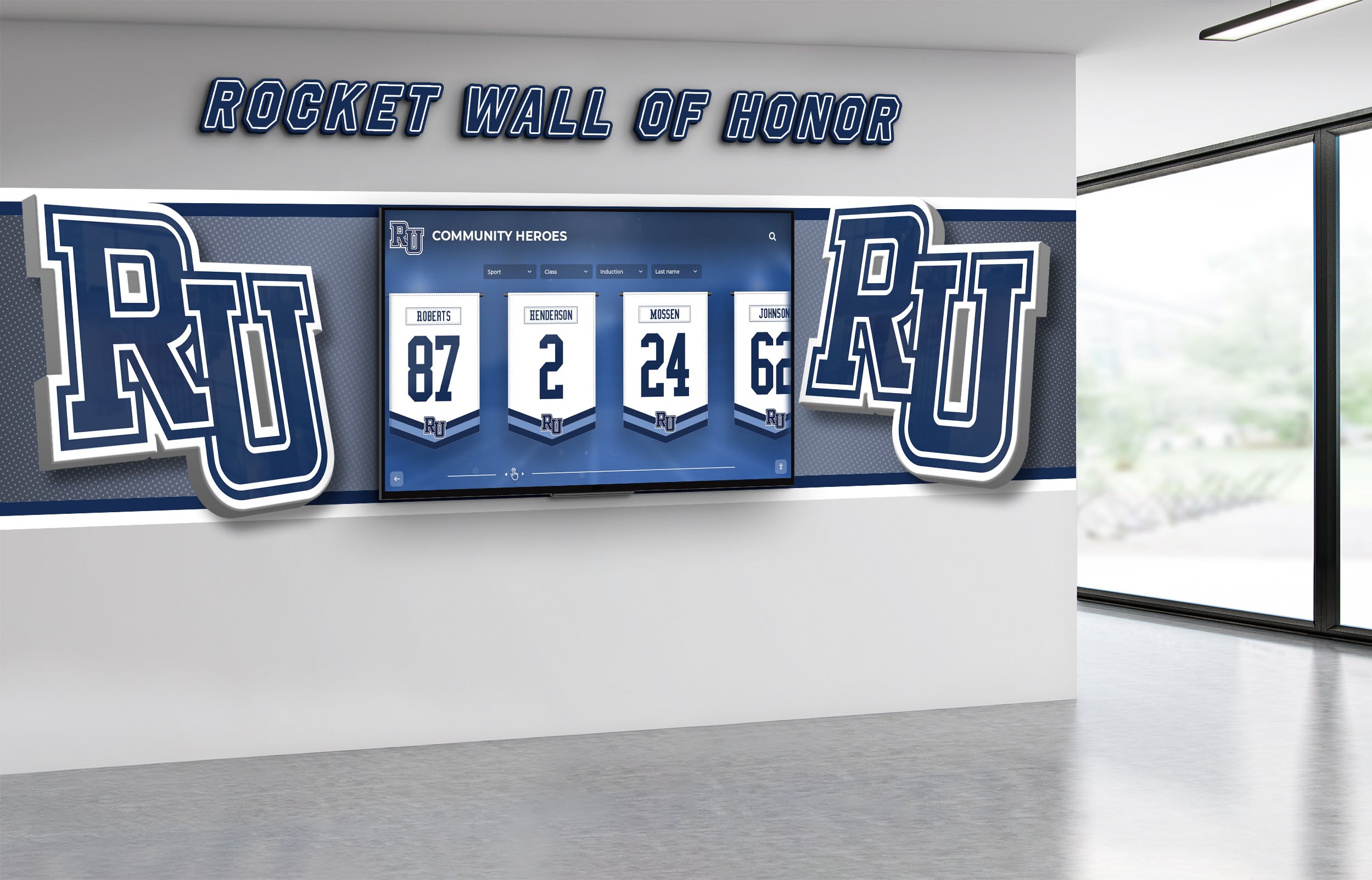
Traditional approaches to displaying retired jerseys—physical banners in gymnasiums, framed jerseys on walls, painted numbers on facility exteriors—face practical limitations as programs accumulate retired numbers over decades. Space constraints force difficult placement decisions, physical banners deteriorate requiring replacement, and static displays can't provide context about the athletes being honored. Digital jersey retirement displays solve these challenges while enhancing recognition impact. Modern platforms enable unlimited retired number displays, comprehensive athlete profiles with statistics and career highlights, multimedia integration including photos and video, flexible layouts adapting to growing recognition needs, and remote updates preserving information permanently. Solutions like Rocket Alumni Solutions provide purpose-built jersey retirement recognition systems that honor legendary athletes appropriately while maintaining professional displays accessible to current students, alumni, and community members.
Understanding the Jersey Retirement Tradition
Jersey retirement represents one of sport’s most significant individual honors, reserved for athletes whose contributions merit permanent commemoration.
Historical Origins of Number Retirement
The practice of retiring jersey numbers began in professional sports before spreading to collegiate and high school programs. The New York Yankees retired Lou Gehrig’s number 4 in 1939, establishing the template followed by sports programs worldwide. This gesture—removing a number from circulation permanently—signaled that certain achievements deserved protection from comparison, that some legacies stood alone.
Evolution Across Sports
Different sports adopted jersey retirement at varying paces and with distinct philosophies:
Baseball pioneered the tradition and maintains perhaps the most extensive retirement culture. Many Major League franchises have retired dozens of numbers, with the Yankees famously having retired 23 different numbers—creating roster construction challenges but honoring legendary careers comprehensively.
Basketball programs at professional, collegiate, and high school levels widely embrace jersey retirement. NBA teams commonly retire numbers for franchise-defining players. College basketball programs use retirement to honor All-Americans, national champions, and players who advanced to professional success. High school basketball programs increasingly adopt the tradition for state champions and record-setting athletes.
Football programs approach retirement more cautiously given larger roster sizes requiring more available numbers. Many football programs implement “honored numbers” rather than complete retirement—making numbers available when athletes embodying similar standards emerge but maintaining special recognition for original honorees.
Other Sports including hockey, soccer, volleyball, and lacrosse have developed retirement traditions reflecting their unique program histories and competitive contexts. Some sports with limited number ranges face practical challenges with widespread retirement but implement alternative recognition approaches honoring legendary athletes.
Cultural Significance and Meaning
Jersey retirement ceremonies represent more than individual recognition—they reinforce program values, institutional identity, and cultural traditions.
Establishing Excellence Standards
Retired numbers create visible benchmarks defining program-level excellence. When current athletes see numbers hanging in gymnasiums or displayed on recognition walls, they understand the performance and character standards required for highest honors. This creates aspirational targets motivating continued pursuit of excellence.
Connecting Generations
Jersey retirement links current programs to historical legacies. Alumni returning to facilities decades after graduation see their numbers honored, maintaining connections to institutions that shaped their development. Current athletes learn program history through retired number displays, understanding they participate in traditions larger than individual seasons.
Building Institutional Identity
Programs with extensive jersey retirement histories signal sustained competitive excellence. Schools that have retired multiple numbers across different sports and eras demonstrate long-term commitment to athletic achievement and proper recognition of success.
For more context on building comprehensive athletic recognition programs, many institutions integrate jersey retirement within broader hall of fame systems.
Establishing Jersey Retirement Criteria
Clear standards ensure jersey retirement remains meaningful while maintaining fairness in selection processes.
Defining Retirement-Worthy Achievement
Programs must determine what level of accomplishment justifies permanent number retirement—standards that balance inclusive celebration with selective recognition.
Performance-Based Thresholds
Most programs establish minimum achievement requirements:
- Championship Performance: State championships, conference titles, or tournament success at highest competitive levels
- Record-Breaking Achievement: School, conference, regional, or state records demonstrating exceptional performance
- All-American or All-State Recognition: Selection to prestigious honor teams reflecting superior competitive excellence
- Professional Advancement: Athletes who reached professional sports levels or competed collegiately at Division I programs
- Statistical Dominance: Career or season statistical achievements ranking among program’s all-time leaders
- Multi-Sport Excellence: Athletes who achieved retirement-level success in multiple sports
Standards should reflect competitive context appropriately. Small schools competing in lower classifications assess achievement differently than large programs in highest divisions. Fair criteria acknowledge accomplishment within relevant competitive environments.
Character and Leadership Requirements
Athletic performance alone proves insufficient for jersey retirement. Character components ensure recognition celebrates individuals representing program values:
- Sportsmanship Standards: Consistent demonstration of fair play, respect for officials and opponents, ethical conduct
- Academic Achievement: Maintained academic standards representing balanced student-athlete identity
- Leadership Impact: Team captaincy, mentorship of younger athletes, positive influence on program culture
- Post-Athletic Contributions: Alumni engagement, program support, positive representation of institutions
- Community Citizenship: Behavior reflecting favorably on athletic programs and educational institutions
Some programs establish character requirements as absolute standards. Others include character evaluation within holistic selection processes. Administrative clarity prevents controversy when considering candidates with complicated records combining athletic excellence with behavioral concerns.
Waiting Periods and Timing
Most established programs require minimum time periods between athletic participation and jersey retirement eligibility.
Common Waiting Period Approaches
- Five-Year Standard: Allows perspective on whether accomplishments represent sustained excellence versus momentary success
- Ten-Year Requirement: Provides evidence that achievement reflected genuine extraordinary ability
- Career-Based Timelines: Eligibility triggered by career milestones such as professional retirement or specific anniversaries
- No Waiting for Deceased Athletes: Immediate eligibility for athletes whose careers or lives ended tragically
Waiting periods serve important purposes. They enable evaluation of whether high school success translated to continued excellence at higher levels. They provide emotional distance enabling objective assessment. They ensure recognition celebrates genuine sustained impact rather than temporary achievement influenced by exceptionally talented surrounding teammates or favorable competitive circumstances.
Selection Process and Governance
Transparent systematic selection processes maintain credibility and community confidence in jersey retirement decisions.
Selection Committee Structure
Effective committees include diverse perspectives:
- Athletic Director: Provides administrative oversight and institutional perspective
- Current Head Coaches: Offer competitive context and program knowledge
- Former Coaches: Supply historical perspective on past athletes and eras
- School Administration: Ensure alignment with institutional values and policies
- Alumni Representatives: Contribute community perspective and historical knowledge
- Selection Criteria Documentation: Written standards enabling consistent evaluation across different committee compositions
Nomination and Evaluation Procedures
Systematic processes ensure comprehensive consideration:
- Open Nomination Periods: Annual windows when community members, alumni, coaches, or current athletes submit candidates
- Nomination Documentation: Standardized forms requiring statistical accomplishments, awards, leadership examples, and character evidence
- Committee Review: Systematic evaluation of each candidate against established criteria
- Voting Procedures: Clear methods for committee decisions including required vote thresholds
- Selection Announcements: Public communication of retirement decisions with recognition timing
Documentation of processes and decisions creates institutional memory supporting future committees and enabling transparent explanations of retirement selections.
Programs implementing team recognition awards often integrate jersey retirement within broader athletic honor systems.
Planning Jersey Retirement Ceremonies
Meaningful retirement ceremonies honor athletes appropriately while creating memorable experiences for families, teammates, and communities.
Ceremony Timing and Scheduling
Strategic timing maximizes attendance and emotional impact.
Game-Day Ceremonies
Most programs conduct retirement ceremonies during athletic events:
- Halftime Recognition: Basketball and football programs commonly retire jerseys at halftime of games
- Pre-Game Ceremonies: Some programs prefer pre-game timing ensuring full crowd attention before competition begins
- Post-Game Honors: Occasional approach following meaningful victories or senior nights
- Sport-Specific Events: Retiring numbers during the sport the athlete competed in creates natural audience and contextual connection
Special Recognition Events
Alternative timing approaches include:
- Hall of Fame Inductions: Programs integrating jersey retirement with annual hall of fame ceremonies
- Reunion Weekends: Timing retirements during alumni gatherings maximizing former teammate attendance
- Dedicated Ceremonies: Standalone events focused exclusively on retirement recognition
- Anniversary Celebrations: Milestone program anniversaries providing natural retirement ceremony contexts
Ceremony Components and Program Elements
Comprehensive ceremonies balance formality with personal connection.
Essential Program Elements
Effective retirement ceremonies typically include:
- Introduction and Context: Explanation of jersey retirement significance and program history
- Athlete Biography: Comprehensive overview of competitive achievements, records, and honors
- Personal Reflections: Remarks from coaches, teammates, or family members sharing personal perspectives
- Video Presentations: Highlight reels showing athletic achievements, game footage, and career moments
- Honoree Remarks: Opportunity for athlete to address audience and reflect on experiences
- Physical Jersey Unveiling: Presentation of the retired jersey that will be displayed permanently
- Recognition Gifts: Presentation of framed jersey, commemorative plaques, or program-specific mementos
Participant Involvement
Meaningful ceremonies include relevant stakeholders:
- Family Members: Parents, spouses, children joining the athlete on floor or court during recognition
- Former Coaches: Original coaches providing historical perspective and personal connections
- Former Teammates: Reunion opportunities for athletes who competed alongside honoree
- Current Athletes: Participation showing respect for tradition and learning program history
- School Leadership: Administrators demonstrating institutional support for athletic excellence
Communication and Promotion
Effective promotion ensures maximum attendance and community awareness.
Advance Notification
Multi-channel communication reaches diverse audiences:
- School Communications: Announcements through school websites, newsletters, and email systems
- Local Media: Press releases to newspapers, radio stations, and local news outlets
- Social Media: Posts across school and athletic department social platforms
- Alumni Networks: Targeted outreach to former athletes, particularly teammates from relevant eras
- Community Calendars: Listings in community event calendars and local publications
Ceremony Documentation
Professional documentation preserves recognition moments:
- Photography: High-quality photos of ceremony moments, athlete with family, and jersey unveiling
- Videography: Video recording of complete ceremony for archives and future reference
- Media Coverage: Coordination with local media for coverage and feature stories
- Social Media: Live updates and post-ceremony content sharing recognition broadly
- Permanent Archives: Integration of ceremony materials into program historical records
Schools implementing digital archives benefit from systematic preservation of jersey retirement ceremonies and athlete accomplishments.
Creating Effective Jersey Retirement Displays
Physical or digital displays provide permanent visibility for retired numbers while maintaining facility aesthetics.
Traditional Display Approaches
Conventional methods for showcasing retired jerseys have defined recognition displays for decades.
Hanging Banners
The classic approach involves fabric banners suspended from gymnasium ceilings:
- Visibility: Banners hanging from rafters create immediate visual impact and constant presence
- Design Elements: Typically include jersey number, athlete name, years competed, and major accomplishments
- Materials: Vinyl, fabric, or mesh materials designed for durability in gymnasium environments
- Maintenance: Regular inspection required as materials deteriorate over years or decades
- Space Limitations: Ceiling capacity eventually constrains number of banners facilities can accommodate
Framed Jerseys
Actual game jerseys mounted in frames and displayed on facility walls:
- Authenticity: Displaying actual competition jerseys creates tangible historical connection
- Presentation: Professional framing with matting, plaques, and protective glass
- Location: Common in lobbies, hallways, athletic offices, or trophy case areas
- Preservation: Climate control and UV protection necessary for long-term fabric preservation
- Space Requirements: Each framed jersey requires significant wall space limiting total capacity
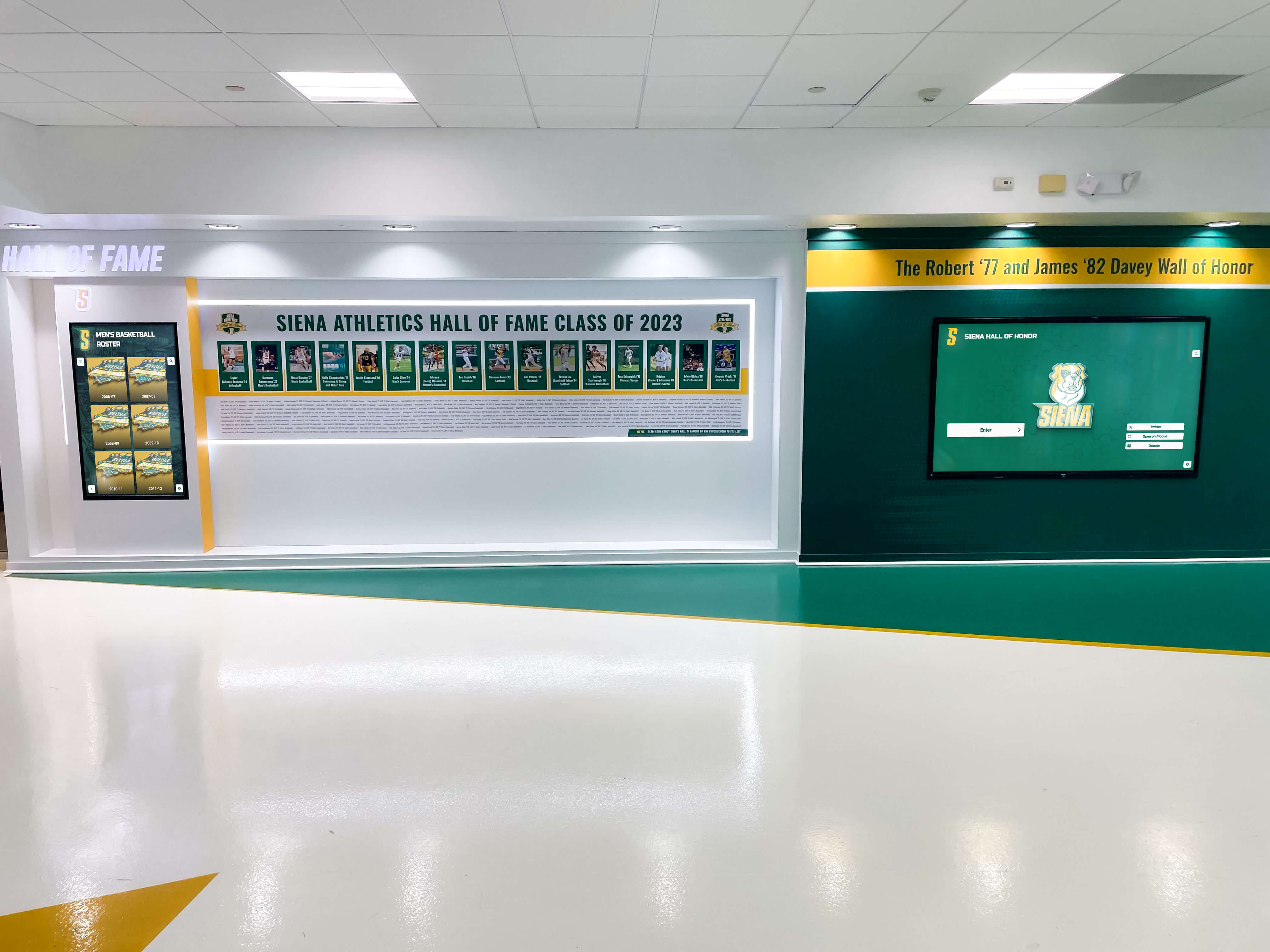
Painted Numbers
Permanent numbers painted on facility exteriors or interior walls:
- Permanence: Paint creates lasting recognition resistant to damage or removal
- Scale: Large-scale numbers visible from distance creating powerful visual statements
- Limitations: Static displays providing only numbers without athlete context or accomplishment details
- Update Challenges: Adding new retired numbers requires facility painting or modification
Modern Digital Display Solutions
Digital platforms address traditional display limitations while enhancing recognition capabilities.
Advantages of Digital Jersey Retirement Displays
Contemporary digital systems provide significant benefits:
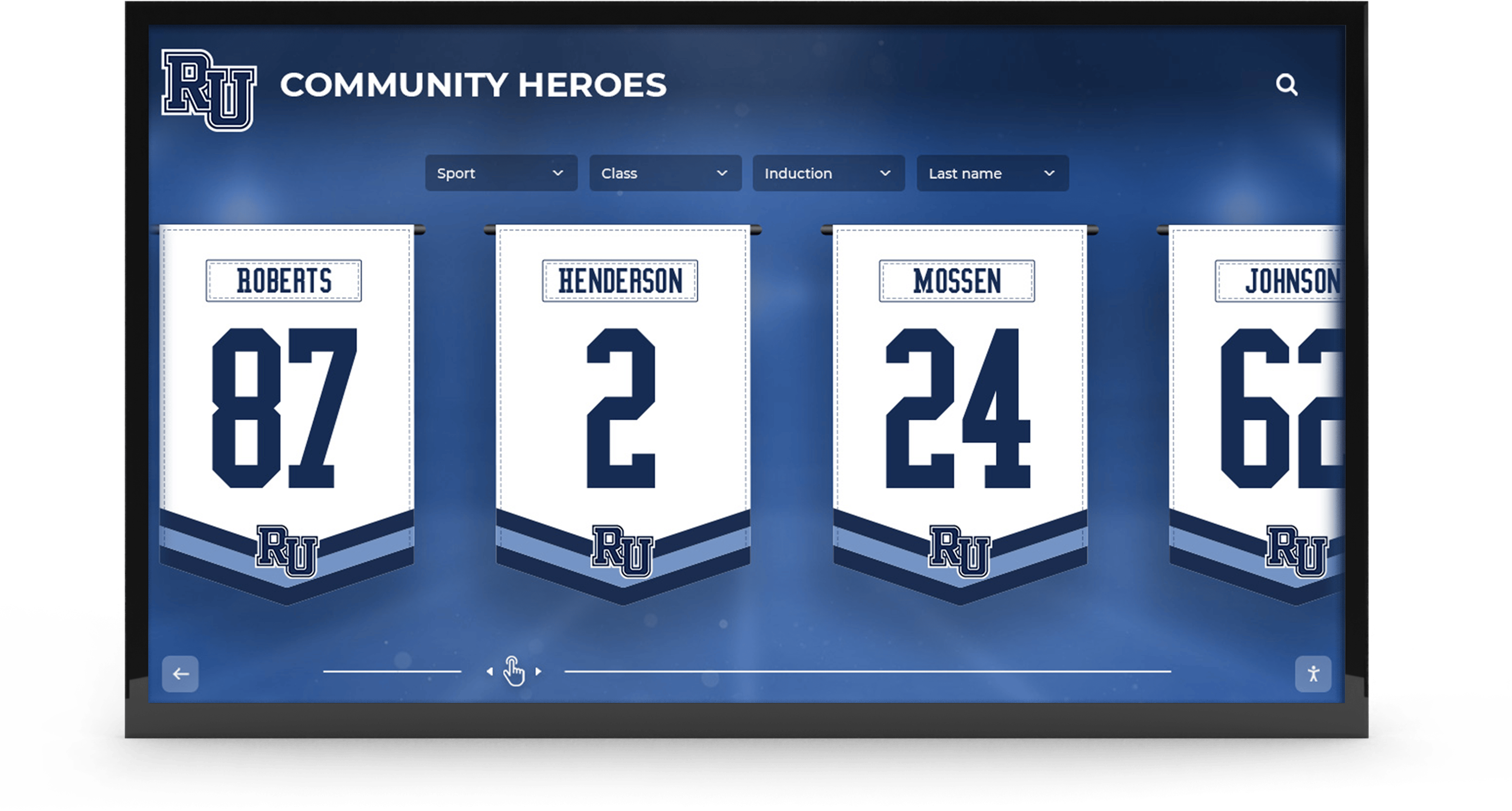
Unlimited Capacity: Digital displays accommodate unlimited retired numbers without physical space constraints. Programs can honor every deserving athlete without forcing difficult selection decisions based on display availability.
Comprehensive Information: Digital platforms include detailed athlete profiles, career statistics, championship accomplishments, awards received, photos from playing careers, video highlights, and post-athletic achievements—context impossible with traditional banners.
Dynamic Presentation: Rotating displays cycle through retired numbers ensuring all athletes receive visibility rather than static displays creating visual hierarchy based on physical placement.
Multimedia Integration: Incorporation of game footage, championship photos, ceremony videos, and athlete interviews creating engaging presentations honoring athletes comprehensively.
Easy Updates: Immediate remote updates when new jerseys retire eliminate production timelines, installation requirements, or modification of physical displays.
Accessibility: Digital displays with searchable databases enable community members to explore retired number history easily, learning about athletes from different eras and sports.
Preservation: Digital archives permanently preserve athlete information, statistics, and media even as physical materials deteriorate or displays evolve.
Institutions exploring digital hall of fame solutions discover significant advantages over traditional recognition approaches.
Display Placement Strategies
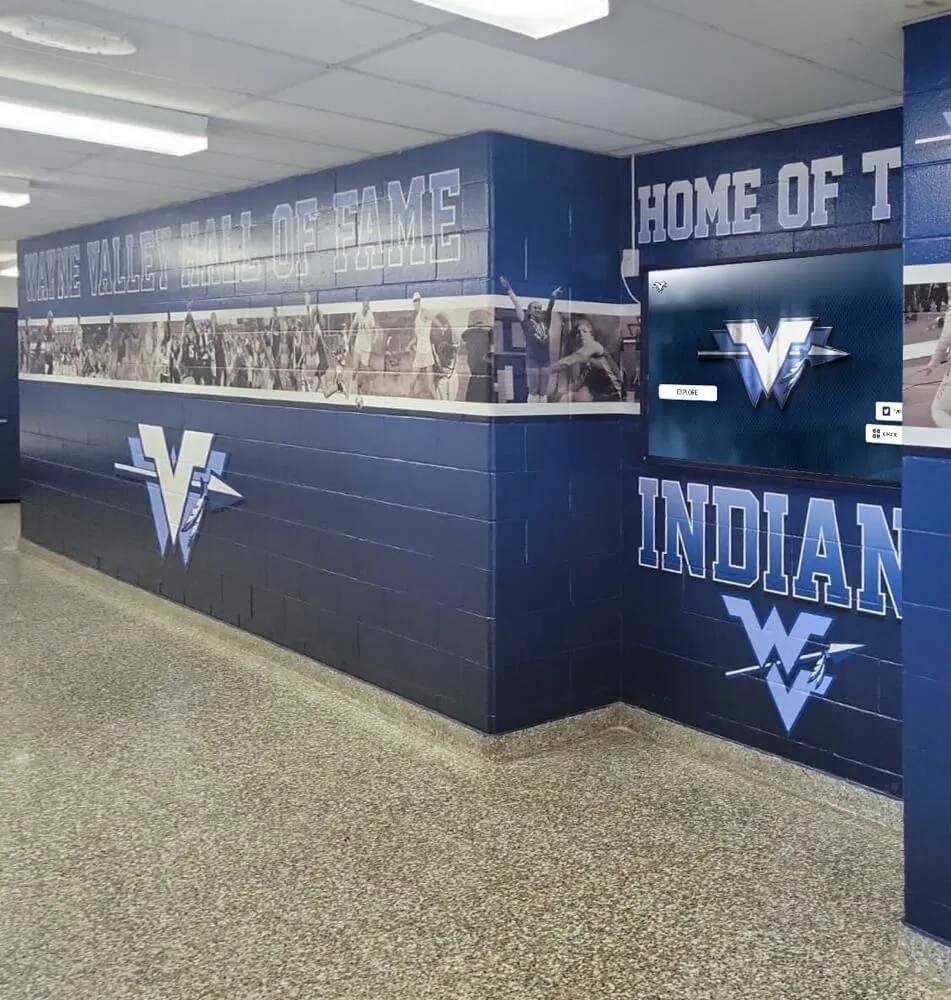
Strategic location ensures maximum visibility and engagement:
- Gymnasium Lobbies: High-traffic areas where athletes, students, and visitors naturally gather
- Athletic Hallways: Corridors connecting locker rooms, weight rooms, and competition spaces
- Trophy Case Areas: Integration with existing athletic recognition displays
- Event Spaces: Locations where ceremonies, banquets, and community gatherings occur
- Main School Entrances: Prominent placement showcasing athletic excellence to entire school community
Design and Aesthetic Integration
Professional displays align with facility design while maintaining recognition impact:
- School Branding: Color schemes, logos, and design elements matching institutional identity
- Sport-Specific Themes: Displays incorporating visual elements from specific sports
- Timeline Presentations: Chronological organization showing program evolution across decades
- Multi-Sport Integration: Unified displays honoring retired numbers across all sports programs
- Championship Context: Connection to team championships, records, and program milestones
Hybrid Approaches Combining Traditional and Digital Elements
Many programs implement combined strategies maximizing strengths of both approaches:
Physical Banners with Digital Enhancement: Traditional banners in gymnasiums supplemented by digital displays in lobbies providing comprehensive athlete information.
Framed Jerseys with QR Code Links: Physical framed jerseys featuring QR codes linking to digital profiles with statistics, videos, and career highlights.
Painted Numbers with Digital Storytelling: Large-scale painted numbers on facilities paired with nearby digital displays sharing athlete stories.
Rotating Physical-Digital Displays: Periodic physical jersey displays highlighting featured athletes while digital systems maintain complete retired number archives.
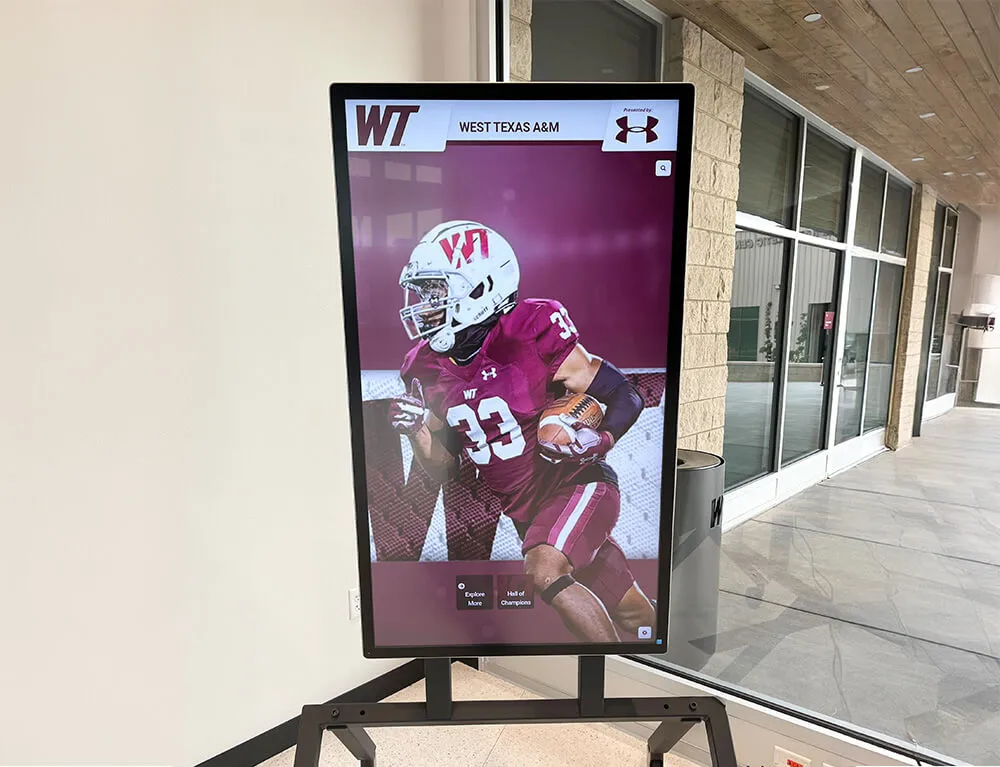
Programs implementing touchscreen displays for athletic information create engaging experiences that educate current students about program history.
Managing Jersey Retirement Programs Long-Term
Sustainable management ensures jersey retirement remains meaningful and administratively manageable as programs evolve.
Maintaining Consistency Across Eras
Program longevity requires consistent application of standards as leadership changes.
Documentation of Standards and Procedures
Written policies preserve institutional knowledge:
- Selection Criteria: Documented performance, character, and timing requirements
- Committee Procedures: Recorded nomination, evaluation, and voting processes
- Ceremony Expectations: Standardized ceremony components and planning timelines
- Display Standards: Established approaches for adding new retired numbers to recognition displays
Documentation prevents standard erosion where successive committees gradually lower thresholds, diluting jersey retirement significance. Written standards also ensure fair evaluation regardless of committee composition changes.
Regular Policy Review
Periodic evaluation maintains relevance:
- Annual Committee Review: Discussion of whether current standards remain appropriate
- Five-Year Formal Assessments: Comprehensive policy review considering program evolution
- Stakeholder Input: Gathering perspectives from coaches, alumni, and community members
- Modification Processes: Clear procedures for proposing and implementing policy changes

Balancing Tradition with Practical Constraints
Programs must address practical challenges as retired number lists grow.
Number Availability Management
Sports with limited number ranges face roster construction challenges:
- Available Number Tracking: Systems monitoring which numbers remain available for current athletes
- Roster Planning: Coordination between coaches and athletic directors on number assignments
- Exception Policies: Procedures for circumstances when retired numbers might be temporarily issued
- Alternative Recognition: Programs with extensive retirements implementing honored number systems rather than complete removal
Display Capacity Planning
Even digital displays benefit from thoughtful presentation planning:
- Grouping Strategies: Organization by sport, era, or achievement type
- Rotation Schedules: Systematic cycling ensuring all athletes receive visibility
- Featured Recognition: Periodic highlighting of specific retired numbers with enhanced presentations
- Archive Access: Searchable databases enabling easy access to complete retired number histories
Connecting Jersey Retirement to Broader Recognition Programs
Integration with comprehensive recognition systems creates cohesive athletic honor structures.
Hall of Fame Coordination
Many programs integrate jersey retirement within broader hall of fame frameworks:
- Automatic Induction: Jersey retirement automatically includes hall of fame membership
- Separate Recognition: Jersey retirement as distinct honor beyond hall of fame selection
- Unified Ceremonies: Combined hall of fame and jersey retirement ceremonies
- Connected Displays: Physical proximity of hall of fame and retired number displays
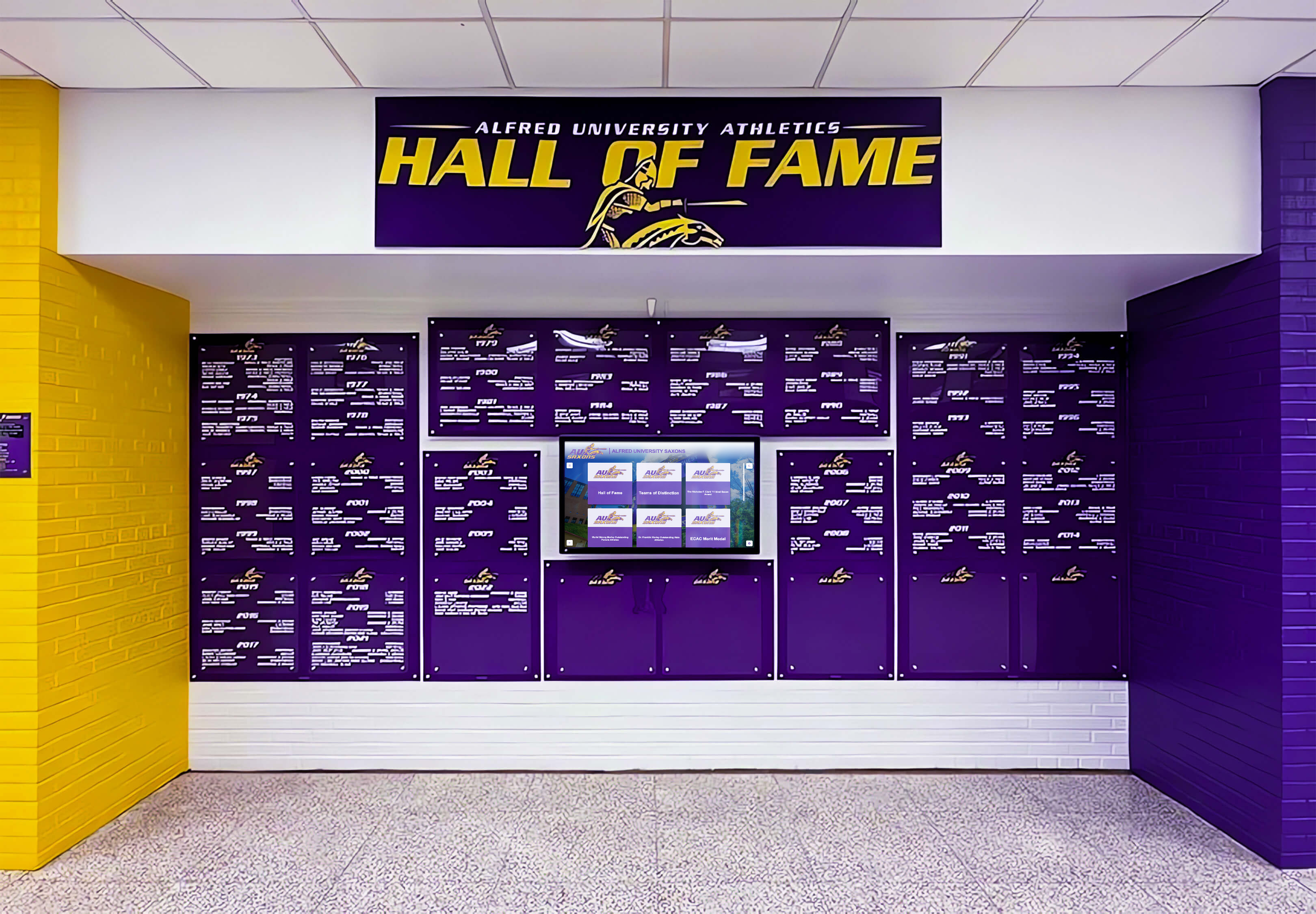
Schools developing athletic walls of honor create comprehensive recognition environments celebrating excellence at multiple levels.
Record Board and Achievement Recognition
Jersey retirement connections to athletic record displays:
- Record-Holder Highlighting: Visual connection between retired numbers and school records
- Statistical Context: Display of career statistics alongside retired number recognition
- Championship Integration: Links between retired numbers and team championship seasons
- Legacy Tracking: Showing how current athletes compare to retired number legends
Comprehensive digital trophy case displays enable programs to showcase retired jersey honorees within complete athletic achievement histories.
Special Considerations and Unique Circumstances
Certain situations require thoughtful handling to maintain jersey retirement program integrity.
Multiple Athletes Sharing Numbers
Different eras may produce multiple retirement-worthy athletes who wore the same number.
Recognition Approaches
- Joint Retirement: Honoring all athletes who wore number meeting retirement standards
- Era-Based Recognition: Acknowledging number significance across different time periods
- Display Design: Recognition displays featuring all athletes associated with retired numbers
- Ceremony Inclusion: When possible, including all honorees in retirement ceremonies
Joint retirements create interesting historical connections while ensuring all deserving athletes receive appropriate recognition.
Posthumous Retirement
Tragic circumstances sometimes necessitate retiring numbers of athletes who died during or shortly after their playing careers.
Sensitive Handling
Posthumous retirements require particular care:
- Family Involvement: Extensive coordination with families on timing, ceremony approach, and recognition preferences
- Criteria Considerations: Some programs waive waiting periods for deceased athletes
- Memorial Components: Ceremonies balancing celebration of athletic achievements with appropriate memorial elements
- Community Support: Recognition of broader school and community grief
Posthumous retirements often carry particular emotional weight, serving as institutional memorials as much as athletic recognition.
Circumstances Requiring Number Un-Retirement
Rare situations may necessitate reconsidering retirement decisions.
Potential Scenarios
- Character Issues: Post-retirement behavior inconsistent with values jersey retirement celebrates
- Factual Discoveries: Learning of violations or misconduct unknown at retirement time
- Number Shortage: Extreme circumstances where roster construction requires making retired numbers available
- Honoree Requests: Rare cases where athletes request number be made available again
Programs benefit from documented policies addressing these unlikely but possible circumstances, enabling consistent handling aligned with institutional values.

Building Community Connection Through Jersey Retirement
Effective programs leverage jersey retirement to strengthen bonds between schools, athletes, alumni, and communities.
Alumni Engagement
Jersey retirement creates natural opportunities for meaningful alumni connection.
Reunion and Networking
Retirement ceremonies bring together former teammates:
- Team Reunions: Coordinating attendance of athletes who competed alongside honoree
- Multi-Generational Gathering: Opportunities for athletes from different eras to connect
- Mentor Relationships: Retired number honorees mentoring current athletes
- Program Support: Converting recognition into ongoing alumni engagement and program support
Historical Documentation
Retirement processes generate valuable program history:
- Athlete Interviews: Recorded conversations capturing career memories and program history
- Archival Research: Compiling statistics, news coverage, and photographic records
- Story Preservation: Ensuring athlete achievements and experiences documented permanently
- Educational Resources: Creating materials teaching current students about program traditions
Programs establishing digital yearbook archives enhance jersey retirement recognition with comprehensive historical context.
Educational Impact
Jersey retirement teaches current students valuable lessons about excellence, character, and institutional values.
Inspiration and Motivation
Retired numbers create visible aspirational targets:
- Excellence Standards: Demonstrating achievement levels required for highest recognition
- Character Models: Showcasing athletes who excelled athletically while representing programs positively
- Work Ethic Examples: Stories of dedication, sacrifice, and commitment inspiring current athletes
- Legacy Awareness: Understanding individual actions contribute to larger program traditions
Historical Knowledge
Recognition displays educate about program history:
- Era Comparison: Learning how sports, training, and competition evolved across decades
- Program Evolution: Understanding how athletic programs developed over institutional histories
- Community Connections: Discovering retired number honorees’ continued involvement with schools and communities
- Tradition Preservation: Ensuring current generation understands and respects program legacies
Fundraising and Development Opportunities
Jersey retirement creates natural development connections.
Recognition Sponsorships
Development programs can incorporate jersey retirement:
- Display Sponsorships: Donors funding digital recognition displays or banner creation
- Ceremony Underwriting: Supporter funding of retirement ceremony expenses
- Scholarship Connections: Creating scholarships honoring retired number athletes
- Facility Naming: Connecting jersey retirement to broader facility development campaigns
Alumni Giving
Retirement recognition strengthens donor relationships:
- Honoree Donations: Athletes giving back following retirement recognition
- Teammate Contributions: Former teammates making gifts honoring retired number athletes
- Memorial Giving: Families establishing funds honoring deceased athletes whose numbers retire
- Program Support: General increased engagement and giving following meaningful recognition
Institutions implementing donor recognition displays often integrate jersey retirement honorees as examples of athletes supporting programs financially.
Conclusion
Jersey retirement represents one of sport’s most meaningful individual honors—permanent recognition of athletes whose excellence, character, and impact fundamentally shaped program identity and established lasting legacies. Effective jersey retirement programs balance inclusive celebration with selective standards ensuring recognition remains significant, create memorable ceremonies honoring athletes appropriately, implement displays providing permanent visibility while maintaining facility aesthetics, and establish sustainable management systems preserving tradition as programs evolve across generations.
Modern recognition platforms solve traditional display limitations—space constraints, deteriorating materials, limited information capacity—while enhancing engagement through multimedia integration, comprehensive athlete profiles, and accessible archives preserving program history permanently. Whether implementing new jersey retirement programs or enhancing existing recognition systems, athletic directors and school administrators benefit from thoughtful planning ensuring retired numbers receive the prominent, lasting recognition these legendary athletes deserve.
Preserve Your Jersey Retirement Legacy Permanently
Discover how digital recognition platforms provide unlimited capacity for retired jerseys, comprehensive athlete profiles, multimedia integration, and permanent preservation of your program's greatest legends.
Schedule Your Demo Today