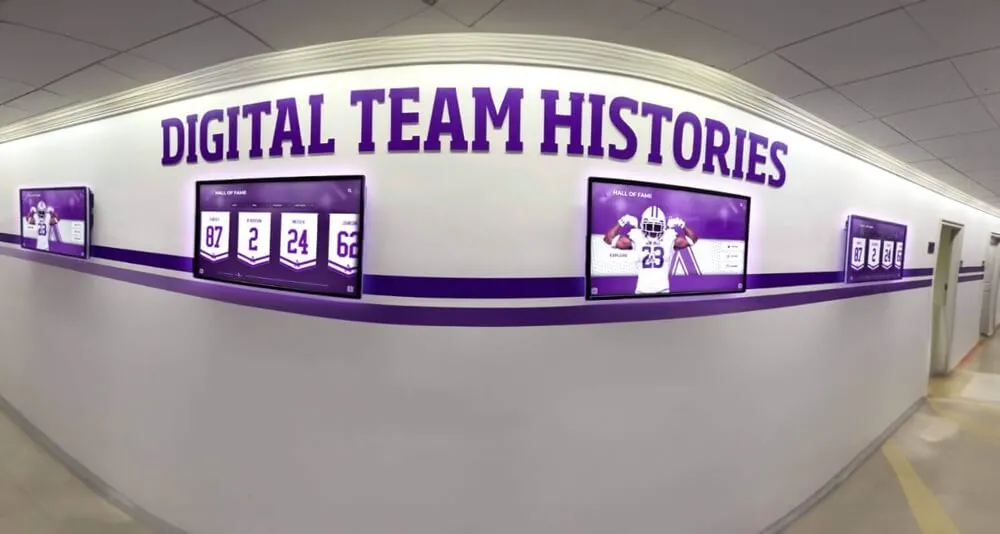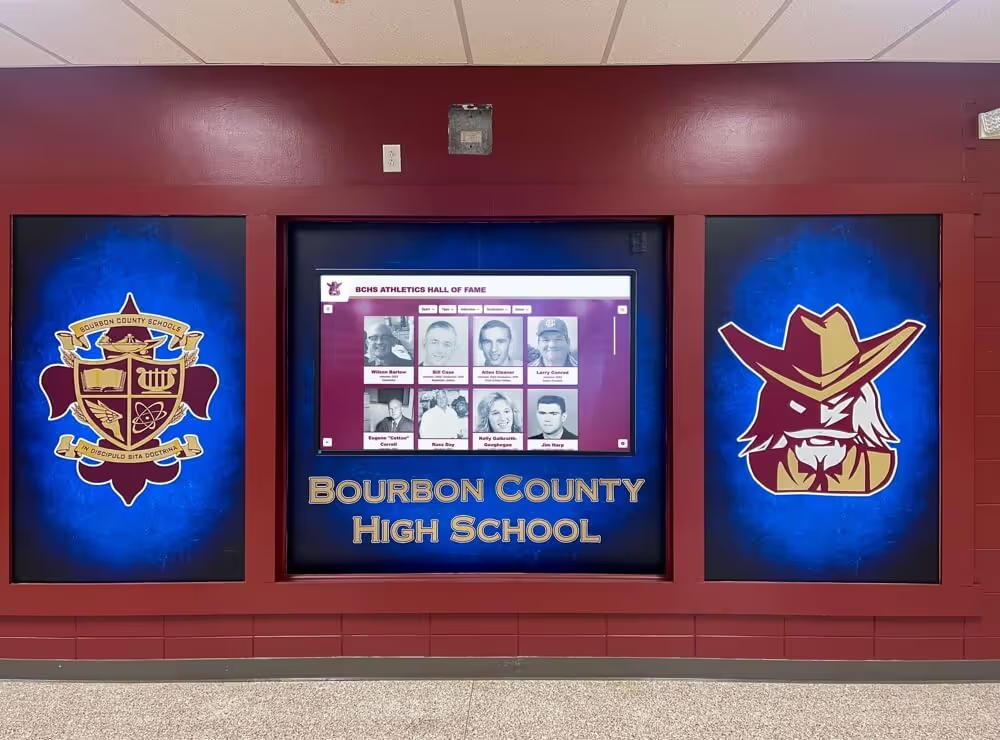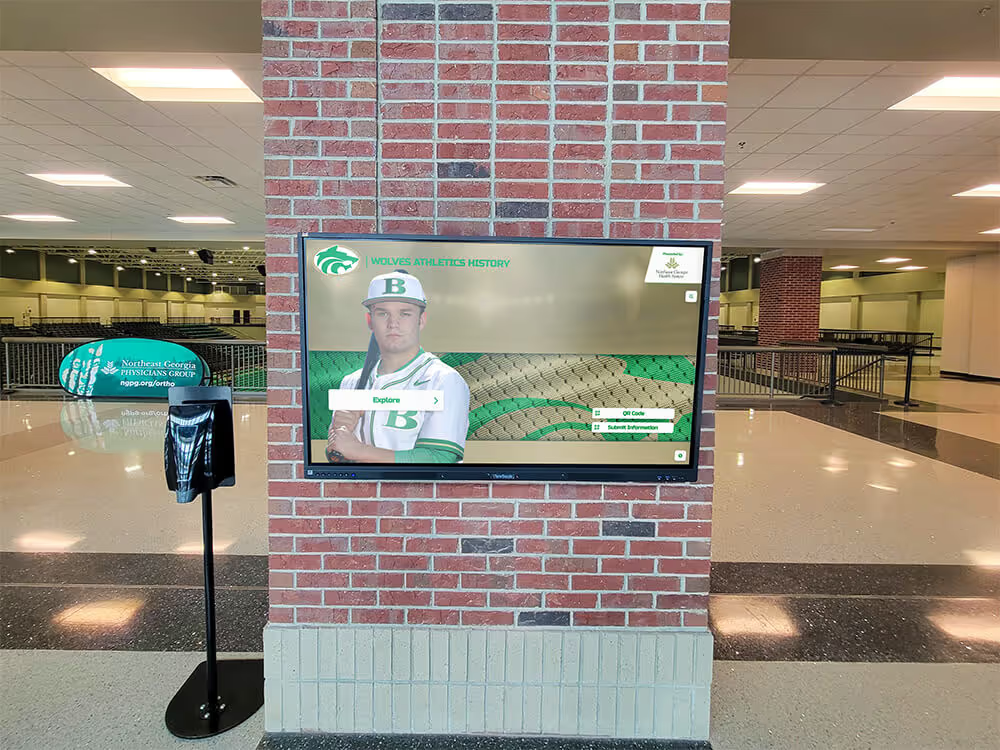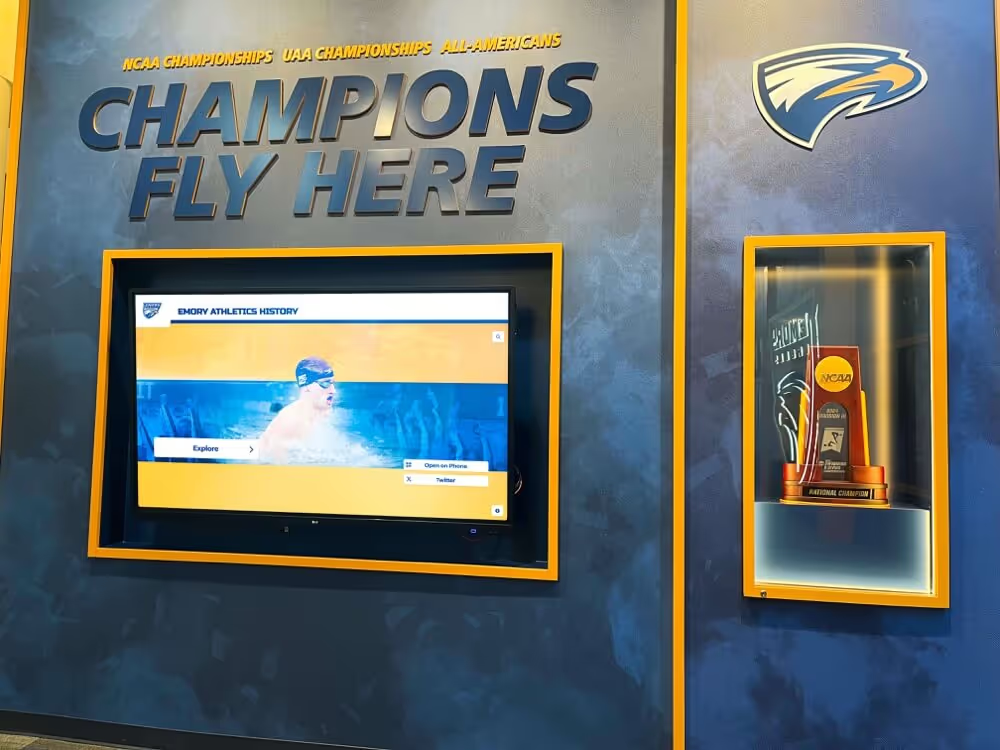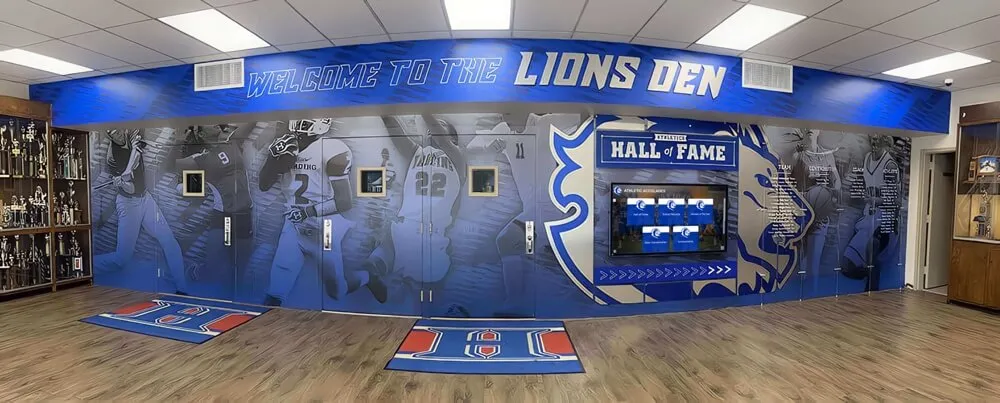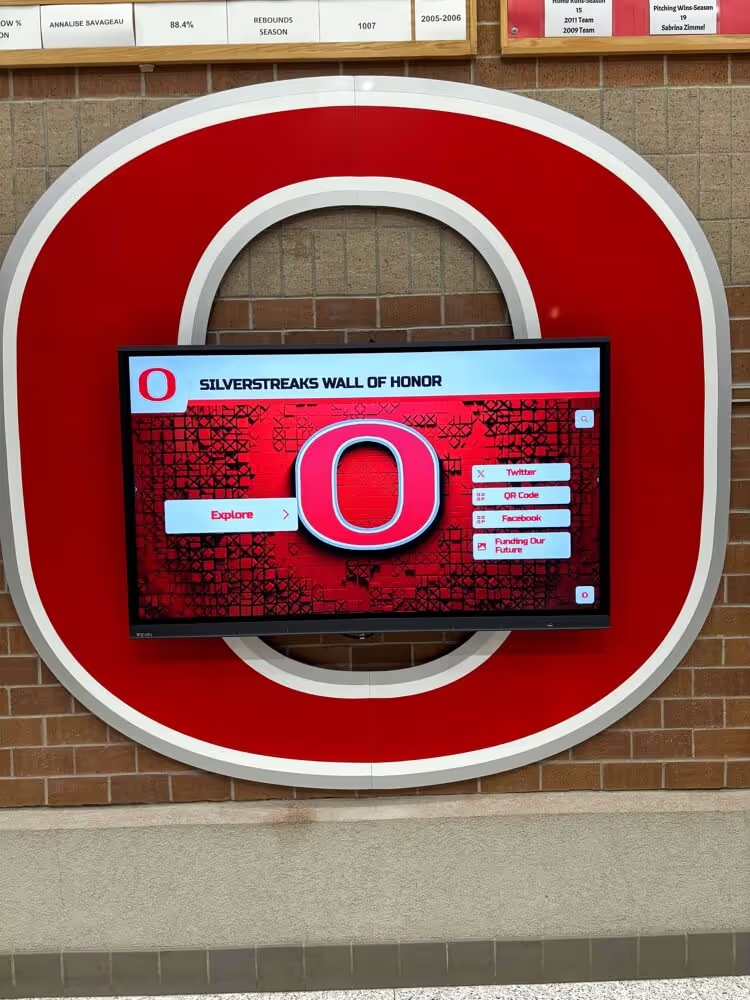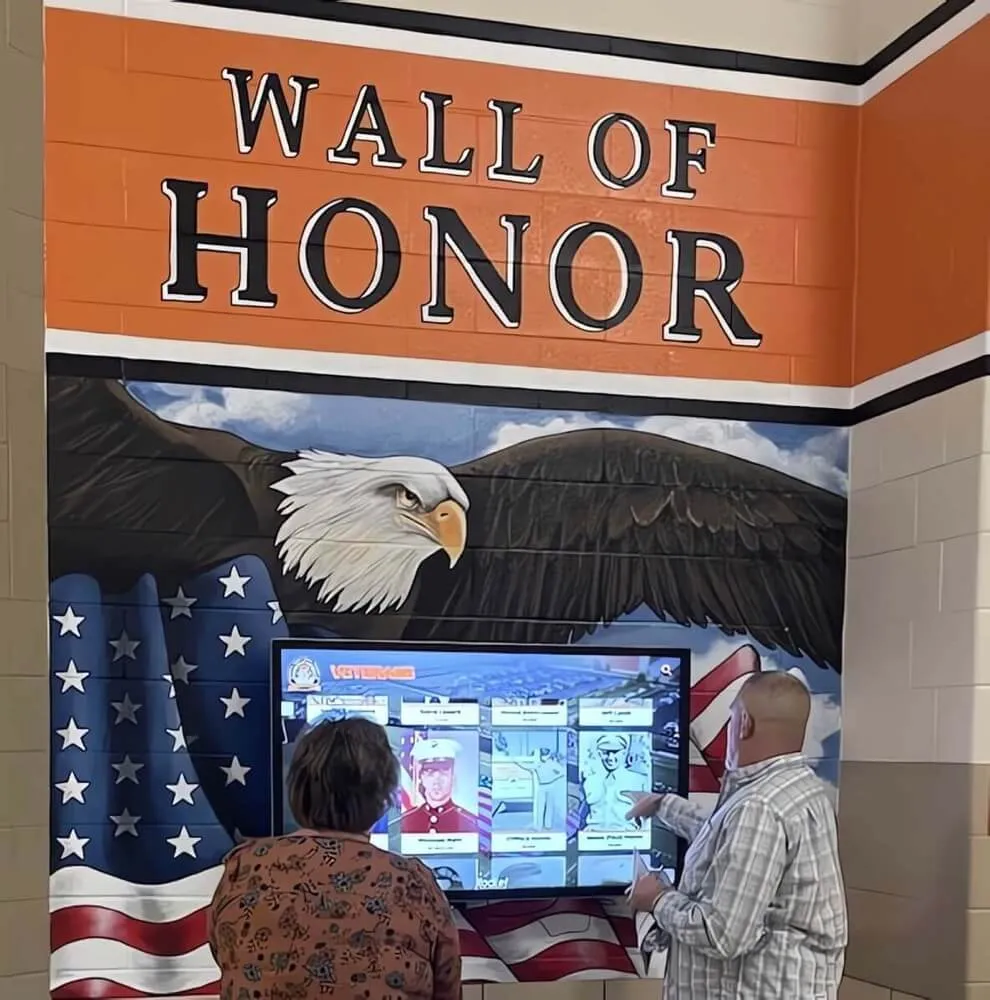




When a student-athlete breaks a school record, two things need to happen right away: the athlete needs a tangible recognition of the achievement, and the program needs a documented data source for every record board update that follows. Most programs handle the first part—printing a certificate, getting it framed, handing it over at a banquet. Far fewer programs treat that certificate as the source document it actually is. Every field on a well-designed record breaker certificate template corresponds directly to a field on the record board. Get those fields right at the certificate stage and every downstream display update, archive entry, and eventual data migration becomes straightforward.
This guide presents a complete record breaker certificate template—every field athletic departments should capture—plus a breakdown of why each field matters for long-term record board integrity and how the data flows from paper certificate into digital recognition systems.
Why Certificate Fields Drive Record Board Accuracy
A certificate handed to an athlete at the end of a banquet looks like the end of a process. It’s actually the beginning of one. The moment that certificate is signed and filed, the information on it becomes the authoritative source for what appears on the record board. If the certificate captures the athlete’s name in a nickname format, that nickname propagates to the board. If the performance mark is missing its units, the board entry is ambiguous. If the date is approximate, future verification becomes guesswork. The fields on a record breaker certificate template are not decorative—they are the data layer beneath every recognition display your program will ever publish.

Complete Record Breaker Certificate Template
The table below lists every field a well-structured record breaker certificate should capture. Columns indicate whether each field is required on the certificate itself, required in the associated record archive, and whether the field feeds directly into a digital record board entry.
| Field | Certificate | Archive | Record Board |
|---|---|---|---|
| School / Program Name | Required | Required | Required |
| Sport / Event / Discipline | Required | Required | Required |
| Athlete Full Legal Name | Required | Required | Required |
| Athlete Preferred Display Name | Optional | Required | Required |
| Graduation Year | Required | Required | Required |
| Grade at Time of Performance | Required | Required | Optional |
| Performance Mark (with units) | Required | Required | Required |
| Previous Record Mark | Required | Required | Recommended |
| Previous Record Holder(s) | Recommended | Required | Recommended |
| Date Performance Was Achieved | Required | Required | Required |
| Competition / Meet Name | Required | Required | Recommended |
| Venue / Location | Required | Required | Optional |
| Level of Competition | Required | Required | Required |
| Gender / Division | Required | Required | Required |
| Record Type (Individual / Team) | Required | Required | Required |
| Relay Leg Participants | Required (if relay) | Required (if relay) | Required (if relay) |
| Athletic Director Signature | Required | Required | N/A |
| Coach Signature | Required | Required | N/A |
| Documentation Reference Number | Optional | Required | N/A |
| Certificate Issue Date | Required | Required | N/A |
Programs that maintain this data consistently at the certificate stage dramatically reduce the labor required when migrating from physical boards to digital platforms. Athletic transitions that might otherwise require weeks of data archaeology—tracking down graduation years, verifying competition levels, confirming relay lineups—become straightforward imports when the certificate files are complete.
Field-by-Field Breakdown
Athlete Name: Legal vs. Display
Two name fields belong on every record breaker certificate. The legal full name establishes the official record for compliance, archival, and verification purposes. The preferred display name is what appears on the record board and in public-facing recognition. A certificate that captures only a nickname or a preferred name creates problems years later when a family member requests documentation or when an athletic director inherits a program and can’t reconcile a board entry against any official enrollment record.
For relay teams, list all participating athletes with their legal names and preferred names, plus the leg order each athlete ran. Electronic timing exports from most meet management systems include this data by default—request the export at the time of the record and attach it to the certificate file rather than reconstructing it from memory.
Performance Mark and Units
The performance mark is the most important data point on the certificate, which makes it the most common source of errors. Write the mark with full units: not “10.42” but “10.42 seconds”; not “47-6” but “47 feet 6 inches.” If the mark involves a converted unit—a metric distance converted to imperial for a domestic record board, or vice versa for an international comparison—record both the official mark and the converted equivalent, noting which unit the board will display.
Record the mark exactly as it appeared in the official results. Do not round. Do not simplify. A performance of 10.423 seconds is not “10.4”—if the timing system produced a three-decimal result, preserve all three digits. Future generations comparing records across eras will depend on this precision.
Previous Record: Preserve the History
A record is only meaningful in the context of what it displaced. Every record breaker certificate should document the previous record mark and the previous record holder’s name. This is the field most likely to be omitted because it feels less important at the time of the new achievement—but it is the field that makes a record board a history, not just a leaderboard.
Programs that build a strong academic recognition program infrastructure know this principle well: each honor exists in relationship to the ones that preceded it. An all-time record list that shows only the current holder gives future athletes no sense of program trajectory. A list that shows every holder in sequence turns the record board into a living competitive narrative.
Competition Level and Venue
Not every performance qualifies as a school record regardless of the mark. Most programs require performances to occur under official competition conditions—sanctioned meets with certified officials, calibrated equipment, and a verifiable results trail. The certificate should capture both the competition name and the level of competition (regular season invitational, conference championship, state qualifier, etc.) so there is never any ambiguity about whether the conditions met program standards.
Venue matters for a different reason: it connects the record to a place and moment that families and alumni can visualize. “State Championships at the University of Iowa” carries more weight than “State Meet.” For programs interested in how venue documentation supports broader athletic history preservation, a day in the life of school digital displays illustrates how location context enriches recognition content.

Gender, Division, and Record Type
Gender and division fields are critical for record boards that track varsity and junior varsity separately, or that maintain gender-specific all-time lists. A certificate that omits these fields—or abbreviates them inconsistently (V vs. Varsity, W vs. Women)—creates data inconsistency in the record archive that requires manual correction every time someone queries the history.
Record type should specify clearly whether the record is an individual mark, a relay or team mark, a single-season record, or an all-time school record. Some programs maintain separate categories for each, and a record that gets filed under the wrong type may displace an entry it doesn’t actually beat.
Signatures and Authorization
The athletic director and head coach signatures on a record breaker certificate are not ceremonial. They are attestations that the performance was reviewed, the documentation was verified, and the program officially recognizes the mark as a school record. Without them, the certificate is a printed claim, not an institutional declaration.
For athletic director transition planning, signed certificates in the archive file are among the most important handoff documents. An incoming AD who inherits a dispute about a historical record can resolve it in minutes if signed certificates exist. Without them, the dispute often goes unresolved, and the record board’s credibility suffers.
Certificate Template Layout
The fields above translate into a physical or digital document with four logical sections:
Header Block: School name, sport/event, “School Record Certificate” designation, record type and division.
Athlete Block: Full legal name, preferred display name, graduation year, grade at time of performance. For relay records, a sub-table listing all team members.
Performance Block: Official mark with units, previous record mark, previous record holder, date achieved, competition name, venue, competition level.
Authorization Block: Head coach name and signature with date, athletic director name and signature with date, documentation reference number, certificate issue date.
A clean certificate layout puts the performance mark prominently in the center—it should be the first thing an athlete sees when they hold the certificate. The authorization block belongs at the bottom, administrative rather than celebratory in appearance. The athlete and competition blocks flank the performance mark, providing context without competing with it for visual weight.
From Certificate to Record Board: The Data Flow
A certificate is only as useful as the process that connects it to the record board. The data flow has four stages:
Stage 1 — Capture: Certificate is completed within 48 hours of the performance, with all fields filled and official documentation attached.
Stage 2 — Verify: Athletic director reviews and signs, confirming that the documentation supports the claim and that competition conditions met program standards.
Stage 3 — Archive: The completed certificate (and attached documentation) are filed in a searchable, backed-up archive—physical binder organized by sport and year, or a digital folder with consistent naming conventions.
Stage 4 — Publish: The record board is updated using the verified certificate data. For physical boards, this triggers an engraving or vinyl order. For digital systems, this means logging into the content management platform and entering the fields directly.
The key discipline is maintaining the archive as a parallel record to whatever the board displays. A board shows current records; the archive shows every record ever set. When a current record holder eventually gets broken, their information doesn’t disappear—it moves into the historical archive where it remains accessible.
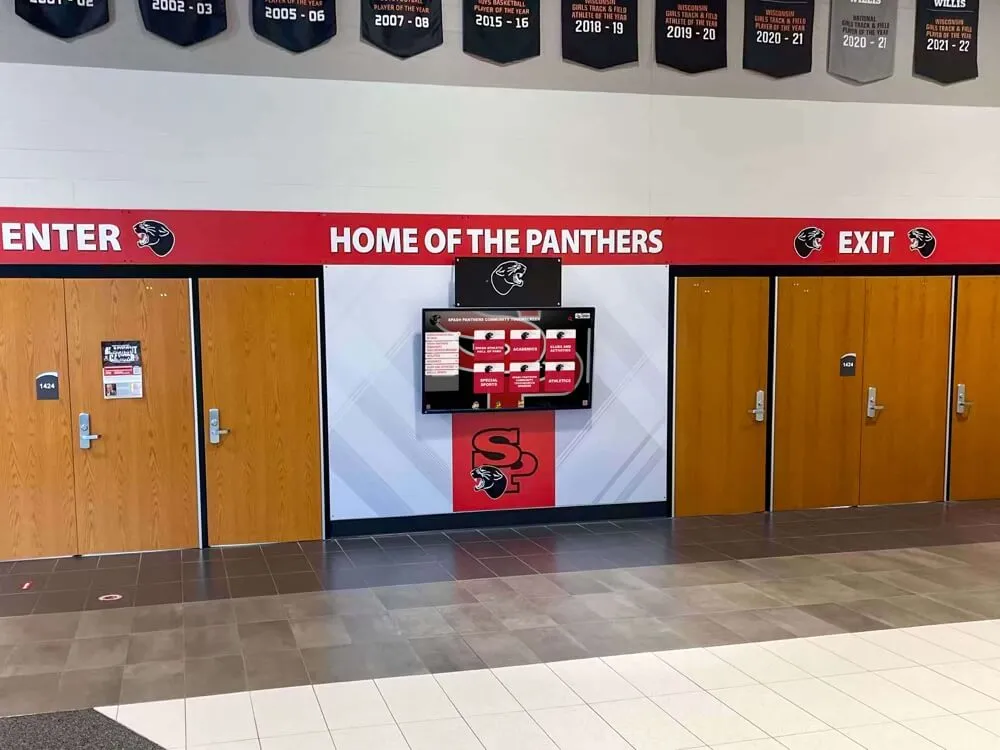
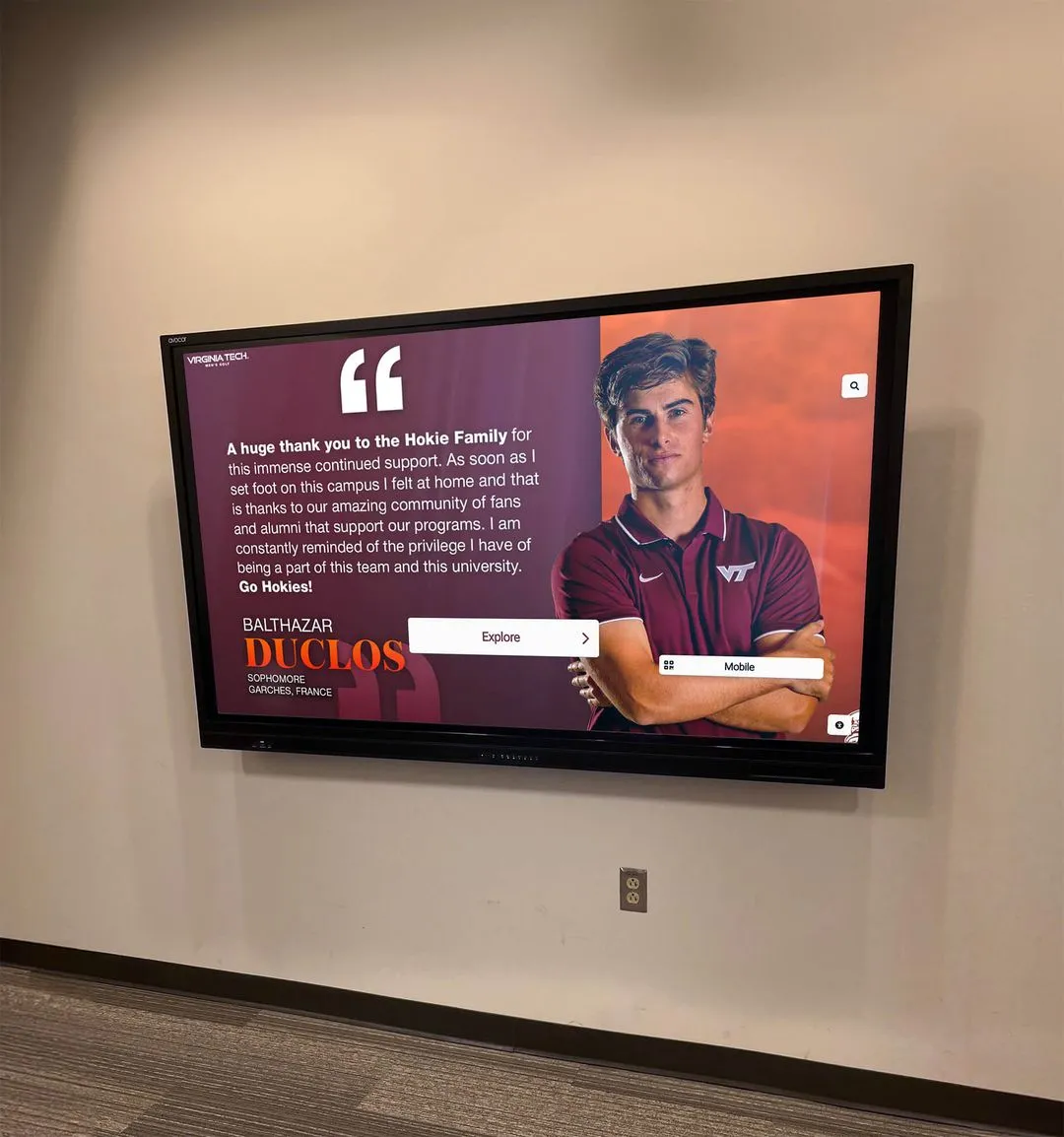
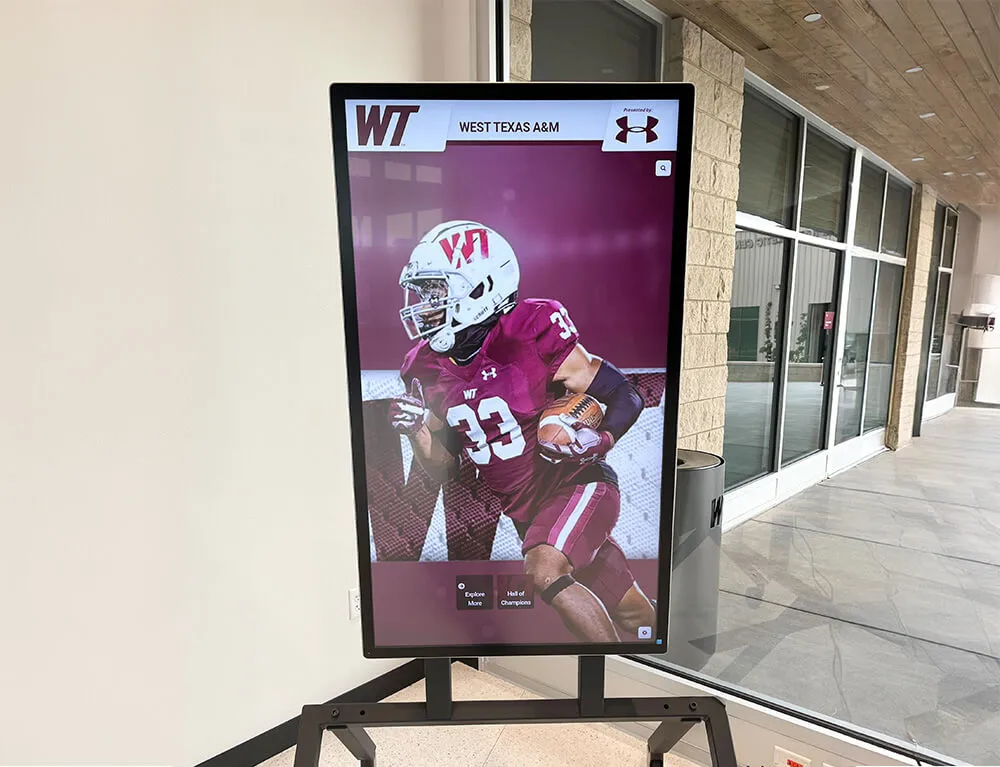
Programs exploring digital display solutions find that this four-stage workflow maps directly onto how platforms like Rocket Alumni Solutions handle data entry. The platform accepts exactly the fields this template captures, and the archive history is built into the system rather than maintained separately. For programs curious about the range of recognition tools that support these workflows, hall of fame tools for athletics, donors, and history covers the landscape of digital recognition options.
Want to see how verified certificate data moves directly into a live digital record board—no manual reformatting, no vinyl orders? Book a live demo with Rocket Alumni Solutions and walk through a complete record entry from submission to display.
Connecting Certificates to Multi-Sport Programs
Programs that track records across ten or more sports quickly discover that certificate consistency matters more than certificate design. A swimming program might measure performances in hundredths of seconds; a wrestling program tracks wins and pins; a weight room program logs lifts in pounds. The certificate template needs to accommodate all of these without ambiguity.
The solution is a master template with conditional fields. Every certificate shares the core structure: header, athlete block, performance block, authorization block. Sport-specific fields are clearly labeled with their units in the performance block. A weight room certificate explicitly labels the lift: “Performance Mark: 315 lbs — Squat, 1RM, Calibrated Equipment.” A swimming certificate includes the stroke and distance: “Performance Mark: 1:52.34 — 200m Freestyle.”
This consistency means that when an athletic director pulls a complete record audit across all sports—something that should happen at least once per year—the data is comparable and complete. For programs building out comprehensive youth sports recognition programs, youth sports awards ideas offers useful framing for how standardized recognition infrastructure supports programs of every size.
Academic Records and Non-Athletic Achievements
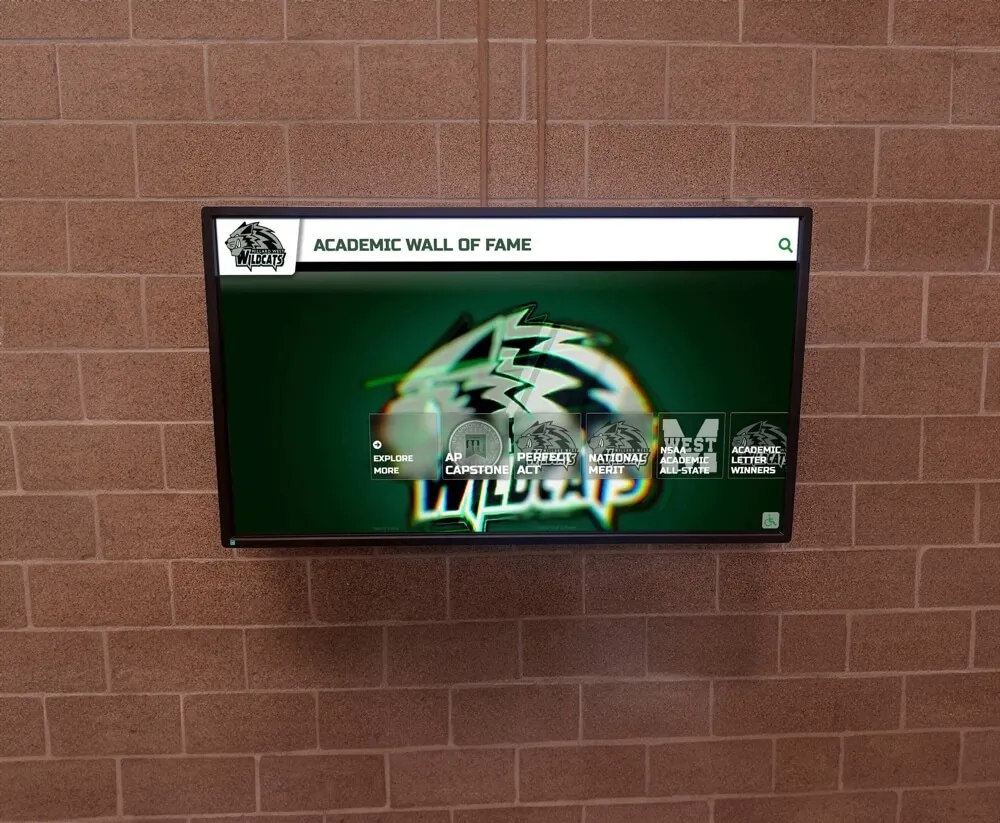
Not all record boards are athletic. Some schools track academic achievement records: highest GPA, most AP exams passed, academic all-conference honorees. The same certificate template logic applies. Academic achievement awards at the high school level operate on the same institutional declaration principle—the certificate is the authoritative record, and the fields it captures determine what can be displayed and preserved.
Academic record certificates should include the achievement category (GPA record, standardized test score, AP exam count), the metric with full context (4.0 weighted GPA on a 4.0 scale, 36 ACT composite, 15 AP exams passed with scores of 4 or above), the academic year, and both a faculty advisor and administrator signature. The same four-stage capture-verify-archive-publish flow applies, with the academic department and principal serving the roles that the coach and athletic director play in athletics.
For programs pursuing academic all-American award criteria recognition, documentation standards are particularly rigorous—a well-maintained certificate archive that meets the institutional standards described in this template will satisfy external selection criteria as well as internal record board requirements.
Preventing Common Certificate Errors
Problem: Certificates are printed days or weeks after the performance.
Prevention: Complete the certificate fields the day the record is verified—which should be within 48 hours of performance. Waiting until the banquet in May for a record set in October produces gaps in the documentation chain that are difficult to close.
Problem: The performance mark uses inconsistent units across sports.
Prevention: Standardize units at the sport level before the season begins. Build the unit specification into the certificate template itself: “Performance Mark (time in HH:MM:SS.ss)” leaves no room for ambiguity.
Problem: Relay records list only the team name, not individual athletes.
Prevention: Require all relay certificates to include a sub-table with each athlete’s name, grade, and leg. The certificate can be issued to the team while documenting the individuals—both recognitions matter and both should be preserved.
Problem: Signed certificates live in a filing cabinet nobody can access.
Prevention: Scan every completed certificate immediately after signing and upload to a shared digital archive. The scan is the working document; the original goes in the physical archive as backup.
Problem: New athletic directors can’t trace historical records back to certificates.
Prevention: Use a consistent naming convention for certificate files: [Sport]_[Year]_[AthleteLastName]_[Event].pdf. A file named swimming_2019_Martinez_200m_freestyle.pdf is findable by anyone. A file named scan0047.pdf is effectively lost.
FAQ: Record Breaker Certificate Templates
What is the difference between a record breaker certificate and a record verification form?
A record breaker certificate is the athlete-facing recognition document—it commemorates the achievement and is typically framed or displayed. A record verification form is the internal administrative document that governs whether a performance qualifies as a school record before the certificate is issued. Both documents should exist, and the verification form should be completed before the certificate is printed. The fields overlap substantially, but the certificate is designed for the athlete and the verification form is designed for the program’s administrative record.
Should record breaker certificates include the previous record holder’s name?
Yes, and this is the field most often omitted. Including the previous record holder’s name on the certificate contextualizes the achievement—the new record holder broke someone’s record, and that predecessor’s contribution to the program should be acknowledged. It also makes the certificate data immediately useful for record board entries that show all-time lists with previous holders.
How long should signed record breaker certificates be retained?
Indefinitely. School athletic records are permanent institutional records, and the certificates documenting them should be retained for as long as the school exists. Physical originals should be stored in acid-free folders in a climate-controlled environment. Digital scans should be backed up in at least two locations, one of which is off-site or cloud-based.
What happens to certificate data when a school transitions to a digital record board?
The certificate fields map directly to digital record board data entry fields. Schools that have maintained complete certificates can typically migrate their entire record history into a digital platform in a single data entry session per sport, rather than requiring research to reconstruct missing fields. Programs that have already undertaken transitions—including schools featured in digital awards display stories—consistently report that complete paper archives are the single biggest factor in smooth digital migrations.
Can the same certificate template be used for both individual and relay records?
Yes, with a conditional section. The core template applies to both. For individual records, the athlete block contains one name. For relay records, the athlete block expands to include all team members with their respective positions. Make the relay sub-table clearly labeled and optional so that individual certificates don’t have empty relay rows creating visual confusion.
What should the certificate look like for a weight room or non-competition record?
The structure is the same, but the competition block requires additional specificity. For weight room records, document the lift type, the equipment used, whether the lift was performed in a supervised session or an open training session, and who served as the certifying monitor. A weight room record set under casual training conditions with no oversight should not carry the same institutional weight as one set in a designated record certification session with calibrated equipment and a staff witness.
Conclusion
A record breaker certificate template is not a design problem—it’s a data problem. The certificate that an athlete frames and hangs in their bedroom needs to contain exactly the fields that the record board requires, the archive file demands, and a future athletic director will need to verify. Getting those fields right from the start eliminates the investigative work that plagues programs dealing with incomplete historical records. Every hour spent searching for a graduation year, a competition name, or a missing previous record holder is an hour that could have been avoided with a well-designed certificate template administered consistently.
The template in this guide captures every field needed for both athlete recognition and institutional record-keeping. Programs can adapt the layout to match their mascot and colors while preserving every required data field. What the certificate looks like matters to the athlete. What it contains matters to the record board.
See how Rocket Alumni Solutions stores and displays verified record data across every sport—automatically updating the board when new records are entered, and preserving every previous holder in a permanent searchable archive.