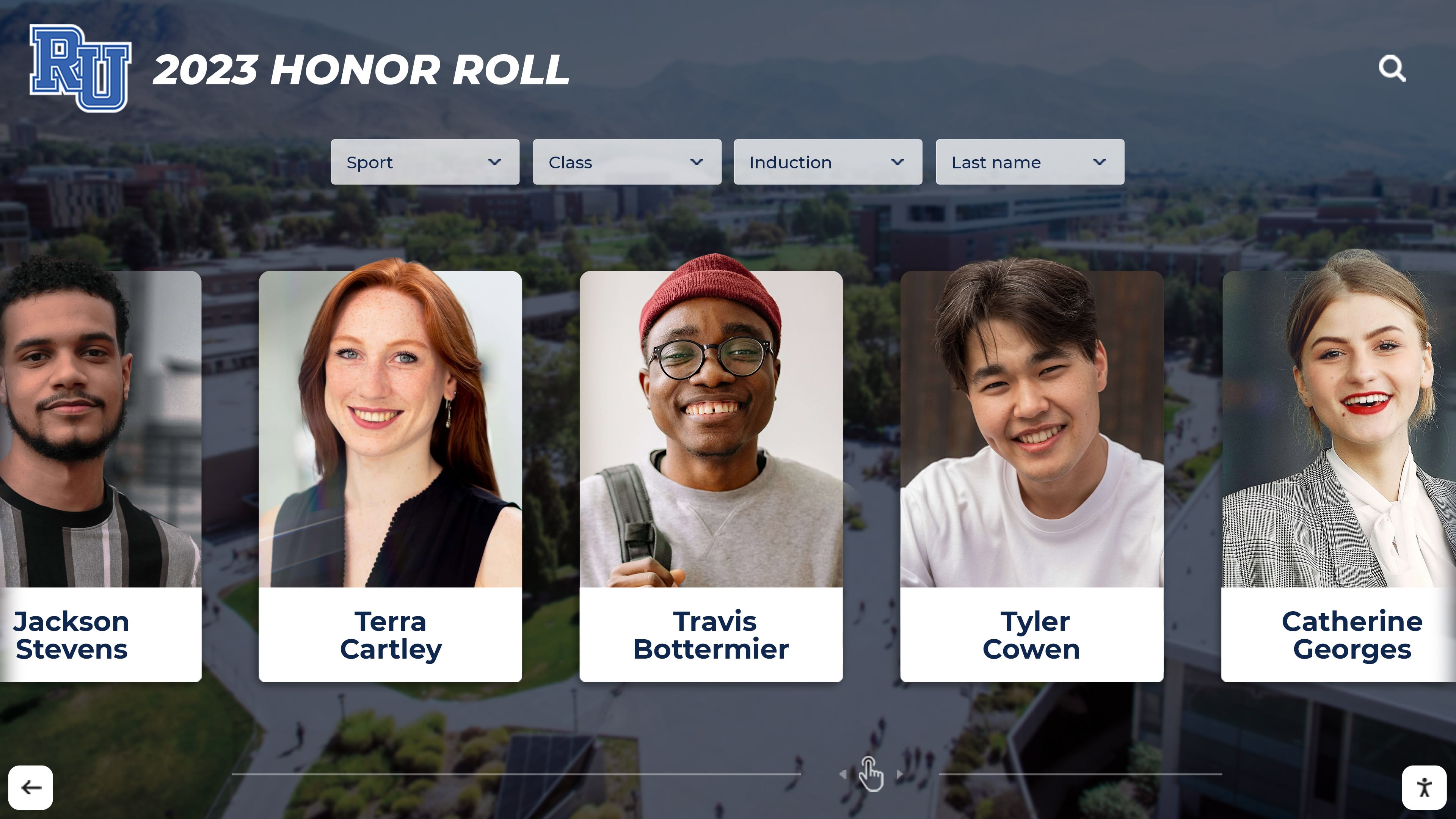




Recognition programs shape organizational culture more powerfully than mission statements, policies, or training initiatives ever could. What gets recognized gets repeated—whether that’s academic excellence, athletic achievement, workplace innovation, community service, or any other behavior organizations want to encourage. Yet many schools and organizations struggle with recognition that feels meaningful, sustainable, and genuinely motivating rather than perfunctory or exclusive.
Effective recognition programs don’t simply acknowledge achievement after the fact. They create clear pathways showing what excellence looks like, celebrate diverse forms of contribution, make recognition accessible across different ability levels, leverage engaging display formats that extend visibility beyond ceremony moments, and build cultures where achievement becomes expected rather than exceptional. The difference between programs that transform culture and those that fade into background noise comes down to intentional design addressing motivation psychology, practical sustainability, authentic celebration, and strategic alignment with organizational values.
This comprehensive guide explores recognition program ideas proven across schools, athletic departments, businesses, and nonprofit organizations. Whether building new recognition systems from scratch, modernizing programs constrained by outdated approaches, or enhancing existing initiatives to drive greater impact, these frameworks and implementation strategies provide actionable starting points for creating recognition that genuinely motivates while celebrating achievement appropriately.
Building Recognition Systems That Scale and Sustain
The most effective recognition programs balance celebration with practical sustainability—honoring achievement without creating administrative burden that eventually causes program collapse. Traditional recognition approaches often hit capacity constraints as trophy cases fill, wall space disappears, and manual update processes become overwhelming. Modern digital recognition displays solve these challenges through unlimited capacity accommodating growth without physical expansion, instant remote updates eliminating vinyl changes or plaque ordering, automatic ranking and filtering features, multimedia capabilities including photos and video, and comprehensive analytics revealing engagement patterns. Solutions like Rocket Alumni Solutions enable organizations to implement recognition systems that honor every deserving individual while maintaining professional displays that inspire audiences and preserve institutional achievement for future generations.
Core Principles of Effective Recognition Programs
Before exploring specific program ideas, understanding foundational principles separating impactful recognition from ineffective acknowledgment helps organizations design systems aligned with proven motivation psychology.
Recognition Should Be Specific and Timely
Generic appreciation lacks impact. “Great job” or “Excellent work” carries minimal motivational value because recipients don’t understand exactly what behavior earned recognition or how to replicate success. Effective recognition specifies precise actions or achievements being celebrated—“Your analysis identifying the cost-saving opportunity demonstrated exactly the initiative we value” or “Scoring the game-winning goal after recovering from injury shows the resilience defining our program.”
Timeliness matters equally. Recognition delivered months after achievement loses connection between action and acknowledgment, weakening reinforcement. Recognition programs should establish processes enabling celebration within days or weeks of accomplishment rather than waiting for annual ceremonies that feel disconnected from achievement moments.
Digital recognition systems enable immediate acknowledgment through instant display updates, real-time leaderboards showing current standings, automated milestone alerts, and continuous celebration rather than limiting recognition to annual cycles. This immediacy strengthens motivation by creating tight feedback loops between achievement and acknowledgment.
Create Multiple Recognition Tiers and Categories
Single recognition categories exclude most participants. Programs celebrating only top performers—highest GPA, most sales, best athlete—leave 95% of populations without realistic achievement pathways, undermining motivation for everyone outside elite tiers.
Effective programs implement multiple recognition levels:
Foundation Recognition: Entry-level achievements accessible to most participants with reasonable effort. Examples include honor roll thresholds, participation awards, improvement-based recognition, effort acknowledgment, or team contribution awards. Foundation recognition establishes that achievement is attainable, building confidence and engagement.
Achievement Recognition: Mid-level honors requiring sustained performance or specific accomplishments. These might include all-conference selections, department awards, milestone achievements, or specialty recognitions. Achievement categories create aspirational goals for developing performers while celebrating solid excellence.
Distinction Recognition: Top-tier acknowledgment for exceptional accomplishment. Distinguished scholar programs, halls of fame, elite performance clubs, or championship recognition occupy this level. Selectivity maintains prestige while inspiration comes from visible pathways showing how others reached distinction levels.
Implementing academic recognition programs with multiple tiers ensures students across ability levels experience meaningful acknowledgment appropriate to individual achievement levels.
Balance Individual and Team Recognition
Exclusive individual focus undermines collaboration. While celebrating personal achievement motivates individual excellence, organizations also need collective success requiring teamwork. Recognition programs should intentionally balance individual honors with team-based celebration.
Team recognition formats include group achievement awards acknowledging collective accomplishments, collaborative project honors celebrating successful partnerships, department or grade-level competitions fostering healthy inter-group motivation, relay-style challenges requiring combined efforts, and team improvement recognition celebrating collective growth over time.
This balance prevents recognition systems from inadvertently incentivizing individualistic behavior contrary to organizational collaboration needs while ensuring both personal excellence and team contribution receive appropriate acknowledgment.
Make Recognition Visible and Lasting
Recognition that disappears after ceremony moments loses ongoing motivational value. Brief acknowledgment at assemblies or meetings provides temporary satisfaction, but visibility fades quickly as daily routines resume.
Permanent recognition displays create lasting visibility extending motivational impact:
- Trophy Cases and Physical Displays: Traditional formats maintaining tangible, visible presence in high-traffic locations where students, employees, or visitors regularly encounter achievement celebration
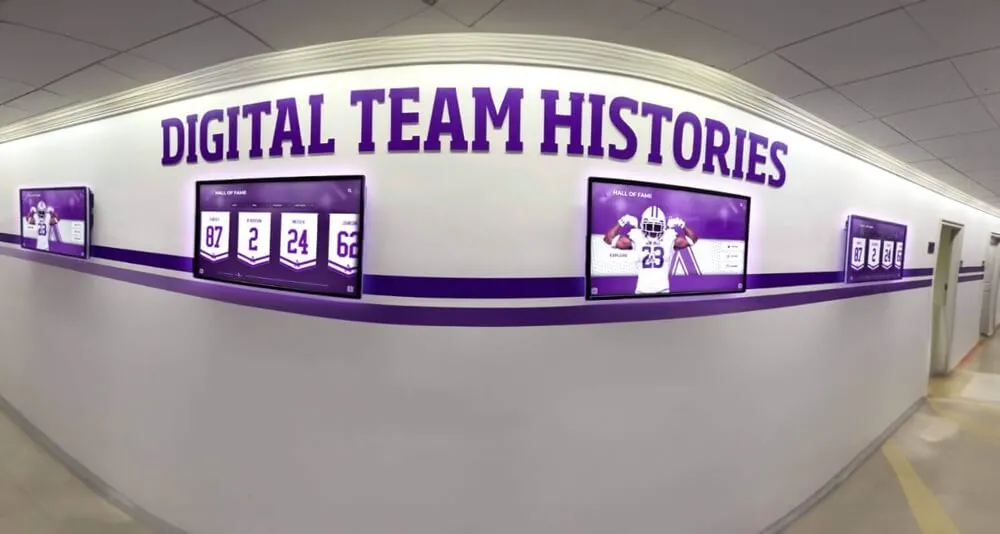
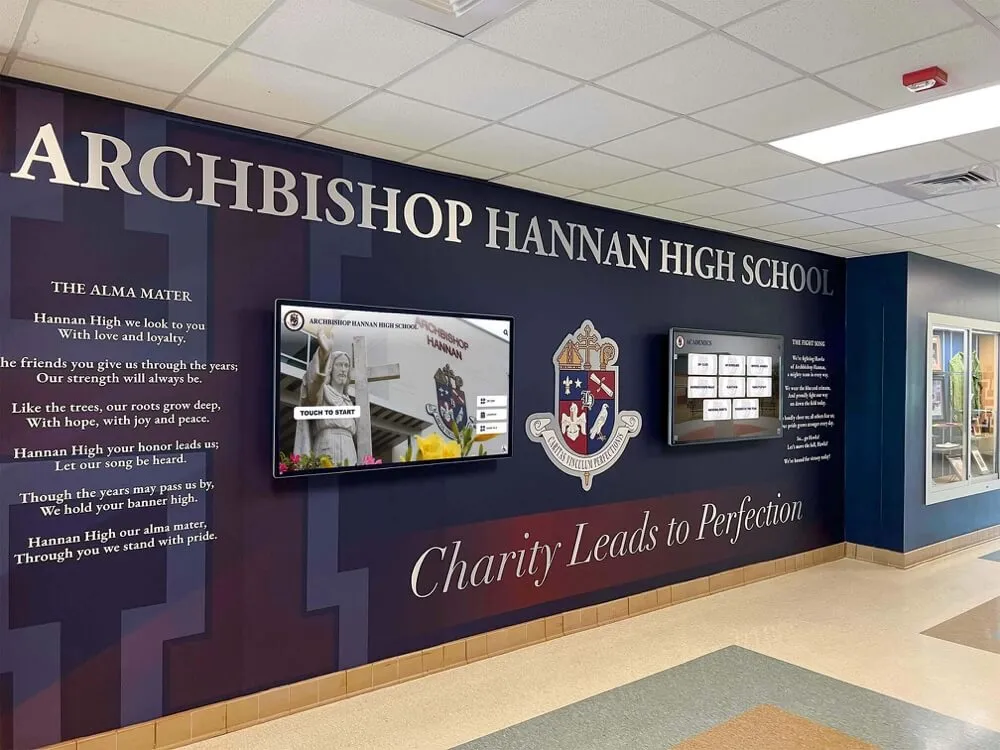
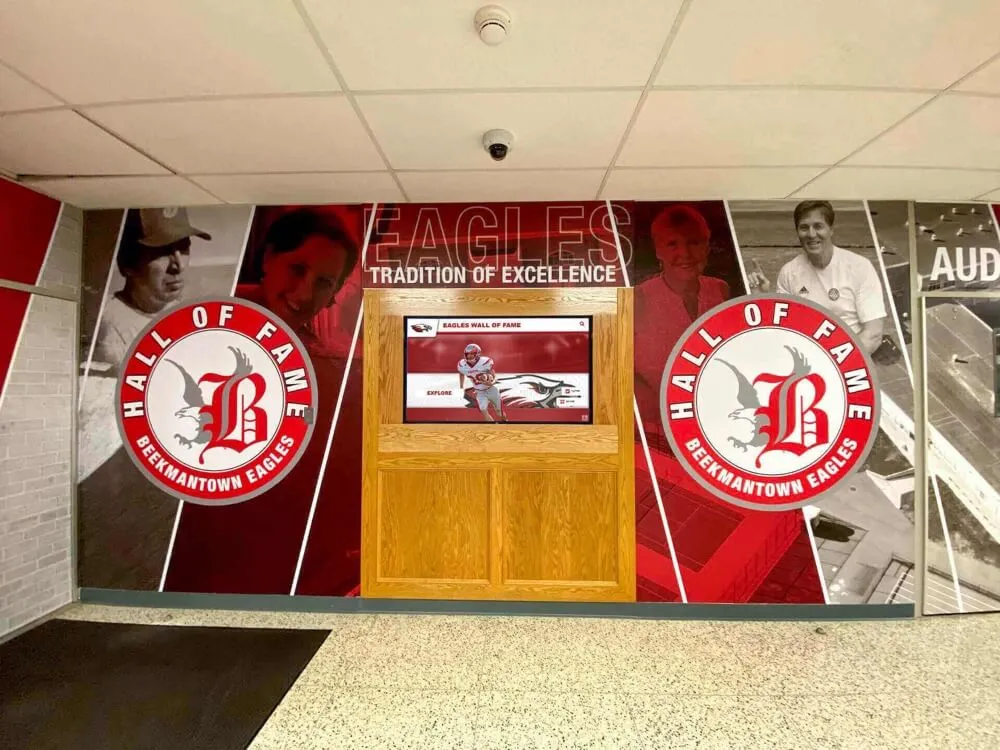
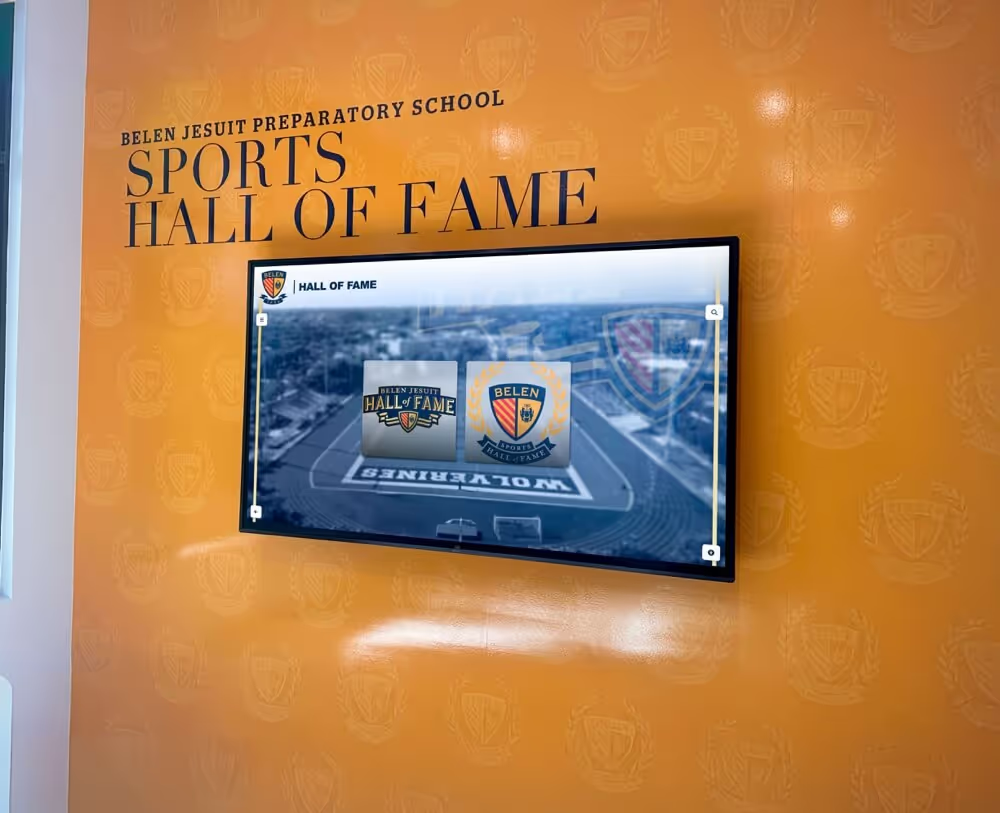
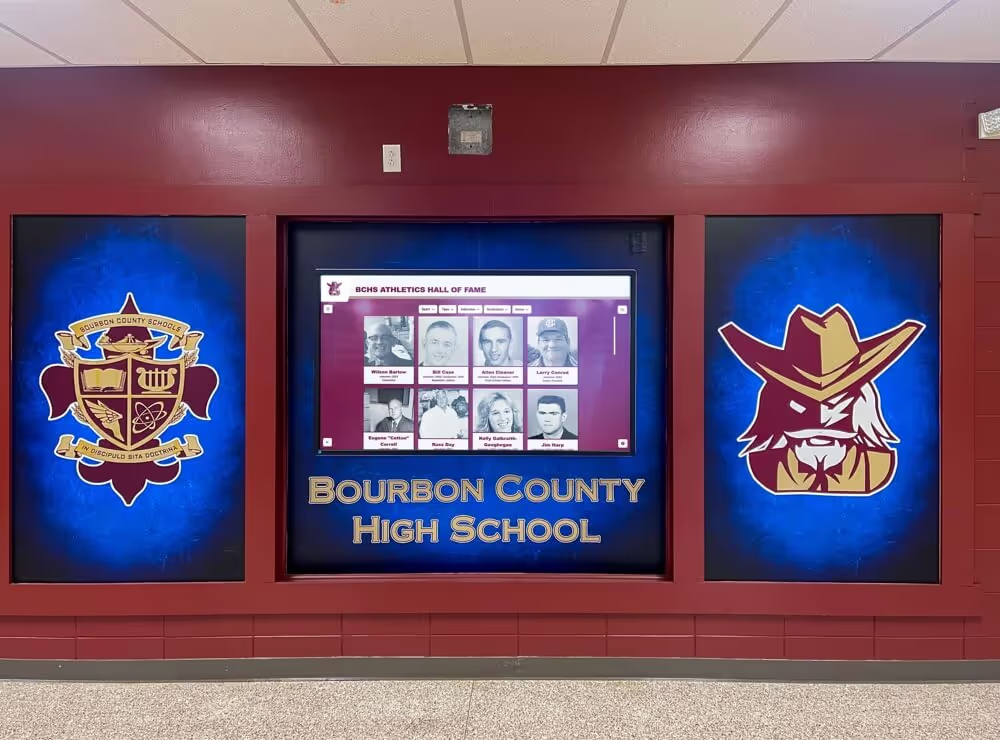
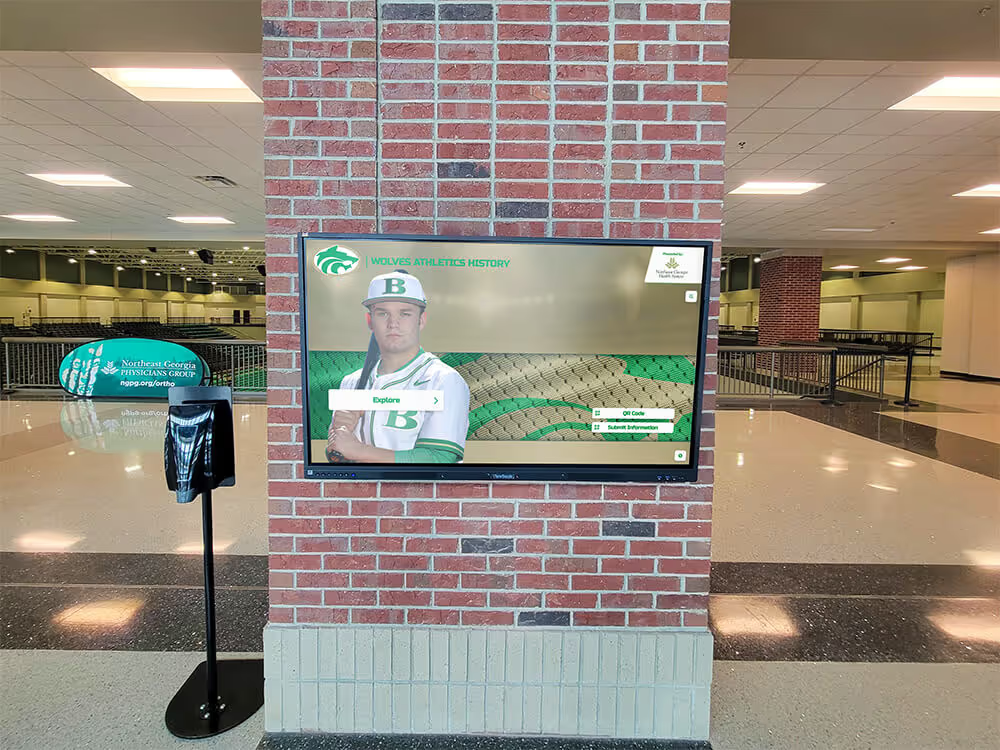
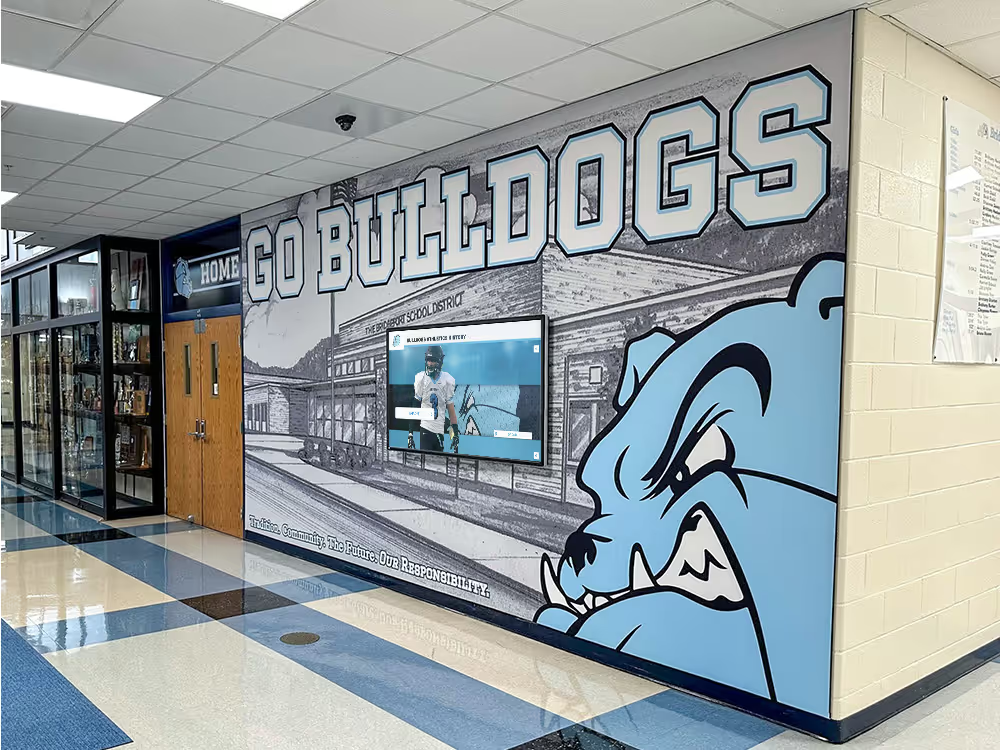
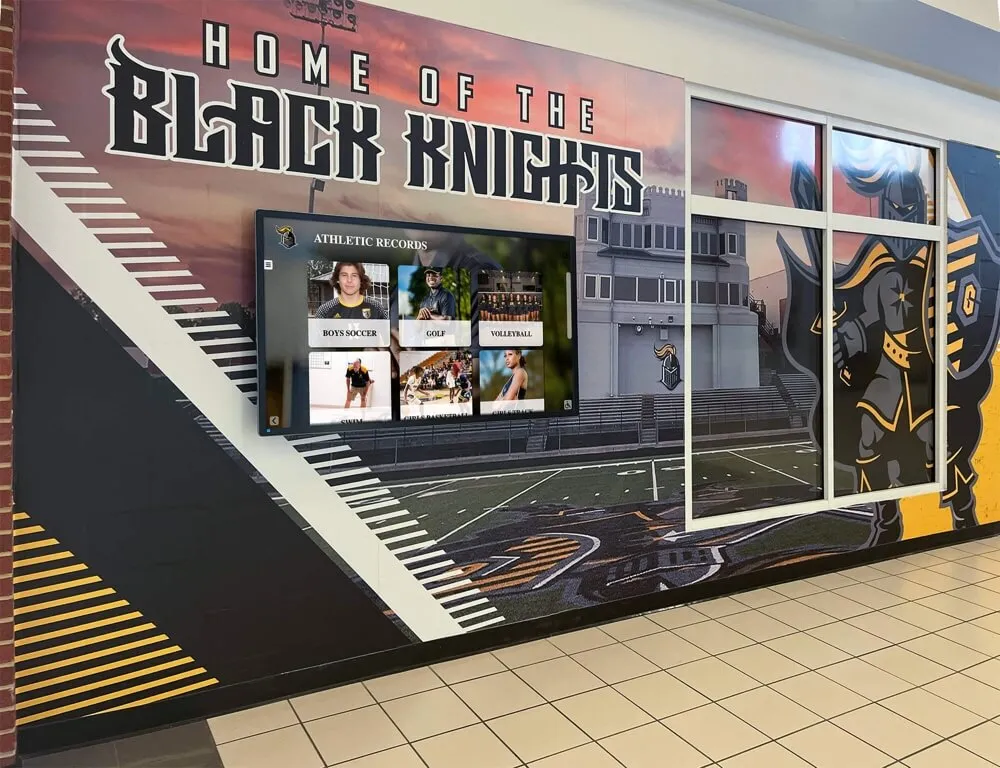
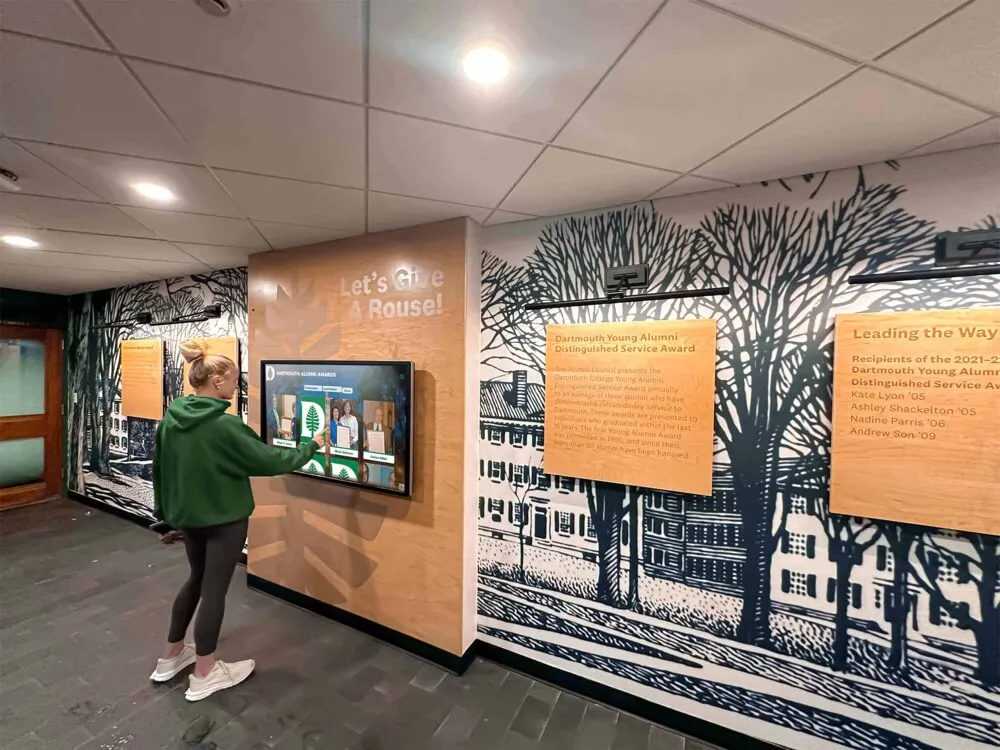
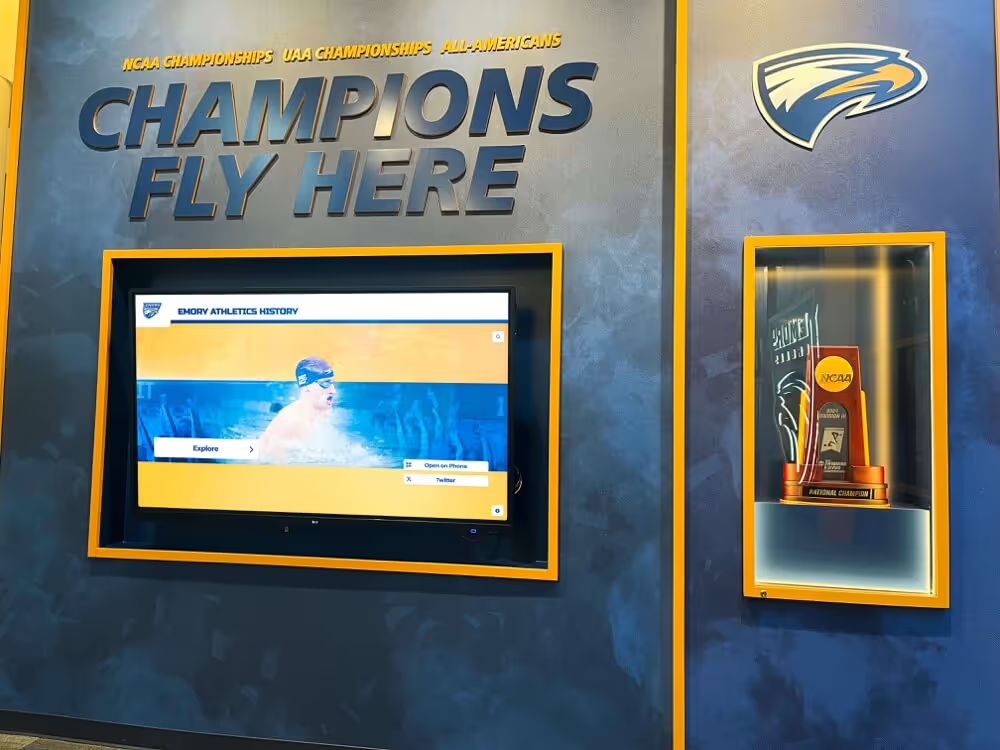
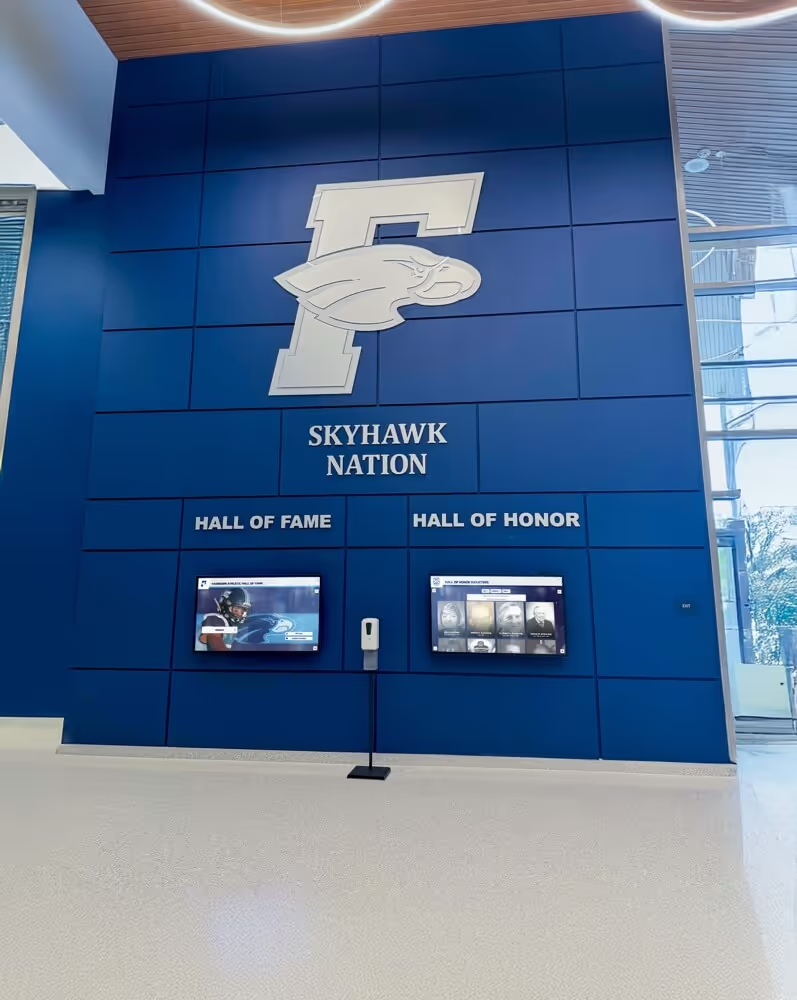
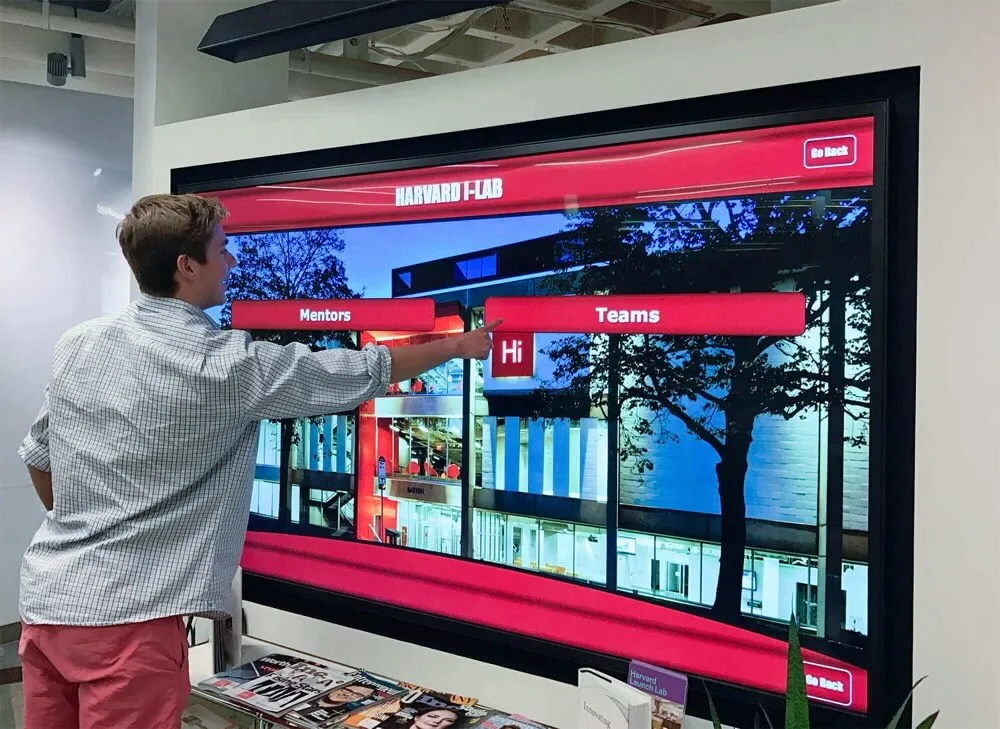
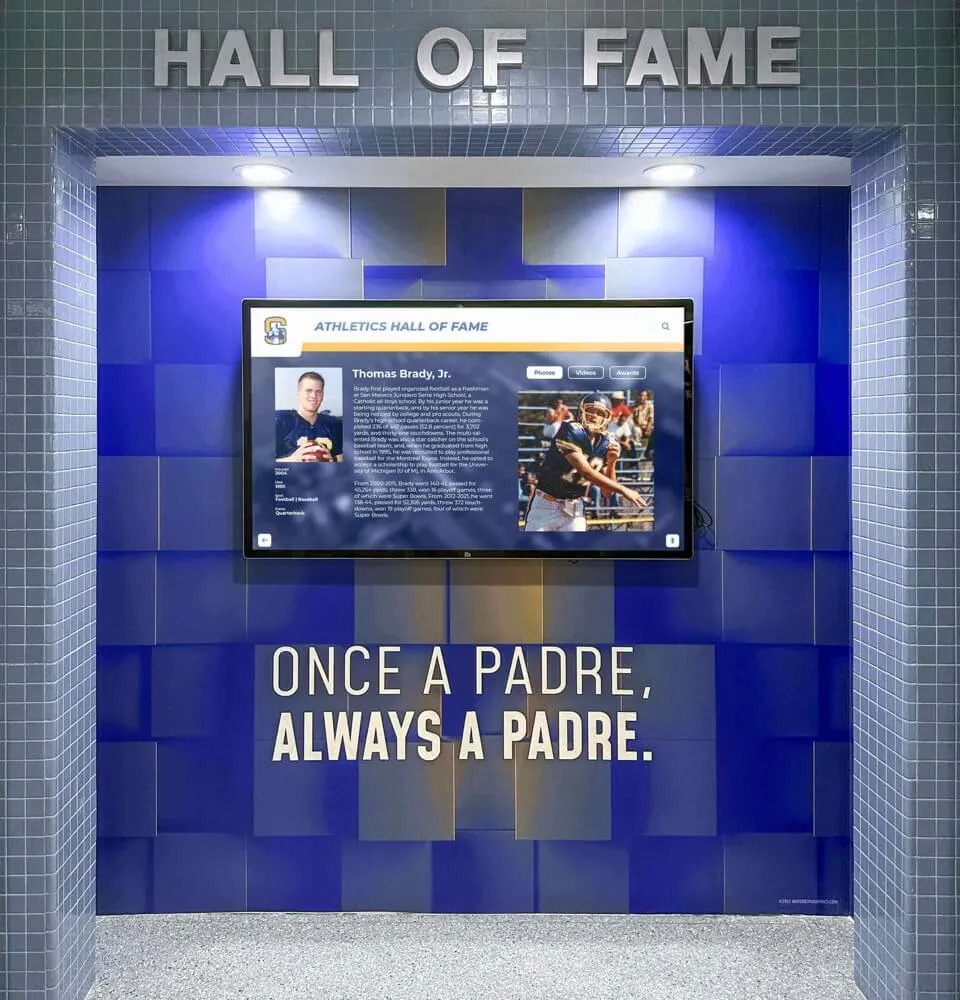
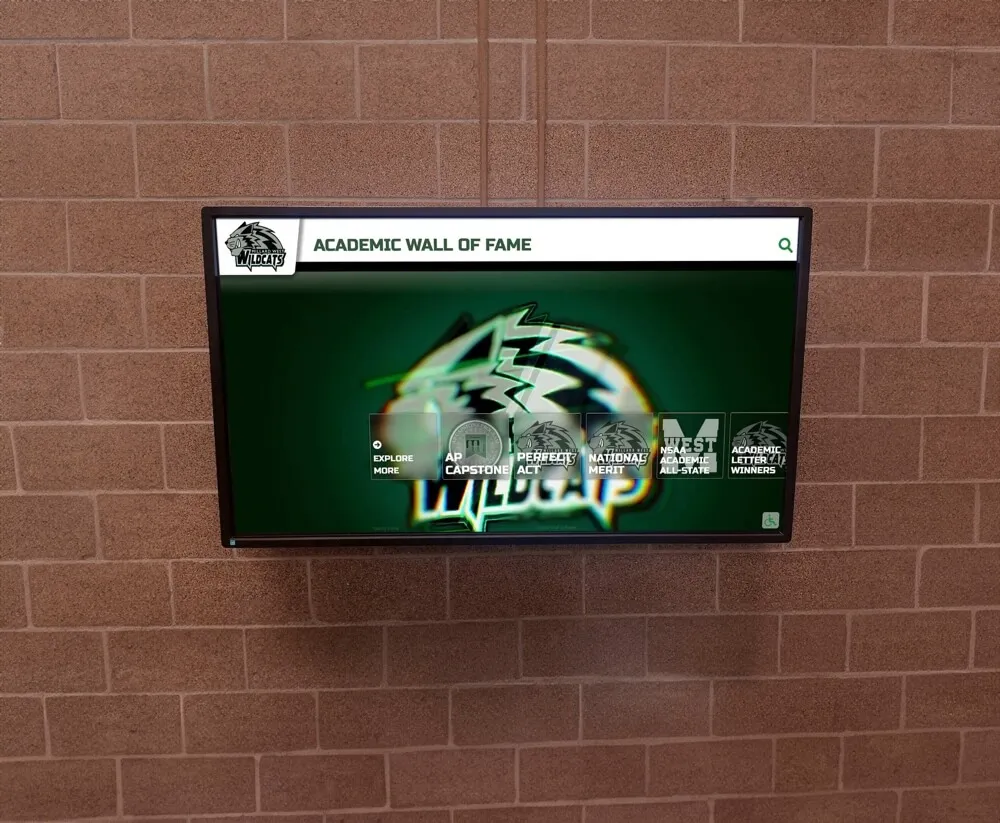
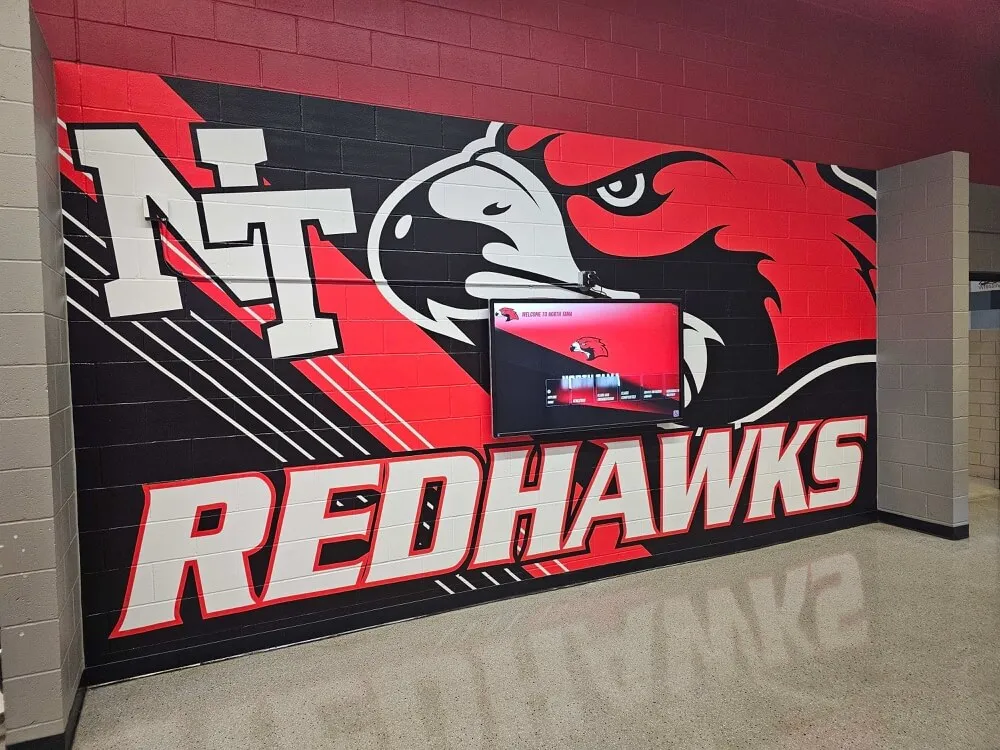
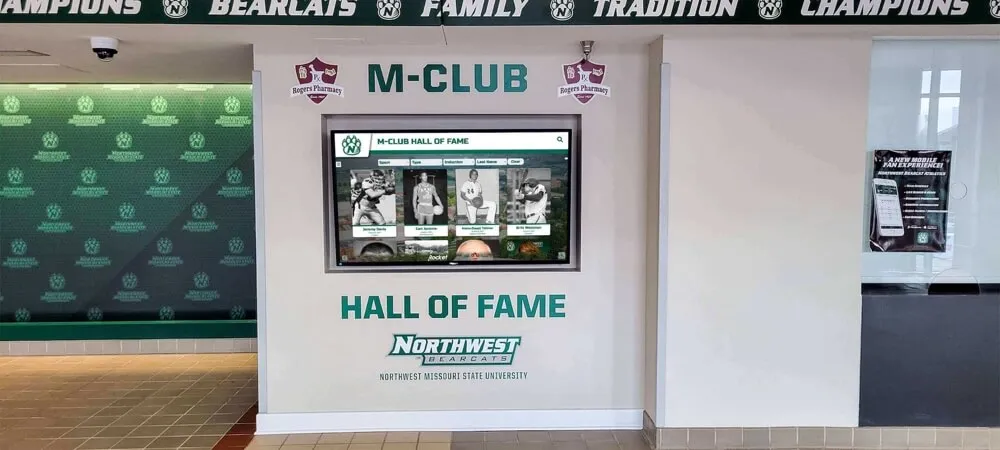
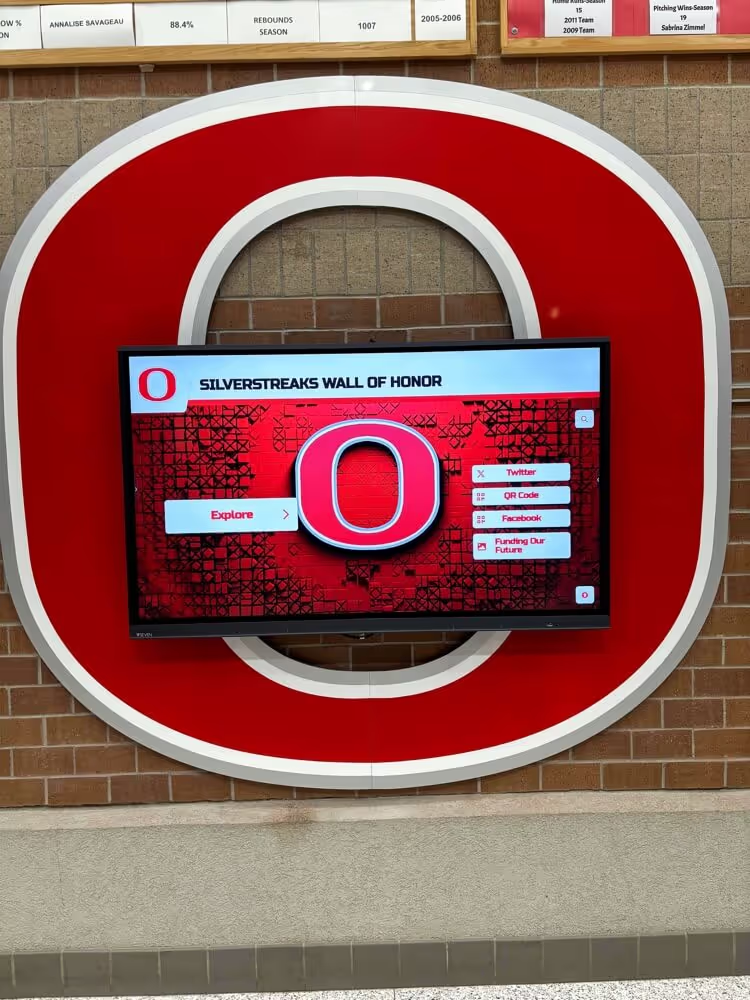
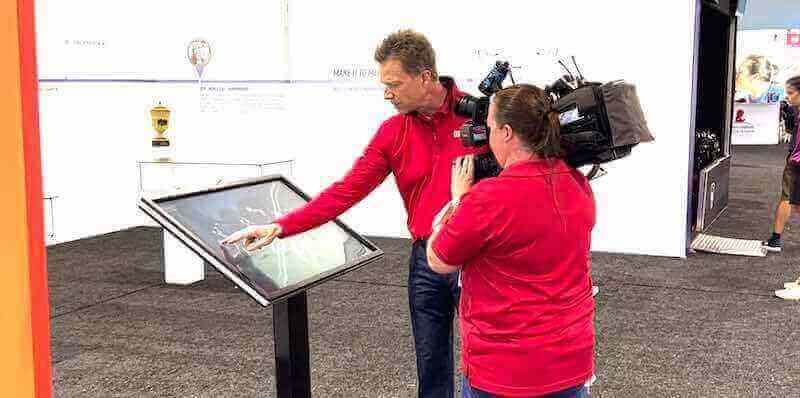
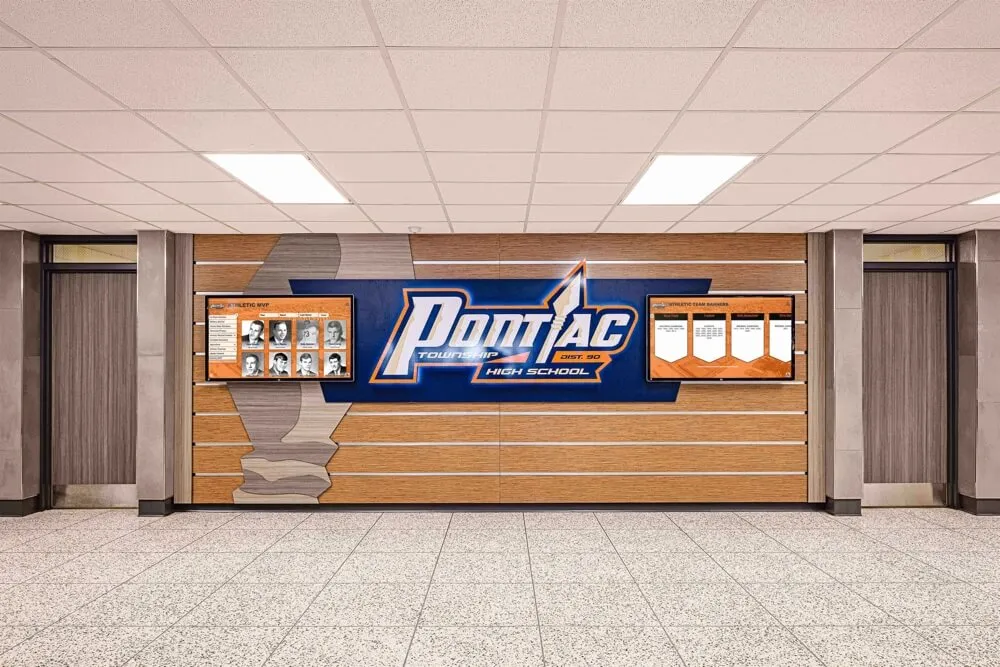
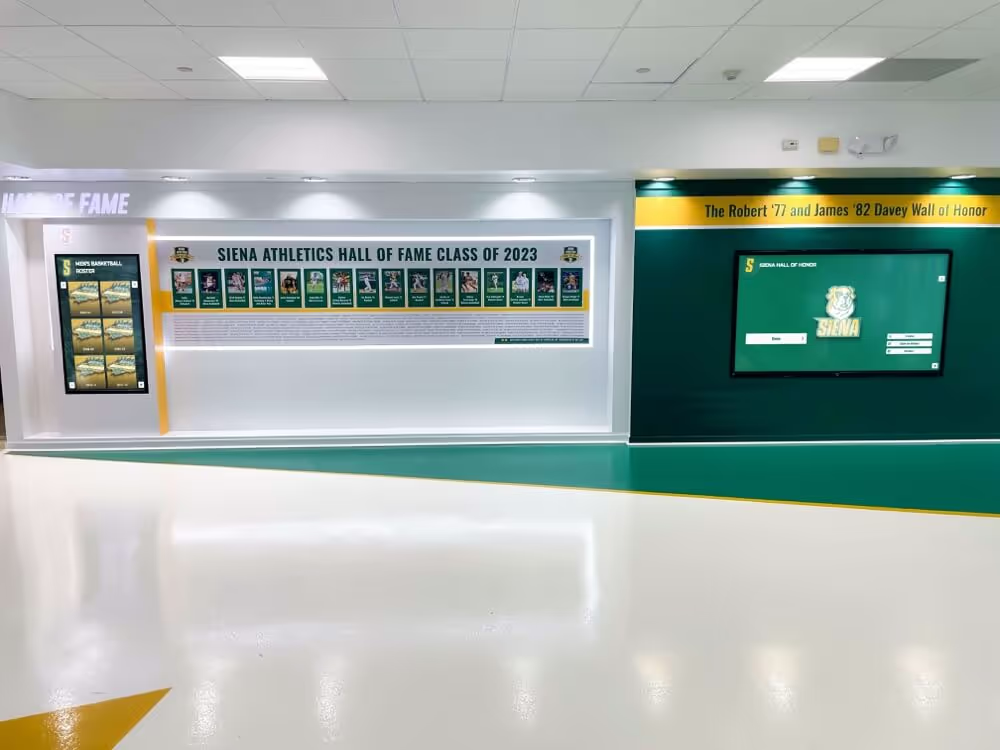
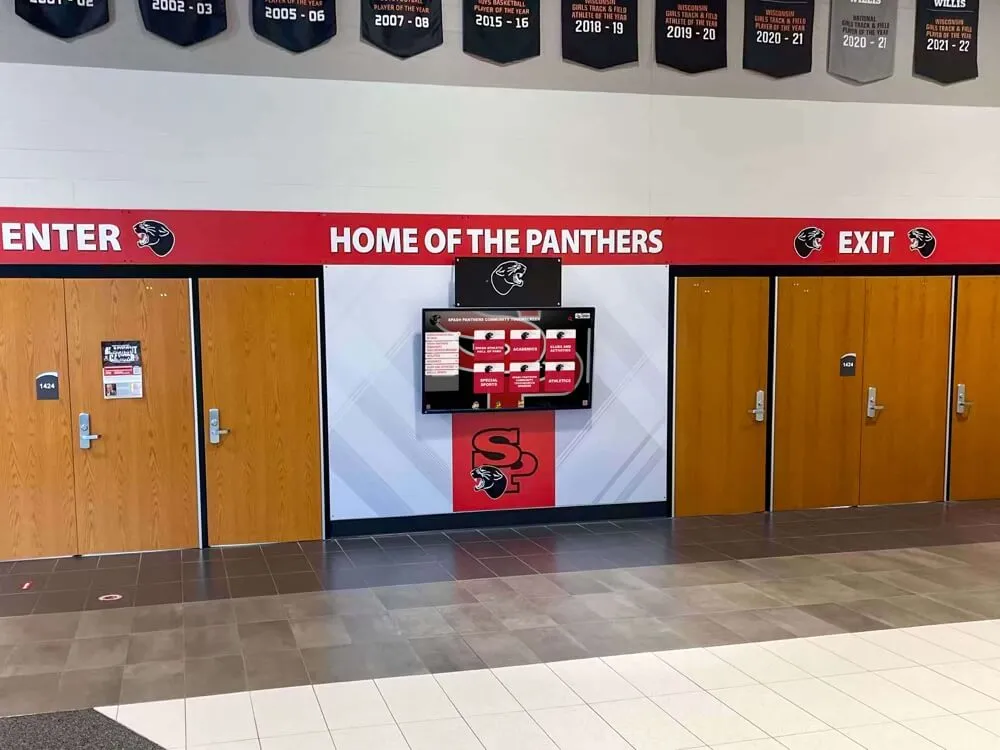
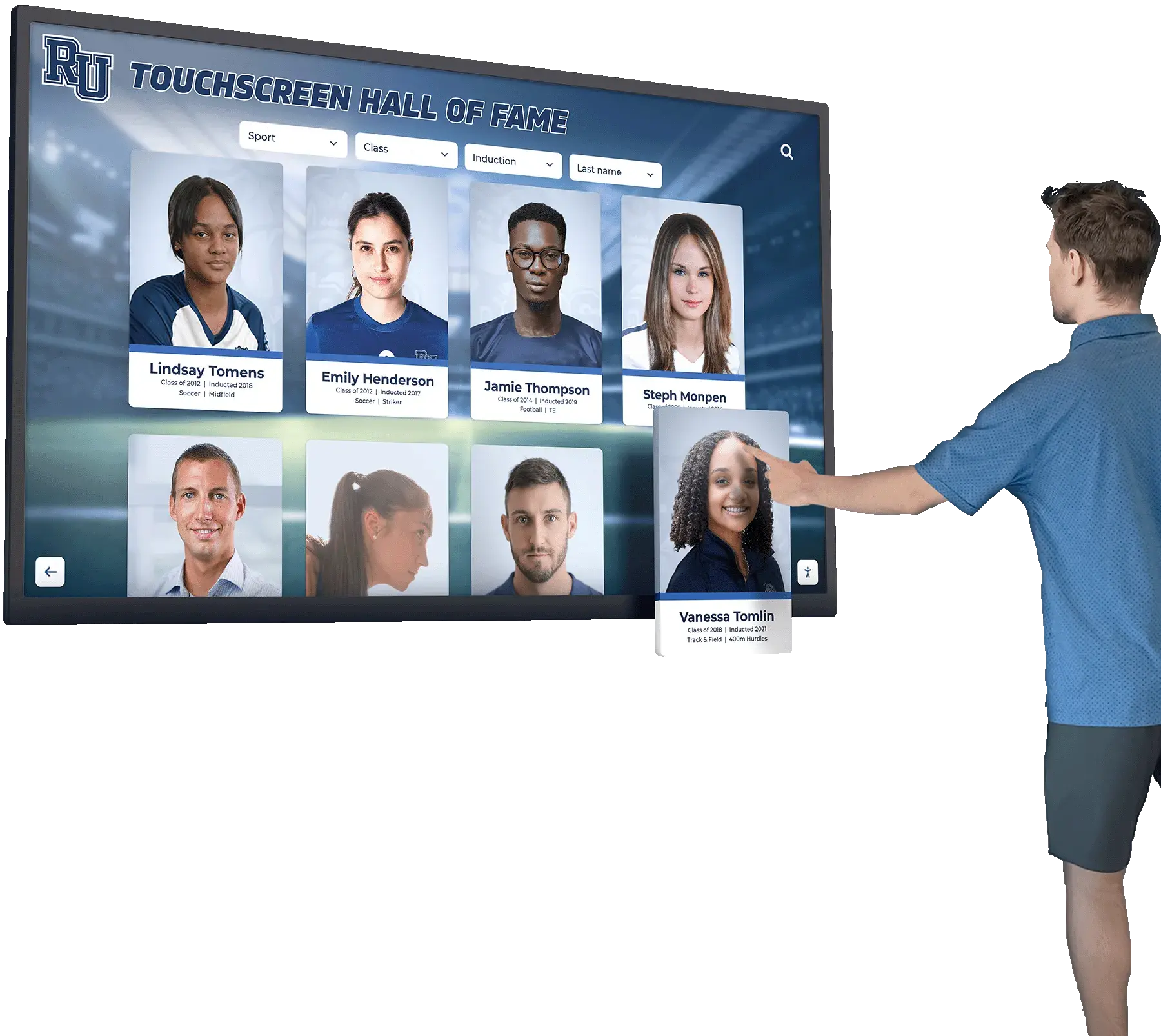
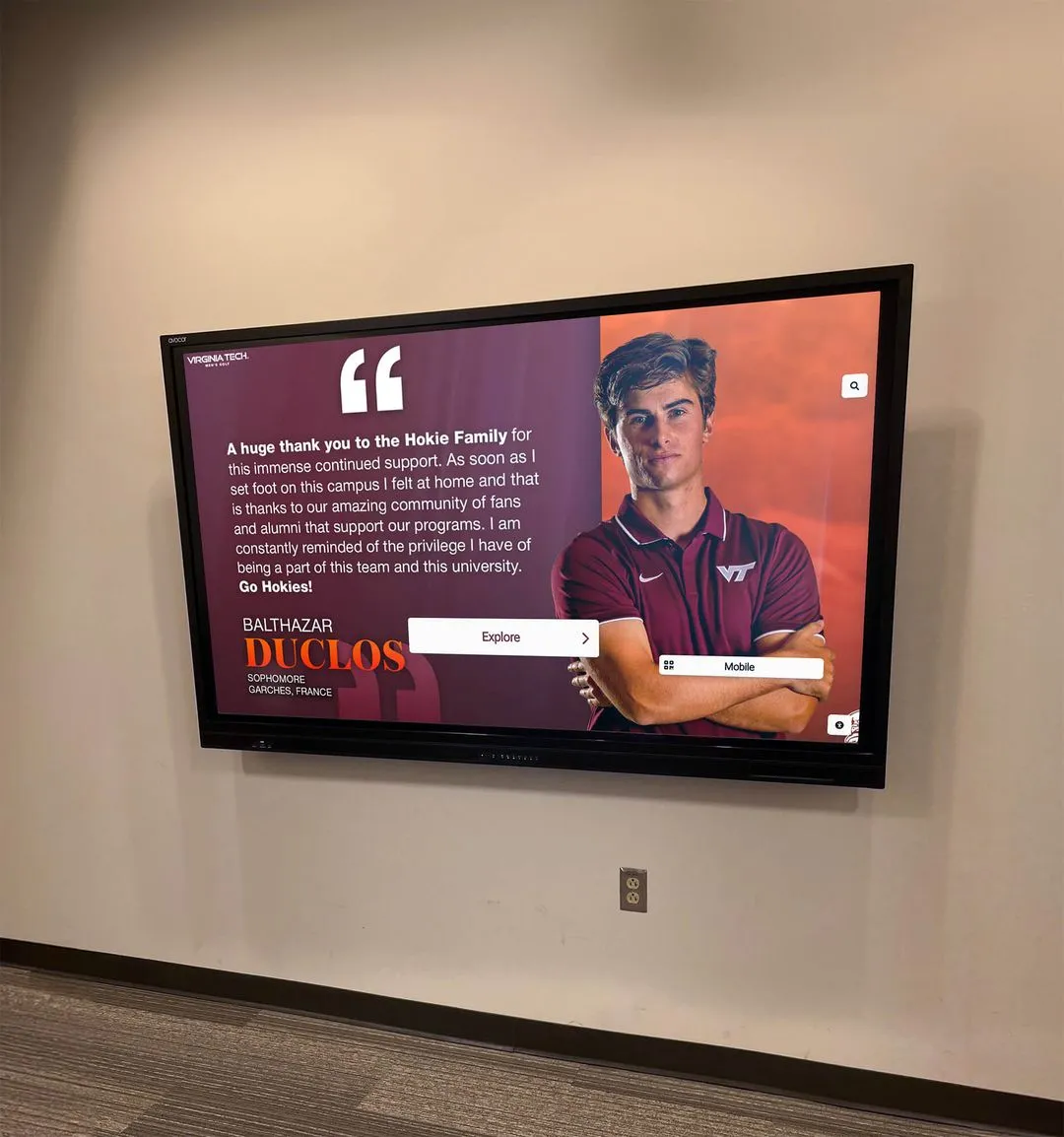
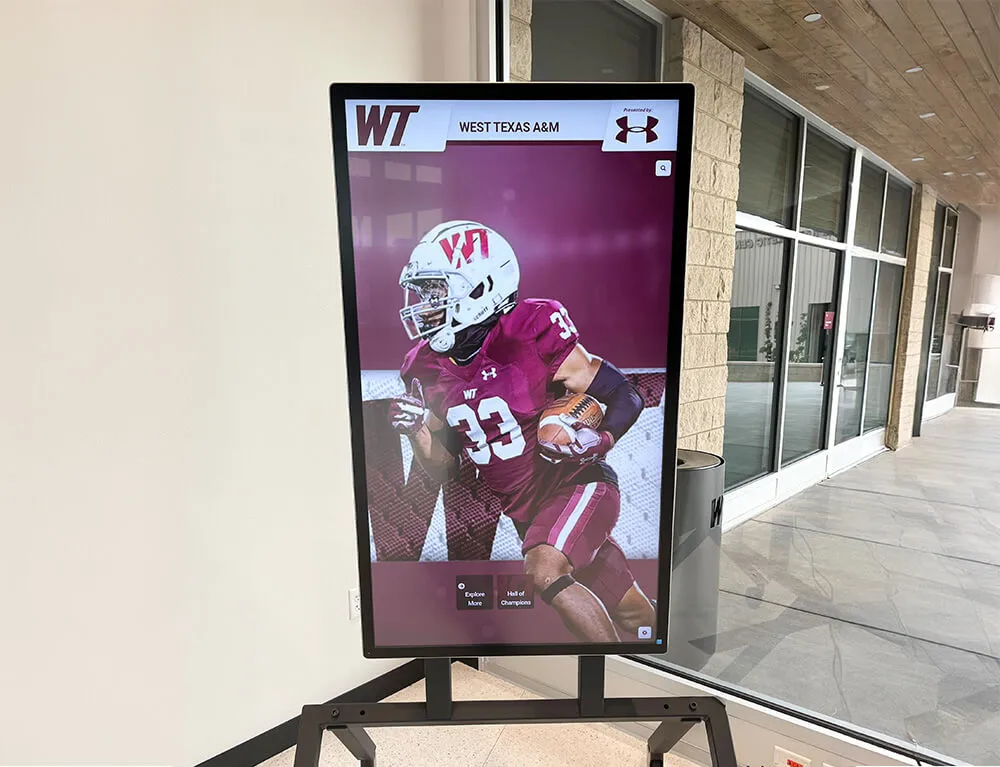
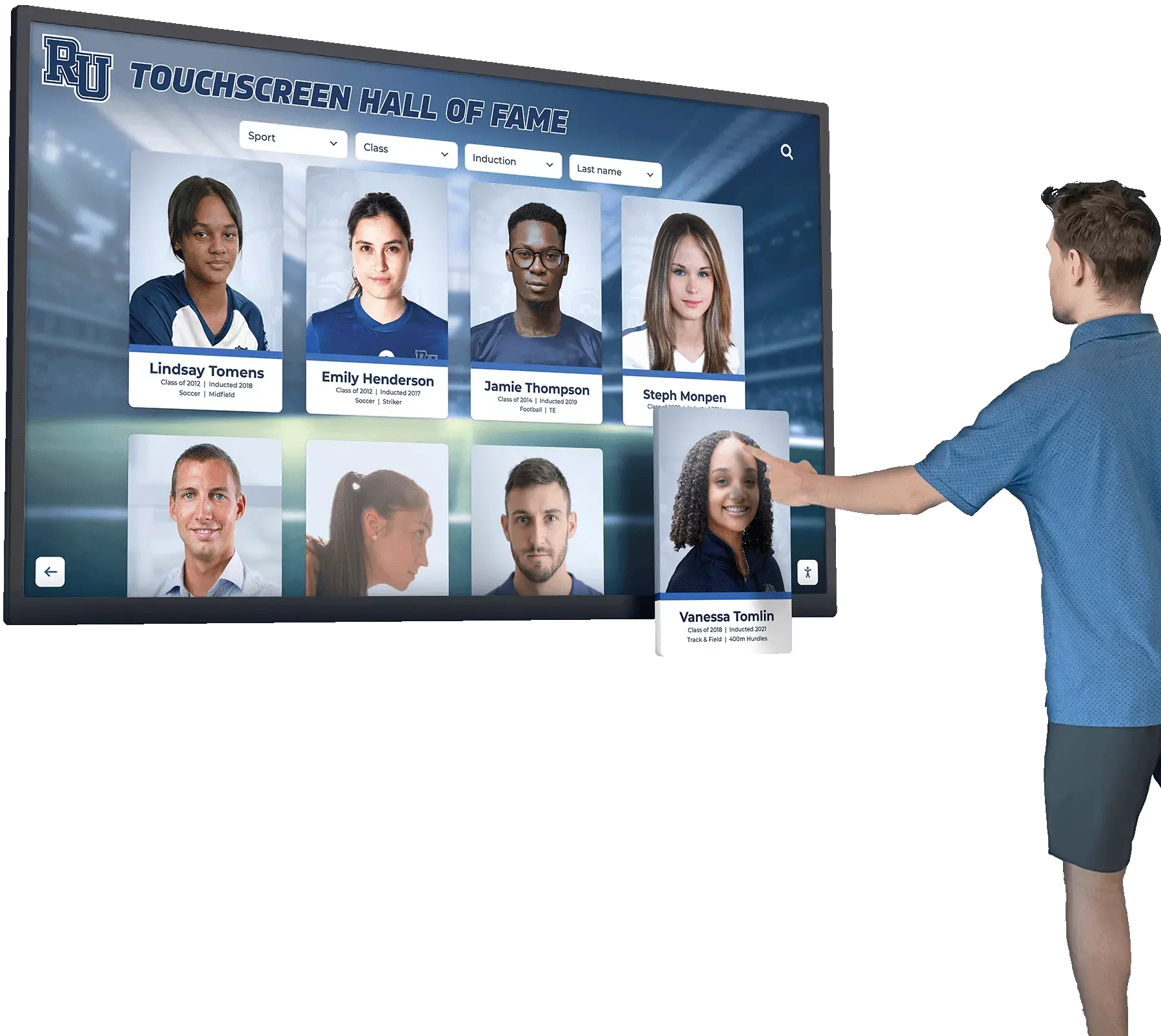

- Digital Recognition Walls: Interactive displays providing unlimited capacity, rich multimedia content, searchable databases, and real-time updates maintaining currency as new achievements occur
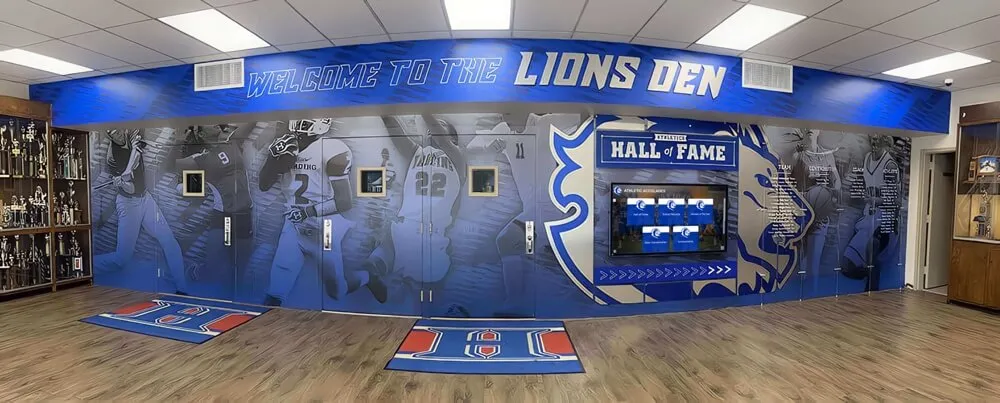
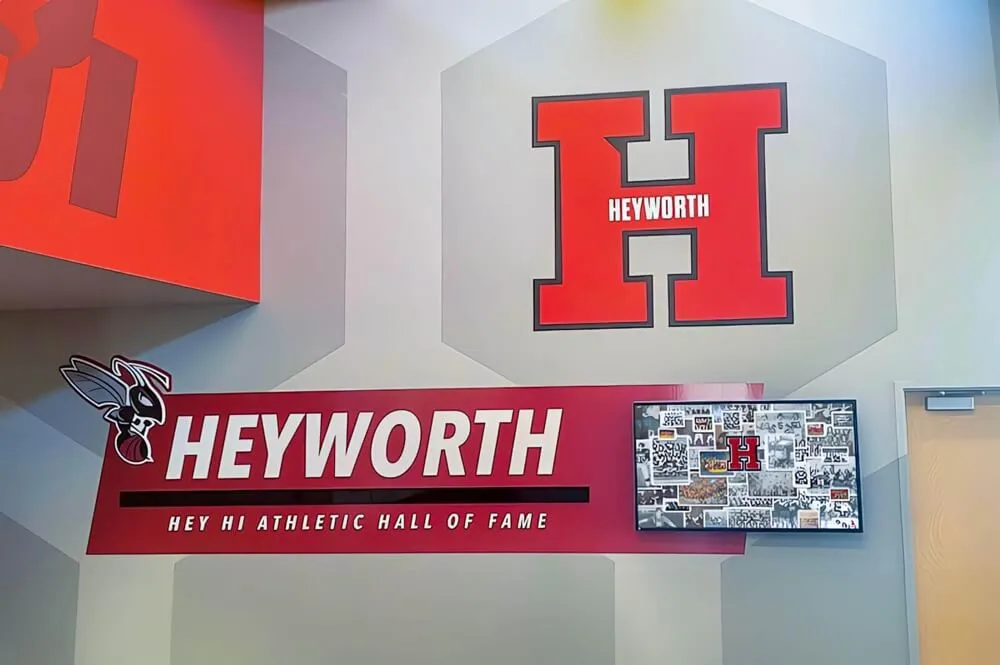
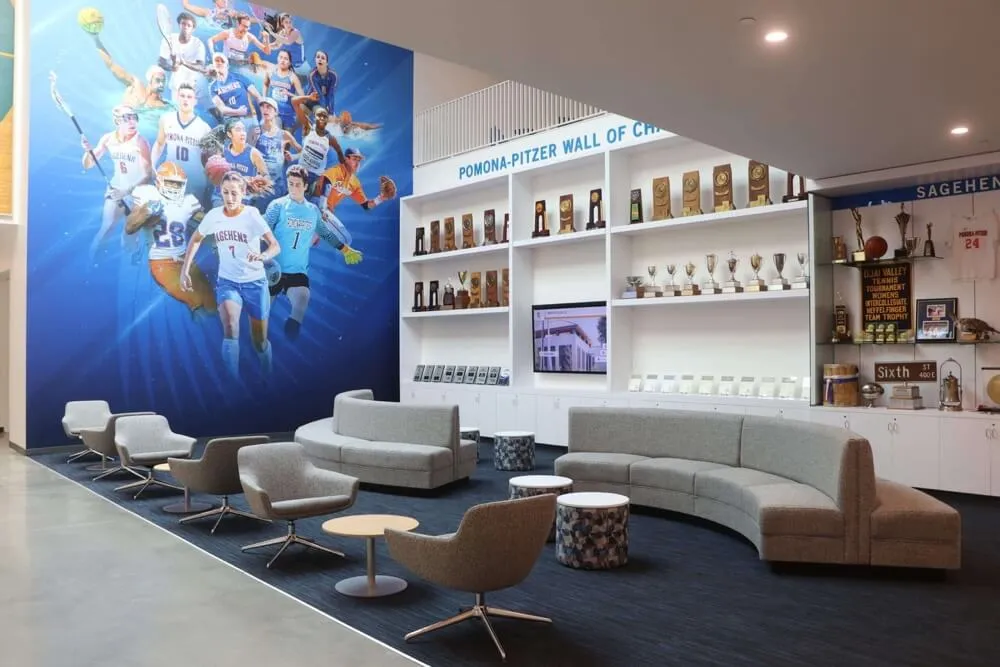
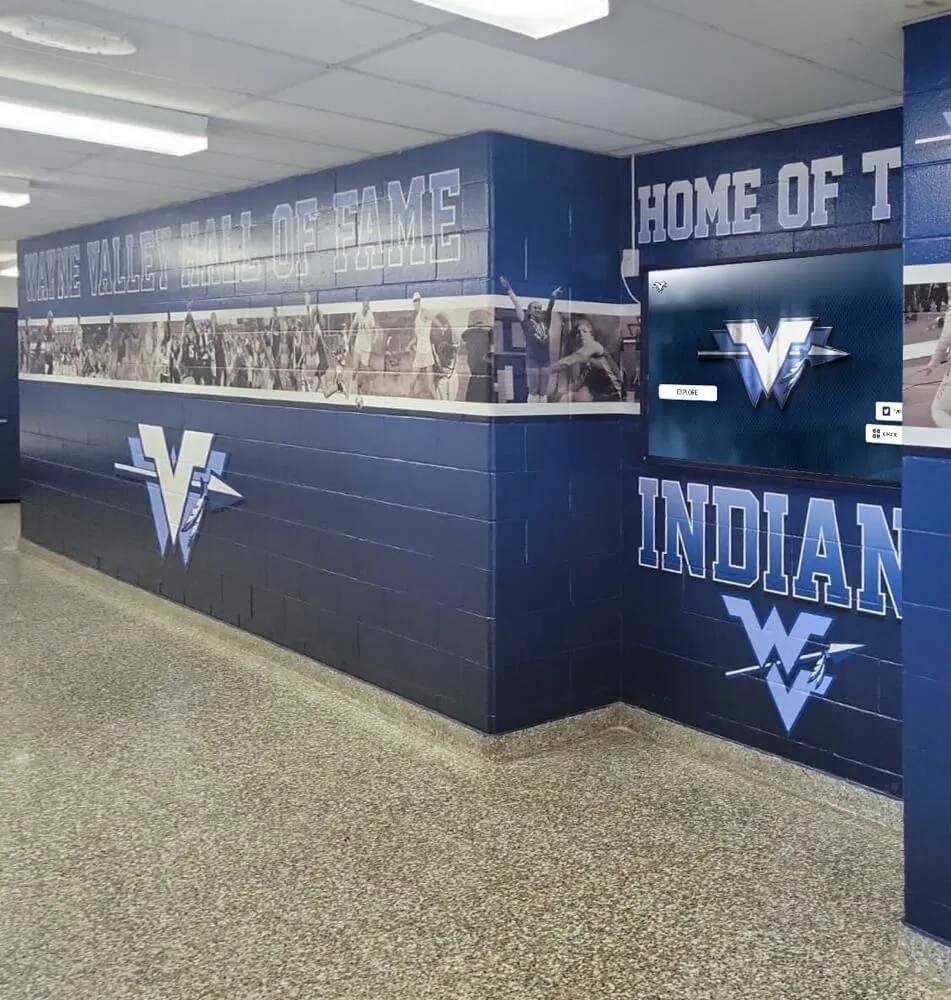
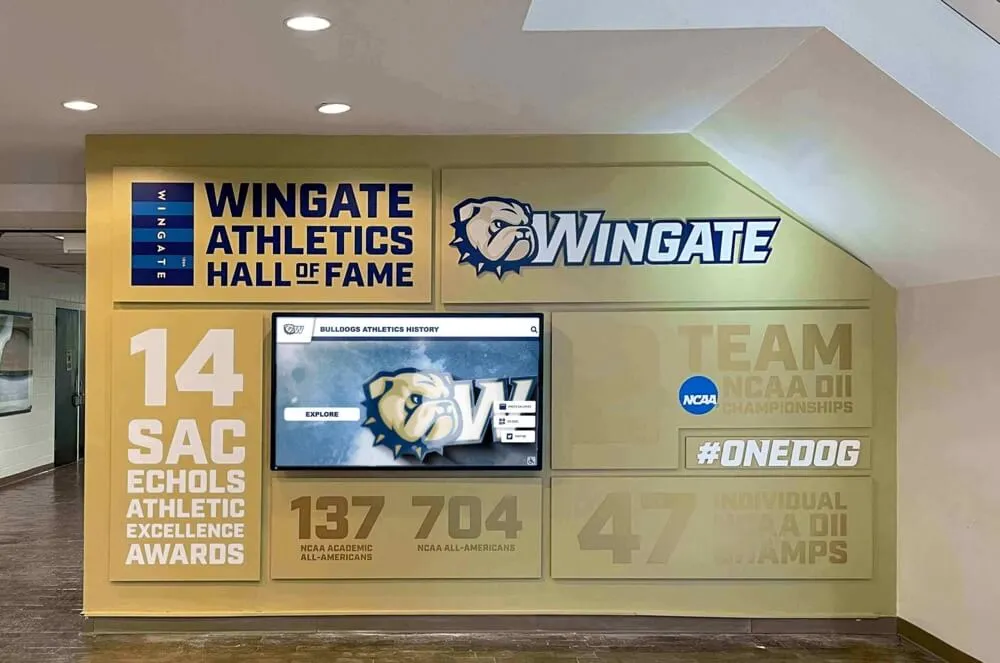
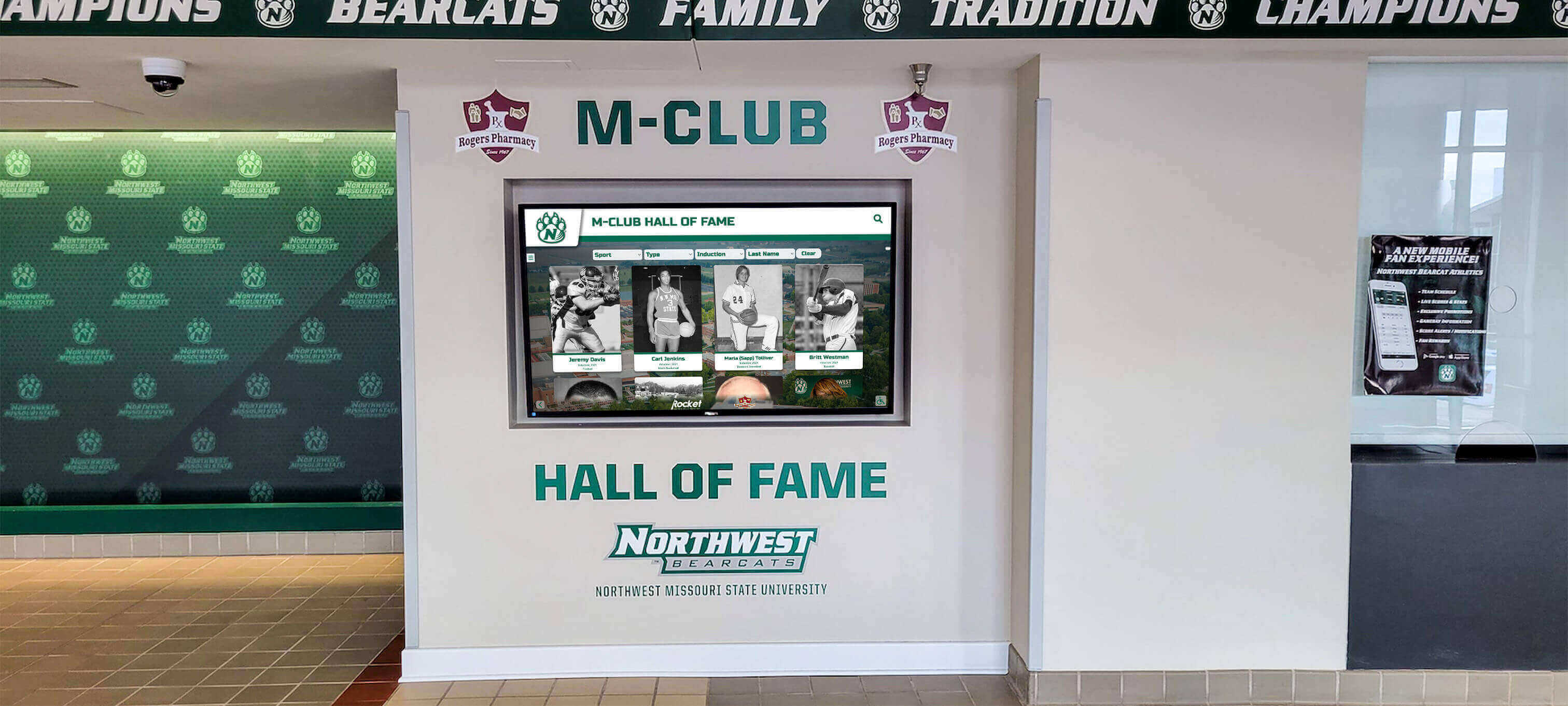
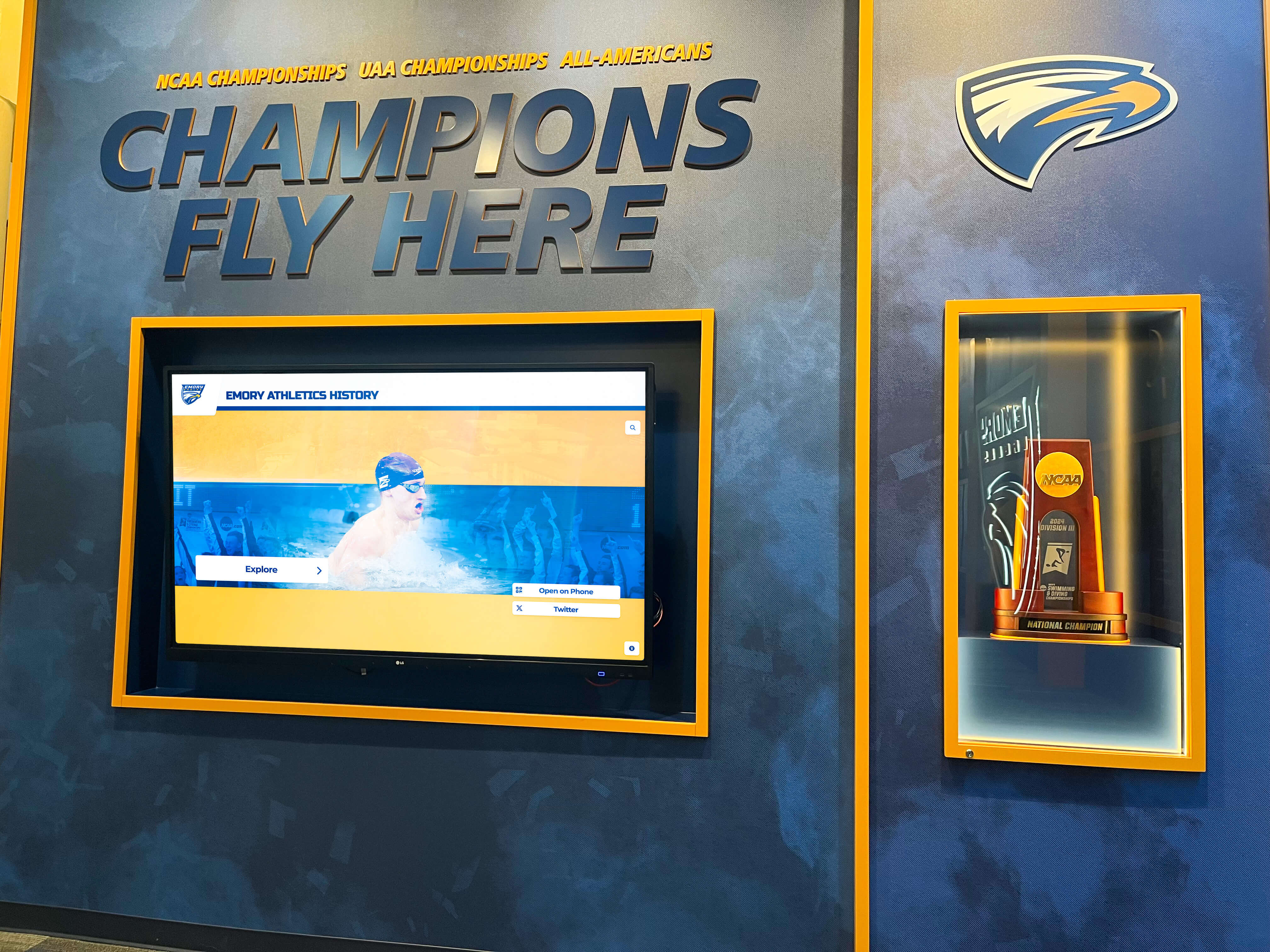
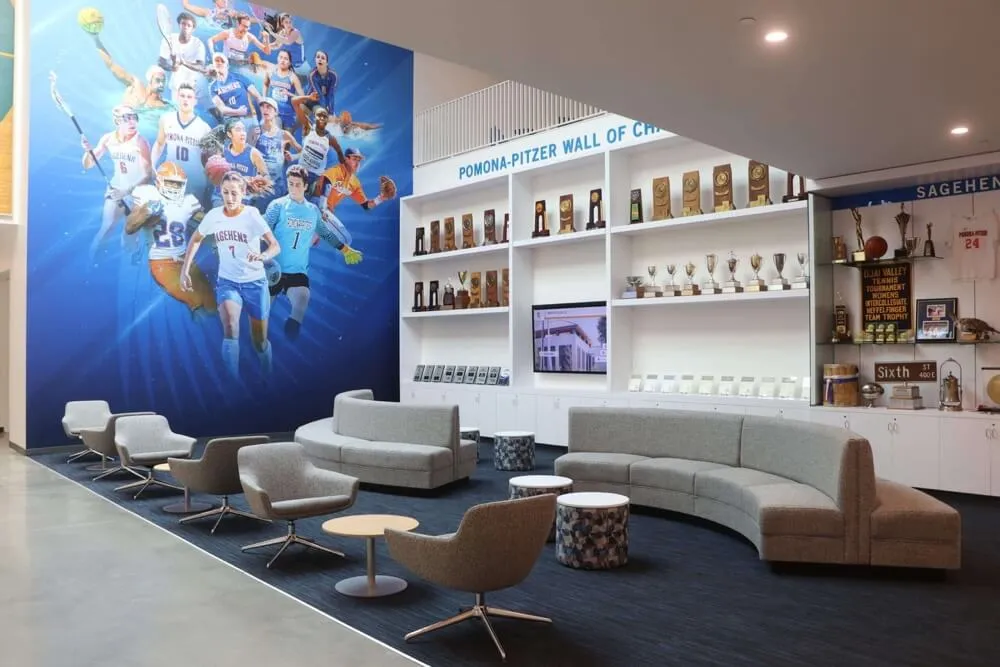
- Hybrid Approaches: Combined physical and digital recognition leveraging advantages of both formats—tangible presence of select achievements alongside comprehensive digital archives documenting all recognition
The key is ensuring recognition extends beyond single ceremony moments into sustained visibility that continuously reinforces achievement value and inspires ongoing excellence pursuit.
Recognition Program Ideas for Academic Excellence
Schools implementing effective academic recognition move beyond simple honor roll listings to create comprehensive celebration systems acknowledging diverse forms of scholarly achievement.
Multi-Tier Honor Roll Systems
Traditional honor roll programs recognizing students above specific GPA thresholds provide foundation recognition, but effective programs expand beyond single tiers:
Honor Roll Levels: Create multiple categories such as Principal’s List (4.0), High Honor Roll (3.75-3.99), Honor Roll (3.5-3.74), and Honorable Mention (3.25-3.49). Multiple tiers ensure more students experience recognition while maintaining aspirational categories rewarding highest achievement.
Subject-Specific Honor Recognition: Celebrate excellence within individual disciplines—Math Honor Roll, Science Achievement, Literacy Excellence, Arts Distinction. Subject-specific recognition enables students to shine in strength areas even when overall GPAs remain modest, acknowledging that excellence takes varied forms.
Improvement Recognition: Honor greatest academic growth regardless of absolute performance levels. “Most Improved” categories celebrate progress from 2.0 to 3.0 GPAs equally with students maintaining 4.0 averages, demonstrating that effort and growth merit celebration alongside absolute achievement.
Schools implementing outstanding student recognition programs find that visible honor walls increase academic motivation across all achievement levels by making excellence tangible and accessible.
Milestone and Achievement-Based Recognition
Performance milestones create specific goals driving focused effort:
Standardized Test Achievements: Recognize students reaching benchmark scores on SAT, ACT, AP exams, state assessments, or other standardized measures. Create clubs or honor societies for score thresholds—30+ ACT Club, AP Scholar recognition, or state assessment proficiency honors.
Reading and Literacy Milestones: Celebrate books read, pages completed, reading level advancement, or comprehension growth. Visible tracking of reading milestones creates gamification elements motivating sustained engagement.
STEM Competition Success: Honor students participating in science fairs, math competitions, robotics tournaments, or academic bowl competitions. Recognize both participation and placement to encourage involvement while celebrating competitive success.
Perfect Attendance and Engagement: Acknowledge students demonstrating commitment through consistent attendance, assignment completion, or participation. These process-oriented recognitions celebrate behaviors predicting long-term success regardless of current achievement levels.
Senior Academic Achievement Recognition
Graduating class recognition celebrates cumulative high school or career achievement:
Valedictorian and Salutatorian: Traditional top graduate honors maintaining prestige through selective designation. Clear calculation criteria and tie-breaking procedures ensure transparent, defensible selections.
Top 10% or Decile Recognition: Expand recognition beyond single valedictorian positions to celebrate broader academic excellence. Top decile honors acknowledge sustained high performance across larger student groups.
Departmental Awards: Subject area teachers select outstanding students in English, Math, Science, Social Studies, World Languages, Arts, Career/Technical Education, and other disciplines. Department awards ensure every academic area celebrates excellence while enabling students to receive recognition aligning with personal strengths and interests.
Character and Service Scholarships: Beyond pure academic metrics, honor students demonstrating character, leadership, service, improvement, or overcoming adversity. These recognitions communicate that schools value multiple dimensions of student development beyond test scores and grades alone.
Athletic and Sports Recognition Program Ideas
Athletic programs accumulate substantial achievement requiring systematic recognition across teams, seasons, and individual accomplishments.
Individual Athletic Achievement Recognition
Performance-based athletic honors acknowledge specific accomplishments:
Record Holders: Maintain visible records for individual performances across all sports—single-game scoring, season statistics, career achievements, fastest times, longest distances, or other sport-specific metrics. Automatic record board systems display current leaders while preserving historical record progressions showing how marks evolved across decades.
All-Conference and All-State Selections: Celebrate athletes earning external recognition through league, district, regional, or state selection processes. These third-party validations carry particular prestige demonstrating peer and coach recognition beyond local acknowledgment.
Championship and State Tournament Participants: Honor athletes qualifying for championship competitions regardless of final placement. Reaching state tournaments, sectional finals, or conference championships represents achievement worthy of celebration even without winning ultimate titles.
Programs exploring basketball awards ideas and volleyball recognition strategies discover sport-specific recognition approaches celebrating diverse contributions beyond scoring statistics alone.
Team Achievement Recognition
Collective success celebration builds program culture and team identity:
Conference Championships: Honor teams winning league titles through season performance. Conference championships demonstrate sustained excellence across complete seasons rather than single-game success.
State Championships and Tournament Success: Celebrate teams reaching state tournaments, advancing through playoff rounds, or winning ultimate championships. Visible displays of championship seasons preserve program legacy while inspiring current athletes.
Win Milestones: Recognize significant program victories—100th win in program history, coach milestone victories, longest winning streaks, or rivalry game victories. Milestone recognition creates narrative continuity connecting current teams with program heritage.
Team Records: Celebrate season-best performances in team statistics—most wins, highest scoring average, best defensive statistics, or other collective measures. Team records acknowledge group achievement beyond individual star performance.
Character and Sportsmanship Recognition
Beyond performance statistics, athletic recognition should celebrate values and character:
Sportsmanship Awards: Honor athletes demonstrating exceptional character, ethical competition, respect for opponents, or positive team contribution. Team-voted sportsmanship awards carry particular significance as peer recognition.
Leadership and Captaincy: Formally recognize team captains, leadership council members, or athletes mentoring younger teammates. Leadership recognition communicates that programs value positive influence alongside athletic skill.
Most Improved Athletes: Celebrate greatest development regardless of absolute performance levels. Improvement awards motivate developing athletes while recognizing effort and growth.
Iron Person or Dedication Awards: Honor athletes with perfect practice attendance, offseason training commitment, weight room dedication, or sustained multi-year participation. Process recognition celebrates behaviors building long-term success.
Workplace and Employee Recognition Program Ideas
Organizations implementing effective employee recognition build engagement, reduce turnover, and strengthen performance culture through systematic acknowledgment.
Performance-Based Employee Recognition
Achievement-linked recognition celebrates specific results and contributions:
Sales and Revenue Achievement: Recognize employees exceeding targets, landing major accounts, achieving growth milestones, or demonstrating sustained performance excellence. Visible leaderboards tracking performance create healthy competition while celebrating success.
Quality and Accuracy Recognition: Honor employees maintaining exceptional quality standards, minimizing errors, achieving perfect audits, or demonstrating craftsmanship excellence. Quality recognition balances quantity-focused metrics ensuring performance standards include work excellence.
Innovation and Improvement Awards: Celebrate employees suggesting process improvements, identifying cost savings, developing creative solutions, or advancing organizational capability. Innovation recognition encourages proactive contribution beyond standard job responsibilities.
Customer Service Excellence: Acknowledge employees receiving exceptional feedback, resolving difficult situations, maintaining satisfaction scores, or demonstrating service commitment. Customer-focused recognition aligns employee motivation with organizational service priorities.
Organizations exploring employee recognition ideas discover comprehensive strategies balancing formal programs with informal appreciation creating cultures where recognition becomes routine rather than exceptional.
Service and Tenure Recognition
Longevity acknowledgment demonstrates organizational appreciation for sustained commitment:
Service Milestone Awards: Celebrate tenure milestones at 5, 10, 15, 20+ years. Escalating recognition levels—certificates for 5 years, plaques for 10 years, special events for 20+ years—demonstrate that organizations increasingly value long-term commitment.
Perfect Attendance: Honor employees maintaining excellent attendance demonstrating reliability and commitment. Attendance recognition can include quarterly acknowledgment, annual awards, or cumulative recognition for sustained perfect attendance across multiple years.
Retirement Recognition: Formal celebration of career completion honoring decades of contribution. Retirement recognition should match service significance through appropriate ceremony scale, tangible recognition, and ongoing visibility through alumni or emeritus designation.
Peer-to-Peer Recognition Programs
Colleague-nominated recognition builds team culture and acknowledges contributions managers might overlook:
Team Member of the Month: Peer-voted recognition celebrating helpful, positive, collaborative colleagues. Peer selection creates democratic recognition while highlighting valued team behaviors.
Shout-Out Boards: Public platforms where employees can post appreciation for colleague assistance, collaboration, or support. Physical or digital shout-out systems create continuous recognition flow supplementing formal programs.
Values-Based Recognition: Award categories linked to organizational values—innovation, integrity, customer focus, teamwork. Values recognition reinforces cultural priorities while enabling diverse recognition beyond performance metrics alone.
Implementing peer-to-peer recognition programs creates engagement and appreciation cultures where recognition flows continuously from multiple sources rather than exclusively top-down from management.
Alumni and Donor Recognition Program Ideas
Alumni associations and advancement teams leverage recognition to strengthen engagement, inspire philanthropy, and build lasting institutional connections.
Distinguished Alumni Recognition
Selective alumni honors celebrate exceptional achievement bringing distinction to institutions:
Alumni Hall of Fame: Annual induction ceremonies honoring graduates who have achieved extraordinary professional success, community impact, or institutional contribution. Rigorous selection criteria maintain program prestige while creating aspirational recognition motivating younger alumni.
Young Alumni Achievement Awards: Recognition for alumni within 10-15 years of graduation who have demonstrated early career excellence, emerging leadership, or notable accomplishment. Young alumni categories create more accessible recognition while identifying rising stars for ongoing engagement cultivation.
Career Field Recognition: Specialty awards celebrating excellence within specific professional domains—business leadership, scientific achievement, public service, education, arts, athletics, or other fields. Field-specific recognition enables broader acknowledgment across diverse career paths rather than single hall of fame creating competition across incomparable accomplishments.
Programs implementing comprehensive alumni recognition strategies find that visible celebration strengthens emotional institutional bonds while inspiring current students through tangible success examples.
Donor and Philanthropic Recognition
Giving acknowledgment demonstrates appreciation while encouraging sustained support:
Giving Societies: Tiered recognition based on cumulative lifetime giving, annual contribution levels, or planned giving commitments. Society membership creates identity and community among donors while establishing clear pathways for recognition advancement.
Naming Opportunities: Buildings, rooms, programs, scholarships, or endowments bearing donor names provide permanent recognition matching gift significance. Naming opportunities create compelling fundraising themes while honoring transformational philanthropy.
Donor Walls and Recognition Displays: Physical or digital displays listing supporters by giving level, campaign participation, or legacy society membership. Visible appreciation extends recognition beyond private acknowledgment letters while inspiring others through demonstrated giving community.
Volunteer and Service Recognition: Honor alumni providing time, expertise, mentorship, or governance service alongside financial contributions. Service recognition acknowledges that supporting institutions takes multiple forms beyond philanthropy alone.
Class and Reunion Recognition
Cohort-based recognition builds class identity and friendly competition:
Reunion Giving Recognition: Celebrate milestone reunion classes achieving participation rate goals, fundraising targets, or attendance milestones. Reunion recognition creates campaign themes while leveraging peer influence within cohesive class communities.
Class Participation Awards: Honor classes with highest alumni engagement rates in giving, volunteering, event attendance, or survey response. Participation recognition motivates broader involvement beyond dollar-focused fundraising metrics.
Legacy Recognition: Acknowledge multi-generational families or alumni creating estate gifts, endowments, or long-term commitments. Legacy recognition demonstrates appreciation for sustained multigenerational connection while inspiring similar commitment among other alumni families.
Special Event and Seasonal Recognition Ideas
Periodic recognition events create anticipated traditions while celebrating achievement at natural milestones.
End-of-Year Recognition Ceremonies
Annual celebration events provide formal acknowledgment while building community:
Academic Awards Nights: Year-end ceremonies honoring academic achievement, subject excellence, improvement, and special accomplishments. Structured programs with formal presentation, family attendance, and reception elements create significant recognition events.
Athletic Banquets: Sport-specific or all-sports banquets celebrating season achievements, individual honors, records, championships, and senior recognition. Banquets combining formal acknowledgment with team celebration and parent appreciation serve multiple program relationship-building purposes.
Planning effective sports banquet programs ensures celebrations honor achievement appropriately while creating memorable experiences strengthening program culture and family connection.
Employee Recognition Dinners: Workplace year-end events celebrating performance excellence, service milestones, innovation, and team achievement. Recognition dinners combined with organizational updates and leadership appreciation create comprehensive culture-building experiences.
Seasonal and Milestone Recognition
Regular recognition cycles maintain visibility throughout years rather than limiting celebration to single annual events:
Quarterly Recognition: Three-month achievement cycles celebrating top performers, milestone achievements, or goal attainment. Quarterly recognition creates multiple annual opportunities while maintaining manageable evaluation periods.
Monthly Spotlights: Regular features highlighting different individuals each month through newsletters, social media, digital displays, or announcement systems. Monthly rotation ensures continuous visibility while enabling deeper profile features than event-based recognition allows.
Weekly Acknowledgment: Brief regular recognition during staff meetings, school assemblies, or communication channels celebrating recent achievements. Weekly touchpoints maintain recognition top-of-mind while enabling timely acknowledgment close to achievement moments.
Campaign and Initiative-Based Recognition
Temporary recognition programs supporting specific initiatives or campaigns:
Reading Challenges: Time-limited competitions encouraging book consumption, comprehension achievement, or reading diversity. Challenge-based recognition creates focused motivation around specific goals.
Fundraising Campaign Recognition: Honor participants in annual funds, capital campaigns, or special initiatives through campaign-specific acknowledgment. Initiative recognition can include progress tracking, milestone celebration, and ultimate achievement honors.
Wellness and Safety Programs: Recognize participation or achievement in health initiatives, safety records, or organizational wellness campaigns. Program-specific recognition reinforces priorities while celebrating commitment to organizational values beyond core performance metrics.
Implementing and Sustaining Recognition Programs
Successful recognition requires operational planning ensuring sustainable processes delivering consistent quality despite staff changes, budget pressures, or competing priorities.
Establishing Clear Recognition Criteria
Transparent standards prevent favoritism while ensuring equitable recognition:
Define specific achievement thresholds—GPA levels, performance metrics, tenure milestones, or accomplishment requirements qualifying individuals for recognition. Objective criteria enable defensible decisions while communicating clear excellence definitions to all participants.
Document selection processes for subjective awards requiring judgment—nomination procedures, evaluation rubrics, committee composition, voting thresholds, and conflict-of-interest protocols. Systematic processes build credibility ensuring recognition reflects genuine merit rather than relationships or bias.
Communicate criteria publicly through websites, handbooks, announcements, or displays showing recognition pathways. Transparency enables informed pursuit while demonstrating commitment to equitable acknowledgment.
Creating Sustainable Recognition Processes
Manageable workflows prevent program collapse from overwhelming administrative burden:
Assign clear ownership to specific staff members or committees responsible for recognition coordination. Distributed responsibility with defined roles prevents recognition from falling through gaps when everyone assumes someone else handles it.
Establish annual calendars defining nomination deadlines, selection timelines, ceremony dates, and display update schedules. Predictable schedules create routine workflows while building anticipation through expected recognition cycles.
Leverage technology reducing manual effort—automated honor roll calculations, digital display systems eliminating physical plaque ordering, self-service nomination portals, and analytics revealing program effectiveness. Technology investment reduces ongoing operational burden while improving consistency and quality.
Budget appropriately for recognition programs including ceremony costs, display maintenance, awards or certificates, and recognition materials. Sustainable programs right-size ambitions matching available resources rather than launching initiatives requiring more investment than organizations can sustain long-term.
Measuring Recognition Program Impact
Assessment demonstrates value while informing continuous improvement:
Quantitative Metrics: Track participation rates in programs, ceremony attendance, nomination volumes, award recipient counts, and digital display engagement analytics. Quantitative data reveals trends and usage patterns.
Qualitative Feedback: Gather recipient perspectives through surveys, focus groups, or conversations about recognition meaningfulness and impact. Participant input identifies improvement opportunities while validating effective program elements.
Outcome Correlations: Examine relationships between recognition and desired outcomes—academic performance trends, employee retention rates, alumni giving patterns, or volunteer engagement levels. While causation proves difficult to establish, positive correlations support recognition value arguments.
Benchmarking: Compare programs against peer organizations identifying innovative practices, evaluating relative recognition investment levels, and discovering improvement opportunities through external examples.
Regular assessment enables evidence-based refinement ensuring recognition programs evolve appropriately rather than continuing ineffective practices through inertia alone.
Modern Recognition Display Technologies
Display technology significantly affects recognition visibility, capacity, and engagement quality. Understanding format options helps organizations select approaches aligned with needs, budgets, and stakeholder preferences.
Traditional Physical Recognition Displays
Conventional formats maintain appeal for many organizations valuing tangible, permanent acknowledgment:
Plaque Walls: Individual engraved plaques create impressive displays with formal gravitas appropriate for distinguished achievement. Quality materials and professional engraving ensure lasting presentation, though per-person costs ($150-$400 typically) and space constraints eventually limit capacity.
Trophy Cases: Glass-enclosed displays showcase physical awards, medals, photos, or achievement memorabilia. Trophy cases work well for rotating displays preventing static presentation while allowing greater total content than simultaneous capacity accommodates.
Banner Programs: Hanging banners celebrating championships, records, or honored individuals create high-visibility recognition in gymnasiums, arenas, or large gathering spaces. Banners deliver impact in venues where wall-mounted displays prove impractical.
Traditional approaches suit organizations with available space, sustainable expansion budgets, and stakeholder preferences favoring tangible recognition. However, capacity limits eventually force difficult decisions about which achievements merit restricted physical space.
Digital Recognition Display Systems
Modern platforms overcome traditional limitations while adding capabilities impossible with physical displays:
Unlimited Capacity: Digital systems accommodate unlimited honorees without space constraints. Whether recognizing 50 individuals or 5,000 across all achievement levels, display footprint remains constant. Growth requires content updates rather than physical construction.
Rich Multimedia Content: Video profiles, photo galleries, achievement timelines, scanned documents, audio recordings, and extensive biographical content create compelling experiences impossible with plaques limited to names and brief text.
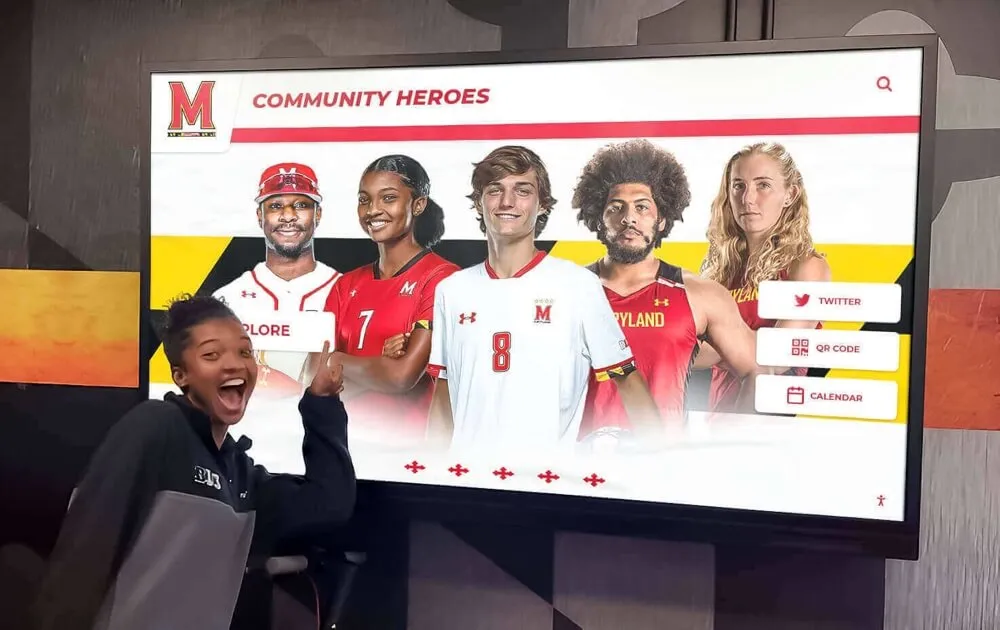
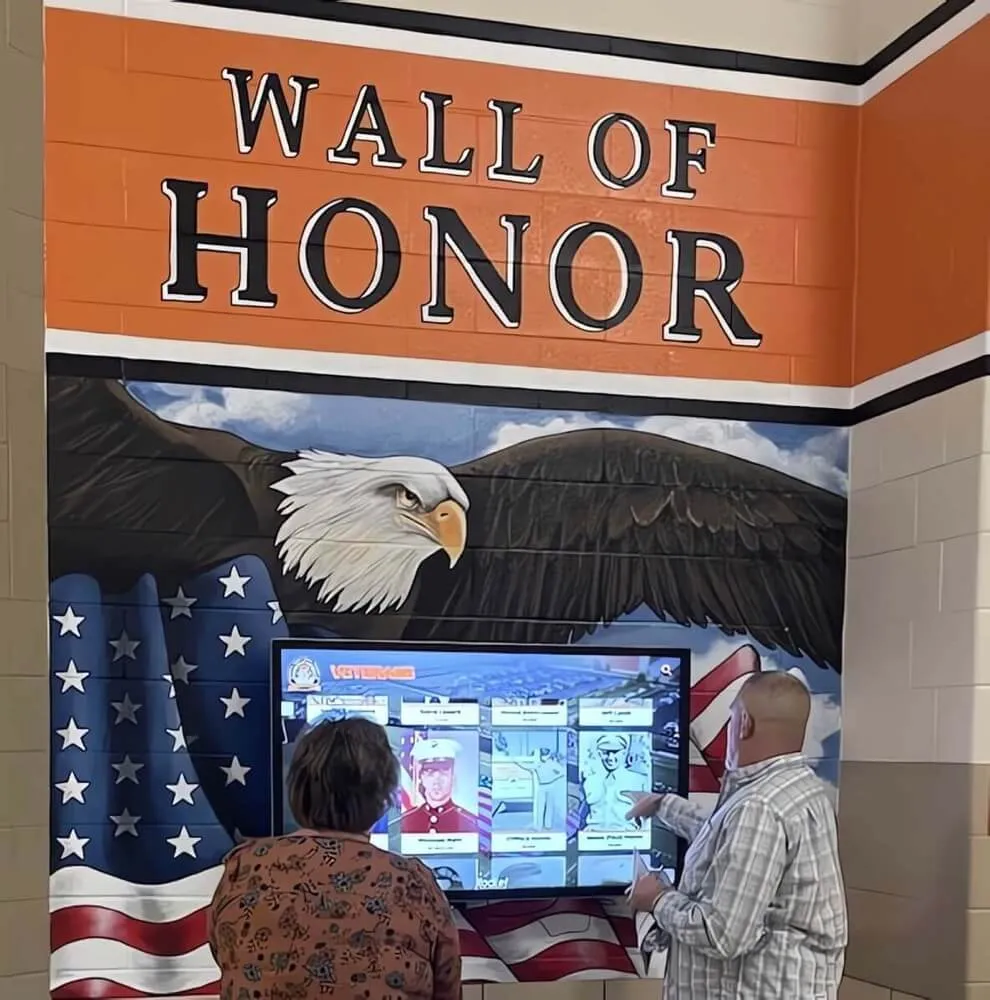
Interactive Exploration: Searchable databases, filtering by achievement type or era, keyword searches, and personalized browsing enable visitors to discover specific individuals or explore related content. These capabilities transform recognition from passive viewing into engaging experiences.
Real-Time Updates: New achievements appear immediately rather than waiting months for plaque fabrication. Display content stays current automatically, eliminating manual maintenance burden.
Analytics and Insights: Usage tracking reveals which profiles attract interest, peak engagement times, search behaviors, and interaction patterns. Analytics inform continuous improvement ensuring recognition remains impactful.
Remote Accessibility: Web-integrated systems extend recognition globally through online access, social sharing capabilities, and remote exploration regardless of physical location. Digital reach amplifies recognition visibility far beyond campus boundaries.
Digital recognition displays particularly benefit organizations seeking to honor comprehensive populations, maximize visibility, minimize ongoing maintenance, and create engaging contemporary experiences. Solutions like Rocket Alumni Solutions provide purpose-built platforms designed specifically for educational and organizational recognition rather than generic digital signage requiring extensive customization.
Hybrid Recognition Approaches
Combined physical and digital recognition delivers advantages of both formats:
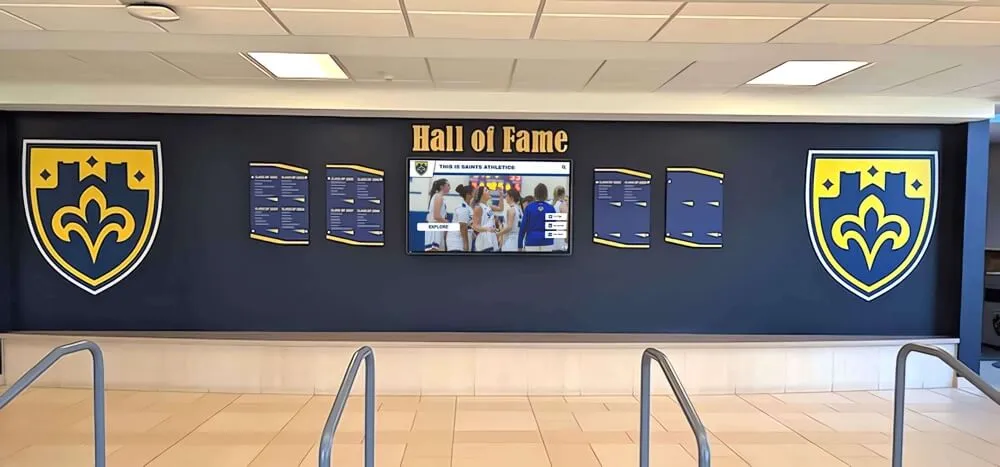
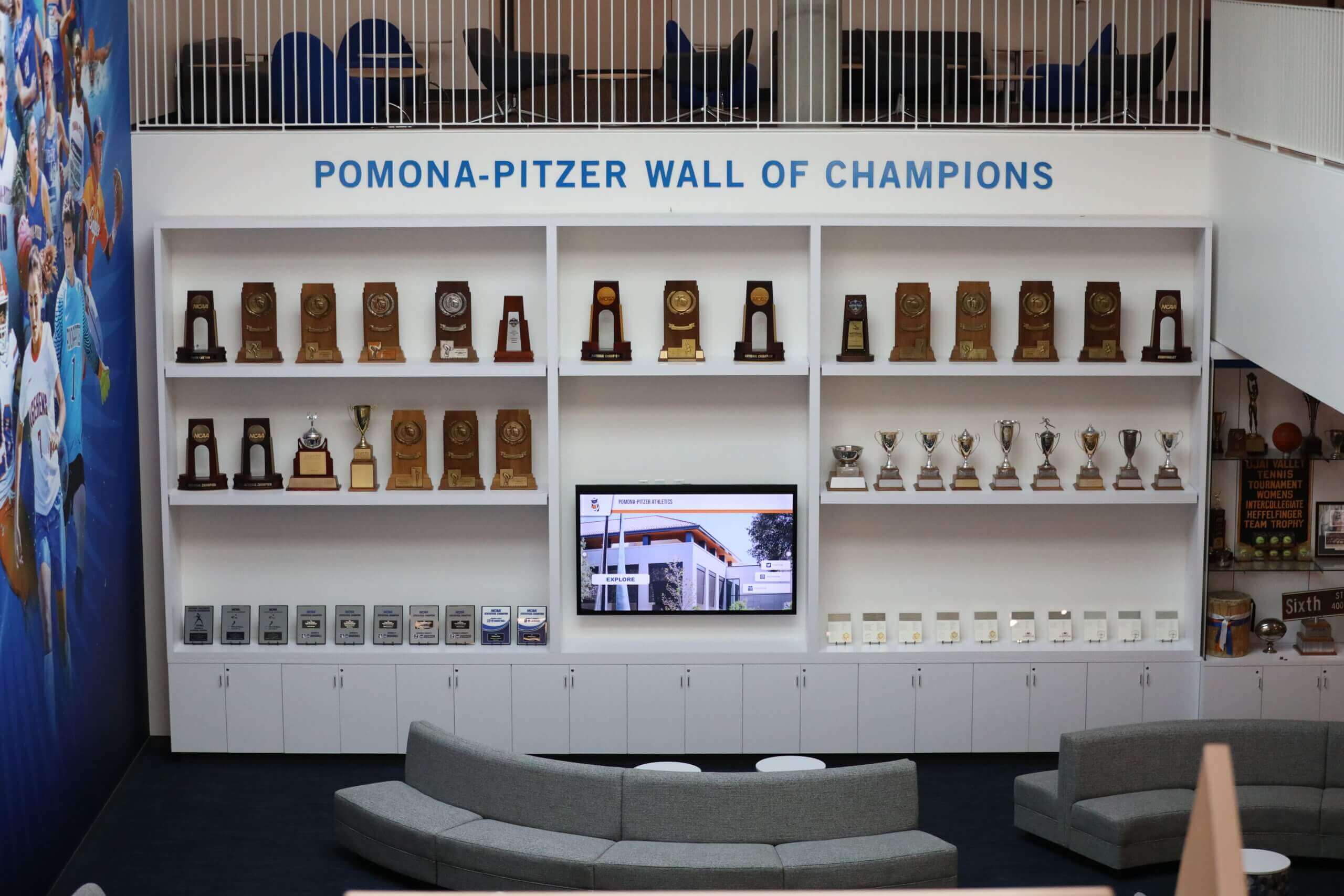
Many organizations successfully maintain traditional elements—prominent plaque walls for recent inductees, trophy cases displaying select memorabilia, banner programs for championships—while implementing digital displays providing expanded content, unlimited capacity, and interactive features.
Hybrid approaches honor tradition while embracing innovation addressing practical constraints. Consider positioning digital displays adjacent to traditional recognition creating seamless transitions where physical elements introduce honorees while interactive screens enable detailed profile exploration.
This balanced strategy satisfies stakeholders valuing tangible displays while delivering digital capabilities expanding recognition reach, depth, and accessibility beyond physical format limitations.
Conclusion: Recognition That Motivates and Inspires
Recognition programs serve organizations most effectively when they transcend perfunctory acknowledgment, becoming strategic initiatives that genuinely motivate excellence pursuit, celebrate diverse achievement pathways, create inclusive participation opportunities, leverage engaging display technologies, and build cultures where recognition reinforces organizational values and priorities.
The most impactful programs implement multiple recognition tiers ensuring achievement feels accessible across ability levels rather than limiting acknowledgment to elite performers exclusively. They balance individual and team recognition preventing systems from inadvertently incentivizing counterproductive individualism. They establish clear, transparent criteria enabling equitable acknowledgment while communicating excellence definitions organization-wide. They create sustainable operational processes ensuring programs survive staff transitions and budget pressures through manageable workflows and appropriate resource allocation.
Traditional recognition formats—plaques, trophies, banners, ceremonies—maintain value for organizations favoring tangible permanence and stakeholder preferences for physical displays. These conventional approaches convey formality and prestige appropriate for distinguished achievement while creating impressive installations commanding attention in prominent locations.
Modern digital recognition systems overcome space constraints limiting physical displays, enable rich multimedia storytelling, provide unlimited capacity accommodating comprehensive recognition, deliver real-time updates maintaining currency, extend visibility globally through web accessibility, and generate analytics informing continuous improvement. Digital platforms particularly benefit organizations seeking to honor broad populations while maximizing recognition reach and minimizing ongoing maintenance burden.
Many organizations find hybrid approaches combining physical and digital elements most effective—maintaining traditional recognition satisfying stakeholders valuing tangible displays while implementing digital systems providing expanded capacity, content richness, and engagement capabilities exceeding physical format limitations.
Beyond display technology, recognition program success depends on operational excellence ensuring transparent selection maintaining credibility, compelling content honoring achievement appropriately, timely acknowledgment creating tight feedback loops between accomplishment and celebration, visible displays extending motivational impact beyond ceremony moments, and continuous assessment informing improvement based on evidence rather than assumptions.
For schools and organizations ready to build recognition cultures that genuinely inspire excellence, modern programs provide proven approaches delivering measurable engagement, motivation, and cultural impact. Whether implementing comprehensive digital platforms, enhancing existing programs, or launching new recognition initiatives, the strategies and frameworks explored throughout this guide offer practical starting points for creating acknowledgment systems celebrating achievement while advancing organizational missions and strengthening communities connected through shared purposes.
Ready to transform recognition at your organization? Explore how digital recognition solutions enable comprehensive celebration of every deserving individual while creating engaging experiences that motivate continued excellence, inspire audiences, and preserve organizational achievement heritage for current and future generations.