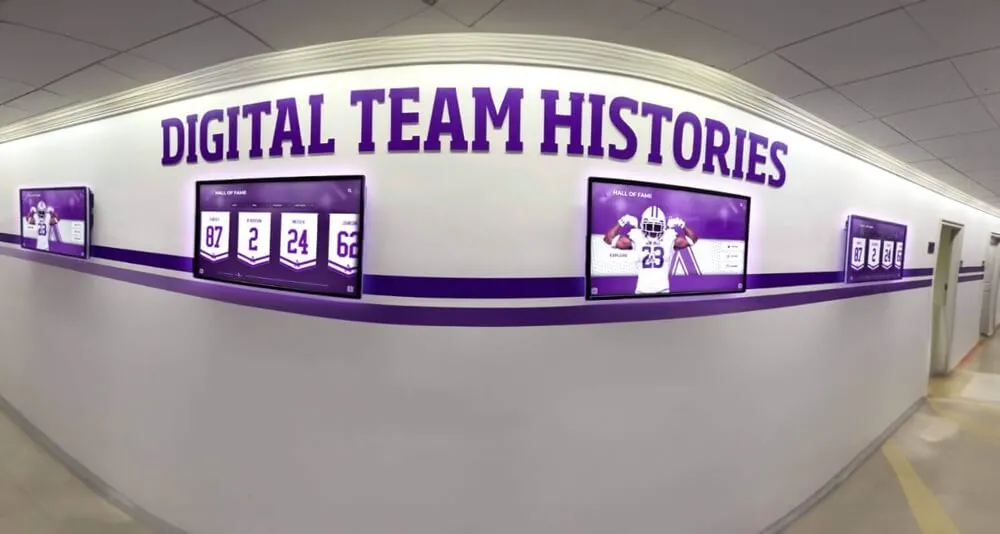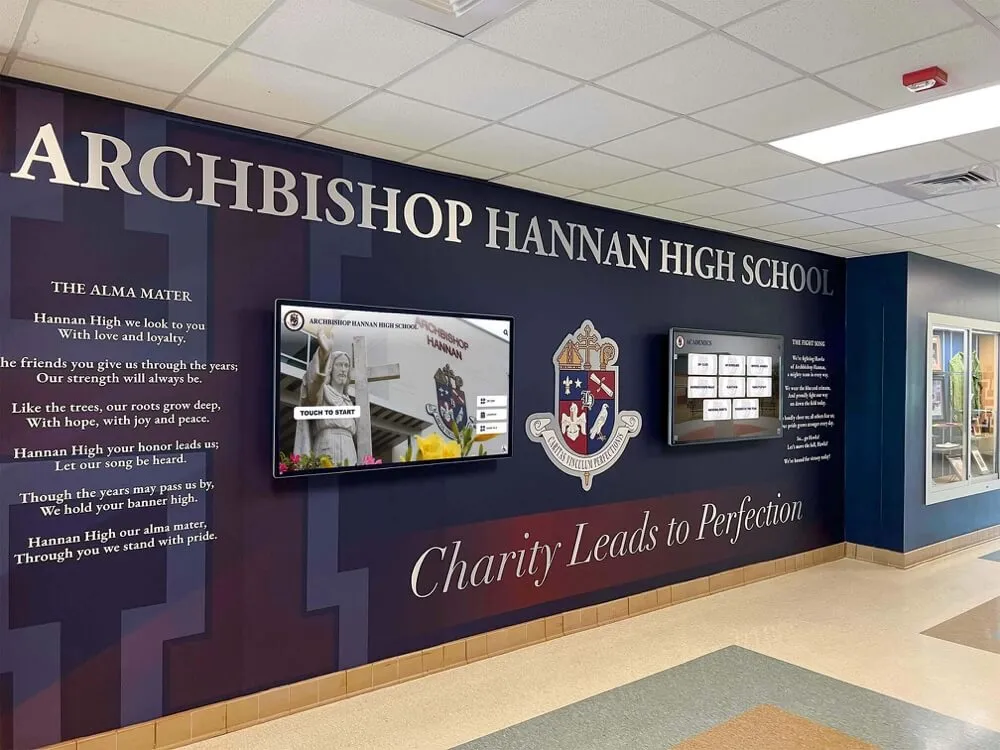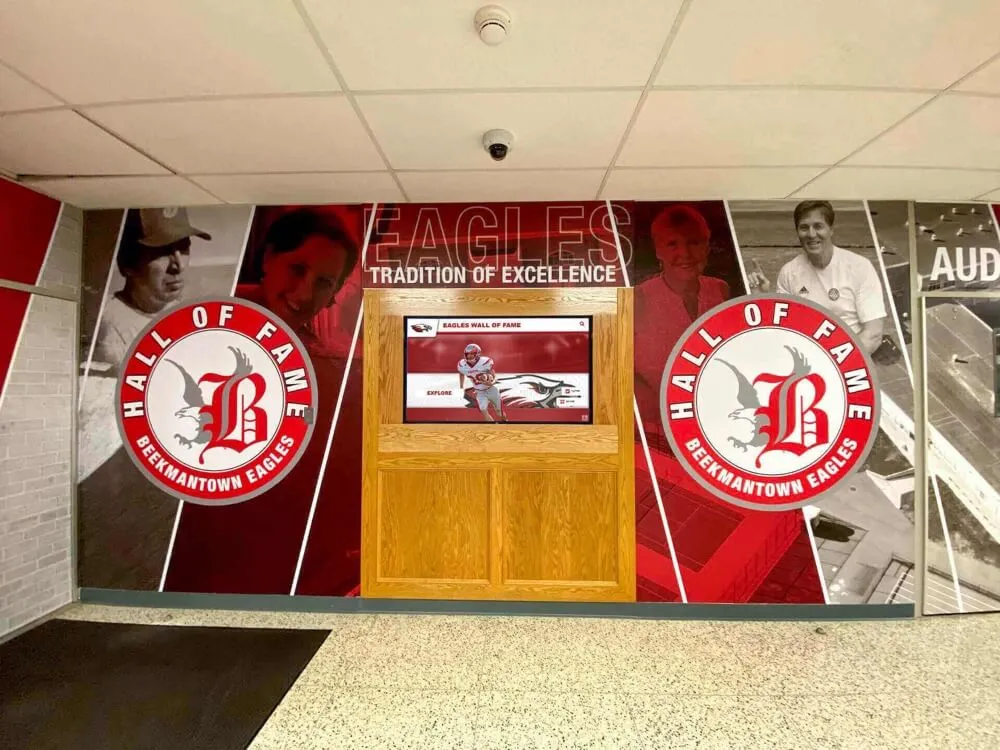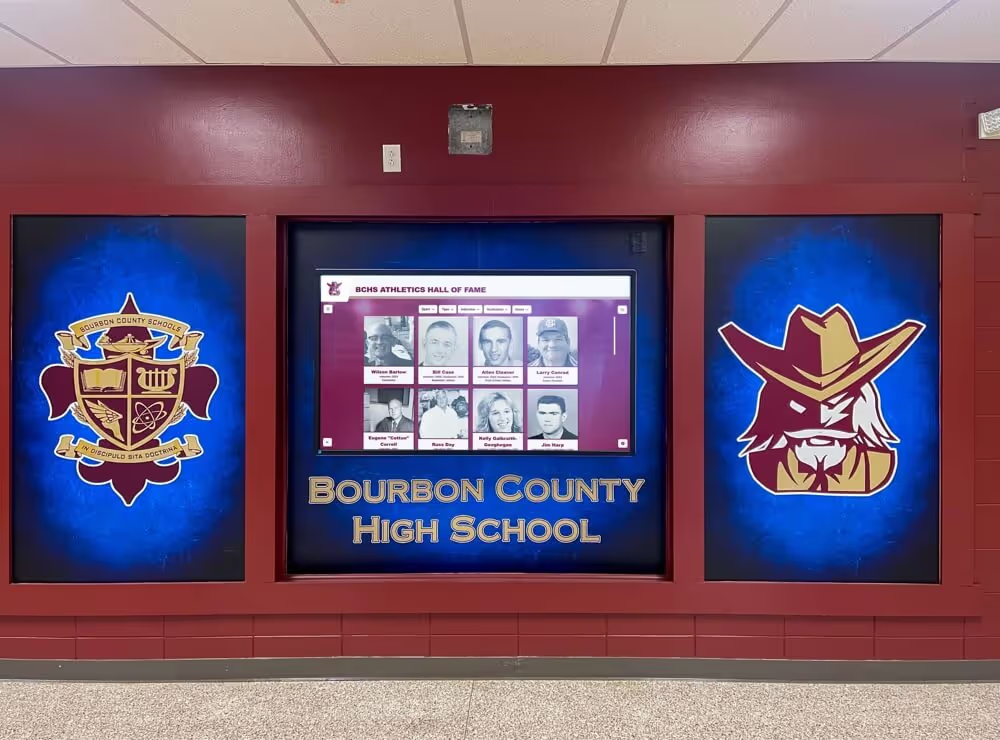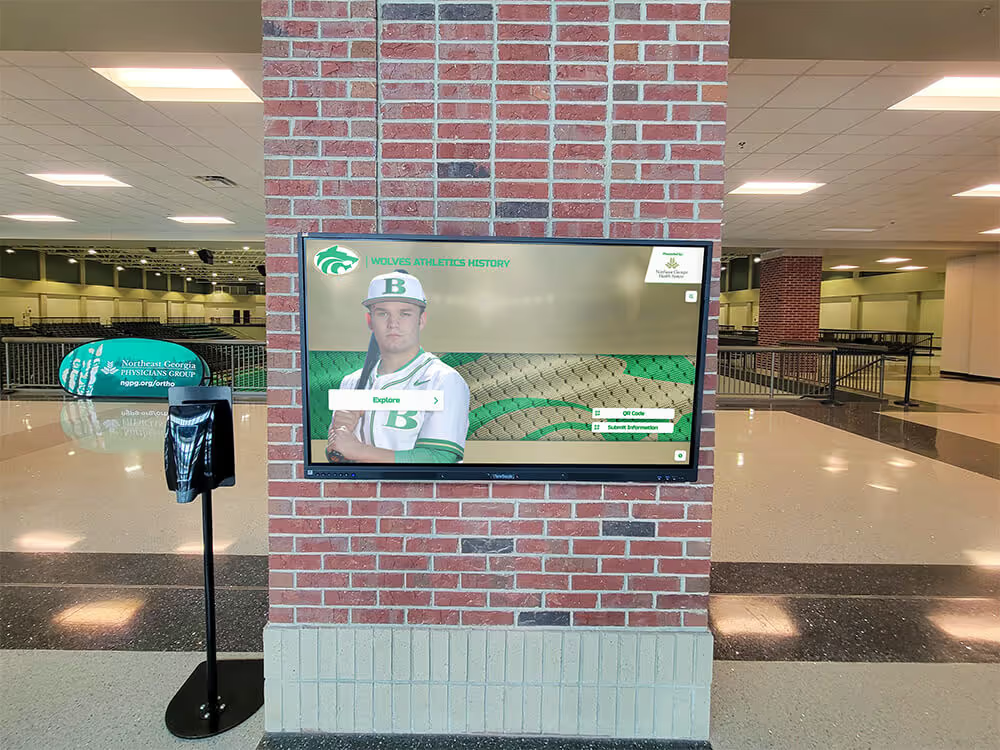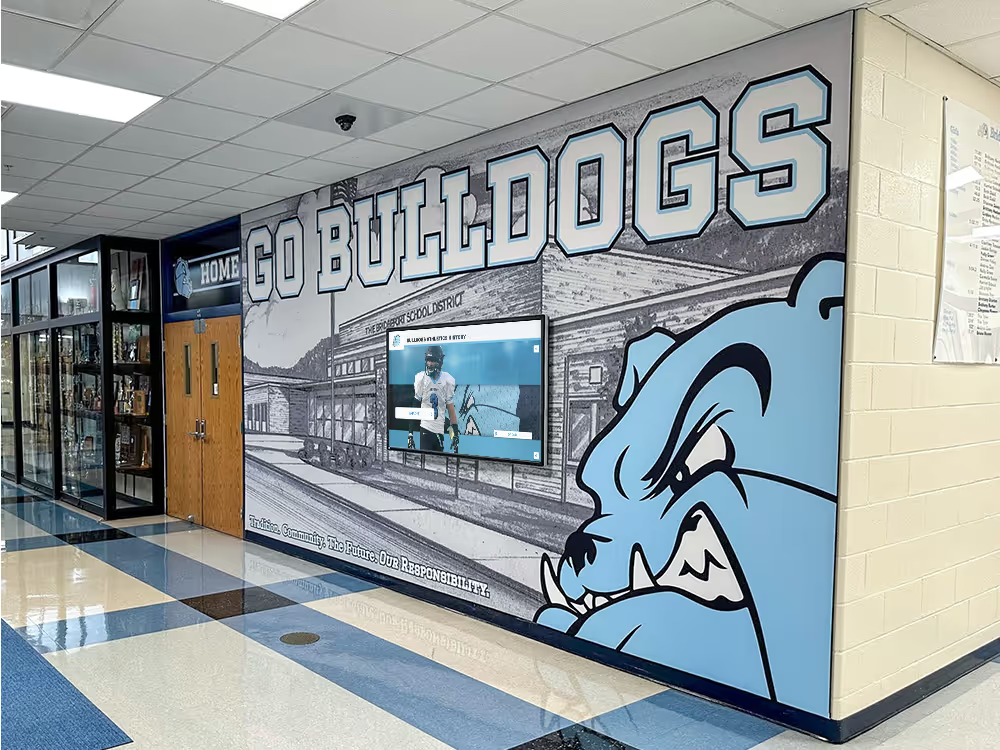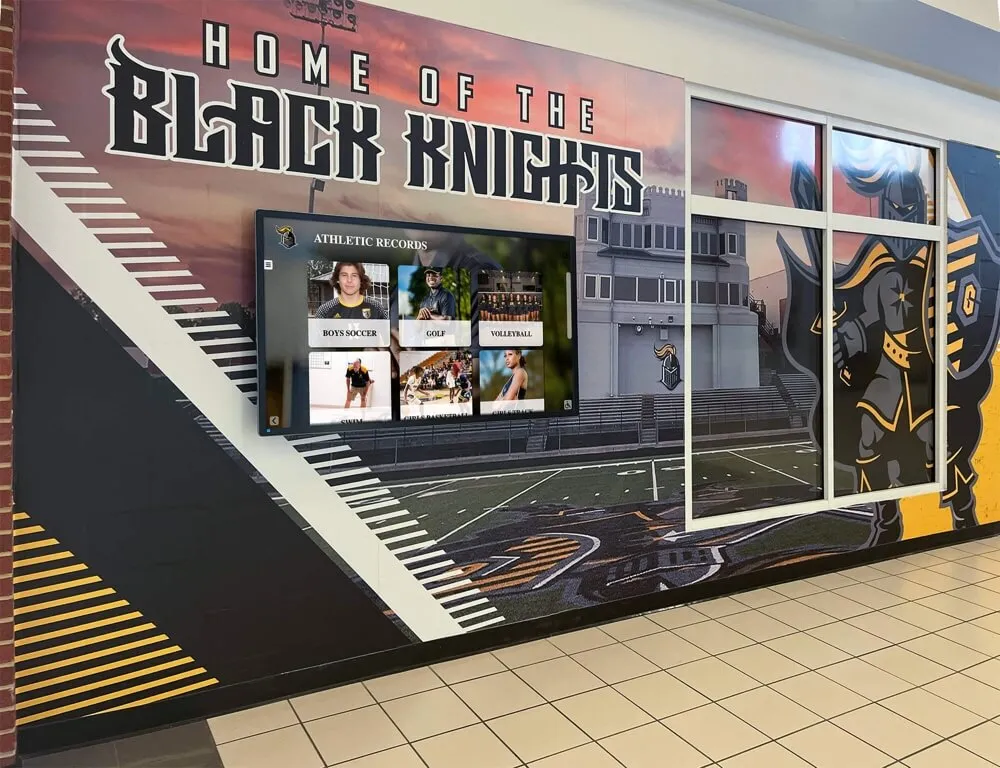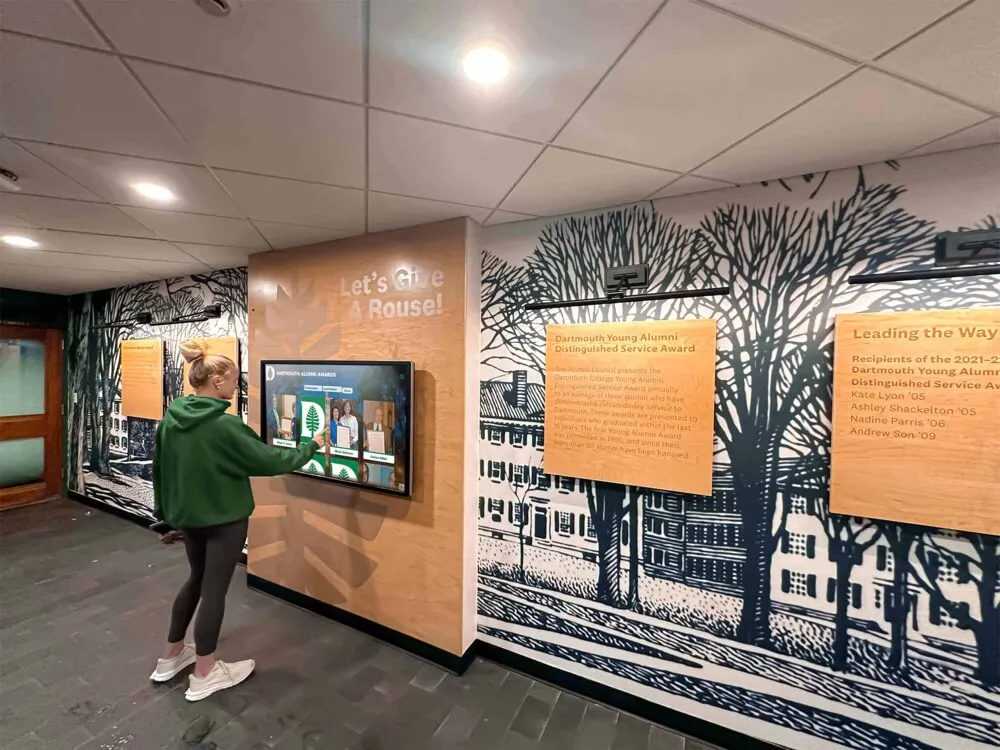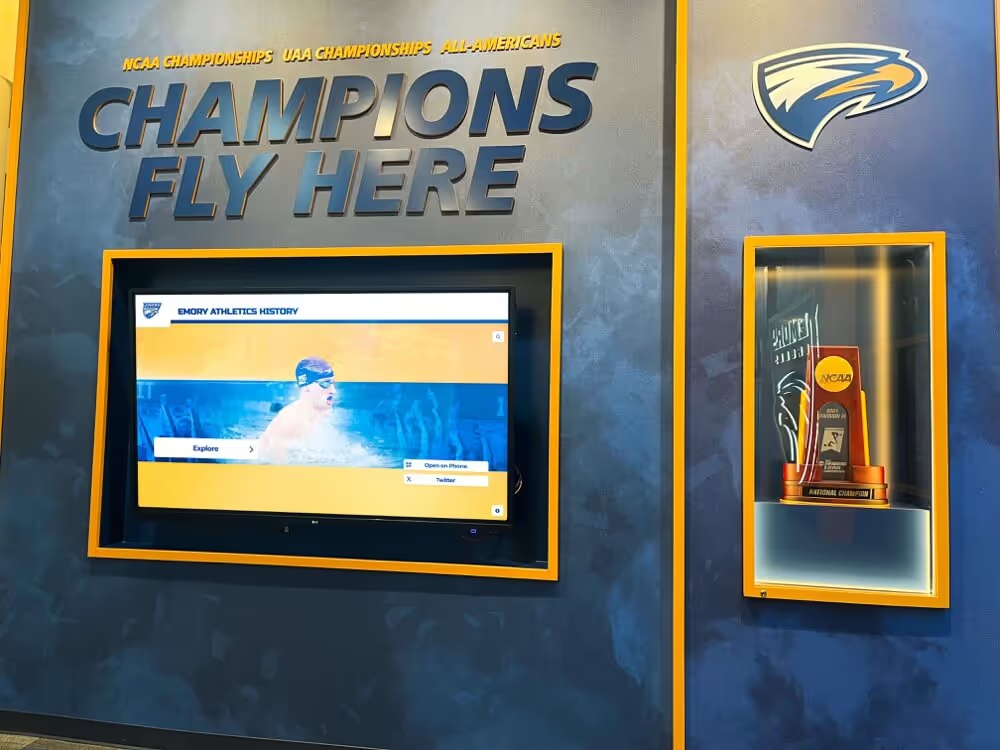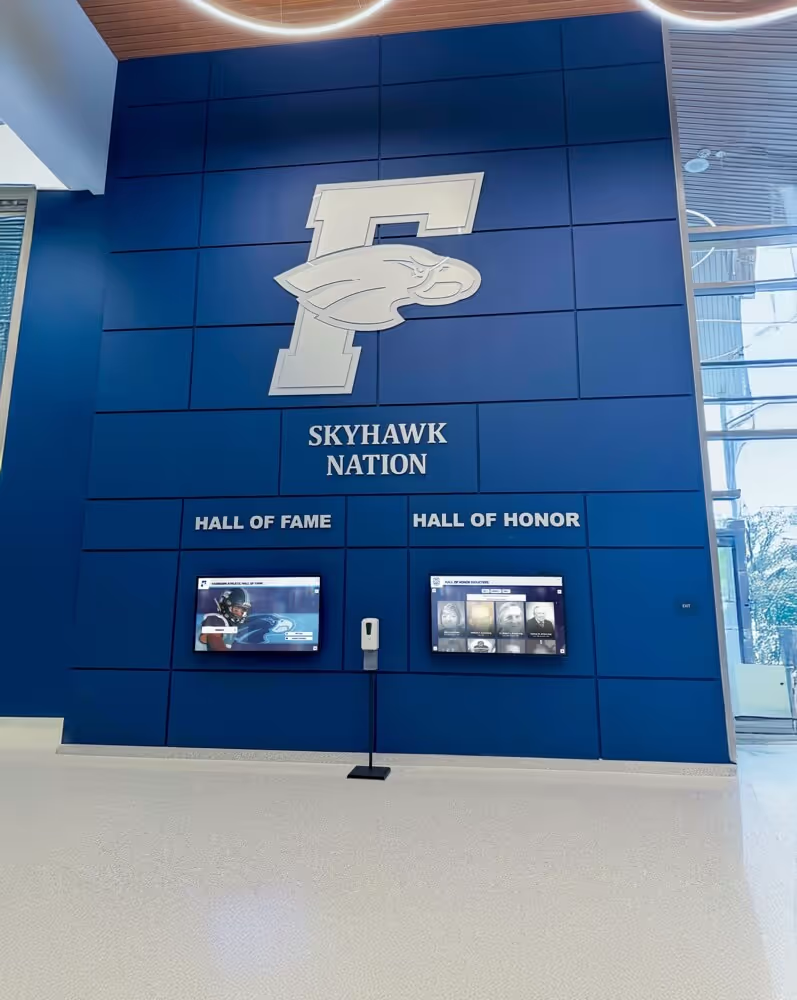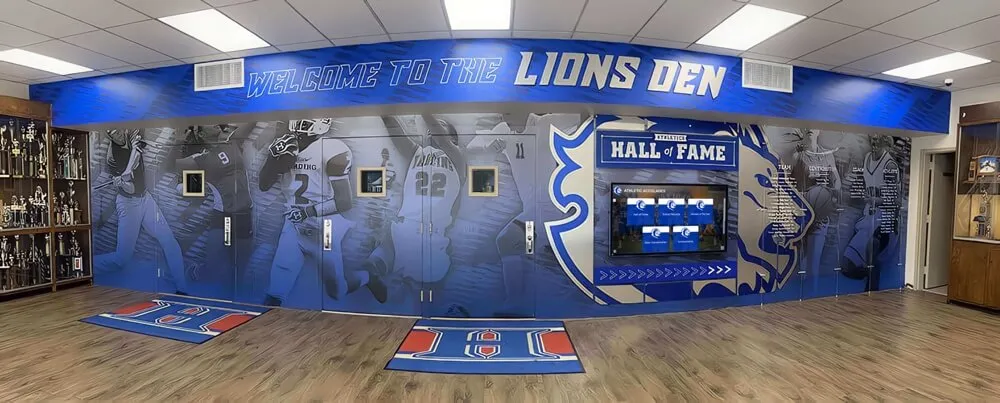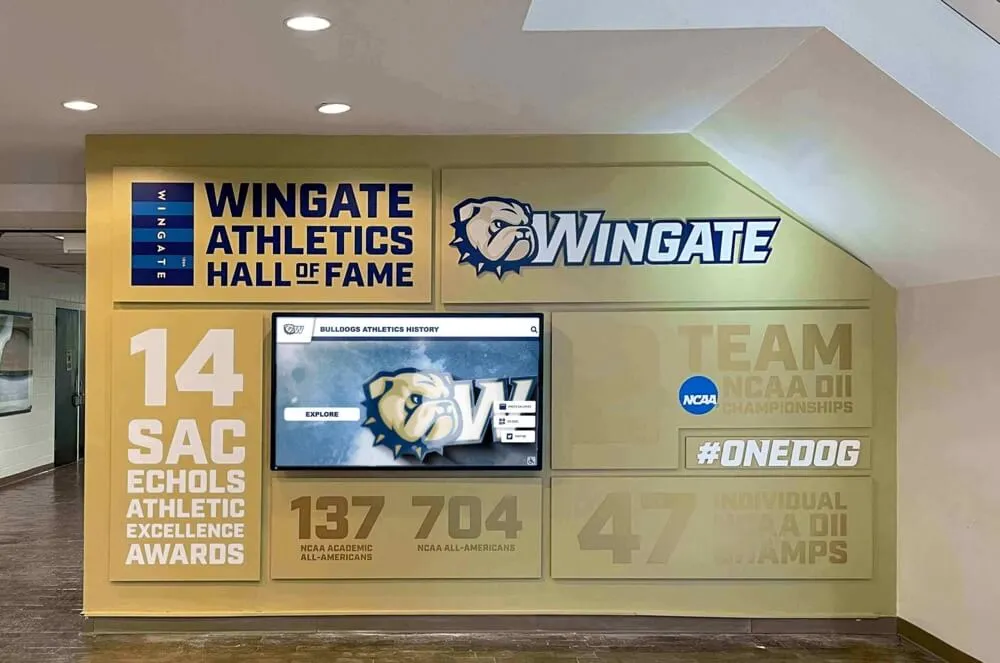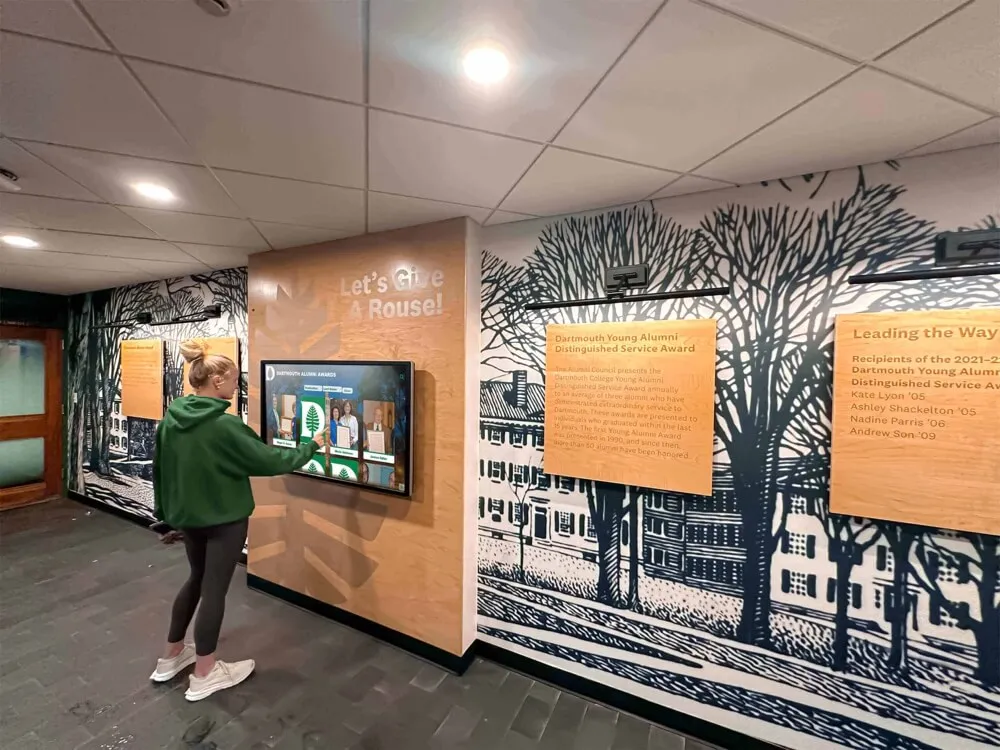




Public libraries serve as guardians of community memory, preserving photographs documenting neighborhood development, newspapers chronicling local events across decades, municipal records capturing civic history, family genealogies connecting residents to their roots, and rare documents that define regional identity. Yet the traditional methods used to store and share these collections—climate-controlled archive rooms requiring staff supervision, static displays showing limited selections, digital files accessible only through library computers, or fragile originals that deteriorate with each handling—create barriers between communities and their own histories.
Every year brings new digitization projects. Historical materials get scanned. Collections expand with community donations. But when access depends on specialized equipment, staff mediation, or technical knowledge that many patrons lack, usage remains limited to researchers and academics. The broader community rarely engages with local history archives despite personal connections to documented people, places, and events.
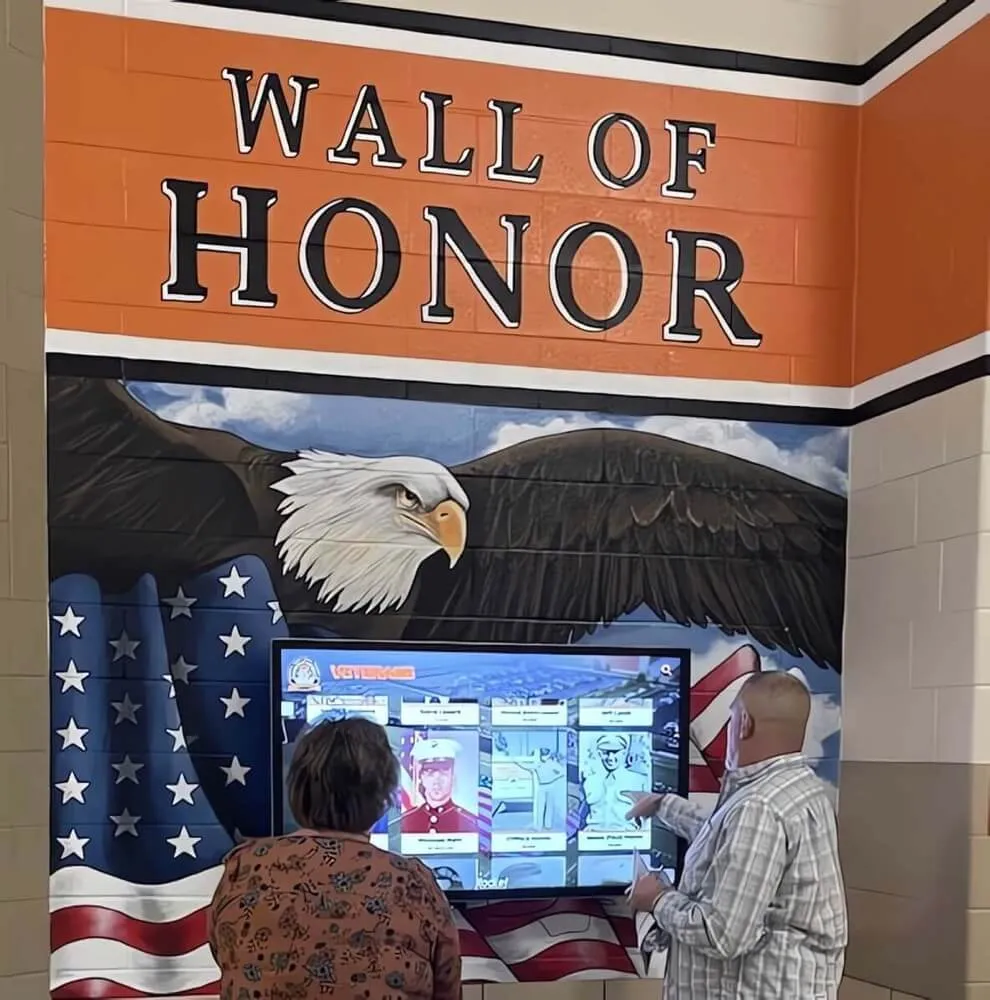
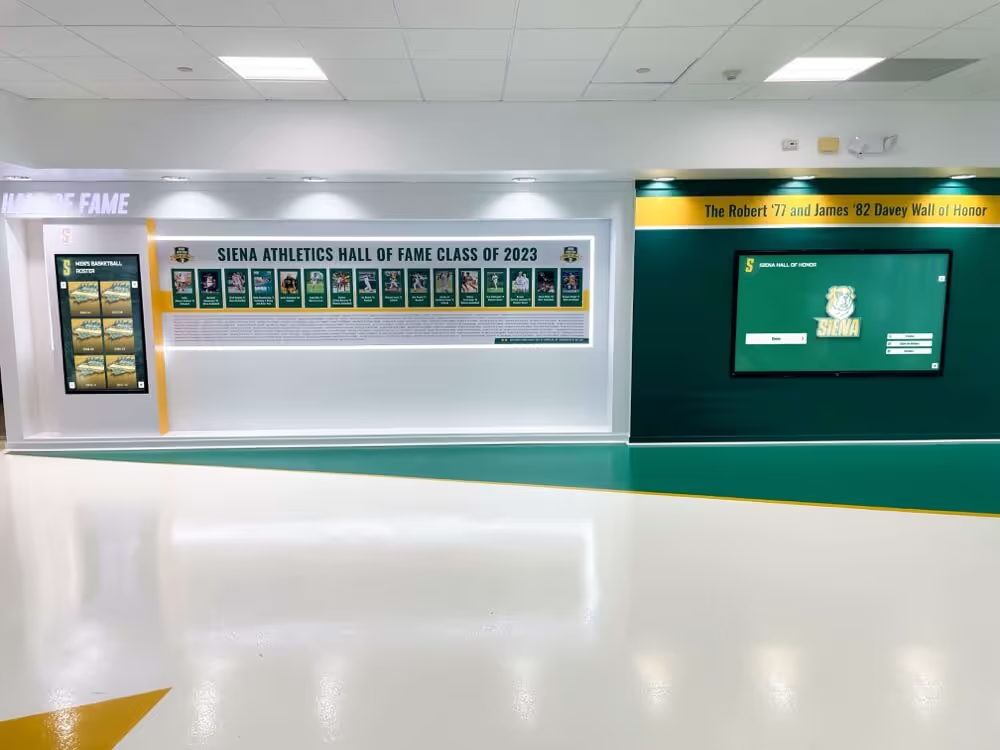
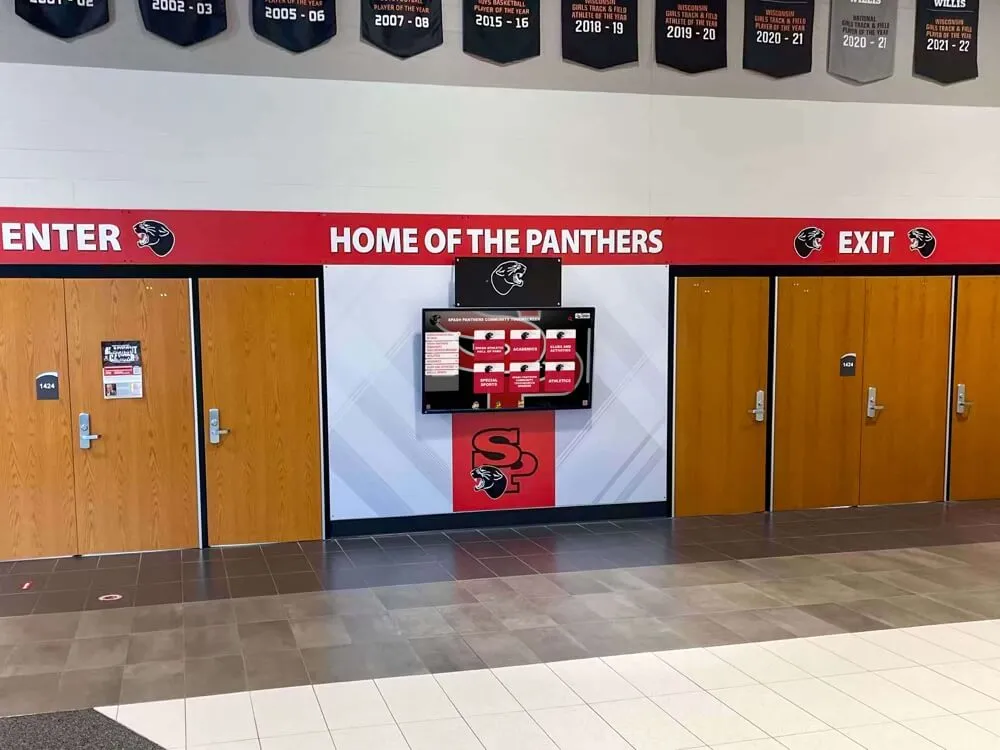
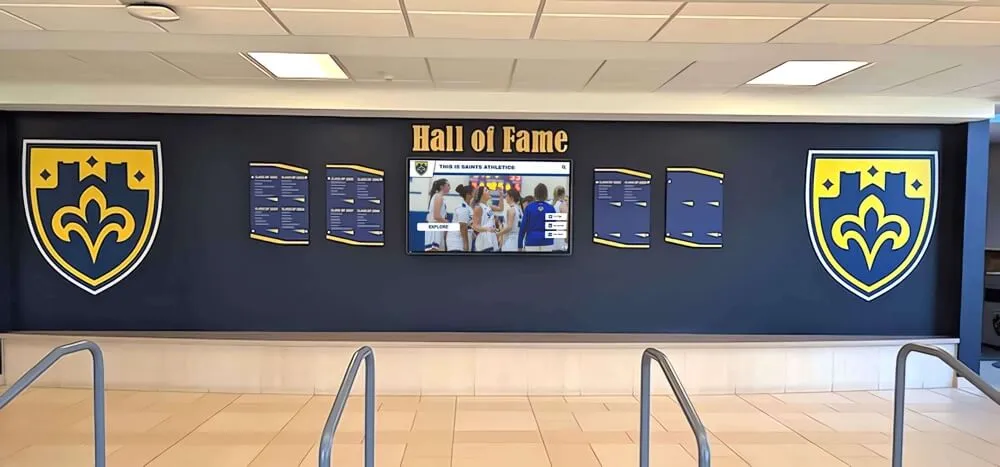
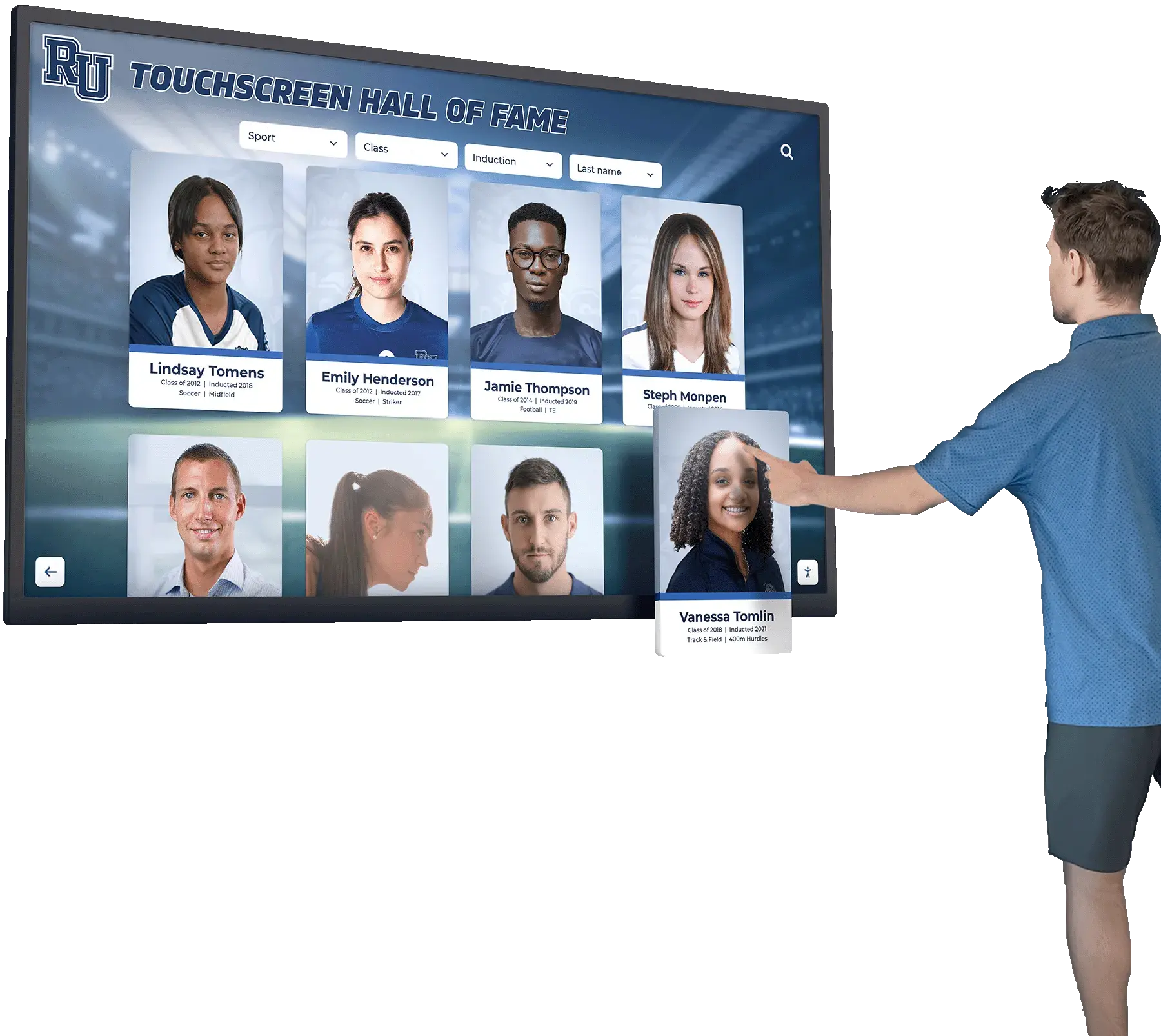
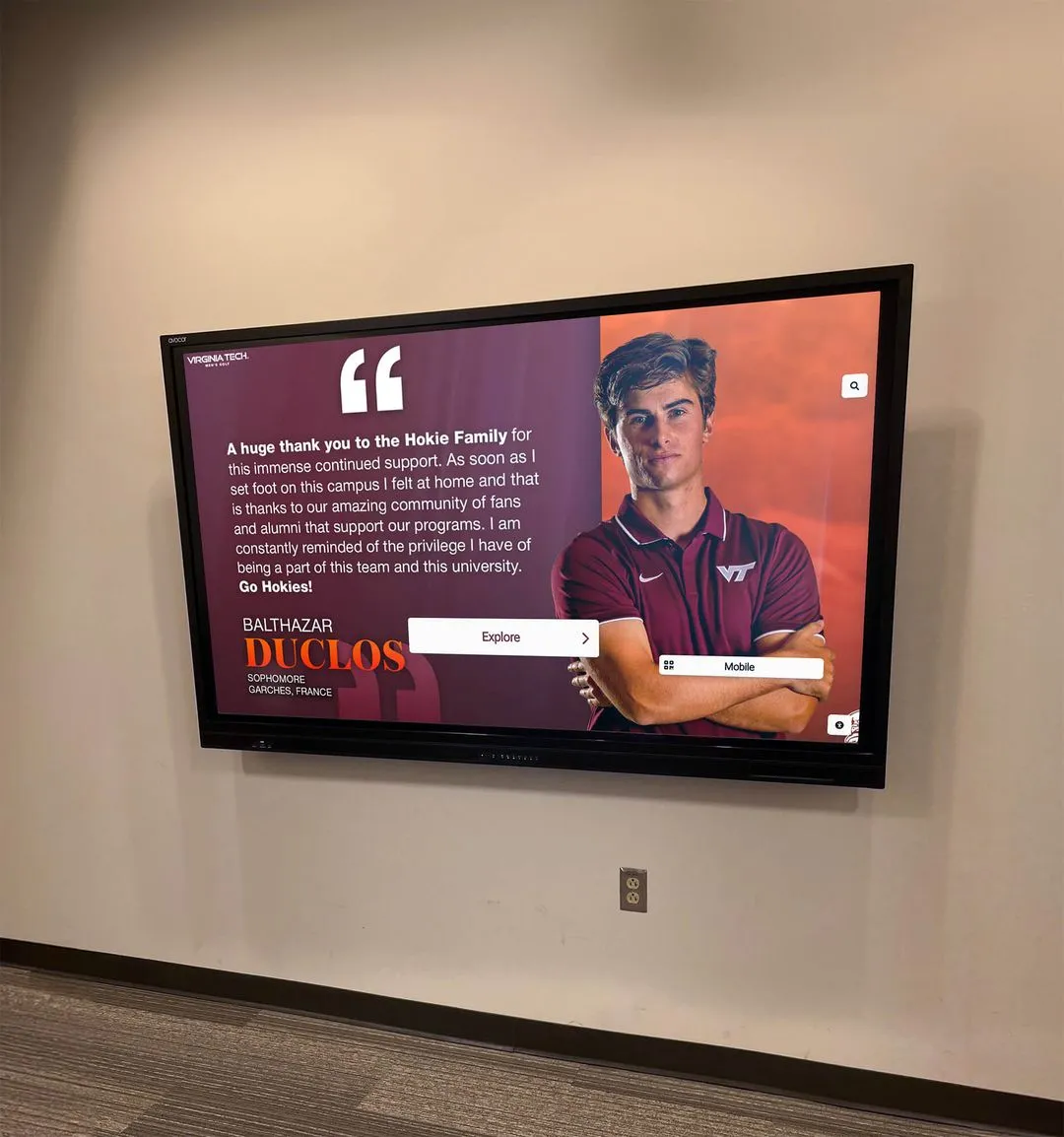
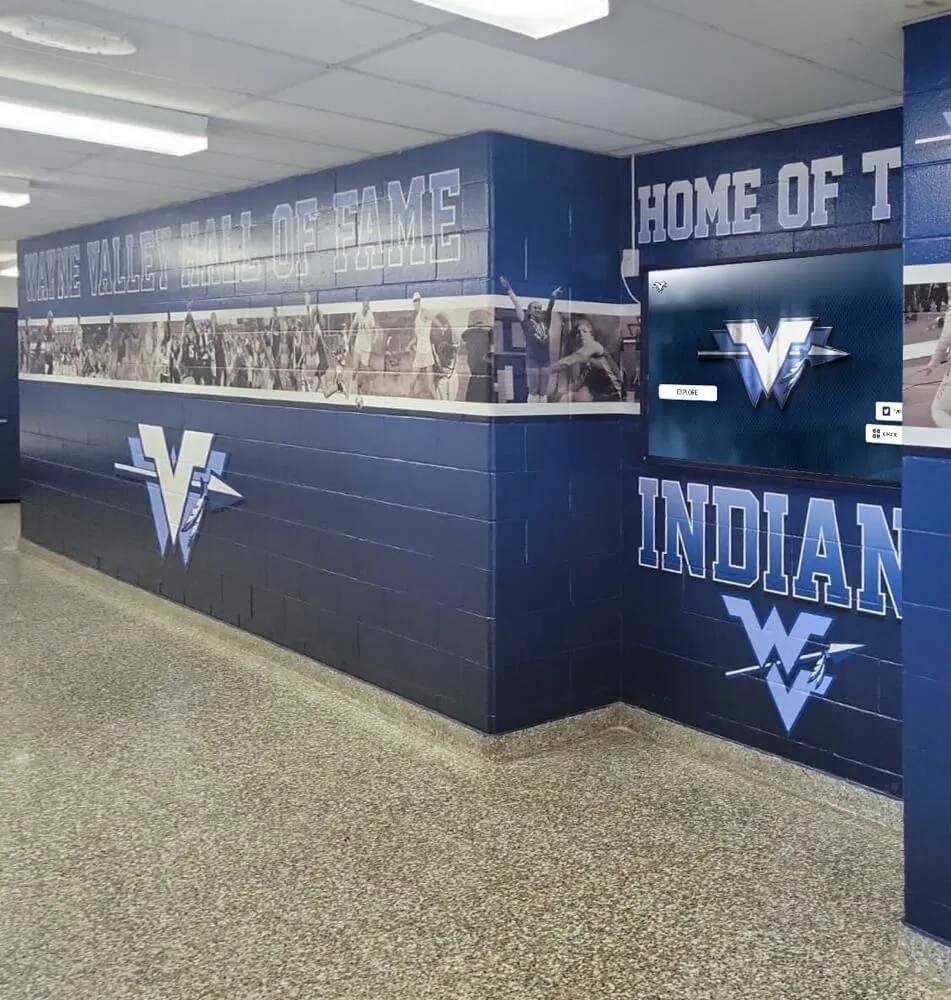
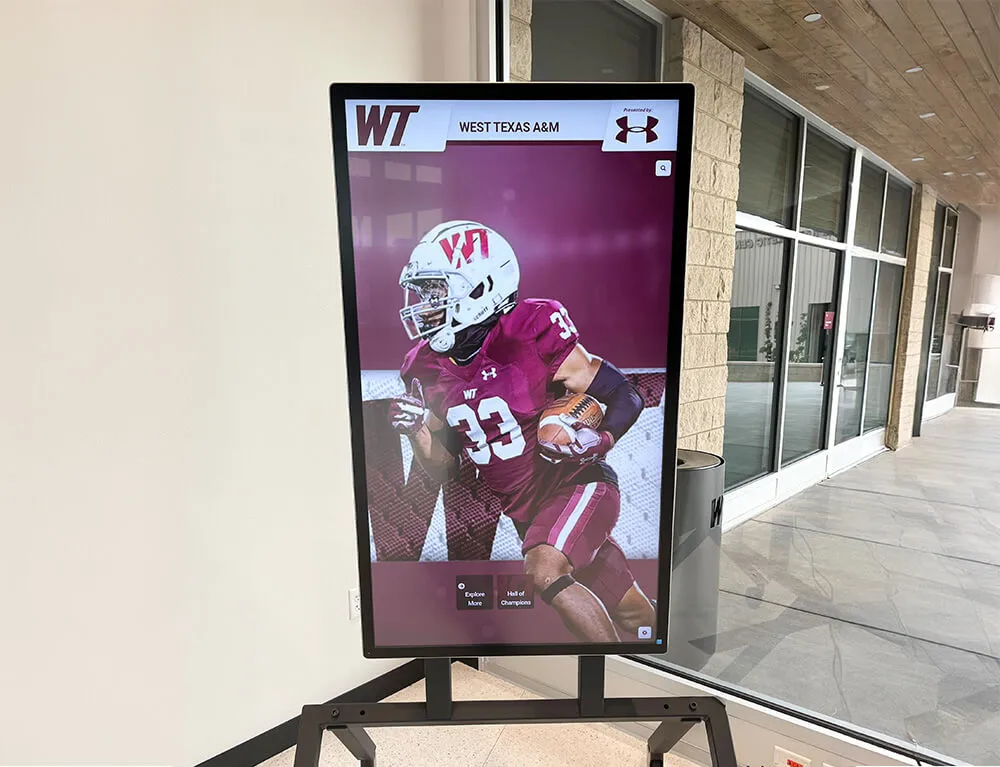
Modern public library digital archive collections eliminate access barriers through interactive touchscreen displays that showcase historical materials in engaging formats, intuitive search interfaces enabling independent exploration without staff assistance, ADA-compliant designs ensuring universal access regardless of physical abilities, and cloud-based platforms that extend archive reach beyond physical library walls. This guide explains how library administrators can transform archival collections from underutilized storage into dynamic community resources that preserve history while making it accessible, discoverable, and relevant to contemporary audiences.
Intent: Demonstrate Interactive Archive Display Solutions
This guide demonstrates how public libraries can transform digital archive collections through interactive display technology, showing how touchscreen systems make historical materials more accessible and engaging. Library administrators facing budget constraints, technical complexity concerns, or low archival collection usage can discover how solutions like Rocket Alumni Solutions deliver intuitive platforms designed for public engagement without requiring specialized technical expertise or costly custom development.
The Challenge of Making Digital Archives Accessible
Before exploring modern solutions, understanding why traditional approaches limit archive engagement helps library administrators recognize patterns affecting their own collections.
Physical Access Barriers in Traditional Archive Rooms
Traditional archival storage prioritizes preservation over accessibility, requiring climate-controlled environments, limited public access hours, staff supervision for material handling, and specialized equipment for viewing microfilm or fragile documents. These necessary protective measures create friction that discourages casual exploration by community members lacking specific research objectives.
A resident curious about neighborhood history must schedule visits during limited archive hours, request staff assistance locating relevant materials, handle fragile documents under supervision, or navigate microfilm readers requiring technical proficiency. This multi-step process with multiple barriers means most community members never engage with archives despite potential personal connections to documented history.
According to the American Library Association, creating local history archives requires balancing preservation needs with access provision—a tension that traditional approaches resolve by prioritizing preservation at the expense of widespread community engagement.

Limited Discovery in Computer-Based Digital Collections
Many libraries digitize archival materials but make them accessible only through library computers using catalog systems designed for librarians rather than general public. These interfaces typically require understanding of search syntax, controlled vocabulary familiarity, catalog structure knowledge, and database query skills that most community members lack.
When discovering relevant materials demands specialized research skills, digital archives remain underutilized despite significant investment in digitization projects. Residents seeking family photographs, historical newspaper articles about specific events, or documentation of community landmarks struggle to formulate effective searches within systems designed for professional researchers rather than casual exploration.
The Digital Public Library of America demonstrates that providing open access to digitized collections represents just the first step—materials must be presented through interfaces that facilitate discovery by audiences without formal research training or information science backgrounds.
Static Displays That Show Only Limited Selections
Physical displays in library lobbies or reading rooms typically showcase only tiny fractions of archival collections due to space constraints. A display case might feature 10-20 photographs from collections containing thousands of images, selected by staff based on assumed interest rather than patron-driven exploration.
These static displays provide no search functionality, prevent detailed examination without opening cases, offer minimal context about displayed materials, and change infrequently due to staff time constraints. Community members viewing displays cannot explore related materials, zoom into document details, discover connections between items, or pursue personal research interests beyond what staff selected for exhibition.
Libraries implementing historical timeline displays report dramatically increased community engagement when residents can independently explore comprehensive collections rather than viewing limited staff-curated selections.
Technical Complexity Limiting Staff and Patron Engagement
Traditional digital archive systems often require technical expertise that exceeds typical library staff capabilities, including database administration, web development for custom interfaces, ongoing software maintenance and security updates, and troubleshooting technical issues that interrupt service.
This technical complexity creates dependencies on IT departments or external vendors, delays implementing collection updates, limits staff ability to customize displays for community needs, and increases operational costs through specialized technical support requirements.
When library staff cannot independently manage archival systems without technical assistance, responsiveness suffers. Community donation processing gets delayed. Exhibits remain static for extended periods. Patron questions go unanswered because staff lack system knowledge to assist effectively.
How Interactive Displays Transform Public Library Archives
Modern touchscreen display systems address traditional limitations while introducing capabilities that fundamentally improve how communities engage with local history collections.
Intuitive Touch Interfaces for Universal Access
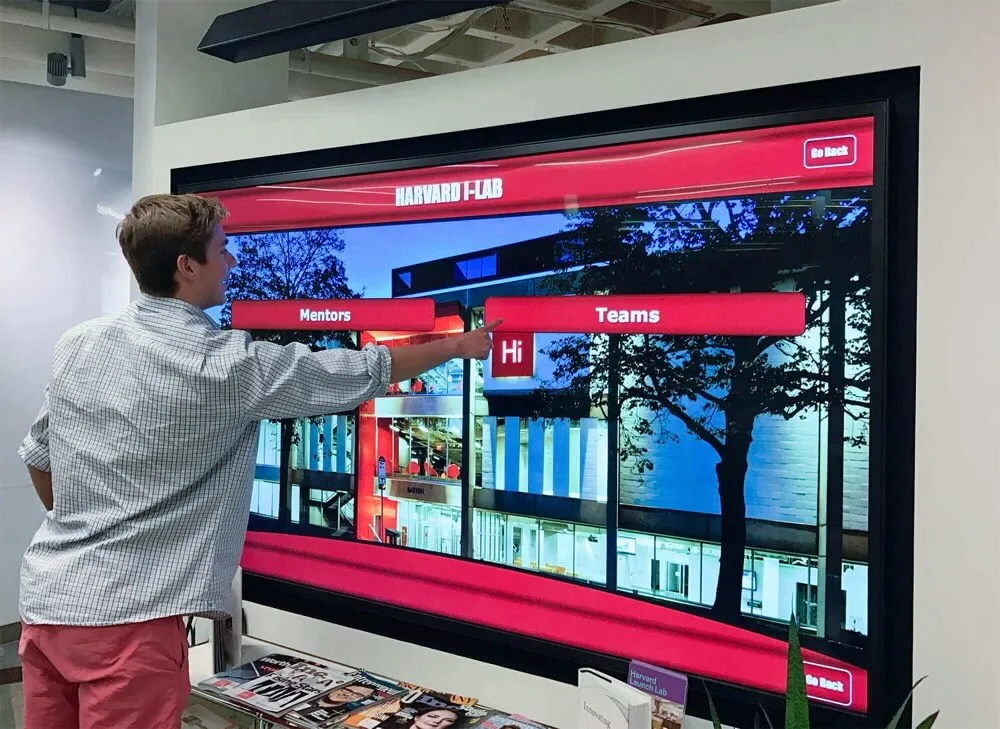
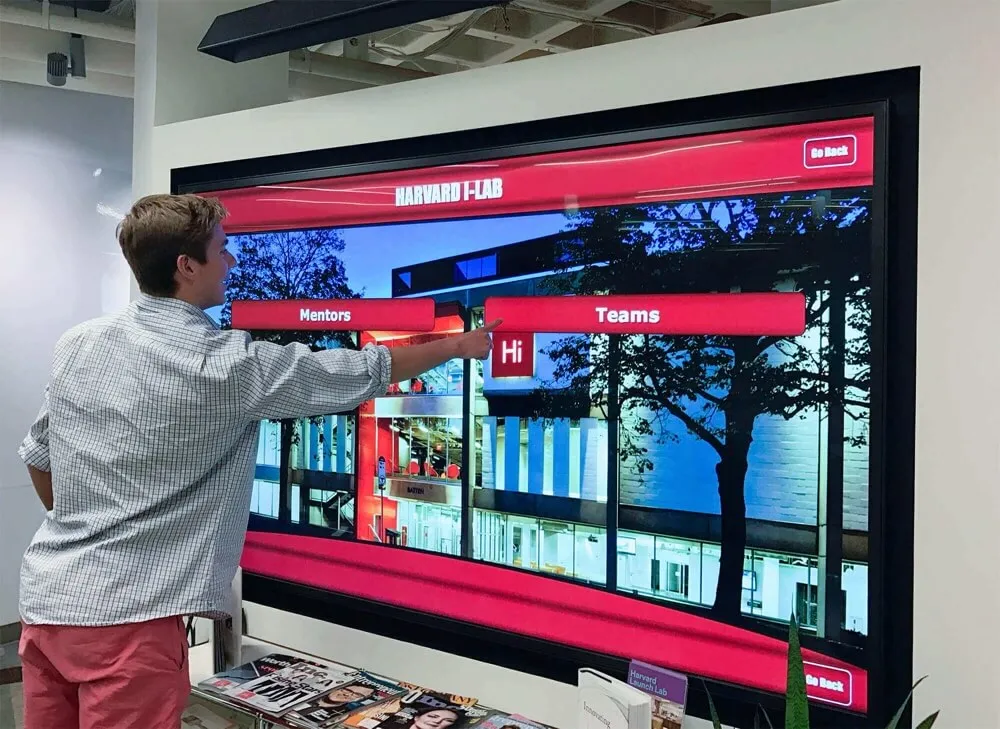
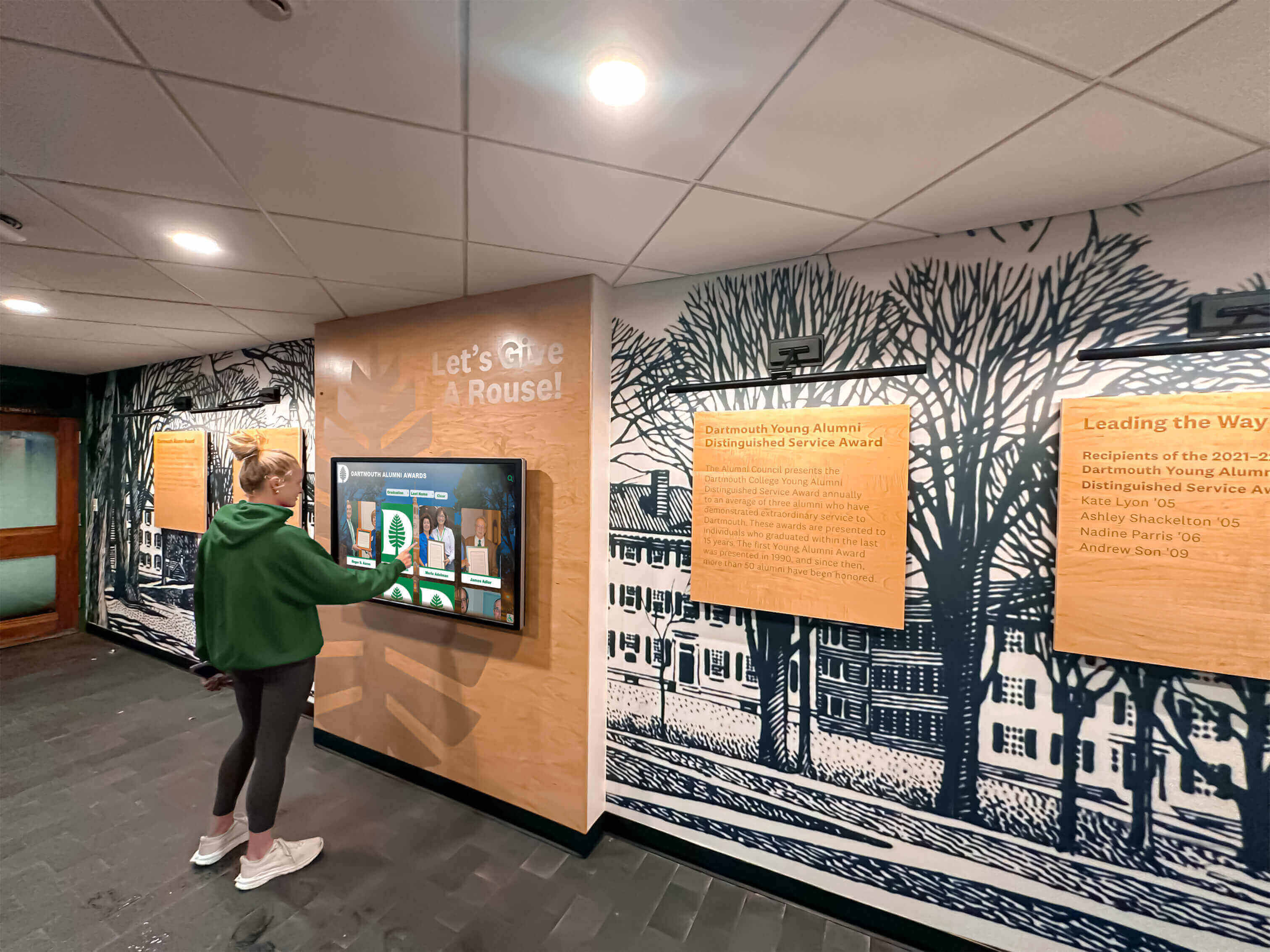
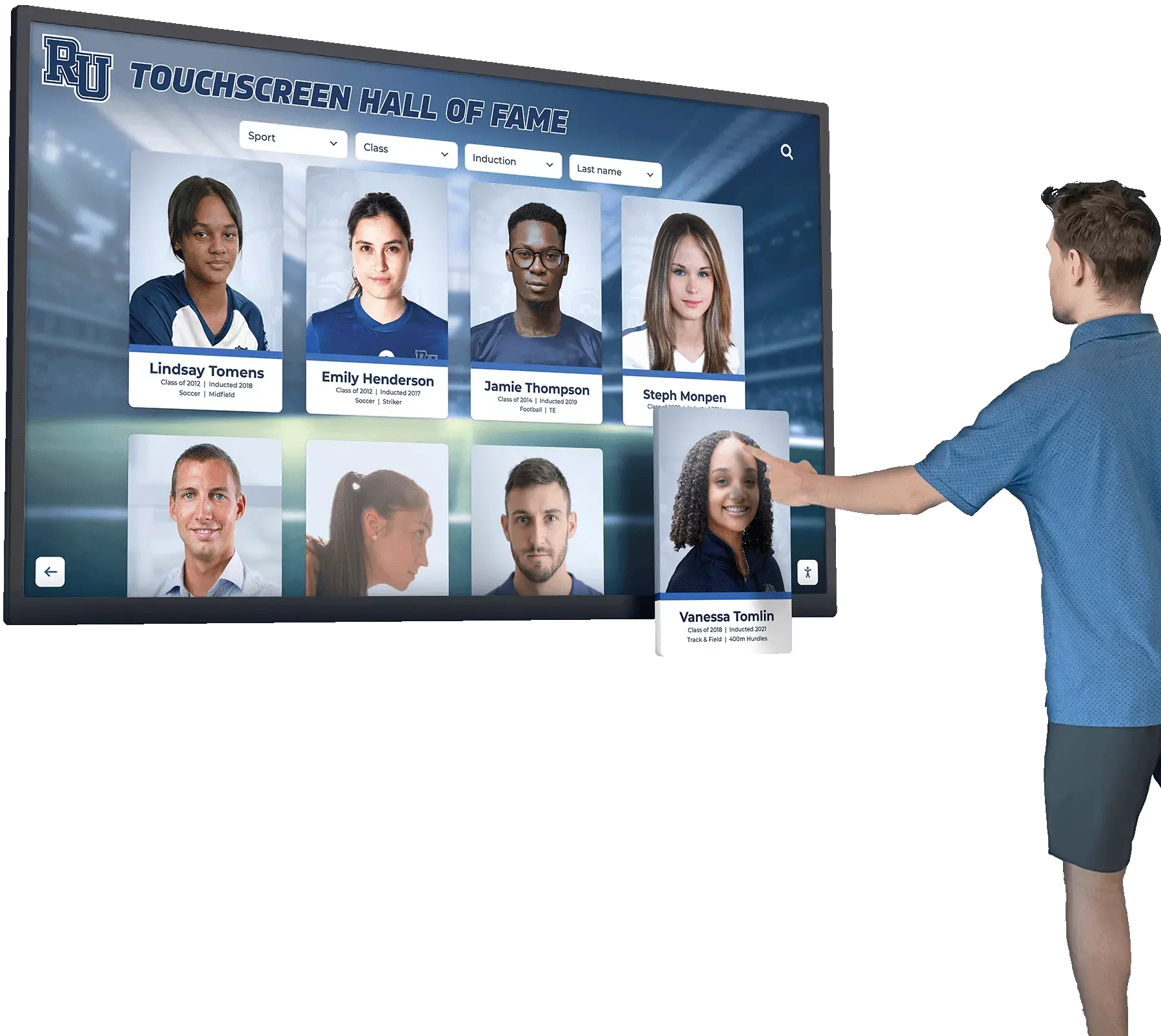
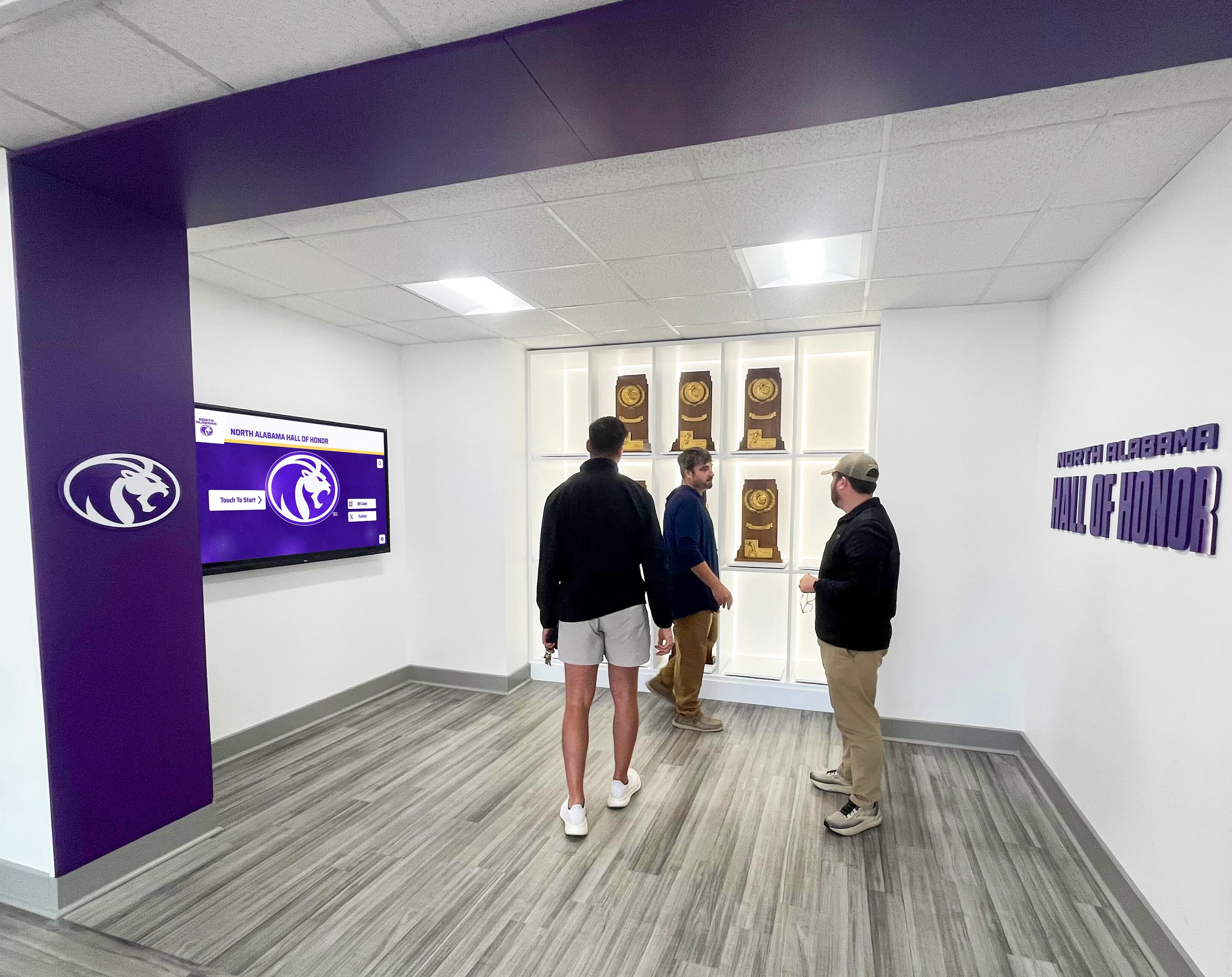
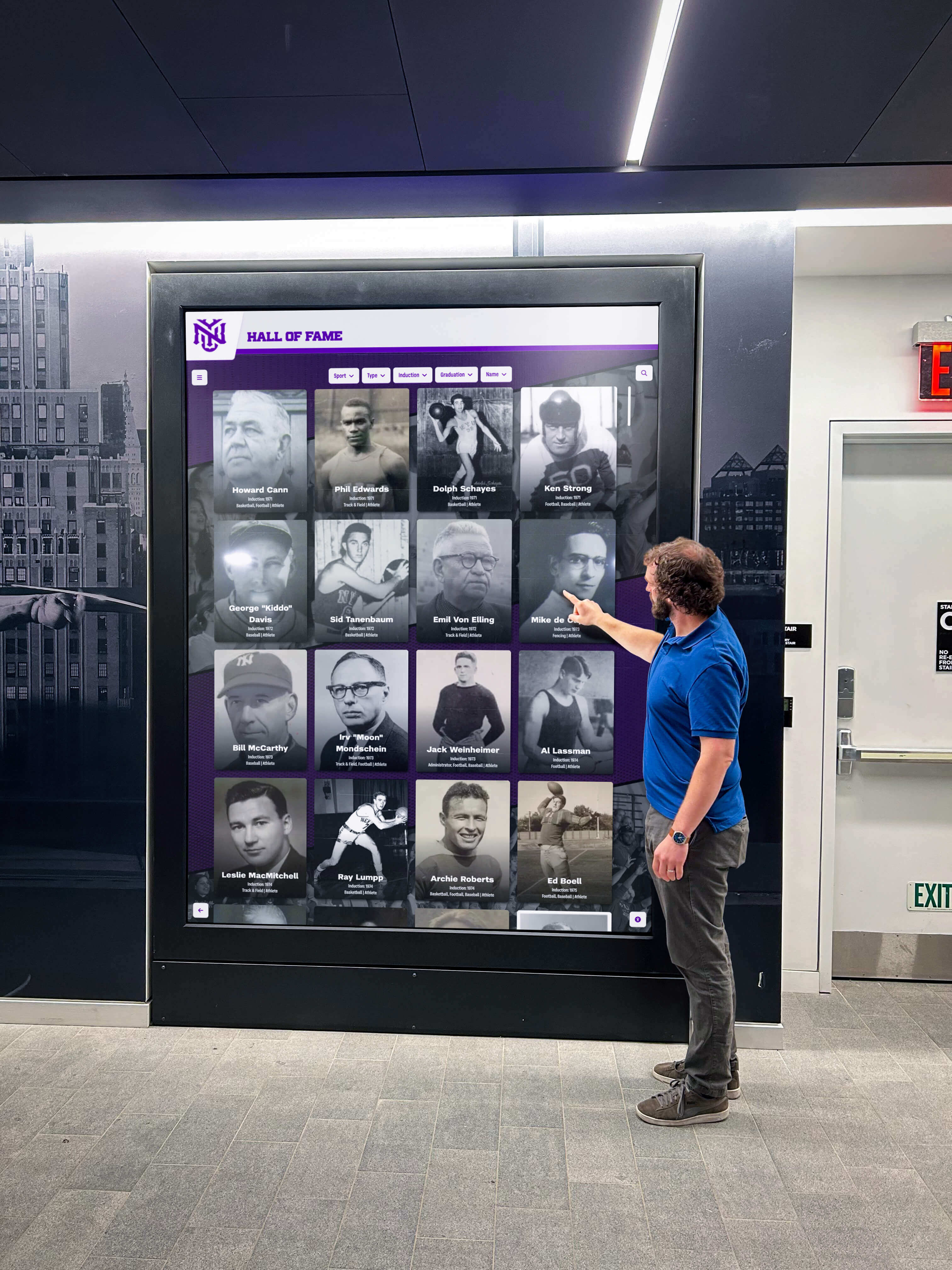
Purpose-built interactive displays use touch interfaces familiar from smartphones and tablets, requiring no specialized knowledge or research skills. Community members explore archives through natural gestures including tapping to select, swiping to browse, pinching to zoom into document details, and dragging to reposition images.
This intuitive interaction removes technical barriers that prevented archive engagement. Elderly residents comfortable with tablets can explore historical photographs independently. Students researching local history access materials without librarian mediation. Families visiting libraries discover relevant genealogical records through casual browsing rather than formal research processes.
According to Bibliotheca, library interactive displays significantly improve patron experience by making complex information systems accessible through familiar touch-based navigation that requires no training or specialized skills.
Advanced Search and Discovery Features
Interactive systems provide multiple discovery pathways accommodating different user needs and research approaches including keyword search across all collection metadata, date range filtering to explore specific time periods, geographic browsing showing materials by location, person or organization name searches, subject category exploration, and visual browsing through thumbnail galleries.
These varied access points ensure community members can discover relevant materials regardless of whether they know exactly what they seek or prefer exploratory browsing. A resident might search by street address to discover neighborhood photographs, filter by date range to find newspaper coverage of memorable local events, or browse subject categories like “schools” to explore educational history.
Libraries implementing digital archive systems for schools and communities report that multiple discovery pathways increase usage across diverse demographic groups, each preferring different exploration approaches based on research experience and personal objectives.
Rich Multimedia Presentation That Engages Audiences
Interactive displays present archival materials through engaging multimedia formats including high-resolution images with zoom capabilities, document transcriptions making historical handwriting accessible, audio narration providing context for photographs or artifacts, video interviews with community members sharing oral histories, and interactive timelines showing historical progression.
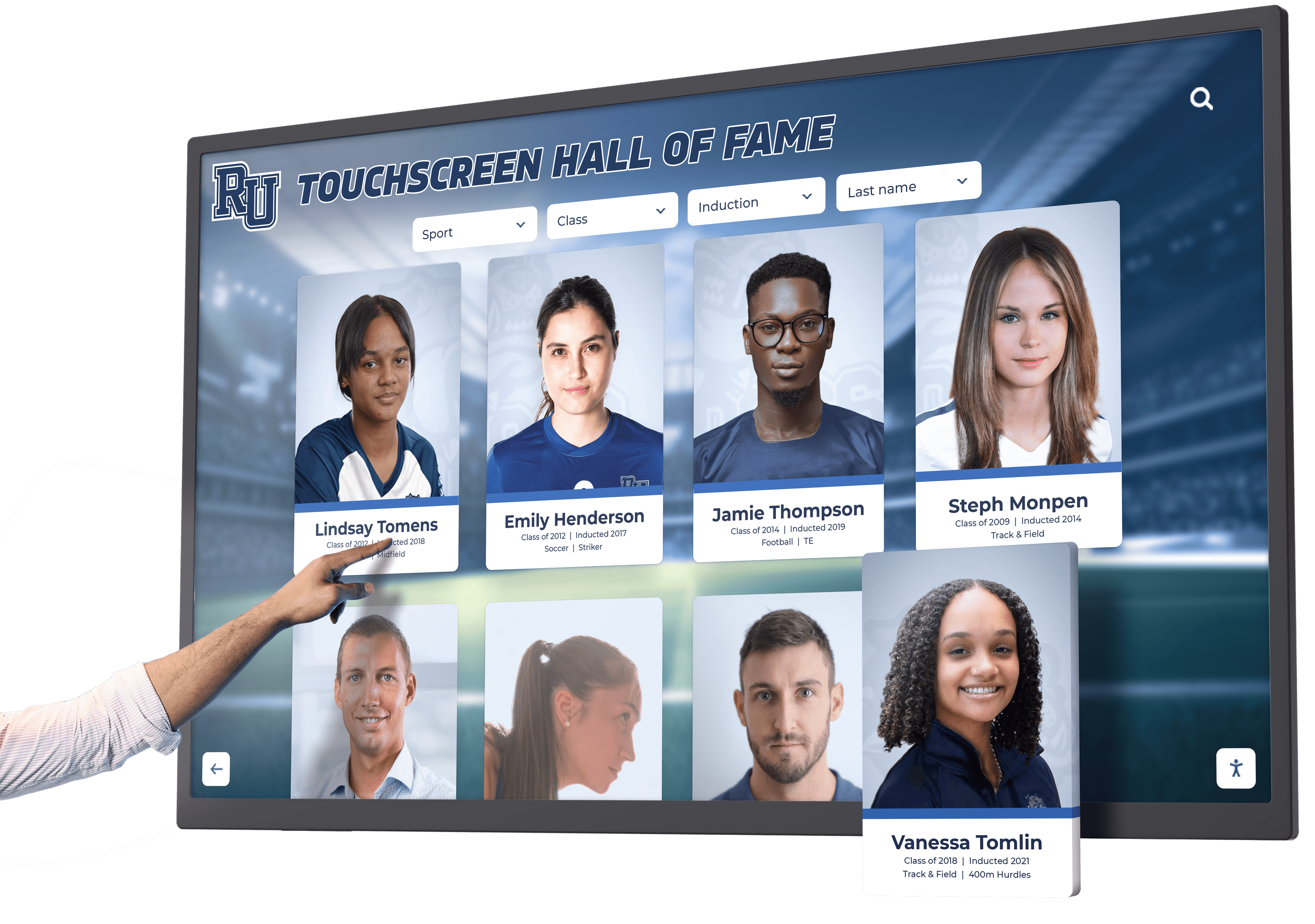
This multimedia richness transforms archival engagement from academic research into compelling storytelling. Historical photographs gain meaning through audio descriptions. Faded newspaper clippings become readable through transcription overlays. Community members contribute personal memories that provide context for archival materials—creating living collections that combine institutional holdings with crowdsourced knowledge.
Research from OverDrive demonstrates that interactive discovery kiosks increase digital collection usage by presenting materials through engaging interfaces that encourage exploration beyond initial search objectives.
ADA Compliance Ensuring Inclusive Access
Federal ADA requirements mandate that libraries provide equal access to information for all community members regardless of physical abilities. Interactive archive displays achieve compliance through screen reader compatibility for visually impaired users, adjustable text sizing for users with low vision, keyboard navigation alternatives for users unable to use touchscreens, adequate color contrast meeting WCAG standards, audio description options for visual materials, and accessible positioning at heights usable by wheelchair users.
These accommodations ensure all community members can independently explore local history without requiring staff assistance that may feel burdensome or embarrassing. Universal design principles benefit everyone—audio descriptions help users with visual impairments while also providing valuable context for sighted users unfamiliar with historical photographs.
Libraries implementing accessible displays demonstrate commitment to inclusive service where historical preservation serves entire communities rather than privileged subsets with specific abilities or research skills.
Extended Access Beyond Physical Library Locations
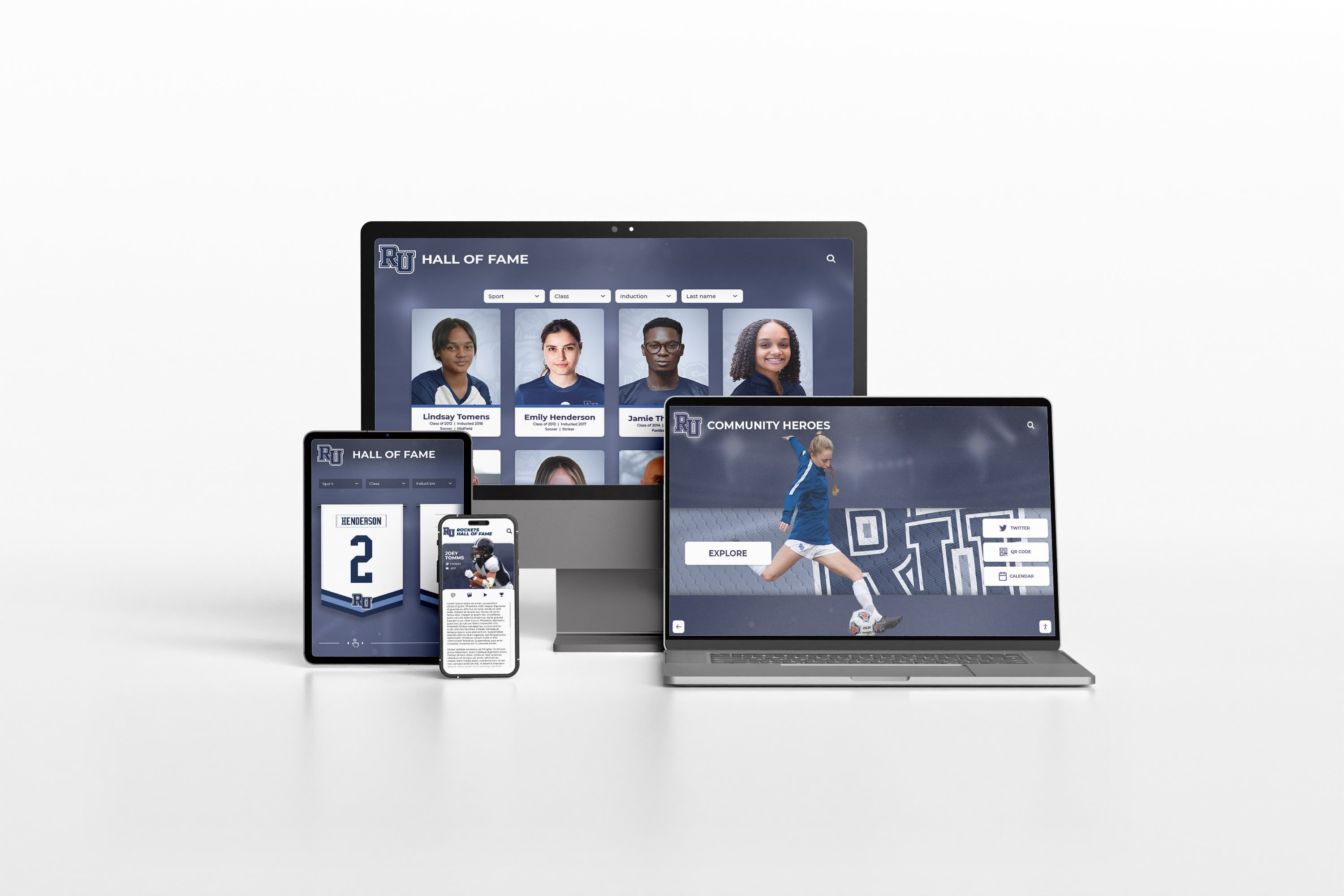
The most effective archive display systems provide multiple access channels including touchscreen kiosks in library lobbies or reading rooms, responsive web interfaces enabling exploration from home computers, mobile applications for portable access, embedded displays in community centers or schools, and social media integration for sharing discoveries.
This multi-channel approach dramatically expands archive reach beyond physical library visitors. Community members explore local history from home during evening hours when libraries close. Students access materials from school computer labs during research projects. Distant relatives discover family photographs while living hundreds of miles from their hometown libraries.
According to the Library of Congress, extending digital collection access beyond reading rooms increases usage exponentially while building broader community awareness of library holdings and preservation efforts.
Planning Your Interactive Archive Display Implementation
Strategic planning ensures digital archive investments deliver maximum community impact while avoiding common pitfalls that undermine adoption and sustainability.
Assessing Collection Digitization Status and Priorities
Effective interactive displays require digitized content. Library administrators should assess existing digitization status including materials already scanned and catalog-accessible, materials scanned but lacking metadata or organization, materials prioritized for future digitization based on condition or interest, and materials too fragile for digitization without professional conservation.
This assessment guides realistic scope definition. Libraries with extensive digitized collections can implement comprehensive interactive systems immediately. Libraries early in digitization journeys might begin with curated exhibits featuring highest-priority materials while systematically expanding coverage as resources permit.
Academic history archiving approaches provide useful frameworks for prioritizing digitization based on material significance, condition vulnerabilities, community interest levels, and available resources.
Understanding Target Audiences and Use Cases
Different community groups engage archives for different purposes requiring distinct features and content organization. Key audiences typically include genealogists researching family histories needing name-based search and family connection visualization, students completing school assignments requiring curriculum-relevant materials with educational context, local historians pursuing specialized research needing comprehensive collections with detailed metadata, casual visitors interested in community nostalgia seeking browse-friendly interfaces with engaging visuals, and new residents learning about community identity wanting high-level historical overviews.
Understanding priority audiences guides system feature selection and content presentation strategies. Libraries serving active genealogical communities might prioritize name indexing and family connection tools. Libraries supporting school curricula might organize collections by relevant topics with educational support materials. Libraries seeking broader community engagement might emphasize visual browsing and storytelling over comprehensive research functionality.
Selecting Hardware and Software Components
Interactive archive implementations require coordinated hardware and software selections working together reliably while meeting institutional needs and budget parameters.
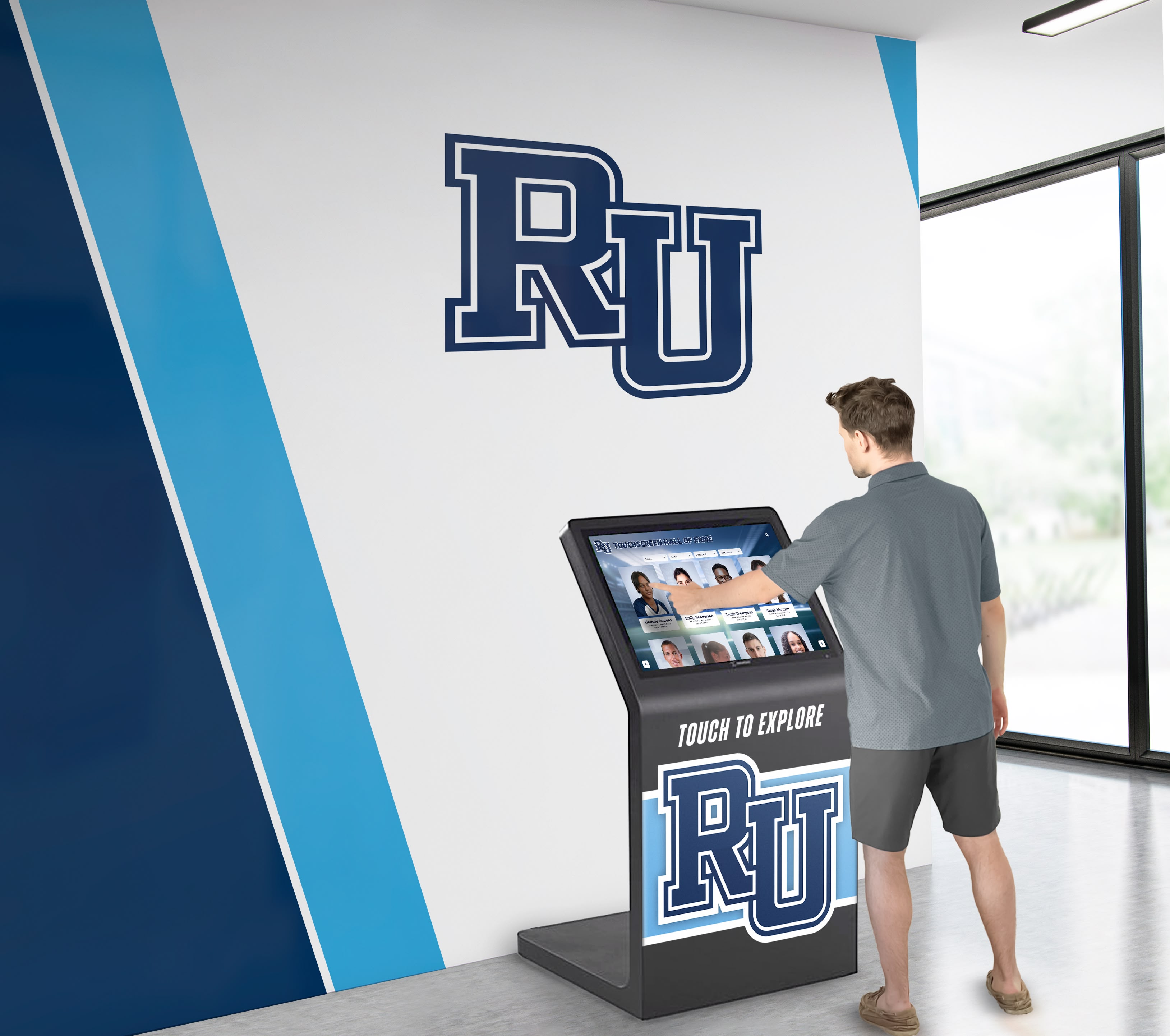
Display Hardware Considerations: Commercial-grade touchscreens designed for continuous public use, mounting solutions accommodating existing architectural constraints and visibility needs, network connectivity through ethernet or reliable wireless, protective enclosures preventing vandalism in public spaces, and positioning at ADA-compliant heights enabling universal access.
Consumer electronics purchased from retail stores typically fail rapidly under continuous public use conditions. Purpose-built commercial displays cost more initially but deliver reliability, longevity, and warranty support appropriate for institutional installations expected to operate continuously for years.
Software Platform Requirements: Cloud-based content management requiring no technical expertise, intuitive interfaces enabling library staff to update collections independently, responsive design ensuring functionality across devices and screen sizes, robust security protecting patron privacy and institutional data, and support for standard metadata schemas ensuring long-term content portability.
Library administrators benefit from purpose-built platforms designed specifically for public engagement rather than generic digital signage systems lacking search functionality, metadata support, or accessibility features that public archive displays require.
Budget Planning and Funding Strategies
Interactive archive systems require investment balancing hardware costs, software licensing, ongoing operation, and staff time for content management.
Cost Components: Initial hardware including commercial touchscreen displays and mounting solutions ($3,000-$8,000 per installation), professional installation and network integration ($1,000-$3,000), software licensing for content management platforms ($1,500-$5,000 annually), content development including digitization, metadata creation, and exhibit curation (varies by scope), and ongoing operation including electricity, maintenance, and content updates (staff time).
Comparing Alternatives: Static display cases cost less initially but provide zero search functionality, accommodate tiny collection fractions, and require extensive staff time for exhibit changes. Computer workstations with catalog access cost moderately but lack public-friendly interfaces, remain confined to specific library locations, and provide poor engagement for casual users.
Interactive touchscreen systems require higher upfront investment but deliver superior functionality, dramatically increased usage, extended access beyond physical library walls, and operational efficiency through intuitive content management that reduces staff time requirements.
Funding Sources: Library budgets with capital improvement allocations, local government grants for community programming or historic preservation, Friends of the Library fundraising specifically for archive projects, memorial donations honoring community historians or notable residents, state library grants supporting public access or digitization initiatives, and corporate sponsorships from local businesses with community investment missions.
Many libraries discover that community members enthusiastically support interactive archive funding when presented with compelling visions for making local history accessible through modern technology that welcomes exploration rather than intimidating research.
Technical Features That Maximize Archive Accessibility
Beyond basic display capabilities, specific technical features distinguish exceptional public archive systems from generic digital signage repurposed for library use.
Template-Driven Content Management for Non-Technical Staff
Purpose-built archive platforms provide pre-designed templates for standard content types including photograph collections with captions and date information, document archives with transcriptions and context, oral history interviews with audio playback and transcripts, historical timeline exhibits showing progression across periods, and thematic collections organized around topics or themes.
These templates ensure professional visual consistency while requiring zero graphic design expertise. Library staff select appropriate templates, input content through simple forms, and the system generates polished displays matching institutional branding automatically.
Template standardization accelerates content development. Rather than custom-designing every exhibit from scratch, templates enable rapid deployment where content entry represents the only required effort—reducing time-to-launch from months to weeks while maintaining quality standards.
Crowdsourcing Features for Community Contribution
The most engaging archive systems incorporate crowdsourcing capabilities allowing community members to contribute knowledge that enriches institutional collections including identifying people in historical photographs, sharing personal memories related to documented events, correcting or supplementing incomplete metadata, providing date or location information for unidentified materials, and uploading personal photographs or documents complementing library holdings.
This participatory approach transforms archives from static institutional collections into living community resources. Residents viewing historical photographs can contribute names identifying previously unknown individuals. Former business owners can provide history about buildings shown in archival images. Families can share personal stories adding human context to official documentation.
According to the Library of Congress, involving communities in digital archiving creates personal connections that increase usage while generating valuable contextual information that formal cataloging often misses.
Social Sharing Integration Extending Reach
Modern archive displays enable patrons to share discoveries through email, social media, or text message, amplifying collection awareness exponentially beyond physical visitors. When residents discover personal connections to archival materials, they naturally want to share findings with family and friends—turning engaged users into advocates promoting broader community awareness.
Social sharing features include email links to specific collection items, social media posts with preview images, QR code generation for mobile sharing, and embedded sharing options within digital exhibits.
This viral distribution dramatically increases collection visibility. A resident sharing a historical photograph of their grandfather’s business reaches social networks that would never visit library websites directly. Students posting school project discoveries introduce classmates to archival resources. Local history enthusiasts sharing interesting finds build community followings that drive subsequent archive engagement.
Analytics Demonstrating Impact and Guiding Development
Digital platforms provide usage data showing engagement patterns and collection popularity including total interactions and session durations, most-viewed materials and collection sections, search terms revealing user interests and discovery challenges, peak usage times informing optimal update schedules, geographic distribution showing reach beyond local areas, and user pathway analysis revealing how patrons navigate collections.
These analytics reveal how communities engage with archives and which materials resonate most strongly—insights impossible with traditional static displays providing zero usage feedback. Library administrators can use data to prioritize future digitization, improve search functionality based on common query patterns, develop targeted exhibits addressing demonstrated interests, and demonstrate value when reporting to funders or governing boards.
Content Strategies for Engaging Digital Archives
Technical capabilities matter little if content fails to engage audiences or provide meaningful historical insights. Strategic content development ensures interactive archives deliver experiences that feel valuable, accessible, and relevant to diverse community needs.
Organizing Collections for Multiple Discovery Pathways
Effective archive systems support multiple exploration approaches accommodating different user needs, research skills, and personal preferences including chronological organization for users knowing approximate time periods, geographic organization for users interested in specific neighborhoods or locations, subject-based organization for users exploring thematic topics, person or organization indexes for genealogical researchers, and visual browsing for users preferring image-based discovery.
Providing multiple pathways ensures that casual browsers and serious researchers both find relevant materials through approaches matching their comfort levels and research objectives. No single organization scheme serves all purposes—flexibility increases accessibility across diverse audiences.
Chronological Access: Timeline-based navigation allows users to explore specific decades, identify materials from memorable years, or understand historical progression across extended periods. Interactive timelines provide engaging visual frameworks showing how communities evolved through time.
Geographic Access: Location-based organization enables users to discover all materials related to specific neighborhoods, buildings, streets, or landmarks. Map-based interfaces provide intuitive discovery for users knowing where rather than when.
Subject Access: Thematic collections organized around topics like education, commerce, recreation, government, or religion help users explore specific interest areas without requiring precise search terms or comprehensive historical knowledge.
Providing Rich Context Through Storytelling
Raw archival materials often require contextual interpretation helping contemporary audiences understand historical significance. Effective content strategies balance archival documentation with narrative frameworks including brief essays providing historical background, audio narration offering guided exploration, biographical profiles explaining who documented individuals were, event descriptions placing materials in broader context, and comparative presentations showing historical change across time.
This narrative scaffolding transforms archives from disconnected documents into coherent historical stories. A photograph of a 1950s Main Street business district gains meaning when accompanied by information about economic trends, architectural styles, notable merchants, or community gathering traditions. Newspaper articles about municipal decisions become compelling when contextualized within broader civic development patterns.
Libraries implementing historical photo archives report that adding contextual narratives increases engagement duration and patron satisfaction compared to raw image galleries lacking interpretive frameworks.
Balancing Comprehensive Collections With Curated Highlights
Interactive systems accommodate seemingly contradictory needs for both comprehensive access and curated guidance. Effective approaches typically include featured exhibits highlighting notable materials or current themes, recommended starting points guiding first-time users, comprehensive searchable databases for serious researchers, rotating highlights maintaining fresh content for repeat visitors, and community-contributed favorites crowdsourcing curation.
This multi-layered approach welcomes casual visitors through curated entry points while supporting researchers requiring comprehensive access to full collections. Users can choose between guided exploration following staff recommendations or independent discovery pursuing personal research objectives.
Ensuring Metadata Quality and Consistency
Archive accessibility depends fundamentally on metadata quality—the descriptive information enabling search and discovery. Effective metadata practices include standardized descriptive fields applied consistently across collections, controlled vocabularies ensuring findability through search, name authority work disambiguating similar names, geographic standardization enabling location-based filtering, and date normalization supporting chronological exploration.
Quality metadata requires significant staff investment but determines whether digitized collections become truly accessible or remain effectively hidden behind inadequate description. Poor metadata means community members cannot discover relevant materials even when digitization occurred—representing failed investment in preservation without access.
Professional standards from organizations like the Library of Congress provide frameworks ensuring metadata practices support long-term accessibility while facilitating content portability if future system migrations become necessary.
Leveraging Interactive Archives for Community Engagement
Beyond preserving history, strategic archive programs support broader library objectives including community programming, educational partnerships, and institutional visibility that benefit contemporary operations and future sustainability.
Programming Opportunities Around Historical Content
Interactive archive systems enable programming that attracts diverse audiences and demonstrates library value including historical lecture series featuring local historians discussing archival materials, genealogy workshops teaching family research using library collections, walking tours combining physical locations with archival documentation, oral history collection programs building living archives, and school partnerships supporting curriculum integration of local history.
These programs transform passive archival collections into active community resources. Residents who attend history programs become archive users. Students completing school projects using local materials develop library usage habits. Genealogists discovering family photographs become donors contributing their own historical materials—creating virtuous cycles where programming drives usage driving collection development driving further programming.
Educational Partnerships Supporting Curriculum Integration
Library archives provide valuable resources for student learning when integrated into school curriculum. Effective partnerships with local schools include curriculum-aligned collection development focusing on locally-relevant materials supporting history and social studies units, educator workshops training teachers to incorporate primary sources into lesson plans, class visit programs introducing students to research using archival materials, student digitization projects where older students contribute to collection development, and student interpretation projects where students create exhibits or multimedia presentations using archival materials.
These educational partnerships demonstrate library value to parents and school administrators, build youth library usage patterns, and position libraries as essential educational infrastructure deserving sustained community support.
Institutional Visibility Through Media and Online Presence
Compelling archive materials provide ongoing content for media relations and social media presence including local media feature stories about interesting historical discoveries, social media series featuring archival photographs or documents, newsletter content highlighting collection additions or notable materials, website features showcasing digital exhibits, and community news announcements about programming or collection development.
This steady content stream maintains library visibility in community consciousness. Each historical photograph shared on social media reminds followers of library resources. Every local news feature about archival discoveries demonstrates library value. Sustained visibility builds community support that translates into usage, funding, and political backing when needed.
Economic Development Through Heritage Tourism
Communities increasingly recognize that historical resources support economic development through heritage tourism. Interactive archive displays contribute to tourism infrastructure by documenting local history that attracts visitors, providing destination attractions for history-oriented travelers, supporting walking tour programs that drive downtown foot traffic, and offering research resources for genealogical tourism.
Libraries can partner with local tourism boards, chambers of commerce, and downtown business districts to position archival collections as community assets supporting economic vitality—building cross-sector support that extends beyond traditional library advocacy constituencies.
Addressing Common Implementation Concerns
Library administrators considering interactive archive displays commonly raise predictable questions about costs, technical complexity, and practical operation.
“Won’t Digital Displays Cost More Than We Can Afford?”
Interactive display systems represent significant investment typically ranging from $15,000-$30,000 for comprehensive installations including multiple touchscreens, software licensing, professional installation, and initial content development. However, this investment should be evaluated against alternatives and long-term value.
Static display cases cost less initially but accommodate tiny collection fractions, provide zero search functionality, require extensive staff time for exhibit changes, and generate minimal community engagement. Computer workstations with catalog access cost moderately but remain confined to specific locations, lack public-friendly interfaces, and provide poor experiences for casual users.
Interactive touchscreen systems require higher upfront investment but deliver comprehensive collection access, dramatically increased usage across diverse audiences, extended reach beyond physical library walls, operational efficiency through intuitive content management, and enhanced institutional visibility supporting broader library missions.
Many libraries fund interactive displays through targeted fundraising campaigns, grants specifically for public access or digitization projects, or phased implementation spreading costs across multiple budget cycles. Presenting interactive archives as community infrastructure rather than optional library enhancements often resonates with funders who recognize value in making local history accessible.
“Do We Need Technical Expertise to Manage Interactive Systems?”
Purpose-built public archive platforms specifically avoid requiring specialized technical expertise. Cloud-based systems need no on-site servers or IT infrastructure. Content management interfaces use simple web forms similar to basic website editing. Updates happen through intuitive point-and-click interfaces requiring no coding or design skills.
Most libraries operate interactive archive displays without IT department involvement beyond initial network connectivity setup. Library staff with basic computer skills manage content updates using platforms designed for non-technical users. When technical issues arise, cloud-based systems enable remote vendor support without requiring on-site service calls.
This accessibility represents a defining difference between purpose-built public engagement systems and generic digital asset management platforms that require technical expertise for content development and system administration.
“How Do We Ensure Content Accuracy and Avoid Errors?”
Digital platforms enable correction processes impossible with printed materials or static displays. When community members identify errors or provide additional information, library staff can update content immediately. This fluidity supports continuous quality improvement rather than accepting permanent errors inherent in static displays.
Effective accuracy practices include two-person review before publishing new content, community crowdsourcing for identification and fact-checking, transparent acknowledgment of uncertain information rather than publishing guesses, citation of primary sources enabling verification, and documented correction procedures for addressing identified errors.
Interactive systems supporting community contribution often achieve higher accuracy than purely staff-curated collections because crowd knowledge exceeds individual expertise—especially for identification of people, places, and events within living memory.
“What About Privacy Concerns With Historical Materials?”
Libraries must balance historical preservation with privacy considerations, particularly for relatively recent materials documenting living individuals or sensitive topics. Responsible practices include establishing clear privacy policies defining what materials warrant restriction, implementing time-based access restrictions for sensitive materials, providing takedown procedures for legitimate privacy requests, anonymizing personal information in sensitive contexts, and consulting legal counsel about specific scenarios involving privacy tensions.
Most archival materials from earlier eras raise minimal privacy concerns since documented individuals are deceased and documented events occurred long ago. Materials from recent decades require more careful evaluation balancing historical value against privacy impacts.
Measuring Interactive Archive Success and Impact
Effective programs establish metrics demonstrating value and guiding continuous improvement based on evidence rather than assumptions.
Quantitative Usage Metrics
Digital platforms typically provide analytics showing engagement patterns including total interactions and session counts, average viewing duration indicating engagement depth, most-viewed materials revealing community interests, search terms showing discovery patterns and optimization opportunities, peak usage times informing optimal update schedules, and geographic distribution demonstrating reach beyond local service areas.
These data reveal how communities engage with archives and which materials resonate most strongly—insights impossible with traditional static displays providing zero usage feedback.
Qualitative Community Feedback
Systematic feedback collection from key constituencies provides perspectives complementing quantitative analytics including patron satisfaction with ease of use and content relevance, educator assessment of educational value and curriculum support, researcher evaluation of search functionality and metadata quality, community group feedback on representation and collection priorities, and staff observations about technical reliability and content management ease.
Regular surveys, focus groups, or informal conversations reveal improvement opportunities and validate program benefits justifying continued investment and expansion.
Operational Efficiency Improvements
Measuring staff time spent on archive-related activities before and after interactive system implementation quantifies efficiency gains including hours annually spent creating static displays eliminated, reference assistance time reduced through self-service access, collection use instruction simplified through intuitive interfaces, and exhibit update time reduced through template-driven content management.
These operational improvements represent tangible return on investment beyond community engagement enhancements—freeing staff time for higher-value activities like collection development, programming, or direct patron services.
Community Impact Indicators
Broader community impact measures demonstrate value beyond direct system usage including program attendance increases tied to archival programming, school partnership development supporting educational objectives, media coverage frequency highlighting library archival holdings, donor engagement levels with archive-focused fundraising, and community sentiment reflected in surveys or funding referendums.
These indicators connect interactive archive investments to broader institutional objectives like community support, educational relevance, and sustainable funding that determine long-term library health.
Future Trends in Library Digital Archive Technology
Interactive archive technology continues evolving with emerging capabilities that will further transform how communities engage with historical collections in coming years.
Artificial Intelligence for Enhanced Discovery
Emerging AI capabilities will improve archive accessibility through automated metadata generation reducing cataloging burden, optical character recognition making historical documents fully text-searchable, facial recognition potentially identifying people in historical photographs, and natural language processing enabling conversational search interfaces.
These automation capabilities will reduce barriers that currently limit archival accessibility—making it feasible to provide comprehensive search across massive collections without proportional investment in manual metadata creation.
Augmented Reality Experiences Connecting Past and Present
Future implementations might combine archival materials with augmented reality applications showing historical photographs overlaid on current locations through smartphone cameras, 3D reconstructions of demolished buildings or transformed landscapes, interactive historical walking tours with geo-located archival content, and comparative views showing places across different time periods.
These augmented experiences will connect historical documentation to contemporary community geography—helping residents understand how their familiar places evolved across time through immersive experiences blending archival content with present-day context.
Integration With Broader Cultural Heritage Networks
Libraries increasingly participate in shared digital infrastructure connecting local collections to regional, state, and national discovery platforms. Future trends include cross-institutional search enabling discovery across multiple repositories, shared metadata standards facilitating content exchange, collaborative digitization projects pooling resources across institutions, and linked open data connecting related materials across separate collections.
These network effects will make individual library collections more discoverable while positioning local archives within broader historical contexts that reveal connections to regional and national events.
Conclusion: Transform Archives Through Modern Interactive Technology
Public library digital archive collections preserve irreplaceable community memory—photographs, documents, newspapers, and records that define local identity and connect residents to shared history. Traditional preservation approaches served institutions well for generations but cannot match modern capabilities that interactive display technology delivers.
Intuitive touch interfaces eliminate technical barriers that prevented community engagement with archival collections. Advanced search functionality enables discovery by audiences without specialized research skills. Rich multimedia presentation transforms historical materials into compelling stories rather than academic documentation. Universal accessibility ensures all community members explore local history regardless of physical abilities. Extended digital access reaches audiences far beyond physical library visitors—building awareness and usage that justify continued preservation investment.
Library administrators facing budget constraints, concerned about technical complexity, or seeking strategies to increase archival collection usage can transform archives through solutions like Rocket Alumni Solutions that deliver comprehensive interactive displays designed specifically for public engagement. These purpose-built platforms combine intuitive content management requiring zero technical expertise, commercial-grade hardware ensuring reliability in public environments, professional templates delivering polished presentation automatically, and proven track records across hundreds of successful implementations in educational and community settings.
The investment required for modern interactive systems proves cost-effective compared to traditional approaches that limit access while delivering minimal community engagement. Libraries ready to eliminate barriers between communities and their own histories, increase archival collection usage across diverse audiences, and position local history as living community resources should explore interactive display solutions.
Every historical photograph deserves accessible discovery by descendants who never knew ancestors competed in those documented events. Every newspaper article chronicling community milestones merits exploration by residents unaware of local history. Every archival document holds potential personal connections for community members who lack research skills to discover them. Interactive display technology makes this comprehensive, equitable, accessible archival engagement practical, affordable, and sustainable for public libraries committed to preserving history while making it relevant to contemporary community life.
Solutions like Rocket Alumni Solutions can transform your library’s digital archive collections while eliminating technical barriers and access limitations that restrict traditional archival systems.
Sources
- Digital Public Library of America
- New York Public Library Digital Collections
- Library of Congress Digital Collections
- American Library Association - Creating a Local History Archive
- Library of Congress - Digital Preservation
- NEDCC - Preservation and Selection for Digitization
- Bibliotheca - Interactive Library Displays
- OverDrive - Libby Showcase Interactive Kiosk
- Library of Congress - Digital Archiving: Making It Personal at the Public Library