



Private school annual gala fundraiser events represent far more than elegant evenings raising scholarship funds—they embody institutional values, celebrate community generosity, honor distinguished award recipients, and create lasting connections between donors and missions they support. Yet many schools struggle to extend gala impact beyond single evenings, with donor recognition ending when events conclude, award winners receiving momentary acknowledgment that fades quickly, and event details disappearing into archived folders rather than serving as accessible institutional memory celebrating philanthropic legacy.
When private schools host annual galas to generate donor support funding scholarships enabling student attendance, these events generate tremendous recognition opportunities schools frequently underutilize. Current year’s award recipients deserve lasting visibility, past winners merit continued celebration, donors who contributed during gala evenings and beyond warrant permanent acknowledgment, and event programs representing institutional history deserve preservation making memories accessible to future communities.
This comprehensive guide explores how schools maximize gala fundraiser value through strategic year-round recognition, comprehensive donor appreciation, permanent award winner celebration, and digital archiving transforming single-night events into sustained engagement platforms strengthening institutional advancement while honoring everyone who makes educational missions possible.
Why Digital Recognition Transforms Gala Fundraiser Impact
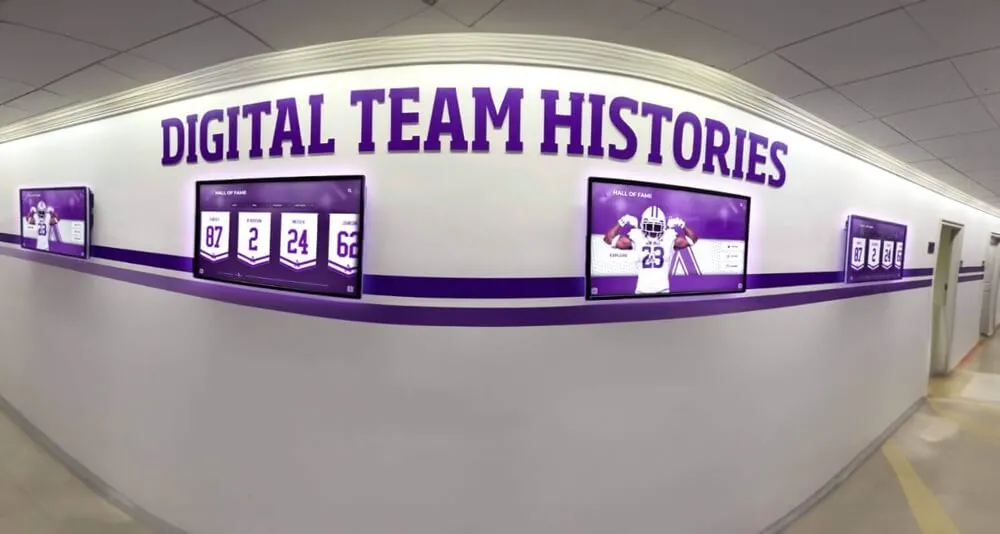
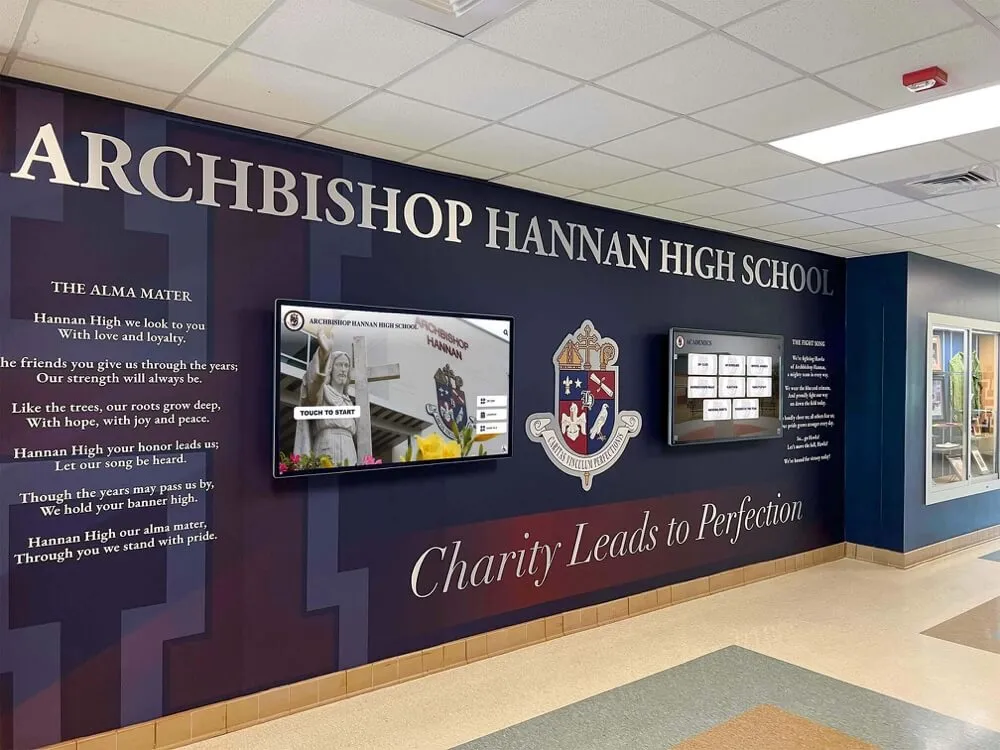
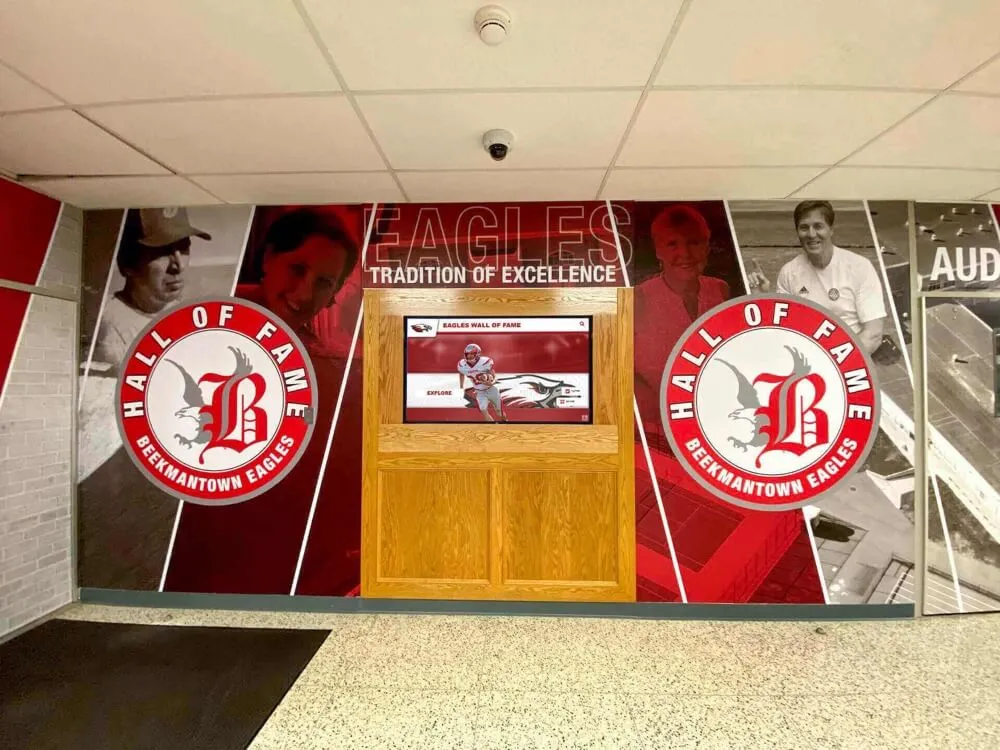
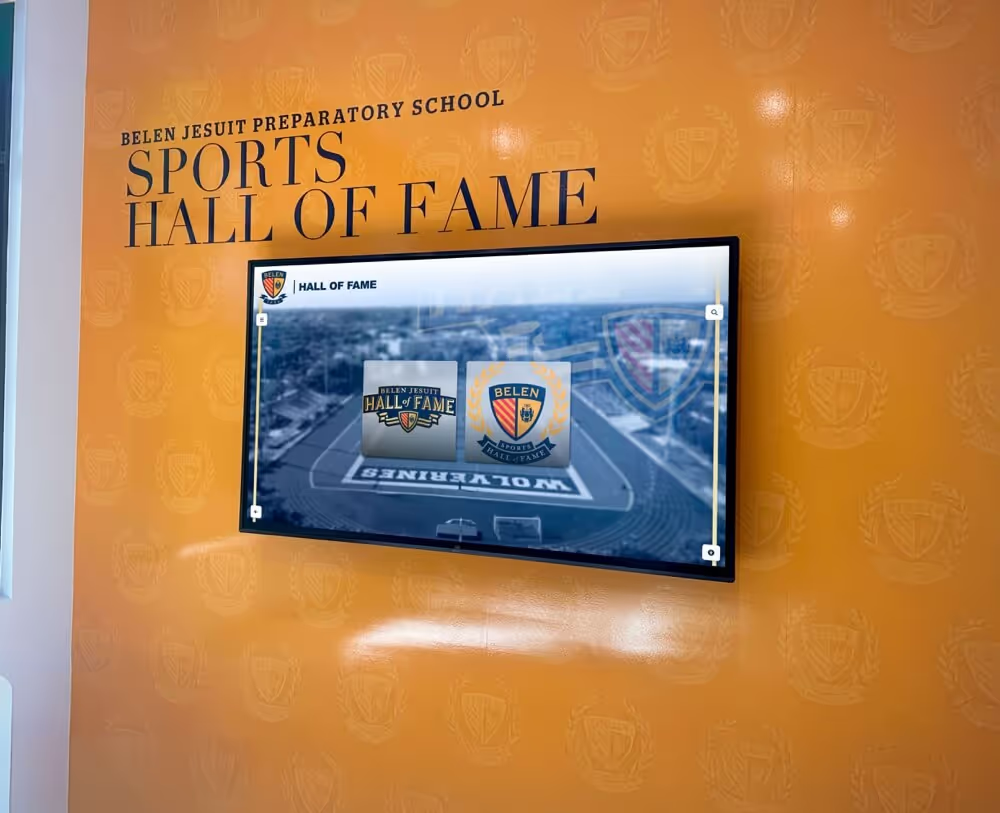
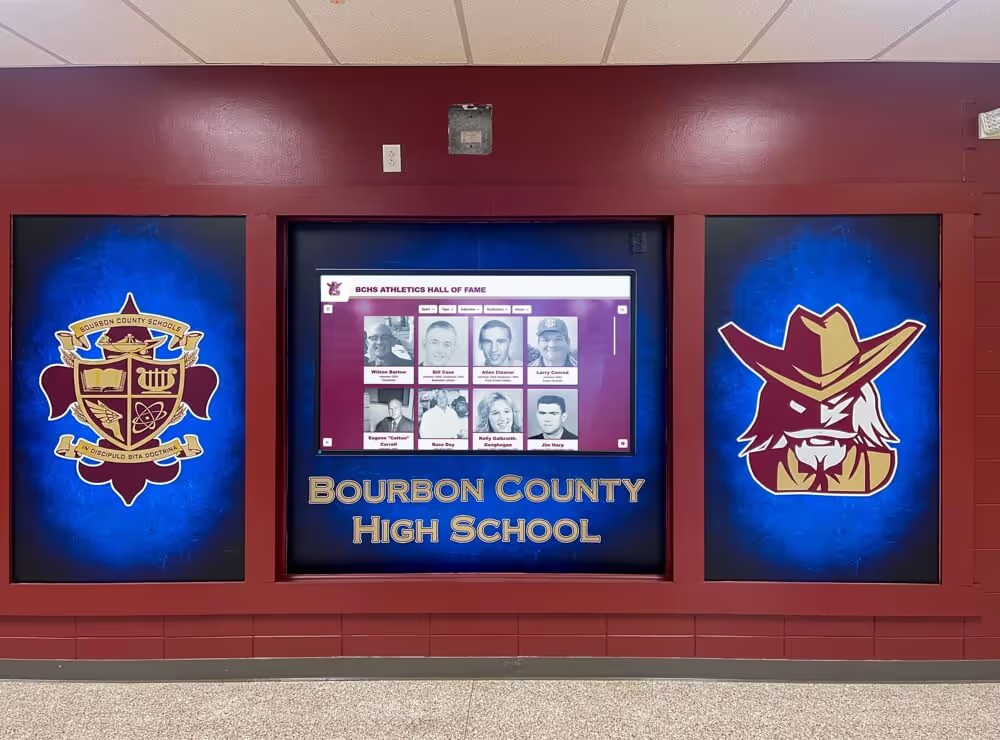
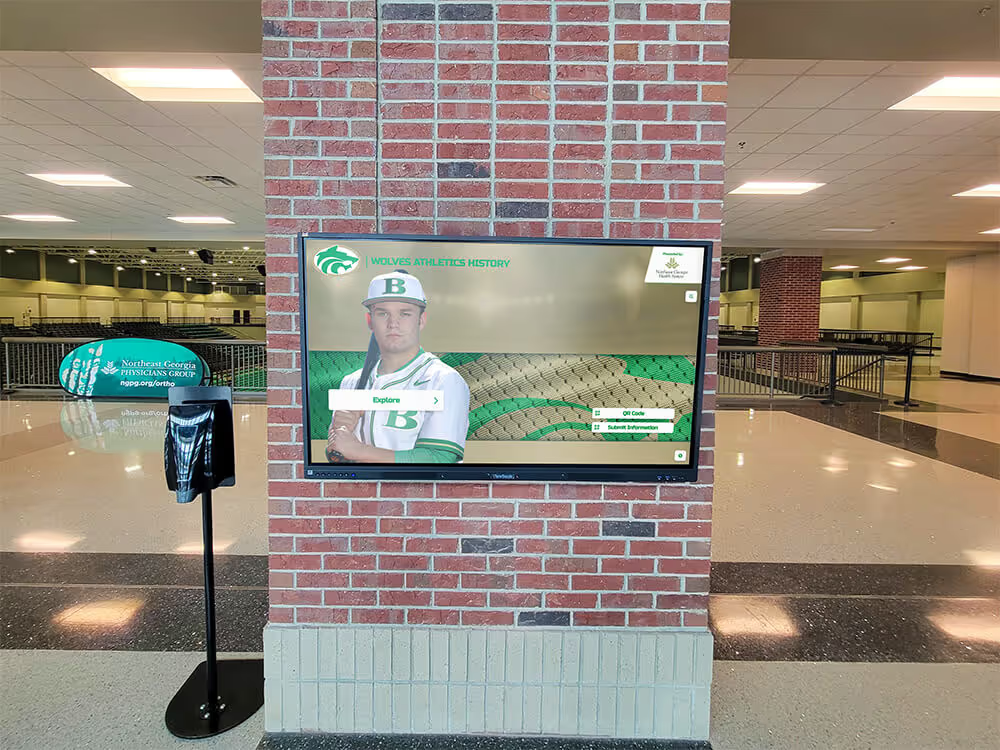
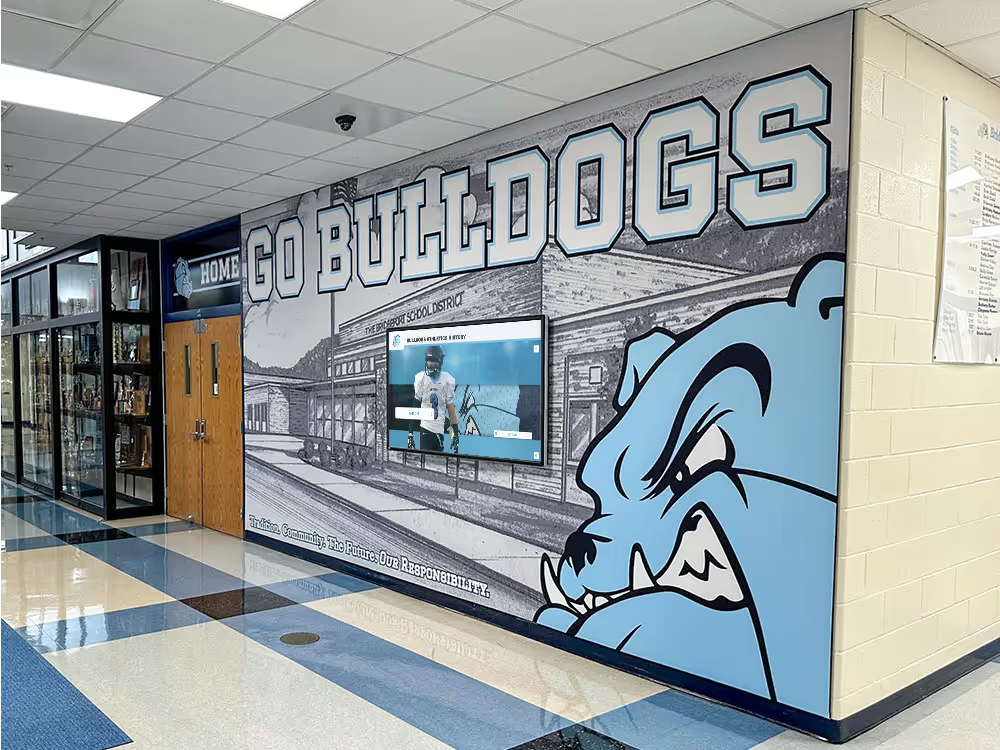
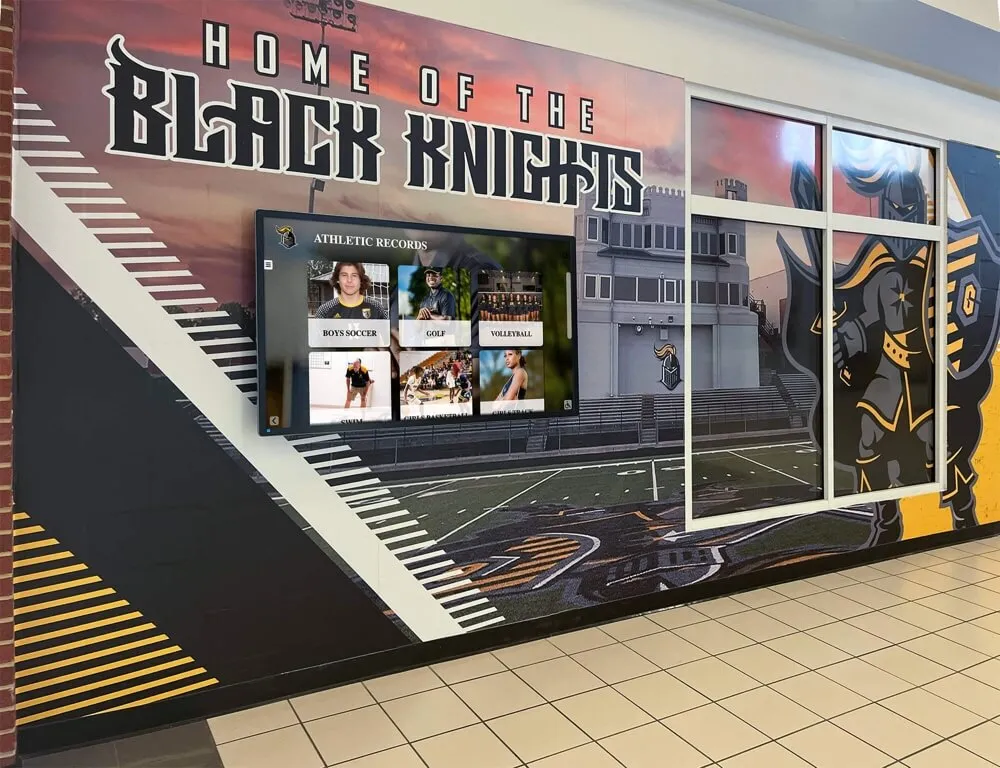
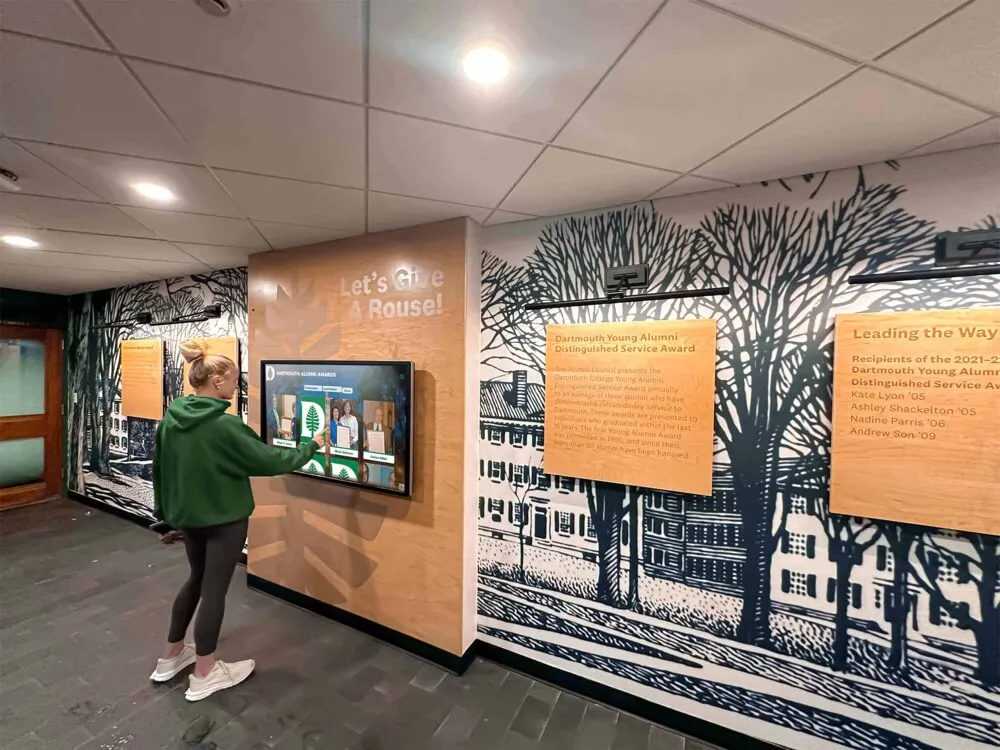
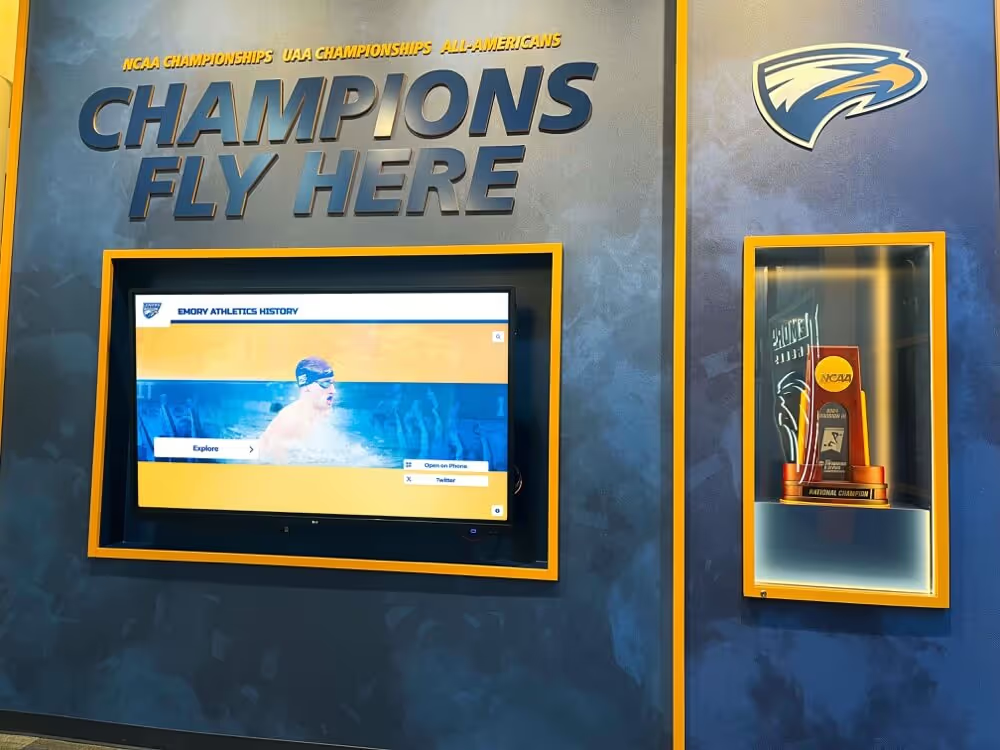
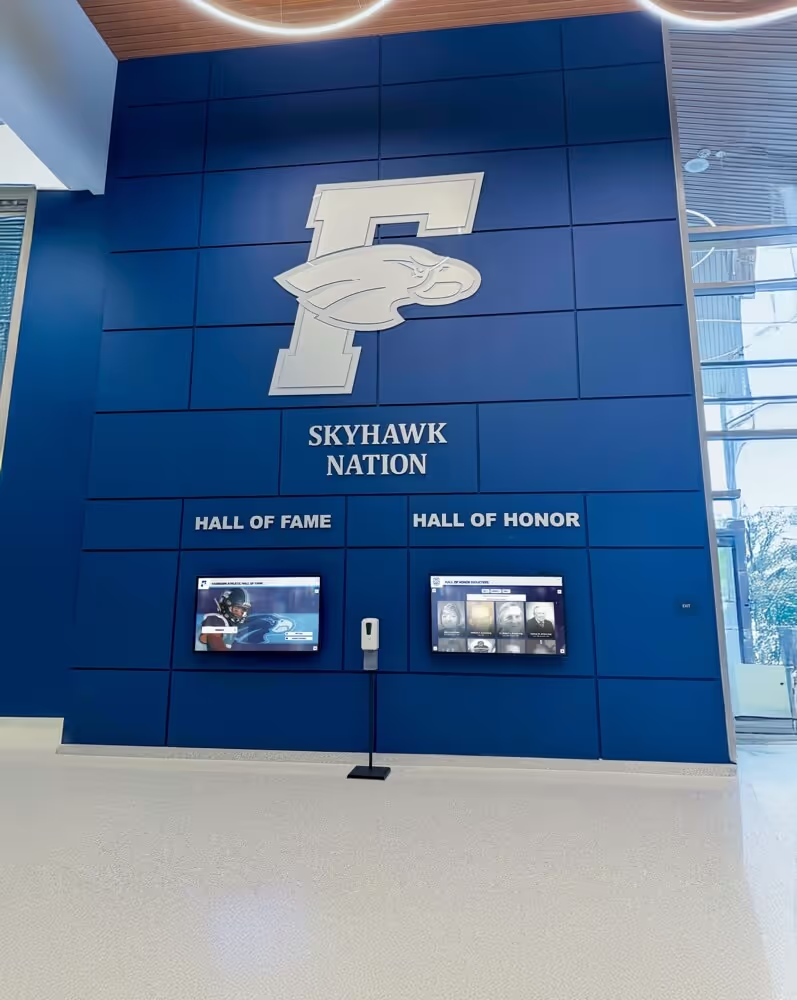
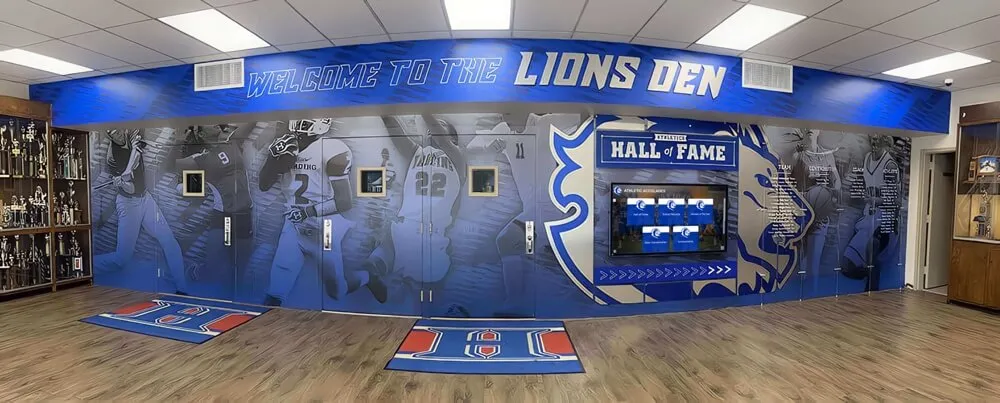
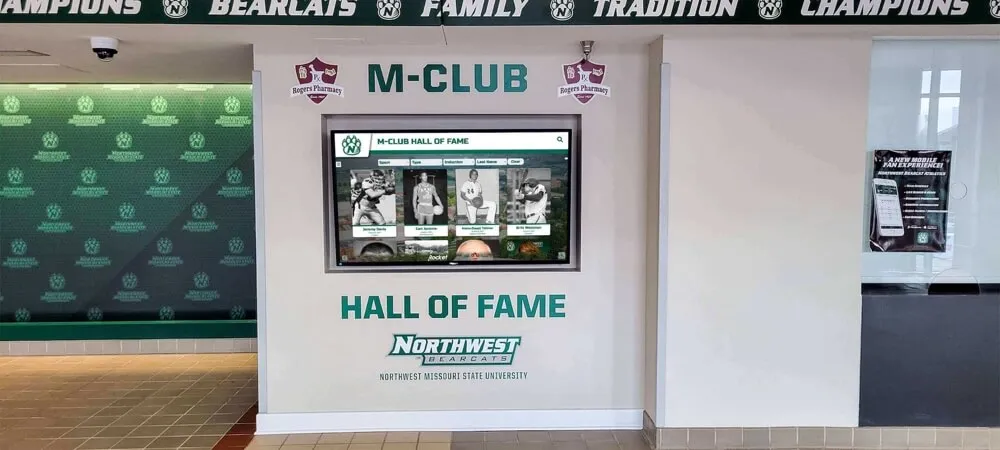
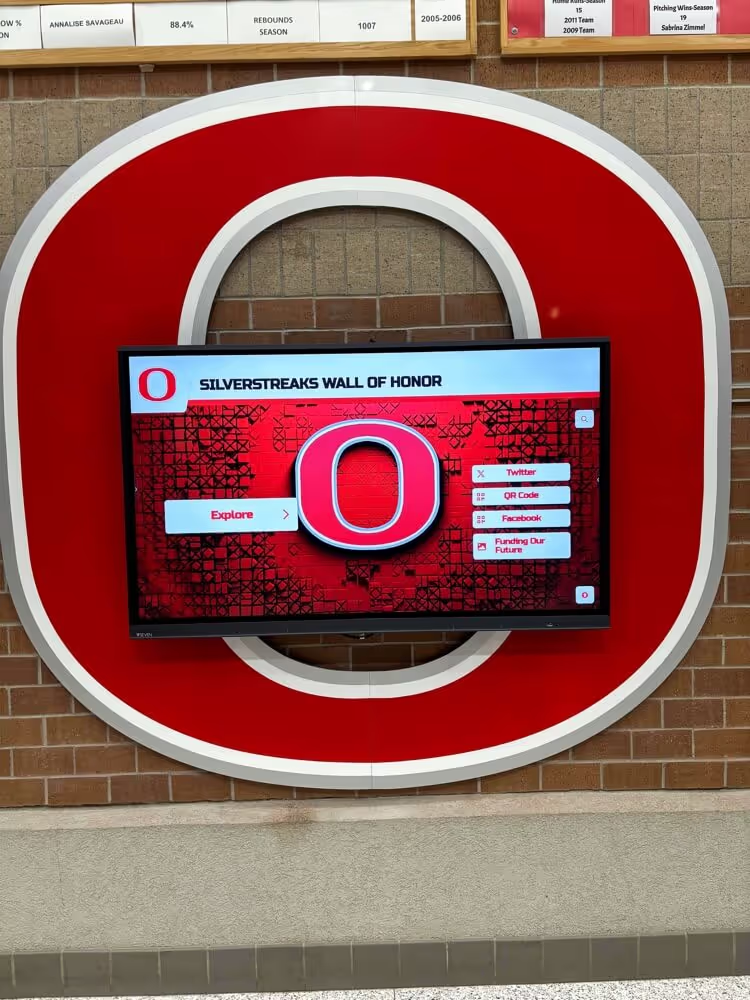
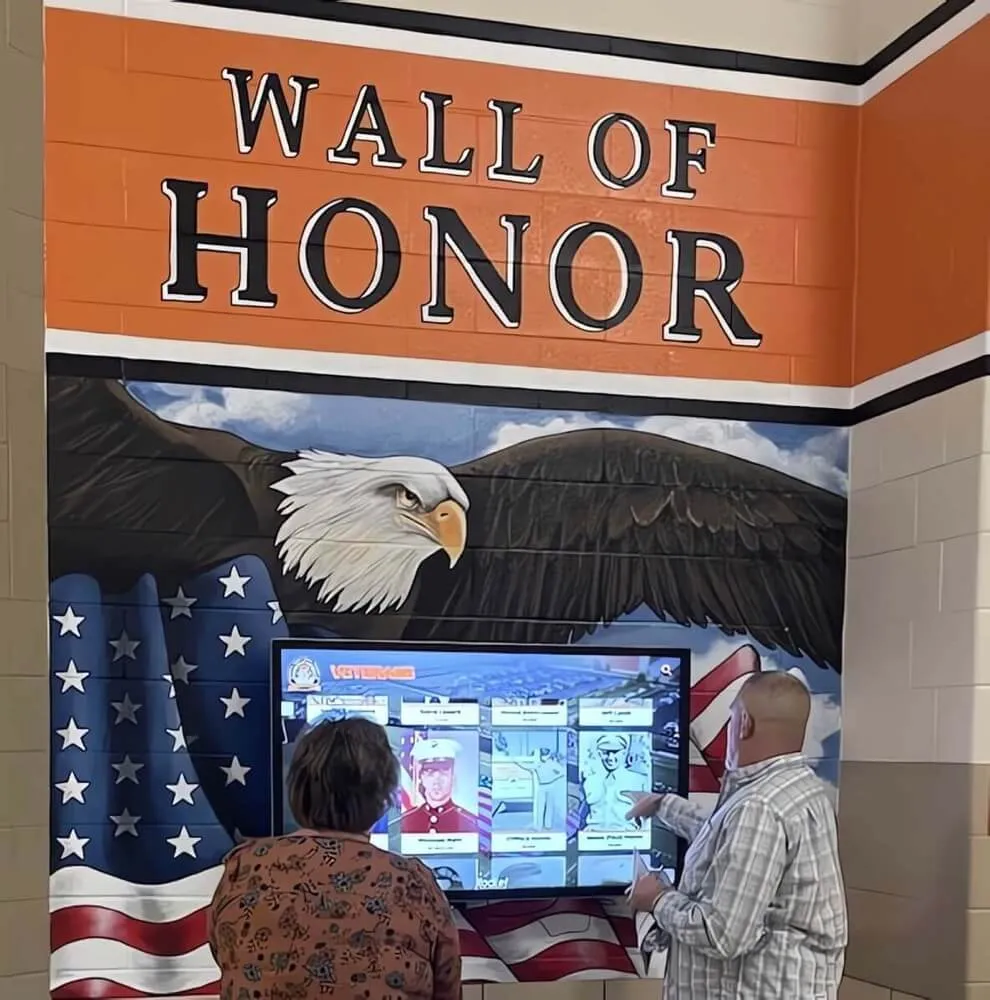
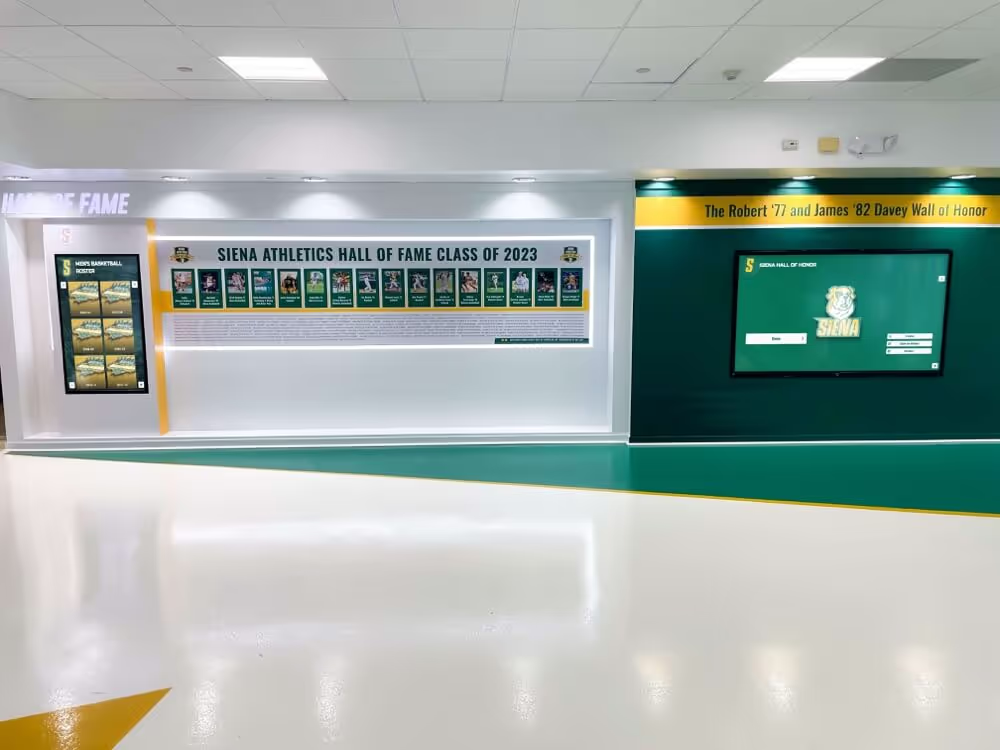
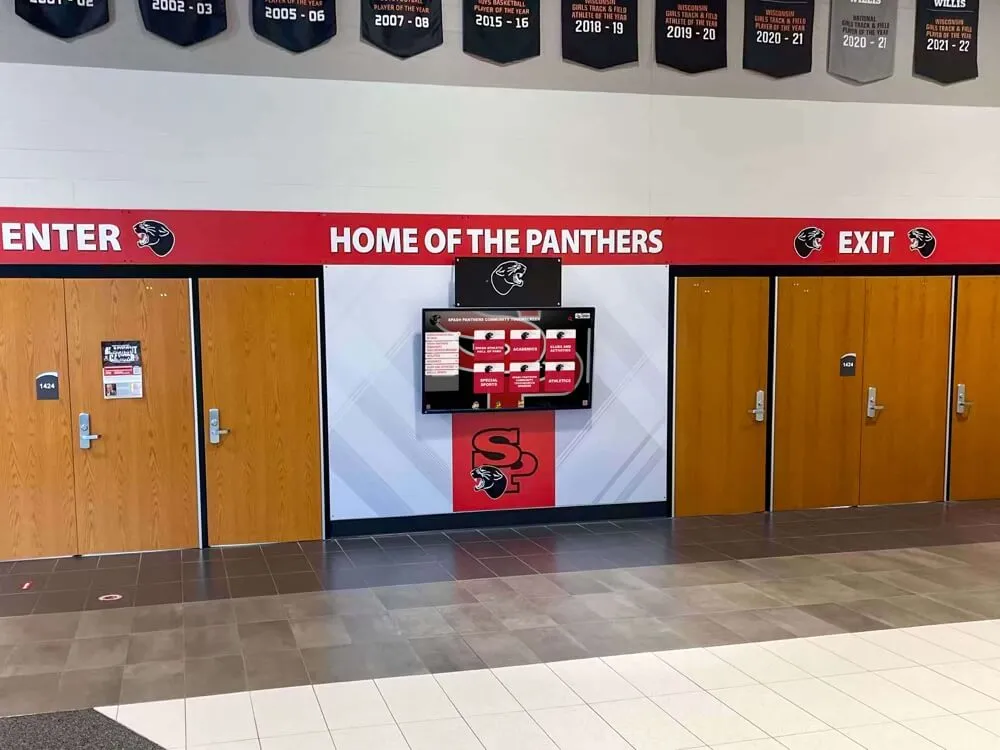
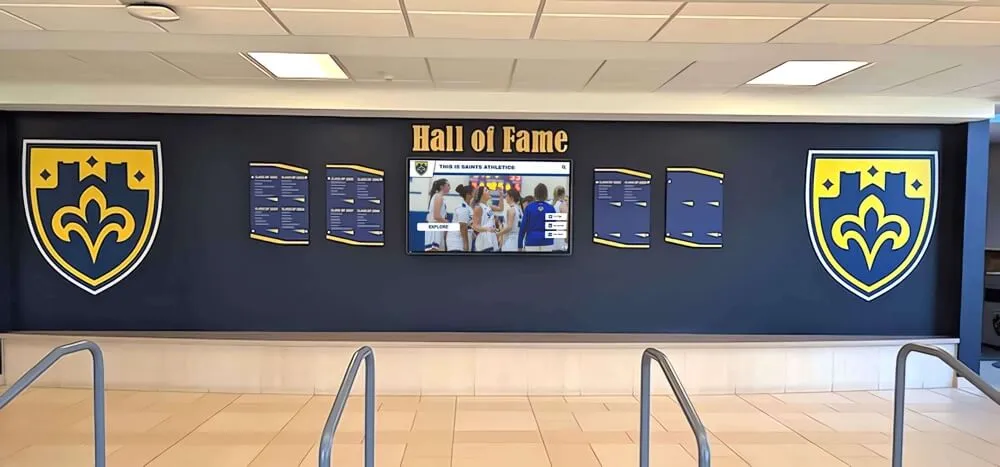
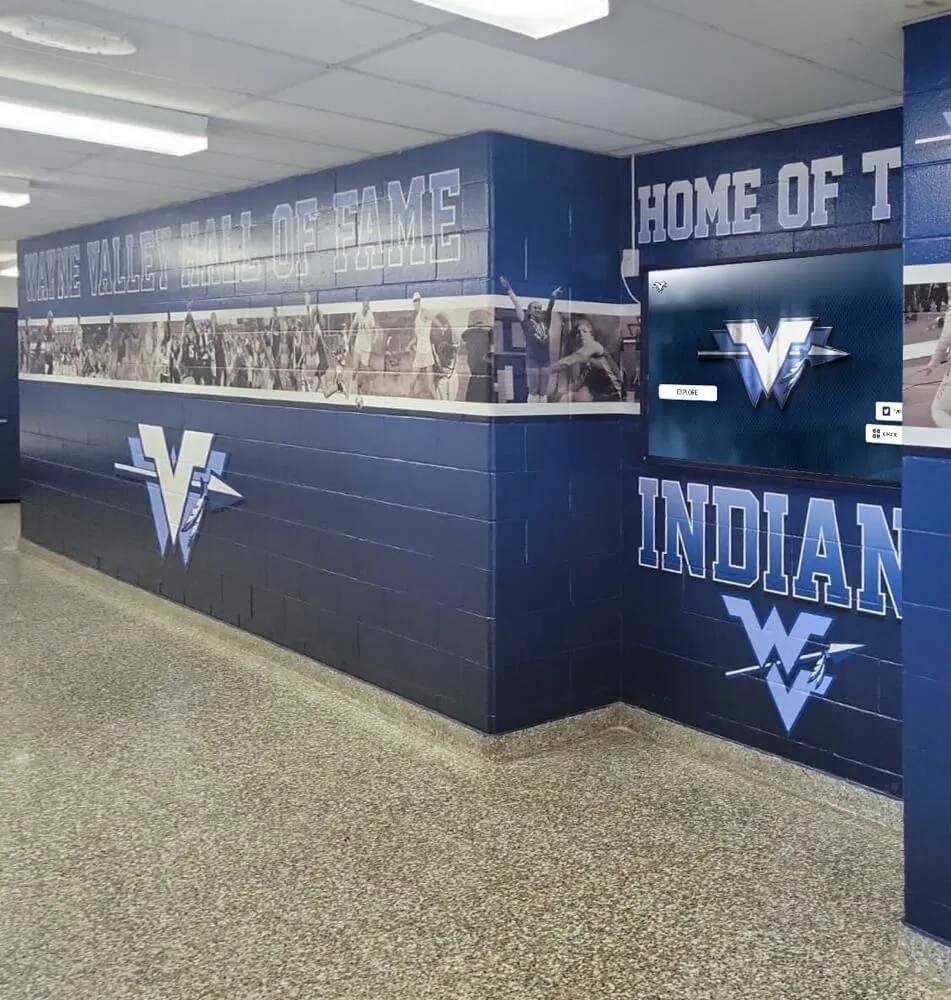
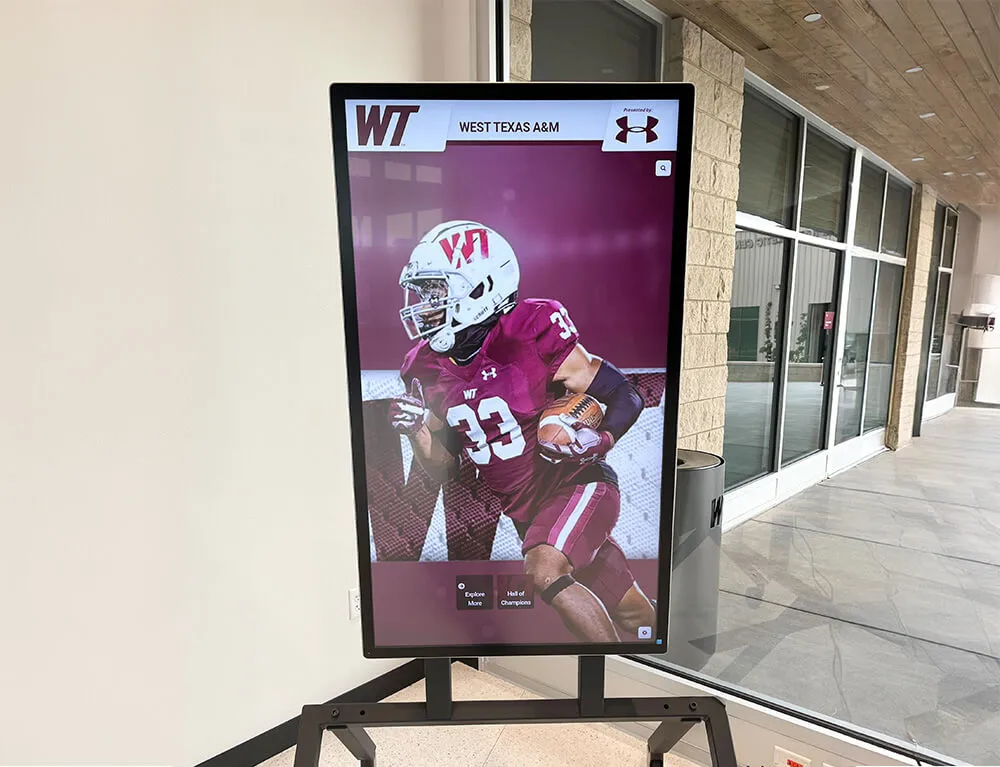
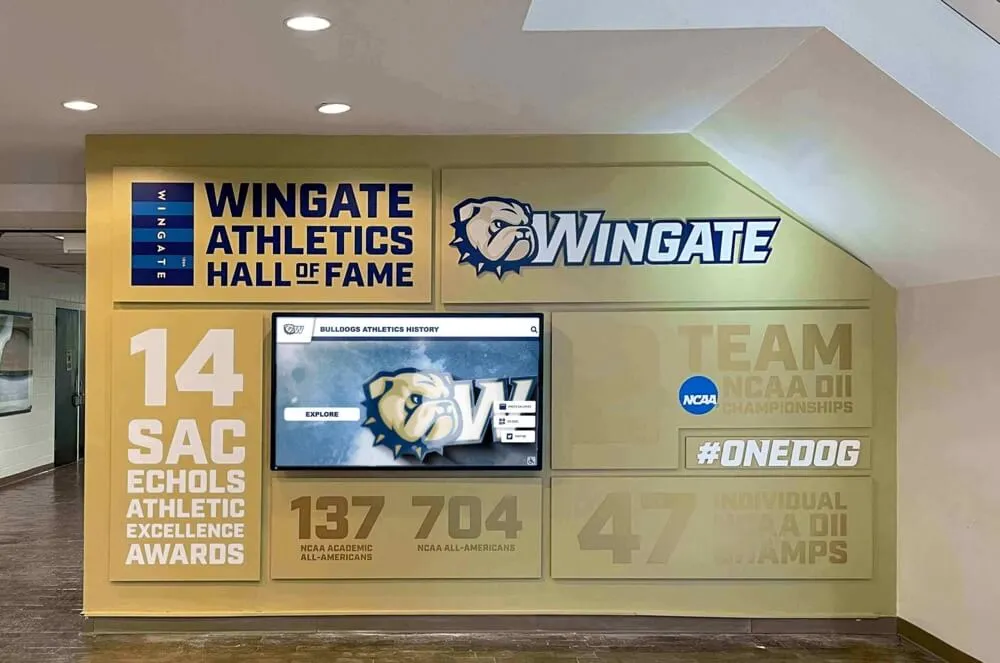
Traditional gala recognition through printed programs, brief speeches, and temporary displays limits appreciation to attendees present at events while creating no lasting visibility for broader communities. Modern digital recognition extends gala impact indefinitely through interactive displays showcasing comprehensive donor walls, detailed award winner profiles, complete event program archives, historical gala timelines, and scholarship recipient stories. Solutions like Rocket Alumni Solutions enable schools to transform annual gala fundraisers into permanent recognition platforms that celebrate generosity year-round, inspire future giving, and preserve institutional philanthropic legacy through engaging experiences accessible to entire school communities.
The Annual Gala Fundraiser Challenge for Private Schools
Private schools across the country depend on annual gala fundraisers as primary scholarship funding mechanisms enabling students from diverse economic backgrounds to access educational opportunities. According to OneCause, fundraising galas serve as major revenue generators for educational institutions, with successful events raising substantial funds through ticket sales, silent and live auctions, sponsorships, and direct donation appeals during emotional program moments.

These signature events require months of planning, significant volunteer coordination, substantial financial investment in venues and catering, and countless hours securing auction items and sponsorships. Yet despite tremendous effort producing successful fundraising outcomes, most schools capture minimal lasting value from gala investments beyond immediate revenue generation.
Recognition Limited to Single Evening
Award presentations during gala programs create meaningful moments for recipients and families attending events. Schools typically honor distinguished alumni, outstanding volunteers, major donors, scholarship recipients, and community partners during formal ceremonies featuring speeches, video tributes, and audience recognition. These acknowledgments feel significant in the moment but disappear once events conclude.
Recipients receive physical plaques or trophies commemorating their recognition, but broader school communities rarely learn about awards or understand honorees’ contributions. Parents dropping students at morning carpool never see who received community service awards. Prospective families touring facilities have no visibility into scholarship donor generosity or past gala honorees. Alumni visiting campus cannot discover which classmates earned distinguished graduate recognition during annual celebrations.
This visibility gap diminishes recognition value by limiting acknowledgment to hundreds attending galas rather than thousands comprising extended school communities who would benefit from understanding institutional values through award winner examples and donor generosity demonstrations.
Donor Appreciation Ends with Thank-You Notes
Most schools maintain donor recognition practices limited to post-event thank-you letters, brief mentions in development newsletters, and perhaps inclusion on printed annual reports distributed to limited audiences. Major donors might receive naming opportunities for buildings or scholarships, but mid-level and emerging donors contributing $1,000-$10,000—the backbone of sustained fundraising programs—rarely receive prominent ongoing recognition proportional to their cumulative impact over multiple years.
According to fundraising best practices documented by GiveCampus, thoughtful donor recognition strategies actively acknowledge contributions by demonstrating specific impact, with personalized communications and public appreciation encouraging sustained and increased giving over time.

Without visible, accessible donor recognition extending beyond immediate post-event gratitude, schools miss opportunities to inspire additional giving from others who might contribute if they understood community philanthropy patterns and witnessed public appreciation schools provide to generous supporters.
Event Programs and History Lost to Time
Gala programs represent significant investments documenting event details—honoree biographies, donor listings by contribution level, scholarship recipient profiles, sponsoring organizations, volunteer committees, and auction item catalogs. Schools invest considerable time compiling this content for printed programs distributed at events, then file physical copies in archive boxes where information becomes effectively inaccessible to anyone not knowing exactly where to search through stored materials.
This lost institutional memory means schools cannot easily reference past honorees when planning future recognition, development staff struggle to identify multi-year giving patterns, and scholarship committees cannot showcase comprehensive recipient histories demonstrating program impact over decades. Event history that could strengthen future fundraising by demonstrating sustained community support instead disappears into inaccessible archives.
Past Award Winners Forgotten
Schools celebrating 20th, 30th, or 50th annual galas have honored hundreds of award recipients representing the best of institutional values—outstanding teachers, distinguished alumni, exemplary volunteers, generous benefactors, and exceptional scholarship students. Yet most schools maintain no accessible system enabling communities to discover these past honorees or learn their stories.
When current students cannot see decades of scholarship recipients who came before them, they miss inspiring examples of how philanthropic support creates educational opportunity. When prospective donors cannot easily discover recognition history demonstrating sustained community generosity, they lack social proof encouraging their own giving. When alumni cannot explore which classmates earned distinguished recognition, they lose connection opportunities that might deepen institutional engagement.
Comprehensive historical recognition would strengthen institutional culture by demonstrating values consistently celebrated across generations, inspire future giving through visible appreciation patterns, and preserve institutional memory honoring everyone who contributed to educational missions over time.
Maximizing Award Winner Recognition Impact
Annual gala award presentations create perfect opportunities to establish or enhance permanent recognition systems celebrating recipients far beyond single evening acknowledgments.
Current Year Award Categories and Recipients
Well-designed gala programs typically recognize multiple award categories reflecting diverse contribution types and enabling broader community participation than single-winner formats:
Distinguished Alumni Awards: Honoring graduates who achieved exceptional professional success, demonstrated outstanding community service, or brought particular distinction to schools through accomplishments reflecting institutional values. Alumni recognition programs that showcase distinguished graduates inspire current students while strengthening institutional pride.
Outstanding Educator Recognition: Celebrating teachers and administrators who demonstrate exceptional commitment to student success, innovative educational approaches, and sustained excellence representing institutional teaching mission. Teaching awards and recognition programs validate professional dedication while demonstrating school priorities valuing educator excellence.
Volunteer Service Awards: Acknowledging parents, board members, alumni, and community partners contributing extraordinary time and talent strengthening school operations, advancement activities, and program quality through sustained volunteer commitment. Corporate recognition programs provide frameworks for honoring diverse volunteer contributions across organizational contexts.
Major Donor Recognition: Honoring individuals, families, foundations, and corporate partners whose philanthropic generosity enables scholarship funding, facility improvements, program enhancements, and operational sustainability supporting educational mission.
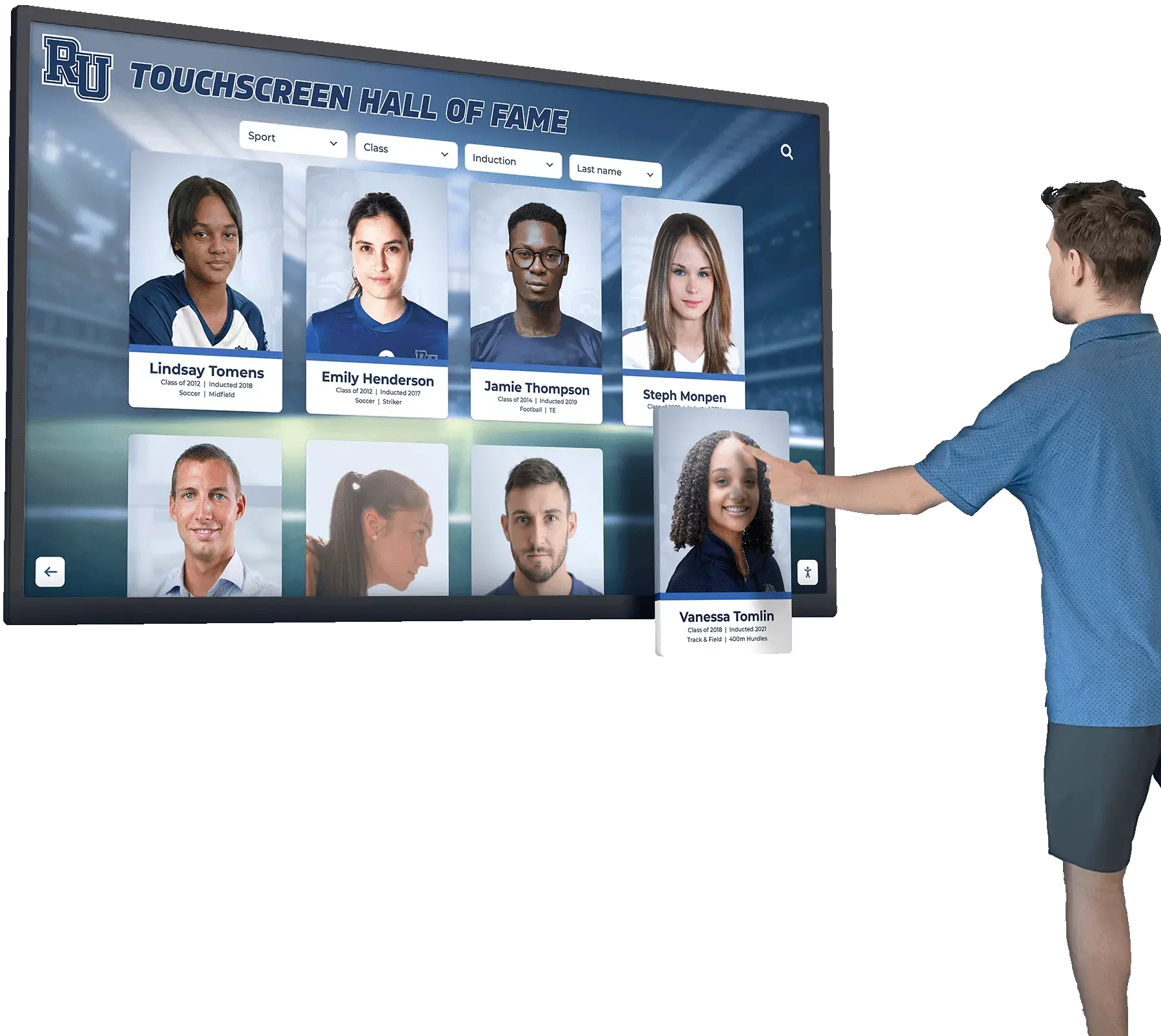
Scholarship Recipient Spotlights: Featuring students whose educational opportunities depend on donor generosity, sharing academic achievements, personal stories, and future aspirations demonstrating tangible impact philanthropic support creates. Academic recognition programs that celebrate scholarship recipients inspire future students while honoring donor generosity.
Community Partner Awards: Celebrating local businesses, organizations, and civic leaders who support school missions through sponsorships, internship opportunities, resource sharing, or advocacy strengthening institutional community connections.
Rather than limiting these recognitions to brief mentions during gala programs, schools should create comprehensive digital profiles for each recipient that remain permanently accessible through interactive displays positioned in high-traffic areas where entire school communities encounter them regularly.
Comprehensive Award Winner Profiles
Effective digital recognition transforms name announcements into rich storytelling creating meaningful connections between audiences and honorees:
Professional Photography: High-resolution individual or family portraits presenting award recipients professionally rather than casual snapshots, creating visual consistency and perceived prestige aligning with recognition significance.
Detailed Biographical Narratives: 200-500 word profiles sharing educational background, professional accomplishments, community contributions, school connections, and personal perspectives on institutional values. These narratives help audiences understand why recipients earned recognition and what specific contributions merited acknowledgment.
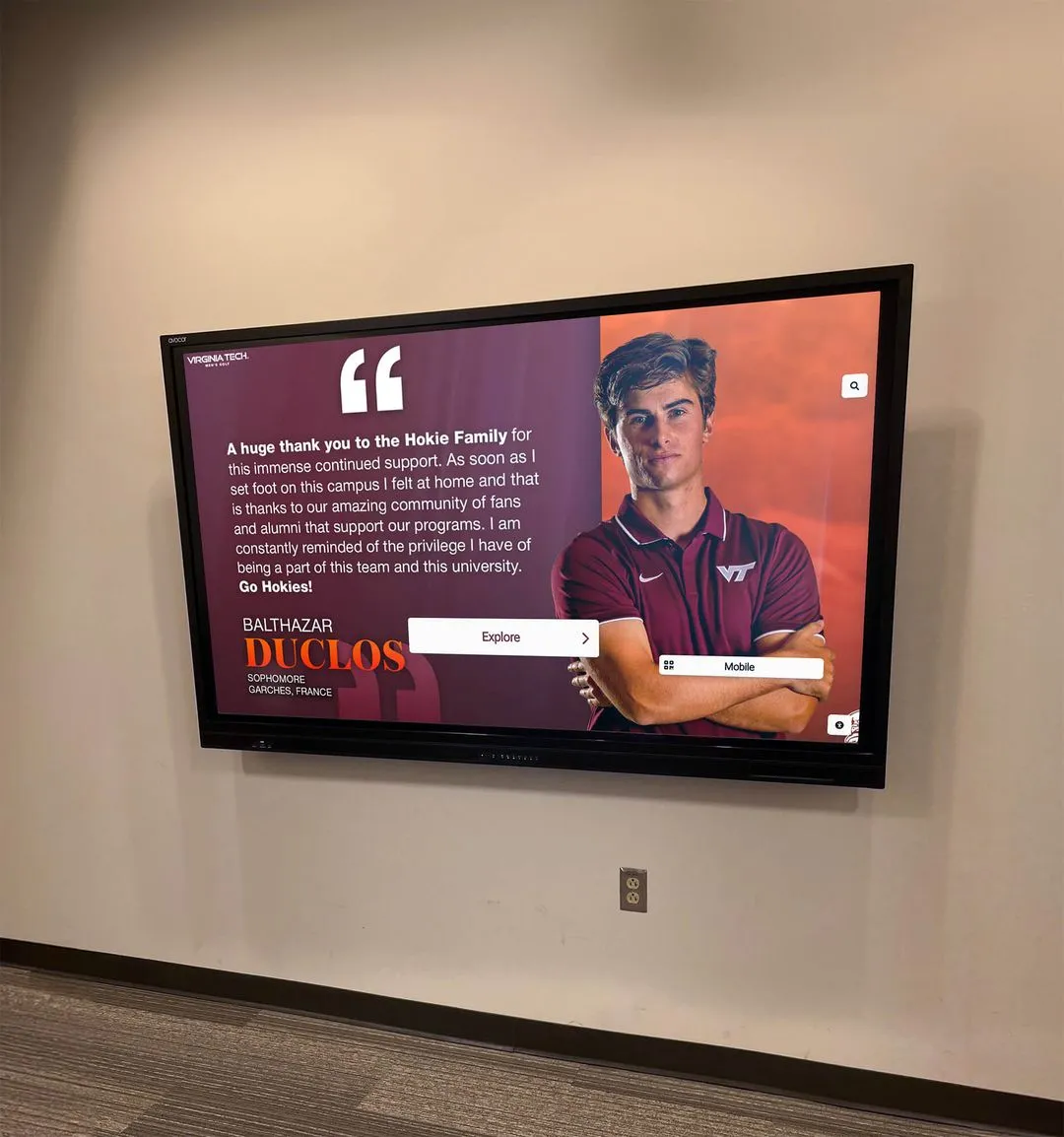
Video Interviews: Brief 2-3 minute recorded statements where recipients share perspectives in their own voices—reflecting on formative school experiences, explaining motivations for giving or service, offering advice to current students, or expressing gratitude for recognition. Video content creates personal connections impossible through text alone.
Historical Context: Award year, specific recognition category, selection committee notes explaining why recipients earned honors, and connections to past recipients or ongoing institutional themes. Context helps audiences understand recognition significance and criteria guiding selection processes.
Related Multimedia: Photographs from award ceremonies, scanned historical documents, relevant news coverage, achievement artifacts, or contributed materials enriching profiles beyond standard biographical content.
Digital award displays that showcase this comprehensive content create engaging experiences transforming name listings into inspiring stories that resonate with diverse audiences and communicate institutional values through concrete honoree examples.
Multi-Year Award History Displays
Schools hosting galas annually for decades have honored hundreds of individuals representing sustained excellence across generations. Comprehensive recognition systems should make this entire history accessible rather than highlighting only recent recipients:
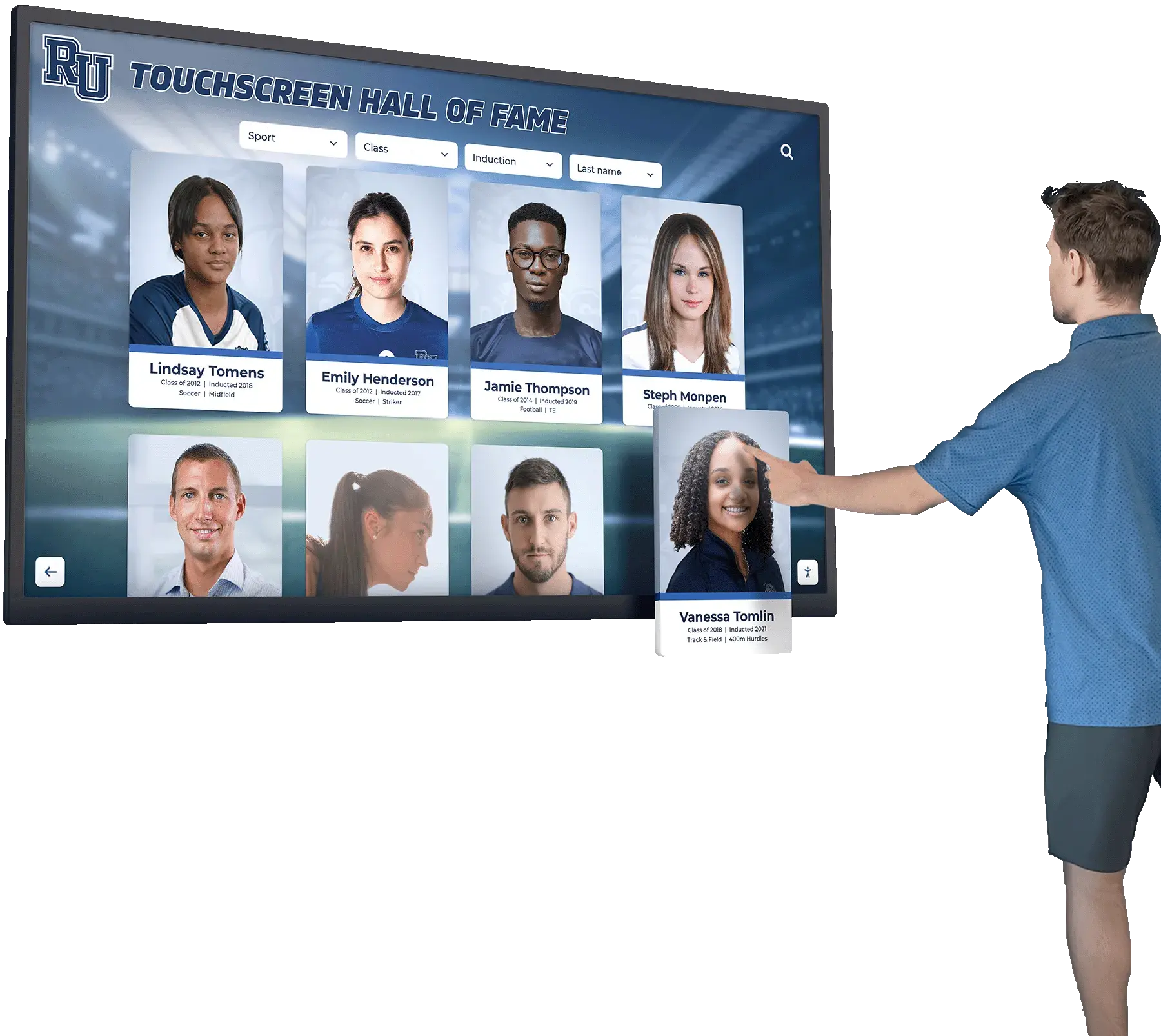
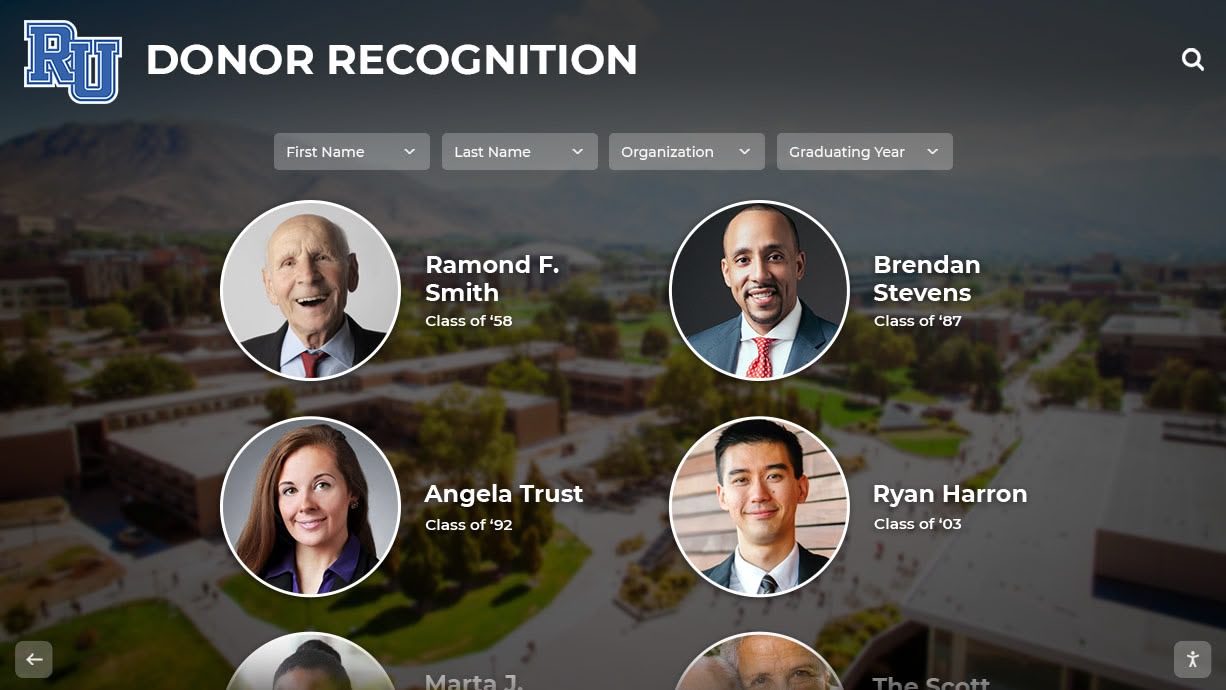
Searchable Honoree Databases: Interactive interfaces enabling visitors to locate specific individuals by name, explore recipients by year, filter by award category, or discover honorees through keyword searches related to professions, accomplishments, or contributions. Interactive alumni directories demonstrate how search functionality transforms sequential browsing into personalized discovery.
Timeline Visualizations: Chronological presentations showing gala evolution across years, program themes, attendance growth, fundraising totals (when appropriate to share), and annual award recipients organized by decade. Historical timeline touchscreen displays communicate institutional history and sustained commitment to recognizing excellence over extended periods.
Category-Specific Galleries: Dedicated sections for each award type—all distinguished alumni honorees together, complete educator award history, comprehensive volunteer recognition roster—enabling audiences to explore specific interest areas deeply rather than browsing mixed chronological listings.
Decade Retrospectives: Curated collections celebrating significant anniversary years—25th annual gala content, 50th celebration materials, founding decade honorees—providing special focus for milestone moments while preserving complete institutional memory.
This comprehensive historical perspective demonstrates that excellence recognition represents core institutional values consistently celebrated across leadership changes, strategic plan evolutions, and community demographic shifts—it embodies enduring commitment to acknowledging contributions advancing educational missions.
Strategic Donor Recognition Beyond Thank-You Letters
Gala events generate significant donor engagement that schools should leverage through permanent, visible recognition systems that inspire sustained and increased giving over time.
Understanding Donor Recognition Psychology
Philanthropic research consistently demonstrates that recognition influences donor behavior and giving patterns. While many donors give primarily from mission commitment regardless of acknowledgment, public recognition creates multiple psychological and social dynamics that strengthen sustained engagement:
Social Proof and Giving Norms: When prospective donors see extensive recognition walls showcasing numerous community members contributing at various levels, they understand that giving represents normal community participation rather than exceptional behavior. This social proof encourages broader participation by demonstrating that many people support institutions through philanthropy.
Aspiration and Leadership Gifts: Visible recognition of major donors creates aspirational examples for others with capacity to give more substantially. Seeing community leaders, successful alumni, or local business owners making significant commitments encourages peer giving at comparable levels.
Appreciation and Continued Engagement: Donors who receive meaningful, lasting recognition feel genuinely appreciated rather than merely acknowledged through transactional thank-you processes. This appreciation strengthens emotional connections to institutions and increases likelihood of continued multi-year giving.

Legacy Building: Permanent recognition enables donors to see lasting evidence of their contributions beyond immediate program impact. For donors motivated by legacy considerations—leaving visible community marks or creating family philanthropic traditions—permanent recognition satisfies these motivations in ways temporary acknowledgment cannot.
Digital donor recognition systems provide comprehensive platforms specifically designed for showcasing philanthropic support in ways that honor contributors appropriately while inspiring additional community giving through professional, engaging presentations.
Tiered Donor Recognition Levels
Effective donor walls acknowledge contributions across wide giving ranges rather than exclusively focusing on major gifts:
Leadership Circle ($25,000+): Highest recognition tier featuring prominent positioning, expanded profile content, family photographs, detailed giving statements, named scholarship or program dedications, and special designation language honoring transformational support.
Founder’s Society ($10,000-$24,999): Premium recognition with comprehensive donor profiles, multi-year giving totals when contributors support institutions over extended periods, and acknowledgment of sustained leadership-level philanthropy.
Benefactor Level ($5,000-$9,999): Significant donor recognition featuring individual or family profiles, brief statements about giving motivations when donors choose to share perspectives, and visible placement communicating appreciation for substantial support.
Patron Circle ($2,500-$4,999): Mid-level donor acknowledgment with name recognition, graduation year for alumni donors, and tribute designations when gifts honor deceased family members or celebrate living individuals.
Friend of [School Name] ($1,000-$2,499): Community supporter recognition acknowledging contributions from emerging donors, young alumni building giving habits, or community partners establishing institutional relationships.
Annual Fund Contributors (under $1,000): Comprehensive donor roster honoring everyone who supports annual operating funds regardless of gift size, demonstrating that every contribution matters and all donors deserve acknowledgment.
This inclusive approach ensures that emerging donors see recognition pathways accessible to them rather than feeling that appreciation remains reserved exclusively for wealthy major gift prospects. As donors increase giving over years, progressive movement through recognition tiers provides visible acknowledgment of philanthropic growth.
Anonymous and Tribute Giving Recognition
Not all donors desire public recognition, yet schools can acknowledge these contributions appropriately while respecting privacy preferences:
Anonymous Donor Acknowledgment: “Anonymous Benefactor” or similar language with giving level indication but no identifying details, honoring contributions while respecting confidentiality requests. Some systems indicate anonymous donor counts at each level, demonstrating additional community support beyond named recognition.
Tribute and Memorial Gifts: “In Honor of [Name]” or “In Memory of [Name]” recognition celebrating individuals donors wish to acknowledge through philanthropic contributions. Tribute giving creates meaningful ways to commemorate loved ones, celebrate milestone events, or honor influential mentors through charitable support.
Family Foundation Recognition: Acknowledging family foundations or donor-advised funds when contributors allow institutional naming rather than individual family member identification, respecting complex giving vehicle structures while providing appropriate recognition.
Flexible recognition systems accommodate diverse donor preferences while maintaining comprehensive acknowledgment of community philanthropic support across all contribution types and giving motivations.
Multi-Year Cumulative Giving Recognition
Single-year gift recognition misses opportunities to celebrate donors who consistently support institutions across decades even when individual annual contributions remain modest:
Lifetime Giving Totals: Recognition based on cumulative giving over donors’ entire engagement histories rather than only current-year contributions. Alumni who donated $2,000 annually for 20 years deserve $40,000 lifetime giving recognition reflecting true philanthropic impact even though no single gift reached major donor thresholds.
Consecutive Years Recognition: Special acknowledgment for donors maintaining uninterrupted annual giving over extended periods—10 consecutive years, 25 years, 40+ years—celebrating sustained loyalty and consistent mission support regardless of gift amounts.
Giving Progression Narratives: When donors consent, sharing stories of philanthropic journeys from first $100 alumni gifts through progressively larger contributions as careers advanced and capacity increased. These narratives inspire others by demonstrating accessible giving pathways from modest beginnings to substantial impact.
Recognition systems tracking multi-year giving patterns require donor database integration ensuring that recognition displays remain current as new gifts post and cumulative totals update automatically rather than requiring manual content updates for each contribution.
Archiving Event Programs and Gala History
Beyond individual award winner and donor recognition, comprehensive systems should preserve complete gala event history creating accessible institutional memory celebrating philanthropic legacy.
Digital Event Program Archives
Rather than filing printed programs in storage boxes, schools should digitize complete event materials creating searchable, accessible archives:
Complete Program Reproductions: High-resolution scans or digital versions of printed programs preserving original layouts, graphic designs, sponsor advertisements, auction catalogs, and all content exactly as distributed at events. These archives enable anyone to experience historical galas as attendees did, understanding how events evolved over time.
Searchable Text Content: Optical character recognition processing making program text searchable so researchers, development staff, or community members can locate specific names, businesses, auction items, or content themes across multiple years instantly rather than manually reviewing dozens of printed programs.
Supplementary Event Documentation: Photographs from events, video recordings of award presentations or keynote speeches, volunteer committee rosters, planning timelines, fundraising totals, attendance figures, and behind-scenes documentation creating comprehensive records beyond public-facing programs.
Thematic Collections: Curated groupings of programs around milestone anniversaries, capital campaign connections, special honor themes, or transitional leadership periods helping users understand gala history within broader institutional contexts.
These archives serve multiple constituencies—development offices researching donor histories, communications teams preparing anniversary materials, researchers studying independent school fundraising evolution, and community members exploring institutional heritage.
Scholarship Recipient Recognition
Gala fundraisers exist primarily to generate scholarship funding enabling diverse student enrollment. Yet recipients of this philanthropic generosity rarely receive lasting recognition connecting their educational opportunities to donor support that made attendance possible:
Scholarship Recipient Directories: Comprehensive databases of students attending schools through donor-funded scholarships across decades, including names, graduation years, scholarship program names, academic interests, post-graduation outcomes when alumni consent to sharing, and brief profiles celebrating achievements.
Donor-to-Student Connection Stories: When appropriate and with privacy protection, sharing specific examples connecting scholarship donors to individual recipients benefiting from their generosity—without violating student privacy but demonstrating tangible impact charitable contributions create.
Recipient Testimonials: Written statements or brief videos where scholarship students share perspectives on how financial support enabled educational access, influenced academic choices, or impacted life trajectories. These authentic student voices create powerful fundraising content for future donor cultivation.
Post-Graduation Success Stories: Alumni profiles showing long-term outcomes for scholarship recipients—college acceptances, career achievements, community contributions—demonstrating that scholarship investments create lasting impact extending far beyond high school years.
This scholarship-focused recognition honors students while validating donors’ philanthropic priorities by showing concrete outcomes their generosity produces. According to effective donor recognition research, connecting contributions directly to mission impact strengthens emotional investment and encourages sustained giving.
Volunteer and Committee Recognition
Successful galas require extensive volunteer leadership typically involving dozens of committee members contributing hundreds of collective hours planning events, securing sponsors, soliciting auction items, and managing event logistics:
Planning Committee Rosters: Complete volunteer lists by role—committee chairs, auction coordinators, sponsorship teams, logistics crews, decorating committees—acknowledging everyone who contributed to event success.
Multi-Year Volunteer Recognition: Special acknowledgment for individuals serving on gala committees across multiple years, demonstrating sustained commitment to supporting school fundraising missions through repeated volunteer service.
Behind-the-Scenes Documentation: Photographs of volunteer teams working event preparation, committee meeting notes, planning timeline archives, and materials documenting tremendous effort producing successful fundraising outcomes.
Leadership Legacy: Tracking gala chairs and co-chairs across years, creating historical record of volunteer leadership while demonstrating how community members stepped forward to guide signature fundraising events through their service.
Volunteer recognition demonstrates that gala success depends on community partnership far beyond development staff coordination, acknowledging crucial contributions that make fundraising possible while encouraging future volunteer recruitment.
Implementing Digital Recognition Systems for Gala Fundraisers
Schools ready to transform single-evening gala events into year-round recognition platforms should understand implementation approaches, technology requirements, and content development strategies.
Touchscreen Display Solutions
Interactive touchscreen kiosks positioned in high-traffic school areas create engaging recognition experiences accessible to entire communities rather than limited to event attendees:
Strategic Placement Locations: Main entrance lobbies where every visitor encounters displays immediately upon entering buildings, development offices where donors naturally explore recognition during meetings, performing arts centers or auditoriums where gala events occur creating direct connections, and alumni gathering spaces encouraging graduate exploration of recognition content.
Display Size and Specifications: Professional-grade displays ranging from 55-inch screens suitable for individual browsing to 75-inch installations enabling small group viewing. Commercial-rated hardware built for continuous operation rather than consumer televisions designed for intermittent home use ensures reliability and longevity.
Interactive Software Platforms: Purpose-built recognition software designed specifically for educational institutions rather than generic digital signage systems. Platforms should provide intuitive content management, searchable databases, multimedia support, automatic updates, and designed interfaces requiring no technical knowledge for basic user navigation.
Content Management Systems: Back-end platforms enabling authorized staff to add honorees, update donor information, upload new event programs, and maintain comprehensive recognition content without requiring technical expertise or vendor dependencies for routine updates.
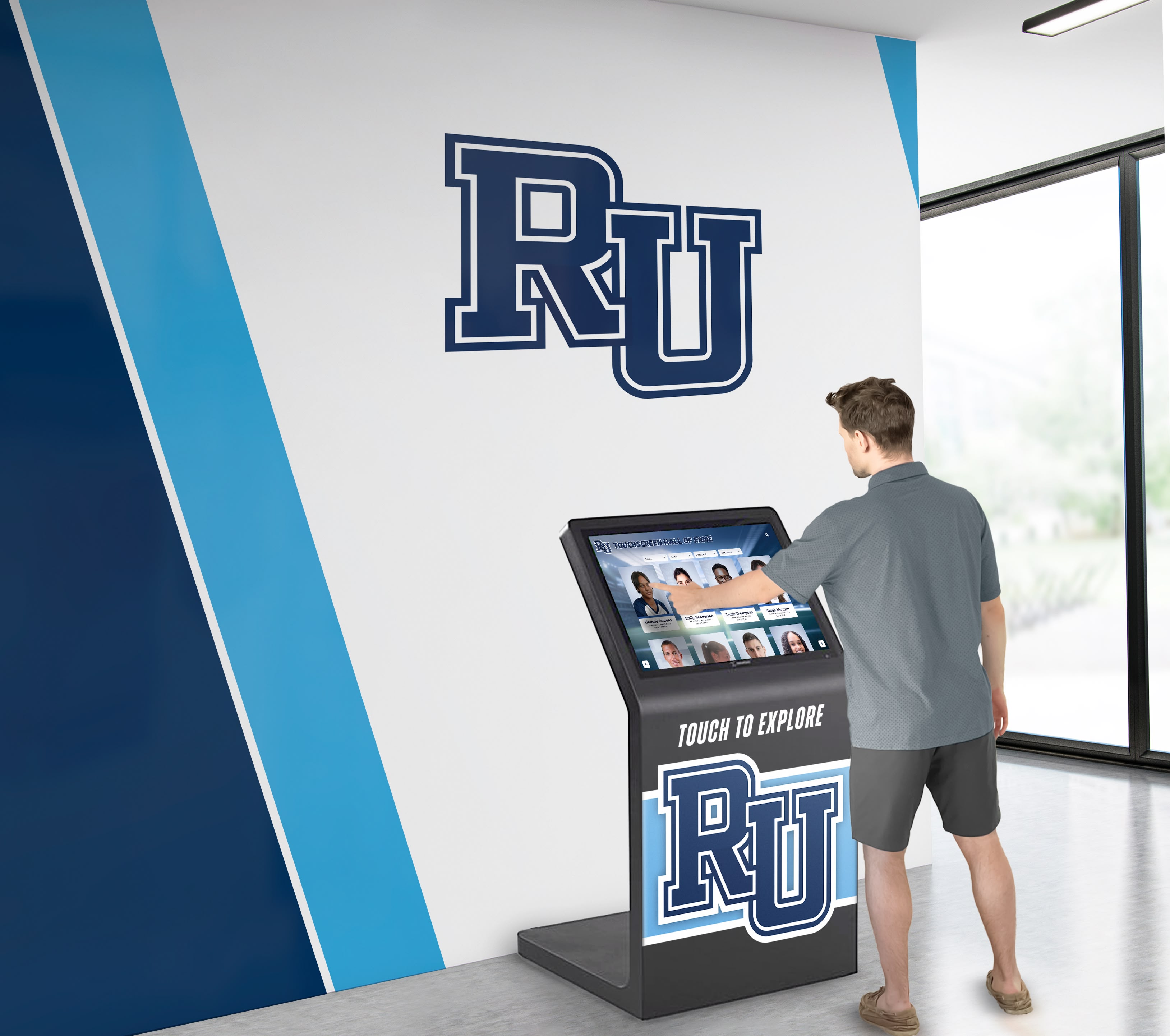
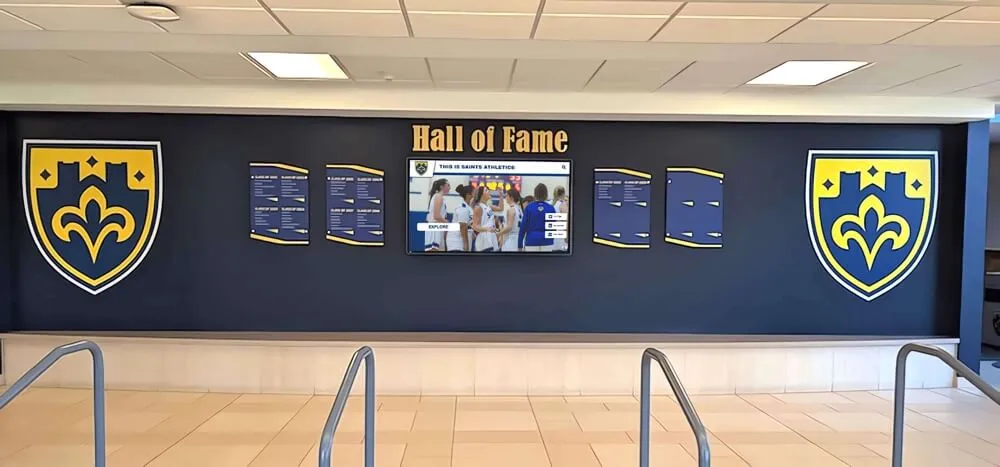
Solutions like Rocket Alumni Solutions provide integrated platforms handling all system components—hardware recommendations, software licensing, content templates, ongoing support, and continuous platform evolution—enabling schools to implement professional recognition without managing multiple vendors or technical integrations independently.
Web-Based Recognition Platforms
Physical touchscreen displays serve on-campus communities effectively, but extending recognition access to broader audiences requires web-based platforms enabling global discovery:
Mobile-Responsive Recognition Sites: Fully functional web platforms optimized for smartphones, tablets, and desktop computers ensuring recognition accessibility regardless of device types audiences use for browsing.
Social Sharing Capabilities: One-click sharing enabling honorees to distribute recognition profiles across personal social networks, exponentially expanding recognition reach beyond school-controlled communication channels. When award recipients share their profiles with hundreds of personal connections, institutional visibility grows dramatically.
Search Engine Optimization: Proper technical configuration ensuring individual recognition profiles appear in search results when people search honorees’ names, dramatically expanding discovery opportunities and creating lasting digital presence associated with institutional recognition.
Alumni Database Integration: Connections to constituent relationship management systems enabling automatic profile updates when contact information changes, supporting seamless communication between recognition systems and advancement databases maintaining donor records.
Analytics and Engagement Tracking: Measurement systems showing which profiles attract most views, which search terms people use, peak engagement times, geographic distribution of viewers, and other insights informing continuous content improvement.
Web-based recognition extends impact far beyond physical campus boundaries, enabling distant alumni to explore recognition content, prospective families to understand institutional values before campus visits, and media researchers to discover notable community members through public recognition platforms.
Content Development Workflows
Comprehensive recognition requires systematic content creation processes ensuring consistent quality and sustainable maintenance:
Award Winner Documentation: Establish standard procedures capturing necessary information immediately after award selection—professional photographs scheduled during gala events, biographical questionnaires recipients complete providing profile content, video interview recordings during event weekends when recipients attend campus.
Donor Information Collection: Integrate donor recognition preferences into gift processing workflows ensuring development staff capture recognition naming preferences, privacy settings, tribute designations, and profile content permissions during contribution processing rather than researching retroactively.
Historical Content Digitization: Develop phased approaches to adding archival content—perhaps beginning with recent 5-10 years of complete gala history, then systematically adding earlier decades as capacity allows. Prioritize content with highest community interest like major anniversary years or notable historical honorees.
Maintenance and Update Schedules: Assign clear responsibilities for routine content updates, establish quality review processes ensuring accuracy before publication, and create annual review cycles confirming that existing content remains current and appropriate.
Student and Alumni Participation: Consider engaging classes, clubs, or volunteer alumni in content development efforts—interviewing past honorees, digitizing historical programs, writing biographical profiles, or producing video content. Participation creates learning opportunities while distributing workload.
Schools implementing recognition systems benefit from starting focused rather than attempting comprehensive content creation immediately. Beginning with current year’s gala honorees and donors, then systematically expanding historical depth and content richness over multiple years, creates sustainable implementation paths preventing overwhelming initial workloads that stall projects.
Measuring Recognition Program Success and ROI
Strategic recognition systems should deliver measurable outcomes justifying investments and informing continuous improvement efforts:
Donor Retention and Giving Growth
Development offices should track donor behavior metrics before and after implementing comprehensive recognition systems:
Donor Retention Rates: Percentage of donors making repeat gifts in subsequent years. Industry benchmarks show typical first-year donor retention around 40-45%, meaning more than half of new donors never make second gifts. Recognition improving retention even modestly—45% to 50%—creates substantial long-term revenue impact.
Average Gift Increases: Whether existing donors increase contribution amounts after experiencing enhanced recognition. Donors seeing comprehensive appreciation including their names may feel inspired to give at higher levels earning progressive recognition tier acknowledgment.
Recognition-Attributed Gifts: Development staff should note when donors specifically mention recognition displays or digital platforms during giving conversations, documenting direct connections between recognition visibility and philanthropic decisions.
Peer-Inspired New Donors: Tracking new donors who reference seeing friends, colleagues, or community members recognized when explaining giving motivations. These attribution connections demonstrate recognition’s role in expanding donor bases through social proof mechanisms.
Community Engagement Metrics
Beyond fundraising outcomes, recognition systems should generate measurable community engagement:
Display Interaction Frequency: Touchscreen analytics showing total usage sessions, unique users when systems can distinguish individuals, average session durations, and content areas attracting greatest interest. High engagement indicates recognition resonates with audiences and merits sustained investment.
Web Platform Traffic: Website analytics documenting visits to online recognition platforms, pages viewed per session, time spent exploring content, social sharing frequency, and search engine traffic finding recognition pages. Growing traffic demonstrates expanding awareness and recognition value beyond immediate school communities.
Recognition Content Sharing: Monitoring how frequently honorees and donors share recognition profiles across personal social networks, extending institutional visibility to audiences schools cannot reach through owned communication channels.
Earned Media Coverage: Tracking whether local news outlets, alumni publications, or community media reference recognition displays when covering school stories, demonstrating that recognition creates newsworthy content generating free publicity.
Cultural and Strategic Impact
Less quantifiable but equally important outcomes include broader institutional benefits recognition systems create:
Prospective Family Impressions: Admissions teams can assess whether families touring facilities mention recognition displays positively or whether visible donor appreciation influences enrollment decisions for families considering multiple school options.
Alumni Connection Strengthening: Alumni relations staff should evaluate whether enhanced recognition encourages event attendance, volunteer participation, or deeper engagement from graduates who feel institutional appreciation through comprehensive honor systems.
Community Pride: School leadership can gauge whether visible celebration of community generosity, volunteer service, and achievement excellence strengthens overall community culture and collective institutional pride.
Advancement Team Efficiency: Development staff should assess whether searchable historical databases reduce time spent researching donor histories, identifying recognition gaps, or preparing anniversary materials, creating operational efficiencies justifying recognition system investments.
Comprehensive measurement demonstrating multiple benefit dimensions helps institutional leadership understand recognition system value extending far beyond one-time technology purchases to become strategic assets supporting advancement missions continuously.
Best Practices for Gala Recognition Programs
Schools implementing comprehensive recognition should follow proven practices maximizing program effectiveness while avoiding common implementation pitfalls:
Balance Inclusivity with Meaningful Standards
Recognition credibility requires genuine achievement thresholds preventing every participant from receiving honors that lose significance through excessive distribution. Award selection criteria should reflect authentic excellence, volunteer recognition should acknowledge sustained substantial service rather than token participation, and donor recognition should appropriately acknowledge financial contributions without inflating modest gifts into leadership-level status.
Simultaneously, recognition systems should create accessible pathways enabling diverse community members to earn acknowledgment through varied contribution types. Not everyone can give $25,000 donations, but everyone can contribute meaningfully. Multiple award categories, tiered recognition levels, and cumulative giving acknowledgment ensure that recognition celebrates excellence authentically while remaining achievable for broad constituencies.
Prioritize Storytelling Over Lists
Name listings communicate who received recognition but create minimal emotional impact or inspirational value. Rich biographical narratives, video interviews, achievement context, and personal perspectives transform recognition from data presentation into compelling storytelling that engages audiences and communicates institutional values through concrete human examples.
Content development should prioritize depth over breadth—comprehensive profiles for fewer honorees create greater impact than superficial listings for many. Schools can expand content systematically over time, but initial implementations should focus on creating exemplary profile quality establishing standards for future additions.
Integrate Recognition Across Communication Channels
Recognition systems should connect to broader institutional communications rather than existing as isolated displays:
Website Integration: Recognition content should appear prominently on institutional websites, linked from homepage features, advancement pages, about sections, and navigation menus ensuring high visibility.
Social Media Amplification: Schools should create regular content calendars featuring recognition profiles through social platforms—“Donor Spotlight Tuesdays,” “Alumni Achievement Fridays,” or anniversary retrospectives celebrating historical honorees.
Event Incorporation: Live recognition displays should appear at fundraising events, reunion weekends, admissions open houses, and community gatherings ensuring visibility during high-attendance occasions.
Print Material Inclusion: Development publications, annual reports, alumni magazines, and admission materials should feature recognition content with calls-to-action directing readers to comprehensive digital platforms for exploration.
Multi-channel integration amplifies recognition reach exponentially compared to standalone display implementations, ensuring that investments in recognition content creation deliver maximum visibility across all institutional touchpoints.
Plan for Long-Term Sustainability
Recognition systems become institutional assets when designed for sustained operation across leadership transitions, strategic plan evolutions, and technology changes:
Documentation: Maintain comprehensive documentation of recognition criteria, content standards, update procedures, vendor relationships, and system configurations enabling smooth transitions when staff responsibilities change.
Budget Allocation: Establish ongoing operational budget lines for recognition system maintenance, content development, software subscriptions, hardware replacements, and periodic upgrades rather than treating recognition as one-time capital projects requiring complete re-justification for routine maintenance.
Governance Structures: Create standing committees or assign clear organizational responsibility for recognition program oversight, ensuring that systems receive consistent attention rather than depending on individual staff member initiative.
Scalability Planning: Select technology platforms capable of growing with institutional needs—accommodating increasing honoree counts, expanding content types, adding features, and supporting usage growth—without requiring complete system replacements as programs mature.
Sustainable recognition becomes embedded institutional culture celebrating excellence consistently across generations rather than short-lived initiatives that fade when champions depart or budget priorities shift.
Conclusion: Transforming Gala Events into Lasting Legacy
Private school annual gala fundraisers represent significant institutional investments of time, volunteer energy, and financial resources generating crucial scholarship funding enabling diverse student enrollment. When schools extend gala impact beyond single evenings through comprehensive year-round recognition systems, these investments deliver exponentially greater value—inspiring sustained donor engagement, celebrating achievement excellence permanently, preserving institutional memory, and strengthening community culture around shared philanthropic missions.
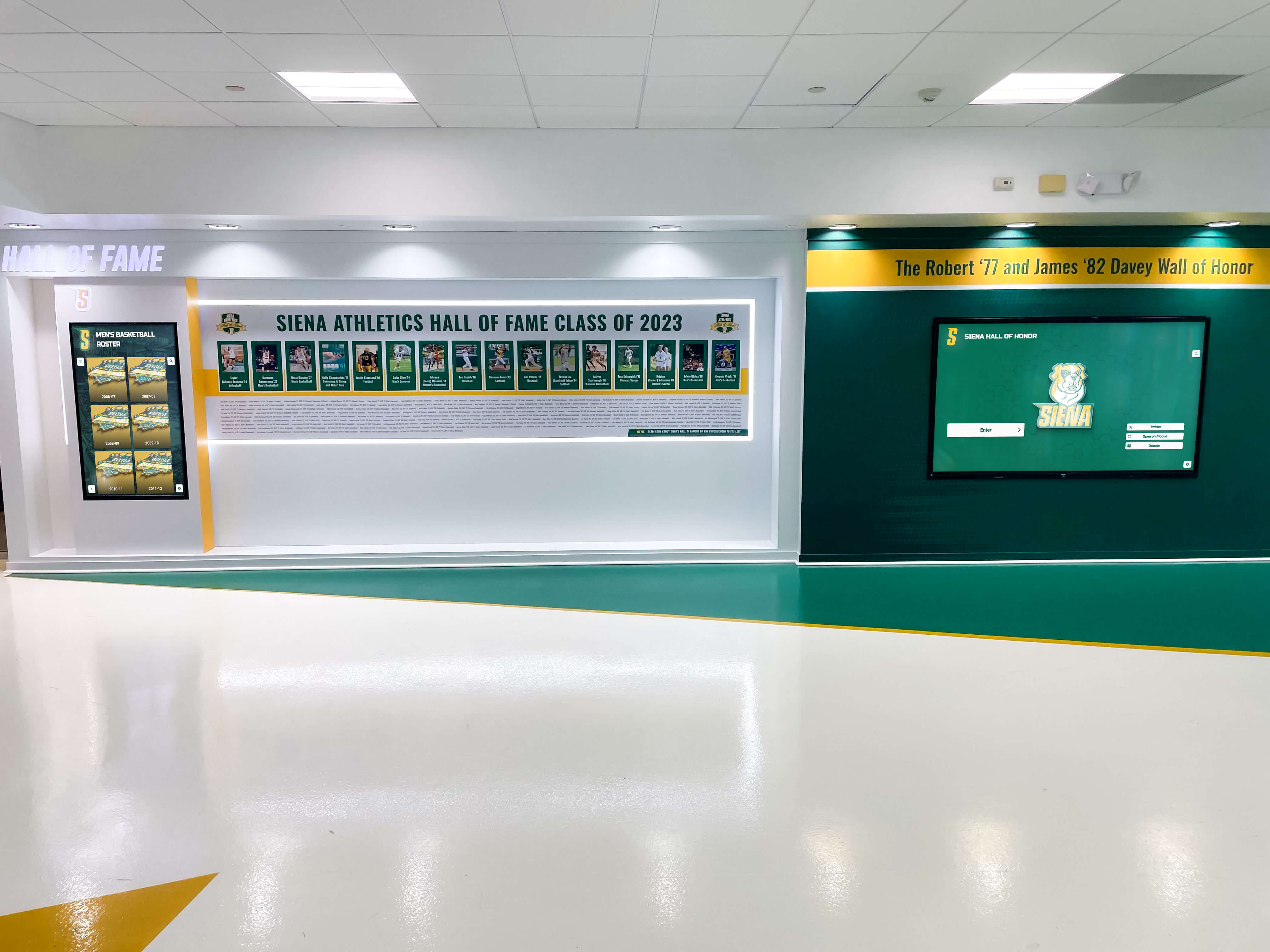
Digital recognition platforms transform traditional acknowledgment limitations—finite physical space, static content, limited accessibility, temporary visibility—into unlimited celebration capacity accessible to entire school communities and extended networks. Current year award recipients deserve recognition extending far beyond brief program mentions. Past honorees merit continued celebration preserving decades of institutional excellence. Donors at all levels warrant visible appreciation demonstrating genuine gratitude while inspiring future giving. Event programs representing philanthropic history deserve permanent archiving making memories accessible rather than buried in storage boxes.
Schools ready to maximize gala fundraiser value through comprehensive recognition should explore modern solutions specifically designed for educational institutions. Interactive touchscreen displays positioned in high-traffic campus locations create engaging local experiences, while integrated web platforms extend recognition globally enabling distant alumni, prospective families, and broader communities to discover institutional philanthropic legacy. Purpose-built systems provide intuitive content management, professional templates, ongoing support, and continuous platform evolution ensuring recognition investments deliver lasting value across years rather than requiring constant system replacements.
The most successful private schools recognize that advancement depends on authentic relationships—donors who feel genuinely appreciated give again and inspire others, award recipients who experience meaningful recognition strengthen institutional connections, and communities that witness sustained excellence celebration develop collective pride driving engagement. Comprehensive recognition systems transform annual gala fundraisers from isolated events into permanent platforms celebrating generosity, excellence, and shared commitment to educational missions that change students’ lives through scholarship opportunities donor support makes possible.
Ready to transform your school’s annual gala into a lasting recognition platform? Schedule a Zoom demo with Rocket Alumni Solutions to discover how comprehensive digital recognition can celebrate your award winners, honor your donors, and preserve your institutional philanthropic legacy through engaging displays accessible to your entire community year-round.
This guide provides strategic frameworks for schools implementing gala recognition programs. Specific recognition approaches should align with your institution’s culture, donor preferences, and advancement priorities while following established fundraising ethical standards and privacy regulations protecting constituent information.