



For student-athletes aspiring to compete at the collegiate level, few recruiting tools prove as essential as a well-crafted highlight tape. In today’s digital recruiting landscape, college coaches rely heavily on video to evaluate talent, make initial assessments, and build their recruiting lists. According to recruiting experts, student-athletes who include highlights on their recruiting profiles are 12 times more likely to be viewed by college coaches than those without video content.
Yet despite the critical importance of highlight tapes, many families and athletes struggle to create effective videos that genuinely capture coaches’ attention. Poor editing choices, excessive length, unclear athlete identification, and inadequate footage quality routinely undermine otherwise talented athletes’ recruiting efforts. The difference between a highlight tape that generates recruiting interest and one that gets ignored often comes down to understanding what college coaches actually want to see and how they evaluate video content.
This comprehensive guide examines everything student-athletes, parents, and coaches need to know about creating player highlight tapes that showcase talent effectively while respecting coaches’ time constraints and evaluation priorities. From filming strategies and editing best practices to distribution methods and ongoing video management, we explore the complete player highlight tape creation and deployment process.
Why Player Highlight Tapes Matter in Modern Recruiting
The recruiting process has fundamentally transformed over the past decade. Where coaches once evaluated talent primarily through in-person observation at tournaments and showcases, video now serves as the primary initial evaluation tool. College coaches receive hundreds of recruiting inquiries weekly—highlight tapes provide the efficient first-look mechanism that determines which athletes warrant further attention and deeper evaluation.
Effective highlight videos don't replace in-person evaluation, camp attendance, or tournament participation. Instead, they complement these traditional recruiting pathways by providing coaches accessible, convenient ways to assess athletic ability, understand playing style, and gauge potential program fit before investing time in live observation or direct contact.
Understanding What College Coaches Look For in Highlight Tapes
Before filming a single minute of footage, understanding college coaches’ perspective and evaluation priorities proves essential. Coaches don’t watch highlight tapes for entertainment—they’re conducting systematic talent evaluation with specific criteria in mind.
The College Coach’s Viewing Reality
College coaches operate under severe time constraints while managing recruiting responsibilities alongside coaching, practice planning, game preparation, administrative duties, and compliance requirements. This reality shapes how they interact with highlight tapes:
Limited Viewing Time: Most coaches spend 20-30 seconds on initial highlight tape evaluation. If the video doesn’t immediately demonstrate relevant talent and ability, coaches move to the next prospect. The first 15-20 seconds of your highlight tape represent the most critical content—this opening footage must showcase your best abilities and capture attention instantly.
Specific Evaluation Criteria: Coaches aren’t looking for highlight reel entertainment. They’re assessing specific athletic competencies relevant to their programs—technical skills, tactical understanding, physical attributes, competitive mentality, and potential for development. Effective highlight tapes make these evaluation priorities easy to observe and assess.
Position-Specific Requirements: Different positions require different demonstration priorities. A quarterback highlight tape emphasizing throwing mechanics, decision-making, and pocket presence serves different evaluation needs than a linebacker video showcasing tackling technique, coverage ability, and run defense.
Competition Level Context: Coaches want to understand competition quality. Dominating weak opponents means less than competing effectively against strong competition. The best highlight tapes include context about opponent strength, tournament level, or competitive environment.
Essential Content Elements Coaches Require
Successful highlight tapes consistently include specific content elements that enable efficient evaluation:
Clear Athlete Identification: Coaches need to immediately identify which player they’re evaluating. Use visual markers—arrows, circles, jersey number highlighting, or freeze frames with identification—before each clip begins. Never assume coaches will figure out which player you are through context or jersey numbers alone.
Game Footage Priority: College coaches strongly prefer game footage over practice content. Game situations demonstrate how athletes perform under competitive pressure, make decisions in real time, and contribute to actual competition. Practice highlights lack the competitive context coaches need for accurate evaluation.
Technical Skill Demonstration: Include clips specifically showcasing technical competency in position-relevant skills. Quarterbacks need passing examples across various routes and situations. Soccer players require dribbling, passing, shooting, and defensive clips. Basketball players need ball-handling, shooting, rebounding, and defensive sequences.
Competitive Situations: Showcase performances against strong opponents. Include tournament games, playoff competitions, or matches against highly-ranked teams. Competition quality context helps coaches understand performance significance and translate ability to collegiate level.
Multiple Angles When Possible: Wide-angle footage showing entire plays provides tactical context. Close-up clips highlight technical execution. Varied angles give coaches comprehensive perspectives on ability and playing style.
Planning Your Highlight Tape: Pre-Production Strategy
Effective highlight tapes begin with thoughtful planning long before editing software opens. Strategic pre-production decisions dramatically impact final video quality and recruiting effectiveness.
Defining Your Highlight Tape Purpose and Audience
Different recruiting situations require different highlight tape approaches:
Initial Contact Videos: When reaching out to college programs for the first time, shorter videos (2-3 minutes) featuring your absolute best 15-20 plays work best. These condensed highlights respect coaches’ time while demonstrating why you deserve deeper evaluation. Save comprehensive longer videos for coaches who’ve expressed interest and want more extensive footage.
Position-Specific Tapes: Creating position-focused videos enables targeted distribution to coaches recruiting your specific position. A multi-position athlete might create separate highlight tapes for different positions rather than one generic video attempting to showcase everything.
Skills Videos vs. Game Highlights: Some recruiting situations benefit from dedicated skills videos demonstrating specific technical abilities—pitching mechanics, shooting form, serving technique. These complement game highlight tapes by providing focused technical evaluation opportunities that game footage alone might not fully capture.
Showcase and Camp Supplementation: Highlight tapes distributed before showcase events or camps help coaches identify athletes to watch closely during live evaluation. Post-event videos can reinforce positive impressions from live observation.
Footage Collection Strategy
Systematic footage gathering ensures you’ll have quality content when editing time arrives:
Multiple Games Across Seasons: Compile footage from various games throughout seasons rather than relying on single-game performances. Diverse situations demonstrate consistency and showcase different aspects of ability. Aim to collect material from at least 10-15 games or competitions for comprehensive highlight selection.
Varied Competition Levels: Include footage against different opponent strengths. Dominant performances against weaker competition have value, but competing effectively against strong opponents carries more recruiting weight. Balance both to demonstrate range.
Different Game Situations: Capture performance across various scenarios—early-game, late-game, close competitions, blowouts, home and away. Coaches want to see how athletes perform when games matter most and pressure intensifies.
Quality Over Quantity: Prioritize high-definition footage from good camera angles over extensive low-quality content. One high-quality clip showcasing ability clearly proves more valuable than ten grainy, distant shots where coaches can barely distinguish players.
Systematic Organization: As you collect footage, organize files clearly by date, opponent, and game situation. This organization dramatically simplifies the editing process later when you’re searching for specific clips to include.
Technical Requirements and Equipment Considerations
While professional-quality equipment helps, many successful highlight tapes come from parents filming with smartphones or standard video cameras:
Camera Positioning: Elevated positions showing full fields or courts work best for capturing complete plays. Mid-field or side-court positions at raised vantage points enable coaches to see entire plays develop, understand tactical positioning, and assess decision-making.
Stable Filming: Use tripods or stabilization when possible. Shaky, handheld footage makes evaluation difficult and appears unprofessional. If handheld filming is necessary, brace against railings or use both hands to minimize movement.
Adequate Lighting: Outdoor daytime games typically provide good natural lighting. Indoor facilities require attention to gym lighting quality. Avoid filming directly into sunlight or bright lights that create silhouettes making athlete identification impossible.
Audio Considerations: Most highlight tapes don’t require audio beyond ambient game sounds. If including audio, ensure it’s clear and appropriate. Many successful recruiting videos omit music entirely, allowing coaches to focus solely on athletic performance.
Resolution Standards: Film in at least 1080p HD when possible. Higher resolution enables clearer athlete identification and better demonstrates technical execution. Modern smartphones typically exceed these quality standards easily.
Editing Your Highlight Tape: Best Practices for Compelling Videos
Once footage collection is complete, thoughtful editing transforms raw material into compelling highlight tapes that effectively showcase ability while respecting coaches’ time and evaluation needs.
Optimal Video Length and Structure
Research and recruiting expert guidance consistently emphasize the importance of concise highlight videos:
The 3-5 Minute Standard: Most recruiting experts recommend highlight tapes between 3-5 minutes, featuring approximately 20-30 clips. This length respects coaches’ limited time while providing sufficient evidence of ability. Longer videos risk losing coaches’ attention before they see your best content.
Front-Load Your Best Content: Your first three clips should be your absolute best performances. College coaches often make initial judgments within the first 20-30 seconds. If opening clips don’t impress, many coaches won’t continue watching regardless of what follows.
Logical Clip Sequencing: Organize clips intentionally rather than chronologically. Consider thematic organization—offensive plays followed by defensive plays, or grouping by specific skills. This structure helps coaches quickly find content relevant to their evaluation priorities.
Brief Individual Clips: Keep individual clips short—typically 5-15 seconds showing the complete play without excessive build-up or aftermath. Edit clips to start shortly before the action begins and end shortly after completion. Coaches don’t need to watch entire plays from huddle break to celebration.
Technical Editing Guidelines
Professional presentation enhances credibility and makes content easier to evaluate:
Clear Athlete Identification: Use arrows, circles, or highlighting to identify yourself before each clip begins. Some editors prefer freeze frames with overlaid identification. Others use continuous highlighting throughout clips. Either approach works provided identification remains consistently clear.
Introductory Title Slate: Begin videos with a professional title slate including: full name, graduation year, high school and club teams, position(s), height and weight, contact information (email and phone), and academic information (GPA, test scores). This information helps coaches immediately understand who they’re evaluating and how to follow up.
Minimal Graphics and Effects: Avoid excessive transitions, effects, or graphics that distract from athletic performance. Simple cuts between clips maintain focus on content. Flashy editing impresses family members but annoys college coaches evaluating talent.
No Music or Appropriate Audio: Most recruiting experts recommend omitting music entirely. Background music distracts from evaluation and may not align with coaches’ preferences. If you include music, choose instrumental tracks without lyrics that don’t overpower the video.
Text Overlays for Context: Brief text providing context improves evaluation quality—opponent name and ranking, tournament round, game situation (time remaining, score), or performance statistics (goals scored, tackles made). Keep text minimal and unobtrusive.
Professional Appearance: Ensure video quality remains consistently high throughout. Avoid including obviously poor-quality clips simply to reach target length. Ten excellent clips prove more valuable than thirty clips where quality varies dramatically.
Sport-Specific Editing Considerations
Different sports require different editing approaches reflecting position requirements and evaluation priorities:
Football Highlight Tapes: Include plays showing complete sequences from snap to conclusion. Offensive players should showcase blocking, route-running, or ball-carrying. Defensive players need tackles, coverage, and run defense. Special teams play deserves inclusion when relevant. Show both successful and challenging plays to demonstrate how you compete when plays don’t develop perfectly.
Basketball Recruiting Videos: Include offensive sequences showcasing shooting, ball-handling, passing, and basketball IQ. Defensive clips need to demonstrate lateral quickness, help defense, and rebounding. Show both half-court and transition situations. Include court awareness and decision-making examples.
Soccer and Lacrosse Tapes: Feature technical skills—dribbling, passing accuracy, shooting—alongside tactical awareness and positioning. Include both offensive and defensive contributions. Goalkeepers need separate skill demonstration sections showing various save types and distribution ability.
Baseball and Softball Videos: Position players should separate hitting, fielding, and base-running into distinct sections. Pitchers need dedicated showcases demonstrating various pitches, mechanics, and command. Include exit velocity, throwing velocity, and running speed metrics when available.
Track and Field Highlights: Include meet footage showing race strategy and finishing ability alongside training footage demonstrating form and technique. Include verified times and marks from official competitions. Show progression across seasons when possible.
Distributing Your Highlight Tape: Getting Videos in Front of Coaches
Creating excellent highlight tapes represents only half the challenge—effective distribution ensures college coaches actually view your content.
Platform Selection and Upload Strategy
Choosing appropriate hosting platforms affects video accessibility, quality, and professional presentation:
YouTube: The Standard Platform: YouTube remains the most widely used platform for recruiting videos. Create a dedicated channel specifically for recruiting content separate from personal videos. Use clear, descriptive titles including your name, sport, position, and graduation year. Set videos to “Unlisted” rather than “Public” to control access while allowing anyone with the link to view.
Vimeo: Professional Alternative: Vimeo offers cleaner presentation without advertisements and provides better privacy controls. Some families prefer Vimeo’s more professional appearance. Upload quality often exceeds YouTube, though coaches are equally comfortable with both platforms.
Recruiting Platform Integration: Most recruiting services (NCSA, BeRecruited, CaptainU) include video hosting within their platforms. Upload highlights to these services if you’re using them, ensuring coaches evaluating your profile have immediate video access without leaving the platform.
Multiple Hosting Approach: Consider uploading to multiple platforms providing options. Some coaches have platform preferences, and redundancy protects against technical issues. However, maintain consistent video versions across platforms to avoid confusion about which video represents your current highlight tape.
Mobile Optimization: Ensure videos display properly on mobile devices. Many coaches review recruiting materials on smartphones and tablets. Test video appearance on mobile before distribution to verify proper formatting and quality.
Direct Outreach to College Coaches
Proactive communication with college coaches represents the most direct distribution method:
Email Introduction Strategy: Send personalized emails to coaches at programs you’re genuinely interested in. Include brief introduction (2-3 sentences), link to your highlight tape, key athletic and academic statistics, upcoming competition schedule, and genuine expression of interest in their program. Keep emails concise and professional.
Follow-Up Timing: If coaches don’t respond to initial outreach, appropriate follow-up after 2-3 weeks is acceptable. Update them on recent performances, schedule changes, or improved statistics. Avoid excessive follow-up that becomes pestering.
Social Media Supplementation: Many college coaches actively recruit through Twitter/X. Share highlight clips (15-30 second excerpts) tagging programs you’re interested in. This supplements email outreach while demonstrating social media savvy and self-promotion ability.
Camp and Showcase Integration: Distribute highlight tape links when registering for college camps and showcases. Coaches reviewing attendee lists appreciate having video to preview participants before events begin. This preparation often leads to coaches specifically watching athletes they’ve already evaluated via video.
Leveraging School and Club Coach Relationships
Your current coaches often have established relationships with college programs that can facilitate introductions:
Coach Recommendations: Ask your high school or club coaches to recommend you to college programs they have relationships with. When coaches vouch for athletes they’ve personally developed, college recruiters pay closer attention than to unsolicited inquiries from unknown athletes.
Tournament and Showcase Alerts: Inform college coaches when you’ll compete in events they typically attend. Reference your highlight tape while inviting them to watch you compete live. This combination of video evaluation and live observation provides comprehensive talent assessment.
Recruiting Coordinator Communication: Many club organizations have dedicated recruiting coordinators who maintain relationships with college coaches. Provide these coordinators with your highlight tape and target school list so they can facilitate appropriate connections.
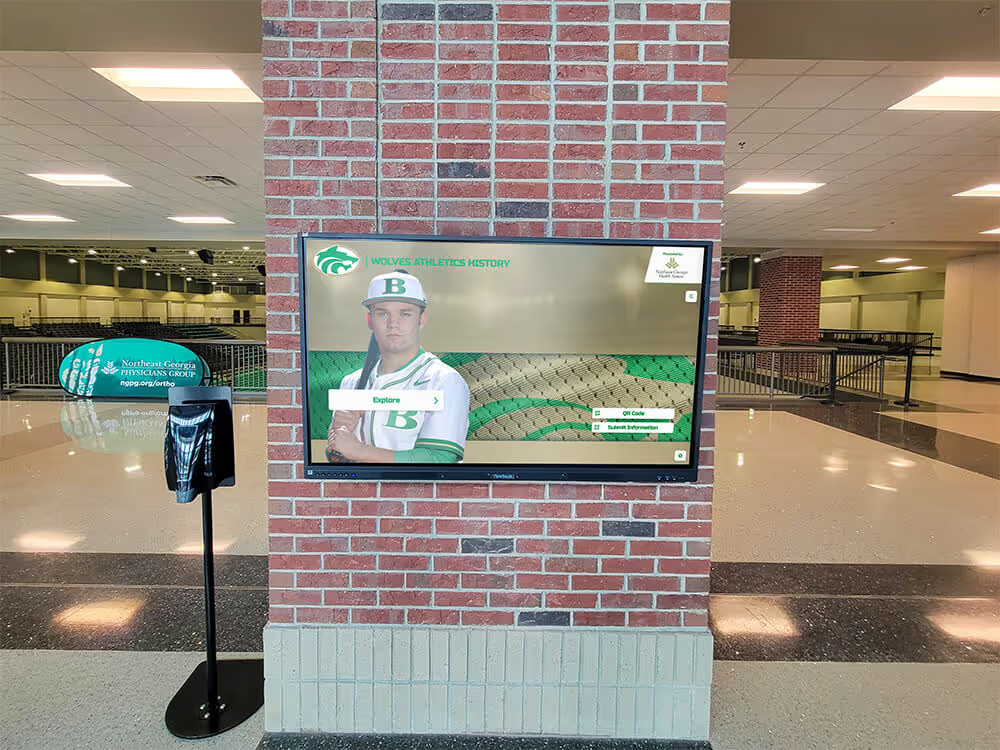
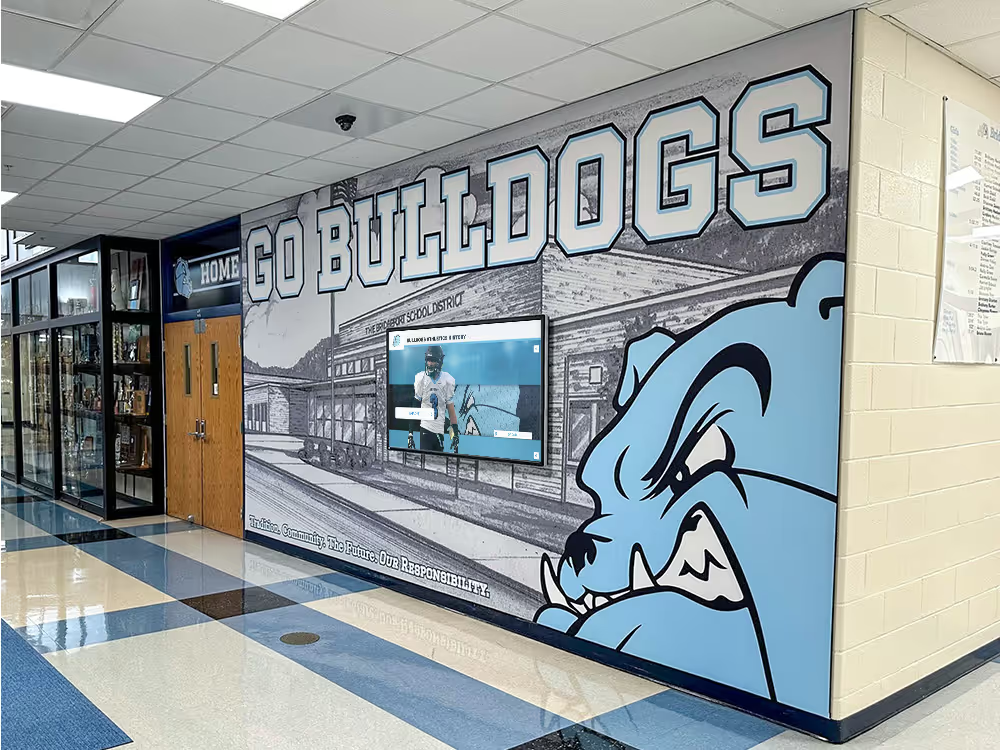
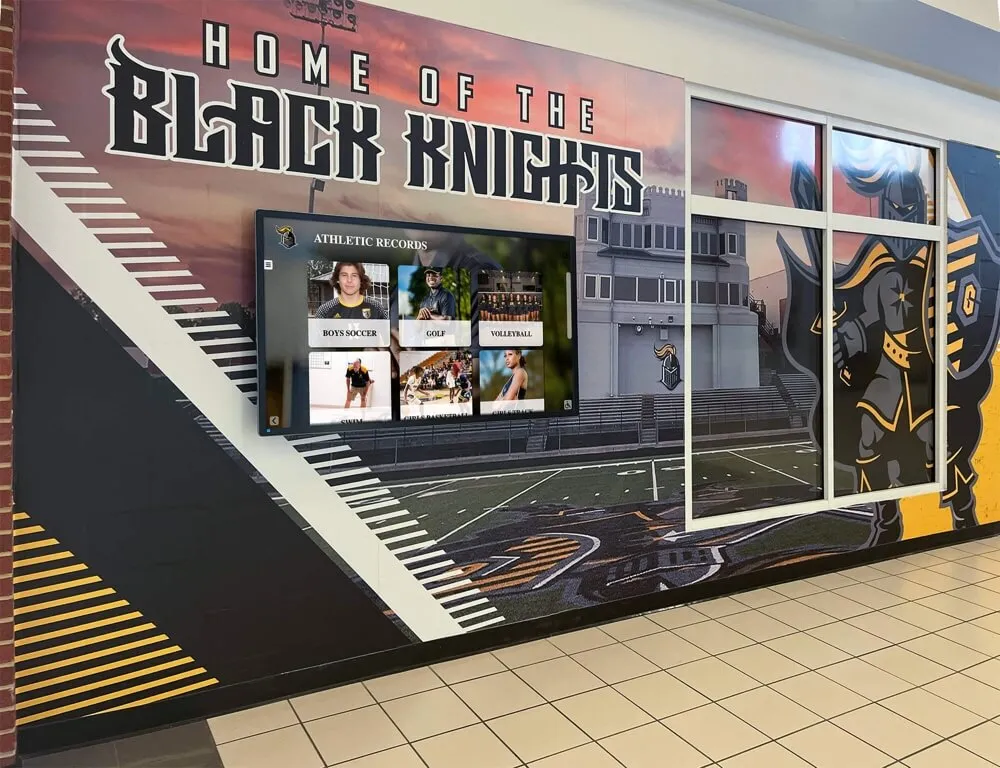
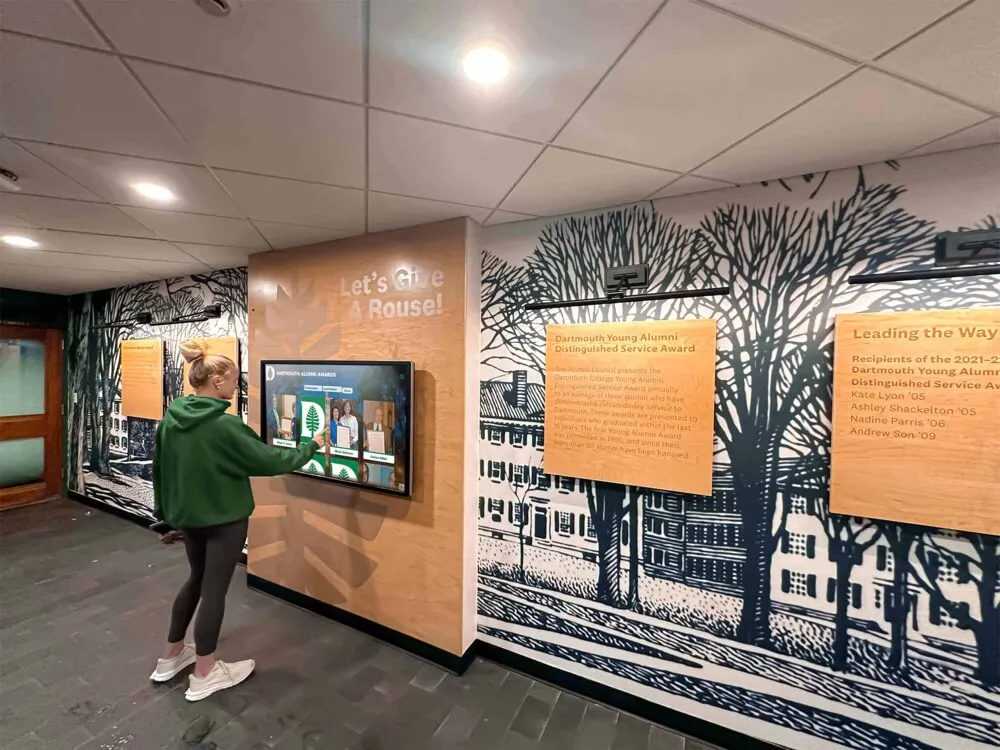
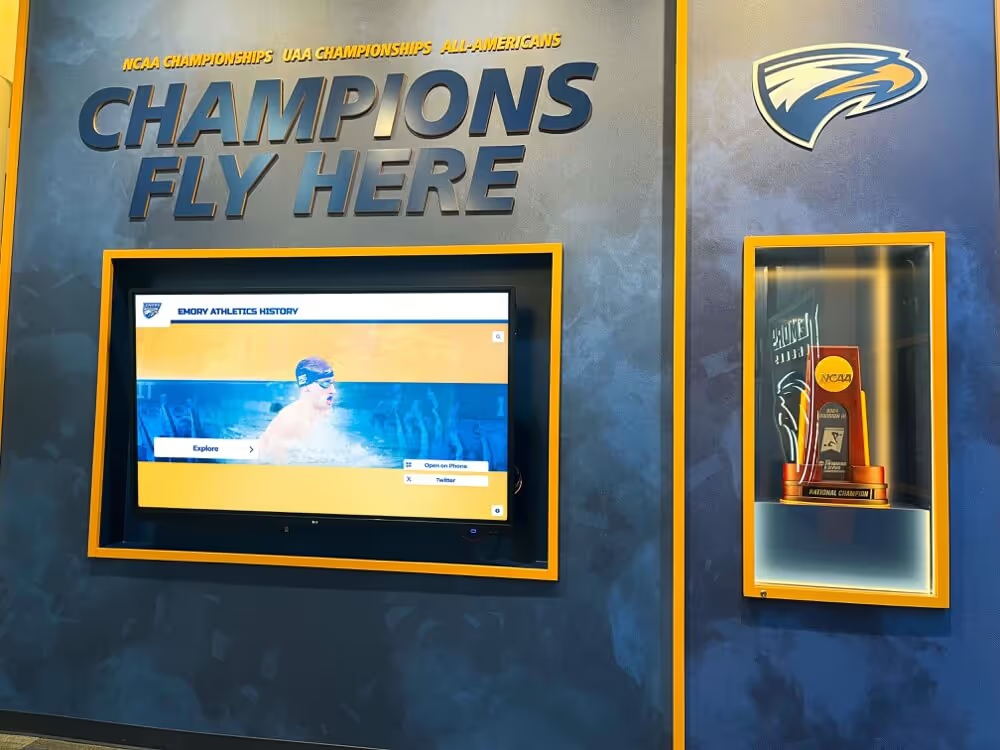
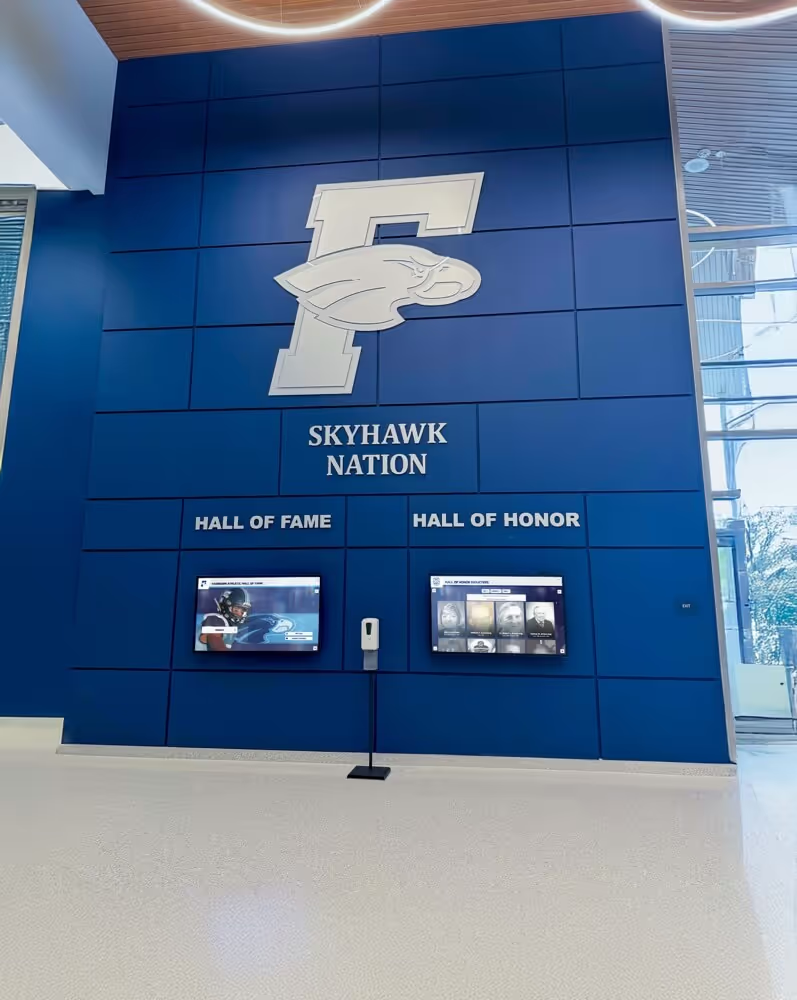
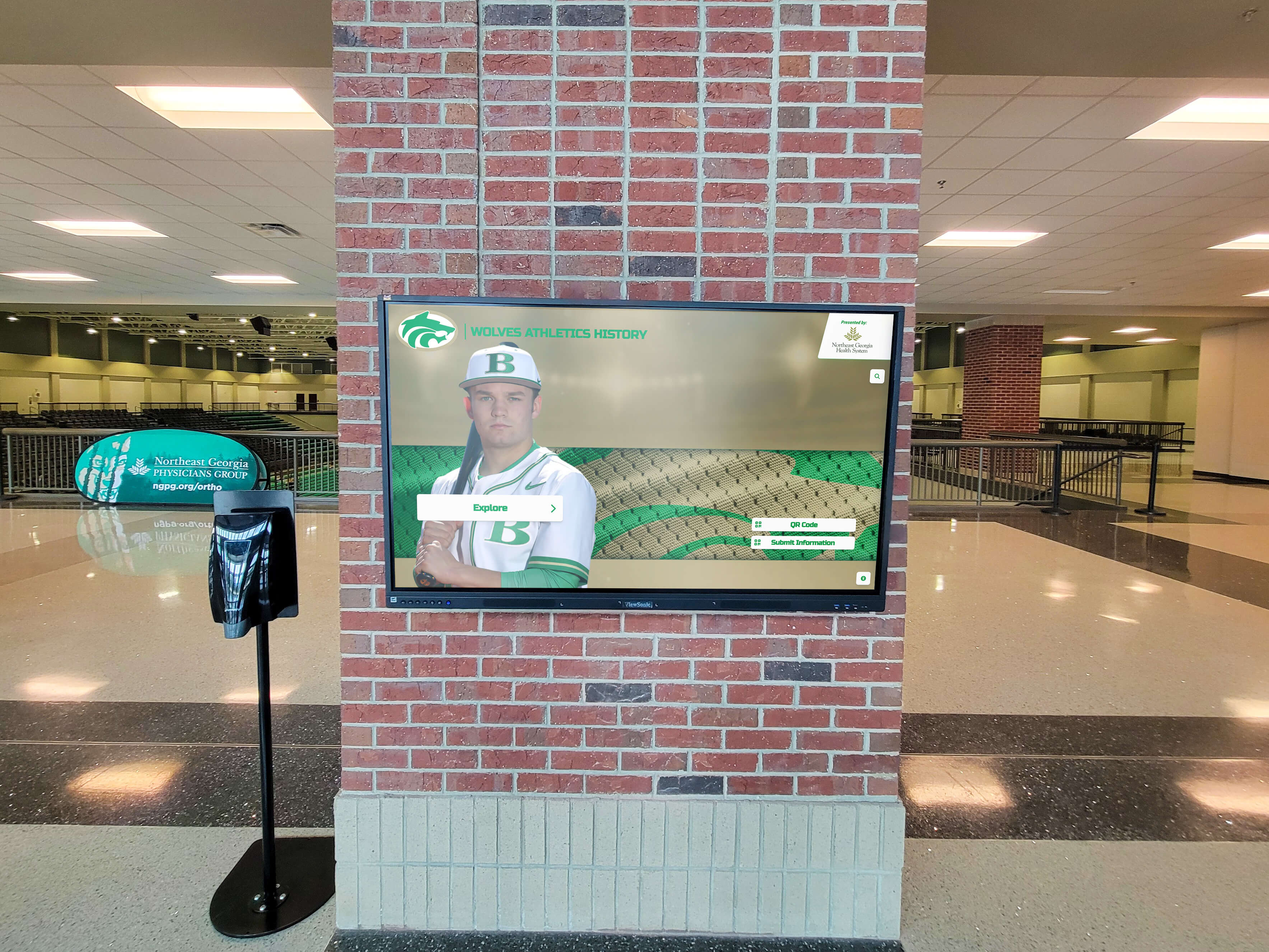
Digital recognition platforms like Rocket Alumni Solutions enable schools to celebrate college commitments and athletic achievements, creating additional visibility for recruiting success that can inspire younger athletes pursuing similar opportunities. When schools prominently feature college signing recognition, they demonstrate program quality that attracts both talented students and the attention of college recruiters.
Maintaining and Updating Your Highlight Tape
Highlight tapes aren’t one-time creations—they require regular updates reflecting improvement, recent performances, and changing recruiting circumstances.
When to Update Your Highlight Tape
Several situations warrant highlight tape updates:
Seasonal Performance Improvements: After each season, review whether new footage demonstrates improved ability or skills not previously showcased. If you’ve made significant technical improvements, developed new skills, or elevated performance levels, create updated highlight tapes reflecting this growth.
Recruiting Situation Changes: If you’re not generating desired recruiting interest, refreshed highlight tapes focusing on different aspects of your game might help. Sometimes repositioning emphasis—highlighting different positions or skills—opens new recruiting opportunities.
Competition Level Increases: Footage against stronger competition carries more weight with college coaches. When you compete in high-level tournaments or against top-ranked opponents, incorporate this footage into updated highlights even if it replaces older clips against weaker competition.
Physical Development: Significant changes in size, speed, or athleticism warrant updated videos demonstrating current physical capabilities. Include updated measurements and testing results (40-yard dash times, vertical jump, etc.) in video introductions.
Managing Multiple Video Versions
As recruiting progresses, you may maintain different highlight tape versions for different purposes:
Comprehensive vs. Condensed Versions: Keep both longer (4-5 minute) and shorter (2-3 minute) versions available. Initial outreach typically uses shorter versions, while interested coaches may request more extensive footage.
Position-Specific Variations: Multi-position athletes benefit from having separate highlight tapes for each position they’re recruiting for. A player recruiting as both an outfielder and a pitcher might create dedicated tapes for each position rather than one generic baseball highlight.
Academic Year Updates: Clearly label videos by academic year or season. Coaches appreciate knowing whether they’re viewing junior or senior footage. Update video titles and descriptions to reflect currency.
Archive Previous Versions: Maintain previous highlight tape versions rather than deleting them. Coaches who previously viewed older versions might want to compare improvement. Some platforms allow private archiving of superseded videos.
Advanced Strategies for Standout Highlight Tapes
Beyond fundamental best practices, several advanced strategies can make highlight tapes even more effective:
Incorporating Skills and Workout Footage
While game footage should dominate highlight tapes, supplemental skills videos can enhance evaluation:
Technical Skills Showcases: Dedicated sections showing specific technical skills without game-situation complexity help coaches assess fundamental technique. Baseball players might include bullpen sessions showing all pitches. Basketball players can demonstrate shooting form and range.
Measurable Athletic Testing: Include footage of verified athletic testing—timed 40-yard dashes, shuttle runs, vertical jump measurements, or position-specific testing. Coaches value objective athletic measurements alongside subjective game footage evaluation.
Training Dedication Evidence: Brief clips showing offseason training commitment—weight room work, speed training, skill development sessions—demonstrate work ethic and dedication. Keep this supplemental content minimal (20-30 seconds maximum) and place it at the video’s end after game highlights.
Statistical Context and Performance Data
Integrating relevant statistics enhances coaches’ understanding of performance significance:
Career Statistics Summary: Include season and career statistics in video introduction or end credits. Choose statistics relevant to your position and sport. Avoid overwhelming coaches with excessive data—highlight 4-6 most relevant statistics.
Game Context Information: Text overlays providing game context—opponent ranking, tournament round, game outcome—help coaches understand performance significance. This context differentiates clutch performances in important games from garbage-time statistics in blowouts.
Comparative Rankings: If you have notable rankings (state, regional, or national) in relevant categories, include this information appropriately. Rankings provide external validation of ability that complements video evidence.
Creating Coach-Friendly Supplemental Materials
Beyond the highlight tape itself, supporting materials enhance recruiting effectiveness:
Recruiting Profile One-Sheet: Create a one-page PDF with your photo, key statistics, academic information, contact details, and highlight tape links. This document gives coaches everything they need in one convenient reference. Many athletes email this alongside or instead of including all information in email bodies.
Game Schedule Availability: Maintain an updated competition schedule showing when and where you’ll compete. Make this easily accessible to college coaches so they can plan to watch you compete live after viewing your highlights.
Academic Transcript and Test Scores: Since athletic ability alone doesn’t guarantee college admission, make academic credentials easily accessible. Many coaches eliminate prospects who don’t meet academic standards before investing time in athletic evaluation.
References and Coach Recommendations: Offer to provide current coach contacts who can speak to your character, work ethic, and coachability. Coaches recruiting you often contact your current coaches for additional perspective beyond highlight tape evaluation.
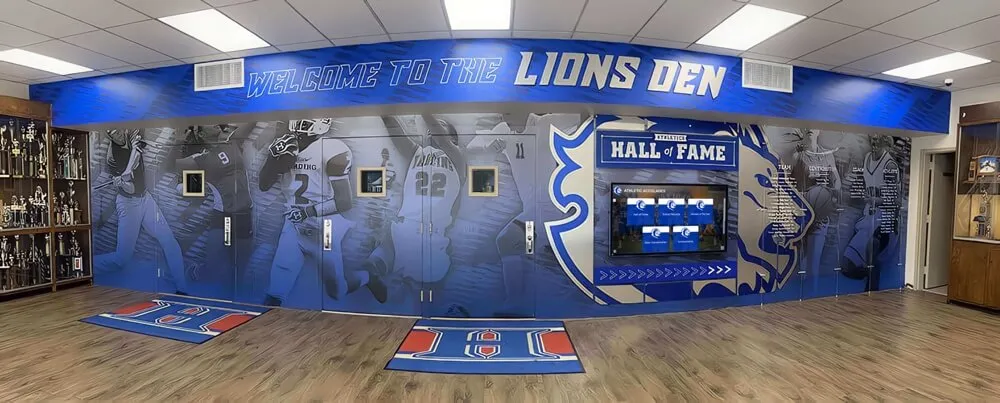
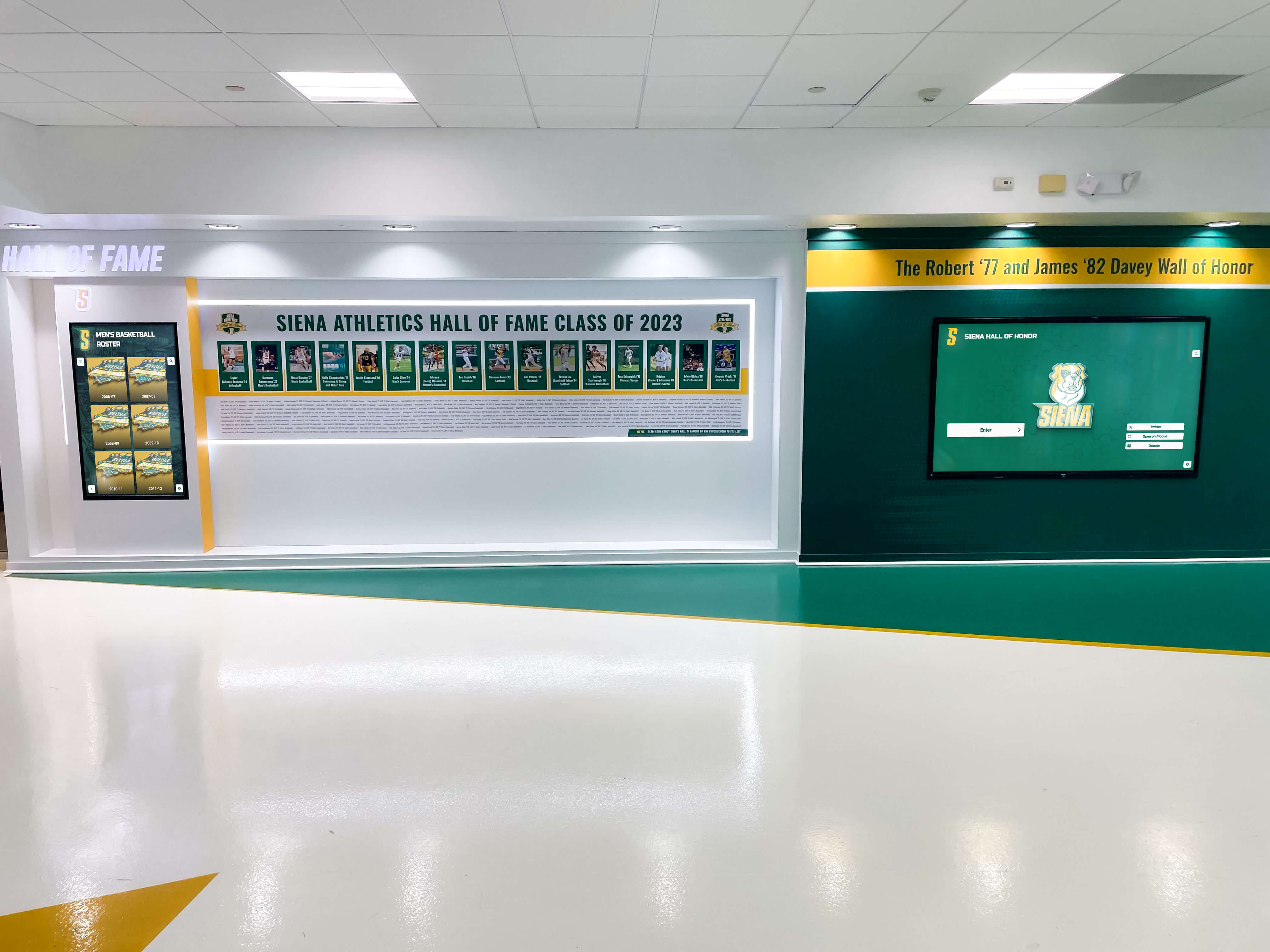
Schools implementing comprehensive athletic recognition programs create environments where commitment to excellence becomes visible and celebrated. This culture of recognition motivates athletes to pursue their potential while providing the documented achievements that strengthen recruiting materials and college applications.
Common Highlight Tape Mistakes to Avoid
Understanding frequent errors helps athletes avoid undermining their recruiting efforts through preventable mistakes:
Content and Editing Mistakes
Excessive Length: Videos exceeding 5-6 minutes lose coaches’ attention. If you can’t narrow content to your best 25-30 clips, you haven’t been selective enough about quality.
Poor Athlete Identification: Failing to clearly identify yourself in every clip makes evaluation impossible. Never assume jersey numbers alone suffice—coaches may not remember numbers between clips or identify players from distance.
Including Mediocre Plays: Quality matters far more than quantity. Including average plays to reach target length dilutes impact and wastes coaches’ time. Fifteen excellent clips prove more effective than thirty clips where quality varies dramatically.
Inappropriate Music or Audio: Loud, distracting music annoys coaches. Profane or offensive audio damages your reputation. When in doubt, omit audio entirely.
Flashy Editing Overload: Excessive transitions, effects, or graphics distract from athletic performance. College coaches evaluate talent, not editing creativity. Simple, clean editing keeps focus where it belongs—on your athletic ability.
No Contact Information: Some highlight tapes omit contact information entirely, making it impossible for interested coaches to follow up. Always include multiple contact methods in both video introduction and description.
Distribution and Communication Mistakes
Mass Generic Emails: Sending identical impersonal emails to dozens of programs signals lack of genuine interest. Personalize communication demonstrating you’ve researched programs and have specific reasons for interest.
Unrealistic Target Schools: Pursuing only Division I programs when your ability better fits Division II or III wastes time and creates disappointment. Be realistic about appropriate competition levels for your athletic and academic credentials.
Neglecting Academic Standards: Focusing exclusively on athletic recruitment while ignoring academic requirements leads to dead-end recruiting conversations. Research programs’ academic standards before investing time in athletic outreach to coaches at schools you can’t academically qualify for.
Poor Email Etiquette: Using casual language, all lowercase text, or inappropriate email addresses creates negative first impressions. Treat recruiting emails as professional correspondence—proofread carefully and use business-appropriate communication standards.
Ignoring Compliance Rules: Contacting coaches during dead periods or attending non-sanctioned events violates NCAA rules that can impact your recruiting. Understand basic compliance guidelines governing coach-athlete communication.
Technical and Quality Issues
Poor Video Quality: Low-resolution, grainy footage or distant camera angles where coaches can’t clearly see plays undermines recruiting efforts. Invest time in obtaining quality footage or don’t include inferior content.
Shaky Handheld Footage: Unstable camera work makes evaluation difficult and appears unprofessional. Use tripods or stabilization methods when filming games specifically for highlight content.
Inadequate Lighting: Dark footage or backlighting creating silhouettes makes player identification and performance evaluation impossible. Only include clips with adequate lighting for clear viewing.
Broken or Dead Links: Sending coaches links to videos that don’t work or have been removed demonstrates poor preparation. Test all links before distribution and periodically verify they remain active.
The Role of Professional Highlight Tape Services
Families unable or unwilling to create highlight tapes themselves can utilize professional video services specializing in athletic recruiting content:
Professional Service Advantages
Technical Expertise: Professional editors understand what college coaches want to see and structure videos accordingly. Their experience editing hundreds or thousands of highlight tapes informs effective content organization and presentation.
Quality Consistency: Professional services maintain consistent video quality, appropriate clip length, clear athlete identification, and clean editing throughout videos. This consistency creates polished, professional presentations.
Time Savings: For busy families managing athletic schedules, academic responsibilities, and multiple children’s activities, outsourcing highlight tape creation saves significant time. Professional services handle footage collection, editing, and optimization.
Graphics and Production Value: Professional editors create polished introductory graphics, overlays, and athlete identification markers that appear more sophisticated than most parent-created videos.
Evaluating Professional Services
When considering professional highlight tape services, evaluate several factors:
Turnaround Time: Services typically promise completion within 48-72 hours for standard highlight tapes. Verify whether rush options exist for urgent recruiting situations.
Pricing Structure: Costs vary widely—typically $75-$300 for standard highlight tapes depending on length, sport complexity, and revision allowances. Understand what’s included and what costs extra (additional revisions, skills video sections, expedited delivery).
Portfolio Quality: Review sample highlight tapes the service has created. Ensure their style aligns with recruiting video best practices rather than entertainment-focused compilation videos.
Sport Specialization: Some services specialize in specific sports while others cover all athletics. Sport-specific specialists may better understand your position’s evaluation priorities.
Included Revisions: Determine how many revision rounds are included in base prices. Adding additional clips, changing sequences, or updating information should be accommodated within reasonable revision policies.
DIY vs. Professional: Making the Right Choice
The decision between creating highlight tapes yourself or hiring professionals depends on several considerations:
Choose professional services when: you lack video editing experience or equipment, you have footage from multiple sources requiring integration, you need quick turnaround for urgent recruiting situations, or you want maximally polished presentation to complement elite athletic ability.
Create highlight tapes yourself when: you have basic editing skills and access to software, you have high-quality game footage from consistent sources, you understand highlight tape best practices, you have time to invest in the editing process, or budget constraints make professional services prohibitive.
Many families successfully use hybrid approaches—creating initial highlight tapes themselves while engaging professional services for major updates, specialized skills videos, or when recruiting intensifies and maximally polished presentation becomes worth the investment.
Integrating Highlight Tapes with Comprehensive Recruiting Strategy
Highlight tapes represent one component of comprehensive recruiting plans that integrate multiple strategies and touchpoints:
Complementary Recruiting Activities
Effective recruiting combines video with additional strategies:
Tournament and Showcase Attendance: Highlight tapes introduce athletes to coaches, but in-person evaluation at tournaments and showcases provides necessary validation. Coaches want to see athletes compete live to verify video impressions and assess intangibles difficult to evaluate through video alone.
College Camps and ID Camps: Attending camps at schools you’re interested in provides direct exposure to coaching staffs. Sharing highlight tapes before camps helps coaches identify athletes to watch closely during camp evaluations.
Academic Transcripts and Test Scores: Since athletic ability alone doesn’t guarantee college admission, maintaining strong academics keeps maximum opportunities available. Many otherwise interested coaches can’t recruit athletes who don’t meet academic standards.
Recruiting Service Participation: Platforms like NCSA, BeRecruited, or CaptainU provide structured frameworks for connecting with college coaches while centralizing athletic information, academic credentials, and highlight tape access in convenient coach-accessible formats.
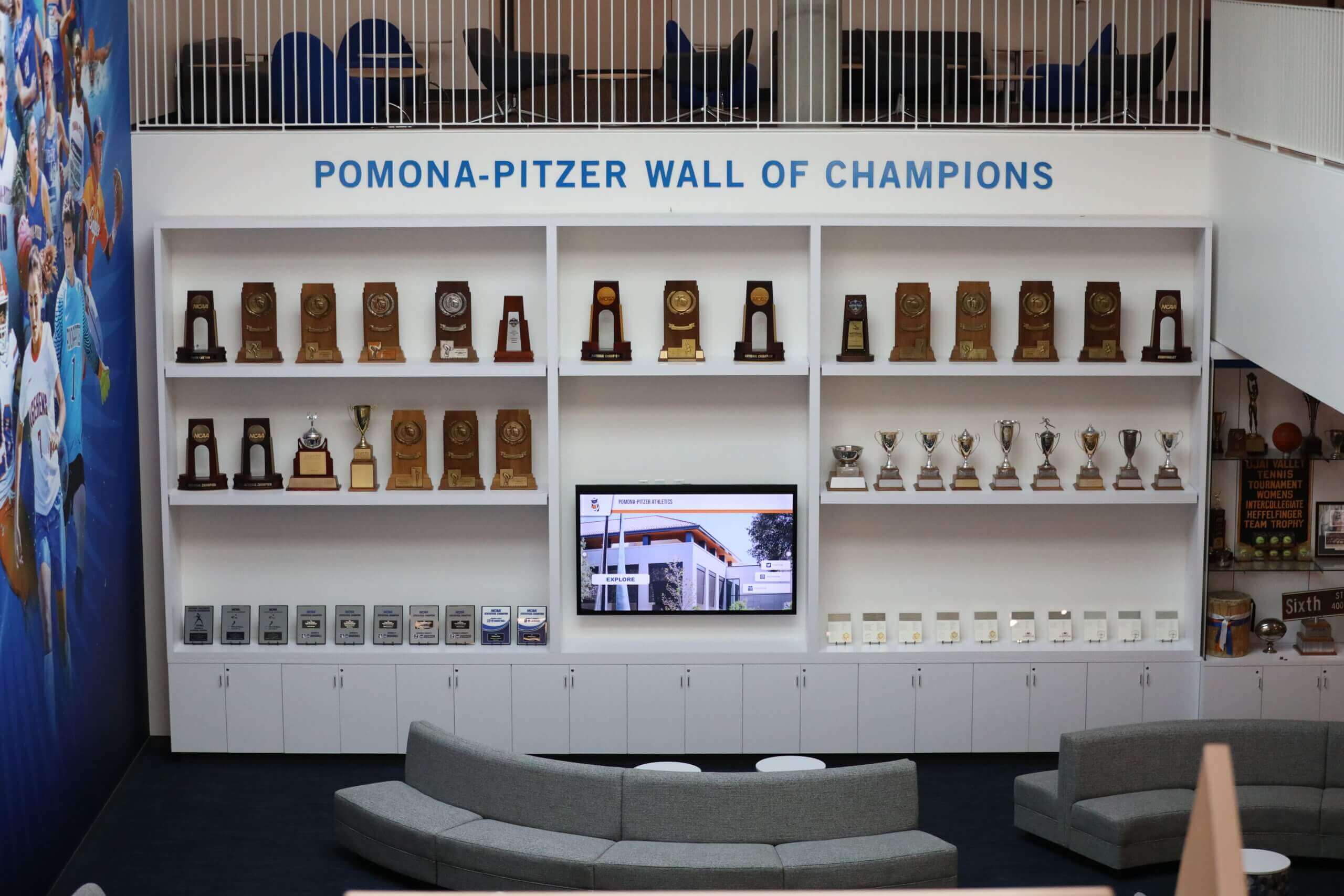
Understanding how comprehensive student-athlete recognition programs celebrate achievement helps schools create cultures where pursuing excellence—including college athletic opportunities—receives appropriate support and motivation. This institutional support can make significant differences in student-athletes’ confidence and persistence through challenging recruiting processes.
Tracking Recruiting Progress and Adjusting Strategy
Systematic tracking helps assess recruiting effectiveness and guides necessary adjustments:
Response Monitoring: Track which coaches view your highlight tape, respond to outreach, or request additional information. This data reveals which programs demonstrate genuine interest versus those unlikely to recruit you.
Interest Level Assessment: College coaches demonstrate interest at different levels—generic form responses, personalized emails, phone conversations, campus visit invitations, or scholarship offers. Understanding where programs fall on this spectrum helps you prioritize your recruitment focus.
Strategy Adjustments: If highlight tapes aren’t generating desired responses after reaching out to 15-20 programs, reassess your approach. Consider whether target schools match your ability level, whether highlight tape quality needs improvement, or whether you need to expand target school lists.
Timeline Awareness: Different sports have different recruiting timelines and commitment patterns. Understand normal timelines for your sport and adjust expectations accordingly. Some sports commit years before college enrollment while others recruit much closer to graduation.
Future Trends in Athletic Recruiting Video
Recruiting video technology and best practices continue evolving with technological advancement and changing coach expectations:
Emerging Technologies and Approaches
Analytics Integration: Advanced video platforms increasingly integrate performance analytics directly into highlight reels. Speed measurements, distance covered, player tracking data, and biomechanical analysis supplement visual evaluation with objective performance metrics.
Virtual Reality Recruiting Experiences: Some cutting-edge recruiting programs experiment with 360-degree video and VR technology allowing coaches to experience competition from athletes’ perspectives. While not yet mainstream, immersive technologies may shape future recruiting.
Artificial Intelligence Editing: AI-powered video editing tools can automatically identify and compile highlight-worthy plays based on statistical events—goals scored, tackles made, assists recorded. While human judgment remains superior for final editing, AI tools may streamline initial footage sorting.
Live Streaming Integration: Increased live streaming of high school and club competitions provides coaches real-time access to games they can’t attend in person. This complements highlight tapes by offering unedited, comprehensive performance views.
Mobile-First Video: As coaches increasingly consume content on mobile devices, highlight tape optimization for smartphone viewing becomes essential. Vertical video formats and mobile-responsive presentations may become more common.
Adapting to Changing Recruiting Landscapes
Transfer Portal Impact: The NCAA transfer portal has transformed college recruiting by creating constant roster turnover and year-round recruiting. Highlight tapes now serve both high school recruiting and transfer portal marketing for college athletes changing schools.
NIL Considerations: Name, Image, and Likeness opportunities mean some high school athletes build substantial social media followings. Well-produced highlight content serves both college recruiting and personal brand building, potentially creating commercial opportunities even before college.
Early Recruiting Trends: In some sports, college commitments occur increasingly early—sometimes during freshman or sophomore years. This acceleration creates pressure for younger athletes to produce highlight tapes earlier than previous generations.
Multi-Platform Distribution: Athletes increasingly need presence across multiple platforms—YouTube, Instagram, TikTok, recruiting services—rather than relying on single video hosting. Cross-platform distribution strategies become essential for maximum coach exposure.
Conclusion: Highlight Tapes as Essential Recruiting Tools
Player highlight tapes have evolved from optional recruiting supplements to essential components of college athletic recruitment. In today’s video-centric evaluation environment, quality highlight tapes serve as digital first impressions that determine whether college coaches invest time in deeper evaluation, invite athletes to camps and official visits, or ultimately extend scholarship offers.
The difference between highlight tapes that generate recruiting interest and those that get ignored often comes down to understanding what college coaches actually want to see—clear athlete identification, concise video length, high-quality game footage, position-specific skill demonstration, and professional presentation. By following established best practices for filming, editing, and distributing recruiting videos, student-athletes maximize their chances of catching coaches’ attention and earning recruitment opportunities.
Effective highlight tapes don’t guarantee athletic scholarships—they open doors that talent, work ethic, character, and academic credentials must then walk through. But without quality video introducing your ability to college coaches, these doors may never open regardless of how talented you are. In an environment where coaches receive hundreds of recruiting inquiries weekly, professional highlight tapes provide the essential first impression that separates prospects who receive serious consideration from those who get overlooked.
Whether you create highlight tapes yourself or engage professional services, invest time and attention in this critical recruiting tool. Your highlight tape often provides college coaches their first and sometimes only impression of your athletic ability—make it count by showcasing your talent in formats that respect coaches’ time, meet their evaluation needs, and position you as seriously committed to competing at the collegiate level.
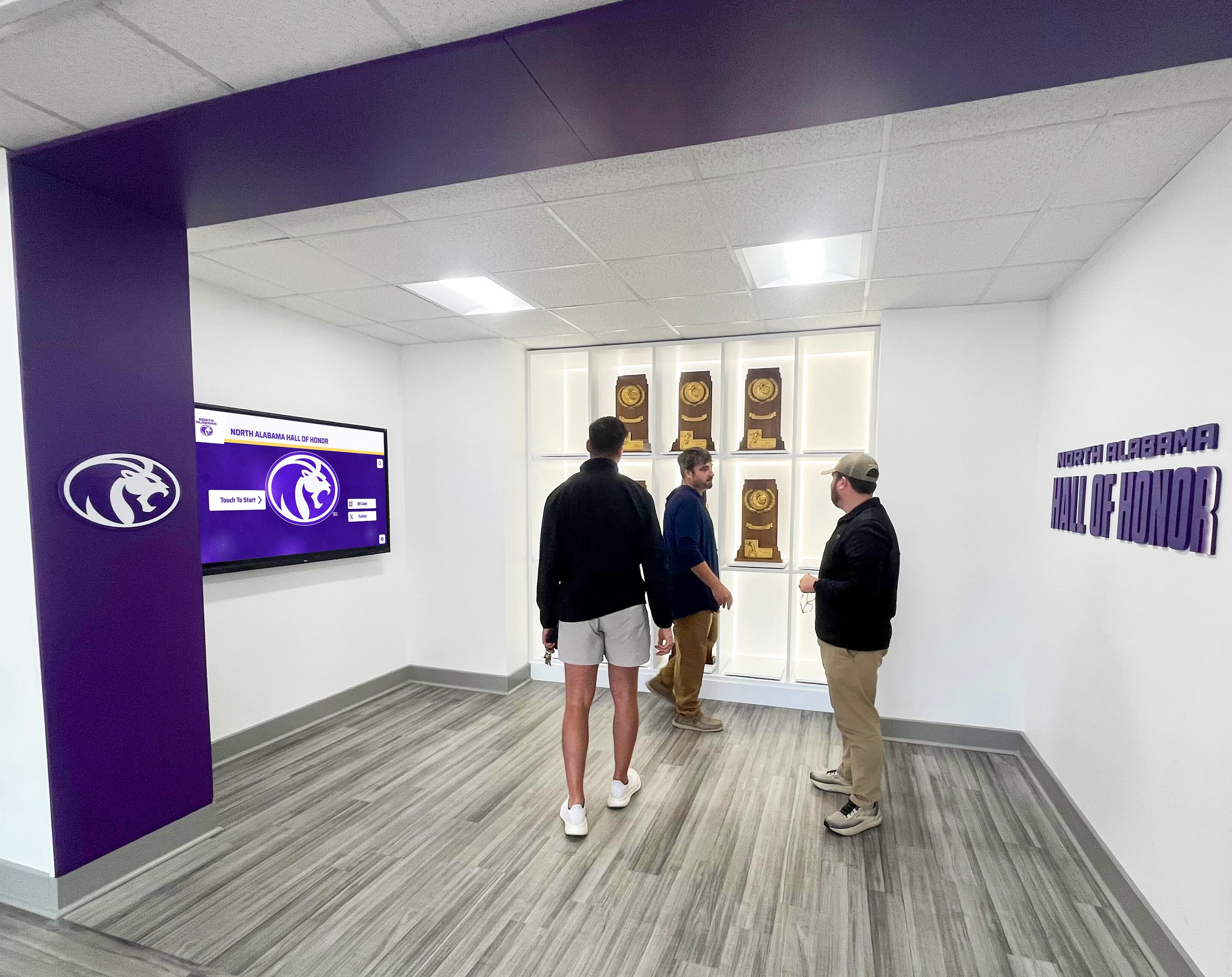
For schools supporting student-athletes through recruiting processes, implementing comprehensive digital recognition systems celebrating college commitments and athletic achievements creates motivational environments where pursuing excellence—including collegiate competition opportunities—receives appropriate institutional support. When schools prominently feature recruiting successes, they inspire younger athletes while demonstrating program quality that attracts talented students and captures college coaches’ attention.
The recruiting journey requires persistence, resilience, and strategic planning across multiple fronts. Quality highlight tapes represent one essential element of this comprehensive approach—an element worth investing time, thought, and resources into getting right. Start with clear understanding of what coaches want to see, collect quality footage systematically, edit thoughtfully following best practices, and distribute strategically to programs matching your athletic and academic profile. These steps position you for recruiting success while you continue developing the athletic ability, academic credentials, and character qualities that ultimately determine whether college athletic opportunities become realities.
Ready to showcase your athletic achievements and inspire the next generation? Contact Rocket Alumni Solutions to discover how schools can celebrate recruiting successes and athletic excellence through engaging digital recognition systems that motivate student-athletes pursuing their college dreams while building program cultures where excellence receives the celebration it deserves.