



Schools seeking sustainable funding solutions increasingly recognize that planned giving programs represent their most powerful tool for building endowment capacity, funding strategic priorities, and securing financial stability independent of annual fund volatility. Unlike traditional fundraising campaigns requiring constant solicitation and donor re-engagement, planned giving generates substantial future contributions from supporters who value educational missions deeply enough to designate schools as beneficiaries of their estates and financial planning.
Research from educational advancement organizations consistently demonstrates that schools with mature planned giving programs receive 30-45% of their major gift revenue through estate commitments, charitable gift annuities, and other deferred giving vehicles. More significantly, average planned gifts typically range from $50,000 to $350,000—substantially larger than typical annual fund contributions from the same donors during their lifetimes. This magnitude differential makes planned giving essential for schools pursuing capital improvements, endowment growth, scholarship expansion, or long-term programmatic sustainability.
Why Schools Need Formal Planned Giving Programs
Planned giving provides educational institutions with critical advantages including predictable future revenue supporting long-term strategic planning, significant gift sizes often 10-15 times larger than donor annual contributions, reduced fundraising costs compared to constantly soliciting new annual fund supporters, donor base expansion beyond wealthy individuals to include middle-income supporters with accumulated assets, and strengthened institutional loyalty as legacy commitments create multi-generational family connections. Schools implementing comprehensive planned giving programs discover that today’s modest annual donors often become tomorrow’s transformational benefactors through estate commitments reflecting lifetime gratitude and institutional impact.
Understanding Planned Giving Fundamentals for Educational Institutions
Planned giving encompasses any major gift made during a donor’s lifetime or at death as part of their overall financial or estate planning. Unlike annual fund contributions made from disposable income, planned gifts involve assets—cash, securities, real estate, retirement accounts, or life insurance policies—often accumulated over decades and distributed according to comprehensive financial strategies balancing family needs, tax optimization, and philanthropic objectives.

For schools, planned giving represents the intersection of advancement work and donor legacy aspirations. Supporters nearing retirement or estate planning phases contemplate their values, reflect on institutions that shaped their lives meaningfully, and consider how their accumulated resources might advance missions they cherish. Schools positioned strategically in these conversations through proactive planned giving cultivation secure commitments that transform institutional capacity for generations while honoring donor desires for lasting impact.
Common Planned Giving Vehicles Schools Should Offer
Comprehensive planned giving programs accommodate diverse donor financial situations and philanthropic objectives through multiple gift structures:
Bequests Through Will or Trust Provisions: The most common planned giving vehicle, accounting for approximately 75-80% of all planned gifts to educational institutions. Donors designate schools as beneficiaries of specific dollar amounts, asset percentages, or remainder interests in their estates through will provisions or revocable trust language. These commitments cost donors nothing during lifetimes while providing flexibility to modify provisions if circumstances change.
Charitable Gift Annuities: Donors transfer cash or appreciated securities to schools in exchange for guaranteed lifetime income payments at rates determined by age (typically 4.5-9.0% annually). After donor death, remaining assets benefit the school. This vehicle particularly appeals to risk-averse supporters seeking predictable retirement income while supporting educational missions.
Charitable Remainder Trusts: Donors fund irrevocable trusts paying themselves or other beneficiaries income for specified terms or lifetimes, with remaining assets eventually distributed to designated schools. These sophisticated instruments enable donors to convert appreciated assets into income streams while avoiding capital gains taxes and securing substantial charitable deductions.
Retirement Account Designations: One of the simplest yet most powerful planned giving strategies involves naming schools as beneficiaries of IRA, 401(k), or other qualified retirement accounts. This approach proves particularly tax-efficient as retirement accounts face significant taxation when passing to heirs but transfer to charities tax-free, maximizing philanthropic impact while preserving other estate assets for family.
Life Insurance Policies: Donors can name schools as policy beneficiaries, transfer ownership of existing policies no longer needed for family protection, or purchase new coverage designating schools as owners and beneficiaries. This strategy enables supporters to make substantial future gifts through relatively modest premium payments.
Donor-Advised Funds with School Designation: Growing in popularity, these funds allow donors to receive immediate tax deductions while designating schools as eventual beneficiaries, creating planned giving benefits with current tax advantages.
Schools benefit most by offering diverse planned giving options accommodating various donor financial situations, ages, income needs, and philanthropic preferences rather than promoting single vehicle types exclusively.
Key Benefits Schools Gain from Planned Giving Programs
Strategic planned giving initiatives deliver multiple institutional advantages extending far beyond simple fundraising revenue:
Endowment Growth and Long-Term Sustainability: Planned gifts typically fund endowments generating perpetual income supporting scholarships, faculty positions, program operations, and facility maintenance. This endowment growth reduces institutional dependence on unpredictable annual fund campaigns and tuition-driven revenue, creating financial stability enabling long-term strategic planning impossible when relying primarily on annual operating contributions. Schools often celebrate major endowment milestones through comprehensive donor recognition programs that inspire additional legacy commitments.
Major Gift Access from Middle-Income Donors: Annual giving programs naturally favor wealthy supporters with substantial disposable income enabling large contributions without lifestyle sacrifice. Planned giving democratizes major philanthropy by enabling middle-income alumni and community members with modest annual capacity to make transformational gifts through accumulated assets and estates. Schools discover that seemingly ordinary annual donors often possess significant accumulated wealth through home equity, retirement savings, investment portfolios, and business interests they’re willing to designate for educational purposes while preserving assets for lifetime security.
Reduced Fundraising Costs and Effort: Securing planned gift commitments requires different cultivation strategies than annual fund solicitation but typically involves fewer donor touches, less frequent asks, and longer relationship timelines. Once established, planned giving expectancies provide future revenue security without ongoing campaign expenses or constant donor re-solicitation, dramatically improving fundraising return on investment compared to perpetual annual fund cultivation.
Strengthened Donor Loyalty and Institutional Connection: Legacy commitments create profound psychological bonds between donors and institutions. Supporters who make planned giving decisions undergo extensive reflection about organizational impact on their lives, articulate why they value educational missions deeply, and publicly commit to sustaining institutions beyond their lifetimes. This process strengthens loyalty dramatically while creating family legacies often involving multiple generations in school relationships and support.
Recognition Opportunities Building Additional Giving: Planned giving programs enable schools to recognize living donors making future commitments through legacy society memberships, named giving opportunities, and visible donor walls celebrating estate commitments. This recognition creates social proof encouraging additional supporters to consider planned gifts while honoring commitment magnitude appropriately even before institutions receive actual bequests.
Building Your School’s Planned Giving Program: Essential Steps
Launching successful planned giving initiatives requires systematic approaches addressing donor identification, cultivation strategies, administrative infrastructure, professional partnerships, and recognition programs working together cohesively.
Step 1: Establish Program Infrastructure and Professional Partnerships
Planned giving programs demand technical expertise and legal compliance beyond typical annual fund administration capabilities. Schools must establish proper infrastructure before actively soliciting commitments:
Designate Planned Giving Responsibility: Smaller schools may assign planned giving to development directors managing comprehensive advancement portfolios, while larger institutions hire dedicated planned giving officers focusing exclusively on deferred gift cultivation. Regardless of staffing approach, clear responsibility assignment prevents planned giving from becoming neglected “someday” initiatives perpetually postponed due to urgent annual fund priorities.
Develop Legal Gift Acceptance Policies: Formal written policies establish what asset types schools accept (cash, securities, real estate, retirement accounts, tangible personal property), approval processes for complex gifts requiring board or committee review, minimum gift thresholds for certain vehicle types, and ethical guidelines preventing undue donor pressure or inappropriate solicitation. These policies protect institutions legally while ensuring consistent professional standards across all development staff interactions.
Partner with Professional Advisors: Schools rarely employ in-house expertise in estate law, tax planning, insurance products, or trust administration necessary for sophisticated planned giving work. Establishing relationships with attorney firms specializing in charitable planning, financial advisory practices serving high-net-worth clients, CPA firms handling complex estate tax matters, and insurance professionals offering charitable products creates referral networks and professional credibility essential for donor confidence. Many schools formalize these relationships through professional advisor councils providing technical guidance while generating gift referrals from clients seeking charitable planning assistance.
Implement Gift Documentation and Stewardship Systems: Planned giving commitments require different tracking than outright donations. Development databases need capacity to record gift expectancies and bequest intentions separately from realized revenue, maintain detailed documentation of gift terms and donor intentions, trigger appropriate recognition and stewardship communications, and monitor expectancy realization as estates settle and commitments convert to actual contributions.
Step 2: Identify and Segment Planned Giving Prospects
Effective planned giving programs target cultivation efforts toward supporters most likely to make legacy commitments based on demographic indicators, giving history patterns, and relationship depth:
Demographic Indicators Suggesting Planned Giving Readiness: Research consistently identifies certain donor characteristics correlating with higher planned giving probability including age 65+ (approaching estate planning horizon), childless couples or single individuals lacking direct heirs, long-term loyal donors giving consistently regardless of amount, supporters with deep institutional connections through multiple family generations, alumni who participated extensively in campus activities and leadership, modest income individuals with professional careers suggesting accumulated assets, and donors who explicitly discuss legacy, values, or family heritage themes during conversations.
Giving History Patterns Revealing Legacy Capacity: Donor behavior often signals planned giving potential years before supporters explicitly discuss estate commitments. Red flag indicators include long-term consecutive giving (10+ years uninterrupted support demonstrates commitment depth), small annual amounts relative to apparent capacity (suggests asset accumulation beyond current income), increasing gift sizes over time (indicates growing capacity and institutional priority), restricted giving toward specific programs (reveals defined values and impact interests), and responsiveness to capital campaigns (demonstrates capacity for larger occasional gifts beyond annual support).
Relationship Depth Signals: Beyond financial patterns, qualitative relationship indicators suggest legacy gift potential including regular campus visit participation, volunteer service on committees or boards, bringing family members to campus for events or programs, sending unsolicited letters or communications expressing institutional gratitude, and explicitly discussing how the school impacted their lives or career trajectories.
Schools should systematically analyze donor databases to identify prospects exhibiting multiple readiness indicators, then prioritize cultivation attention toward these high-probability legacy supporters rather than scattering limited planned giving resources broadly across entire constituent bases.
Step 3: Develop Multi-Touch Cultivation Strategies
Unlike annual fund solicitation emphasizing immediate gift requests, planned giving cultivation follows longer timelines building awareness, addressing technical concerns, and positioning schools favorably during supporters’ estate planning processes.
Educational Content Marketing: Many potential planned giving donors lack basic understanding of available vehicles, tax benefits, or how charitable bequests work mechanically. Schools should develop comprehensive educational content including simple-language planned giving guides explaining common vehicle types and benefits, case studies showing how peer donors structured gifts to meet specific objectives, tax benefit calculators demonstrating financial advantages of various strategies, webinar series featuring estate planning attorneys and financial advisors, and legacy society profiles celebrating current committed donors sharing their motivations and stories.
This educational content establishes schools as trusted resources during donor financial planning while demystifying planned giving processes many supporters find intimidating or complex beyond their perceived expertise.
Strategic Personal Outreach: While content marketing builds awareness broadly, personal cultivation relationships secure specific commitments. Effective personal outreach includes qualification visits determining donor estate planning status and interests, customized proposal presentations showing how specific gift vehicles might accomplish donor objectives, facilitation of professional advisor consultations connecting donors with attorneys or financial planners, recognition event invitations celebrating current legacy society members, and ongoing relationship stewardship maintaining regular contact demonstrating institutional appreciation and mission advancement.
Legacy Society Cultivation Events: Exclusive gatherings for donors who have made planned gift commitments serve dual purposes: honoring current legacy society members while marketing membership benefits to prospects considering commitments. These events typically feature intimate settings with leadership access (president luncheons, board member receptions), insider perspectives on strategic initiatives and campus developments, meaningful program exposure showing gift impact firsthand, opportunities to meet scholarship recipients or faculty benefiting from legacy support, and peer networking among like-minded supporters sharing values and institutional commitment. Schools often incorporate interactive recognition displays at these cultivation events to showcase legacy society membership.
Recognition and Visibility Programs: Making planned giving visible throughout school communities through named endowments and giving opportunities, legacy society membership publications celebrating committed donors, donor wall displays showcasing planned gift commitments, annual reports highlighting bequest receipts and their campus impact, and stewardship communications demonstrating responsible asset management creates social proof normalizing planned giving while inspiring additional supporters to join recognized peers.
Step 4: Execute Professional Solicitations and Gift Discussions
When cultivation indicates donor readiness, development officers must navigate sensitive gift discussions professionally while respecting supporter autonomy over personal financial and estate decisions.
Timing Solicitation Appropriately: Planned giving asks should occur when donors demonstrate explicit readiness signals including completing estate planning or trust revisions, experiencing major life transitions (retirement, spouse death, business sales), expressing interest in legacy or perpetual impact concepts, asking questions about planned giving vehicles or recognition options, and attending legacy society events or planned giving educational programs.
Premature solicitation before donors reach appropriate readiness stages risks damaging relationships by appearing presumptuous about supporter mortality or financial situations. Conversely, delaying asks after clear readiness signals risks losing commitments to competing organizations or changed donor circumstances.
Framing Gift Conversations Appropriately: Unlike annual fund solicitation emphasizing urgent campaign deadlines or immediate programmatic needs, planned giving discussions should emphasize donor values and legacy aspirations, how gift commitments will advance missions beyond donor lifetimes, flexibility allowing future provision changes if circumstances evolve, tax advantages and financial benefits complementing philanthropic objectives, and recognition opportunities honoring commitments during donor lifetimes.
Effective planned giving officers position themselves as helpful resources facilitating donor legacy goals rather than aggressive solicitors pressuring for commitments—a subtle but critical distinction determining success in deferred giving cultivation.
Involving Professional Advisors: Complex planned gift structures often require professional guidance beyond school development staff expertise. Facilitating donor consultations with estate attorneys, financial planners, or CPAs demonstrates professional standards while ensuring gift structures serve supporter financial objectives appropriately alongside philanthropic goals. Many schools maintain professional advisor councils providing free initial consultations to prospective planned giving donors, removing barriers while building relationships with advisors who may recommend school gifts to other clients facing similar planning needs.
Step 5: Implement Comprehensive Stewardship and Recognition
Securing planned gift commitments represents cultivation success, but sustained stewardship ensures expectancies ultimately realize as actual bequests while inspiring additional legacy commitments from prospects observing recognition programs.
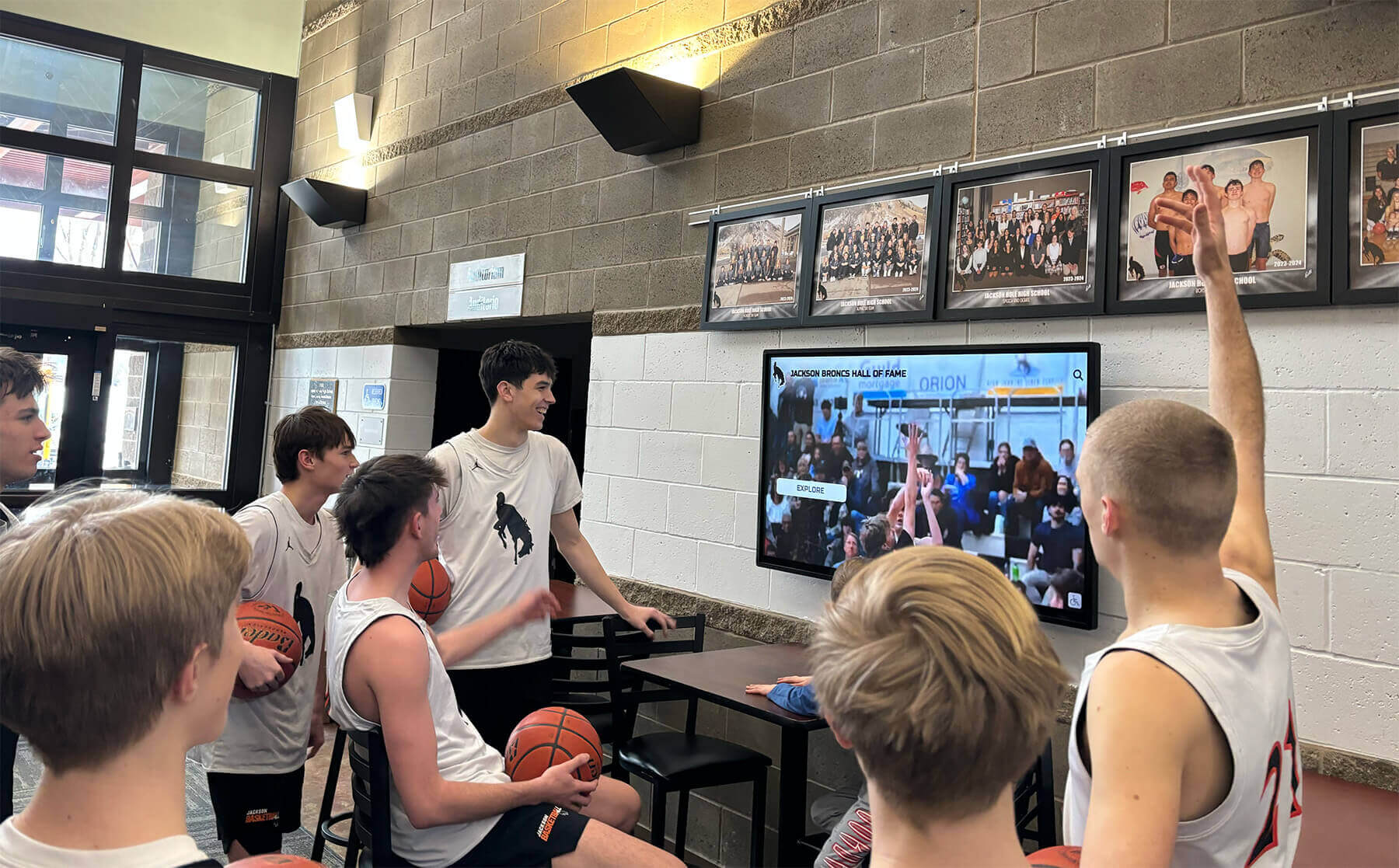
Legacy Society Membership Benefits: Schools should establish formal legacy societies—typically named after founders, campus landmarks, or institutional heritage themes—recognizing all supporters making documented planned gift commitments regardless of estimated value. Membership benefits typically include special recognition at annual events and galas, exclusive communications from presidents or head of school, invitations to insider briefings on strategic initiatives, legacy society pins, certificates, or membership materials, listing in annual reports and donor publications, and permanent recognition on digital donor walls or physical recognition displays.
These benefits honor commitment significance while creating aspirational membership status encouraging additional supporters to join recognized peers through their own planned gift commitments.
Ongoing Communication and Engagement: Unlike annual donors requiring yearly solicitation renewal, planned giving supporters need sustained relationship cultivation ensuring they feel connected to institutions throughout potentially decades between commitment and eventual estate settlement. Effective stewardship includes personalized impact updates showing how legacy gifts fund specific programs, invitations to campus for special access and engagement opportunities, recognition in publications celebrating planned giving impact, milestone acknowledgment on commitment anniversaries, and periodic confirmation of gift documentation ensuring current accuracy as circumstances evolve.
Eventual Gift Realization and Family Stewardship: When estates settle and planned gifts finally realize, schools should honor decedents appropriately through memorial recognition events celebrating donor lives and institutional impact, detailed accounting to families showing how gifts were designated and deployed, ongoing family engagement opportunities building multi-generational relationships, and visible permanent recognition ensuring donor legacies receive lasting acknowledgment.
This careful stewardship converts single-generation planned gifts into multi-generational family relationships often producing subsequent commitments from children and grandchildren who observe how schools honored their family members’ legacies respectfully and impactfully.
Overcoming Common Planned Giving Program Challenges
Schools launching or strengthening planned giving initiatives encounter predictable obstacles requiring proactive management strategies:
Challenge 1: “We’re Too Small for Planned Giving Programs”
Many small schools mistakenly believe planned giving requires large advancement operations or exclusively serves wealthy supporter bases. In reality, planned giving particularly benefits smaller institutions precisely because legacy commitments from modest donors generate disproportionate impact relative to operating budgets. A small independent school receiving even two or three $100,000 bequests annually gains endowment capacity and financial stability impossible through annual fund campaigns alone.
Moreover, smaller schools often maintain deeper alumni relationships and community connections than large universities, creating ideal planned giving environments where personal relationships and institutional impact visibility drive legacy commitment decisions more powerfully than institutional prestige or national reputation. Effective alumni engagement strategies strengthen these relationships while positioning schools favorably during donors’ estate planning conversations.
Challenge 2: Limited Development Staff Capacity
Schools lacking dedicated planned giving officers frequently cite staff capacity constraints preventing program launches. However, planned giving requires different rather than necessarily more staff time compared to annual fund work. One development professional investing 20-25% effort in systematic planned giving cultivation—prospect identification, educational content development, quarterly personal outreach to qualified prospects, and recognition program management—can generate substantial expectancy commitments over 3-5 year periods even while managing annual fund responsibilities simultaneously.
The key involves treating planned giving as strategic priority receiving protected staff time rather than perpetual “someday” initiative repeatedly deferred for urgent annual campaign work. Many schools discover that several secured planned gift expectancies worth $150,000-$400,000 each justify reducing annual fund pressure and staff time significantly as future revenue security increases.
Challenge 3: Discomfort Discussing Mortality and Estate Planning
Development officers and school leaders sometimes express discomfort with planned giving conversations they perceive as morbid discussions of donor mortality or presumptuous inquiries into personal financial situations. This discomfort prevents effective cultivation and solicitation even when donor readiness signals clearly indicate legacy gift interest.
Reframing planned giving conversations toward positive legacy themes—celebrating lifetime values, ensuring perpetual mission impact, honoring family heritage, and creating meaning beyond mortality—addresses this discomfort while positioning discussions more appealingly. When approached thoughtfully, most donors welcome planned giving conversations as opportunities to articulate their values, reflect on institutional impact, and explore how their life’s accumulated resources might advance causes they cherish beyond their lifetimes.
Challenge 4: Long Timeline Between Solicitation and Revenue Realization
Schools accustomed to immediate annual fund revenue sometimes struggle with planned giving’s extended timelines where commitments secured today may not realize for 15-25 years. This delay challenges annual budget planning and can make planned giving feel less urgent than immediate operating needs.
However, mature planned giving programs eventually reach equilibrium where annual bequest receipts roughly match new expectancy additions, creating predictable revenue streams. Schools in program early phases should track expectancy portfolios—total estimated value of documented planned gift commitments—as key metrics demonstrating program success and future revenue security even before estates settle and gifts realize.
Additionally, immediate needs should never prevent future planning. Schools requiring both current operating support and long-term sustainability must pursue annual giving and planned giving simultaneously rather than choosing between them artificially.
Challenge 5: Minimal Visible Donor Recognition Options
Traditional physical donor recognition—bronze plaques and engraved walls—quickly fills available space when schools acknowledge decades of accumulated legacy commitments. This space limitation forces difficult decisions about which donors receive visible recognition, often resulting in minimum thresholds that exclude smaller (but still significant) planned gifts.
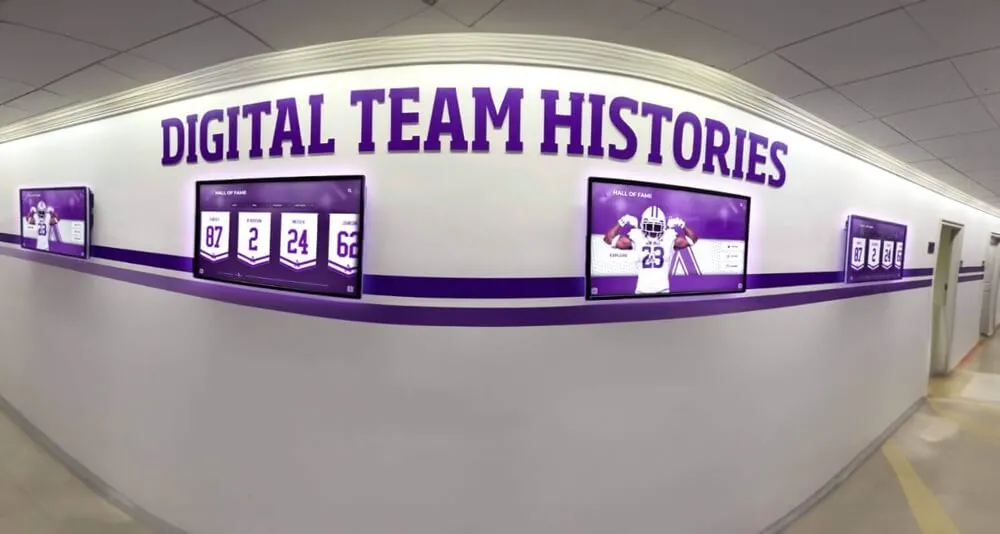
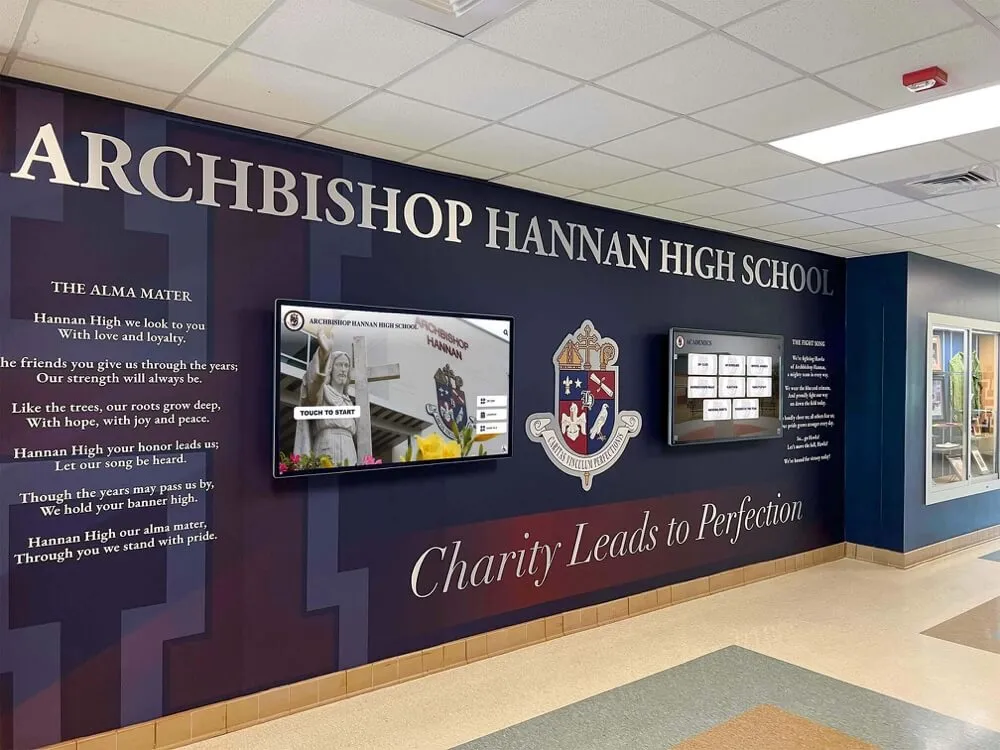
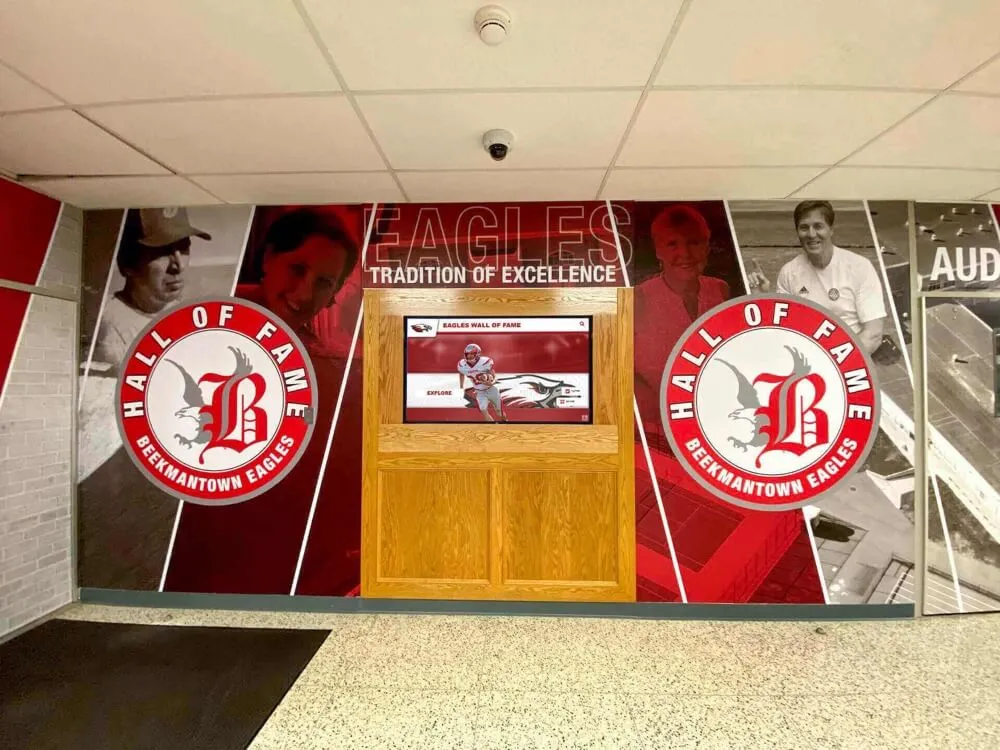
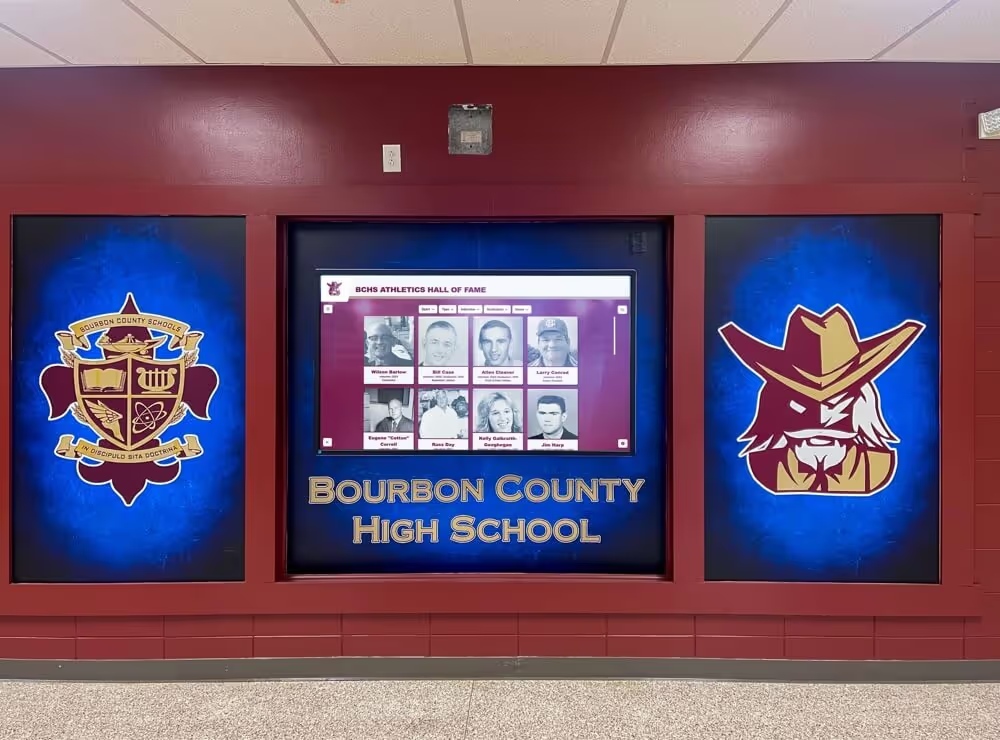
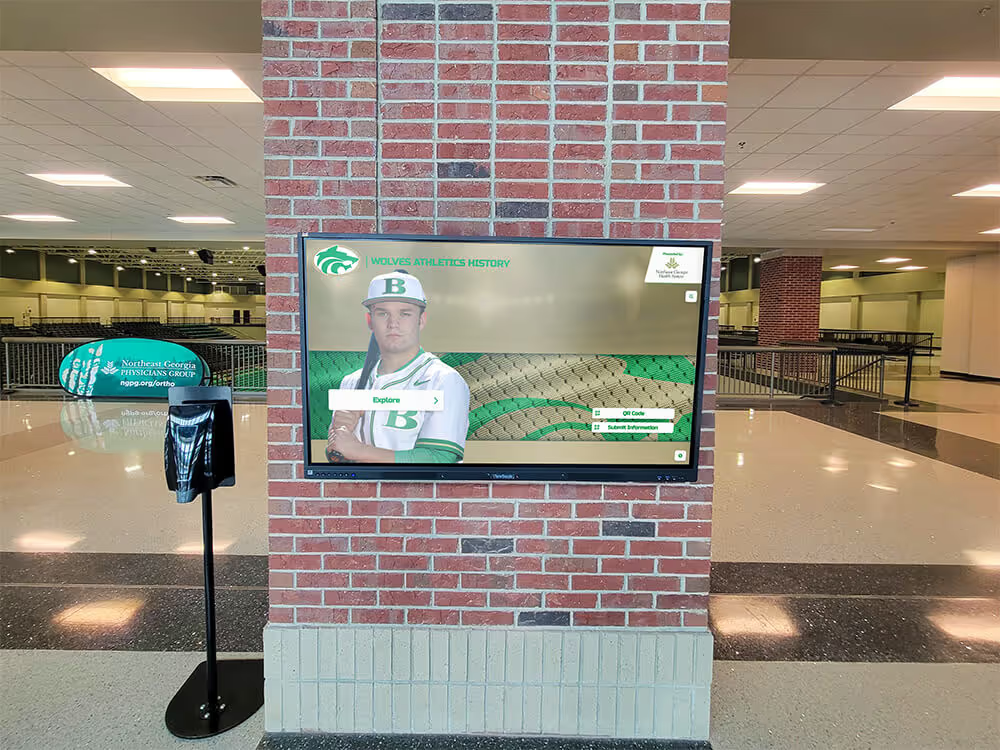
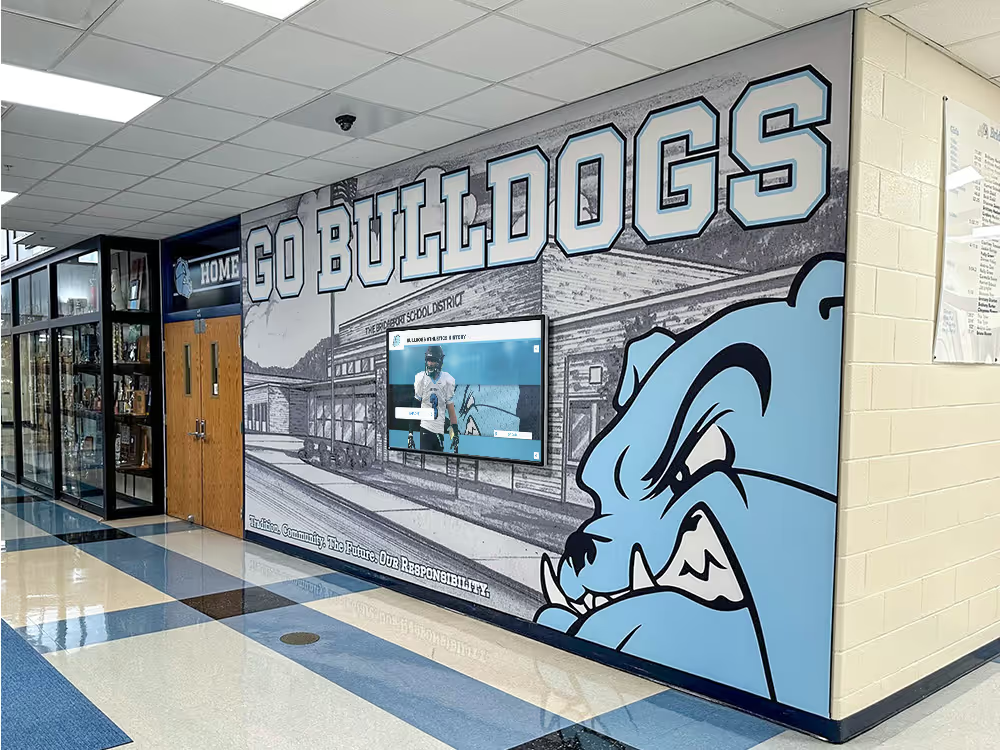
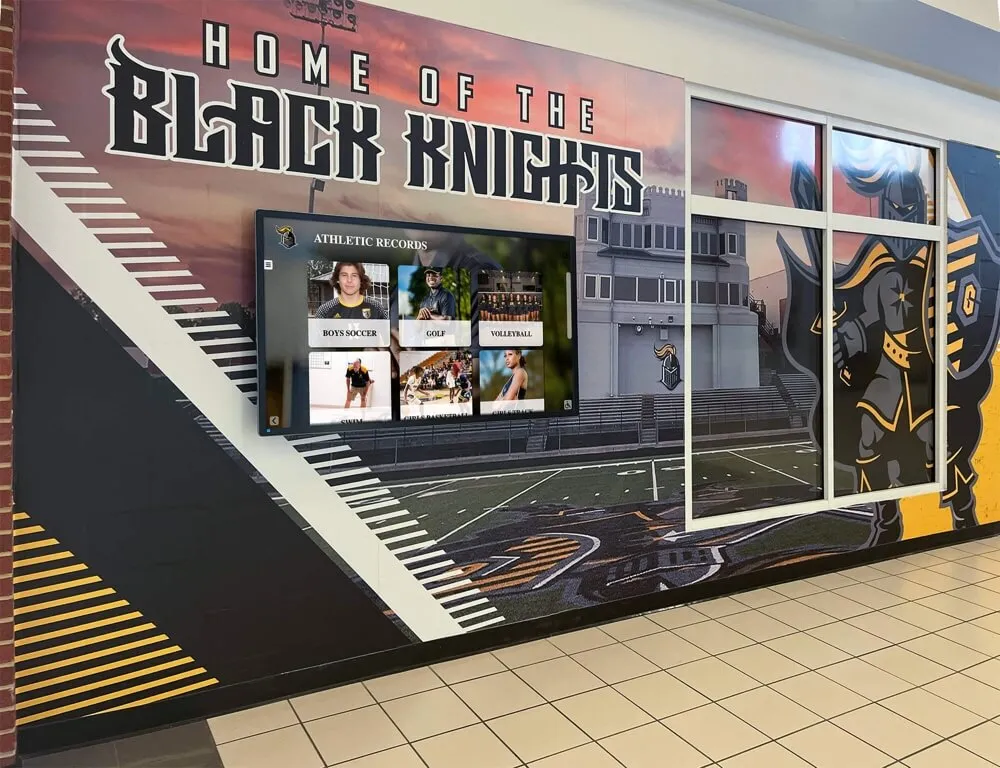
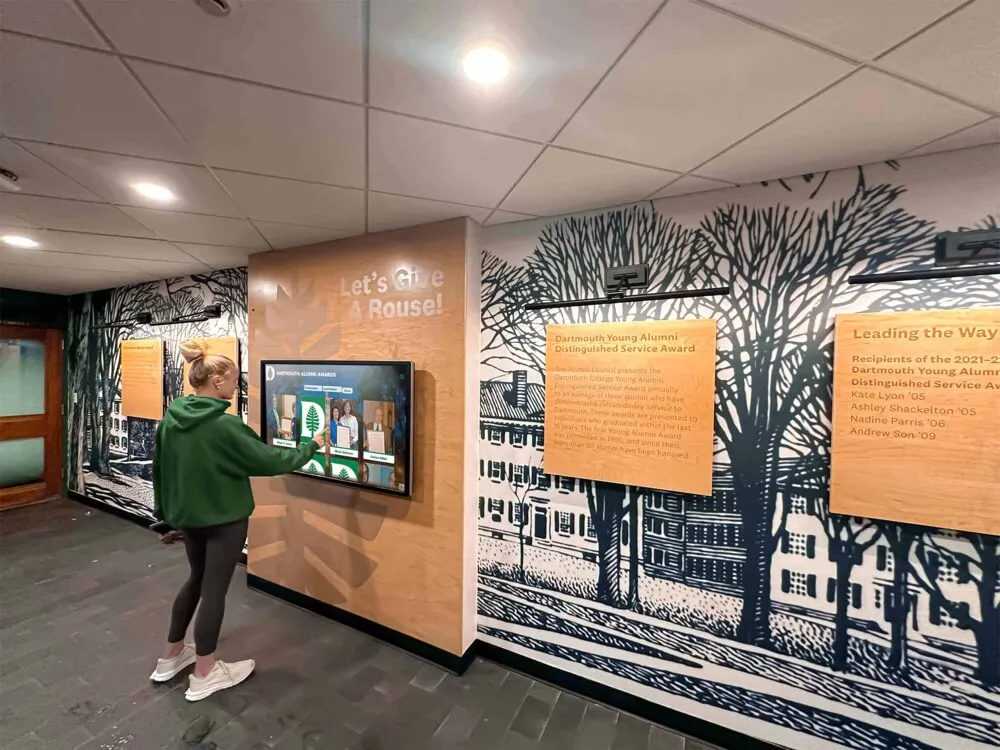
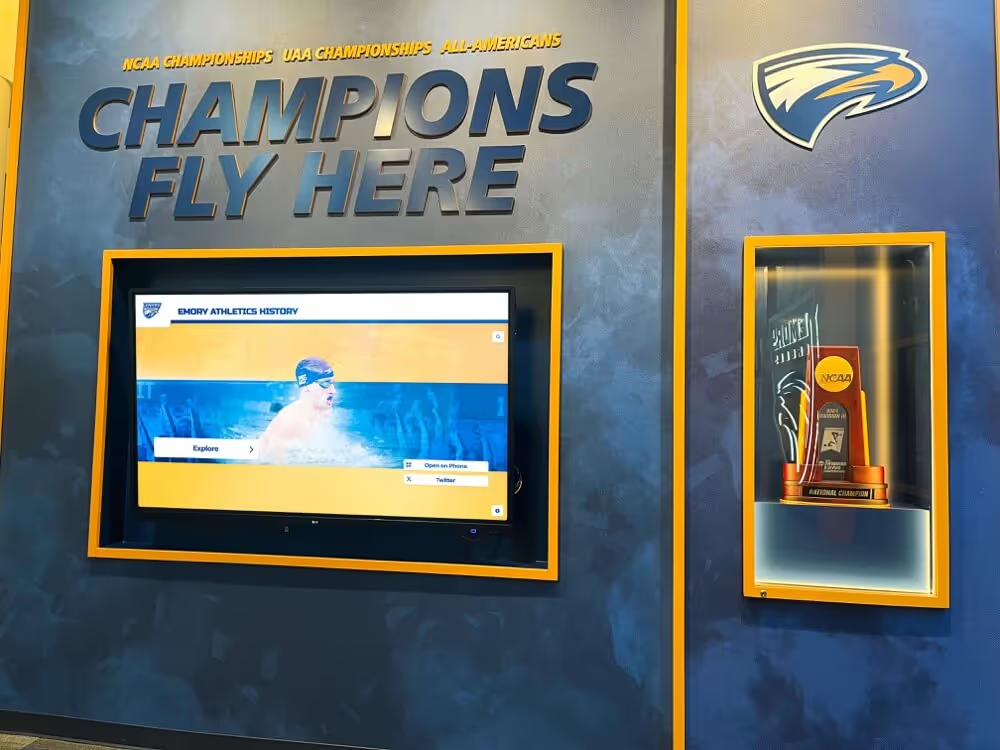
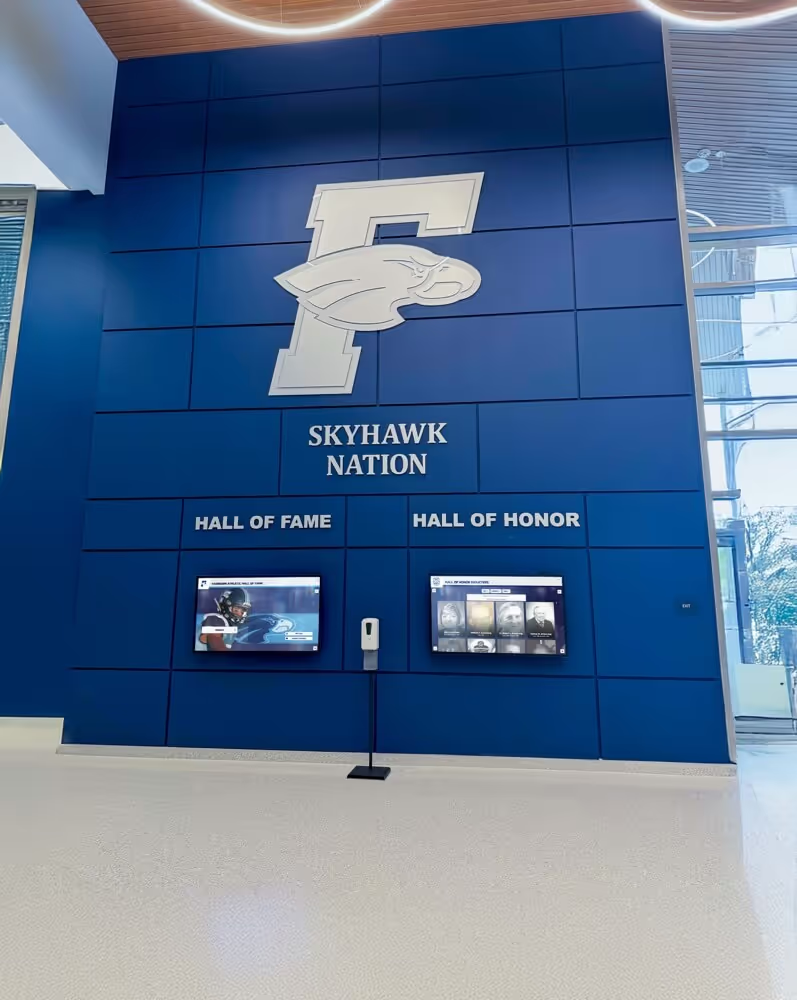
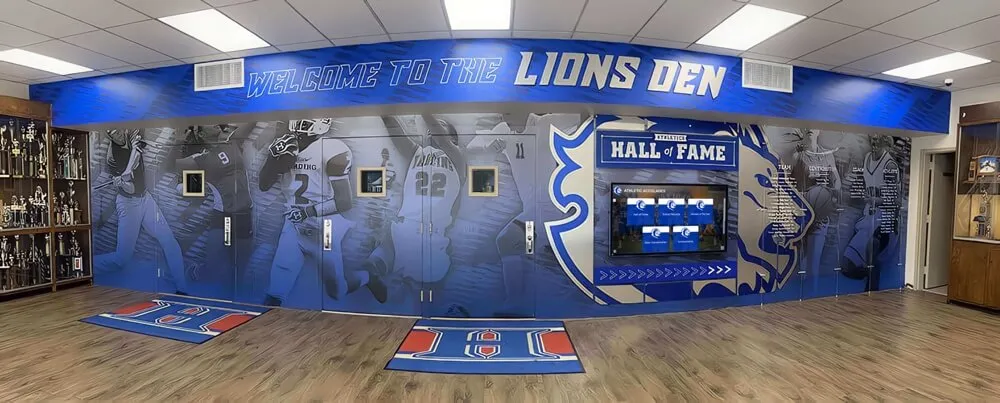
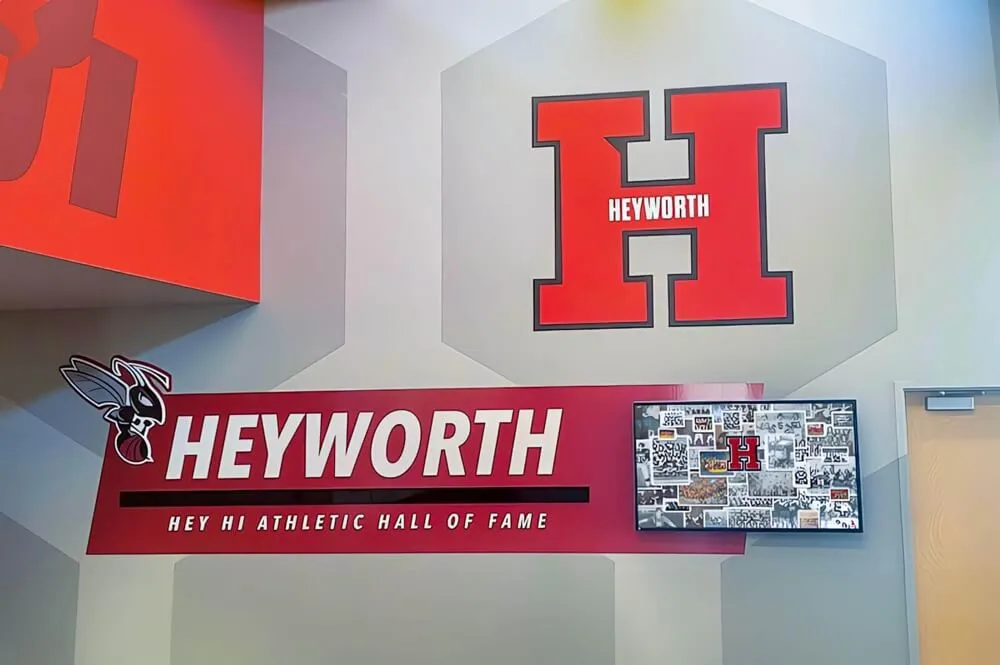
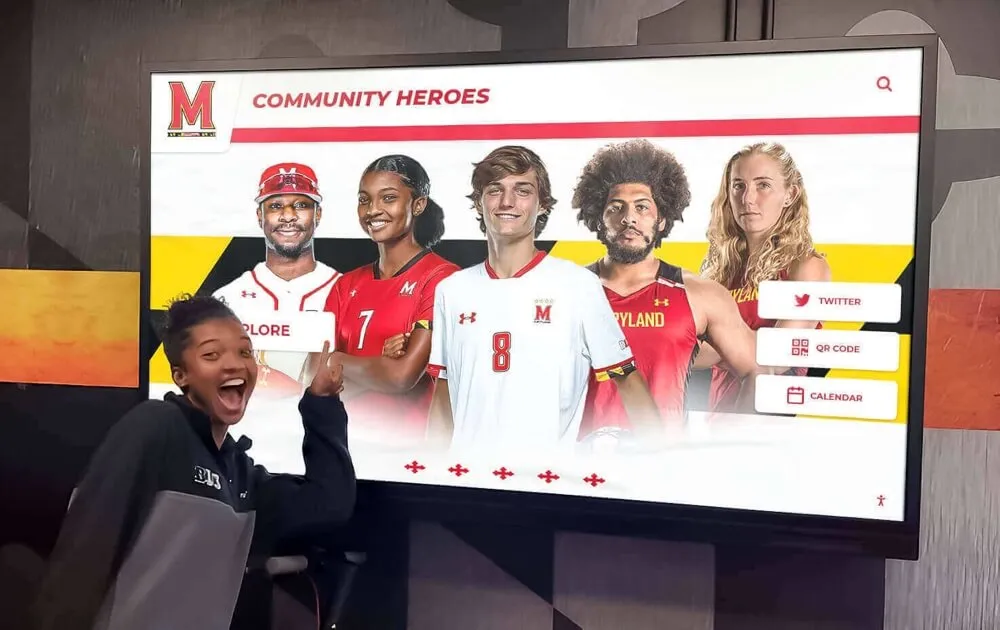
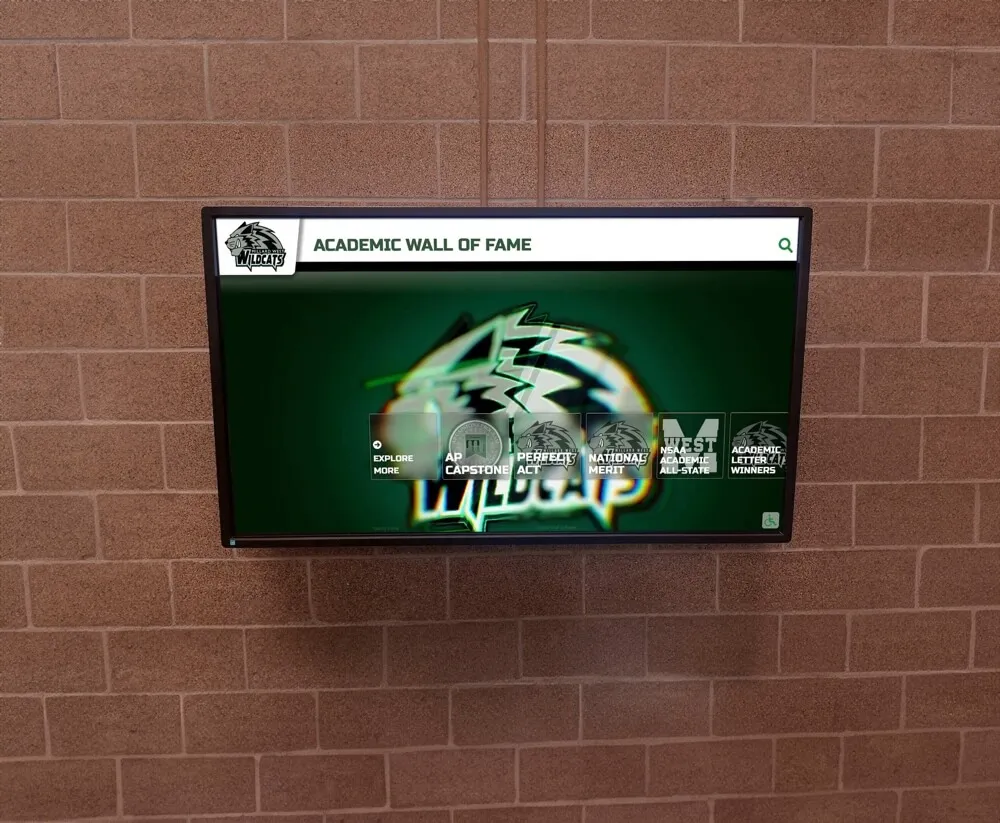
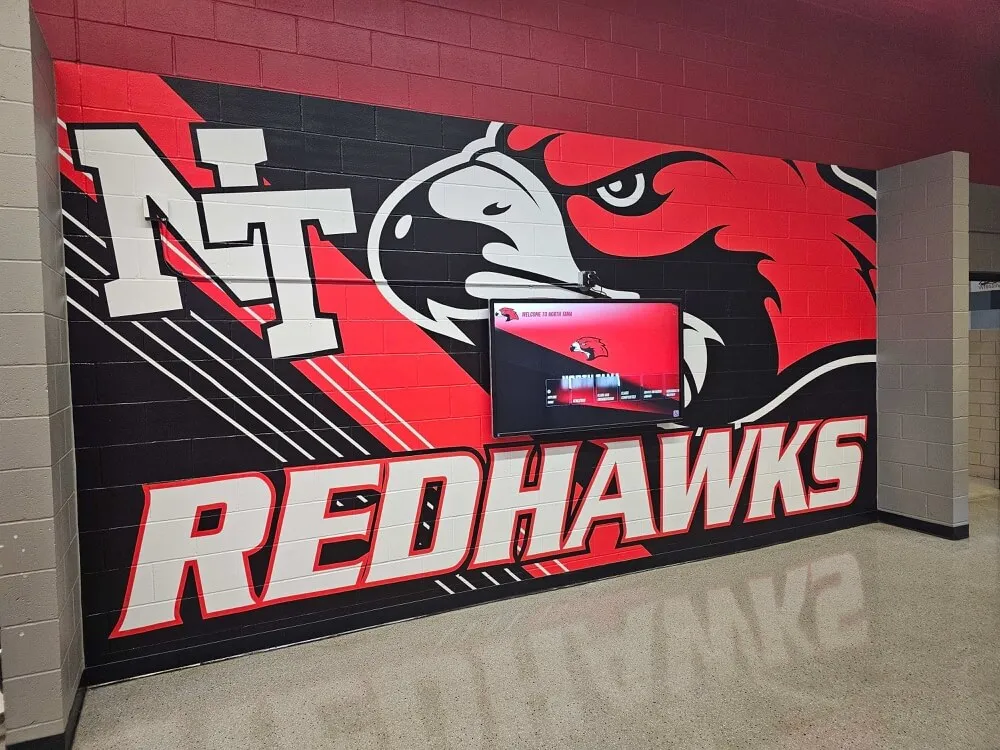
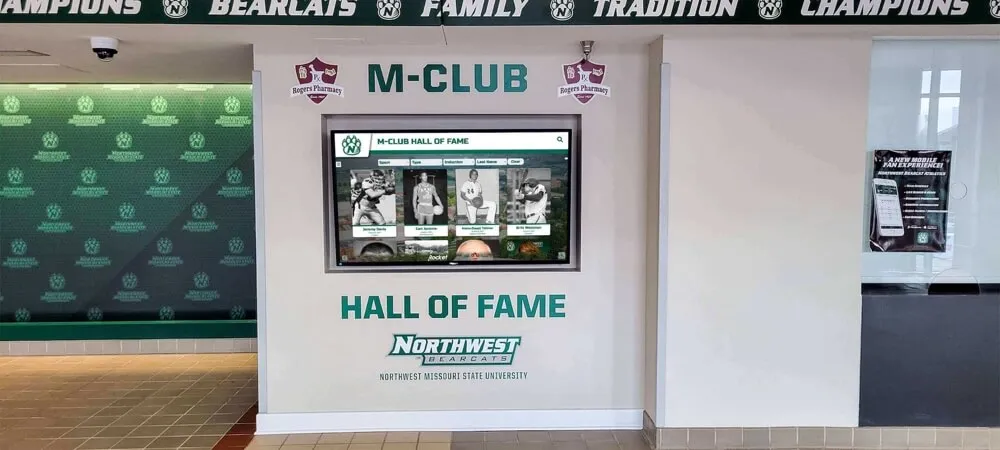
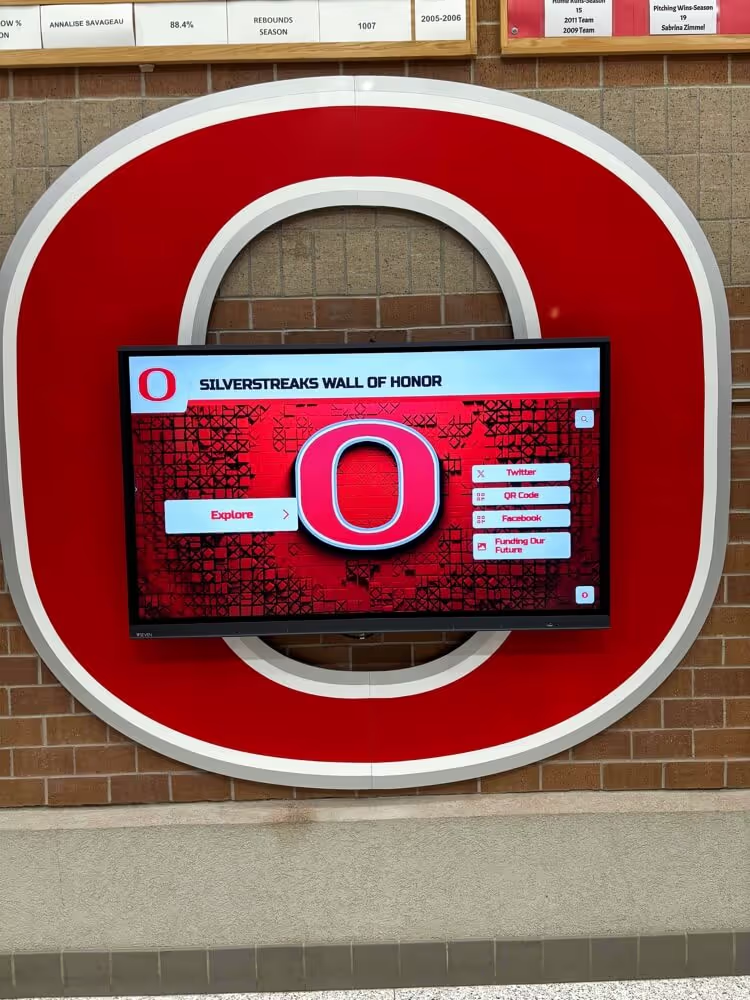
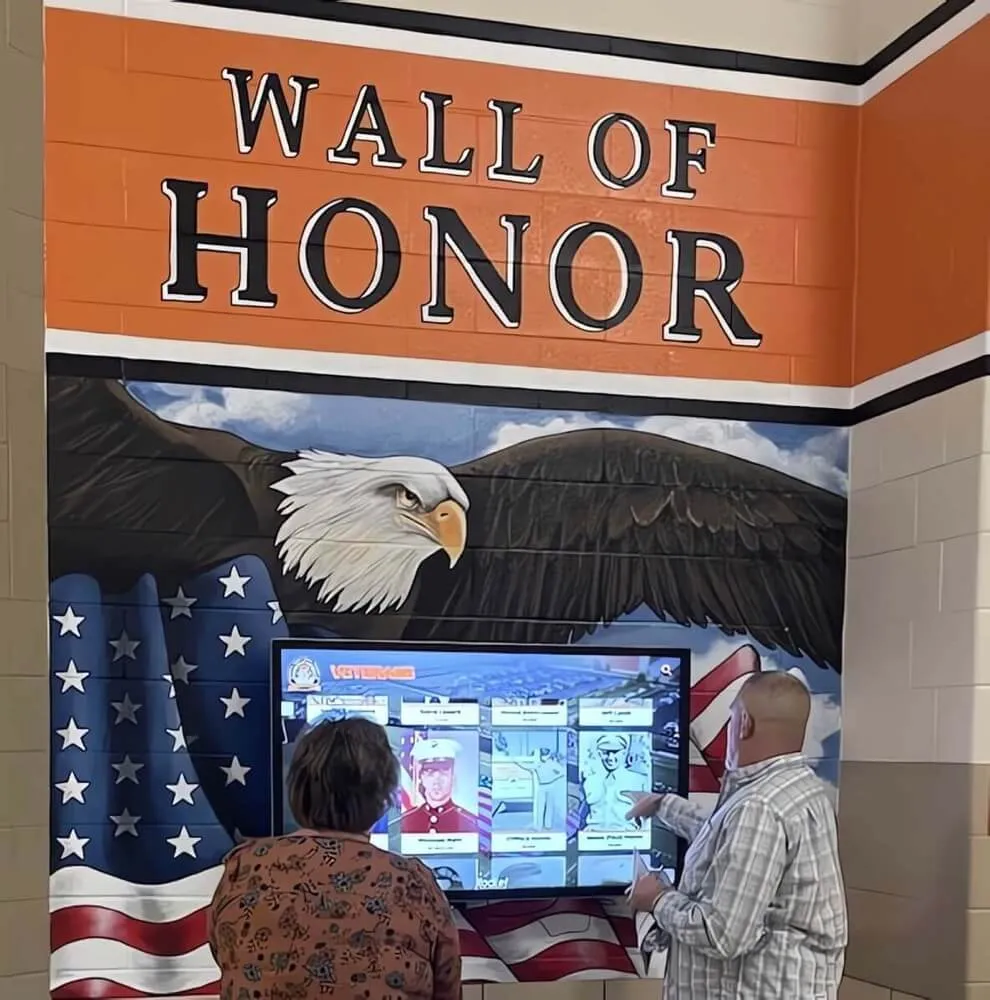
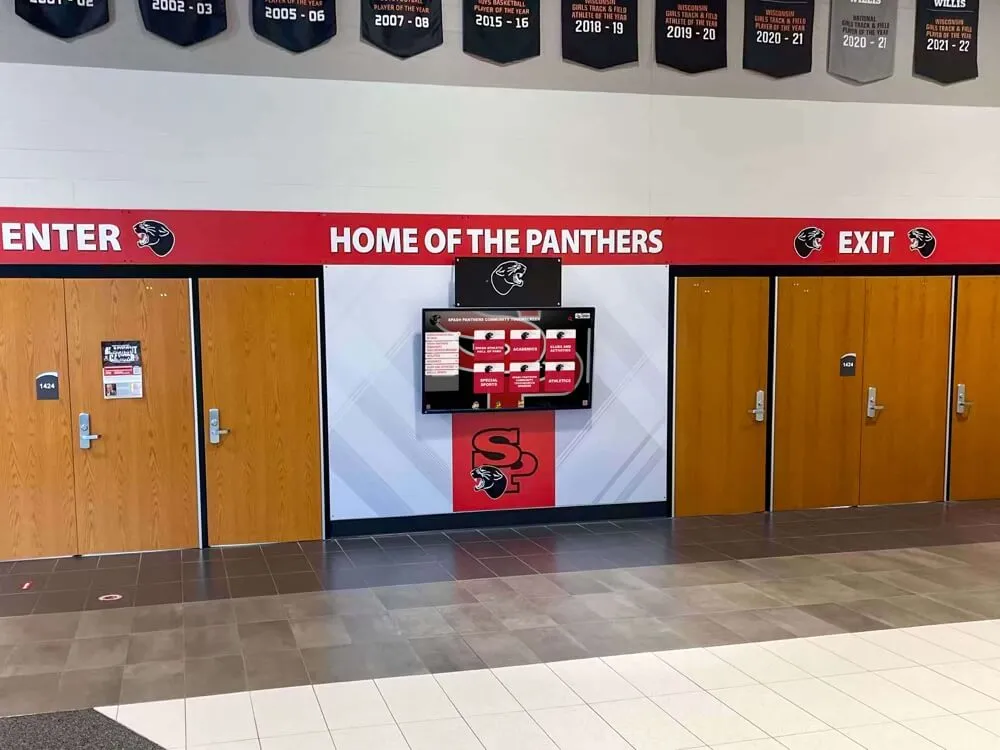
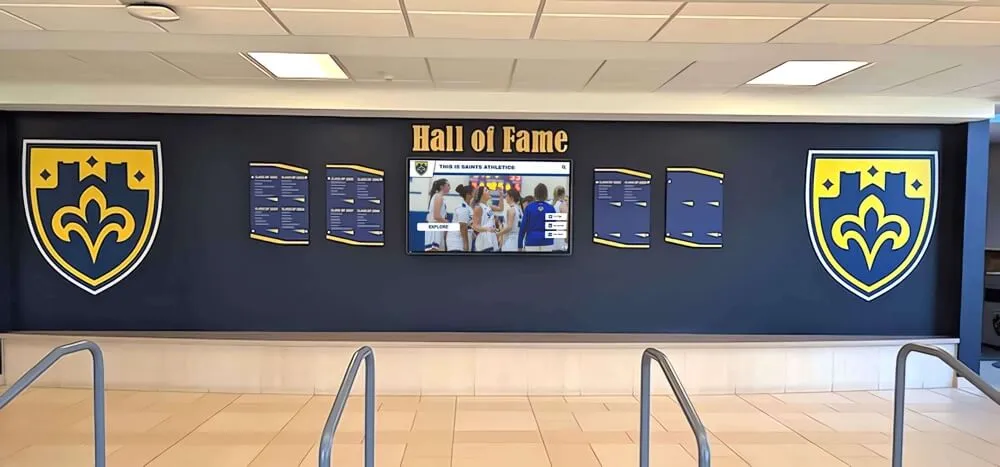
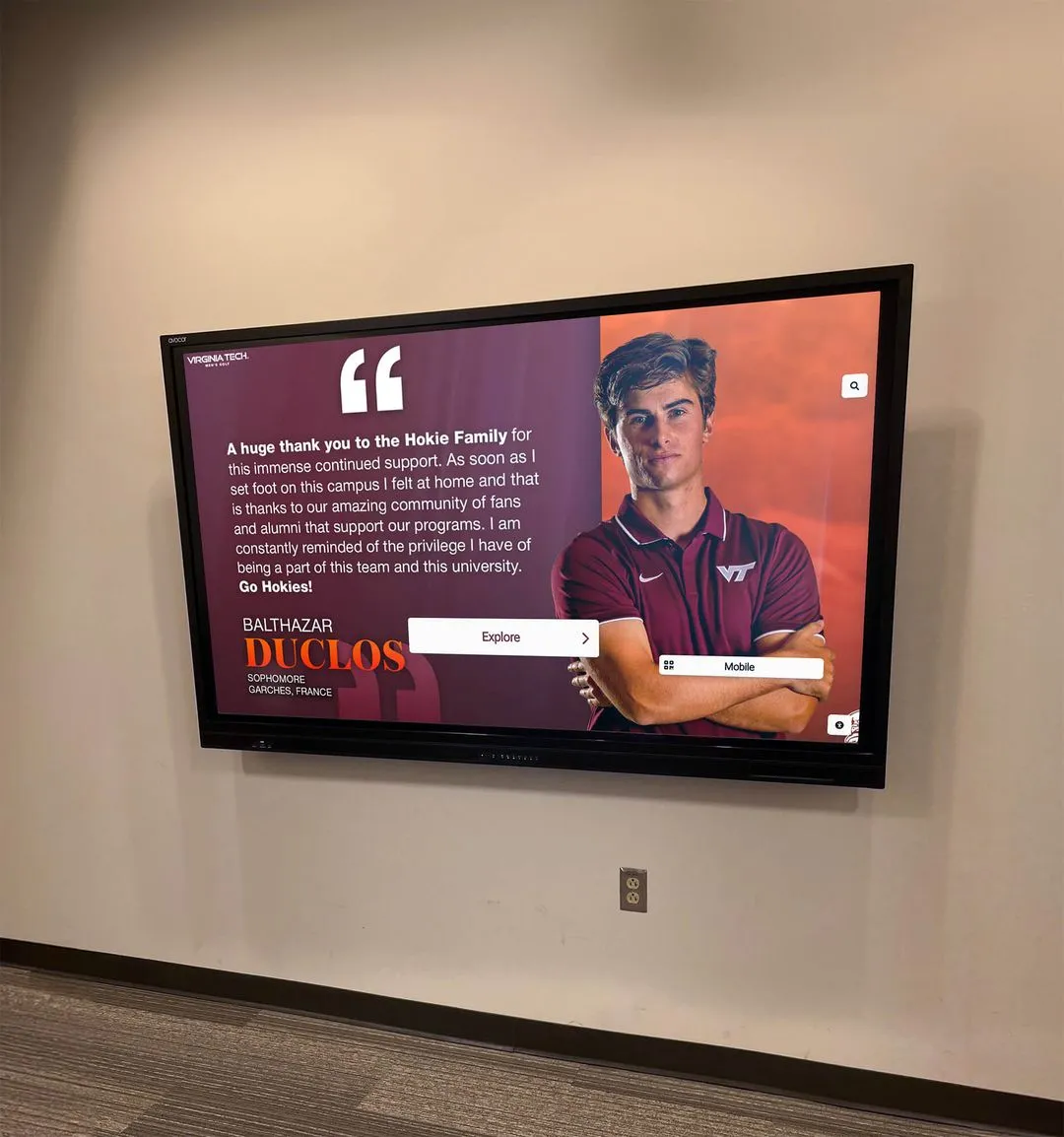
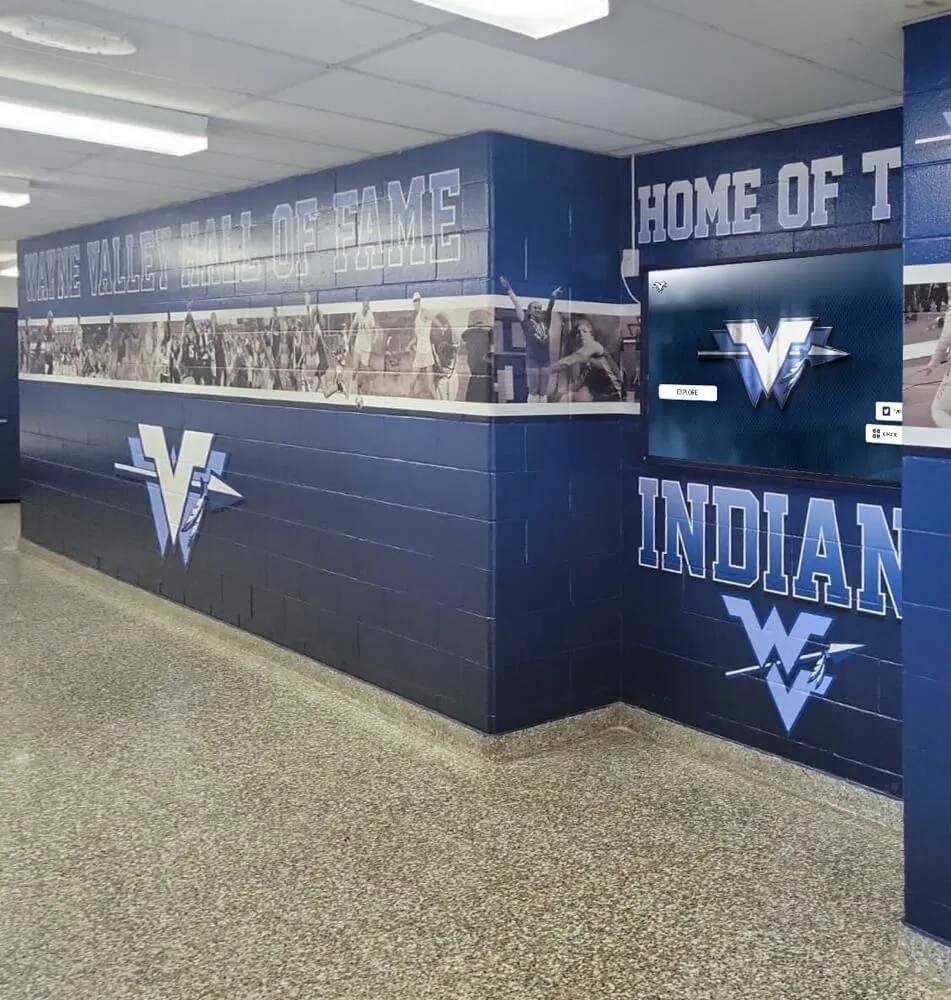
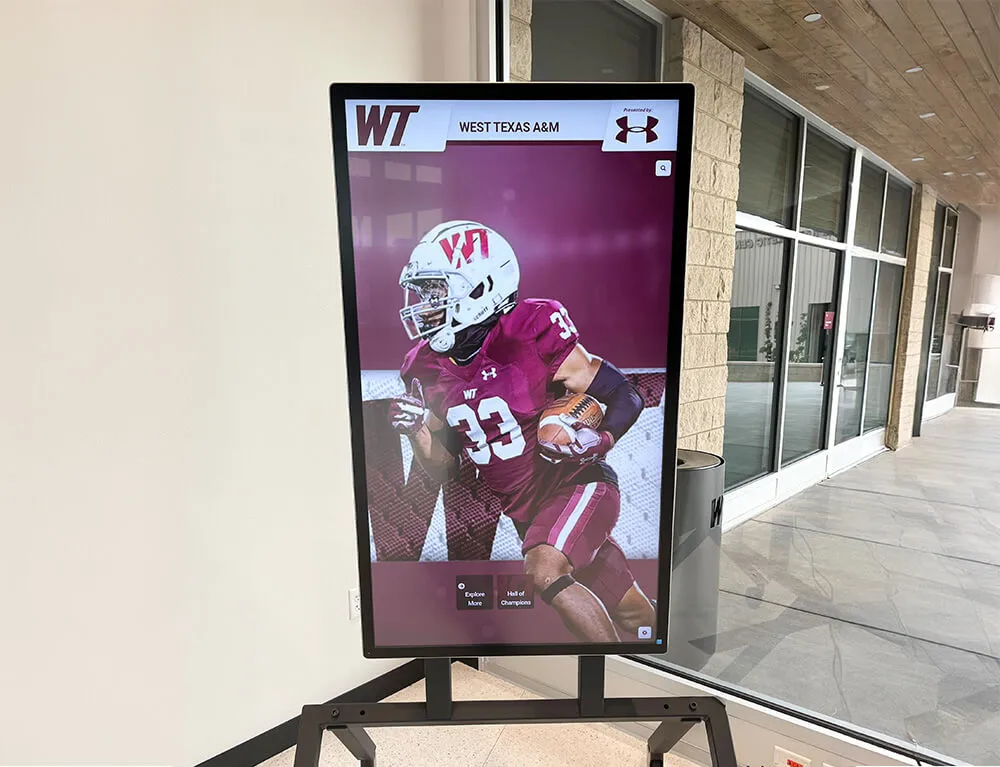
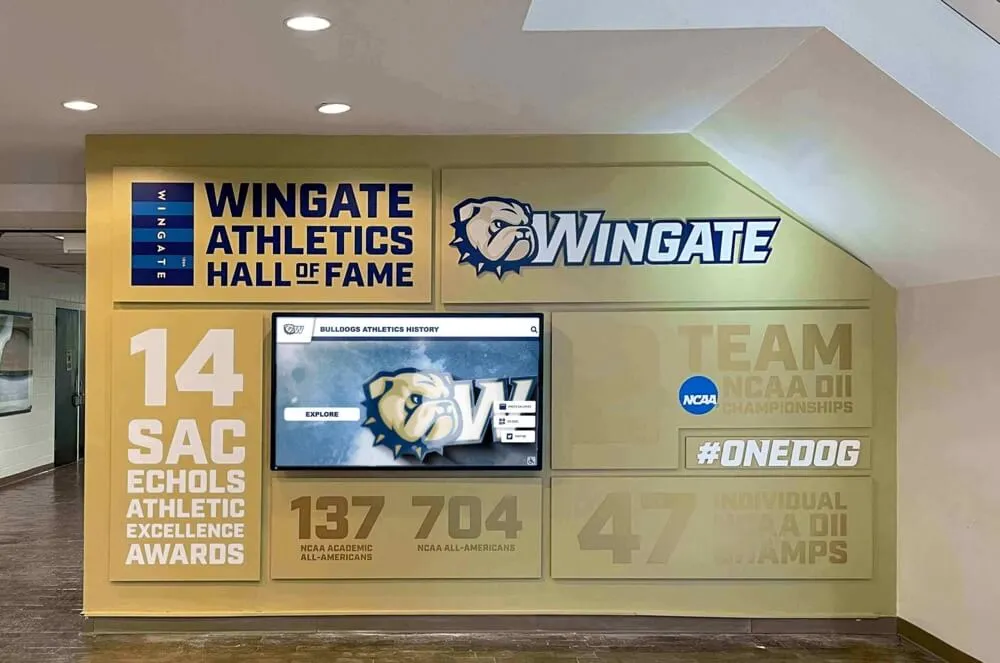
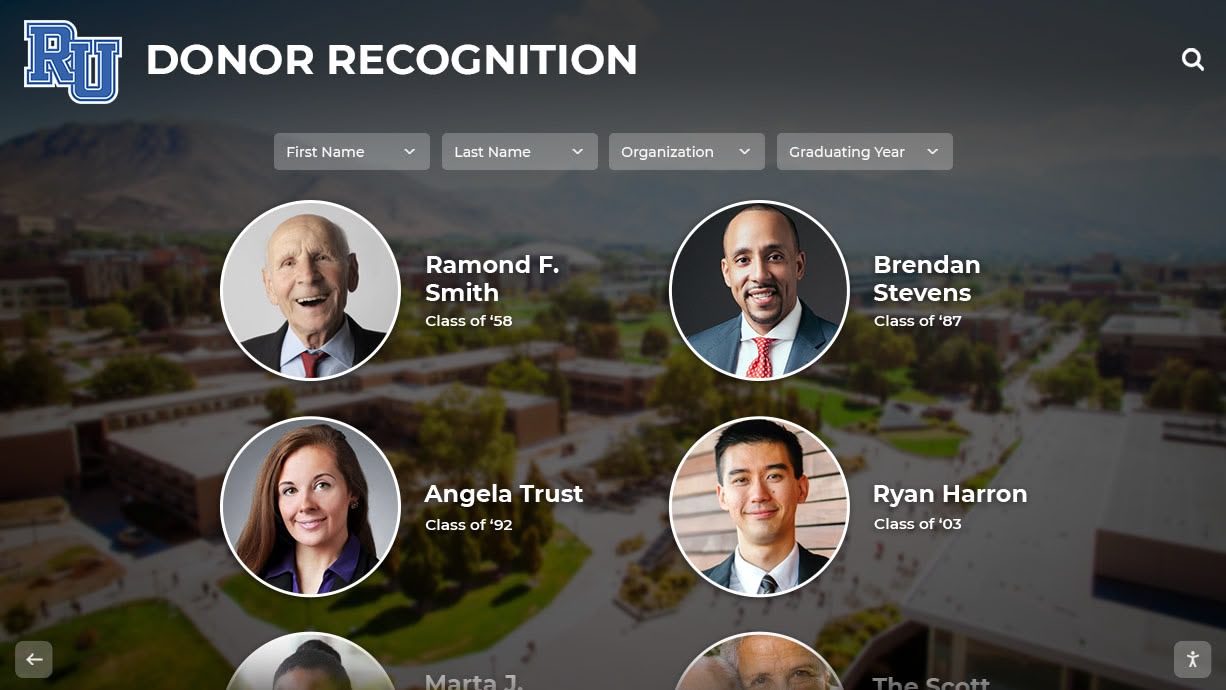
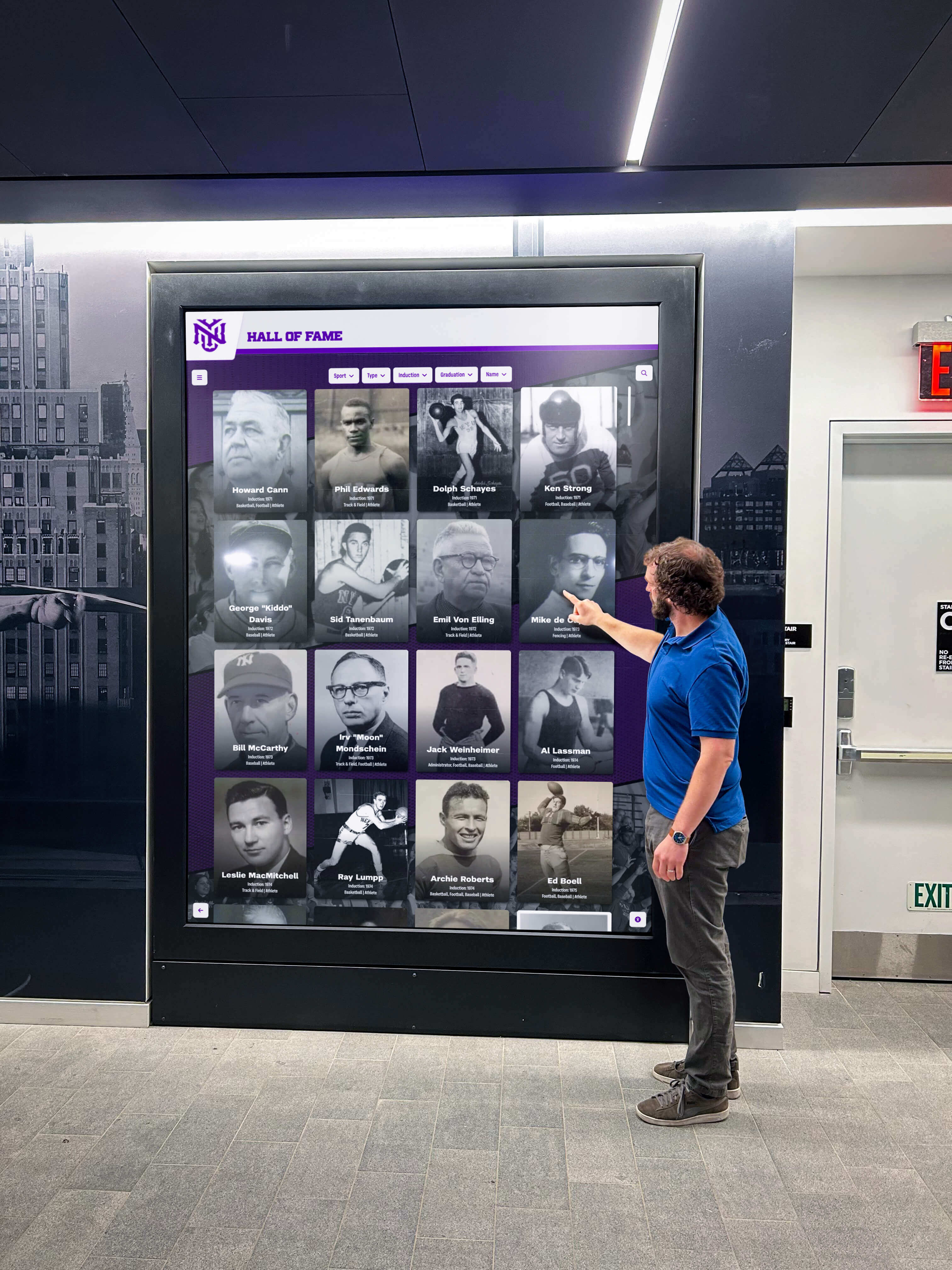
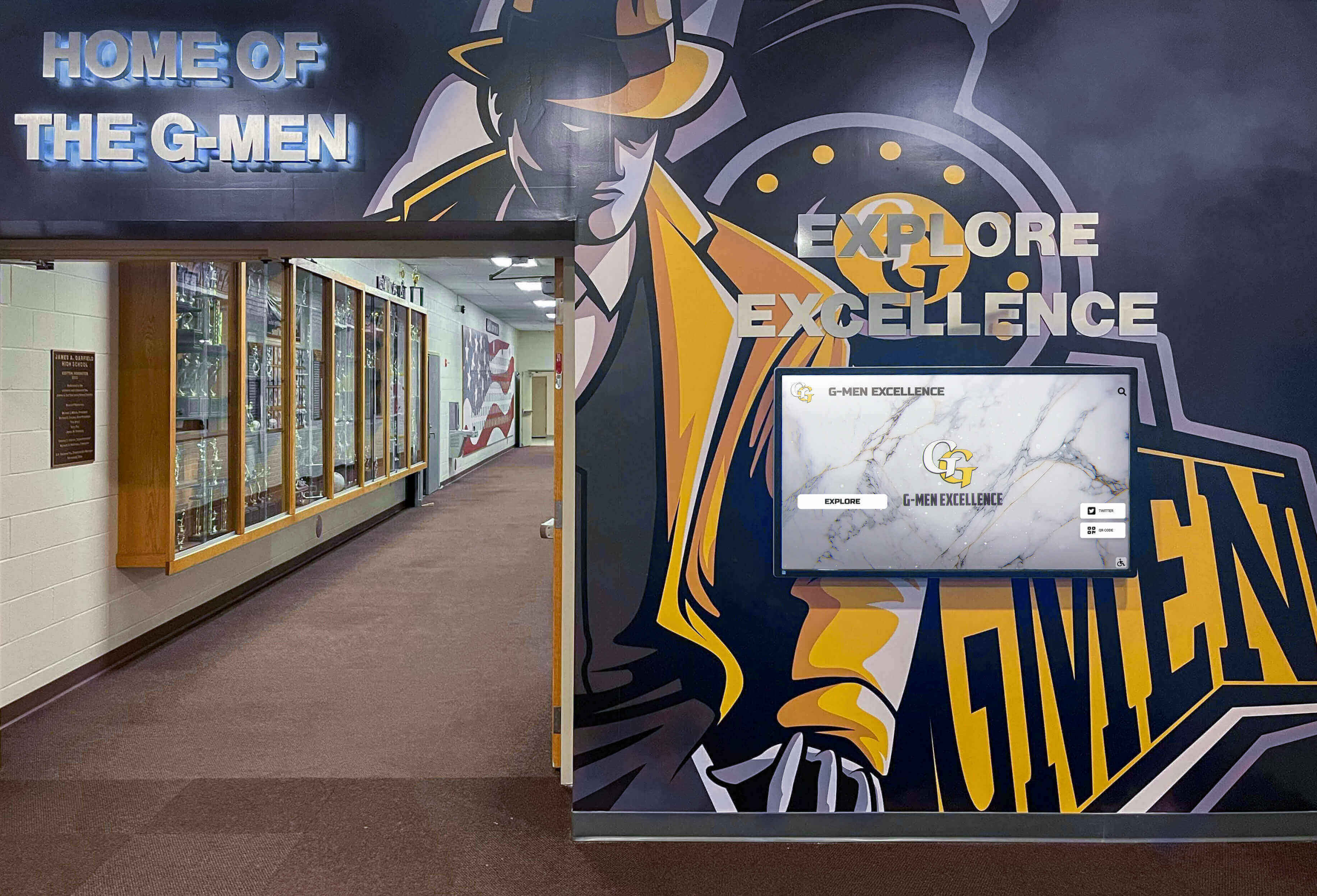
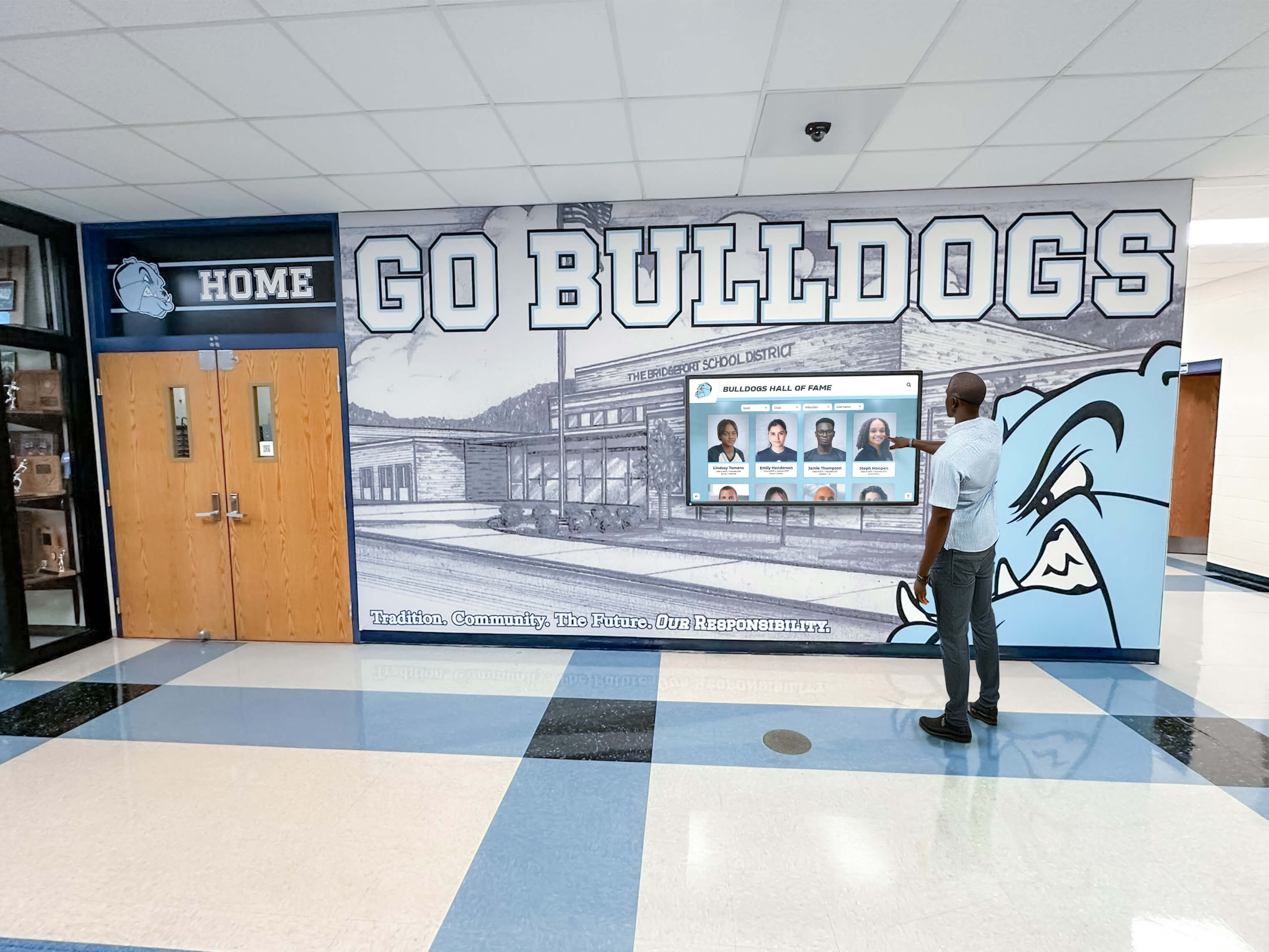
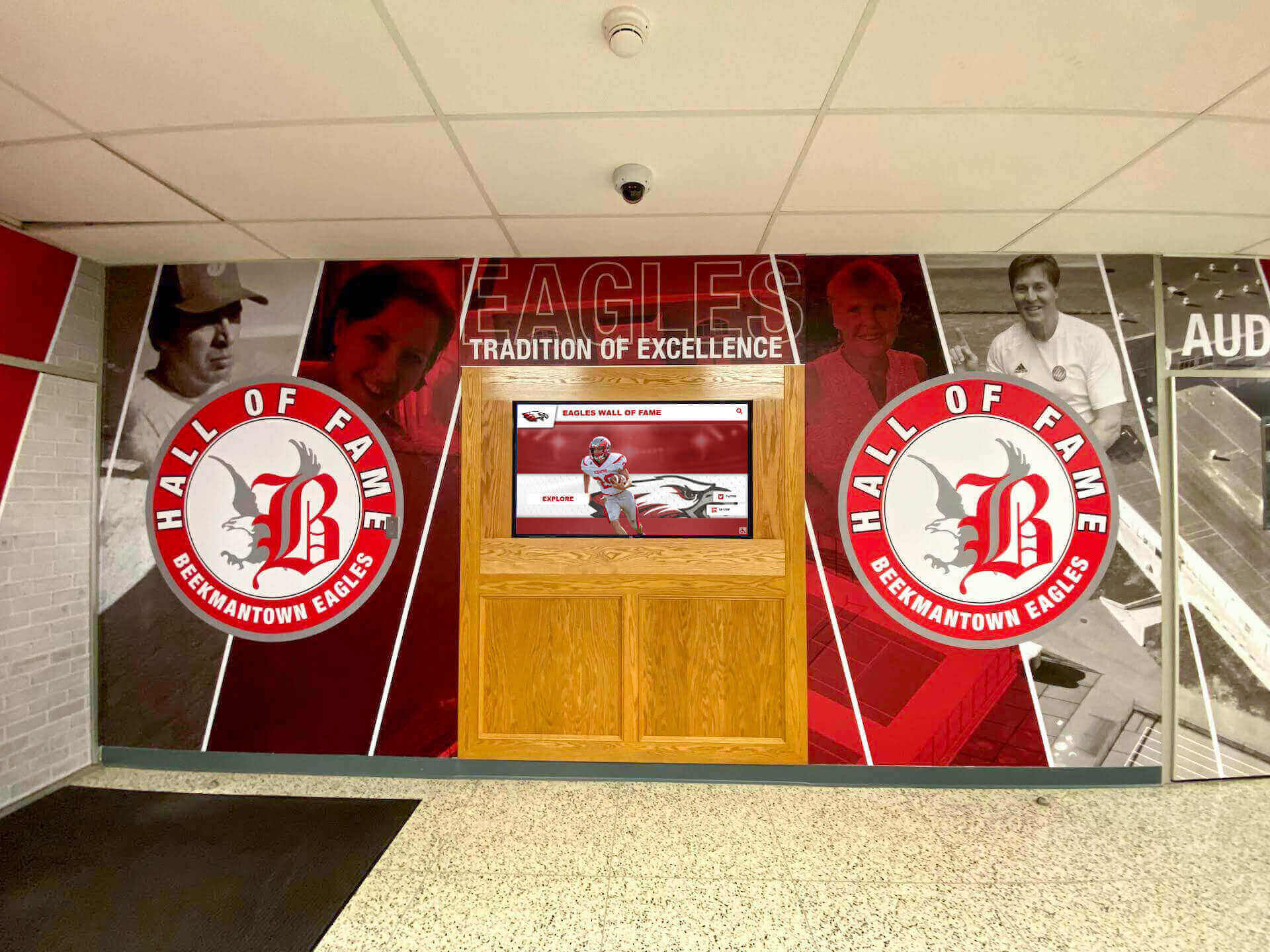
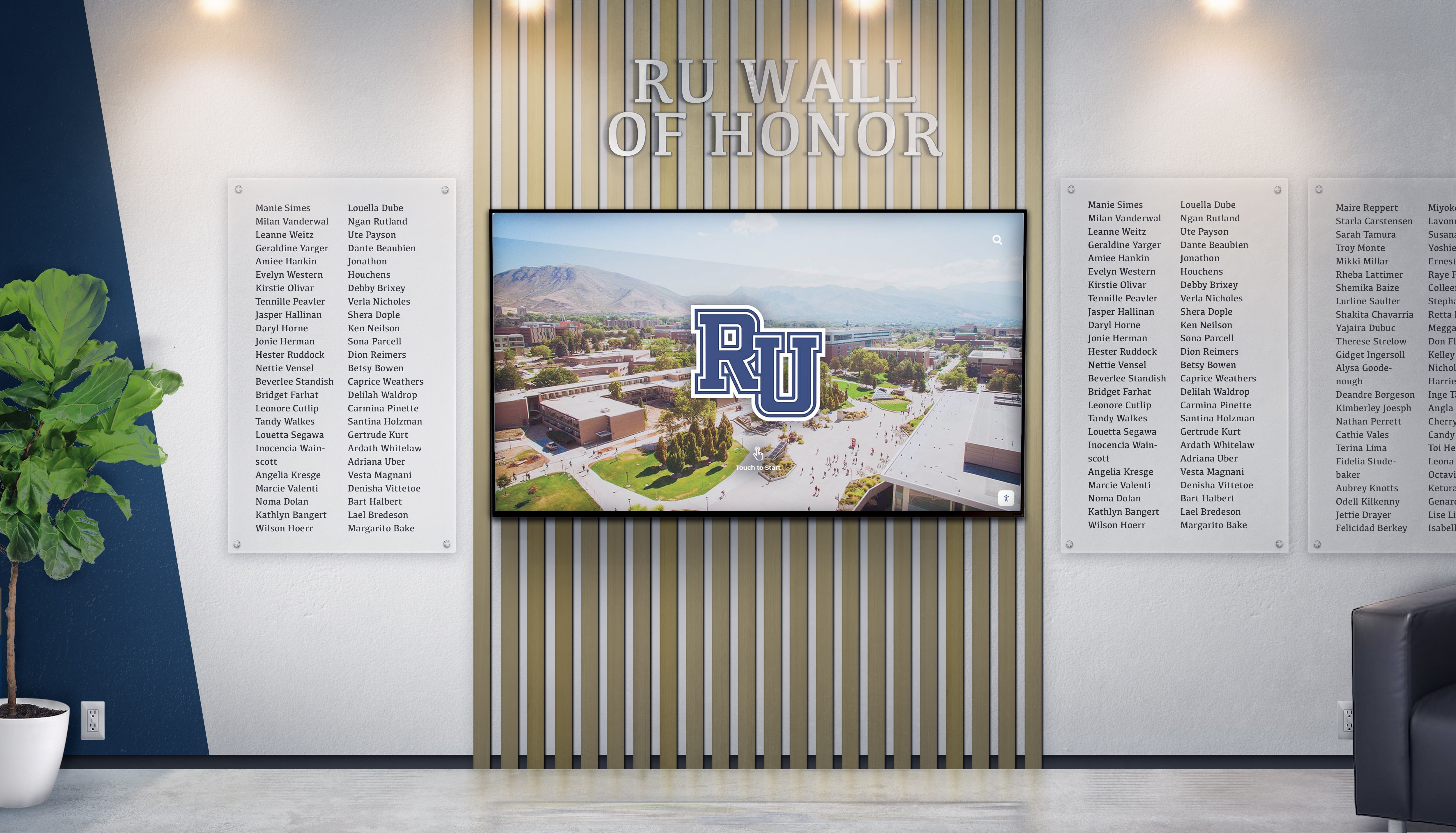
Digital recognition solutions like those from Rocket Alumni Solutions solve this challenge by providing unlimited capacity to honor all planned giving donors comprehensively regardless of commitment size. Interactive touchscreen displays enable schools to showcase complete legacy society membership with detailed donor profiles, personal giving stories, photos, and impact documentation impossible with traditional physical plaques. These systems become powerful cultivation tools as prospects explore peer recognition during campus visits, often asking development officers how they might join honored communities through their own planned gift commitments.
Marketing Your Planned Giving Program Effectively
Even well-designed programs fail without effective marketing making planned giving visible and appealing throughout school communities:
Website Integration: Prominent planned giving sections on school websites should feature simple explanations of available gift vehicles, benefits for donors including tax advantages and recognition options, legacy society information and membership benefits, planning guides and educational resources downloadable without registration requirements, online commitment forms enabling easy documentation, testimonial videos featuring current legacy donors sharing their motivations, and contact information for planned giving officers or development staff. Many schools integrate interactive digital directories featuring legacy society members on their websites to celebrate committed donors publicly.
Many schools bury planned giving information deep within development site sections where only determined prospects discover it. Instead, websites should feature planned giving prominently alongside annual giving, treating deferred gifts as equally important revenue streams deserving visible marketing emphasis.
Publications and Annual Reports: Schools should feature planned giving content regularly throughout constituent communications including legacy society member profiles in magazines and newsletters, estate gift acknowledgments in annual reports celebrating realized bequests, educational articles explaining vehicle types and planning strategies, announcement features when prominent alumni make legacy commitments, and impact stories showing how historic planned gifts fund current scholarships, programs, or facilities.
This consistent visibility normalizes planned giving as expected school support method rather than obscure technical fundraising vehicle known only to development insiders and wealthy estate planning sophisticates.
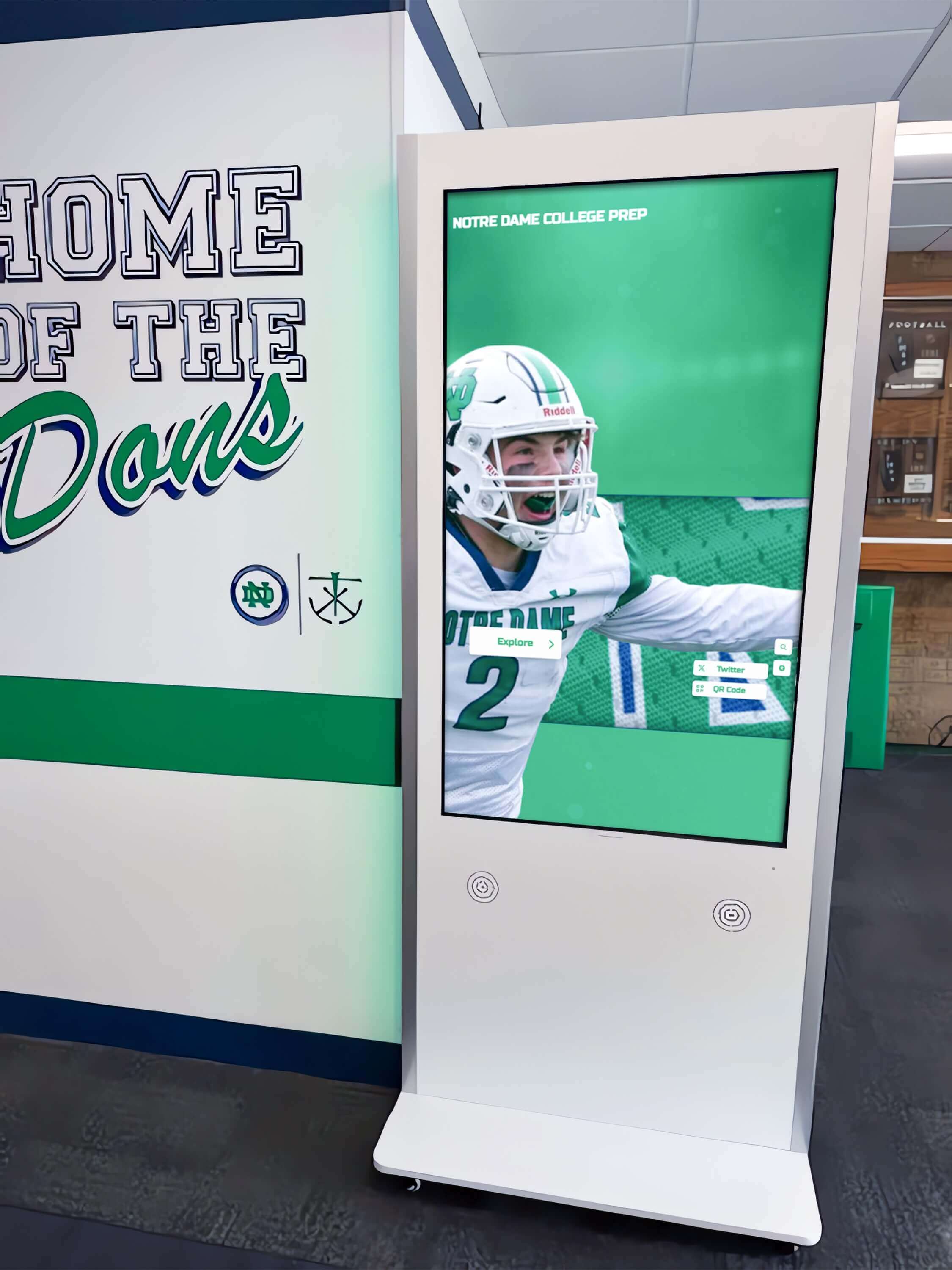
Alumni Events and Campus Visits: Schools should integrate planned giving visibility into all major alumni and parent gatherings through legacy society recognition at galas and reunions, planned giving information tables at homecoming and family weekends, brief president or head remarks acknowledging legacy society members present, printed materials about planned giving programs in event registration packets, and opportunities for interested attendees to schedule follow-up conversations with development officers. Digital archives and historical displays at these events help donors reconnect emotionally with their school experiences, strengthening legacy gift motivations.
Peer-to-Peer Testimonials: Current legacy society members often serve as powerful planned giving ambassadors when willing to share their commitment stories publicly. Schools should cultivate volunteer advocate relationships with articulate donors comfortable discussing their planned gifts through video testimonials featured on websites and at events, written profiles in publications sharing motivation and decision processes, speaking roles at donor gatherings discussing planned giving benefits, and personal outreach to peers in similar life stages considering similar commitments.
Prospect donors trust peer experiences more authentically than development officer pitches, making volunteer advocates extraordinarily effective marketing investments requiring modest staff facilitation. Schools can showcase these compelling donor stories through interactive touchscreen displays positioned in high-traffic campus locations where prospects naturally encounter peer testimonials.
Measuring Planned Giving Program Success
Schools should track key metrics demonstrating program effectiveness and informing strategic refinements:
Expectancy Portfolio Value: Total estimated value of all documented planned gift commitments provides the clearest measure of program success and future revenue security. Schools should track portfolio growth year-over-year while recognizing that expectancies represent estimates rather than guaranteed revenue since circumstances change and some commitments ultimately fail to realize as anticipated.
New Commitments Secured Annually: Tracking annual new legacy commitments secured demonstrates cultivation effectiveness and pipeline health. Mature programs typically secure commitments equaling 3-8% of operating budgets annually depending on institution size, alumni engagement levels, and cultivation intensity.
Legacy Society Membership Growth: Total legacy society members and year-over-year growth rate reveal program reach and donor engagement breadth. Schools should aim for legacy society membership representing 2-5% of active donor bases as reasonable maturity goals, though percentage varies substantially by institution type and constituent demographics.
Realization Rate: Percentage of expectancies ultimately realizing as actual bequests when estates settle indicates documentation quality and stewardship effectiveness. Well-managed programs typically achieve 70-85% realization rates, with shortfalls primarily resulting from changed donor circumstances, family challenges to estate provisions, or inaccurate initial commitment estimates rather than documentation failures or inadequate stewardship.
Cost Per Dollar Raised: Planned giving typically achieves exceptional efficiency metrics with cost ratios of $0.08-$0.15 per dollar raised long-term—dramatically superior to annual fund efficiency of $0.18-$0.35 per dollar. However, front-loaded program investment costs may temporarily skew ratios during launch phases before expectancy portfolios mature and estates begin settling regularly.
Creating Lasting Donor Recognition Through Modern Display Technology
Successful planned giving programs require visible donor recognition honoring legacy commitments appropriately while creating aspirational membership status inspiring additional supporters to join recognized communities. Traditional bronze plaques and physical walls serve this purpose but impose limiting constraints including fixed capacity requiring minimum thresholds that exclude smaller gifts, inability to update or enhance recognition as donor relationships evolve, minimal information capacity restricting acknowledgment to names and dates without storytelling, and accumulated costs when adding new donors requiring fabrication and installation. Forward-thinking schools increasingly transition toward modern digital recognition solutions that eliminate these traditional constraints entirely.
Modern digital recognition platforms address these limitations while providing superior donor engagement through unlimited capacity accommodating all legacy society members regardless of commitment size, comprehensive donor profiles featuring photos, biographies, and personal giving stories, flexible updates enabling continuous recognition enhancement as relationships deepen, searchable interfaces allowing visitors to discover recognition content relevant to their interests, and compelling visual presentation creating memorable experiences during campus visits.
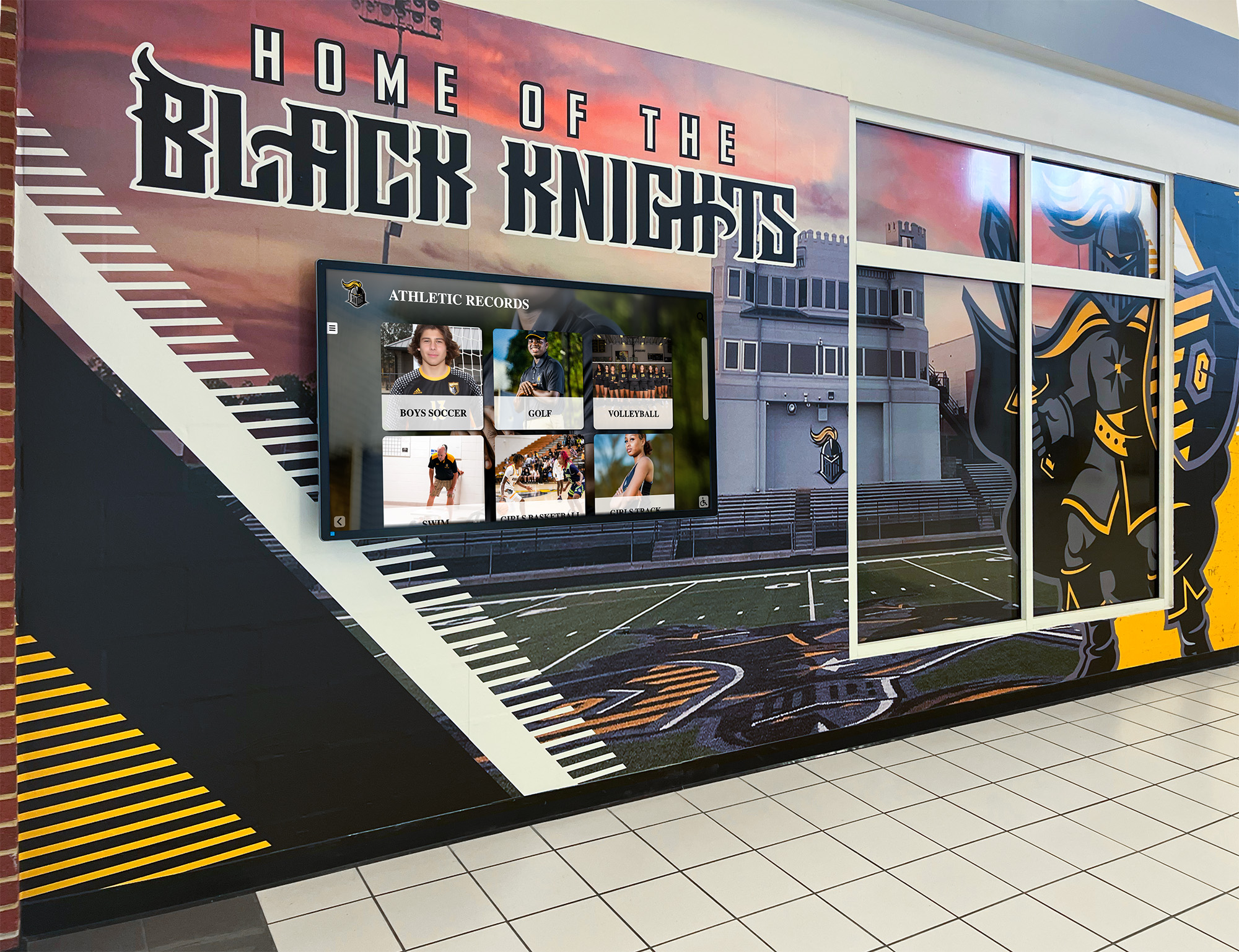
Solutions like Rocket Alumni Solutions provide purpose-built platforms specifically designed for educational recognition needs, combining professional presentation quality with intuitive content management enabling development staff to update donor profiles efficiently without technical expertise. These systems become powerful cultivation tools as planned giving prospects explore legacy society recognition during campus visits, often expressing interest in joining honored donor communities through their own estate commitments.
Digital recognition proves particularly valuable for planned giving contexts because legacy commitments involve extended timelines between initial documentation and eventual estate settlement—sometimes spanning decades. During these extended periods, donor relationships typically deepen through ongoing engagement, volunteer service, additional giving, or family involvement in school communities. Digital platforms enable schools to enhance donor recognition continuously throughout these evolving relationships rather than creating static acknowledgment frozen at initial commitment moments, better reflecting true relationship depth and cumulative institutional impact.
Moreover, comprehensive digital displays accommodate various recognition tiers and giving society structures without space constraints forcing artificial exclusions or minimum thresholds. Schools can recognize all planned giving commitments—from modest $25,000 bequests to transformational $1,000,000+ estate provisions—appropriately through tiered presentation while maintaining unified legacy society community celebrating shared commitment regardless of individual capacity differences. Educational institutions benefit from specialized donor recognition displays designed specifically for schools’ unique advancement needs and recognition contexts.
Ethical Considerations and Best Practices
Planned giving involves sensitive discussions about personal finances, family relationships, and mortality requiring development professionals to maintain highest ethical standards:
Avoiding Undue Influence: Development officers should never pressure donors toward planned gift decisions or suggest specific estate allocation percentages appropriate for charitable designations versus family provisions. Instead, they should provide information, facilitate professional advisor consultations, and position schools favorably during supporter planning processes while respecting complete donor autonomy over personal financial decisions.
Family Relationship Respect: When engaging older donors about planned gifts, development staff should encourage family discussion about charitable estate intentions when appropriate, respect family priority over charitable interests in all guidance, avoid positioning themselves between donors and potential heirs, and suggest donor consultation with family members and professional advisors before finalizing significant estate commitments.
Accurate Gift Documentation: Schools must document planned gift commitments accurately without overstating expectancy values, pressuring donors toward irrevocable commitment structures, or implying that flexible intentions constitute binding pledges. Development databases should clearly distinguish documented intentions from enforceable legal obligations.
Professional Advisor Relationships: Schools should maintain collaborative relationships with estate planning attorneys, financial advisors, and CPAs serving donor interests rather than viewing these professionals as obstacles to gift completion. Development officers should encourage donor consultation with trusted advisors, provide technical gift information facilitating advisor due diligence, and respect professional guidance these advisors provide even when recommendations conflict with institutional preferences.
These ethical practices protect both donors and institutions while building professional credibility and community trust essential for long-term planned giving success.
Conclusion: Building Sustainable Educational Excellence Through Legacy Support
Planned giving represents educational institutions’ most powerful tool for building enduring financial capacity supporting mission excellence across generations. Unlike annual giving requiring perpetual donor re-solicitation and campaign intensity, legacy commitments secure substantial future revenue from supporters whose lifetime experiences with schools inspire them to sustain educational impact beyond their own years through carefully planned estate provisions.
Schools implementing systematic planned giving programs—establishing professional infrastructure, identifying qualified prospects, executing thoughtful cultivation strategies, recognizing committed donors meaningfully, and stewarding relationships carefully—discover that modest development investments generate extraordinary long-term returns as estate commitments ultimately realize. While planned giving timelines extend across years or decades between initial cultivation and eventual revenue recognition, mature programs achieve remarkable efficiency with average gifts substantially exceeding annual contributions while requiring less intensive ongoing solicitation effort.
Success requires treating planned giving as strategic institutional priority receiving consistent development attention rather than perpetual “someday” initiative repeatedly deferred for urgent annual fund demands. Even small schools with limited advancement staffing can implement effective programs by protecting modest planned giving time allocations, leveraging educational marketing broadly, and cultivating qualified prospects systematically. The key lies in beginning intentionally and maintaining consistent effort as expectancy portfolios build steadily toward eventual equilibrium where annual bequest receipts provide predictable revenue complementing annual giving and tuition income.
Perhaps most significantly, planned giving creates profound donor relationships transcending transactional fundraising dynamics. Supporters making legacy commitments undergo deep reflection about institutional impact on their lives, articulate why they value educational missions sufficiently to designate schools as estate beneficiaries, and publicly commit to sustaining programs they cherish beyond their lifetimes. This process strengthens loyalty dramatically while creating family legacies often involving multiple generations in school relationships producing sustained support patterns lasting decades.
Modern recognition technology enables schools to honor these meaningful commitments appropriately through visible celebration creating aspirational legacy society membership that inspires additional supporters while demonstrating transparent stewardship. Digital platforms provide the unlimited capacity, comprehensive storytelling capability, and flexible updating functionality necessary for effective planned giving recognition serving both donor acknowledgment and program marketing objectives simultaneously.
Ready to strengthen your school’s planned giving program with donor recognition solutions that honor legacy commitments meaningfully while inspiring additional supporters? Explore how Rocket Alumni Solutions provides comprehensive digital recognition platforms specifically designed for educational advancement needs, creating powerful cultivation tools that transform donor recognition from static acknowledgment into engaging interactive experiences building lasting loyalty and sustained institutional support.