



School spirit doesn’t happen by accident—it’s cultivated through intentional experiences that bring students together around shared identity, celebration, and enthusiasm. Pep rallies stand among the most powerful tools schools possess for building community energy, recognizing athletic and academic achievements, and creating the memorable moments students remember long after graduation. When designed with engaging games and activities that actively involve students rather than creating passive audiences, pep rallies transform from obligatory assemblies into anticipated highlights of the school calendar.
This comprehensive guide presents proven pep rally games and activities that generate genuine excitement, maximize student participation, create Instagram-worthy moments students want to share, and demonstrate what your school values. Whether planning homecoming pep rallies, championship send-offs, or regular spirit assemblies, these strategies help athletic directors, student activity coordinators, and administration create events students actually want to attend while strengthening the culture that makes your school community special.
Why Strategic Pep Rally Planning Matters
Effective pep rallies serve purposes far beyond killing time before big games. Well-designed spirit events strengthen school identity, provide recognition platforms celebrating student achievement, create inclusive community experiences engaging diverse student populations, and build momentum supporting athletic programs, academic initiatives, and institutional pride. Schools implementing strategic pep rally programming with interactive games and inclusive activities report measurably higher student engagement, stronger school culture, and increased attendance at athletic events and school functions.
High-Energy Competition Games
Competition-based pep rally games create natural excitement as students root for classmates, teachers, or team representatives in entertaining challenges that balance skill, luck, and humor.
Class vs. Class Relay Races
Relay races representing each grade level generate intense rivalry while accommodating large participant numbers ensuring broad representation.
Classic Implementation: Select 4-5 students per grade (freshman, sophomore, junior, senior) to compete in relay formats. Each participant completes one segment before tagging teammates for their turns. First team finishing all segments wins class bragging rights.
Creative Variations:
- Obstacle Course Relay: Students navigate cones, crawl under tables, complete jumping jack sets, and solve simple puzzles before tagging teammates
- Costume Relay: Participants race to designated points where they must put on oversized clothing items (shirts, pants, hats, shoes) before racing back and passing costume to next teammate
- Backwards Running Relay: Simple concept with surprisingly entertaining execution as coordination challenges increase difficulty
- Three-Legged Relay: Pairs from each class race with legs tied together requiring coordination and communication
- Shopping Cart Relay: One student rides in cart while teammate pushes through designated course
Scoring System: Award points based on finishing order (1st place = 4 points, 2nd = 3 points, etc.) with cumulative tallies across multiple games determining overall class champion for the pep rally.
Logistical Considerations: Ensure adequate floor space for safe racing paths. Test all relay components beforehand confirming activities work in your specific venue. Have backup participants identified if selected students are absent.
Musical Chairs Variations
Musical chairs concepts adapted for large crowds create suspense and entertainment value while requiring minimal setup.
Chair Scramble Tournament: Start with 10-12 participants from different grades competing traditional musical chairs style. Continue eliminating one chair per round until single champion remains.
Team Musical Chairs: Rather than individual elimination, form teams of 4-5 students. When music stops, entire teams must collectively fit on decreasing numbers of chairs. Teams demonstrating best creative positioning (stacking, balancing) without chairs moving continue advancing.
Teacher Edition: Feature faculty members in musical chairs competition creating entertaining role reversal as students cheer for favorite teachers competing. Principal, athletic director, popular teachers, and other administrators make ideal participants.
Musical Spots: For larger participation, place colored circles or tape squares throughout gym floor. When music stops, call out specific color and all students standing on that color advance to next round. Continue narrowing field through multiple rounds until final winner emerges.
Music Selection Strategy: Choose upbeat, familiar songs students know creating energetic atmosphere. Vary music styles across rounds appealing to diverse musical preferences within student body.
Tug of War Tournaments
Tug of war delivers visceral competition that entire audiences understand and can actively support through cheering.
Standard Class Competition: Position rope across centerline with equal numbers of students from each grade pulling opposite ends. First team moving rope marker past their threshold wins.
Strategic Variations:
- Teachers vs. Students: Create “teachers vs. senior class” match generating entertaining faculty participation
- Sports Teams Showdown: Pit different athletic teams against each other (football vs. basketball, soccer vs. volleyball) in friendly competition
- Gender Divisions: Organize separate male, female, or co-ed divisions ensuring competitive balance
- Weight-Balanced Teams: Rather than fixed numbers, balance teams by combined participant weight creating fairer competition
Safety Requirements: Use proper tug of war rope (not regular rope that causes injuries). Ensure adequate space exists behind both teams. Establish clear start/stop signals and rules prohibiting wrapping rope around hands or bodies. Have athletic trainer present monitoring for potential injuries.
Tournament Structure: If time permits, organize bracket-style tournament where winners advance through multiple rounds building suspense toward championship match.
Minute to Win It Challenges
Games requiring participants to complete tasks in sixty seconds create time pressure adding entertainment value while enabling multiple concurrent competitions.
Popular Challenge Options:
Cookie Face: Participants place cookies on foreheads then use only facial muscles (no hands) to move cookies into mouths within one minute. First person successfully eating cookie or person moving cookie furthest wins.
Junk in the Trunk: Attach tissue boxes filled with ping pong balls to participants’ waists using belts or string. Participants shake, jump, and dance attempting to empty all balls from boxes within sixty seconds without using hands.
Stack Attack: Provide 36 plastic cups. Participants stack cups into pyramid then deconstruct back to single stack in fastest time possible. This requires dexterity and concentration under time pressure.
Penny Hose: Drop 15 pennies into bottom of pantyhose leg. Participants wear pantyhose on heads then remove all pennies from inside hose without using hands within time limit.
Defying Gravity: Participants keep three balloons airborne for full sixty seconds using only breath (no hands). If any balloon touches ground, attempt fails.
Simultaneous Competition Format: Rather than sequential individual attempts, run multiple challenges simultaneously with participants from different grades competing head-to-head. Use large countdown timer on scoreboard creating tension as clock expires.
Trivia Competitions
Academic-focused games demonstrate that school spirit extends beyond athletics while showcasing student knowledge and school pride.
School History Trivia: Questions about school founding, famous alumni, championship years, traditional rivals, building names, mascot history, and significant institutional milestones. This reinforces connections to school heritage and tradition.
Teacher Trivia: Display baby photos or fun facts about faculty members. Students identify which teacher matches each photo or fact. This humanizes teachers while creating entertaining guessing game.
Current Events: Questions about recent school accomplishments, upcoming events, new initiatives, or programs. This keeps students informed about school activities while testing attention to announcements and school communications.
Subject-Specific Challenges: Rotate questions across academic departments (math problems, science facts, historical dates, literature quotes, foreign language phrases) demonstrating diverse academic excellence your school represents.
Implementation Format: Use game show style with representatives from each grade answering questions. Award points for correct answers with cumulative scoring across multiple question rounds. Display questions and answer choices on video boards ensuring entire audience follows along.
Engagement Strategy: Allow audiences to participate through response systems (colored cards for multiple choice, noise meters measuring cheering volume for each answer option) creating crowd involvement beyond just watching stage participants.
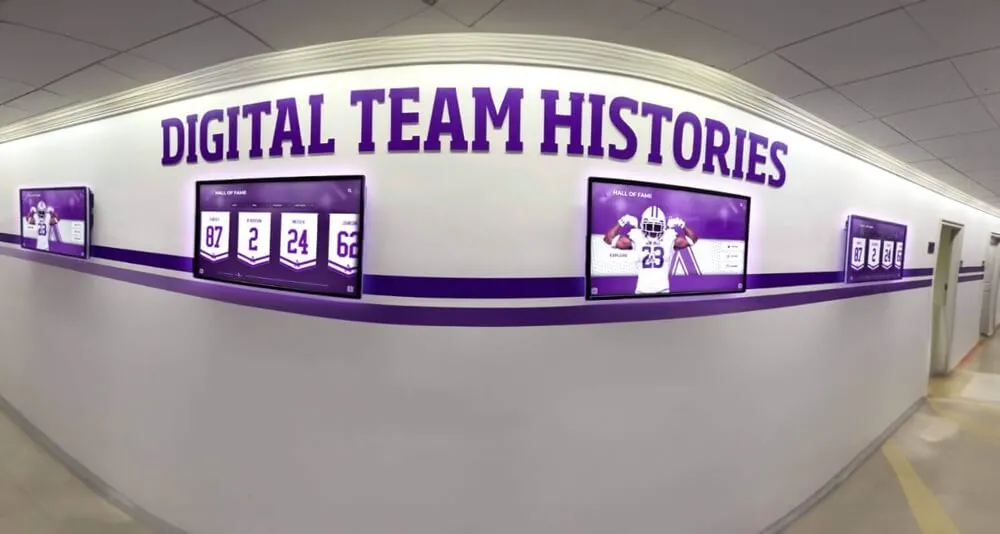
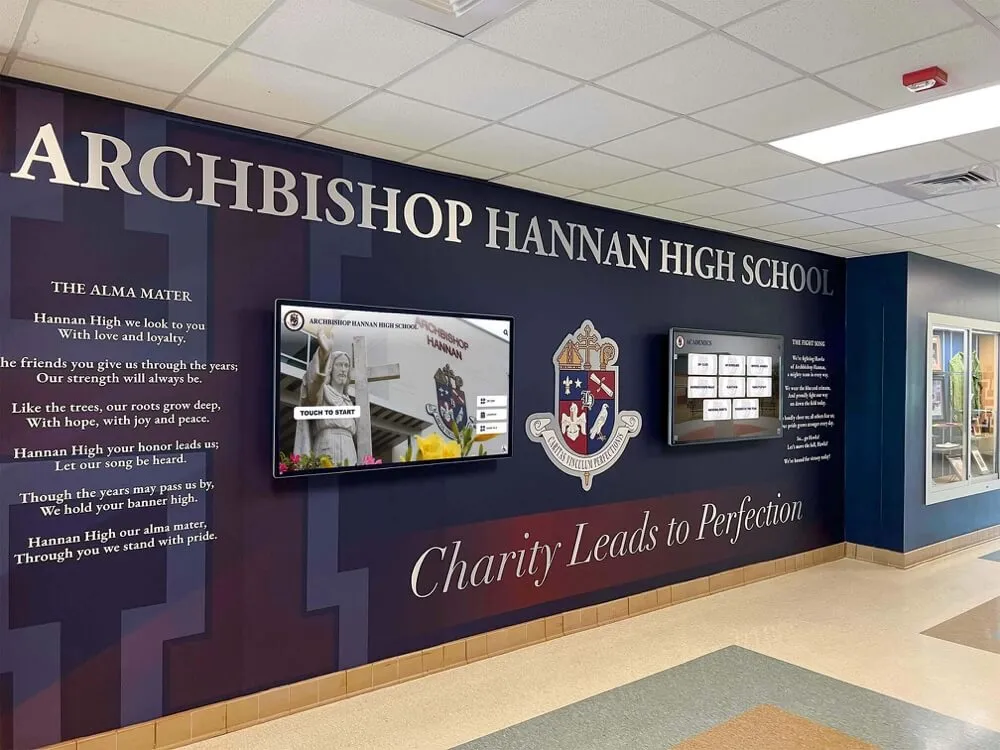
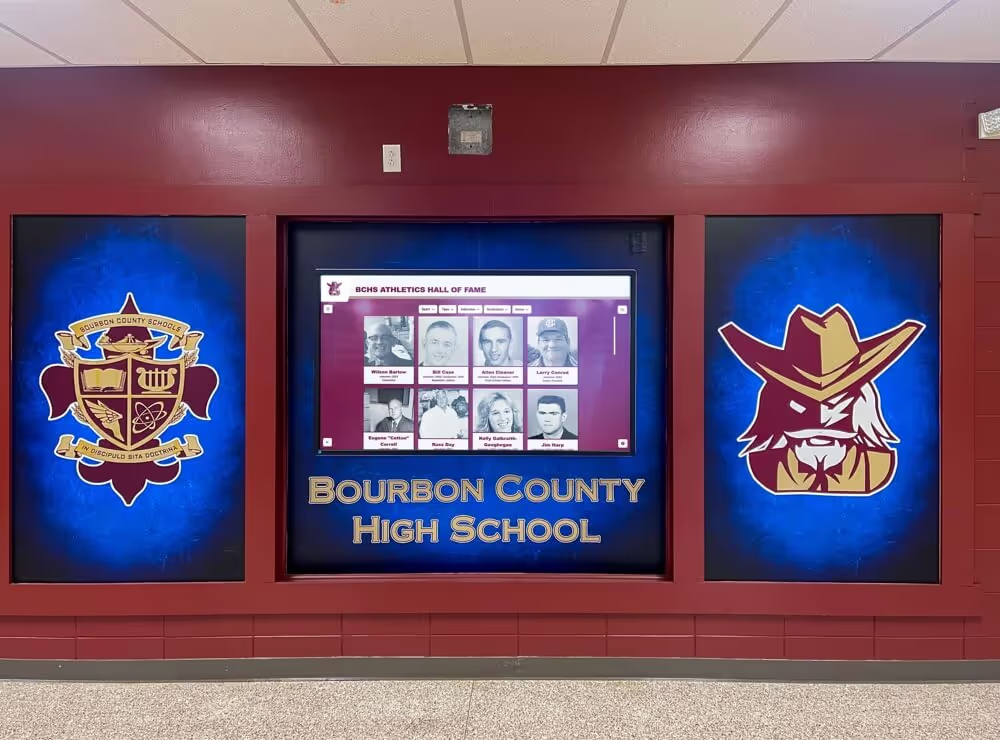
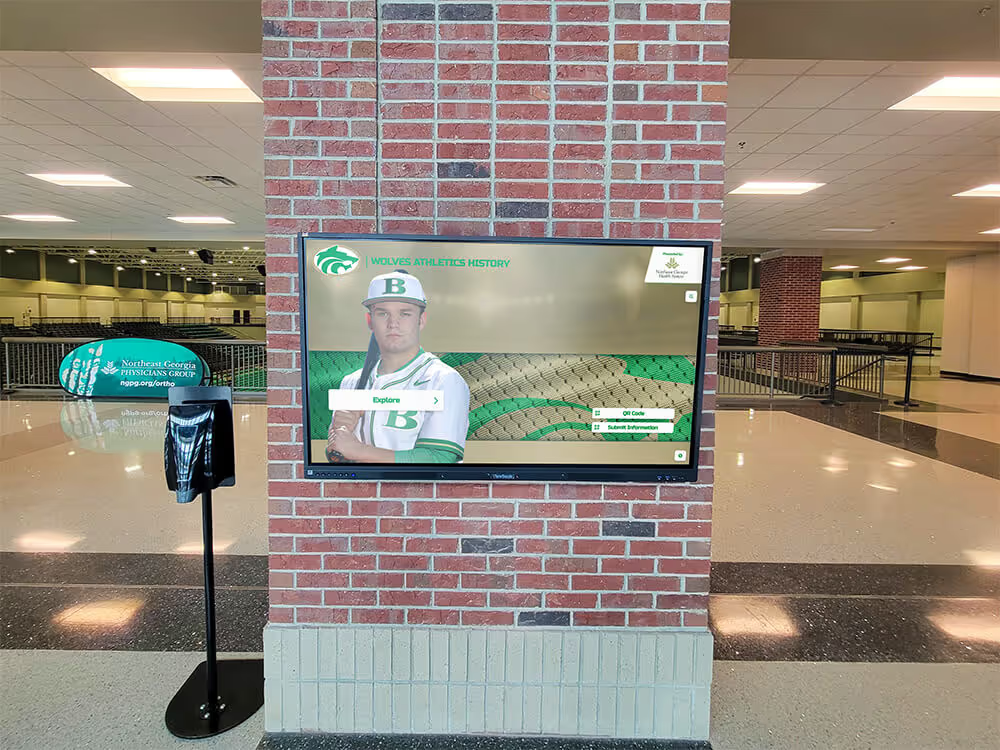
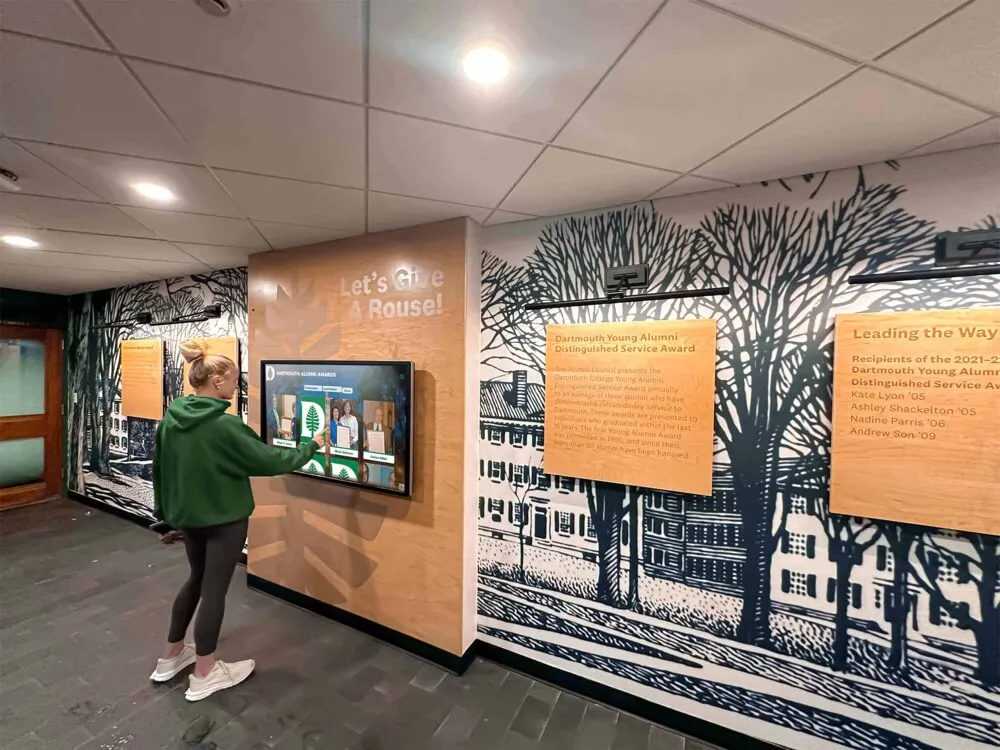
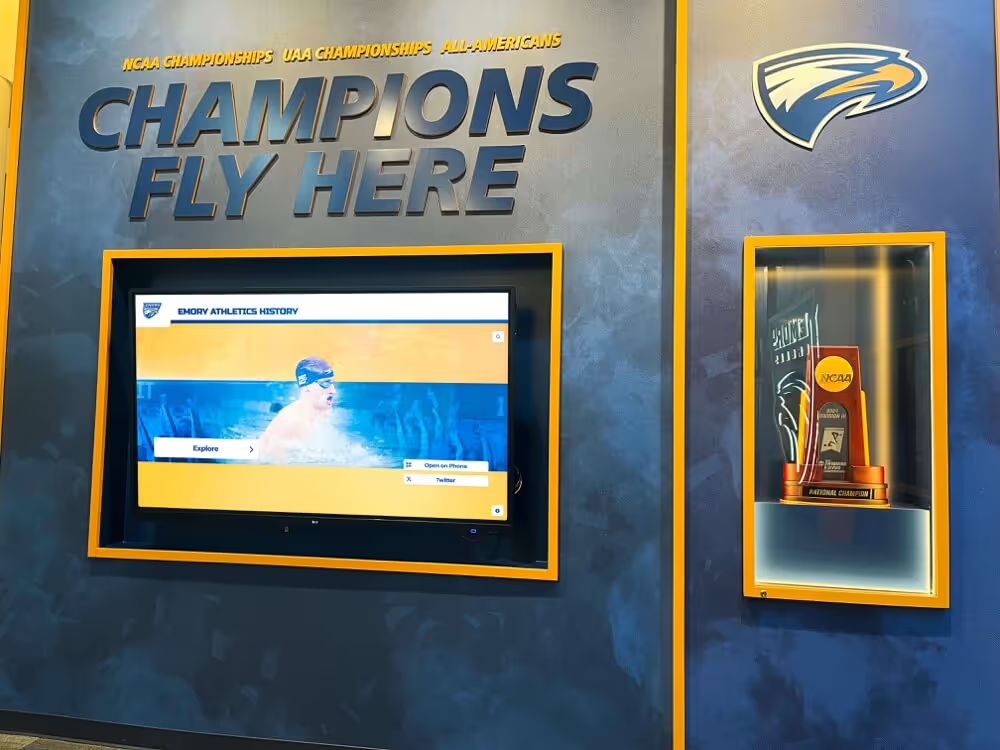
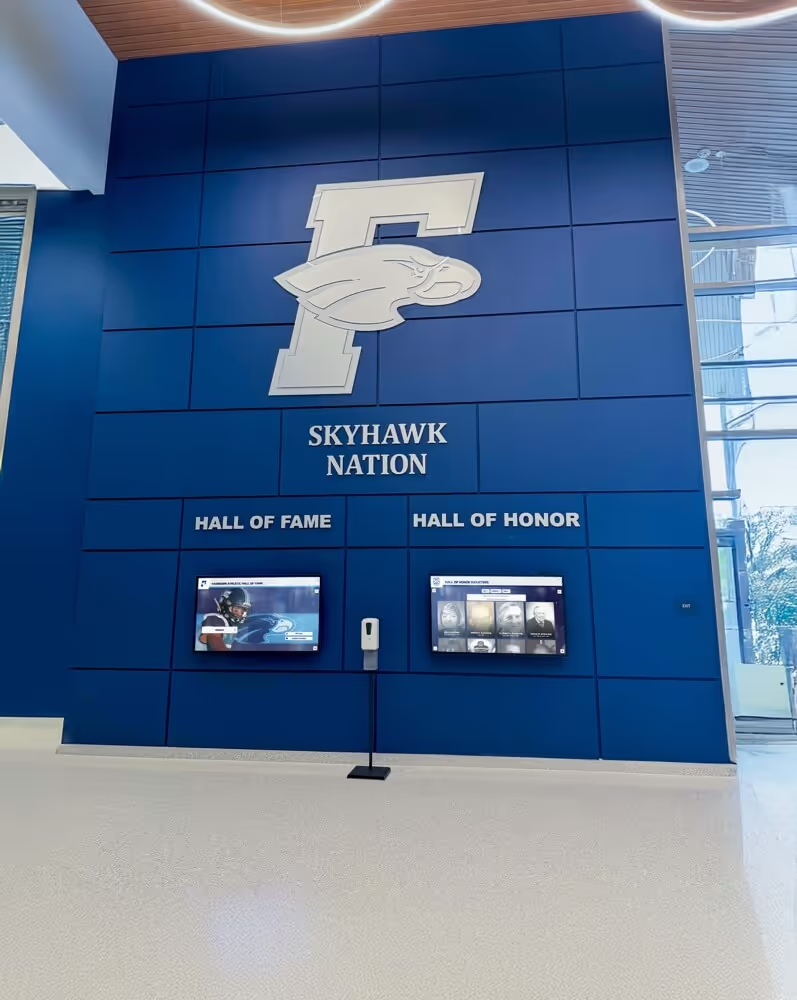
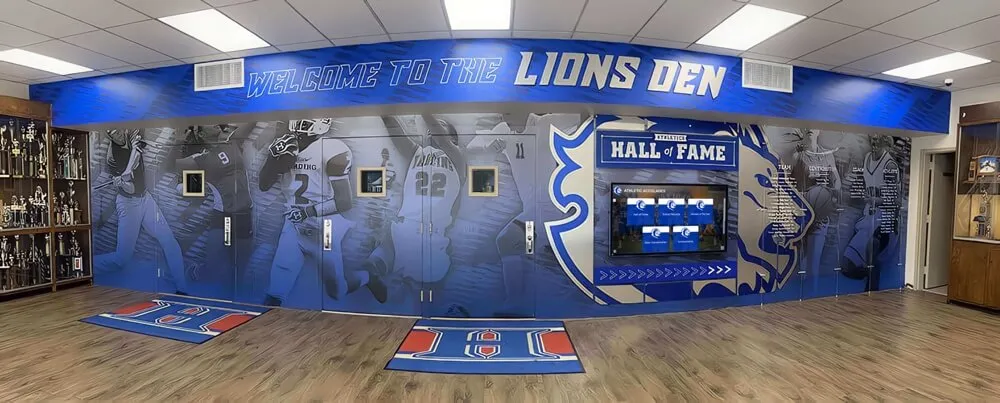
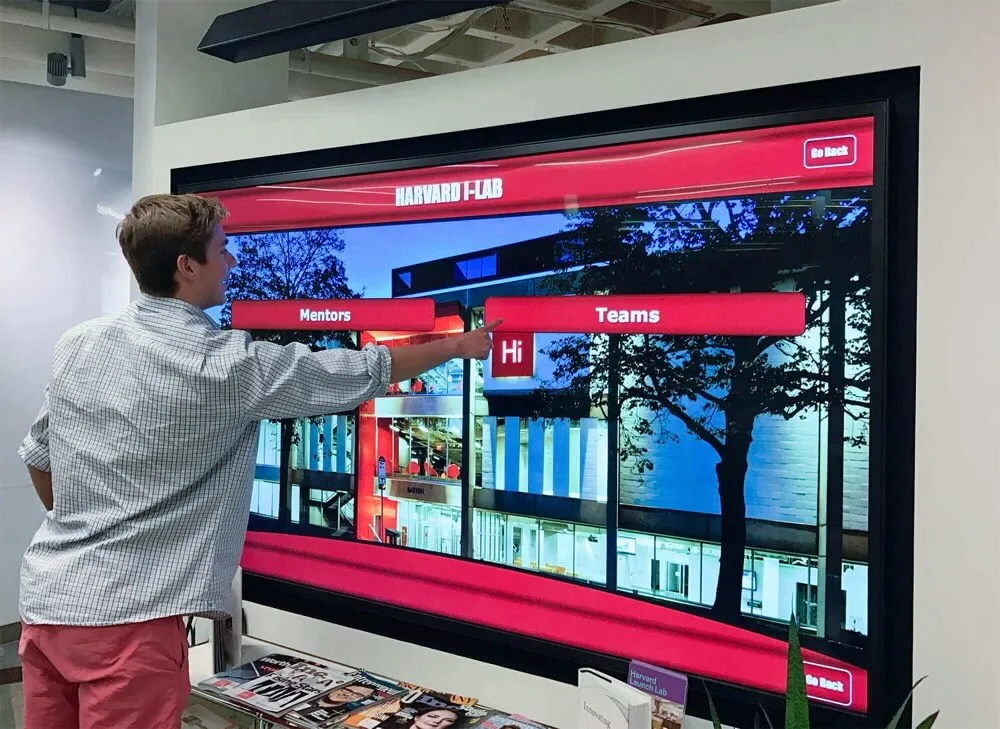
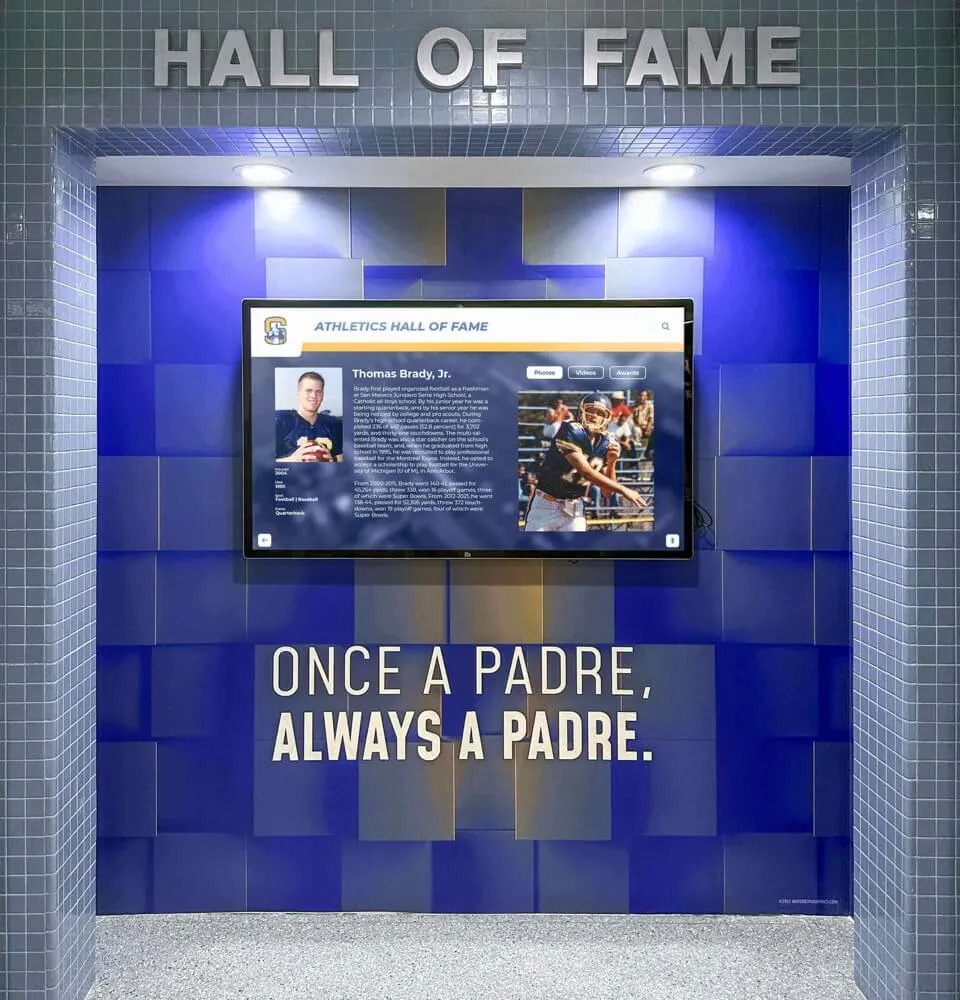
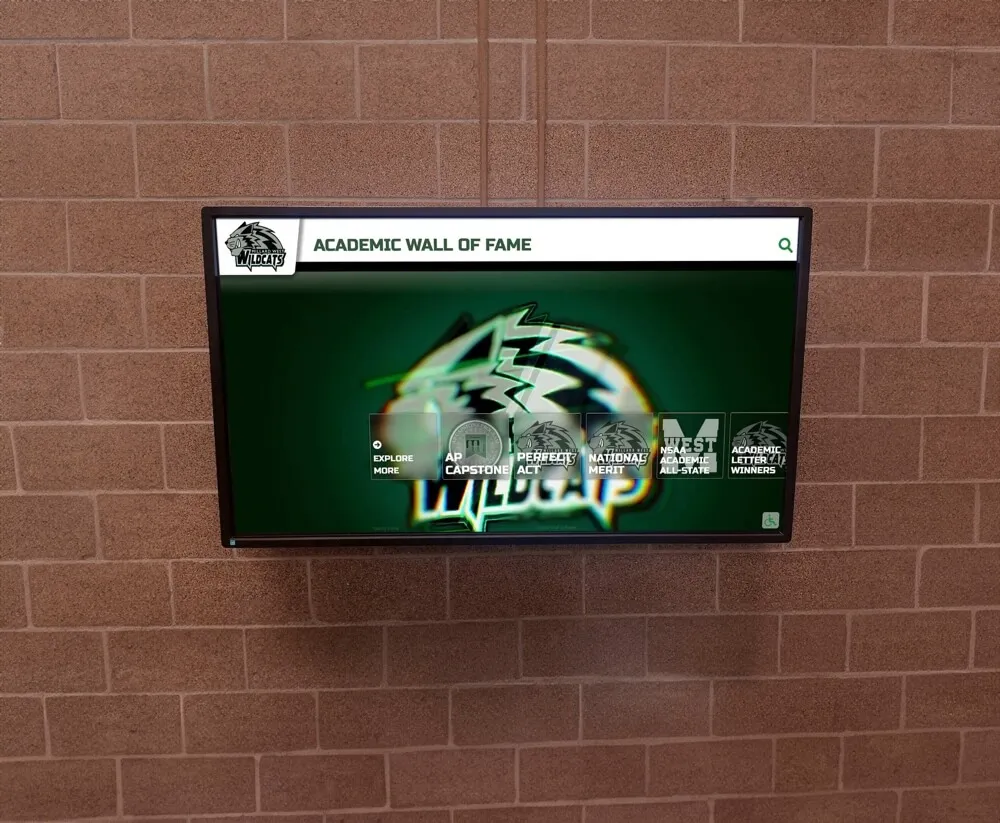
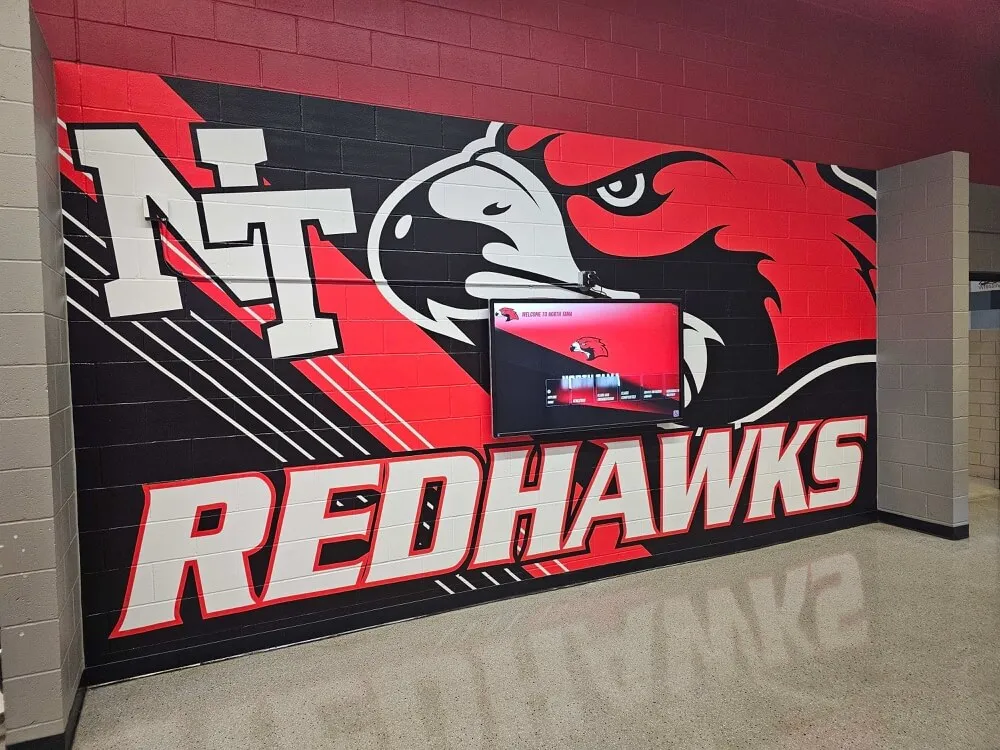
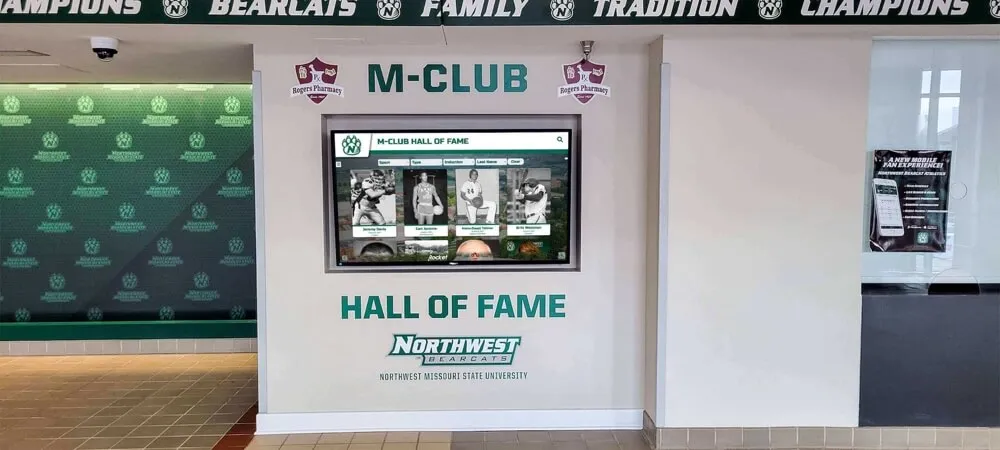
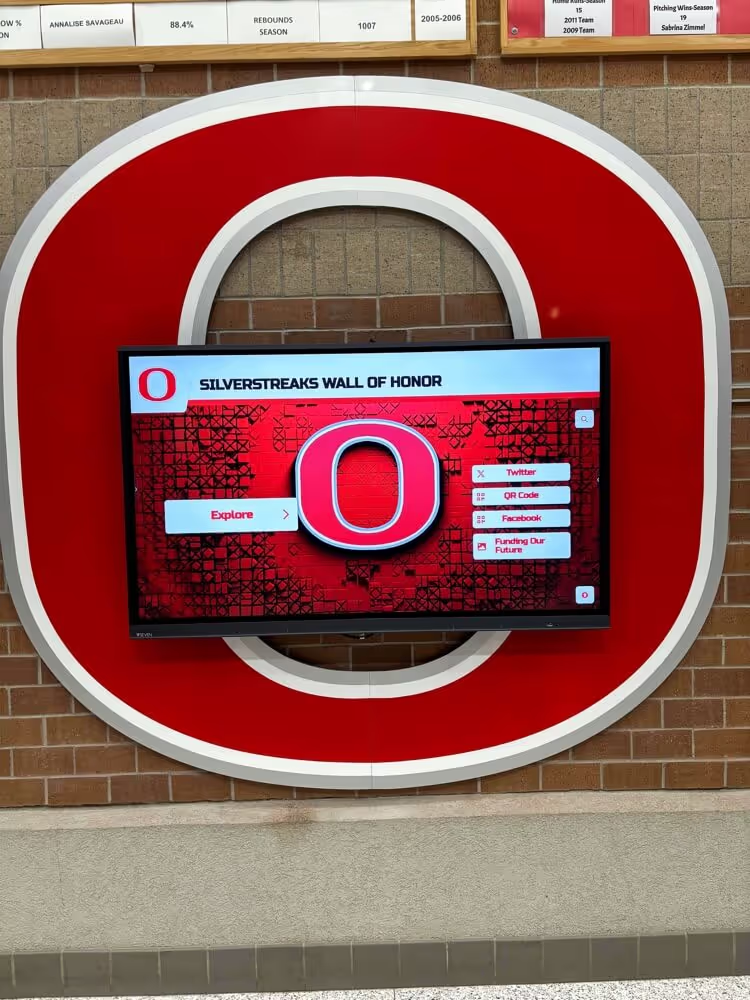
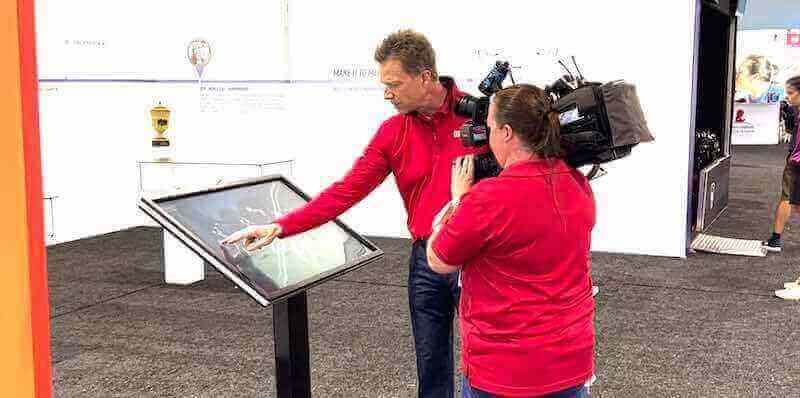
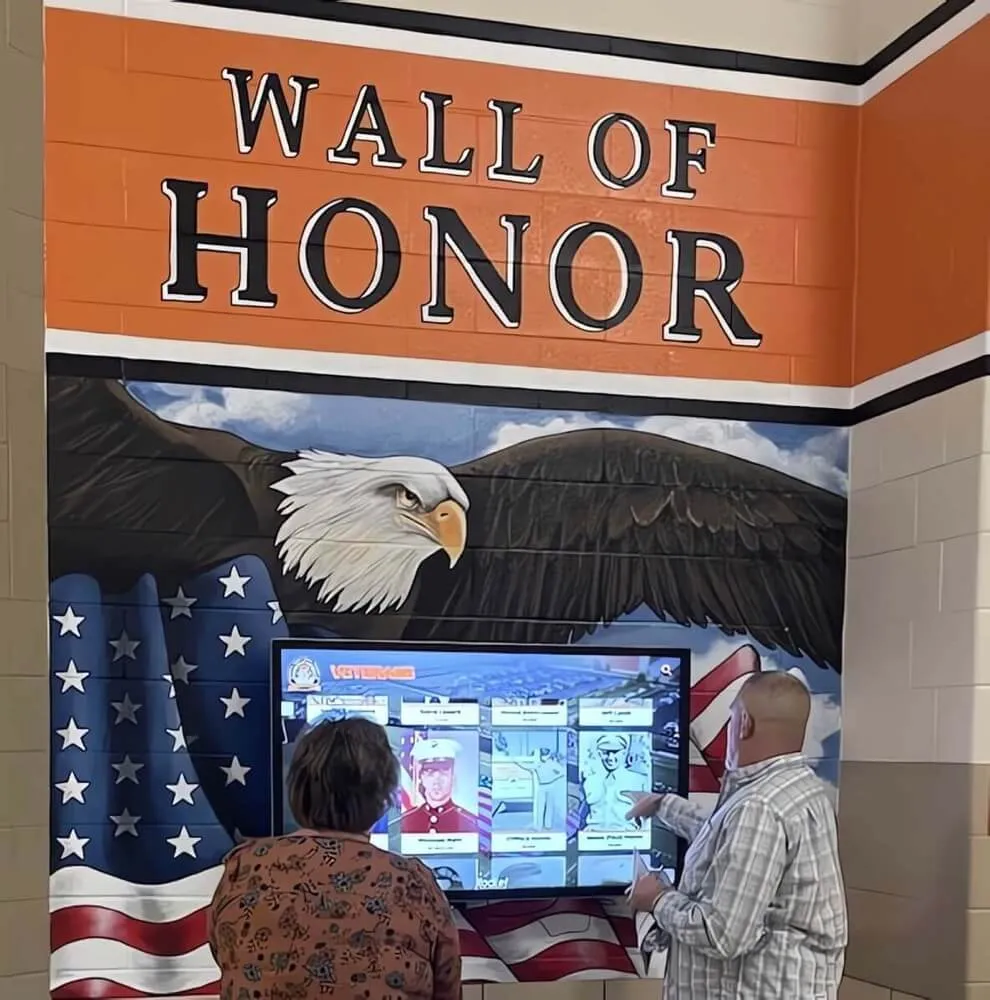
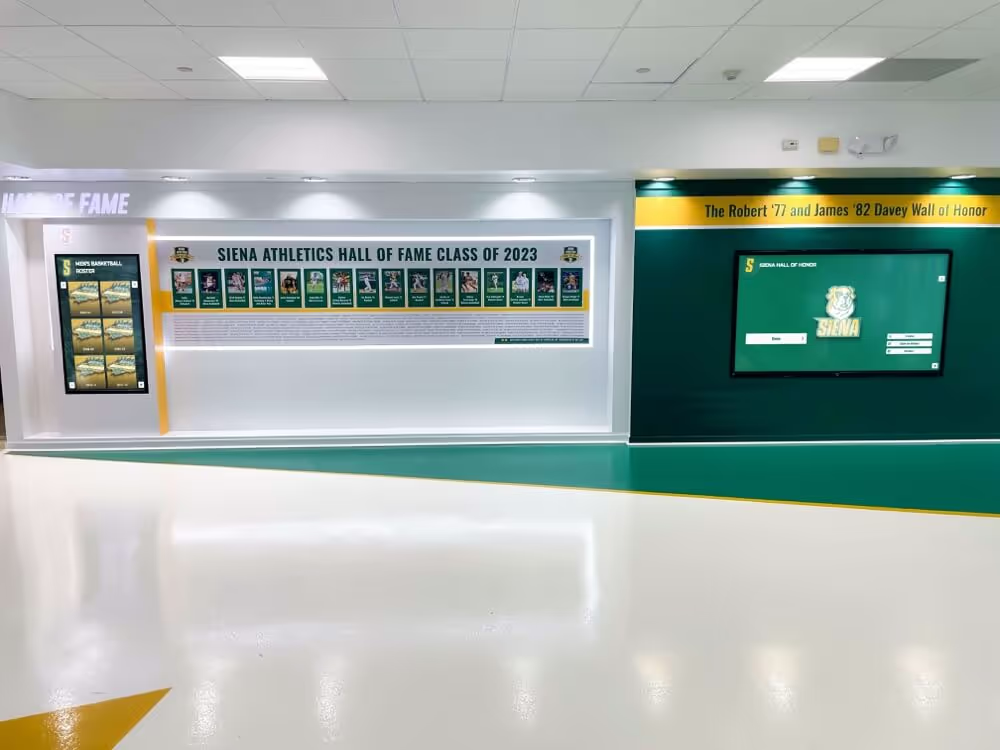
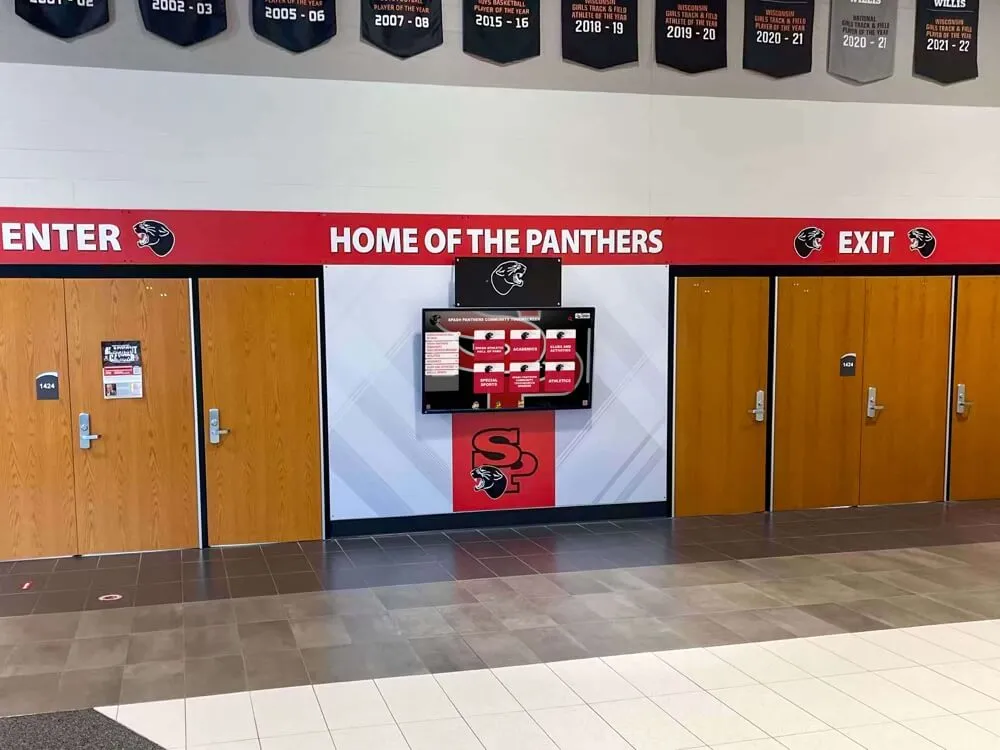
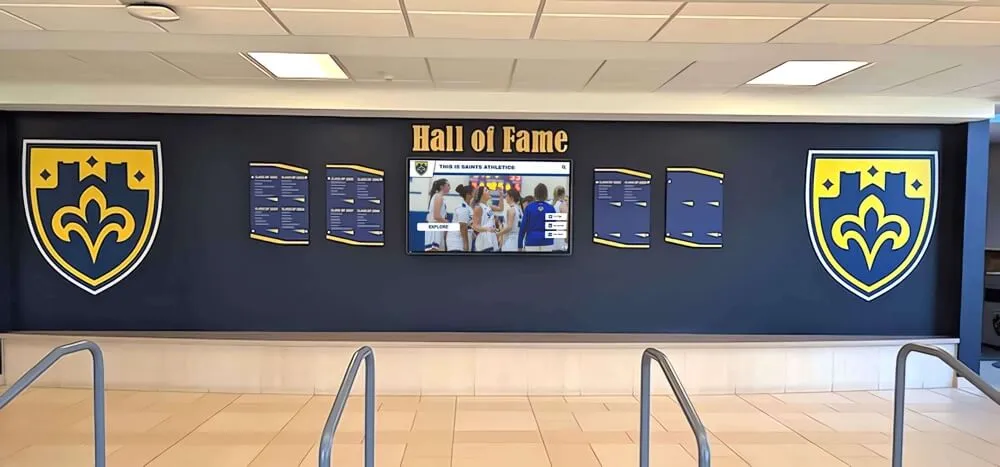
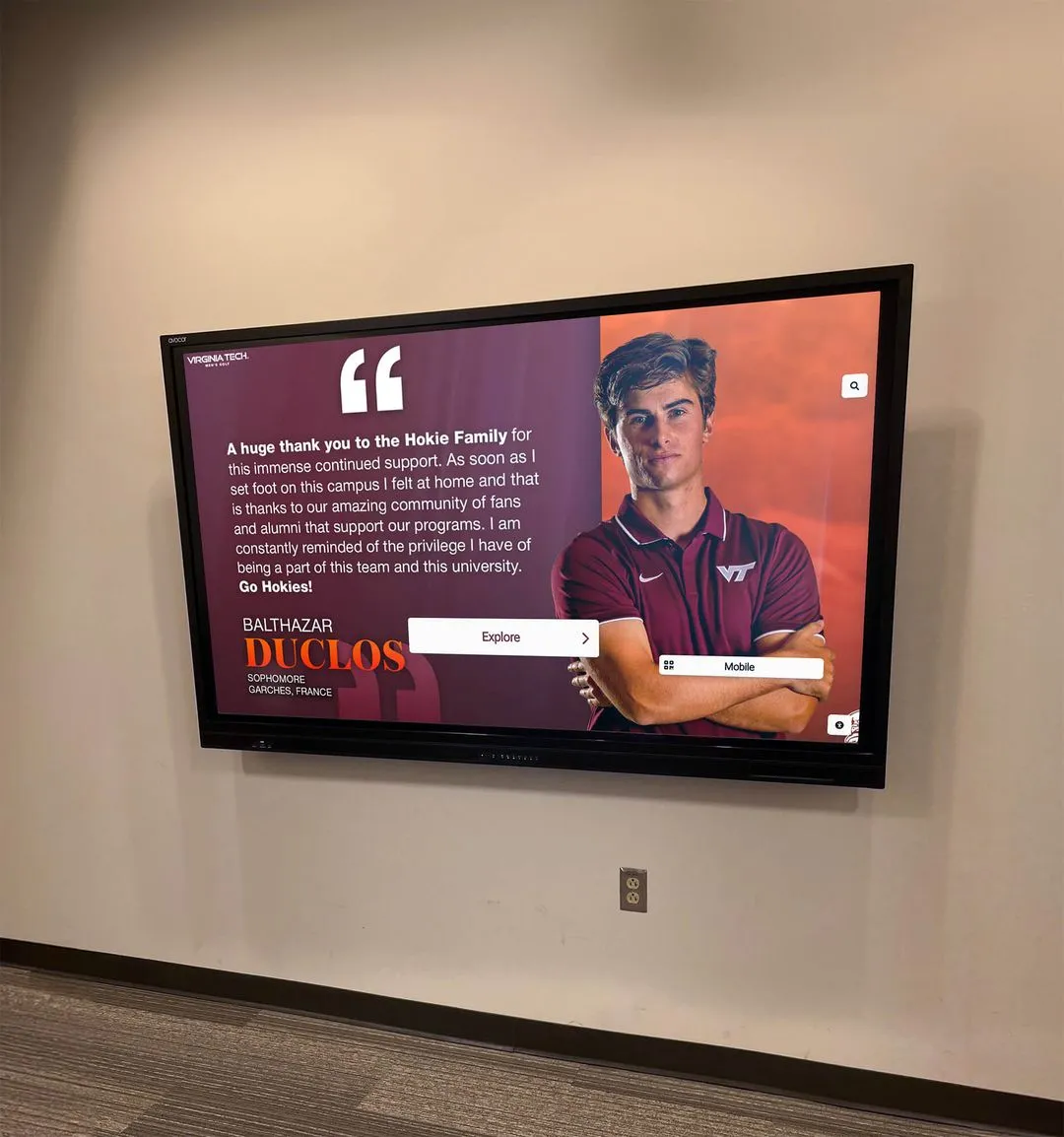
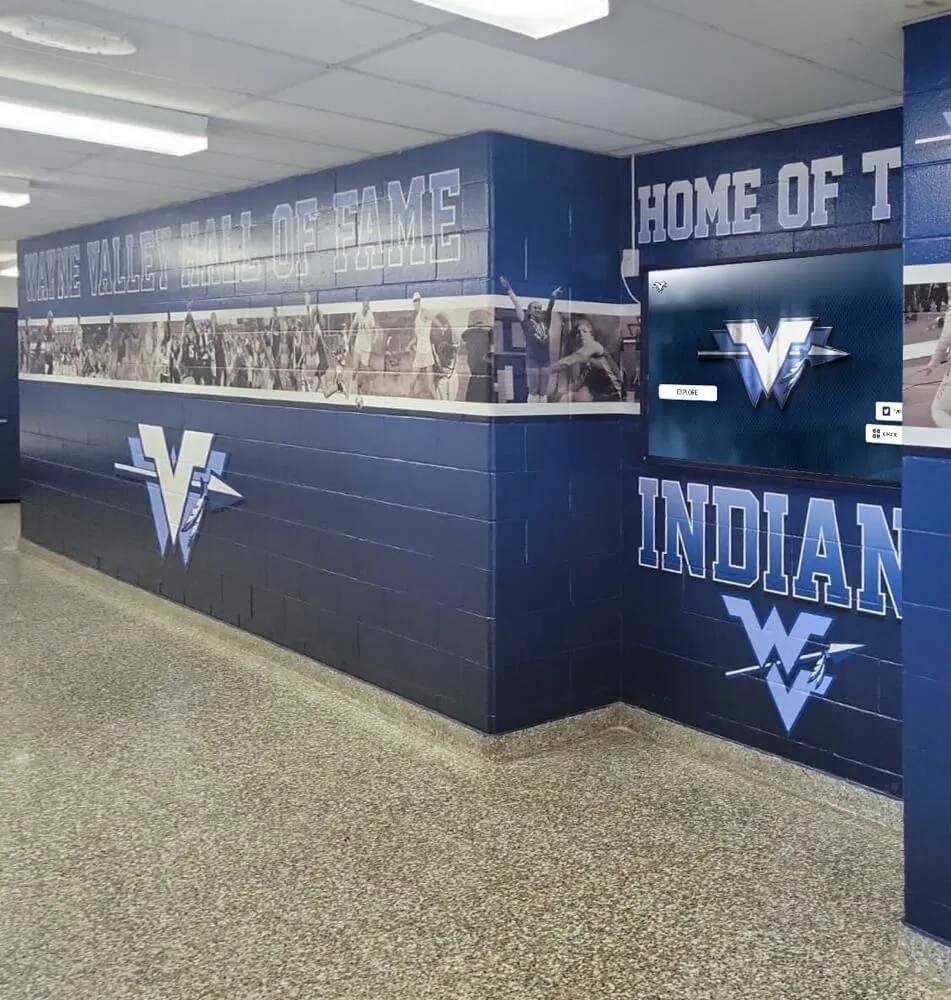
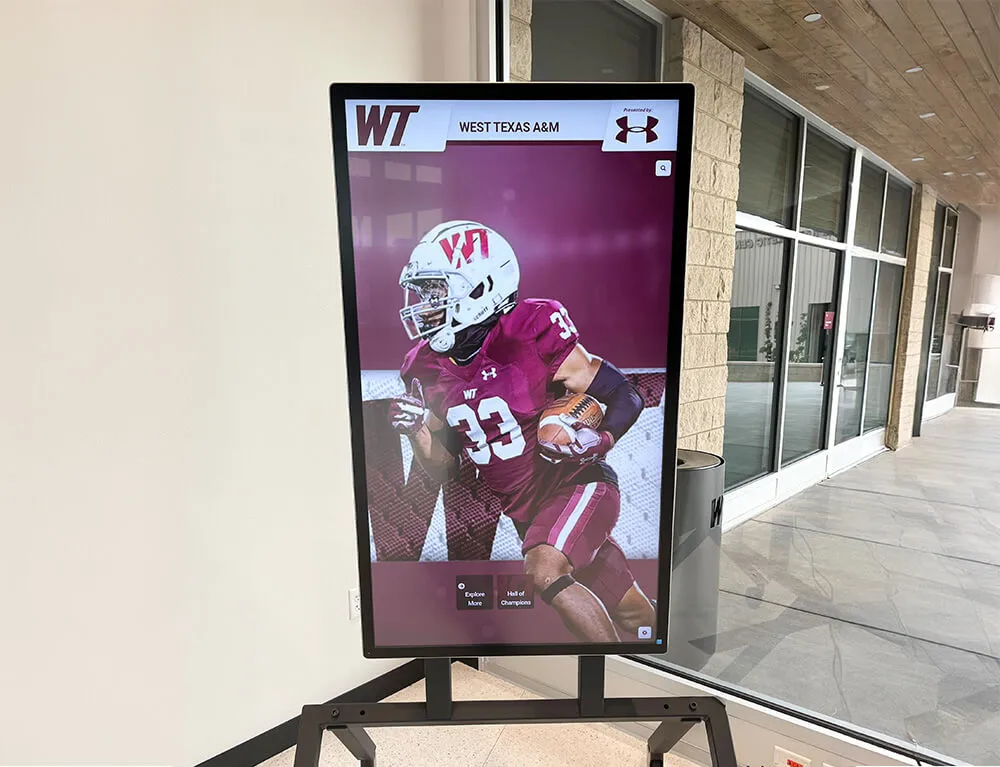
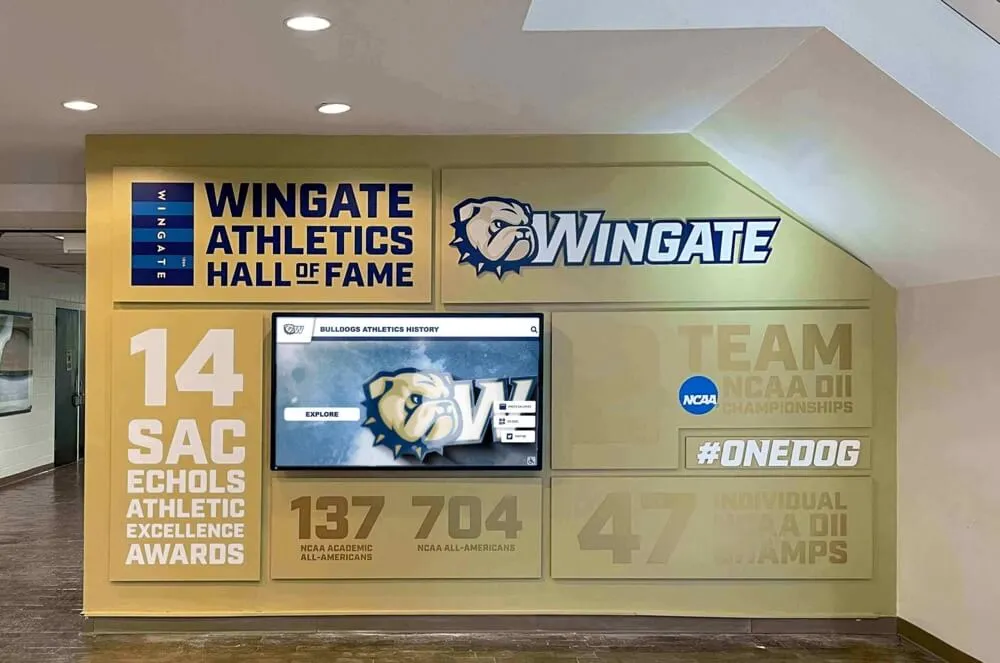
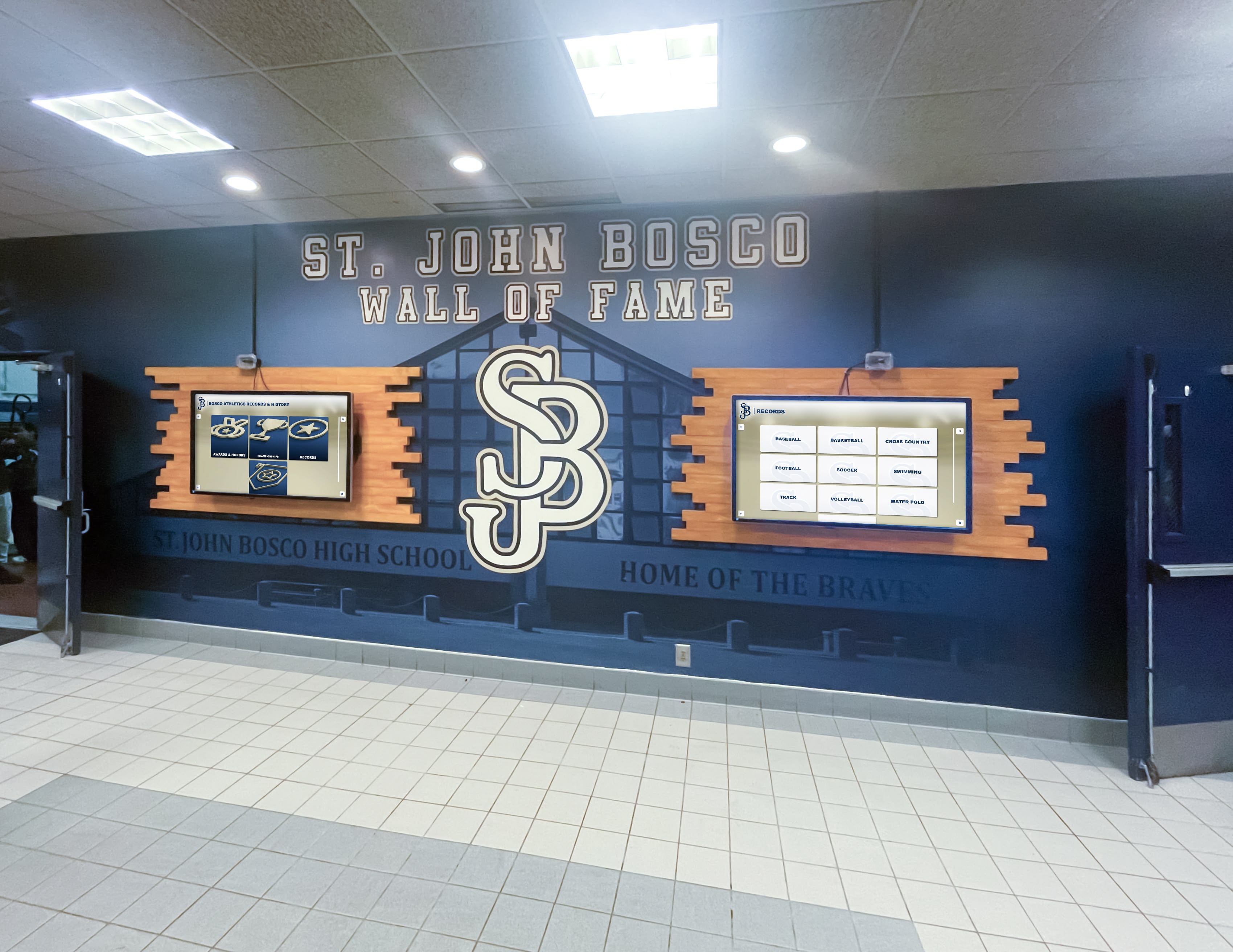
Schools implementing comprehensive spirit programs often complement pep rally activities with permanent recognition through digital recognition displays that celebrate student accomplishments year-round, maintaining momentum between special events.
Student-Teacher Interactive Games
Activities featuring faculty participation create memorable moments while demonstrating school community extends across traditional hierarchical boundaries.
Teacher Lip Sync Battles
Faculty members perform lip sync routines to popular songs creating entertaining spectacle students love watching and sharing on social media.
Planning Considerations: Give teachers advance notice with song selection deadlines. Encourage prop usage, costumes, choreography, and creative interpretation. Consider forming teacher teams enabling less outgoing faculty to participate in group settings rather than solo performances.
Student Involvement: Select student panel to serve as judges scoring performances on creativity, entertainment value, and crowd reaction. This gives students official participation while maintaining teacher focus as primary entertainers.
Technical Requirements: Ensure quality sound system with reliable audio playback. Have backup music copies preventing technical failures. Test all songs beforehand confirming edited versions eliminate inappropriate content.
Popular Song Categories: 80s hits, current pop songs, classic rock anthems, hip-hop tracks, or themed selections (movie soundtracks, one-hit wonders, songs with school in titles).
Staff vs. Students Competitions
Head-to-head matchups between faculty and students in various challenges generate natural rooting interest and competitive energy.
Basketball Free Throw Contest: Teachers compete against student athletes in free throw shooting. Best percentage from ten attempts wins. This works particularly well with non-coaching faculty members attempting athletic challenges.
Dance-Off Battles: Individual teachers face off against students in spontaneous dance competitions. Play 20-30 second music clips where competitors freestyle. Crowd noise determines winners of each matchup.
Dizzy Bat Race: Participants place foreheads on bat tops while opposite ends touch ground. They spin around bats 10 times creating dizziness then race across gym. First person crossing finish line wins. Student and teacher versions run simultaneously for comparison.
Hula Hoop Challenge: See who can hula hoop longest—student representative or teacher competitor. Multiple simultaneous matchups create bracket tournament advancing winners toward championship round.
Paper Airplane Distance Competition: Participants fold paper airplanes then throw for maximum distance. Engineering, physics, or technology teachers make ideal faculty participants connecting activity to academic content.
Karaoke Challenges: Teachers and students sing portions of school fight song or popular songs with audience judging performance quality. This works especially well with typically reserved faculty members showing unexpected talents.
Principal’s Special Challenge
Feature school administration in signature challenge creating highlight moment and demonstrating leadership engagement with student culture.
Principal’s Obstacle Course: Design multi-station challenge where principal attempts various physical or skill tasks while timer runs. Station examples include: shooting basketball free throws, completing jump rope sequences, solving puzzles, stacking cups, or navigating obstacle paths. Time pressure and public performance create entertainment.
Dunk Tank (Outdoor Rallies): For outdoor pep rallies or warm weather events, place principal or willing administrators in dunk tank. Selected students or class representatives earn throws by winning games or trivia contests. Water sports generate excitement students remember.
Food Challenges: Principal attempts eating challenges (spicy pepper tasting, unusual food combinations, speed eating contests like donuts or hot dogs). Ensure all food challenges remain safe and appropriate given dietary restrictions and health concerns.
Mystery Skill Showcase: Ask principal to demonstrate hidden talent (musical instrument, juggling, magic trick, unusual hobby). Students discovering unexpected principal abilities creates memorable moments reinforcing administrators as multidimensional people.
Role Reversal: Principal attempts teaching quick lesson in subject matter outside expertise (physics teacher becomes history instructor, principal teaches PE class) creating humorous situations highlighting teaching complexity and challenge.
Information about booster club fundraising activities demonstrates how spirit events can integrate with development efforts supporting athletic programs and student activities.
Team and Athlete Recognition Activities
Pep rallies serve critical recognition functions celebrating athletic teams, individual achievements, and upcoming competitions.
Team Introduction Sequences
Rather than simple name announcements, create dynamic team introduction experiences generating excitement and energy.
Video Introduction Packages: Produce 60-90 second hype videos for featured teams showing practice footage, game highlights, player profiles, and motivational messaging. Professional-quality production creates excitement while providing shareable content for social media promotion.
Choreographed Entrances: Work with teams to design entrance choreography incorporating music, formations, team cheers, or synchronized movements. Basketball teams entering through fog, football teams running through spirit tunnels, or volleyball teams performing coordinated serves create visual impact.
Individual Player Spotlight: Rather than team introductions, highlight individual athletes weekly through rotational recognition. Feature senior athletes, leading performers, comeback stories, or character examples with brief video profiles or live interviews.
Interactive Player Trivia: Display statistics or facts about team members. Students guess which athlete matches each fact. This educates student body about athlete accomplishments while creating game element within recognition.
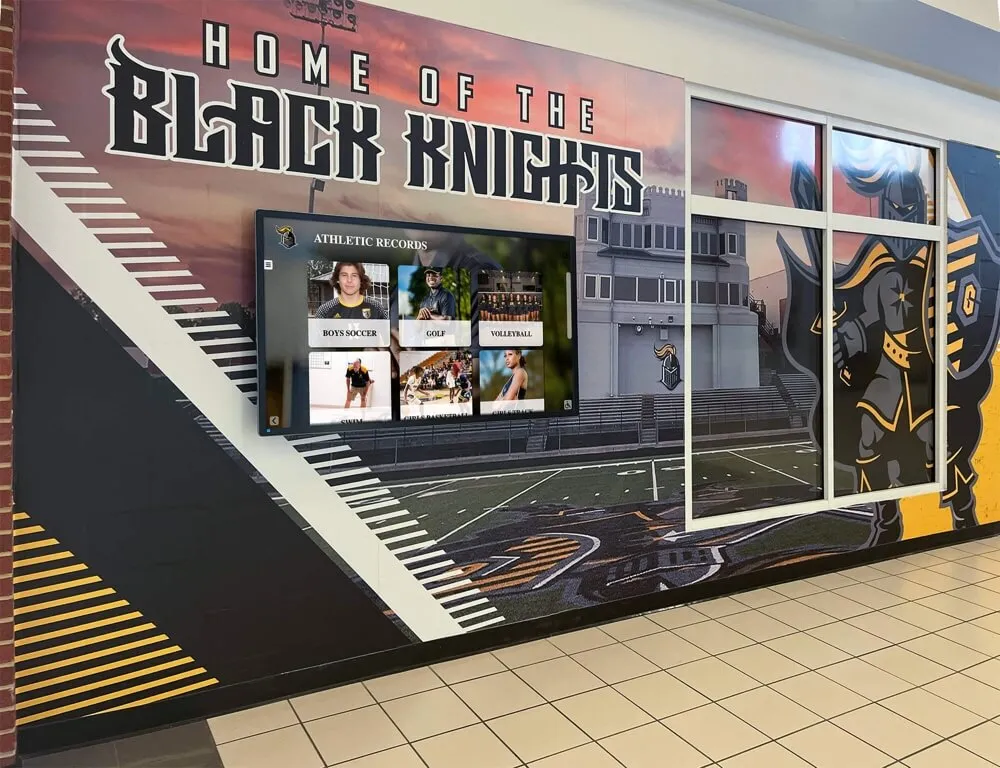
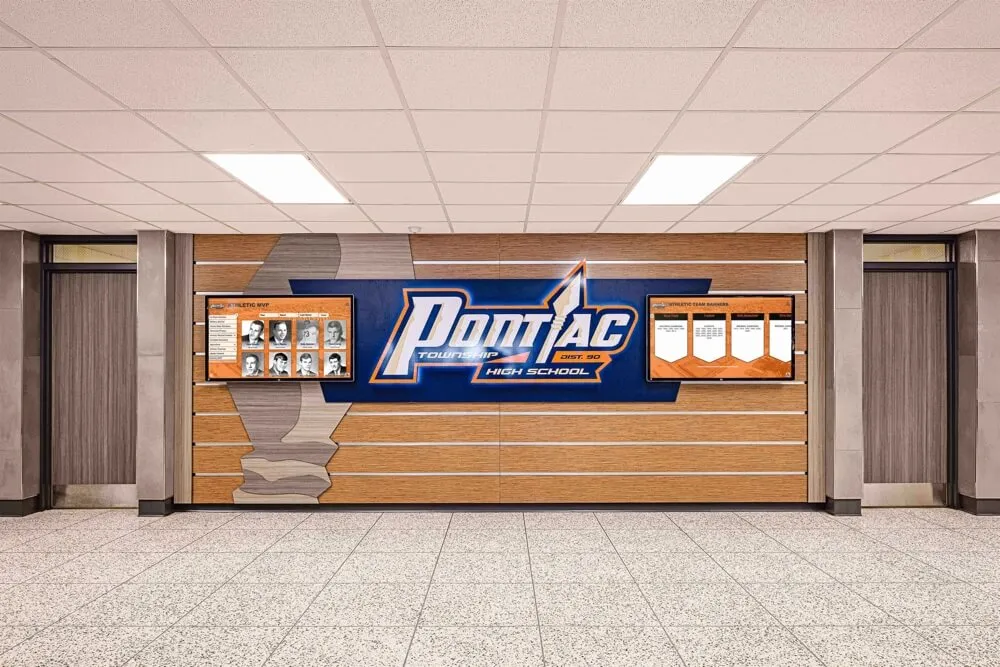
Record Board Acknowledgment: Highlight athletes appearing on digital record boards for setting new school records or achieving historic performances. This connects pep rally recognition to permanent celebration visible throughout school facilities.
Championship Send-Off Rallies
Special pep rallies before playoff competitions or championship events generate community support while creating memorable pre-competition experiences for athletes.
Send-Off Video Messages: Invite community members, local businesses, program alumni, or partner schools to record brief encouragement videos. Compile messages into inspirational montage sharing community support athletes represent.
Signature Collection: Provide team banners, flags, or jerseys where entire student body adds signatures and encouragement messages. Athletes carry these items to competitions representing collective school support.
Fight Song Performance: Lead entire student body in singing fight song or school anthem creating emotional moment connecting athletes to community backing.
Alumni Appearance: Invite notable program alumni to attend rally, speak briefly about their competitive experiences, and officially “send off” current team. This connects present to tradition while inspiring current athletes.
Themed Spirit Gear: Coordinate student body wearing specific colors or theme-appropriate clothing creating visual unity demonstrating community support. Document crowd photos sharing on social media reaching athletes during travel or competition.
Academic Recognition Integration
Balance athletic celebration with academic achievement acknowledgment ensuring pep rallies reinforce that school values extend beyond sports.
Honor Roll Recognition: Acknowledge students achieving honor roll, academic awards, or notable academic accomplishments alongside athletic recognition. This demonstrates comprehensive value system rather than athletics-only focus.
Competition Team Celebration: Recognize academic competition teams (debate, math league, robotics, science olympiad, quiz bowl) using similar introduction formats as athletic teams. These students deserve equivalent recognition for representing school competitively.
Scholarship Announcements: Feature senior athletes announcing college commitments, scholarships, or post-graduation plans. This connects current success to future opportunity while inspiring underclassmen.
Academic-Athletic Excellence Awards: Highlight students excelling in both athletics and academics through academic recognition programs demonstrating that athletic and academic excellence complement rather than compete with each other.
Spirit-Building Participatory Activities
Activities engaging entire student body rather than focusing solely on stage participants create inclusive experiences building broader school spirit.
School Chant Competitions
Organized cheering competitions between grade levels measure school spirit while creating energetic atmosphere.
Loudness Contests: Use decibel meter measuring which grade level cheers loudest. Display real-time readings on video boards creating competition as each grade attempts setting new volume records.
Chant Quality Evaluation: Judge classes on creativity, coordination, and enthusiasm of organized chants. This rewards preparation and coordination rather than just volume favoring classes with planned routines.
Call and Response Sequences: Lead crowds through call and response chants. Start with simple patterns gradually increasing complexity. This unifies entire crowd in coordinated activity creating powerful collective experience.
Fight Song Performance: Grade levels compete performing school fight song. Judge on singing accuracy, volume, coordination, and enthusiasm. This reinforces school tradition while creating friendly grade-level competition.
Custom Cheer Creation: Challenge each grade to create original cheers incorporating school name, mascot, and values. Give classes preparation time (week before rally) then perform during event. Student judges or faculty panel scores performances.
Spirit Stick or Trophy Recognition
Tangible symbols moving between classes based on spirit demonstration create ongoing competition extending beyond individual pep rallies.
Cumulative Point System: Award points throughout rally for chant volume, game victories, participation enthusiasm, and sportsmanship. Class accumulating most points wins traveling spirit trophy displayed in their designated hallway area until next rally.
Spirit Stick Tradition: Pass decorated spirit stick to winning class. Stick moves between grades throughout year based on pep rally performance creating sustained competition across entire school year.
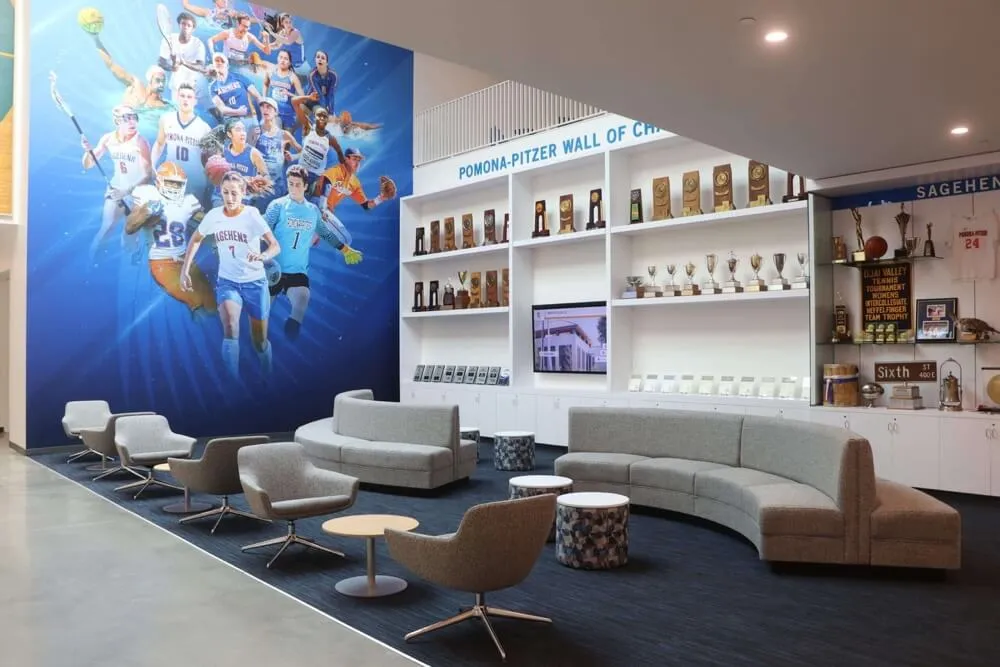
Championship Recognition: At final pep rally (year-end or before graduation) present championship recognition to grade with most cumulative spirit points. Consider engraving class year on permanent trophy displayed in school commons or creating permanent recognition through digital displays celebrating annual spirit champions.
Coordinated Movement Activities
Large-group synchronized activities create visually impressive moments while fostering unity and collective participation.
Wave Competitions: Challenge sections to create perfect “waves” moving across gymnasium. Time multiple attempts identifying which section executes fastest, smoothest wave. Student body sections compete against each other.
Flash Mob Performances: Organize surprise choreographed dances where planted student participants throughout crowd suddenly begin synchronized routine. As dance continues, additional students join creating expanding performance engaging larger portions of student body.
Stomp and Clap Sequences: Lead crowds through increasingly complex stomp and clap patterns. Groups successfully maintaining pattern through completion receive recognition. This works particularly well with entire student body participating simultaneously.
Color Coordination: Ask grade levels to wear designated colors creating visual representation of class unity. Award points for best class color participation percentage and most creative color displays.
Phone Light Show: During final rally moments, dim gymnasium lights and coordinate student phones displaying lights creating visual effect. Sway phones to music or create patterns across crowd sections. This creates memorable concluding moment perfect for photo and video documentation.
Social Media Integration
Leverage student social media usage transforming passive documentation into active participation element.
Photo Contest: Announce pep rally photo contest judging best school spirit pictures students capture and post using official event hashtag. Display winning photos on video boards during rally or next day through school communications.
Hashtag Tracking: Create official rally hashtag monitoring student posts in real-time. Display selected photos and posts on video boards during event creating live social media integration.
Snapchat/Instagram Filters: Develop custom filters or frames specific to rally theme. Student usage spreads event visibility beyond physical attendees while creating digital keepsakes students value.
Live Story Contributions: Designate student social media team capturing content throughout rally for school official accounts. This provides authentic student perspective in school communications.
Spirit Video Challenges: Issue short-form video challenges (TikTok format) encouraging creative spirit demonstrations students film and post. Feature best submissions during rallies or on morning announcements.
Themed Rally Variations
Strategic themes create differentiated rally experiences maintaining novelty and student interest across multiple events throughout school year.
Decade Theme Rallies (50s, 60s, 70s, 80s, 90s)
Period-specific themes create nostalgic experiences while enabling creative costume participation.
Music Selection: Feature authentic period music during transitions, games, and activities. This educates students about musical history while creating authentic atmosphere.
Costume Encouragement: Invite students wearing decade-appropriate clothing. Award spirit points to classes with best participation percentages or most creative period-accurate costumes.
Period-Appropriate Games: Adapt traditional games using decade-specific references. Hula hoop competitions for 50s, disco dance-offs for 70s, arcade gaming references for 80s, boy band lip syncs for 90s.
Historical Context: Include brief educational moments about decade significance creating learning opportunities within entertainment context.
Color Wars
Assign specific colors to grades, teams, or school sections creating visual competition throughout event.
Total Color Immersion: Each grade wears designated color head-to-toe. Award points based on participation percentage and creative color displays.
Color-Coded Games: Activities award points to colors rather than just individual winners. Cumulative scoring across all games determines championship color creating investment in every competition.
Color Zone Seating: Assign bleacher sections by color creating dramatic visual effect and facilitating volume competitions between color groups.
Color-Themed Prizes: Winners receive prizes matching their championship color (colored spirit gear, colored candy, colored ribbons).
Character Day Integration
Coordinate pep rallies with spirit week character days maximizing costume participation and creative energy.
Superhero Rally: Encourage superhero costumes. Games include “superhero training” obstacle courses, cape decorating contests, superhero trivia about powers and origin stories, or lip sync performances using superhero theme songs.
Movie Character Theme: Students dress as favorite movie characters. Activities include movie trivia, character identification contests, scene reenactments, or lip syncing famous movie songs.
Historical Figure Rally: Connect to curriculum encouraging students dressing as historical figures. Include history trivia, brief character presentations, or timeline ordering games.
Book Character Day: Support literacy programs with book character costumes. Activities include literature trivia, character identification, favorite book sharing, or reading promotion messaging.
Rivalry Game Rallies
Special intensity for traditional rival competitions requires heightened energy and strategic programming.
Rivalry History Education: Share historical context about rivalry—longest-running games, memorable moments, significant victories, and tradition origins. This connects current students to legacy competition represents.
Trash Talk (Appropriate): Structure controlled, appropriate rival team references. Keep messaging school-positive rather than opponent-negative focusing on “we’re better” rather than “they’re worse” positioning.
Alumni Video Messages: Feature program alumni sharing rivalry experiences and encouraging current athletes. This emphasizes rivalry’s historical significance.
Trophy Recognition: If rivalry includes traveling trophy, prominently display trophy during rally. If school possesses trophy, celebrate defensive pride. If rivals hold trophy, frame rally around reclamation mission.
Victory Tradition Preview: Explain and practice post-victory traditions (alma mater singing, trophy possession, social media celebrations) preparing students to properly celebrate anticipated victory.
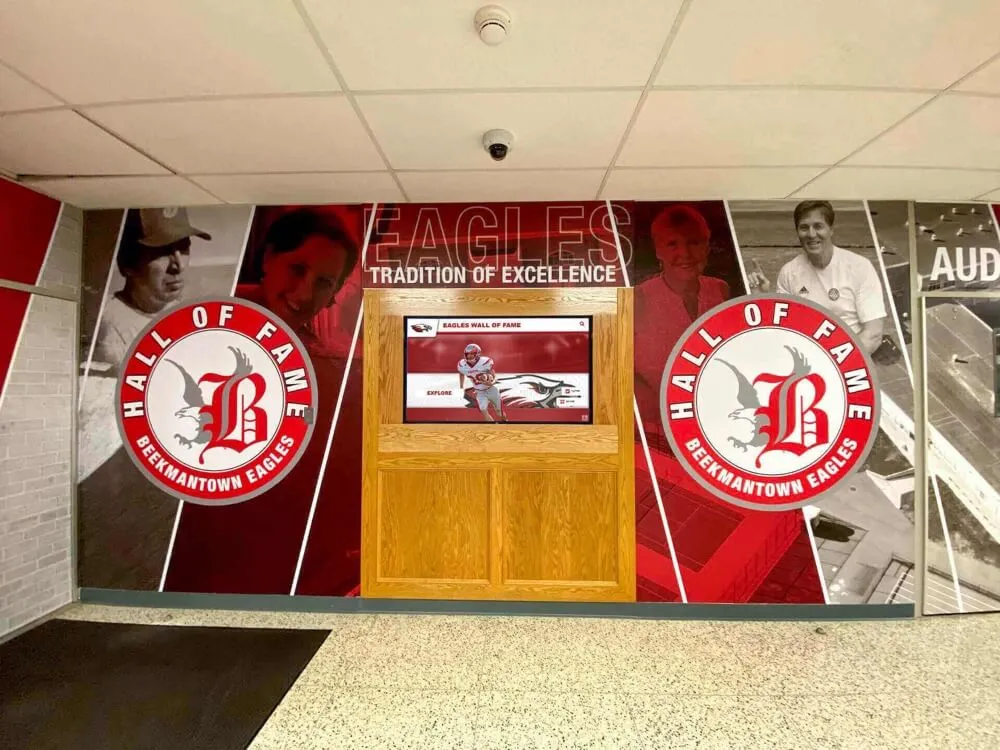
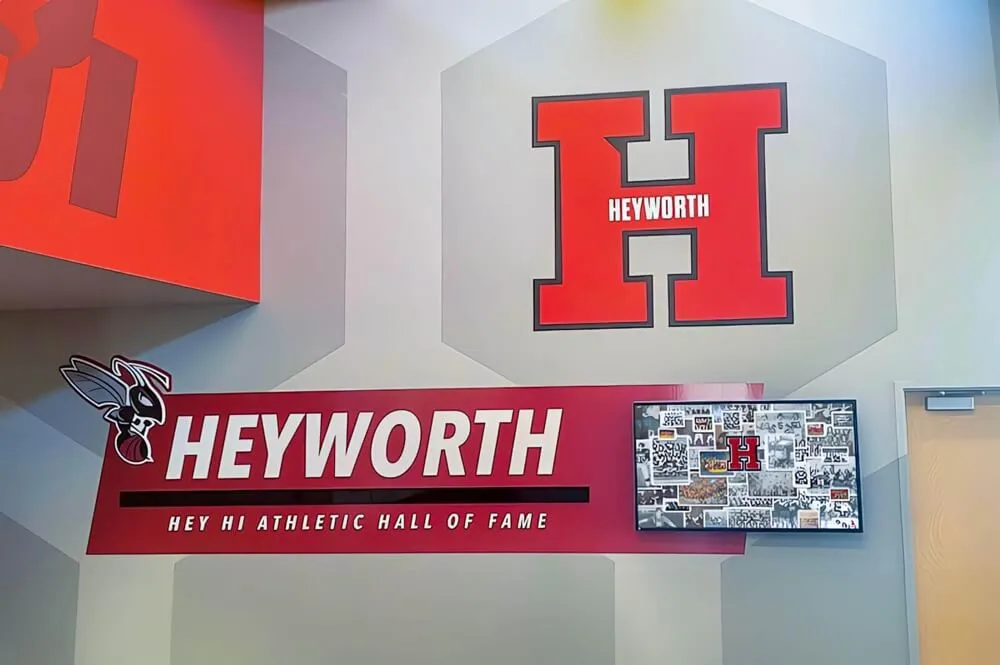
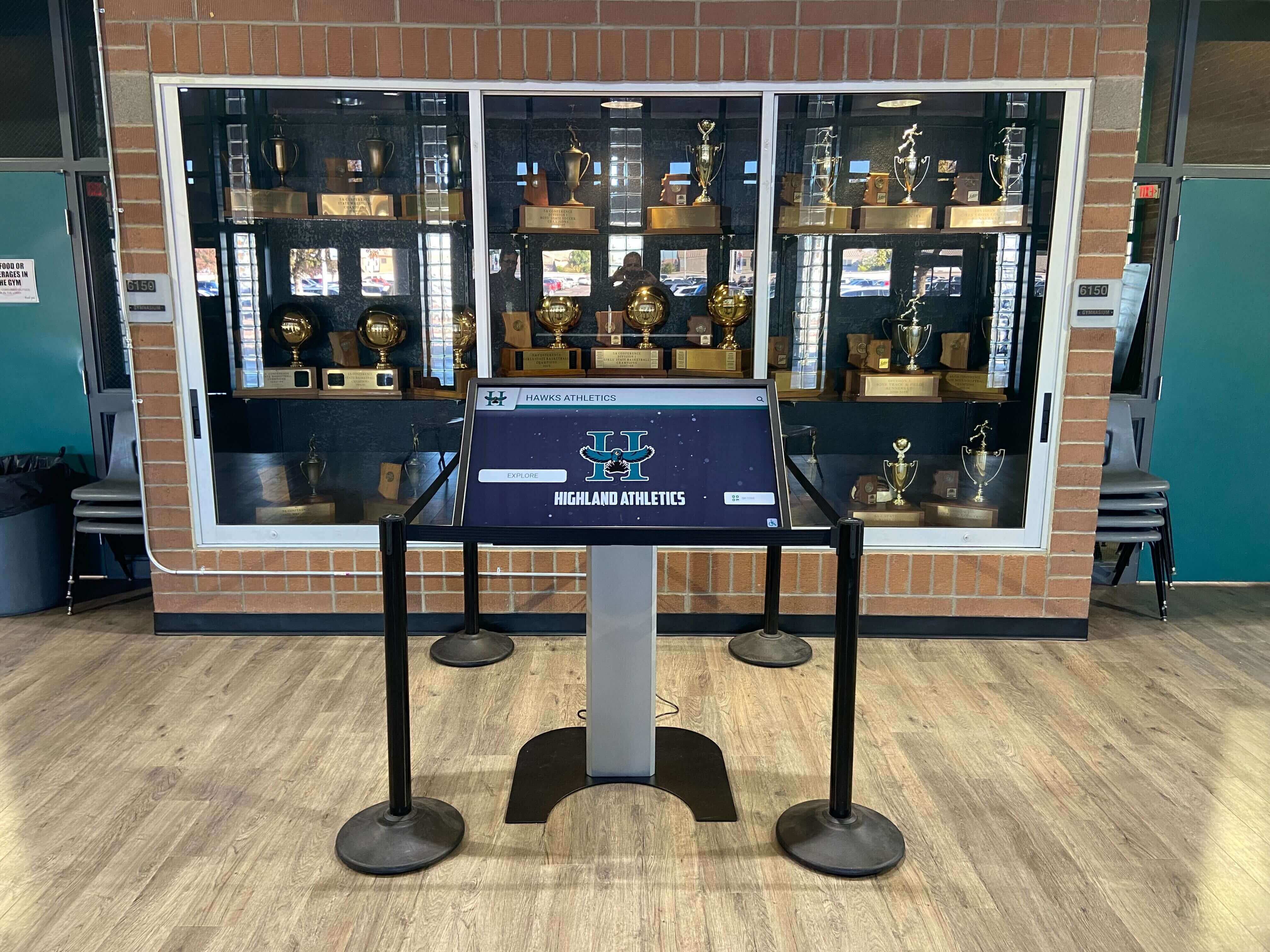
Resources about athletic hall of fame programs demonstrate how schools create permanent recognition of rivalry game victories and memorable moments students celebrate at pep rallies.
Safety and Logistics Considerations
Successful pep rally execution requires careful planning addressing potential issues before they impact event quality or student safety.
Safety Planning Requirements
Activity Risk Assessment: Evaluate every planned game for injury potential. Modify or eliminate activities presenting unreasonable risks. Physical games involving running, jumping, or contact require particular scrutiny.
Medical Coverage: Ensure athletic trainer or nurse attends rallies prepared to address injuries. Position medical personnel in accessible locations rather than distant offices.
Crowd Management: Plan crowd control strategies preventing unsafe situations. Establish clear entrance/exit procedures, maintain aisle access, and monitor capacity limitations.
Participant Screening: Confirm game participants can safely complete activities. Screen for medical conditions, physical limitations, or equipment needs requiring accommodation.
Emergency Protocols: Establish clear procedures for medical emergencies, evacuations, or unexpected situations requiring immediate response. Brief all staff members on protocols and individual responsibilities.
Equipment Safety: Inspect all activity equipment beforehand confirming proper condition. Establish safe setup procedures and designated equipment responsibility assignments.
Technical and Logistical Planning
Sound System Testing: Test all audio equipment including microphones, music playback, and volume levels hours before students arrive. Have backup equipment immediately available.
Visual Display Preparation: Confirm scoreboard functionality, video playback capability, and any projected content displays properly. Prepare backup presentation formats if technology fails.
Timing and Flow: Create detailed timeline documenting every element duration. Build buffer time between activities accommodating transitions and unexpected delays. Rehearse transitions eliminating confusion.
Participant Coordination: Communicate participant requirements clearly including arrival times, activity explanations, and individual responsibilities. Conduct brief rehearsals with key participants preventing confusion during live event.
Staff Assignments: Designate specific responsibilities to administrators, teachers, and student leaders. Document assignments in writing preventing assumption gaps. Position staff strategically throughout venue maintaining sight lines to all areas.
Cleanup Planning: Establish post-rally cleanup procedures and responsibility assignments. Designate equipment collection, floor clearing, and trash removal leaders ensuring prompt facility restoration.
Inclusivity Considerations
Pep rallies should engage entire student body rather than entertaining narrow interest groups or excluding students feeling disconnected from school culture.
Diverse Activity Selection: Include varied activities appealing to different interests, abilities, and personality types. Balance high-energy competition with creative performances, physical challenges with mental games, and loud activities with focused moments.
Accessibility Requirements: Ensure students with physical, sensory, or cognitive disabilities can participate meaningfully. Provide alternative participation options, accessible seating, and activity modifications enabling universal engagement.
Cultural Sensitivity: Avoid themes, music, or activities potentially offensive to cultural groups within student population. Review all content through diversity lens proactively identifying potential concerns.
Introvert Accommodation: Recognize not all students thrive in loud, chaotic environments. Provide quieter participation options, avoid forced individual spotlight moments, and create team-based activities reducing individual pressure.
Non-Athletic Recognition: Balance athletic team celebration with acknowledgment of other student accomplishments, clubs, and activities demonstrating that school values extend beyond sports success.
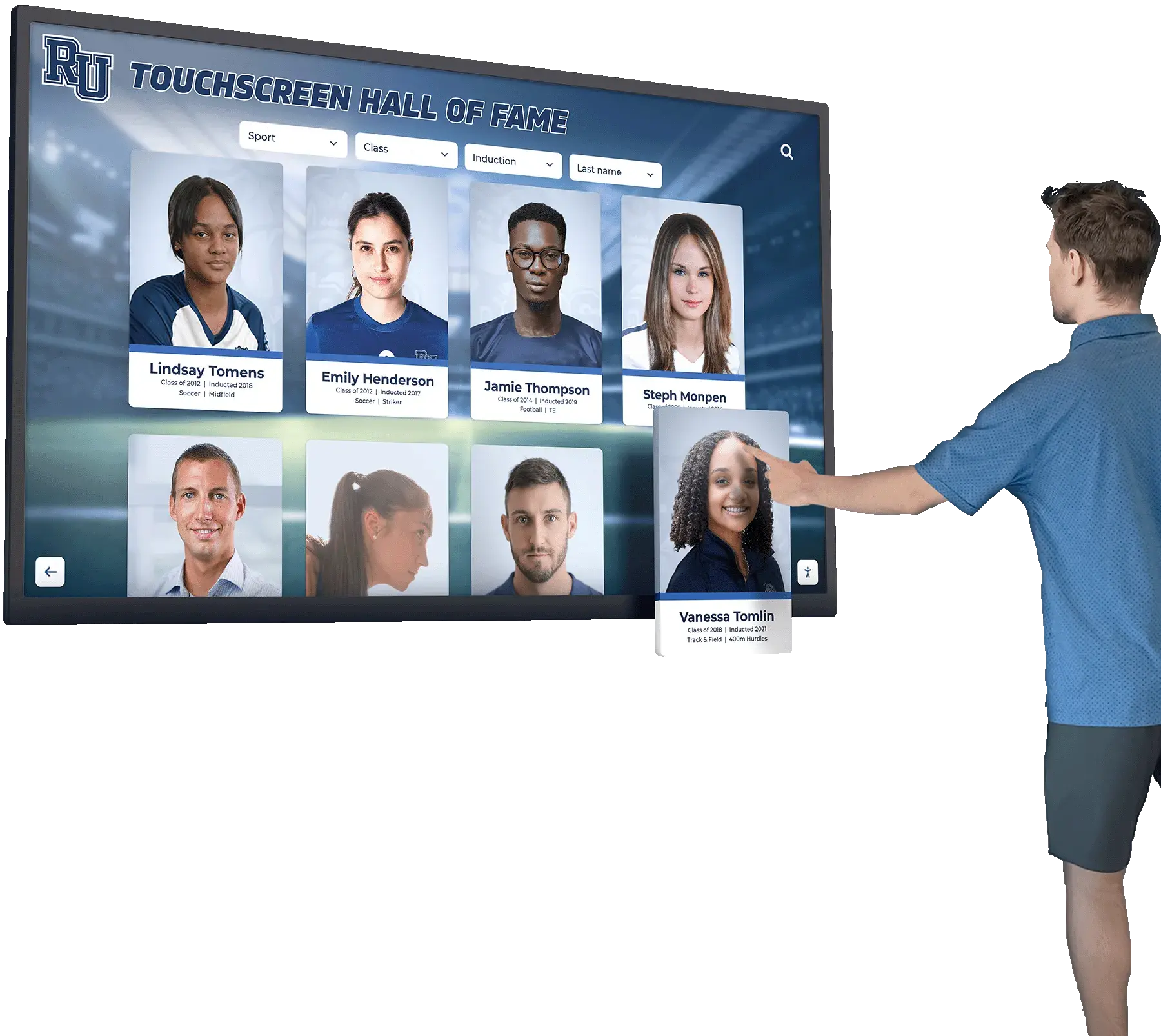
Schools implementing comprehensive student recognition often complement pep rally celebrations with permanent displays through solutions like Rocket Alumni Solutions that provide year-round celebration of athletic and academic achievements, maintaining momentum between special events.
Post-Rally Follow-Up Strategies
Effective pep rallies create momentum extending beyond event conclusion through strategic follow-up reinforcing key messages and sustaining energy.
Content Documentation and Sharing
Professional Photography: Designate photographer capturing high-quality images throughout rally. Share photos through school communications, social media, and yearbook programs documenting memorable moments.
Video Highlights: Edit rally highlight reels sharing through school channels. Brief (2-3 minute) videos work well for social media while longer compilations serve yearbook or archival purposes.
Social Media Recaps: Post rally highlights, winning class recognitions, memorable moments, and student reactions through official school accounts maintaining rally energy for days following event.
Student Newspaper Coverage: Feature rally coverage in school newspaper including game results, spirit competition winners, memorable moments, and photo galleries providing lasting documentation.
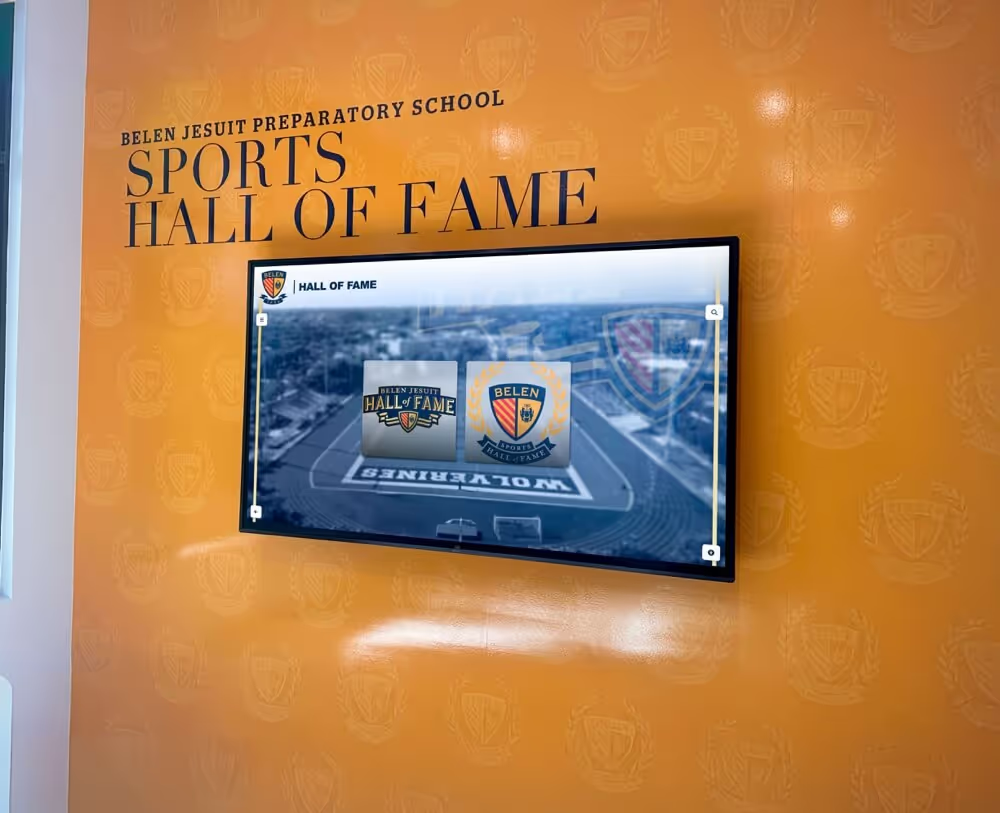
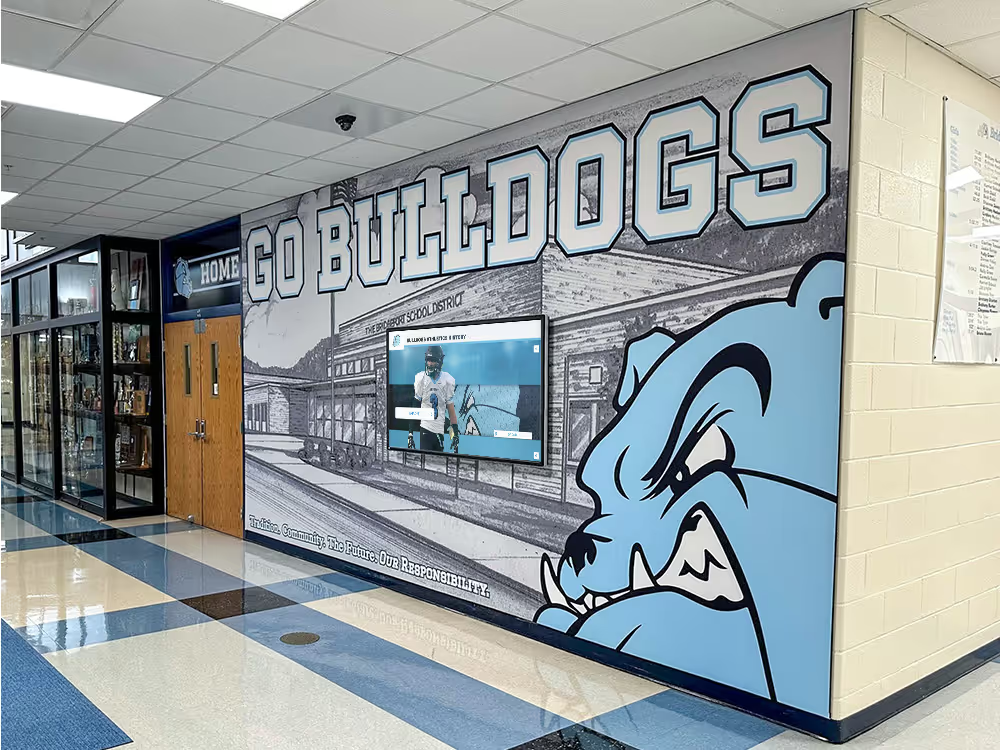
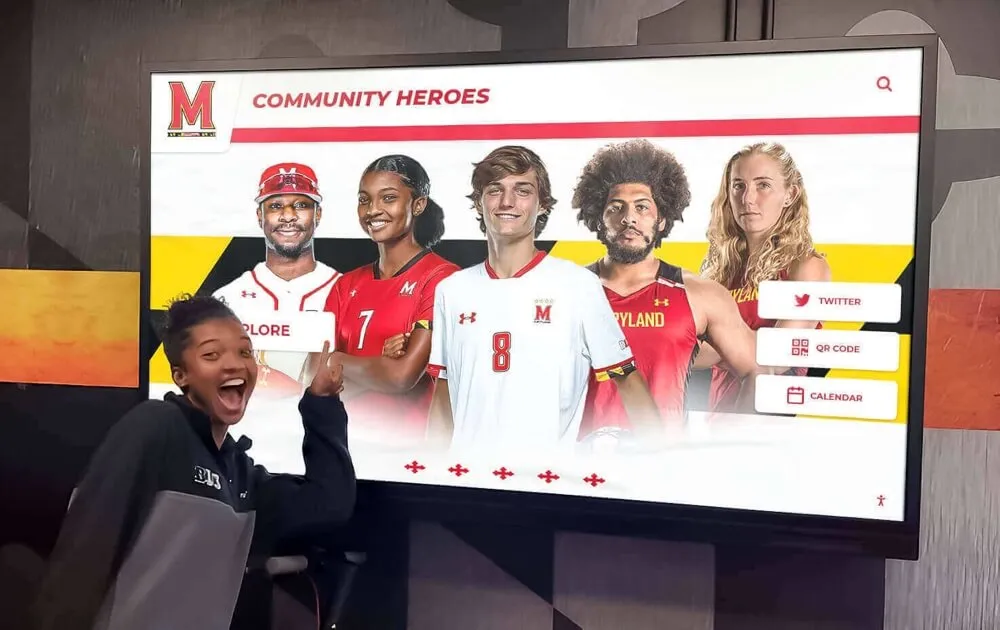
Digital Recognition Updates: Update digital recognition displays throughout school facilities with rally highlights, competition winners, and spirit championship standings maintaining visible celebration beyond event day.
Competition Resolution
Spirit Winner Announcement: If using cumulative point systems determining spirit champions, announce winners prominently through morning announcements, social media, and digital displays ensuring winning class receives proper recognition.
Trophy Presentation: Award traveling trophies or spirit sticks during following school day in winning class location. Create brief ceremony rather than quiet handoff maintaining recognition visibility.
Permanent Recognition: Document spirit competition winners through digital displays creating historical record and encouraging future class participation in spirit competitions.
Feedback Collection and Improvement
Student Input: Survey student populations gathering feedback about rally enjoyment, favorite activities, suggested improvements, and overall experience quality. Brief online surveys generate valuable insight informing future planning.
Staff Debriefing: Conduct brief planning team meeting discussing execution successes, encountered challenges, timing issues, and improvement opportunities. Document insights informing next rally planning.
Activity Performance Assessment: Evaluate which games generated strongest engagement, appropriate timing, technical execution, and entertainment value. Retain effective activities while modifying or eliminating unsuccessful elements.
Continuous Improvement Mindset: Treat each rally as learning opportunity. Implement improvements iteratively rather than maintaining status quo because “it’s tradition.”
Create Year-Round School Spirit Beyond Pep Rally Moments
Transform how your school celebrates student achievements by implementing digital recognition that maintains spirit energy between special events. Rocket Alumni Solutions enables schools to create interactive displays featuring athletic records, academic achievements, spirit competition winners, and memorable moments students encounter daily—ensuring recognition extends far beyond brief pep rally celebrations while building lasting school tradition and pride.
Budget-Friendly Rally Implementation
Schools facing budget constraints can create engaging pep rallies without significant financial investment through strategic planning and creative resource utilization.
Low-Cost Game Options
Most effective pep rally games require minimal equipment or financial investment. Classic relay races use existing gym equipment (cones, balls). Musical chairs needs only chairs from classrooms. Minute to Win It challenges use household items (cups, balloons, cookies). Trivia games require only question preparation and answer display capability.
Student Leadership Utilization
Engage student council, leadership classes, or activity clubs in rally planning and execution. Student-led planning reduces administrative burden while creating authentic programming resonating with student interests. Student groups can coordinate game selection, participant recruitment, costume planning, and technical setup requiring minimal adult supervision.
Equipment Borrowing and Sharing
Rather than purchasing specialized equipment for single-use pep rally applications, borrow items from PE departments, local businesses, or parent volunteers. Party rental companies sometimes donate or discount equipment exchanges for event recognition. Community organizations often loan items supporting school events.
Sponsorship Opportunities
Local businesses supporting school programs may sponsor pep rally elements. Sponsors can provide prizes, fund video production, supply refreshments, or underwrite technical equipment in exchange for appropriate recognition during events. Booster club fundraising programs create funding supporting enhanced rally programming without requiring general operating budget allocation.
Digital Content Creation
Student media programs or technology classes can produce professional-quality video content, graphics, and digital displays as class projects. This creates authentic learning experiences while providing high-value rally content at minimal cost beyond student time investment.
Conclusion: Building School Spirit That Lasts
Effective pep rallies transcend brief entertainment assemblies to become meaningful experiences strengthening school community, celebrating achievement, creating shared memories, and demonstrating institutional values. When strategically designed with engaging games encouraging active participation, inclusive activities reaching diverse student populations, and recognition elements honoring athletic and academic excellence, pep rallies significantly influence school culture while generating genuine student enthusiasm.
The most successful schools approach pep rally planning as serious programming requiring thoughtful preparation, student input, creative execution, and continuous improvement rather than recycling tired formats year after year. They balance entertainment with recognition, competition with inclusion, and tradition with innovation creating experiences students genuinely anticipate rather than tolerate.
Beyond individual pep rally events, schools building lasting spirit cultures create year-round recognition maintaining momentum between special assemblies. Digital recognition solutions like Rocket Alumni Solutions enable schools to celebrate athletic records, academic achievements, spirit competition winners, and memorable moments through interactive displays students encounter daily. These permanent recognition systems ensure that the energy generated during pep rallies extends throughout school year while building historical archives connecting current students to tradition and legacy.
As you plan pep rally experiences for your school, consider which games and activities from this guide align with your specific student population, facility capabilities, and school culture. Start with proven activities building confidence before introducing more creative variations. Involve student leaders in planning processes ensuring authentic programming resonating with student interests. Most importantly, approach pep rallies as opportunities for demonstrating what your school genuinely values—recognition, community, tradition, achievement, and the collective spirit making your school unique.
Pep rallies executed well create memories students carry far beyond graduation—moments when they felt genuinely connected to something larger than themselves, when school pride felt real rather than forced, and when they understood they belonged to community worth celebrating. That’s school spirit that lasts.