



Parent engagement stands as one of the most powerful yet often underutilized resources available to schools seeking to improve student outcomes, strengthen school culture, and build supportive educational communities. Research consistently demonstrates that when families actively participate in their children’s education, students achieve higher grades, demonstrate better social skills, show improved behavior, attend school more regularly, and graduate at higher rates—benefits that extend across all demographic groups and grade levels.
Yet many schools struggle to move beyond superficial engagement approaches—occasional parent-teacher conferences, infrequent newsletter communications, or sporadic volunteer opportunities—toward comprehensive strategies that create genuine partnerships between families and schools. The most successful educational institutions recognize that effective parent engagement requires intentional planning, multiple participation pathways, consistent two-way communication, and recognition that families bring valuable perspectives, resources, and support essential for student success.
Why Parent Engagement Matters
Parent engagement represents more than feel-good community building—it directly impacts the outcomes schools exist to achieve. Students whose parents actively engage with their education demonstrate measurably better academic performance, behavior, attendance, and long-term success compared to peers whose families remain disconnected from school activities. Modern solutions like Rocket Alumni Solutions help schools strengthen family connections through digital recognition systems, communication platforms, and engagement tools that make participation accessible and meaningful for all families.
Understanding Parent Engagement: More Than Occasional Volunteering
Parent engagement encompasses far more than recruiting volunteers for fundraisers or field trip chaperoning. True engagement creates ongoing partnerships where families and schools work collaboratively supporting student learning, development, and well-being through shared responsibility, mutual respect, and consistent communication.
The Research Foundation for Parent Engagement
Decades of educational research establish clear connections between family involvement and student success. A comprehensive meta-analysis published in the Review of Educational Research found that students with engaged parents achieved higher academic performance regardless of socioeconomic status, ethnic background, or parents’ education level.
The National Education Association reports that when parents are involved, students demonstrate higher grades and test scores, better attendance, improved behavior, more positive attitudes toward school, higher graduation rates, and greater enrollment in postsecondary education. These benefits extend across all ages—from early childhood through high school—and across all types of schools—public, private, urban, suburban, and rural.
Research from Harvard Family Research Project identifies specific engagement practices most strongly correlating with student achievement including parent-child discussions about school, participation in school activities and events, communication between parents and teachers about learning expectations, parental involvement in homework and learning at home, and families’ educational aspirations and expectations for their children.
These evidence-based findings demonstrate that parent engagement should not be viewed as optional community-building but rather as essential educational strategy directly supporting the academic and developmental goals schools pursue.
Barriers to Effective Parent Engagement
Despite overwhelming evidence supporting parent engagement benefits, many schools struggle with participation rates that disappoint expectations. Understanding common barriers helps schools design inclusive strategies overcoming obstacles that prevent families from engaging despite genuine interest in supporting their children’s education.
Time and Schedule Constraints: Working parents—particularly those with multiple jobs, inflexible schedules, or single-parent households—find traditional school events scheduled during business hours impossible to attend. Evening meetings conflict with second-shift work, homework supervision, family dinner time, or younger siblings’ bedtime routines. These scheduling limitations particularly affect economically disadvantaged families least able to sacrifice work hours for school participation.
Language and Communication Barriers: Families for whom English is not the primary language often struggle with school communications written exclusively in English. Even when schools provide translation services, cultural differences in educational expectations, unfamiliarity with American school systems, or previous negative educational experiences in home countries may inhibit engagement attempts.
Past Negative School Experiences: Parents who struggled academically themselves, experienced discrimination in educational settings, or felt unwelcome in school environments often approach their children’s schools with apprehension or discomfort. These psychological barriers prove powerful—even when schools extend genuine welcome, families may avoid engagement based on their own historical experiences.
Transportation and Childcare Challenges: Families without reliable transportation struggle attending school events, particularly in rural areas where schools serve geographically dispersed communities. Parents with younger children face childcare challenges when school events don’t accommodate siblings, creating additional barriers to participation.
Unclear Expectations and Opportunities: Many parents want to support their children’s education but don’t know how schools want them involved, what opportunities exist, or how to navigate school systems effectively. When schools assume parents know how to engage without providing explicit guidance and welcoming invitations, many families remain on the sidelines despite genuine interest in participation.
Technology Access and Digital Literacy: Increasingly, schools communicate through email, apps, and online portals—creating barriers for families lacking reliable internet access, appropriate devices, or digital literacy skills navigating these platforms effectively. The “digital divide” extends beyond student technology access to family engagement infrastructure.
Effective parent engagement strategies intentionally address these barriers through flexible participation options, multilingual communications, welcoming environments, practical support, clear guidance, and technology access rather than assuming all families can overcome obstacles independently.
Core Strategies for Strengthening Parent Engagement
Research and practitioner experience identify proven approaches that schools can implement systematically to increase parent engagement across diverse family populations while building sustainable partnership cultures.
Strategy 1: Establish Multiple Communication Channels
No single communication method reaches all families effectively. Comprehensive communication strategies employ multiple channels ensuring messages reach families through their preferred platforms while accommodating varying technology access and communication preferences.
Digital Communication Platforms: Email remains fundamental for many families but proves ineffective for those without regular internet access or who find inbox overflow overwhelming. Text messaging reaches families more reliably—research shows text message open rates exceed 90% compared to email open rates around 20%. Mobile apps designed specifically for school communication provide centralized hubs where families access announcements, calendars, assignments, and direct teacher communication through single platforms.
Traditional Communication Methods: Despite digital prevalence, printed newsletters sent home with students remain valuable for families preferring tangible documents or lacking reliable digital access. Phone calls provide personal touch demonstrating individual attention while accommodating families more comfortable with verbal communication. Postal mail reaches families without current contact information in school systems.
Social Media Engagement: Many families actively use Facebook, Instagram, or other social platforms making these channels effective for sharing school news, celebrating achievements, and building community. Social media works best for general announcements and community building rather than individual student information requiring privacy protections. Strategies for connecting families through digital platforms appear in resources about effective community connection, which apply to parent engagement as well.

In-Person Communication Opportunities: Face-to-face conversations during drop-off, pick-up, school events, or scheduled meetings provide personal connection that digital communication cannot replicate. Strategic staffing enabling informal parent conversations—administrators greeting families during morning arrival, teachers available briefly after school—creates accessible communication opportunities beyond formal conferences.
Multilingual Communication: All communication channels should provide content in languages spoken by significant portions of school families. Translation services, bilingual staff, and culturally-appropriate messaging demonstrate that schools value and welcome all families regardless of linguistic background.
Effective communication strategies combine multiple channels, provide information in multiple formats and languages, repeat important messages through various means, and solicit feedback confirming families receive and understand communications rather than assuming one-way message delivery suffices.
Strategy 2: Create Flexible Participation Opportunities
Traditional parent engagement often assumes families can attend daytime events, chaperone field trips, or volunteer in classrooms during school hours—expectations that exclude working parents and those with inflexible schedules. Inclusive engagement provides diverse participation pathways accommodating different family circumstances, interests, and availability.
Time-Flexible Volunteering: Establish opportunities for families to contribute on their own schedules through take-home projects they complete whenever convenient, weekend event support eliminating weekday work conflicts, evening program assistance accommodating those working traditional hours, virtual volunteering completing tasks remotely from any location, and summer project involvement leveraging vacation time many families have available.
Varied Engagement Types: Not all families can or want to volunteer directly at school. Provide diverse contribution options including expertise sharing where parents present about careers or hobbies, resource provision donating materials or services, governance participation through advisory councils or committees, advocacy support representing school interests in community forums, and celebration attendance at performances, games, or recognition events even when direct volunteering proves impossible.
Home-Based Engagement: The most impactful family involvement often occurs at home through learning support rather than school volunteering. Equip families to support education effectively through homework assistance guidance, reading encouragement strategies, learning conversation techniques, educational resource recommendations, and summer learning activity suggestions preventing skill loss during breaks.

Interest-Based Opportunities: Match volunteer and engagement opportunities to family interests, skills, and passions. The parent who dislikes crowds might excel managing online sign-ups. The family uncomfortable with academics might enthusiastically support athletic or arts programs. The professional with specialized expertise might present career information to students. When schools provide varied participation pathways, more families find engagement opportunities that resonate personally.
Recognition of All Engagement Forms: Explicitly acknowledge and celebrate diverse participation types—not just traditional volunteering. Publicly recognize families supporting learning at home, attending student events, participating in conferences, communicating regularly with teachers, or ensuring consistent attendance. This broad recognition communicates that schools value all forms of family support, not just those most visible at school sites.
Strategy 3: Build Welcoming, Inclusive School Cultures
School climate significantly influences whether families feel comfortable engaging. Intentionally welcoming environments communicate through both explicit messages and subtle cultural cues that all families belong and contribute valuable perspectives regardless of background, education level, language, or socioeconomic status.
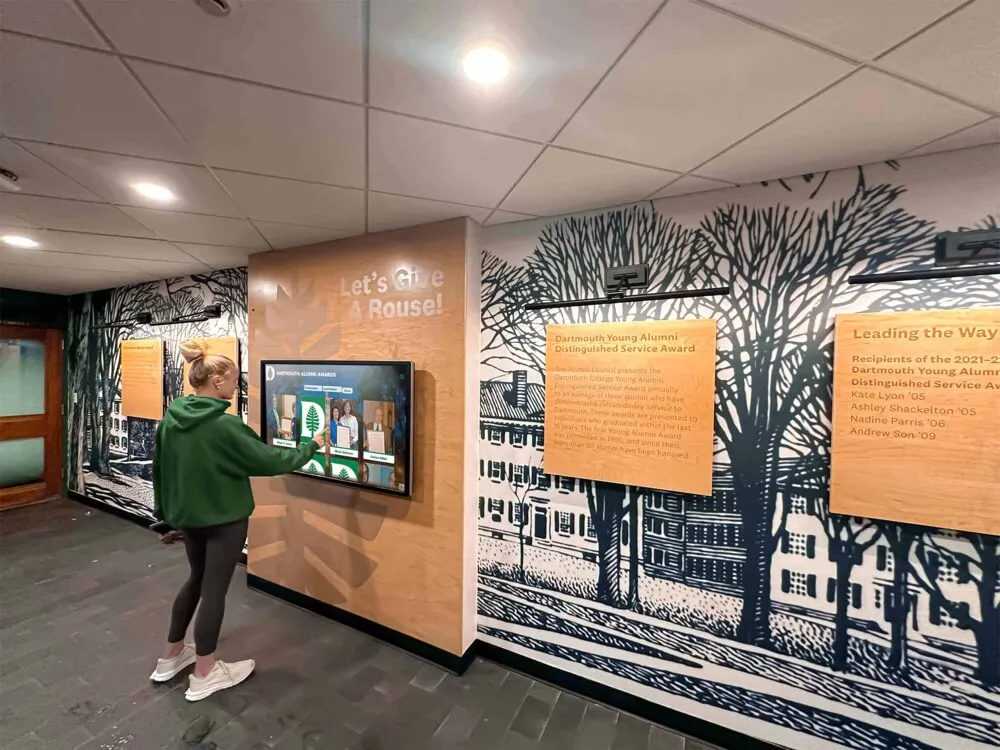
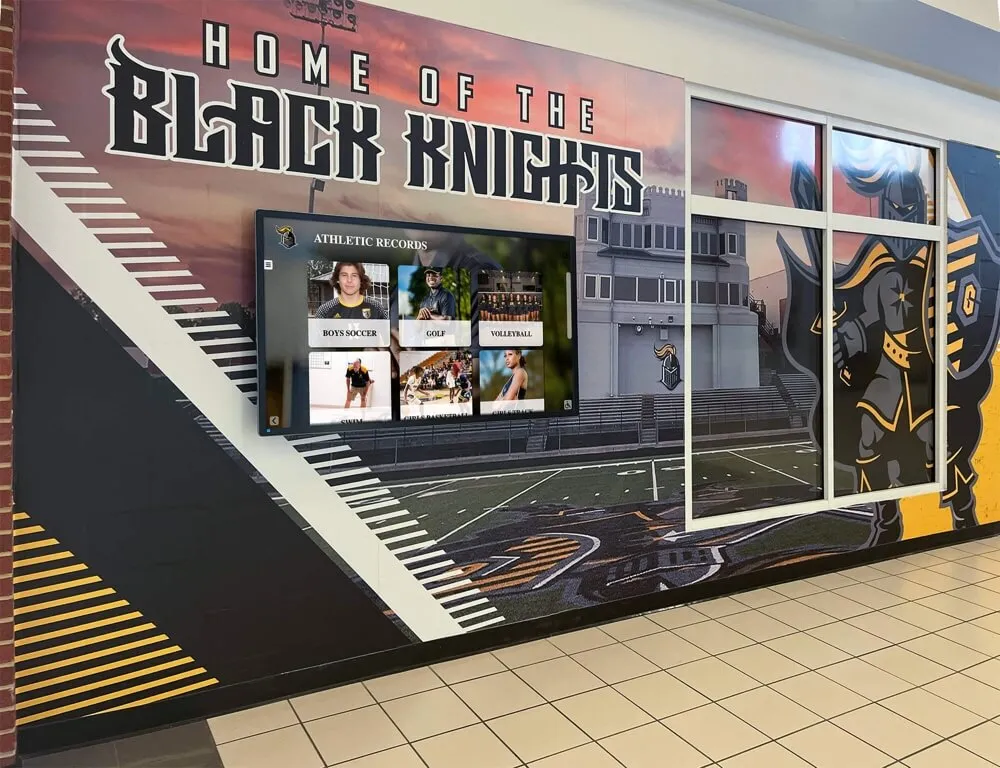
Physical Environment Signals: School facilities send powerful messages about welcome. Multilingual signage demonstrates linguistic inclusion. Clear wayfinding helps visitors navigate confidently. Comfortable parent waiting areas with coffee, seating, and reading materials signal that family presence is expected and valued. Community engagement through recognition displays visibly celebrates family involvement while creating welcoming gathering spaces.
Staff Attitudes and Training: Every staff member—from administrators to office personnel to custodians—should receive training in welcoming family engagement. This includes greeting families warmly, speaking respectfully regardless of dress or language barriers, assuming positive intent when families ask questions or raise concerns, and proactively offering assistance rather than waiting for families to ask.
Cultural Responsiveness: Schools serving diverse populations should incorporate cultural awareness into engagement strategies through culturally-appropriate event planning, representation of diverse families in communications and leadership, celebration of varied cultural traditions and holidays, acknowledgment of different family structures and backgrounds, and avoidance of assumptions about family resources or priorities based on demographics.

Relationship Building Before Asking: Schools often contact families only when problems arise or when seeking volunteer support—creating transactional relationships rather than genuine partnerships. Prioritize relationship-building through positive contacts celebrating student successes, proactive information sharing about school programs, informal conversation opportunities during drop-off or school events, and interest surveys showing schools value family perspectives before making requests.
Addressing Previous Negative Experiences: Many parents approach schools with apprehension based on their own educational histories. Counter these expectations through explicit welcome messages, early positive engagement opportunities, patient explanations of school processes and expectations, celebration of family strengths and contributions, and acknowledgment that every family offers valuable support regardless of educational background or economic circumstances.
Strategy 4: Strengthen Home-School Communication Partnerships
Effective parent engagement requires ongoing two-way communication where families and educators exchange information, insights, and concerns regularly rather than limiting interaction to occasional conferences or crisis situations.
Regular Positive Communication: Research shows families disengage when schools contact them primarily about problems or requests. Establish systematic positive communication through weekly or monthly newsletters highlighting class activities and learning, individual student success celebrations shared with families, photographs or videos showing classroom experiences, and informal updates about upcoming units or projects enabling home connection to school learning.
Accessible Teacher Communication: Families need clear, manageable channels for reaching teachers with questions or concerns. Establish office hours when teachers respond to emails or calls, communication platforms where families submit non-urgent questions, regular communication schedules setting expectations about response times, and emergency protocols for urgent situations requiring immediate attention.
Transparent Learning Expectations: Many parents want to support their children’s learning at home but don’t understand curriculum expectations or effective support strategies. Provide families with grade-level academic standards explained in parent-friendly language, typical learning progression timelines, practical home learning activity suggestions, and honest information about their children’s current performance relative to expectations without educational jargon that confuses rather than informs.

Bidirectional Information Sharing: Communication should flow both directions. Solicit family input about their children’s strengths, challenges, interests, home learning patterns, effective motivation strategies, and relevant home circumstances affecting school performance. This information helps teachers understand students more completely while demonstrating that schools value family knowledge about their own children.
Progress Monitoring and Celebration: Keep families informed about their children’s progress through regular grade updates beyond formal report cards, specific achievement celebrations highlighting improvements or successes, early intervention alerts when students struggle before problems become severe, and recognition of positive behaviors, effort, and character development beyond academic performance.
Strategy 5: Provide Parent Education and Support
Many parents genuinely want to support their children’s education effectively but lack information about age-appropriate learning strategies, effective homework help approaches, or how to navigate educational systems successfully. Comprehensive engagement includes family education components equipping parents with knowledge and skills supporting student success.
Curriculum and Learning Workshops: Help families understand what and how students learn through grade-level curriculum overview sessions, demonstrations of instructional approaches used in classrooms, explanations of homework purposes and effective support strategies, literacy and numeracy development guidance for home practice, and preparation information about major assessments or transitions.
Child Development Information: Share research-based information about age-appropriate developmental milestones, social-emotional learning support strategies, technology use guidance and screen time recommendations, healthy sleep, nutrition, and exercise impact on learning, and stress management techniques during high-pressure academic periods.
Educational System Navigation: Equip families to advocate effectively for their children through special education process explanations, gifted program identification procedures, course selection guidance for middle and high school, college and career planning timelines and resources, and understanding of student rights and family rights within educational systems.

Technology Training: As educational technology increases, families need support accessing and using digital learning tools through parent portal training showing how to monitor grades and assignments, learning management system tutorials, educational app guidance for home practice, and digital citizenship education about online safety and responsible technology use.
Resource Connection: Connect families with community resources supporting student success including tutoring programs and academic support services, social services and family support organizations, mental health resources and counseling services, financial aid and scholarship information, and enrichment opportunities for summer learning or special interests.
Strategy 6: Celebrate Family Involvement and Student Success
Recognition powerfully reinforces desired behaviors. When schools visibly celebrate family engagement and student achievements, they communicate priorities while motivating continued participation and creating positive school culture.
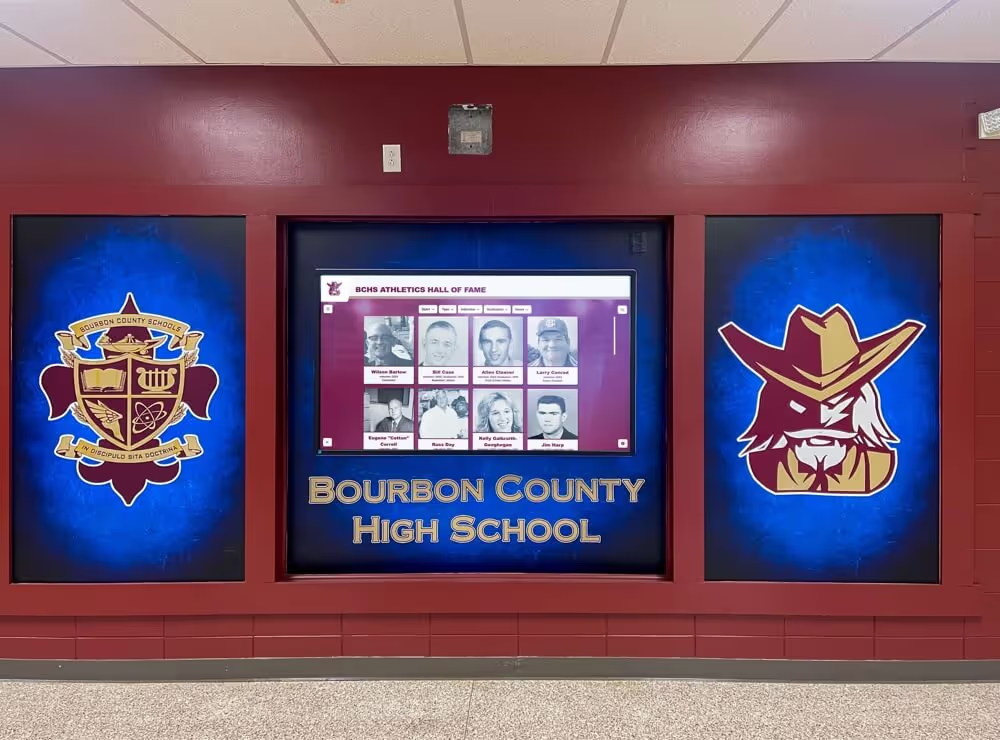
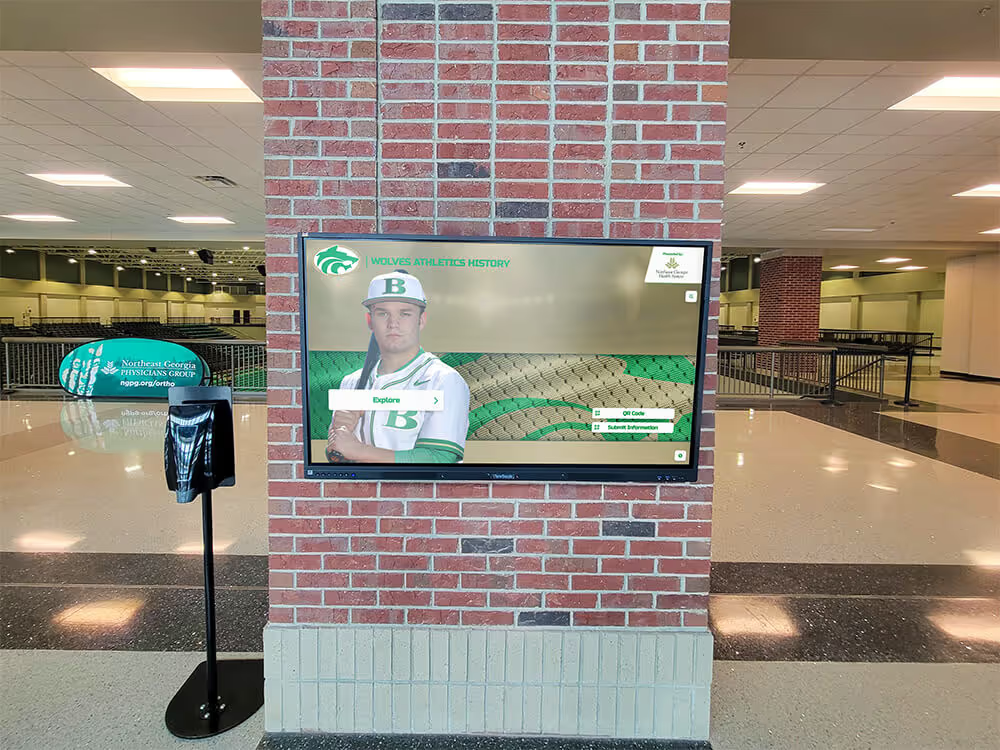
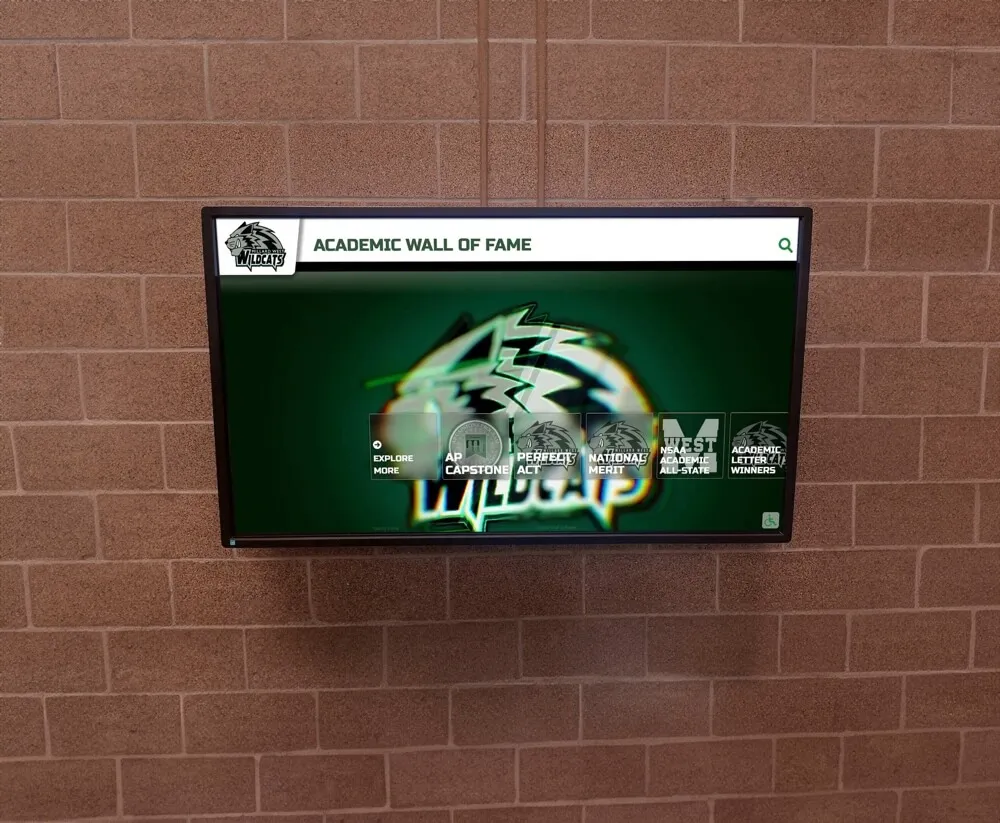
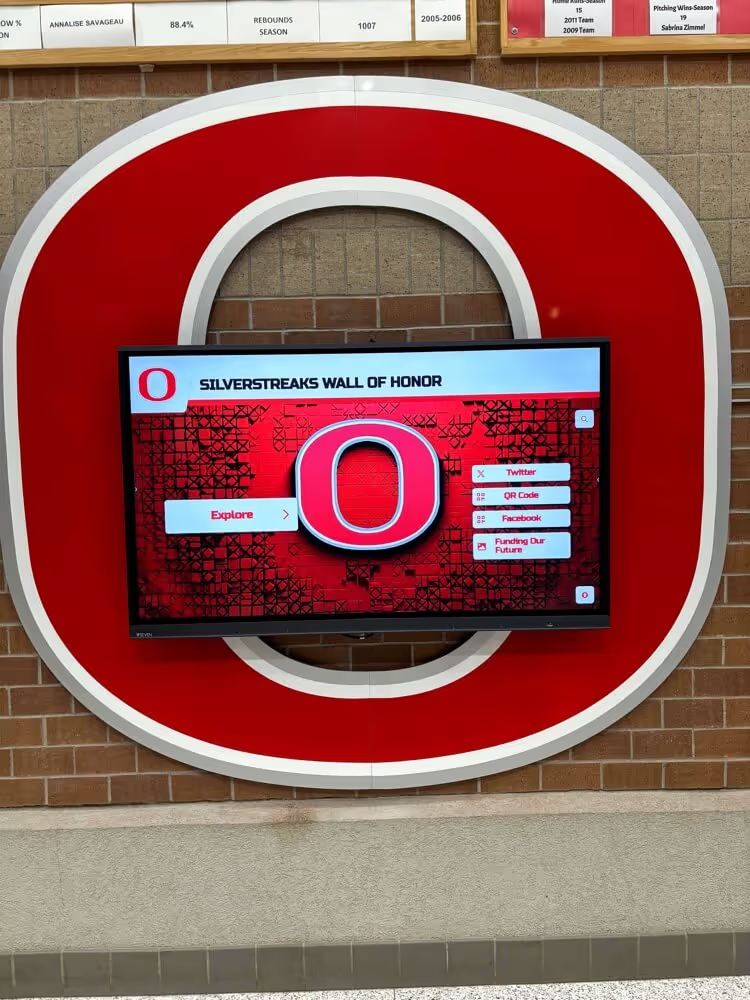
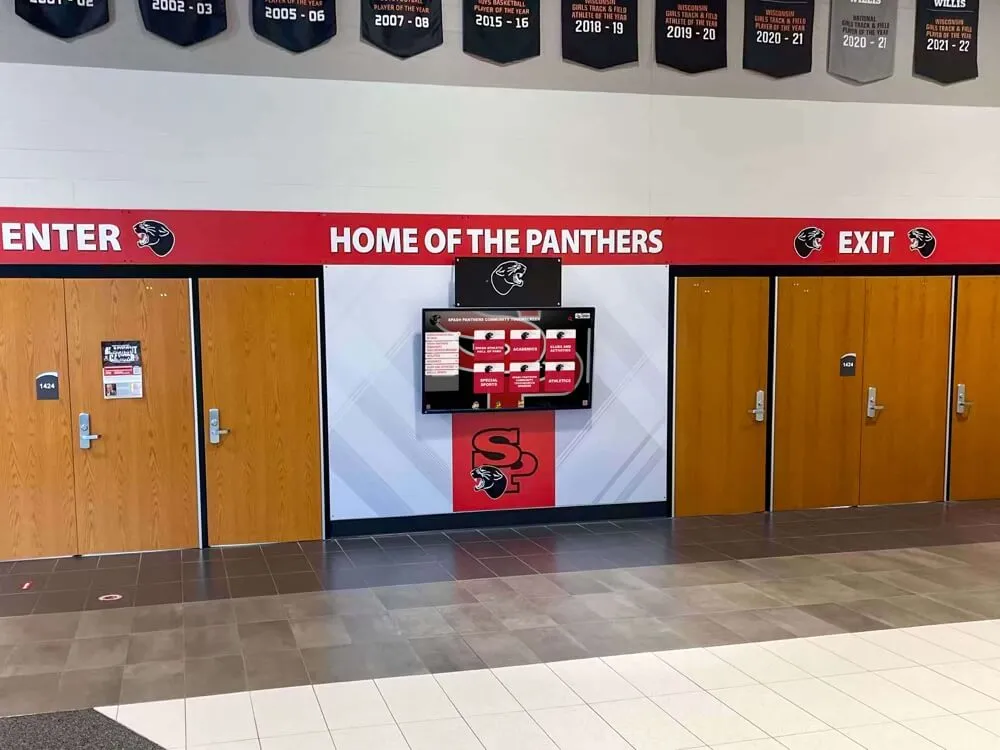
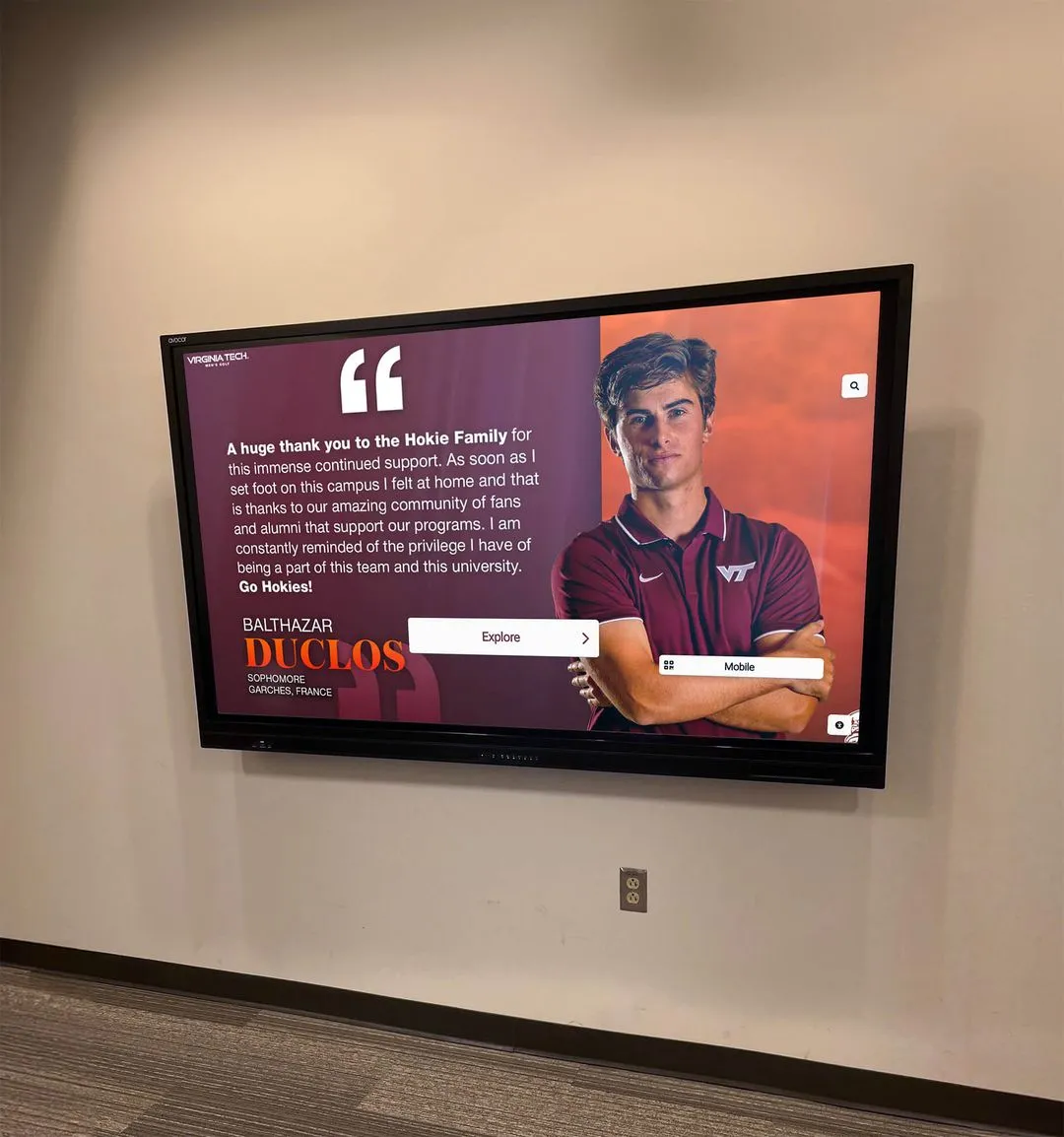
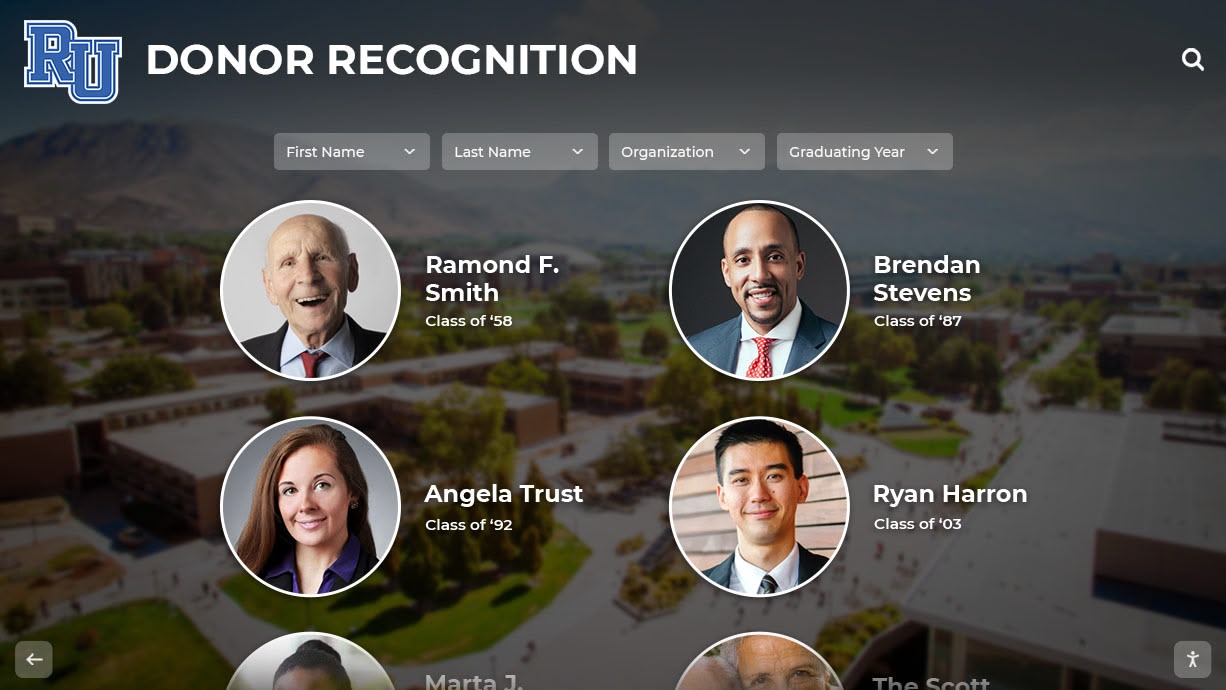
Public Recognition Programs: Systematically acknowledge family contributions through volunteer appreciation events, featured profiles in newsletters or social media, certificate or award programs honoring sustained involvement, and visible displays showcasing family participation. Digital recognition displays enable schools to honor unlimited families through searchable interactive systems celebrating diverse contribution types.
Student Achievement Celebration: Share student successes broadly engaging entire school communities through academic honor roll recognition, behavioral and character acknowledgments, improvement celebration highlighting growth not just top performance, diverse achievement recognition across academics, arts, athletics, and service, and individual milestone celebrations for significant student accomplishments.
Family Story Sharing: Feature families sharing their experiences, perspectives, and engagement stories through parent testimonial videos or written features, photo galleries from school events showing family involvement, social media takeovers by engaged families, and family panel discussions during school events where parents speak about their engagement experiences.
Milestone Recognition: Acknowledge significant family engagement milestones through cumulative volunteer hour recognition, long-term involvement celebration for families engaged across multiple school years, multi-generational family acknowledgment when multiple family members attended the school, and alumni family recognition connecting current and past school connections.
Community Building Through Recognition: Recognition programs create community by bringing families together through volunteer socials and appreciation events, family directory publications enabling connections, affinity group formation based on common interests, and mentorship pairing experienced families with newcomers navigating schools for the first time.
Leveraging Technology for Parent Engagement
Modern technology provides powerful tools expanding parent engagement possibilities while making participation more accessible for busy families and those unable to visit schools frequently during traditional hours.
Digital Communication Platforms
Comprehensive school communication apps consolidate announcements, calendars, forms, and messaging into unified platforms accessible via smartphones, tablets, or computers. Effective platforms include real-time notifications ensuring families receive important information immediately, translation capabilities providing content in multiple languages, two-way messaging enabling family-teacher communication, attendance and grade access for progress monitoring, and offline functionality for families with intermittent internet access.
When selecting communication platforms, prioritize user-friendly interfaces requiring minimal technical expertise, mobile optimization since many families primarily use smartphones, data privacy and security protecting family information, integration with existing school systems avoiding duplicate data entry, and comprehensive training and support ensuring all families can navigate platforms successfully.
Virtual Participation Opportunities
Technology enables families to engage with schools regardless of geographic location or schedule constraints through livestreamed events and performances families watch remotely, recorded content available on-demand for asynchronous viewing, virtual conference options for parent-teacher meetings, online workshops and information sessions, and digital volunteer opportunities contributing from home. Approaches to engaging families through digital platforms continue expanding as technology advances.

Interactive Recognition and Information Systems
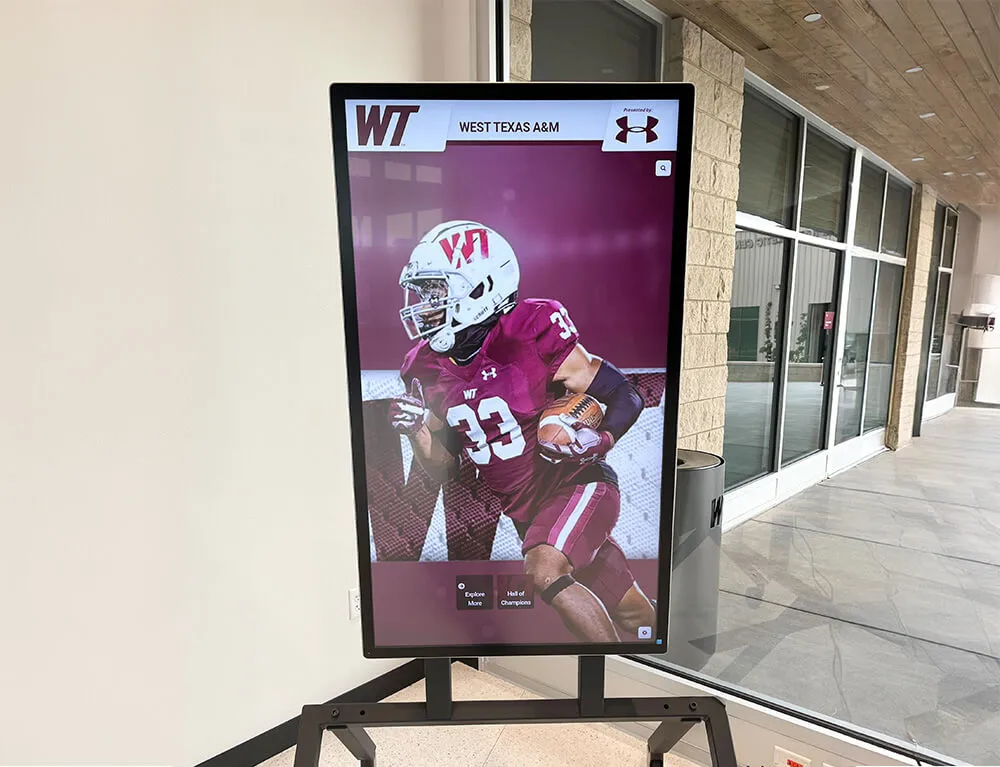
Digital displays throughout schools provide dynamic, engaging ways to share information and celebrate achievement through real-time news feeds showing current school activities, interactive building directories helping families navigate schools, achievement showcases celebrating student and family accomplishments, event calendars displaying upcoming participation opportunities, and virtual tours introducing new families to school facilities and programs.
Interactive recognition systems like those provided by Rocket Alumni Solutions enable schools to honor unlimited families through searchable databases, showcase diverse achievement types across academics and activities, update content instantly without printing costs, integrate with mobile apps extending access beyond physical displays, and collect engagement analytics showing which recognition generates most family interest and pride.
Online Learning Resources for Families
School websites and portals can provide families with valuable educational resources through homework help guides and video tutorials, grade-level learning standards and expectations, suggested activities for home learning practice, recommended books and educational websites, and assessment preparation resources helping families support test preparation effectively.
Measuring Parent Engagement Success
Effective programs require systematic assessment demonstrating impact while identifying areas needing improvement or additional support.
Quantitative Engagement Metrics
Track measurable engagement indicators including event attendance rates and trends, volunteer hour totals and participant numbers, communication platform usage statistics, website and resource access analytics, parent-teacher conference attendance rates, and survey response rates indicating family interest in providing feedback.
Compare engagement metrics across different family demographic segments identifying groups requiring targeted outreach or barrier removal. Track longitudinal trends revealing whether engagement initiatives produce sustained participation increases or temporary spikes followed by return to baseline.
Student Outcome Correlations
Examine relationships between parent engagement and student success measures including academic performance and grade point averages, standardized assessment results, attendance rates and chronic absenteeism patterns, behavior referrals and disciplinary incidents, and long-term outcomes like graduation rates and college enrollment.
While correlation doesn’t prove causation, strong associations between engagement and positive student outcomes justify continued investment in parent involvement programs while weak or absent correlations suggest programmatic adjustments may be needed.

Qualitative Family Feedback
Numerical data provides important information but misses nuances that qualitative feedback reveals through parent satisfaction surveys asking about engagement experiences, focus groups exploring barriers and improvement opportunities, individual interviews with representative families, suggestion boxes and feedback forms enabling anonymous input, and observational assessments of school climate and family comfort levels.
Ensure feedback mechanisms reach diverse family populations rather than sampling only already-engaged families who may offer systematically more positive perspectives than less-involved families whose barriers the school most needs to understand and address.
Sustaining Parent Engagement Long-Term
Initial engagement momentum often fades without intentional sustainability strategies maintaining participation across years and leadership transitions.
Institutionalizing Engagement Practices
Embed engagement into standard school operations through written policies and procedures documenting engagement strategies, designated staff positions or teams responsible for family engagement coordination, budget allocations ensuring adequate resources, professional development training all staff in family engagement practices, and integration into school improvement plans establishing engagement as strategic priority.
Continuous Improvement Cycles
Regularly assess engagement effectiveness through annual engagement audits evaluating program strengths and weaknesses, family needs assessments identifying changing circumstances or preferences, engagement strategy adjustments responding to feedback and data, pilot testing of innovative approaches before full implementation, and documentation of lessons learned informing future decisions.
Building Parent Leadership
Develop family leadership capacity sustaining engagement through parent advisory councils with genuine authority and voice, volunteer coordinator roles where parent leaders recruit and manage peers, family ambassadors who welcome new families and share engagement opportunities, mentorship programs pairing experienced families with newcomers, and leadership skill development training interested families in facilitation, communication, and advocacy.

Celebrating and Sharing Success
Maintain momentum through regular recognition of engagement achievements, public sharing of engagement impact data demonstrating effectiveness, storytelling highlighting individual family experiences, internal communications keeping staff informed about engagement initiatives, and external communications building community reputation for family welcome and partnership.
Addressing Unique Engagement Challenges
Different school contexts present specific engagement barriers requiring targeted strategies.
Engaging Linguistically Diverse Families
Schools serving families speaking multiple languages need comprehensive multilingual engagement including professional translation of all essential communications, bilingual staff availability for direct communication, cultural liaisons familiar with specific communities served, translation technology or services at events and meetings, and culturally-appropriate engagement approaches respecting varied educational traditions and expectations.
Reaching Economically Disadvantaged Families
Economic constraints create engagement barriers including lack of transportation, inflexible work schedules precluding daytime participation, limited access to technology or internet connectivity, and scarcity of resources like childcare enabling participation. Address these barriers through transportation assistance for events, flexible timing accommodating varied schedules, technology access programs providing devices and connectivity, childcare provision during school activities, and recognition that valuable engagement takes multiple forms not all requiring physical presence at school.
Supporting Families New to School Systems
First-time school families—whether new to the district, first-time parents of school-age children, or families new to American educational systems—benefit from targeted support through comprehensive orientation programs explaining school operations and expectations, buddy family pairings connecting newcomers with experienced families, clear navigation assistance helping families understand processes and systems, proactive outreach rather than expecting families to initiate contact, and explicit welcome messages communicating that questions are expected and valued.
Conclusion: Building Partnerships That Transform Student Success
Parent engagement represents far more than peripheral community-building—it constitutes essential educational strategy directly supporting the learning outcomes, positive behavior, and long-term success schools exist to cultivate. Decades of research unequivocally demonstrate that students whose families engage actively with their education demonstrate measurably superior academic performance, social development, and educational attainment compared to peers whose families remain disconnected from school activities.
Yet engagement doesn’t occur spontaneously simply because families care about their children’s success. Effective engagement requires intentional school efforts creating welcoming environments, providing multiple flexible participation pathways, establishing consistent two-way communication, offering family education and support, recognizing diverse contribution types, and leveraging technology extending engagement possibilities.
The most successful schools approach parent engagement systematically through comprehensive strategies addressing communication, volunteering, home learning support, decision-making participation, and community collaboration. They recognize and accommodate barriers that prevent engagement rather than assuming families who don’t participate lack interest or investment. They measure engagement effectiveness through both quantitative participation metrics and qualitative family feedback informing continuous improvement.

Modern technology expands engagement possibilities dramatically through digital communication platforms reaching families anytime anywhere, virtual participation options accommodating those unable to attend physically, interactive recognition systems celebrating unlimited families and achievements, and online learning resources supporting home-based educational involvement. Solutions like Rocket Alumni Solutions provide purpose-built platforms specifically designed for educational institutions seeking to strengthen family engagement through digital recognition, communication tools, and community-building features.
Whether your school currently struggles with minimal parent participation or builds upon already-strong family engagement, the strategies outlined in this guide provide evidence-based approaches proven to strengthen family-school partnerships while improving student outcomes across all demographic groups. Success requires sustained commitment, adequate resources, genuine welcome for all families regardless of background, and recognition that family engagement represents not extra work but essential partnership directly advancing the educational mission central to school purpose.
Start by assessing current engagement patterns identifying strengths to build upon and barriers to address. Implement targeted improvements addressing highest-priority needs or serving underengaged family populations. Measure results demonstrating impact while informing continuous refinement. Celebrate successes publicly reinforcing engagement as core institutional value. Most importantly, maintain unwavering commitment to the fundamental principle that families and schools working together as genuine partners create optimal conditions for student success that neither can achieve alone.
Ready to strengthen parent engagement at your school? Explore how comprehensive digital engagement solutions and recognition systems can help you build stronger family-school partnerships that transform student success for years to come.