



Athletic programs build enduring legacies through the contributions of countless individuals across decades. Yet many organizations struggle to adequately recognize the veteran athletes, founding members, long-serving coaches, and program legends who established traditions and built institutional foundations—not from lack of appreciation, but from limitations of conventional recognition systems that prioritize recent achievements over historical contributions.
An oldtimers wall represents a dedicated recognition system honoring veteran participants, retired athletes, founding figures, and long-time contributors whose service spans multiple decades. Unlike halls of fame that primarily celebrate championship achievements or record-breaking performances, oldtimers walls emphasize longevity, foundational contributions, mentorship legacies, and the multi-generational connections that define program character.
Why Oldtimers Walls Strengthen Athletic Communities
Oldtimers walls create visible connections between past and present, ensuring that founding members, veteran athletes, and long-serving contributors receive recognition befitting their sustained commitment. Whether implemented through traditional physical displays or modern digital platforms like Rocket Alumni Solutions, effective oldtimers recognition systems preserve institutional memory, inspire multi-generational engagement, and demonstrate that programs value dedication across entire lifetimes—not just peak competitive years.
Understanding Oldtimers Walls: Purpose and Distinction
Oldtimers walls serve specialized recognition purposes that distinguish them from traditional halls of fame, championship displays, or current athlete showcases.
What Makes Oldtimers Recognition Unique
Oldtimers walls focus on sustained contribution, historical significance, and program legacy rather than exclusively celebrating peak competitive achievement.
Emphasis on Longevity: Traditional halls of fame typically recognize extraordinary individual seasons, championship teams, or record-breaking performances. Oldtimers walls complement this recognition by honoring sustained involvement—the coach who dedicated 30 years to building a program, the volunteer who organized tournaments for three decades, or the athlete who transitioned from player to mentor and remained connected to the program for 40 years.
Foundational Contributions: Many programs were established and nurtured through formative years by individuals whose contributions may not include championships or record-breaking statistics but whose dedication enabled all subsequent success. Oldtimers recognition ensures these foundational figures receive appropriate acknowledgment for enabling everything that followed.
Veteran Athlete Recognition: Athletes who competed during program infancy—when resources were limited, competition less organized, and recognition systems nonexistent—often established traditions and demonstrated character that defined program identity despite lacking achievements matching contemporary standards. Oldtimers walls honor these pioneering competitors who built program foundations.
Transitional Leadership: Many oldtimers continued contributing long after competitive careers ended—coaching youth teams, mentoring younger athletes, volunteering as officials, organizing alumni events, or supporting programs financially. Recognition that honors complete contribution spans acknowledges that athletic community involvement extends far beyond active competition.
Oldtimers Walls vs Traditional Halls of Fame
While both recognition systems honor significant contributions, they emphasize different achievement dimensions:
Selection Criteria Differences: Halls of fame typically establish achievement thresholds—championship participation, statistical benchmarks, all-conference honors, or professional advancement. Oldtimers walls complement these standards with longevity criteria, sustained involvement measures, mentorship contributions, and foundational significance that may transcend competitive statistics.
Time Perspective: Halls of fame often require waiting periods ensuring achievement stands the test of time—commonly five to ten years post-career. Oldtimers recognition may extend to individuals whose contributions span 20, 30, or 40 years of continued involvement, honoring sustained dedication rather than just competitive excellence.
Recognition Philosophy: Championship-focused recognition asks “Who achieved the most remarkable competitive success?” Oldtimers recognition asks “Who built this program, sustained it through challenges, and connected generations of participants?” Both questions matter, and comprehensive recognition systems answer both.
Resources on athletic hall of fame creation demonstrate how programs can implement multiple recognition tiers honoring both competitive excellence and sustained contribution.
Who Belongs on Oldtimers Walls: Recognition Categories
Comprehensive oldtimers walls recognize diverse contribution types ensuring all forms of sustained program involvement receive appropriate acknowledgment.
Founding Members and Program Pioneers
Individuals who established programs, organized first teams, or competed during formative years deserve special recognition for enabling all subsequent achievements.
Program Founders: Those who conceived programs, secured initial resources, recruited first participants, organized inaugural seasons, and established competitive frameworks created foundations for decades of athletic activity. Without these visionaries, programs would never have existed—a contribution meriting permanent gratitude.
Pioneer Athletes: Competitors who participated during first seasons—often with minimal equipment, limited coaching, informal competition, and no recognition systems—demonstrated commitment that established program credibility. These pioneers proved programs viable and created traditions successors inherited.
Early Coaches and Administrators: Coaches who volunteered time when programs lacked budgets, administrators who advocated for resources when athletics received minimal support, and organizers who scheduled competitions when leagues didn’t exist made crucial early contributions. Their dedication during resource-scarce periods enabled program survival and growth.
Facility Builders: Individuals who led campaigns to build first gymnasiums, organize field construction, secure equipment donations, or establish permanent practice facilities created infrastructure benefiting generations. Physical spaces represent lasting legacies of these contributors’ vision and effort.
Long-Serving Coaches and Staff
Coaches, trainers, and staff who dedicated significant portions of careers—often decades—to single programs deserve oldtimers recognition regardless of championship totals.
Career-Long Coaches: Head coaches who spent 20, 25, or 30+ years building programs demonstrated extraordinary institutional commitment. These coaches often mentored hundreds of athletes, established program cultures, navigated changing competitive landscapes, and created multi-generational coaching trees extending their influence beyond direct involvement.
Assistant Coaches and Position Specialists: Long-tenured assistant coaches who chose program loyalty over career advancement opportunities, position specialists who developed consistent athlete excellence across decades, and volunteer coaches who donated thousands of hours merit recognition alongside head coaches whose visibility exceeded theirs.
Athletic Trainers and Support Staff: Trainers who kept athletes healthy across decades, equipment managers who ensured programs operated smoothly, groundskeepers who maintained facilities, and administrative staff who managed logistics enabled program continuity. Sustained excellence requires far more than just talented coaches and athletes—comprehensive oldtimers recognition acknowledges complete contributor ecosystems.
Guidance on coaches appreciation and recognition provides frameworks for honoring coaching contributions that extend beyond win-loss records.
Veteran Athletes and Multi-Generational Participants
Athletes who remained connected to programs long after competitive careers—returning as coaches, mentors, donors, or supporters—exemplify oldtimers recognition ideals.
Lifetime Contributors: Former athletes who transitioned from players to volunteer coaches, became youth program mentors, organized alumni events, recruited prospective participants, or donated financially maintained program connections spanning 30, 40, or 50+ years. These lifelong contributors embody sustained dedication oldtimers walls celebrate.
Multi-Generational Families: Families whose involvement spans three or four generations—great-grandparents who founded programs, grandparents who competed in early years, parents who coached youth teams, and children currently participating—represent living program history. Recognition of these multi-generational connections honors family legacies while demonstrating program endurance.
Alumni Leaders: Former athletes who achieved professional success and leveraged their platforms to elevate program visibility, recruited talented participants, provided mentorship networks, or contributed philanthropically created ripple effects extending far beyond their competitive contributions. Leadership extending decades beyond playing careers merits oldtimers acknowledgment.
Understanding alumni recognition programs helps athletic organizations develop comprehensive systems honoring sustained alumni engagement.
Volunteers and Community Supporters
Athletic programs depend on countless volunteers whose behind-the-scenes contributions enabled competitive success across decades.
Tournament Organizers: Individuals who organized annual tournaments, managed league schedules, coordinated travel logistics, or handled event administration for 20+ years provided essential services often taken for granted. Tournament traditions represent these organizers’ sustained efforts.
Booster Club Leaders: Booster presidents who led fundraising campaigns, organized community support, managed financial operations, or coordinated volunteer networks for extended periods generated resources enabling program growth. Financial stability reflects these leaders’ dedicated stewardship.
Facility Volunteers: Those who maintained fields, cleaned facilities, managed concessions, staffed events, or handled countless operational details year after year ensured programs functioned smoothly. Operational excellence depends on these sustained volunteer contributions.
Officials and Referees: Long-serving officials who ensured fair competition, mentored younger referees, and upheld competitive integrity across decades enabled quality athletic experiences. Respected officials become institution fixtures deserving recognition for sustained service.
Selection Criteria and Nomination Processes
Credible oldtimers walls require structured selection criteria and fair nomination processes ensuring decisions earn community respect.
Establishing Eligibility Standards
Clear eligibility requirements prevent confusion while establishing baseline standards for oldtimers consideration.
Longevity Thresholds: Most oldtimers programs establish minimum involvement periods—commonly 15, 20, or 25 years of sustained connection to programs through various roles. These extended timeframes distinguish oldtimers recognition from conventional halls of fame honoring shorter but more intensive achievements.
Multiple Contribution Pathways: Unlike halls of fame typically requiring competitive excellence, oldtimers walls should accommodate diverse contribution forms—competitive participation plus coaching, founding involvement plus administrative support, volunteer coordination plus facility development. Sustained impact matters more than contribution category.
Age and Retirement Considerations: Many oldtimers programs recognize individuals who have retired from active participation or reached milestone ages (65, 70, 75) representing veteran status. These age-based criteria honor the fact that oldtimers recognition celebrates complete contribution spans visible only late in life.
Character and Values Alignment: Oldtimers recognition honors individuals who exemplified program values across decades. Character standards ensure recognition celebrates those whose sustained involvement positively shaped program culture and inspired others through example.
Creating Fair Nomination Systems
Accessible nomination processes ensure worthy oldtimers receive consideration while maintaining program credibility.
Open Nomination Periods: Annual or biennial nomination windows—typically 2-4 months—provide adequate time for thorough nominations while creating regular recognition opportunities. Longer cycles (every 2-3 years) work well for oldtimers programs adding fewer inductees annually than traditional halls of fame.
Multiple Nomination Sources: Accepting nominations from current participants, alumni, former coaches, family members, community members, and program administrators ensures diverse perspectives and prevents worthy candidates from being overlooked simply because no one currently involved knew them personally.
Comprehensive Nomination Forms: Structured forms requesting biographical information, chronological involvement timeline, specific contribution descriptions, impact statements from multiple sources, supporting documentation (photos, records, testimonials), and nominator contact information ensure consistent evaluation information across all candidates.
Historical Research Support: For founding members or early participants whose contributions predate current memory, programs should provide archival research assistance helping nominators document contributions through yearbooks, newspaper archives, facility records, or organizational minutes.
Selection Committee Composition
Committee structure should ensure diverse perspectives, institutional memory, and decision credibility.
Generational Representation: Committees should include older participants or community members with institutional memory of earlier eras, mid-career participants understanding recent program evolution, and current participants maintaining contemporary perspectives. This generational balance ensures evaluation criteria reflect both historical context and present values.
Stakeholder Diversity: Representation from athletes, coaches, administrators, volunteers, and community supporters prevents single-perspective dominance while ensuring all contribution types receive appropriate consideration.
Term Limits and Rotation: Rotating committee membership periodically introduces fresh perspectives while preventing selection calcification. Staggered terms maintain institutional continuity while enabling periodic renewal.
Conflict of Interest Policies: Clear policies requiring committee members to recuse themselves from evaluating close relatives, former teammates, or individuals with whom they have significant personal or professional relationships maintain selection integrity.
Resources on digital hall of fame planning provide frameworks applicable to oldtimers recognition ensuring fair, defensible selection processes.
Display Options: Traditional and Digital Approaches
Oldtimers walls can be implemented through various display formats, each offering distinct advantages for recognizing veteran contributors and program legends.
Traditional Physical Recognition
Conventional recognition formats provide tangible permanence that resonates with many oldtimers and traditional program stakeholders.
Engraved Plaque Walls: Individual bronze or brass plaques mounted in athletic facilities offer formal, permanent recognition. Plaques work particularly well for oldtimers programs adding 2-5 inductees annually, though space constraints eventually limit capacity as programs mature.
Photo Gallery Walls: Mounted photographs of oldtimers with accompanying biographical plaques create visual recognition helping current participants connect faces with historical names. Photo walls face maintenance challenges as images age but provide personal connections text-only displays cannot match.
Display Case Recognition: Glass-enclosed cases housing oldtimers memorabilia—vintage uniforms, historic equipment, championship artifacts, or personal items donated by inductees—create three-dimensional recognition evoking program history tangibly.
Dedicated Oldtimers Spaces: Some facilities dedicate specific rooms or hallways to oldtimers recognition, creating contemplative spaces where program veterans can revisit memories while current participants learn history. These dedicated areas signal that programs value sustained contribution enough to allocate premium space.
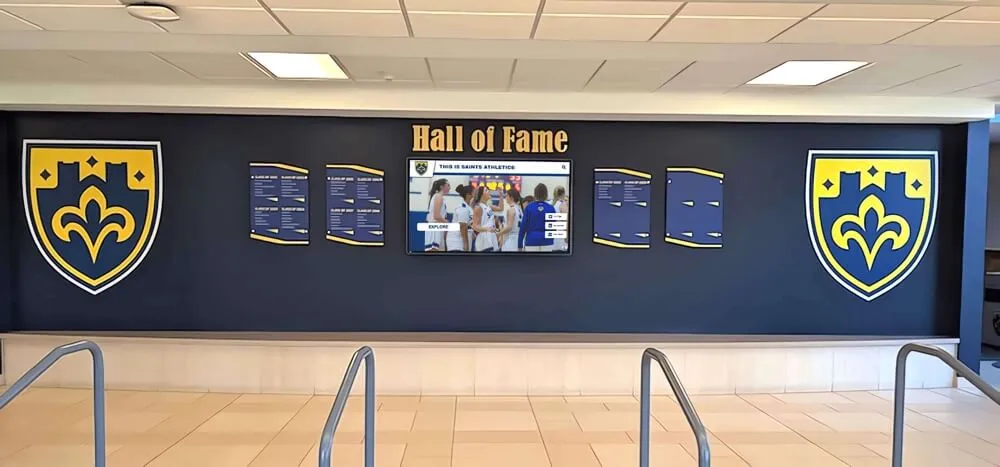
Limitations of Physical Displays: Traditional formats share common constraints including finite capacity requiring difficult space allocation decisions, high per-inductee costs for quality materials and installation, limited information beyond basic biographical facts, difficulty incorporating multimedia content bringing history alive, and restricted accessibility for geographically distant alumni or community members.
Digital Interactive Oldtimers Recognition
Modern digital displays address traditional format limitations while offering expanded capabilities for comprehensive oldtimers recognition.
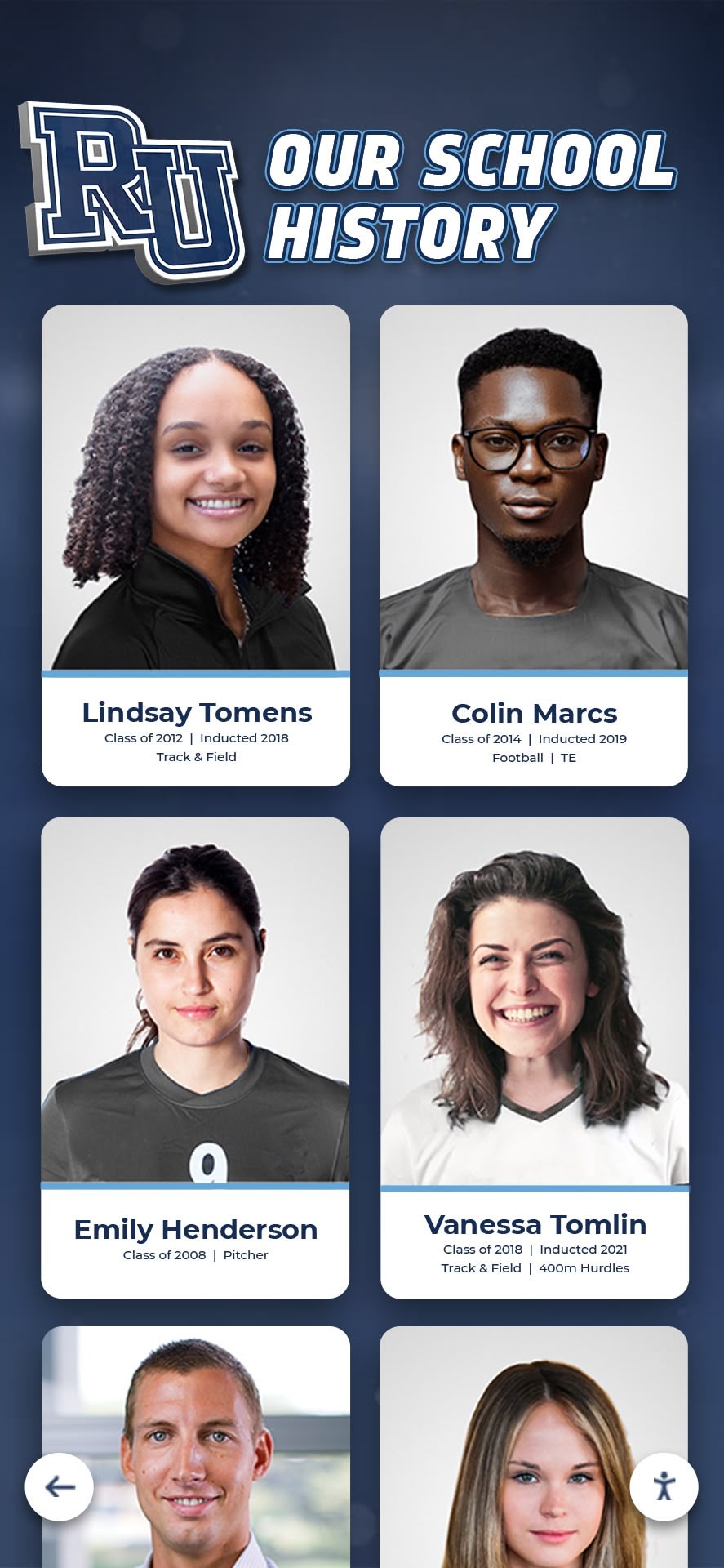
Touchscreen Oldtimers Kiosks: Interactive touchscreens enable visitors to explore detailed oldtimers profiles, search by name or contribution era, filter by contribution type (founder, coach, athlete, volunteer), access rich multimedia content including historical photos, video interviews, and documented achievements, and discover connections between oldtimers and current program participants.
Solutions like interactive recognition displays provide intuitive interfaces encouraging extended engagement while accommodating unlimited oldtimers content regardless of how many decades programs span.
Unlimited Capacity: Digital displays accommodate hundreds of oldtimers profiles without physical space constraints. As programs add inductees annually across decades, expanding recognition requires content updates rather than construction or difficult decisions about whose recognition to remove.
Rich Historical Content: Comprehensive oldtimers profiles can include extensive biographical narratives spanning entire involvement timelines, historical photographs from multiple decades documenting aging progression, audio interviews capturing voices and stories in inductees’ own words, video content featuring archival footage or recent retrospective interviews, and scanned historical documents (newspaper clippings, programs, correspondence) providing primary source context.
Chronological Timeline Navigation: Digital systems can present oldtimers recognition chronologically, enabling visitors to explore program evolution decade by decade while understanding how each generation of contributors built upon predecessors’ foundations. Timeline views create narrative coherence impossible with alphabetical physical displays.
Multi-Generational Connections: Digital platforms can highlight relationships between oldtimers—showing how founding coaches mentored athletes who became coaches themselves, how facility builders enabled competitors whose children returned as administrators, or how multi-generational families sustained involvement across 50+ years. These connection visualizations demonstrate sustained program legacy compellingly.
Guidance on best touchscreen software options helps programs evaluate digital platforms ensuring intuitive experiences for older inductees and traditional stakeholders sometimes skeptical of technology.
Hybrid Recognition Approaches
Many successful oldtimers implementations combine selective traditional displays with comprehensive digital systems, balancing symbolic permanence with practical capacity.
Strategic Physical Recognition: Programs maintain high-visibility physical displays for earliest founders or most distinguished oldtimers (e.g., “Charter Members” or “Founding Five”) while adding comprehensive digital capacity ensuring all deserving contributors receive appropriate recognition regardless of display space.
QR Code Integration: Physical plaques can include QR codes linking to expanded digital profiles, combining traditional format familiarity with digital content richness. Visitors scan codes accessing multimedia content, complete biographies, and historical context while standing before tangible physical recognition.
Complementary Locations: Physical displays in main athletic facilities provide high-traffic visibility while digital kiosks in lobbies, alumni centers, or dedicated heritage rooms offer depth for those seeking comprehensive historical information.
Ceremonial Physical Elements: Some programs create physical tokens—engraved bricks in memorial walkways, named seats in stadiums, or dedications in renovated facilities—as ceremonial complements to digital recognition serving as permanent physical touchstones while digital systems provide content depth.
Compelling Content: Telling Oldtimers Stories Effectively
Recognition value depends on content quality and storytelling that honors sustained contributions appropriately while engaging contemporary audiences.
Essential Oldtimers Profile Elements
Comprehensive oldtimers recognition should include standard information elements ensuring thorough, consistent acknowledgment across all inductees regardless of contribution era or type.
Complete Biographical Information: Full name with any notable variations used historically, birth and death dates for deceased inductees, hometown and family background, education and early life context, and current location or final resting place for deceased members establish basic identification connecting oldtimers to specific times and places.
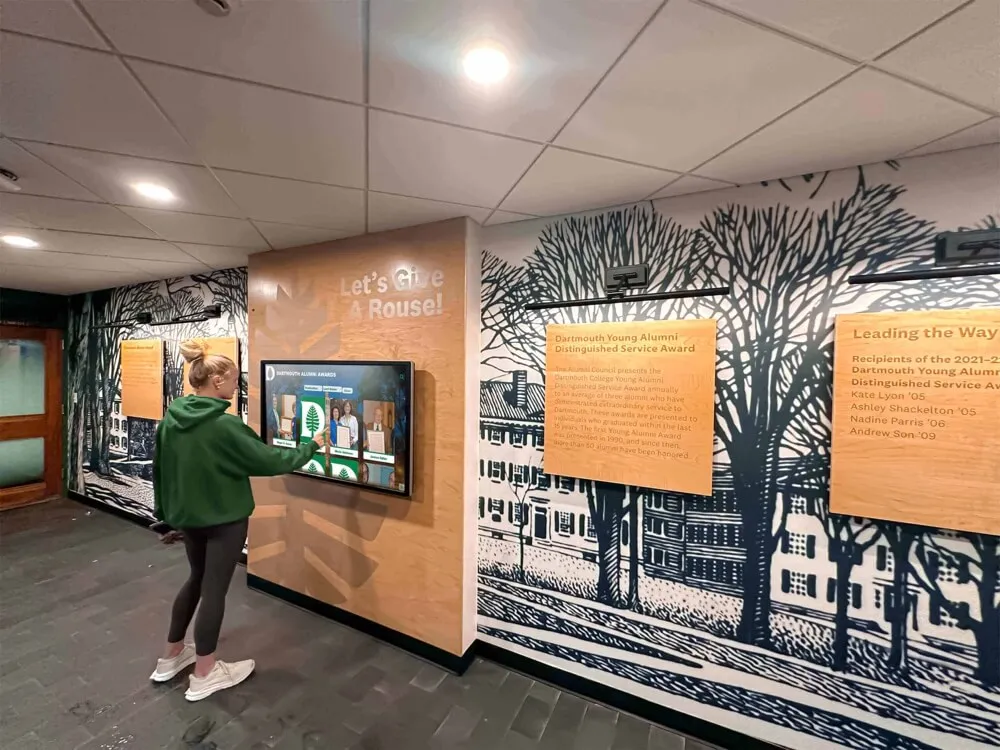
Involvement Timeline: Chronological documentation of complete program connection—initial involvement date and capacity, progression through various roles (athlete → coach → administrator → donor), significant milestones during tenure, and final involvement or legacy continuation creates clear pictures of sustained dedication defining oldtimers recognition.
Contribution Descriptions: Specific, detailed accounts of what oldtimers accomplished—facilities they built or campaigns they led, coaching records across decades, administrative accomplishments, volunteer hours donated, financial support provided, or mentorship relationships sustained. Vague praise (“dedicated member”) lacks impact compared to specific documentation (“volunteered 3,000+ hours across 25 years organizing youth tournaments”).
Historical Context: Information explaining conditions during oldtimers’ involvement helps contemporary audiences appreciate challenges faced—resource limitations during founding years, social barriers overcome by pioneering participants, competitive landscapes during competitive eras, or program crises navigated by long-serving leaders. Context transforms simple contribution lists into meaningful historical narratives.
Personal Reflections and Quotations: First-person quotes about what programs meant to oldtimers, memories of significant moments, reflections on program evolution witnessed across decades, and messages for current participants create personal connections transcending dates and statistics. These voices make history emotionally resonant rather than abstractly historical.
Multimedia Documentation: Historical photographs spanning involvement years, video interviews (whether contemporary or archival), audio recordings capturing voices and stories, scanned documents or artifacts providing tangible connections, and newspaper clippings documenting achievements bring profiles to life beyond text alone.
Legacy and Impact: Documentation of how oldtimers influenced program evolution—athletes they mentored who became coaches themselves, facilities built that enabled championship teams, traditions established that persist decades later, or families recruited whose multi-generational involvement continued legacies. Impact extends far beyond individual contribution spans—effective profiles capture ripple effects spanning generations.
Writing Effective Historical Narratives
Professional oldtimers content requires attention to historical accuracy, appropriate tone, and accessible language connecting past and present.
Historical Accuracy Standards: All claims about oldtimers should be documented through reliable sources—yearbooks, newspaper archives, organizational records, facility dedications, or corroborated first-person accounts. Vague memories or uncorroborated stories undermine recognition credibility. When precise information is unavailable, acknowledge gaps honestly rather than speculating.
Contextual Language: Use period-appropriate terminology while providing modern context. Explain historical athletic formats or competitive structures unfamiliar to contemporary audiences. Clarify social contexts affecting participation (e.g., women’s athletics limitations before Title IX, racial integration timelines, economic barriers affecting participation access). Context transforms achievements from abstract accomplishments into meaningful overcomes.
Active, Engaging Voice: Write oldtimers profiles using active voice and specific details. “Coach Smith dedicated 28 years to building the program, mentoring 412 athletes including 23 who became coaches themselves, while compiling a 387-156 record across three decades” engages more effectively than “Coach Smith was an important program figure.”
Respectful Tone: Oldtimers recognition demands respectful, appreciative language honoring lifetime contributions appropriately. Avoid excessive sentimentality or hyperbole—let specific accomplishments speak for themselves while maintaining dignity befitting legacy recognition.
Connection to Present: Effective profiles connect historical oldtimers to current program realities—noting how facilities they built house today’s teams, traditions they established continue shaping program culture, or competitive foundations they laid enabled subsequent championships. These connections demonstrate oldtimers’ relevance beyond historical interest.
Resources on donor recognition best practices provide applicable frameworks for honoring sustained contributions with appropriate dignity and specificity.
Oldtimers Recognition Across Different Sports Settings
Oldtimers walls function effectively across diverse athletic contexts, though implementation details vary by organizational type and scale.
High School Athletic Programs
High school oldtimers programs honor athletes, coaches, and supporters across decades of institutional history while inspiring current student-athletes through concrete legacy examples.
Multi-Sport Integration: High school oldtimers walls typically span all athletic programs rather than individual sports, recognizing that sustained contributors often served multiple sports as coaches, administrators, or volunteers. Comprehensive recognition honoring football coaches who also coached track, multi-sport athletes, or athletic directors who elevated all programs creates holistic institutional recognition.
Alumni Engagement Opportunities: High school oldtimers programs create natural frameworks for homecoming events, class reunions, or athletic banquets featuring inducted alumni who share experiences with current athletes. These intergenerational connections strengthen school-alumni relationships extending far beyond athletics.
Community Identity: In many communities, high school athletics represent central social institutions. Oldtimers recognition documenting athletic heritage across 50, 75, or 100+ years preserves community identity and celebrates shared traditions connecting generations of community members.
Facility Naming and Dedication: High school oldtimers often receive recognition through facility naming—gymnasiums honoring longtime coaches, fields dedicated to founding athletic directors, or press boxes named for longtime public address announcers who became game experience fixtures across decades.
Guidance on high school athletics equity ensures oldtimers recognition celebrates contributions across all sports and demographic groups equitably.
College and University Athletics
Collegiate oldtimers programs balance formal institutional recognition with specific sport traditions, often creating both university-wide athletic halls of fame and sport-specific oldtimers recognition.
Letterwinner Associations: Many universities maintain letterwinner clubs honoring all varsity athletes regardless of achievement level. Oldtimers recognition within these associations honors longtime club leaders, reunion organizers, and members who sustained engagement across 40+ years of post-graduate involvement.
Coaching Trees and Lineages: College programs often document coaching lineages—how legendary head coaches trained assistants who became head coaches elsewhere, creating coaching trees spanning multiple decades and institutions. Oldtimers recognition highlighting these mentorship chains demonstrates sustained program influence.
Championship Era Recognition: Universities may create era-based recognition honoring complete teams from championship periods—not just star players but complete rosters including role players, practice squad members, and staff whose collective efforts produced historic success. This inclusive approach embodies oldtimers recognition philosophy valuing all contributors.
Fundraising and Facility Development: College oldtimers often receive recognition through named facilities, endowed scholarships, or designated spaces within athletic complexes. These permanent institutional acknowledgments honor major contributors while generating resources supporting ongoing athletic excellence.
Resources on college intramural sports recognition demonstrate how comprehensive collegiate recognition systems honor varied participation forms beyond just varsity athletics.
Sports Clubs and Community Organizations
Community sports organizations—youth leagues, amateur clubs, recreational associations—implement oldtimers recognition honoring founding members, long-serving volunteers, and sustained contributors who built programs from grassroots origins.
Founding Member Recognition: Community clubs often began through individual vision and volunteer effort. Oldtimers walls prominently honoring founders demonstrate organizational gratitude while establishing legitimacy derived from multi-decade histories. Founding member recognition often includes detailed narratives documenting program origins, early challenges overcome, and initial resource mobilization.
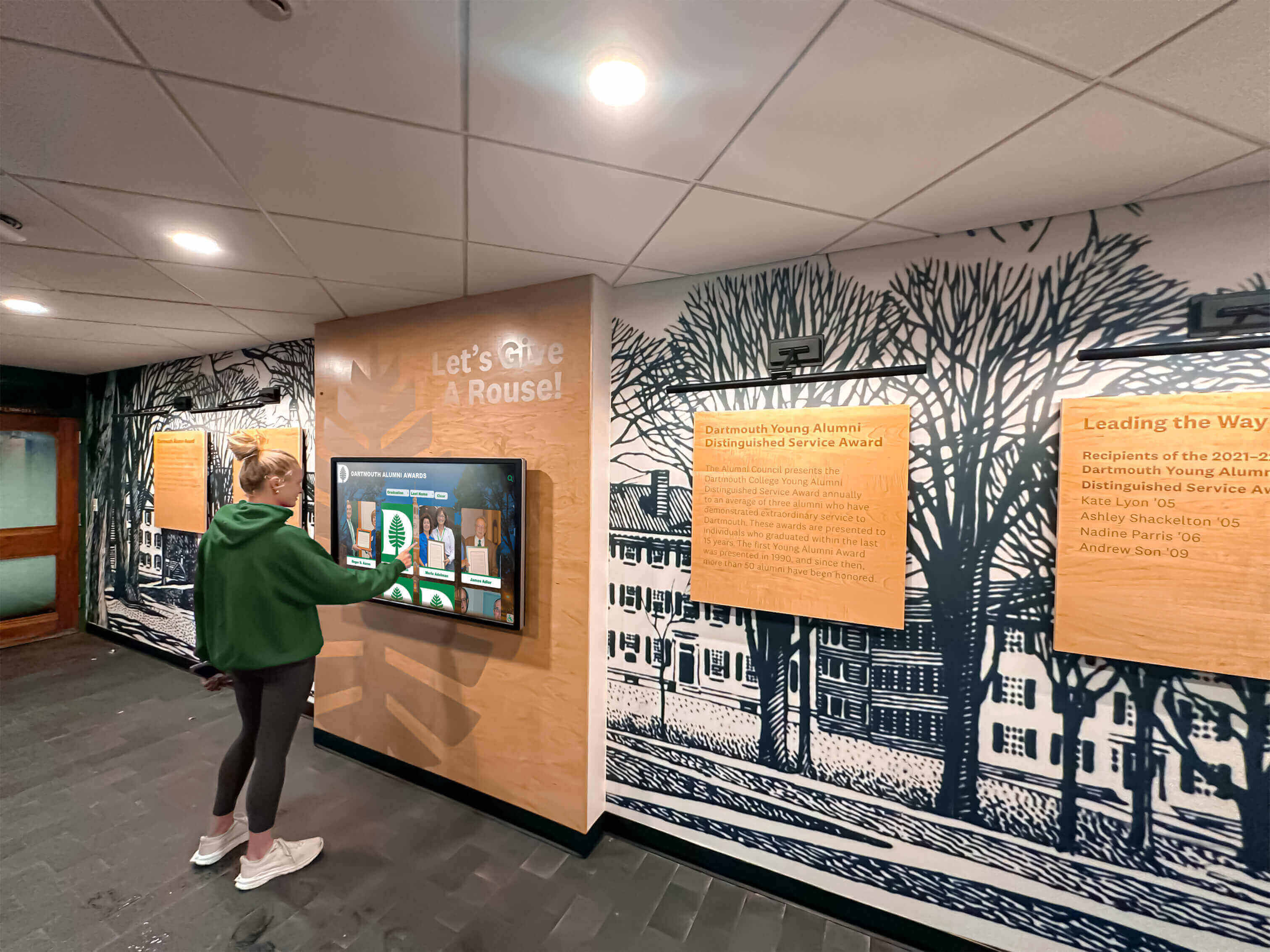
Volunteer Appreciation: Community sports depend on countless volunteers coaching youth teams, organizing tournaments, maintaining facilities, managing administrative operations, and fundraising for equipment or travel. Oldtimers recognition honoring volunteers who donated thousands of hours across 20, 30, or 40 years acknowledges that community athletics exist only through sustained volunteer commitment.
Multi-Generational Family Recognition: Community clubs frequently feature families whose involvement spans three or four generations—grandparents who founded clubs, parents who coached for decades, adult children currently serving as administrators, and grandchildren currently competing. Recognizing these family legacies celebrates sustained community investment while reinforcing club identity as multi-generational institutions.
Amateur Champion Recognition: Community clubs honor local champions who represented organizations successfully at state, regional, or national levels despite lacking resources of larger programs. These amateur champions often remained club-connected as coaches, mentors, or supporters long after competitive careers—sustained connections meriting oldtimers recognition.
Understanding chess club recognition programs demonstrates how non-traditional athletic organizations can implement meaningful oldtimers recognition adapted to their specific contexts and traditions.
Professional and Recreational Leagues
Professional sports leagues and adult recreational organizations create oldtimers recognition celebrating athletes who competed across extended careers while honoring league founders and long-serving administrators.
League Founders and Organizers: Professional and adult recreational leagues began through organizers who established competitive structures, recruited teams, secured facilities, managed schedules, and created governance systems enabling ongoing competition. Oldtimers recognition honoring these founders acknowledges that leagues exist because specific individuals invested countless hours creating sustainable organizations.
Long-Career Competitors: Adult recreational leagues feature athletes who competed for 15, 20, or 25+ seasons—extraordinarily sustained participation demonstrating deep commitment to competitive camaraderie. Oldtimers recognition celebrating these career-long participants honors loyalty and dedication transcending individual season achievements.
Officials and Administrators: Long-serving referees, scorekeepers, league secretaries, and tournament directors who maintained operational excellence across decades enabled competitive quality. Oldtimers walls honoring these often-unrecognized contributors demonstrate that leagues value all forms of sustained service.
Competitive Era Recognition: Professional and recreational leagues experience distinct competitive eras defined by rule changes, participation demographics, or facility evolution. Oldtimers recognition can organize inductees by era, helping current participants understand how leagues evolved while honoring all periods equitably rather than privileging current versions as superior.
Implementation Best Practices for Oldtimers Walls
Successful oldtimers programs follow proven practices ensuring fair recognition, sustainable operations, and lasting community value.
Planning Phase Foundations
Thorough preparation establishes frameworks enabling effective oldtimers recognition across decades.
Mission and Vision Definition: Clearly articulate oldtimers wall purposes—preserving institutional history, honoring sustained contributions, connecting generations, inspiring current participants through legacy examples. Explicit mission statements guide subsequent decisions about criteria, display formats, and resource allocation.
Stakeholder Consultation: Engage diverse constituencies—program veterans who remember founding eras, mid-career participants understanding recent evolution, current participants representing contemporary perspectives, administrators managing resources and operations, and community members providing external viewpoints. Broad consultation builds support while incorporating varied perspectives.
Historical Research: Conduct systematic historical research documenting program origins, identifying founding members and early contributors, establishing chronological milestones, and locating archival materials (photographs, documents, newspaper clippings) supporting comprehensive recognition. Historical research often reveals forgotten contributors deserving recognition while providing content foundations.
Resource Assessment: Realistically evaluate available resources—budget for displays and content development, staff time for ongoing management, physical space for installations, technical infrastructure for digital systems, and volunteer capacity for committee service or content creation. Matching ambitions to resources prevents under-supported programs disappointing stakeholders.
Timeline Development: Create realistic implementation schedules accounting for committee formation, criteria development, nomination solicitation, selection processes, content creation, display installation, and launch events. Rushed implementations often disappoint; allowing 12-18 months for comprehensive oldtimers programs ensures quality execution.
Ceremonial Launch and Ongoing Events
Formal recognition ceremonies establish oldtimers program significance while creating annual traditions sustaining momentum.
Inaugural Induction Ceremonies: Inaugural events should recognize charter or founding inductees with appropriate ceremony—formal speeches contextualizing program importance, presentations honoring individual inductees, display unveilings revealing recognition installations, and opportunities for inductees to share experiences with attendees.
Annual Induction Traditions: Regular ceremonies—typically annual or biennial—add new oldtimers while maintaining program visibility. Consistent scheduling creates traditions communities anticipate while ensuring ongoing recognition rather than one-time installations gradually forgotten.
Integration with Major Events: Coordinate oldtimers inductions with high-visibility occasions—homecoming celebrations, championship games, anniversary observances, or facility dedications—maximizing attendance and leveraging existing community gatherings.
Reunion Facilitation: Oldtimers inductions create natural opportunities for program reunions—inviting previous inductees, organizing informal gatherings, facilitating networking among participants from different eras, and strengthening multi-generational program connections.
Media Coverage: Generate publicity through press releases, social media features, local newspaper coverage, program publications, and institutional communications. Media coverage extends recognition visibility beyond ceremony attendees while elevating program prestige.
Resources on homecoming festivities planning provide frameworks for integrating oldtimers recognition into larger institutional traditions creating sustained engagement.
Sustainable Operations and Long-Term Maintenance
Oldtimers programs require ongoing attention maintaining relevance, accuracy, and community engagement across years and decades.
Annual Operations Calendars: Establish consistent schedules ensuring regular progress—nomination period announcements, committee meetings and evaluations, inductee selections and notifications, content development for new profiles, ceremony planning and execution, and display updates reflecting new inductees.
Content Quality Standards: Maintain consistent quality standards across all oldtimers profiles regardless of induction year—biographical completeness, achievement documentation accuracy, appropriate profile length, multimedia integration, and professional writing quality. Consistency ensures equitable recognition treating all inductees with equal respect.
Historical Expansion: Continuously broaden coverage filling gaps in earlier periods through dedicated historical research, outreach during reunions collecting information from aging alumni, periodic focused campaigns highlighting specific eras or contribution types, and accepting retrospective nominations ensuring early contributors aren’t forgotten despite limited surviving documentation.
Digital Platform Maintenance: For digital implementations, ensure ongoing technical management—software updates maintaining security and functionality, hardware maintenance and eventual replacement, content backup protecting against data loss, and user experience optimization based on analytics and feedback.
Community Engagement: Create sustained engagement opportunities beyond annual inductions—featuring individual oldtimers through social media campaigns, organizing oral history projects capturing stories from aging inductees, developing mentorship programs connecting oldtimers with current participants, and incorporating recognition into educational programming teaching program history.
Guidance on division II athletics digital recognition demonstrates how sustained recognition programs maintain relevance and engagement across changing competitive landscapes and participant generations.
The Digital Advantage: Modern Solutions for Oldtimers Recognition
Digital recognition platforms offer compelling advantages for oldtimers walls, particularly regarding capacity, content richness, accessibility, and long-term sustainability.
Unlimited Recognition Capacity
Unlike physical displays constrained by available wall space, digital oldtimers walls accommodate unlimited inductees without space restrictions.
Scaling Across Decades: Programs operating for 50, 75, or 100+ years may honor hundreds of oldtimers. Digital platforms eliminate difficult decisions about whose recognition to remove when space fills, ensuring every deserving contributor receives permanent acknowledgment regardless of how many preceded them.
Multiple Contribution Categories: Digital systems easily organize oldtimers by category—founding members, longtime coaches, veteran athletes, volunteers, administrators—while enabling visitors to explore all categories comprehensively or filter by specific contribution types matching personal interests.
Future-Proof Growth: As programs add oldtimers annually across coming decades, digital systems accommodate growth through content additions rather than construction projects or display modifications. This scalability ensures recognition systems remain viable across program lifespans measured in generations rather than years.
Rich Multimedia Historical Content
Digital platforms support comprehensive multimedia content impossible with physical plaques, bringing oldtimers’ stories to life through multiple media formats.
Video Oral Histories: Recording video interviews with oldtimers captures voices, mannerisms, and personal storytelling in ways text cannot replicate. These oral histories become increasingly valuable as interviewees age, preserving first-person accounts of program history for future generations who will never meet founding figures personally.
Historical Photograph Galleries: Digital profiles can include extensive photo collections spanning entire involvement periods—youthful competitive photos, coaching images from mid-career, recent photos showing current appearances, and candid shots from reunions or ceremonies. These chronological progressions humanize oldtimers while documenting aging across decades of sustained involvement.
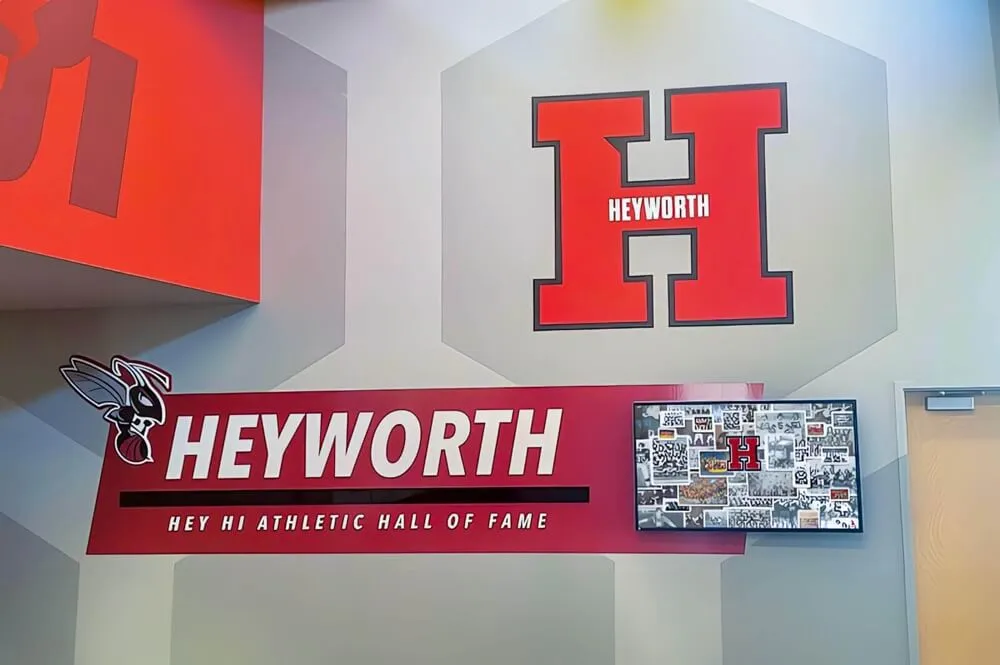
Scanned Historical Documents: Newspaper clippings documenting achievements, facility dedication programs, organizational minutes recording decisions, correspondence revealing relationships, and other primary sources provide historical authenticity enriching profiles beyond secondary biographical narratives. These documents connect contemporary audiences directly to historical moments.
Audio Content: For deceased oldtimers, archived audio recordings—whether formal interviews, casual conversations, or incidental recordings from events—preserve voices otherwise lost to time. Audio content creates intimate connections unavailable through any other medium.
Interactive Timelines: Digital systems can present oldtimers’ involvement chronologically, showing how contributions evolved across decades while contextualizing achievements within broader program histories. Timeline visualizations help audiences understand sustained engagement spans defining oldtimers recognition.
Remote Accessibility and Broader Reach
Digital oldtimers recognition extends beyond physical locations, enabling global access from aging alumni, geographically distant family members, and interested community members unable to visit facilities personally.
Web Integration: Cloud-based platforms enable oldtimers recognition to function both through on-site touchscreen displays and via web browsers accessible from anywhere. This dual access ensures recognition serves both local community members visiting facilities and distant alumni maintaining connections remotely.
Mobile Optimization: Responsive designs enable oldtimers recognition to function excellently on smartphones and tablets, allowing visitors to explore content from anywhere—during facility visits, at home, or while traveling. Mobile access accommodates aging oldtimers who may have difficulty standing at fixed kiosks for extended periods.
Social Sharing: Digital platforms enable easy content sharing through social media, email, or direct links. Inductees can share their profiles with family members, former teammates can reminisce through shared links, and programs can feature individual oldtimers through social channels—amplifying recognition visibility far beyond physical displays.
Virtual Participation: For oldtimers unable to attend induction ceremonies due to age, health, or distance, digital platforms enable virtual participation—livestreamed ceremonies, recorded messages incorporated into profiles, or virtual tours of displays. These inclusive features ensure all honorees experience recognition regardless of attendance limitations.
Understanding best touchscreen software options helps programs select platforms optimized for both on-site kiosk use and remote web access—ensuring oldtimers recognition serves all constituencies effectively.
Analytics and Continuous Improvement
Digital oldtimers platforms generate engagement data informing ongoing optimization and demonstrating program value to administrators and stakeholders.
Usage Tracking: Analytics reveal total interactions, unique visitors, session duration, most-viewed profiles, popular search terms, and peak usage times. These metrics demonstrate recognition program engagement while identifying which content generates greatest interest.
Content Performance: Detailed analytics show which oldtimers profiles receive most attention, which multimedia elements (video, photos, documents) audiences prefer, and which contribution types generate sustained engagement. These insights guide content development priorities and format decisions.
Gap Identification: Usage patterns may reveal historical gaps—underrepresented eras, contribution types receiving limited attention, or demographic groups lacking adequate recognition. Data-informed gap analysis ensures recognition evolves toward comprehensive fairness.
ROI Demonstration: Engagement metrics provide quantitative evidence of program value when justifying ongoing investment, requesting additional resources, or reporting to oversight bodies. Documented engagement demonstrates oldtimers recognition generates meaningful community interest rather than creating ignored displays.
Common Challenges and Practical Solutions
Programs implementing oldtimers recognition encounter predictable obstacles that proven strategies address effectively.
Limited Historical Information and Documentation
Many programs discover incomplete records for early contributors complicate comprehensive recognition efforts.
Solution Approaches:
- Conduct systematic archival research through yearbooks, local newspaper archives, facility records, organizational meeting minutes, and cemetery records documenting founding members
- Launch community outreach campaigns requesting information from families of deceased contributors, former participants with long institutional memory, and local historians familiar with program origins
- Accept incomplete profiles acknowledging gaps honestly while inviting community assistance filling information voids—transparency maintains credibility while demonstrating commitment to comprehensive accuracy
- Implement phased recognition beginning with well-documented recent contributors while systematically expanding historical coverage as research uncovers earlier period information
- Partner with local historical societies, libraries, or genealogical organizations providing research expertise supporting historical documentation efforts
Resources on historical timeline touchscreen displays provide frameworks for presenting oldtimers recognition chronologically despite historical documentation gaps.
Balancing Historical and Contemporary Recognition
Programs struggle balancing recognition of foundational historical figures with acknowledgment of recent contributors, often creating tension about relative visibility or display prominence.
Solution Approaches:
- Implement recognition systems explicitly valuing sustained contribution over competitive achievement—establishing that historical founders merit equal recognition to recent championship coaches regardless of win-loss records
- Create multiple recognition tiers—“Founding Members,” “Charter Inductees,” “Lifetime Contributors”—differentiating contribution types while ensuring all receive appropriate acknowledgment
- Use digital platforms accommodating unlimited recognition capacity, eliminating zero-sum competition where honoring historical figures requires removing recent inductees or vice versa
- Organize recognition chronologically, presenting oldtimers by era—enabling visitors to explore program evolution decade by decade rather than forcing comparisons across incomparable time periods
- Clearly communicate that oldtimers walls complement rather than compete with halls of fame focused on competitive excellence—both recognition forms honor different achievement dimensions
Engaging Younger Audiences with Historical Content
Contemporary participants sometimes view oldtimers recognition as historical interest lacking present relevance, reducing engagement with carefully developed content.
Solution Approaches:
- Explicitly connect historical oldtimers to current program realities—noting how facilities they built house current teams, traditions they established continue shaping culture, or competitive foundations they laid enabled subsequent championships
- Develop mentorship programs pairing current participants with oldtimers sharing experiences, providing guidance, and creating personal relationships transforming abstract historical figures into known individuals
- Incorporate oldtimers recognition into orientation and educational programming—requiring new participants to explore recognition displays learning program history while understanding they join multi-generational traditions
- Create interactive elements engaging younger audiences—digital scavenger hunts finding specific oldtimers, trivia competitions testing program history knowledge, or social media campaigns featuring oldtimers stories
- Feature contemporary oldtimers who current participants may remember or recognize—demonstrating that sustained contribution continues across all eras including present day
Guidance on alumni where are they now spotlights demonstrates how connecting historical figures to contemporary contexts maintains engagement across generational divides.
Maintaining Long-Term Program Momentum
Initial launch excitement often fades without strategic attention to sustained relevance and regular content additions.
Solution Approaches:
- Establish consistent annual or biennial induction ceremonies creating predictable traditions communities anticipate rather than sporadic recognition generating inconsistent attention
- Develop regular content enhancement schedules—featuring specific oldtimers monthly through social media, systematically enriching profiles with additional multimedia, or creating anniversary retrospectives for milestone inductees
- Integrate oldtimers recognition into ongoing programming—reunion organization, alumni communications, fundraising campaigns, facility tours, or educational curricula—ensuring recognition influences multiple program aspects rather than existing as isolated displays
- Create volunteer committees providing ongoing operational support, distributing workload preventing single-person burnout that often causes program stagnation
- Leverage milestone anniversaries—program founding celebrations, facility dedications, championship commemorations—as opportunities for enhanced oldtimers features generating periodic engagement spikes
Conclusion: Preserving Legacy Through Comprehensive Oldtimers Recognition
Oldtimers walls represent strategic investments in institutional memory, community connection, and legacy preservation. Whether programs choose traditional physical displays, modern digital interactive systems, or hybrid approaches combining both, the core objective remains constant: honoring sustained contributions that built programs, established traditions, and connected generations of participants.
The most successful oldtimers recognition programs share common characteristics including comprehensive coverage ensuring founding members, veteran athletes, longtime coaches, and sustained volunteers receive appropriate acknowledgment; compelling historical storytelling that brings decades of contributions to life through rich media and detailed narratives; sustained operations that add new oldtimers regularly while enhancing existing content; inclusive criteria valuing diverse contribution forms beyond just competitive achievement; and strategic integration with program operations, alumni engagement, and community building.
For programs beginning new oldtimers recognition or modernizing existing systems, digital recognition solutions like those from Rocket Alumni Solutions provide comprehensive platforms specifically designed for honoring multi-generational contributions. These purpose-built systems offer unlimited capacity accommodating decades of inductees, rich multimedia supporting comprehensive historical content, intuitive interfaces encouraging extended engagement, remote accessibility extending recognition globally, and reliable support ensuring programs achieve objectives without overwhelming institutional resources.
Beyond immediate recognition purposes, effective oldtimers walls create lasting benefits including preserving institutional history that would otherwise fade from memory, inspiring current participants through tangible examples of sustained dedication, strengthening alumni and community engagement around shared heritage, demonstrating institutional values through what—and whom—programs choose to honor permanently, and building bridges across generations connecting founding figures with current participants and future leaders.
Every sustained contributor deserves recognition honoring their dedication appropriately. Every current participant deserves understanding of the foundations preceding their involvement. Every program deserves comprehensive tools preserving legacy while engaging contemporary audiences. Modern oldtimers walls—whether traditional, digital, or hybrid—make these aspirations achievable for athletic programs committed to celebrating sustained excellence across generations.
Athletic programs ready to launch or enhance oldtimers recognition can explore how solutions like Rocket Alumni Solutions’ Digital Record Board honor veteran contributors, founding members, and program legends while creating sustainable recognition systems benefiting athletic communities for generations to come.
Multi-generational athletic programs build more than competitive records—they develop countless athletes, create lasting traditions, forge lifelong bonds, and contribute to community identity in ways transcending individual seasons or specific achievements. Oldtimers wall recognition ensures these sustained contributions receive the lasting acknowledgment they deserve while inspiring continued excellence from participants who understand they join legacies extending backward through decades and forward into futures they will help build.































