



Ohio’s high school track and field landscape stands among the nation’s most competitive, with hundreds of schools across three divisions producing exceptional athletes who compete from early spring through the OHSAA State Championships each June. The Ohio state track meet represents the pinnacle of high school competition, where months of training, countless hours perfecting technique, and seasons of incremental improvement culminate in performances determining state champions, setting records, and creating memories lasting lifetimes.
For athletes, coaches, and families navigating Ohio’s track and field system, understanding the competitive structure—from early-season meets through sectionals, districts, regionals, and ultimately state championships—proves essential for setting realistic goals and preparing strategically. The path to the state meet requires not just exceptional athletic ability but also tactical race planning, mental toughness under pressure, and consistent performance across multiple qualifying rounds where single missteps can end championship aspirations.
Ohio track programs face unique challenges in recognizing and preserving their athletes’ achievements. With dozens of events across sprints, distance, hurdles, relays, jumps, and throws—plus separate boys and girls competitions and three competitive divisions—comprehensive record-keeping and recognition become complex. Traditional record boards accommodate perhaps 20-30 achievements, forcing difficult decisions about which performances receive permanent recognition and which accomplishments fade into forgotten history.
Celebrating Ohio Track and Field Excellence
Ohio high school track and field produces exceptional performances across all events and divisions annually. From sprinters approaching 10.5 seconds in the 100 meters to distance runners breaking 4:20 in the mile, pole vaulters clearing 15 feet, and throwers exceeding 60 feet in shot put, Ohio athletes consistently rank nationally while creating rich achievement histories deserving comprehensive recognition and preservation.
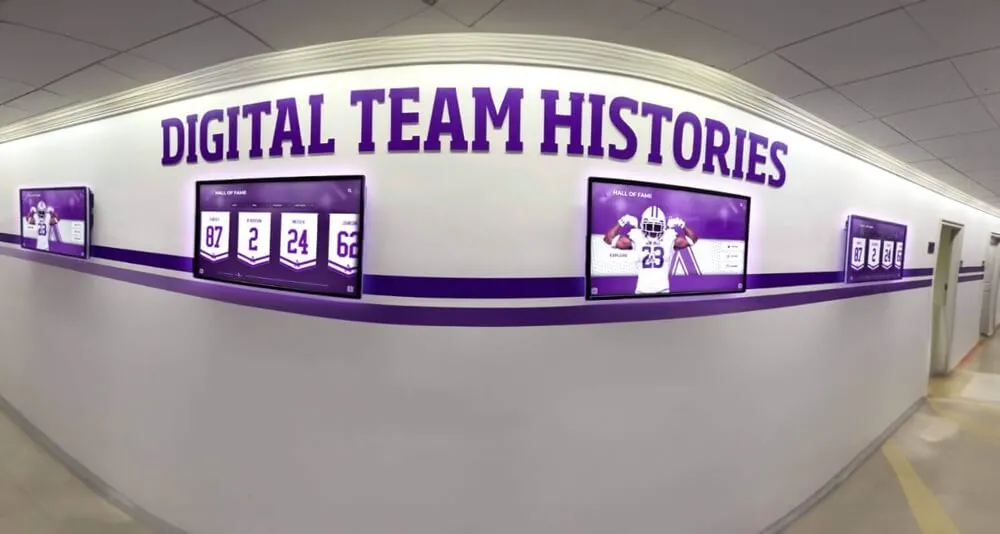
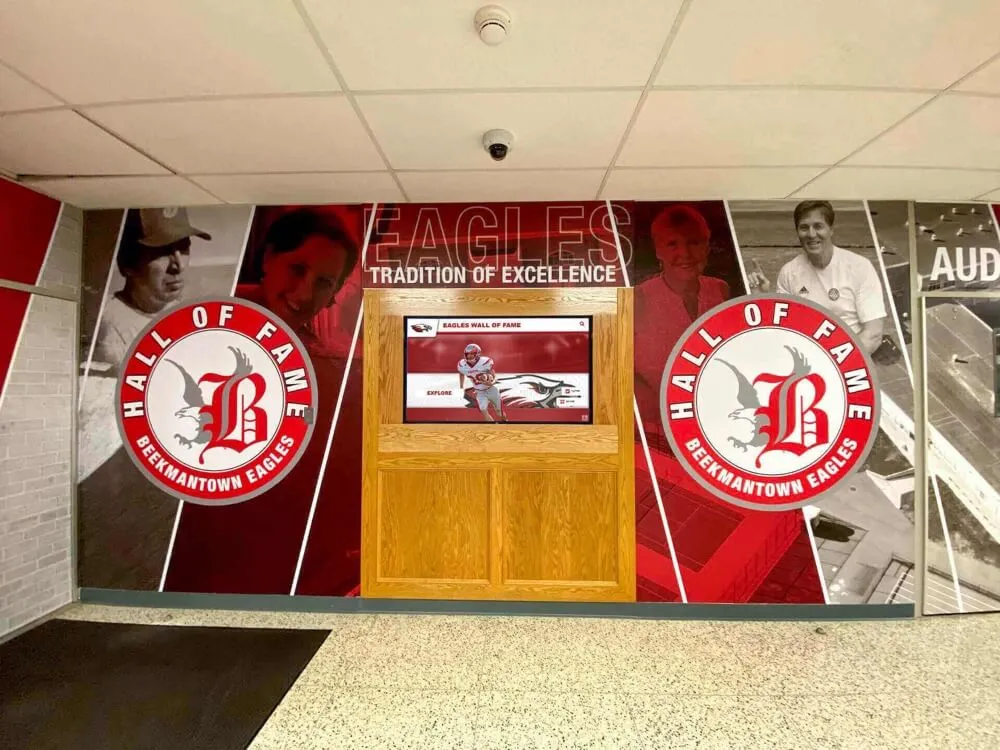
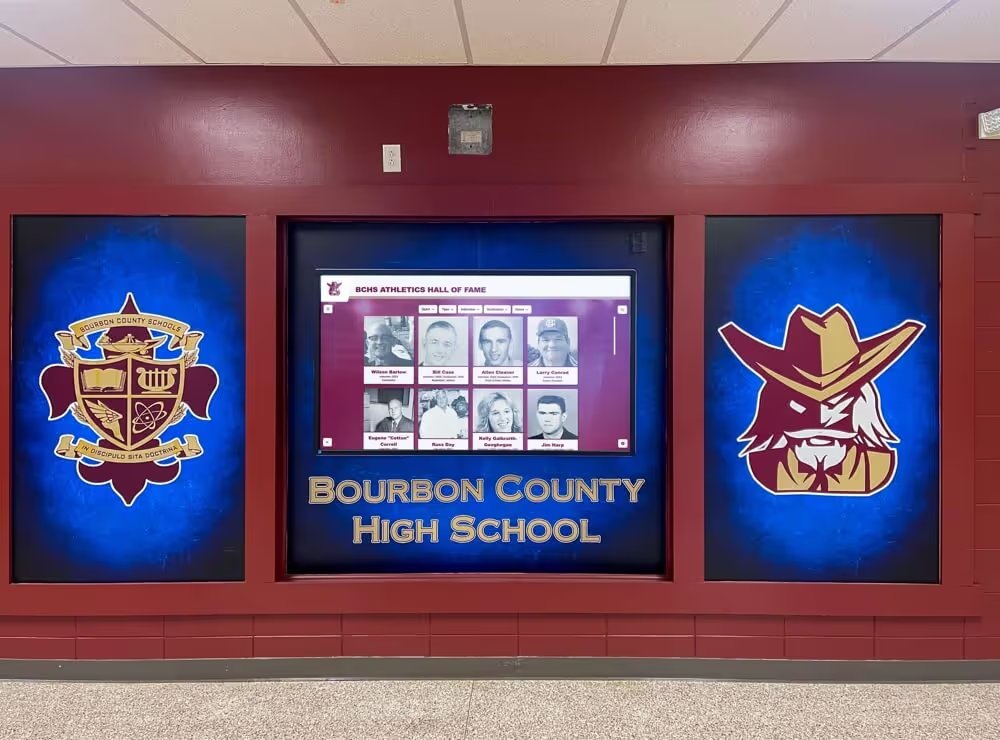
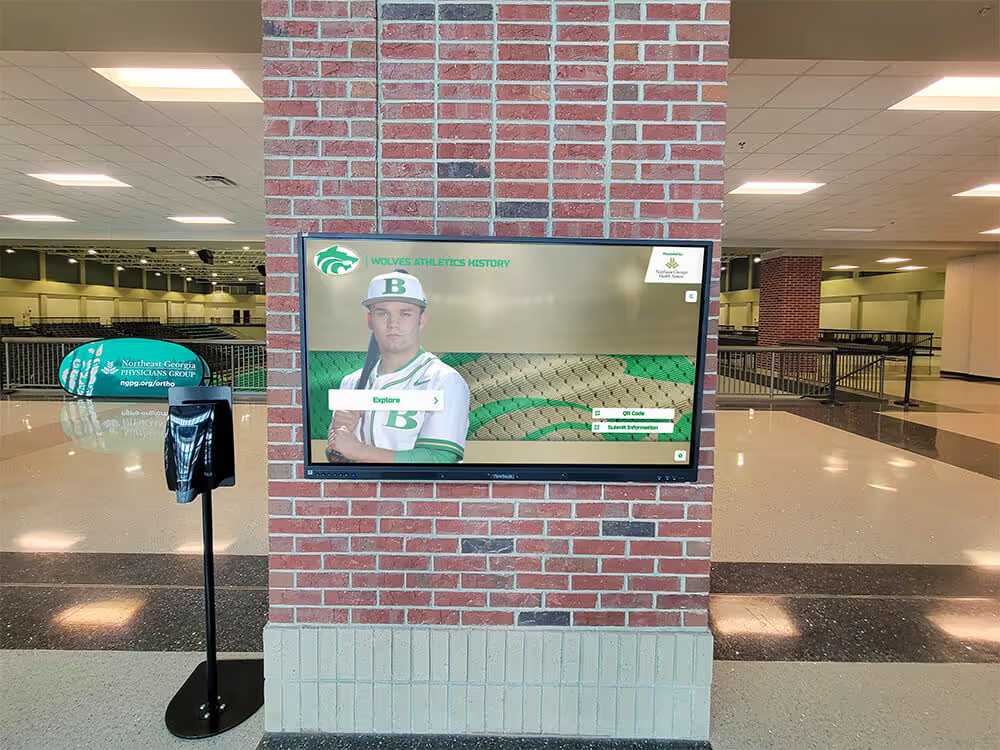
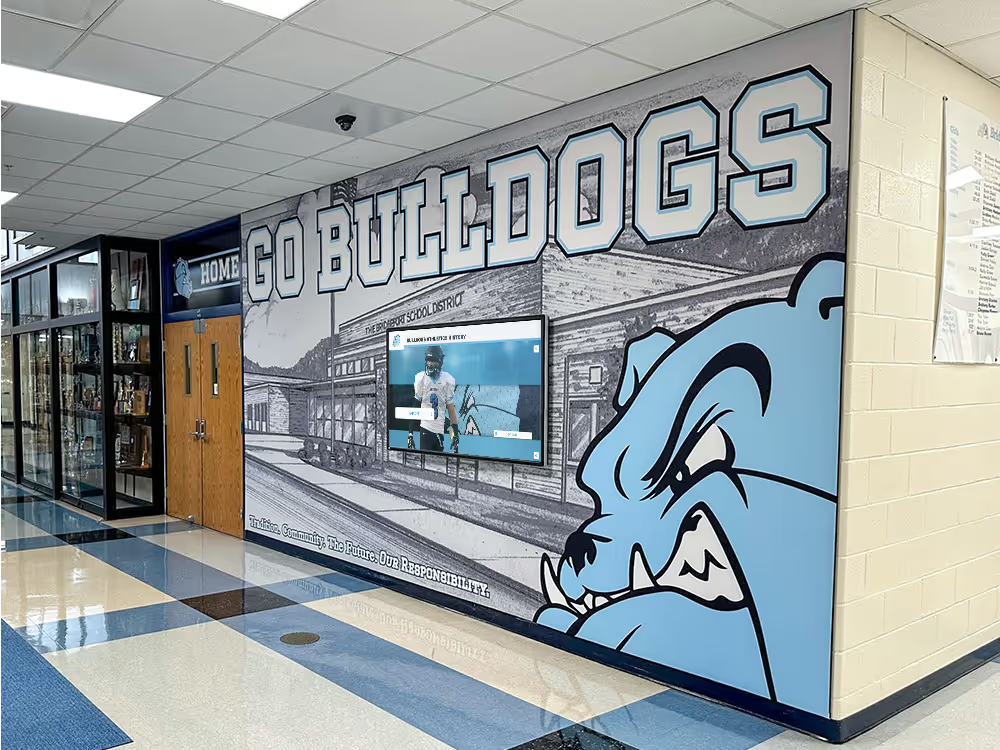
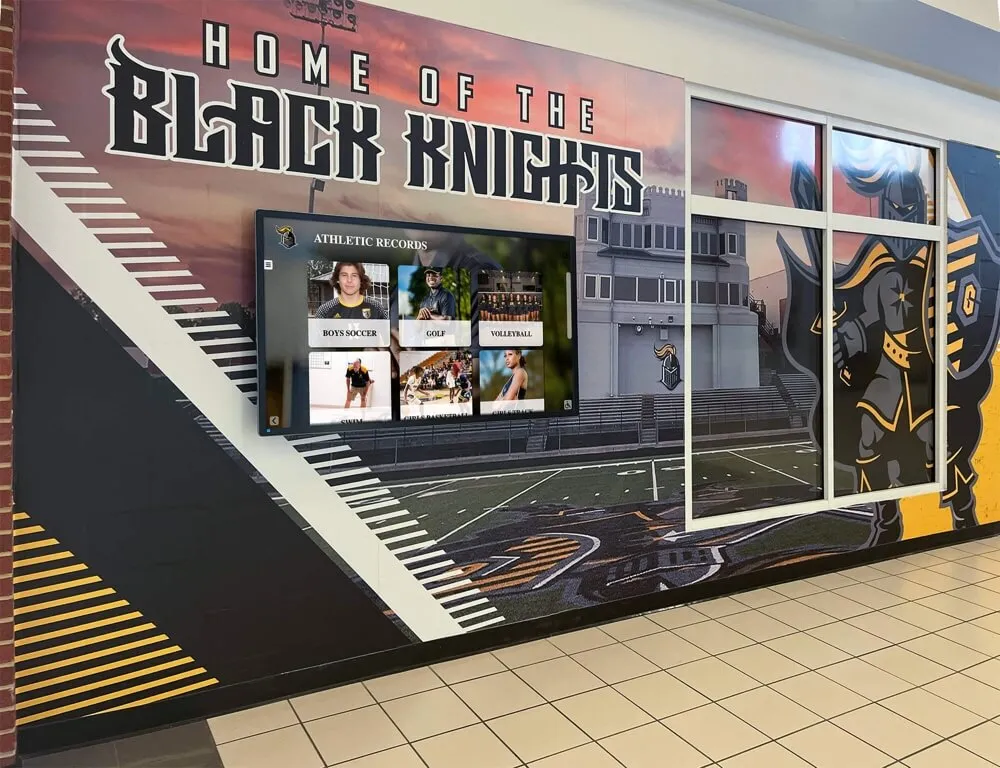
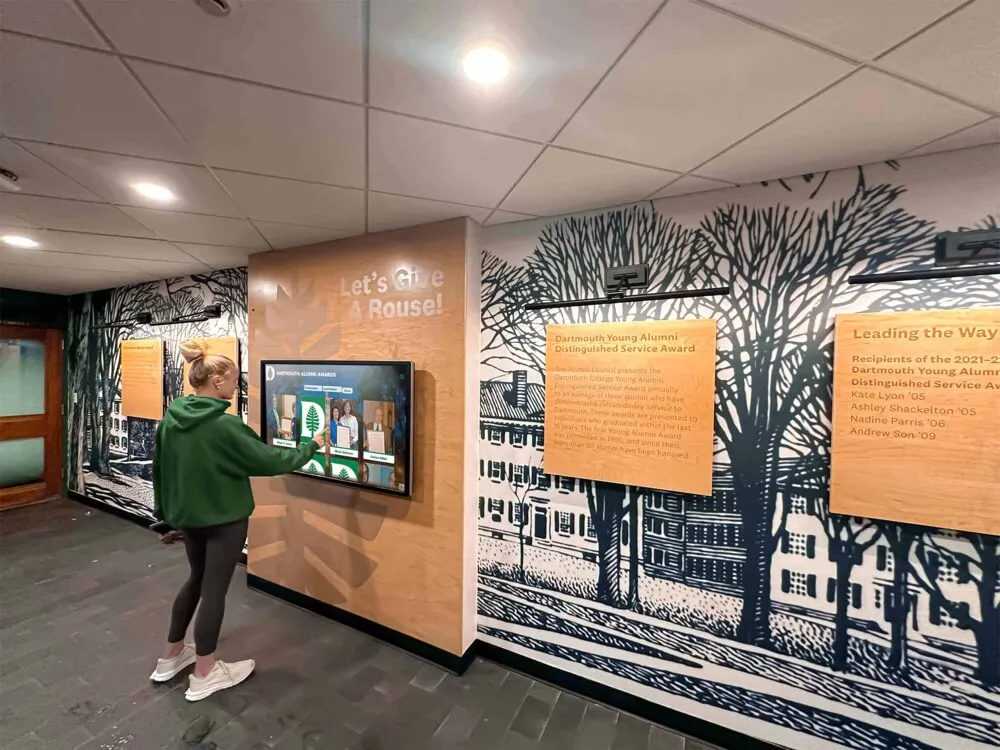
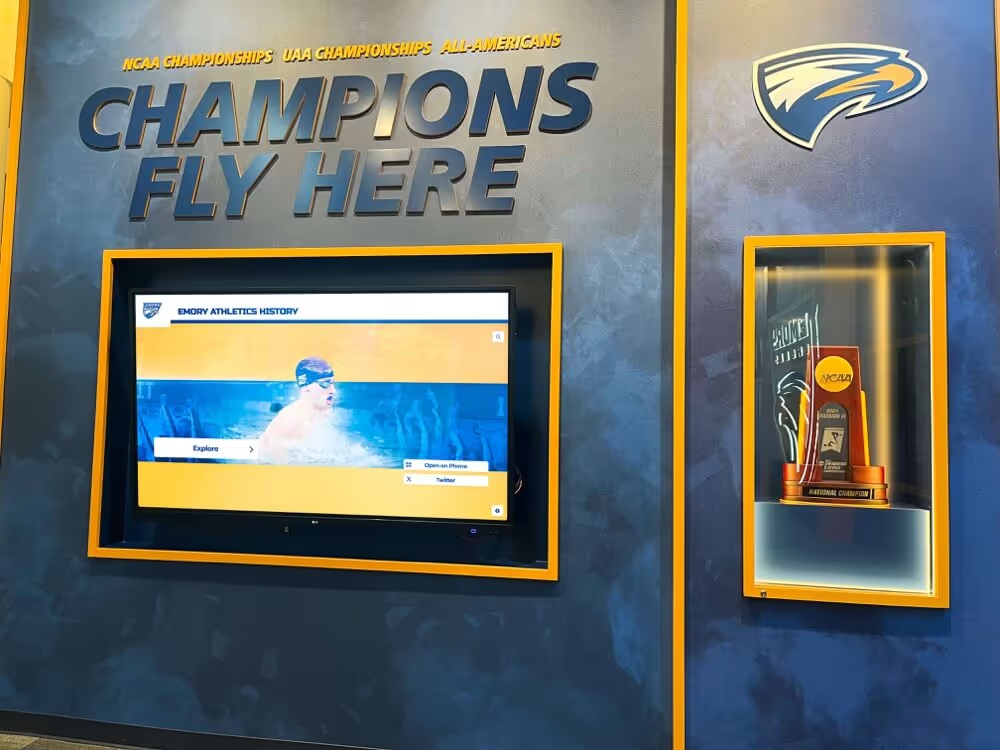
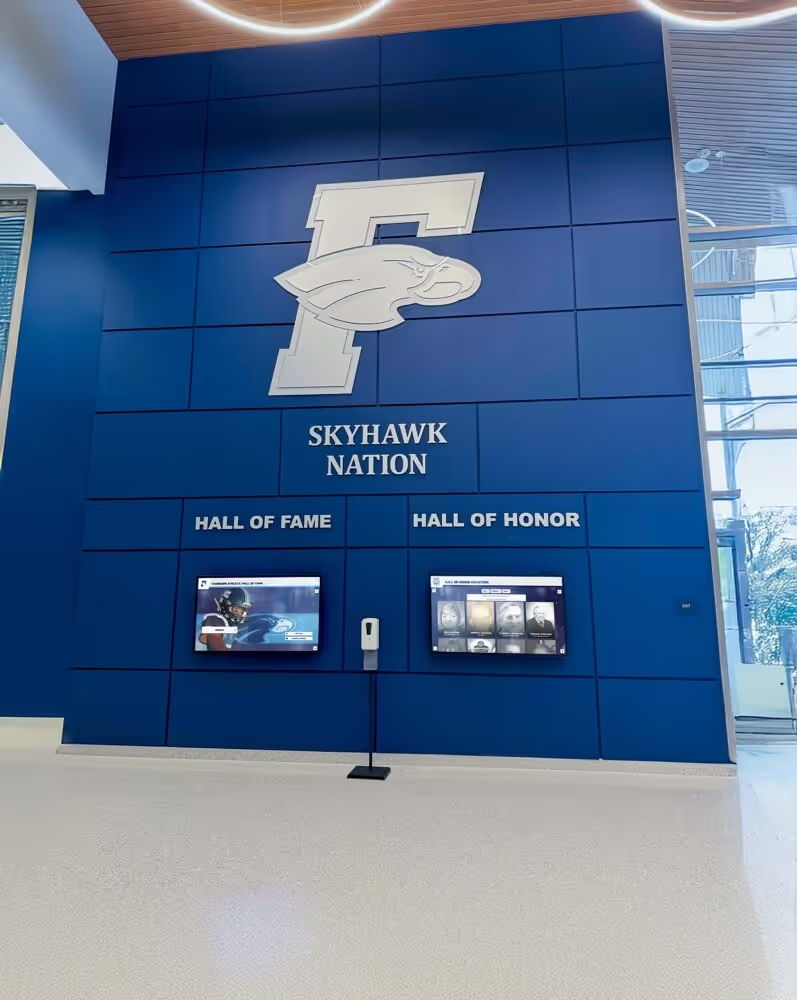
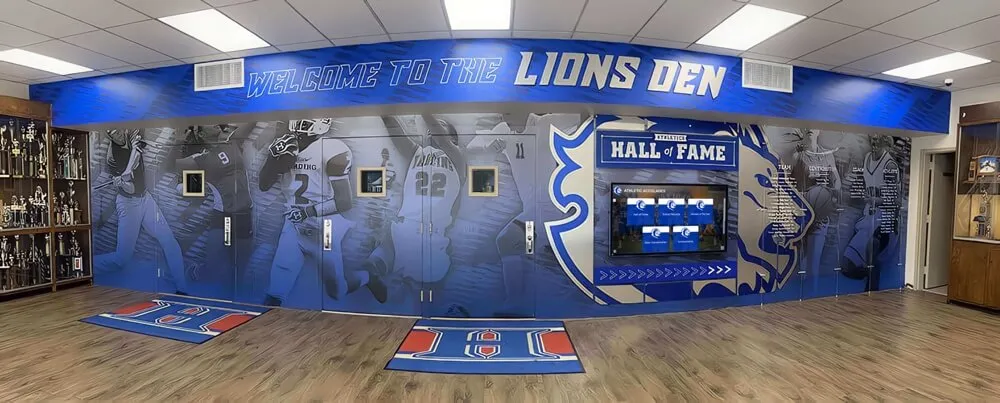
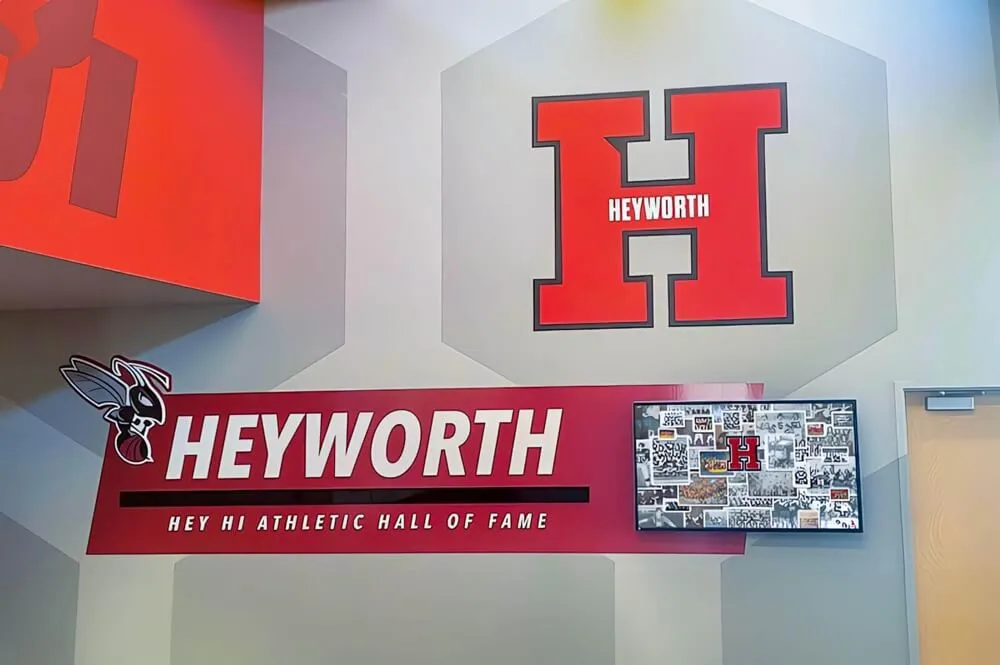
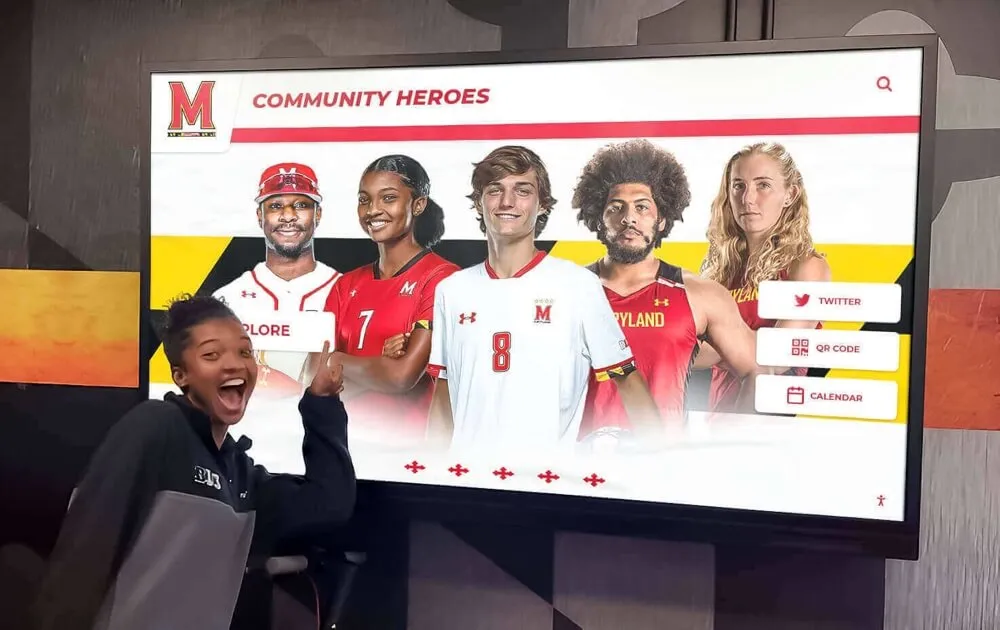
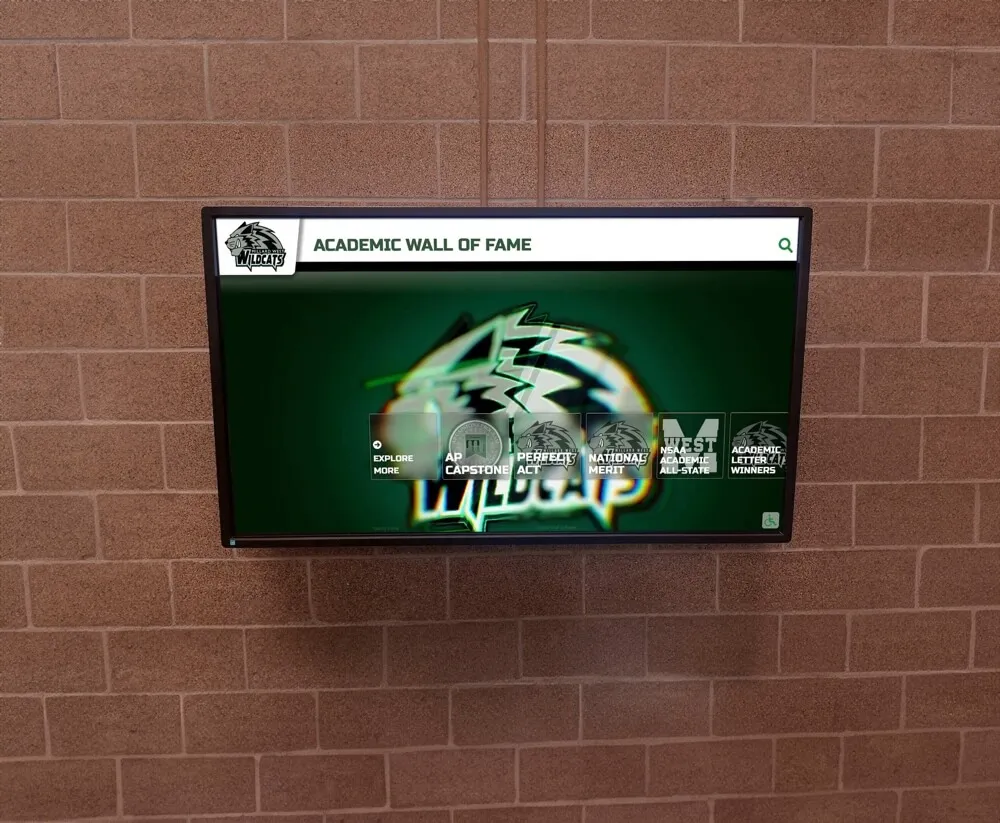
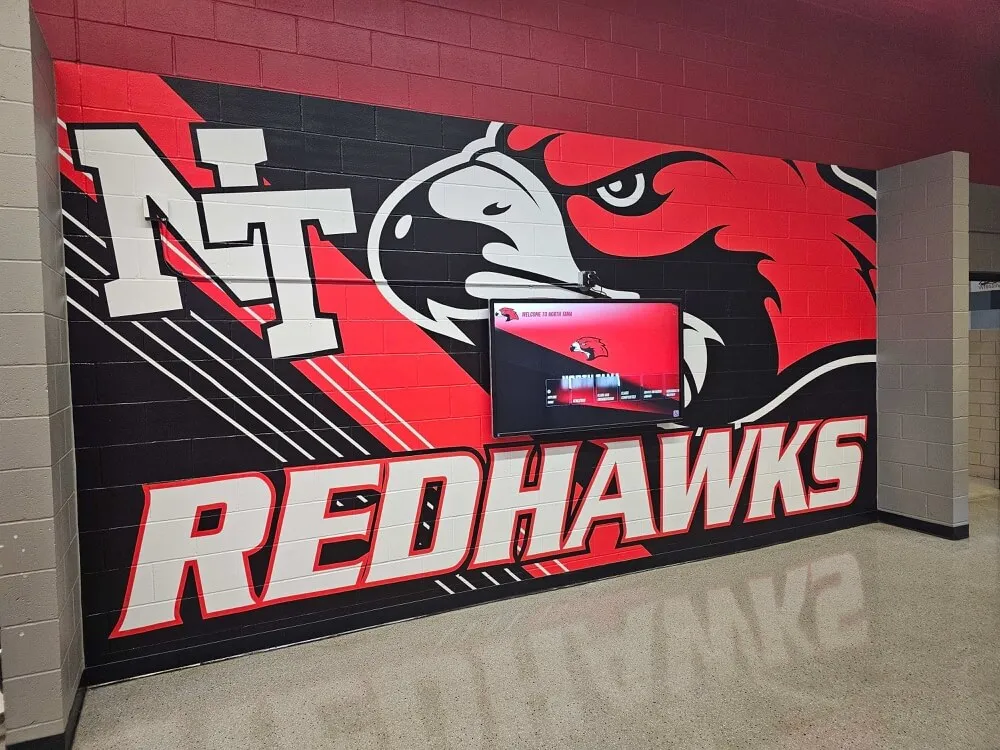
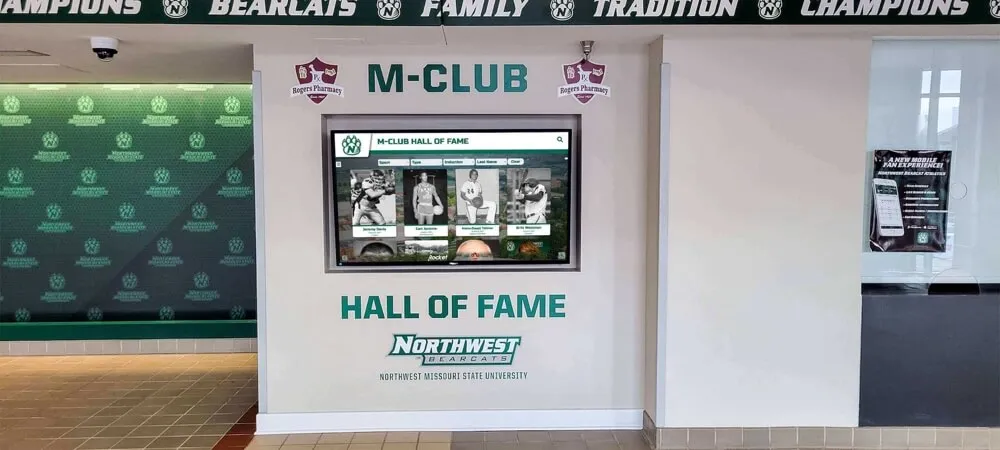
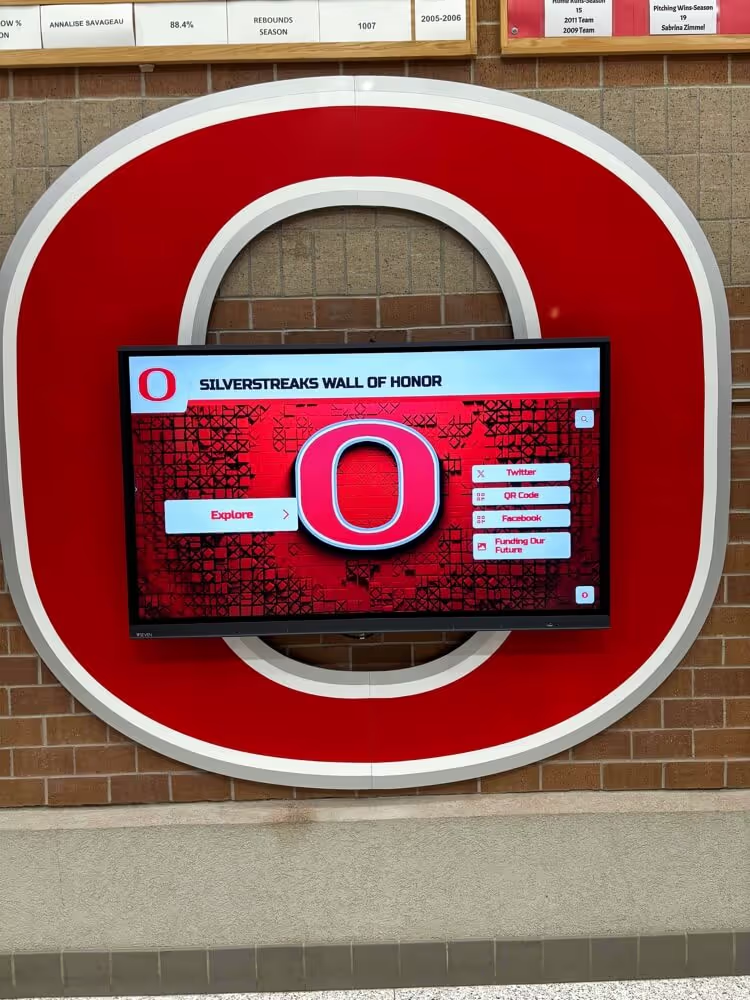
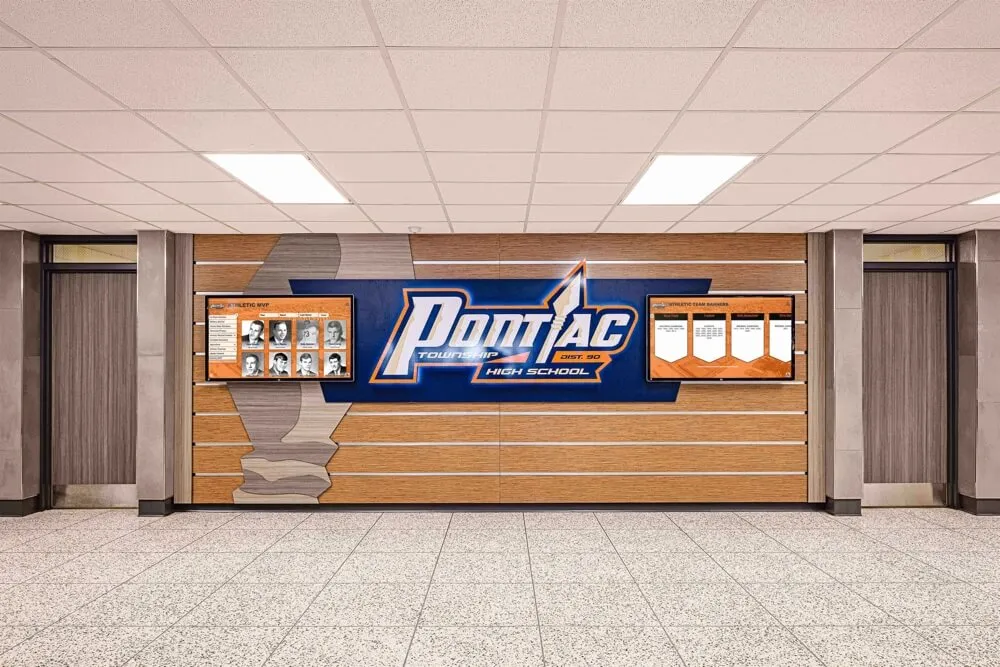
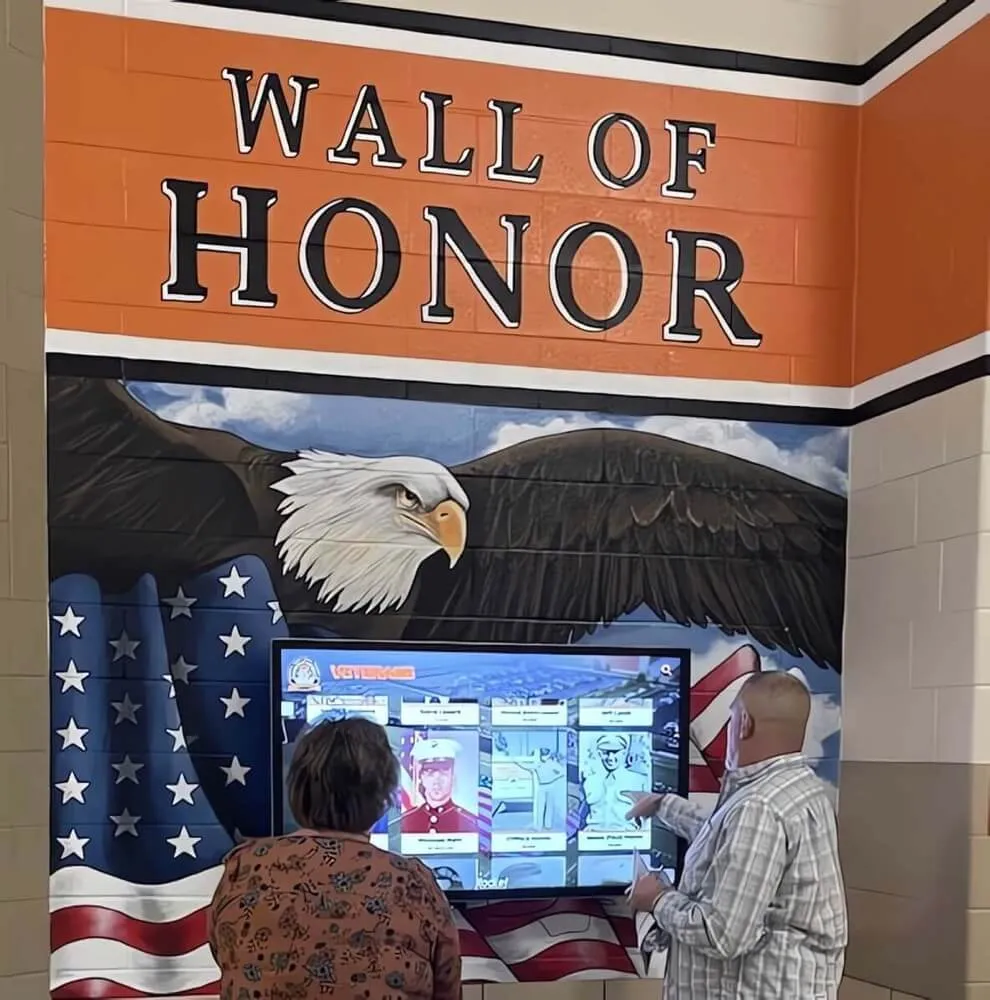
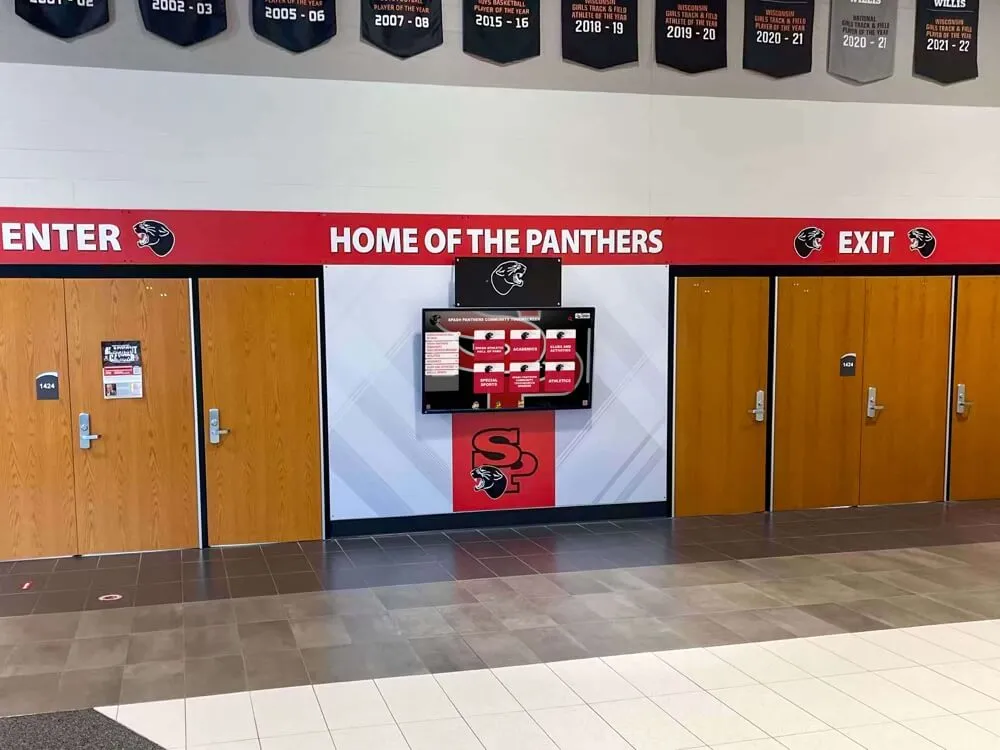
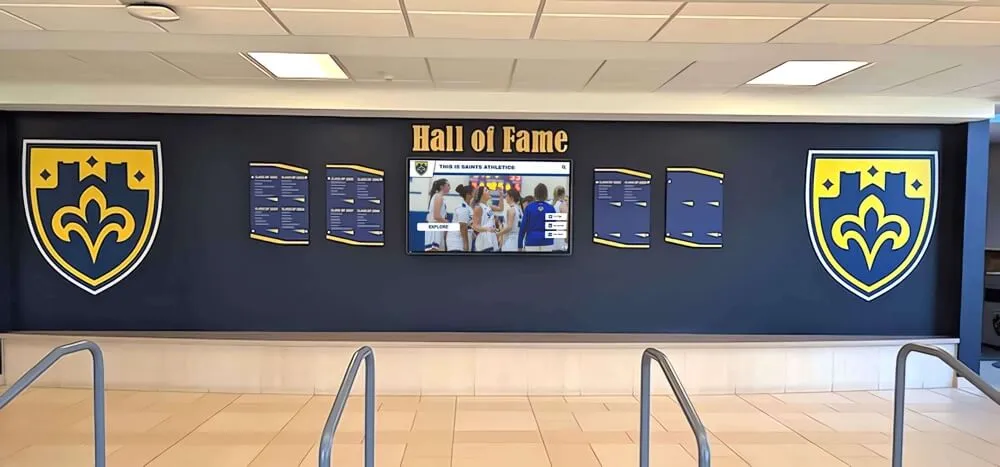
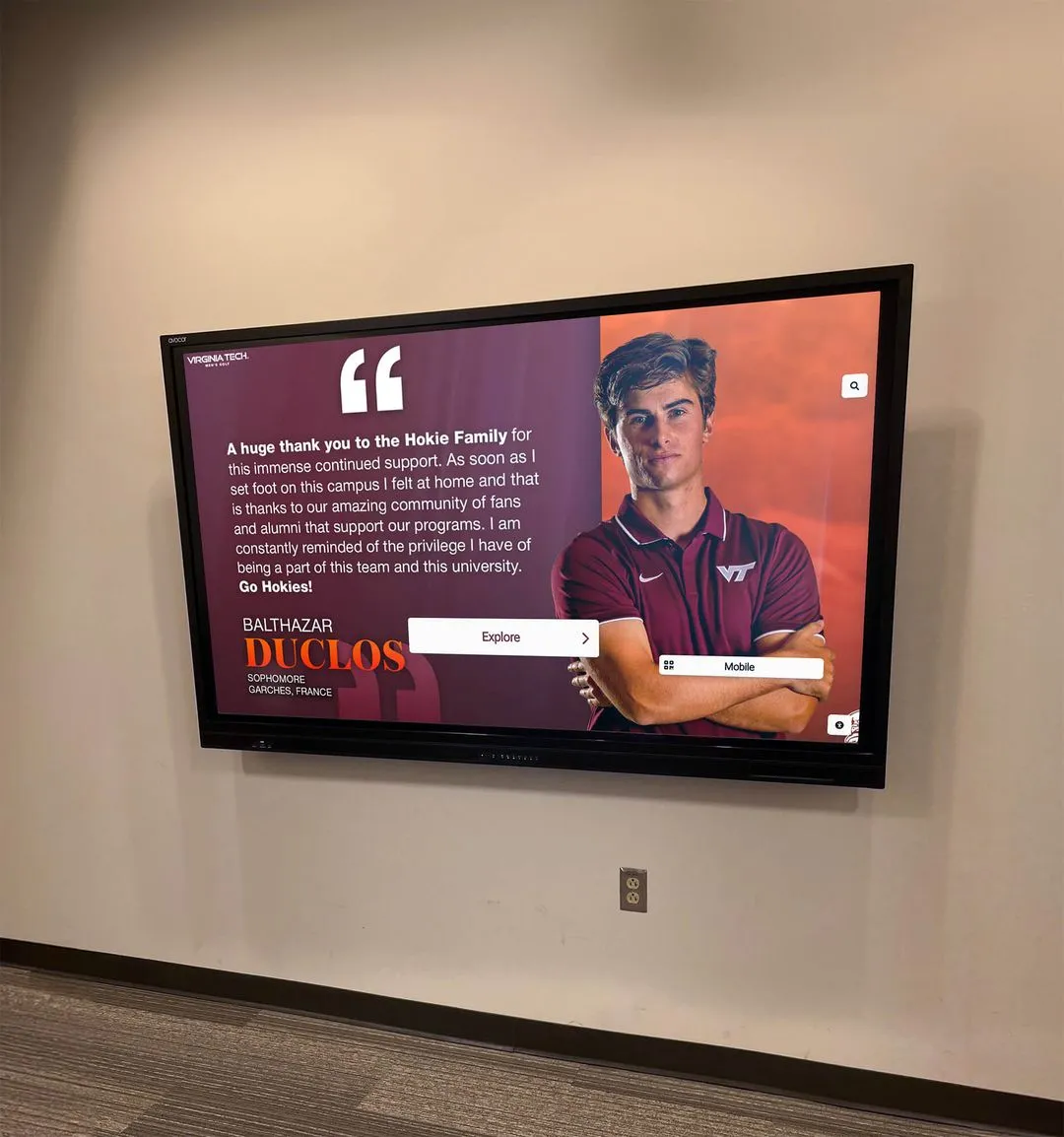
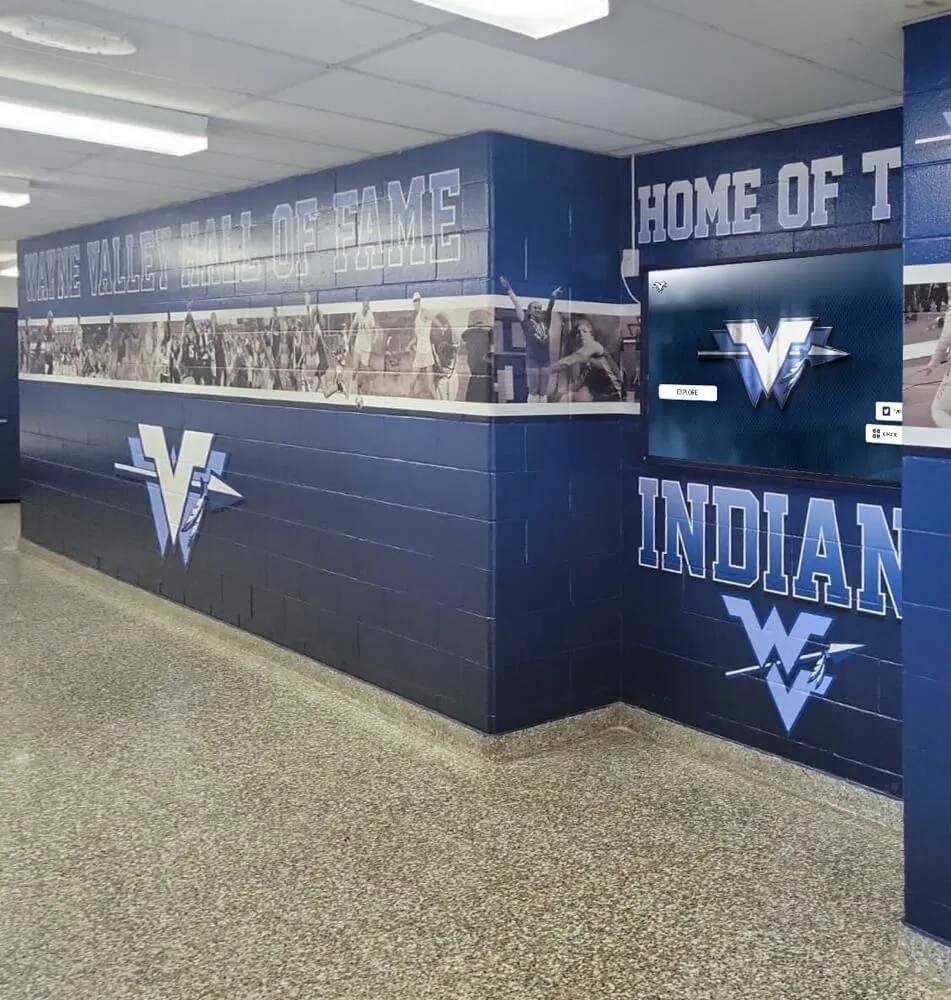
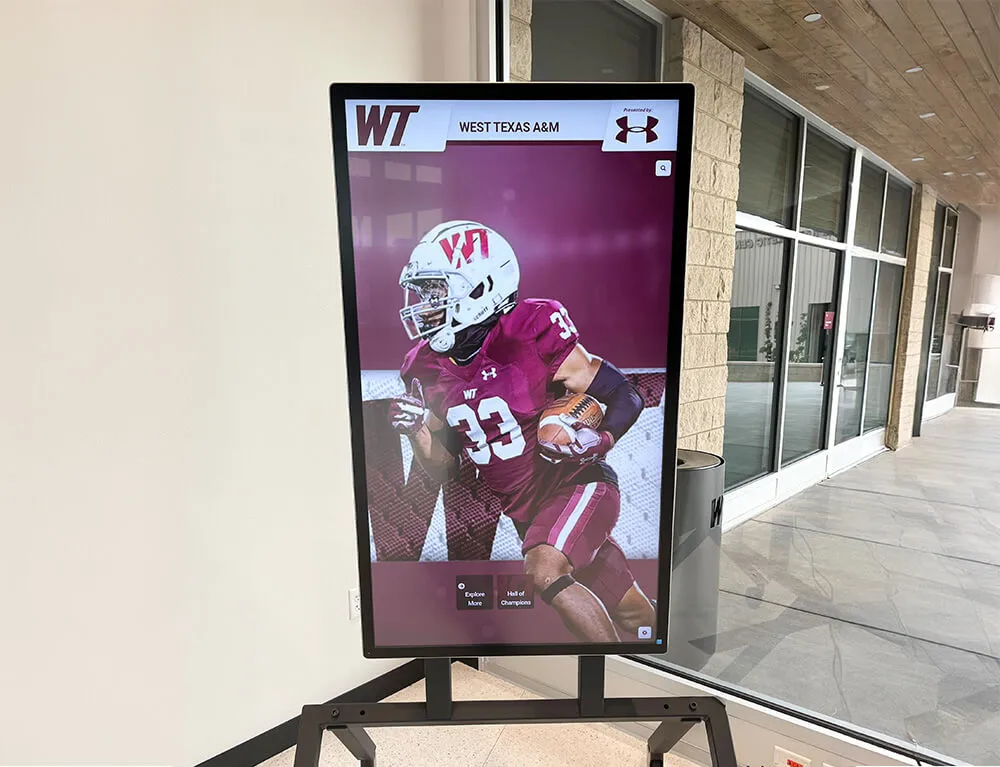
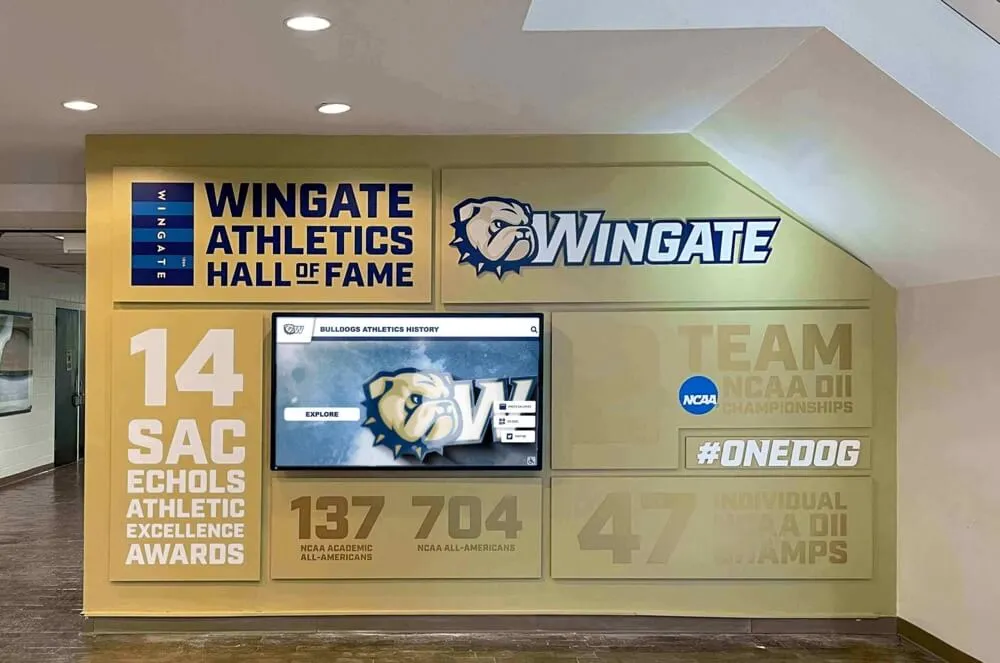
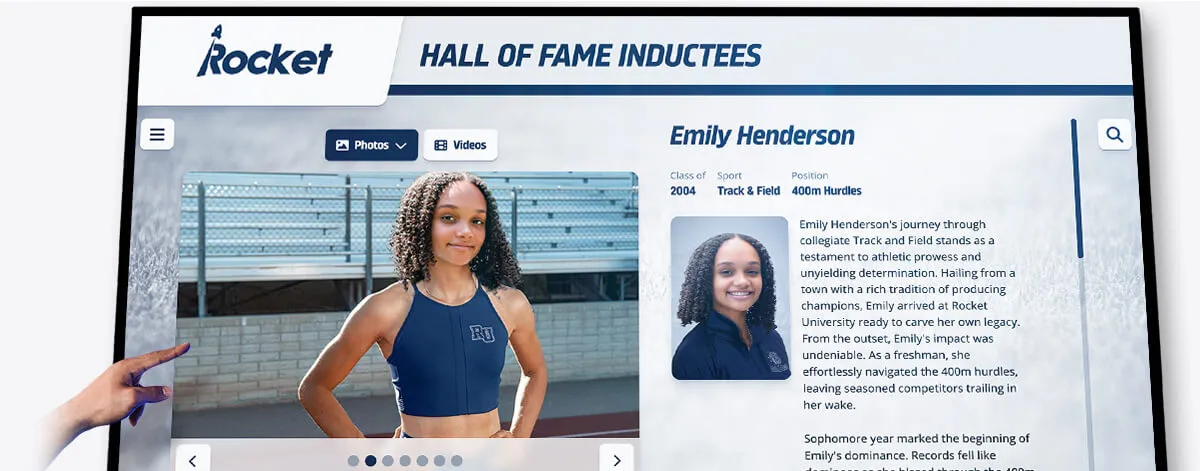
Modern digital recognition solutions like Rocket Alumni Solutions enable Ohio track programs to document unlimited achievements across all events, instantly update records following breakthrough performances, showcase state meet qualifiers and champions, and preserve complete program history—creating recognition experiences matching the depth and excellence defining elite track programs throughout the state.
Understanding the OHSAA Track and Field Structure
The Ohio High School Athletic Association organizes track and field competition through a systematic structure designed to identify the state’s premier athletes while providing fair competition across schools of varying sizes.
Ohio’s Three-Division System
OHSAA divides schools into three competitive divisions based on enrollment, ensuring athletes compete against schools of comparable size:
Division I: Ohio’s largest schools typically with enrollments exceeding 600 students compete in Division I. This division includes major metropolitan programs from Columbus, Cincinnati, Cleveland, Toledo, and Akron along with large suburban schools. Division I features the state’s deepest competitive fields, where qualifying for regionals requires exceptional performances and state meet berths demand near-elite capabilities.
Top Division I programs like Pickerington Central, Centerville, St. Xavier, and Mentor consistently produce multiple state qualifiers and champions. These schools benefit from large athlete pools, dedicated coaching staffs, quality training facilities, and established track cultures where younger athletes observe and learn from successful upperclassmen.
Division II: Mid-sized schools with enrollments roughly 300-600 students compete in Division II, representing diverse communities from smaller cities, established suburbs, and regional centers. Division II combines competitive depth with slightly less extreme qualifying standards compared to Division I, creating intense competition where athletes from strong programs face genuine challenges reaching state championships.
Successful Division II programs demonstrate that enrollment advantages don’t automatically determine track excellence. Schools like Revere, Bay Village, Archbishop Alter, and Poland Seminary compete effectively through smart coaching, dedicated athlete development, and strong program cultures valuing multi-event excellence.
Division III: Ohio’s smallest schools with enrollments under approximately 300 students compete in Division III. While smaller athlete pools create challenges, Division III produces exceptional individual performers who excel through dedication, effective coaching, and natural talent. Many Division III athletes compete across multiple events, contributing crucial points helping small-roster teams compete effectively.
Division III athletes sometimes face perceptions about competitive quality, yet state championship performances regularly match or exceed Division I and II standards in absolute terms, demonstrating that school size doesn’t limit individual athletic potential.

The Path to State Championships
Ohio’s qualification process advances athletes through four competitive rounds:
Sectional Meets (Early-Mid May): The season’s first elimination round assigns athletes to sectional sites based on geographic proximity. Sectionals typically advance top four finishers in individual events and top four relay teams to district competition. Performances at sectionals establish baseline competitive positioning while providing first glimpses of season improvement from training rivals.
Strategic coaches sometimes rest top athletes at sectionals when performances already ensure district qualification, preserving energy for more competitive upcoming rounds. However, sectional competition provides valuable experience managing championship pressure and executing race tactics.
District Meets (Mid May): District competition intensifies significantly, combining sectional qualifiers into larger, more competitive fields. Districts typically advance top four individual performers and relay teams to regional championships. Many athletes experience their first true championship-level competition at districts, where every race includes multiple legitimate contenders and tactical errors prove costly.
District performances separate athletes who merely qualified from those genuinely contending for state meet berths. Breakthrough performances at districts sometimes announce emerging talents while disappointing results end seasons for athletes who peaked earlier.
Regional Meets (Late May): Regionals represent Ohio track’s most competitive and emotionally intense competitions. Only the top four finishers in each event advance to state championships, creating do-or-die scenarios where years of training culminate in single performances determining whether athletes achieve state meet dreams or finish seasons one round short.
Regional meets concentrate exceptional talent, frequently producing performances matching or exceeding eventual state championship marks. Weather conditions, tactical racing decisions, and mental composure under extreme pressure all influence outcomes where fractions of seconds or inches separate state qualifiers from heartbreaking near-misses.
State Championships (Early June): The OHSAA State Track and Field Championships at Ohio State University’s Jesse Owens Memorial Stadium represent the season’s pinnacle. Competing in the same facility that hosted Olympic champion Jesse Owens creates powerful connections to athletic excellence history. State meet atmospheres combine intense competition with celebration of achievement, where simply qualifying represents significant accomplishment worthy of lifelong pride.
State finals feature preliminary rounds (for running events with large fields) and finals determining champions. Athletes must manage energy across multiple rounds while maintaining competitive focus despite distractions from crowds, competing simultaneously across multiple events, and awareness that performances determine state ranking and recognition.
Event Categories and Ohio State Records
Understanding event-specific competitive standards helps athletes set realistic goals and appreciate truly exceptional performances:
Sprint and Hurdle Events
100 Meter Dash: Ohio’s premier speed event consistently produces exceptional sprinters. Division I state champion times typically range 10.5-10.8 seconds for boys and 11.8-12.1 seconds for girls. The state records—10.16 seconds for boys (Marcus Maxey, 1993) and 11.48 seconds for girls (Marion Jones, 1992 competing while residing briefly in Ohio before moving to California)—demonstrate exceptional speed rarely approached even by elite athletes.
Successful sprinters combine explosive starting technique, efficient acceleration mechanics, maximum velocity capabilities, and race-end deceleration resistance allowing maintenance of speed when fatigued competitors slow. Sprint training emphasizes power development through resistance work, technical refinement through countless repetitions, and competition experience managing pressure when races are decided by hundredths of seconds.
200 Meter Dash: The 200 meters combines pure speed with curve running technique and greater endurance demands than the 100 meters. Ohio state records stand at 20.94 seconds for boys (Jeff Demps, 2007) and 23.27 seconds for girls (Marion Jones, 1992). Championship performances typically run 21.5-22.5 seconds for boys and 24.5-25.5 seconds for girls depending on division.
The 200 meters requires strategic energy management—accelerating hard from blocks, maintaining velocity through the curve without over-striding or fighting centrifugal forces, then accelerating again entering the straightaway while managing accumulating fatigue. Many athletes actually run the 200 meters slower than twice their 100 meter time due to these additional demands.
400 Meter Dash: Often called track’s most punishing event, the 400 meters combines sprint speed with pain tolerance and tactical pacing. Ohio records stand at 46.24 seconds for boys (Michael Norman, 2015) and 52.42 seconds for girls (Tiffany Ross, 2002). State championship times typically fall between 48-50 seconds for boys and 56-58 seconds for girls.
Elite 400 meter runners master pace judgment, running fast enough to remain competitive without accumulating excessive oxygen debt in early race portions, then summoning closing speed despite burning legs and oxygen-deprived systems in the final 100 meters. Training combines extensive speed endurance work, lactate threshold sessions, and mental preparation for managing discomfort.
Hurdle Events: Ohio high school track features 110 meter high hurdles for boys, 100 meter hurdles for girls, and 300 meter hurdles for both. State record performances include 13.50 seconds in boys 110 high hurdles (Reggie Jones, 1988) and 13.71 seconds in girls 100 hurdles (Deja Parrish, 2015). These times represent exceptional combinations of sprint speed, technical clearance efficiency, and rhythm maintenance.
The 300 meter hurdles require different capabilities—speed endurance over twice the distance of short hurdle races plus tactical decisions about hurdle approach patterns where fatigue disrupts rhythm. Championship performances around 37-38 seconds for boys and 43-44 seconds for girls demonstrate the event’s demanding nature.
Resources on athletic achievement recognition explore how schools celebrate sprint and hurdle excellence alongside other track accomplishments.
Distance Running Excellence
800 Meter Run: The 800 meters bridges sprint and distance demands, requiring both speed and endurance along with tactical racing intelligence. Ohio state records stand at 1:50.19 for boys (Nathan Sterns, 2008) and 2:07.46 for girls (Maggie Farrell, 2018). State championship races typically see winning times around 1:54-1:58 for boys and 2:13-2:18 for girls.
Successful 800 meter racing requires positioning decisions balancing early energy conservation against avoiding being boxed in by competitors, pace judgment avoiding unsustainable early speeds while staying close to leaders, and finishing capabilities producing strong final 200-300 meters despite accumulated fatigue. The event’s tactical complexity makes it simultaneously fascinating and frustrating.
1600 Meter Run: Ohio’s metric mile produces some of the state’s most inspiring performances as athletes push toward the magical four-minute barrier for boys and under five minutes for girls. State records stand at 4:06.31 for boys (Austin Tamagno, 2014) and 4:43.24 for girls (Erin Finn, 2010). Championship times typically range 4:15-4:25 for boys and 5:00-5:15 for girls.
Middle distance training combines extensive aerobic base building through high mileage, threshold runs improving lactate clearance, interval training developing race-specific pace capabilities, and speed work maintaining finishing kick despite fatigue. Mental toughness proves equally important as physical capabilities, enabling athletes to maintain painful pace for multiple laps while racing tactically.
3200 Meter Run: Track’s longest standard event showcases pure endurance combined with pace management and competitive tactics across eight grueling laps. Ohio state records stand at 8:47.93 for boys (Dustin Horter, 2018) and 10:04.47 for girls (Stephanie Mezzanotte, 1998). Championship winning performances typically run 9:05-9:25 for boys and 10:45-11:15 for girls.
Elite 3200 meter runners typically excel in cross country as well, bringing aerobic capacities developed through extensive base training to track competition where pacing consistency matters more than early tactical positioning. Weather significantly impacts distance races, where warm temperatures and high humidity elevate physiological demands.
Relay Racing and Team Strategy
4x100 Meter Relay: Sprint relays combine individual speed with precise exchange zone technique where hundredths of seconds gained or lost through efficient handoffs determine outcomes. Ohio state records stand at 41.08 seconds for boys (Glenville, 2007) and 46.00 seconds for girls (Pickerington North, 2013). Championship relays typically run 42-43 seconds for boys and 48-49 seconds for girls.
Successful relay programs practice exchanges relentlessly, developing precise timing where outgoing runners accelerate perfectly to receive batons at full speed within 20-meter exchange zones. Teams strategically position fastest runners—typically placing speed at key legs considering exchange difficulty and anchor pressure.
4x200 Meter Relay: Less common but featured at some Ohio meets, the 4x200 meters combines sprint relay excitement with slightly greater endurance demands. Strategic coaches sometimes use 4x200 relays as training tools developing 200 meter race endurance while building team cohesion.
4x400 Meter Relay: The championship relay event combines speed, endurance, and dramatic racing as athletes push through exhaustion maintaining competitive pace. State records stand at 3:15.22 for boys (Glenville, 2008) and 3:44.20 for girls (Pickerington North, 2013). Championship relays typically run 3:20-3:28 for boys and 3:55-4:05 for girls.
The 4x400 meters frequently provides meet-ending drama as final events, where team championships sometimes depend on relay performances. Anchor legs become battles of will as exhausted athletes dig deep finding closing speed despite burning legs and oxygen-deprived systems.
4x800 Meter Relay: This grueling eight-lap team event combines distance endurance with relay tactics. While less universally contested than 4x400 relays, the 4x800 meters tests team depth in middle distance events where programs need four quality 800 meter runners capable of producing fast performances consecutively.
Guidance on track and field recognition programs provides frameworks for celebrating relay teams alongside individual achievement.
Jumping Events
High Jump: Ohio high jump competitions regularly produce clearances exceeding six feet for girls and seven feet for boys. State records stand at 7'4.5" for boys (Nate Seither, 2018) and 6'1.5" for girls (Kellie Johnson, 1993). Championship performances typically see winners clearing 6'6"-6'10" for boys and 5'6"-5'8" for girls depending on division and competitive year.
High jump technique has evolved over decades, with virtually all elite jumpers now employing Fosbury Flop style—approaching from angles, planting outside legs, and clearing bars backwards. Successful high jumpers combine sprint speed in approaches with explosive takeoff power, body awareness during flight, and mental composure managing progressive bar height increases where competitors drop out incrementally.
Training emphasizes plyometric power development, approach consistency enabling precise takeoff positioning, technical clearance efficiency maximizing functional height from takeoff capabilities, and competitive experience managing pressure when competitors clear heights on first attempts while others burn attempts.
Long Jump: Long jumping combines sprint speed with takeoff technique and flight form. Ohio state records stand at 25'5.5" for boys (Rashad McSwain, 1994) and 20'4.5" for girls (Cierra Pyles, 2012). Championship performances typically see winners jumping 22'6"-24’ for boys and 18’-19'6" for girls.
Elite long jumpers focus on approach consistency, hitting takeoff boards at maximum speed without fouling. Takeoff mechanics convert horizontal velocity into appropriate vertical lift creating optimal flight trajectories. In-flight form—whether hang style, hitch kick, or other variations—maintains body position maximizing landing distance.
Triple Jump: This technical event requires three distinct phases—hop, step, jump—where athletes maintain momentum across 120+ feet of runway while executing phase transitions. State records stand at 51'3.5" for boys (Craig Kirby, 1997) and 42'8.5" for girls (Chelsie Meyers, 2012). Championship performances typically range 46’-49’ for boys and 37’-39’ for girls.
Triple jump demands exceptional rhythm, strength maintaining balance across phases, speed transitioning between phases while preserving momentum, and technical precision in each phase where improper mechanics disrupt subsequent phases. Many consider triple jump track and field’s most technically demanding event.
Pole Vault: Ohio pole vaulting produces spectacular performances combining sprint speed, upper body strength, and aerial awareness. State records stand at 17'6.5" for boys (Dillon Neal, 2019) and 13'9" for girls (Lauren Newman, 2013). Championship clearances typically see winners vaulting 15’-16’ for boys and 12’-13’ for girls in most divisions.
Modern pole vault equipment—fiberglass poles storing and releasing tremendous energy—enables heights unimaginable in earlier eras. However, this potential comes with technical demands and safety considerations requiring dedicated coaching and progressive skill development. Top vaulters typically train year-round, continuously refining technique while building strength supporting pole management and vault execution.
Throwing Events
Shot Put: Indoor and outdoor shot put uses different implement weights, creating separate record categories. Ohio outdoor shot put state records stand at 72'3.5" for boys (Joey Gilson, 1987) and 51'8" for girls (Jovannah Jenkins, 2017). Championship performances typically see winners throwing 55’-62’ for boys and 40’-44’ for girls depending on division.
Shot put technique employs either glide or rotational style. Glide throwers shift backward across rings before reversing momentum explosively releasing shots. Rotational throwers spin similar to discus movements generating momentum. Success requires strength, explosion, technical consistency, and mental composure attempting progressively longer throws across multiple competitions.
Discus: The discus throw combines rotational power with release precision where small technical variations dramatically affect distances. State records stand at 216'1" for boys (Jason Keltz, 1991) and 181'4" for girls (Meg Ritchie, 1989). Championship performances typically see winners throwing 165’-185’ for boys and 135’-155’ for girls.
Wind significantly impacts discus performance, with favorable conditions helping adds 10-20 feet. This weather dependence makes discus records particularly impressive since exceptional performances require both technical excellence and favorable competitive conditions. Strategic athletes sometimes deliberately throw early in competitions when weather appears optimal rather than waiting for later attempts when conditions might deteriorate.
Javelin: Javelin represents track and field’s most specialized throwing event, combining running approach speed with throwing mechanics fundamentally different from shot put or discus. Ohio state records stand at 224'5" for boys (Clayton Petsche, 2012) and 171'3" for girls (Kara Patterson, 2005, who later competed for USA at Olympics). Championship throws typically range 180’-200’ for boys and 135’-150’ for girls.
Javelin technique requires coordinated full-body movements—building speed through approaches, planting without losing momentum, pulling implements through with upper body power while maintaining optimal release angles, and following through without fouling. Elite throwers often don’t excel at shot put or discus, demonstrating javelin’s specialized technical demands.
Recognizing Track and Field Excellence
Ohio track programs face unique challenges documenting and celebrating diverse achievements across dozens of events, multiple competitive levels, and years of program history:
Traditional Recognition Limitations
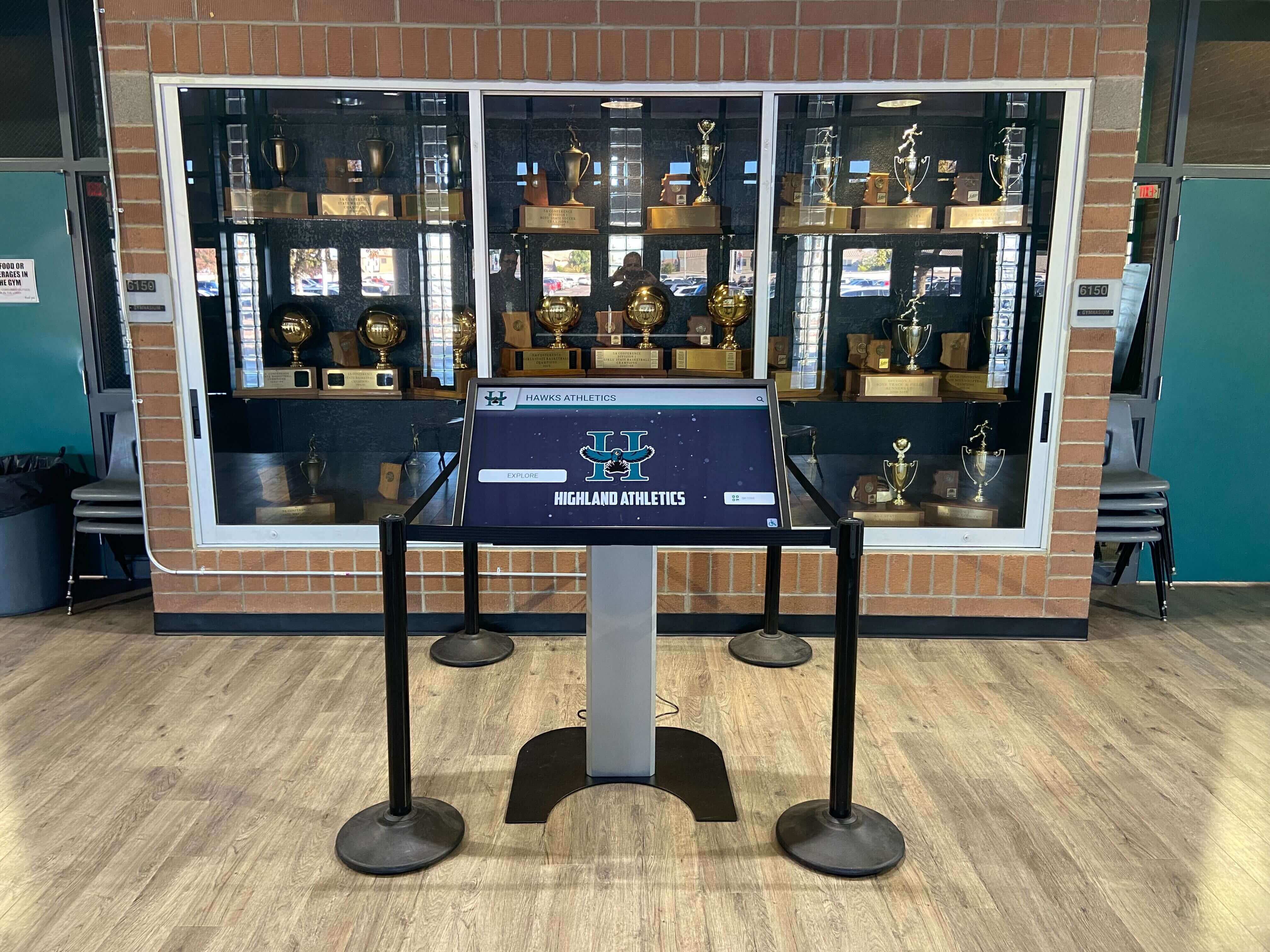
Physical record boards accommodate perhaps 20-40 records depending on size and design, forcing difficult prioritization decisions:
Which events deserve representation? Should boards feature only school records, or also conference champions, state qualifiers, and All-Ohio selections? How do programs balance boys and girls recognition equally when space constrains? What happens to historical records when renovations require removing old displays?
These questions create no-win scenarios where deserving achievements receive inadequate recognition simply due to physical space constraints. Athletes who set junior varsity records, excel across multiple events without holding individual school records, or contribute crucial relay legs often receive minimal permanent recognition despite significant accomplishments.
Traditional plaques and displays also require manual updates when athletes break records. Ordering new inserts, scheduling installation, and maintaining consistent appearance becomes burdensome, sometimes resulting in outdated displays showing inaccurate information—awkward situations where current record holders see their achievements absent from recognition boards.
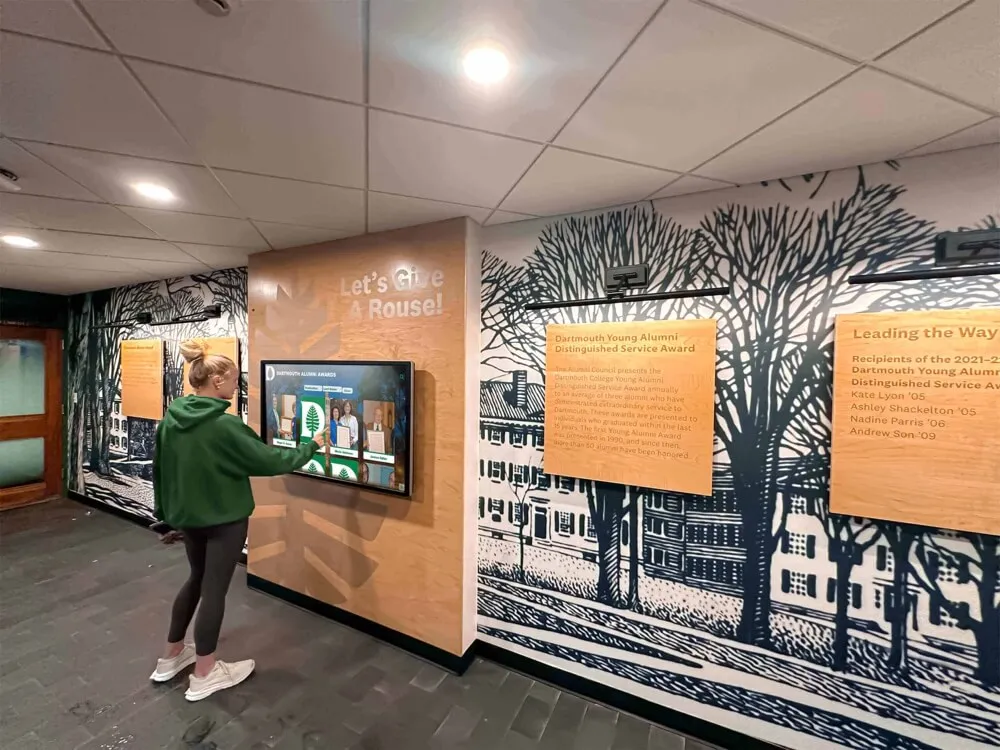
Digital Recognition Advantages
Modern digital recognition solutions eliminate traditional limitations while providing capabilities impossible with physical displays:
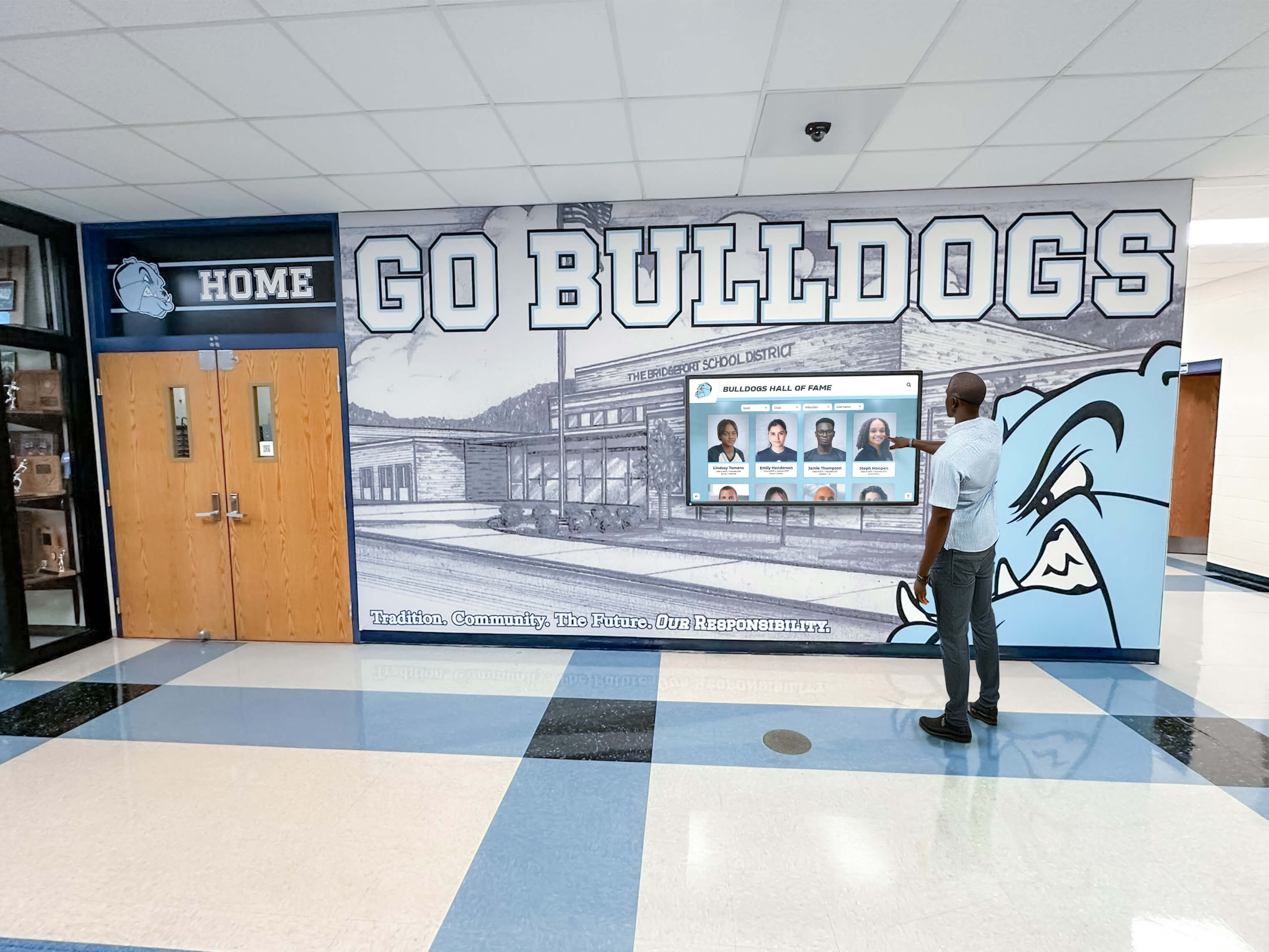
Unlimited Capacity: Digital platforms accommodate thousands of records without space constraints. Ohio track programs can display every school record across all events, document every state meet qualifier throughout program history, recognize all-conference and all-district performers, celebrate relay teams and championship performances, and preserve complete seasonal results—all within single integrated systems.
This unlimited capacity democratizes recognition, ensuring every worthy achievement receives appropriate celebration regardless of event profile or competitive era. Sprinters, distance runners, jumpers, throwers, and relay specialists all receive equal recognition opportunity.
Instant Updates: When athletes break records at Friday evening invitationals, digital systems enable immediate recognition updates. Coaches can photograph athletes, input updated performance data, and publish recognition before athletes return to school Monday morning. This real-time capability ensures achievements receive celebration while excitement remains fresh, maximizing motivational impact.
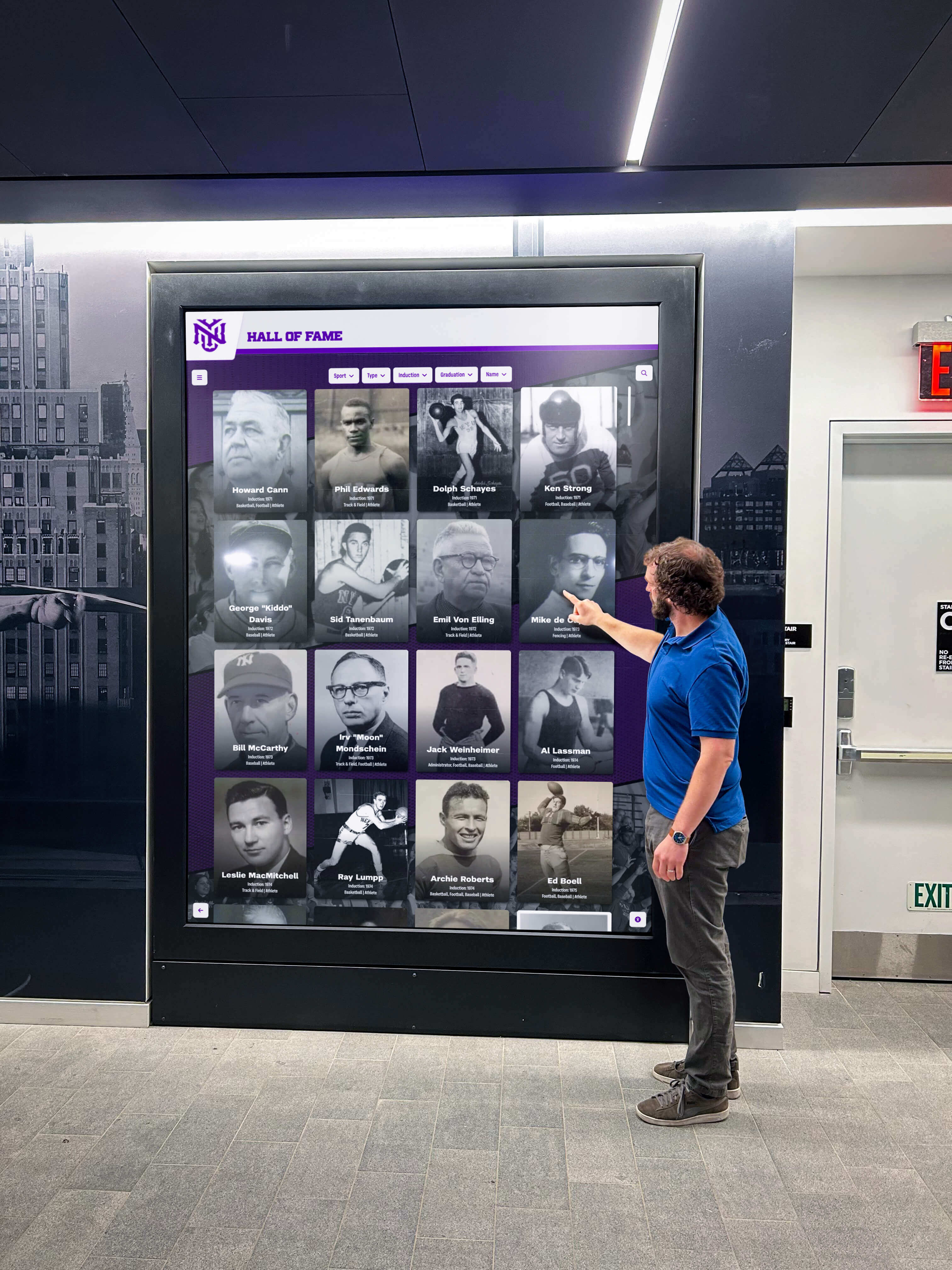
Rich Multimedia Content: Digital displays integrate high-quality photography showing athletes competing, video highlights capturing record-breaking performances, complete statistical progressions documenting improvement over seasons, written narratives providing context about achievements and competitive conditions, and related content linking individual records to relay contributions and championship performances.
These multimedia capabilities create engaging recognition experiences helping audiences understand not just what records were achieved but how athletes developed capabilities leading to breakthrough performances—inspiration that generic names and numbers cannot provide.
Sophisticated Organization: Interactive interfaces enable visitors to explore records through multiple pathways—browsing by specific events, searching by athlete names, filtering by years to explore specific eras, sorting by performance marks to identify all-time rankings, and discovering connections between individual excellence and team success.
This flexibility accommodates diverse user interests while ensuring every achievement remains accessible despite comprehensive content depth.
Resources on digital athletic recognition systems demonstrate comprehensive platforms serving track programs alongside other athletic recognition needs.
Preparing for the Ohio State Track Meet
Athletes qualifying for state championships face unique preparation challenges:
Physical and Mental Preparation
Taper Strategies: Reaching peak performance at season’s end requires careful training reduction. Coaches typically reduce training volume while maintaining intensity, enabling bodies to recover from accumulated training fatigue while preserving fitness. Taper timing proves critical—too much rest causes detraining while insufficient recovery leaves athletes fatigued during championships.
Mental Preparation: State meet pressure differs from regular competition. Athletes benefit from visualization techniques imagining successful performances, routine development maintaining familiar patterns despite championship excitement, perspective maintaining that success means executing personal best efforts regardless of placement, and experience exposure simulating championship environments through intense regular season competitions.
Race Strategy: Championship competition requires tactical sophistication. Distance runners must decide between leading races controlling pace versus sitting in tactical positions preparing to kick. Sprinters balance aggressive starts against relaxed efficiency. Jumpers and throwers manage mental energy across multiple attempts where early successes enable more aggressive later attempts.

Practical Competition Considerations
Meet Schedule Management: State championships span three days with preliminary rounds and finals spread across complicated schedules. Athletes competing in multiple events must manage energy carefully, plan adequate warm-up time between events, coordinate with coaches ensuring they reach competition areas timely, and maintain focus despite long waiting periods between rounds.
Weather Considerations: June weather in Columbus varies dramatically—from cool and rainy to hot and humid. Appropriate preparation includes weather-appropriate clothing, hydration strategies for warm conditions, warm-up adjustment for cool temperatures, and mental readiness handling adverse conditions that affect all competitors equally.
Family and Support: State meet atmosphere creates excitement and distraction. Successful athletes establish where families will be located, identify quiet areas for pre-race preparation away from crowds, plan post-competition meeting locations avoiding chaotic main areas, and communicate expectations about staying focused despite celebration temptations after each round when more competition remains.
Ohio’s Track and Field Tradition
Ohio’s rich track and field history includes numerous athletes who excelled at state level before achieving national and international success:
Notable Ohio Track Alumni
Jesse Owens: Though competing before OHSAA’s current structure, Cleveland’s Jesse Owens remains Ohio’s most famous track athlete. His 1936 Olympic performances—four gold medals in Berlin during Nazi Germany—transcended sports becoming symbols of human excellence over oppression. Ohio State University’s Jesse Owens Memorial Stadium hosting state championships creates powerful connections between current Ohio athletes and this inspirational legacy.
Dave Wottle: Canton’s Dave Wottle won gold in the 800 meters at 1972 Olympics with a dramatic come-from-behind victory while wearing his trademark golf cap. His Ohio roots and subsequent coaching career demonstrate how state’s athletes compete at highest international levels.
Butch Reynolds: Akron’s Reynolds held the world record in 400 meters (43.29 seconds) from 1988-1999, competing for USA at multiple Olympic Games. His sustained excellence over nearly two decades illustrates the performance heights Ohio sprinters reach.
Harrison “Bones” Dillard: Cleveland athlete Dillard won Olympic gold in 110 meter hurdles (1948) and 100 meters (1952), demonstrating exceptional versatility across sprint and hurdle events. His success inspired generations of Ohio sprinters and hurdlers pursuing excellence.
These Olympic champions demonstrate that Ohio track excellence extends beyond state championships to international competition’s highest levels, providing aspirational examples for current high school athletes.
Guidance on athletic achievement celebration explores how schools honor state meet qualifiers and champions alongside program legends.
Building Track Culture
Successful Ohio track programs cultivate excellence through:
Year-Round Training: Elite programs encourage multi-season training—indoor track extending winter season, summer training building aerobic bases and technique, fall cross country developing distance runners, and organized off-season strength and conditioning. This comprehensive approach develops athletes systematically over four-year high school careers.
Alumni Connection: Strong programs maintain relationships with former athletes who return sharing experiences, mentoring current athletes, supporting fundraising, and demonstrating lifelong program commitment. Alumni who achieved state success provide credible voices encouraging current athletes through difficult training periods.
Academic Balance: Ohio’s track excellence programs emphasize academic success equally with athletic achievement, recognizing that most athletes don’t continue competing beyond high school. This balanced approach produces well-rounded individuals excelling across life domains.
Recognition and Celebration: Programs systematically celebrating achievements—from first varsity race appearances through school records and state qualifications—build cultures valuing continuous improvement and excellence at all levels, not just elite performances.
The Future of Ohio High School Track and Field
Ohio track and field continues evolving through facility improvements, training innovations, and enhanced recognition:
Facility Investments
Many Ohio school districts invest in quality track facilities recognizing that quality surfaces enable better performances while reducing injury risk. Modern tracks feature:
- Synthetic surfaces providing consistent traction and energy return
- Proper drainage preventing water accumulation delaying meets
- Quality throwing and jumping areas with safety features
- Adequate spectator areas supporting community attendance
- Lighting enabling evening competitions and extended practice schedules
These improvements demonstrate institutional commitment to track excellence, attracting quality athletes and coaches while enabling programs to host prestigious invitational competitions generating community pride.
Training Innovation
Ohio coaches increasingly adopt sophisticated training methodologies:
Advanced training technologies including GPS monitoring tracking training loads, video analysis refining technique, and heart rate monitoring guiding workout intensities help athletes train smarter. Strength and conditioning programs specifically designed for track and field events develop power, speed, and injury resistance. Mental performance training addressing competitive pressure, race strategy, and goal setting complements physical preparation.
Digital Recognition Evolution
As discussed throughout this guide, digital recognition platforms transform how Ohio track programs celebrate achievement. Schools implementing comprehensive digital systems:
- Preserve complete program history permanently
- Recognize every achievement level appropriately
- Engage alumni maintaining lifelong program connections
- Attract quality athletes showcasing program excellence
- Build community support demonstrating athletic commitment
Solutions like Rocket Alumni Solutions specifically serve Ohio schools, understanding OHSAA structure and providing platforms celebrating state meet qualifiers, division champions, and program record holders through engaging interactive displays accessible to athletes, families, and communities.
Conclusion: Celebrating Ohio Track Excellence
Ohio high school track and field combines rich competitive tradition with contemporary athletic excellence, producing state championships memorable for participants and inspiring for younger athletes watching and aspiring toward similar achievement. The path from early-season meets through sectionals, districts, regionals, and ultimately state championships at Jesse Owens Memorial Stadium requires dedication, mental toughness, technical excellence, and sometimes fortunate timing when peak performances align with championship opportunities.
For Ohio track programs, comprehensive achievement recognition presents ongoing challenges. Traditional record boards accommodate limited achievements, requiring difficult prioritization decisions and excluding worthy accomplishments simply due to space constraints. Manual updates burden staff while creating embarrassing situations when displays show outdated information. Physical displays deteriorate over time, diminishing perceived importance of displayed achievements.
Modern digital recognition solutions eliminate these traditional limitations while providing capabilities impossible with physical systems. Unlimited capacity enables recognition of every school record, state qualifier, conference champion, and significant achievement across all events and competitive levels. Instant updates ensure current achievements receive immediate celebration. Rich multimedia content tells complete achievement stories through photos, videos, statistics, and written narratives. Sophisticated organization enables diverse exploration pathways accommodating various user interests. Remote accessibility extends recognition beyond physical displays to web portals and mobile devices.
Ohio track programs ready to implement comprehensive digital recognition should explore purpose-built platforms designed specifically for high school athletics. These systems combine intuitive content management enabling easy updates by coaches and athletic staff, engaging interactive displays creating memorable visitor experiences, unlimited achievement capacity accommodating extensive program histories, and reliable performance ensuring recognition remains accessible when visibility matters most.
Track and field deserves recognition matching its status as one of high school athletics’ most demanding and achievement-rich sports. Every school record broken, every state meet qualification earned, every personal best achieved, and every relay team unified through shared effort represents meaningful accomplishment worthy of permanent recognition and celebration. When Ohio schools invest in quality digital recognition systems, they honor these achievements appropriately while inspiring future athletes to pursue their own excellence through visible celebration of what dedication and commitment can achieve.
Ready to transform how your Ohio track program recognizes excellence? Contact Rocket Alumni Solutions to discover how purpose-built digital recognition displays can celebrate every athlete, honor every achievement, and build the track and field tradition your Ohio program deserves.