



Effective donor recognition extends far beyond expressing gratitude—it serves as a strategic cornerstone of sustainable nonprofit fundraising, transforming one-time contributions into lasting philanthropic relationships that fuel organizational missions for decades. Organizations that master donor recognition create cultures of appreciation where contributors feel genuinely valued, see tangible evidence of their impact, and develop emotional connections inspiring continued engagement and escalating support.
Yet many nonprofits struggle to implement recognition programs that feel meaningful while remaining operationally sustainable. Handwritten notes pile up unwritten, recognition events attract sparse attendance, donor walls reach capacity constraints, and appreciation efforts feel disconnected from broader development strategies. Recognition becomes reactive rather than strategic—a checkbox obligation following gifts rather than an integrated component of comprehensive stewardship systems.
This comprehensive guide explores how nonprofits can build donor recognition programs that genuinely honor contributors while advancing organizational sustainability through strengthened relationships, increased retention, improved lifetime giving, and enhanced community visibility. Whether launching your first formal recognition initiative or modernizing existing programs constrained by outdated approaches, these strategies provide actionable frameworks for creating appreciation systems that serve donors appropriately while delivering measurable organizational value.
Why Donor Recognition Matters for Nonprofit Sustainability
Strategic recognition transforms transactional giving into relational philanthropy that sustains organizations long-term. Well-designed programs increase donor retention rates by 15-40% according to research from the Association of Fundraising Professionals, reduce acquisition costs through improved renewal patterns, enable successful major gift cultivation, strengthen community visibility attracting new supporters, and create pride among stakeholders reinforcing organizational credibility. Solutions like Rocket Alumni Solutions enable nonprofits to implement comprehensive recognition systems that honor every contributor appropriately while creating engaging experiences that strengthen relationships and advance fundraising objectives.
Understanding Donor Recognition Psychology and Impact
Recognition works because it addresses fundamental human needs for acknowledgment, belonging, and significance—psychological factors that fundraising professionals must understand to design effective appreciation programs.
The Psychology Behind Effective Recognition
Human motivation research reveals why thoughtful recognition drives continued engagement and escalating support patterns:
Social recognition fulfills our intrinsic need for acknowledgment within communities we value. When nonprofits publicly honor contributions, donors gain status within organizational communities while experiencing validation that their values and priorities matter. This social reinforcement proves remarkably powerful—many donors report that recognition visibility influences giving decisions as much as tax benefits or mission alignment.
Identity connection explains why donors who receive meaningful recognition develop stronger organizational attachment. Recognition reinforces donor identity as philanthropists supporting causes they care about, creating psychological ownership of organizational success. This identity formation transforms casual supporters into committed stakeholders who view organizational advancement as personal success.
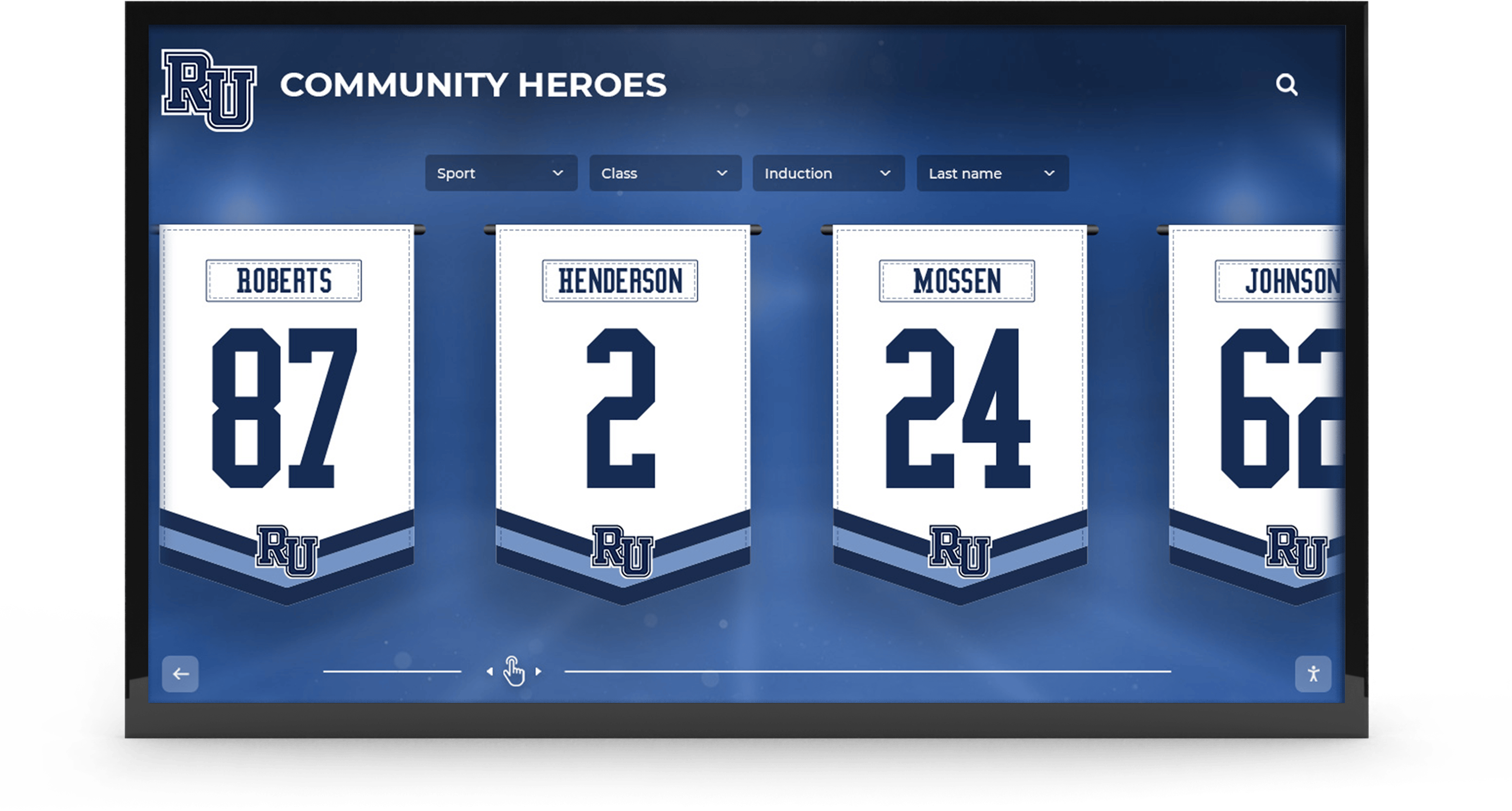
Impact visibility addresses donor desire to see tangible results from contributions. Recognition programs that connect giving to specific outcomes—scholarships funded, programs launched, facilities built, lives changed—satisfy donor need for evidence that contributions create real difference. Vague appreciation falls flat; specific impact documentation builds confidence and commitment.
Peer influence operates powerfully in philanthropic contexts. When donors see respected community members supporting organizations through prominent recognition, social proof effects encourage similar commitments. Recognition that showcases diverse supporter profiles demonstrates that philanthropy spans all backgrounds, inviting broader participation.
Recognition Impact on Donor Retention and Lifetime Value
Data from nonprofit research consistently demonstrates recognition’s financial returns:
Organizations with structured recognition programs achieve donor retention rates 15-40% higher than nonprofits providing minimal appreciation. Since acquiring new donors costs 5-7 times more than retaining existing supporters, this retention improvement delivers substantial cost savings while stabilizing revenue streams.
Recognized donors give 23% more on average than unrecognized contributors according to studies tracking multi-year giving patterns. Recognition creates goodwill and organizational affinity that translates into larger gifts when donors have capacity to increase support. This giving escalation compounds over donor lifetimes, making recognition investments return multiples of initial costs.
Major gift success rates improve dramatically when prospects receive consistent recognition at lower giving levels. Donors who experience appreciation for $500 contributions develop confidence that $50,000 gifts will be stewarded appropriately. Recognition builds trust foundations enabling successful major gift cultivation conversations.
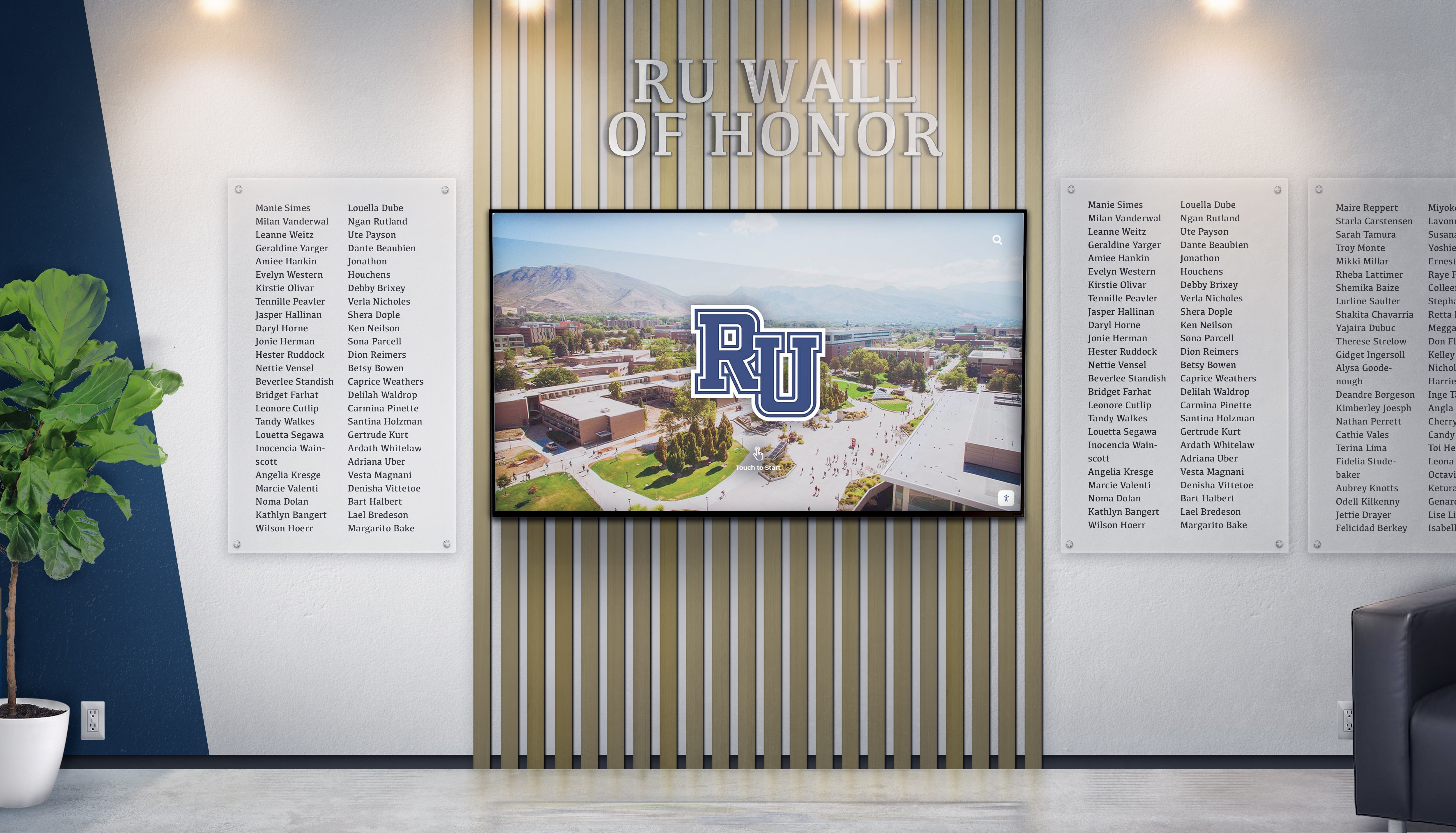
Programs implementing comprehensive digital donor recognition benefit from scalable systems that honor every contribution level while maintaining operational sustainability as donor populations grow.
Designing Comprehensive Donor Recognition Programs
Effective recognition requires structured frameworks ensuring consistent appreciation across all giving levels while maintaining sustainability as organizations scale.
Recognition Level Structures and Giving Societies
Tiered recognition systems create clear pathways encouraging giving progression while honoring contributions appropriately:
Annual Giving Societies acknowledge cumulative annual contributions through named levels that donors aspire to reach or maintain. Common structures include:
- Supporter Circle ($100-$499): Foundation level establishing donor identity and organizational connection
- Partner Society ($500-$999): Intermediate recognition acknowledging meaningful annual support
- Leadership Circle ($1,000-$2,499): Recognition of substantial annual commitment demonstrating organizational priority
- President’s Council ($2,500-$4,999): Premium tier honoring significant annual support
- Benefactor’s Society ($5,000+): Top annual recognition celebrating transformational giving
Each level features distinct benefits—specialized communications, exclusive events, priority information access, governance engagement opportunities, or enhanced visibility—creating differentiation that motivates advancement through recognition tiers.
Cumulative Lifetime Societies honor total historical giving, recognizing long-term supporters whose sustained moderate giving equals or exceeds individual large gifts. Lifetime recognition acknowledges that $25,000 contributed across 25 years demonstrates commitment equal to single $25,000 donations.
Lifetime societies typically use milestone thresholds: $10,000, $25,000, $50,000, $100,000, $250,000, $500,000, and $1,000,000+. These levels create aspirational targets encouraging continued giving while honoring achievement of significant cumulative contribution benchmarks.
Legacy Society Recognition celebrates donors who make planned gift commitments through bequests, charitable trusts, retirement account designations, life insurance policies, or real estate donations. Legacy society membership often requires no minimum dollar commitment—notification of planned gift qualifies regardless of estimated value.
Legacy recognition proves particularly important because planned gifts frequently exceed donors’ lifetime giving totals by 5-10X. Organizations honoring planned gift commitments build expectancy pipelines that eventually deliver transformational resources enabling organizational advancement.
Recognition Timing and Frequency Protocols
Strategic timing maximizes appreciation impact while maintaining sustainable recognition rhythms:
Immediate acknowledgment following gifts establishes appreciation baseline. IRS requirements mandate written receipts within specific timeframes, but exceeding compliance minimums demonstrates genuine gratitude. Best practices include:
- Automated email confirmations arriving within 1 hour of online gifts
- Formal receipts mailed within 48 hours of gift processing
- Personal thank-you calls within 1 week for gifts exceeding $1,000
- Handwritten notes from leadership for major gifts arriving within 10 days
This multi-touchpoint immediate response demonstrates that organizations value contributions enough to respond quickly despite busy operations.
Ongoing recognition throughout donor relationships maintains connection between giving moments:
Quarterly impact reports showing specific program outcomes funded by supporter generosity connect contributions to tangible results. Annual reports featuring donor listings acknowledge all contributors publicly while demonstrating community support breadth. Anniversary acknowledgments recognizing giving milestones—5 years of support, 10 consecutive gifts, first major gift anniversary—create touchpoints celebrating relationship longevity.
Signature recognition events create formal appreciation opportunities bringing donor communities together:
Annual donor appreciation events celebrating all contributors, giving society receptions honoring specific recognition tiers, major gift announcement ceremonies unveiling significant contributions publicly, and planned giving celebrations welcoming legacy society members provide formal settings where organizations express gratitude while strengthening community bonds among supporters.
Organizations implementing Giving Tuesday recognition strategies can integrate annual giving campaigns with structured appreciation programs creating momentum around specific fundraising periods while honoring supporter participation.
Donor Wall Design and Display Strategies
Physical and digital donor walls serve as permanent recognition installations honoring philanthropic support while demonstrating community investment to stakeholders.
Traditional Donor Wall Formats
Conventional recognition displays maintain appeal for organizations valuing tangible permanent acknowledgment:
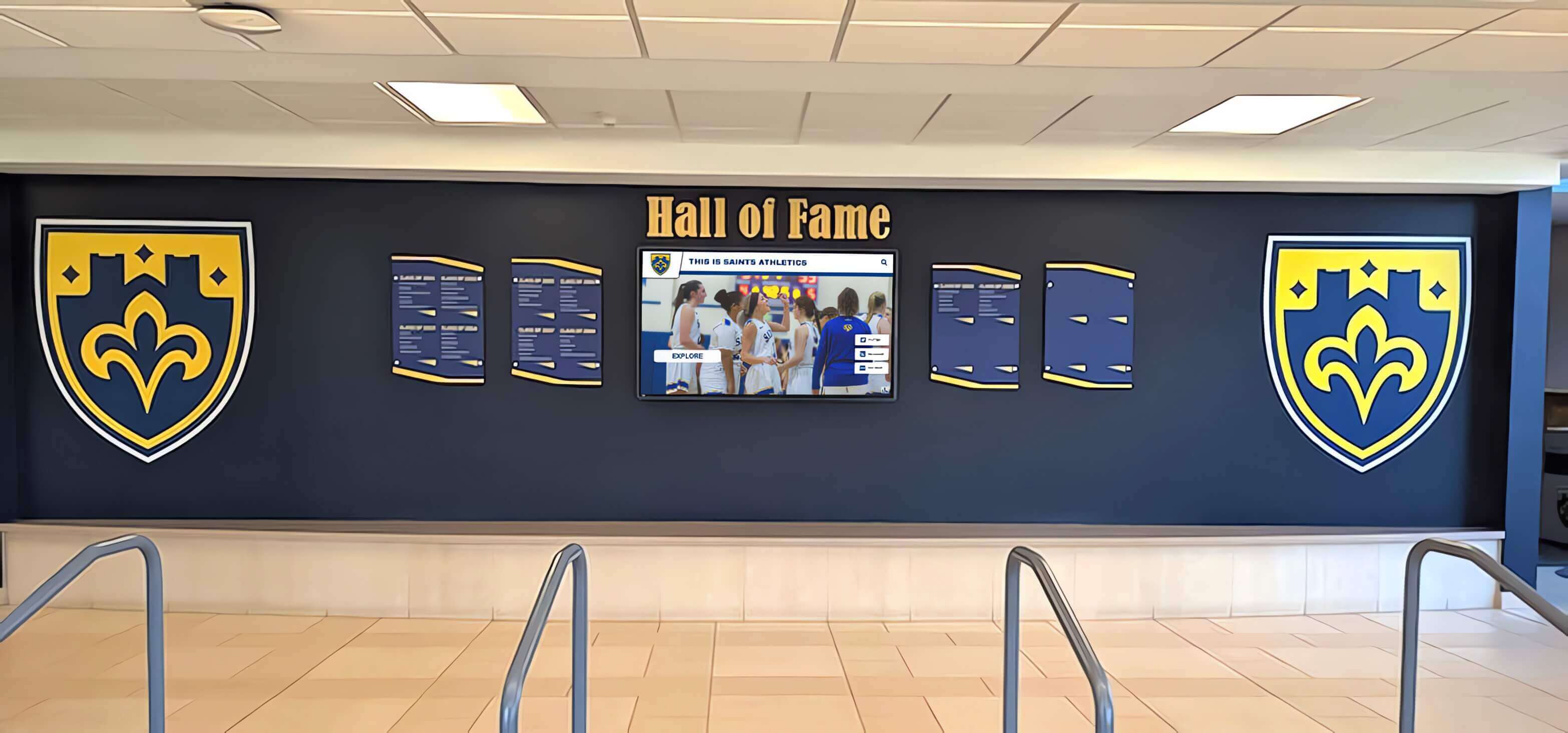
Engraved Plaque Walls feature individual brass or bronze plaques mounted on dedicated wall space creating impressive displays conveying permanence and prestige. Organizations typically organize plaques by giving level, creating visual hierarchies where larger gifts receive prominent placement or enhanced engraving.
Installation costs range from $150-$500 per plaque depending on size and materials. Wall systems require substantial upfront investment for mounting infrastructure but create timeless displays that many donors prefer over digital alternatives.
Primary limitations include eventual space exhaustion requiring difficult expansion decisions, update challenges when donors increase giving levels necessitating plaque replacement, and maintenance needs as materials age or environmental conditions cause deterioration.
Donor Trees and Creative Installations use metaphorical designs—tree silhouettes with donor names on leaves, brick walls where each “brick” represents a contribution, pathway pavers inscribed with names, or architectural elements integrated into facility design. Creative installations combine aesthetic appeal with recognition function, serving as artistic focal points beyond utilitarian donor acknowledgment.
These approaches work well for capital campaigns where donors fund specific facilities housing recognition displays. The physical connection between contribution and tangible project completion creates powerful psychological satisfaction.
Glass Etching and Architectural Integration permanently incorporates donor names into building materials—etched glass panels, engraved stone, metalwork featuring inscribed names, or other architectural elements ensuring recognition longevity matching facility lifespans. This premium recognition suits major gift acknowledgment where permanence and prominence appropriately honor contribution scale.
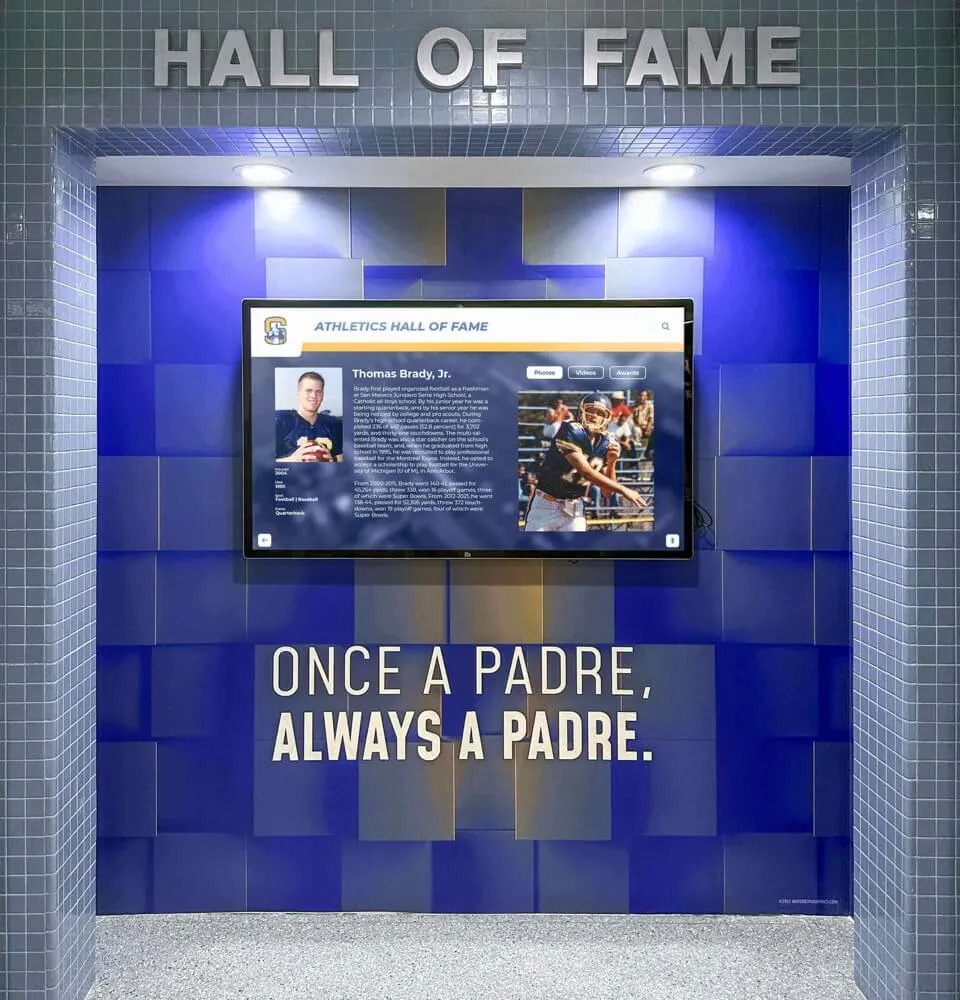
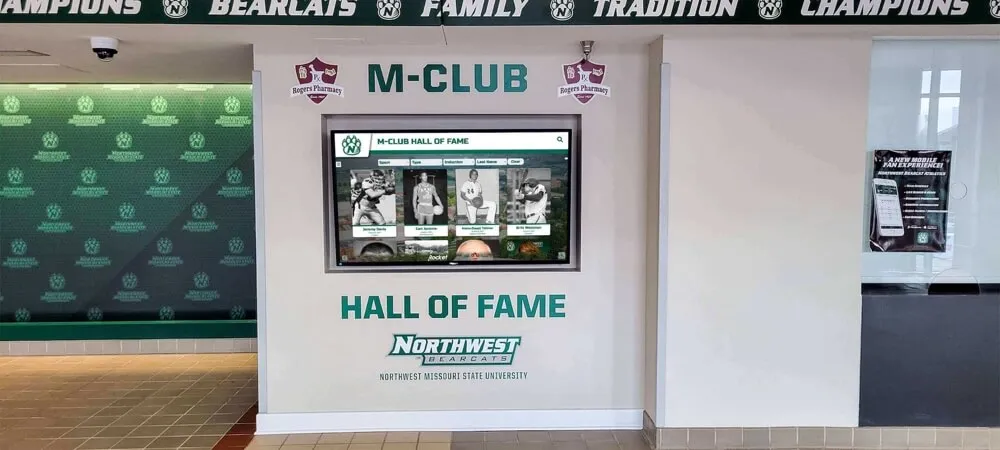
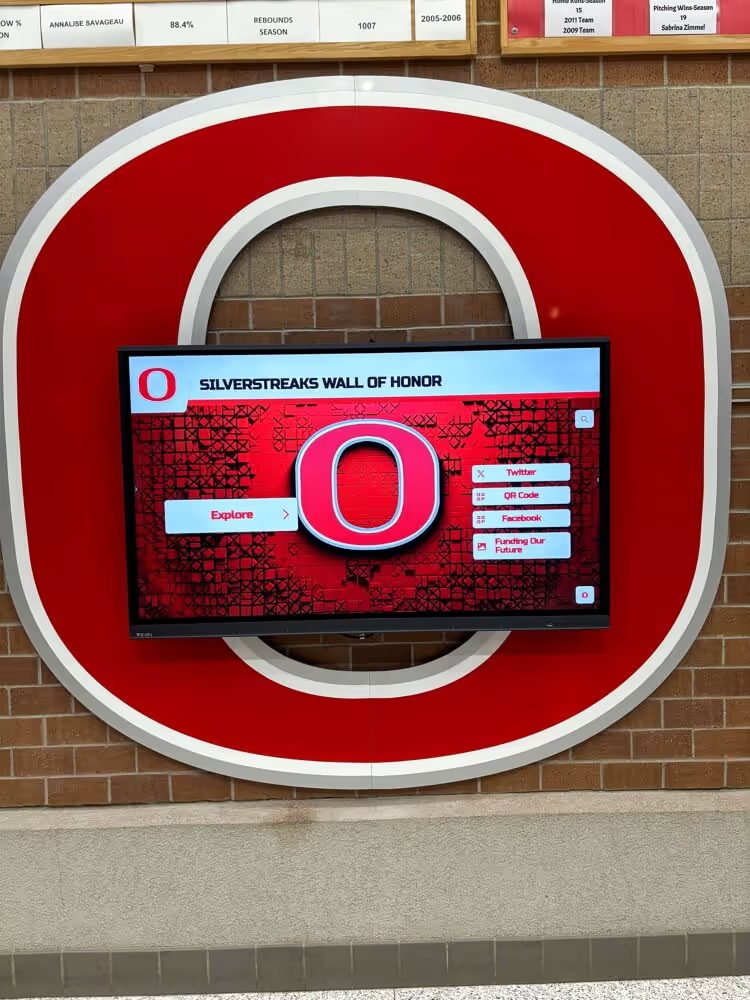
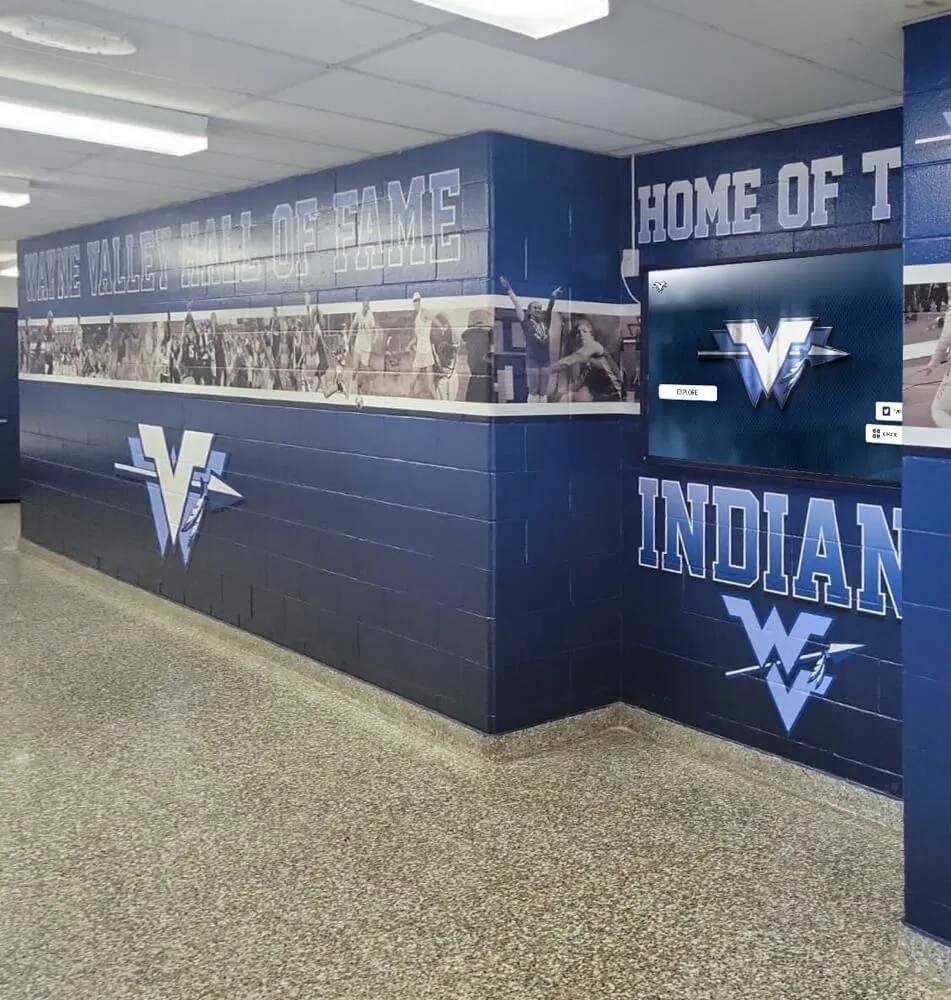
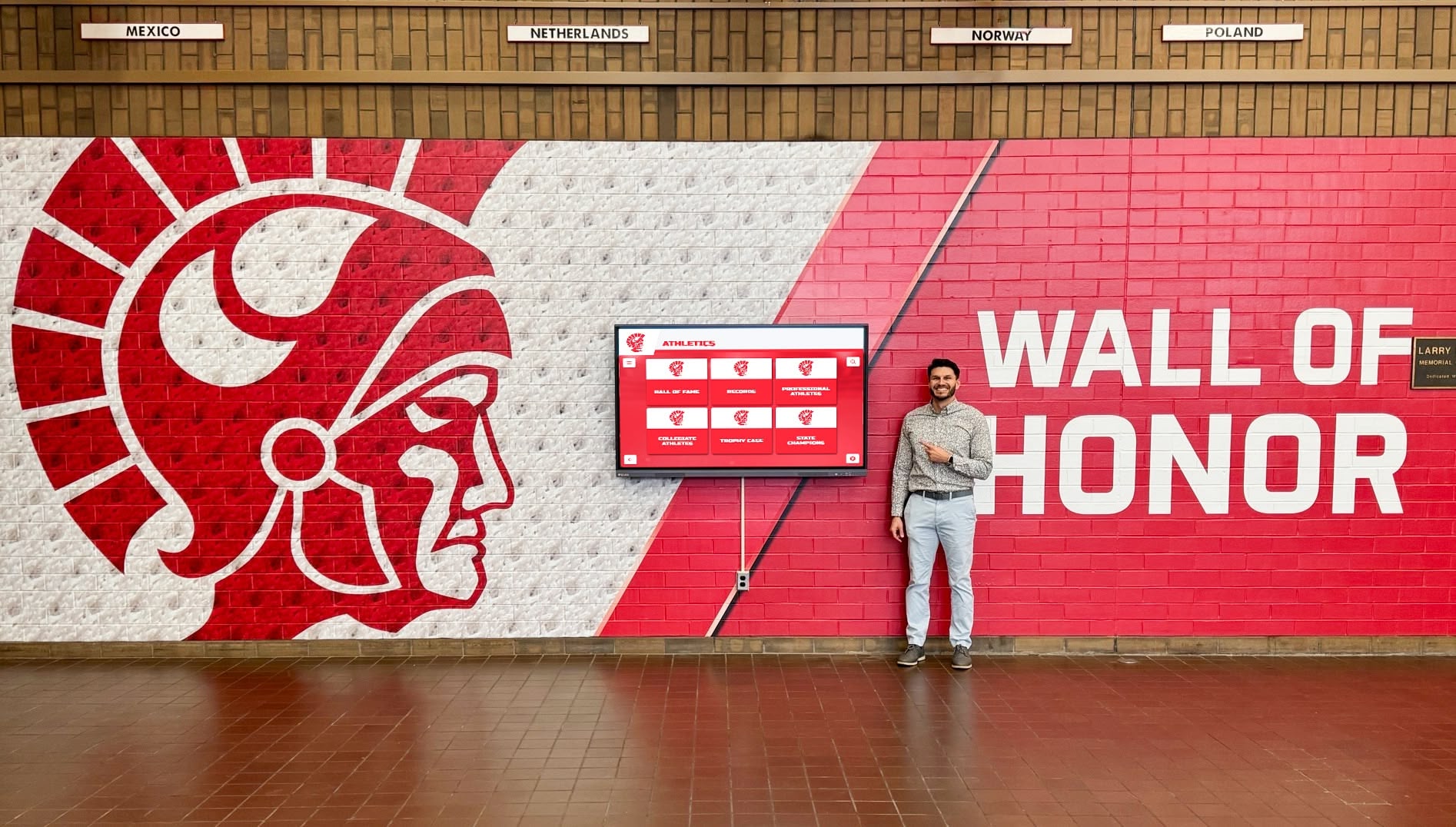
Modern Digital Donor Recognition Systems
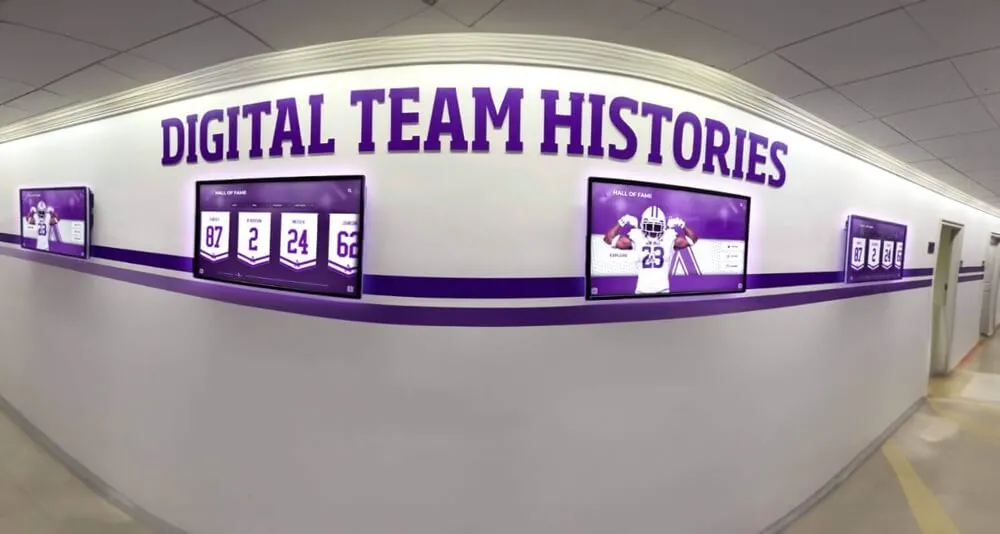
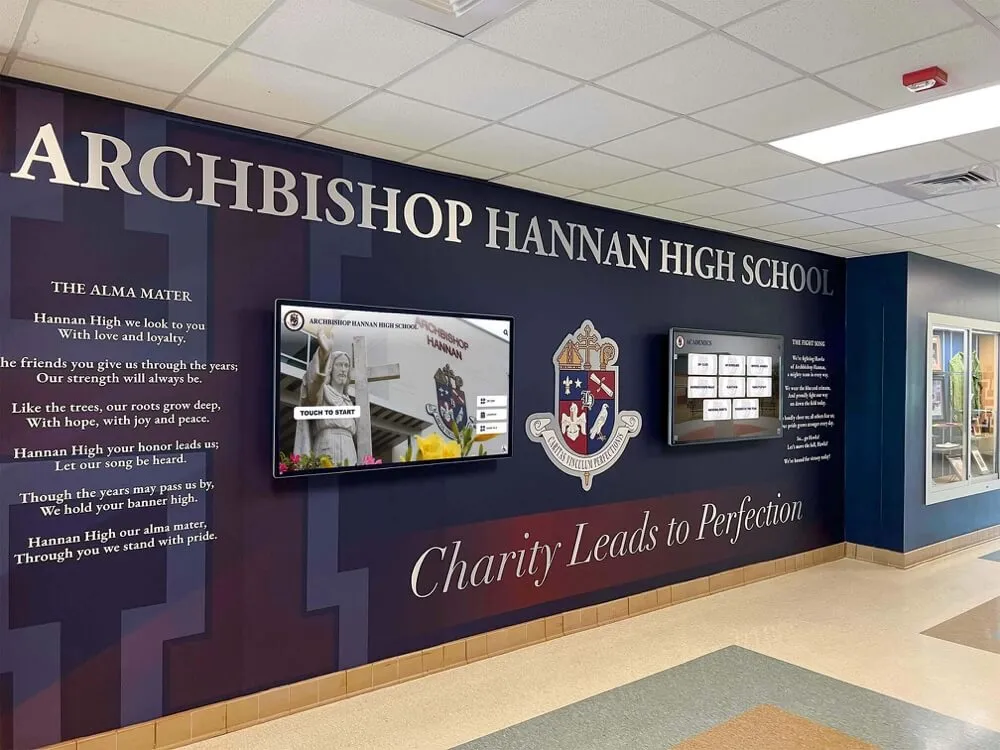
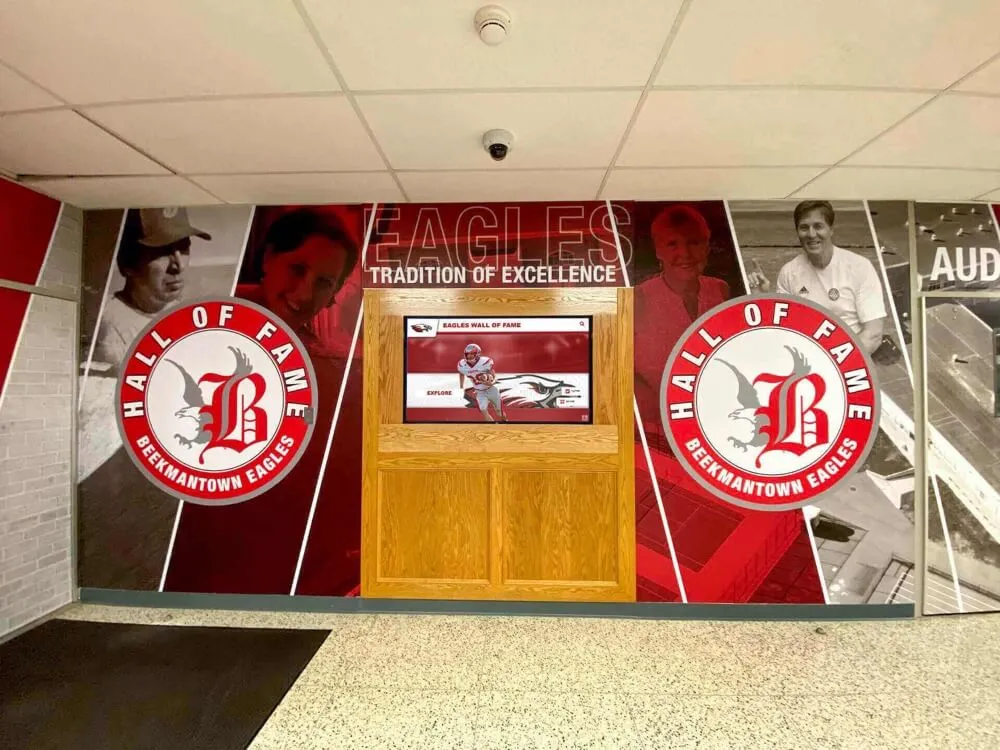
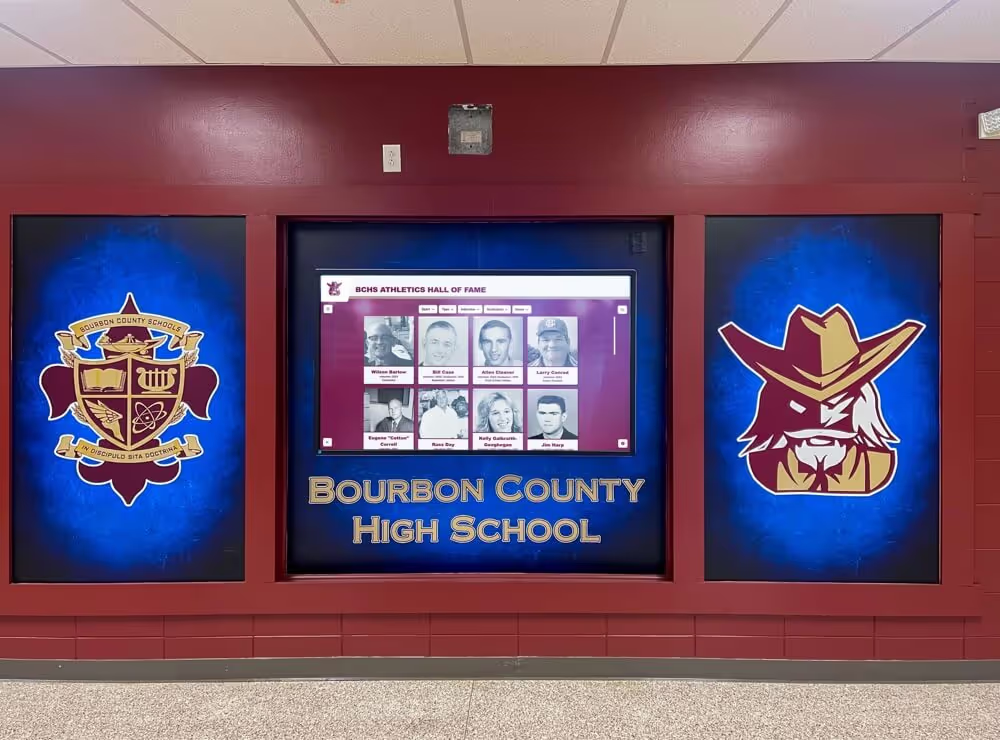
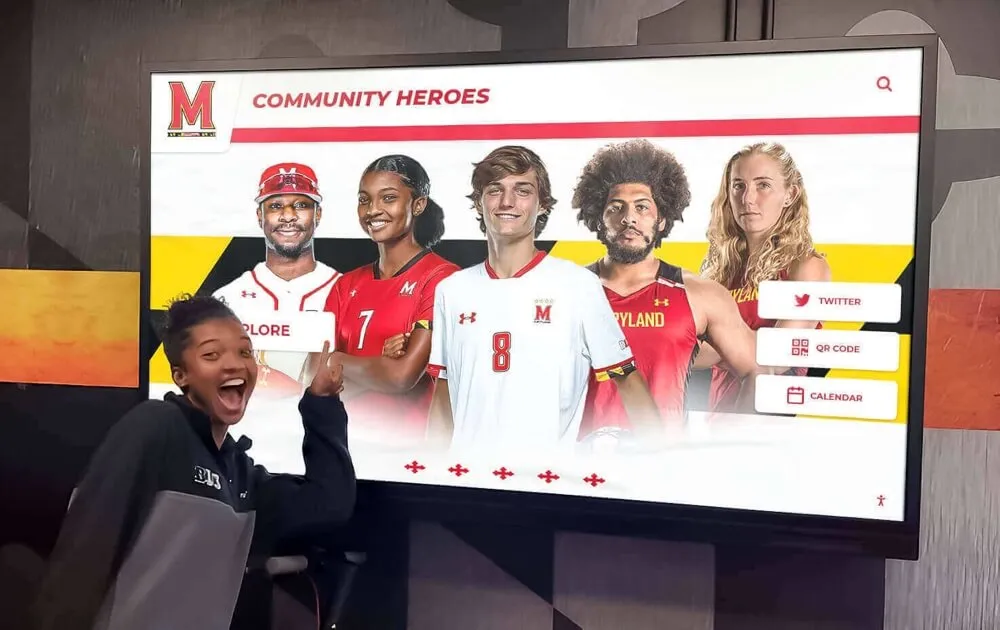
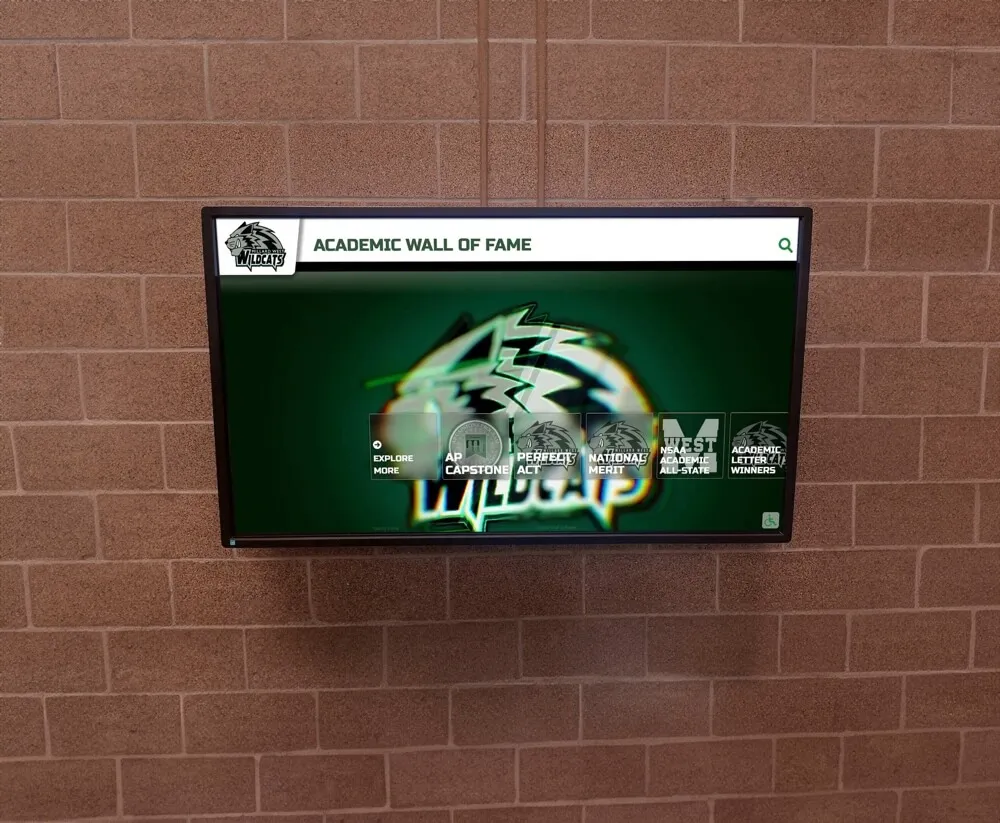
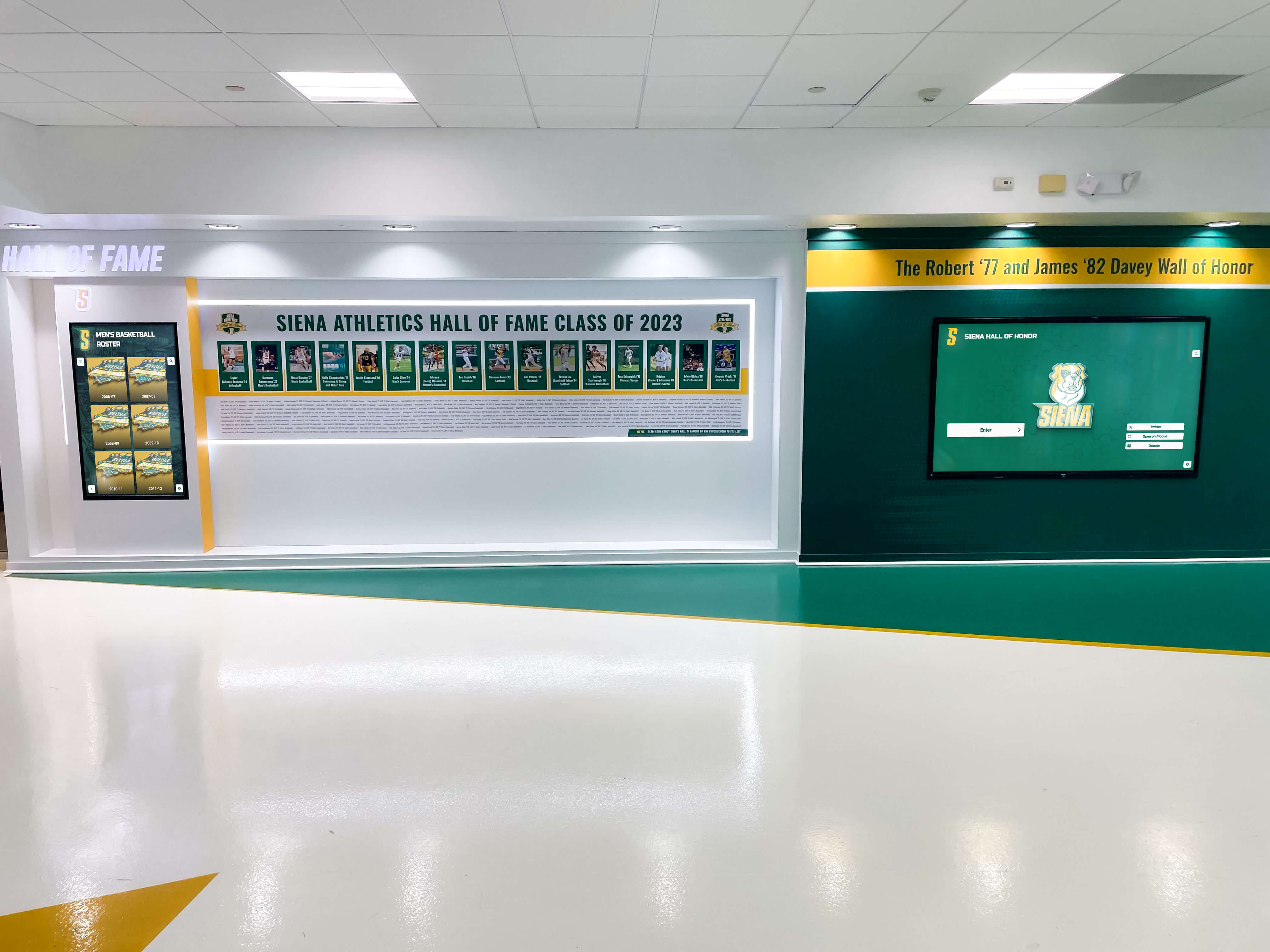
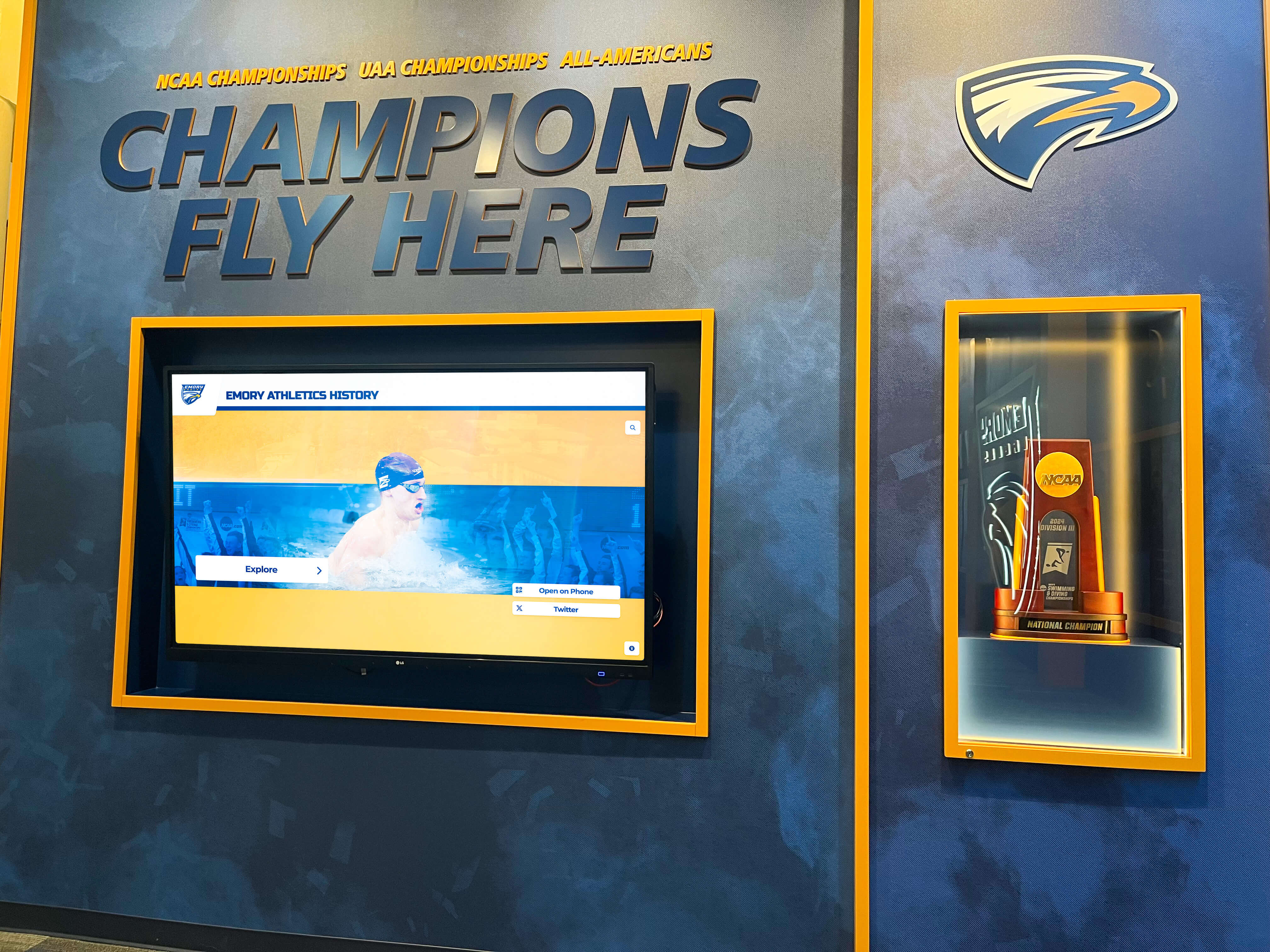
Digital recognition platforms overcome traditional format limitations while adding capabilities impossible with static displays:
Unlimited Recognition Capacity: Digital systems accommodate unlimited donors without space constraints. Whether honoring 100 contributors or 10,000, display footprint remains constant. As programs grow, adding donors requires content updates rather than physical construction, eliminating capacity decisions that exclude worthy recognition due to space limitations.
Dynamic Content and Real-Time Updates: When donors increase giving levels or reach cumulative milestones, recognition updates immediately rather than waiting months or years for plaque replacement. This currency ensures accuracy while enabling timely acknowledgment reinforcing donor satisfaction with giving decisions.
Rich Storytelling Capabilities: Video testimonials from program beneficiaries explaining donor impact, photo galleries documenting projects funded by philanthropy, detailed campaign narratives, and extensive biographical content create comprehensive stories impossible with name-only plaques. This depth transforms recognition from listings into compelling narratives that inspire additional giving.
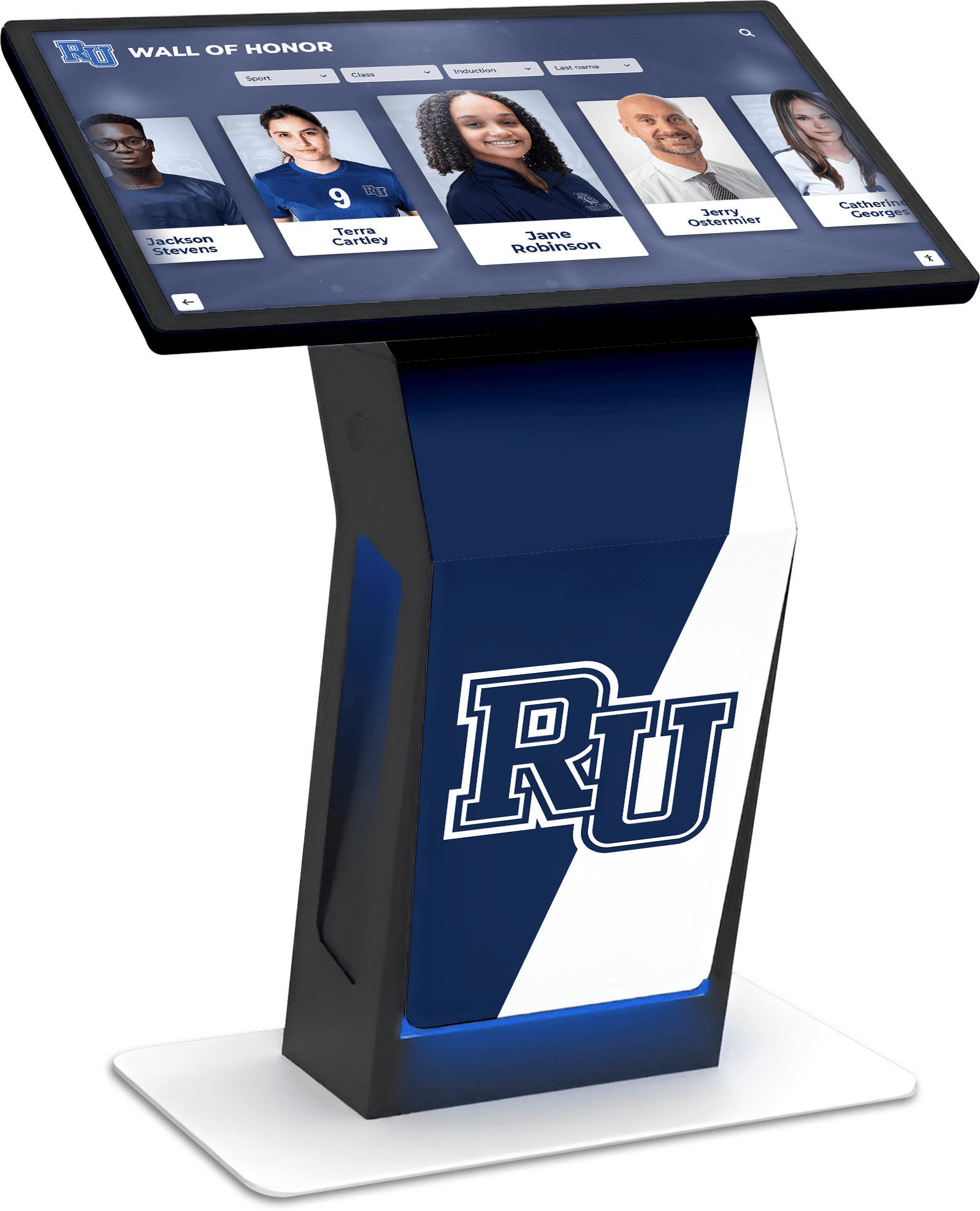
Searchable, Personalized Experiences: Visitors instantly locate family members or friends among thousands of donors, explore contributors from specific companies or communities, filter by giving society level, or search by campaign. These capabilities create personalized engagement rather than forcing sequential browsing through extensive alphabetical listings.
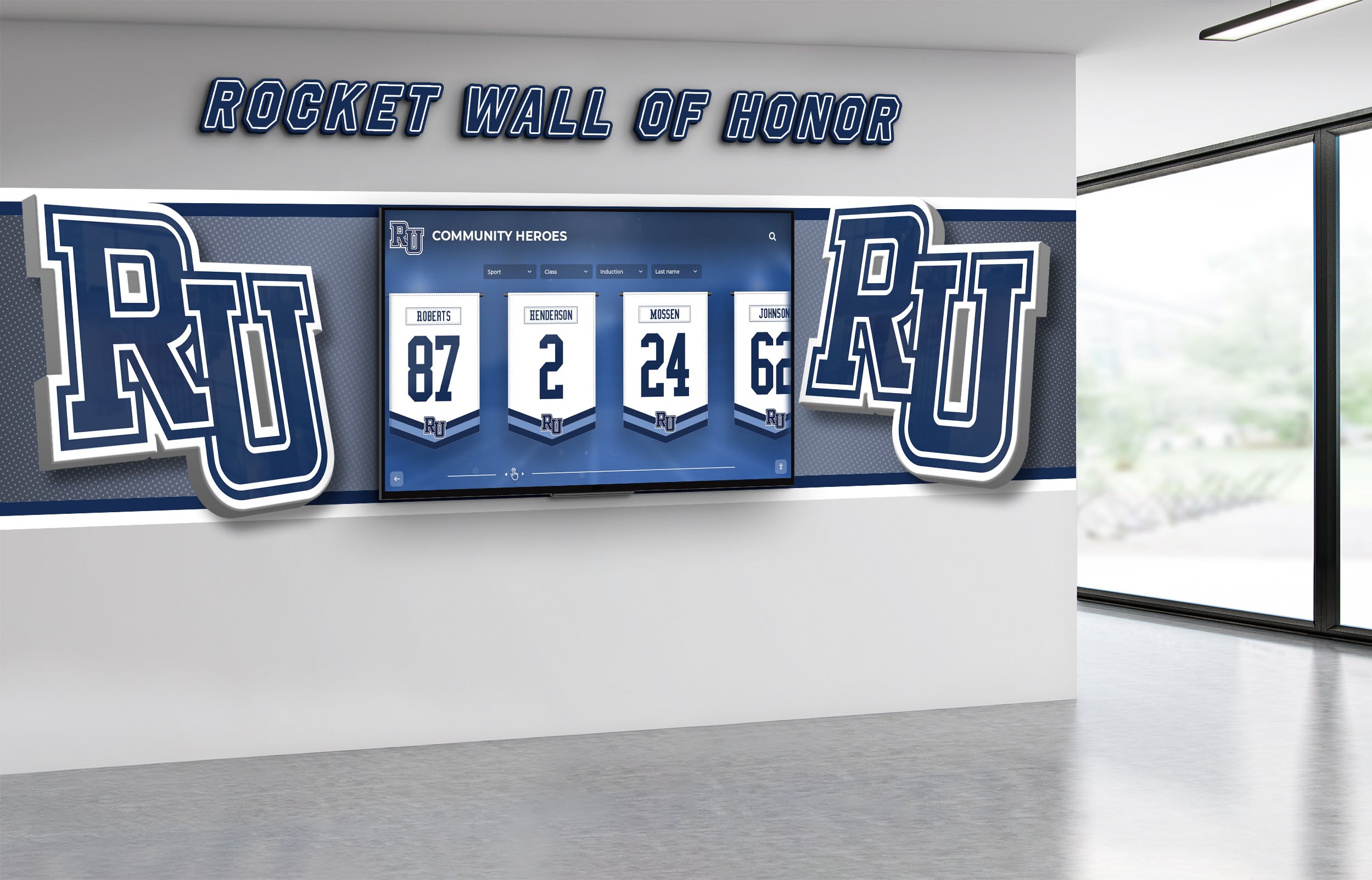
Remote Accessibility and Social Sharing: Web-integrated systems enable donors worldwide to view recognition regardless of physical facility proximity. Social sharing features allow donors to share recognition with personal networks, extending organizational visibility while satisfying donor desire to showcase philanthropic identity.
Analytics and Engagement Insights: Digital platforms track which campaigns attract greatest interest, peak usage times, search patterns, and donor profile views. These insights inform development strategy while demonstrating recognition program value through measurable engagement metrics.
Solutions like Rocket Alumni Solutions provide purpose-built platforms designed specifically for nonprofit recognition rather than generic digital signage requiring extensive customization. Purpose-built systems deliver intuitive donor data integration, automated updates from fundraising databases, professional templates, and ongoing platform evolution responding to nonprofit needs.
Resources exploring donor recognition screen implementation demonstrate how organizations successfully deploy digital recognition that honors contributors while serving multiple institutional priorities.
Hybrid Recognition Approaches
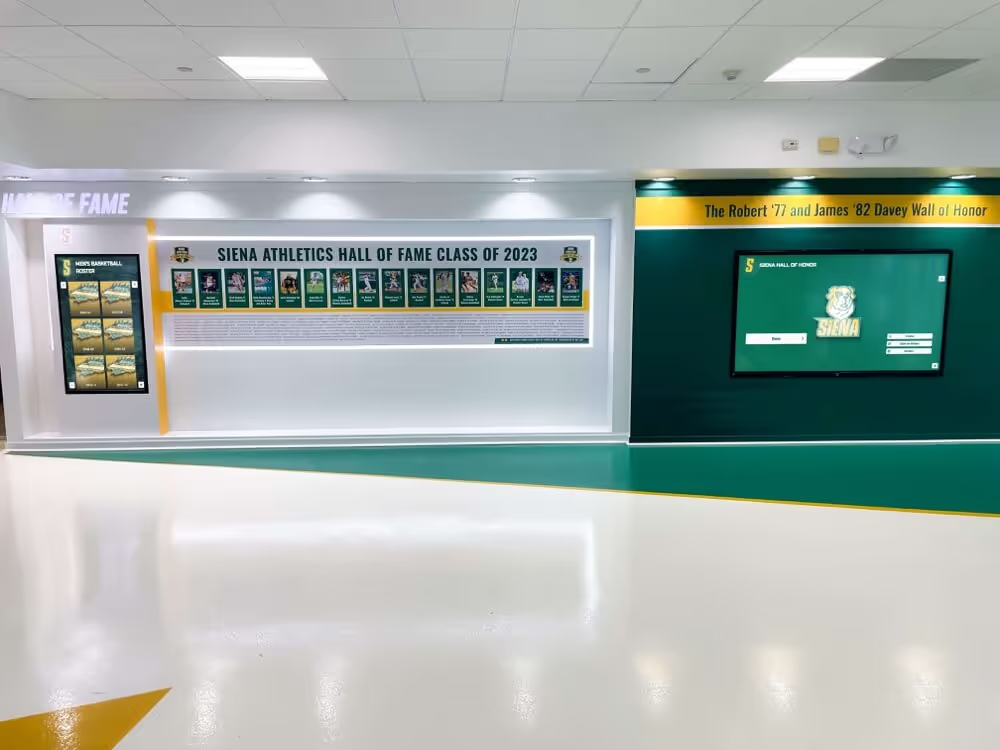
Combined physical and digital displays deliver advantages of both formats, satisfying stakeholders valuing tangible recognition while embracing digital capabilities:
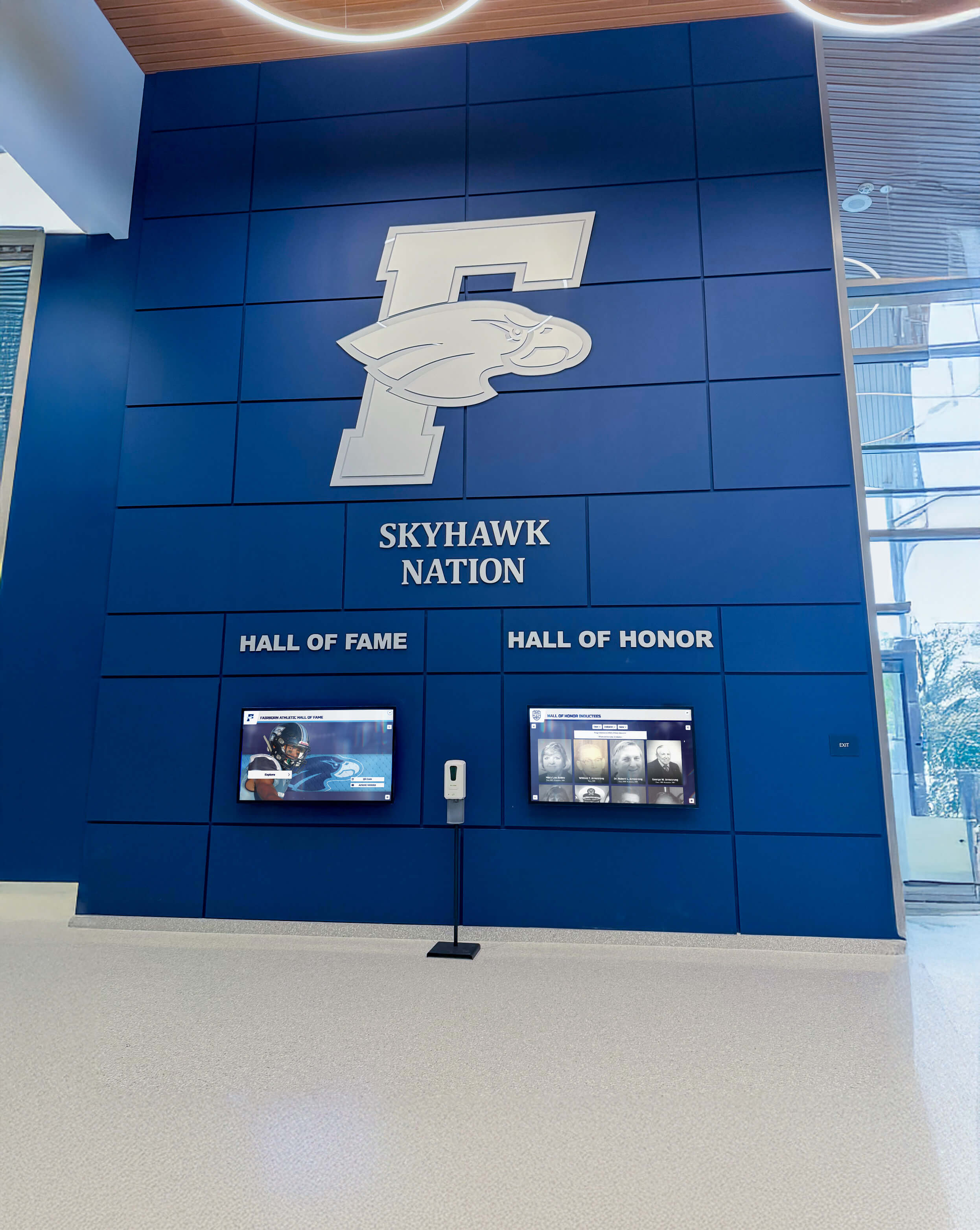
Many organizations successfully maintain traditional elements—engraved plaques for major gift donors, naming opportunities for top contributors, or memorial plaques for legacy gifts—while implementing digital displays providing expanded capacity, real-time updates, and enhanced storytelling for broader donor populations.
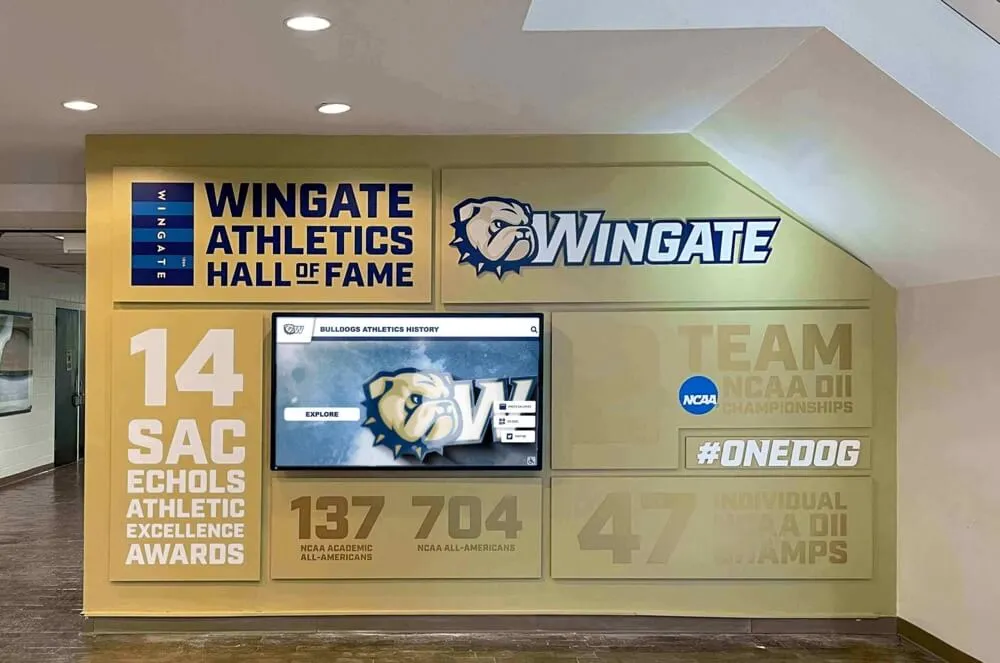
This balanced approach honors tradition while addressing practical constraints. Consider positioning digital displays adjacent to traditional recognition, creating seamless transitions where physical plaques honor top donors while interactive screens enable exploration of complete donor communities including every contribution level.
Hybrid systems also serve donor preferences—older generations often prefer tangible recognition while younger donors embrace digital platforms offering social sharing and interactive exploration. Meeting diverse stakeholder expectations through varied formats demonstrates organizational commitment to appropriate acknowledgment.
Donor Recognition Content and Messaging
Recognition impact depends heavily on content quality, messaging tone, and communication thoughtfulness beyond simple name listings.
Crafting Meaningful Donor Acknowledgment
Effective recognition content balances appreciation with impact demonstration:
Personalization Elements: Generic acknowledgment feels perfunctory; personalized recognition demonstrates genuine appreciation. Include specific details about donor relationships—years of support, connection origins, previous giving milestones, volunteer contributions, or personal motivations for supporting organizational missions.
When donors share why they give, incorporate their words into recognition displays through quoted testimonials. Hearing donors explain philanthropic motivations in authentic voices proves more compelling than organizational descriptions of supporter generosity.
Impact Articulation: Connect contributions to specific outcomes demonstrating tangible difference. Rather than “Your gift supports our programs,” specify “Your contribution provided scholarships for 12 students who otherwise couldn’t afford participation” or “Your generosity funded technology upgrades serving 500 daily users.”
Quantifiable impact creates satisfaction that abstract appreciation cannot match. Donors want evidence that contributions create real change, not simply organizational budget line items.
Gratitude Expression: While specificity matters, authentic gratitude remains central. Express genuine appreciation for trust donors demonstrate through contributions, acknowledge sacrifice involved in giving decisions, and convey organizational understanding that philanthropic support enables mission advancement impossible through earned revenue alone.
Heartfelt gratitude communicated sincerely resonates more powerfully than elaborate language attempting to impress through vocabulary rather than genuine feeling.
Privacy Considerations and Anonymous Giving Options
Donor privacy preferences require thoughtful navigation balancing recognition benefits against individual comfort levels:
Some donors prefer private giving, declining public recognition for personal, religious, or practical reasons. Organizations must honor these preferences absolutely—publishing names against donor wishes violates trust and potentially exposes organizations to privacy complaints or legal challenges.
Establish clear opt-in or opt-out protocols during gift acceptance processes. Some nonprofits default to public recognition unless donors decline, while others require explicit permission before publishing names. Either approach works provided policies are clearly communicated and consistently applied.
For anonymous donors who decline personal recognition but want contributions acknowledged, consider “Anonymous Donor” listings showing gift levels without identification. This compromise demonstrates community support breadth while respecting privacy preferences.
Family gifts sometimes involve complex dynamics where some members desire recognition while others prefer privacy. Flexible systems allowing partial recognition—“The Johnson Family” rather than listing individual names, or recognizing donors without specifying exact gift amounts—accommodate these situations appropriately.
Special Recognition Program Categories
Beyond general giving society frameworks, targeted recognition programs honor specific donor constituencies or contribution types warranting specialized acknowledgment.
Memorial and Tribute Gift Recognition
Gifts honoring deceased loved ones or celebrating living individuals merit distinctive recognition approaches:
Memorial gift programs enable supporters to honor deceased family members, friends, colleagues, or community figures through charitable contributions. These gifts frequently come from individuals with limited prior organizational connection, making appropriate acknowledgment particularly important for converting tribute donors into sustained supporters.
Create separate memorial recognition sections within donor walls or displays, acknowledging both the person honored and contributors making memorial gifts. This dual recognition satisfies donor desire to memorialize loved ones while appreciating their own generosity.
Notify honoree families about memorial contributions received, providing names of donors making gifts (unless donors request confidentiality). Family notification serves stewardship for both memorial donors and honoree families, strengthening organizational relationships across multiple constituencies.
Tribute gifts celebrating living individuals—birthdays, retirements, anniversaries, achievements—create positive recognition opportunities. Honor cards notifying recipients about tribute gifts made in their names provide tangible acknowledgment while introducing organizations to potential new supporters through positive associations.
Organizations implementing giving recognition page strategies can integrate memorial and tribute giving into digital platforms that honor multiple constituencies through flexible recognition frameworks.
Corporate and Foundation Partnership Recognition
Institutional donors merit recognition approaches acknowledging organizational contributions while satisfying corporate visibility needs:
Corporate giving societies parallel individual donor recognition tiers but account for larger gift scales and different recognition preferences. Businesses often desire prominent visibility including logo usage, program sponsorship acknowledgment, or employee engagement opportunities beyond individual donor recognition patterns.
Create corporate recognition levels that reflect business giving capacity: Supporting Partner ($5,000-$9,999), Program Sponsor ($10,000-$24,999), Strategic Partner ($25,000-$49,999), and Transformational Partner ($50,000+). Structure benefits around business priorities—employee volunteer opportunities, marketing visibility, community reputation enhancement, or customer engagement platforms.
Foundation recognition should acknowledge grant support while respecting foundation preferences regarding publicity. Some foundations prefer low-profile acknowledgment, while others welcome visibility demonstrating community impact and encouraging peer foundation support.
Distinguish between corporate foundation grants, company operating budget gifts, and employee giving campaigns. These represent different funding sources requiring separate stewardship approaches, though organizations can aggregate total corporate community impact for comprehensive partnership recognition.
Volunteer Service and In-Kind Contribution Recognition
Non-monetary contributions deserve acknowledgment parallel to financial giving:
Many nonprofits depend heavily on volunteer labor providing services that would otherwise require paid staffing. Volunteers contributing 100 hours annually at $25/hour market value provide $2,500 equivalent contributions warranting recognition parallel to financial donors at similar levels.
Create volunteer recognition societies based on service hours: Friend (25-99 hours annually), Supporter (100-249 hours), Partner (250-499 hours), Champion (500+ hours). Integrate volunteer recognition with donor displays, demonstrating that organizations value time contributions equally to financial support.
In-kind contributions—professional services, equipment, supplies, venue usage, or other goods and services donated—enable program delivery and operational efficiency. Acknowledge in-kind donors through recognition programs, though calculating equivalent dollar values can prove challenging. Some organizations list in-kind contributors categorically rather than assigning monetary values that may prove controversial.
Combined recognition honoring financial giving, volunteer service, and in-kind contributions demonstrates comprehensive appreciation for all support forms while creating inclusive acknowledgment systems that engage diverse constituencies.
Donor Recognition Events and Experiences
Beyond permanent displays, events and experiences provide personal appreciation opportunities strengthening donor relationships through direct engagement.
Annual Donor Appreciation Events
Signature events create formal settings for expressing organizational gratitude:
Annual appreciation receptions invite all donors regardless of giving level, creating inclusive community celebrations honoring collective support. These events typically feature:
- Brief program acknowledging donor impact without lengthy speeches
- Executive director or board chair remarks expressing organizational gratitude
- Beneficiary testimonials demonstrating tangible program outcomes
- Recognition society announcements celebrating donors reaching new giving levels
- Casual networking opportunities enabling donor community connections
Keep programs short (30-45 minutes maximum) respecting donor time while creating meaningful acknowledgment moments. Focus on appreciation and impact rather than solicitation—donors attending appreciation events should leave feeling valued, not pitched for additional contributions.
Tiered Recognition Events provide exclusive experiences for higher giving levels:
Major donor dinners limited to leadership giving societies create intimate settings for deeper engagement. Small group sizes (25-40 attendees typically) enable personal conversations between donors and organizational leadership, program staff, or beneficiaries.
These premium events justify higher giving levels through distinctive experiences unavailable to general donor populations—private facility tours, advance announcements of major initiatives, candid strategic discussions, or unique programming reflecting donor interests.
Behind-the-Scenes Access and Exclusive Programming
Unique experiences provide recognition value through special access rather than simply listing names:
Program site visits enable donors to see their contributions in action—touring facilities funded by philanthropy, meeting program participants, or observing services delivered through donor support. Tangible witness to impact creates emotional connection that strengthens commitment and inspires continued giving.
Staff meet-and-greets connect donors with professionals implementing programs, providing insight into operational excellence and dedication that builds confidence in organizational capability. These personal connections transform abstract support into relationships with real people doing meaningful work.
Advance information sharing satisfies donor desire for insider knowledge, positioning supporters as trusted partners receiving early notification of major announcements, strategic initiatives, or organizational challenges. This transparency builds trust while creating recognition value through privileged access.
Resources on donor engagement strategies demonstrate how organizations create memorable experiences that honor supporters while strengthening long-term philanthropic relationships.
Digital Recognition Integration and Technology
Modern technology enables sophisticated recognition systems that seamlessly integrate with fundraising operations while providing enhanced donor experiences.
Fundraising Database Integration
Connected systems eliminate manual recognition updates while ensuring accuracy:
Direct integration between donor databases (Raiser’s Edge, Salesforce, Bloomerang, DonorPerfect) and recognition displays enables automatic updates when donors make gifts, reach giving milestones, or update contact information. This automation eliminates labor-intensive manual updates while ensuring recognition accuracy matching official development records.
Real-time synchronization means donors see recognition immediately following gifts rather than waiting weeks or months for display updates. This immediacy reinforces giving satisfaction and demonstrates organizational efficiency that builds donor confidence.
Automated recognition level calculations based on cumulative giving ensure donors receive appropriate acknowledgment as they progress through giving societies. Systems calculate annual totals, lifetime cumulative giving, and pledge fulfillment automatically, triggering recognition updates without staff intervention.
Social Media and Online Recognition
Digital platforms extend recognition reach beyond physical locations:
Social media donor spotlights celebrating individual contributors (with permission) amplify recognition while demonstrating organizational gratitude to broad audiences. These features typically include donor photos, brief stories explaining philanthropic motivations, and organizational expressions of appreciation.
Donor spotlight content generates engagement as featured donors share posts with personal networks, creating organic visibility extending organizational reach. This social proof encourages additional giving as contacts see respected community members supporting organizations.
Online donor walls integrated into organizational websites provide permanent recognition accessible globally. Web-based displays enable distant donors to see acknowledgment without facility visits while serving public relations functions demonstrating community support breadth to website visitors.
Searchable online donor databases allow visitors to locate friends, family, or colleagues among supporter communities. This functionality proves particularly valuable for organizations with large donor populations where finding specific individuals within extensive recognition displays might otherwise prove challenging.

Interactive Touchscreen Displays
Engaging installations transform static recognition into interactive experiences:
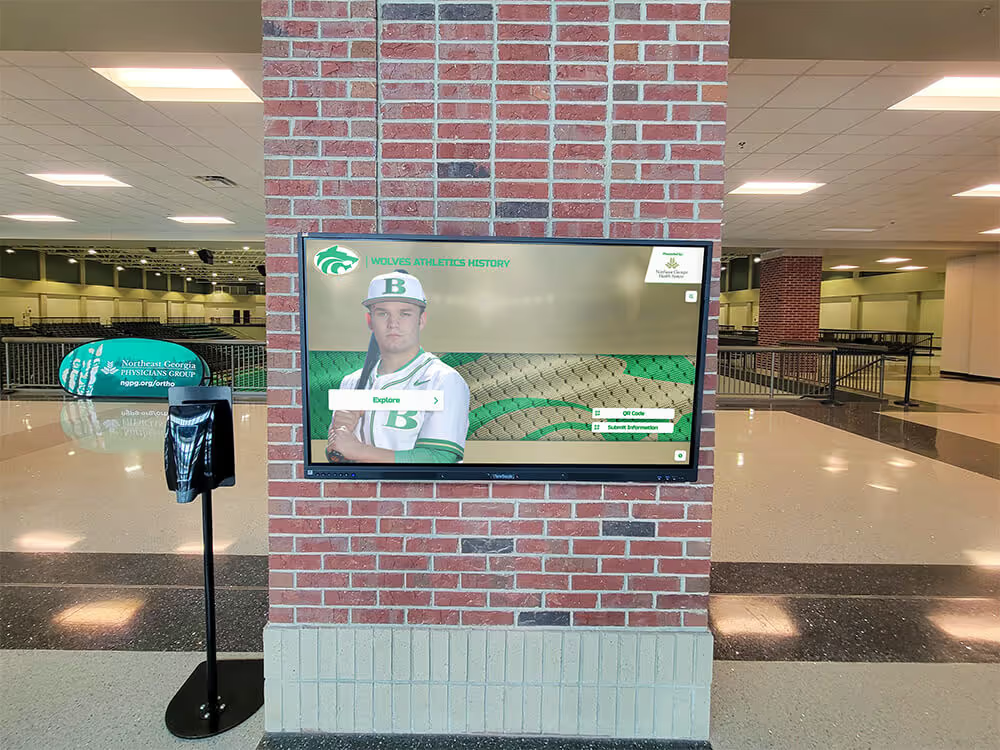
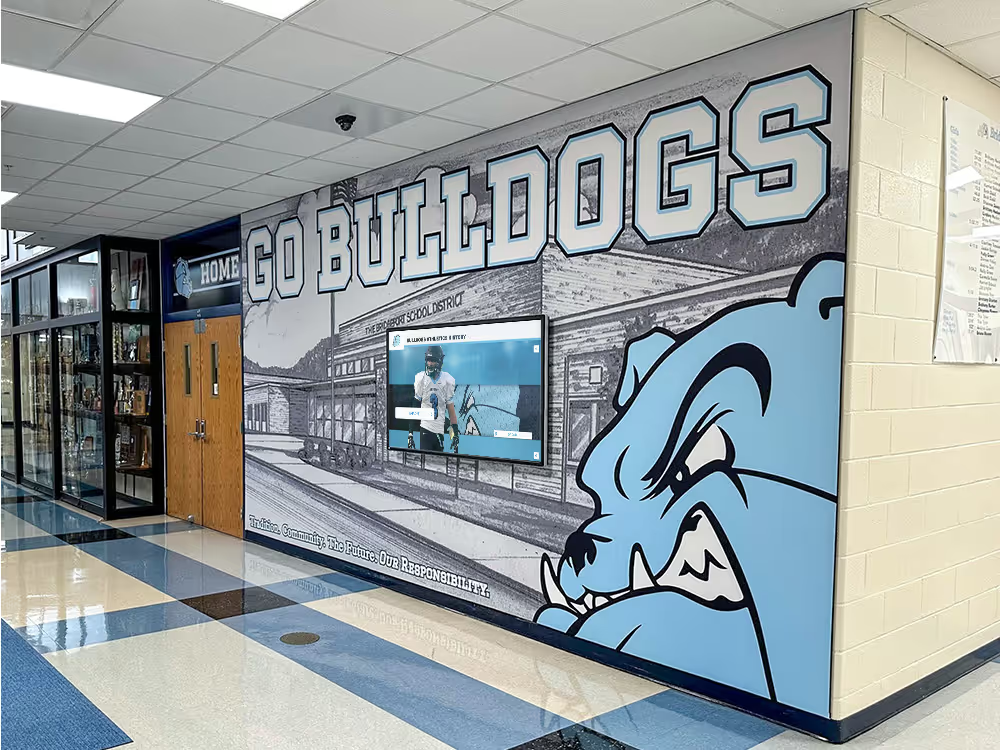
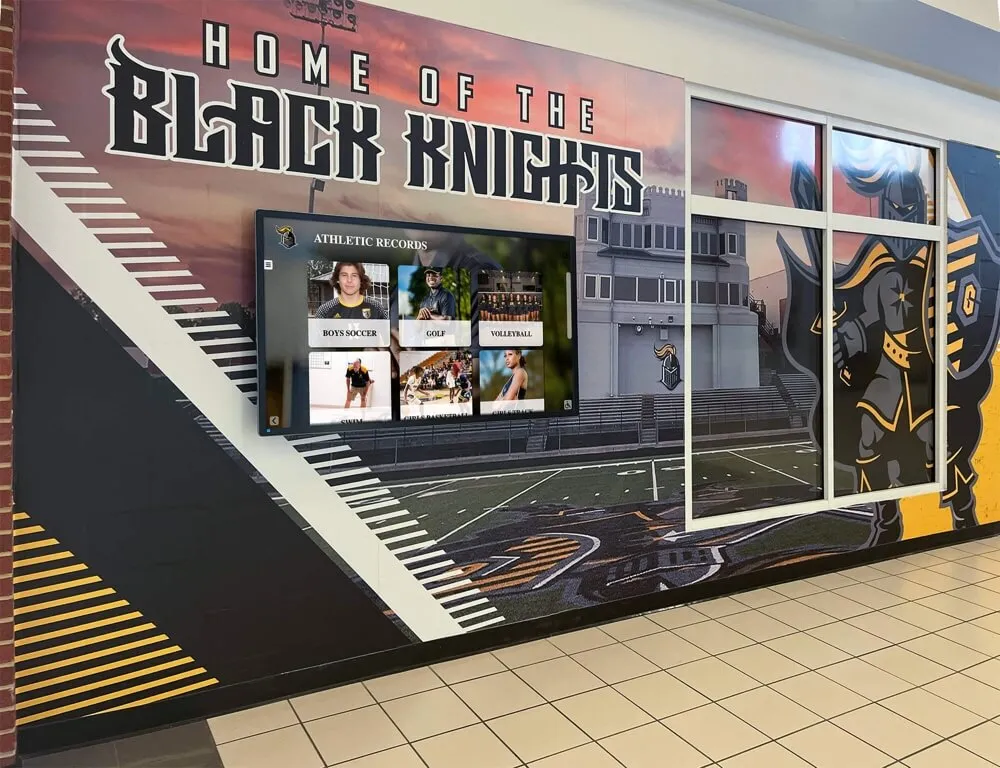
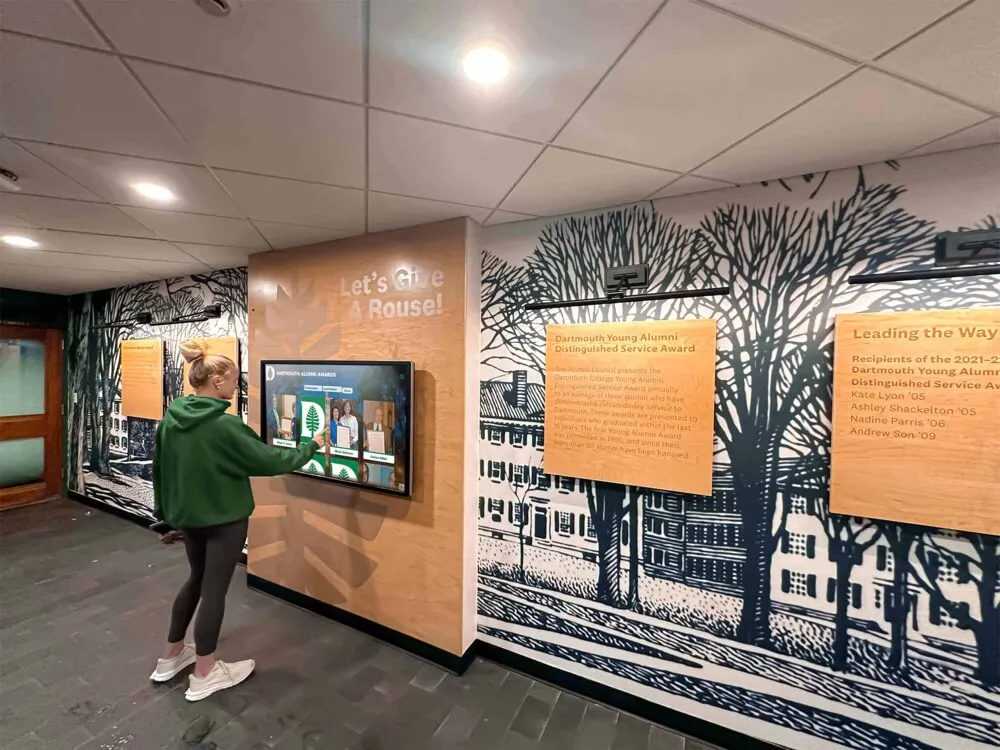
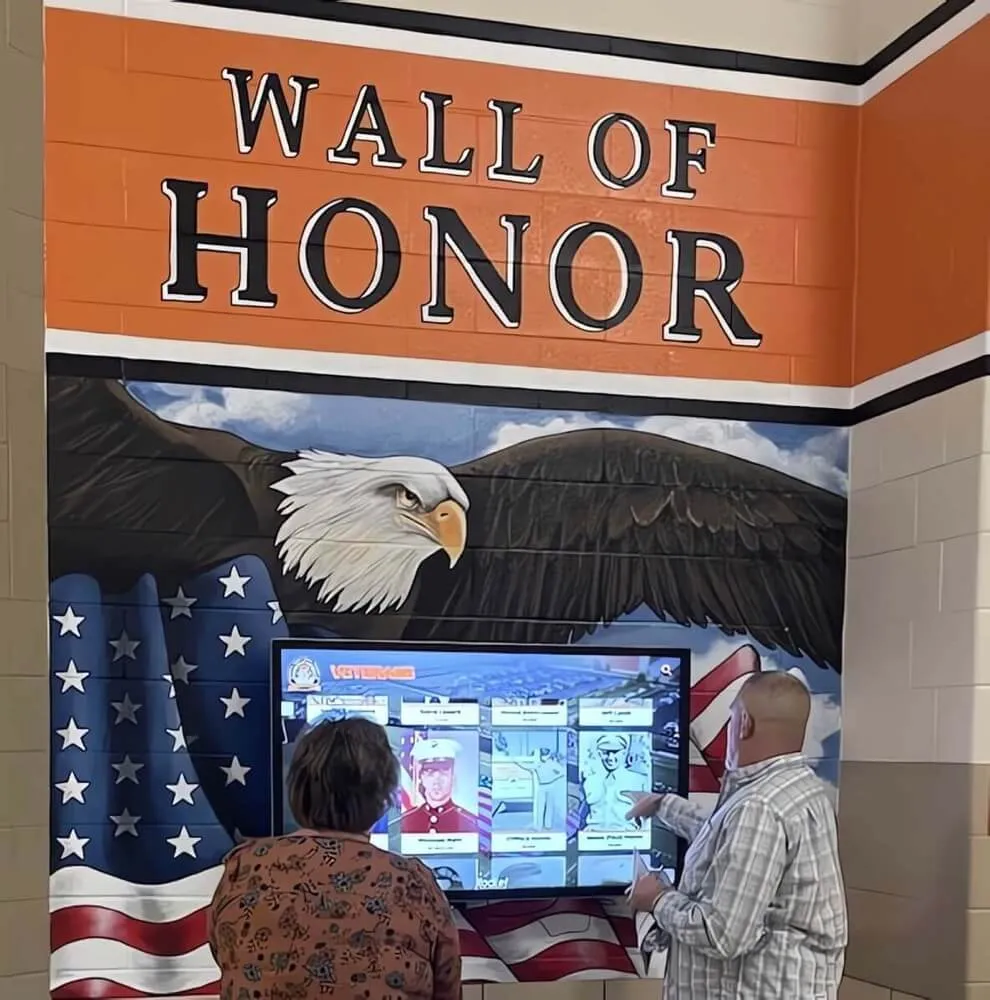
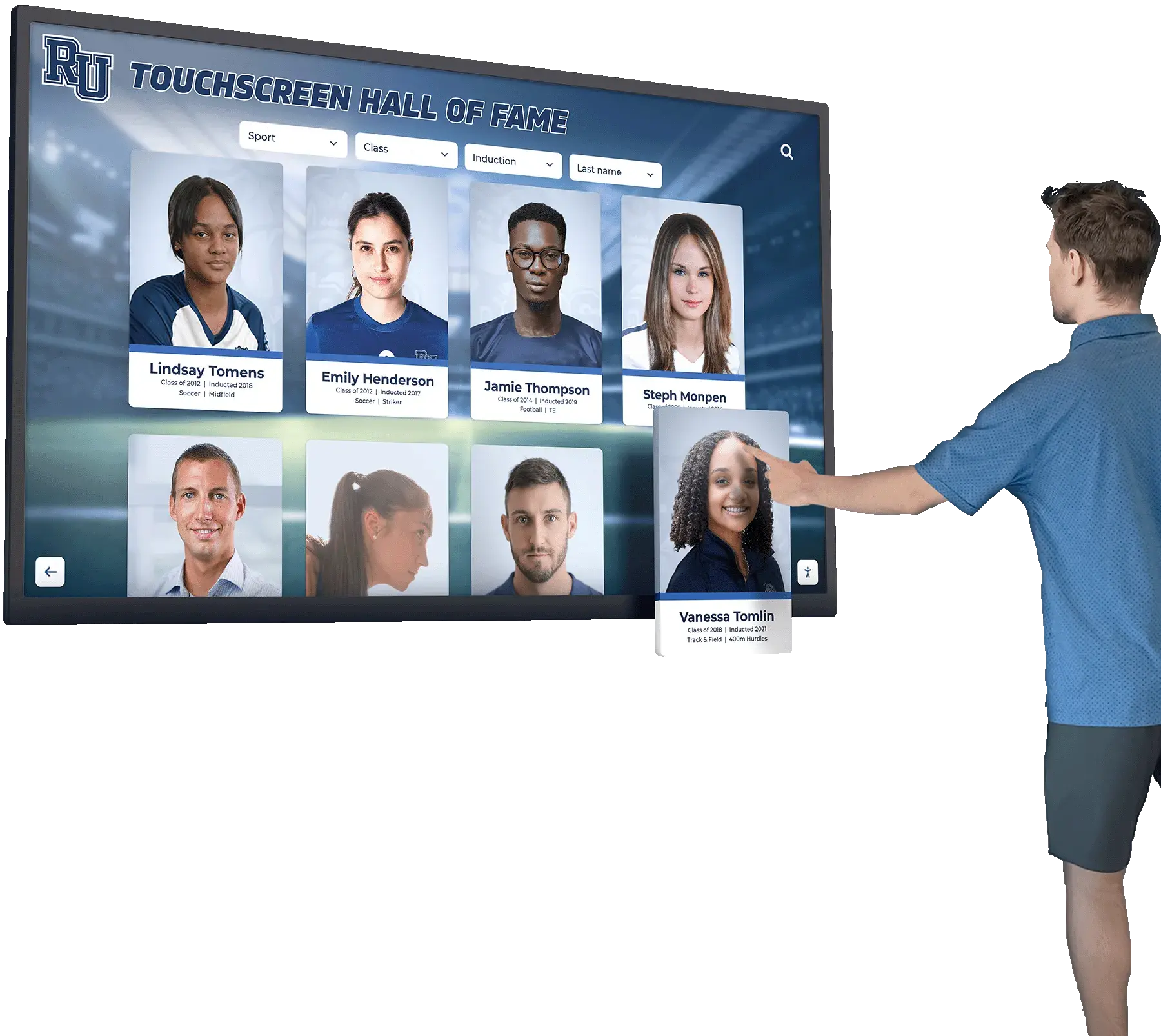
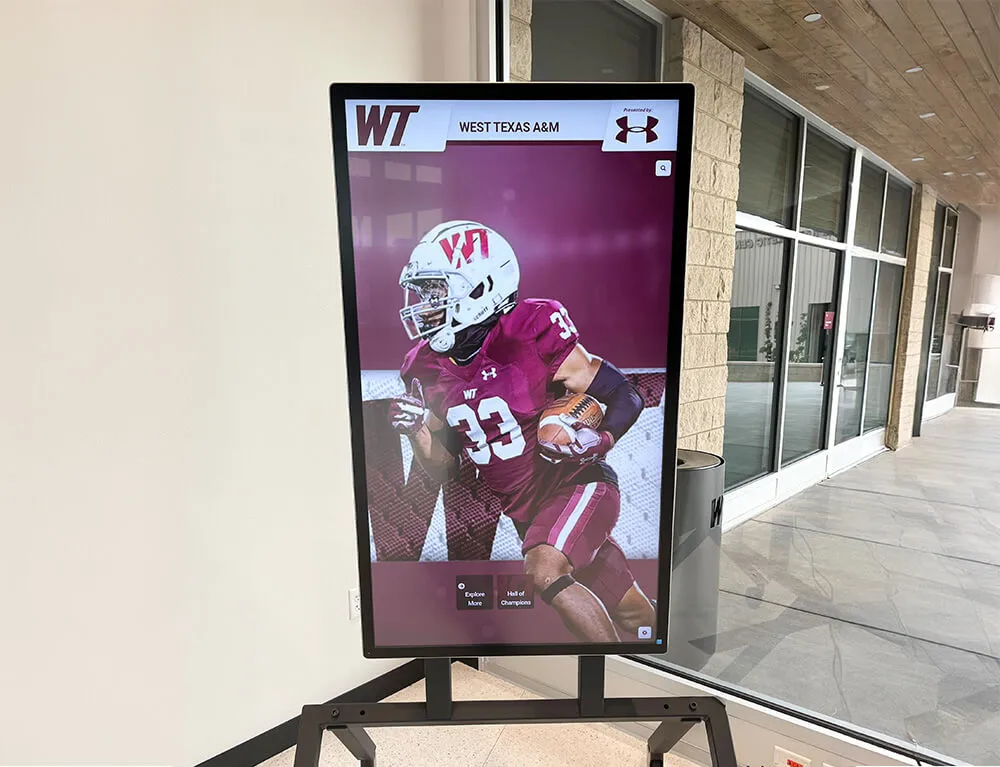
Touchscreen displays enable visitors to explore donor communities through intuitive navigation—searching by name, filtering by giving level, viewing campaign-specific contributors, or discovering recognition society members. Interactive functionality creates personalized experiences rather than passive viewing.
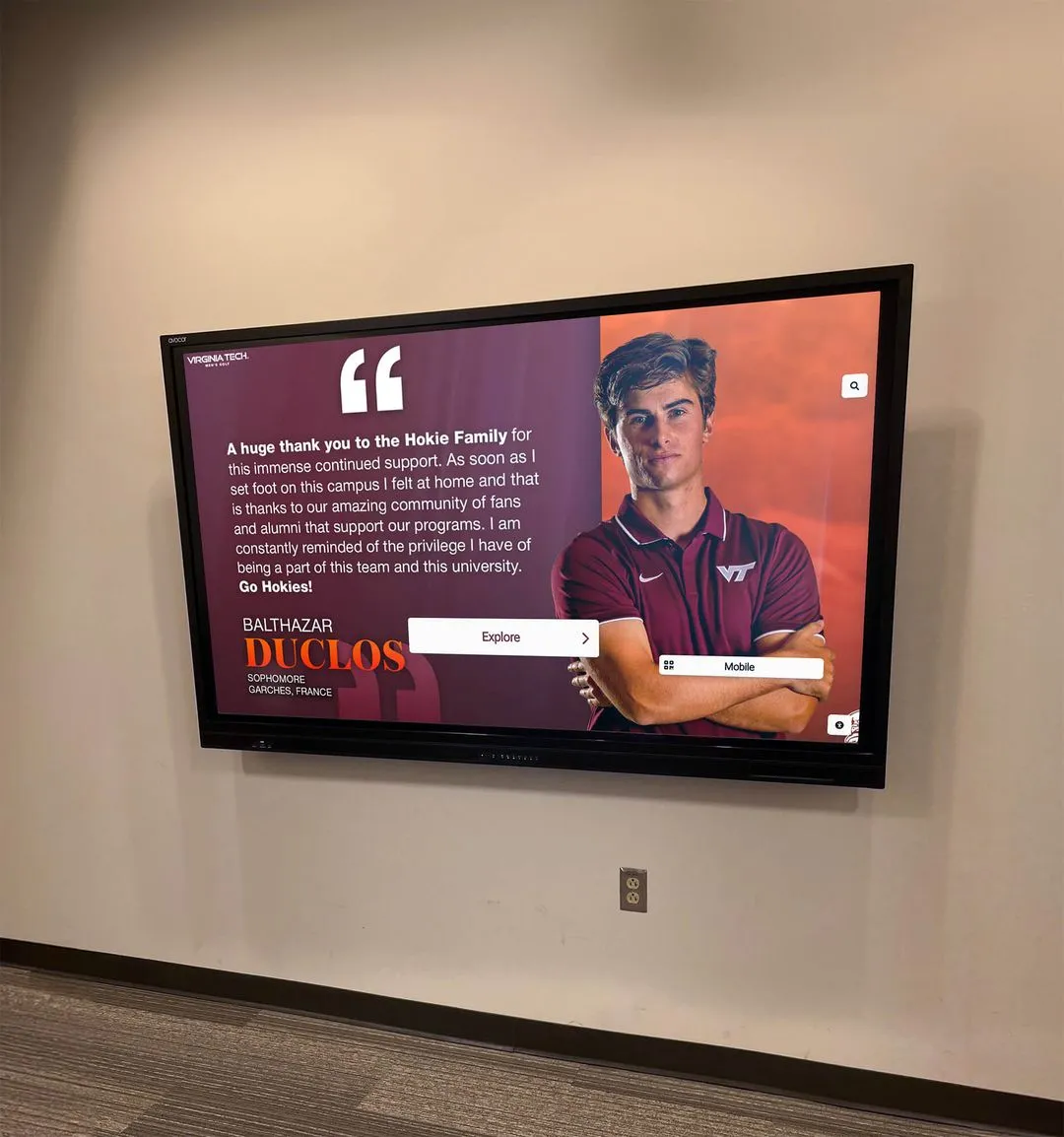
Multimedia content integration displays donor video testimonials explaining why they support organizations, photo galleries documenting programs funded by philanthropy, or campaign materials showing projects enabled by contributions. Rich media transforms name listings into compelling stories demonstrating philanthropic impact.
Self-service donor lookup features allow visitors to quickly locate themselves or connections within recognition displays, creating satisfying discovery moments. QR code functionality enables smartphone scanning for immediate recognition access, extending interactive experiences beyond physical touchscreen locations.
Organizations implementing interactive donor recognition displays report significantly higher engagement rates compared to static plaques—visitors spend 3-5 minutes exploring interactive content versus 30-second glances at traditional walls.
Recognition Program Operations and Sustainability
Successful programs require operational structures ensuring consistent execution, manageable workload, and sustainable processes surviving staff transitions.
Annual Recognition Cycles and Timelines
Structured schedules create predictability while ensuring thorough execution:
Fiscal Year-End Recognition (30-60 days after fiscal year close): Generate final giving society member lists based on annual totals, prepare recognition society certificates or benefits, update donor walls with new members, and communicate recognition level achievements to donors reaching new tiers.
Quarterly Recognition Updates (ongoing): Process memorial and tribute gifts with honoree family notifications, acknowledge volunteer milestone achievements, update displays for major gifts received, and maintain current recognition accuracy.
Campaign Recognition (at campaign conclusion): Implement campaign-specific recognition elements—donor walls in newly constructed facilities, program endowment recognition displays, capital campaign acknowledgment, or special initiative contributor listings.
This regular rhythm prevents recognition backlogs while creating sustainable workload distribution across annual cycles.
Staff Roles and Responsibilities
Clear accountability ensures recognition consistency:
Development staff own recognition strategy, donor acknowledgment protocols, giving society management, and recognition event planning. They serve as recognition program voice ensuring donor-facing elements reflect appropriate gratitude and stewardship quality.
Marketing/communications teams execute recognition collateral production, social media donor spotlights, printed materials, event publicity, and website recognition content. They translate development recognition goals into compelling communications reaching diverse audiences.
Advancement services/database managers maintain accurate donor records, generate recognition reports, manage database-to-display integrations, track giving society qualifications, and provide data supporting recognition decisions. Their technical expertise ensures recognition reflects accurate giving information.
Facility/operations staff handle physical display installation, maintain recognition installations, coordinate touchscreen display functionality, and address technical issues affecting recognition accessibility. They ensure recognition infrastructure remains operational and presentable.
Budget Allocation and Resource Planning
Realistic resources enable sustainable program execution:
Recognition program budgets typically include display installation costs (one-time capital investment for donor walls or technology infrastructure), annual maintenance and updates (plaques, technology hosting, content management), recognition events (venue, catering, invitations, programming), collateral materials (certificates, society membership cards, printed acknowledgments), and staff time allocations (recognition coordination, donor communications, data management).
Organizations should allocate 2-5% of annual fundraising revenue toward recognition programs—investment proportional to fundraising scale that typically returns 3-5X through improved retention and giving escalation over 3-5 year periods.
Digital recognition systems significantly reduce long-term costs compared to traditional displays requiring ongoing fabrication and installation. Many nonprofits report 60-75% cost reductions after transitioning from plaque walls to digital platforms while simultaneously expanding recognition capacity and improving donor experience.
Measuring Recognition Program Effectiveness
Assessment demonstrates program value while informing continuous improvement efforts.
Quantitative Metrics and Performance Indicators
Data-driven evaluation reveals recognition impact:
Donor Retention Rates: Compare retention percentages between recognized donors and those receiving minimal acknowledgment. Track retention improvements following recognition program enhancements or new initiative launches. Target retention rates of 60-70% for first-year donors and 75-85% for multi-year supporters.
Gift Frequency and Giving Escalation: Monitor average number of annual gifts per donor and median gift size progression. Recognition programs should correlate with increased giving frequency (donors making 2-3 annual gifts versus single contributions) and escalating gift sizes over multi-year donor relationships.
Recognition Society Progression: Track donor advancement through giving tiers—percentages reaching higher recognition levels annually and average time required for level progression. Healthy programs show 15-25% of donors increasing giving levels within 3-year periods.
Major Gift Conversion: Analyze relationships between consistent recognition at lower giving levels and eventual major gift commitments. Organizations with strong recognition programs typically see 40-60% of major donors have 5+ years of prior giving history with progressive recognition acknowledgment.
Engagement Analytics: For digital displays, monitor user interaction rates, average engagement time, popular content sections, and search patterns. These metrics reveal how stakeholders interact with recognition while identifying improvement opportunities.
Qualitative Feedback and Donor Sentiment
Subjective assessment captures recognition program dimensions quantitative metrics miss:
Donor Surveys: Annual surveys asking donors to rate recognition quality, acknowledgment timeliness, communication effectiveness, and overall appreciation satisfaction provide direct feedback. Include open-ended questions inviting suggestions for recognition improvements.
Focus Groups: Small group conversations with diverse donor constituencies—recent first-time donors, multi-year supporters, major gift contributors, volunteers—reveal detailed perspectives on recognition experiences and enhancement opportunities.
Anecdotal Observations: Capture informal donor comments during events, conversations, or written communications referencing recognition experiences. These unsolicited observations often reveal authentic sentiment more candidly than formal survey responses.
Event Attendance and Participation: Monitor attendance rates at donor appreciation events, RSVP patterns, and engagement during programming. Declining attendance may signal that recognition events feel obligatory rather than valued, warranting format adjustments.
Special Considerations for Different Nonprofit Types
Recognition program design should reflect organizational context, mission, and donor characteristics.
Religious Organizations and Faith Communities
Faith-based nonprofits often emphasize stewardship values and community over individual prominence:
Many religious donors prefer low-profile recognition aligning with faith traditions emphasizing humility and anonymous giving. Organizations can balance appreciation with these values through:
- Recognition formats emphasizing collective community support over individual donor hierarchy
- Options for fully anonymous giving honored through acknowledgment of gifts without donor identification
- Spiritual framing connecting philanthropy to faith values and religious teachings
- Recognition of volunteer service equally to financial contributions
- Modest acknowledgment avoiding ostentatious displays that may feel uncomfortable given organizational mission
Some faith communities successfully implement recognition through prayer or blessing acknowledgments rather than traditional donor walls—honoring givers through spiritual expressions rather than material displays.
Resources on church donor recognition approaches demonstrate how religious organizations honor supporters while maintaining theological alignment and community values.
Educational Institutions and Academic Organizations
Schools and universities maintain complex donor populations requiring nuanced recognition:
Alumni donors merit different acknowledgment than non-alumni community supporters—recognition emphasizing institutional connection and shared educational experiences versus general philanthropic appreciation. Many institutions maintain separate alumni and friend recognition structures reflecting these relationship differences.
Scholarship donors deserve special acknowledgment connecting them with student recipients—annual updates on scholar progress, graduation celebrations introducing donors to graduates they supported, or ongoing relationships between donors and scholarship recipients. These personal connections demonstrate tangible impact while strengthening donor commitment.
Faculty and staff giving programs warrant internal recognition honoring employee support while respecting different economic circumstances compared to external donors. Employee recognition often emphasizes participation rates over dollar amounts, celebrating community engagement over gift size.
Organizations implementing academic recognition programs can integrate donor acknowledgment with student achievement celebration creating comprehensive recognition ecosystems serving multiple constituencies.
Healthcare and Medical Organizations
Hospitals and health systems serve grateful patient populations alongside traditional donor constituencies:
Grateful patient programs require sensitive navigation balancing appreciation for patient gifts with medical privacy concerns. Recognition must carefully avoid implying connection between contributions and care quality—patients should never feel that giving influences treatment.
Memorial gifts honoring deceased patients or celebrating recovered patients represent significant healthcare philanthropy streams. Recognition acknowledging both honorees and memorial donors serves dual stewardship functions while respecting family grief and healing processes.
Capital campaign recognition for facility construction, equipment purchases, or program endowments provides tangible evidence of donor impact. Prominent acknowledgment in buildings funded by philanthropy creates permanent donor connection to healing environments serving communities for decades.
Social Service and Human Service Organizations
Direct service nonprofits balance donor privacy with beneficiary dignity:
Recognition should celebrate philanthropic support without exploiting vulnerable populations through gratitude narratives potentially dehumanizing those served. Avoid recognition content implying donors “rescue” beneficiaries—frame contributions as supporting community members experiencing temporary challenges in accessing resources enabling self-sufficiency.
Beneficiary involvement in recognition—testimonials from program participants explaining impact, graduation ceremonies celebrating client success, or volunteer opportunities enabling donor-beneficiary interaction—creates powerful connections when approached respectfully with full participant consent and appropriate anonymity protections.
Some donors supporting sensitive causes (addiction recovery, domestic violence services, mental health programs) prefer confidential giving avoiding public association with specific issues. Honor these privacy preferences absolutely while acknowledging that confidential support enables services serving critical community needs.
Conclusion: Building Donor Recognition That Strengthens Relationships
Effective donor recognition transcends obligatory acknowledgment, becoming strategic investment in sustainable funding that enables long-term organizational success. The most impactful programs combine thoughtful donor psychology understanding recognizing fundamental human needs for appreciation and belonging, appropriate recognition structures honoring all contribution types from modest annual gifts to transformational major donations, compelling storytelling demonstrating tangible impact made possible through philanthropic support, accessible displays reaching broad stakeholder audiences beyond facility walls, and integrated operations connecting recognition with comprehensive development strategies advancing organizational missions.
Traditional recognition approaches—engraved plaques, named facilities, printed donor listings—maintain value for nonprofits whose stakeholders prefer tangible permanent acknowledgment. These conventional formats convey permanence and prestige appropriate for major gift recognition while creating impressive installations commanding attention in organizational facilities.
Modern digital recognition systems overcome space limitations constraining physical displays, enable rich multimedia storytelling impossible with static plaques, provide unlimited capacity accommodating recognition at all giving levels, deliver real-time updates maintaining accuracy, extend acknowledgment globally through web accessibility, and generate analytics informing continuous improvement. Digital platforms particularly benefit organizations seeking to honor broad donor populations while minimizing ongoing operational burden as recognition programs scale.
Many nonprofits find hybrid approaches most effective—maintaining traditional recognition elements for major donors and capital campaign contributors while implementing digital systems providing expanded capacity, enhanced content, and improved accessibility for comprehensive donor acknowledgment. This balanced strategy honors tradition while embracing innovation addressing practical constraints and contemporary stakeholder expectations.
Beyond display technology, recognition program success depends on operational excellence ensuring sustainable processes, consistent acknowledgment quality, authentic appreciation tone, meaningful impact articulation, privacy respect, and continuous assessment informing improvement. Programs executed with attention to these dimensions create lasting value justifying continued investment while serving dual purposes—honoring contributors appropriately and strengthening relationships that sustain organizations for decades through reliable philanthropic support.
For nonprofits ready to transform donor appreciation from transactional acknowledgment into strategic relationship investment, modern recognition programs provide proven approaches delivering measurable impact. Whether implementing comprehensive digital platforms, enhancing existing programs, or launching new recognition initiatives, the strategies and frameworks explored throughout this guide offer practical starting points for creating acknowledgment systems that honor generosity while advancing organizational sustainability through strengthened donor relationships.
Ready to elevate donor recognition at your organization? Explore digital recognition solutions that enable comprehensive celebration of every contributor while creating engaging experiences that strengthen relationships, demonstrate impact, and inspire continued philanthropic support advancing your mission for generations.