



North Carolina high school football championship games represent the pinnacle of prep football in a state where Friday night lights illuminate communities from the mountains to the coast, where legendary programs compete for state supremacy, and where championship trophies symbolize seasons of dedication, preparation, and athletic excellence. Each December, the North Carolina High School Athletic Association (NCHSAA) crowns state champions across multiple classifications, creating lasting memories for players, coaches, and communities that celebrate these achievements for generations.
For athletic directors, coaches, and school administrators across North Carolina, the pursuit of state championship glory drives program development, motivates athletes through challenging preparation, and creates traditions that define school identity. Understanding the championship tournament structure, qualification requirements, and recognition opportunities helps programs maximize their competitive potential while honoring the achievements of teams that reach football’s highest level in the Tar Heel State.
North Carolina's Championship Football Tradition
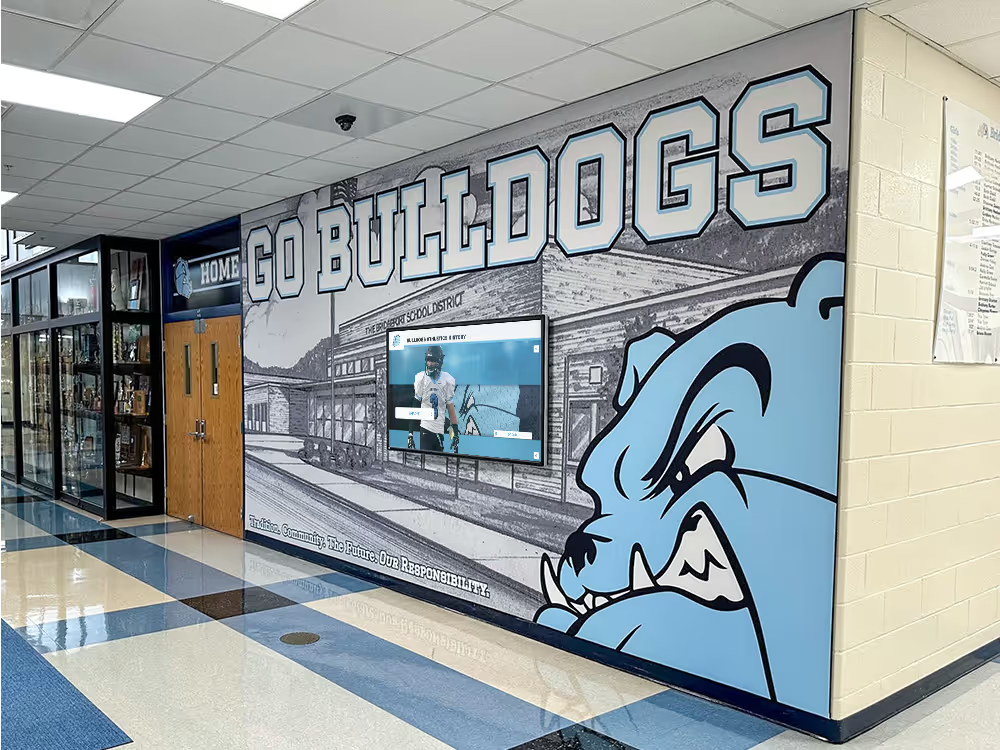
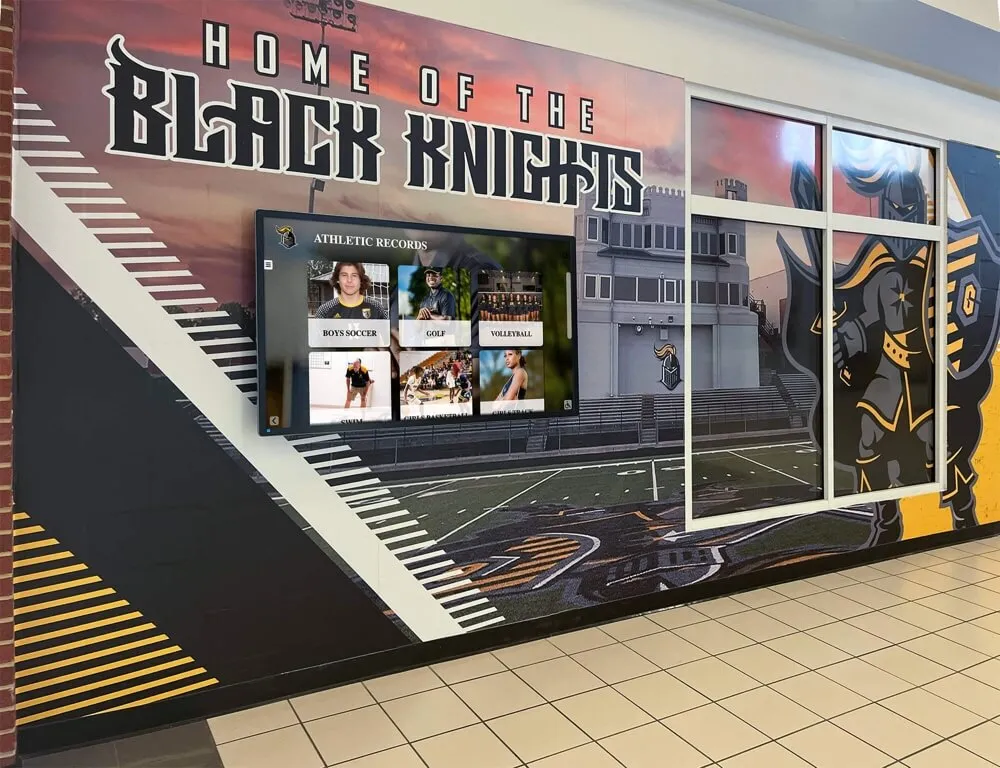
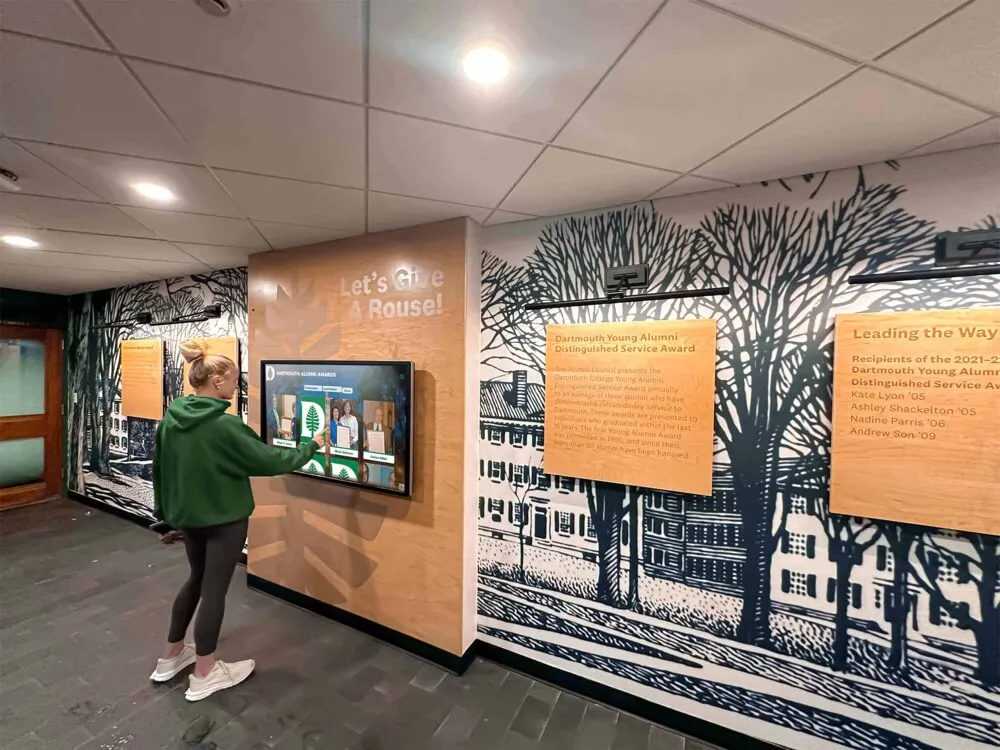
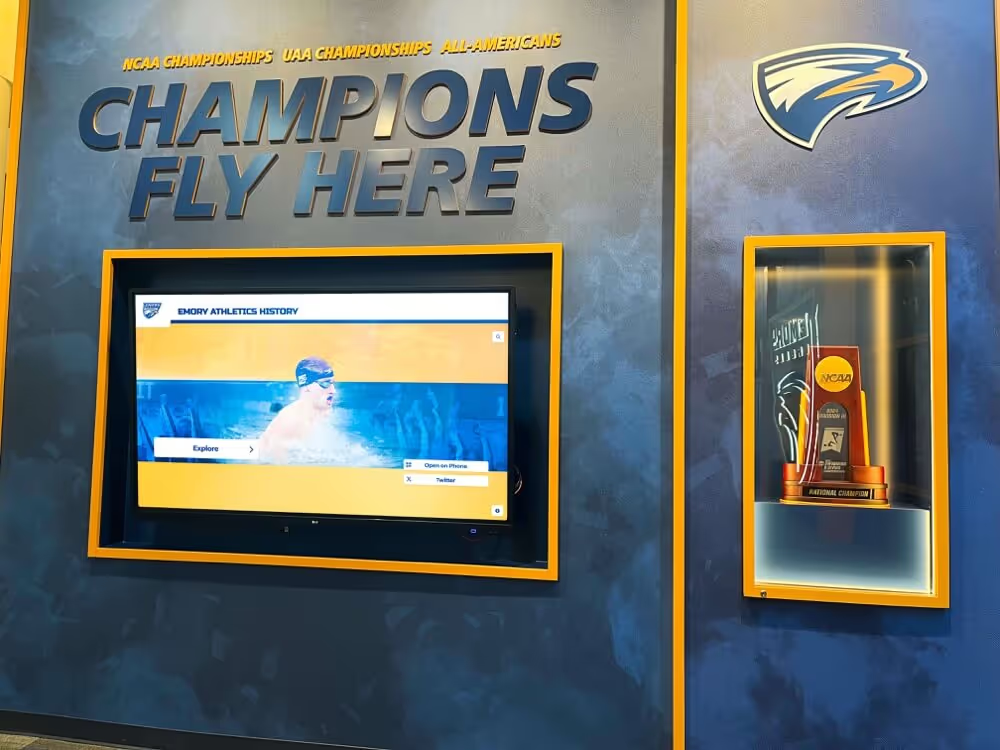
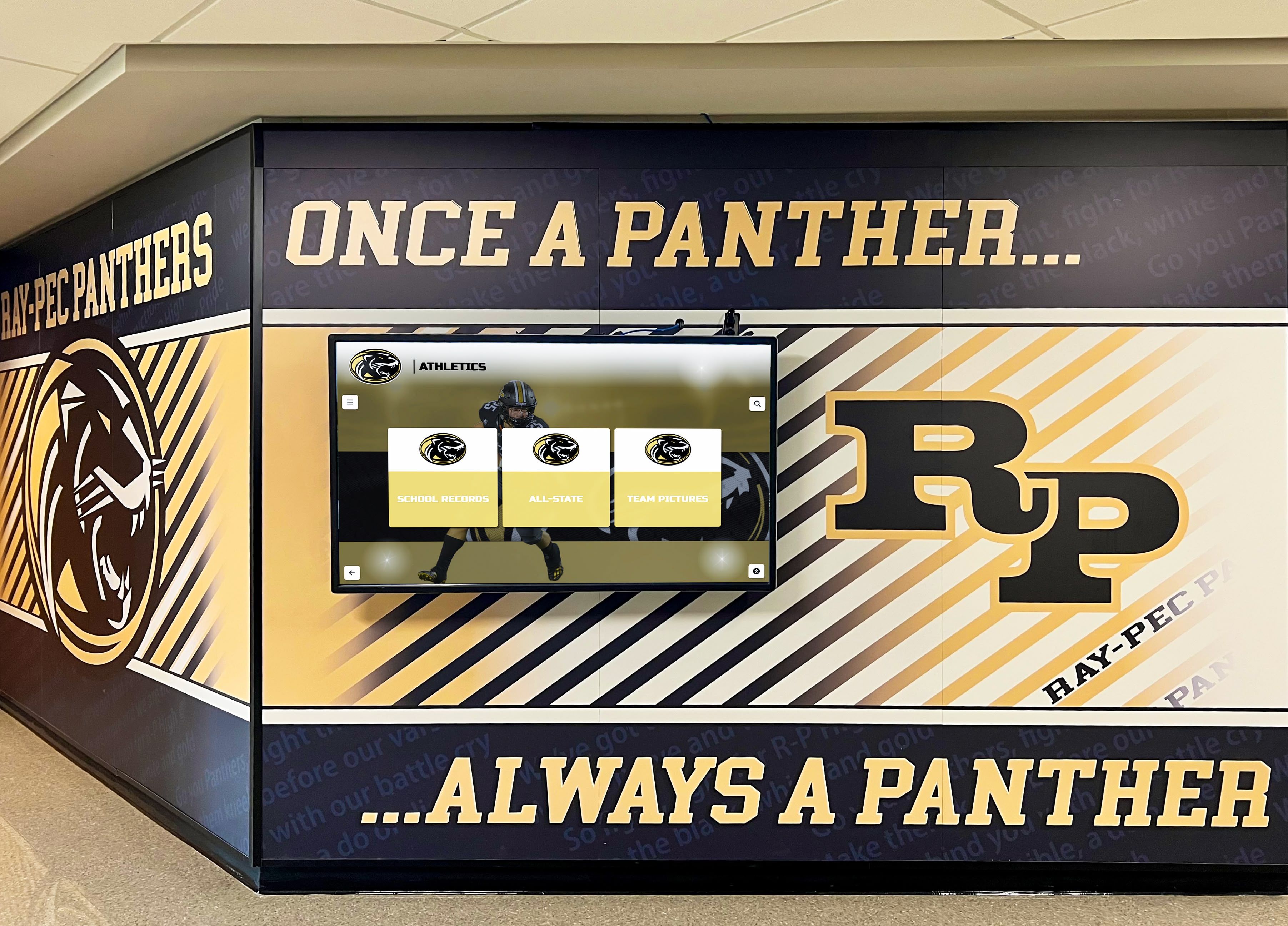
North Carolina boasts one of the nation's most competitive high school football landscapes, with championship programs spanning from traditional powerhouses in Charlotte and Raleigh to small-town dynasties that dominate their classifications. The NCHSAA tournament system creates pathways to state championships across seven classifications (1A through 4A, plus 1AA, 2AA, and 3AA for non-public schools), ensuring that schools of all sizes compete for titles against similarly-sized programs. Schools that capture state championships deserve recognition solutions that preserve these achievements permanently—digital record boards enable athletic departments to showcase championship teams, record-setting players, and program milestones through engaging displays that inspire current athletes while honoring past excellence.
Understanding the NCHSAA Football Championship Structure
The North Carolina High School Athletic Association organizes the state’s high school football championships through a comprehensive playoff system that determines champions across multiple classifications, ensuring fair competition among schools with similar enrollment sizes.
Classification System
North Carolina divides high schools into classifications based on enrollment figures, creating competitive balance and championship opportunities for programs of all sizes:
Public School Classifications:
- 4A: Largest schools, typically with enrollments above 1,425 students. This classification features many of the state’s most recognized programs from major metropolitan areas including Charlotte, Raleigh-Durham, Greensboro, and Winston-Salem.
- 3A: Schools with enrollments roughly between 1,050-1,425 students, representing mid-size programs often from suburban communities and regional cities.
- 2A: Schools with enrollments approximately between 700-1,050 students, including many traditional programs from smaller cities and larger towns across the state.
- 1A: Smallest public schools, generally below 700 students, featuring rural programs and small-town teams competing for championship glory.
Non-Public School Classifications (for private schools, charter schools, and other non-public institutions):
- 3AA: Larger non-public schools
- 2AA: Mid-size non-public schools
- 1AA: Smaller non-public schools
This multi-classification approach ensures that Charlotte powerhouses don’t face mountain town programs in championship competitions, creating equitable pathways to state titles across North Carolina’s diverse educational landscape.
Playoff Qualification and Bracket Structure
Playoff qualification in North Carolina follows a clear structure that rewards regular season performance while providing opportunities for teams that peak late in the season:
Qualification Standards: Typically, the top teams from each conference earn automatic playoff berths, with additional at-large selections filling out 32-team brackets in most classifications. The precise number of automatic qualifiers versus at-large selections varies by classification and conference alignment.
Conference Championships: While conference titles don’t automatically guarantee state championships, winning your conference typically ensures favorable playoff seeding and home-field advantage in early rounds, valuable advantages in tournament competition.
Seeding and Home Field: Higher seeds host playoff games through the regional finals, creating significant advantages for teams that performed well during regular season competition. Only the state championship game itself moves to a neutral site—traditionally hosted at college or university stadiums providing championship atmosphere.
Bracket Progression: Teams typically navigate five or six rounds to reach state championship games, progressing through first round, second round, third round, regional finals (sometimes called quarterfinals), state semifinals, and finally the state championship. Each victory represents one step closer to ultimate glory.
Schools advancing deep into playoff competition create achievement milestones worth documenting through comprehensive recognition programs celebrating tournament success even when state championships prove elusive.
Championship Game Experience
State championship games in North Carolina provide memorable experiences for participating programs, with the NCHSAA hosting finals at prestigious venues that amplify the significance of reaching football’s highest level in the state.
Championship Venues: Recent NCHSAA football championships have been hosted at college stadiums including Carter-Finley Stadium (NC State), Kenan Memorial Stadium (UNC), or other premier facilities that provide authentic championship atmosphere with quality playing surfaces, substantial seating capacity, and amenities befitting the occasion.
Multiple Championship Days: With seven classifications competing for state titles, championship games typically span multiple days in early to mid-December, with several games scheduled each day. This creates championship atmosphere where multiple teams experience championship glory simultaneously.
Post-Season Recognition: Championship teams receive official NCHSAA championship trophies, individual medals for players and coaches, and the right to claim state championship honors that define program legacy. Many schools augment this official recognition with permanent displays documenting the championship season for future generations.
Programs like those tracking Minnesota high school football rankings demonstrate how states create competitive systems that build toward championship moments, with North Carolina’s structure providing similar competitive frameworks adapted to the Tar Heel State’s unique football culture.
Notable North Carolina Championship Programs and Traditions
North Carolina high school football history features legendary programs that have built championship dynasties, creating traditions that inspire current competitors while establishing standards for football excellence.
Historic Championship Programs
Several North Carolina programs have established themselves as championship powerhouses through sustained excellence spanning multiple decades:
Charlotte-Area Powers: The Charlotte metropolitan region produces numerous championship contenders annually, with programs like Independence, Mallard Creek, Hough, and Butler consistently competing for 4A state championships. These programs benefit from large student populations, extensive youth football development systems, and competitive conference environments that prepare teams for playoff intensity.
Eastern North Carolina Tradition: Programs in eastern North Carolina maintain strong football traditions, with schools competing across multiple classifications. These programs often feature distinctive offensive styles adapted to regional strengths and athlete development patterns.
Mountain Football Heritage: Western North Carolina programs compete with distinct advantages in cooler November and December weather, with mountain schools occasionally dominating classifications through physical, ground-oriented attacks suited to playoff football conditions.
Private School Excellence: Non-public school classifications feature competitive programs that have built championship traditions, with institutions developing specialized athletic programs that compete at highest levels within their classifications.
Championship programs share common characteristics—commitment to year-round development, coaching stability, community support, youth program investment, and cultures of excellence that transcend individual seasons. Recognition programs honoring these sustained achievements preserve institutional memory while inspiring current athletes to continue championship traditions.
Record-Setting Championship Performances
North Carolina championship history includes memorable performances that set standards for postseason excellence:
Individual Championship Game Performances: Quarterbacks throwing for 400+ yards in championship games, running backs rushing for 200+ yards in title contests, defensive players recording multiple sacks or interceptions in championship moments—these performances become program legends that deserve documentation alongside championship team achievements.
Championship Game Scoring Records: High-scoring championship contests that set records for combined points, largest championship game margins, and offensive explosions create memorable moments that define championship game history.
Defensive Championship Dominance: Shutouts in championship games, defensive stands that preserved narrow championship victories, goal-line stands that prevented potential championship-losing scores—defensive excellence in championship moments deserves recognition equal to offensive achievements.
Schools that participated in these historic championship moments benefit from recognition programs that document specific achievements, preserve game statistics and narratives, and connect current athletes to program legends who achieved championship glory in previous eras.
Resources on Illinois high school football playoffs show how different states structure their championship systems, with North Carolina’s multi-classification approach creating similar opportunities for schools across various enrollment sizes to pursue state championship dreams.
Qualifying for North Carolina Football Championships
Understanding the pathway to championship qualification helps programs develop strategies for reaching playoff competition and advancing toward state championship games.
Regular Season Preparation
Championship pursuit begins long before playoff brackets are announced, with regular season performance determining playoff qualification and seeding:
Scheduling Strategy: North Carolina’s conference-based scheduling provides most teams with clearly defined paths to playoff qualification, typically requiring solid conference records to earn automatic berths. Non-conference scheduling offers opportunities to build resume strength through quality opponents while managing competitive balance.
Key Regular Season Metrics:
- Conference Record: Winning your conference or finishing near the top typically guarantees playoff qualification
- Overall Record: Teams generally need winning records (6-4 or better in 10-game schedules) to secure playoff berths
- Strength of Schedule: When at-large selections are made, quality of opponents matters, with victories against stronger competition valued more highly than wins against weaker programs
- Recent Performance: Teams peaking late in the regular season sometimes earn consideration over programs that started strong but faded
Conference Championships: While not determining state champions, conference titles provide psychological advantages, home-field benefits through early playoff rounds, and confidence-building evidence of competitive readiness heading into tournament play.
Programs should develop season plans that balance playoff qualification requirements with long-term athlete development, avoiding short-term decisions that compromise future competitive potential for immediate playoff positioning.

Playoff Seeding and Bracket Positioning
Once playoff brackets are announced, seeding determines matchups and home-field advantage through regional finals:
Seeding Advantages: Higher seeds host playoff games through at least three or four rounds, providing substantial competitive advantages. Playing at home means familiar surroundings, supportive crowds, and elimination of travel demands that affect preparation.
Bracket Analysis: Coaches and athletic directors analyze bracket structures to understand potential paths to championship games, identifying likely opponents in each round and scouting challenges that will determine championship viability.
First-Round Preparations: First-round playoff games typically feature mismatches between high seeds and lower-seeded qualifiers, but upsets occur regularly in playoff competition where single games determine advancement. Preparation intensity must match playoff stakes regardless of opponent’s regular season record.
Home-Field Strategy: Programs hosting playoff games should maximize home advantages through appropriate crowd engagement, optimal field conditions, and creating playoff atmosphere that elevates team performance while challenging visiting opponents.
Effective playoff seeding positions programs for championship runs, making regular season performance about more than just qualification—optimal seeding provides tangible advantages throughout tournament progression.
Managing Championship Game Preparation
Teams reaching state championship games face unique preparation challenges distinct from regular season or early playoff competition:
Championship Week Scheduling: Balancing practice intensity with rest, managing travel logistics to championship venues, maintaining academic standards during championship week, and handling media attention requires careful planning that allows athletes to perform at highest levels.
Neutral Site Adjustments: Championship games at college stadiums present unfamiliar environments, different field dimensions or surface types, altered sideline configurations, and game day logistics distinct from regular season patterns. Practice planning should account for these variables.
Mental Preparation: Championship game pressure affects athletes differently than regular season competition. Programs should develop mental preparation strategies that help athletes manage championship moment intensity while performing with freedom rather than fear.
Community Management: Championship game weeks generate intense community interest, with ticket distribution, travel coordination, and celebration planning creating distractions that must be managed without compromising athletic preparation.
Programs that have navigated championship game preparation successfully typically develop systematic approaches balancing celebration of achievement with competitive focus required to actually win championships rather than simply participating.
Honoring Championship Achievement Through Permanent Recognition
Schools that capture North Carolina high school football championships deserve recognition solutions that preserve these achievements permanently, inspiring future athletes while honoring past excellence.
Traditional Championship Recognition
Conventional approaches to championship recognition remain popular across North Carolina football programs:
Championship Banners: Hanging banners in gymnasiums, field houses, or stadiums documenting state championship seasons provides visible, permanent recognition that accumulates as programs build championship traditions.
Trophy Cases: Glass-enclosed displays featuring championship trophies, game balls, and championship memorabilia create three-dimensional recognition with authentic artifacts from championship seasons.
Championship Plaques: Engraved plaques mounted in athletic facilities listing championship team rosters, scores from championship games, and season records preserve championship details in formal, traditional formats.
Championship Ring Displays: Some programs showcase championship rings in dedicated displays, providing visual evidence of individual recognition earned through team achievement.
While these traditional approaches provide tangible recognition, they face limitations—restricted information capacity prevents telling complete championship stories, inability to include multimedia elements that bring championship moments to life, and space constraints that eventually force difficult decisions about recognition priorities as achievements accumulate.

Digital Championship Recognition Systems
Modern digital displays overcome traditional format limitations while offering expanded capabilities specifically valuable for championship recognition:
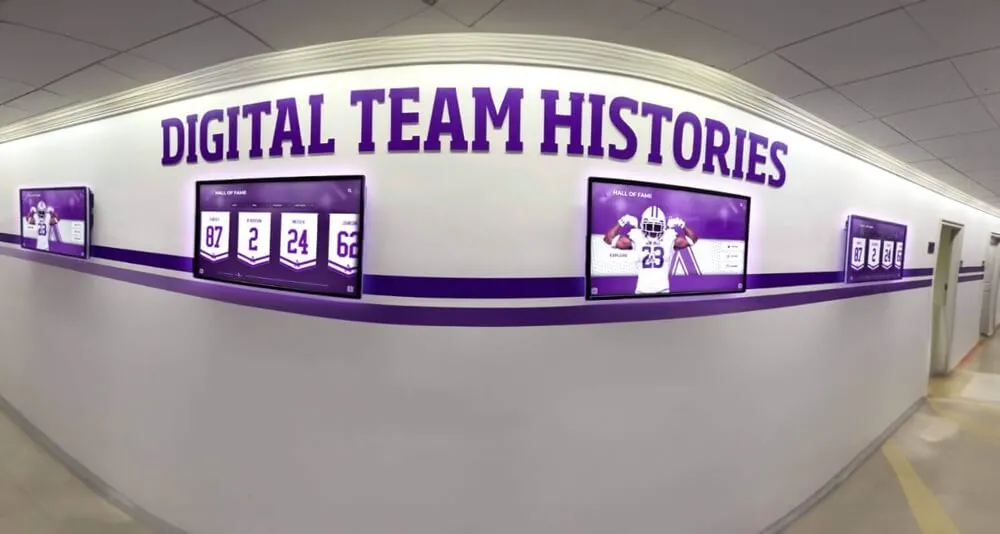
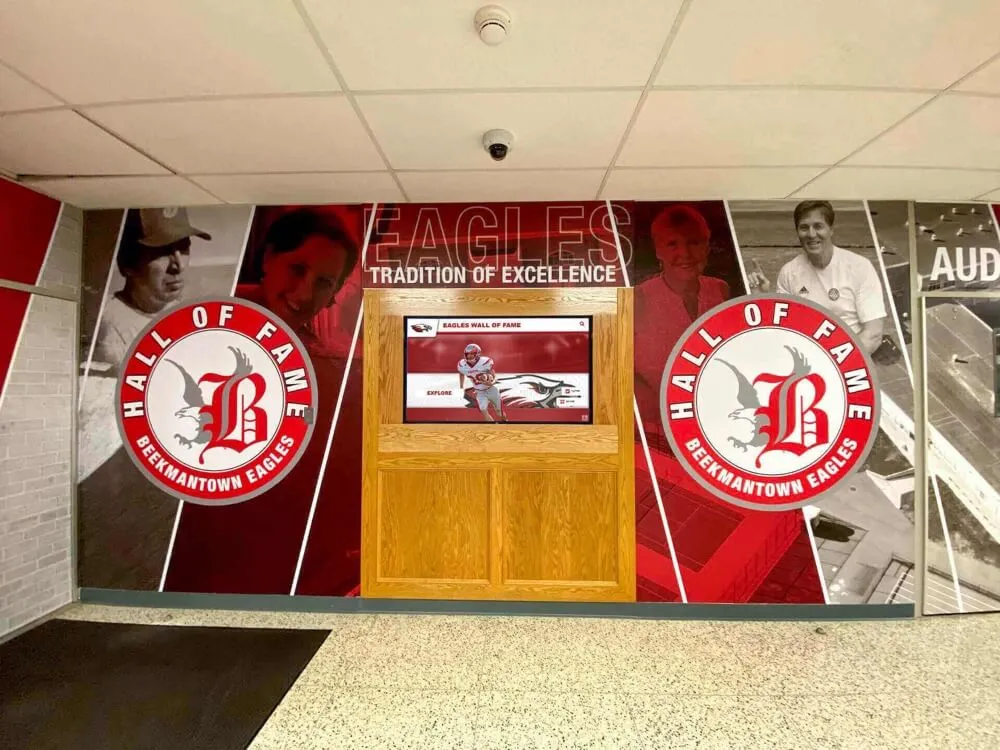
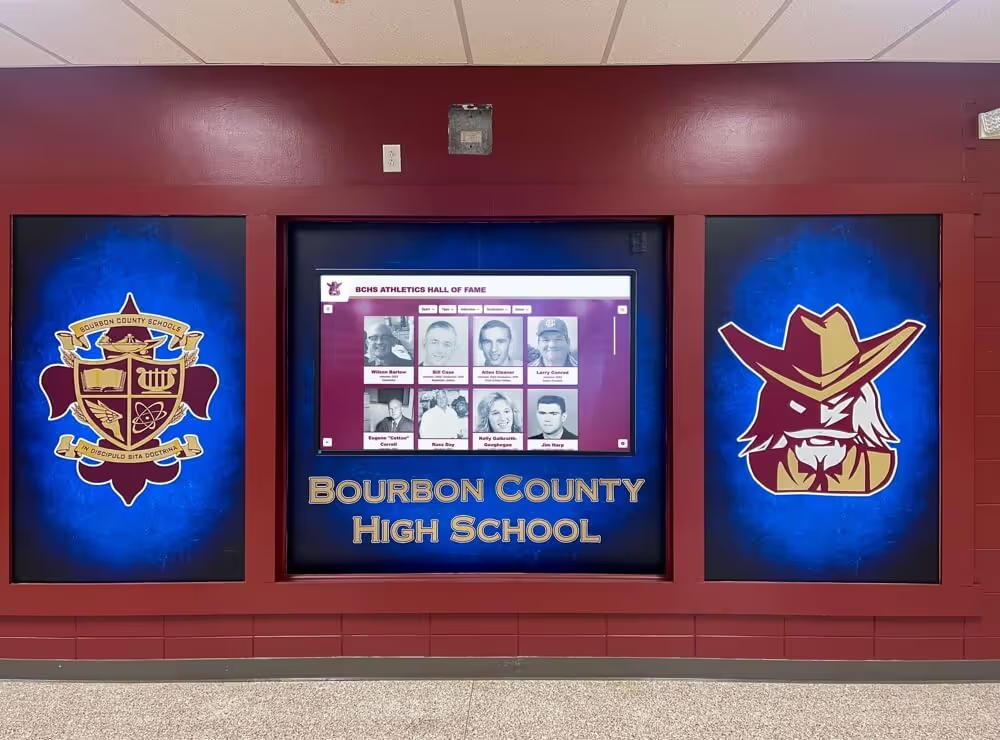
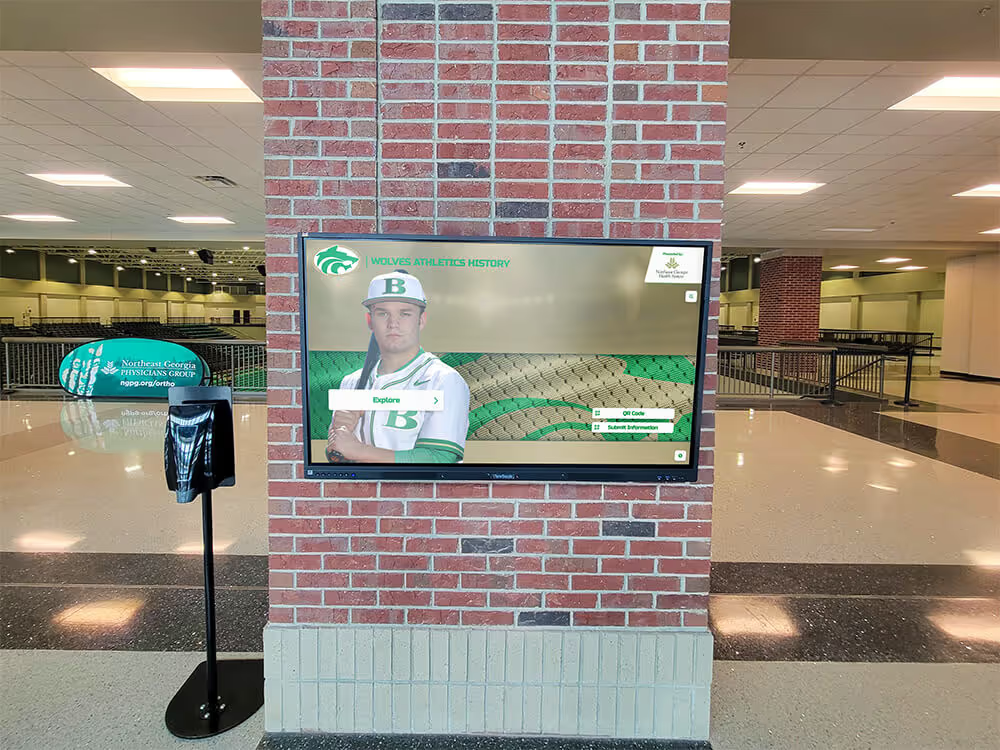
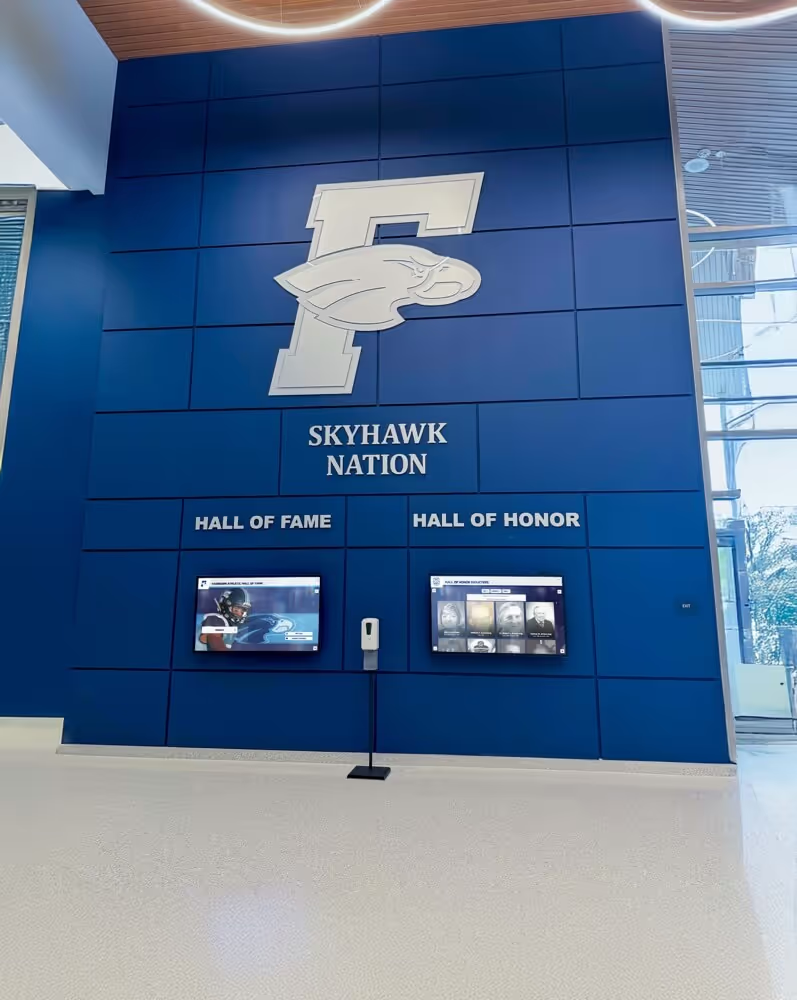
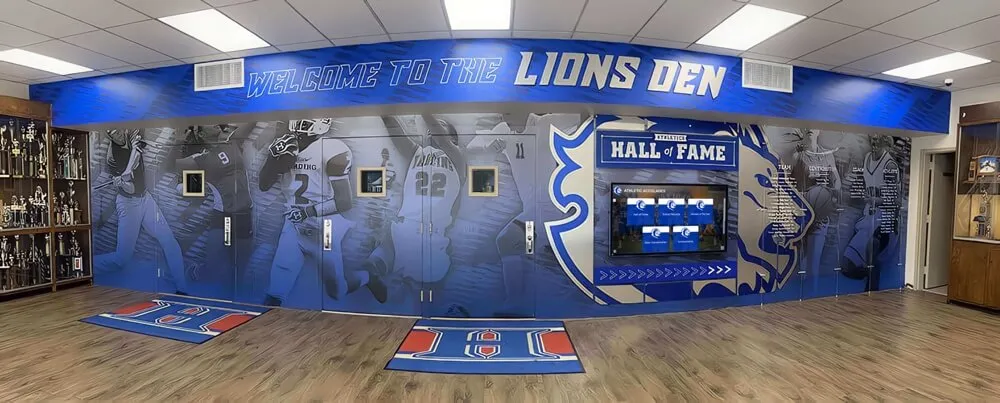
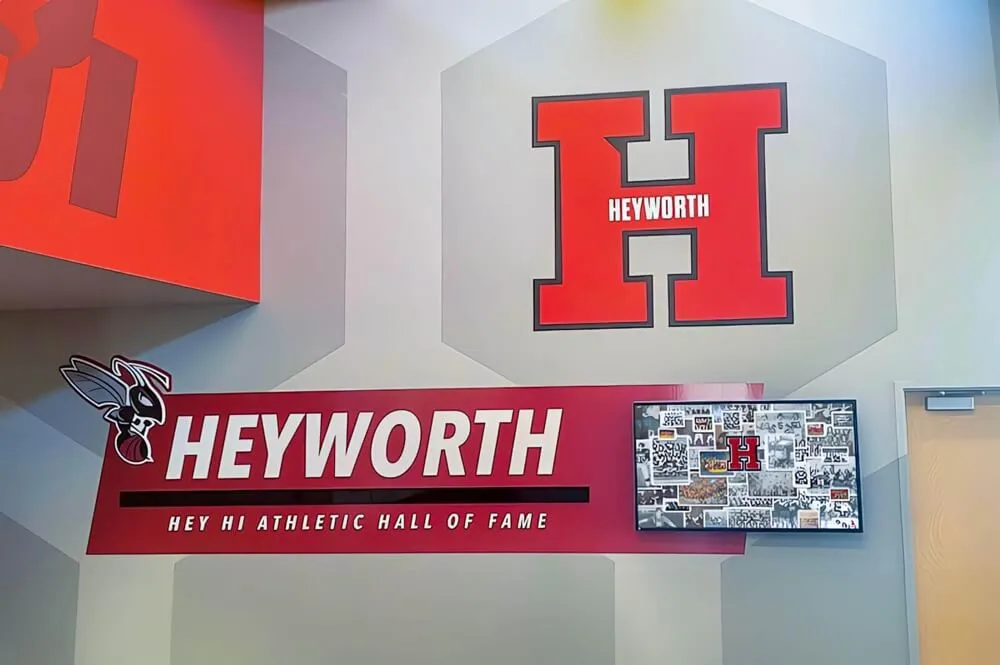
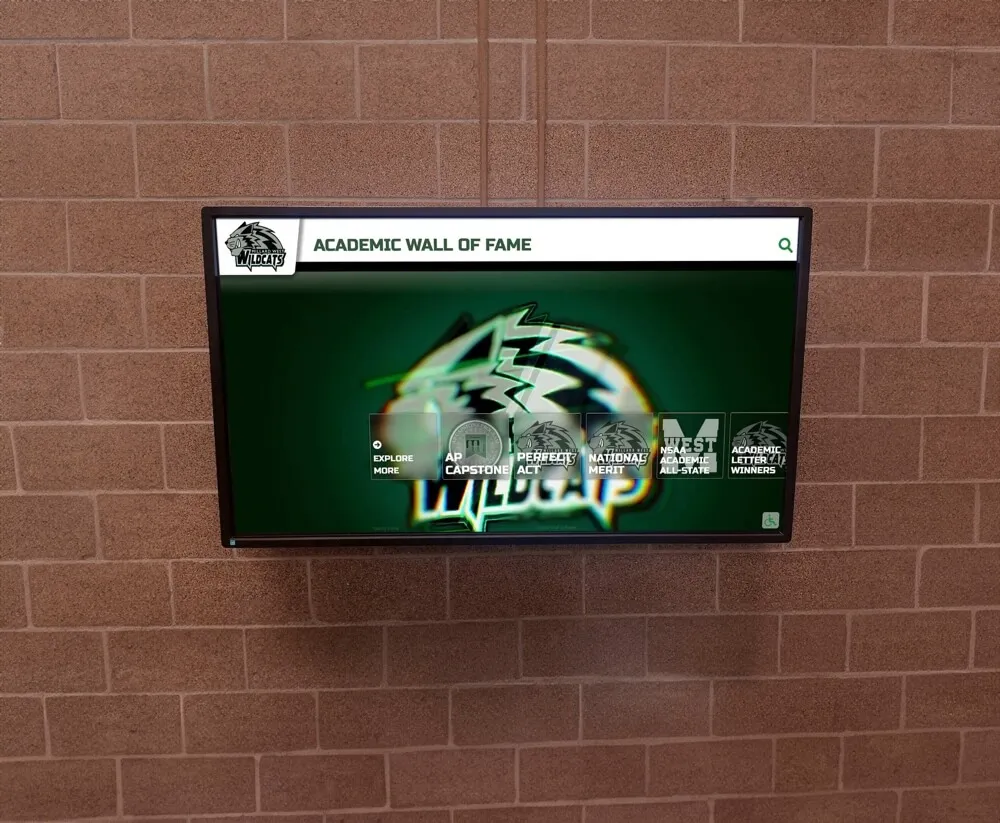
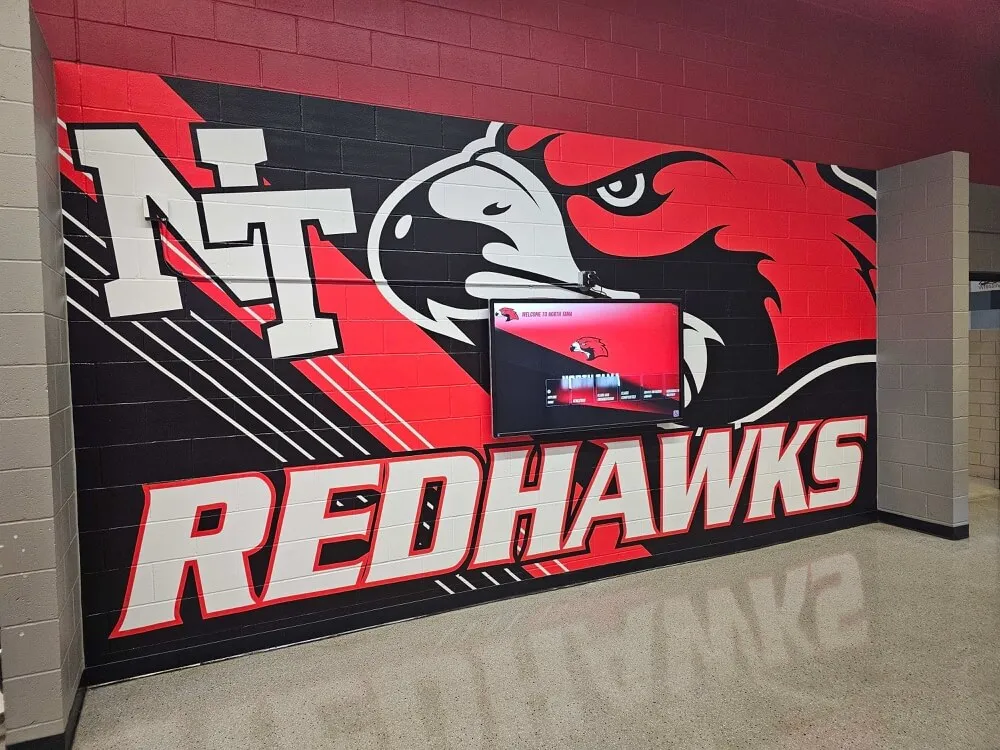
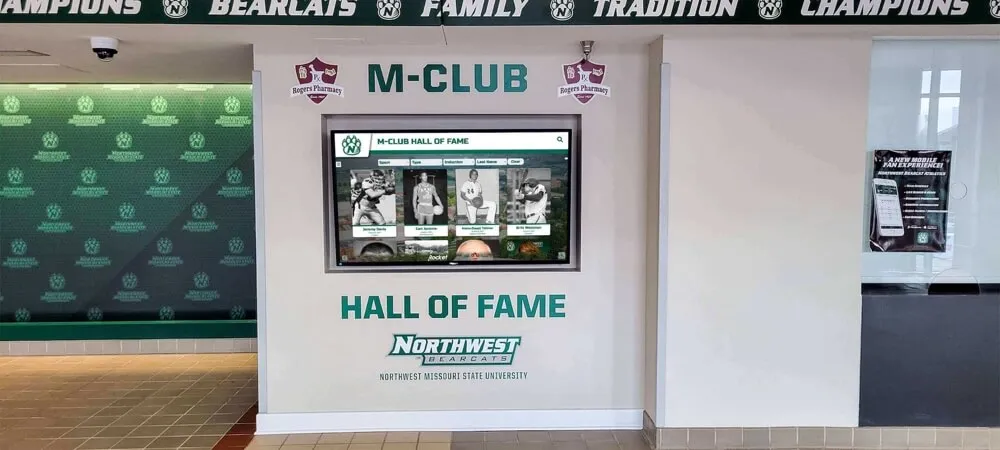
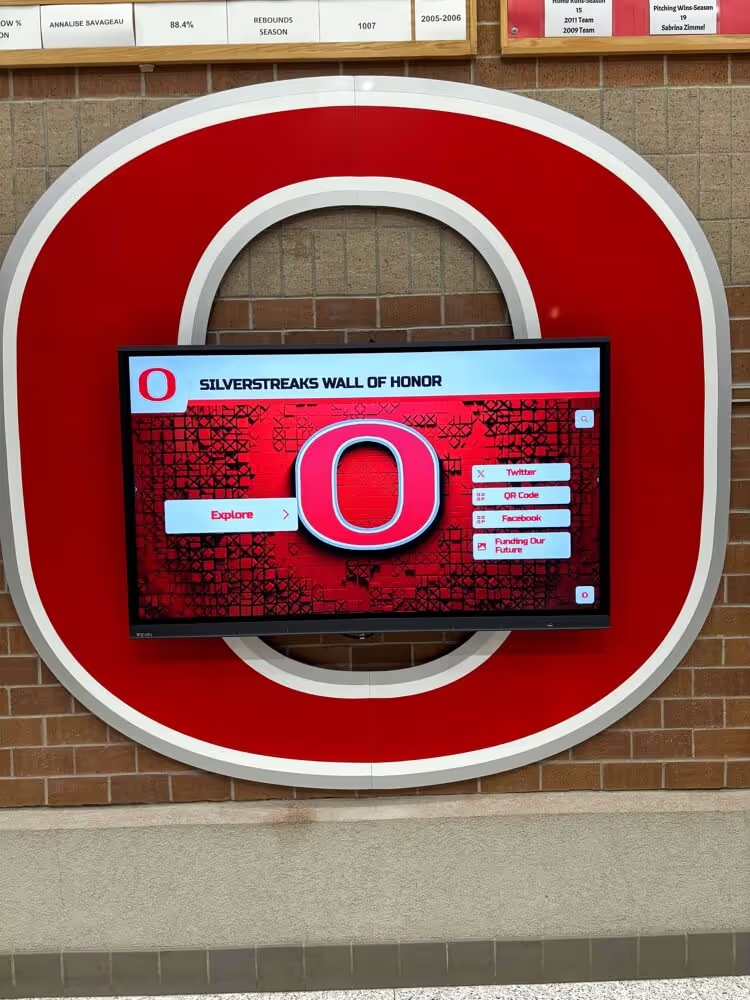
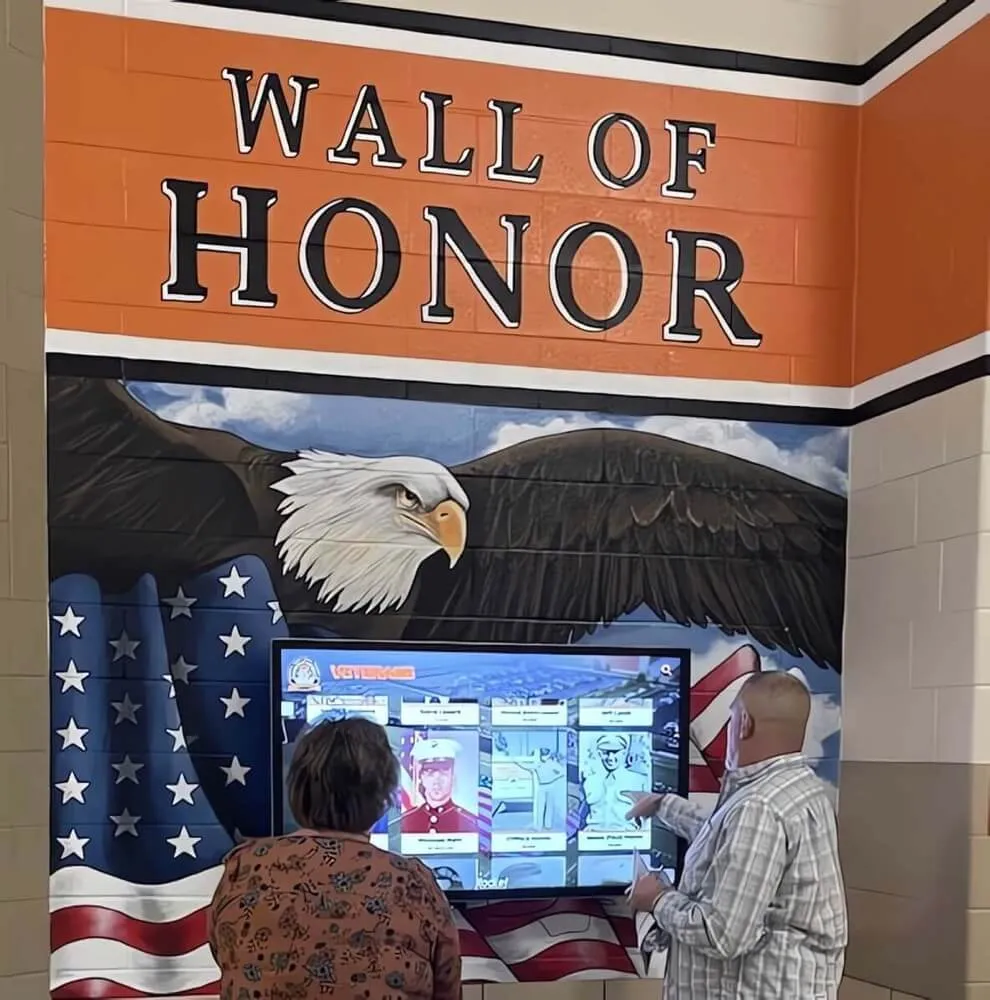
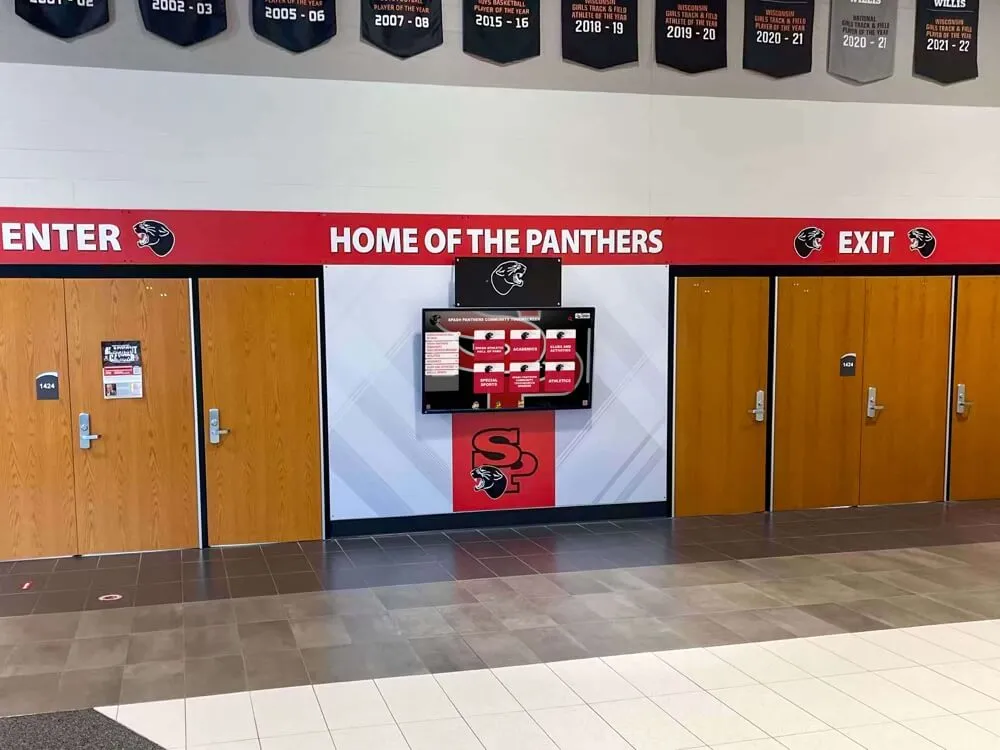
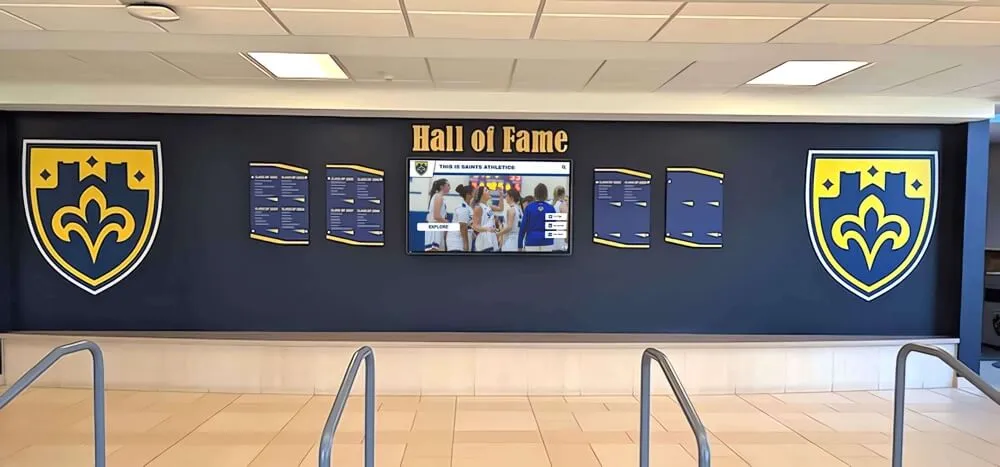
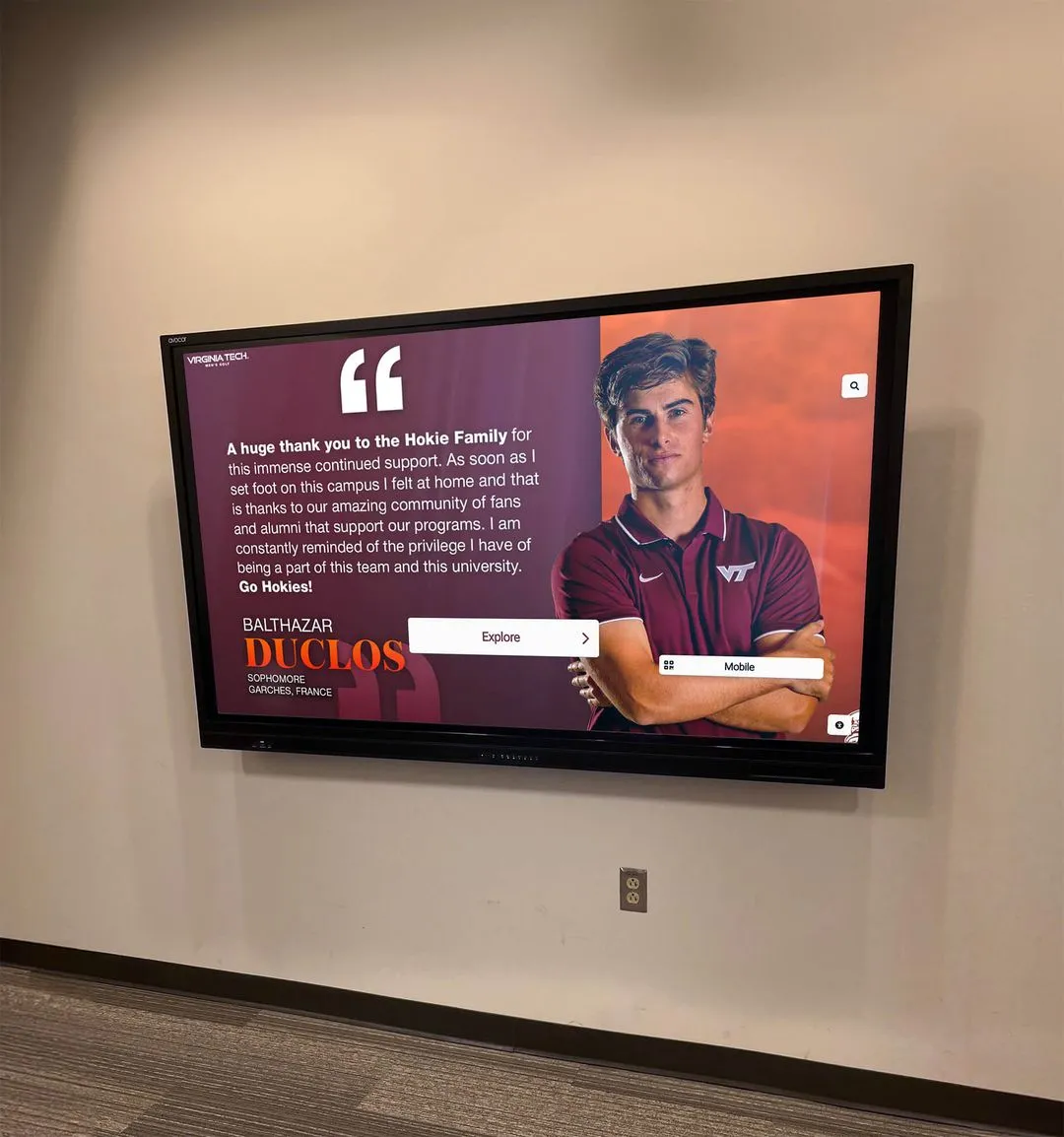
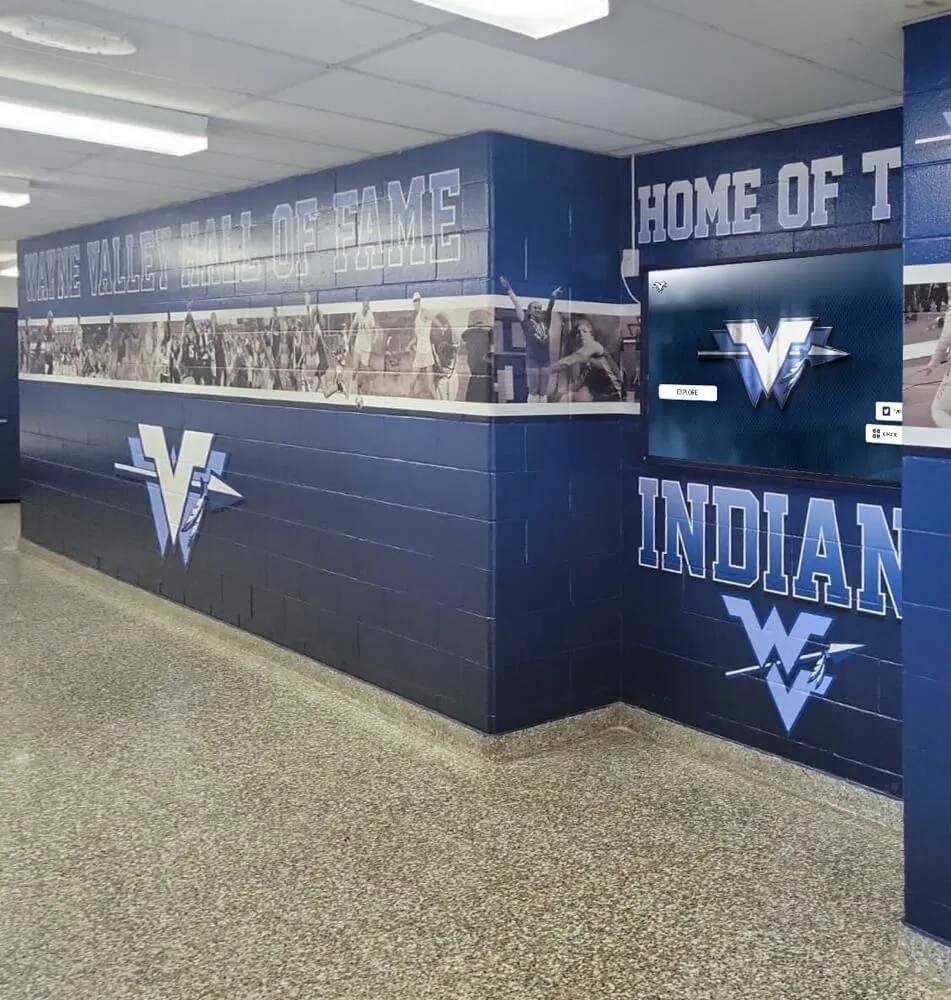
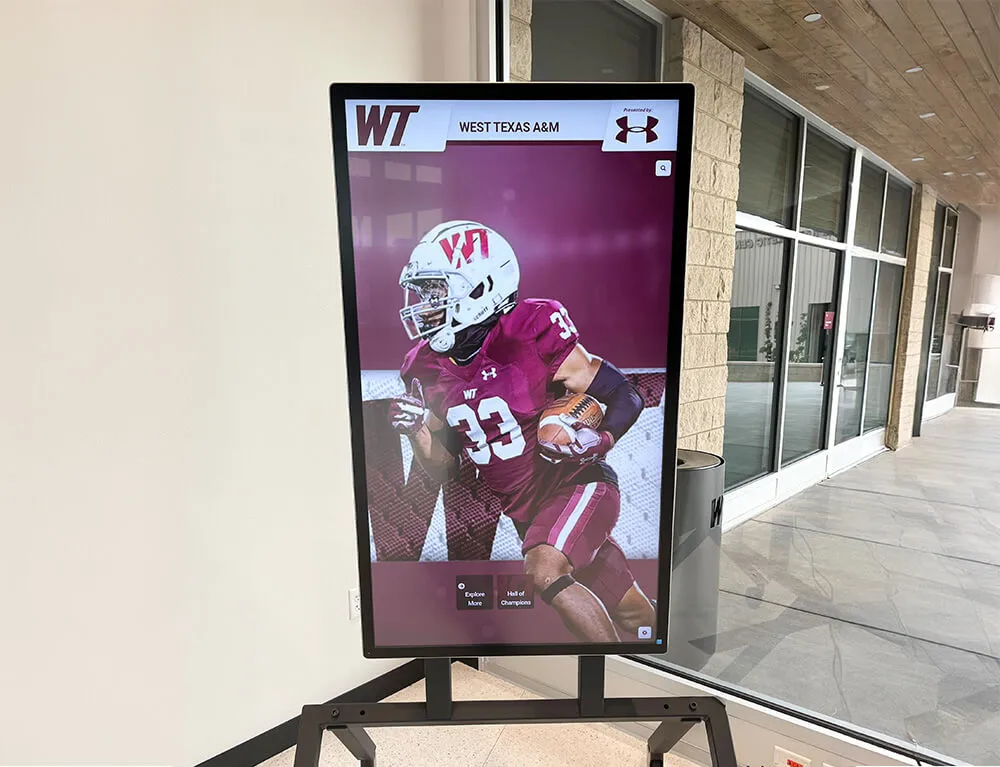
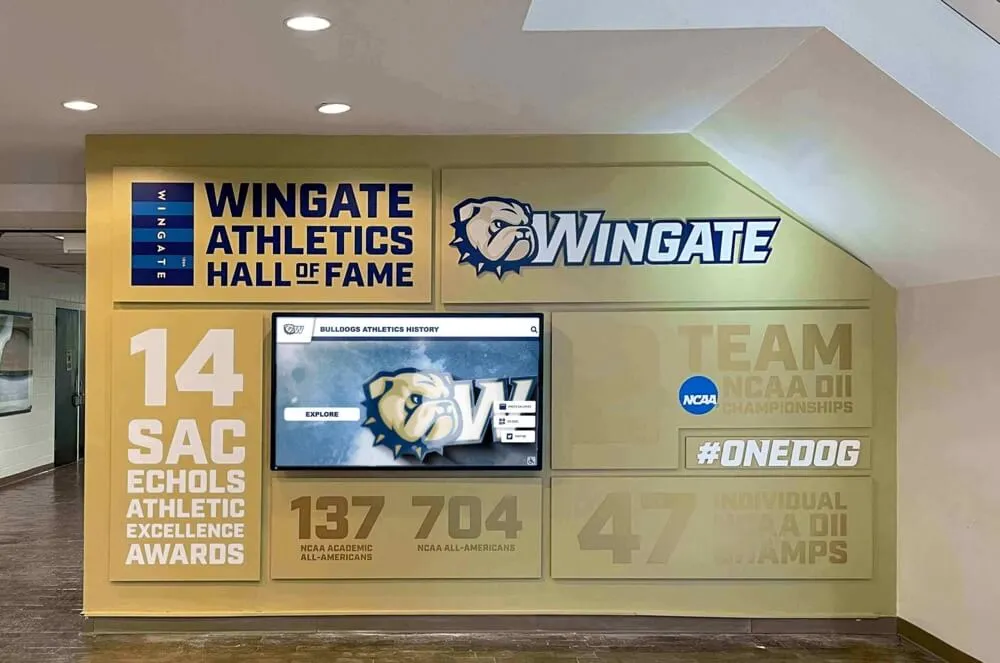
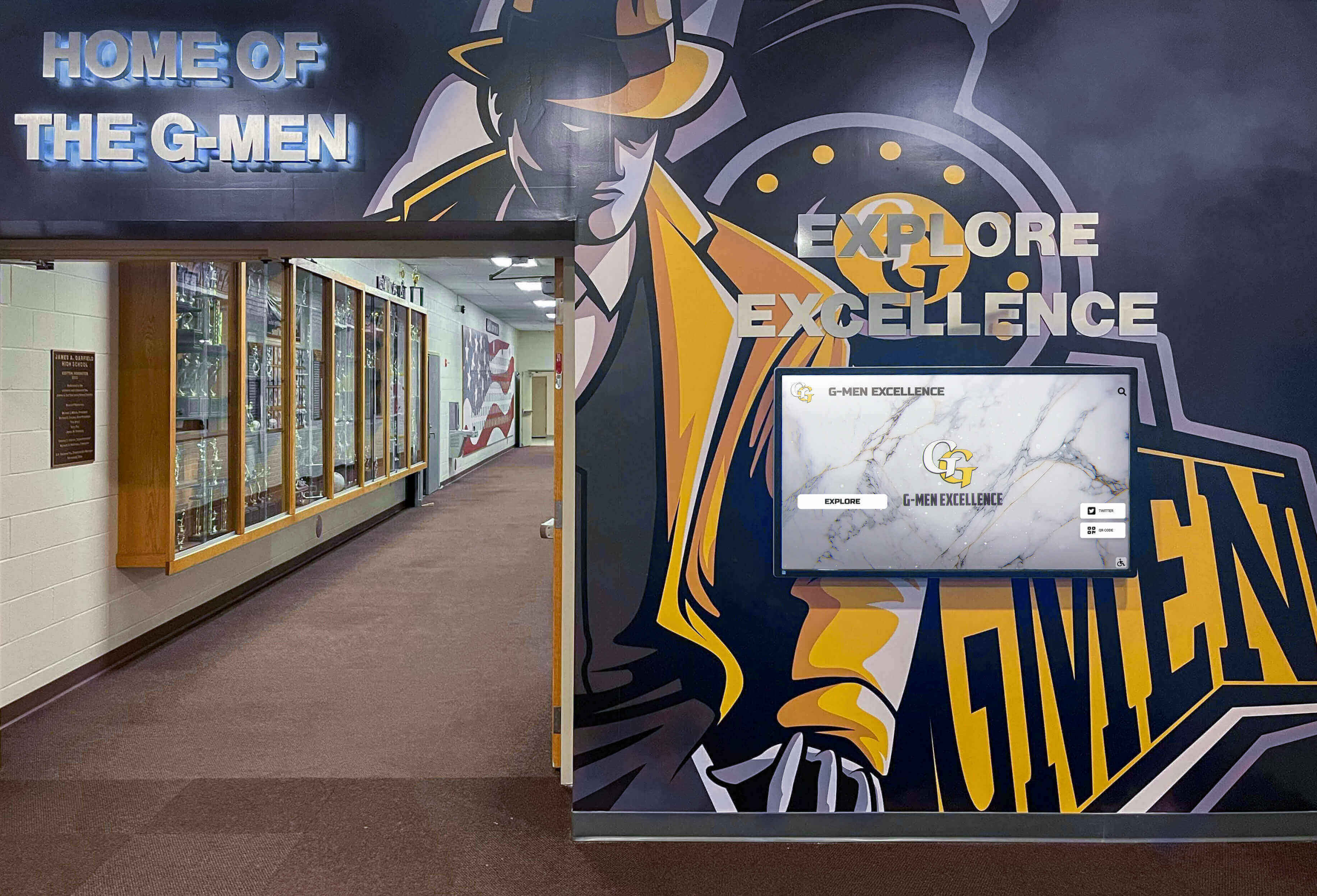
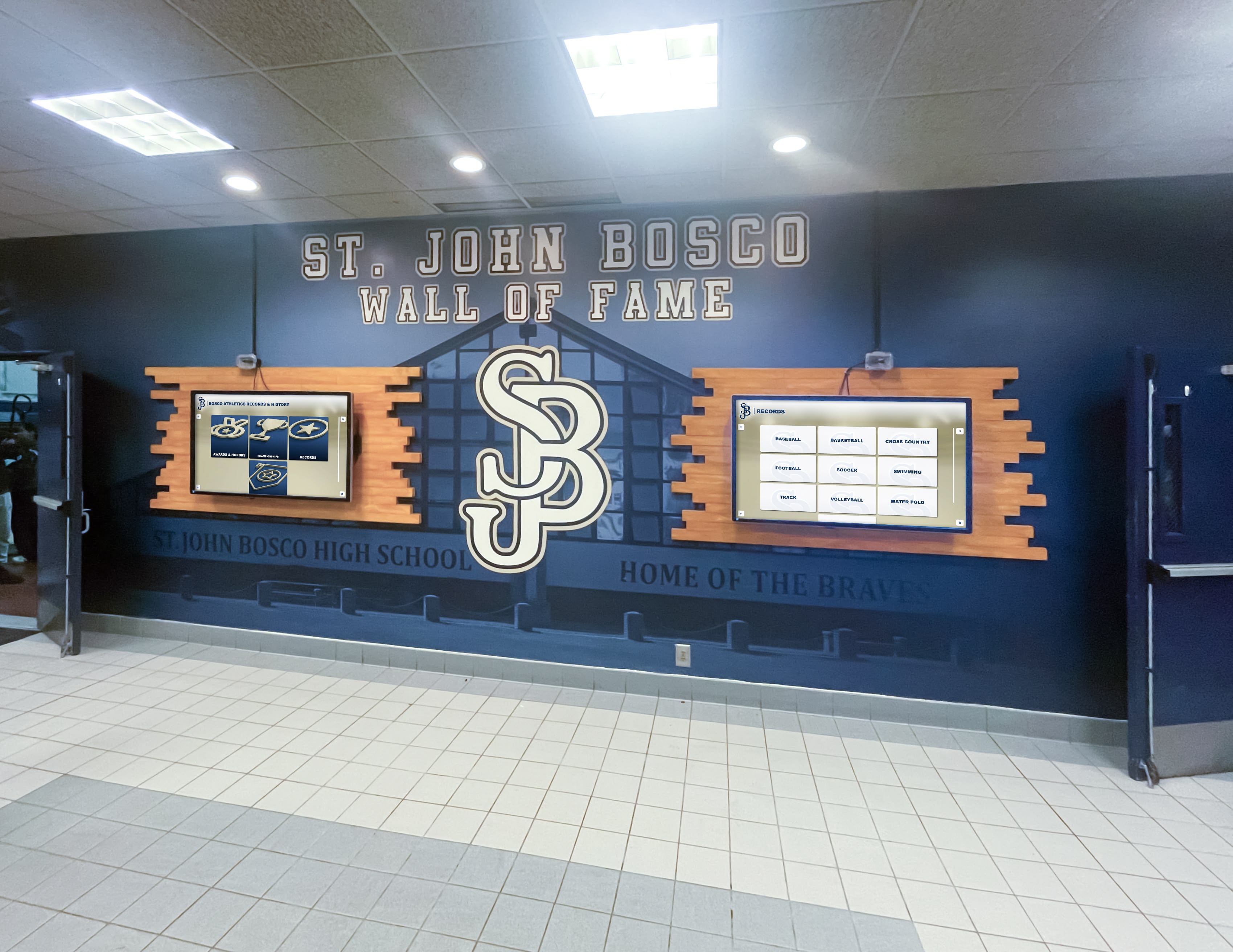
Comprehensive Championship Documentation: Digital systems like those provided by Rocket Alumni Solutions enable schools to preserve complete championship stories—full rosters with player photos, season statistics and records, championship game recaps with scoring summaries, playoff bracket progressions showing the path to championships, and coach profiles documenting leadership that produced championship success.
Multimedia Championship Memories: Digital platforms incorporate championship game highlights, celebration videos, championship moment photos, and audio recordings of championship radio calls, bringing championship seasons to life through multimedia elements impossible with static displays.
Unlimited Recognition Capacity: Digital systems eliminate space constraints, allowing schools to honor every championship season in equal detail regardless of how many championships accumulate. Programs building championship dynasties never face choices about which championships receive prominence—all achievements earn comprehensive recognition.
Easy Championship Updates: When current teams capture new championships, digital displays update immediately with new championship information, ensuring recognition remains current without expensive fabrication delays typical of traditional formats.
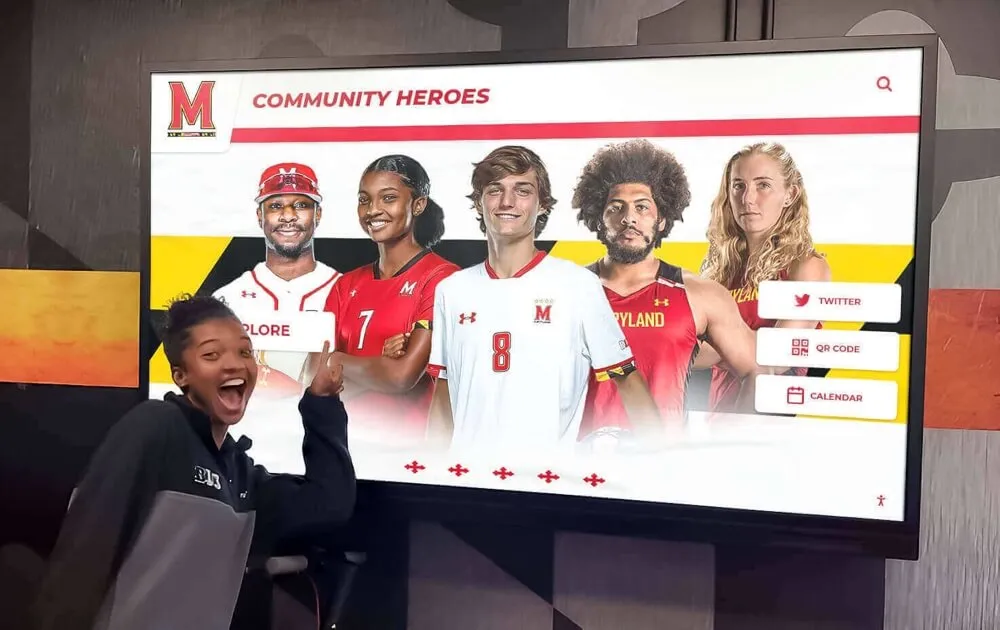
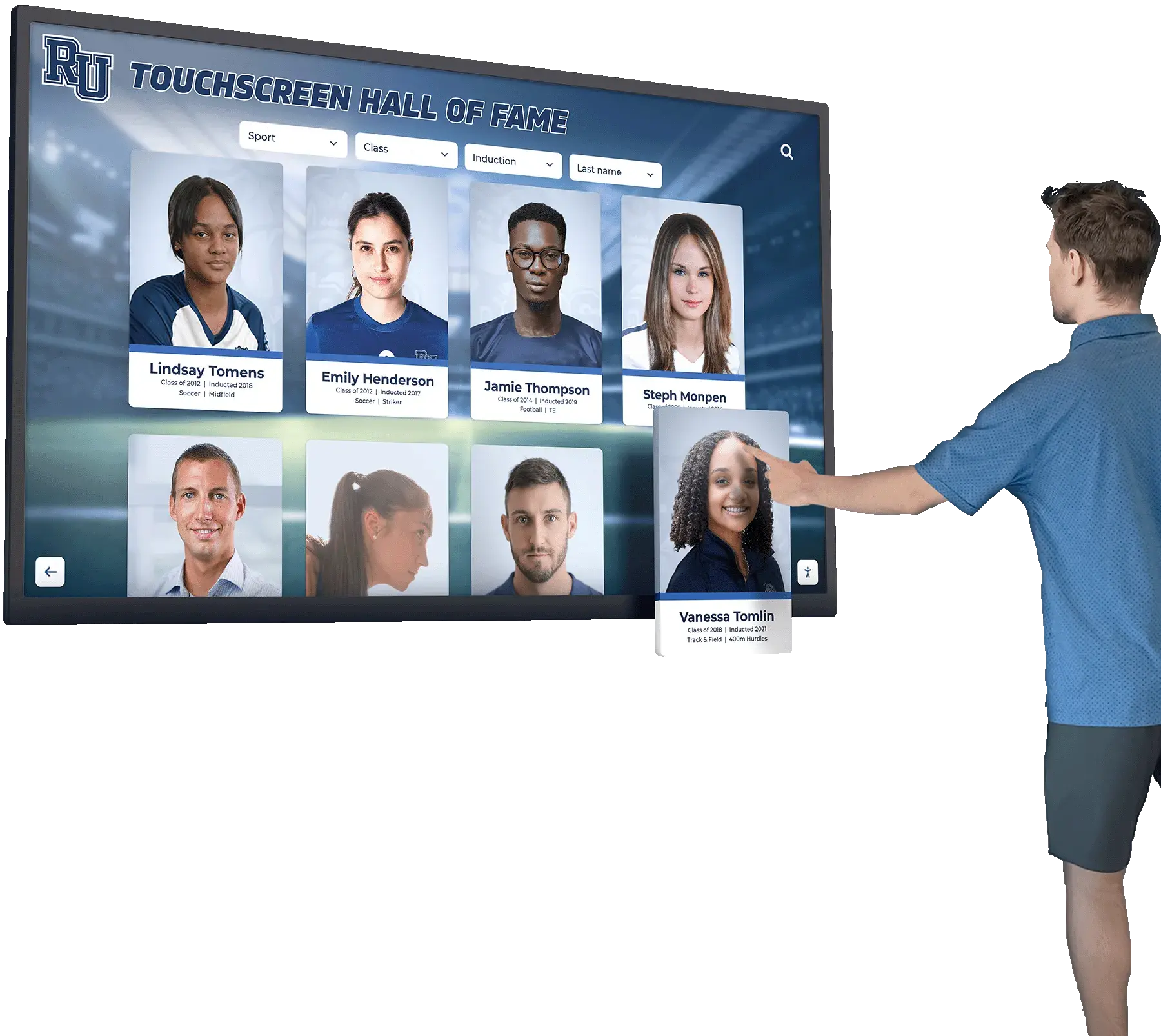
Interactive Championship Exploration: Students, alumni, and visitors can explore championship history at their own pace, drilling into specific seasons, comparing championships across different eras, and discovering personal connections to championship teams through searchable databases and intuitive navigation.
Schools implementing digital recognition for championship achievement provide multiple benefits—inspiring current athletes through visible championship tradition, engaging alumni who competed on championship teams through accessible program history, attracting prospective students and athletes by showcasing program excellence, and preserving institutional memory systematically rather than allowing championship details to fade over time.
Resources on building school pride demonstrate how championship recognition contributes to broader school culture development, with football championship displays serving as focal points for community pride and institutional identity.
Integrating Championships Into Broader Athletic Recognition
Championship recognition works best when integrated into comprehensive athletic recognition programs that honor multiple dimensions of program excellence:
Record Board Integration: Championship teams inevitably include record-setting individual performers. Effective recognition systems connect championship team achievements with individual records set during championship seasons, helping viewers understand relationships between individual excellence and team success.
Hall of Fame Connections: Championship team members often earn individual hall of fame induction later in life. Digital systems can link championship team rosters with subsequent hall of fame profiles, showing how championship experiences launched successful athletic or professional careers.
All-State Recognition: Championship teams typically include multiple all-state honorees. Recognition systems should highlight these individual achievements within championship team contexts, demonstrating competitive excellence recognized beyond just team success.
Coach Recognition: Championship coaches deserve recognition alongside championship teams. Comprehensive displays should honor coaching excellence that produced championship success, documenting records, career achievements, and coaching philosophies that built championship programs.
Systems provided by Rocket Alumni Solutions enable athletic departments to create integrated recognition programs that celebrate championships within broader athletic achievement contexts, providing comprehensive documentation of program excellence across multiple dimensions rather than isolated championship displays disconnected from related accomplishments.
Recruiting and Championship Tradition
North Carolina’s competitive high school football landscape creates recruiting opportunities for championship programs that leverage tradition effectively.
Championship Tradition as Recruiting Tool
Programs with championship pedigrees gain recruiting advantages when competing for talented athletes choosing between multiple programs:
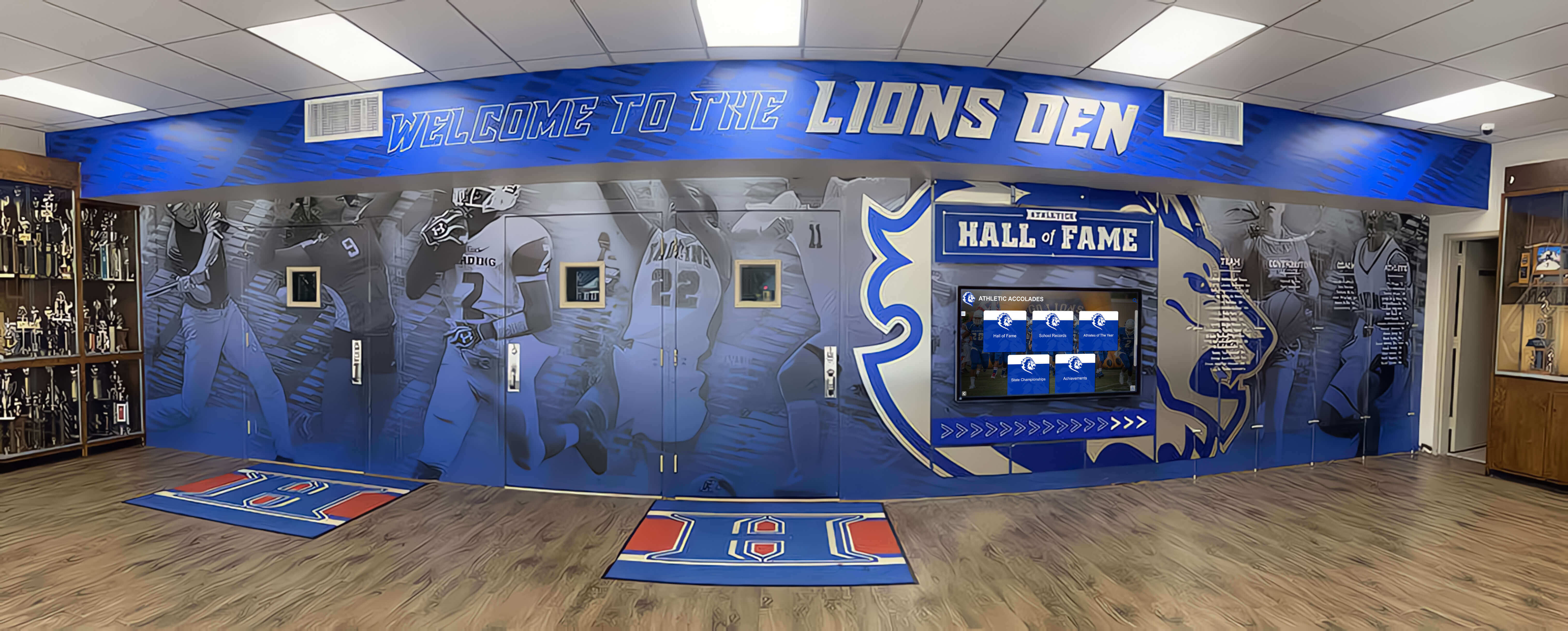
Visible Championship Evidence: When prospective athletes and families visit schools, visible championship recognition provides immediate evidence of program excellence. Digital displays showcasing championship history create compelling presentations that demonstrate commitment to competitive success.
Championship Mentality: Athletes attracted to championship programs understand expectations differ from schools satisfied with occasional playoff appearances. Championship tradition attracts competitors motivated by highest standards rather than athletes seeking comfortable environments with modest expectations.
College Exposure: Championship programs develop reputations among college recruiters as sources of well-coached, battle-tested talent who competed at highest levels. Athletes seeking college opportunities understand that playing for championship programs increases visibility among college coaches evaluating prospects.
Championship Development Pathways: Programs can demonstrate how previous championship teams developed athletes, showing specific player development progressions that transformed talented freshmen into championship-caliber seniors, providing recruiting evidence of developmental expertise.
Effective championship recognition enhances recruiting by making tradition tangible, providing conversation starters for coaching staffs discussing program expectations with prospective athletes, and creating environments where excellence is visibly celebrated rather than merely claimed.
Multi-Sport Championship Culture
Some North Carolina schools develop championship cultures spanning multiple sports, with football championships contributing to broader athletic excellence:
Championship Mindset Transfer: Schools winning championships in multiple sports create institutional cultures where excellence becomes expected rather than exceptional. Football championships contribute to these multi-sport championship traditions, with championship standards transferring across different athletic programs.
Facilities and Support: Schools investing in championship-caliber football programs typically provide similar commitments to other sports, creating comprehensive athletic programs rather than single-sport focus. Championship recognition celebrating excellence across multiple sports demonstrates institutional commitment to overall athletic achievement.
College Preparation: Championship programs across multiple sports establish reputations as college preparatory institutions where athletes develop athletic and academic skills required for college success. This multi-sport championship reputation attracts families valuing comprehensive development over single-sport specialization.
Recognition programs celebrating championship achievement across multiple sports demonstrate institutional commitment to athletic excellence while honoring diverse athletic talents rather than elevating football above all other programs. Solutions like digital hall of fame platforms enable schools to celebrate championships across all sports through unified systems that present comprehensive athletic achievement.
Championship Game Day Experience for NC Schools
Understanding what to expect when your school reaches a North Carolina state championship game helps programs maximize these memorable experiences.
Pre-Game Preparations
Championship game day begins long before kickoff, with preparation details distinguishing championship games from regular season competition:
Travel Coordination: For schools traveling significant distances to championship venues, coordinating team travel, managing arrival timing to allow warm-ups without excessive waiting, and ensuring proper equipment transport requires detailed planning.
Ticket Management: Championship game tickets sell quickly, requiring schools to manage ticket distribution among players’ families, general student body, community members, and booster clubs. Establishing clear ticket policies prevents conflicts during championship week.
Credential Requirements: Championship venues typically implement stricter credential systems than regular season games, with team personnel, media, and support staff requiring proper credentials. Understanding credential requirements prevents game day access issues.
Warm-Up Schedules: Championship game protocols include structured warm-up periods assigned to each team, with field access times strictly enforced. Teams should develop warm-up routines optimized for available time rather than assuming regular season warm-up flexibility.
Championship Game Atmosphere
State championship games provide atmosphere distinct from regular season competition, creating memorable experiences for participating programs:
College Stadium Environment: Playing in college stadiums exposes high school athletes to facilities representing potential future destinations, with quality playing surfaces, premium locker rooms, and professional-caliber amenities creating authentic championship environments.
Crowd Energy: Championship games attract large, passionate crowds including students, families, alumni, and community members supporting their teams, creating energy levels exceeding typical regular season games.
Media Coverage: Local and regional media provide extensive championship game coverage, with television broadcasts, radio coverage, and print journalism documenting championship moments for broader audiences.
Ceremony and Presentation: Championship games include formal ceremonies, anthem performances, trophy presentations, and championship celebrations that amplify the significance of reaching football’s highest level in North Carolina.
Programs should help athletes embrace championship game atmosphere as reward for season-long excellence rather than allowing environment to create pressure that inhibits performance.
Post-Championship Recognition
After championship games conclude—whether ending in victory or defeat—programs should implement recognition plans honoring achievement:
Immediate Celebration: Championship winners deserve immediate celebration, with trophy presentations, team photos, and on-field celebrations creating lasting memories. Even championship game participants who fall short deserve recognition honoring achievement of reaching state finals.
Community Welcome: Championship teams returning home often receive community welcomes, with school celebrations, community gatherings, and public recognition honoring achievement. Planning these celebrations in advance ensures appropriate execution during emotional post-game periods.
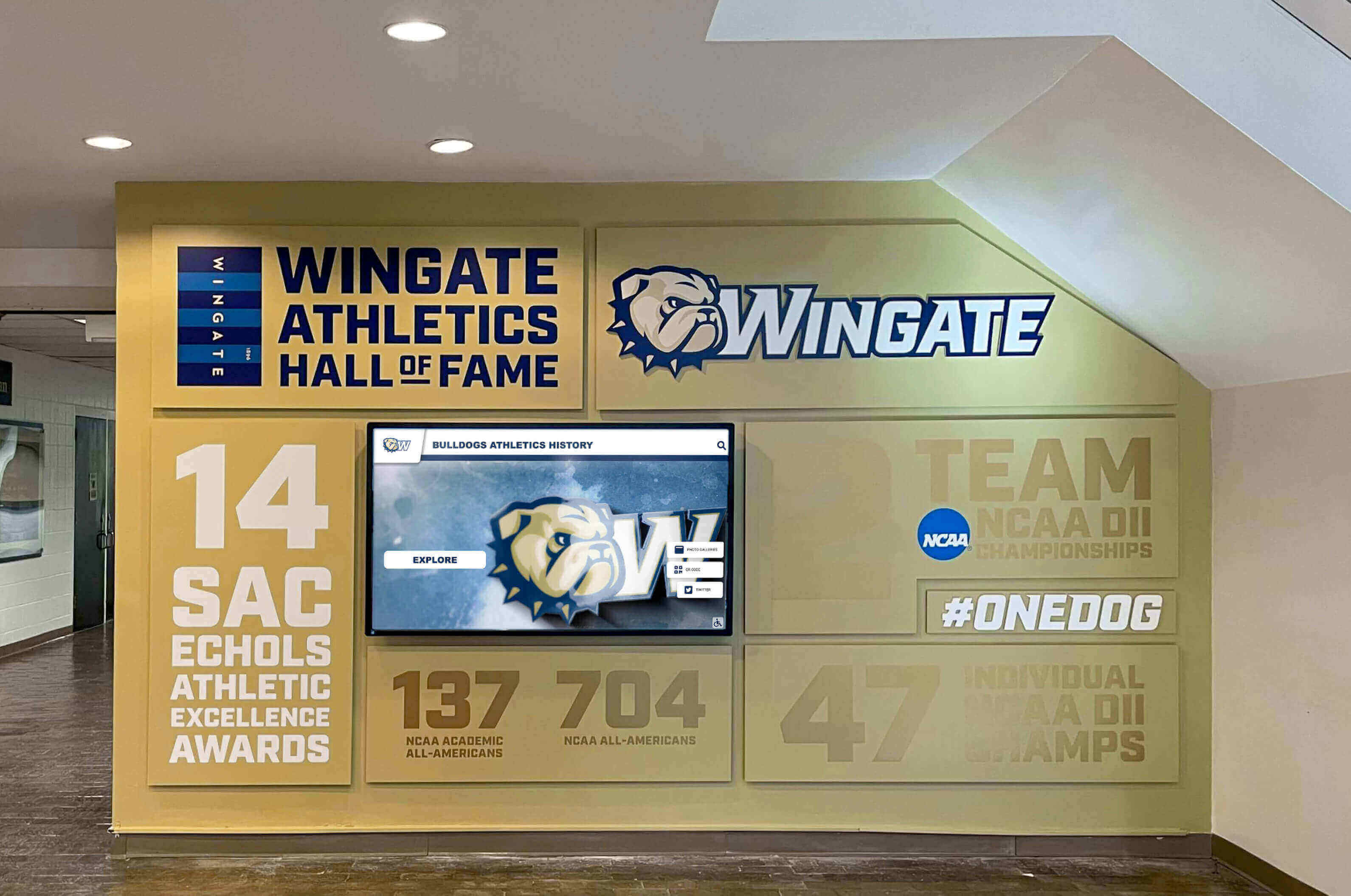
Permanent Recognition: Championship achievement deserves permanent recognition through updated displays, championship banner additions, trophy case enhancements, or digital recognition system updates that preserve championship seasons for future generations.
Individual Recognition: While championships represent team achievement, individual recognition through letters, certificates, or commemorative items provides personal keepsakes that athletes treasure throughout life.
Schools developing systematic post-championship recognition plans ensure that championship moments receive appropriate documentation rather than allowing these achievements to be celebrated briefly but inadequately documented for long-term institutional memory.
Technology and Championship Recognition in 2026
Modern technology provides North Carolina schools with unprecedented opportunities to recognize championship achievement comprehensively and engagingly.
Digital Recognition Display Advantages
Digital recognition platforms offer specific advantages for championship documentation that traditional static displays cannot match:
Automatic Updates: When championship rosters, statistics, or achievement details require corrections or additions, digital systems update instantly across all displays, eliminating discrepancies common with static recognition that becomes outdated as new information emerges.
Multi-Location Access: Digital recognition systems enable championship information to appear on multiple displays throughout school facilities, with hallway screens, lobby displays, and dedicated athletic recognition areas all presenting synchronized championship content.
Remote Content Management: Athletic directors and coaches can update championship displays remotely through web-based content management systems, adding new achievements, updating statistics, or correcting information without requiring physical access to display hardware.
Scalable Recognition: Digital systems scale effortlessly as championship achievements accumulate, with unlimited capacity eliminating concerns about running out of recognition space as programs build championship traditions.
Analytics and Engagement Tracking: Advanced digital systems can track which championship displays generate most viewer interest, helping schools understand which recognition elements resonate most effectively with audiences and optimizing content accordingly.
Resources on digital signage content ideas provide frameworks for maximizing digital display effectiveness, with championship recognition benefiting from these content strategy principles.
Integration With School Communication Systems
Championship recognition systems work most effectively when integrated with broader school communication infrastructure:
Website Integration: Championship displays can pull information from athletic websites, maintaining consistent championship information across physical displays and digital properties while eliminating duplicate data entry.
Social Media Connections: Some digital recognition systems integrate with social media platforms, automatically sharing championship achievements through school social channels while displaying social media celebration on physical recognition displays.
Mobile Access: Modern recognition systems often include mobile applications allowing students, alumni, and community members to explore championship history through smartphones, extending recognition beyond physical displays to ubiquitous mobile devices.
Email and Newsletter Features: Championship achievements displayed on physical recognition systems can automatically populate email newsletters and digital communications, ensuring that championship recognition reaches audiences beyond those physically visiting school facilities.
This integration creates comprehensive recognition ecosystems where championship achievements are celebrated across multiple channels simultaneously, maximizing recognition impact while minimizing administrative workload through automated content distribution.
Mobile and QR Code Enhancement
Modern recognition displays can incorporate mobile enhancement technologies that extend championship stories beyond physical screen limitations:
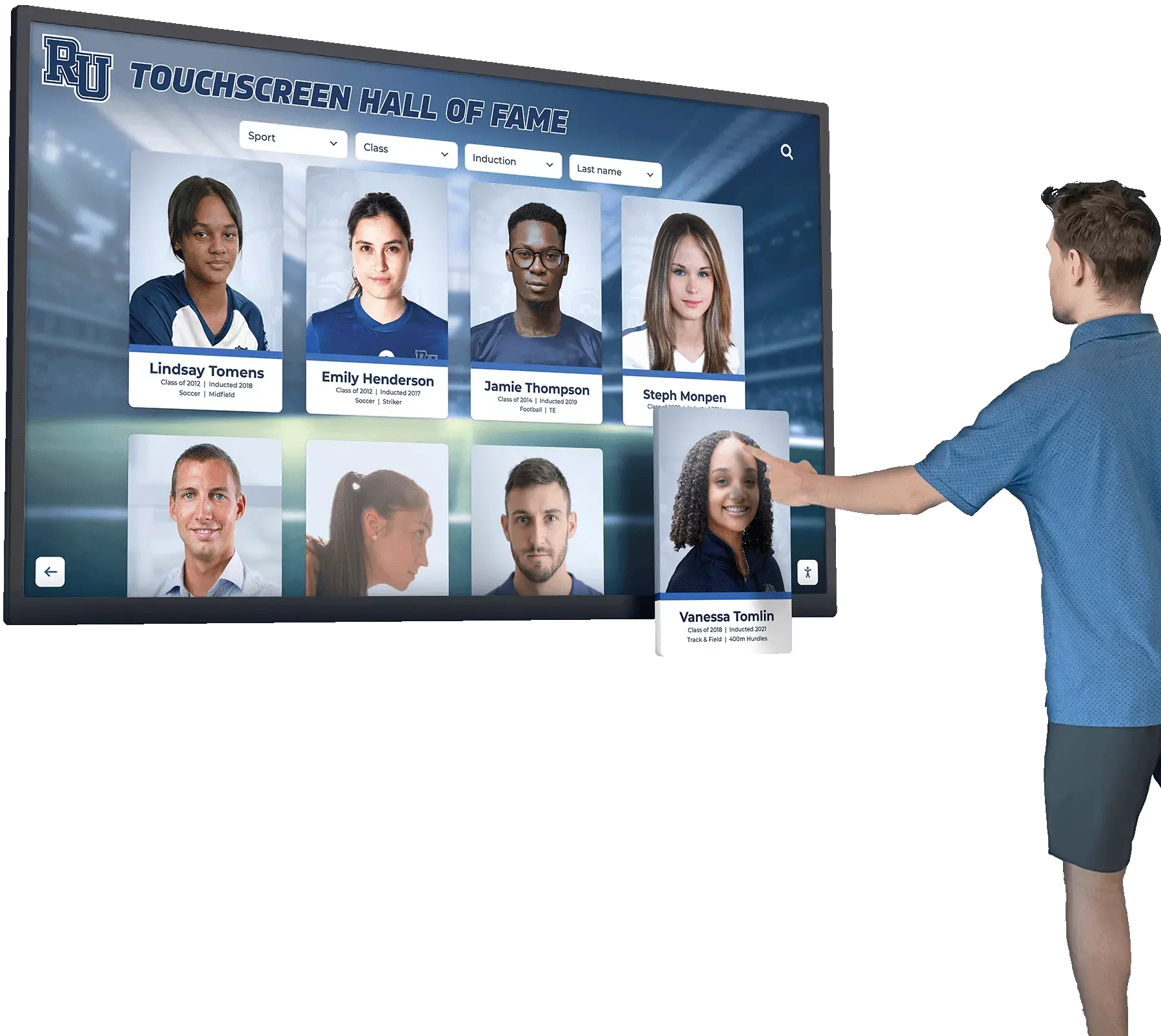
QR Code Access: Physical displays can include QR codes that viewers scan with smartphones, instantly accessing extended championship information, full game statistics, highlight videos, or detailed roster information that wouldn’t fit on primary displays.
Personal Connection Discovery: Some systems allow visitors to search championship rosters for personal connections, helping alumni discover which championship teams included friends, relatives, or classmates, creating personalized engagement with championship history.
Social Sharing Features: Mobile-enhanced recognition enables visitors to share championship information through social media directly from their devices, extending championship recognition reach beyond physical visitors to digital audiences.
Multilingual Support: Mobile enhancement can provide championship information in multiple languages, ensuring that diverse school communities can engage with championship recognition regardless of primary language.
These mobile enhancement features transform static recognition displays into interactive starting points that connect physical and digital recognition experiences, maximizing championship documentation effectiveness.
Planning Championship Recognition System Implementation
Schools considering digital recognition systems for championship documentation should understand implementation processes and requirements.
Assessing Recognition Needs
Effective recognition system implementation begins with thorough assessment of specific championship recognition needs:
Current Recognition Audit: Document existing championship recognition—what championships are currently recognized, what information is displayed, what limitations exist with current approaches, and what improvement opportunities would enhance recognition effectiveness.
Content Inventory: Catalog available championship information including team rosters, photos, statistics, game records, playoff brackets, and championship game results. Comprehensive content inventories identify information gaps that require research before implementation.
Location Analysis: Identify optimal locations for championship recognition displays based on traffic patterns, visibility, available space, power and network connectivity, and integration with existing trophy cases or athletic recognition areas.
Budget Planning: Develop realistic budgets accounting for hardware costs, software licensing, content development, installation expenses, and ongoing maintenance. Understanding total cost of ownership prevents mid-implementation budget surprises.
Stakeholder Input: Gather input from coaches, athletic directors, alumni, boosters, and administrators about recognition priorities, ensuring implementation reflects community values rather than assumptions about recognition preferences.
Tools like pep rally ideas show how athletic recognition integrates with broader school spirit initiatives, with championship displays serving as focal points for community celebration during special events.
Selecting Recognition Technology Partners
Choosing the right technology partner significantly impacts recognition system success and long-term satisfaction:
Education Specialization: Prioritize vendors specializing in educational institution recognition rather than general-purpose digital signage providers who may not understand specific school recognition needs and operational constraints.
Content Management Capability: Evaluate content management systems for ease of use, ensuring that school staff can update championship information without requiring specialized technical expertise or vendor dependence for routine updates.
Design Flexibility: Assess whether systems offer sufficient design customization to match school branding, colors, and aesthetic preferences rather than forcing recognition into generic templates unsuitable for school identity.
Support and Training: Understand included support services, training provisions, and ongoing maintenance arrangements. Implementation success depends heavily on vendor support quality, particularly during initial deployment.
Scalability and Growth: Select systems that accommodate growth as championship achievements accumulate and recognition needs expand, avoiding solutions that work initially but face limitations as recognition programs mature.
Reference Checks: Contact schools currently using systems under consideration, asking about implementation experiences, ongoing satisfaction, vendor responsiveness, system reliability, and whether they would select the same solution if choosing again.
Comprehensive vendor evaluation prevents implementation of systems that initially seem adequate but prove limiting or problematic as schools gain experience with championship recognition technology.
Content Development and Historical Research
Successful championship recognition requires comprehensive content development documenting championship history accurately and thoroughly:
Historical Research: For championships from past decades, content development may require extensive research using yearbooks, newspaper archives, athletic records, and alumni interviews to compile accurate rosters, statistics, and championship details.
Photo Collection: Gathering quality photos from championship seasons, particularly for older championships predating digital photography, requires reaching out to team members, families, school archives, and local historical societies.
Statistics Verification: Championship game statistics and season records should be verified through multiple sources when possible, ensuring accuracy of published information that becomes permanent recognition record.
Story Collection: Beyond statistics and rosters, effective championship recognition includes narratives about championship seasons—dramatic playoff victories, overcome adversity, key performances, and memorable moments that bring championships to life beyond mere facts.
Rights and Permissions: Ensure appropriate rights for photos, videos, and other content incorporated into recognition displays, particularly when using materials from professional photographers, media organizations, or third-party sources.
Content development represents significant investment, but comprehensive championship documentation creates recognition value that justifies development effort through enduring impact on school culture and community pride.
Championship Recognition Return on Investment
Schools investing in comprehensive championship recognition realize returns across multiple dimensions beyond just aesthetic appeal.
Athletic Program Benefits
Championship recognition provides tangible advantages for athletic program development and competitive success:
Recruiting Enhancement: Visible championship tradition attracts talented athletes choosing between multiple programs, with comprehensive recognition demonstrating commitment to excellence that appeals to competitive athletes and families.
Athlete Motivation: Current athletes training and competing in facilities showcasing championship tradition understand concrete evidence that excellence receives lasting recognition, motivating pursuit of similar achievement.
Coaching Stability: Programs honoring coaching excellence through championship recognition demonstrate appreciation for successful coaches, supporting retention efforts when competing schools pursue proven championship coaches.
Booster Engagement: Comprehensive championship recognition provides tangible evidence of athletic program excellence, supporting fundraising efforts by demonstrating that booster investments produce measurable competitive success worth celebrating.
Conference Reputation: Schools with visible championship tradition elevate entire conference competitive reputations, with championship programs raising standards that benefit all conference members through improved scheduling and recruiting advantages.
Resources on sport end-of-year awards demonstrate how comprehensive athletic recognition programs celebrate achievement at multiple levels, with championship recognition representing the pinnacle of these multi-tiered recognition systems.
Institutional and Community Benefits
Beyond athletic program advantages, championship recognition provides broader institutional and community benefits:
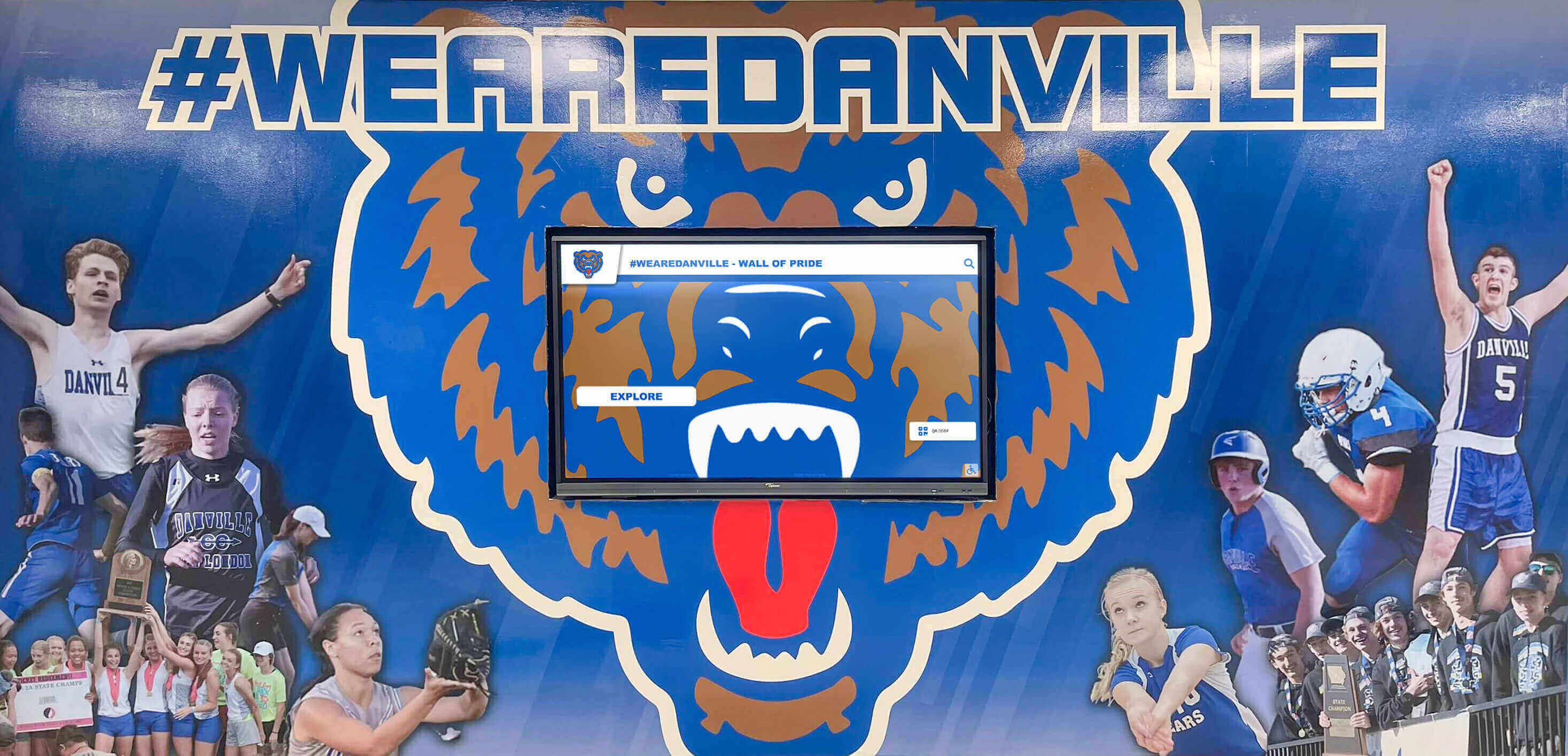
School Pride: Championship recognition serves as visible evidence of institutional excellence, building school-wide pride that extends beyond athletic participants to entire student bodies and communities.
Alumni Engagement: Comprehensive championship documentation reconnects alumni with their athletic experiences, strengthening alumni relationships and supporting development efforts by demonstrating that school honors and preserves alumni achievements.
Enrollment Marketing: Schools competing for students and families can leverage championship tradition as differentiator, with athletic excellence signaling broader institutional quality in competitive education markets.
Community Identity: In communities where school athletics form significant aspects of local identity, championship recognition strengthens community bonds by celebrating shared achievements and traditions that transcend individual seasons.
Historical Preservation: Championship recognition serves archival function, systematically preserving institutional history that might otherwise be lost as decades pass and institutional memory fades without comprehensive documentation.
These broader benefits often exceed purely athletic advantages, justifying championship recognition investments through comprehensive value creation across multiple institutional priorities.
Measuring Recognition Impact
Schools can measure championship recognition effectiveness through various metrics demonstrating tangible impact:
Engagement Metrics: Digital recognition systems provide analytics showing display interaction frequency, content access patterns, and viewer engagement duration, quantifying recognition impact through actual usage data.
Survey Feedback: Gathering feedback from students, athletes, alumni, and community members about recognition effectiveness, information comprehensiveness, and satisfaction with championship documentation provides qualitative assessment of recognition value.
Recruitment Indicators: Tracking whether prospective athletes and families mention championship recognition during recruitment conversations, cite program tradition as decision factors, or demonstrate championship knowledge gained through recognition displays indicates recruiting impact.
Fundraising Correlation: Monitoring whether championship recognition correlates with booster contributions, alumni giving, or facility improvement fundraising success demonstrates financial return on recognition investment.
Media Coverage: Assessing whether championship recognition generates local media coverage, social media engagement, or public relations value provides evidence of recognition effectiveness beyond internal audiences.
Systematic impact measurement demonstrates recognition value to administrators evaluating resource allocation, supporting continued investment in championship documentation and recognition enhancement.
Frequently Asked Questions About NC High School Football Championships
Q: How many classifications compete for North Carolina high school football championships?
North Carolina crowns champions in seven classifications—four public school divisions (1A, 2A, 3A, 4A) and three non-public school divisions (1AA, 2AA, 3AA), ensuring schools compete against similarly-sized programs for state championships.
Q: Where are NC high school football championship games played?
NCHSAA football championship games are hosted at college stadiums across the state, with recent championships held at venues including Carter-Finley Stadium (NC State) and Kenan Memorial Stadium (UNC), providing authentic championship atmosphere.
Q: How do North Carolina schools qualify for football playoffs?
Schools qualify through conference performance, with top teams from each conference earning automatic playoff berths and additional at-large selections filling 32-team brackets in most classifications based on overall regular season record and competitive metrics.
Q: What makes North Carolina high school football competitive nationally?
North Carolina’s large population, strong youth football development systems, favorable climate allowing year-round training, competitive conference structures, and tradition of football excellence combine to create one of the nation’s most competitive prep football landscapes producing college and professional talent.
Q: How should schools recognize state championship achievements?
Schools should implement comprehensive recognition programs documenting championship teams through complete rosters, season statistics, championship game details, and player profiles. Modern digital recognition systems like those from Rocket Alumni Solutions provide scalable, engaging platforms for preserving championship history permanently while inspiring current athletes through visible program tradition.
Celebrating North Carolina Football Championship Excellence
North Carolina high school football championships represent the pinnacle of athletic achievement for programs across the Tar Heel State, creating memories that last lifetimes for players, coaches, and communities. From the intense playoff battles that determine which teams reach championship games to the December celebrations when state champions are crowned, the journey to championship glory defines North Carolina prep football at its finest.
For schools fortunate enough to capture state championships, appropriate recognition ensures these achievements inspire future generations while honoring past excellence. Digital recognition solutions provide modern platforms for preserving championship history comprehensively, enabling athletic departments to document championship teams, celebrate championship moments, and maintain championship traditions through engaging displays that connect past glory with present aspiration and future possibility.
Whether your program is building toward its first championship appearance or maintaining a dynasty spanning multiple decades, investing in comprehensive championship recognition demonstrates that excellence receives lasting acknowledgment—motivating current athletes, engaging alumni, attracting prospective students and athletes, and preserving institutional memory that defines program identity and community pride for generations.
Ready to showcase your North Carolina high school football championships with a modern digital recognition display that preserves program history while inspiring future champions? Schedule a demo with Rocket Alumni Solutions to discover how digital record boards create lasting recognition for state championship achievements.