



Career and Technical Education (CTE) programs prepare millions of students for in-demand careers across skilled trades, healthcare, information technology, business, engineering, and dozens of other professional pathways. Yet students excelling in these programs often receive less visible recognition than their counterparts in traditional academic or athletic programs. The National Technical Honor Society (NTHS) changes that dynamic by providing prestigious national recognition specifically celebrating outstanding achievement in career and technical education fields.
For schools with active CTE programs, implementing comprehensive NTHS recognition becomes essential for validating student accomplishment, inspiring younger students to pursue technical excellence, demonstrating institutional commitment to career readiness, and creating equitable recognition cultures where technical achievement receives celebration comparable to traditional academic honors. Modern recognition approaches—particularly digital displays—enable schools to showcase NTHS members alongside other academic achievers while making efficient use of limited space and providing engaging, interactive experiences that resonate with today’s students.
Why National Technical Honor Society Recognition Matters
NTHS recognition serves critical functions beyond celebrating individual students. Visible acknowledgment of technical excellence validates career pathways that lead directly to well-paying careers without requiring four-year degrees, inspires current students to pursue technical education seriously, demonstrates program quality to families and community stakeholders, creates pride in technical education that counteracts outdated stigmas, and establishes institutional cultures recognizing that technical and academic achievement deserve equal celebration. Schools implementing comprehensive NTHS recognition report stronger CTE enrollment, improved student performance, enhanced community understanding of program value, and meaningful connections between current students and accomplished technical program alumni.
Understanding the National Technical Honor Society: Mission and Standards
The National Technical Honor Society represents the premier student recognition program exclusively focused on career and technical education excellence. Founded to honor and recognize outstanding students in CTE programs nationwide, NTHS provides a framework similar to the National Honor Society but specifically designed for the unique characteristics and achievements within technical education.
NTHS Organizational Structure and Affiliation
NTHS operates under SkillsUSA, the national organization serving teachers and high school and college students preparing for careers in trade, technical, and skilled service occupations. This organizational home ensures NTHS connects directly to broader career and technical education infrastructure, professional development resources, and industry partnerships that strengthen technical programs nationally.
Schools establish NTHS chapters through formal affiliation processes requiring institutional commitment to career and technical education, faculty advisors dedicated to program coordination, and adherence to NTHS standards for member selection and chapter operations. Chapter establishment signals serious institutional investment in CTE program quality and student recognition comparable to chapters of National Honor Society or other prestigious academic organizations.
Membership Requirements: What Students Must Demonstrate
NTHS membership requires students to meet rigorous standards demonstrating comprehensive excellence rather than single-dimension achievement. Core membership criteria typically include active enrollment in eligible career and technical education programs, minimum grade point average requirements (commonly 3.0 or higher overall), demonstrated leadership through CTE activities, projects, or competitions, strong character references from instructors and administrators, commitment to service within school or community contexts, and sustained engagement in technical coursework rather than minimal participation.
These multifaceted requirements ensure NTHS recognition acknowledges students who combine technical skill development with academic performance, leadership capability, ethical character, and service orientation—comprehensive qualifications that prepare students for career success beyond narrow technical competencies. Students earning NTHS membership demonstrate they possess both technical excellence and broader professional qualities employers value highly.
Technical Program Eligibility: Recognized CTE Fields
NTHS recognizes excellence across diverse career and technical education pathways, reflecting the breadth of modern technical education extending far beyond traditional “shop” stereotypes. Eligible program areas typically include:
Skilled Trades and Construction: Carpentry, electrical systems, plumbing, HVAC, welding, masonry, heavy equipment operation, and construction management programs preparing students for building trades careers
Advanced Manufacturing and Engineering: Precision machining, computer-aided design and manufacturing (CAD/CAM), robotics, automation technology, quality control, and engineering technology programs supporting modern manufacturing industries
Healthcare and Medical Services: Nursing assistance, medical assisting, dental programs, emergency medical services, pharmacy technology, and other healthcare preparation pathways addressing critical workforce needs
Information Technology: Computer science, cybersecurity, networking, software development, database administration, and IT support programs preparing students for technology careers
Business and Finance: Accounting, marketing, entrepreneurship, business management, financial services, and professional office administration programs developing business career readiness
Hospitality and Culinary Arts: Culinary programs, hospitality management, tourism services, and food service preparation supporting vibrant service industry careers
Transportation Technology: Automotive technology, diesel mechanics, aviation maintenance, collision repair, and other vehicle-related technical programs
Agriculture and Natural Resources: Agricultural science, horticulture, forestry, environmental technology, and land management programs
This comprehensive scope ensures virtually every CTE program area qualifies for NTHS recognition, enabling schools with diverse technical offerings to honor excellence across all programs rather than limiting recognition to specific technical fields.
The Recognition Gap: Why Technical Achievement Often Goes Uncelebrated
Walk through most high schools and a troubling pattern emerges: athletic trophy cases overflow with decades of recognition, National Honor Society plaques honor academic excellence prominently, yet career and technical education achievements receive minimal permanent acknowledgment despite programs serving significant student populations and producing outstanding outcomes. This recognition disparity sends powerful unintended messages about which student accomplishments institutions truly value.
Cultural Stigmas Surrounding Technical Education
Despite overwhelming evidence that technical careers offer excellent compensation, job security, and professional satisfaction, outdated cultural attitudes often position technical education as secondary to traditional academic pathways. These stigmas manifest in subtle and overt ways: counselors steering college-capable students away from CTE programs, parents expressing disappointment when students choose technical pathways over four-year colleges, and institutional recognition patterns prioritizing traditional academic achievements over technical excellence.
Visible, prominent NTHS recognition directly challenges these stigmas by demonstrating institutional pride in technical achievement and validating career pathways that lead to successful, rewarding careers without requiring bachelor’s degrees. When technical excellence receives recognition comparable to traditional academic honors, students, families, and communities receive powerful messages that technical careers represent legitimate, valuable pathways deserving celebration and respect.
Space and Budget Constraints Limiting Traditional Recognition
Schools face legitimate practical challenges implementing comprehensive recognition for growing numbers of achievement categories. Physical space for plaques and displays remains finite, forcing impossible choices about which accomplishments deserve permanent visibility. Budget limitations prevent investing equally in recognition across all programs, often resulting in established traditions (typically athletic) maintaining resources while newer priorities struggle for comparable support.
These constraints create systematic underrecognition of technical achievement not because schools don’t value CTE programs but because traditional recognition approaches make comprehensive acknowledgment practically impossible within space and budget realities. Modern digital recognition solutions address these limitations by providing unlimited capacity for comprehensive recognition across all achievement types without physical space expansion or prohibitive ongoing costs.
Short-Term Recognition Failing to Create Lasting Impact
Many schools recognize NTHS inductees through brief induction ceremonies, printed certificates, and temporary bulletin board displays—acknowledgment that feels meaningful in the moment but lacks permanent visibility creating lasting impact. Unlike athletic championships memorialized through trophy cases and gymnasium banners, or academic achievements documented through permanent plaques, technical excellence often receives fleeting recognition that disappears within weeks or months.
This impermanence communicates that technical achievement, while acknowledged, doesn’t merit the enduring celebration provided to other accomplishments. Students naturally draw conclusions about relative importance from recognition permanence: achievements displayed prominently and permanently matter more than those acknowledged briefly then replaced by newer content.
Creating Comprehensive NTHS Recognition Programs That Inspire
Effective National Technical Honor Society recognition extends beyond simple induction ceremonies to comprehensive programs that honor members visibly, preserve achievement permanently, inspire future students, and integrate technical excellence into broader school recognition cultures.
Defining Recognition Scope and Content
Begin NTHS recognition planning by determining exactly what your program will celebrate and how information will be presented. Key decisions include whether recognition encompasses only current NTHS members or includes historical inductees across years, what information appears in member profiles beyond names (photos, technical program areas, achievements, career plans), how recognition distinguishes NTHS from other honors while potentially integrating into comprehensive academic recognition systems, and whether technical competition achievements, certifications, and work-based learning accomplishments receive acknowledgment alongside NTHS membership.
Comprehensive recognition that tells complete student stories creates far greater engagement and inspiration than simple name listings. When current students see not just that someone earned NTHS membership but specifically which technical program they completed, what certifications they earned, where they work or what colleges they attend, and what careers they pursue, these narratives provide practical guidance and motivation that minimal recognition cannot offer.
Traditional Recognition Approaches: Options and Limitations
Schools implement NTHS recognition through various traditional methods, each offering distinct advantages and inherent limitations worth understanding when planning recognition strategies.
Permanent Plaques and Honor Boards: Traditional engraved plaques mounted in hallways, CTE classrooms, or common areas provide substantial permanent recognition requiring no ongoing technical support. However, fixed capacity limits how many members can be honored before exhausting space, updates require manufacturing new plaques annually with accumulating costs, inflexibility prevents including information beyond names and years, and static displays generate minimal engagement from viewers who glance briefly without deeper interaction.
Bulletin Board Displays: Rotating bulletin board recognition in CTE classrooms or hallways enables richer content including photos and biographical information with lower initial costs than permanent installations. Yet impermanence may communicate lesser importance compared to permanent athletic or academic displays, physical materials deteriorate requiring regular maintenance, labor-intensive updates demand significant staff time, and limited space still constrains comprehensive recognition as programs grow.
Yearbook and Printed Recognition: Documenting NTHS members in yearbooks creates personal records students retain throughout their lives. While valuable for archival purposes, printed recognition lacks the public visibility and ongoing inspiration that physical displays in common areas provide. Yearbook acknowledgment should supplement rather than replace visible recognition that demonstrates institutional pride to school communities and visitors.
Modern Digital Recognition: Transforming Technical Excellence Visibility
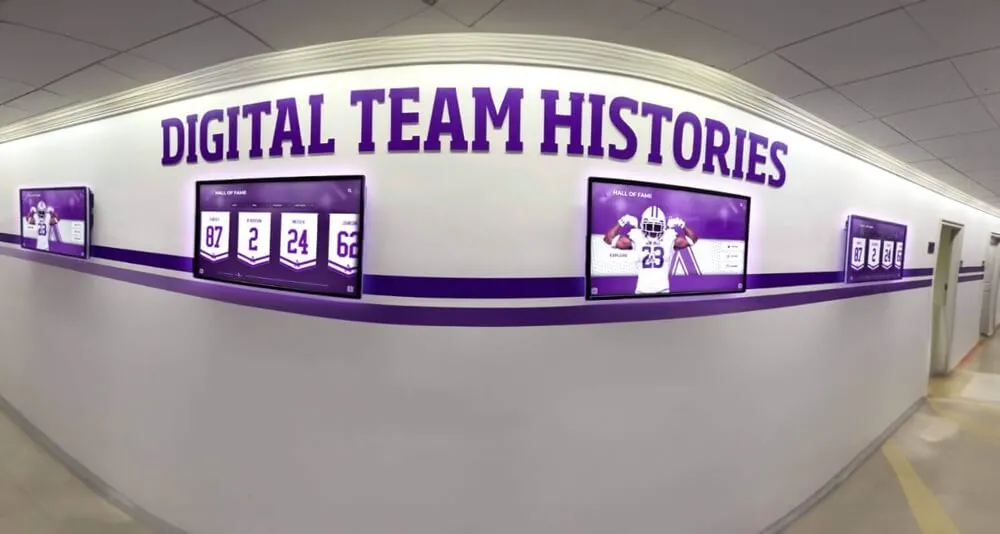
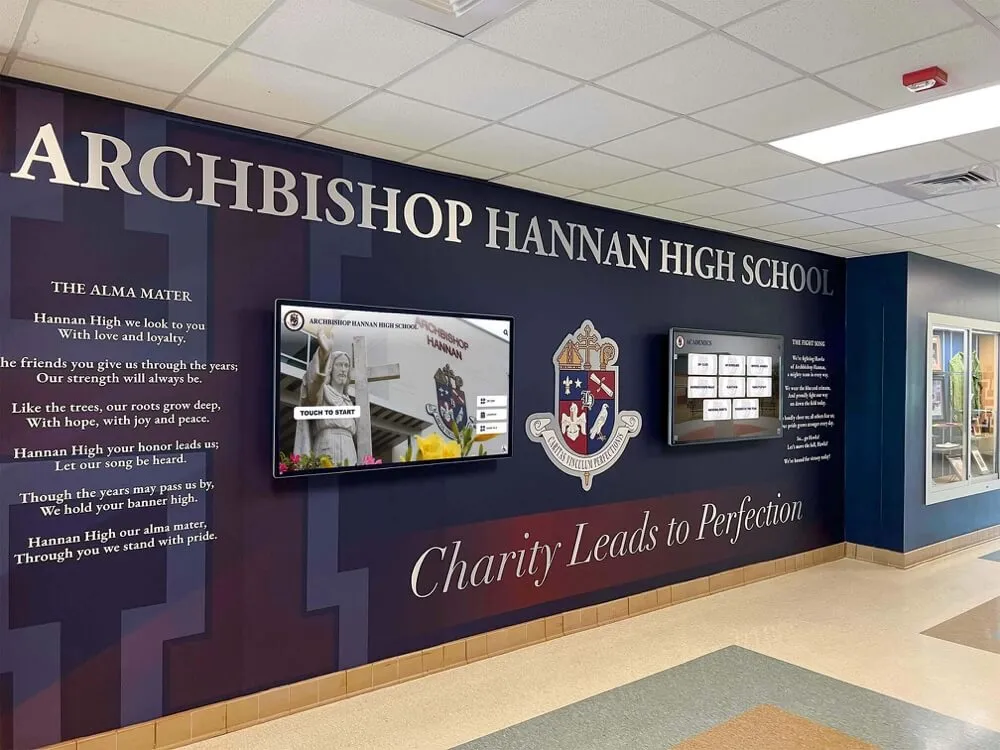
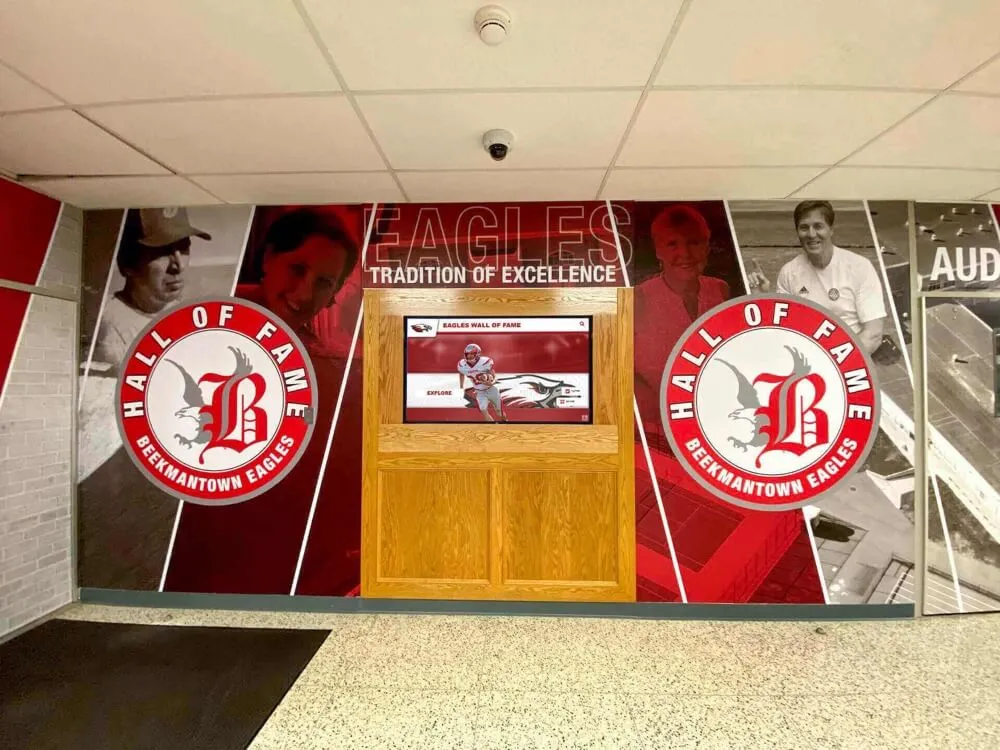
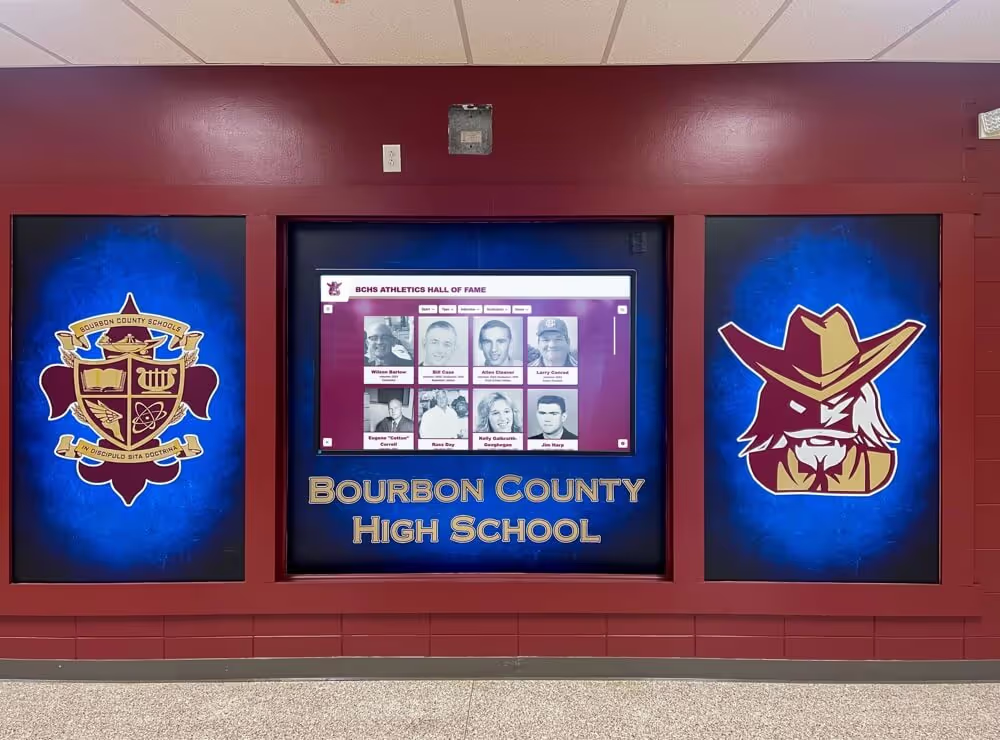
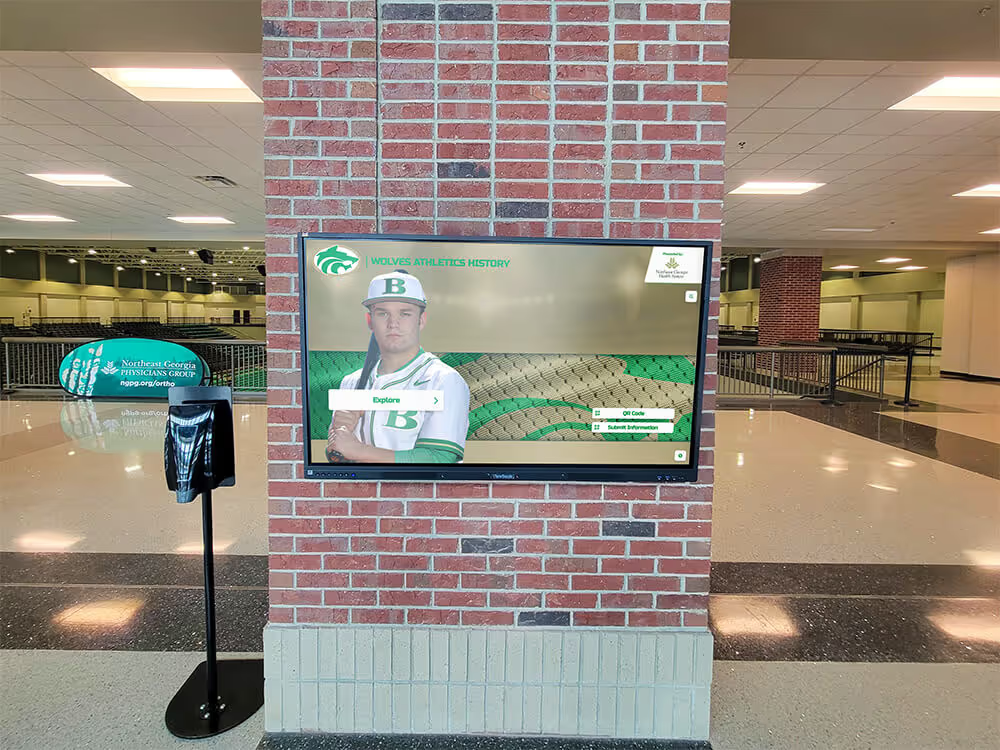
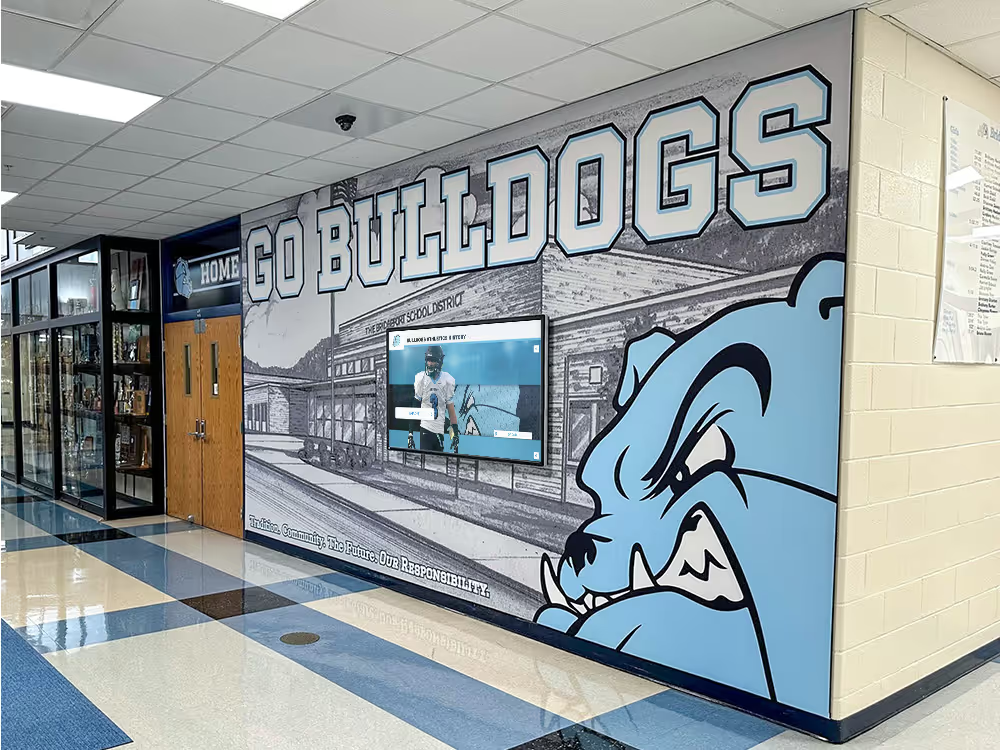
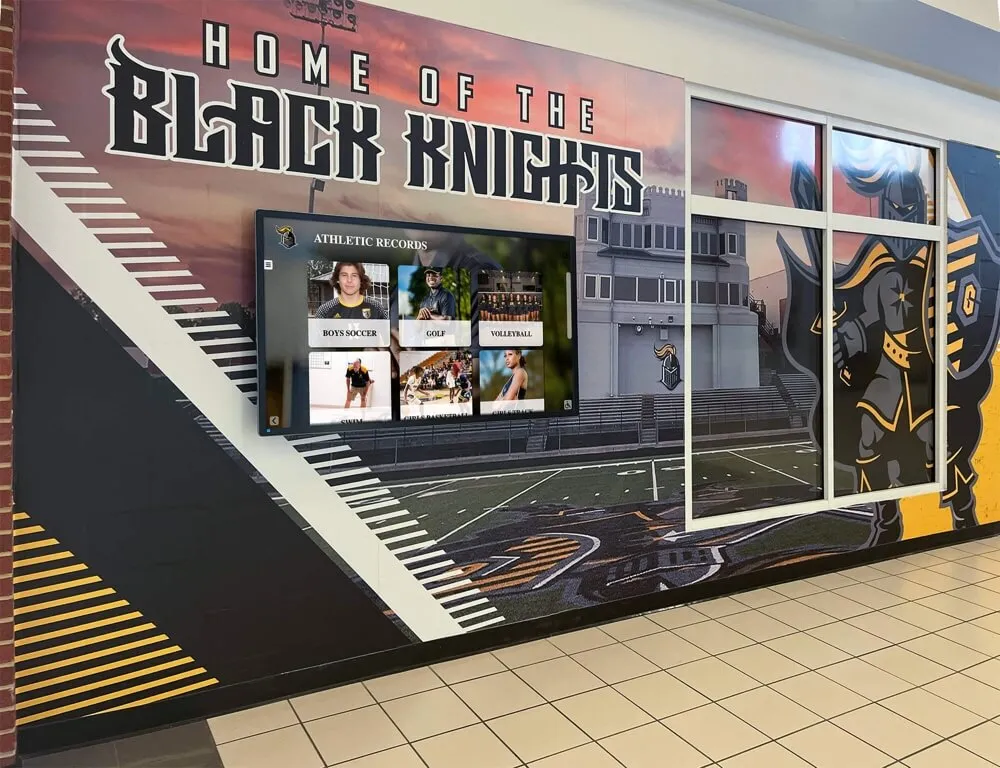
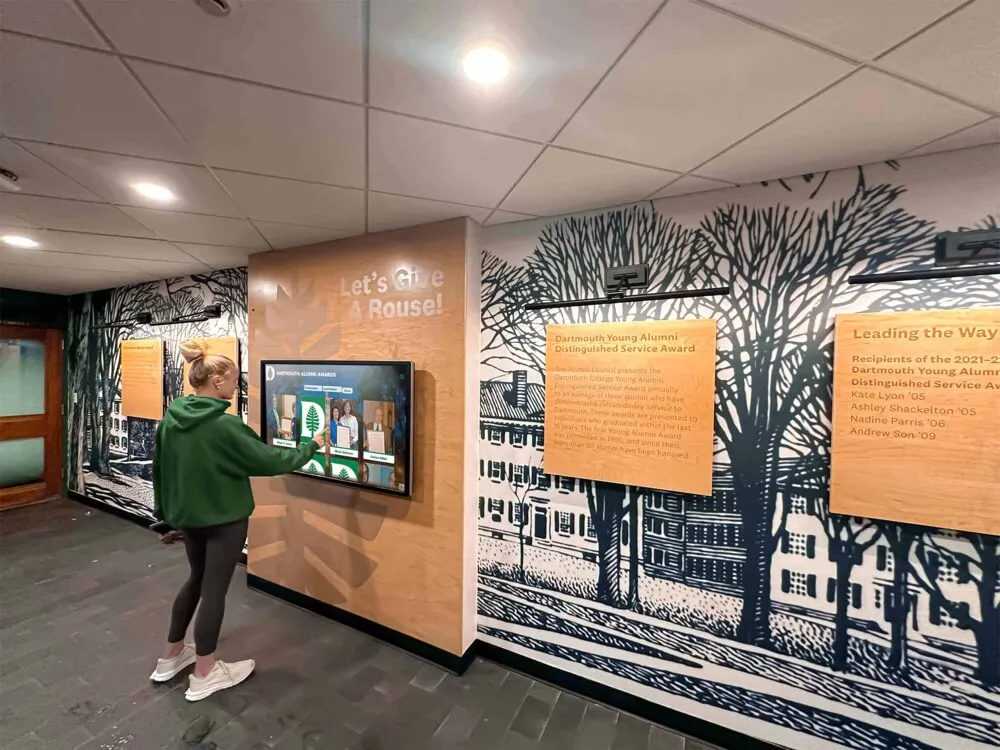
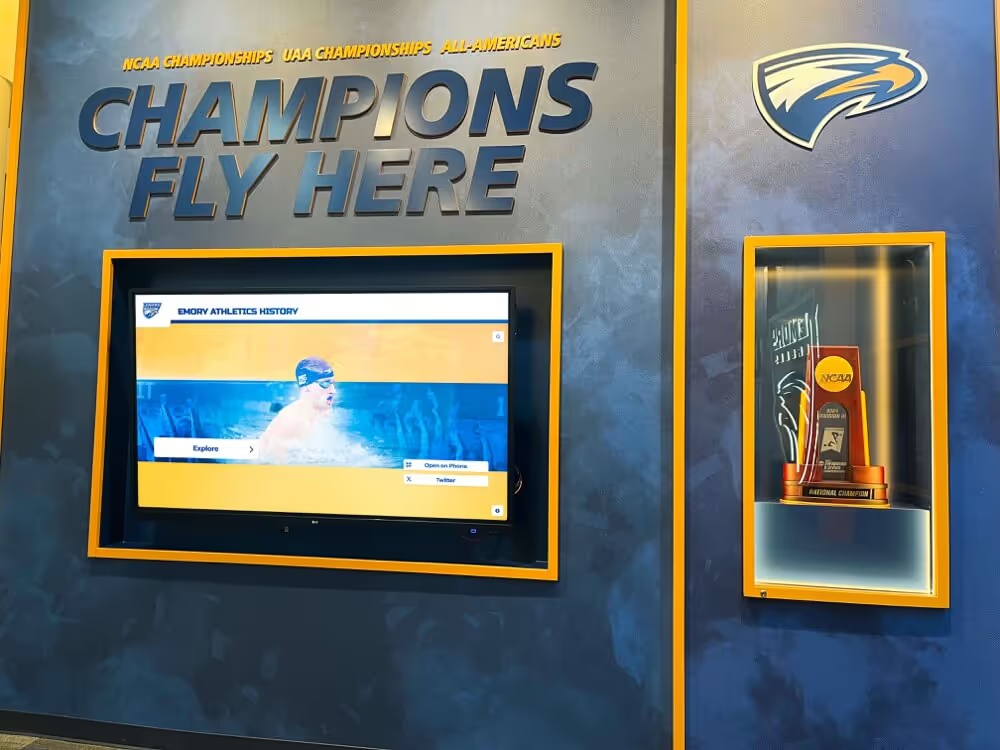
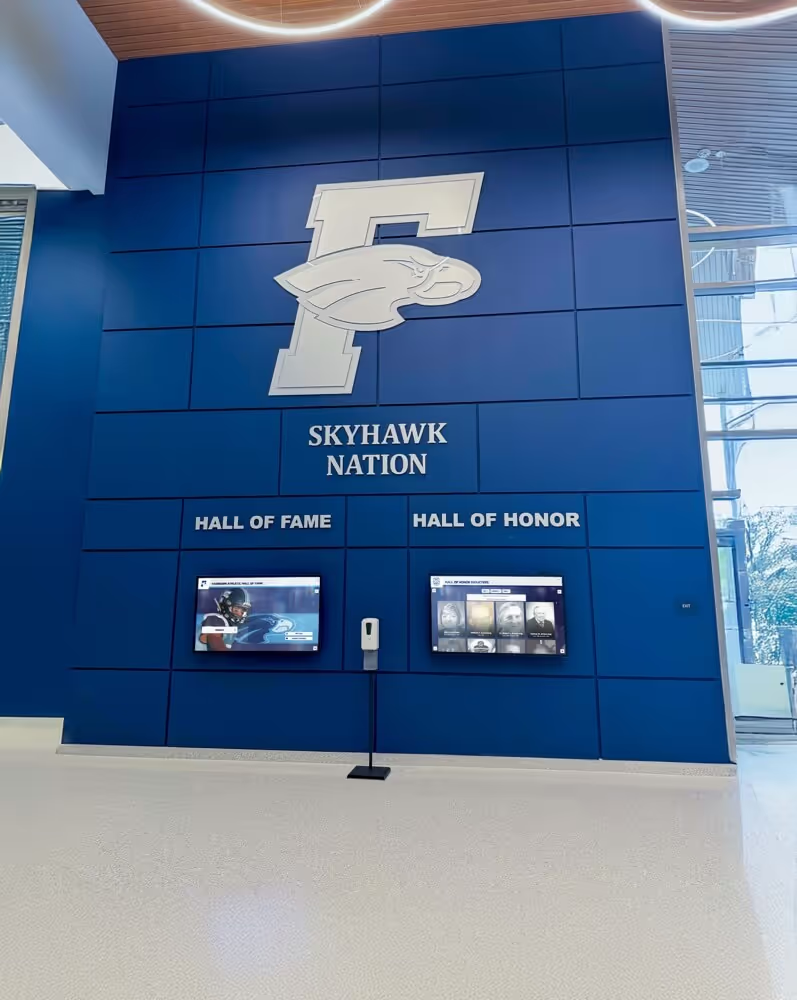
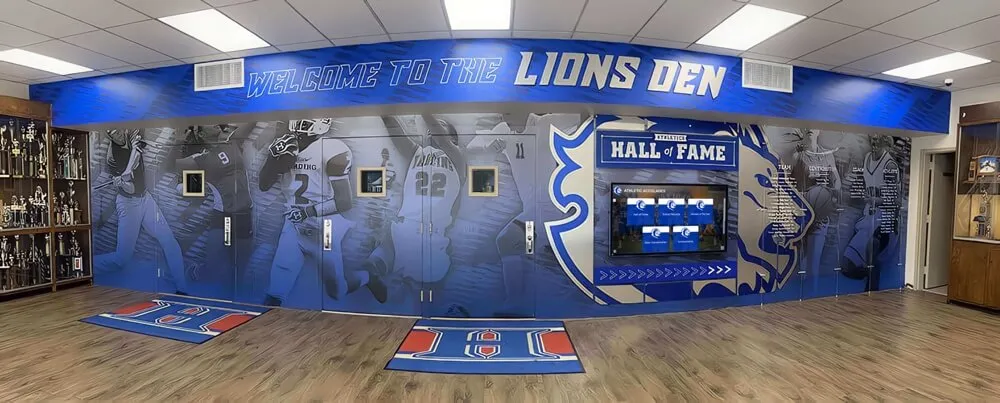
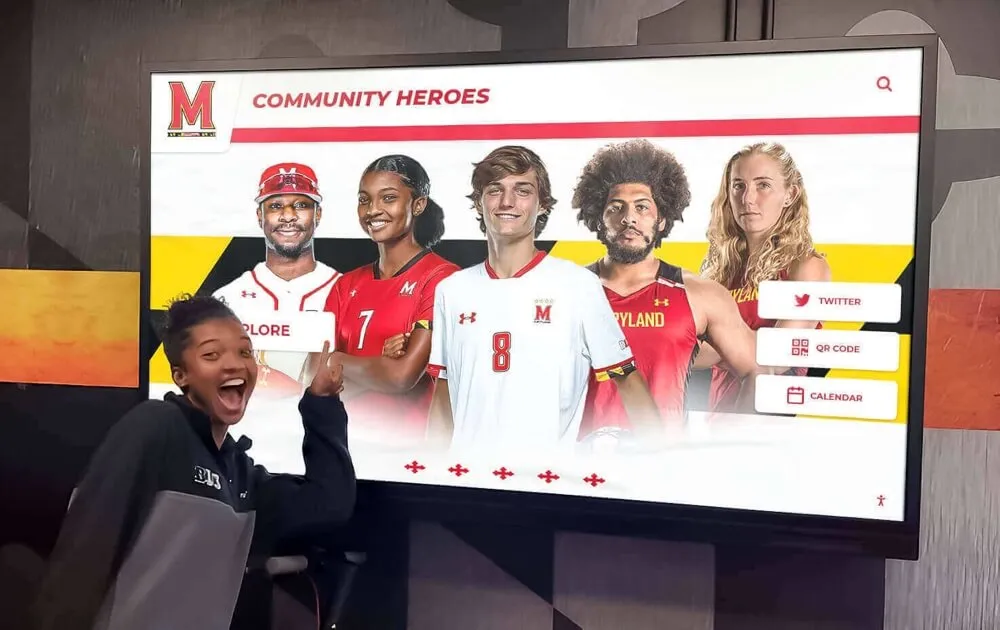
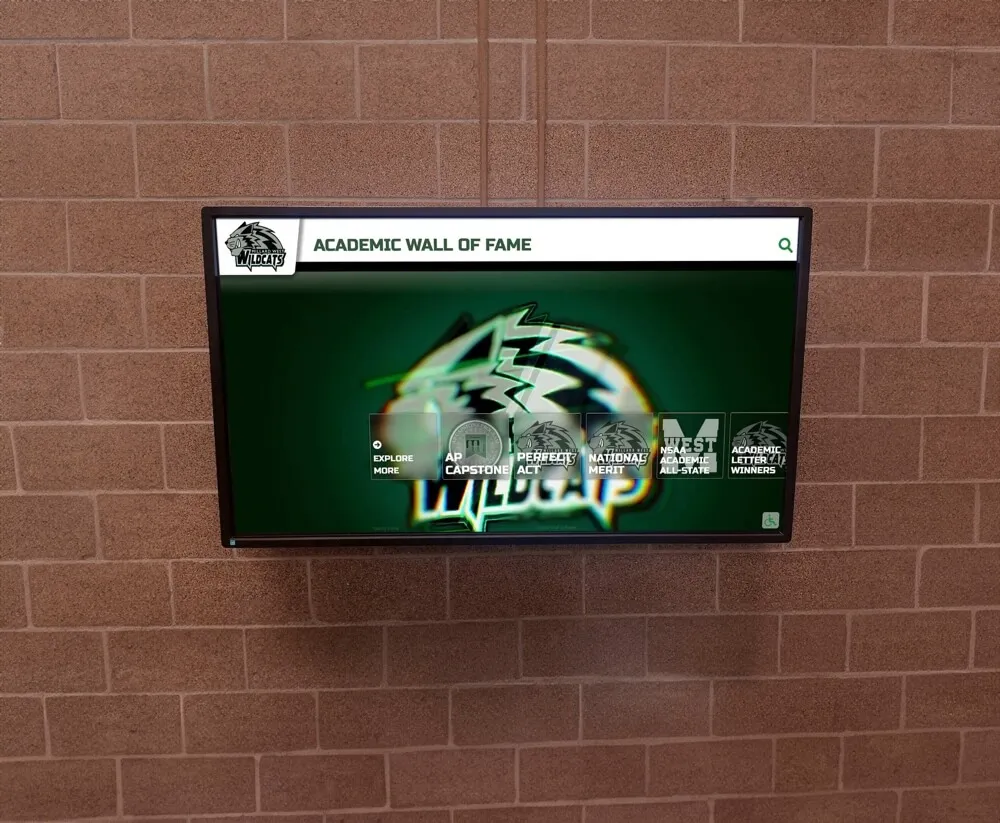
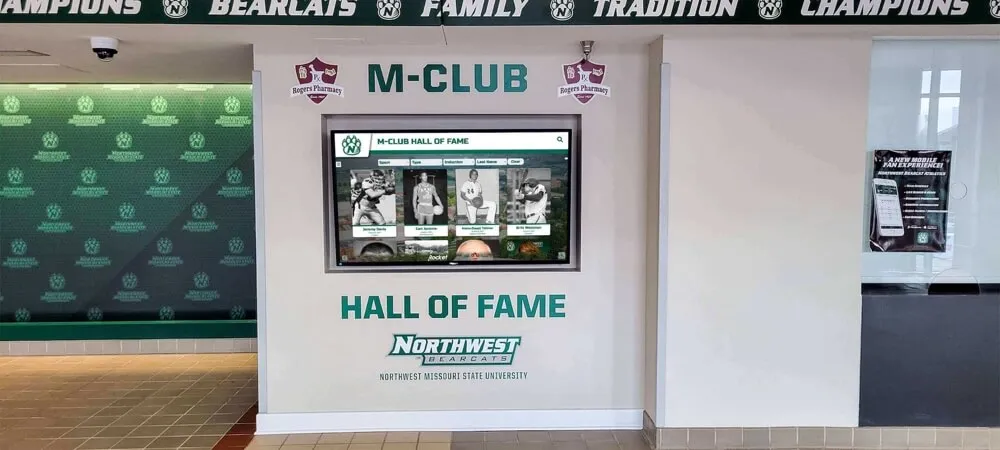
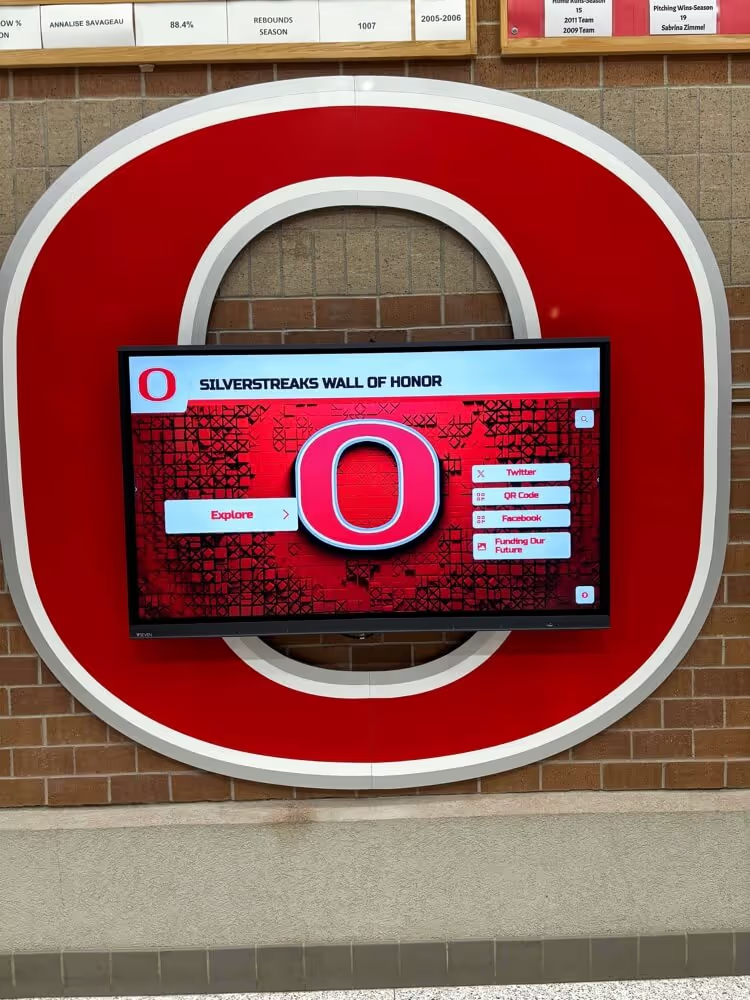
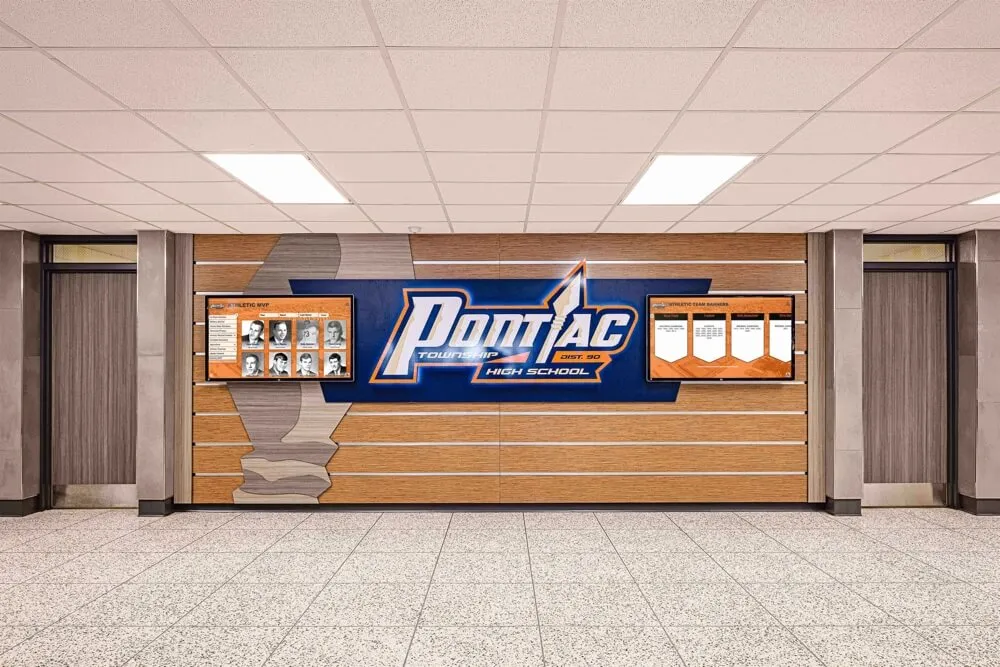
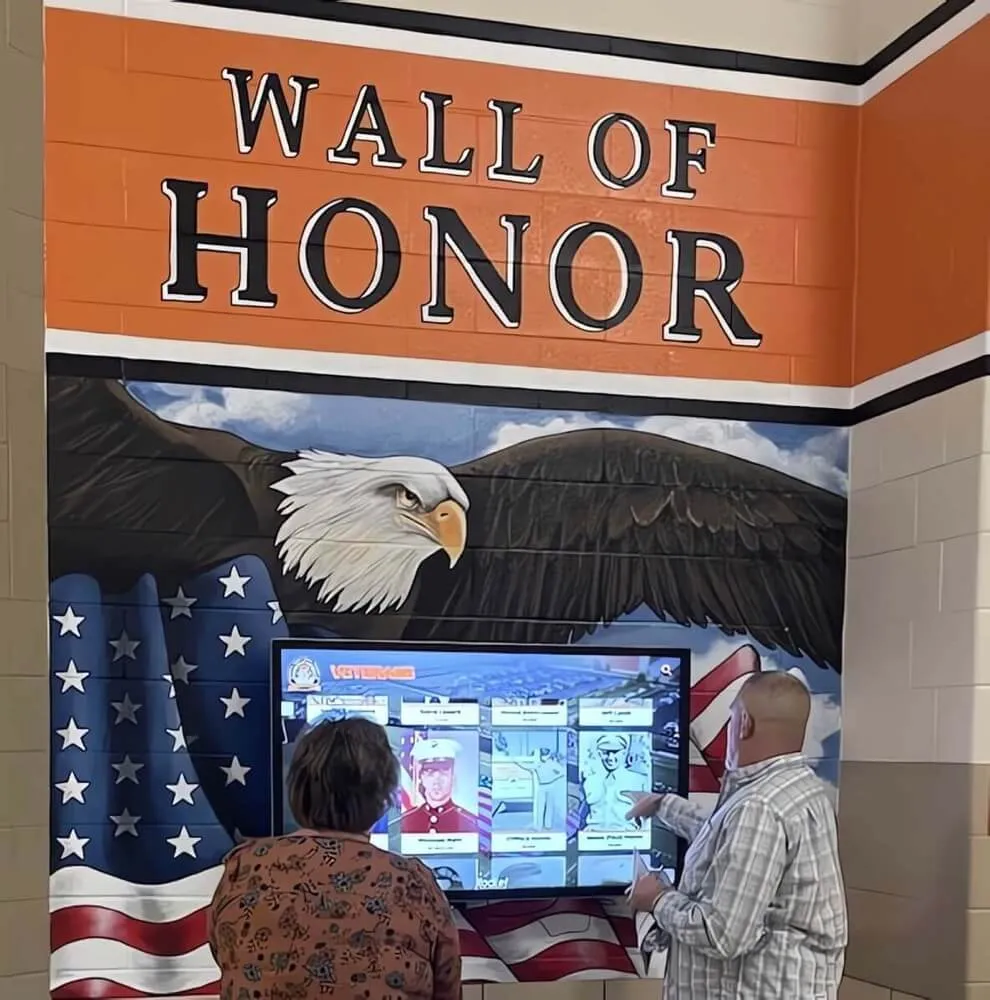
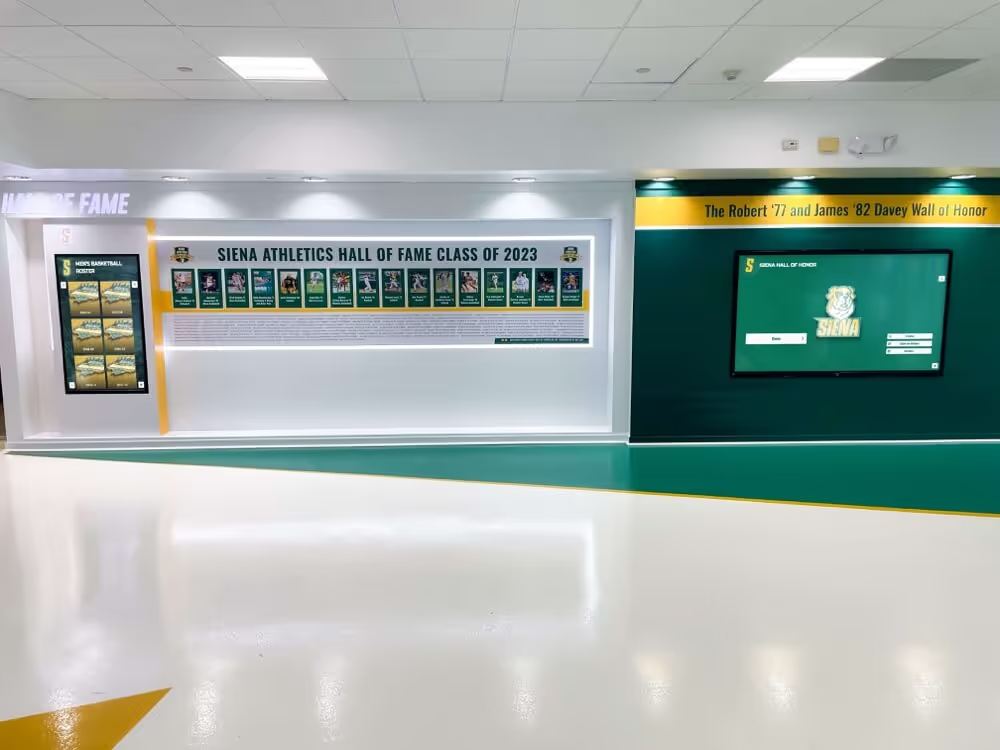
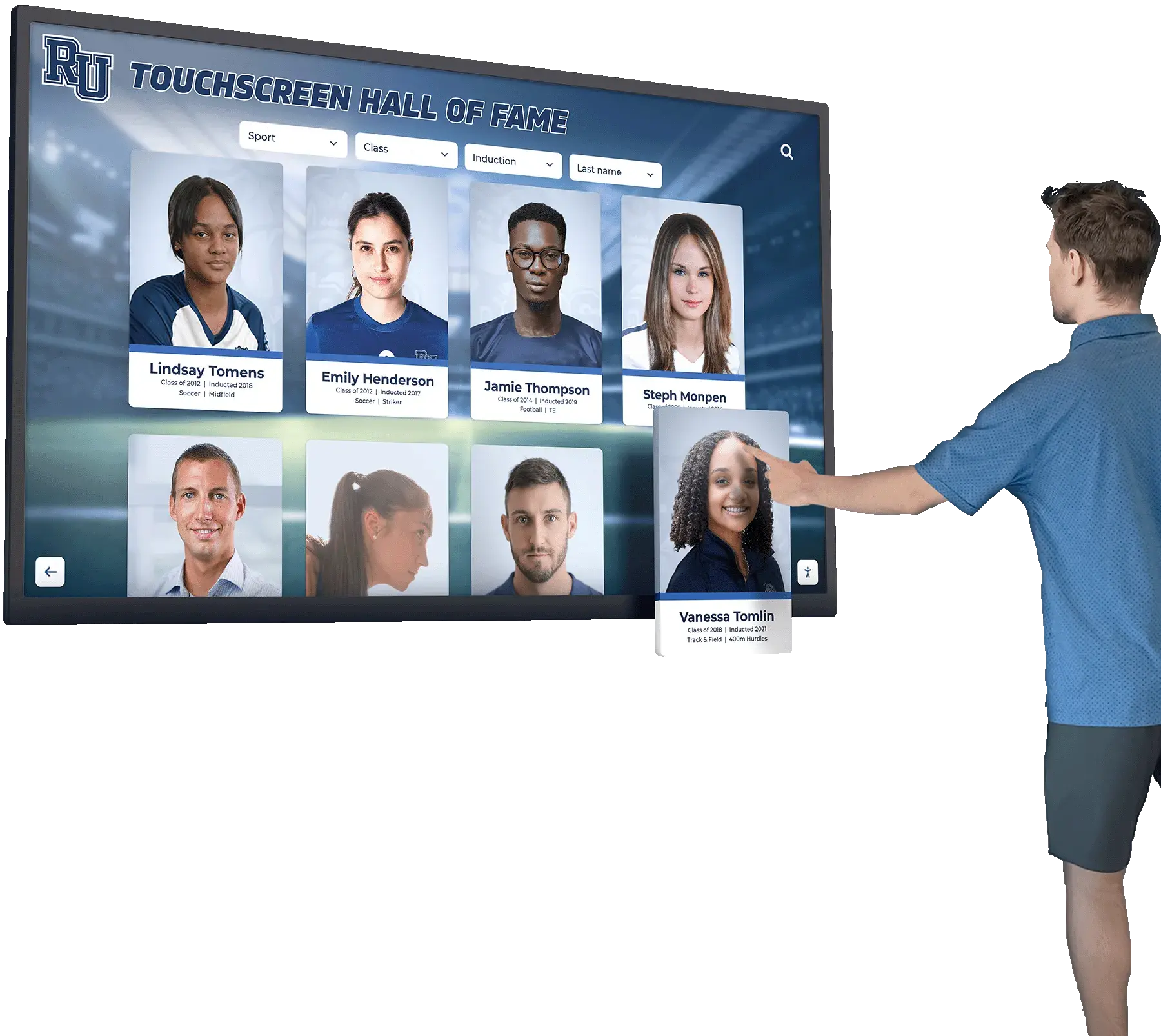
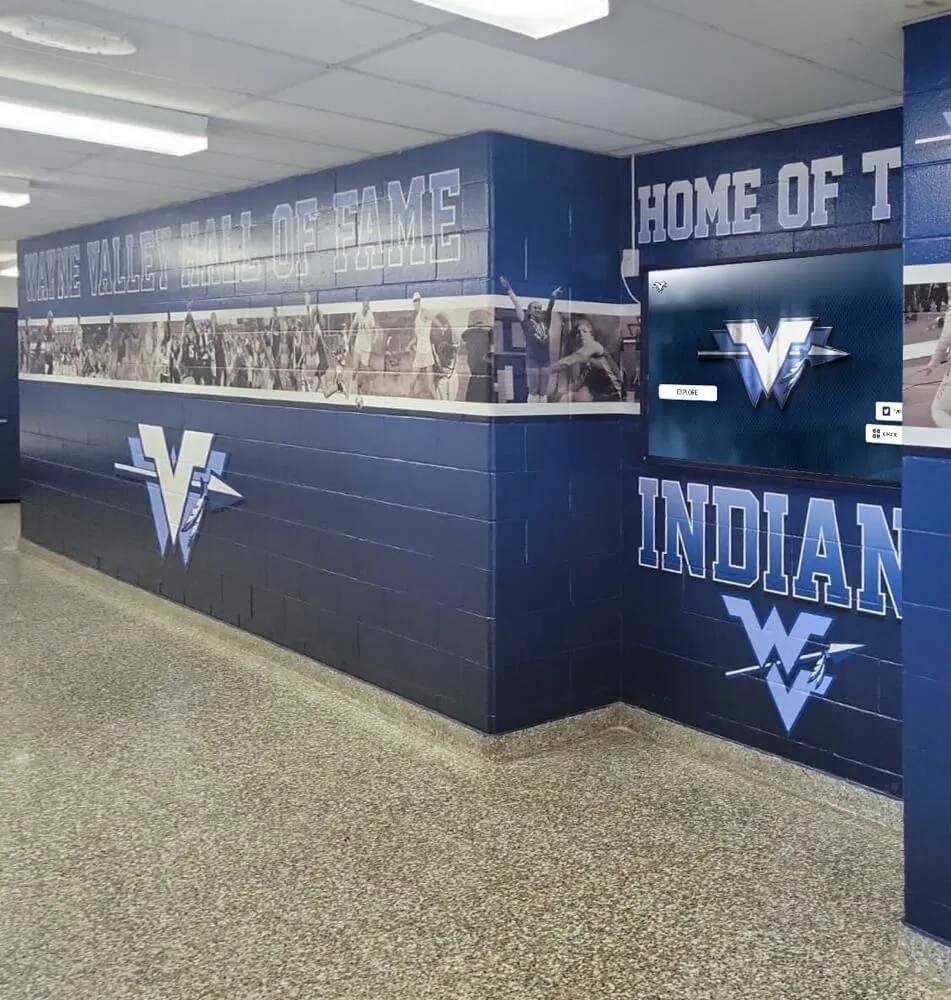
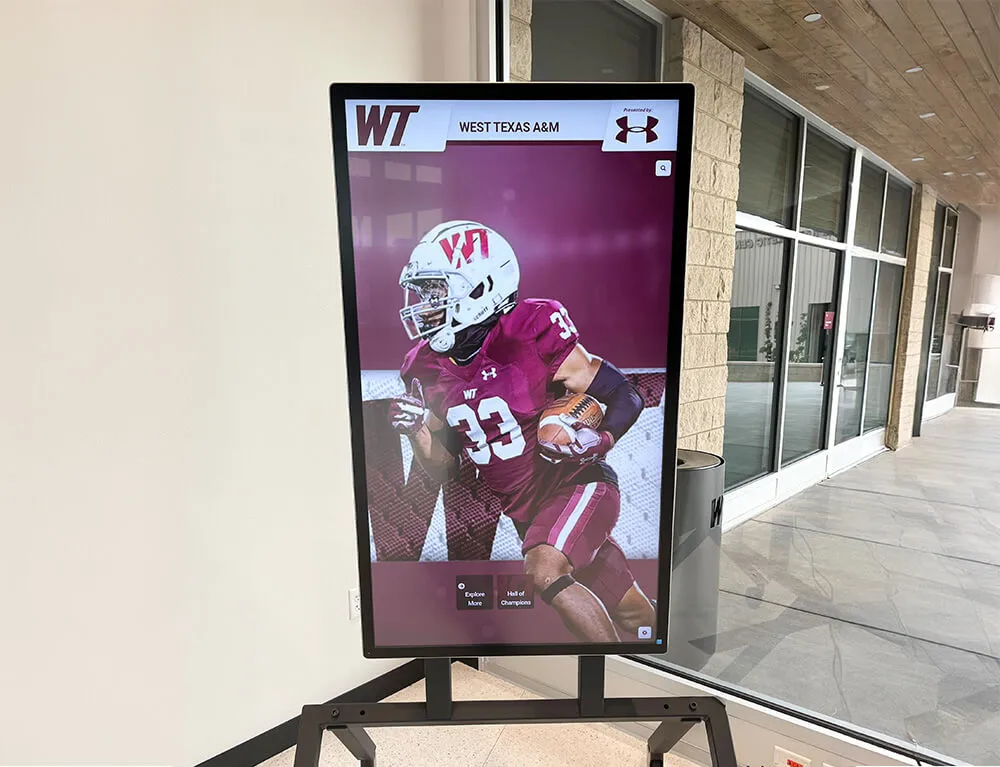
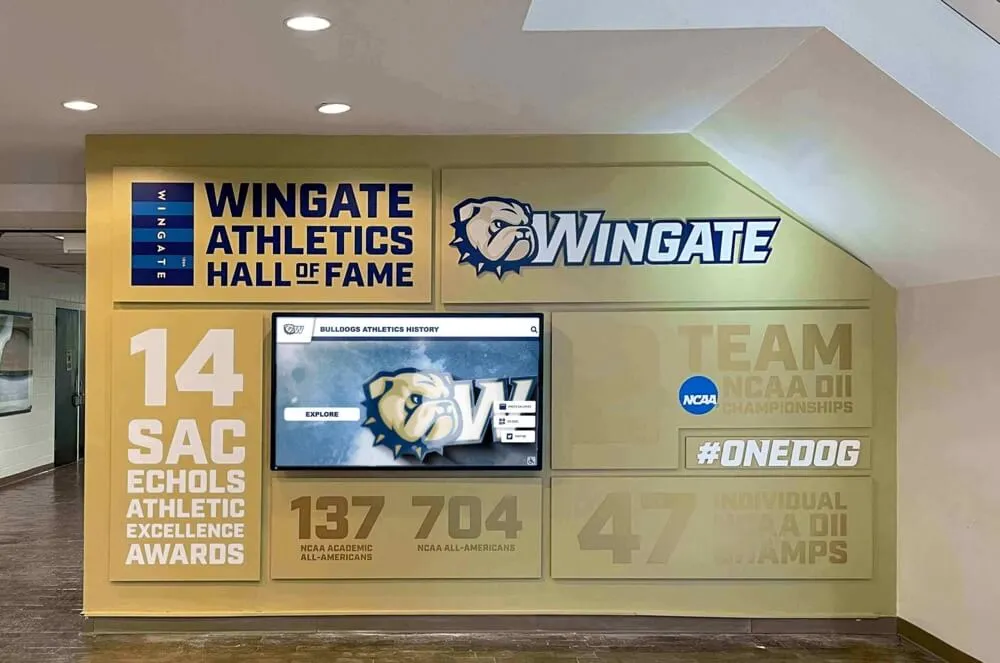
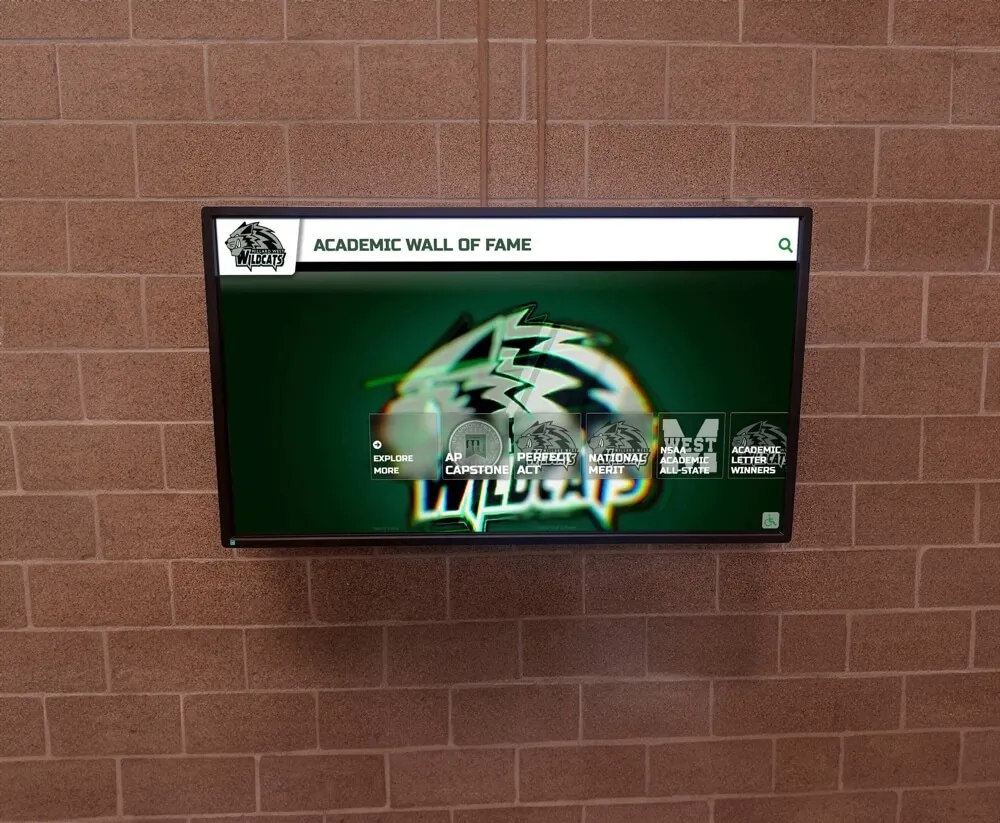
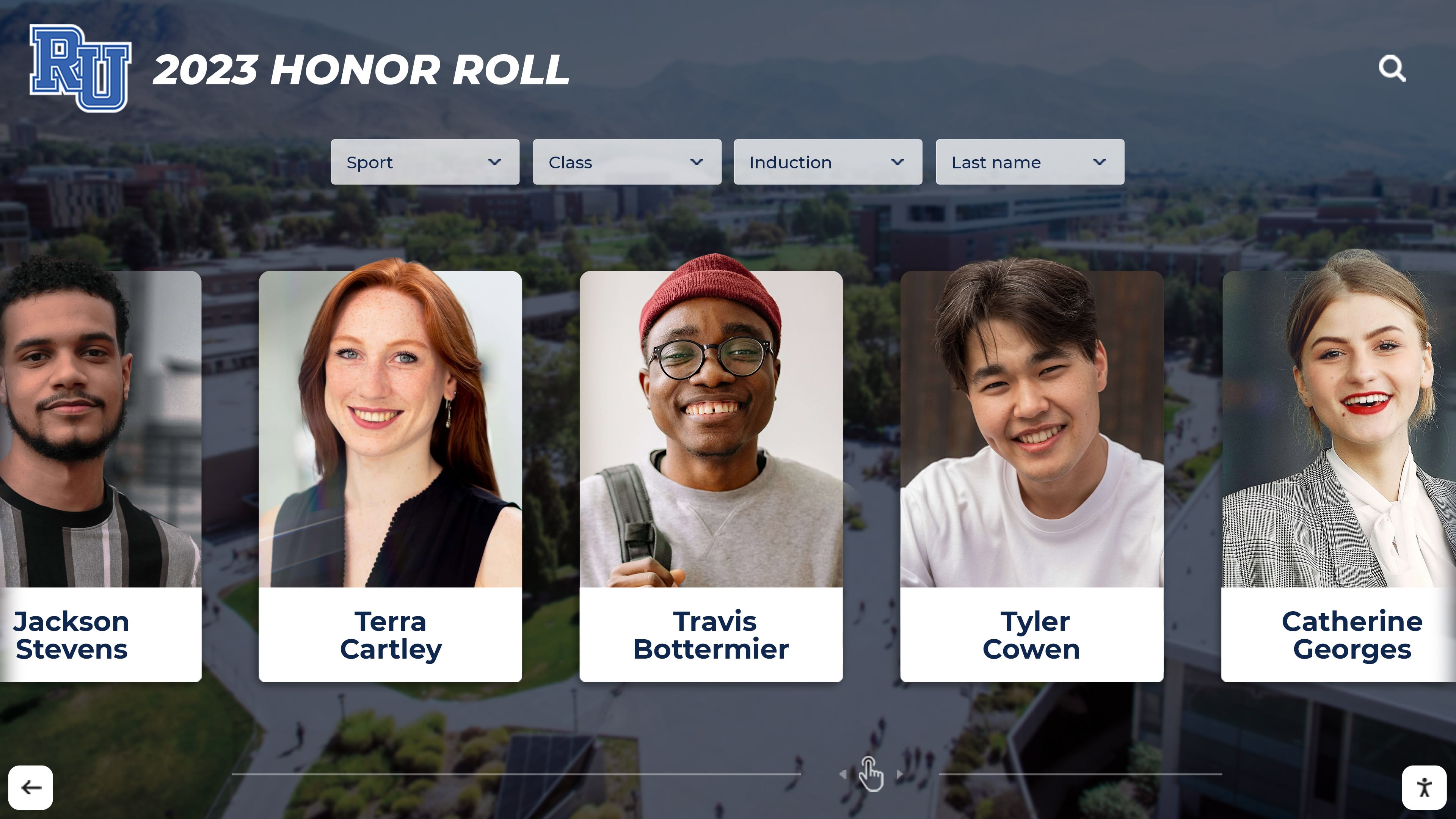
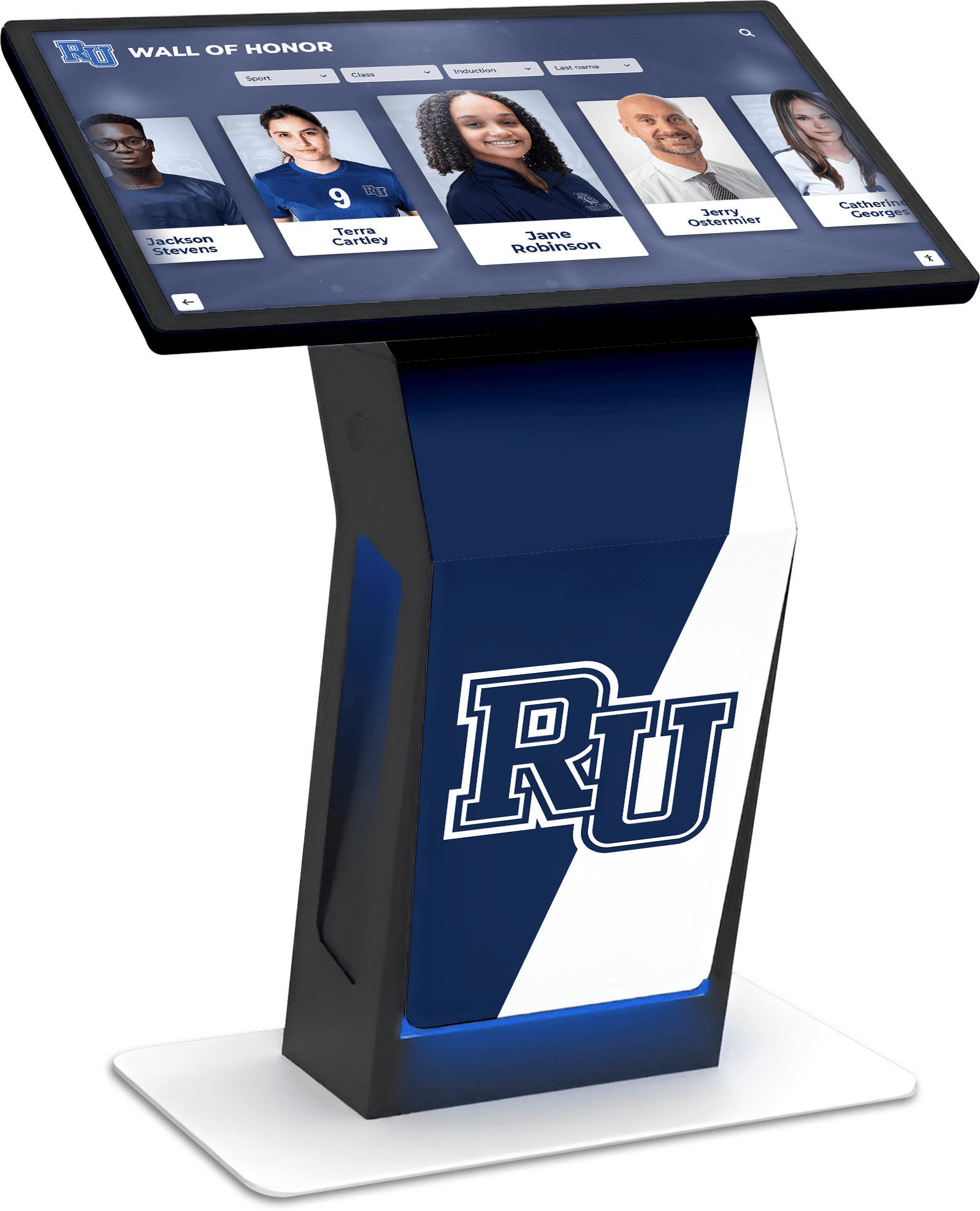
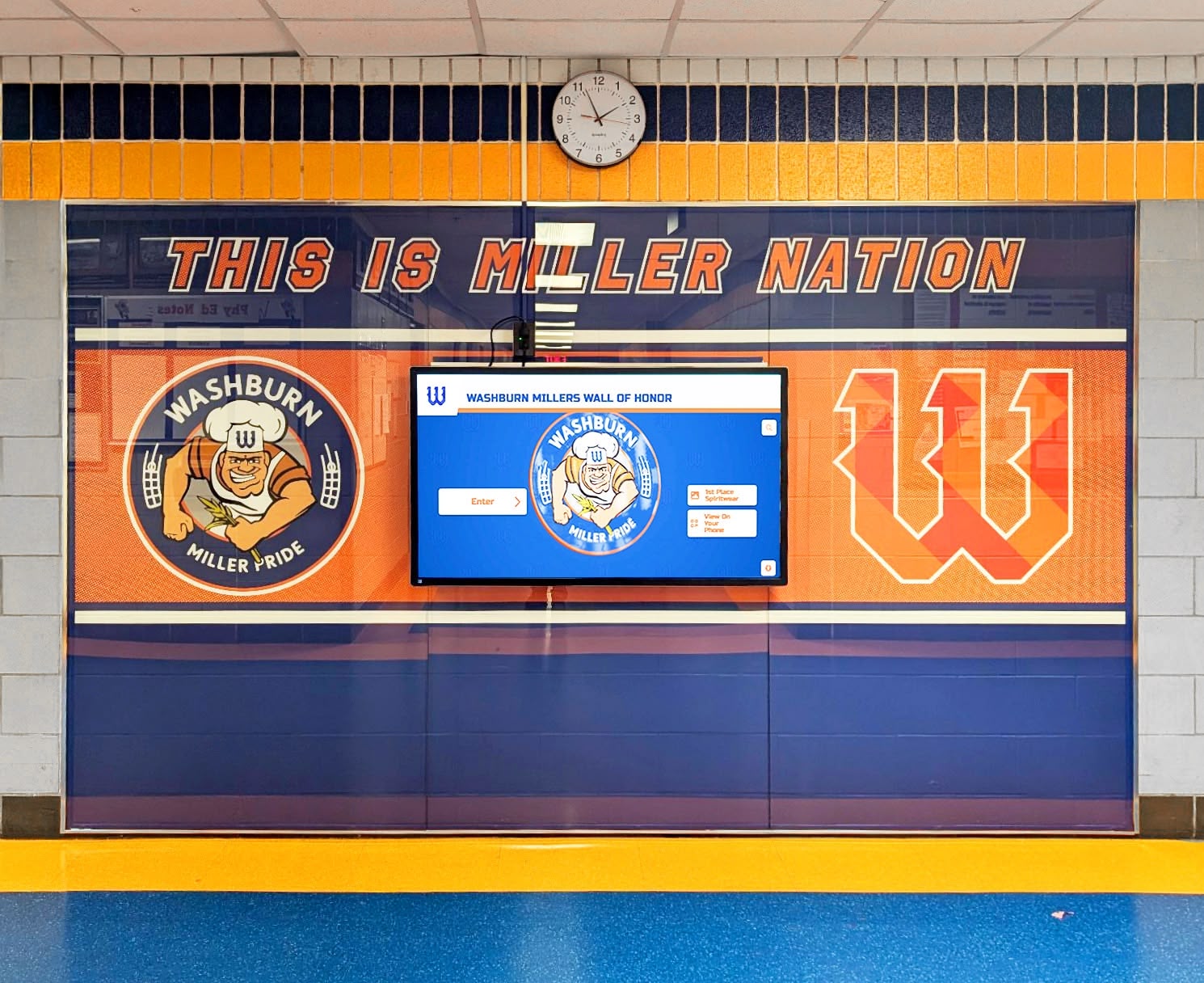
Digital recognition displays represent transformative technology addressing nearly every limitation of traditional approaches while enabling recognition capabilities impossible with physical plaques or bulletin boards. Interactive touchscreen systems specifically designed for educational recognition—like those provided by Rocket Alumni Solutions—combine unlimited recognition capacity with engaging user experiences that transform passive viewing into active exploration.
Unlimited Capacity for Comprehensive Recognition: Digital systems accommodate thousands of NTHS member profiles across decades without physical space constraints. Schools never face decisions about removing older recognition to accommodate current members—every inductee from program inception through current students receives equal, permanent recognition accessible through intuitive search and navigation.
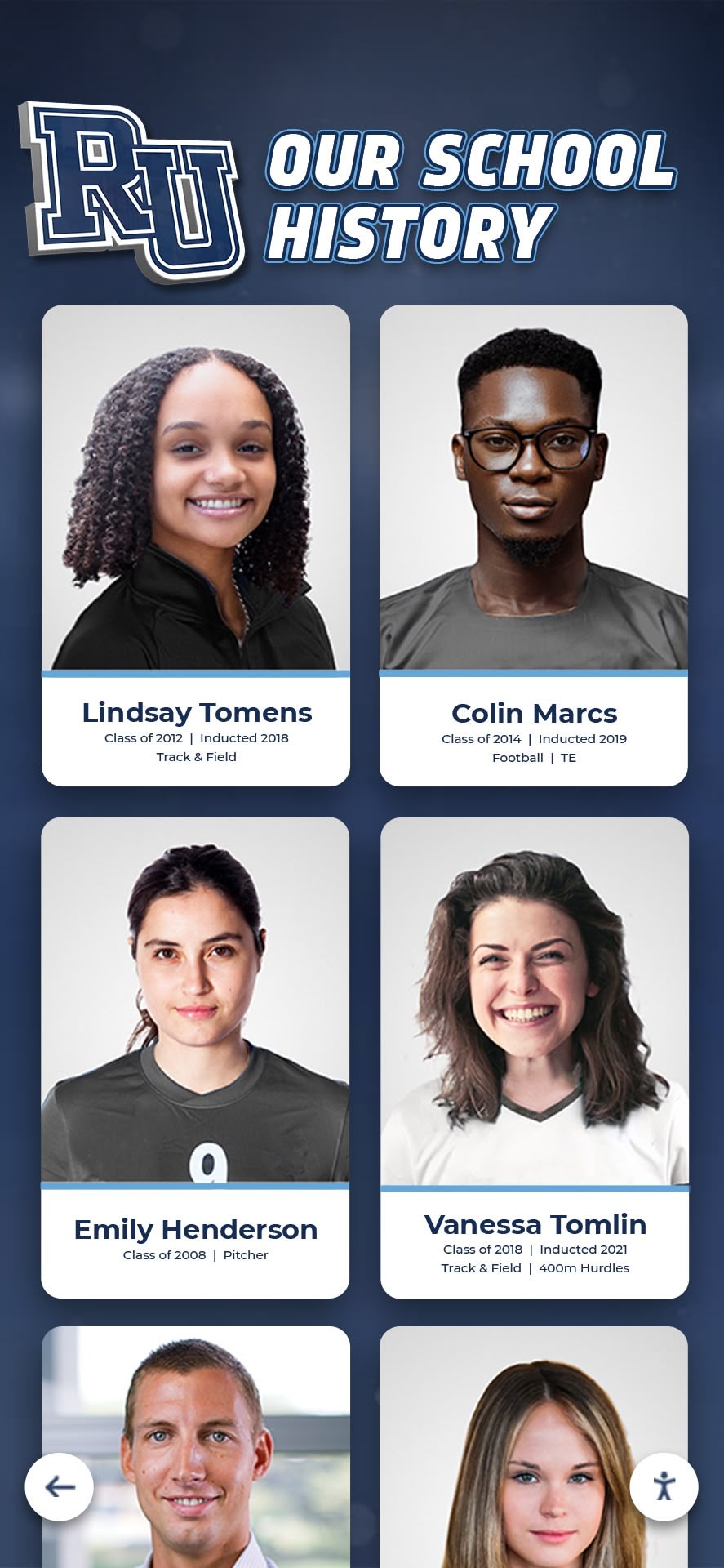
Rich Multimedia Profiles Bringing Achievement to Life: Digital recognition enables schools to move far beyond simple name listings to comprehensive profiles including high-resolution student photographs, technical program details and specializations, NTHS induction years and membership levels, technical competition achievements and awards, industry certifications and credentials earned, GPA and academic achievement information, work-based learning placements and experience, college or career destinations after graduation, video interviews with members discussing technical programs, photo galleries showing students working in technical environments, and current career information for alumni demonstrating long-term success.
This depth creates engaging content holding viewer attention while providing current students with detailed models of technical pathways they might follow. When students can see not just that someone earned NTHS membership but specifically which technical program they completed, what certifications they achieved, what employer hired them or what college they chose, and what career they ultimately followed, this narrative provides practical guidance traditional recognition cannot offer.
Intuitive Search and Interactive Discovery: Digital platforms transform how students, families, and visitors discover NTHS recognition through powerful search and filtering capabilities. Users can search by member name, filter by technical program area to see all members in specific career fields, sort by graduation year to view particular classes, search by college or employer to find members who chose specific pathways, and browse integrated achievement categories when NTHS recognition combines with comprehensive academic honor systems.
These capabilities create self-directed exploration engaging users far longer than static displays. A freshman interested in healthcare can search NTHS members who completed nursing programs, seeing what additional certifications they earned and where they work now. A parent considering vocational pathways can discover alumni who succeeded in technical careers. Community members visiting schools can explore comprehensive technical program excellence demonstrating institutional quality.
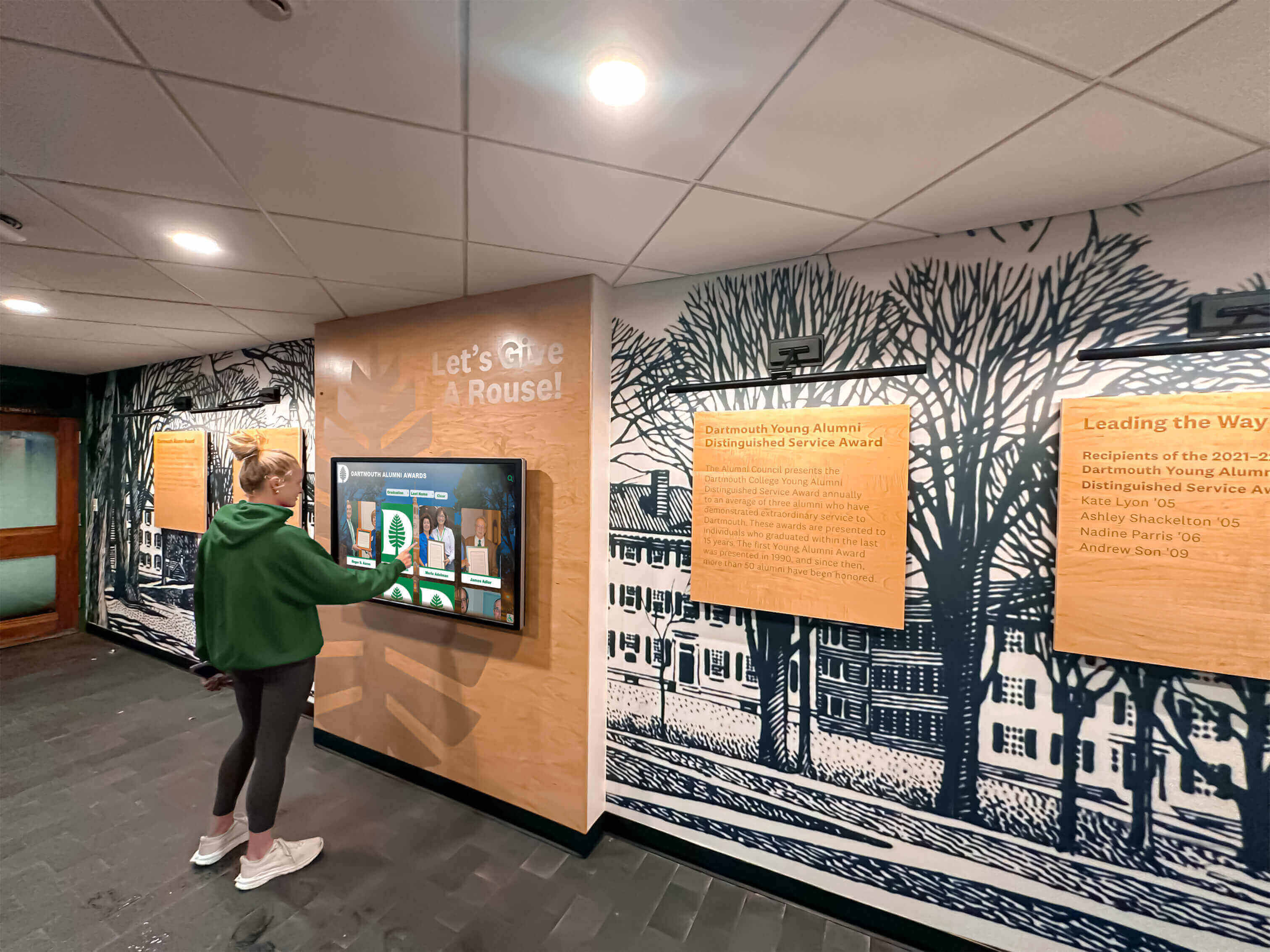
Seamless Updates and Content Management: User-friendly cloud-based content management platforms enable authorized staff to add new NTHS members, update existing profiles, upload photos and media, and publish changes appearing on displays within minutes. This ease of updates addresses traditional recognition’s most frustrating limitation: delays and expenses adding current honorees.
When schools conduct NTHS inductions, staff can add new members to digital displays immediately, ensuring timely recognition celebrating achievement while relevant. Unlike physical plaques requiring weeks or months between ordering and installation, digital updates maintain recognition currency that resonates with students and families.
Strategic Display Placement Maximizing Visibility and Impact
NTHS recognition location dramatically affects program impact and student engagement. Strategic placement considers traffic patterns, symbolic messaging about technical education value, and practical technical requirements.
High-Impact Recognition Locations:
Main School Entrances and Lobbies: Entry locations capture all daily traffic, visitor attention during tours, and family visits, establishing technical excellence as prominent institutional priority alongside traditional academic and athletic recognition
Career and Technical Education Buildings or Wings: Dedicated CTE facilities provide natural locations where technical students congregate daily, reinforcing program pride and creating visible celebration within technical education spaces
Guidance and Career Services Areas: Locations where students explore career planning and post-graduation pathways, with recognition providing concrete examples of technical career success that inform decision-making
Library and Academic Commons: Integration with broader academic spaces demonstrates that technical excellence deserves acknowledgment equivalent to traditional academic achievement rather than isolation in separate “vocational” areas
Administrative Reception and Tour Routes: Visibility to prospective families, community visitors, and school board members communicating institutional commitment to technical education quality and student success
Multiple distributed displays throughout facilities often prove more effective than single concentrated installations, ensuring technical recognition maintains high visibility across entire campuses rather than limiting celebration to technical education spaces only.
For schools implementing comprehensive digital recognition systems, positioning near other academic displays sends powerful messages that technical and traditional academic excellence deserve equivalent celebration and prominence.
Integrating NTHS Recognition with Comprehensive Academic Honor Systems
The most effective digital recognition approaches don’t create separate, isolated displays for each achievement category but instead integrate NTHS recognition into comprehensive academic recognition platforms honoring excellence across all domains.
Creating Unified Recognition Systems Celebrating Diverse Excellence
Comprehensive integration enables schools to recognize NTHS members alongside National Honor Society members, AP Scholars and academic excellence awards, National Merit and standardized test achievement, scholarship recipients across various programs, academic competition winners in STEM, arts, and humanities, departmental academic excellence awards, athletic achievements and championships, arts and performing achievement recognition, service and character-based honors, and leadership positions across diverse organizations.
Unified systems with consolidated search and navigation enable users to discover complete profiles of student accomplishment rather than fragmentary recognition scattered across disconnected displays. A student who earned NTHS membership, competed successfully in SkillsUSA competitions, and received significant career-focused scholarships appears in all relevant achievement categories within one system, with cross-references connecting these honors and telling complete stories of comprehensive excellence.
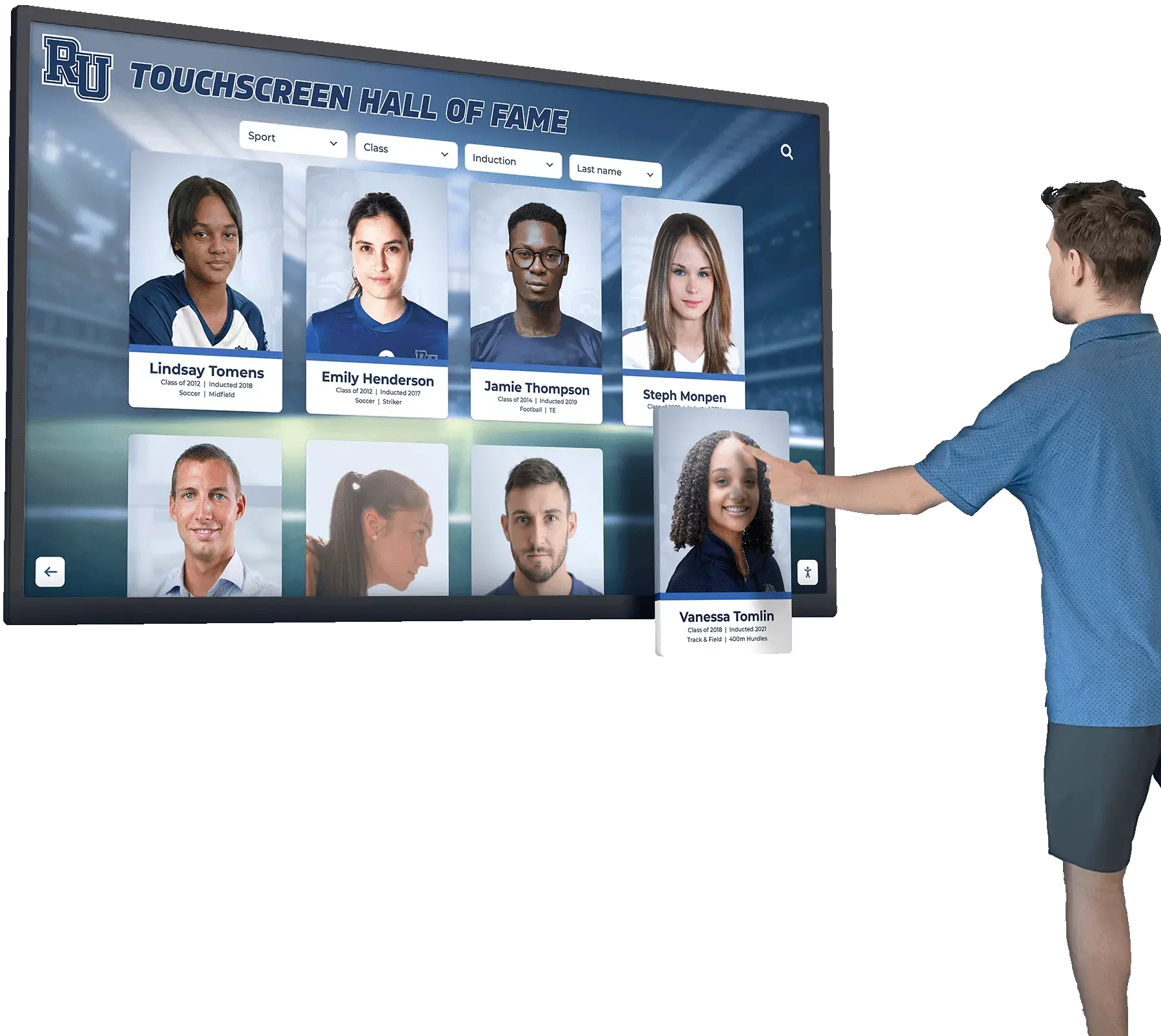
This integrated approach also solves practical challenges of limited display locations and budget constraints. Rather than needing separate physical spaces and funding for each recognition category, schools deploy one or several digital displays throughout campus providing access to all academic, technical, athletic, and co-curricular recognition through intuitive organization and filtering.
Balancing Technical and Traditional Academic Recognition Visibility
Many schools historically prioritized traditional academic recognition through prominent displays while treating technical achievement as peripheral or supplementary. Creating equitable recognition that honors technical excellence with visibility comparable to National Honor Society, AP programs, and academic awards communicates institutional values embracing diverse pathways to success and comprehensive student development.
Effective balance strategies include positioning NTHS recognition displays in locations with visibility equivalent to traditional academic displays, featuring technical excellence prominently in school communications alongside academic successes, celebrating NTHS inductions through ceremonies comparable to National Honor Society events, allocating comparable resources and attention to technical and academic recognition development, and implementing digital recognition systems presenting technical and academic achievement through unified platforms with equal prominence and searchability.
This balance doesn’t diminish traditional academic recognition but rather elevates technical honor to equivalent status, demonstrating that schools value all forms of excellence and student contribution equally—powerful messaging that influences how students, families, and communities perceive technical education pathways.
Showcasing Technical Competitions and Industry Certifications
Beyond NTHS membership itself, comprehensive technical recognition should celebrate related achievements demonstrating applied excellence and industry readiness. Students pursuing technical education often earn accomplishments deserving recognition alongside or integrated with NTHS honors:
SkillsUSA Competitions: Local, state, and national competition placements across dozens of technical skill areas demonstrating mastery against peer competition
Industry Certifications and Credentials: Professional certifications like OSHA safety credentials, AWS welding certifications, CompTIA IT credentials, NOCTI assessments, and specialized licensures representing industry-validated competency
Work-Based Learning Excellence: Recognition for outstanding internship performance, apprenticeship completion, co-op participation, and meaningful work experience demonstrating professional readiness
Technical Student Organization Leadership: Officers and leaders within SkillsUSA, DECA, FBLA, FFA, HOSA, and other technical student organizations showing leadership alongside technical skill
Dual Enrollment and Articulated Credit: College coursework completed through technical programs providing head starts on post-secondary credentials
Comprehensive digital recognition enables schools to create detailed profiles documenting these multifaceted technical achievements, showing not just NTHS membership but complete pictures of technical excellence, applied learning, and career readiness that traditional name-only recognition cannot convey. Resources on showcasing student accomplishments effectively provide frameworks for presenting diverse technical achievements through engaging digital formats.
Implementing NTHS Recognition: Planning and Execution Best Practices
Successful recognition requires systematic planning addressing content development, stakeholder engagement, technical implementation, and sustainable operations ensuring programs achieve intended impact long-term.
Assessment and Goal Definition
Begin implementation by conducting thorough assessment of current technical education recognition identifying strengths to preserve, gaps to address, and opportunities for enhancement. Key assessment questions include:
- How does current NTHS or technical excellence recognition compare to traditional academic and athletic recognition visibility?
- What percentage of CTE students receive formal recognition annually compared to traditional academic program students?
- How do students, families, and community members perceive technical education program quality and value?
- What physical space, budget, or resource constraints limit current recognition approaches?
- How quickly does recognition follow NTHS induction? Do significant delays diminish motivational impact?
- What stakeholder groups should participate in recognition program enhancement planning?
Clear goal establishment provides direction and success metrics for initiatives. Goals might include implementing visible NTHS recognition comparable in prominence to National Honor Society displays, recognizing technical competition achievements currently unacknowledged, reducing recognition delay from current multi-month lags to immediate acknowledgment following inductions, creating historical recognition documenting decades of technical program excellence, or establishing comprehensive digital systems integrating technical recognition with broader academic honors.
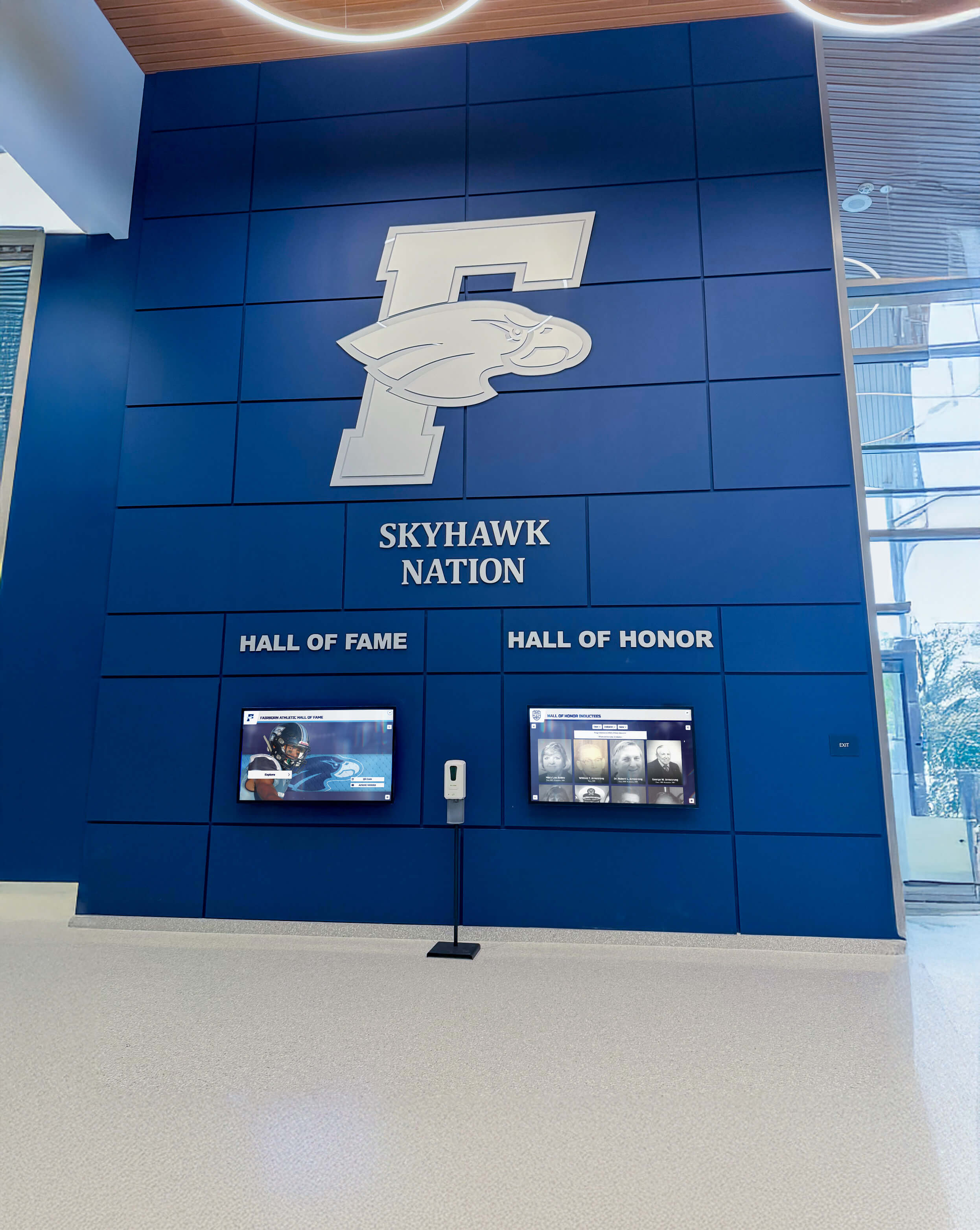
Stakeholder Engagement and Planning Committee Formation
Recognition programs affect multiple stakeholder groups who should participate in design and implementation rather than treating recognition as purely administrative initiative imposed without input. Key representatives include:
CTE Directors and Coordinators: Leadership for technical programs with comprehensive knowledge of student achievement, program structure, and recognition needs
Technical Education Teachers: Instructors with direct student relationships, program-specific achievement awareness, and insight into what recognition resonates with technical students
NTHS Chapter Advisors: Faculty managing NTHS membership, understanding selection criteria and organizational requirements, and connecting to national NTHS resources
School Administrators: Principals and assistant principals providing leadership support, resource allocation, and policy decisions ensuring recognition program sustainability
Guidance and Career Services Staff: Counselors connecting technical recognition to college and career readiness programming and student pathway planning
Communications and Marketing Personnel: Staff expertise in visual design, messaging, and promotional strategies maximizing recognition visibility and community awareness
Student Representatives: Age-appropriate input from current NTHS members and technical program students ensuring recognition feels meaningful from student perspectives
Industry Partners and Advisory Board Members: Employer and community perspectives validating technical education value and providing real-world context for skills and achievements recognition celebrates
Planning committees meeting regularly during implementation—typically 3-6 months—establish recognition scope and categories, define content standards and information to include, evaluate technology and vendor options, plan communication and promotional strategies, and develop sustainability plans ensuring programs continue effectively across personnel changes.
Content Development: Gathering Complete Achievement Information
Recognition quality depends fundamentally on information accuracy and completeness. Establish systematic processes for identifying all NTHS members your scope includes from current and historical years, verifying spelling accuracy and biographical details, gathering high-quality photos representing students professionally, collecting comprehensive achievement information beyond basic NTHS membership, documenting technical programs, certifications, competitions, and work-based learning, recording college or career destinations demonstrating pathway outcomes, and when possible, gathering current information from alumni about career progression and accomplishments.
For historical recognition, comprehensive research may require reviewing yearbooks, program records, and school archives, consulting long-serving CTE faculty with institutional memory, reaching out to alumni through surveys or social media to verify information and gather updates, and accepting that some historical details may remain incomplete while documenting what can be verified accurately.
Establish clear data standards ensuring consistency across profiles, particularly for elements like name formatting, program titles and terminology, achievement descriptions and dates, and privacy considerations regarding what information displays publicly.
When implementing digital recognition displays, content management platforms typically provide template systems guiding information collection and ensuring consistent, professional presentation across all member profiles.
Technology Selection and Vendor Evaluation
Schools exploring digital recognition should evaluate multiple options comparing features, costs, implementation support, and long-term vendor viability. Critical evaluation criteria include:
Purpose-Built Educational Focus: Platforms designed specifically for school recognition versus generic digital signage requiring extensive customization to serve educational recognition needs effectively
Content Management Ease: Intuitive interfaces allowing non-technical staff independent operation without ongoing IT dependency or vendor support for routine updates
Unlimited Content Capacity: Ability to accommodate comprehensive recognition without per-profile charges or artificial limitations constraining recognition scope
Multi-Device Accessibility: Recognition accessible through physical touchscreen displays, web browsers on computers, and mobile devices ensuring broad reach
Search and Discovery Power: Robust search enabling visitors to find specific students, filter by program or achievement type, and explore connections efficiently
Multimedia Support: Rich photo galleries, video integration, detailed narratives, and comprehensive biographical information beyond simple text lists
Analytics and Reporting: Engagement data showing who interacts with recognition, what content generates interest, and how visitors explore displays informing continuous improvement
Integration Capabilities: Connections to student information systems, school websites, and communication platforms streamlining content management and expanding recognition reach
Educational Experience and Stability: Established track record serving similar institutions successfully and demonstrated long-term business viability ensuring platforms remain supported and maintained
Request demonstrations from multiple providers, check references from schools with similar programs and needs, and when possible conduct pilot implementations testing systems before full-scale deployment.
Solutions like those from Rocket Alumni Solutions provide purpose-built platforms designed specifically for educational recognition needs with proven success across diverse school types and sizes.
Budgeting for Initial Investment and Long-Term Sustainability
Develop realistic budgets accounting for all costs associated with initial installation and ongoing operation. For traditional recognition, consider design and fabrication costs for plaques or displays, installation and mounting hardware, initial content engraving or printing, annual updates adding new members, replacement costs as displays age or reach capacity, and labor for content updates and maintenance.
For digital recognition systems, comprehensive budgets should include display hardware with commercial-grade touchscreens appropriate for educational environments, professional mounting systems and installation, software licensing typically structured as annual or multi-year agreements, content management platform access with training and support, initial content development and historical profile entry, network infrastructure upgrades if needed for connectivity, ongoing content updates and management labor, and technical support and maintenance agreements ensuring system reliability.
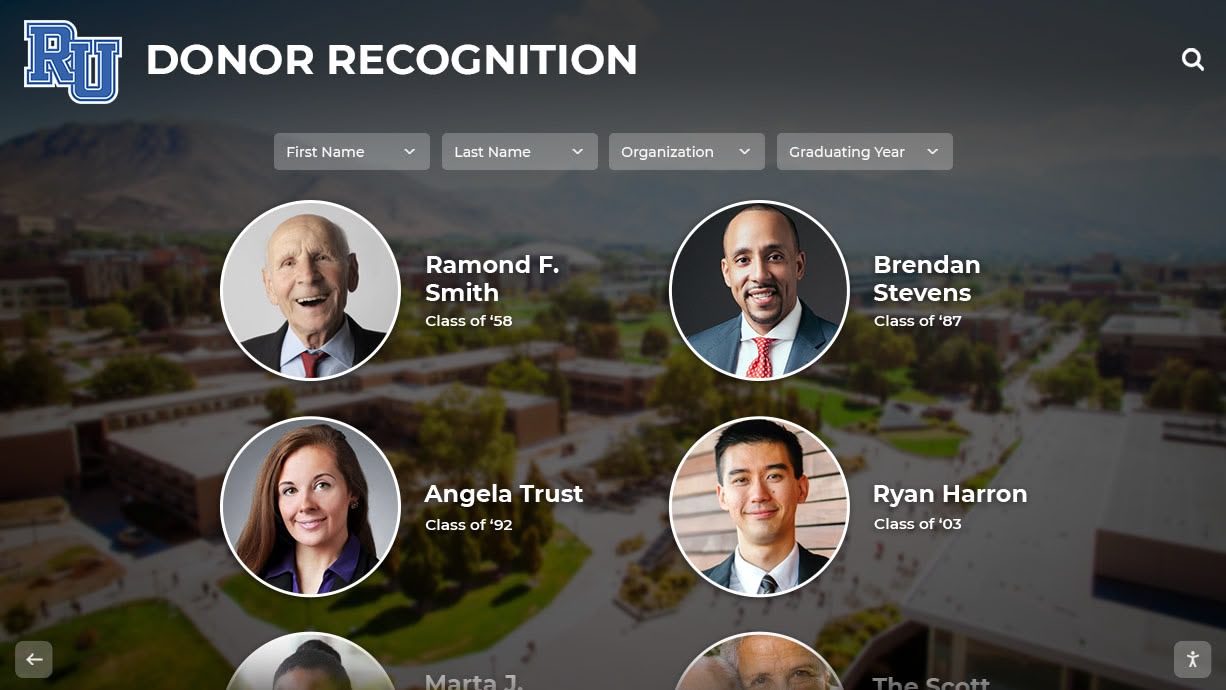
While digital systems typically require higher initial investment than simple traditional plaques, total cost of ownership analysis over 5-10 years often favors digital solutions due to elimination of ongoing costs for physical updates and expansion, unlimited capacity preventing need for space expansion or recognition removal, ability to serve multiple recognition categories through unified systems spreading investment across needs, and reduced labor for content management compared to physical production and installation cycles.
Many schools find that digital recognition initially budgeted for NTHS or academic honors ultimately serves athletic recognition, donor acknowledgment, historical documentation, and alumni profiles as well—spreading investment across multiple institutional needs and dramatically improving overall value proposition.
Launching NTHS Recognition: Creating Positive Impact from Day One
Thoughtful launch strategies ensure recognition implementation creates immediate positive impact while establishing sustainable operations and engagement patterns.
Timing Recognition for Maximum Visibility and Engagement
Strategic timing maximizes recognition impact and stakeholder engagement. For NTHS specifically, ideal recognition timing aligns with annual induction ceremonies—typically held in spring—when new members receive official recognition through formal events attended by families, school leaders, and community partners.
Coordinate recognition system launches or major updates with NTHS induction ceremonies, creating memorable experiences where newly inducted members see themselves added to permanent displays immediately following ceremonies. This immediate recognition creates powerful emotional impact and meaningful connections between ceremonial acknowledgment and lasting institutional honor.
Also consider timing related to:
CTE Month (February): National Career and Technical Education Month provides natural opportunities to highlight technical program excellence and NTHS recognition through promotional campaigns and community awareness efforts
School Open Houses and Recruitment Events: Recognition visibility during prospective student and family visits demonstrates program quality and institutional commitment to technical education excellence
Industry Advisory Board Meetings and Partnership Events: Showcasing recognition to employer partners and community stakeholders validates program outcomes and strengthens workforce development partnerships
Back-to-School and Orientation Programs: Introducing incoming students to recognition establishes expectations for excellence and provides aspirational models of achievement pathways
Celebrating Recognition Through Formal Launch Events
Treat recognition system launches—particularly comprehensive digital implementations—as celebratory events worthy of formal programs honoring students, engaging families, and generating positive visibility. Effective launch events include:
- Ceremonies honoring current NTHS members with certificates or commemorative items
- Remarks from administrators, CTE directors, and NTHS advisors about technical excellence significance
- Testimonials from current members or alumni NTHS honorees about program impact and recognition meaning
- Demonstrations of interactive digital recognition features enabling attendees to explore systems hands-on
- Recognition of industry partners, advisory board members, and community supporters of CTE programs
- Media coverage through local news outlets, school communications, and social media amplifying positive messaging
- Refreshments and social time enabling families to celebrate together and explore recognition thoroughly
Launch events create positive associations with recognition, memorable experiences for honored students and families, valuable publicity demonstrating technical program quality to broader communities, and opportunities to explain recognition purpose while encouraging future student participation in NTHS and technical programs.
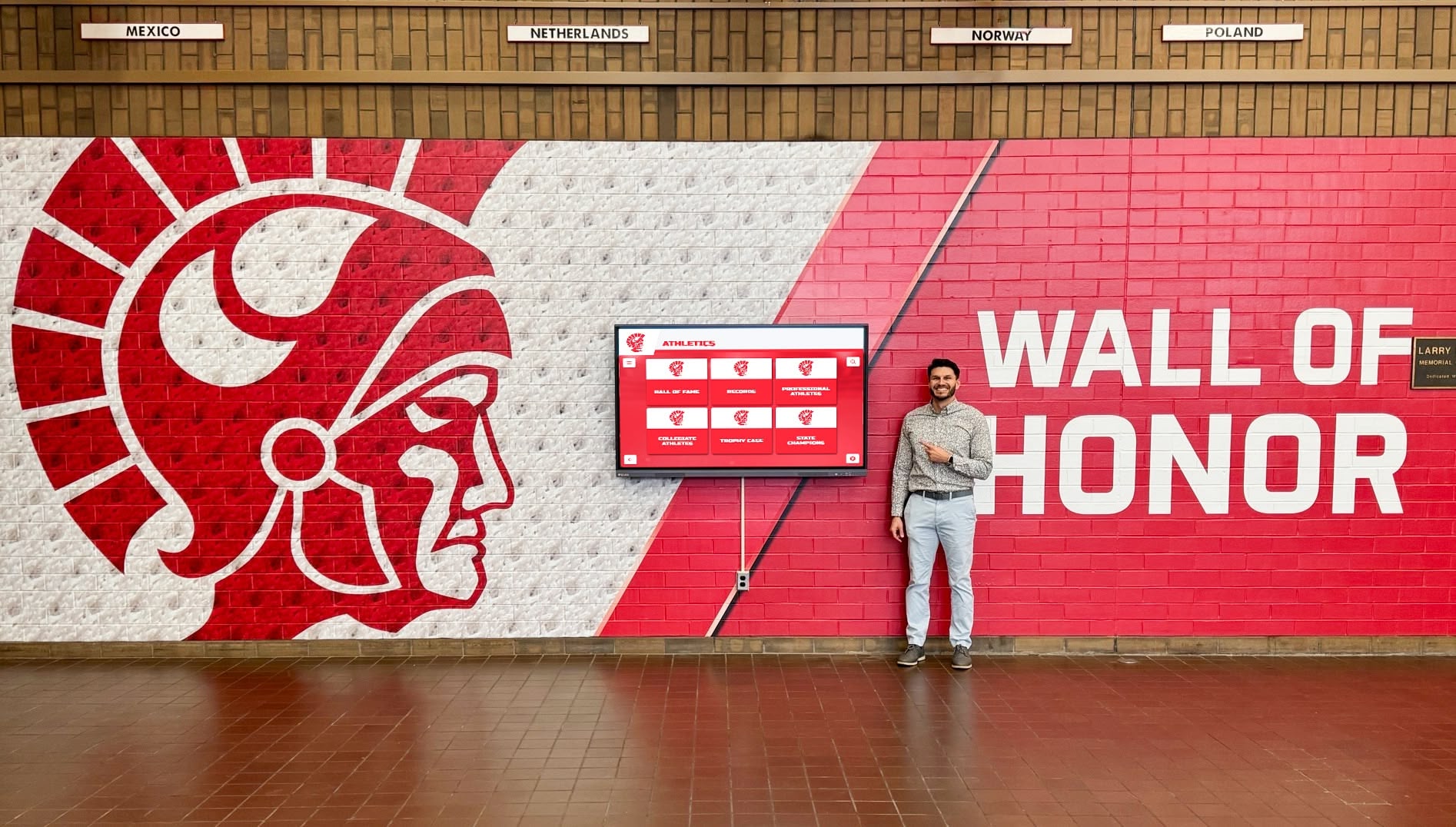
Promoting Recognition to Build Awareness and Sustained Engagement
Recognition delivers maximum value when schools actively promote existence and encourage ongoing engagement rather than assuming passive discovery. Effective promotion strategies include:
School Communications Integration: Regular features in newsletters, social media, announcements, and school websites highlighting recognition launches, featured profiles, and notable achievements
Tour and Visit Incorporation: Explicit inclusion in school tours for prospective families, pointing out recognition displays and explaining technical program excellence they represent
Classroom and Program Integration: CTE teachers incorporating recognition into classroom discussions, assignments researching alumni career pathways, and projects exploring technical career options
Career Counseling Connection: Guidance staff using recognition as conversation starters and planning tools when advising students about career pathway selection and post-graduation planning
Alumni Engagement Campaigns: Communications encouraging graduates to visit recognition, share profile updates, and maintain connections with technical programs through recognition platforms
Community Outreach: Press releases, chamber of commerce presentations, and industry partner communications highlighting recognition and celebrating technical education excellence publicly
Student Organization Involvement: Leveraging SkillsUSA chapters and other technical student organizations to promote recognition, encourage peer exploration, and maintain awareness across student populations
Ongoing promotion maintains awareness beyond initial launches, ensuring each new class of students learns about recognition opportunities while previous NTHS members remain connected even after graduation.
Strategies for promoting school recognition programs effectively provide additional frameworks applicable to technical education recognition contexts.
Maintaining and Evolving NTHS Recognition Over Time
Recognition systems require ongoing attention to remain current, accurate, and engaging rather than deteriorating into outdated displays undermining intended purposes.
Establishing Annual Update Cycles
Create systematic processes ensuring timely recognition of each new class of NTHS inductees. Effective annual cycles typically include:
Pre-Induction Preparation: Gathering information from NTHS candidates during selection process including photos, biographical details, technical program information, achievements, and post-graduation plans
Immediate Post-Induction Recognition: Adding newly inducted members to digital displays or ordering traditional plaque updates within days of induction ceremonies maintaining recognition currency
Quality Review and Verification: Systematic checking of profile accuracy, photo quality, and information completeness ensuring professional presentation
Communication and Celebration: Formal announcements through school communications, social media features, and individual recognition ensuring students and families know about permanent acknowledgment
Historical Enhancement: Opportunistic addition of information about previous members as alumni provide updates about careers, accomplishments, and current activities
Document these processes in written procedures enabling staff continuity when personnel change, and use project management tools ensuring all steps complete on schedule annually. Assign clear responsibility and accountability so recognition doesn’t fall through cracks during busy school operations.
For digital systems specifically, user-friendly content management should make annual updates straightforward additions requiring minimal time. For traditional systems, plan ordering timelines accounting for manufacturing lead times ensuring new plaques arrive and install while recognition remains timely and relevant.
Measuring Recognition Impact and Program Effectiveness
Implement systems understanding whether NTHS recognition achieves intended purposes and identifying improvement opportunities. Useful metrics and feedback mechanisms include:
Quantitative Indicators:
- CTE enrollment trends over time following recognition implementation
- NTHS membership application rates and selection ratios
- Technical competition participation and performance
- Industry certification achievement rates
- Post-graduation career and college placement outcomes
- Recognition system engagement analytics showing usage patterns and popular content
- Social sharing and family engagement with digital recognition platforms
Qualitative Feedback:
- Student focus groups exploring recognition awareness, perceived fairness and meaningfulness, and motivational impact
- Family surveys about recognition visibility, communication quality, and perceived value
- Teacher observations regarding student discussions of recognition and apparent motivational effects
- Industry partner feedback about recognition quality and its reflection of program outcomes
- Alumni reflections about recognition’s lasting meaning and influence on career paths
- Counselor perspectives on how recognition supports career planning and pathway selection
Regular feedback collection—annually for comprehensive surveys, quarterly for brief pulse checks—ensures programs remain responsive to stakeholder needs and perceptions rather than operating based on administrative assumptions potentially mismatched with user experiences.
For digital recognition specifically, built-in analytics showing which profiles users view most frequently, what search terms they employ, how long they engage, and what features they utilize provide invaluable insights for content optimization and feature enhancement. Solutions like those from Rocket Alumni Solutions often include comprehensive analytics helping schools understand recognition engagement patterns and measure impact systematically.
Expanding Recognition Scope Over Time
Many schools discover that initially standalone NTHS recognition becomes more valuable when expanded to celebrate broader technical excellence beyond basic membership. Consider progressive enhancement including:
Historical Recognition Development: Systematic addition of NTHS members from previous years and decades creating comprehensive institutional records of technical excellence over time
Technical Competition Achievement: Integration of SkillsUSA, DECA, FBLA, HOSA, and other competition placements demonstrating applied technical skill excellence
Industry Certification Recognition: Acknowledgment of professional credentials, licensures, and certifications students earn through technical programs validating workforce readiness
Work-Based Learning Excellence: Recognition for outstanding internship, apprenticeship, and co-op performance demonstrating professional success in real workplace contexts
Technical Pathway Completion: Celebrating students who complete comprehensive technical programs earning articulated college credit and multiple related certifications
Alumni Career Success Stories: Progressive addition of career updates from technical program graduates demonstrating long-term pathway outcomes and inspiring current students
Digital recognition systems particularly suit progressive expansion because unlimited capacity and flexible categorization enable schools to add achievement categories and content types over months and years without physical reconstruction or system redesign. Traditional plaques require complete information and fixed category structures before fabrication, creating barriers to evolution that digital approaches eliminate.
Resources on planning comprehensive recognition programs provide frameworks applicable to technical education contexts for systematic recognition enhancement over time.
Connecting NTHS Recognition to Career Pathways and Student Success
The most effective recognition explicitly connects technical excellence acknowledgment to broader career readiness, post-graduation success, and economic opportunity—helping students, families, and communities understand that technical education represents not just alternative pathways but often optimal routes to rewarding, well-compensated careers.
Showcasing Career Outcomes and Alumni Success
Recognition that documents where NTHS members work, what careers they pursue, and what accomplishments they achieve post-graduation provides powerful evidence that technical education leads to genuine success. Include in comprehensive recognition profiles:
- Immediate Post-Graduation Placements: First jobs, apprenticeships, or college programs members entered after high school completion
- Career Progression Information: Updates from alumni about career advancement, entrepreneurship, and professional achievement over time
- Compensation Context: When appropriate and with permission, general information about earning potential in technical careers demonstrating economic opportunity
- Professional Recognition: Industry awards, leadership positions, business ownership, and other career accomplishments validating technical pathway success
- College Completion: For members pursuing post-secondary credentials, documentation of degree or certificate completion and connections to original technical programs
This career outcome documentation transforms recognition from backward-looking acknowledgment of past achievement into forward-looking inspiration showing current students concrete examples of technical career success. When freshmen see recent graduates working in careers they find appealing, earning strong compensation, and expressing career satisfaction, technical pathways become aspirational rather than fallback options.

Integrating Recognition with Career Counseling and Planning
Position NTHS recognition explicitly within career and college readiness programming, leveraging displays as active tools supporting student pathway planning rather than passive monuments. Effective integration strategies include:
Career Exploration Activities: Structured assignments where students research NTHS alumni careers, interview graduates, and explore technical pathway options using recognition as primary information source
Pathway Planning Conversations: Counselors referencing specific NTHS alumni examples during advising sessions when discussing technical career options, showing students concrete success models
Industry Connection Facilitation: Using recognition information to identify and contact alumni for mentorship, guest speaking, facility tours, and internship opportunities connecting current students with career professionals
College Application Support: Highlighting NTHS membership and technical achievements prominently in recommendation letters, scholarship applications, and college admissions materials validating unique strengths
Scholarship Identification: Connecting technical excellence recognition with career-focused scholarship opportunities specifically supporting CTE students pursuing further education
Schools implementing comprehensive career pathway displays can integrate NTHS recognition directly into broader career exploration systems creating seamless connections between academic achievement, technical excellence, and career planning.
Engaging Industry Partners and Community Stakeholders
NTHS recognition provides valuable tools for demonstrating technical program quality to employer partners, workforce development organizations, and community stakeholders whose support strengthens CTE programs. Leverage recognition strategically through:
Advisory Board Presentations: Using recognition displays to showcase student achievement and program outcomes during industry advisory committee meetings and partnership discussions
Facility Tours: Incorporating recognition prominently in employer visit itineraries demonstrating visible institutional commitment to technical excellence and student success
Community Relations: Featuring recognition in chamber of commerce presentations, Rotary club appearances, and community forums highlighting educational institution contributions to workforce development
Partnership Development: Using recognition data—numbers of NTHS members, certification achievement rates, competition success—as evidence when pursuing new industry partnerships, equipment donations, and sponsorship opportunities
Work-Based Learning Recruitment: Showing employer partners that students seeking internships and apprenticeships include NTHS members and high-achieving technical students increasing willingness to provide quality placements
Legislative and Funding Support: Demonstrating concrete achievement outcomes to school boards, district leadership, and state officials when advocating for CTE program funding and resource allocation
Recognition serving these multiple audiences creates return on investment extending far beyond student motivation, strengthening institutional capacity to operate and enhance technical education programs sustainably.
Common NTHS Recognition Challenges and Practical Solutions
Schools implementing technical education recognition frequently encounter predictable challenges. Understanding these issues and proven solutions prevents frustration while ensuring successful programs.
Challenge: Limited Institutional Support or Resource Allocation
Some schools struggle to secure adequate support or resources for NTHS recognition comparable to traditional academic or athletic recognition, with administrators viewing technical recognition as lower priority or families questioning whether CTE deserves equivalent celebration.
Solutions include positioning recognition as equity issue ensuring all forms of student excellence receive appropriate celebration regardless of pathway chosen, documenting career outcomes and earning potential in technical fields countering outdated perceptions about vocational education value, engaging industry partners as advocates articulating employer need for technically skilled graduates and value of recognition encouraging technical career pursuit, starting with modest implementations demonstrating value before requesting significant resource commitments, and leveraging cost-effective digital solutions that enable comprehensive recognition without prohibitive initial investment or ongoing expenses.
Building coalition support among CTE faculty, career counselors, progressive administrators, and industry partners creates momentum overcoming resistance and skepticism.
Challenge: Incomplete Historical Information About Previous Members
Schools wanting comprehensive historical NTHS recognition often lack complete records documenting members from previous years, particularly before digital recordkeeping became standard practice.
Solutions include launching recognition with complete recent information while adding historical content progressively over time, accepting that some historical recognition may include only basic information like names and years without complete profiles, engaging alumni through surveys and social media outreach requesting they identify themselves as NTHS members and provide information, creating student research projects where current technical students investigate and document historical program excellence, and using yearbook photos and archival materials to provide visual recognition even when individual details remain incomplete.
Digital recognition systems accommodate incomplete information gracefully through optional fields appearing only when data exists, preventing awkward gaps. Schools can add basic recognition initially and enhance profiles later as additional information emerges through ongoing research and alumni contact.

Challenge: Technical Student Skepticism About Recognition Value
Some technically-oriented students may view recognition as less meaningful than others, questioning whether displays and ceremonies matter compared to actual skill development, certification achievement, and job placement—skepticism potentially rooted in experiences where technical excellence historically received less celebration than traditional academic or athletic achievement.
Solutions include involving technical students directly in recognition planning ensuring their perspectives shape programs, emphasizing career outcome connections showing how recognition validates skills employers value and enhances employment prospects, incorporating industry partner participation demonstrating that employers notice and value NTHS membership and technical excellence, featuring alumni testimonials from previously skeptical students who came to appreciate recognition’s long-term value, and ensuring recognition includes substantive achievement details—certifications, competition results, work experience—rather than superficial acknowledgment disconnected from actual technical competency.
When students see recognition reflects genuine excellence, connects to career outcomes they care about, and receives validation from industry professionals they respect, skepticism typically transforms into pride and appreciation.
Challenge: Balancing Privacy with Comprehensive Recognition
Some students or families may have concerns about information displayed publicly on recognition platforms, particularly regarding details like post-graduation employment, college destinations, or biographical information.
Solutions include establishing clear policies about what information appears publicly and communicating these policies to students and families proactively, obtaining explicit permission before displaying optional information beyond basic names and NTHS membership, offering opt-out mechanisms for students with strong privacy concerns while maintaining opt-out as exception rather than requiring opt-in that reduces participation, limiting publicly displayed information to achievement-specific details while maintaining more complete records in restricted systems, and consulting school legal counsel and district policies regarding student information disclosure ensuring compliance with FERPA and state privacy regulations.
Most students and families appreciate public recognition of achievement, but providing options and clear communication prevents negative reactions while ensuring recognition programs remain positive and celebrated rather than controversial.
Future Trends in Technical Education Recognition
Understanding emerging trends helps schools make forward-looking recognition investments remaining effective and relevant for decades.
Competency-Based Credentials and Micro-Credentials
Technical education increasingly emphasizes competency-based models where students demonstrate mastery of specific skills earning stackable credentials documenting precise capabilities. Recognition systems will evolve to acknowledge these micro-credentials—individual skill validations building toward comprehensive technical expertise—alongside traditional programmatic recognition like NTHS membership.
Digital platforms enable comprehensive credential tracking displaying students’ complete skill portfolios across multiple domains, creating holistic capability profiles that provide more meaningful signals to employers than generic program completion acknowledgment alone. According to workforce development research, these detailed competency records better communicate workforce readiness than traditional transcripts, making credential-inclusive recognition increasingly valuable.
Integration with Digital Portfolios and Career Readiness Platforms
Educational institutions increasingly implement comprehensive digital portfolio systems where students accumulate verifiable achievement records creating portable documentation of accomplishments. Recognition platforms will integrate with these portfolio systems, enabling students to incorporate NTHS membership and technical achievements into comprehensive career readiness profiles they share with employers, colleges, and apprenticeship programs.
These connections transform recognition from institutional celebration into practical career tools students leverage throughout professional lives. When NTHS recognition links directly to verified digital credentials employers can authenticate, recognition provides tangible career advancement benefits beyond symbolic acknowledgment.
Artificial Intelligence and Personalized Recognition Experiences
AI capabilities will enhance recognition through natural language generation creating engaging achievement narratives from structured data, intelligent personalization adapting content based on viewer interests and exploration patterns, automated image enhancement ensuring professional visual quality, and predictive analytics suggesting recognition refinements based on engagement patterns and achievement trends.
AI-powered search will enable conversational queries—“Show me NTHS members who work in healthcare and graduated in the last five years”—rather than requiring structured database filters, making recognition exploration more intuitive and powerful for students researching career options.

Augmented Reality and Virtual Recognition Experiences
Emerging augmented reality technologies will enable students to access rich recognition content through smartphones pointed at physical displays, virtual reality school tours allowing remote visitors to explore comprehensive recognition in immersive environments, and holographic displays creating eye-catching recognition presentations in common areas.
While still developing, these technologies promise to make recognition even more engaging and accessible, particularly for institutions serving geographically distributed populations or seeking to create memorable recognition experiences that capture attention in visually competitive environments.
Creating Recognition Programs That Celebrate Technical Excellence Meaningfully
Effective National Technical Honor Society recognition shares fundamental characteristics distinguishing truly impactful programs from token acknowledgment generating minimal lasting effect: comprehensive profiles documenting complete technical achievement beyond simple membership notation, visible prominence comparable to traditional academic and athletic recognition communicating institutional value for technical excellence, engaging presentation formats resonating with contemporary students and families through interactive, multimedia experiences, meaningful preservation through modern platforms ensuring permanent accessibility and institutional memory, authentic acknowledgment with specific accomplishment details validating genuine competency and skill, inclusive approaches ensuring technical students from all programs and backgrounds see recognition as achievable and valued, strong connections to career outcomes demonstrating practical value of technical education pathways, active family and community engagement through ceremonies, communications, and recognition visibility, continuous improvement based on stakeholder feedback and engagement evidence, and sustained institutional commitment across leadership changes and competing priority pressures.
When schools invest in comprehensive NTHS recognition programs thoughtfully designed and effectively implemented, the dividends prove substantial: enhanced student motivation to pursue technical excellence and NTHS membership, improved school climate validating diverse pathways to success equally, increased family engagement and institutional pride in technical program quality, stronger reputation attracting prospective students and industry partnerships, greater alumni connection to technical programs through meaningful recognition touchpoints, and most importantly students developing positive technical identities understanding their career-focused education deserves celebration comparable to any achievement type.
Ready to transform how your school celebrates technical excellence and NTHS achievement? Solutions like Rocket Alumni Solutions provide purpose-built recognition platforms designed specifically for educational institutions, offering intuitive content management enabling easy updates, engaging interactive displays creating memorable exploration experiences, unlimited capacity for comprehensive recognition without space constraints, proven approaches helping schools build technical excellence cultures, and ongoing support ensuring successful implementation and sustained program success.
Your technical students achieve remarkable accomplishments daily across NTHS membership, SkillsUSA competitions, industry certifications, work-based learning placements, and skilled career preparation. Modern recognition programs ensure these achievements receive celebration inspiring continued excellence, honoring diverse talents and career pathways, validating effort and competency development, creating lasting institutional pride, and building school communities where all students feel valued for their contributions regardless of whether they pursue traditional academic, technical, or athletic pathways toward success.
National Technical Honor Society recognition represents far more than plaques and ceremonies—it’s a fundamental tool for shaping inclusive school cultures, validating technical career pathways, and demonstrating that excellence takes many forms all deserving equivalent celebration and institutional pride.