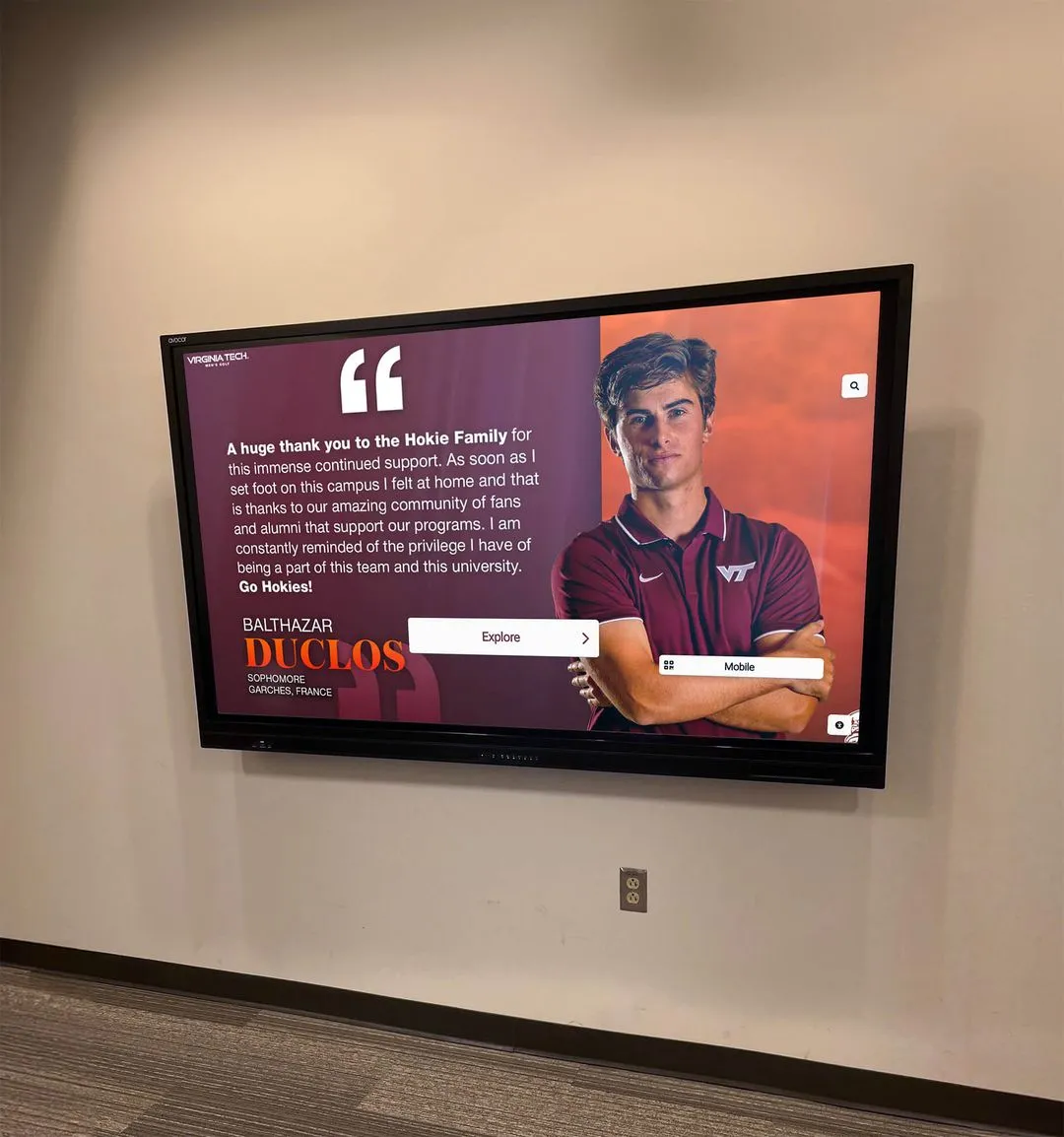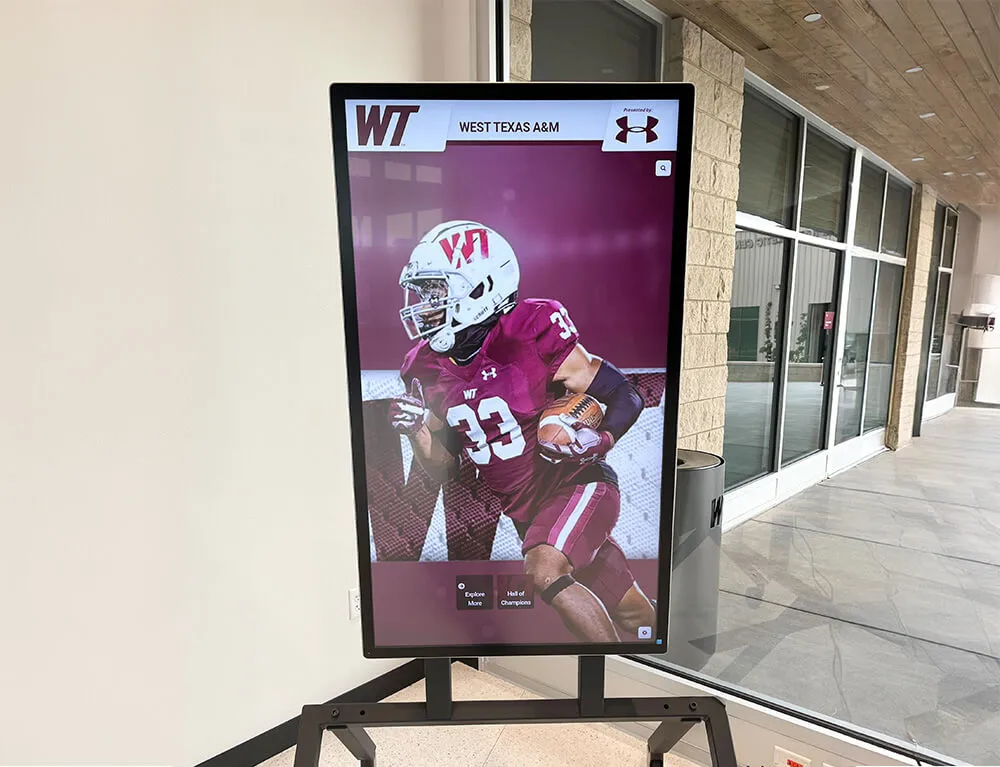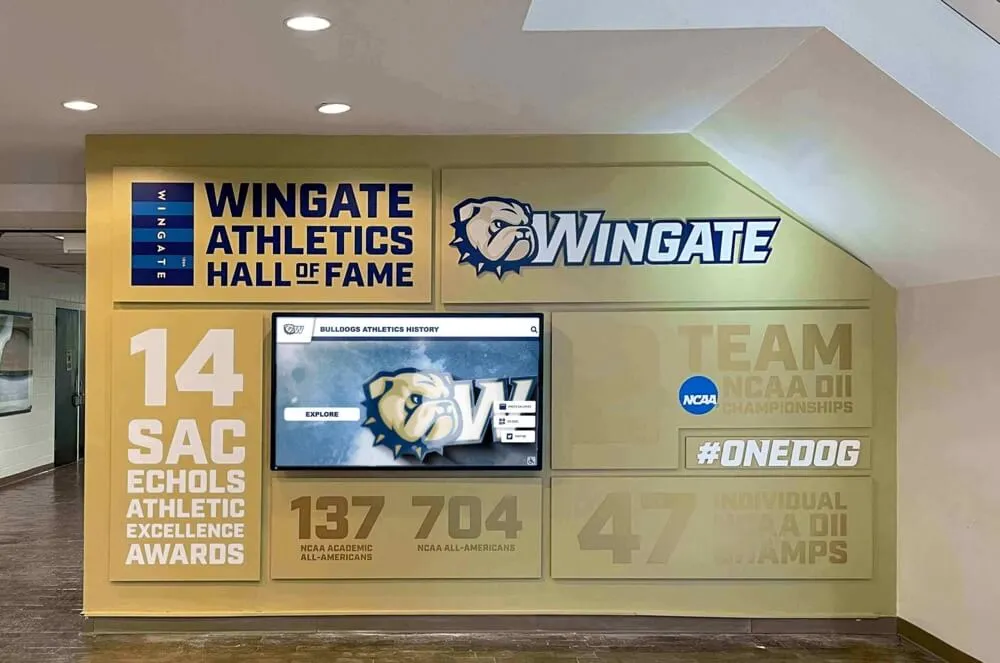




Every year, approximately 16,000 high school students across America earn National Merit Semifinalist recognition—representing the top one percent of PSAT/NMSQT test-takers nationwide. Of these, about 15,000 advance to Finalist status, with roughly 7,500 ultimately receiving National Merit Scholarship awards. These achievements represent years of academic dedication, intellectual excellence, and sustained scholarly effort that distinguish recipients among millions of college-bound students.
Yet despite earning one of the most prestigious academic honors available to American high school students, many National Merit Scholars receive minimal lasting recognition from their schools. A brief assembly announcement, a paper certificate tucked into a folder, or temporary placement on a bulletin board that gets replaced by next semester’s content—these fleeting acknowledgments fail to honor the extraordinary commitment these achievements represent or inspire younger students to pursue similar academic excellence.
Why National Merit Scholar Recognition Matters
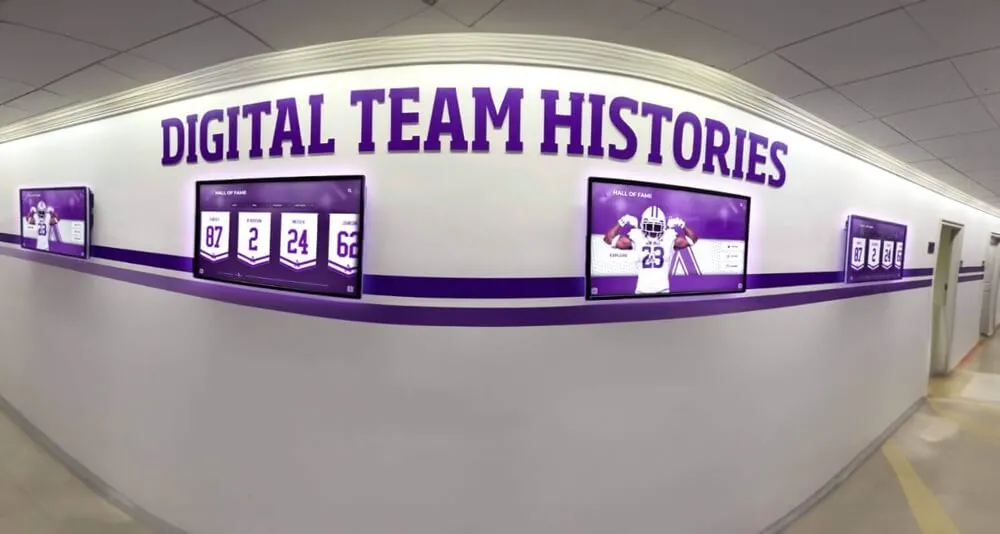
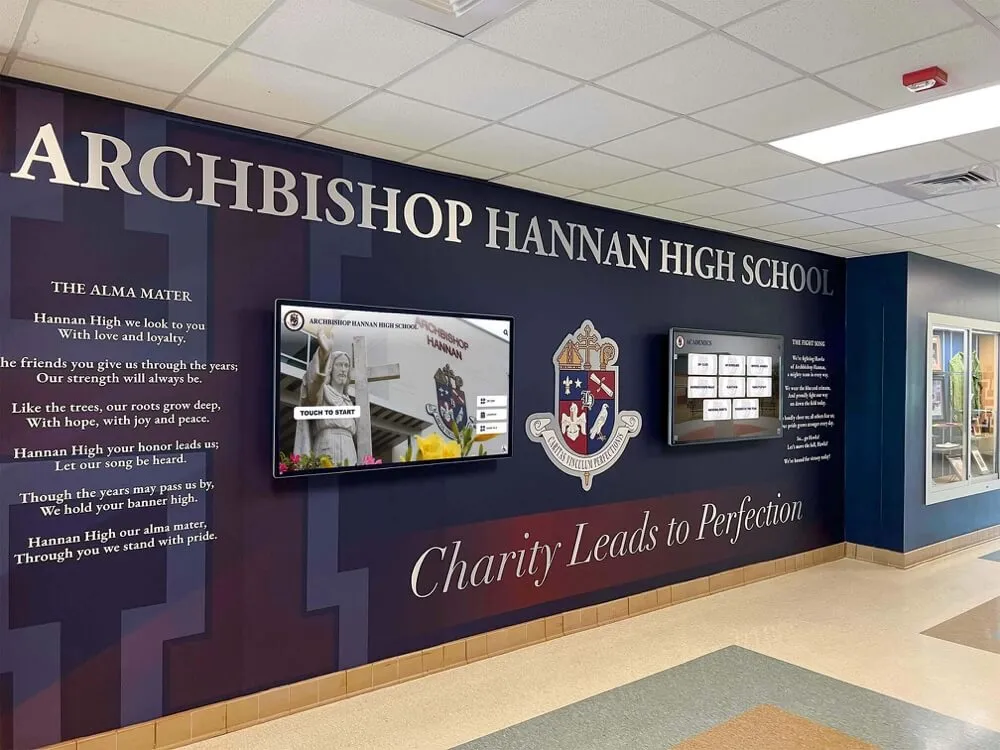
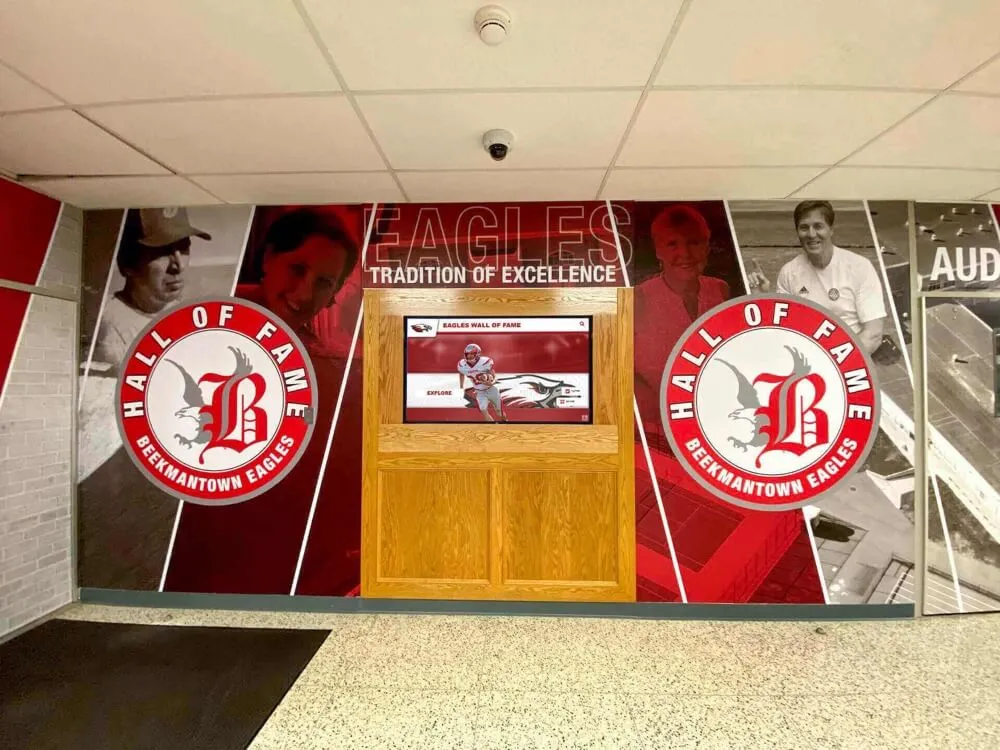
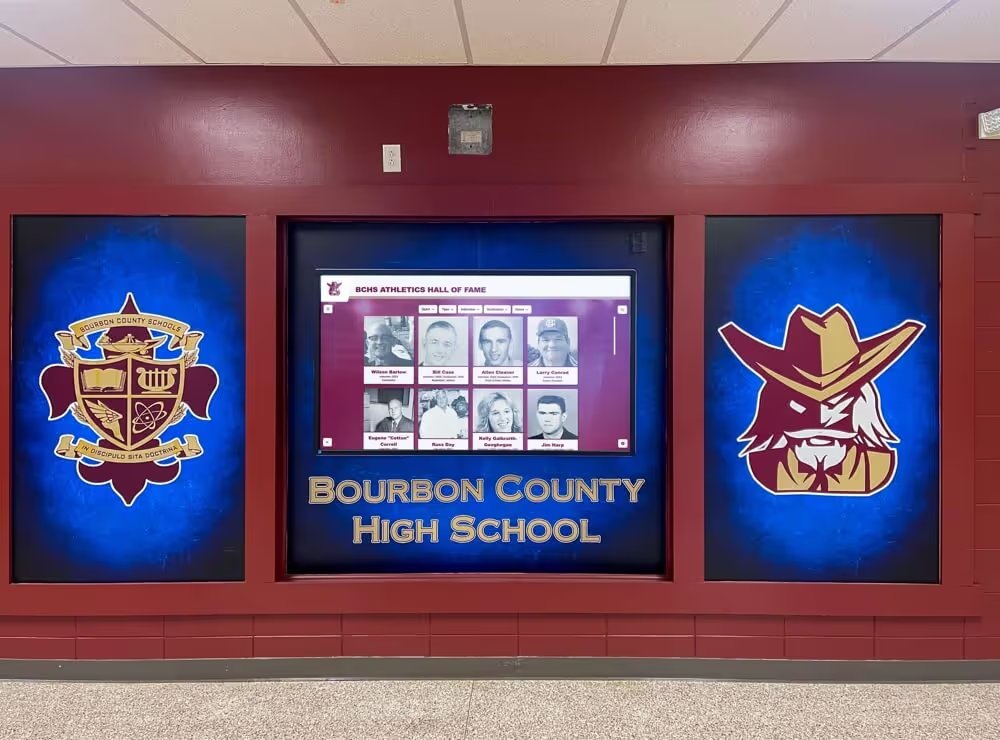
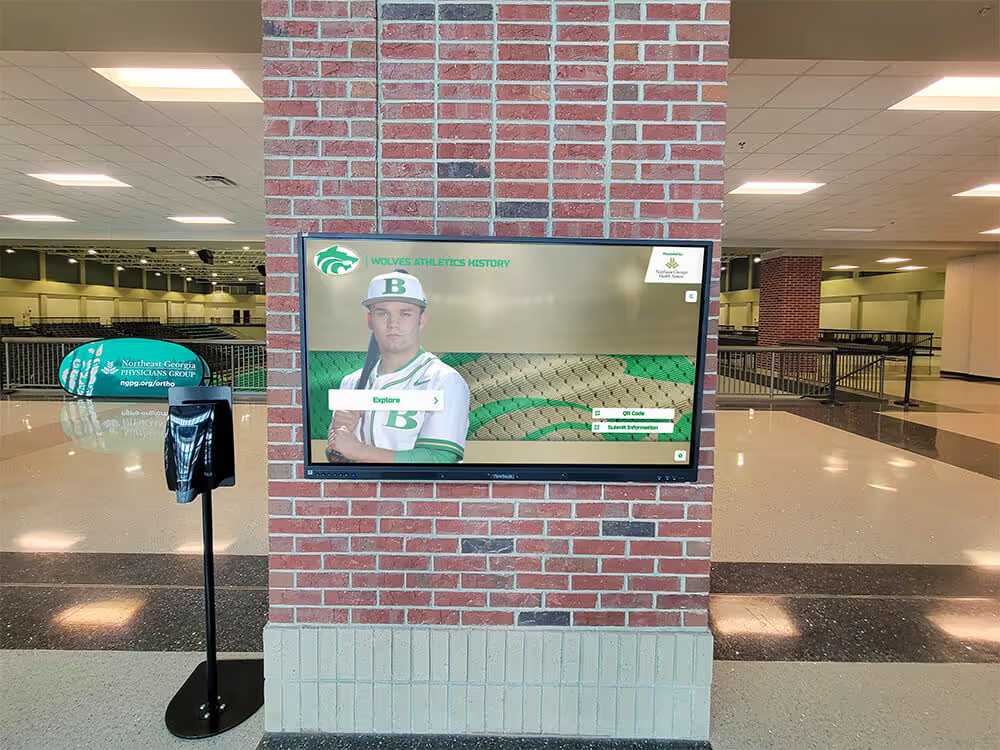
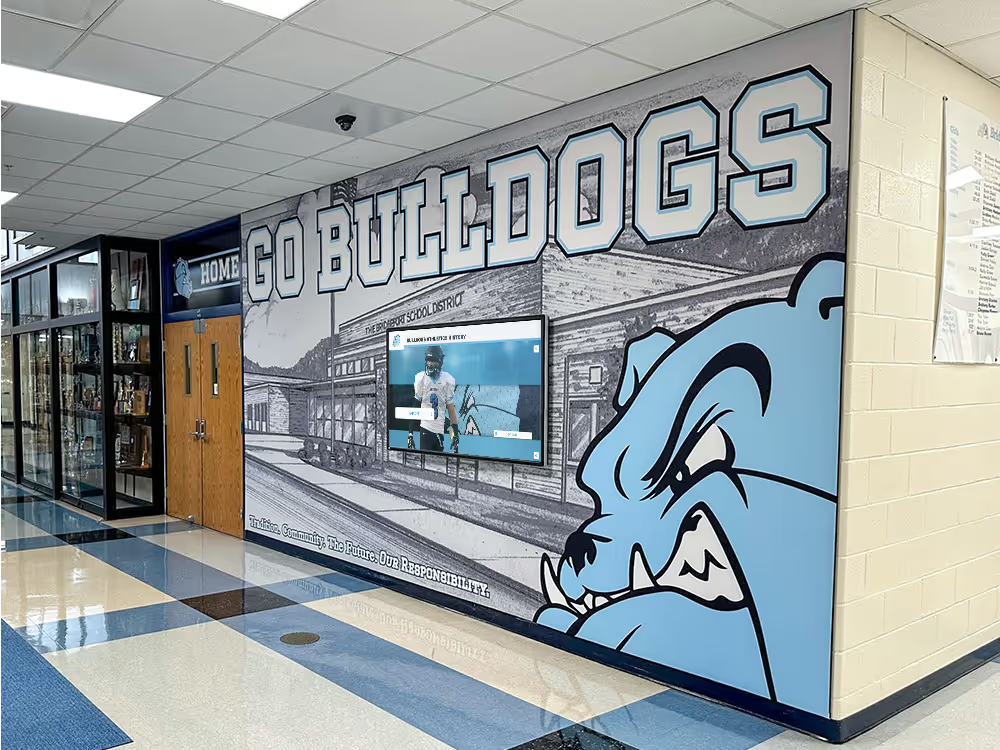
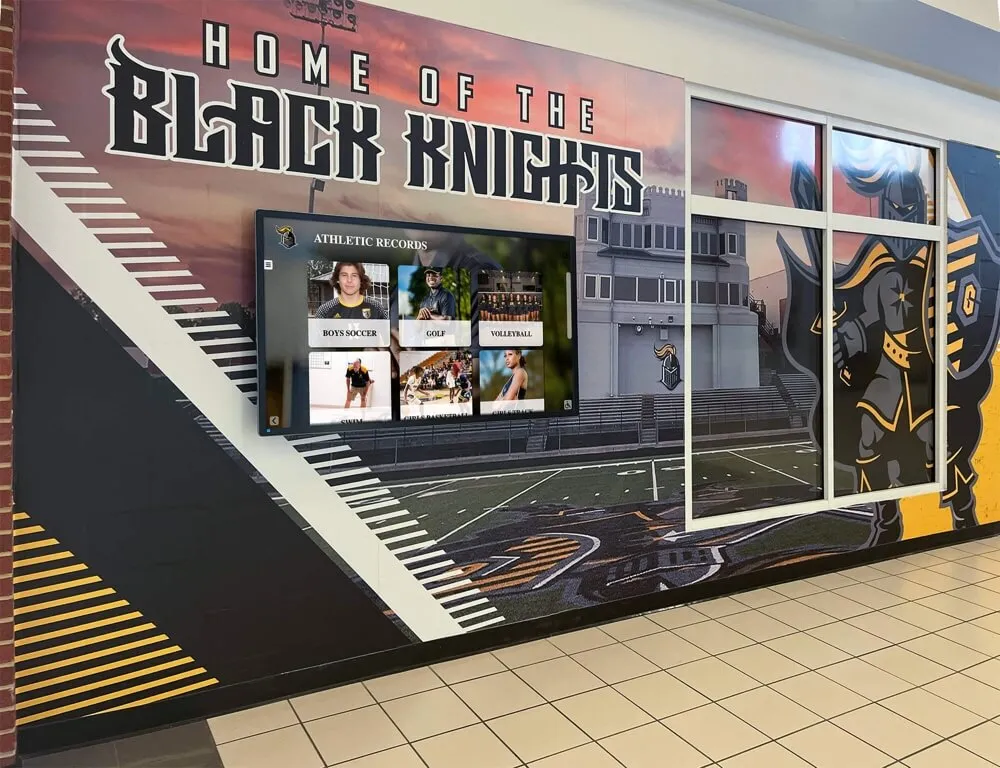
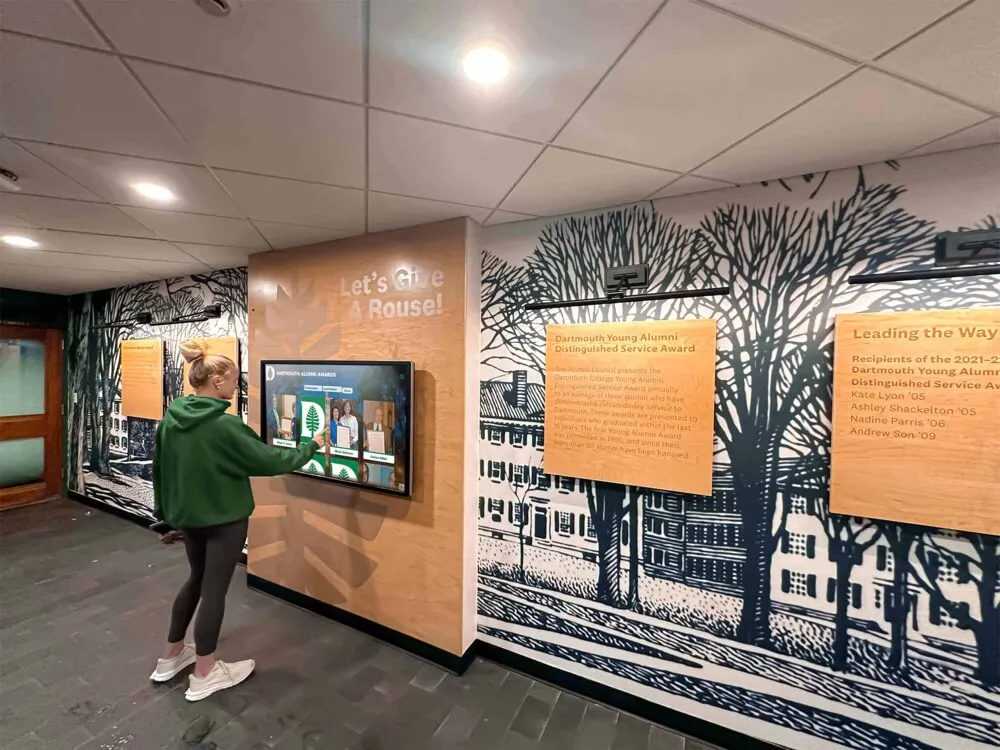
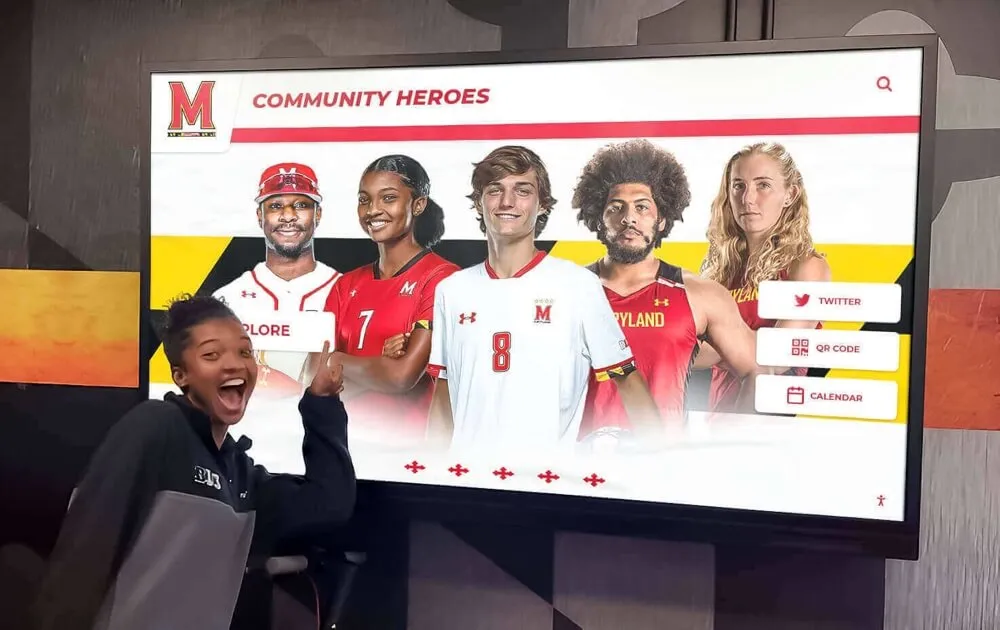
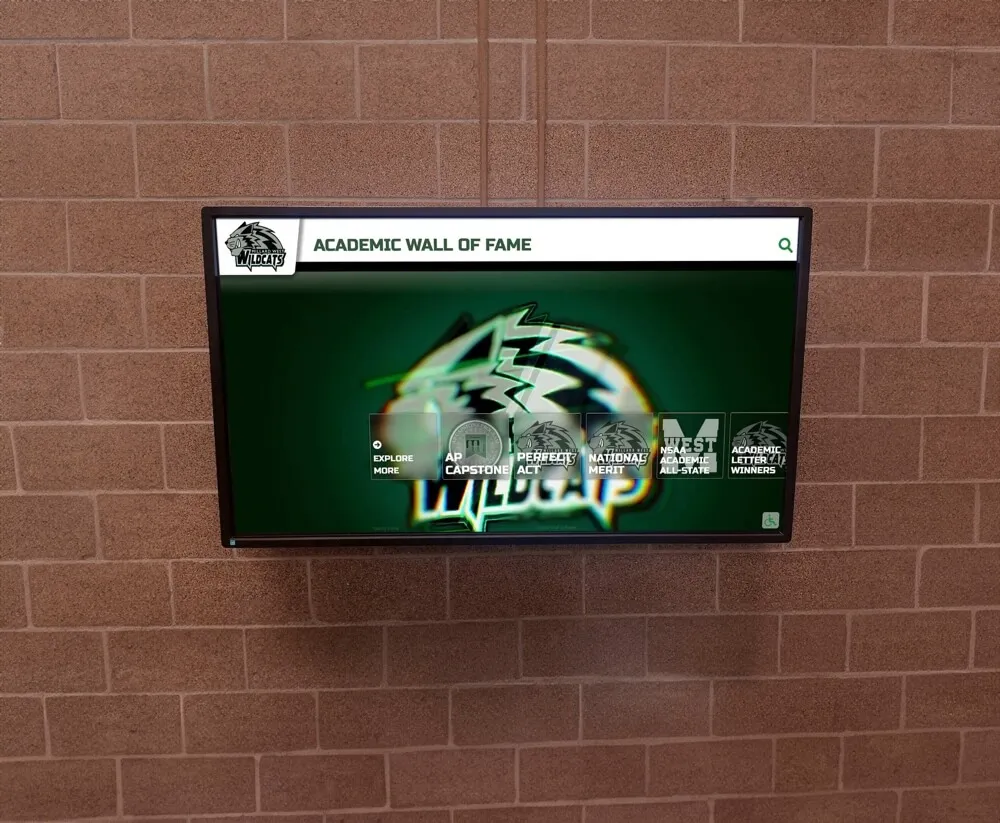
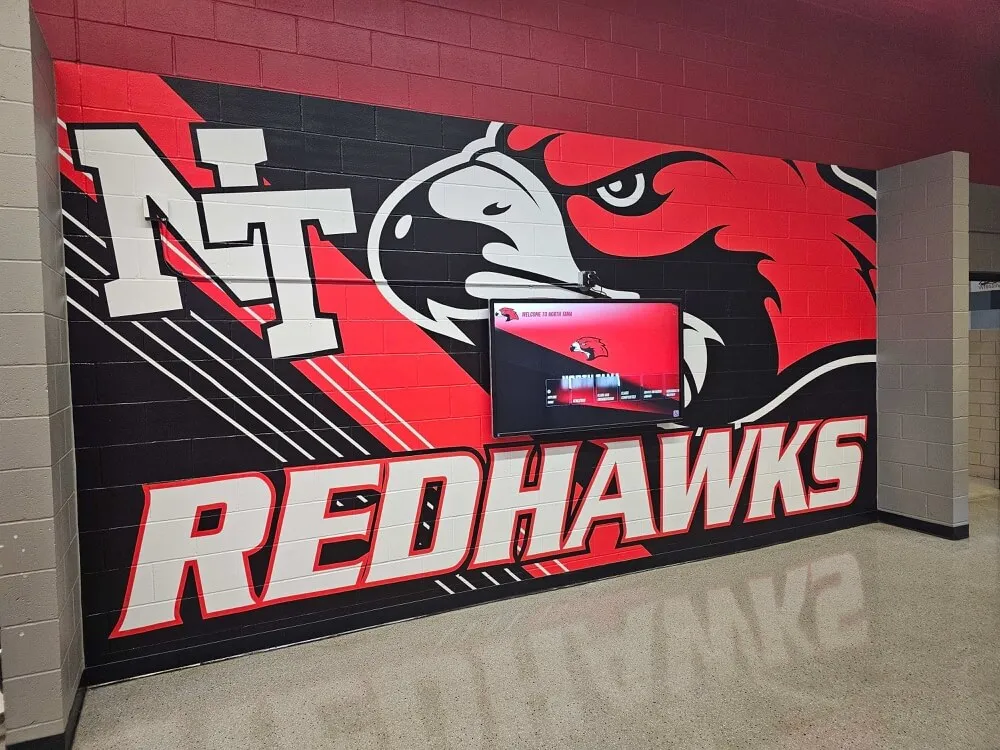
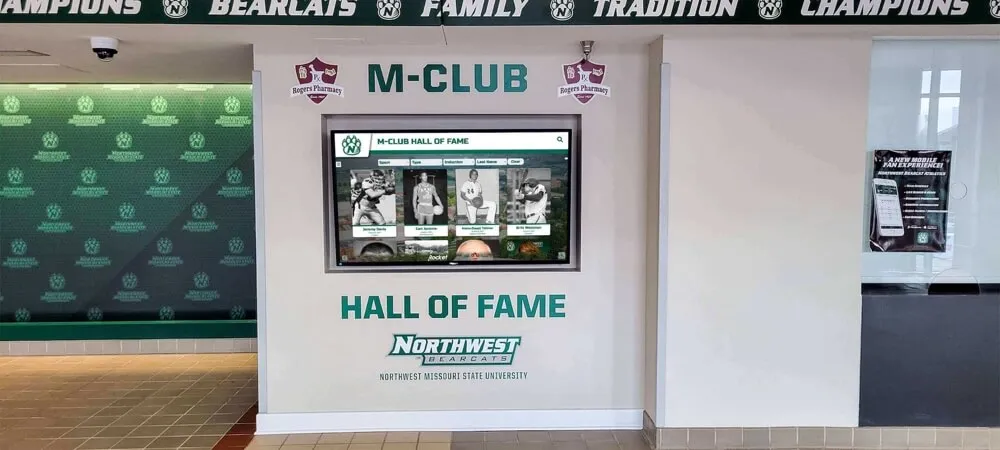
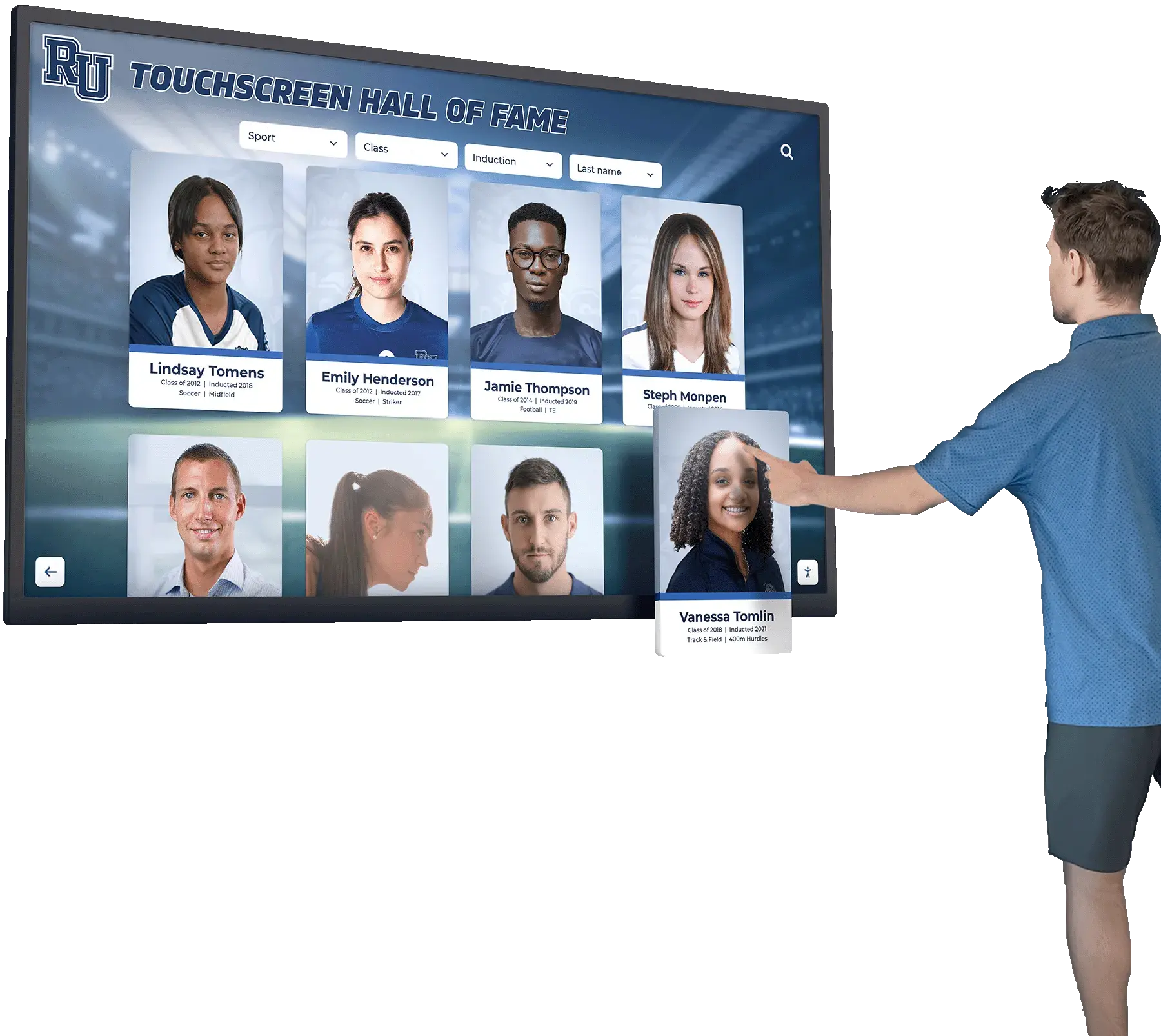
National Merit recognition represents the pinnacle of standardized academic achievement for American high school students. Schools investing in comprehensive recognition programs create visible cultures where intellectual excellence receives celebration matching its significance. Modern touchscreen recognition displays enable schools to honor National Merit Scholars permanently through engaging digital record boards featuring unlimited student profiles, comprehensive achievement details, and interactive exploration that keeps academic excellence visible throughout entire school communities.
Understanding National Merit Scholar Recognition Programs
Before implementing effective recognition strategies, schools must understand what National Merit achievement represents and why it deserves systematic celebration extending beyond minimal acknowledgment.
The National Merit Scholarship Program Structure
The National Merit Scholarship Corporation (NMSC) administers one of America’s most prestigious academic competitions, identifying and honoring exceptional high school students based primarily on PSAT/NMSQT performance. According to the National Merit Scholarship Corporation, the program follows a rigorous multi-stage selection process:
National Merit Semifinalists (approximately 16,000 students annually): Represent the top 1% of PSAT/NMSQT test-takers in each state. Selection index cutoff scores vary by state, typically ranging from 209 to 224, with adjustments accounting for state-level performance variations ensuring geographic representation.
National Merit Finalists (approximately 15,000 students annually): Semifinalists who advance by submitting detailed scholarship applications, achieving strong SAT scores confirming PSAT performance, maintaining outstanding academic records throughout high school, receiving strong school official endorsements, and completing essays demonstrating personal qualities and accomplishments.
National Merit Scholars (approximately 7,500 students annually): Finalists selected to receive scholarships including National Merit $2,500 Scholarships awarded on merit basis without corporate or college affiliation, Corporate-sponsored Merit Scholarships provided by approximately 190 corporations for Finalists meeting sponsor criteria, and College-sponsored Merit Scholarships offered by about 170 colleges and universities to enrolled Finalists.

Commended Students (approximately 34,000 students annually): High-scoring participants who don’t qualify as Semifinalists but demonstrate exceptional academic promise. These students score in roughly the 96th percentile nationally—an outstanding accomplishment deserving recognition even though it doesn’t advance to scholarship competition.
Understanding these distinction levels enables schools to develop recognition approaches appropriately celebrating each achievement tier while maintaining clear hierarchies honoring the progression from Commended status through Semifinalist, Finalist, and ultimately Scholar designation.
What National Merit Achievement Actually Represents
National Merit recognition extends far beyond single test performance—these honors signal important capabilities and characteristics that colleges, scholarship committees, and future employers value:
Sustained Academic Excellence Across Years: Earning National Merit recognition requires consistent high performance throughout high school. Students must maintain rigorous course loads, demonstrate mastery across diverse subjects, and sustain focus through years of challenging academic work—not merely excel on a single test day.
Intellectual Capacity and College Readiness: PSAT/NMSQT performance correlates strongly with college success. National Merit recognition provides objective evidence that students possess intellectual capacity and academic preparation required for challenging collegiate environments. Many highly selective colleges view National Merit status as significant factor in admissions decisions.
Competitive Advantage in Scholarship Applications: National Merit recognition dramatically increases scholarship eligibility. Beyond NMSC-administered awards, hundreds of colleges and private organizations offer additional scholarships specifically for National Merit Scholars and Finalists. According to data compiled by college admissions experts, full-ride scholarship packages for National Merit Finalists can exceed $200,000 in total value across four years at participating institutions.
Statistical Rarity and Elite Achievement: With approximately 1.5 million students taking the PSAT/NMSQT annually, National Merit Semifinalists represent roughly the top 1%, Finalists the top 1%, and Scholars approximately the top 0.5%. This statistical rarity places National Merit recipients among the highest achieving students nationally—accomplishments deserving prominent recognition.
Resources on academic recognition programs provide frameworks for understanding how National Merit achievement fits within comprehensive excellence celebration ecosystems.
The Recognition Gap: Why National Merit Scholars Often Go Uncelebrated
Despite their extraordinary significance, National Merit achievements frequently receive inadequate recognition compared to their importance. Understanding systemic barriers helps schools address limitations preventing appropriate celebration.
Space Constraints Force Recognition Trade-Offs
Traditional recognition methods require physical space—wall areas for plaques, trophy cases for awards, bulletin boards for certificates. These limitations force difficult choices about which achievements receive permanent display.
Walk through most high schools and an uncomfortable disparity becomes apparent: athletic championships from decades past occupy prominent trophy cases while current National Merit Scholars—arguably representing more significant academic accomplishment—receive paper certificates and brief mentions quickly forgotten.
The Volume Versus Space Challenge
A successful academic program might recognize 5-15 National Merit Semifinalists and Finalists annually. Over a decade, this creates 50-150 honorees. Traditional plaque-based recognition for even this modest volume requires extensive wall space most schools lack in prominent locations. This forces impossible choices: recognize only scholarship recipients while ignoring Semifinalists and Finalists, rotate displays annually and remove previous years’ honorees, or provide minimal acknowledgment feeling token rather than meaningful.

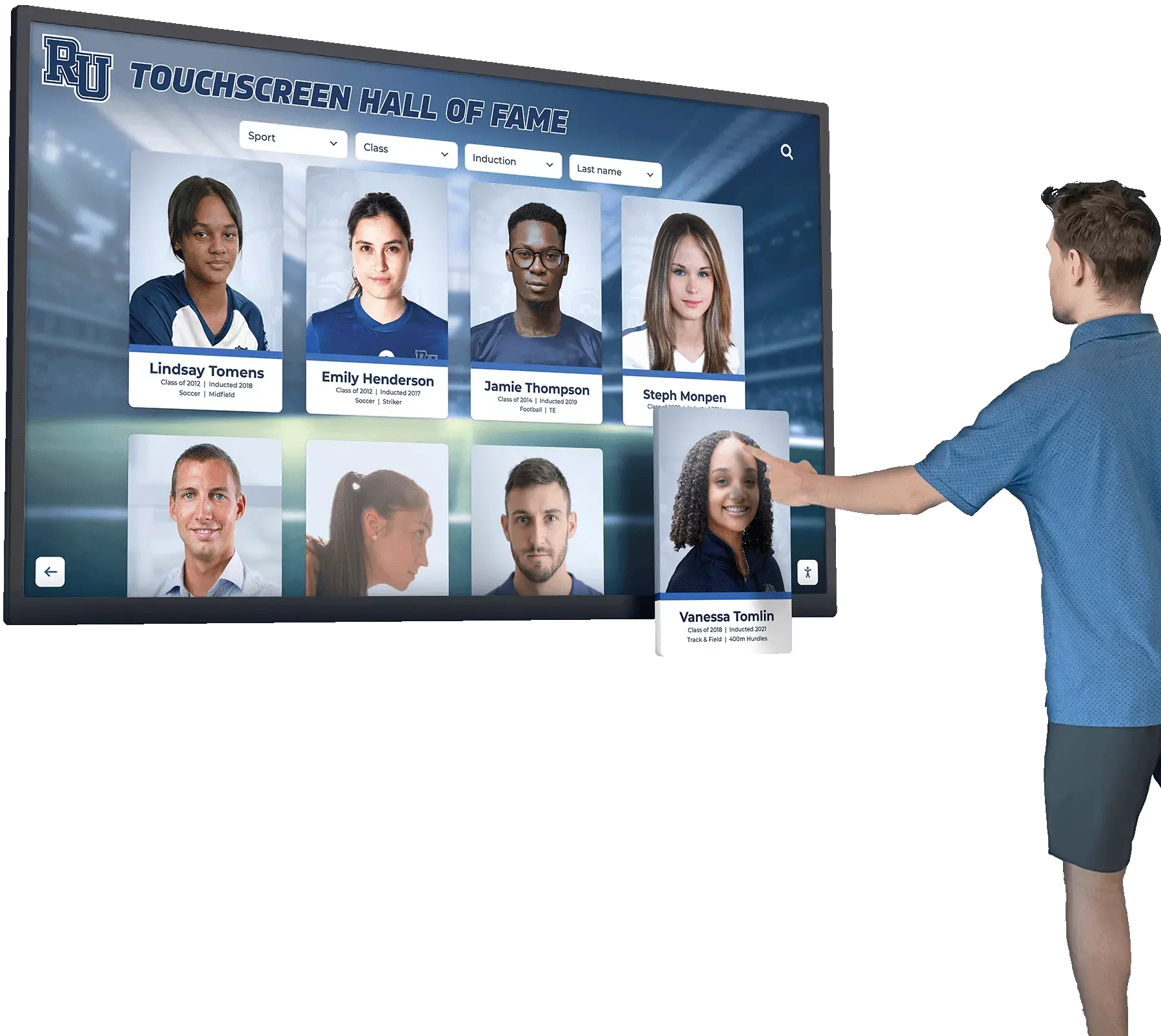
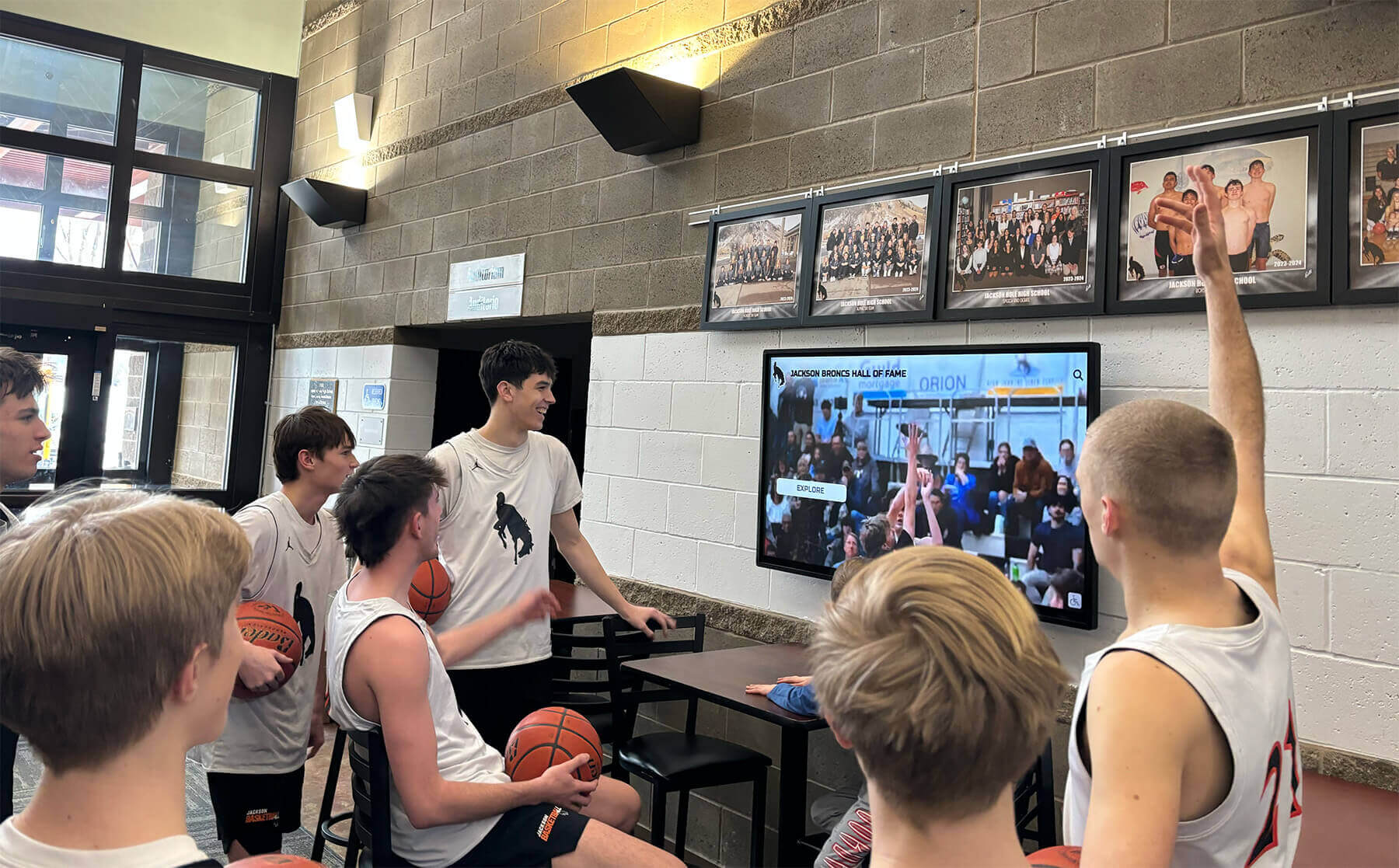
Digital recognition solutions eliminate space constraints entirely. A single 55-inch interactive touchscreen display can showcase comprehensive profiles for unlimited National Merit recipients across decades—accommodating complete institutional academic history without physical limitations forcing schools to erase past recognition when adding current honorees.
Recognition Timing Misalignment Weakens Impact
National Merit recognition follows a challenging timeline that often results in acknowledgment occurring long after achievement, significantly diminishing motivational impact:
The Achievement-to-Recognition Delay
Students take PSAT/NMSQT in October of junior year. Semifinalist announcements arrive in September of senior year—nearly 11 months later. Finalist notifications come in February, and Scholar announcements occur in spring—sometimes after students have already committed to colleges and mentally moved beyond high school.
This extended timeline creates multiple problems: graduating seniors may leave for college before schools can fully recognize their Scholar status, the connection between initial achievement and final recognition feels distant and disconnected, younger students observing recognition don’t associate it with concurrent behaviors they can emulate, and schools often defer acknowledgment until existing ceremonies scheduled for unrelated purposes.
According to educational psychology research on reinforcement timing, recognition delivered immediately after achievement generates substantially stronger motivational impact than identical acknowledgment delayed by months. Yet structural constraints of National Merit’s multi-stage process make immediate comprehensive recognition impossible without proactive school planning.
Strategies for Bridging Recognition Gaps
Progressive schools implement multi-phase approaches: preliminary recognition in fall when Semifinalist announcements arrive, updated recognition in winter as Finalist notifications come, final Scholar recognition in spring when awards are announced, and permanent ongoing digital displays remaining visible year-round rather than limited to single ceremony moments.
Digital record board platforms enable schools to update recognition immediately when notifications arrive at each program stage, ensuring timely acknowledgment while building comprehensive archives preserving complete achievement narratives across all National Merit levels.
Traditional Recognition Methods Generate Minimal Engagement
Paper certificates and assembly announcements fail to create lasting impact or effectively inspire younger students. These traditional approaches suffer fundamental limitations in contemporary educational environments:
The Static Recognition Problem
Printed certificates receive brief attention when awarded, then typically get stored in folders rarely viewed again. Assembly announcements reach only those physically present—often with divided attention as students think about lunch or next period—and immediately fade from memory without lasting reference points.
Bulletin board displays, while more visible than certificates, become quickly outdated and are rarely maintained. A board celebrating fall Semifinalists likely remains unchanged through spring, gradually fading into background visual noise students stop noticing. Static displays also cannot provide rich context about what achievements mean or inspiring details about students’ academic journeys.
Contemporary students grew up with smartphones, interactive technology, and multimedia experiences delivering rich, personalized content. Recognition through unchanging printed lists or static plaques feels outdated and disengaging compared to interactive experiences students encounter daily through personal technology use. This disconnect means traditional National Merit recognition often fails to generate the inspiration and motivation schools intend.
Modern digital recognition displays create engaging experiences matching how students naturally interact with information. Interactive touchscreen interfaces invite exploration enabling students to discover classmates’ achievements, learn about National Merit pathways, understand program requirements, and explore connections between recognition and college opportunities—transforming passive viewing into active discovery that genuinely inspires.
Implementing Comprehensive National Merit Touchscreen Recognition Programs
Effective National Merit recognition requires systematic approaches addressing program design, technology selection, content development, and ongoing management ensuring sustainability across years.
Defining Recognition Program Scope and Inclusion Standards
Clear parameters ensure National Merit recognition programs maintain appropriate focus while managing community expectations:
Which Achievement Levels to Recognize
Determine which National Merit distinction levels your program celebrates. Comprehensive approaches acknowledge all recognition tiers—Commended Students, Semifinalists, Finalists, and Scholars—ensuring every high-achieving student receives appropriate acknowledgment. This inclusive strategy validates diverse excellence levels while maintaining visible distinction between tiers through visual design, content depth, or placement prominence.
Some schools supplement National Merit recognition with related academic honors creating integrated displays: National Hispanic Recognition Program recipients, National African American Recognition Program honorees, National Indigenous Recognition Award recipients, National Rural and Small Town Recognition Award winners, and AP Scholar awards for students also earning National Merit recognition.

These supplementary categories enable broader recognition while maintaining National Merit’s distinctive prestige. However, additional categories require clear criteria preventing perceptions of arbitrary selection or favoritism.
Multi-Year Recognition and Historical Documentation
Decide whether to recognize only current-year National Merit recipients or build comprehensive historical archives documenting decades of academic achievement. Historical documentation creates powerful institutional memory showing program growth over time, enables alumni to rediscover their own National Merit recognition years later, provides longitudinal data demonstrating academic program strength, and creates inspirational examples of sustained institutional excellence.
Many schools implement phased approaches beginning with current year recognition, then systematically adding previous years’ scholars during summer months when other demands are lighter. This phased implementation enables manageable progress without overwhelming staff while building comprehensive archives capturing complete institutional academic heritage.
Resources on academic excellence recognition provide frameworks applicable to National Merit program development.
Technology Platform Selection for National Merit Recognition
Choosing appropriate technology fundamentally shapes what recognition programs can accomplish and their long-term sustainability.
Digital Record Board Solutions for Academic Recognition
Purpose-built digital record board platforms transform National Merit acknowledgment through interactive touchscreen displays eliminating traditional recognition limitations. These specialized systems designed specifically for educational environments provide capabilities generic digital signage cannot match.
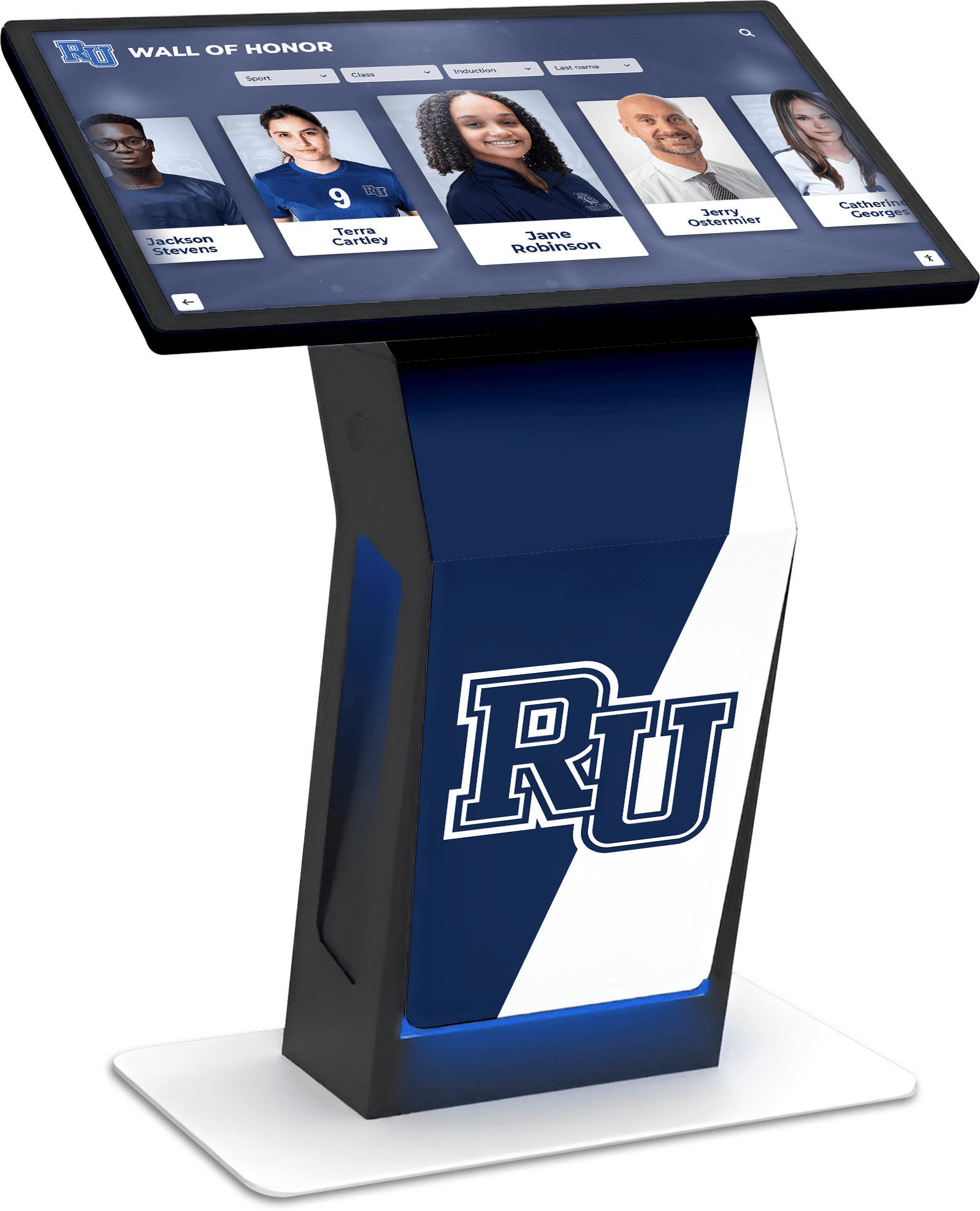
Auto-Ranking and Dynamic Organization: Advanced platforms automatically organize National Merit recipients by achievement level, graduation year, or alphabetically—enabling visitors to navigate large archives efficiently without manual sorting requirements that burden staff.
Unlimited Recognition Capacity: Digital record boards accommodate unlimited National Merit honorees across decades without physical space constraints forcing choices about whose accomplishments receive visibility. Schools can showcase comprehensive archives spanning 30+ years while maintaining prominent visibility for current recipients.
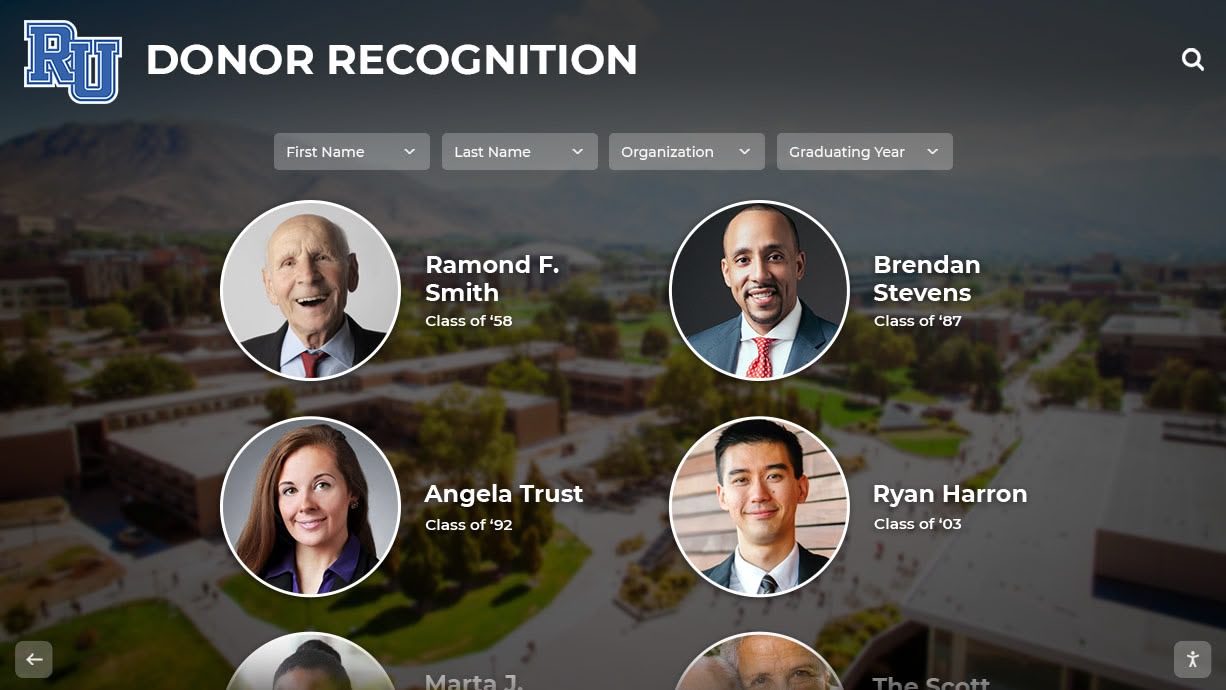
Rich Multimedia Student Profiles: Digital platforms enable high-resolution photographs creating personal connection, detailed achievement narratives explaining National Merit pathways, PSAT scores and selection index details when appropriate, college destinations demonstrating recognition outcomes, scholarship information showing tangible financial benefits, and student quotes offering advice for younger students pursuing similar goals.
ADA Compliance and Accessibility: Quality platforms ensure recognition remains accessible to all community members regardless of physical abilities, with screen reader compatibility, adjustable text sizes, high-contrast viewing modes, and alternative navigation methods meeting legal accessibility requirements while demonstrating inclusive values.
Strategic Display Placement Maximizing Visibility
Recognition impact depends heavily on placement ensuring National Merit displays receive regular visibility throughout school communities:
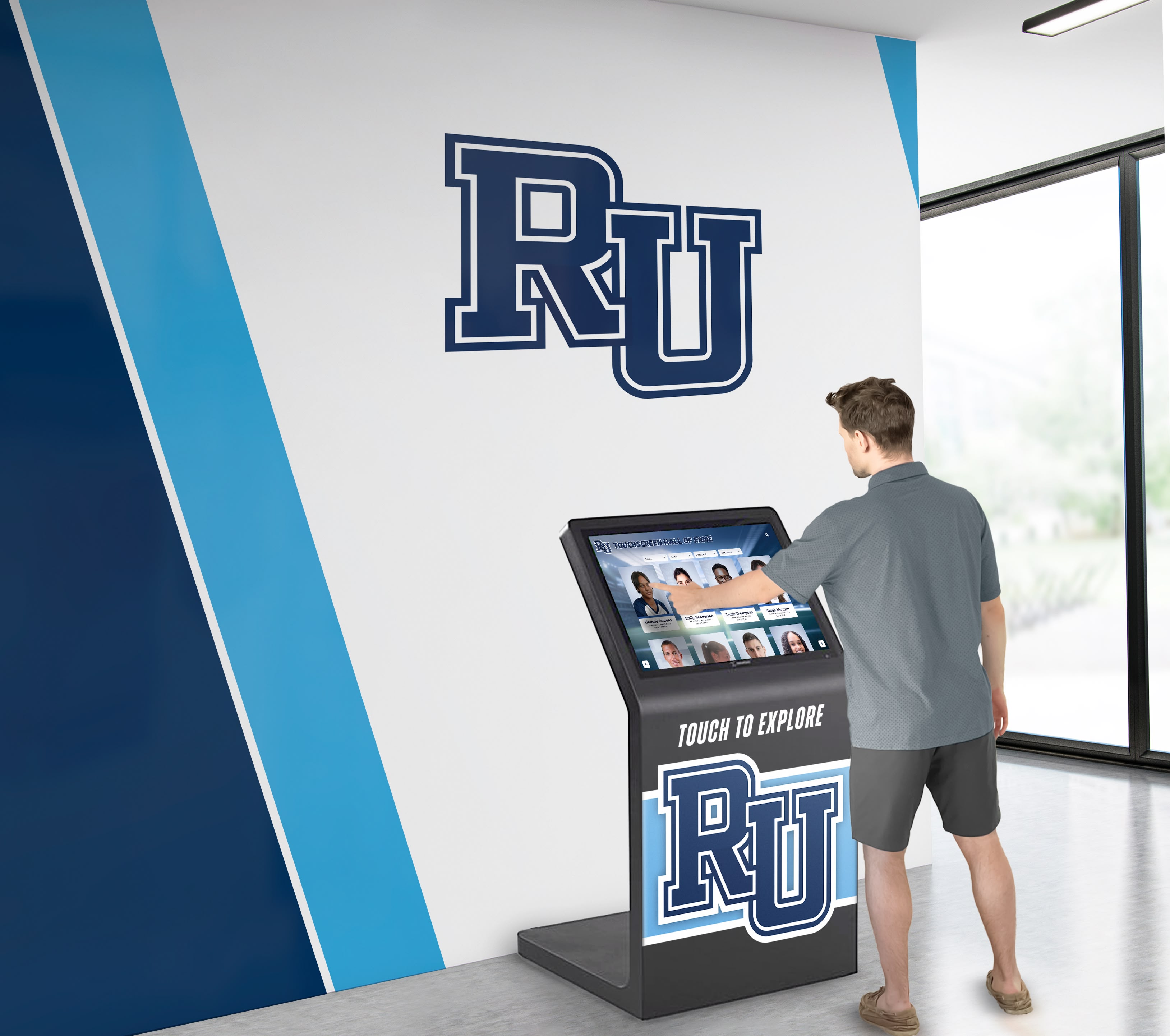
High-Impact Location Priorities: Position interactive National Merit recognition displays in main school entrances where all students, staff, and visitors pass daily; college counseling office areas where students discuss academic planning and scholarship opportunities; libraries and academic resource centers emphasizing scholarly achievement; cafeterias and student commons providing extended viewing during casual breaks; and administrative reception areas frequented by prospective families evaluating academic programs.
Multiple distributed displays throughout facilities often prove more effective than single concentrated installations, ensuring National Merit recognition maintains visibility across entire campuses rather than requiring deliberate visits to specific locations. This distributed approach also enables contextual theming—displays near counseling offices might emphasize scholarship opportunities and college destinations while library displays focus on academic pathways and study strategies.
Web-Based Recognition Extending Global Access
Physical displays serve on-campus audiences effectively, but web-accessible platforms extend National Merit acknowledgment far beyond school buildings. Online recognition enables families worldwide to view achievements, allows alumni to explore their historical National Merit recognition years later, permits students to share accomplishments through social media and college applications, and provides college admissions representatives immediate verification of National Merit status.
Essential web platform features include mobile-responsive design displaying effectively across all devices, powerful search enabling discovery by name, year, or achievement level, permanent accessibility keeping recognition online indefinitely rather than disappearing after graduation, social sharing capabilities allowing one-click distribution, and integration with school websites amplifying visibility through existing communication channels.
Solutions like Rocket Alumni Solutions provide comprehensive platforms combining touchscreen displays and web accessibility through unified content management systems requiring no technical expertise—enabling schools to implement professional National Merit recognition without IT dependency or ongoing technical burden.
Content Development: Bringing National Merit Recognition to Life
Rich, engaging content transforms simple acknowledgment into meaningful celebration that inspires school communities:
Essential Profile Elements for National Merit Recipients
Comprehensive National Merit recipient profiles should include student name and graduation year providing identification, high-quality professional photograph creating visual connection, specific achievement level clearly identifying distinction (Commended, Semifinalist, Finalist, Scholar), PSAT selection index when appropriate and not privacy-sensitive, scholarship type and amount for Scholar recipients, college destination and intended major connecting achievement to future plans, and student statement about academic journey or advice for aspiring scholars.
Additional valuable content elements include favorite subjects and teachers highlighting supportive relationships, extracurricular involvement showing well-rounded achievement, study strategies and preparation advice offering practical guidance, career aspirations demonstrating how National Merit connects to future goals, and parent or teacher nominations providing external perspective on student qualities.
Privacy Considerations and Family Preferences
Balance National Merit recognition benefits against privacy concerns through opt-out mechanisms for families strongly preferring privacy while maintaining opt-out as exception rather than requiring opt-in that would eliminate most recognition. Limit sensitive data beyond names and achievement levels avoiding unnecessary personal information. Secure appropriate permissions through annual photo release forms covering recognition display usage. Clearly communicate privacy policies explaining what information appears publicly and how families can manage preferences.
Federal regulations like FERPA (Family Educational Rights and Privacy Act) allow schools to publicly disclose “directory information” including honors and awards without prior consent, though districts should establish clear policies addressing digital recognition specific considerations. Treat National Merit recognition similarly to yearbooks and athletic programs where students have reduced privacy expectations for achievement acknowledgment while providing reasonable accommodation for families with legitimate privacy concerns.

Gathering Student Content and Personal Narratives
The most compelling National Merit recognition incorporates students’ own voices and perspectives transforming data presentation into authentic storytelling. Effective content collection approaches include senior surveys distributed in spring collecting biographical information and reflections, brief interviews with Scholars producing detailed profiles and advice, student-written statements about study strategies or challenging moments in academic journeys, and guidance for younger students considering National Merit pathways.
These personal elements connect emotionally with audiences while providing practical insight for students pursuing similar achievements. Understanding how to create engaging student profiles helps schools develop content frameworks applicable to National Merit recognition.
Strategic Program Launch and Sustainable Management
Successful National Merit recognition initiatives require thoughtful launch strategies and sustainable management approaches ensuring programs remain current and effective across years.
Building Awareness and Creating Launch Momentum
Strategic launch timing coordinated with natural school cycles—ideally September when Semifinalist announcements arrive—creates optimal introduction conditions. Promote National Merit recognition programs through multiple channels including school websites prominently featuring new recognition capabilities, social media highlighting interactive display features and first honored students, newsletters explaining recognition program purposes and inviting family engagement, and assemblies showcasing displays while encouraging student exploration.
Consider hosting dedicated launch events or ceremonies celebrating inaugural National Merit recognition, inviting previous years’ recipients to participate creating continuity between past and present excellence, generating initial excitement establishing National Merit recognition as important institutional priority, and demonstrating commitment to balancing academic and athletic recognition visibility.
Engaging Students and Building Interactive Exploration Habits
Encourage students to interact with National Merit displays through guided discovery during orientation activities where counselors demonstrate features, goal-setting integration using displays during academic planning conversations showing pathways to National Merit qualification, research projects incorporating recognition exploration investigating school academic history or achievement trends, and student ambassador programs training representatives to demonstrate displays for visitors during campus tours.
Active engagement transforms National Merit displays from passive acknowledgment into interactive learning experiences motivating academic excellence while building school pride in scholarly achievement.
Sustainable Operations and Ongoing Management
Annual Update Workflows and Content Management
National Merit recognition programs require regular attention maintaining currency and accuracy. Establish systematic workflows for data collection immediately when National Merit notifications arrive at each program stage, standardized processes for compiling recipient lists and verifying information accuracy, efficient content creation using templates streamlining profile development, quality control reviews ensuring accuracy before publishing recognition, and scheduled updates published on predictable timelines maintaining program credibility.
Designate specific staff responsibility for National Merit recognition management—typically college counselors, registrars, or academic coordinators with access to student data and National Merit communications. Provide dedicated time allocation acknowledging that comprehensive programs require regular attention rather than treating recognition as unfunded additional duty overwhelming already-busy educators.
Cross-Training for Program Sustainability
Ensure multiple staff members understand National Merit recognition system operation preventing program disruption during absences, vacations, or position transitions. Create detailed documentation including step-by-step guides with screenshots, video tutorials demonstrating common tasks, quick reference materials for troubleshooting, and contact information for technical support when needed.
Sustainable programs survive individual personnel changes through systematic approaches rather than depending on single knowledgeable individuals whose departure might compromise recognition continuity.
Ceremony Integration and Multi-Channel Communication
National Merit Recognition Ceremonies and Events
Combine permanent digital recognition with ceremony-based acknowledgment creating comprehensive recognition experiences. Semester-based recognition ceremonies provide important personal acknowledgment moments where National Merit recipients receive honors before families and communities. Design ceremonies emphasizing honorees rather than lengthy administrative speeches, schedule events enabling family attendance amplifying recognition meaning, and photograph ceremonies documenting recognition moments for inclusion in digital displays extending ceremony impact beyond event dates.
Consider implementing reception formats where honored students and families gather informally rather than formal staged ceremonies—creating celebration atmospheres while reducing production demands that can make frequent recognition events unsustainable.
Amplifying Recognition Through Strategic Communication
Maximize National Merit recognition visibility through systematic communication ensuring maximum reach. Send family notifications when students appear in recognition displays through email with direct profile links, post social media celebrations highlighting National Merit recipients with appropriate privacy considerations, feature recognition prominently in newsletters and regular school communications, integrate daily announcements acknowledging new National Merit additions, and establish community media partnerships extending recognition visibility beyond school through local publications featuring outstanding academic achievement.
This multi-channel approach ensures National Merit achievements receive visibility comparable to athletic recognition while engaging varied stakeholder audiences through their preferred communication methods.
Inspiring Future National Merit Scholars Through Recognition
Beyond acknowledging past achievement, effective National Merit recognition programs inspire future accomplishment by demonstrating pathways, demystifying requirements, and creating aspirational goals students can visualize achieving.
Making National Merit Pathways Visible and Accessible
Many students, particularly those from families unfamiliar with standardized testing programs or college planning processes, don’t fully understand what National Merit involves, how to qualify, or why it matters for their futures. Recognition displays can address these knowledge gaps:
Explaining the Qualification Process: Beyond simply listing honorees, effective displays explain how National Merit selection works including when to take the PSAT/NMSQT (typically October of junior year), what selection index scores mean and approximate cutoffs by state, progression from initial testing through Semifinalist, Finalist, and Scholar designation, and required steps at each stage including applications, SAT confirmation scores, and endorsements.
Demystifying Achievement Levels: Clearly explain what each National Merit distinction represents—that Commended recognition places students in top 5% nationally demonstrating exceptional achievement, Semifinalist status indicates top 1% performance placing students among the highest achievers in their states, Finalist progression requires sustained excellence beyond single test performance, and Scholar designation brings substantial scholarship opportunities and enhanced college admission prospects.
Highlighting Diverse Student Success: Feature National Merit recipients from varied backgrounds, schools-within-schools, and student profiles demonstrating that achievement isn’t limited to specific demographics. When students see peers similar to themselves succeeding in National Merit competition, abstract possibilities transform into concrete aspirations they can envision achieving themselves.
Practical Advice from Peer Role Models: Include quotes and guidance from recent National Merit Scholars offering concrete recommendations about PSAT preparation strategies, time management during junior year, balancing rigorous coursework with testing preparation, and overcoming challenges or setbacks. Peer advice often resonates more powerfully than adult encouragement, as students trust those who recently faced identical challenges and succeeded.
Resources on motivating student achievement provide frameworks for designing recognition that inspires excellence beyond simple acknowledgment.
Connecting Recognition to Future Opportunities and Tangible Benefits
Help students understand concrete advantages that National Merit recognition brings beyond pride and acknowledgment:
College Admission Advantages: National Merit status significantly influences college admission decisions at many institutions. Featured profiles might include where National Merit recipients gained admission, scholarship packages received partly through National Merit status, and reflections on how recognition enhanced college applications. This tangible connection demonstrates that National Merit effort translates into meaningful outcomes.
Scholarship Value and Financial Impact: According to college financial aid data, many institutions offer substantial scholarships specifically for National Merit Finalists and Scholars. Some universities provide full-ride packages including tuition, room, board, and additional stipends—total values exceeding $200,000 across four years. Recognition displays highlighting these financial benefits motivate families weighing test preparation investment against potential college savings.
Career Preparation and Professional Advantage: National Merit recognition signals intellectual capability and academic excellence to future employers, graduate schools, and professional programs. Recognition including alumni testimonials about how National Merit status influenced career trajectories connects classroom achievement to long-term professional outcomes demonstrating lasting value beyond immediate college benefits.
Technology Implementation: Practical Considerations for Schools
Schools ready to implement National Merit touchscreen recognition face practical questions about technology investment, budget planning, and operational logistics.
Budget Planning and Investment Understanding
Realistic cost understanding helps schools plan implementations aligned with available resources:
Initial Technology Investment Components: For comprehensive National Merit recognition combining touchscreen display and web platform, typical investments include commercial-grade touchscreen hardware designed for continuous operation ($3,000-$8,000 depending on display size and features), professional installation and secure mounting ($800-$2,000), purpose-built recognition platform setup and licensing ($2,000-$5,000 for education-specific systems), initial content development including historical data entry ($1,500-$4,000 depending on archive depth), and design customization reflecting school branding ($500-$2,000).
Total initial investment typically ranges from $7,800-$21,000 depending on scope, technology choices, and display specifications. While substantial, these investments often generate positive returns through enhanced school culture, improved academic motivation, and strengthened community pride within 24-36 months.
Ongoing Operational Costs: Sustainable programs require realistic budgeting for annual expenses including software licensing or platform subscriptions ($800-$2,500 annually), content management time for regular updates (approximately 15-30 hours annually), technical support and maintenance contracts ($400-$1,000 annually), and hardware refresh reserves planning for eventual replacement after 7-10 year lifespan.
Most schools budget $2,000-$4,000 annually for comprehensive National Merit recognition operations. However, efficient workflows, student project integration, and streamlined processes can reduce costs while maintaining quality standards.
Phased Implementation for Budget-Conscious Schools: Budget limitations shouldn’t prevent National Merit recognition initiatives. Consider phased approaches beginning with web-only implementation requiring lower initial investment ($3,000-$6,000), launching with current year only and adding historical scholars gradually over summers, or starting with basic profiles and enhancing with richer content over time. Starting modestly with clear expansion plans proves superior to waiting indefinitely for perfect circumstances that may never materialize.
Vendor Selection and Platform Evaluation Criteria
Schools exploring digital recognition platforms should evaluate multiple options comparing features, costs, support quality, and long-term vendor viability:
Critical Evaluation Criteria for National Merit Recognition Platforms:
- Purpose-Built Educational Focus: Platforms designed specifically for schools versus generic digital signage requiring extensive customization and ongoing technical dependency
- Content Management Ease: Intuitive interfaces allowing counselors or administrators to manage content independently without requiring IT involvement for routine updates
- Unlimited Student Capacity: Ability to accommodate hundreds or thousands of National Merit profiles across decades without per-profile charges limiting recognition scope or creating escalating costs
- Advanced Search and Discovery: Powerful search enabling visitors to find specific students by name, year, achievement level, or college destination efficiently without frustrating navigation
- Multi-Device Accessibility: Recognition accessible through touchscreen displays, web browsers on desktop computers, and mobile devices providing flexible viewing options
- Analytics and Engagement Reporting: Data showing who interacts with National Merit recognition, how long they explore content, which profiles receive most attention, and peak usage times
- Vendor Stability and Track Record: Established history with educational clients, financial viability for ongoing support, and references from schools with comparable National Merit programs
Request demonstrations from multiple providers, check references from similar schools, and when possible review existing implementations at institutions with comparable demographics and academic programs before making final selections.
Measuring National Merit Recognition Program Success and Impact
Systematic assessment demonstrates program effectiveness while identifying improvement opportunities ensuring recognition initiatives achieve intended goals.
Quantitative Engagement Metrics and Performance Indicators
Digital recognition platforms provide comprehensive analytics revealing how students, families, and visitors engage with National Merit content:
Key Performance Indicators to Track: Unique visitor counts showing total individuals engaging with National Merit recognition over time, session duration measuring average time spent exploring content (benchmark: 4-8 minutes indicating genuine interest versus brief glances), profiles viewed per session revealing exploration depth and whether visitors examine multiple honorees, return visitor rates demonstrating sustained engagement beyond initial curiosity, search patterns showing how visitors discover content and which achievement levels generate most interest, and social sharing frequency tracking distribution beyond direct display visitors.
Baseline measurements following initial launch establish benchmarks for tracking engagement trends over quarters and years. Regular reviews identify successful content types worth expanding, underutilized features requiring optimization or clearer promotion, and changing engagement patterns suggesting refinements.
Academic Performance Correlations and Cultural Impact
While direct causation proves difficult to establish definitively, monitor whether academic indicators show improvement following enhanced National Merit recognition implementation:
Potential Impact Indicators: PSAT participation rates among sophomores and juniors showing increased awareness and preparation, National Merit Commended recipient counts over time indicating broader achievement, Semifinalist and Finalist numbers demonstrating top-tier performance growth, scholarship outcomes for National Merit recipients showing tangible financial benefits realized, and student surveys measuring awareness of National Merit pathways and motivation to pursue recognition.
According to educational research, visible recognition of academic achievement correlates with increased student motivation to pursue similar accomplishments. Careful analysis examining correlations while acknowledging confounding variables provides reasonable program impact assessment demonstrating value to administrators and school boards justifying continued investment in academic recognition initiatives.
Qualitative Feedback and Stakeholder Perspectives
Beyond numbers, gather feedback revealing how National Merit recognition influences individuals and school culture:
Stakeholder Input to Collect: Student feedback through surveys or focus groups exploring whether recognition feels meaningful and motivating, parent reactions to academic acknowledgment quality and visibility particularly compared to athletic recognition, teacher observations about student discussions of National Merit goals and test preparation, counselor input on whether recognition aids college planning conversations and scholarship advising, and administrator assessment of cultural impact and community pride in academic excellence.
Regular feedback collection—annually for comprehensive surveys, quarterly for brief pulse checks—ensures programs remain responsive to stakeholder needs rather than operating based on administrative assumptions that may not match actual user experiences or community priorities.
Creating Recognition Cultures That Balance Academic and Athletic Achievement
One of the most common concerns from families involves the disparity between prominent athletic recognition and minimal academic acknowledgment. Addressing this imbalance requires intentional strategies and institutional commitment.
Achieving Recognition Equity Through Strategic Approaches
Physical Space and Visibility Parity: Audit current recognition space allocation throughout school facilities. If athletic achievements occupy three trophy cases in main entrances while National Merit recipients receive a single bulletin board in back hallways, the message about institutional values becomes clear regardless of stated priorities. Ensure National Merit recognition receives placement and visibility proportional to its significance—at minimum equal to athletic recognition, and arguably greater given education’s fundamental academic mission.
Visual Design and Presentation Quality Standards: Athletic recognition often features professional designs, high-quality materials, and polished presentation funded by booster organizations. National Merit recognition should meet or exceed these standards. Digital record board platforms enable professional presentation quality regardless of budget limitations since content lives in software rather than expensive physical materials requiring ongoing replacement as achievements accumulate.
Update Frequency and Content Currency: Athletic displays often update regularly as seasons progress—new championships celebrated, records broken, current athletes featured. National Merit recognition should receive equal attention to currency. Digital platforms enable immediate updates ensuring academic achievement receives the same timely acknowledgment as athletic success rather than being treated as afterthought updated sporadically when staff finds time.
Cultural Messages and Leadership Priority: Regular principal communications highlighting National Merit recipients, assembly time dedicated to academic recognition ceremonies matching athletic celebrations, website homepage features spotlighting National Merit achievements, and board meeting reports emphasizing academic excellence all signal genuine institutional priorities regardless of physical displays. Leaders must actively communicate that National Merit achievement matters as much as state championships.
Resources on balancing academic and athletic recognition help schools develop equitable approaches honoring both forms of excellence appropriately while ensuring neither dominates at the expense of the other.
Conclusion: Honoring Academic Excellence Through Modern Recognition
National Merit Scholar recognition represents more than acknowledging test scores—it celebrates intellectual capacity, sustained academic dedication, competitive achievement among millions of students nationwide, and demonstrated college readiness that opens doors to educational and career opportunities. These accomplishments deserve recognition equal in prominence, quality, and permanence to athletic championships, artistic performances, or any other form of student excellence schools celebrate.
Modern National Merit touchscreen recognition transforms how schools honor academic achievement by creating engaging, accessible, and permanent displays that inspire current students while appropriately acknowledging distinguished scholars. Unlike traditional approaches limited by space constraints, delayed acknowledgment, or static presentation, digital record board solutions provide unlimited capacity, immediate updates, rich multimedia storytelling, and global web accessibility ensuring every National Merit recipient receives recognition befitting their extraordinary accomplishments.
For schools beginning new recognition programs or enhancing existing approaches, purpose-built platforms designed specifically for educational institutions provide comprehensive capabilities without requiring technical expertise or ongoing IT dependency. Solutions like Rocket Alumni Solutions deliver turnkey systems combining powerful technology, professional implementation support, and ongoing platform updates ensuring National Merit recognition programs succeed from launch through years of sustainable operation.
The most successful National Merit recognition programs share common characteristics: comprehensive coverage including all achievement tiers from Commended through Scholar status, prominent placement ensuring high visibility throughout school facilities, rich content bringing achievements to life through professional photos and personal narratives, timely updates maintaining currency as notifications arrive at each program stage, integration with broader academic recognition ecosystems celebrating diverse forms of excellence, measurable positive impact on student motivation and school culture, sustainable operations through efficient workflows requiring minimal ongoing staff burden, and demonstrated value justifying continued investment through engagement analytics and stakeholder feedback.
Beyond immediate recognition purposes, effective programs create lasting benefits including increased PSAT participation and National Merit awareness as younger students see clear pathways, enhanced school pride in academic excellence and college preparation culture, stronger connections between achievement and tangible opportunities including scholarships and admission advantages, balanced recognition equity addressing longstanding academic-athletic disparities, preserved institutional memory documenting decades of academic heritage, and strengthened culture valuing intellectual challenge and sustained scholarly effort.
Every National Merit Scholar represents years of academic dedication, thousands of hours spent mastering challenging content, intellectual courage to compete among the nation’s highest achievers, and proven capability for collegiate success. These students deserve recognition that honors their commitment while inspiring peers to pursue similar academic challenges through visible, permanent, and engaging celebration matching the significance of their extraordinary achievements.
Ready to implement comprehensive National Merit recognition at your school? Explore how Rocket Alumni Solutions provides purpose-built digital record board platforms designed specifically for educational recognition, enabling schools to honor National Merit excellence without space limitations, technical complexity, or sustainability concerns—ensuring your scholars receive the lasting acknowledgment their achievements deserve.