



Every year, thousands of high school students aspire to join the National Honor Society, one of the most prestigious academic organizations in American secondary education. The distinctive white stole worn at graduation, the recognition at induction ceremonies, and the respected credential that appears on college applications all represent the culmination of meeting rigorous requirements that extend far beyond simple academic achievement.
Understanding National Honor Society requirements helps students prepare strategically for selection while giving families realistic expectations about this competitive honor. While specific requirements vary by school chapter, the national framework emphasizes four pillars—scholarship, service, leadership, and character—that together define what NHS membership represents. Schools that implement comprehensive recognition programs often find that visible celebration of NHS inductees alongside other academic achievements creates cultures where excellence becomes aspirational and attainable.
Why National Honor Society Membership Matters
National Honor Society membership provides tangible benefits beyond the honor itself. Colleges recognize NHS membership as evidence of well-rounded achievement combining academics with service and leadership. The selection process validates sustained excellence across multiple domains rather than isolated accomplishments. Students who earn NHS membership demonstrate the comprehensive qualities that colleges, scholarship committees, and employers value when evaluating candidates. Schools implementing comprehensive academic recognition programs often feature NHS inductees prominently, creating visible pathways that inspire younger students to pursue the excellence NHS membership requires.
Understanding the National Honor Society: Foundation and Purpose
The National Honor Society was founded in 1921 by the National Association of Secondary School Principals, establishing a framework for recognizing students who demonstrate outstanding achievement across multiple dimensions of excellence. Today, NHS operates in all 50 states and several countries, with more than one million student members inducted annually across thousands of high school chapters.
Unlike purely academic honors that recognize only grades and test scores, NHS membership requires demonstrated excellence across four pillars that together represent comprehensive student achievement:
Scholarship: Academic achievement demonstrating intellectual engagement, sustained effort, and commitment to learning. This pillar establishes the foundation that students must meet minimum academic standards before consideration for membership.
Service: Voluntary contributions to school and community demonstrating commitment to improving others’ lives without expectation of personal reward. Service reveals character through actions benefiting communities.
Leadership: Demonstrated ability to inspire, guide, or positively influence others through positions of responsibility, initiative in addressing needs, or exemplary conduct that others emulate. Leadership can manifest through formal positions or informal influence.
Character: Personal qualities including honesty, integrity, responsibility, respect, and ethical behavior demonstrated consistently across school, family, and community contexts. Character represents the foundation supporting all other pillars.
This comprehensive framework means that high academic achievement alone never guarantees NHS selection—students must demonstrate excellence across all four dimensions to earn membership.
Core National Honor Society Requirements: The Four Pillars
While individual chapters may implement specific standards aligned with local contexts, the national organization establishes minimum requirements that all chapters must meet when evaluating candidates for membership.
Scholarship Requirement: GPA Standards and Academic Excellence
Academic achievement forms the foundational requirement for NHS consideration. The national organization requires that candidates maintain a minimum cumulative GPA, though specific standards can vary by school chapter.
National GPA Standard: The NHS national guidelines require a minimum cumulative GPA of 85% (B average) or equivalent on a 100-point scale, or 3.0 on a 4.0 scale. This represents the minimum academic threshold that students must meet before becoming eligible for NHS consideration.
However, many high-performing schools establish higher GPA requirements for their chapters:
- Competitive schools may require 3.5 GPA or higher to reflect more rigorous academic environments
- Some chapters use weighted GPAs that account for honors and Advanced Placement coursework
- Schools occasionally set subject-specific GPA requirements ensuring strong performance across all disciplines rather than just elective courses
- Most chapters calculate cumulative GPA across all high school years rather than single semester or year performance
Important Academic Considerations:
Timing of Eligibility: Most NHS chapters conduct induction once or twice annually, typically in fall or spring. Students must meet GPA requirements at the time chapter evaluates candidates—maintaining the required GPA only after selection decisions occur doesn’t satisfy the requirement.
Sustained Achievement: NHS values consistent academic performance across multiple terms rather than single exceptional semesters followed by decline. Students should maintain qualifying GPAs continuously from freshman or sophomore year through graduation.
Course Rigor: While GPA represents the objective measure, many chapters consider course difficulty when evaluating scholarship. Students taking challenging honors, AP, or IB coursework demonstrate stronger intellectual engagement than students with similar GPAs from less rigorous courses.
Academic Integrity: Any academic dishonesty including plagiarism, cheating, or honor code violations typically disqualifies students from NHS consideration regardless of GPA. Character concerns override academic metrics when considering membership.
Schools should communicate GPA requirements clearly to students early in high school, enabling families to understand expectations and plan accordingly. Digital recognition displays that highlight NHS inductees alongside their broader achievements help younger students understand the comprehensive excellence NHS membership represents.

Service Requirement: Community Contribution and Volunteer Hours
Service to school and community represents the second fundamental NHS pillar, demonstrating students’ commitment to improving others’ lives through voluntary action. While the national organization doesn’t specify exact service hour minimums, most chapters establish clear expectations about service quantity and quality.
Typical Service Hour Requirements:
Pre-Induction Service: Most chapters require candidates to document significant service hours before NHS selection, typically ranging from 10-30 hours depending on school context and grade level at application. This demonstrates established service commitment rather than last-minute volunteering motivated solely by NHS membership.
Ongoing Service Commitment: After induction, NHS members typically face annual service hour requirements ranging from 15-40 hours per school year to maintain membership. These ongoing expectations ensure NHS membership represents sustained commitment rather than brief effort followed by inactivity.
Quality Over Quantity: NHS chapters increasingly emphasize service impact and personal engagement over simply accumulating hours. Meaningful service addressing genuine community needs and requiring authentic student effort receives greater weight than passive participation requiring minimal involvement.
Acceptable Service Activities:
NHS chapters typically recognize diverse service categories that benefit schools, communities, or organizations:
School Service: Tutoring younger students, assisting teachers with classroom preparation, organizing school events, serving on student government committees, mentoring new students, or contributing to school beautification and improvement projects.
Community Service: Volunteering at food banks, homeless shelters, or community kitchens, participating in environmental cleanup or conservation projects, assisting at public libraries or community centers, supporting youth sports or recreational programs, or contributing to religious organization service initiatives.
Charitable Organization Support: Working with established nonprofits, hospitals, animal shelters, senior centers, or advocacy organizations addressing social issues and community needs through structured volunteer programs.
Special Project Leadership: Organizing fundraisers for charitable causes, coordinating community improvement initiatives, planning awareness campaigns for important issues, or developing programs addressing specific community needs.
Documentation Requirements:
NHS chapters require systematic service documentation that typically includes:
- Organization names and contact information for verification
- Specific dates and hours served for each activity
- Detailed descriptions of tasks performed and contributions made
- Supervisor signatures or verification confirming participation
- Reflection statements explaining what students learned and how service impacted their perspective
Students should maintain ongoing service logs throughout high school rather than trying to reconstruct documentation retrospectively when applying for NHS membership. Many schools provide service tracking forms or apps simplifying accurate record-keeping.
Service That Doesn’t Qualify:
Most NHS chapters exclude certain activities from service hour counts:
- Court-ordered community service imposed as consequence for violations
- Work performed for family businesses or for-profit organizations with payment
- Activities primarily benefiting the student rather than others (personal skill development classes)
- Service to religious organizations when the primary purpose is proselytizing rather than community benefit
- Participation in events without substantive contribution (attending awareness events without active volunteering)
Schools implementing recognition programs that celebrate service contributions often find that visible acknowledgment motivates broader student participation in volunteering beyond NHS requirements alone.
Leadership Requirement: Influence, Initiative, and Responsibility
Leadership represents the third NHS pillar, recognizing students who positively influence others, take initiative addressing needs, or demonstrate exemplary conduct that peers emulate. Unlike scholarship with objective GPA measures or service with quantifiable hours, leadership evaluation requires more nuanced assessment of qualitative contributions.
Demonstrating Leadership Excellence:
Formal Leadership Positions: Serving as elected officers in student government, class leadership, honor societies, or clubs demonstrates trust peers and advisors place in students. Positions like club president, team captain, editor-in-chief, or committee chair show explicit leadership responsibility.
Informal Leadership Influence: Not all students hold formal titles, but many demonstrate leadership through initiative and positive influence. Starting new clubs or programs, organizing peer study groups, mentoring younger students, or consistently modeling behavior others emulate all represent authentic leadership.
Sustained Leadership Commitment: NHS values students who maintain leadership roles across multiple years rather than brief participation in many activities without depth of commitment. Quality of leadership contribution matters more than quantity of positions.
Leadership in Diverse Contexts: Students may demonstrate leadership through academics (tutoring, study group leadership), athletics (team captaincy, mentoring younger players), fine arts (section leaders, lead roles), community service (project coordination, volunteer recruitment), religious organizations (youth group leadership), or employment (shift supervision, training new employees).

Leadership Documentation:
NHS applications typically require students to document leadership through:
- Positions held with organizations, dates, and responsibilities
- Specific initiatives or projects planned, organized, or led
- Leadership challenges faced and approaches to addressing them
- Recognition received for leadership contributions
- Recommendations from advisors, coaches, or teachers who observed leadership
- Personal reflection about leadership philosophy and growth
Leadership Quality Indicators:
Effective NHS leadership evaluation considers:
Initiative and Vision: Students who identify needs and take action rather than waiting for others to solve problems demonstrate authentic leadership drive.
Positive Influence: Leaders who inspire others through example, encouragement, and support rather than criticism or coercion show character-aligned leadership.
Collaboration and Teamwork: Effective leaders build consensus, value diverse perspectives, and accomplish goals through cooperation rather than authoritarian control.
Responsibility and Reliability: Leaders who consistently fulfill commitments, meet obligations, and maintain accountability demonstrate trustworthiness essential for sustained leadership.
Growth and Learning: Students who reflect on leadership experiences, learn from challenges, and continuously improve their leadership capability show development mindset rather than fixed belief that leadership is innate talent.
Schools that celebrate student leadership through recognition programs often see increased student willingness to pursue leadership opportunities as visible acknowledgment validates leadership contributions’ importance and value.
Character Requirement: Integrity, Respect, and Personal Conduct
Character represents perhaps the most important yet hardest to quantify NHS pillar, encompassing personal qualities like honesty, integrity, respect, responsibility, and ethical behavior demonstrated consistently across all contexts. While scholarsh, service, and leadership can be documented through GPAs, hour logs, and position lists, character requires holistic evaluation based on reputation, conduct history, and observations from multiple sources.
Character Evaluation Components:
Academic Integrity: Freedom from cheating, plagiarism, or other academic dishonesty throughout high school career demonstrates fundamental character necessary for NHS membership. Single academic integrity violations often permanently disqualify students regardless of other achievements.
Disciplinary History: Clean disciplinary records with no suspensions, serious infractions, or pattern of behavioral issues indicate character consistent with NHS values. While minor isolated incidents may not disqualify students, serious or repeated violations reflect character concerns incompatible with membership.
Respectful Conduct: Treatment of peers, teachers, staff, and all community members with courtesy, respect, and dignity demonstrates character NHS expects. Bullying, harassment, discriminatory behavior, or persistent disrespect toward others disqualifies students from membership consideration.
Responsibility and Reliability: Consistently meeting commitments, fulfilling obligations, and being dependable in academic, extracurricular, and personal contexts shows character essential for NHS membership. Patterns of unreliability, excuse-making, or failure to honor commitments raise character concerns.
Ethical Decision-Making: Making choices aligned with integrity and ethics even when difficult or unpopular demonstrates character strength. Students who consistently choose honesty, fairness, and ethical behavior across situations show character NHS membership represents.
Character Assessment Process:
NHS chapters use multiple methods to evaluate character:
Faculty Input: Teachers provide feedback about students’ character based on classroom conduct, work ethic, integrity, and interactions with peers. Faculty input carries substantial weight as teachers observe students across multiple contexts over extended time periods.
Discipline Record Review: Chapter advisors review official school disciplinary records identifying any suspensions, serious violations, or patterns of behavioral concerns warranting character questions.
Peer and Community Feedback: Some chapters solicit limited input from peers, community members, or organization supervisors who can provide perspective on students’ character in contexts beyond school.
Personal Character Statement: Many applications require students to reflect on their character, describe ethical challenges they’ve navigated, and explain how their values guide their decisions and behavior.
Counselor Evaluation: School counselors often provide holistic perspective on students’ character based on interactions across academic advising, personal challenges, and school community engagement.
Character evaluation represents the most subjective NHS requirement component, relying heavily on chapter advisors’ professional judgment about whether students demonstrate qualities consistent with NHS values. This subjectivity means that students with identical academic, service, and leadership credentials may receive different character assessments based on reputation, conduct patterns, and faculty observations.
Schools implementing comprehensive recognition programs that celebrate character alongside academics and athletics communicate institutional values emphasizing that personal qualities matter as much as measurable achievements.
The NHS Selection Process: From Application to Induction
Understanding how schools conduct NHS selection helps students and families navigate the process effectively while appreciating the comprehensive evaluation NHS membership requires.
Timeline and Eligibility Windows
Most NHS chapters follow predictable annual timelines aligned with academic calendars:
Early Fall Selection: Many chapters conduct fall induction for students who qualified by the end of the previous spring, typically evaluating candidates in September or October with November induction ceremonies. This timing allows newly inducted members full academic year participation in chapter activities.
Spring Selection: Some chapters conduct single spring induction cycle or supplement fall selection with spring consideration for students who recently became eligible. Spring selection typically occurs in March or April with May induction ceremonies before graduation.
Grade-Level Eligibility: The national organization allows chapters to determine which grade levels they include:
- Some chapters limit membership to juniors and seniors only
- Other chapters open membership to sophomores who meet requirements
- Freshmen typically don’t receive consideration as limited high school tenure makes comprehensive evaluation difficult

Notification of Eligibility: Schools typically notify academically eligible students when selection processes begin, providing application materials and deadlines. However, meeting GPA requirements only makes students eligible for consideration—it doesn’t guarantee selection or constitute acceptance into NHS.
Application Components and Documentation
NHS applications require comprehensive documentation demonstrating achievement across all four pillars:
Personal Information and Academic Record: Basic biographical details, cumulative GPA, class rank if applicable, and honors or AP courses taken.
Service Documentation: Detailed log of all qualifying service activities including organizations, dates, hours, tasks performed, supervisor contact information, and personal reflections on service experiences.
Leadership Documentation: Comprehensive list of leadership positions, offices held, initiatives led, and achievements through leadership roles, with dates, responsibilities, and outcomes where applicable.
Character References: Some chapters require teacher recommendations, counselor statements, or community supervisor letters addressing students’ character qualities, though many rely primarily on faculty input process rather than external recommendations.
Personal Essays or Statements: Many chapters require essays addressing topics like significant leadership experiences, service learning insights, character challenges navigated, or explanations of how students embody NHS pillars.
Activity Resume: Comprehensive documentation of extracurricular participation, employment, family responsibilities, and achievements beyond service and leadership already detailed in other application sections.
Applications typically receive strict deadlines with late submissions disqualified from consideration. Students should begin gathering documentation early rather than waiting until deadlines approach, as reconstructing service hours or obtaining signatures retrospectively often proves challenging.
Faculty Council Review and Deliberation
After students submit applications, faculty councils comprised of teachers representing diverse academic departments conduct comprehensive review and selection deliberations:
Application Evaluation: Council members review complete applications assessing evidence students demonstrate excellence across all four NHS pillars. Strong applications show depth of achievement rather than superficial participation across activities.
Faculty Input Collection: Many chapters solicit formal faculty input through questionnaires or surveys asking teachers to comment on candidates’ character, academic integrity, classroom conduct, work ethic, and respect toward others. This confidential faculty input often significantly influences selection decisions.
Discipline Review: Councils review official discipline records identifying any infractions, suspensions, or behavioral patterns raising character concerns that might disqualify students despite strong academic and activity credentials.
Holistic Evaluation: Unlike purely metrics-based selection, NHS evaluation considers complete student profiles including how students navigate challenges, growth trajectories, contributions to school communities, and potential for continued excellence.
Deliberation and Decision: Faculty councils meet to discuss candidates, share perspectives from different classes and contexts, address borderline cases requiring judgment calls, and reach consensus about which students should receive membership offers.
This comprehensive review process means NHS selection takes considerable time—often several weeks between application deadlines and notification of decisions. The deliberative process also explains why students with impressive statistics sometimes receive rejection while students with slightly lower metrics gain acceptance based on holistic faculty assessment of character and contribution quality.
Selection Notification and Appeals
After council deliberations conclude, schools notify candidates of selection outcomes:
Acceptance Notification: Students selected for membership receive written acceptance letters congratulating them and providing information about induction ceremony dates, membership fees if applicable, expectations for active participation, and ongoing requirements for maintaining membership.
Non-Selection Notification: Students not selected typically receive letters explaining that membership decisions resulted from comprehensive evaluation and encouraging continued pursuit of excellence. Many schools provide limited feedback about why students weren’t selected, particularly when addressing specific deficiencies students might address for future consideration.
Appeals Process: Some NHS chapters permit appeals when students believe procedural errors occurred or factual mistakes influenced decisions. However, appeals rarely succeed in overturning selection decisions as faculty councils’ professional judgment about character and comprehensive achievement receives substantial deference. Appeals based on disagreement with subjective evaluation typically don’t succeed—only procedural violations or factual errors warrant consideration.
Reapplication Opportunities: Students not selected may sometimes reapply in subsequent selection cycles if still grade-eligible. Students who address deficiencies, demonstrate continued growth, and accumulate additional achievements may gain selection in later rounds even after initial rejection.
Maintaining NHS Membership: Ongoing Requirements
NHS membership isn’t permanent status earned through selection—maintaining membership requires sustained commitment to NHS pillars throughout high school:
Ongoing GPA Maintenance: Students must maintain minimum GPA requirements continuously. GPA falling below chapter standards typically results in probation with specified time periods to restore qualifying GPA or dismissal from NHS if academic standards aren’t met.
Annual Service Requirements: Most chapters require 15-40 service hours annually from active members. Failure to complete required service typically results in probation or dismissal.
Chapter Activity Participation: Many chapters require members to attend regular meetings, participate in chapter service projects, and actively contribute to NHS chapter operations. Excessive absences or consistent failure to participate often results in membership revocation.
Continued Character and Conduct: Serious disciplinary violations, academic dishonesty, or character concerns that emerge after induction typically result in membership dismissal regardless of academic achievement or service contribution.
Graduation in Good Standing: Students dismissed from NHS for failure to maintain standards lose the honor entirely, including privileges like wearing NHS regalia at graduation or listing membership on college applications if dismissal occurred before applications submitted.
Schools implementing digital recognition displays that celebrate NHS members alongside other student achievements often include information about ongoing expectations, communicating that NHS membership represents sustained commitment rather than one-time accomplishment.
Variations in Chapter Requirements: Local Flexibility
While national NHS guidelines establish minimum standards and core framework, individual school chapters have flexibility to adapt requirements to local contexts:
Higher GPA Standards: Highly competitive schools often require 3.5, 3.7, or even higher GPAs reflecting more rigorous academic environments where national minimums wouldn’t maintain NHS selectivity.
Increased Service Hour Expectations: Some chapters require 30-50 pre-induction service hours or 50+ annual hours from members, particularly in communities with strong service traditions or schools emphasizing civic engagement.
Weighted GPA Calculations: Many chapters use weighted GPAs that credit advanced coursework more heavily than standard courses, encouraging students to pursue rigorous academics without GPA penalty.
Leadership Thresholds: Some chapters specify minimum numbers of leadership positions or types of leadership roles students must document, creating more objective leadership standards than purely qualitative evaluation.
Subject-Specific GPA Requirements: Certain chapters require minimum GPAs in specific subjects like core academics, ensuring students demonstrate balanced achievement across disciplines rather than high GPAs from numerous elective courses.
Specialized Essay Requirements: Chapter-specific essay prompts, interview components, or additional application elements beyond national guidelines allow schools to assess candidates more comprehensively.
Schools should clearly communicate chapter-specific requirements to students and families early in high school, enabling realistic planning and expectation-setting about NHS candidacy.

Preparing for NHS: Strategic Planning Throughout High School
Students aspiring to NHS membership benefit from strategic planning beginning freshman year rather than waiting until junior year when selection occurs:
Academic Excellence from Day One
Establish Strong GPA Foundation: Cumulative GPA includes all high school coursework, making consistent strong performance from freshman year essential. Students who struggle initially face uphill battles raising cumulative GPAs to NHS standards.
Embrace Academic Rigor: Taking honors, AP, or IB courses demonstrates intellectual engagement and college readiness that NHS values, even if advanced coursework creates GPA risk. Most chapters respect students who challenge themselves over those who pad GPAs with easy courses.
Maintain Academic Integrity: Single academic dishonesty incidents often permanently disqualify students regardless of when violations occurred. Establishing integrity patterns early creates foundation for NHS character requirements.
Seek Academic Support: Students struggling academically should access tutoring, study groups, or additional help rather than allowing grades to decline. NHS values perseverance and resourcefulness in overcoming challenges.
Building Service Commitment
Start Service Early: Beginning service activities freshman or sophomore year demonstrates authentic commitment rather than resume-building undertaken specifically for NHS applications. Long-term service relationships with organizations show sustained dedication.
Maintain Meticulous Records: Document all service activities immediately with organization names, dates, hours, tasks, and supervisor contacts. Reconstructing service documentation retroactively often proves impossible when memories fade or organizations change staff.
Focus on Impact: Choose service activities addressing genuine needs where students can make meaningful contributions rather than accumulating hours through minimal-effort participation. Quality matters more than quantity.
Diversify Service Experiences: Engaging in varied service across school, community, and organizational contexts demonstrates breadth of commitment rather than narrow focus on single activity type.
Developing Leadership Skills
Pursue Formal Leadership: Run for elected positions, volunteer for officer roles in clubs, or accept team captain responsibilities demonstrating willingness to lead and serve others through official positions.
Create Leadership Opportunities: Students who don’t win elections can demonstrate leadership by starting new clubs, organizing volunteer projects, coordinating peer study groups, or taking initiative addressing needs they identify.
Reflect on Leadership Growth: Maintain journal or notes documenting leadership experiences, challenges faced, lessons learned, and growth achieved. These reflections support compelling application essays demonstrating leadership maturity.
Seek Mentorship: Learn from adults who model effective leadership through teachers, coaches, community leaders, or family members who can provide guidance about developing leadership capabilities.
Demonstrating Character Consistently
Build Positive Reputation: Treat all people respectfully regardless of their status or what students might gain from relationships. Authentic kindness and respect create positive reputations that faculty members recognize.
Make Ethical Choices: When facing ethical dilemmas, choose integrity even when easier or more popular alternatives exist. Patterns of ethical decision-making establish character NHS requires.
Accept Responsibility: When mistakes occur, acknowledge them honestly and work to make amends rather than making excuses or blaming others. Owning errors demonstrates character maturity.
Engage Positively: Contribute to positive school climate through encouragement, support for peers, and participation that strengthens community rather than undermines it through negativity or divisiveness.
Students who pursue excellence across all four NHS pillars throughout high school not only position themselves for NHS selection but also develop comprehensive capabilities that serve them well in college and career contexts regardless of NHS membership outcomes.
Recognizing NHS Achievement: Celebrating Excellence
Schools that implement comprehensive recognition programs featuring NHS inductees prominently create cultures where academic excellence becomes visible, celebrated, and aspirational for younger students:
Induction Ceremonies: Formal ceremonies celebrating new NHS members with candle lighting traditions, pledge recitations, and pin presentations create meaningful recognition moments for students and families while demonstrating institutional pride in academic achievement.
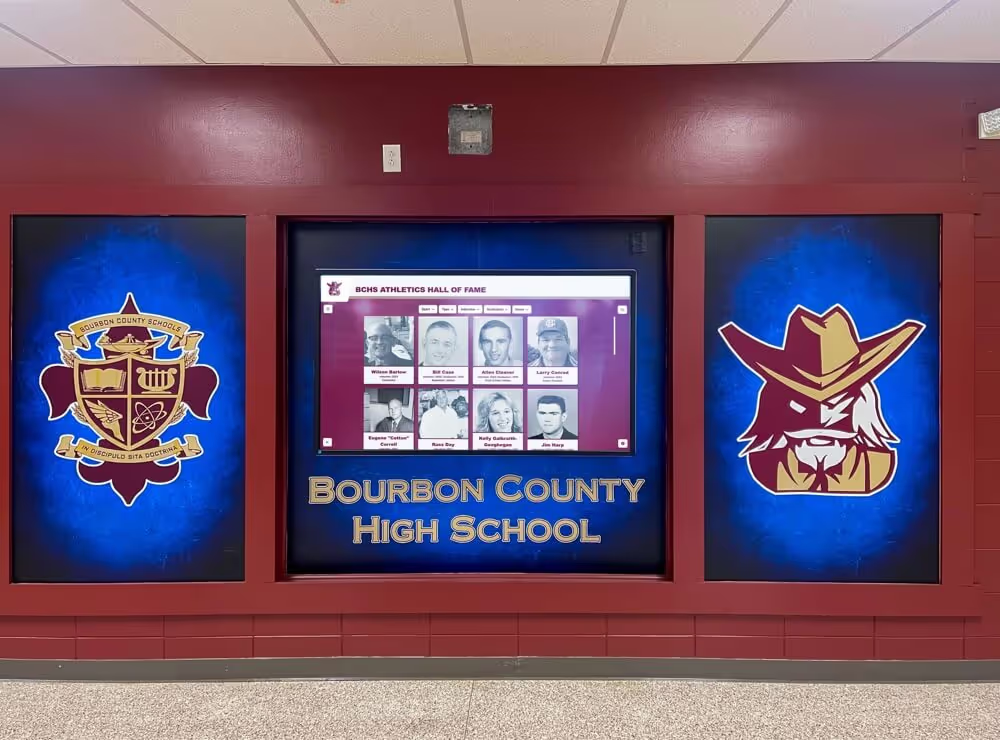
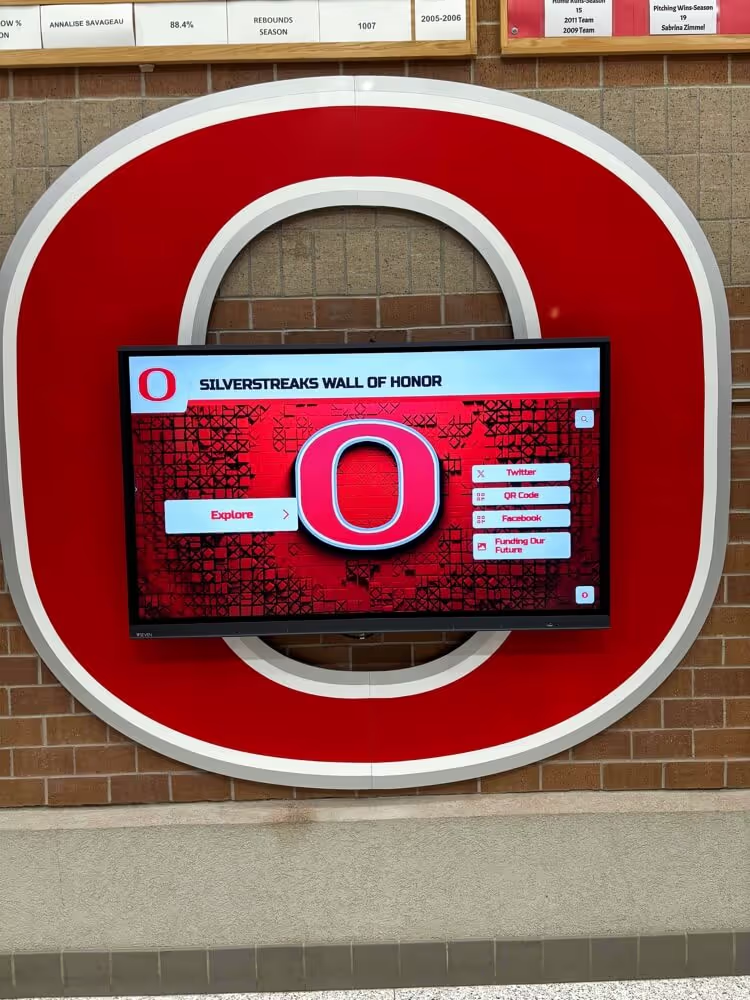
Permanent Recognition Displays: Traditional plaques listing NHS members or modern digital recognition displays showcasing NHS member profiles with photos and achievements provide ongoing visibility that inspires current students while honoring inductees permanently.
Graduation Recognition: NHS stoles, cords, or medallions worn during graduation ceremonies publicly acknowledge membership before entire school communities and families, creating culminating recognition moments celebrating sustained academic excellence.
Communications and Publications: Featuring NHS inductees in newsletters, social media, local news coverage, and school publications amplifies recognition reach beyond school communities while demonstrating institutional commitment to celebrating academic achievement.
Integration with Comprehensive Recognition: Schools implementing digital recognition systems that celebrate NHS members alongside valedictorians, scholarship recipients, academic competition winners, and other distinguished students create unified academic recognition programs demonstrating that excellence takes many forms.
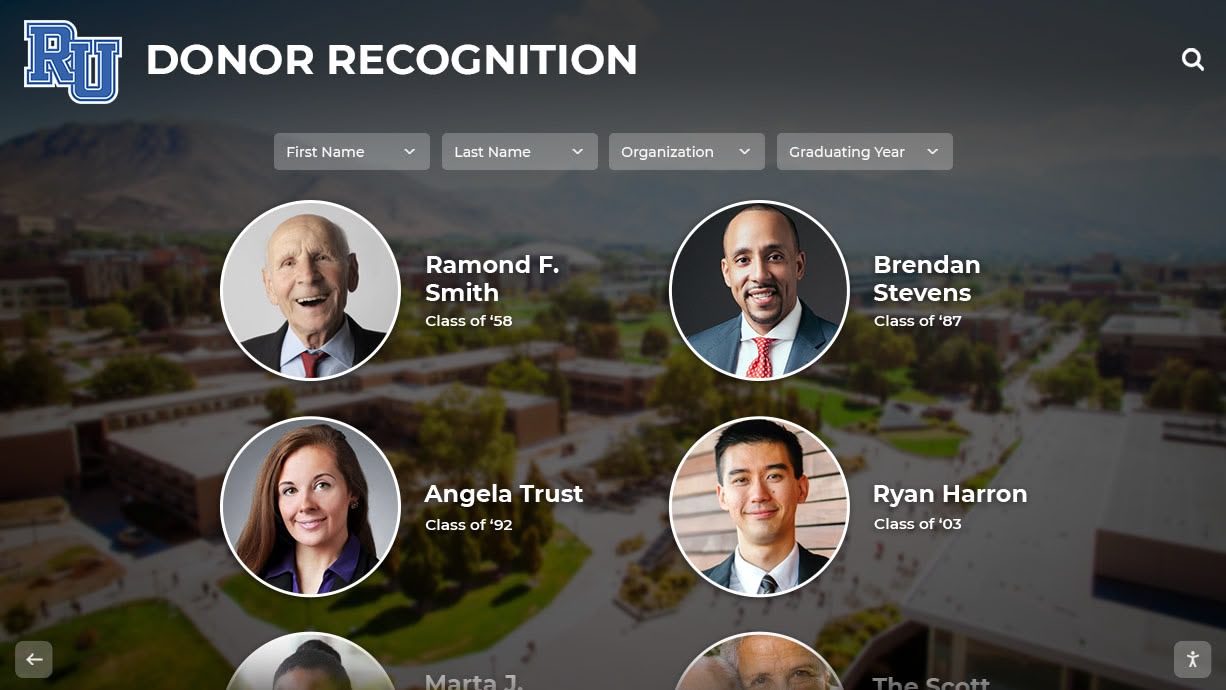
Solutions like Rocket Alumni Solutions provide comprehensive platforms specifically designed for educational recognition needs, enabling schools to honor NHS inductees with detailed profiles including induction years, leadership positions within chapters, service contributions, academic achievements, and college destinations. These rich multimedia profiles tell complete stories that inspire younger students while permanently documenting institutional academic excellence.

Benefits of NHS Membership Beyond the Honor
NHS membership provides concrete advantages extending throughout college applications and beyond:
College Application Distinction: NHS membership signals to admissions officers that students demonstrated sustained excellence across academics, service, leadership, and character through rigorous selection process. This comprehensive validation carries weight beyond individual achievements listed separately.
Scholarship Opportunities: Many scholarships specifically require or strongly prefer NHS membership as eligibility criterion. The NHS organization itself offers scholarship programs exclusively for members, providing financial support unavailable to non-members.
Leadership Development: Active NHS chapter participation provides leadership opportunities through officer positions, project coordination, and service initiatives that develop organizational, communication, and team-building capabilities valuable in college and career contexts.
Service Habit Formation: NHS service requirements establish volunteering patterns that many members maintain throughout college and adulthood, creating lifelong commitment to community contribution that benefits society broadly.
Network and Community: NHS membership connects students with accomplished peers sharing similar values and commitment to excellence, creating networks that often extend beyond high school through college chapters and alumni connections.
Character Validation: NHS selection provides external validation that students demonstrate integrity, responsibility, and ethical conduct—personal qualities that formal credentials typically don’t document but that significantly influence college and career success.
Graduation Recognition: NHS regalia worn at graduation provides visible distinction honoring academic excellence before entire school communities, creating meaningful recognition moments students and families remember permanently.
Addressing Common NHS Questions and Misconceptions
Does meeting GPA requirements guarantee NHS acceptance?
No. GPA requirements establish minimum eligibility thresholds, but NHS selection requires demonstrated excellence across all four pillars—scholarship, service, leadership, and character. Many academically qualified students receive non-selection when comprehensive evaluation reveals deficiencies in other pillar areas.
Can students with disciplinary history join NHS?
It depends on violation severity, timing, and context. Minor isolated incidents that occurred early in high school may not disqualify students who’ve demonstrated sustained positive conduct subsequently. However, serious violations, recent infractions, or patterns of behavioral issues typically result in non-selection due to character concerns.
What if students don’t have formal leadership positions?
Formal positions help demonstrate leadership but aren’t absolutely required. Students can document informal leadership through initiative-taking, positive influence on peers, mentorship activities, or exemplary conduct others emulate. Quality leadership narrative explaining authentic influence can satisfy leadership requirements even without titles.
How do schools verify service hours?
Most chapters require documentation including organization contact information, supervisor signatures, specific dates and hours, and task descriptions. Schools may contact organizations to verify questionable claims. Falsifying service documentation constitutes academic dishonesty that permanently disqualifies students and may result in severe disciplinary consequences.
Can students reapply after initial rejection?
Many chapters permit reapplication in subsequent selection cycles if students remain grade-eligible. Students who address deficiencies identified, demonstrate continued growth, and accumulate additional achievements may gain selection after initial rejection, though reapplication doesn’t guarantee different outcomes.
What happens if GPA drops after induction?
Most chapters provide probation periods allowing students time to restore GPAs to qualifying levels through improved academic performance. If students don’t restore qualifying GPAs within specified timeframes, chapters typically dismiss them from NHS membership, resulting in loss of all membership privileges including graduation regalia.
Creating Cultures of Excellence Through Recognition
Schools that implement comprehensive recognition celebrating NHS inductees alongside other academic achievers create cultures where excellence becomes visible, valued, and aspirational:
Visible recognition demonstrates institutional commitment to academic achievement that extends beyond speeches and mission statements to tangible celebration students and families observe daily. When schools position academic recognition with prominence equal to athletic displays, they communicate that intellectual achievement matters as much as physical accomplishment.
Modern digital recognition platforms enable comprehensive student achievement recognition including NHS members, honor roll students, scholarship recipients, academic competition winners, and other distinguished students through unified systems providing:
- Unlimited capacity accommodating decades of NHS inductees without space constraints that force removal of older recognition
- Rich multimedia profiles showcasing students through high-resolution photos, detailed achievements, service contributions, leadership positions, and college destinations
- Instant updates enabling timely recognition of current inductees within days of ceremonies rather than waiting months for physical plaque production
- Searchable databases allowing students to explore previous NHS members who attended specific colleges, pursued particular majors, or took similar paths
- Web accessibility extending recognition beyond campus visitors to families, alumni, college admissions representatives, and global communities
- Engagement analytics demonstrating recognition program effectiveness and identifying which content resonates most strongly with audiences
Schools implementing digital recognition systems that integrate NHS acknowledgment with comprehensive academic achievement celebration discover that visible recognition motivates broader student pursuit of excellence while creating institutional pride in scholarly traditions and accomplishments.
Final Thoughts: The Value of Comprehensive Achievement
National Honor Society requirements establishing standards across scholarship, service, leadership, and character reflect understanding that true excellence encompasses multiple dimensions rather than isolated metrics. Students who pursue the well-rounded achievement NHS membership requires develop capabilities serving them throughout college and career contexts regardless of selection outcomes.
For students aspiring to NHS membership, success requires sustained commitment beginning freshman year rather than last-minute resume-building during junior year. Strategic planning that emphasizes genuine service engagement, authentic leadership development, consistent academic excellence, and character demonstration across all contexts positions students for NHS selection while developing comprehensive capabilities that create foundation for lifelong success.
For schools, implementing recognition programs that celebrate NHS inductees prominently alongside other academic achievers demonstrates institutional commitment to excellence while creating cultures where scholarship receives celebration equal to athletic achievement. Modern recognition approaches that showcase complete student profiles rather than simple name lists tell stories that inspire younger students while permanently honoring achievement in ways that traditional plaques cannot match.
NHS membership represents significant honor recognizing comprehensive student excellence developed through years of sustained effort across academics, service, leadership, and character. Whether students ultimately gain NHS membership or not, pursuing the excellence these requirements demand creates value extending far beyond high school into college, career, and life contexts where the capabilities NHS membership represents continue generating success and contribution.
Ready to enhance how your school celebrates NHS inductees and other academic achievers? Rocket Alumni Solutions provides comprehensive recognition platforms designed specifically for schools, enabling institutions to honor every NHS member with rich multimedia profiles that inspire current students while creating permanent institutional records celebrating decades of academic excellence.