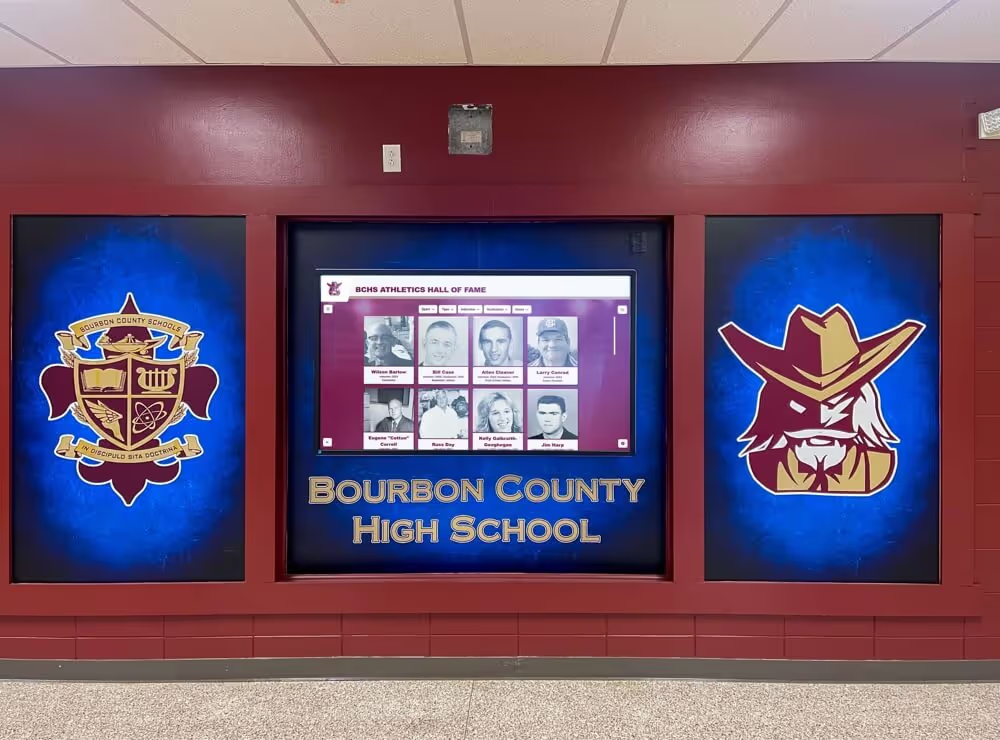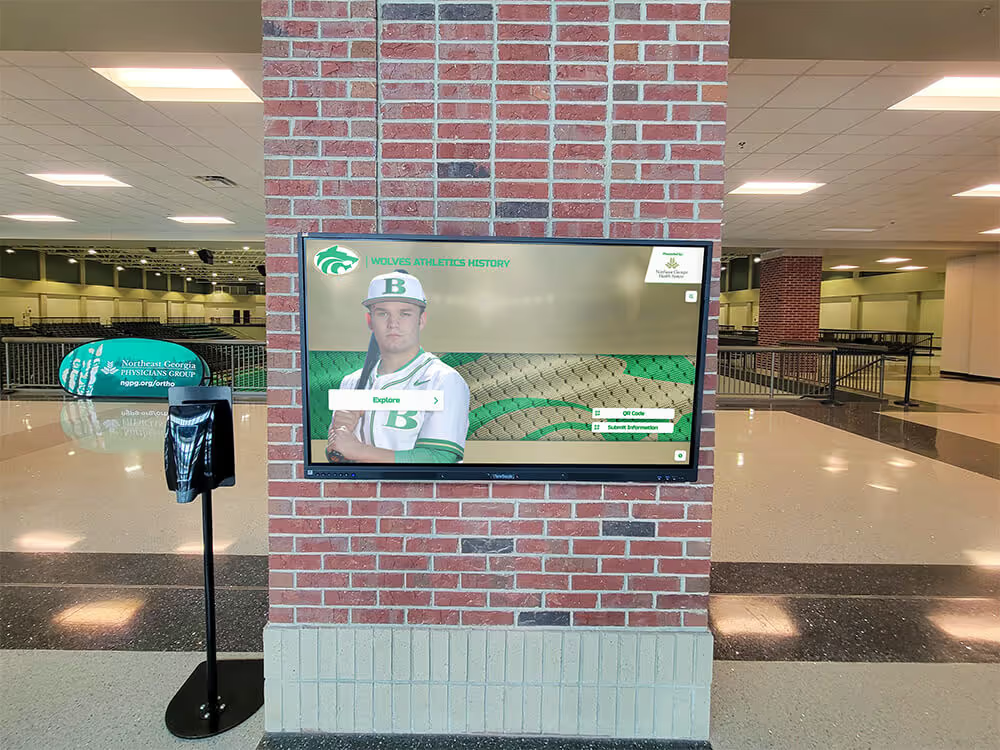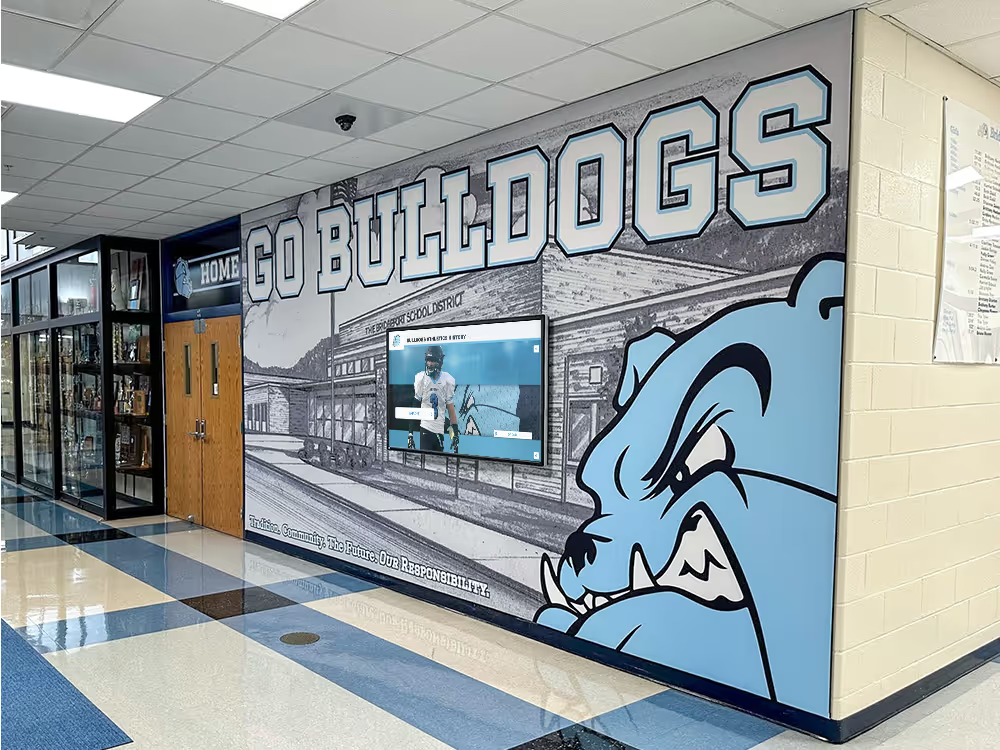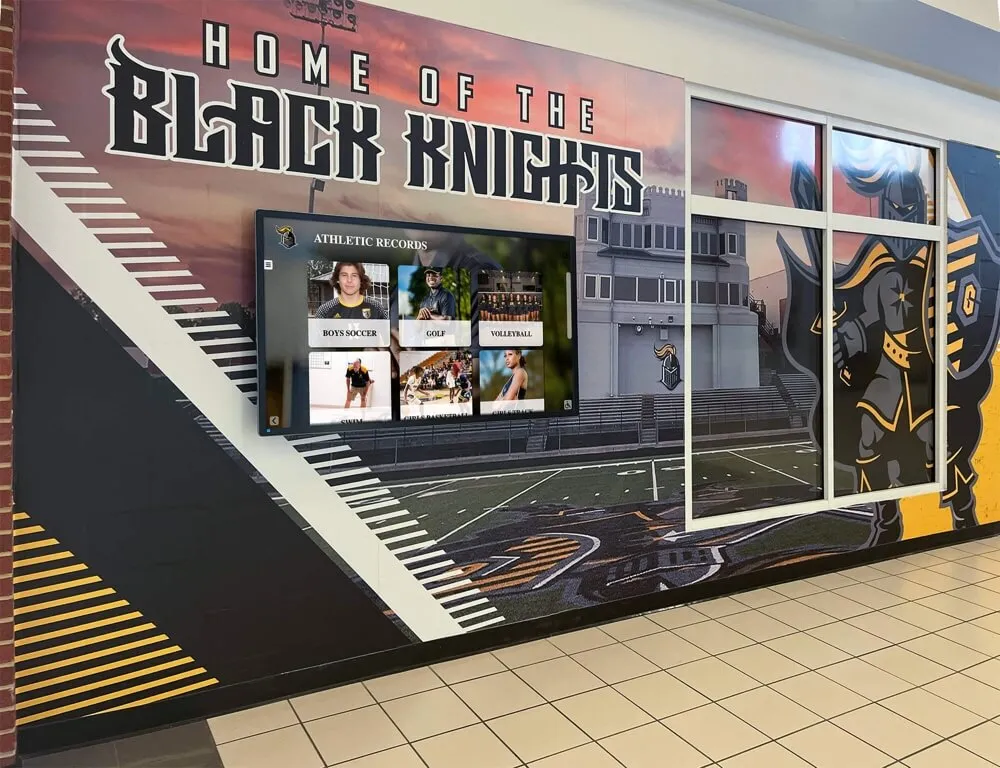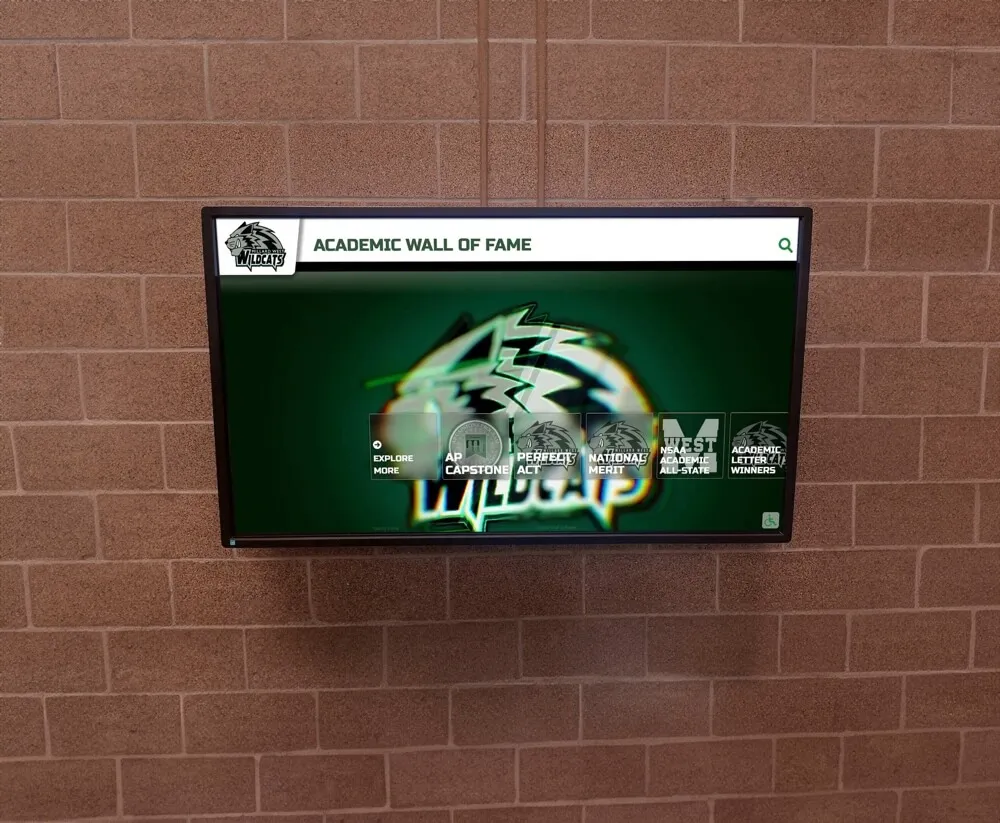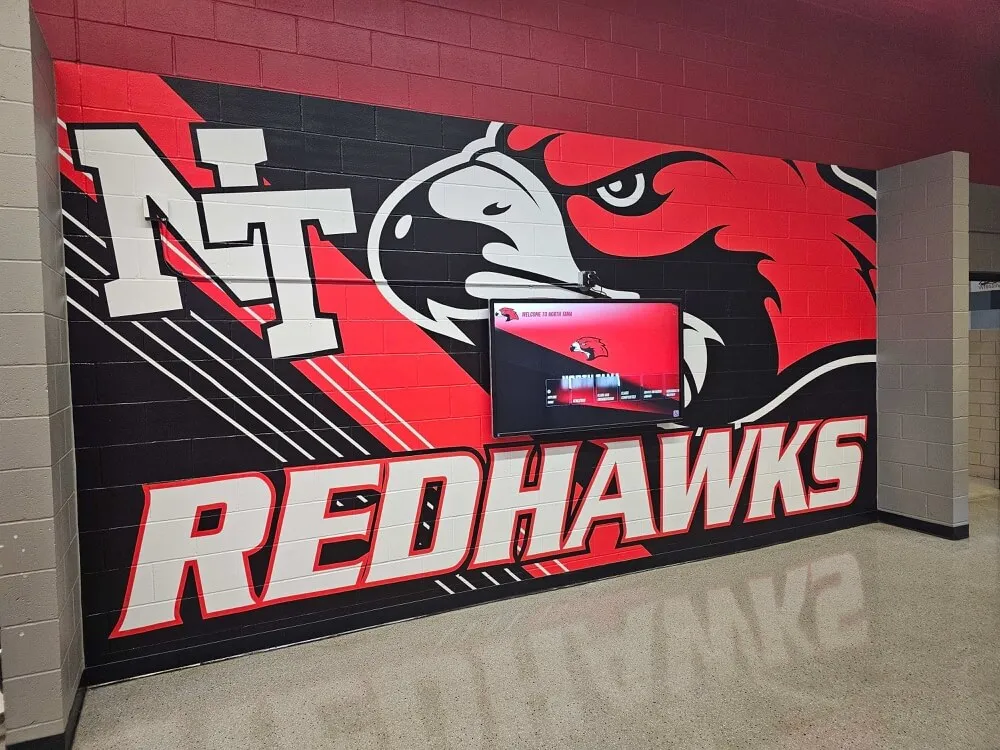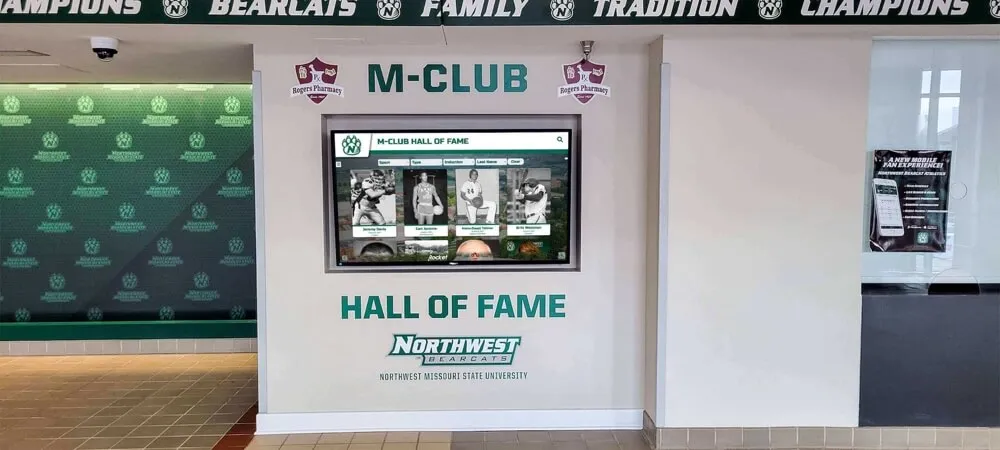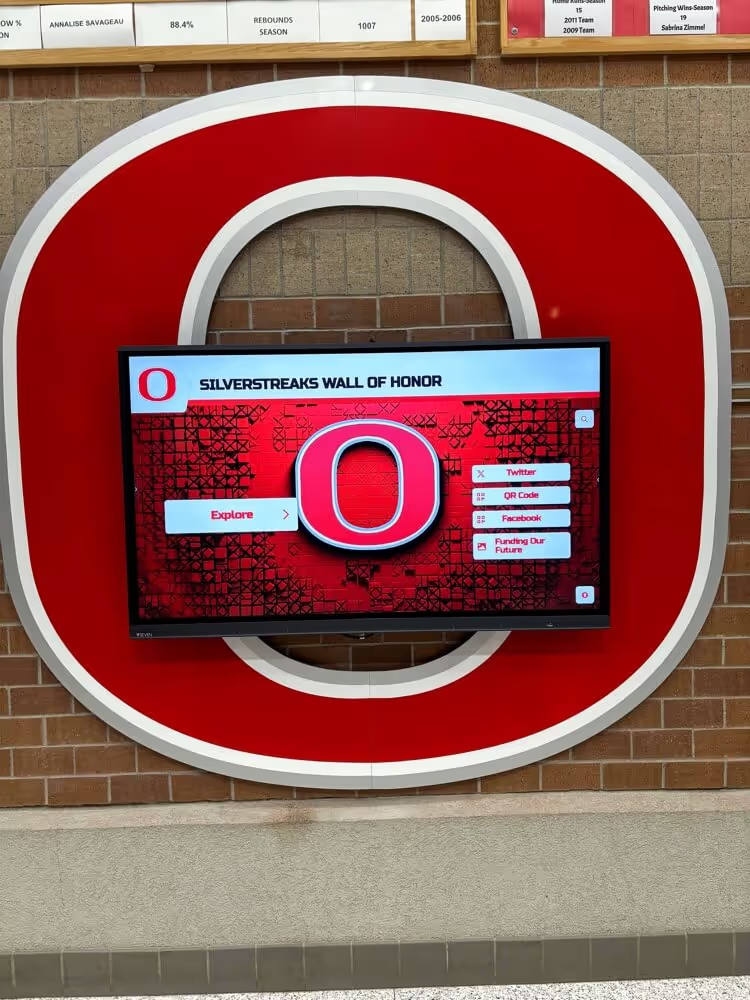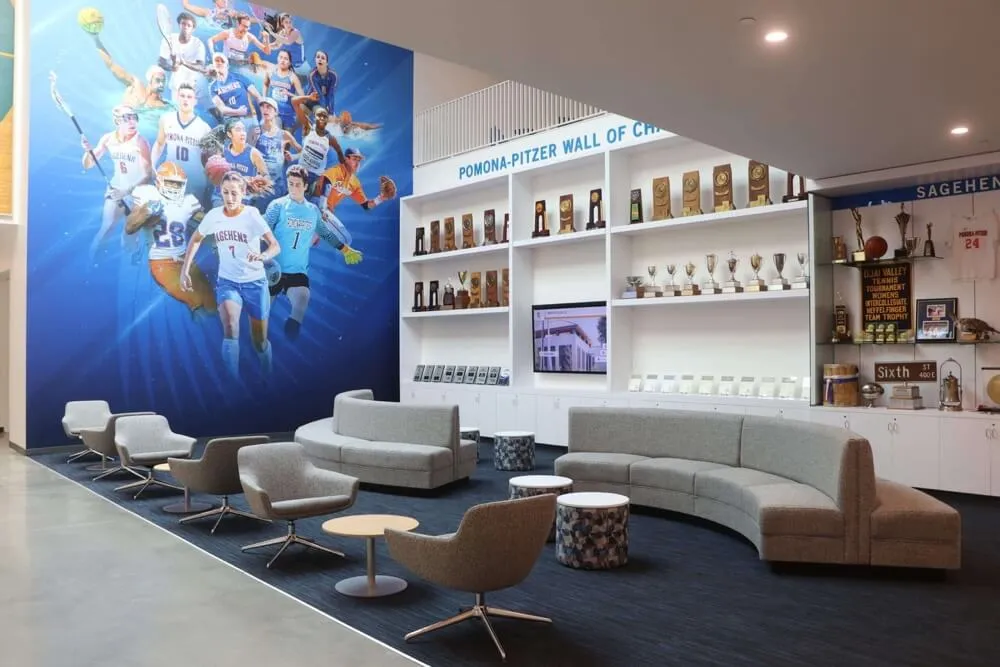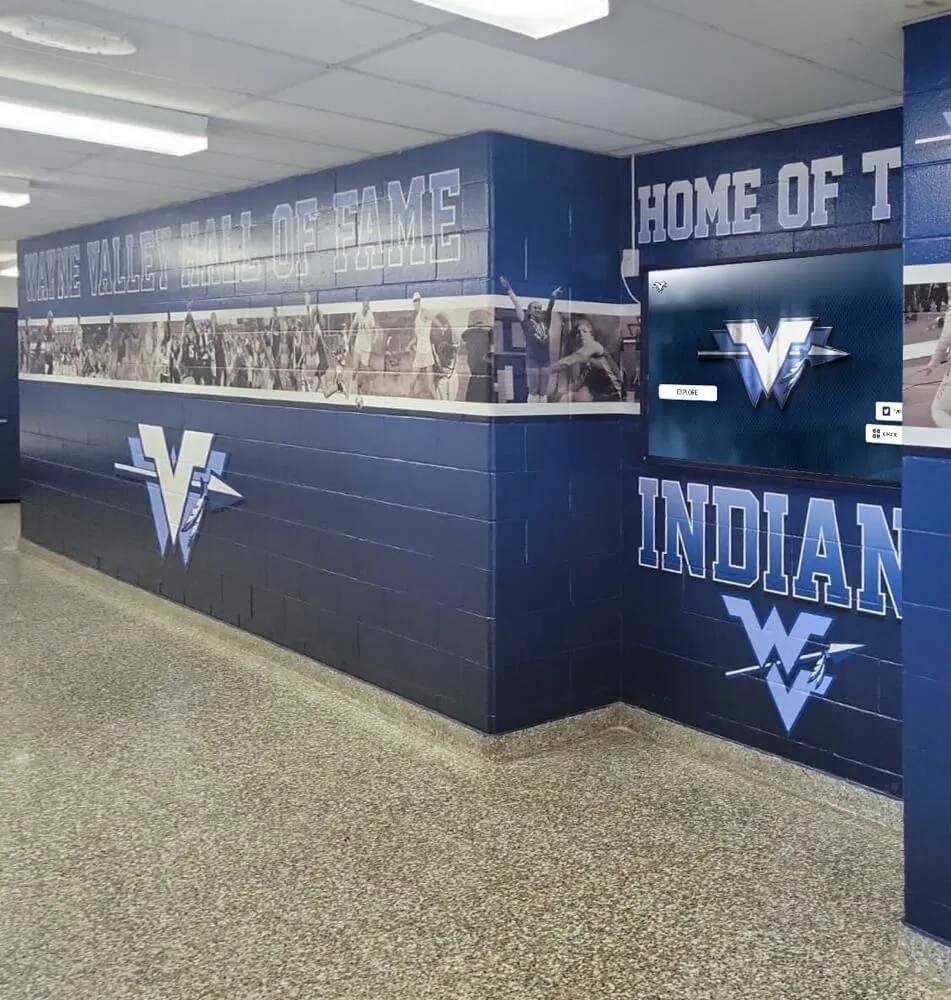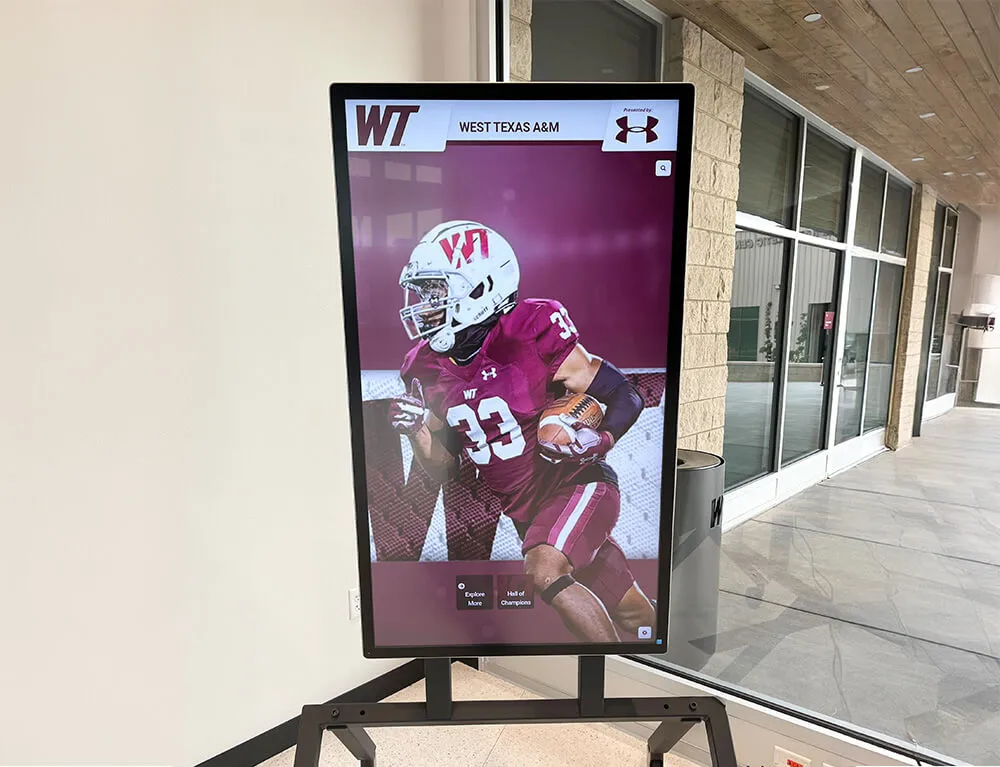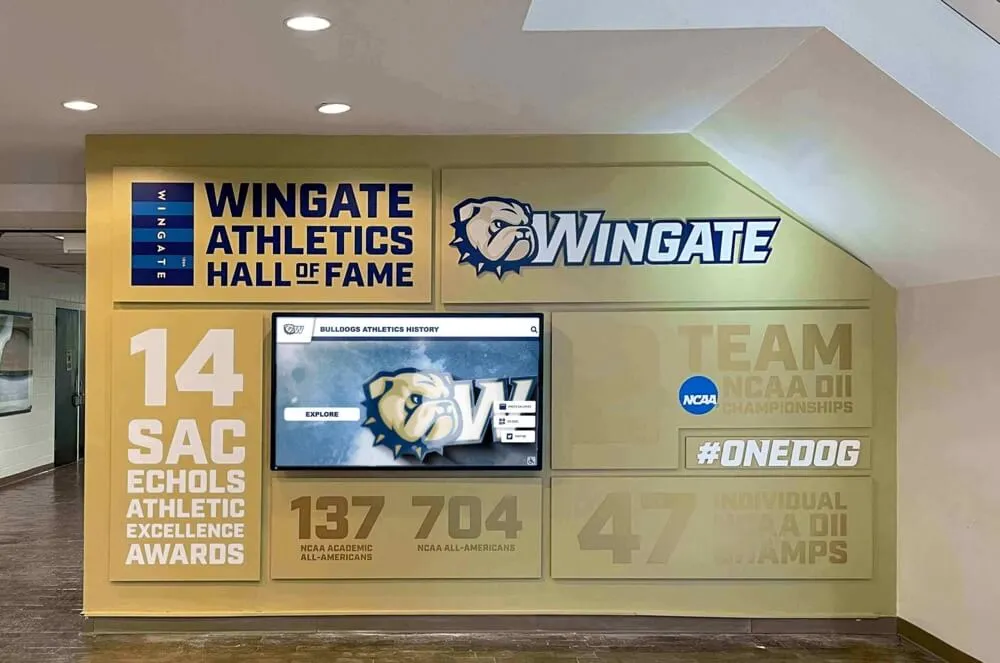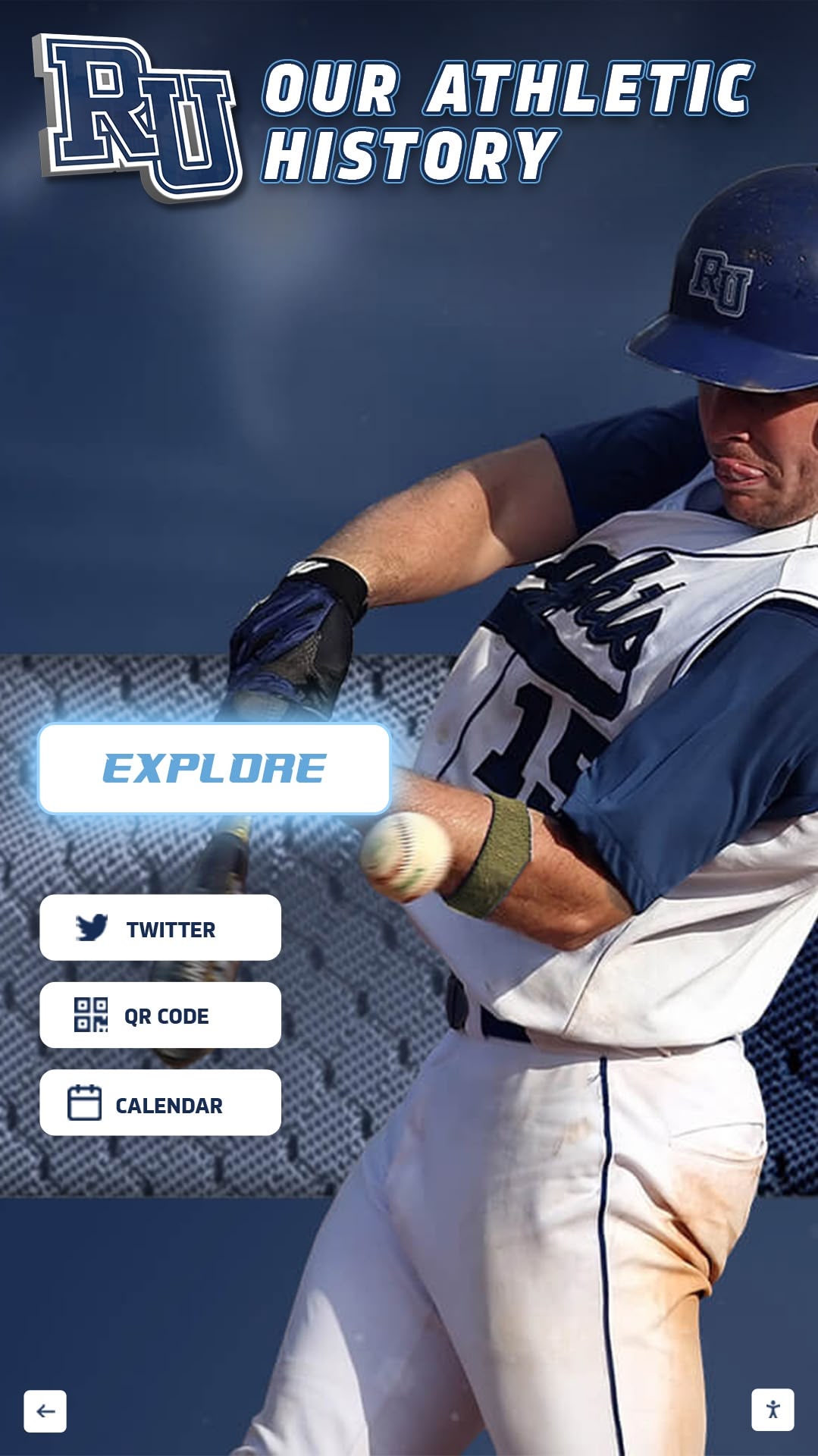




National College Signing Day represents one of the most significant moments in a student-athlete’s high school career. When seniors commit to playing sports at the collegiate level, they achieve a milestone that reflects years of dedication, training, sacrifice, and perseverance. These signing moments deserve recognition that honors individual achievement while showcasing your school’s broader legacy of athletic excellence and college placement success.
For athletic directors and administrators planning 2026-2026 signing day celebrations, the challenge extends beyond highlighting current commitments. Modern families and prospective athletes expect comprehensive historical context showing decade-spanning patterns of college placement, multi-year commitment trends, and program trajectories that demonstrate sustained excellence. Traditional vinyl record boards and poster displays fail to accommodate this depth while remaining accessible and engaging throughout the school year.
Why National College Signing Day Showcases Matter
National College Signing Day celebrations communicate institutional values about athletic achievement, academic excellence, and successful transitions to collegiate competition. These moments validate student-athlete effort while inspiring younger athletes to envision their own college pathways. Comprehensive signing day recognition creates multiple strategic benefits including enhanced program reputation attracting strong recruits, documented proof of college placement success, strengthened relationships with college coaches and recruiters, increased community and alumni engagement around athletics, and permanent historical documentation that builds institutional pride across generations.
Understanding National College Signing Day Periods
The college athletic recruiting calendar includes multiple official signing periods across different sports and divisions, each creating opportunities for recognition and celebration.
Traditional National Signing Day Timeline
For football specifically, the traditional National Signing Day falls on the first Wednesday in February, marking the primary signing period for NCAA Division I and II programs. However, most football recruits now sign during the Early Signing Period in December, making the February date primarily relevant for athletes who delayed commitments or switched from other schools.
Basketball follows a different timeline with an early signing period in November and a late signing period in April. Most other sports including baseball, softball, soccer, volleyball, lacrosse, and track operate on continuous rolling signing periods beginning in November of senior year and extending through August before enrollment. This multi-period structure means schools may celebrate signing day moments throughout the academic year rather than during a single concentrated event.
Early Signing Period Impact
The introduction of Early Signing Periods across sports has shifted when most commitments become official. Currently, over 80 percent of Division I football recruits sign during the December Early Signing Period rather than waiting until February. Similarly, basketball players increasingly commit early, and other sports follow comparable patterns as recruiting timelines accelerate.
This shift means schools must prepare recognition infrastructure ready to accommodate commitments across extended periods rather than planning single-day events. Digital showcase systems excel in this environment by enabling real-time updates as commitments occur, ensuring timely recognition without requiring complete content recreation for each signing announcement.
Multi-Sport Signing Considerations
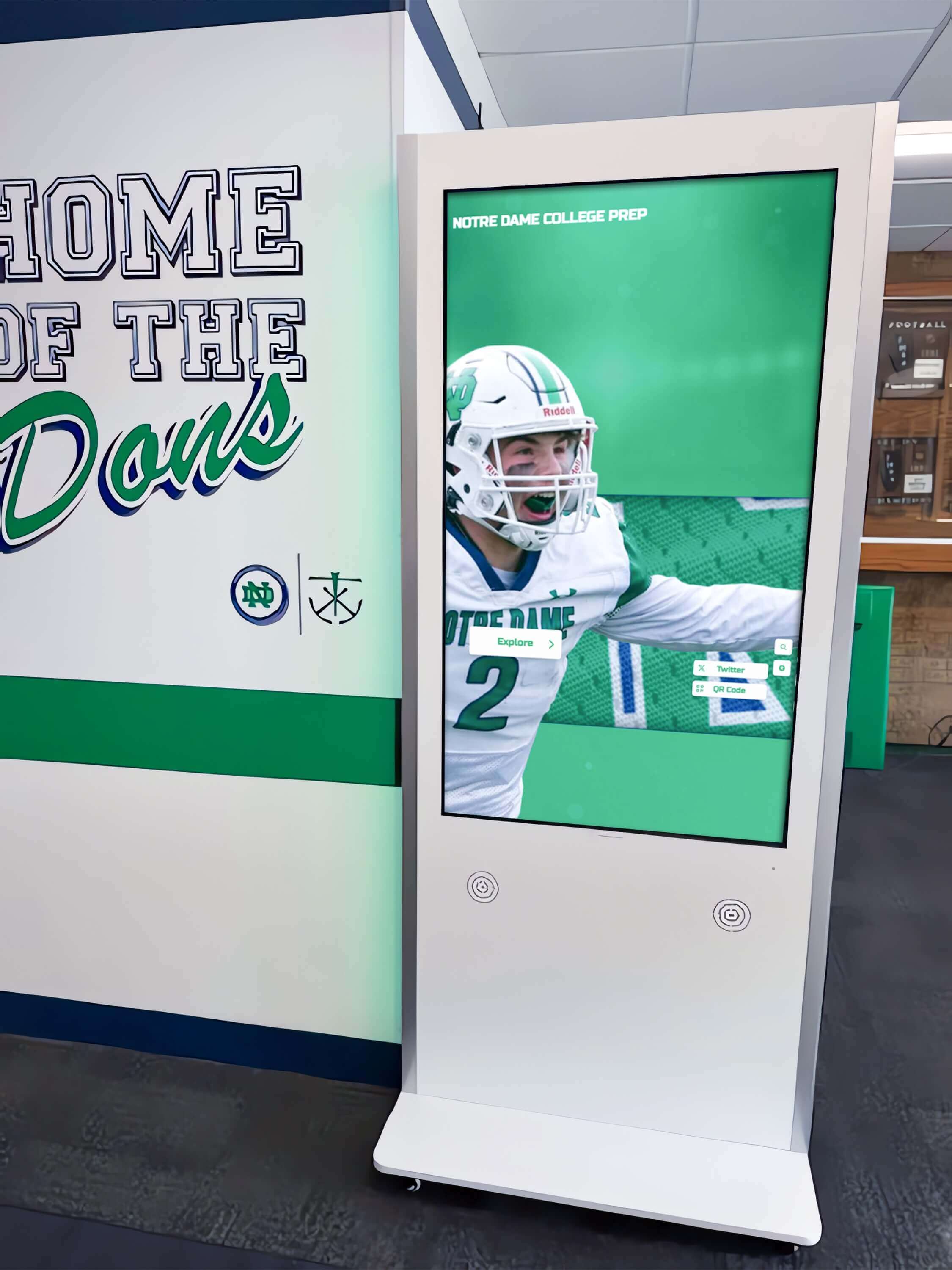
Comprehensive signing day recognition must accommodate the diverse sports represented in high school athletic programs. While football and basketball traditionally receive significant attention due to visibility and cultural prominence, successful programs produce college athletes across dozens of sports including Olympic sports like swimming, track, tennis, and volleyball, emerging sports like lacrosse, rowing, and rugby, women’s sports experiencing rapid growth in collegiate opportunities, and niche sports like golf, wrestling, and cross country where college rosters may be smaller but competition remains fierce.
Schools implementing inclusive recognition ensure that every college commitment receives equivalent celebration regardless of sport profile or division level. This equity-focused approach validates all student-athlete pathways while demonstrating comprehensive program strength across athletic offerings.
The Limitations of Traditional Signing Day Recognition
Many schools still rely on traditional recognition methods that served past generations but fail to meet contemporary expectations for comprehensive, accessible, and engaging athletic recognition.
Vinyl Boards and Static Displays
Traditional vinyl record boards mounted in athletic facilities represent the most common historical approach to recognizing college commitments. These displays typically list student-athlete names alongside college destinations, graduation years, and sometimes sport designations. While familiar and straightforward, vinyl boards present significant limitations including physical space constraints restricting how many names fit on available wall space, permanent mounting making updates require professional service calls, alphabetical-only organization preventing chronological or sport-based viewing, inability to include photos, statistics, or context beyond basic text, poor visibility for viewers at distances or angles, and eventual deterioration requiring complete replacement after years of exposure.
Most critically, vinyl boards become outdated immediately upon installation as new signing classes emerge annually. Schools face ongoing costs updating displays or accept that boards remain permanently frozen representing only selected historical periods.
Poster Board Announcements
Schools frequently create poster board displays featuring current signing class photos and commitments positioned in high-traffic areas during signing day celebrations. These temporary displays provide flexibility and visual appeal but offer limited utility including availability only during brief display periods before removal, vulnerability to damage from weather, handling, or tampering, inability to search or filter information for specific athletes or years, no capacity for video, extended profiles, or interactive exploration, and complete disposal after events concluding, eliminating permanent historical value.
Poster boards work well as supplementary celebration elements but cannot serve as comprehensive archival recognition documenting programs’ full college placement legacies.
Physical Plaques and Photo Displays
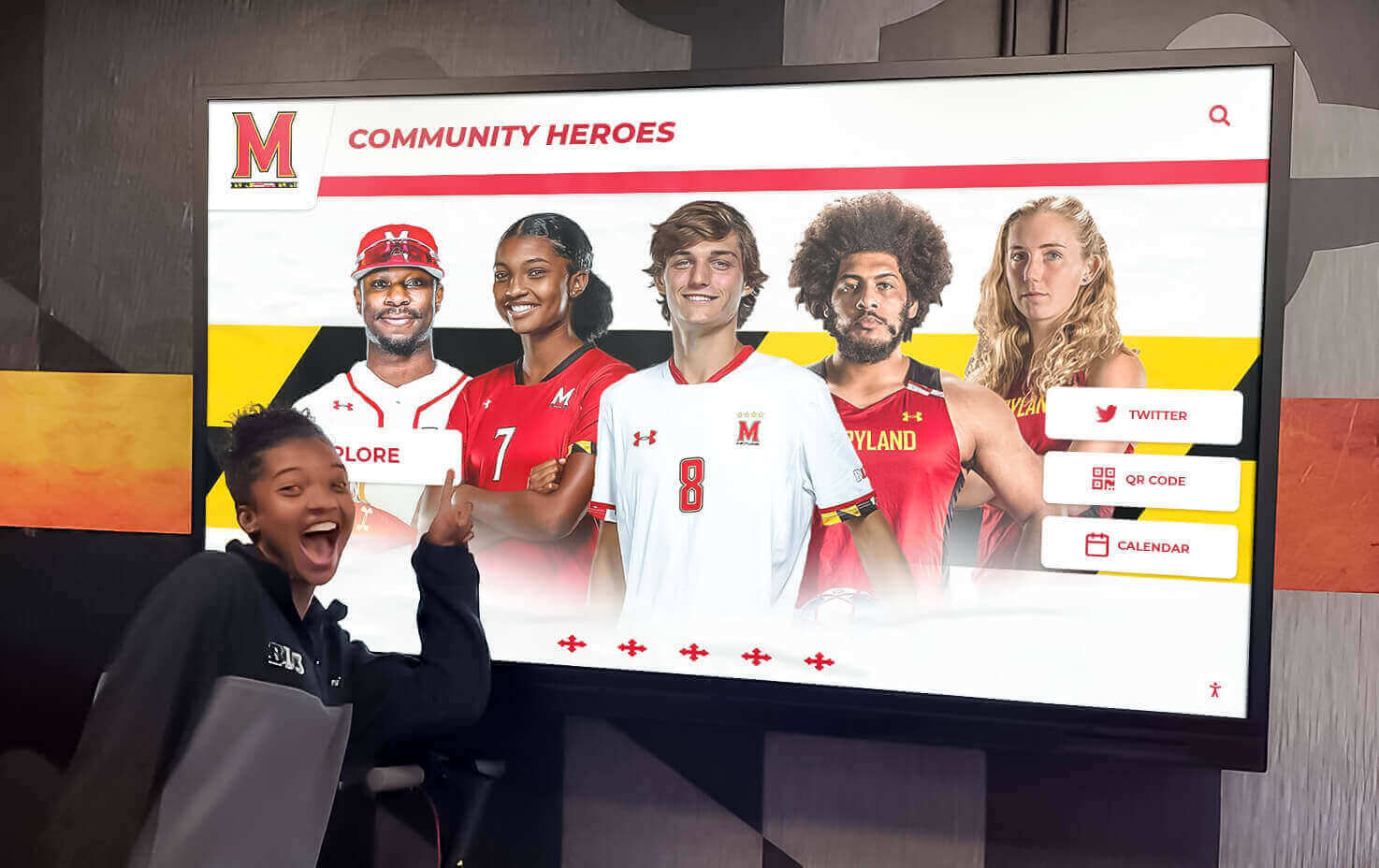
Some programs install individual plaques or framed photos for college signees, creating permanent recognition for each athlete. While this approach provides lasting individual honor, it faces escalating challenges as programs grow including exponential wall space consumption as signing classes accumulate over decades, high per-athlete costs making comprehensive recognition financially prohibitive, inconsistent formats when installations span years with different design approaches, maintenance burden keeping dozens or hundreds of individual installations clean and intact, and limited information capacity restricting profiles to names, photos, and basic destination details.
Programs producing five to ten college athletes annually reach physical capacity constraints within relatively few years, forcing difficult decisions about which athletes remain displayed and which get removed or archived to storage.
Senior Night Ceremonies
Many programs conduct senior night ceremonies during final home competitions, recognizing graduating student-athletes including college commitments. These celebrations create meaningful emotional moments for athletes and families but provide only temporary recognition including event limitation to audiences physically present at specific competitions, brief mention during ceremony proceedings allowing minimal detail, no permanent documentation beyond photos and videos, timing that may precede or follow actual signing moments by weeks or months, and focus spread across multiple recognition purposes including senior tribute, parent recognition, and team celebration.
Senior night ceremonies complement but cannot replace comprehensive year-round recognition that remains accessible to broader audiences long after specific ceremonies conclude.
Digital Record Board Advantages for Signing Day Recognition
Digital recognition platforms transform how schools celebrate and preserve college signing accomplishments, providing capabilities impossible with traditional static approaches.
Unlimited Historical Capacity
Digital systems eliminate physical space constraints that limit traditional displays. Schools can document every college commitment across program history including complete rosters from founding years to present, multiple athletes per year without overcrowding concerns, comprehensive sport coverage across entire athletic offerings, detailed profiles with photos, statistics, and personal stories, and video content featuring signing ceremonies, athlete reflections, or game highlights.
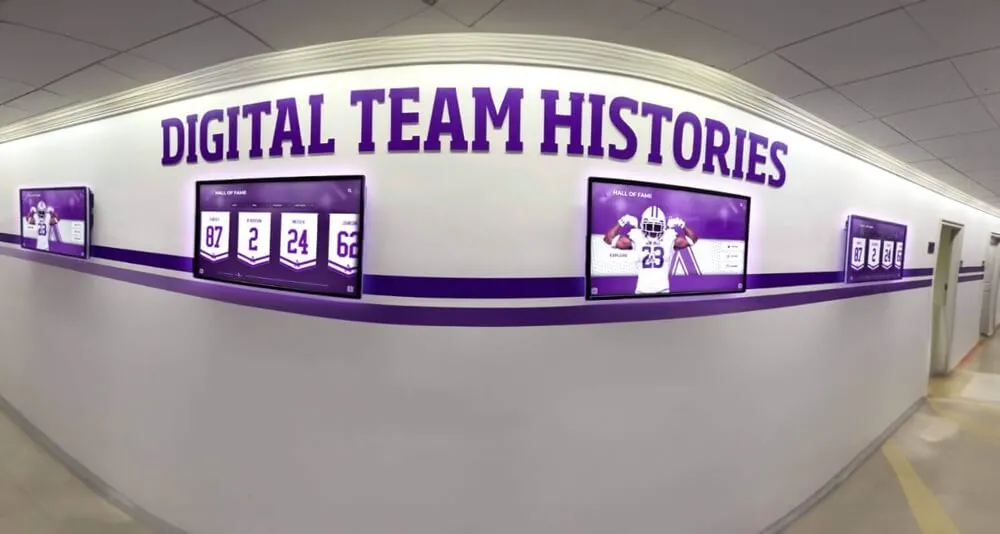
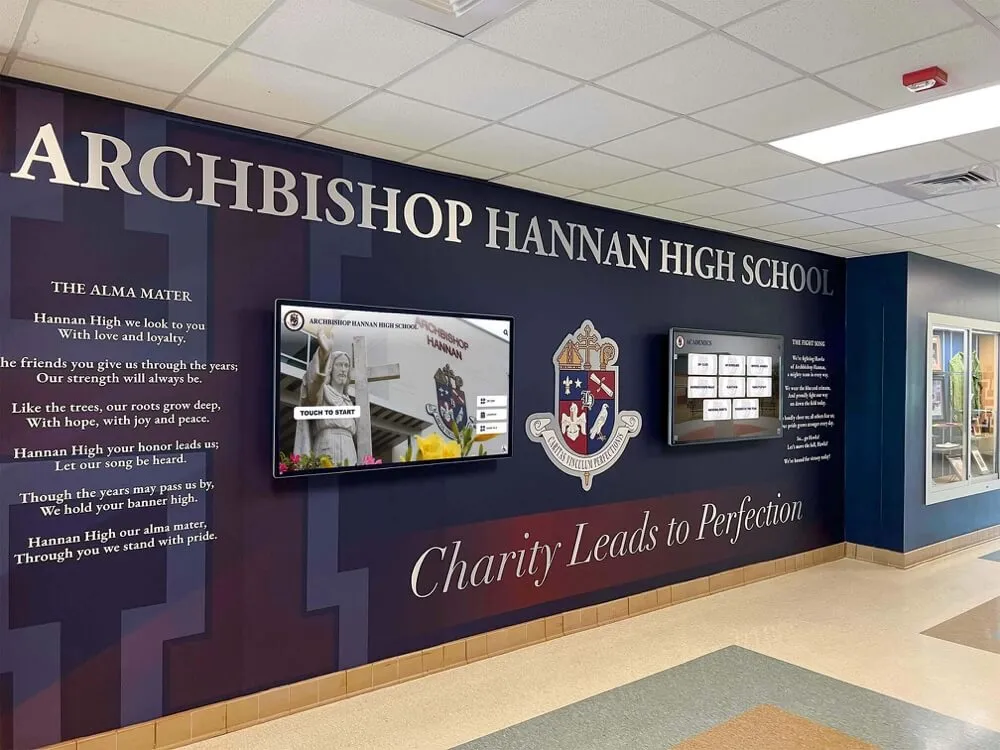
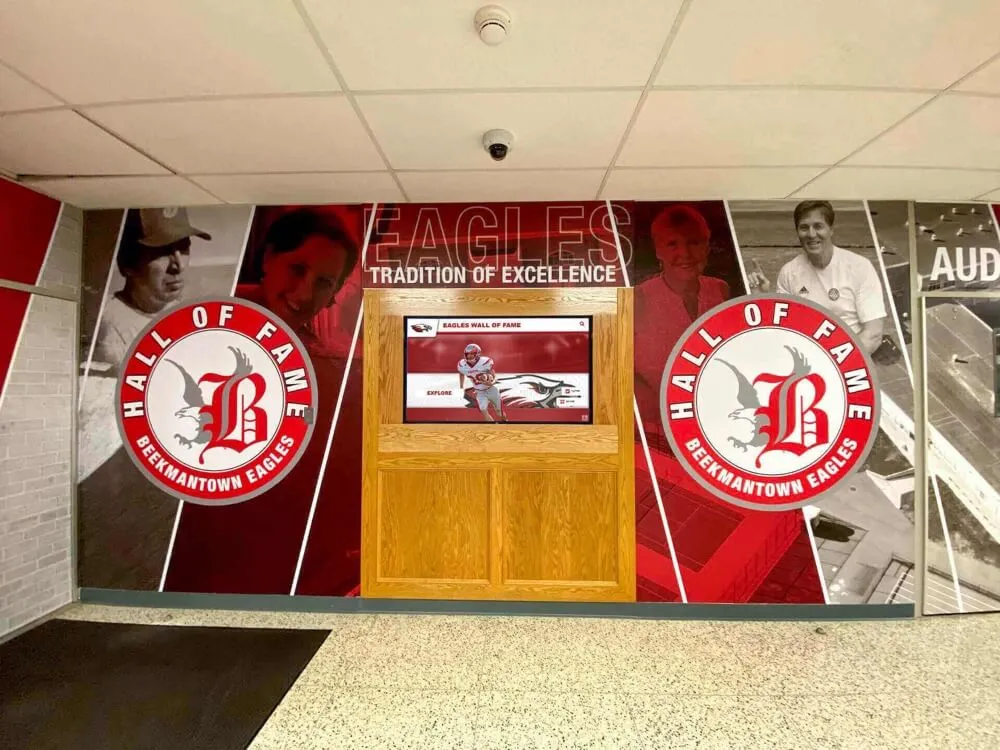
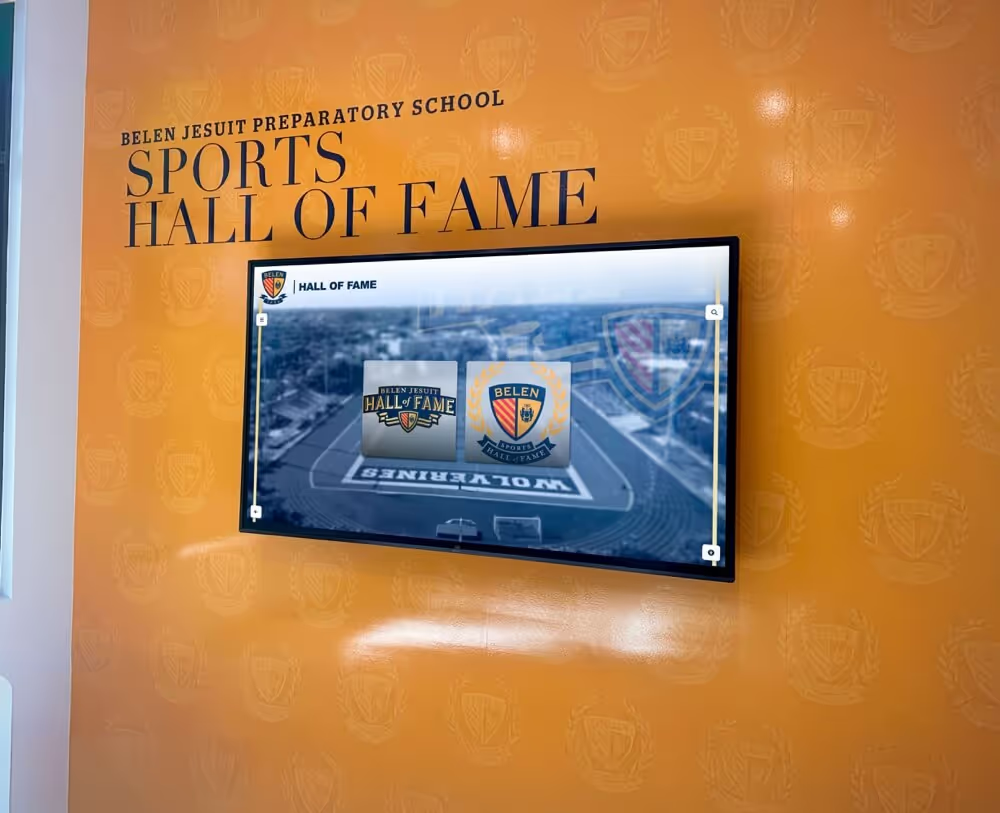
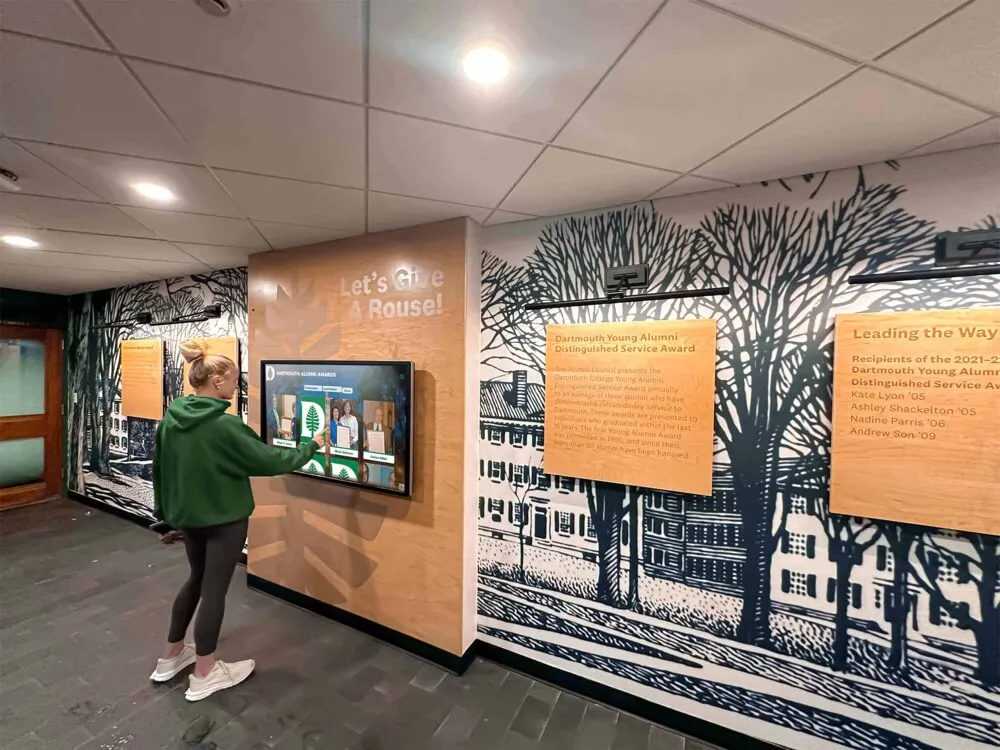
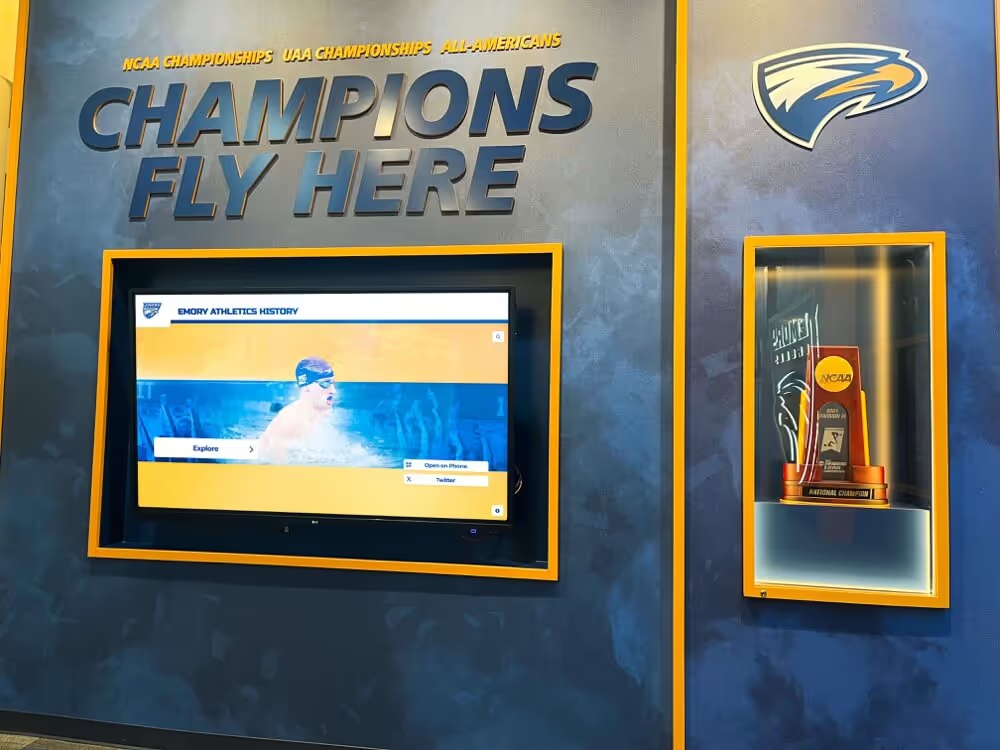
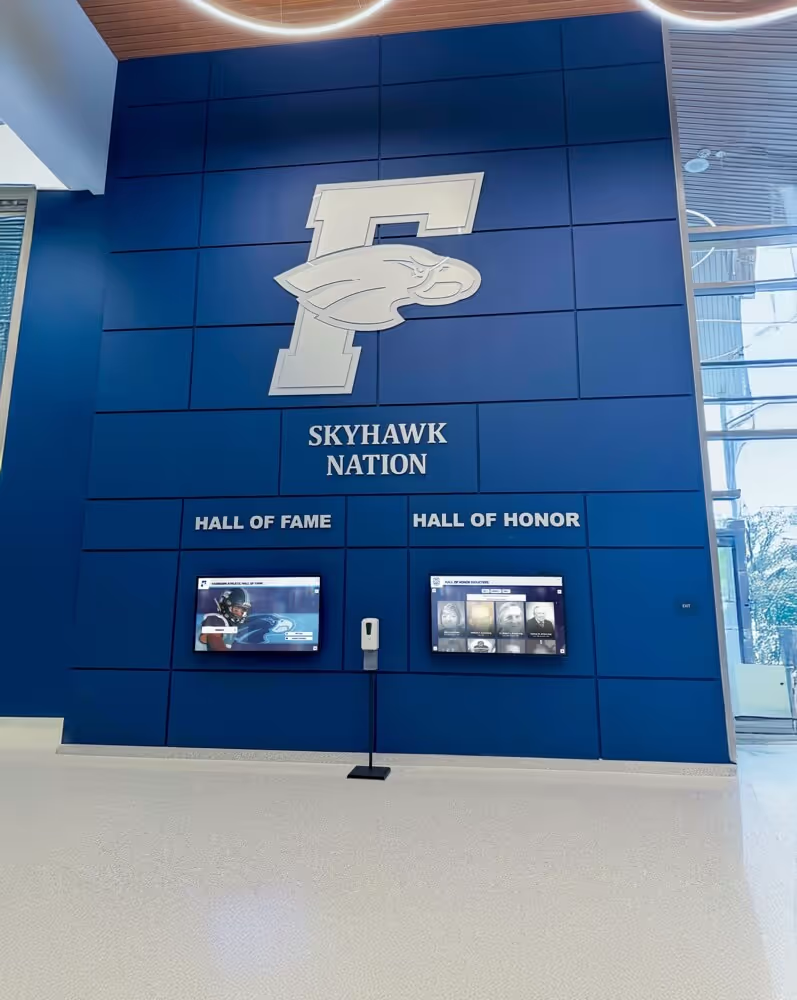
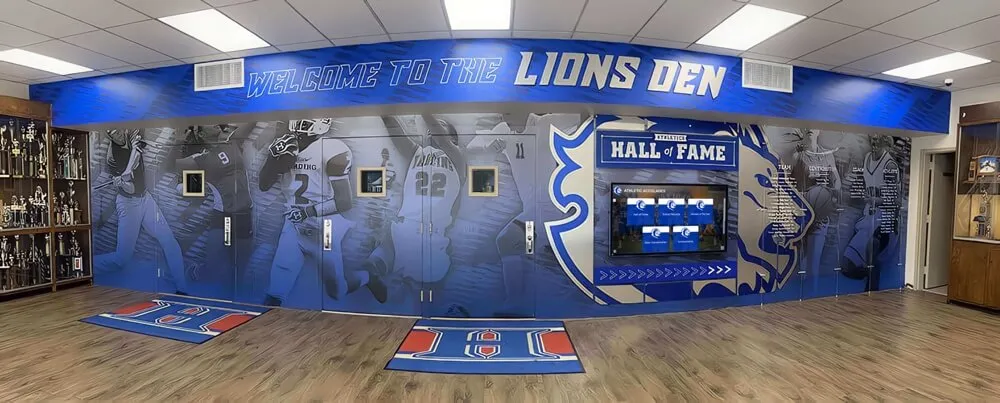
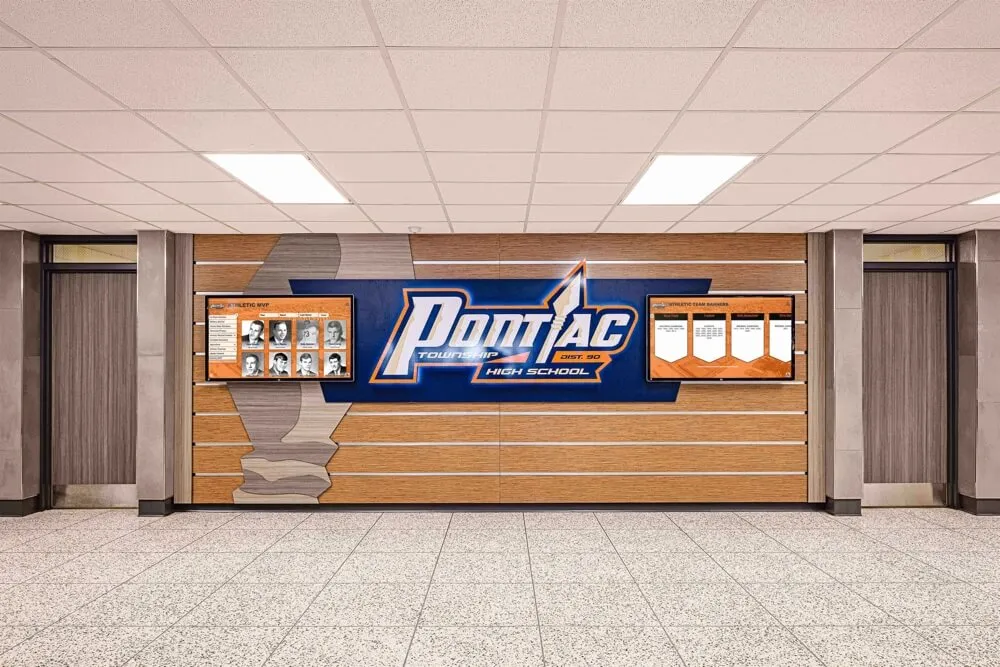
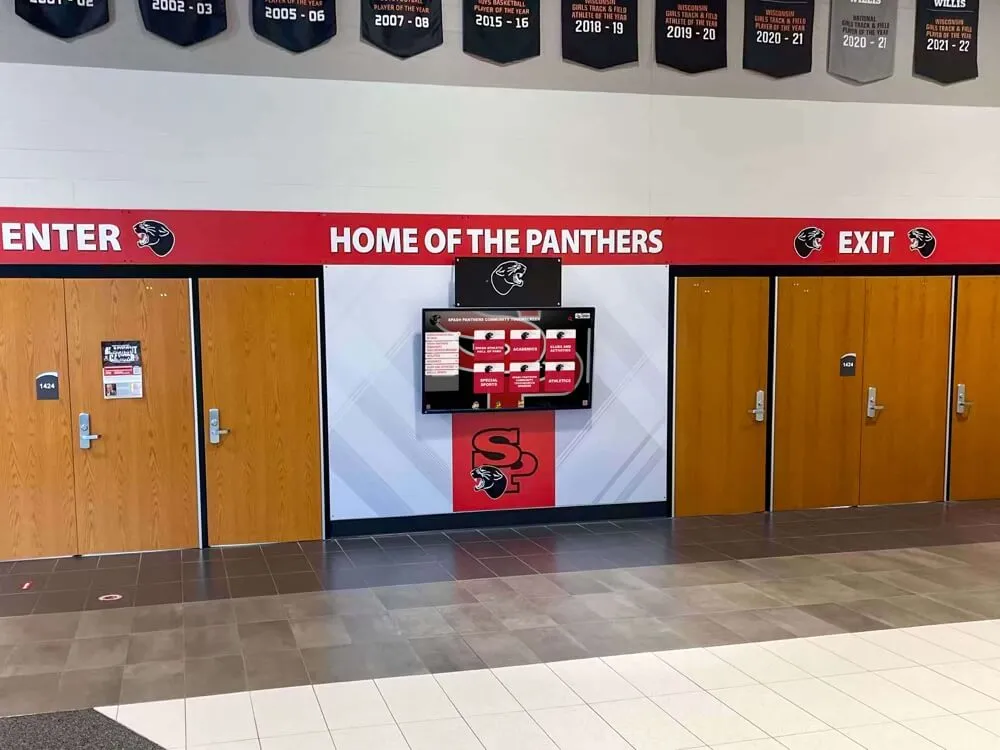
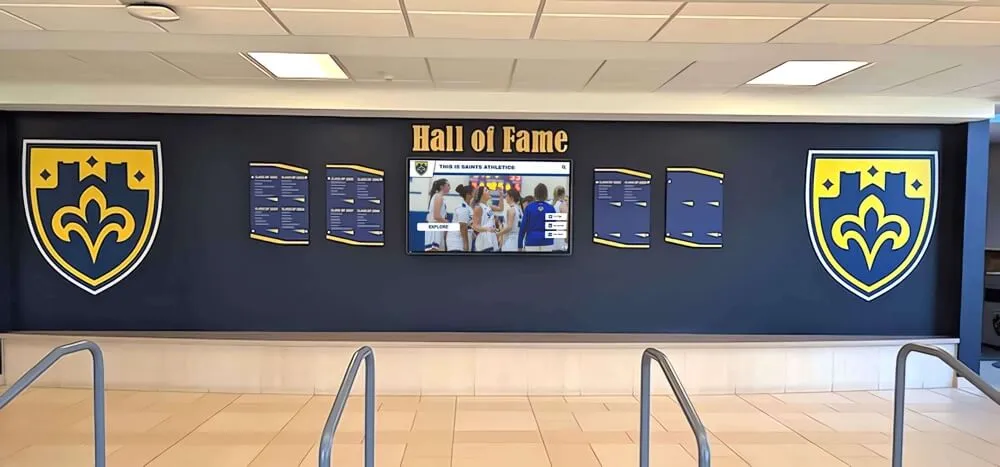
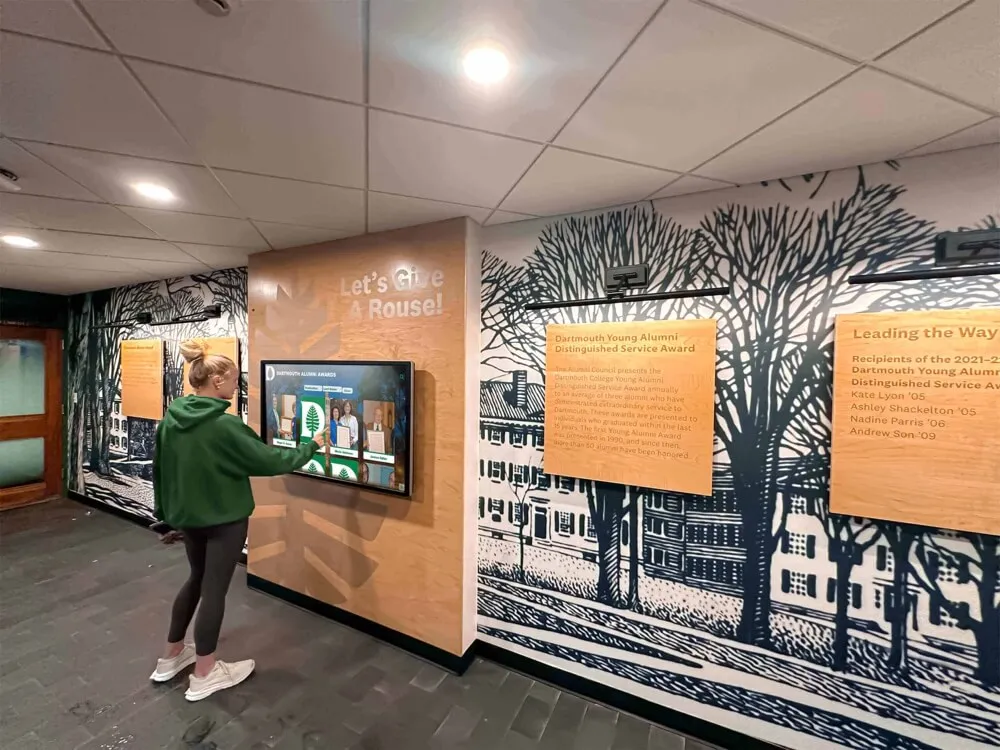
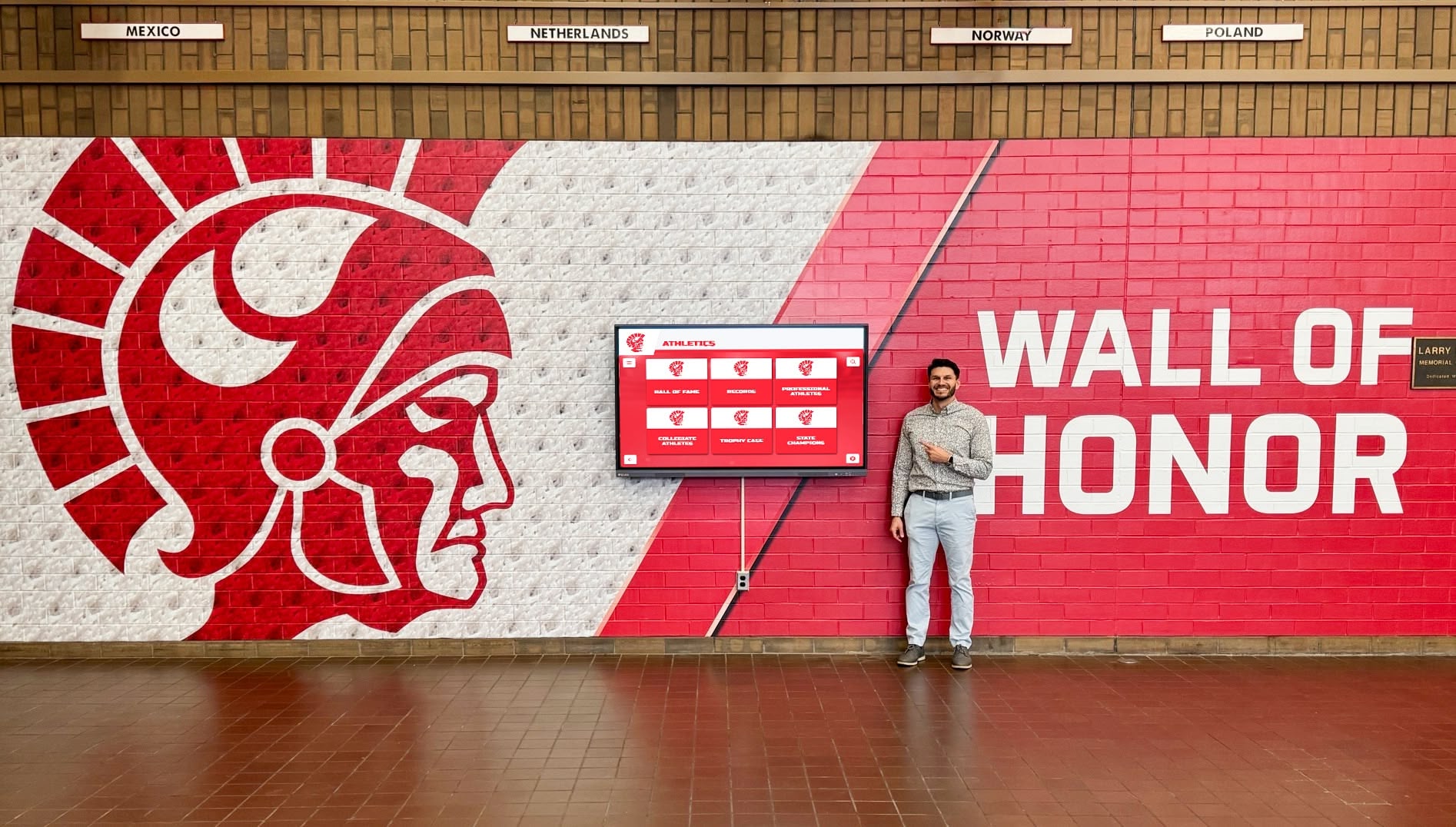
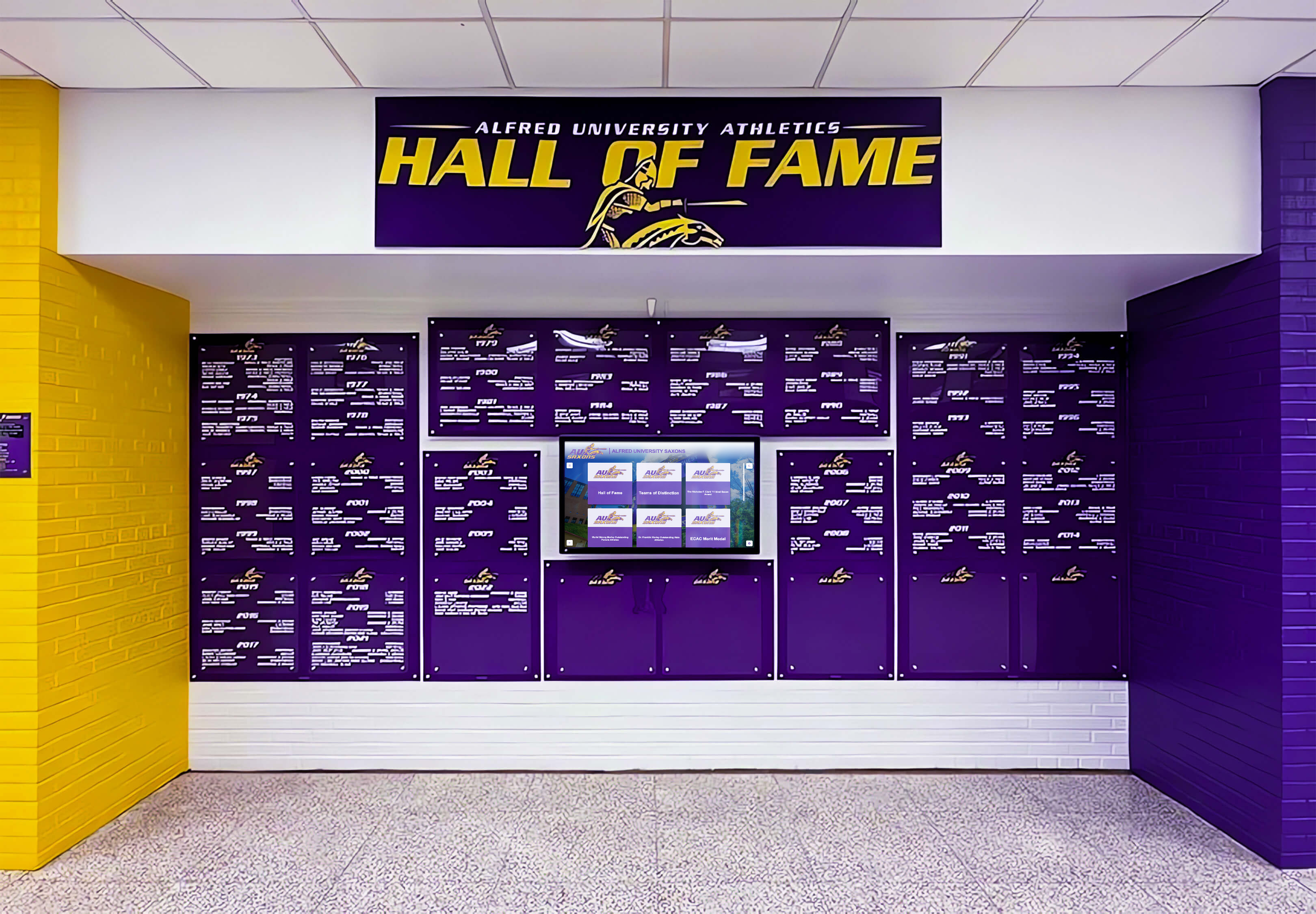
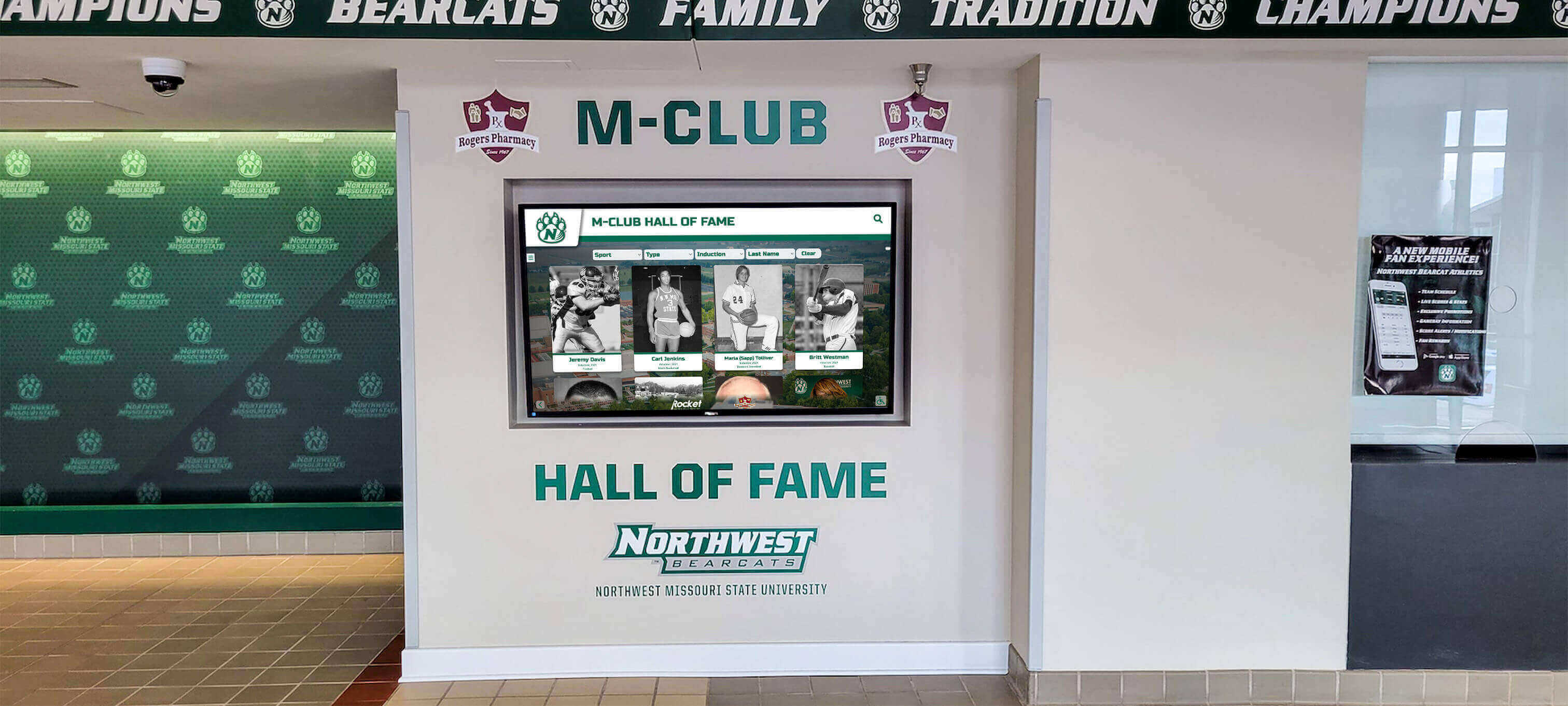
This unlimited capacity enables schools to showcase true program legacy spanning decades rather than displaying only recent years. Families researching programs gain complete historical perspective, understanding sustained patterns of college placement success that demonstrate program quality and coaching effectiveness. Solutions like digital record boards from Rocket Alumni Solutions provide this comprehensive archival functionality while maintaining intuitive navigation enabling quick discovery of specific athletes, years, or sports.
Real-Time Updates and Flexibility
Digital platforms enable instant updates without professional service calls or physical reconstruction. When athletes sign commitments, administrators can update recognition displays immediately including adding new signee profiles with photos and details, updating commitment statuses if plans change, correcting information errors discovered after initial posting, adding supplementary content like newspaper articles or ceremony photos, and reorganizing presentation as content grows or priorities shift.
This flexibility proves essential during dynamic signing periods when commitments may occur rapidly and program staff need recognition to reflect current information accurately. It also eliminates the “frozen in time” limitation of permanent vinyl installations that cannot adapt as programs evolve.
Multi-Template Display Options
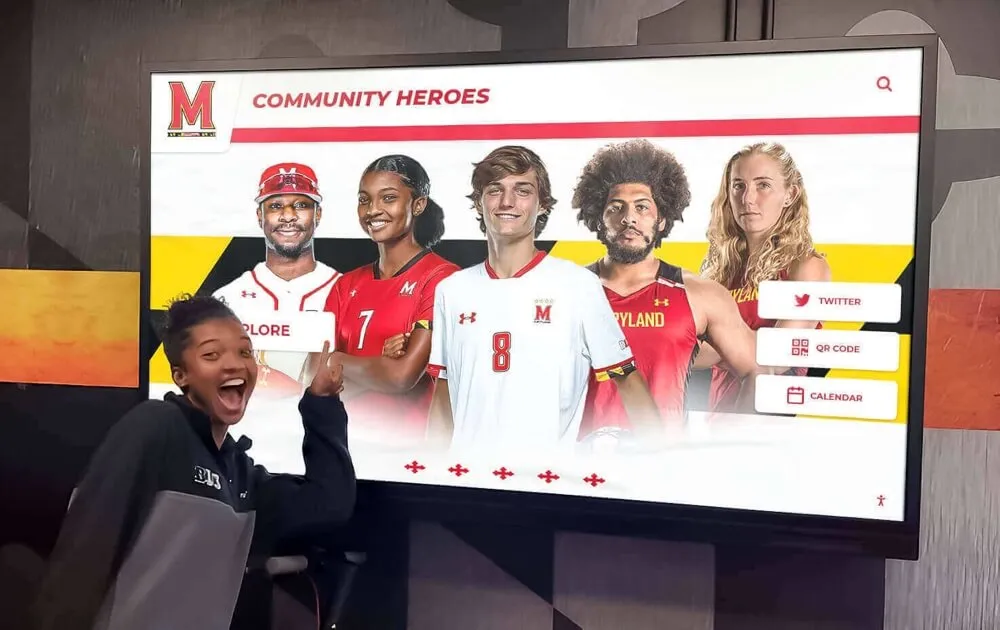
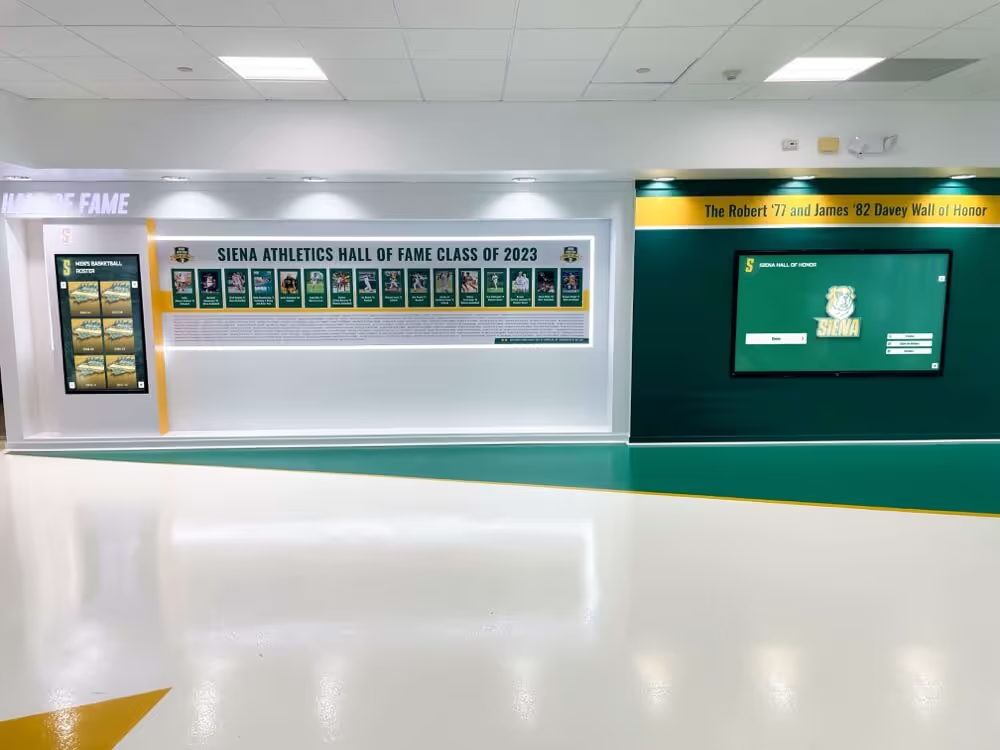
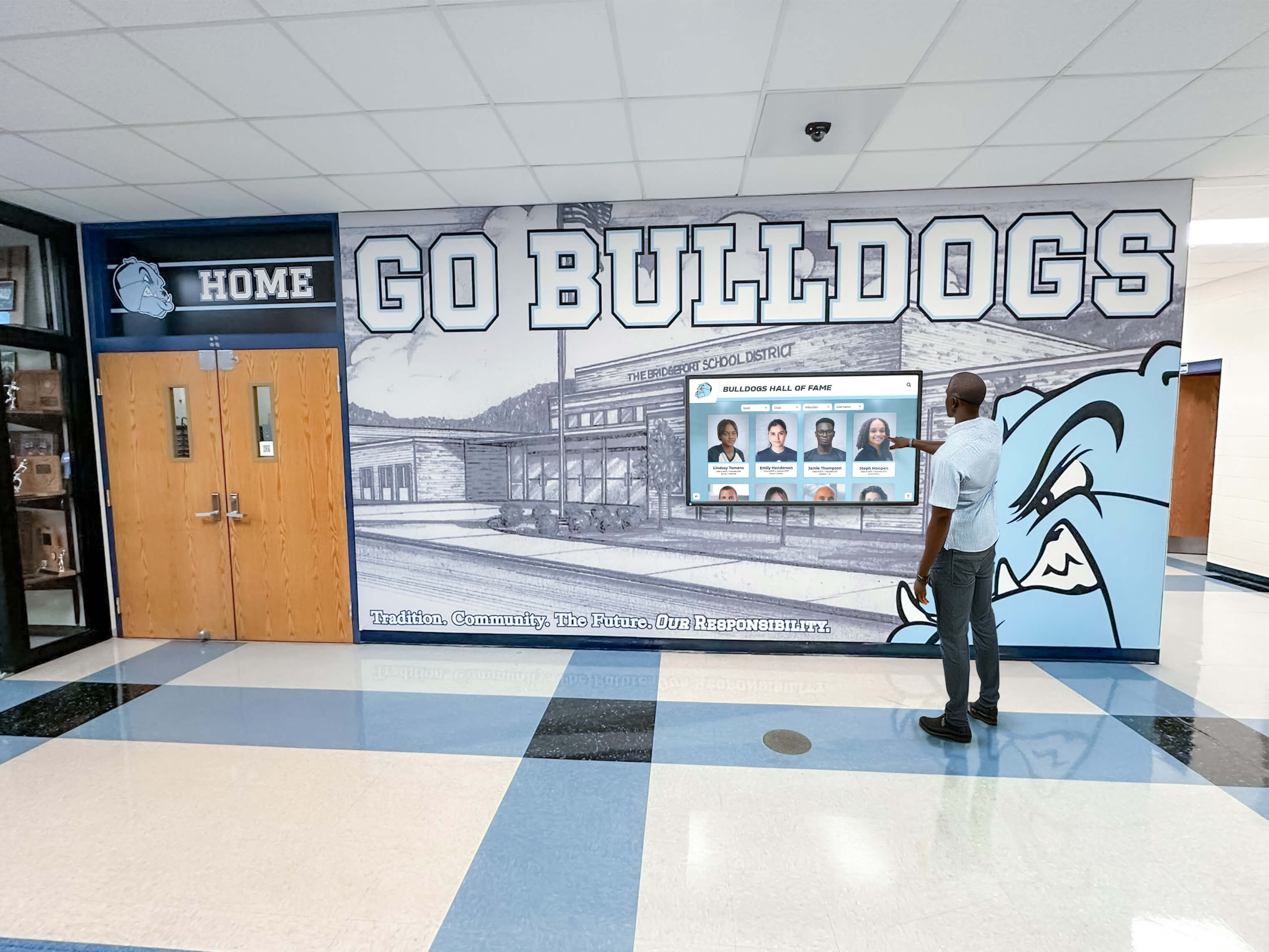
Modern digital recognition systems provide template flexibility enabling varied presentation approaches for different contexts and purposes. Schools can deploy multiple templates simultaneously including current year signing class highlighted on homepage layouts, historical archive views organized chronologically by year, sport-specific displays showing all-time commitments by team, college destination pages grouping athletes by university, achievement-based views highlighting division levels or scholarship recipients, and celebration galleries featuring signing day ceremony photos and videos.
This template variety ensures that recognition serves diverse stakeholder needs—current athletes exploring past signings, families celebrating present commitments, alumni reconnecting with their signing classes, and recruiters researching program college placement patterns. The ability to switch between these views instantly through intuitive navigation creates engagement impossible with single-format static displays.
ADA Compliance and Accessibility
Digital systems inherently provide accessibility advantages over traditional physical displays through high-contrast text and background options supporting visual impairments, screen reader compatibility enabling audio navigation for blind users, adjustable text sizing accommodating varying visual needs, keyboard navigation alternatives to touchscreen interaction, and compliance with WCAG accessibility guidelines protecting institutional liability.
These accessibility features ensure that college signing recognition reaches all stakeholders regardless of ability, fulfilling legal obligations while demonstrating institutional commitment to inclusive recognition practices. Schools implementing comprehensive digital recognition infrastructure discover that accessibility benefits extend across all recognition programs beyond athletics alone.
Building Comprehensive Signing Day Content
Effective signing day showcases require thoughtful content planning ensuring that recognition provides meaningful context while remaining manageable to create and maintain.
Essential Signee Profile Information
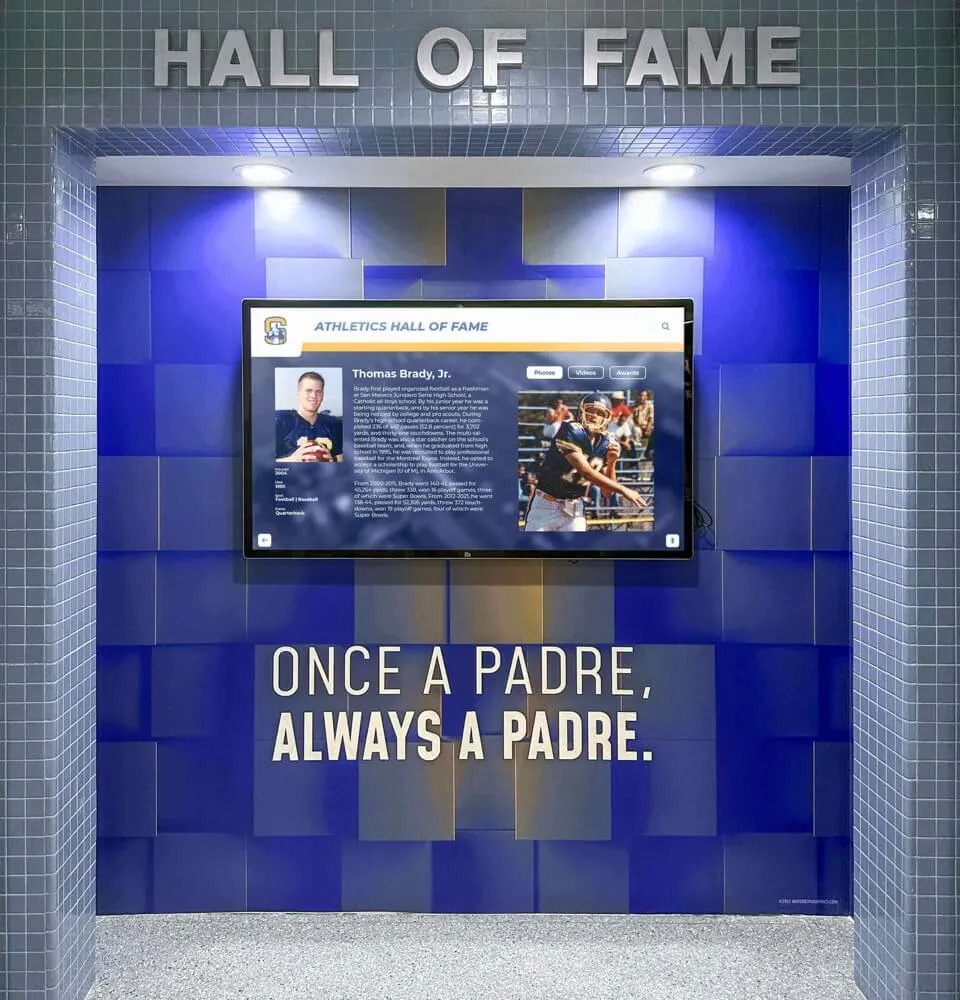
Each college signee profile should include core information providing adequate recognition and historical documentation. Essential elements include student-athlete full name as they prefer to be identified, high-quality headshot photo in consistent format and quality, sport designation specifying exact team and position when applicable, graduation year establishing historical context, college destination with official university name, NCAA division level and conference affiliation, athletic scholarship status when athletes choose to share publicly, and signing date marking official commitment timing.
This foundational information creates baseline recognition ensuring comprehensive documentation. Additional profile elements can enhance engagement when resources permit and athletes consent to sharing.
Enhanced Profile Content
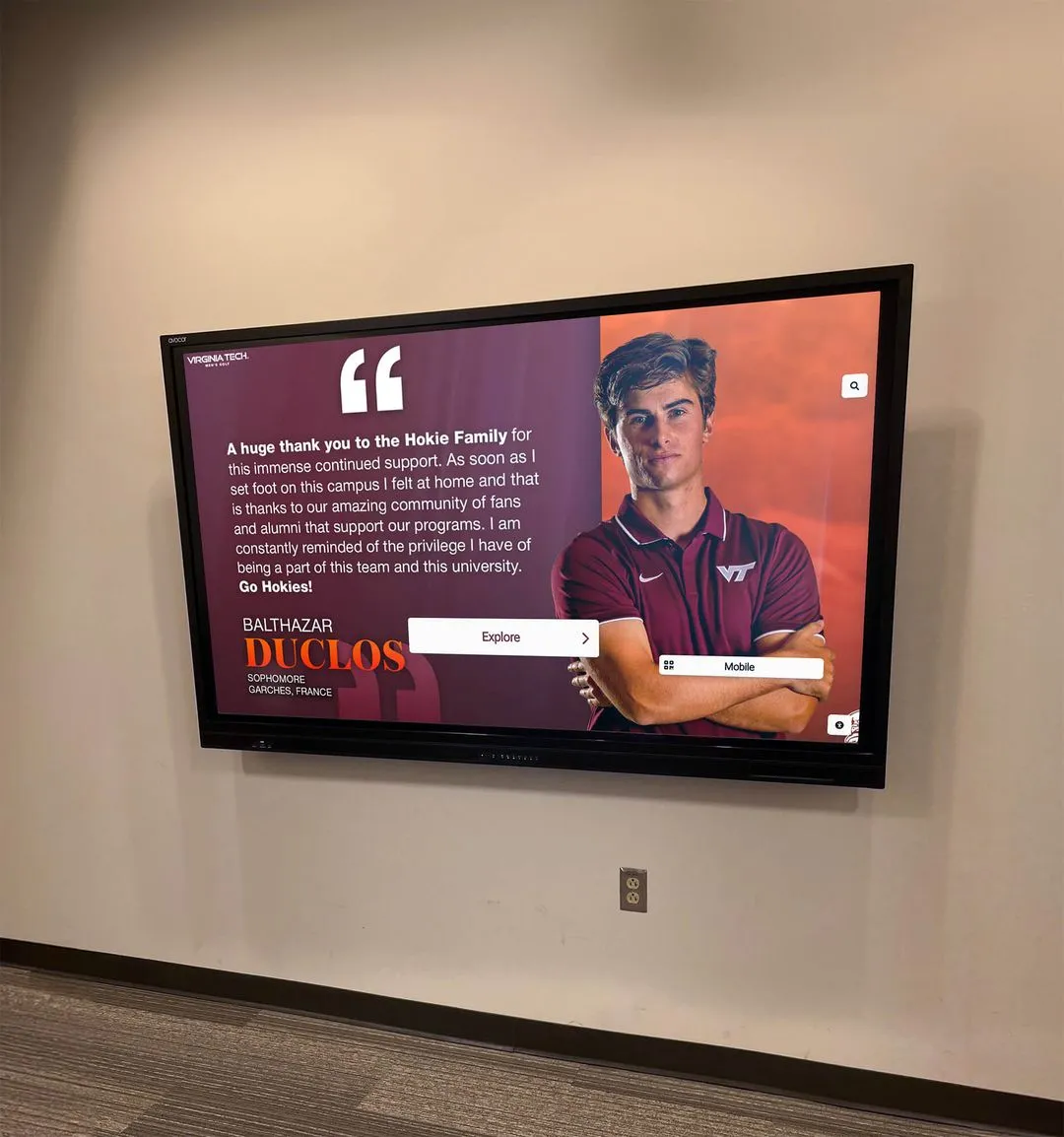
Beyond essential information, enriched profiles provide depth that transforms simple lists into compelling athletic stories. Enhanced content might include career statistics demonstrating performance achievements, major awards and honors recognizing excellence, team captain or leadership role designations, multi-sport participation showing athletic versatility, academic honors reflecting student-athlete balance, quotes from athletes reflecting on their journeys and college choices, quotes from coaches contextualizing athlete contributions and potential, and personal background noting hometown, family legacy, or unique circumstances.
This additional context helps younger athletes understand pathways to college athletics while creating more engaging recognition that maintains visitor interest. However, schools should balance depth against creation effort, focusing resources on sustainable comprehensive coverage rather than exhaustive detail for limited athletes.
Visual Assets and Photography
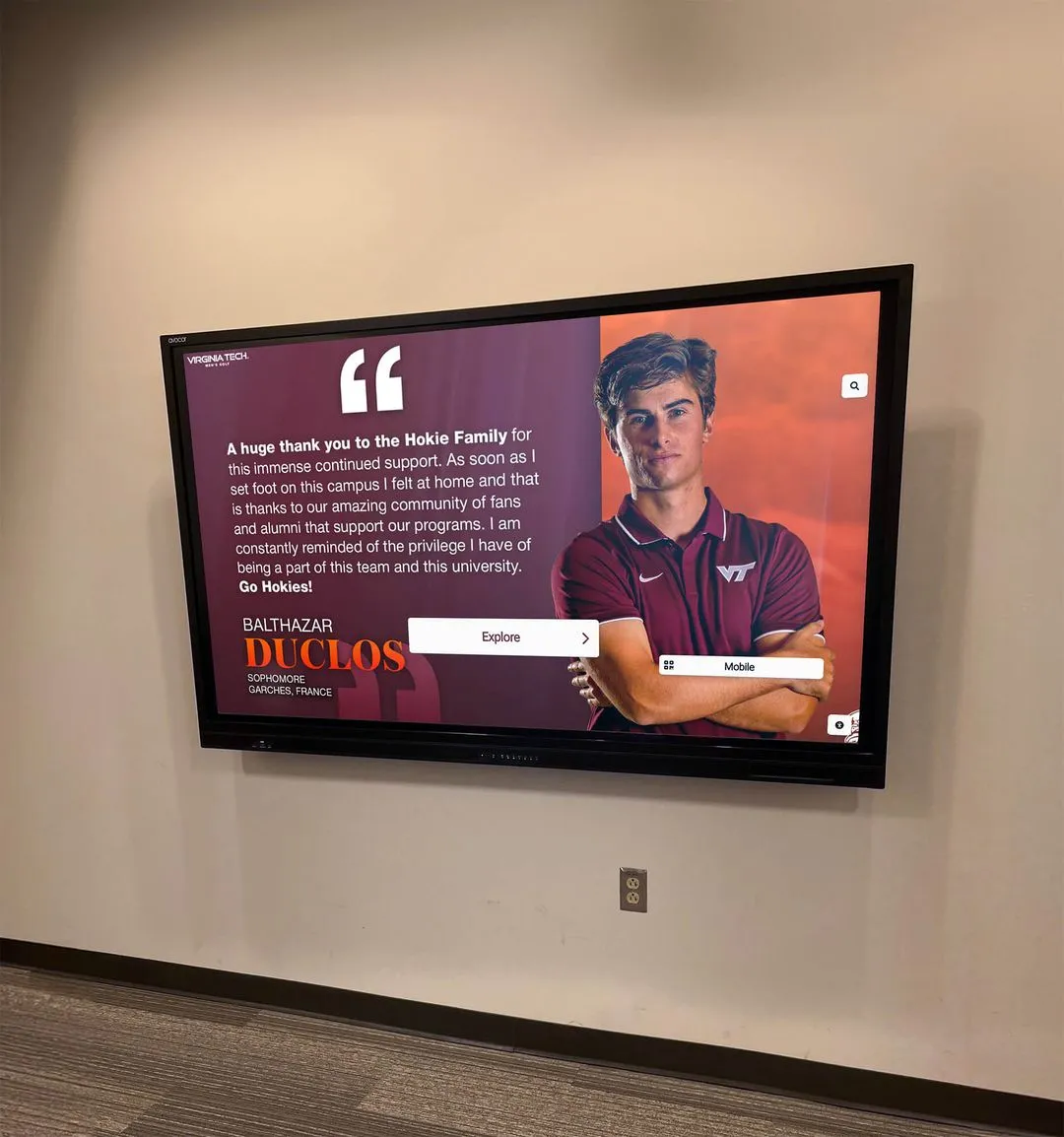
High-quality imagery dramatically enhances signing day recognition by making athletes immediately identifiable and creating emotional connections. Effective visual strategies include consistent headshot photography using standard backgrounds and lighting, action shots capturing athletes during competition when available, signing ceremony photos documenting commitment moments with families and coaches, college logo graphics identifying destinations visually, and video content featuring athlete interviews or highlights when resources permit.
Schools should establish photography standards ensuring visual consistency across athletes and years. This may involve coordinating with school photographers, athletic photographers, or yearbook staff to capture quality images during seasons. In cases where historical photos remain unavailable, schools might conduct photo sessions with alumni during reunions or reach out requesting athletes submit images from personal collections.
Historical Research and Archive Mining
Building comprehensive historical signing day content requires systematic research documenting past commitments that may predate organized record-keeping. Effective research strategies include reviewing yearbook archives identifying graduating athletes and colleges, consulting with longtime coaches who recall athlete destinations, examining old newspaper archives covering local sports, reaching out to alumni associations requesting commitment information, checking college athletic department historical rosters confirming athlete attendance, and connecting with retired athletic directors or staff who maintained unofficial records.
This historical research proves time-intensive but creates permanent value by preserving institutional knowledge that might otherwise disappear. Schools implementing academic and athletic archiving programs discover that systematic documentation benefits extend well beyond single recognition projects.
Technical Implementation and System Setup
Schools planning digital signing day showcases must address practical technical considerations ensuring systems function reliably while remaining manageable for non-technical staff.
Hardware Selection and Installation
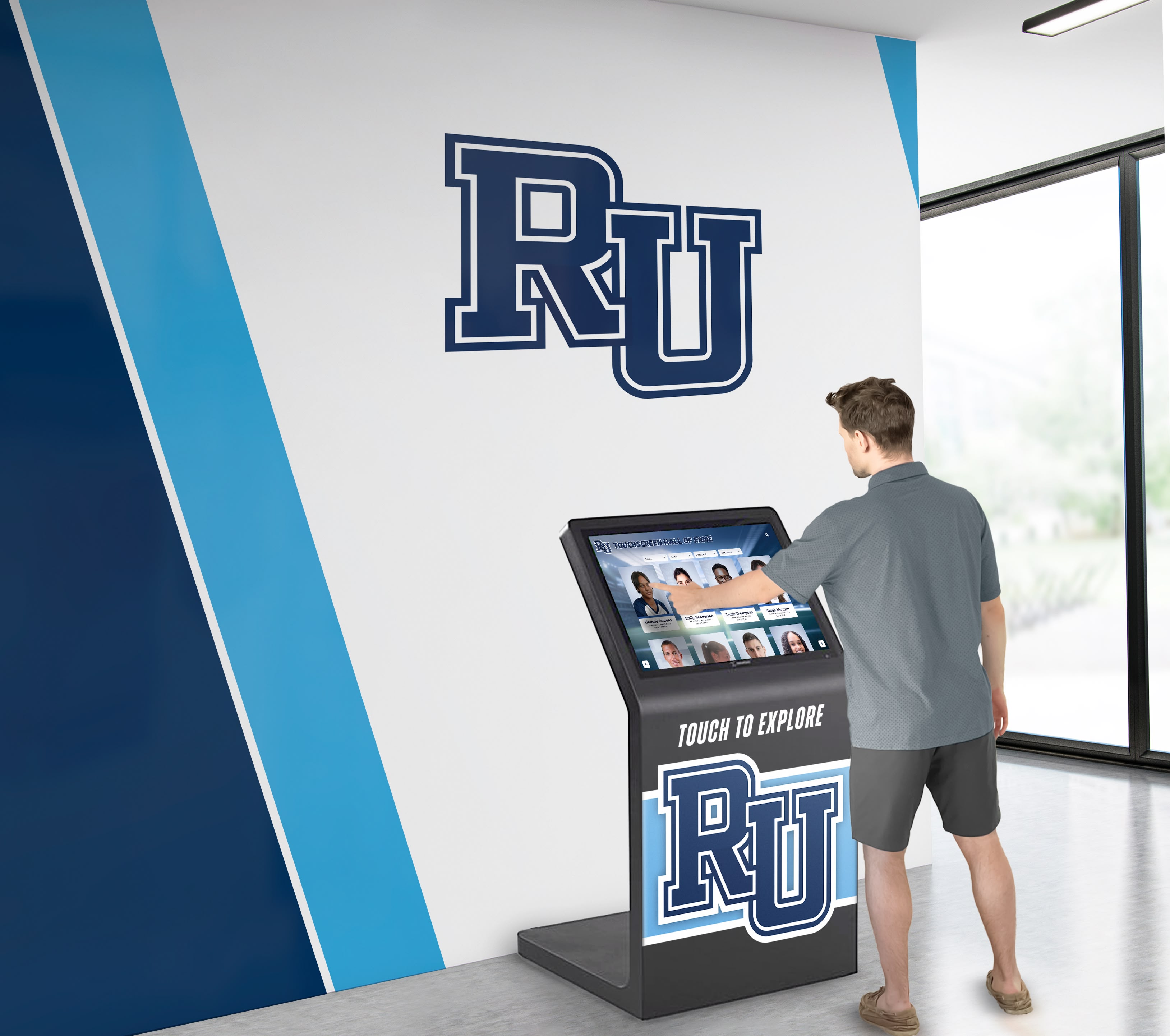
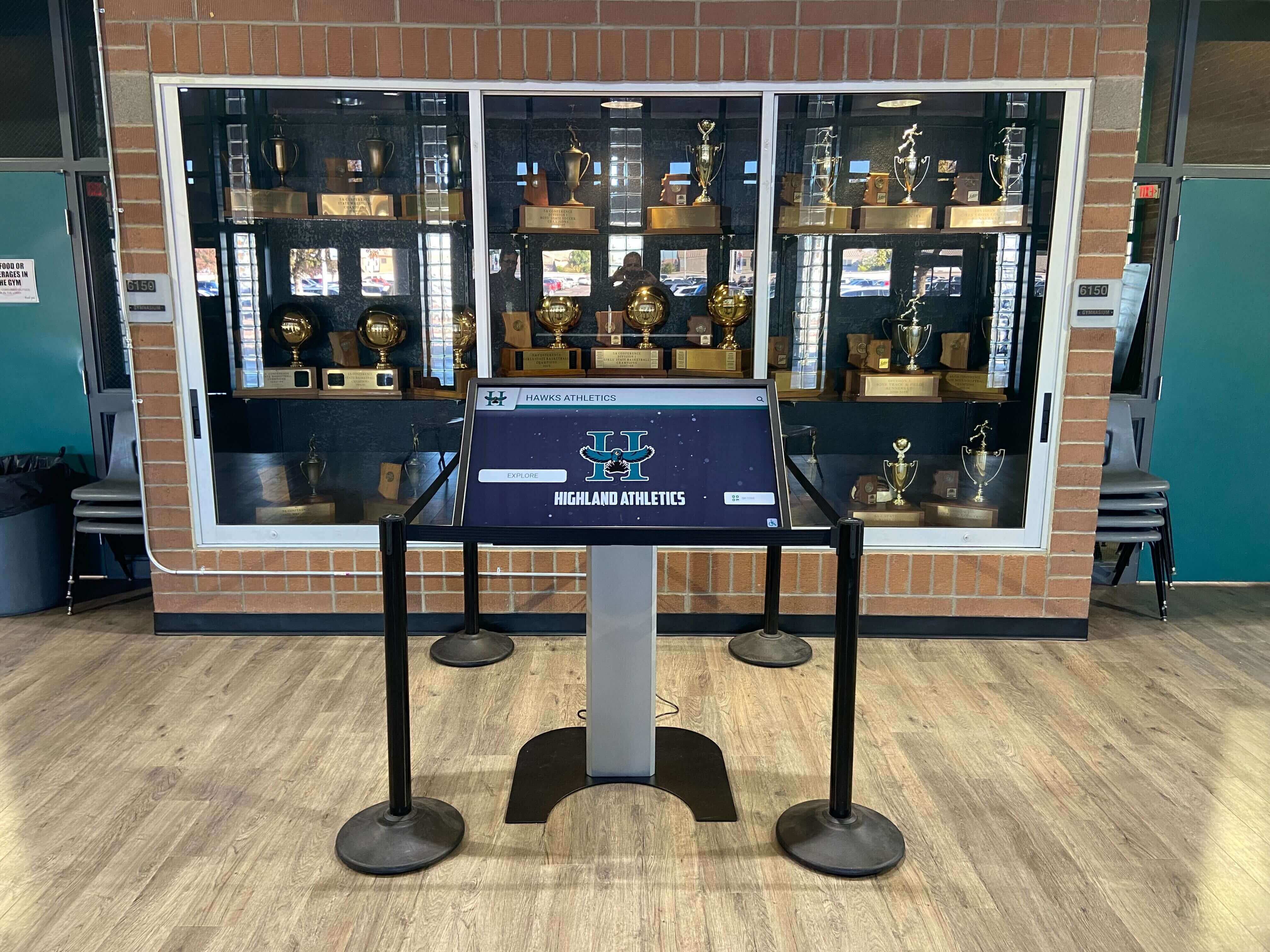
Effective digital signing day displays require appropriate hardware matching intended use cases and traffic patterns. Key hardware considerations include display size ensuring visibility from relevant viewing distances and accommodating group viewing, touchscreen capability enabling interactive exploration when positioning allows safe public interaction, commercial-grade durability designed for continuous operation in high-traffic environments, mounting solutions providing secure installation while accommodating utility access, and ambient light optimization ensuring visibility in locations with windows or bright overhead lighting.
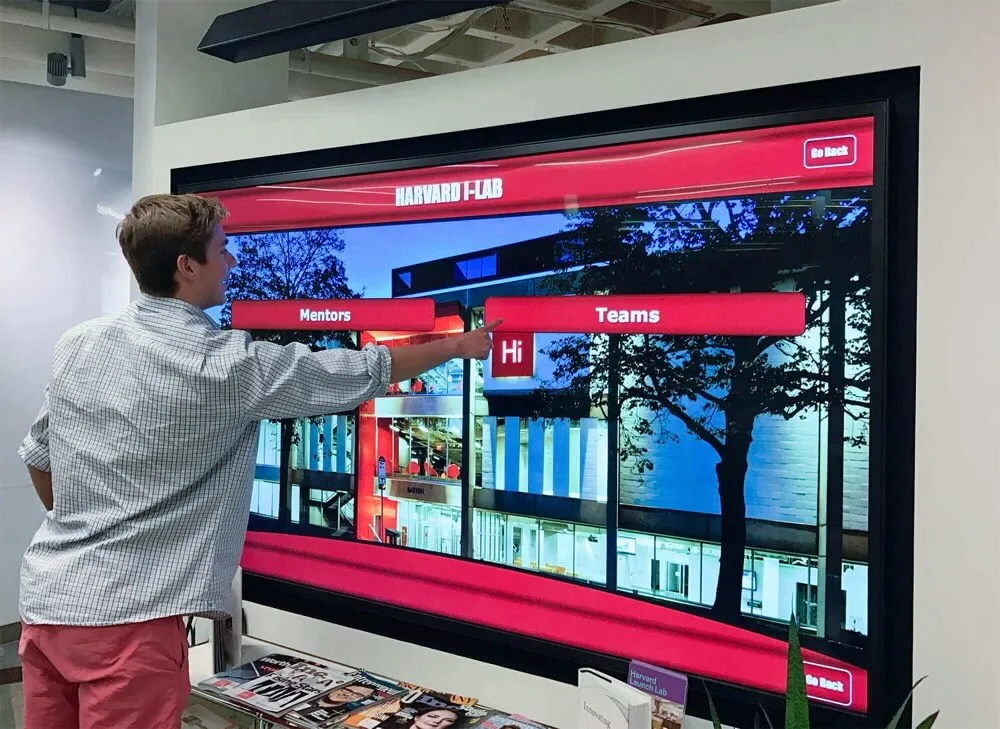
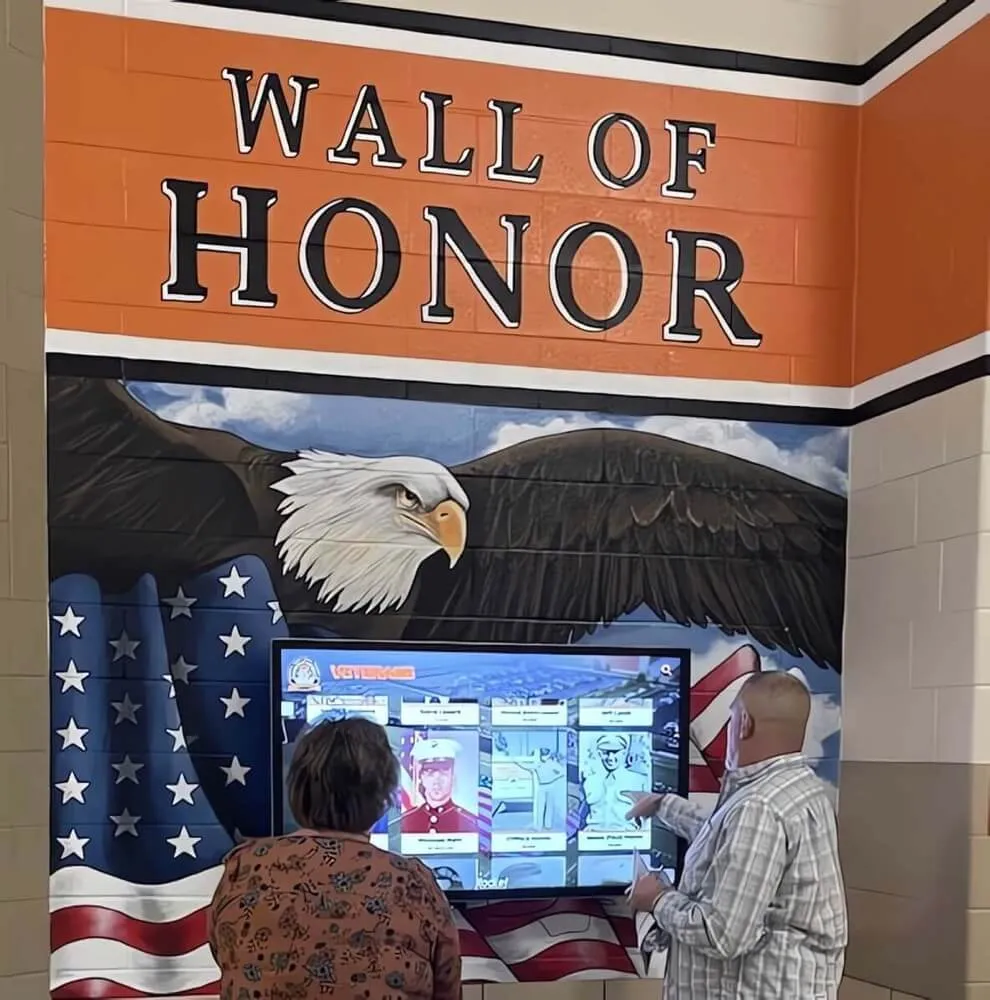
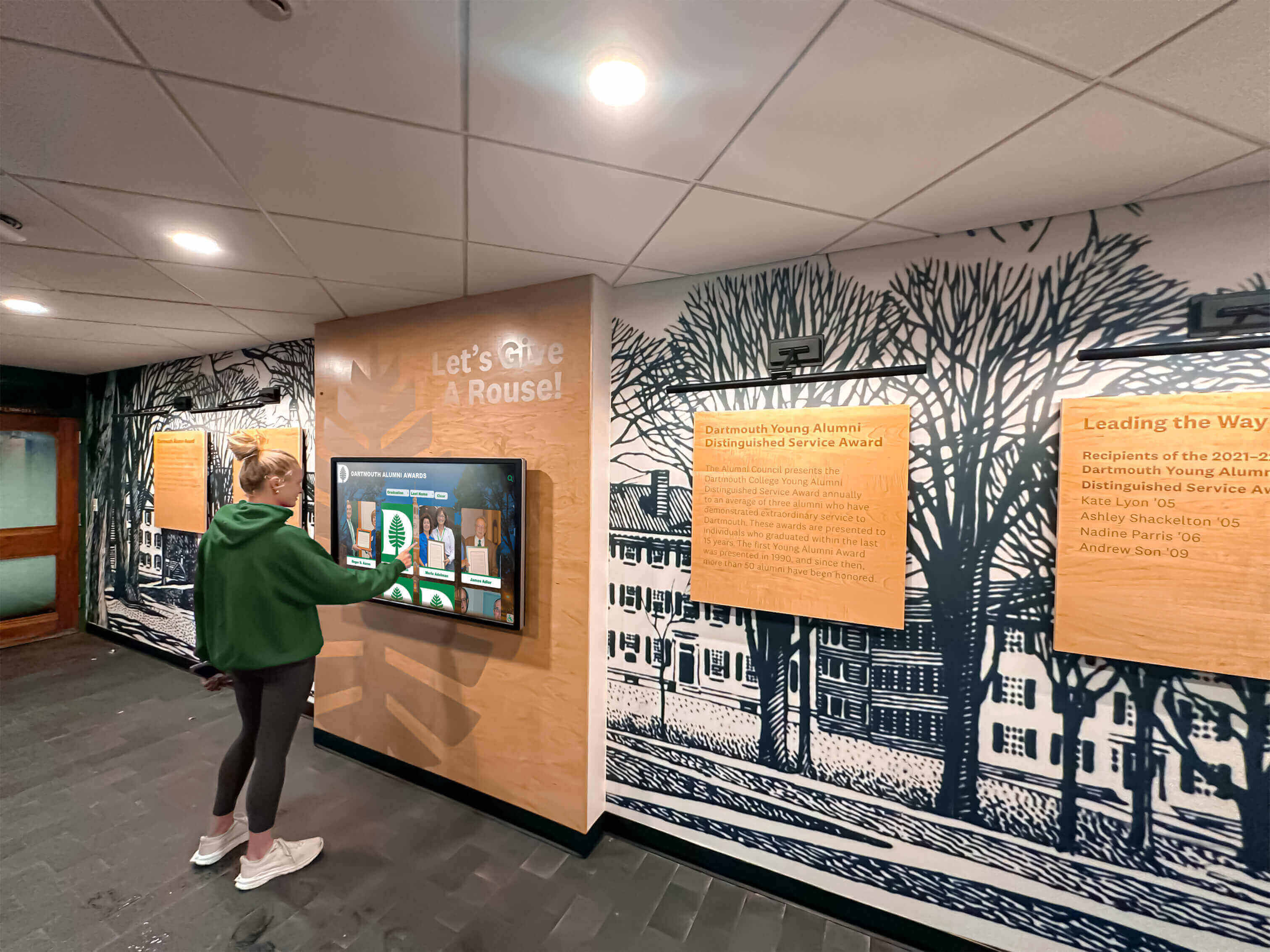
Schools typically position signing day displays prominently in athletic facilities, fieldhouses, entrance lobbies, or hallways connecting to competition venues. Multiple display locations may serve large campuses where single installations fail to reach all relevant audiences. Solutions like interactive touchscreen kiosks designed for athletic facilities provide purpose-built hardware addressing educational environment requirements.
Software Platform Capabilities
Digital signing day systems require robust software platforms enabling content management, presentation, and maintenance without requiring technical expertise. Essential software capabilities include web-based content management accessible from any device without specialized software, bulk data import functionality enabling efficient initial population from spreadsheets, template-based design ensuring visual consistency without graphic design skills, real-time publishing allowing immediate updates as commitments occur, role-based access control managing who can create, edit, and approve content, mobile-responsive presentation adapting to various screen sizes and devices, and search and filter functionality enabling quick athlete discovery across large datasets.
Software accessibility directly determines whether systems remain current and comprehensive or become outdated due to update difficulty. Schools should prioritize platforms designed specifically for educational recognition rather than adapting generic digital signage tools that lack purpose-built functionality.
Content Management Workflow
Systematic content management processes ensure signing day recognition remains accurate and current without consuming excessive staff time. Effective workflows include establishing clear data collection processes gathering signee information systematically, designating responsible staff members for content creation and updates, implementing approval workflows ensuring information accuracy before publication, scheduling regular content reviews verifying that information remains current, creating documentation enabling multiple staff members to manage systems, and planning for transitions when responsible staff members change roles or leave institutions.
This structured approach prevents situations where signing day content depends entirely on single individuals whose departure results in recognition becoming immediately outdated. Distributed knowledge and documented processes create sustainable recognition programs that function reliably across staff transitions.
Integration with Existing Systems
Digital signing day platforms provide maximum value when integrated with broader school systems and data sources. Potential integrations include student information systems automatically populating graduate data, athletic management platforms feeding statistics and rosters, website content management enabling embedded displays on athletic department pages, social media feeds amplifying recognition across platforms, and school communication systems announcing new commitments to broader communities.
These integrations eliminate duplicate data entry while ensuring consistency across platforms. Schools exploring comprehensive digital recognition infrastructure discover that integrated approaches provide significantly greater value than isolated standalone applications.
Organizing Signing Day Content Effectively
How schools organize and present signing day information dramatically impacts usability and engagement, requiring thoughtful structure that serves diverse stakeholder needs.
Chronological Organization by Year
The most straightforward organization approach presents signees chronologically by graduation year, creating clear historical progression. This structure enables easy navigation to specific time periods while facilitating year-over-year comparison showing program trends. Effective chronological presentation includes year-based navigation enabling direct selection of any graduation year, class groupings showing all athletes from each year together, statistics summarizing each class like total signees and division breakdown, and prominent placement of current year maintaining focus on present accomplishments.
Chronological organization particularly benefits alumni seeking to reconnect with their own signing classes and families interested in understanding program trajectories over time.
Sport-Based Organization
Alternative organization structures group athletes by sport rather than year, enabling sport-specific viewing showing complete history of college placement for individual teams. This approach serves coaches recruiting new athletes by demonstrating program-specific college placement success while helping younger athletes explore trajectories within their sports. Effective sport-based organization includes separate navigation sections for each sport, all-time rosters showing every college athlete regardless of year, achievement milestones highlighting notable records or honors within sports, and coach profiles connecting consistent leadership to college placement success.
Sport-based organization works particularly well for specialized athletic facilities serving specific teams or in multi-template systems offering both chronological and sport-based views simultaneously.
College Destination Grouping
Some schools organize content by college destination, grouping all athletes who attended specific universities together regardless of sport or year. This structure highlights relationships with specific colleges while demonstrating breadth of placement across institutions. Destination-based organization enables university-specific pages showing every athlete who attended each college, division-level groupings separating Division I, II, III, NAIA, and junior college placements, conference-based organization highlighting placement within specific athletic conferences, and geographic mapping showing regional or national placement distribution.
This organization approach particularly serves prospective athletes researching specific college destinations and demonstrates that programs place athletes across diverse institutional types rather than exclusively at specific university tiers.
Achievement-Based Recognition
Achievement-focused organization highlights specific accomplishment categories regardless of chronology. This might include scholarship recipients spotlighting athletes who earned athletic financial aid, multiple-sport athletes demonstrating versatility, family legacy placements showing multi-generational attendance at specific colleges, first-time destinations celebrating new college relationships, and pioneering athletes marking program firsts like first female signee or first Division I commitment.
Achievement-based organization creates compelling narrative frames while celebrating specific patterns of excellence. It works especially well as supplementary organization layered alongside primary chronological or sport-based structures.
Maximizing Signing Day Showcase Engagement
Static displays risk becoming background elements that stakeholders ignore after initial installation. Proactive engagement strategies ensure signing day recognition generates ongoing interest and value.
Launch Events and Ceremonies
Schools should introduce signing day showcases through special launch events creating awareness while celebrating collective program achievement. Effective launch approaches include ribbon-cutting ceremonies with athletic directors, senior class athletes, and administrators, guided showcase tours explaining navigation and highlighting featured content, athlete attendance enabling current signees to see themselves recognized, family invitations creating shared celebration moments, media coverage documenting program success and showcase installation, and social media amplification extending reach beyond physical attendees.
These launch events transform installations from simple displays into significant occasions worthy of community attention and celebration. Schools implementing comprehensive digital athletic displays find that formal launches significantly accelerate adoption and utilization.
Integration with Athletic Events
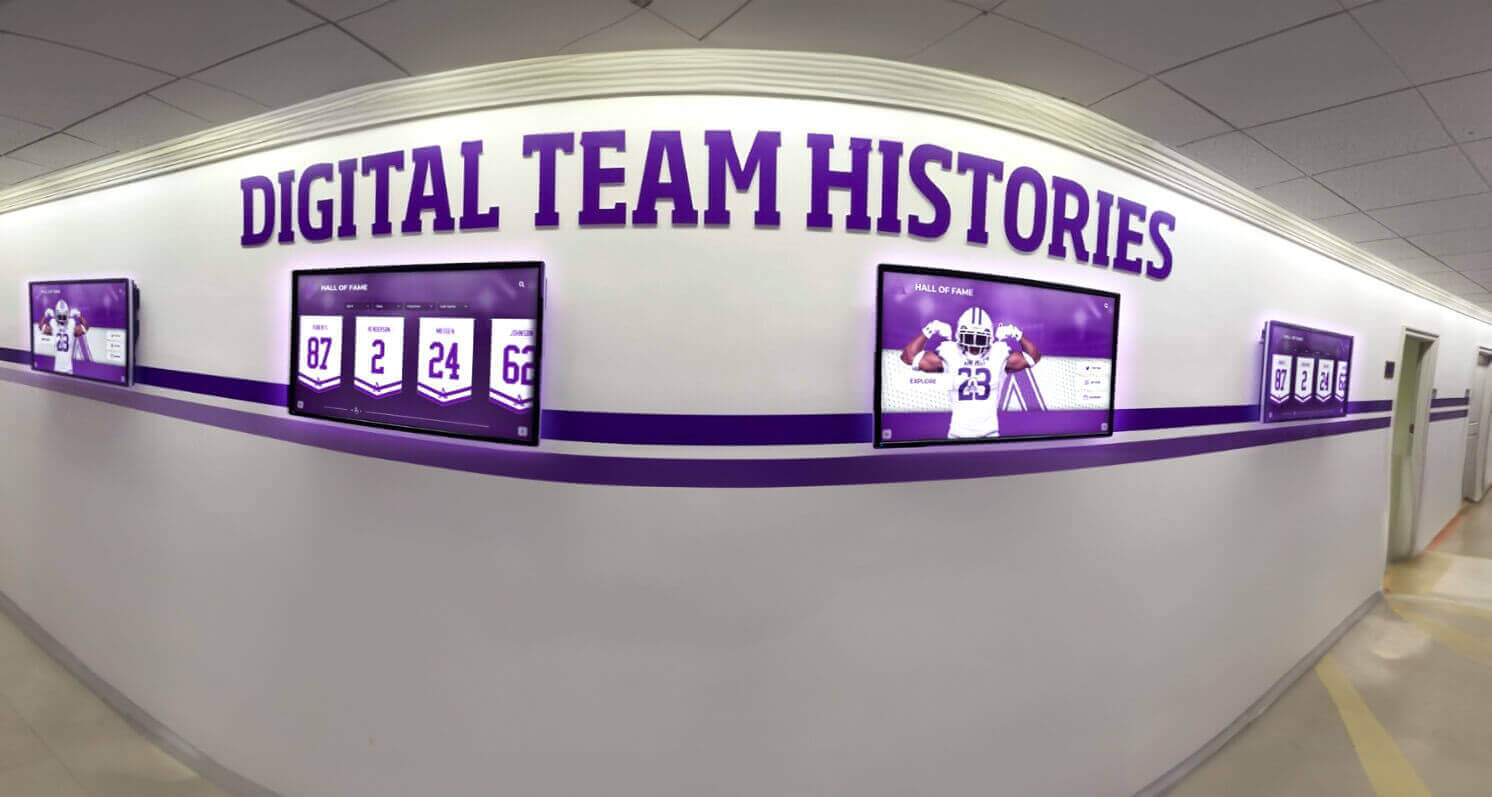
Strategic positioning near competition venues creates natural discovery opportunities when audiences gather for games and matches. Schools can enhance engagement through pre-game activation inviting early arrivals to explore showcases, halftime features highlighting specific athletes or signing classes, post-game celebrations connecting victories to program legacy, senior night integration recognizing college commitments during athlete tributes, and alumni events bringing former athletes back to discover their own recognition.
This event integration ensures signing day showcases receive regular viewing by audiences already engaged with athletics rather than depending on visitors specifically seeking recognition displays.
Social Media and Digital Amplification
Digital signing day content should extend well beyond physical display locations through strategic social media integration. Effective amplification strategies include individual athlete features systematically highlighting each signee across social platforms, throwback posts celebrating historical signees from specific years or decades, comparison graphics showing program growth over time, video content featuring athlete interviews or signing ceremony moments, parent and family tags enabling personal networks to share recognition, and official hashtags creating discoverable content archives.
This digital amplification dramatically expands recognition reach while creating shareable content that athletes and families appreciate long after graduation. Schools exploring digital display content strategies discover that social integration significantly increases engagement and visibility.
Classroom and Academic Integration
Signing day showcases provide educational opportunities extending beyond athletics alone. Academic integration approaches include freshman orientation tours introducing athletic facilities and recognition, research projects where students document athlete histories and create showcase content, media classes producing video features about signees and their journeys, data analysis courses examining trends in college placement statistics, and college counseling references helping students understand athletic recruitment processes.
These academic connections increase showcase visibility while creating authentic learning experiences that engage students in meaningful institutional history research and documentation.
Special Showcase Features and Enhancements
Advanced signing day showcases can incorporate special features that dramatically enhance engagement and provide unique value unavailable through basic implementations.
Interactive Filtering and Search
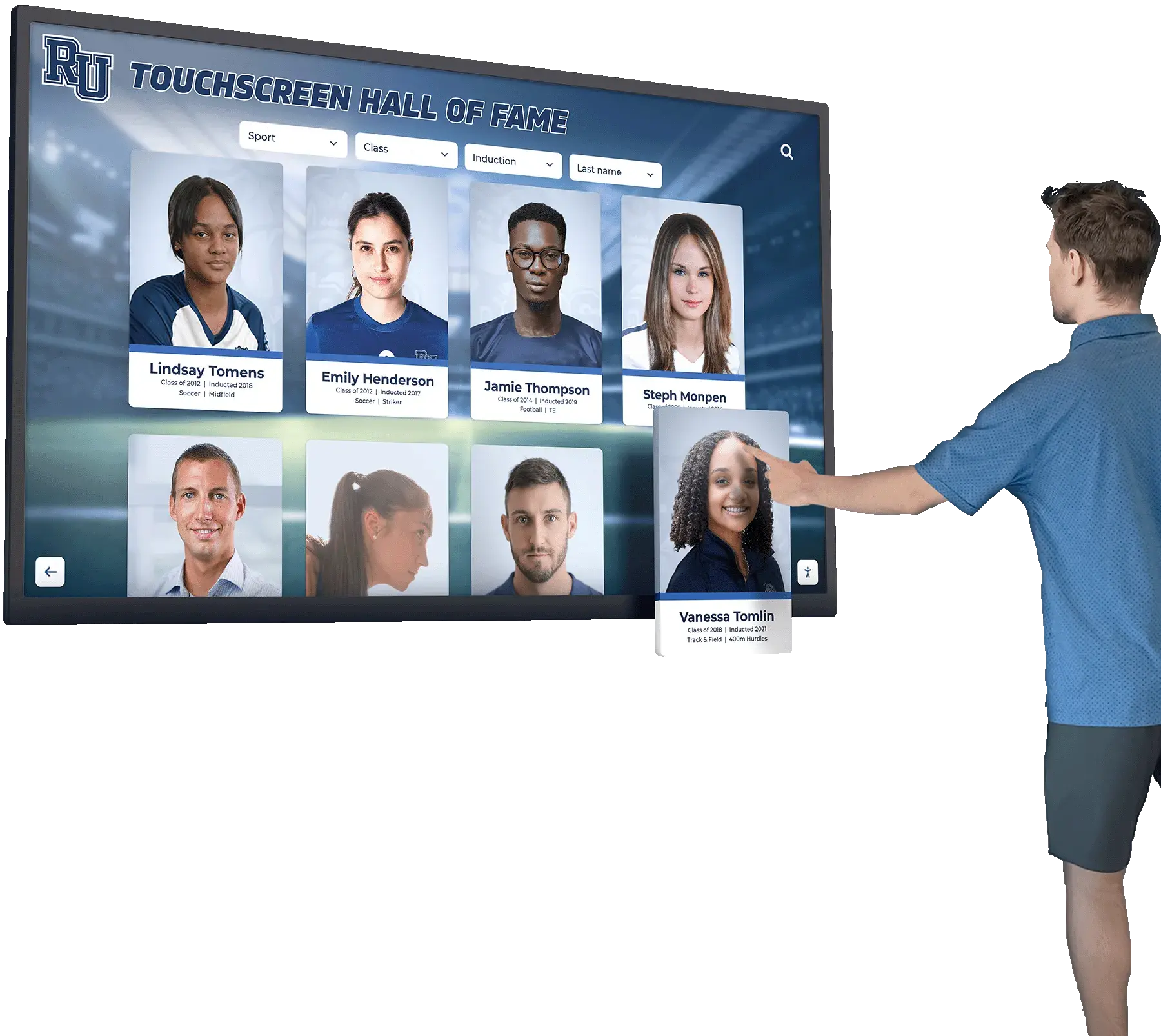
Sophisticated search capabilities transform browsing experiences by enabling visitors to quickly discover specific athletes or patterns of interest. Powerful search features include name search finding specific athletes across decades of records, year filtering isolating particular graduation classes, sport filtering showing only athletes from specific teams, college filtering displaying all athletes who attended particular universities, division filtering separating athletes by NCAA division level, and combined filters enabling complex queries like “All softball players who attended Division II colleges between 2010 and 2020.”
These advanced capabilities prove especially valuable in programs with extensive signing histories where manual browsing proves time-prohibitive. Schools implementing comprehensive athletic recognition displays find that search functionality significantly increases visitor engagement and satisfaction.
Video Integration and Multimedia
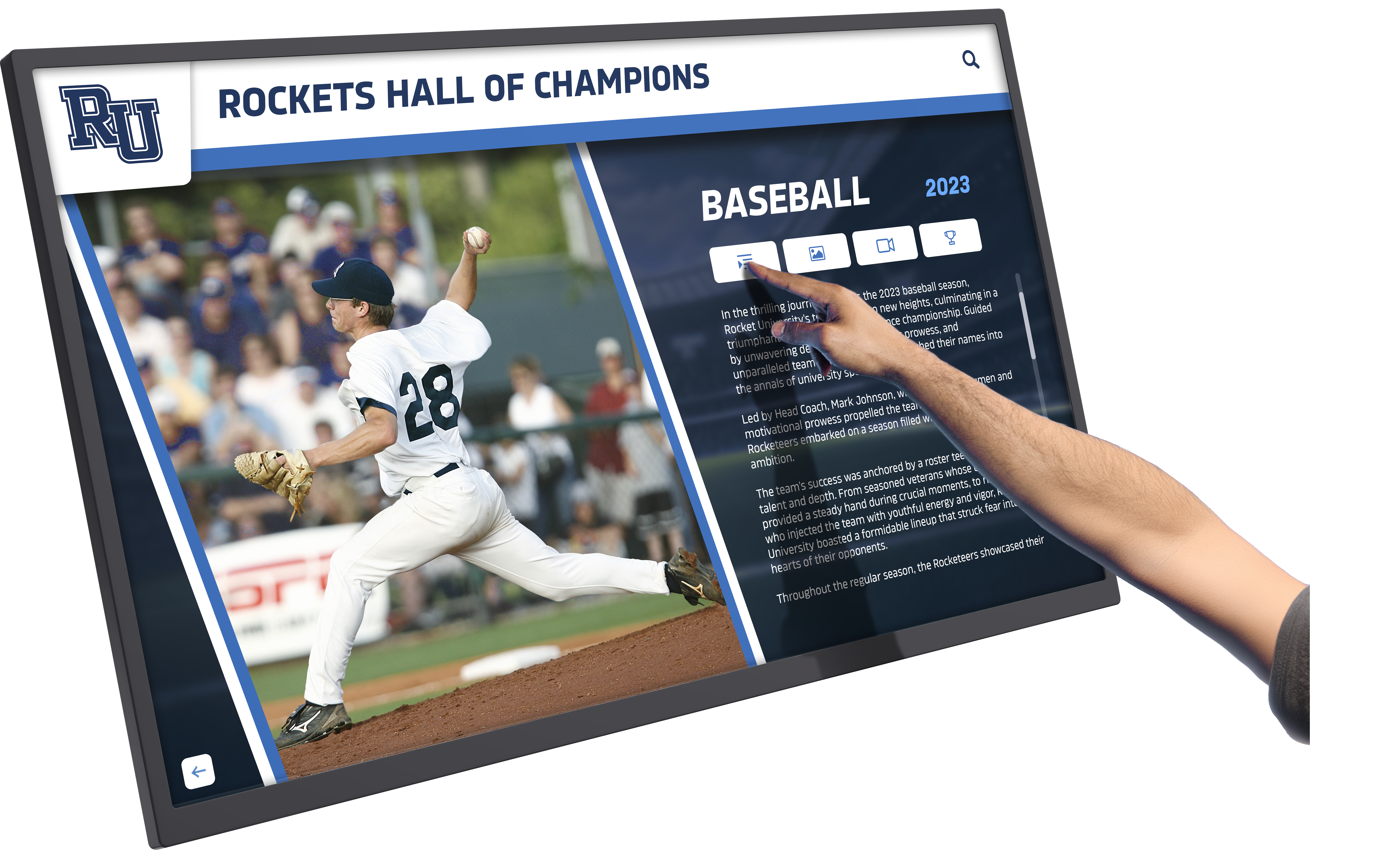
Video content creates emotional connections impossible through text and static images alone. Effective video integration includes signing ceremony footage documenting commitment moments with families and coaches, athlete interviews featuring reflections on high school careers and college decisions, highlight reels showcasing game performance and athletic skills, message videos where current college athletes share advice with younger students, and coach commentary contextualizing athlete contributions and projecting college potential.
While video production requires greater resources than text-based content, even modest video integration significantly enhances showcase appeal and engagement. Schools might prioritize video for recent signees where footage remains readily available while maintaining text-based profiles for historical athletes where video creation proves impractical.
Statistical Context and Comparison
Data-rich showcases enable analytical exploration showing patterns invisible in simple athlete lists. Valuable statistical elements include year-over-year signing totals showing program growth trajectories, division distribution demonstrating placement across competitive levels, scholarship percentages indicating financial support levels, sport-specific placement rates showing which programs most successfully place athletes, geographic distribution mapping regional versus national placement, and college loyalty patterns identifying universities consistently recruiting from programs.
This statistical context helps administrators demonstrate program success to stakeholders while providing prospective athletes and families evidence-based understanding of realistic college placement expectations. It also enables longitudinal tracking showing how program investments and coaching changes impact college placement outcomes over time.
Alumni Update Functionality
The most forward-thinking showcase implementations enable ongoing engagement by allowing athletes to update profiles with post-signing accomplishments. Alumni update features might include college athletic career statistics tracking performance throughout collegiate competition, academic achievements highlighting graduation and advanced degrees, professional accomplishments documenting career success after college athletics, current location information enabling alumni networking and connection, and personal reflections sharing perspective years after high school graduation.
This ongoing engagement transforms static historical records into living documents that maintain relevance and connection long after athletes graduate. It also creates valuable mentorship opportunities connecting current students with alumni who followed similar pathways.
Budget Planning and Resource Allocation
Implementing comprehensive signing day showcases requires realistic budget planning accounting for initial implementation and ongoing maintenance costs.
Initial Implementation Costs
New signing day showcase installations involve several cost categories including hardware expenses for displays, mounting equipment, and interactive components, software licensing for content management platforms if not using open-source solutions, professional design services for custom templates and branding if not using standard templates, content creation including photography, research, and data entry for historical records, installation labor for hardware mounting and technical configuration, and training expenses ensuring staff can manage systems confidently.
Implementation costs vary dramatically based on approach, from modest investments in basic digital signage displays to substantial commitments for comprehensive interactive touchscreen systems. Schools should obtain detailed quotes from multiple providers understanding exactly what each solution includes and what additional costs might emerge during implementation.
Ongoing Maintenance and Operation
Beyond initial implementation, schools must budget for ongoing operations including software subscription fees if using cloud-based platforms, content updates adding new signees and maintaining historical records, hardware maintenance repairing or replacing failed components, technical support accessing expert assistance when issues arise, electricity costs powering displays continuously, and periodic content refreshes updating designs and improving user experiences.
These ongoing costs typically remain modest compared to initial implementation but require consistent allocation ensuring systems remain functional and current. Schools implementing comprehensive digital recognition infrastructure discover that operating costs decrease over time as content libraries mature and staff expertise develops.
Funding Sources and Strategies
Schools fund signing day showcases through various sources including general athletic budgets allocating regular operations funding, booster club contributions from parent and community supporters, alumni donations often from former athletes supporting recognition, corporate sponsorships from local businesses receiving recognition in showcase interfaces, grant programs supporting educational technology or athletic facilities, and capital campaigns incorporating recognition technology in broader fundraising initiatives.
Diversified funding approaches reduce burden on single budget sources while creating stakeholder investment in showcase success. Schools should also consider multi-purpose recognition infrastructure serving needs beyond athletics alone, enabling cost allocation across multiple programs and budgets.
Return on Investment Considerations
While calculating precise ROI for recognition programs proves challenging, schools should consider diverse value categories including recruiting advantages attracting stronger athletes through demonstrated college placement, alumni engagement creating long-term donor relationships and financial support, community goodwill building public support for athletic programs and school funding, operational efficiency reducing time spent managing recognition with outdated manual processes, and institutional pride creating intangible culture benefits that impact student experience and retention.
Comprehensive signing day showcases typically justify investment through these combined benefits even when individual value categories remain difficult to quantify precisely.
Inclusive Recognition Best Practices
Effective signing day showcases must serve diverse populations equitably while respecting privacy and individual circumstances.
Honoring All Division Levels Equally
Comprehensive signing day recognition celebrates athletes across all NCAA divisions, NAIA affiliations, and junior college placements without creating hierarchies suggesting certain commitments matter more than others. Equitable recognition practices include consistent profile formats regardless of division level, avoiding prominence positioning that privileges Division I athletes over others, celebrating scholarship and walk-on athletes equivalently, and highlighting unique advantages of different competitive levels and institution types.
This inclusive approach validates all pathways while accurately reflecting that college athletic success depends on multiple factors beyond competitive division alone. It also prevents discouraging athletes from pursuing optimal personal fits because showcases subtly suggest only certain commitments warrant celebration.
Supporting Multi-Sport Athletes
Many college signees competed in multiple high school sports, creating decisions about primary sport designation and recognition placement. Best practices for multi-sport recognition include athlete choice allowing students to specify how they want recognition to appear, cross-referencing enabling discovery from multiple sport categories, notation within profiles highlighting multi-sport participation, and separate multi-sport sections celebrating athletic versatility explicitly.
These approaches ensure multi-sport athletes receive full recognition for comprehensive athletic contributions rather than being artificially restricted to single sport categories.
Privacy and Consent Considerations
While most athletes appreciate public recognition, schools must respect preferences for privacy and obtain appropriate consent. Privacy best practices include explicit opt-in consent processes before publishing athlete information publicly, clear opt-out options without requiring justification or creating pressure to participate, alternative recognition approaches for athletes declining public display, privacy for sensitive information like scholarship amounts or recruiting circumstances, and FERPA compliance ensuring legal obligations around student information.
Some athletes have legitimate reasons preferring privacy including uncertain college plans subject to change, family disagreements about choices, personal circumstances they consider private, or simply personality preferences for avoiding attention. Schools should respect these preferences without pressuring participation while still providing appropriate private recognition.
Accommodating Special Circumstances
Certain situations require particular sensitivity ensuring appropriate recognition without inadvertently highlighting circumstances athletes prefer to keep private. These situations include athletes who committed but did not ultimately attend planned colleges, athletes who left college programs before completing eligibility, walk-on athletes who later earned scholarships, athletes attending colleges following preparatory school years, and late-developing athletes who attended junior colleges before transferring to four-year programs.
Schools should consult with affected athletes or recent graduates when historical research reveals circumstances requiring sensitive handling. In cases where contact proves impossible, conservative approaches prioritizing athlete dignity remain appropriate.
Measuring Showcase Effectiveness
Schools should systematically evaluate signing day showcase effectiveness, using insights to refine approaches and demonstrate value justifying continued investment.
Quantitative Engagement Metrics
Digital showcase systems enable tracking objective engagement data providing insights into utilization patterns. Valuable quantitative metrics include total visitor counts showing how many people viewed showcases, session duration indicating engagement depth beyond casual glancing, search queries revealing what information visitors sought, profile views identifying which athletes received most attention, device breakdowns showing desktop versus mobile access patterns, and peak usage times identifying when showcases receive greatest attention.
These metrics help administrators understand whether showcases achieve intended utilization or require positioning changes, content improvements, or promotion to increase engagement.
Qualitative Stakeholder Feedback
Quantitative metrics alone cannot reveal whether showcases meet stakeholder needs and expectations. Effective qualitative assessment includes athlete surveys asking signees about recognition experience quality, family feedback forms evaluating whether recognition met expectations, coaching staff input assessing recruiting value and operational utility, alumni commentary gauging whether historical athletes feel appropriately honored, and prospective family feedback during campus tours and recruiting visits.
This qualitative data often proves more actionable than quantitative metrics alone by identifying specific content gaps, navigation challenges, or feature requests that usage data cannot reveal.
Recruiting Impact Analysis
One primary showcase value proposition involves enhancing recruiting by demonstrating college placement success to prospective athletes and families. Recruiting impact assessment might include prospective athlete surveys asking whether showcases influenced school selection, recruiting visit integration tracking showcase utilization during campus tours, coaching feedback gauging whether showcases address common family questions, competitive positioning comparing showcase quality against rival programs, and commitment rate tracking monitoring whether signing numbers improve following showcase implementation.
While multiple factors influence recruiting success, systematic tracking helps isolate showcase contributions while identifying opportunities to better leverage recognition during recruiting processes.
Long-Term Program Evolution
Beyond immediate utilization, showcases should evolve continuously based on changing program needs and emerging technologies. Evolution indicators include content growth tracking signee additions over time, feature adoption monitoring which advanced capabilities receive greatest utilization, staff efficiency measuring time required for content maintenance, platform limitations identifying constraints requiring system upgrades, and emerging opportunity identification recognizing new capabilities worth incorporating.
This ongoing assessment ensures showcases remain valuable and relevant rather than becoming outdated installations that no longer serve evolving institutional needs.
Implementation Planning and Timeline
Schools planning signing day showcases should follow systematic approaches ensuring successful implementation that serves stakeholders appropriately.
Pre-Planning Phase
Before formal implementation begins, schools should complete essential planning activities including needs assessment determining specific showcase purposes and priorities, stakeholder consultation engaging coaches, administrators, and athletes in planning, budget development establishing realistic financial parameters, vendor research evaluating available solutions and providers, and timeline establishment setting realistic implementation schedules.
This pre-planning prevents common pitfalls including unclear objectives leading to unfocused implementations, insufficient budgets forcing compromises that limit showcase value, rushed timelines creating quality issues or incomplete content, and inadequate stakeholder engagement resulting in solutions that don’t address actual user needs.
Design and Development Phase
Once planning completes, schools enter active design and development including platform selection choosing specific hardware and software solutions, content strategy development defining organization, profiles, and features, design customization creating branded templates matching school identity, historical research gathering information about past signees, content creation producing profiles with text, photos, and video, and testing validation ensuring systems function correctly before launch.
This phase typically consumes several months depending on implementation scope and historical content volume. Schools should build realistic timelines avoiding pressure to rush launches for specific events at the expense of quality and completeness.
Launch and Promotion Phase
Formal launches maximize initial awareness and engagement through launch event planning organizing ceremonies introducing showcases, stakeholder notification informing relevant audiences about new resources, media outreach securing coverage in local news and school communications, social media campaigns generating online awareness and engagement, and training sessions ensuring staff can manage systems confidently.
These launch activities create momentum and establish showcases as significant program elements worthy of attention rather than allowing installations to appear quietly without fanfare that might result in limited initial awareness.
Ongoing Operations Phase
Following launch, schools transition to sustainable ongoing operations including regular content updates adding new signees and maintaining existing profiles, periodic content reviews verifying information accuracy and currency, engagement monitoring tracking utilization and gathering feedback, continuous improvement implementing enhancements based on user needs, and transition planning ensuring knowledge transfer when responsible staff change roles.
This operational phase represents the true long-term value period where showcases serve stakeholders continuously. Systematic approaches ensure showcases remain valuable assets rather than becoming neglected installations that fall into disrepair or obsolescence.
The Future of College Signing Recognition
Technology continues evolving, creating new capabilities for signing day recognition that will emerge and mature in coming years.
Artificial Intelligence Integration
AI technologies enable increasingly sophisticated showcase capabilities including automated profile generation extracting information from source documents, intelligent search understanding natural language queries beyond simple keyword matching, content recommendations suggesting related athletes or interesting patterns, and performance prediction analyzing historical patterns to project future college placement trends.
As these technologies mature and become more accessible, they will reduce administrative burden while enabling more sophisticated recognition experiences that adapt to individual user interests.
Augmented Reality Experiences
Emerging AR capabilities could enhance showcase experiences by overlaying extended digital content onto physical displays enabling smartphone users to access additional information, connecting physical installations with virtual content impossible to display on screens alone, creating interactive treasure hunts where students discover athlete stories throughout campuses, and enabling virtual visits by remote audiences unable to attend physically.
While AR integration remains emerging rather than mainstream currently, schools implementing forward-looking showcase platforms should select solutions capable of incorporating these capabilities as they mature.
Advanced Analytics and Insights
Future showcases will likely incorporate sophisticated analytics providing deeper insights into program patterns including predictive modeling forecasting future signing trends based on current program trajectories, comparative benchmarking evaluating program performance against comparable schools, diversity analytics assessing equity across gender, sport, and division representation, academic correlation analyzing relationships between athletic and academic achievement, and geographic analysis understanding recruitment reach and local versus national placement patterns.
These analytical capabilities will help administrators make data-informed decisions about program investments and priorities while demonstrating accountability to stakeholders through evidence-based assessment.
Virtual and Hybrid Recognition
The increasing normalization of virtual experiences suggests future showcases may incorporate hybrid elements including virtual showcase spaces accessible online without physical facility visits, live signing ceremonies broadcast to broader audiences, interactive virtual tours guided by coaches or current athletes, alumni networking platforms connecting graduates based on shared pathways, and global accessibility ensuring recognition reaches audiences worldwide rather than only local communities.
These virtual elements dramatically expand recognition reach while creating engagement opportunities impossible through physical installations alone.
Conclusion: Building Legacy Through Recognition
National College Signing Day represents one of the most significant moments in any student-athlete’s high school career. When schools invest in comprehensive, accessible recognition that honors every commitment while preserving complete institutional history, they create powerful experiences that validate athletic achievement, inspire younger athletes, demonstrate program quality, engage families and communities, and build lasting school pride that transcends individual graduating classes.
Key Principles for Signing Day Showcase Success:
- Honor every college commitment equitably regardless of division level or sport profile
- Document complete historical legacy spanning program history, not just recent years
- Provide flexible organization enabling discovery through multiple pathways
- Maintain professional presentation quality reflecting institutional excellence
- Enable real-time updates adapting instantly as new commitments occur
- Create interactive experiences that engage visitors beyond passive viewing
- Integrate with broader recognition infrastructure serving year-round needs
- Measure effectiveness systematically and implement continuous improvement
- Respect athlete privacy while encouraging appropriate celebration
- Build sustainable systems that function reliably across staff transitions
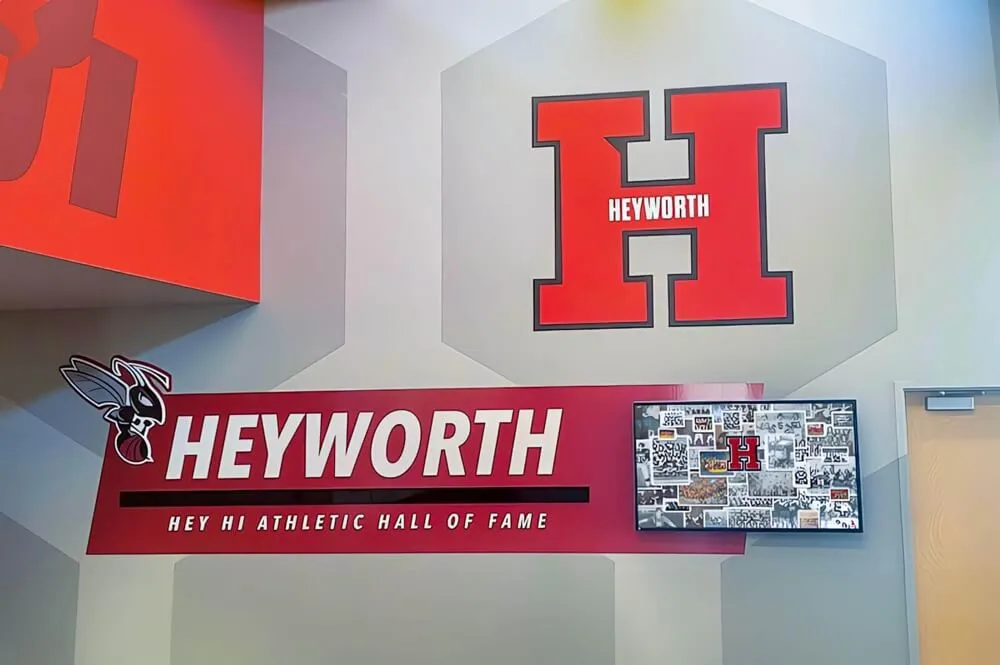
Modern digital recognition technology transforms signing day showcases from static vinyl boards listing recent names into comprehensive interactive archives celebrating decades of program excellence. With solutions like Rocket, not only can you display and showcase your new college signings for the 25-26 school year but you can archive and display every prior year as well to show the true legacy of your school. Plus, with Rocket’s flexibility—bringing this folder of content to the forefront is a breeze. Edits can be made in real time so this can adapt and change throughout the school year with multiple template and layout options for the home pages and beyond.
College athletic commitments represent culminations of years of dedication, training, sacrifice, and perseverance. When schools recognize these achievements comprehensively through sophisticated digital platforms, they communicate that athletic excellence matters and deserves lasting celebration that extends far beyond brief signing day ceremonies. This recognition creates visible demonstration that hard work leads to success worthy of permanent institutional honor.
For programs committed to excellence, signing day showcases become strategic tools that enhance recruiting, strengthen culture, engage stakeholders, and document institutional legacy. The question facing athletic directors is not whether signing day recognition matters—clearly it does—but whether your current approach maximizes this recognition opportunity through comprehensive, accessible, engaging presentation that serves your program optimally.
Ready to transform your college signing day recognition from limited static displays into comprehensive digital showcases that honor every athlete while building lasting program pride? Book a Digital Record Board demo to explore how modern recognition platforms create the flexibility and archival capacity your program deserves.