



Basketball programs at every level—from youth organizations to collegiate athletics—depend on philanthropic support to build championship-caliber facilities, fund scholarships, support coaching excellence, and create memorable player experiences. The Naismith Basketball Hall of Fame represents the pinnacle of basketball recognition, and its approach to donor acknowledgment provides valuable lessons for programs seeking to honor their own supporters effectively while inspiring continued and increased philanthropy.
Understanding how basketball’s most prestigious institution recognizes its benefactors offers insights that smaller programs can adapt to their own contexts. Whether your organization operates a youth basketball league, manages a high school program, directs collegiate athletics, or supports community basketball initiatives, implementing thoughtful donor recognition strategies modeled after hall of fame standards strengthens relationships with supporters while building sustainable funding foundations for long-term program success.
Why Naismith-Style Donor Recognition Matters for Basketball Programs
The Naismith Memorial Basketball Hall of Fame demonstrates that world-class donor recognition combines visible appreciation with meaningful engagement opportunities. Basketball programs implementing comprehensive donor recognition discover measurable benefits including increased annual giving participation rates, larger major gift commitments from existing supporters, expanded donor base as recognition inspires new contributors, improved donor retention year-over-year, and enhanced program reputation attracting sponsorships and partnerships. Modern digital recognition solutions like Rocket Alumni Solutions enable programs of all sizes to implement sophisticated donor displays previously available only to major institutions, democratizing access to professional-grade recognition technology.
The Naismith Memorial Basketball Hall of Fame Donor Recognition Model
The Basketball Hall of Fame launched an ambitious capital campaign titled “It’s Time to Step Forward” in 2015 to support museum renovations and strengthen its endowment. This campaign successfully raised over $30 million from the national basketball community, individual donors, and regional organizations, demonstrating the power of connecting basketball heritage with philanthropic opportunities.
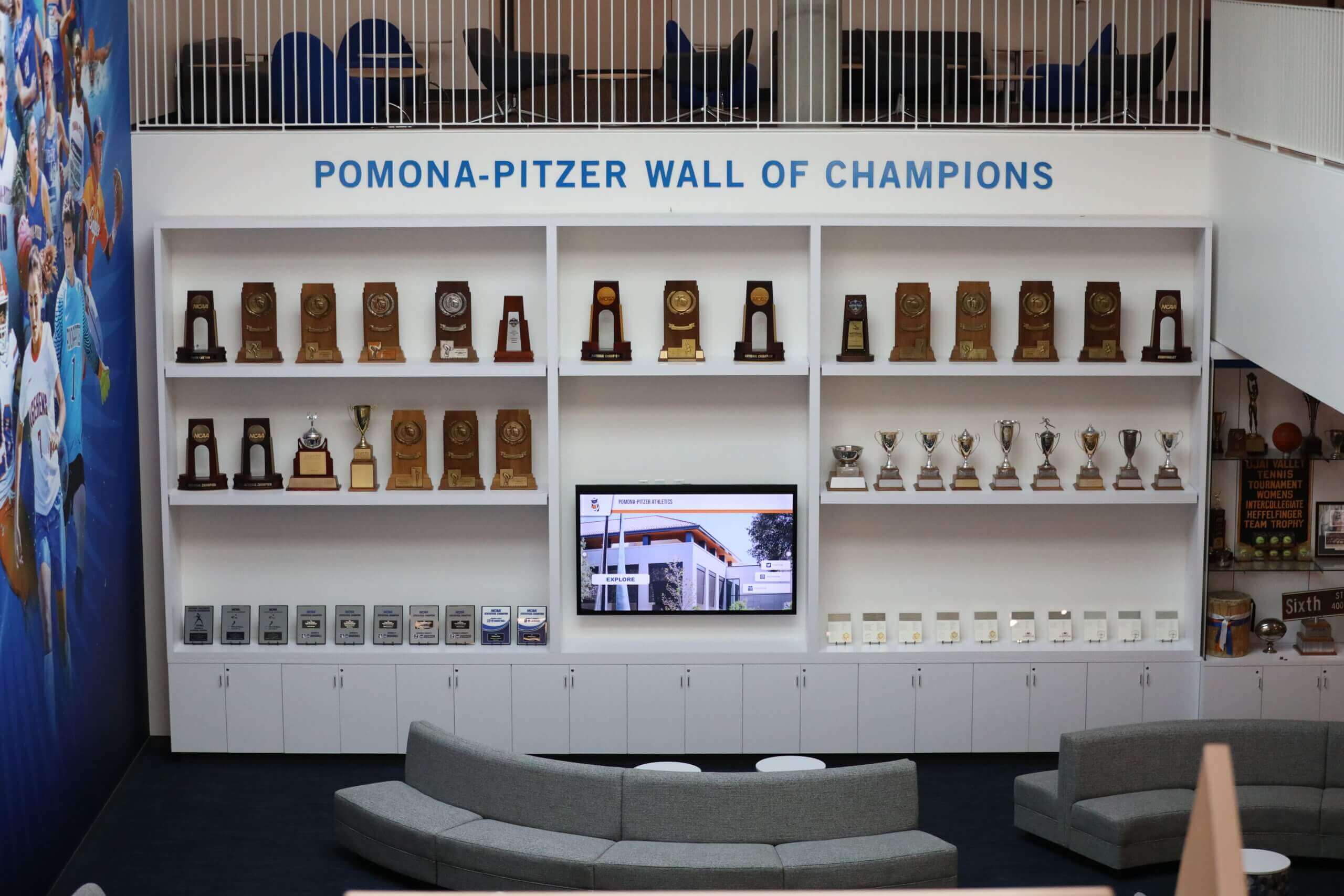
Ambassadors of the Game Program
The Hall’s premier philanthropic opportunity, the Ambassadors of the Game Program, offers coaches, players, and families various ways to pay tribute to those who impacted their basketball journeys. This recognition tier provides exclusive benefits connecting donors directly with basketball history while honoring their contributions publicly. The program demonstrates how basketball-specific recognition creates emotional connections that generic donor categories cannot match.
Phase One Renovations and Recognition Integration
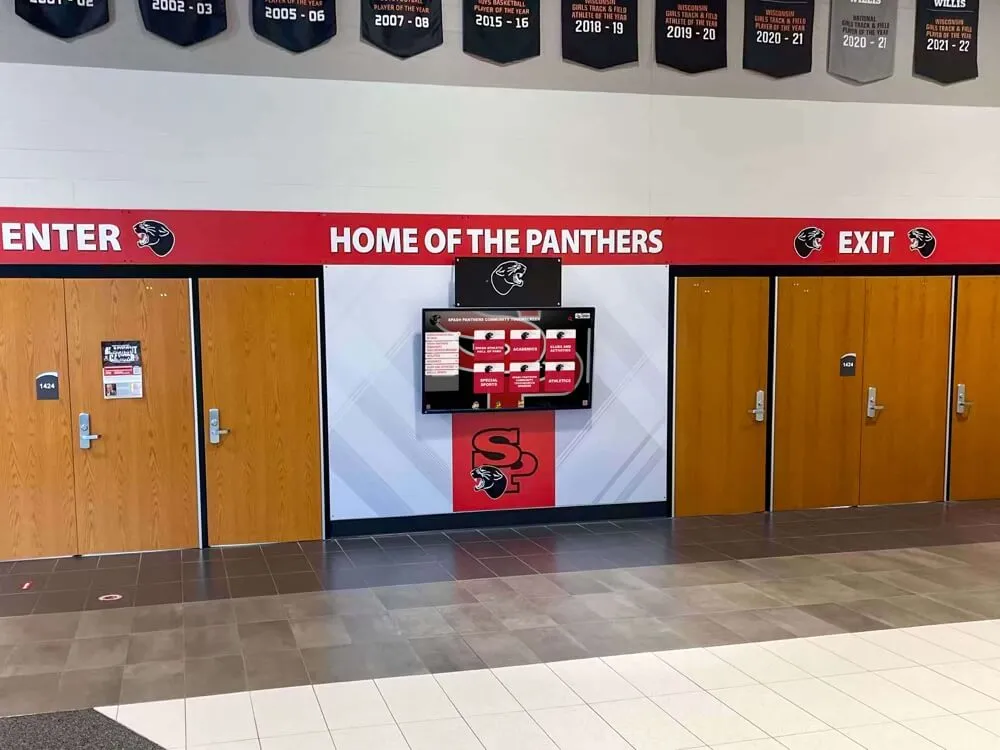
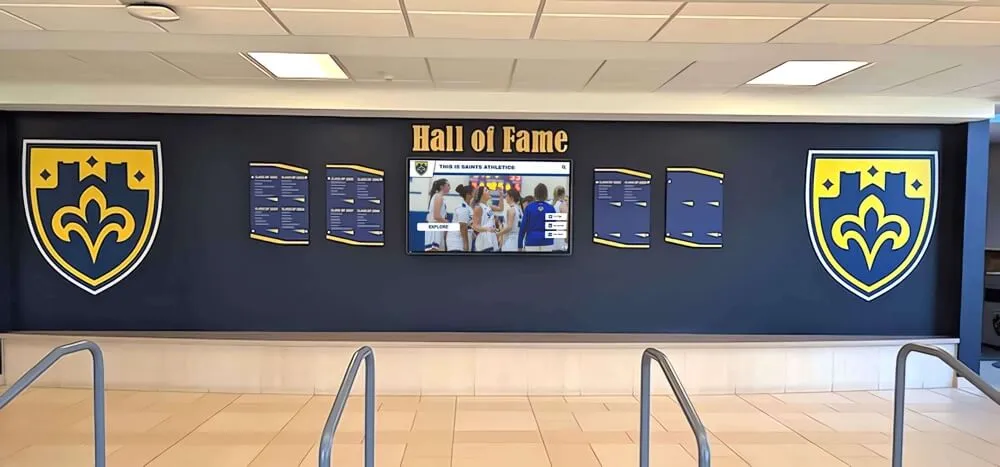
The Hall’s Phase One renovations revealed in their capital campaign included a donor recognition wall with interactive kiosk, demonstrating modern best practices by combining traditional donor wall permanence with digital interactivity. This hybrid approach ensures donors receive enduring recognition while enabling dynamic content that traditional plaques alone cannot provide. The renovation also featured the Tip-Off Pavilion Lobby, NIKE Theater, and Players Locker Room, integrating donor recognition throughout visitor experiences rather than isolating it to a single location.
Strategic Campaign Structure
The Hall’s fundraising success derived from clear case statements connecting donations to specific improvements visitors would experience. By articulating precisely how contributions would enhance the museum and solidify long-term financial stability, the campaign gave potential donors concrete understanding of their impact. Basketball programs at all levels benefit from this specificity—donors respond more generously when they understand exactly what their support enables.
Understanding Donor Recognition Psychology in Basketball Contexts
Effective donor recognition leverages psychological principles that motivate continued and increased giving. Basketball programs that understand these dynamics create recognition systems that don’t merely acknowledge past contributions but actively inspire future philanthropy.
Emotional Connection to Basketball Heritage
Basketball donors typically possess deep emotional connections to the sport stemming from their playing experiences, coaching involvement, family participation, or community identity. Recognition that honors these personal basketball stories creates more powerful responses than generic acknowledgment. When donors see their names displayed alongside basketball achievement recognition or program history, the connection reinforces their identity as part of something larger than individual contribution—they’re contributing to basketball tradition itself.
Public vs. Private Recognition Preferences
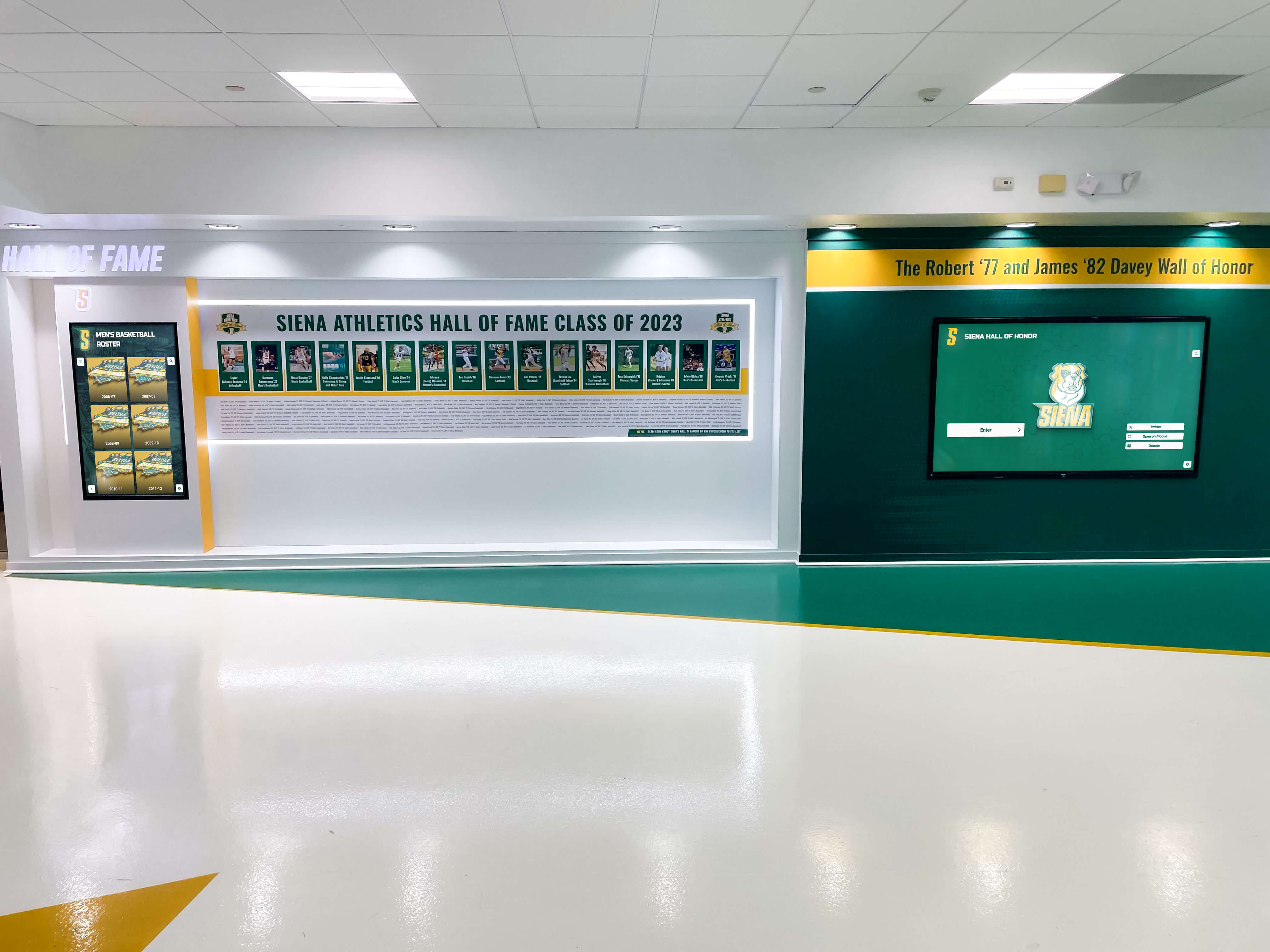
While some major donors prefer quiet anonymity, research consistently shows most supporters appreciate public acknowledgment. The key lies in offering recognition options that respect different comfort levels. Multi-tiered systems can include prominent public displays for those desiring visibility, modest acknowledgment for those preferring subtlety, and complete anonymity for those requesting it. Providing choice demonstrates respect while maximizing recognition’s motivational impact for those who value it.
Social Proof and Giving Motivation
When prospective donors see extensive recognition displays featuring many supporters at various giving levels, it creates powerful social proof that giving to this program represents normal, valued behavior. Comprehensive donor recognition displays showing hundreds of supporters signal that contributing to basketball excellence is what community members do—a much more powerful message than sparse displays suggesting only exceptional individuals give.
Aspirational Giving Levels
Tiered recognition systems create aspirational motivation. When donors see recognition levels above their current giving, many naturally consider what increasing their contribution might enable. Digital platforms make tiered approaches particularly practical by accommodating different content depths for various recognition levels—major donors receive comprehensive profiles while all contributors receive appropriate professional acknowledgment. This scalability ensures every donor feels valued while major benefactors receive distinction their support deserves.
Best Practices for Basketball Program Donor Recognition
Successful basketball donor recognition programs share common characteristics that maximize both appreciation and ongoing motivation for continued support.
Start with Clear Recognition Tiers
Establish giving levels with meaningful names connected to basketball tradition. Rather than generic bronze/silver/gold designations, consider basketball-specific categories such as Championship Circle for top donors, All-Star Society for major gifts, Starting Five Level for substantial contributions, Sixth Player Society recognizing consistent supporters, and Team Bench Level acknowledging all donors regardless of amount. Basketball terminology creates immediate emotional resonance that generic categories lack.
Each tier should offer distinct benefits and recognition elements proportional to contribution levels. Major donors might receive named facility elements, prominent display placement, event access, and decision-making input, while all donors receive acknowledgment demonstrating that every contribution matters to program success.
Integrate Donor Recognition with Achievement Displays
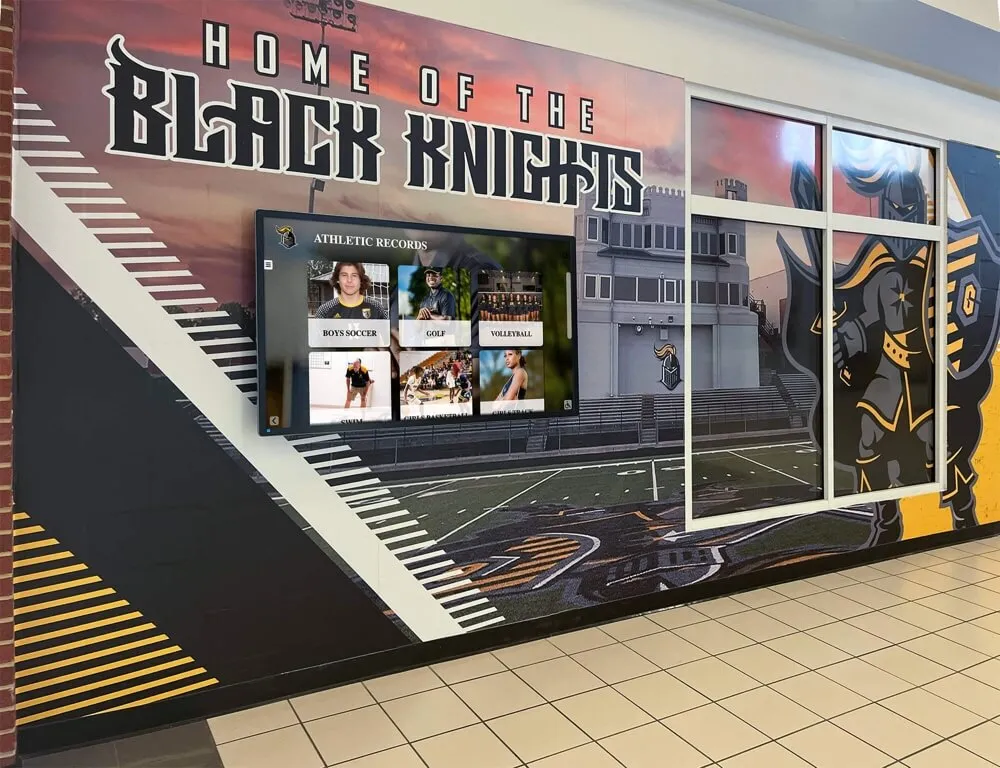
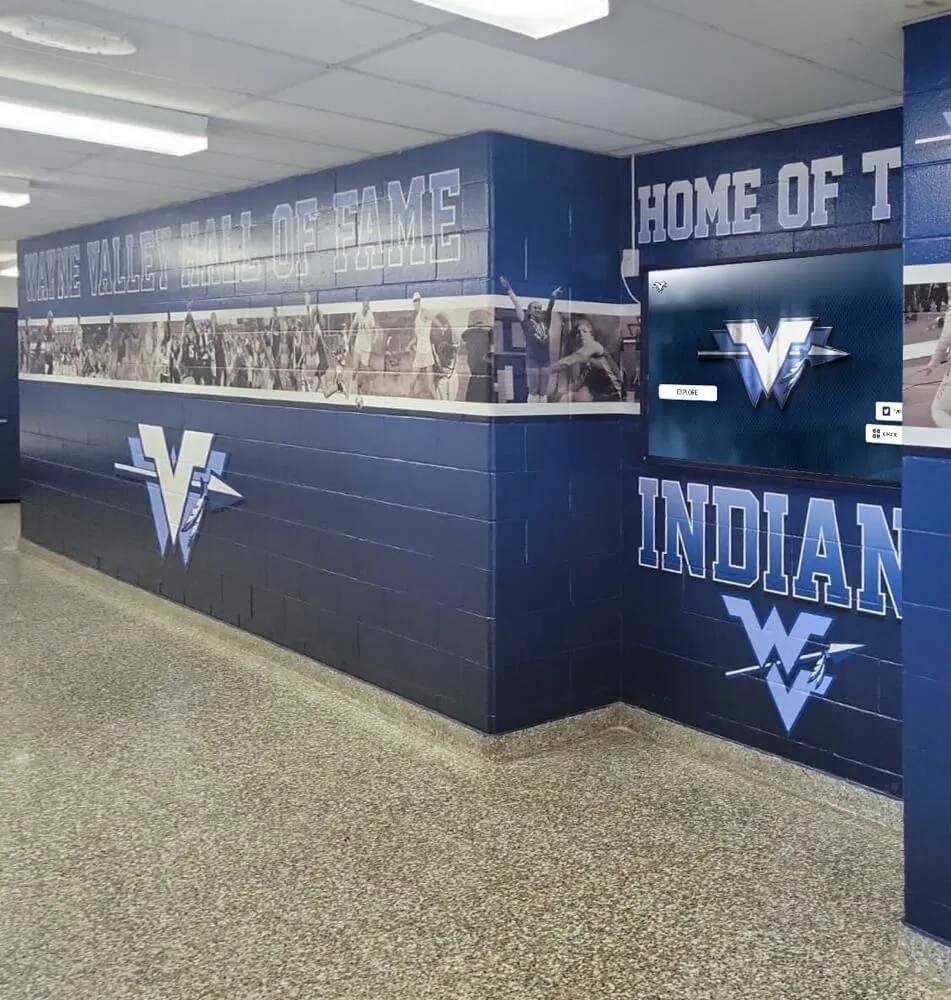
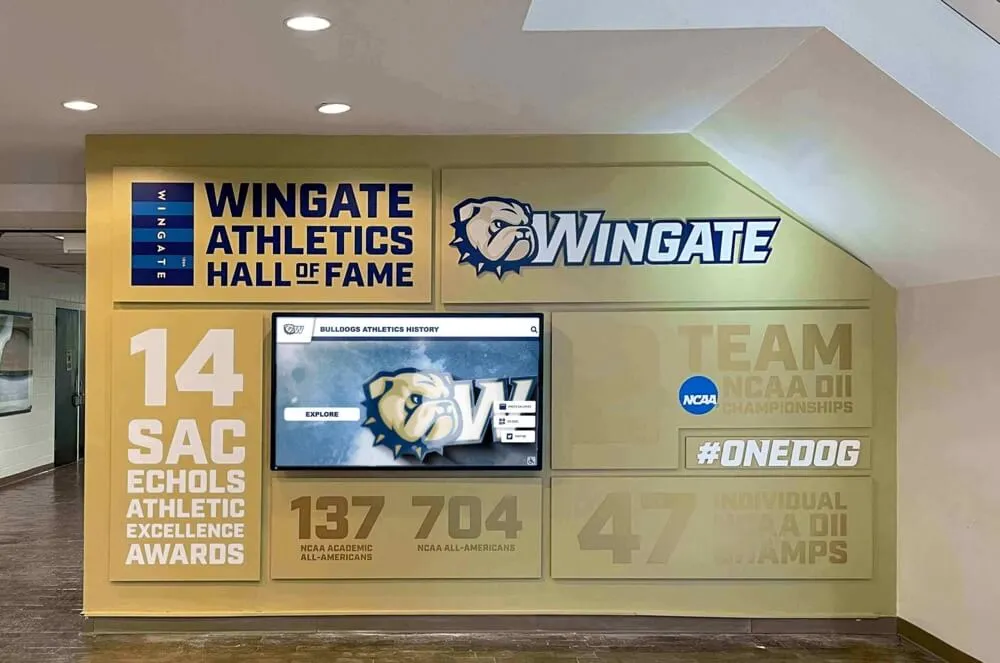
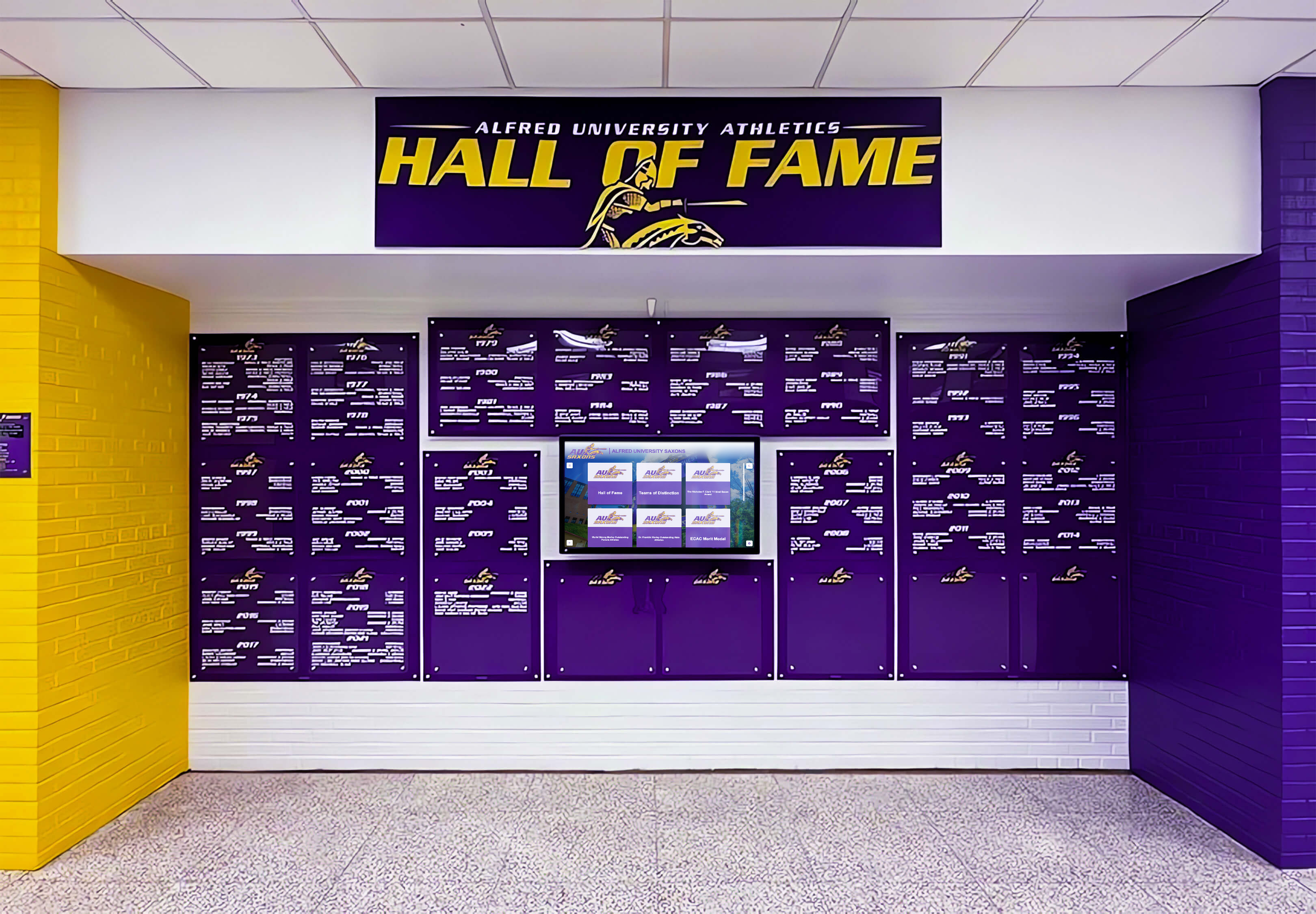
Rather than isolating donor recognition from athletic achievement displays, integrate them to demonstrate that donor support directly enables the championships, player development, and program excellence being celebrated. When visitors see donor names displayed near team achievements or individual records, the connection between philanthropy and competitive success becomes visually apparent. This integration communicates that supporters don’t merely contribute money—they build championships and transform athletes’ lives.
Schools implementing academic recognition programs alongside athletic displays can similarly integrate donor acknowledgment across multiple program areas, demonstrating comprehensive institutional impact.
Provide Multiple Recognition Touchpoints
Strategic programs recognize donors in multiple locations and contexts rather than limiting acknowledgment to single displays. Recognition touchpoints include entrance lobby displays welcoming visitors, locker room acknowledgment inspiring athletes, court-side or arena recognition during events, program materials and game tickets, social media and digital communications, and annual reports distributed widely. Multiple touchpoints increase visibility while reinforcing that donor support permeates all program aspects.
Tell Donor Stories, Not Just Names
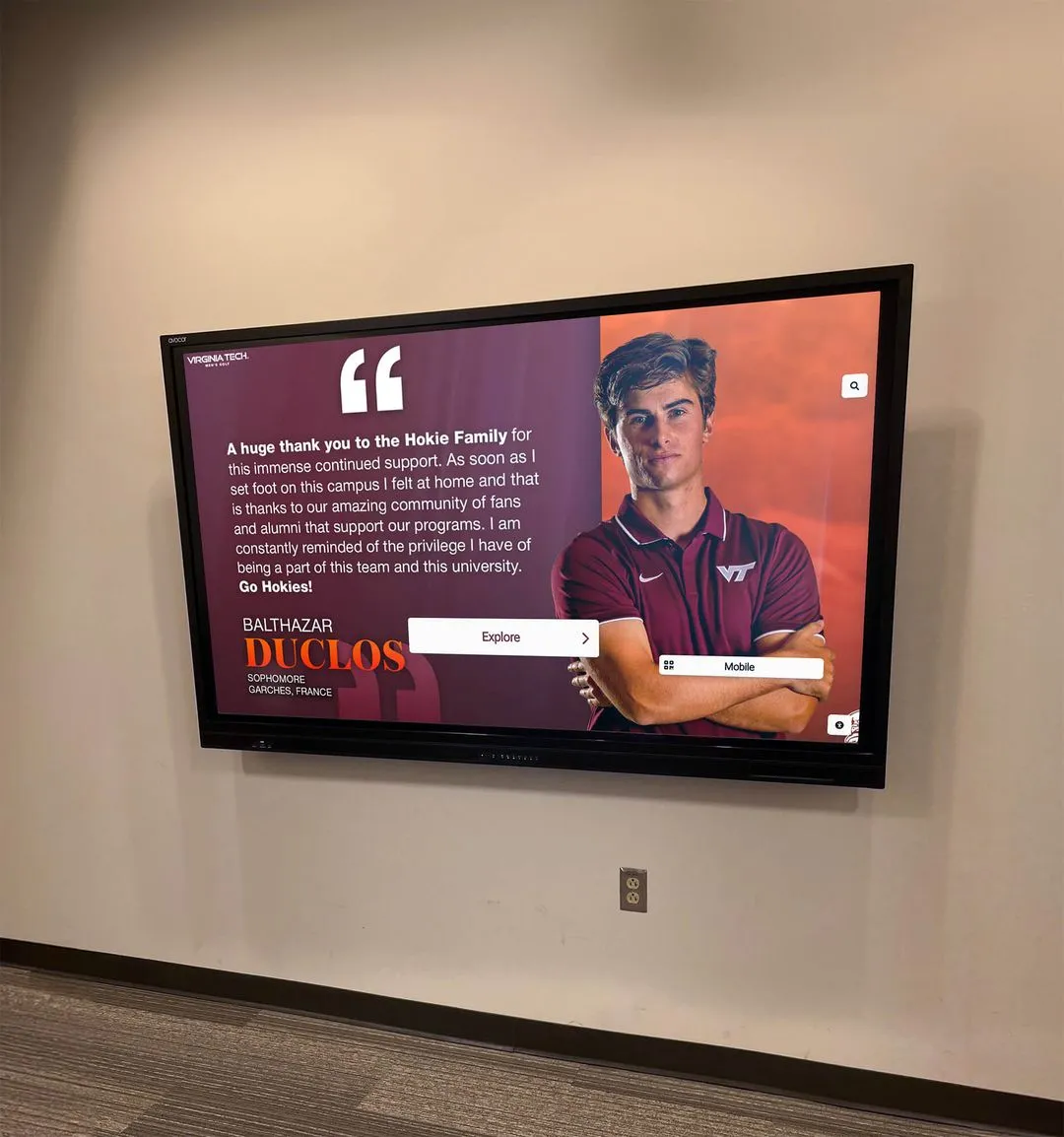
Moving beyond simple name listings to share donor stories creates more meaningful recognition. Brief profiles explaining why supporters give, their basketball connections, and what motivates their philanthropy humanizes donors while potentially inspiring others with similar backgrounds. With donor permission, these narratives transform recognition walls from lists into compelling storytelling that engages visitors while honoring contributors comprehensively.
Digital platforms excel at donor storytelling by accommodating video interviews, photo galleries, and detailed narratives that physical plaques cannot match. Solutions like Rocket Alumni Solutions enable programs to create rich multimedia donor profiles that bring recognition to life while remaining easily updatable as donor relationships deepen.
Update Recognition Regularly and Systematically
Nothing deflates donor motivation faster than recognition displays featuring years-old information suggesting the program no longer values contribution tracking. Establish systematic processes for adding new donors immediately upon gift completion, updating giving levels when donors increase support, correcting errors or outdated information promptly, and refreshing displays periodically to maintain professional appearance.
Cloud-based digital recognition systems enable instant updates from any location without physical plaque ordering or installation delays, ensuring recognition remains current and accurate. The advantages of digital donor wall solutions include this maintenance efficiency alongside visual impact.
Traditional vs. Digital Donor Recognition for Basketball Programs
Basketball programs planning donor recognition must decide between traditional physical approaches, digital systems, or hybrid models combining both. Each option offers distinct advantages depending on program needs, budgets, and objectives.
Traditional Physical Donor Walls
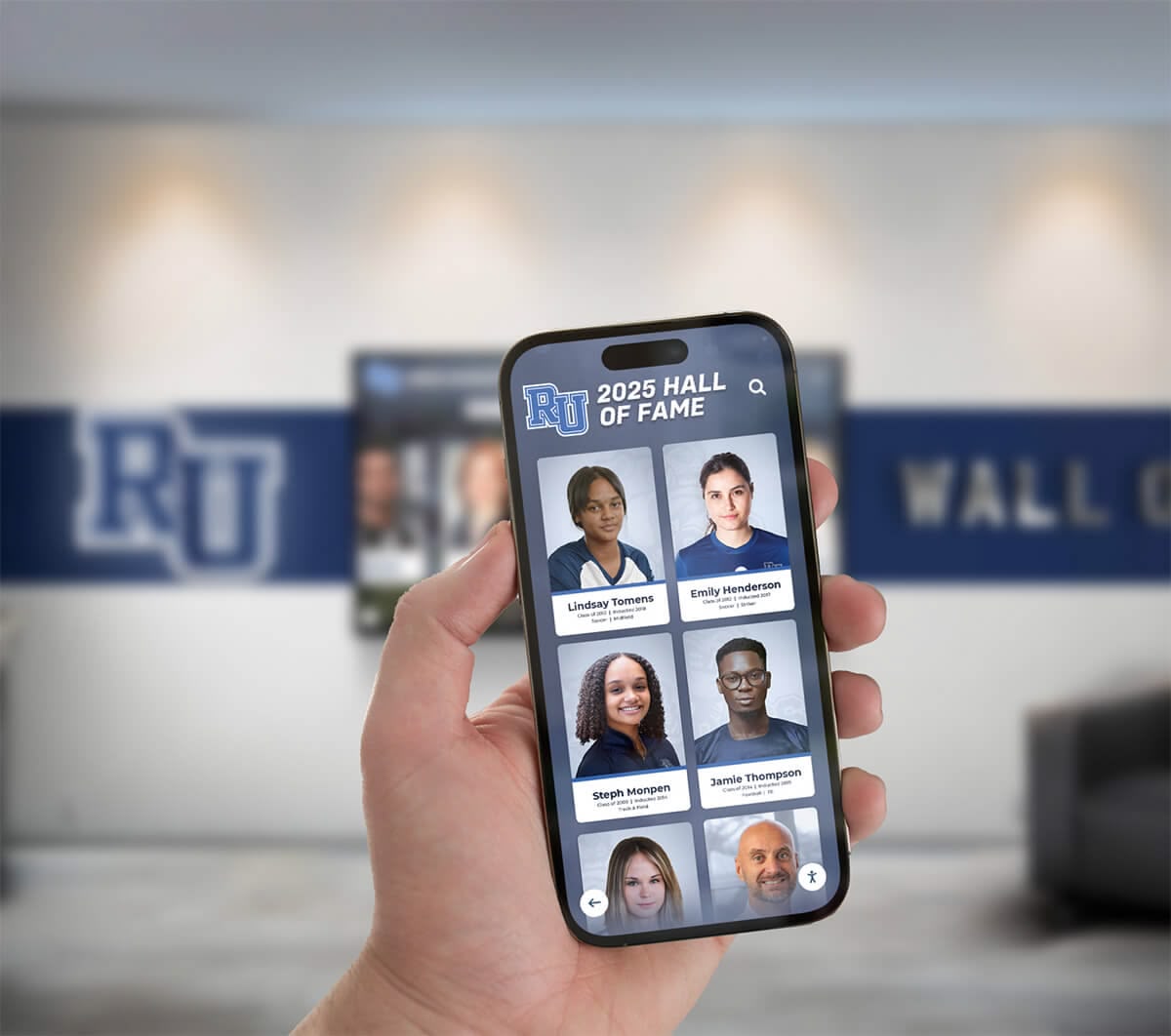
Traditional donor walls featuring engraved plaques, etched glass, or metal plates provide timeless elegance and permanence that many donors value. The tangible, physical nature creates gravitas and formality appropriate for major institutional recognition. Traditional approaches work well when donor bases remain relatively stable, space permits comprehensive display, budgets allow for periodic expansion, and programs value classic aesthetic continuity.
However, physical donor walls face inherent limitations including fixed capacity requiring difficult choices about recognition scope, high costs for additions and updates, inflexibility once installed, and static presentation preventing storytelling depth. Programs with growing donor bases or limited budgets for ongoing expansion often find traditional approaches increasingly constraining over time.
Digital Donor Recognition Displays
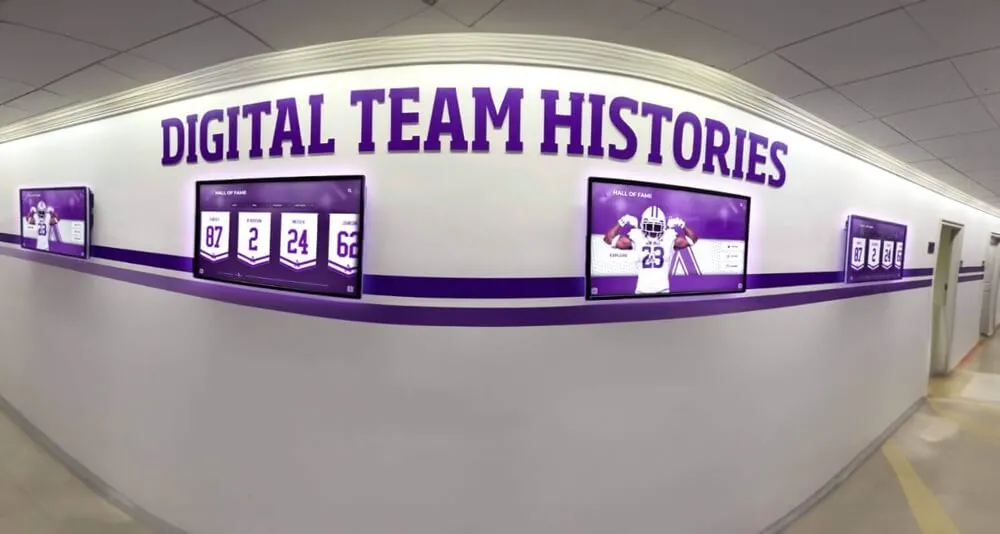
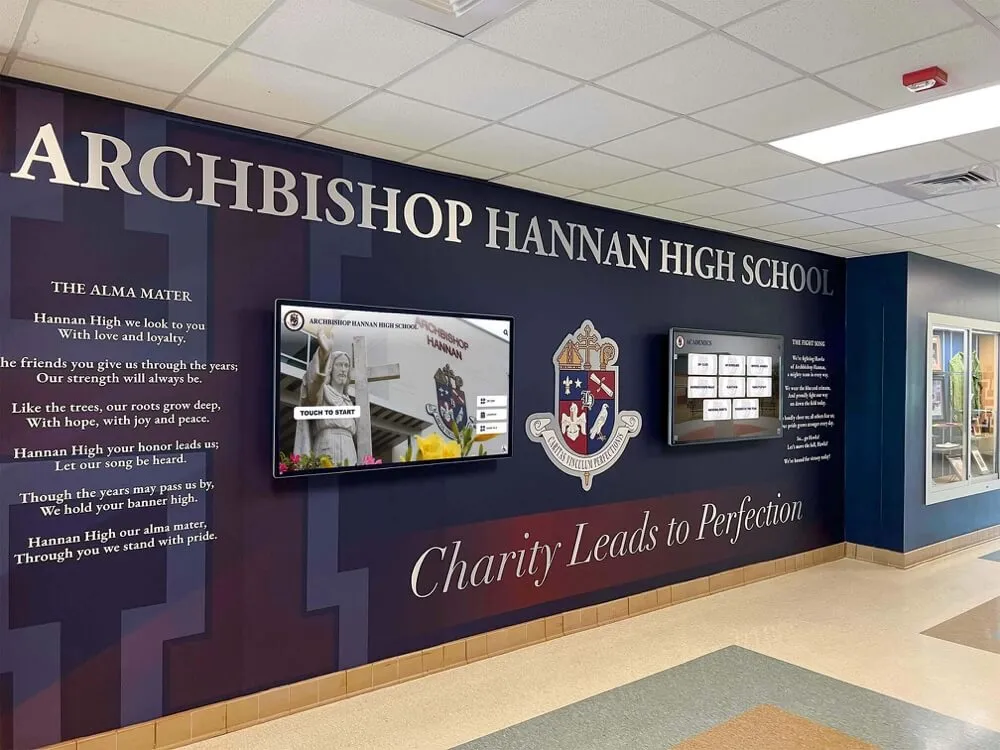
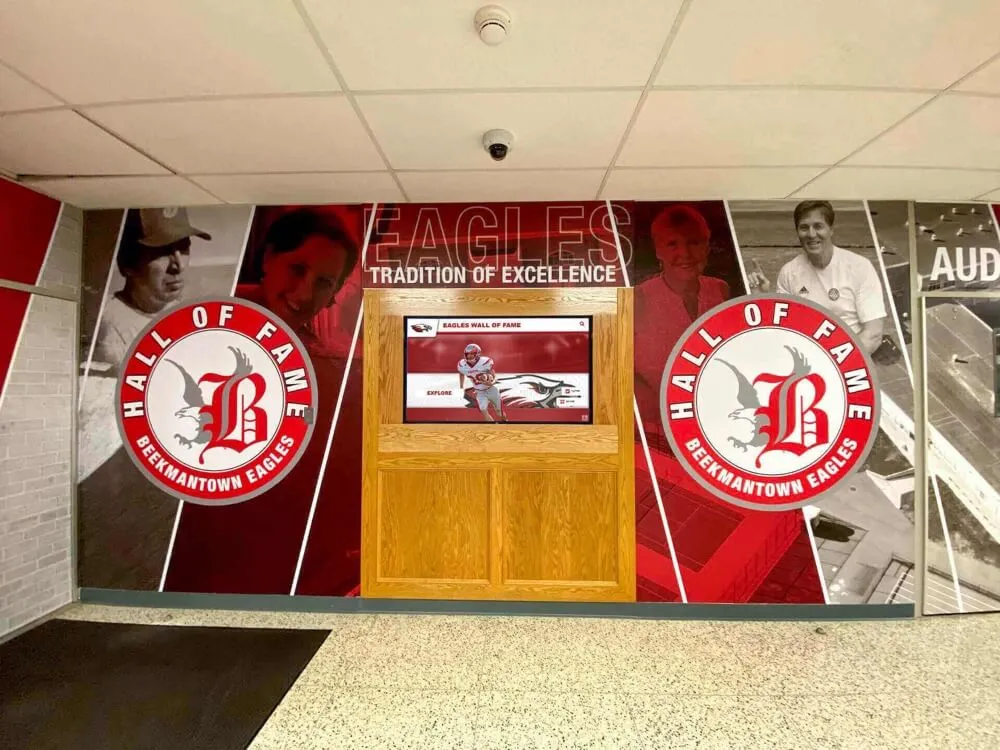
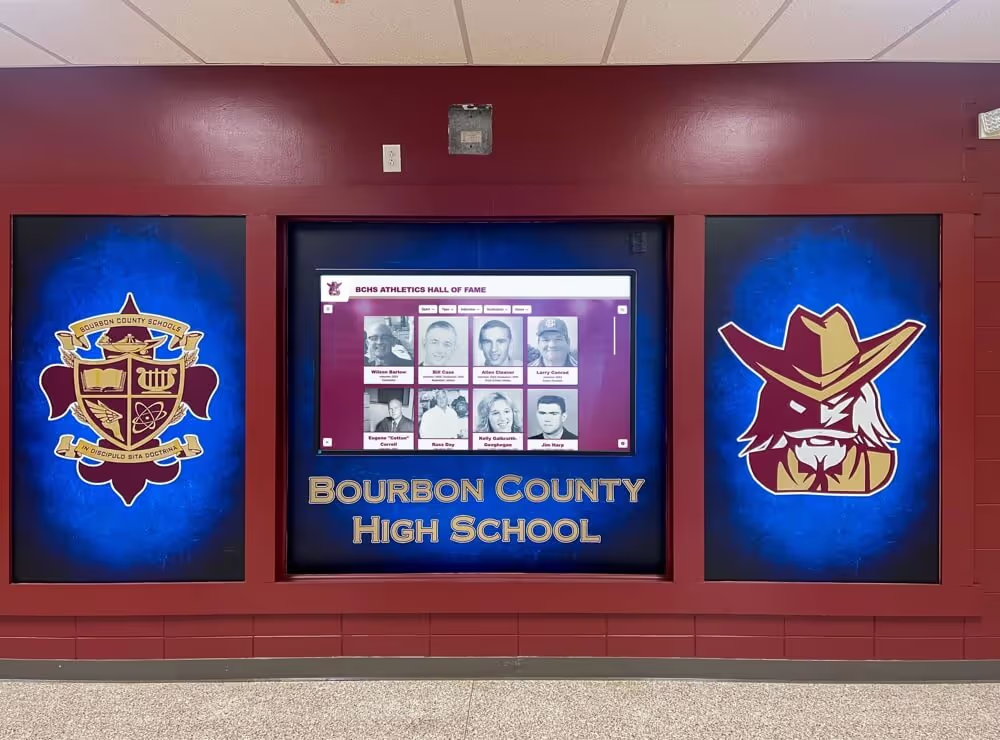
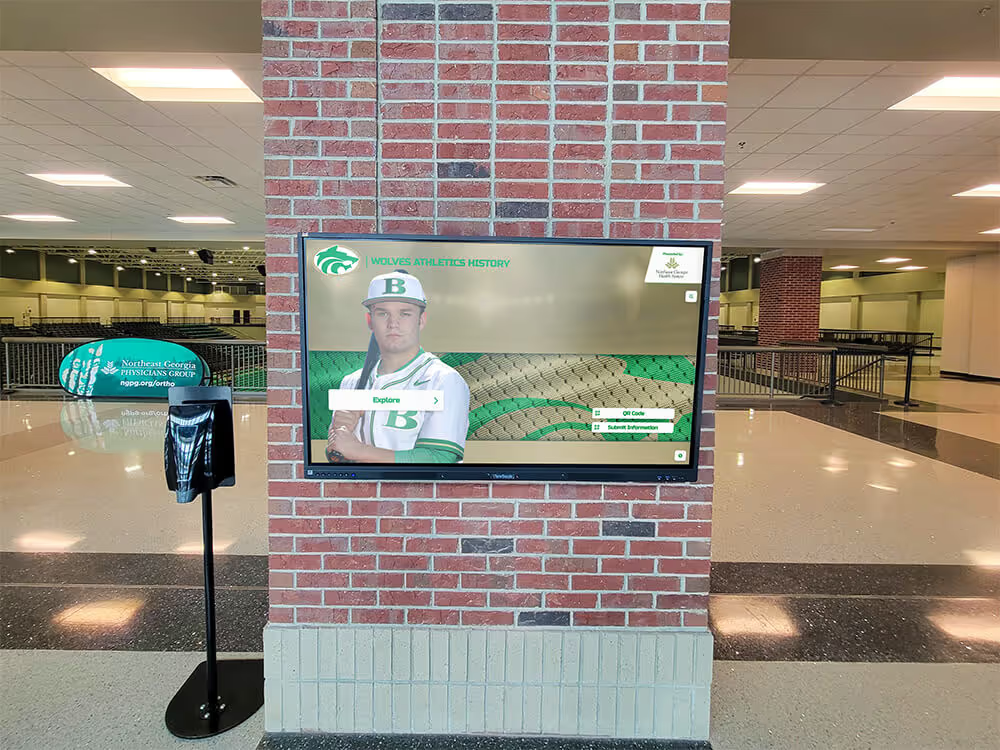
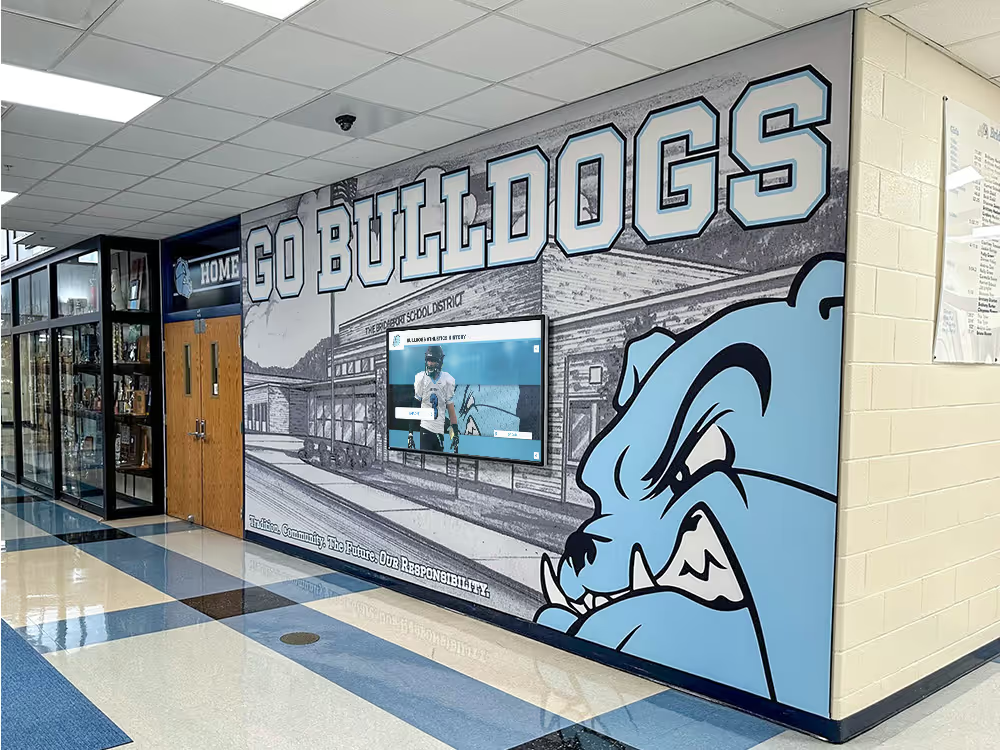
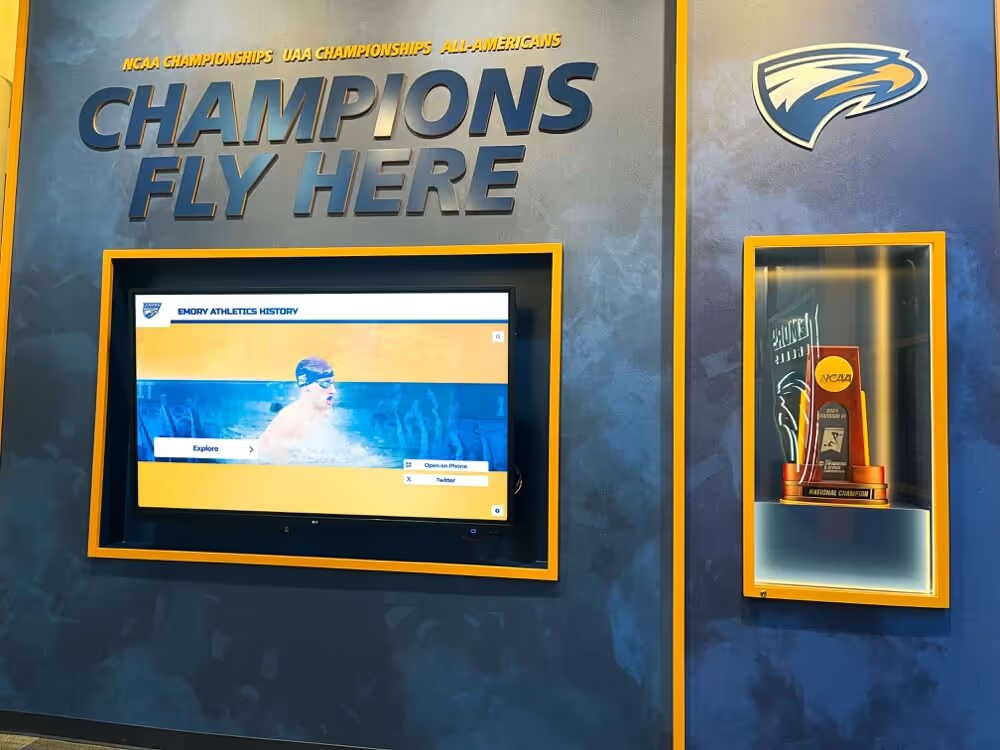
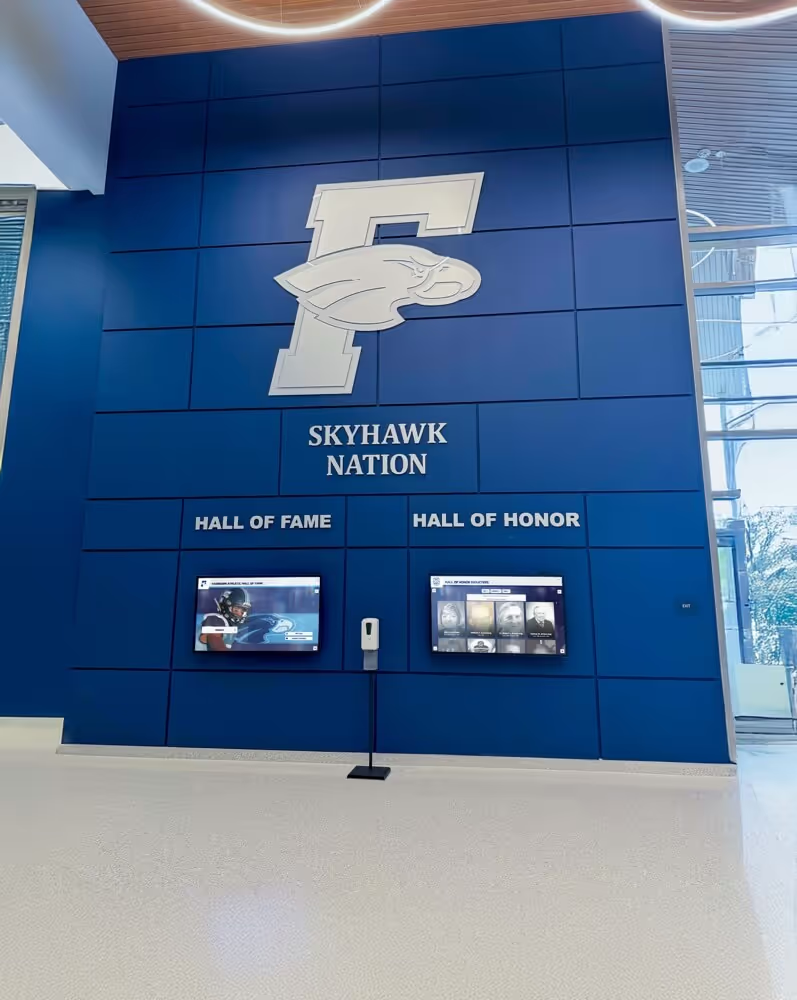
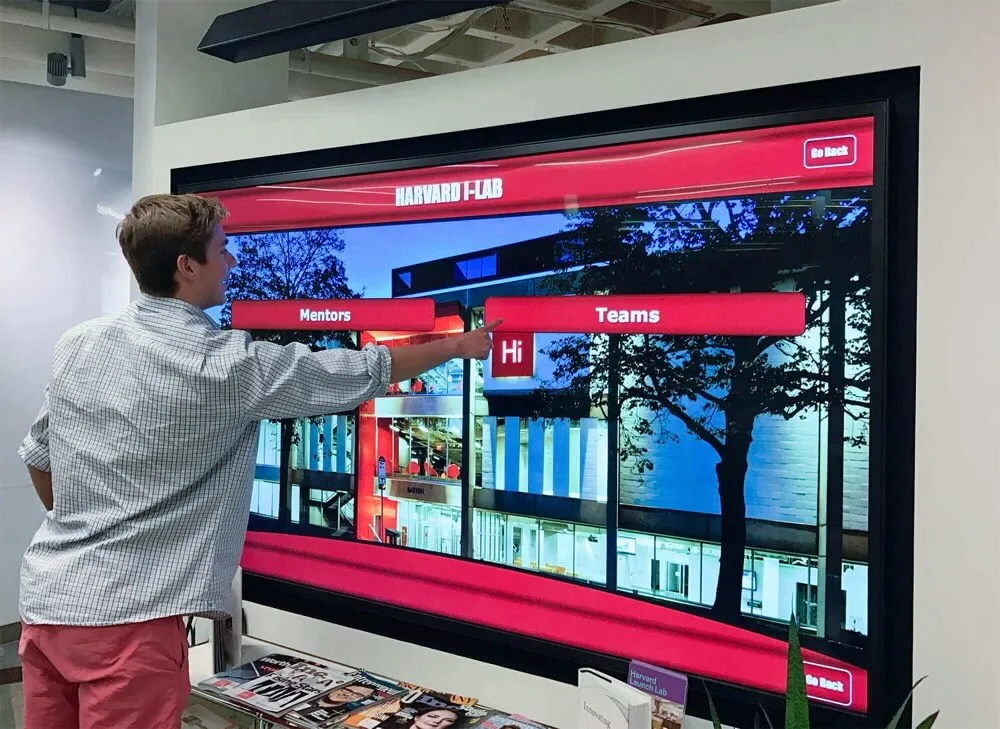
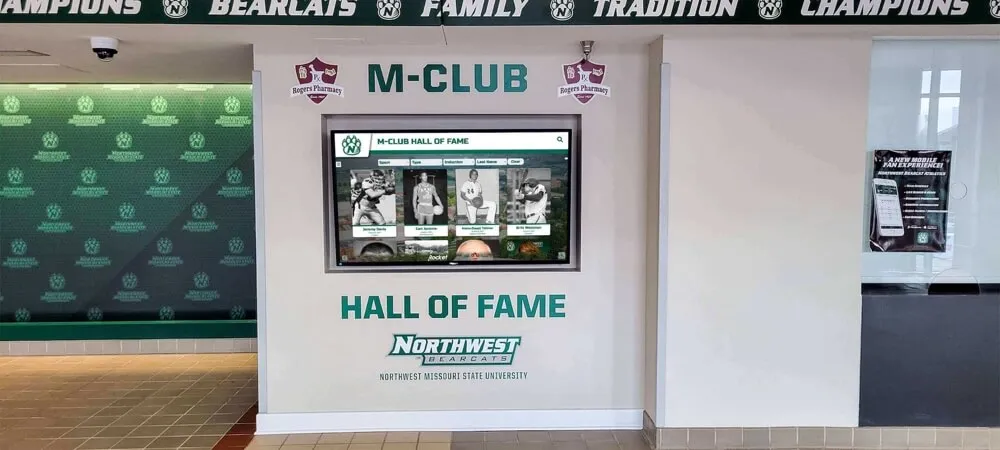
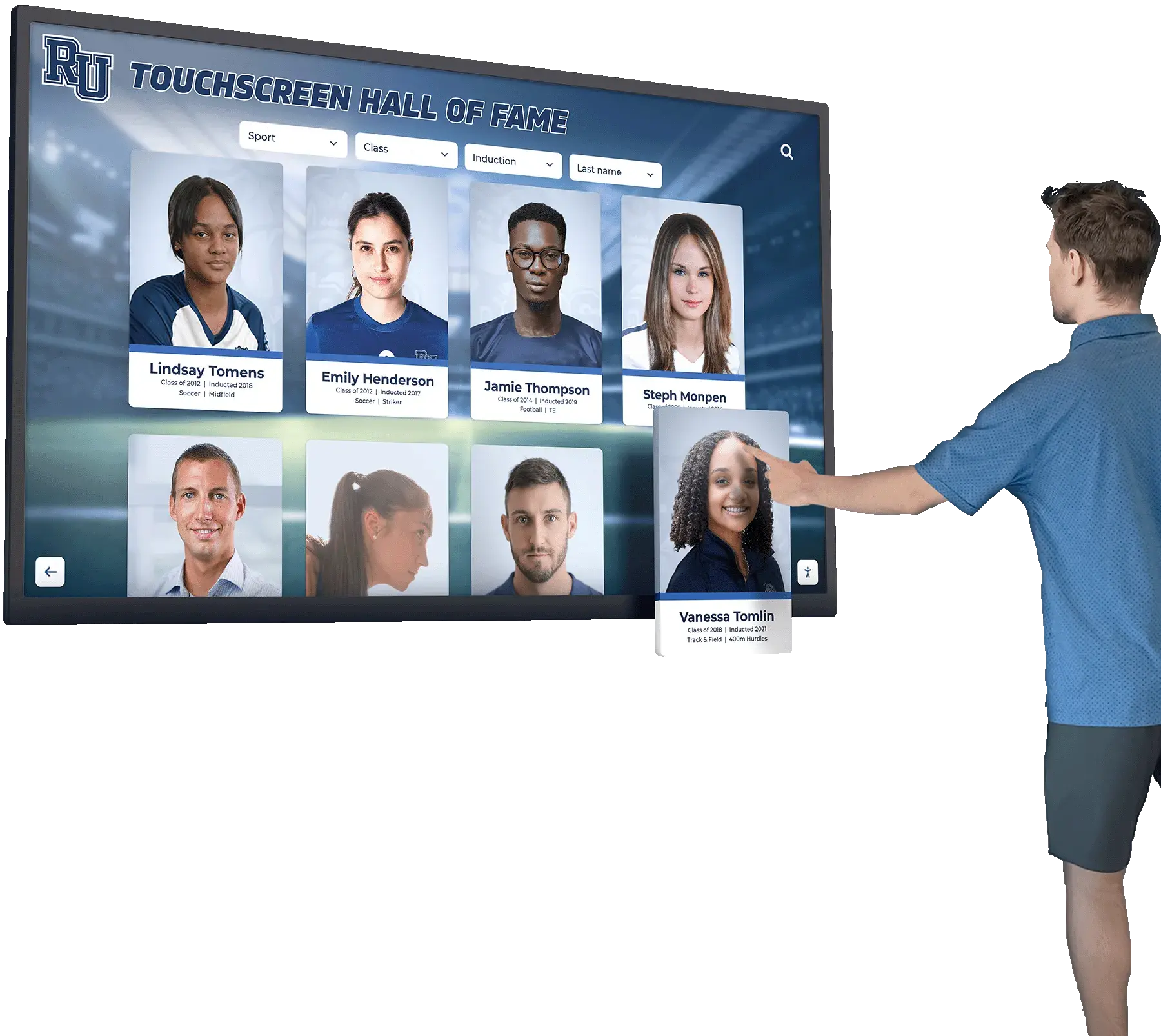
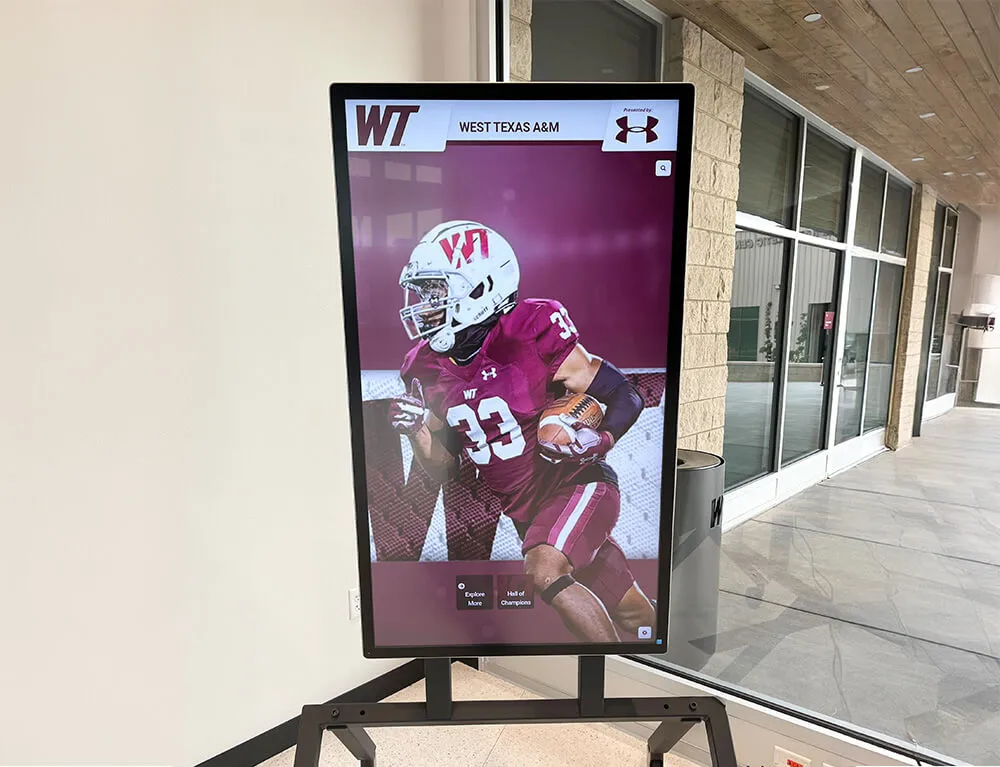
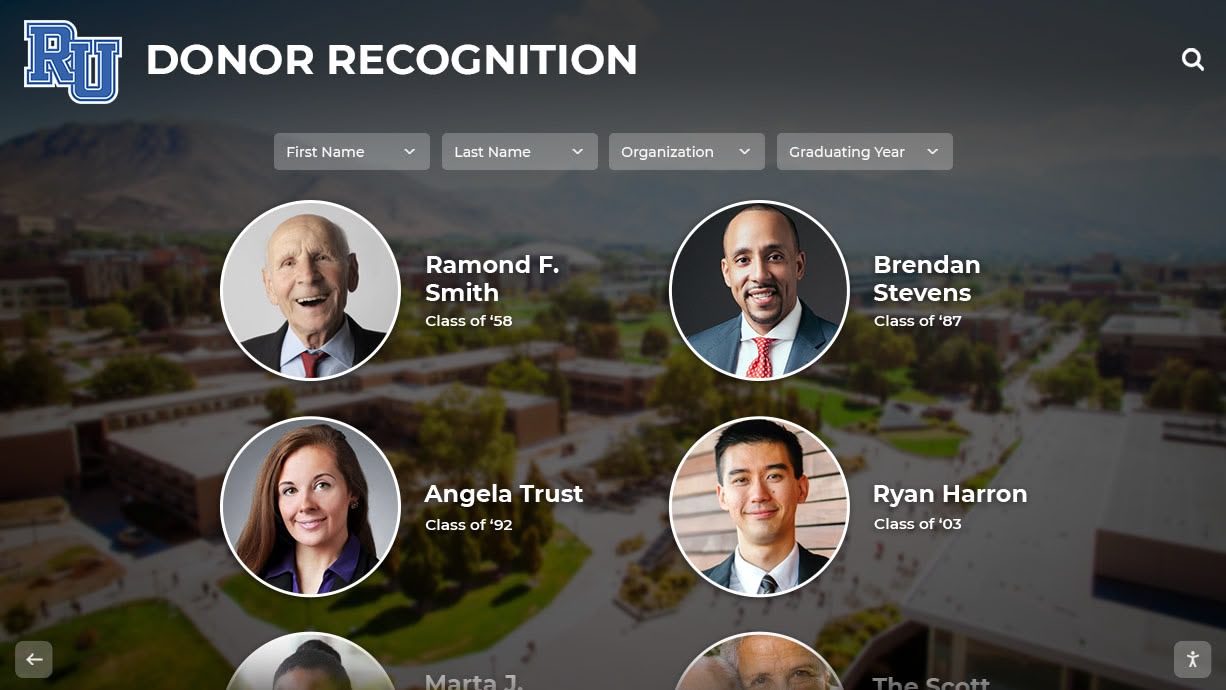
Digital recognition systems using touchscreen displays or web-based platforms provide virtually unlimited capacity for donor acknowledgment. A single display can showcase thousands of donors with searchable databases, multimedia profiles, and flexible organization impossible with physical plaques. Digital systems excel when donor bases grow continuously, programs want to share detailed donor stories, remote accessibility matters for geographically distributed supporters, and frequent updates are necessary.
Modern digital displays offer sophisticated features including real-time giving campaign progress visualization, donor search by name or giving level, video testimonials from supporters, integration with online giving platforms, and analytics tracking engagement and interaction. These capabilities transform donor recognition from passive display into active engagement tool.
The comprehensive guide to digital wall of honor transformations provides detailed comparison of traditional versus digital approaches across multiple evaluation criteria.
Hybrid Recognition Approaches
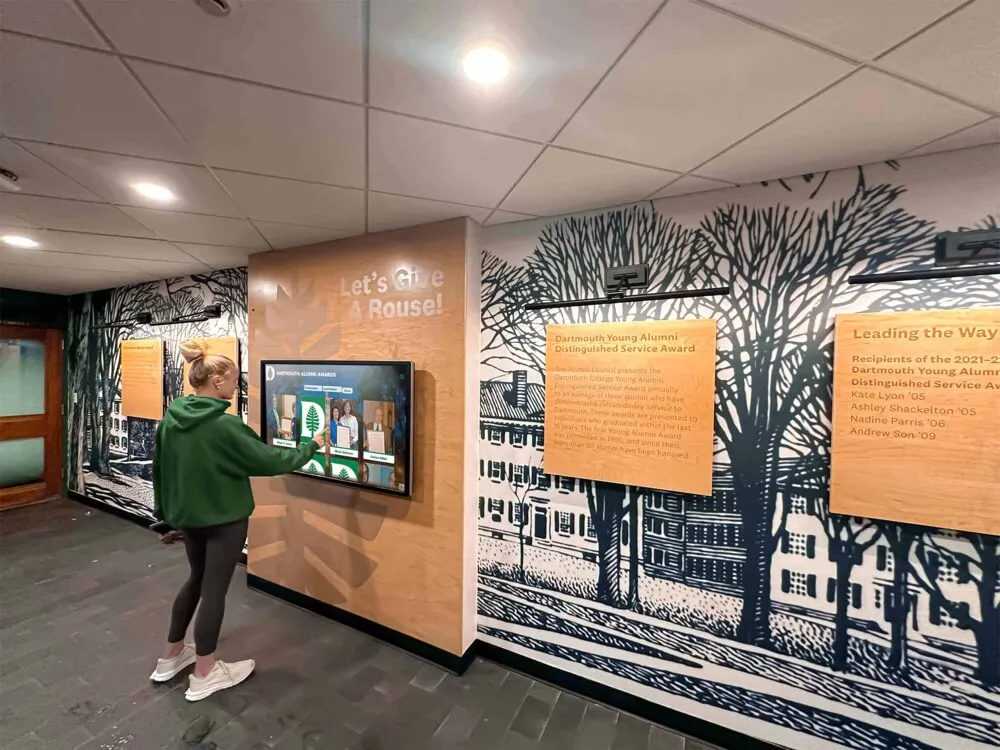
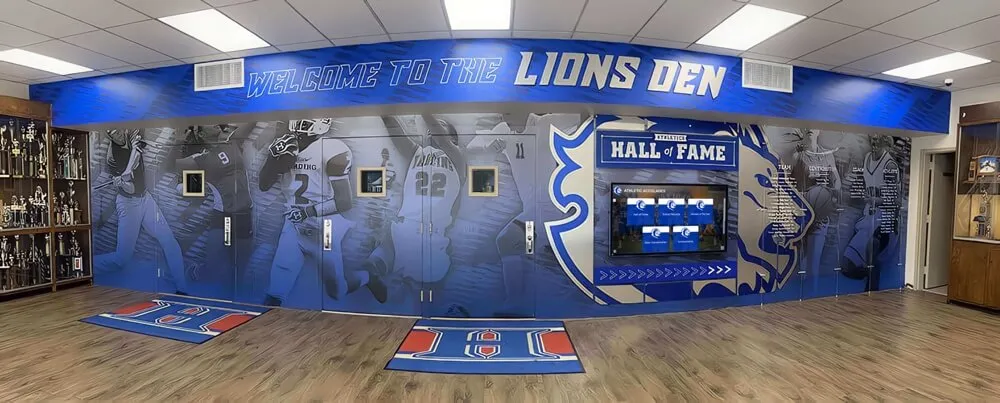
Many programs discover that combining traditional and digital recognition offers optimal results. Hybrid approaches might include prominent traditional plaques for top donor tiers, digital displays showcasing all supporters comprehensively, QR codes on physical plaques linking to digital profiles, and web-based recognition accessible anywhere worldwide. This combination honors tradition while embracing technology’s capabilities, satisfying different donor preferences while maximizing recognition flexibility.
Implementing Digital Donor Recognition for Basketball Programs
Programs choosing digital donor recognition benefit from systematic implementation approaches ensuring successful outcomes that honor supporters effectively while supporting fundraising objectives.
Assessment and Planning Phase
Begin by inventorying existing donor recognition including current physical displays and their condition, complete donor lists with giving levels and dates, recognition commitments made to donors, available display locations and dimensions, and budget parameters for recognition investment. This assessment provides baseline understanding of what exists and what needs addressing.
Define clear objectives for donor recognition including donor retention and motivation goals, fundraising growth targets, visibility and awareness objectives, and integration with overall advancement strategy. Clear objectives guide technology selection and implementation decisions to ensure recognition systems support fundraising success measurably.
Technology Selection
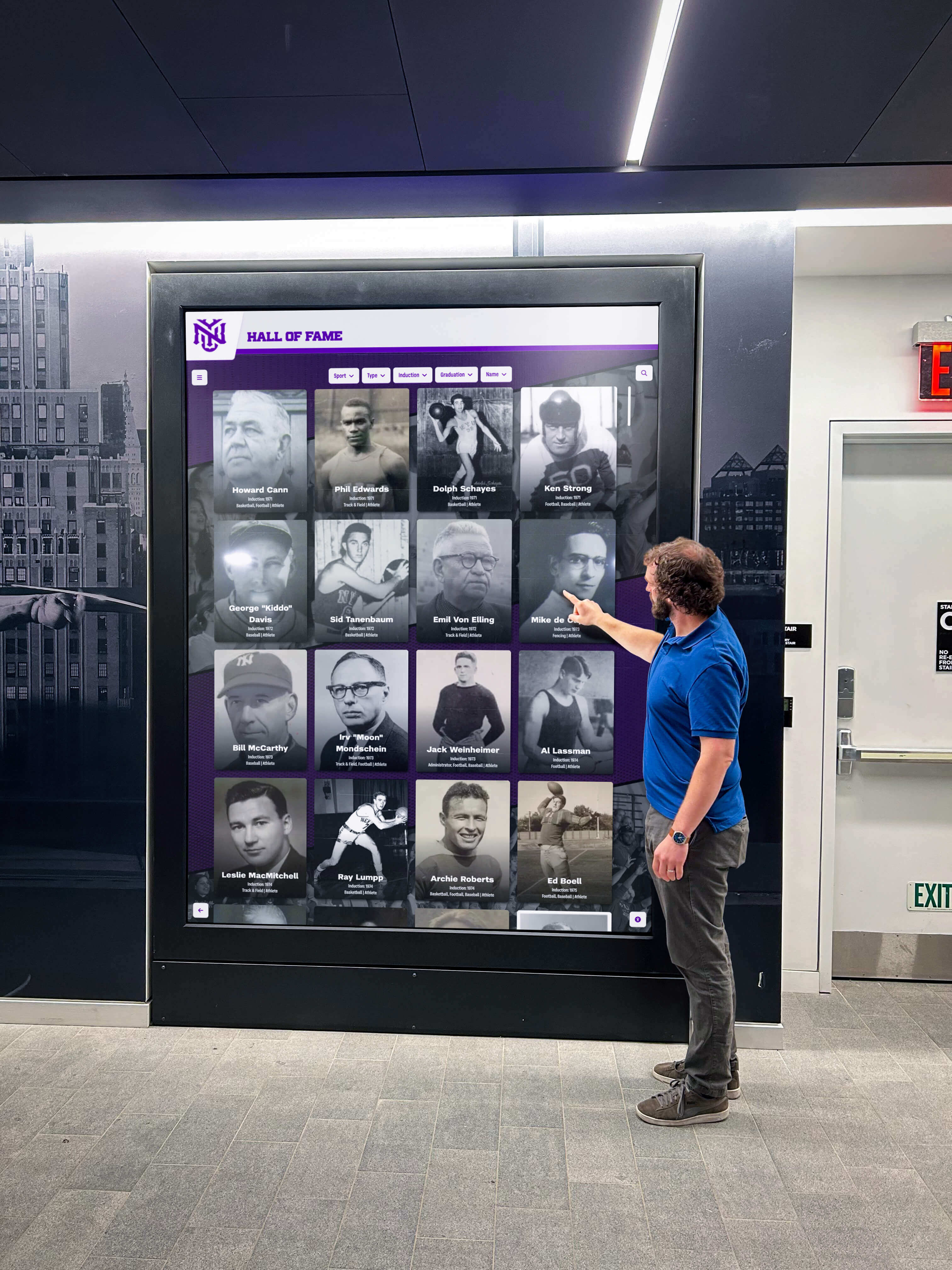
Evaluate digital recognition platforms based on capacity for current and projected donor volumes, content management system ease of use, design flexibility and branding options, search and filtering capabilities, multimedia support for photos and videos, accessibility from multiple devices and locations, analytics and engagement tracking, vendor support and training provided, and total cost including implementation and ongoing expenses.
Purpose-built donor recognition platforms offer advantages over generic digital signage by providing features specifically designed for donor acknowledgment including giving tier templates, campaign progress displays, and donor database integration. Touchscreen software solutions designed for recognition applications ensure functionality matches institutional needs.
Content Development
Compile comprehensive donor information including full names and preferred listing formats, giving levels and dates, brief biographical information if available, quotes or testimonials from willing donors, photos when appropriate and approved, and any naming rights or specific recognition commitments. Thorough content development ensures professional, accurate recognition that honors donors appropriately.
Establish data entry standards for consistency including name formatting conventions, date display preferences, giving level categorization, and biographical information parameters. Consistent formatting creates professional appearance across large donor databases while simplifying ongoing maintenance.
Display Installation and Launch
For physical digital displays, professional installation ensures proper mounting, electrical connection, network configuration, and optimal viewing angles. Display placement should prioritize high-traffic locations where donors, athletes, recruits, and visitors naturally congregate. Strategic placement maximizes recognition visibility and impact while demonstrating institutional commitment to honoring supporters prominently.
Plan formal recognition display unveilings as donor appreciation events. Launch celebrations provide opportunities for donors to see their recognition publicly, interact with leadership, and connect with fellow supporters. These events strengthen donor relationships while generating positive publicity and social proof that attracts additional contributors.
Ongoing Management and Enhancement
Assign clear responsibility for donor recognition maintenance including new donor additions, giving level updates, error corrections, content enhancements, and periodic display refreshes. Without designated ownership, recognition systems often become outdated, undermining their motivational purpose.
Regularly review analytics if available to understand which donors search for themselves, what giving levels receive most attention, and how long visitors engage with displays. These insights inform enhancement opportunities and demonstrate recognition value to institutional leadership.
Creative Donor Recognition Ideas for Basketball Programs
Beyond basic name listings, innovative basketball programs implement creative recognition strategies that deepen donor engagement while differentiating their approach from generic acknowledgment.
Championship Legacy Connections
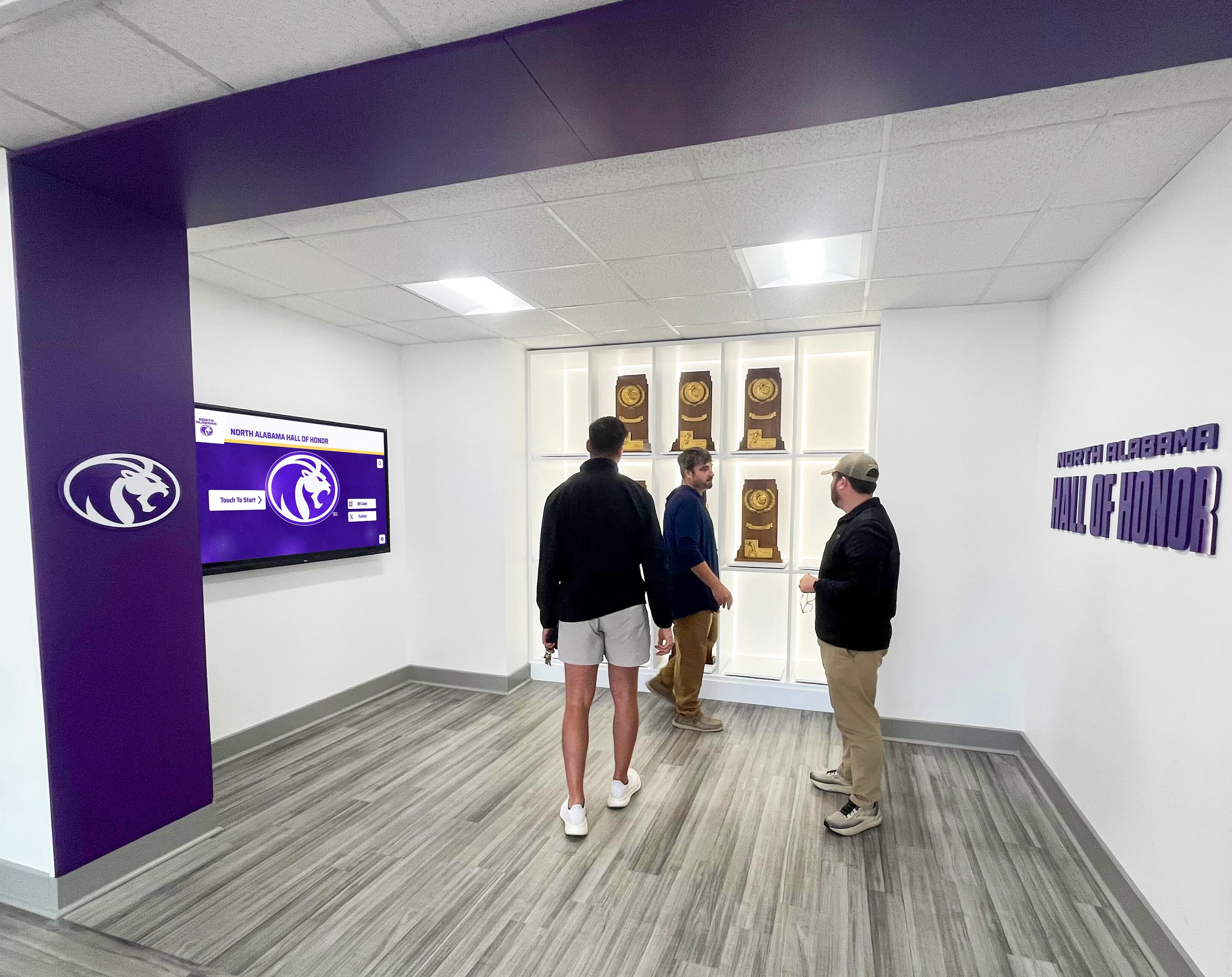
Connect major donors directly with specific championship achievements they helped enable. For example, recognize donors who funded facility improvements by displaying their names alongside teams that won championships in those enhanced facilities. This tangible connection demonstrates philanthropic impact while honoring both athletic achievement and donor contribution simultaneously.
Programs implementing state championship recognition displays can integrate donor acknowledgment showing how supporter contributions enabled championship-level competition and training.
Scholarship Donor-Recipient Connections
For scholarship donors, create recognition connecting benefactors with student-athletes receiving support. With appropriate permissions, display scholarship recipient photos, academic achievements, athletic accomplishments, and gratitude statements alongside donor names. These connections personalize philanthropy by showing donors exactly whose lives they’re transforming, creating powerful motivation for continued support.
Milestone Recognition Celebrations
Recognize donor giving milestones with special acknowledgment when supporters reach giving anniversaries or cumulative contribution levels. Ten-year donor anniversaries, lifetime giving threshold achievements, and similar milestones provide opportunities for special recognition events, social media features, and enhanced display prominence. Milestone celebrations demonstrate institutional memory and appreciation for sustained support over time.
Interactive Giving Campaign Displays
During active fundraising campaigns, use digital displays to show real-time progress toward goals, recent donor additions, and campaign momentum. This transparency creates excitement and social proof while encouraging additional participation. Campaign thermometers and donor scrolls generate energy that static displays cannot match, particularly when prominently displayed during basketball events when supporters are physically present and emotionally engaged.
Legacy and Planned Giving Recognition
Create special recognition categories for donors making planned gift commitments through estates, trusts, or similar vehicles. Legacy society recognition honors these extraordinary commitments while encouraging others to consider similar arrangements. Special events exclusively for legacy society members provide VIP experiences recognizing their exceptional generosity.
The approach to college donor recognition that increases engagement demonstrates how strategic recognition programs build sustained philanthropic relationships beyond transactional giving.
Donor Recognition for Different Basketball Program Types
Effective donor recognition adapts to specific organizational contexts. Youth leagues, high schools, colleges, and professional programs each face unique recognition considerations.
Youth Basketball Organizations and Leagues
Youth basketball programs typically operate with limited budgets and rely heavily on parent volunteers and local business sponsors. Donor recognition should emphasize community connection and youth development impact. Recognition approaches include sponsor banners at gyms and playing facilities, program book acknowledgment distributed to all families, social media recognition reaching community audiences, end-of-season appreciation events for supporters, and modest digital displays or website recognition listing all contributors.
Even with limited resources, professional-looking recognition demonstrates organizational maturity while encouraging continued support. Cloud-based recognition platforms accessible via smartphones enable youth programs to implement sophisticated donor acknowledgment without expensive physical installations.
High School Basketball Programs
High school programs bridge youth and collegiate athletics, often generating significant community interest and alumni engagement. Recognition strategies should connect current support with program tradition and legacy. Effective approaches include hallway displays integrating donor recognition with athletic achievement, gymnasium naming opportunities for major gifts, court or facility element naming for substantial contributions, alumni donor recognition connecting graduated athletes to current support, and digital recognition boards accessible to worldwide alumni communities.
High school donor recognition particularly benefits from connecting supporter contributions with college scholarship opportunities enabled through program excellence. When donors see direct pathways from their support to life-changing educational opportunities for student-athletes, philanthropic motivation strengthens considerably.
Collegiate Basketball Programs
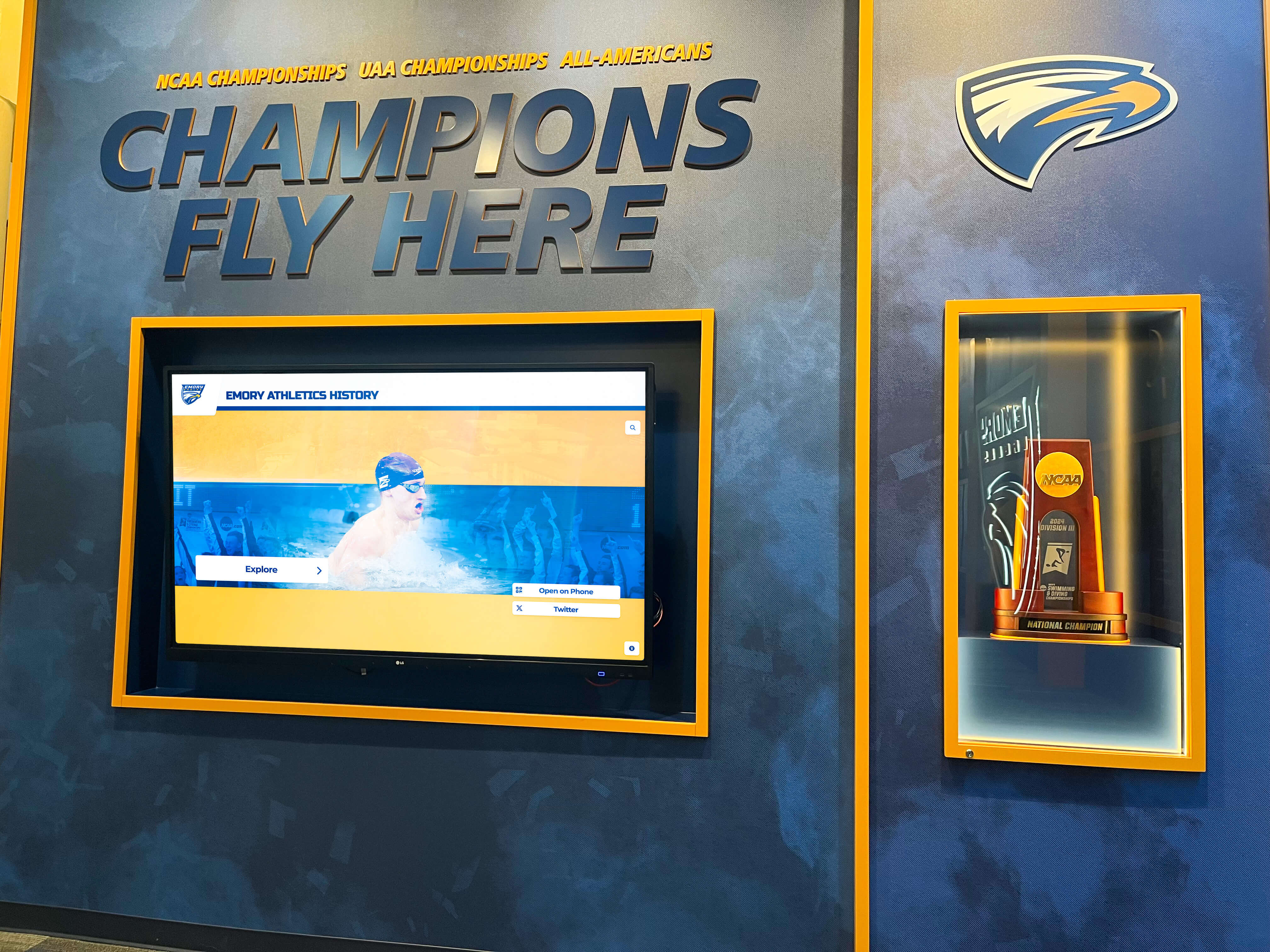
College basketball programs operate at scales requiring sophisticated donor recognition infrastructure. Major athletic departments may have hundreds or thousands of donors requiring comprehensive management and acknowledgment. Recognition systems must accommodate annual fund contributors, major gift donors, scholarship endowment creators, facility naming rights holders, and planned giving society members across multiple giving levels and categories.
Collegiate programs benefit significantly from digital donor recognition platforms that provide unlimited capacity, sophisticated search capabilities, and integration with advancement databases. The ability to update recognition instantly when donors increase giving levels or achieve milestones proves essential for maintaining current, accurate displays that motivate continued philanthropy.
Professional and Community Basketball Organizations
Professional teams and community basketball programs often emphasize corporate partnerships alongside individual donors. Recognition should accommodate both corporate branding requirements and individual acknowledgment appropriately. Hybrid systems might include prominent corporate sponsor recognition with logo visibility, individual major donor acknowledgment, community partner recognition, and season ticket holder appreciation for sustained support.
The scale and visibility of professional and community programs create unique opportunities for recognition that provides marketing value to corporate partners while honoring individual supporters appropriately. Negotiating recognition elements as part of sponsorship packages ensures mutually beneficial arrangements that support program operations while providing sponsors desired visibility.
Measuring Donor Recognition Effectiveness
Strategic programs don’t simply implement recognition and assume success—they measure effectiveness systematically to understand what approaches best support fundraising objectives and donor satisfaction.
Quantitative Metrics to Track
Monitor measurable indicators of recognition impact including donor retention rates before and after recognition implementation, average gift size changes over time, major gift frequency and amounts, new donor acquisition rates, planned giving inquiries and commitments, and sponsorship agreement renewals and increases. While recognition alone doesn’t determine these outcomes, positive trends suggest recognition contributes to overall advancement success.
Track engagement with digital recognition systems through display interaction frequency and duration, search queries indicating which donors seek their recognition, content views showing popular features, mobile and web access patterns, and peak usage times correlating with events or campaigns. Analytics demonstrate recognition value to leadership while identifying enhancement opportunities.
Qualitative Feedback Collection
Systematically gather donor perspectives on recognition through donor satisfaction surveys, focus groups with various donor segments, personal conversations during stewardship visits, feedback forms near physical displays, and social media comments and engagement. Qualitative feedback reveals what donors value most and what might need adjustment.
Ask specific questions about recognition visibility and prominence, accuracy and currency of information, meaningfulness and personalization, comparison to peer institutions, and suggestions for enhancement. This feedback provides actionable insights that quantitative metrics alone cannot deliver.
Peer Benchmarking
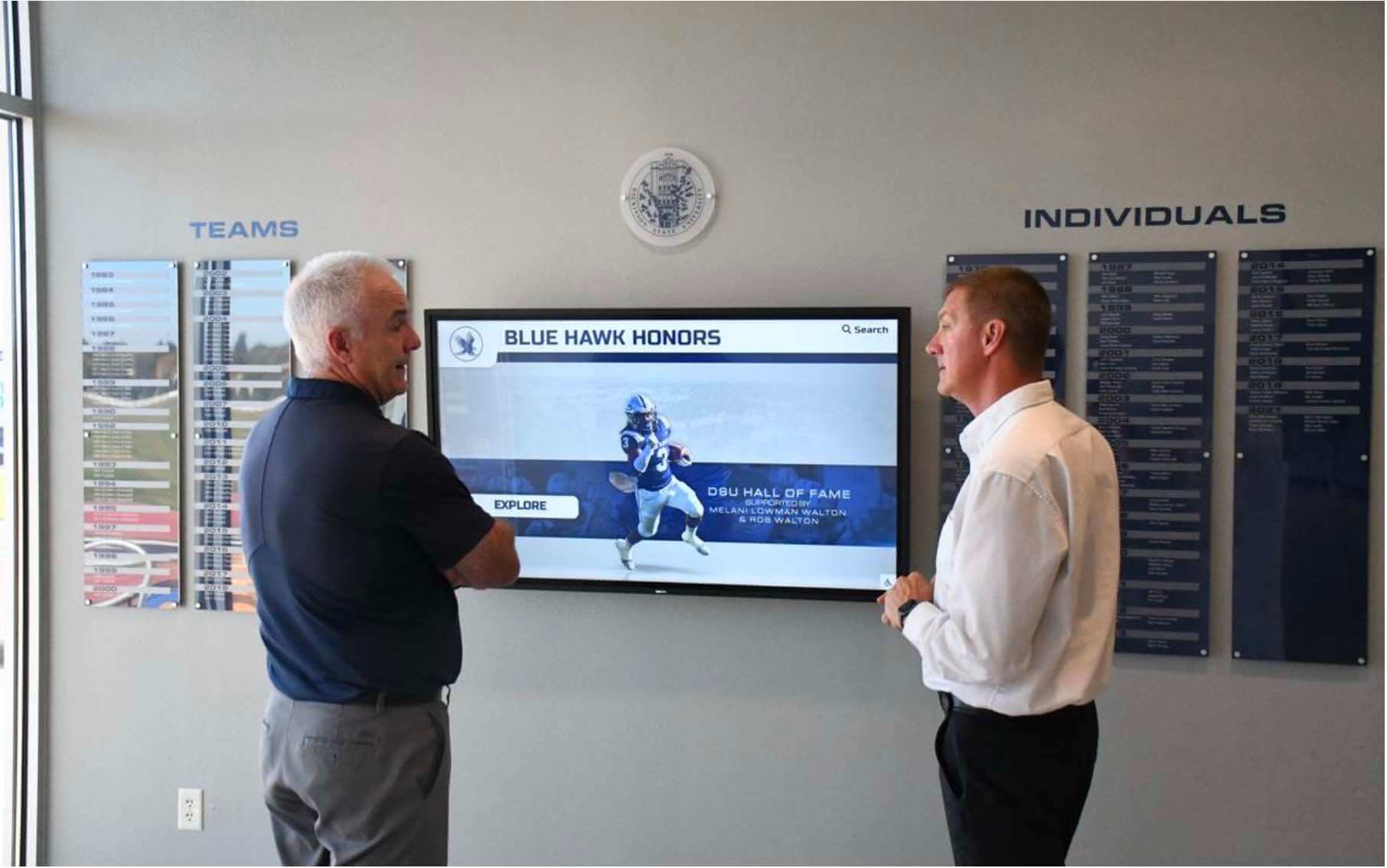
Compare your recognition approach with peer institutions regarding display quality and professionalism, technology sophistication and currency, donor satisfaction levels, and fundraising outcomes. While programs shouldn’t simply copy competitors, understanding industry standards and innovative practices informs strategic enhancement decisions.
The comprehensive analysis of digital recognition ROI provides frameworks for assessing recognition investments systematically across multiple outcome dimensions.
Common Donor Recognition Mistakes to Avoid
Even well-intentioned programs make recognition errors that undermine donor relationships and fundraising effectiveness. Awareness of common pitfalls helps programs avoid these mistakes.
Outdated Recognition Information
Nothing communicates lack of care faster than recognition displays featuring outdated donor information, misspelled names, or years-old giving levels. Donors notice when their increased contributions aren’t reflected or when new supporters never appear on displays. This inattention suggests their support doesn’t truly matter, contradicting the appreciation recognition should convey.
Establish systematic processes ensuring recognition updates occur promptly and accurately. Digital platforms dramatically simplify maintenance compared to physical plaques requiring professional engraving and installation, but both approaches require organizational commitment to currency.
Recognition Inequity
Donors at all levels should receive recognition proportional to their giving but appropriate nonetheless. Programs that lavish attention on major donors while essentially ignoring annual fund contributors or modest supporters create negative sentiment among broader donor bases. Multi-tiered recognition systems can honor major gifts appropriately while ensuring all donors receive acknowledgment demonstrating that every contribution matters.
Particularly avoid recognition gaps where some giving levels receive acknowledgment while others receive nothing. If donors contributing $500 appear on displays but those giving $400 receive no recognition, the arbitrary threshold creates perverse incentives and disappointed supporters.
Delayed Recognition
Major gift acknowledgment should occur quickly after commitment rather than waiting months for annual recognition updates. When donors make substantial contributions and see no acknowledgment for extended periods, the delay suggests organizational inefficiency or lack of appreciation. Establish expedited processes for major gift recognition while maintaining systematic schedules for regular updates.
Digital systems enable immediate recognition additions without waiting for physical production timelines, providing one of their most significant advantages over traditional approaches.
Ignoring Donor Preferences
Some donors genuinely prefer anonymity or minimal recognition despite substantial giving. Others want prominent, public acknowledgment. Programs must respect individual preferences by maintaining flexible recognition options. Always confirm donor recognition preferences explicitly rather than assuming, and honor those preferences consistently. Respecting donor wishes builds trust that supports long-term relationships and continued generosity.
Technology Trends Shaping Future Donor Recognition
Emerging technologies continue transforming what donor recognition can accomplish. Forward-thinking programs monitor these trends to maintain contemporary, engaging recognition systems.
Mobile-First Recognition
As smartphone usage dominates internet access, recognition systems increasingly prioritize mobile experiences. Responsive design ensuring recognition displays function perfectly on smartphones and tablets extends accessibility to donors, families, and supporters worldwide. QR codes at physical displays linking to comprehensive mobile recognition content create seamless bridges between in-person and digital experiences.
The evolution toward mobile-optimized recognition platforms enables supporters to explore donor rolls, search for themselves and friends, and engage with recognition content anywhere, anytime, dramatically expanding recognition reach beyond physical locations.
Social Media Integration
Modern recognition systems increasingly incorporate social sharing capabilities allowing donors to share their recognition through personal social networks. When donors can easily post their acknowledgment to Facebook, LinkedIn, or other platforms, recognition reaches extended audiences while providing donors tools for expressing pride in their philanthropic identity. This organic promotion generates awareness and social proof that may inspire additional support from donors’ personal networks.
Artificial Intelligence and Personalization
Emerging AI capabilities enable personalized recognition experiences tailored to individual viewers. Systems might highlight donors from visitors’ graduation years, prioritize recognition of major donors during development office tours with prospective major gifts, or surface donor stories thematically connected to current campaigns or initiatives. This personalization makes recognition more relevant and engaging for diverse audiences.
Augmented Reality Enhancements
Experimental programs explore augmented reality applications that overlay digital recognition content onto physical spaces through smartphone cameras. Visitors pointing devices at walls might see expanded donor information, campaign progress visualization, or multimedia donor stories not visible to naked eyes. While still emerging, AR represents potential future enhancement to traditional recognition approaches.
Conclusion: Building Basketball Excellence Through Donor Recognition
The Naismith Memorial Basketball Hall of Fame demonstrates that world-class donor recognition connects supporters emotionally with basketball heritage while acknowledging their crucial role in preserving and advancing the sport they love. Basketball programs at every level can adapt these principles to their own contexts, creating recognition systems that honor supporters appropriately while inspiring the continued philanthropy necessary for competitive excellence and transformational student-athlete experiences.
Effective donor recognition represents far more than courtesy or obligation—it constitutes strategic investment in sustainable fundraising infrastructure that generates returns through improved retention, increased giving, expanded donor bases, and strengthened program reputation. Programs that recognize supporters comprehensively and professionally position themselves for long-term fundraising success while creating culture that values and celebrates community support publicly.
Modern digital recognition technology has democratized access to sophisticated donor displays previously available only to major institutions with substantial budgets. Solutions like Rocket Alumni Solutions provide basketball programs at all levels with professional recognition capabilities that honor supporters appropriately while remaining manageable within realistic budgets and staff capacity. The technology enables unlimited donor capacity, instant updates, rich storytelling, and worldwide accessibility that physical plaques alone cannot deliver.
Whether your program serves youth basketball leagues, high school athletics, collegiate competition, or community organizations, implementing thoughtful donor recognition modeled after hall of fame standards strengthens relationships with existing supporters while creating environments that inspire new contributors to invest in basketball excellence. Every donor—from those contributing modest annual amounts to those making transformational major gifts—deserves recognition demonstrating that their support matters, enables achievement, and remains valued by programs they help build.
The question isn’t whether your basketball program can afford sophisticated donor recognition—it’s whether you can afford to operate without it. In increasingly competitive fundraising environments where donors have unlimited options for their philanthropic investments, programs that recognize supporters professionally and comprehensively gain significant advantages in building the sustained support relationships that enable championships, scholarships, and life-changing opportunities for student-athletes.
Start by assessing your current donor recognition honestly. Identify gaps, outdated elements, and missed opportunities. Research available solutions from traditional physical displays to modern digital platforms. Involve donors in planning to understand what recognition they value most. Then implement systems that honor your supporters as comprehensively as the Naismith Memorial Basketball Hall of Fame honors basketball’s legends—because the donors who build basketball programs deserve nothing less than hall of fame-caliber recognition themselves.