



Traditional donor walls face a fundamental problem: they run out of space. Bronze plaques cover every available inch of wall. Names etched in stone create permanent commitments that become architectural constraints. And as your organization grows, the people who made it possible risk being erased, relegated to storage, or forgotten entirely when you need room for the next capital campaign.
Modern donor wall ideas solve these limitations while transforming recognition from static memorials into dynamic engagement platforms. Today’s contemporary recognition designs leverage digital technology, interactive displays, and innovative physical installations to honor unlimited donors, tell compelling stories, update recognition instantly, and create experiences that inspire continued giving rather than simply acknowledging past contributions.
This comprehensive guide examines the most effective modern donor wall approaches available in 2026. You’ll discover digital recognition technologies that eliminate space constraints, interactive design strategies that increase engagement dramatically, hybrid approaches that balance tradition with innovation, and implementation insights from organizations that successfully modernized their donor recognition programs.
Whether you’re launching a major capital campaign, replacing outdated recognition systems, or simply exploring how contemporary technology can strengthen donor relationships, these modern donor wall ideas provide practical strategies that organizations across education, healthcare, arts, and nonprofit sectors implement successfully.
Understanding the Evolution of Donor Recognition
Donor recognition has transformed dramatically over the past two decades, driven by technological advancement, changing donor expectations, and organizational needs that traditional approaches cannot address adequately.
The Traditional Donor Wall Model
Conventional donor recognition typically follows predictable patterns: bronze or aluminum plaques mounted on prominent walls, engraved names organized by giving levels, permanent installations designed to last decades, and limited information beyond donor names and gift years.
These traditional approaches create several inherent challenges. Physical walls impose absolute space limitations—once full, organizations face difficult choices about removing earlier donors or limiting new recognition. Updates require physical modifications involving engraving, installation, and substantial expense. Information density remains minimal, providing no opportunity to tell donor stories or explain gift impact. And accessibility stays confined to single physical locations, preventing remote donor engagement or digital sharing.

Why Organizations Need Modern Alternatives
Contemporary fundraising environments demand recognition approaches that traditional walls cannot provide. Capital campaigns increasingly set ambitious goals requiring recognition for hundreds or thousands of donors across multiple giving levels. Organizations manage multi-generational donor relationships where recognition must accommodate decades of cumulative giving without space constraints. Digital-native younger donors expect experiences reflecting contemporary technology standards rather than outdated physical plaques.
Most critically, effective recognition now serves strategic advancement purposes beyond simple acknowledgment. Modern donor walls function as engagement platforms that inspire additional giving, storytelling vehicles that communicate organizational impact, cultivation tools that deepen relationships with prospects, and community-building mechanisms that strengthen institutional connections.
The Contemporary Recognition Landscape
Today’s most effective donor walls combine multiple approaches—digital displays that provide unlimited capacity, interactive elements that encourage exploration and engagement, traditional physical components that honor conventional expectations, web accessibility that extends recognition globally, and multimedia storytelling that demonstrates gift impact compellingly.
Organizations implementing modern recognition strategies report substantial benefits: increased donor satisfaction with recognition experiences, improved fundraising results from donors who feel appropriately honored, enhanced engagement metrics as visitors spend more time exploring recognition, and operational efficiency gains from systems that update instantly without physical modifications.
Resources on donor recognition best practices demonstrate how contemporary approaches transform recognition from administrative obligation into strategic advancement asset.
Digital Donor Wall Solutions: Unlimited Recognition Capacity
Digital technology fundamentally transforms donor recognition by eliminating the space constraints that limit traditional physical walls while providing capabilities impossible with conventional approaches.
Interactive Touchscreen Recognition Displays
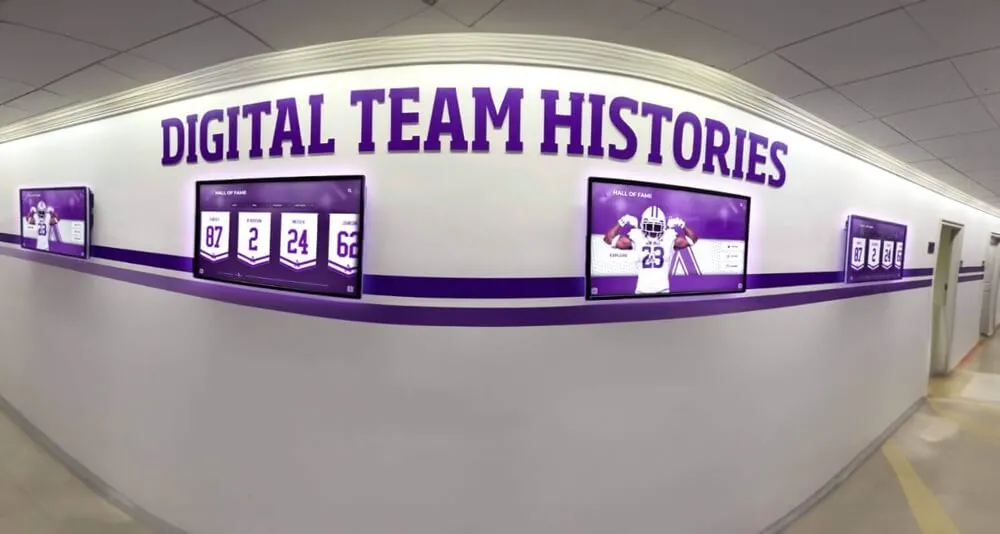
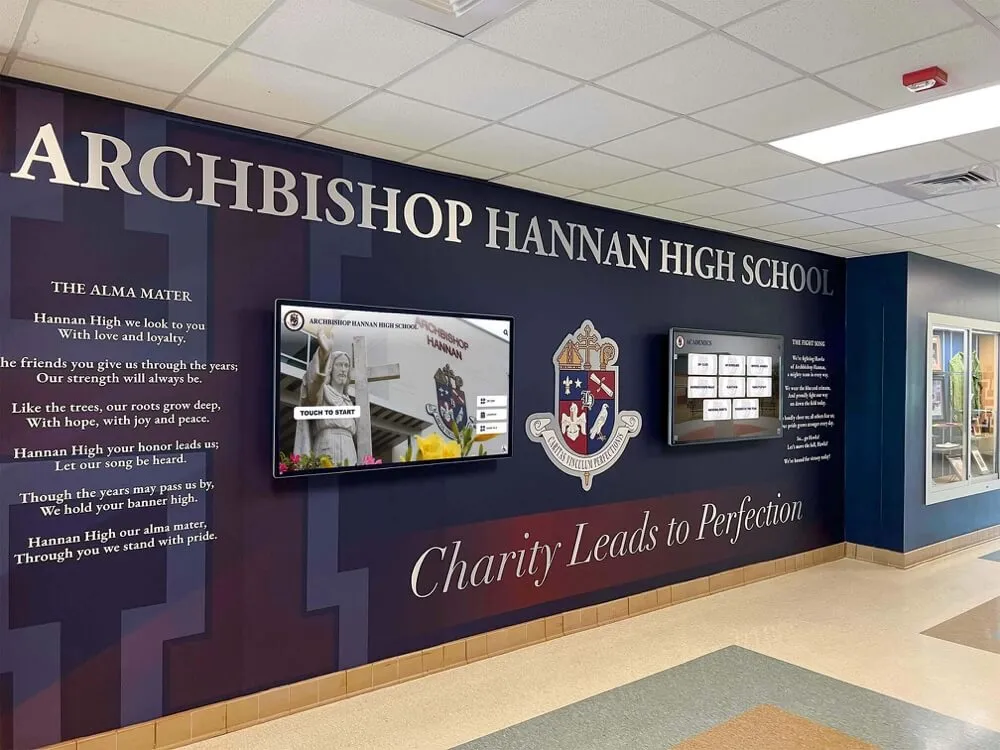
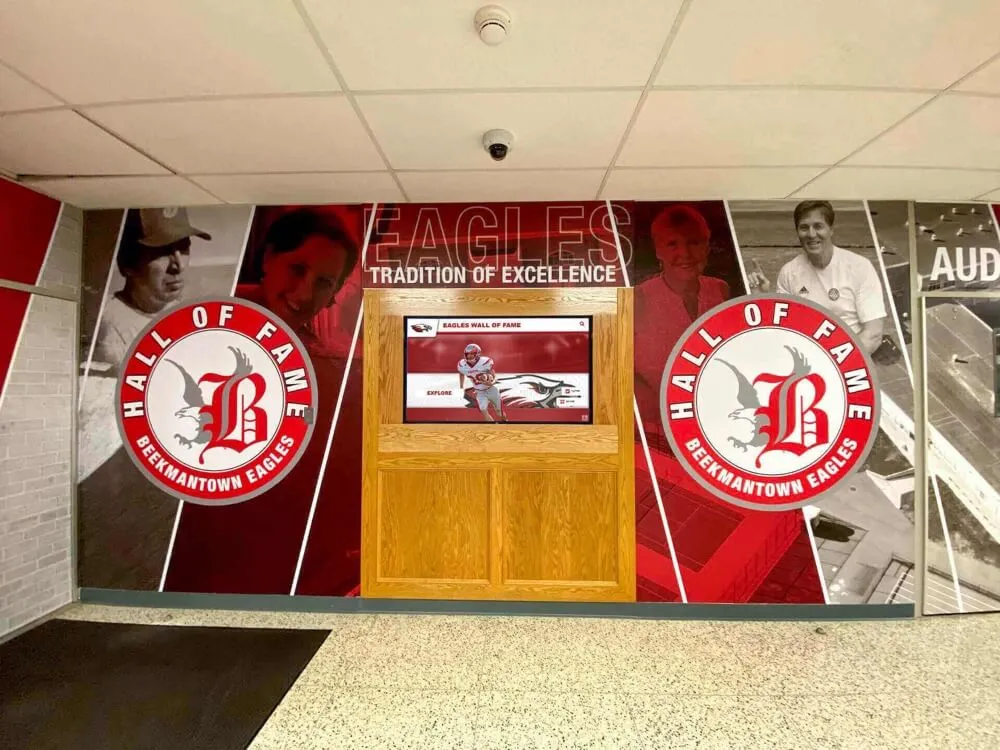
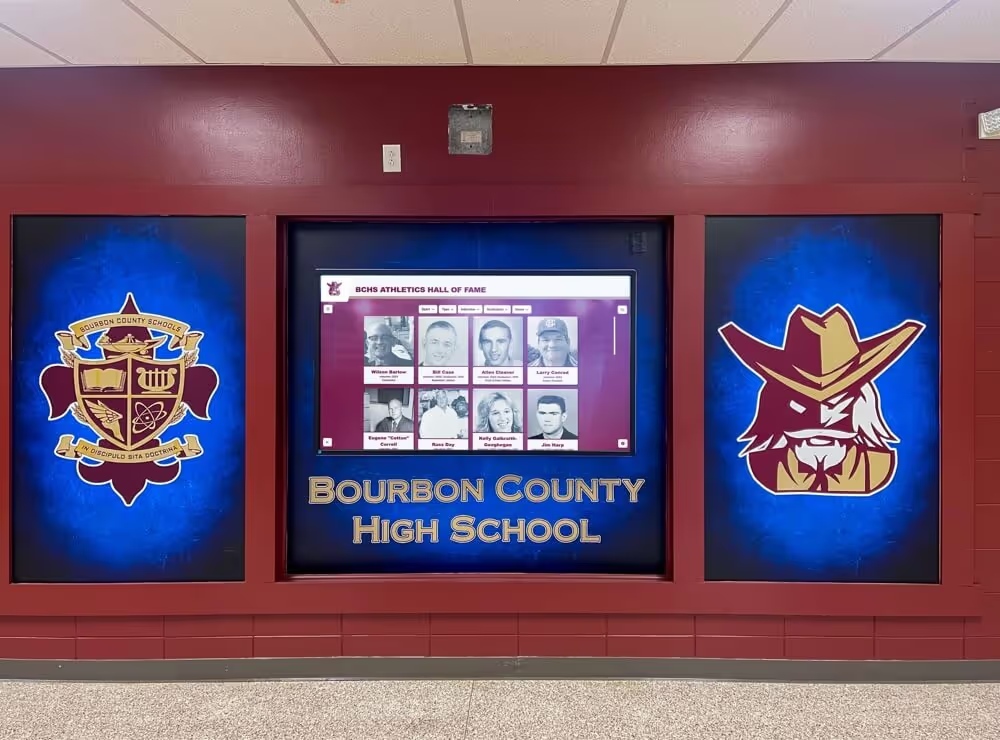
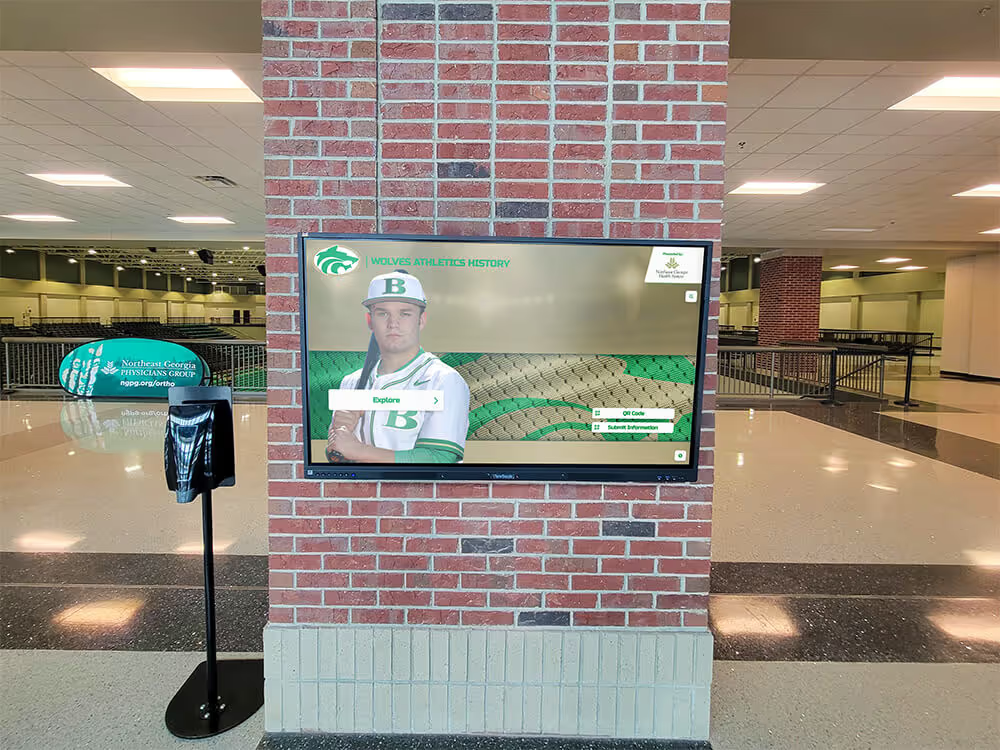
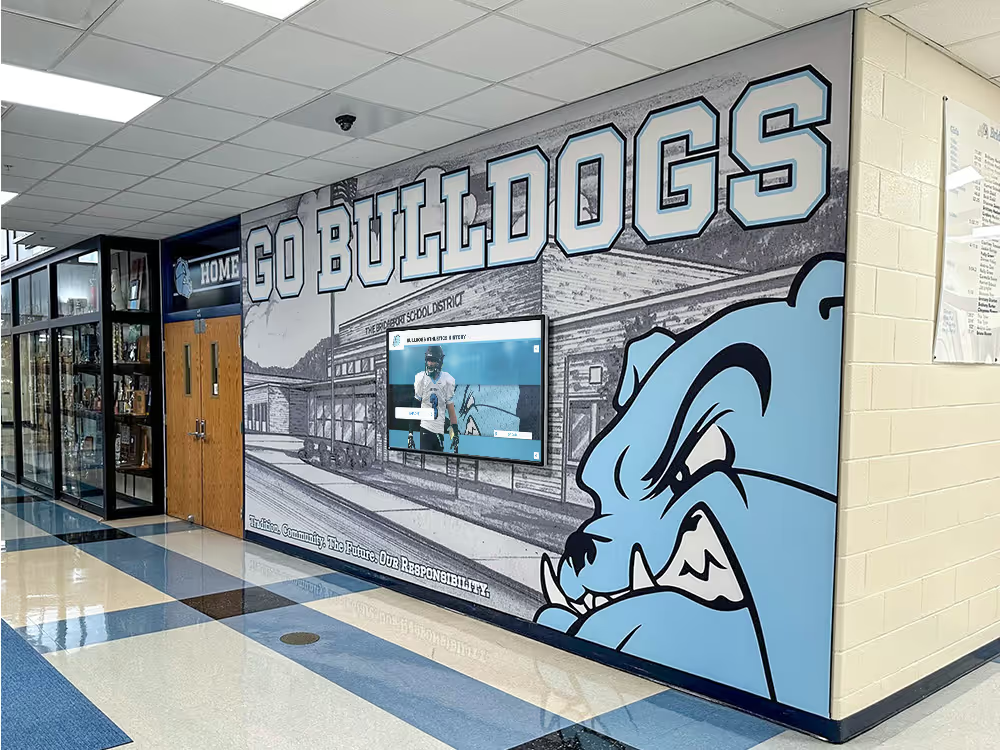
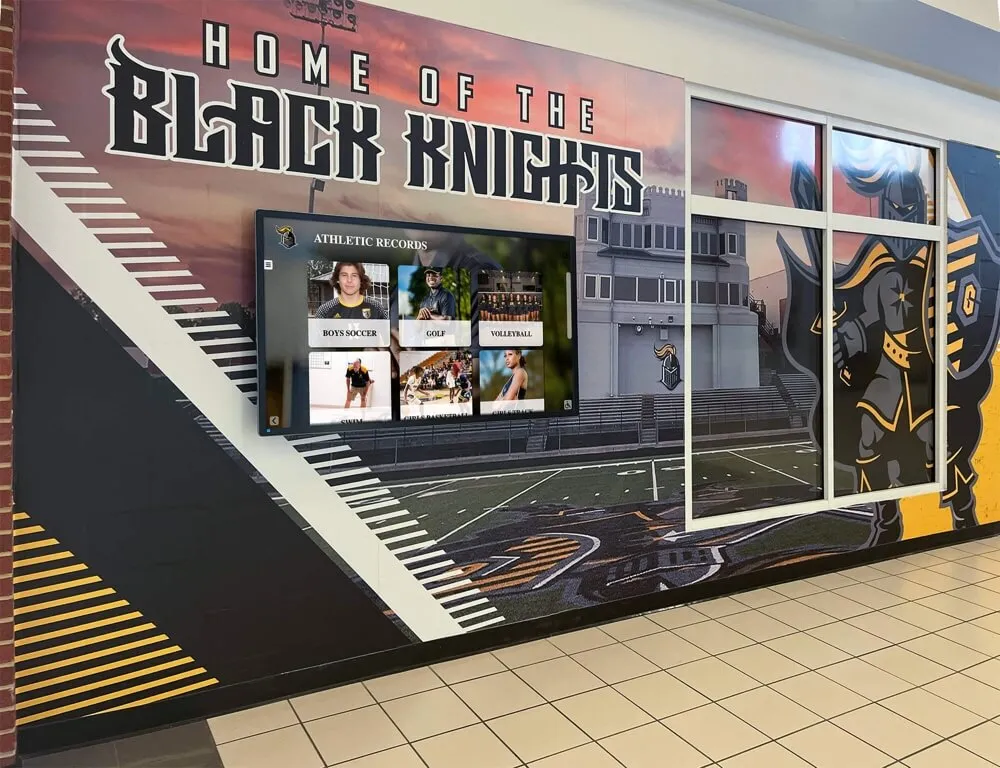
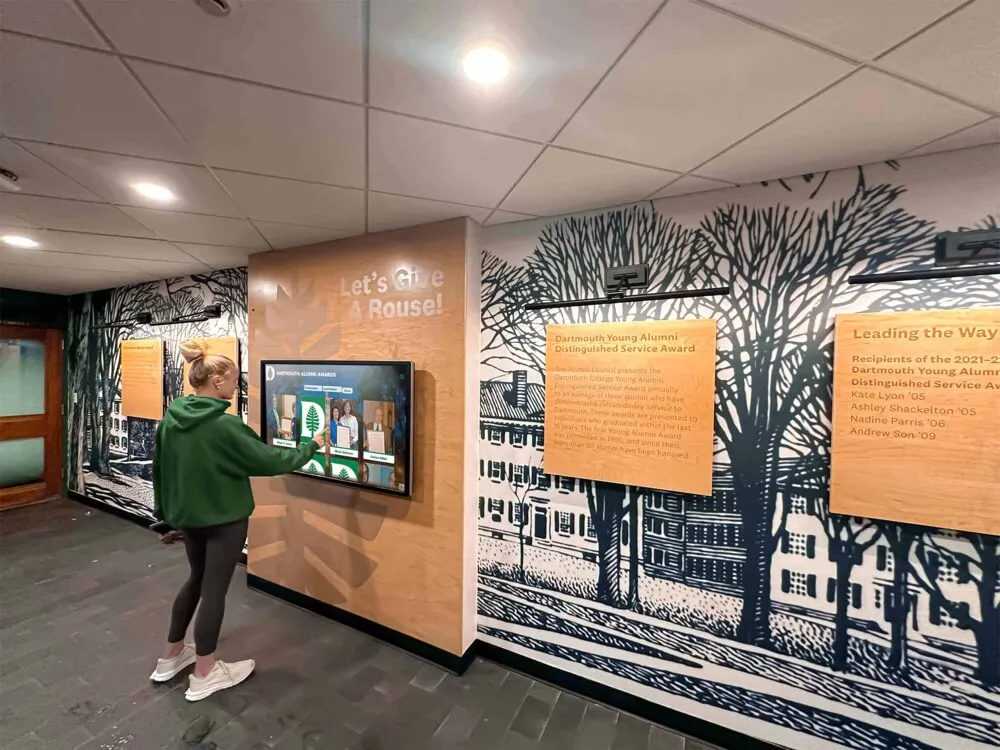
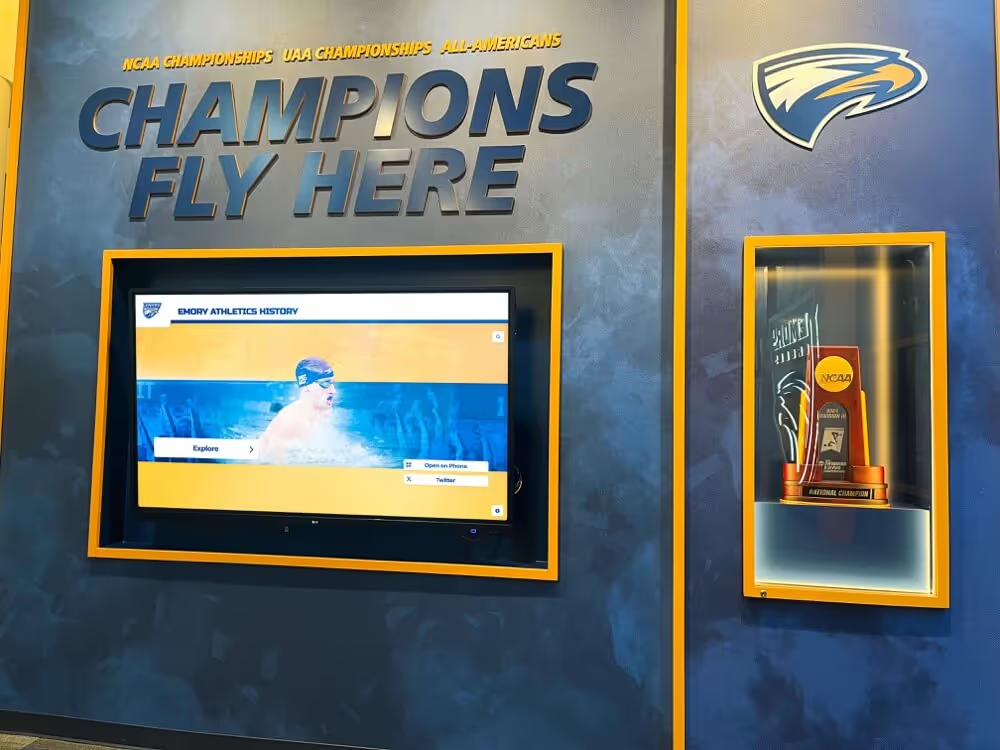
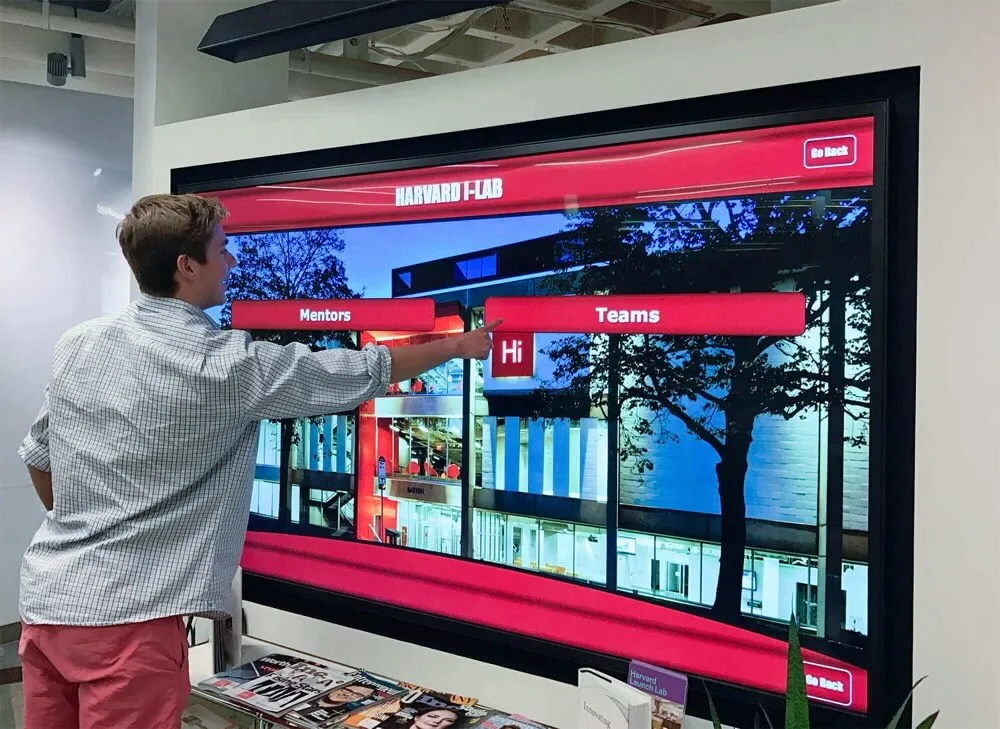
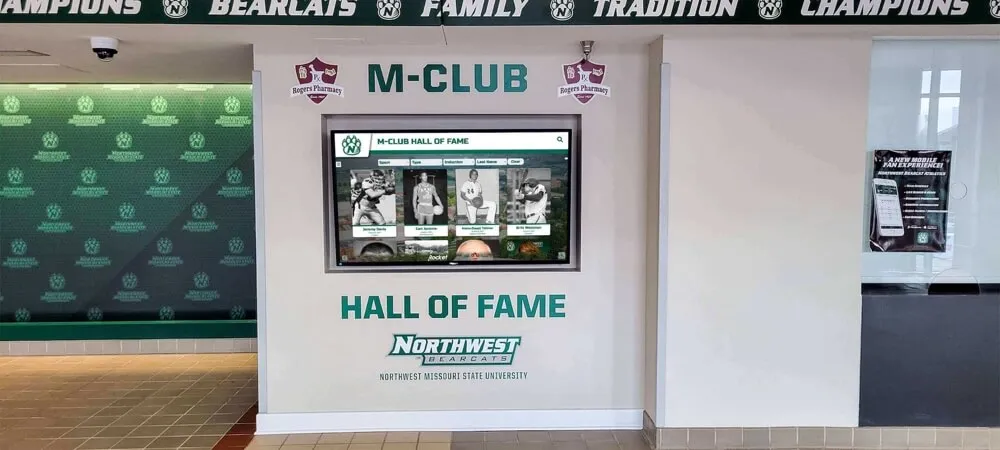
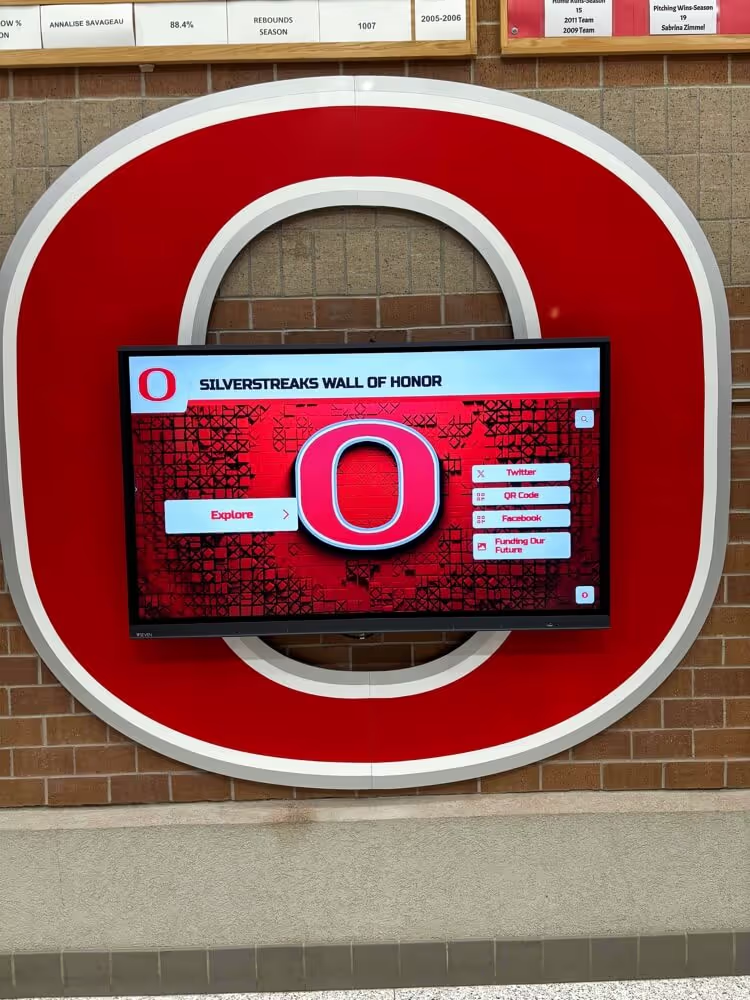
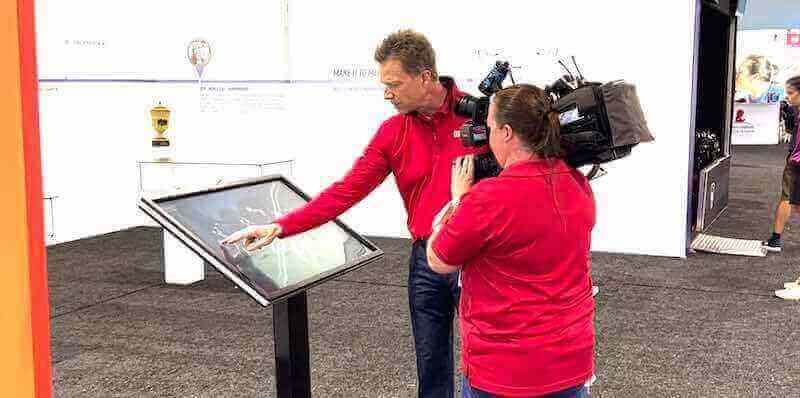
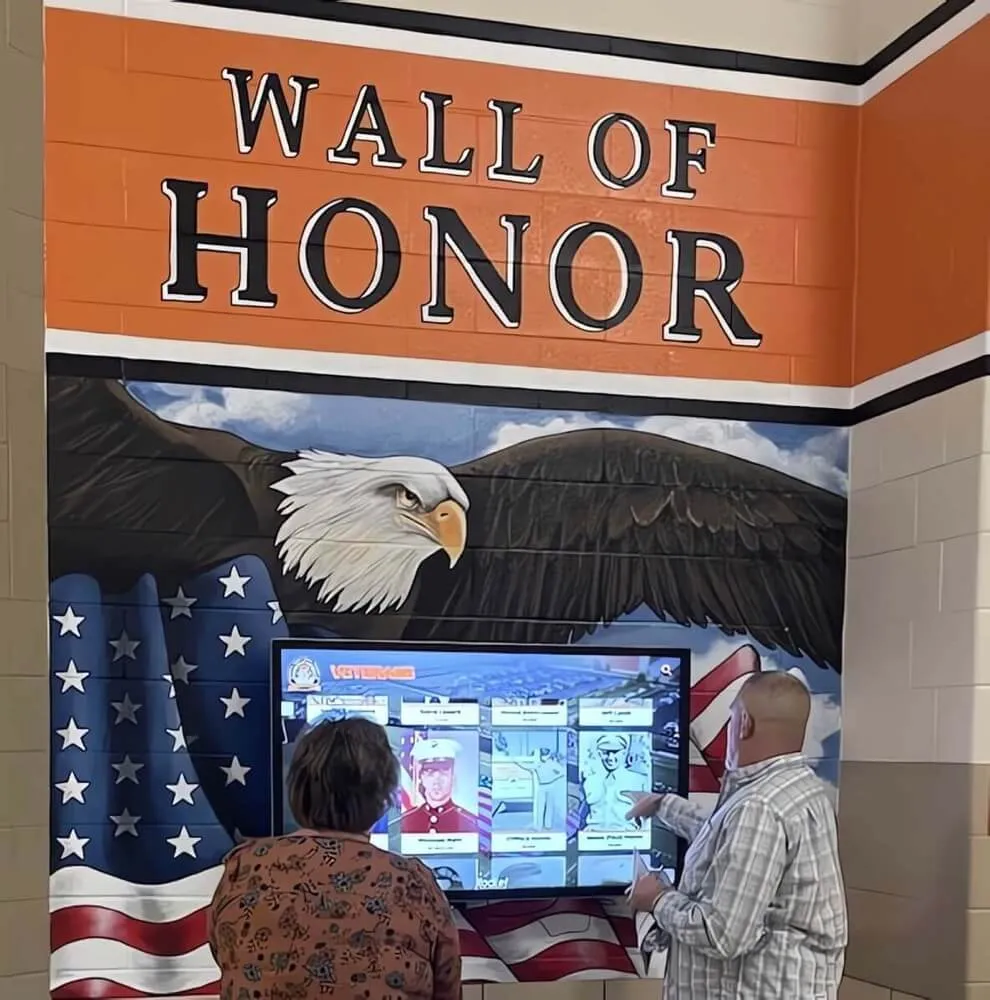
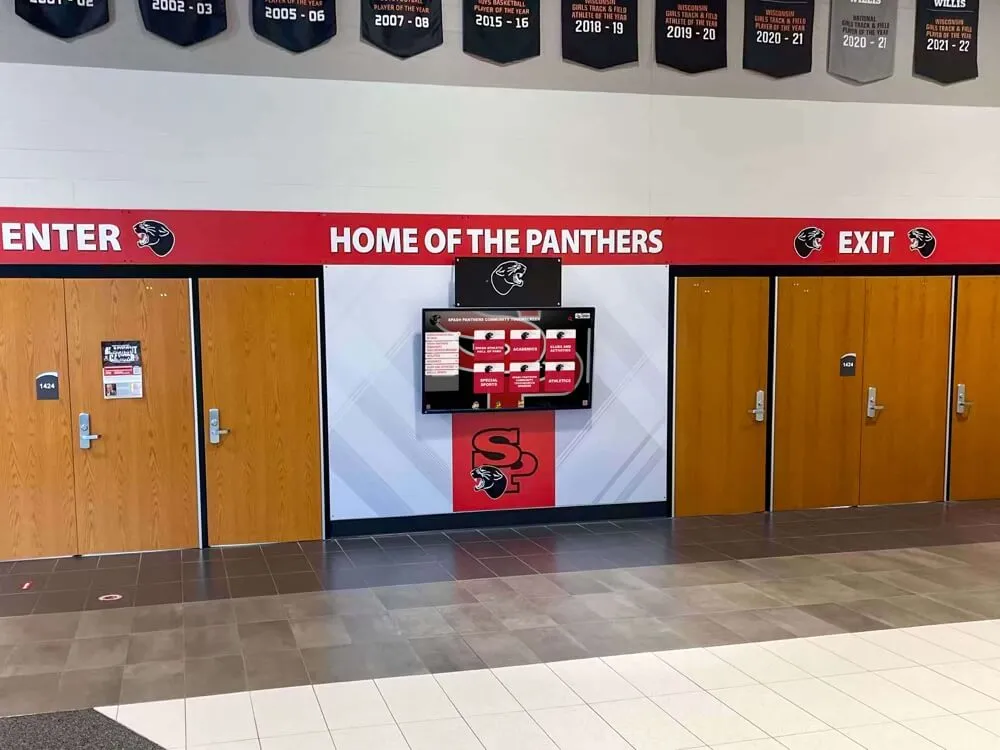
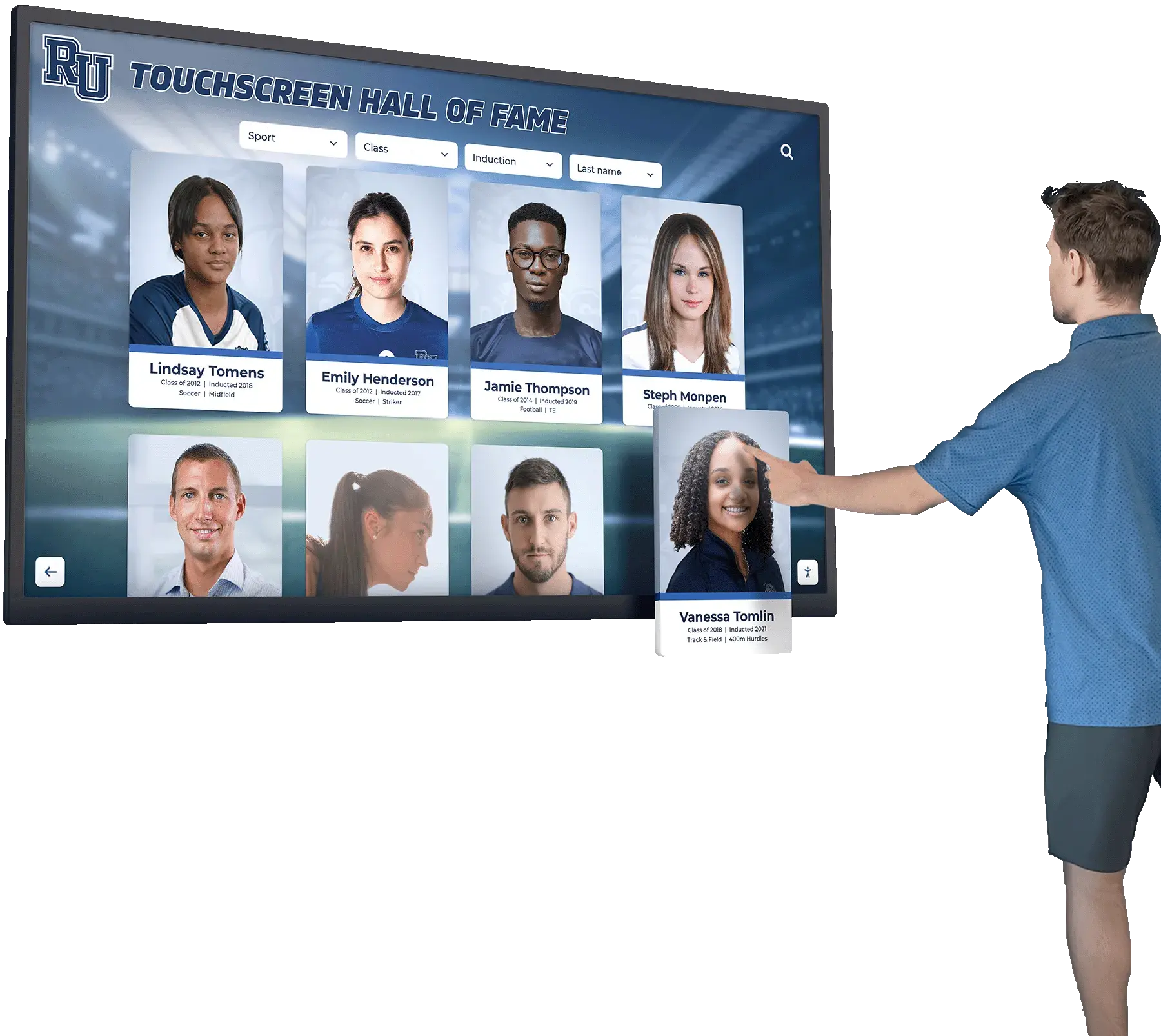
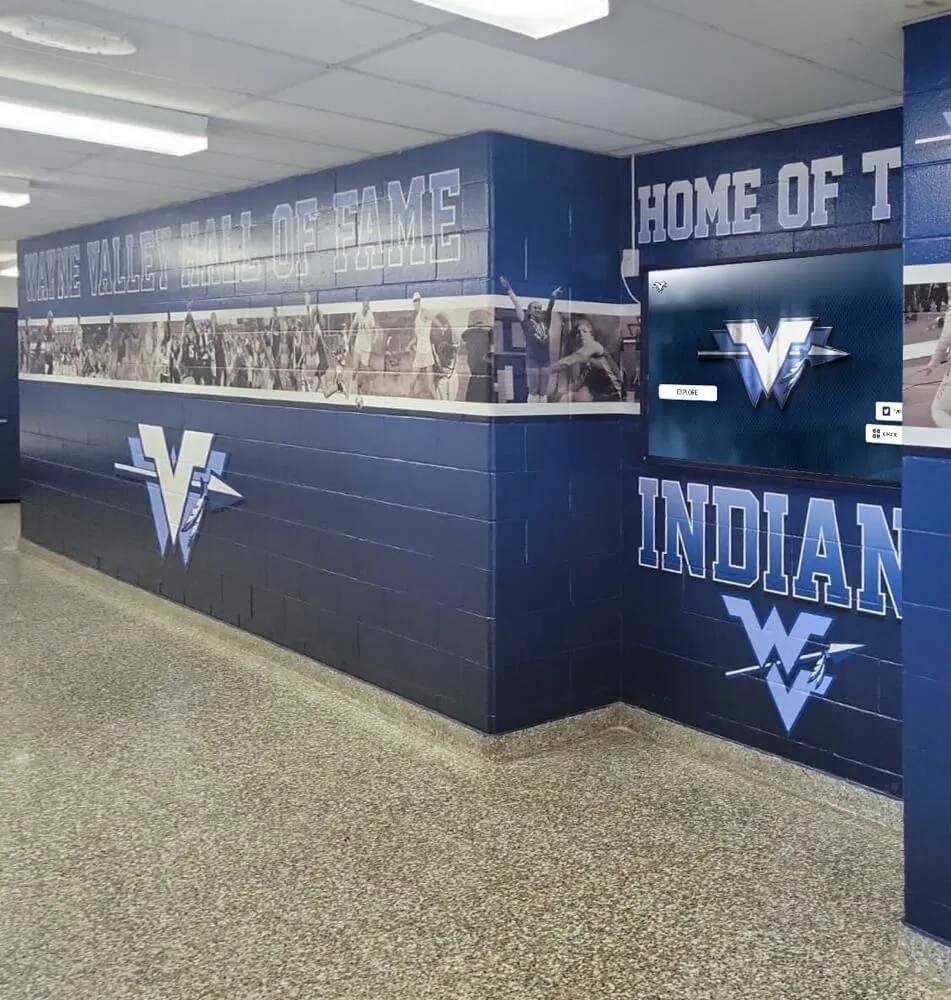
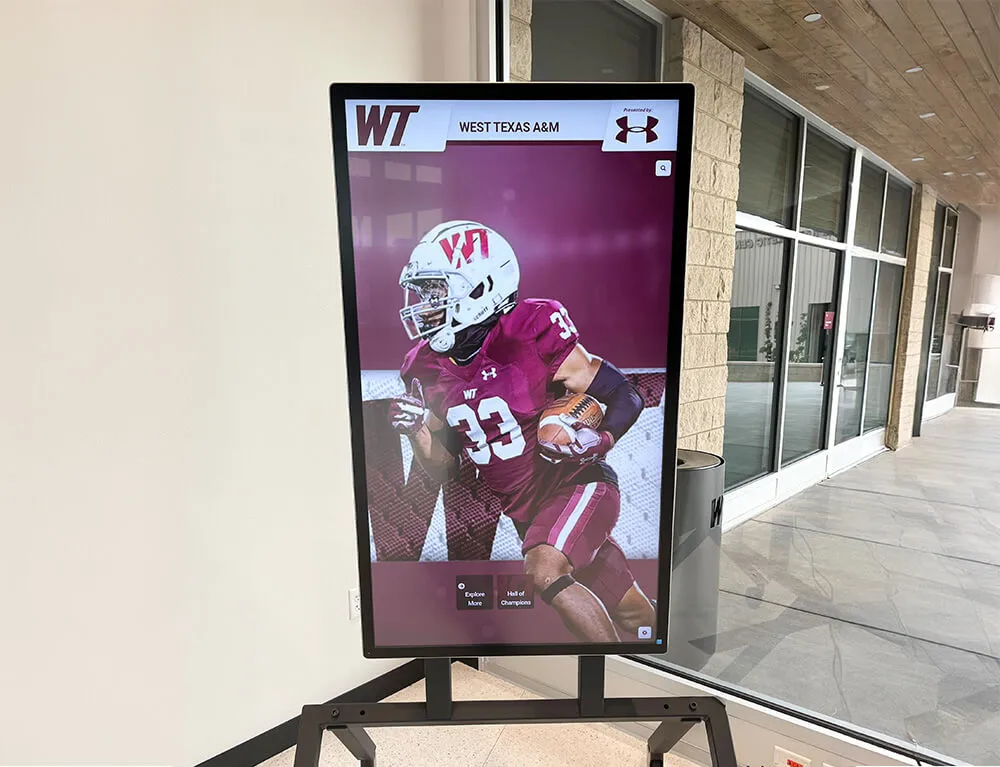
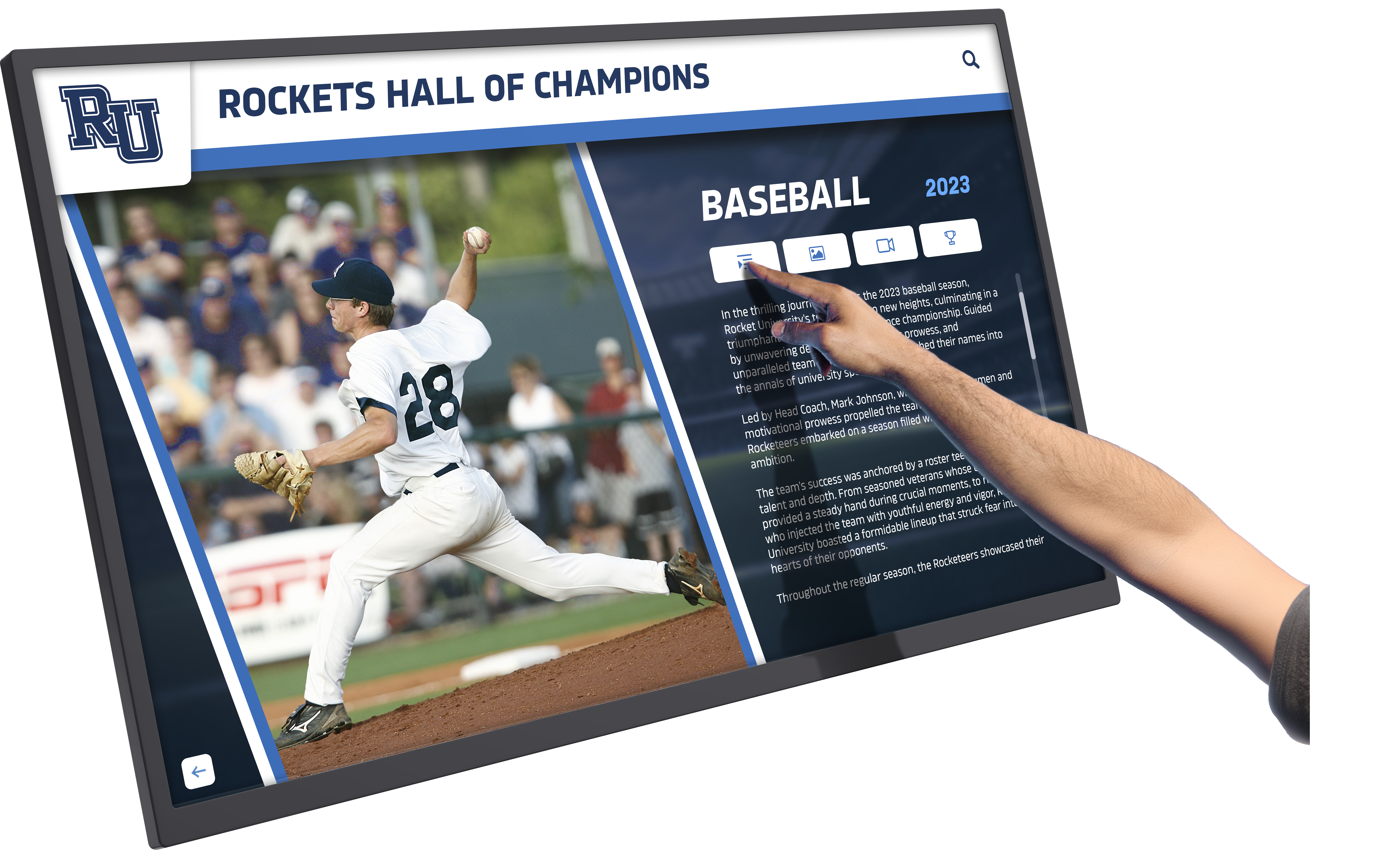
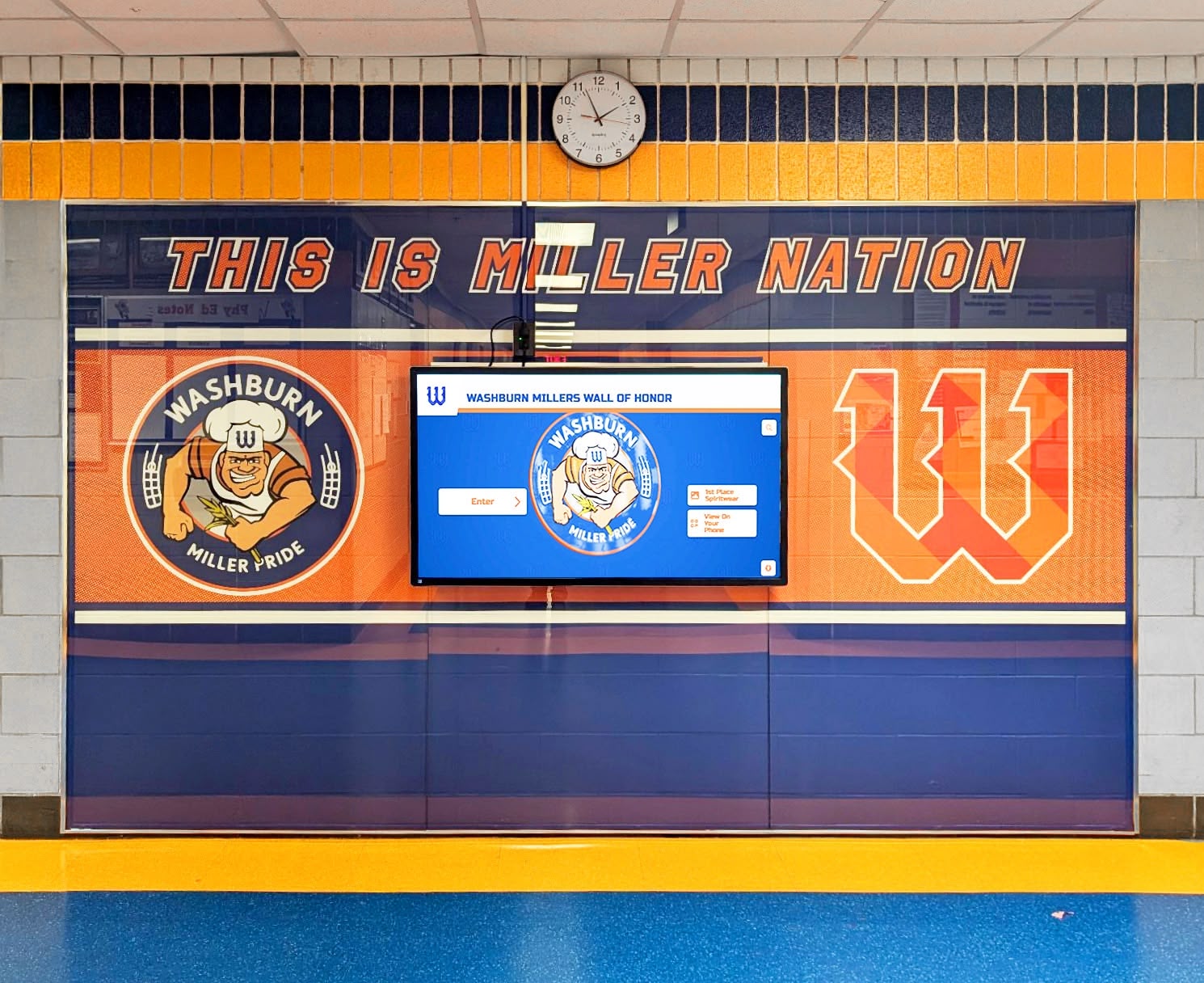
Large-format interactive touchscreens create engaging donor recognition experiences in high-traffic institutional locations. These displays typically feature 43-inch to 75-inch commercial-grade touchscreens, intuitive interfaces enabling donor discovery through search or browsing, comprehensive donor profiles including photos, giving history, and personal stories, and seamless multimedia integration showcasing gift impact through video and imagery.
The interactive element distinguishes these solutions from passive digital signage. Visitors actively explore recognition content rather than passively viewing rotating slides. Search functionality enables donors to find themselves, family members, or colleagues instantly. Related content connections surface stories about gift impact, recipients, or programs supported. And engagement analytics provide insights about which donors receive attention and what content resonates with visitors.
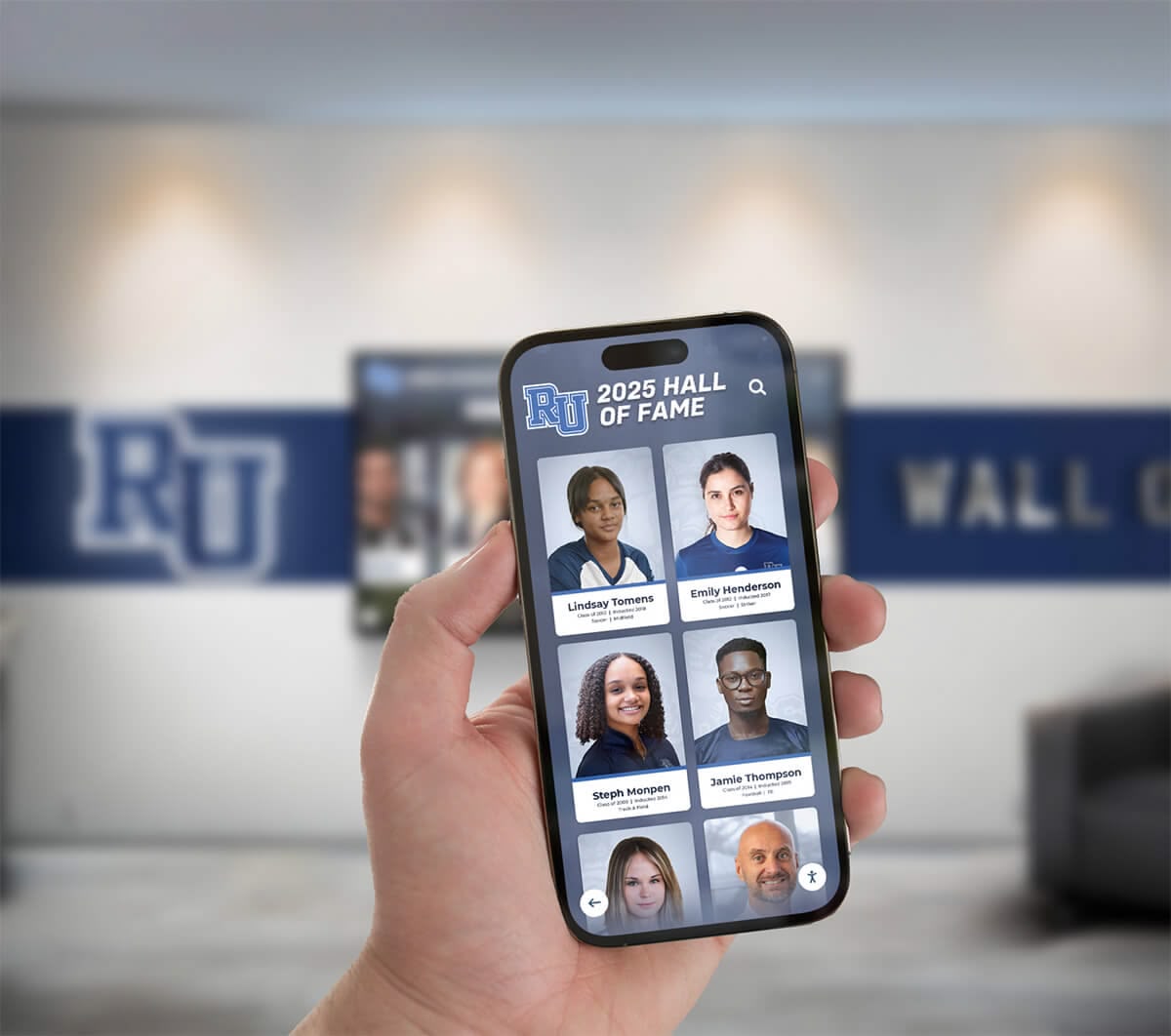
Institutions installing touchscreen donor recognition report dramatic engagement increases. Average interaction time extends to 5-10 minutes versus 30-60 seconds with traditional walls. Visitors explore multiple donor stories rather than scanning briefly for familiar names. And donors themselves spend significantly more time engaging with recognition when they visit, often photographing and sharing their digital profiles on social media.
Implementation Considerations:
High-visibility placement maximizes impact—main lobbies, entrance areas, or gathering spaces where prospective donors and stakeholders naturally congregate. Professional installation ensures commercial-grade quality with proper mounting, optimal viewing angles, and integration with facility aesthetics. Content management systems must enable non-technical advancement staff to update recognition easily without requiring IT support for routine changes.
Organizations can explore interactive touchscreen solutions for museums and galleries that apply equally well to donor recognition contexts, demonstrating sophisticated engagement possibilities.
Web-Based Digital Recognition Platforms
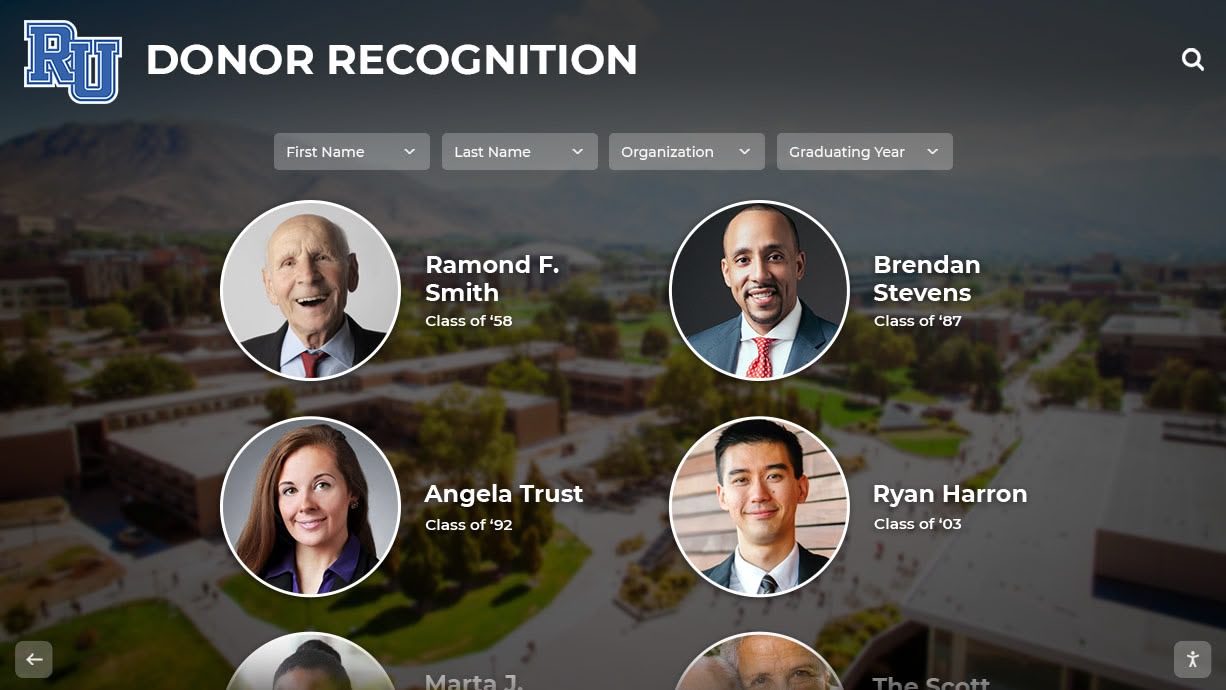
Online donor recognition extends visibility far beyond physical facility boundaries, enabling donors anywhere to access recognition and share their support with personal networks. Web-based platforms provide searchable donor databases accessible from any device, permanent profile URLs that donors can share on social media, mobile-responsive design ensuring optimal experiences across smartphones, tablets, and desktops, and integration with organizational websites creating seamless user experiences.
The strategic advantage of web accessibility becomes clear when considering donor demographics. Geographically dispersed alumni, patients, or supporters who rarely visit facilities physically can engage with recognition remotely. Donors can share recognition with family members, colleagues, and friends who might never visit your campus or building. And prospective donors exploring your organization online can discover existing support, building confidence in institutional stability and community investment.
Content Strategies for Web Recognition:
Effective online donor walls transcend simple name lists. Rich multimedia profiles feature donor photos and biographical information, detailed gift descriptions explaining support purposes, impact stories demonstrating how contributions created change, donor testimonials in their own words about motivation for giving, and family legacy narratives connecting multi-generational support.
Many institutions integrate web-based donor recognition with digital hall of fame systems that celebrate both achievement and philanthropy through unified platforms accessible to entire communities.
Digital Recognition Walls with Auto-Updating Content
Cloud-based digital donor walls eliminate the manual updates that burden physical recognition, enabling instant recognition that honors gifts while donor excitement remains high. These automated systems synchronize directly with donor management databases, updating recognition automatically as new gifts process, display current campaign progress with real-time fundraising metrics, and feature dynamic giving level displays that adjust automatically as donors increase support.
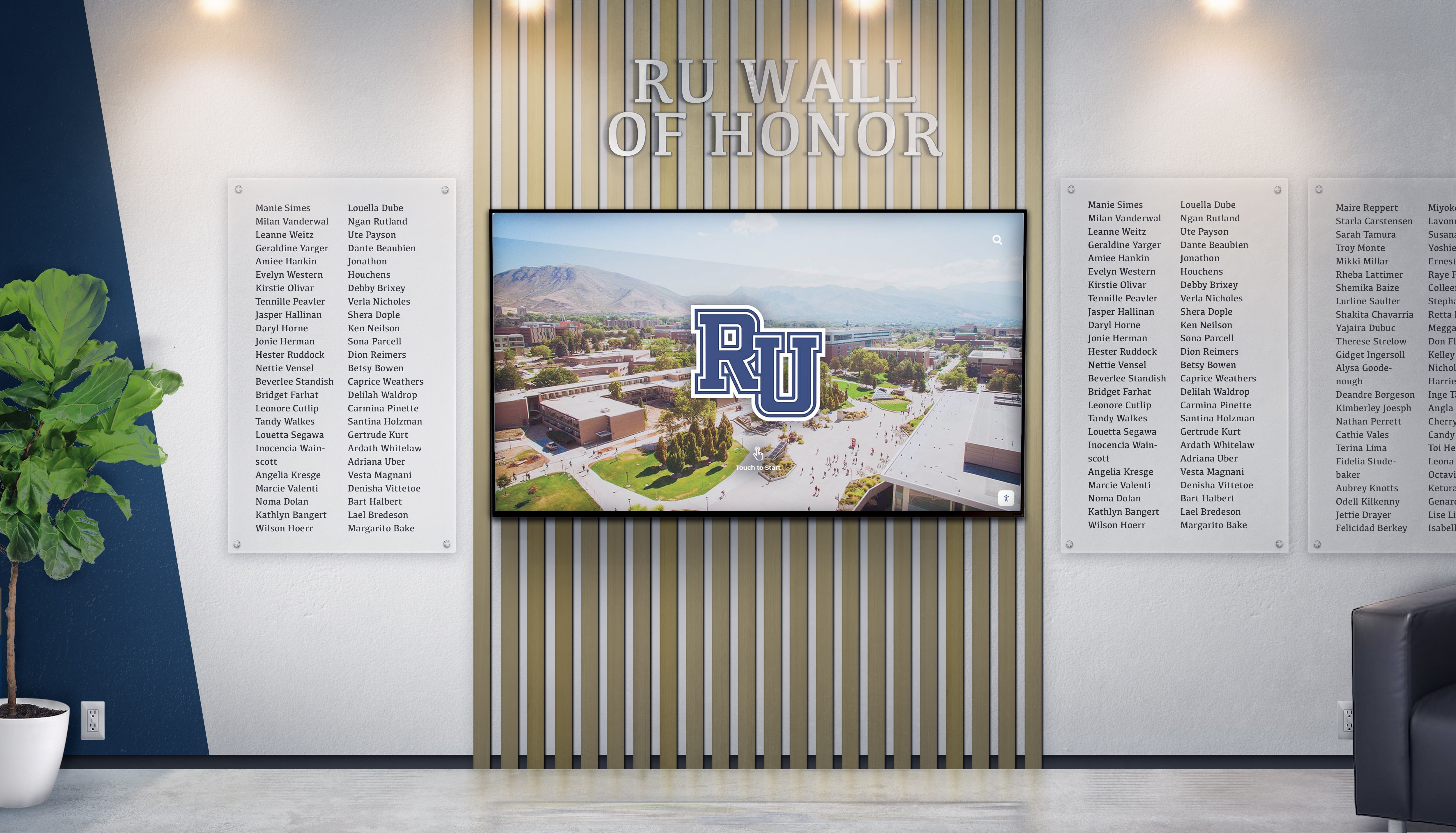
The immediate recognition possible with cloud-based systems creates powerful cultivation opportunities. Major gifts can receive prominent display within hours rather than waiting months for plaque fabrication and installation. Campaign milestones celebrate automatically when reached, creating authentic moments for organizational communication and donor appreciation. And donor upgrades to higher giving levels reflect instantly, acknowledging increased commitment immediately.
Technical Infrastructure Requirements:
Successful auto-updating donor walls require reliable internet connectivity with backup systems ensuring continuous operation, integration capabilities with advancement databases or CRM systems, content approval workflows balancing automation with institutional oversight, and robust security protecting donor information while enabling appropriate public recognition.
Organizations implementing automated digital recognition report substantial staff time savings. Advancement teams eliminate hours previously spent coordinating plaque orders, scheduling installations, and managing physical updates. Content remains current automatically rather than falling months behind actual giving patterns. And recognition accuracy improves dramatically as manual data entry errors disappear.
Contemporary Physical Donor Wall Designs
Digital technology provides powerful capabilities, but many organizations prefer combining modern innovation with traditional physical elements that signal permanence and institutional commitment. Contemporary physical donor wall designs integrate innovative materials, creative layouts, and thoughtful aesthetics creating compelling recognition that honors tradition while embracing contemporary design sensibilities.
Modular Recognition Systems
Modular donor walls provide expansion flexibility that traditional engraved walls cannot match. These systems feature interchangeable panels or tiles that add, remove, or rearrange easily, consistent design elements maintaining visual cohesion across expansion phases, scalable structures that grow vertically or horizontally as recognition needs increase, and attractive aesthetics that don’t appear incomplete during early campaign phases.
The modularity solves the fundamental space constraint challenge differently than digital displays. Rather than unlimited virtual capacity, modular systems provide substantial physical capacity that expands systematically over time. Donors receive tangible recognition matching traditional expectations while organizations avoid irreversible commitments to fixed layouts that may not accommodate future needs.
Material and Design Options:
Contemporary modular systems employ diverse materials and approaches: acrylic or glass panels with modern etched or printed donor names, aluminum or metal tiles that add individually to growing recognition displays, wooden elements creating warm, traditional aesthetics with modular flexibility, and LED-illuminated panels combining physical recognition with digital enhancement.
Many organizations adopt school lobby design principles that integrate donor recognition into comprehensive entrance area transformations, creating environments that tell institutional stories compellingly.
Sculptural and Architectural Recognition
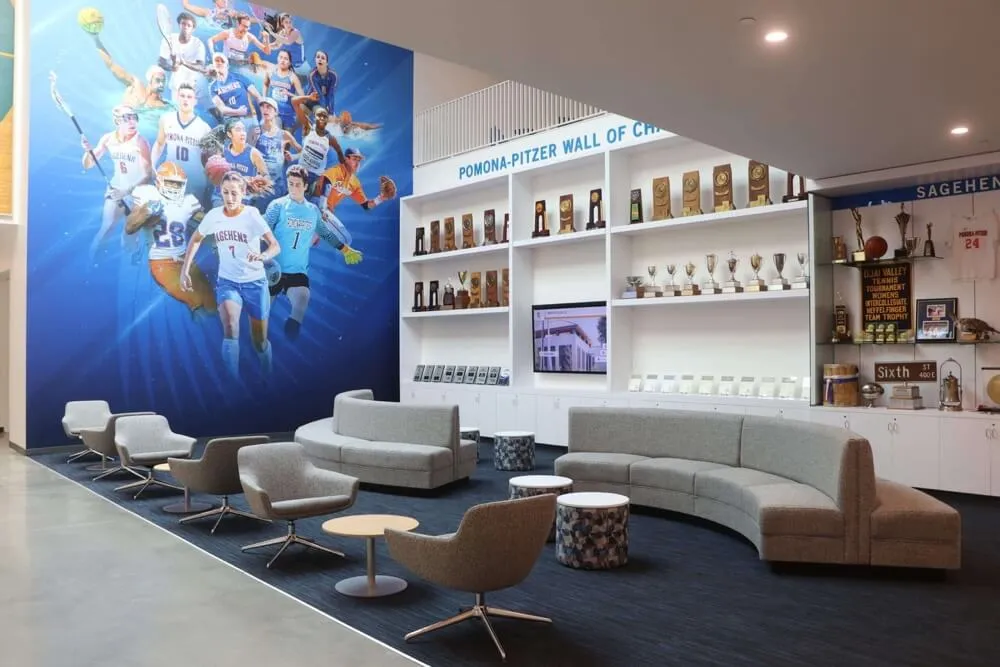
Three-dimensional donor recognition transforms walls into architectural features that become destination attractions rather than simple name lists. Sculptural installations incorporate donor names into art pieces aligned with organizational missions, architectural elements like columns, arches, or structural features that integrate recognition with building design, and landscape integration through gardens, courtyards, or outdoor spaces featuring donor recognition.
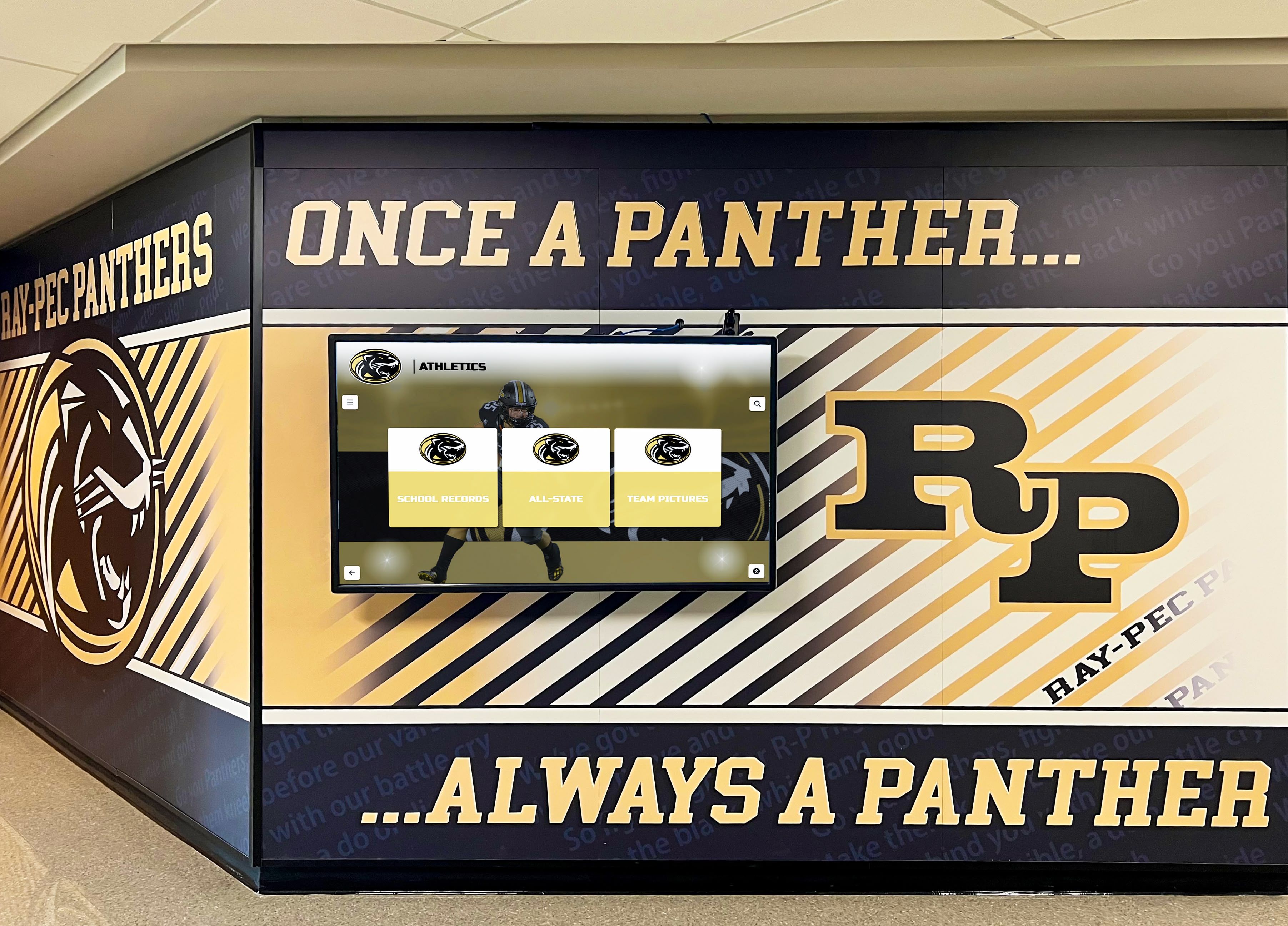
The artistic approach creates emotional resonance that conventional plaques rarely achieve. Donors see their support acknowledged through beautiful installations that reflect organizational values and aspirations. Facilities gain aesthetic assets that enhance spaces rather than simply filling walls with names. And recognition becomes experiential—visitors remember compelling installations long after forgetting conventional donor walls.
Artistic Collaboration Strategies:
Successful sculptural recognition typically involves collaboration with artists, architects, or designers who understand both aesthetic excellence and donor relations sensitivities. The process includes stakeholder engagement ensuring donor acceptance of non-traditional approaches, concept development exploring how recognition integrates with organizational identity, donor preview providing early supporters opportunity to shape final designs, and phased implementation allowing refinement based on initial donor and community response.
Illuminated and Kinetic Displays
Lighting and motion transform static donor walls into dynamic installations that capture attention and create memorable experiences. Modern illuminated recognition employs LED technology for energy-efficient customizable lighting, backlit panels creating visual drama while maintaining elegant aesthetics, color-changing illumination that adapts for campaigns, events, or seasonal themes, and programmed lighting sequences that draw attention to featured donors or giving milestones.
Some cutting-edge installations incorporate subtle kinetic elements—slowly rotating components that reveal different donor cohorts, moving light patterns that guide eyes across recognition displays, or responsive elements that activate when viewers approach, creating interactive experiences.
The visual interest generated by illumination and motion substantially increases engagement. Dynamic displays stand out in spaces where static walls disappear into backgrounds. Donors enjoy seeing their names presented with dramatic flair that signals genuine appreciation. And installation quality demonstrates organizational commitment to excellence in recognition.
Hybrid Recognition Approaches: Combining Traditional and Digital
The most sophisticated modern donor wall strategies combine complementary approaches, honoring traditional expectations while leveraging contemporary technology’s advantages. These hybrid models provide recognition experiences superior to exclusively traditional or purely digital alternatives.
Physical Walls with Digital Enhancement
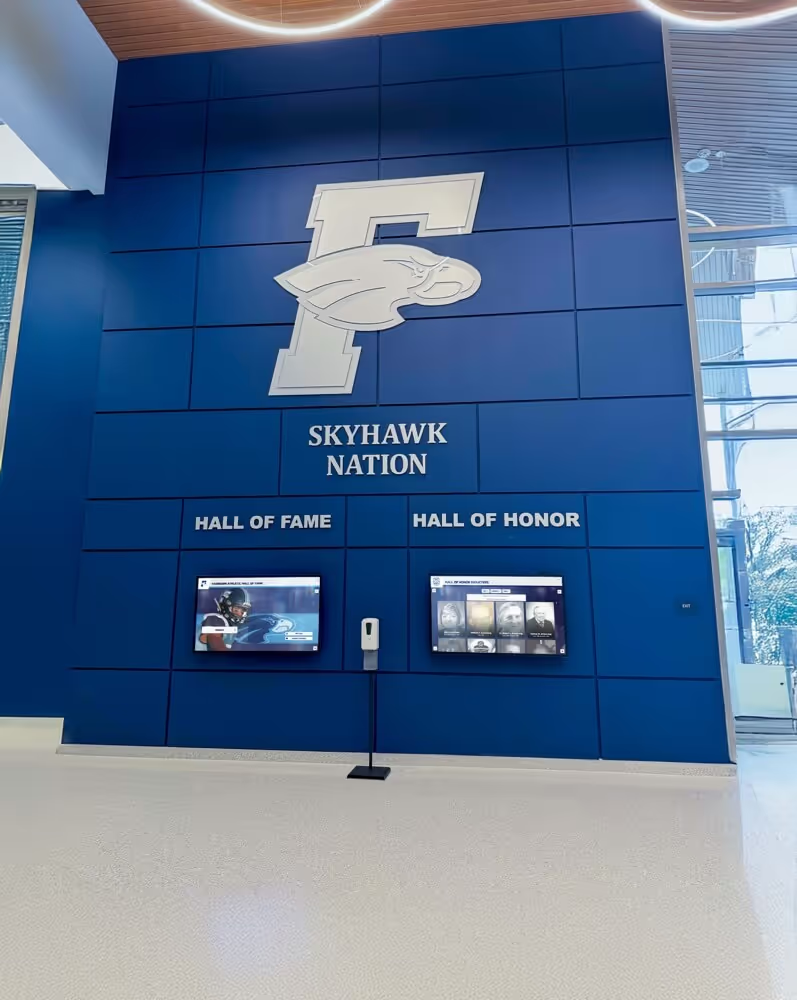
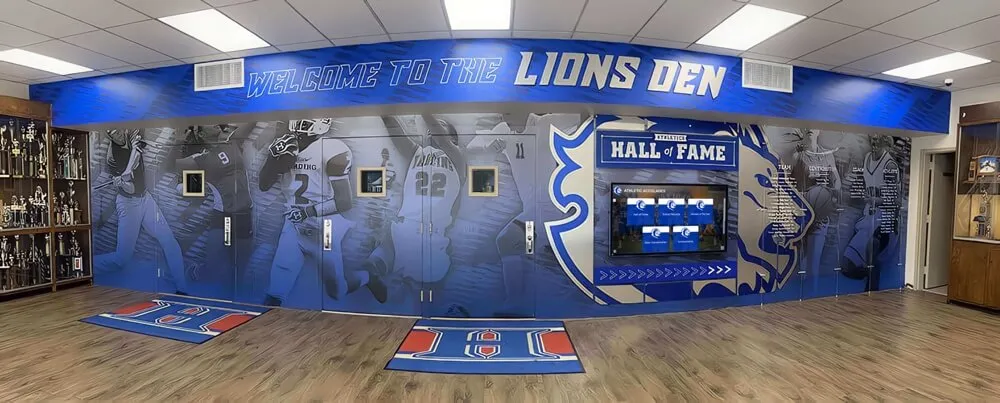
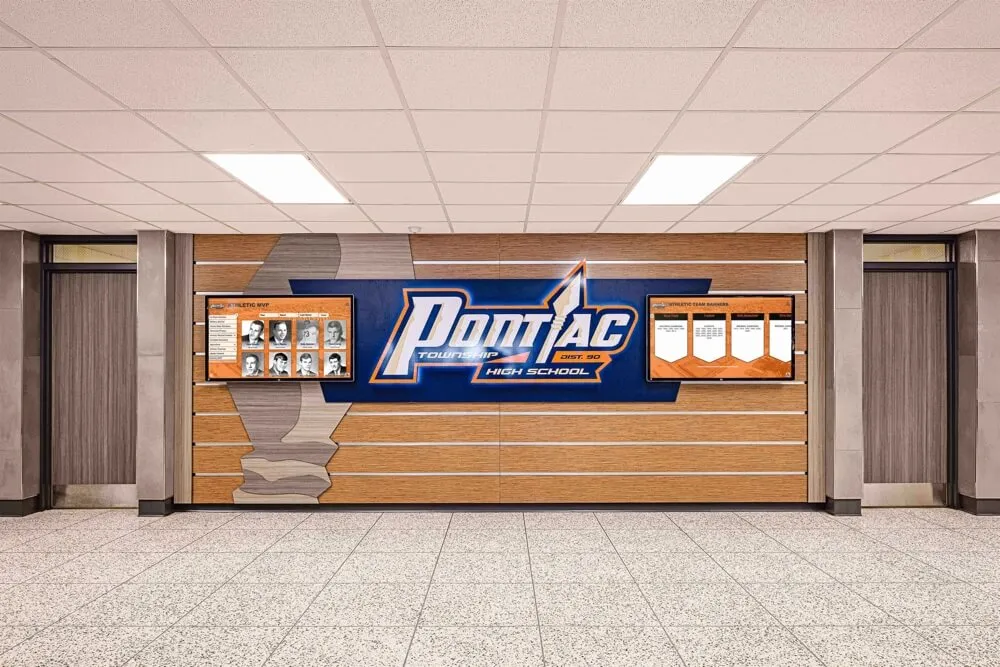
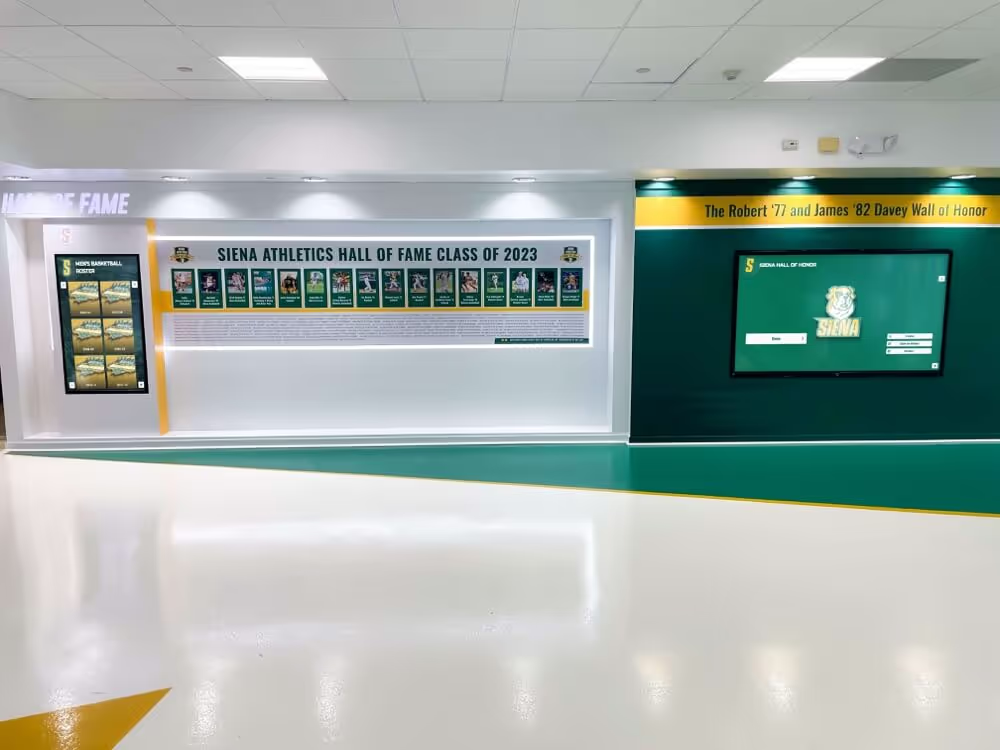
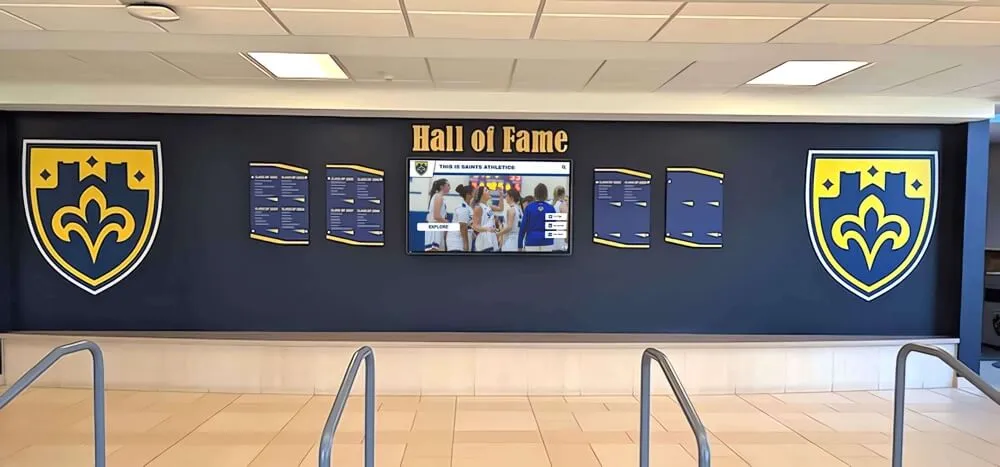
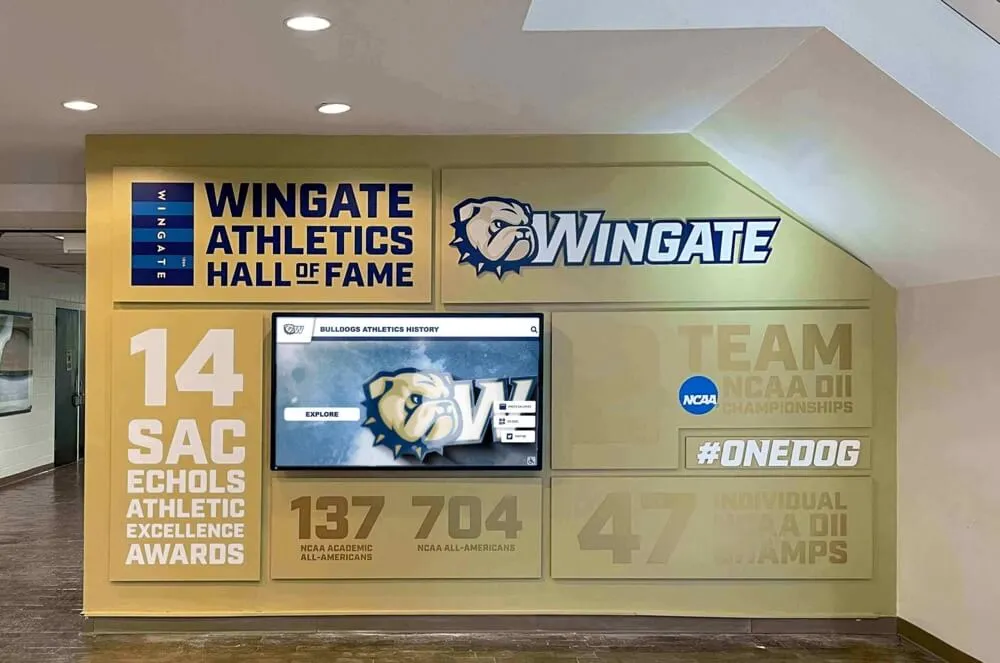
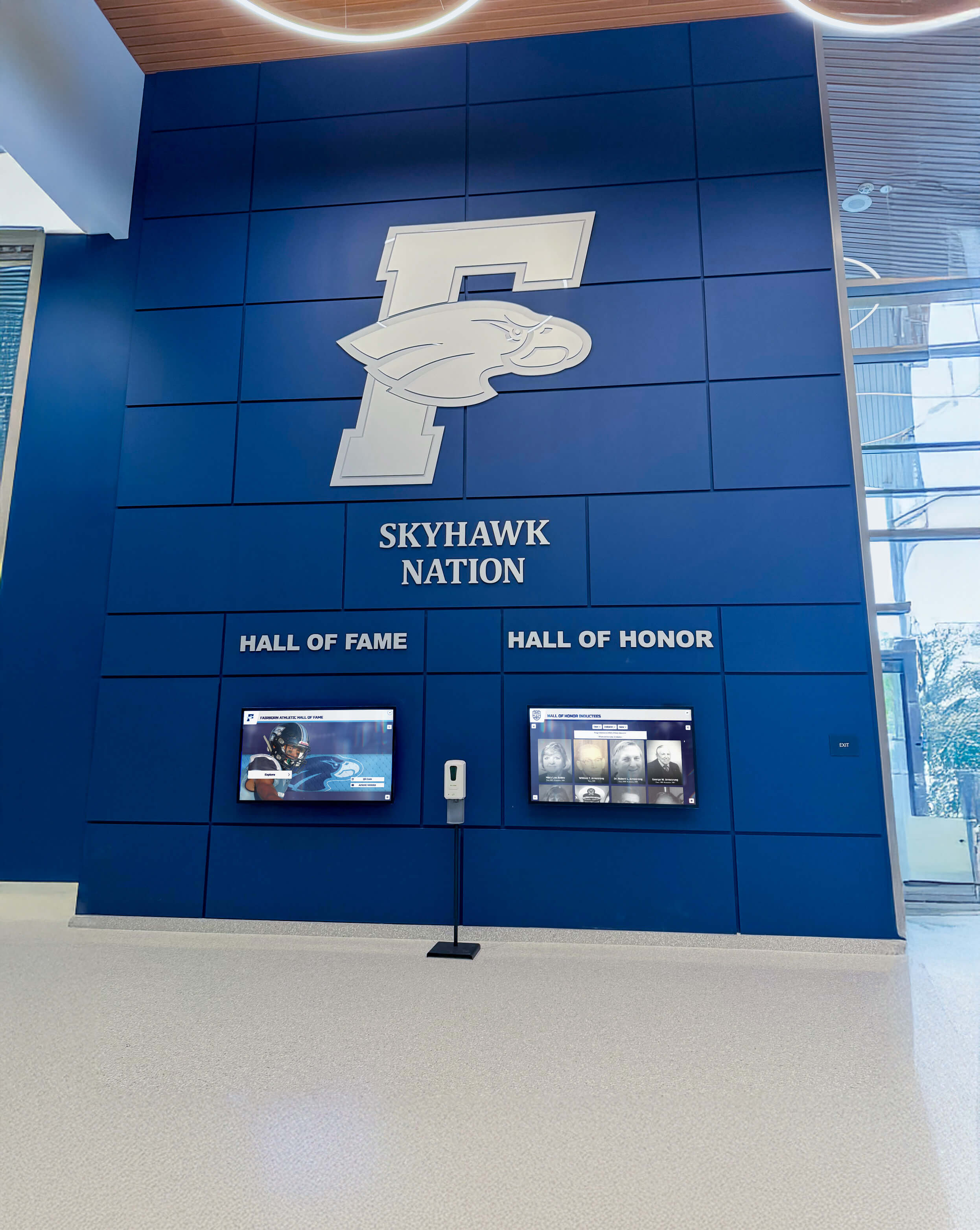
Many organizations maintain traditional physical donor walls while adding digital components that expand recognition capacity and enhance engagement. This approach features existing bronze or engraved walls remaining in place honoring establishment donors, adjacent or integrated digital displays that provide unlimited capacity for additional recognition, QR codes on physical elements linking to rich digital donor profiles, and coordinated design ensuring visual harmony between traditional and contemporary components.
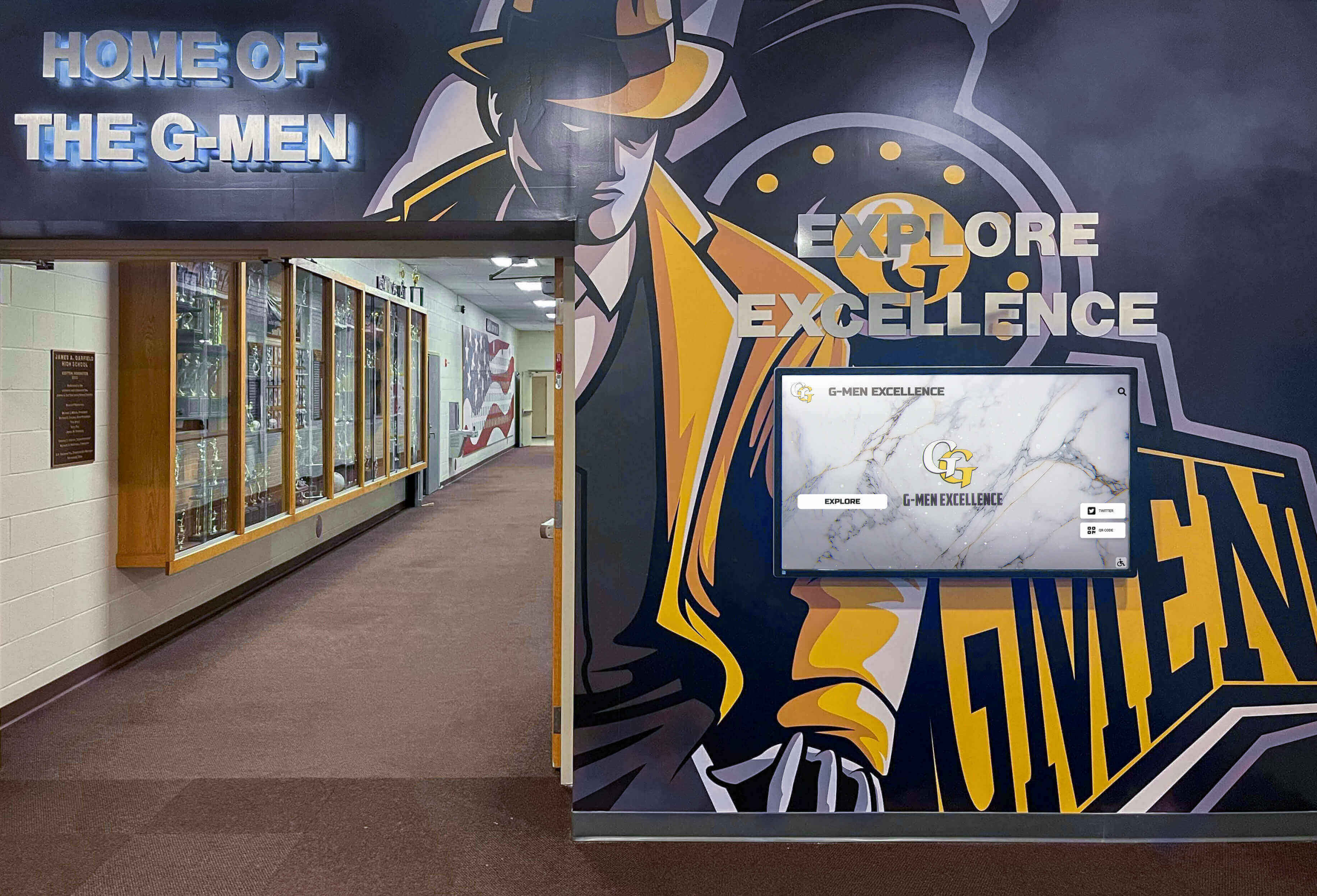
The blended approach respects institutional history and donor expectations while solving space constraints practically. Major donors who expect permanent physical recognition receive traditional acknowledgment. Campaign expansion occurs through digital platforms requiring no additional wall space. And younger donors who value contemporary technology receive recognition through formats they prefer and will actively engage with through mobile sharing.
Integration Best Practices:
Successful hybrid implementations require thoughtful design coordination ensuring consistent branding across physical and digital elements, logical organization where donor hierarchies and categorizations align across recognition modes, clear navigation helping visitors understand how physical and digital components relate, and content consistency maintaining accurate, synchronized information across all recognition formats.
Many institutions reference donor wall examples demonstrating effective hybrid approaches that balance multiple recognition strategies.
Tiered Recognition Systems
Contemporary donor recognition often employs tiered approaches where recognition level determines format: highest-tier leadership donors receive prominent traditional physical recognition signaling permanence and prestige, mid-level major donors appear on both physical modular displays and featured digital profiles, program-specific donors receive recognition through dedicated digital displays or web-based platforms, and annual fund supporters appear in digital recognition with periodic physical acknowledgment.
This graduated approach allocates limited physical space strategically while ensuring all donors receive appropriate recognition. Leadership giving prospects see that transformational gifts receive prominent permanent acknowledgment. Broad-based supporters appreciate inclusive recognition without organizations struggling to accommodate thousands of names physically. And staff manage recognition efficiently through systems matching acknowledgment type to gift level and donor expectations.
Communication Strategies:
Transparent communication about recognition approaches prevents donor confusion or disappointment. Effective strategies include advancement materials clearly explaining recognition corresponding to each giving level, visual examples showing what recognition donors will receive at various gift amounts, donor input opportunities gathering feedback about recognition preferences, and flexibility accommodating special requests from donors with specific recognition preferences.
Rotating and Evolving Displays
Some innovative organizations implement recognition that intentionally changes over time rather than remaining static permanently. These dynamic approaches feature rotating digital displays that spotlight different donor cohorts periodically, time-based recognition highlighting support during specific eras or campaigns, thematic rotation aligning recognition with organizational programs or seasonal focuses, and anniversary recognition commemorating milestone gift dates.
The rotation creates ongoing engagement as donors anticipate their featured periods. Content remains fresh rather than becoming institutional wallpaper that community members stop noticing. And organizations maintain narrative flexibility, telling different aspects of their fundraising story through strategic recognition emphasis.
Interactive Features That Increase Donor Engagement
Modern donor walls transcend passive acknowledgment, incorporating interactive elements that transform recognition into engagement platforms strengthening donor relationships and inspiring continued support.
Searchable Donor Databases
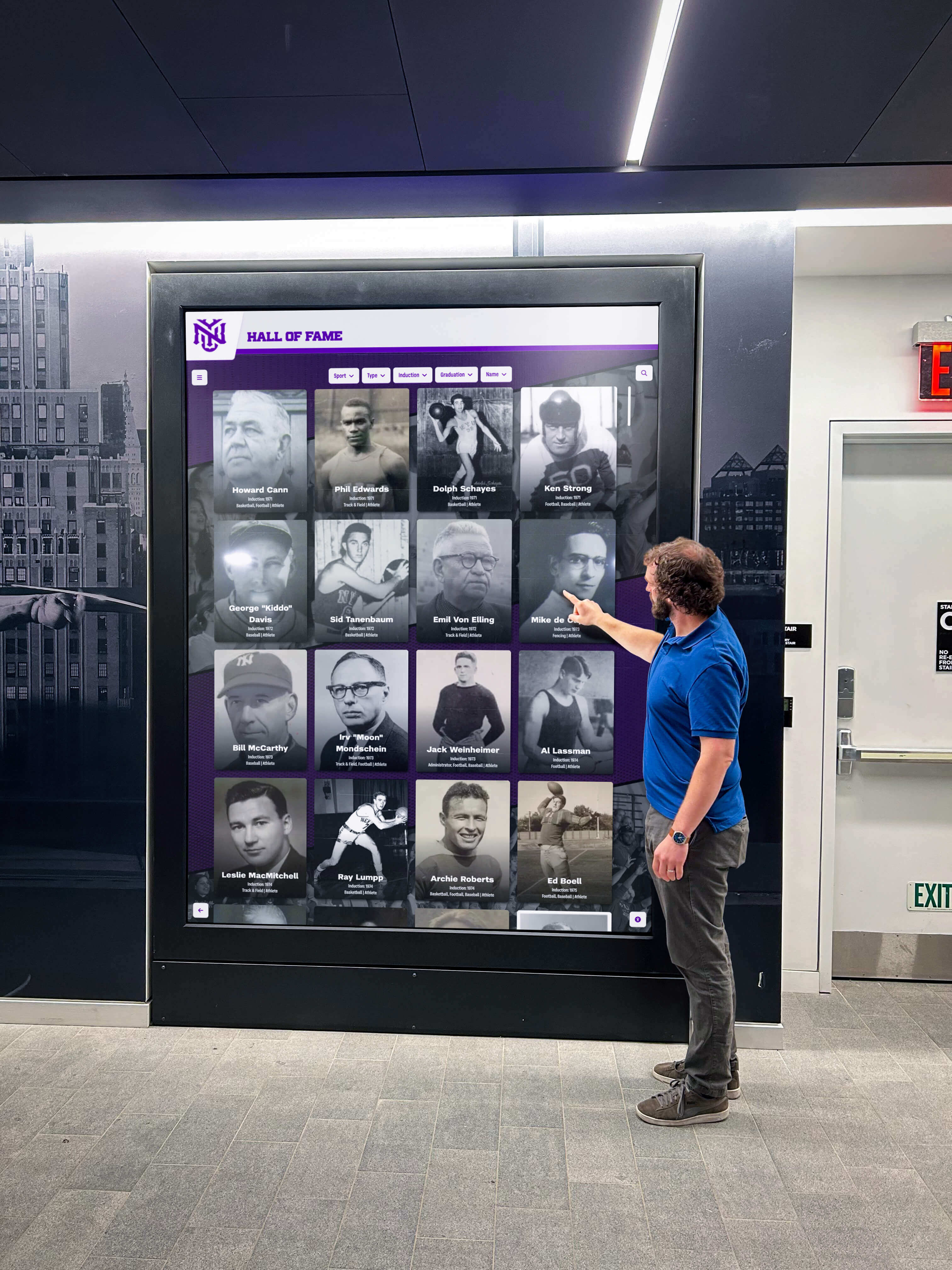
The most fundamental interactive feature enables visitors to find specific donors quickly through robust search functionality. Effective implementations provide autocomplete search suggesting donor names as users type, advanced filters by giving level, gift purpose, year, or campaign, family search finding all gifts associated with donor families, and company matching locating corporate support and employee giving.
The search capability creates powerful engagement moments. Donors visiting facilities immediately locate their recognition, often photographing digital profiles to share with family or colleagues. Prospective donors discover existing support from peers, employers, or community members they respect. And advancement staff use search functionality during donor meetings, pulling up recognition profiles in real time during stewardship conversations.
Impact Visualization and Storytelling
Beyond simply listing donor names, modern recognition tells compelling stories about gift impact through multimedia content, before/after imagery showing facility or program transformations funded by gifts, video testimonials from scholarship recipients, patients, students, or program beneficiaries, interactive timelines showing how cumulative giving enabled organizational growth, and data visualizations illustrating community reach, lives touched, or outcomes achieved.
The storytelling transforms recognition from backward-looking acknowledgment into forward-looking inspiration. Donors see concrete results their generosity created rather than simply seeing their names listed. Prospective donors envision impact they could create through their own giving. And broader community members understand how philanthropy enables organizational missions.
Organizations can examine academic recognition programs that demonstrate effective storytelling techniques applicable to donor recognition contexts.
Social Sharing and Digital Integration
Contemporary donors, particularly younger generations, expect digital experiences that integrate with their social lives and online presence. Modern donor walls facilitate this through shareable donor profiles with permanent URLs, social media integration enabling one-click sharing to Facebook, LinkedIn, Instagram, QR code access allowing smartphone scanning to access donor profiles instantly, and email functionality sending profile links to donors for easy sharing with personal networks.
The social dimension extends recognition reach exponentially. Each donor who shares their profile exposes your organization and its support base to hundreds of social connections. Donors’ professional networks see their philanthropic commitments, potentially inspiring similar giving. And organic social amplification provides authentic third-party validation more compelling than institutional marketing.
Donor Testimonials and Personal Messages
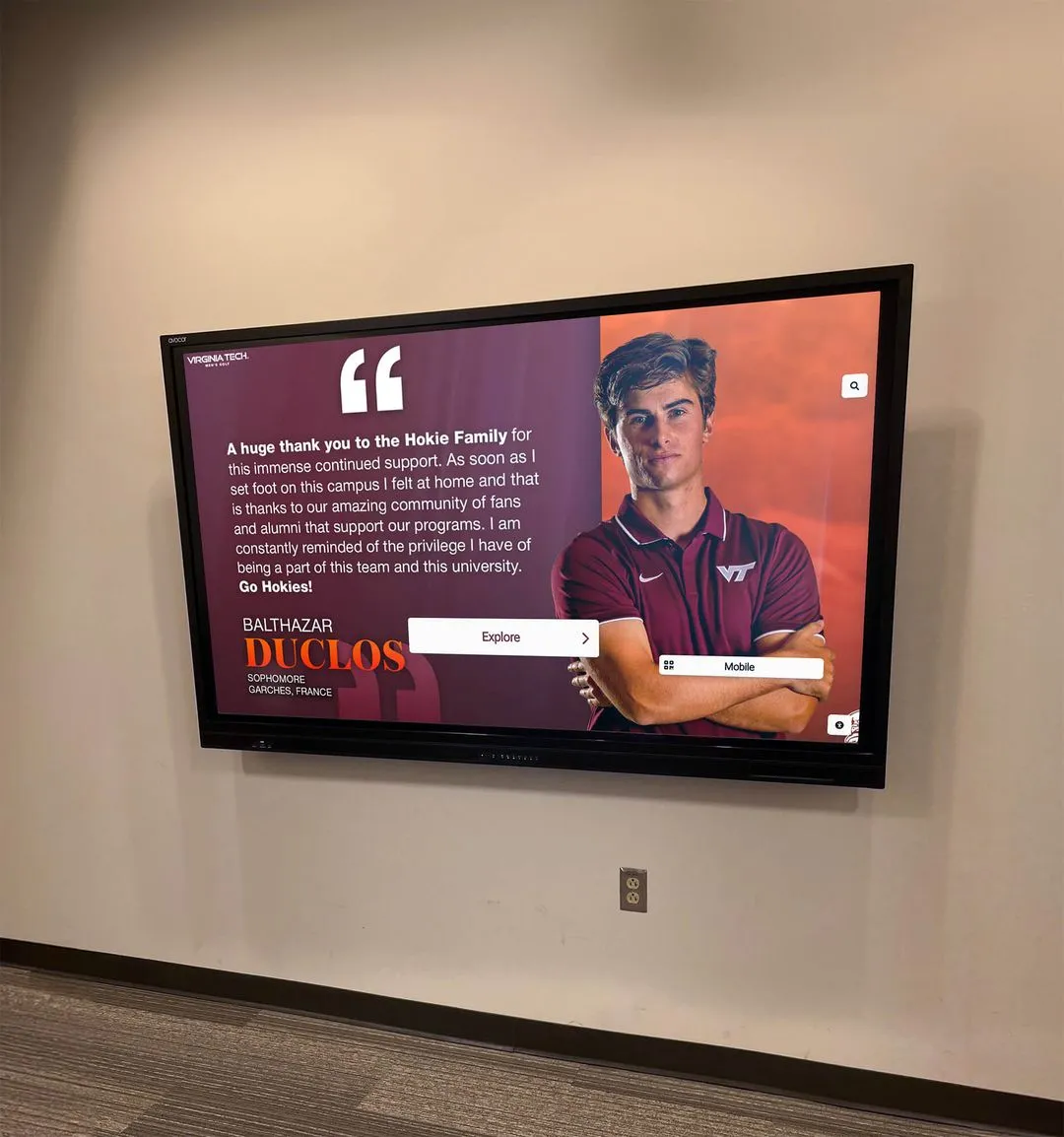
Some sophisticated installations incorporate donor voices directly through recorded video testimonials explaining giving motivation, written statements about why they support your organization, advice to prospective donors considering support, and family legacy narratives connecting multi-generational giving.
These authentic voices create peer-to-peer influence that institutional messaging cannot replicate. Prospective donors hear from people like themselves about meaningful giving experiences. Current donors feel honored through prominent profile features extending beyond simple name acknowledgment. And organizations benefit from powerful content supporting broader advancement communications and campaigns.
Specialized Modern Donor Wall Ideas for Different Organization Types
While core recognition principles apply broadly, specific organizational contexts benefit from tailored approaches addressing unique missions, audiences, and advancement goals.
Educational Institution Donor Recognition
Schools, colleges, and universities face distinctive recognition challenges given diverse donor constituencies including alumni, parents, faculty, staff, community members, and corporate partners. Modern educational donor walls often integrate donor recognition with athletic hall of fame displays, academic achievement celebration, and institutional history.
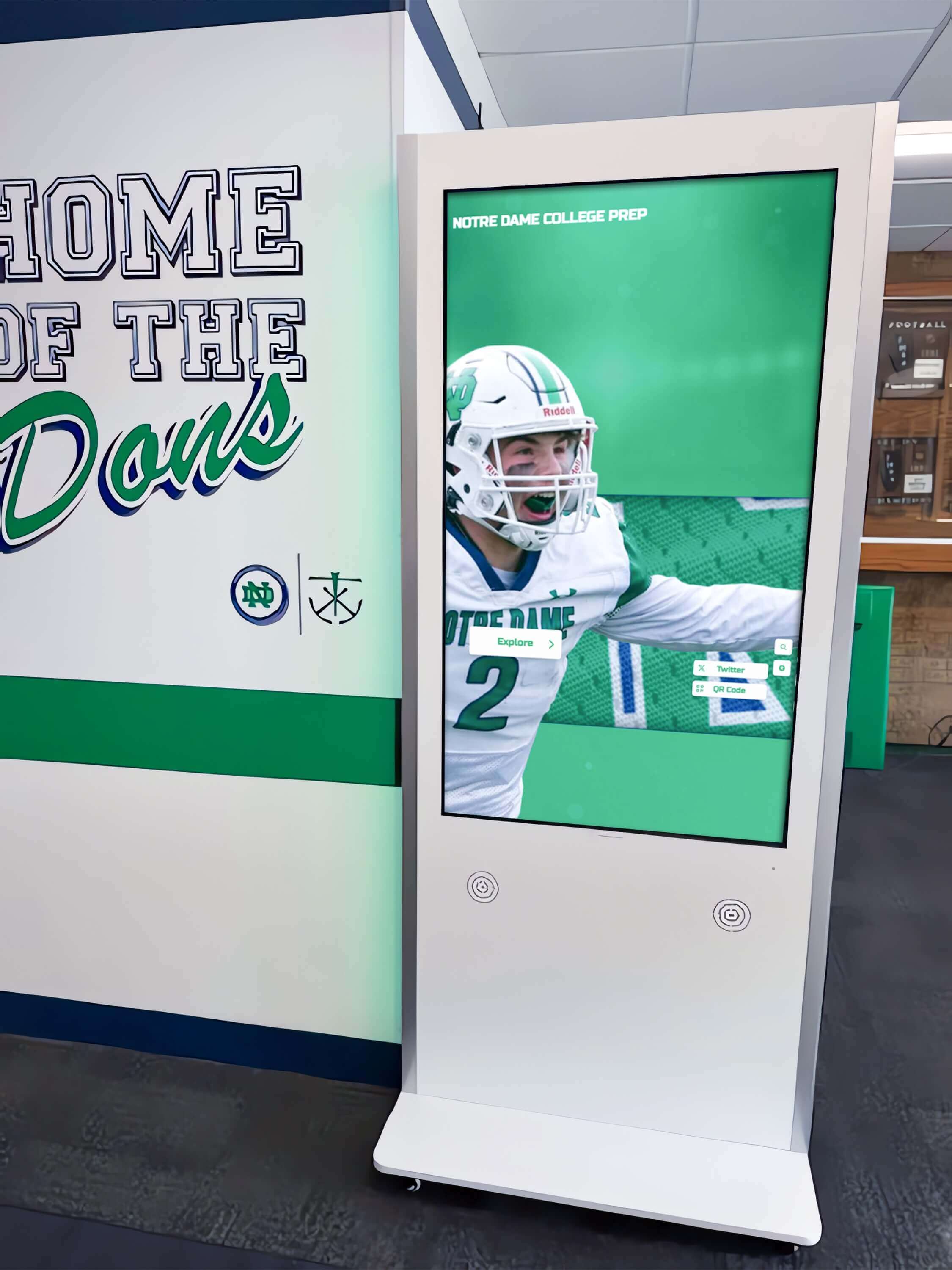
Effective educational approaches include scholarship donor profiles linked to current recipient profiles showing tangible student impact, facility naming recognition with building histories and donor connections, athletics support highlighting how gifts enable team success and student-athlete development, academic program recognition demonstrating how endowments support faculty excellence and research, and reunion class giving featuring collective alumni support by graduation year.
The educational context provides natural storytelling opportunities. Donors see named scholarships supporting specific students pursuing degrees in fields they care about. Athletic supporters witness championship success enabled by their facility or program investments. And academic donors understand how their support advances knowledge in disciplines they value.
Healthcare Donor Walls
Hospitals, medical centers, and healthcare facilities serve donors motivated by gratitude for care received, community health commitment, or memorializing loved ones. Modern healthcare donor recognition emphasizes patient impact through recovered patient testimonials thanking donors who funded their care facilities, medical equipment recognition showing how gifts enabled advanced treatment capabilities, research support highlighting breakthrough discoveries funded by philanthropy, and memorial giving honoring loved ones through dedicated spaces, programs, or equipment.
Healthcare organizations often incorporate Giving Tuesday recognition strategies that create seasonal giving moments while building year-round donor engagement through compelling recognition.
Sensitive privacy considerations require healthcare recognition to balance transparency with confidentiality. Digital platforms enable password-protected or donor-controlled privacy settings ensuring appropriate information sharing while respecting personal boundaries.
Arts and Cultural Institution Recognition
Museums, theaters, symphonies, and cultural organizations cultivate patrons who value aesthetic excellence, making recognition design quality particularly important. Modern arts donor walls often double as artistic installations themselves, reflecting organizational commitment to beauty and creativity through sculptural recognition that becomes gallery-worthy art, multimedia installations incorporating performance video, artwork imagery, or cultural artifacts, and thematic designs aligned with organizational missions and collection focuses.
Cultural institutions frequently integrate donor recognition with interactive museum displays that enhance visitor experiences while acknowledging philanthropic support enabling exhibitions and programs.
Religious Organization Donor Walls
Churches, temples, mosques, and faith communities approach recognition through theological and cultural lenses that may emphasize collective community over individual acknowledgment. Contemporary religious donor recognition balances congregational unity with appropriate donor acknowledgment through collective recognition emphasizing “we” language and community achievement, memorial giving honoring deceased members through beautiful installations or gardens, capital campaign visualization showing community progress toward shared sacred goals, and modest acknowledgment respecting religious values about humility while appropriately honoring generosity.
Organizations can explore church digital donation systems that integrate recognition with contemporary giving technologies aligned with religious community values.
Implementation Strategies for Modern Donor Wall Projects
Successfully transitioning from traditional recognition to contemporary approaches requires systematic planning addressing technical, organizational, and relationship dimensions of donor acknowledgment.
Planning and Needs Assessment
Begin by thoroughly understanding current recognition state, donor expectations, organizational culture, and advancement goals before selecting specific solutions. Comprehensive assessment examines existing recognition inventory documenting all current donor walls, plaques, and acknowledgment approaches, space analysis evaluating available locations for new installations, donor expectation research gathering feedback about recognition preferences and priorities, budget assessment establishing realistic financial parameters, and technical infrastructure review evaluating network connectivity, power availability, and facility constraints.
Stakeholder engagement proves essential. Successful implementations involve advancement leadership providing strategic direction and donor relations insight, facility and operations staff addressing practical installation and maintenance considerations, IT departments ensuring technical feasibility and system integration, design professionals contributing aesthetic expertise, and donor representatives including board members or major supporters offering beneficiary perspectives.
Selecting Recognition Technology and Partners
Research available solutions thoroughly, comparing capabilities, viewing multiple vendor demonstrations, checking references carefully, and evaluating long-term partnership potential beyond initial installation. Evaluation criteria should emphasize recognition-specific functionality versus adapted digital signage, content management ease enabling non-technical advancement staff to update recognition independently, total cost of ownership including all implementation and ongoing expenses, vendor experience with organizations similar to yours, and scalability supporting future expansion across additional locations or recognition types.
Organizations implementing donor recognition systems benefit from comprehensive guides comparing alternatives and identifying best-fit solutions for specific organizational contexts.
Solutions like Rocket Alumni Solutions provide purpose-built platforms specifically designed for recognition applications across education, healthcare, arts, and nonprofit sectors. Unlike generic digital signage adapted for donor acknowledgment, specialized recognition platforms deliver intuitive donor profile management, sophisticated search and discovery features, multimedia storytelling capabilities, web accessibility extending recognition globally, and templates optimized for advancement applications.
Content Development and Migration
Transitioning to modern donor walls requires systematic content development compiling historical recognition data, gathering donor information and multimedia assets, creating compelling profiles, and organizing content logically for discovery. Successful content strategies include phased approach starting with highest-priority donors before expanding to comprehensive coverage, donor outreach requesting updated information, photos, and giving motivation stories, multimedia collection gathering impact photos, video testimonials, and supporting materials, and quality assurance ensuring accuracy before publication to avoid embarrassing errors damaging donor relationships.
The content development phase typically represents the most time-intensive element of implementation but creates foundations for meaningful recognition that transcends simple name lists. Rich donor profiles tell compelling stories, demonstrate organizational gratitude authentically, and inspire prospective donors considering support.
Launch and Ongoing Management
Successful modern donor wall launches create awareness and excitement throughout donor communities while establishing sustainable management practices ensuring long-term success. Effective launch strategies involve grand opening events during major institutional gatherings or fundraising occasions, donor preview opportunities allowing recognized supporters early access before public unveiling, media coverage in organizational publications, local news outlets, and advancement communications, and social media campaigns encouraging donors to visit, explore, and share their recognition.
Sustainable ongoing operations require designated staff responsibility with clear accountability for content currency, regular update schedules ensuring new gifts receive prompt recognition, content refresh cycles keeping displays current with rotating features or seasonal themes, analytics review examining engagement patterns and using data to improve experiences, and continuous improvement incorporating donor feedback and advancing technology capabilities.
Budgeting for Modern Donor Recognition
Understanding realistic cost structures and potential return on investment helps organizations secure appropriate funding and make informed decisions about recognition technology investments.
Cost Components and Investment Levels
Modern donor wall expenses vary significantly based on approach, scale, and quality expectations. Typical cost ranges include:
Digital Recognition Displays:
- Single large-format interactive touchscreen (43"-75"): $15,000-$45,000 including commercial-grade display, content management platform, professional installation, initial content development, and staff training
- Multiple networked displays across facilities: $40,000-$150,000 depending on quantity, locations, and content management system sophistication
- Web-based donor recognition platforms: $5,000-$25,000 including platform licensing, design customization, content migration, and training
Contemporary Physical Recognition:
- Modular donor wall systems: $20,000-$80,000 depending on size, materials, and design complexity
- Sculptural or architectural installations: $50,000-$300,000+ for custom artistic recognition integrated with facilities
- Hybrid approaches combining physical and digital: $30,000-$100,000 for coordinated multi-component systems
Ongoing Annual Costs:
- Software licensing and technical support: $2,000-$8,000
- Content management staff time: 5-15 hours monthly
- Hardware maintenance and updates: Budget 10-15% of initial hardware cost annually
- Content refresh and feature enhancements: $1,000-$5,000
Organizations can explore comprehensive recognition guides comparing recognition technology options across different budget levels and organizational contexts.
Funding Modern Recognition Investments
Recognition system costs often incorporate into capital campaign budgets as project expenses, with recognition infrastructure funded through campaign proceeds or designated leadership gifts. Effective funding strategies include recognition naming opportunities where major donors fund recognition systems honored through naming, operational budget allocation treating recognition as essential advancement infrastructure, corporate sponsorship with businesses supporting recognition in exchange for visibility, and board designated funds using reserve funds for strategic advancement capacity building.
Return on Investment Considerations
While recognition ROI proves difficult to quantify precisely, organizations implementing modern systems consistently report substantial benefits including increased donor satisfaction reflected in retention and upgrade rates, enhanced fundraising results as recognition quality influences giving decisions, improved operational efficiency through automated systems reducing manual recognition management, and extended donor engagement as digital accessibility and interactive features create ongoing touchpoints beyond single acknowledgment moments.
Many advancement professionals report that modern recognition investments deliver returns through donor retention improvements alone. When 5-10% higher retention rates result from superior recognition experiences, the incremental lifetime giving value quickly exceeds recognition technology costs.
Future Trends in Donor Recognition
Understanding emerging recognition approaches helps organizations make forward-looking investments that remain relevant as technology and donor expectations continue evolving.
Personalized and Adaptive Recognition
Emerging donor walls incorporate personalization technology that adapts content based on viewer identity or interests. Advanced implementations use facial recognition (with appropriate privacy controls) identifying donors when they approach displays, presenting personalized welcome messages and highlighting their specific recognition and gift impact. Profile recommendations suggest related donor stories based on viewing patterns or donor connections. And content customization presents recognition emphasizing programs, departments, or causes individual viewers care about most.
The personalization creates intimate scaled experiences even within large organizational contexts. Donors feel genuinely seen and appreciated through recognition that acknowledges their specific support. Advancement staff leverage technology enabling one-to-one stewardship experiences that would be impossible to deliver manually across large donor bases.
Augmented Reality Recognition Experiences
Mobile augmented reality (AR) creates recognition layers accessible through smartphones that overlay digital content on physical spaces. Donors scanning AR-enabled installations see animated donor stories, 3D visualizations of projects their gifts funded, or historical timelines showing how cumulative giving enabled organizational evolution. The technology transforms static physical recognition into entry points for rich digital experiences that engage donors more deeply than traditional approaches permit.
Blockchain and Digital Asset Recognition
Some innovative organizations explore blockchain technology for donor recognition, creating permanent decentralized records of support and unique digital recognition assets that donors truly own. While still emerging, these approaches appeal particularly to cryptocurrency donors and digital-native younger supporters who value decentralized verification and digital asset ownership.
Voice-Activated and Conversational Interfaces
Voice interaction creates accessible recognition experiences for visitors with visual impairments while providing natural interfaces for all users. Advanced donor walls respond to spoken questions like “Show me donors who supported the new science building” or “Tell me about the Johnson family’s giving history,” creating conversational exploration experiences that feel more natural than touchscreen navigation for many users.
Overcoming Common Modern Donor Wall Implementation Challenges
Organizations transitioning to contemporary recognition approaches encounter predictable obstacles that proactive strategies can address successfully.
Challenge: Donor Concerns About Tradition
Some long-term supporters resist contemporary recognition preferring traditional bronze plaques they view as more permanent and prestigious. Solutions include maintaining existing traditional recognition while adding digital capacity for expansion, offering highest-tier donors choice between traditional physical or enhanced digital recognition, communicating clearly about modern approaches’ permanence through cloud-based preservation and organizational commitment, and involving donor representatives in design processes ensuring their values inform implementation.
Challenge: Budget Constraints
Advanced recognition technology can represent substantial investments that budget-conscious organizations struggle to justify. Solutions include phased implementation starting with single displays or web-only platforms before expanding, incorporating recognition costs into campaign budgets as project expenses, seeking recognition technology sponsorship from corporate donors, comparing long-term costs recognizing that digital approaches often cost less over time than physical systems requiring constant expansion, and pursuing grant funding from foundations supporting nonprofit capacity building.
Challenge: Technical Expertise Limitations
Advancement staff may lack technical skills required to manage sophisticated digital recognition systems. Solutions include selecting platforms specifically designed for non-technical users with intuitive interfaces, prioritizing vendor selection based on training quality and ongoing support availability, designating technology-comfortable staff members as recognition system administrators, and building partnerships with institutional IT departments providing technical assistance.
Challenge: Content Development Burden
Compiling comprehensive donor information and creating rich recognition profiles represents substantial work that under-resourced advancement teams struggle to accommodate. Solutions include starting with highest-priority donors before attempting comprehensive coverage, enlisting volunteer help from board members, alumni, or community supporters, using student interns or work-study students for research and content creation, and outsourcing professional content development for initial population before transitioning to internal management.
Organizations can reference employee recognition best practices that apply equally to donor acknowledgment contexts, providing frameworks for systematic recognition program management.
Conclusion: Transforming Donor Recognition for Contemporary Advancement
Modern donor wall ideas represent far more than aesthetic preferences or technology adoption for its own sake. Contemporary recognition approaches solve fundamental limitations that constrain traditional physical walls while creating engagement platforms that strengthen donor relationships, inspire continued giving, and advance organizational missions more effectively than conventional acknowledgment ever could.
The most successful modern donor walls share core characteristics: unlimited capacity eliminating forced choices about who receives recognition, rich storytelling that demonstrates gift impact compellingly, interactive features that transform passive viewing into active exploration, web accessibility extending recognition globally beyond facility visitors, automated systems that honor gifts promptly while donor excitement remains high, and beautiful design that reflects organizational excellence and values donors appreciate.
Organizations implementing contemporary recognition consistently report benefits extending far beyond the initial acknowledgment purpose. Modern donor walls become advancement assets that support cultivation, inspire giving, enhance community pride, demonstrate institutional vitality, and create experiences that donors value enough to share with personal networks.
Whether you’re launching major capital campaigns requiring recognition for thousands of donors, replacing outdated physical walls that have exhausted capacity, or simply exploring how contemporary technology can strengthen donor relationships and improve advancement outcomes, modern donor wall solutions provide practical strategies serving organizations across education, healthcare, arts, nonprofit, and religious sectors.
Your donors’ generosity deserves recognition matching the significance of their support. Modern donor wall ideas make comprehensive, engaging, beautiful acknowledgment more achievable than ever before while creating experiences that inspire continued giving and strengthen the relationships that enable your organization to fulfill its mission.
Ready to explore how contemporary donor recognition can transform your advancement program? Digital recognition solutions purpose-built for nonprofit organizations enable you to honor unlimited donors through engaging multimedia displays, manage recognition efficiently through intuitive platforms requiring no technical expertise, extend acknowledgment globally through web accessibility, demonstrate impact compellingly through multimedia storytelling, and create experiences that inspire continued support rather than simply acknowledging past generosity.
Your supporters made your organization’s success possible. Modern recognition ensures their legacy receives acknowledgment worthy of their commitment while building donor relationships that sustain institutional excellence for generations to come.
Book a demo to discover how contemporary donor wall solutions can help your organization celebrate supporters, inspire giving, and advance your mission through recognition that matches 21st-century advancement standards.