



Middle school budgets rarely stretch far enough to cover everything administrators envision for students. From new technology and updated facilities to expanded arts programs and athletic equipment, the gap between available funding and genuine needs continues to grow. Successful fundraising doesn’t just fill budget holes—it builds community connections, teaches students valuable lessons about civic engagement, and creates cultures of giving that benefit schools for years beyond individual campaigns.
For middle school administrators, parent organizations, and development teams, identifying fundraising strategies that balance effectiveness with age-appropriate participation creates sustainable revenue while avoiding fundraising fatigue that can damage community relationships. The most successful middle school fundraising approaches combine multiple small-to-medium initiatives rather than relying on single large events, engage students meaningfully without exploiting them as sales agents, and recognize donors in ways that encourage continued support.
Why Middle School Fundraising Requires Different Approaches
Middle school fundraising faces unique challenges compared to elementary or high school campaigns. Students are old enough to understand money but may lack the networks or motivation of high schoolers preparing for college. Parents often experience fundraising fatigue after years of elementary school campaigns. Yet middle school represents a critical period when programs need support before students transition to high school. Successful campaigns recognize these realities while implementing strategies that build genuine community support rather than transactional relationships. Digital recognition solutions like Rocket Alumni Solutions help schools acknowledge donors permanently, encouraging continued giving while building cultures that value philanthropy.
Understanding Middle School Fundraising Fundamentals
Before launching specific campaigns, establishing clear frameworks for fundraising efforts ensures activities align with institutional values, legal requirements, and community expectations.
Setting Clear Fundraising Goals and Purposes
Effective fundraising begins with specific, articulated goals that answer what funds will support, why these needs matter, how much money campaigns aim to raise, and what timeline governs fundraising efforts.
Vague goals like “raising money for the school” generate less enthusiasm than concrete objectives such as “purchasing 30 Chromebooks for the media center so every English class can access online research simultaneously” or “funding transportation costs for the entire 8th grade class to visit the state capital for civics education.”
When setting fundraising goals, involve stakeholders including administrators who understand budget priorities, teachers who identify classroom needs, students who can articulate what matters to them, and parent organizations willing to lead campaigns. This collaborative approach builds buy-in while ensuring fundraising targets genuinely valuable improvements.
Legal and Ethical Considerations
Middle school fundraising must navigate important legal and ethical boundaries protecting students, maintaining transparency, and preserving community trust.
Student Privacy Protection: Never publish student names, photos, or information in fundraising materials without explicit parental permission. Avoid placing students in uncomfortable positions soliciting donations from relatives or neighbors. Student participation should always be voluntary without penalizing those whose families cannot contribute.
Financial Transparency: Maintain clear records showing how much money campaigns raise, what expenses reduce net proceeds, and exactly how funds get allocated. Publish financial reports accessible to donors and community members. Transparency builds trust essential for continued fundraising success.
Tax Compliance: Work with district finance offices or qualified accountants ensuring fundraising activities comply with nonprofit tax regulations. Provide appropriate donation receipts for tax-deductible contributions. Understand which fundraising revenues require sales tax collection.
Fair Access Policies: Ensure fundraising doesn’t create economic barriers excluding students from programs or activities. Consider scholarship funds covering costs for families facing financial hardship. No student should miss field trips, programs, or opportunities simply because their families cannot afford fundraiser participation.
Understanding how booster clubs structure donor recognition programs provides models middle schools can adapt for their fundraising initiatives while maintaining appropriate recognition standards.
Building Sustainable Fundraising Calendars
Strategic fundraising spreads initiatives throughout academic years rather than concentrating efforts in short periods that overwhelm communities and staff.
Develop annual fundraising calendars that space major campaigns at least six weeks apart, avoid scheduling during standardized testing or holidays, coordinate with district calendars preventing conflicts with other schools, and establish consistent timing creating predictable annual rhythms.
Consider quarterly fundraising approaches where each school quarter features one major initiative supplemented by ongoing smaller revenue streams like school stores, spirit wear sales, or donation matching programs requiring minimal active management.
Well-planned calendars prevent fundraising fatigue while maximizing participation by ensuring families aren’t simultaneously supporting multiple campaigns across different children’s schools.
Traditional Fundraising Ideas Reimagined for Middle School
Classic fundraising approaches remain effective when adapted thoughtfully for middle school contexts, student capabilities, and contemporary expectations.
Product Sales Fundraisers
Product sales represent familiar fundraising territory, but success requires careful vendor selection and realistic expectations about student participation.
What Works for Middle School: Choose products families genuinely use rather than novelty items—cookie dough, frozen foods, gift wrap, discount cards for local businesses, or school spirit wear. Consider online ordering options reducing cash handling and enabling wider geographic reach as students share links with distant relatives.
Modernizing the Approach: Replace door-to-door selling with digital campaigns where students email personalized messages to family networks with secure ordering links. Create friendly competitions between homerooms or advisory groups without pressuring individual students. Offer incentives celebrating participation rather than only rewarding top sellers who often have existing advantages in networks or resources.
Profit Margin Reality: Understand that product fundraisers typically return 30-50% of gross sales as actual school profit. Calculate whether the effort investment justifies returns. Sometimes focusing energy on higher-margin activities produces better results with less community fatigue.

Fun Runs and Walkathons
Movement-based fundraisers align with health education priorities while creating all-school events building community spirit.
Planning Effective Fun Runs: Organize events where students seek per-lap sponsorships from family and community members, then complete as many laps as possible during designated time periods. Modern platforms like 99Pledges or FundRunners provide online pledge management, automated reminder emails to donors, and reduced administrative burden for organizers.
Making It Meaningful: Connect fun runs to curriculum through PE classes where students train, math lessons calculating distances and fundraising totals, or health education exploring cardiovascular fitness. Create themes making events memorable—color runs with powder stations, superhero costumes, or decade themes with era-appropriate music.
Beyond Just Running: Adapt movement fundraisers for various abilities by offering walking options, wheelchair-accessible courses, adaptive equipment, and participation roles for students unable to complete physical components. Fundraising success shouldn’t depend on athletic capability.
Typical Results: Well-organized fun runs at middle schools average $15-40 per student in net proceeds. Schools with 500 students might reasonably expect $7,500-20,000 from single events depending on community engagement and planning quality.
School Carnivals and Family Fun Nights
Community events create opportunities for direct fundraising while building relationships and providing entertainment value justifying participation costs.
Event Structure Options: Plan evening or weekend events featuring game booths, food vendors, silent auctions, raffles, entertainment performances, and family activities. Charge admission covering base costs with additional revenue from activity tickets, food sales, and auction items.
Maximizing Revenue Streams: Successful carnival fundraisers layer multiple revenue sources—entrance fees, pre-sold game tickets, food concessions, raffle tickets, silent auction items, photo booth fees, and sponsorship opportunities where local businesses underwrite specific activities in exchange for signage and recognition.
Student and Volunteer Involvement: Engage students in planning and operating carnival components appropriate for middle school ages—designing games, creating decorations, performing in talent shows, or managing booths under adult supervision. Parent volunteers typically handle cash management, food service, and overall coordination.
Realistic Expectations: School carnivals require substantial planning investment and volunteer coordination. Successful events might net $3,000-8,000 for medium-sized middle schools after expenses. Consider whether returns justify the significant organizational effort or whether simpler alternatives might prove more efficient.
Understanding how academic recognition programs can acknowledge fundraising contributions helps schools connect fundraising success with visible appreciation that encourages continued participation.
Innovative Digital and Modern Fundraising Approaches
Contemporary technology enables fundraising strategies impossible in previous decades, offering convenient participation options that fit modern family lifestyles.
Crowdfunding Campaigns
Online crowdfunding platforms democratize giving by making donations convenient while enabling campaigns to reach beyond immediate school communities.
Platform Selection: Popular educational crowdfunding platforms include DonorsChoose (specifically for classroom projects), GoFundMe (general purpose with education categories), Facebook Fundraisers (leveraging social networks), and specialized school fundraising platforms like Snap! Raise or FundMySchool offering features tailored to educational contexts.
Campaign Success Factors: Effective crowdfunding campaigns tell compelling stories explaining exactly what funds will support, use high-quality photos and videos showing students who will benefit, set realistic funding goals that feel achievable, provide regular updates celebrating progress and thanking donors, and share consistently across social media platforms expanding reach.
Teacher-Driven Project Campaigns: Consider enabling individual teachers to run campaigns for specific classroom needs—supplemental books, science lab materials, technology tools, or field trip scholarships. Teacher-led campaigns often generate strong response because donors see direct connections between contributions and student benefits.
Integration with School Communications: Promote crowdfunding campaigns through school newsletters, email lists, social media channels, parent organization meetings, and student ambassadors sharing with family networks. Consistent communication over campaign durations maintains momentum beyond initial launches.
Read-A-Thons and Academic Competitions
Fundraisers celebrating academic achievement align naturally with educational missions while incentivizing behaviors schools want to encourage anyway.
Read-A-Thon Structure: Students collect per-page or per-book pledges from sponsors, then track reading during designated periods—typically 2-4 weeks. Platform services like Read-A-Thon.com or ReadingRocket.com provide digital pledge management, reading trackers, and automated donor communications simplifying organization.
Academic Challenge Fundraisers: Adapt the concept beyond reading—math problem-solving challenges, vocabulary word learning, science fact mastery, or writing competitions where students seek pledges based on problems solved, words learned, or pages written. Academic fundraisers teach students that intellectual achievement has value while advancing educational goals.
Recognition and Celebration: Combine fundraising with authentic recognition of academic effort regardless of funding results. Celebrate reading completion, academic improvement, and effort investment separate from money raised. Avoid creating situations where fundraising performance overshadows genuine academic achievement.
Educational Integration: Connect read-a-thons with English curriculum through book discussions, author studies, genre exploration, or writing assignments reflecting on reading experiences. Integration makes fundraisers educational experiences rather than interruptions to learning.
Matching Gift Programs and Corporate Partnerships
Leverage relationships with local businesses and parent employers to multiply donation impacts through matching programs and corporate partnerships.
Employer Matching Programs: Many corporations match employee charitable donations dollar-for-dollar or at other ratios. Schools should actively communicate information about matching gifts to parent communities, provide necessary documentation for matching requests, acknowledge matched gifts visibly appreciating both individual donors and corporate partners, and track which employers offer matching to target communications to families working for those companies.
Local Business Partnerships: Develop mutually beneficial relationships with community businesses through sponsorship opportunities where businesses underwrite specific programs in exchange for recognition, percentage-of-sales nights where restaurants or retailers donate portions of receipts from designated days, in-kind donations of goods or services reducing school expenses, and volunteer partnerships where business employees provide skilled services.
Corporate Grant Applications: Research corporate giving programs from local and national companies. Many corporations offer education grants supporting specific initiatives like STEM programs, literacy projects, arts education, or technology integration. Grant applications require more effort than direct fundraising but can yield significant one-time or recurring support.
Visible Appreciation: Recognize business partners prominently through signage at school facilities, acknowledgment in school communications, mentions at community events, and permanent recognition displays. Thoughtful appreciation encourages continued partnership while demonstrating to other businesses that support receives genuine recognition. Resources on donor recognition wall ideas provide models for acknowledging business partners effectively.
Direct Giving Campaigns
Straightforward requests for donations often produce better return on effort than elaborate fundraisers, particularly when campaigns clearly articulate needs and simplify giving processes.
Annual Fund Campaigns: Establish annual giving campaigns soliciting unrestricted contributions supporting general operating needs or specific priority areas. Successful annual funds communicate clear goals, offer multiple giving levels with suggested amounts, provide convenient giving options including online donations, recognize all donors regardless of amount, and report transparently on how funds benefit students.
Specific Purpose Appeals: Target campaigns toward particular needs generating emotional connection—scholarship funds supporting students facing financial challenges, technology upgrades enabling modern instruction, facility improvements creating better learning environments, or program expansions offering students new opportunities. Specific purpose appeals often outperform general requests because donors clearly understand impact.
Giving Days and Concentrated Campaigns: Consider concentrated campaigns like “Give 12 on 12/12” encouraging $12 donations on specific dates, matching-day campaigns where major donors or businesses match all gifts during designated periods, or end-of-year appeals leveraging tax-deduction timing. Concentrated campaigns create urgency while simplifying decisions about when to give.
Simplified Giving Mechanisms: Remove friction from donation processes through online giving portals accepting credit cards and digital payments, text-to-give options requiring only mobile phones, payroll deduction programs for district employees, and automatic recurring gift options. The easier donating becomes, the more people follow through on giving intentions.
Event-Based Fundraising With Community Engagement
Events serving dual purposes—fundraising while building community—often generate enthusiasm beyond pure financial campaigns while strengthening relationships that support schools in various ways.
Themed Dinners and Social Events
Food-centered gatherings create natural community-building opportunities while generating fundraising revenue through ticket sales, auctions, and additional activities.
Popular Dinner Formats: Successful middle school dinner fundraisers include spaghetti dinners with simple menus and family-friendly pricing, international food festivals featuring diverse cuisines reflecting community demographics, barbecue events capitalizing on outdoor venue options, breakfast-for-dinner events offering novelty appeal, and potluck dinners where families contribute dishes reducing organizational burden.
Beyond Food Sales: Layer additional revenue opportunities including silent auctions featuring donated items or experiences, 50/50 raffles with jackpots split between winners and school, dessert auctions where families bid on homemade treats, talent show performances providing entertainment while showcasing student abilities, and photo opportunities with professional photographers donating services.
Creating Memorable Experiences: Enhance events beyond simple meals through themed decorations creating atmosphere, student performances entertaining attendees, recognition ceremonies honoring volunteers or donors, displays showcasing student work from art classes or projects, and activities engaging younger siblings so entire families can attend comfortably.
Volunteer Management: Successful dinner events require substantial volunteer coordination for food preparation, serving, setup and cleanup, ticket sales and guest management, auction operation, and event logistics. Well-organized volunteer systems with clear roles prevent chaos while ensuring tasks get completed efficiently.
Athletic Events and Tournaments
Sports naturally draw middle school communities, creating opportunities to generate fundraising revenue alongside athletic programming.
Hosting Tournaments: Organize multi-school tournaments in popular sports like basketball, volleyball, soccer, or baseball. Revenue comes from team registration fees, concession sales throughout tournament days, admission charges for spectators, and sponsorship opportunities where local businesses underwrite tournaments in exchange for signage and recognition.
Special Athletic Events: Create fundraising events featuring faculty-student games drawing community interest, 3-on-3 tournaments in popular sports, free-throw or home-run hitting contests with entry fees and prizes, or fitness challenges like basketball or volleyball marathons where teams seek pledges for continuous play periods.
Concession Stand Operations: Well-run concession stands at regular athletic events provide steady supplemental revenue throughout seasons. Keys to profitability include purchasing food and beverages in bulk reducing per-unit costs, pricing items appropriately balancing affordability with profit margins, offering popular items community members want, maintaining quality and food safety standards, and staffing reliably with trained volunteers.
Corporate Sponsorships: Develop athletic sponsorship programs where local businesses support teams, seasons, or entire athletic programs. Sponsors receive recognition through team banners, gym signage, website acknowledgment, game announcements, and social media mentions. Well-structured sponsorship programs provide predictable annual revenue while building lasting business partnerships.
Arts Performances and Showcases
Middle school arts programs create natural fundraising opportunities through performances and exhibitions that celebrate student talent while generating revenue.
Concert and Performance Fundraisers: Organize ticketed performances featuring band, choir, orchestra, or theater productions. Beyond ticket revenue, layer additional fundraising through program advertising sold to local businesses, concession sales during intermissions, silent auctions of donated items or student artwork, and donation opportunities at performance entrances.
Art Shows and Sales: Host exhibitions showcasing student visual artwork with optional purchase opportunities where families can buy displayed pieces. Consider professional-quality reproductions of exceptional work, collaborative class projects for auction, or commissioned works created specifically for fundraising. Ensure art sale focus remains on celebrating student creativity rather than creating uncomfortable commercialization of student work.
Talent Shows: Community talent shows with modest admission fees create popular events showcasing diverse student abilities. Include both student performers and community act categories. Add revenue through concessions, program advertisements, and audience choice awards requiring small voting fees.
Integration With Recognition: Connect arts fundraising with permanent recognition displays celebrating creative achievement alongside academic and athletic accomplishments. Balanced recognition communicates that schools value diverse forms of excellence while building broader community support for arts programming.
Donor Recognition: Building Long-Term Fundraising Success
Thoughtful donor appreciation transforms one-time givers into sustained supporters while creating cultures valuing philanthropy and community contribution.
Why Recognition Matters for Continued Giving
Research consistently demonstrates that recognized donors give more frequently, maintain support over longer periods, increase giving amounts over time, and recruit other donors through their visible commitment. Recognition matters not because donors are egotistical but because acknowledgment confirms that contributions achieved intended purposes and schools genuinely value support.
Middle schools sometimes underinvest in recognition, assuming donors don’t need thanks or that appreciation is unnecessary for smaller gifts. This perspective misses opportunities to build donor relationships that compound over years as individual families increase giving and influence others through their visible commitment.

Traditional Recognition Approaches
Conventional recognition methods remain valuable, particularly when implemented consistently and thoughtfully:
Personal Thank-You Communications: Send personalized thank-you letters or emails to all donors within 48 hours of contribution receipt. When possible, include specific information about how gifts will be used and student impacts. Personal recognition from school leaders carries particular weight.
Public Acknowledgment: Recognize donors through school newsletters, website donor lists, social media appreciation posts, mentions at community events, and displays in school facilities. Secure permission before public recognition as some donors prefer anonymity.
Named Recognition Opportunities: Offer naming opportunities where major donors receive lasting recognition through named spaces (library reading rooms, courtyards, performance venues), named programs (scholarship funds, academic awards), or dedicated facilities. Named recognition requires clear policies about giving levels and appropriate naming standards.
Recognition Events: Host annual appreciation events specifically honoring donors and volunteers. These events need not be elaborate—simple receptions with student performances, facility tours showing how contributions benefited students, or breakfast gatherings with administrator remarks demonstrating genuine gratitude prove effective.
Digital Recognition Displays: Modern Donor Appreciation
Contemporary technology enables recognition approaches impossible with static plaques and donor walls, offering engaging, updateable, and space-efficient alternatives that enhance traditional recognition methods.
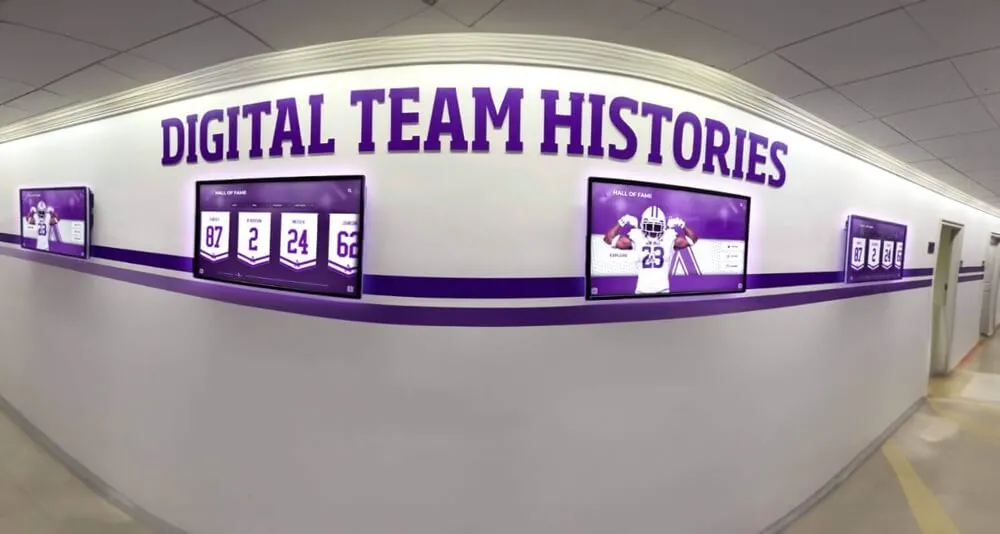
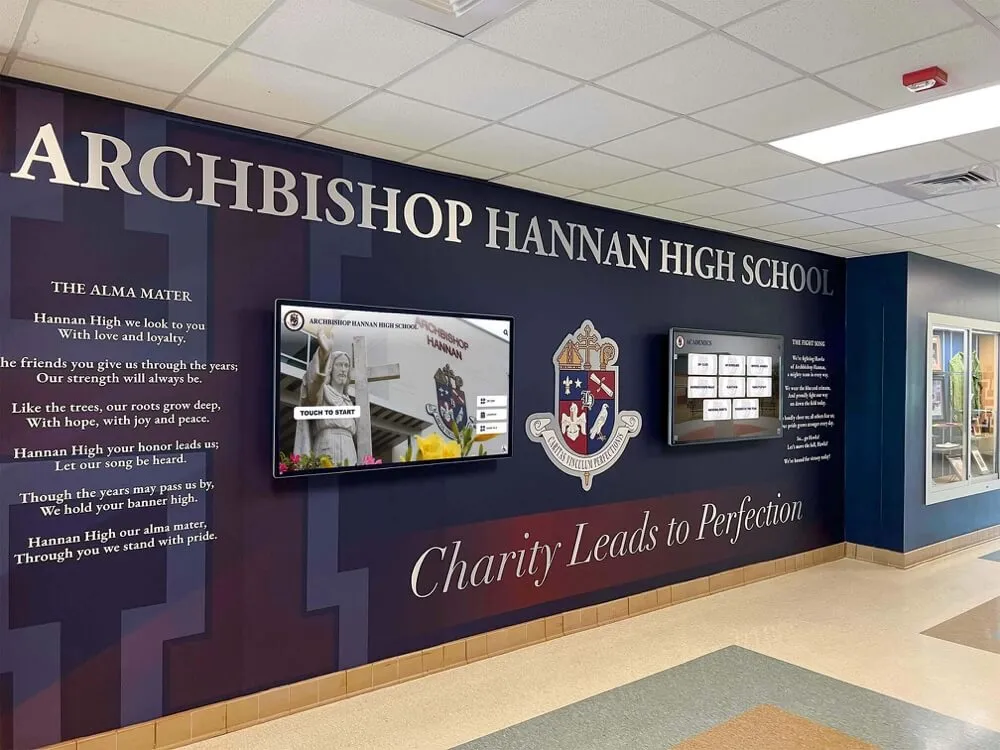
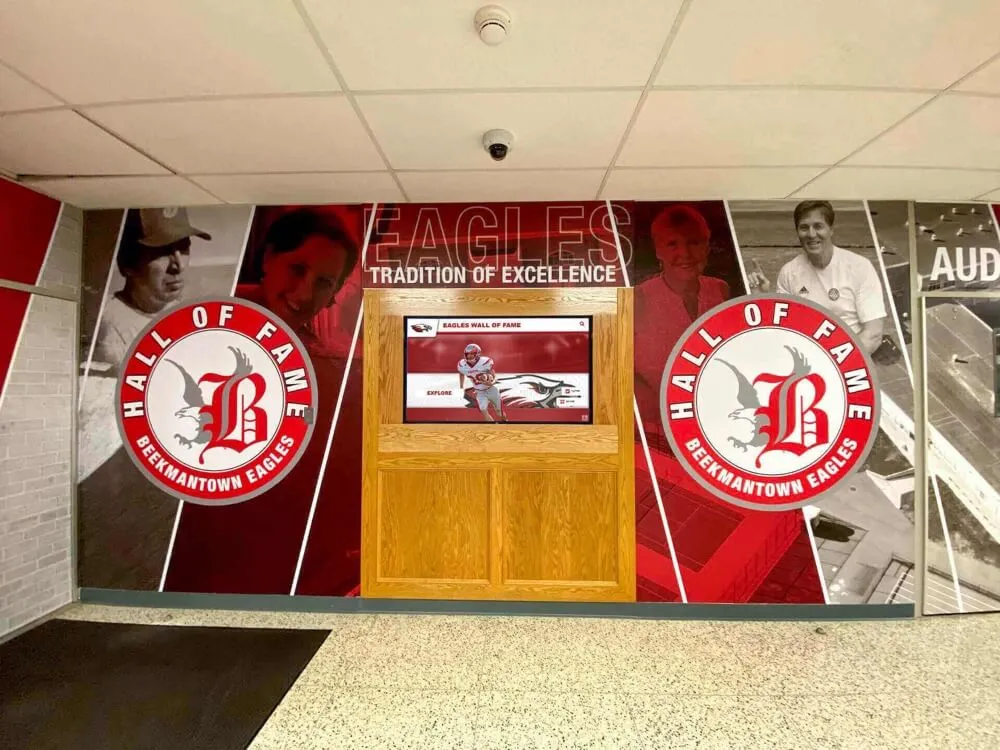
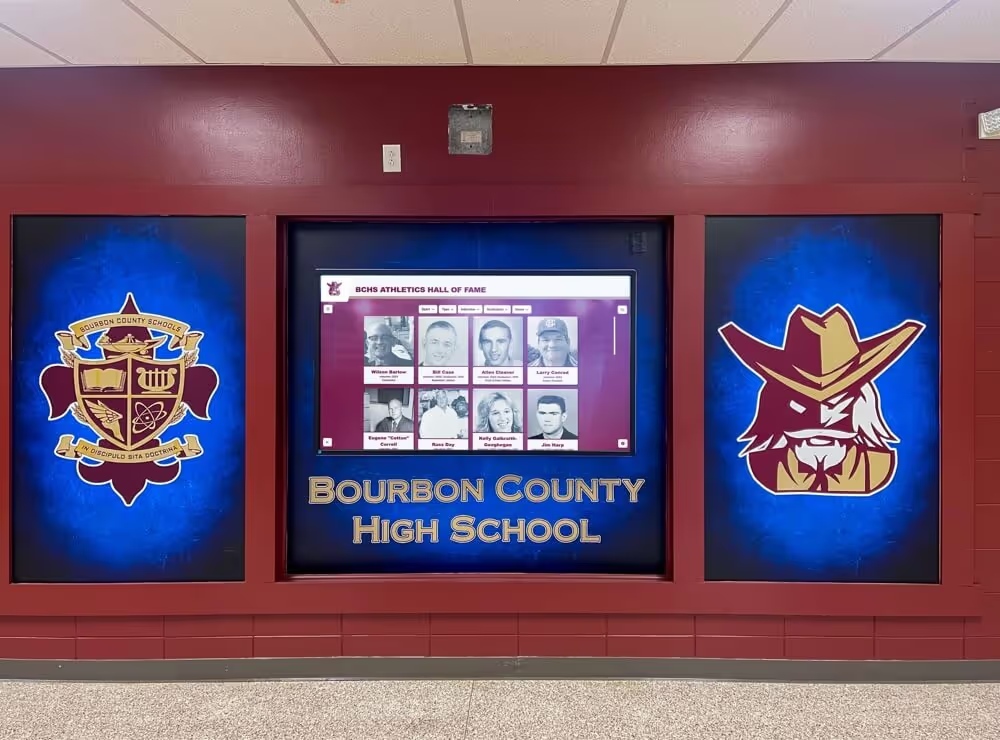
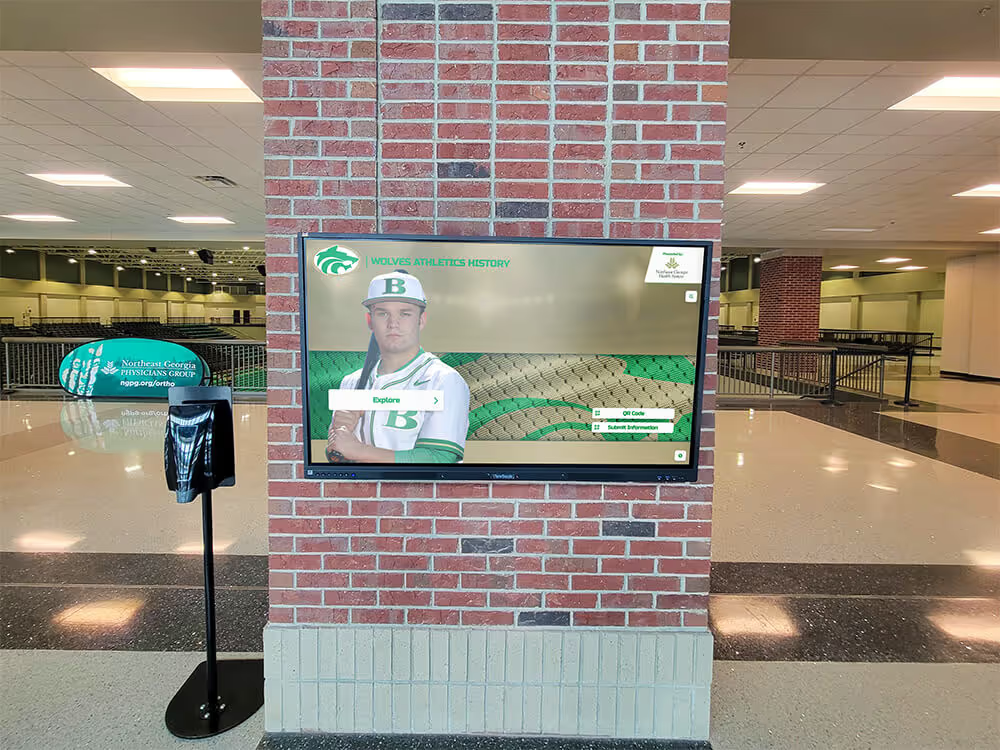
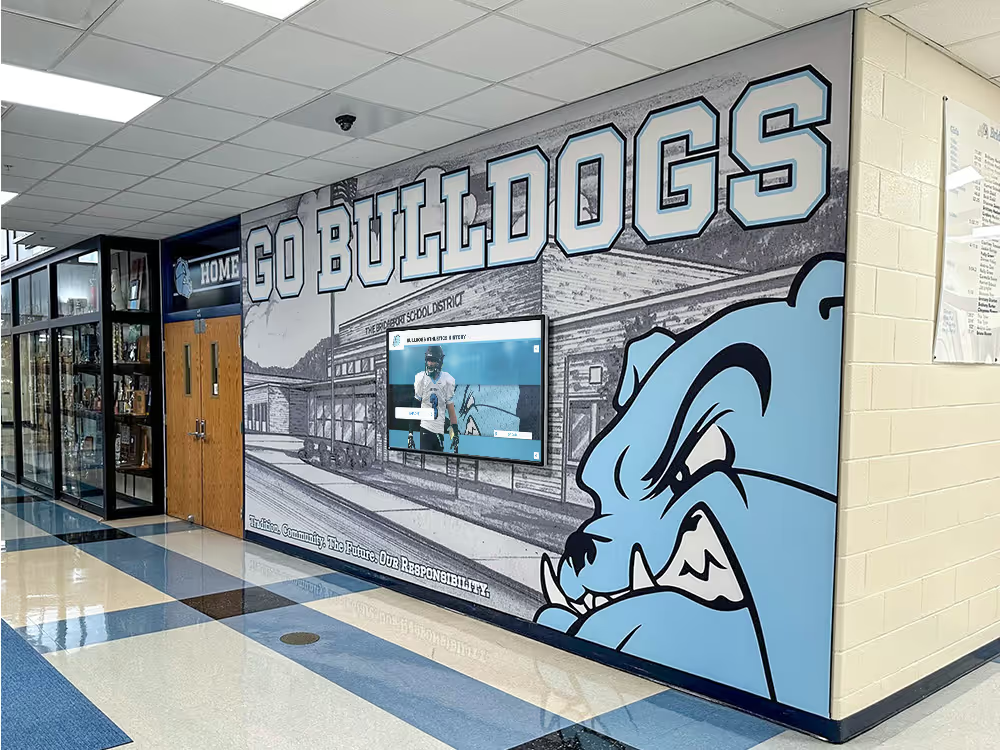
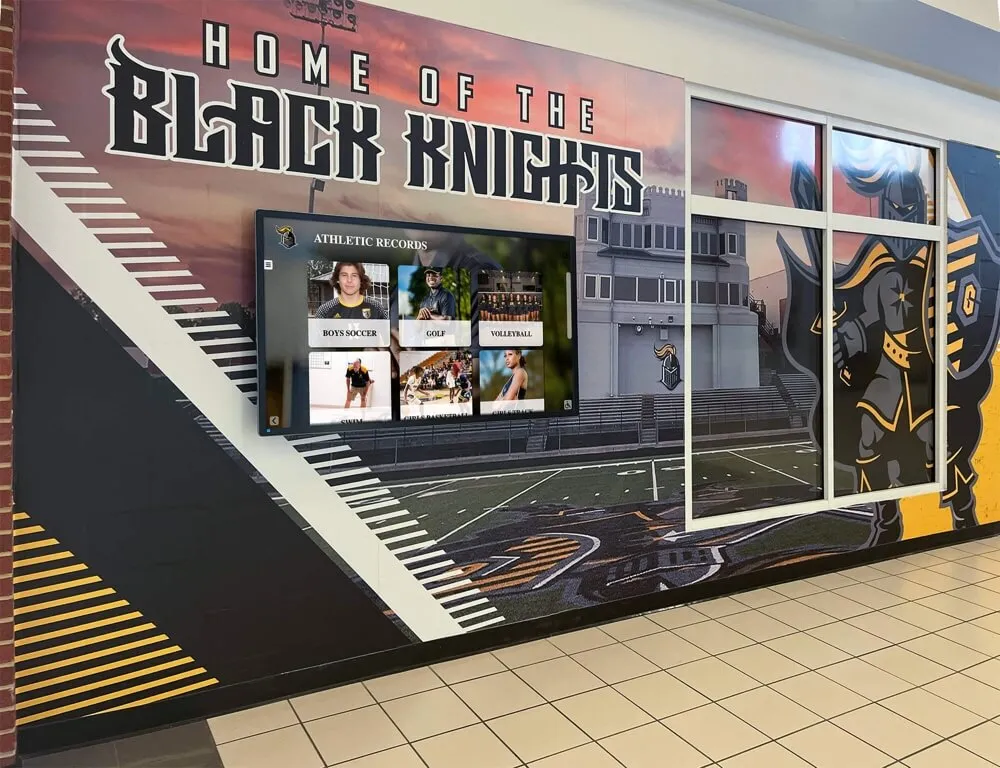
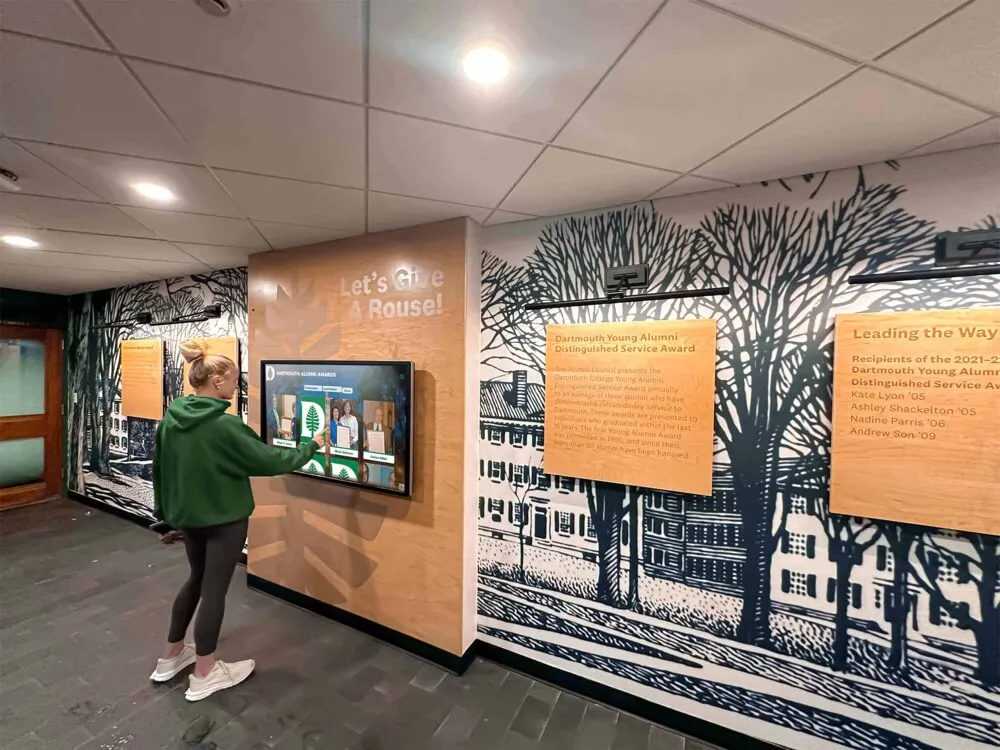
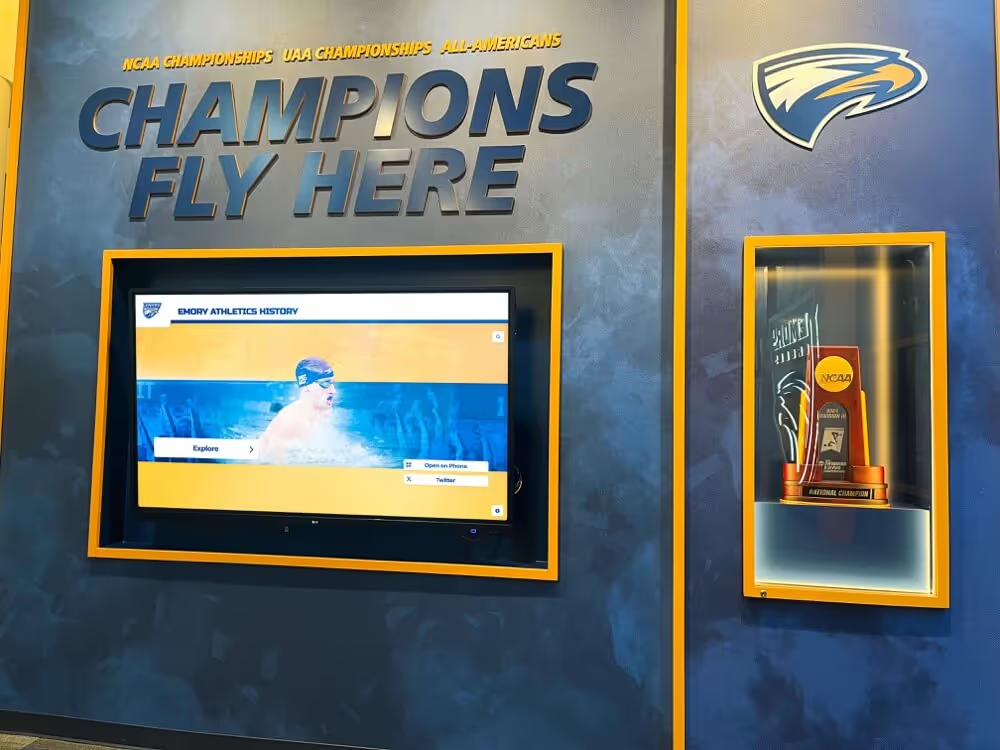
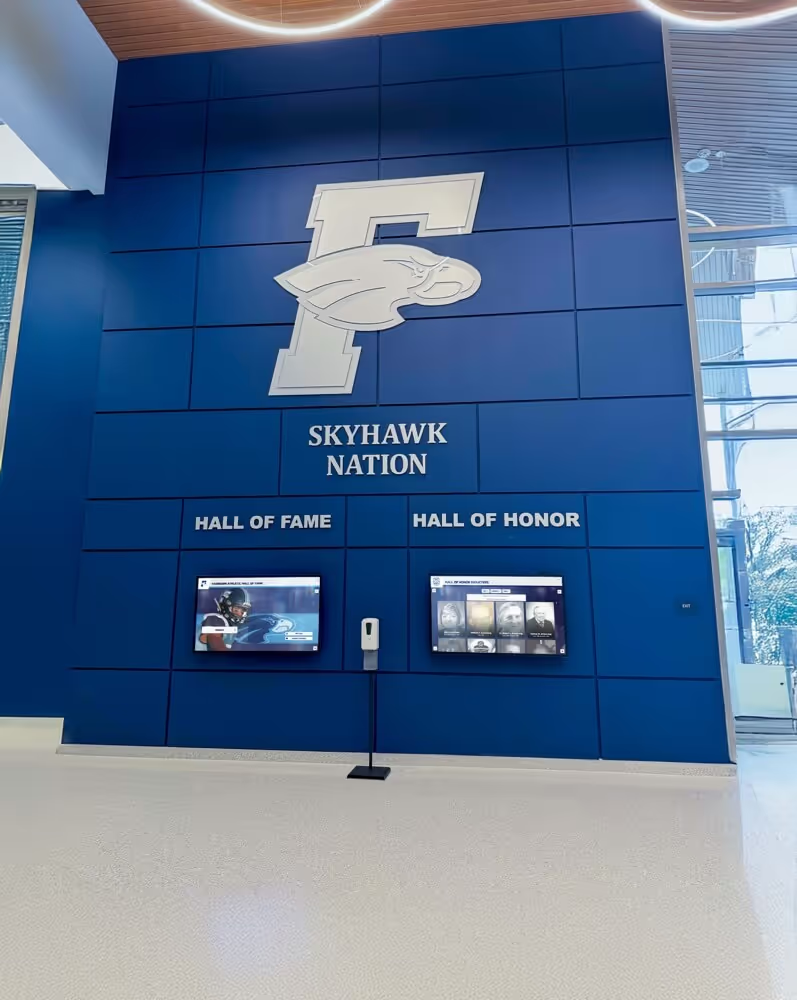
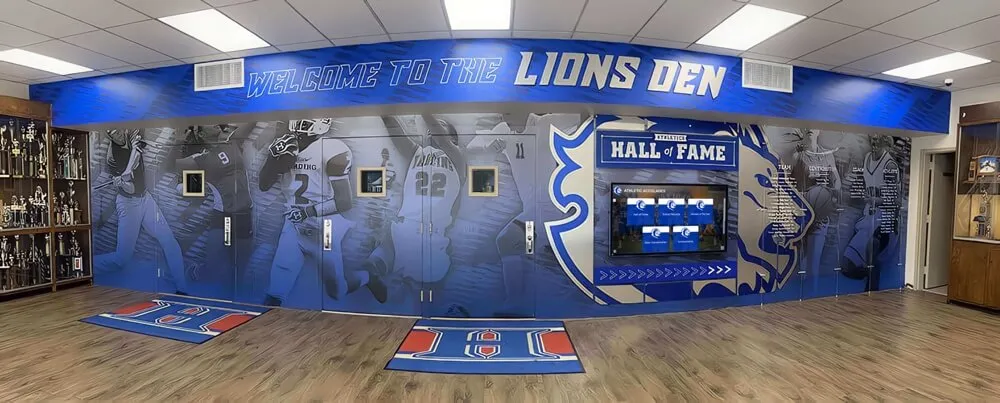
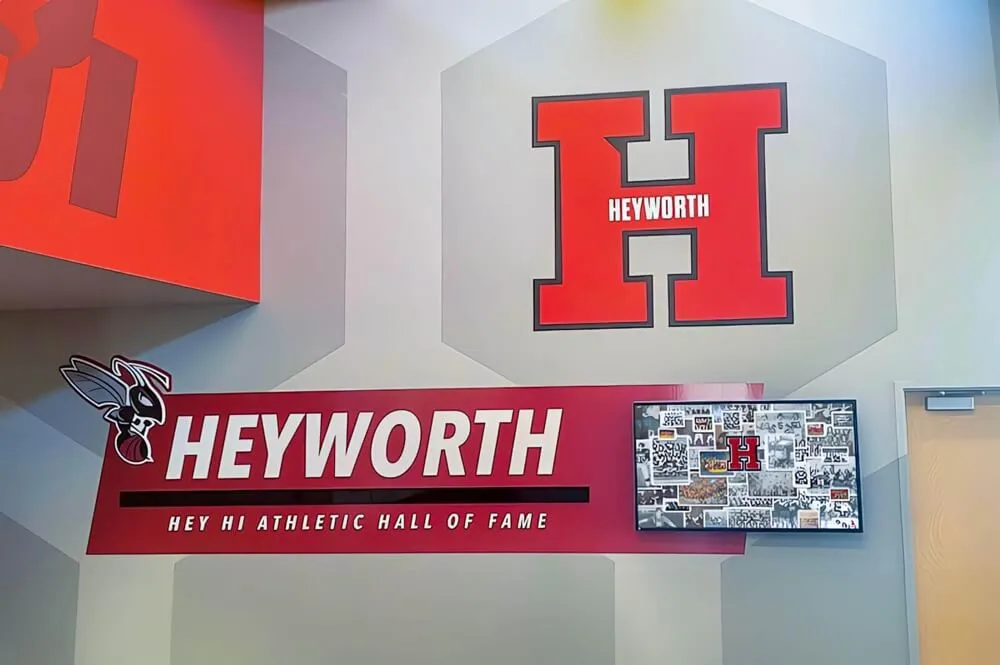
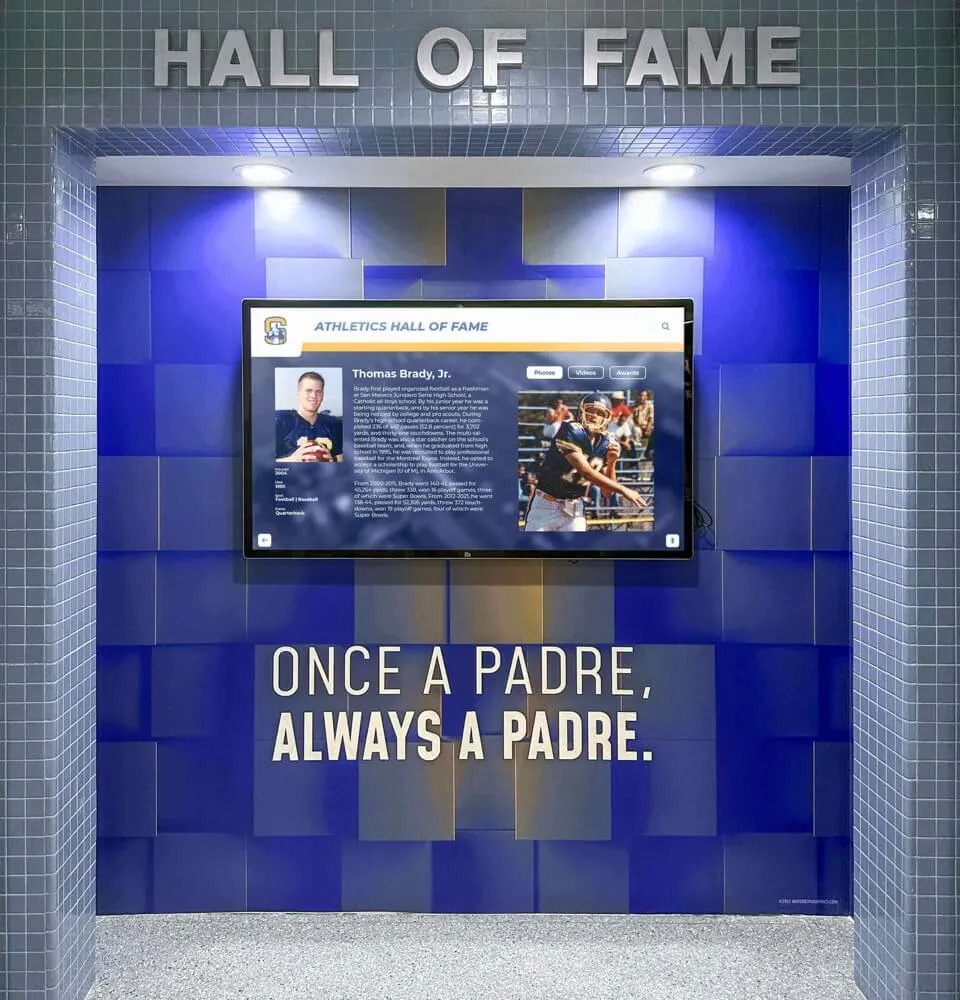
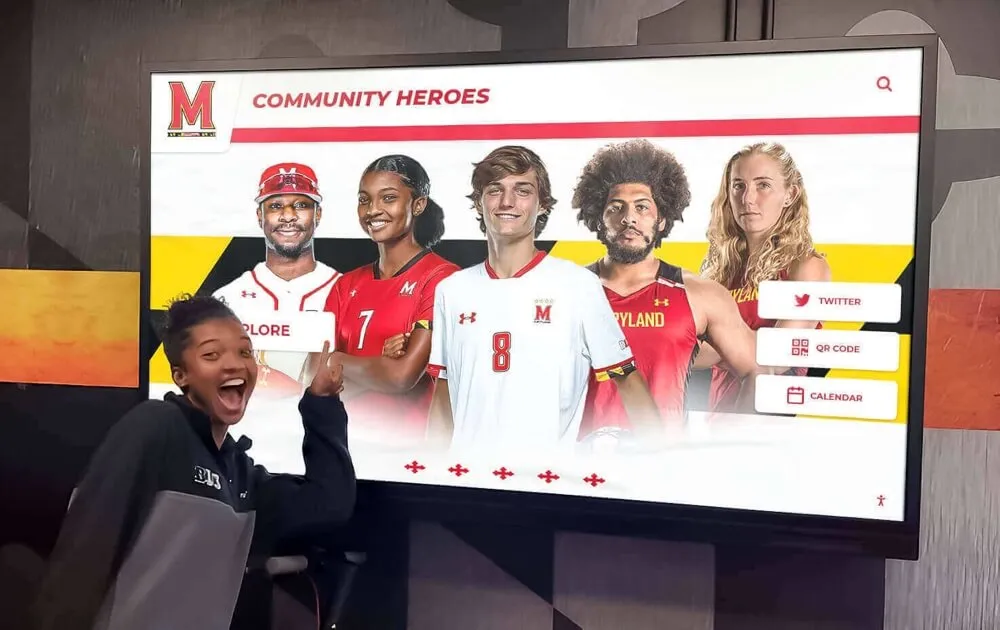
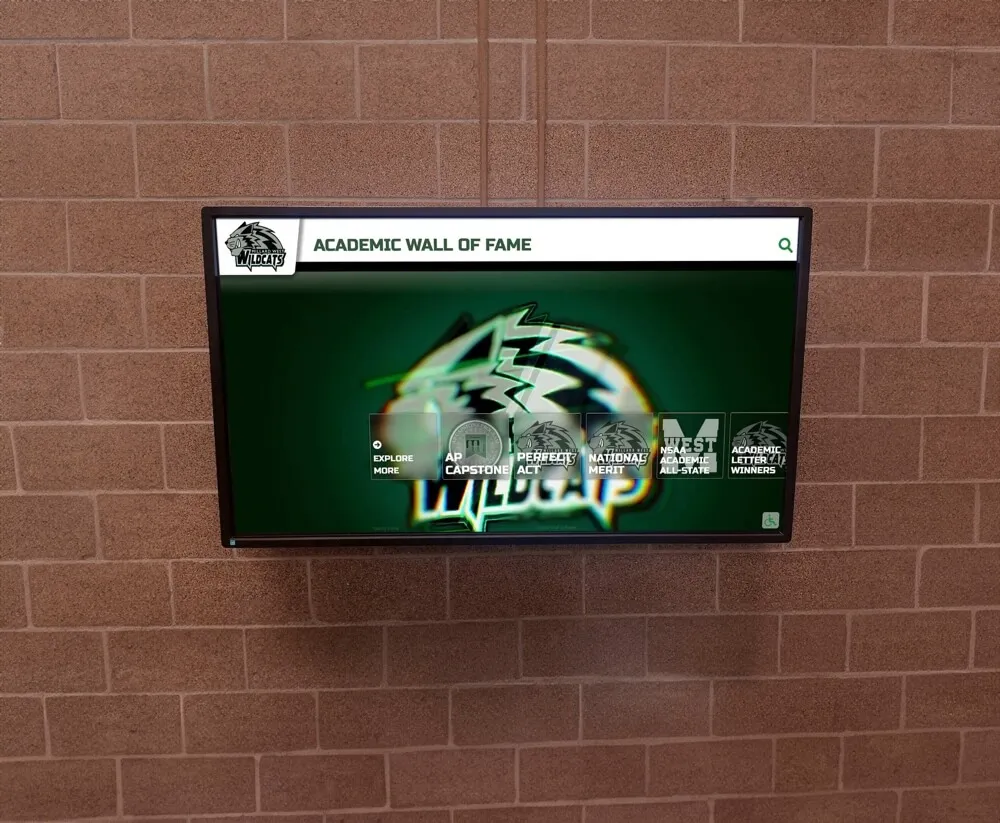
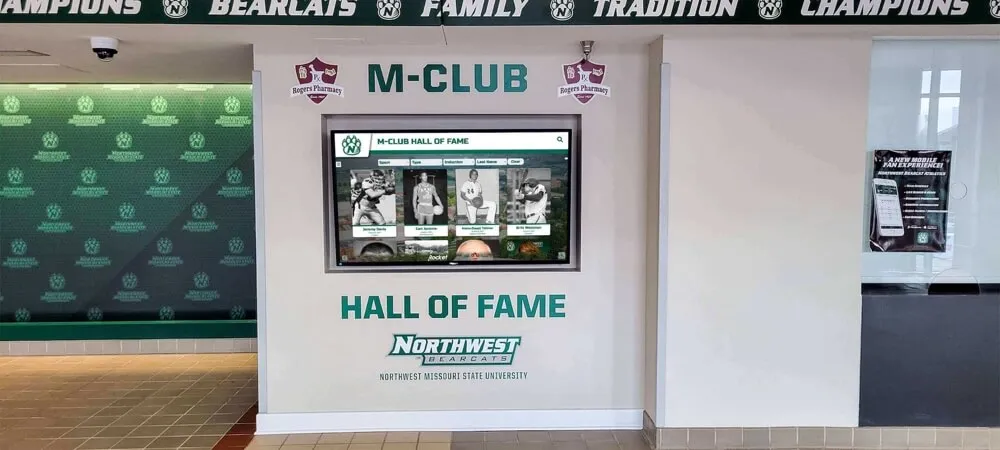
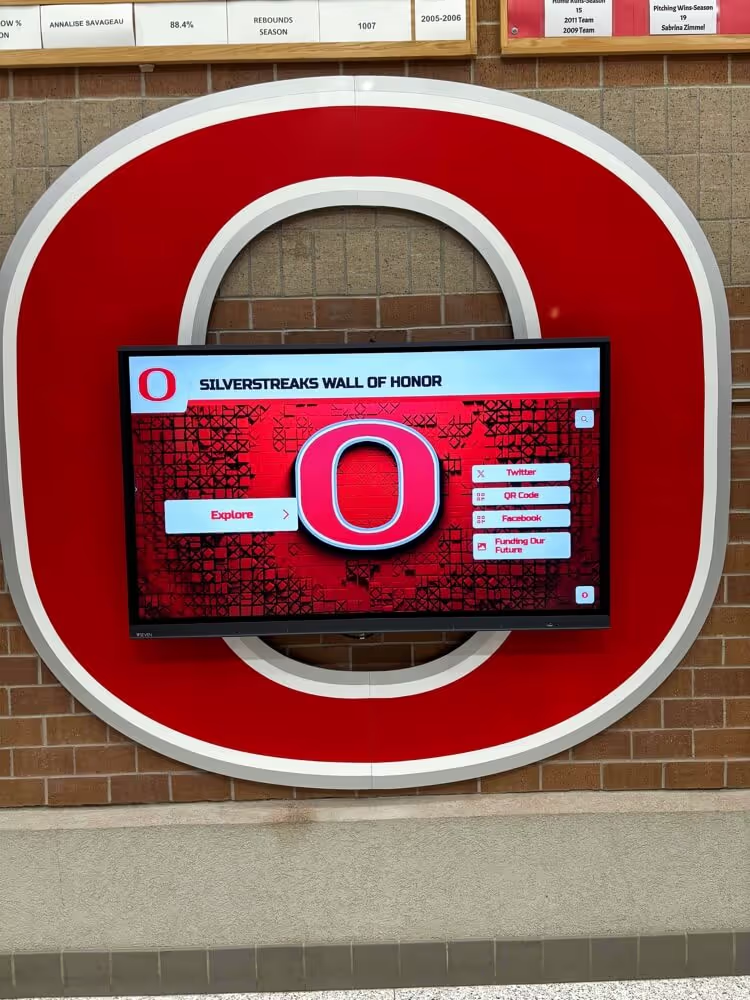
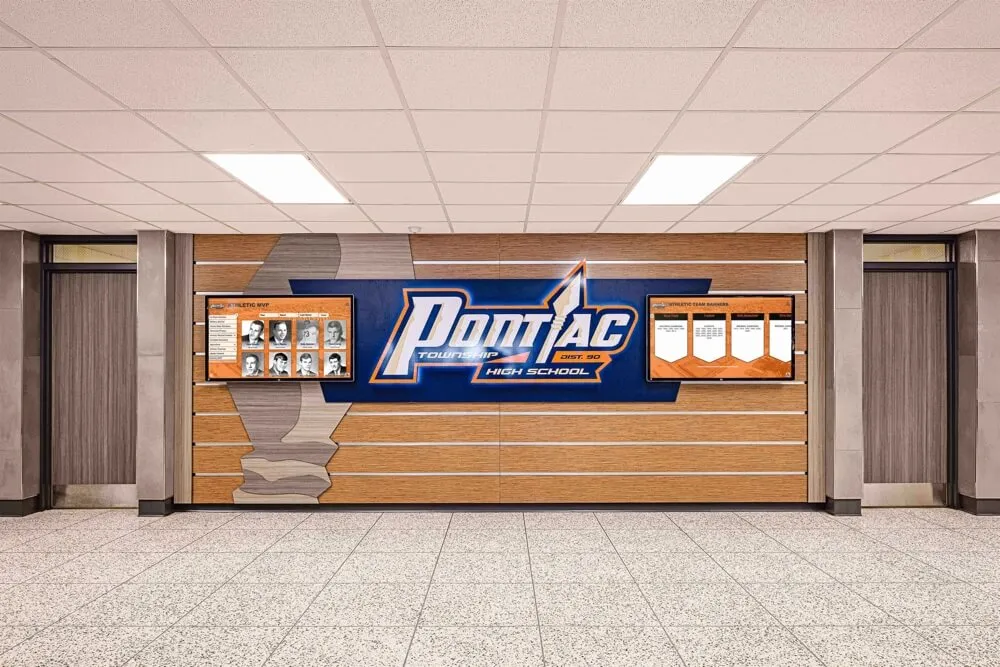
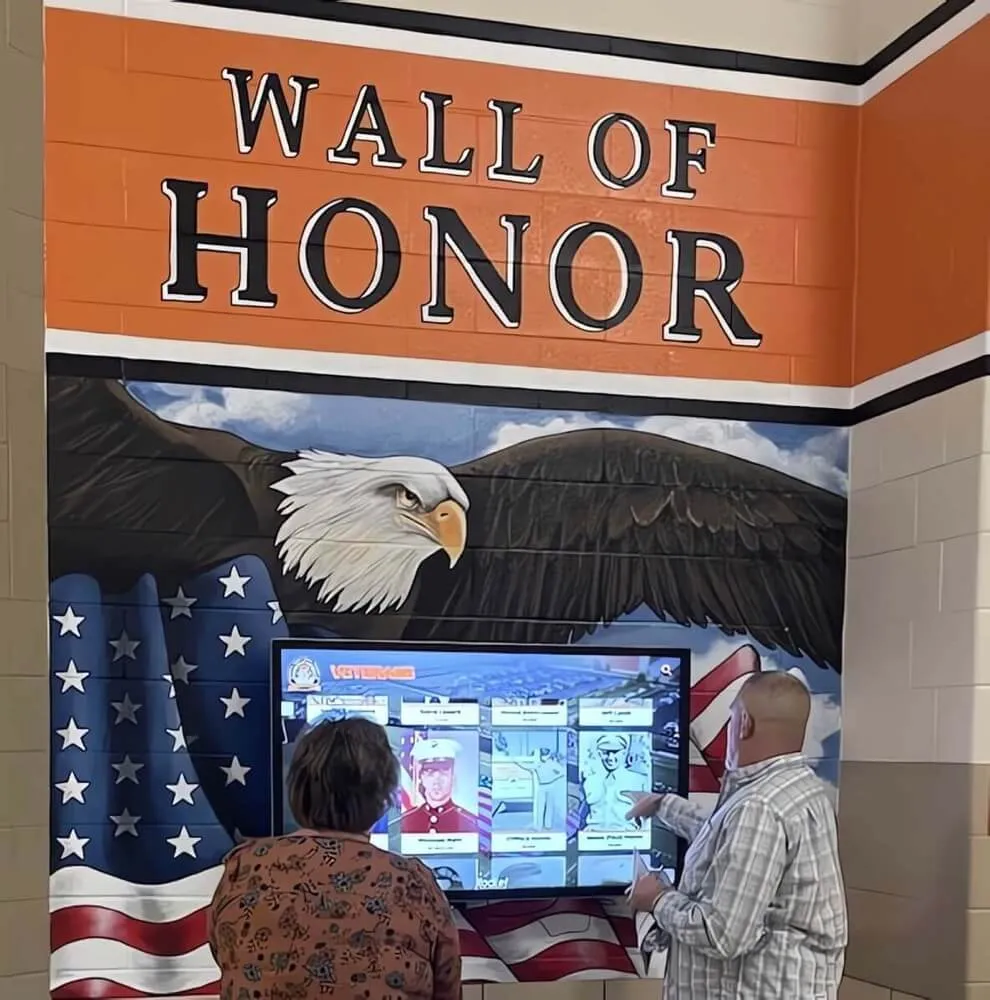
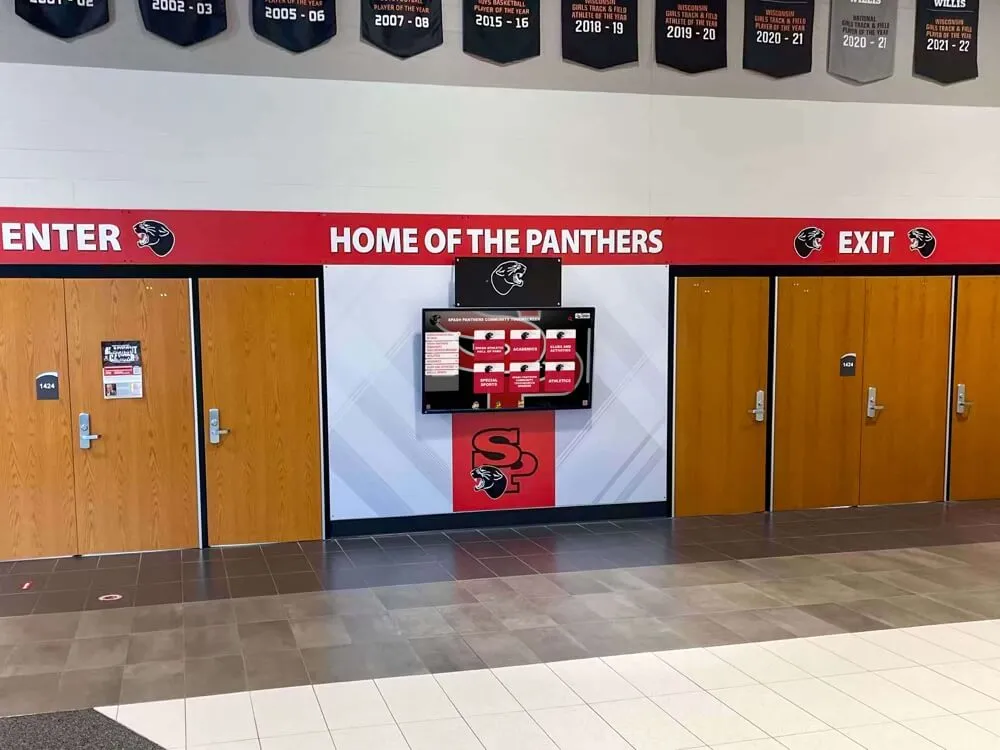
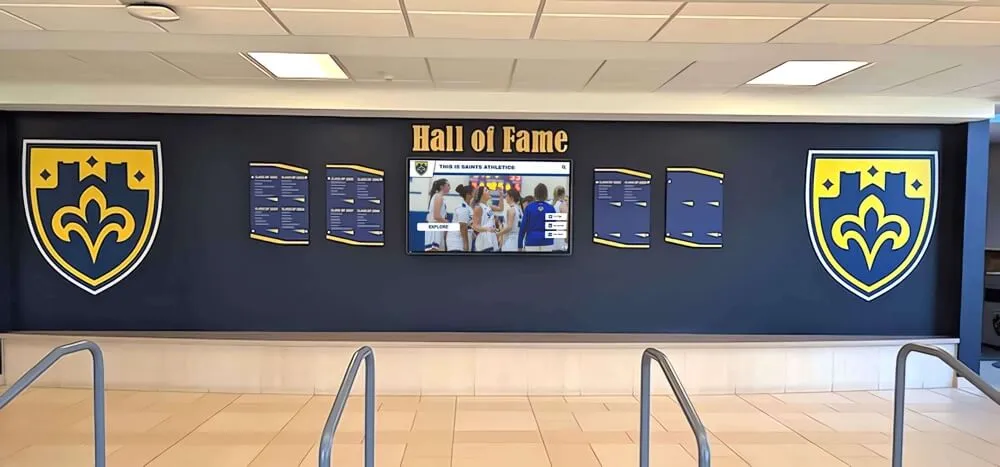
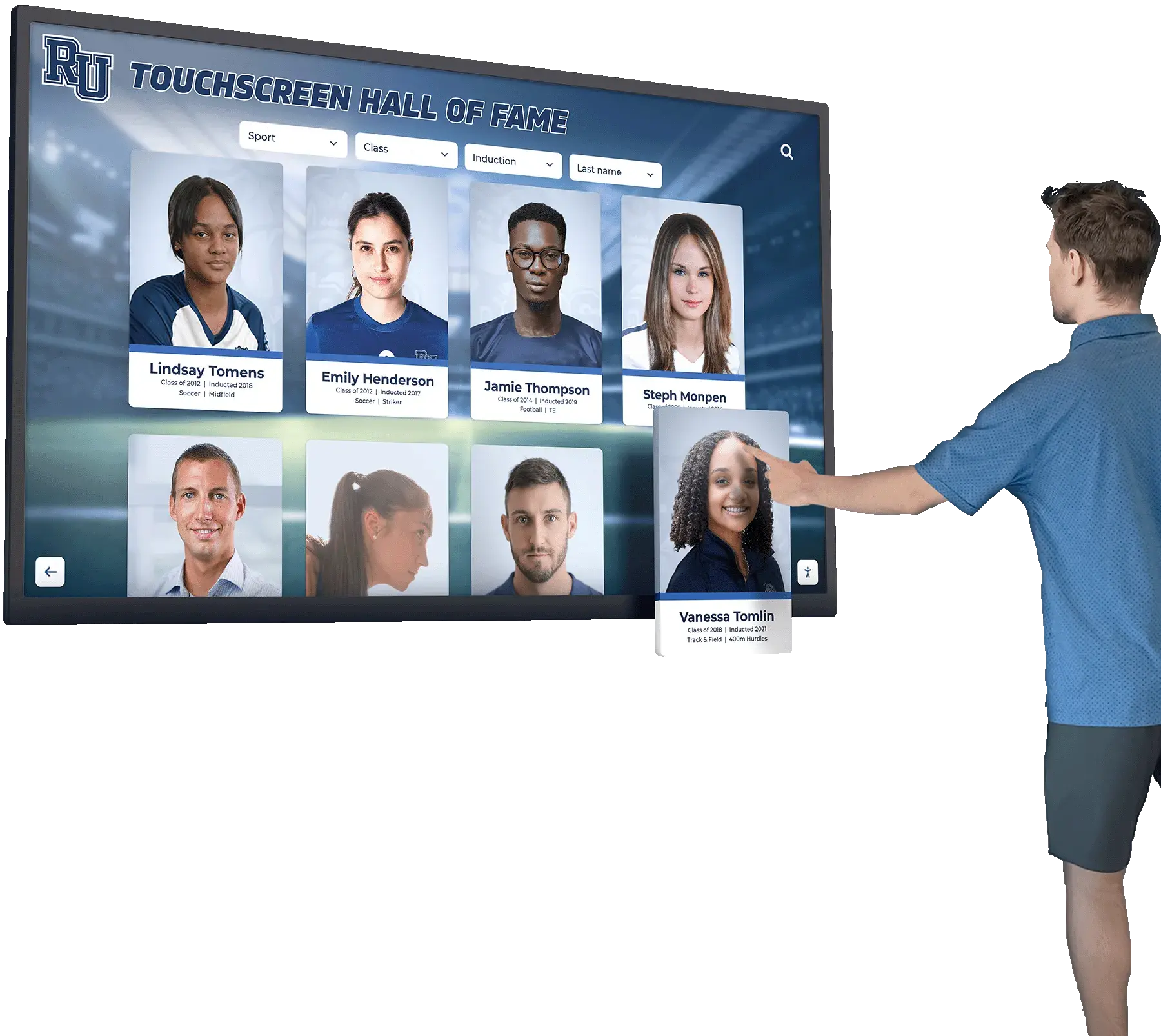
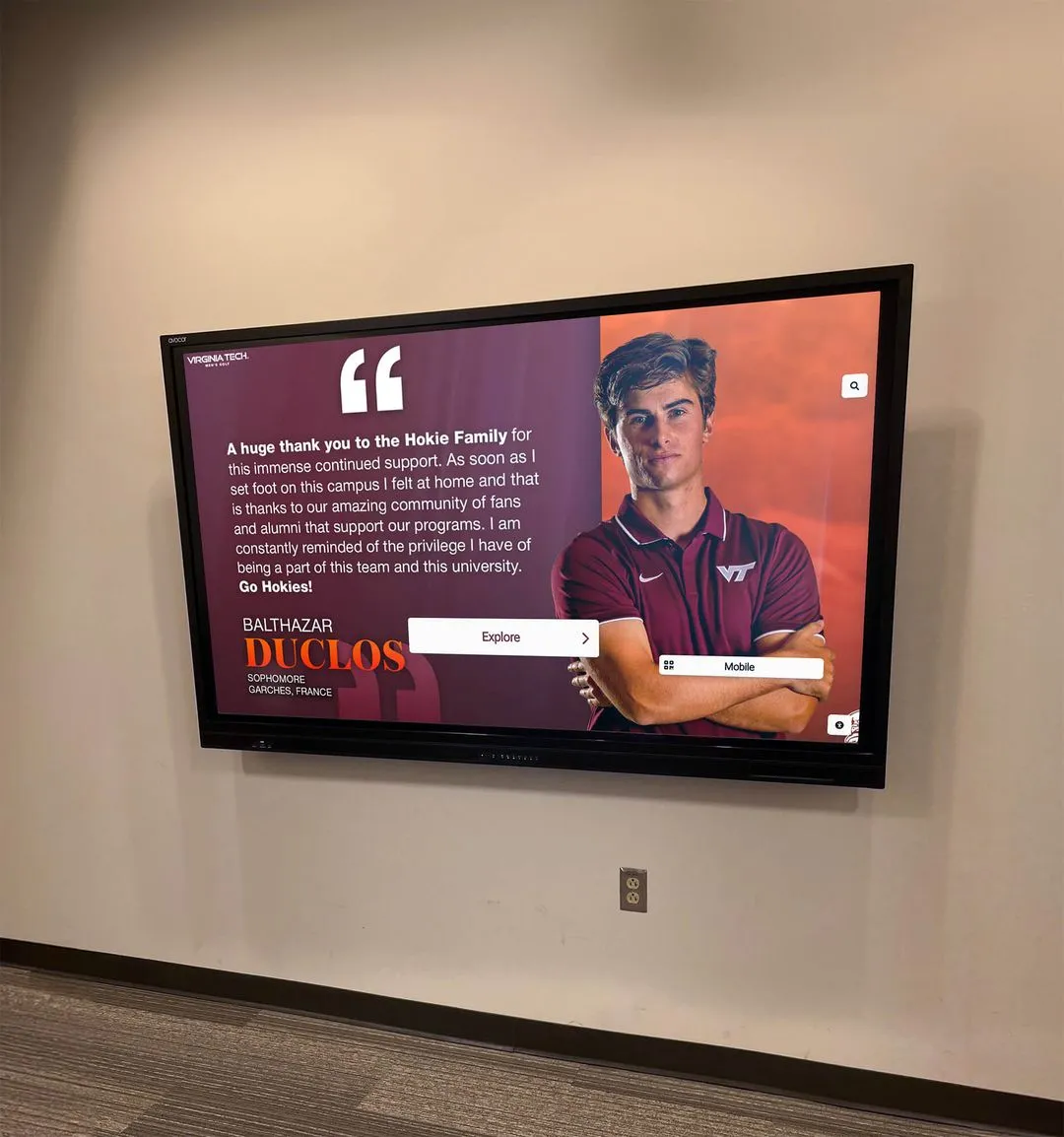
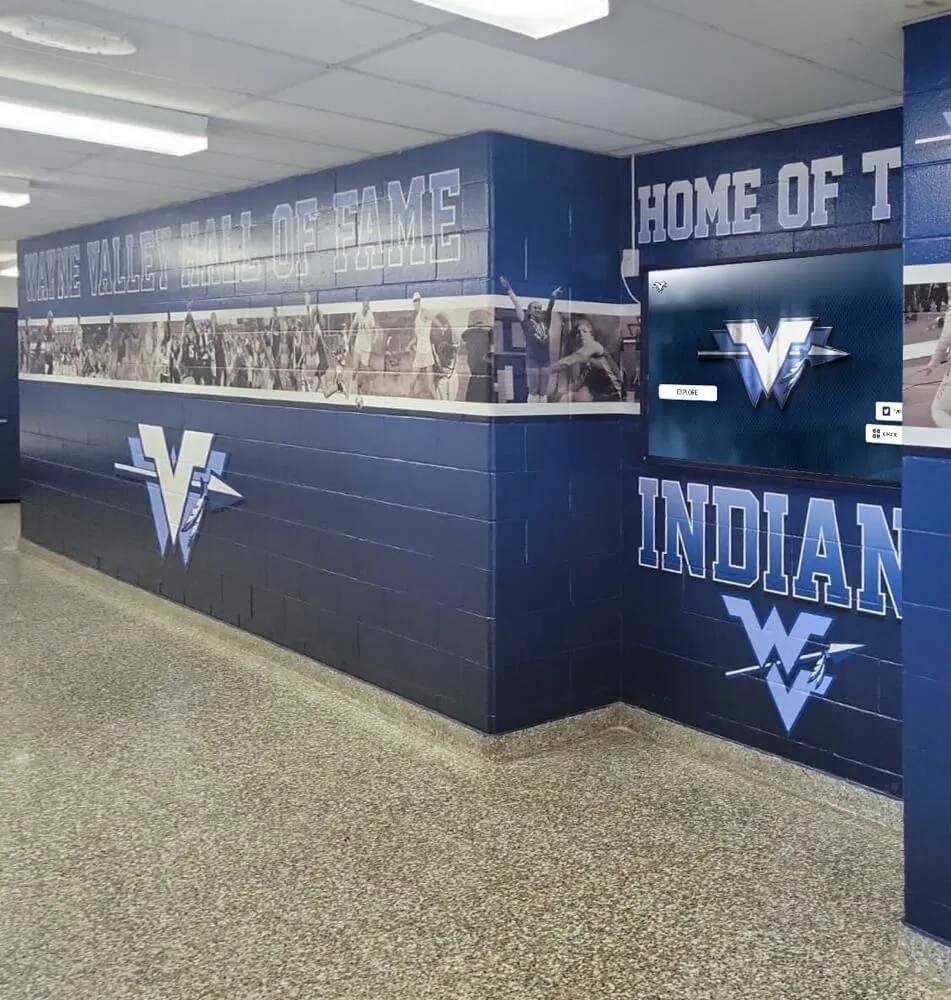
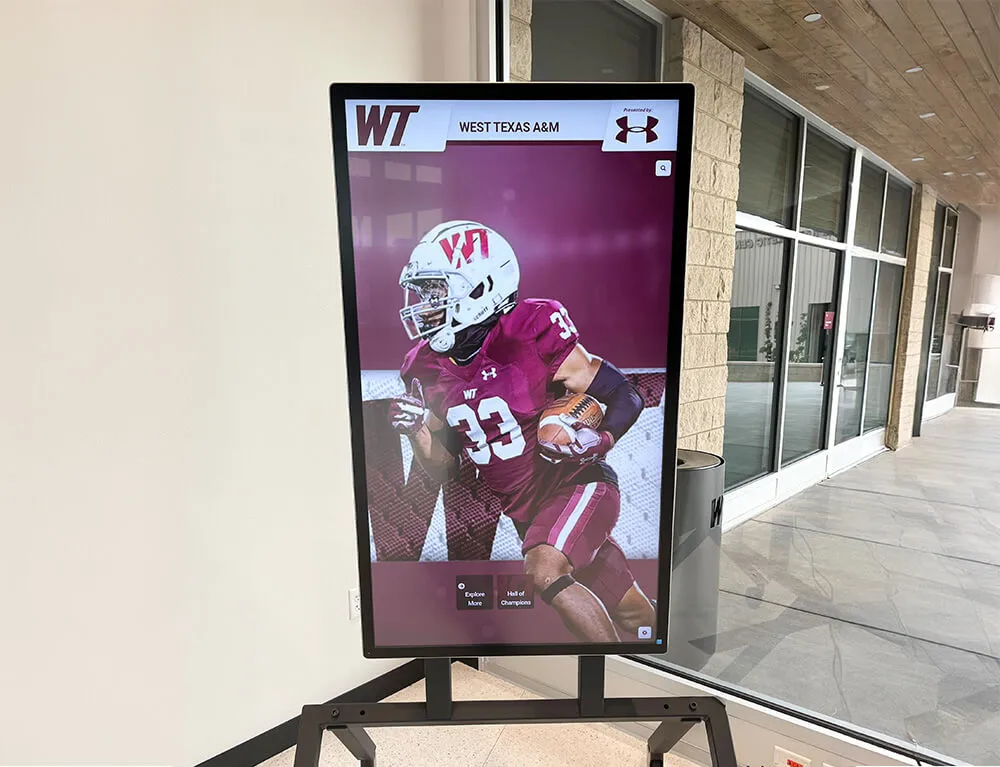
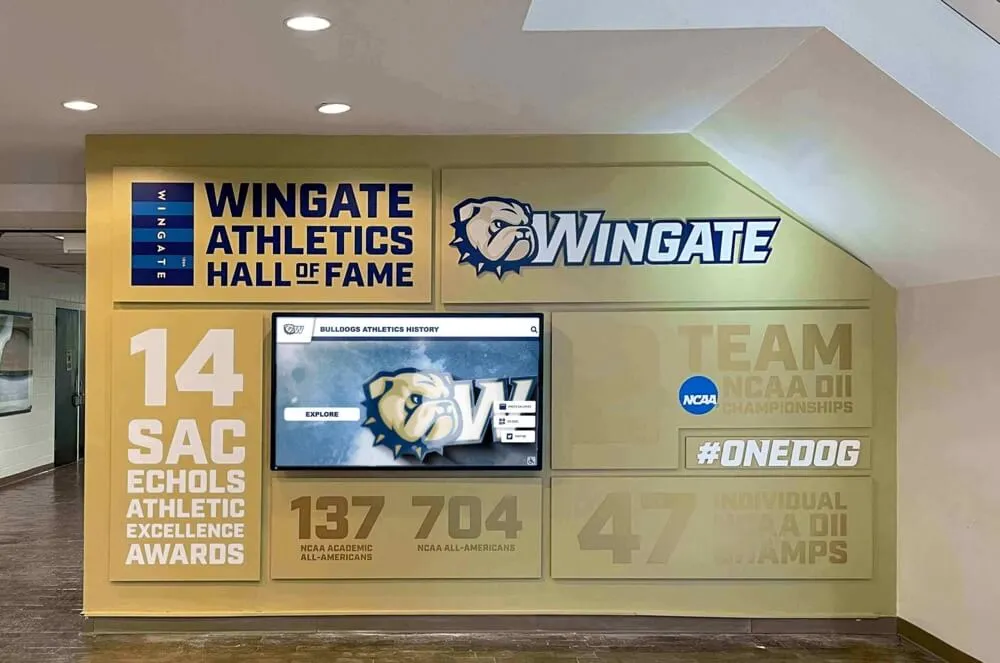
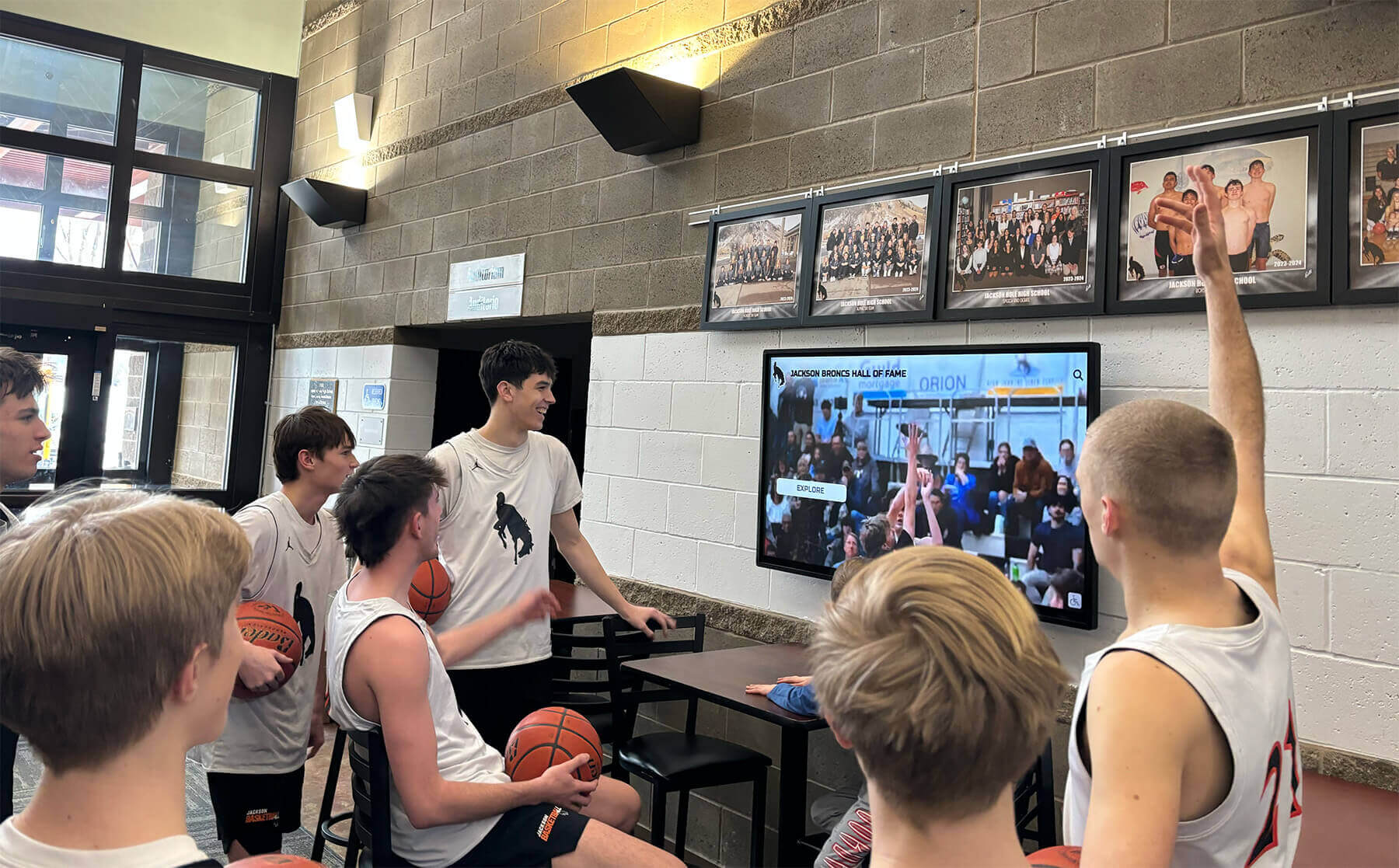
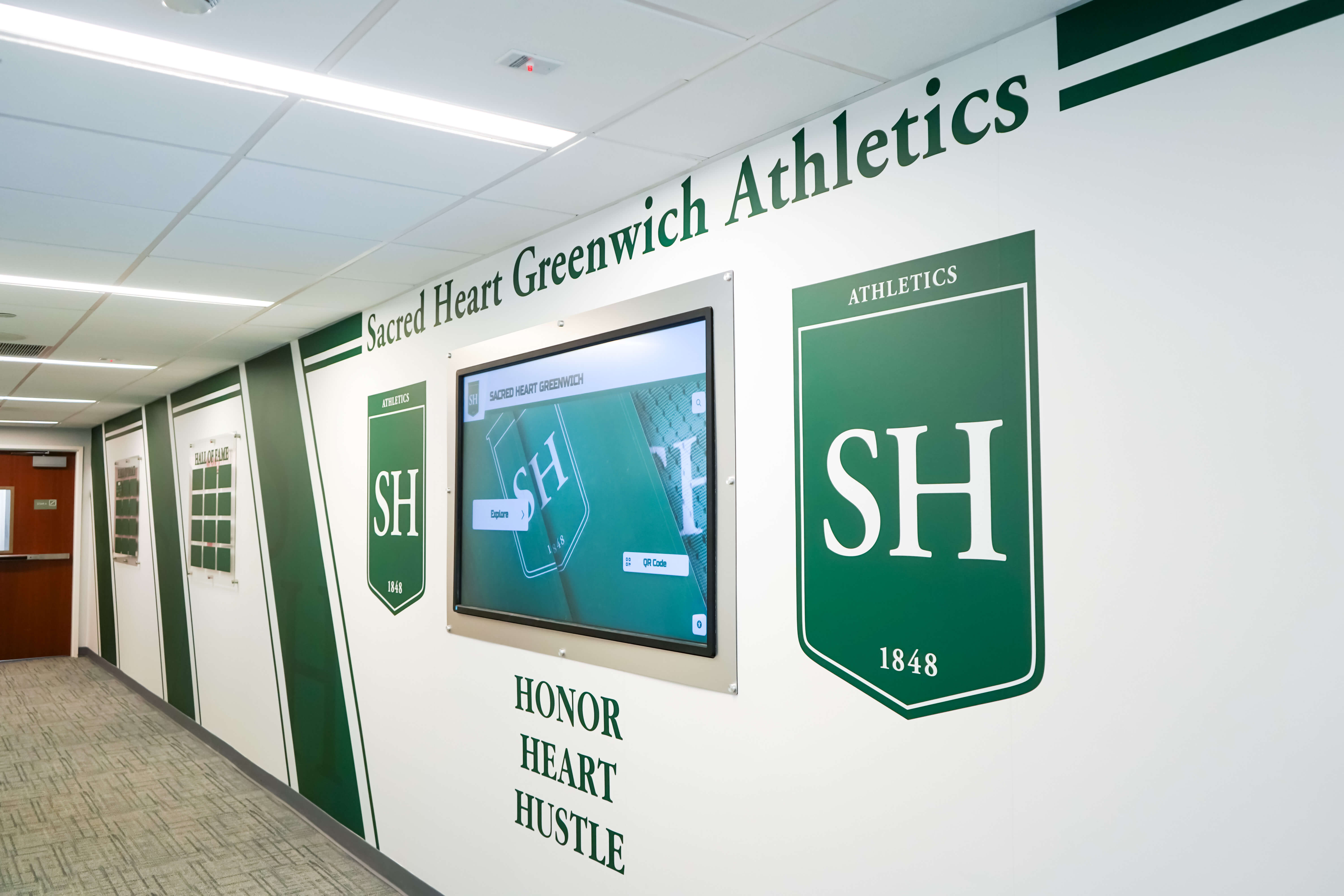
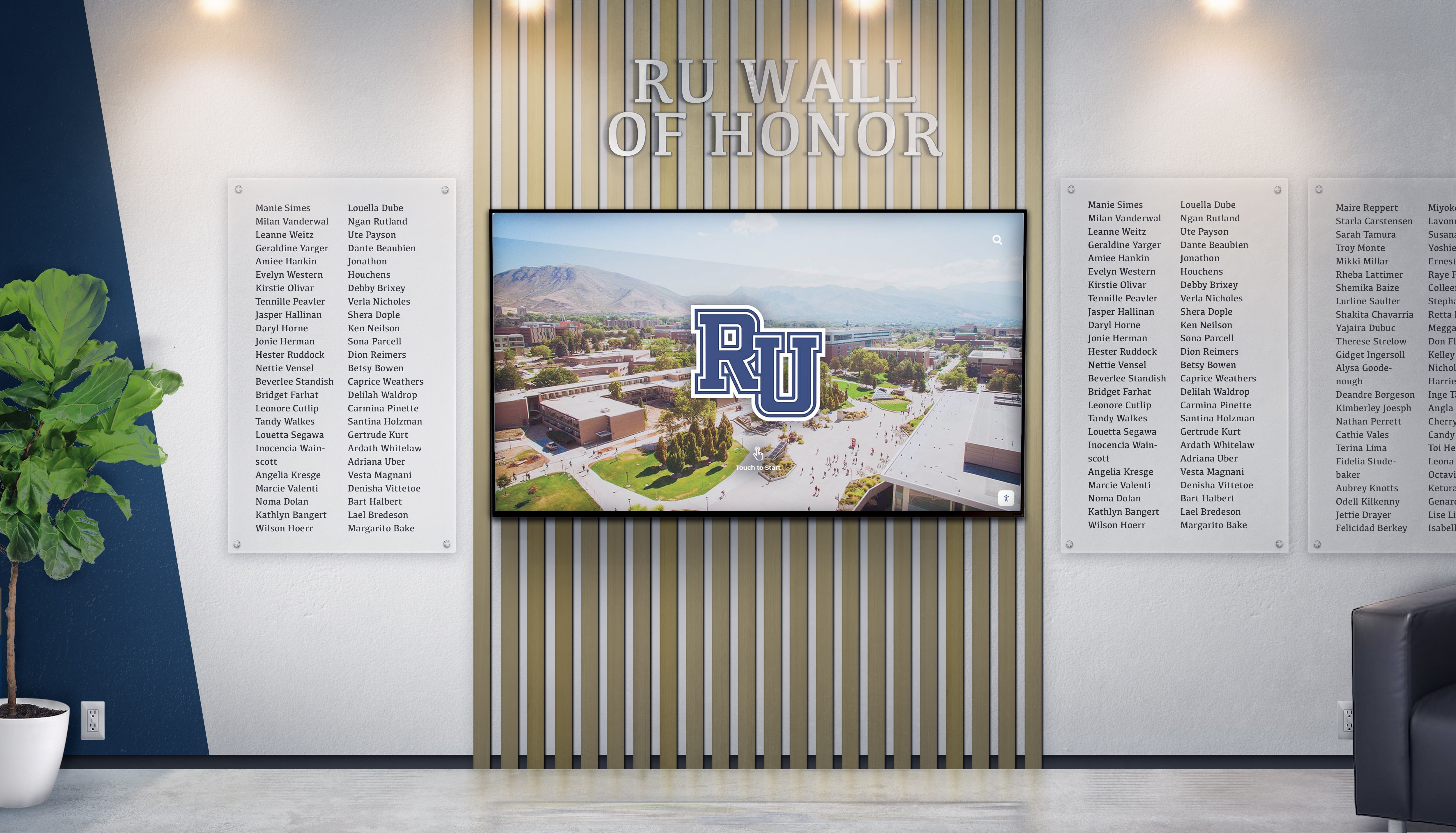
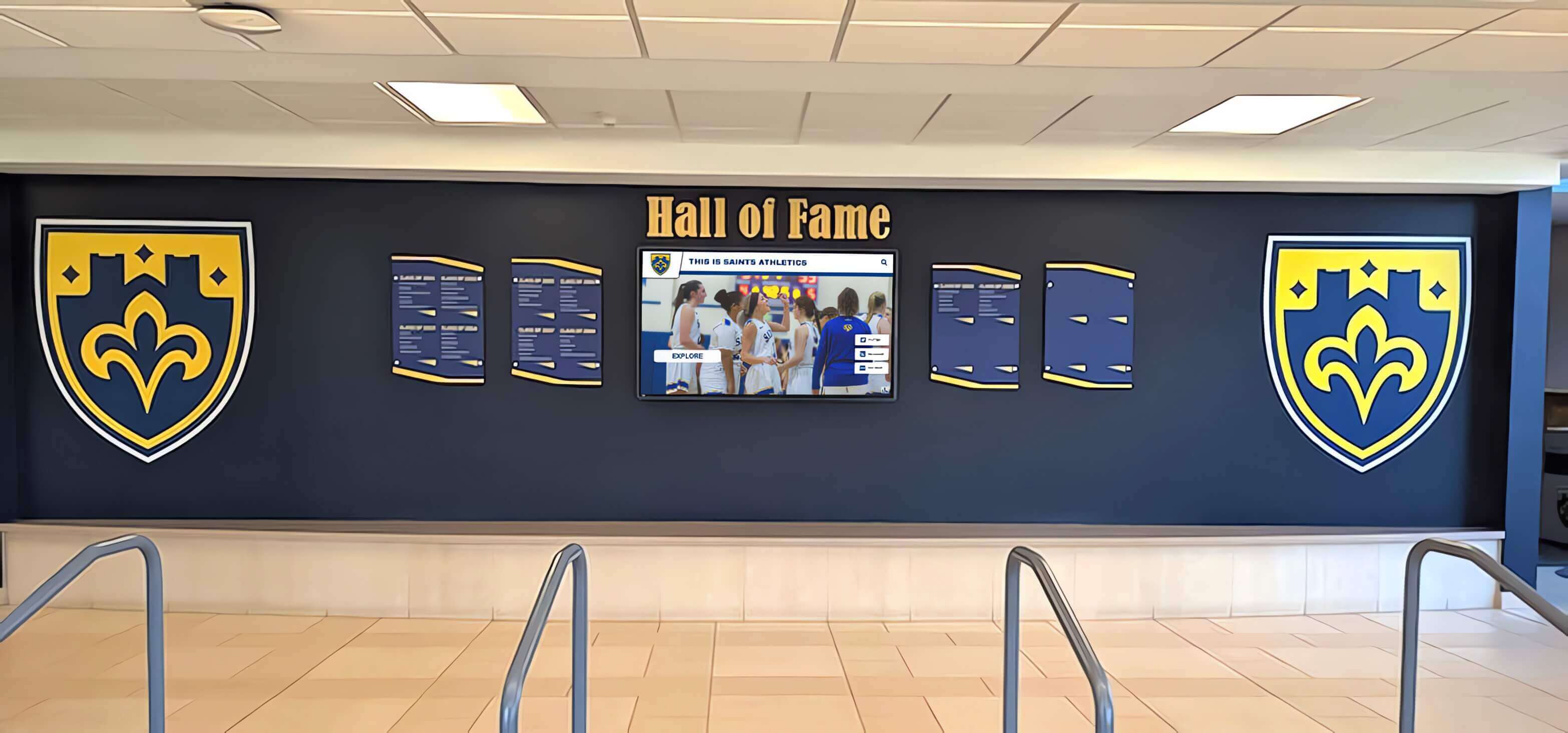
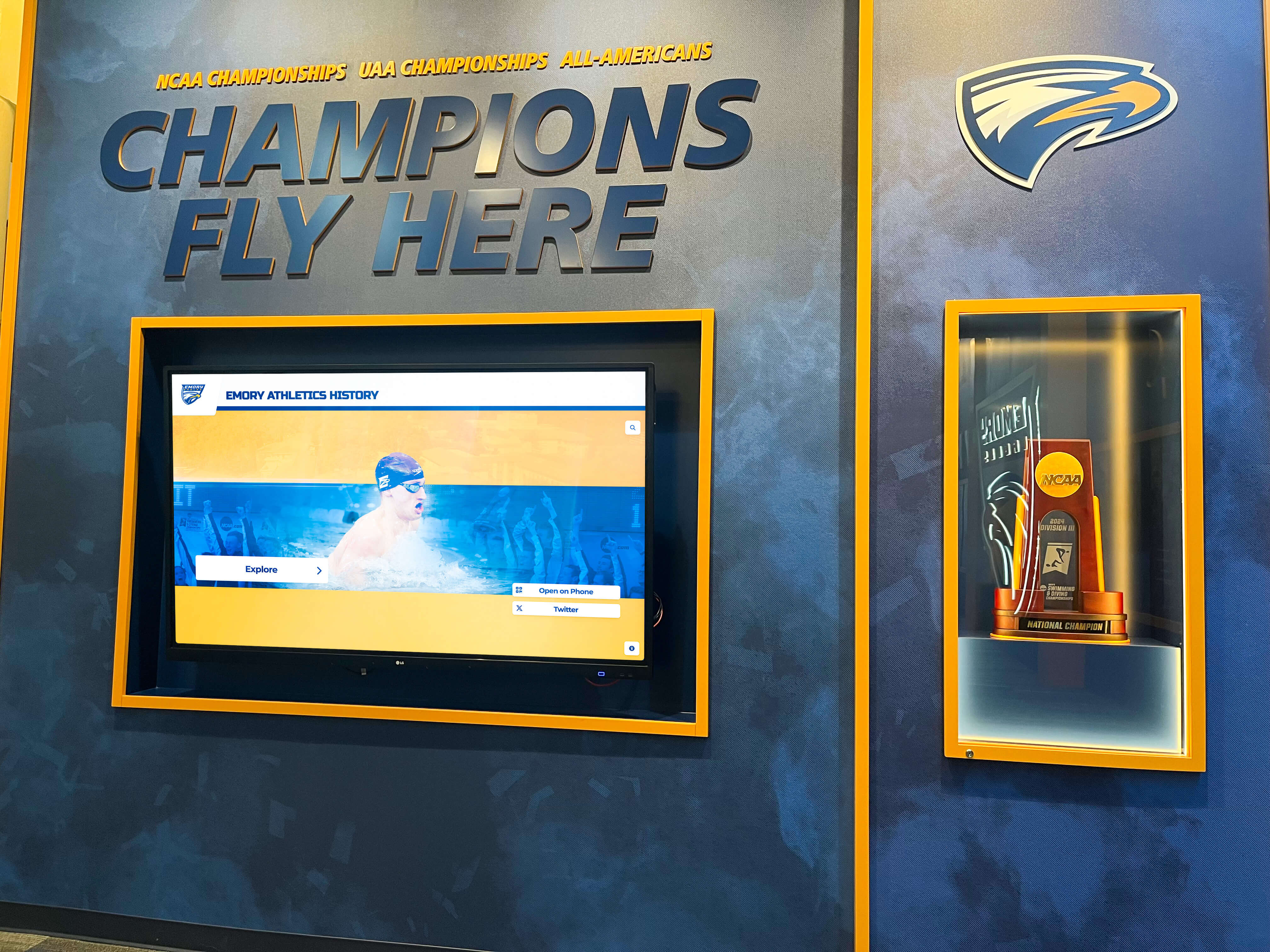
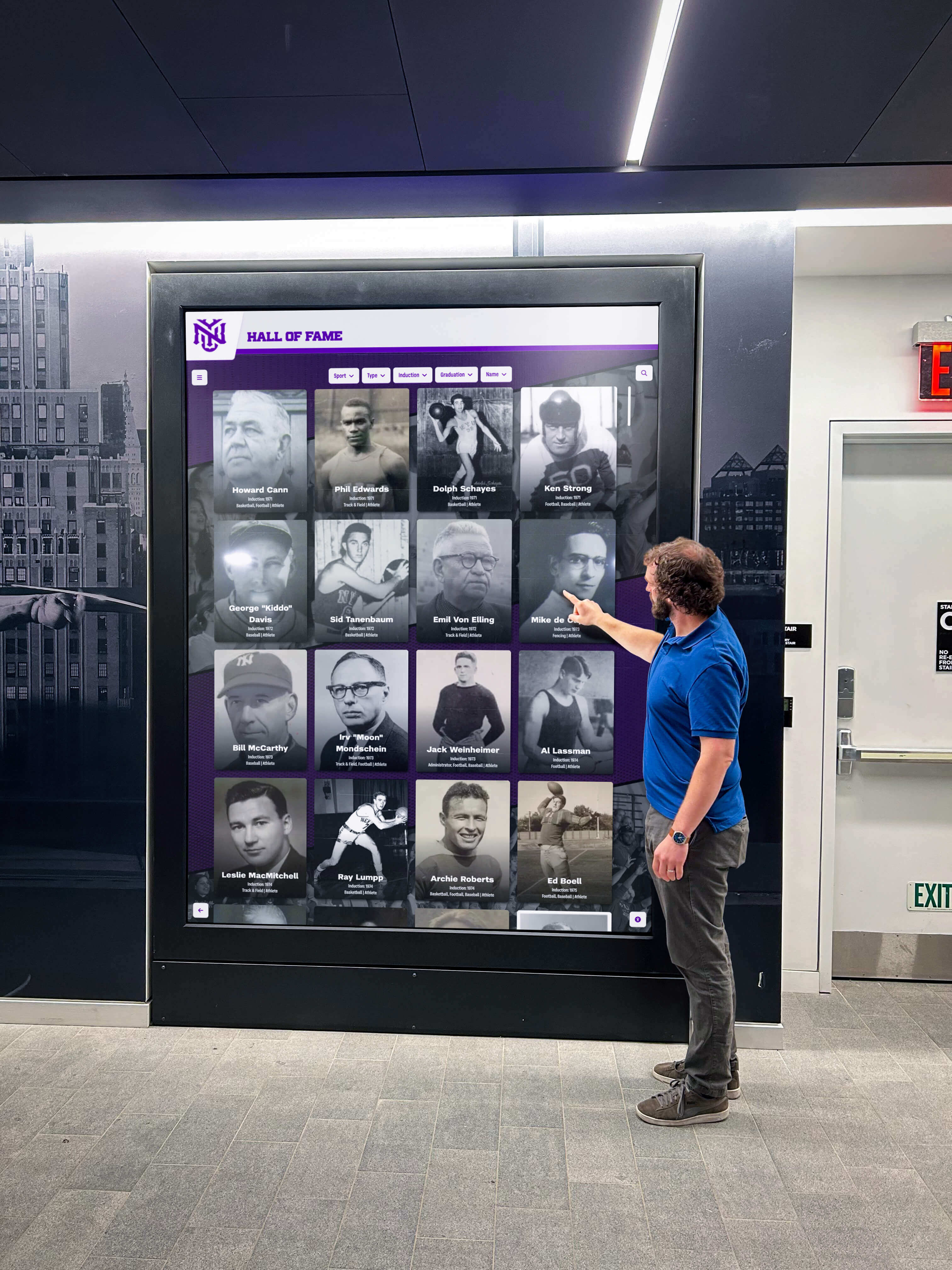
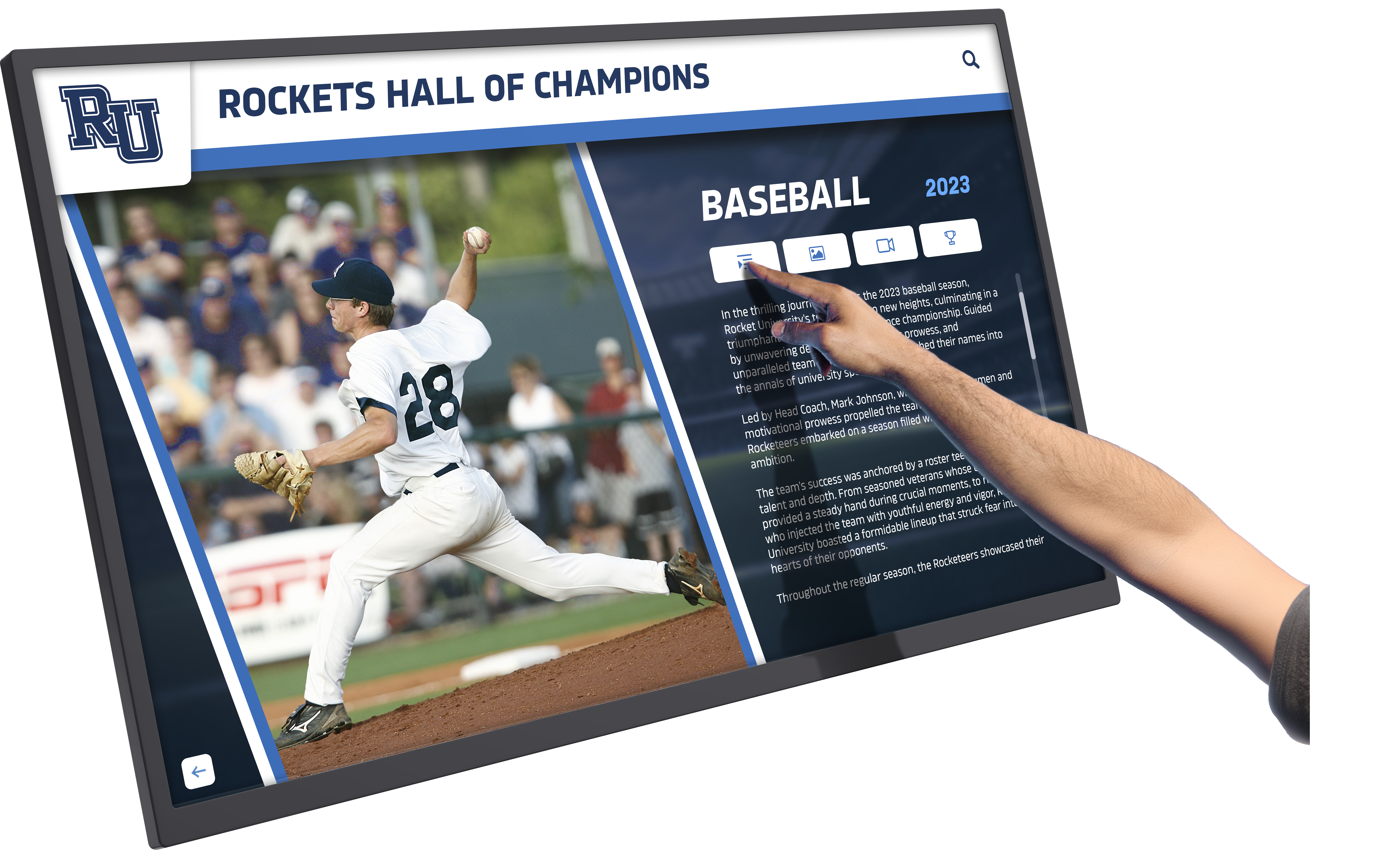
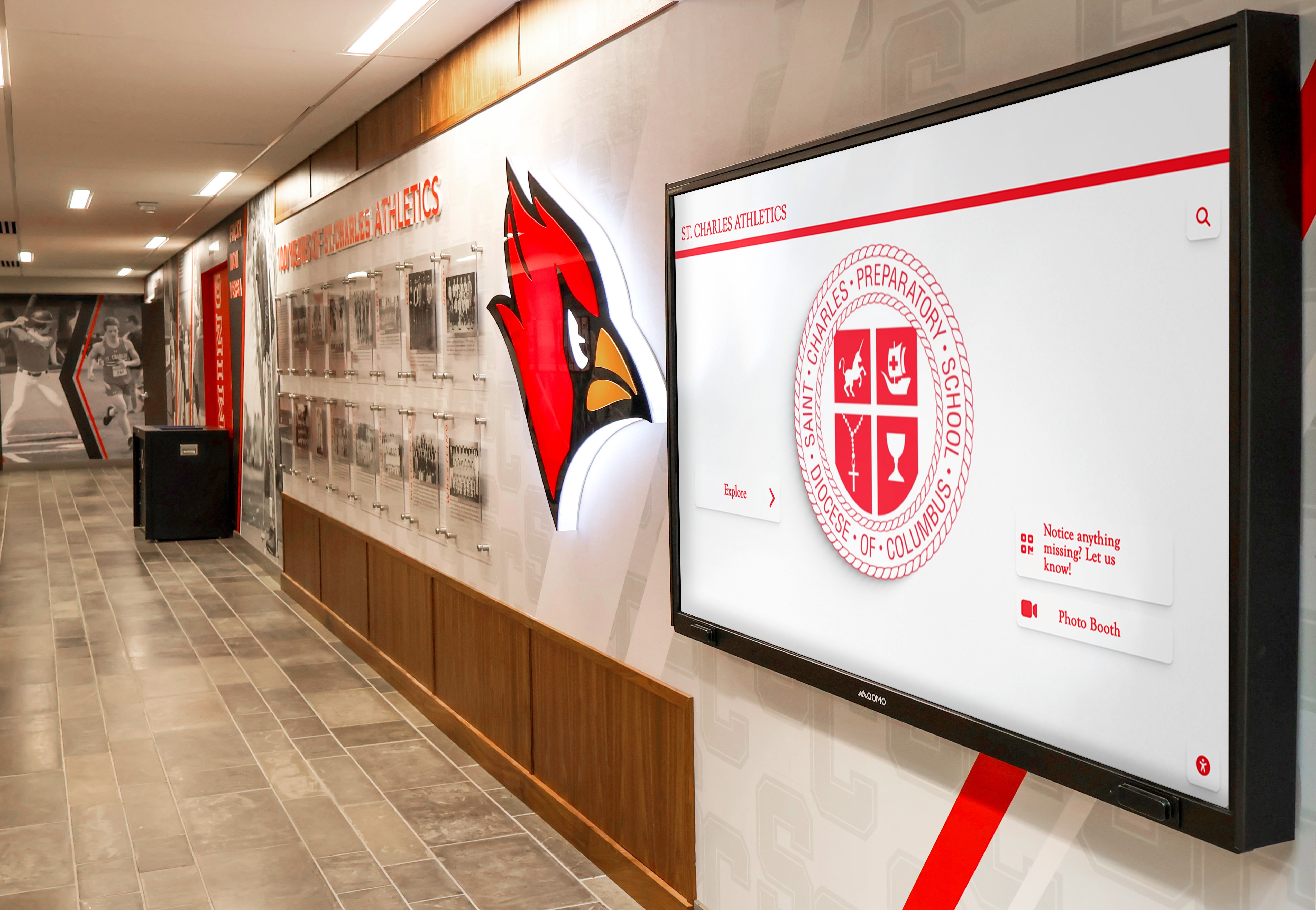
Interactive Donor Displays: Digital recognition systems like those from Rocket Alumni Solutions allow schools to showcase unlimited donors without physical space constraints, update recognition instantly as new contributors join, feature rich multimedia including photos and impact stories, and engage visitors through interactive touchscreen experiences. These systems accommodate donors at all giving levels while maintaining prominent visibility for major contributors.
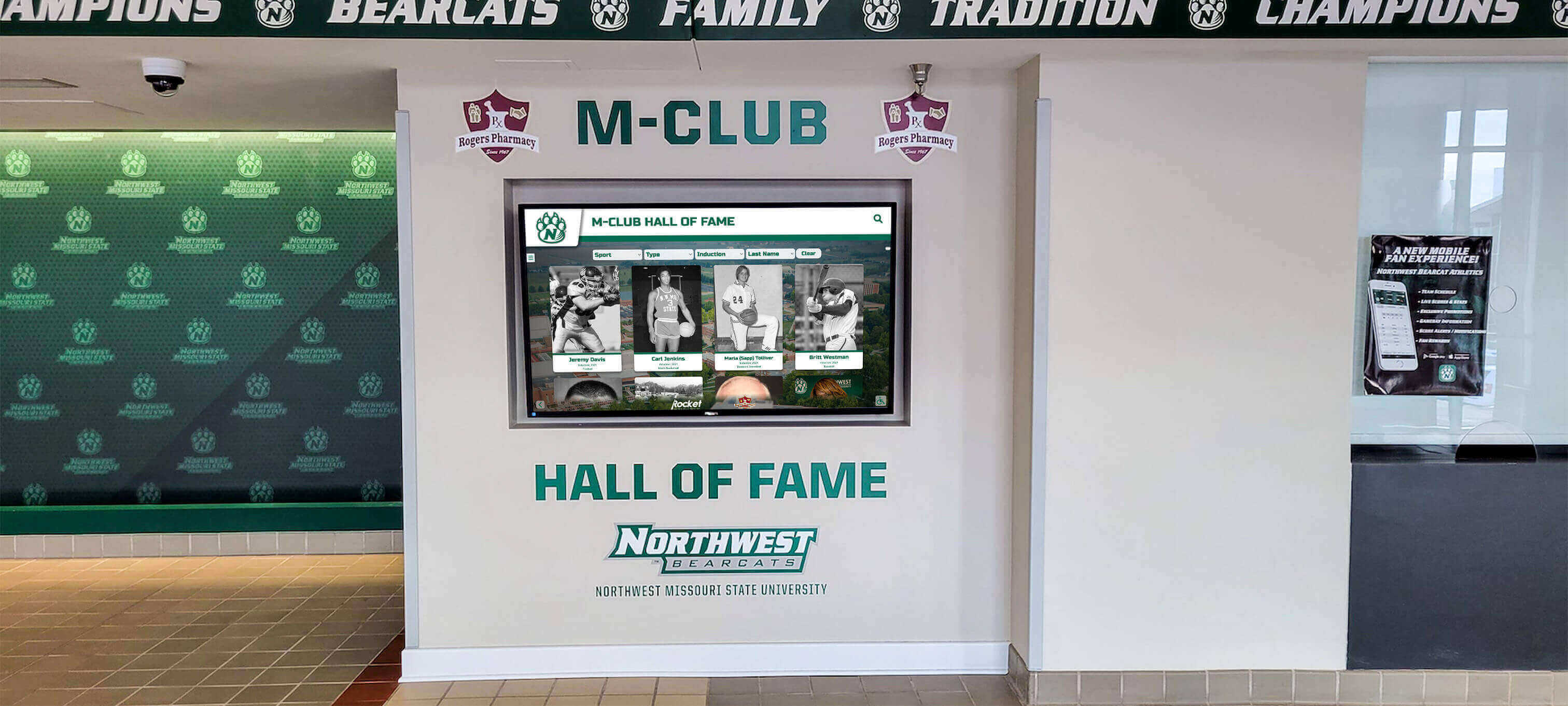
Searchable Donor Databases: Digital systems enable visitors to search for specific names, filter donors by year or giving level, explore campaign histories, and discover family giving legacies. This searchability creates more personal connections than scrolling through endless alphabetical lists on traditional donor walls.
Real-Time Campaign Progress: Display fundraising campaign progress through digital screens showing real-time donation totals, highlighting recent contributors, celebrating goal milestones, and motivating continued participation through visible momentum. Dynamic displays create excitement during active campaigns impossible with static signage.
Permanent Yet Flexible: Digital recognition provides permanence honoring cumulative contributions over years while maintaining flexibility to reorganize, update, or refresh displays without expensive reconstruction. This combination proves particularly valuable for growing schools where donor bases expand and priorities evolve.
Understanding how donor walls work for nonprofits provides frameworks middle schools can adapt for educational contexts, ensuring recognition programs appropriately acknowledge supporters while encouraging continued engagement.
Tiered Recognition Systems
Establish clear recognition levels acknowledging different contribution capacities while ensuring all donors receive appropriate appreciation:
Entry-Level Recognition: Acknowledge all donors regardless of amount through website listings, newsletter mentions, or general donor displays. Universal recognition demonstrates that every contribution matters while encouraging participation from families unable to make major gifts.
Mid-Level Leadership Recognition: Create special recognition tiers like “Founder’s Circle” or “Leadership Society” for donors at elevated levels—perhaps $250-500 annually. Mid-tier recognition might include special events, enhanced listing prominence, commemorative items, or exclusive communications.
Major Donor Recognition: Provide prominent, lasting recognition for substantial contributions through named opportunities, permanent display features highlighting major supporters, special acknowledgment at community events, and personal relationship development with school leadership. Major donor cultivation requires ongoing engagement beyond transactional appreciation.
Cumulative Giving Recognition: Acknowledge lifetime cumulative contributions alongside annual giving. Some donors may give modest amounts consistently over many years, ultimately contributing as much as single large gifts. Cumulative recognition honors sustained commitment while encouraging long-term thinking about giving relationships.
Student Involvement in Fundraising: Educational and Ethical
Student participation in fundraising provides valuable learning experiences when handled appropriately, but requires careful attention to ethical boundaries and age-appropriate roles.
Age-Appropriate Student Roles
Middle school students can meaningfully contribute to fundraising efforts in developmentally appropriate ways:
Planning and Voice: Include students in fundraising committees providing input on what needs funding matters to them, which fundraising approaches appeal to their age group, how to communicate campaigns effectively to peers, and ways to celebrate fundraising success. Student voice ensures initiatives resonate with those they’re designed to benefit.
Event Leadership: Engage students in planning and executing fundraising events through organizing talent shows or performances, designing promotional materials and social media content, managing peer-to-peer communications, and volunteering during events in age-appropriate capacities. Leadership opportunities teach valuable skills while increasing peer participation.
Storytelling and Advocacy: Train student ambassadors to share authentic stories about how fundraising improvements benefit their educational experiences. Student voices often resonate more powerfully than administrator appeals when explaining why support matters. Ensure students share willingly rather than feeling exploited for fundraising purposes.
Project-Based Learning Integration: Connect fundraising to curriculum through math classes calculating fundraising projections and analyzing results, English assignments writing donor communications or campaign materials, social studies exploring philanthropy and civic engagement, or business classes developing fundraising business plans.
What to Avoid: Protecting Student Wellbeing
Certain fundraising approaches create inappropriate pressures or risks for middle school students:
Avoiding Exploitative Selling: Don’t pressure students to sell products door-to-door, particularly in unfamiliar neighborhoods or without supervision. Don’t create hierarchies rewarding top sellers while shaming lower performers. Never suggest that student worth correlates with fundraising performance.
Protecting Privacy: Don’t require students to share personal information, contact lists, or social media access for fundraising purposes. Don’t publish student names alongside family giving levels. Maintain clear boundaries protecting student privacy in all fundraising contexts.
Preventing Economic Embarrassment: Design fundraising participation so students whose families cannot contribute financially can still participate fully in resulting programs and activities. Never create situations where economic differences between families become visible through fundraising performance or participation. Consider alternative contribution options like volunteer time rather than purely financial participation.
Maintaining Educational Focus: Ensure fundraising doesn’t consume excessive instructional time or create distraction from learning. Fundraising should supplement educational missions rather than overwhelming core academic purposes.
Measuring Fundraising Success and ROI
Effective fundraising evaluation extends beyond simple revenue totals to consider effort investment, community impact, and relationship development.
Financial Metrics Worth Tracking
Comprehensive fundraising assessment examines multiple financial dimensions:
Net Proceeds vs. Gross Revenue: Calculate actual funds available for intended purposes after all expenses—supplies, venue rental, vendor fees, marketing costs, and volunteer expenses. Some fundraisers generate impressive gross revenue while netting much less after expenses. Focus on net proceeds when evaluating efficiency.
Return on Time Investment: Estimate volunteer hours required for fundraising initiatives and calculate dollars raised per hour invested. This metric helps prioritize highest-return activities while identifying inefficient approaches consuming excessive time relative to results.
Donor Acquisition Cost: Track expenses required to secure new donors including marketing, event costs, and campaign materials. Understanding acquisition costs helps evaluate which approaches most efficiently build donor bases versus simply extracting donations from existing supporters.
Donor Retention Rates: Monitor what percentage of donors contribute again in subsequent years. High retention indicates effective relationship building while declining retention suggests recognition or engagement gaps requiring attention.
Average Gift Size Trends: Track whether average contribution amounts increase, decrease, or remain stable over time. Growing average gifts indicate successful donor cultivation while declining averages might signal inadequate recognition or donor fatigue.
Non-Financial Success Indicators
Fundraising impact extends beyond immediate revenue to include relationship building and community development:
Community Engagement Levels: Assess participation rates, volunteer involvement, event attendance, and overall enthusiasm regardless of financial outcomes. High engagement indicates strong community connections even if single campaigns underperform financially.
New Relationship Development: Value new connections with community businesses, parent involvement expansion, alumni engagement, and partnerships with community organizations. These relationships generate long-term value beyond immediate fundraising results.
Student Learning Outcomes: When students participate meaningfully in fundraising, assess whether experiences develop leadership skills, teach financial literacy, build civic engagement understanding, or enhance project management capabilities. Educational outcomes represent genuine success even when financial results disappoint.
Culture and Pride Development: Consider whether fundraising initiatives strengthen school pride, build community identity, create positive institutional narratives, or foster giving cultures that will sustain future campaigns. Cultural development represents investment in long-term fundraising capacity.
Common Fundraising Challenges and Solutions
Even well-planned fundraising efforts face predictable obstacles. Anticipating challenges enables proactive solutions preventing campaign failures.
Fundraising Fatigue
The Challenge: Communities face constant solicitations from schools, youth organizations, churches, and charities. Excessive fundraising requests generate declining participation and growing resentment rather than enthusiastic support.
Solutions: Space major campaigns appropriately throughout school years. Coordinate with other school organizations avoiding simultaneous campaigns. Focus on fewer, higher-quality initiatives rather than constant small requests. Communicate transparently about fundraising necessity and restraint. Consider multi-year campaigns reducing annual frequency for major initiatives.
Limited Volunteer Capacity
The Challenge: Successful fundraising requires substantial volunteer effort for planning, execution, and follow-up. Middle schools often struggle recruiting sufficient volunteers, particularly from working parents with limited availability.
Solutions: Develop flexible volunteer opportunities accommodating various schedules and commitment levels. Create specific, time-limited roles rather than open-ended expectations. Enable remote volunteer options like online communications or administrative tasks. Recognize volunteers prominently demonstrating that contribution is valued. Consider paid support for particularly labor-intensive fundraising components when volunteer capacity proves insufficient.
Economic Diversity
The Challenge: School communities typically include families with widely varying economic circumstances. Fundraising approaches successful in affluent communities may fail or create hardship in economically diverse schools.
Solutions: Offer multiple participation pathways beyond financial contribution including volunteer time, in-kind donations, or skill sharing. Price fundraising events affordably ensuring access regardless of economic circumstances. Never exclude students from benefits or activities based on family fundraising participation. Secure scholarship funds enabling universal participation. Emphasize that all contribution levels matter equally regardless of amount.
Competition With High Schools
The Challenge: High school fundraising often overshadows middle school efforts within communities and families. Parents prioritize giving to high schools where students attend longer, athletics carry higher profiles, and college preparation feels more urgent.
Solutions: Clearly articulate middle school’s distinct value and needs. Emphasize how middle school programs prepare students for high school success. Avoid scheduling campaigns simultaneously with high school initiatives. Develop unique fundraising approaches distinct from high school methods. Build middle school identity and pride making support feel worthwhile beyond simply preparing for high school.
Implementing Your Middle School Fundraising Strategy
Moving from ideas to action requires systematic planning, team development, and realistic timelines ensuring initiatives succeed rather than overwhelming communities and organizers.
Building Your Fundraising Team
Successful fundraising requires committed teams with diverse skills and clear role divisions:
Core Leadership: Establish small leadership teams including school administrators providing institutional authority and resources, parent organization leaders contributing volunteer networks and community connections, development professionals or volunteers with fundraising expertise, and teacher representatives ensuring academic alignment and student perspective.
Specialized Committee Roles: Create focused committees managing specific aspects like event planning teams organizing logistics and volunteer coordination, marketing committees developing communications and promotional materials, volunteer management coordinating recruitment and assignment, and financial tracking ensuring accurate record-keeping and transparency.
Student Involvement: Include student representatives providing peer perspective, leading youth-appropriate initiatives, communicating with fellow students, and participating meaningfully without bearing inappropriate responsibility.
Community Partnerships: Recruit community volunteers including parents with relevant professional skills, business partners contributing expertise, alumni maintaining school connections, and retired educators offering time and institutional knowledge.
Creating Campaign Timelines
Develop realistic schedules allowing adequate planning, promotion, execution, and follow-through:
3-6 Months Before Launch: Form teams and assign responsibilities. Set specific fundraising goals and select initiatives. Develop detailed implementation plans. Secure necessary approvals from administration and school boards. Begin recruiting volunteers and securing sponsorships or partnerships.
2-3 Months Before Launch: Finalize all logistical details. Order necessary materials and supplies. Create marketing materials and communication plans. Train volunteers on roles and responsibilities. Begin promotional campaigns building awareness and excitement.
1 Month Before Launch: Intensify marketing and communication. Confirm all vendors, venues, and volunteer assignments. Conduct final planning meetings addressing remaining questions. Generate momentum through countdown campaigns and preview events.
Campaign Period: Execute plans with daily team check-ins. Monitor progress against goals. Adjust strategies responding to real-time results. Maintain volunteer morale and community enthusiasm. Document successes and challenges for future reference.
Post-Campaign: Send prompt thank-you communications to all supporters. Process final financial reconciliation. Distribute raised funds according to stated purposes. Communicate results transparently to communities. Conduct team debriefs documenting lessons learned. Begin planning recognition activities and future campaigns.
Conclusion: Building Sustainable Fundraising for Middle Schools
Successful middle school fundraising balances immediate financial needs with long-term relationship development, recognizes that smaller, consistent initiatives often outperform sporadic large campaigns, involves communities meaningfully without creating fatigue or resentment, and acknowledges all supporters in ways that encourage continued engagement.
The twenty-five fundraising strategies explored throughout this guide provide frameworks middle schools can adapt to specific community contexts, economic circumstances, and institutional priorities. No single approach works universally—success requires selecting initiatives aligned with available resources, volunteer capacity, and community receptiveness while maintaining focus on educational missions that define school purposes.
Technology increasingly enhances fundraising effectiveness through simplified donation mechanisms, expanded communication reach, and improved donor recognition. Digital recognition displays like those from Rocket Alumni Solutions transform donor appreciation from static plaques into engaging, updateable systems that honor all contribution levels while motivating continued support. These permanent installations communicate that schools genuinely value community support while creating cultures of giving that benefit institutions for years beyond individual campaigns.
As middle schools develop fundraising strategies for coming years, remember that successful campaigns build on clear goals addressing genuine needs, transparent communication explaining why support matters, inclusive participation opportunities welcoming all families regardless of economic circumstances, appropriate student involvement providing learning experiences without exploitation, and thoughtful donor recognition transforming one-time givers into sustained supporters.
Whether launching first fundraising initiatives or refining established programs, middle schools that approach fundraising strategically, ethically, and sustainably create the community support enabling excellent educational programming while building relationships that strengthen entire school communities. Start planning your next fundraising campaign by identifying highest-priority needs, assessing available resources and volunteer capacity, selecting approaches aligned with community characteristics, and establishing recognition systems that will honor supporters appropriately while encouraging continued engagement.
Your middle school community contains tremendous untapped support waiting for clear vision, genuine need articulation, and meaningful engagement opportunities. The fundraising ideas and frameworks outlined here provide starting points for unlocking that support while building the cultures of giving that will sustain your school’s educational mission for years to come.