



Loss touches every community. Schools remember beloved teachers taken too soon, alumni killed serving their country, students whose lives ended before graduation, and dedicated staff members whose contributions shaped institutional character across decades. Organizations honor founding members whose vision created lasting legacies, volunteers who devoted lifetimes to mission advancement, and donors whose generosity enabled transformative work. How institutions remember those who have passed reflects institutional values, strengthens community bonds, and provides comfort to grieving families seeking connection and meaning.
Memorial walls transform grief into lasting tribute—visible expressions of remembrance ensuring that those who have passed remain valued members of institutional communities rather than fading into forgotten history. Yet creating meaningful memorial displays requires thoughtful consideration addressing complex emotional, practical, and design challenges. How do schools select who receives memorial recognition? What display approaches balance dignity with engagement? How can memorial spaces serve healing purposes while inspiring current community members? What technologies enable sustainable memorial management across decades?
Memorial Recognition That Honors Lasting Legacy
Traditional memorial plaques and static displays create constraints limiting whom institutions can honor while offering minimal content beyond names and dates. Modern digital memorial platforms eliminate space limitations, enable rich multimedia storytelling, provide remote accessibility for distant families, allow instant updates, and create engaging recognition experiences that celebrate complete lives rather than reducing individuals to engraved text. Solutions like Rocket Alumni Solutions provide purpose-built memorial and tribute display systems designed specifically for schools and organizations, enabling comprehensive remembrance honoring everyone who deserves recognition while creating beautiful, dignified spaces that comfort families and inspire communities.
Understanding Memorial Wall Purposes and Principles
Before selecting specific memorial design approaches, institutions benefit from clarifying memorial purposes, establishing recognition principles, and defining selection criteria ensuring consistency and fairness across time.
Defining Memorial Recognition Goals
Honoring Individual Lives and Contributions: Memorial walls preserve memory by documenting specific individuals, their relationships to institutions, their accomplishments and character, and their lasting impact on communities. This biographical documentation ensures that people are remembered as complete individuals rather than merely names on lists—acknowledging not just when someone died, but how they lived and what they contributed.
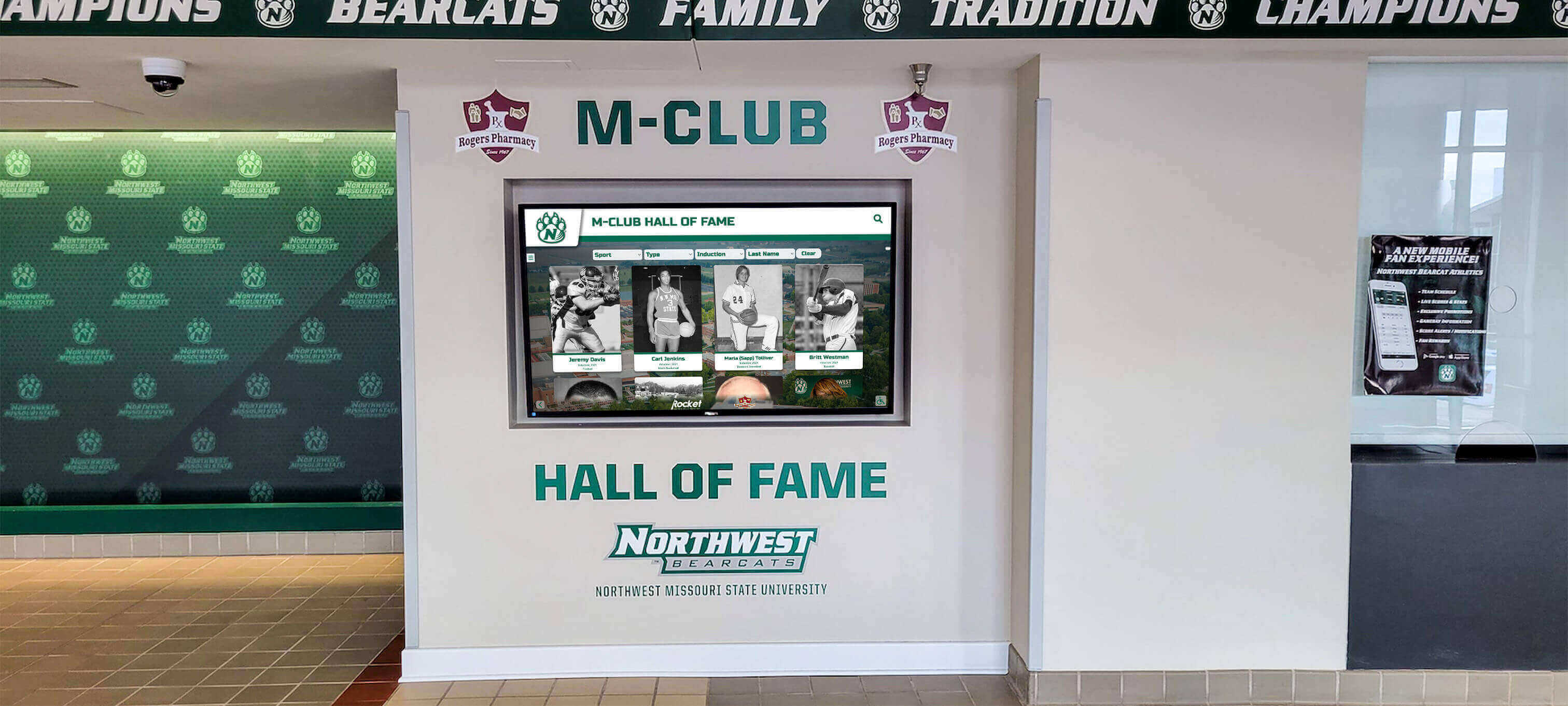
Rich memorial content might include personal photographs capturing individuals in their element—teaching classes, coaching teams, participating in campus life—alongside biographical narratives explaining their institutional roles, personal qualities colleagues remember, specific contributions to institutional development, and meaningful quotes or memories from those who knew them best. These details create emotional connections helping current community members understand why individuals receive memorial recognition decades after their passing.
Providing Comfort to Grieving Families: Memorial recognition serves deeply personal purposes for loved ones seeking tangible connections with those they have lost. Physical memorial spaces and online tributes become places where families visit, reflect, and maintain emotional bonds. Schools that create thoughtful memorial displays demonstrate to grieving families that their loved ones remain valued institutional community members rather than being forgotten after death.
This comfort extends particularly to unexpected losses of students or young alumni, where memorial recognition helps families process devastating grief by seeing their children honored publicly and permanently by communities that cared for them. Resources on memorial tribute displays explore how institutions can create remembrance spaces that serve healing purposes while maintaining appropriate dignity.
Inspiring Current Community Members Through Legacy: Effective memorials don’t just look backward—they inspire forward by demonstrating values, character, and contributions worth emulating. When schools memorialize beloved teachers, displays emphasizing their dedication, mentorship approach, and impact on students inspire current faculty toward similar excellence. Veteran memorials highlighting service and sacrifice remind students about civic duty and citizenship. Alumni memorials showcasing achievement despite adversity demonstrate that obstacles can be overcome.
This inspirational dimension transforms memorial walls from passive remembrance into active cultural forces shaping current behavior and institutional values. The most effective memorial spaces balance honoring those who have passed with challenging living community members toward positive action reflecting memorial subjects’ best qualities.
Documenting Institutional History and Heritage: Memorial walls become historical archives documenting how institutions evolved, what challenges communities faced, who contributed to institutional development, and how values remained consistent or changed across generations. Multi-decade memorial collections reveal patterns—war casualties clustering around specific conflict periods, faculty service longevity trends, student causes of death shifting from disease to accidents to other causes reflecting medical and social changes.
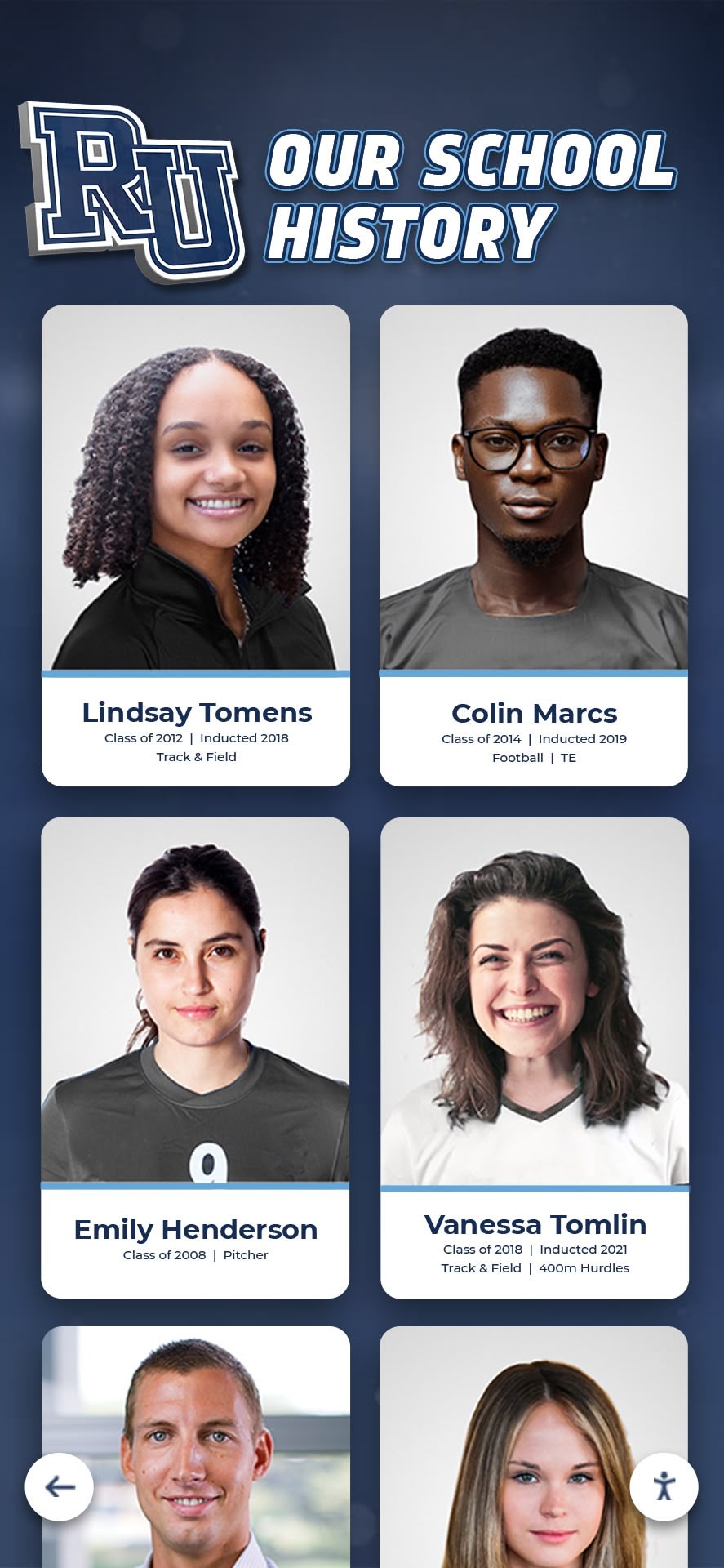
This historical dimension becomes particularly valuable for educational institutions where current students often lack awareness of institutional history beyond their own brief enrollment periods. Memorial walls teaching institutional heritage create perspective and connection across generations.
Establishing Memorial Recognition Criteria
Clear selection standards prevent confusion, ensure fairness, and maintain memorial program credibility across leadership transitions and changing circumstances:
Eligibility Determination: Not every death merits institutional memorial recognition, and thoughtful criteria help administrators make appropriate distinctions. Common eligibility frameworks include current students at time of death, alumni of any graduation year, current or former faculty and staff, institutional trustees and volunteer leaders, and sometimes parents or family members with significant institutional involvement.
Some institutions establish minimum service or involvement thresholds—faculty must have taught for at least five years, volunteers must have contributed for specified periods, or similar standards—ensuring memorial recognition acknowledges sustained institutional relationships rather than brief associations. These thresholds also help manage memorial scope preventing unsustainable expansion as institutions age and death statistics naturally accumulate.
Timing and Review Considerations: Some programs memorialize individuals immediately following death, while others implement waiting periods allowing initial grief to settle before memorial decisions. Waiting periods of one to three years enable clearer perspective about appropriate memorial content, ensure family readiness to participate in memorial creation, allow time to collect biographical materials and photographs, and prevent emotional immediate responses from overwhelming thoughtful memorial design.
Institutions should also establish review policies acknowledging that occasionally memorial recognition proves inappropriate after initially seeming warranted—if post-death revelations dramatically alter understanding of individual character or actions. While uncomfortable, removal policies protect institutional values and prevent memorial walls from inadvertently celebrating individuals whose legacies prove problematic.
Content and Design Standards: Consistent memorial content standards ensure quality and dignity across all recognized individuals regardless of when memorials were created or who managed their development. Standard requirements typically include high-quality photographs meeting technical specifications, biographical content within established length parameters, consistent information categories (dates, roles, accomplishments, personal qualities), appropriate language avoiding controversial content, and family review and approval before publication.
These standards enable delegation of memorial content development to various staff members or volunteers while maintaining consistent quality and tone across comprehensive memorial collections.
Traditional Memorial Wall Design Approaches
Physical memorial displays using conventional materials and approaches offer tangible presence creating immediate visual impact in institutional spaces where people naturally gather.
Engraved Plaques and Dedication Walls
Bronze or Metal Plaques: Traditional engraved metal plaques mounted on walls or memorial structures provide classic dignified recognition with permanent physical presence, weather resistance for exterior installations, formal aesthetic aligning with traditional memorial expectations, and tactile quality enabling physical interaction.
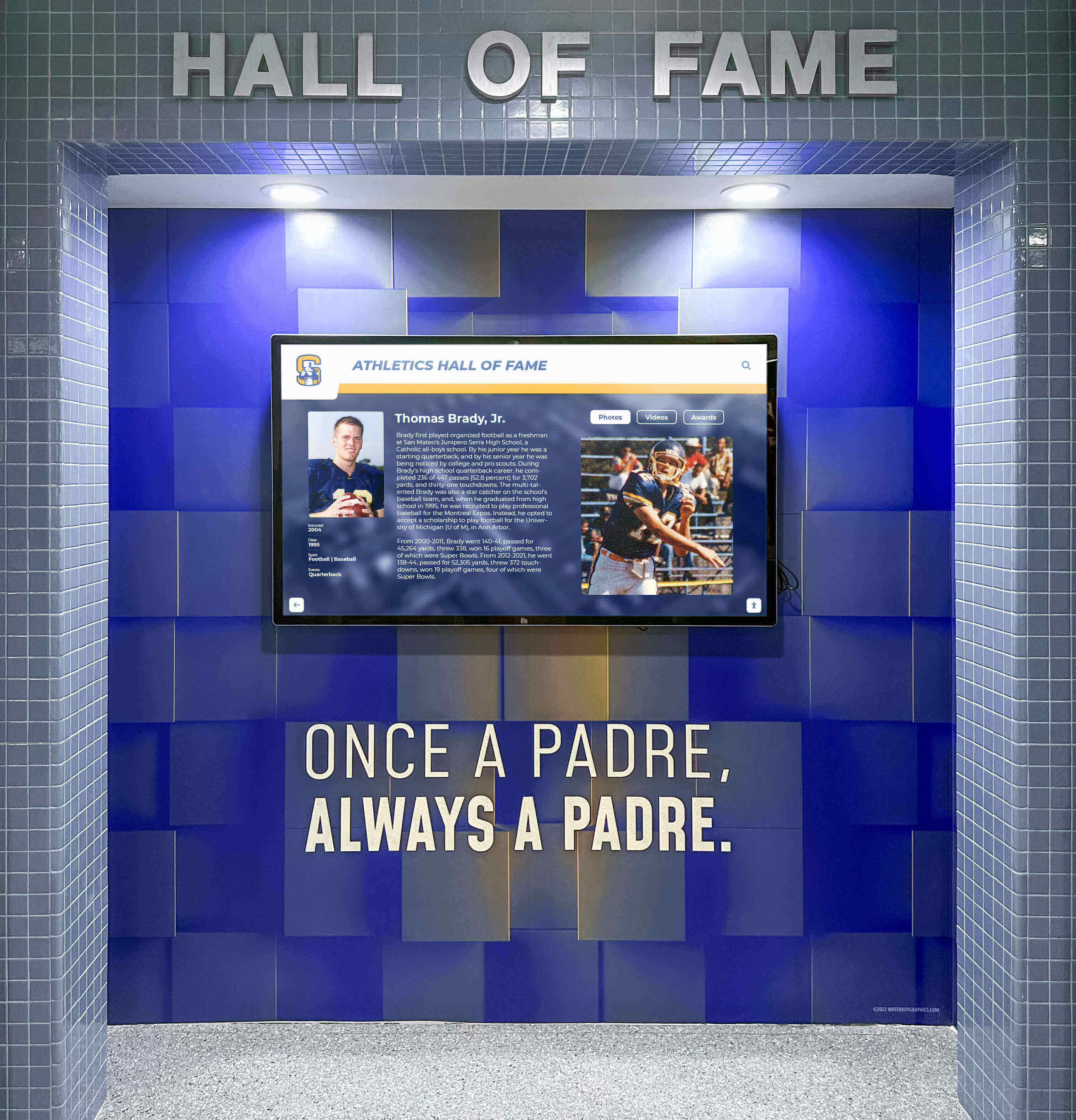
Plaque-based memorial systems work well for institutions with limited deaths requiring recognition, where memorial subjects share common backgrounds enabling grouped display, when exterior memorial placement requires weather-resistant materials, and where traditional aesthetic expectations prevent modern alternatives. However, plaques present significant limitations including finite available space eventually forcing difficult decisions about removing earlier memorials, inability to include photographs or detailed biographical content, high per-plaque costs making extensive recognition expensive, and permanent installation preventing content updates if errors are discovered or circumstances change.
Stone or Brick Memorial Structures: Freestanding memorial walls constructed from stone or brick create substantial memorial presence often located in outdoor spaces where communities can visit for quiet reflection. Memorial gardens, courtyards, or pathways featuring these structures become sacred spaces distinct from daily institutional activity—intentionally separated locations emphasizing memorial significance through spatial distinction.
Brick memorial programs sometimes offer individual bricks for purchase by families, creating fundraising mechanisms supporting broader memorial program costs while providing families tangible memorial participation. This participatory approach strengthens family connections while distributing memorial program expenses beyond institutional budgets.
Gallery Walls and Photograph Displays
Framed Photograph Collections: Gallery-style displays featuring framed photographs of memorial subjects create more personal recognition including visual identification alongside names. Organized chronologically, by role category, or thematically, photograph galleries transform abstract memorial lists into human faces creating stronger emotional connections for viewers who never knew individuals personally.
Quality framed displays require controlled interior environments protecting photographs from sunlight, humidity, and temperature extremes that cause fading and deterioration. Regular maintenance replacing damaged frames and updating photographs that have faded despite protective measures constitutes ongoing memorial management responsibility requiring sustained institutional commitment.
Memorial Hallways or Dedicated Spaces: Some institutions designate specific hallways, rooms, or wings as comprehensive memorial spaces concentrating all remembrance displays in single locations rather than scattering individual memorials throughout facilities. Centralized memorial spaces create pilgrimage destinations where families visit knowing they will find remembrance displays, allow more elaborate memorial design than dispersed plaques permit, prevent memorial proliferation from visually overwhelming primary institutional spaces, and facilitate memorial maintenance by concentrating all displays in manageable locations.
However, centralized approaches risk memorial invisibility when spaces are located in low-traffic areas, reducing memorial impact on daily institutional life. Careful balance between memorial prominence and appropriateness determines optimal placement strategies.
Traditional Memorial Limitations and Challenges
Physical memorial displays face predictable constraints that institutions discover as programs mature:
Space Capacity Limitations: Every physical memorial system eventually fills available space. Walls accommodate only finite plaque numbers. Gallery displays have maximum photograph capacity before feeling cluttered. Memorial gardens have limited brick or paver space. As institutional age increases and deaths naturally accumulate, space constraints force painful decisions—stop adding new memorials, remove earliest memorials, relocate memorial displays to larger spaces, or find alternative recognition approaches.
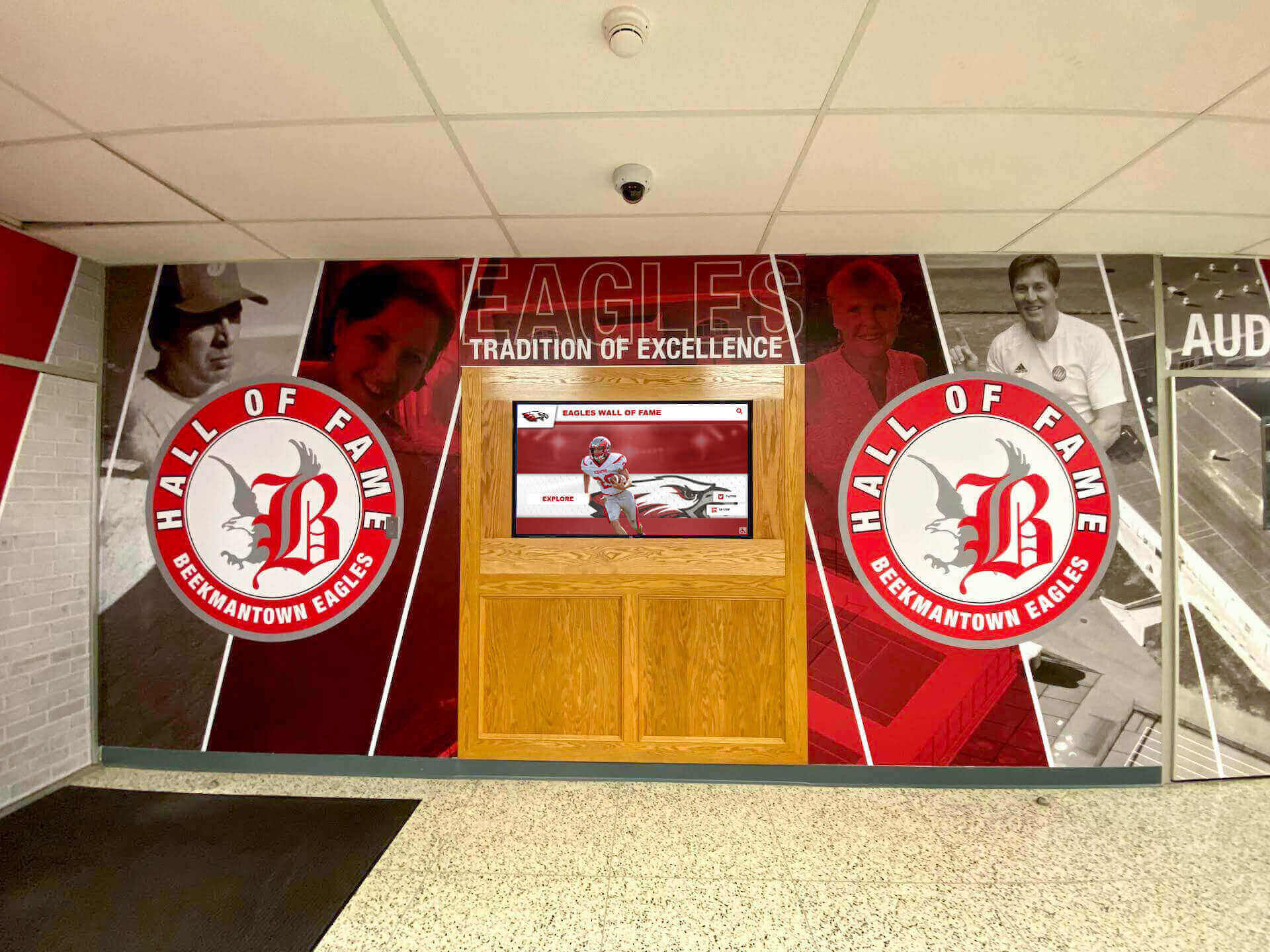
These space pressures particularly affect older institutions with memorial programs spanning many decades. Schools might honor war veterans from World War II, Korea, Vietnam, Gulf conflicts, and recent operations—memorial collections expanding with each generation of losses eventually overwhelming initially adequate display space.
Limited Biographical Content: Physical space constraints force minimal memorial content—typically just names, dates, and perhaps brief role descriptions. While appropriate for some memorial contexts, minimal content reduces individual recognition to basic facts rather than celebrating complete lives, contributions, and character. Families often desire more comprehensive memorial content honoring their loved ones’ complexity, but physical displays cannot accommodate extensive biographical narratives without becoming unwieldy or unreadable.
Update and Correction Difficulties: Errors happen. Names get misspelled, dates are recorded incorrectly, biographical facts contain inaccuracies. With traditional engraved or printed memorials, corrections require expensive physical replacement. Minor errors often remain uncorrected indefinitely because replacement costs prove prohibitive for small mistakes not rising to critical importance levels.
Similarly, adding newly discovered information—additional biographical details emerging from family research, photographs found in archives, or historical documentation uncovered years after initial memorial creation—cannot be incorporated into fixed physical displays, resulting in static memorial content that never improves despite available information that would enhance recognition quality.
Accessibility Limitations: Physical memorial displays exist only at single locations accessible only to those who physically visit. Alumni, family members, or community members living far from institutions cannot access memorial content without traveling specifically to visit displays. This geographic limitation particularly affects memorial subjects’ descendants living in different regions who might value memorial access but cannot justify travel expenses solely for memorial visits.
Traditional displays also create accessibility barriers for individuals with visual impairments who cannot read plaques or view photographs, mobility limitations preventing physical memorial location access, and other disabilities that physical displays fail to accommodate despite intentions toward inclusive memorial recognition.
Modern Digital Memorial Display Solutions
Digital platforms eliminate traditional memorial limitations while introducing enhanced capabilities that improve both memorial quality and institutional management efficiency.
Unlimited Memorial Capacity and Scalability
Space-Independent Recognition: Digital memorial systems accommodate unlimited individuals without physical space constraints. Institutions can memorialize every qualifying person regardless of when deaths occurred or how many individuals eventually receive recognition. Schools no longer face impossible choices between continuing memorial recognition and removing earlier honorees to create space for recent losses.
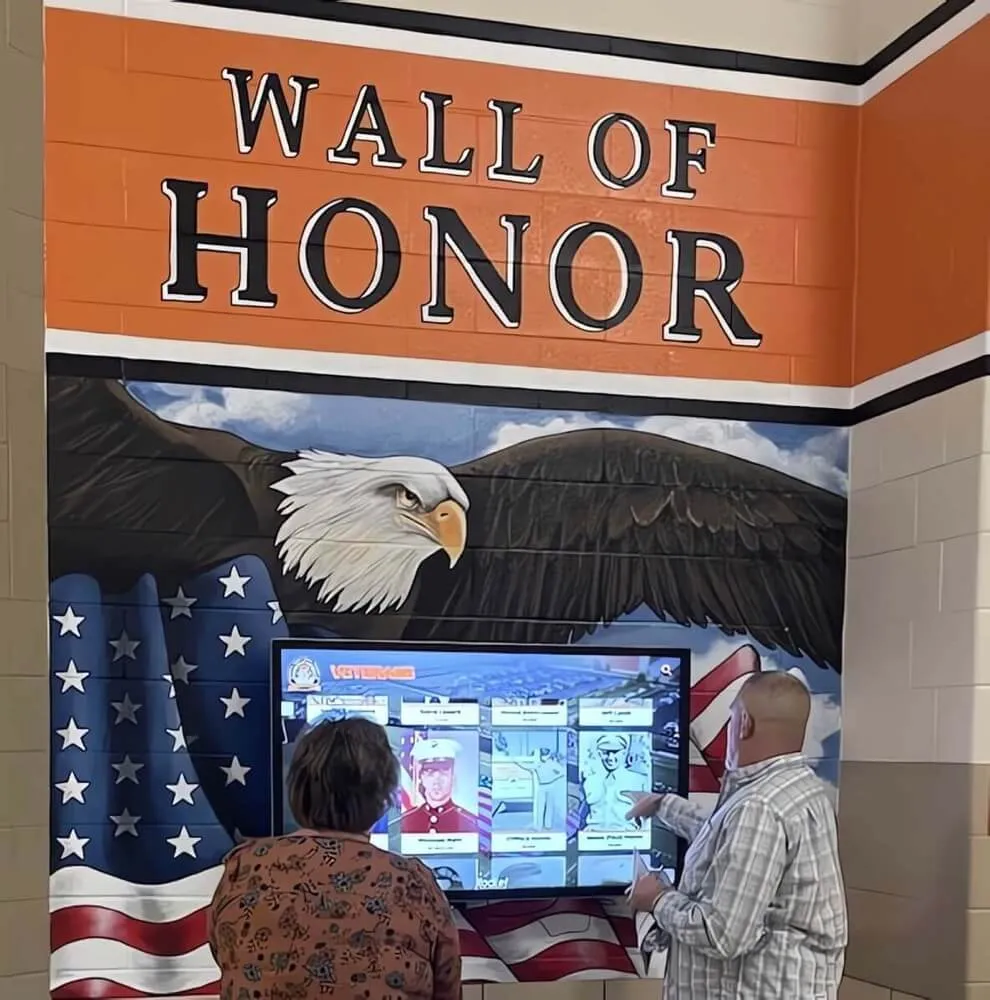
This unlimited capacity proves particularly valuable for comprehensive veteran memorial programs honoring all alumni who served and died in military service across all conflicts and eras, faculty memorial collections spanning institutional history from founding through present, and student memorial programs ensuring every student death receives appropriate recognition regardless of when tragedies occurred.
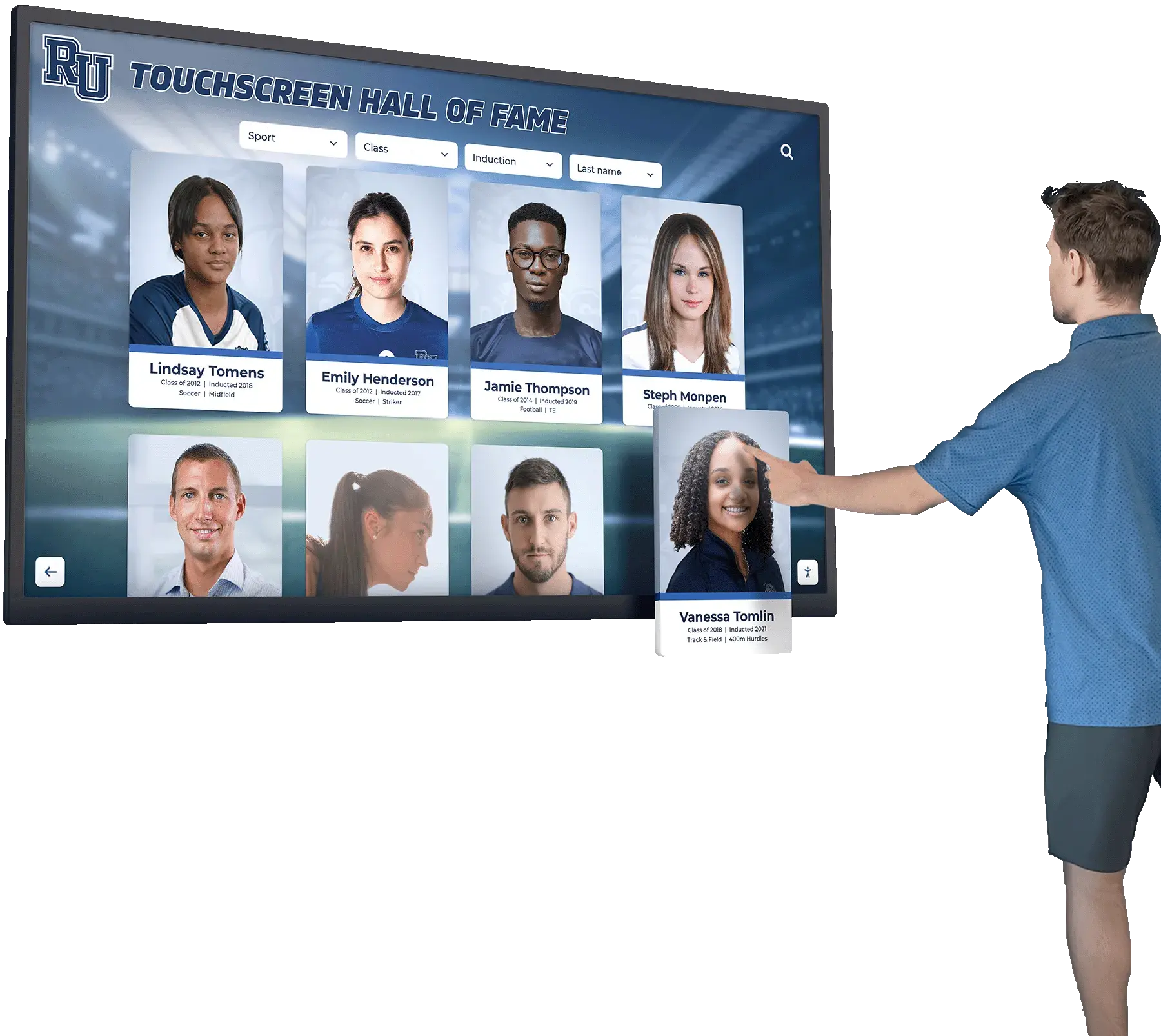
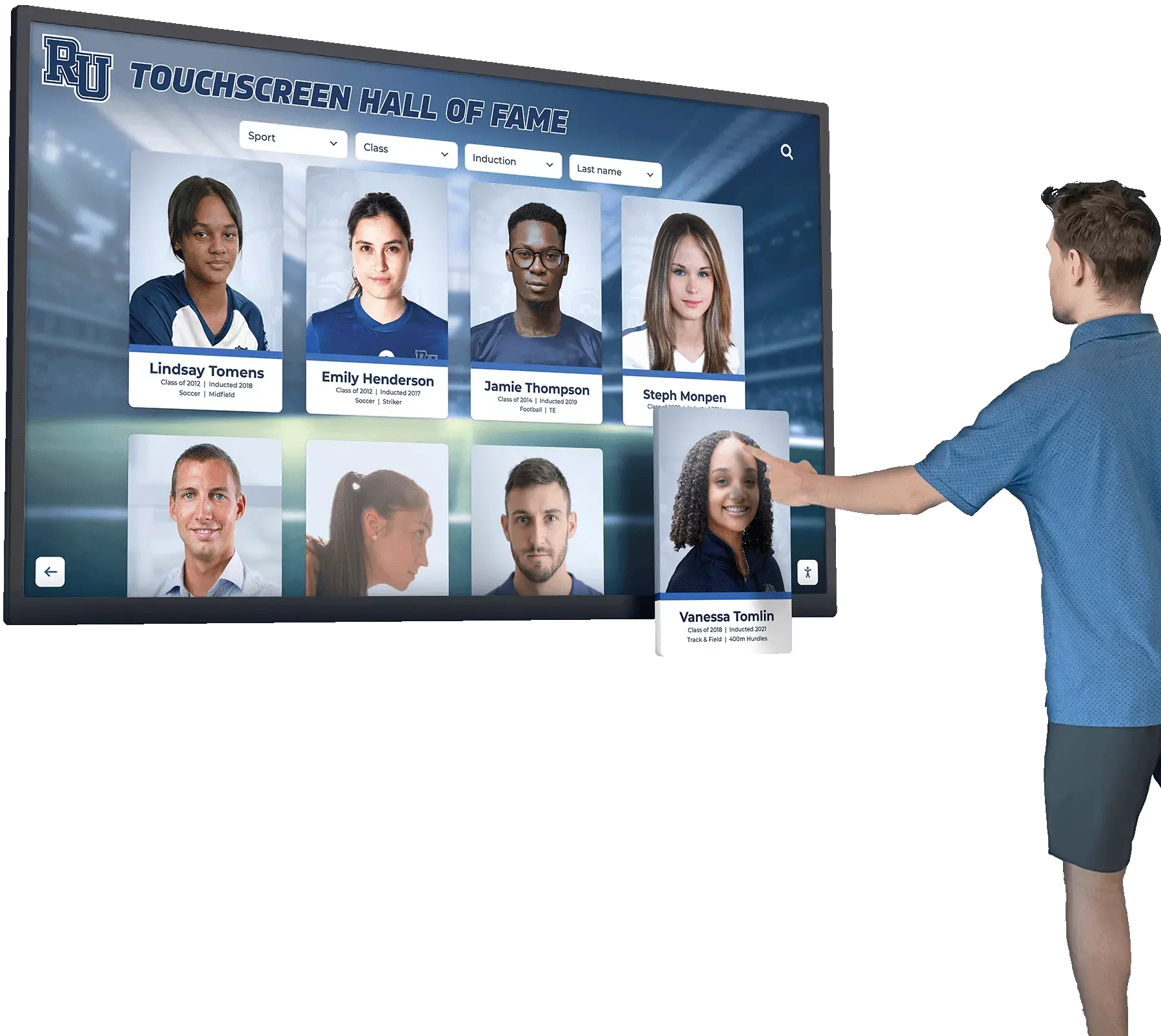
Organized Categorization and Navigation: Digital platforms enable sophisticated organization helping visitors find specific memorial content quickly. Memorial collections can be browsed chronologically by death dates, filtered by role categories (students, faculty, staff, alumni), searched by name or keyword, organized by cause of death when appropriate, sorted by military conflict for veteran memorials, or structured by department or program affiliation.

Multiple navigation options accommodate different visitor needs—families seeking specific individuals, researchers studying memorial collections comprehensively, current students exploring institutional history, or casual visitors browsing memorial content that catches interest.
Rich Multimedia Memorial Content
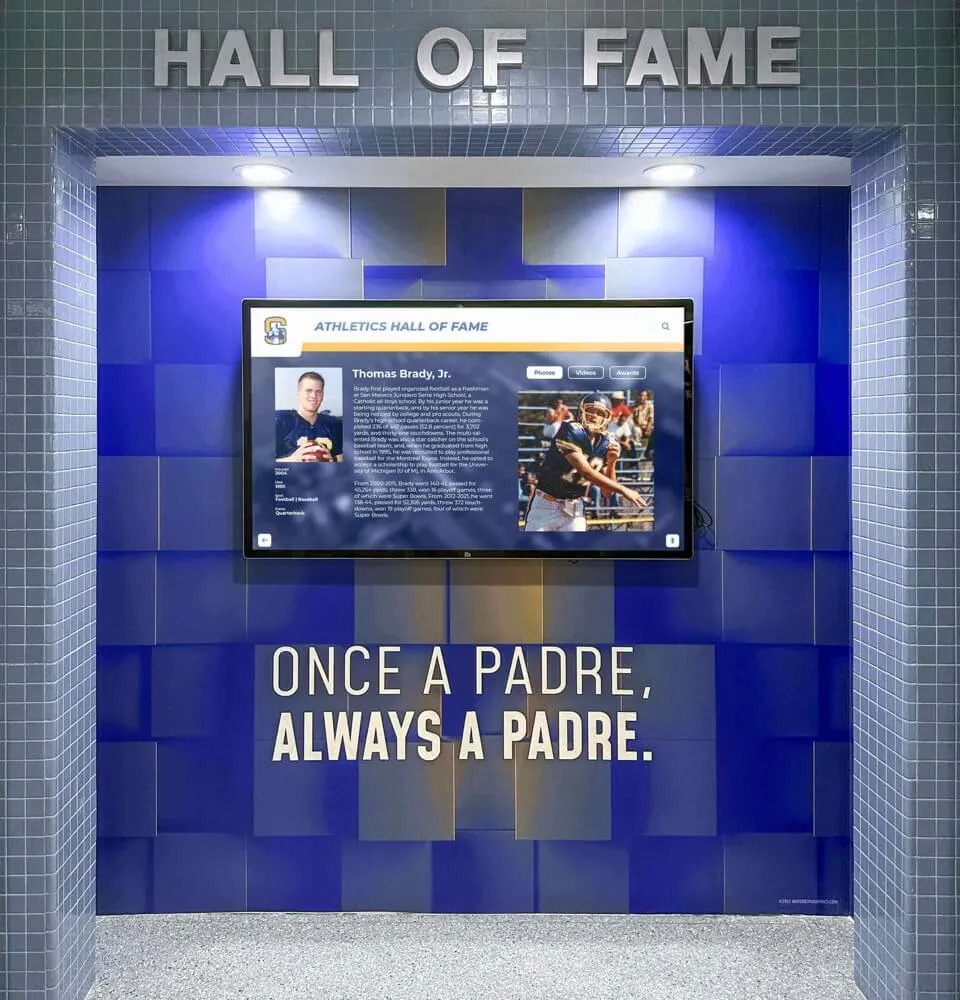
Comprehensive Biographical Profiles: Digital platforms display extensive biographical content impossible with physical plaques. Complete memorial profiles might include multiple high-resolution photographs showing individuals at different life stages and in various contexts, detailed biographical narratives explaining lives, contributions, and character, specific achievement documentation and significant life milestones, personal quotes or statements from individuals themselves, remembrances from colleagues, friends, or family members, and lists of survivors connecting memorial subjects to current community members.
This comprehensive content transforms generic memorial recognition into personal storytelling helping current viewers understand memorial subjects as complete individuals with hopes, accomplishments, relationships, and lasting impacts worthy of remembrance.
Video and Audio Integration: Advanced digital memorials incorporate multimedia content including video recordings of memorial subjects teaching, speaking, or participating in institutional activities, audio recordings of voices or signature performances for performing artists or musicians, ceremony recordings from memorial services or dedication events, interview recordings with family members sharing personal memories, and multimedia tributes created by communities following deaths.
These multimedia elements create powerful emotional connections impossible through text and static photographs alone, enabling memorial subjects to remain present through their own voices and movements rather than becoming frozen historical artifacts from increasingly distant pasts.
Dynamic Content Updates: Digital memorial content can be enhanced anytime with newly discovered photographs added to existing memorial profiles, biographical details refined as additional information emerges, errors corrected instantly without expensive physical replacement, memorial tributes expanded as anniversaries approach, and family stories incorporated when relatives contribute remembrances years after initial memorial creation.
This dynamic capability means memorial quality continuously improves rather than remaining fixed at whatever quality level existed when physical displays were originally installed.
Global Accessibility and Family Engagement
Web-Based Remote Access: Digital memorial platforms provide web access enabling anyone anywhere to explore memorial content without physical institutional visits. This remote accessibility particularly benefits memorial subjects’ family members living far from institutions, out-of-state alumni seeking to honor deceased classmates, military families accessing veteran memorials without traveling, researchers studying institutional history remotely, and media representatives preparing memorial features or obituary content.
Solutions like Rocket Alumni Solutions provide web-based memorial platforms specifically designed for educational institutions and organizations, offering intuitive interfaces, mobile-responsive designs, privacy controls protecting sensitive content, searchable databases, and analytics revealing which memorial profiles receive most engagement.
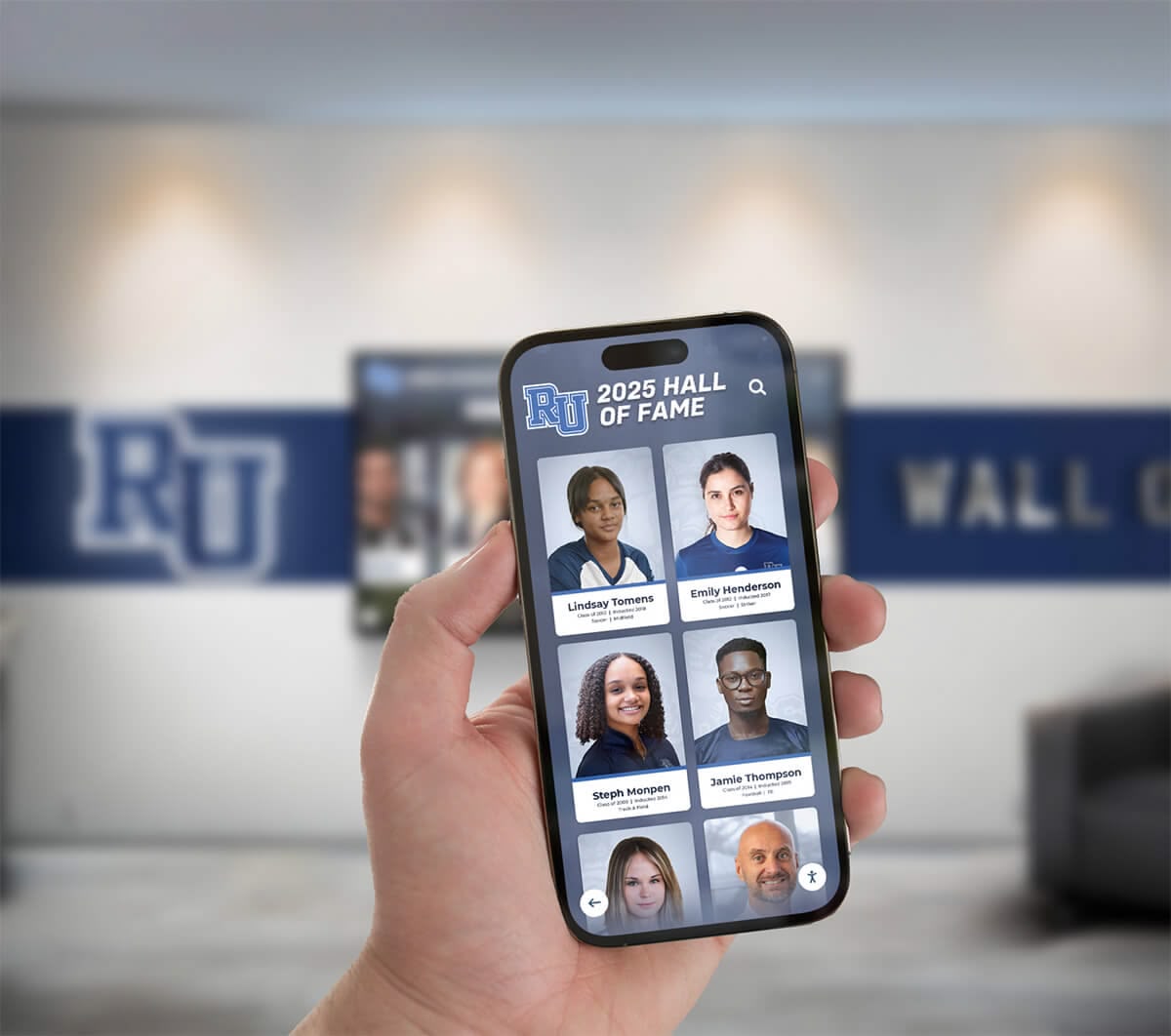
Perpetual Memorial Presence: Unlike physical displays requiring ongoing building access and maintenance, web-based memorials remain accessible 24/7 indefinitely. Families can visit digital memorials on death anniversaries, memorial holidays, or whenever grief prompts need for connection—accessing remembrance content at personally meaningful times rather than requiring coordination with institutional visiting hours or geographic accessibility.
This perpetual accessibility transforms memorial walls from occasional physical visits into ongoing digital relationships where families maintain continuing connections with memorial content as frequently as personal needs dictate.
Social Sharing and Extended Reach: Digital memorials enable families and communities to share memorial content through social networks, extending memorial recognition beyond those who directly visit memorial displays or websites. Families can share memorial profiles with extended relatives, friends, and communities on death anniversaries. Schools can feature specific memorials in periodic communications to alumni. Organizations can highlight memorial subjects on relevant awareness days or during thematic campaigns.
This sharing capability amplifies memorial impact exponentially beyond physical display limitations while introducing memorial subjects to new generations of community members who never knew them personally but come to appreciate their contributions through digital memorial storytelling.
Enhanced Memorial Management and Administration
Centralized Content Management: Digital platforms provide intuitive content management systems enabling staff to add memorial profiles efficiently, update existing memorials instantly, correct errors immediately, organize content systematically, manage permissions appropriately, and archive materials securely—all without technical expertise required for custom website development or database administration.
Purpose-built memorial management systems designed for non-technical administrators dramatically reduce memorial program operational burden compared to physical displays requiring vendor coordination for every update or correction.
Family Collaboration Tools: Advanced platforms enable controlled family participation in memorial content development through secure submission portals where families upload photographs, biographical information input forms gathering structured content, review and approval workflows before publication, and ongoing contribution options allowing families to submit additional content as they discover materials or want to share stories.
This collaborative approach creates better memorial content than institutions could develop independently while strengthening family connections through meaningful participation in memorial creation honoring their loved ones appropriately.
Analytics and Engagement Tracking: Digital systems provide data impossible with physical displays including which memorial profiles receive most views revealing community interests, geographic access patterns showing memorial reach, search terms helping optimize content discoverability, visit duration indicating content engagement quality, and traffic sources demonstrating how visitors discover memorial content.
These analytics help institutions understand memorial program impact, justify continued investment in memorial recognition, identify opportunities for memorial promotion or enhancement, and demonstrate to families that memorial recognition reaches broad audiences creating meaningful ongoing remembrance rather than static displays few people notice.
Memorial Wall Design and Content Best Practices
Regardless of whether institutions choose traditional physical displays, modern digital platforms, or hybrid approaches combining both, certain design principles and content practices ensure memorial effectiveness and appropriateness.
Balancing Dignity with Engagement
Appropriate Visual Design: Memorial displays should reflect appropriate solemnity and respect while remaining visually accessible and engaging rather than forbidding or depressing. Design elements supporting this balance include neutral color palettes avoiding overly cheerful designs while preventing somber darkness discouraging interaction, elegant typography ensuring readability while conveying appropriate seriousness, thoughtful use of institutional symbols connecting memorials to broader community identity, appropriate incorporation of religious or cultural symbols when relevant to memorial subjects, and clean uncluttered layouts that focus attention on memorial subjects rather than design complexity.
Resources on digital display design offer frameworks for creating engaging recognition experiences that maintain appropriate dignity while encouraging interaction and exploration.
Content Tone and Language: Memorial biographical content requires careful writing balancing factual documentation with emotional resonance—describing individuals’ lives, contributions, and character honestly while maintaining respect and sensitivity. Avoid overly formal obituary language that feels impersonal and distant, euphemisms that obscure death facts creating confusion, excessive sentimentality that feels manufactured rather than authentic, controversial content that generates conflict rather than remembrance, and inconsistent tone across different memorial profiles suggesting some individuals receive more careful treatment than others.
Well-written memorial content should sound like it was crafted by people who knew and genuinely appreciated memorial subjects, even when written by staff members who never met individuals they are memorializing based on biographical research and family input.
Including Diverse Memorial Categories
Comprehensive Veteran Recognition: Military veteran memorials deserve special attention and care, given the ultimate sacrifice many made in service to their countries. Comprehensive veteran memorial programs should include all alumni who died in military service regardless of conflict era or circumstances, biographical content explaining military service details and ranks, information about units, deployments, and service locations, circumstances of death when appropriate and families approve, military honors and decorations received, and photographic content showing individuals in uniform.
Veteran memorials often receive heightened community attention and engagement, particularly around Memorial Day, Veterans Day, and military conflict anniversaries. Well-documented veteran recognition demonstrates institutional commitment to honoring service and sacrifice while educating current students about military contributions to national security and freedom.
Faculty and Staff Memorial Recognition: Educators and staff members who dedicated careers to institutional service deserve thoughtful memorial recognition acknowledging their contributions and impact. Faculty memorials might emphasize years of service and teaching longevity, academic specialties and curricular contributions, student relationships and mentorship impact, scholarly achievements and professional recognition, and colleague remembrances highlighting personality and character. Staff memorials for administrators, counselors, custodians, cafeteria workers, coaches, and others acknowledge that all institutional roles contribute meaningfully to community function and student success.
Institutional commitment to comprehensive faculty and staff memorial recognition, not just prominent administrators or longest-serving individuals, demonstrates values honoring all contributions regardless of position or status.
Student and Young Alumni Memorials: Student deaths represent particularly tragic losses, and memorial recognition serves important purposes for grieving school communities and devastated families. Student memorials require sensitivity balancing family desires for extensive memorial content with institutional policies ensuring appropriate consistency across all student memorials regardless of circumstances or family resources.
Considerations for student memorials include consistent memorial format preventing perception that some students receive preferential treatment, age-appropriate content when memorializing young children, sensitivity around death circumstances particularly when involving suicide, substance abuse, or violence, academic and extracurricular achievement documentation, peer testimonials from classmates and friends when appropriate, and long-term memorial accessibility ensuring families can access memorials decades after deaths.
Student memorials often generate intense immediate grief responses when deaths are recent, but also create lasting comfort for families who appreciate institutional recognition ensuring their children remain valued school community members rather than being forgotten as graduating classes move on and institutional attention shifts to current students.
Donor and Benefactor Memorial Recognition: Major institutional donors and benefactors whose philanthropy enabled significant advancement often receive memorial recognition both honoring their memory and demonstrating institutional gratitude. Donor memorial recognition might be integrated with broader donor recognition systems acknowledging both living and deceased contributors.
Donor memorials typically emphasize philanthropic contributions and impact, facilities or programs enabled by giving, family legacy and multi-generational institutional relationships, volunteer service and governance contributions, and broader biographical content beyond financial contributions. Balanced donor memorials acknowledge that while philanthropy deserves recognition, memorial subjects were complete individuals with multiple dimensions beyond financial capacity—preventing memorial recognition from feeling transactional or implying that recognition is purchased rather than earned through authentic relationship and contribution.
Implementing Appropriate Privacy and Sensitivity Policies
Death Circumstance Discretion: Memorial displays should generally avoid detailed death circumstance descriptions unless families specifically request inclusion and circumstances warrant public acknowledgment. Causes of death, accident details, illness specifics, or other circumstances often feel unnecessarily intrusive, shifting memorial focus from lives lived to death circumstances that may have been relatively minor parts of complete life stories.
Some circumstances warrant explicit acknowledgment—military service deaths, deaths while performing public service duties, or deaths in events of historical significance—where circumstances themselves constitute important parts of stories. However, default memorial practice should emphasize lives and contributions rather than death details unless compelling reasons suggest otherwise.
Family Privacy and Control: Memorial programs should establish clear policies regarding what information gets published, who reviews and approves content before publication, how families can request content modifications or removal, what procedures govern disputes between institutions and families, and how long memorial recognition remains active.
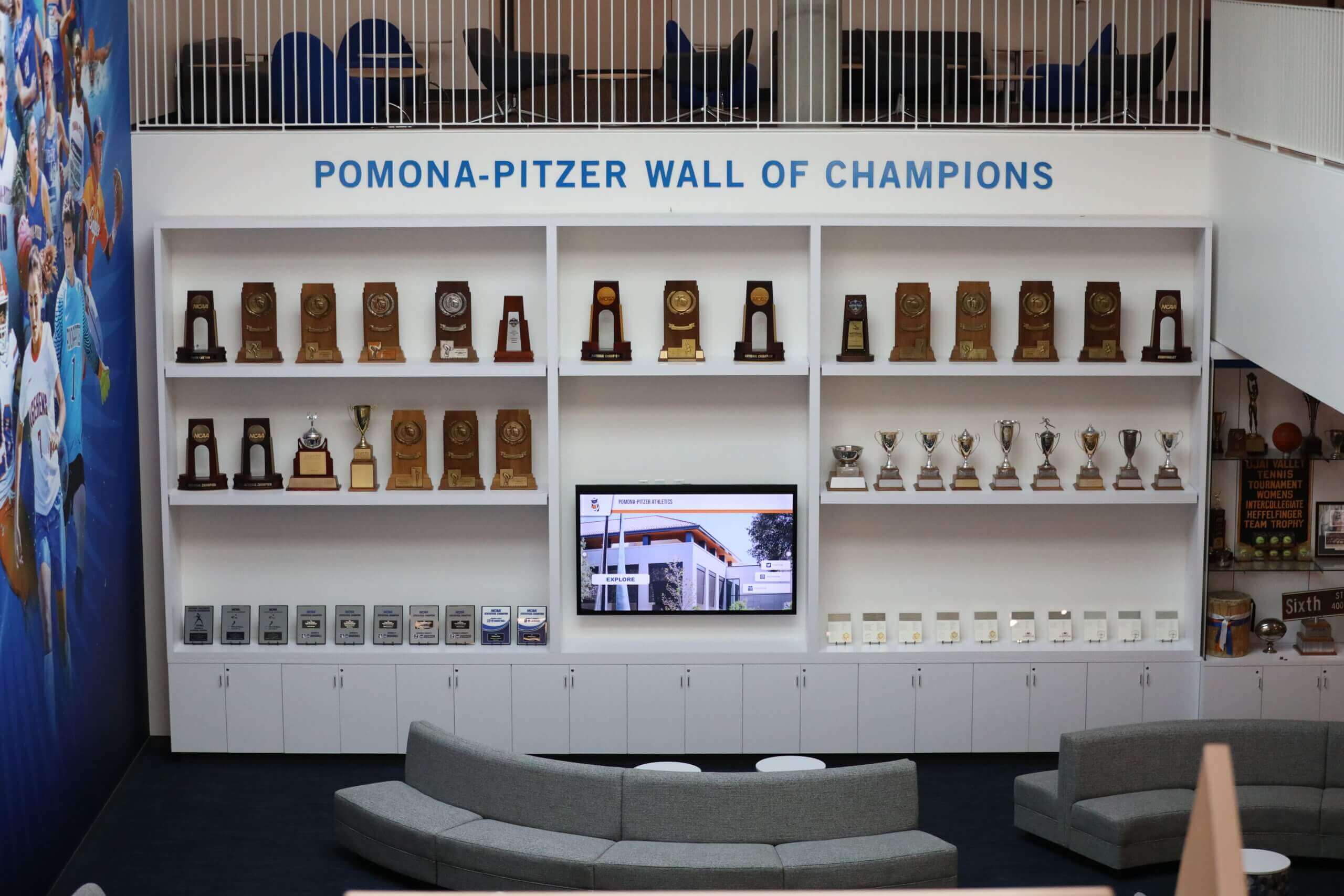
These policies should balance institutional values and consistency with respect for family wishes—recognizing that while institutions ultimately determine memorial program structure, memorial subjects’ families have legitimate interests in how their loved ones are remembered publicly and permanently.
Cultural and Religious Sensitivity: Memorial recognition should respect diverse cultural and religious traditions around death, remembrance, and commemoration without imposing specific religious frameworks on all memorial subjects. Design elements that might include optional religious symbols when families request and appropriate for memorial subjects, culturally appropriate memorial language and expressions, inclusive approaches that welcome diverse traditions rather than privileging majority practices, and respectful acknowledgment of varied beliefs about death, afterlife, and remembrance.
Institutions serving diverse populations benefit from consulting with cultural and religious community representatives when developing memorial programs ensuring that design and content approaches feel respectful and welcoming across communities rather than inadvertently excluding or offending certain groups through well-intended but culturally inappropriate memorial practices.
Physical Placement and Integration of Memorial Displays
Strategic memorial placement decisions affect memorial visibility, accessibility, and integration with broader institutional spaces and communities.
High-Traffic Common Area Placement
Main Entrance Lobbies: Memorial displays in primary building entrances ensure maximum visibility reaching all who enter facilities including students, staff, visitors, families, and community members. Entrance placement creates natural memorial discovery without requiring intentional seeking, demonstrates institutional commitment to remembrance through prominent placement, establishes memorial recognition as central to institutional identity, and provides controlled interior environment protecting memorial displays from weather and vandalism.
However, entrance placement requires careful design ensuring memorial displays don’t create depressing or morbid first impressions for prospective families, visiting community members, or young students who might find extensive death recognition emotionally challenging. Balance involves creating dignified memorial spaces that honor loss appropriately while maintaining overall welcoming entrance environments.
Chapel, Library, or Dedicated Memorial Spaces: Some institutions create specific memorial spaces separated from daily traffic—chapel remembrance areas, library memorial rooms, or dedicated memorial gardens enabling quiet contemplation rather than casual passing observation. Separated memorial spaces offer appropriate gravitas and contemplation opportunities, reduce concerns about depressing main gathering spaces, create pilgrimage destinations where families intentionally visit, and enable more extensive memorial displays than feasible in circulation spaces.
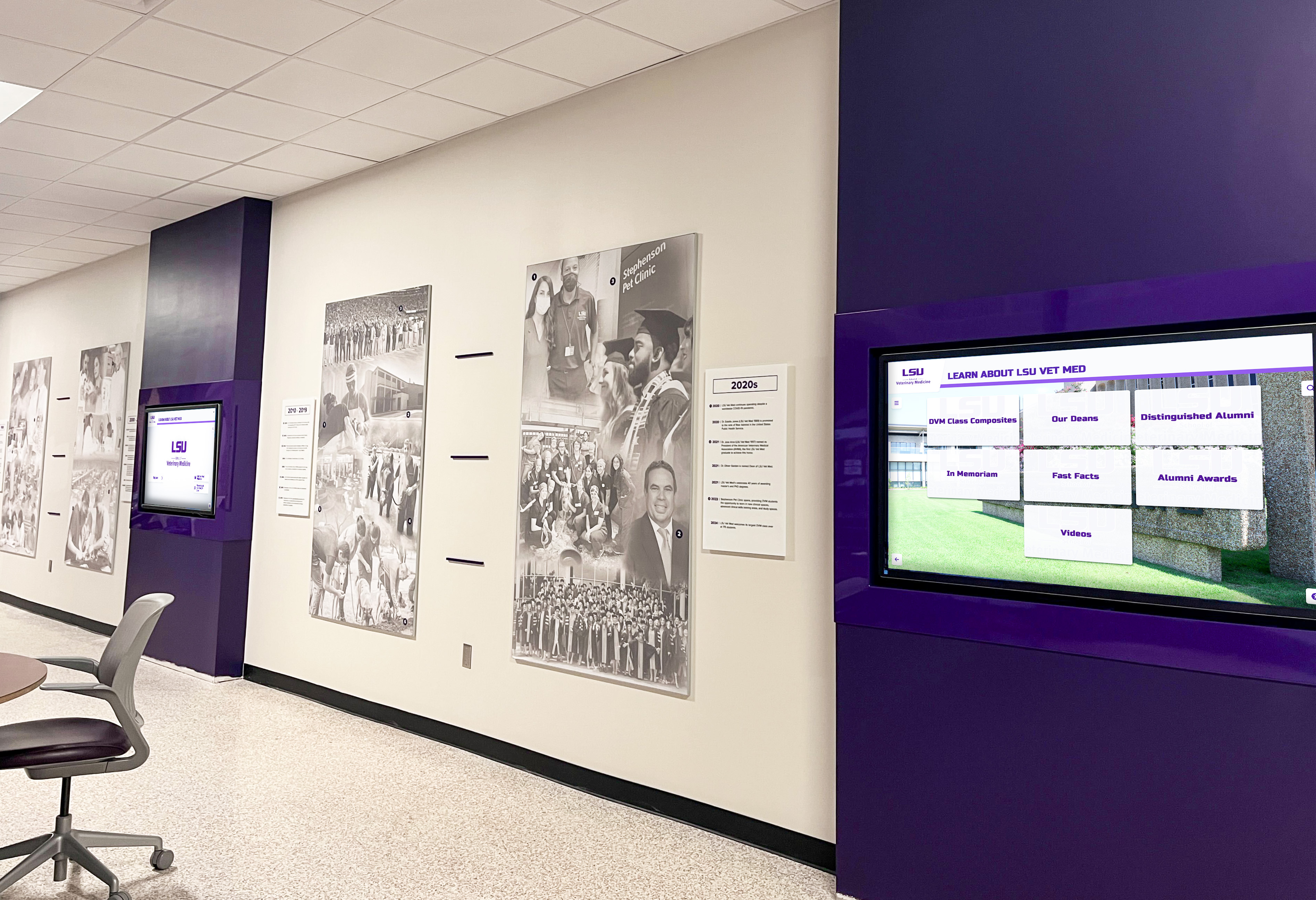
Trade-offs involve reduced visibility compared to high-traffic placements, potential invisibility when spaces are located in areas few people regularly access, and lessened memorial impact on daily institutional culture when memorials are physically separated from community gathering spaces.
Outdoor Memorial Gardens and Courtyards: Exterior memorial spaces create natural contemplation environments particularly appropriate for comprehensive memorial programs honoring many individuals over extended time periods. Memorial gardens might incorporate seating encouraging reflection, landscaping creating peaceful atmospheric quality, memorial pavers or bricks enabling participatory recognition, sculptural elements providing focal points, and digital display integration combining physical presence with digital content capabilities.
Outdoor spaces work well in temperate climates but prove challenging in regions with harsh winters or extreme weather limiting outdoor accessibility for significant portions of years. Weather protection requirements also limit suitable memorial materials and design approaches for exterior installations.
Context-Specific Memorial Location
Athletic Facility Veteran Memorials: Many schools install veteran memorials in gymnasiums, field houses, or athletic facilities—connecting military service with athletic tradition and competitive excellence while reaching student-athletes specifically during practices and competitions. Athletic facility placement makes particular sense when memorial subjects were athletes during their own school years, creating natural connections between current athletes and those who served.
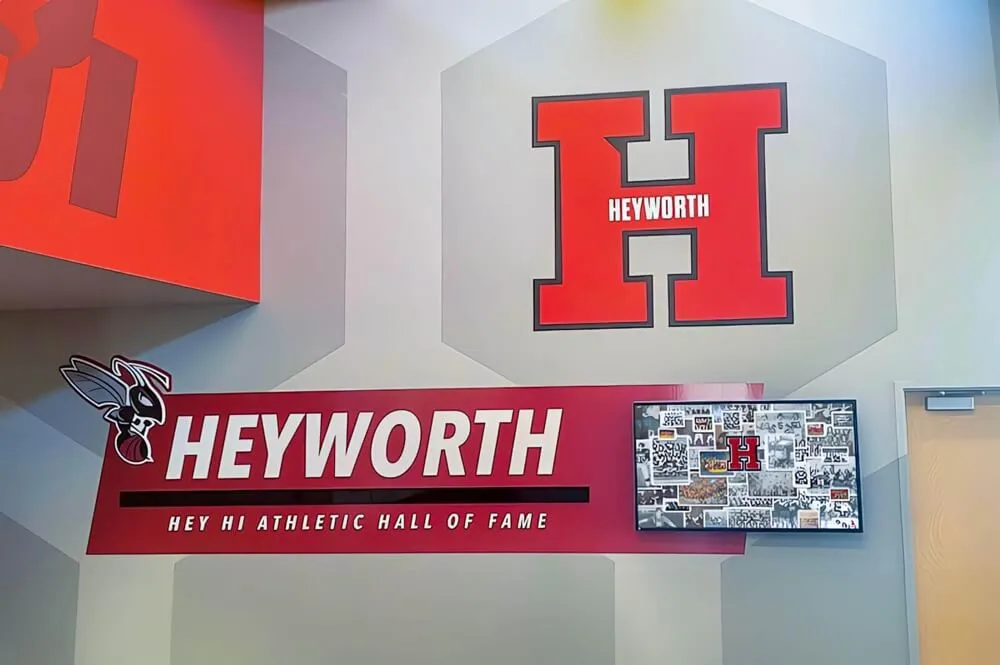
Resources discussing athletic hall of fame implementation include strategies for integrating memorial recognition with broader athletic recognition programs celebrating both living and deceased community members.
Academic Building Faculty Memorials: Faculty memorial displays located in academic buildings where subjects taught create meaningful spatial connections between memorial recognition and professional contributions. Education building memorials for teacher education faculty, science center displays honoring science educators, performing arts center tributes to music and drama instructors, and similar context-specific placements create natural memorial integration reflecting where memorial subjects spent professional lives.
Student Center Memorial Recognition: Student gathering spaces provide natural memorial locations reaching diverse student populations during daily social activities. Student center placement creates casual memorial discovery opportunities during relaxed social contexts, reaches broad student audiences beyond specific academic or athletic populations, demonstrates that memorial recognition is central to student life rather than administrative concern, and enables interactive digital displays encouraging student engagement.
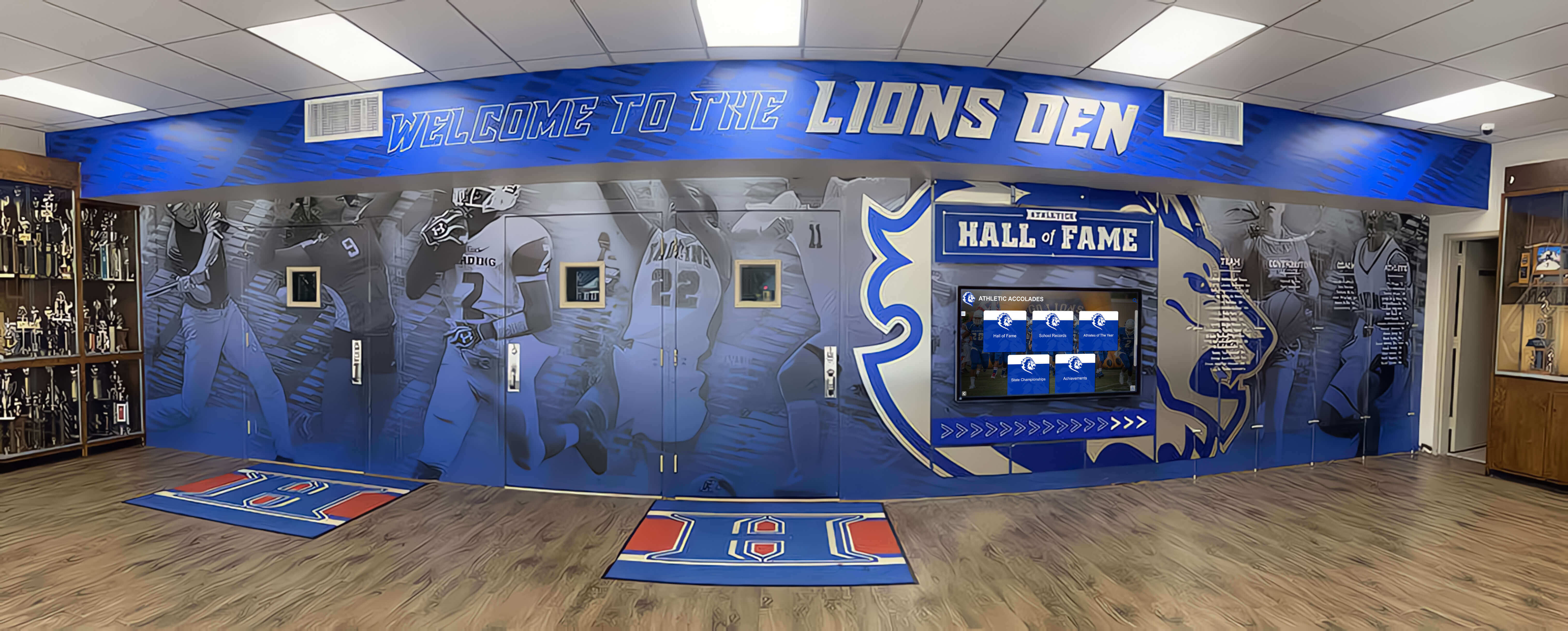
Student center memorials particularly suit student and young alumni memorial recognition creating peer connections between current students and memorial subjects who were themselves recently students sharing similar experiences, challenges, and campus spaces.
Integrating Memorial Recognition with Broader Institutional Programs
Memorial walls should not exist in isolation but rather connect with comprehensive institutional recognition, advancement, and engagement strategies.
Memorial Ceremonies and Annual Observances
Memorial Day and Veterans Day Observances: Schools and organizations can develop regular memorial ceremonies honoring specific constituencies—military veteran memorials remembered each November and May, comprehensive memorial services recognizing all who passed during previous years, or thematic memorial observances marking specific historical events or shared causes.
Annual ceremonies create predictable opportunities for family engagement and community gathering, maintain memorial visibility ensuring recognition remains active rather than static, provide occasions for adding new memorial subjects with appropriate dignity, and create content for institutional communications extending memorial awareness beyond those physically attending events.
Ceremony traditions might include reading memorial subject names aloud ensuring auditory recognition, displaying memorial photographs or video tributes, inviting family representatives to participate in proceedings, incorporating student or community performances, and dedicating new memorial additions with appropriate ritual and solemnity.
Endowed Memorial Scholarships: Memorial recognition often extends beyond displays to include memorial scholarships honoring deceased individuals while supporting current students. Memorial scholarships create lasting functional benefit beyond symbolic recognition, provide families meaningful ways to contribute to memorial programs, connect memorial subjects to current students through named awards, and generate ongoing institutional communication opportunities as scholarship recipients are announced annually.
Well-designed memorial scholarship programs align scholarship criteria with memorial subjects’ values, interests, or accomplishments—athletic scholarships honoring deceased coaches, academic awards for students in fields where memorial subjects excelled, service scholarships recognizing community contribution, or open awards emphasizing character qualities that defined memorial subjects.
Alumni Engagement and Reunion Integration
Class Reunion Memorial Features: Reunion events provide natural opportunities for memorial recognition particularly relevant to attending classes. Reunion programs might include memorial displays featuring deceased classmates, moments of silence honoring losses since previous reunions, opportunities for classmates to share memories and stories, and organized visits to permanent memorial displays or gardens.
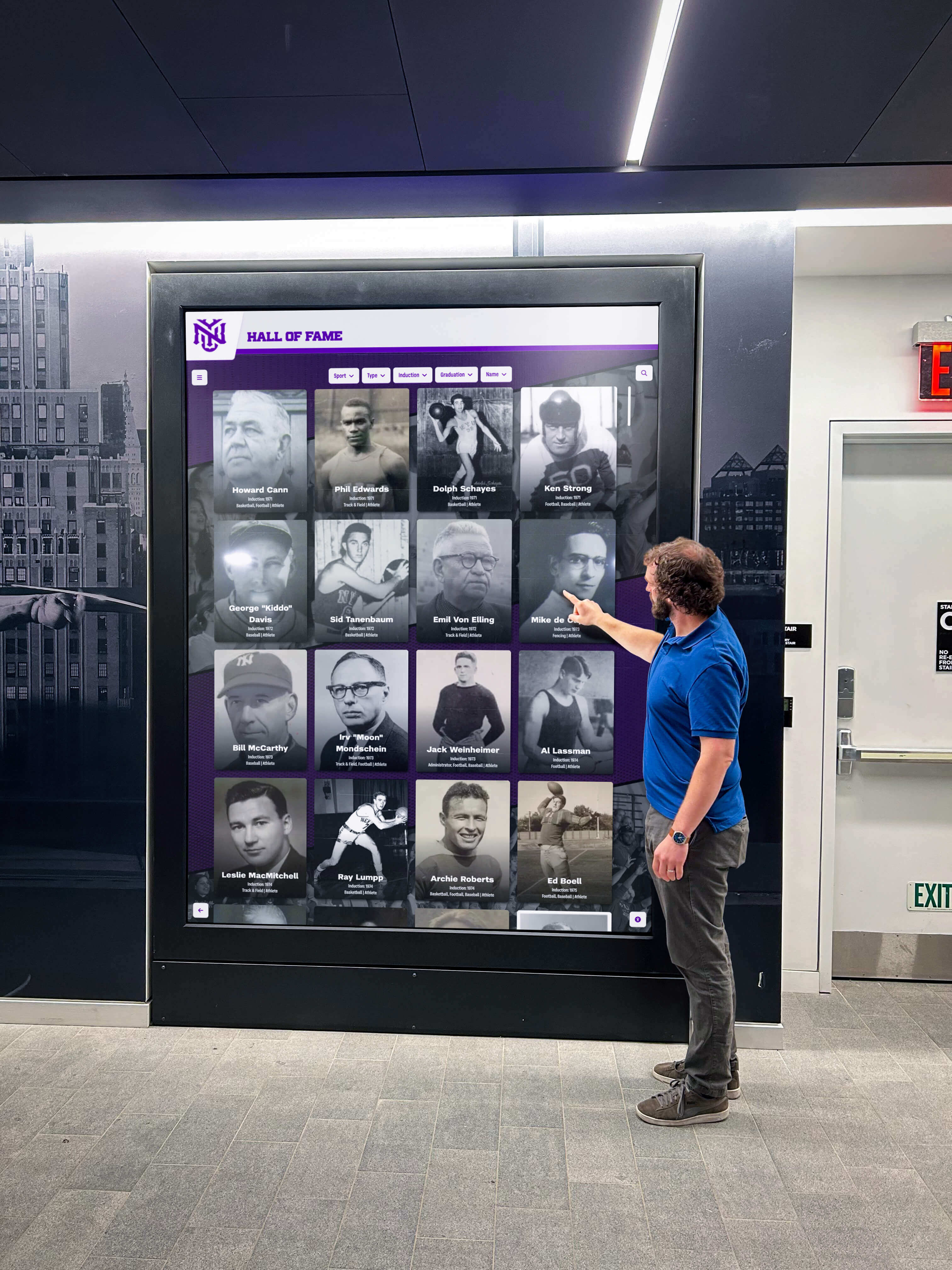
Reunion memorial components acknowledge that aging classes inevitably lose members while reunion attendance provides concentrated opportunities to strengthen memorial awareness and family engagement when classmates who knew memorial subjects personally can share authentic firsthand memories.
Alumni Communications Memorial Sections: Regular alumni publications and communications can feature memorial sections highlighting recently deceased alumni, providing detailed memorial tributes for particularly significant losses, directing readers to comprehensive digital memorial collections, and inviting memorial content contributions from alumni who have memories, photographs, or stories to share.
These ongoing memorial communications demonstrate sustained institutional commitment to remembrance while creating touchpoints keeping memorial programs visible and active in alumni consciousness rather than becoming forgotten facilities features few alumni ever notice or engage with.
Advancement and Fundraising Connections
Memorial Naming Opportunities: Memorial displays and facilities often represent naming opportunities for donors—memorial gardens named for benefactors, memorial scholarship programs honoring donors’ deceased family members, memorial building wings dedicated to institutional founders, or comprehensive memorial programs established through major gifts.
These naming opportunities align donor recognition with memorial purposes, create meaningful ways for grieving families to honor deceased loved ones, generate revenue supporting memorial program sustainability, and ensure that memorial initiatives receive adequate funding enabling appropriate quality and comprehensiveness. Resources discussing donor wall implementation provide frameworks for balancing recognition, fundraising, and program sustainability.
Planned Giving and Legacy Programs: Memorial recognition connects naturally to planned giving programs encouraging alumni to include institutions in estate plans. Marketing messages might emphasize that planned gifts create lasting legacies ensuring donors are remembered permanently, memorial recognition celebrates lifelong institutional commitment, and planned giving enables memorial scholarship establishment honoring donors after death.
These connections position memorial programs within comprehensive advancement strategies rather than treating memorial recognition as separate isolated initiatives unrelated to institutional fundraising and sustainability priorities.
Technology Considerations for Digital Memorial Systems
Institutions implementing digital memorial displays should carefully evaluate technology platforms ensuring solutions meet current needs while providing sustainable long-term management and enhancement capabilities.
Platform Selection Criteria
Purpose-Built vs. Generic Solutions: Schools can choose between purpose-built memorial and recognition platforms designed specifically for educational institutions or generic content management systems requiring extensive customization. Purpose-built solutions like Rocket Alumni Solutions offer pre-configured memorial templates, educational institution-specific features, intuitive interfaces requiring no technical expertise, reliable support from vendors experienced with institutional needs, and regular updates improving functionality without requiring institutional technical resources.
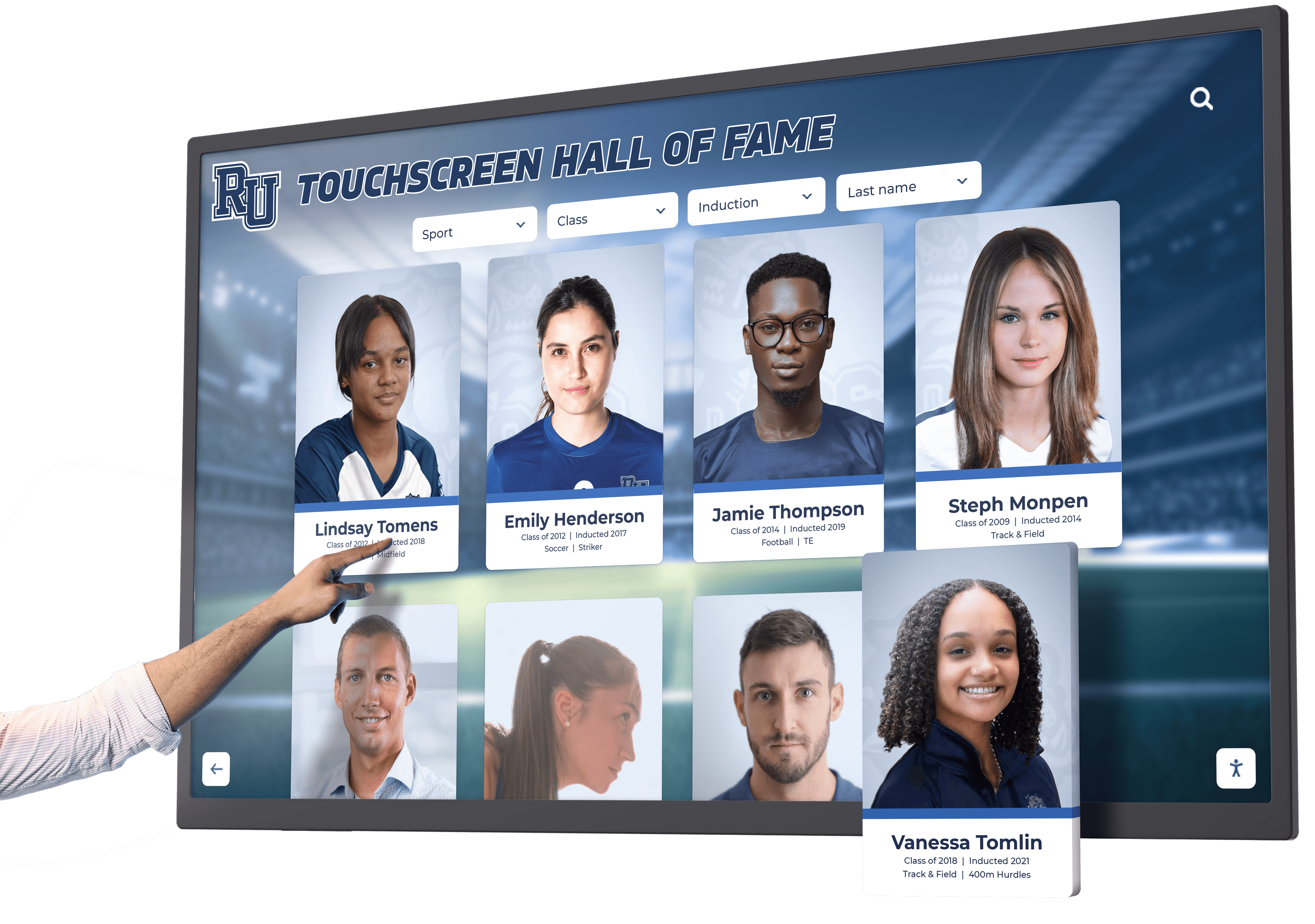
Generic solutions provide maximum flexibility and customization potential but require substantial technical expertise, ongoing maintenance and security management, custom feature development for memorial-specific needs, and institutional technical resources handling ongoing system administration.
Most schools benefit more from purpose-built solutions offering reliable functionality without requiring expensive technical resources, though large institutions with dedicated technology departments might prefer customized solutions providing complete control over every system aspect.
Key Platform Capabilities: Essential digital memorial platform features include unlimited content capacity accommodating institutional growth, intuitive content management requiring no coding knowledge, family collaboration tools enabling appropriate participation, privacy controls protecting sensitive content, robust search and filtering enabling content discovery, multimedia support for photos, videos, and audio, mobile-responsive design ensuring accessibility across devices, web accessibility features accommodating disabilities, reliable cloud hosting preventing data loss, and analytics tracking engagement and usage patterns.
These capabilities collectively enable comprehensive memorial programs that honor all deserving individuals with rich biographical content while remaining manageable for non-technical administrators with limited time and resources.
Physical Display Hardware Options
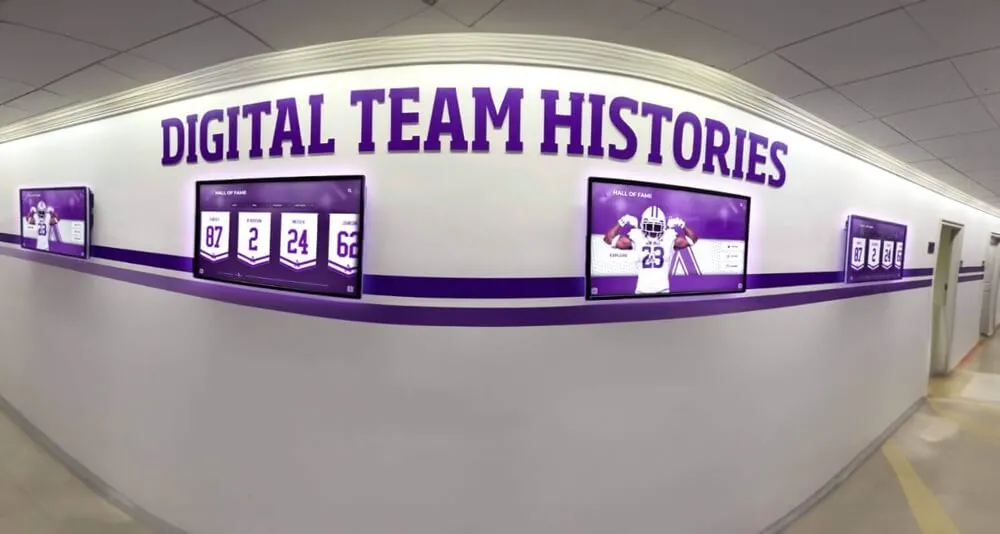
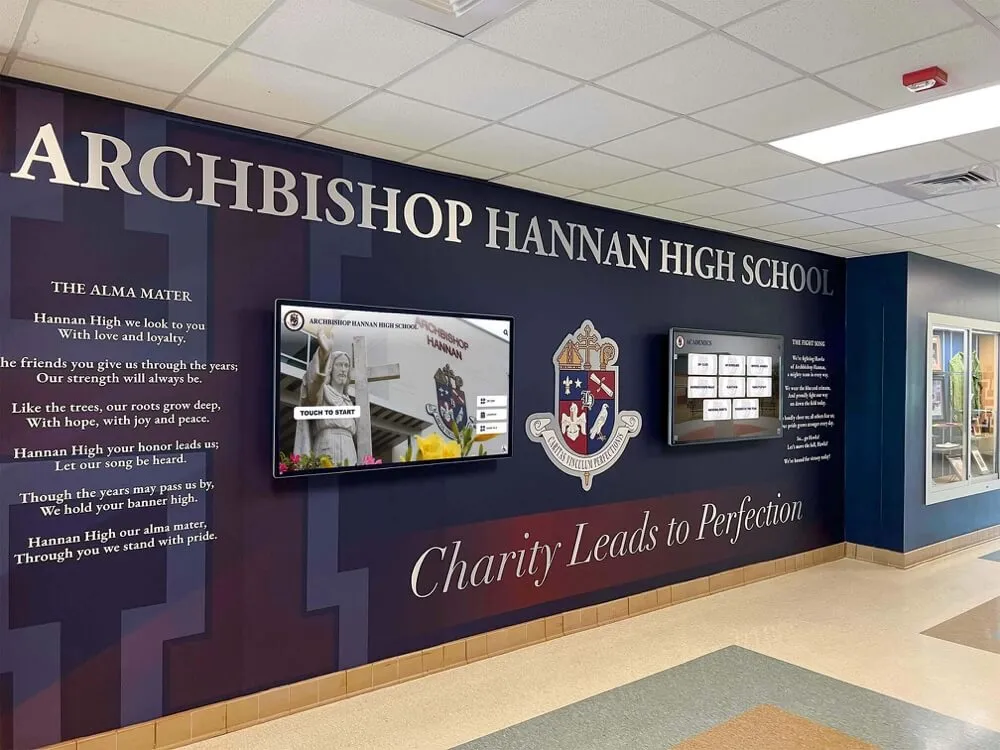
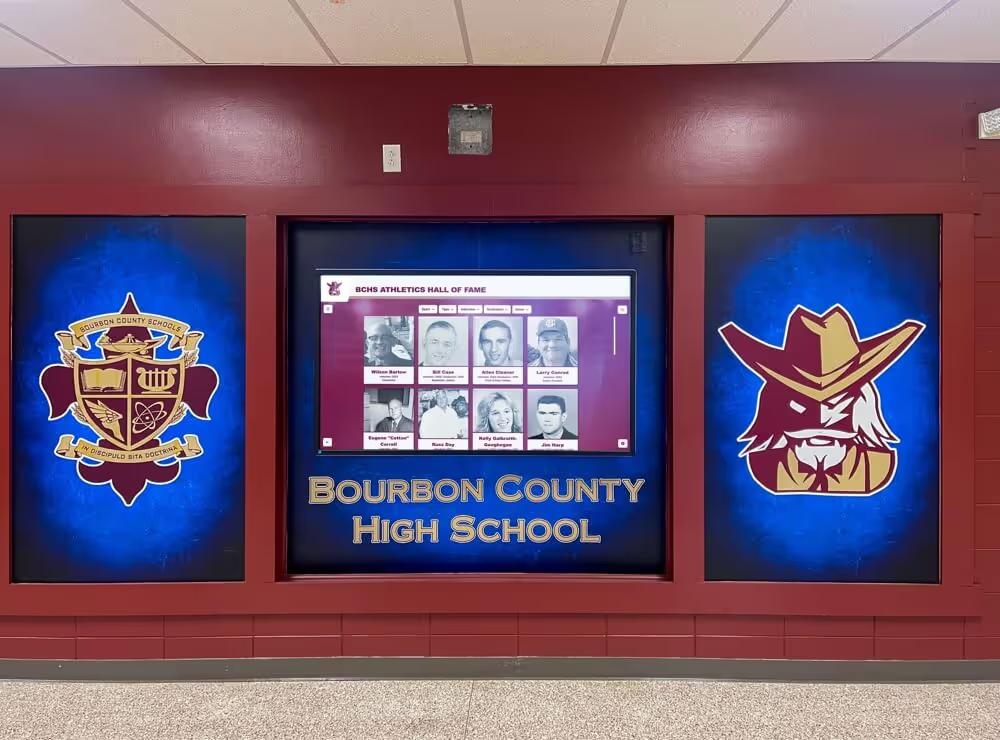
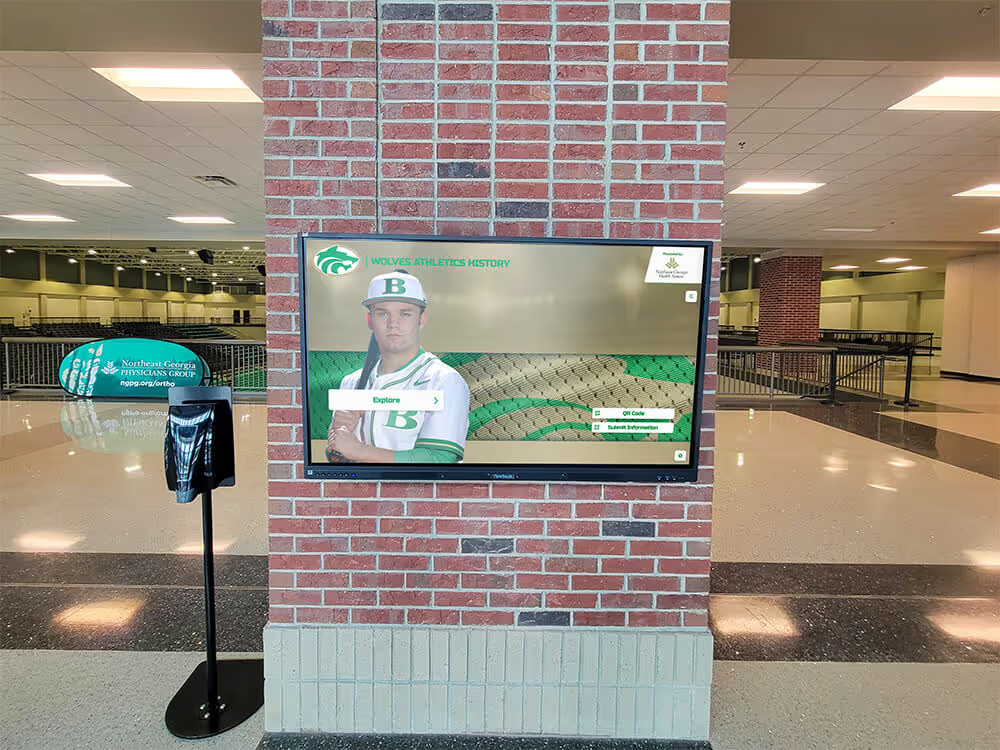
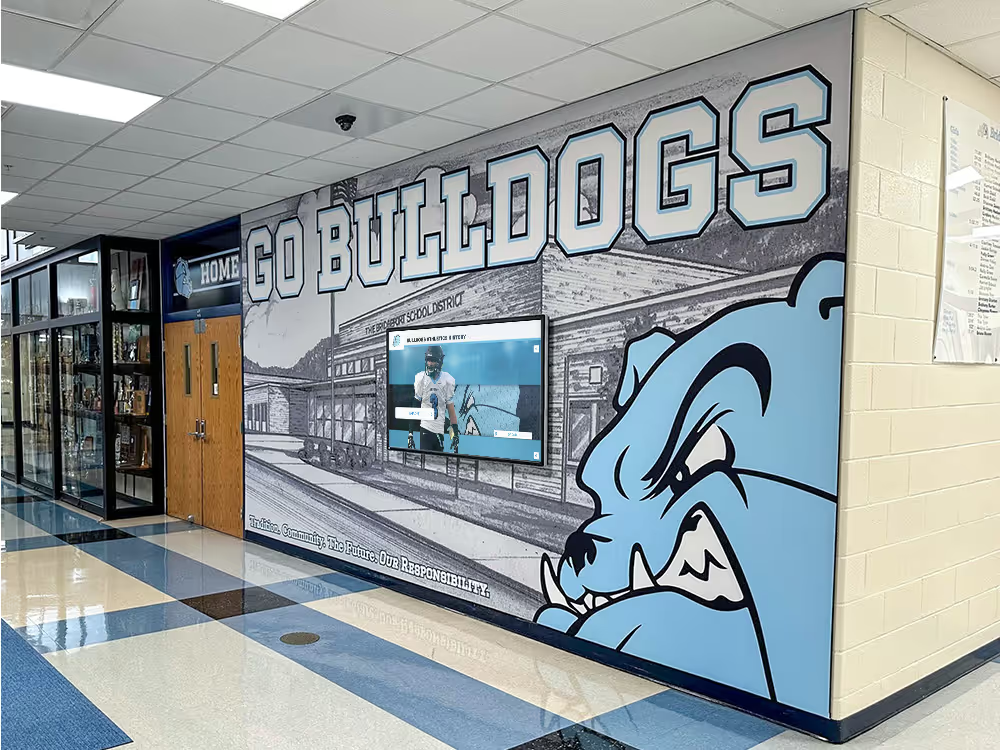
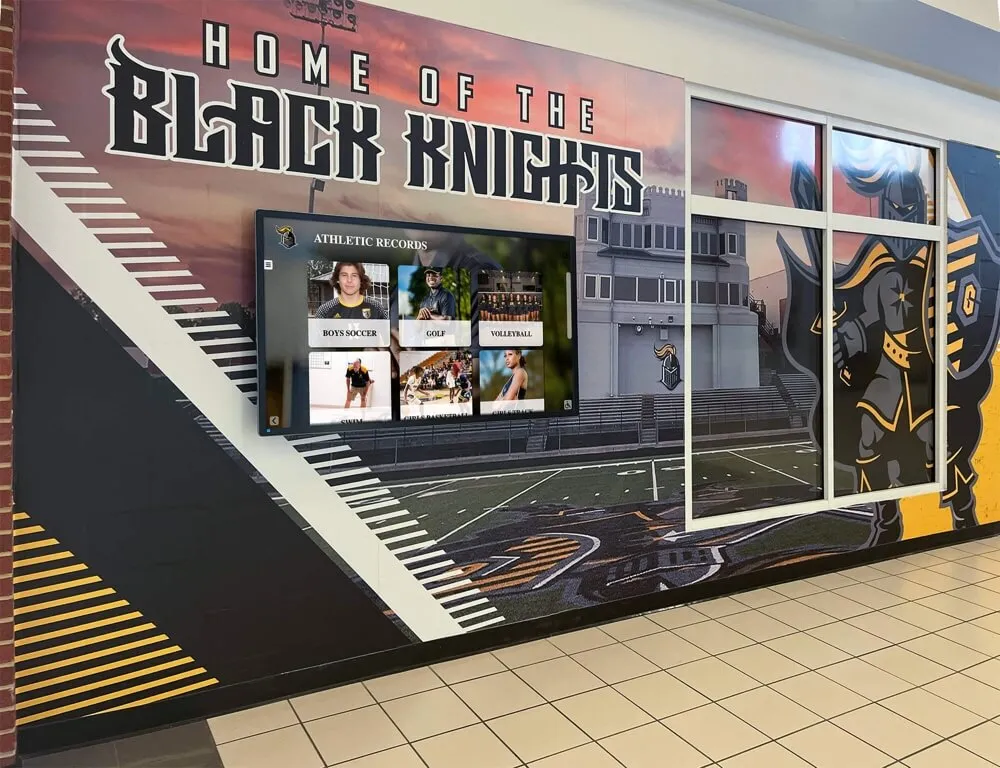
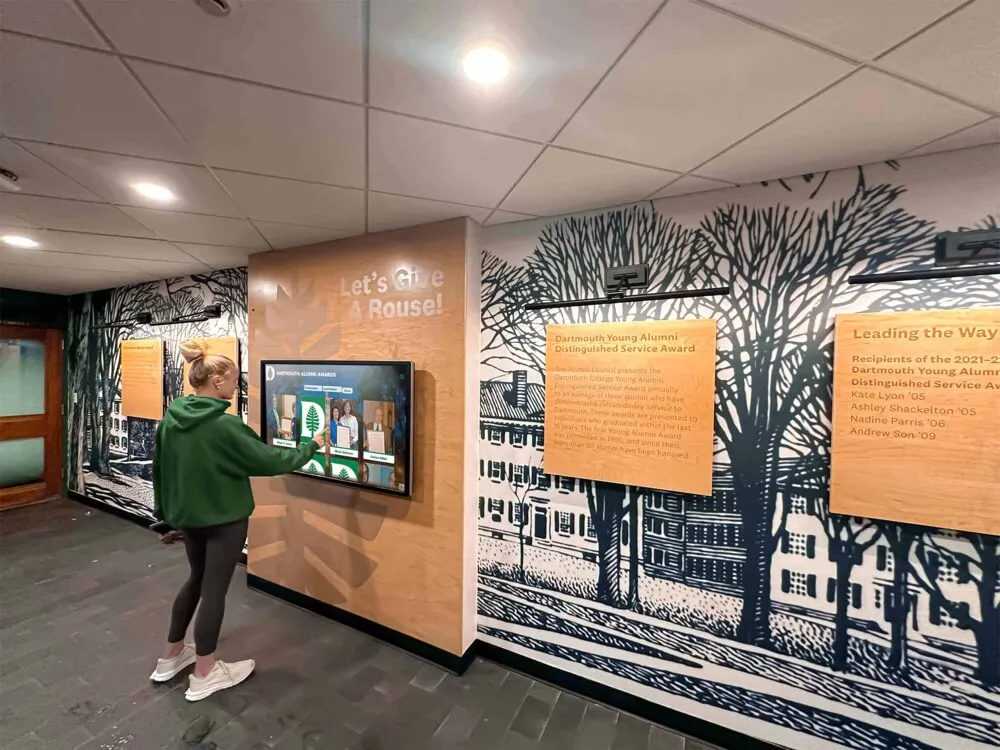
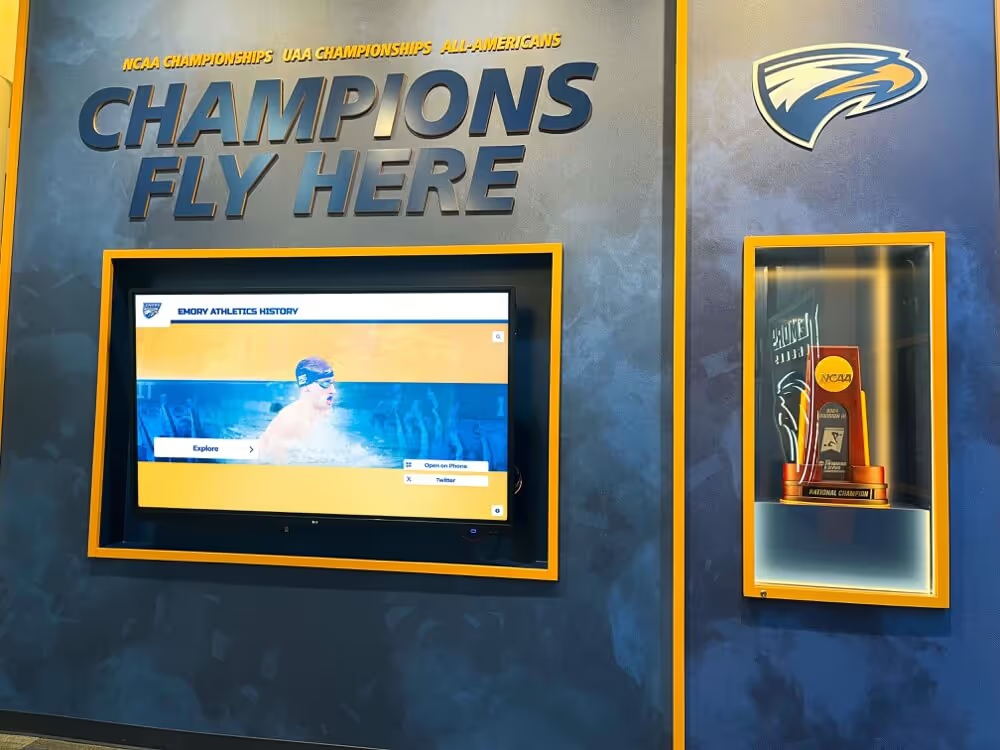
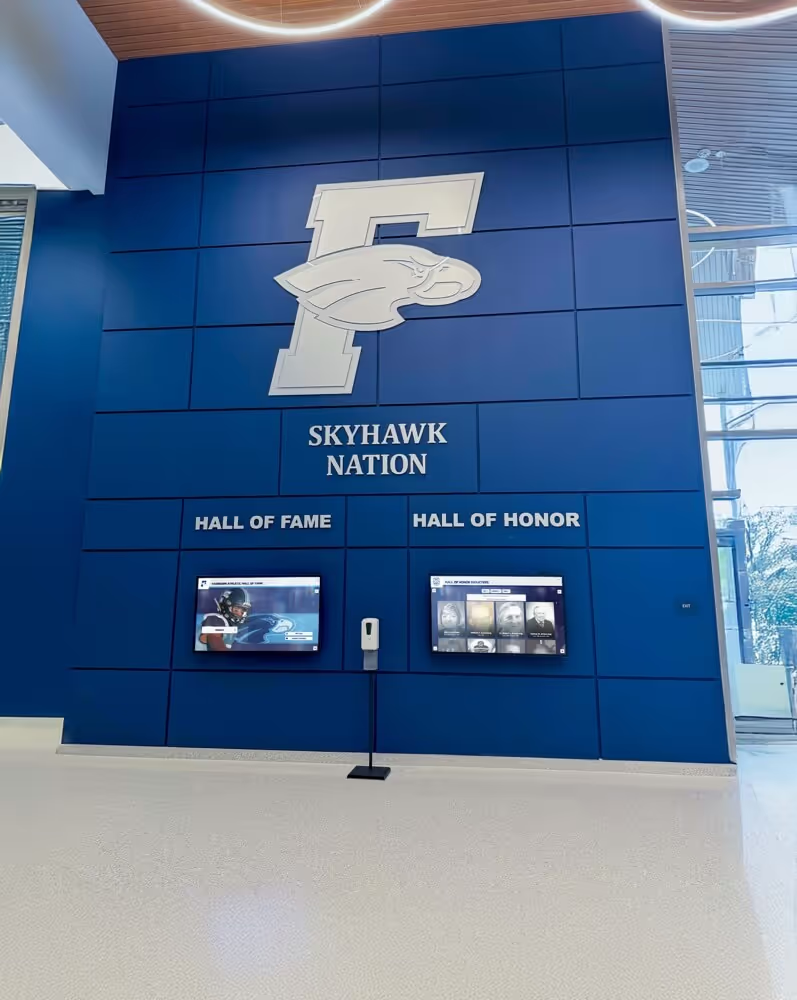
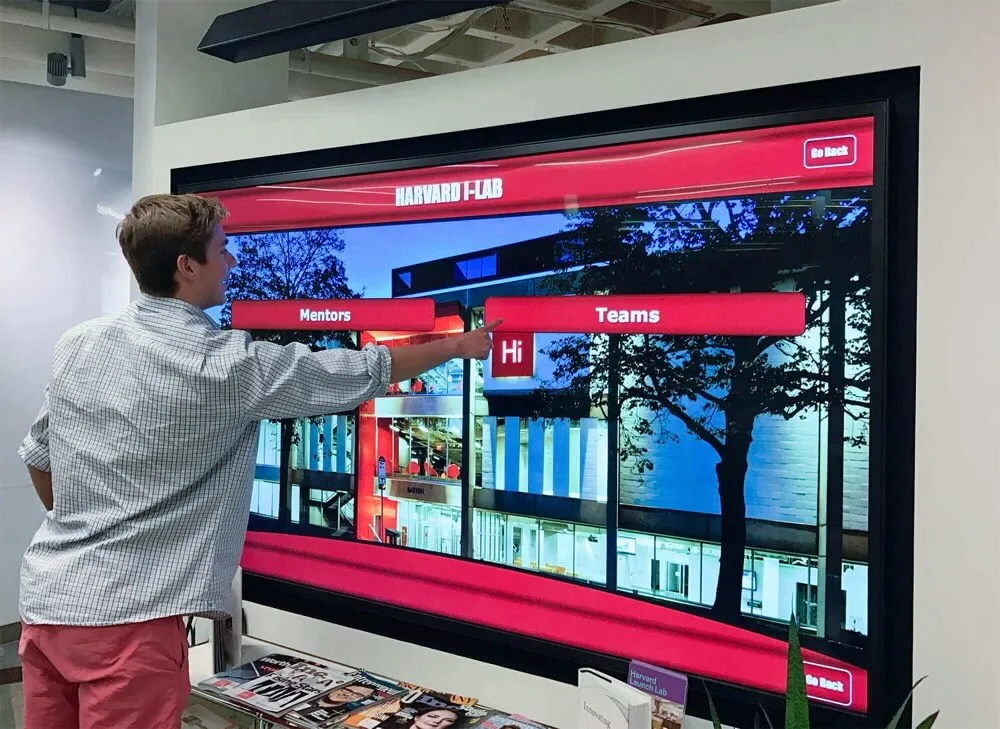
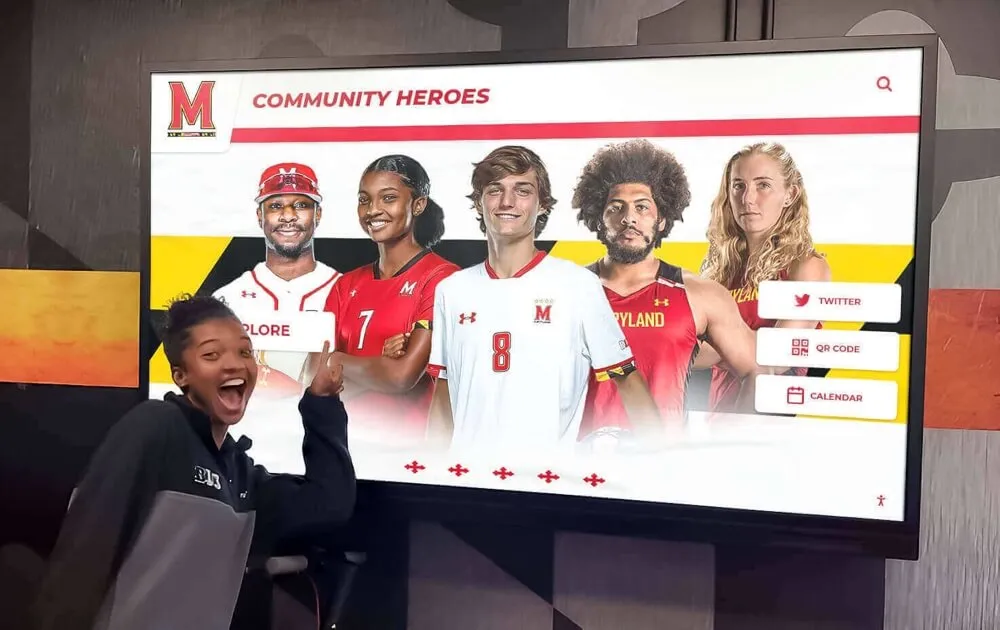
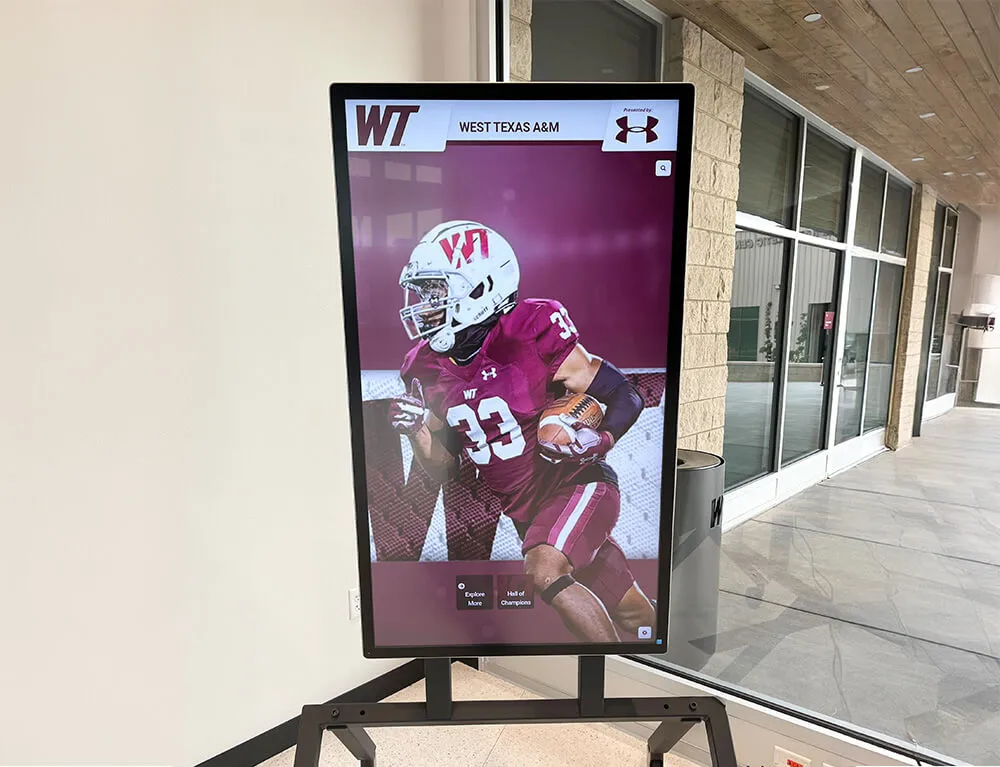
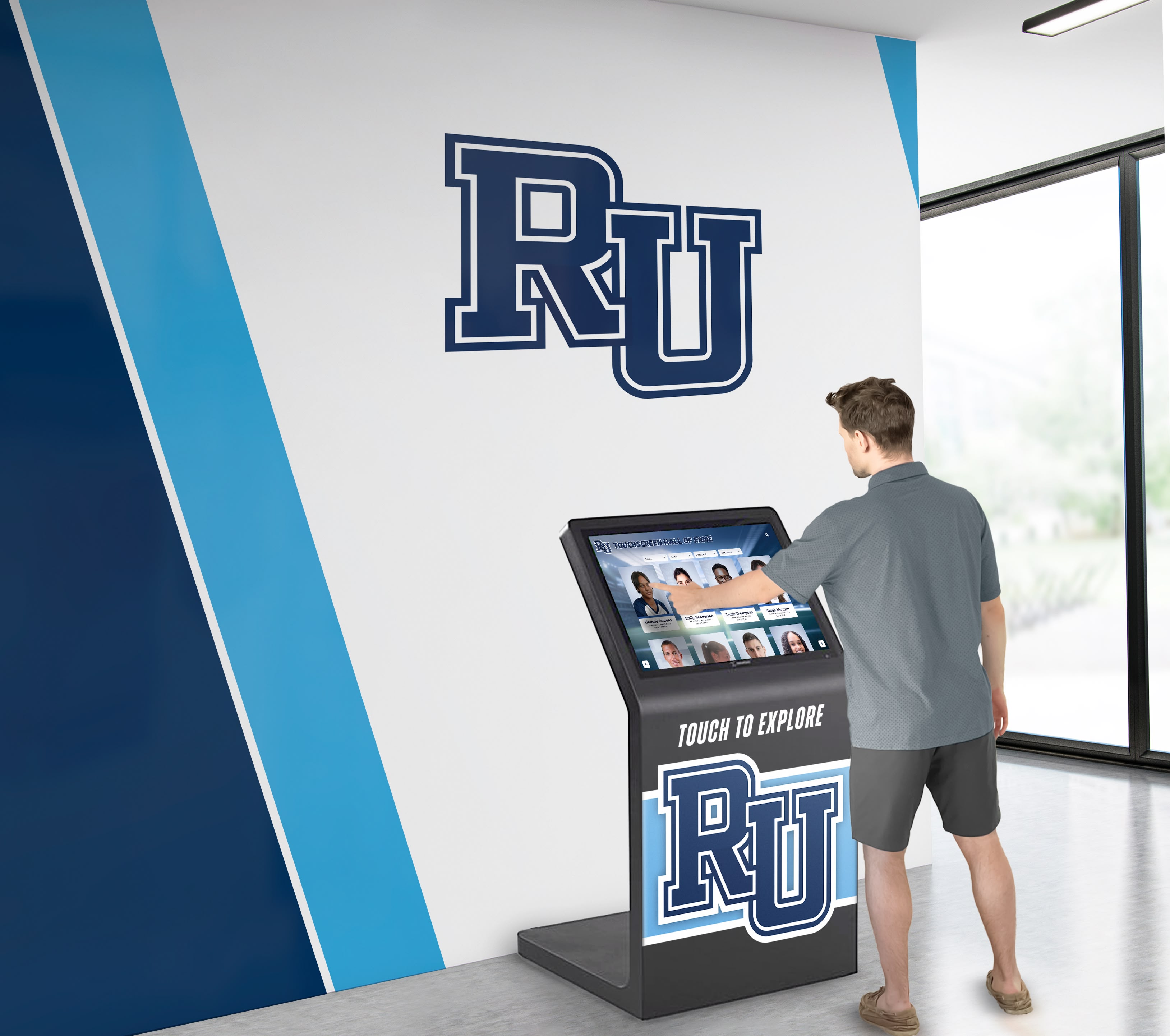
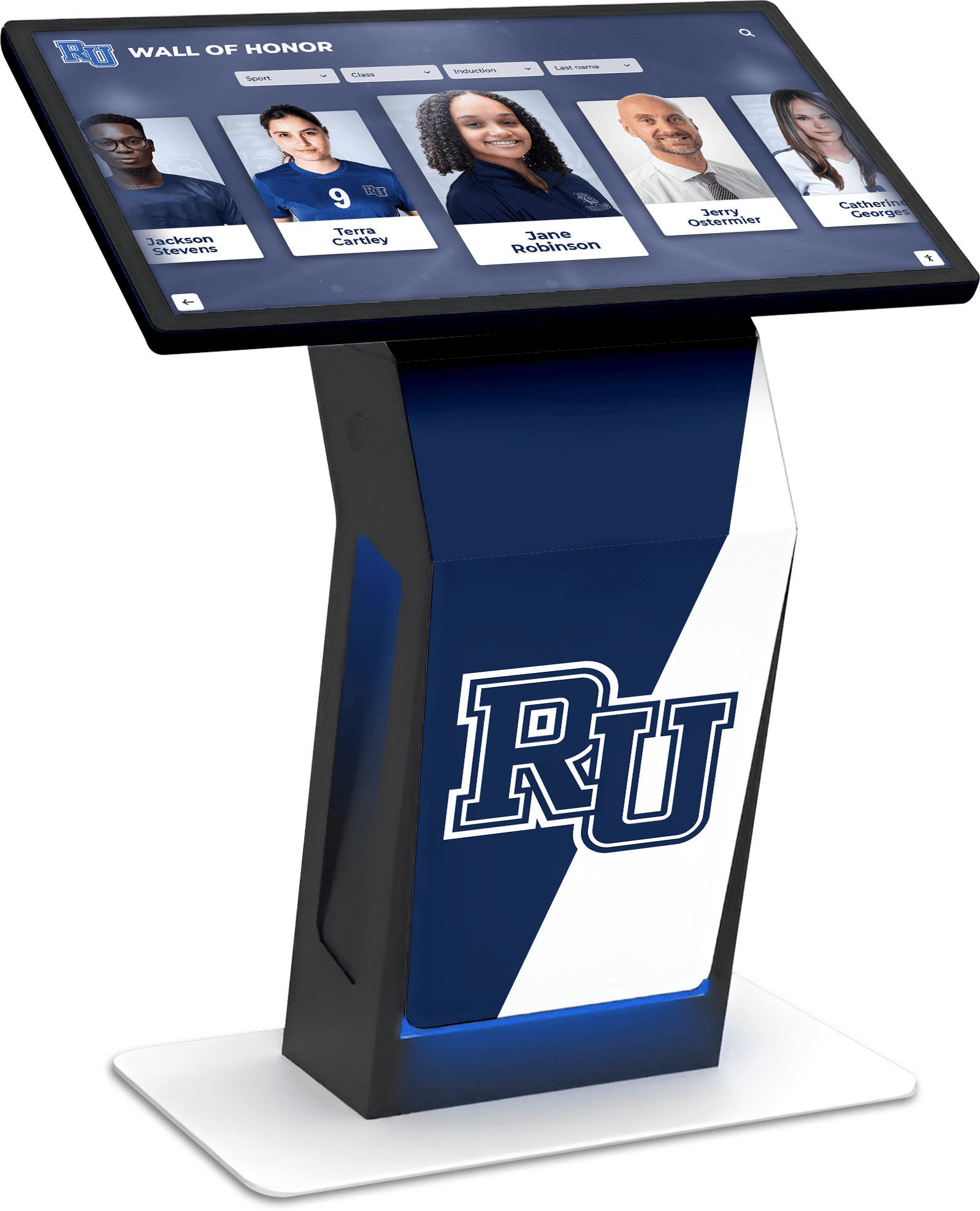
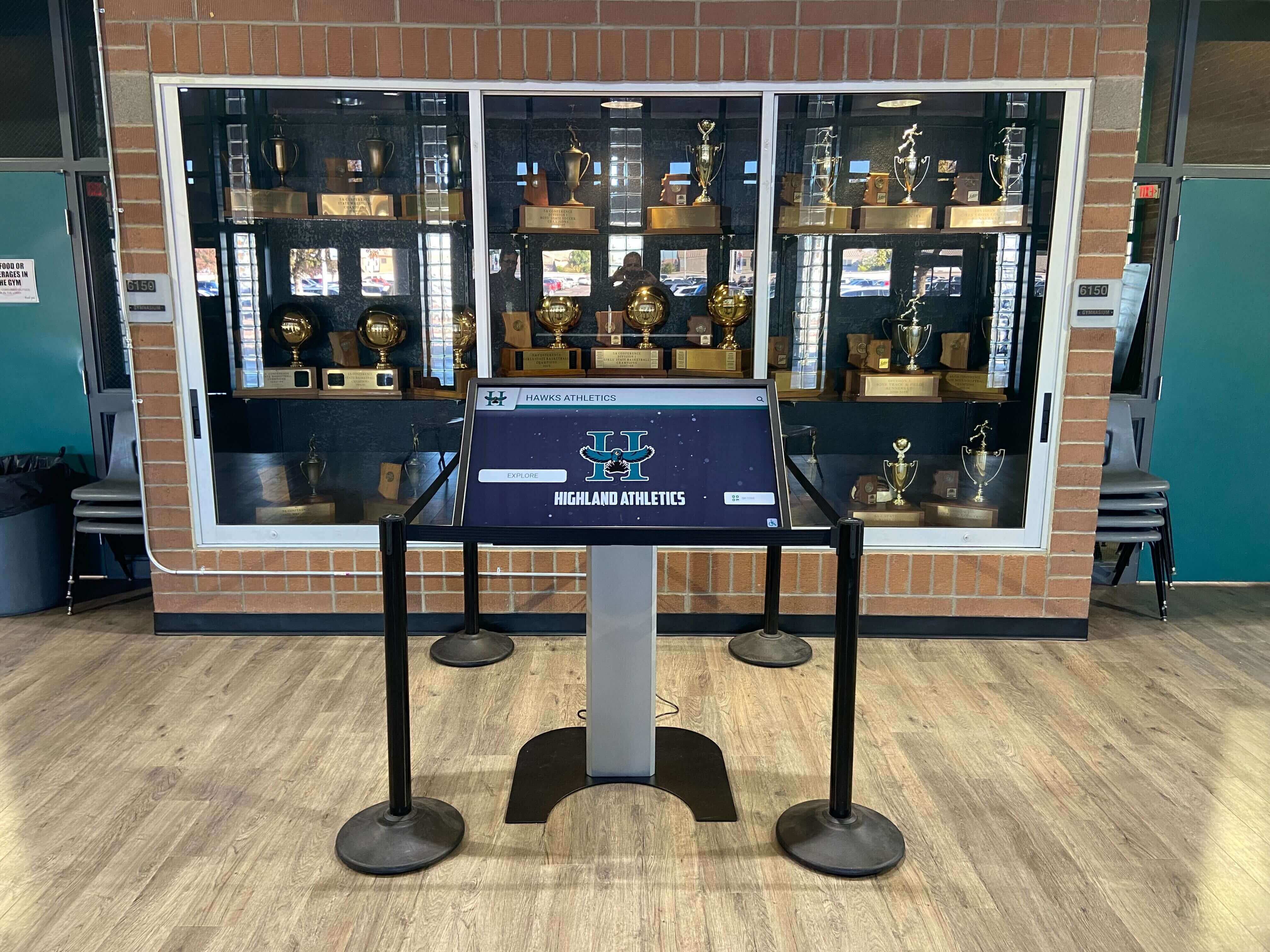
Touchscreen Kiosks: Interactive touchscreen kiosks installed in institutional spaces provide engaging memorial exploration interfaces enabling visitors to search memorial databases, browse memorial profiles, view multimedia content, and discover connections between memorial subjects and institutional history. Kiosk displays range from tablet-sized units for table mounting to large wall-mounted displays creating dramatic visual presence.
Hardware considerations include screen size appropriate for installation locations and viewing distances, touch technology quality ensuring responsive interaction, industrial-grade construction for high-traffic environments, secure mounting preventing theft or vandalism, and reliable cloud connectivity for content updates.
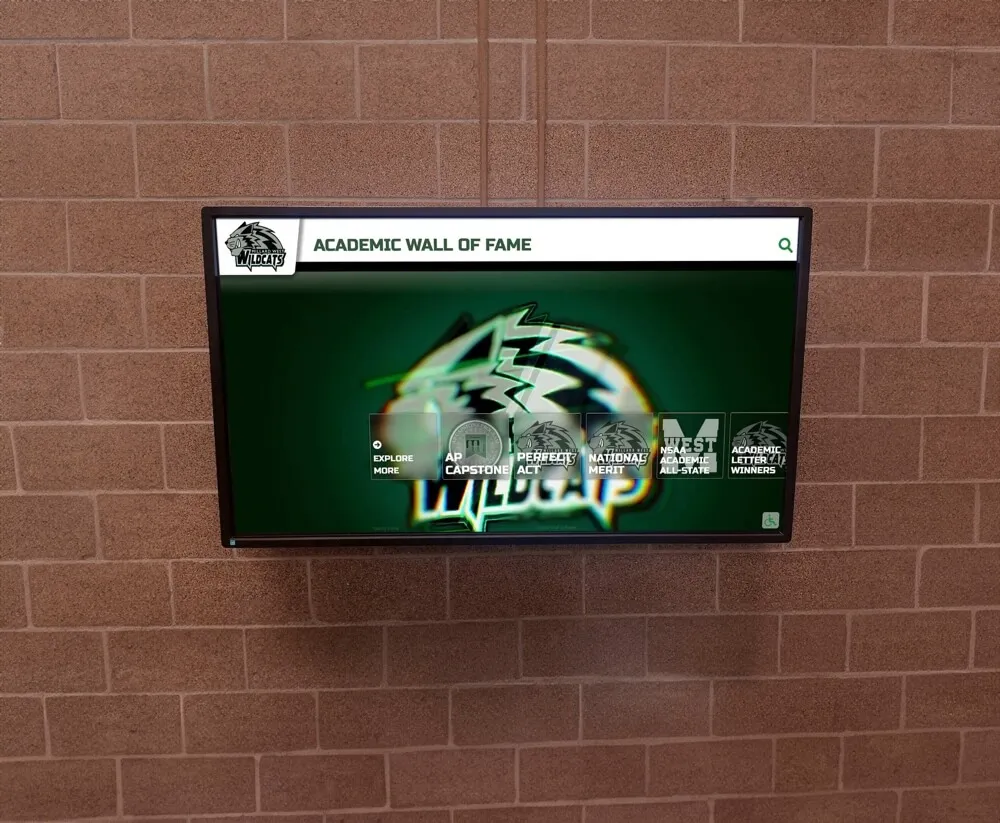
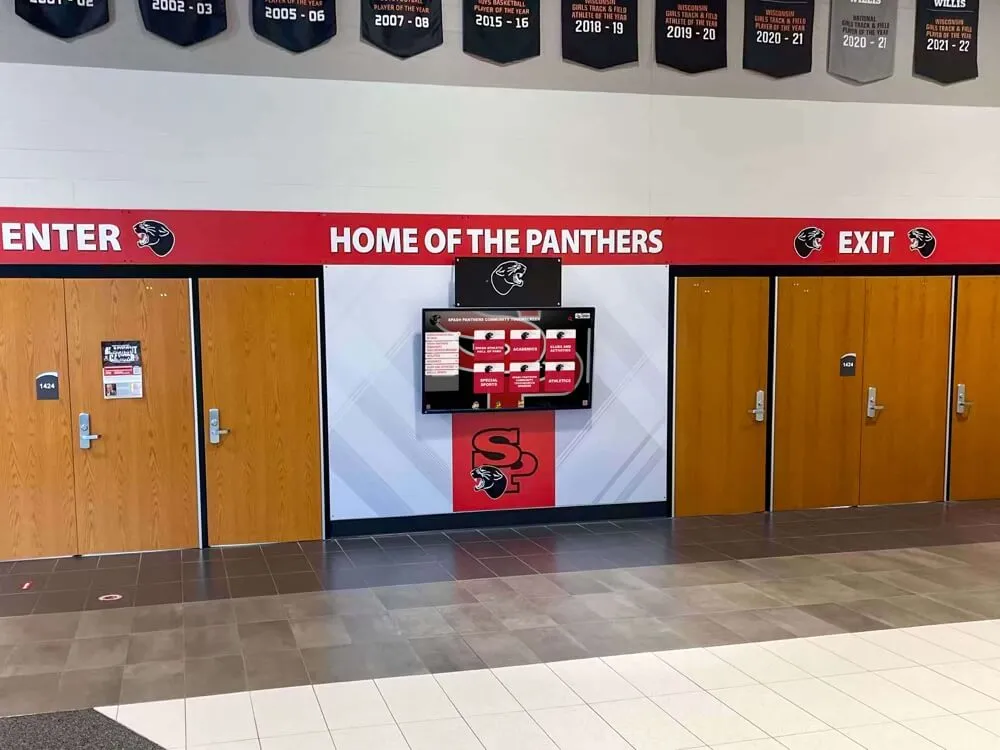
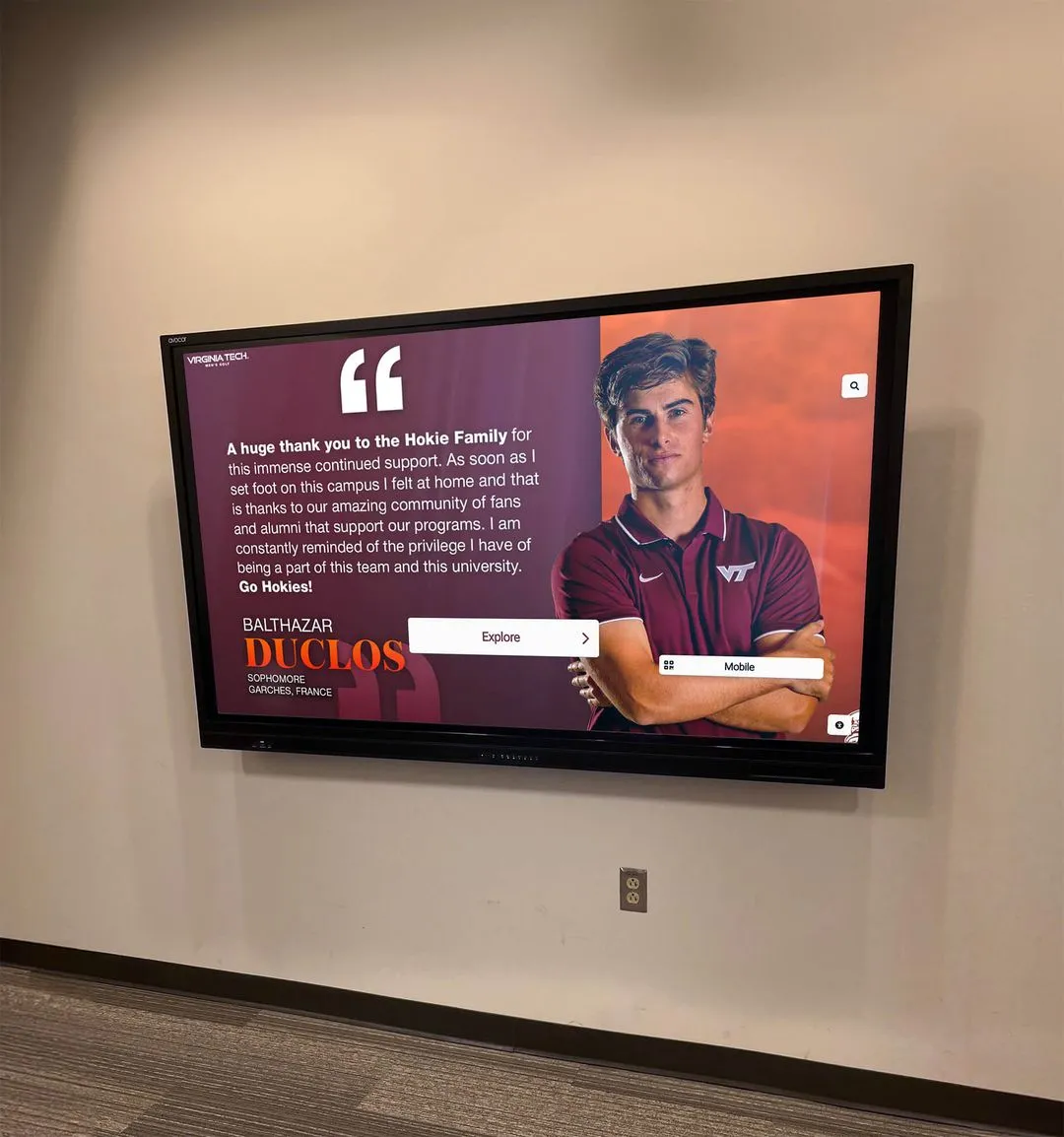
Digital Signage Displays: Non-interactive digital displays showing rotating memorial content provide alternative approaches when touch interaction proves impractical or unnecessary. Digital signage effectively displays memorial slideshows cycling through profiles, thematic memorial collections tied to specific observances or anniversaries, and memorial announcements highlighting recent additions.
Non-interactive displays work well as supplemental memorial visibility tools in multiple locations when comprehensive interactive displays exist elsewhere providing detailed exploration capabilities.
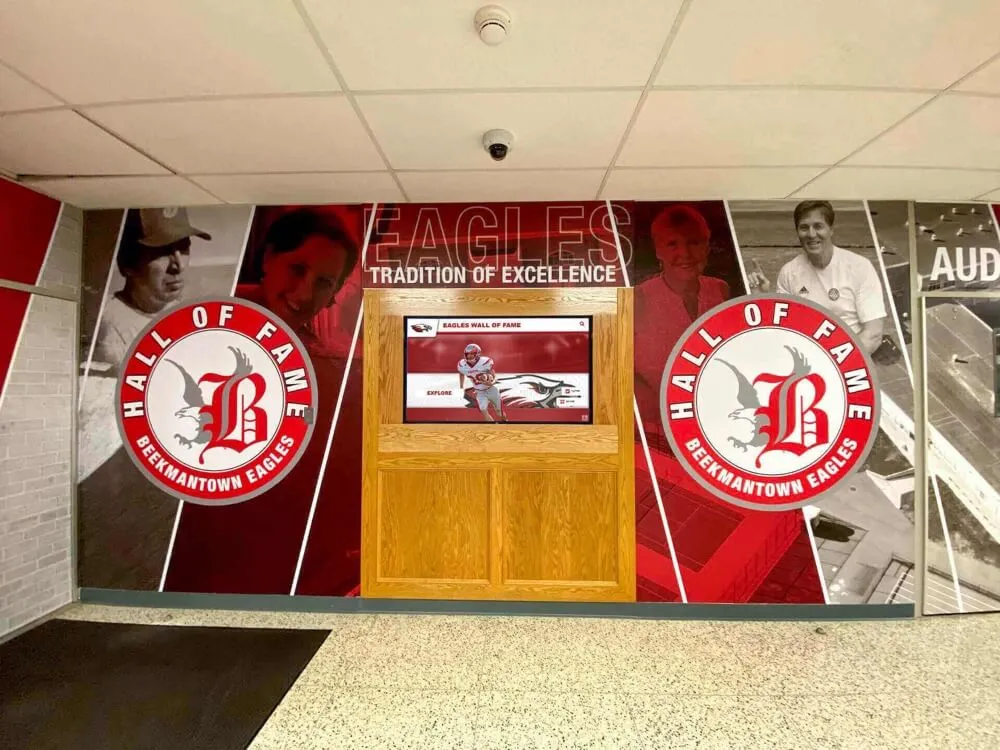
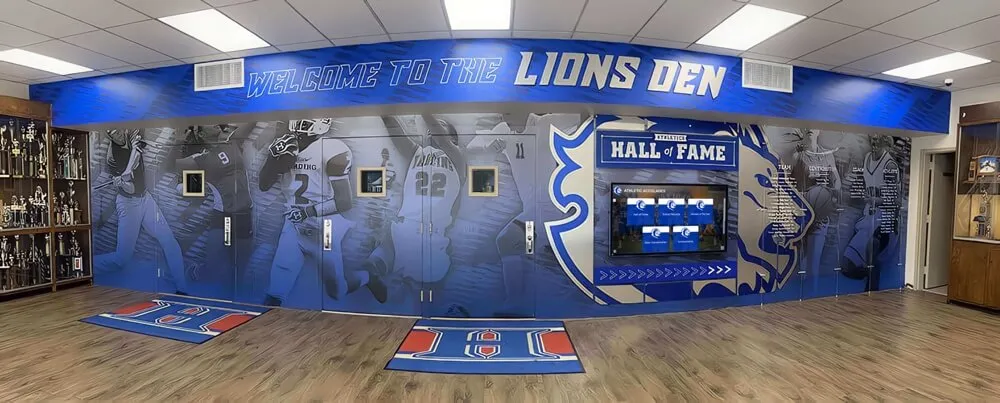
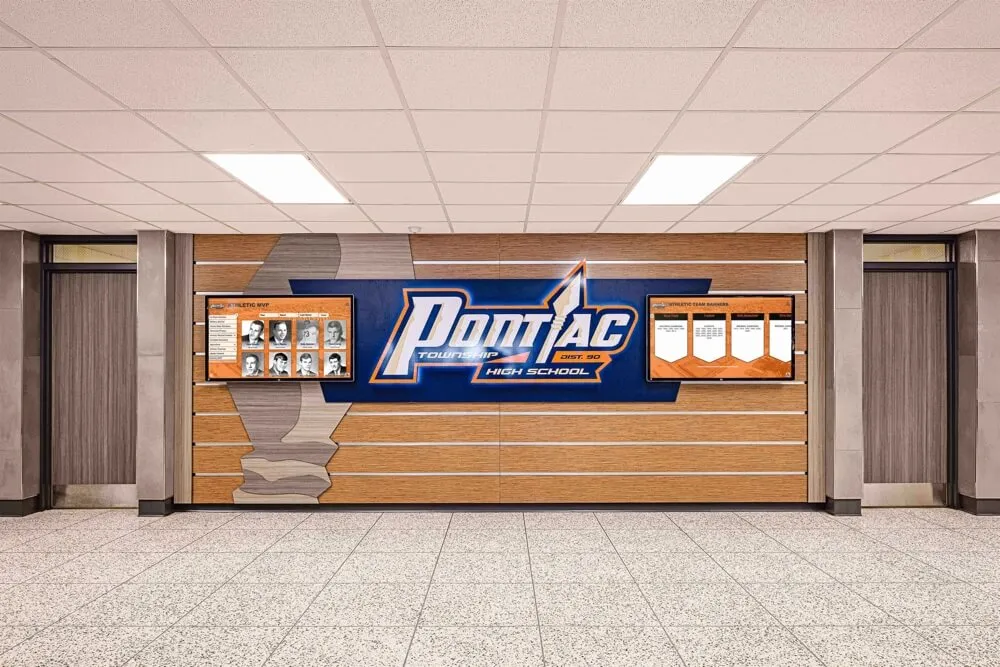
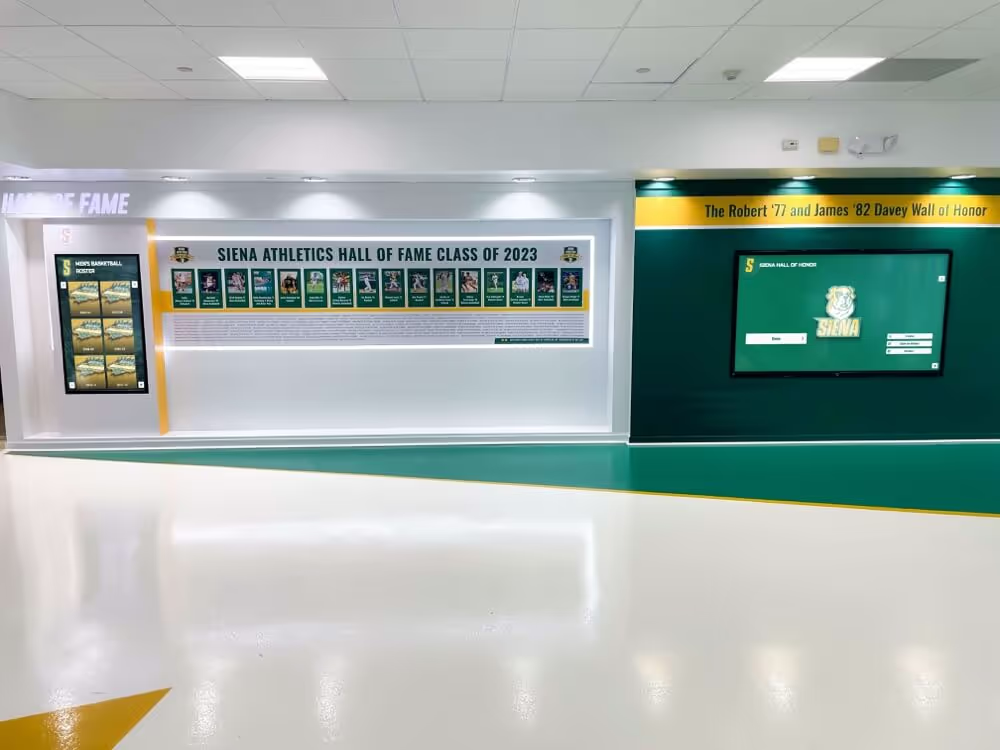
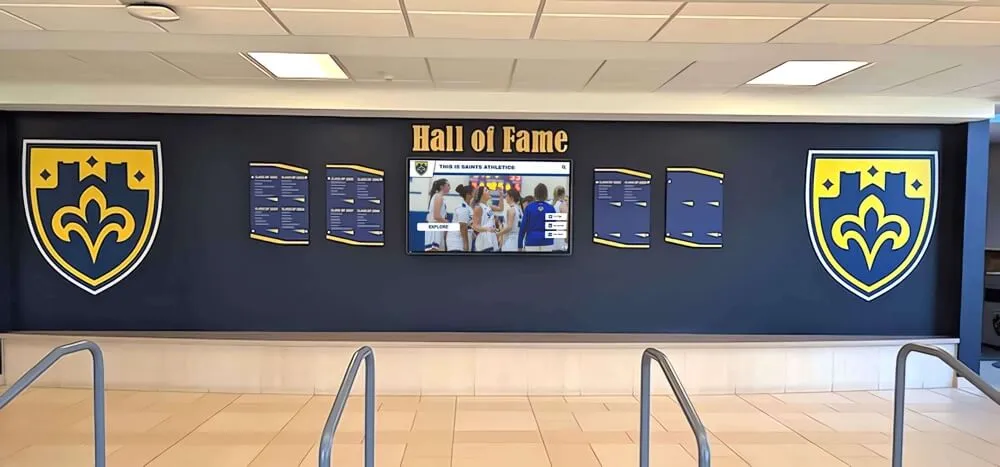
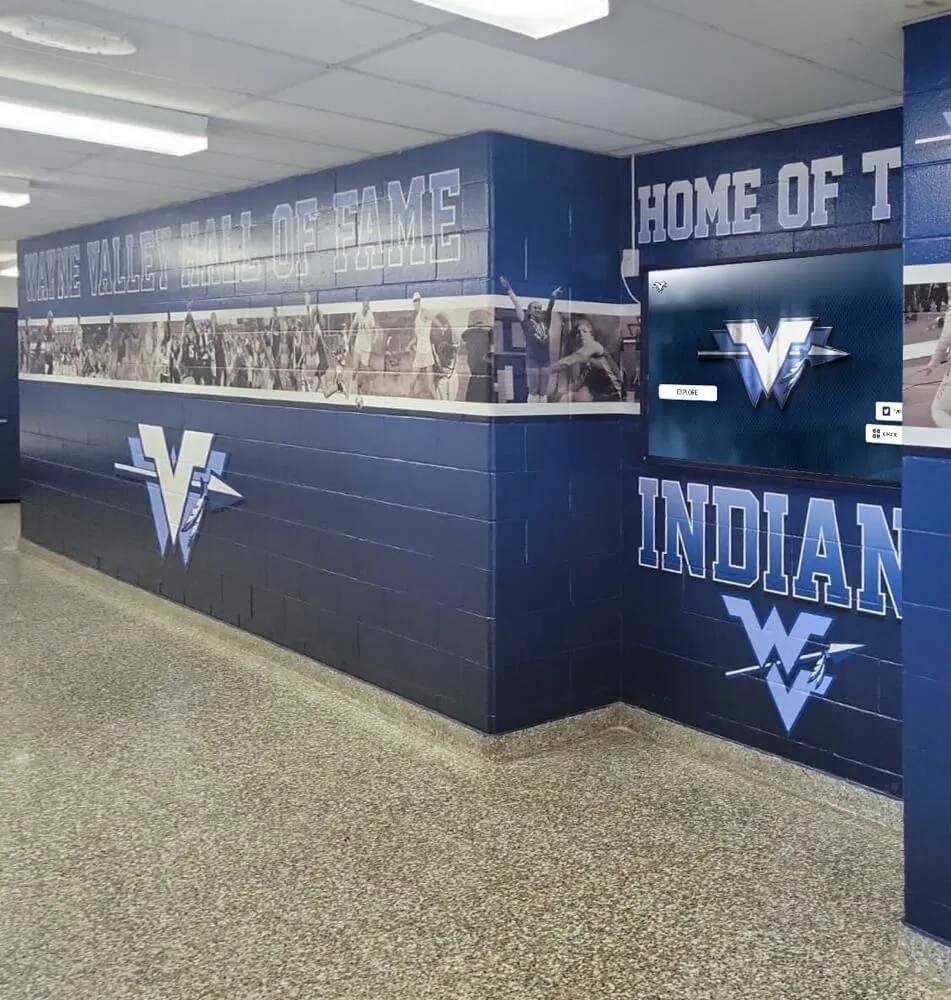
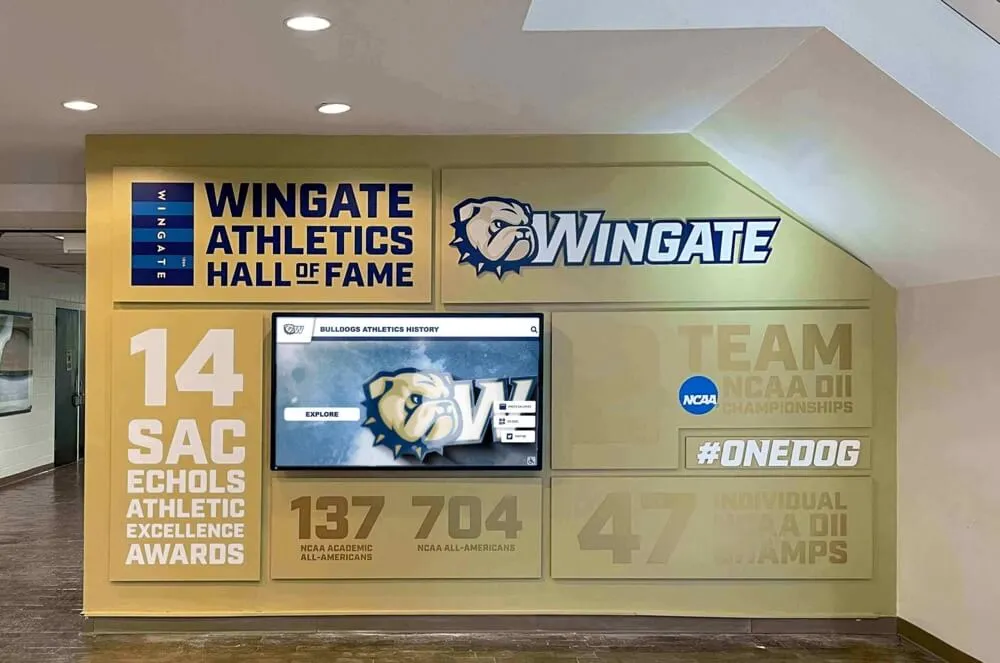
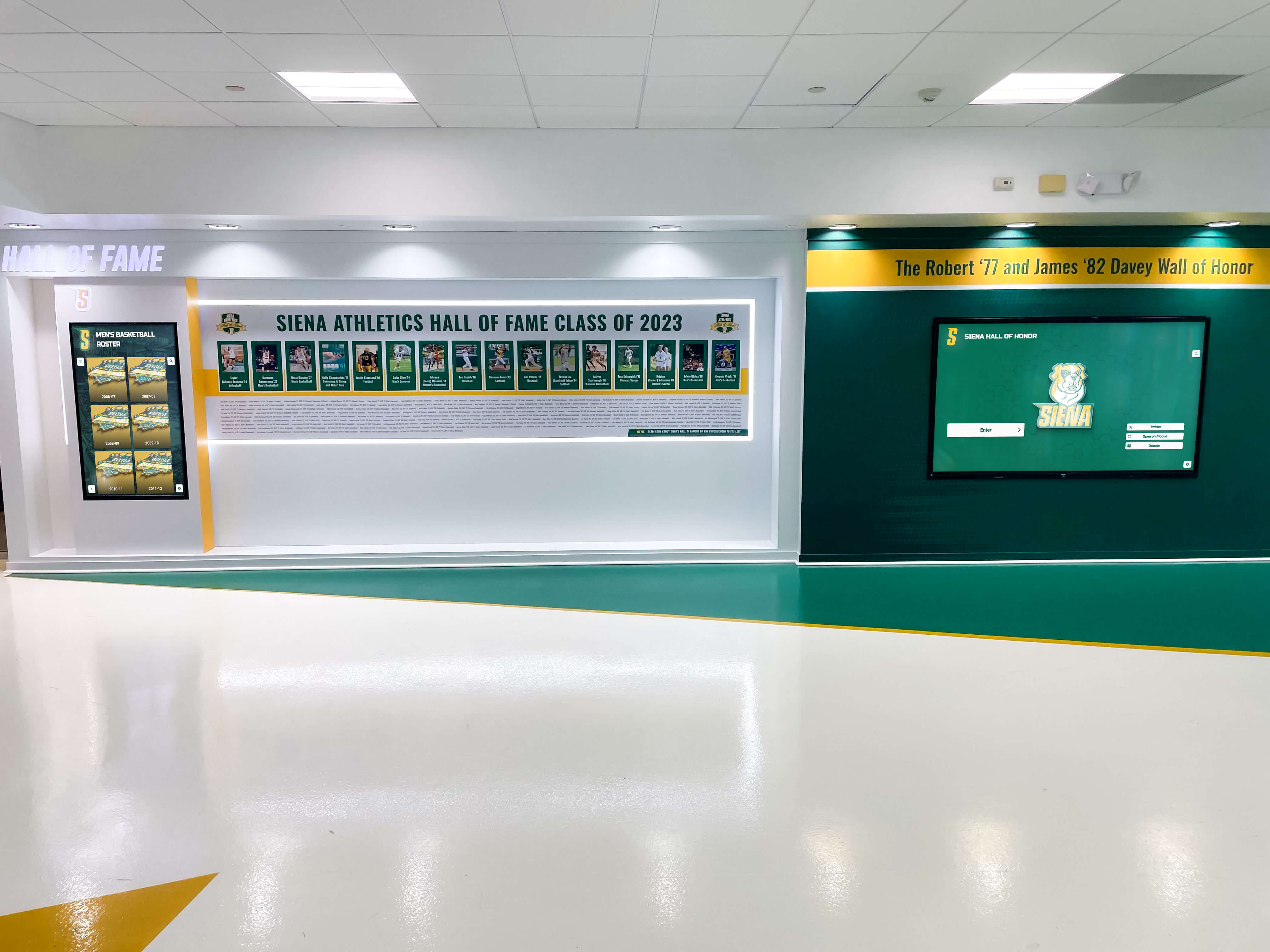
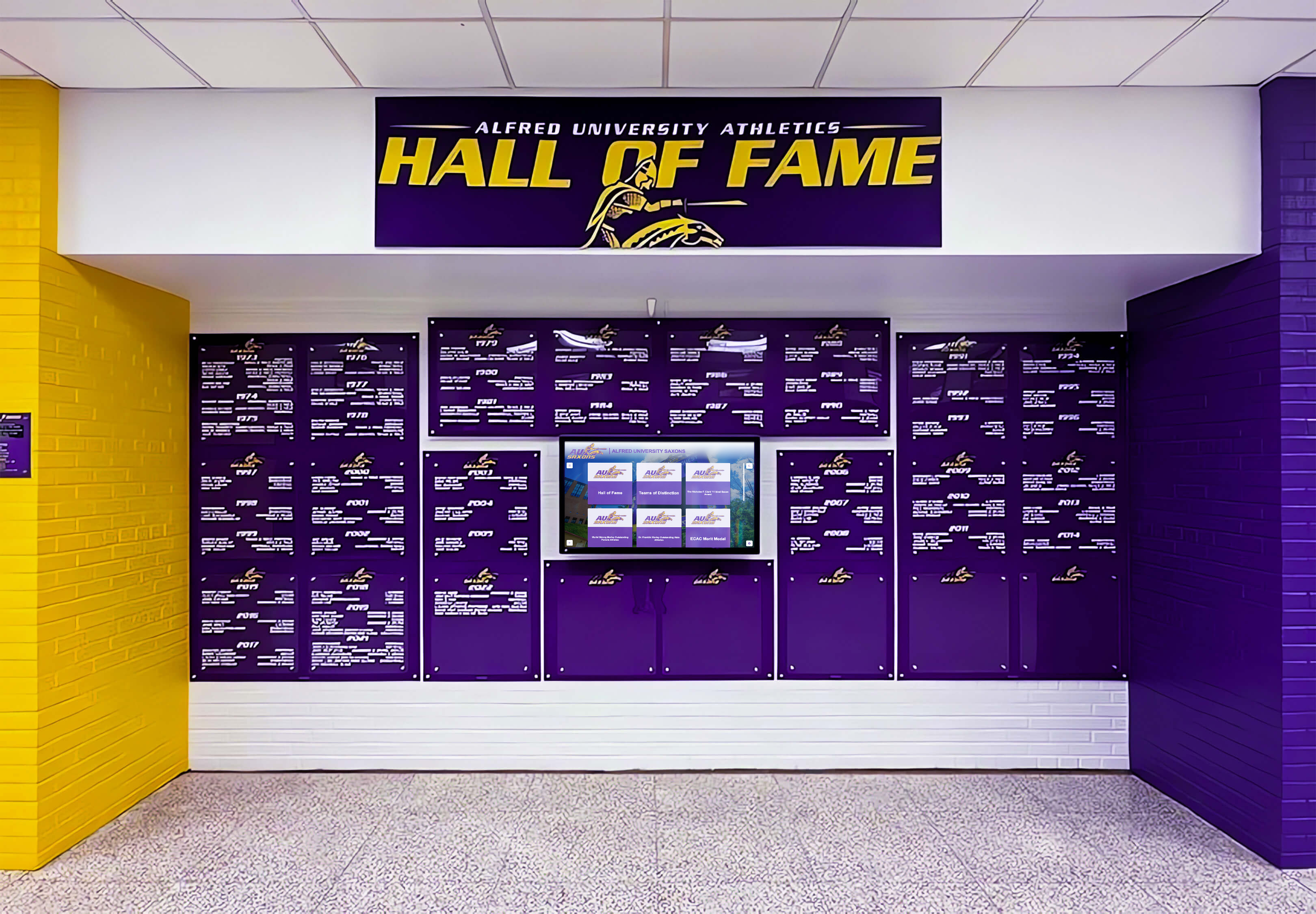
Hybrid Physical-Digital Integration: Many institutions implement hybrid approaches combining traditional physical memorial elements with digital enhancement—physical memorial walls with integrated touchscreens providing detailed biographical content, QR codes on traditional plaques linking to comprehensive online profiles, or physical memorial spaces with nearby digital displays showing rotating tribute content.
Hybrid approaches honor traditional aesthetic expectations while delivering digital content advantages, enabling gradual technology adoption without completely abandoning existing physical investments.
Long-Term Technology Sustainability
Vendor Reliability and Support: Digital memorial systems should last decades, requiring vendors committed to long-term platform support and development. Evaluation criteria include vendor business longevity and financial stability, educational institution specialization demonstrating market understanding, customer references from similar institutions, clear product roadmaps indicating ongoing development commitment, responsive support availability, and data portability ensuring content could be migrated if vendor relationships ended.
Institutional memorial programs represent multi-decade commitments, and technology platform selection should emphasize vendor relationships likely to survive and support institutions across that timeframe.
Content Backup and Ownership: Institutions must ensure they maintain ownership and control over memorial content independent of specific technology platforms. Critical policies include regular content backups to institutional storage, standard file formats enabling data portability, explicit contractual content ownership, documented content migration procedures, and archived copies of multimedia content in preservation-quality formats.
These protections ensure that even if technology vendors disappear, merge with competitors, or platforms become obsolete, institutions retain complete memorial content enabling migration to future platforms without losing decades of carefully developed biographical materials and family contributions.
Measuring Memorial Program Success and Impact
Effective memorial programs should be evaluated against defined success criteria ensuring they achieve intended purposes and justify continued institutional investment.
Quantitative Metrics
Track concrete measures of memorial program reach and engagement: Total individuals memorialized across all categories, biographical profile completeness percentages, family participation rates in content development, digital platform analytics including views, searches, and time on site, physical display visitor observations in high-traffic locations, annual ceremony attendance, memorial scholarship applications and awards, media coverage featuring memorial subjects or programs, and social media engagement when memorial content is shared.
While these metrics don’t capture all memorial program value, positive trends across multiple dimensions suggest programs effectively reach audiences and create meaningful engagement beyond static displays few people notice.
Qualitative Feedback
Numbers provide important information, but experiential feedback reveals deeper program impact: Family testimonials describing comfort and appreciation for institutional memorial recognition, community member reflections on learning about institutional history through memorial exploration, student responses indicating memorial inspiration or historical awareness, staff observations about memorial program management efficiency, and external recognition from peer institutions or professional organizations.
These qualitative responses help administrators understand whether memorial programs achieve intended emotional and cultural impacts beyond quantifiable metrics alone.
Institutional Outcomes
Consider whether memorial programs advance broader institutional priorities: Alumni engagement improvements correlating with memorial program visibility, advancement outcomes including planned giving and memorial scholarship establishment, recruitment benefits when prospective families respond positively to memorial programs, retention impacts when memorial recognition strengthens institutional connections, institutional reputation benefits from community perception of memorial program quality, and internal culture effects when memorial programs reinforce institutional values.
Successful memorial programs deliver value across multiple strategic dimensions rather than serving isolated remembrance functions without broader institutional benefit.
Getting Started: Building Your Memorial Recognition Program
Institutions ready to establish or modernize memorial programs benefit from systematic approaches preventing overwhelming complexity from paralyzing initial progress.
Months 1-3: Planning and Policy Development - Form planning committee including administrators, advancement staff, family representatives, and community members. Define memorial program purposes and priorities. Establish clear eligibility criteria and selection processes. Develop content standards and guidelines. Research technology platform options. Identify potential memorial locations. Create preliminary budgets and funding strategies. Draft family collaboration and privacy policies.
Months 4-6: Content Development and Technology Implementation - Compile initial memorial subject lists identifying all qualifying individuals. Conduct historical research gathering biographical materials from archives. Contact families requesting photographs, memories, and content review. Select and implement technology platforms. Design physical displays or digital interfaces. Create memorial content for initial recognition group. Develop promotional materials and communications plans.

Months 7-12: Launch and Promotion - Install physical displays or activate digital platforms. Hold dedication ceremonies with family participation. Launch promotional campaigns through institutional communications. Train staff on memorial content management. Establish ongoing memorial addition processes. Begin tracking engagement metrics. Collect initial feedback from families and communities. Document lessons learned for program refinement.
Year 2+: Expansion and Optimization - Continue adding memorial subjects systematically. Enhance existing memorial profiles with additional content. Implement regular memorial observances and ceremonies. Integrate memorial recognition with alumni engagement programming. Connect memorial programs to advancement initiatives. Optimize based on analytics and feedback. Expand to additional physical locations or digital platforms. Document processes ensuring continuity through staff transitions.
Conclusion: Memorial Recognition That Honors Lives and Strengthens Communities
Memorial walls represent far more than lists of names and dates—they embody institutional commitments to remembering every individual who contributed to community development while providing comfort to grieving families and inspiration to current community members. When schools and organizations systematically create meaningful memorial recognition through thoughtful design, comprehensive content, and sustainable management, they honor the complete lives of those who have passed while strengthening cultural bonds connecting past excellence with present community and future aspirations.
The best memorial wall ideas combine multiple complementary approaches: clear recognition principles ensuring fairness and consistency, rich biographical content celebrating complete lives beyond basic facts, appropriate placement creating visibility without overwhelming spaces, technological capabilities enabling unlimited scalability and global accessibility, family collaboration processes respecting loved ones’ desires while maintaining institutional standards, and integration with broader institutional programs connecting memorial recognition to engagement, advancement, and cultural priorities.
Success requires viewing memorial recognition not as mournful obligation but as meaningful opportunity—preserving institutional memory, honoring authentic contributions, comforting grieving families, inspiring current community members, and demonstrating values that transcend individual lifetimes. Modern digital memorial platforms eliminate traditional space and content limitations while providing management efficiency enabling comprehensive recognition honoring everyone who deserves remembrance regardless of when losses occurred or how many individuals eventually qualify for memorial recognition.
Whether honoring military veterans who made ultimate sacrifices, beloved educators who shaped thousands of students, young lives ended tragically before full potential could be realized, or dedicated community members whose volunteer service enabled institutional excellence, every memorial subject deserves recognition that celebrates their complete humanity—acknowledging not just when they died, but how they lived and what they contributed to communities that continue benefiting from their legacy.
The question isn’t whether your community members deserve comprehensive memorial recognition—it’s how to implement memorial programs that honor their memory appropriately while remaining sustainable across decades as memorial collections naturally grow. The institutions that act systematically gain memorial capabilities supporting family healing, cultural strength, and historical preservation that compounds with each passing year as new memorial subjects join those already honored.
Start creating meaningful memorial recognition today through digital memorial platforms providing unlimited capacity, rich multimedia content, global accessibility, and intuitive management—ensuring that every person who deserves remembrance receives memorial recognition that honors their complete life, comforts their family, and inspires your community toward excellence reflecting their finest qualities and most meaningful contributions.