



Friday night lights shine not only on football fields but also on the dedicated musicians who bring energy, tradition, and artistry to every halftime show. Marching band songs define these performances—the carefully selected repertoire that transforms athletic events into complete entertainment experiences while showcasing months of rehearsal, precision, and musical excellence. For band directors planning field shows and parents supporting young musicians, understanding popular marching band song selections provides insight into what makes performances memorable, technically achievable, and crowd-pleasing.
The right marching band song choices balance artistic merit, audience appeal, technical difficulty, and visual storytelling potential. Great selections inspire musicians during long practice sessions, connect with diverse audiences from grandparents to students, provide opportunities for creative drill design, and create memorable moments that define seasons and build program traditions. Whether planning competitive field shows, halftime entertainment, or parade performances, song selection fundamentally shapes band experiences and audience impact.
Why Marching Band Song Selection Matters
The music your marching band performs shapes everything from daily rehearsal motivation to competitive success and community reputation. Well-chosen repertoire challenges musicians appropriately, engages audiences emotionally, supports effective drill design, and creates performance moments students remember decades later. Digital recognition solutions like Rocket Alumni Solutions enable music programs to celebrate these memorable performances through permanent displays featuring show recordings, performance photos, and achievement documentation that honors the musical excellence marching bands bring to schools and communities year after year.
Classic Rock Anthems for Marching Band
Rock music provides natural energy and familiar melodies that resonate with multi-generational audiences, making classic rock songs among the most popular marching band selections.
“Bohemian Rhapsody” by Queen
This epic composition offers dramatic contrasts, recognizable melodies, and opportunities for creative visual storytelling. The operatic sections create powerful moments, while the rock sections drive forward momentum. Arrangements typically highlight brass fanfares during the opening, showcase woodwind lyrical passages in ballad sections, and build toward explosive rock endings that leave audiences standing.
Technical Considerations: The tempo changes and stylistic shifts require mature musicians who can navigate dramatic musical transitions while maintaining marching precision. Programs with strong brass sections particularly excel with this selection’s powerful fanfare moments.
“Don’t Stop Believin’” by Journey
This iconic anthem delivers instant audience recognition and sing-along appeal. The memorable piano opening translates beautifully to mallet percussion, while the building intensity throughout the piece provides natural pacing for visual programs. Crowds often spontaneously join during the famous chorus, creating electric atmosphere at performances.
Arrangement Options: Many versions exist ranging from simplified for younger bands to complex with extended instrumental sections. The melodic accessibility makes this piece work across skill levels when appropriately arranged.
“Sweet Caroline” by Neil Diamond
Stadium anthem energy makes this selection particularly effective for halftime shows at football games. The iconic “bah bah bah” section invites audience participation, while the upbeat tempo supports energetic drill formations. This piece creates connection between performers and crowds through shared musical experience.
Programming Context: Works especially well as part of medleys or as encore-style closers that send audiences home happy and engaged.
“We Will Rock You/We Are the Champions” by Queen
Few combinations match the stadium anthem power of this Queen medley. The stomp-stomp-clap rhythm of “We Will Rock You” creates opportunities for creative percussion features and audience participation, while “We Are the Champions” provides triumphant melodic material perfect for brass-heavy arrangements and inspiring visual moments.
Visual Design Potential: The rhythmic section allows for creative formations that emphasize the beat, while the melodic section opens possibilities for flowing drill movements and emotional staging.
Resources on digital arts and music recognition demonstrate how schools can permanently celebrate memorable marching band performances through comprehensive displays honoring musical excellence.
Popular Film Score Selections
Movie soundtracks provide dramatic, orchestrated music originally written for emotional impact and storytelling—ideal qualities for field show repertoire.
“Star Wars” by John Williams
Arguably the most recognizable film score in history, Star Wars music offers heroic brass fanfares, sweeping string-style woodwind passages, and memorable melodic content. The main theme provides instant audience recognition, while deeper cuts like “The Imperial March” add dramatic contrast and creative programming opportunities.
Arrangement Versatility: From simple single-movement versions for younger groups to complex suites incorporating multiple themes, Star Wars arrangements exist for every skill level and show concept.
“Pirates of the Caribbean” by Hans Zimmer
The swashbuckling energy and driving rhythms of this score create exciting performance momentum. The main theme “He’s a Pirate” delivers relentless forward motion perfect for marching band intensity, while secondary themes provide contrasting lyrical moments. Visual designers love the pirate theme for creative drill concepts.
Technical Demands: Requires strong percussion section to drive the characteristic ostinato rhythms, and solid brass for powerful melodic statements.
“Harry Potter” by John Williams
The magical world of Harry Potter translates beautifully to field performances through memorable melodies and dramatic orchestration. “Hedwig’s Theme” provides instant recognition, while the broader score offers mysterious, heroic, and triumphant material supporting varied visual concepts from Quidditch matches to spell-casting imagery.
Audience Appeal: Particularly resonates with younger audiences who grew up with the films, while providing sophisticated musical content that challenges performers.
“The Avengers” by Alan Silvestri
Superhero themes bring inherent drama and heroic musical content. The main Avengers theme features memorable brass fanfares and driving rhythms that translate effectively to marching band instrumentation. The familiarity from the massively popular film franchise ensures audience engagement.
Programming Tip: Works effectively as standalone selection or combined with other superhero themes for comprehensive comic book-themed shows.
Guidance on celebrating music excellence through recognition displays shows how programs can honor the achievements and memorable performances that define marching band traditions.
Contemporary Pop Hit Adaptations
Modern popular music connects with student performers and young audiences while demonstrating band programs’ contemporary relevance.
“Uptown Funk” by Mark Ronson ft. Bruno Mars
The funk groove, catchy horn lines, and irresistible energy make this contemporary hit ideal for marching band adaptation. The style naturally suits brass instruments, the rhythm section drives groove effectively, and audiences immediately recognize the infectious melody. Visual programs benefit from the danceable feel and rhythmic emphasis.
Performance Impact: Creates fun, high-energy moments that showcase the entertainment value of marching band while maintaining musical sophistication in the arrangement.
“Happy” by Pharrell Williams
Pure joy translates through this upbeat selection that makes audiences smile. The simple, repetitive groove supports creative visual design while the positive message resonates across age groups. The moderate technical demands make this accessible for developing programs while remaining engaging for audiences.
Visual Concepts: The title and feel invite creative formations spelling “HAPPY” or incorporating smiling faces and celebratory movements.
“Shake It Off” by Taylor Swift
Pop music’s crossover appeal shines through this energetic selection. The memorable melody, driving beat, and widespread recognition create instant connection with audiences. Arrangements typically emphasize the rhythmic elements while maintaining the melodic hooks that made the song popular.
Contemporary Programming: Demonstrates that marching band embraces current music rather than limiting itself to traditional repertoire, potentially attracting students who might not otherwise consider band participation.
“Can’t Stop the Feeling” by Justin Timberlake
Feel-good energy and memorable melodic content make this another excellent contemporary choice. The upbeat tempo supports energetic marching, while the recognizable tune engages diverse audiences. The positive message and danceable feel create celebration atmosphere perfect for entertainment-focused performances.
Understanding comprehensive approaches to recognizing music program excellence helps schools create systems that permanently celebrate the musical achievements and memorable performances students create through marching band participation.
Latin and World Music Selections
Global musical traditions bring unique rhythmic complexity, distinctive timbres, and cultural richness to field show programming.
“Malaguena” by Ernesto Lecuona
This Spanish-influenced piece brings dramatic flair and rhythmic intensity. The distinctive Latin rhythm patterns challenge percussion sections, while the melodic content provides opportunities for passionate brass and woodwind playing. The dramatic nature supports visually striking drill concepts.
Cultural Authenticity: When programming world music, consider discussing cultural context with students, ensuring respectful representation rather than superficial appropriation.
“Smooth” by Santana ft. Rob Thomas
Latin rock fusion creates sophisticated musical content with commercial appeal. The guitar-driven original translates well to brass-heavy arrangements, the Latin percussion patterns provide authentic rhythmic foundation, and the melody’s accessibility ensures audience engagement. The piece demonstrates musical versatility while maintaining entertainment value.
“Samba” and Brazilian Music
Brazilian rhythms bring infectious energy and complex percussion. Samba selections showcase percussion section capabilities, create naturally danceable feel that supports energetic visual programs, and introduce audiences to rich global musical traditions. The layered rhythmic complexity challenges musicians while creating excitement.
Technical Focus: Requires strong percussion instruction and understanding of authentic Latin percussion techniques to achieve appropriate stylistic interpretation.
Broadway and Musical Theater Selections
Stage musicals provide dramatically conceived music designed for storytelling—an ideal match for field show programming that tells visual stories.
“Phantom of the Opera” by Andrew Lloyd Webber
Gothic drama and soaring melodies define this musical theater classic. The main theme provides instantly recognizable material, while the broader score offers passionate, dramatic musical content supporting theatrical visual concepts. The piece allows brass sections to showcase lyrical capabilities while maintaining dramatic intensity.
Visual Storytelling: The theatrical source material invites creative visual interpretations from gothic imagery to dramatic staging emphasizing the story’s emotional intensity.
“Les Misérables” by Claude-Michel Schönberg
Epic scope and emotional depth characterize this theatrical masterpiece. Songs like “One Day More,” “Do You Hear the People Sing,” and “On My Own” provide diverse emotional content from revolutionary fervor to personal anguish. The dramatic musical material supports powerful visual programming and showcases band expressiveness.
Thematic Programming: The themes of revolution, redemption, and human dignity provide rich material for conceptual show development.
“West Side Story” by Leonard Bernstein
This American classic combines sophisticated composition with accessible melodic content. The Latin-influenced rhythms, jazz harmonies, and dramatic storytelling create multilayered musical interest. Famous numbers like “America” and “Mambo” bring rhythmic excitement, while “Maria” and “Somewhere” provide lyrical contrast.
Educational Value: Bernstein’s composition offers significant learning opportunities around jazz harmony, rhythmic complexity, and American musical theater history.
“Hamilton” by Lin-Manuel Miranda
Contemporary musical theater phenomenon brings hip-hop influenced rhythms and innovative musical storytelling. Selections showcase rhythmic complexity, contemporary relevance, historical subject matter providing educational connections, and tremendous popularity among younger audiences. The piece demonstrates that marching band repertoire can embrace cutting-edge musical theater.
Resources on comprehensive student recognition including arts achievements explore how schools can celebrate the performances and musical excellence students demonstrate through marching band participation.
Traditional March Literature
Classic marches represent marching band’s historical foundation and continue providing valuable musical and marching technique development.
“Stars and Stripes Forever” by John Philip Sousa
The “official march” of the United States remains a marching band staple. The famous piccolo solo, powerful brass fanfares, and trio melody create quintessential march experience. Traditional programming often includes this march, particularly for patriotic events, Veterans Day performances, or concerts celebrating American musical heritage.
Technical Benefits: Marches teach fundamental marching technique, steady tempo maintenance, balance and blend, and musical phrasing within traditional forms.
“National Emblem” by E.E. Bagley
Another American march classic featuring memorable melodies and solid march structure. The piece provides excellent training in traditional march style while remaining accessible for developing programs. The recognizable trio section often evokes nostalgia from audiences familiar with classic march literature.
“Washington Post March” by John Philip Sousa
Light and energetic march style with memorable melodies and moderate technical demands. This piece introduces younger musicians to march tradition without overwhelming technical challenges. The recognizable material and approachable difficulty make this excellent for early-season programming or parade performances.
“The Thunderer” by John Philip Sousa
Powerful and exciting march with dramatic melodic content and strong brass writing. The piece lives up to its name through bold musical statements and driving energy. Traditional march structure provides educational value while the exciting character maintains student and audience engagement.
Factors in Selecting Marching Band Songs
Effective song selection requires balancing multiple considerations beyond simply choosing music directors or students enjoy.
Technical Difficulty and Student Capabilities
Realistic Assessment: Select music matching your ensemble’s actual technical level rather than aspirational capabilities. Music slightly beyond current abilities promotes growth, but significantly overreaching creates frustration and poor performance quality.
Range Considerations: Ensure melodic ranges fit student capabilities, particularly for younger players. Brass parts requiring extreme high or low ranges may prove unplayable for developing musicians.
Rhythmic Complexity: Consider whether students can execute complex syncopations, sixteenth-note passages, or rhythmic patterns while marching and maintaining visual responsibilities.
Individual Technical Demands: Evaluate whether specific parts require techniques your players haven’t developed—double-tonguing, lip trills, advanced percussion rudiments, or extended woodwind techniques.
Audience Appeal and Recognition Factor
Generational Breadth: Consider selections appealing to diverse audience segments. Combining classic rock familiar to parents, contemporary hits students recognize, and timeless instrumental music creates broad appeal.
Memorability: Music with strong melodic hooks or rhythmic motifs creates more memorable performances than complex pieces lacking distinctive musical elements audiences can recall.
Participation Potential: Songs inviting audience participation—clapping, singing along, or rhythmic engagement—create connection between performers and spectators enhancing overall experience.
Local Connections: Consider whether certain selections hold special meaning for your community—regional artists, school history connections, or local cultural significance.
Resources on celebrating student achievement across multiple domains demonstrate how schools create recognition systems honoring diverse accomplishments including musical excellence.
Visual Design Considerations
Musical Structure: Songs with clear sections support distinct visual moments. Contrast between soft verses and powerful choruses provides natural visual programming opportunities.
Tempo and Style: Consider whether tempo supports effective marching. Extremely slow ballads challenge marching precision, while extremely fast tempos create rushing tendencies. Moderate to moderately fast tempos generally work best for marching.
Dynamic Range: Pieces with significant dynamic contrast enable visual programs emphasizing those musical changes through formation impact, spacing, or staging techniques.
Length and Pacing: Ensure total show length fits time constraints while maintaining engaging pacing. Balance faster, energetic selections with contrasting lyrical moments preventing audience fatigue.
Competitive Context and Judging Criteria
Achievement Level: Select repertoire appropriate for your competition classification. Music that challenges while remaining achievable tends to earn better scores than overly ambitious selections executed poorly.
General Effect Potential: Consider whether music naturally supports compelling visual programs. Abstract or minimalist pieces may prove challenging for creating memorable general effect compared to dramatic, program-music-style selections.
Musical Demand Requirements: Most competitive circuits require minimum musical difficulty levels. Ensure selections meet or exceed stated requirements for your classification.
Uniqueness Balance: Extremely common selections risk comparison to other programs’ versions, while completely obscure pieces lack audience connection. Balance familiarity with distinctiveness.
Age-Appropriate Marching Band Song Selection
Different age groups and experience levels require tailored repertoire choices matching developmental stages and technical capabilities.
Middle School Bands (Ages 11-14)
Technical Accessibility: Select arrangements specifically designed for young players featuring limited range demands (approximately one octave), simplified rhythms avoiding extensive syncopation, moderate tempos allowing technique development, and reduced part independence compared to advanced arrangements.
Familiarity Over Complexity: Choose highly recognizable melodies ensuring students and audiences immediately connect with material. Success performing familiar music builds confidence more effectively than struggling with obscure complex pieces.
Motivation Through Contemporary Relevance: Include some contemporary pop selections students hear outside school. Personal connection to repertoire increases practice motivation and demonstrates band programs’ modern relevance.
Short Attention Spans: Design shows with frequent musical changes, varied styles, and manageable total length maintaining engagement throughout extended rehearsal processes.
High School Bands (Ages 14-18)
Progressive Challenge: Select repertoire providing appropriate challenge for student development without exceeding capabilities. Slightly challenging music promotes growth while achievable technical demands ensure quality performance.
Stylistic Variety: Include diverse styles demonstrating versatility—classical transcriptions showing musical sophistication, contemporary pieces proving modern relevance, traditional marches honoring band heritage, and perhaps jazz or Latin selections introducing new musical languages.
Emotional Connection: High school students engage more deeply with music addressing themes relevant to their experiences—triumph, struggle, identity, friendship, and aspiration. Consider emotional resonance when selecting repertoire.
College Recruitment: For programs with college-bound musicians, repertoire demonstrating technical proficiency and musical maturity helps with audition preparation and demonstrates program quality to college recruiters.
Competitive vs. Entertainment Focus
Competitive Shows: Emphasize musical and visual complexity showcasing technical excellence, demonstrate variety in style and difficulty meeting judging criteria, include moments designed for maximum general effect impact, and consider uniqueness avoiding overly common selections.
Entertainment Shows: Prioritize audience recognition and appeal, include participation opportunities, maintain energetic pacing preventing audience boredom, and perhaps incorporate humor or theatrical elements enhancing entertainment value.
Festival and Parade Performances: Select stand-alone pieces requiring no visual programming context, include traditional marches honoring parade traditions, choose familiar music broad audiences appreciate, and consider shorter selections suitable for repeated performances.
Programming Complete Field Shows
Individual song selection represents only part of effective show design—creating cohesive complete programs requires strategic planning.
Thematic Programming
Narrative Shows: Tell coherent stories through music selection and visual design. Successful narrative shows establish clear premise, select music supporting story progression from exposition through climax and resolution, and create visual programs reinforcing narrative elements. Examples include “Journey Through Time,” “Elements” (earth, wind, fire, water), or “Hero’s Journey.”
Concept Shows: Explore abstract concepts rather than literal narratives. Examples include “Contrasts” (soft/loud, slow/fast), “Colors” (musical representation of visual spectrum), “Emotions” (joy, sadness, anger, peace), or “Celebration” (festival music from around world).
Artist Tribute Shows: Focus entirely on single composer, band, or musical style. Examples include “Queen Extravaganza,” “Music of John Williams,” “Beatles Anthology,” or “Bernstein Celebration.” Tribute shows demonstrate depth while maintaining coherent musical character throughout.
Popular Music Medleys: Combine multiple contemporary hits around loose themes—decades (“80s Night”), genre (“Pop Hits”), or mood (“Feel Good Anthems”). While less conceptually sophisticated than narrative shows, medleys often generate strong audience response through familiar material and variety.
Show Pacing and Structure
Opening Impact: Begin with strong, attention-grabbing material establishing energy and announcing program quality immediately. First 30 seconds dramatically influence audience first impressions.
Dynamic Contrast: Alternate between loud/soft, fast/slow, and intense/lyrical creating engaging flow preventing monotony. All-loud or all-fast shows exhaust audiences and performers while limiting musical expression range.
Strategic Climax Placement: Build toward clear climactic moment—typically 70-80% through show—providing powerful emotional peak before resolution. Early climaxes leave shows feeling anticlimactic, while late climaxes rush resolution.
Memorable Endings: Close decisively with clear musical and visual conclusion. Ambiguous endings confuse audiences and diminish overall impact regardless of preceding quality.
Transition Planning: Create smooth musical transitions between songs rather than awkward stops and starts. Musical transitions maintain momentum and cohesion, while clear breaks can feel disjointed and destroy pacing flow.
Resources on permanent recognition of music program achievements explore how schools can celebrate the performances and excellence bands create year after year.
Song Licensing and Copyright Considerations
Legal compliance in using copyrighted music remains essential for school music programs.
Copyright Basics for Schools
Performance Rights: Schools generally need performance rights to publicly perform copyrighted music. Most schools obtain blanket licenses through organizations like ASCAP, BMI, or SESAC covering public performances including concerts, halftimes, and competitions.
Arrangement Rights: Creating custom arrangements of copyrighted music technically requires permission from copyright holders. Many educational publishers offer pre-arranged versions with rights included, simplifying compliance.
Recording Rights: Recording performances for broadcast, streaming, or distribution requires additional mechanical licenses beyond performance rights. Schools posting competition videos online must ensure proper permissions.
Public Domain Works: Music where copyright has expired (generally works published before 1928, though laws vary) exists in public domain requiring no permission or licensing fees. This includes most traditional marches and classical transcriptions.
Working with Publishers
Educational Arrangements: Purchase arrangements from established educational music publishers who secure proper rights. These arrangements typically include performance rights in purchase price.
Custom Arrangements: When commissioning custom arrangements, ensure arrangers confirm they’ve secured arrangement rights from copyright holders or work exclusively with public domain material.
Stock Arrangements: Many publishers offer popular song arrangements specifically designed for marching band with rights cleared. While these may lack uniqueness, they provide legal clarity and often feature quality arranging.
Permission Documentation: Maintain records of performance rights licenses, arrangement permissions, and publisher agreements. Documentation proves compliance if questions arise from competitions, performances, or online sharing.
Celebrating Marching Band Excellence
Outstanding marching band performances deserve recognition extending beyond brief applause at performances.
Traditional Recognition Approaches
Concert Programs: Document marching band repertoire in concert programs preserving performance history while informing audiences about musical selections and show concepts.
Award Ceremonies: Recognize outstanding musicians, section leaders, and achievement milestones during band banquets, awards nights, or special recognition events celebrating excellence.
Physical Displays: Create trophy cases or display boards featuring competition plaques, performance photos, and achievement documentation demonstrating program excellence and history.
Performance Archives: Maintain video recordings of performances preserving complete shows enabling current members to study past programs while creating archives future generations can explore.
Digital Recognition Systems
Modern technology enables comprehensive, permanent celebration of marching band achievements creating lasting recognition for student musicians.
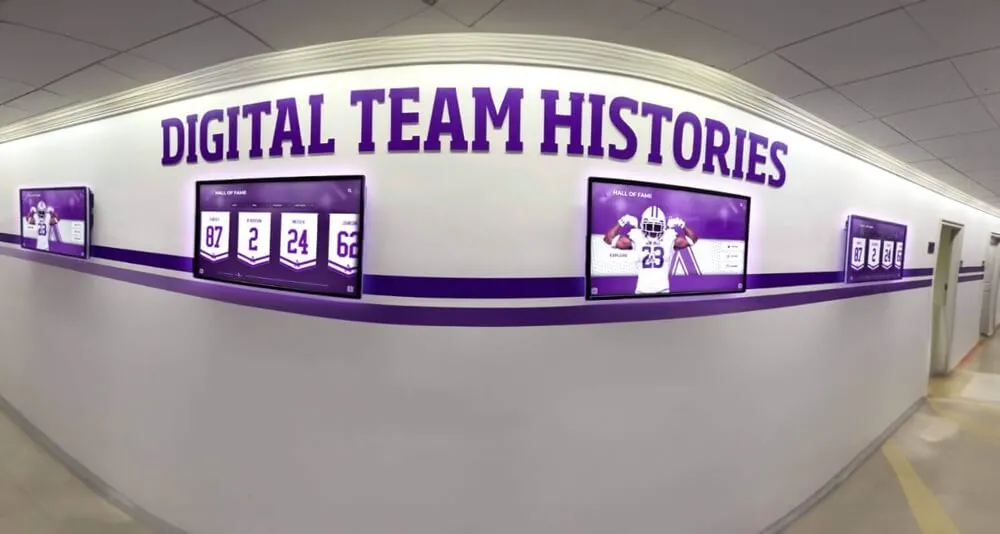
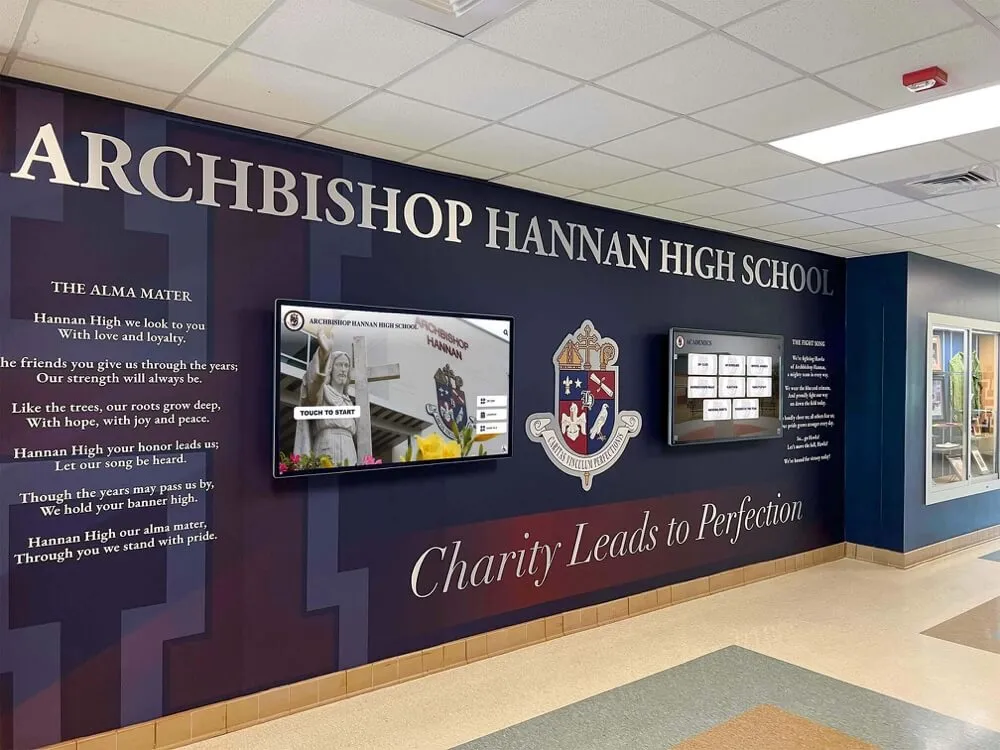
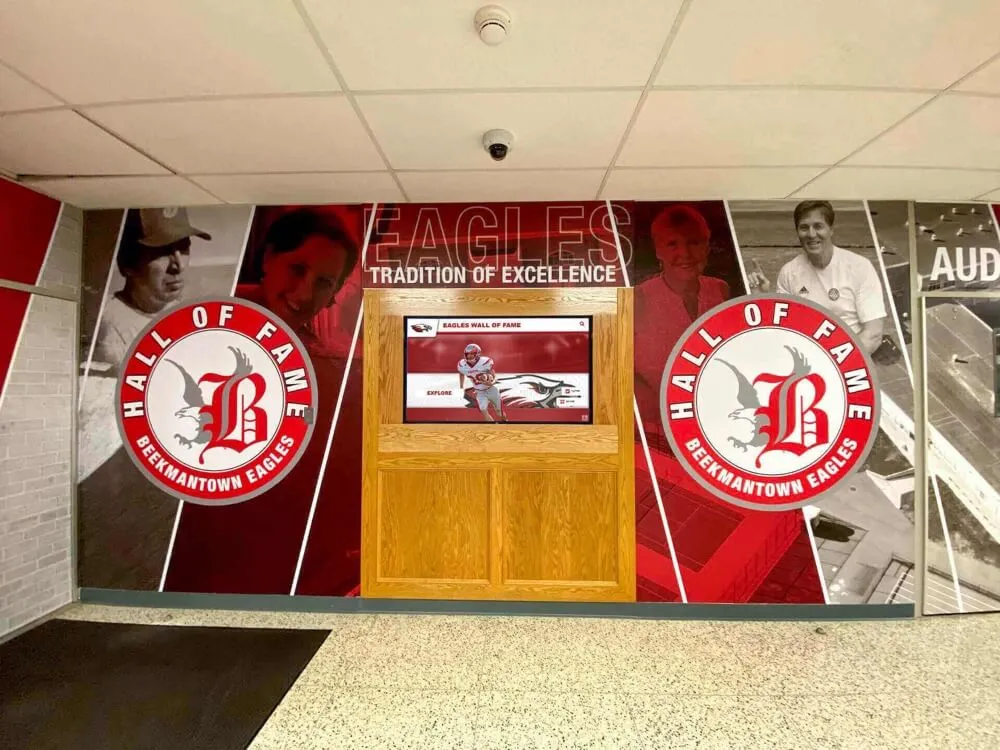
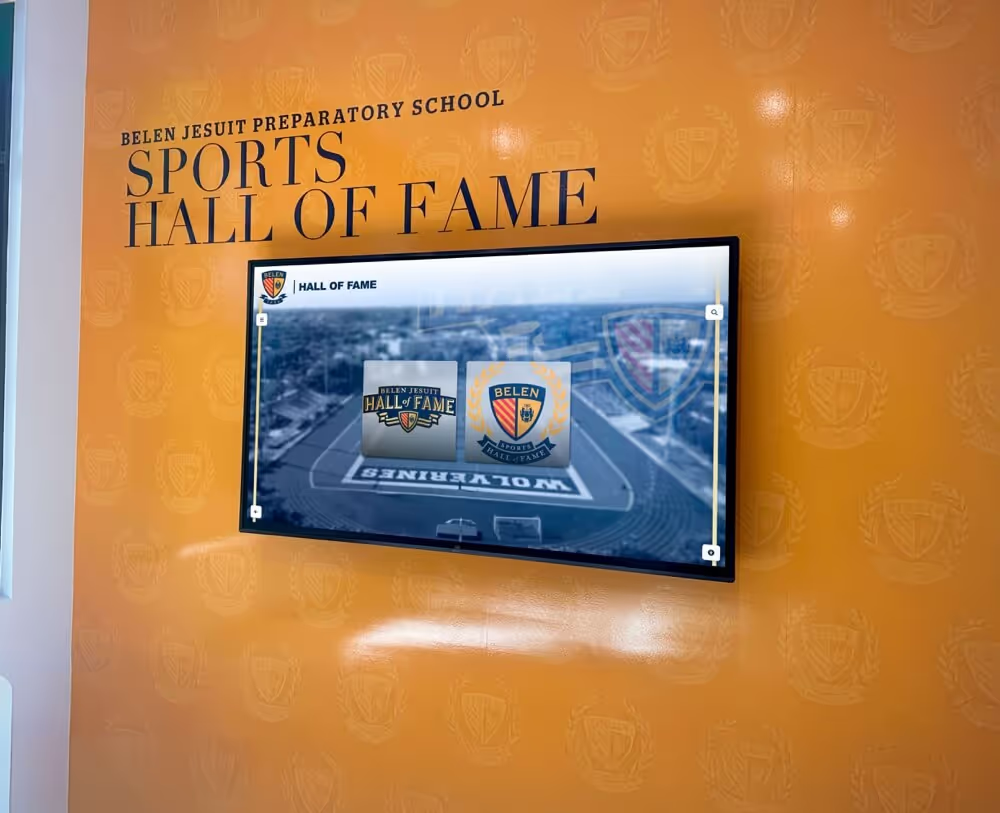
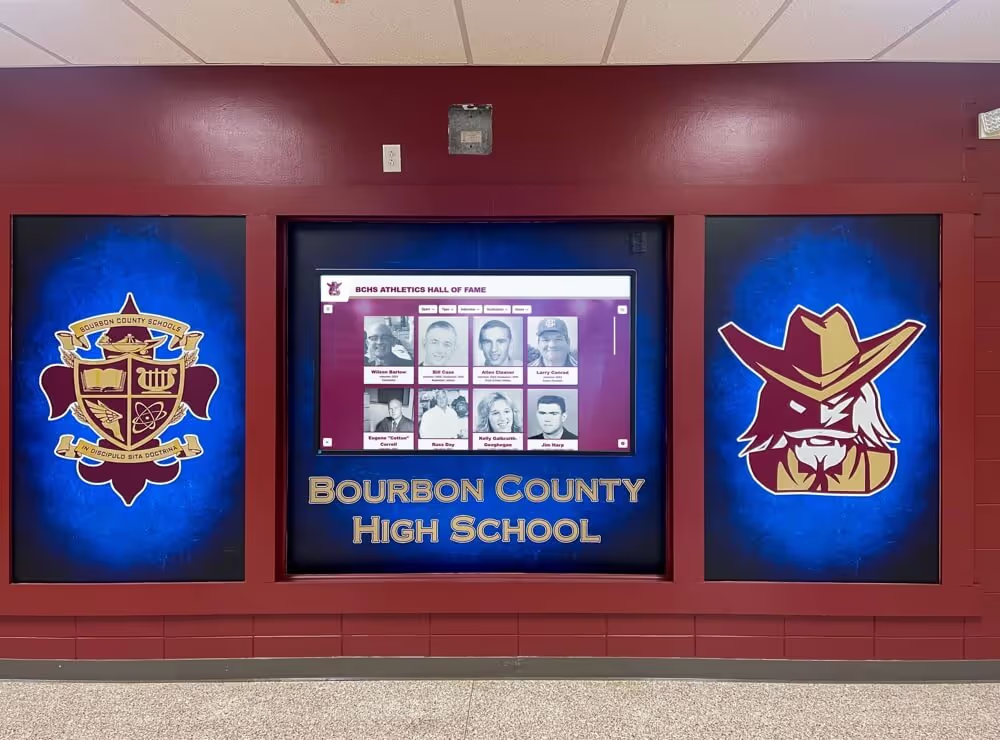
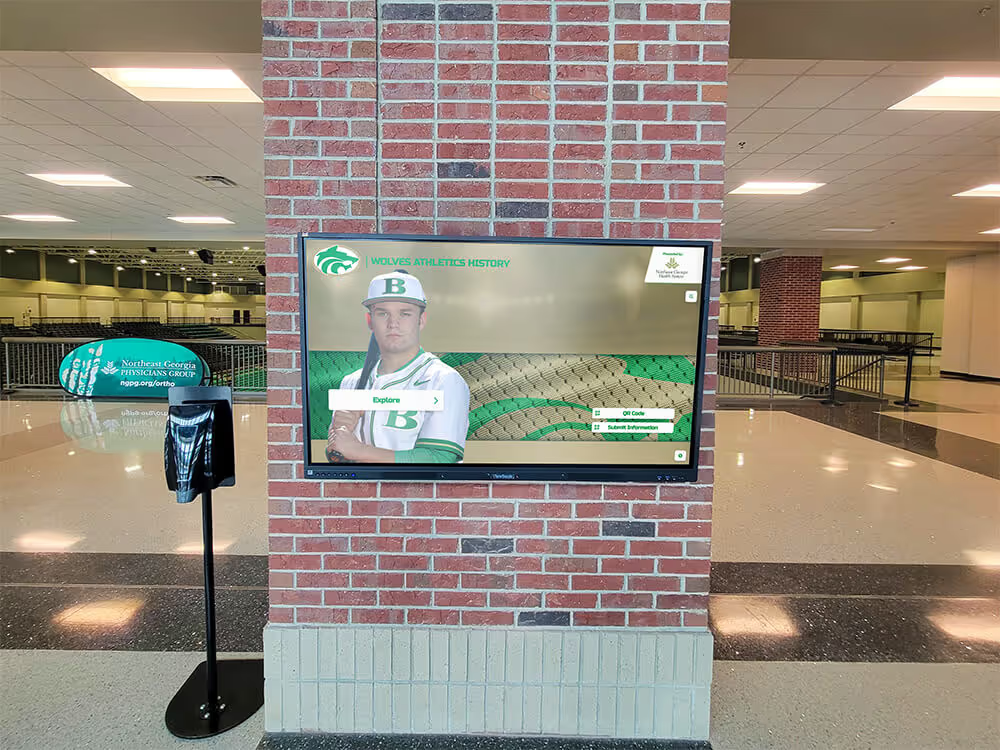
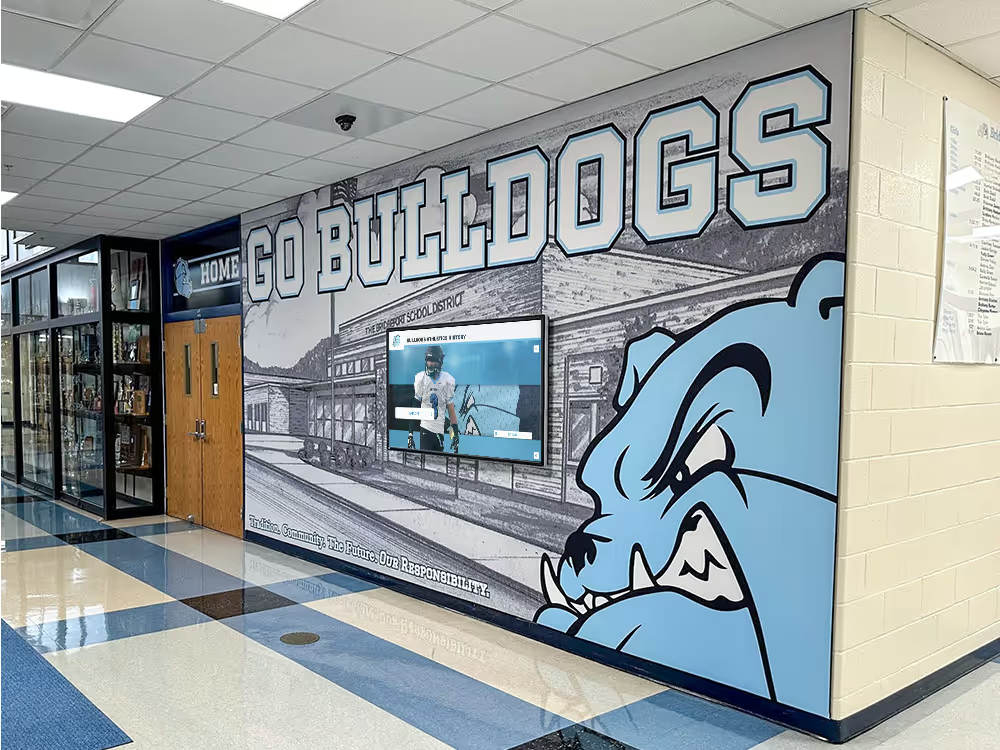
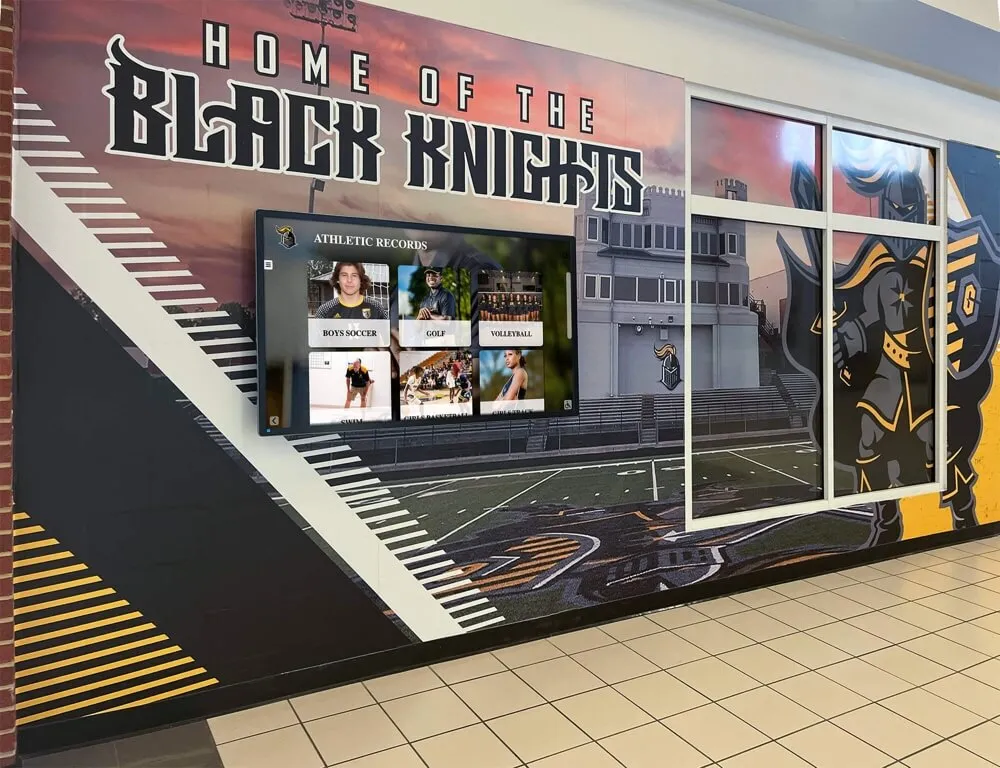
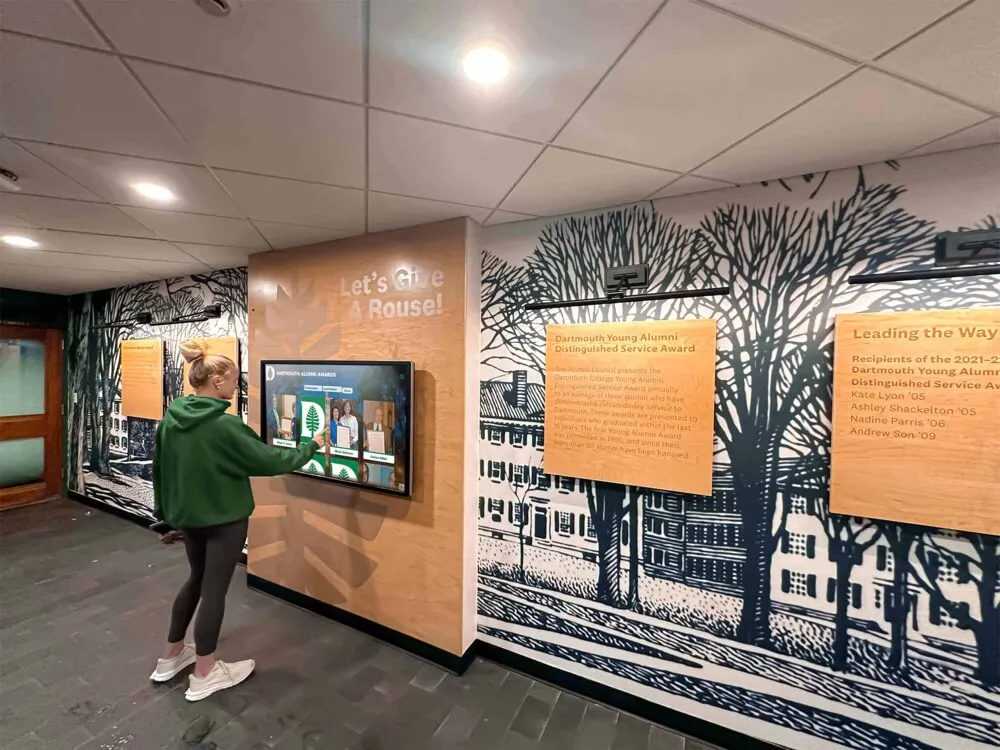
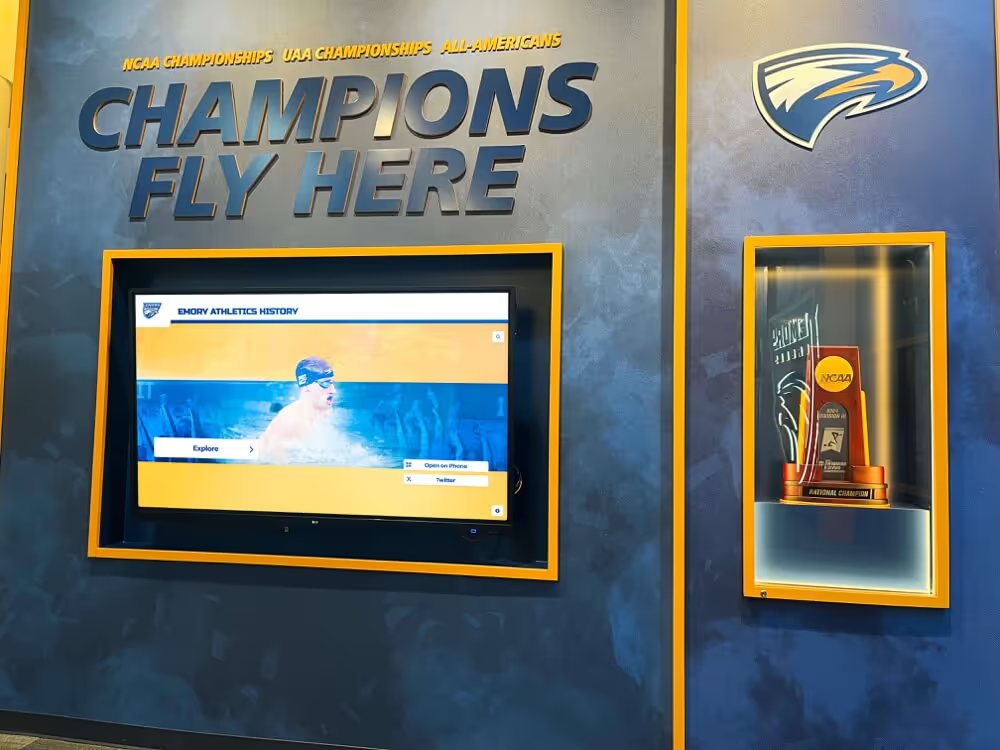
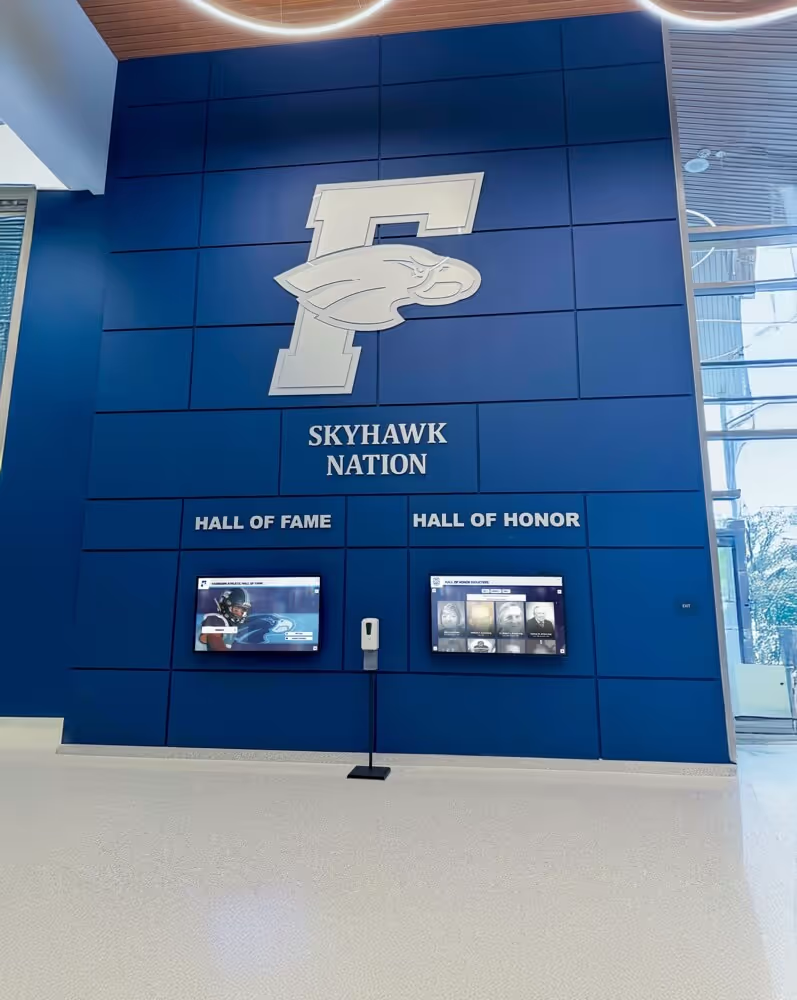
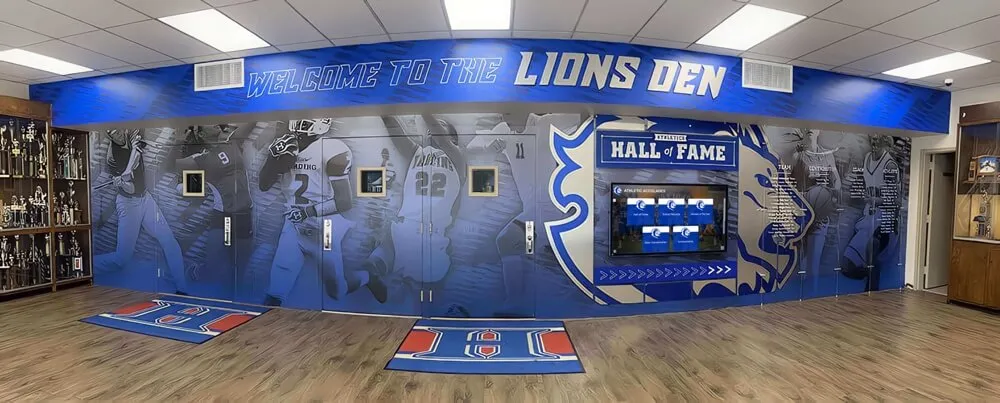
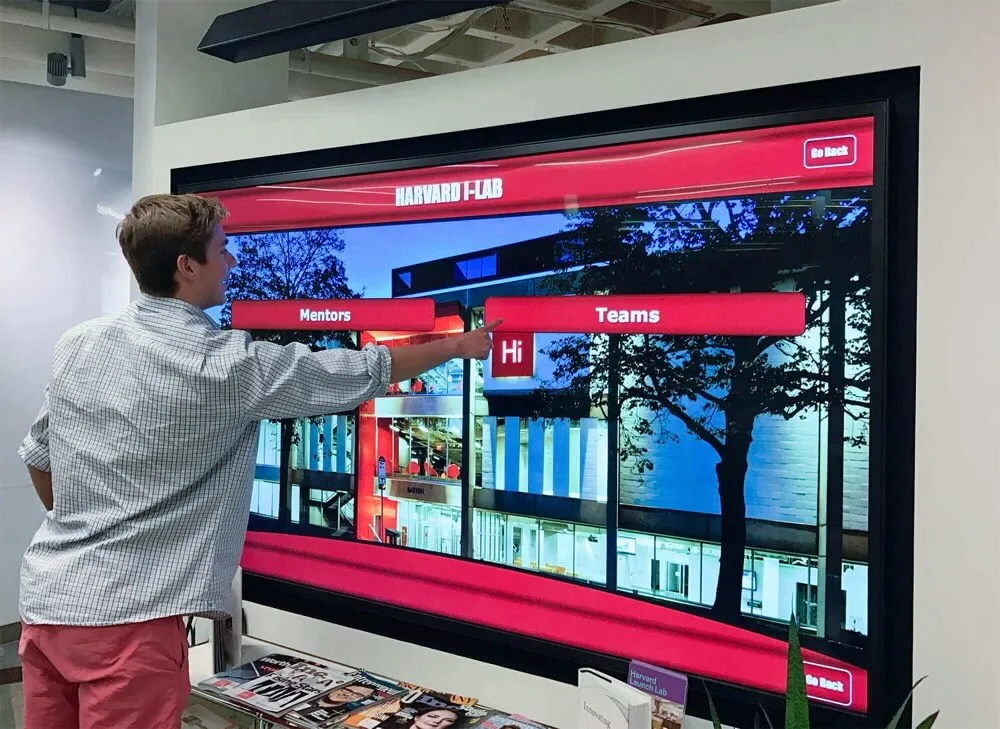
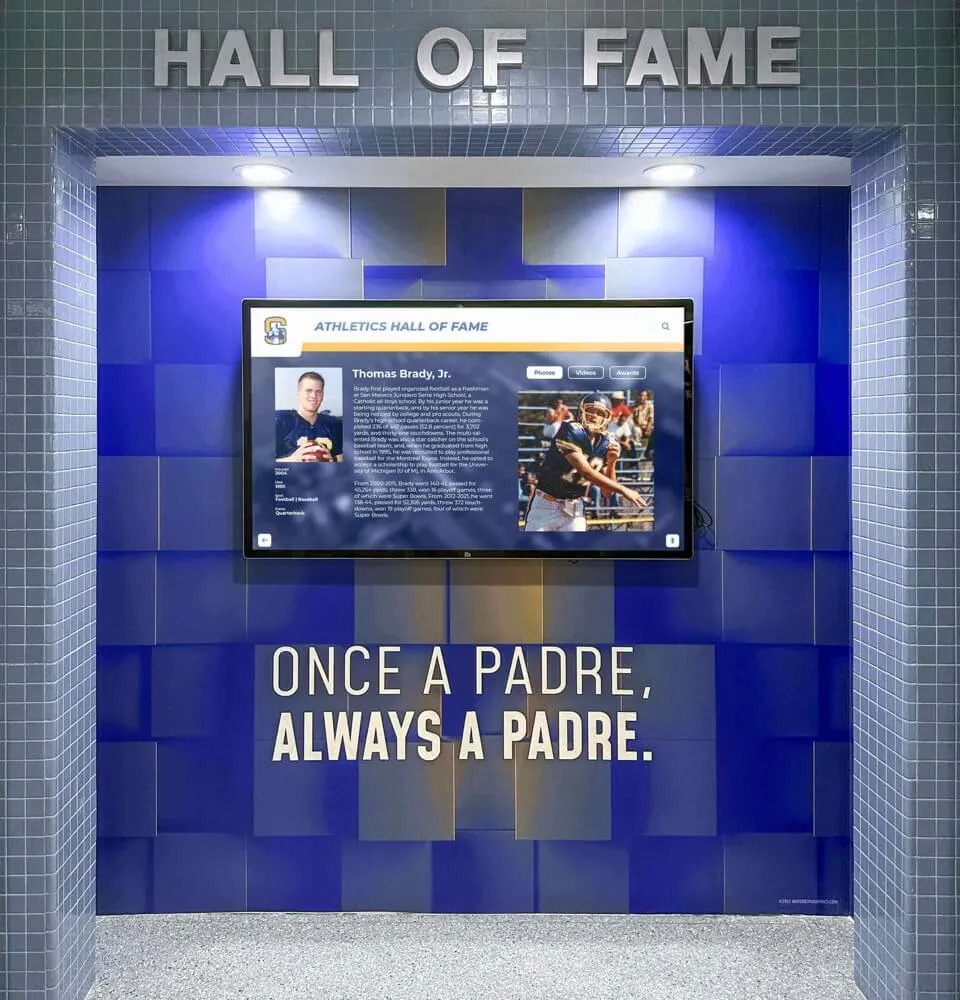
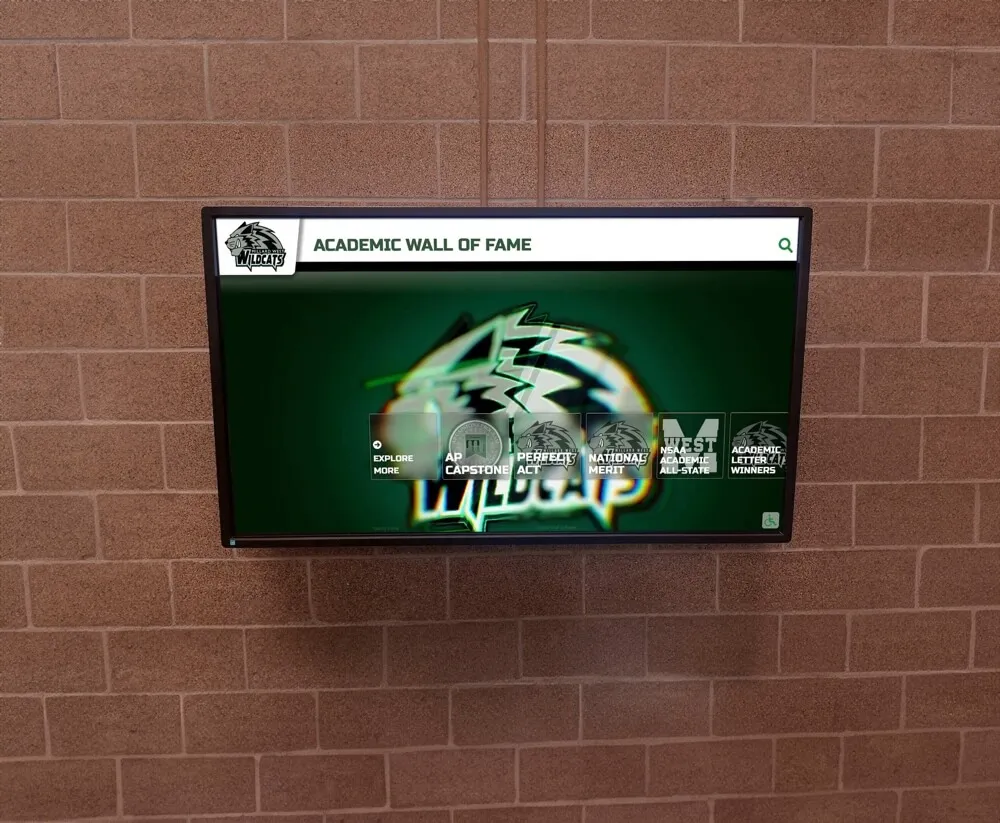
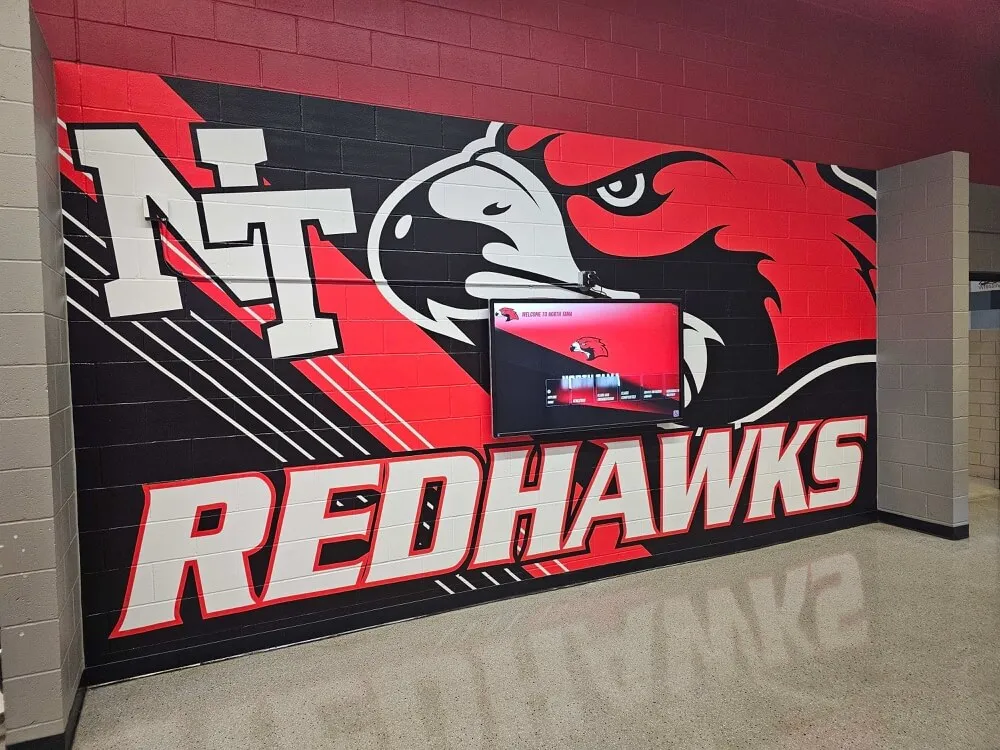
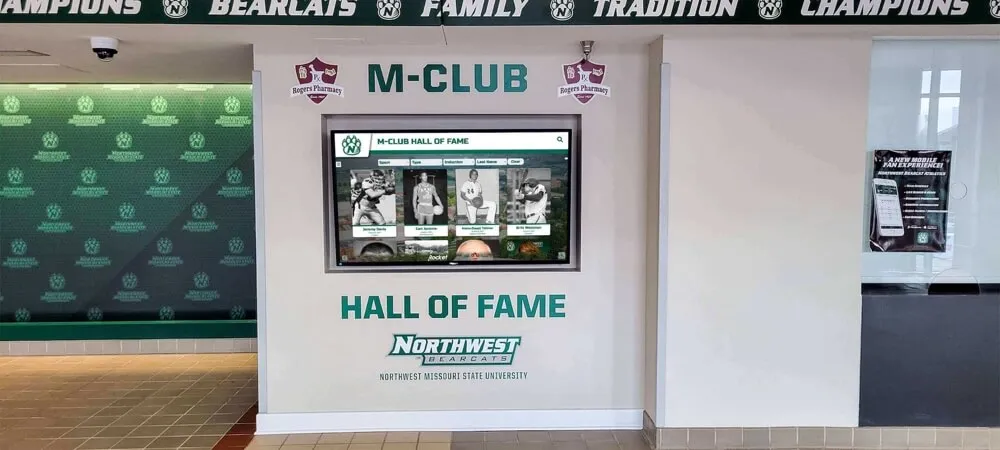
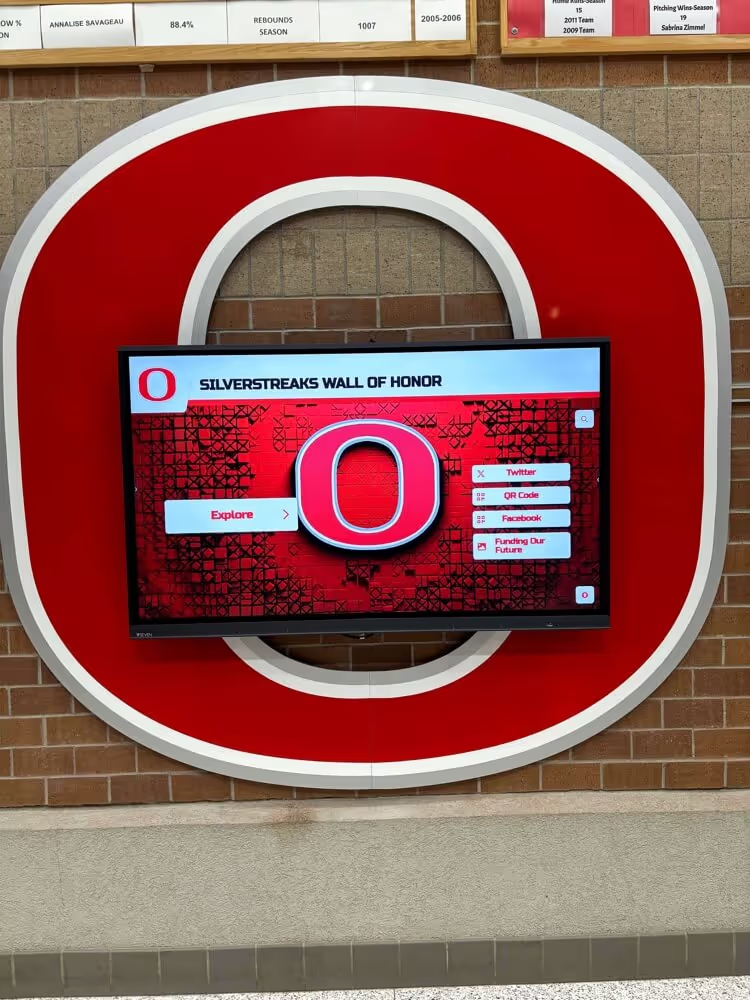
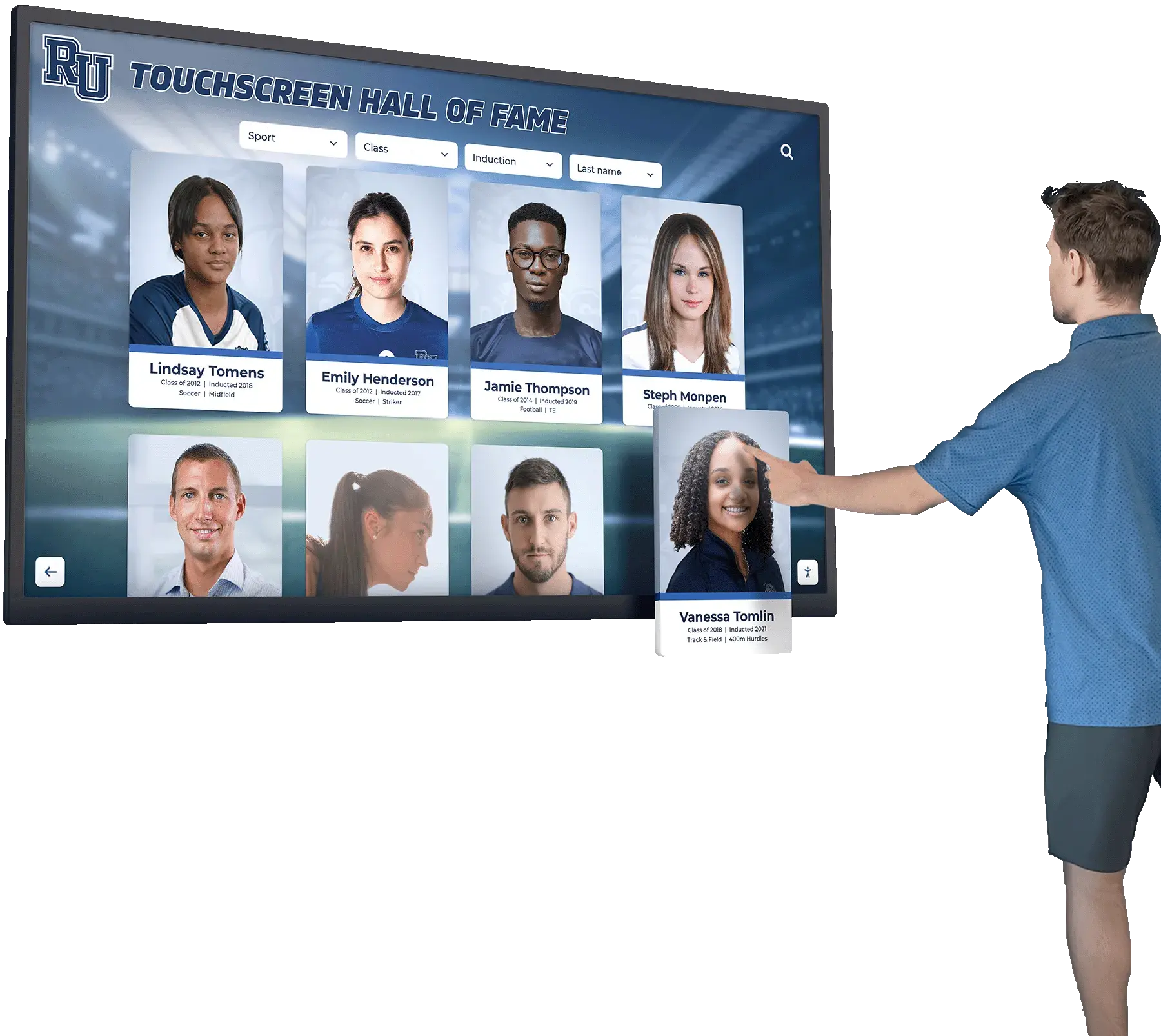
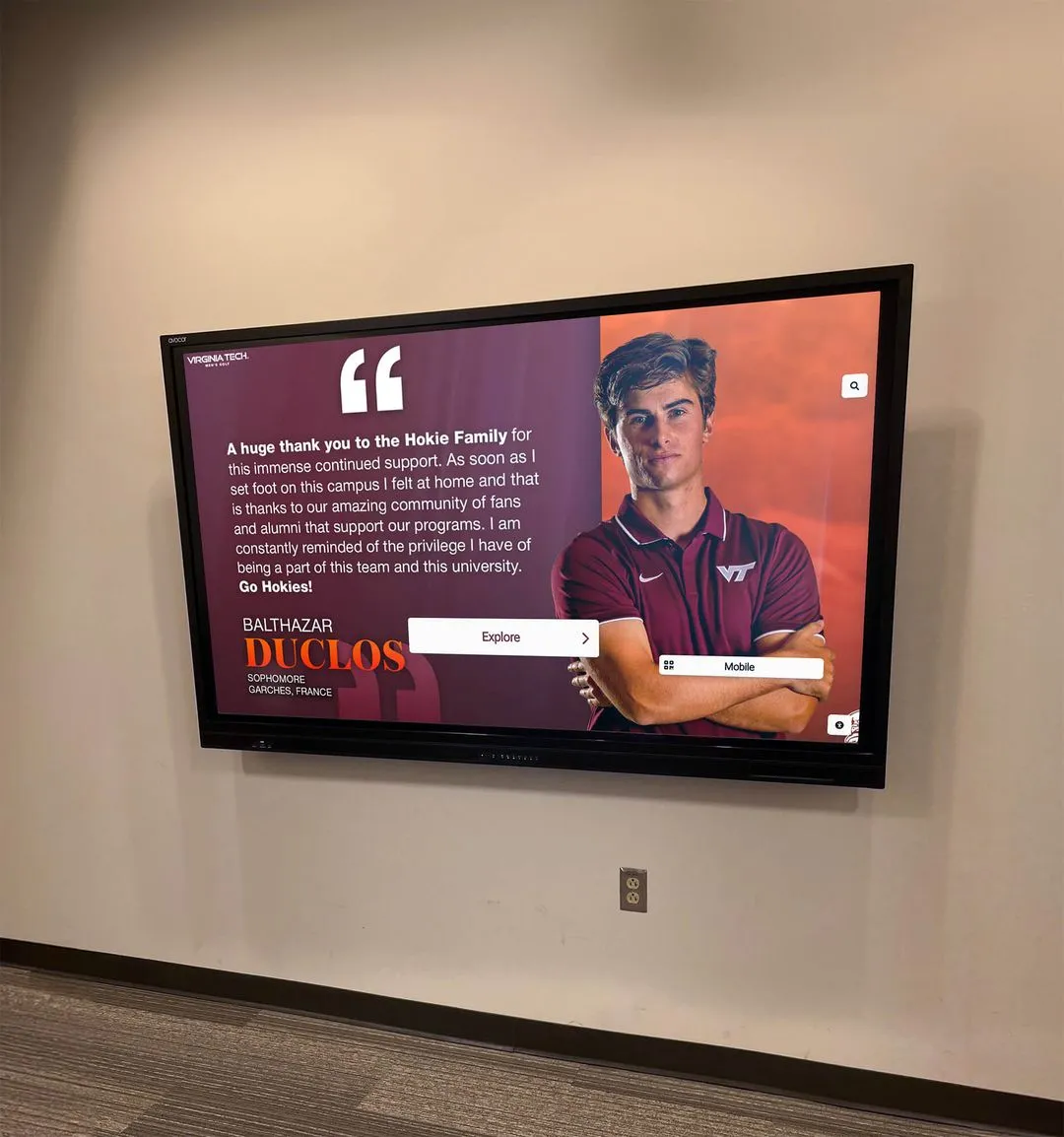
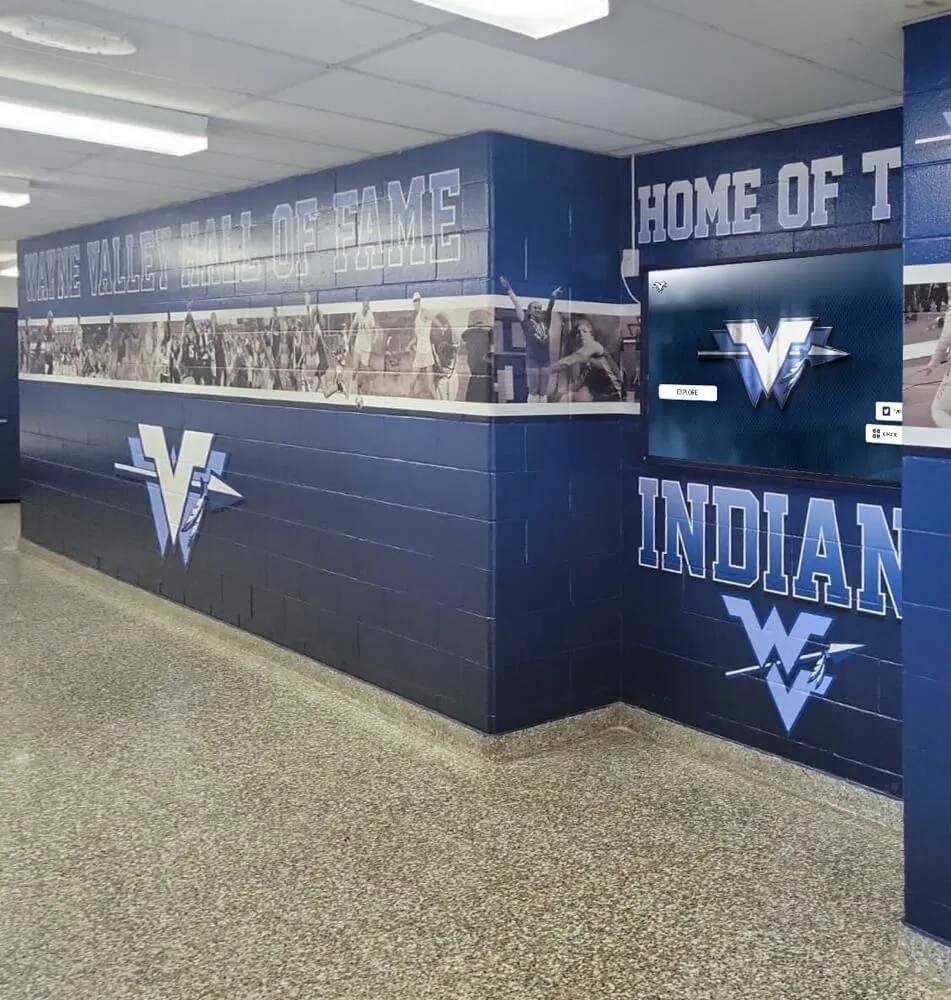
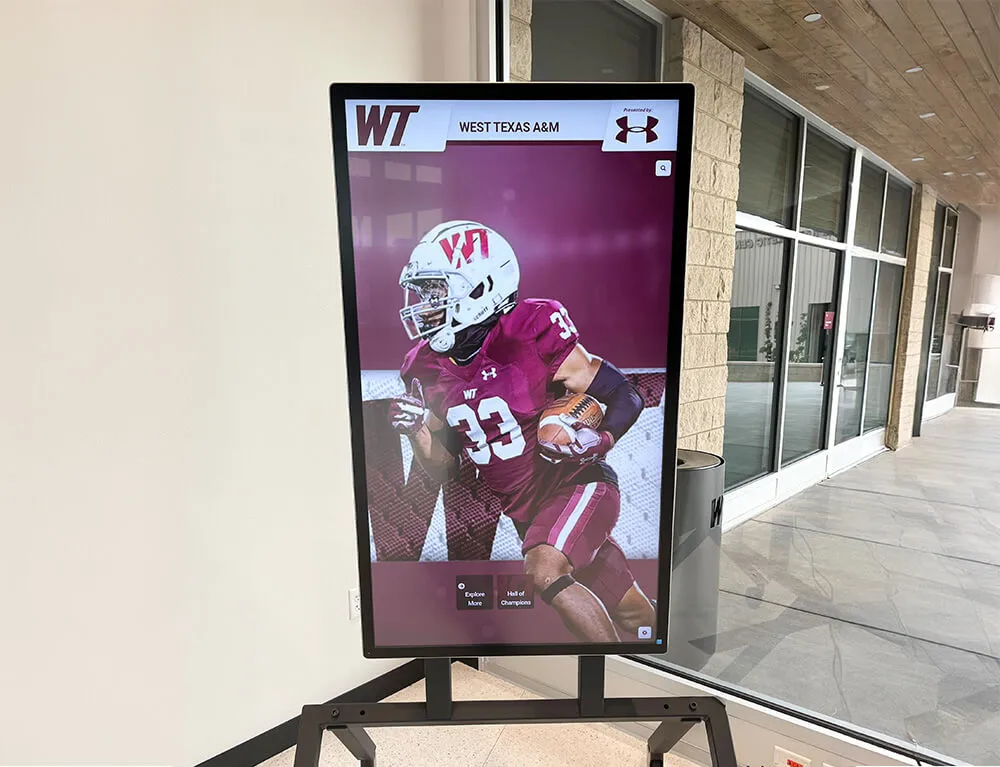
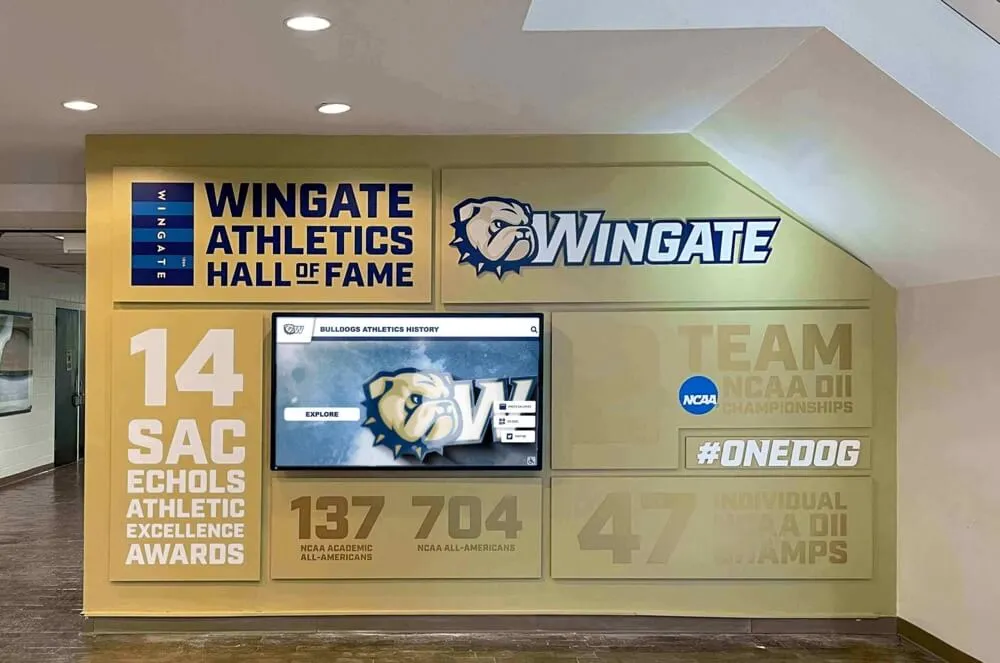
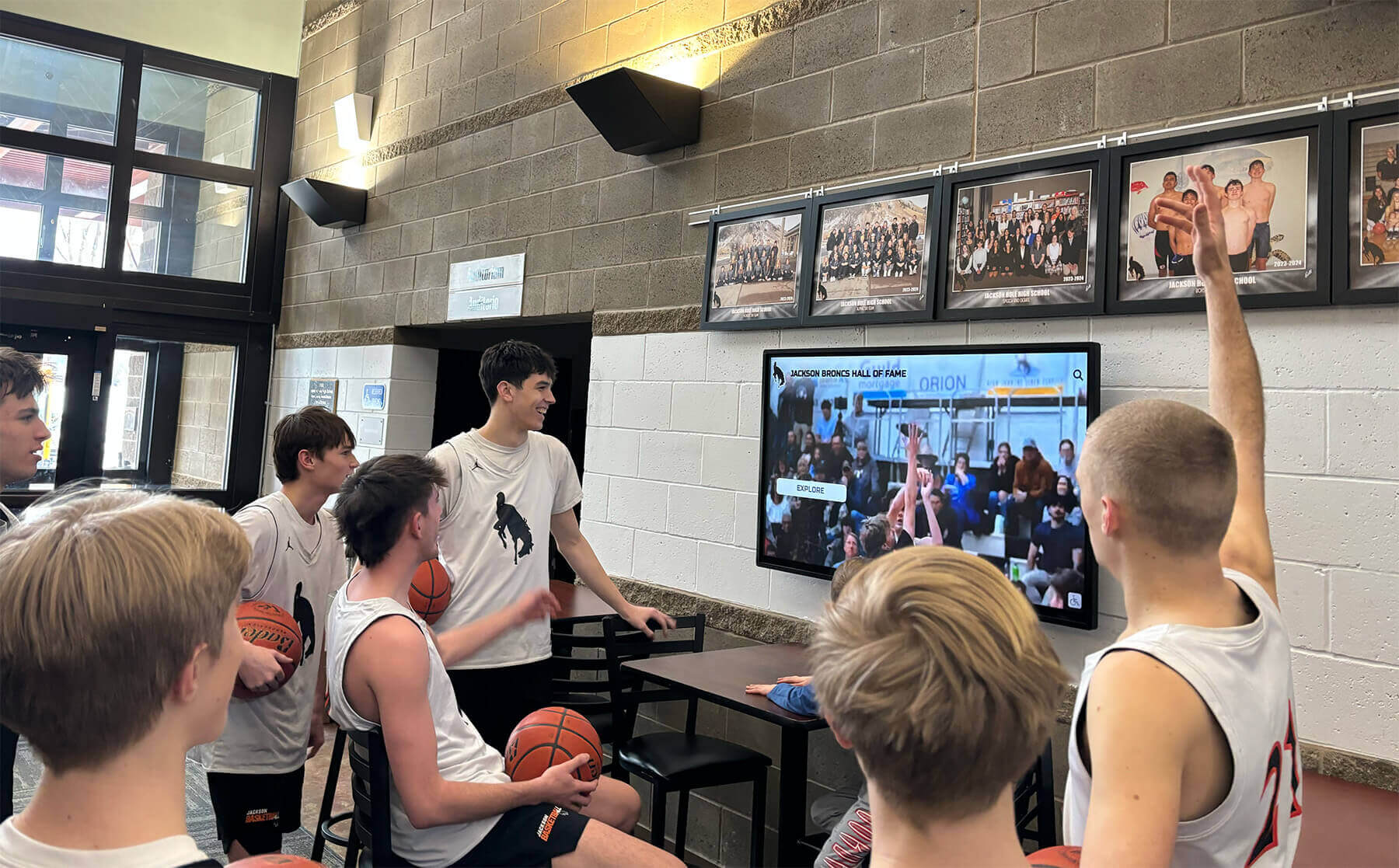
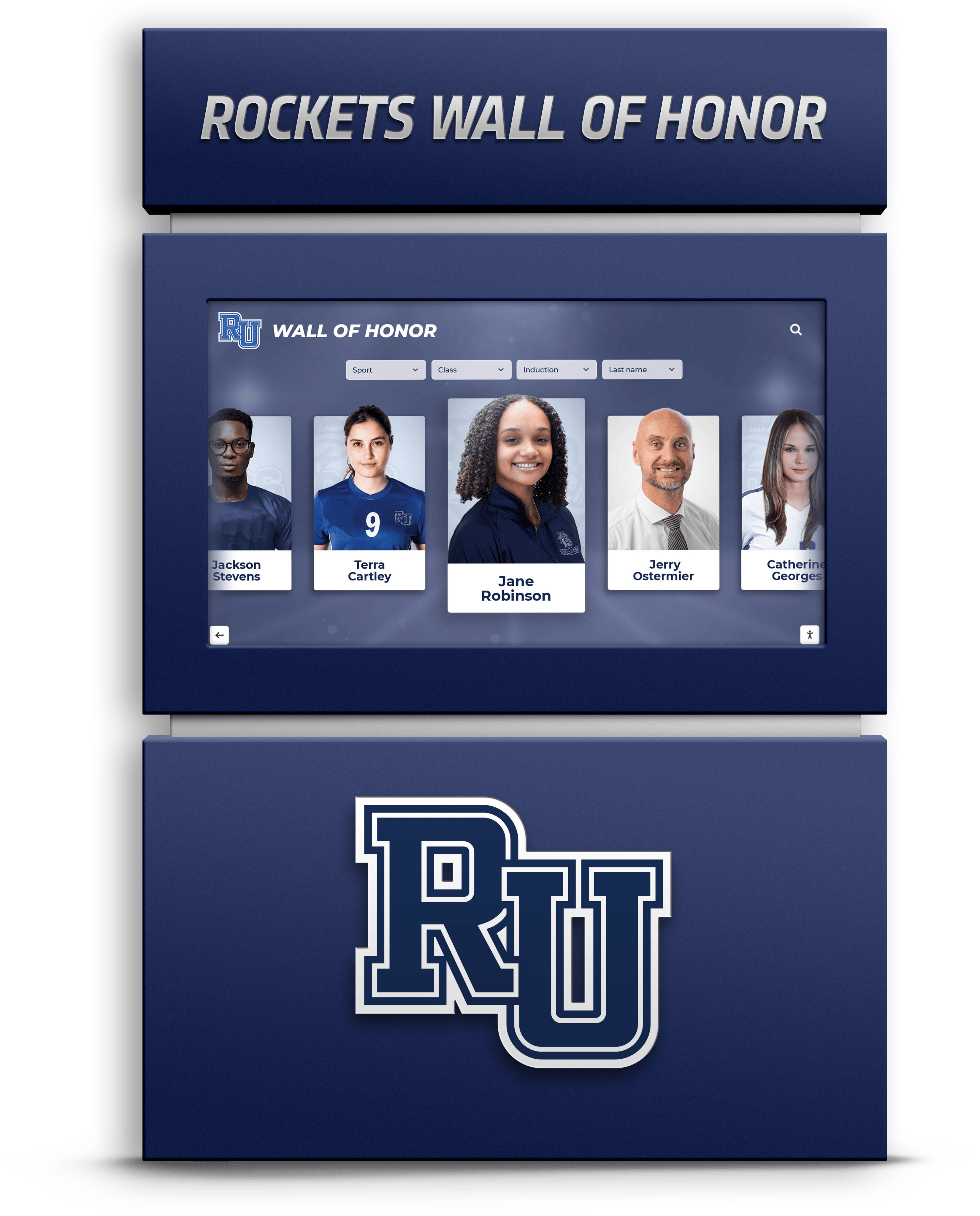
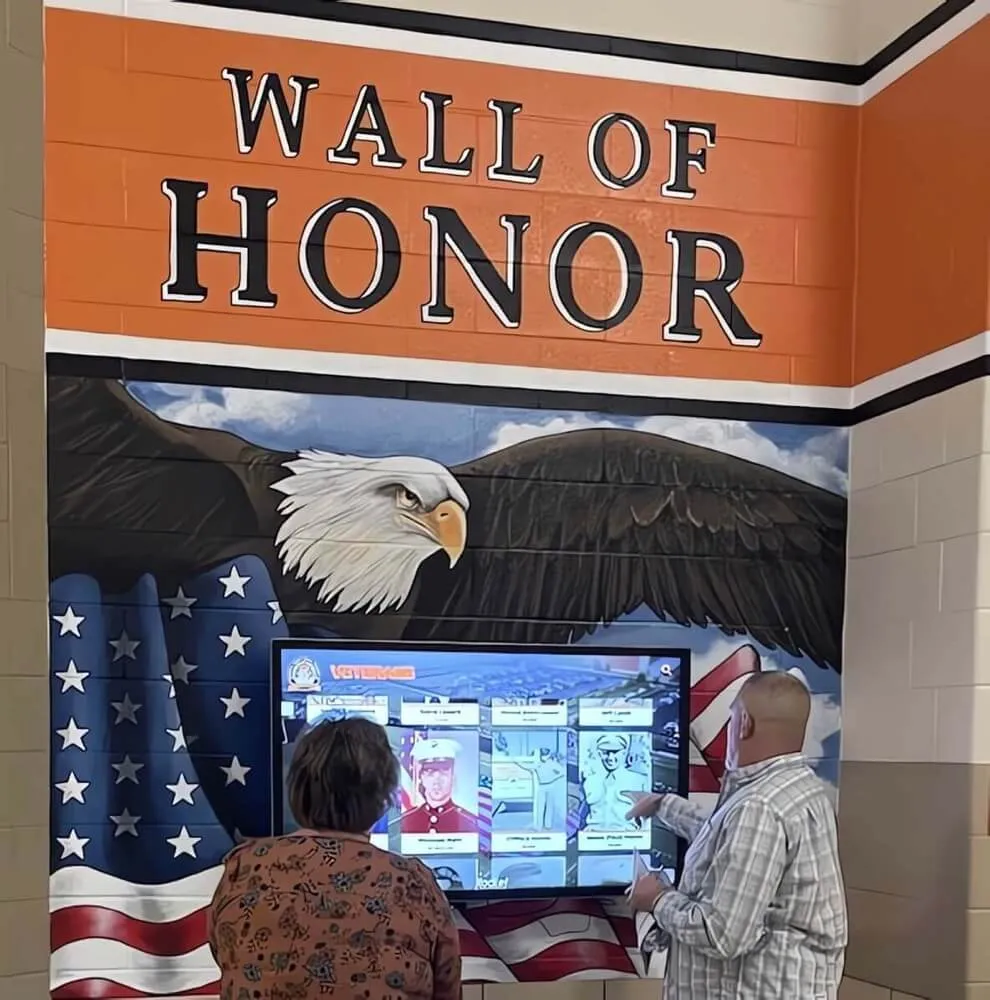
Interactive Displays: Digital recognition solutions like Rocket Alumni Solutions enable music programs to create touchscreen displays featuring performance videos, show repertoire lists, musician profiles, competition results, and achievement documentation. Students, families, and visitors can explore decades of program history through engaging multimedia presentations.
Unlimited Capacity: Digital systems accommodate comprehensive recognition for unlimited students across unlimited years without physical space constraints limiting who receives acknowledgment.
Multimedia Integration: Include performance audio and video, drill charts and show designs, musician profiles and photos, competition scores and rankings, and show repertoire and concept descriptions creating rich documentation of marching band excellence.
Easy Updates: Web-based content management enables quick additions of new performances, updated competition results, and current musician profiles ensuring recognition remains current throughout and after seasons.
Recruitment Impact: Prospective students and families exploring programs encounter comprehensive documentation of band achievements, performance quality, and recognition demonstrating program excellence and commitment to celebrating student musicians.
Understanding approaches to comprehensive music and arts recognition helps programs create systems celebrating the musical excellence students create through marching band participation.
Building Marching Band Program Traditions
Strategic repertoire choices contribute to program traditions that define band culture and identity across generations.
Signature Pieces
Some programs develop “signature” selections they perform regularly establishing traditions students anticipate and alumni remember.
Opening Traditions: Many bands open every show with the same march or fanfare creating recognizable program identity. Alumni immediately recognize their band when hearing the traditional opener decades later.
School Song Integration: Incorporate school songs or fight songs within field shows connecting marching band to broader school traditions and identity. These moments create pride while ensuring every show honors school heritage.
Recurring Themes: Programs might revisit certain composers, styles, or themes regularly—perhaps classical transcriptions every other year, annual pop music shows, or rotating through decades of rock music—creating patterns alumni recognize as program signatures.
Alumni Performance Opportunities: Invite alumni musicians to join current band for specific traditional pieces during homecoming games or alumni band events. Performing together across generations strengthens program community and demonstrates enduring impact.
Historical Documentation
Preserving complete records of repertoire, performances, and achievements creates institutional memory and program history.
Repertoire Archives: Maintain comprehensive lists of every piece performed including year, show theme, competition results, and any special recognition. These archives document program evolution while enabling research about what worked well previously.
Performance Documentation: Systematically record or film performances creating visual archives demonstrating program quality evolution, preserving shows for nostalgic viewing, and providing teaching resources for current students.
Achievement Recognition: Document competition placements, outstanding musician awards, festival ratings, and special recognition creating complete achievement record demonstrating program quality and celebrating student excellence.
Digital Archive Systems: Solutions like Rocket Alumni Solutions enable comprehensive digital archiving of marching band history combining performance recordings, repertoire documentation, musician profiles, and achievement recognition in accessible, engaging platforms families and alumni can explore from anywhere.
Common Song Selection Challenges
Band directors frequently encounter specific challenges when planning marching band repertoire.
Challenge: Balancing Audience Appeal and Musical Merit
Popular music attracts audiences but may lack musical sophistication, while challenging classical transcriptions develop musical skills but risk boring crowds unfamiliar with material.
Solution: Program balanced shows including both accessible, recognizable selections and challenging musical material. Sequence music strategically—perhaps opening with crowd-pleasing material, moving to sophisticated middle sections, and closing with memorable high-energy endings.
Challenge: Limited Instrumentation
Smaller bands or programs with unbalanced sections face challenges when parts require specific instruments missing from ensemble.
Solution: Work with arrangers creating custom versions adapted to your specific instrumentation, select arrangements designed for smaller or flexible instrumentation, or use strategic doubling and substitutions maintaining musical integrity while accommodating limitations.
Challenge: Overused Popular Selections
Certain songs appear so frequently in marching band programming that they feel overused, yet their popularity reflects genuine appeal and effectiveness.
Solution: Consider whether unique arrangements, creative visual concepts, or program themes differentiate your version from common treatments. Sometimes familiar material executed exceptionally well proves more effective than obscure selections performed adequately.
Challenge: Securing Rights for Desired Music
Copyright restrictions or licensing costs sometimes prevent using desired selections.
Solution: Investigate whether acceptable alternatives exist with clearer rights, work with publishers offering arrangements with included rights, explore public domain alternatives providing similar musical character, or budget appropriately for custom arrangements with secured permissions.
Conclusion: Music That Defines Seasons and Builds Traditions
Marching band songs represent far more than halftime entertainment—they define student experiences, shape program identity, create community connections, and build traditions lasting across generations. The right repertoire challenges musicians appropriately, engages diverse audiences, supports creative visual design, and creates memorable moments students recall throughout their lives. Whether selecting iconic rock anthems, dramatic film scores, contemporary pop arrangements, or traditional march literature, thoughtful repertoire choices profoundly influence band program success, student motivation, and community impact.
The most effective marching band song selection balances multiple considerations including technical appropriateness for ensemble capabilities, audience appeal across generational divides, visual programming potential supporting engaging drill design, stylistic variety maintaining interest throughout complete shows, and thematic coherence creating unified programming rather than disconnected pieces. Band directors who carefully evaluate these factors while remaining attuned to their students’ capabilities and community contexts create performances that excel competitively while entertaining audiences and inspiring musicians.
Beyond individual performances, documenting and celebrating marching band excellence through permanent recognition systems ensures these achievements receive the honor they deserve. Modern digital recognition platforms like Rocket Alumni Solutions enable music programs to create comprehensive celebration of performances, repertoire, and student musicians—combining performance videos, show documentation, musician profiles, and competition results in engaging displays accessible to students, families, alumni, and community members. This permanent recognition extends impact beyond brief performance moments, demonstrates program excellence to prospective students and families, preserves institutional history for future generations, and honors the dedication student musicians invest in creating memorable performances.
The music your marching band performs shapes more than Friday night entertainment—it creates shared experiences bonding students together, establishes program traditions alumni remember decades later, demonstrates school spirit and excellence to entire communities, and provides young musicians with performance opportunities they’ll treasure throughout their lives. By selecting repertoire thoughtfully, programming shows strategically, celebrating achievements permanently, and building traditions intentionally, marching band programs create musical excellence and lasting impact extending far beyond field performances into broader school culture and community identity.