



High school lacrosse playoffs represent the culmination of months of preparation, practice, and regular season competition. As one of America’s fastest-growing sports, lacrosse now features highly competitive postseason tournaments across most states, with playoff structures that determine conference champions, regional titlists, and ultimately state champions. Understanding how teams qualify, how brackets are constructed, and what it takes to advance through each playoff round helps programs prepare strategically while celebrating the achievements that make postseason runs memorable.
The path to lacrosse championships varies significantly by state and conference, with some regions implementing power-ranking systems while others rely on traditional win-loss records and head-to-head results. Regardless of specific format, lacrosse playoffs create high-stakes environments where teams must perform under pressure, execute game plans against increasingly skilled opponents, and demonstrate the sustained excellence required to claim championship hardware.
This comprehensive guide explores how high school lacrosse playoffs work—from regular season qualification criteria through tournament bracket structures to championship game scenarios. Whether your program aims for its first playoff berth or pursues another state title, understanding postseason systems enables strategic planning while providing frameworks for recognizing playoff achievements that inspire future teams.
Why Lacrosse Playoff Recognition Matters
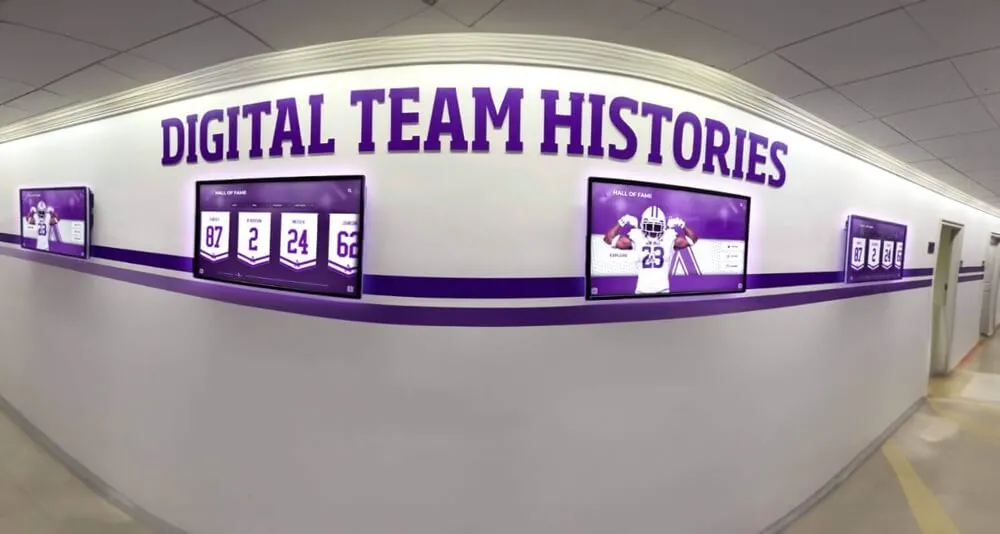
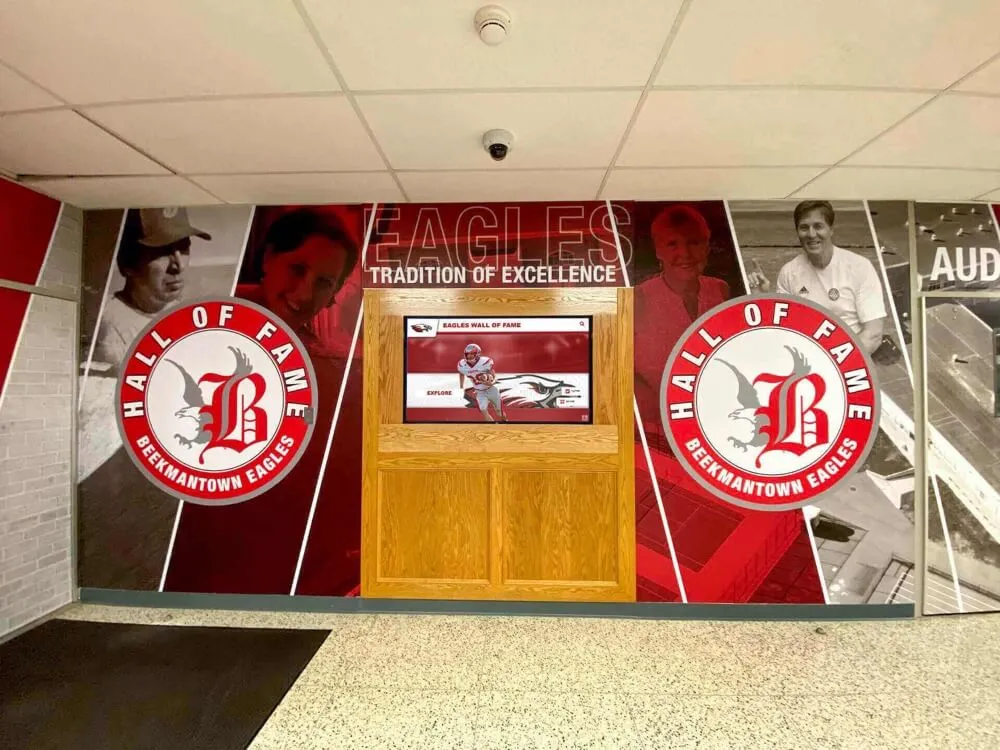
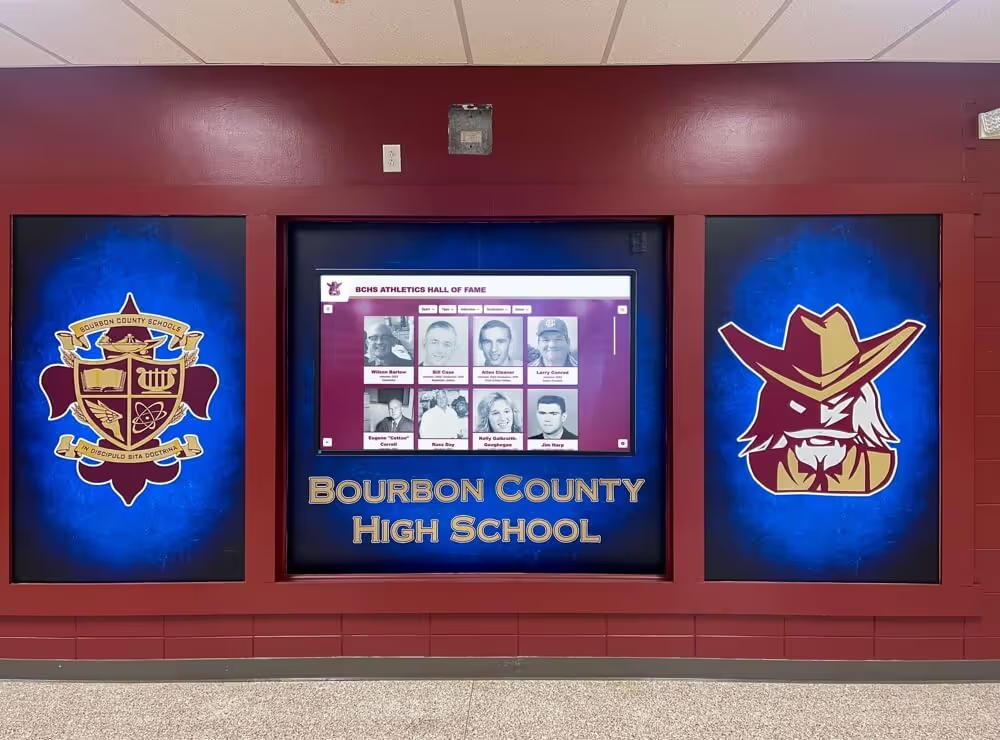
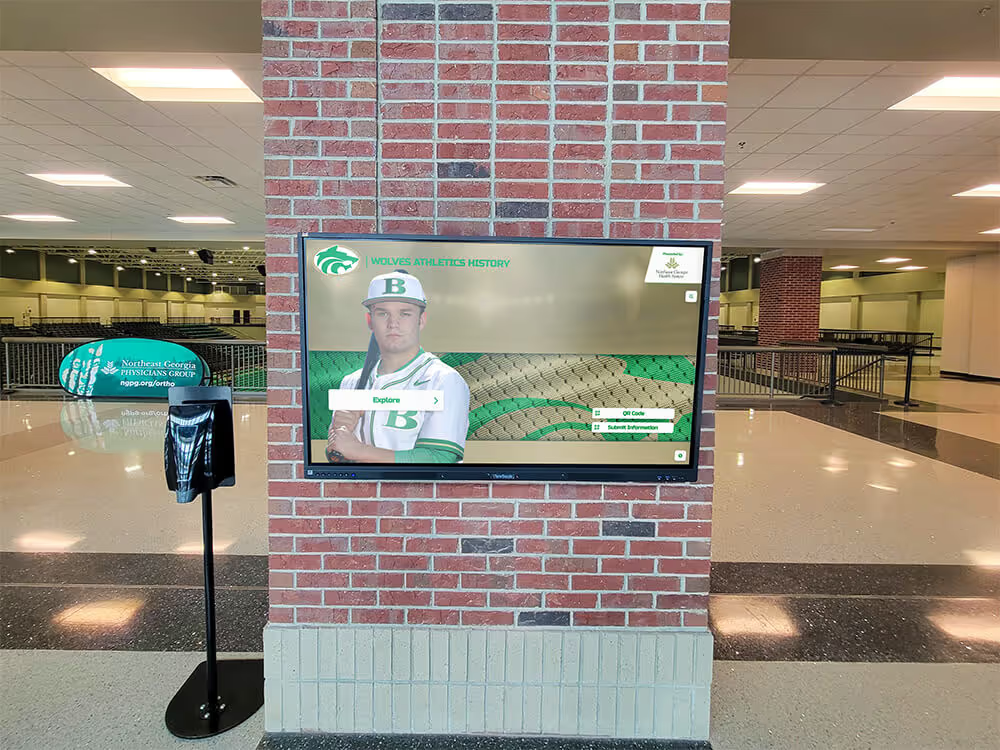
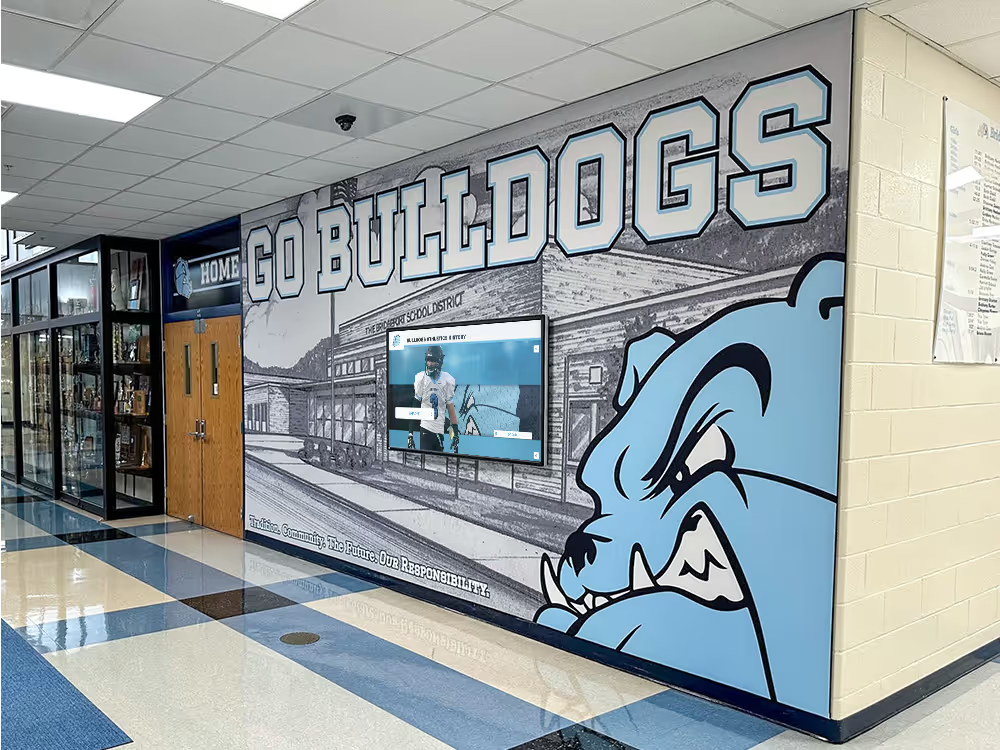
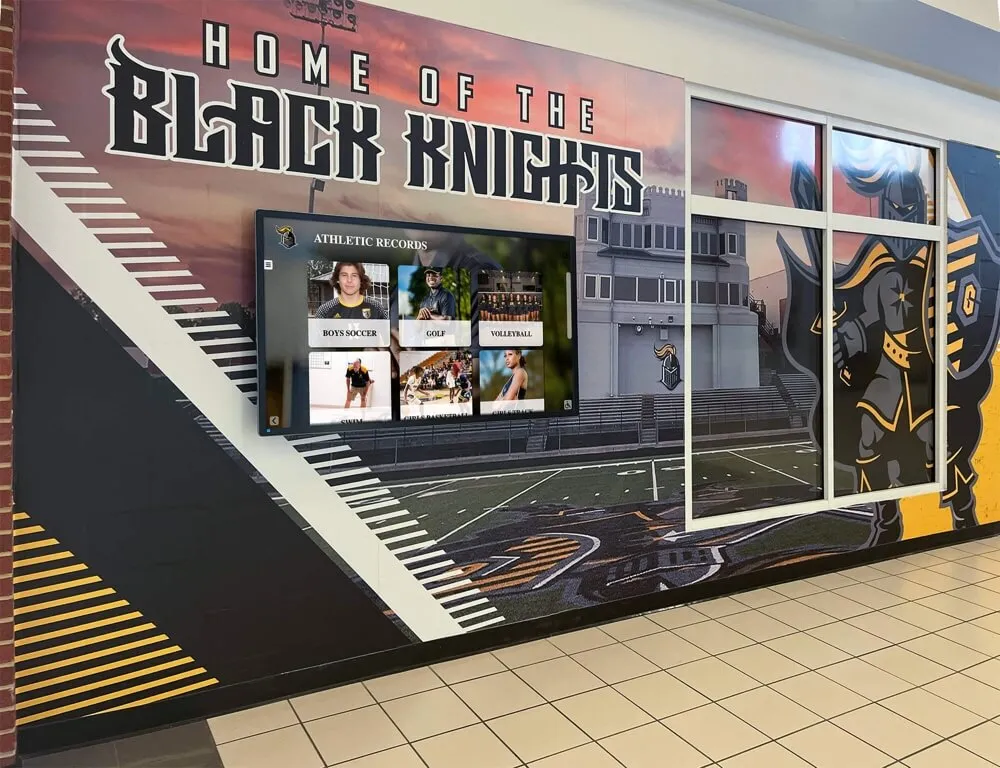
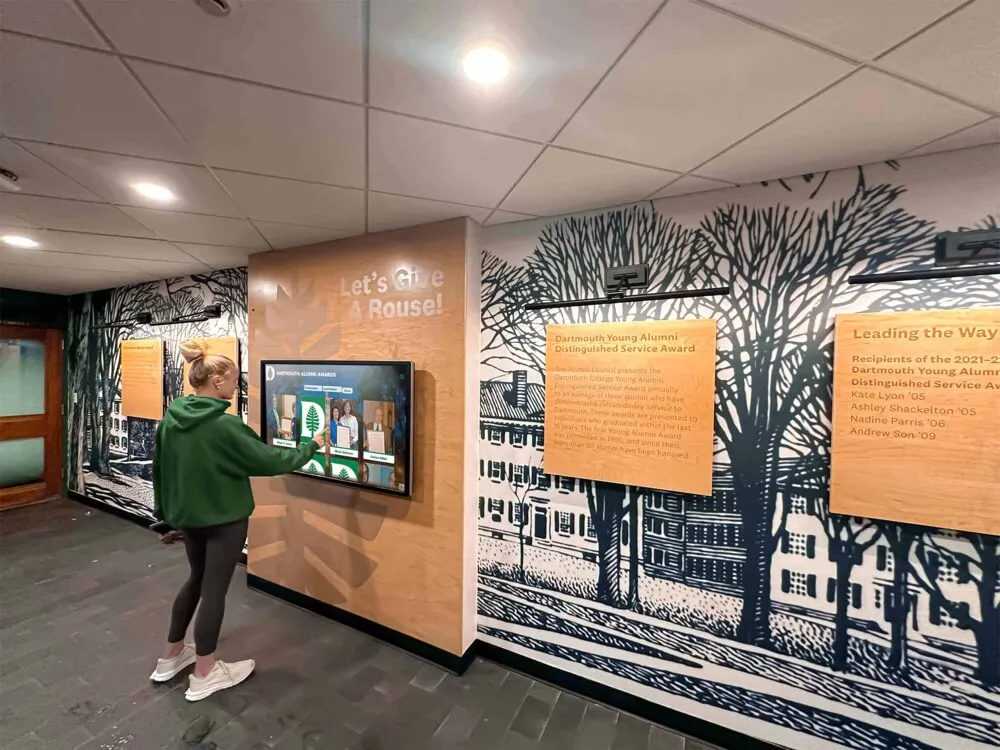
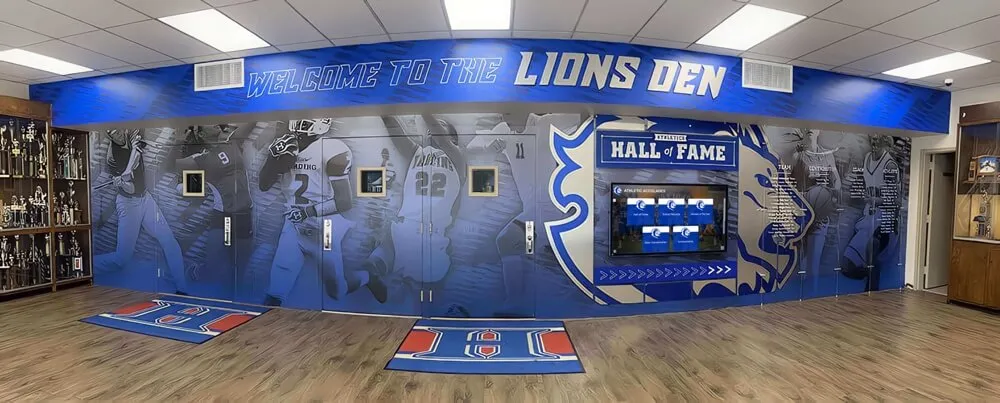
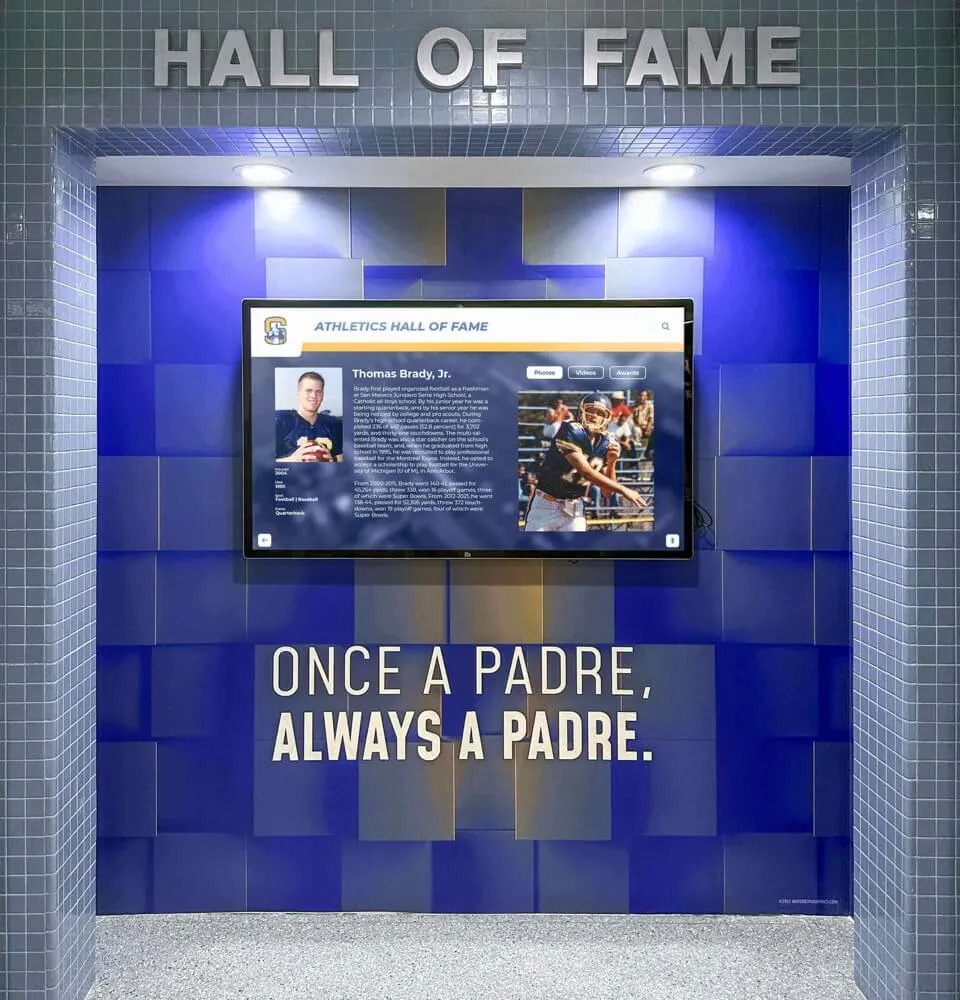
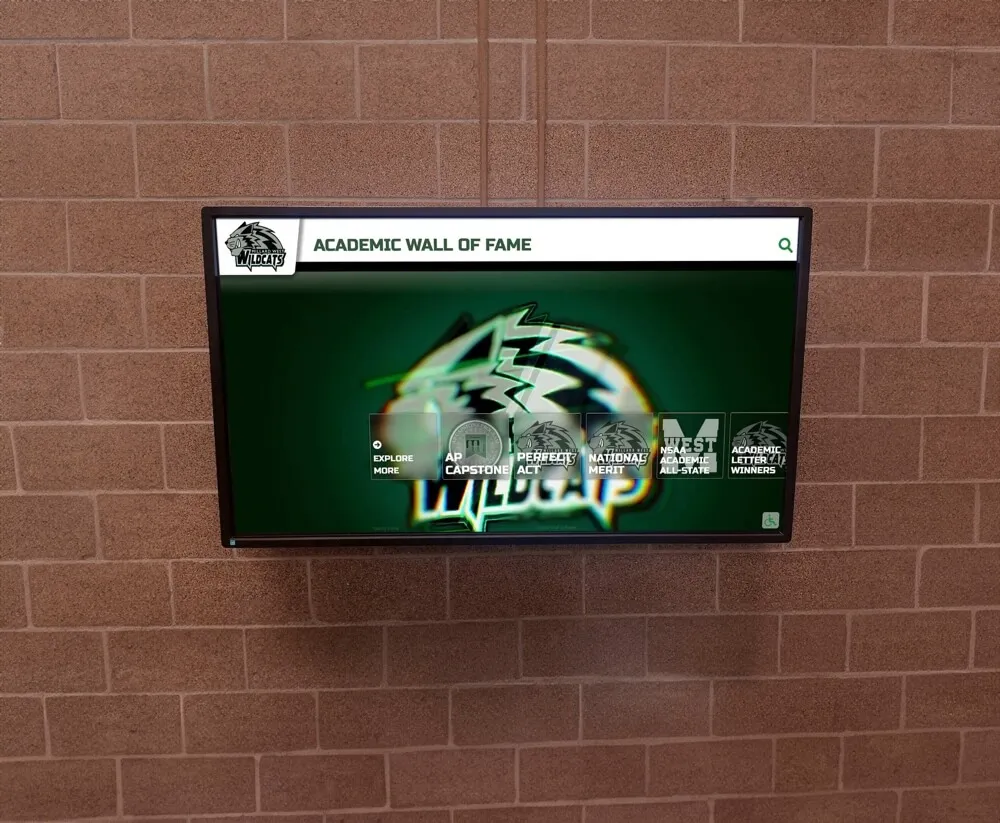
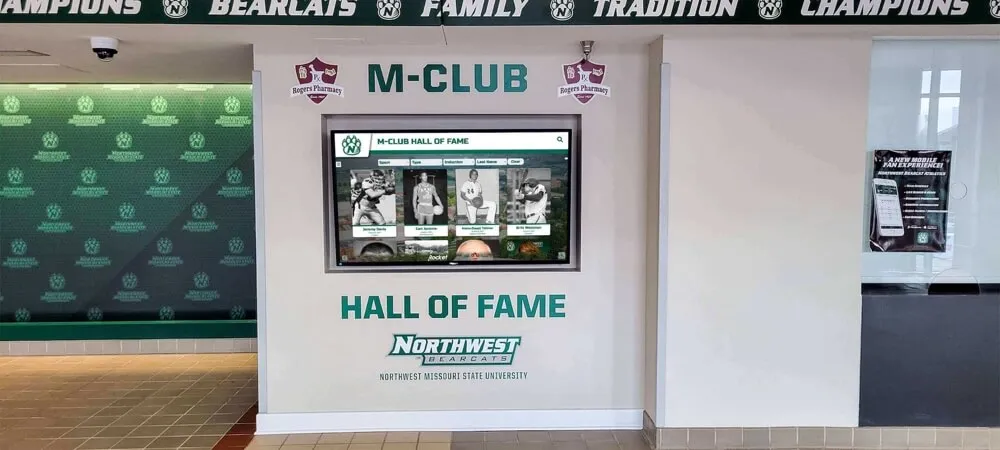
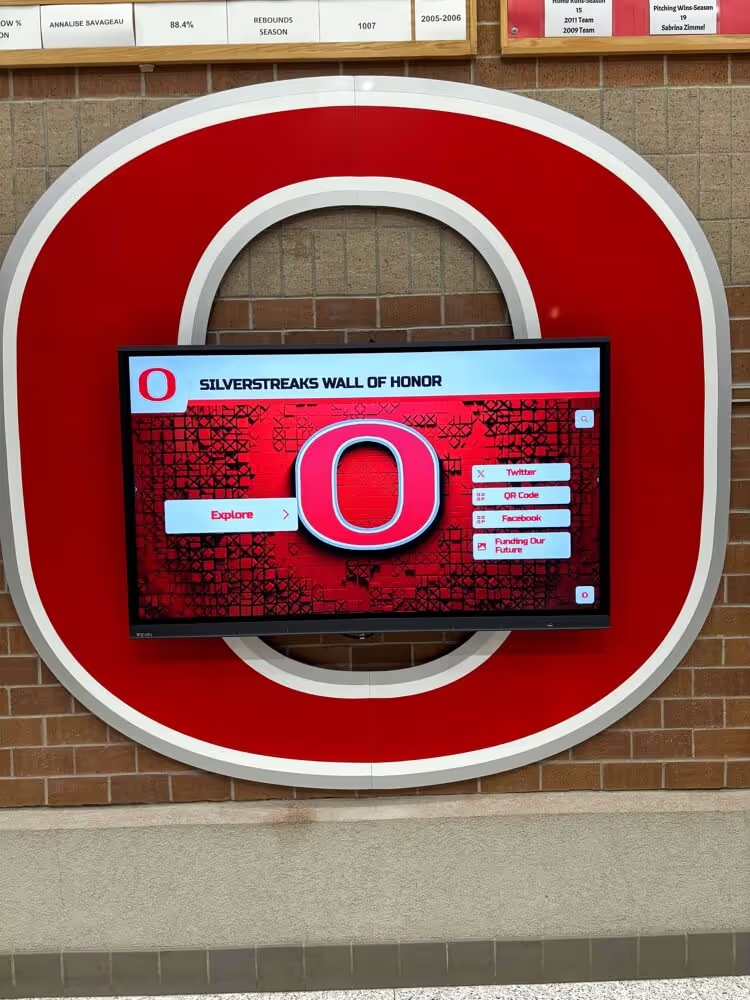
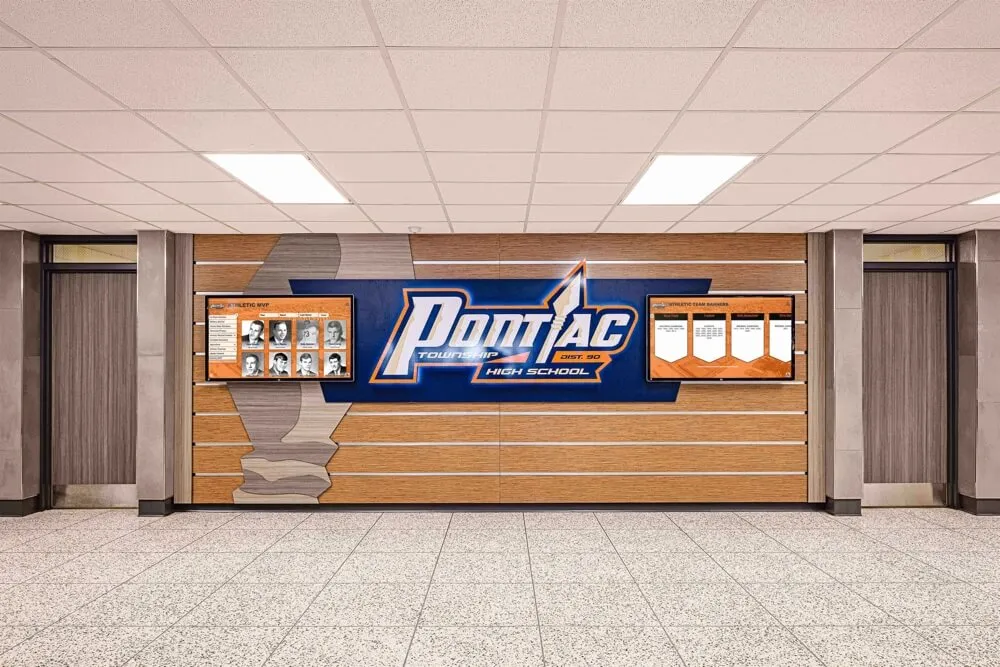
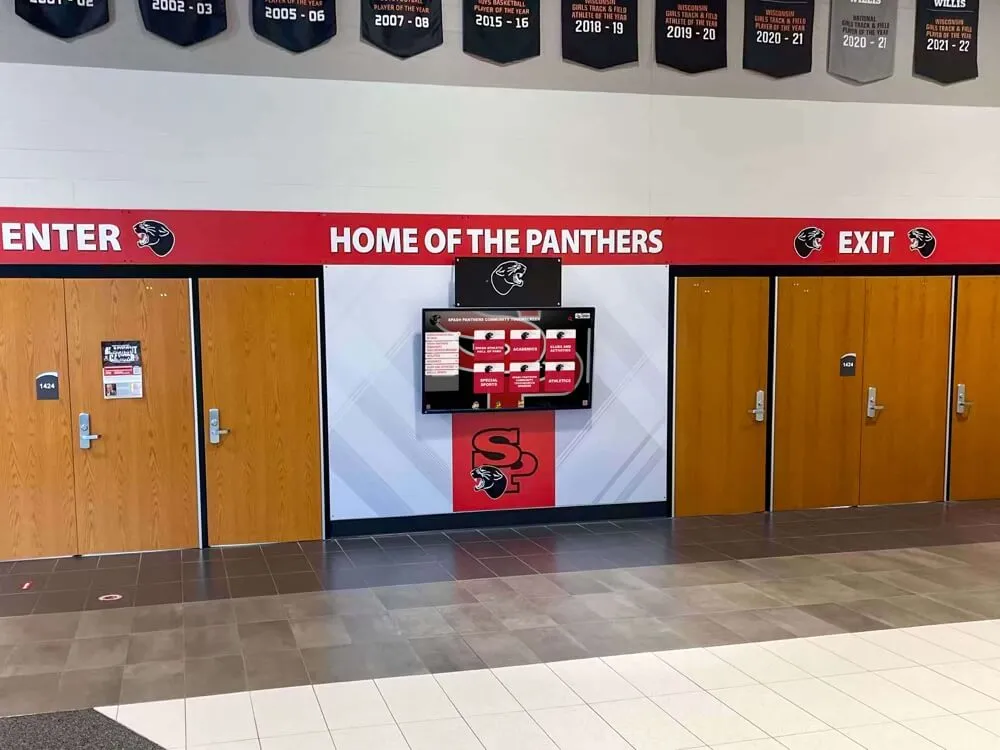
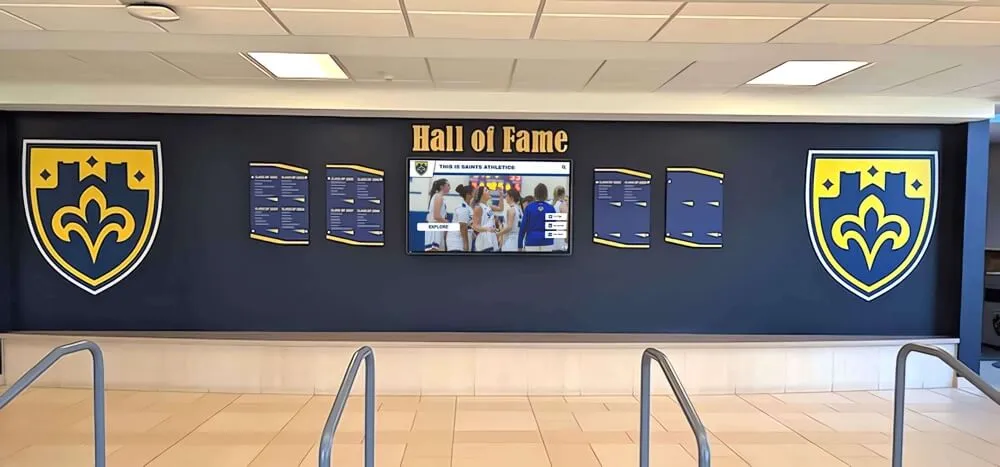
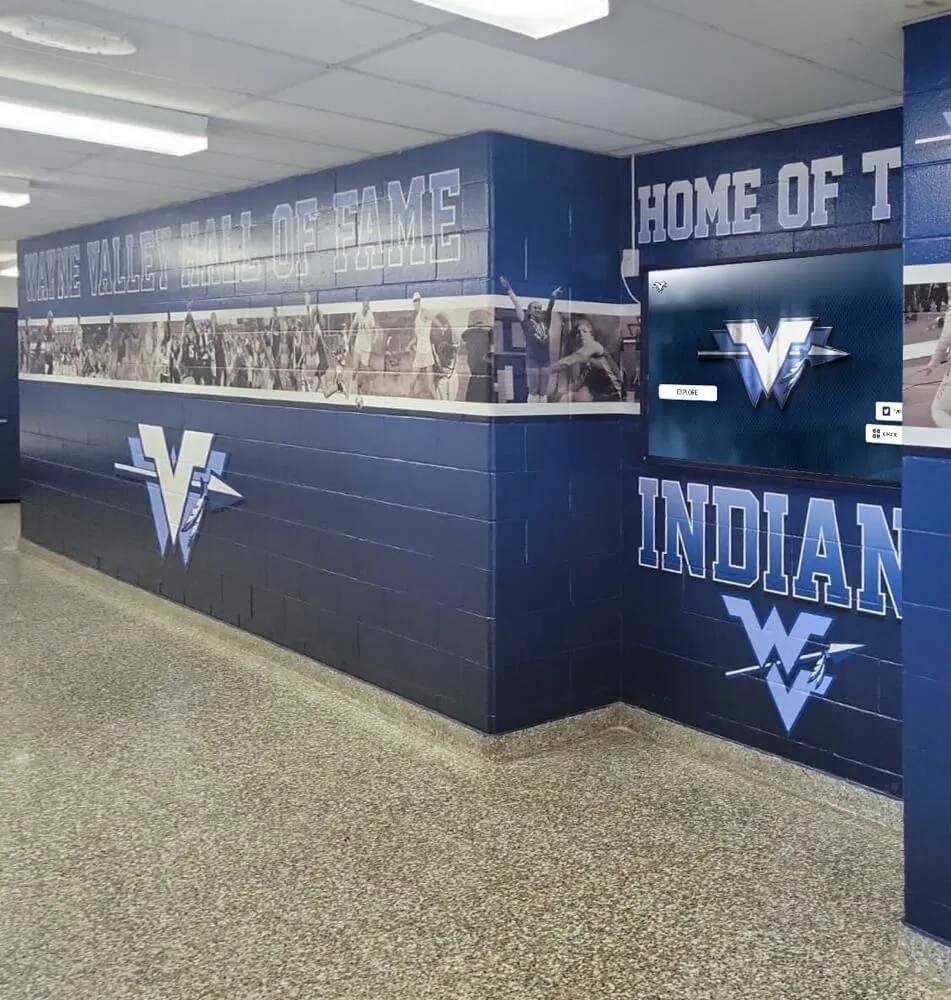
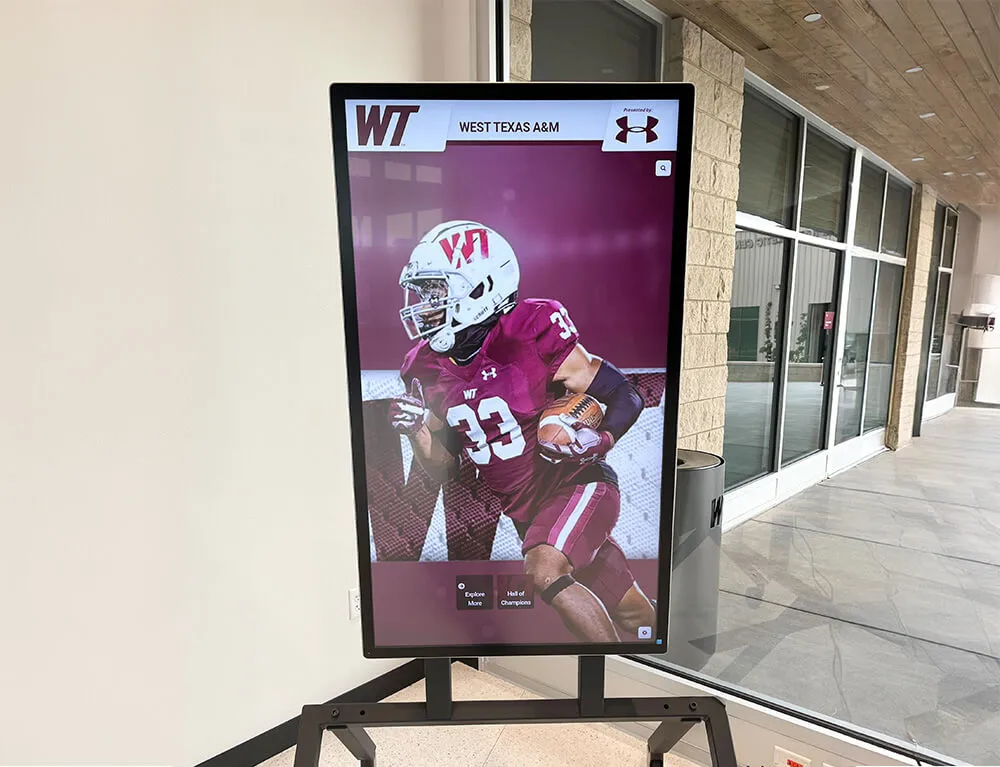
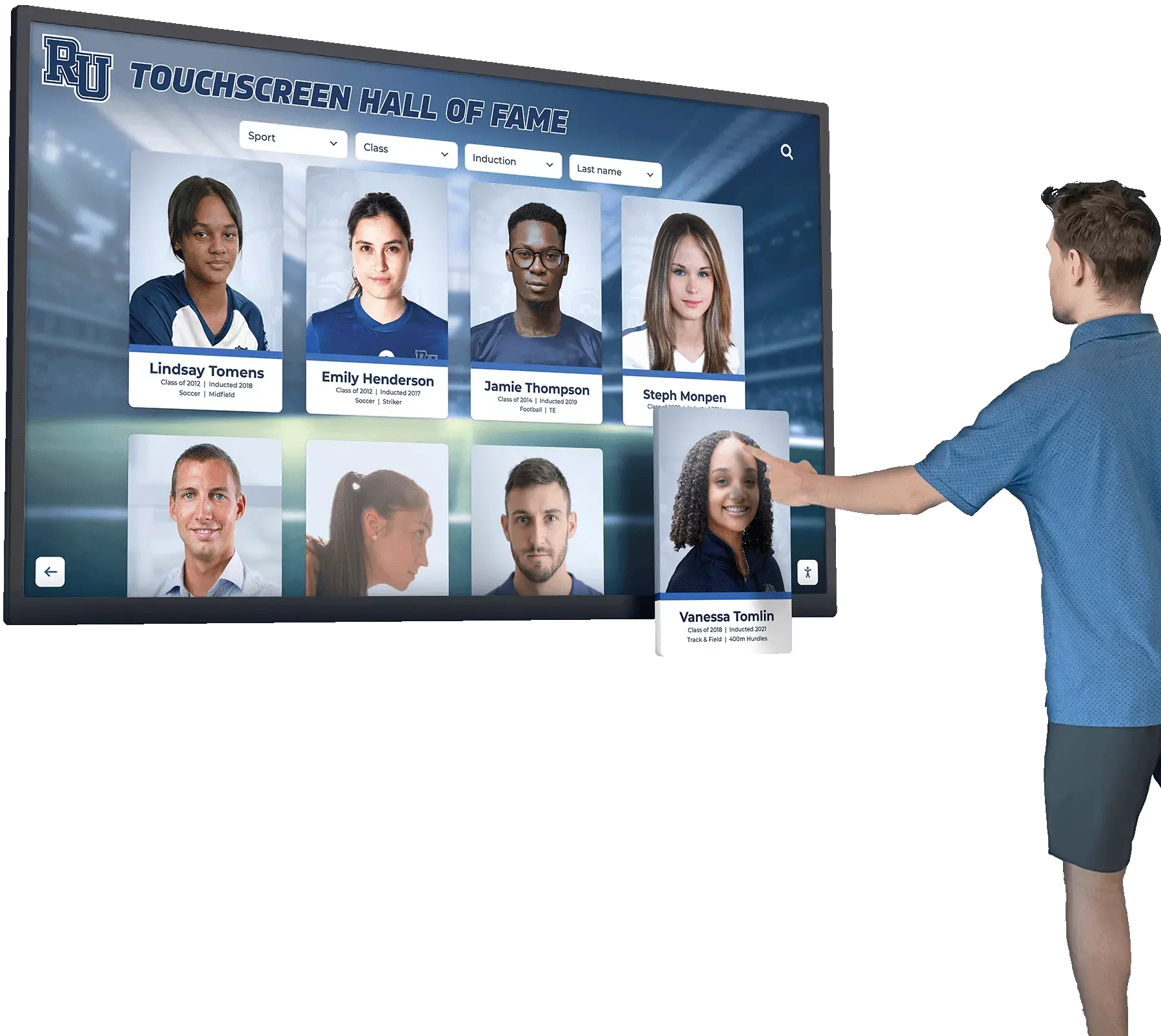
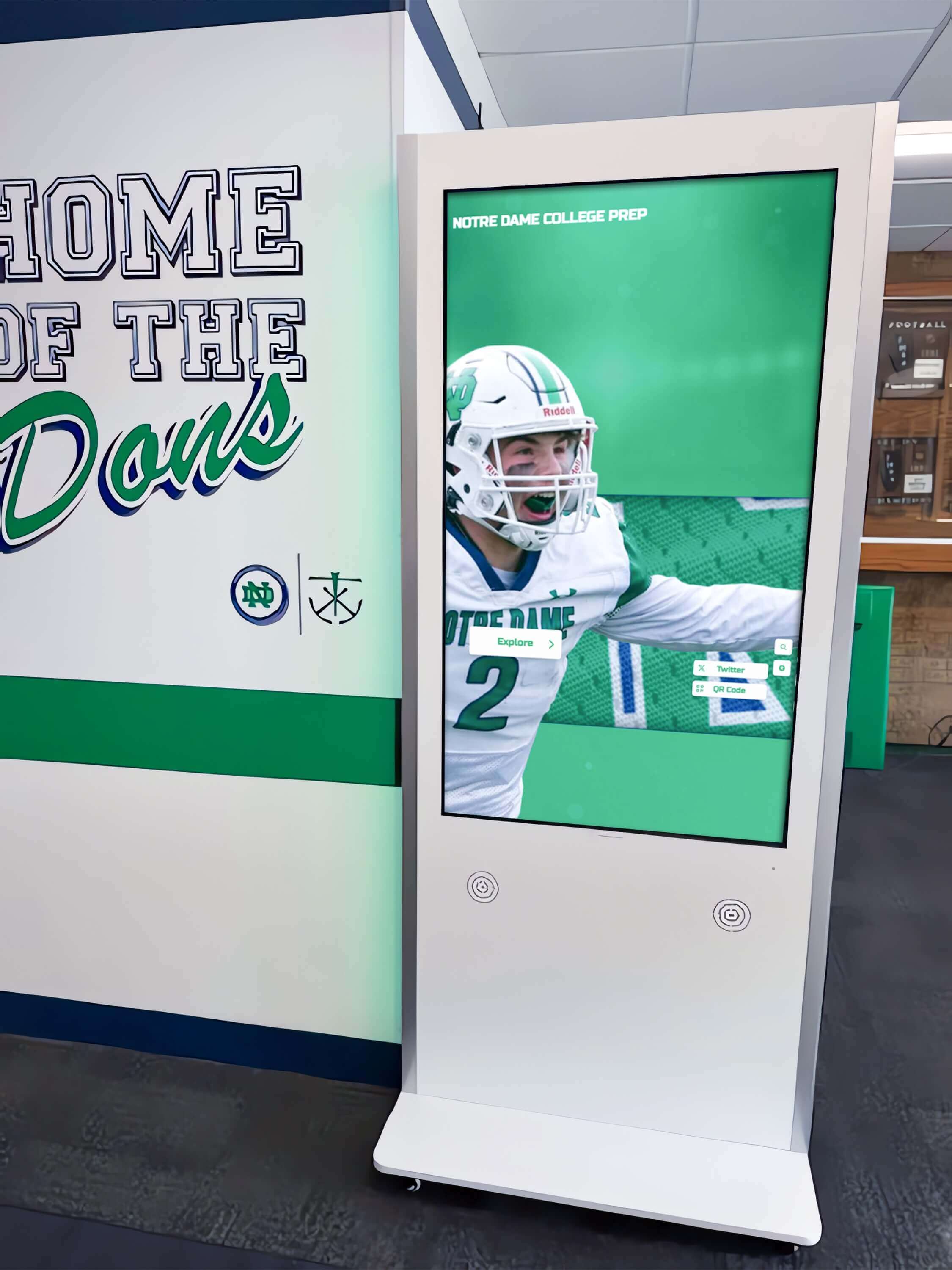
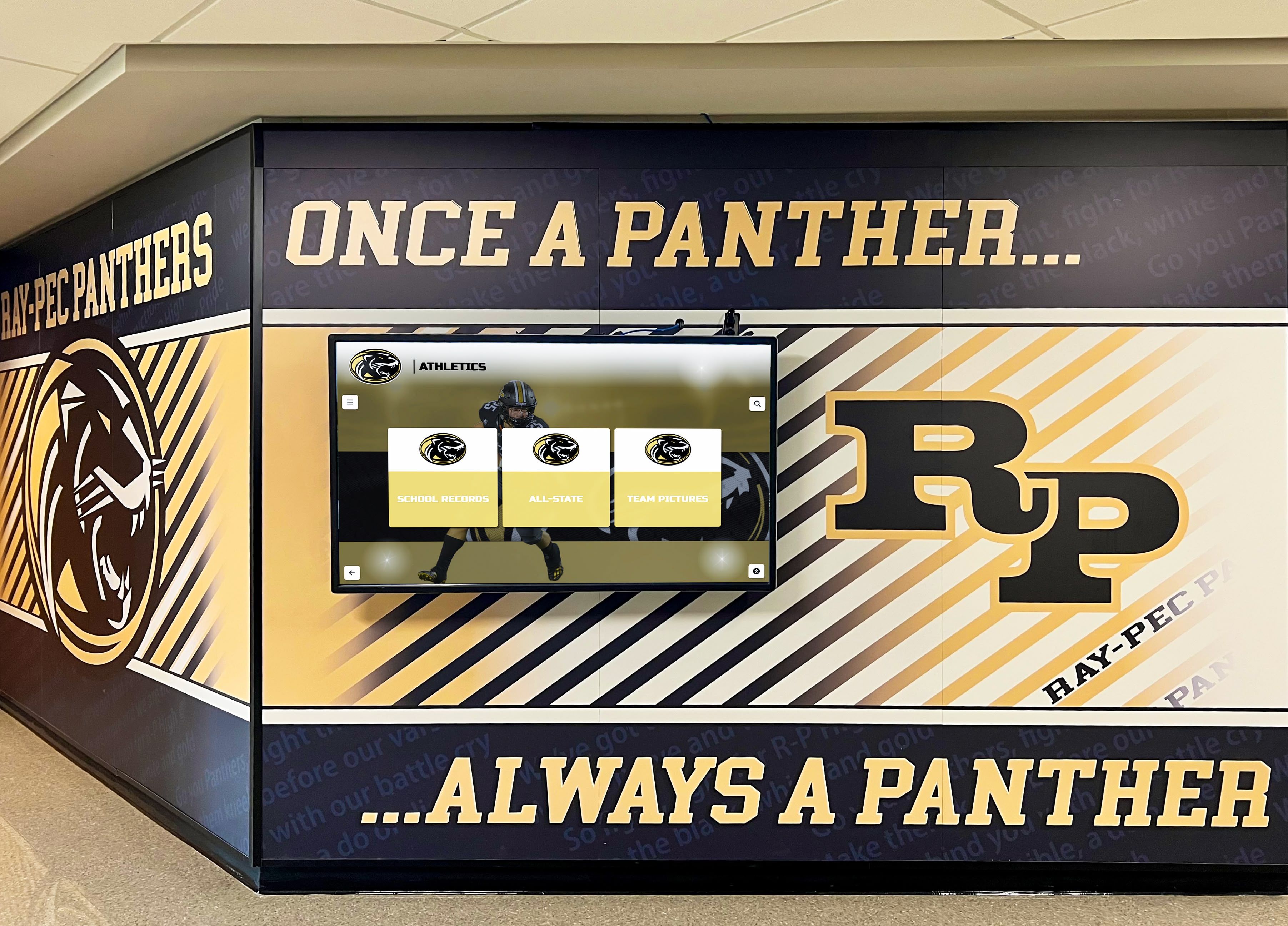
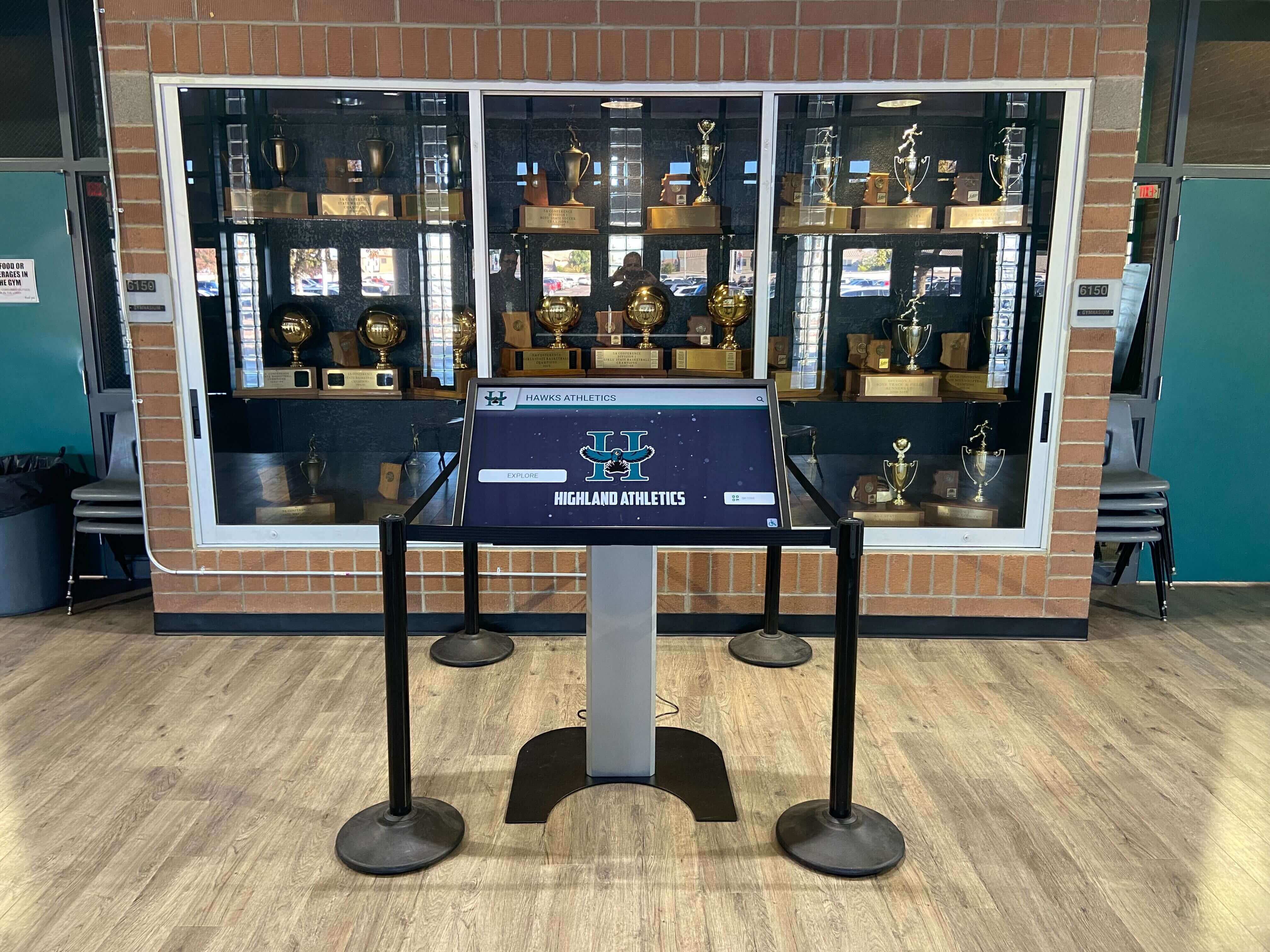
Lacrosse programs that systematically celebrate playoff achievements create cultures where postseason success becomes expected rather than exceptional. Visible recognition of playoff runs—conference tournament appearances, sectional championships, regional titles, state tournament games—demonstrates institutional commitment to excellence while inspiring current players through tangible evidence of what previous teams accomplished. Modern digital recognition solutions like Rocket Alumni Solutions enable comprehensive playoff achievement displays that preserve program history while motivating teams pursuing their own championship moments.
Understanding Lacrosse Playoff Qualification Systems
High school lacrosse playoff qualification varies significantly across states and conferences, with structures reflecting regional competitive landscapes and organizational philosophies.
Regular Season Win-Loss Records
Many states and conferences use straightforward win-loss records as primary qualification criteria:
Conference Tournament Qualification: In conferences featuring postseason tournaments, regular season conference records typically determine playoff berths. Top teams based on conference winning percentage earn tournament spots, with tiebreakers applied when necessary. Some conferences qualify all teams regardless of record, while others limit fields to top performers—commonly top four or six teams depending on conference size.
State Tournament At-Large Bids: Beyond conference automatic qualifiers, many state associations award at-large tournament berths to teams with strong overall records. Selection committees evaluate overall win-loss records, strength of schedule, quality wins against ranked opponents, and head-to-head results when comparing teams from different conferences competing for limited spots.
Minimum Win Requirements: Some state associations establish minimum win thresholds for playoff eligibility, preventing teams with losing records from advancing regardless of conference standings. Common thresholds require .500 or better records (equal wins and losses) before teams qualify for postseason play.
Understanding how high school football playoffs structure similar qualification systems provides useful context for lacrosse tournament frameworks.
Power Ranking and Rating Systems
Increasingly, lacrosse adopts sophisticated power ranking systems that evaluate team quality beyond simple win-loss records:
Strength of Schedule Adjustments: Power ranking systems assign value to opponents based on their records and competition levels. Victories against strong teams earn more points than wins over weaker opponents, while close losses to elite teams may damage rankings less than blowout defeats to average opponents. These adjustments reward programs that schedule challenging non-conference games rather than pursuing easy wins.
Margin of Victory Considerations: Some rating systems incorporate scoring margins up to certain thresholds, recognizing that dominant victories demonstrate greater team quality than narrow wins. However, most systems cap margin considerations preventing teams from running up scores unsportsmanlike amounts in pursuit of higher rankings.
Head-to-Head Results: When power rankings produce close calls between teams, head-to-head results often serve as tiebreakers. Teams that defeated opponents directly typically receive preference over those with similar power ratings but no direct competition history.
Computer Algorithm Rankings: Several states utilize computer ranking systems aggregating multiple factors—win percentage, opponent strength, scoring efficiency, pace adjustments—into single numerical ratings. These objective systems eliminate human bias while providing clear qualification thresholds teams can monitor throughout seasons.
Conference Tournament Structures
Conference tournaments frequently serve as first playoff rounds while determining automatic state tournament berths:
Single-Elimination Formats: Most conference tournaments employ single-elimination brackets where defeat ends tournament runs immediately. Higher seeds receive home-field advantage and potentially first-round byes depending on tournament size. Championship game winners earn conference titles and guaranteed state tournament spots.
Double-Elimination Alternatives: Some conferences implement double-elimination formats providing second chances. Teams dropping into loser’s brackets remain alive for conference championships through extended tournament runs. These formats maximize games played while rewarding consistency across multiple contests.

Pool Play Tournaments: Larger conferences may use pool play followed by single-elimination brackets. Teams compete within smaller pools guaranteeing multiple games, with pool winners and runners-up advancing to championship brackets. This structure balances competitive fairness with practical scheduling constraints.
Resources on Michigan high school football playoffs demonstrate how different state associations structure postseason tournaments across sports.
State Tournament Bracket Structures
State lacrosse championships typically feature multi-round single-elimination tournaments determining ultimate champions.
Division and Classification Systems
States divide teams into competitive classifications ensuring relatively equal competition:
Enrollment-Based Divisions: Most states classify schools by enrollment size—Division 1 for largest schools, Division 2 for mid-sized schools, Division 3 for smallest schools. Some states feature four or more divisions creating tighter enrollment bands. Division systems ensure small schools compete for championships against similar-sized institutions rather than facing significantly larger programs with broader talent pools.
Public vs. Private Distinctions: Several states maintain separate tournaments for public and private schools, addressing competitive balance concerns where private schools recruit nationally or regionally while public schools draw from defined geographic boundaries. This separation remains controversial but persists in states believing it promotes fairness.
Regional Subdivisions: Large states may subdivide tournaments geographically—separate Northern and Southern brackets or East/West tournaments—before regional champions meet in state finals. Geographic subdivisions reduce travel burdens while maintaining competitive integrity through eventual cross-regional championship games.
Seeding and Bracket Placement
Tournament seeding determines matchups and advancement paths:
Power Ranking Seeds: States using power ranking systems typically seed tournaments according to final regular season rankings. Top-ranked teams receive one seeds in their brackets, earning most favorable paths through early rounds against lower-seeded opponents. This rewards regular season excellence while theoretically producing best teams in finals.
Geographic Seeding Considerations: Even in power ranking systems, geographic considerations may influence bracket placement. Tournament organizers balance competitive seeding with practical travel limitations, occasionally adjusting pure power ranking brackets to reduce excessive travel distances in early rounds.
Protected Seeds and Byes: Top seeds in many tournaments receive first-round byes, advancing directly to second rounds while lower seeds compete in play-in games. This advantage rewards regular season achievement while managing bracket sizes when team counts don’t align perfectly with standard bracket formats.

Conference Champion Placement: Automatic qualifiers from conference tournaments may receive preferential seeding regardless of power rankings, recognizing that conference tournament championships demonstrate proven postseason performance under pressure.
Tournament Round Structures
State tournaments typically progress through defined rounds toward championships:
First Round and Play-In Games: Opening rounds match lower-seeded teams, with winners advancing to face top seeds. These contests separate playoff participants from championship contenders, requiring early-round survivors to demonstrate they belong among tournament’s best teams.
Quarterfinal Rounds: In eight-team brackets, quarterfinals represent first rounds where all teams compete simultaneously. Quarterfinal winners advance to Final Four scenarios—four teams remaining with championships within reach. Making quarterfinals represents significant achievement for most programs.
Semifinal Rounds (Final Four): Semifinal games narrow fields to two teams competing for championships. Semifinal weekend creates memorable experiences for participating programs, with entire communities often traveling to support teams pursuing championship dreams. Simply reaching semifinals represents season success regardless of ultimate outcomes.
Championship Games: State finals determine ultimate champions. Championship games frequently occur at neutral sites—university stadiums or professional facilities—providing showcase environments celebrating seasons of achievement. Championship game participants earn permanent recognition in program histories regardless of final outcomes.
Understanding how championship brackets are displayed helps programs celebrate tournament runs effectively.
Advancing Through Playoff Rounds: Strategic Considerations
Successfully navigating playoff tournaments requires more than talent—strategic preparation and execution separate contenders from champions.
Game Preparation and Scouting
Playoff preparation intensifies as stakes increase:
Opponent Analysis: Coaches invest significant time studying upcoming opponents through game film review, statistical analysis identifying strengths and weaknesses, personnel evaluation understanding key players, and tactical pattern recognition revealing tendencies. This intelligence gathering enables game plans exploiting opponent vulnerabilities while protecting against their strengths.
Tactical Adjustments: Playoff success often requires tactical flexibility. Teams may adjust offensive systems emphasizing opponents’ defensive weaknesses, modify defensive schemes containing opponents’ most dangerous scorers, alter special teams approaches based on opponent tendencies, and develop contingency plans responding to unexpected game situations.
Practice Intensity and Focus: Playoff practices feature heightened intensity simulating postseason pressure. Quality over quantity becomes paramount—focused purposeful repetitions trump lengthy unfocused sessions. Mental preparation receives equal emphasis as physical training, ensuring players perform confidently under championship pressure.
Managing Playoff Pressure and Momentum
Psychological factors significantly impact playoff performance:
Handling Expectations: Favorites face pressure meeting expectations, while underdogs play with freedom having little to lose. Coaches help teams embrace pressure as privilege—recognition of achievement earning playoff positions—rather than burden creating paralysis. Championship teams thrive under pressure others find overwhelming.
Building Momentum: Playoff success creates positive momentum. Early-round victories build confidence, while strong performances against quality opponents prove teams belong among championship contenders. Conversely, narrow escapes or unconvincing wins may reveal vulnerabilities opponents in later rounds exploit.
Responding to Adversity: Playoff games feature momentum swings requiring mental resilience. Teams that maintain composure when opponents rally, execute under pressure when games hang in balance, and finish strong when fatigue sets in typically advance while those succumbing to adversity exit tournaments.
Depth and Injury Management
Tournament success requires full rosters contributing:
Role Player Contributions: While star players receive most attention, role players often determine playoff outcomes. Defensive specialists containing opponents’ top scorers, faceoff specialists winning possession battles, backup goalies delivering when called upon, and bench players providing fresh legs in crucial moments all prove essential during championship runs.
Managing Injuries: Playoff timing means injuries often don’t heal before seasons end. Successful programs manage injured players carefully, determining what players can contribute despite limitations, adjusting roles accommodating injury restrictions, and developing depth so key injuries don’t derail championship pursuits. Programs lacking depth frequently exit playoffs when injuries deplete rosters during tournament grinds.
Rotation Strategies: Deep tournament runs require managing playing time carefully. Overworking star players in early rounds risks injury or fatigue undermining later performance, while underutilizing depth may lead to early exits. Championship coaches balance competitive necessity against long-term tournament survival needs.
Celebrating Playoff Achievements and Building Championship Culture
How programs recognize playoff success significantly impacts future performance and program culture.
Systematic Achievement Recognition
Comprehensive recognition programs celebrate all playoff accomplishments:
Conference Tournament Recognition: Conference championships and tournament appearances merit formal recognition. Whether conference tournament champions, runners-up, or simply participants, teams reaching conference playoffs demonstrated regular season excellence deserving acknowledgment. Recognition includes championship banners for tournament winners, individual awards for all-tournament performers, and permanent record documentation preserving conference playoff history.
State Tournament Documentation: State playoff appearances represent program milestones regardless of advancement depth. Programs should document state tournament qualifications, first-round victories, quarterfinal appearances, semifinal berths, championship game participations, and state championships. Each level represents achievement worthy of permanent recognition inspiring future teams toward similar accomplishments.
Individual Playoff Performance Recognition: Outstanding playoff performances deserve individual recognition. All-tournament team selections, playoff statistical leaders, championship game MVPs, and record-setting playoff performances all merit documentation. These individual recognitions complement team achievements while providing specific examples of excellence under pressure.
Understanding digital trophy case solutions helps programs display playoff achievements comprehensively.
Building Multi-Year Championship Expectations
Championship cultures develop through sustained excellence:
Playoff Expectations as Norm: Programs regularly reaching playoffs establish postseason participation as baseline expectation rather than occasional achievement. Younger players grow up understanding playoff qualification represents minimum standard, with advancement depth determining season success evaluations. This expectation framework motivates consistent excellence while raising competitive standards.
Learning from Playoff Experiences: Championship programs systematically analyze playoff performances identifying what worked, what didn’t, and what adjustments future teams should implement. This organizational learning accumulates over seasons, with each playoff run contributing insights informing future success. Programs treating playoffs as isolated events rather than learning opportunities limit championship potential.
Returning Player Leadership: Players experiencing deep playoff runs develop invaluable postseason expertise. As underclassmen on tournament teams, they witness championship preparation, pressure management, and tactical execution required for playoff success. Returning as upperclassmen, these experienced players provide leadership younger teammates lack, creating competitive advantages programs with limited playoff history cannot match.
Digital Recognition Systems for Playoff Achievement
Modern digital displays transform how programs celebrate playoff accomplishments:
Comprehensive Playoff History Documentation: Digital platforms accommodate unlimited playoff achievement records—every tournament appearance, bracket result, notable performance, and championship run. Unlike physical banners with space constraints, digital systems preserve complete histories ensuring no achievement goes unrecognized regardless of how many years pass.
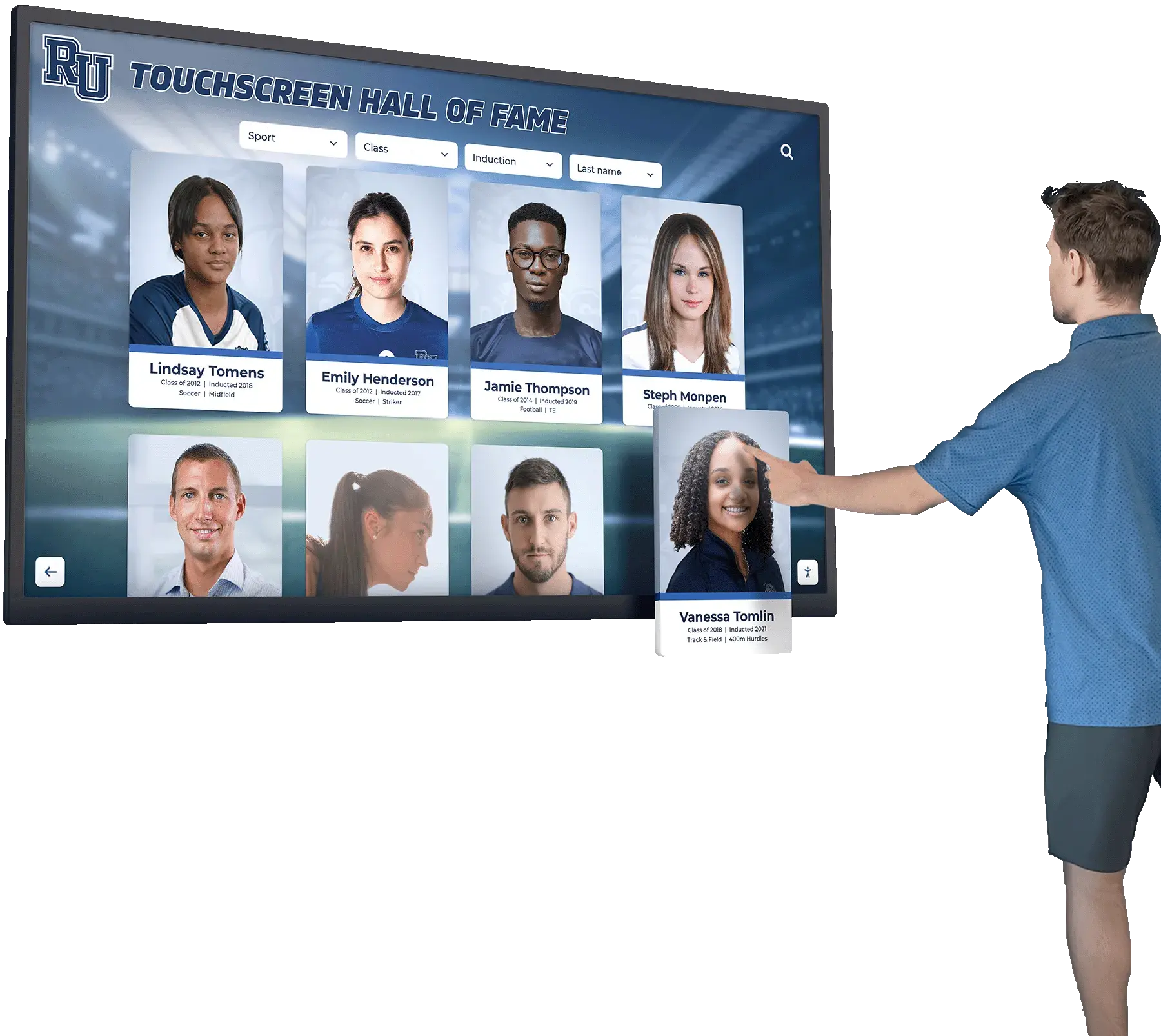
Interactive Tournament Bracket Displays: Digital systems can display interactive tournament brackets showing advancement paths, game results, opponent information, and team statistics for each playoff run. Users explore specific tournament years, compare different championship runs, and understand complete playoff narratives rather than simply viewing final outcomes.
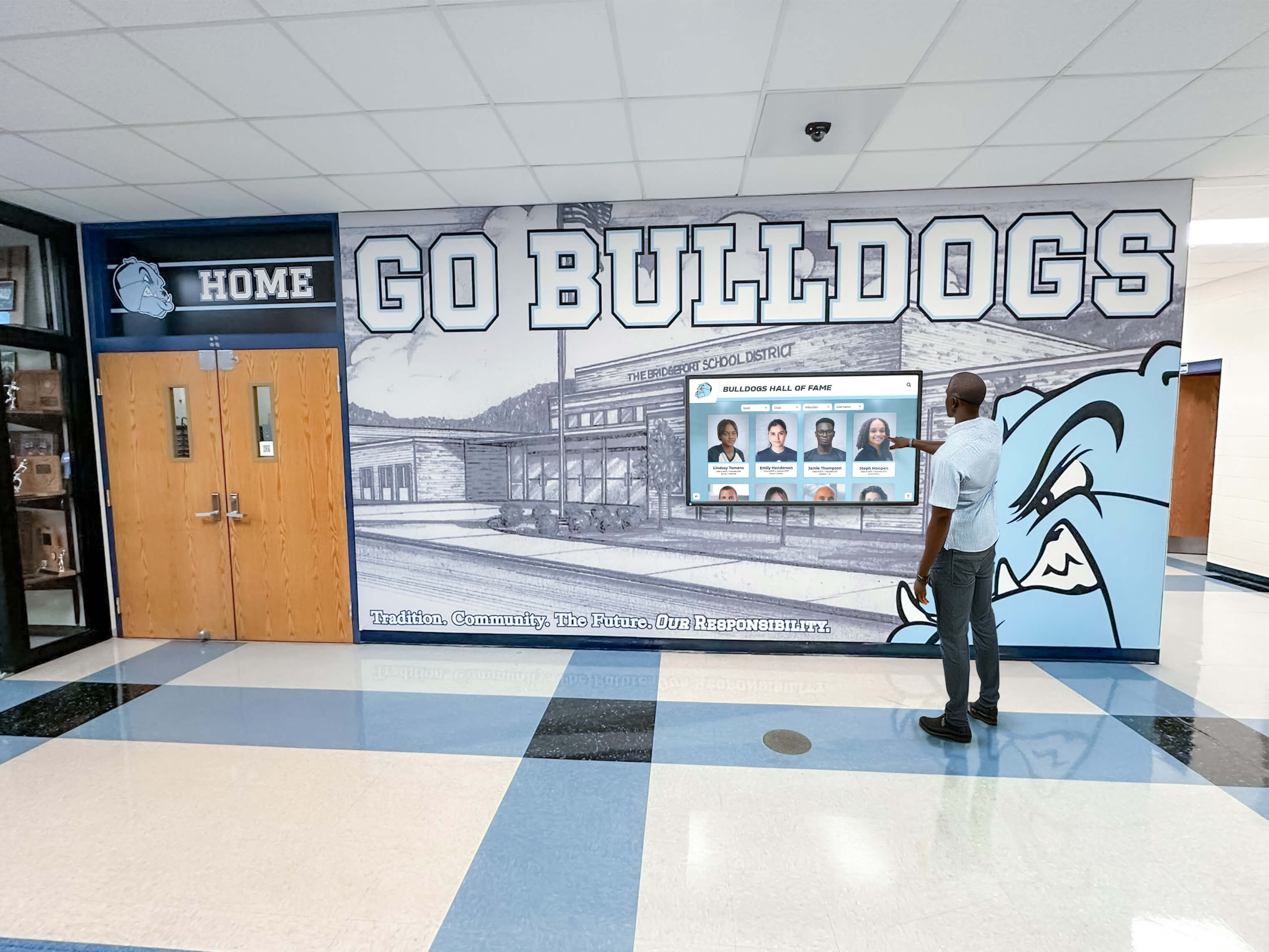
Playoff Performance Statistics and Records: Digital recognition enables detailed playoff statistical tracking separate from regular season statistics. Career playoff scoring leaders, single-tournament goal totals, championship game performances, and other postseason-specific achievements receive distinct recognition demonstrating excellence under highest-pressure circumstances.
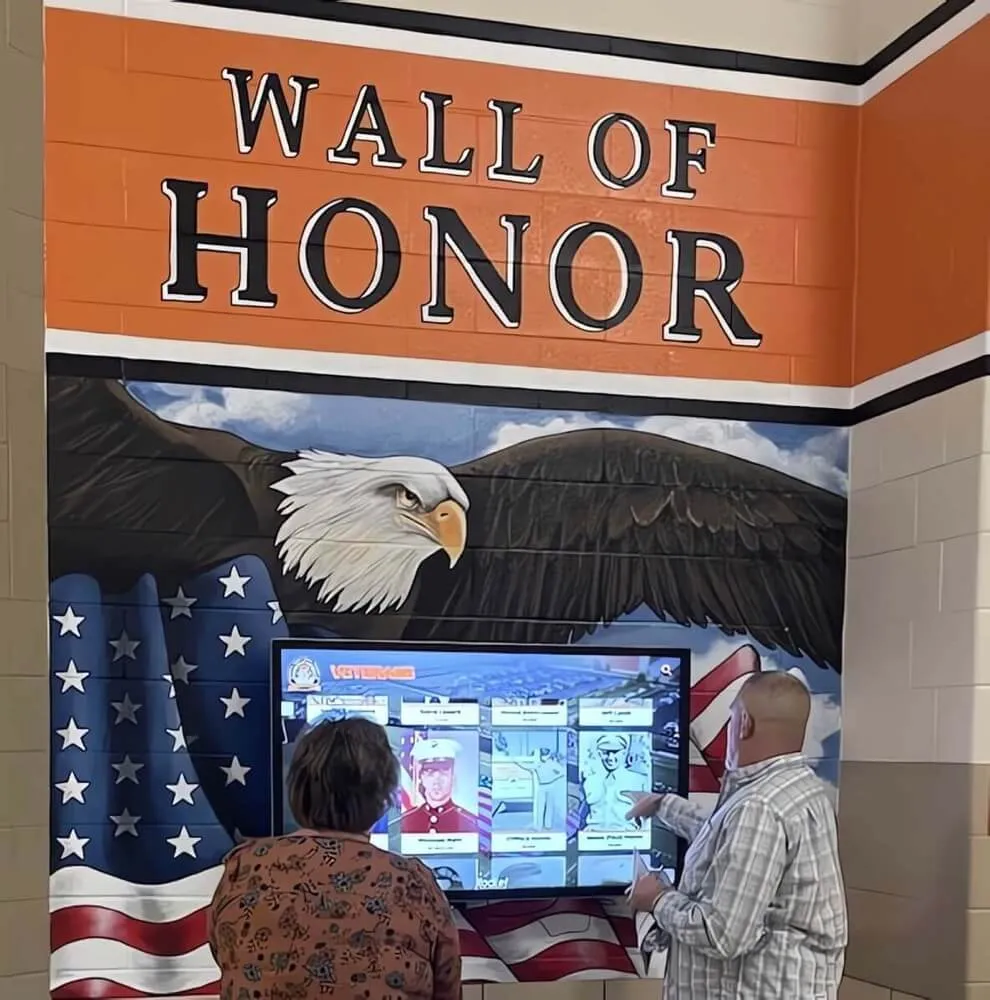
Multimedia Playoff Celebrations: Digital displays integrate championship game photos, tournament highlight videos, player interviews from playoff runs, and other rich media bringing playoff achievements to life. These multimedia elements create engaging recognition static plaques cannot match while preserving championship memories for future generations.
Solutions like Rocket Alumni Solutions provide purpose-built platforms for comprehensive playoff achievement recognition, enabling programs to celebrate every postseason accomplishment while inspiring future championship pursuits.
Regional Variations in Lacrosse Playoff Systems
Lacrosse playoff structures vary significantly by region, reflecting the sport’s growth patterns and regional traditions.
Northeast Traditional Lacrosse States
States with long lacrosse histories feature sophisticated playoff systems:
Maryland Playoff Structure: Maryland, among lacrosse’s most competitive states, divides teams into four divisions based on enrollment. Regular season records determine playoff seeding, with 16-team brackets in top divisions. Championship weekend at neutral sites features multiple division finals, creating statewide celebration of lacrosse excellence across all competitive levels.
New York Section Tournaments: New York organizes lacrosse through geographic sections conducting independent playoffs. Section champions advance to state tournaments with bracket placement based on power rankings. This structure requires teams to first win sectional championships before pursuing state titles, creating multi-tier playoff systems.
Massachusetts Tournament System: Massachusetts implements power ranking qualification for state tournaments across multiple divisions. Teams not qualifying for MIAA state tournaments may participate in smaller alternative tournaments, ensuring extended seasons for programs missing primary championship brackets.
Growing Lacrosse Regions
States where lacrosse continues expanding feature evolving playoff structures:
Southern State Development: Southern states adding lacrosse programs recently often feature fewer divisions with all or most teams qualifying for playoffs during growth phases. As participation increases, these states gradually implement more selective qualification standards and additional divisions creating appropriate competitive balance.
Western Region Tournaments: Western states with smaller lacrosse programs may conduct regional tournaments before state finals, or participate in multi-state championship events bringing together top programs from several smaller state associations. These structures accommodate limited program numbers while providing playoff opportunities.

Midwest Expansion Areas: Midwestern states experiencing rapid lacrosse growth continually adjust playoff structures accommodating new programs while maintaining competitive integrity. Frequent structure modifications reflect evolving competitive landscapes as programs mature and participation expands.
Resources about national signing day demonstrate how programs celebrate athletic achievements that extend beyond high school playoffs.
Special Playoff Scenarios and Considerations
Various special circumstances affect lacrosse playoff participation and advancement.
Weather and Scheduling Challenges
Spring weather significantly impacts lacrosse playoffs:
Rainout Rescheduling: Spring storms frequently force playoff game postponements. State associations establish rescheduling protocols prioritizing earliest possible makeup dates while providing minimum preparation time between games. Teams must remain flexible as tournament schedules shift responding to weather disruptions.
Field Condition Concerns: Wet field conditions create safety and playability issues. Officials inspect fields before games determining whether conditions permit safe play. Teams must prepare for possible delays or relocations to alternative facilities with better field conditions or drainage.
Tournament Compression: Extensive weather delays may force tournament compression—multiple games in short timeframes. Programs with superior depth and conditioning may gain advantages during compressed schedules where recovery time becomes premium asset.
Tiebreaker Scenarios
Complex tiebreaker protocols resolve playoff qualification disputes:
Multi-Team Conference Ties: When multiple teams finish with identical conference records, systematic tiebreakers determine playoff seeding. Common tiebreaker sequences include head-to-head records among tied teams, records against next-highest conference finisher, goal differential in games between tied teams, and eventually coin flips when all other criteria produce no separation.
At-Large Bid Competitions: When multiple teams vie for limited at-large state tournament berths, selection committees apply criteria including overall record, strength of schedule, quality wins, recent performance trends, and geographic considerations ensuring tournament representation across state regions.
Upset Potential and Bracket Busting
Playoff tournaments feature unpredictability absent from regular seasons:
Lower Seeds Advancing: Single-elimination formats create upset opportunities where underdogs defeating favorites dramatically alter tournament trajectories. Home-field advantage, momentum from tight games, opponent overconfidence, or simply exceptional performance on crucial days enable lower seeds to eliminate championship favorites.
Bracket Implications: Early upsets reshape tournament paths for remaining teams. Favorites on upset victims’ bracket sides suddenly face easier paths to finals, while teams on opposite sides may face unexpectedly difficult routes when upsets eliminate teams that would have posed different matchup challenges.

Understanding how athletic hall of fame programs recognize playoff excellence provides frameworks for comprehensive achievement celebration.
Preparing Athletes for College Playoff Experience
High school playoff experience prepares athletes for college postseason competition:
Skill Development Under Pressure
Playoff games accelerate player development:
Elevated Competition Levels: Playoff opponents represent conference and state elite, providing competition quality exceeding typical regular season games. Athletes performing well against playoff competition demonstrate capabilities college coaches value highly. These high-pressure performances showcase players’ potential better than statistics accumulated against weaker regular season opponents.
Mental Toughness Demonstration: College coaches evaluate mental toughness and competitive character—qualities revealed most clearly during playoff pressure. Athletes maintaining composure, executing fundamentally in high-stakes situations, and delivering when championships hang in balance demonstrate psychological attributes separating college-caliber players from purely talented athletes who struggle under pressure.
Tactical Sophistication: Playoff games feature sophisticated tactics as teams employ specialized game plans targeting specific opponents. Athletes must process complex tactical information, adjust to opponents’ strategic changes, and execute nuanced game plans—preparation for tactical complexity they’ll encounter at college levels.
Recruitment Showcase Opportunities
Playoffs provide recruiting visibility:
Postseason Exposure: Playoff games attract heightened attention from college coaches, media coverage, and recruiting services. Strong playoff performances occurring at season’s end remain fresh in recruiters’ minds during evaluation periods immediately following high school seasons.
Pressure Performance Evaluation: College coaches specifically scout playoff games assessing how recruits perform under pressure. Players who elevate performance during playoffs demonstrate competitive drive college programs seek, while those shrinking from pressure raise concerns about projections to collegiate competition.
Resources about student athlete day celebrations demonstrate how schools recognize athletic achievement comprehensively.
Long-Term Impact of Playoff Success on Programs
Championship runs create lasting program benefits extending well beyond single seasons.
Alumni Engagement and Community Building
Playoff success strengthens community connections:
Alumni Championship Memories: Former players who experienced playoff runs maintain strong program connections through shared championship memories. These alumni often become most engaged supporters, contributing financially, mentoring current players, and promoting programs within communities. Championship teams create lifelong bonds among teammates that benefit programs for decades.
Community Pride and Support: Deep playoff runs generate community excitement creating positive feedback loops. Successful playoff teams receive enhanced community support through better attendance, increased booster contributions, improved facilities funding, and greater institutional support. This elevated backing helps programs maintain competitive standards enabling future playoff success.
Program Visibility Enhancement: Championship runs increase program visibility attracting better athletes to programs, drawing more college recruiting attention, enhancing coaching reputation and career opportunities, and improving overall institutional reputation beyond athletics. These visibility benefits compound over time as programs leverage playoff success toward sustained excellence.

Recruiting Advantages
Playoff tradition creates recruiting momentum:
Credible Championship Contention: Programs with playoff success histories recruit more effectively by demonstrating realistic championship contention. Elite players want platforms pursuing championships rather than simply playing lacrosse. Documented playoff achievements prove programs provide competitive environments where championship dreams remain realistic rather than aspirational fantasies.
Development Pathway Evidence: Consistent playoff participation proves programs develop players effectively. Families evaluating high schools for athletic opportunities view playoff track records as evidence that programs prepare athletes for higher competition levels. This development demonstration helps programs attract committed athletes prioritizing improvement over merely playing.
Understanding how jersey retirement ceremonies celebrate all-time great players provides context for comprehensive athletic recognition programs.
Conclusion: Building Lacrosse Programs Through Playoff Excellence
High school lacrosse playoffs represent the ultimate competitive tests where months of preparation converge into single-elimination tournaments determining champions. Understanding qualification systems, tournament structures, and strategic requirements for playoff success enables programs to prepare systematically while celebrating achievements that define program excellence.
Whether programs pursue first playoff berths or additional championship trophies, recognizing playoff achievements comprehensively creates cultures where postseason success becomes expected and celebrated. Modern digital recognition solutions transform how schools preserve playoff history, enabling comprehensive documentation of every tournament appearance, bracket advancement, and championship run without physical space constraints limiting what achievements receive recognition.
Lacrosse continues evolving as one of America’s fastest-growing sports, with expanding playoff systems reflecting this growth across all regions. Programs embracing systematic approaches to playoff preparation, strategic tournament navigation, and comprehensive achievement recognition position themselves for sustained success as competition intensifies and championship standards continue rising.
The most successful lacrosse programs view playoffs not as isolated postseason events but as culminating expressions of year-round preparation, program culture, and competitive excellence. These programs systematically prepare for playoff pressure, maintain championship expectations across multiple seasons, and celebrate every level of playoff achievement—from first-time tournament qualifiers to state championship contenders.
Ready to transform how your lacrosse program celebrates playoff achievements while building championship culture that inspires future success? Explore how Rocket Alumni Solutions provides comprehensive digital recognition platforms designed specifically for athletic programs. These systems enable unlimited playoff achievement documentation, interactive tournament bracket displays, multimedia recognition integrating photos and videos from championship runs, and searchable databases preserving complete program playoff histories. When playoff success receives the prominent recognition it deserves, programs create motivational frameworks driving sustained excellence across seasons and generations of athletes pursuing their own championship dreams.