



High schools across America face persistent questions about how to best prepare students for leadership responsibilities, develop character alongside academics, and create pathways toward meaningful careers. Traditional classroom instruction builds subject knowledge but often provides limited opportunities for hands-on leadership experience, teamwork under pressure, or direct mentoring from experienced professionals. Many students graduate without discovering their leadership potential or developing the discipline, communication skills, and self-confidence that employers and colleges increasingly prioritize.
Junior Reserve Officers’ Training Corps (JROTC) programs address these gaps by providing structured leadership development within the school day. These federally-supported programs teach citizenship, leadership fundamentals, and personal responsibility through military-modeled instruction adapted specifically for high school students. With over 3,500 units operating nationwide and serving more than 550,000 cadets annually, JROTC represents one of America’s most established and successful youth development initiatives—building leaders who contribute to their schools, communities, and future careers whether they pursue military service or civilian paths.
Why JROTC Programs Matter for Schools
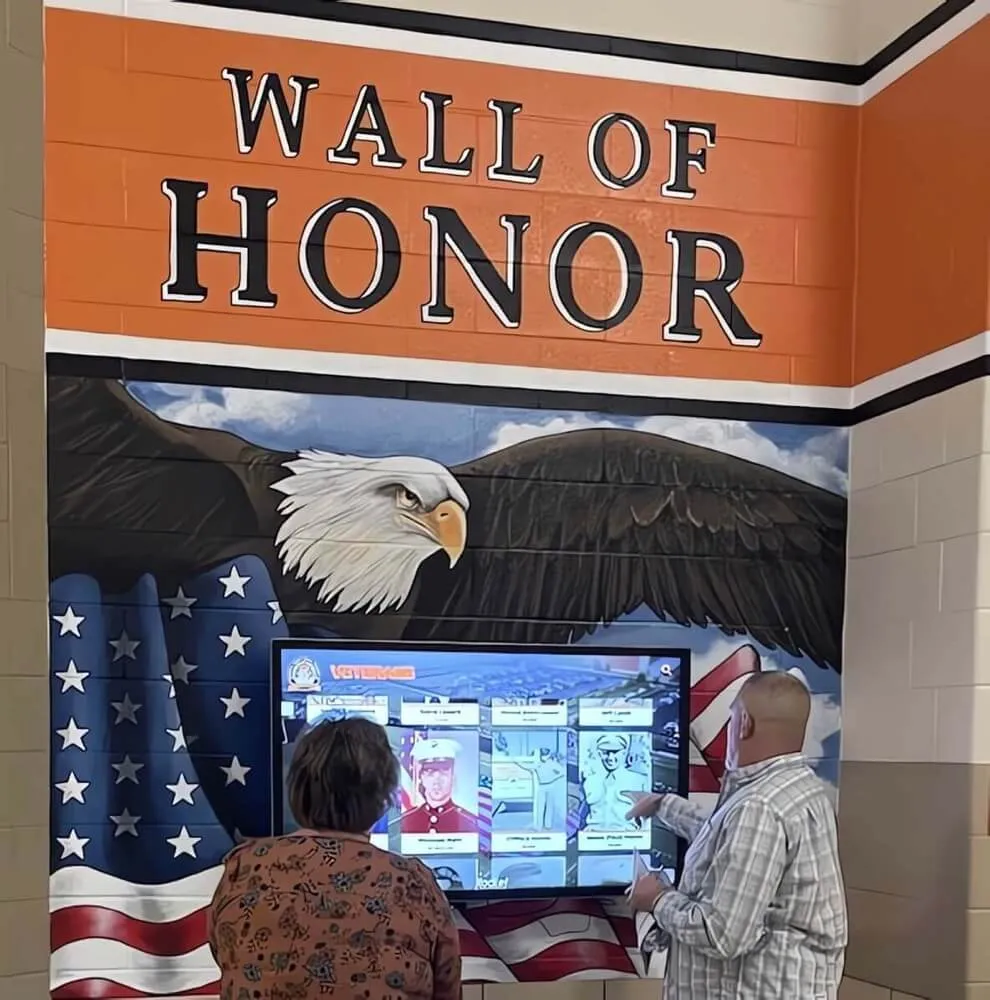
JROTC programs provide comprehensive leadership education that transforms students into confident, disciplined citizens prepared for future challenges. These programs develop critical thinking and problem-solving abilities, instill personal accountability and self-discipline, create inclusive environments where diverse students collaborate toward shared goals, offer clear recognition pathways celebrating achievement and growth, and connect schools with broader communities through service projects and civic engagement. Schools implementing robust JROTC programs benefit from visible student leadership development while cadets gain skills directly applicable to college, careers, and community participation. Modern recognition solutions like Rocket Alumni Solutions help schools celebrate JROTC achievements through digital displays that honor cadet accomplishments while inspiring program participation.
Understanding JROTC: Purpose, Structure, and Mission
JROTC programs operate as unique partnerships between the U.S. military and civilian high schools, creating leadership development opportunities that serve students regardless of their post-graduation plans.
What JROTC Actually Is (and Isn’t)
Widespread misconceptions about JROTC often create confusion among parents, students, and educators unfamiliar with the program’s actual purpose and structure.
The Official Mission: JROTC’s stated mission focuses on citizenship education and leadership development rather than military recruitment. The program aims to “motivate young people to be better citizens” by teaching self-discipline, building self-confidence and self-esteem, developing leadership potential, promoting high school completion, and providing instruction in citizenship responsibilities and American history and government.
Contrary to common misunderstanding, JROTC does not create military obligations. Cadets face zero commitment to join the military after graduation. Program participation remains entirely voluntary, and students can discontinue enrollment at any time without penalties. The curriculum emphasizes leadership principles and character development applicable across all career paths rather than military-specific technical training.
Program Structure and Administration: JROTC units receive partial funding and oversight from their respective military branches (Army, Navy, Air Force, Marine Corps, Space Force, or Coast Guard) while operating as regular high school classes within civilian educational systems. Military branches provide retired military instructors as teachers, supply uniforms and instructional materials, establish curriculum frameworks and standards, and fund approximately 50% of program costs.
Schools contribute the remaining funding, provide classroom facilities and storage space, integrate JROTC into regular scheduling systems, and maintain ultimate authority over program operations as part of their broader educational offerings. This partnership structure ensures programs serve educational purposes while benefiting from military expertise in leadership development.
Academic Credit and Curriculum Integration: JROTC functions as a regular elective class meeting daily during the school schedule. Cadets typically receive physical education or elective credit for participation, with curriculum covering leadership theory and practical application, American history and government, geography and global awareness, wellness and fitness concepts, and life skills including financial literacy and career planning.
Many programs align curriculum with state educational standards and graduation requirements, allowing JROTC to fulfill multiple academic purposes simultaneously. The structured nature of JROTC instruction often appeals to students seeking more discipline and purpose than traditional electives provide, as explored in guides to academic recognition programs.
The Five JROTC Branches and Their Differences
Each military service operates its own JROTC program with distinctive characteristics reflecting service cultures, traditions, and priorities while sharing fundamental leadership development objectives.
Army JROTC (AJROTC): As the largest JROTC branch with approximately 1,700 programs serving over 300,000 cadets nationwide, Army JROTC emphasizes comprehensive leadership development through practical exercises and team challenges.
The AJROTC curriculum focuses heavily on leadership fundamentals teaching decision-making under pressure, fitness and wellness through progressive physical training, service learning via community projects, and career exploration across military and civilian pathways. Many AJROTC programs feature competitive drill teams, color guards, raider teams (military skills competition), and marksmanship teams that provide recognition opportunities for cadets with various interests and abilities.

Naval Science (NJROTC): Navy JROTC programs serve approximately 600 schools with curriculum emphasizing naval history and traditions, maritime operations and navigation, leadership through naval officer development models, and citizenship in the context of American naval heritage and seapower.
NJROTC units often conduct unique training opportunities including sailing programs where available, visits to naval installations and ships, participation in naval-oriented competitions, and emphasis on technical fields including engineering and science aligned with naval operations. The program attracts students interested in maritime careers, technical fields, or naval service traditions.
Air Force JROTC (AFJROTC): With approximately 900 units nationwide, Air Force JROTC emphasizes aerospace education, STEM concepts, technology and innovation in leadership applications, and precision and attention to detail reflecting Air Force culture.
AFJROTC curriculum includes aerospace science covering flight principles, space exploration, and aviation history, along with cybersecurity awareness and technology applications reflecting modern Air Force priorities. Units frequently participate in model rocketry competitions, flight simulator training, and visits to Air Force bases and aviation facilities. Students interested in aviation, space, technology, or precision-oriented activities often gravitate toward AFJROTC programs.
Marine Corps JROTC (MCJROTC): Marine Corps JROTC operates approximately 230 units with curriculum emphasizing Marine Corps values of honor, courage, and commitment, physical fitness and demanding training standards, discipline and attention to detail, and leadership through high expectations and accountability.
MCJROTC maintains reputation for rigorous standards and intensive physical training that appeals to students seeking challenging programs demanding maximum effort. Units emphasize drill precision, physical fitness competitions, and leadership under demanding conditions. The smaller number of MCJROTC programs compared to other branches makes units relatively selective, often creating strong cadet cohesion and unit pride.
Space Force and Coast Guard JROTC: The newest military branches recently established or are developing JROTC programs. Space Force JROTC launched in 2021 with limited initial units focusing on space operations, STEM education, and emerging technology, while Coast Guard is planning JROTC implementation emphasizing maritime safety, environmental protection, and humanitarian service.
These emerging programs will likely grow substantially in coming years as the branches establish curriculum, recruit instructors, and build program capacity.
JROTC Curriculum: What Cadets Actually Learn
The JROTC curriculum integrates classroom instruction, practical leadership exercises, physical training, and community service into comprehensive leadership education extending far beyond military drill.
Core Curriculum Components Across All Branches
Despite branch-specific differences, all JROTC programs teach fundamental competencies that prepare students for leadership responsibilities in any context.
Leadership Theory and Practice: Leadership education forms the curriculum core, with instruction covering leadership styles and when to apply them, decision-making frameworks for complex situations, ethical reasoning and values-based leadership, communication skills including public speaking, and team dynamics, motivation, and conflict resolution.
These concepts aren’t taught through lectures alone—cadets apply principles through rotating leadership positions, planning and executing unit activities, mentoring younger cadets, and receiving feedback on leadership performance. This practical application cycle ensures students develop actual leadership capabilities rather than merely understanding leadership concepts theoretically.
Citizenship and American History: JROTC emphasizes informed citizenship through study of American government structure and function, constitutional principles and civic responsibilities, military history in American development, geography and global affairs, and current events analysis and critical thinking about national issues.
This civics education creates informed citizens who understand governmental processes, appreciate democratic principles, and engage thoughtfully with community and national issues. Many students develop stronger appreciation for American institutions and civic participation through JROTC citizenship education.
Wellness and Personal Development: Comprehensive wellness education addresses physical fitness through progressive training programs, nutrition and healthy lifestyle choices, stress management and mental wellness, substance abuse prevention, and personal financial literacy including budgeting and career planning.
The fitness component requires regular physical training adapted to individual fitness levels, with cadets working toward personal improvement goals rather than competing against fixed standards. This inclusive approach enables all students regardless of initial fitness levels to participate successfully while developing lifelong wellness habits.
Life Skills and Career Readiness: JROTC intentionally prepares students for post-graduation success through career exploration across military and civilian fields, college preparation including applications and financial aid, job interview skills and professional communication, time management and organizational abilities, and goal-setting and personal development planning.
These practical competencies address the reality that most JROTC cadets pursue civilian careers and college education rather than military service—ensuring program value extends to all participants regardless of their post-graduation paths. Resources on career development recognition show how schools celebrate students preparing for various professional futures.
The Cadet Leadership Hierarchy and Progression
JROTC units operate through military-modeled rank structures that provide progressive leadership responsibility as cadets advance through the program.
Understanding Cadet Ranks: Units assign ranks corresponding to military enlisted and officer ranks, with first-year cadets typically starting at basic cadet status, sophomores advancing to corporal or sergeant equivalents, juniors reaching staff sergeant or lieutenant ranks, and seniors filling command positions as captains, majors, or cadet colonels.
Rank advancement depends on time in program, demonstrated leadership competency, academic performance in JROTC classes, participation in extracurricular activities, and physical fitness progress. This merit-based system rewards commitment and growth rather than mere seniority, teaching students that leadership positions must be earned through consistent performance.
Leadership Positions and Responsibilities: Higher-ranking cadets assume specific leadership roles within the unit, such as battalion or company commander overseeing overall unit operations, executive officer managing daily activities and administration, operations officer planning training and events, supply officer managing equipment and uniforms, and various section leaders directing specific activities or teams.
These positions provide authentic leadership experience where cadets make real decisions affecting their peers, handle administrative responsibilities, solve problems independently, and face consequences of poor decisions. The supported environment allows productive failure where mistakes become learning opportunities rather than disasters—building resilience alongside competence.
Mentorship and Development Culture: Strong JROTC programs create mentorship cultures where senior cadets actively develop younger cadets through formal mentorship assignments, informal guidance and support, modeling of program standards and expectations, and creating inclusive environments welcoming new members.
This peer mentorship supplements instructor teaching while building cadet investment in program success. Senior cadets develop teaching and mentoring abilities while younger cadets benefit from peer guidance that complements adult instruction. The hierarchical structure facilitates these mentorship relationships naturally when programs cultivate supportive rather than punitive cultures.
The Transformative Benefits of JROTC Participation
Research and practical experience demonstrate that JROTC participation produces measurable benefits for students, schools, and communities extending far beyond program duration.
Academic and Graduation Outcomes
Multiple studies document JROTC’s positive effects on academic performance and high school completion—particularly for students at risk of dropping out or underachieving.
Improved Academic Performance: Research consistently shows JROTC cadets achieving higher grades compared to non-participant peers, especially students entering with lower prior academic performance. Contributing factors include structured environment emphasizing discipline and accountability, regular academic progress monitoring by JROTC instructors, study skills and time management instruction, positive peer influence from achievement-oriented cadets, and adult mentorship from dedicated instructors invested in cadet success.
The academic focus surprises many observers who mistakenly assume JROTC prioritizes physical training over intellectual development. In reality, JROTC instructors typically maintain academic standards requiring passing grades in all classes for continued participation—creating accountability structures that keep at-risk students engaged academically.
Higher Graduation Rates: Multiple studies document that JROTC students graduate at higher rates than comparable non-participants. A 2018 RAND Corporation study found JROTC cadets were significantly more likely to graduate on time even after controlling for demographic and academic factors, with effects particularly pronounced for students entering high school with academic struggles or from disadvantaged backgrounds.
Mechanisms driving higher completion include sense of belonging and connection to school community, regular adult mentorship and support, clear goals and recognition of progress, positive peer groups supporting educational achievement, and intervention when cadets show signs of disengagement. For many students, JROTC provides the supportive structure and compelling reason to stay engaged that prevents dropout.
College Readiness and Access: JROTC explicitly prepares cadets for college success through SAT/ACT preparation and college application support, exposure to college campuses via competitions and visits, ROTC scholarship information and application assistance, leadership experience highly valued in college admissions, and recommendation letters from instructors who know cadets well.
Many colleges actively recruit accomplished JROTC cadets, recognizing the leadership development and discipline the program instills. Cadets transitioning to college ROTC programs enter with significant advantages over peers without prior military training experience. Approaches to celebrating college-bound students show how schools honor these academic achievements.
Leadership and Character Development
JROTC’s most significant and enduring benefits involve character traits and leadership capabilities that serve students throughout their lives regardless of career paths.
Self-Discipline and Personal Responsibility: The structured JROTC environment systematically builds self-discipline through consistent expectations, accountability for performance, emphasis on punctuality and follow-through, personal appearance standards, and increasing independence as cadets advance.
Students learn that success requires sustained effort rather than sporadic intensity, that small daily choices compound into significant outcomes, and that personal accountability cannot be delegated or avoided. These lessons often create profound mindset shifts—particularly for students who previously blamed external circumstances for their struggles rather than taking ownership of outcomes within their control.
Communication and Interpersonal Skills: JROTC intentionally develops communication competencies through required public speaking opportunities, formal briefings and presentations, peer teaching and mentoring, resolving conflicts within cadet hierarchy, and interacting with adults in professional contexts.
Many cadets who begin the program as shy or socially anxious gradually gain confidence through graduated communication challenges. The supportive but demanding environment pushes students beyond comfort zones while providing frameworks and practice that build genuine capability. These communication skills prove immediately applicable in job interviews, college classes, and workplace interactions.
Critical Thinking and Problem-Solving: Leadership exercises present cadets with complex problems requiring analysis of available information and constraints, consideration of multiple solution options, decision-making under time pressure, adaptation when initial approaches fail, and learning from outcomes through after-action reviews.
This problem-solving cycle—orient, decide, act, assess—becomes habitual through repeated practice. Cadets internalize structured thinking approaches applicable to academic challenges, workplace problems, and personal decisions. The emphasis on learning from failure rather than avoiding it creates resilience and comfort with calculated risk-taking that serves entrepreneurial and innovative thinking.
Teamwork and Collaboration: JROTC activities require genuine teamwork where individual success depends on collective performance, diverse students with different strengths collaborate toward shared goals, cadets learn to lead and follow effectively in different situations, and teams achieve objectives impossible for individuals alone.
These collaborative experiences create appreciation for diverse perspectives and complementary strengths while teaching students how to contribute effectively within team structures. Many cadets discover talents and interests through team activities they would never have identified in traditional classroom settings.
Career and Military Service Pathways
While JROTC creates no military obligation, the program does provide clear pathways for students interested in military careers while building civilian career readiness simultaneously.
Advanced Military Enlistment Rank: Cadets who complete at least three years of JROTC and enlist in military service typically enter at advanced pay grades (E-2 or E-3 rather than E-1), resulting in higher starting pay, faster promotion potential, and recognition of prior leadership training.
This tangible benefit rewards cadet commitment while giving young service members immediate advantages as they begin military careers. The leadership experience and military familiarization from JROTC also ease the transition to service, reducing initial adjustment challenges that many recruits face.
ROTC Scholarship Opportunities: Cadets interested in military officer careers can pursue college ROTC scholarships covering full tuition, fees, books, and monthly stipends in exchange for service commitments after graduation. JROTC participation strengthens scholarship applications significantly through demonstrated interest in service, proven leadership capabilities, instructor recommendations, and familiarity with military culture and expectations.
Some JROTC programs produce multiple ROTC scholarship recipients annually—creating pathways to college education that would otherwise be financially impossible for some students while launching military officer careers.
Service Academy Appointments: The highly competitive service academies (West Point, Naval Academy, Air Force Academy, Coast Guard Academy, Merchant Marine Academy) actively seek applicants with JROTC backgrounds. While JROTC participation alone doesn’t guarantee academy appointments, successful cadets demonstrate leadership qualities, physical fitness, academic achievement, and commitment to service that academy selection panels prioritize.
JROTC instructors with academy connections often mentor interested cadets through the complex application and nomination processes, providing advantages that students without military-affiliated guidance rarely access.
Civilian Career Preparation: For the majority of cadets pursuing civilian careers, JROTC develops universally valuable capabilities including leadership and management skills applicable across industries, professional communication and interpersonal abilities, work ethic and reliability employers prize, problem-solving and critical thinking competencies, and confidence and self-discipline supporting career advancement.
Employers across sectors increasingly recognize JROTC experience as indicator of mature, capable employees with leadership potential. Many cadets highlight their JROTC background prominently in college and job applications, leveraging the program’s reputation and the concrete skills it develops. Understanding high school awards and recognition helps contextualize JROTC achievements within broader student development.
JROTC Recognition, Awards, and Achievement Celebration
Comprehensive recognition systems form essential components of successful JROTC programs—motivating continued excellence, acknowledging diverse contributions, and building unit pride through visible celebration of achievement.
The JROTC Awards and Decoration System
JROTC programs utilize military-modeled awards and decorations that provide formal recognition for various achievements and contributions.
National-Level Awards: Military branches and affiliated organizations sponsor prestigious national awards recognizing top cadets including service-specific awards (e.g., Department of the Army Superior Cadet Award, Naval Science Award), academic excellence medals for top academic performers, military service organization awards from groups like VFW, American Legion, and Military Officers Association of America, athletic achievement awards for fitness excellence, and community service recognition for exceptional volunteer contributions.
These national awards carry significant prestige, strengthen college applications, and provide cadet accomplishment benchmarks recognized beyond individual schools. Competition for major national awards motivates achievement while formal selection processes teach cadets how competitive evaluations work in professional contexts.
Unit-Level Recognition: Individual JROTC units establish internal recognition systems including cadet of the month/quarter/year awards, rank promotions recognizing growing leadership capability, ribbon awards for specific achievements or participation, position appointments to leadership roles, and inclusion in unit honor rolls or leadership boards.
These local recognition systems allow more cadets to receive acknowledgment than possible through limited national awards alone. Well-designed unit recognition balances meritocracy with inclusion—ensuring top performers receive special acknowledgment while also celebrating progress and contribution at all levels.
Competition Achievement: JROTC units participate in various competitions providing team and individual recognition opportunities such as drill team competitions testing precision marching and ceremonies, color guard competitions evaluating ceremonial flag presentation, raider/physical fitness team challenges, marksmanship competitions (air rifle), academic bowls testing military knowledge, and leadership camps with competitive evaluation components.
Competitions create visible achievement goals motivating intensive preparation while building team cohesion through shared challenges. Successful competition programs generate school-wide recognition when teams achieve regional or national success, raising JROTC visibility and recruitment. Resources on athletic banquet planning offer frameworks applicable to JROTC recognition ceremonies.
Modern Digital Recognition for JROTC Programs
As JROTC programs accumulate decades of cadet achievements, awards, and leadership successes, schools face the challenge of showcasing this rich history alongside current accomplishments in ways that inspire continued excellence.
Limitations of Traditional JROTC Recognition: Physical trophy cases and wall plaques create persistent challenges for long-established programs. Space constraints limit how many years and achievements schools can display visibly, forcing difficult decisions about which accomplishments deserve permanent recognition. Static displays require updating annually but lack flexibility for easy modifications. Traditional recognition provides minimal context beyond names and dates, missing opportunities to tell compelling cadet stories that inspire current students.
Additionally, physical displays deteriorate over time, with awards tarnishing, photos fading, and information becoming illegible—requiring expensive replacement to maintain quality appearance.
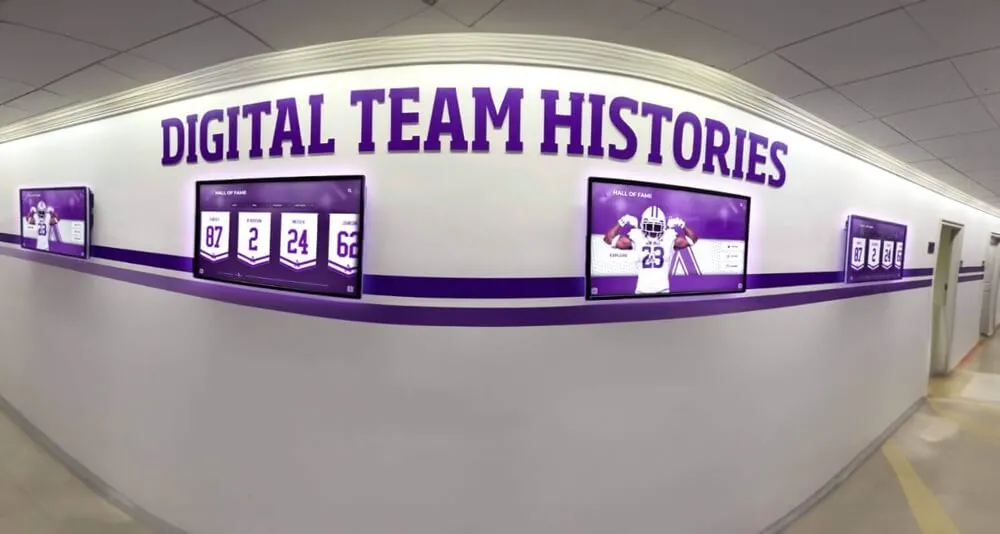
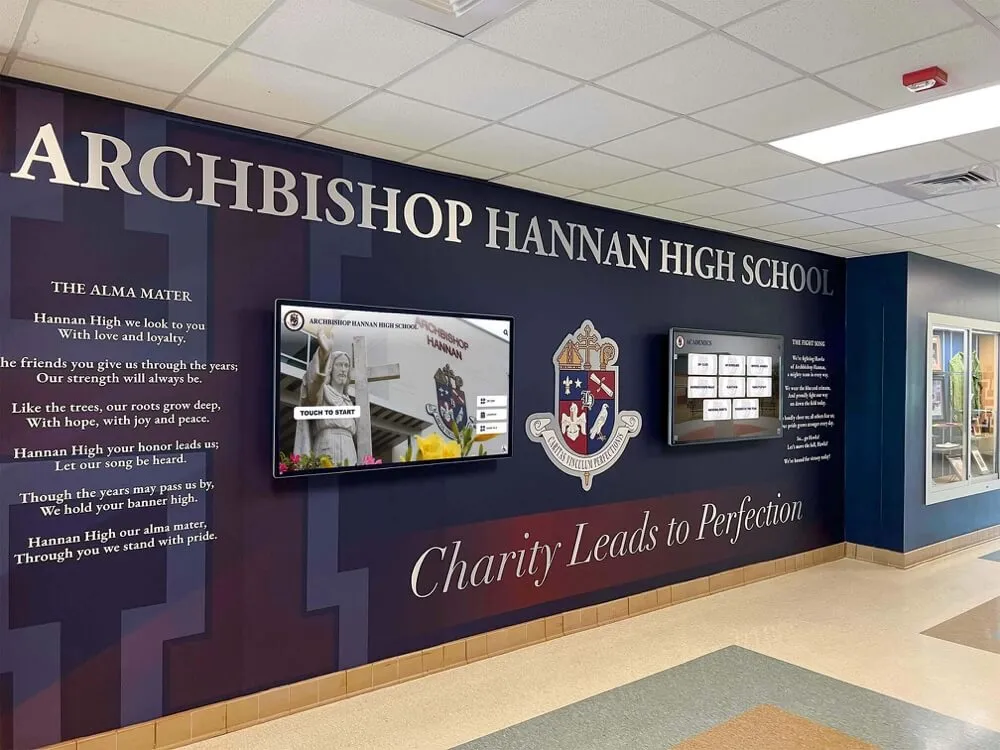
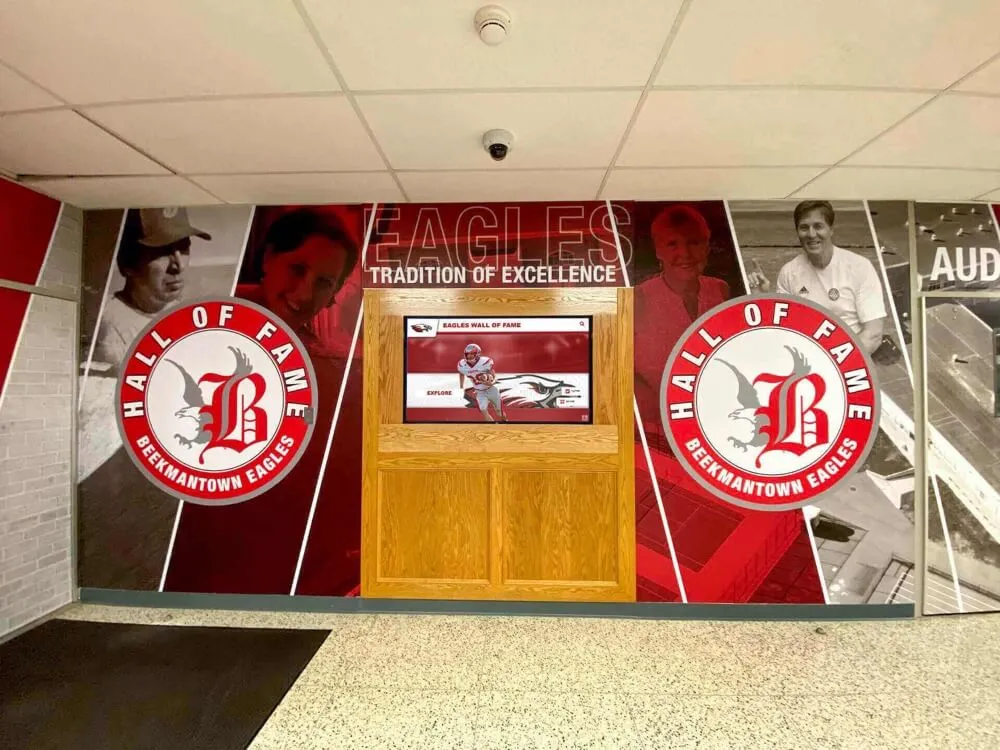
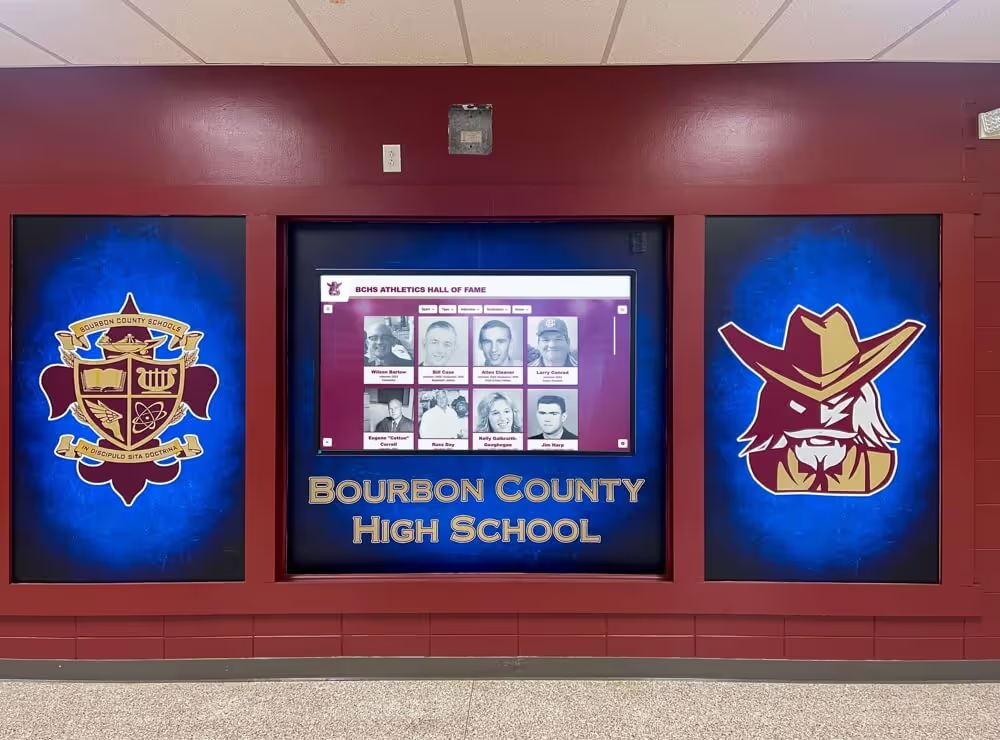
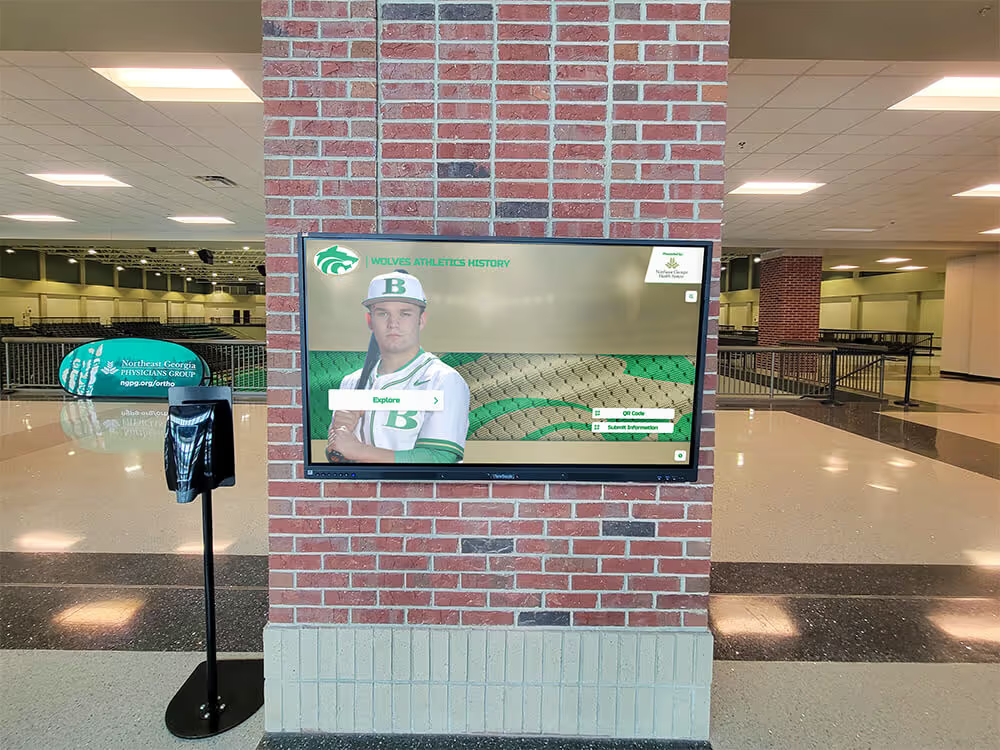
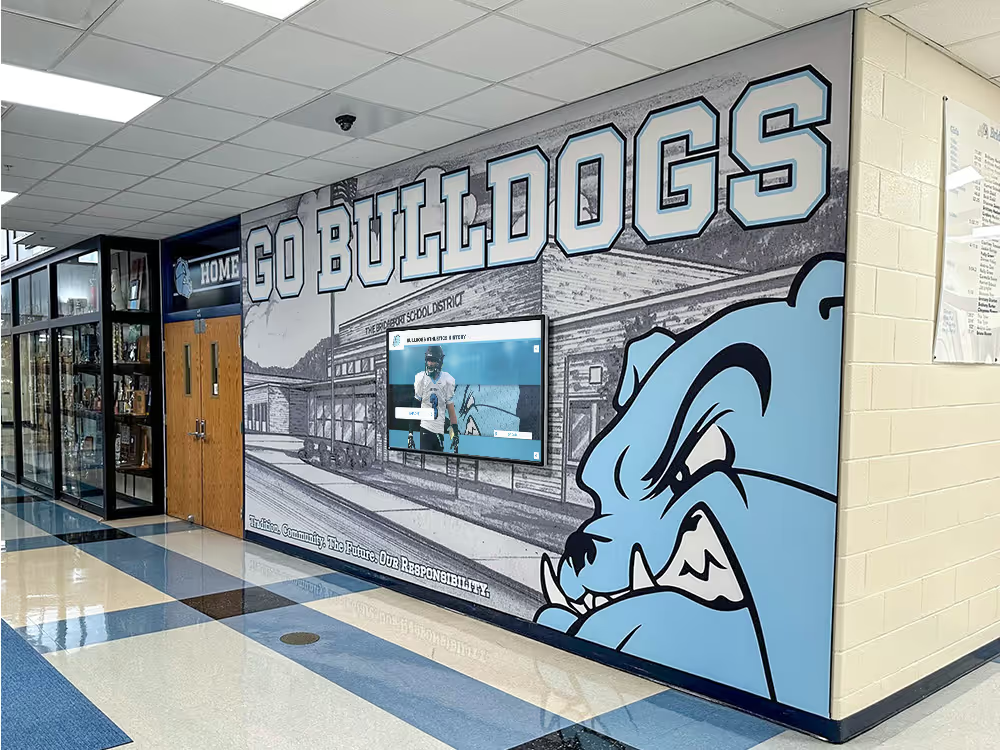
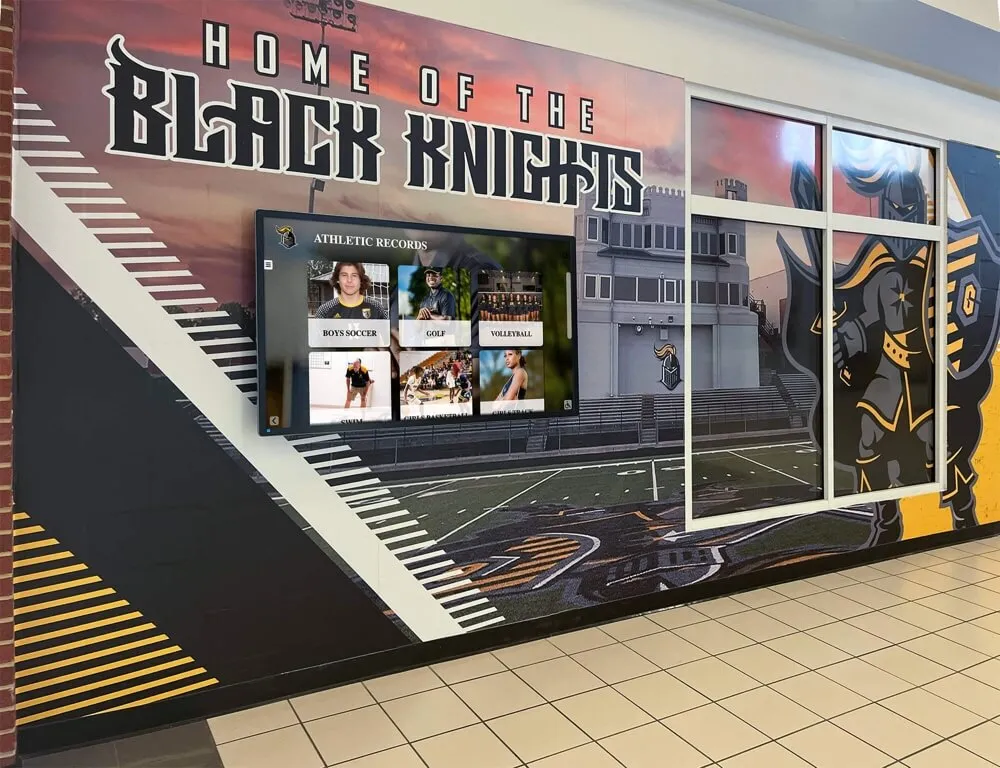
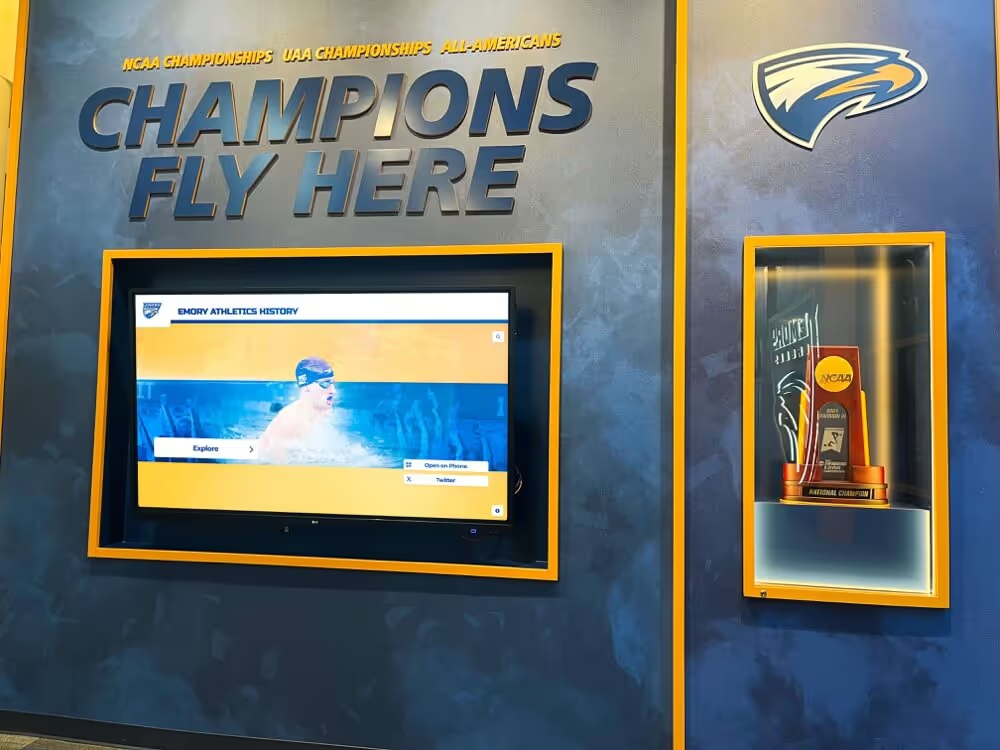
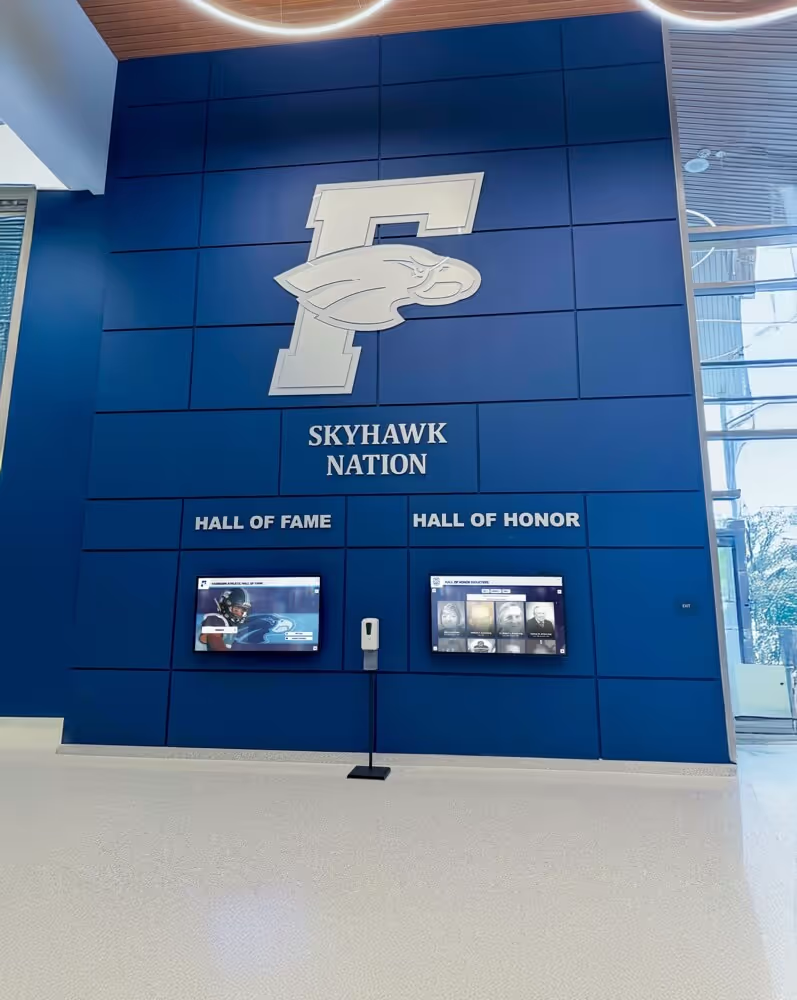
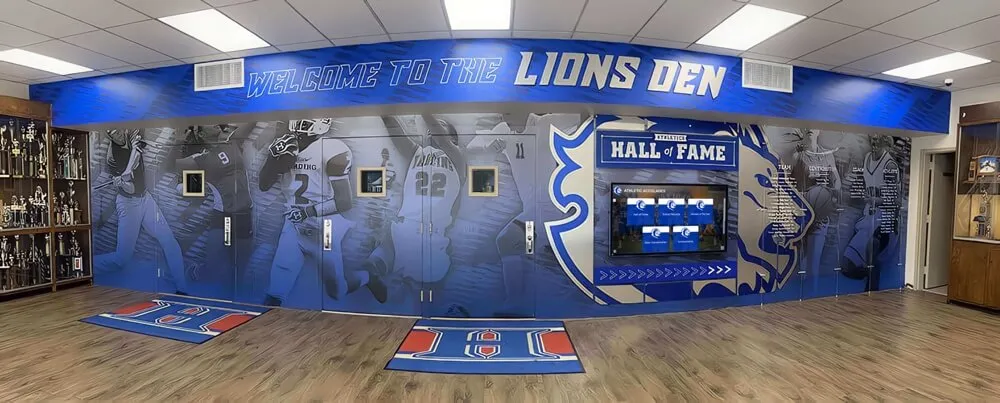
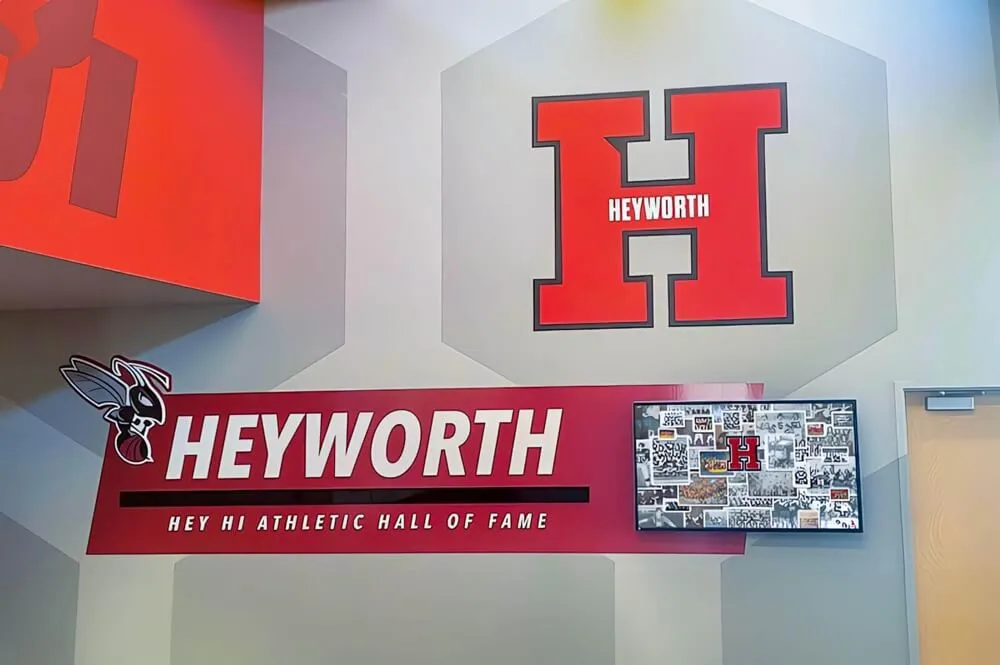
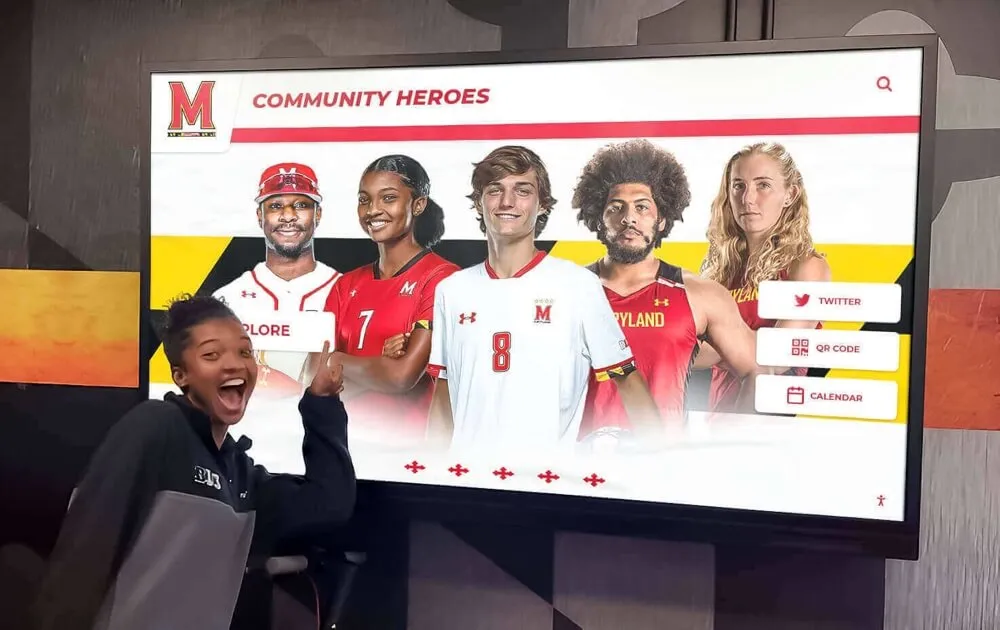
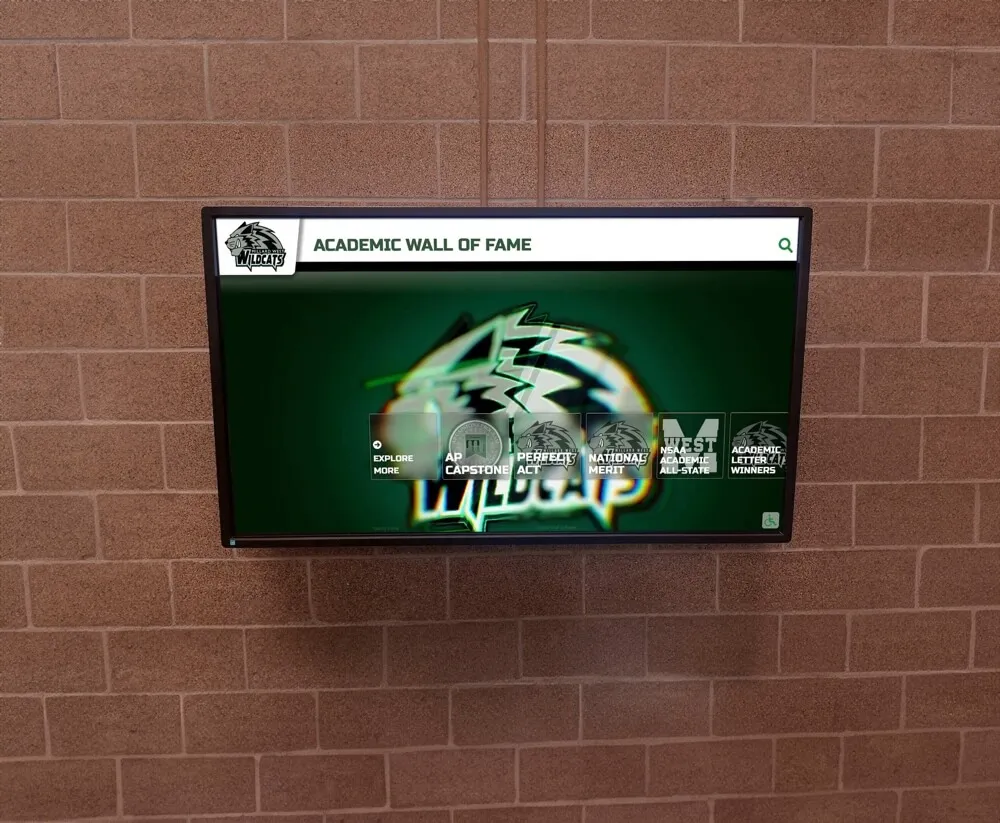
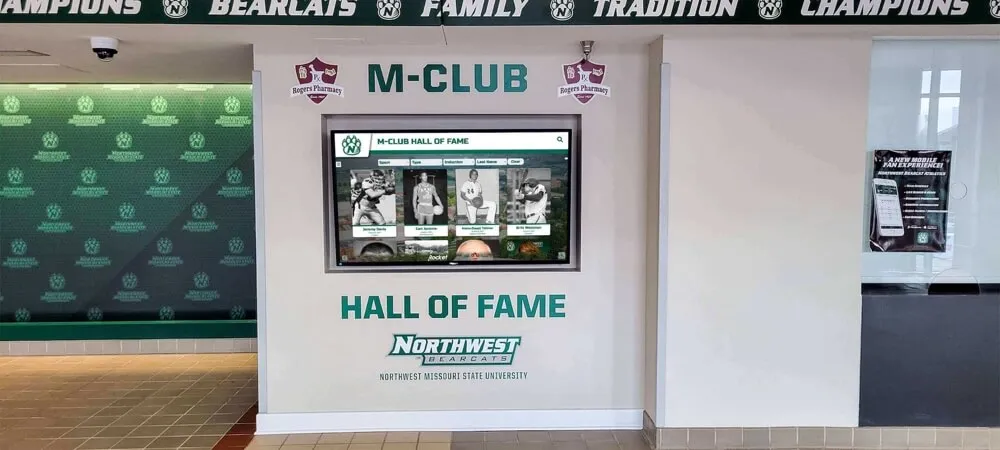
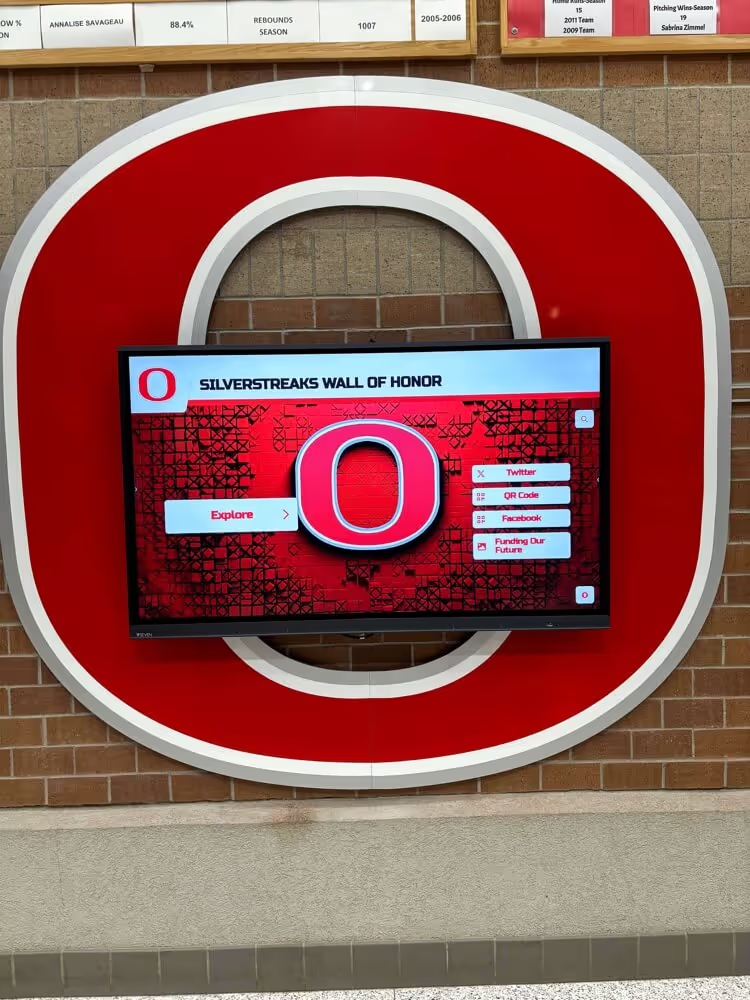
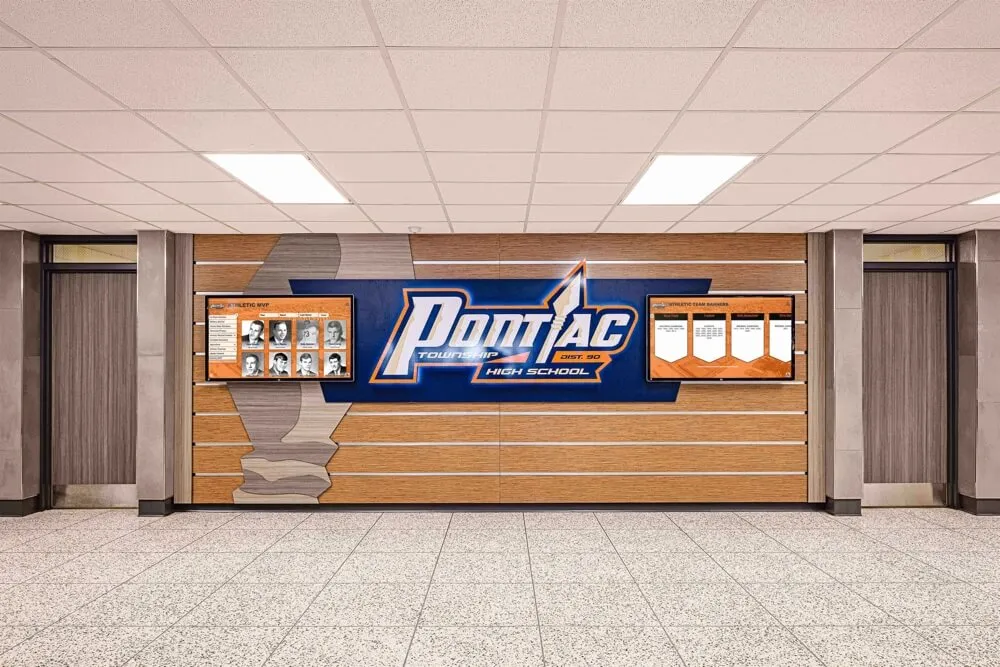
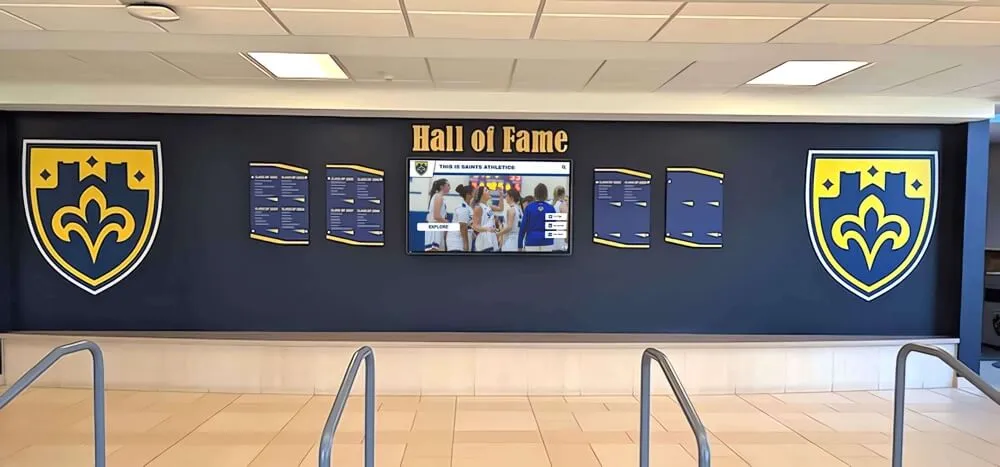
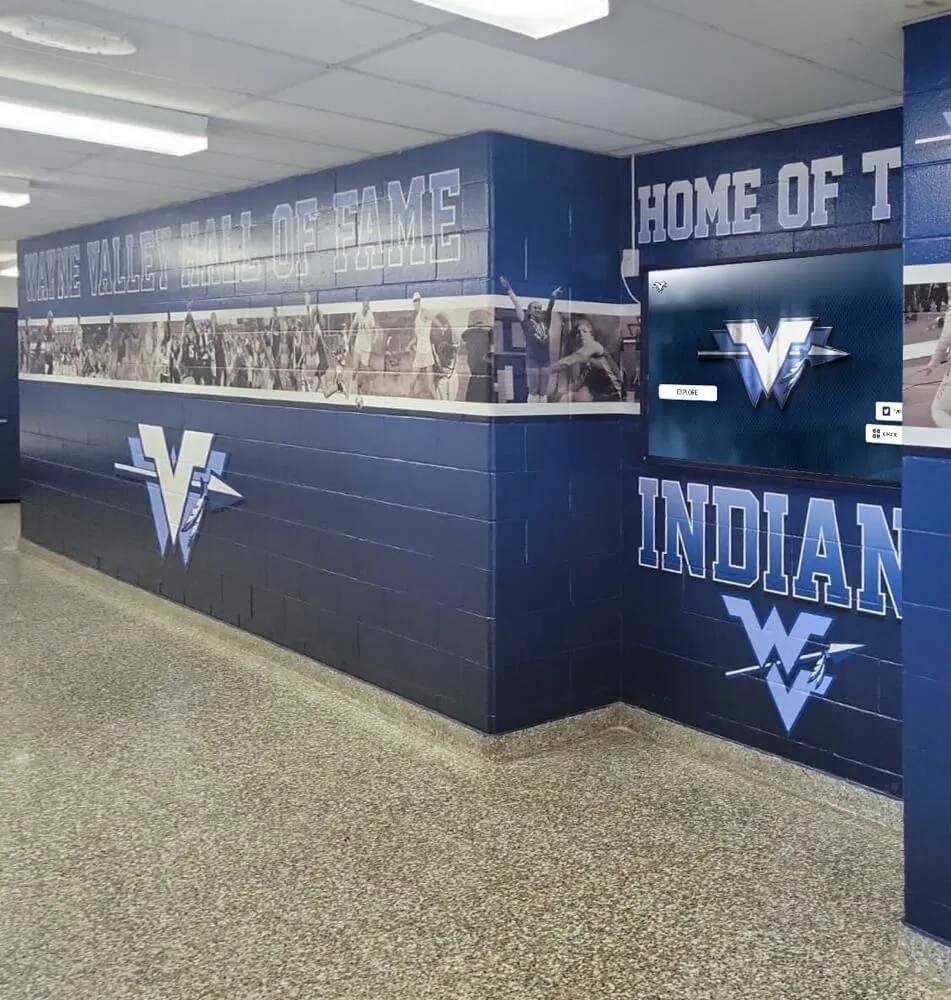
Digital Display Advantages for JROTC Recognition: Modern digital recognition displays address these limitations while enhancing JROTC visibility and impact throughout schools. Digital systems provide unlimited capacity showcasing every award winner, leader, and achievement regardless of program age, comprehensive profiles with photos, accomplishments, and cadet leadership progression, instant updates recognizing current achievements without fabrication delays, searchable interfaces allowing visitors to find specific cadets or years quickly, and multimedia capabilities including ceremony videos and leadership interviews.
Schools can feature rotating content highlighting different achievements, seasonal displays aligned with recognition ceremonies and competitions, and thematic presentations organized by award type, graduation year, or leadership position.
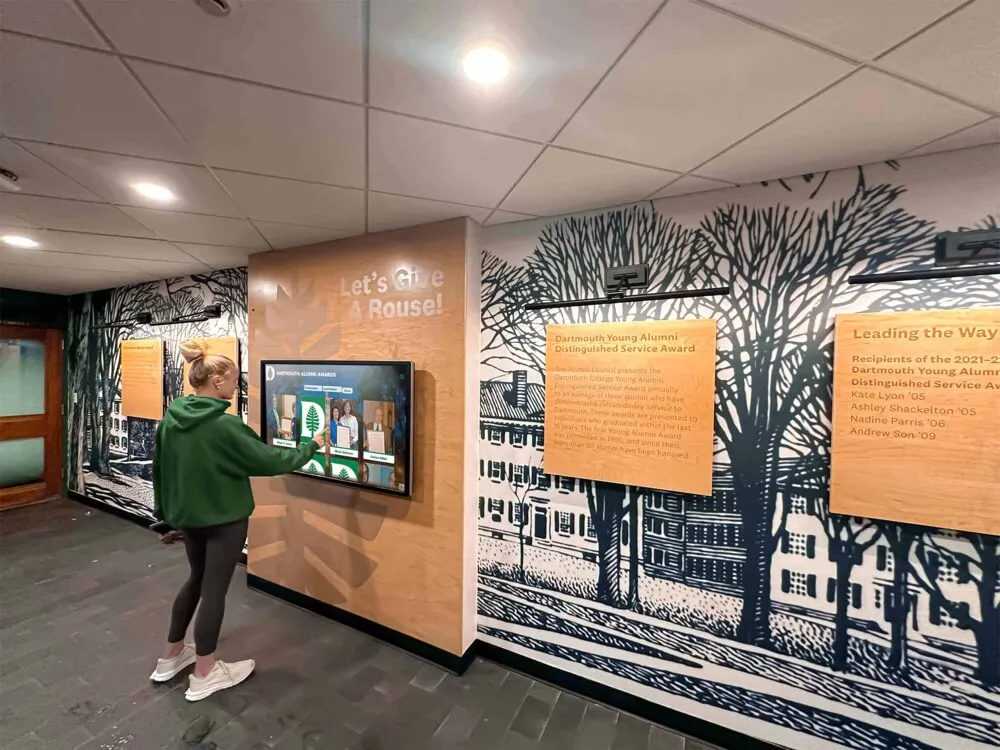
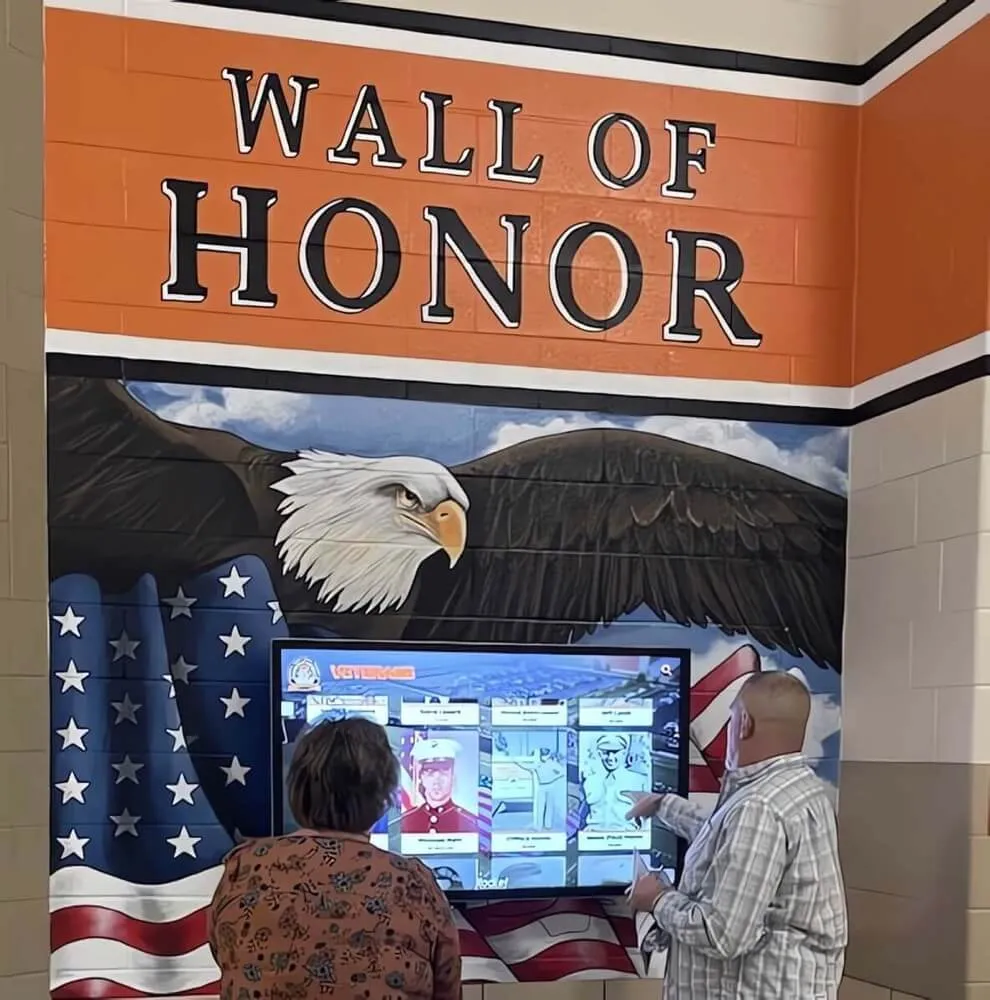
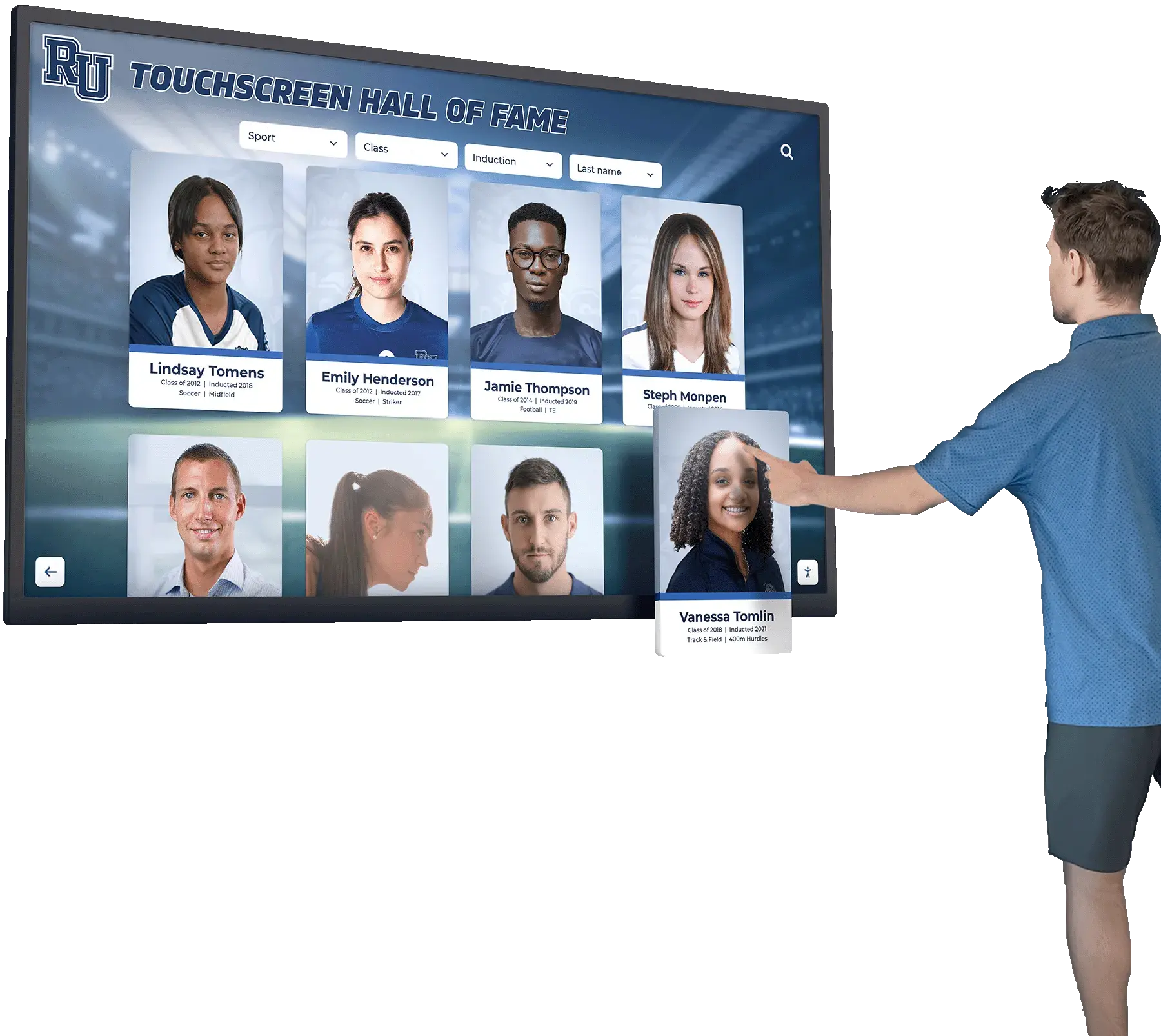
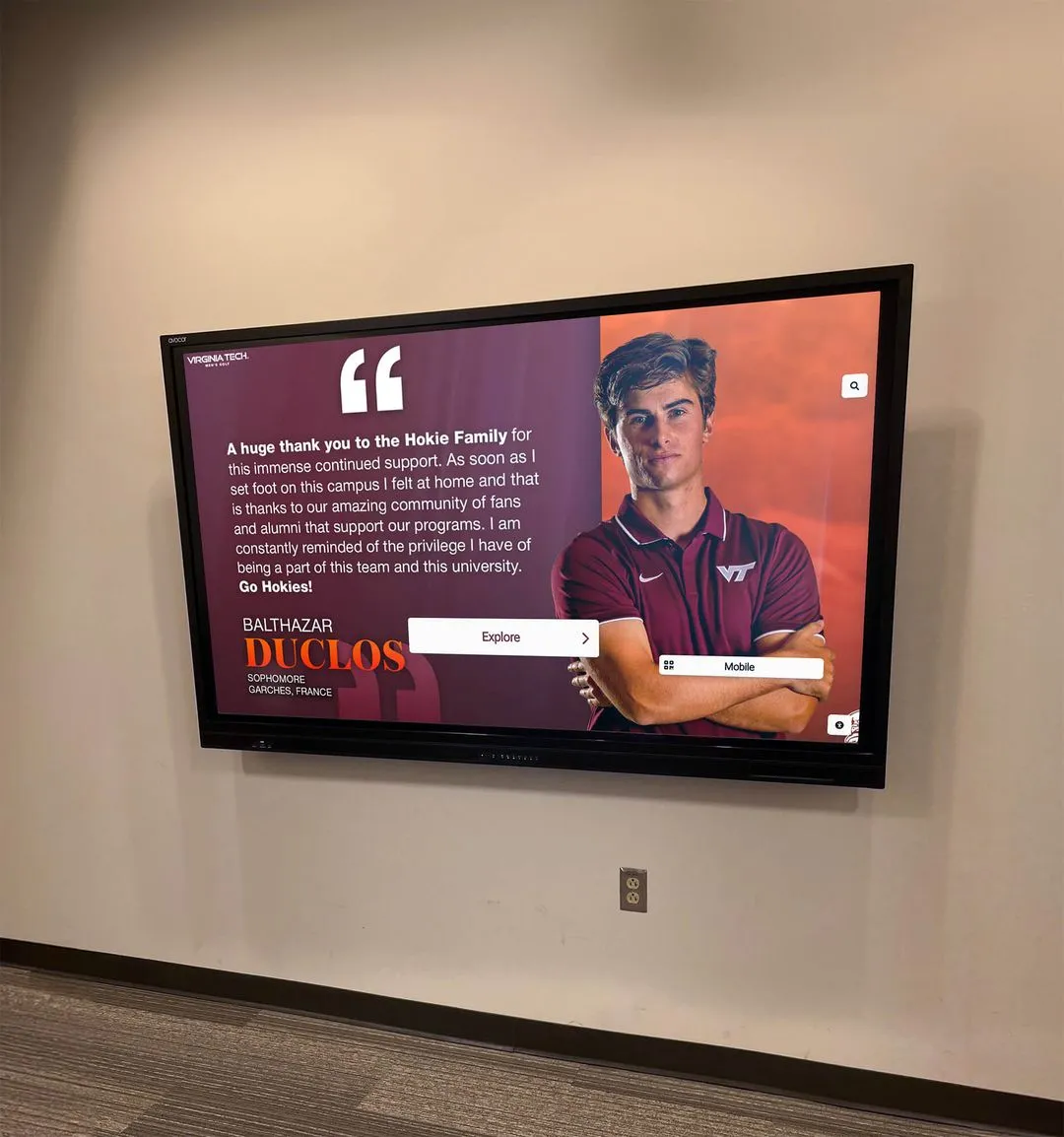
Interactive Touchscreen Recognition: Advanced interactive touchscreen displays create engaging JROTC recognition experiences that captivate students, visitors, and alumni through self-directed exploration where users browse achievements matching personal interests, detailed achievement stories explaining award significance and selection criteria, photo galleries from competitions, ceremonies, and unit activities, video content featuring cadet interviews and leadership messages, and social features allowing cadets to share recognitions with family and friends digitally.
Interactive systems transform passive recognition into active engagement, with students spending significantly longer exploring touchscreen displays compared to glancing at static recognition. This extended engagement increases recognition impact while building program interest among students considering JROTC participation.
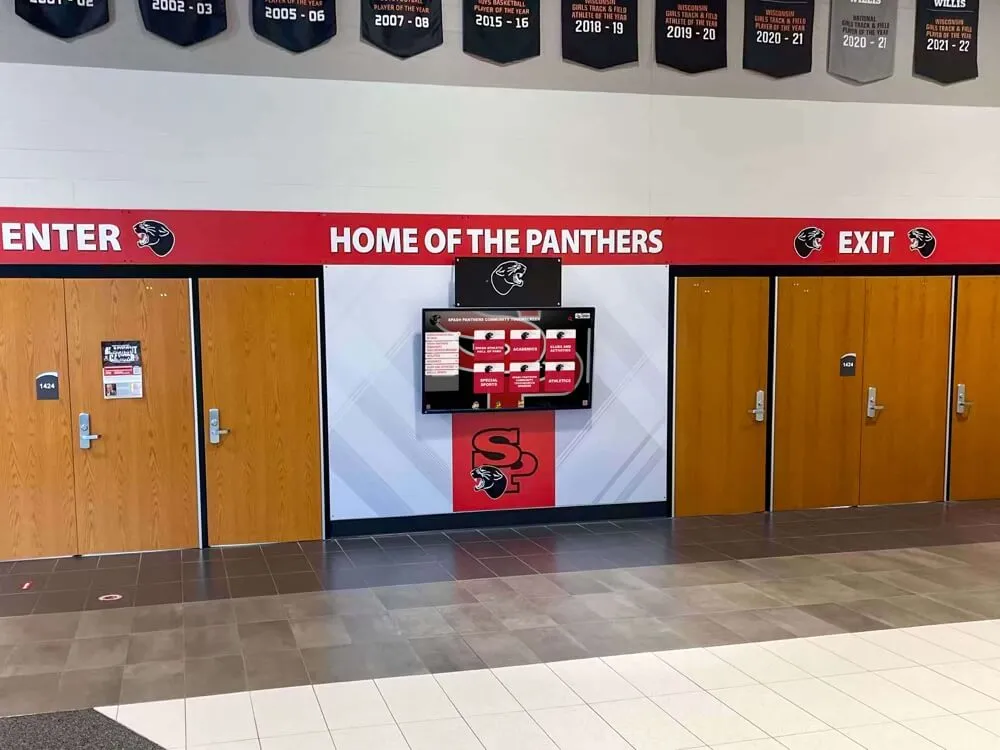
Integration with School-Wide Recognition: The most effective approaches integrate JROTC recognition within broader school achievement displays rather than isolating military program accomplishments. Combined displays position JROTC alongside athletic championships, academic honors, performing arts achievements, and other student excellence—demonstrating how leadership development contributes to comprehensive school culture.
This integrated approach ensures JROTC receives visibility comparable to other major programs while avoiding perception that military programs exist separately from school communities. Exploring display case ideas for schools reveals creative approaches to comprehensive achievement recognition.
Starting or Strengthening a JROTC Program
Schools considering new JROTC programs or seeking to revitalize existing units benefit from understanding establishment requirements, common challenges, and success factors that distinguish exceptional programs from struggling ones.
Requirements for Establishing JROTC Programs
Military branches maintain specific requirements schools must meet before establishing units, ensuring programs receive adequate support and have reasonable success prospects.
Minimum Enrollment Standards: Services generally require minimum student populations of at least 100 cadets for initial program approval (10% of total school enrollment for Army JROTC), or at least 100 interested students committed to enrolling, with commitments to maintain enrollment minimums in subsequent years.
These thresholds ensure programs achieve sufficient scale to justify military investment and instructor allocation while creating cadet peer groups large enough to support comprehensive activities. Schools below enrollment minimums can petition for exceptions but face additional scrutiny regarding program viability.
Facility and Resource Requirements: Schools must provide dedicated classroom space for instruction, secure storage for uniforms, equipment, and materials, drill areas for marching practice (gymnasium or outdoor space), and administrative support including scheduling and record-keeping.
Military branches supply uniforms, textbooks, instructional materials, and equipment at no cost to schools, but schools must provide appropriate space and basic infrastructure supporting program operation.
Instructor Qualifications: JROTC instructors must be retired military personnel meeting service-specific requirements typically including honorable retirement after 20+ years of service, completion of instructor certification training provided by military branch, teaching credential or willingness to obtain one (requirements vary by state), and successful background checks and school district clearances.
Services maintain instructor pools from which schools select personnel, with the military branch paying approximately 50% of instructor salaries and schools funding the remainder through regular budgets. The partnership creates affordable staffing while ensuring instructors possess authentic military leadership experience.
School District Support and Approval: Successful programs require genuine administrative and community support including school board approval of program establishment, principal commitment to program integration and support, counselor cooperation with scheduling and enrollment, funding commitment for school’s cost-share portion, and community acceptance of military presence within civilian educational setting.
Programs established without broad support often struggle with scheduling conflicts, inadequate resources, or resistance from stakeholders skeptical of military involvement in schools. Building consensus before program launch dramatically increases success probability.
Building Strong JROTC Programs That Transform Students
Beyond meeting minimum requirements, exceptional JROTC programs share characteristics that maximize cadet development and program impact.
Recruiting and Retaining Committed Cadets: Successful programs actively recruit diverse students rather than waiting for self-selection, using information sessions at middle schools and freshman orientations, current cadet testimonials and demonstrations, emphasis on leadership development rather than military recruitment, welcoming environment for students of all backgrounds and fitness levels, and early success experiences that hook new cadets before initial nervousness causes dropout.
Strong retention focuses on building belonging through mentor assignments pairing new cadets with welcoming veterans, varied activities appealing to diverse interests (drill, academics, service, fitness), recognition systems celebrating all levels of achievement, and intervention when cadets show signs of disengagement.
Developing Cadet Leadership Beyond Rank: Top programs intentionally cultivate genuine leadership capabilities rather than merely rotating cadets through positions, through professional development training for cadet leaders, delegation of meaningful responsibilities with real consequences, structured feedback and coaching on leadership performance, leadership challenges requiring creative problem-solving, and modeling of servant leadership rather than authoritarian command styles.
This focus produces cadets who understand that leadership means developing others and accomplishing team goals rather than merely giving orders and expecting compliance—lessons that transfer directly to civilian leadership contexts.
Community Engagement and Service: Visible community involvement builds program support while providing meaningful service opportunities for cadets such as color guard presentations at school and community events, volunteer service projects addressing community needs, participation in veterans’ ceremonies and patriotic observances, school service including campus improvements and event support, and partnerships with veteran organizations and community groups.
These community connections demonstrate program value beyond internal cadet development, generating public support that sustains programs during budget challenges or leadership transitions. They also provide authentic purpose for cadet service, making citizenship education concrete rather than abstract. Approaches to community recognition and storytelling demonstrate how service becomes inspiration for others.
Family Engagement and Communication: Strong programs recognize families as key stakeholders and communicate proactively through regular updates about activities, achievements, and schedule changes, family attendance encouragement at ceremonies and competitions, volunteer opportunities leveraging parent talents and resources, clear explanations of program goals and addressing common concerns, and celebration of cadet achievements shared with families directly.
Family support dramatically improves cadet persistence and achievement while building broader community investment in program success. Parents who understand JROTC’s educational benefits become program advocates during district budget discussions or when skeptics question military presence in schools.
The Future of JROTC and Cadet Development
JROTC programs continue evolving to address contemporary challenges while maintaining core leadership development focus that has served hundreds of thousands of cadets over decades.
Emerging Trends in JROTC Programming
Forward-thinking programs incorporate modern approaches while preserving traditional leadership principles that remain timeless.
STEM Integration: Services increasingly emphasize science, technology, engineering, and math within JROTC curriculum, recognizing that modern military operations depend heavily on technical competency while civilian careers increasingly require STEM proficiency. Space Force JROTC particularly emphasizes cybersecurity, satellite operations, and space technology, Air Force programs integrate aviation science and aerospace engineering concepts, and all branches incorporate technology into leadership exercises and competitions.
This STEM emphasis attracts academically strong students who might otherwise dismiss JROTC as unsuitable for college-bound scholars, while preparing all cadets for technology-saturated civilian and military futures.
Diversity and Inclusion Focus: Modern JROTC programs intentionally recruit and support cadets from all backgrounds, ensuring programs reflect school demographics rather than appealing narrowly to certain populations. This includes aggressive recruitment of female cadets who now comprise approximately 40% of JROTC enrollment nationally, welcoming LGBTQ+ cadets in line with military policy evolution, culturally responsive instruction acknowledging diverse cadet backgrounds, and leadership opportunities distributed equitably across all demographic groups.
Diverse programs better prepare all cadets for leadership in pluralistic society while demonstrating that leadership capability transcends demographic characteristics.
Mental Health and Wellness Emphasis: Contemporary JROTC increasingly addresses mental health and wellness alongside traditional physical fitness, recognizing stress management and resilience building, peer support systems and mental health awareness, healthy coping strategies for academic and personal pressures, and reduction of stigma around seeking help when struggling.
This wellness focus responds to rising adolescent mental health challenges while teaching cadets that genuine strength includes recognizing limitations and accessing support—countering outdated military stereotypes emphasizing toughness through stoic silence.
Civilian Career Pathways: While maintaining connections to military service, modern JROTC explicitly emphasizes civilian career preparation for the 80%+ of cadets who don’t pursue military careers, through partnerships with local employers providing mentorship and internships, career exploration across industries benefiting from leadership skills, emphasis on leadership in civilian contexts (business, education, public service), and college preparation supporting diverse post-secondary pathways.
This civilian emphasis addresses parent concerns that JROTC pushes military recruitment while ensuring program relevance for all cadets regardless of career interests. Resources on scholarship ceremonies and recognition demonstrate how schools celebrate diverse post-graduation paths.
Celebrating JROTC Legacy and Inspiring Future Cadets
Schools with long-established JROTC programs possess decades of cadet achievement, leadership development, and community service deserving comprehensive celebration that inspires current students while honoring alumni who contributed to program traditions.
Modern recognition technology enables schools to preserve complete JROTC histories while making achievement stories accessible and inspiring through digital platforms showcasing every award winner, leader, and significant accomplishment, multimedia content bringing cadet stories to life through video and photos, searchable databases connecting alumni with their recorded achievements, and dynamic displays refreshed regularly to maintain engagement rather than becoming ignored background fixtures.
Programs like Rocket Alumni Solutions specialize in JROTC recognition systems that honor military program traditions while leveraging modern technology for maximum impact. These platforms enable comprehensive achievement celebration while highlighting leadership development programs that distinguish schools and attract families valuing character education alongside academics.
By investing in robust JROTC programs and comprehensive recognition systems celebrating cadet development, schools demonstrate commitment to producing not just academically prepared graduates but confident, disciplined, civically engaged citizens ready to lead in their communities, careers, and service to nation—fulfilling education’s highest purposes while transforming individual student lives through proven leadership development that prepares young people for any future they choose to pursue.