



Junior Reserve Officers’ Training Corps (JROTC) programs have become one of the most impactful citizenship and leadership development initiatives in American high schools. With over 550,000 cadets participating across more than 3,500 schools nationwide, JROTC provides structured military-style education that develops discipline, leadership, physical fitness, and civic responsibility. These programs transform students into confident leaders while fostering values that benefit them throughout their lives—whether they pursue military careers or enter civilian fields.
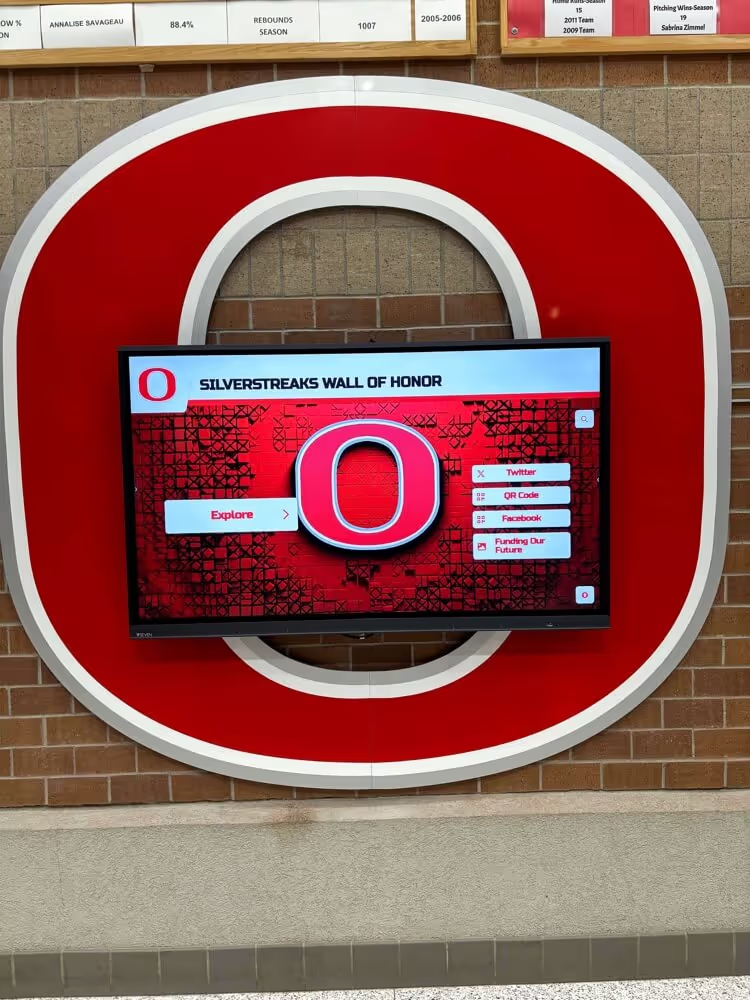
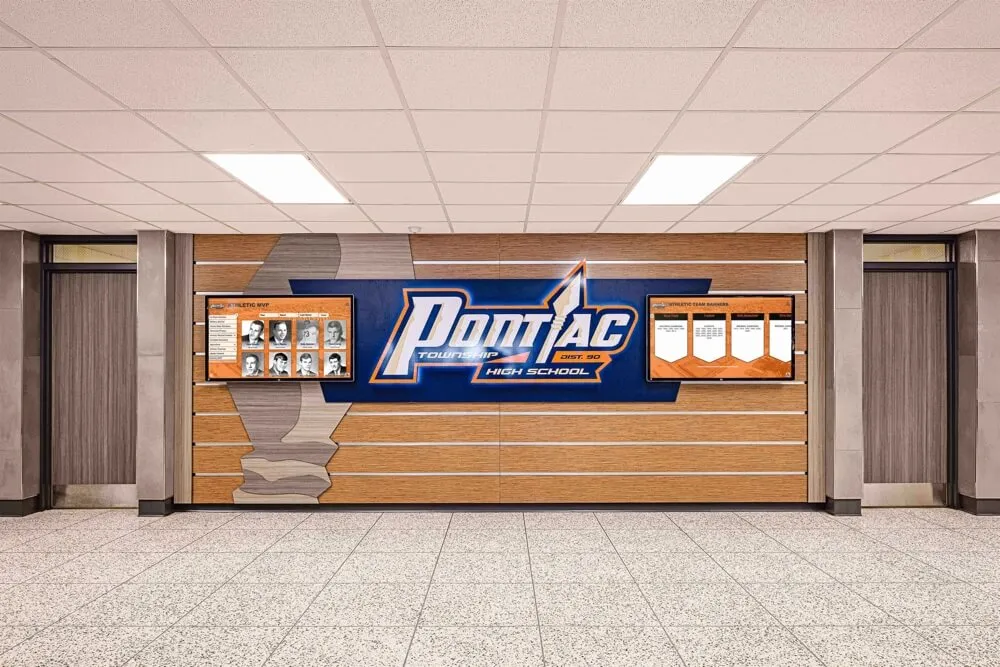
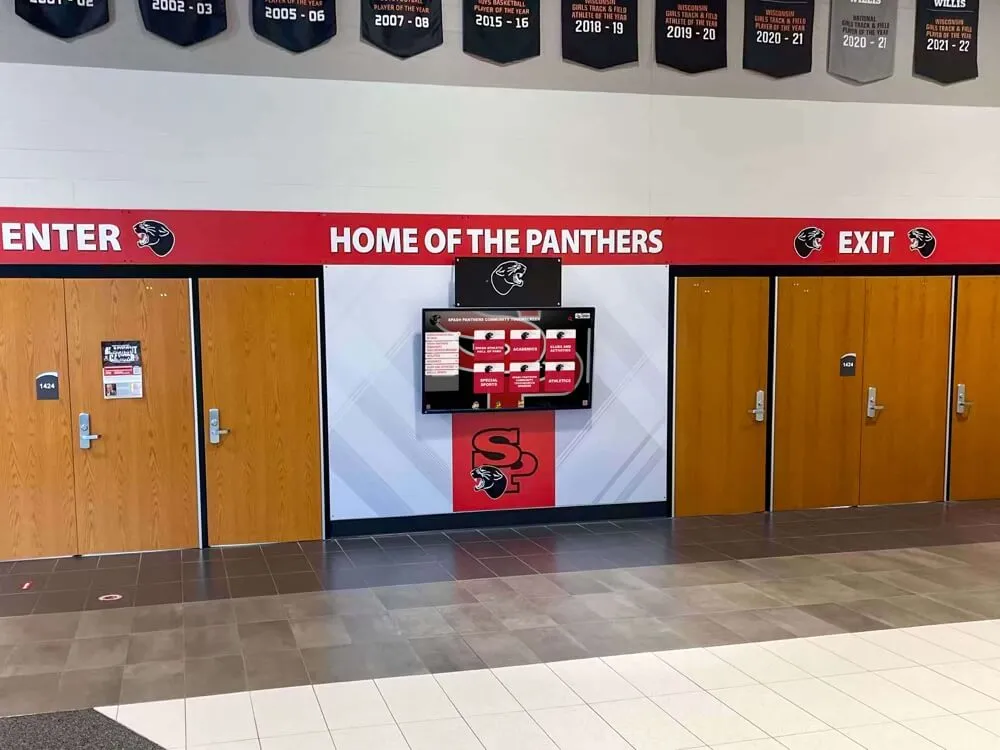
Schools with JROTC programs face unique recognition challenges as cadets earn numerous awards, advance through rank structures, compete in drill competitions, complete community service projects, and achieve academic honors deserving prominent celebration. Traditional trophy cases and bulletin boards quickly become inadequate for showcasing the comprehensive achievements JROTC programs generate annually across multiple achievement categories and student cohorts.
Why JROTC Recognition Matters
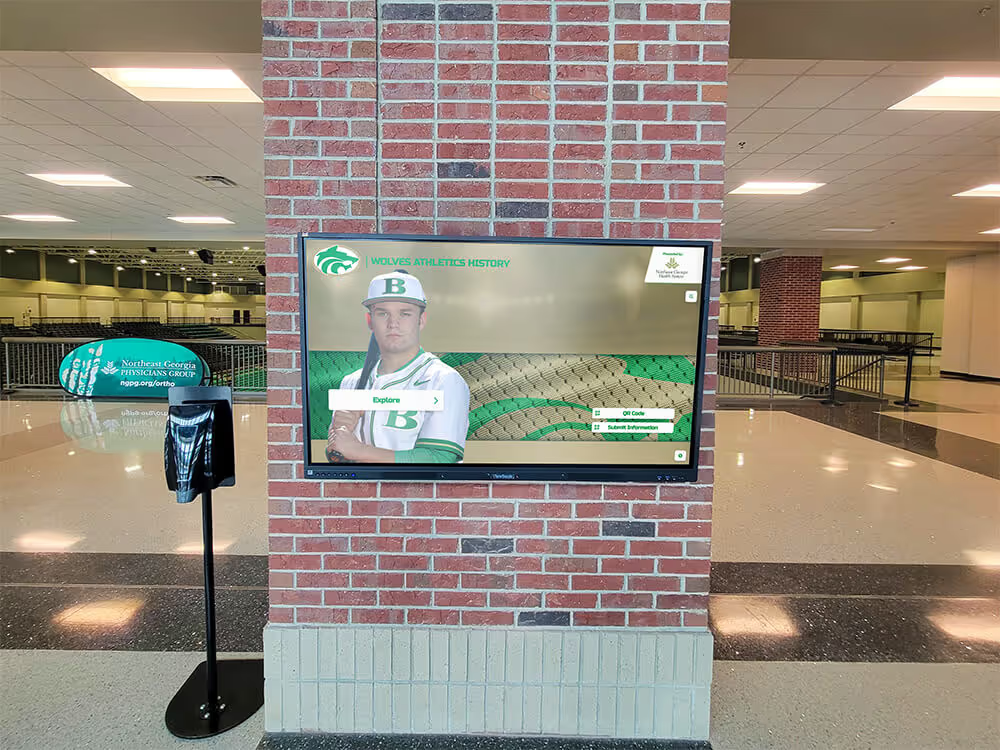
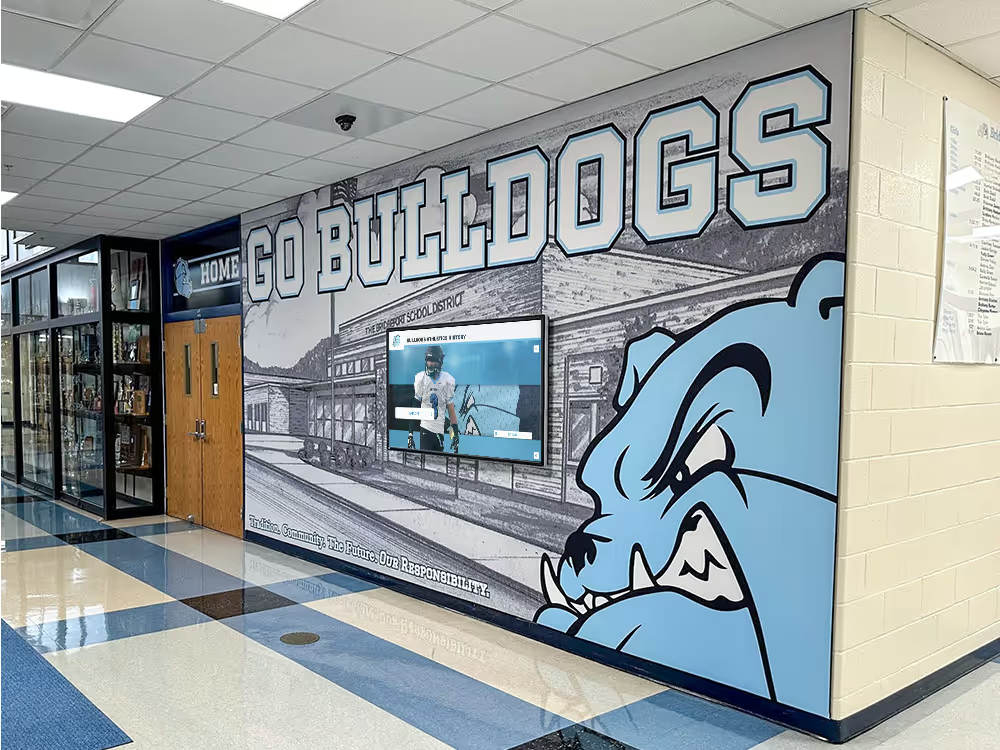
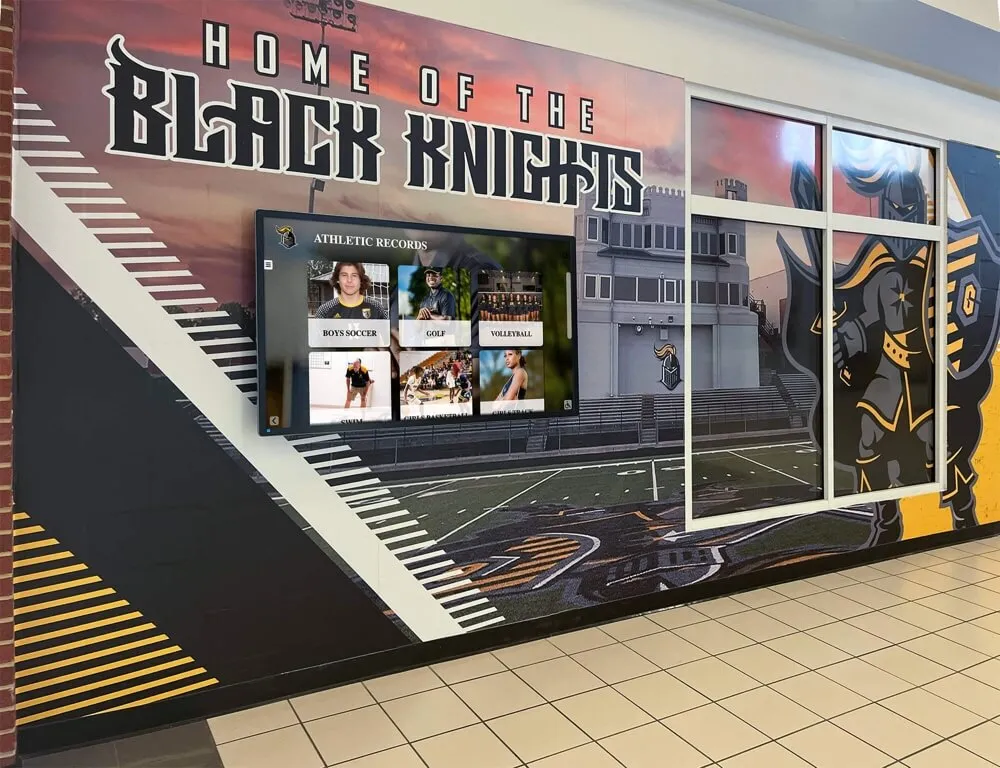
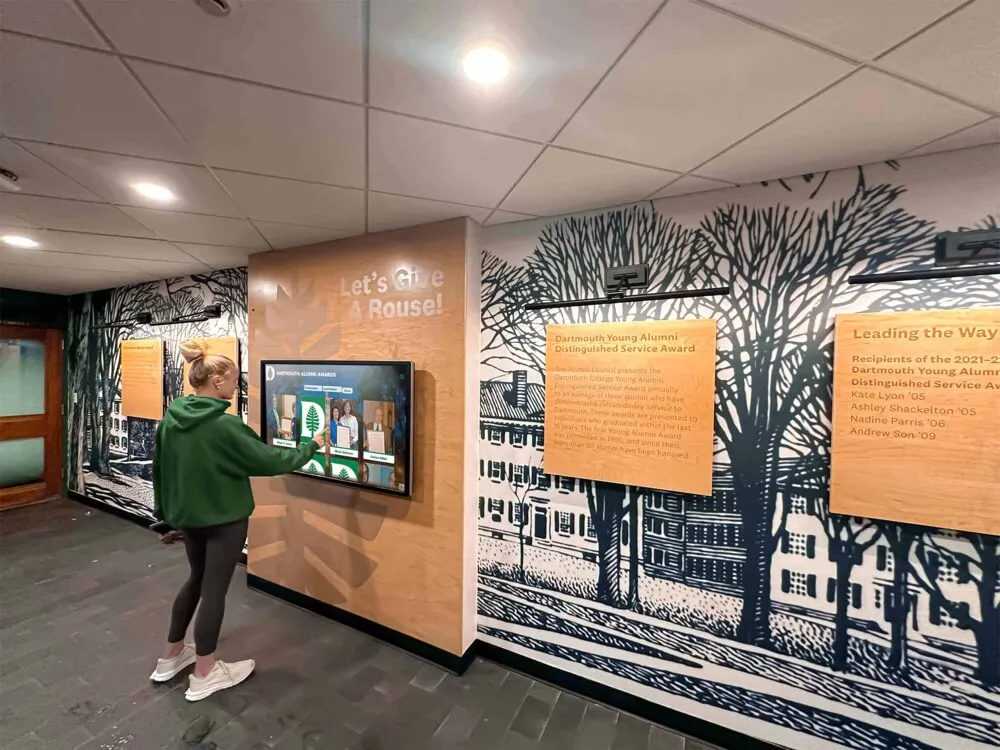
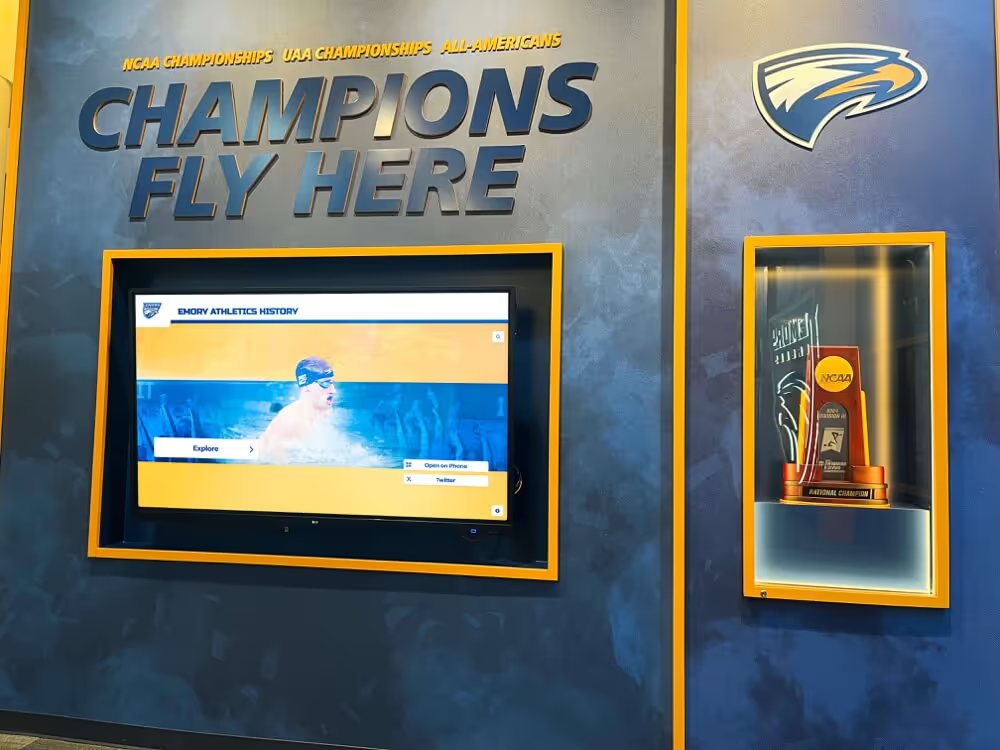
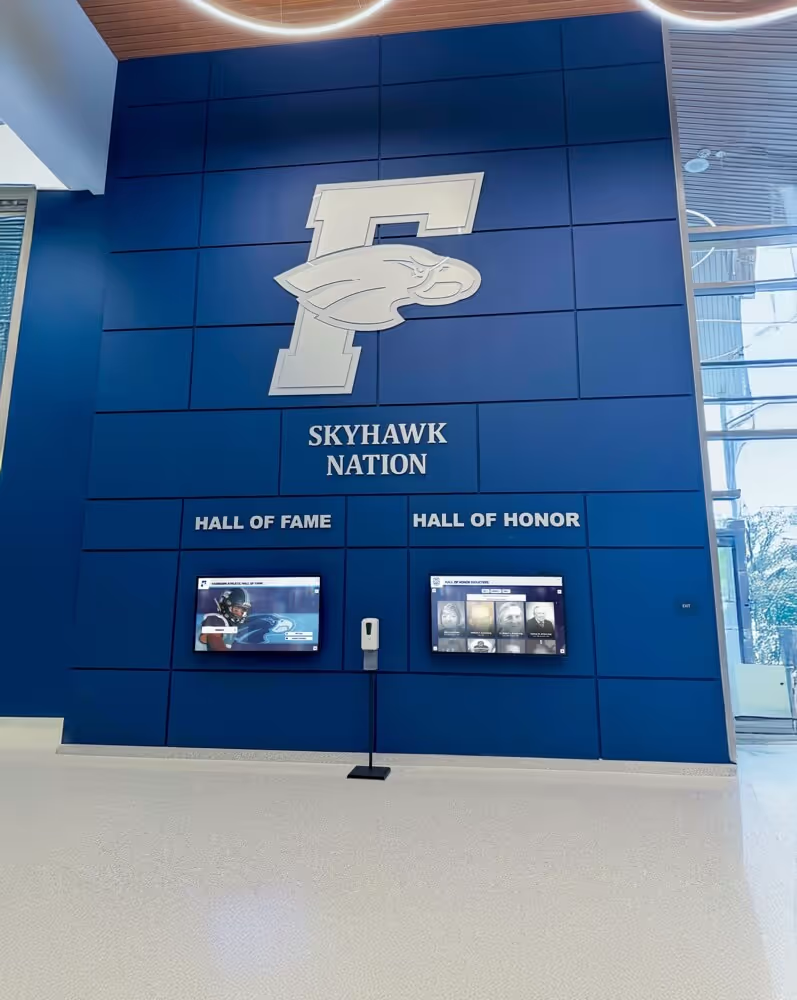
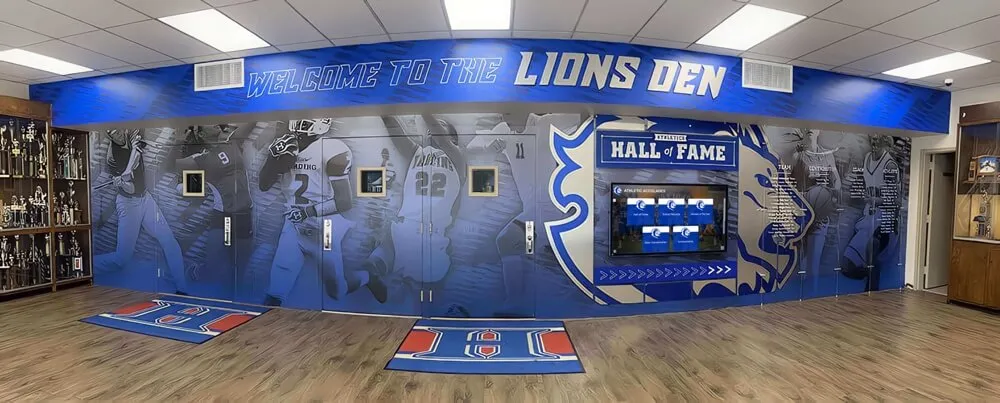
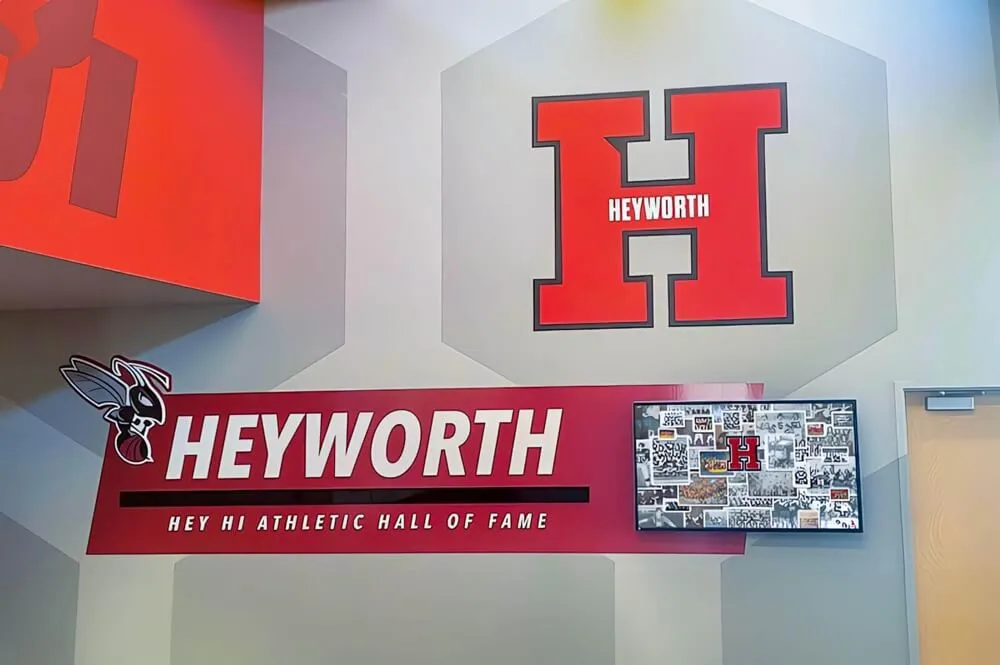
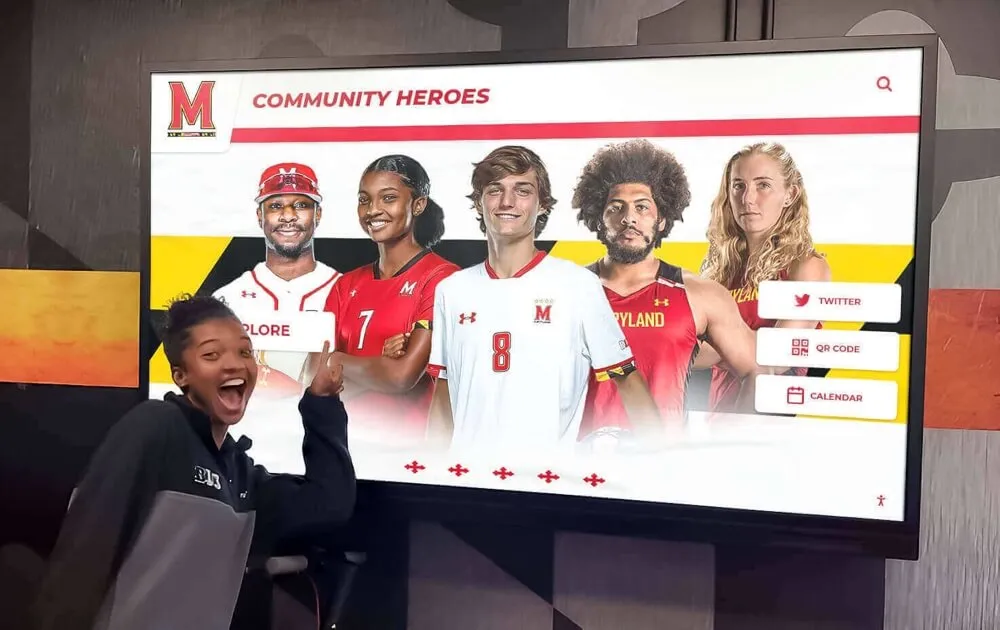
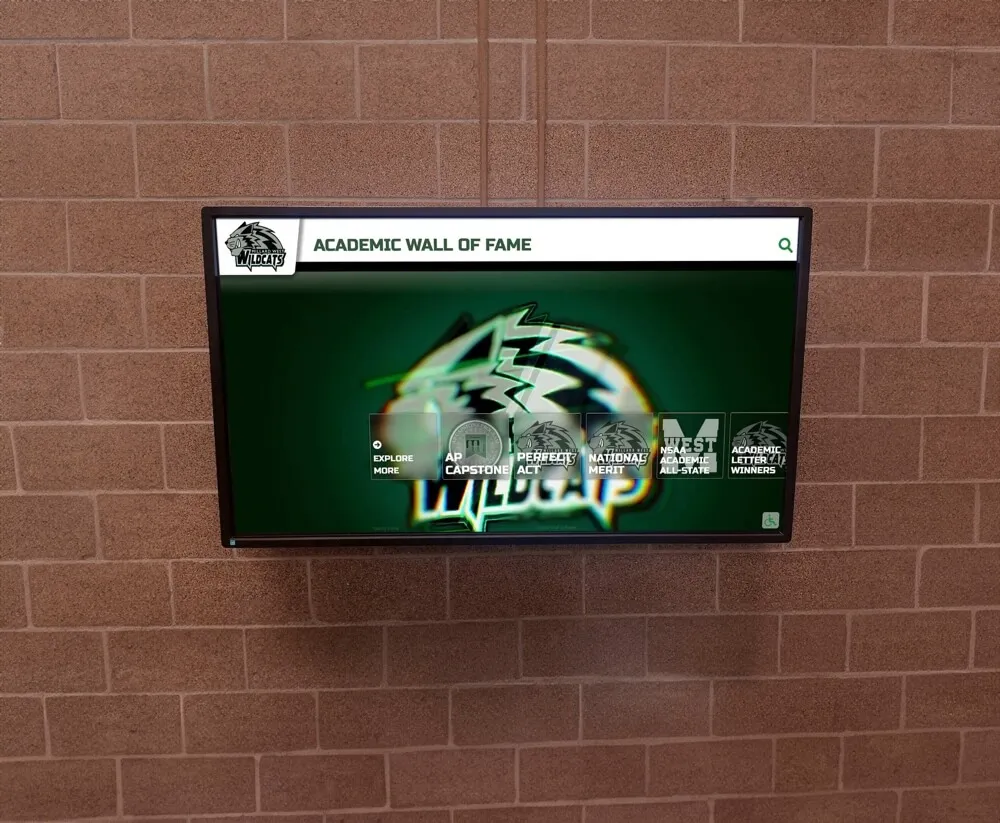
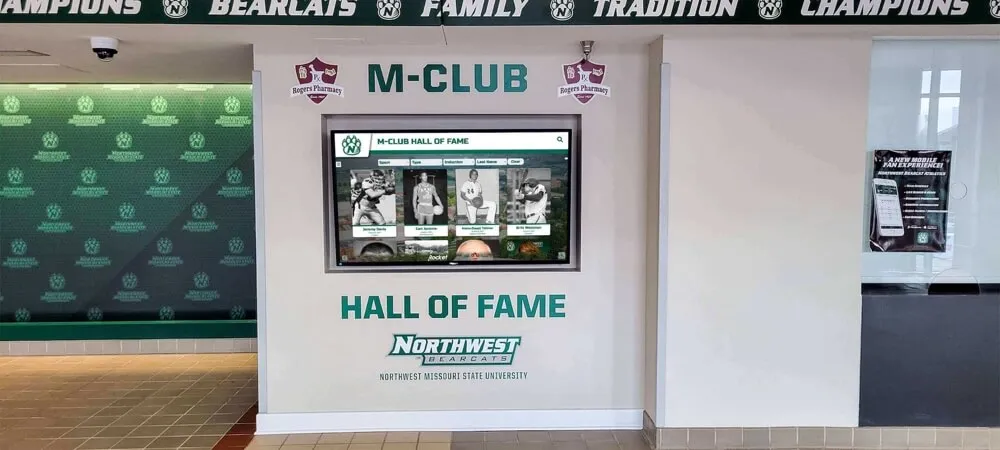
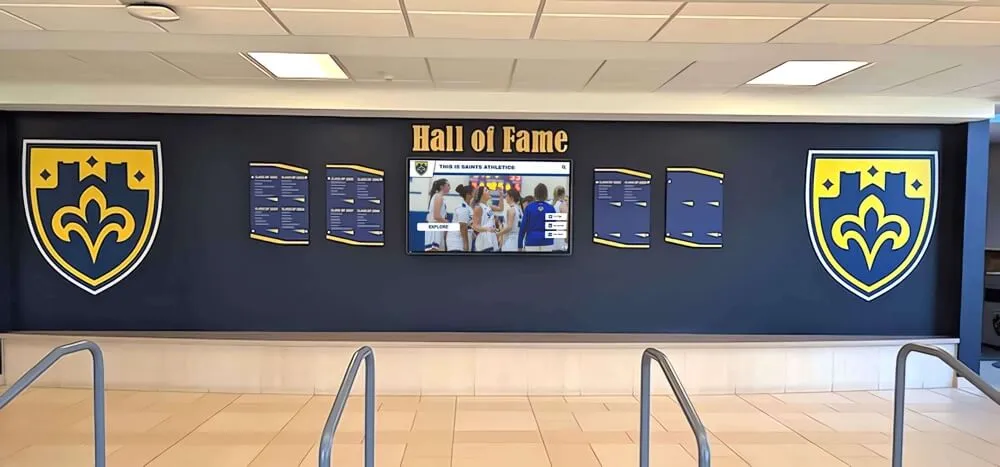
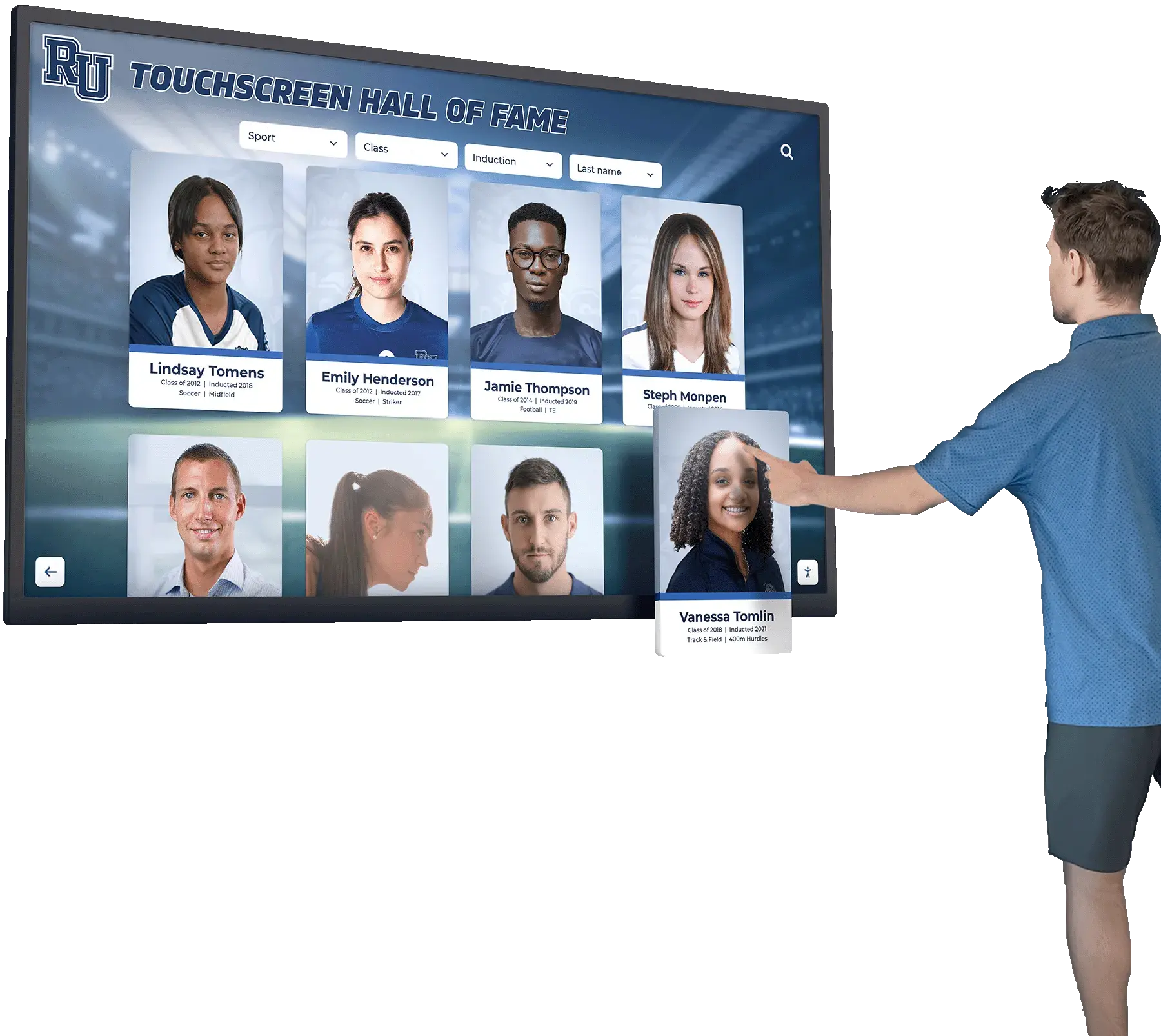
JROTC programs develop future leaders through rigorous training in military science, leadership theory, physical fitness, and civic responsibility. Recognizing cadet achievements reinforces program values, motivates continued excellence, demonstrates institutional support for military education, preserves program history across generations, and showcases leadership development to the broader school community. Modern recognition systems enable schools to comprehensively celebrate JROTC excellence without space limitations that plague traditional displays. Solutions like Rocket Alumni Solutions provide digital platforms specifically designed to showcase military program achievements including cadet profiles, rank progressions, competition results, and distinguished alumni who served in the armed forces.
Understanding JROTC: Mission, Structure, and Educational Philosophy
JROTC programs operate under the authority of the Department of Defense while being administered through individual military service branches, each bringing distinct traditions and perspectives to leadership education.
The Five JROTC Service Programs
Each branch of the U.S. military sponsors JROTC units in high schools across the country, with programs reflecting the unique culture and traditions of their respective services.
Army JROTC (AJROTC): The largest JROTC program with over 1,700 units nationwide, Army JROTC emphasizes leadership development through the study of military history, first aid, physical fitness, and citizenship. AJROTC cadets learn Army customs, wear Army uniforms, and study military science adapted for high school students. The program structure mirrors active Army organization with battalion, company, and platoon structures providing realistic leadership opportunities at every level.
Army JROTC curriculum includes extensive study of American military history, leadership theory and practical application, physical fitness training and testing, drill and ceremony procedures, map reading and land navigation, and first aid and emergency preparedness. These diverse subject areas combine to create comprehensive leadership education preparing students for success in any future career path.
Air Force JROTC (AFJROTC): With approximately 900 units, Air Force JROTC focuses on aerospace science, technology, leadership, and physical fitness. AFJROTC cadets study aviation history, aircraft and space systems, science of flight, and global security issues. The curriculum emphasizes technological literacy and critical thinking alongside traditional military values of discipline and teamwork.
Air Force JROTC uniquely incorporates extensive aerospace education including flight principles and aerodynamics, space exploration and satellite technology, cyber awareness and technology, weather science and meteorology, and Air Force history and global reach. This technology focus attracts students interested in STEM fields while developing leadership competencies applicable across all career paths.
Navy JROTC (NJROTC): Operating approximately 600 units, Navy JROTC (which includes Coast Guard units) emphasizes naval science, maritime history, navigation, and leadership development. NJROTC cadets study oceanography, naval operations, leadership dynamics, and physical fitness while learning Navy traditions and customs.
Navy JROTC curriculum distinctively includes naval history and sea power, navigation and seamanship fundamentals, oceanography and marine science, maritime law and international relations, and naval engineering and ship systems. This maritime focus provides unique educational perspectives while developing leadership qualities valued in all professions.
Marine Corps JROTC (MCJROTC): With approximately 250 units, Marine Corps JROTC embodies Marine Corps values of honor, courage, and commitment while developing leadership through demanding physical and mental challenges. MCJROTC programs maintain the Corps’ reputation for high standards and exceptional discipline while adapting content appropriately for high school students.
Marine Corps JROTC emphasizes intensive leadership training, demanding physical fitness standards, military history with focus on Marine Corps heritage, values-based character development, and community service and civic responsibility. The program’s challenging nature attracts students seeking rigorous personal development experiences.
Coast Guard JROTC: The newest and smallest JROTC program operates under Navy JROTC administration while maintaining distinct Coast Guard identity and mission focus. Coast Guard JROTC emphasizes maritime safety, environmental stewardship, and humanitarian service alongside traditional leadership development.
JROTC Mission and Core Values
All JROTC programs, regardless of service branch, share fundamental mission elements and values that guide curriculum development and program operations.
Primary Mission Statement: JROTC’s congressionally mandated mission focuses on developing citizens of character dedicated to serving their nation and communities. The program explicitly does not recruit for military service—instead, it develops informed, responsible citizens who understand civic duty, demonstrate leadership capability, and possess character traits enabling success in any career path.
This non-recruitment mission distinguishes JROTC from military recruiting efforts. While some graduates pursue military careers, the program aims to develop well-rounded citizens regardless of future career choices. Research consistently shows that JROTC graduates demonstrate higher college attendance rates, improved academic performance, and increased civic engagement compared to peers.
Core Program Values: JROTC programs across all service branches emphasize integrity, honesty, and ethical decision-making; selfless service and community contribution; respect for others regardless of background; personal courage in facing challenges; loyalty to institutions, teammates, and values; duty to fulfill responsibilities completely; and honor in all personal and professional conduct.
These values transcend military contexts—they represent character traits that enable success in education, careers, relationships, and civic participation. Resources on building school culture through recognition explore how visible celebration of values-based programs strengthens entire school communities.
Educational Rather Than Military Training: JROTC explicitly provides citizenship education, not military training. Cadets study leadership theory and history, they don’t train for combat. They participate in physical fitness programs appropriate for adolescents, not military basic training. They learn organizational skills and teamwork, not military tactics.
This educational focus makes JROTC appropriate for high schools and accessible to students who may never consider military service. The program uses military structure and traditions as teaching tools for developing leadership, not as preparation for military enlistment.

JROTC Cadet Rank Structure and Progression
One of JROTC’s most distinctive features is its formal rank structure that provides cadets with increasing leadership responsibility as they develop competence and demonstrate character.
Understanding Cadet Ranks
JROTC rank systems mirror active military structures while adapting advancement criteria for high school contexts. Cadets begin at entry-level ranks and progress based on time in program, demonstrated leadership, academic performance, and contribution to unit success.
Enlisted Cadet Ranks: Most cadets begin their JROTC experience in enlisted ranks, which typically include cadet private or airman (entry level), cadet private first class or airman first class, cadet corporal or senior airman, and cadet sergeant or staff sergeant. Advancement through enlisted ranks usually requires demonstrating basic military knowledge, maintaining satisfactory academic performance, participating consistently in program activities, and showing leadership potential in small group settings.
Enlisted ranks provide foundational leadership experience through team positions, helping newer cadets learn program expectations, assisting with equipment and supply management, and supporting squad-level training activities. These positions develop basic leadership competencies before cadets advance to more demanding roles.
Non-Commissioned Officer Ranks: Cadet NCO ranks represent significant leadership positions with increased responsibility. Typical NCO ranks include cadet staff sergeant or technical sergeant, cadet sergeant first class or master sergeant, cadet master sergeant or senior master sergeant, and cadet first sergeant or chief master sergeant (senior NCO position).
NCO positions carry substantial leadership responsibilities including training and mentoring junior cadets, maintaining unit standards and discipline, managing day-to-day operations, leading platoons or flights, and serving as key advisors to cadet officers. Resources on meaningful student recognition provide frameworks for celebrating leadership development at every level.
Cadet Officer Ranks: Senior cadets may earn officer ranks based on exceptional leadership, academic excellence, and demonstrated competence. Officer ranks typically include cadet second lieutenant, cadet first lieutenant, cadet captain, cadet major, and cadet lieutenant colonel or colonel (battalion commander—highest cadet rank).
Cadet officers serve in the most demanding leadership positions including company commanders leading 50-100 cadets, staff officers managing specialized functions (operations, logistics, personnel), battalion commanders directing entire school units, and executive officers serving as second-in-command for major organizations.
Earning officer rank represents significant achievement requiring sustained excellence across multiple years. Schools should prominently recognize cadets who achieve these positions through modern recognition displays showcasing leadership progressions.
Rank Advancement Criteria
JROTC programs establish structured advancement systems ensuring ranks reflect genuine achievement rather than automatic progression based solely on time.
Performance-Based Advancement: Effective JROTC programs require cadets to earn promotions through demonstrated competence including passing written examinations on military knowledge, demonstrating proficiency in drill and ceremony, maintaining minimum academic standards, exhibiting leadership in assigned positions, and contributing positively to unit culture and cohesion.
This performance-based approach ensures that rank correlates with actual capability and readiness for increased responsibility—teaching important lessons about merit-based advancement that apply throughout professional careers.
Time-in-Grade Requirements: Most programs establish minimum time requirements at each rank before cadets become eligible for promotion. These requirements prevent cadets from advancing faster than their actual development while ensuring consistent experience building across leadership levels.
Leadership Position Performance: Higher ranks typically require successful performance in specific leadership positions. Cadets must demonstrate ability to lead peers, accomplish assigned missions, maintain standards, and develop subordinates before earning promotion to more demanding positions.
This requirement ensures that cadets possess practical leadership experience, not just theoretical knowledge, before assuming positions with greater responsibility for other cadets’ training and development.
JROTC Ribbons, Medals, and Award Recognition
JROTC programs maintain comprehensive award systems recognizing diverse achievements from academic excellence to community service to competitive success. Understanding these awards helps schools develop appropriate recognition systems.
Types of JROTC Awards and Ribbons
JROTC award systems include dozens of distinct recognitions, each honoring specific achievements and contributions.
Academic Excellence Awards: Programs recognize outstanding academic performance through highest academic average in JROTC class, honor roll designation for overall school performance, perfect attendance awards, academic improvement recognition, and subject-specific achievement (history, science, physical fitness).
Academic awards reinforce that JROTC values educational success equally with military knowledge and leadership development. Schools should ensure academic achievement recognition prominently features JROTC scholars alongside other honor students.
Leadership Awards: Various awards recognize leadership excellence including distinguished cadet award (top cadet), outstanding leadership in assigned positions, squad, platoon, or company leader of the year, cadet of the month or semester, and exemplary conduct and character recognition.
Leadership awards identify cadets who embody program values while effectively leading peers—essential recognition for motivating continued leadership development throughout the unit.
Service Awards: JROTC strongly emphasizes community service and civic responsibility, recognizing contribution through community service hours awards (25, 50, 100+ hours), special project leadership and participation, school service and support activities, veteran support and recognition events, and partnership with community organizations.
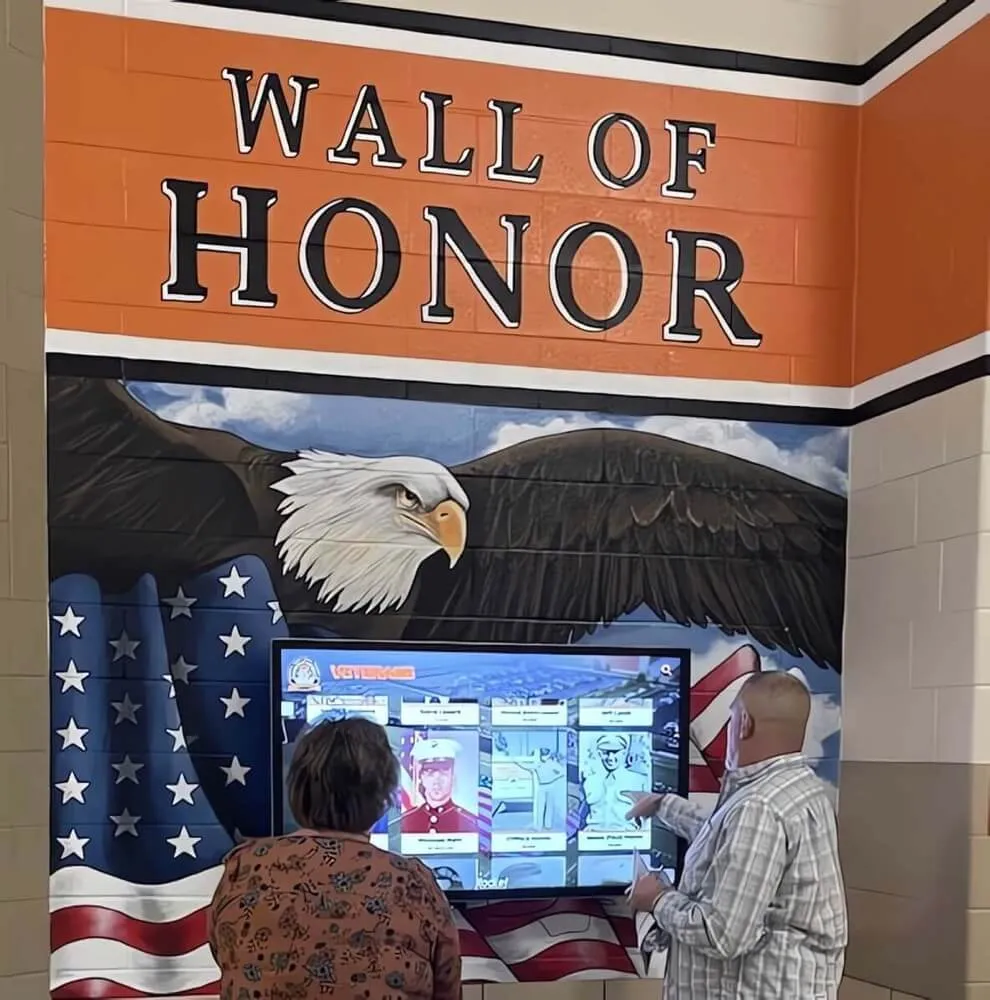
Service awards demonstrate JROTC’s citizenship mission while encouraging cadets to actively contribute to communities beyond school boundaries. Resources on veterans recognition and military honor explore how schools can celebrate military-connected programs and alumni.
Physical Fitness Awards: Most JROTC programs include rigorous physical fitness components with awards recognizing superior fitness test scores, physical fitness improvement, participation in fitness challenges and competitions, and athletic team membership and achievement.
Physical fitness awards acknowledge the demanding fitness standards JROTC cadets maintain while encouraging healthy lifestyle habits extending beyond high school years.
Competition Awards: JROTC units compete in numerous events including drill team competitions (armed and unarmed), color guard competitions, marksmanship competitions, academic competitions and knowledge bowls, leadership and decision-making challenges, and raider/physical fitness challenges.
Competition awards recognize exceptional performance against other JROTC units—achievements schools should celebrate prominently as they demonstrate program quality and cadet dedication.
Displaying JROTC Ribbon Racks and Award Collections
The visual impact of military ribbon racks—colorful rectangular ribbons worn on dress uniforms representing each award earned—creates recognition opportunities unique to JROTC programs.
Individual Cadet Recognition: Schools can showcase outstanding cadets by displaying high-resolution photographs in dress uniform showing ribbon rack, identifying each ribbon with explanatory text, documenting rank progression over time, highlighting major competitions and awards won, and sharing cadet reflections on JROTC experience and growth.
These individual profiles celebrate exceptional cadets while inspiring younger program members by showing achievable excellence pathways.
Award Gallery and Descriptions: Many community members unfamiliar with military customs don’t understand JROTC ribbons and awards. Educational displays can include full-color images of each ribbon and medal, detailed descriptions of award criteria and significance, statistics on how many cadets have earned each award, and stories from cadets about what specific awards meant to them.
These educational elements transform ribbon displays from insider recognition to community engagement tools showcasing JROTC program richness and rigor.
Competition Trophy and Banner Collections: Successful JROTC programs accumulate competition trophies, banners, and plaques over years of excellence. Digital recognition provides unlimited space for showcasing drill competition victories and placements, marksmanship awards and championships, academic competition results, community service recognition from external organizations, and inspector general inspection scores and commendations.
Traditional trophy cases overflow quickly, but digital systems accommodate comprehensive competition history without space limitations.

JROTC Curriculum: Building Leaders Through Comprehensive Education
JROTC’s comprehensive curriculum extends far beyond military drill and uniform wear—it delivers sophisticated leadership education addressing personal development, civic responsibility, and practical life skills.
Core Curriculum Components
While specific content varies by service branch, all JROTC programs deliver instruction in key subject areas developing well-rounded, capable citizens.
Leadership Education and Theory: JROTC dedicates significant time to formal leadership instruction including leadership styles and situational leadership, effective communication and public speaking, decision-making processes and problem-solving, team building and organizational dynamics, ethics and values-based leadership, and conflict resolution and negotiation.
This theoretical foundation prepares cadets for leadership roles in any context—student organizations, community groups, college, careers, or military service if chosen.
Citizenship and Government: Understanding American democratic principles and civic responsibility forms a core JROTC mission element through study of Constitutional foundations and principles, federal government structure and function, rights and responsibilities of citizenship, democratic processes and civic participation, and current events and informed citizenship.
This civic education develops informed citizens capable of meaningful participation in democratic processes—essential outcomes regardless of future career paths.
Military History and Heritage: JROTC programs teach military history not for military training purposes but to illustrate leadership lessons, character development, and sacrifice for national ideals. Curriculum includes major conflicts and American military history, branch-specific heritage and traditions, military’s role in American society, leadership examples from military history, and technology’s impact on military capabilities and strategy.
These historical studies provide context for understanding service, sacrifice, and leadership under pressure—universal lessons applicable beyond military contexts.
Physical Fitness and Wellness: JROTC programs maintain demanding physical fitness components addressing cardiovascular endurance and strength, flexibility and injury prevention, nutrition and healthy lifestyle choices, goal-setting and personal fitness planning, and team fitness challenges and competitions.
Physical fitness training develops discipline, resilience, and health habits benefiting cadets throughout their lives while teaching that leadership requires physical as well as mental strength.
Practical Life Skills: Many JROTC programs incorporate practical skills instruction including first aid and emergency response, financial literacy and planning, career exploration and planning, study skills and time management, and job interview preparation and professionalism.
These practical skills directly benefit cadets in near-term transitions to college and careers—demonstrating JROTC’s commitment to comprehensive student development.
Service-Specific Specializations
Each JROTC service branch incorporates distinctive content reflecting military branch mission and culture.
Army JROTC Unique Elements: Map reading and land navigation, military tactics and operational planning, Army organization and structure, weapons systems and military technology, and military customs and courtesies.
Air Force JROTC Unique Elements: Aerospace science and aviation principles, space systems and exploration, cyber awareness and technology, global security and international relations, and Air Force mission and capabilities.
Navy and Coast Guard JROTC Unique Elements: Naval science and maritime history, navigation and oceanography, naval operations and sea power, maritime law and international waters, and naval engineering basics.
Marine Corps JROTC Unique Elements: Marine Corps history and heritage, amphibious warfare and expeditionary operations, Marine Corps values emphasis, intensive leadership challenges, and demanding physical fitness standards.
Creating Effective Recognition Systems for JROTC Programs
Schools with active JROTC programs face unique recognition challenges requiring systems capable of showcasing diverse achievements across multiple categories, student cohorts, and years of program history.
Comprehensive Content Categories
Effective JROTC recognition systems organize content across several distinct categories ensuring all achievement types receive appropriate celebration.
Individual Cadet Profiles: Recognition should include comprehensive profiles for distinguished cadets featuring current photograph in dress uniform with ribbons, rank history showing progression over time, awards and ribbons earned with descriptions, leadership positions held, competition achievements and results, community service contributions, academic honors, and post-graduation plans or accomplishments.
These complete profiles celebrate exceptional cadets while documenting their growth throughout the JROTC experience—inspiring younger cadets by showing development pathways.
Unit History and Traditions: JROTC programs develop rich histories and traditions deserving preservation through documentation of unit founding and historical milestones, instructor history and legacy, notable alumni who served in military, significant competitions and achievements, evolving uniforms and insignia, and partnerships with military installations and veteran organizations.
Historical content connects current cadets to traditions extending across decades while preserving institutional memory that might otherwise be lost as instructors retire and cadets graduate.
Annual Highlights and Achievements: Year-by-year documentation ensures comprehensive recognition including battalion or company commanders each year, distinguished graduates and award winners, competition results and placements, community service projects and impact, inspection results and commendations, and special events and ceremonies.
Annual documentation prevents recent achievements from overshadowing historical excellence while ensuring every cadet cohort receives recognition. Resources on comprehensive school awards recognition provide organizational frameworks applicable to JROTC programs.
Distinguished Alumni in Military Service: Many JROTC graduates pursue military careers in active duty, reserves, or National Guard. Recognition systems should celebrate alumni who served honorably in the armed forces, achieved notable military accomplishments, demonstrated leadership in military careers, earned significant military awards and decorations, and transitioned successfully to post-military careers.
Alumni recognition demonstrates long-term program impact while providing current cadets with role models showing various military career paths. Information on connecting with military alumni through modern recognition systems helps schools maintain relationships with graduates serving around the world.

Digital Recognition Advantages for JROTC
Modern digital recognition systems offer specific advantages for showcasing military program achievements that traditional displays cannot match.
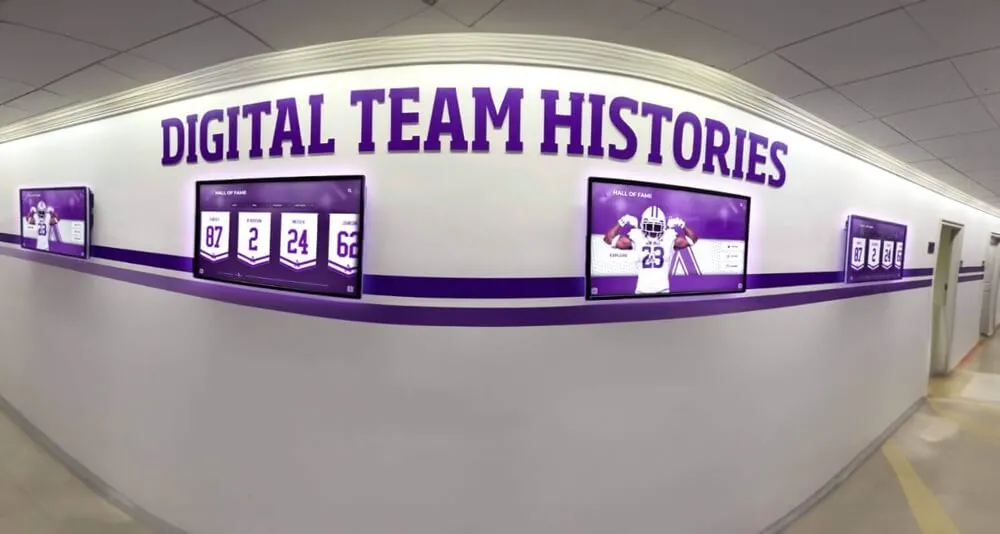
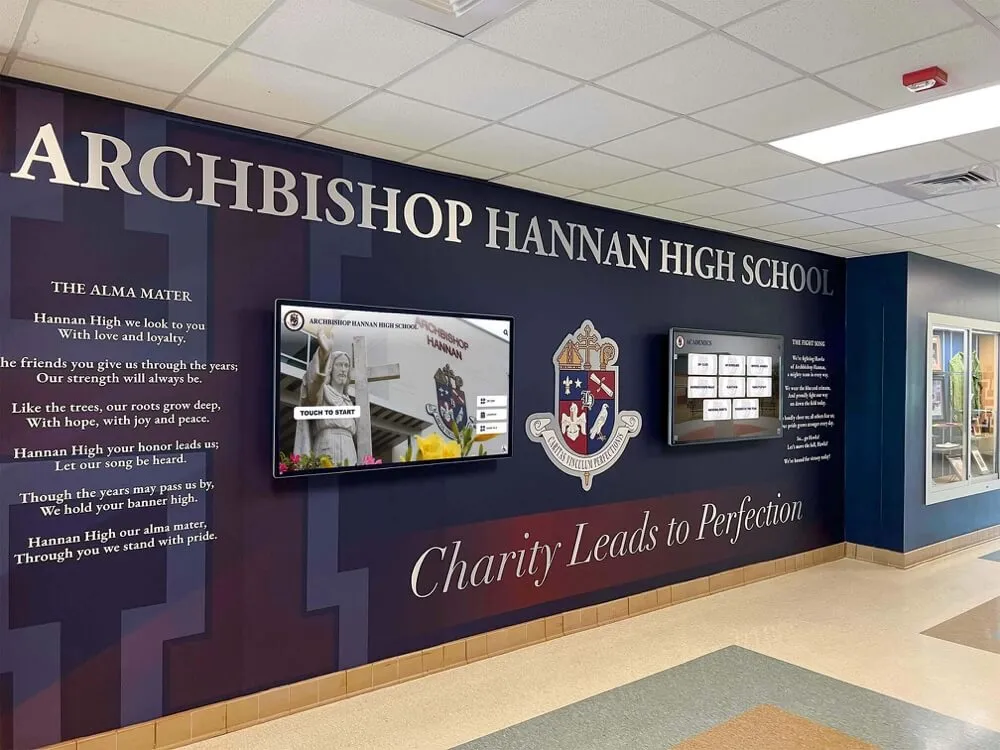
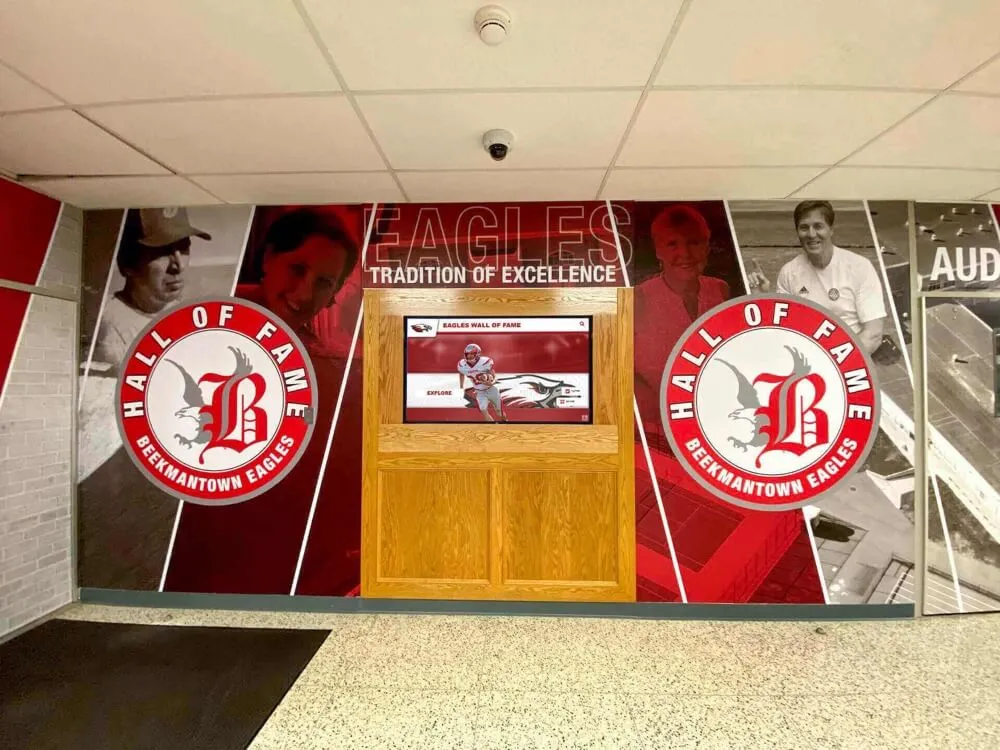
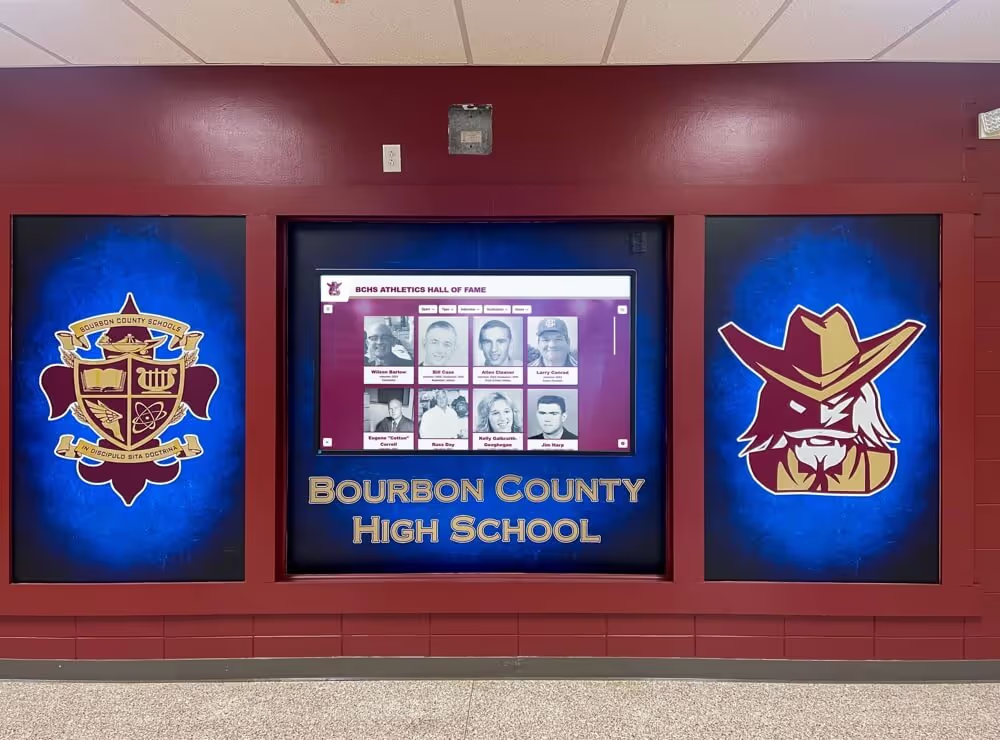
Unlimited Recognition Capacity: JROTC programs generate extensive achievements annually—dozens of award recipients, multiple competition results, numerous community service projects, and comprehensive rank progressions for every cadet. Traditional trophy cases and bulletin boards accommodate only a fraction of deserving recognition.
Digital systems provide unlimited capacity enabling complete documentation of every cadet promotion and award, comprehensive competition history across all events, full documentation of community service projects and impact, and preservation of decades of program history and achievement.
This unlimited capacity ensures that schools never face decisions about whose recognition to remove to make room for new achievements—all excellence can coexist permanently.
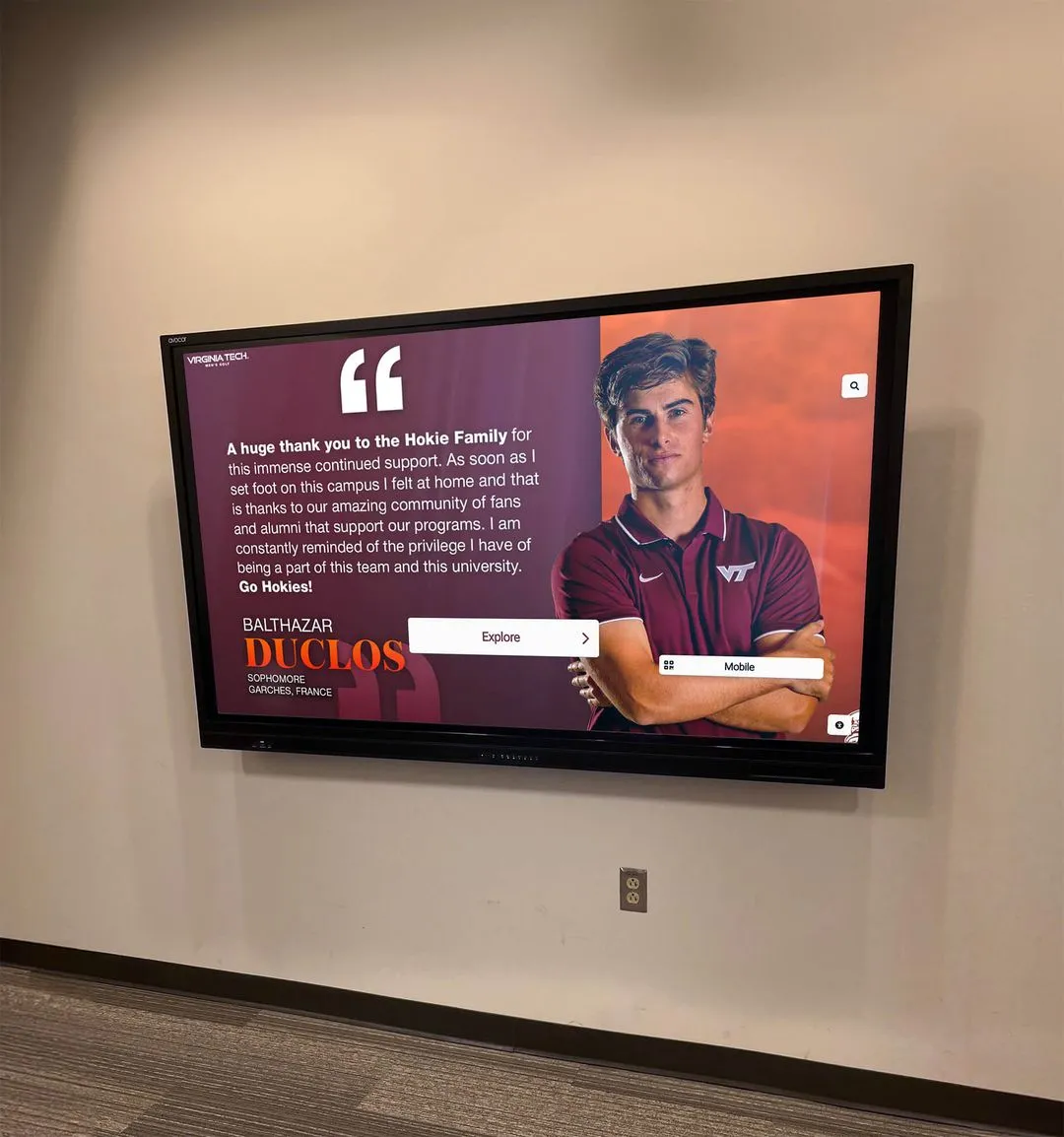
Rich Multimedia Storytelling: Digital platforms enable multimedia content that brings JROTC achievements to life through competition performance videos showing drill routines and competitions, photo galleries documenting ceremonies and events, audio interviews with distinguished cadets and instructors, documentary-style program overviews for recruitment, and cadet testimonials about program impact and growth.
Multimedia content engages visitors more effectively than text and static photos while showcasing the dynamic, demanding nature of JROTC training and activities.
Regular Updates and Real-Time Currency: JROTC achievements occur throughout the academic year—promotions each semester, monthly awards, ongoing competitions, and continuous community service. Digital recognition enables immediate updates adding new achievements when they occur, updating cadet profiles with new ribbons and ranks, posting competition results and photos promptly, and featuring current cadets and recent accomplishments prominently.
This real-time updating keeps recognition current and relevant rather than becoming dated displays reflecting only historical achievements.
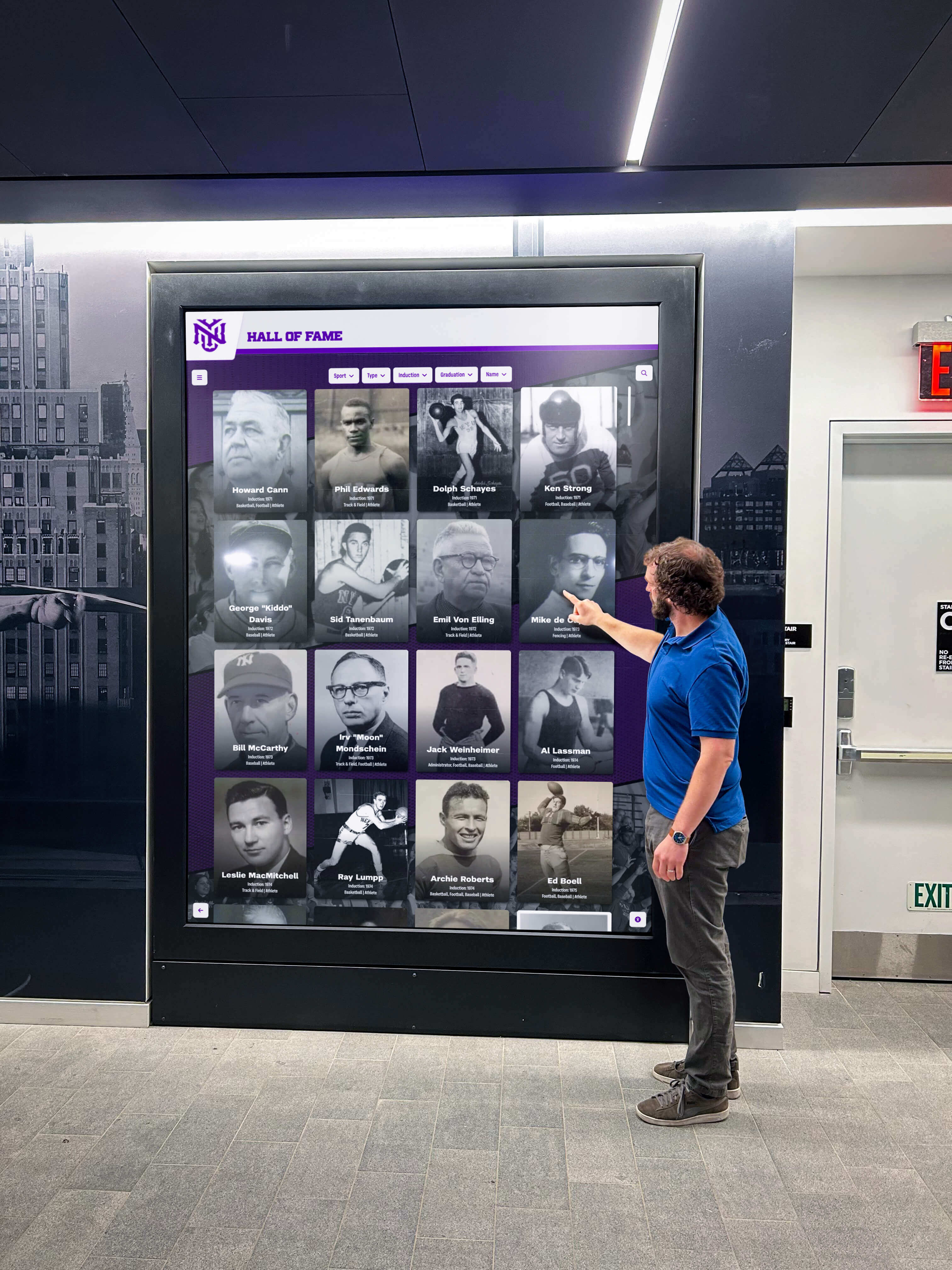
Searchable and Organized Access: Effective digital systems enable visitors to find information through multiple pathways by searching for specific cadets by name, filtering by graduation year or decade, browsing by award type or achievement category, exploring competition results and placements, and discovering alumni military service and careers.
This organizational capability makes comprehensive content accessible rather than overwhelming—helping visitors find personal connections while enabling open-ended exploration of program history.
Implementation Best Practices
Schools implementing JROTC recognition systems benefit from strategic approaches addressing content development, stakeholder engagement, and long-term sustainability.
Collaboration with JROTC Instructors: Successful recognition requires active partnership with Senior Army Instructor (SAI) and Army Instructor (AI) or equivalent positions in other services. Instructors provide essential input including comprehensive cadet achievement records, award criteria and significance explanations, appropriate uniform and rank insignia images, guidance on military protocol and etiquette, and connections to distinguished alumni for content development.
This instructor partnership ensures accuracy, appropriateness, and authenticity while demonstrating institutional respect for JROTC expertise.
Cadet Leadership Involvement: Many schools successfully engage cadet leadership in recognition development through public affairs officer managing content and updates, historian cadets researching and documenting program history, photography and media specialists capturing events, and battalion staff providing input on featured content.
Cadet involvement develops practical leadership experience while ensuring recognition reflects cadet perspectives and priorities.
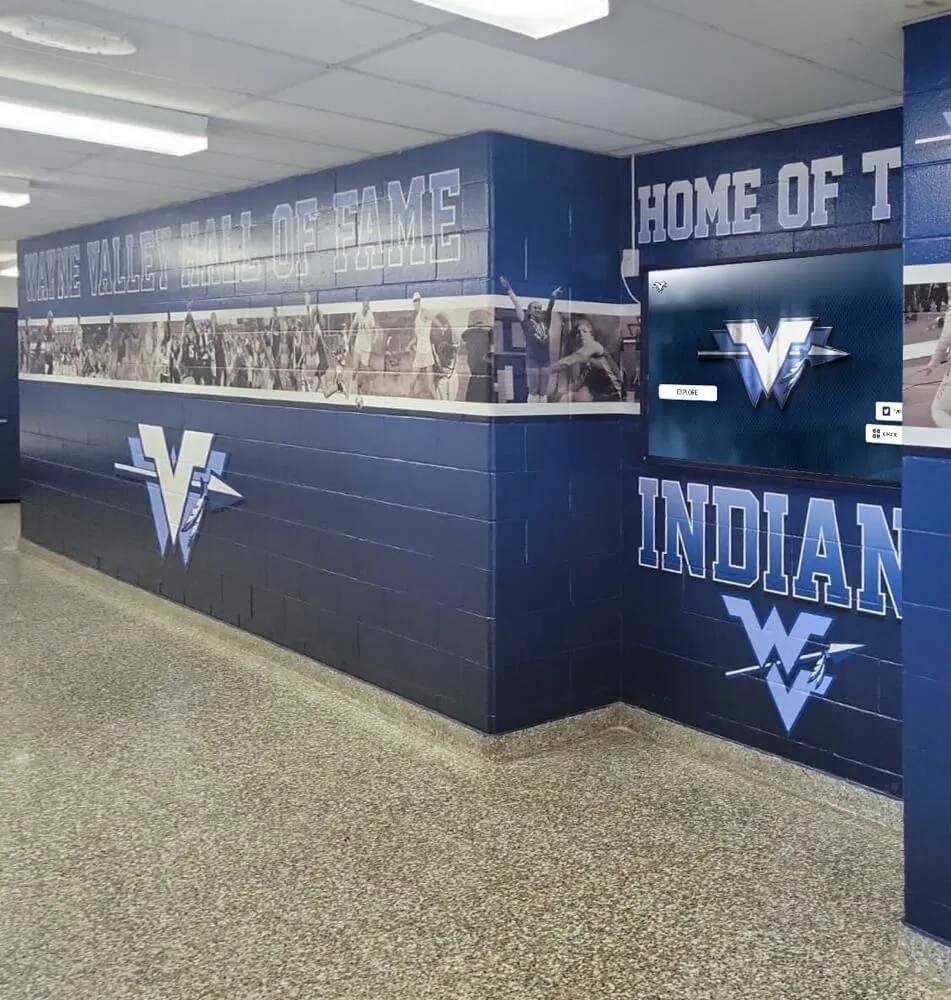
Integration with Broader School Recognition: JROTC recognition should integrate seamlessly with broader school achievement celebration including placement in prominent, high-traffic locations, visual design consistent with school branding, connection to athletic and academic achievement displays, and balanced representation showing diverse school excellence.
This integration demonstrates institutional support for JROTC while avoiding perception that military programs receive isolated or subordinate recognition compared to other school activities.
JROTC Benefits: Developing Tomorrow’s Leaders Today
Research consistently demonstrates that JROTC participation produces measurable benefits extending far beyond high school years into college, careers, and civic engagement.
Academic and Educational Outcomes
Contrary to outdated perceptions of JROTC as vocational training for struggling students, research shows that cadet participation correlates with improved academic performance and educational attainment.
Enhanced Academic Performance: Multiple studies demonstrate that JROTC cadets maintain higher GPAs than non-participants, show increased high school graduation rates, demonstrate improved attendance and reduced disciplinary issues, develop stronger study skills and time management, and exhibit enhanced academic motivation and goal orientation.
These academic benefits likely result from multiple program elements including structured environment emphasizing responsibility and accountability, leadership and organizational skills transferring to academic contexts, mentorship from instructors and senior cadets, and recognition systems rewarding academic excellence alongside military achievement.
Increased College Attendance and Success: JROTC graduates attend college at rates exceeding national averages while demonstrating greater college persistence and completion. Programs support college preparation through college planning and application assistance, scholarship opportunities including service-specific ROTC programs, development of discipline and work ethic supporting college success, and leadership experience valued by college admissions offices.
Many JROTC graduates transition to college ROTC programs offering full tuition scholarships—making JROTC participation a genuine pathway to affordable higher education for students from diverse economic backgrounds.
Character and Leadership Development
JROTC’s primary mission focuses on developing citizens of character—a goal that research suggests the program achieves effectively across diverse student populations.
Values-Based Character Formation: JROTC’s emphasis on integrity, service, respect, and personal courage shapes character development through consistent modeling of values by instructors, peer culture reinforcing values and standards, recognition systems rewarding values-based behavior, and practical application through leadership positions and service activities.
Graduates frequently cite JROTC as foundational in developing personal values and ethical frameworks guiding professional and personal decisions throughout their lives.
Leadership Competency Development: Cadets develop practical leadership skills through progressively demanding positions including communication and public speaking abilities, decision-making under pressure and with incomplete information, team building and organizational development, conflict resolution and negotiation, and mentorship and subordinate development.
These leadership competencies transfer directly to college, careers, and community leadership regardless of whether graduates pursue military service.
Resilience and Personal Discipline: JROTC’s demanding expectations and structured environment develop resilience and self-discipline through meeting high standards despite challenges and setbacks, time management balancing JROTC with academics and activities, physical fitness demanding consistent effort over time, and accountability for personal performance and team outcomes.
Graduates consistently report that JROTC-developed discipline and resilience prepared them for demanding college programs, competitive careers, and personal challenges more effectively than other high school experiences.
Career Preparation and Opportunities
While JROTC doesn’t recruit for military service, it does open pathways to various careers through skills development, networking, and specific opportunities.
Military Career Pathways: For students who choose military service, JROTC provides advantages including advanced rank upon enlistment in most services, preparation for service academy applications, foundation for college ROTC scholarship applications, understanding of military culture and expectations, and connections to recruiters and military personnel.
These advantages don’t obligate participation but provide options for graduates choosing military careers.
Civilian Career Preparation: JROTC develops skills valued across civilian professions including leadership and management capabilities, organizational and planning skills, public speaking and communication abilities, teamwork and collaboration experience, and professional demeanor and work ethic.
Employers frequently value JROTC experience as demonstrating maturity, reliability, and leadership potential—particularly for entry-level positions and management development programs.
Scholarship and Educational Opportunities: JROTC participation enhances scholarship applications through service academy nominations available to distinguished cadets, military ROTC scholarships at hundreds of colleges, civilian scholarships valuing leadership and service, and enhanced college applications demonstrating commitment and achievement.
These opportunities make JROTC participation financially valuable for families considering college affordability—a practical benefit complementing developmental and educational outcomes.
Conclusion: Celebrating JROTC Excellence Through Comprehensive Recognition
JROTC programs represent one of American education’s most successful citizenship development initiatives—providing over half a million high school students annually with structured leadership education, character development, physical fitness training, and practical life skills. These programs transform young people into capable, confident leaders prepared for success in college, careers, military service, and civic participation.
Schools hosting JROTC programs bear responsibility for appropriately recognizing cadet achievements—celebrating the discipline required to earn promotions through demanding rank systems, honoring the diverse awards and ribbons recognizing everything from academic excellence to community service to competitive success, preserving unit history and traditions spanning decades of program operation, showcasing distinguished alumni who served honorably in the armed forces, and inspiring current cadets by prominently displaying excellence achieved by previous generations.
Traditional recognition approaches—bulletin boards, trophy cases, and wall plaques—prove inadequate for comprehensive JROTC recognition. These static displays lack capacity for the extensive achievements JROTC programs generate, become outdated quickly as new accomplishments occur, fail to explain military awards and customs to broader communities, and cannot accommodate rich multimedia storytelling bringing cadet experiences to life.
Modern digital recognition systems transform how schools celebrate JROTC excellence by providing unlimited capacity accommodating decades of comprehensive achievement, rich multimedia content including competition videos and cadet interviews, regular updates keeping recognition current throughout the academic year, searchable organization making all content easily discoverable, and educational context explaining ribbons, ranks, and awards to community audiences.
Schools implementing JROTC recognition report significant benefits including enhanced cadet motivation and program pride, strengthened community understanding and support for JROTC, improved recruiting and retention of quality cadets, preserved institutional memory and program traditions, and demonstrated commitment to values-based leadership development.
Whether schools are establishing first JROTC recognition systems or enhancing existing displays, solutions like Rocket Alumni Solutions provide purpose-built platforms designed specifically for military program recognition. These systems combine intuitive content management enabling JROTC instructors and cadet staff to maintain current recognition, flexible organization accommodating ranks, awards, competitions, and service categories, comprehensive multimedia support showcasing the dynamic nature of JROTC training, and reliable performance ensuring consistent operation in demanding school environments.
Beyond technology, successful JROTC recognition requires strategic planning addressing comprehensive content development documenting cadets and achievements, collaboration with instructors ensuring accuracy and appropriateness, engagement of cadet leadership in content creation and maintenance, integration with broader school recognition demonstrating institutional support, and long-term maintenance commitment ensuring recognition remains current and comprehensive.
Resources on implementing effective awards ceremonies and recognition presentations help schools celebrate JROTC achievements with appropriate ceremony reflecting the significance of military traditions and cadet dedication.
As JROTC programs continue developing tomorrow’s leaders today, comprehensive recognition systems ensure these extraordinary achievements receive the lasting acknowledgment they deserve. By honoring cadet excellence, preserving program history, and inspiring future generations, schools create recognition that strengthens JROTC culture while demonstrating that leadership, character, and service receive the highest institutional honor—visible celebration that endures across generations.