



Custom jersey designs transform athletic teams from groups of individuals into unified forces representing school pride, tradition, and identity. The right uniform design communicates before athletes take the field—announcing team personality, establishing psychological presence, and creating immediate visual recognition that resonates with players, opponents, and communities. Effective jersey designs balance aesthetic appeal with practical functionality, honor school traditions while feeling contemporary, and create emotional connections that make athletes proud to represent their schools.
Athletic directors, coaches, booster club leaders, and uniform committees face critical design decisions when developing custom jerseys: Which colors and patterns best represent school identity? How do we create distinctive designs that stand out without crossing into gimmicky territory? What design elements translate effectively across multiple sports while maintaining sport-specific functionality? How can we balance budget constraints with quality expectations? What role should student input play in design decisions? How do we create uniforms that photograph well, wear durably, and remain relevant across multiple seasons?
Celebrating Athletic Excellence Through Modern Recognition
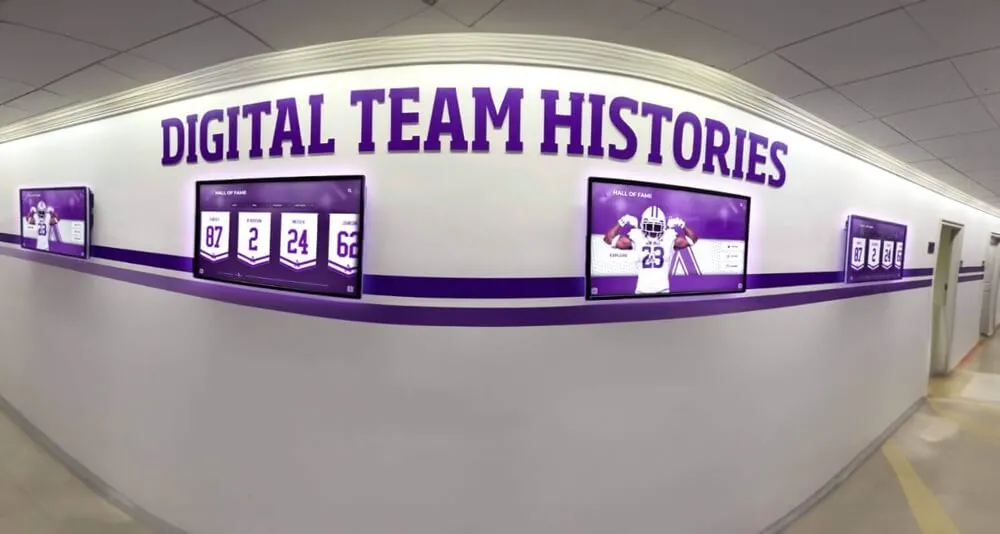
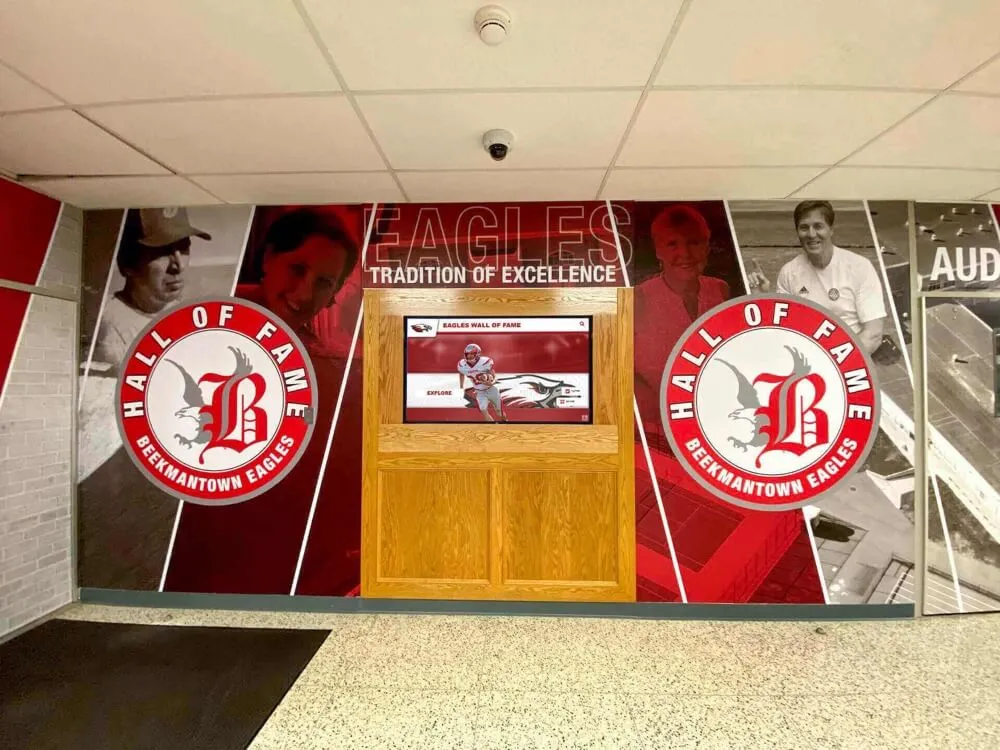
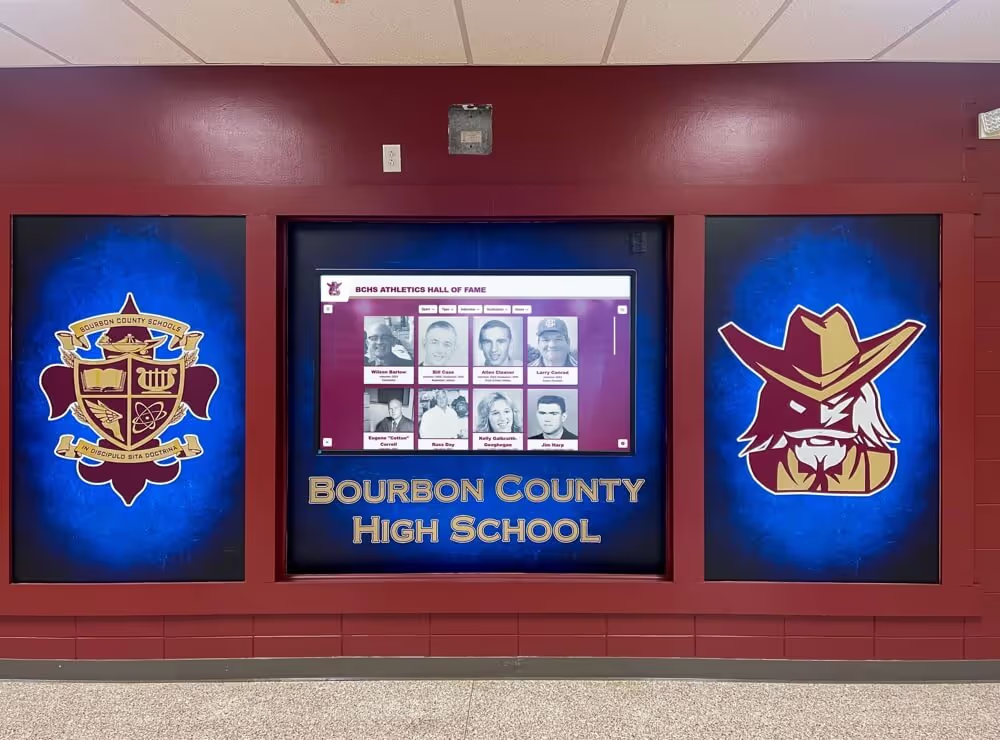
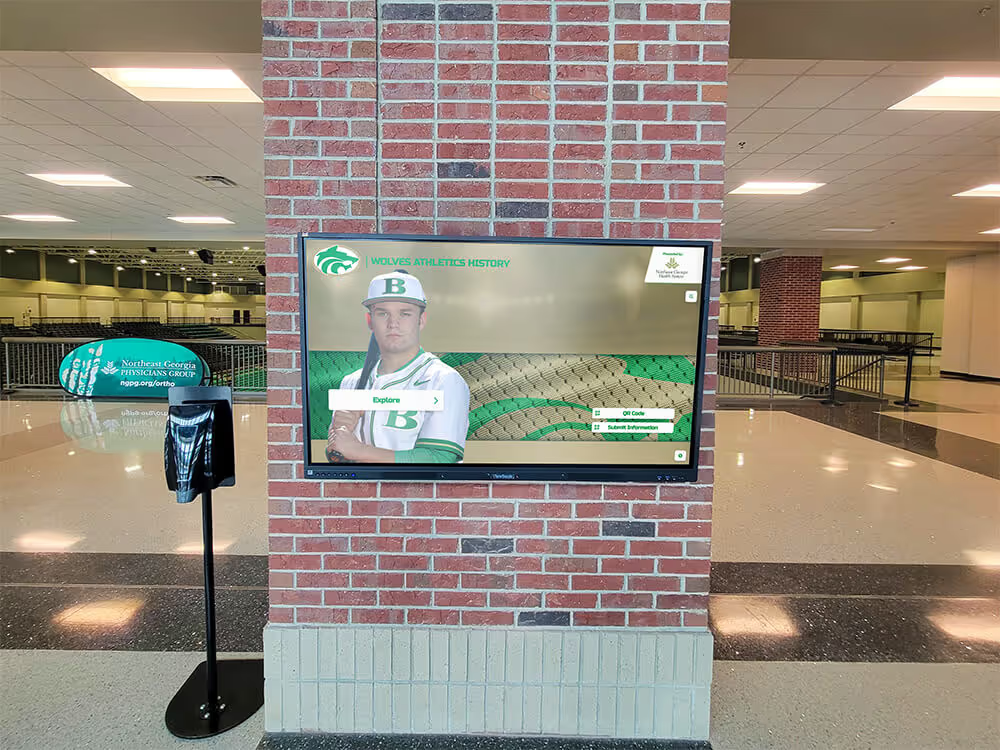
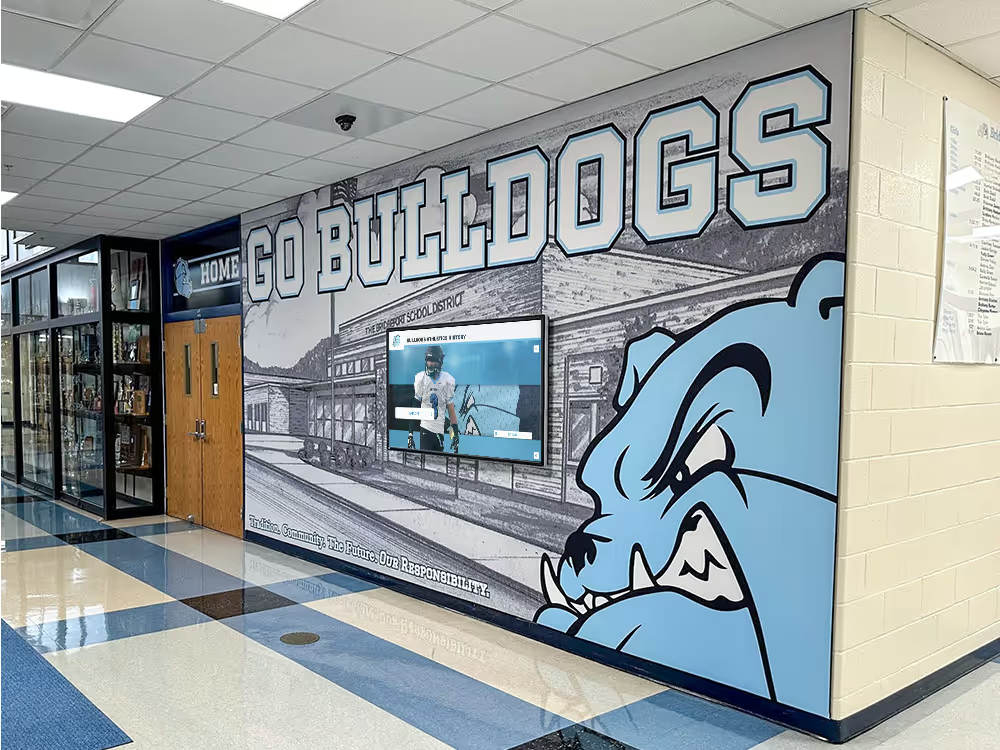
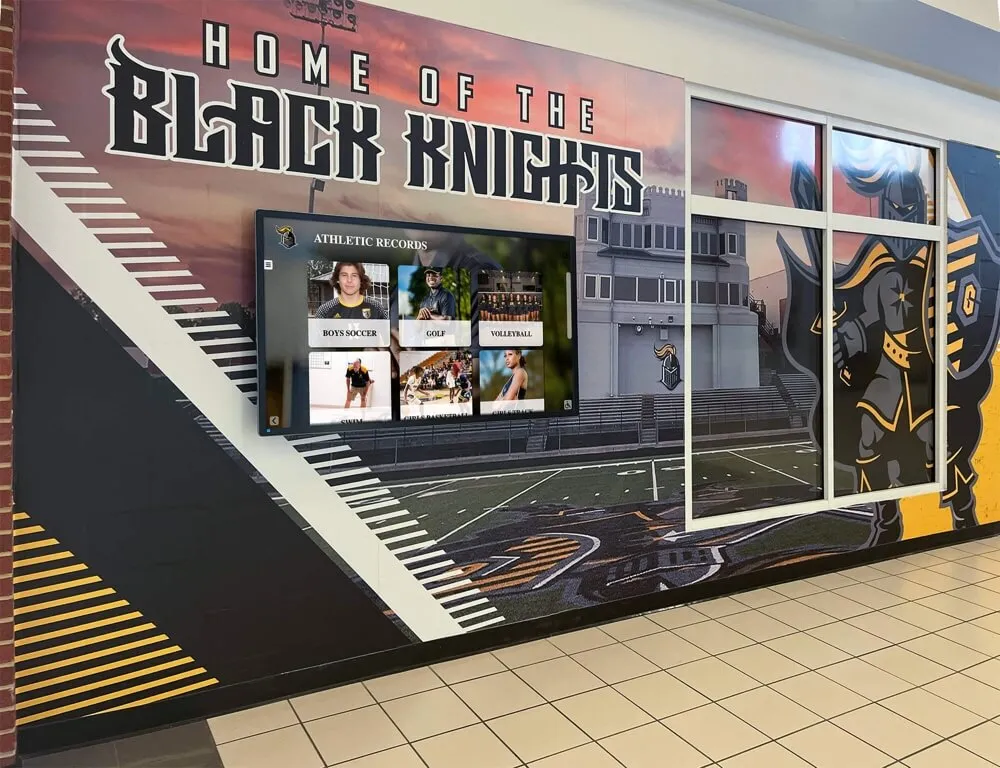
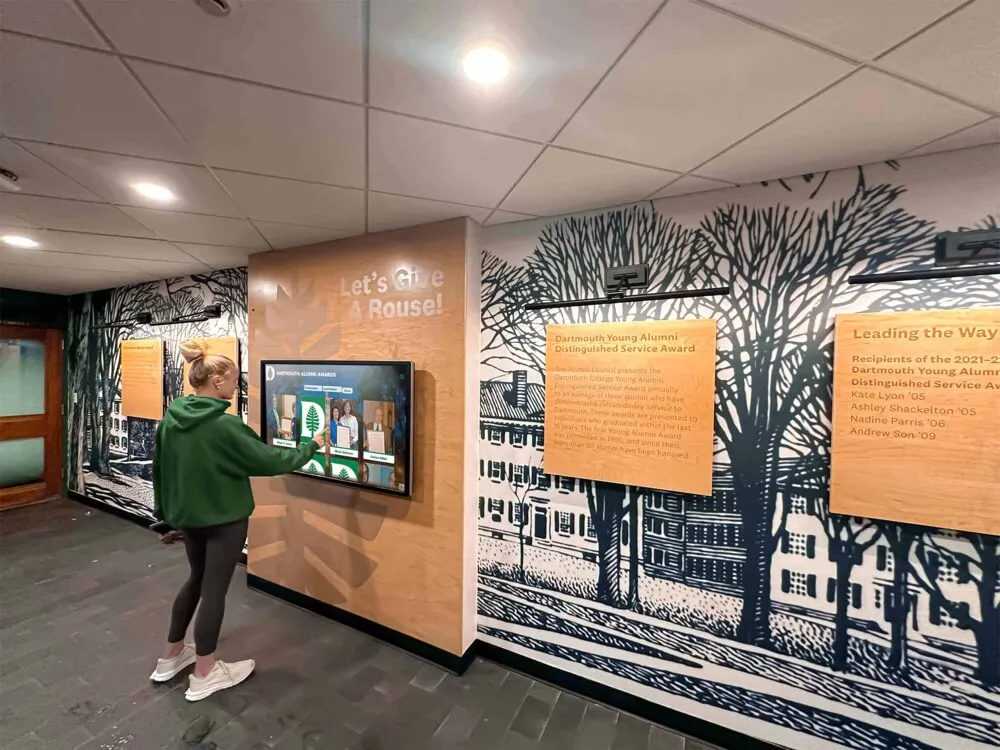
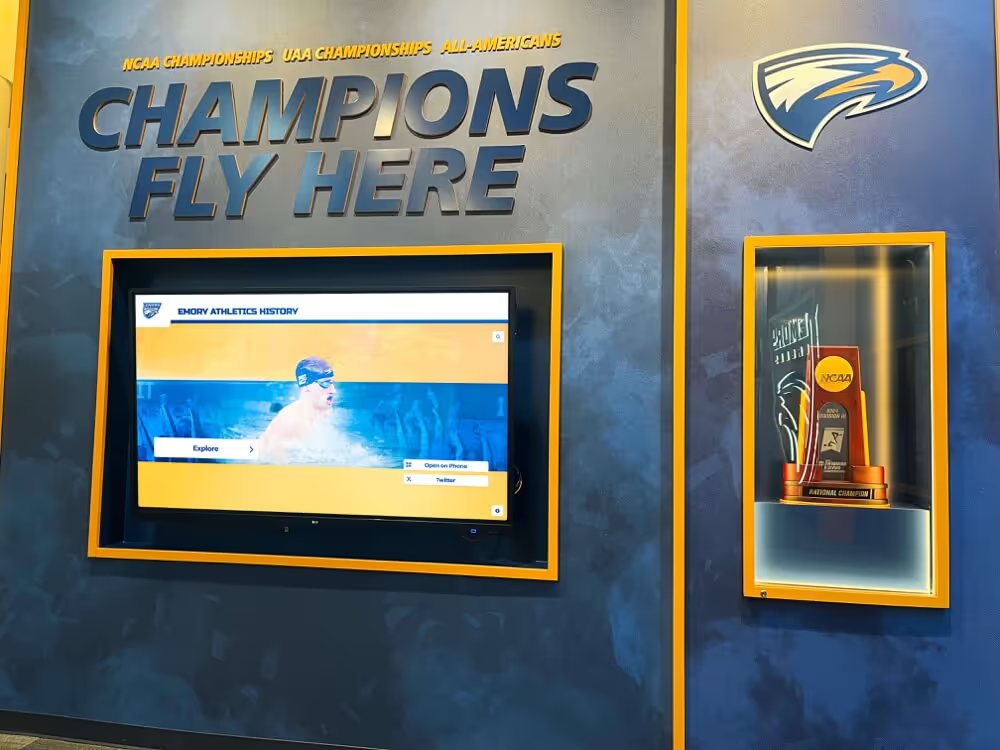
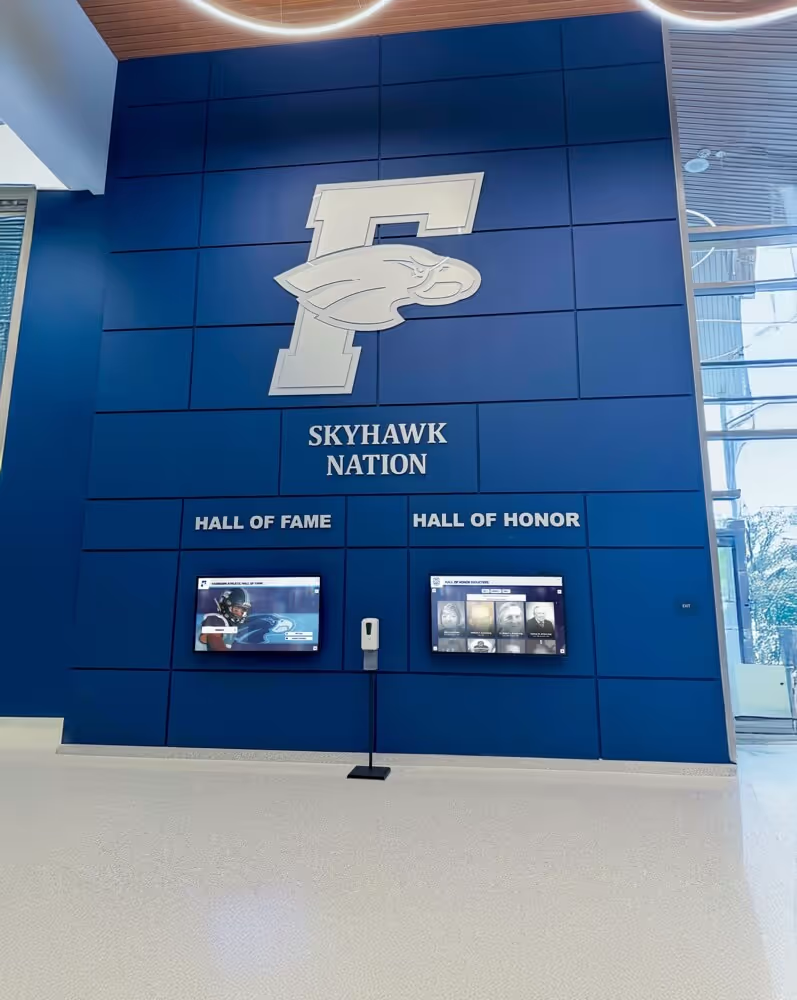
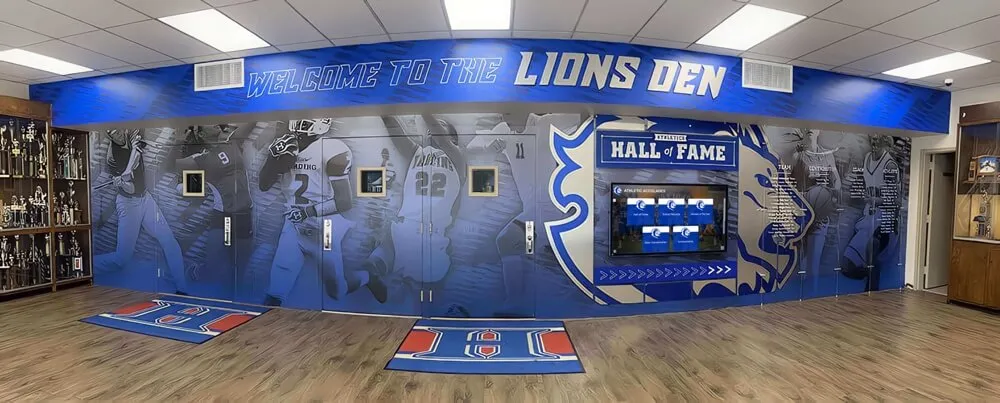
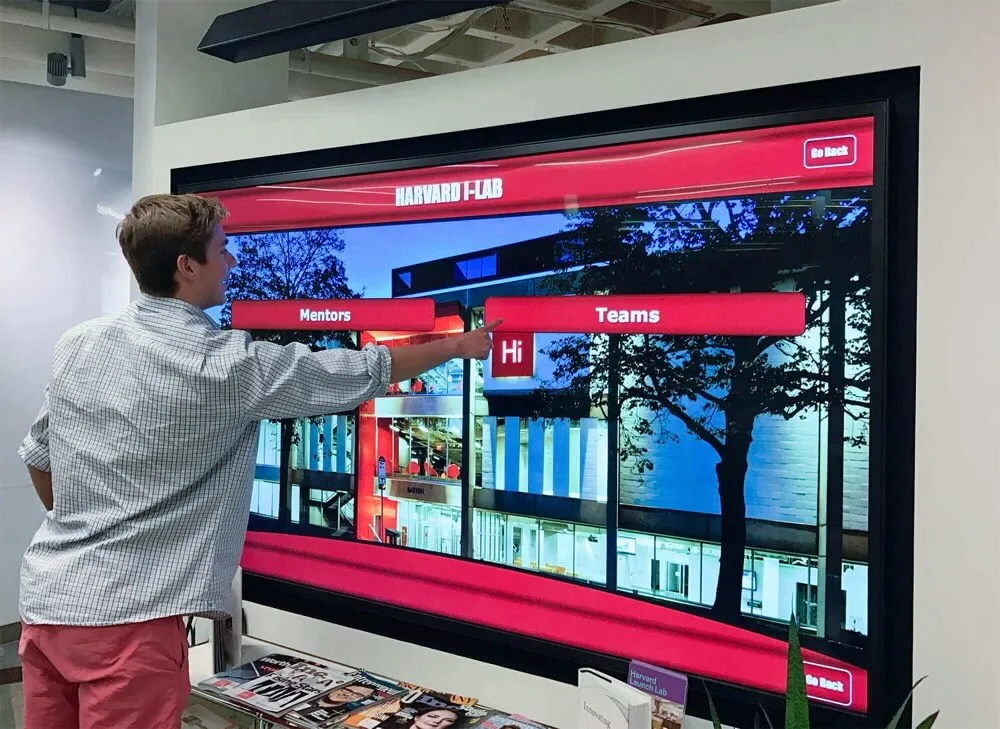
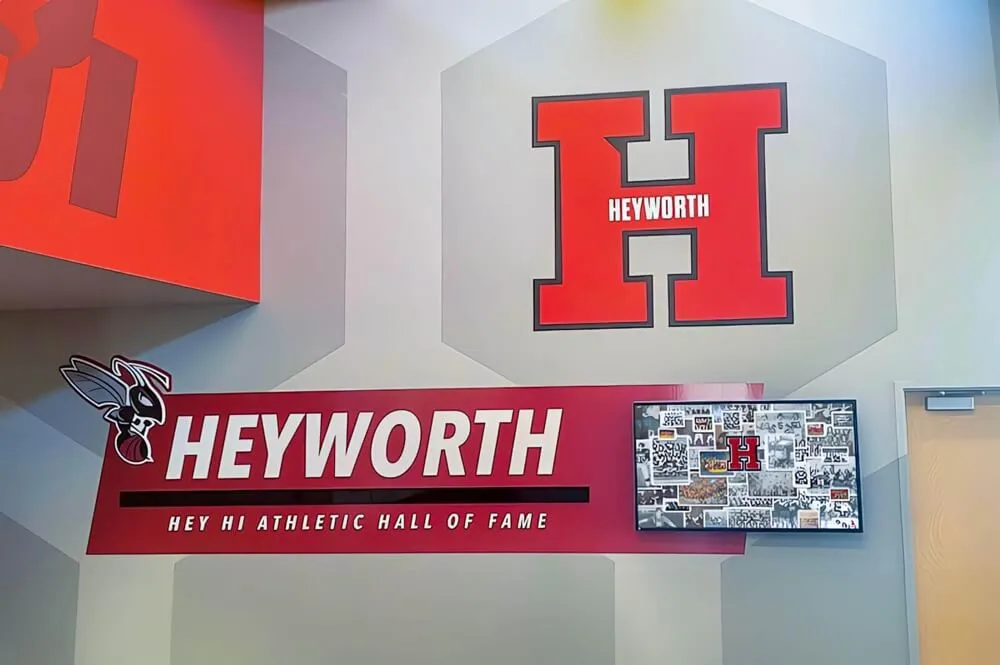
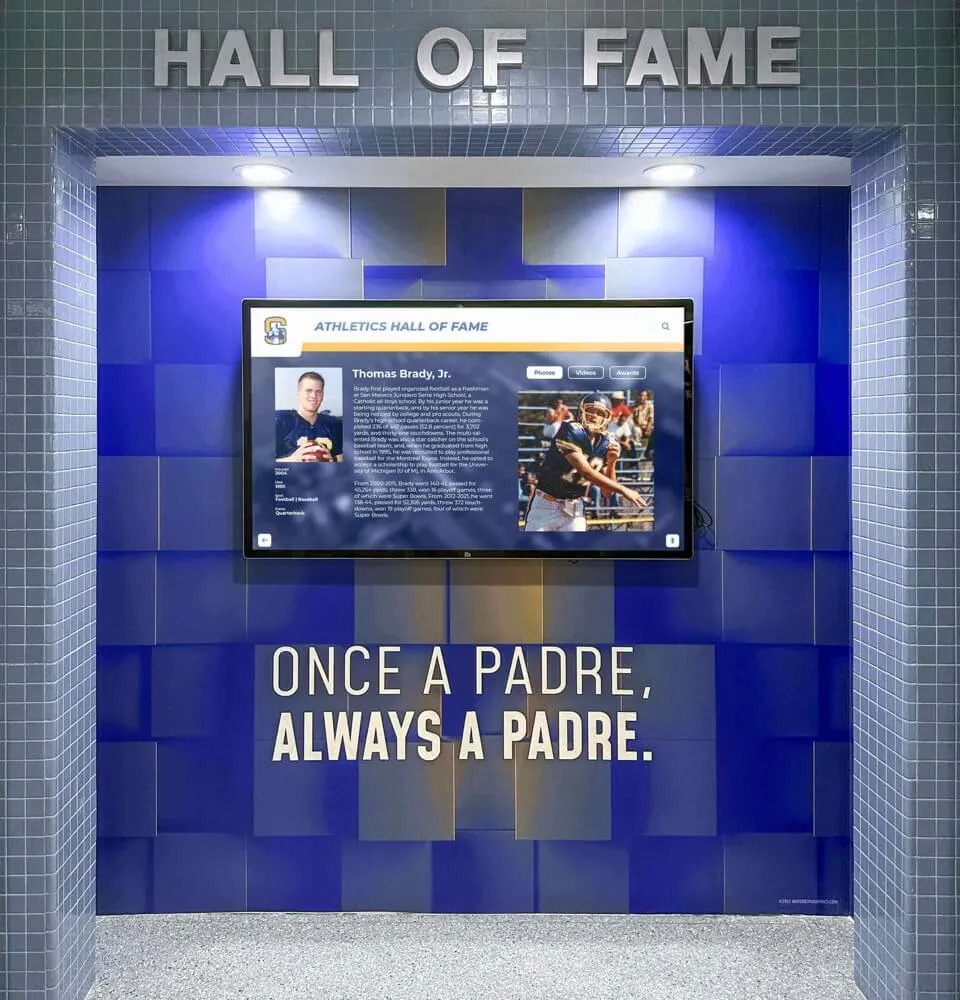
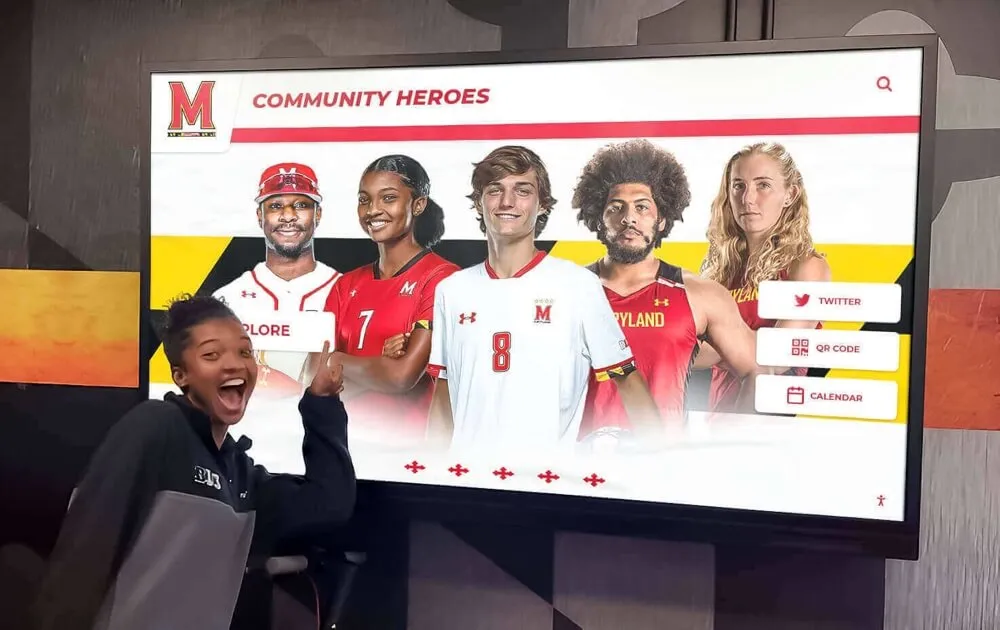
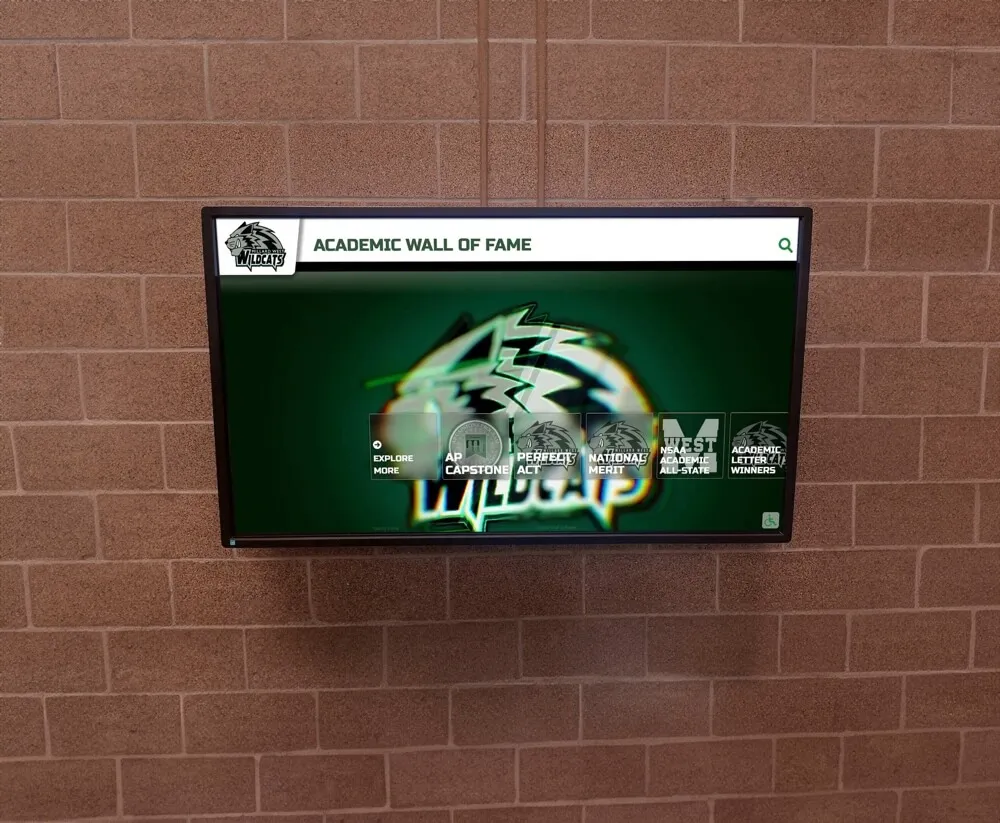
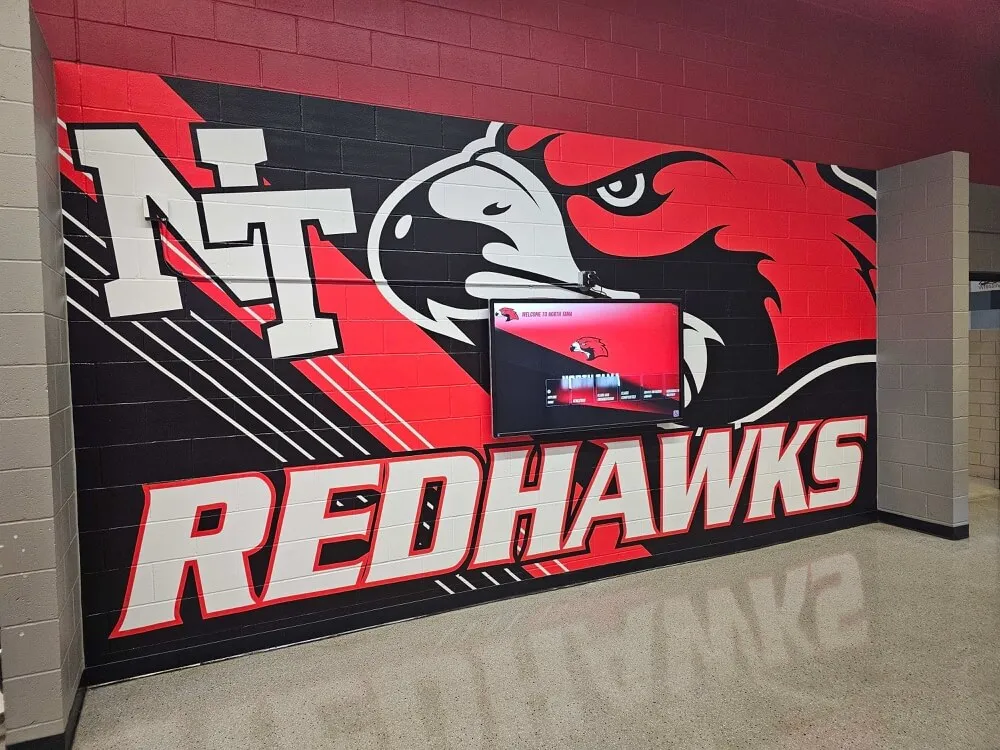
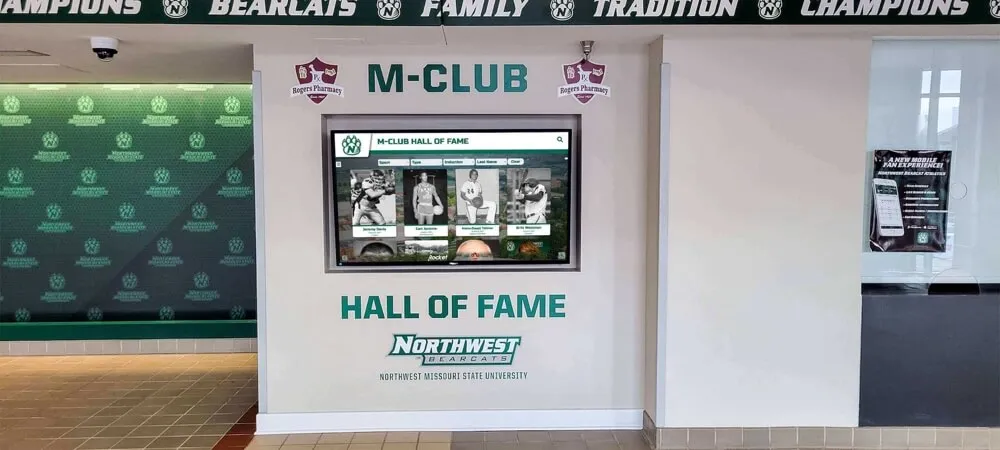
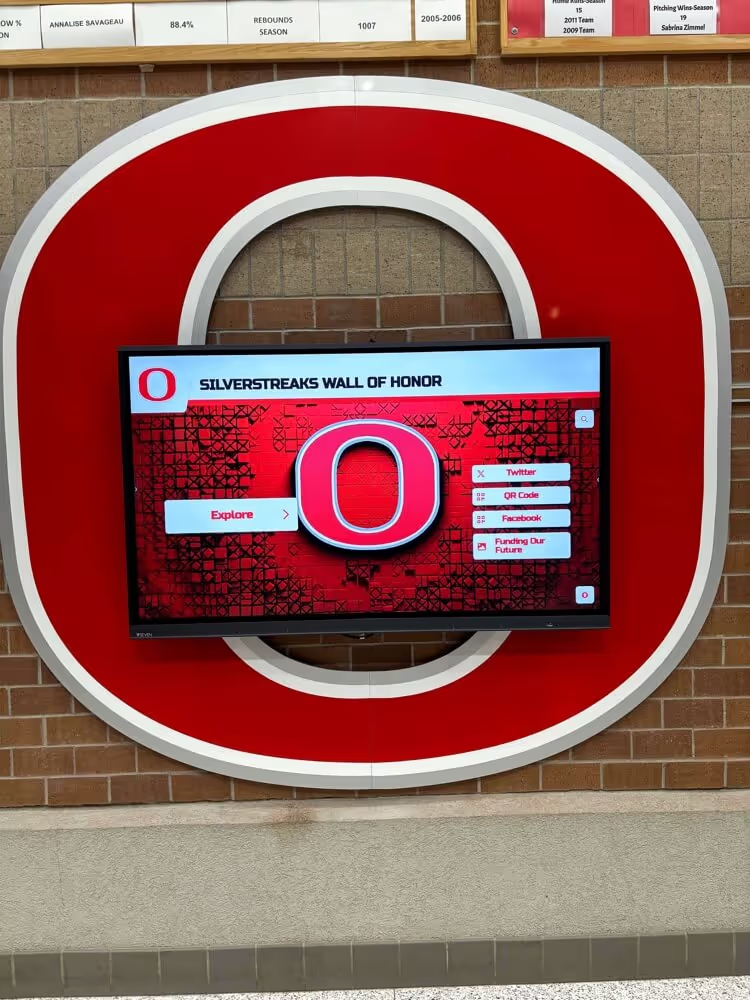
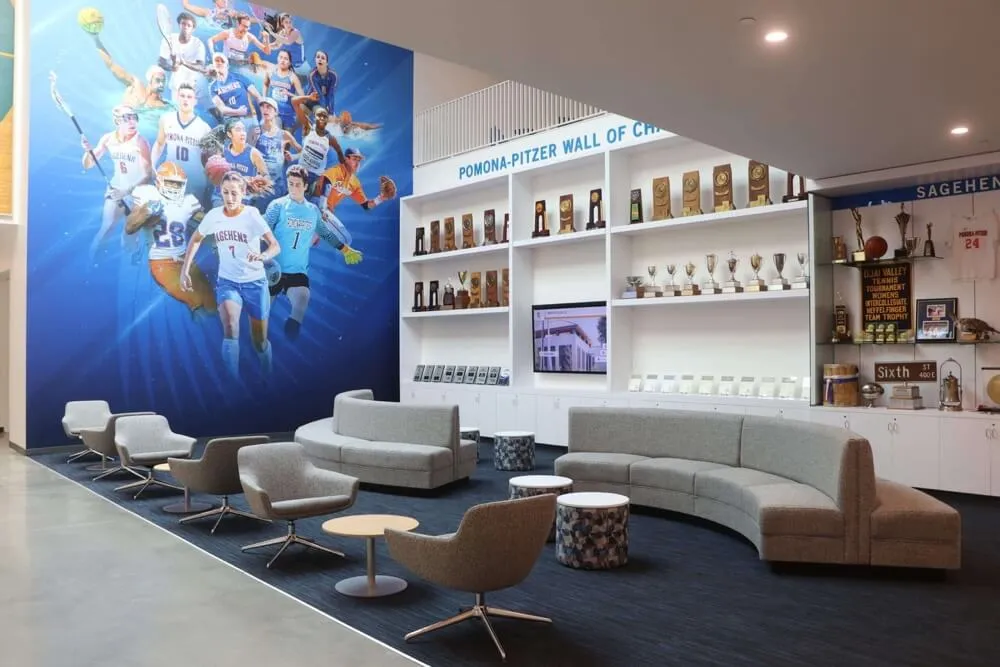
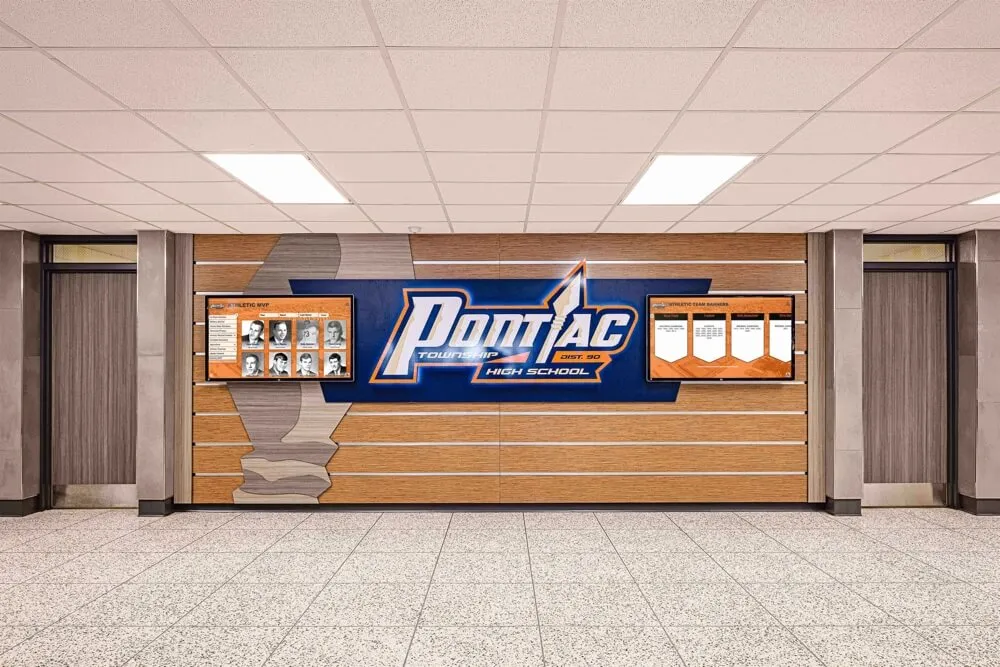
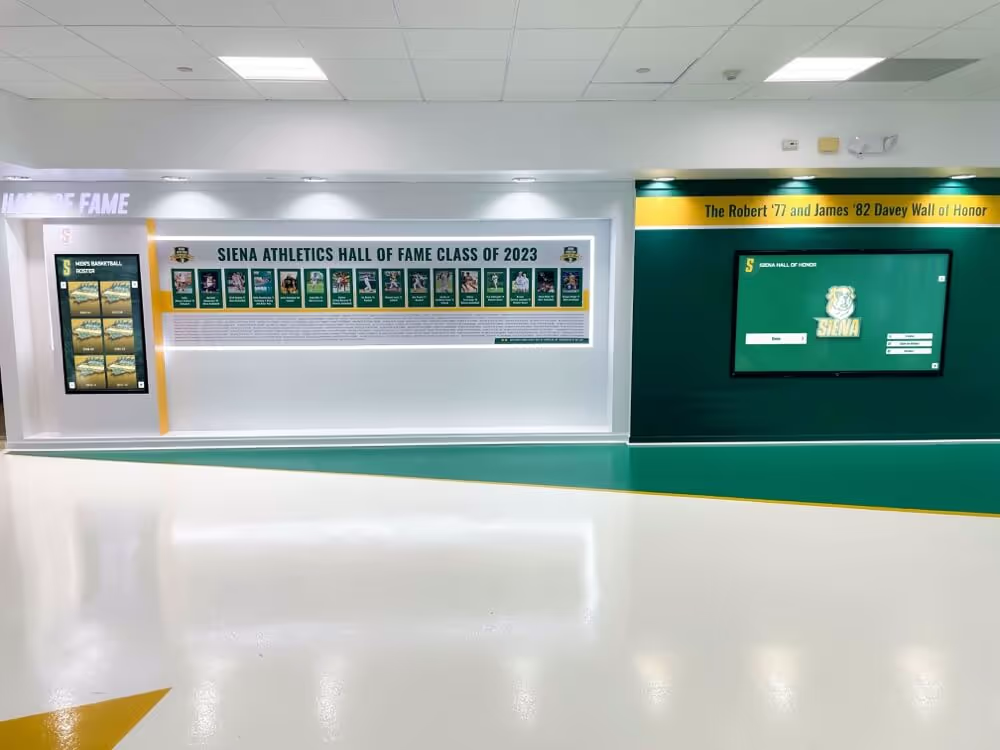
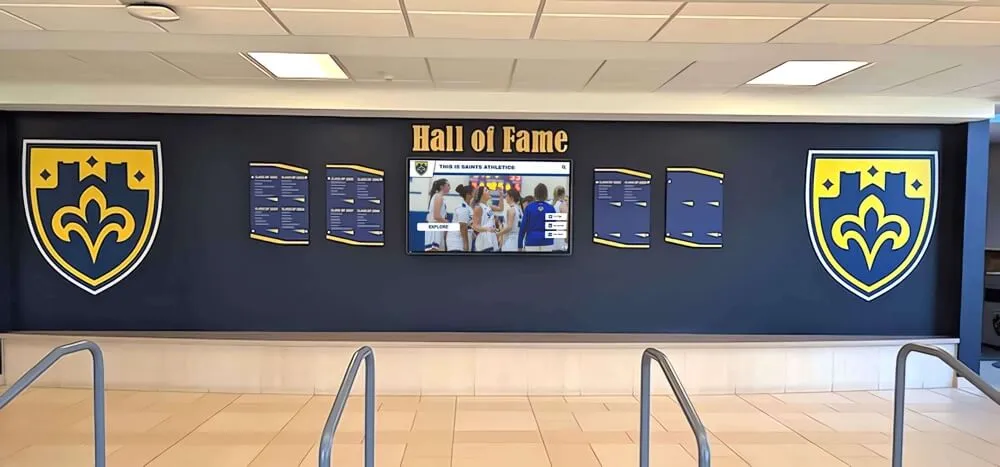
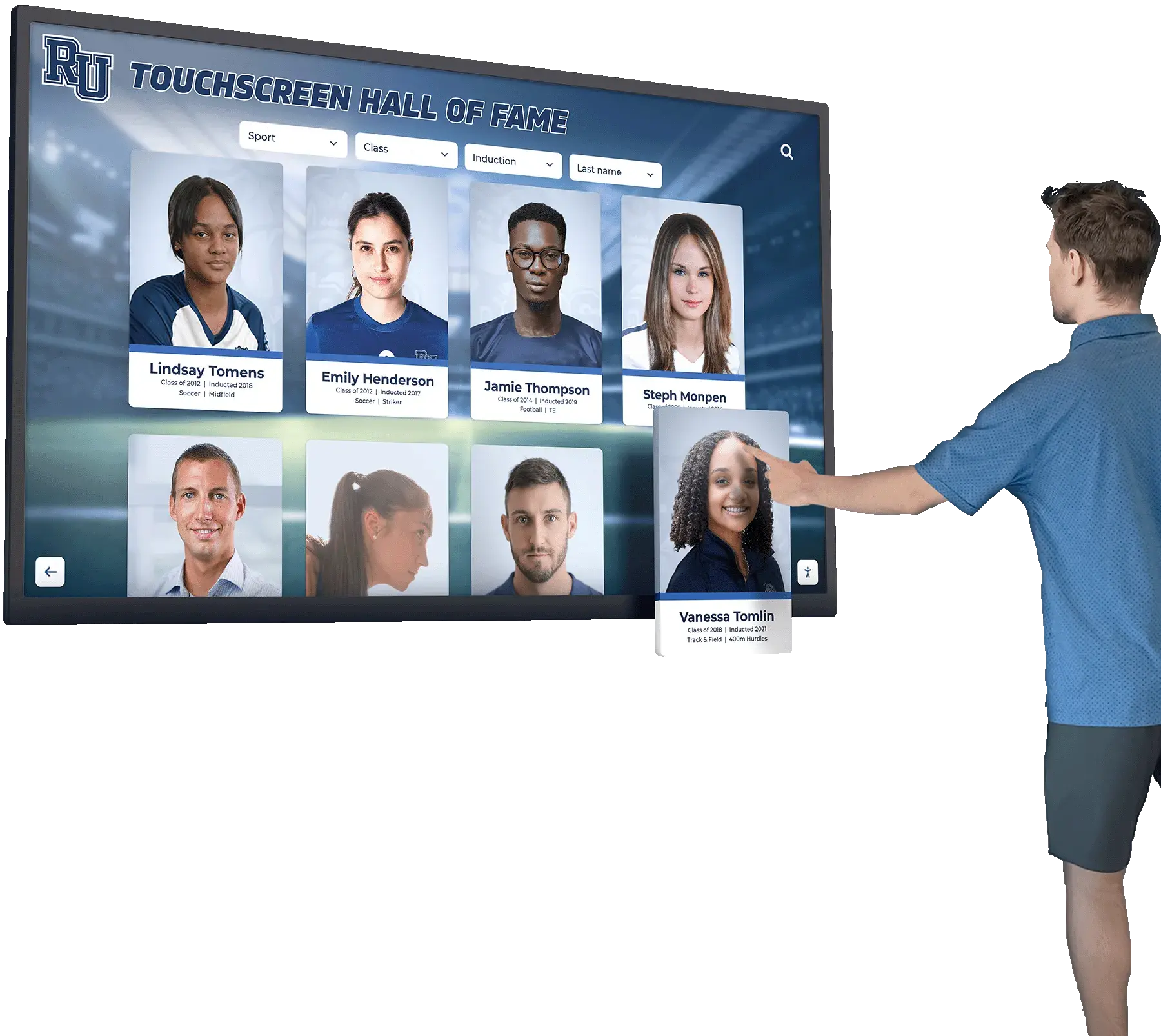
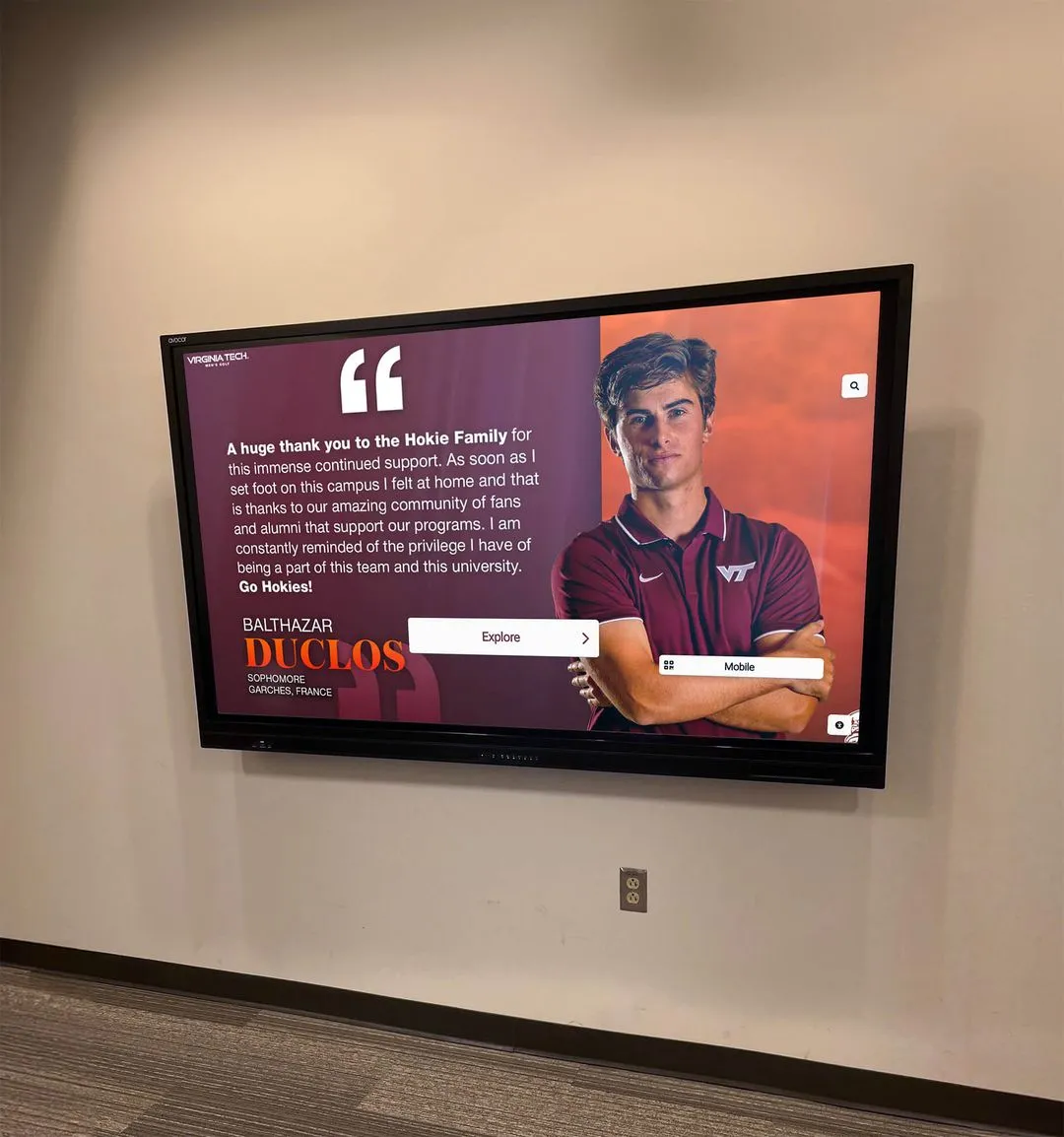
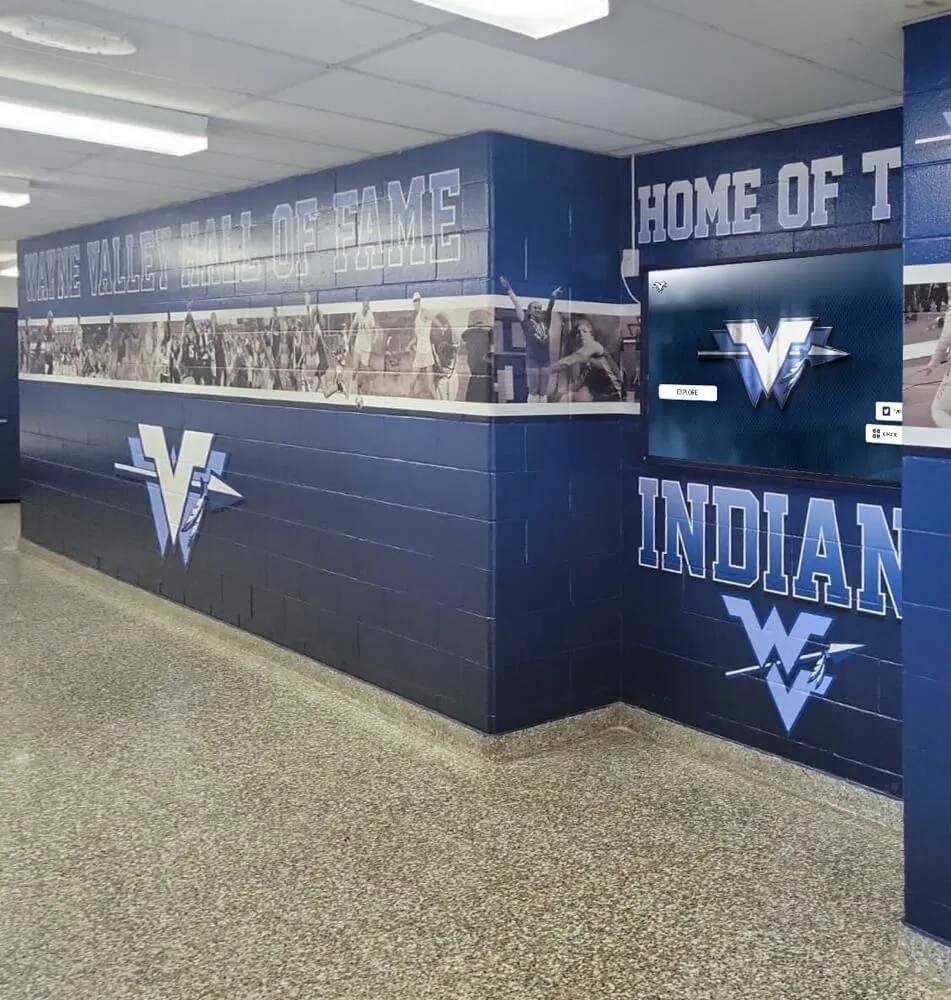
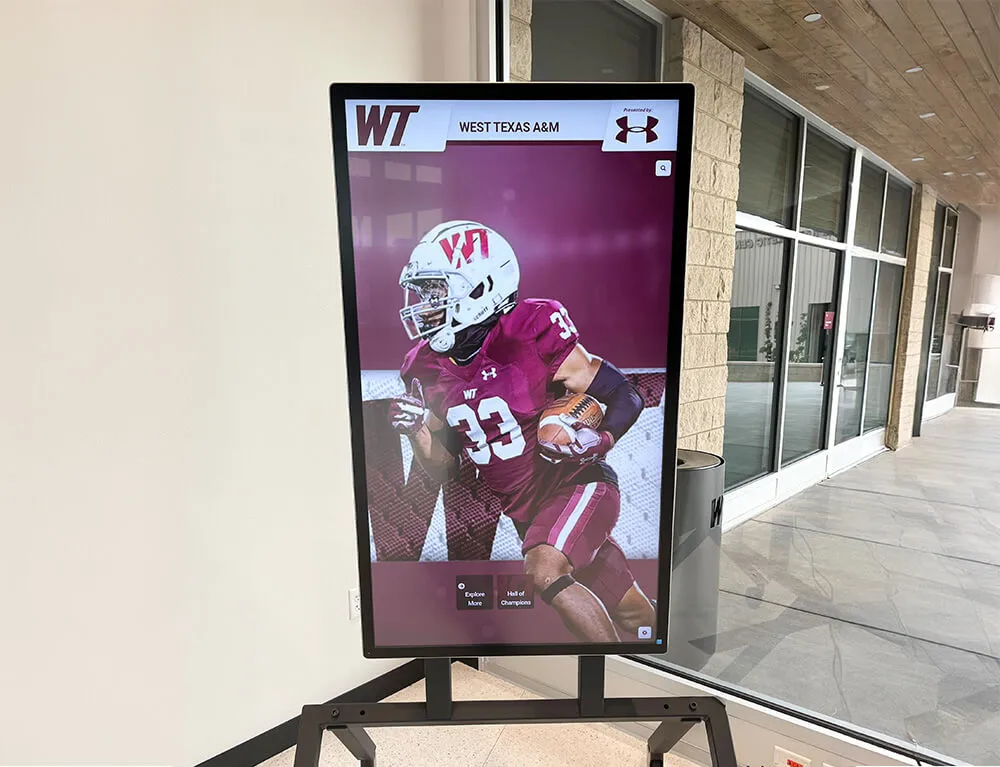
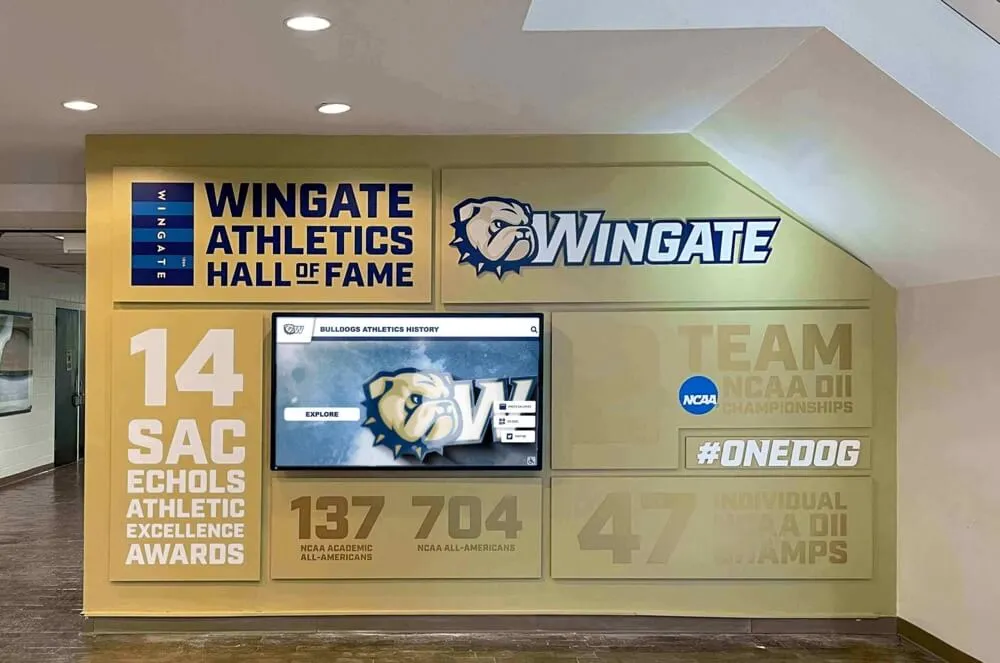
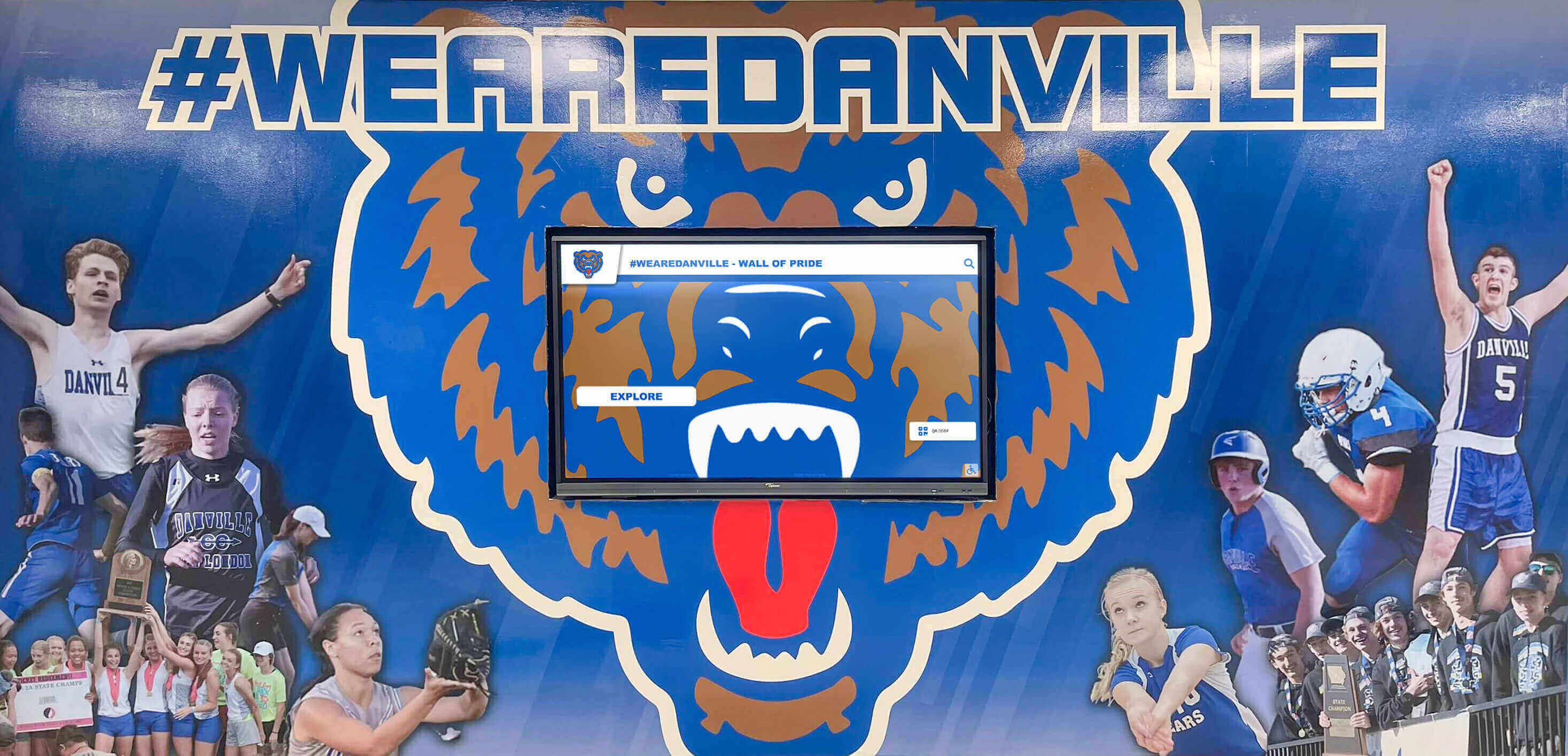
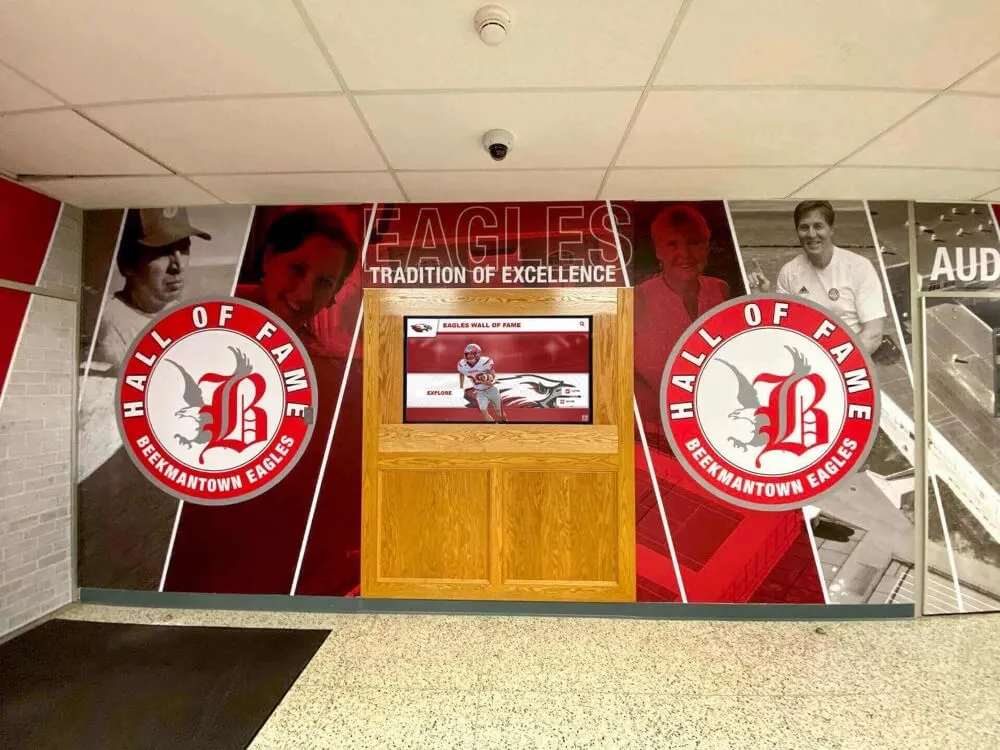
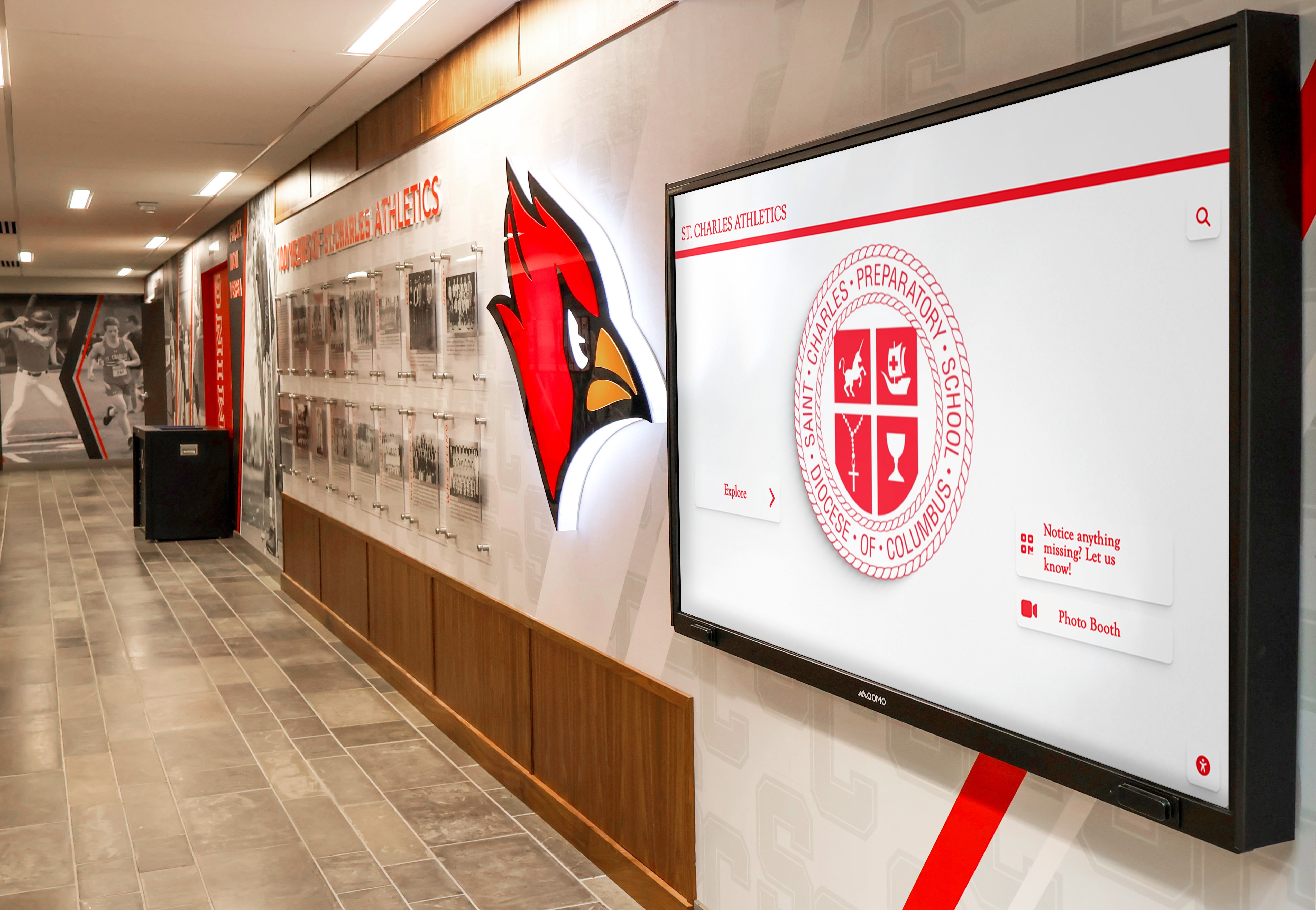
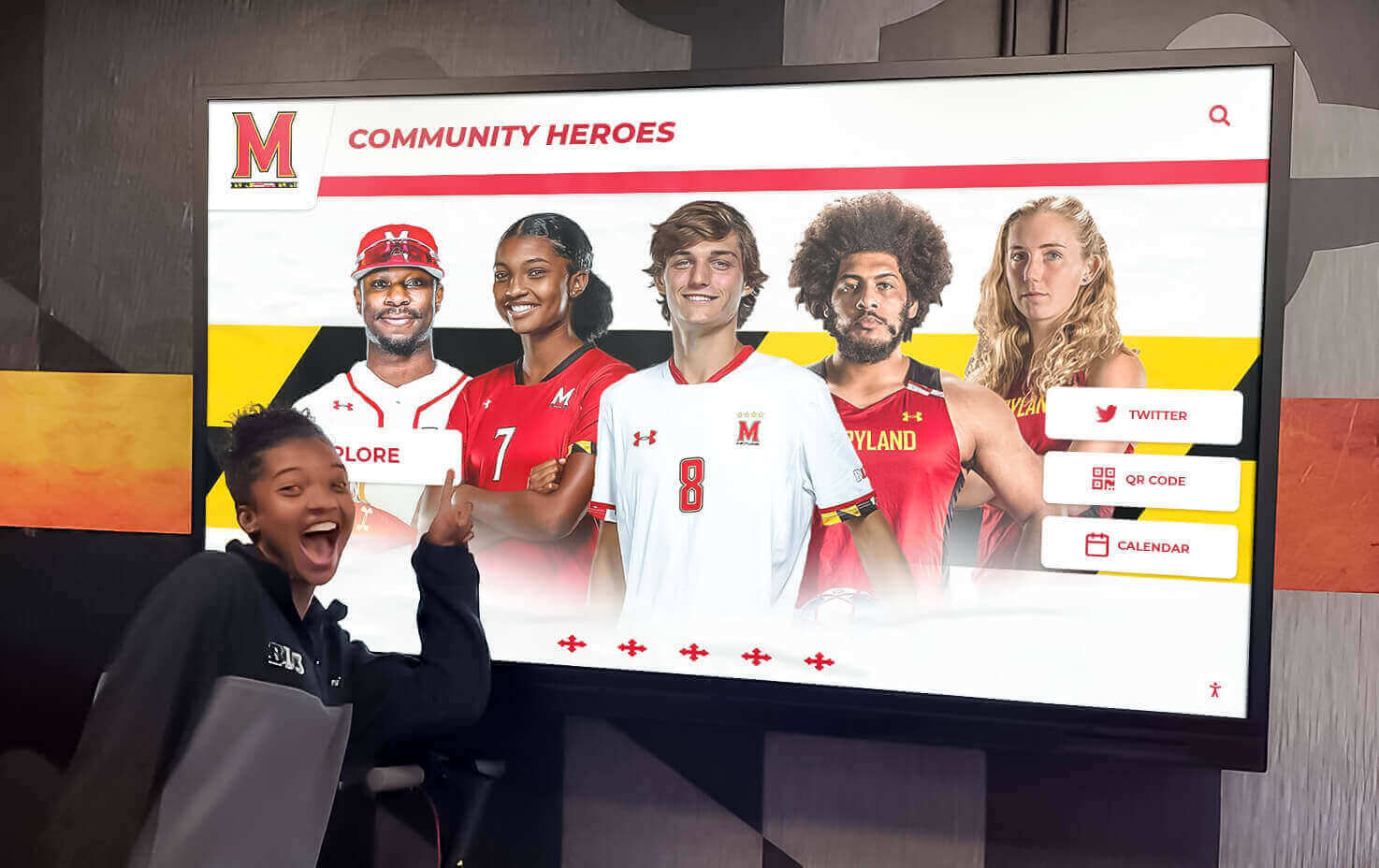
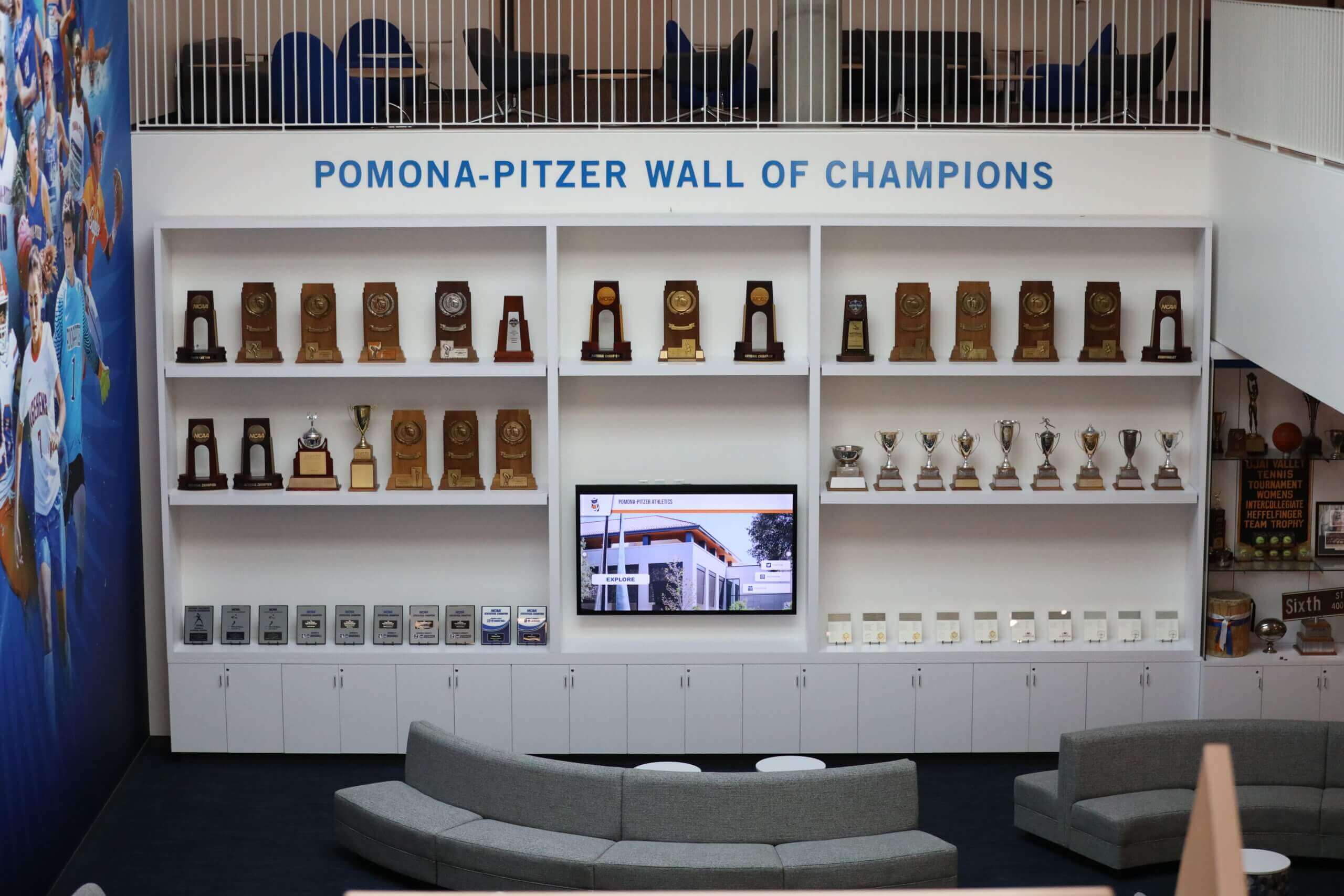
While exceptional jersey designs build team identity on the field, many schools enhance athletic pride through comprehensive recognition systems celebrating achievements long after games conclude. Digital displays enable schools to showcase championship teams wearing iconic uniforms, highlight individual athlete accomplishments, preserve team photos capturing uniform evolution across eras, and create permanent recognition for athletes who brought honor to school jerseys. Solutions like Rocket Alumni Solutions provide interactive platforms where schools display athletic history, honor jersey traditions, and celebrate the athletes whose performances made uniforms legendary—building lasting connections between current teams and proud athletic legacies.
Understanding the Psychology Behind Effective Jersey Design
Before exploring specific design elements, understanding the psychological and cultural factors that make jerseys meaningful helps guide better design decisions.
Why Jersey Design Matters Beyond Aesthetics
Athletic uniforms serve functions extending far beyond clothing athletes during competition.
Identity Formation and Team Cohesion
Uniforms create immediate visual unity transforming individuals into collective entities. When athletes wear matching jerseys, they become part of something larger than themselves—representing school traditions, community expectations, and teammate bonds. This psychological shift from “me” to “we” profoundly impacts team dynamics, creating accountability to collective identity rather than individual performance alone.
Strong jersey designs amplify these effects. Distinctive, well-designed uniforms athletes feel proud wearing strengthen identity connection. Conversely, poorly designed or generic uniforms can undermine team cohesion by failing to provide meaningful identity markers athletes embrace enthusiastically.
Psychological Impact on Performance
Research in sports psychology consistently demonstrates that uniform design influences athlete confidence and performance. Athletes wearing uniforms they perceive as high-quality, distinctive, and aesthetically appealing report higher confidence levels than those in uniforms they view as inferior or generic.
This “uniform effect” extends beyond subjective feelings. Studies suggest teams wearing darker colors are perceived as more aggressive and receive more penalties—not because they play differently, but because officials and opponents unconsciously associate dark uniforms with dominance. Similarly, teams in distinctive, professionally designed uniforms may receive subtle psychological advantages through opponent perceptions and self-confidence boosts.
Community Connection and School Pride
Jerseys serve as visible symbols connecting athletic programs to broader school communities. Distinctive uniforms become immediately recognizable at games, tournaments, and community events—mobile advertisements for school athletic programs. Parents purchase replica jerseys, students wear team colors on game days, and alumni maintain emotional connections to uniform designs from their playing years.
Effective jersey designs therefore consider audiences beyond athletes themselves—creating appeal for students, parents, alumni, and communities who experience school pride through visual association with athletic teams.
Color Psychology in Athletic Uniform Design
Color choices represent the most fundamental and impactful jersey design decisions schools make.
Primary School Colors as Foundation
Most schools build jersey designs around established school colors creating immediate visual connection between athletic teams and broader institutional identity. This approach offers significant advantages:
- Instant Recognition: Community members immediately identify teams by familiar school colors
- Cross-Sport Consistency: All athletic programs connect visually through shared color schemes
- Tradition and Legacy: Colors link current athletes to school history and alumni who wore same colors
- Merchandise Coordination: Consistent colors simplify apparel production for spirit wear and booster fundraising
However, working exclusively with existing school colors presents challenges. Some color combinations prove difficult for athletic uniform design—pastels lack visual impact, certain combinations create poor contrast, and some traditional school colors don’t translate well to performance fabrics or modern design aesthetics.
Strategic Color Selection for Athletic Impact
Schools often develop athletic color variations within existing color families:
Primary Athletic Color: Usually the bolder, more saturated version of school colors—deeper reds, brighter blues, richer purples. This creates visual impact while maintaining color family recognition.
Secondary/Accent Colors: Complementary colors adding visual interest and creating design flexibility. Many schools incorporate metallic accents (gold, silver) or neutral contrasts (black, white, gray) even when these aren’t primary school colors.
Alternative Uniform Colors: Some programs develop secondary uniform colorways for special occasions, away games, or creating uniform variety across seasons. These alternatives maintain connection to school identity while providing design flexibility and generating excitement through varied looks.
Schools balancing traditional identity with contemporary athletic aesthetics often find inspiration in how successful programs honor school colors while creating distinctive athletic branding. Programs implementing comprehensive coaching philosophies understand that uniform design represents one element of building strong team culture and identity.
Color Contrast and Visibility Considerations
Beyond aesthetics, jersey colors must ensure visibility and compliance:
- Home/Away Contrast: Sufficient color differentiation between opponents’ uniforms
- Number Readability: Background colors must provide adequate contrast for numbers and names
- Sport-Specific Requirements: Some sports mandate specific color requirements for position identification or safety
- Field/Court Background: Colors should provide sufficient contrast against playing surfaces and backgrounds
Essential Design Elements for School Athletic Jerseys
Effective jersey designs thoughtfully integrate multiple visual elements creating cohesive, distinctive uniforms.
Mascot Integration and Logo Placement
School mascots and logos serve as primary identity markers requiring strategic incorporation into jersey designs.
Logo Sizing and Positioning
Standard logo placements include:
Chest Placement: The most prominent and traditional position, typically centered or positioned left chest. Chest logos provide maximum visibility in action photography and create strong identity presence. Size should balance visibility with overwhelming design—generally 3-6 inches depending on jersey size and logo complexity.
Shoulder Logos: Popular in contemporary designs, shoulder placements (often on one or both shoulders) create visual interest without interfering with number visibility. Shoulder logos work particularly well for secondary logos, commemorative patches, or creating asymmetrical design elements.
Back Neck Logos: Small logos positioned at back necklines serve as subtle branding elements visible when jerseys are removed or during bench shots. These placements honor tradition while maintaining clean front designs.
Mascot Illustration Styles
Schools choose between several mascot rendering approaches:
Traditional Illustrated Mascots: Detailed, realistic or stylized mascot illustrations—fierce eagles, aggressive bulldogs, noble lions. These create strong visual presence and emotional connection, though complex illustrations can lose detail when scaled or reproduced on certain materials.
Modern Simplified Logos: Contemporary flat-design logos with bold lines, limited colors, and simplified shapes. These reproduce consistently across materials and sizes while feeling current and professional.
Typographic Mascot Logos: Text-based designs where school names or mascot names serve as primary logos without illustrated elements. This minimalist approach emphasizes typography and can create sophisticated, timeless aesthetics.
Combination Marks: Logos integrating both mascot illustrations and text elements. These provide flexibility—using full combination marks in some placements while using isolated mascot or text elements in others.
Schools preserving athletic history often discover opportunities to showcase mascot evolution and uniform traditions through modern recognition platforms. Digital hall of fame displays enable schools to celebrate iconic jerseys and mascot designs across different eras while maintaining contemporary athletic branding.
Number Design and Typography
Jersey numbers serve functional identification purposes while contributing significantly to overall aesthetic impact.
Number Style Selection
Typography choices dramatically affect jersey appearance:
Block Numbers: Traditional, bold, highly legible numbers with straight edges and consistent stroke widths. Block numbers provide maximum readability and timeless aesthetics suitable for conservative programs or sports requiring clear number visibility.
Athletic/Collegiate Numbers: Slightly stylized numbers with tapered strokes, angled cuts, or dimensional effects. These maintain strong readability while adding visual interest and contemporary feel.
Custom Numbers: Uniquely designed numerals incorporating school-specific design elements—curved strokes echoing mascot shapes, decorative serifs reflecting architectural elements, or stylistic details creating distinctive identity.
Script Numbers: Flowing, connected numerals creating elegant aesthetics. Script numbers work well for baseball jerseys or sports where tradition emphasizes style, though legibility considerations limit use in fast-paced sports requiring instant identification.
Number Placement and Sizing
Standard number placements vary by sport but generally include:
- Front Numbers: Centered chest placement, typically 6-8 inches, providing frontal identification
- Back Numbers: Large numbers (10-12 inches) centered on upper back serving as primary identification
- Sleeve/Shoulder Numbers: Smaller numbers (3-4 inches) on sleeves or shoulders providing additional identification angles
Sport-specific regulations dictate minimum sizes, required placements, and color contrast requirements ensuring numbers remain visible to officials, broadcasters, and scorekeepers.
Pattern Elements and Visual Interest
Beyond solid-color foundations, pattern elements add depth and distinction to jersey designs.
Striping and Color Blocking
Strategic use of contrasting colors creates visual dimension:
Shoulder Stripes: Horizontal stripes across shoulders—classic football and baseball design element adding visual weight to upper body and creating color contrast opportunities.
Side Panels: Vertical color panels running along jersey sides—popular in basketball and soccer, creating slimming visual lines while incorporating secondary colors.
Sleeve Stripes: Bands of contrasting colors at sleeve ends or running along sleeve length—traditional design element honoring vintage athletic aesthetics while providing color variety.
Yoke Designs: Contrasting color shapes across upper chest and shoulders—creates distinctive silhouettes and allows creative use of multiple school colors.
Sublimation Patterns and Graphics
Modern sublimation printing enables complex pattern integration:
Geometric Patterns: Repeating shapes, hexagons, angular designs, or abstract geometric elements creating texture and visual interest without overwhelming designs.
Mascot Watermarks: Large, subtle mascot illustrations serving as background patterns—creating depth while maintaining clean primary design elements.
School-Specific Graphics: Incorporation of campus elements, architectural features, local landmarks, or geographic references creating unique identity connection.
Gradient Effects: Color fading or blending creating dimensional effects and contemporary aesthetics—popular in modern uniform design though requiring careful execution to avoid dated appearance.
Programs developing distinctive visual identities often extend jersey design elements into comprehensive athletic branding. Schools implementing modern booster club fundraising strategies recognize that cohesive athletic branding—including uniforms, spirit wear, and recognition displays—strengthens community support and fundraising effectiveness.
Sport-Specific Jersey Design Considerations
Different sports present unique design requirements balancing aesthetics with functional demands.
Football Jersey Design Elements
Football uniforms combine multiple components requiring coordinated design.
Jersey Style Options
Football jerseys range from traditional to contemporary:
Traditional Cut: Looser-fitting jerseys with conventional collars and sleeve lengths—emphasizing classic football aesthetics and accommodation of padding and protective equipment.
Modern Athletic Fit: Tailored, form-fitting jerseys in lightweight, stretchable fabrics—improving mobility and creating contemporary, professional appearance while accommodating modern protective equipment designs.
Throwback Styles: Jerseys replicating historical uniform designs—popular for special games or anniversary celebrations, connecting current programs to tradition and creating nostalgia-driven community engagement.
Coordinating Uniform Components
Complete football uniform design extends beyond jerseys:
- Pants Design: Coordinating colors, striping, and pattern elements ensuring jersey and pants create cohesive visual unit
- Helmet Integration: Colors and logos coordinating with jersey designs while maintaining safety requirements
- Gloves and Accessories: Many programs provide coordinated gloves, arm sleeves, and accessories completing unified team appearance
Schools celebrating football tradition often implement recognition systems showcasing uniform evolution across championship eras. Academic excellence displays demonstrate how schools honor achievements across all programs—from athletics to academics—building comprehensive institutional pride.
Basketball Jersey Design Approaches
Basketball uniforms present unique design opportunities through visible, form-fitting garments.
Tank vs. Sleeve Designs
Basketball jerseys traditionally feature sleeveless tanks, though some programs adopt:
Traditional Tanks: Classic sleeveless design maximizing arm mobility and creating timeless basketball aesthetic. Tank designs place emphasis on shoulder and side panel design elements.
Short-Sleeve Jerseys: Increasingly popular short-sleeve options offering alternative aesthetic and potential branding opportunities on sleeves, though some players prefer traditional tanks for feel and mobility.
Jersey and Shorts Coordination
Basketball uniforms require thoughtful jersey and shorts coordination:
- Side Panel Consistency: Matching color panels or stripes creating visual continuity from jersey through shorts
- Waistband Design: Coordinated waistband colors and patterns connecting to jersey design elements
- Length and Fit: Contemporary trends favor longer shorts, requiring consideration of proportion between jersey and shorts
Baseball and Softball Uniform Traditions
Baseball and softball maintain strong connections to traditional uniform aesthetics while incorporating modern elements.
Button-Front vs. Pullover Styles
Baseball jerseys follow two primary format traditions:
Button-Front Jerseys: Traditional baseball design featuring full or partial button fronts—creating classic baseball aesthetic and allowing adjustment flexibility. Button jerseys typically use vertical text/logo placement down front placket.
Pullover Jerseys: Increasingly popular pullover designs in crew or v-neck styles—simpler construction, often lower cost, and creating cleaner design canvases for centered logos and graphics.
Pinstripe and Classic Patterns
Baseball uniquely embraces distinctive pattern traditions:
Pinstripes: Thin vertical stripes creating classic baseball aesthetic—particularly popular for home uniforms while maintaining tradition and visual interest.
Two-Button Placket: Classic design element distinguishing baseball jerseys from other sports and maintaining traditional sport identity.
Programs building comprehensive athletic identity often coordinate uniform designs with broader recognition systems. Touch wall displays for high schools enable schools to showcase athletic achievements, team photos capturing uniform traditions, and comprehensive program histories celebrating decades of athletic excellence.
Soccer Uniform Design Considerations
Soccer jerseys balance international sport traditions with school identity.
Kit Component Coordination
Complete soccer uniforms (“kits”) include multiple coordinated components:
- Jerseys: Typically form-fitting with crew or v-neck collars in lightweight, moisture-wicking materials
- Shorts: Coordinating colors and designs, often featuring side panels or stripes matching jersey elements
- Socks: Full-length socks representing significant design element—many programs create distinctive sock designs incorporating school colors and patterns
Collar Styles and Design Details
Soccer jersey collars offer design differentiation opportunities:
Crew Neck: Simple, round necklines—clean, modern aesthetic V-Neck: Classic soccer styling creating traditional sport-specific appearance Polo Collars: Buttoned collars adding sophisticated touch and creating retro or premium aesthetics
Practical Considerations in Jersey Design Implementation
Beyond creative design elements, practical factors significantly impact uniform success.
Fabric Technology and Material Selection
Modern athletic fabrics dramatically improve comfort and performance compared to traditional materials.
Performance Fabric Features
Quality athletic jerseys incorporate technical fabric properties:
Moisture-Wicking: Fabrics drawing perspiration away from skin to garment surface where it evaporates—keeping athletes drier and more comfortable during competition.
Breathability: Open-weave or ventilated fabric constructions allowing air circulation and heat dissipation—critical for intensive athletic activity.
Stretch and Recovery: Fabrics with elasticity accommodating athletic movement while maintaining shape—preventing sagging, bunching, or restriction during competition.
Durability: Materials resisting pilling, fading, and damage from repeated washing, competition wear, and exposure to field/court surfaces.
Decoration Methods and Longevity
How designs are applied to jerseys significantly affects appearance and durability:
Tackle Twill: Traditional method using layered fabric letters and numbers sewn onto jerseys—extremely durable, professional appearance, higher cost. Ideal for jerseys serving multiple seasons.
Screen Printing: Direct printing onto fabric—lower cost than tackle twill, good durability with quality inks, works well for complex logos and designs. Common for practice jerseys and budget-conscious programs.
Sublimation Printing: Design dyed directly into fabric—allows unlimited colors and complex patterns, extremely lightweight (no applied materials), excellent for intricate designs. Graphics won’t crack or peel but limited to synthetic fabrics.
Heat-Applied Graphics: Vinyl or heat-transfer materials applied using heat press—moderate cost, decent durability, good for names and customization. Quality varies significantly based on material quality.
Budget Planning and Cost Management
Jersey design ambitions must align with financial realities and available resources.
Cost Factors in Custom Jerseys
Understanding cost drivers helps maximize value:
Fabric Quality: Performance fabrics cost significantly more than basic polyester—but dramatic difference in comfort, appearance, and longevity often justifies investment.
Decoration Complexity: Simple single-color screen printing costs far less than multi-color sublimation or tackle twill applications. Balance aesthetic goals with decoration method costs.
Customization Level: Standard templates with limited customization cost less than fully custom designs requiring graphic design services and specialized production.
Order Quantities: Larger orders reduce per-unit costs through economy of scale—combining multiple teams or sports in single orders often saves money.
Budget-Conscious Design Strategies
Schools can create impressive uniforms within budget constraints:
Prioritize Key Elements: Invest in high-quality jerseys with simpler designs rather than elaborate designs in poor-quality materials. Better to have great jerseys with basic numbers than cheap jerseys with complex graphics.
Phased Uniform Updates: Rather than replacing all uniforms simultaneously, phase replacements—updating one or two sports annually maintains fresh appearance while spreading costs across budget cycles.
Standardize Across Sports: Using consistent design templates, colors, and decoration methods across multiple sports reduces design costs and potentially enables bulk ordering discounts.
Fundraising for Premium Options: Booster clubs often fund uniform upgrades enabling programs to pursue higher-quality options than institutional budgets alone support. Successful programs implementing academic recognition initiatives understand that comprehensive institutional pride—celebrating both athletic and academic excellence—strengthens community support and fundraising capacity.
Involving Stakeholders in Design Decisions
Effective uniform design processes balance leadership vision with appropriate stakeholder input.
Student Athlete Input
Athletes wearing uniforms deserve meaningful input in design decisions:
Design Preferences: Survey athletes regarding color preferences, style options, and desired features—creating buy-in and ensuring designs resonate with those wearing them.
Practical Feedback: Athletes provide valuable perspective on functionality issues—pocket placement, fit considerations, or sport-specific needs designers might overlook.
Tradition vs. Innovation Balance: Current athletes often desire contemporary designs while alumni and administration value tradition. Student input helps navigate these tensions.
Coach and Administration Perspectives
Coaches and administrators bring important considerations:
Program Philosophy Alignment: Uniform designs should reflect coaching philosophy and program identity—conservative programs may prefer traditional designs while innovative programs embrace contemporary aesthetics.
Durability and Maintenance: Coaches concerned with multiple-season use may prioritize durability over cutting-edge design, while athletic directors consider maintenance and replacement costs.
School Identity Standards: Administrators ensure designs align with school branding guidelines, mascot usage policies, and institutional identity expectations.
Community and Alumni Engagement
Broader school communities maintain emotional investment in uniform designs:
Tradition Preservation: Alumni often have strong opinions about school colors, mascot representations, and uniform traditions deserving respect even when pursuing contemporary designs.
Fundraising Connections: When booster clubs or communities fund uniforms, appropriate input in design decisions acknowledges their financial support and investment.
Spirit Wear Coordination: Uniform designs influence spirit wear and merchandise—creating fan apparel matching team uniforms generates excitement and fundraising opportunities.
Programs building lasting traditions often extend uniform design thinking into comprehensive athletic recognition. College commitment recognition displays showcase how schools celebrate athletic excellence beyond game day—honoring athletes who elevated school jerseys to college and beyond.
Creating Timeless Designs That Transcend Trends
The most successful jersey designs balance contemporary appeal with lasting relevance.
Avoiding Design Elements That Date Quickly
Certain design choices risk making uniforms feel outdated rapidly:
Overly Trendy Graphics and Patterns
Design trends that feel cutting-edge during development often appear dated within years. Extremely stylized mascot illustrations, specific pattern trends (tribal patterns, flames), or graphic effects reflecting current design software capabilities rather than timeless aesthetics age poorly.
Technology Showcasing
Uniforms emphasizing specific fabric technologies or prominently featuring technical material branding often feel dated as technologies evolve. Focus on performance benefits rather than specific technology names.
Ultra-Contemporary Color Schemes
While modern aesthetics improve most designs, extremely trendy color combinations or effects (specific neon shades, particular gradient styles) popular in given years often feel distinctly of their era—like dated fashion choices.
Design Principles for Lasting Appeal
Timeless jersey designs share common characteristics:
Simplicity and Clarity
The strongest designs communicate clearly without visual clutter. Simple, bold elements typically age better than complex, busy designs. Classic sports uniforms from past decades remain appealing precisely because they emphasized clean lines, clear colors, and uncluttered designs.
School Identity Foundation
Designs rooted in authentic school identity—colors, mascots, traditions, local character—maintain relevance because foundational elements don’t change. Uniforms clearly representing school identity remain meaningful regardless of design trend evolution.
Quality Over Gimmickry
Excellent execution of fundamental design principles always surpasses mediocre execution of trendy concepts. Well-chosen colors, perfect number sizing, quality materials, and professional production create lasting appeal that design gimmicks never achieve.
Evolution Not Revolution
Successful programs often evolve uniform designs incrementally rather than pursuing dramatic overhauls. Gradual refinements maintain connection to tradition while incorporating contemporary improvements—creating design continuity honoring past eras while feeling current.
Schools celebrating athletic tradition across eras often discover value in recognition systems showcasing uniform evolution. Digital baseball recognition displays enable programs to preserve historic uniforms, team photos, and championship memories while maintaining contemporary athletic branding.
Alternative and Special Edition Uniform Concepts
Beyond standard home and away uniforms, special edition jerseys create excitement and commemorate significance.
Creating Meaningful Special Edition Designs
Special uniforms work best when connected to authentic purposes rather than novelty alone.
Throwback Uniforms
Uniforms replicating historical designs honor program tradition while generating excitement:
Anniversary Celebrations: Schools celebrating milestone anniversaries (50th, 75th, 100th years) often commemorate occasions with throwback uniforms matching historical designs from significant eras.
Championship Remembrance: Recreating uniforms from championship seasons honors legendary teams while connecting current athletes to proud traditions—particularly powerful when anniversary years coincide with historic championships.
Alumni Engagement: Throwback nights where current teams wear uniforms from alumni playing eras create powerful connection opportunities—particularly effective when coordinated with alumni recognition events. Schools implementing homecoming recognition displays understand how coordinated celebration of tradition strengthens community bonds.
Cause-Awareness Uniforms
Many programs develop special uniforms supporting important causes:
Cancer Awareness: Pink uniforms for breast cancer awareness, gold for childhood cancer, or program-specific colors for causes affecting school communities.
Military Appreciation: Camouflage or military-themed uniforms honoring veterans and active service members—particularly meaningful for schools with strong military connections or on holidays like Veterans Day.
Social Causes: Uniforms supporting anti-bullying campaigns, mental health awareness, or other student-relevant social issues.
Cause-awareness uniforms generate greatest impact when genuinely connected to school communities rather than following generic trends—supporting causes directly affecting students, staff, or local communities creates authentic meaning.
Beyond the Field: Preserving Jersey Traditions and Athletic Legacy
Exceptional jersey designs contribute to team identity during competitive seasons, but preserving uniform history and celebrating athletic achievements creates lasting institutional memory.
Documenting Uniform Evolution
Athletic programs accumulating decades of history develop rich uniform traditions deserving preservation:
Uniform Archives: Many programs maintain collections of historic jerseys representing different eras, significant teams, or notable athletes—creating tangible connections to program history.
Photo Documentation: Systematic photography of each uniform iteration creates visual records tracking design evolution—valuable for future throwback designs and historical documentation.
Design Decision Documentation: Recording rationale behind uniform changes (color updates, logo revisions, style modifications) preserves institutional knowledge explaining how current designs evolved.
Modern Athletic Recognition Systems
Schools increasingly complement traditional trophy cases with comprehensive digital platforms showcasing athletic excellence:
Modern recognition displays enable programs to feature team photos in historic and current uniforms, honor individual athletes who brought distinction to school jerseys, showcase championship seasons and memorable moments, and create searchable athletic history databases connecting current programs to proud traditions.
These systems transform static uniform preservation into dynamic storytelling—where jerseys represent not just fabric and design, but athletes, achievements, and moments defining program identity across generations.
Building Athletic Identity Through Thoughtful Design
Creating exceptional school athletic jerseys requires balancing multiple considerations—aesthetic appeal and functional performance, tradition and contemporary relevance, budget realities and quality expectations, individual sport needs and cross-program consistency, stakeholder preferences and design expertise, immediate impact and lasting appeal.
The most successful jersey designs emerge from thoughtful processes engaging appropriate stakeholders, honoring school traditions while embracing contemporary improvements, prioritizing quality fundamentals over trendy gimmicks, and creating emotional connections making athletes proud to represent their schools. These uniforms transcend simple athletic apparel—becoming symbols of school pride, team identity, and achievement that resonate with athletes, inspire communities, and preserve lasting memories of excellence.
Schools investing in distinctive jersey designs often discover broader opportunities building comprehensive athletic identity—from uniforms athletes wear with pride to recognition systems celebrating achievements those uniforms represent. When thoughtfully developed and comprehensively implemented, athletic branding creates powerful institutional identity strengthening programs, engaging communities, and building traditions lasting generations.